Saturday, December 27, 2025
Home Blog Page 3469

President Rouhani Sends Message to Lebanese Counterpart

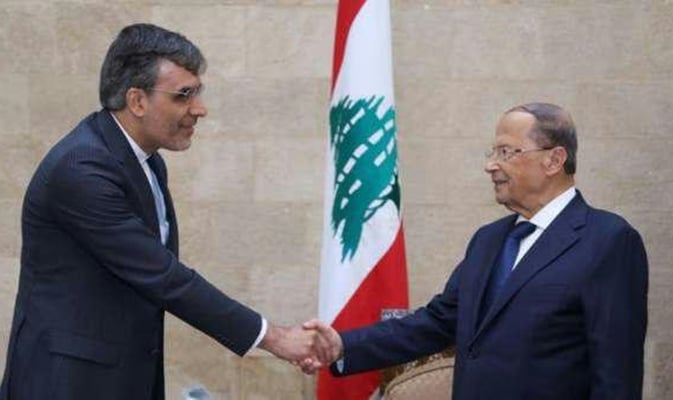
In a Monday meeting, the Iranian diplomat delivered President Hassan Rouhani’s message to Aoun as part of his tour of regional countries as the special envoy of the Iranian president.

He also discussed the latest developments regarding the Iran nuclear deal, the US’ unilateral move to pull out of the deal and the current negotiations underway between Iran and the remaining sides of the nuclear accord over its future.

“Iran attaches significant importance to expansion of ties and further cooperation with Lebanon and other regional states in all fields as well as finding a political solution to the regional crises,” he said.

The Lebanese president, for his part, said his country regards Israel’s possession of nuclear weapons as unacceptable, stressing that denuclearization of the whole region is among Lebanon’s principled policies.

He also referred to the negative fallouts of the US withdrawal from the Iran nuclear deal on the regional stability and peace and said Lebanon supports the efforts by the Islamic Republic of Iran and the remaining sides of the JCPOA to save the multinational deal and Iran’s right to fully enjoy its political and economic benefits under the accord.


Preserving JCPOA a Success in Countering US’ Unilateralism

Later in the day, Jaberi Ansari also held talks with Lebanese Foreign Minister Gebran Bassil.

During the talks, the Iranian diplomat said the Islamic Republic of Iran believes the success of its joint efforts with signatories to the JCPOA in order to preserve this multilateral international agreement and see Iran fully reap the benefits of the deal is a success for all countries in the region and in the world in countering the United States’ policy of unilateralism.

Jaberi Ansari further presented a report on Iran’s efforts within the framework of Astana talks to settle the political crisis in Syria. He also stressed that while major gains have been achieved in fighting terrorism, it is necessary to pay attention to the political and humanitarian dimensions of the Syria crisis.

He also said Iran and the other parties involved in the Astana talks will continue their constructive cooperation in the current stage to facilitate the process for the Syrian Constitutional Committee to begin work and speed up the return of Syrian refugees to their homeland.

Jaberi Ansari also touched upon the meetings he had with the Lebanese president and parliament speaker, and said he conveyed a message from Iranian President Hassan Rouhani to his Lebanese counterpart Michel Aoun.

Bassil, in turn, referred to the pressures put on the regional countries, including Iran and Lebanon, saying the pressures are aimed at “securing domination over us.”

The top Lebanese diplomat touched upon Lebanon’s victories over Israel in 2000 and 2006 as well as the triumph over Takfiri terrorism which has benefitted Tel Aviv the most. Under the current circumstances, he said, the regional countries should stand by one another and against animosities.

Jaberi Ansari earlier visited Syria and Tunisia to convey Rouhani’s messages for their leaders. In recent weeks, President Rouhani’s special envoys have travelled to different countries from Latin America to regional countries and conveyed his messages on the Iran nuclear deal to his opposite numbers and other heads of state.

Iran Files Suit against US for Violating 1955 Treaty of Amity

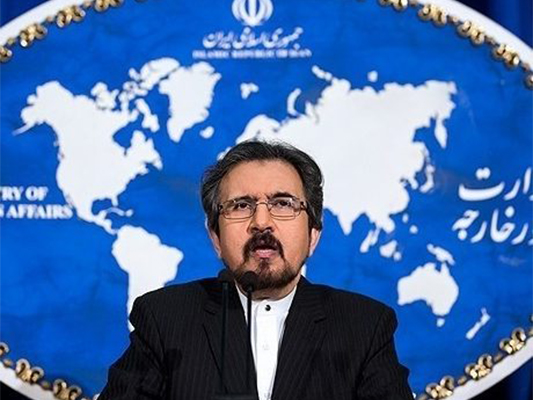
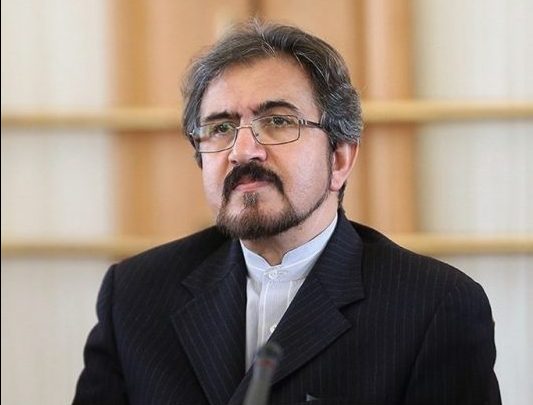
Qassemi made the comment while elaborating on the news announced by Foreign Minister Mohammad Javad Zarif regarding the lawsuit that Iran has lodged against the US.

“In order to make up for the United States’ re-imposition of illegal sanctions against our country, to reclaim the rights of the Iranian nation and to internationally sue the US for its violations, the Foreign Ministry, in coordination with the Presidential Office’s Centre for International Law Affairs and other relevant authorities, put on its agenda the filing of a complaint with the International Court of Justice against the US for breaching its international obligations, especially with regards to the Treaty of Amity, economic relations and consular rights in 1955,” he said.

“After receiving the viewpoints of Iranian and foreign international attorneys and legal advisors, the final lawsuit containing the Islamic Republic of Iran’s complaint over the [US’] violation of the Treaty of Amity was registered on July 16, 2018,” the spokesman noted.

“In this complaint, it is explained with evidence that the United States’ decision on May 8, 2018 to re-impose nuclear sanctions runs counter to the United States’ international obligations, especially articles 4, 7, 8, 9, 10, and the Treaty of Amity in 19655,” said Qassemi.

“The United States is obliged to stop these international breaches and compensate for all the damage inflicted,” he said.

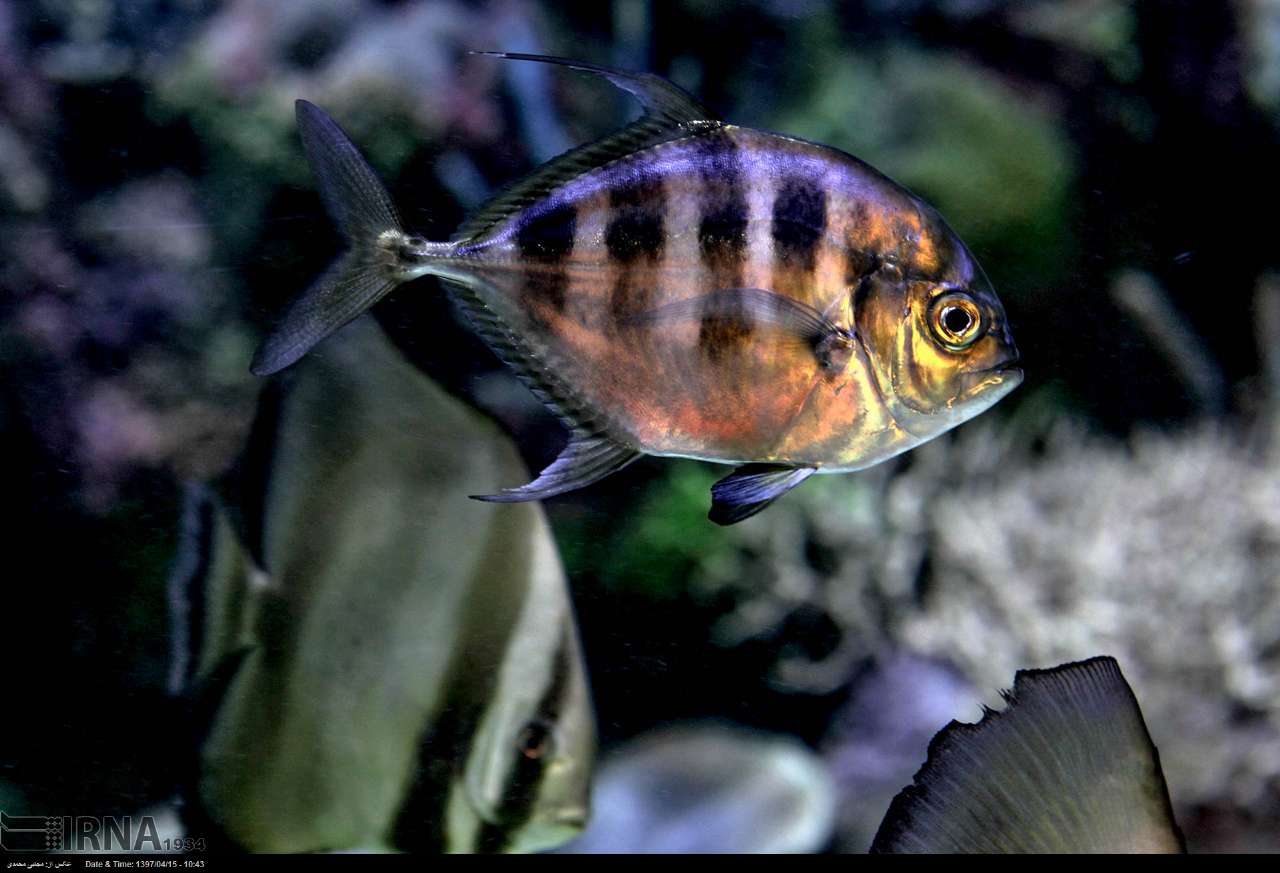
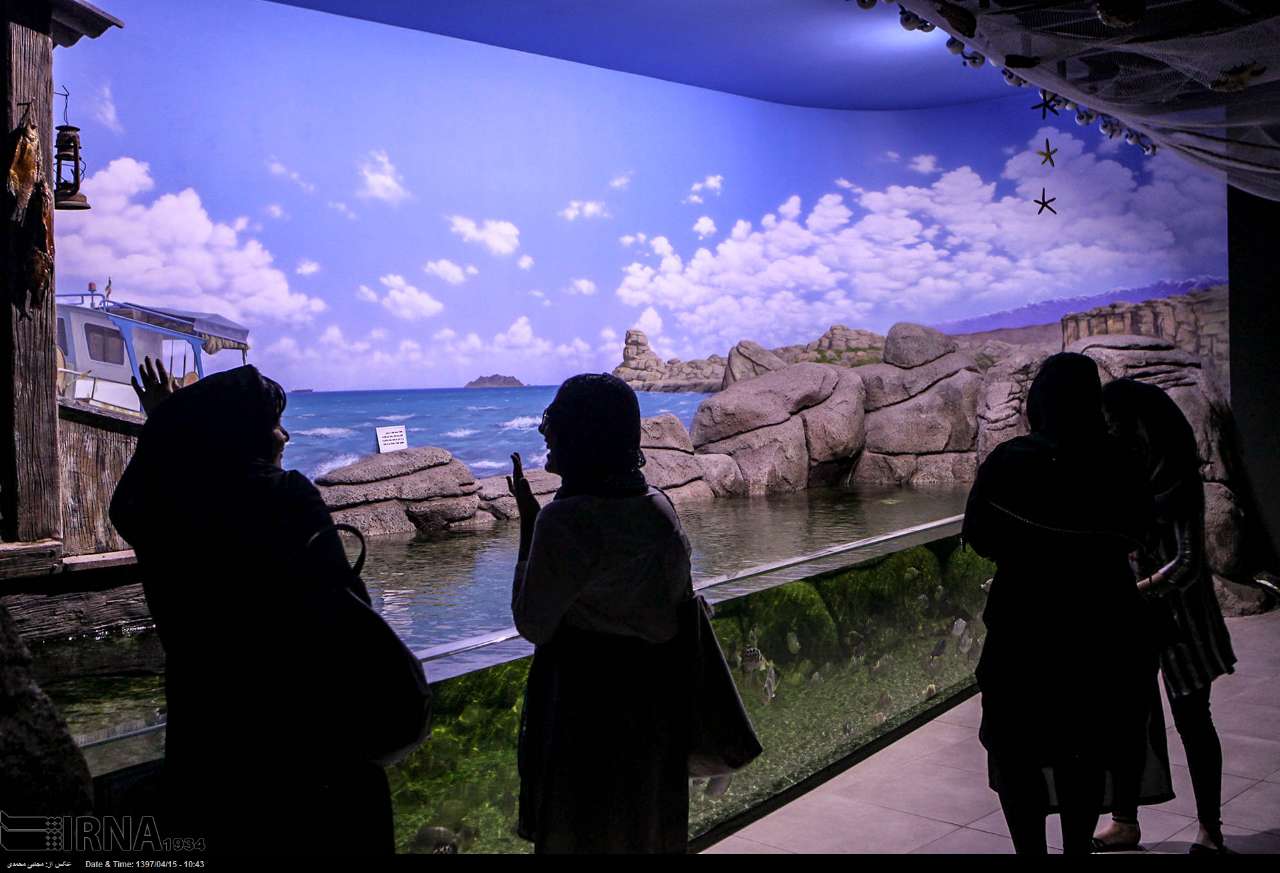
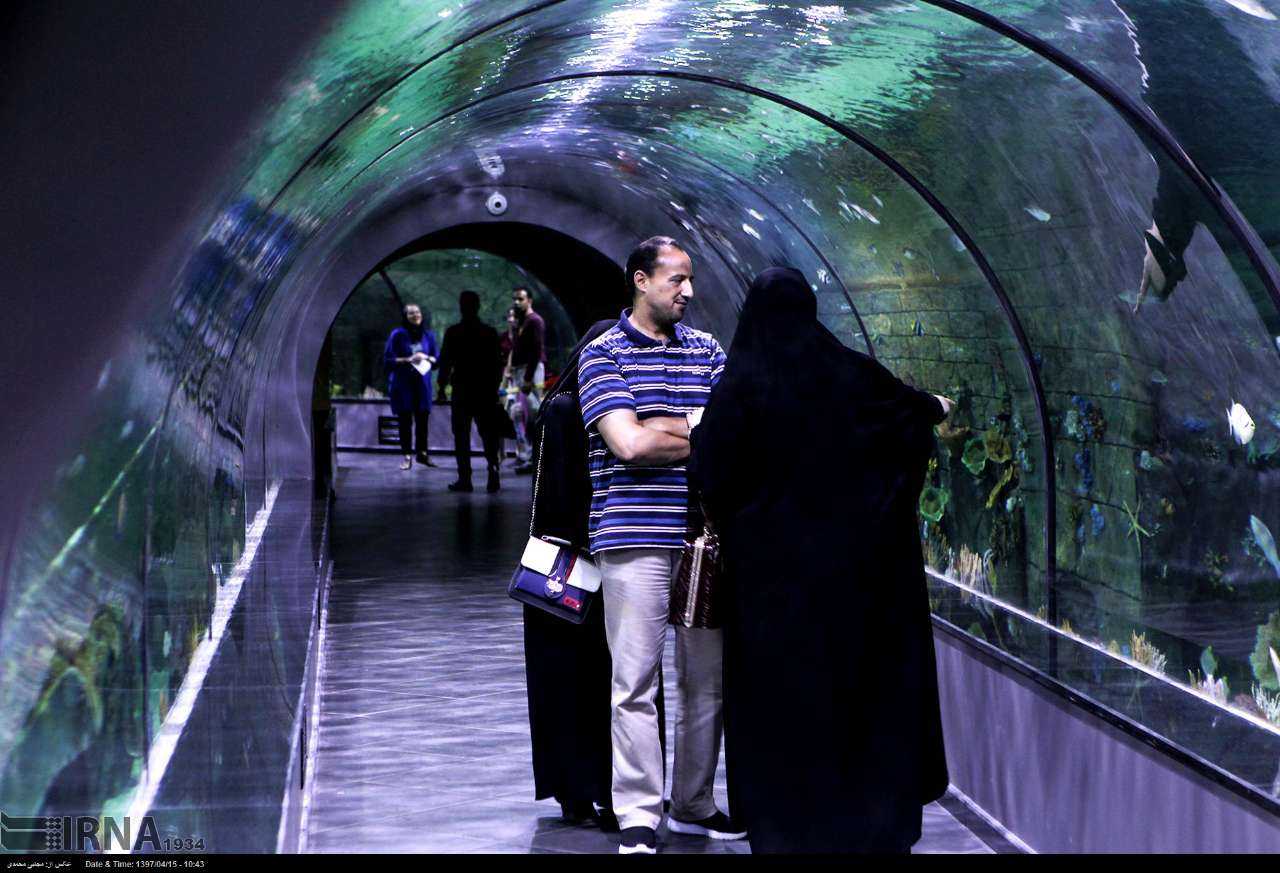
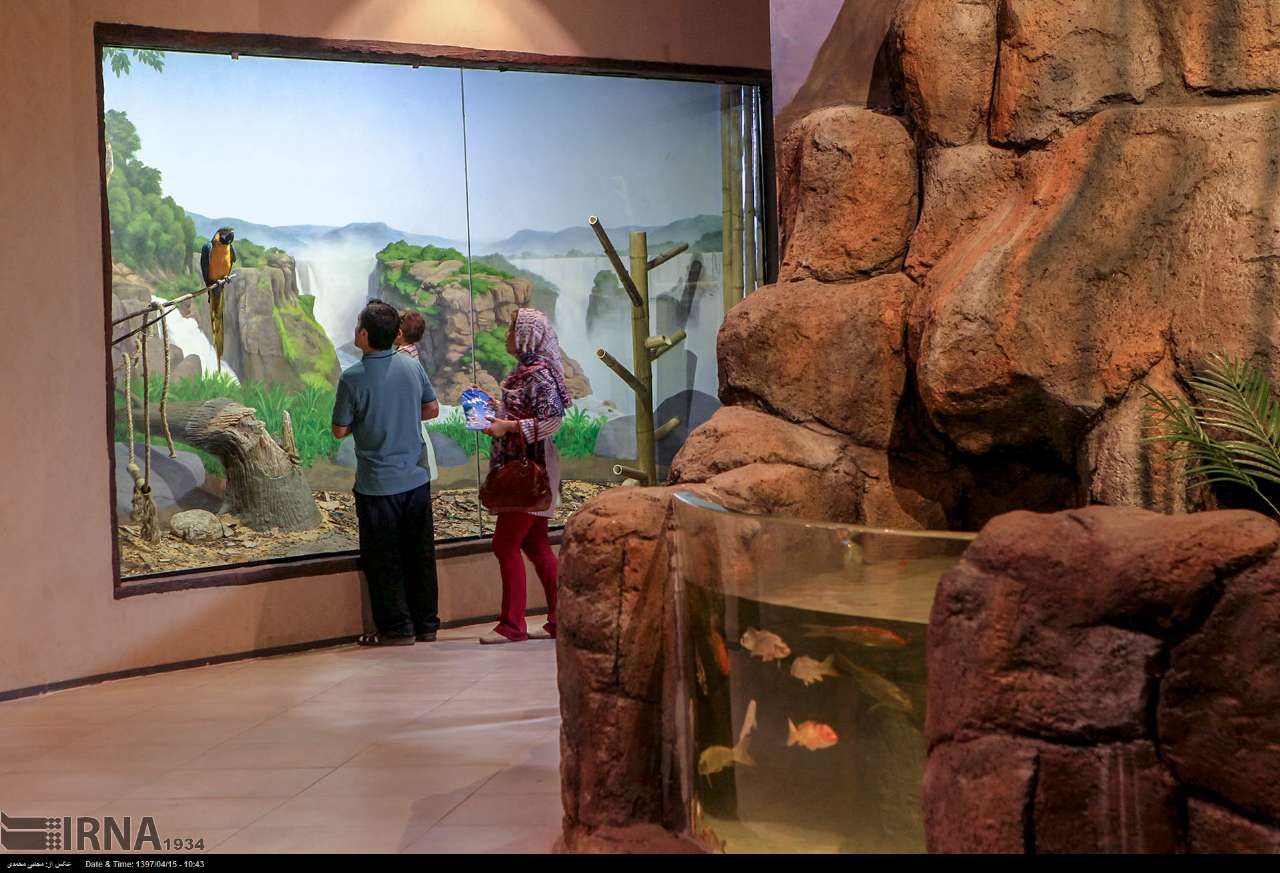
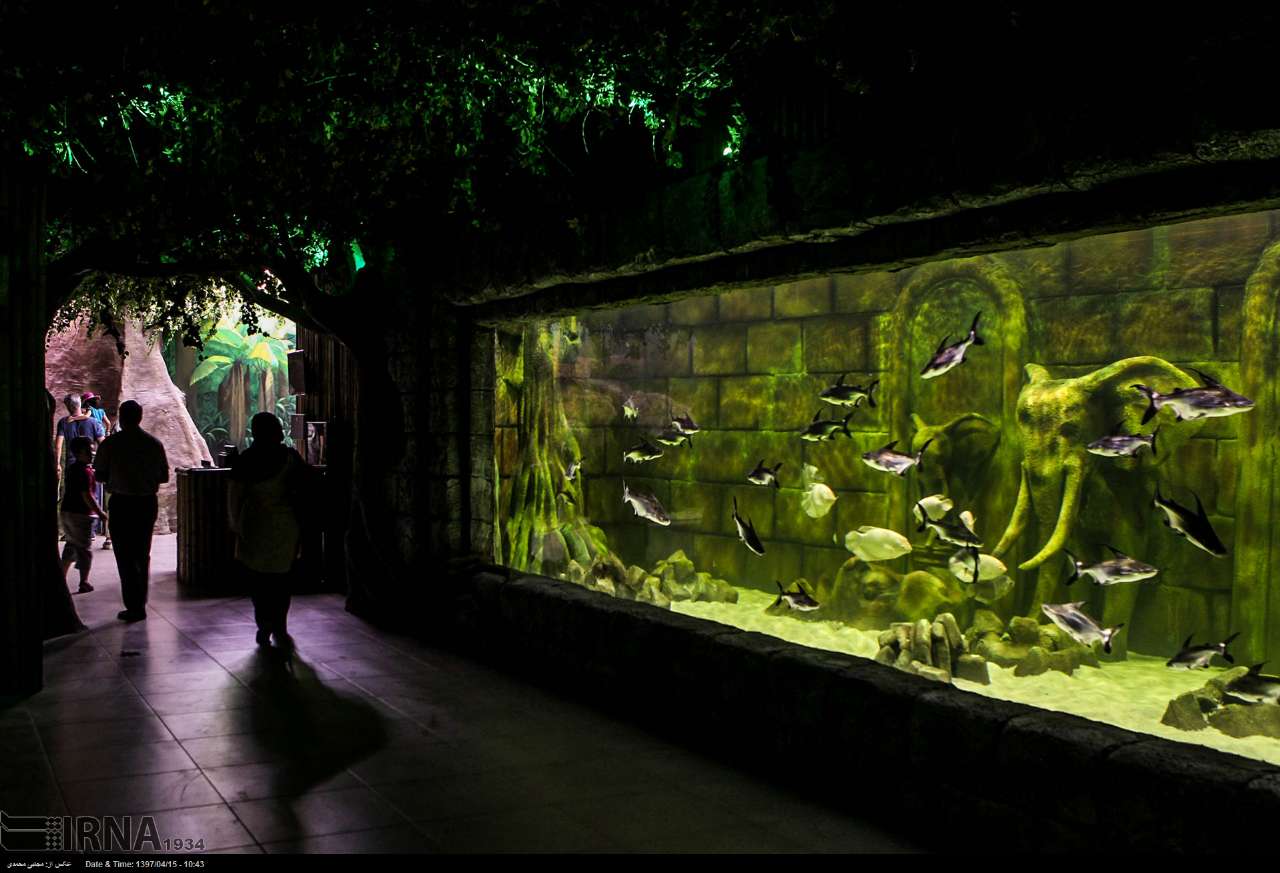
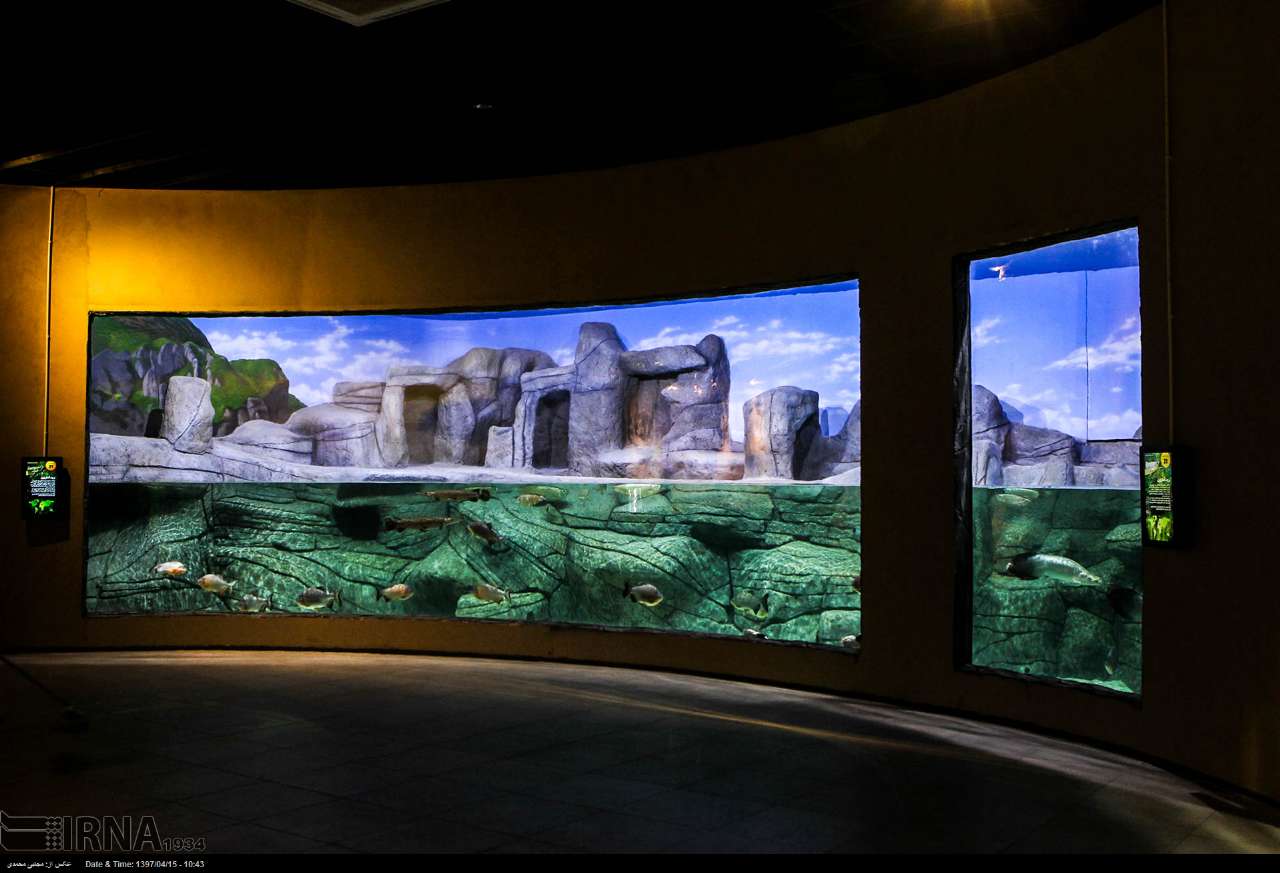
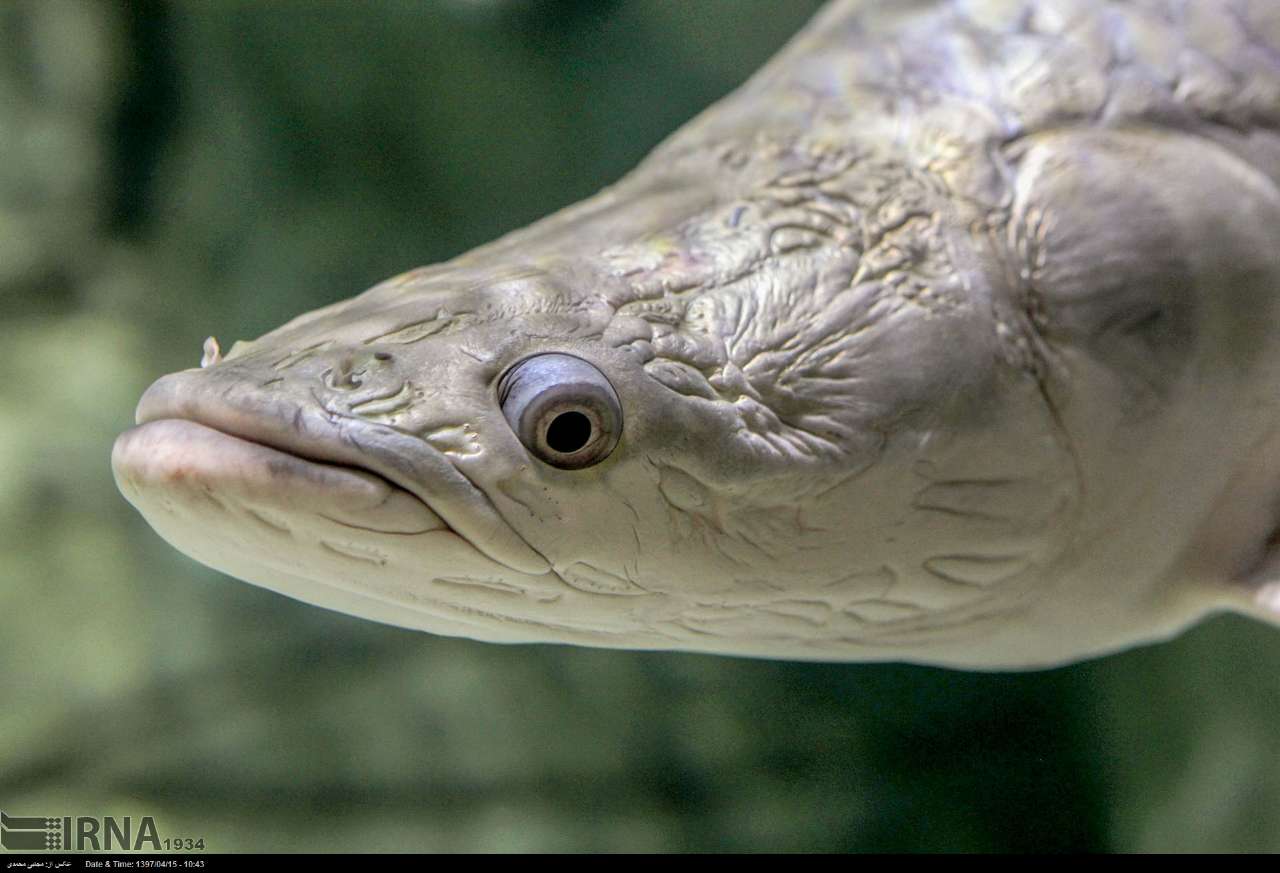
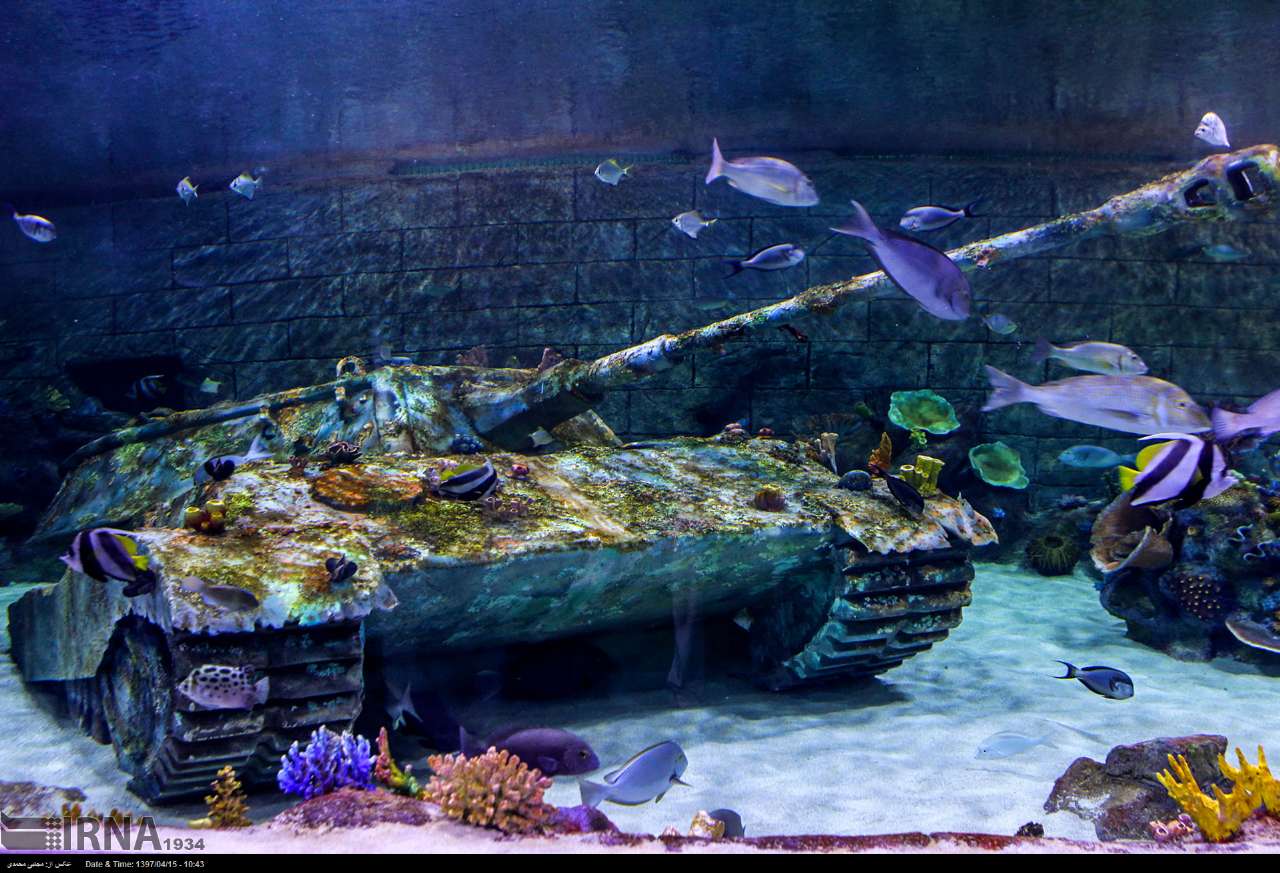
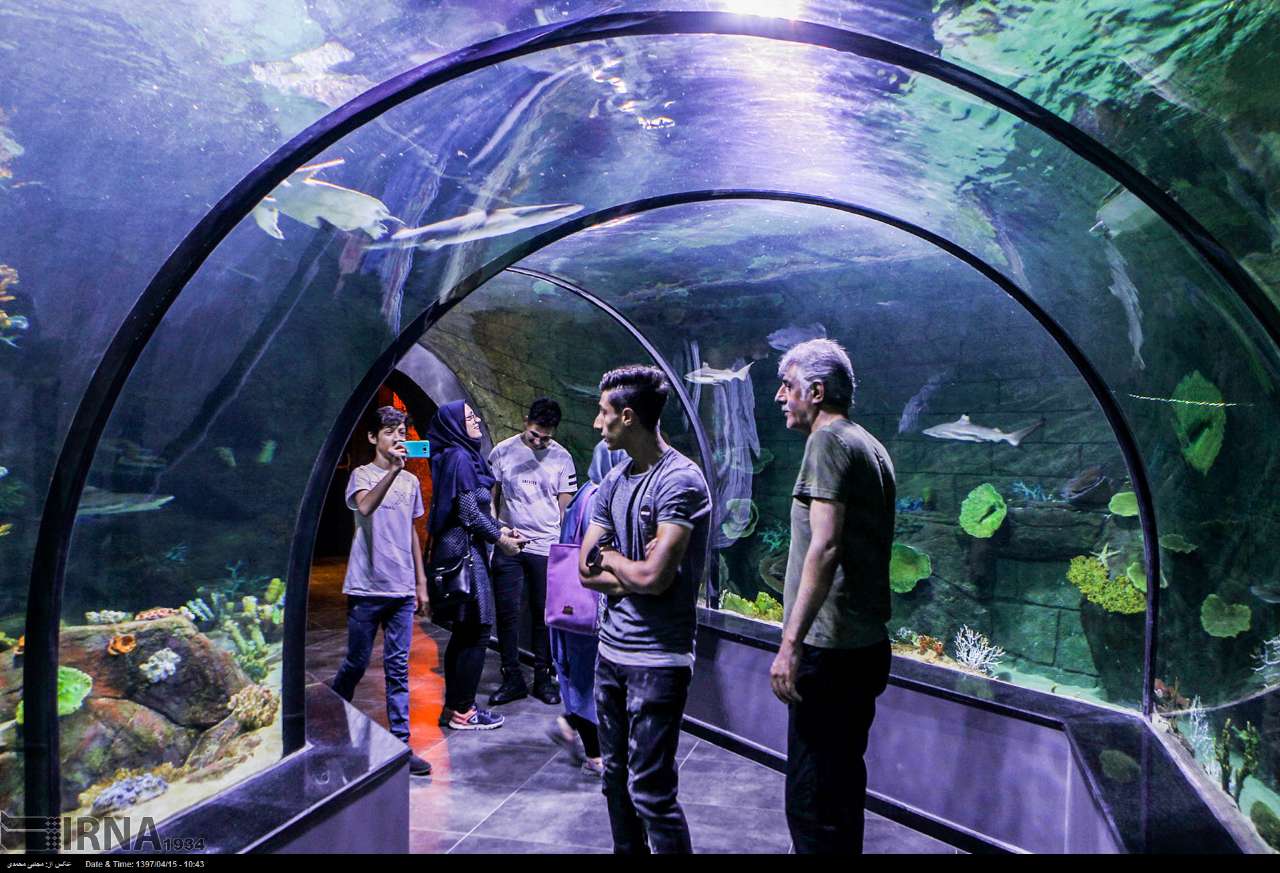
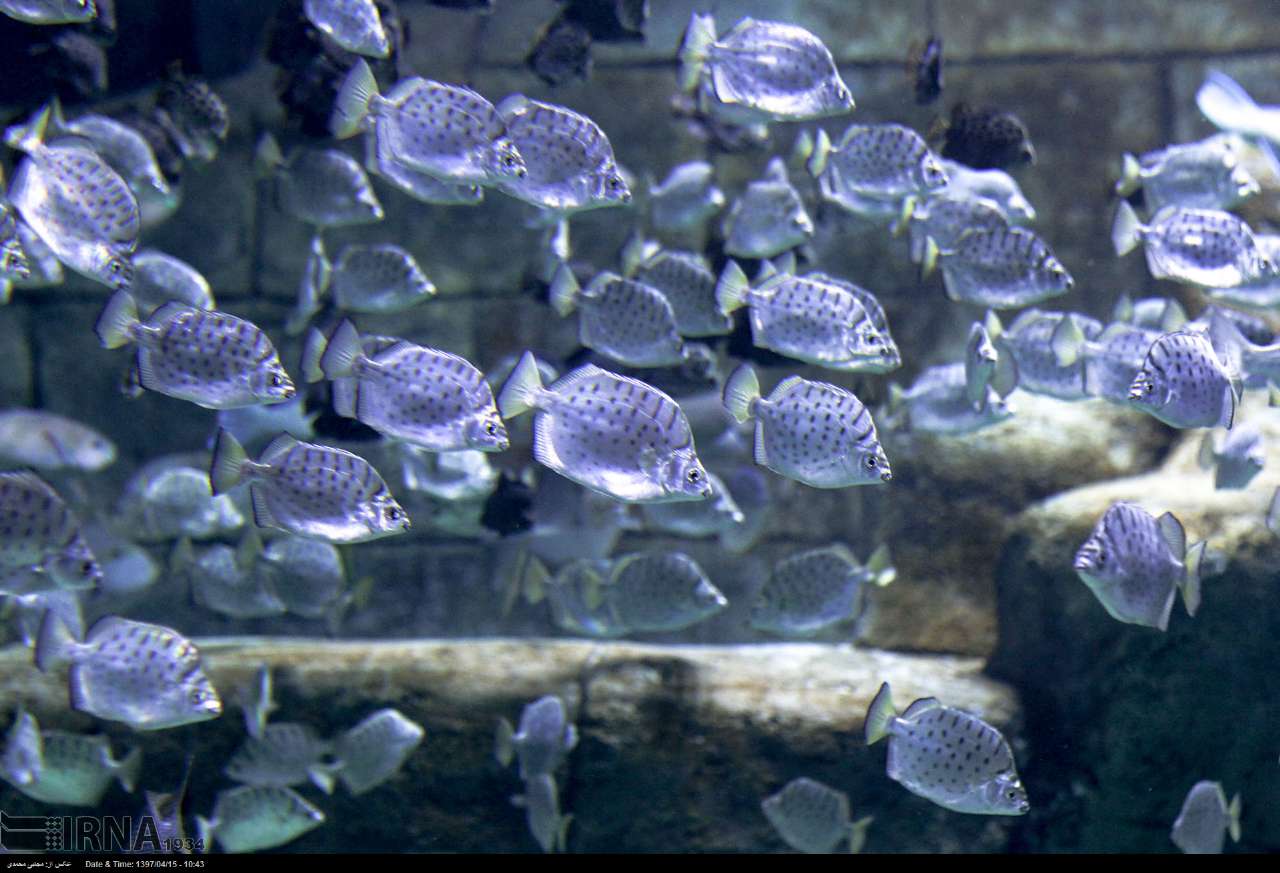
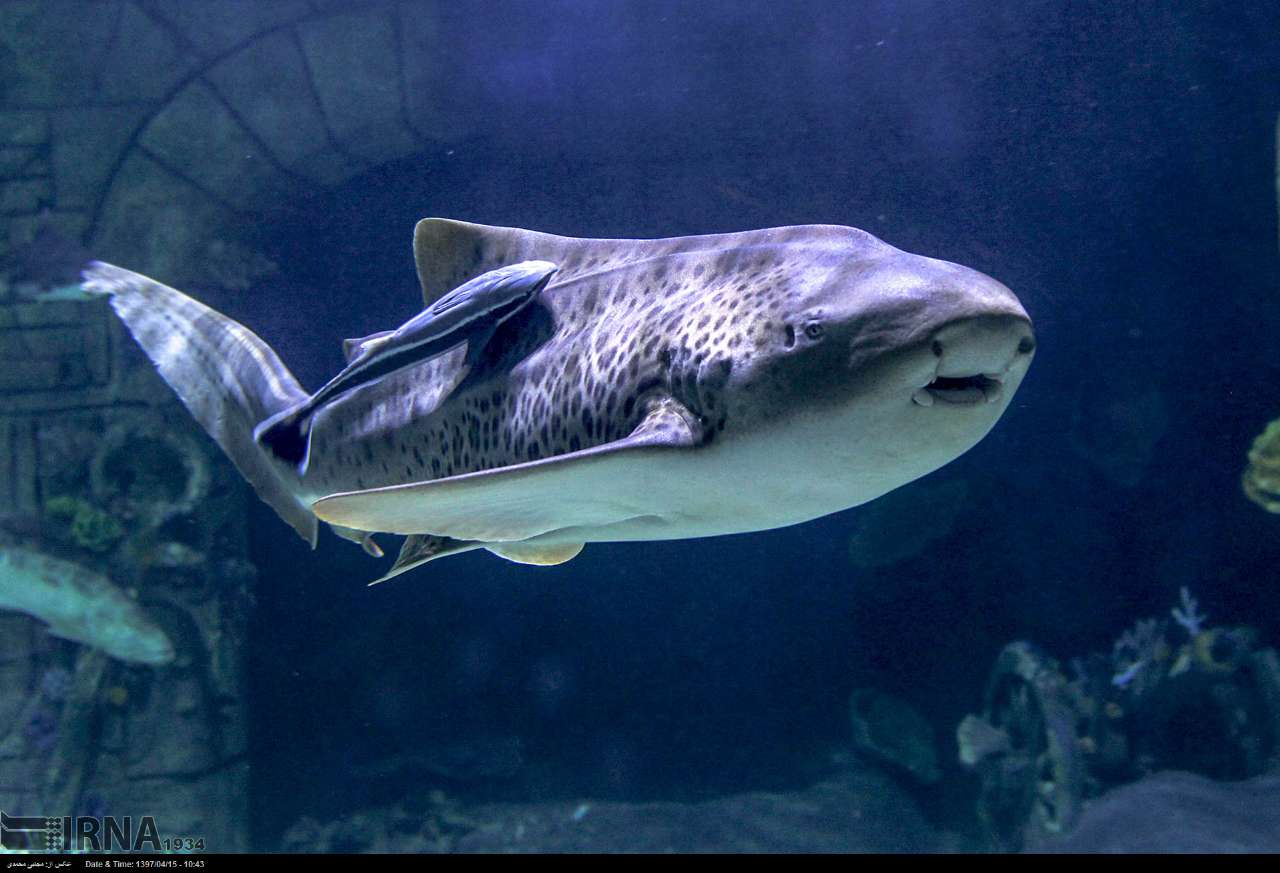
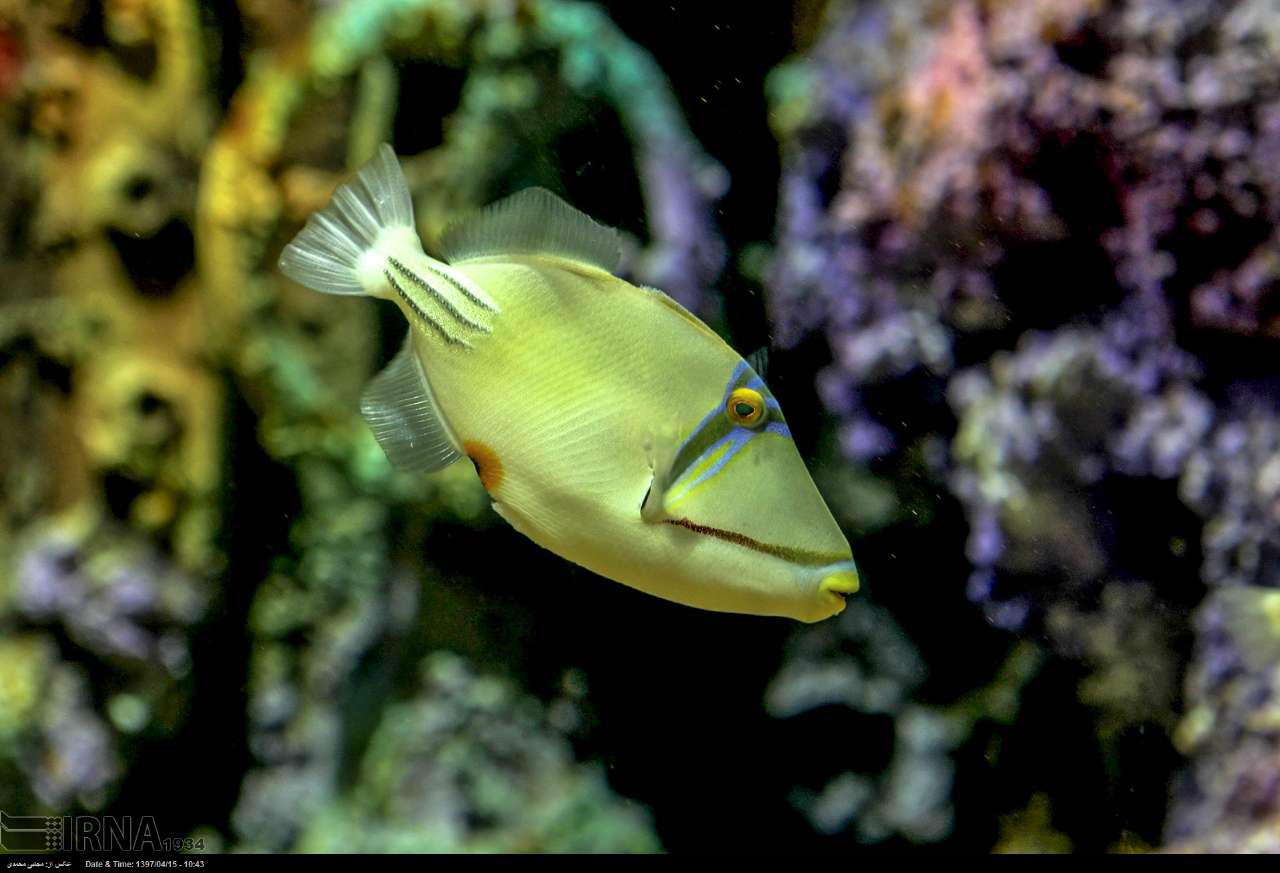
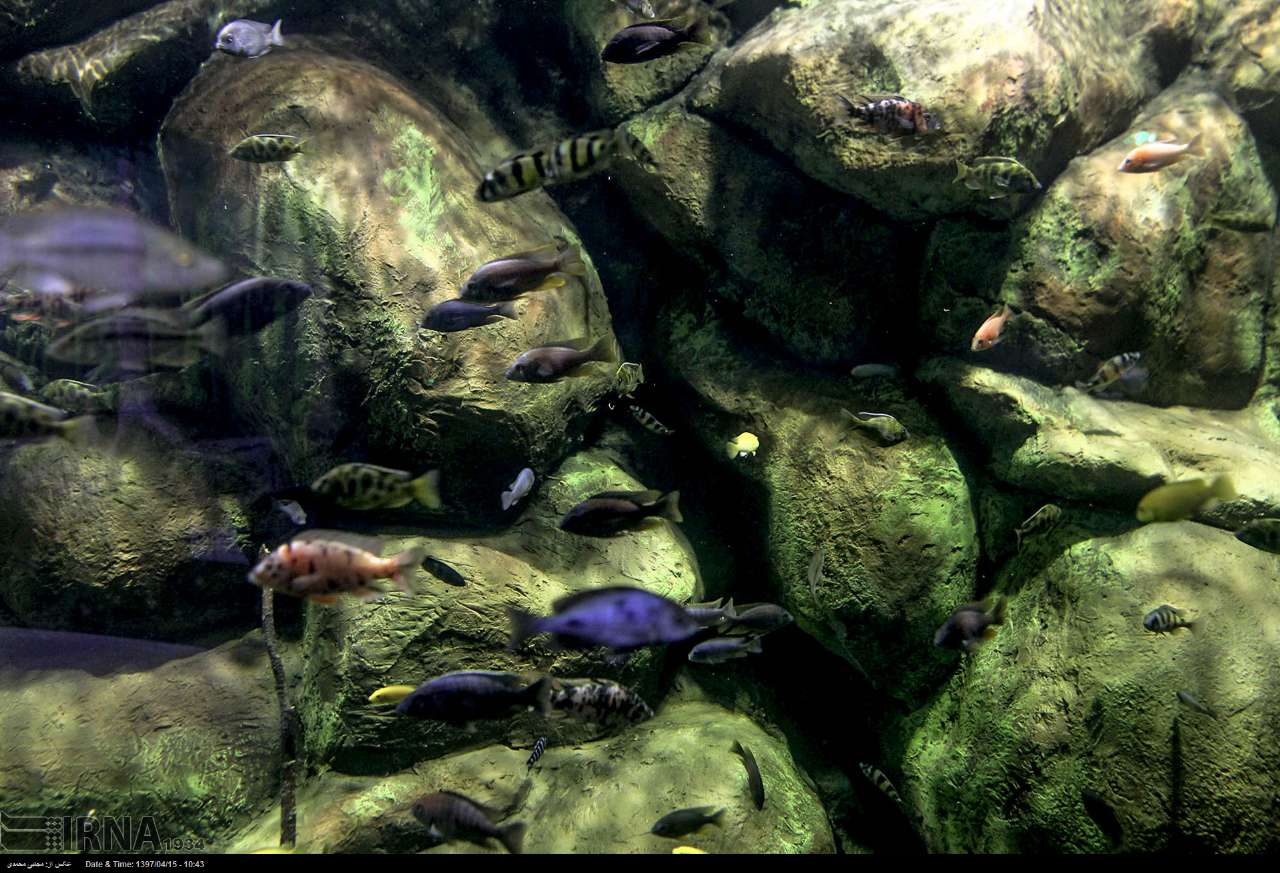
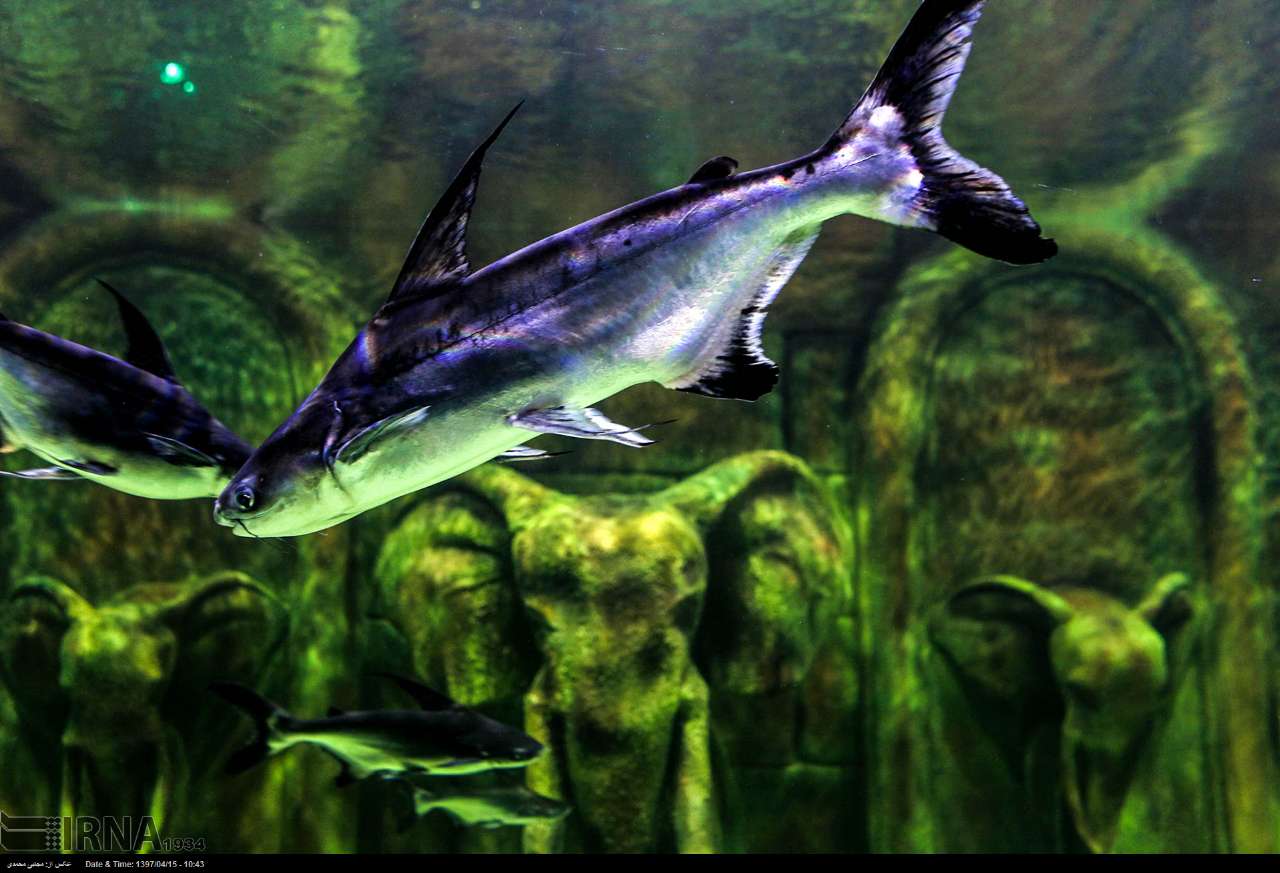
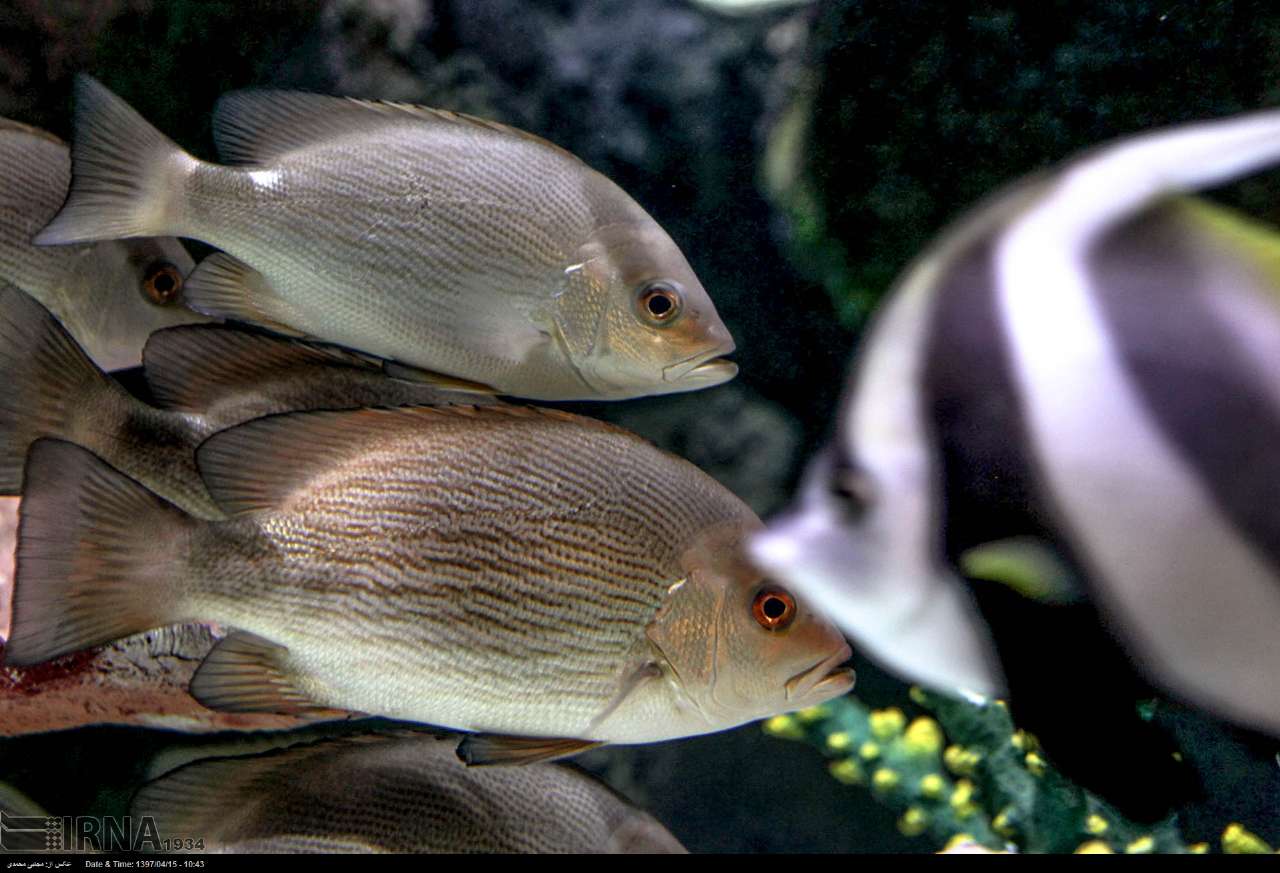
Iran’s Biggest Aquarium Tunnel Opens in Anzali Port

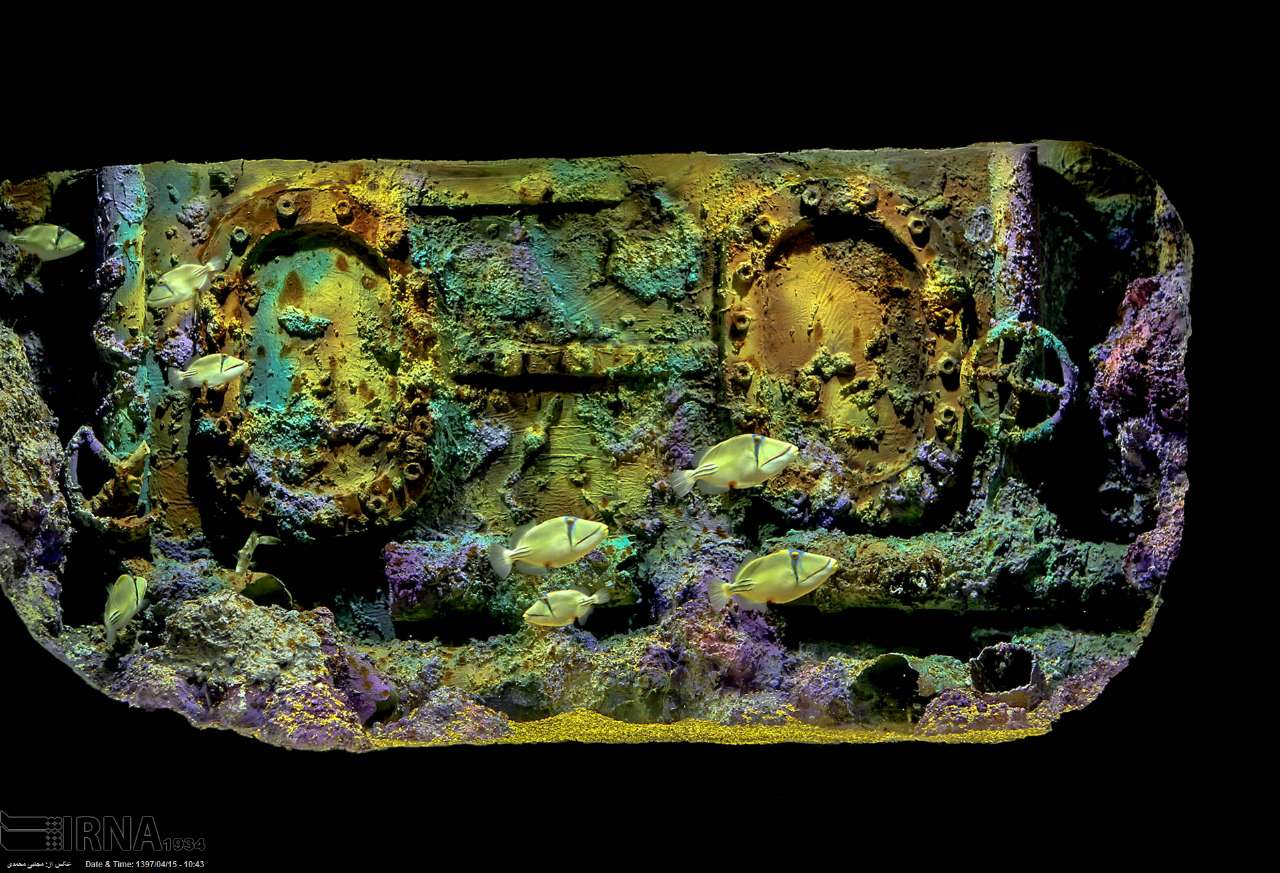
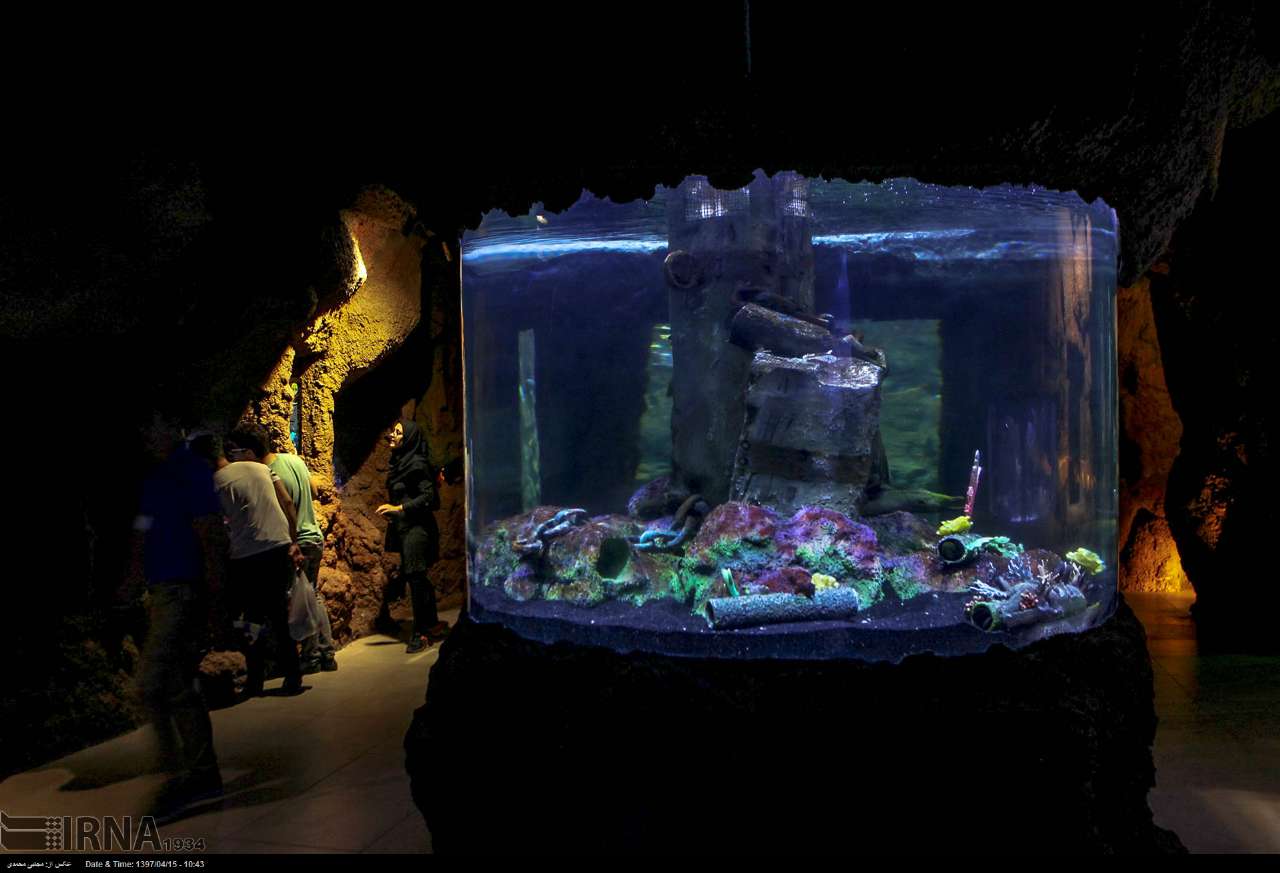
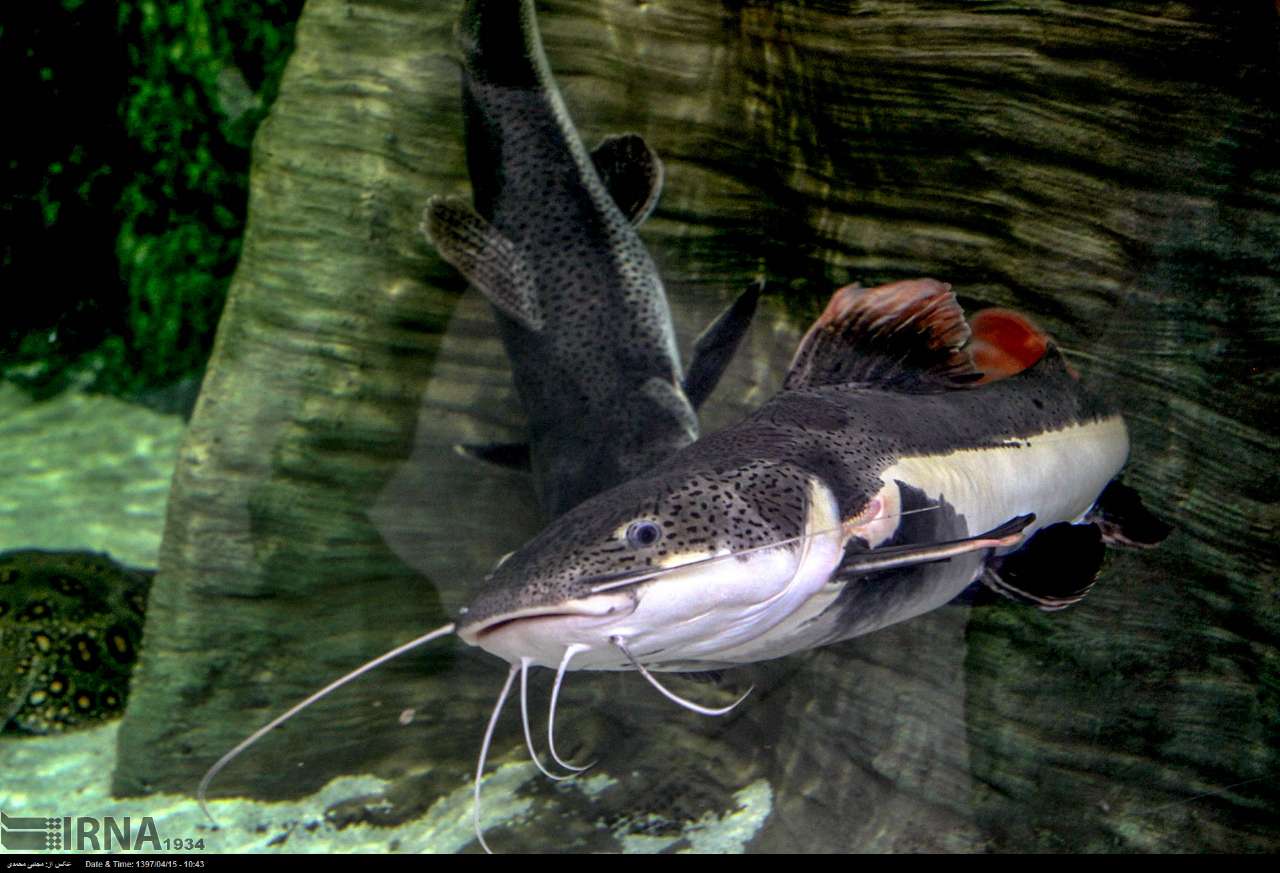
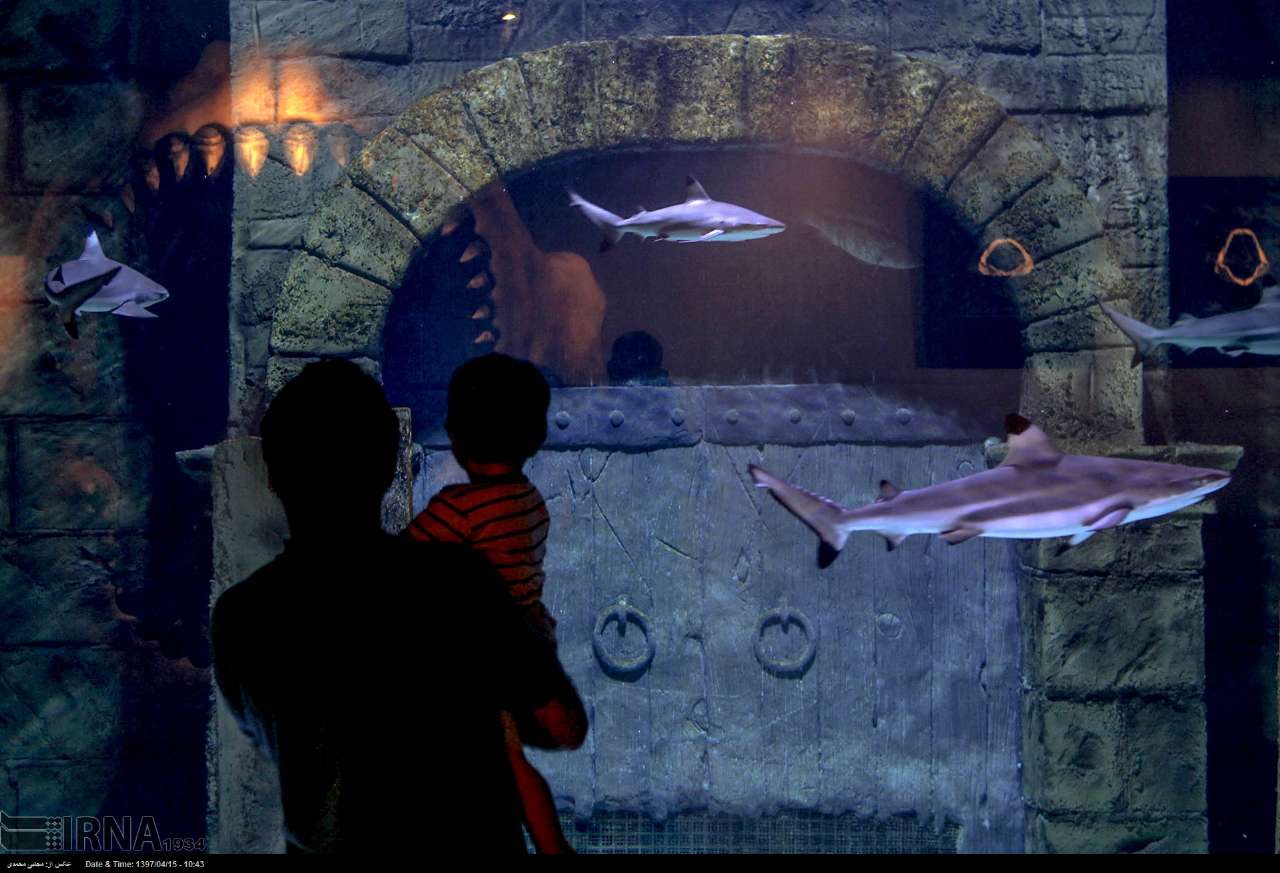
The aquarium tunnel is part of a larger recreational complex where various types of reptiles are also put on display. The complex has been launched with a 30-million-euro investment made by foreign companies in Anzali Free Trade Zone.
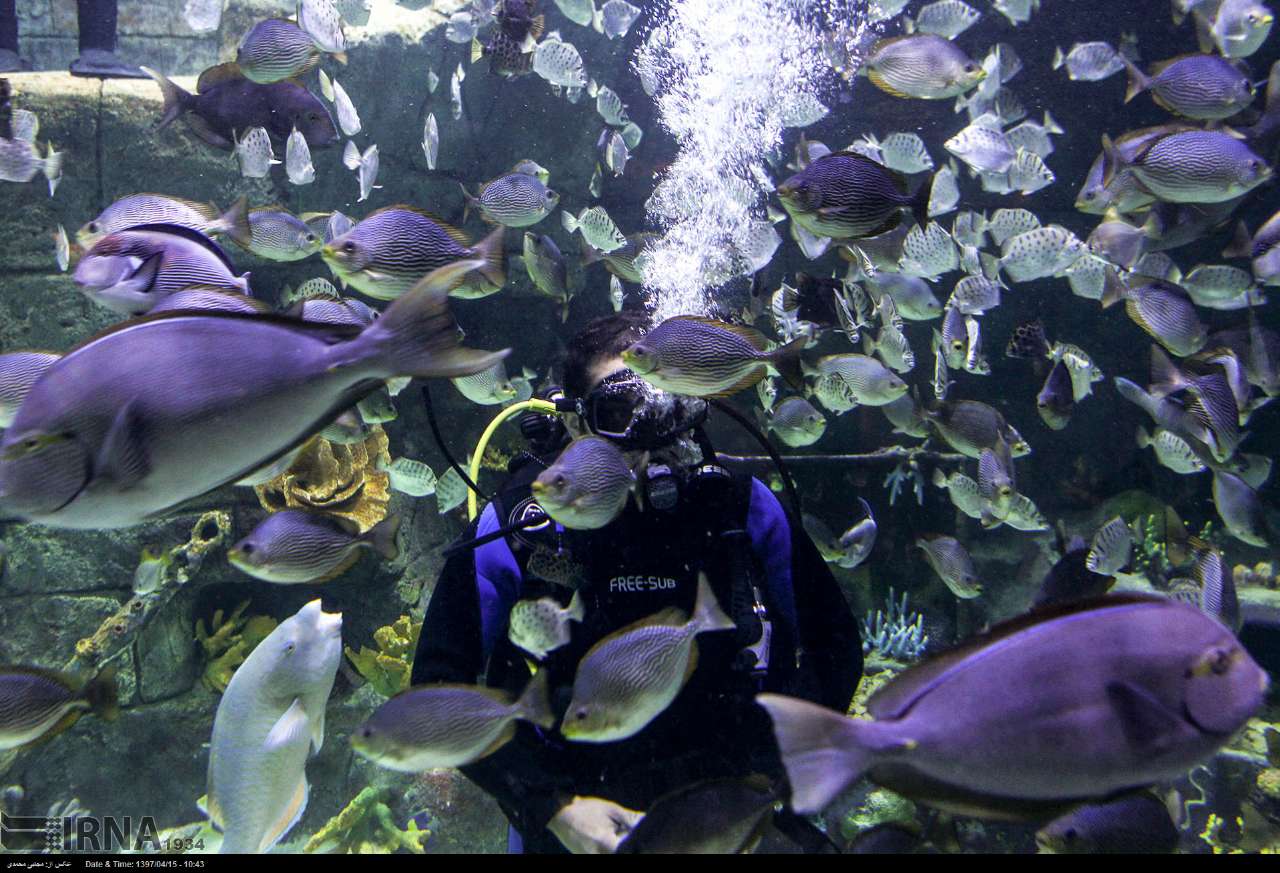
The recreational complex, which has attracted a huge number of tourists since its opening, has the largest aquarium tunnel in the country with a length of 40 metres and a variety of fish.
What follows are IRNA’s photos of the beautiful complex:

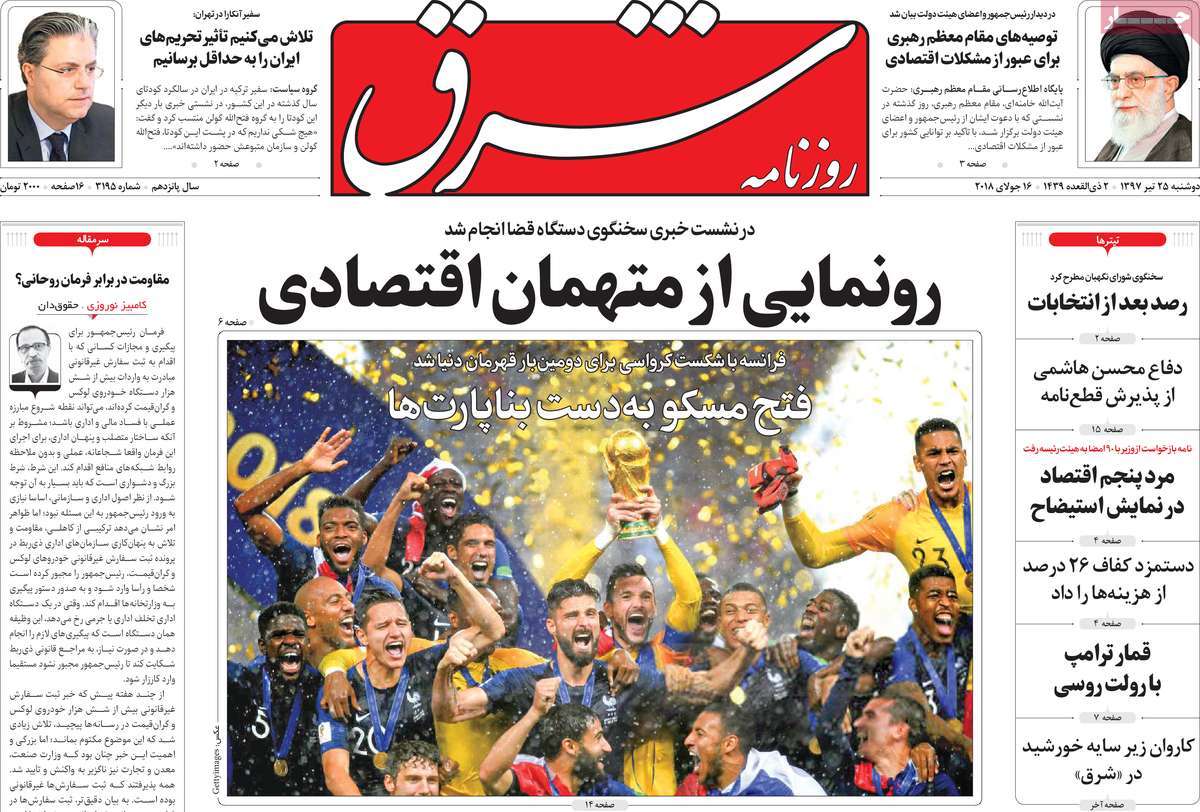
A Look at Iranian Newspaper Front Pages on July 16

A Look at Iranian Newspaper Front Pages on November 19

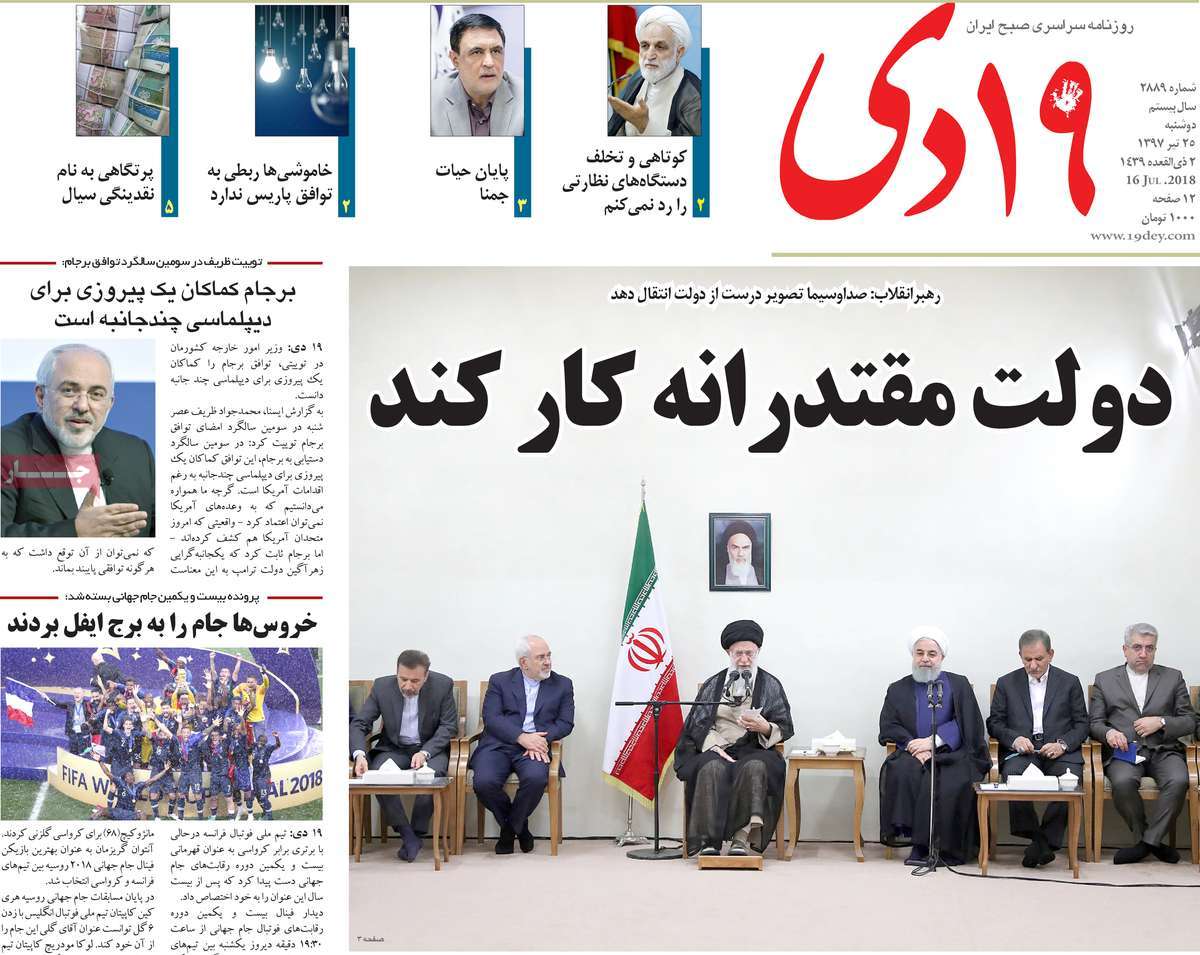
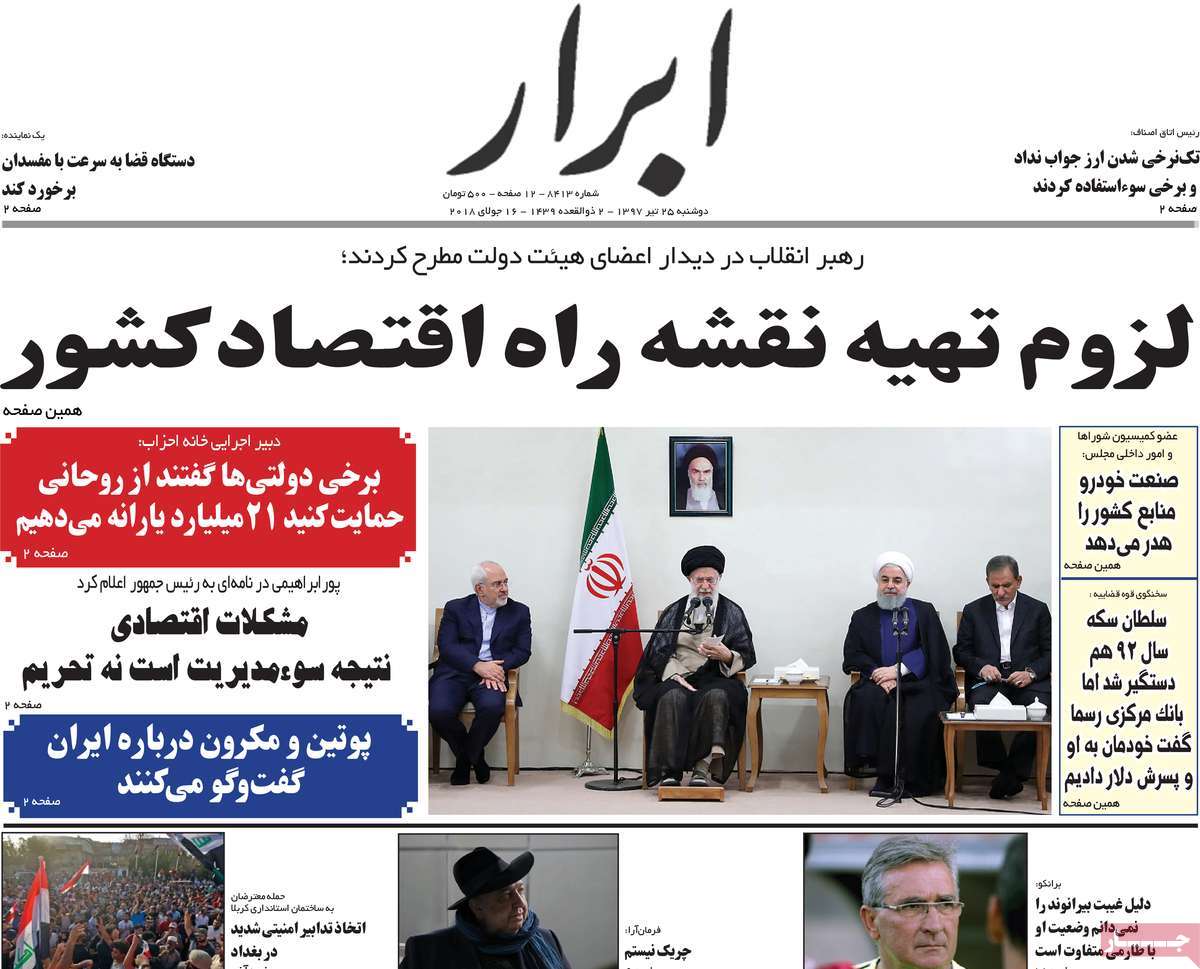
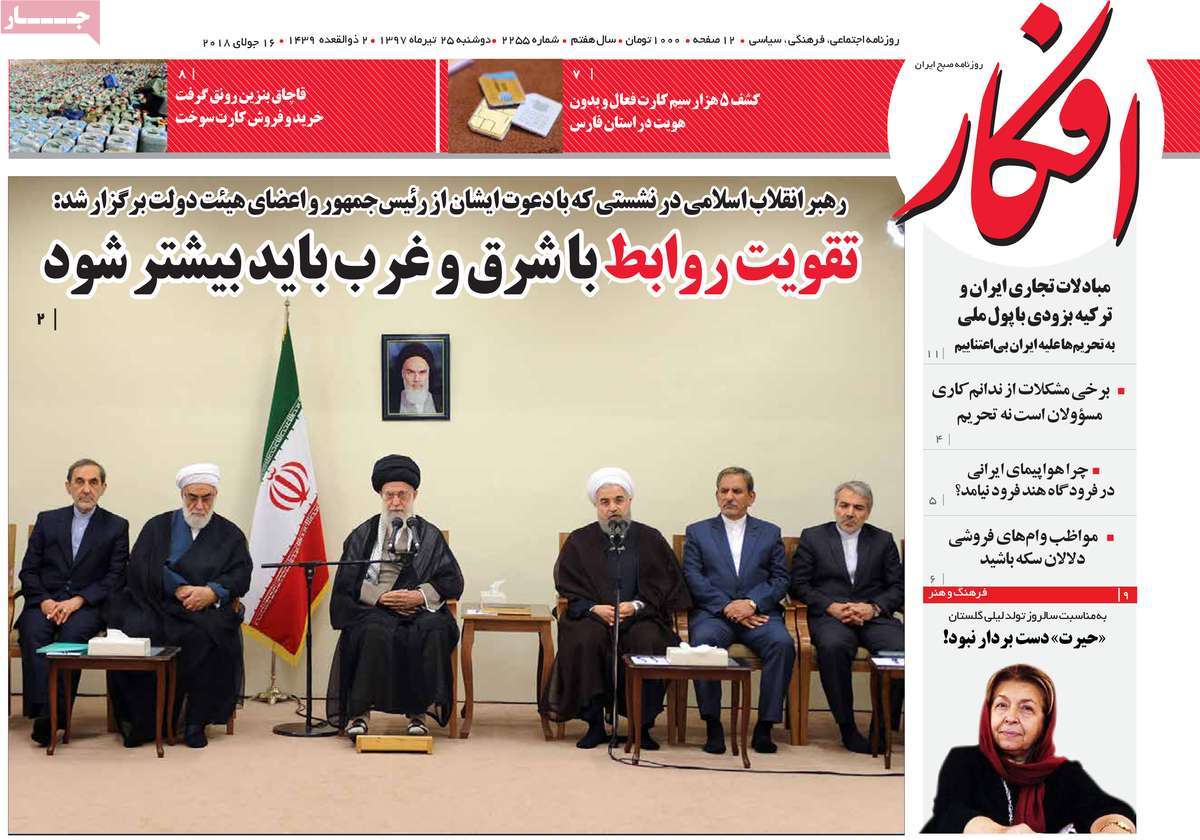
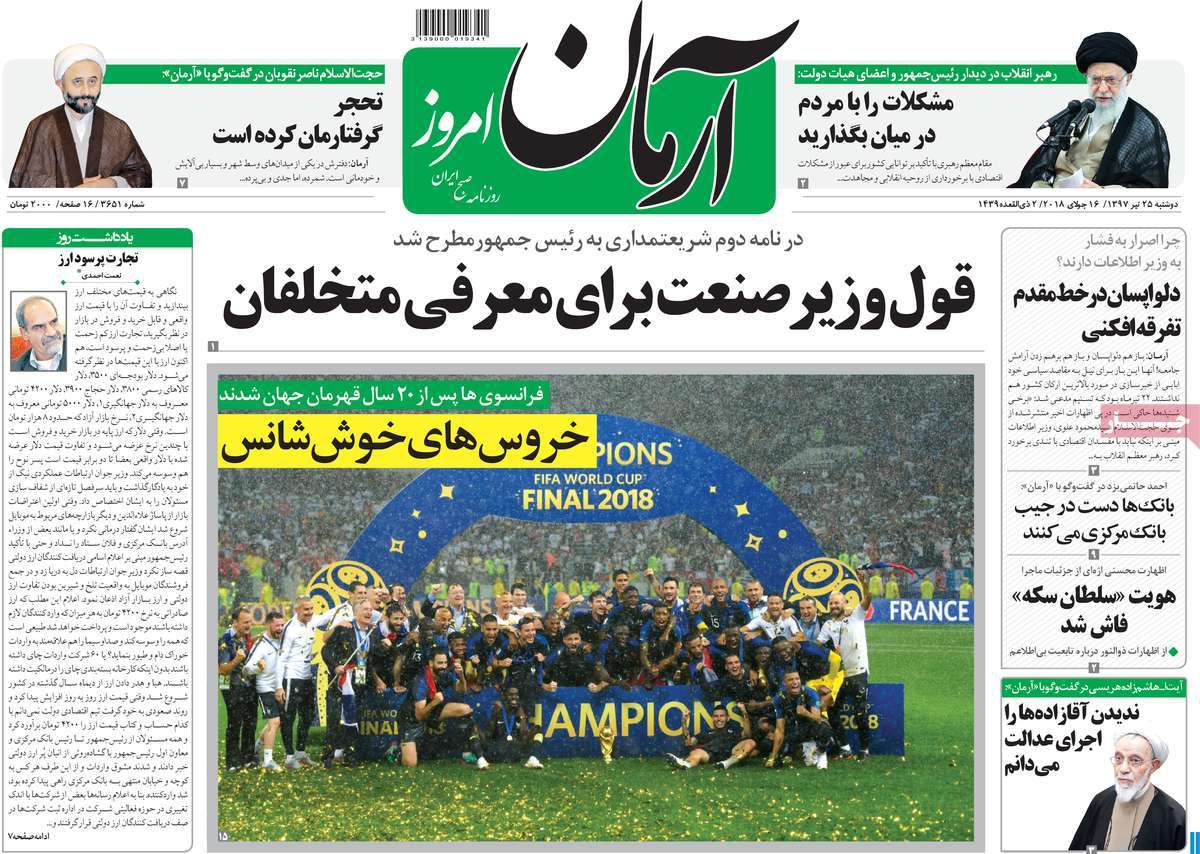
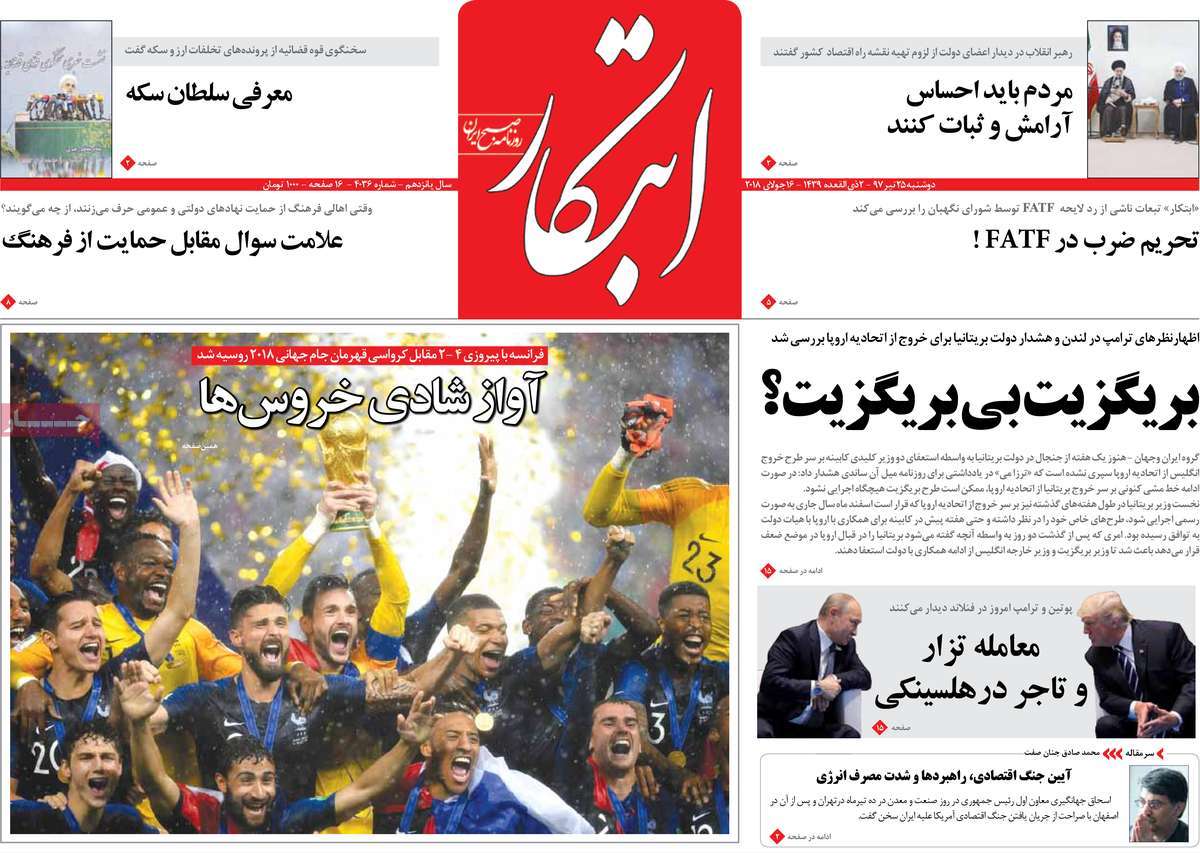
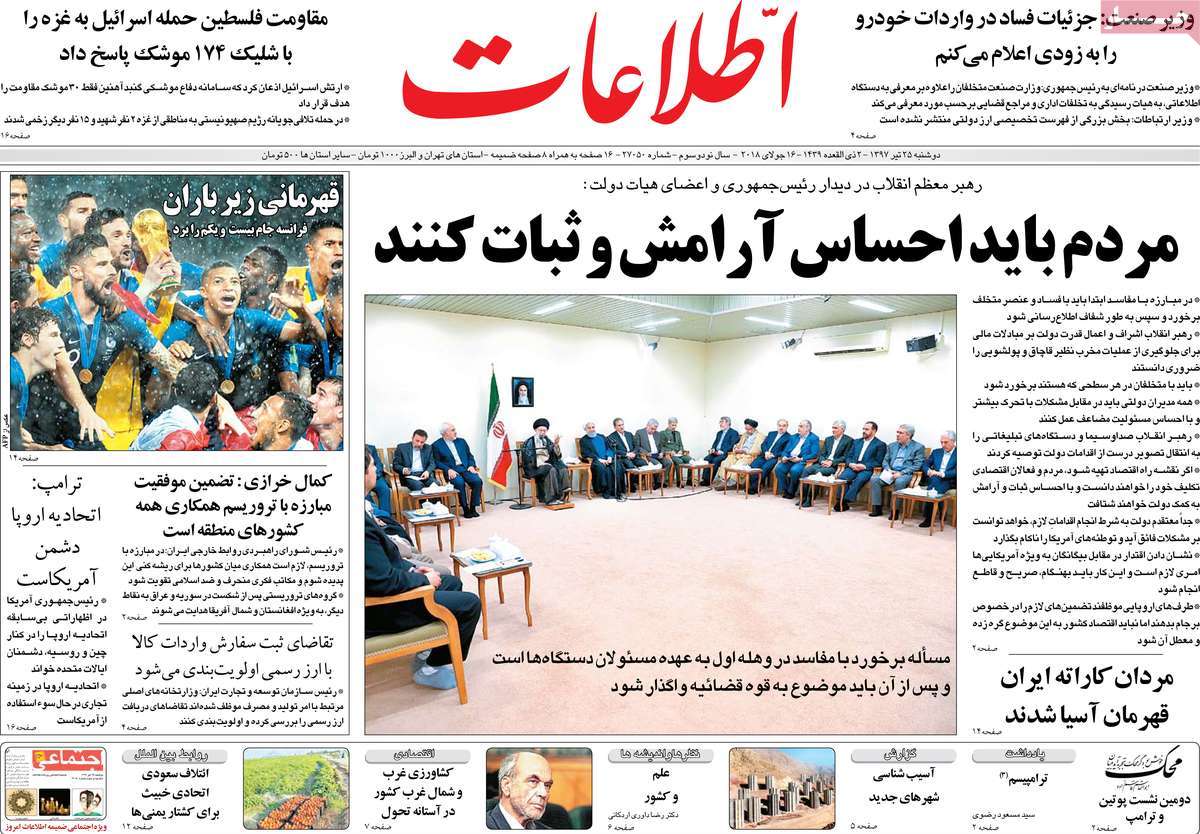
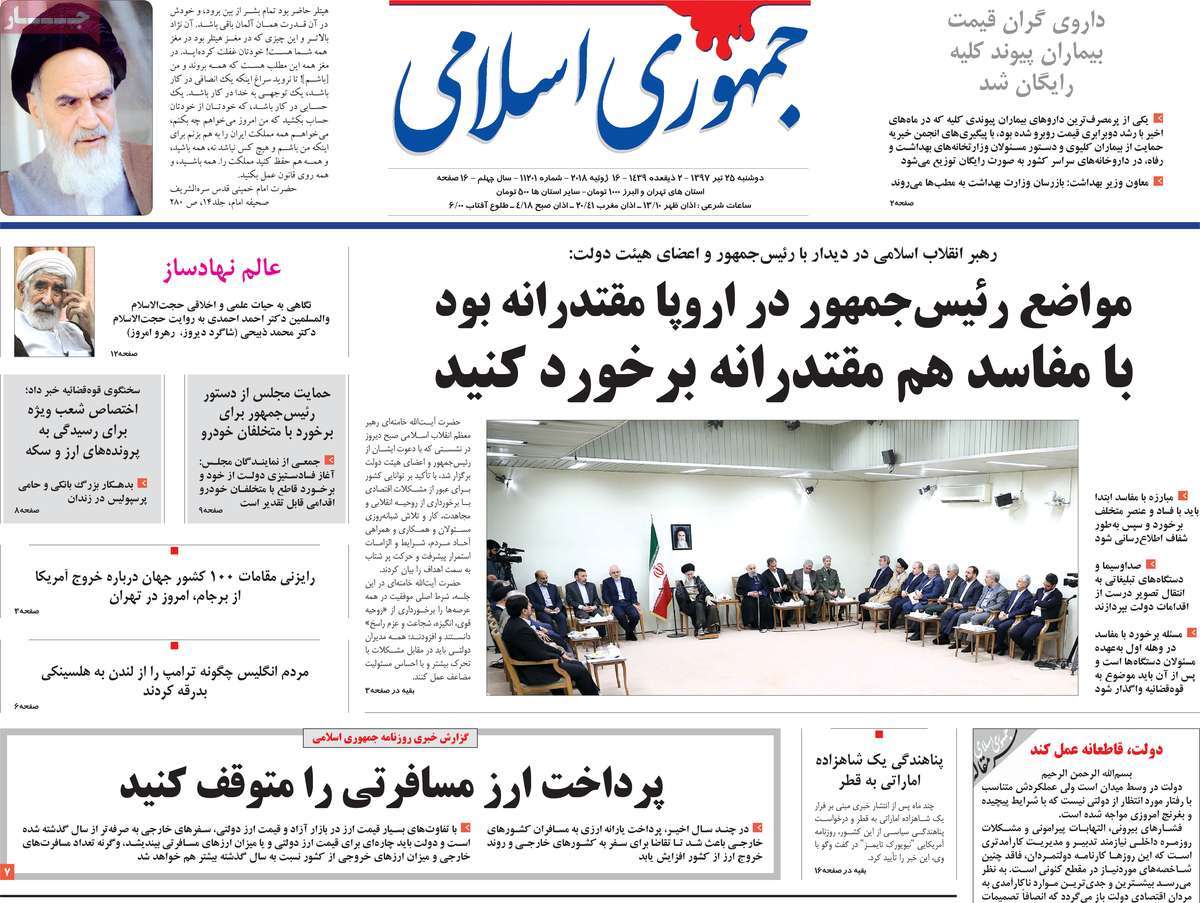
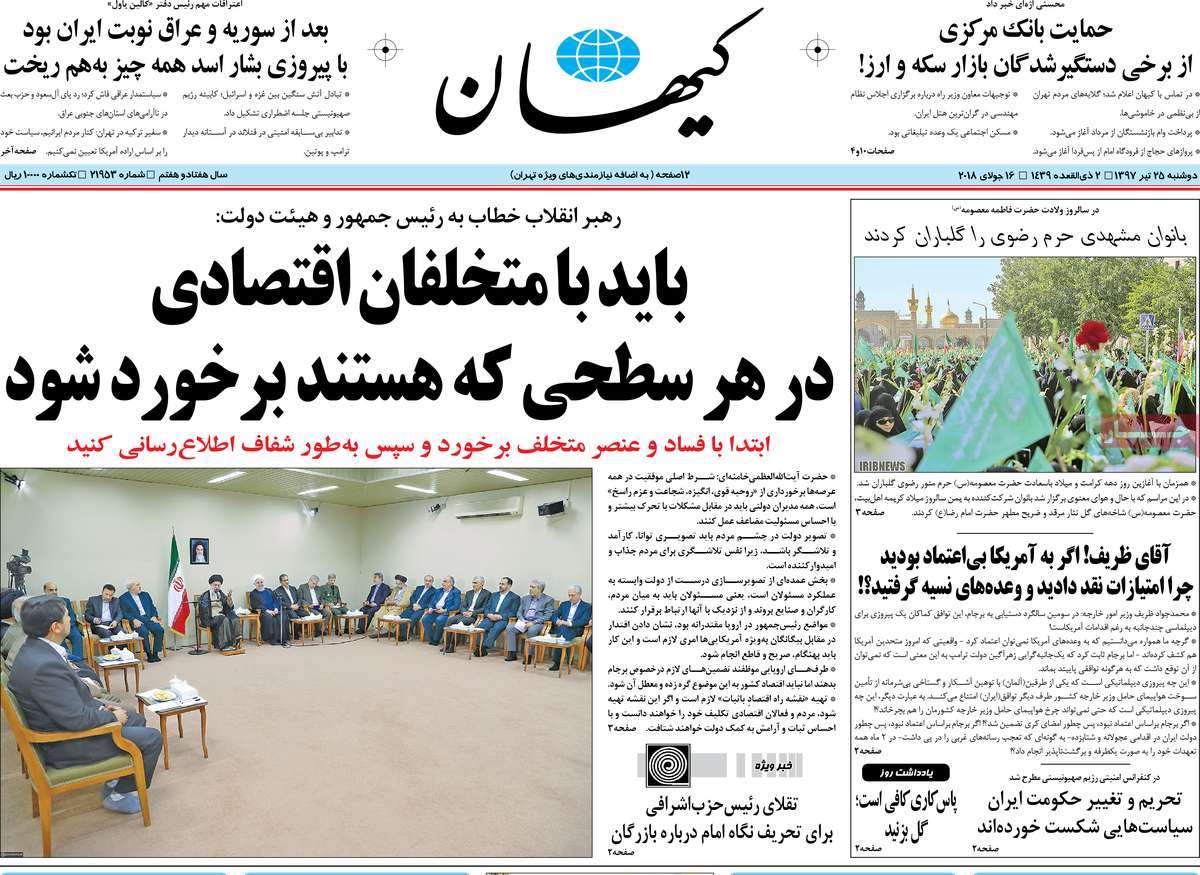
All papers today covered the remarks made by the Leader of Iran’s Islamic Revolution Ayatollah Seyyed Ali Khamenei in a meeting with President Hassan Rouhani and his cabinet members.

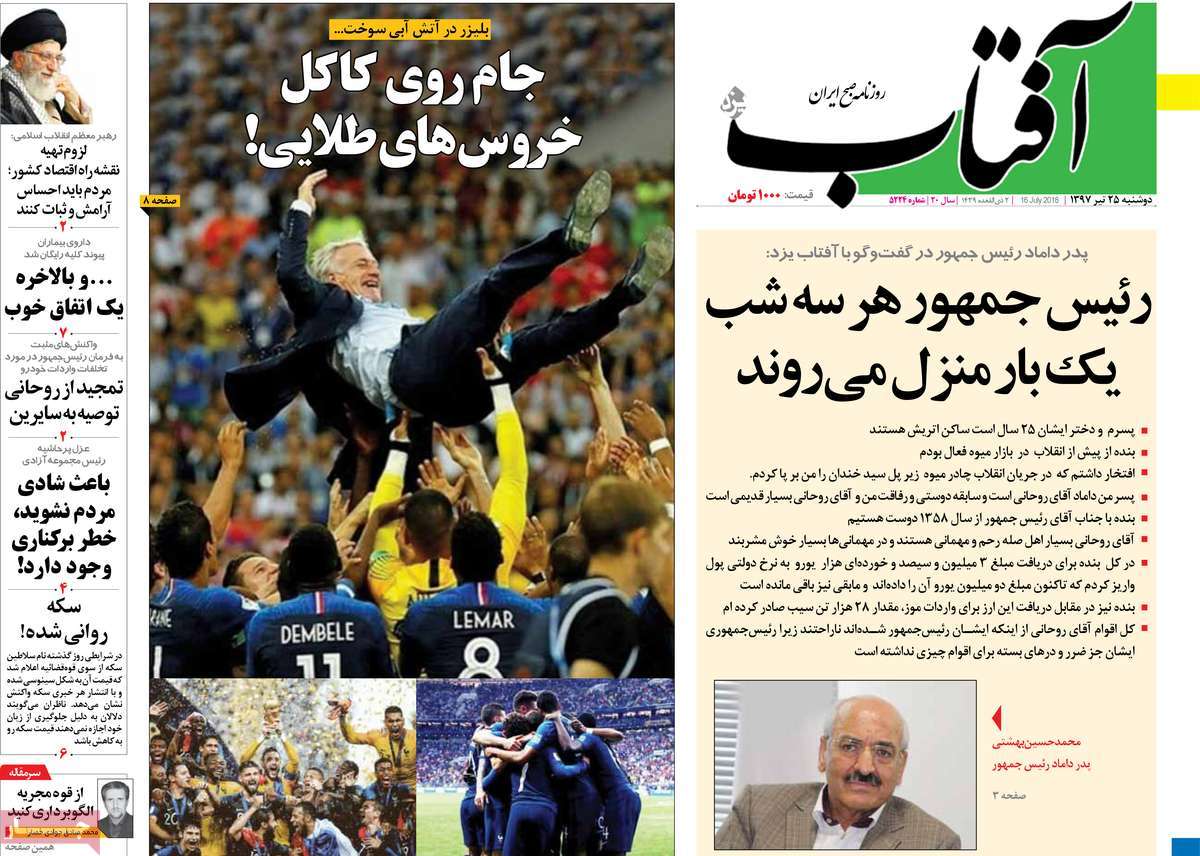
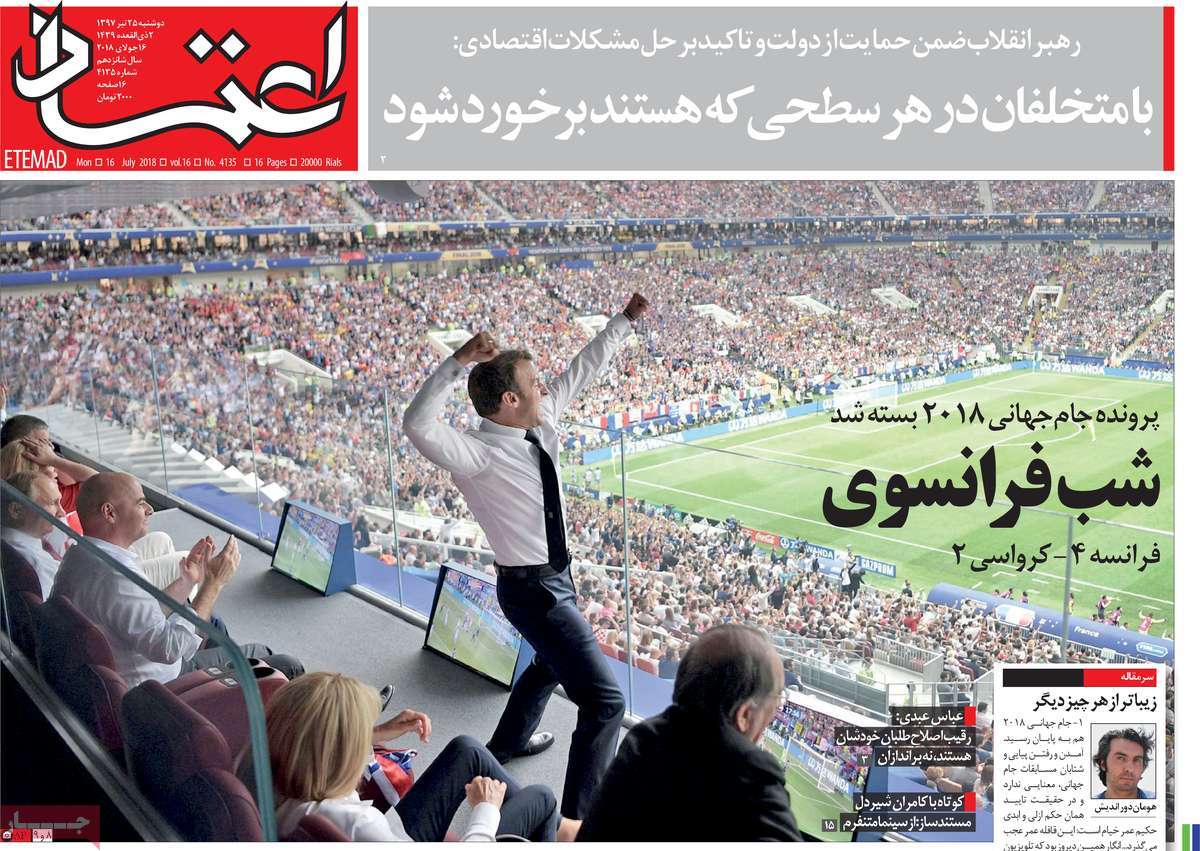
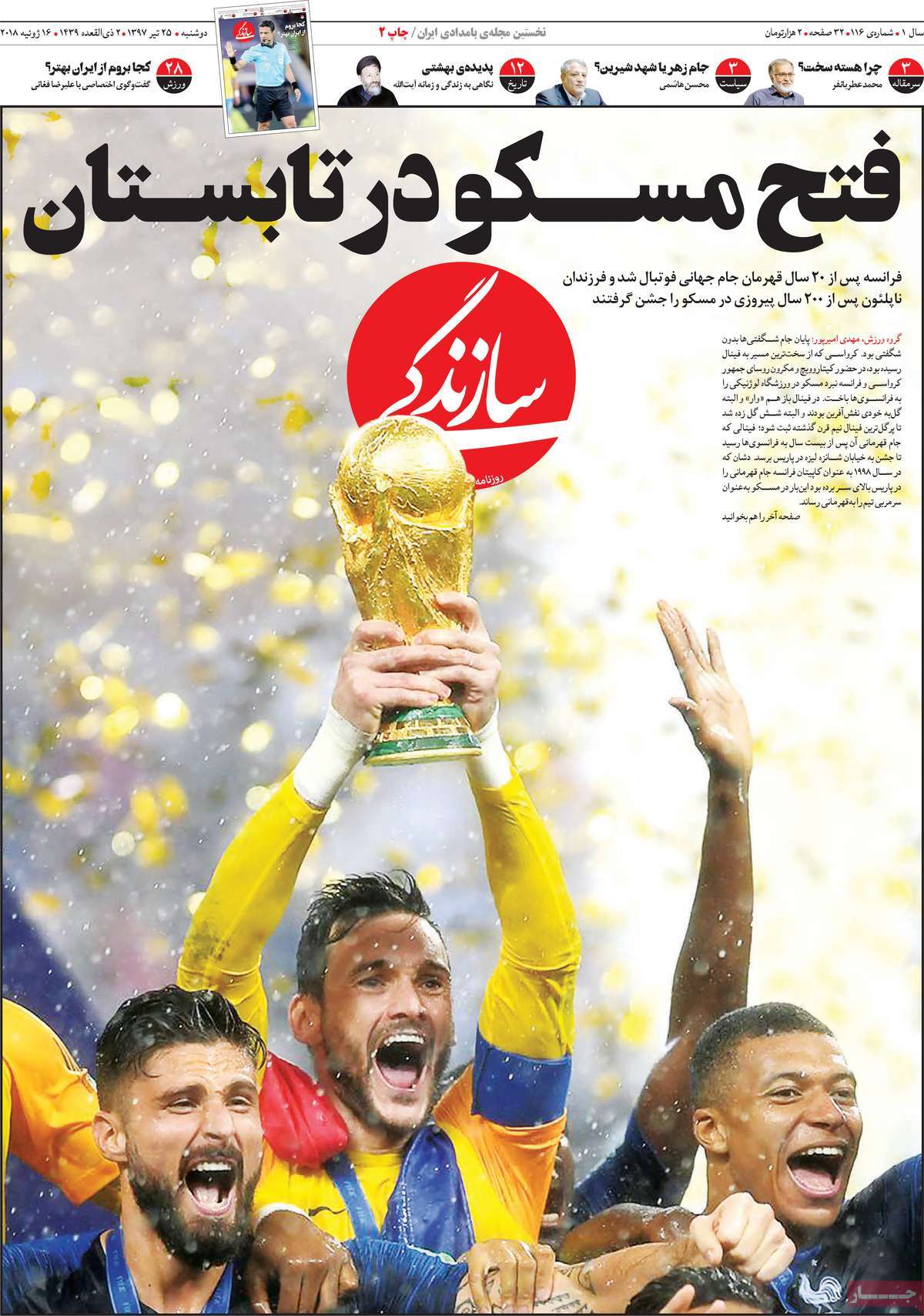
Also a top story was the championship of the French national team in the FIFA World Cup 2018. The ‘Roosters’ managed to claim the title after 20 years by defeating Croatia in Moscow.

The Monday meeting between US President Donald Trump and his Russian counterpart Vladimir Putin in Helsinki, Finland, also received great coverage.

The above issues, as well as many more, are highlighted in the following headlines and top stories:


19 Dey:

1- Iran Leader Urges Government to Work Strongly

2- Zarif on Third Anniversary of JCPOA: Nuclear Deal Still Triumph of Multilateral Diplomacy

A Look at Iranian Newspaper Front Pages on July 16


Abrar:

1- Iran Leader: Roadmap Needs to Be Devised for the Country’s Economy

A Look at Iranian Newspaper Front Pages on July 16


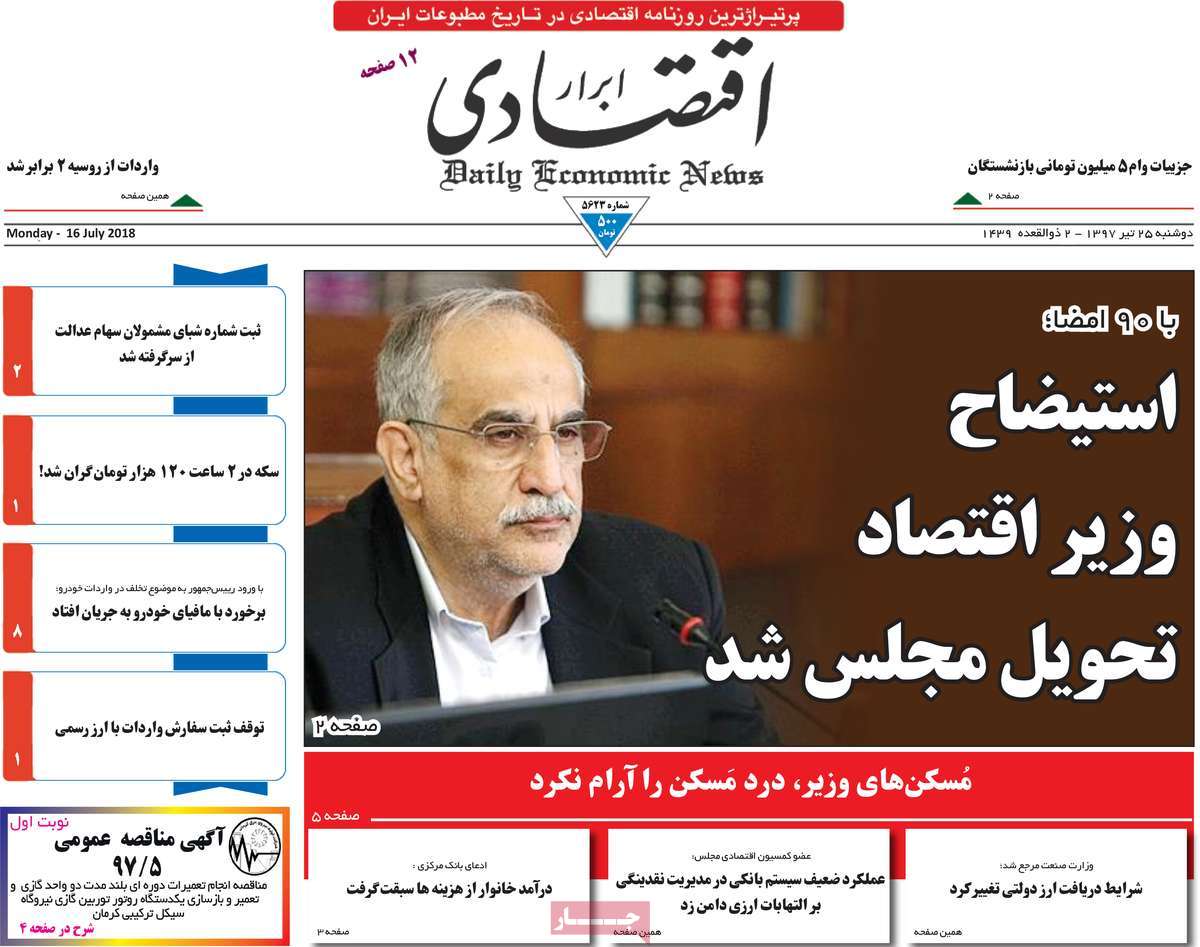
Abrar-e Eqtesadi:

1- 90 MPs Call for Impeachment of Economy Minister

A Look at Iranian Newspaper Front Pages on July 16


Afkar:

1- Iran Leader: Ties with Both East, West Must Be Reinforced

A Look at Iranian Newspaper Front Pages on July 16


Aftab-e Yazd:

1- Father-in-Law of Rouhani’s Son: President Goes Home Once in Every 3 Nights

2- French Roosters Claim FIFA World Cup Title

A Look at Iranian Newspaper Front Pages on July 16


Arman-e Emrooz:

1- Lucky Roosters: France Wins World Cup after 20 Years

A Look at Iranian Newspaper Front Pages on July 16


Ebtekar:

1- Iran Leader: People Must Feel Happy, Calm

2- No Brexit? UK Government Warns about Exiting EU amid Trump’s Remarks in London

3- Tsar and Businessman to Discuss a Deal in Helsinki

A Look at Iranian Newspaper Front Pages on July 16


Etemad:

1- French Night: FIFA World Cup 2018 Over

A Look at Iranian Newspaper Front Pages on July 16


Ettela’at:

1- Iranian Karate Players Win Asian Title

2- Trump: EU Is Enemy of US

A Look at Iranian Newspaper Front Pages on July 16


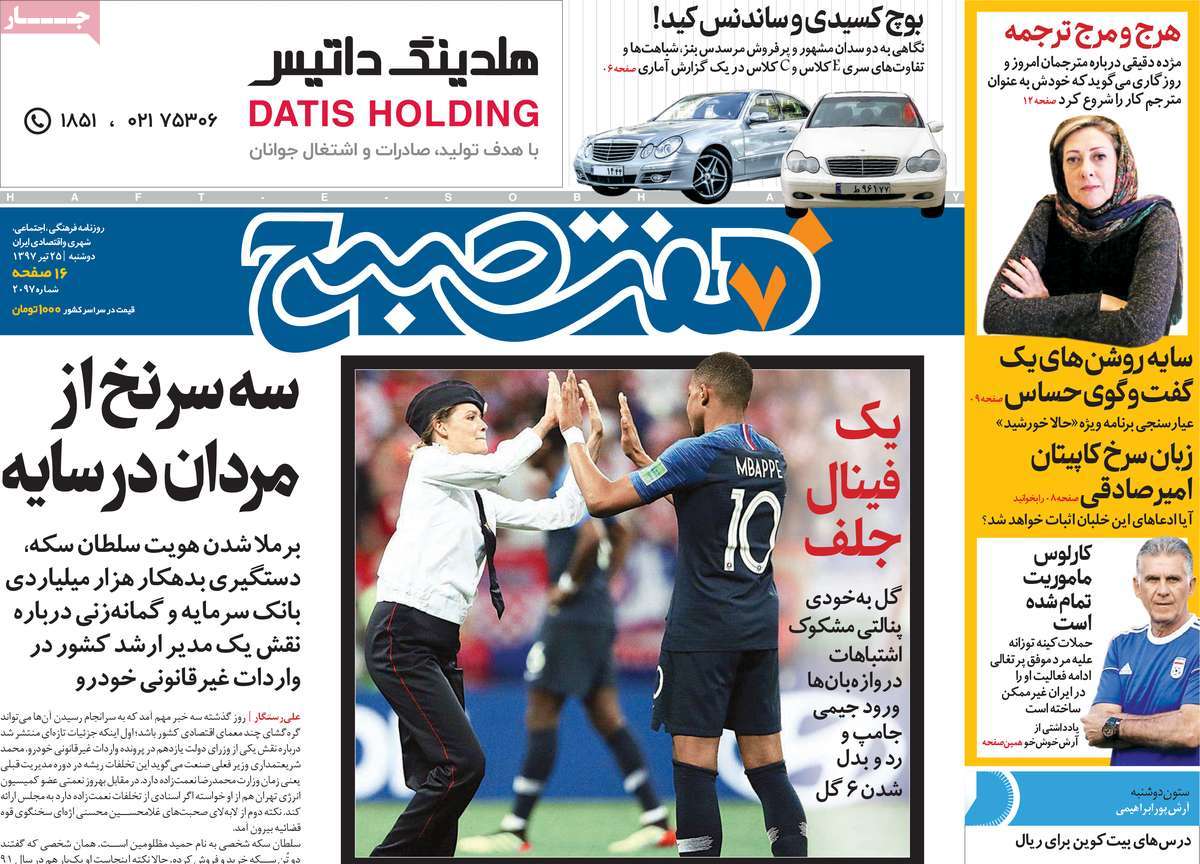
Haft-e Sobh:

1- A Cheap Final: Own Goal, Suspicious Penalty, Goalkeepers’ Mistakes, Jimmy Jumps, Six Goals

A Look at Iranian Newspaper Front Pages on July 16


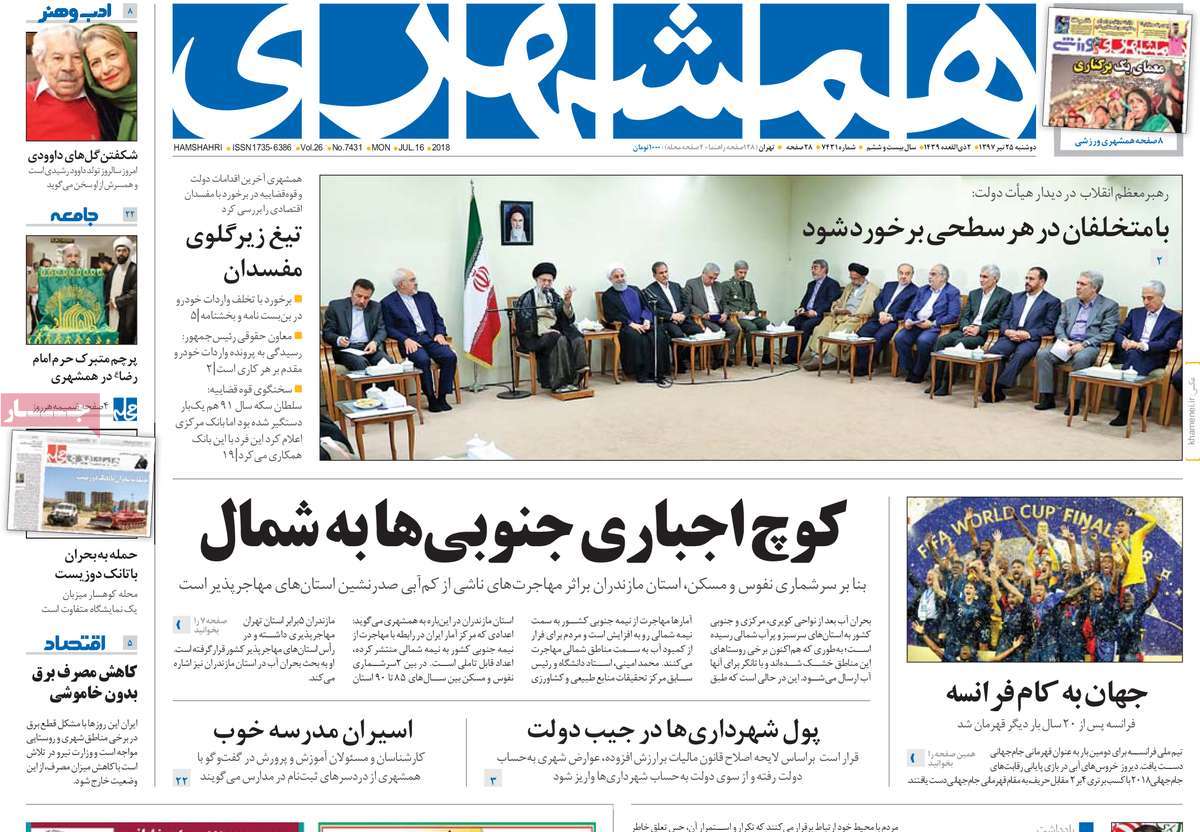
Hamshahri:

1- Forced Migration of Southerners to North

  • Mazandaran Province in Northern Iran Receiving Highest Number of Domestic Immigrants
  • People Migrating to North over Worsening Water Crisis

A Look at Iranian Newspaper Front Pages on July 16


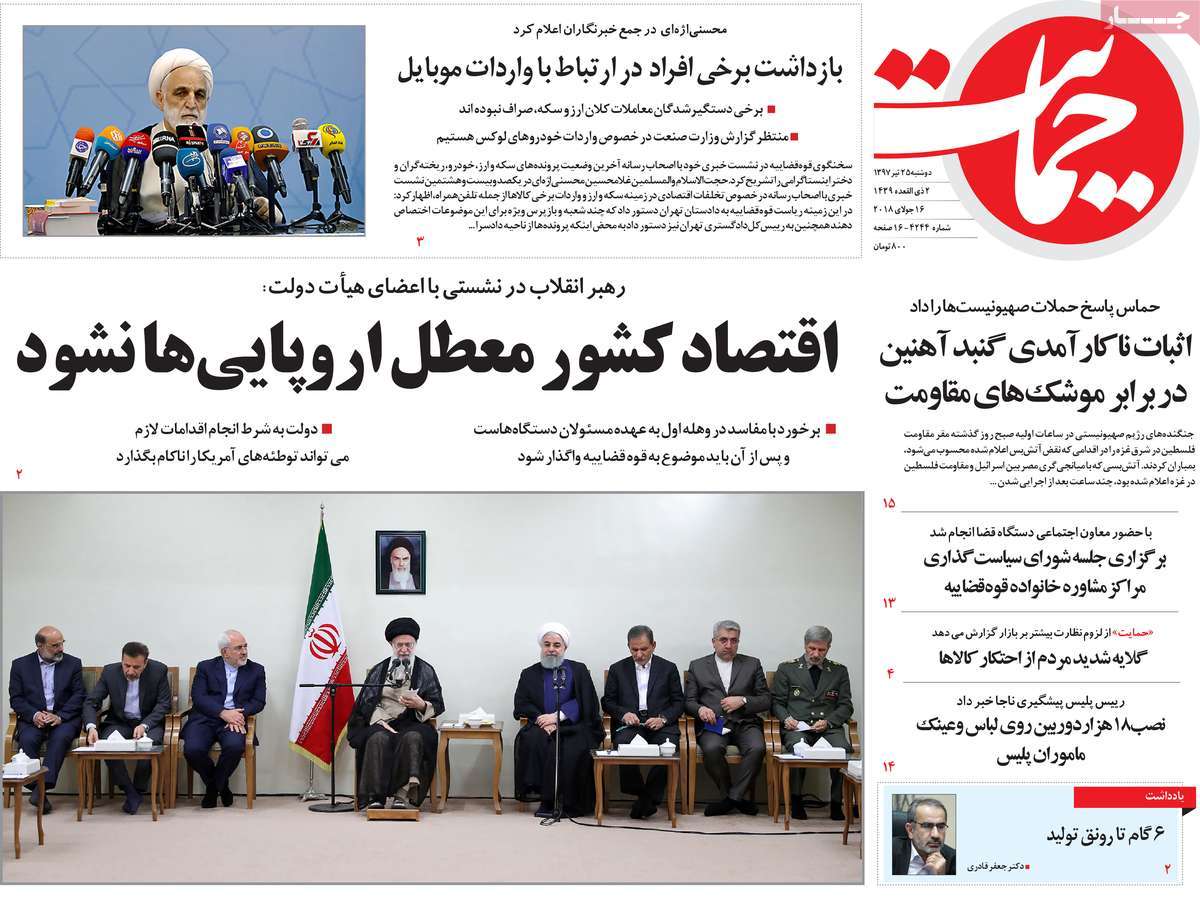
Hemayat:

1- Leader: Iranian Economy Shouldn’t Be Stalled until Europeans Take Action

A Look at Iranian Newspaper Front Pages on July 16


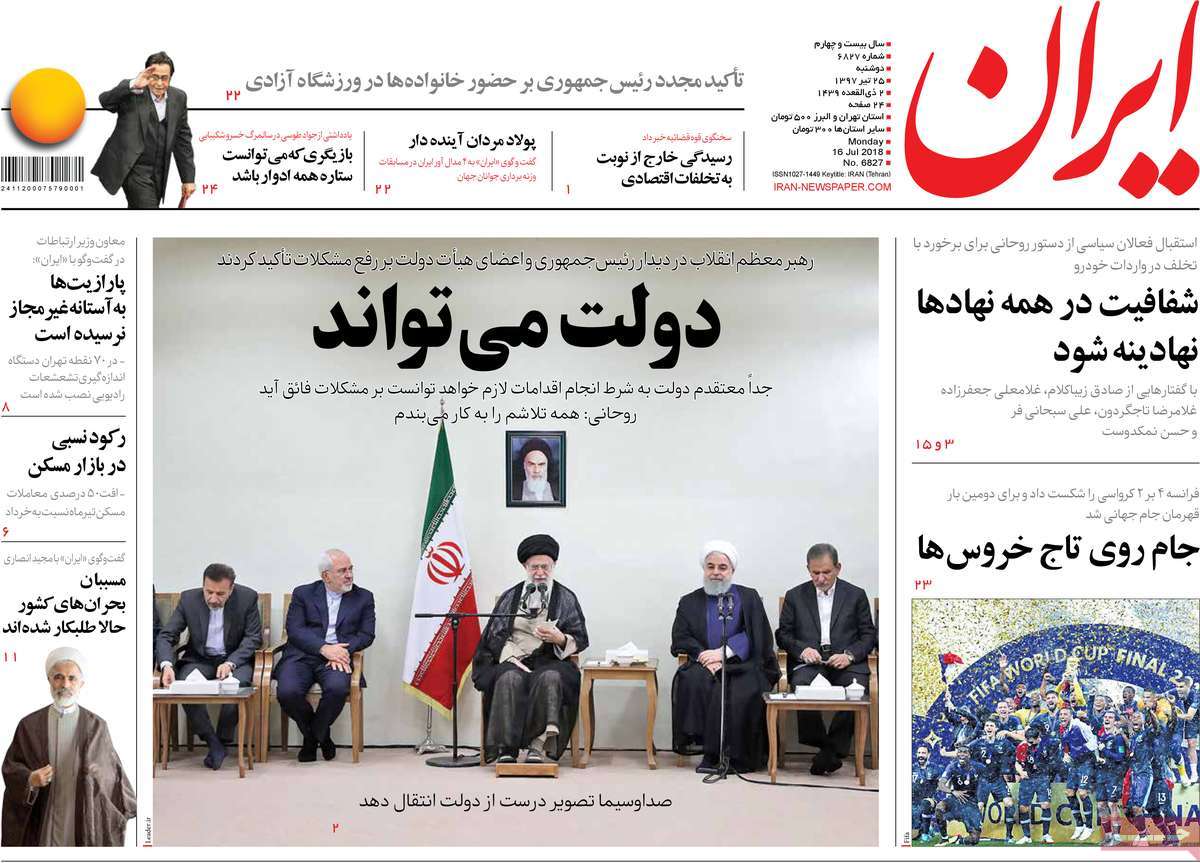
Iran:

1- Government Can Do It: Leader

  • Ayatollah Khamenei: I Seriously Believe Government Can Overcome Woes If It Takes Required Measures
  • Rouhani: I’ll Do My Best

A Look at Iranian Newspaper Front Pages on July 16


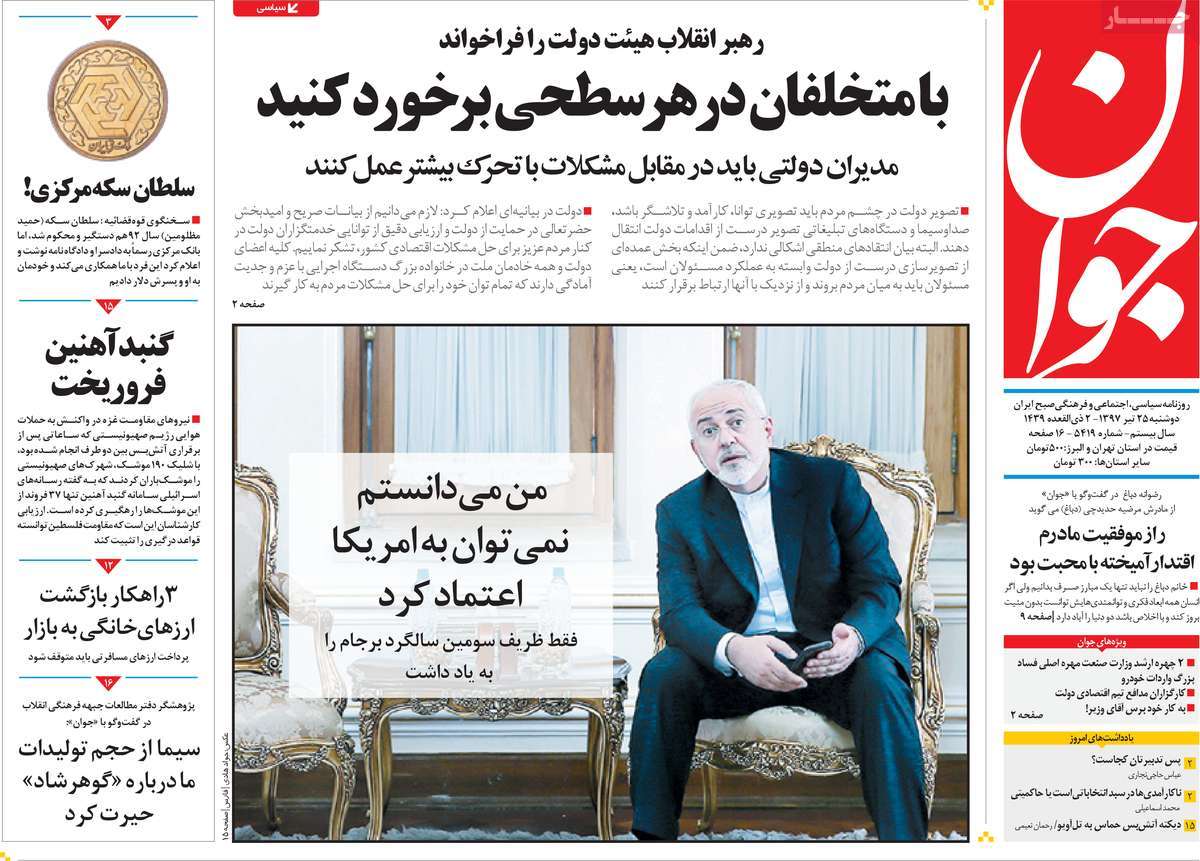
Javan:

1- Zarif: I Knew US Cannot Be Trusted

  • Only Zarif Remembered It Was Anniversary of JCPOA

A Look at Iranian Newspaper Front Pages on July 16


Jomhouri Eslami:

1- Iran Leader: Rouhani’s Stances in Europe Strong; Fight Corruption Decisively

A Look at Iranian Newspaper Front Pages on July 16


Kayhan:

1- Iran Leader: Those Violating the Law Must Be Countered at Any Level

A Look at Iranian Newspaper Front Pages on July 16


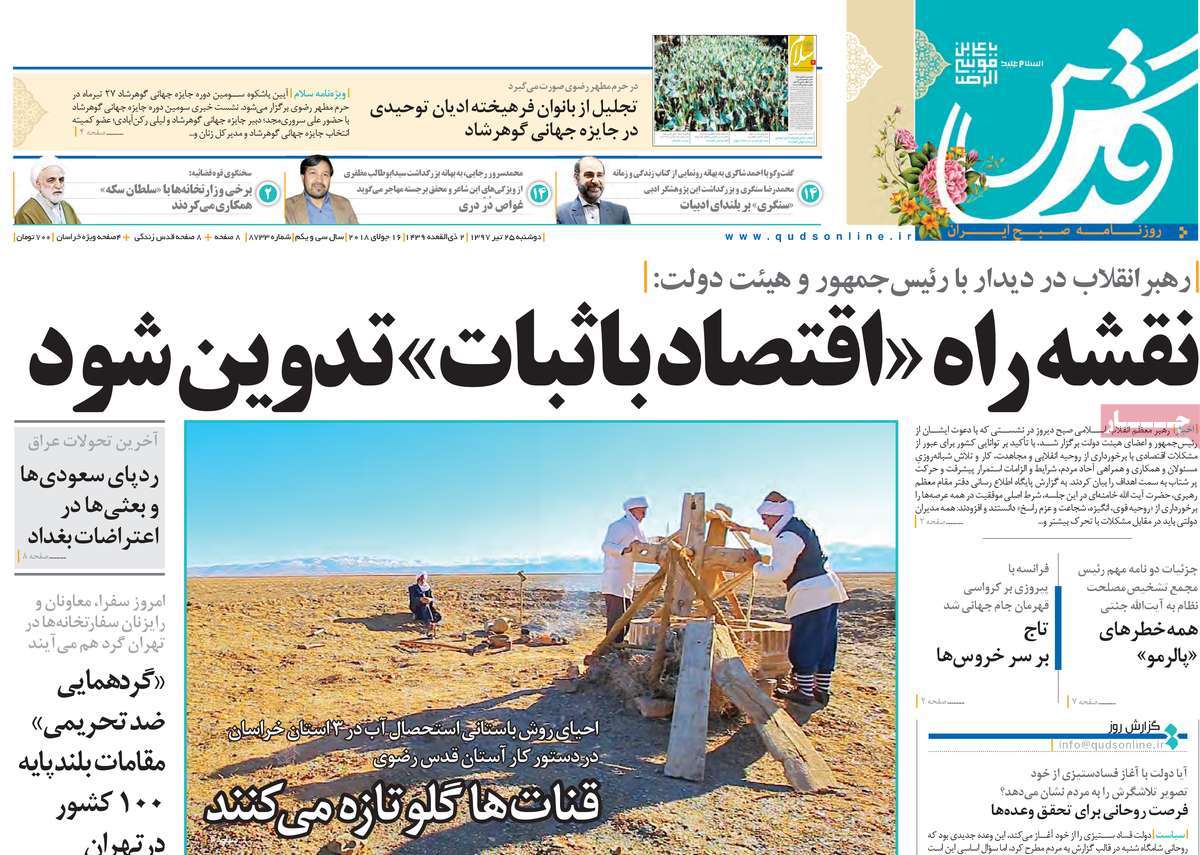
Quds:

1- Persian Qanats to Be Revived

  • Iran to Revive Ancient Tradition of Using Qanat for Water Extraction

A Look at Iranian Newspaper Front Pages on July 16


Sazandegi:

1- Conquering Moscow in Summer

  • Napoleon’s Children Celebrate Victory in Moscow after 200 Years

A Look at Iranian Newspaper Front Pages on July 16


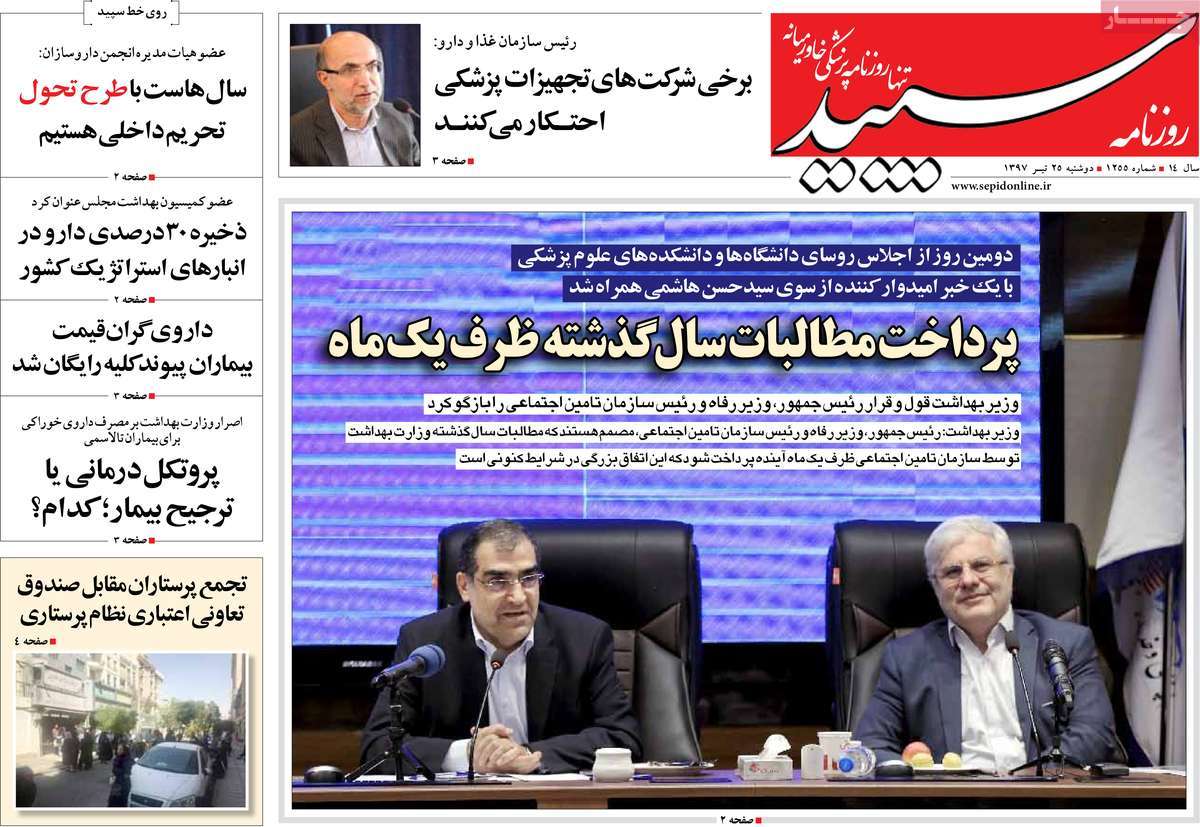
Sepid:

1- Gov’t Not to Charge Anything for Expensive Drugs of Patients Who Had Kidney Transplant

A Look at Iranian Newspaper Front Pages on July 16


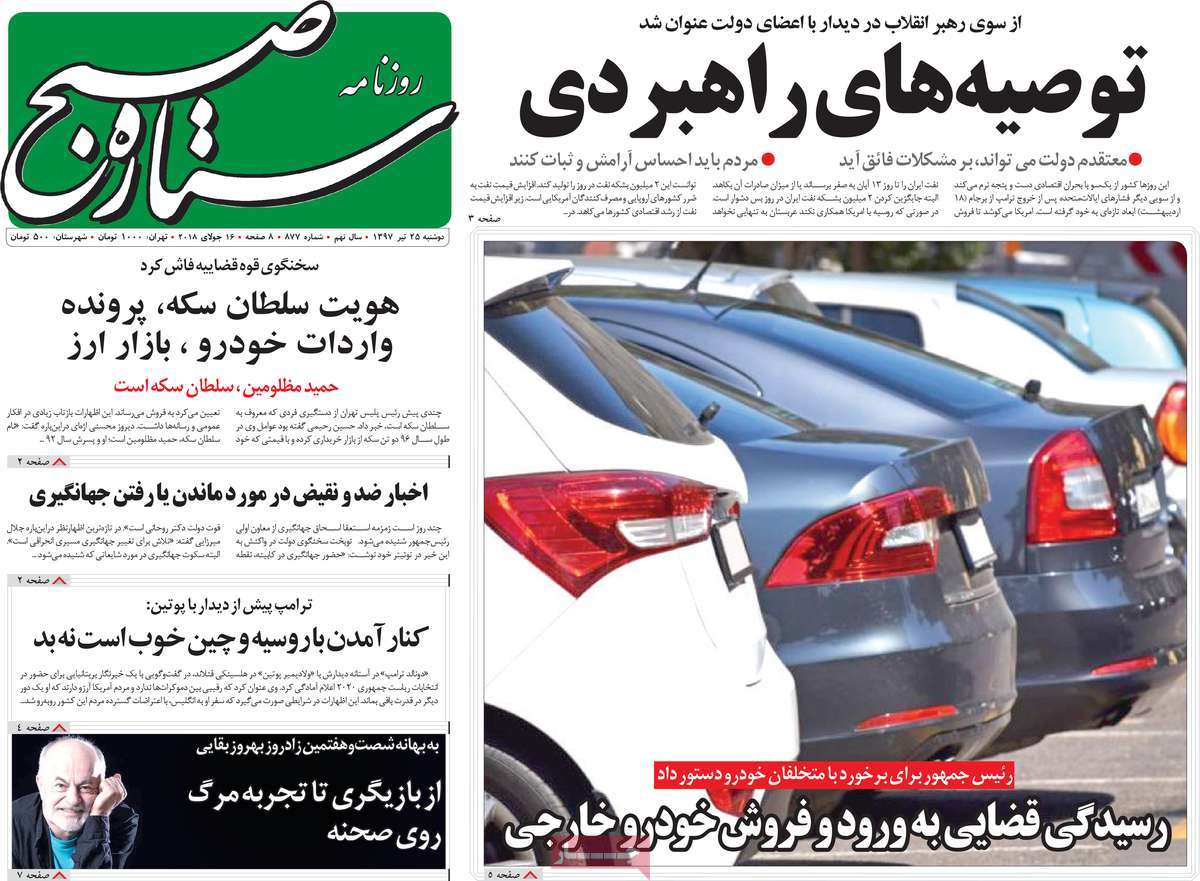
Setareh Sobh:

1- Trump before Meeting Putin: It’s Good to Get Along with Russia, China; It’s Not Bad!

A Look at Iranian Newspaper Front Pages on July 16


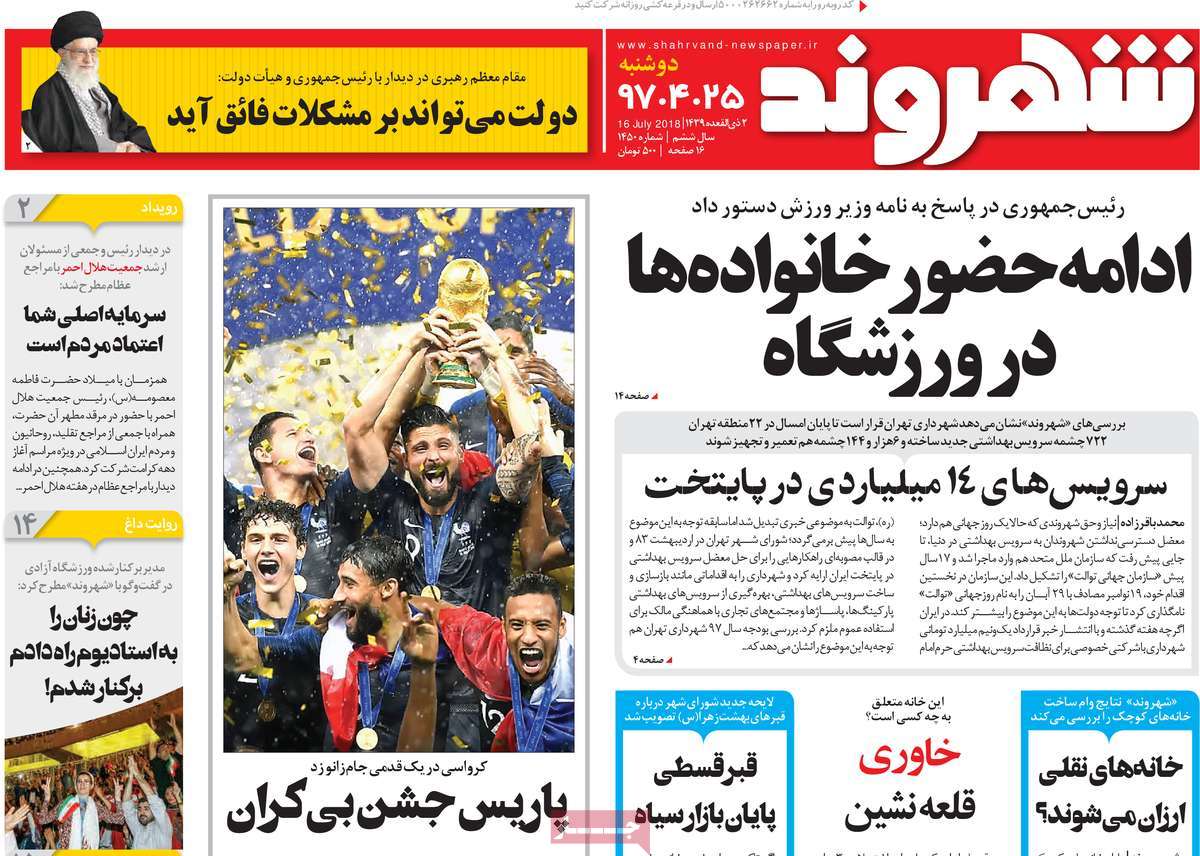
Shahrvand:

1- Rouhani Orders Sports Minister to Continue Allowing Women to Go to Stadiums

A Look at Iranian Newspaper Front Pages on July 16


Shargh:

1- Bonapartes Conquer Moscow

2- Turkish Ambassador to Tehran: We’ll Try to Minimize Impacts of US Sanctions on Iran

A Look at Iranian Newspaper Front Pages on July 16


Iran Files Lawsuit against US over Unilateral Sanctions

“Today Iran filed a complaint at the International Court of Justice to hold US accountable for its unlawful re-imposition of unilateral sanctions,” Zarif said in a Monday tweet.

“Iran is committed to the rule of law in the face of the US’ contempt for diplomacy & legal obligations,” he noted.

“It’s imperative to counter its habit of violating int’l law,” he added.

The lawsuit comes in reaction to US President Donald Trump’s vow to reinstate the US nuclear sanctions on Iran and impose “the highest level” of economic bans on the Islamic Republic.

Under the JCPOA, Iran undertook to put limits on its nuclear program in exchange for the removal of nuclear-related sanctions imposed against Tehran. An absolute majority of world countries consider the US move to be illegal and in violation of the Security Council resolution and international regulations.

The United Nations and the European Union, which had coordinated the talks leading to the agreement, and the rest of the JCPOA’s signatories all warned Washington against taking the move, calling the deal pivotal to regional and international peace and security.

The US is also pushing its allies to cut Iran oil purchase to zero by November. The US says the countries purchasing oil from Iran should prepare themselves to completely stop the Iranian crude imports by November as Washington re-imposes sanctions against Tehran.

Iran Calls ‘Deal of the Century’ a Satanic Plot Doomed to Failure

Iran Calls 'Deal of the Century' a Satanic Plot Doomed to Failure

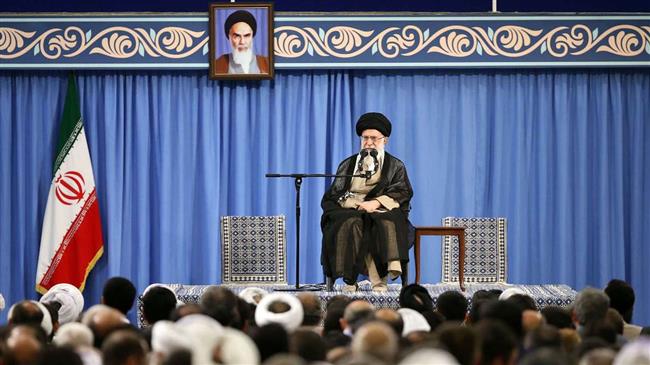
“The Americans have named their satanic policy on Palestine ‘the deal of the century’ but they should know that, by divine grace, this ‘deal of the century’ will never materialize,” Ayatollah Khamenei said on Monday.

According to an Israeli intelligence website, Trump has proposed to establish a Palestinian state with limited sovereignty over around half of the West Bank and Abu Dis as its capital.

Trump’s son-in-law and senior adviser Jared Kushner and Jason Greenblatt, his special adviser for international negotiations, are reportedly the main architects of the plan.

“To the dismay of the enemies, the Palestinian issue will not be forgotten and al-Quds will remain the Palestinian capital,” the Leader told a group of officials in charge of the annual Hajj pilgrimage.

Ayatollah Khamenei said the Palestinian people will stand against this “conspiracy,” and Muslim nations will support them.

“Of course, some Islamic governments, which have no belief in Islam, have become ready-to-die followers of the Americans out of foolishness, ignorance and temporal vanity,” the Leader said.

“But with divine grace, the Islamic Ummah and the Palestinian people will win over their enemies and will see the day when the roots of the fake Zionist regime will be ripped out of the Palestinian land,” he added.

Sources with access to Trump’s plan have told Israeli intelligence website DEBKAfile that a Palestinian state would be established with limited sovereignty across about half of the West Bank and all the Gaza Strip.

The besieged sliver of land, they said, would be integrated in the new state provided the Palestinian resistance movement Hamas agreed to give up its arms.

“Iran’s Power Cuts Not Linked with Paris Climate Agreement”

“These power cuts have nothing to do with the Paris climate deal,” Mohsen Tarztalab, the CEO of Thermal Power Plants Holding Company, told ISNA on Sunday.

Tarztalab said the Energy Ministry has plans to boost electricity production capacity by building fossil fuel power plants, but failure in boosting electricity production capacity is due to a lack of investment in the electricity industry, which partly results from the cheap price of power, and has nothing to do with Iran’s international obligations.

The official was responding to assertions by critics of the Rouhani government who linked the power cuts with the administration’s preparatory measures for implementing the Paris climate agreement.

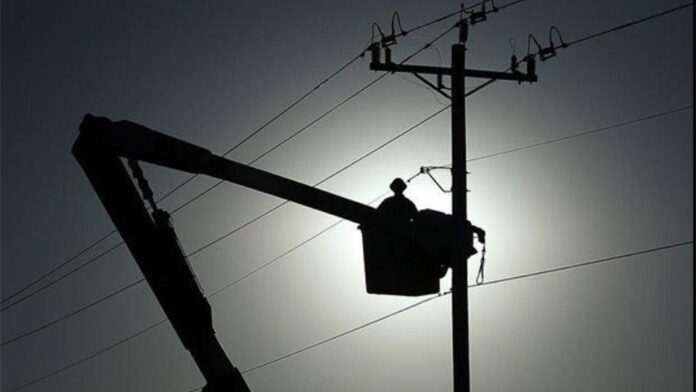
In recent days, several cities in Iran including the capital Tehran have experienced rolling blackouts caused by a spike in demand for electricity in the summer heat.

Residents of Tehran, Kermanshah, Ardabil, and Isfahan are experiencing several hours without electricity on a daily basis.

Electricity shortage has forced the Iranian administration to change the working hours of the state bodies and non-governmental public institutes in Tehran, in a bid to save electricity.

Some officials have blamed a shortage of water to keep hydropower plants running, since the volume of water behind Iranian dams is significantly lower than usual on average.


Threat to Iranian Economy

Yasser Jebraeeli, a conservative expert of political economy, wrote in an article for Vatan-e Emrouz daily late last week that the power cuts do not result from the water shortage, as hydropower plants account for only 15% of the annual electricity production in the country.

Jebraeeli said the power shortage has its roots in the government’s failure to boost the country’s electricity production capacity.

During the eight-year tenure of former President Mahmoud Ahmadinejad, Jebraeeli said, the electricity production capacity rose by 71 percent, from 41,000 MW per year to 70,200 MW.

However, he added, under the incumbent president, this capacity has increased to 78,700 MW, showing just a 29 percent increase.

Jebraeeli said the decreased growth of Iran’s capacity to produce electricity could have resulted from the government’s will to fulfil obligations under Paris climate agreement.

Under the Paris agreement, which goes into effect in 2020, Iran has suggested it intends to mitigate its greenhouse gas emissions pledge in Paris from 4 to 12 percent in 2030.

The Guardian Council, Iran’s legislative watchdog, has so far rejected a parliament legislation needed for joining the deal.

Although the agreement has not been ratified yet and it has two years to go into effect, some government officials have talked about the need for Iran to make preparatory measures for implementing its obligations, Jebraeeli noted.

To do so, the government could have decided to stop building new fossil fuel power plants, as they are blamed as the main source of Iran’s greenhouse gases production.

Jebraeeli lamented that power shortages have so far caused big losses to the country’s economy and the continuation of this trend would curb Iran’s development.

Concluding his article, the expert called on the parliament to hold the government to account and ask it to clarify the reason behind the shortages.


Faulty Predictions

The comments come as other figures talk of other reasons for the frequent power outages.

Majid Namjou, a former energy minister serving under Ahmadinejad, told 90 Eghtesadi news website that the government has seemingly stopped developing Iran’s electricity production capacity based on a wrong prediction that the underperforming Iranian economy would curb demand for electricity and the government will be able to fulfil the country’s need.

Iran’s power demand hit a historic high of 55,400 MW in July, up from about 53,000 MW in the previous Iranian year (ended on March 21).

Tehran’s Int’l Airport Ready to Send 27,000 Hajj Pilgrims

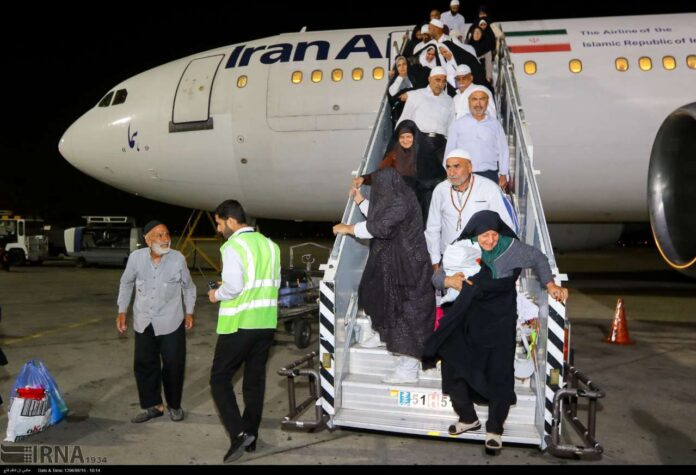
Ali Rostami, an assistant director of the airport, told IRNA on Sunday that according to schedules the departure of Iranian pilgrims will start at Imam Khomeini Airport as of July 18 and will continue until August 15.

The pilgrims will be returned to Iran between August 25 and September 15 from Jeddah Airport, he added.

Special routes and halls have been allocated to Hajj pilgrims, Rostami noted, adding that two airline companies of the Islamic Republic of Iran and Saudi Arabia will carry out 95 flights through Imam Khomeini airport for pilgrims of the provinces of Tehran, Semnan, Qazvin, Qom, Lorestan, Alborz, Markazi and the city of Kashan.

According to IRNA, Seyyed Mahdi Razavi, who is responsible for Hajj flights at the Iranian airports, earlier said the first Iranian flights to Saudi Arabia will be carried out from four airports in Ahvaz, Bushehr, Mashhad and Imam Khomeini airport in Tehran.

In addition to Imam Khomeini Airport, he added, the airports of Kerman, Hamedan, Yazd, Isfahan, Ahvaz, Bandar Abbas, Bushehr, Birjand, Rasht and Shiraz will be used by Iran Air and those of Oroumiyeh, Tabriz, Zahedan , Zanjan, Sari, Kermanshah, Gorgan, and Mashhad will be utilized by the Saudi airline to dispatch the Iranian pilgrims.

This year about 85,000 pilgrims from 19 airports in the country will head for Hajj rituals.

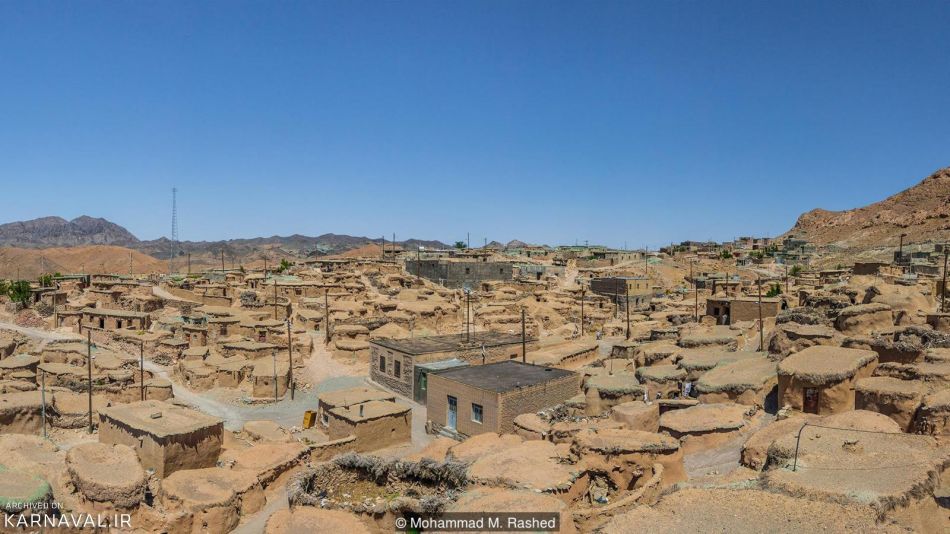
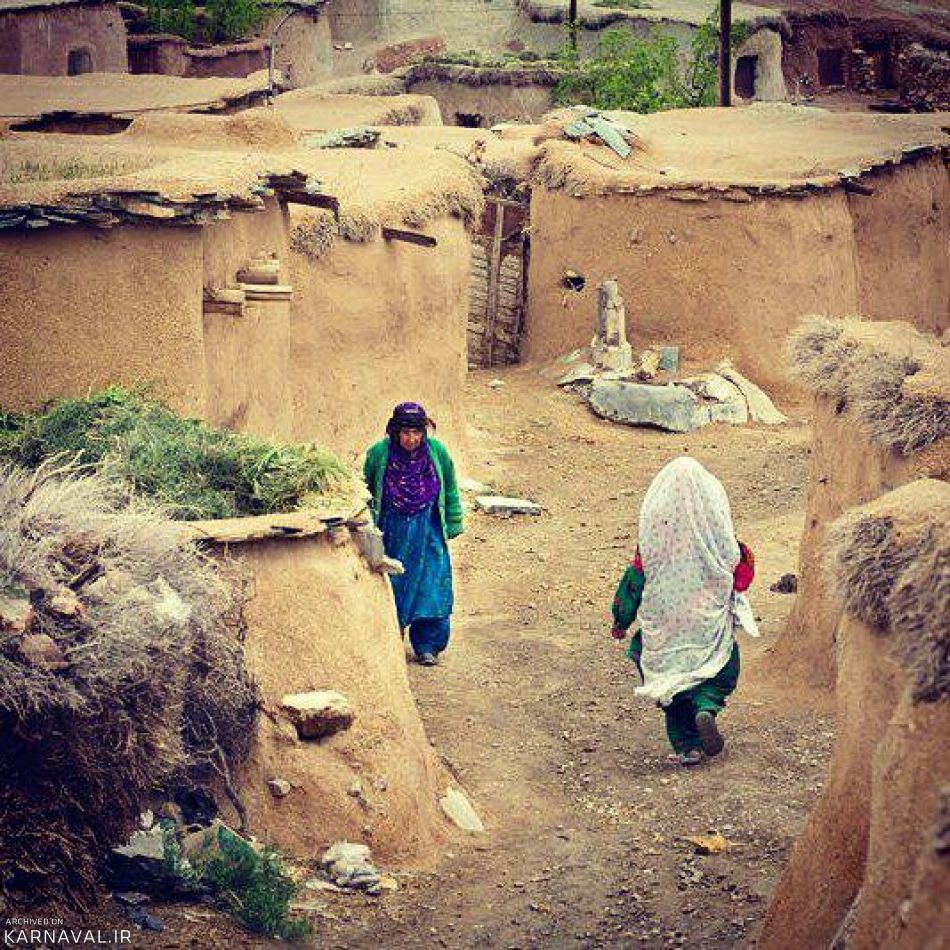
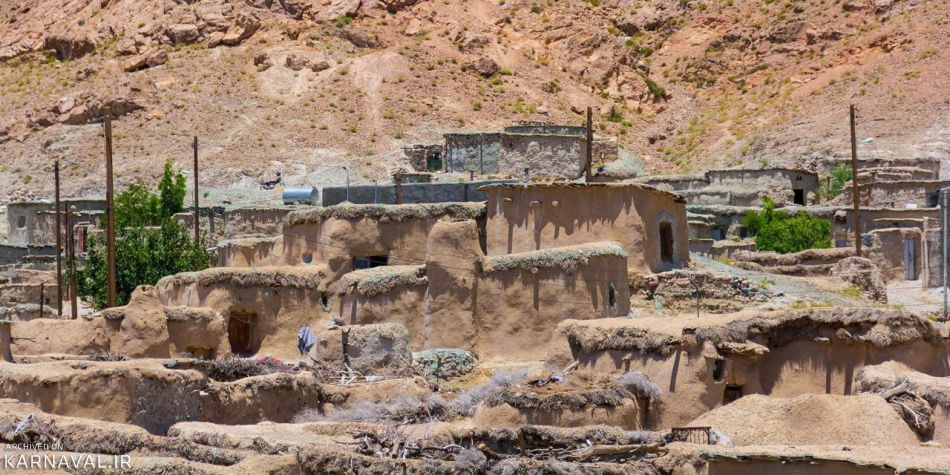
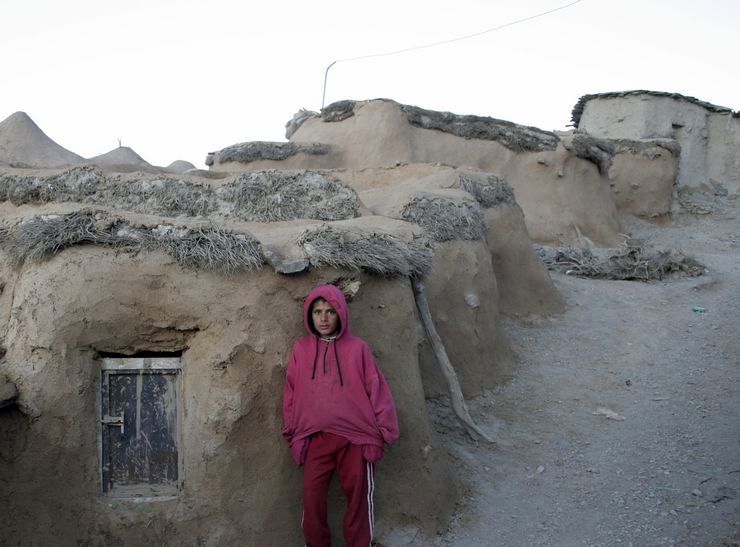
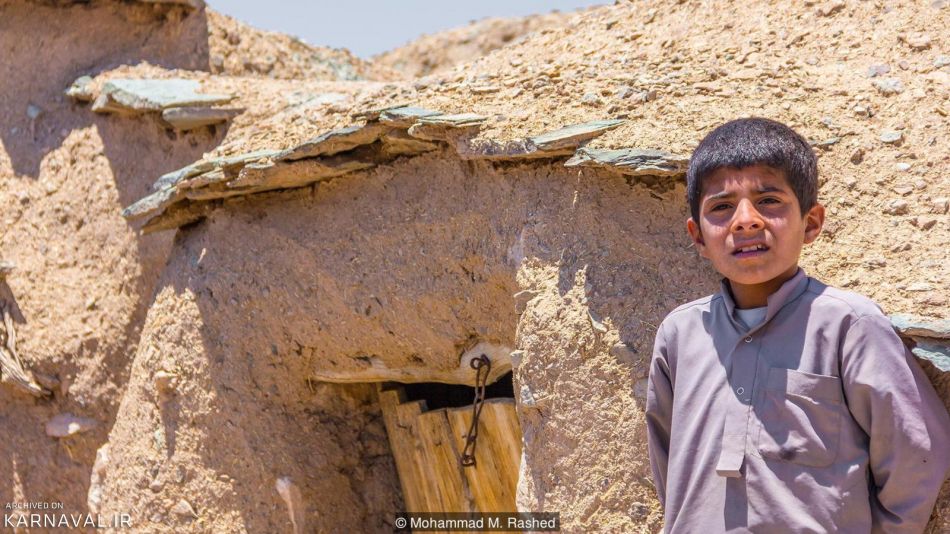
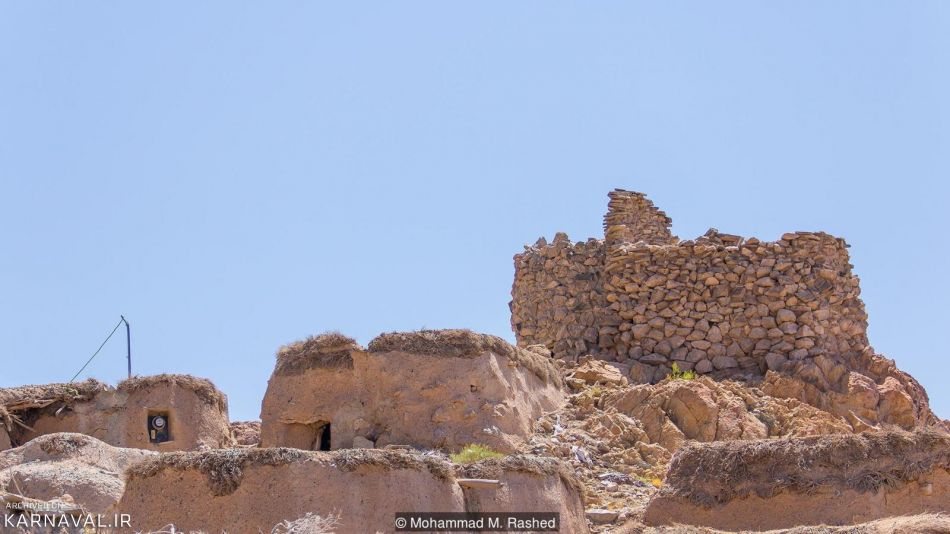
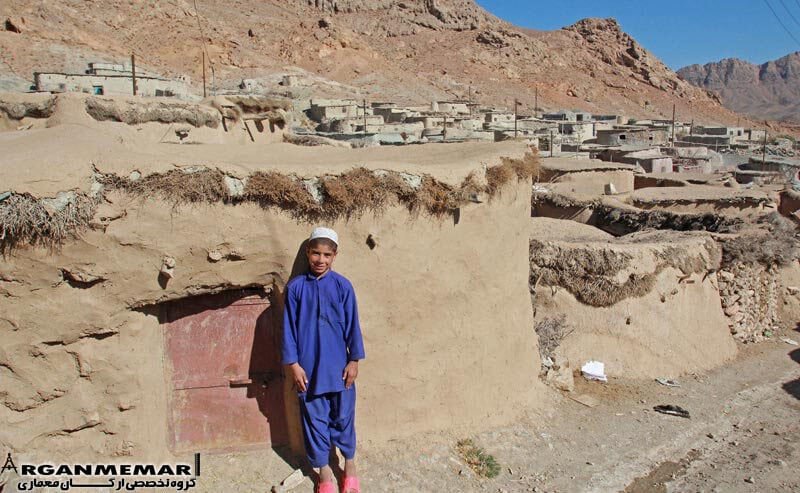
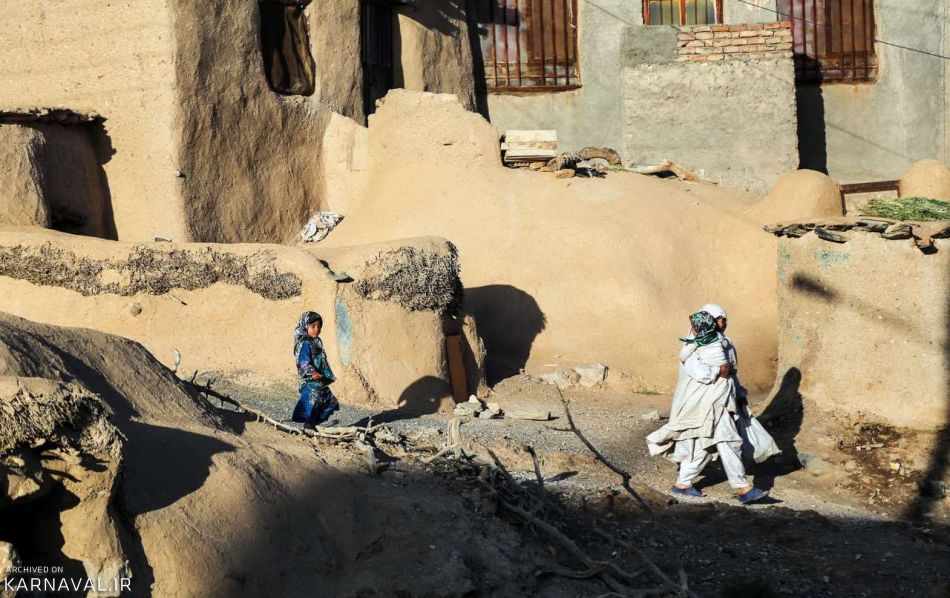
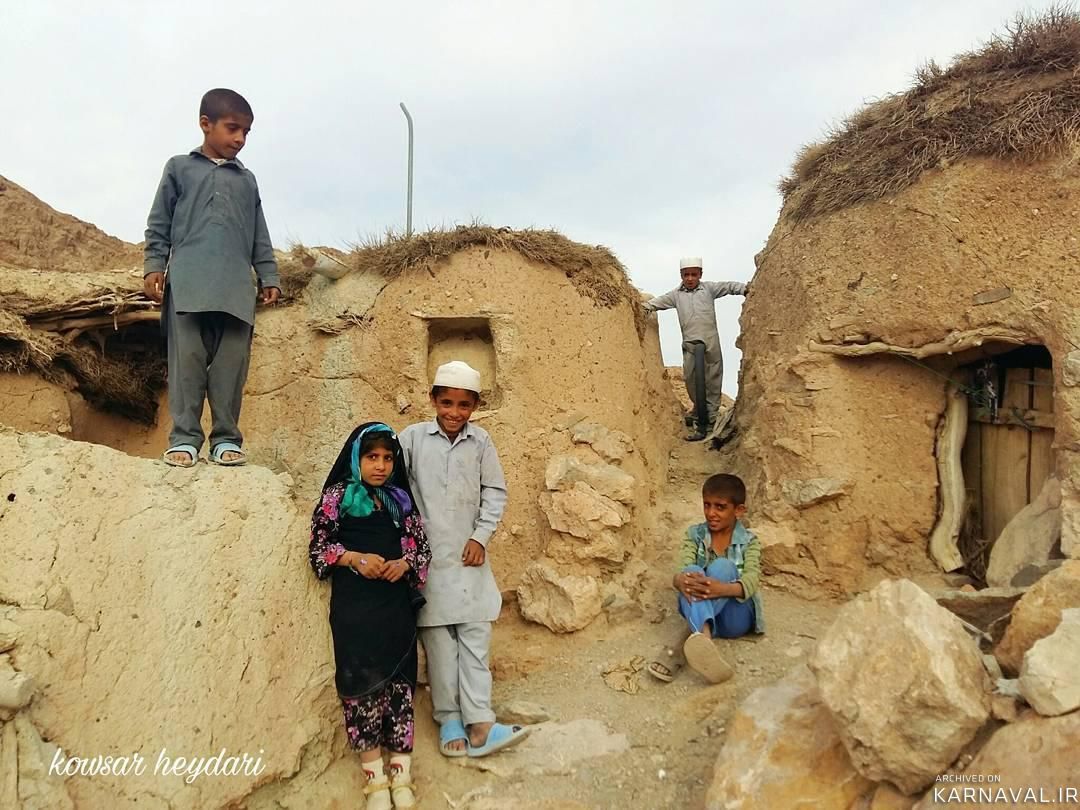
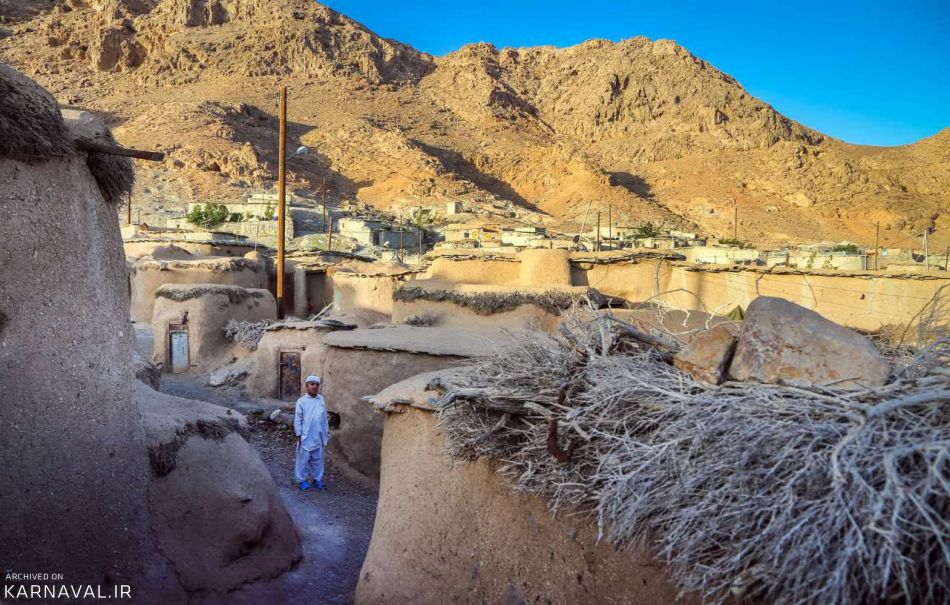
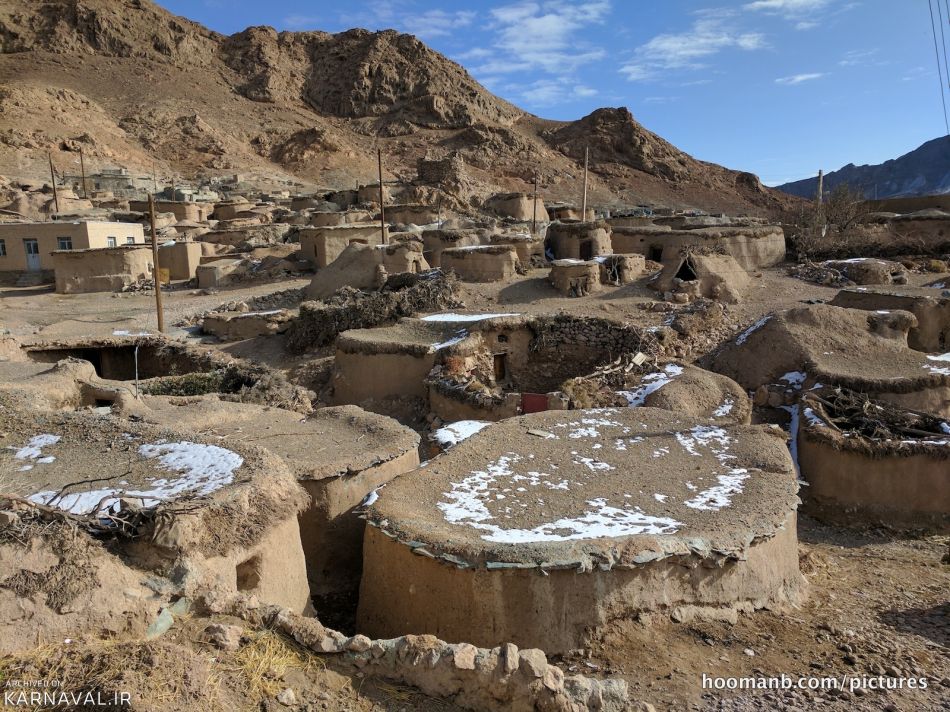
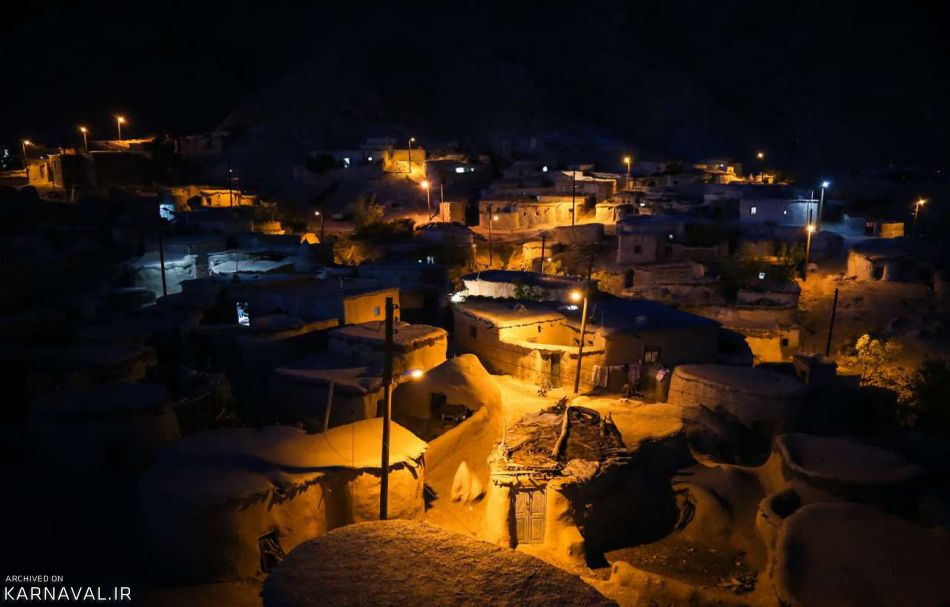
Makhunik Village; The Mysterious Land of Lilliputians

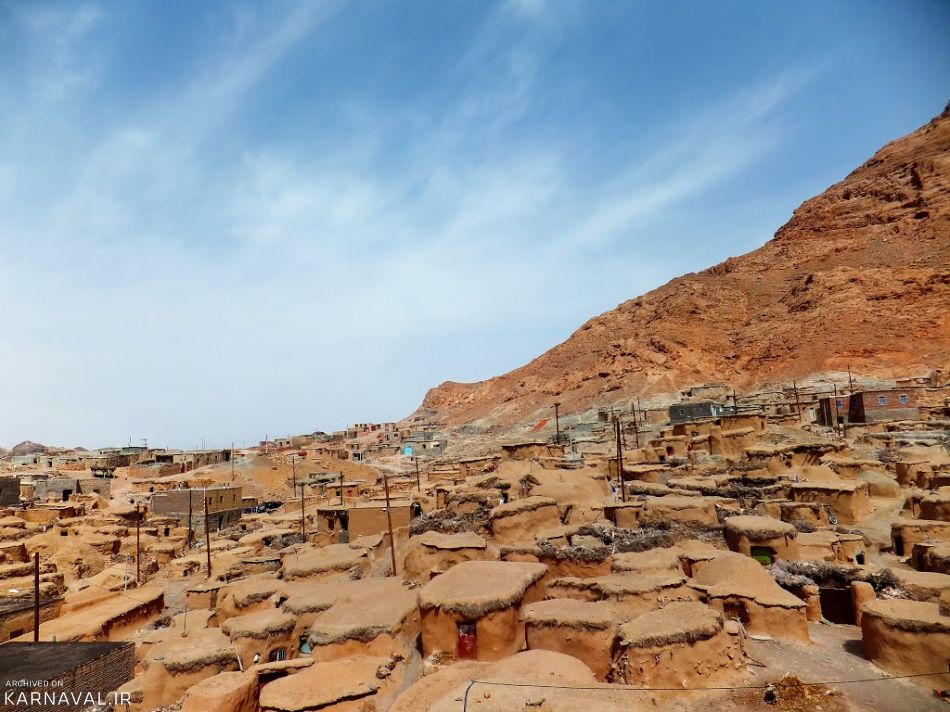
Located in Doreh rural district of Sarbisheh County, South Khorasan Province, Makhunik is widely known as one of the seven strange villages in the world.

Tourists visit the village to see the dwarf residents of the region. But this is not the only feature attracting the tourists. The village is also famous for its ancient-style architecture as well as its unique customs and culture. Makhunik was established 1,500 years ago. The interesting point is that the residents of Makhunik built their houses based on architectural styles that were common in the Neolithic Era.

The residents of the village live mainly on pasturing their livestock. They also depend on agriculture to some extent. Most of their agricultural products include wheat, garlic, turnip, beetroot, carrot, tomato, onion and saffron. Some of the villagers work in a mine near Makhunik.

Makhunik Village; The Mysterious Land of Lilliputians

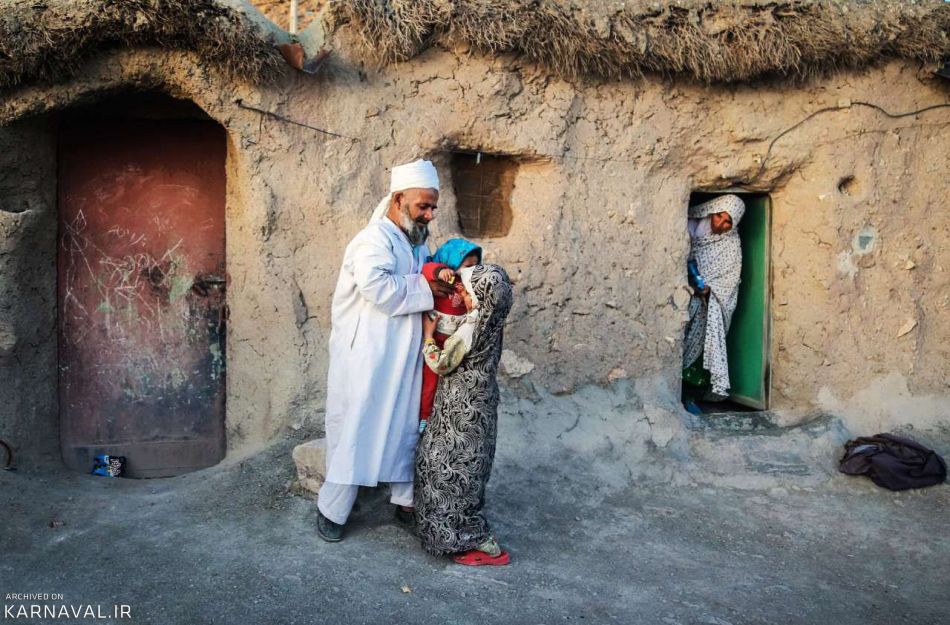
The most attractive feature of the village is its residents and the stories created about them. Makhunik residents are of Afghan descent and migrated to the region hundreds of years ago to establish a new life.  The tales created about the villagers are mainly based on two sources: Their short height and their homes established based on a unique architecture style.

Many reasons have been cited for it, but three of them seem to be more valid than others. Popularity of consanguineous marriages (which caused genes responsible for determining the person’s height to be passed among residents), lack of protein and vitamin in daily diet, and the mercury residues in drinking water (which was associated with nearby mines), are reasons for the alteration in physiques of residents.

It is said, however, that members of only one of the clans of Makhunik known as Gholam Mohammad- Reza Bakhsh clan suffer from short heights and the rest of the villagers enjoy normal heights. Reports say the clan members’ heights have gotten closer to the normal size through several generations after enjoying better nutrition and having intermarriages with other clan members.

Back in 2005, a mummified body measuring 25cm in length was found in the region. The discovery fuelled the belief that this remote corner of Iran, which consists of 13 villages including Makhunik, was once home to an ancient ‘City of Dwarfs’. Although experts said the mummy was actually a premature baby who died roughly 400 years ago. They also contended that previous generations of Makhunik residents were indeed shorter than usual.

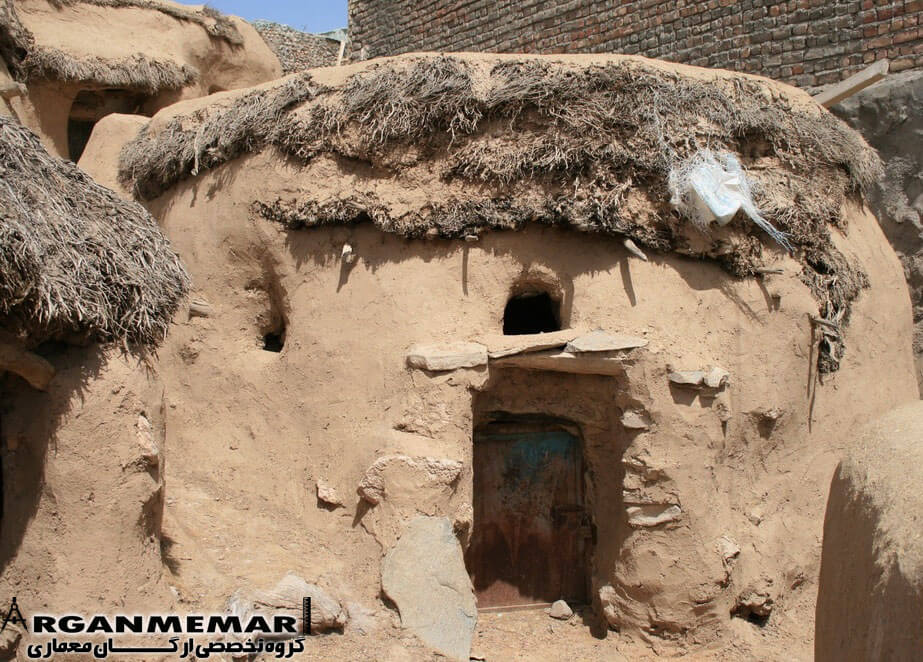
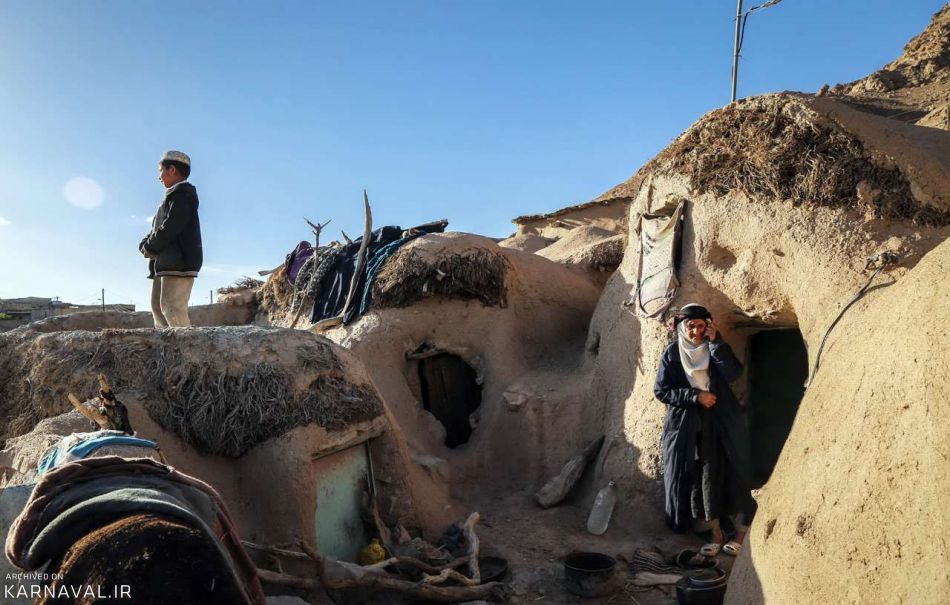
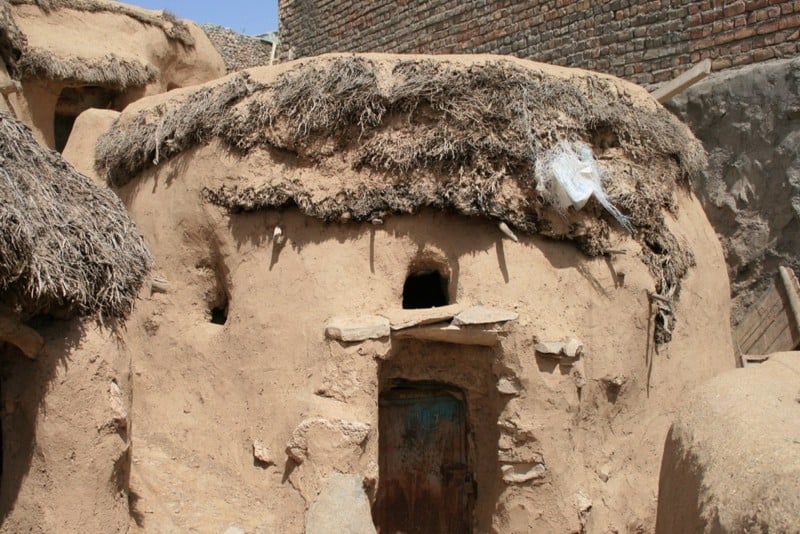
Makhunik Village; The Mysterious Land of LilliputiansThe second feature of the Makhunik village is its tiny homes with their strange architecture. If you duck through the narrow alleys of the village, you will see homes with very tiny walls and doors. One may wonder how on earth anyone could live in such tiny homes.
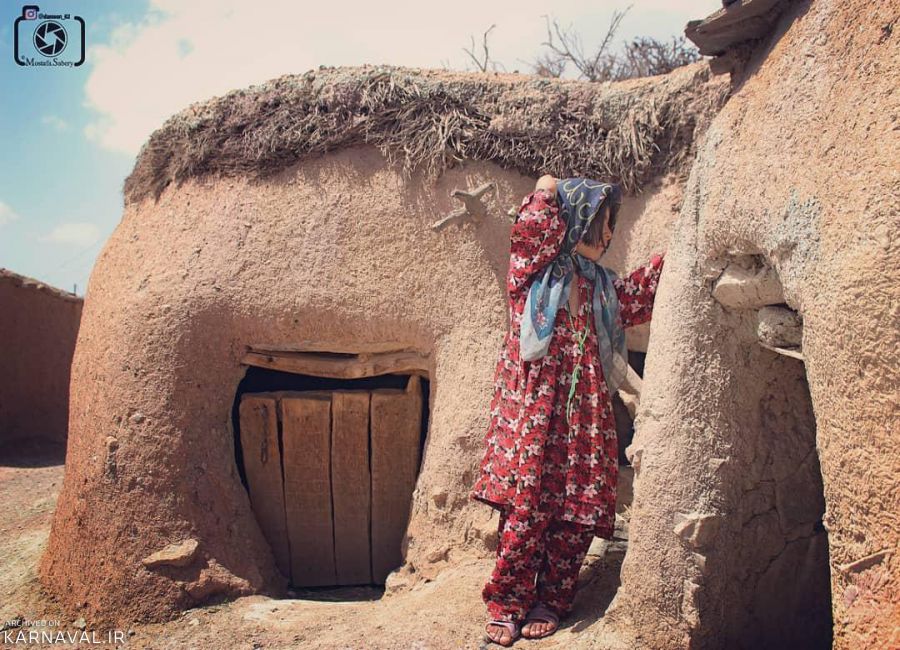
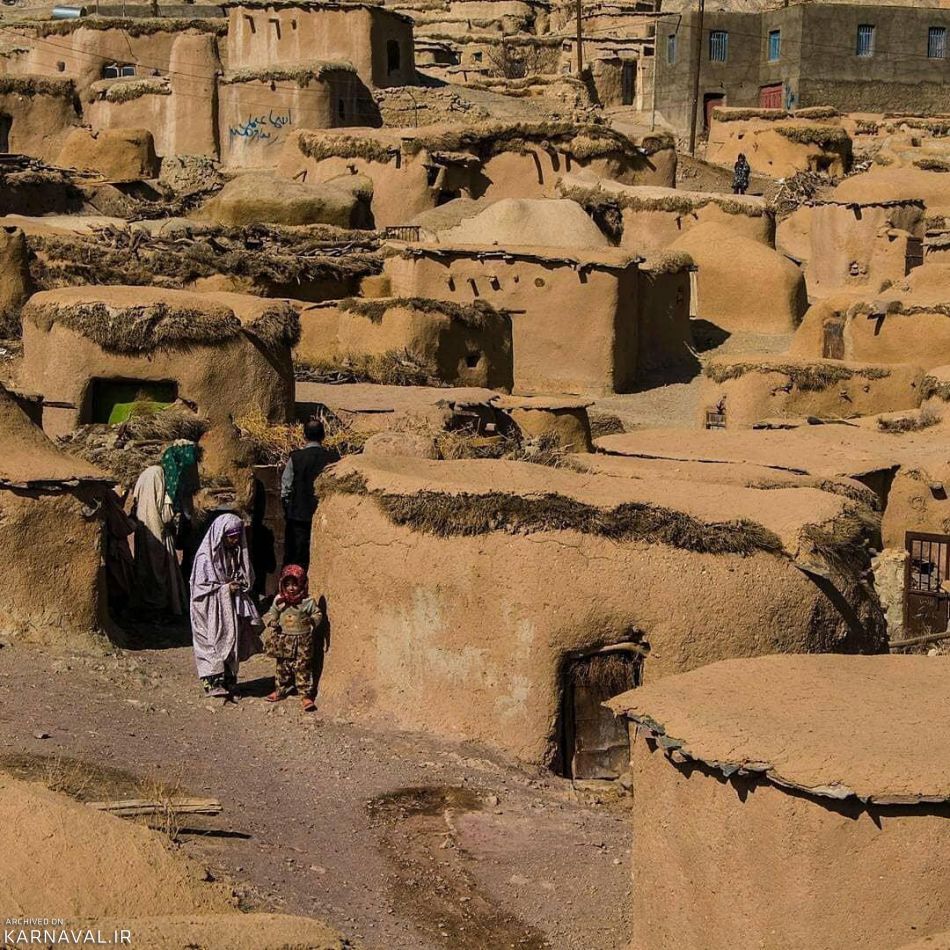
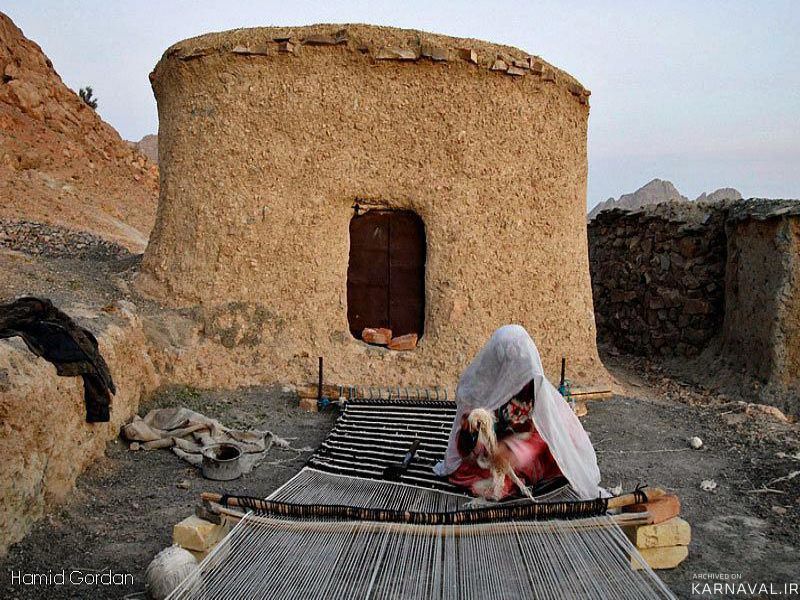
Of the roughly 200 stone and clay houses that make up the ancient village, 70 or 80 are exceptionally low, ranging between 1.5 and 2 metres – with the ceilings of some as low as 1.4m.

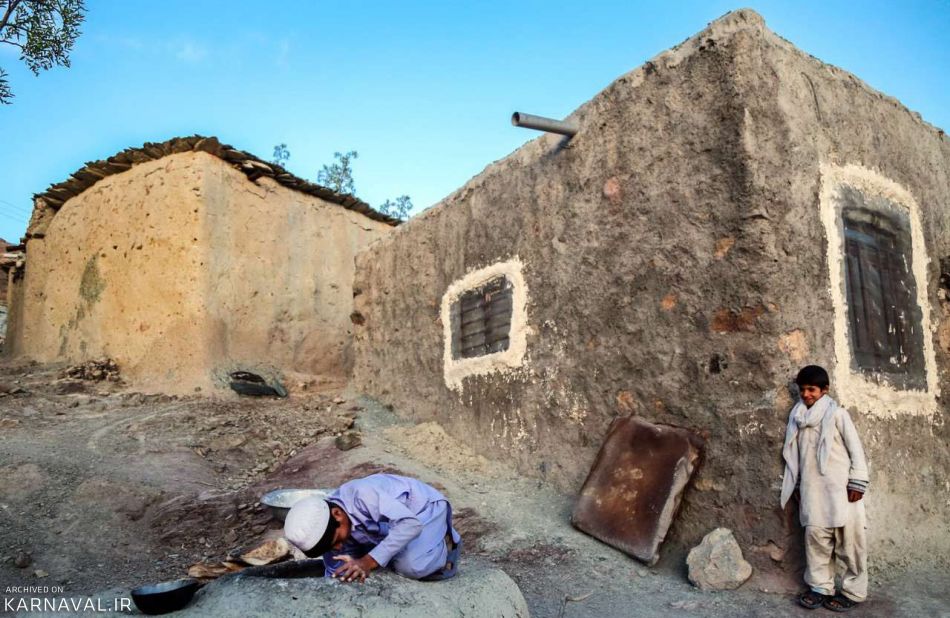
The homes have been erected on a hill in a cramped area lower than the earth level. With its floor about one meter into the earth, each home has a window as large as a human’s palm. The door of each home is too small and an ordinary man can hardly duck through even after bowing down. Made of stone, wood and clay, the homes were roughly 10 to 14sqm and consisted of the kandik (place for storing grain and wheat), a karshak (a clay stove for cooking) and a sleeping space.

Interestingly enough, each home accommodated a man with two or three wives and three to eight children. Meanwhile, there was a small living quarter known as the ‘sitting room’ for entertaining their guests.

The tiny homes have contributed to this belief that a group of Lilliputians used to live here but the reality on the ground speaks differently. One of the main reasons behind the villagers’ decision to erect the homes was protecting themselves against the cold weather. Firewood was scarce in the region and the residents had serious problems in warming their homes.

That’s why they had to construct homes as small as possible so that they could warm it up with their rare firewood. On the other hand, they made very small windows to prevent the cold weather from entering the homes. The tiny windows also allowed the day light into the homes. Most of the doors were located on the house’s southern side to let in more light and protect the home’s single room from strong winds.

Today, the residents of Makhunik have abandoned their ancient homes beginning to construct contemporary homes for living.

What follows are photos of the village retrieved from various sources:

“Iran to Use All Its Tools, Resources to Foil US’ Oil Plot”

Qassemi said at a weekly press conference the US President Donald Trump’s dream of halting Iran’s crude oil sales will never come true.

“Mr Trump both talks a lot and dreams a lot,” said Qassemi.

He said experience shows that Washington’s ambition to halt Iran’s oil exports is impossible to achieve in today’s world.

He said Iran is in contact with all its political and economic partners plus all those which buy oil as well as non-oil goods from Iran.

“We will use all our tools and resources to foil the United States’ plots,” he said.

Elsewhere in his remarks, the spokesman referred to the package of proposals offered by Europe over the Iran nuclear deal.

He said Tehran is not satisfied with some parts of the package, and that Iran has asked the European countries to review and revise the package. Qassemi said Iran expects the European signatories to the JCPOA to put forward their revised proposals soon, but at the same time does not wait for Europe’s package to run the country’s affairs and economy.

The spokesman also said that following the United States’ unilateral withdrawal from the Iran nuclear deal, Tehran sent messages to other countries through its ambassadors and special envoys to clarify its position on the issue.

He also referred to a scheduled meeting between Trump and his Russian counterpart Vladimir Putin in Finland on Monday, saying Putin is not carrying any messages from Iran for Trump in that meeting.

Qassemi also touched upon a recent trip to Oman by Iranian Foreign Minister Mohammad Javad Zarif, saying there is nothing secret about that visit.