Saturday, December 27, 2025
Home Blog Page 3470

“Turkey to Stand by Iran against US’ Illegitimate Sanctions”

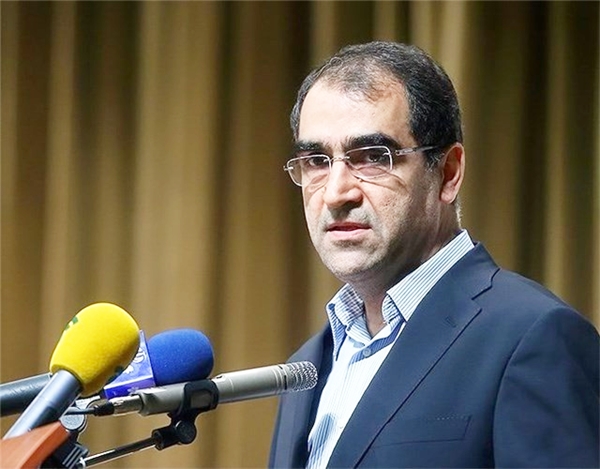
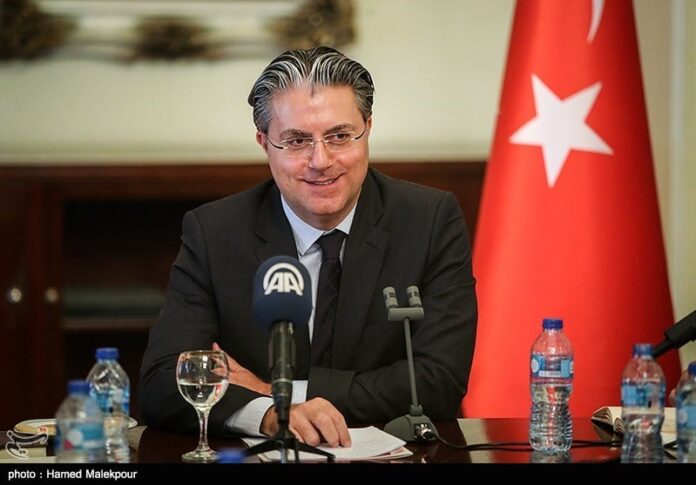
Reza Hakan Tekin told reporters on Sunday that Ankara has not yet received any message or demand from the US as to how Turkey is expected to behave regarding Washington’s sanctions on Iran. However, he added, a US delegation is scheduled to visit Turkey to express their requests.

Speaking in a press conference in Tehran, the top diplomat underlined that the United States has clearly announced what approach it is going to adopt vis-à-vis Iran. He said the White House intends to put all-out pressure on Iran in the economic domain.

Nevertheless, said the ambassador, US officials make contradictory remarks as well. For instance, he said, American authorities once said they intended to bring Iran’s oil exports to zero, but stated a few days later that there could be exceptions. He underlined that Turkey’s stance on US sanctions is crystal clear as Ankara regards the bans as illegal and fruitless.

Tekin said Turkey is standing by Iranian people in the face of sanctions, and stressed that Ankara and Tehran have extensive economic cooperation. Moreover, he said, Turkey and Iran are working together and have many common interests in political, defense and security arenas.

Tekin, who was speaking on the second anniversary of the abortive coup in Turkey, touched upon the mass arrests made in order to purge the Turkish society of elements working for opposition figure Fethullah Gülen. He said the arrests during which journalists are also apprehended are sometimes referred to as “crackdown” on people, but, as he added, the move is aimed at dealing with terrorists.

Tekin said Turkey once again thanks Iran for its unflinching support for Ankara in the very early hours after the failed coup. The top diplomat said Tehran never allowed “Gullen’s terrorist organization” to establish a base in Iran.

Elsewhere in his remarks, the Turkish ambassador touched upon Ankara’s strategy regarding Syria. He said Turkey was not a party to the talks on the establishment of a de-escalation zone in Syria and, hence, has no precise information in that regard and does not know whether or not the US and Russia have reached agreement on that. However, he noted, Turkey believes Idlib is very important. He said there is no military solution to the crisis in Syria, and he conflict should be resolved politically.

The top diplomat referred to the operations conducted by Turkish forces in al-Bab and Afrin in northern Syria against ISIS and PKK militants, saying Turkey has no plans for a permanent presence there.
 

Syria’s Robust Ties with Iran to Develop despite All Threats: Assad

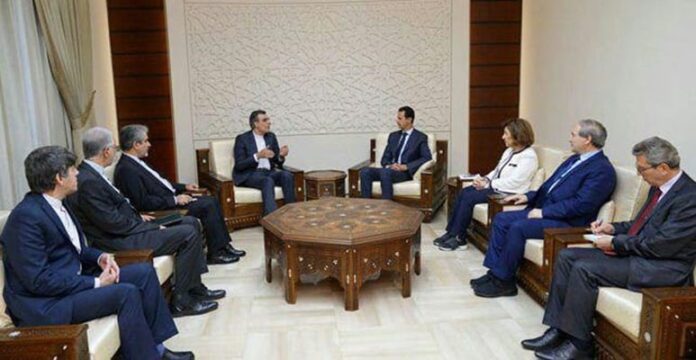
Assad made the remarks in a Sunday meeting with Hossein Jaberi Ansari, a senior assistant to Iranian Foreign Minister, who is on a tour of the Middle East as part of the trend of Astana talks.

During the meeting held in Damascus, the Syrian president touched upon some of the domestic and foreign threats facing robust relations between Tehran and Damascus over the past 40 years, and said the ties will continue to develop despite all threats.

The Syrian president underlined that during the war against Syria and Damascus’ fight on terrorism, strategic relations between Iran and Syria gained strength day by day, and these relations, which serve the interests of both sides and the region, will continue to develop at the highest level.

He also noted that victories over terrorists in vast parts of his country have set the stage for progress in the political trend and putting an end to the war on Syria.

Jaberi Ansari, in turn, referred to the latest developments in southern Syria and Syrian army regaining control of large parts of Dara’a and Quneitra provinces, and congratulated the Syrian people and government on the recent gains by Syrian troops.

The Iranian diplomat noted that it is necessary to manage political trends in order to end the crisis in Syria under the current circumstances and in tandem with the gains made on the ground in fighting terrorism. He also presented a report on the latest developments pertaining to the ongoing talks on the Syrian Constitutional Committee.

Jaberi Ansari also referred to the experience of four decades of successful relations and cooperation between the two countries as well as Iran’s backing for Syria in combating terrorism and foreign interference.

“In the most difficult phases over the past forty years, relations between the two countries have been growing, and will continue based on the common interests of both nations and the regional nations as well as the strategic viewpoints of both countries’ leaders,” said Jaberi Ansari.

The two sides also exchanged views on the latest developments on the ground in Syria as well as coordination between Tehran and Damascus at the current stage of negotiations aimed at bringing peace to the Arab country.

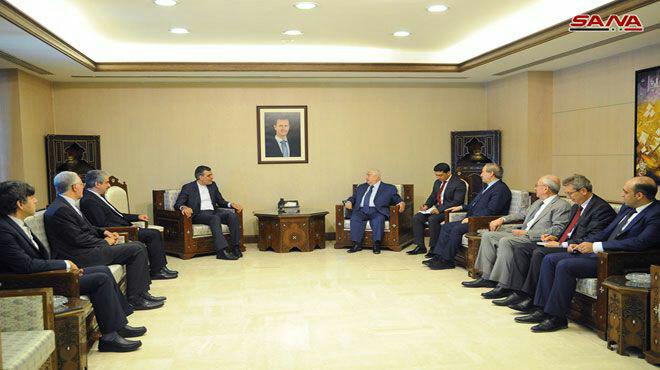
During his stay in Damascus, Jaberi Ansari also held talks with Syrian Foreign Minister Walid Muallem, during which the two sides discussed the latest political developments as well as issues related to the Syrian Constitutional Committee.

They also talked about an upcoming meeting which is due to be held in Geneva, Switzerland, between the three guarantor states of the Syria truce and the UN special envoy for Syria as well as the tenth round of Astana talks in the Russian city of Sochi.

The Iranian official also sat down with some other high-ranking Syrian authorities and discussed with them the latest developments on the ground in Syria as well as the country’s political developments. Also on the agenda of the talks were cases pertaining to a committee charged with swapping detainees.

The senior Iranian official leaves Damascus for Beirut tonight, winding up his day-long visit to Syria.

Syria’s Robust Ties with Iran to Develop despite All Threats: Assad

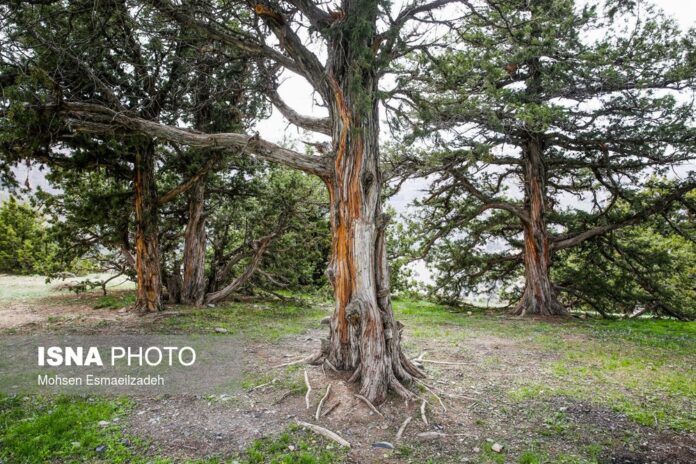
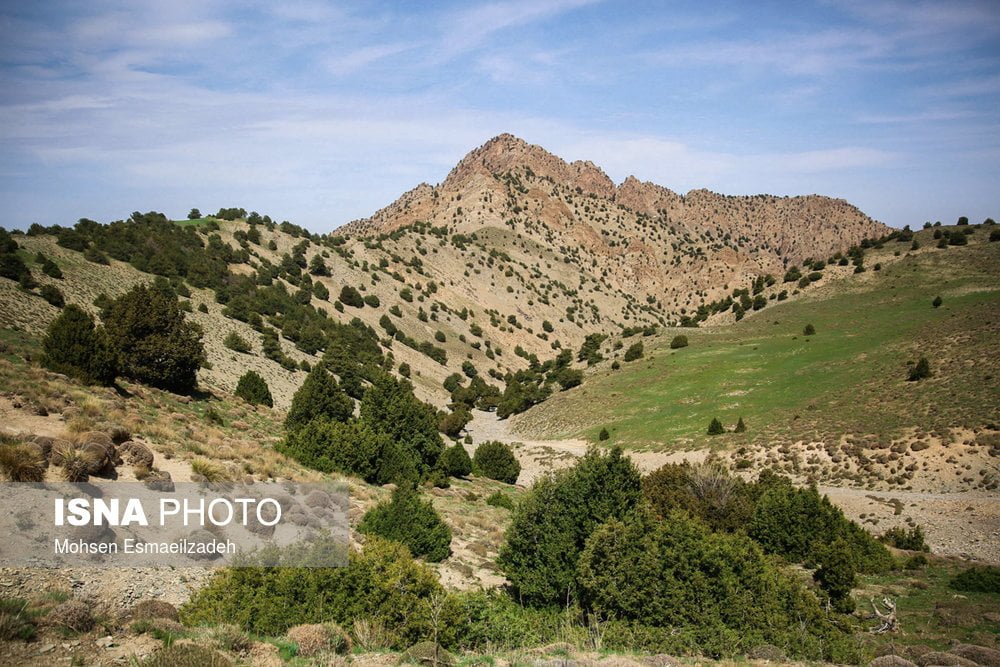
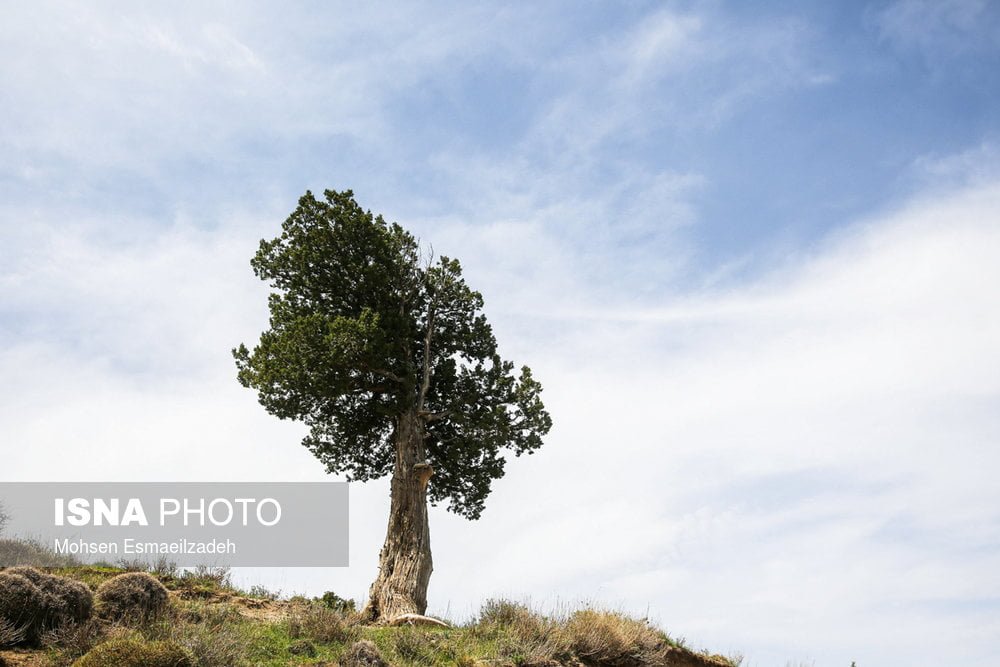
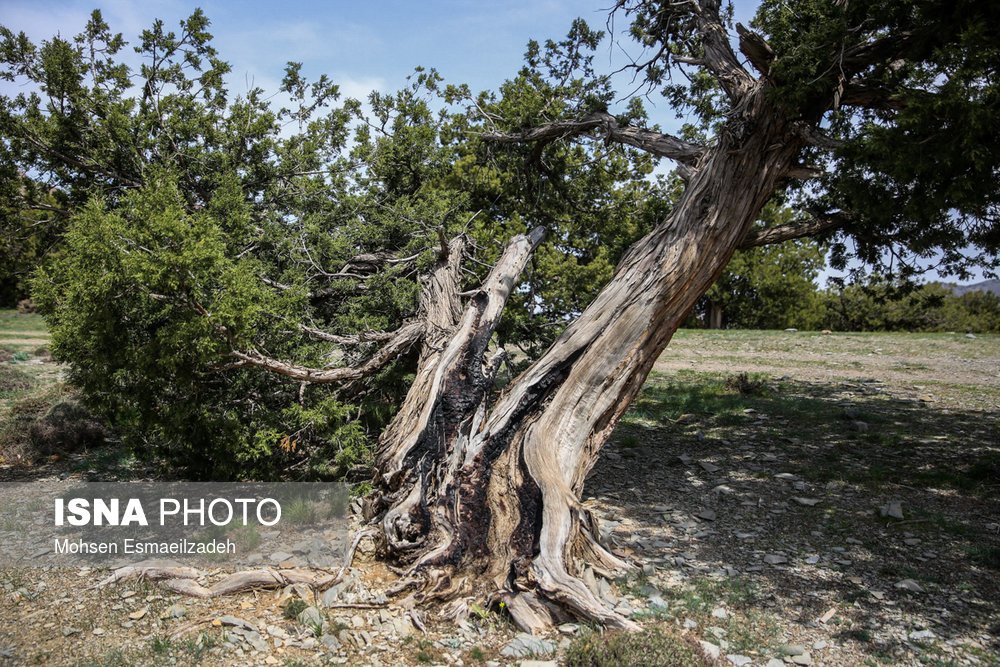
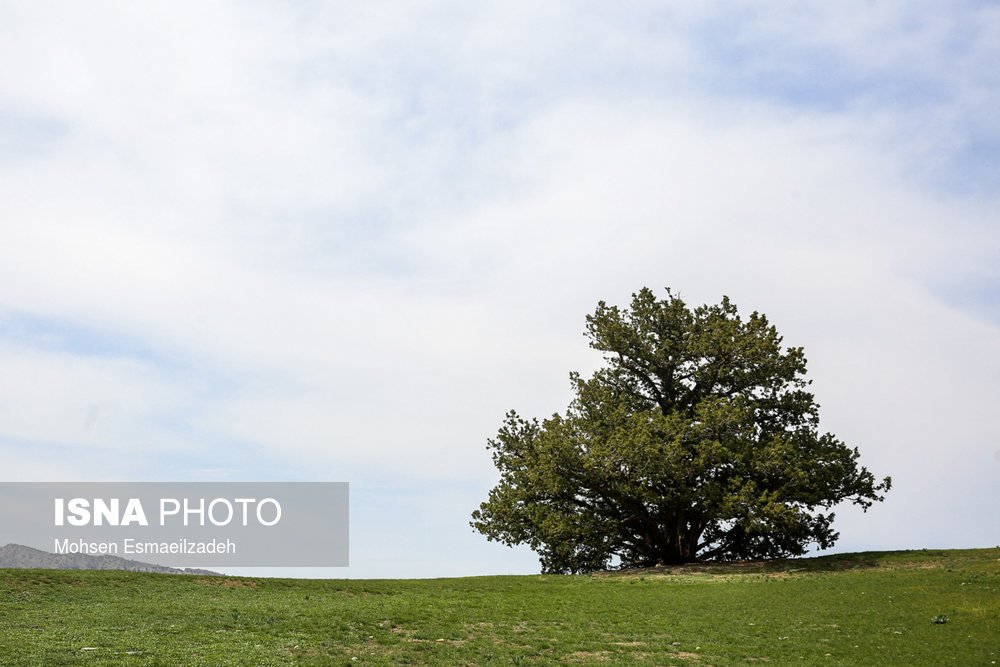
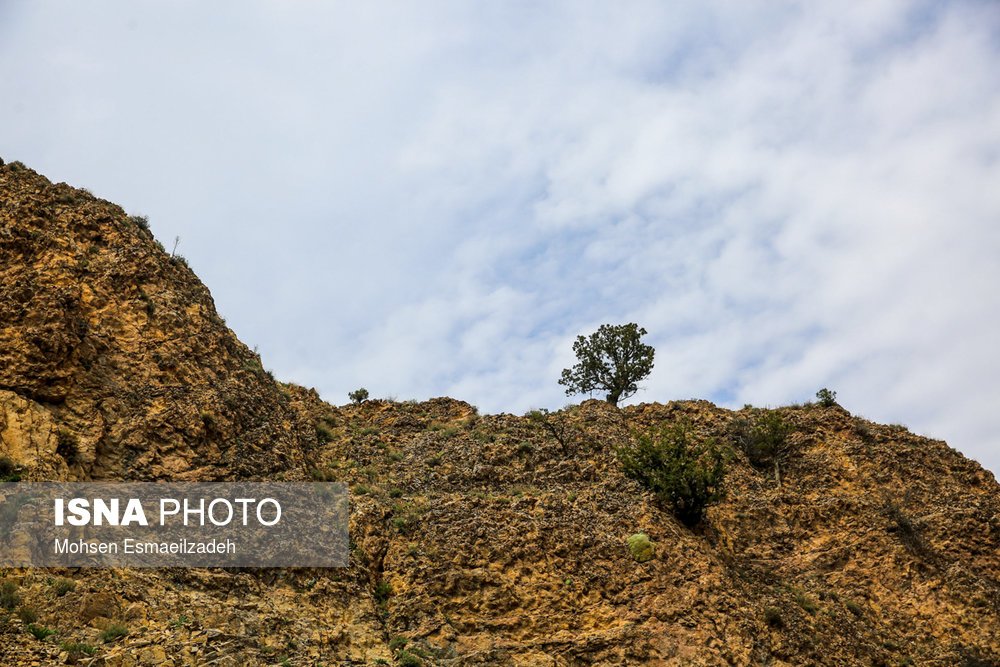
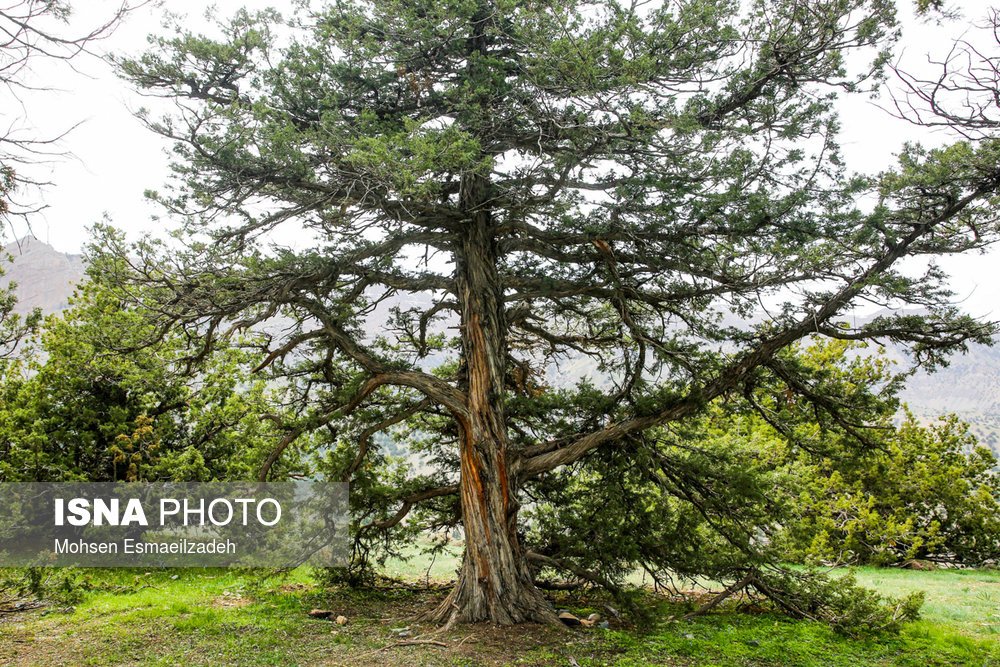
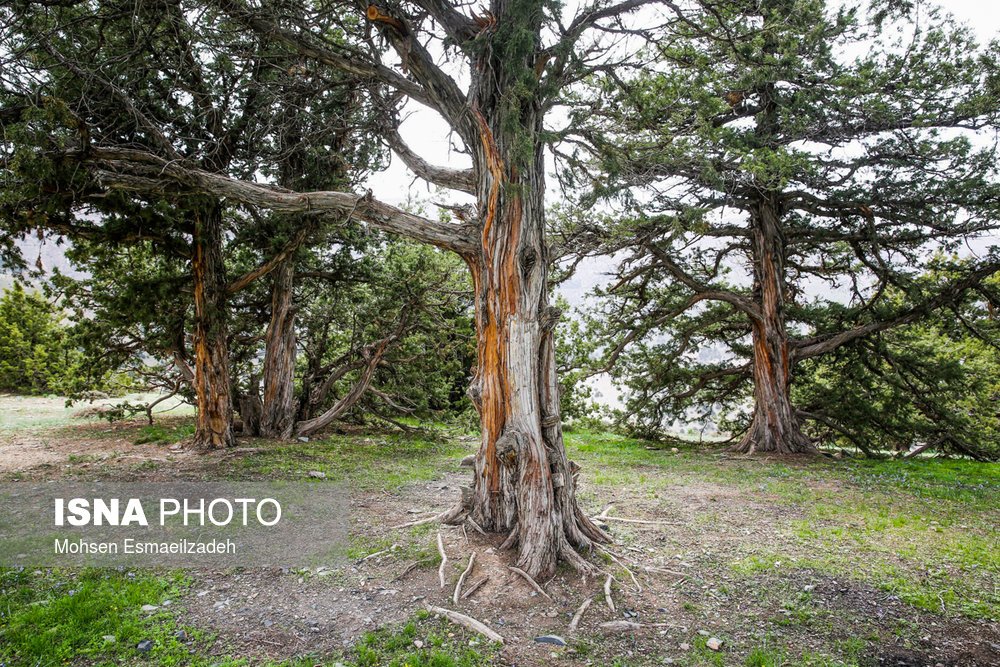
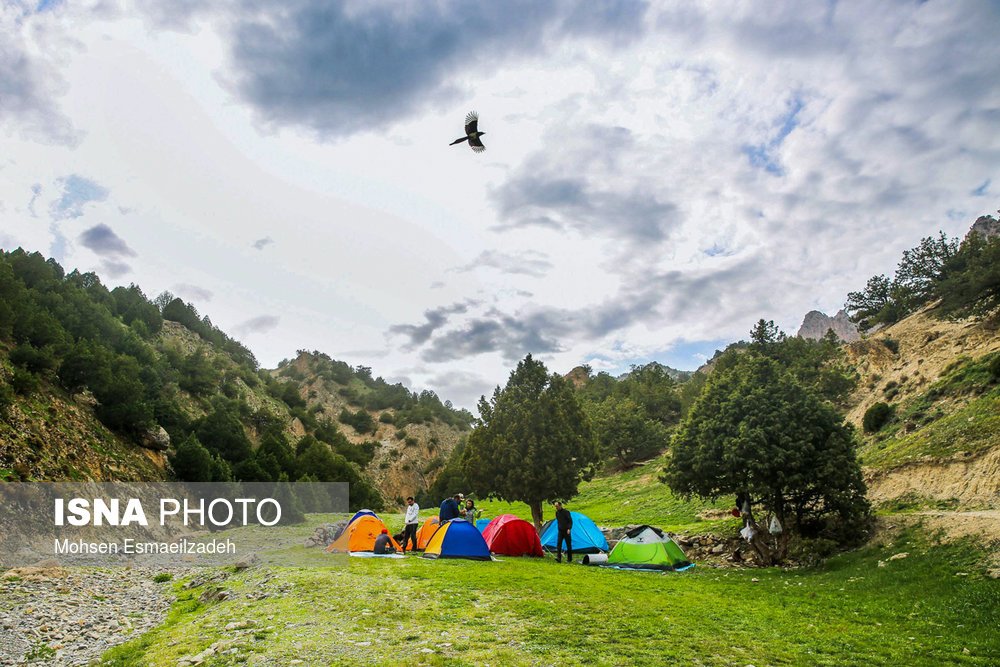
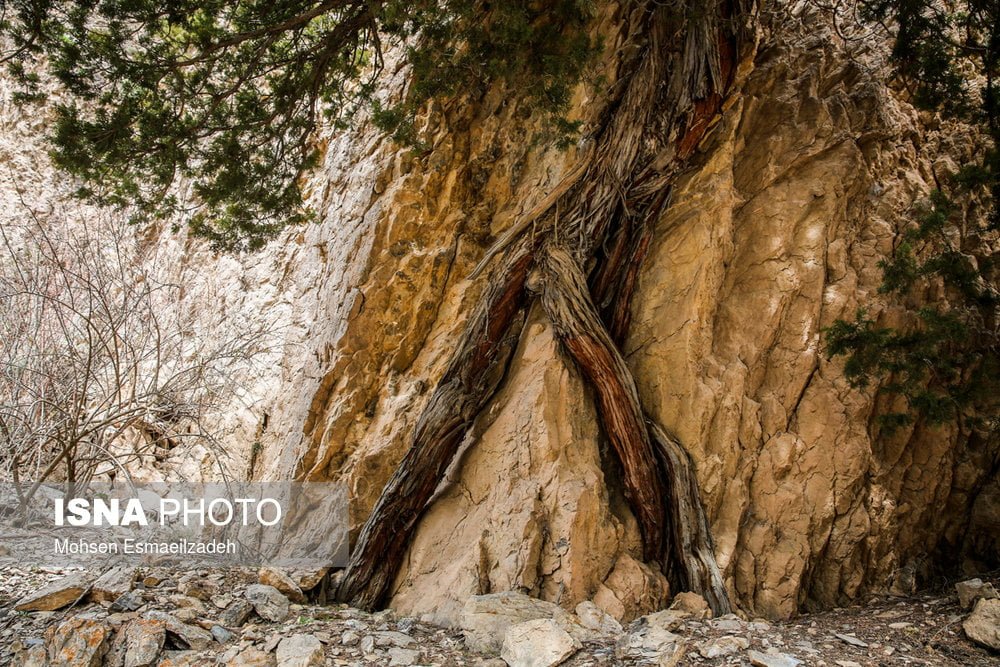
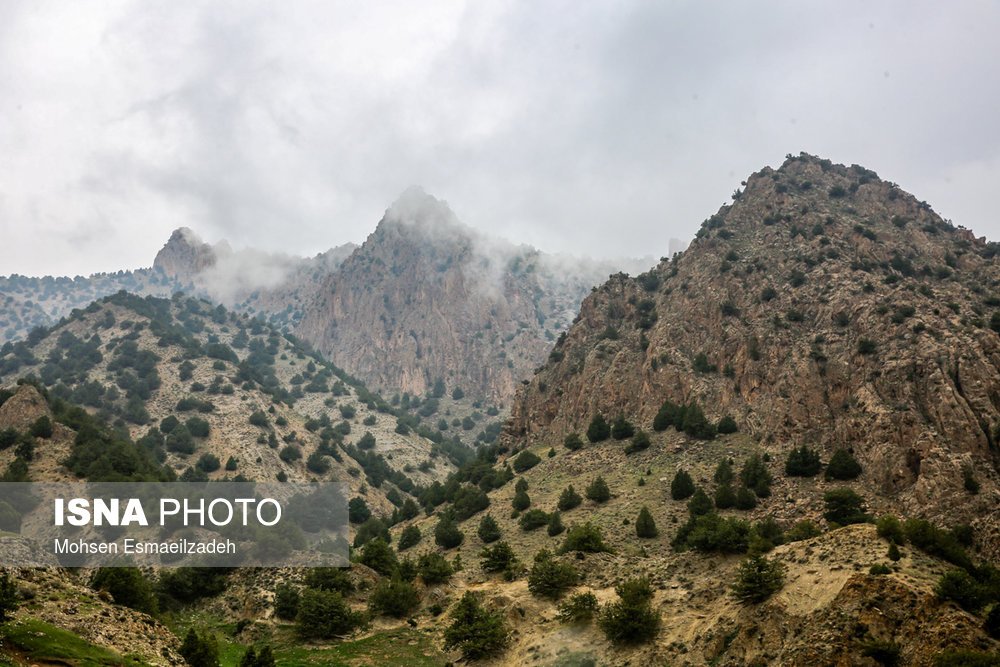
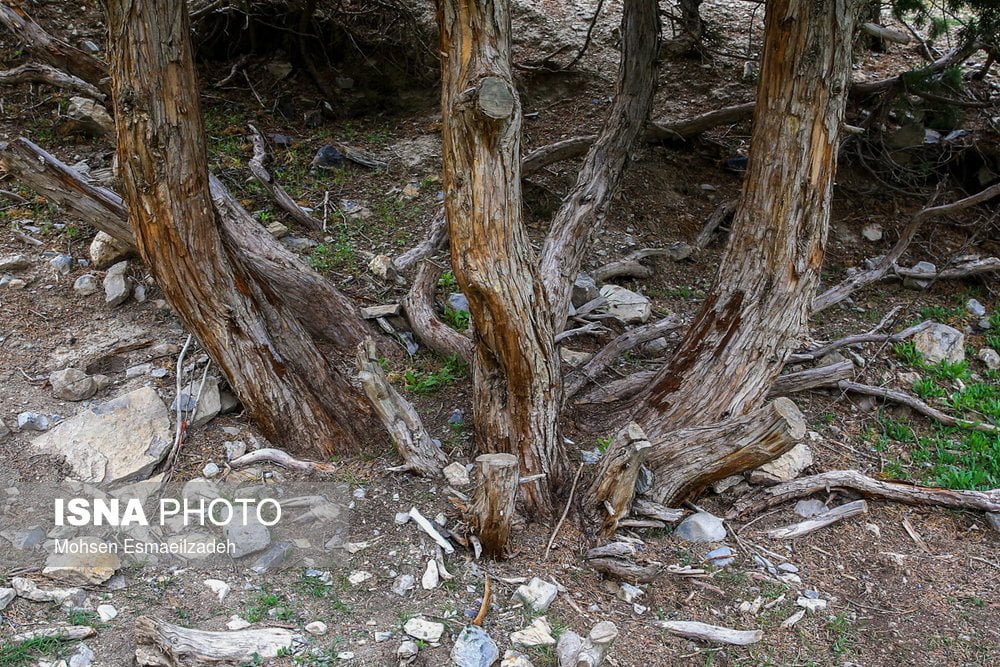
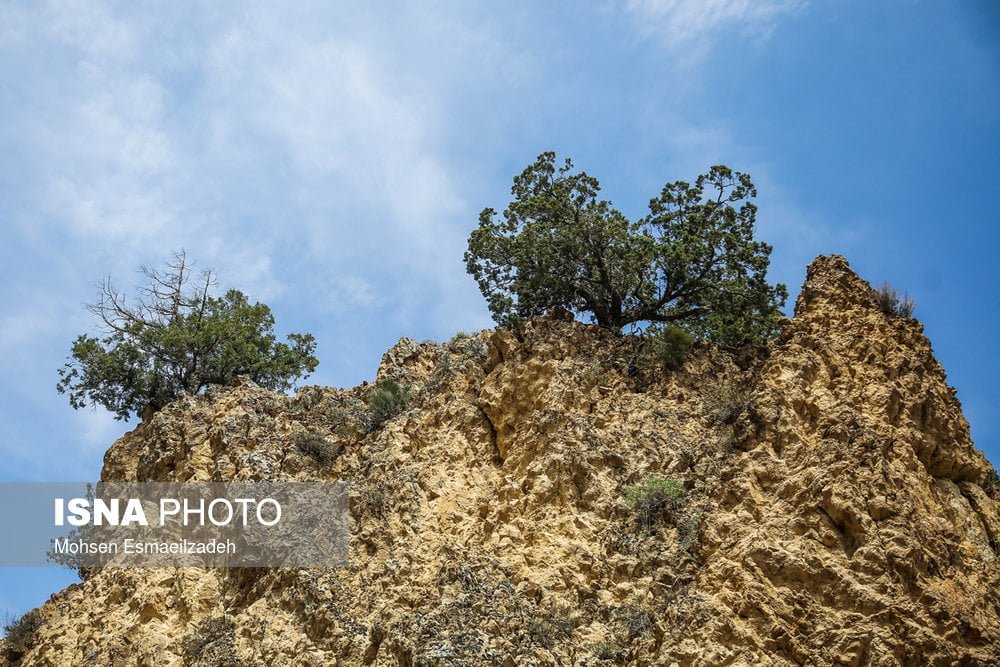
Stunning Beauty of Iran’s Intact Juniper Forests

Juniper is a strong tree resilient against high or low temperatures in the summer or winter. The roots of the tree penetrate into the heart of the hard stones to reach water. That’s why it is called by local Iranians “Ores”, meaning water finder.

The feature has made the tree much stronger and resilient. In the past, the tree, given its robust body, was used in making bridges and roads and construction of village houses and nomadic tents.

Relentless cutting down of the tree by locals to procure fuel or accomplish their construction projects have destroyed many Ores forests.

To stop the deteriorating situation, the Iranian government passed a law in 1992 and banned cutting down of the tree. The tree mainly grows in northern and eastern to western Iran along the southern hillsides of Alborz Mountain as well as in the northwestern to southern Iran along the hillsides of Alborz and Zagros mountains.

One of the main places in which the tree is grown up is a 112,714-metre protected area in Khorasan Razaiv province in northeastern Iran named “Ores Sistan”.

What follows are ISNA’s photos of the protected area located on the hills of Hezar-Masjed Mountains:

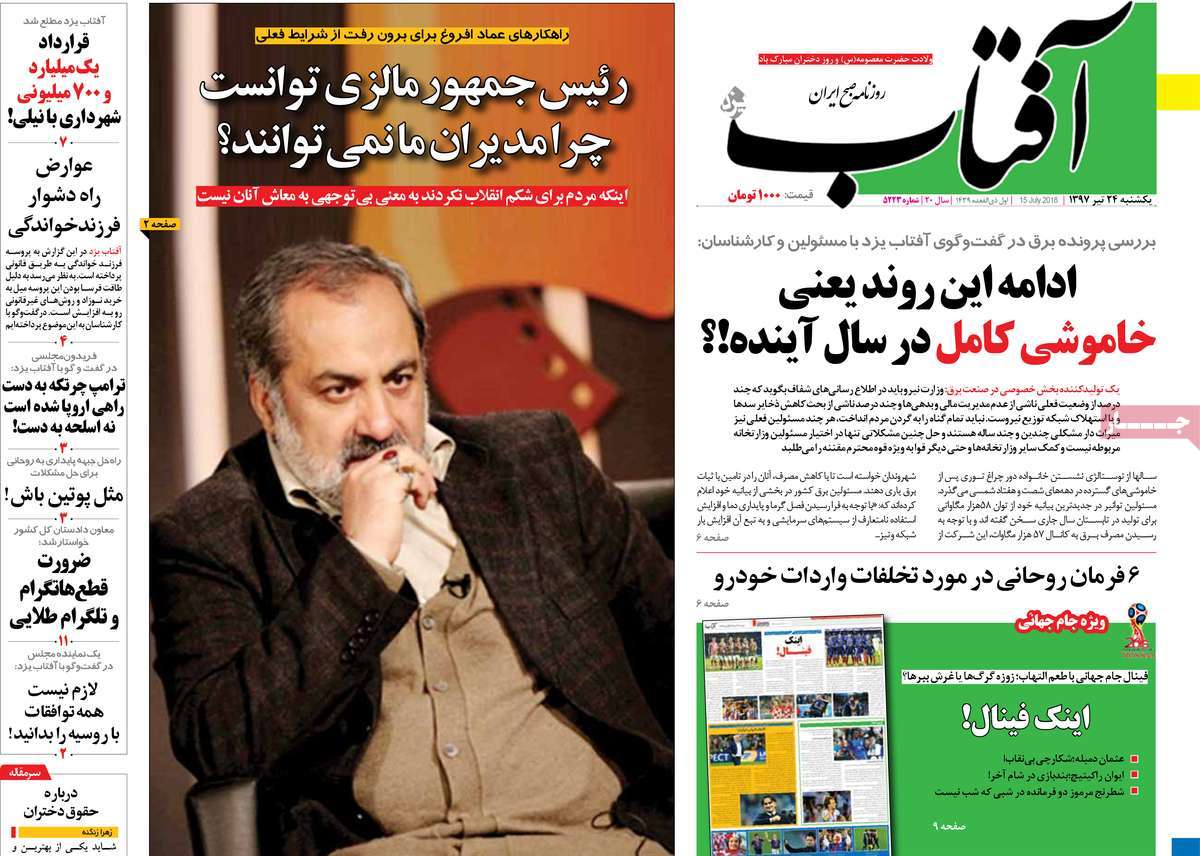
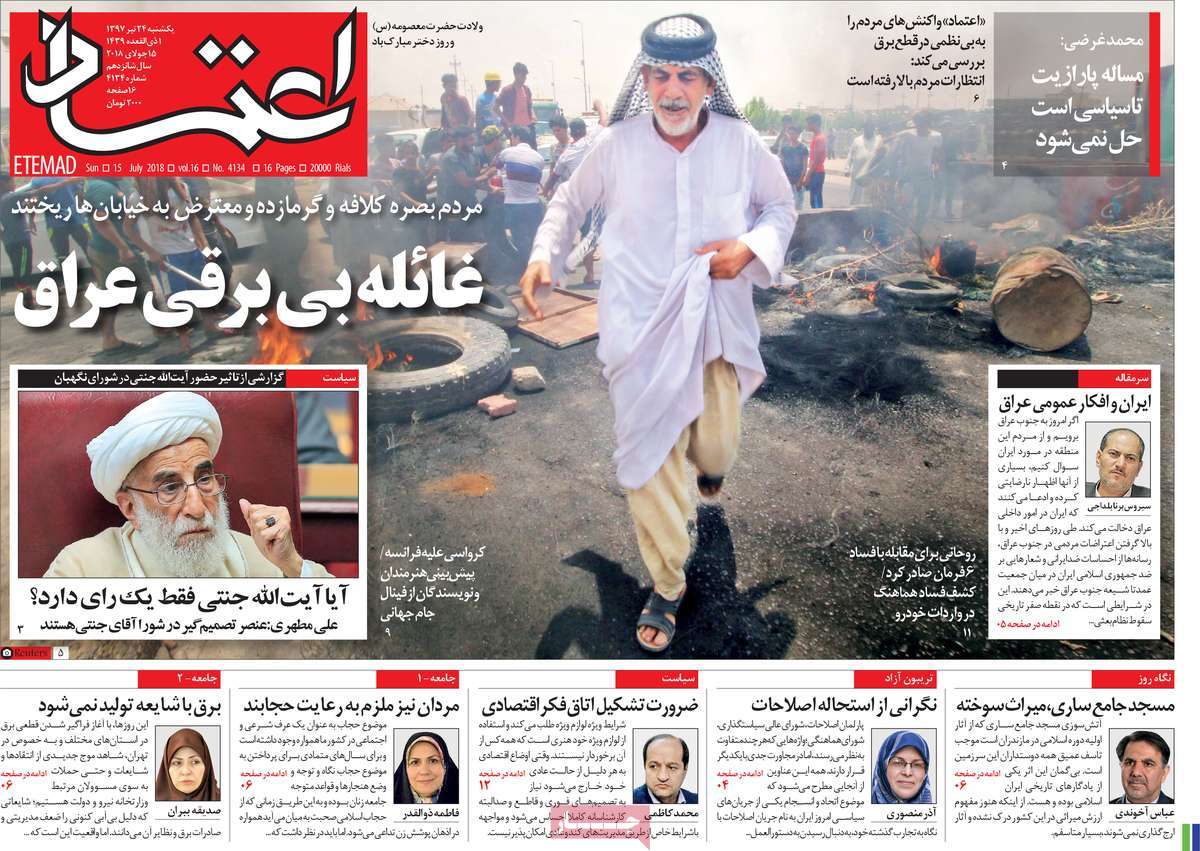
A Look at Iranian Newspaper Front Pages on July 15

A Look at Iranian Newspaper Front Pages on November 19

Several papers today covered the Guardian Council’s rejection of a bill ratified by the Parliament which allowed the government to implement a set of standards introduced by the Financial Action Task Force (FATF).

The final match of FIFA World Cup 2018 between France and Croatia was also a top story in many papers today. Several articles were written today on the end of the one-month tournament, which attracted billions of people around the world.

Remarks by President Hassan Rouhani and Health Minister Hassan Qazizadeh Hashemi about the US sanctions and the country’s resistance against them also received great coverage.

The above issues, as well as many more, are highlighted in the following headlines and top stories:


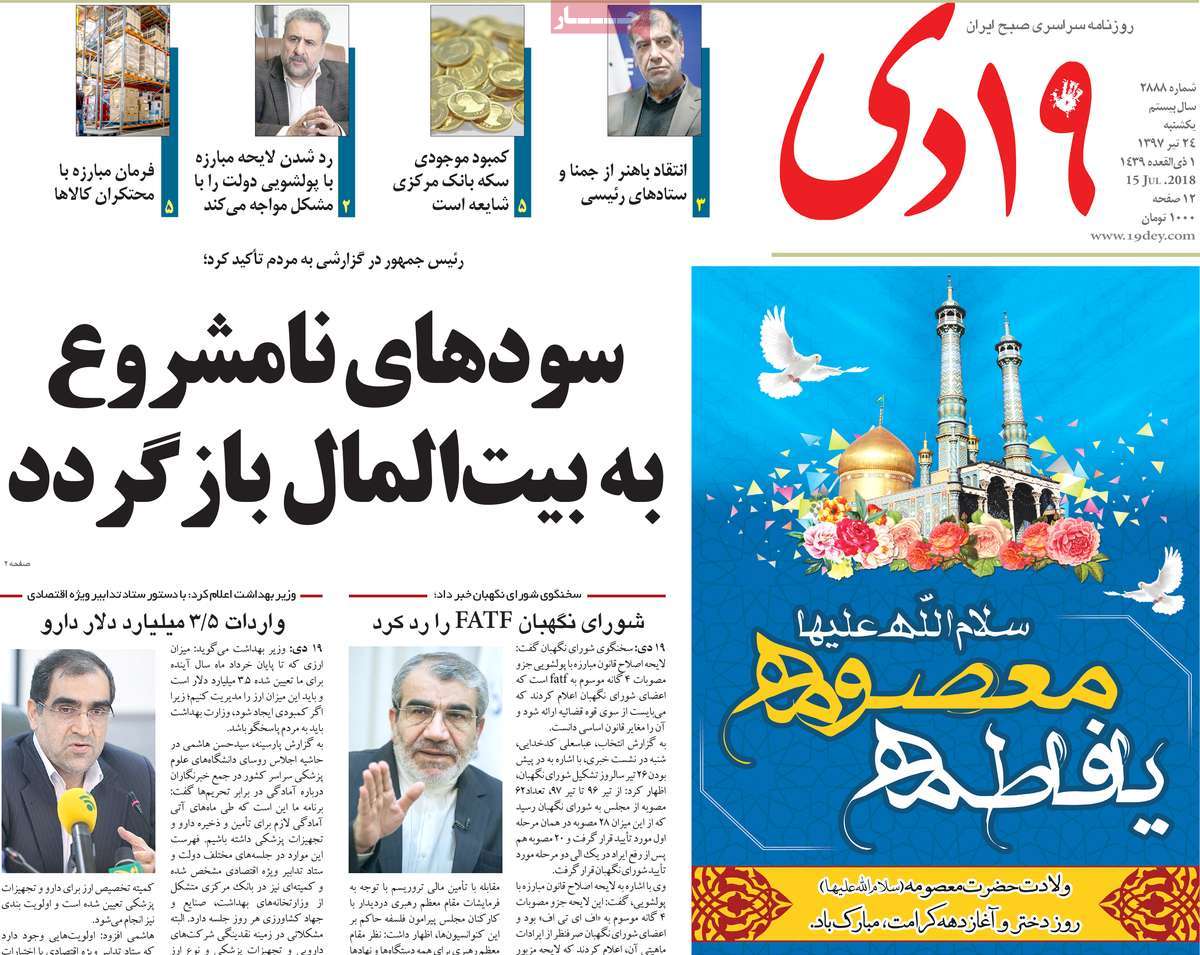
19 Dey:

1- Guardian Council Rejects Iran’s Adoption of FATF Standards

A Look at Iranian Newspaper Front Pages on July 15


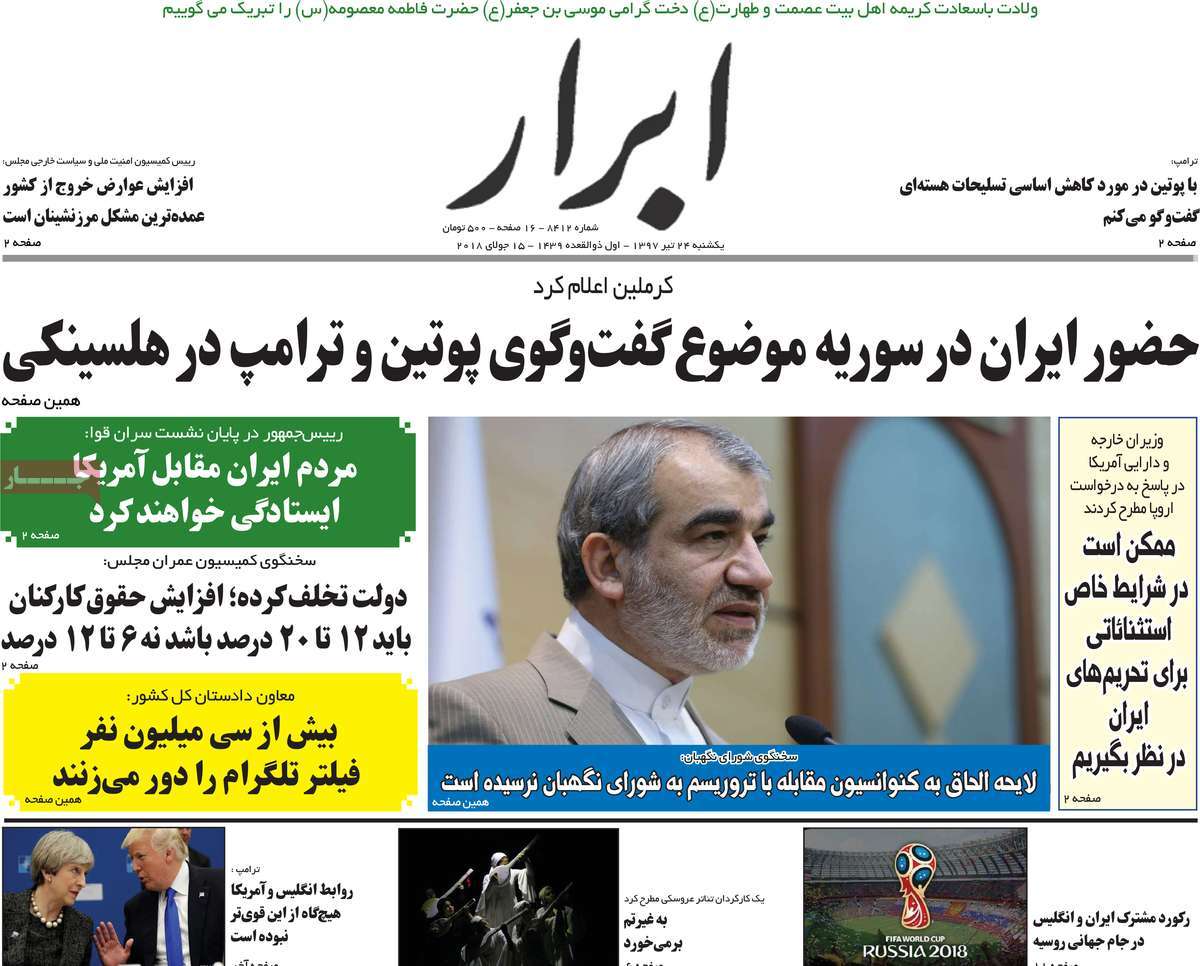
Abrar:

1- Kremlin: Putin, Trump to Discuss Iran’s Presence in Syria in Helsinki Summit

2- Rouhani: Iranian People to Stand against US

A Look at Iranian Newspaper Front Pages on July 15


Aftab-e Yazd:

1- Analyst: Trump Looking for Economic Interests in Talks with EU

2- Iranian Hardliners Advise Rouhani to Be Like Trump!

A Look at Iranian Newspaper Front Pages on July 15


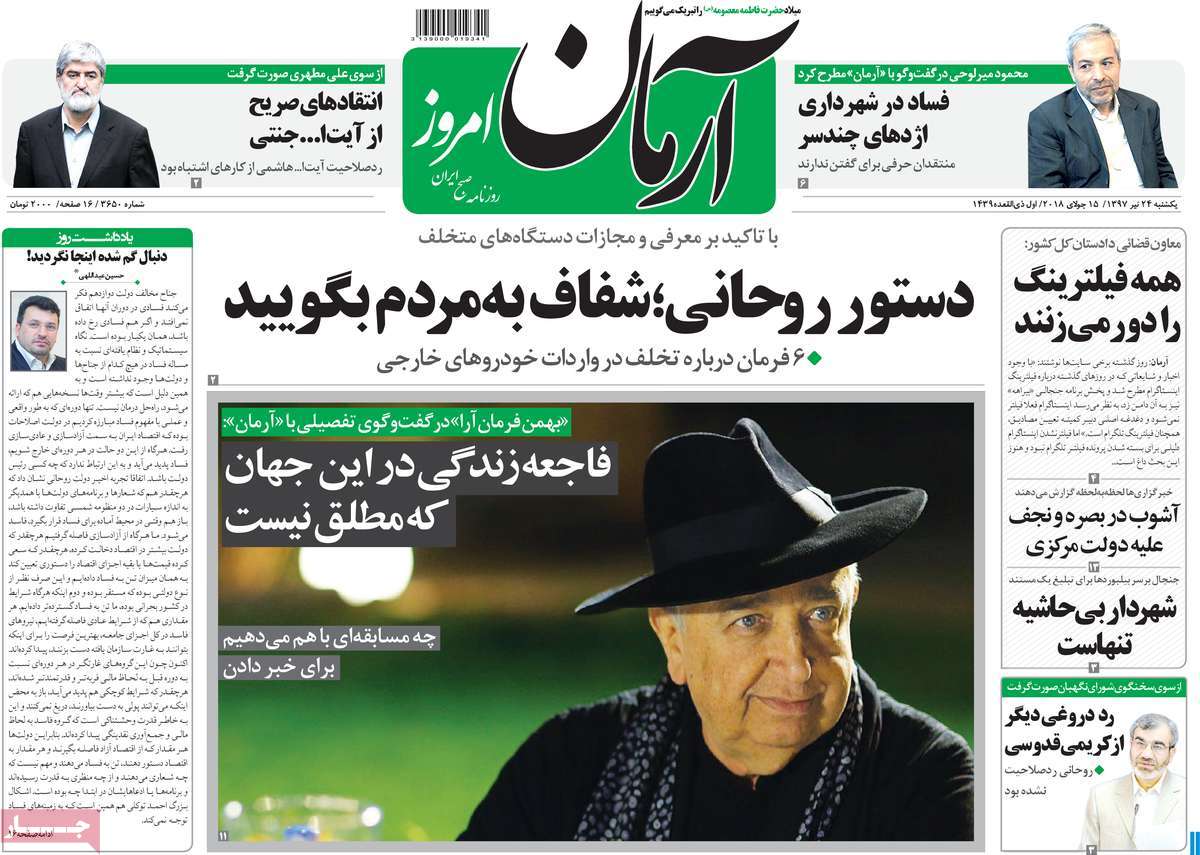
Arman-e Emrooz:

1- Deputy Prosecutor General: Every One Bypassing Filtering

2- Chaos in Basra and Najaf against Central Government

A Look at Iranian Newspaper Front Pages on July 15


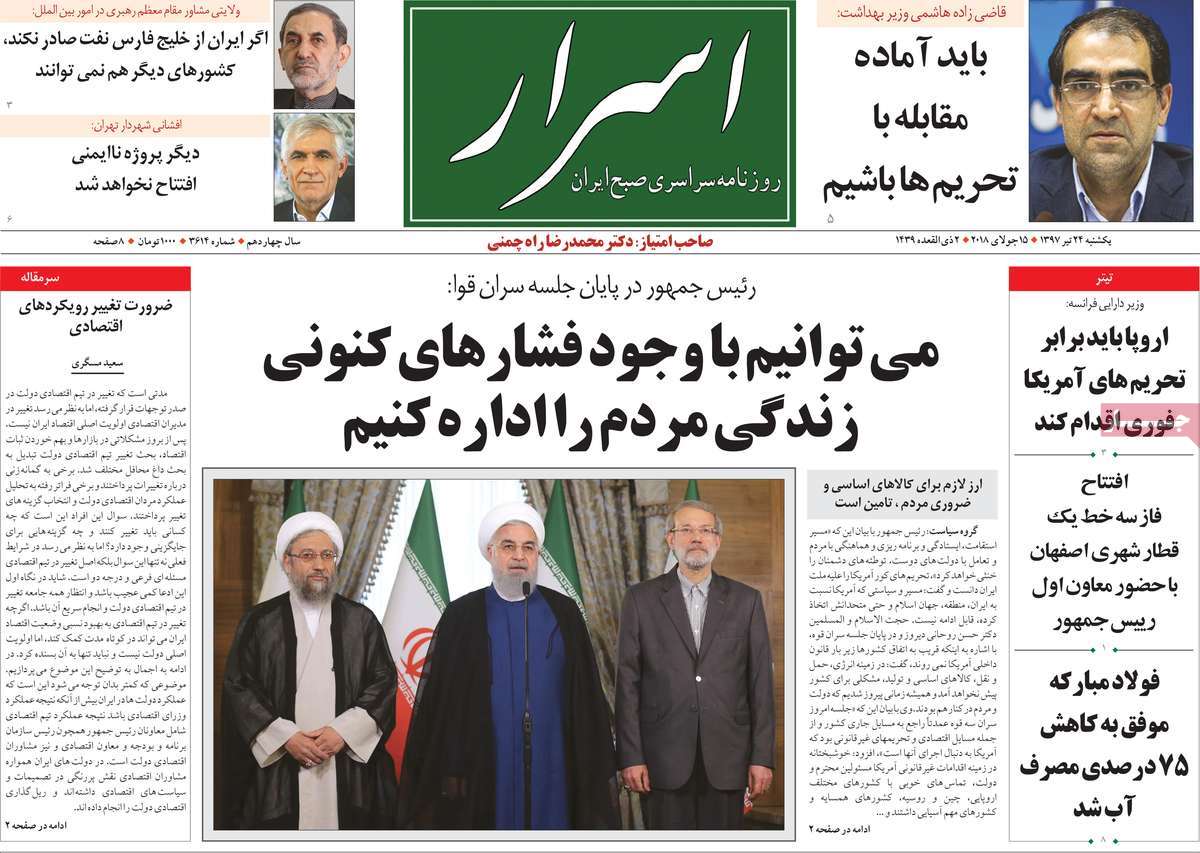
Asrar:

1- Rouhani: We Can Manage People’s Daily Lives despite Current Pressure

A Look at Iranian Newspaper Front Pages on July 15


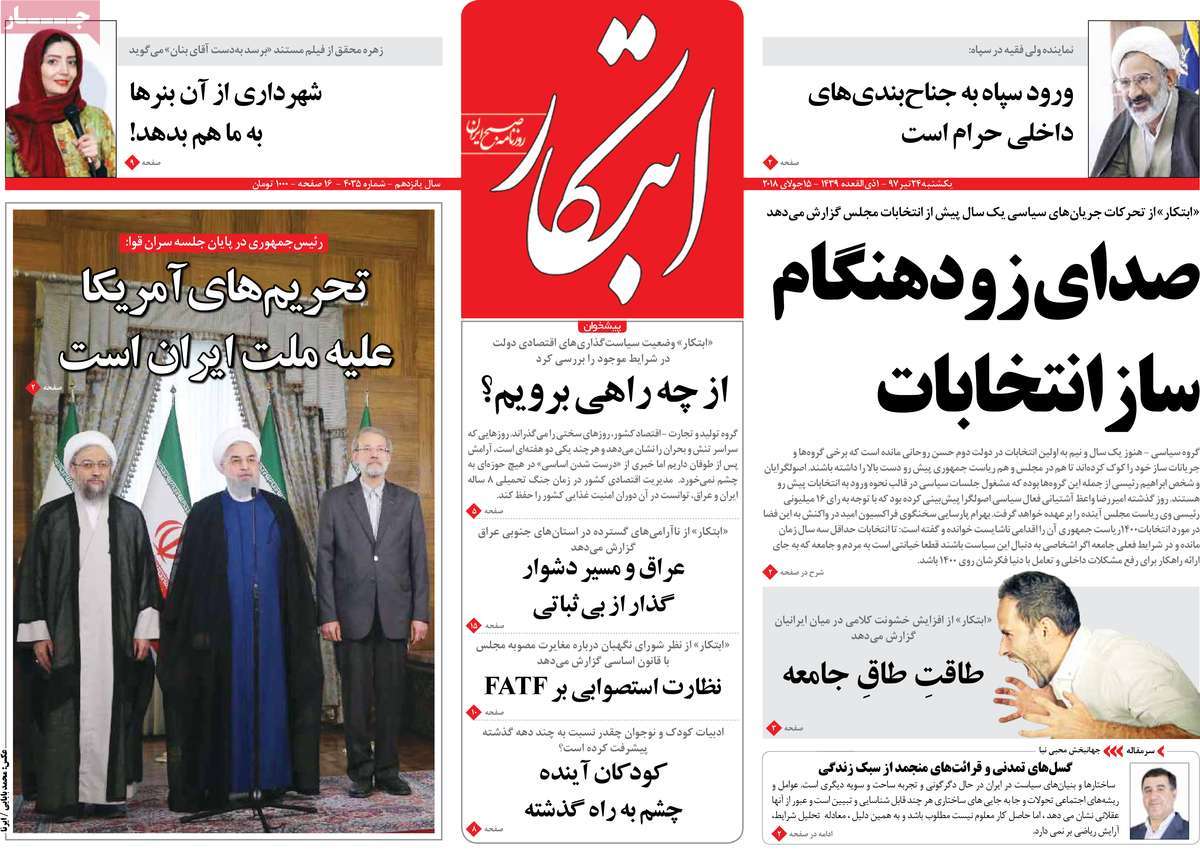
Ebtekar:

1- Rouhani: US Sanctions against Iranian Nation

A Look at Iranian Newspaper Front Pages on July 15


Etemad:

1- Unrest in Iraq over Electricity: People of Basra Pour into Streets to Protest

2- Croatia vs France: Artists, Writers Predict Result of FIFA World Cup Final

A Look at Iranian Newspaper Front Pages on July 15


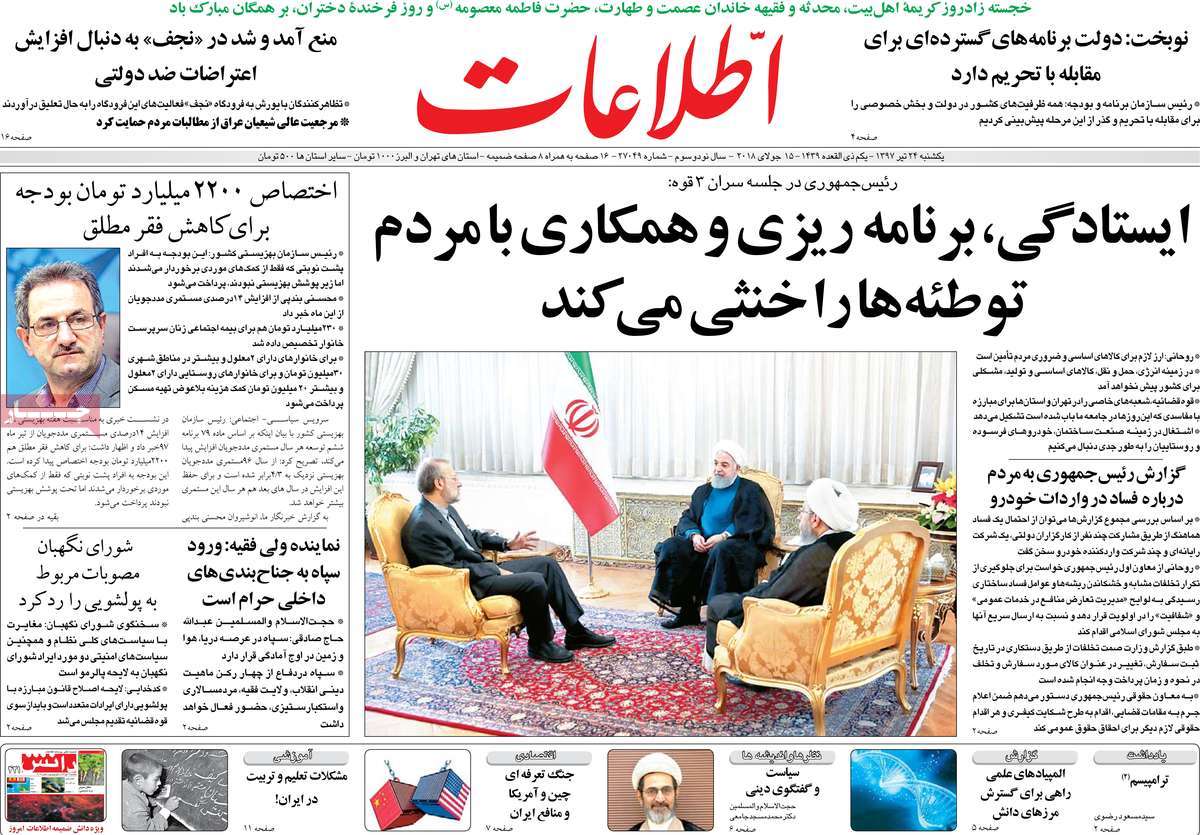
Ettela’at:

1- Rouhani: Resistance, Planning, Cooperation with People to Neutralize Plots

2- Spokesman: Government Has Extensive Plans to Counter Sanctions

3- Curfew in Najaf after Escalation of Anti-Government Protests

A Look at Iranian Newspaper Front Pages on July 15


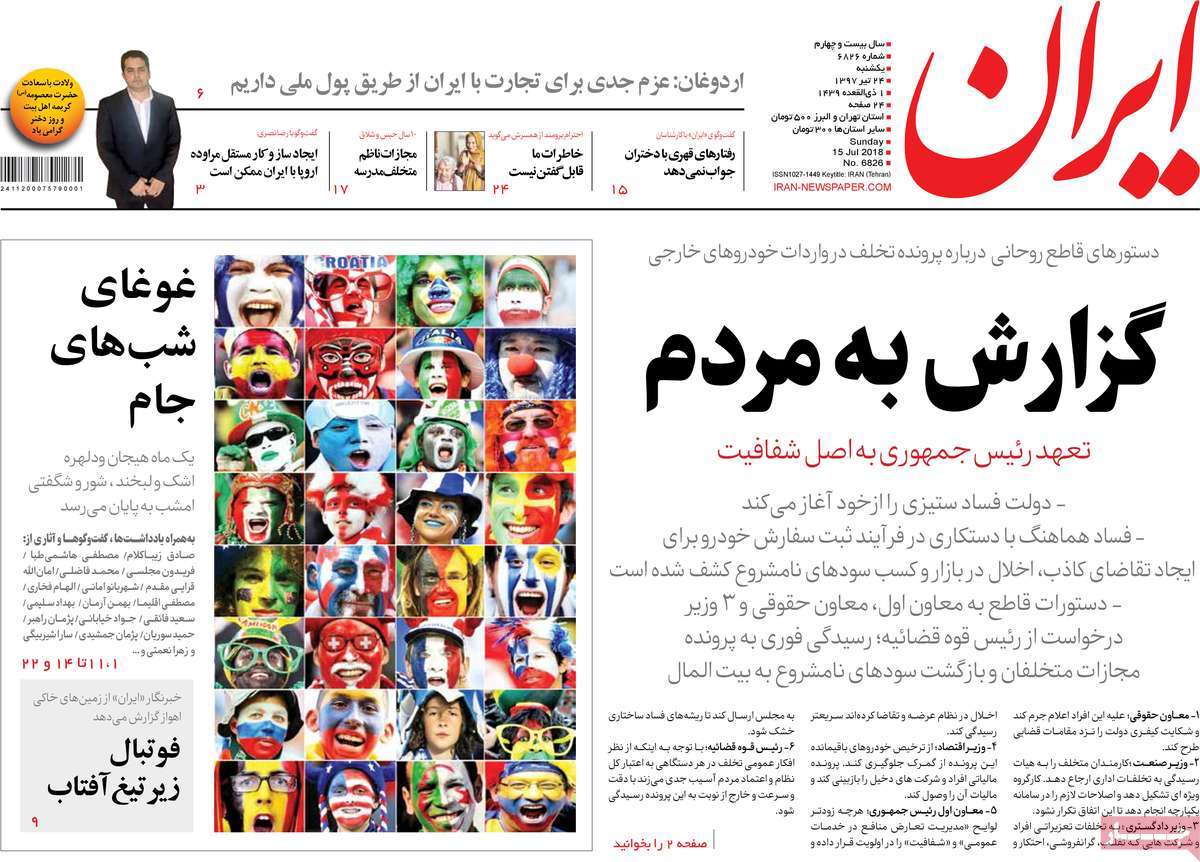
Iran:

1- FIFA World Cup Will End Tonight after One Month of Excitement, Stress, Tears, Smiles

A Look at Iranian Newspaper Front Pages on July 15


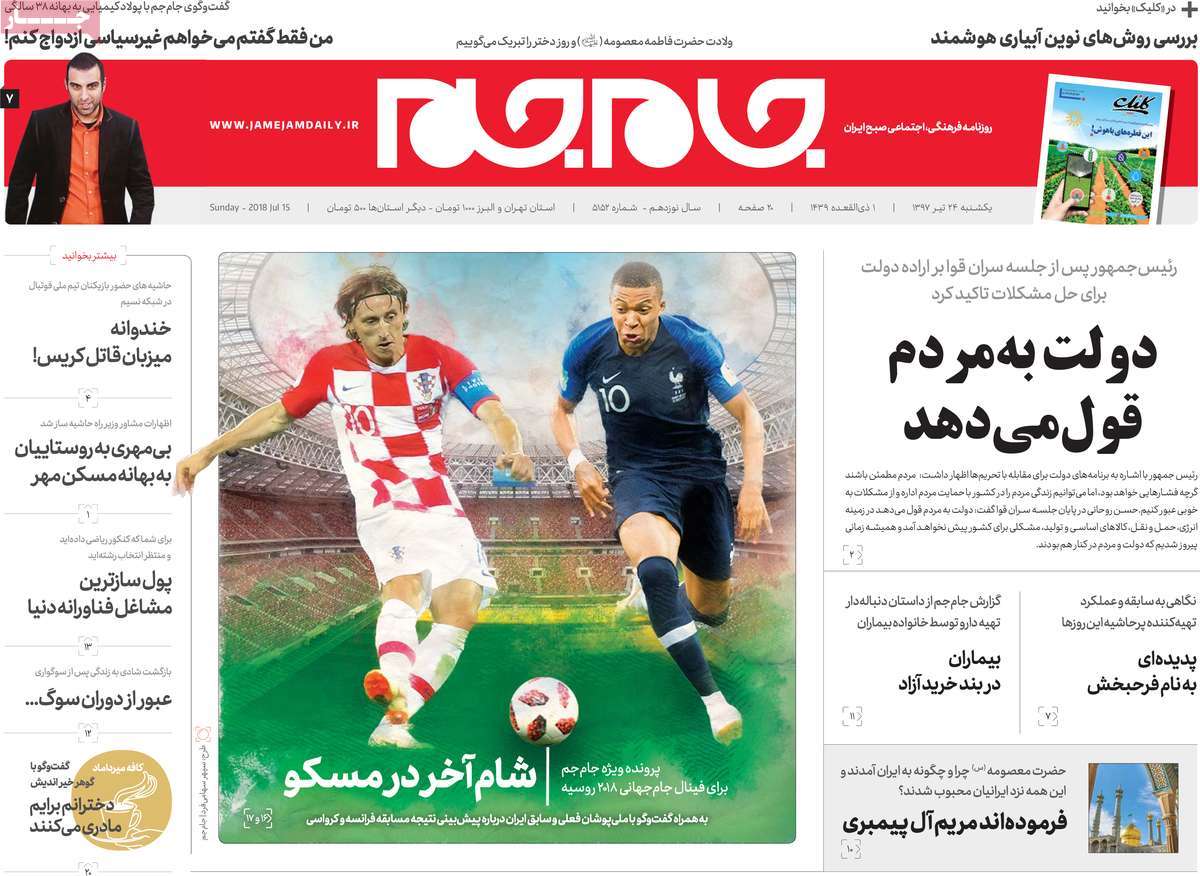
Jame Jam:

1- Last Supper in Moscow

A Look at Iranian Newspaper Front Pages on July 15


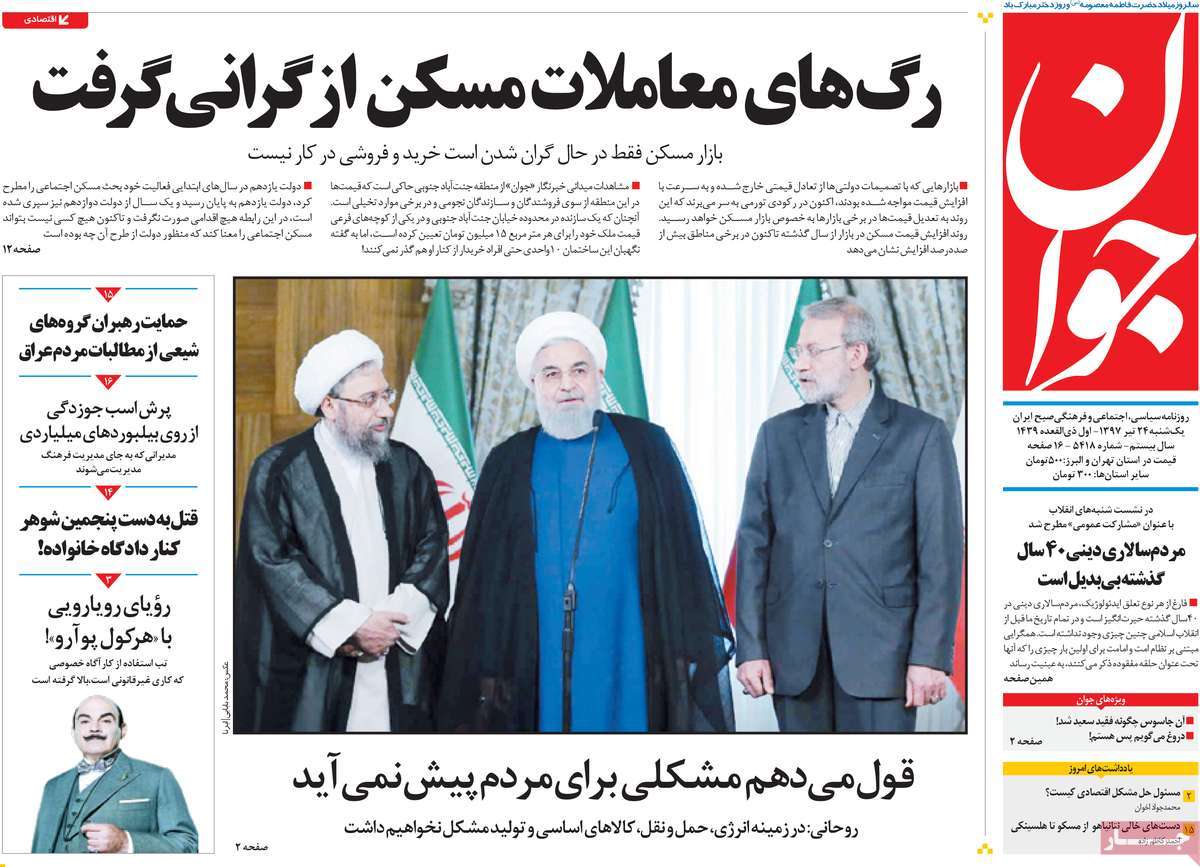
Javan:

1- Rouhani: I Promise US Sanctions Won’t Create Any Problem for People

  • We’ll Have No Problem in Energy, Transport, Basic Goods, Production

A Look at Iranian Newspaper Front Pages on July 15


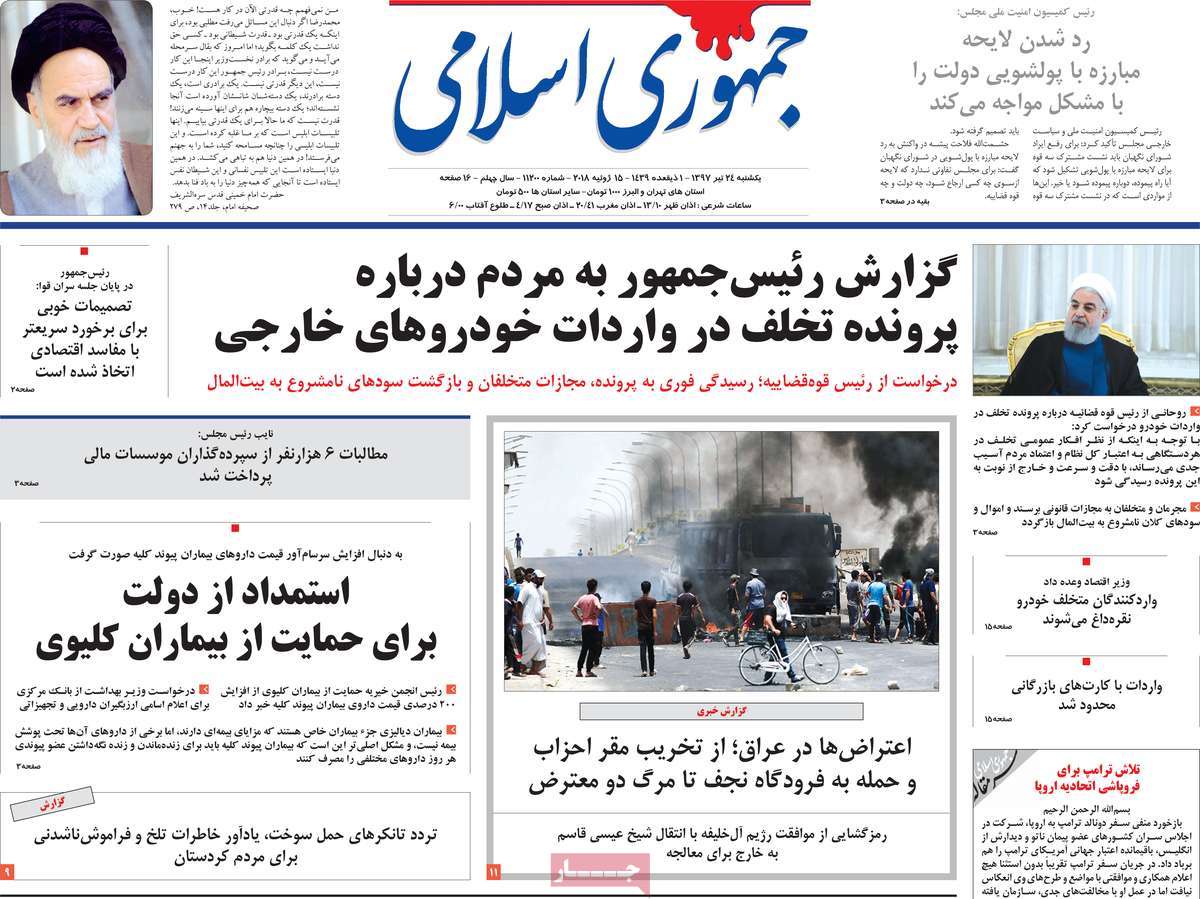
Jomhouri Eslami:

1- Senior MP: Rejection of FATF to Cause Problems for Government

A Look at Iranian Newspaper Front Pages on July 15


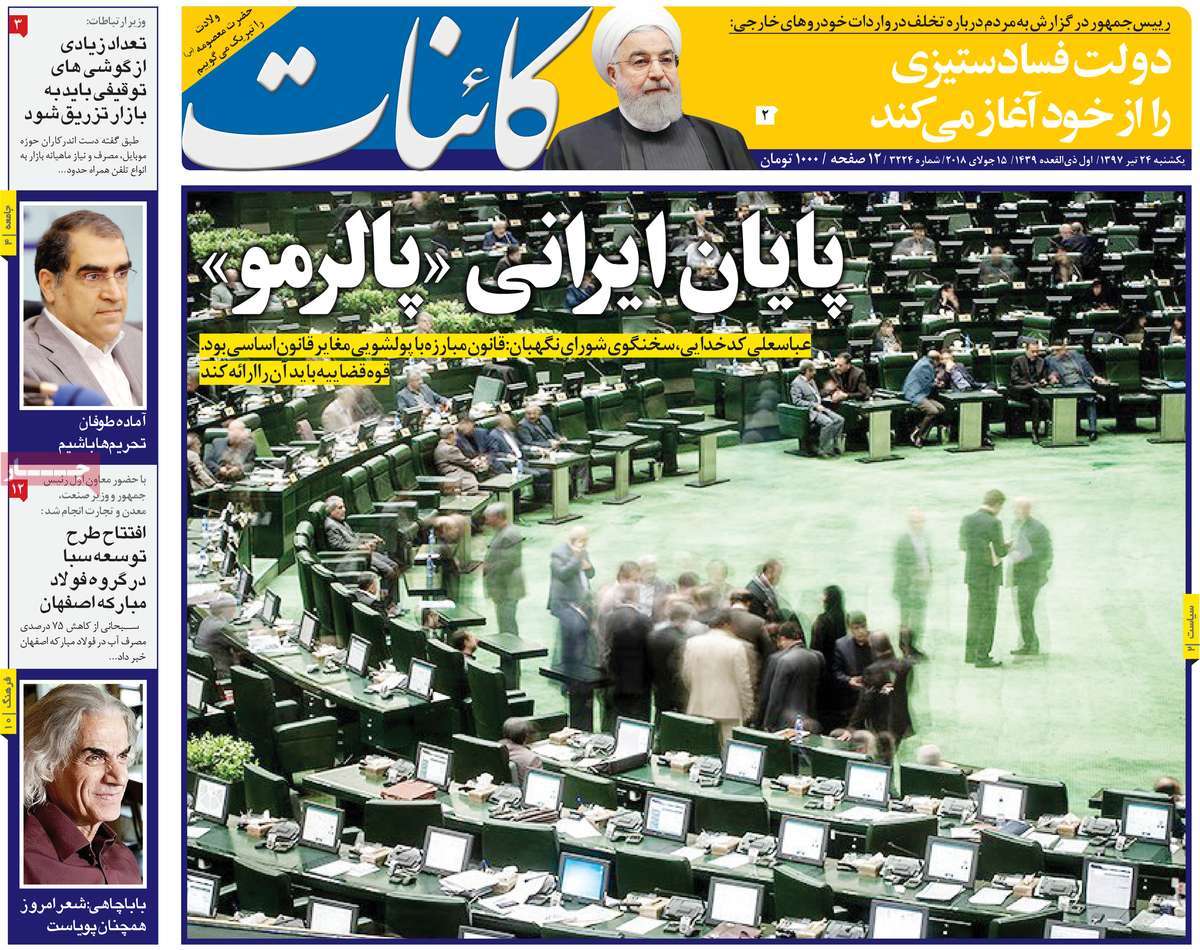
Ka’enat:

1- Iranian End of ‘Palermo Convention’

  • Guardian Council: CFT Law Unconstitutional; It Should Be Proposed by Judiciary

A Look at Iranian Newspaper Front Pages on July 15


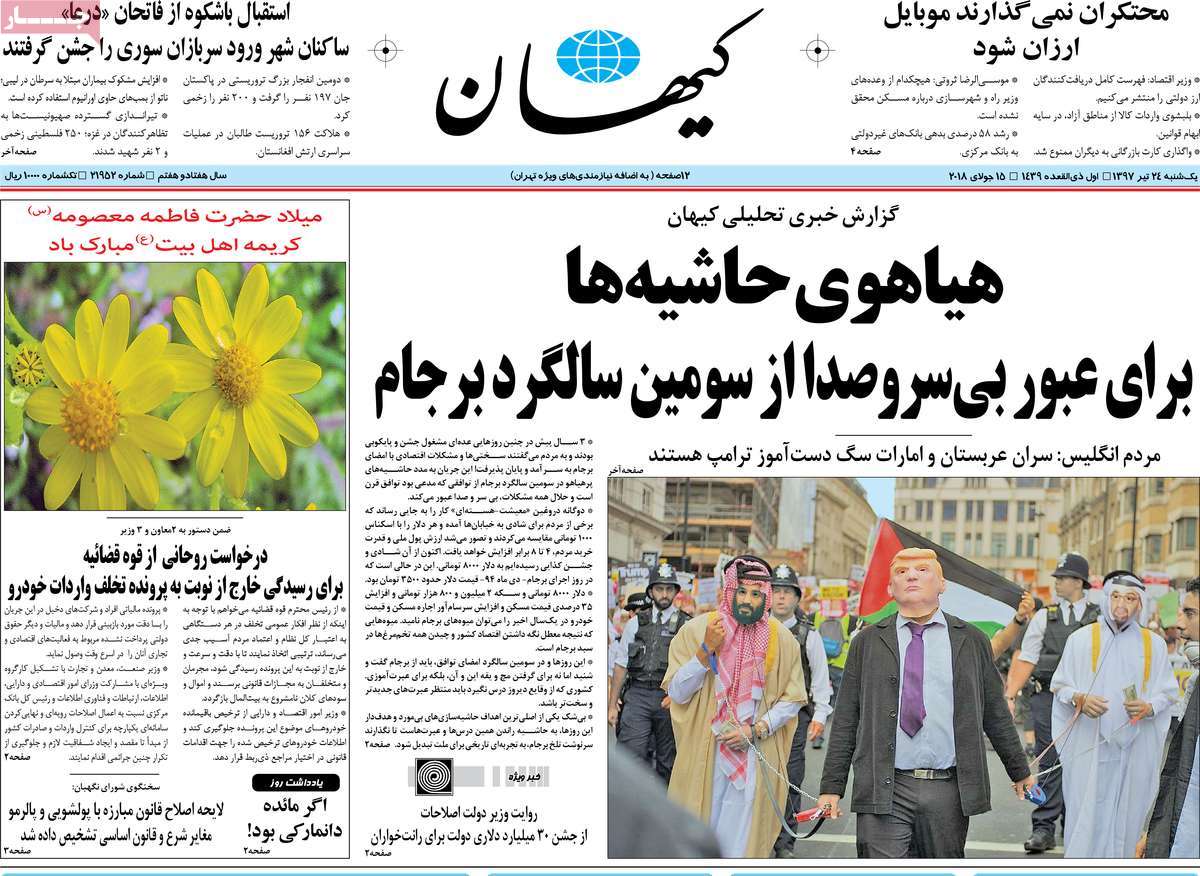
Kayhan:

1- A Fuss Made to Silently Pass Third Anniversary of Iran Nuclear Deal

A Look at Iranian Newspaper Front Pages on July 15


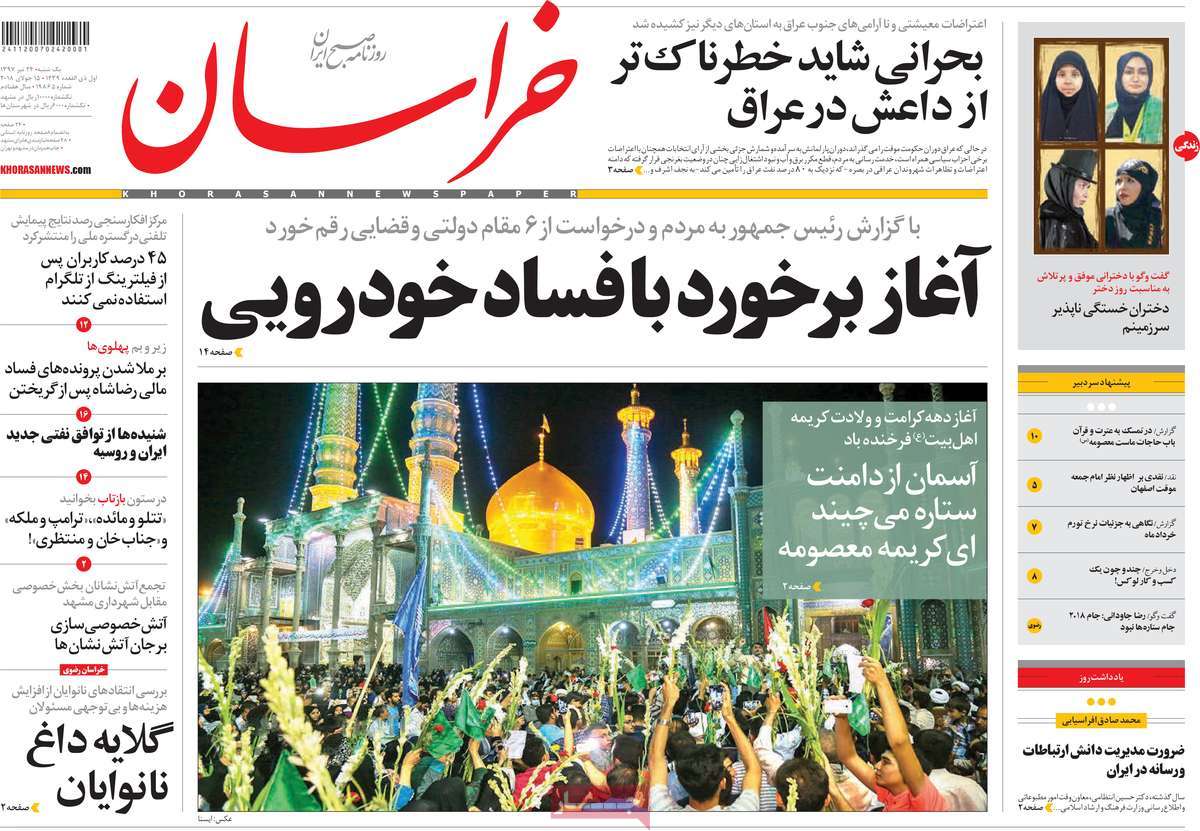
Khorasan:

1- Ongoing Crisis in Iraq May Even Be More Dangerous than ISIS

A Look at Iranian Newspaper Front Pages on July 15


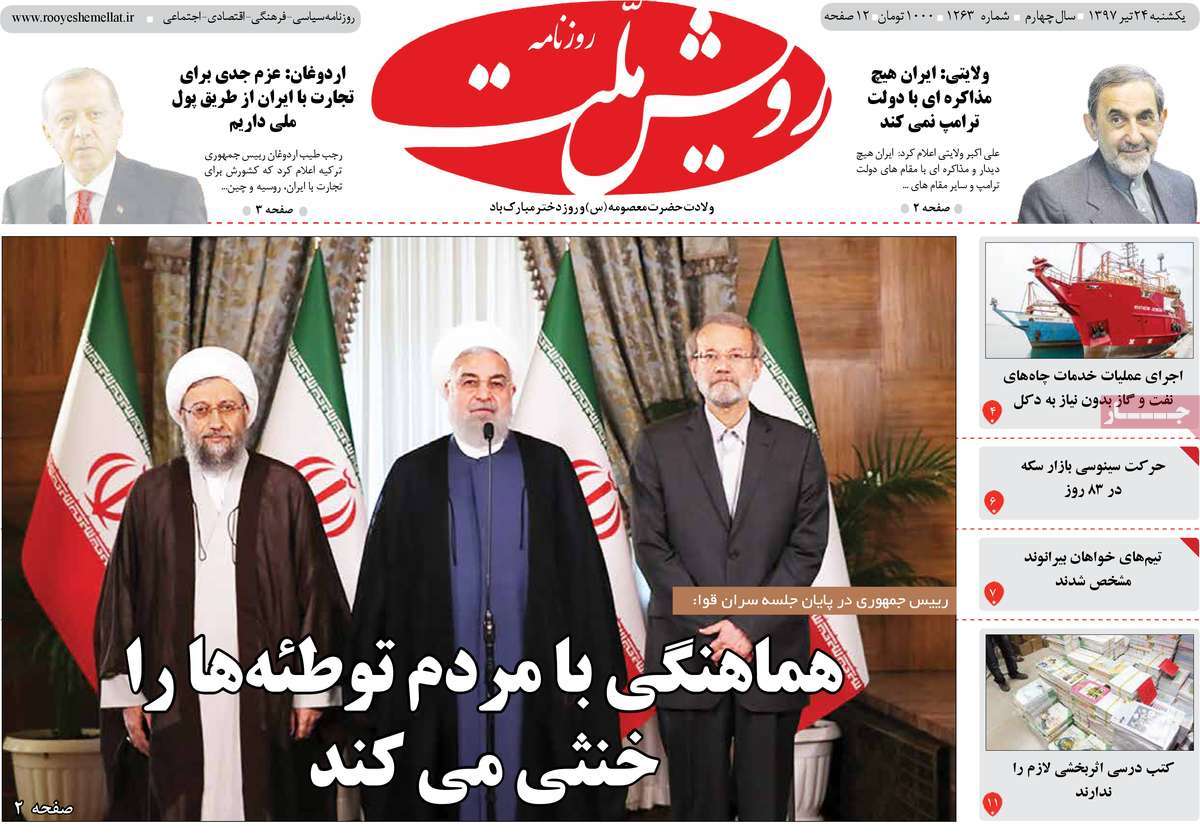
Rooyesh-e Mellat:

1- Erdogan: We’re Resolved to Do Trade with Iran Using National Currencies

A Look at Iranian Newspaper Front Pages on July 15


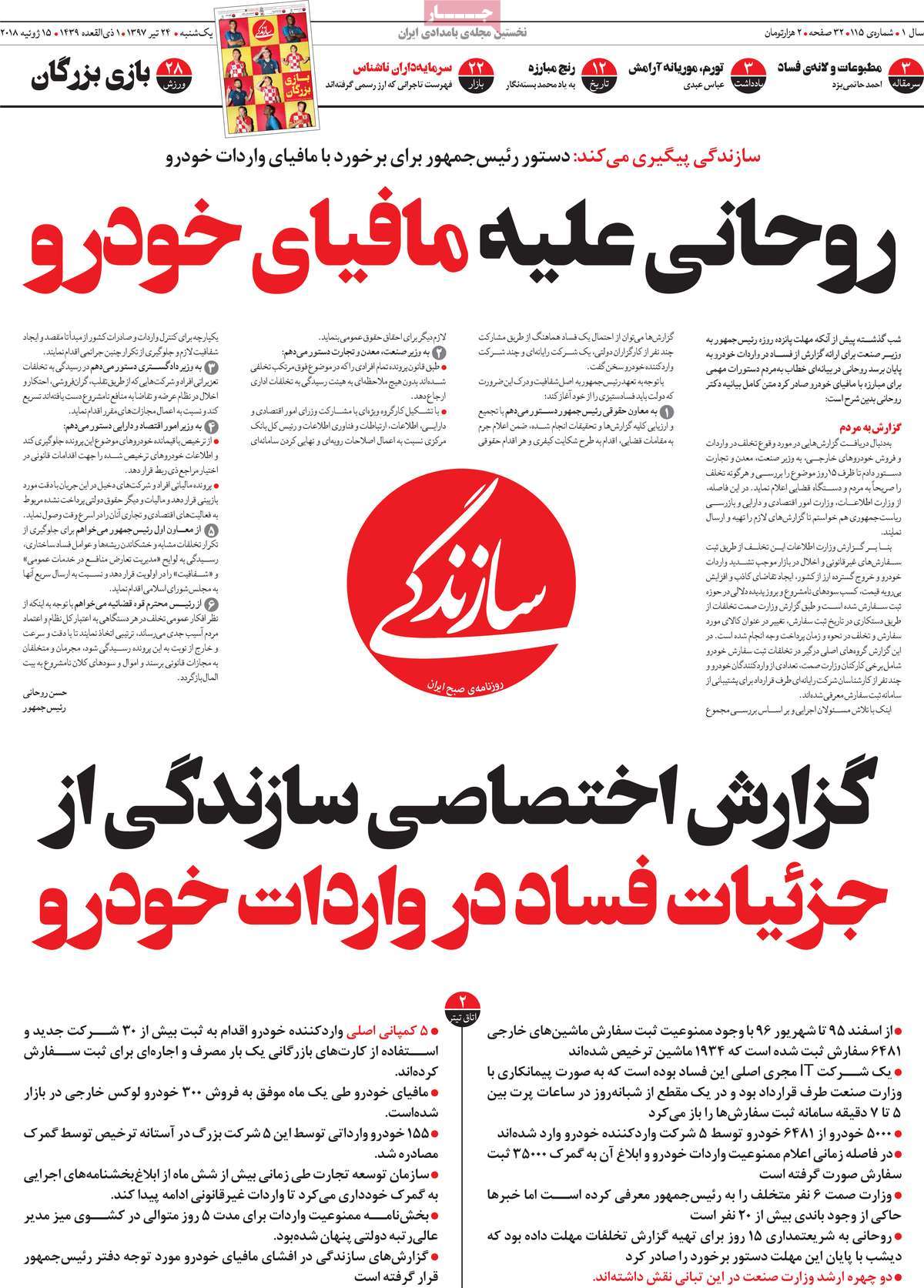
Sazandegi:

1- Rouhani against Mafia of Car Imports: President Urges Serious Action

A Look at Iranian Newspaper Front Pages on July 15


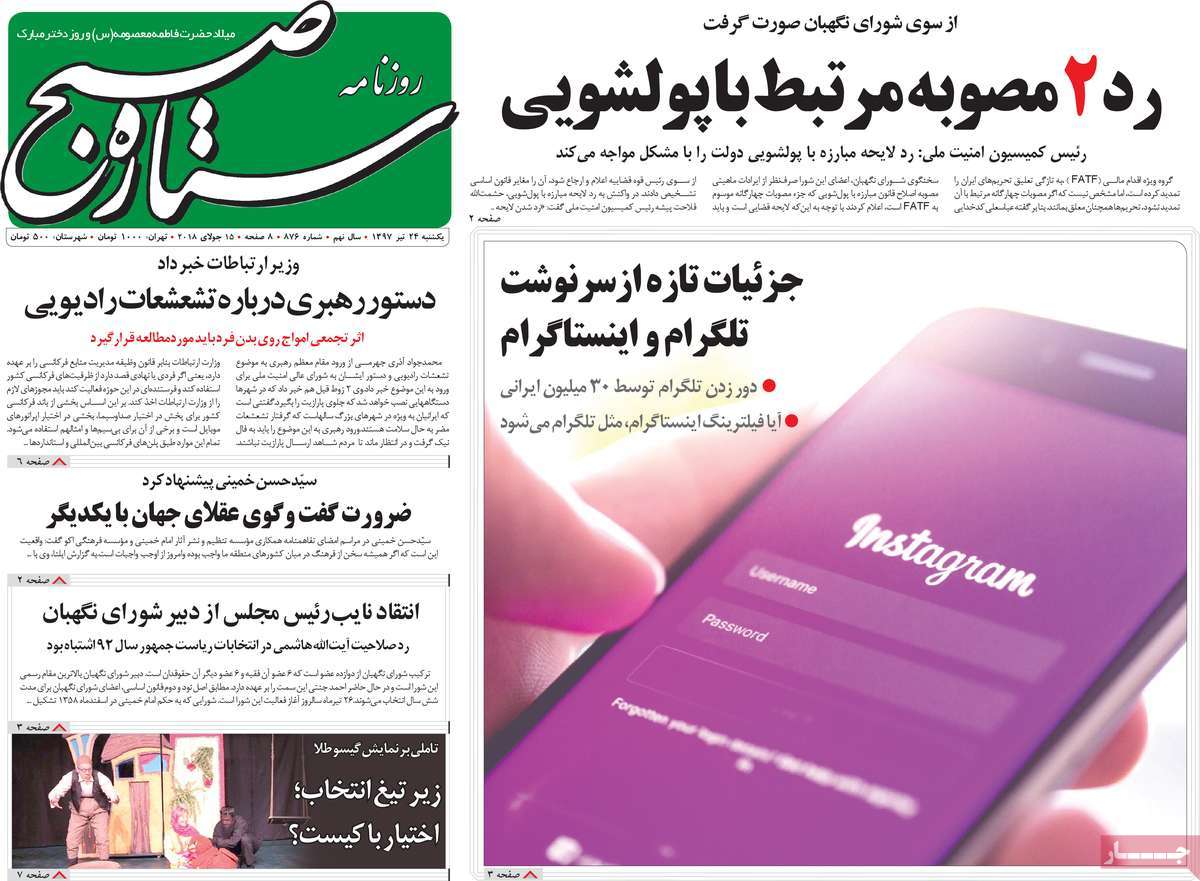
Setareh Sobh:

1- Guardian Council Rejects Two Bills Earlier Approved on Fight against Money Laundering

2- ICT Minister: Leader Has Ordered Us to Study Negative Effects of Signal Jamming

A Look at Iranian Newspaper Front Pages on July 15


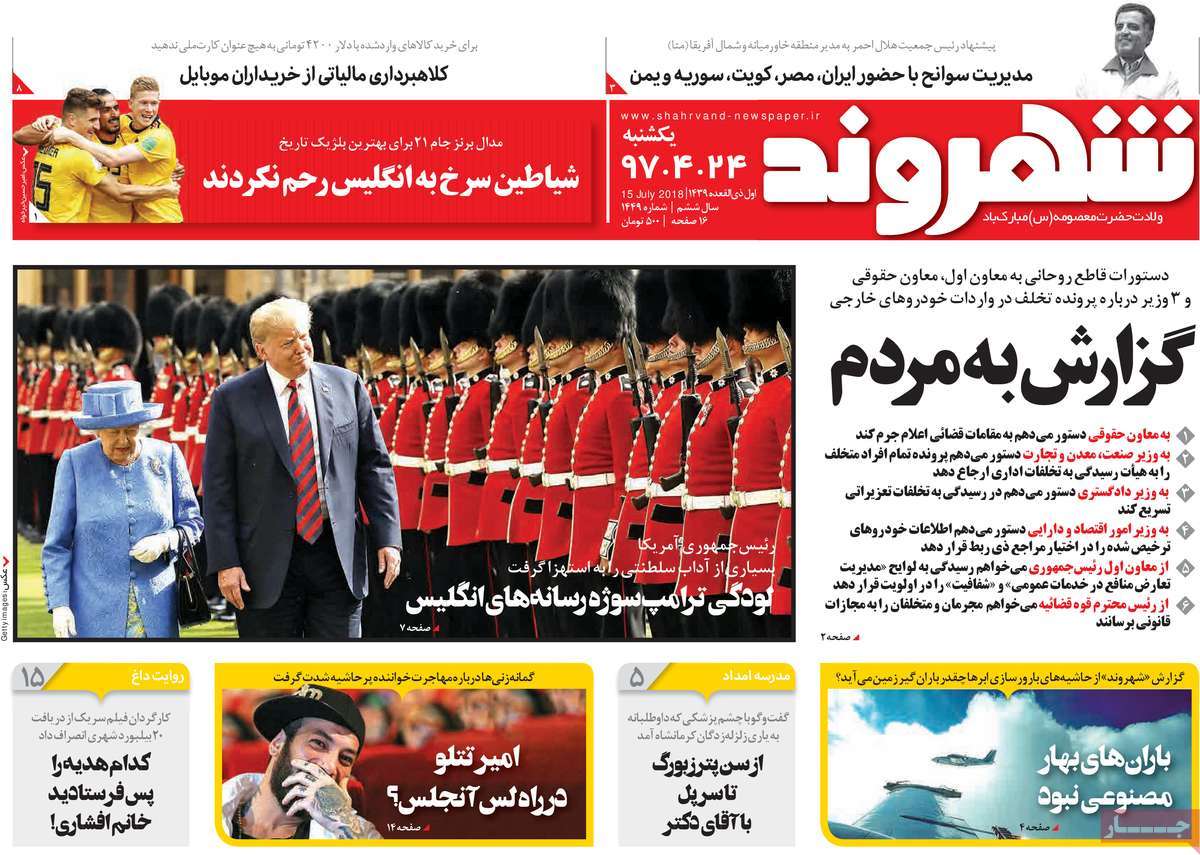
Shahrvand:

1- Silly Behaviours of Trump Make Headlines in UK

  • US President Makes Fun of Many Royal Formalities

A Look at Iranian Newspaper Front Pages on July 15


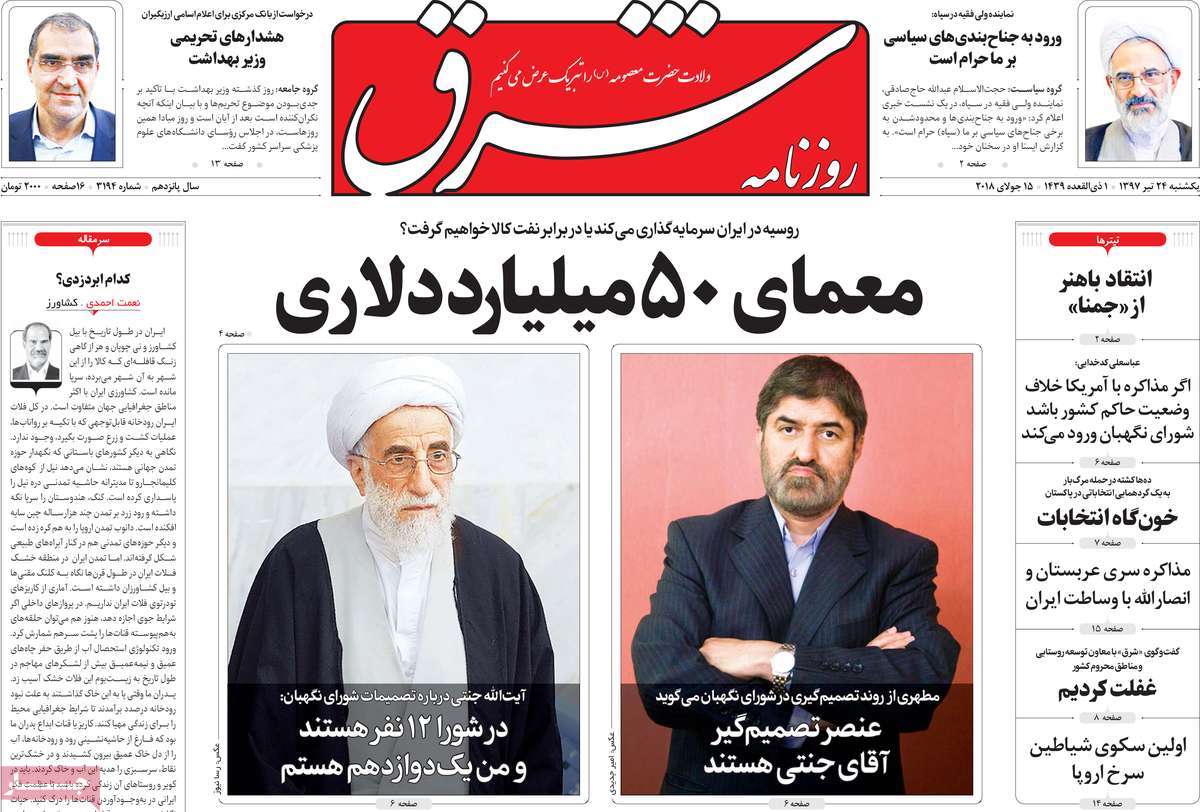
Shargh:

1- Saudi Arabia, Ansarullah Engaged in Secret Talks Mediated by Iran

2- Spokesman: Guardian Council to Interfere If Iran’s Talks with US Prove to Be against National Interests

3- $50-Billion Mystery: Will Russia Make Such Investment in Iran? Or Will We Receive Goods for Oil?

A Look at Iranian Newspaper Front Pages on July 15


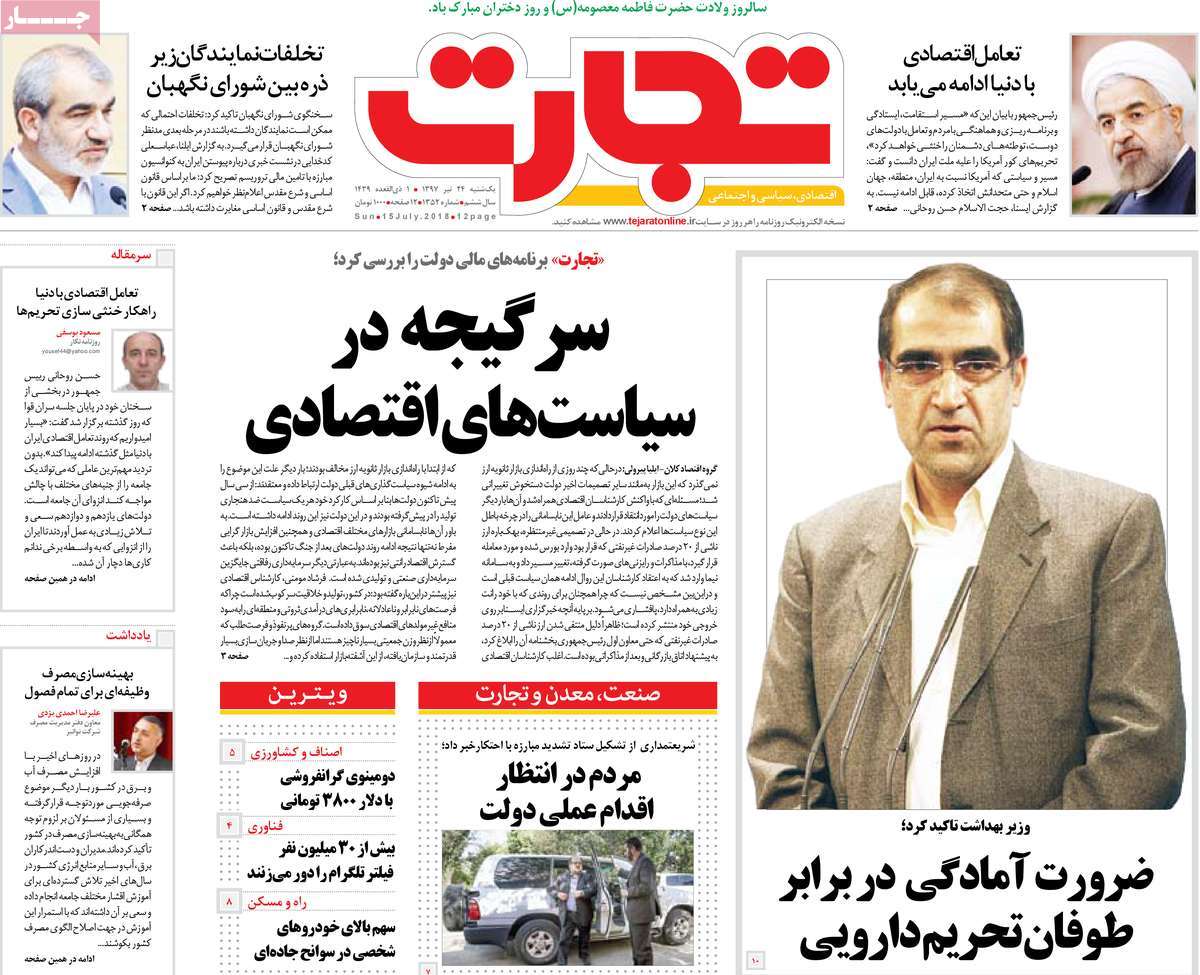
Tejarat:

1- Health Minister: Iran Needs to Brace for Storm of Sanctions on Pharmaceuticals

A Look at Iranian Newspaper Front Pages on July 15


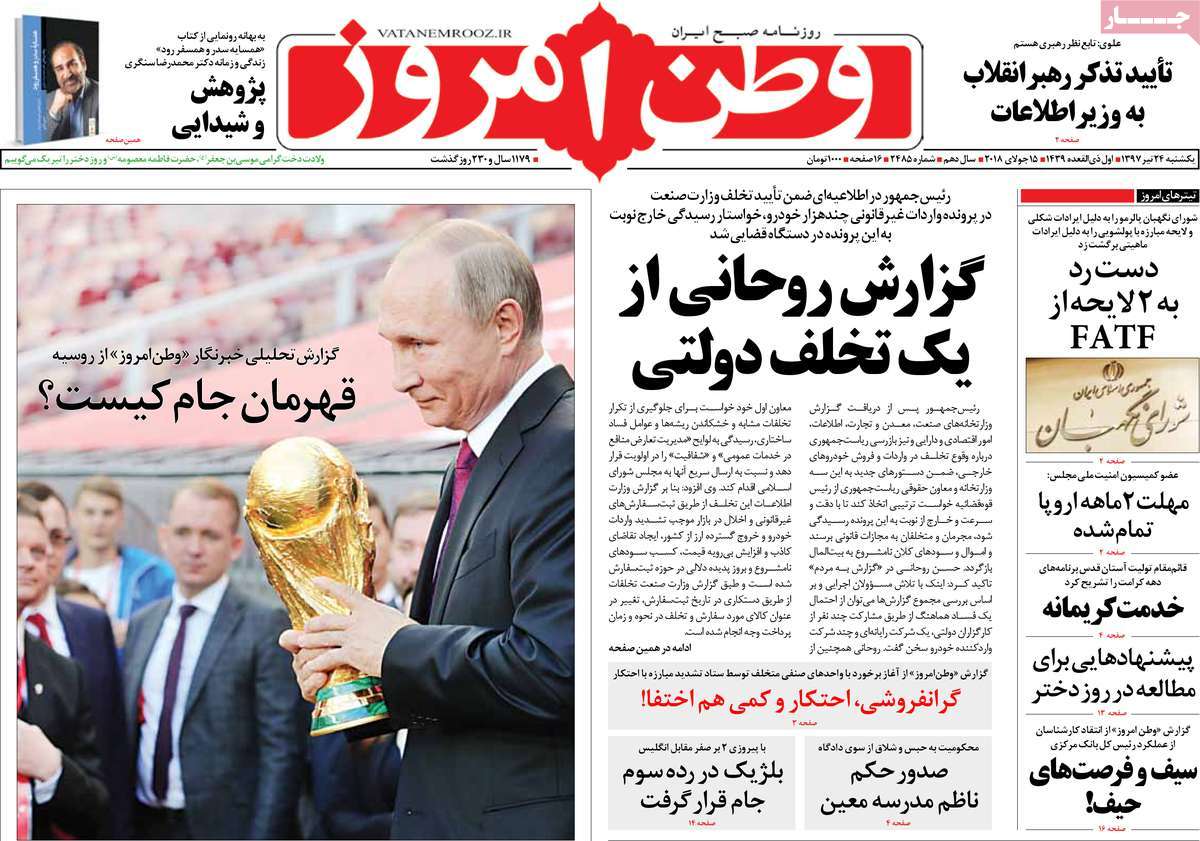
Vatan-e Emrooz:

1- Who Will Win 2018 World Cup? An Exclusive Report from Russia

A Look at Iranian Newspaper Front Pages on July 15


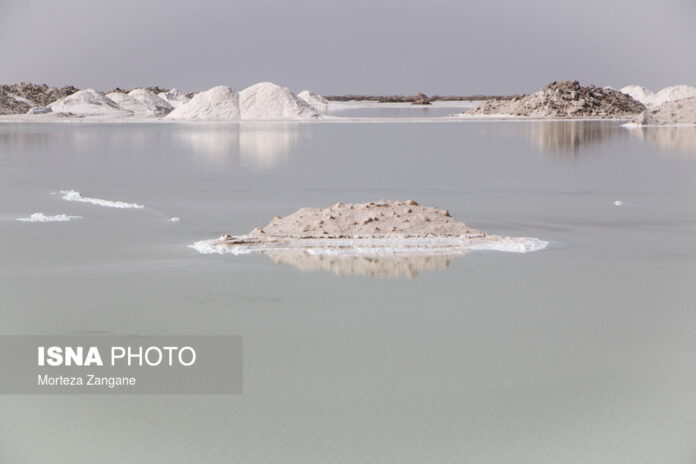
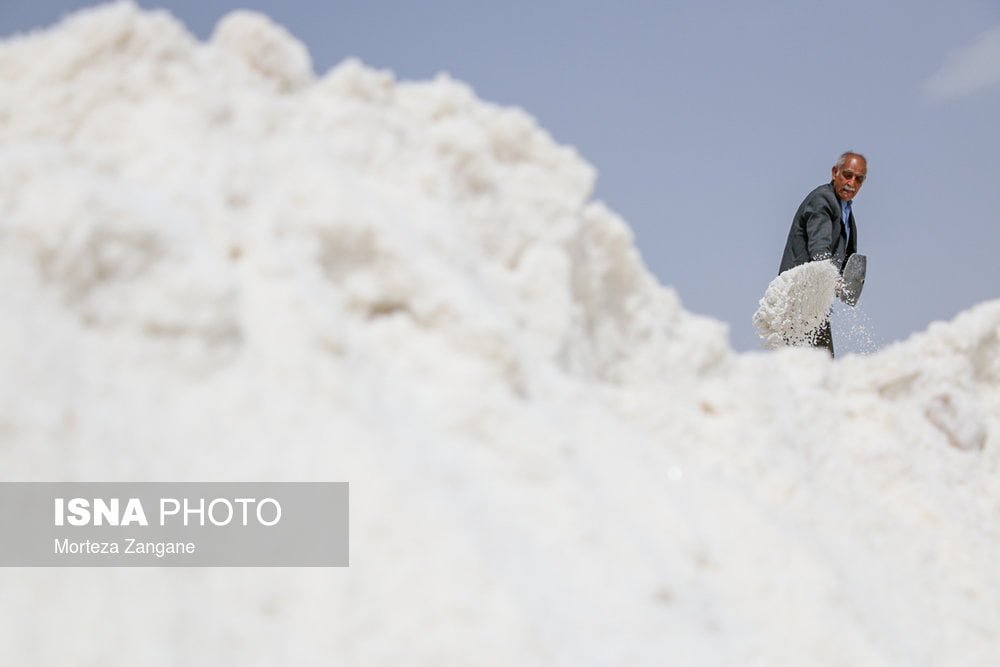
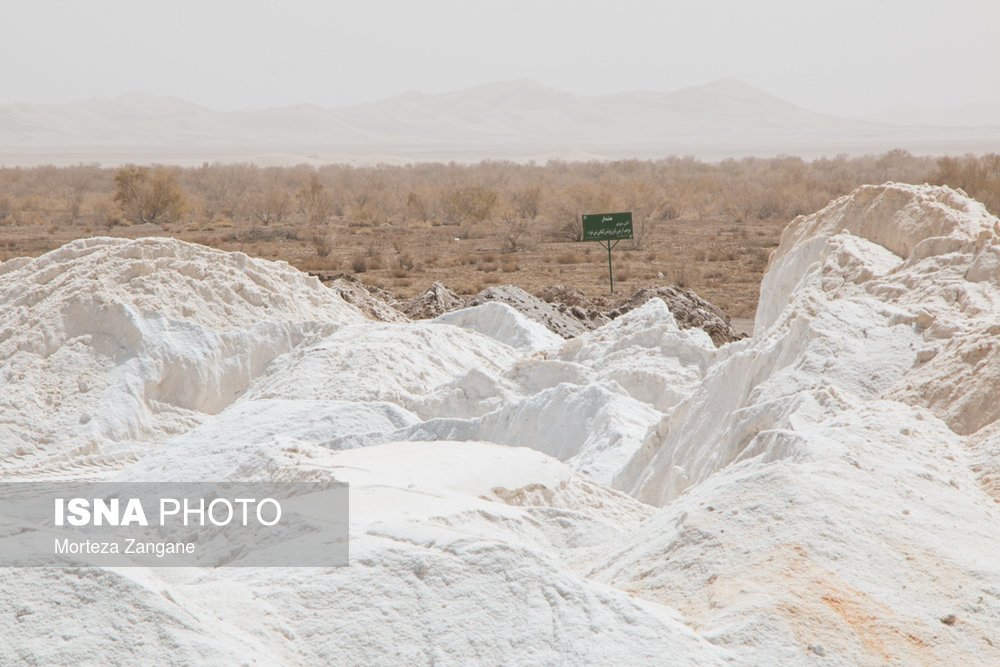
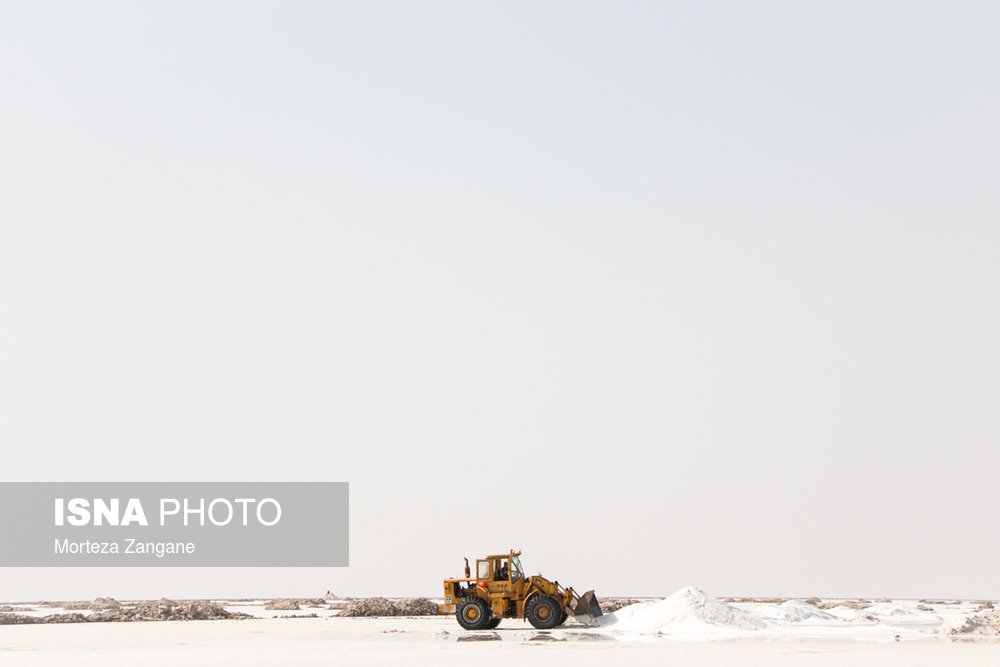
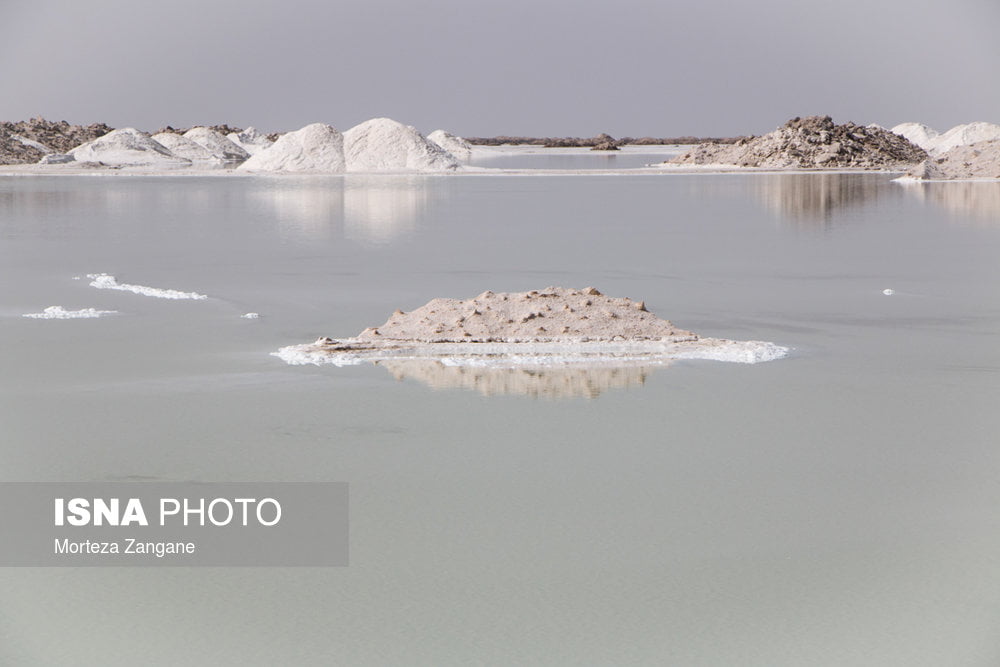
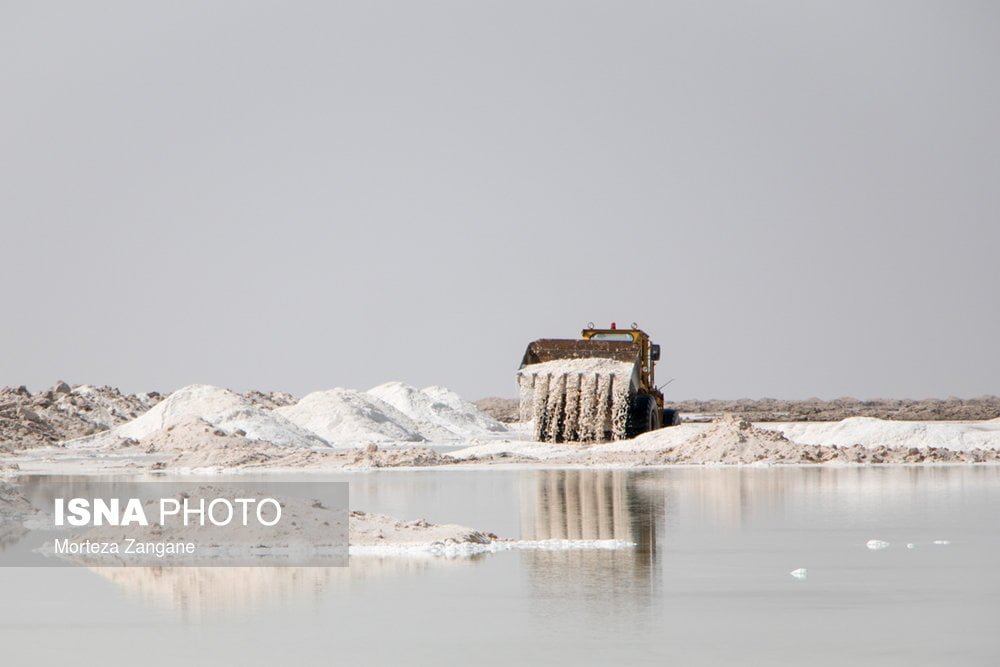
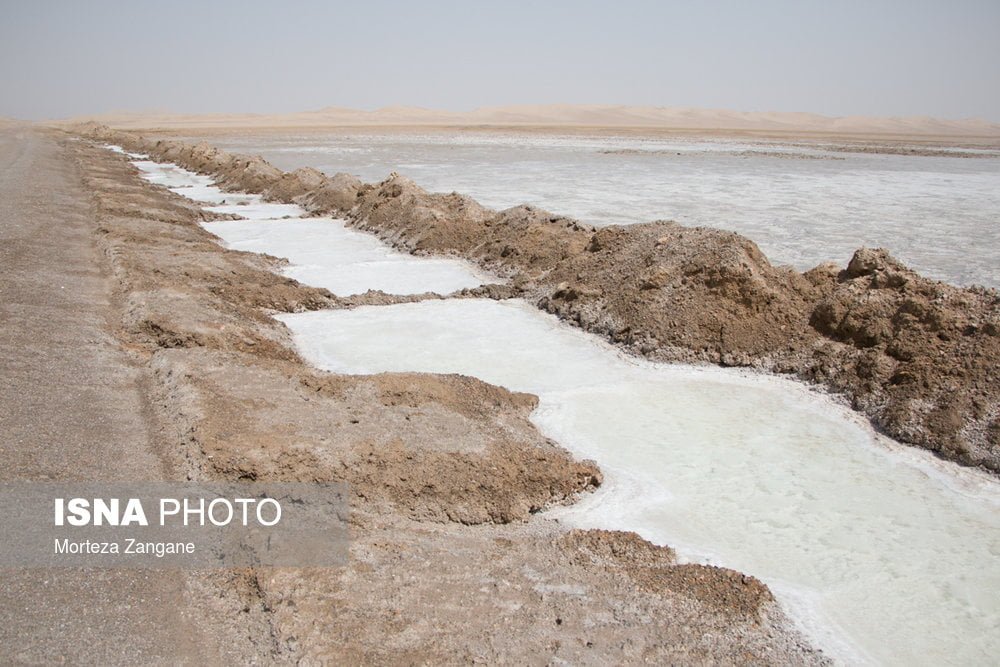
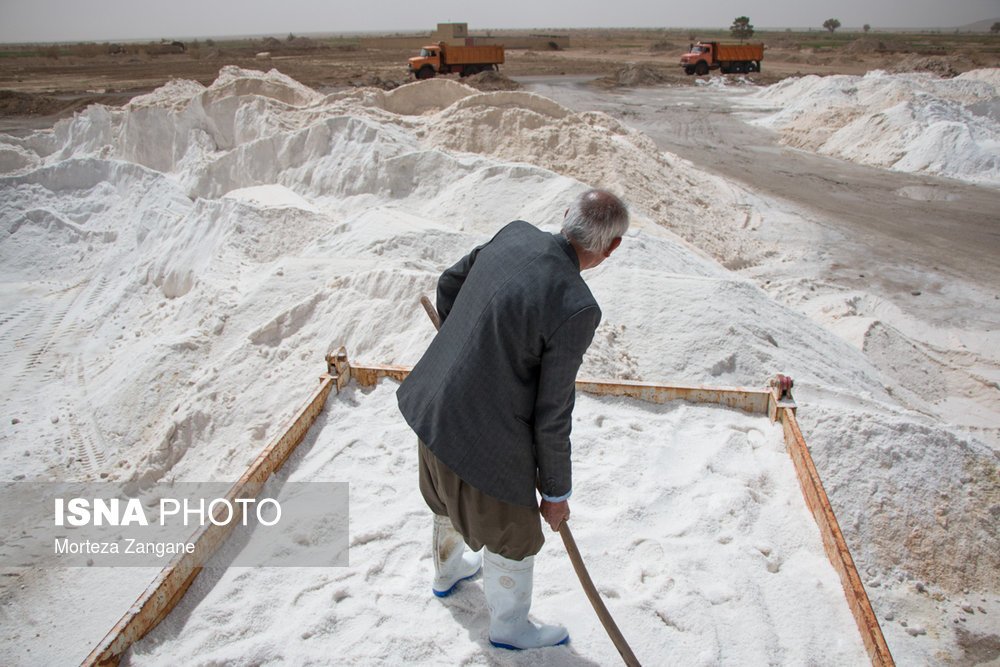
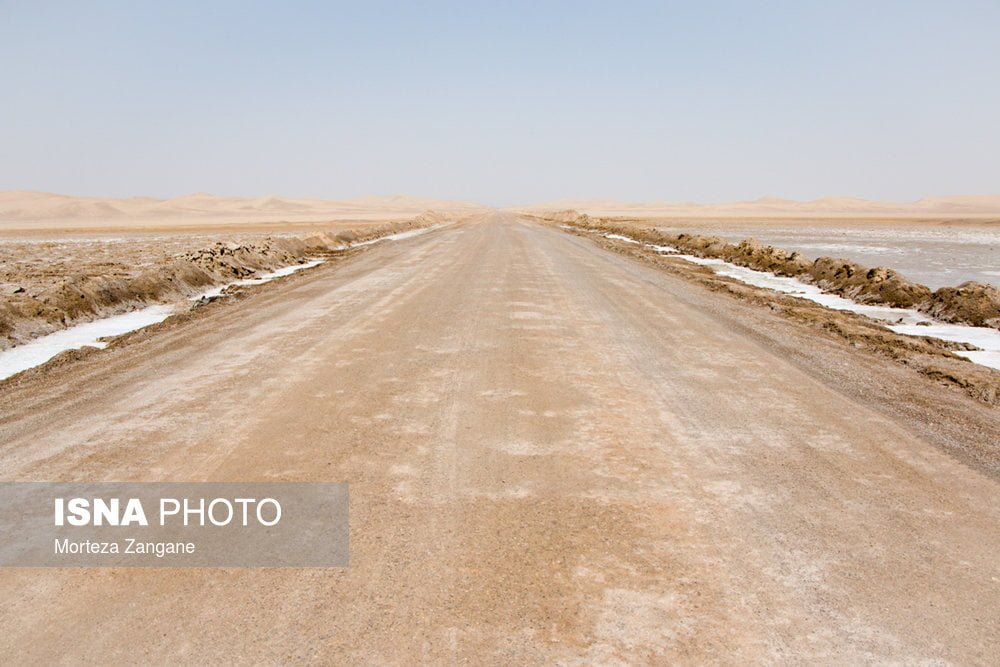
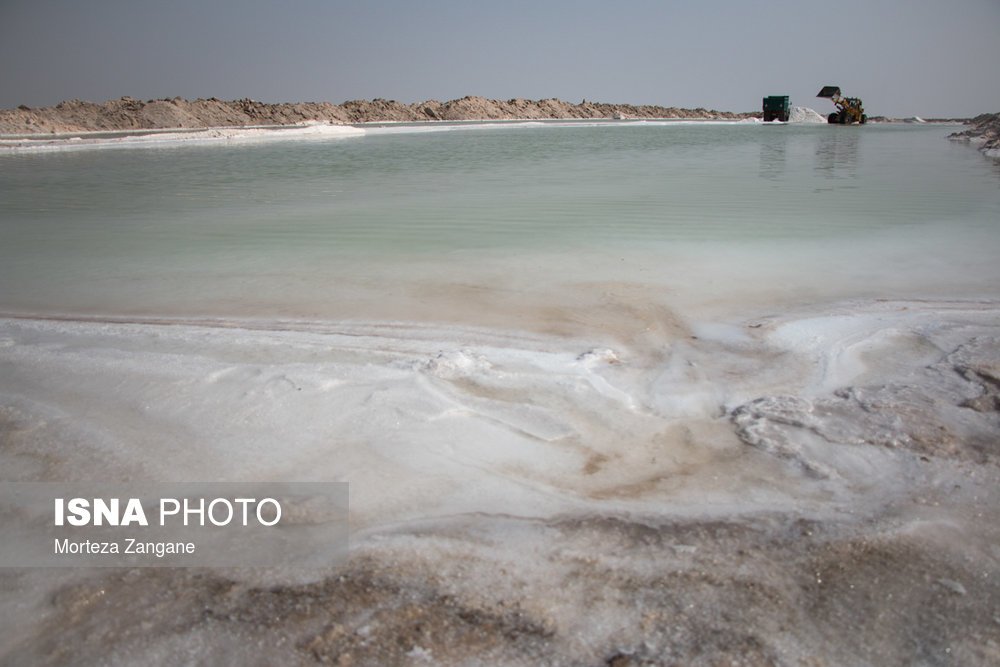
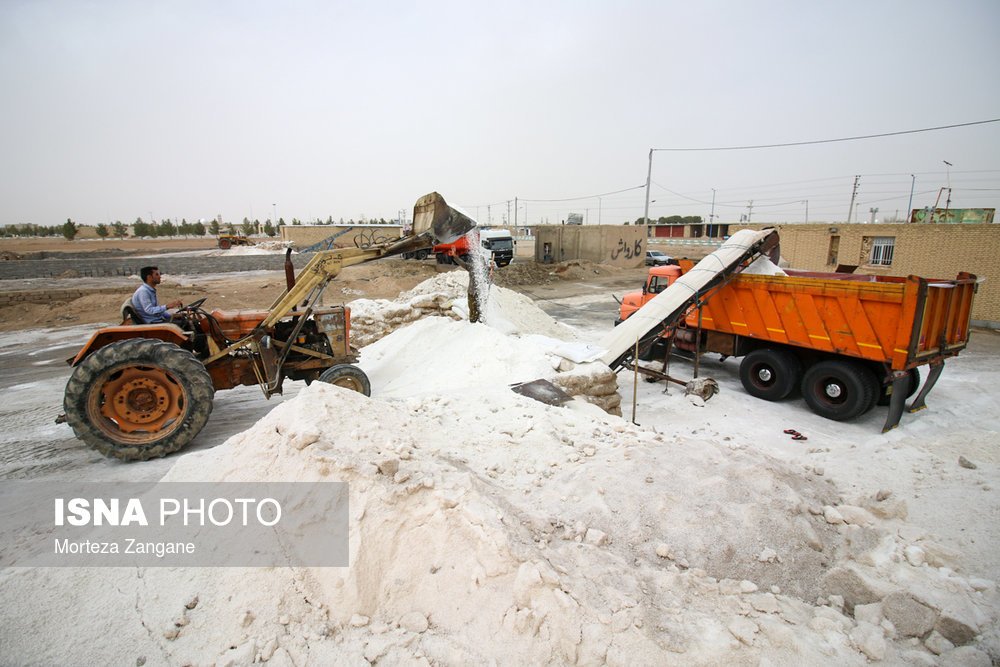
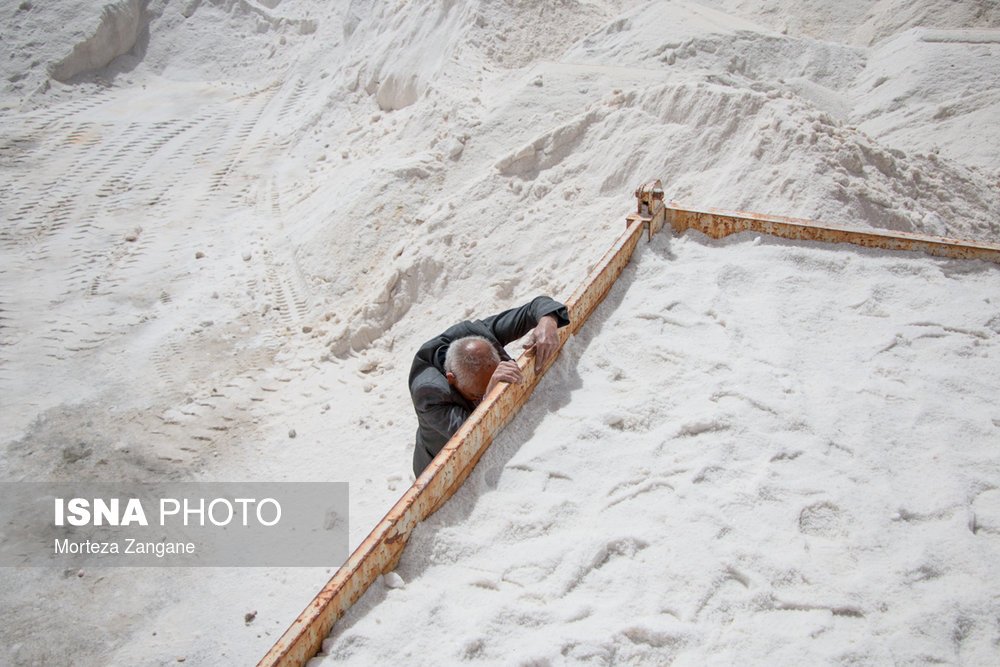
Iran’s Beauties in Photos: Gavkhouni Saltmarsh

Gavkhouni is the terminal basin of the Zayandeh River. The saltmarsh of the international wetland is among the main tourist attractions of the region. It is economically an important feature of the region.

Driving from the village of Khara in southern area of the wetland, you pass through a desert with quicksand and enter a wide area of saltmarshes and salty crystals.

The Gavkhouni saltmarsh has a salinity of 31.5% and an average depth of about 1 metre. The saltmarsh often dry up in summer. The Zayandeh River originates in the Zagros Mountains and travels around 300 km, before terminating in Gavkhouni.
What follows are ISNA’s photos of the wetland and its saltmarsh:

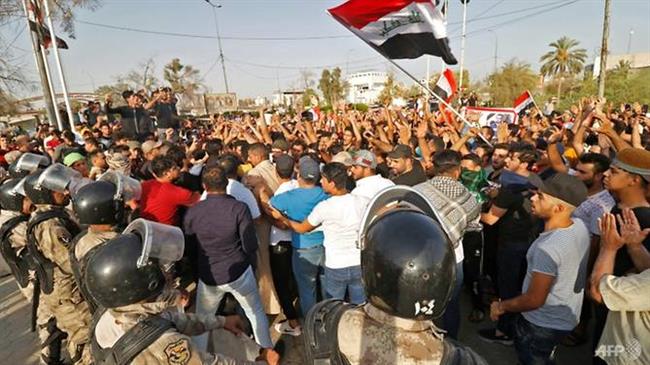
Massive Protests in Iraq over Poor Services Leave Casualties

The protests that have swept southern cities over poor services prompted authorities to place Iraq’s security forces on high alert.

Hundreds of protesters on Sunday rallied in Basra where police used water cannons and tear gas as some of the demonstrators tried to storm the provincial government building.

Prime Minister Haider al-Abad visited Basra on Friday in a bid to help restore calm to the oil-rich province, pledging to take “necessary measures against infiltrators and pursue them in accordance with the law.”

Abadi, who also serves as the commander in chief of the armed forces, ordered security forces to remain on high alert, Reuters quoted unnamed military intelligence and Ministry of Defense sources as saying.

A statement from Abadi’s office cited “small and organized groups who try to exploit the peaceful demonstrations of citizens to sabotage and attack state institutions and private property.”

On Saturday, about 100 protesters closed access to the Umm Qasr commodities port near Basra. Port employees said the road leading into the terminal was blocked and trucks had no way of getting in or out.

Oil Minister Jabbar al-Luaibi has said that the protesters tried to break into an oil installation in the West Qurna 2 oil field of Basra province.
The rallies began in the southern oil hub of Basra last week amid concerns over acute unemployment as well as electricity and water shortages and spread to several other cities, including Najaf, Amara, Nasiriya and Baghdad.
Two more protesters were reported killed in Amara overnight Saturday, bringing to three the number of demonstrators who have lost their lives since the unrest erupted last Sunday.

Protesters occupied the headquarters of the provincial governorate in Amara, threw stones at branches of the Dawa party, and beat up policemen.

It was not clear who killed them but provincial authorities said there had been “indiscriminate gunfire” in the city.

Hundreds of demonstrators entered Najaf airport’s main hall and walked onto the tarmac on Friday, but air traffic resumed later after the protesters withdrew.

Witnesses said security forces allowed protesters to enter the main airport building. Head of the airport’s administrative council Jawad al-Karawi said certain officials and politicians were trying to economically harm the airport.

The holy city of Najaf is a popular destination for Shia pilgrims. Flights to Iran’s holy city of Mashhad also take place from Najaf, with IRNA news agency saying they had been temporarily suspended until further notice.

Unidentified calls were posted on social media Saturday for massive demonstrations to take place in Baghdad. Some urged demonstrators to head for the fortified Green Zone, an area out of bounds for most Iraqis where key institutions and embassies including the US and British missions, are located.

‘Generous’ but ‘miserable’

Iraq has seen the growing wave of protests since the beginning of July when temperatures topped 50 degrees Celsius in some Iraqi provinces, especially in Basra.

The situation in Basra – an oil export hub for Iraq’s exports – remains tense amid heavy deployment of security forces to prevent the situation from spiraling out of control.

Long neglected, Basra is one of the few cities in the Middle East without an effective water treatment system. Many of its waterways are stagnant cesspools, with state officials blaming a public funding crisis caused by years of low oil prices.

Abdel Mehdi al-Karbalai, the representative of Grand Ayatollah Ali al-Sistani, said many residents of Basra “are suffering from an extreme lack of public services” as he urged the government to deal seriously with the demands of citizens.

“It is not fair and it is never acceptable that this generous province is one of the most miserable areas in Iraq,” he said. “We can only stand with our dear citizens in their demands as we feel their great suffering,” Karbalai added.

Karbalai, however, urged the demonstrators to refrain from violence, warning them against being influenced by “unruly individuals or those acting in self-interest.”

The Council of Ministers meanwhile said the government will quickly address the demands of the protesters as Iraq’s National Security Council urgently convened a meeting in Baghdad Saturday.

‘Direct result of US wars’

Michael Springmann, a former US diplomat, has told Press TV that the ongoing popular outrage is a fallout of United States-led wars against Iraq.

“This is the direct result of American wars by George H. W. and George W. Bush in 1991 and 2003,” he said, referring to the US invasions of Iraq.

“They destroyed the Iraqi economy,” he said. “We are seeing the results of this now. There is…20-percent unemployment, electricity less than five hours a day, shortage of water.”

He went on, “Grand Ayatollah Sistani is siding with the protesters because he knows what is happening. Normally, he does not get involved in politics, but this is outrageous and it is the direct result of American warfare and the direct result of American people running the country into the ground,” so they can gain control of Iraqi oil.

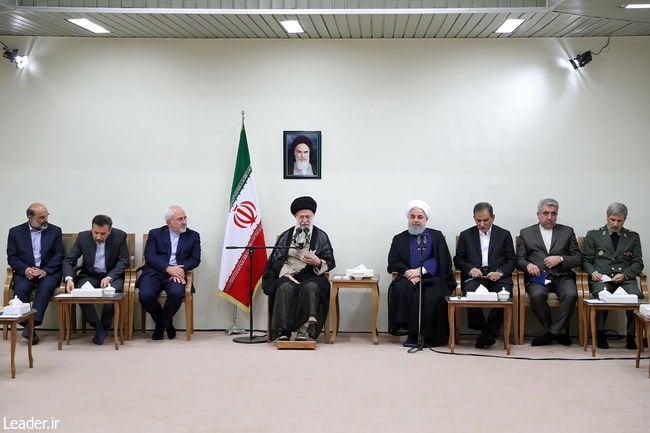
Iran Leader Discusses Economic Woes with President, Cabinet

The “important” meeting was held in Tehran amid an unprecedented devaluation of Iran’s national currency.

During the talks, the Leader underlined the country’s capabilities to overcome the economic problems and said thwarting enemies’ plots at the current situation is possible through tireless works and efforts by all officials and unification and cooperation among people from all walks of life in Iran.

The Leader underlined the “urgent need for expansion of diplomacy and foreign contacts” and said except for a few countries like the US, Iran should expand its diplomatic relations with the East and West.

He then called for developing a roadmap for a stable economy and said as soon as the roadmap is developed, the nation and economic leaders will take on their assignments and provide the government with a sense of tranquility and stability to press ahead with its projects.

Strengthening the private sector and the need to seriously deal with economic corruption were among other significant guidelines given by the Iranian leader to the cabinet ministers.

Ayatollah Khamenei referred to some violations by certain individuals and organizations over the past years in gold coin and currency markets and said the government must seriously deal with the violators at any level.

Leader of Iran’s Islamic Revolution also praised the recent order by Iran’s President Hassan Rouhani to take serious action against the violators in automobile importation and said the orders should be followed up till the ideal results are achieved.

He also called for government’s full control over the foreign currencies market and its resolute fight against destructive financial activities and money laundering and said the violations should be dealt with through legal regulations.

Ayatollah Khamenei urged the officials to directly discuss the problems with the nation and provide them with clear clues to let them know about the enemies’ plots against the Islamic Republic.

“I’m completely sure that if the mentioned conditions are met, the government can overcome the current problems and foil the US plots,” he noted.

Elsewhere in his address, the leader said the European signatories to the Iran nuclear deal are obliged to give necessary guarantees to Iran under the JCPOA.

He also said showing authority in the face of enemies particularly US is necessary and this should be done resolutely and in due time.

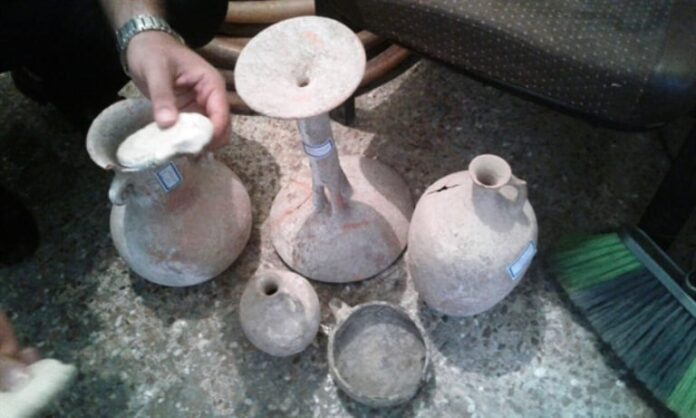
Ancient Artefacts Discovered in Iran’s Mazandaran

Brigadier General Amir Rahmatollahi, the commander of the protection unit of Iran’s Cultural Heritage, Handicrafts and Tourism Organization, told IRNA that the artefacts were seized by ICHTO forces who acted on information received from people in Behshahr County.

Rahmatollahi said nine artefacts including earthenware jugs were found in two separate operations.

The commander said the smugglers will be put to trial in the near future.

Iran President Urges Immediate Action against Corruption in Car Importation

Rouhani made the call after receiving reports from the three ministries of industry, mines and trade, intelligence, and finance and economic affairs as well as the Inspection Department of the Presidential Office.

The president had given them the necessary instructions to tackle the issue while calling on the Judiciary to do whatever it takes to look into the case immediately and carefully to see the offenders brought to justice and their ill-gotten wealth returned to the public purse.

In a report to Iranian people, Rouhani said evidence suggests that the process of importing cars was beset by corruption.

“Now, thanks to the efforts by executive officials and based on all of the reports presented, we can speak of the possibility of organized corruption through the collaboration of a number of state agents, a computer company and several car-importing firms,” said the president.

Rouhani said the relevant authorities received the necessary instructions and the Judiciary was asked to tackle the violations “in line with the president’s commitment to the principle of transparency and understanding the necessity that government should start its campaign against corruption.”

Iranian Minister Sounds the Alarm on Upcoming Sanctions

Hashemi

In an address to the heads of Iranian universities of medical sciences, Hashemi urged them to get prepared for the sanctions which are to be re-imposed as of November.

He said the sanctions are imminent and “we should brace ourselves for a storm and consult with experts on ways to cope with the upcoming hard situation,” a report by Khabar Online said.

The minister warned his colleagues about efforts by certain individuals linked with the enemies to create public dissatisfaction inside the country.

Hashemi went on to say that the storm of sanctions is getting closer to Iran and the country should be braced for it.

He said the enemies have already waged an economic war against Iran and the medical sector of the country should do its utmost to cope with the upcoming challenge created by international powers.

He further highlighted the country’s medical achievements over the past five years and said so far the government has managed to establish 6,000 special clinics across the country, train a huge number of family doctors, complete the country’s comprehensive health network and create electronic health cases and manage its resources.

“Both the government and the parliament have contributed to efforts that resulted in those achievements.”