Wednesday, December 31, 2025
Home Blog Page 2985

Iran Expresses Regret over Tehran-Kiev Plane Crash

He also offered condolences to the Iranian nation, the Ukrainian nation and government, and the families of the tragic incident.

The Ukrainian passenger plane with 179 people on board has crashed shortly after take-off from the international airport south of the Iranian capital, Tehran, killing all those aboard.

Ali Khashani, a senior public relations official at Imam Khomeini International Airport, said the Boeing 737 operated by the Ukraine International Airlines (UIA), which was bound for Kiev, went down early Wednesday in the vicinity of Parand, a city in Robat Karim County, Tehran Province.

The plane caught fire after crashing.

Later, Kashani announced that all the passengers and crew members of the plane had died in the crash, according to IRNA.

According to the Ukrainian government, 82 Iranians, 63 Canadians, 11 Ukrainians (including nine crew members), 10 Swedish, four Afghans, three Germans, and three UK nationals were among the victims.

179 Killed in Passenger Plane Crash Near Tehran

Iran Hits Centre of US Terrorism in Region: Spokesman

Iranian Government Spokesman Ali Rabiei

Speaking after a cabinet session on Wednesday, Rabiei said the government appreciates the IRGC’s “accurate” attacks this morning which hit the US’ Ain al-Assad base in Iraq without being intercepted.

He said Iran is not after a war, and the attacks were in retaliation for the Friday assassination of General Soleimani and his comrades.

Rabiei also stressed that the country will give a harsher response to the United States in case they show any further reaction.

Iran Leader: End of US Presence in Mideast Final Revenge for Soleimani

Addressing hundreds of people in Tehran, the Leader said the US presence in the region has brought nothing but sedition and destruction.

“The US has caused war, division, sedition, destruction, and the demolition of infrastructures in this region. Of course they do this everywhere in the world. This region won’t accept the US presence. Governments elected by nations won’t accept the presence of the US,” he noted.

“They insist on spreading this corruption to Iran as well,” Ayatollah Khamenei said, referring to the calls for negotiation between the two sides as a prelude to that.
“This needs to end,” he said, saying that regional states do not accept such presence.

The Leader referred to the IRGC‘s missile strikes against the US’ Ain al-Assad military as a slap in the US’ face, saying that “revenge” is something else. He said the revenge will be taken once the US leaves the region.

IRGC Missiles Hit US’ Ain Al-Assad Base in Iraq

176 Killed in Passenger Plane Crash Near Tehran

179 Killed in Passenger Plane Crash Near Tehran

The plane was an almost brand-new (three-year-old) Boeing-737 plane which crashed six minutes after its take-off due to an engine fire.


Iran Admits Its Air Defence ‘Unintentionally’ Hit Ukrainian Plane


Iran’s IRGC Confirms Missile Attack on US Base in Iraq

The IRGC confirmed the attacks, and said in an official statement that in Operation Martyr Soleimani in early hours of Wednesday, tens of ground-to-ground missiles were fired at the US base and successfully pounded the Ain al-Assad Base.

The IRGC warned in the statement that any more aggression and move will receive even more crushing responses.

It also warned the countries hosting US bases that Iran will target them as well if they allow the US to use their territory for any attack on Iran.

The statement also said Israel is not at all separate from the US.

Iran’s IRGC Missiles Hit US’ Ain Al-Assad Base in Iraq

Iran's IRGC Missiles Hit US' Ain Al-Assad Base in Iraq

The Aerospace Force of Iran’s Islamic Revolution Guards Corps (IRGC) has fired several ballistic missiles at the Ain al-Assad base of the American troops in Iraq in retaliation for the assassination of General Qassem Soleimani.
The missiles have reportedly successfully hit their target.

At the same time, Iraqi resistance forces have started hitting the US base.
More details will follow.

Iran’s IRGC Confirms Missile Attack on US Base in Iraq

The IRGC later confirmed the attacks, and said in an official statement that in Operation Martyr Soleimani in early hours of Wednesday, tens of ground-to-ground missiles were fired at the US base and successfully pounded the Ain al-Assad Base.

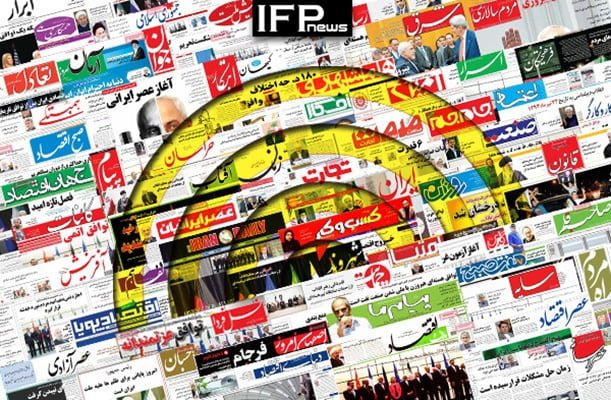
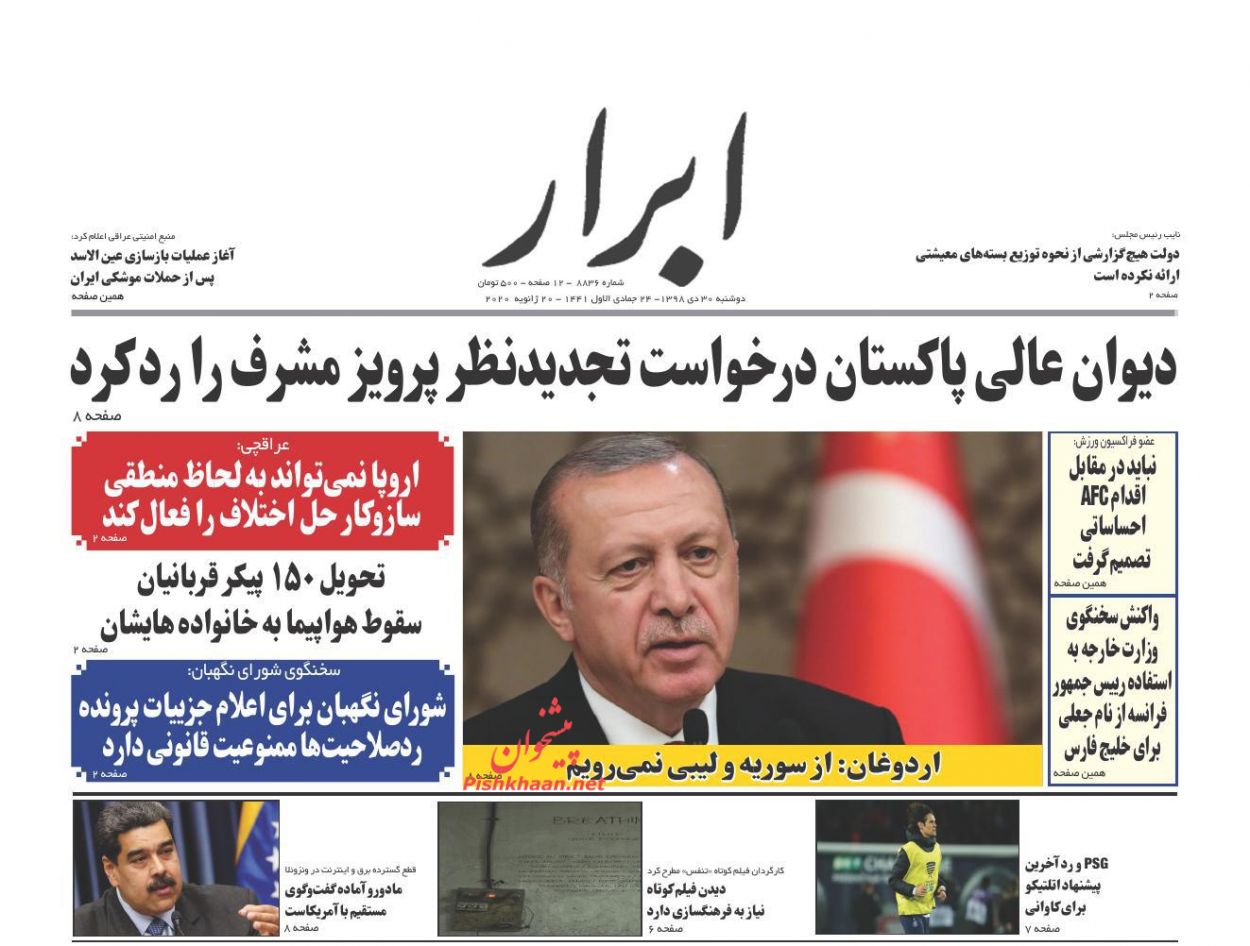
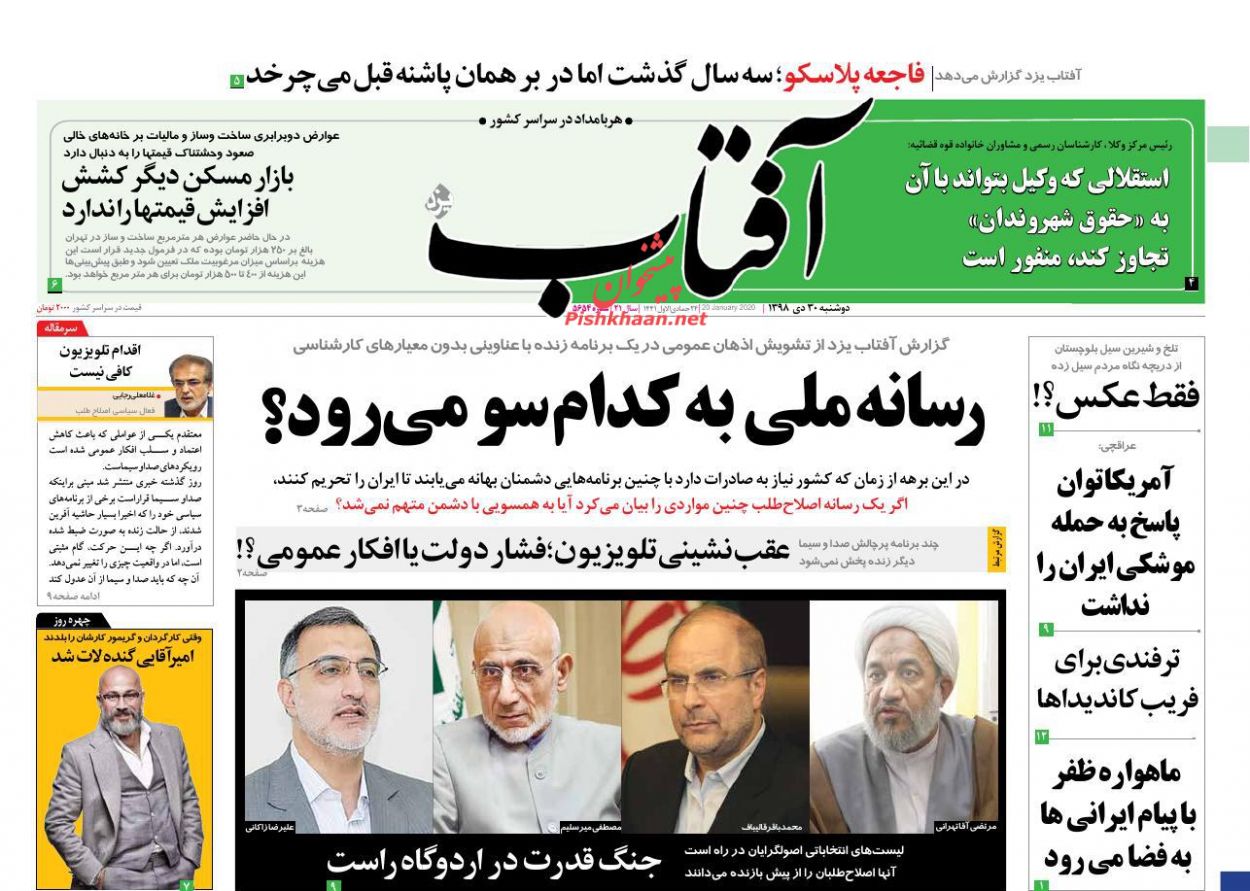
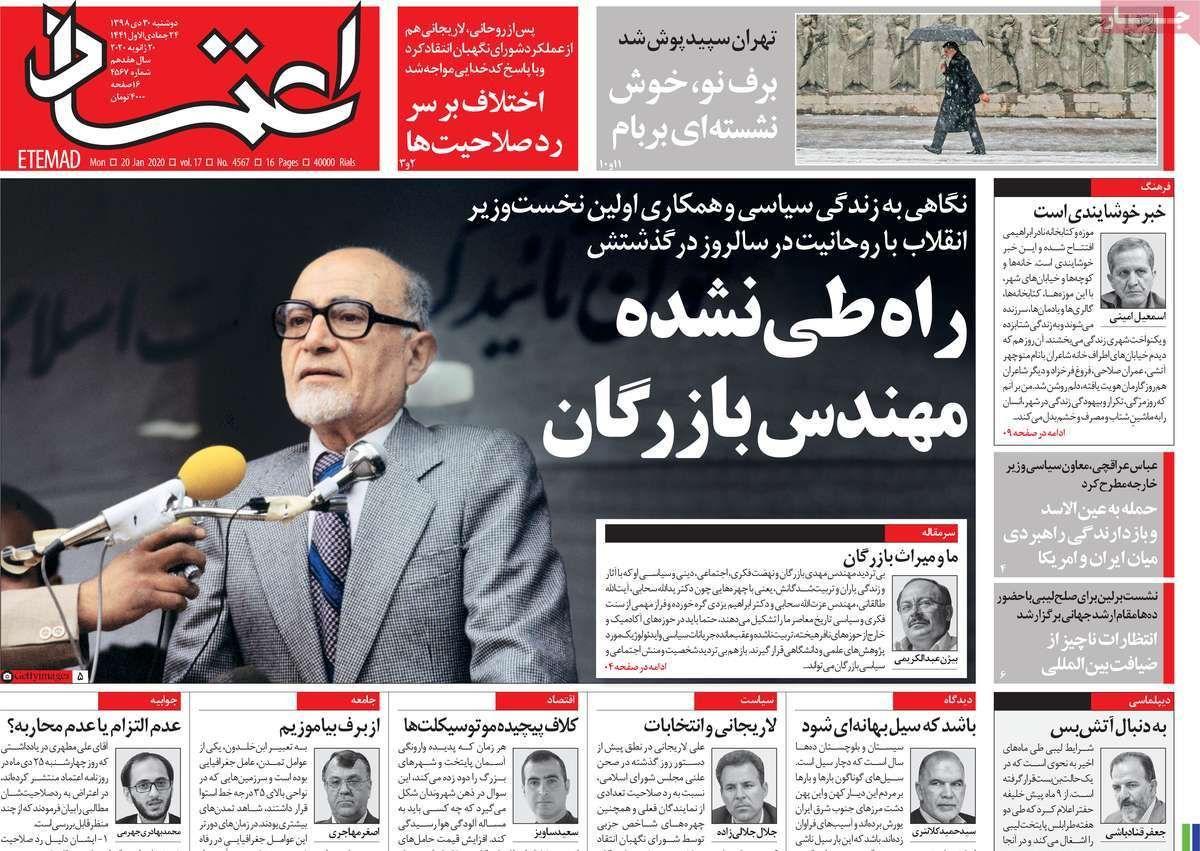
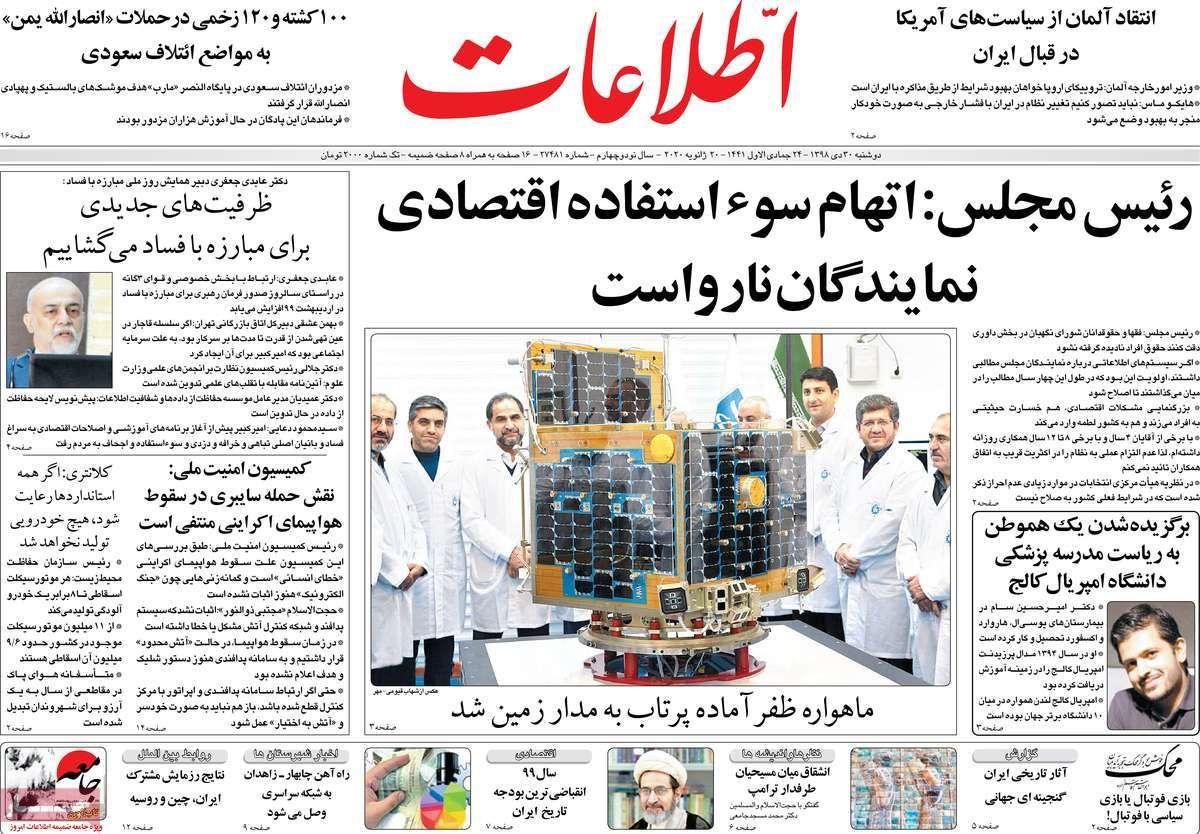
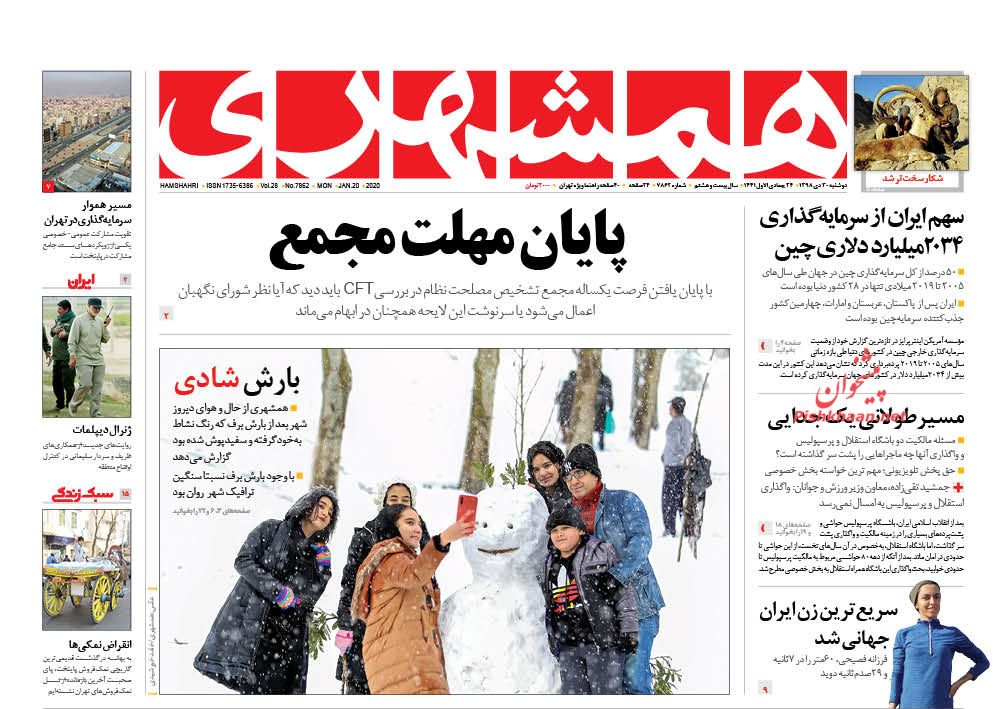
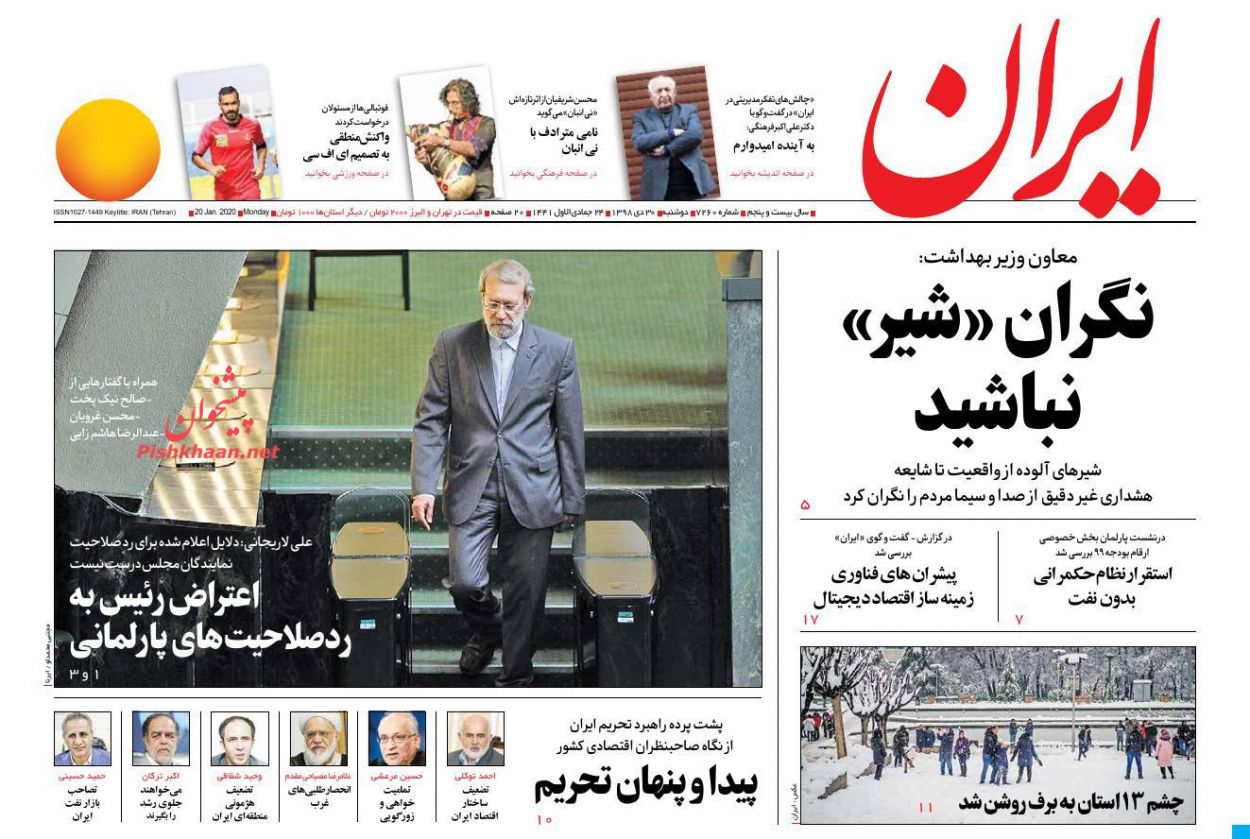
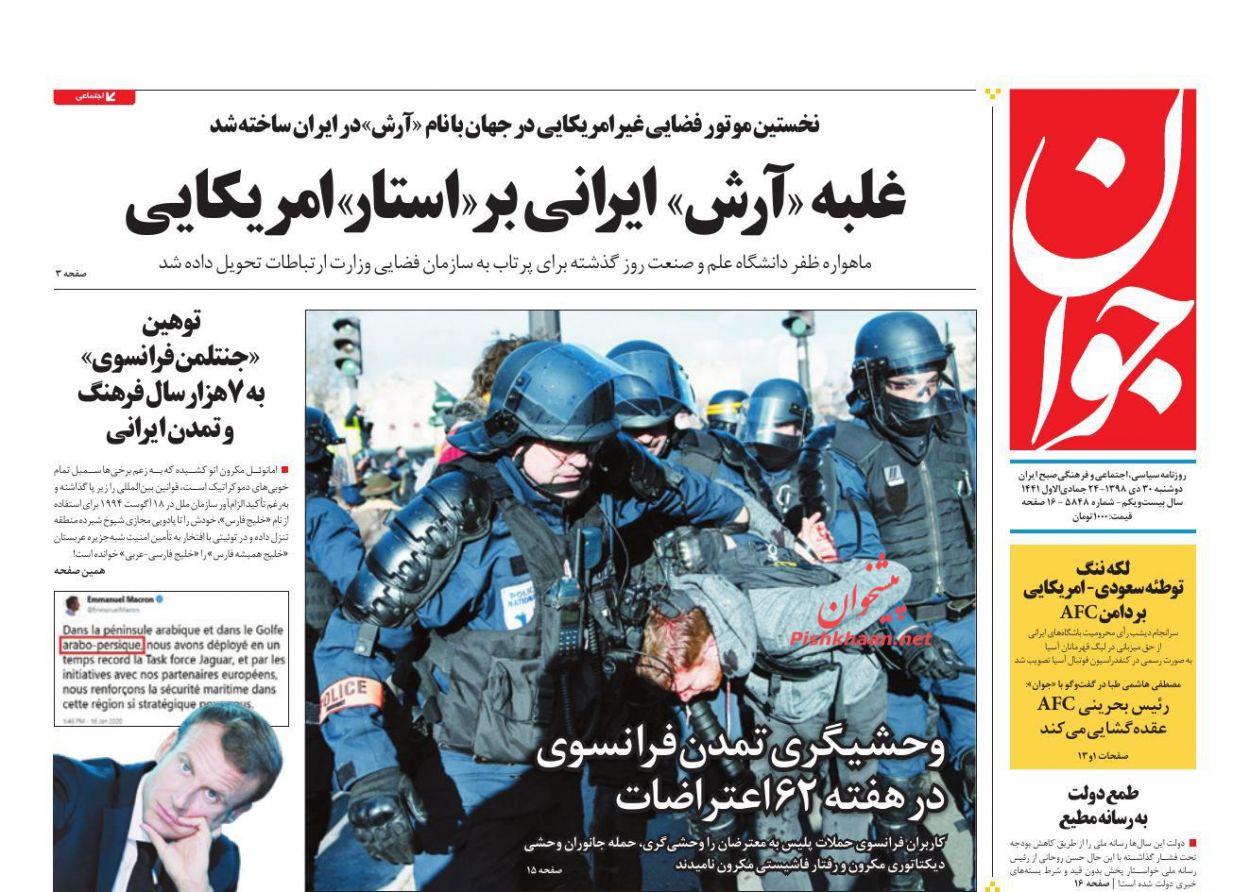
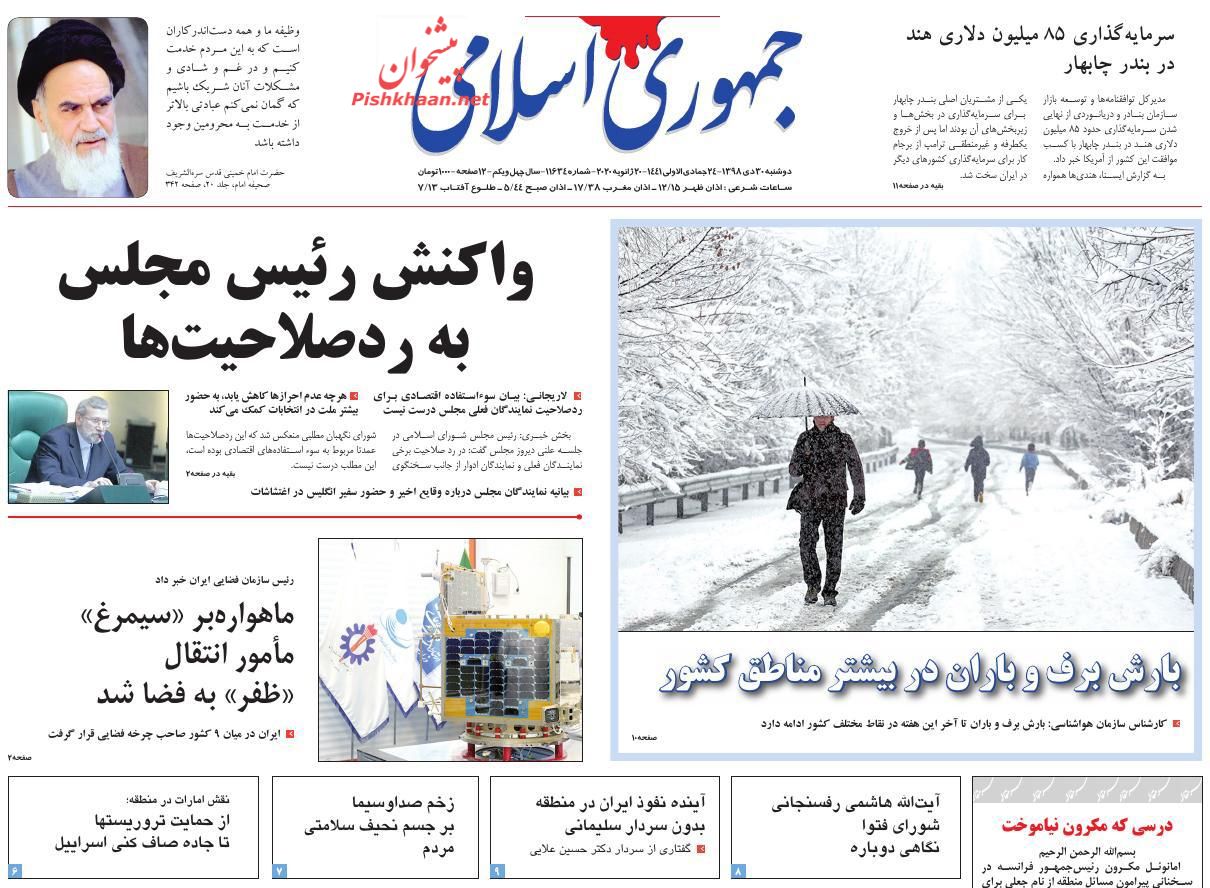
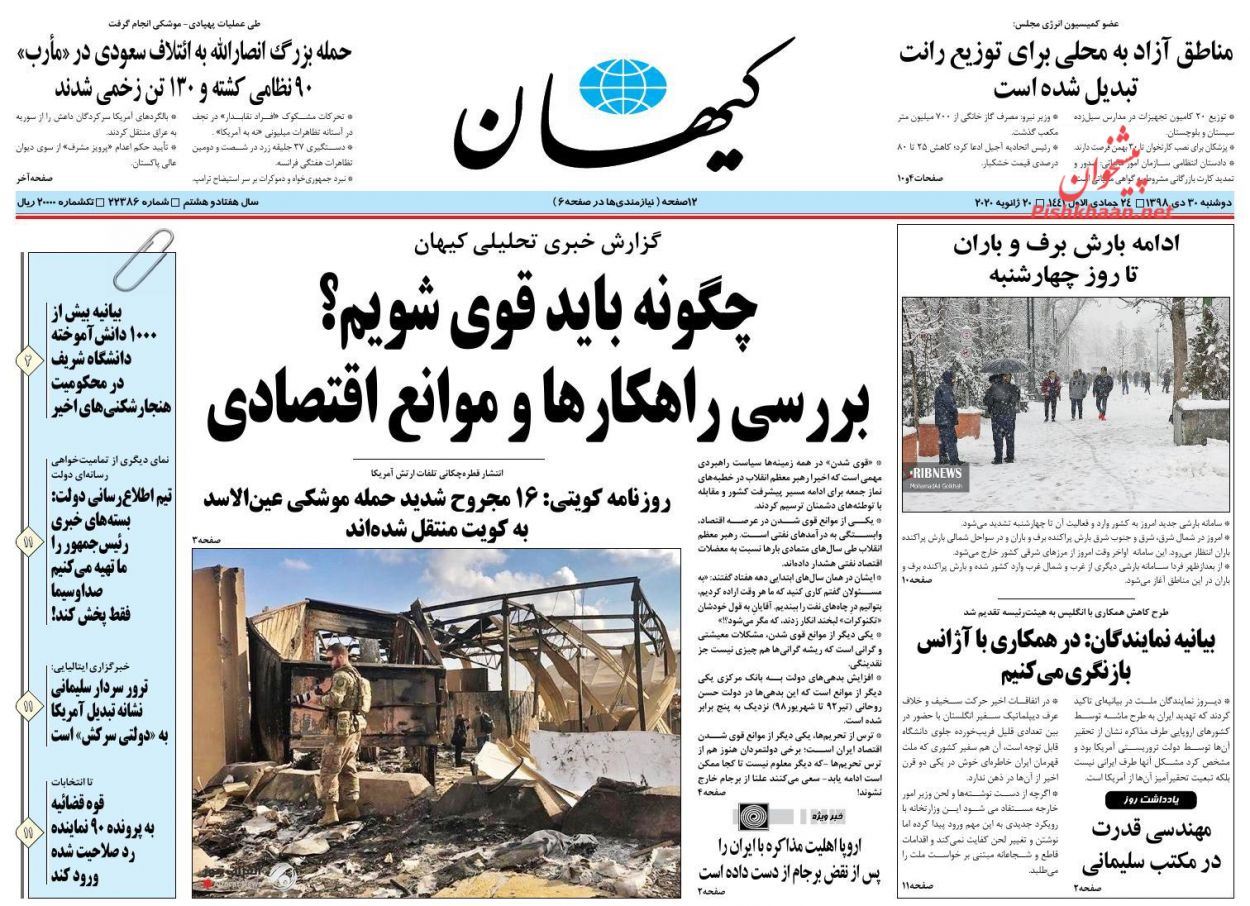
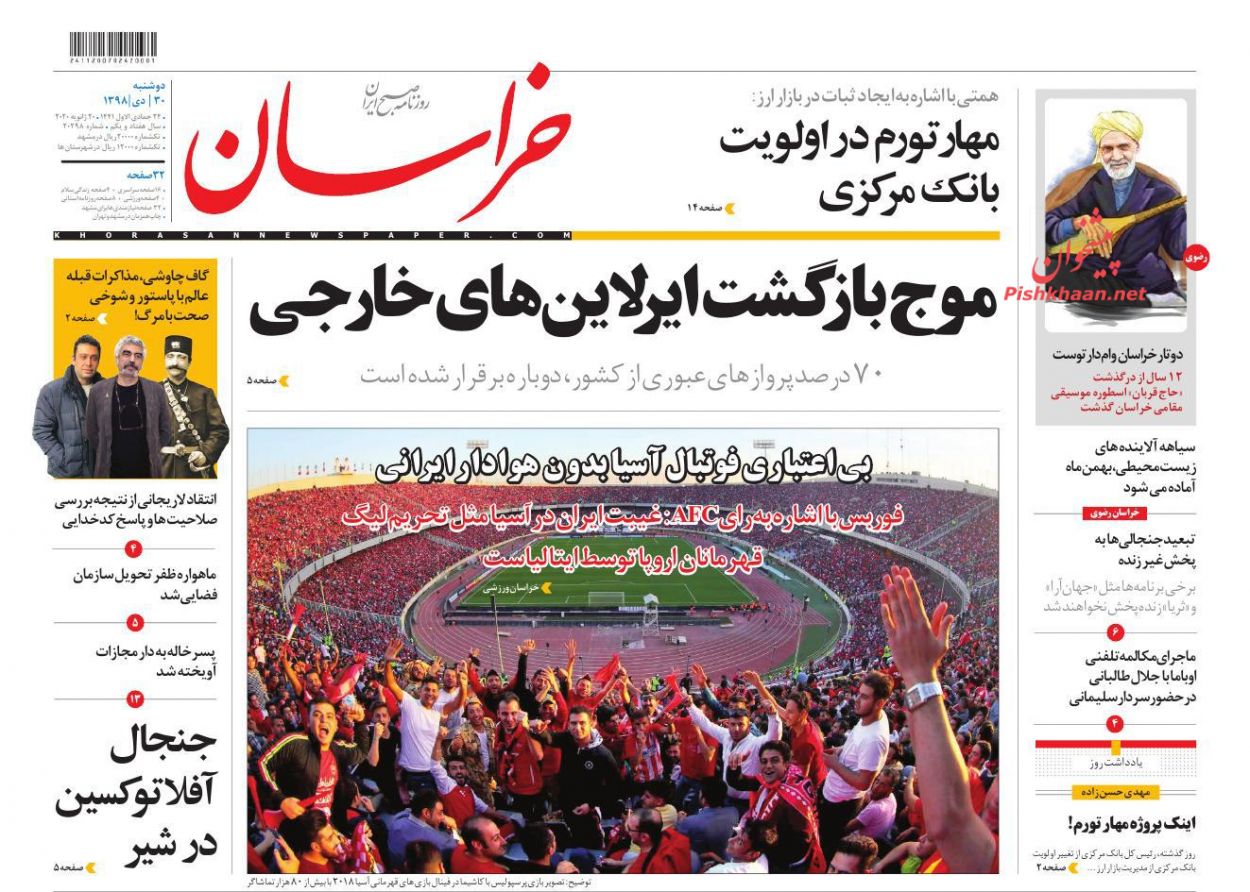
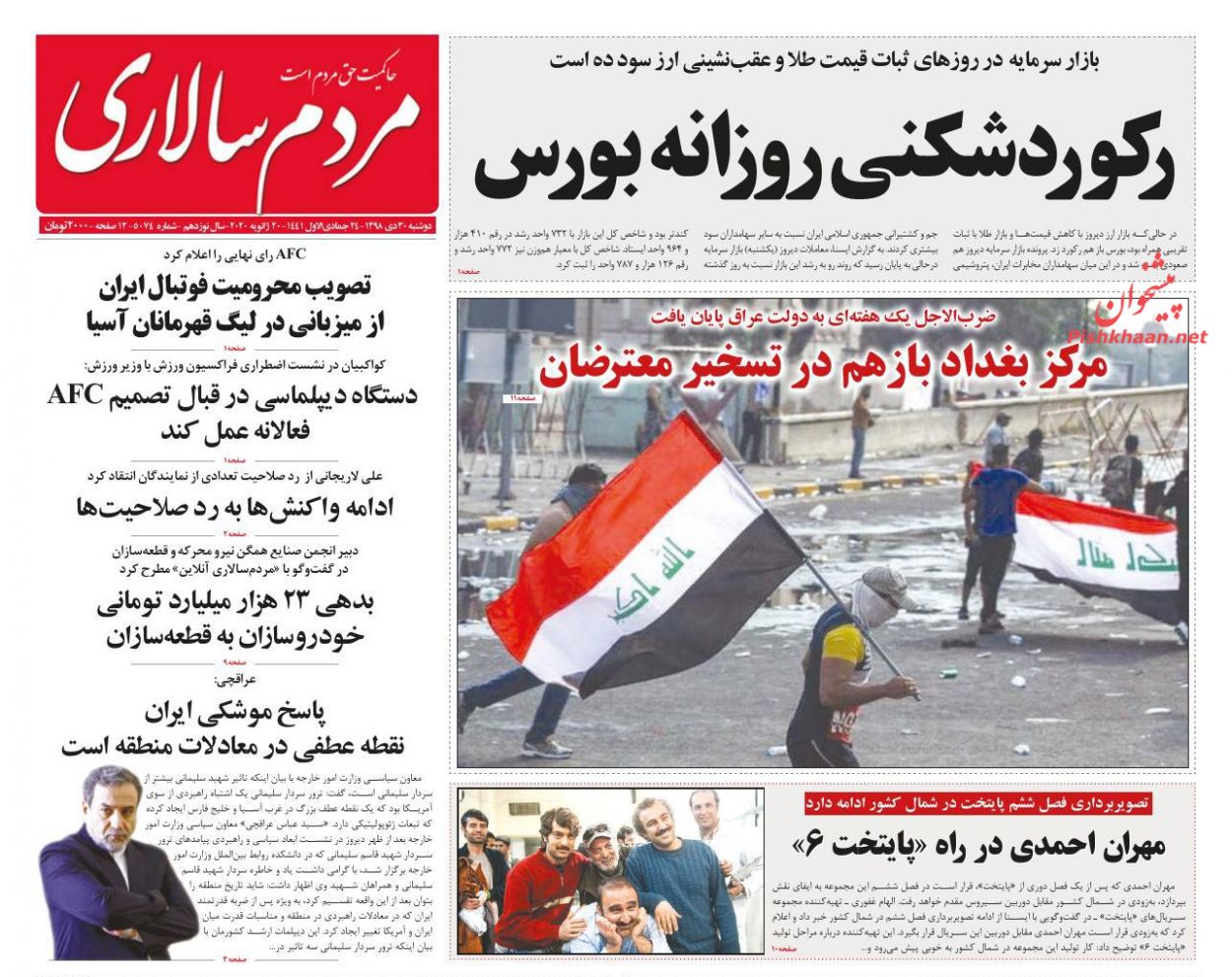
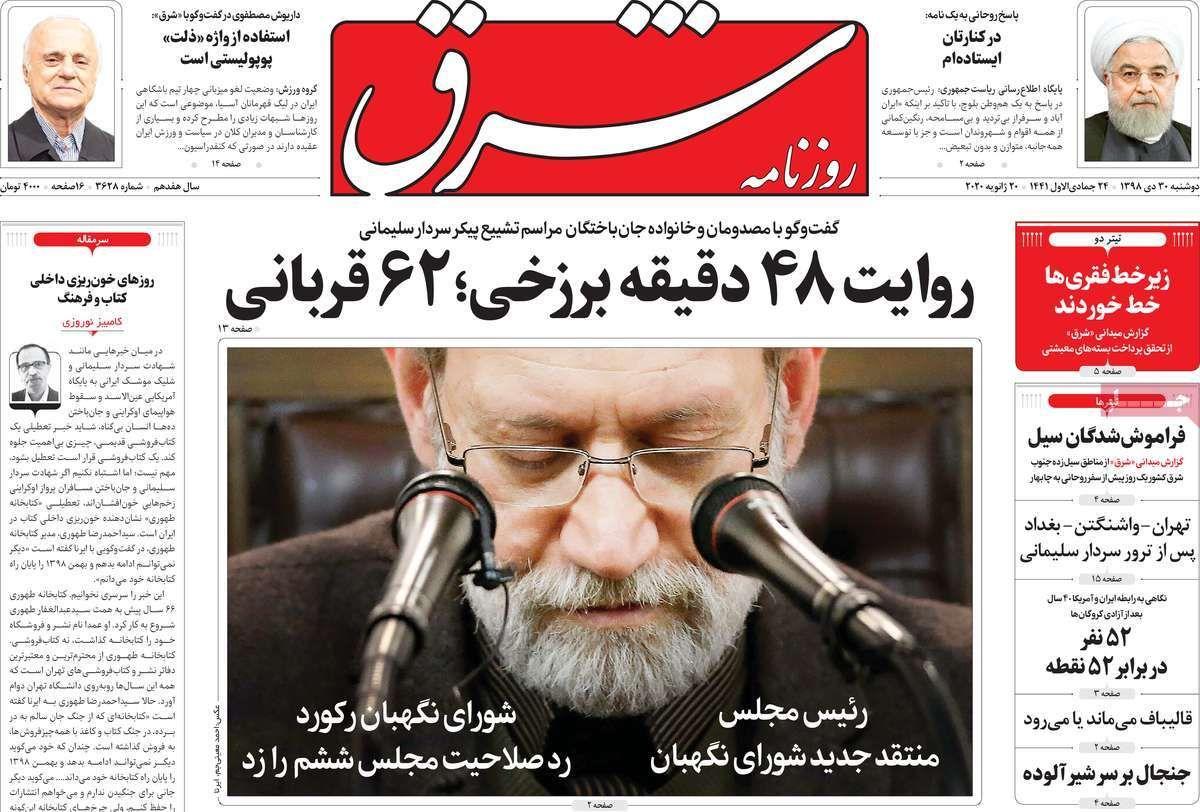
A Look at Iranian Newspaper Front Pages on January 7

Newspaper Headlines

Iran Newspapers

Abrar:

  1. Goodbye Commander of Hearts
  2. Nancy Pelosi: We Will Vote on Resolution Limiting President’s Military Action against Iran
  3. Iran Abandons All Operational Limits under JCPOA
  4. Zarif: Fifth Step Taken in Accordance with JCPOA
  5. Abdul-Mahdi: We’re Working to Carry Out Resolution on Expulsion of Foreign Military Forces
  6. Grand Ayatollah Sistani Sends Letter of Condolence to Leader of Islamic Revolution

A Look at Iranian Newspaper Front Pages on January 7


Arman-e Melli:

  1. The World Amazed
  2. UNESCO Reacts to Trump’s Threat against Iran’s Cultural Sites / UNESCO’s Secretary General Responds
  3. EU3 Asks Iran to Return to JCPOA / Arman-e Melli Reports on Reactions to Iran’s 5th Step to Reduce Commitments
  4. US Exit from Iraq to Become Operational / Arman-e Melli’s Story on Iraqi Anger at Violation of National Sovereignty

A Look at Iranian Newspaper Front Pages on January 7


Ebtekar:

  1. Glory of Farewell
  2. Nonstop Nuclear Program / Ebtekar Examines Iran’s 5th Step to Reduce JCPOA Commitments
  3. Urgency Motion on Retaliatory Action against US Tabled at Iranian Parliament, Presiding Board Member Says

A Look at Iranian Newspaper Front Pages on January 7


Etemad:

  1. Solomon’s Territory
  2. Beginning of An End to US’ Dialogue Hegemony in Region / Special File on Tehran Dialogue Forum 2020
  3. ISIS-Style War Crime / Trump Threatens Again to Attack Iran’s Cultural Centers
  4. Iran Pioneer of Initiatives / Islamic Republic of Iran Hosts Tehran Security Forum on Peace and Stability in Persian Gulf Region This Week

A Look at Iranian Newspaper Front Pages on January 7


Jomhouri Eslami:

  1. Tehran Citizens Bid Historic Farewell to Gen. Soleimani
  2. Iraqi Armed Forces Commander-in-Chief Unveils Mechanism for Expulsion of US Forces
  3. US House of Representatives Moves to Reduce Trump’s War Powers
  4. People of Tehran Bid Historic Farewell to General Qassem Soleimani

A Look at Iranian Newspaper Front Pages on January 7


Kayhan:

  1. Revenge Is Imminent; We’re All Like Time Bombs
  2. Health Minister: General Soleimani Played Major Role in Defeating Pharmaceutical Sanctions
  3. Atwan: Humiliating Revenge against US Begins

A Look at Iranian Newspaper Front Pages on January 7


Mardom Salari:

  1. Epic of Farewell
  2. Iran’s Final Response to European Inaction / Mardom Salari Online Reports on Lifting of All JCPOA Operational Limits after Fifth Step

A Look at Iranian Newspaper Front Pages on January 7


Setareh Sobh:

  1. Millions in Tehran Bid Farewell to Iranian General
  2. EU3 Reacts to Beginning of Iran’s Fifth Nuclear Step

A Look at Iranian Newspaper Front Pages on January 7

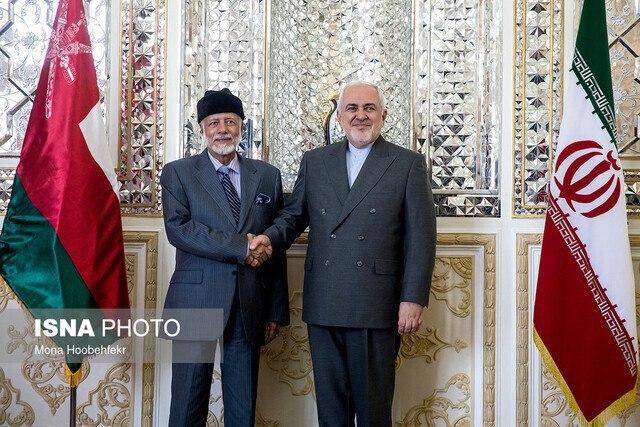
Iran Summons UK Envoy over ‘Unacceptable’ Remarks

Iran Summons French Envoy over Macron’s Anti-Islam Stances

UK Ambassador to Tehran Robert Macaire was summoned to the Iranian Ministry of Foreign Affairs on Tuesday, January 7, following the unacceptable remarks made by the UK prime minister, foreign secretary, and defence secretary about US President Donald Trump’s terrorist action to assassinate Lt. General Qassem Soleimani, Abu Mahdi al-Muhandis and their companions.

In a meeting with the British ambassador, the Iranian Foreign Minister’s assistant for European affairs strongly condemned the remarks made by the UK officials, and presented Iran’s strong protest to the envoy against the British stances.


The Iranian diplomat maintained that the US’ terrorist action has been in contradiction to the principles of the international law and also to Iraq’s national sovereignty, as acknowledged by the world and the jurists. 

He also stressed that from the viewpoint of the Islamic Republic of Iran’s people and government, such British stances are tantamount to collaboration with the US’ terrorist measure, are not justifiable and acceptable by any means, and that the UK could be considered as an accomplice in this crime by adopting such stances.

The Iranian Foreign Minister’s assistant for European affairs then pointed to the presence of tens of millions of people from the Iranian and Iraqi cities in the funeral of the revered martyrs and the heroes of the fight against ISIS who played a key role in eliminating ISIS from the region, saying the UK envoy must have witnessed such epic funeral. He also stressed that the Iranian nation will not forgive those sympathizing with the US’ measure.

The Iranian diplomat finally called on the UK ambassador to convey the Islamic Republic of Iran’s protest to London.

In turn, the British envoy said his government believes that escalation of tensions is not in the interests of anyone, and asked Iran to show more self-restraint in the current delicate situation in the region. 

Macaire said he will convey Iran’s message to London immediately.

The Assassination of Qassem Soleimani Institutionalizes Anti-American Sentiment in Iran

Donald Trump

Immediately after the assassination, President Donald Trump and Secretary of State Mike Pompeo, in series of tweets, announced that the U.S. reaction to any Iranian reprisal would be “fast” and “hard,” striving to justify their so-called preemptive action as the elimination of a so-called terrorist figure. They stressed that this operation was necessary for saving American lives and will help bring about peace and stability in the region.

However, what the Trump administration appears to be pursuing is an Israeli-style “campaign between the wars,” which keeps military pressure on an enemy even when no state of war officially exists. With this psychological measure, Trump is trying to create political divisions in Iran’s domestic politics with regard to the scope of Iran’s retaliatory response while decreasing the impacts of the global condemnation of Soleimani’s assassination.

The attempt to create discord within Iran over the killing of Qassem Soleimani, who was widely respected by Iranians of many different walks of life as the protector of Iranian national security, is doomed to fail. The assassination will only generate more anxiety and anti-U.S. sentiment among the Iranian people. This has already been apparent in the attendance of millions of Iranians from virtually every social class at the funeral processions held in Soleimani’s honor.

In parallel to this public anxiety, Iranian officials are talking about taking “severe revenge” in both symmetric and asymmetric military dimensions — meaning the targeting of U.S. military bases and personnel in the region either directly or via local militia allies. Iran cannot afford not to respond to the Soleimani assassination in order to demonstrate and preserve its national strength and solidarity. Moreover, a retaliation for the assassination will fulfill the expectations of Iran’s regional allies, who consider Tehran the leader of “axis of resistance” and also want revenge.

Considering Iran’s extensive regional influence, the institutionalization of anti-U.S. sentiment among the Iranian people has grave strategic consequences for the U.S. and its regional and global status. Less than one century ago, Iranians regarded the U.S. as a positive “third party” that could help their country resist the political-economic demands of the colonial powers of the time, Russia (later the Soviets) and Britain. The CIA’s involvement in the coup that overthrew democratically elected Prime Minister Mohammad Mosaddegh in August 1953 was a turning point in terms of the rise of anti-U.S. enmity in Iran. By enhancing elite, political, and military relations with the U.S., the Shah’s regime tried to decrease this sense of enmity within the public. But bilateral relations further deteriorated after the 1979 Iranian Revolution. Later, the U.S. fully supported Iraqi leader Saddam Hussein’s war against Iran during the 1980s and the U.S. Navy shot down an Iranian commercial airliner over the Persian Gulf in July 1988, both of which have intensified Iranian feelings of hostility toward the U.S.

The deterioration in U.S.-Iranian relations became more severe following the U.S. invasion of Iraq in 2003 and still more severe following the Arab Spring in 2011 and the emergence of regional crises in Syria and Yemen. For the U.S., apparently, the goal continues to be bringing Iran back into its diplomatic fold. Washington has already tried all the means available, such as public diplomacy and direct contact with Iranians, direct negotiations, the pursuit of regime change in Tehran, and the imposition of coercive economic sanctions in order to collapse the Iranian state from inside.

In this respect, President Trump has continued his so-called “maximum pressure” policy to weaken the Iranian government. Yet he seems gradually to have realized that there is a slim chance to initiate direct talks with Iran on his terms. Even so, Iran’s increased regional power and influence threatens the cornerstones of U.S. regional policy: guaranteeing the security of Israel and protecting conservative Arab allies. Iran’s opposition is a key impediment for fulfilling U.S. strategic goals in these regards.

Trump’s decision to withdraw the U.S. from the 2015 Iran nuclear deal (Joint Comprehensive Plan of Action or JCPOA) ended any hope inside Iran that its prolonged strategic discrepancy with the U.S. and the West might be solved in the context of a win-win situation. Iranians expected the JCPOA to pave the way for further political interactions with world powers, resulting in a better life and increased economic growth and development. Increasingly the Iranian public has come to feel that Washington’s real problem with Iran is not its government’s behavior or its regional policy, but rather it is the state of Iran itself. The U.S. and its allies fear Iran’s emergence as a dominant Middle Eastern power and what that might mean for preserving the regional status quo, which the U.S. sees as the best policy to preserve its national interests. That concern has increased as Iran has developed more comprehensive economic and political-security cooperation with the two main global rivals of the U.S.—Russia and China.

From the U.S. perspective, Iran’s geopolitical strength, its vast economic potential, and its active role in battling terrorism will compel Russia and China to strengthen relations with Tehran under any circumstances. An alliance of these three states could imbalance current West-oriented regional political-security trends at the expense of the U.S. and its allies’ interests. The recent joint Chinese-Iranian-Russian naval exercise in the Gulf of Oman and the Indian Ocean caused concerns among the U.S. and its allies. Trump says that he withdrew from the JCPOA in order to contain Iran’s regional role and limit its missile activities. One may argue that he also sought to contain Iran’s growing ties with these two global rivals in the Middle East.

In such circumstances, perhaps the Trump administration and the U.S. intelligence community calculated that Soleimani was the main impediment to changing Iran’s regional policy, and decided to eliminate him in order to pave the way for direct talks with Iran. But this is surely a miscalculated perception of the strategic logic of Iran’s regional presence. Decisions on Iran’s regional policy are taken by Iran’s Supreme National Security Council and at the highest levels of the Iranian government. Soleimani was only a single high profile commander who was effective at operationalizing these policies. Killing him is unlikely to change Iran’s strategic direction.

Iran’s regional presence is based on a simple logic: preempting the penetration of symmetric and asymmetric threats inside Iran’s borders. Fulfilling this national security goal requires Iran to secure both its national borders and, in specific cases, areas beyond those borders. In the course of time, this logic has created the concept of a “wider security zone” in the strategic calculus employed by Iranian political-security elites. Soleimani was perceived by the Iranian public as the mastermind of this deterrence policy. Iran’s rule of regional engagement for several years has been that increased threats from the region require an increased and active Iranian response.

The basis of Iran’s decision to sign the JCPOA was the preservation of the country’s conventional deterrent strength. Trump’s miscalculation is based on achieving an impossibility — depriving Iran of defensive capabilities that are well-regarded by the Iranian people. In fact, it has been the U.S. and its regional allies, and the threat they pose to Tehran’s regional interests, that have pushed Iran toward strengthening its asymmetric power through forming and enhancing local networks of friendly forces. Trump’s insistence on threatening, sanctioning, and now targeted killing could lead Iran to seek other unconventional military means to protect itself. In this regard, Iran announced on Sunday that it was taking another step to reduce its nuclear commitments under the JCPOA, which effectively ends the nuclear deal at least in the near future.

Soleimani’s assassination is a turning point in institutionalizing the Iranian public’s sense of enmity toward the U.S., giving the government of Iran the domestic justification to endanger U.S. interests by all means at its disposal. It is evident now that President Trump cannot achieve his aims through threat of force. To avoid an all-out war that will harm both nations, the best policy for President Trump in the short-term is first to stop the threats, which only further raise the ire of the Iranian people. He should furthermore refrain from responding to Iran’s reprisal measure in the coming days. Moving forward, the U.S. president should end his “maximum pressure” policy (which in my view was foisted upon President Trump mainly by the Israelis and the Saudis, and some European countries), accept the totality of the JCPOA, and start to understand that Iran cannot afford to withdraw from the Middle East for national security reasons. These steps could pave the way for a meaningful diplomacy based on equal terms, to solve regional and bilateral problems.