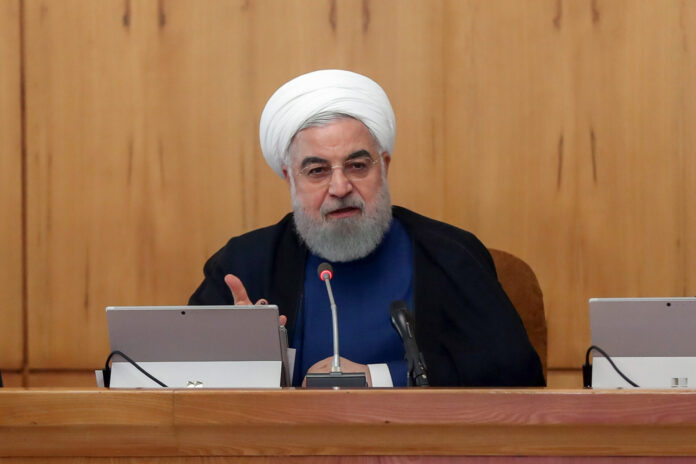
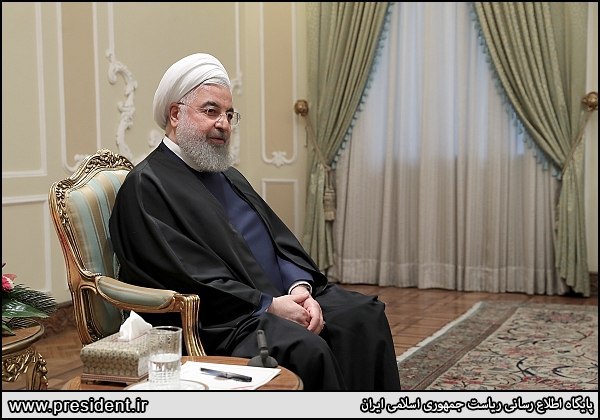
Speaking at a weekly cabinet session in Tehran on Wednesday, President Rouhani said the administration is going to open a major innovation centre on development of artificial intelligence.
The new complex will be entitled “Centre 176” in remembrance of the 176 passengers who died in the January 8 crash of Ukrainian jetliner near Tehran, the president added.
He also paid tribute to the victims of the plane crash, particularly the Iranian people engaged in the academic, scientific and research activities.
The president further assured the families of both Iranian and foreign victims that the Islamic Republic will do its utmost and utilize all tools available to investigate into the accident, stressing that Tehran will honor all of the legal commitments with regard to the tragic incident.
President Rouhani then pointed to a rise in Iran’s national income thanks to the export of non-oil goods, saying a sum of $20 billion in non-oil exports have been funneled to the Central Bank of Iran.
“Without exports, we cannot have scientific competition and progress, and scientific and technological progress comes with competition and presence in the world markets,” the president added.
On the 2015 nuclear deal and the decision from the UK, France and Germany to trigger the dispute resolution mechanism in the Joint Comprehensive Plan of Action, President Rouhani stated, “We have not withdrawn from the JCPOA and do not seek to scrap it. We are committed to it and have reduced our commitments in accordance with the JCPOA.”
He also made it clear for the three European parties to the JCPOA that Iran will fully honor the deal as soon as the EU3 states fulfill their commitments completely.
“I remind the three European countries that if you commit a violation and breach commitments, you will be responsible for the whole consequences,” he warned the UK, France and Germany.
The president then reiterated that Iran will be never after nuclear weapons, even in the absence of the JCPOA and the Safeguards Agreement and regardless of Tehran’s relations with the International Atomic Energy Agency (IAEA).
“I hope Europe would honour its pledge and commitments, in which case we will fulfill our commitments as well,” President Rouhani emphasized.
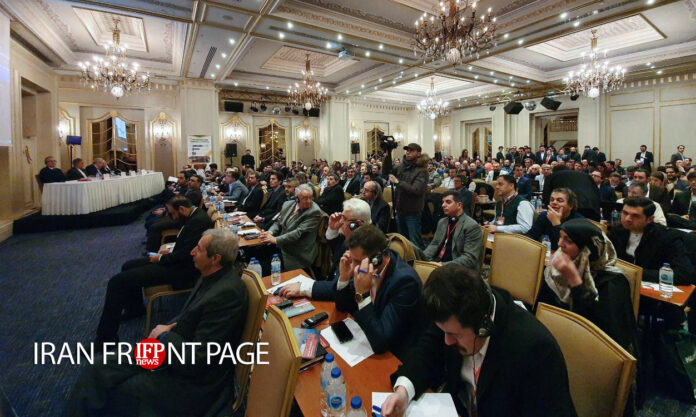
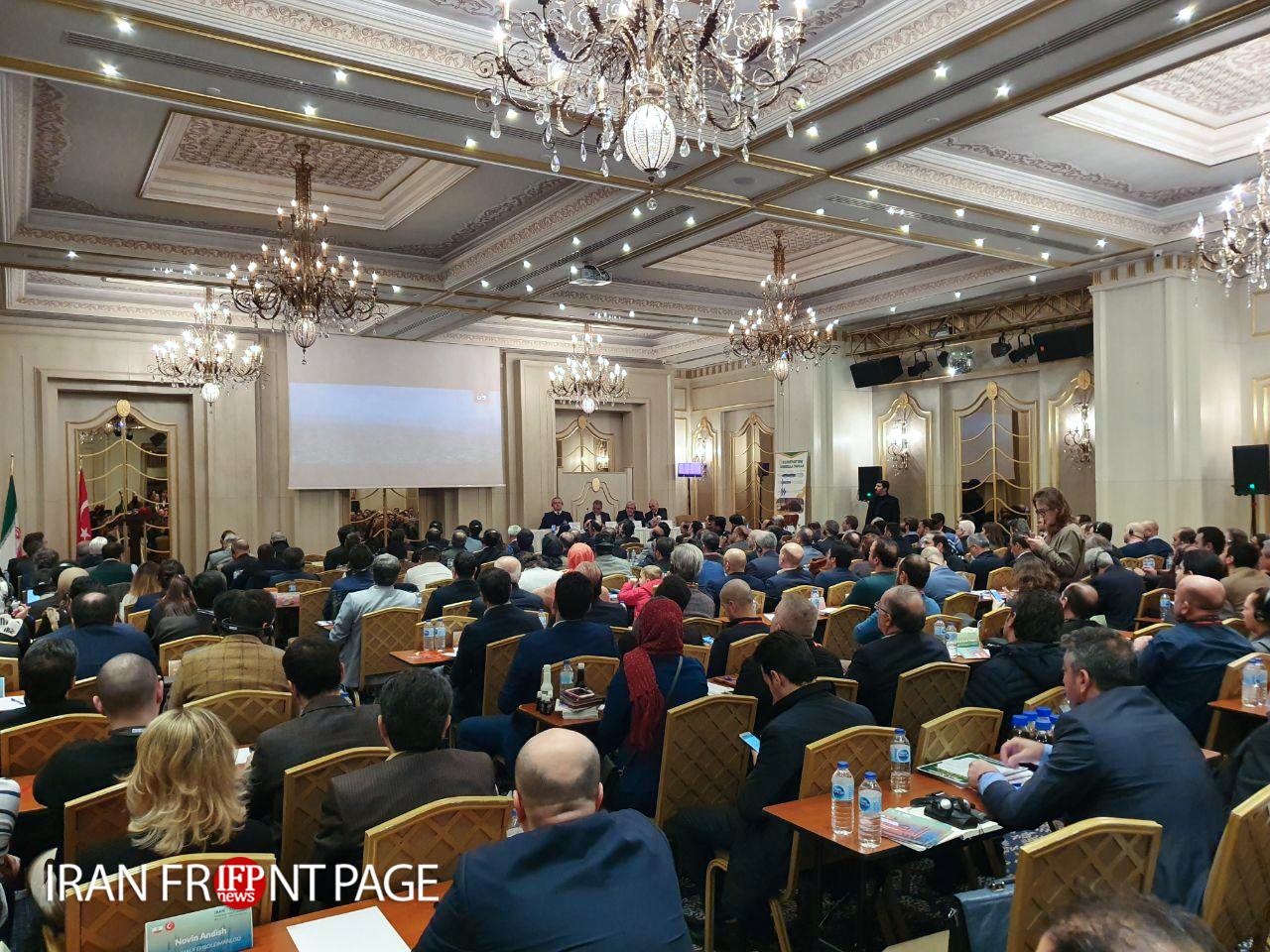
The meeting, organized by the Science and Technology Department of the Iranian president’s office and funded by Iran’s National Innovation Fund, was also attended by Sorena Sattari, the Iranian Vice-President for Science and Technology.
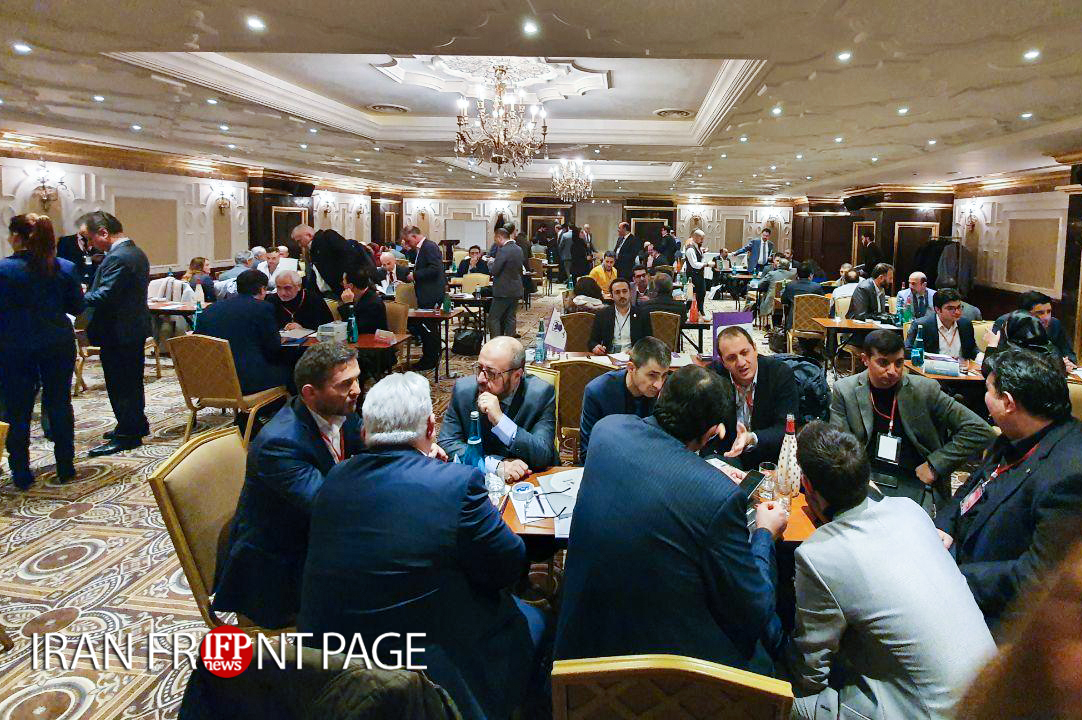
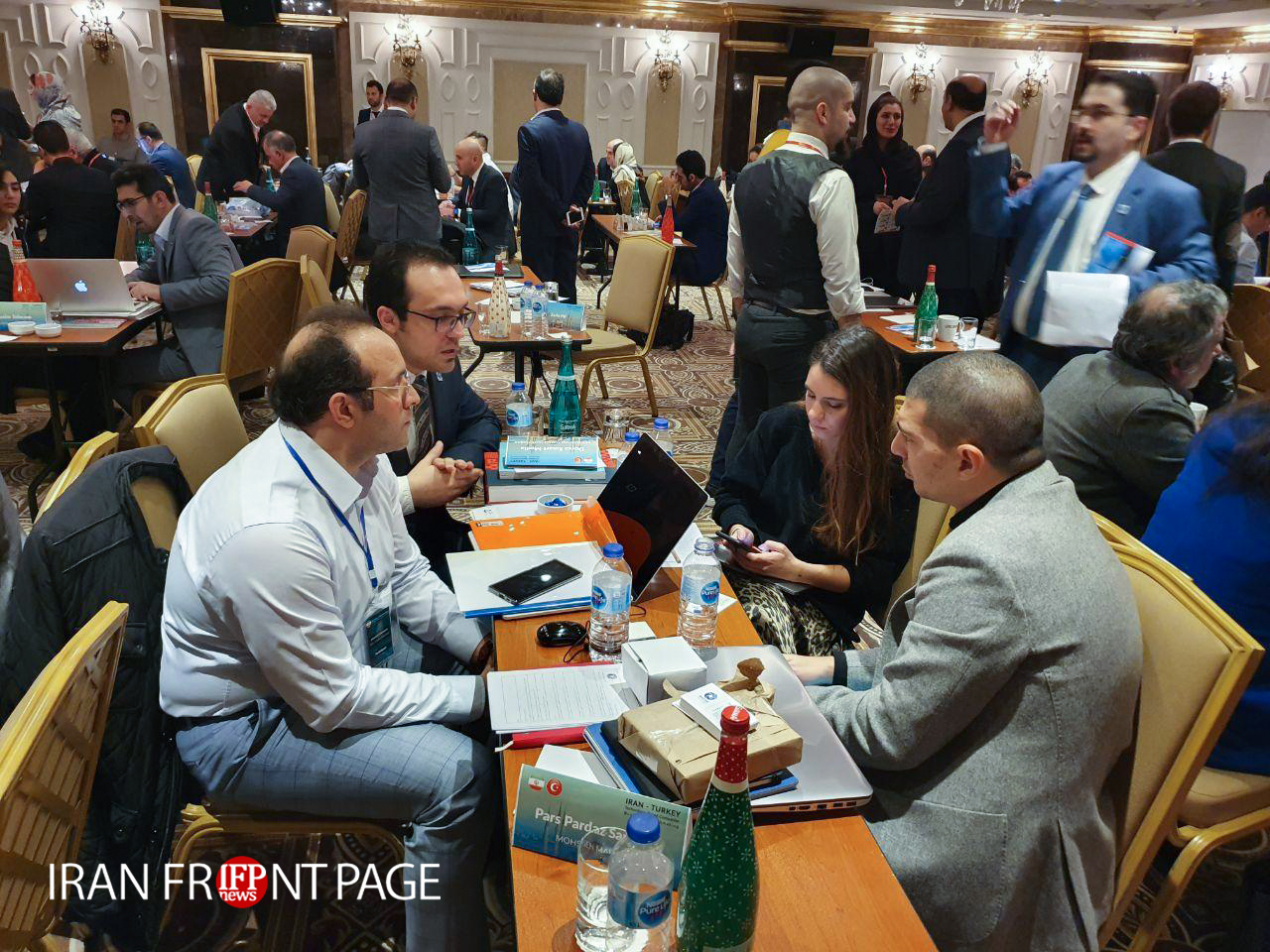
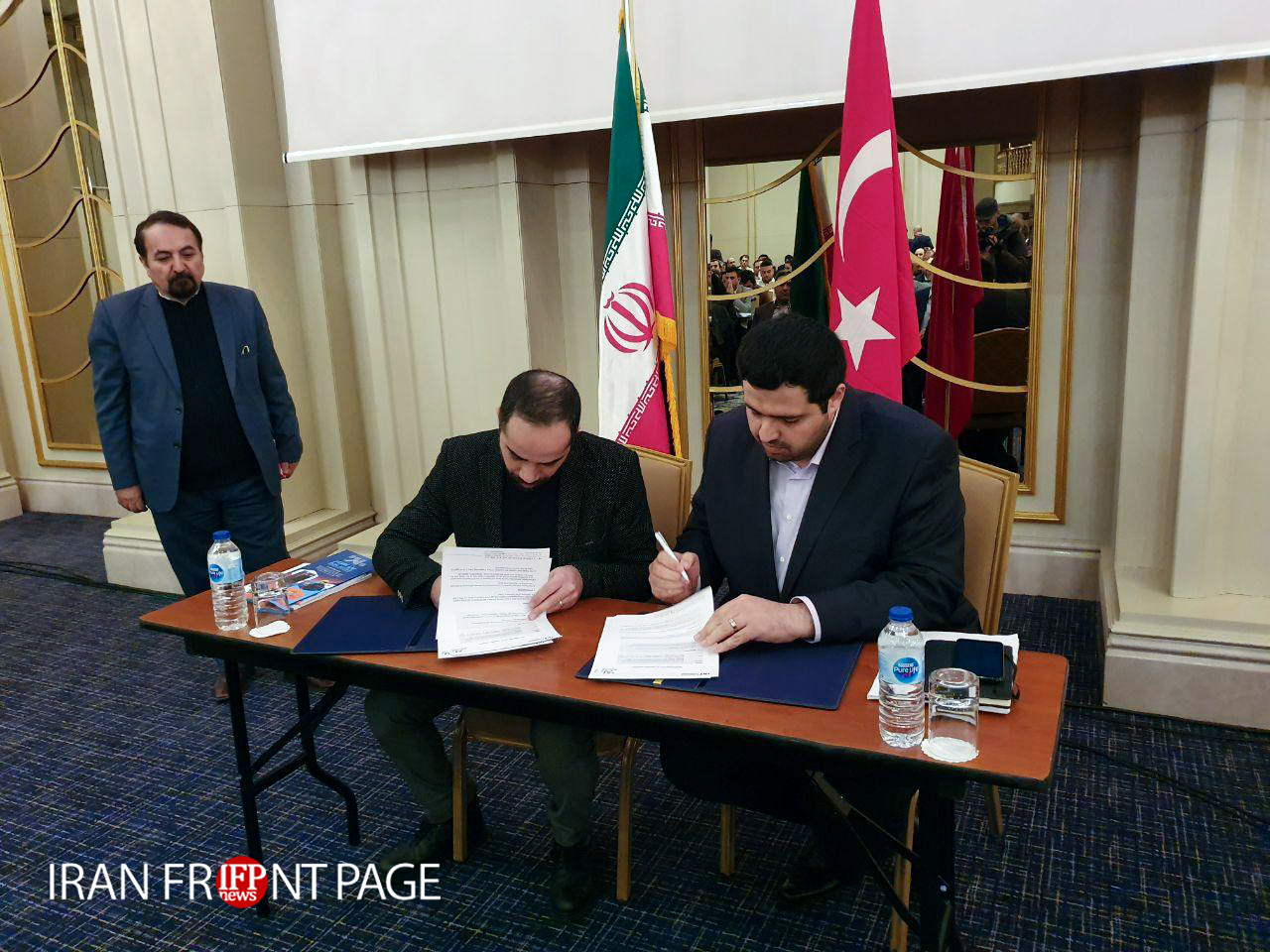
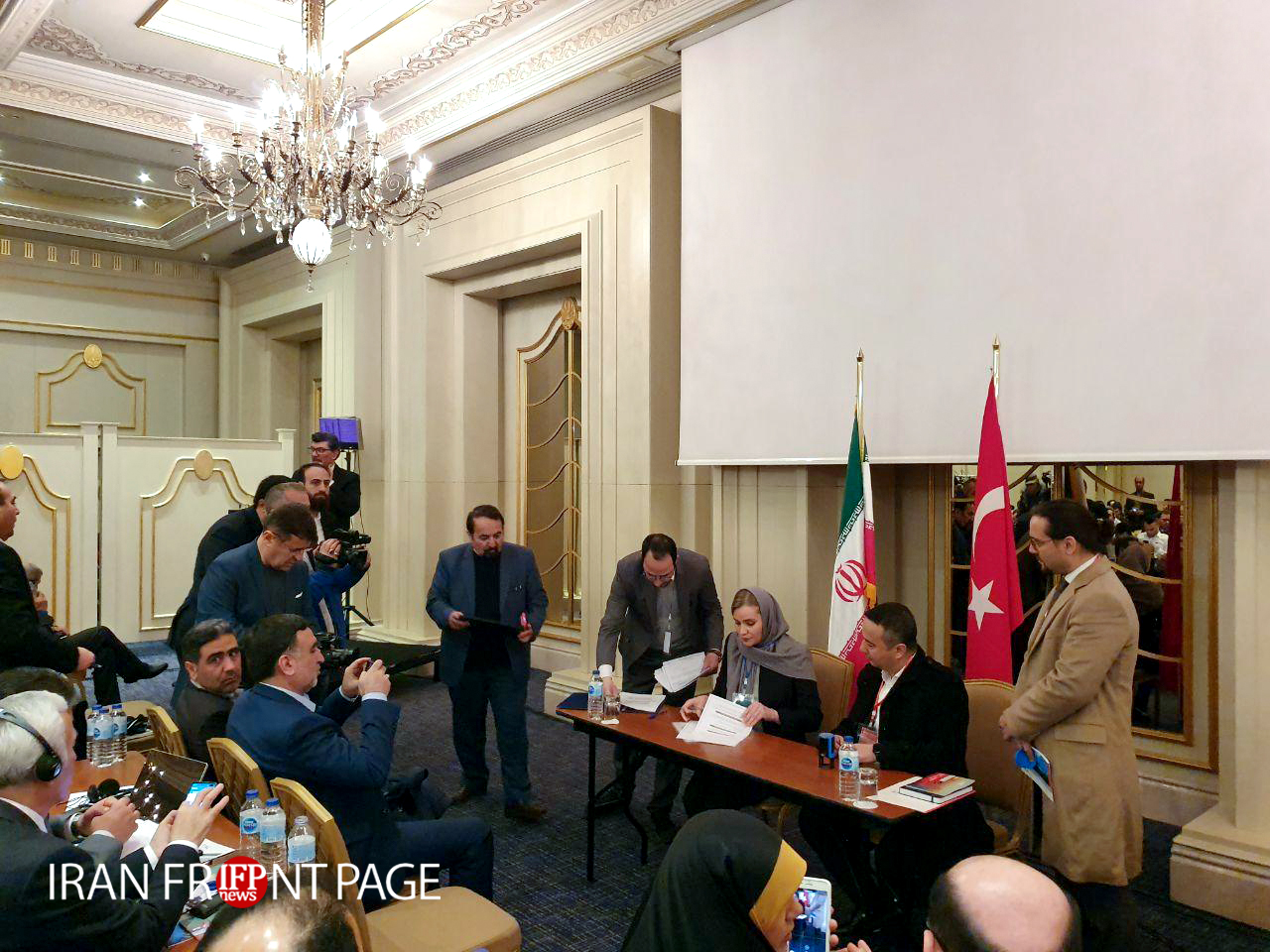
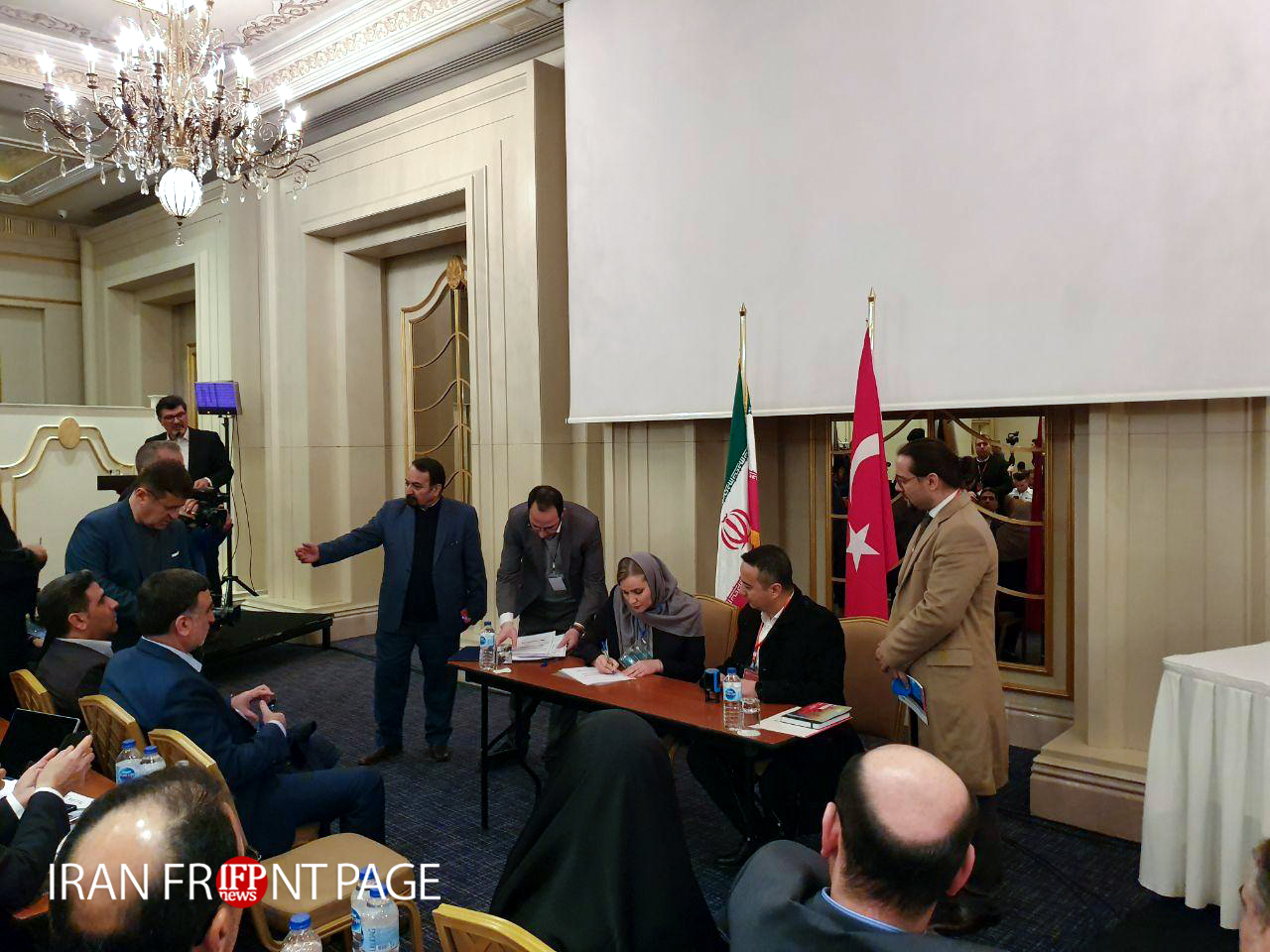
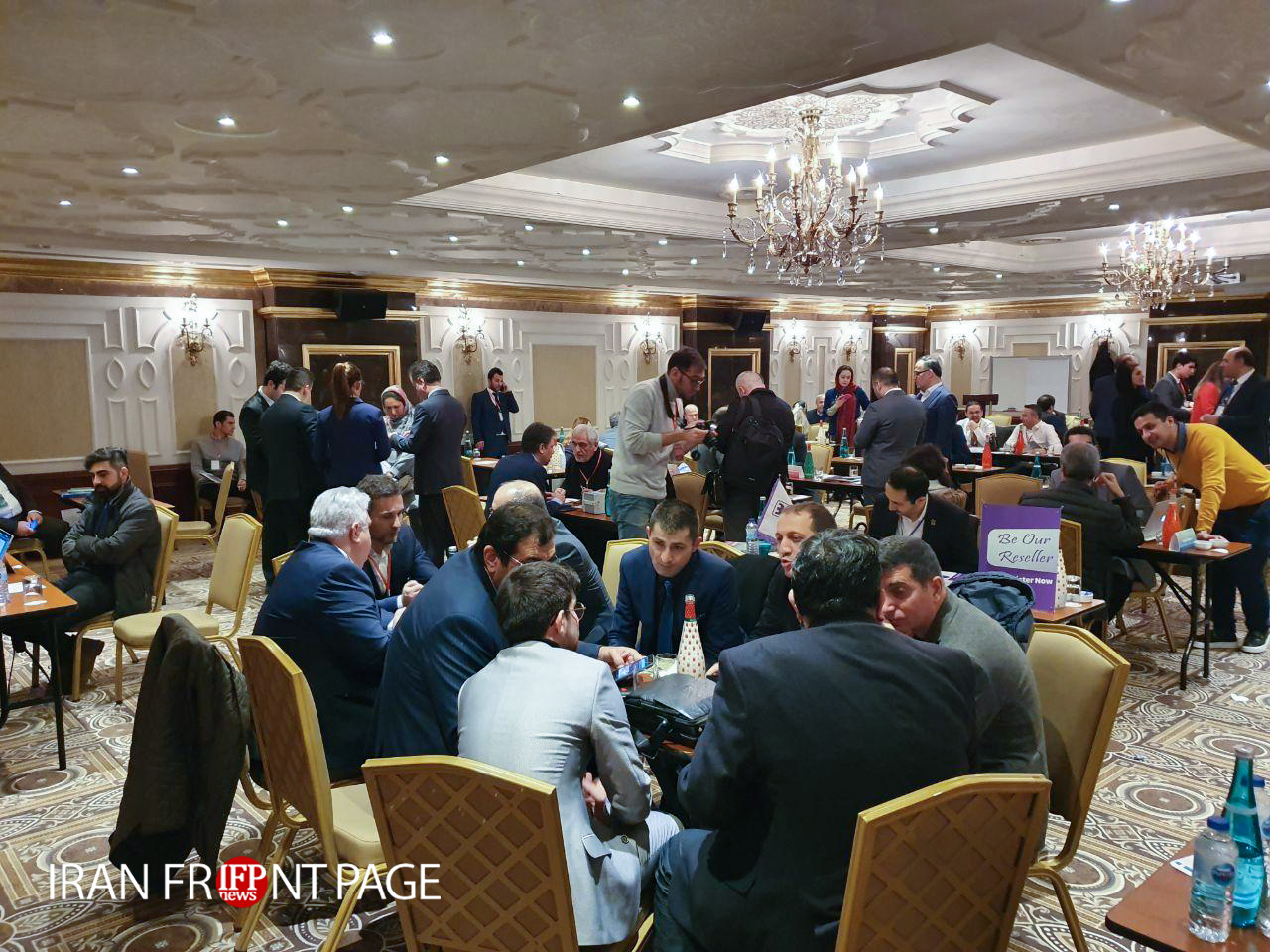
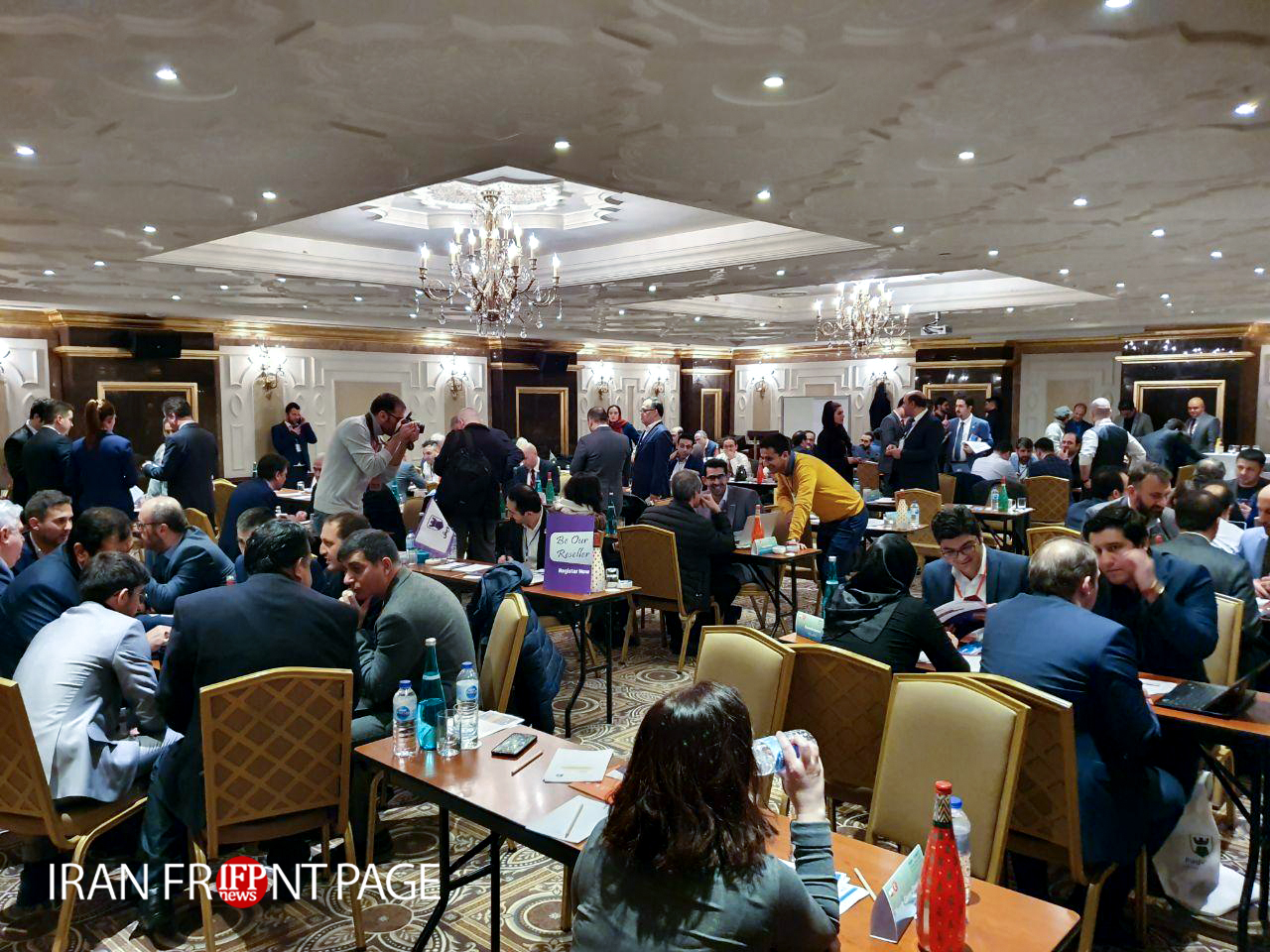
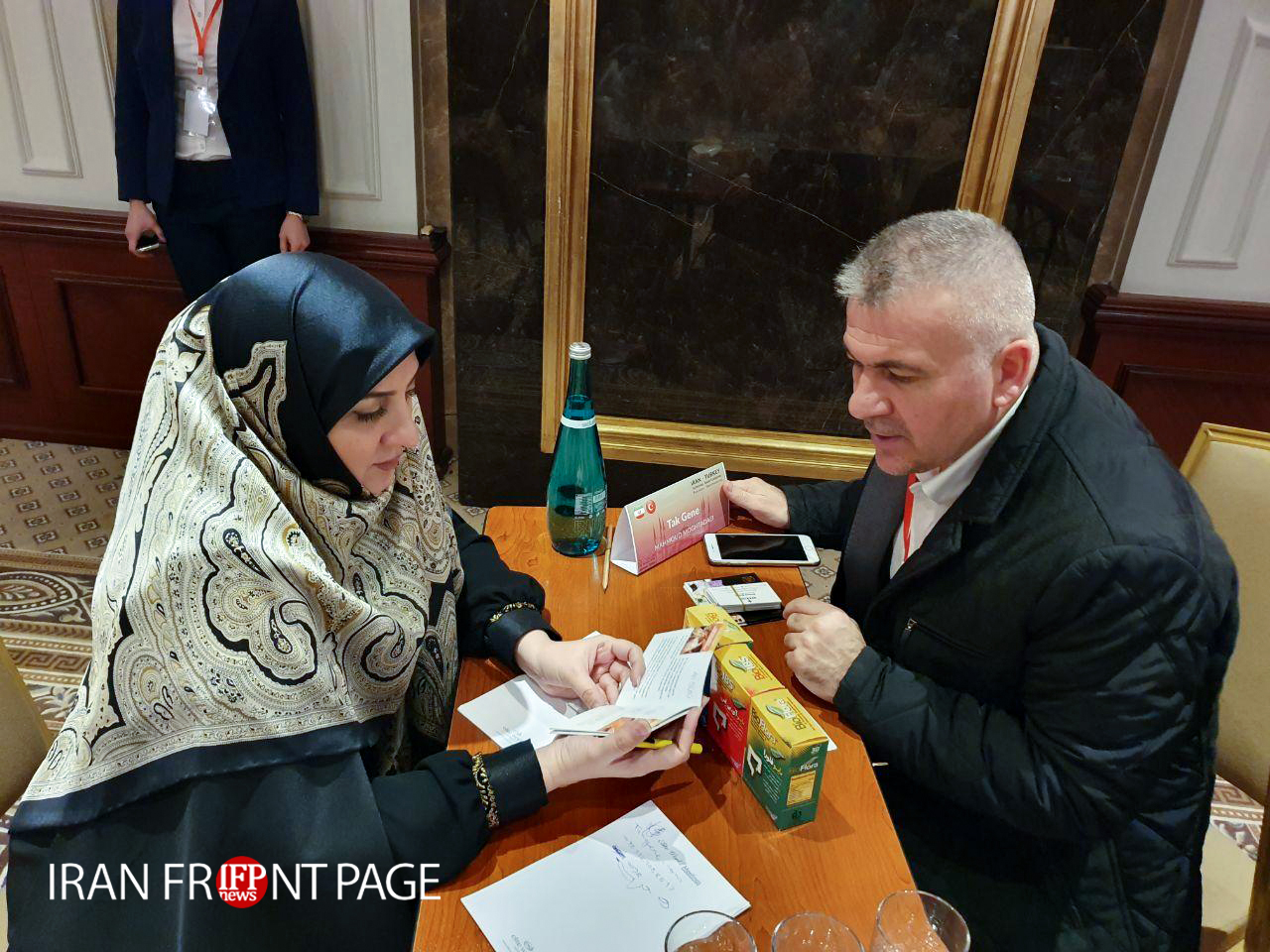
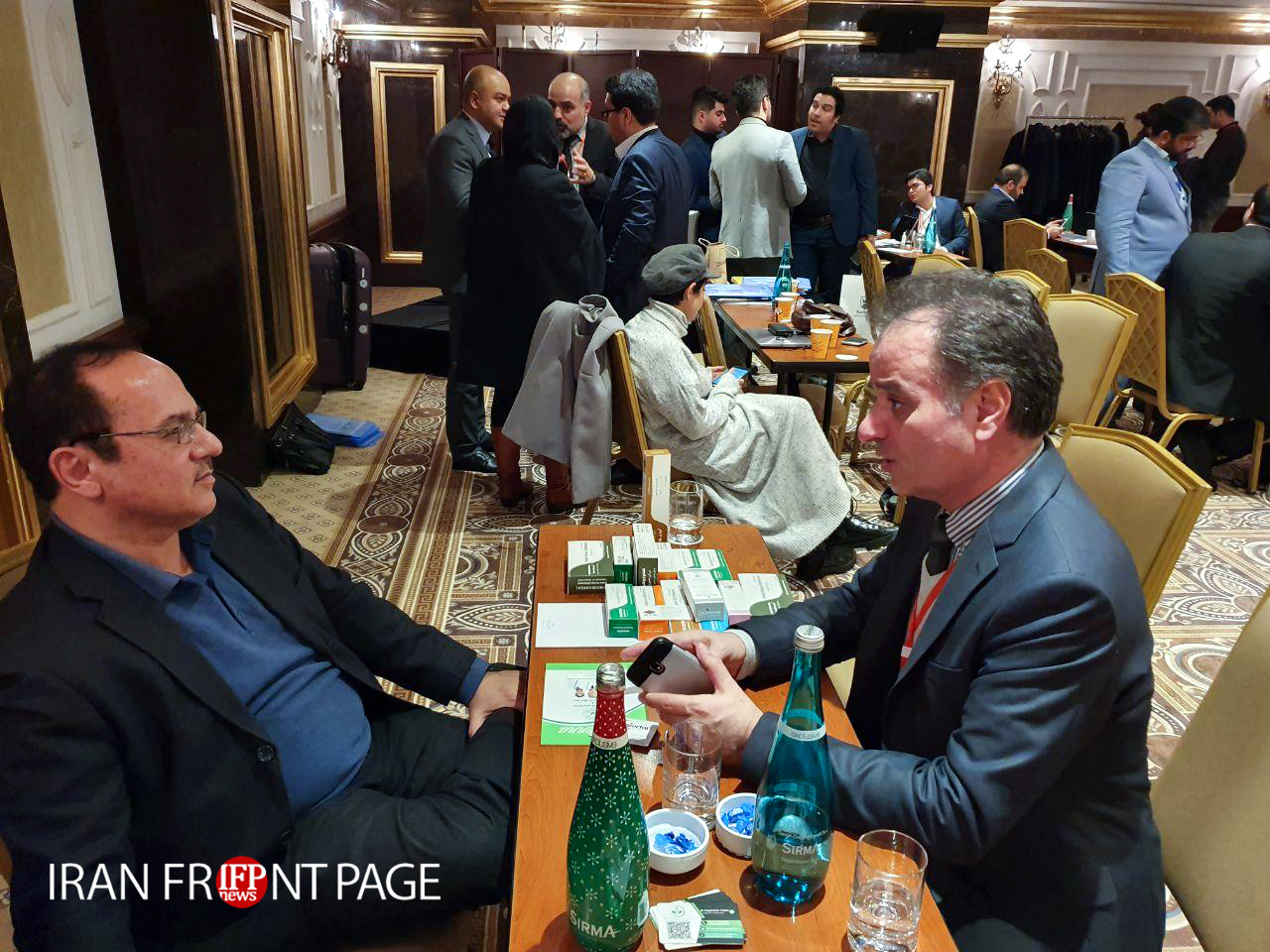
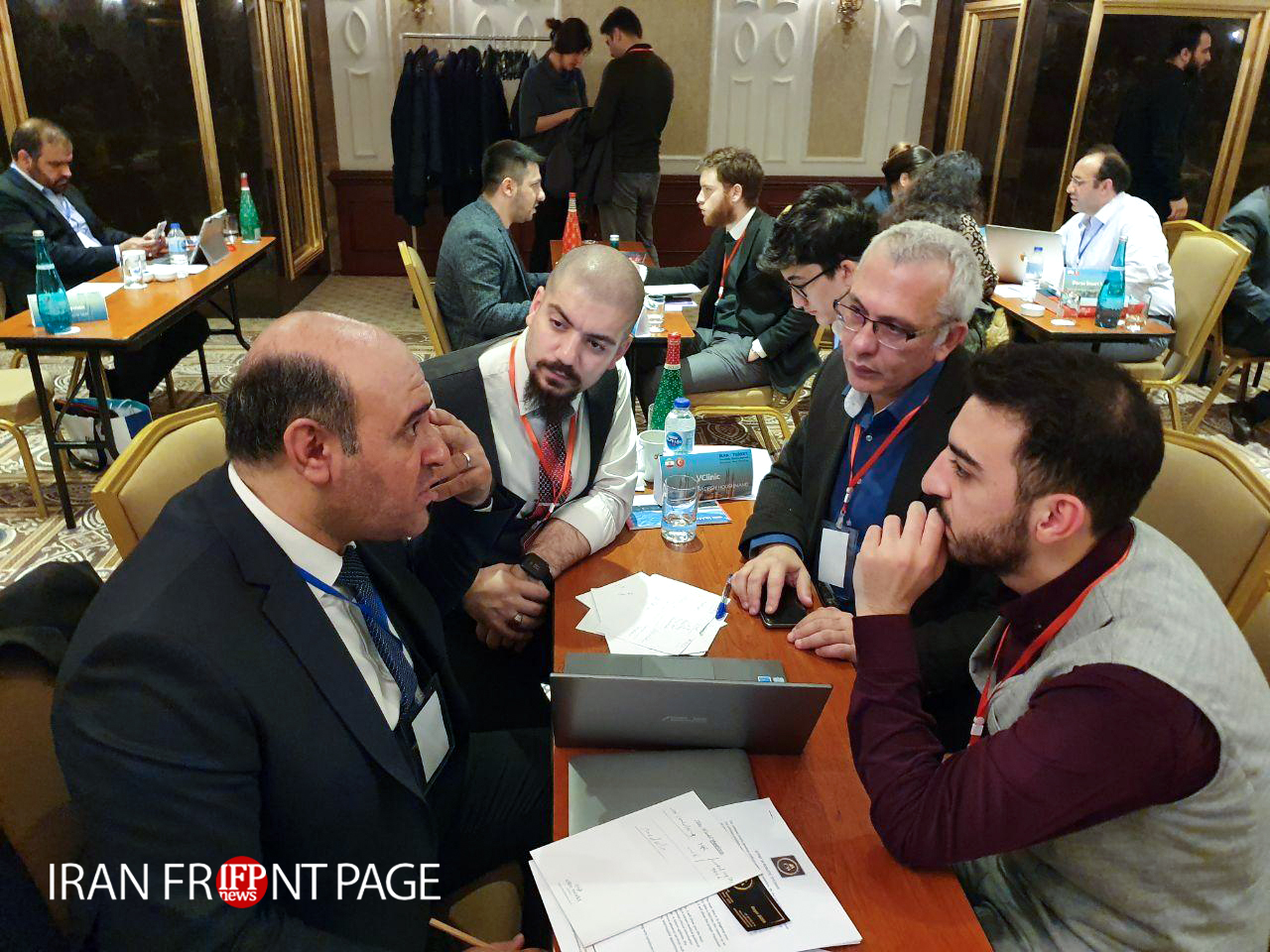
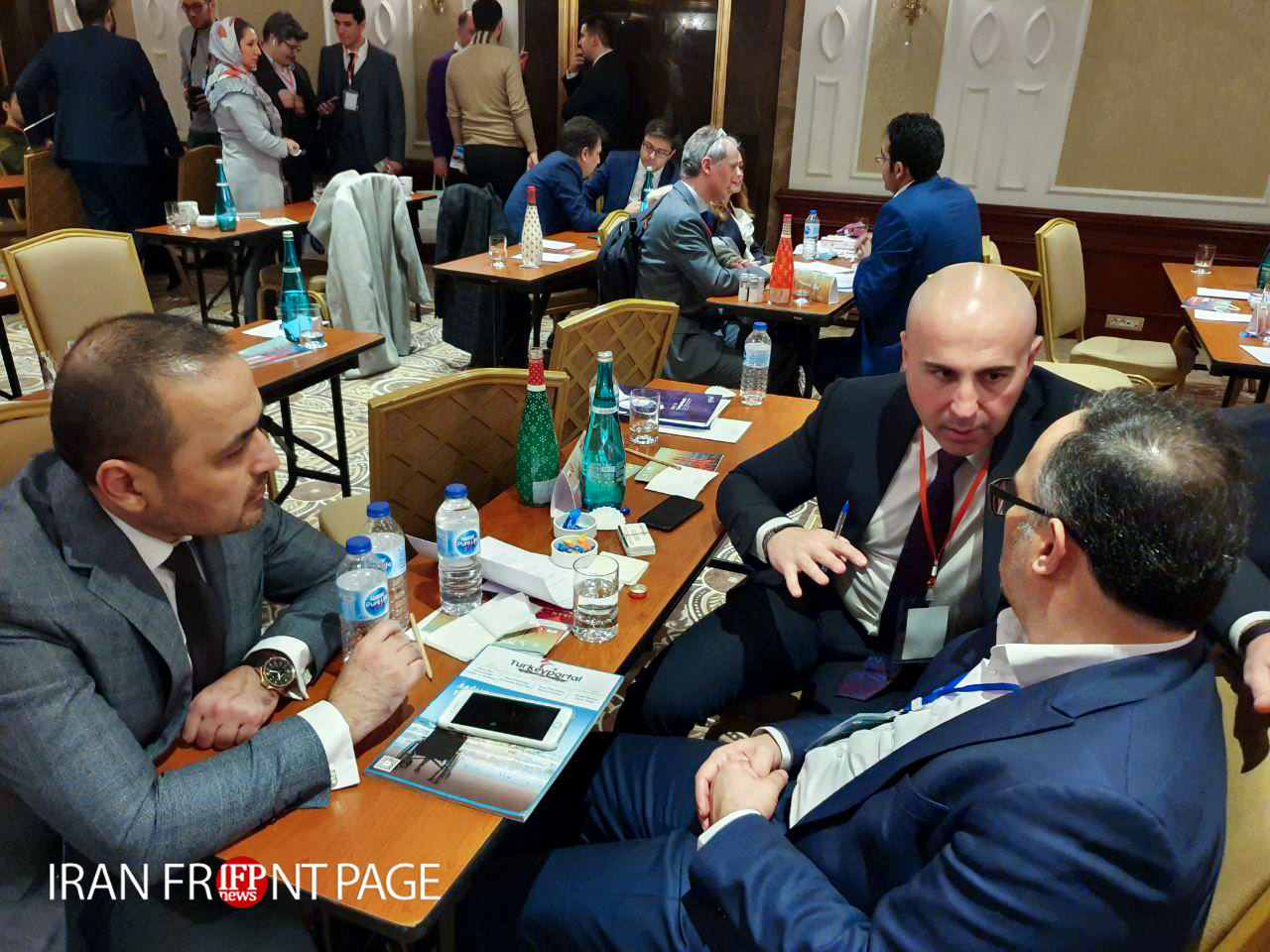
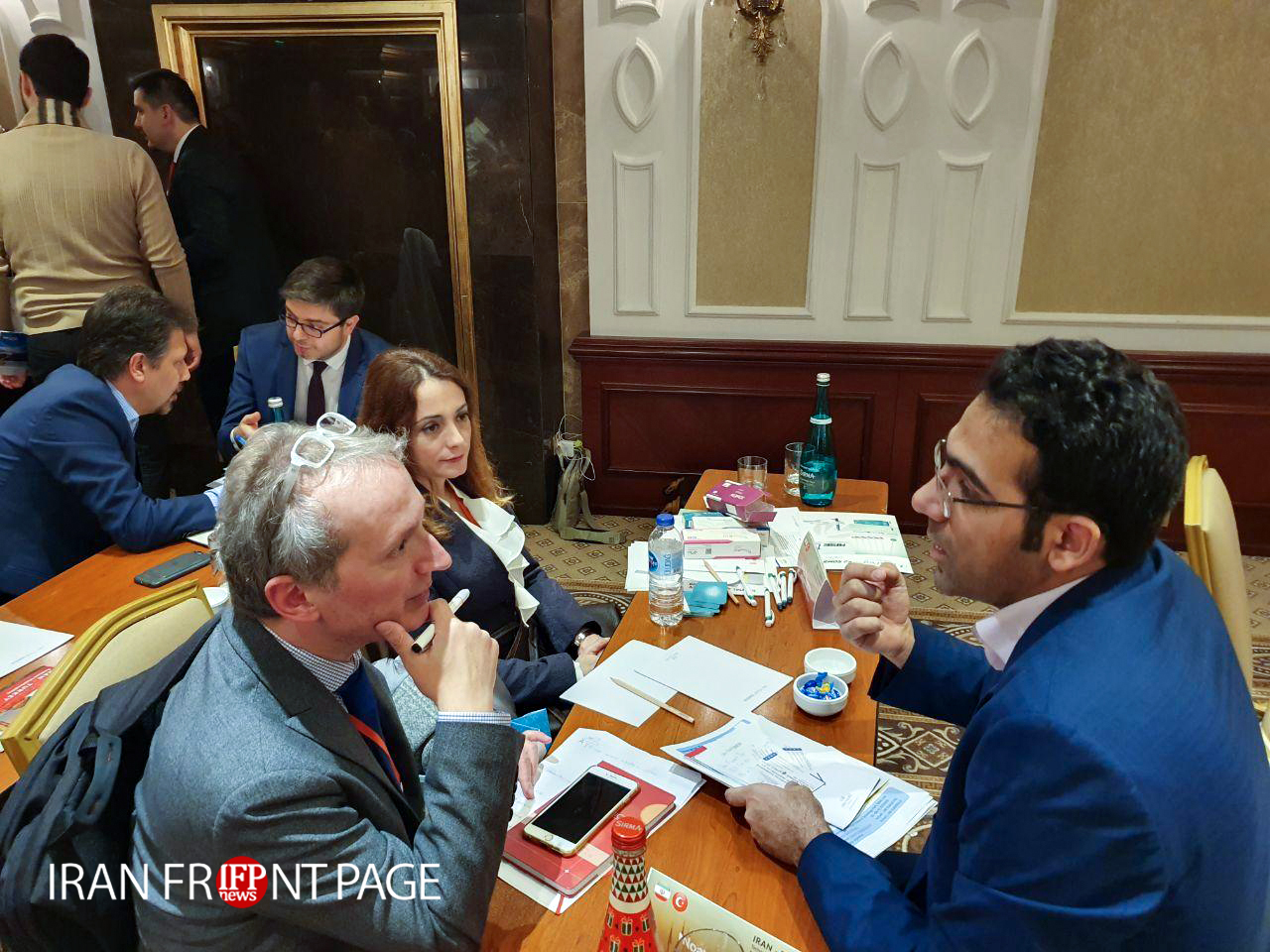
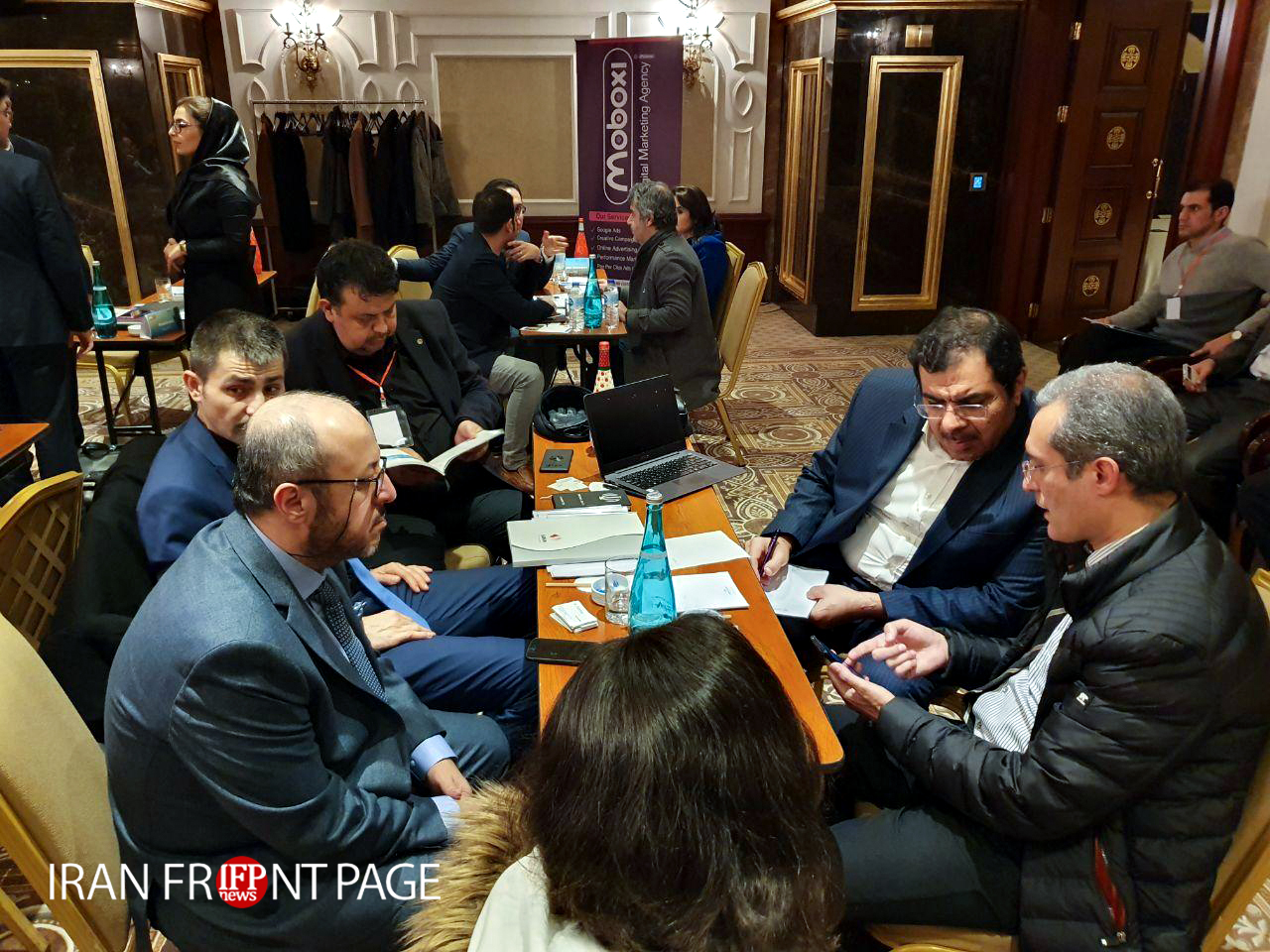
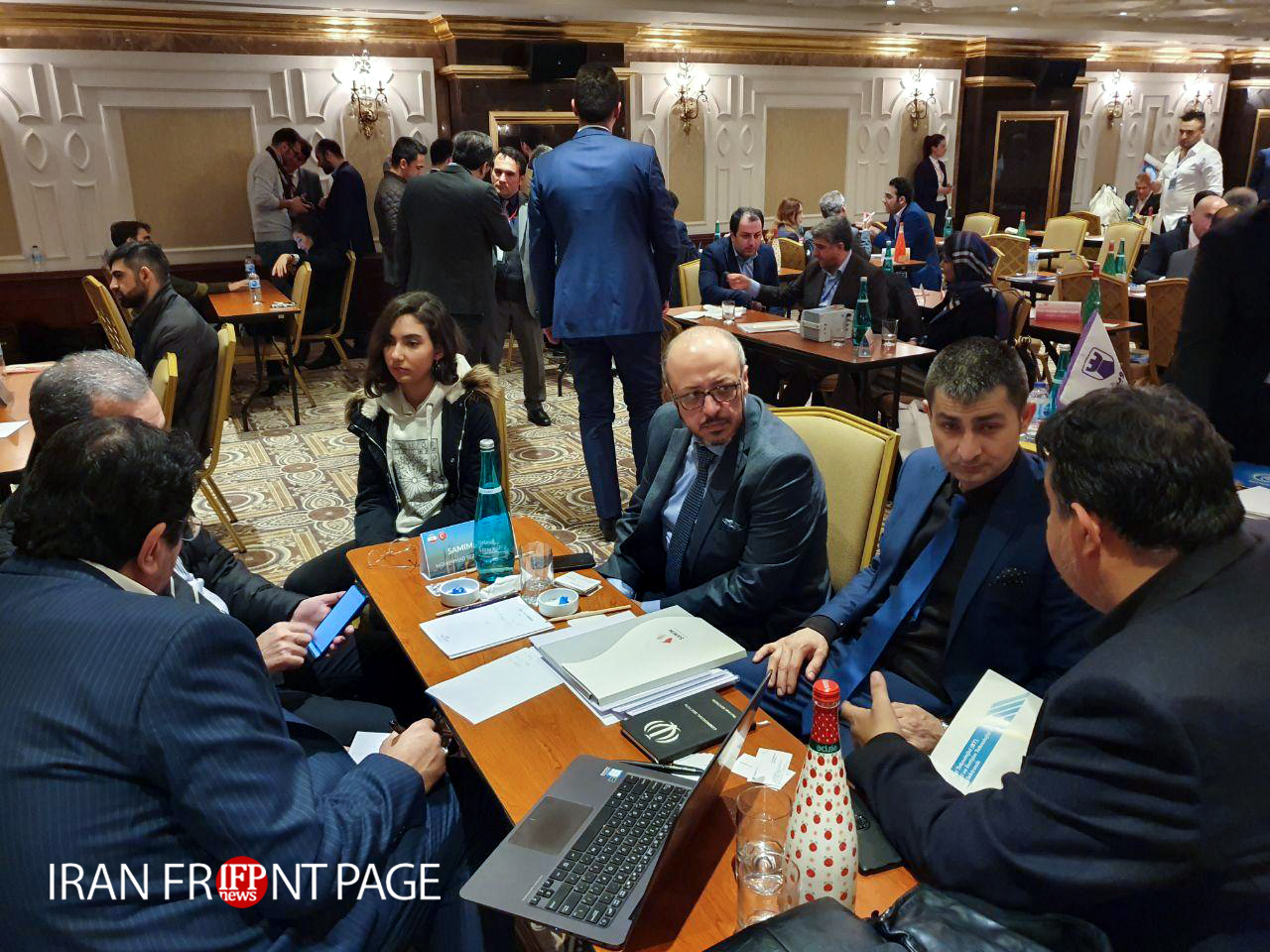
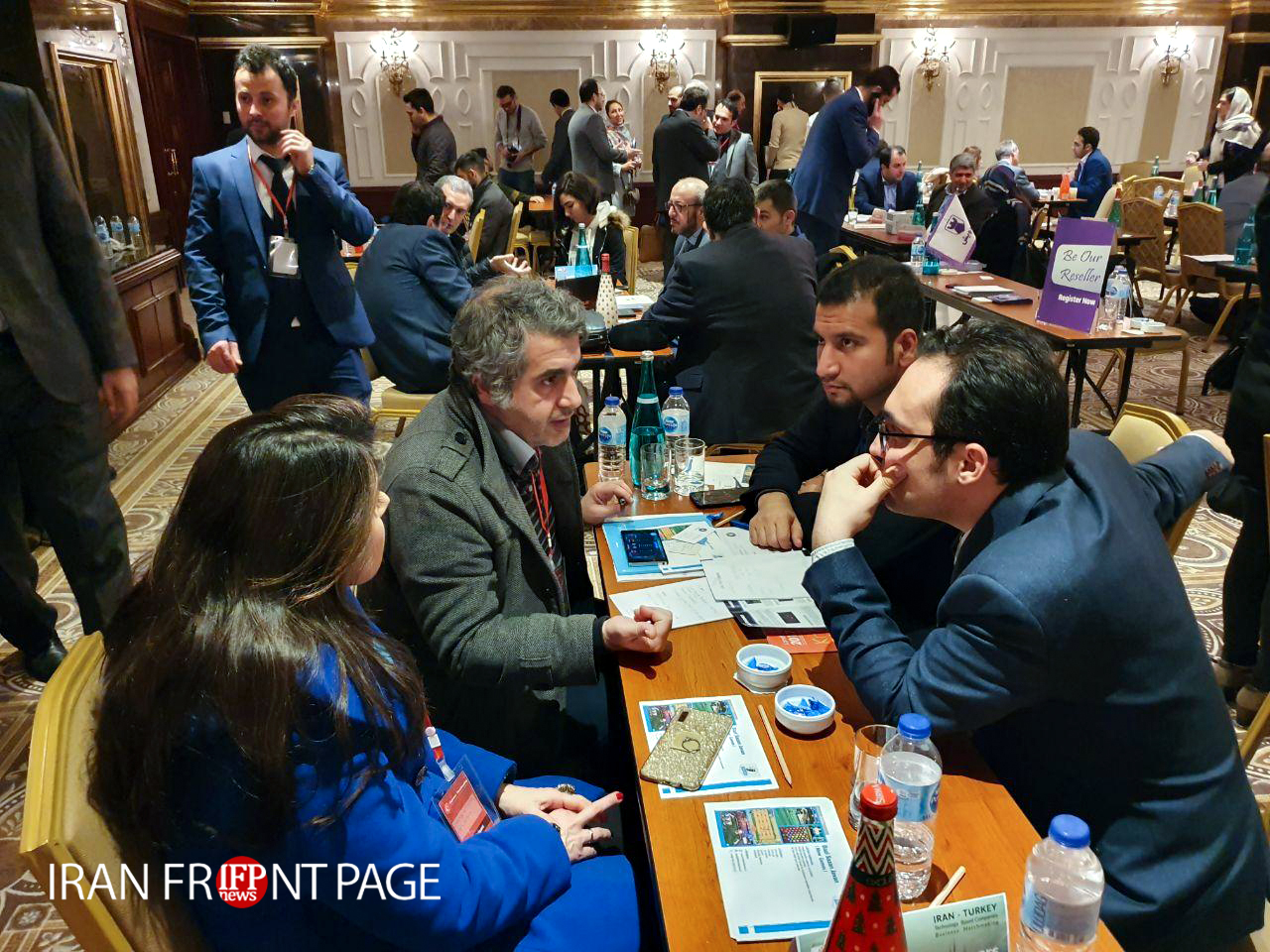
The Iranian and Turkish businesspeople used the gathering, held at the conference hall of Elite World Istanbul Hotel from 10 am to 2 pm, to introduce their products and services and discuss possible investment and knowledge transfer.
Addressing the event, Sattari referred to “a great many of historical and cultural commonalities between Iran and Turkey”, and said the membership of both countries in regional treaties, and the meetings held annually or several times a year between President Hassan Rouhani of Iran and President Recep Tayyip Erdogan of Turkey show the high level of the two countries’ political ties.
He went on to say that “according to our regional agreements with Turkey the level of our economic relations is supposed to rise to $30 billion a year, leaving a lot to be desired.”
He pointed to the delegation of Iranian companies attending the event, and said, “Sadly, because of the existing problems we could not have more than 80 companies in the meeting while more than 200 companies were interested.”
“Extraordinary events have taken place in the area of development of science and technology in Iran. Now we have a huge number of start-ups and knowledge-based companies, which is unique in the region, especially in the areas of ICT, biotechnology, nanotechnology, stem cells, medical equipment, and so on,” he added.
Sattari pointed out that “years of sanctions have made Iran expand its local technologies and we are producing 98% of our medicines by the means of our own technology. Now our companies seriously need to export, and in our view Turkey is the gate for the exports.”
Expressing gratitude for Turkey’s “amazing welcome”, “hospitality” and “excellent coordination with Iranian delegations”, he said I’m glad that each Iranian company has been able to find 3 Turkish counterparts. I hope that good things will happen in the meetings between the two parties and that we will see good contracts signed.”
Stressing the necessity of enhancing economic interactions with Turkey, Sattari said our duty as a governmental body is building bridges to facilitate communication so that university professors, students, technological companies, inventive companies, and science and technology parks, can find each other.
“We have set up investment funds and our export sale offices have also been activated and I recommend Iranian companies utilize the offices so that they can find their counterparts in Turkey and forge ties,” Sattari said.
The Iranian delegation arrived in Istanbul on Tuesday, and will continue its negotiations with the Turkish side until Thursday.
The trip is aimed at enhancing economic interaction between the private sectors of the two countries in the area of high technologies.
The activities of the Iranian knowledge-based companies visiting Turkey are mainly focused on Information and Communications Technology (ICT) and Information Technology (IT), electronics, health (including stem cell, herbal medicine, etc.), advanced materials, engineering services, and machinery and equipment.
Also accompanying the delegation are representatives of Iran National Innovation Fund, a fund that offers facilities for research and innovation, and has so far provided services for over 2,300 Iranian knowledge-based companies.
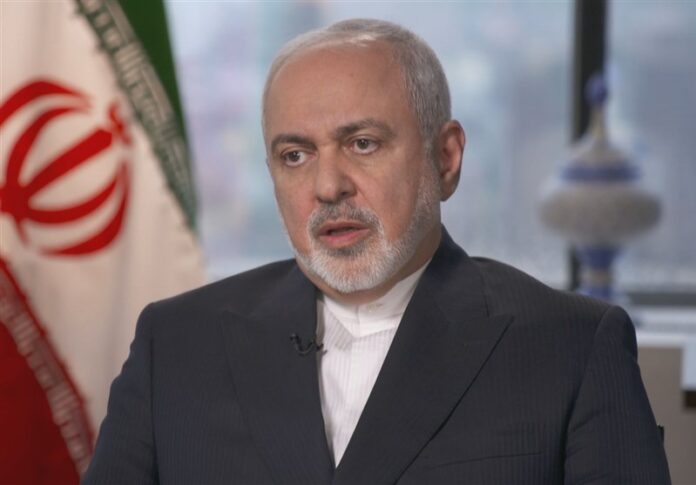
“Sorry to say I told you so: When E3 sold out remnants of #JCPOA to avoid Trump tariffs last week, I warned that it would only whet his appetite. After selling their integrity and losing any moral/legal ground, ANOTHER tariff threat. EU would do better to exert its sovereignty,” Zarif tweeted on Wednesday.
The tweet came after Trump said Tuesday that he is not bluffing about the possibility of slapping tariffs on European cars just days after reaching an initial trade deal with China.
“They know that I’m going to put tariffs on them if they don’t make a deal that’s a fair deal,” the US president told The Wall Street Journal about ongoing trade negotiations with the European Union. Trump’s threat to put tariffs on a key European export — and once again ratchet up trade tensions with the economic bloc — has sparked backlash from European officials and companies. The White House has repeatedly delayed a decision on whether to put tariffs on cars from Europe. Trump did not reveal a deadline for his tariff decision.
A week before Germany, France and Britain formally accused Iran of breaching the Joint Comprehensive Plan of Action (JCPOA), the Trump administration issued a private threat to the Europeans. If they refused to call out Tehran and initiate an arcane dispute mechanism in the deal, the United States would impose a 25 percent tariff on European automobiles, the Trump officials warned, according to unnamed European officials.
Earlier in the day, Seoul announced a decision to expand the operational area of its anti-piracy unit from the Gulf of Aden to the Gulf of Oman and “the Arab-Persian Gulf.”
“Based on which knowledge and justification is South Korea seeking to dispatch military forces to the region when its Defense Ministry does not even know the historic name of the Persian Gulf?” Mousavi tweeted. “Mutual respect and acceptance of realities are the basis of relations between civilized nations.”
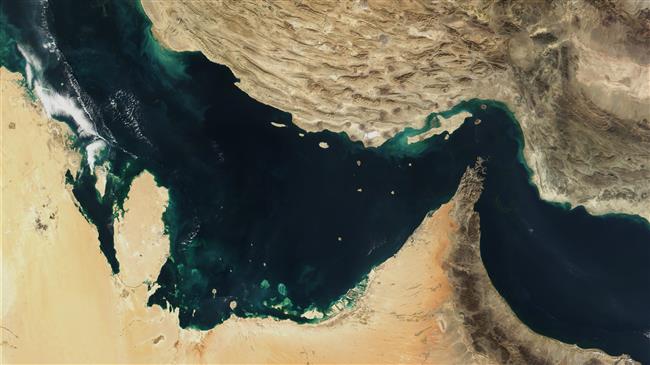
The Persian Gulf is an international trade route connecting the Middle East to Africa, India and China. It has been referred to by historians and ancient texts as “Persian” since the Achaemenid Empire was established in what is now modern day Iran.
The South Korean Defense Ministry said it had decided to “temporarily expand” the sphere of activity of its 302-strong Cheonghae unit given the current situation in the Middle East, adding that Tehran had been briefed on the deployment.
It also noted that the naval task force would operate separately from a US-led military coalition, which has been deployed to the Persian Gulf waters under the pretext of protecting shipping lanes.
Over the past months, the United States has been trying to persuade its allies into a so-called International Maritime Security Construct, with the declared aim of providing “security” for merchant shipping in the Strait of Hormuz and other strategic Middle Eastern shipping lanes.
Last week, US Ambassador to South Korea Harry Harris renewed the call for Seoul to join in the naval mission amid tensions between the two allies over a military cost-sharing deal, which they have failed to extend due to unresolved differences.
The Islamic Republic believes that such alliances are actually meant to consolidate the West’s illegitimate military presence in the region and fuel insecurity.
During the meeting, President Rouhani wished the new ambassadors success in carrying out their duties and told them to introduce Iran’s potentials and capabilities to the investors and private and public sectors of the countries where they work.
He also stressed the importance of developing economic cooperation, as well as cultural, scientific and technological relations between Iran and those countries.
Ambassador to Denmark Ms Afsaneh Naderipour, Ambassador to Belgium Gholam-Hossein Dehqani, Ambassador to Sweden Ahmad Masoumifar, Ambassador to Norway Alireza Yousefi, Ambassador to Belarus Saeid Yari, Ambassador to Armenia Abbas Badakhshan Zohouri, Ambassador to Serbia Rashid Hassanpour Baei, Ambassador to South Africa Mahdi Aqa-Jafari, Ambassador to Nigeria Mohammad Ali Bak, Ambassador to Kyrgyzstan Saeid Kharrazi, Ambassador to Sri Lanka Hashem Ashjam Zadeh, Ambassador to Mauritania Amirali Emam Jom’e Shahidi, and Ambassador to Croatia Parviz Esmaeili, in turn, presented their reports to President Rouhani on the countries where they will serve.
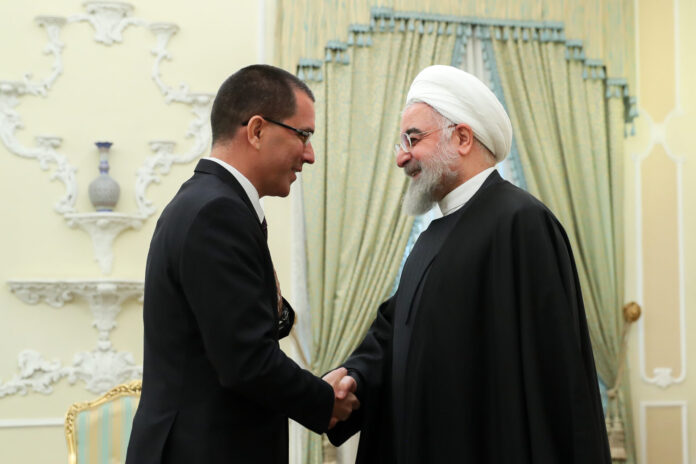
Speaking on Tuesday in a meeting with the Minister of Foreign Affairs of Venezuela Jorge Arreaza in Tehran, President Rouhani said Washington’s illegal sanctions against the Iranian nation and their pressure and conspiracy against the Venezuelan government and nation are a crime against humanity.
“There is no doubt that independent states will resist these pressures and conspiracy and the nations’ resistance will make US regret their conspiracies,” he noted.
“The current US government is acting against both sovereign nations and governments and to the detriment of its people, and today it has become the enforcer of the Zionist regime’s policies in the world,” Rouhani said.
Rouhani praised the Venezuelan government and people for their expression of sympathy and condolences with the Iranian people over the martyrdom of Lieutenant General Soleimani and said, “His martyrdom made the Iranian nation deeply sorry and angry with the crimes of the US.”
He further referred to the friendly relations between the two countries, saying, “The Islamic Republic of Iran is ready to deepen its relations and cooperation with Venezuela as a friendly country.”
The president said, “Iran and Venezuela can develop their relations and cooperation in all fields, including in the fields of mines, energy, power plant construction and scientific and technological cooperation, and we are ready to hold a joint commission on cooperation in the near future.”
He that the Iranian and Venezuelan people like each other and the cooperation and friendship of the two governments should be further developed.
The Islamic Republic of Iran will stand by the Venezuelan government and nation against US pressures, he vowed
In turn, Jorge Arreaza once again expressed his condolences and sympathy with the Iranian government and people over the martyrdom of Lieutenant General Soleimani in the US act of terrorism.
“There is no doubt that independent governments and nations will defend their interests under the enemies’ pressures and conspiracies,” he noted.
He also appreciated the comprehensive relations and support of the Islamic Republic of Iran, calling for development of Tehran-Caracas relations and cooperation.
They also exchanged views on the latest regional developments.
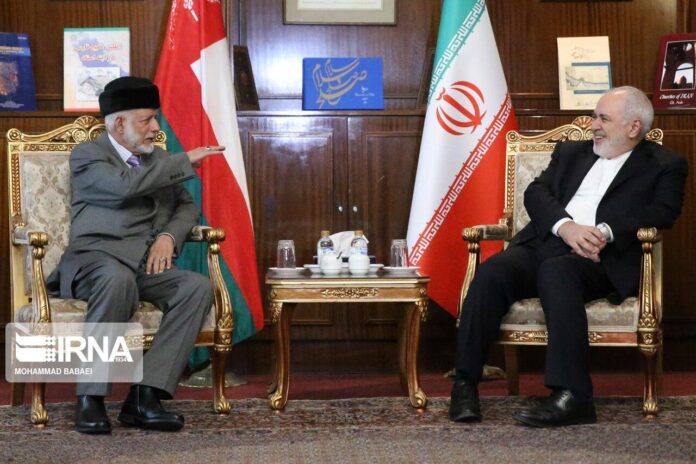
The Omani foreign minister is visiting Tehran for the second time in two weeks.
The visit comes a few days after Zarif’s trip to Muscat, where he held talks with bin Alawi and his Canadian counterpart.
Zarif’s recent trip to Muscat was his second in January, the first of which was to attend a ceremony held for the demise of Sultan Qaboos, the late king of the country, and to hold talks with his successor, Sultan Haitham.
Oman is known as a mediator between Iran and the US. However, there are speculations that these reciprocal visits are aimed at ending the conflict in Yemen through indirect talks between Tehran and Riyadh.
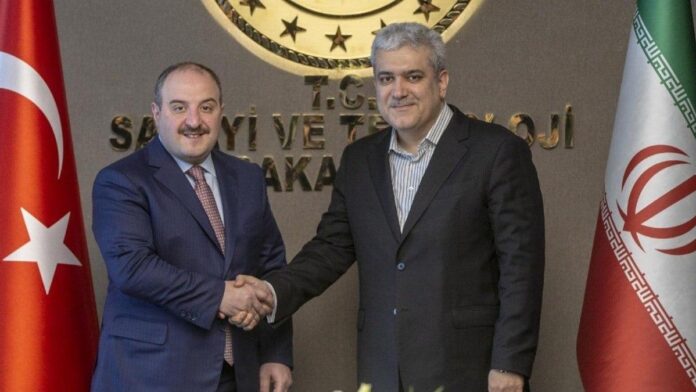
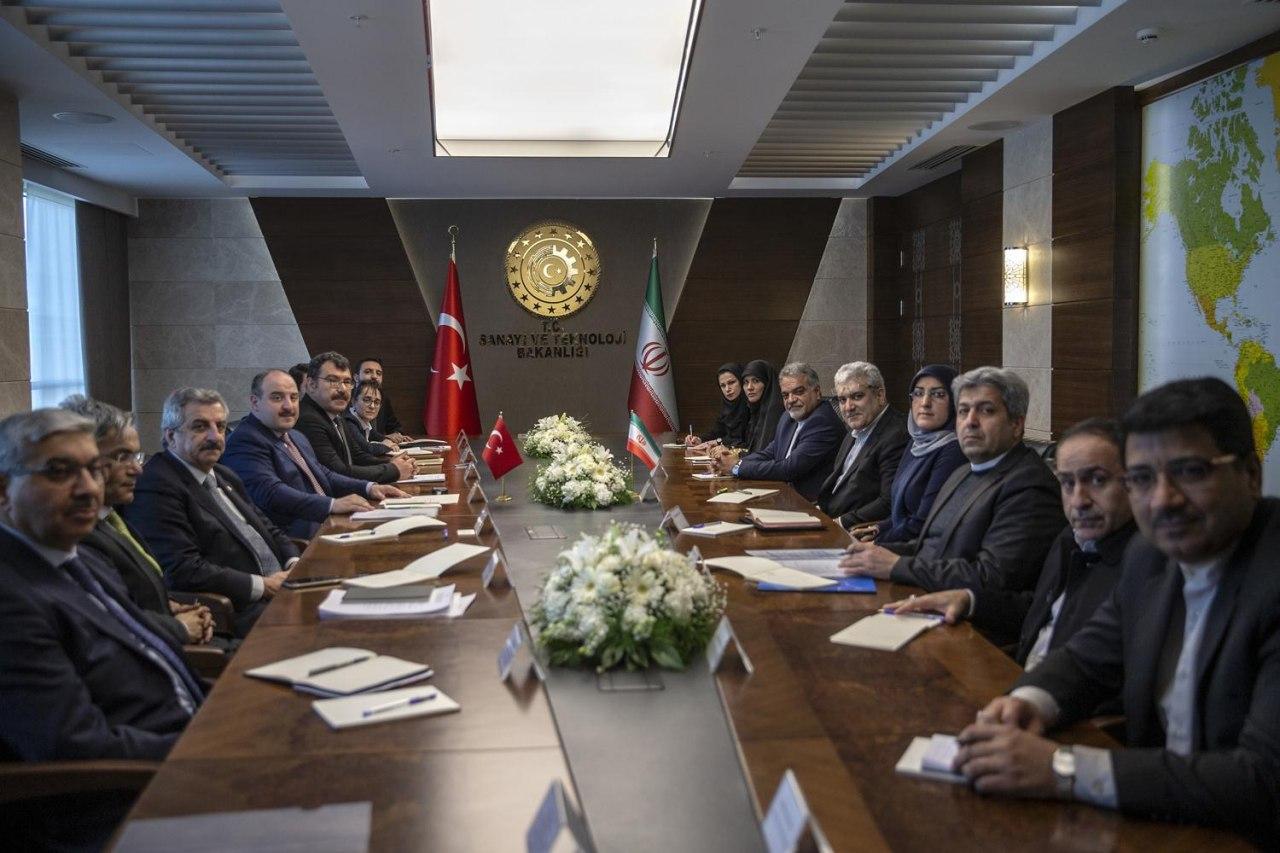
On the first day of his two-day visit, Sattari held talks with Turkey’s Minister for Industry and Technology Mustafa Varank as well as the country’s vice-president.
He later travelled to Istanbul in order to participate in a technology meeting between Iranian and Turkish high-tech companies.
Sattari is expected to deliver a speech at the beginning of the business meeting between Iranian and Turkish high-tech companies, which will be held with the support of Iran’s National Innovation Fund.
The meeting is aimed at developing the international interactions of Iranian knowledge-based companies in a bid to accelerate the export of these companies’ products, services, and technologies to the Republic of Turkey.
Turkey is a bridge that links northwestern Asia to Europe, and many of its high-tech companies have great influence in various countries, especially Central Asia. In this visit, Iranian knowledge-based companies can take advantage of the opportunity to develop their interactions with these firms.
The managers of 80 Iranian high-tech companies are accompanying Sattari in this trip. The companies work in such fields as healthcare, information and communications technology, industrial equipment and machinery as well as advanced materials.
Nadipour will be the fourth female ambassador of the Islamic Republic, after Marzieh Afkhan (incumbent ambassador to Malaysia), Forouzandeh Vadiati (incumbent ambassador to Finland), and Homeyra Rigi (incumbent ambassador to Brunei).
Nadipour previously served as assistant to Foreign Minister Mohammad Javad Zarif in citizens’ rights, and a Minister-Counsellor at Iran’s permanent mission to the Organisation for the Prohibition of Chemical Weapons (OPCW) in The Hague.
The ambassador met with President Hassan Rouhani in Tehran on Tuesday, January 21, 2020, before the beginning of her mission in Copenhagen.