
Alireza Jalali has told Fars News Agency that the research centre has received clinical trial authorisation from the Food and Drug Organization of Iran to begin the studies quickly.
Nearly 3,000 people have already been infected with the deadly virus across Iran and nearly 100 have lost their lives due to the outbreak so far.
Earlier, researchers at a knowledge-based company based in Iran’s Lorestan province had succeeded in developing coronavirus detection kit.
Ali Gholami, the CEO of the company, said “before the outbreak of Coronavirus in the country, and after its genome was put in the US database, the production of the kit started.”
He also added that the corona detection kit was designed and manufactured based on world-class standards.
“The scientists at the company have developed and synthesized a piece of the virus genome in a simulated manner. The kit responds very well,” noted Gholami.
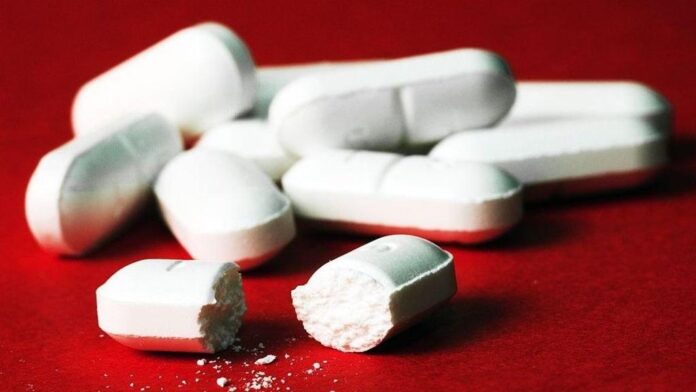
Anti-Coronavirus Drug Made in Iran, Currently in Clinical Procedures: Official
‘Iran Has Strong Reasons for Not Responding to IAEA Groundless Questions’
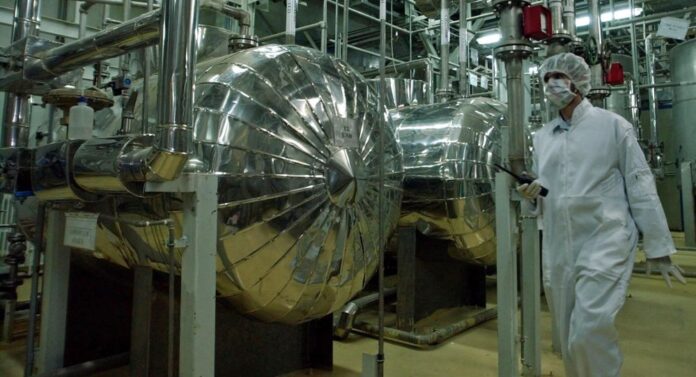
Behrouz Kamalvandi, the spokesman for the Atomic Energy Organization of Iran (AEOI), made the remarks in reaction to the IAEA’s recent claim that Tehran is not cooperating with the nuclearc watchdog.
“On Tuesday, the IAEA presented two reports: one on issues pertaining to the Joint Comprehensive Plan of Action (JCPOA), and the other is about a subject which is a bone of contention between us and the agency,” he said.
“Our atomic activities are completely clear and transparent,” he added.
“[Reports on] enrichment, different types of centrifuges, and research and development on heavy water are in fact the same regular reports published by the IAEA every three months based on the agreement reached in the JCPOA,” added the spokesman.
“But as for the other issue which has long been a point of argument between us and the agency, it has been there since the tenure of late [Yukiya] Amano,” Kamalvandi said.
“Even during his tenure, we said it loud and clear that we cannot discuss information about issues which are ambiguous,” he added.
“We had some considerations regarding some demands and access that the agency has asked for; these considerations have been legal, and we have always insisted on them,” he added.
“For example, the IAEA has demanded some information about certain locations which they have called ‘sites’ while they are not sites because a ‘site’ has its own definition,” Kamalvandi noted.
He said the IAEA’s demand for information must have “legal grounds.”
“A site is a place where nuclear activities are conducted,” he said.
“What is certain is that the country has some duties based on the Safeguards Agreement and the Additional Protocol, and fulfills those duties to the letter,” he said.
“All 16 reports about the JCPOA released so far completely confirm that we have lived up to our commitments well,” said the spokesman.
He underlined that even during the time when Amano was in office, it seemed that the US and Israel were pressuring the IAEA to take advantage of the agency.
The spokesman noted that the agency is not authorized to raise any questions and demand any access
He said part of the issues raised is just media hype, adding IAEA Director General Rafael Grossi is unlikely to have made the remarks because he is not in a political position and he just has a legal status.
Two Projects Launched in Iran to Produce Coronavirus Diagnostics Kits
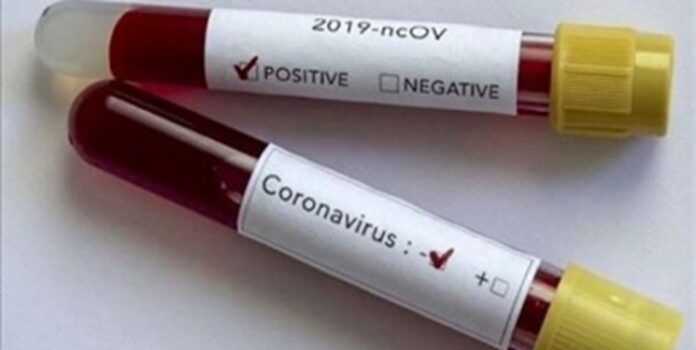
These projects have already been approved, and the result of the studies will be mass-produced.
“With the help of biotechnology and innovation we will defeat Corona” is the title of a call by the Vice Presidency for Science and Technology to take a major step to tackle Corona.
Mass production of the two knowledge-based kit models is one of these measures.
Mostafa Qanei, Secretary of Biotechnology Development Headquarters of the Vice Presidency for Science and Technology, says following the release of this call, four basic knowledge-based projects were submitted to the Secretariat and two were selected to produce the corona diagnostic kit. These projects will soon reach mass production stage and enter the market.
However, these plans must first be approved by the Food and Drug Organization of the Ministry of Health and Medical Education, and then companies must mass produce the kits within a week.
These diagnostic kits are expected to enter the market at a large scale and at an affordable price as soon as possible, and be available to hospitals as well.
“These diagnostic kits are not available in the country either, but they have begun to study in this area,” said Qanei.
These kits can identify infected people to start their quarantine process. Therefore, they can prevent the disease from spreading to other people, and we have put measures in place.
It is worth noting that this call is to bring together eco-tech activists and is a powerful and synergistic step in helping people and society fight the new Corona virus. It also helps empower the knowledge-based companies and startups.
Production of Corona Drug for Patients with Mild Symptoms
Qanei also announced the experimental production of medicines for the coronavirus by two Iranian knowledge-based companies for patients who were mildly involved.
“There are treatment protocols in the country and there is a lot of discussion about suspects, but now two companies have offered products that can be used to treat people through medicines manufactured in these companies.”
“There are two types of patients right now. The first have fever with positive corona test and the second have mild symptoms with positive corona test,” he said.
The drug produced is able to eliminate the disease agents from patients with mild symptoms of coronavirus, thus preventing the chance of the disease being transmitted to healthy people.
He stressed that mass production of these drugs is subject to the approval of the Ethics Committee and if approved, the testing of the drug will begin.
It is a compound of several herbal remedies that is prescribed to people with suspected coronavirus. It will have the least side effects for these patients.
Iran Slams Bahrain’s Irresponsibility on Repatriation of Nationals
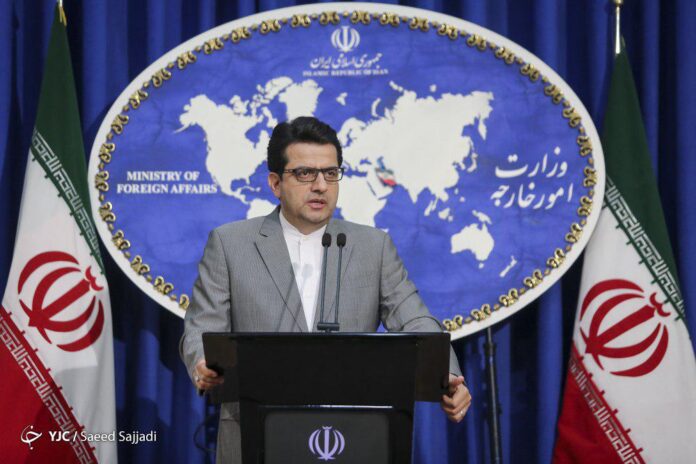
In a statement on Wednesday, Mousavi highlighted the measures adopted and the arrangements made by the Iranian Ministry of Foreign Affairs in order to repatriate the foreign citizens to their respective countries within the framework of the precautionary and preventive actions in the face of the coronavirus outbreak.
“While many regional countries took action to take back their citizens in cooperation with our country’s officials, sadly the government of Bahrain has not done anything to take back its citizens despite the readiness of the Ministry of Foreign Affairs of the Islamic Republic of Iran for cooperation, and has not either accepted the proposals put forward by certain parties,” he explained.
Slamming the Bahraini government’s irresponsible behaviour towards its nationals, Mousavi said, “At present, around 1,300 Bahraini citizens who have come to Iran for pilgrimage and tourism have had to have a long and unwanted stay in Iran because the Bahraini government has neglected to address their situation.”
The spokesperson finally reaffirmed the Islamic Republic of Iran’s commitment to the framework of humanitarian behaviour in addressing the status of the Bahraini citizens, expressed the Ministry of Foreign Affairs’ readiness for any cooperation with Bahrain with the purpose of helping those individuals return to their own country, and held the Bahraini government accountable for any consequences of a delay in this regard.
Lift Medicine Sanctions First If You Want to Help, Rouhani Tells Foes
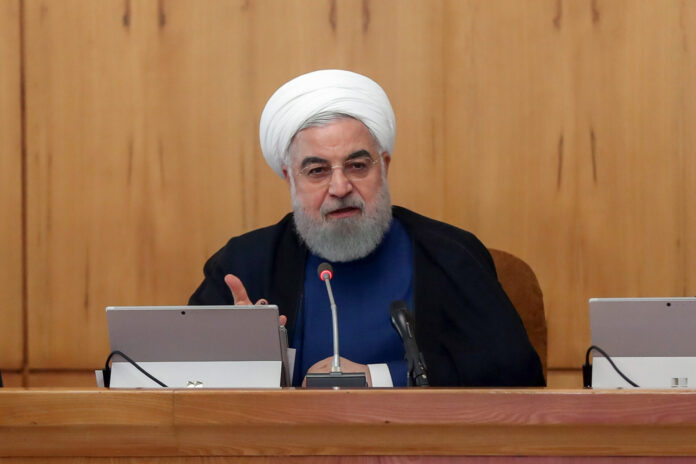
Addressing a weekly cabinet session on Wednesday, President Rouhani said the governments that have imposed sanctions on the delivery of medicine and foodstuff to Iran and have felt no compunction about harming the Iranian nation over the past two years have now emerged “under the mask of sympathy” and pretend to be interested in helping the people of Iran.
“If you are really telling the truth, you ought to lift at least the medicine sanctions. This is the first step,” the president told the hostile countries offering help in the battle with COVID-19.
“You should say ‘we have been wrong about the Iranian nation so far and have made mistakes and we apologize, and our first step is that the banking activities for the purchase of medicine, transportation of medicine and shipping activities in this regard and the (delivery of) foodstuff for people will be free and we would not take any action against them, and we have lifted this sanction against the people’”, President Rouhani told the governments that have slapped Iran with sanctions.
He further noted that people of Iran are well aware that the enemies are lying.
“I should here thank all of the governments and countries that have assisted us in the fight against this virus, or are ready to help us, have sent equipment, and are again ready to deliver medicine and equipment to our country. I express gratitude to all of them,” the president added.
President Rouhani further lashed out at the “coronavirus market profiteers” who have hoarded medical supplies and respiratory masks.
He then gave an assurance that the Iranian medical society will overcome the current crisis with the “minimum casualties and in the shortest time possible”.
President Rouhani further called on people not to pay attention to the fake news and false statistics for the coronavirus death toll and infection cases, saying the only authentic source to release the news of the disease is the Ministry of Health and Medical Education.
He finally praised the doctors, nurses and medical staff for being at the forefront of the war on COVID-19.
Iran’s Coronavirus Death Toll Rises to 92
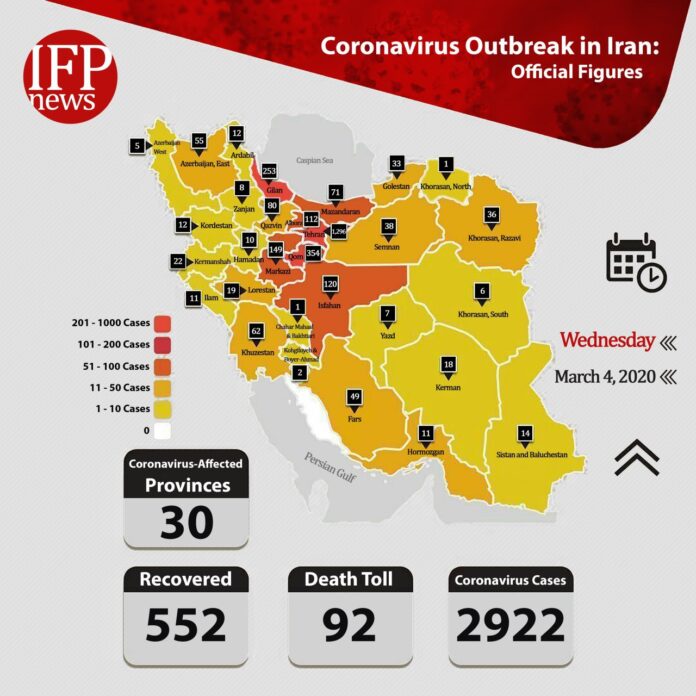
The Health Ministry announced on Wednesday that the new cases confirmed in past 24 hours increase the total number of infections to 2,922, and the overall death toll to 92 people.
So far, 552 have also recovered.
The new cases include 253 in Tehran, 101 in Qom, 35 in Gilan, 27 in Khuzestan, 25 in Qazvin, 19 in Alborz, 15 in Kermanshah, 14 in Fars, 14 in Kerman, 9 in Mazandaran, 9 in Golestan, 9 in East Azarbaijan, 8 in Markazi, 8 in Khorasan Razavi, 8 in Semnan, 8 in Sistan-Baluchestan, 7 in Ilam, 6 in Zanjan, 5 in Lorestan, 4 in Kurdistan, 1 in North Khorasan and 1 in Chaharmahal-Bakhtiari.
A Look at Iranian Newspaper Front Pages on March 4
Iranian Newspapers
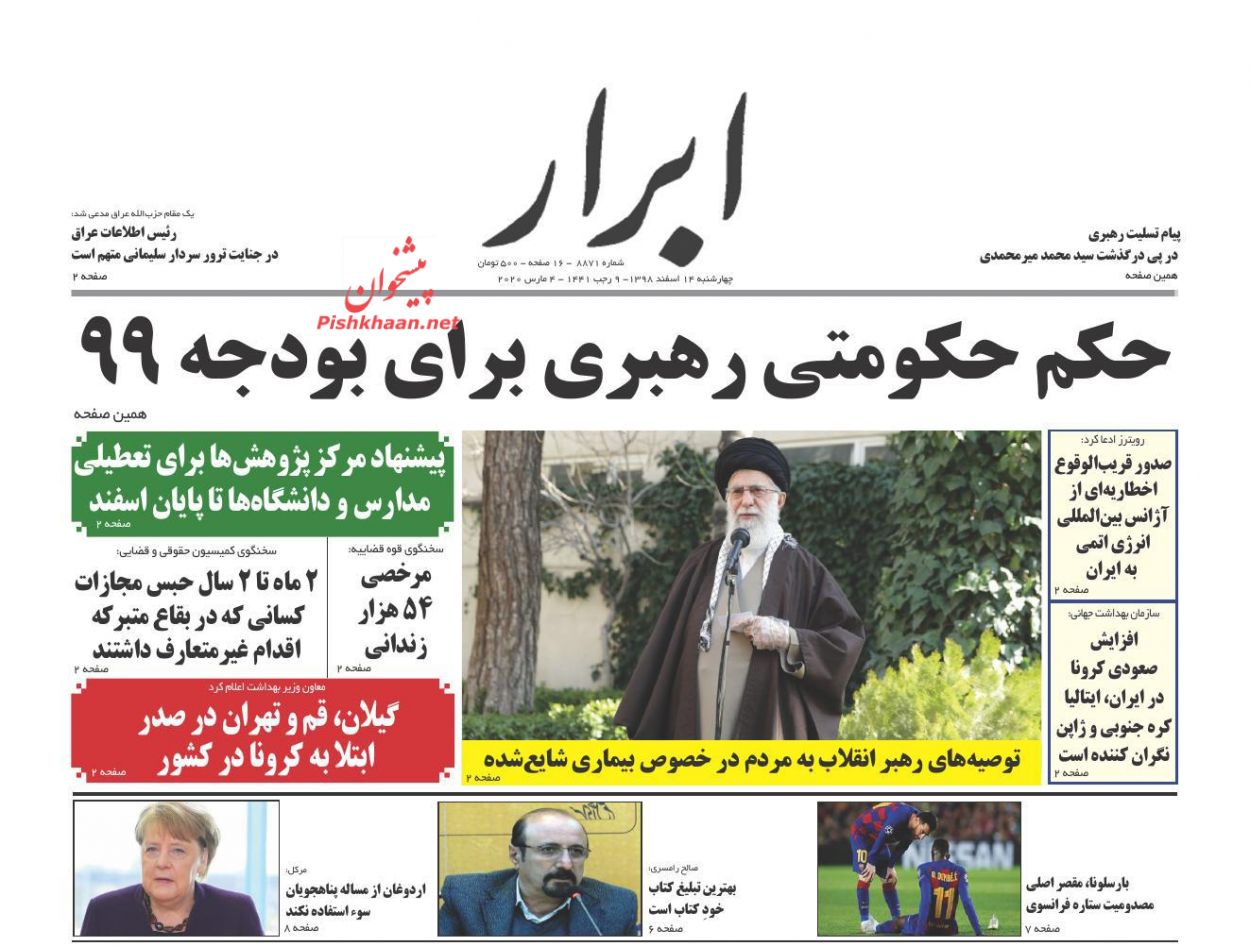
Abrar Newspaper:
1- Judiciary Spokesman: 54,000 Prisoners Granted Leave
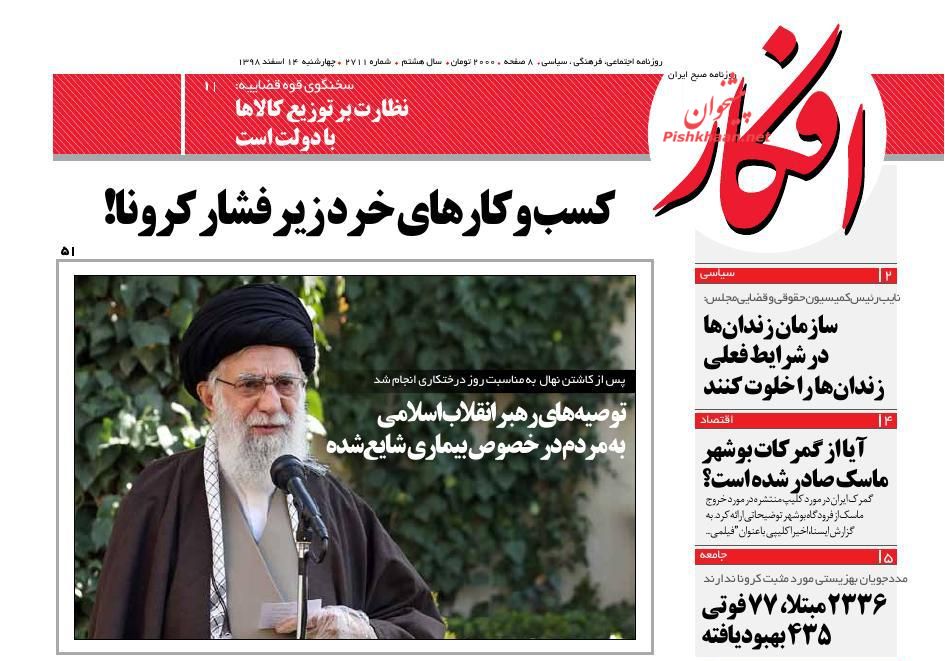
Afkar Newspaper:
1- Small Businesses Under Pressure of Coronavirus
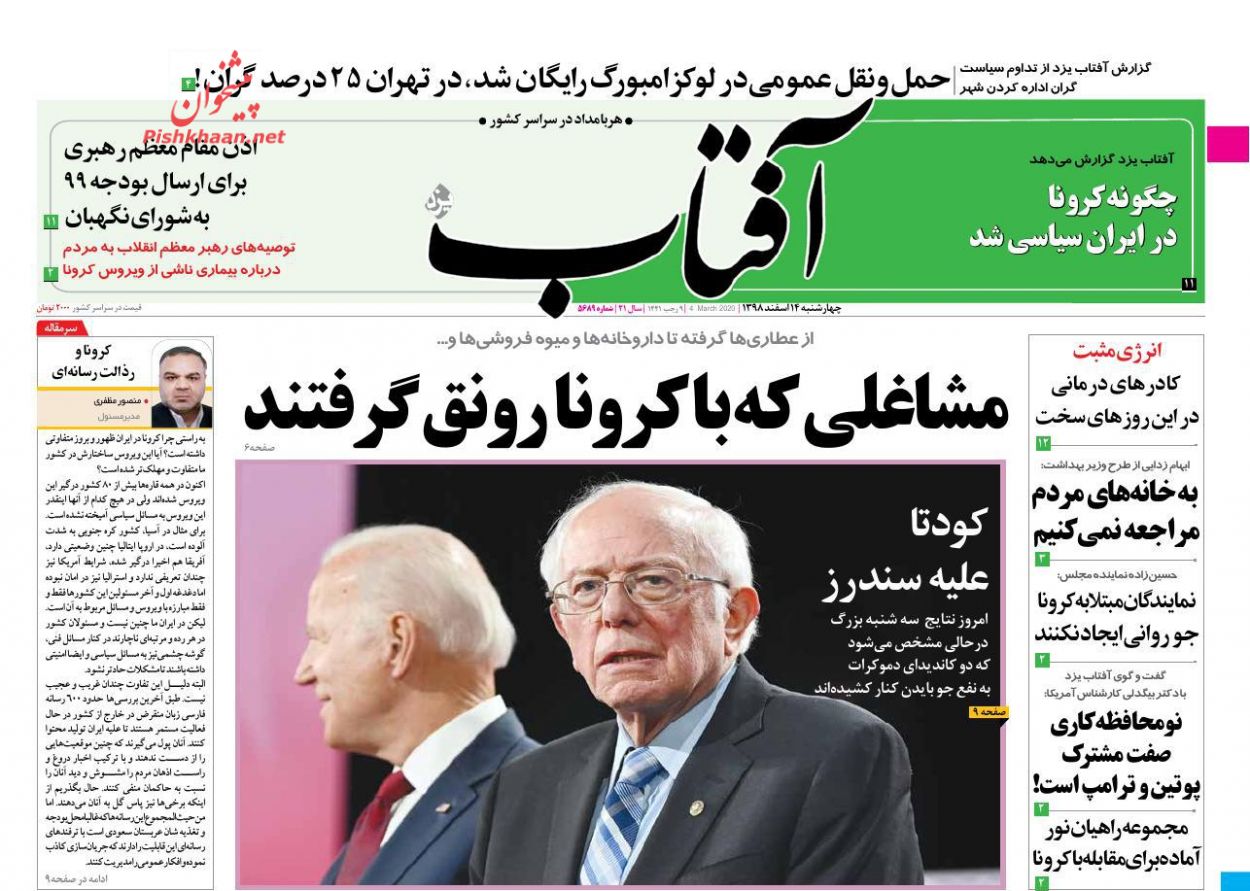
Aftab-e Yazd Newspaper:
1- COVID-19 Helped Certain Businesses Thrive: Pharmacy, Herbal Medicine Stores, Groceries
2- Coup against Sanders
* Super Tuesday Arrives as Two Democrats Drop Out in Favour of Biden
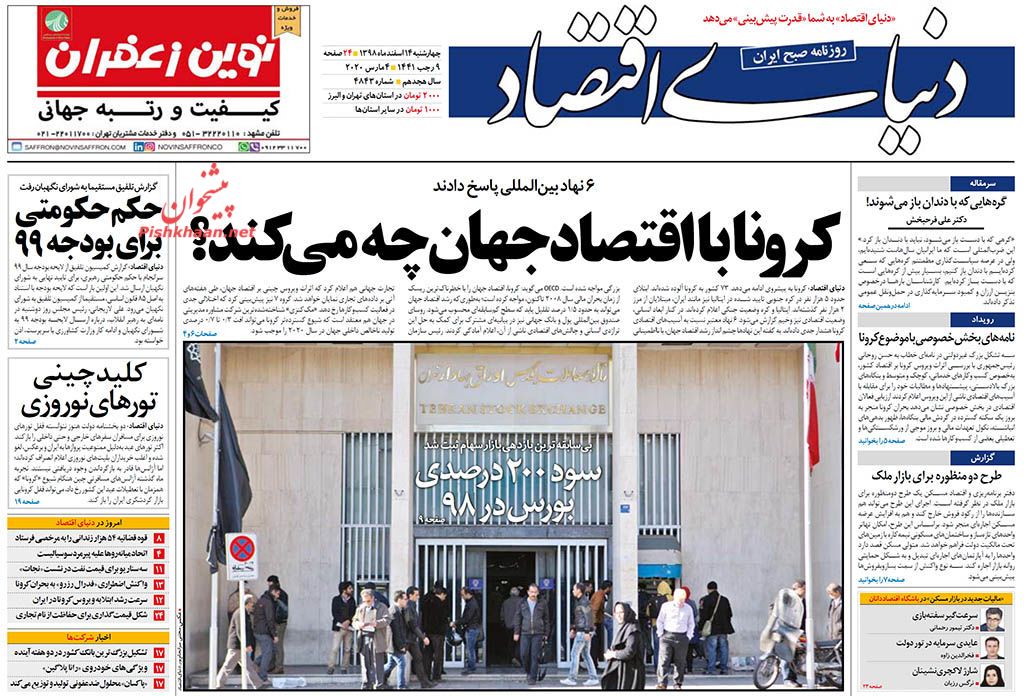
Donya-ye Eqtesad Newspaper:
1- What Corona Does to World Economy
Ebtekar Newspaper:
1- Big Recession in Iran’s Economy Ahead of Nowruz
2- Iran Leader: I’m Very Hopeful Young People Would Handle Big Disasters

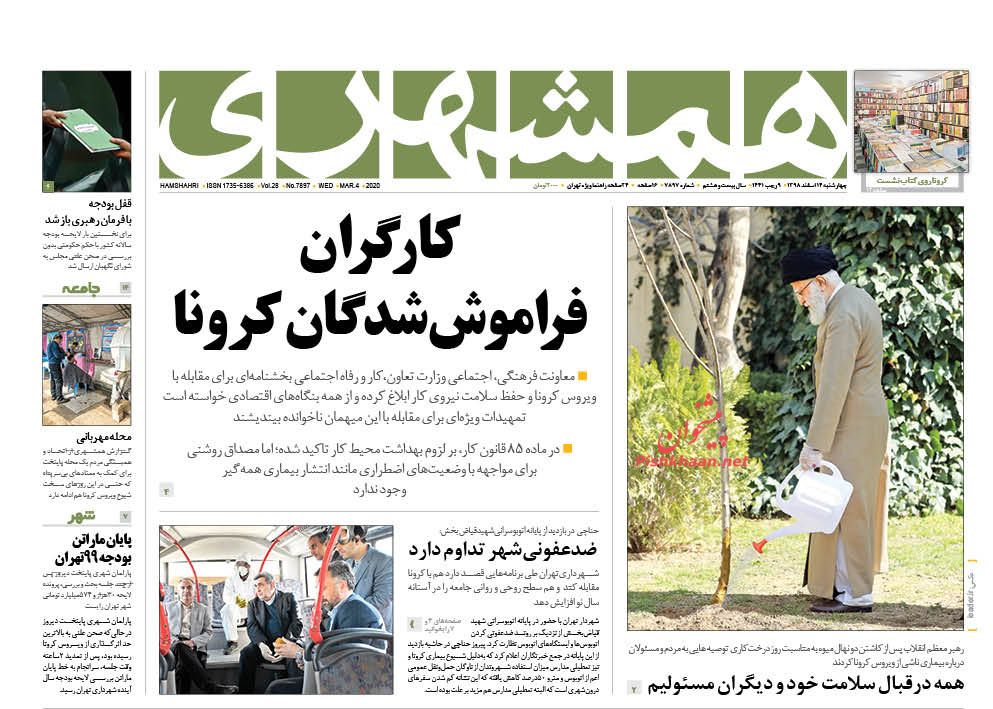
Hamshahri Newspaper:
1- Iran Leader: We’re Responsible for Health of Ourselves, Others
Iran Newspaper:
1- Iranian Economy Hit by Coronavirus
2- Corona Shuts Down Eco-Lodges
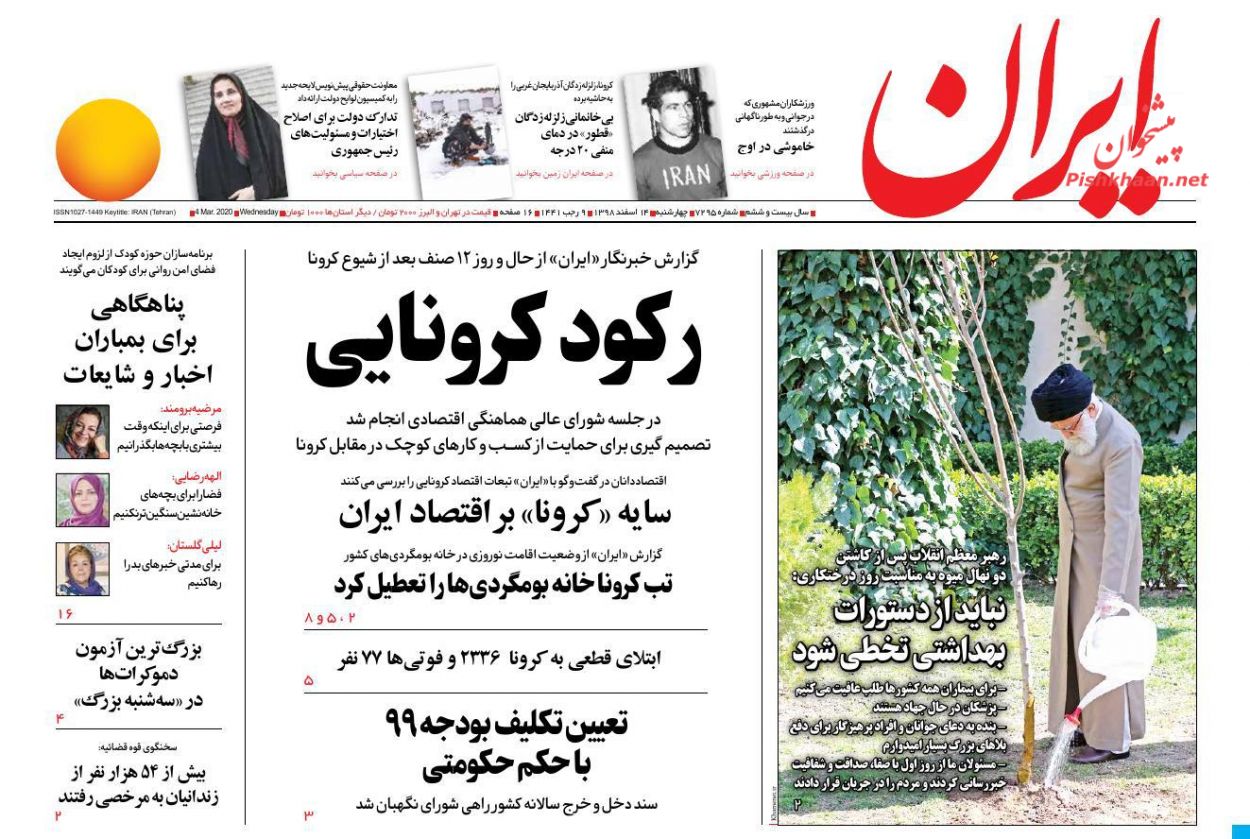
Javan Newspaper:
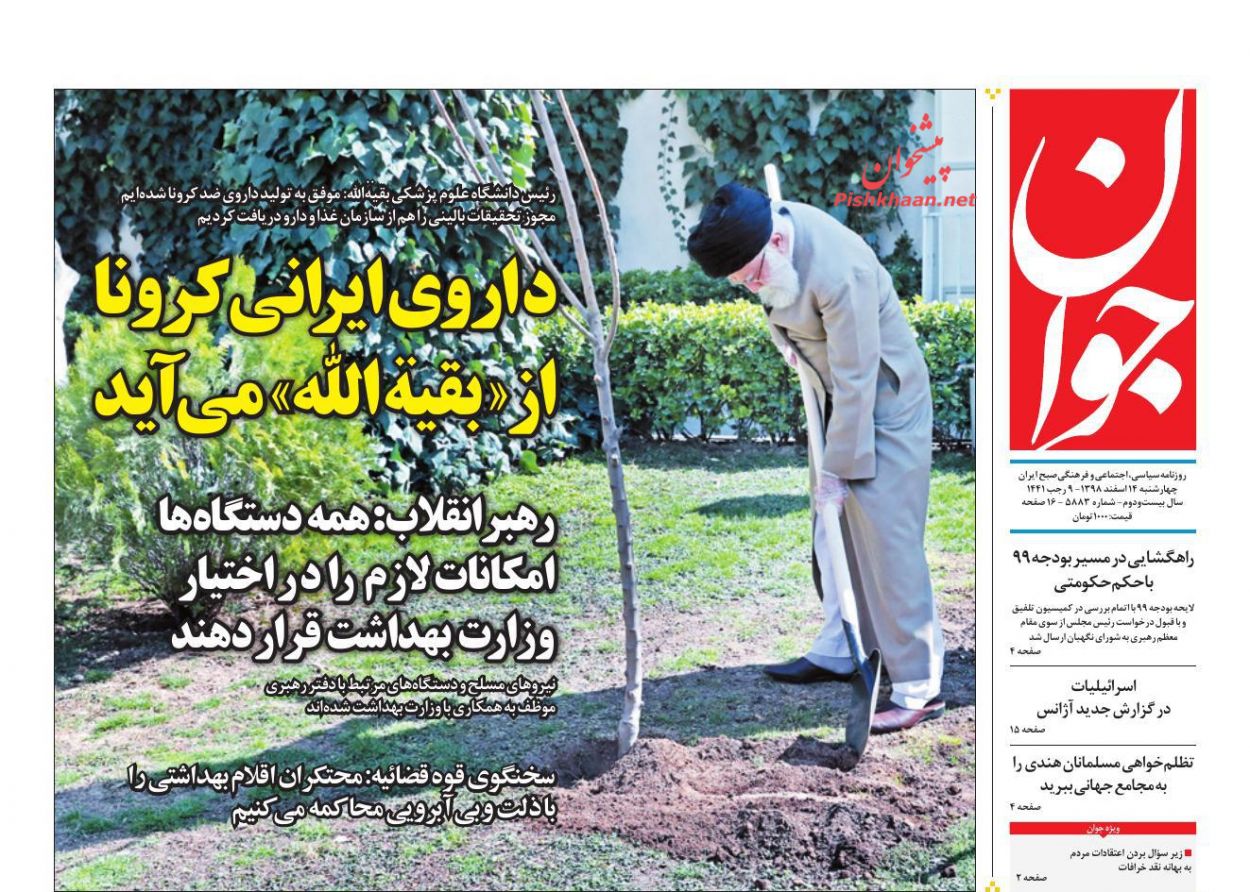
1- [IRGC’s] Baqiyatallah Hospital to Introduce Coronavirus Medicine
* We Have Managed to Produce Anti-Corona Drug, Received Licence
2- Iran Leader: All Bodies Must Provide Health Ministry with Required Facilities
Kayhan Newspaper:
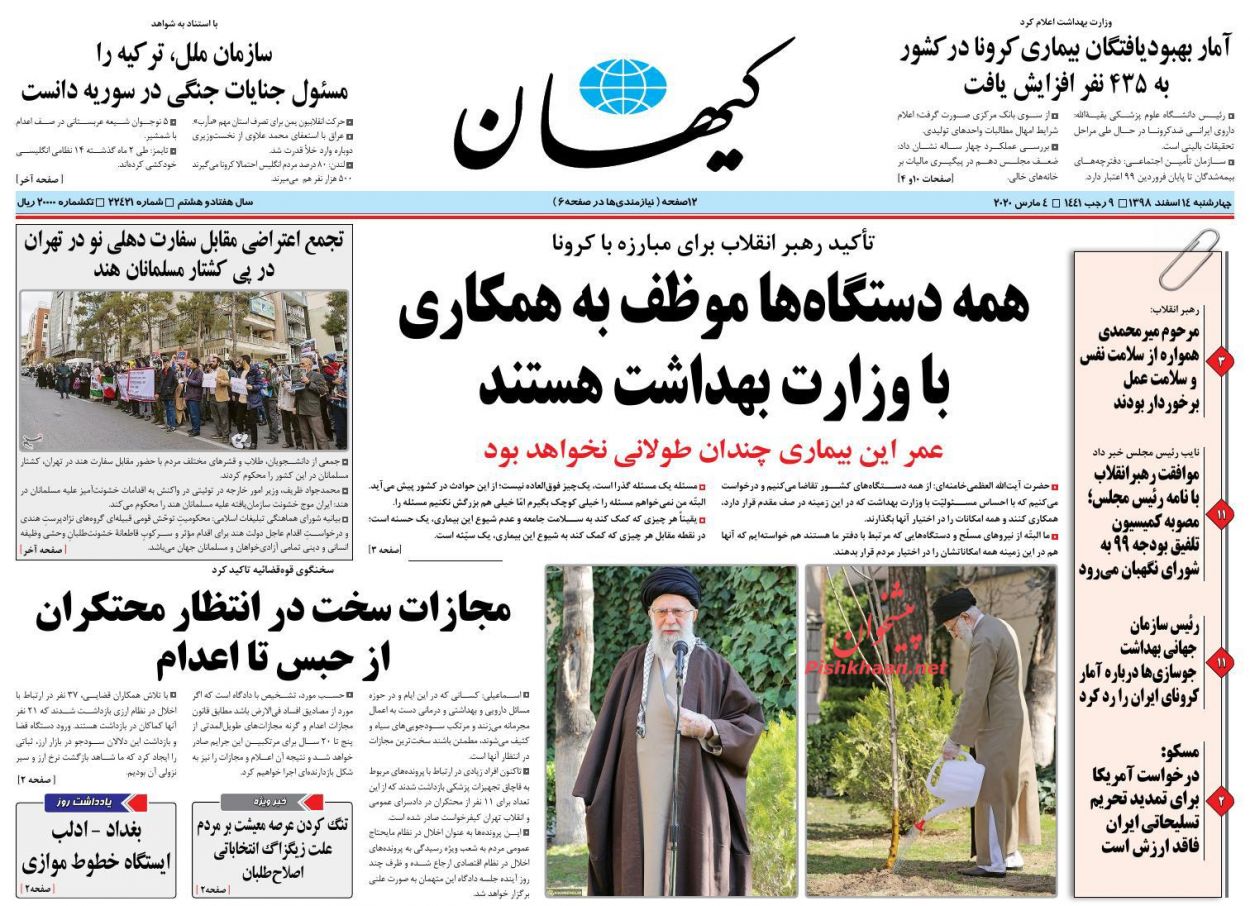
1- Iran Leader Stresses Fight against Coronavirus: All Bodies Must Cooperate with Health Ministry
2- Protest Rally in Front of Indian Embassy in Tehran after Slaughter of Muslims
3- UN Blames Turkey for War Crimes in Syria
4- Judiciary Spokesman: Hoarders Will Face Severe Punishments; from Jail to Execution
Mardom Salari Newspaper:
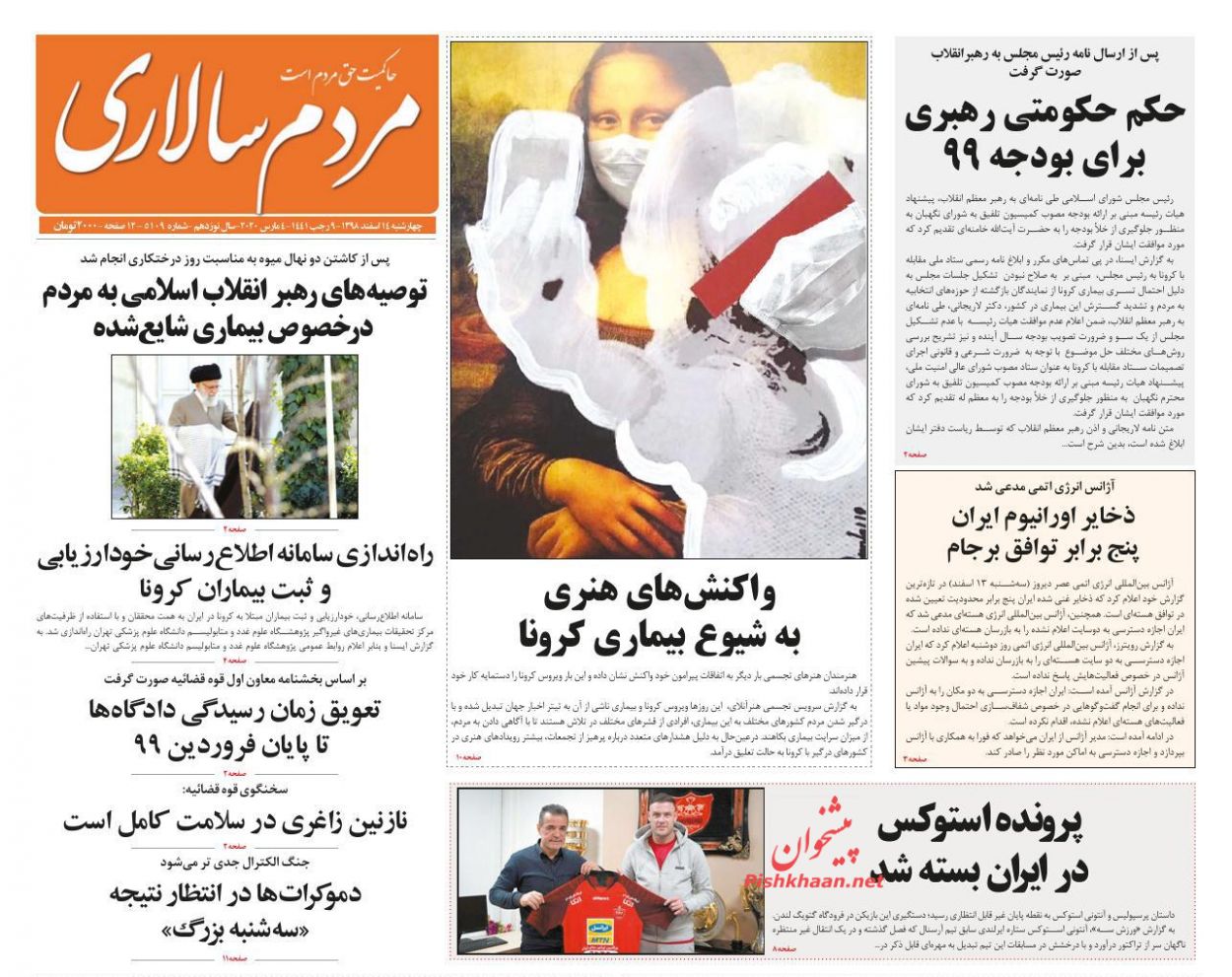
1- Portal Launched for Coronavirus Self-Examination, Registration
2- IAEA Claims Iran’s Uranium Stockpiles Five Times More than JCPOA Limit
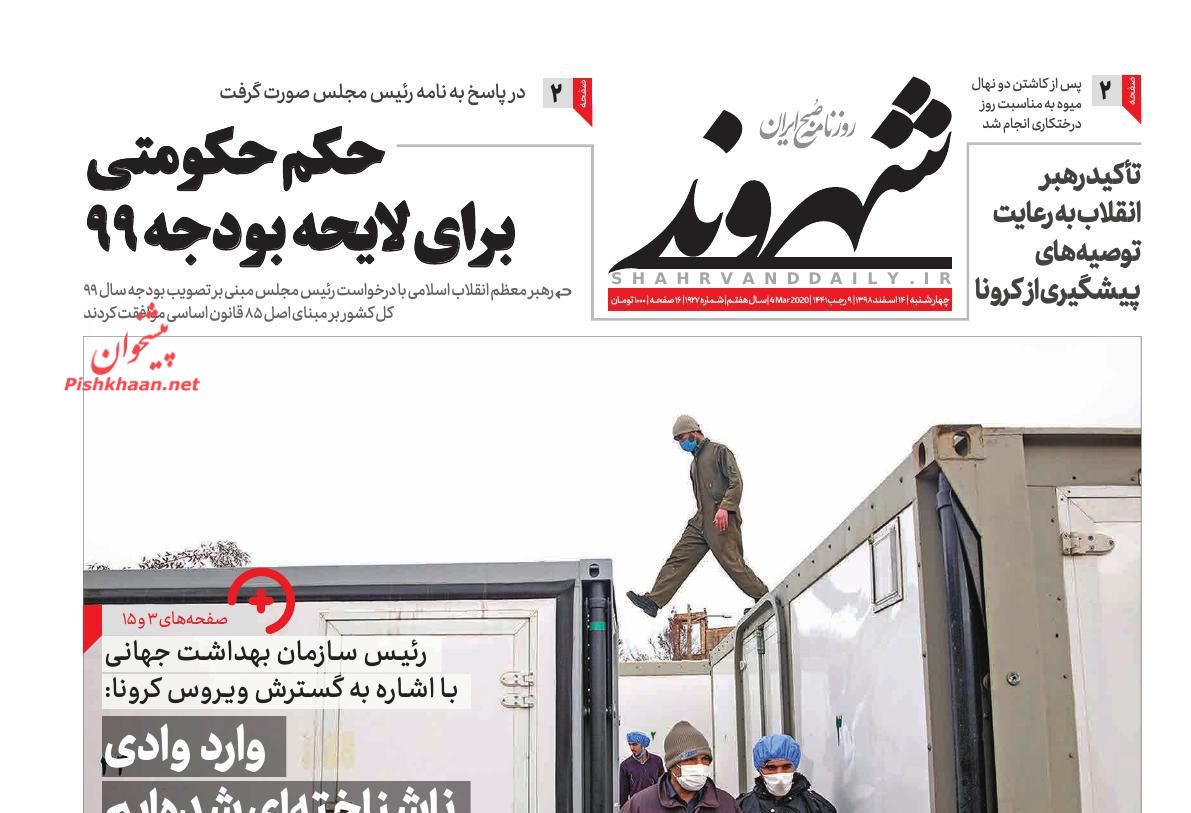
Shahrvand Newspaper:
1- Iran Leader Underlines Need to Observe Anti-Corona Advice
2- Leader Uses His Authority to Pass Next Year’s Budget Bill at Request of Speaker
3- WHO: We’re Now in Unknown Territory Regarding COVID-19
Iran Says Europe’s INSTEX of No Use to Date
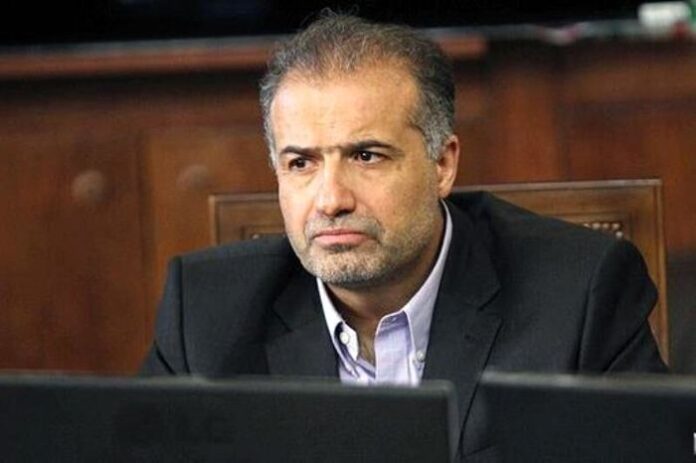
Despite the fact that more than a year has passed since the Instrument in Support of Trade Exchanges (INSTEX) was launched by Europeans to bypass the US sanctions on Iran, no transaction has been carried out through the mechanism yet, Jalali said.
“It was Europeans who launched it, but until today and now that I am talking to you no transaction has been carried out through this channel,” RT quoted Jalali as saying.
The special purpose vehicle, known as INSTEX, was launched in January 2019 by three European major powers Britain, Germany and France in order to save Iran’s nuclear deal with the six major world powers after US President Donald Trump withdrew his country from the deal in 2018.
After the launch of INSTEX, six other European countries Belgium, Denmark, Finland, the Netherlands, Norway and Sweden also joined it.
However, Iranian officials say it hasn’t been effective at all.
Due to the spread of the coronavirus in Iran, the country seems to need INSTEX more than ever, while it seems unlikely that the “vehicle” will be able to be used very soon.
In response to European inaction, Iran has rolled back its commitments under the JCPOA over the past few months.
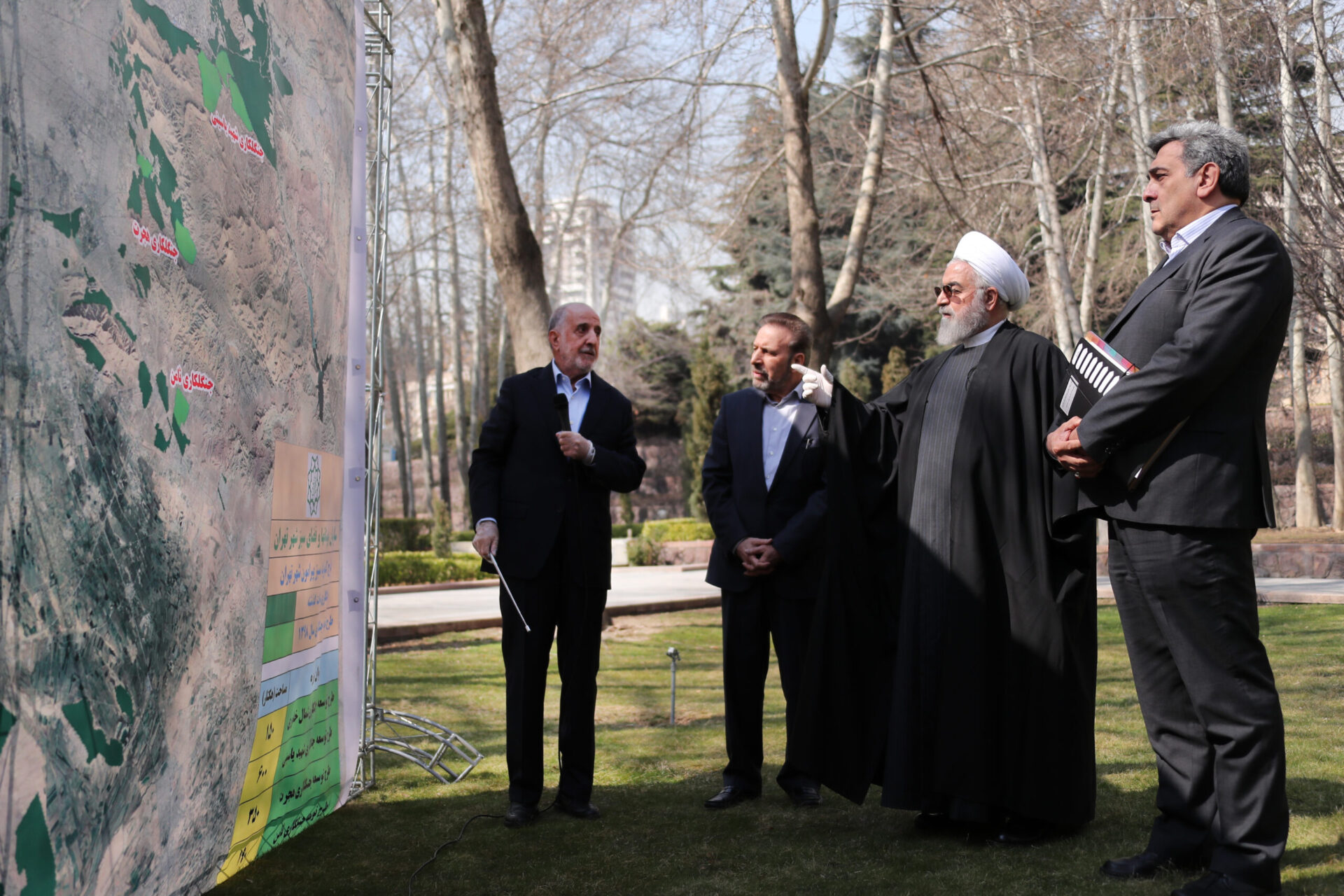
Big Afforestation Project Kicks Off around Tehran
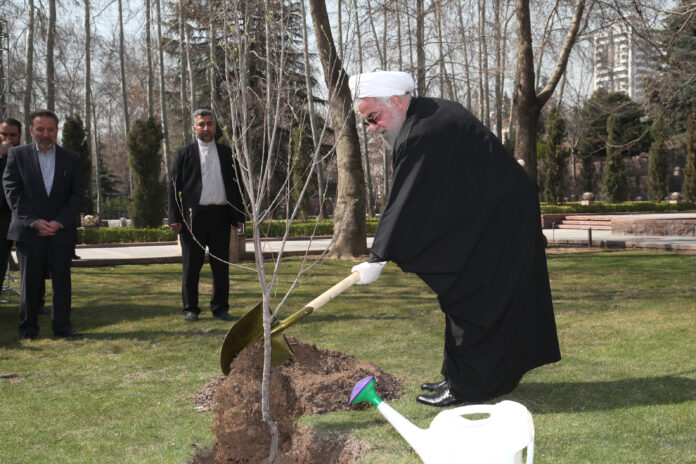
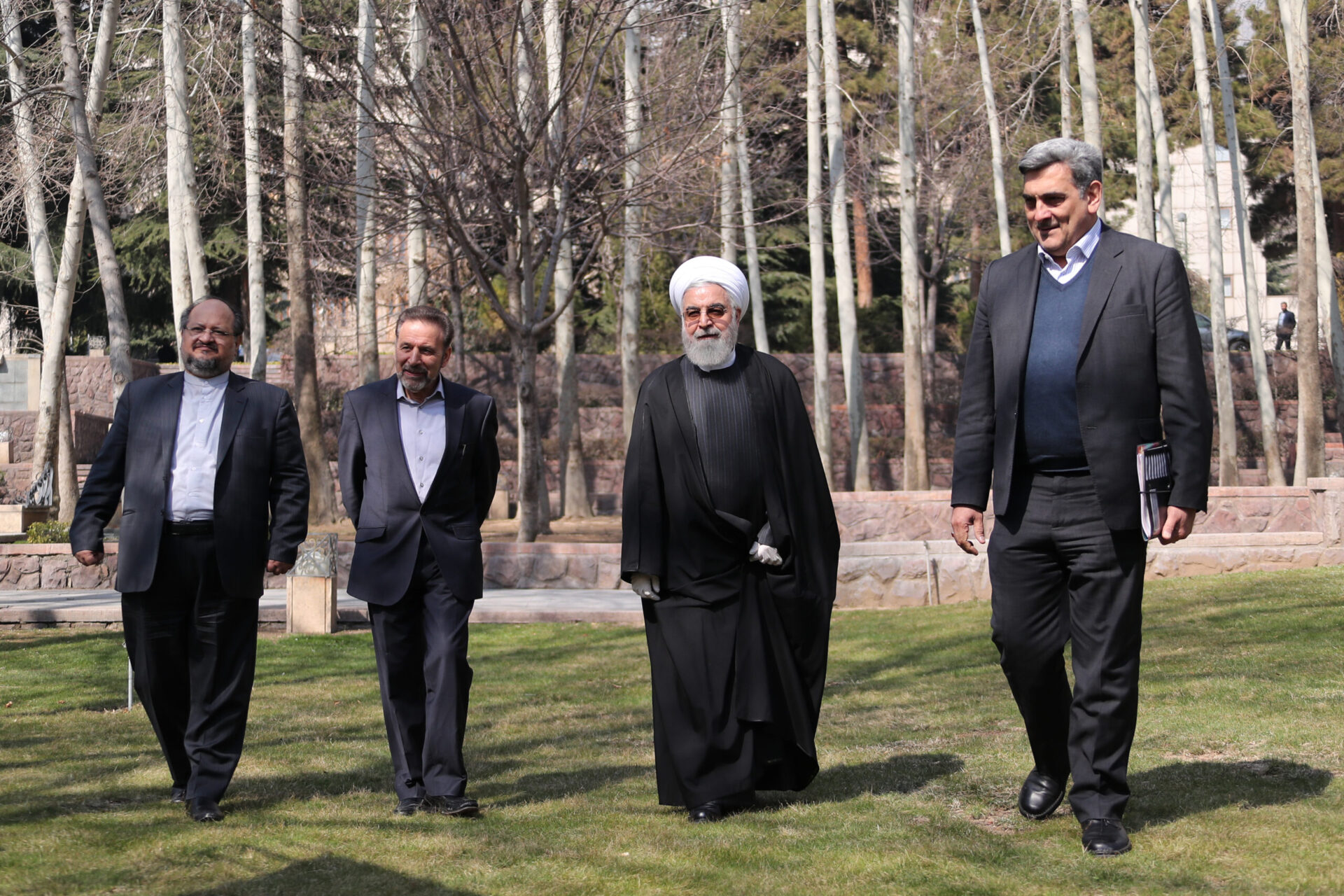
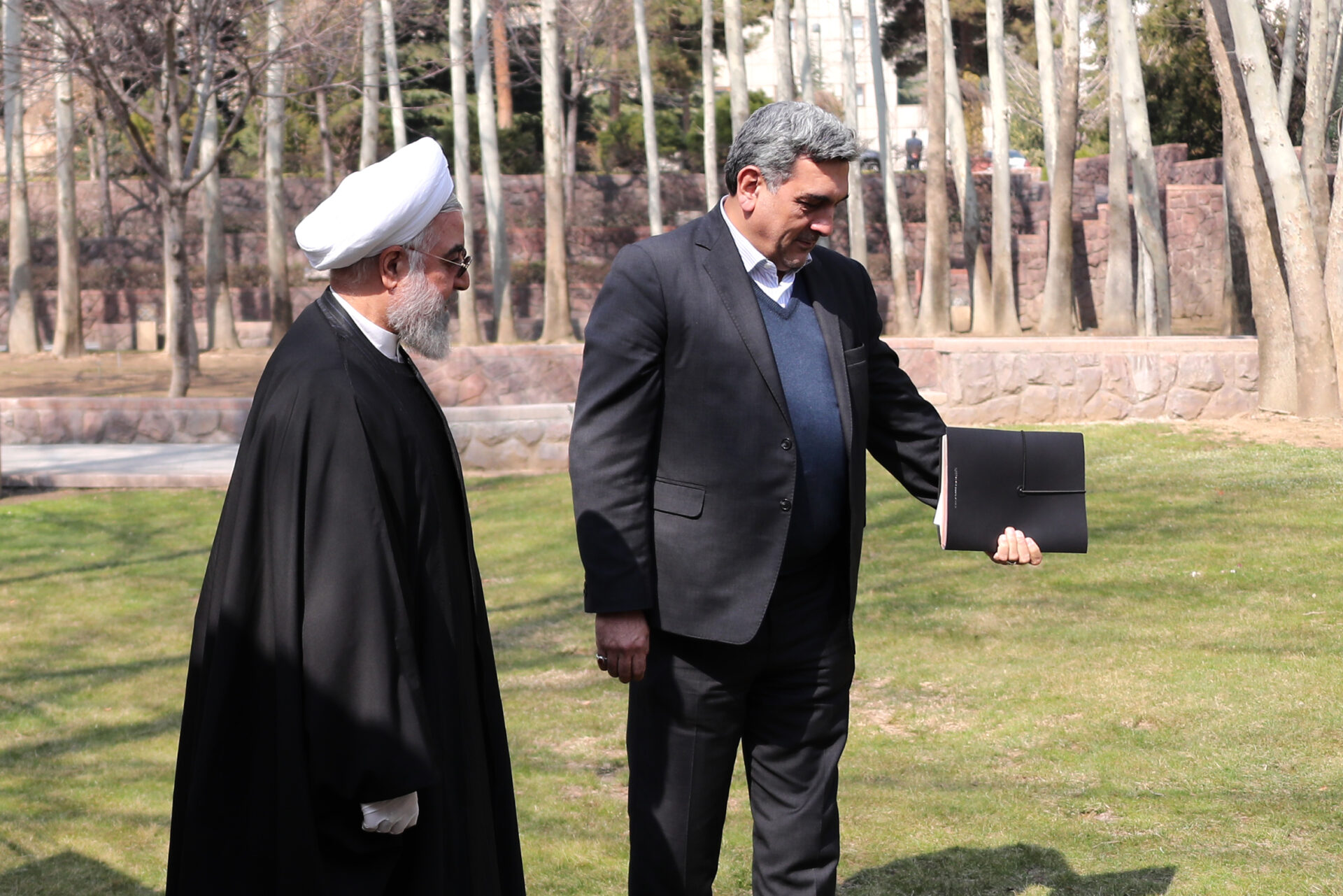
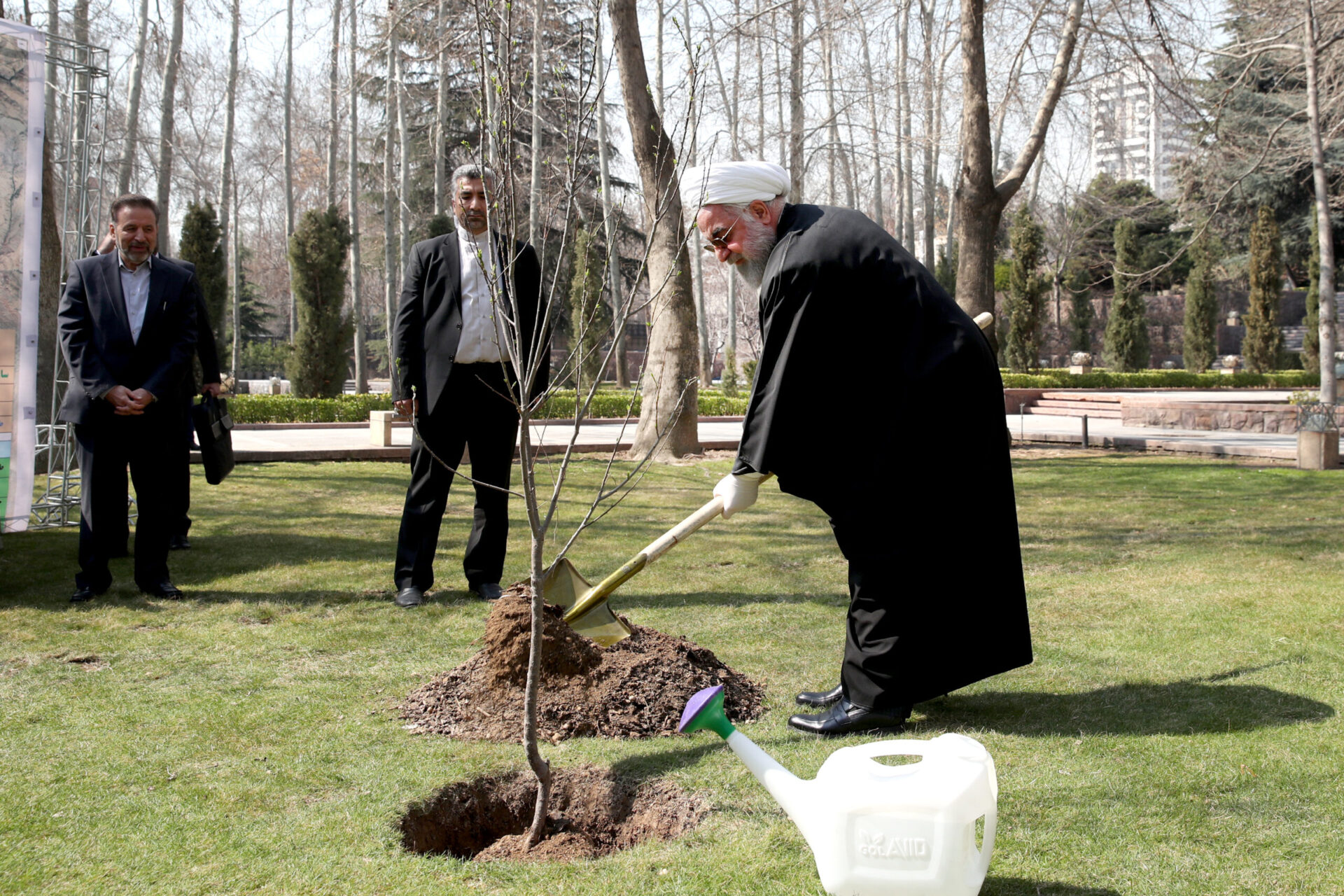
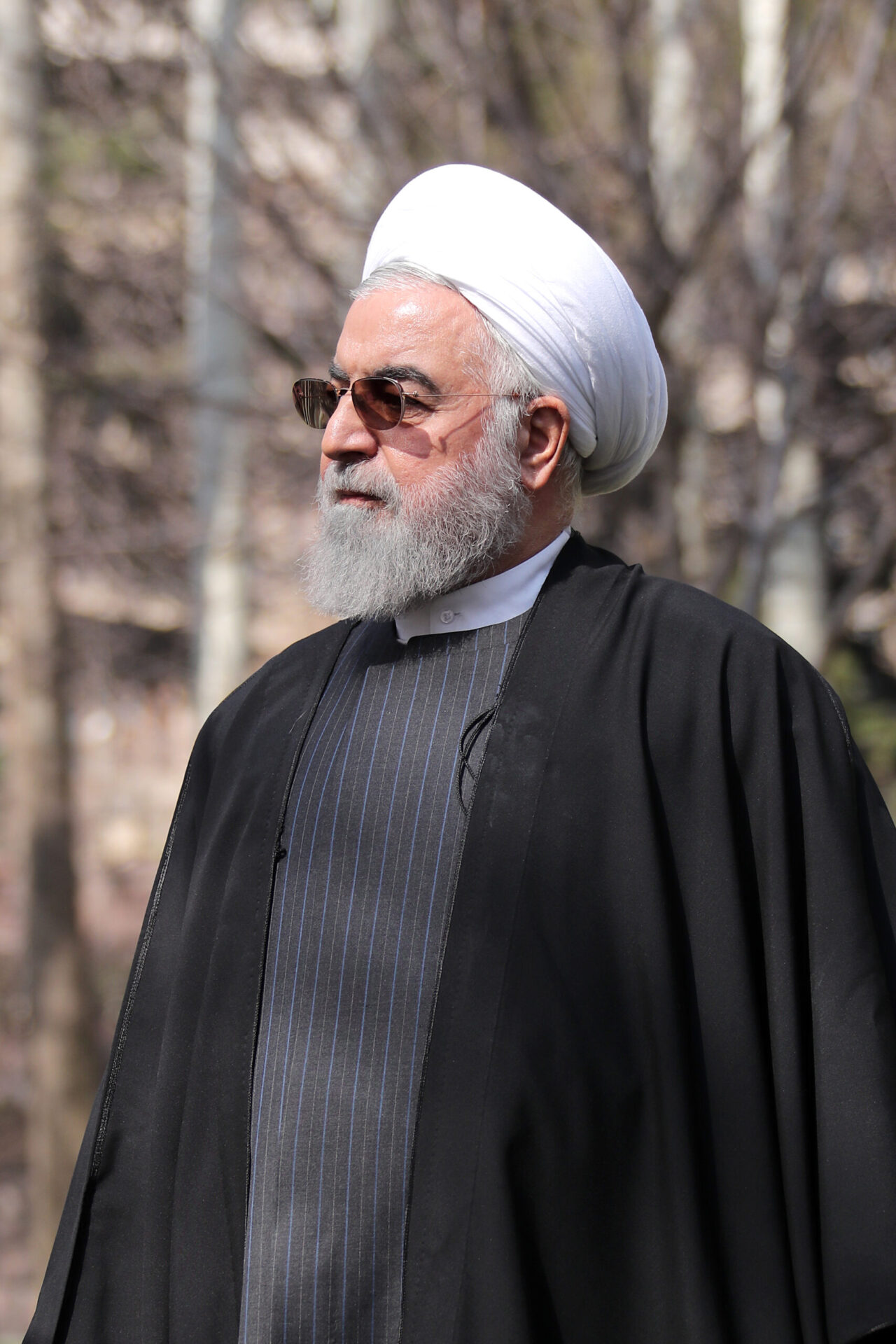
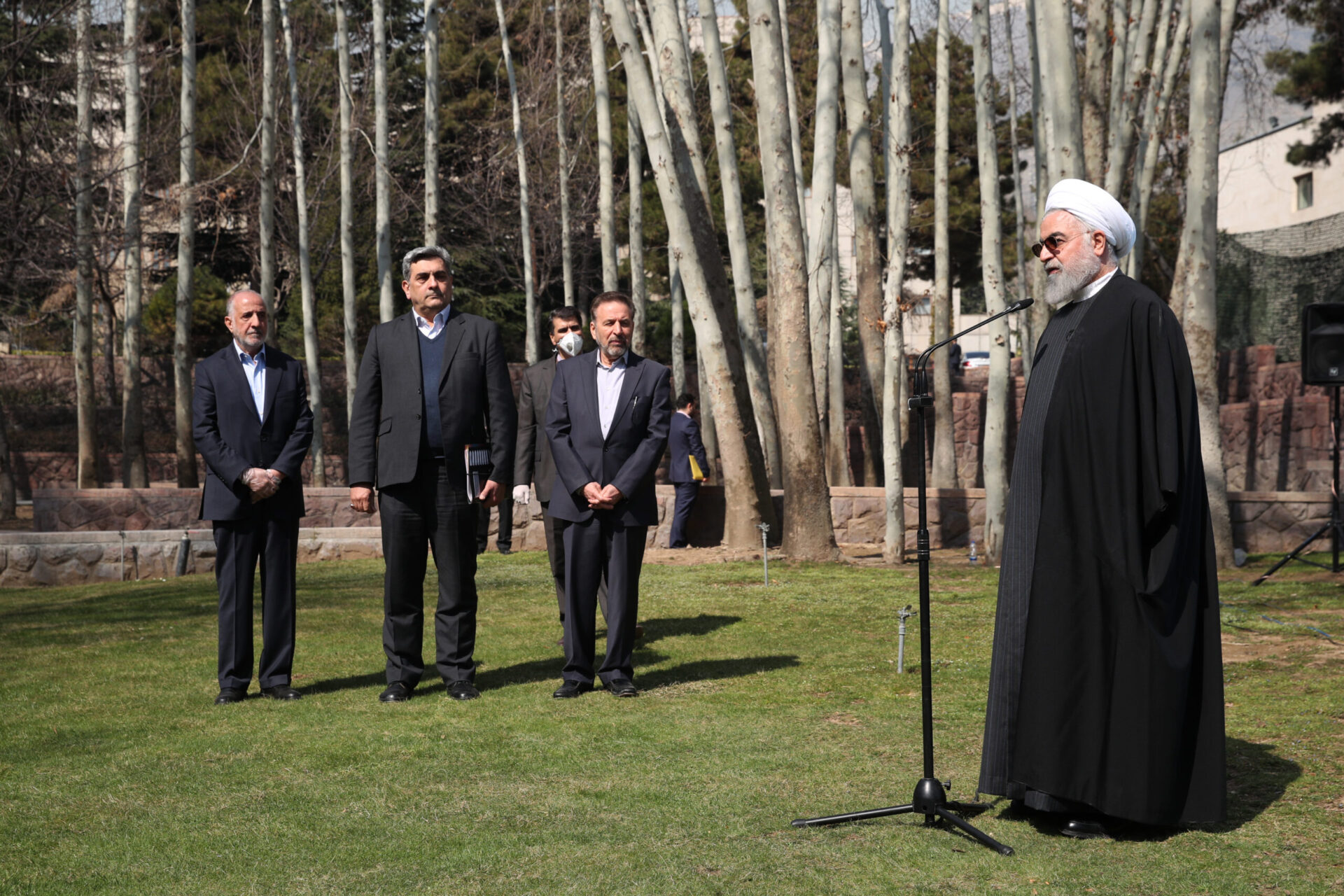
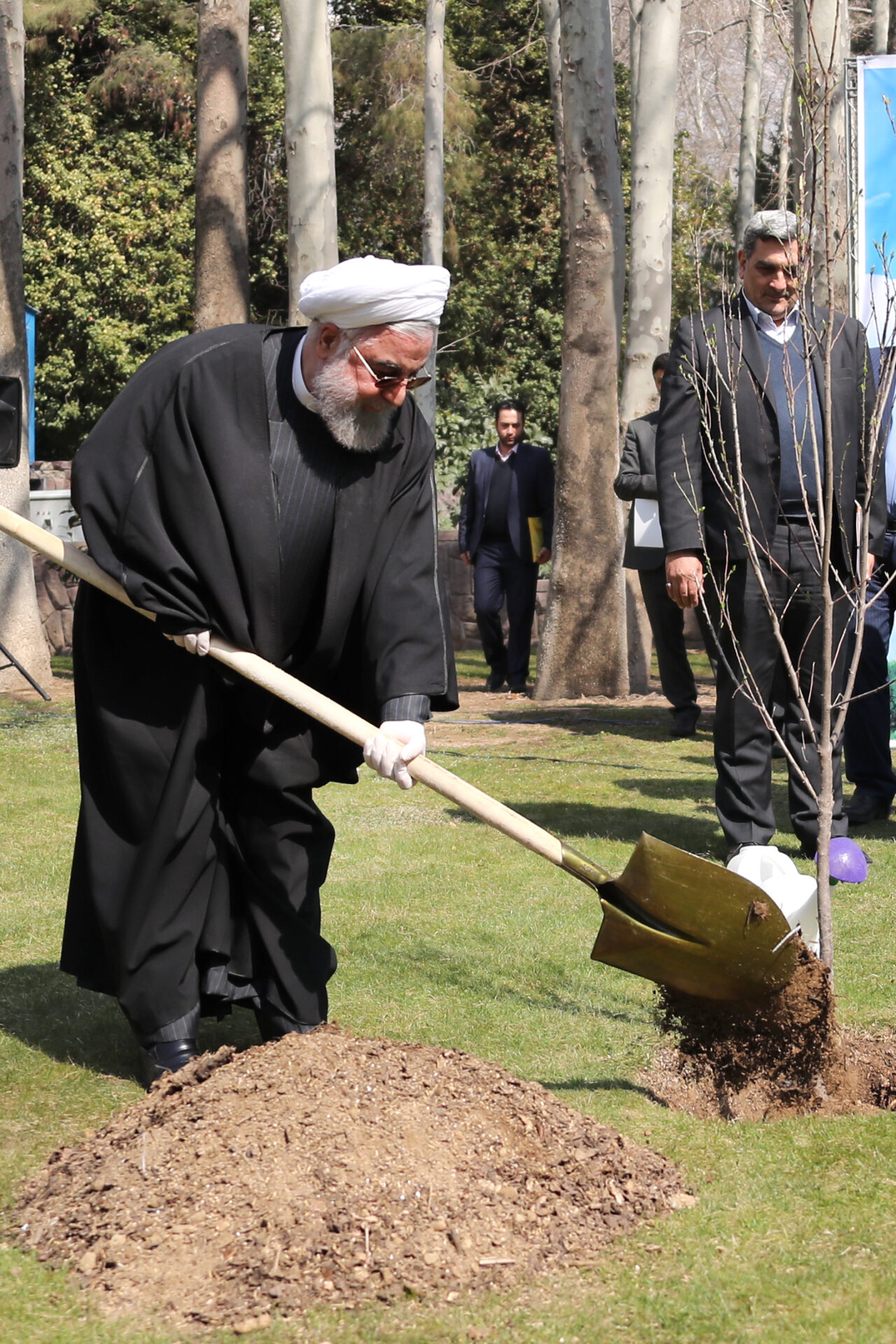
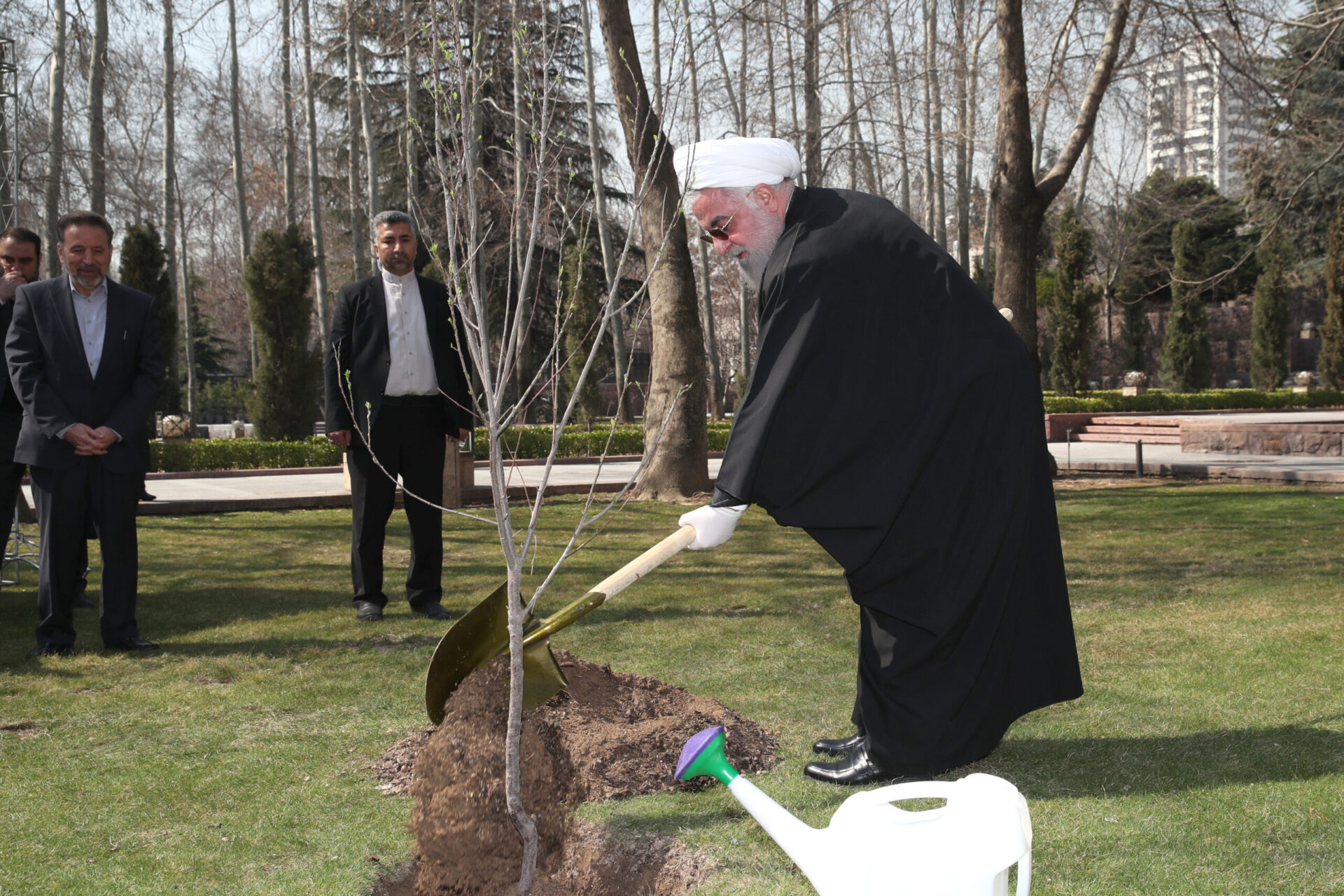
President Rouhani on Wednesday planted a tree at the Sa’dabad complex in northern Tehran to mark the national Week of Natural Resources and Arbour Day.
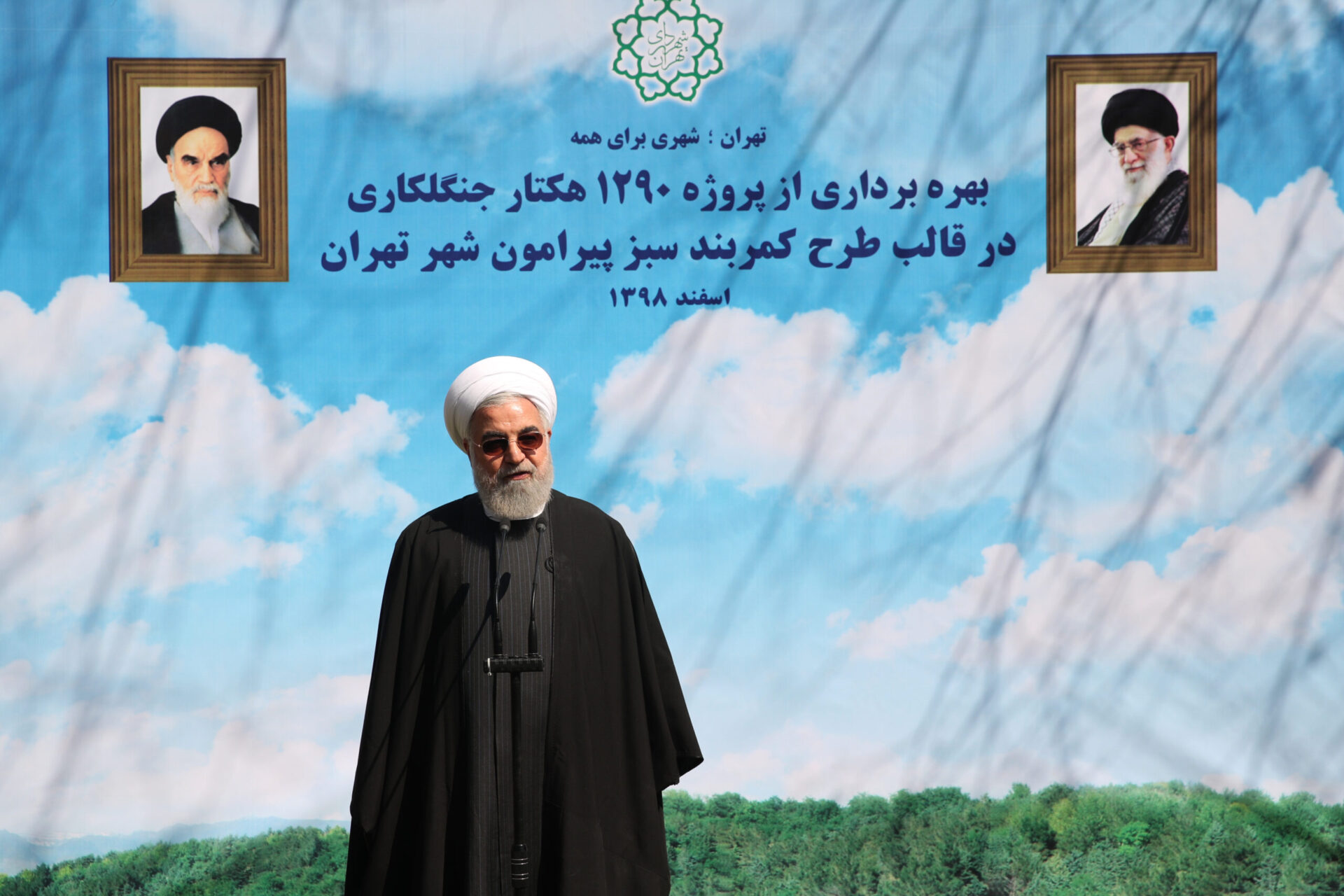
He also inaugurated a project to create 1,290 hectares of forest around Tehran as part of the ‘Green Belt Plan’.
Highlighting the significance of afforestation and protection of the environment, the president said a report released by the Municipality of Tehran indicates that the number of tress and forestation projects around the capital have risen by 16.5 times in comparison to the early days after victory of the Islamic Revolution in 1979.
“Paying attention to planting trees as the respiratory airways and lungs of the society could greatly help tackle air pollution,” President Rouhani noted.
He then called for plans to plant fruit trees near the big cities, saying a number of European countries have included fruit trees in the afforestation projects around urban areas, resulting in both visual attraction and fruit production.
The president further noted that the healthcare considerations in the current year have been under the spotlight among the public, saying people have acknowledged after the outbreak of the novel coronavirus that they must attach greater significance to protection of the health of themselves, their children and the other individuals.
“Undoubtedly, one of the affairs that could ensure the health of society is paying attention to the protection of rangelands and planting trees,” he stated.
Describing plans to protect the health of cities and boost social vitality as a main duty of the administration, President Rouhani prayed to God that the country would immediately get rid of the coronavirus epidemic.
He finally praised the Iranian doctors, nurses and all medical staff for their devotion to duty in the course of efforts to contain the disease, and also expressed gratitude to the people for cooperating with the Health Ministry in the battle with COVID-19.

Iran Launches ‘Helping Hand’ Campaign for Coronavirus Battle
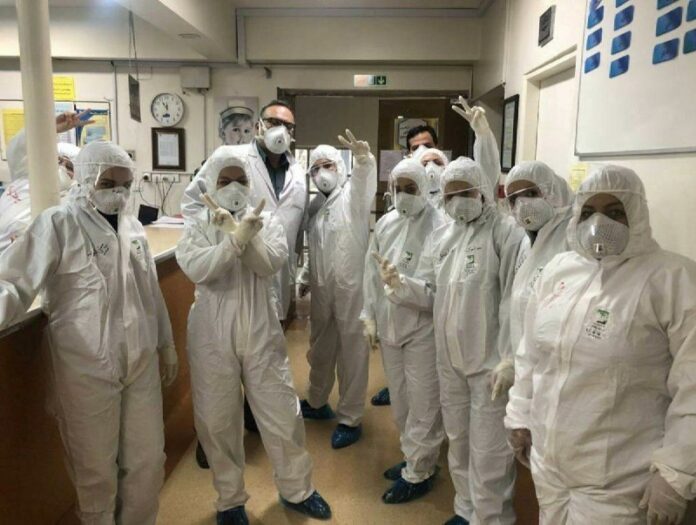
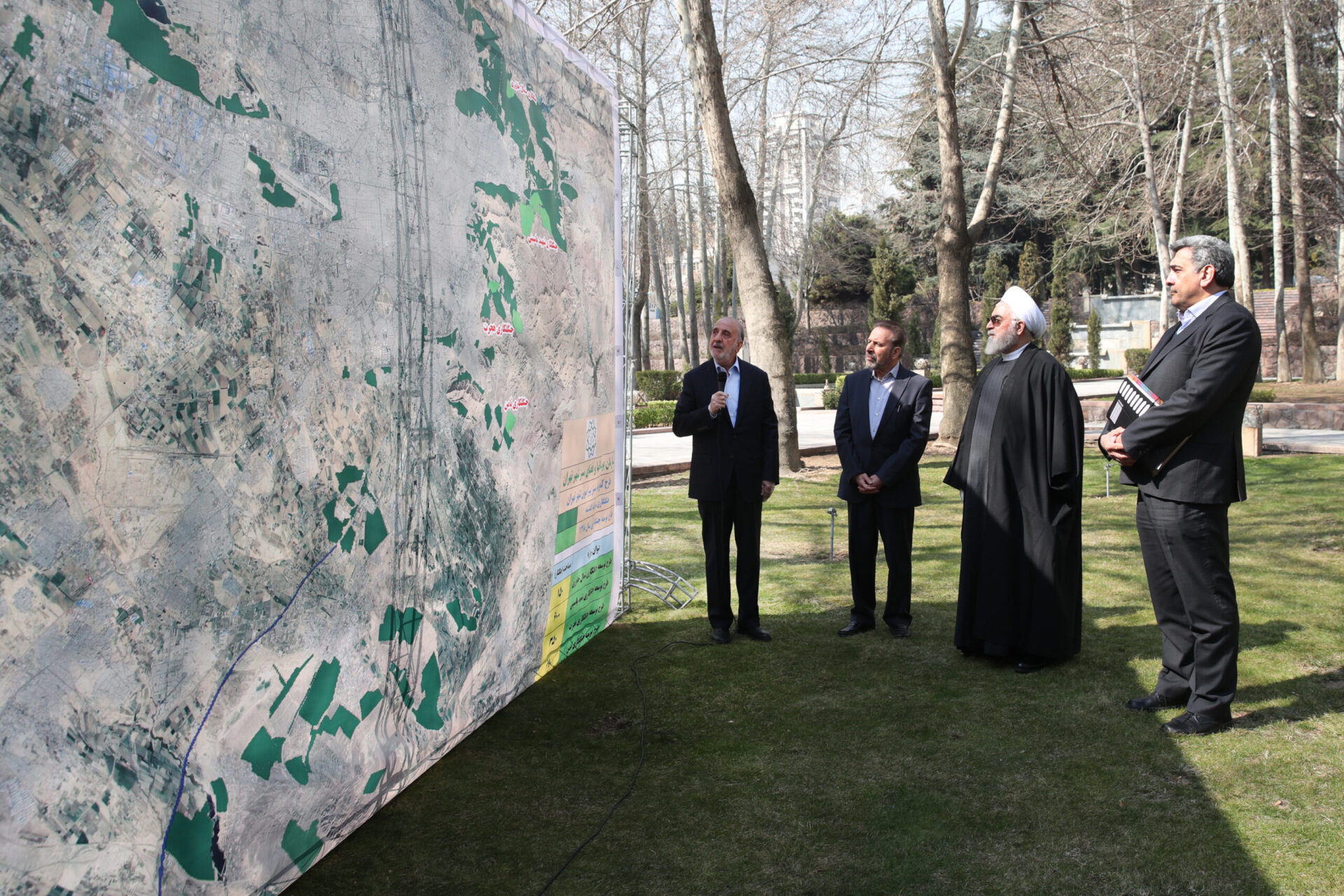
In comments after a press conference on Monday, Ali Rabiei thanked people of Iran for their cooperation in the fight against COVID-19, saying the countrywide ‘helping hand’ campaign would complete the chain of disease prevention.
The spokesman said the initiative is expected to help the Red Crescent Society broaden the coverage of medical services in the underprivileged and vulnerable regions.
“The coronavirus taught all of us that without protecting the health of others, we cannot protect the health of ourselves and the people around us,” he noted, stressing that everybody must take health precautions in order to defeat the new disease.
Rabiei also said a series of families and individuals across the country cannot afford to purchase medical and protective supplies, warning that any harm to the vulnerable groups will endanger the entire society.
The Red Crescent Society is trying to attract public support to provide decent medical services for the vulnerable social groups, he noted.
Rabiei, who is also the administration spokesman, finally called on all people feeling social responsibility to join the new campaign and have a role in the promotion of social and medical services for the underprivileged and vulnerable groups.
