Saturday, December 27, 2025
Home Blog Page 2916

Ayatollah Khamenei Urges Close Cooperation with Health Ministry in Battle with COVID-19

Ayatollah Khamenei Urges Close Cooperation with Health Ministry in Battle with COVID-19

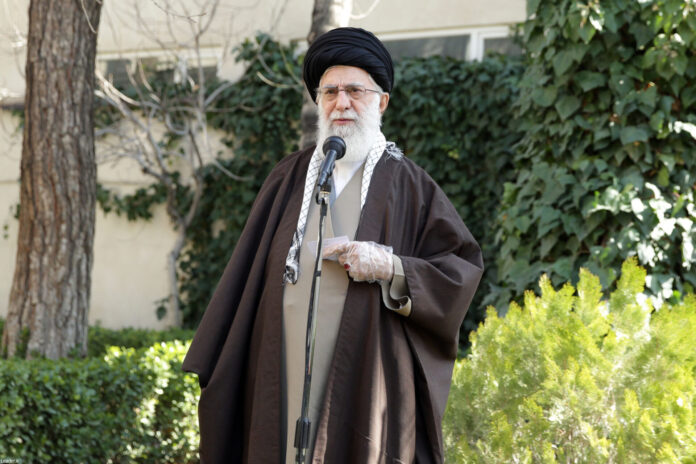
۷In comments after planting two saplings in a ceremony to mark the national Week of Natural Resources and Arbour Day on Tuesday, Ayatollah Khamenei once again praised the Iranian physicians, nurses and healthcare personnel for their efforts in the wake of outbreak of the novel coronavirus in Iran.

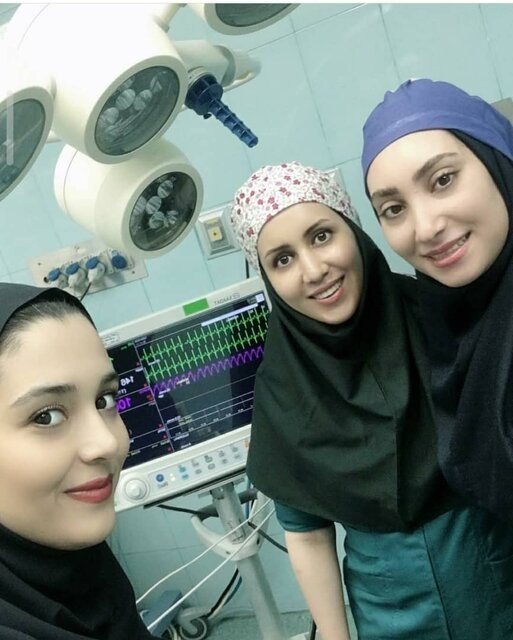
Lauding the devotion to duty shown by the Iranian medial staff, the Leader said the exemplary efforts made by the doctors and nurses in helping the patients signify the true sense of responsibility and humanitarian commitment.

Ayatollah Khamenei then emphasized that the recommendations and instructions provided by the health authorities for preventing and containing coronavirus infection must be followed strictly, adding, “These orders must not be ignored, because God has obliged us to feel responsible for the health of ourselves and the others.”

Whatever contributes to the health of the society and prevents the spread of coronavirus is a merit and whatever results in the spread of the diseases is a sin, the Leader noted.

Ayatollah Khamenei also advised the whole Iranian organizations to cooperate with the Health Ministry, which he said is at the forefront of the war on coronavirus, and provide the ministry with whatever facilities necessary, adding, “The Armed Forces and the organizations affiliated with the Leader’s Office have been also ordered to do that job.”

The Leader also noted that while many countries in the world are grappling with the outbreak of the novel coronavirus, the Iranian officials have publicized the news of the disease with “clearness, sincerity and transparency” since the first day of outbreak of the disease in Iran, but “some other countries in which the disease is more severe and prevalent are hiding the truth.”

Ayatollah Khamenei then noted that although the coronavirus outbreak is not a trivial issue, it should not be exaggerated, because it is a “transient, not extraordinary” problem.

“This problem will be in the country for a not-too-long period, and will then go away, but the experiences from it and the activities of people and organizations which are similar to a general war game could remain as an achievement,” Ayatollah Khamenei added.

The Leader finally lauded the praiseworthy and philanthropic moves by the Iranian citizens in providing financial assistance or handing out medical supplies amid the outbreak of the coronavirus, saying that keeping such values will turn the disasters and threats into an opportunity.
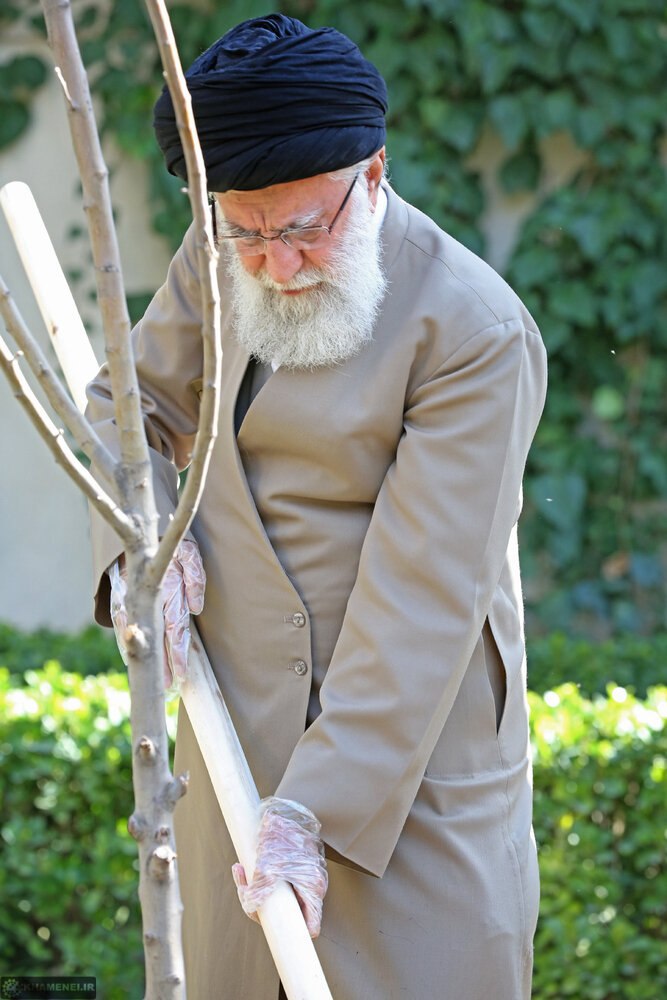
Iran’s Leader Plants Sapling on Arbour Day

Iran’s Leader Plants Sapling on Arbour Day

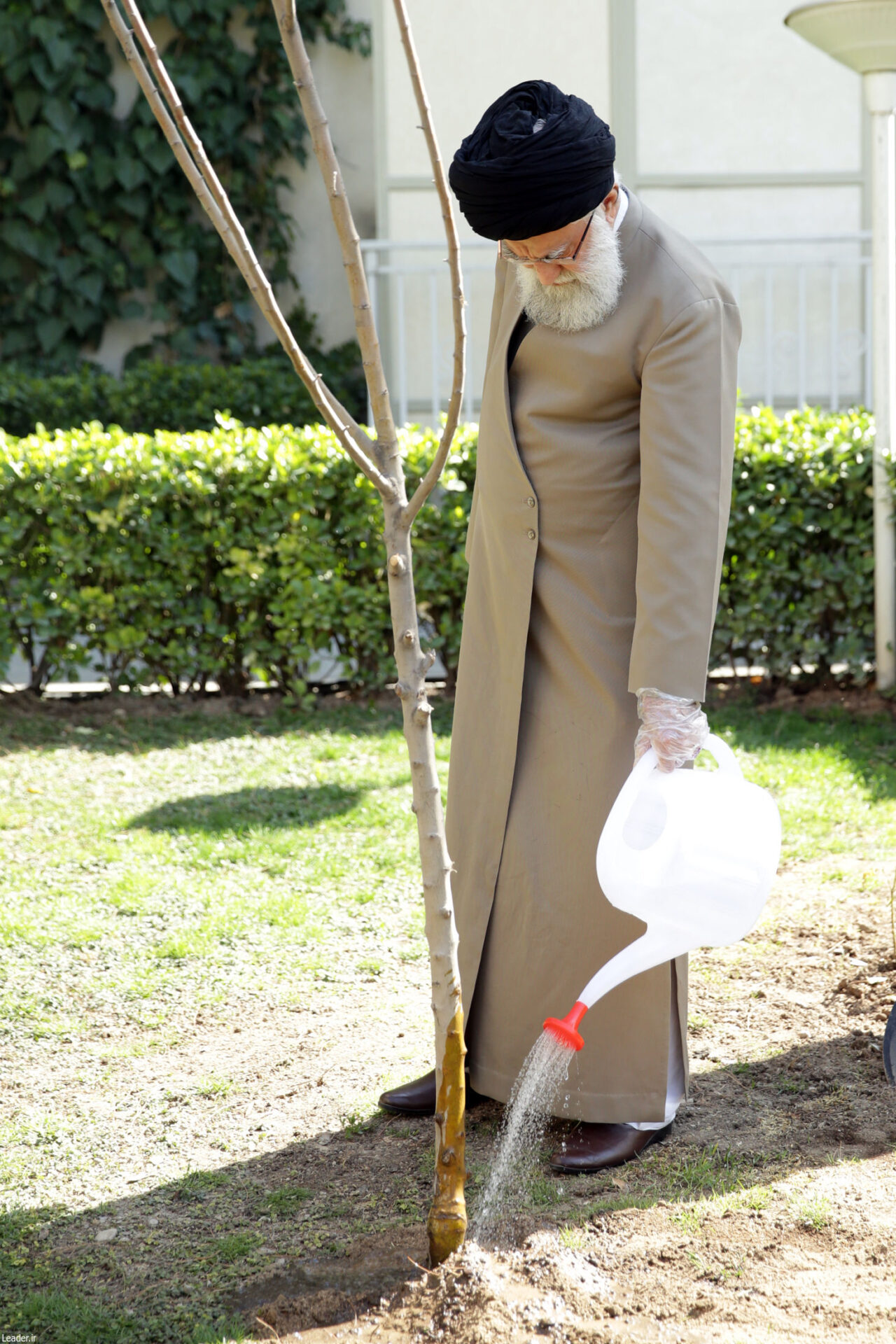
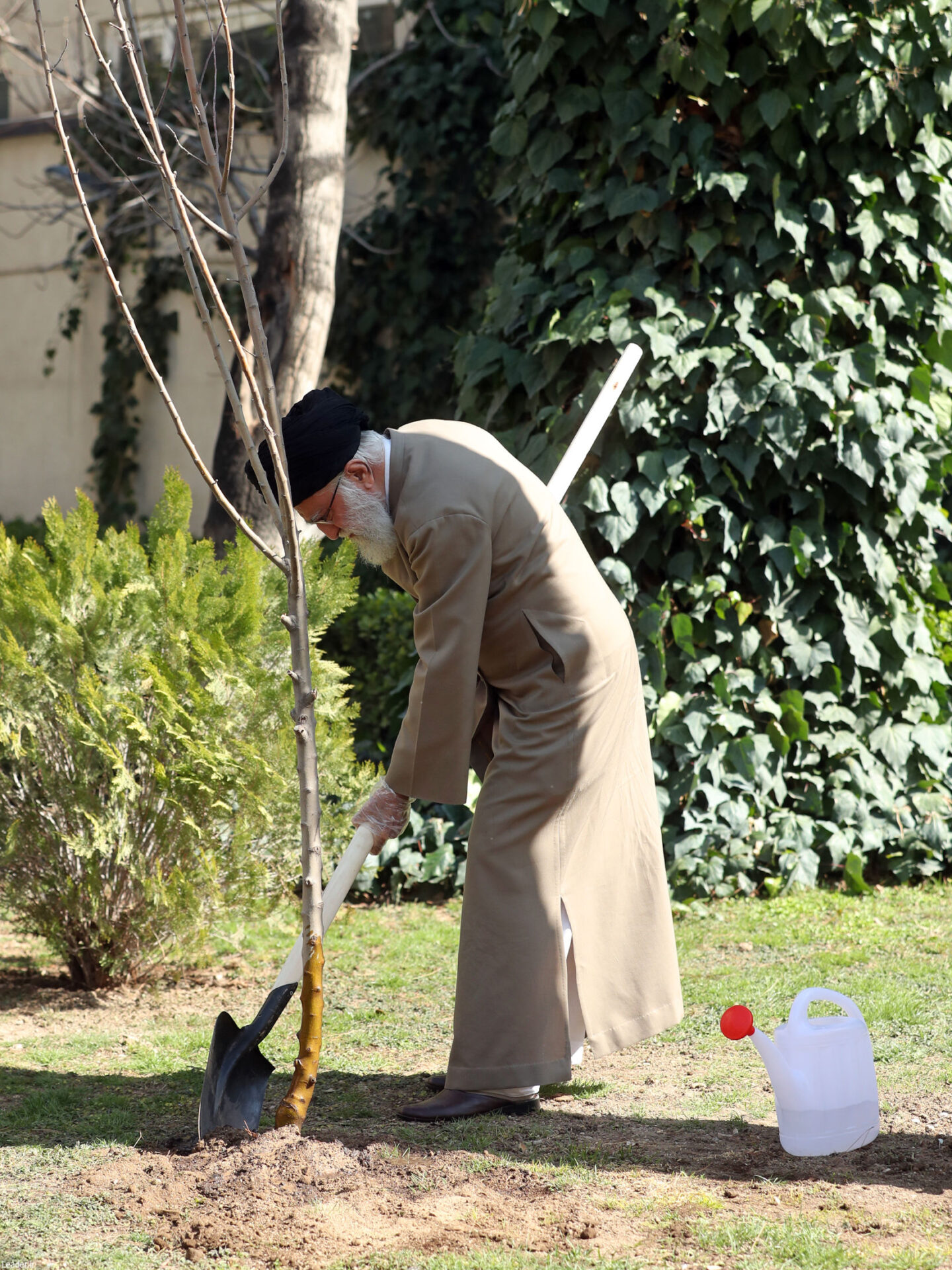
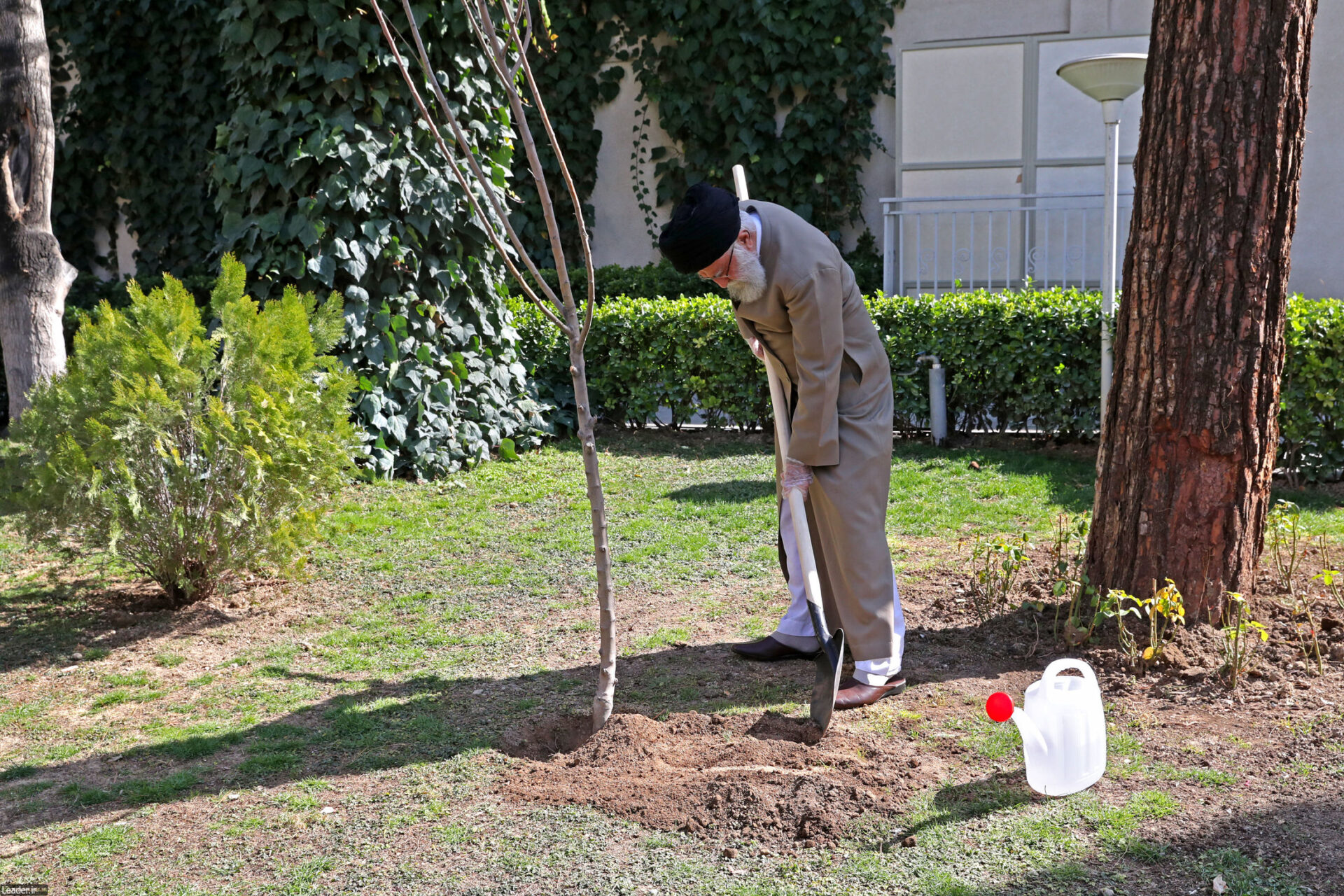
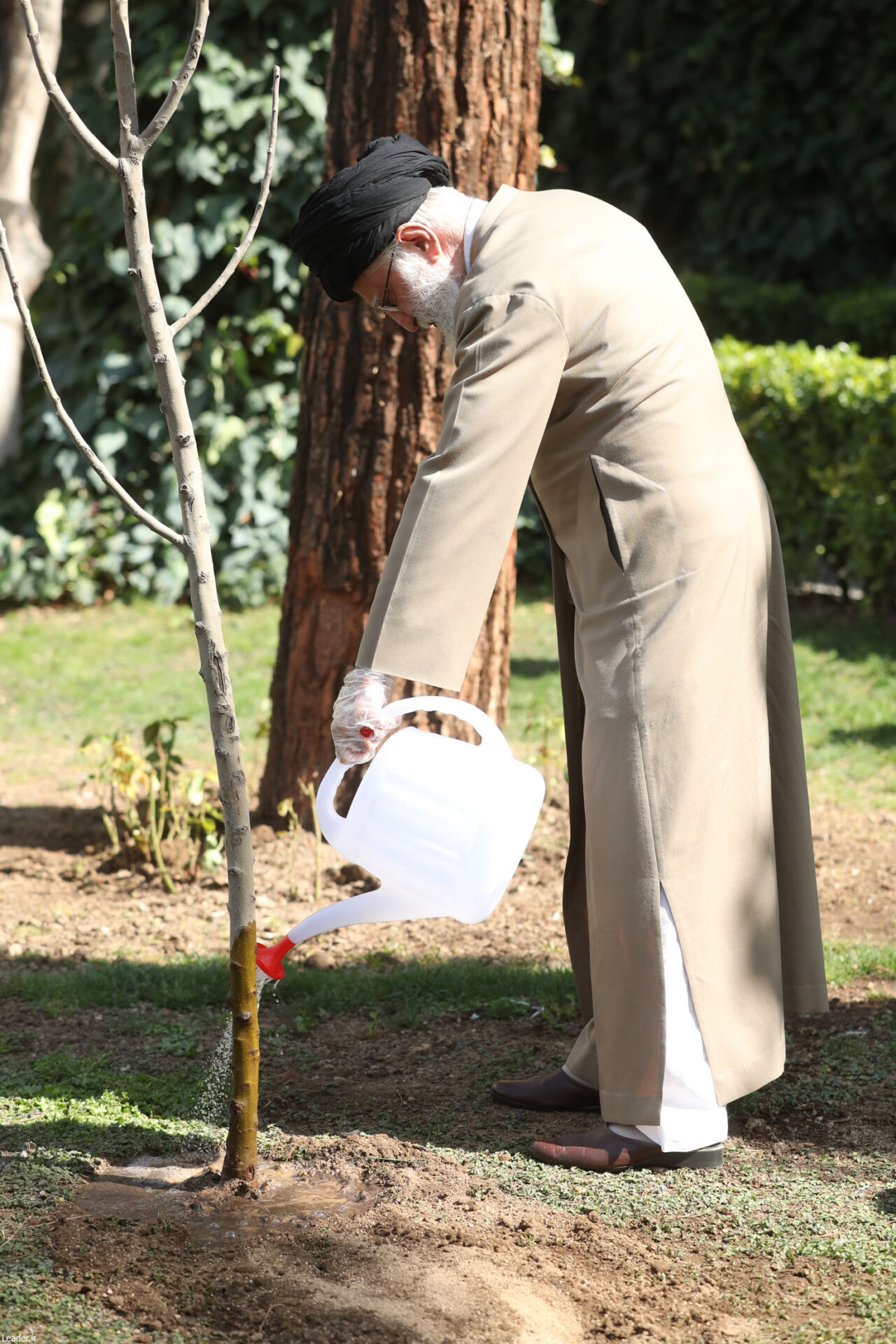
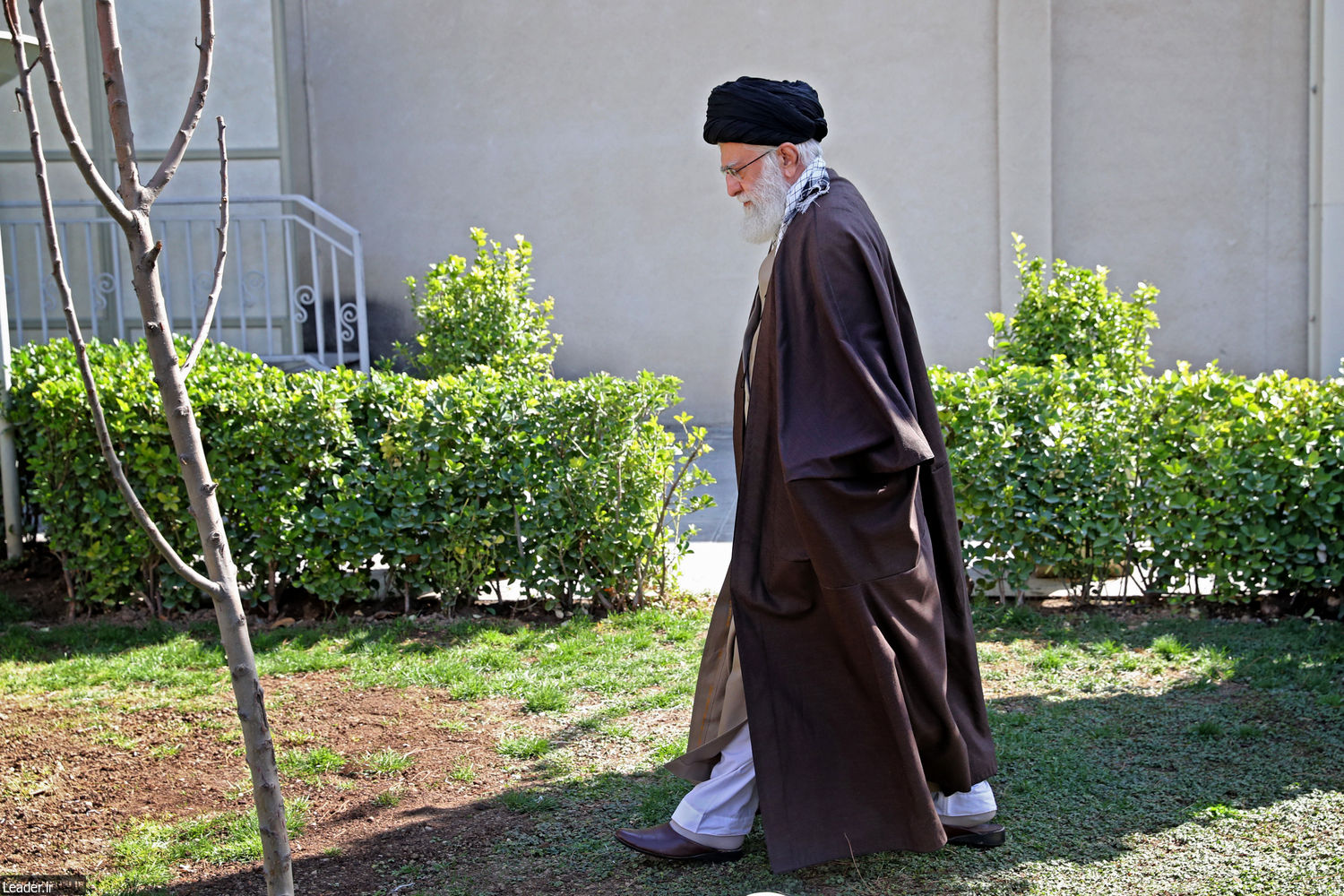
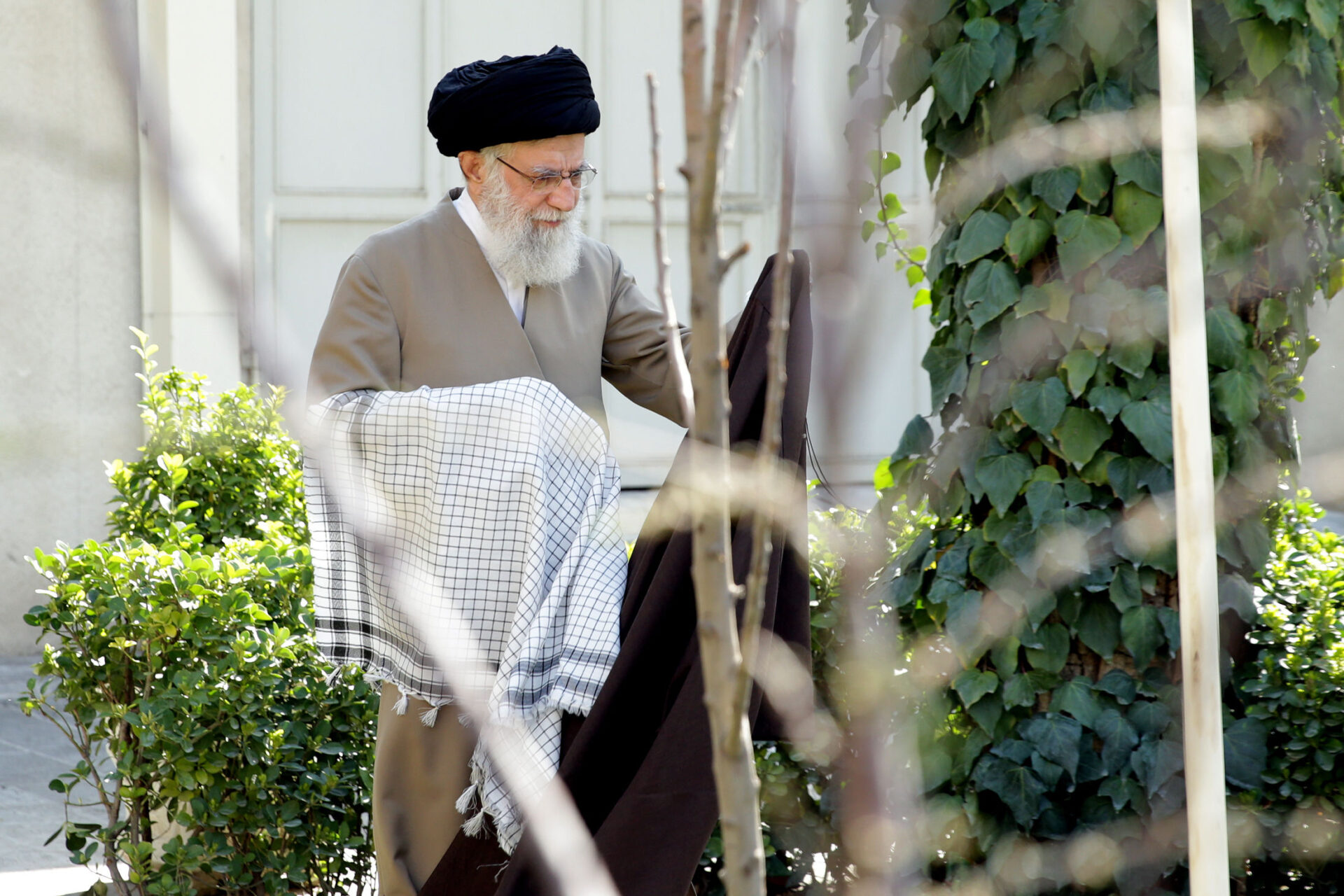
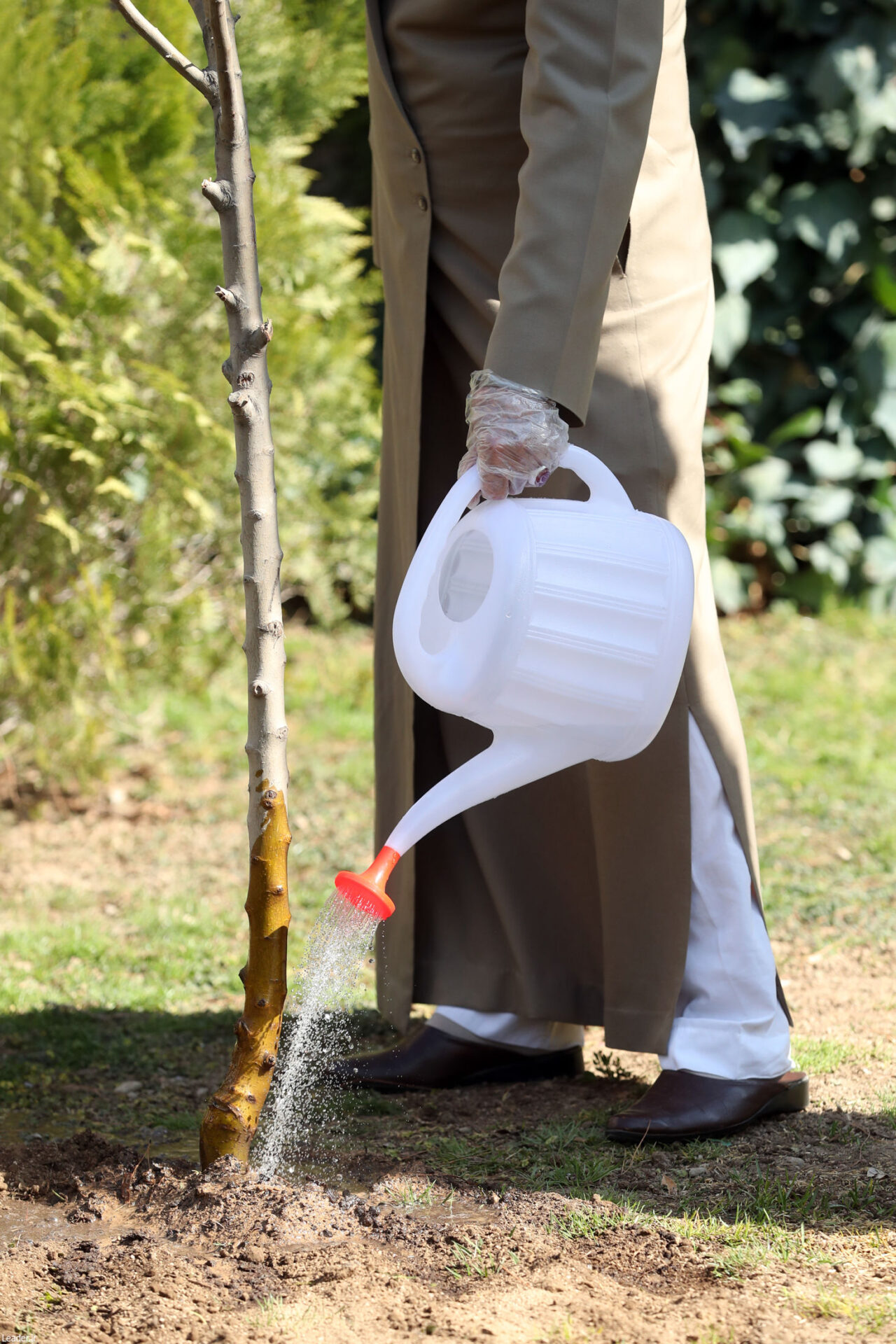
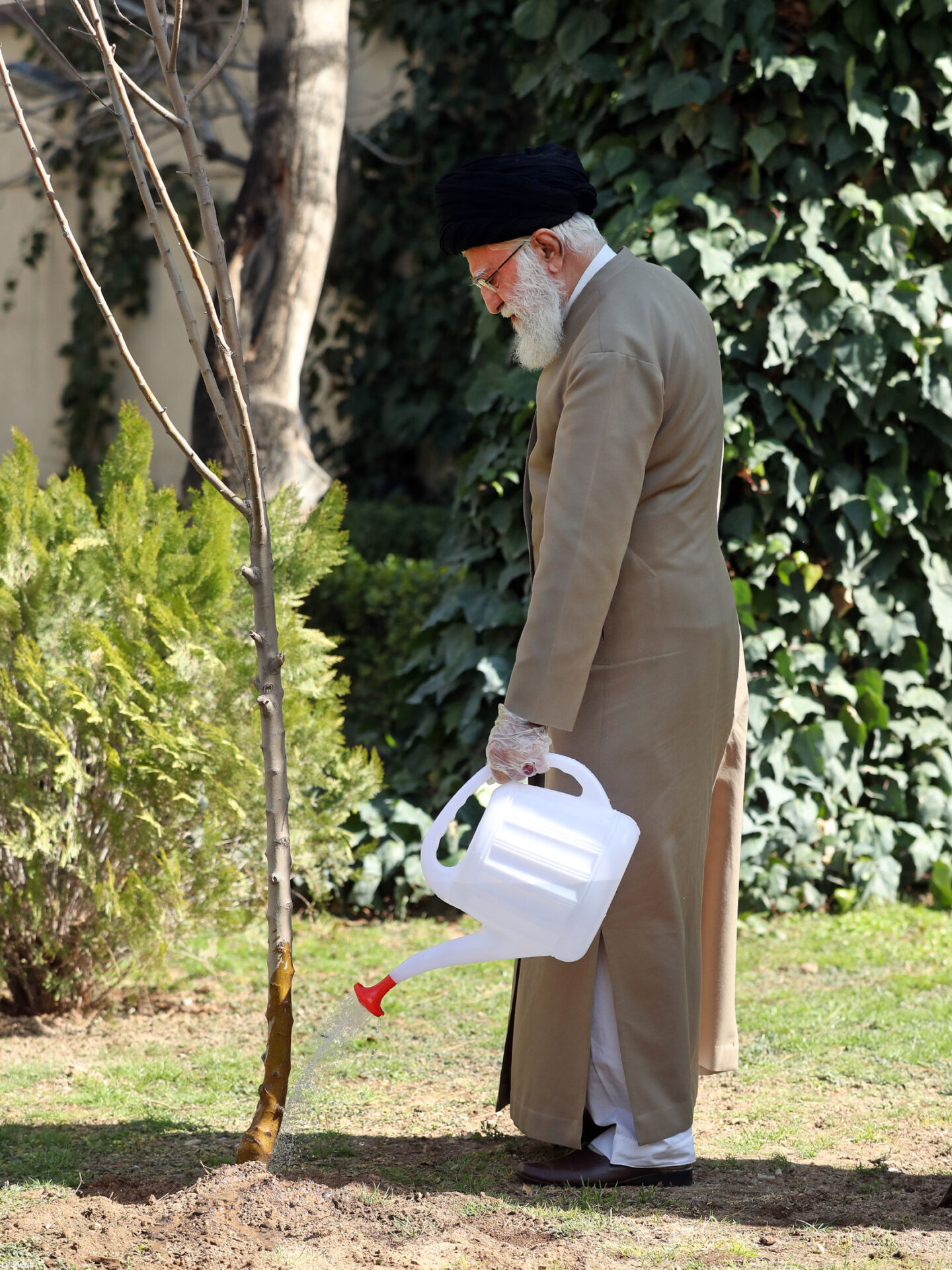
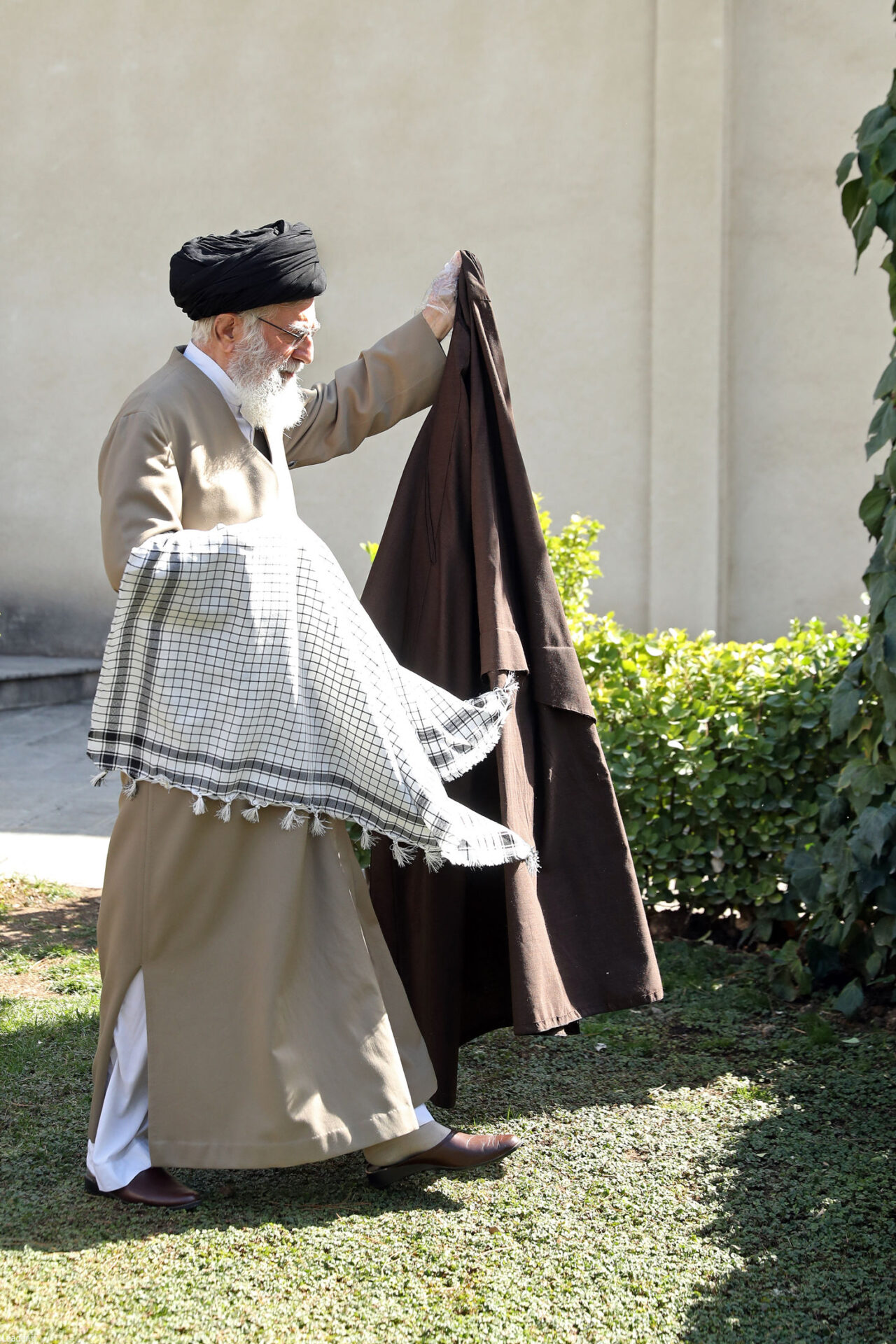
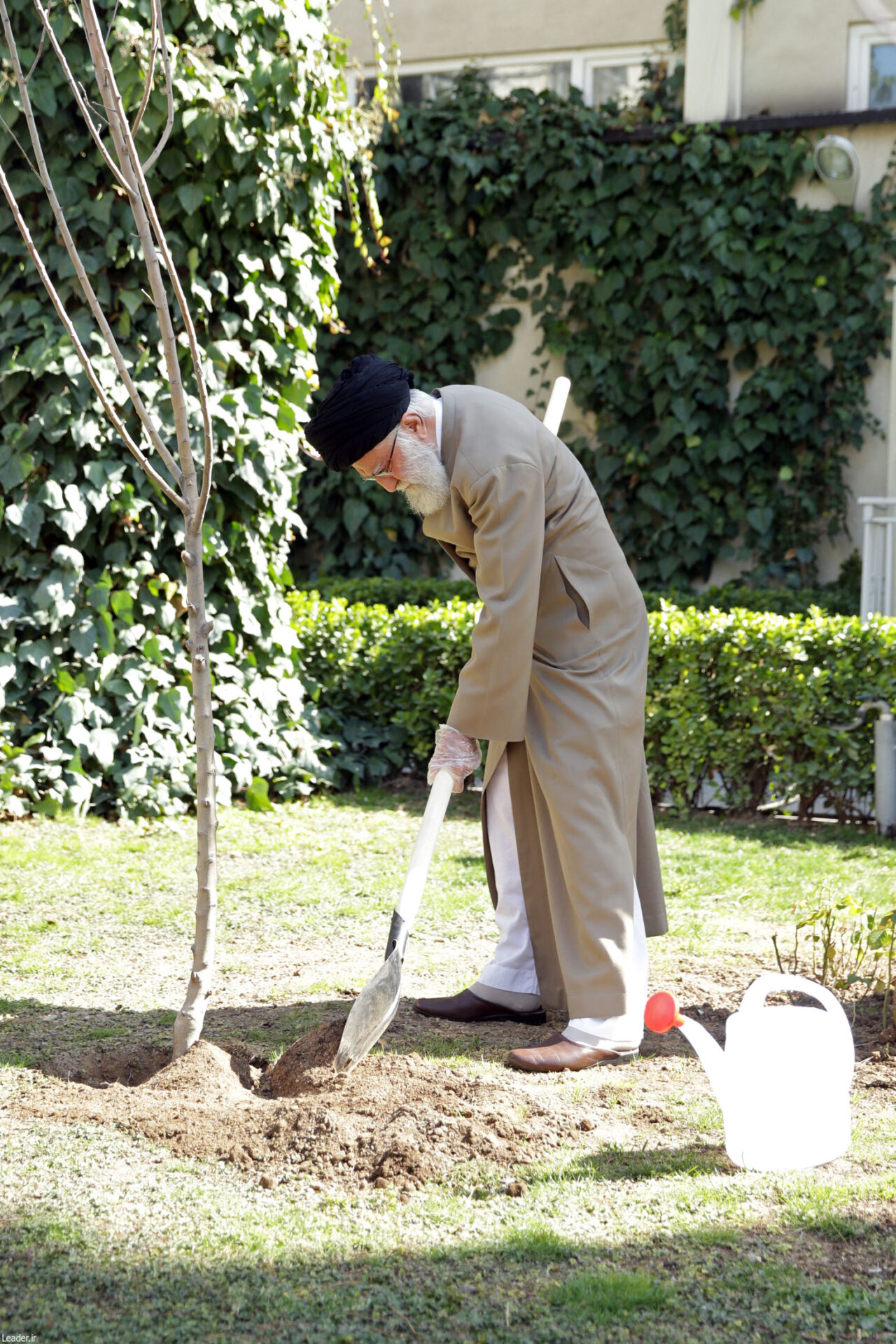
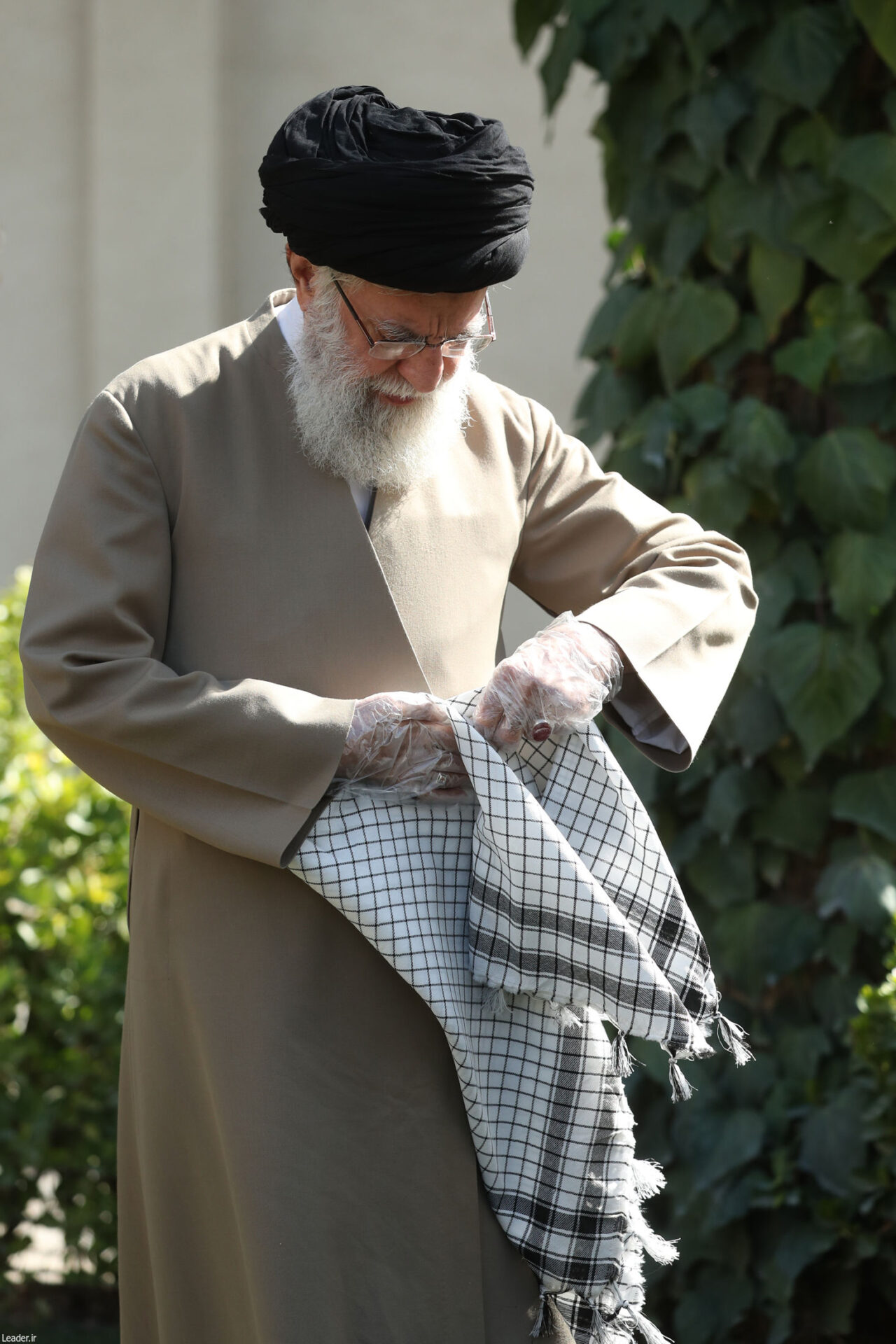
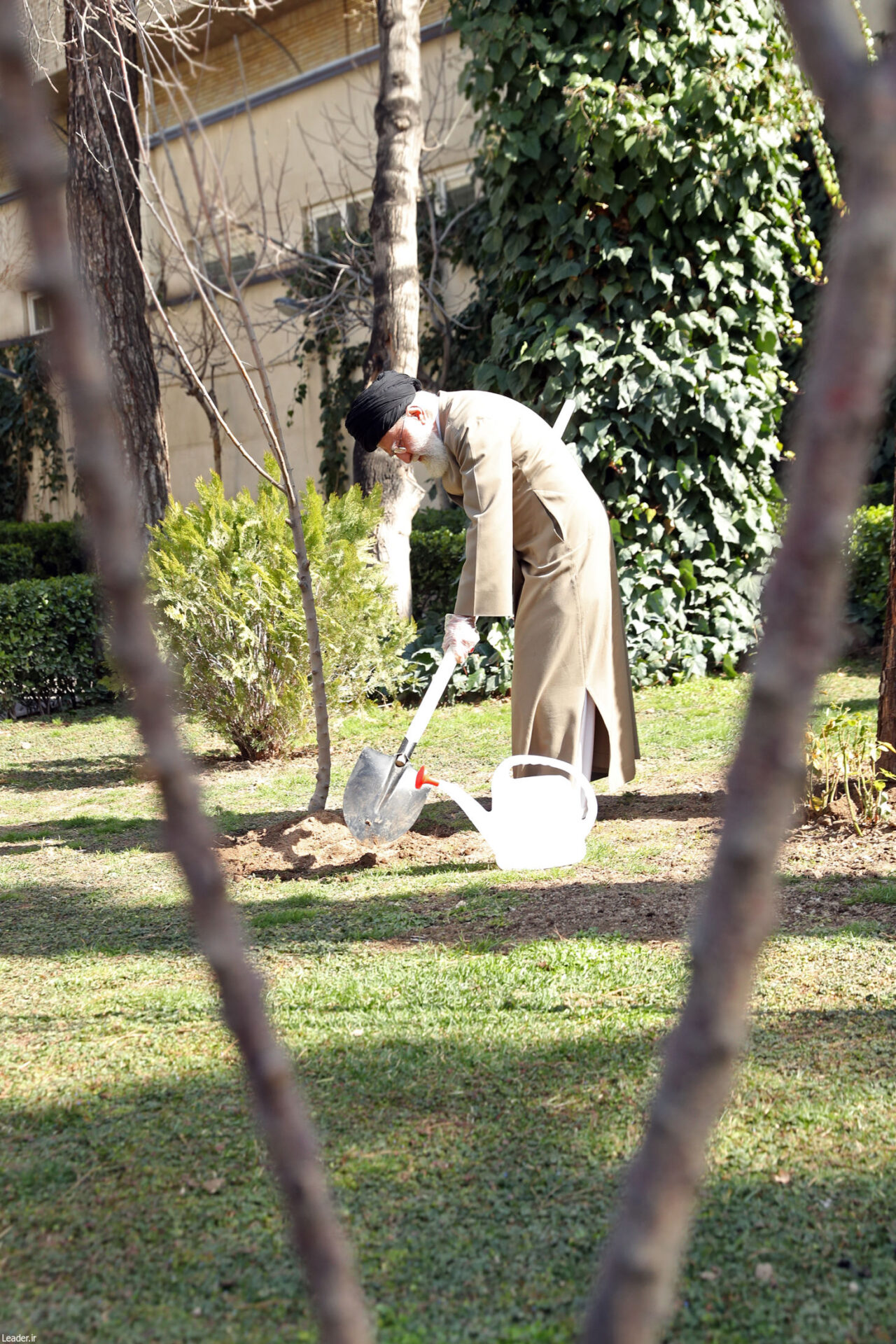
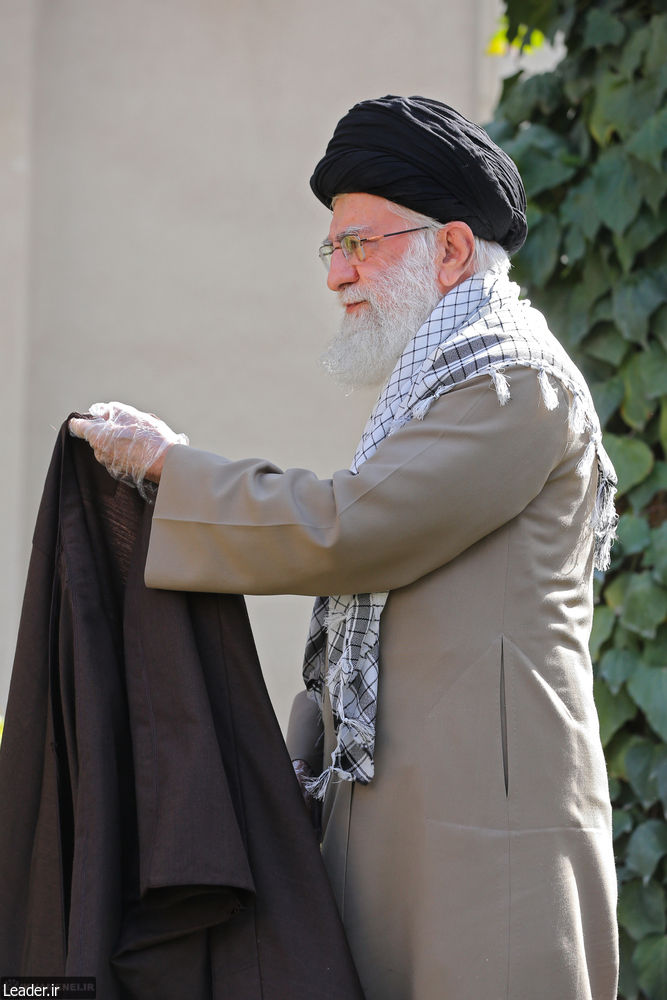
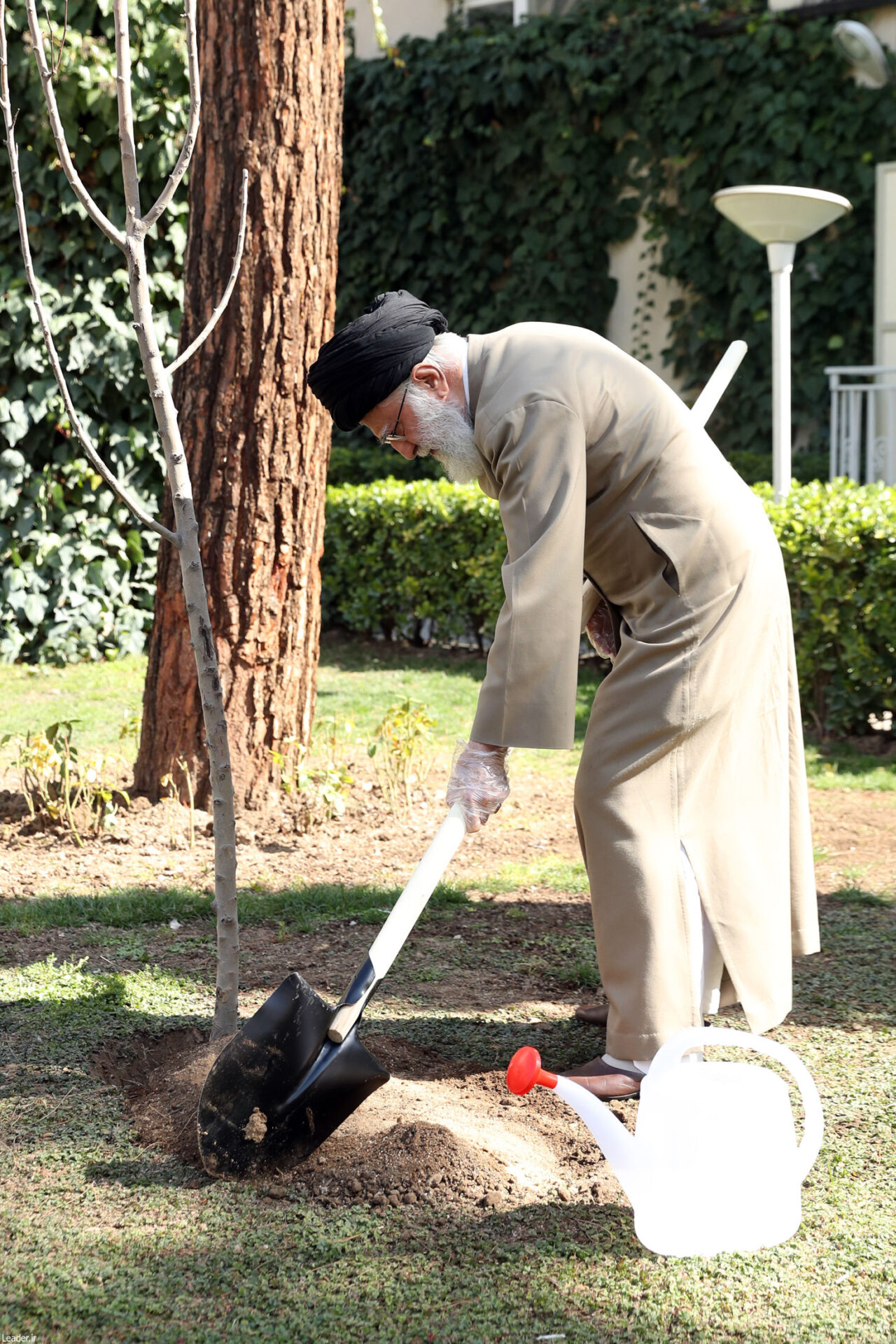
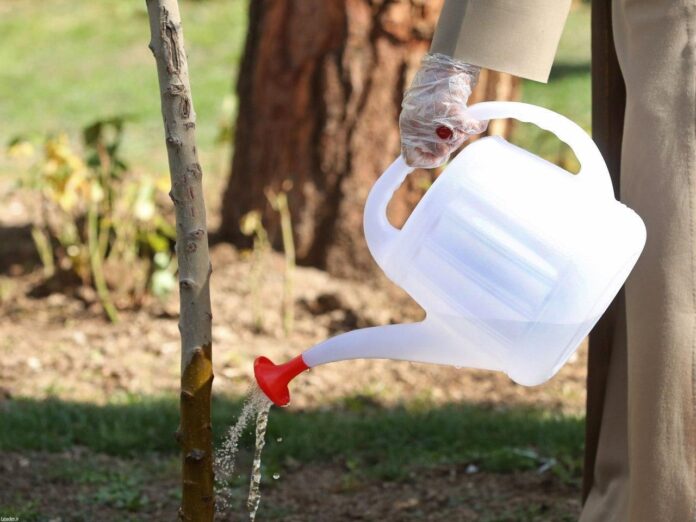
The Leader planted two fruit saplings on Tuesday morning in a move to mark the Arbour Day and National Week of Natural Resources.

Ayatollah Khamenei, in a rare move, planted the saplings using disposable gloves as a precaution against the spread of the novel coronavirus in the country.

On Iran’s official calendar, 3 March is named as Arbour Day when people are encouraged to plant saplings.

This day is also the beginning of the National Week of Natural Resources. The first day of this week is dedicated to planting saplings.

What follows are photos of the Leader planting the two saplings:

Iran Make Positive Start to 2022 World Cup Qualifiers

Following the opening four fixtures, they are sitting third in the group behind Iraq and Bahrain.

However, they do have a game in hand on both of them, so have a solid chance to draw points back to each side. They sit three points behind Bahrain and five behind group leaders Iraq at present.

Iran started the group stages as one of the favourites in the sports betting markets to gain progression. The opening fixture saw them take on Hong Kong in the Honk Kong stadium. It turned out to be an easy night for the visitors, with Iran winning the match 2-0. Azmoun put them ahead in the opening period of the match, before Ansarifard then guaranteed the three points with a goal early in the second half.

Iran then picked up a second consecutive victory in qualification, with a remarkable 14-0 home victory against Cambodia. This was a very impressive attacking display with seven different scorers on the night. Karim Ansarifard scored four, with Sardar Azmoun also netting a hat-trick.

Next up for Iran was a difficult away trip to take on Bahrain in the Bahrain National stadium. It was a close game throughout but it was the home side who took the victory and the three points, following converting a second half penalty. This loss instantly put some pressure on Iran moving into their next fixture.

Iran then had another difficult away trip, as they travelled to take on Iraq inside the Amman International stadium. This turned out to be a very frustrating night for Iran as they were beaten 2-1.

The home side had taken an early lead, before Iran responded in the first half. The game then appeared to be heading for a draw, before Masoud Shojaei saw red for Iran and the home side then picked up a late 92nd minute winner. This meant two losses in a row for Iran and much pressure on them to now get back to winning ways and push their chances of qualification.

Iran now have five games left to finish qualification, with the first being a home fixture against Hong Kong. They then travel to Cambodia and will be expected to win both of these games. Iran will then finish with three home fixtures against Bahrain, Oman and Iraq. They will be hoping the home advantage can help and will also be expected to gain that World Cup spot for 2020.

Official Highlights Iran’s Push for Regional Peace, Security

Iran Official Calls for People’s Massive Turnout in Elections

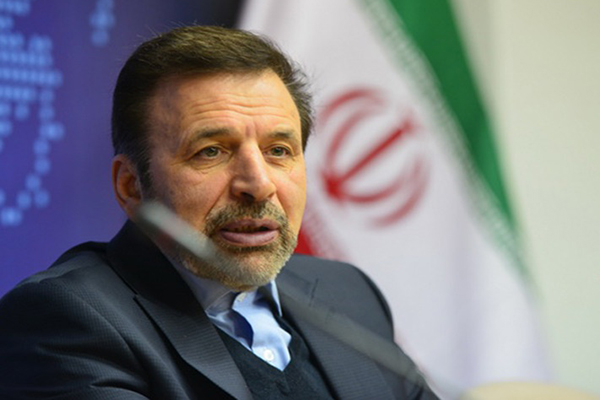
In remarks about the Islamic Republic of Iran’s stances on the latest regional developments, particularly the situation in Syria, Mahmoud Vaezi said on Monday, “Iran has always pushed for peace and security in the region, and has emphasized that a solution to the Syria crisis would be achieved through political dialogue by relying on the consultations and negotiations it has held with the regional countries.”

He said Iranian President Hassan Rouhani has highlighted the importance of political settlement of the crisis in Syria during the recent conversations with the presidents of Russia and Turkey.

“In these talks (with Putin and Erdogan), our country’s president has also expressed Iran’s readiness to host a summit of Iran, Russia and Turkey for the establishment of peace and stability in Syria,” Vaezi added.

The Iranian President’s Chief of Staff also hailed the successful results of the Astana Process in recent years in reducing the tensions in Syria, adding, “The Islamic Republic of Iran regards the Astana Process as highly significant and stresses on the continuation of the process.”

“Iran by no means considers its cooperation with the friendly countries for helping Syria as a replacement for the Astana Process,” Vaezi underscored, calling for concerted efforts to restore peace and stability to Syria via the Astana Process.

‘Smiling Challenge’ to Combat Coronavirus Going Viral in Iran

‘Smiling Challenge’ to Combat Coronavirus Going Viral in Iran

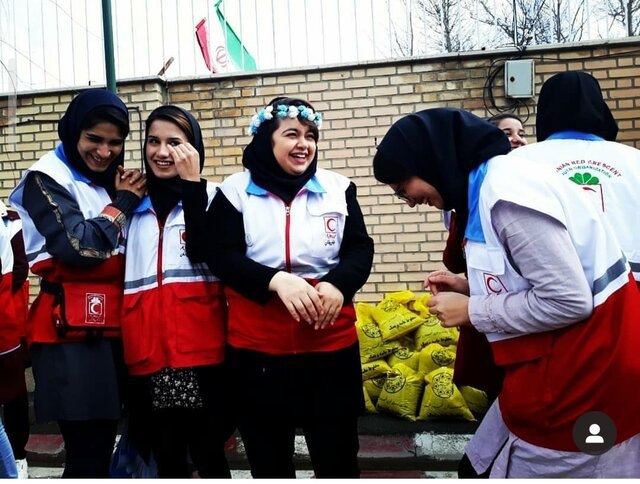
The coronavirus smile challenge seeks to dispel grief and despair and inject hope into citizens’ minds.

More than ten days on since the coronavirus set foot in Iran, the uninvited guest has broken into 60 countries so far.

After the disease broke out in Iran, the government mobilized all its resources to combat the virus. A national committee chaired by the health minister was also set up to tackle the epidemic. The committee is working round the clock, planning to combat the disease.

‘Smiling Challenge’ to Combat Coronavirus Going Viral in IranThe phrase “home quarantine” could sound frightening at first. However, Iranians, who are known for their sense of humour across the world, made “home quarantine” the subject of many jokes, which one can see by visiting social media.

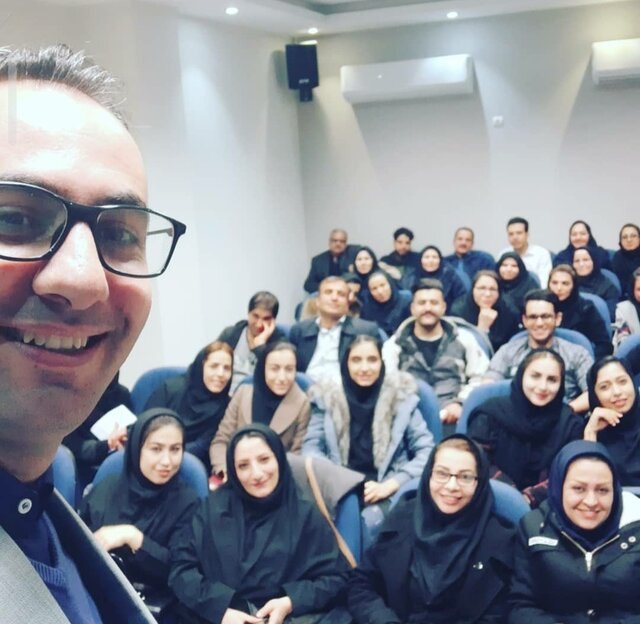
Meanwhile, many citizens who have stayed indoors to keep the coronavirus at bay, have launched a “smiling challenge” in social media, especially on Instagram, to combat the disease and remind people that “Laughter is the best medicine.”

What is the #Smile Challenge?

The challenge invites us to post on Instagram a photo showing us smiling, and then tag our friends and ask them to post a similar photo of theirs on their Instagram page, and also to ask their friends, too, to accept the challenge and follow suit. That would increase the number of photos which show people smiling, which could be replaced by disappointing news that we read every day.

‘Smiling Challenge’ to Combat Coronavirus Going Viral in IranA large number of ordinary people as well as celebrities have joined the challenge. Some members of parliament have also jumped on the bandwagon.

Nevertheless, some have criticized the move, arguing that it shows indifference toward, and ignorance of the problems gripping the society.

All that said, the challenge is one which has emerged from the hearts of people. Although it cannot be an antitoxin against the coronavirus, the challenge can tackle the widespread disappointment which has gripped most of the population.

‘Smiling Challenge’ to Combat Coronavirus Going Viral in Iran

Iran Says Eager to Boost Ties with Bulgaria

Iran Says Eager to Boost Ties with Bulgaria

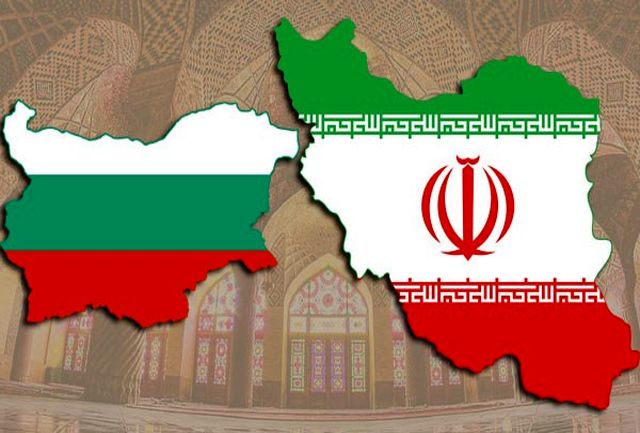
In a message to his Bulgarian counterpart Rumen Radev on Tuesday, President Rouhani warmly congratulated the president and the people of Bulgaria on the National day, also known as the Liberation Day.

“I hope that considering the age-old relations between the two countries, we would witness the growth and further development of ties in all political, economic and cultural spheres,” the Iranian president added.

President Rouhani also wished the Bulgarian leader and people health, prosperity and success.

On March 3, 1878, the preliminary peace Treaty of San Stefano was signed, which ended the Russo-Turkish War of 1877-1878 and led to the liberation of Bulgaria.

Iranians Roll up Sleeves to Help Contain Coronavirus Outbreak

Iranians Roll up Sleeves to Help Contain Coronavirus Outbreak

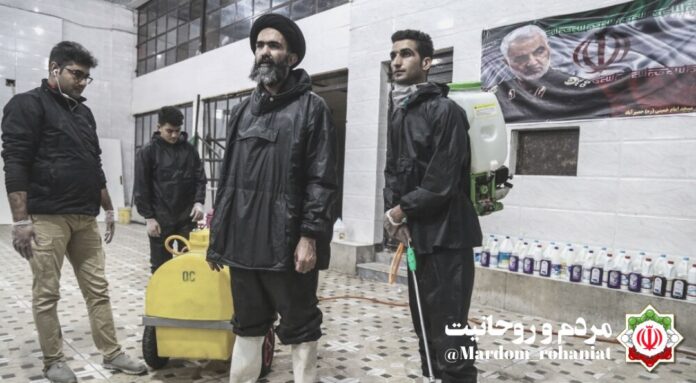
In a commendable move, an Iranian clergyman has taken the initiative and mobilized the youth as well as benefactors to buy fumigation equipment and disinfectants to contain the spread of the virus in Hasirabad, an underdeveloped district of Ahvaz in soutthwest of Iran.

That came after officials reportedly failed to take enough action to disinfect public places in Hasirabad.

The move shows people’s determination to work in tandem with authorities to stem the growing infection rate of the virus, which has claimed dozens of lives in the country so far.

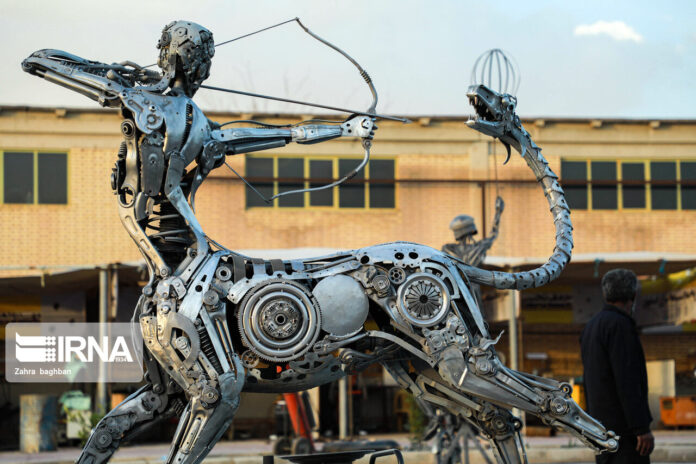
Sculpture Symposium Underway in Iran’s Isfahan

Sculpture Symposium Underway in Iran's Isfahan 9

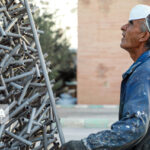
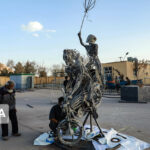
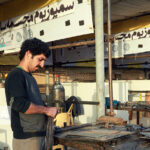
The Sculpture Symposium kicked off in Isfahan Municipality’s technical workshop on February 22, and will be open to visitors until March 3.

The selected works of this event will be installed in different parts of the city on the occasion of the Persian New Year or Nowruz.

What follows are IRNA’s photos of the cultural event:

Asafoetida: A Wonder of Traditional Medicine

Asafoetida: A Wonder of Traditional Medicine

It is a big perennial shrub which could grow as high as 2.5 meters. The plant has a rather thick and sturdy stem with a rough surface. Asafoetida has an umbel inflorescence.

In Iran, Asafoetida grows in the provinces of Khorasan, Sistan and Baluchestan and Kerman as well as in southern parts of the country.

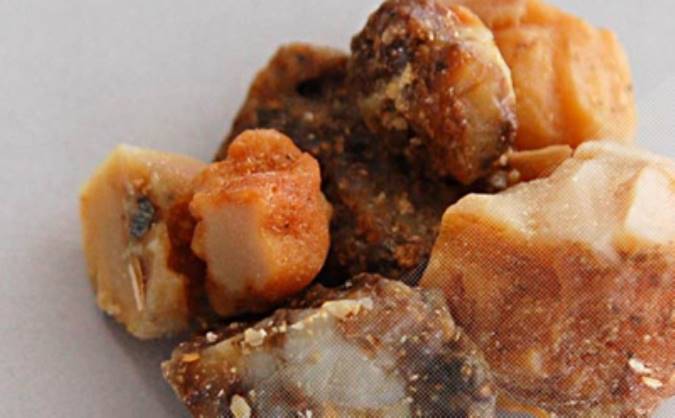
The oleo-gum-resin extracted from the plant’s roots or base of its stem has medicinal properties. It has long been used as an expectorant, a carminative, and an antispasmodic for the colon. It has also been used in the form of suppositories to cure muscle cramp.

The herb is very popular with African Americans. It is also used to treat stomach cancer, corns and calluses and functions as a diuretic, painkiller and stimulant. It is also used to stop menstruation and treat asthma, seizure and cancer. Asafoetida has a taste stronger than that of onions and garlic, comprare dapoxetine online is available in the form of oleo-gum-resin or lotion. Drugstores and supermarkets sell Asafoetida as a preservative or spice as well. It is sometimes used in very small amounts in some kinds of chocolate, beverages, spice and sauce.

The herbal medicine is also used to treat urinary tract infection, rheumatism, gout, sciatica, back pain and joint pain. It helps digest food as well. It also helps cure burns, hemorrhoid, hypertension and respiratory diseases such as asthma.

Although asafetida has not been used widely in Iran’s traditional medicine, it is one of the country’s major herbal exports. Its buyers analyze the herb with complex methods to extract dozens of invaluable substances such resin, which could be used in pharmaceutical, hygienic, cosmetic and industrial products. The extraction of asafetida oleo-gum-resin is a time-consuming, arduous and rather expensive process. The generic term used in trade to refer to asafoetida has its origin in ancient Persia, which used to be the biggest supplier of the herbal medicine across the globe. The plant grows in parts of Afghanistan as well, but it grows in a much wider area in Iran than in other countries.

• Read More :

New Herbal Medicine for Diabetic Ulcer Treatment

Iran Unveils New Medicine for Bedsore Treatment

Ginger: A Miracle in Treating Joint and Muscle Pain

New Herbal Medicine to Relieve Babies of Nappy Rash

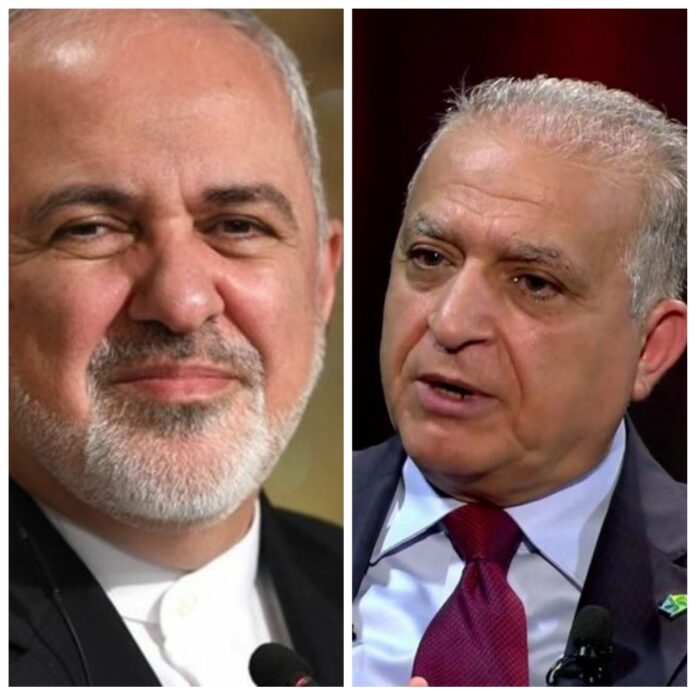
Iranian, Iraqi FMs Discuss Coronavirus Outbreak

Iranian, Iraqi FMs Discuss Coronavirus Outbreak

During the Monday phone call, the two sides discussed the latest developments in bilateral ties, the outbreak of coronavirus, and the need for adopting joint measures while facilitating the two countries’ mutual trade.

They also exchanged views on the current situation in the region.