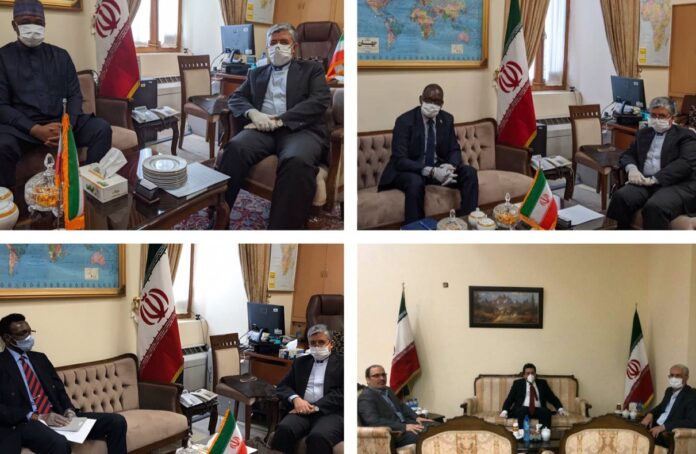
The Iranian Foreign Minister’s deputies for the affairs of various regions held separate and multiple meetings with the ambassadors and heads of the foreign missions residing in Iran, expounded on the latest status of the fight against the coronavirus epidemic, mentioned the problems and obstacles that the unilateral sanctions imposed by the United States of America have posed to the supply of the necessary health and medical products, and handed over the letters from the Iranian Minister of Foreign Affairs for his counterparts in different countries to the heads of foreign missions resident in Tehran for submission to the Foreign Ministers.
The contents of the letter were identical to the letter that Foreign Minister Zarif has written to Secretary-General of the United Nations Antonio Guterres on Saturday, March 14, 2020.
In the meetings, it was emphasized that the unilateral and illegal sanctions imposed by the United States against the Islamic Republic of Iran are the main obstacle to the effective and inclusive fight against the coronavirus outbreak, and it was underlined that the international community must not recognize and implement those unlawful sanctions.
In the letters to Secretary-General of the United Nations and to his foreign counterpart, Foreign Minister Zarif has emphasized that despite Iran’s scientific capabilities and the commitment that the country’s health system has shown to the fight against the coronavirus outbreak, the US’ sanctions have affected the legal trade of the sale of medicine, medical equipment and humanitarian supplies and have posed serious obstacles to the efforts to battle against the COVID-19 outbreak in Iran.
The Foreign Minister has also cited examples of the US’ measures against Iran, pointing to the effect of the US sanctions on Iran’s oil sales as well as the exports of other products by the country’s state-run and non-governmental sectors and a consequent reduction in the country’s incomes and in the ability of the government to provide subsidy for the basic commodities consumed by the Iranian citizens, the private sector’s reduced capacity for production and employment, the multilayered nature of sanctions on the financial sectors, transportation, insurance and banks for preventing the sale of medicine and medical equipment to Iran, the refusal to supply the Iranian airlines with the components, tools and even the navigation software, and the recent measure from the American companies to obstruct the use of information technology in preventing the spread of COVID-19.
Foreign Minister Zarif has also deplored the international community’s inaction in the face of the illegal measures of the government of the United States.
At the conclusion of the letter, Foreign Minister Zarif has stressed the necessity for an immediate end to the US government’s economic terrorism against people of Iran, has highlighted the duty of the United Nations and the Member States to support the Iranian people and government’s call for an end to the US government’s policy, and has asked the UN Secretary-General to have the text of the letter circulated as a document of the General Assembly and the Security Council.
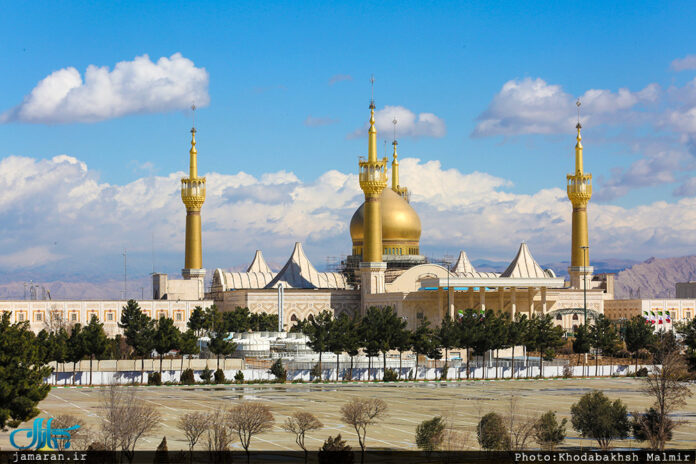
“Seyyed Hassan Khomeini has agreed to closing the mausoleum ,” said a member of Islamic City Council of Tehran Seyyed Hassan Rasouli.
“Now the Coronavirus patients could be kept there, and a whole range of other capacities of the place can be put at Tehran Municipality’s disposal.”
With an area of 20 square km and ample indoor space, the mausoleum seems to have drawn the attention of the coronavirus crisis managers in Tehran, as the crisis’ proportions in the sprawling megacity grow.
In an interview with ISNA, Dr Ebrahim Razmapa, Vice President of the Rhinology Research Society of Iran, has talked about the possible link between olfactory disorder and the development of the new coronavirus, saying over the past month, the prevalence of olfactory and taste disorders has suddenly increased unexpectedly and unbelievably.
“It should be noted that the sense of taste is aided by the sense of smell and the person who loses his smelling sense will have no tasting sense. So the main problem is the olfactory disorder.”
“At the same time, it should be noted that the olfactory disorder is divided into two categories; one is obstructive and one is neurotic. Obstructive disorder is related to the respiratory and nasal passages which, if closed for any reason, including severe inflammation, polyps, etc., can lead to olfactory dysfunction which can be easily remedied by medical or surgical treatment.”
The type of olfactory disorder that has become common these eays is mainly a nerve dysfunction that existed in the past and whose underlying cause is unclear; however, the most common cause previously mentioned was viral infections, continued Razmpa.
“In previous cases, even without specific treatment, the smelling sense would eventually return after one year. In those cases, we offered drug treatments such as vitamins and corticosteroids. At the same time, another problem that can lead to the dysfunction is autoimmune diseases.”
Is Smelling Disorder Associated with Coronavirus?
“While there have been recent reports of the dysfunction, there are currently two hypotheses for this, said the Iranian specialist.
The first hypothesis is that the disorder can be linked to the new coronavirus, that is, the coronavirus itself, which has a neuronal invasion, can lead to this. The coronavirus is the virus that has developed and therefore has the most devastating effects on the respiratory system, the heart and the kidney, but studies have yet to be completed and it may affect the nerves as well. Therefore, the new coronavirus may be the cause of the spread of the dysfunction, which we consider to be the most likely hypothesis,” said Razmpa.
Our second hypothesis is that this disorder may be due to the detrimental effects of the detergents and disinfectants used during this period, he added.
“First, it should be noted that we can no longer treat it with corticosteroids as before. Because cortisone weakens the immune system, it puts people at greater risk for corona and makes them more vulnerable to the disease. So our treatment is using zinc and selenium and various vitamins as a symptomatic treatment,” stressed Razmpa.
The important point is that there are many people with coronavirus who do not show any symptoms, but they spread COVID-19.
What is being said is that those with olfactory disorder symptoms may have been infected with the new coronavirus. However, we cannot say everyone with COVID-19 disease will develop the disorder. It should be noted that our patients are those who have tested, underlined Razmpa.
Another important point is that those who have an olfactory disorder and at the same time have other symptoms of coronavirus disease should be examined.
An important point to keep in mind is that if people with an olfactory disorder are suspected of being infected, they must isolate themselves and avoid contact with others. As it is strongly hypothesised that this olfactory disorder may be related to coronavirus disease, the patients must try to reduce their association with others.
“Even in some medical centres where corona patients were admitted, studies have found that one of their problems was olfactory and taste disorders,” Razmpa said. Therefore, olfactory disorder can be linked to corona disease, but it does not mean that anyone who has an olfactory disorder has COVID-19.
Iran on Saturday reported that the novel coronavirus claimed another 97 lives, its highest single-day toll since the first deaths were announced on February 19.
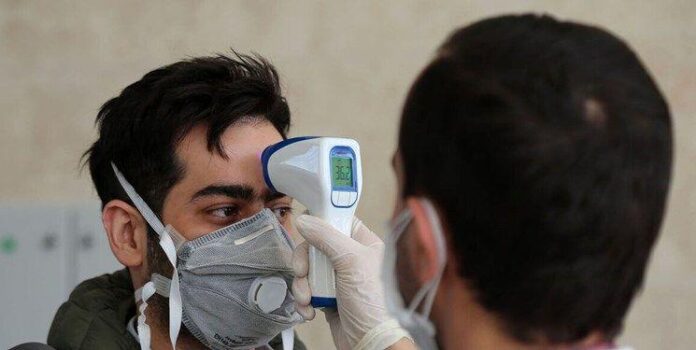
Iranian forces are clearing the streets nationwide and all citizens will be checked for the new coronavirus in a bid to halt its spread.
A newly formed commission has been charged with overseeing the “emptying of shops, streets and roads” within that time frame, armed forces chief of staff Major General Mohammad Baqeri said.
“During the next 10 days, the entire Iranian nation will be monitored once through cyberspace, by phone and, if necessary, in person, and those suspected of being ill will be fully identified.”
The measures were brought into force after Iran’s leader Ayatollah Seyyed Ali Khamenei ordered the armed forces to lead the battle against the new coronavirus.
Dr. Kianoush Jahanpour, spokesman for Iran’s health ministry, has said no new cases of infection with coronavirus has been reported in the Iranian province of Golestan, adding that if the people continue to pay attention to hygiene and to self-quarantine, the disease will “soon” be rooted out from the province.
Dean of Golestan University of Medical Sciences Abdolreza Fazelshomar also said that since 20 February, out of 658 samplings for coronavirus, 258 have tested positive and 400 negative. A total of 2,700 patients diagnosed with COVID-19 have been hospitalized, 1,645 of whom recovered and were released from hospitals and treatment centres.
1,001 patients are still hospitalized, and 45 have died, he added.
Meanwhile, Fars News Agency reports that Kerman, Hormozgan, and Kohgiluyeh and Boyer-Ahmad provinces have also brought the number of new cases of infection with coronavirus down to zero, breaking the chain of infection.
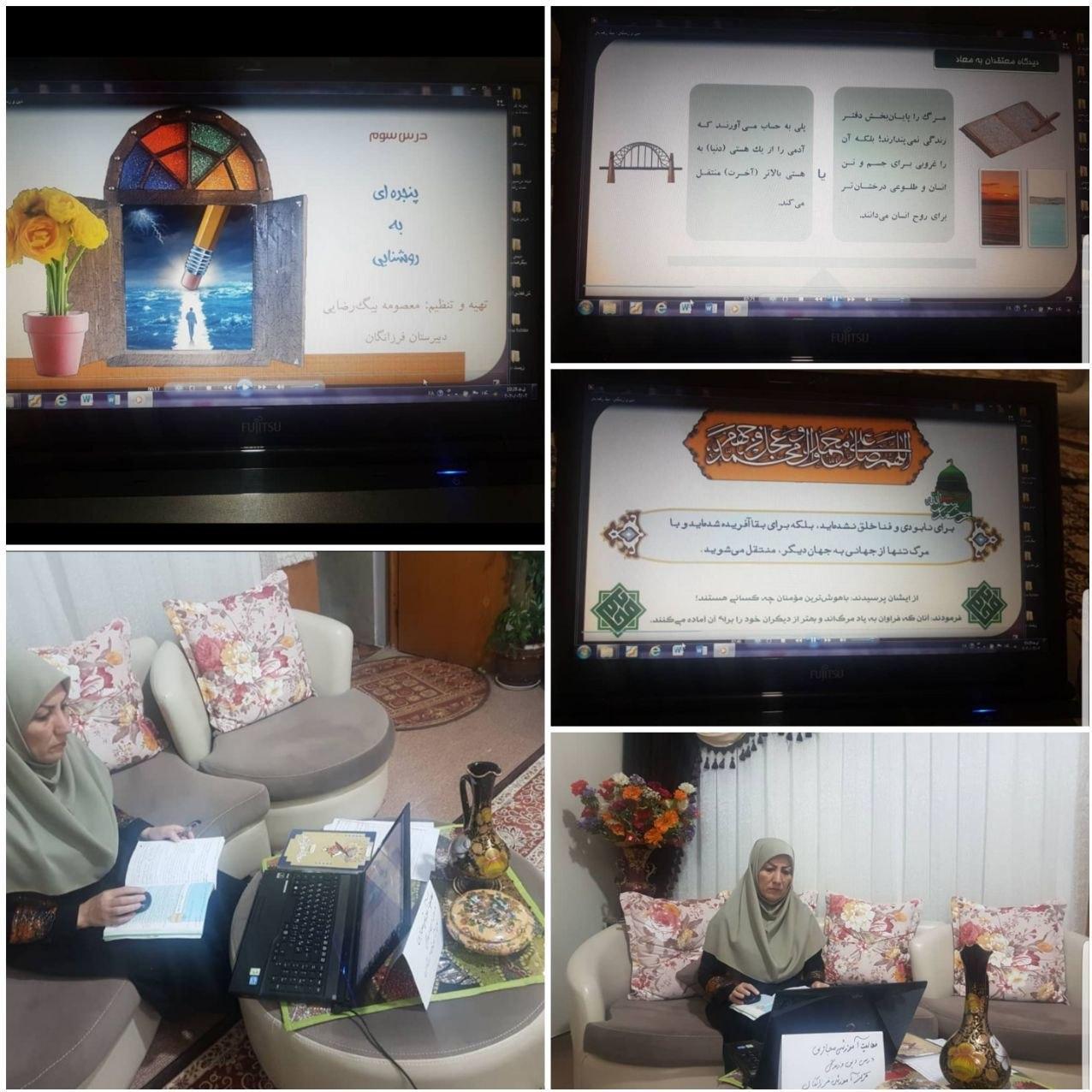
In the past few weeks, several videos of teachers went viral while they were teaching their students from home by recording videos.
According to Fars News Agency, teachers share the videos on the internet and the school channel on social networks in order to prevent any disruption in the education process. Alongside these measures, students are also assigned and tracked by teachers.
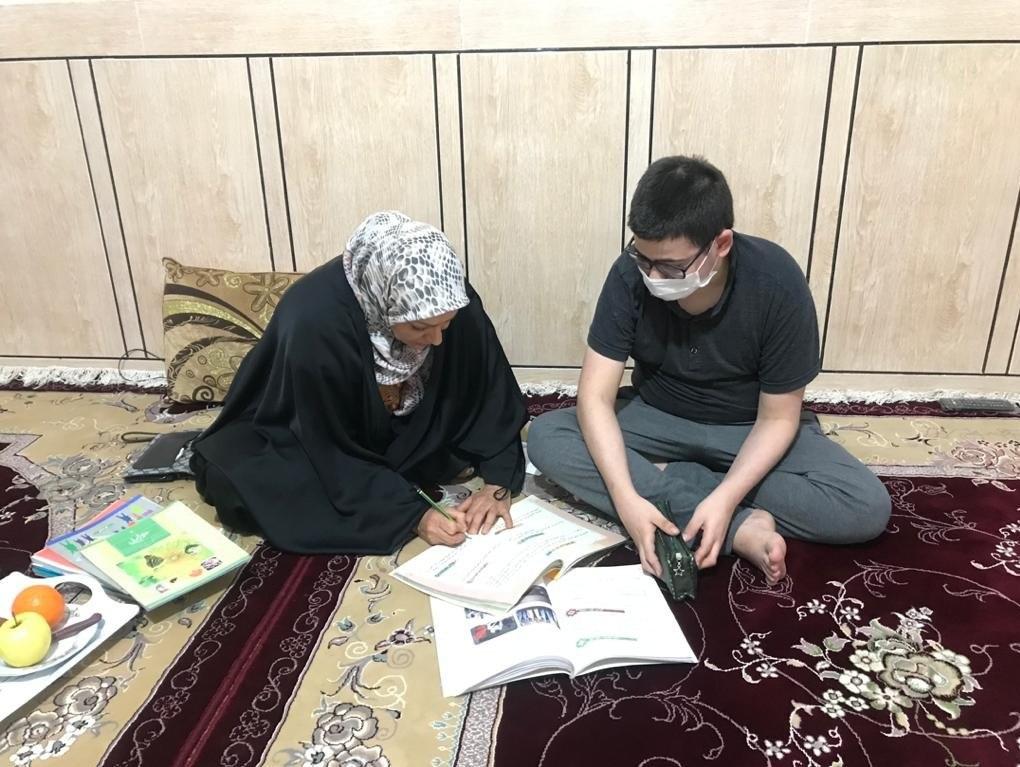
Students with special needs are an exception, because just learning from television or social media is not enough for them. Therefore, some teachers go to the students’ homes.
The above image shows Saeedeh Saki teaching at the home of one of the eighth grade students in the city of Hoveizeh in Iran’s Khuzestan province.Aziza Qaleie, a sixth grade elementary school teacher for students with disabilities, teaches her students at their homes while the schools are closed due to the spread of the coronavirus.
Seyyed Javad Hosseini, Deputy Education Minister and Head of Iran’s Special Education Organisation says 164,384 hours of educational courses, counseling services for seven groups of students with special needs are accessible through cyberspace, home-based education and tutoring during school holidays.
“Students with autism, emotional-behavioural disorders, visual impairments, hearing problems, physical disabilities, mental retardation and multi-disability can use these materials in 2034 schools,” continued Hosseini.
He went on to say that more than 22,500 staff, administrators, advisors and teachers are providing such students with education when schools are shut down.
“Teachers have run 9,930 online classrooms and students are given virtual training through these channels.”
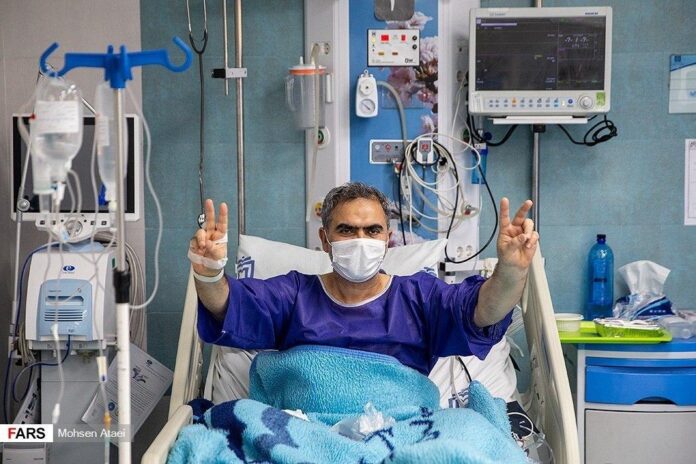
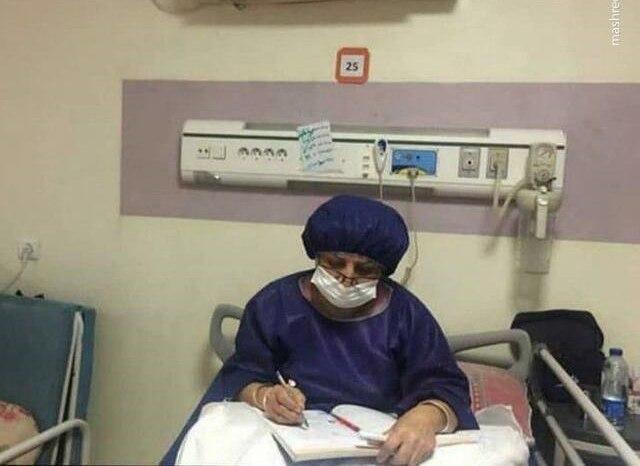
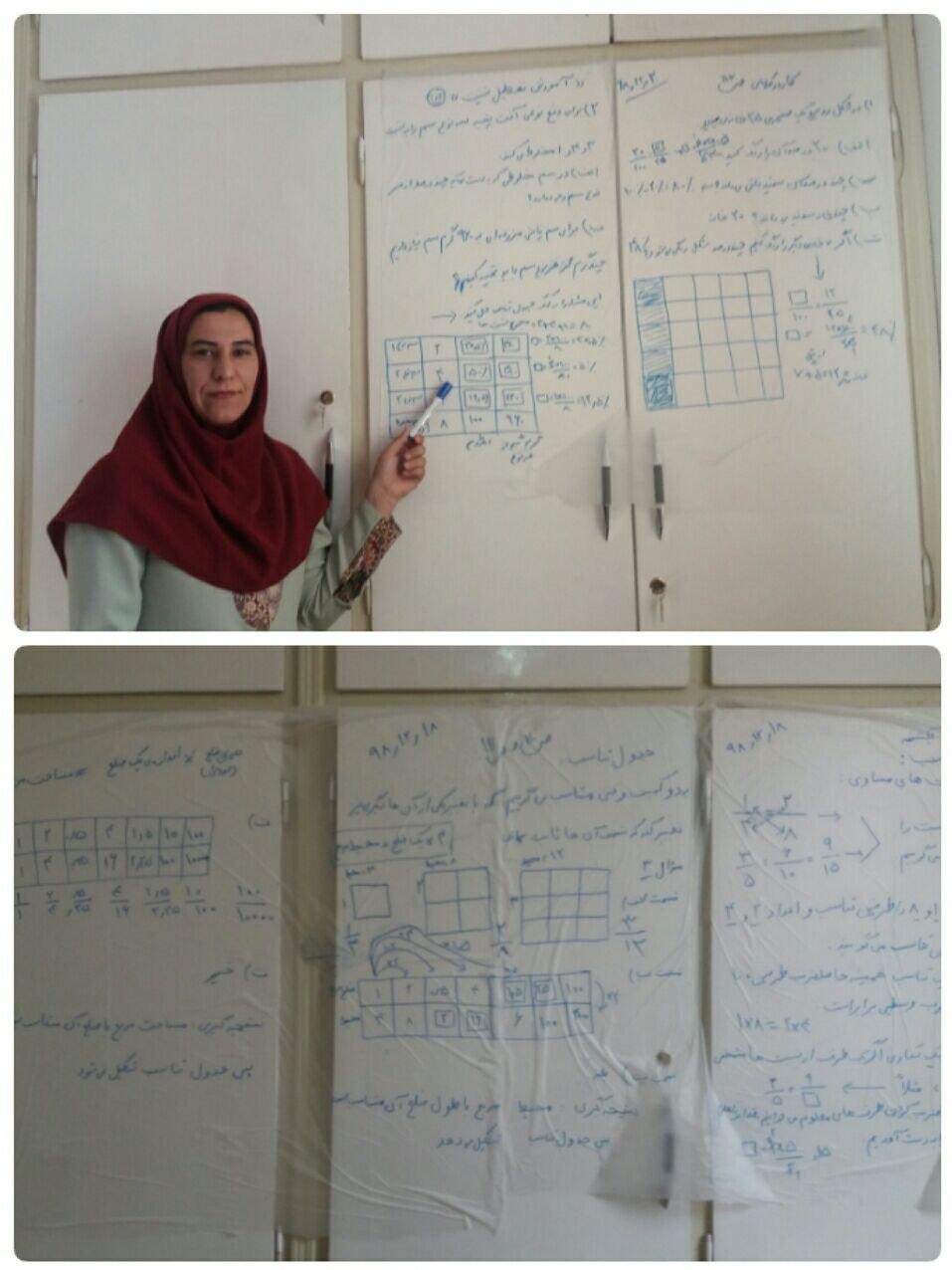
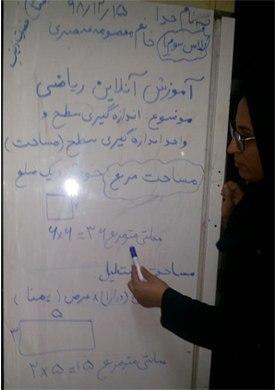
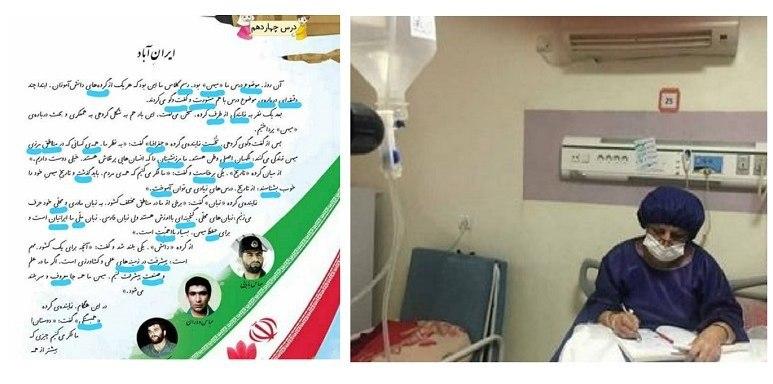
Soheila Taheri, Al-Zahra Elementary School teacher in Darreh-Shahr city of Ilam Province, writes daily lessons on her wardrobe door and delivers them through cyberspace to students.Ali Akbar Sahrai, a physics teacher in Dehloran, Khuzestan province, put a piece of simple nylon with a few thumbtacks on the wall at home to provide his students with virtual education. Since the early days of coronavirus outbreak he recorded educational videos and sent them to the parents.A teacher of an elementary school in Khuzestan province uses her white fridge as a classroom board. Masoumeh Onsori is a third grade elementary school teacher in the city of Hamidiyeh who writes tutorials on her fridge and sends the videos to her students.Teachers remember their students even in times of illness. Although she is hospitalised due to being suspected of having coronavirus, Ms Shokrollahi, sixth grade teacher, has not forgotten her teaching duties while struggling with the disease. She teaches her students through social media while lying on hospital bed.
Maryam Sadeghzadeh Tabatabai, a third grade teacher in Ahwaz, says “To produce visual content, my daughter records a video of my teaching on a white paper at home, and I send it to my students on social media.
“My students also have a great deal of creativity in cyberspace. For example, one of the students makes songs for the textbook poems, and after playing those songs with a guitar, she sends them to the virtual classroom.”
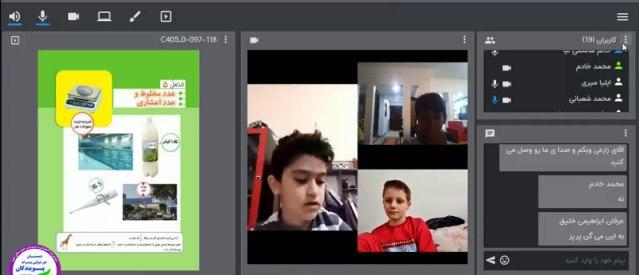
Students at Jam Poindegan Elementary School communicate online with their teachers using interactive webinars. They receive educational content through the School’s Technology Assistant. The class is fully interactive, with all students watching the audio and video of their teachers and classmates.Rahil Basooli is a third grade elementary school teacher in Dashtestan, Bushehr, who has been teaching her students by creating an educational animation and sharing it on social media.
Iran’s Minister of Education, Mohsen Haji-Mirzaee also wrote on his twitter page recently that “My colleagues across the country have been able to creatively continue the teaching process while the schools are closed. I thank all my good colleagues, especially the teacher who used her own home stuff to educate her students in Hamidiyeh.”
The death toll from the new coronavirus outbreak in the Islamic republic is on the rise. Hundreds of people have lost their lives, while thousands are confirmed infected with the virus. Besides China, Italy and South Korea, Iran is among the worst-affected countries since the outbreak of the disease last December. US cruel sanctions also add insult to the injury.
As part of its efforts to contain the virus, Tehran has taken several measures including the closure of all schools and higher learning institutions, calling off sports events and restricting travel.
The deadly coronavirus, known as COVID-19, has spread to over 130 countries so far. The World Health Organisation has declared the outbreak a “pandemic”.
Iranian Armed Forces to Screen People for Coronavirus
General Abolfazl Shekarchi noted that after the Leader’s order to the Armed Forces Chief of Staff Major General Mohammad Baqeri, a meeting was immediately held on Friday at a camp called Imam Reza with the presence of commanders of the armed forces and deputy chiefs of staff.
He added that the health ministry had some requests. One of the issues raised was assisting the ministry in the screening process. The fixed and mobile clinics set up by the armed forces are scheduled to perform this job in a short while.
“Another issue is the increase in hospital beds. Today, a large part of the armed forces hospital beds are at the service of the patients and the health ministry. This number is expected to double and 10,000 rest beds will also be given to the ministry,” underlined Shekarchi.
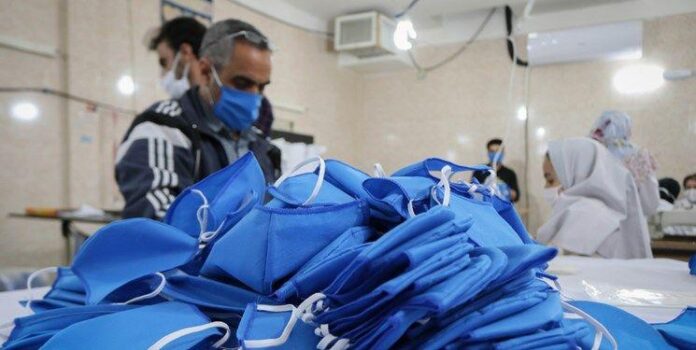
This Iranian top general maintained that logistical assistance in the production of masks and disinfectants was also requested by the health ministry, and all the armed forces bodies, especially the defence ministry were tasked with meeting most of these needs.
The armed forces were also asked to assist the health ministry by providing specialised human resources and services.
A decision was also made to cut Coronavirus Transmission Chain. The armed forces would use the power of law enforcement to increase public participation against the deadly virus, stressed Shekarchi.
Saying the nuclear companies have a duty to help people in all provinces in this critical situation, Seyyed Reza Rafiee added that the producers of masks can deliver their products to Sharparto Company at Shahid Shahriari Radiation Site located in Chaharmahal and Bakhtiari Special Economic Zone.
He said sterile treatment is a serious matter carried out by the company.
“We are ready to help the country when the people are struggling against the Coronavirus.”
Gamma irradiation is an infrastructure for food safety and treatment. We have launched our company as the first private sector company in the Chaharmahal & Bakhtiari Special Economic Zone to provide different industries with the facility, added Rafiee.
He pointed out that one of the most important commercial uses of nuclear technology is the sterilisation of medical stuff and equipment.
In this process, one of the gamma, x or electron beams is released into the equipment to destroy microorganisms, viruses, bacteria and microbes.
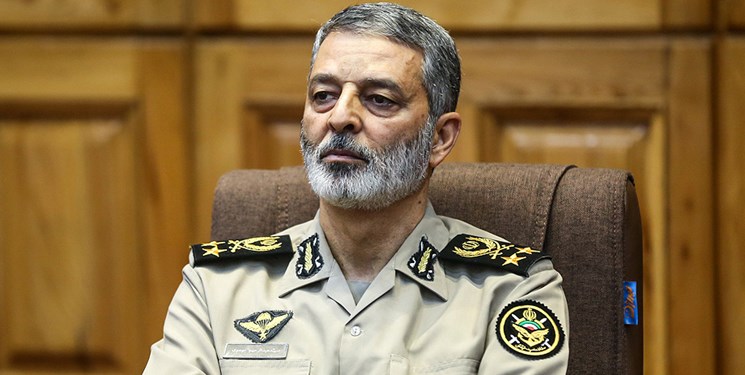
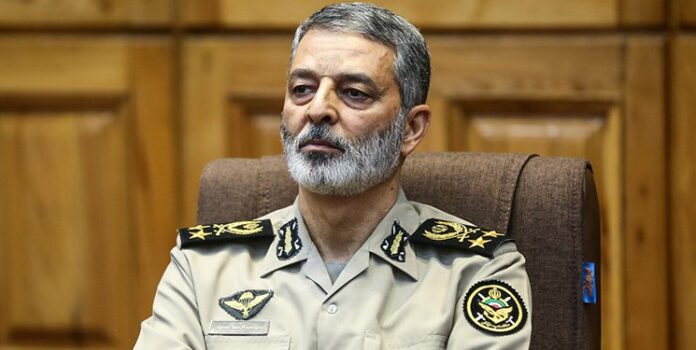
Following an order issued by Leader of Iran’s Revolution Ayatollah Seyyed Ali Khamenei on the formation of a military medical base to contain the spread of COVID-19, Iran’s Army Commander Major General Abdolrahim Mousavi chaired an extraordinary meeting of the Army units on Saturday to coordinate efforts in the battle with the contagious disease.
In the meeting, held via video conference, the Army commander unveiled plans for a nationwide “biological defence war game” starting Sunday, saying the exercise will be staged under command of the Army’s Biodefence Base and under supervision of Deputy Chief of Army for Coordination Rear Admiral Habibollah Sayyari.
The Army Ground Force will be taking the lead in the war game, whose field commander will be Brigadier General Kiumars Heidari, the Army chief announced.
Moreover, the top general assigned the Army Air Defence Department, the Air Force, and the Navy to establish bases in Arak, Bushehr, Hormozgan, Chabahr and Konarak as part of an inclusive plan to counter the COVID-19 outbreak.
Major General Mousavi also issued an emergency order to set up a host of medical centres across the country to help tackle the coronavirus epidemic, saying the Army will be establishing new health centres in 300 neighbourhoods and areas across Iran to detect the coronavirus cases and prevent the spread of the disease.
As soon as the Coronavirus Battle National Headquarters defines the quotas and the locations, the Army will add 4,000 more hospital beds and allocate convalescent homes to the coronavirus patients, the Army chief announced.
On Thursday, Ayatollah Khamenei cited clues to a possible “biological attack” on Iran in the outbreak of the novel coronavirus, ordering the Armed Forces to set up a “health and medical base” to organize the efforts to prevent the spread of the disease.
The Leader assigned the Armed Forces to work on the necessary methods to prevent a further spread of coronavirus, in addition to the other activities such as treatment of patients and establishment of medical centers like field hospitals and convalescent homes.
In this letter, the president expressed the policies and programmes of the Islamic Republic of Iran in this regard, emphasising the need to break and lift the unjust sanctions of the United States against nations with regard to the current global situation and the development of common health protocols between neighbouring countries, adding, “No country can manage this huge, dangerous crisis alone, let alone if it has many difficulties accessing international financial markets and supplying its needed goods”.
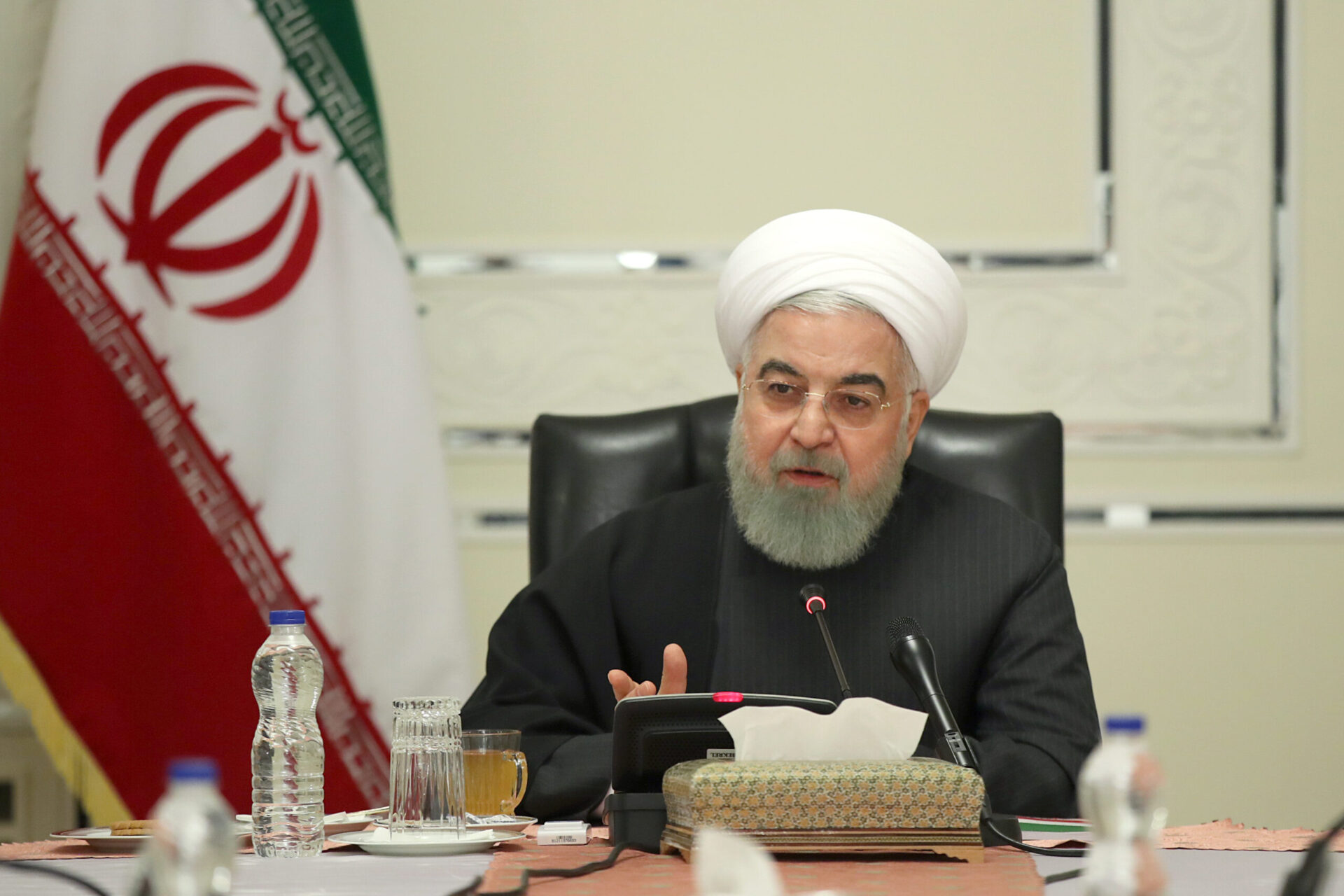
In a letter sent on Friday addressing leaders of several countries, President Hassan Rouhani referred to the spread of coronavirus and its turning into a global epidemic, and wrote, “This virus does not know any borders and chooses its victims without any political, religious, ethnic and racial consideration.”
“Confronting the virus requires coordinated regional and international actions on the one hand, and taking tough measures, meeting the basic needs of the people, providing financial support to those affected by the suspension of economic businesses, enormous health and medical costs, etc. on the other hand; the implementation of these measures requires a strong economic power and tens of billions of dollars in funding,” wrote the President.
In his letter, President Rouhani has pointed out to the heads of addressed countries that the Islamic Republic of Iran, unlike other countries grappling with the virus, faces serious obstacles and restrictions stemming from two years of widespread illegal sanctions, maximum pressure policy and systematic government obstructions by the American government. The US regime has imposed more than 100 sanctions against the Iranian people and government in recent years, adding about 1,200 Iranian individuals and entities to its sanctions lists.
Pointing out that these sanctions have caused about $200 billion direct damages to the Iranian economy in less than two years, Dr Rouhani added, “Most foreign national and companies, even nationals and corporations of the Joint Comprehensive Plan of Action (JCPOA) member states, have practically followed these sanctions, while these actions are in clear breach of human principles, international regulations, including the JCPOA and Security Council Resolution 2231”.
Rouhani also wrote that the US government, even at the height of this widespread crisis, has continued to push for unlawful efforts to thwart Iran’s efforts, saying, “Their Secretary of State has impudently urged other countries to make sending humanitarian aid to Iran subject to the fulfilment of America’s irrational and inhumane demands”.
The President pointed out that the Islamic Republic of Iran, with the utmost transparency after identifying the first person to have the virus, began confronting it and, as acknowledged by the WHO representative, the Iranian government has made tremendous progress in combatting and controlling COVID-19, stressing that no country can manage this huge, dangerous crisis alone, let alone if it has many difficulties accessing international financial markets and supplying its needed goods.
Rouhani continued, “There is no doubt that in the face of a dangerous global epidemic, Tehran and Qom are not far from Paris, London and New York, and any policy that weakens the economic structure and medical system, and limits financial resources for crisis management, will have direct effects on the fight against the epidemic in other countries”.
Reminding that defeating coronavirus is an “international” task, the President addressed the recipients of the letter that you are expected to think of measures to implement the commitments of all countries under United Nations Security Council Resolution 2231 and humanitarian obligations, so that the illegal US sanctions against the Iranian people become ineffective, and the their economic terrorism, which has shown its ugliest and most inhumane image, is confronted
The president emphasised, “It is time for the international community to stand up to US’ illegal and inhumane bullying and not let the unjust US sanctions against Iran affect the fight against the deadly virus”.
“US sanctions against Iran -and following them by other nations- are not only illegal and contrary to UN Security Council resolution, but also unethical and inhumane, and its inhumane dimension today concerns no longer only the Iranian people, but the people of the region, and it encompasses other countries as well; this is not a collective punishment of the Iranian people, but a collective punishment against all humanity,” wrote Rouhani.