Thursday, January 1, 2026
Home Blog Page 2852

A Look at Iranian Newspaper Front Pages on April 27

A Look at Iranian Newspaper Front Pages on November 18

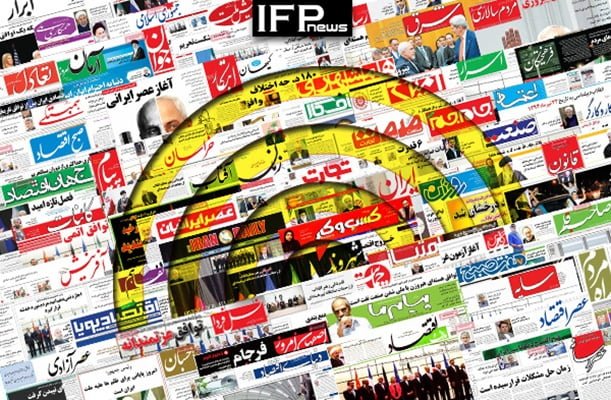
IFP has taken a look at the front pages of Iranian newspapers on Monday, April 27, 2020, and picked headlines from 10 of them. IFP has simply translated the headlines and does not vouch for their accuracy.

Iranian Newspapers

Abrar Newspaper:

1- Iran Not Yet Passed Peak of Coronavirus: Lawmaker
2- Rouhani: We’ll Divide the Country Based on Level of COVID-19 Risk

A Look at Iranian Newspaper Front Pages on April 27


Aftab-e Yazd Newspaper:

1- Why Trump Opposed to WHO
2- Analysis of Americans’ Protests against Quarantine
3- Rouhani: Religious Sites Can Be Reopened If Located in ‘White’ Zones

A Look at Iranian Newspaper Front Pages on April 27


Ebtekar Newspaper:

1- Trump’s Return to Populism, Xenophobia
* What’s Trump’s Plan to Overcome Critical Situation, Enter Presidential Race?

A Look at Iranian Newspaper Front Pages on April 27


Etemad Newspaper:

1- Wearing Mask Will Become Compulsory
2- War Resumed in Yemen

A Look at Iranian Newspaper Front Pages on April 27


Iran Newspaper:

1- Solidarity with Iran over Swiss Mountain

A Look at Iranian Newspaper Front Pages on April 27


Jomhouri Eslami Newspaper:

1- US Frustrated by Iran’s Space Achievement

A Look at Iranian Newspaper Front Pages on April 27


Kayhan Newspaper:

1- Number of Daily COVID-19 Fatalities in Iran Down to 60 People
2- India Taking Advantage of COVID-19 to Strongly Oppress Muslims
3- Pompeo Urges Extension of UN Arms Embargo against Iran

A Look at Iranian Newspaper Front Pages on April 27


Mardom Salari Newspaper:

1- Pentagon Shows Flexibility on Reducing Forces in Iraq
2- US Confused by Iran’s Official Entry into Space

A Look at Iranian Newspaper Front Pages on April 27


Sazandegi Newspaper:

1- End of Kims’ Era

A Look at Iranian Newspaper Front Pages on April 27


Shahrvand Newspaper:

1- 30 Proposals to Prevent Economic Consequences of COVID-19: Chamber of Commerce to President

A Look at Iranian Newspaper Front Pages on April 27

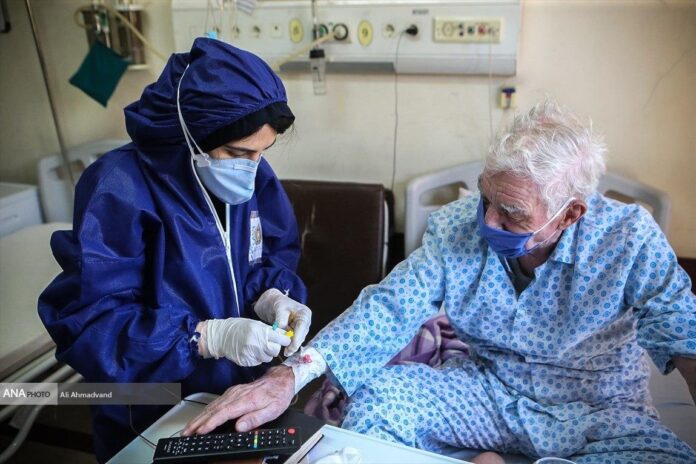
Iran Produces Ventilators at Price Half That of Foreign-Made Ones

Iran Produces Ventilators at Price Half That of Foreign-Made Ones

At the moment, the country is witnessing major developments when it comes to the development of medical equipment to fight the coronavirus.

In addition to ventilators, Iranian experts have also developed products which were once monopolized by the United States.

Since early 2020, the whole world has been gripped by deadly coronavirus, which spreads fast, has infected millions and killed large numbers of others across the globe. Following the outbreak of the disease, Iranian experts went into action to fight the disease and develop a treatment for it.

Soon Iranian experts developed medical equipment, face masks and disinfectants as well as ventilators and different types of coronavirus diagnosis kits to help contain the spread of the virus. Various operating room devices are also produced.

Sorena Sattari, the vice president for scientific affaris, says Iran has now achieved good understanding of the coronavirus and ways of diagnosing it thanks to efforts by local researchers. Moreover, all necessary medical equipment is also produced inside the country.

The managing director of a knowledge-based company says good infrastructure exists in the country for the production of face masks.

The CEO says masks produced in Iran measure up to European standards, adding, “N95 and N99 masks produced in Iran comply with American standards as they are very important when it comes to the coronavirus.”

He said the production of masks does not eat into the country’s foreign currency reserves; rather, it brings in forex as well due to exports.

The managing director of another knowledge-based company producing ventilators says the devices have received the necessary permits and licences both from local authorities and from Europe. He said Iran exported ventilators to several countries even before the coronavirus outbreak.

He added the ventilators can compete with similar foreign-made products in terms of quality and features.

“So, this device measures up to modern standards in the world,” he added.

Coronavirus online test
If you are worried that you may have contracted the Coronavirus, take this test right now.

The CEO of another knowledge-based firm producing thermal cameras said the first such camera was developed at the time when coronavirus began to spread in the country. He said the device is capable of measuring body temperature and distinguish individuals who have fever.

“This thermal camera is used in crowded places such as airports, subway stations and passenger terminals,” he added.

He said most parts of the device are produced domestically and that the company can produce as many thermal cameras required domestically.

Sholeh-Qalamkar Broth: A Hard to Make, but Mouth-Watering Iranian Food

Sholeh-Qalamkar Broth

Although it is difficult to make, Sholeh-Qalamkar broth is a very popular meal which is also distributed among people as Nazri (votive food offering), especially in the holy month of Ramadan.

The food is made with a whole variety of ingredients and takes a long time to cook. That is why the Sholeh-Qalamkar broth is known as a food which is usually served as Nazri and on some special occasions. Nevertheless, it can be cooked at home as well. The holy month of Ramadan is the best opportunity for making this tasty broth.

Ingredients:

Onions: 4 onions
Garlic: 2 cloves
Rice: half a cup
Peas: half a glass
Lentil: 1 glass
Wheat: half a glass
Pinto beans: half a glass
Broth herbs: 0.5kg
Kashk*: as much as needed
* an ingredient made from drained yogurt
Boneless meat: 250gr
Salt, black pepper and turmeric: as much as needed

Recipe:

First, put the peas and beans in a bowl before pouring water on them. Then soak them for six hours. We had better change the water two to three times during those six hours. You may soak the pulses overnight and rinse them the next morning. Then peel three of the onions and shred them before putting them in a large frying pan and putting them on low heat.

Afterwards, put the onions into oil and sauté them until they turn soft and gold in colour. Then put the fried onions onto a plate and set them aside. Then wash the wheat and rinse it before putting it into a casserole and adding five glasses of water. Turn down the heat and wait until the wheat is cooked through. Afterwards, put the peas in a casserole and add water before putting them on the heat to cook. After one hour, rinse the beans, too, and add them to the peas, so that they both get cooked through.

Then wash the meat and chop it before putting it in the casserole and adding a few glasses of cold water. Then peel the remaining one onion together with the garlic. Chop the onion into four parts and add it to the meat. Put the ingredients on low heat to cook. Then put the lentils in a bowl and add water to soak it for one hour. After the meat is cooked, bring it out of the juice before straining the juice and putting it aside. Shred the meat and put them aside, too. Now, wash the rice clean and put it in a large casserole. Rinse the lentils and add them to the rice. Add six glasses of water to the ingredients inside the casserole and first put them on high heat until it starts boiling. Then turn down the heat until the lentils and rice get soft. The herbs used to make this broth include spinach, sweet fennel, basil, parsley, mint and coriander. Put an equal amount of each in Sholeh-Qalamkar broth. The herbs need to have already been cleaned, washed, rinsed and chopped.

After the rice and lentils are cooked, add some salt before adding the herbs to the ingredients (so that the herbs will almost retain their colour).

It takes almost 20 minutes for the herbs to go soft. Afterwards, add cooked peas, beans and wheat as well as shredded meat and meat juice. Then add the spices, including turmeric, salt and black pepper.

Put half of the fired onions inside the broth before adding boiling water. Put the casserole lid on and leave the broth on low heat for two to three hours until it is cooked through. When the broth is ready, pour it into a large bowl and garnish it with fired mint, kashk and fired onions.

Iran Records Lowest Number of New COVID-19 Infections in 36 Days

Coronavirus Kills 265 More Iranians in 24 Hours: Ministry

Health Ministry Spokesman Kianoush Jahanpour announced on Monday the newly confirmed cases raise the total number of infections to 91,472.

He also put the country’s death toll fron the novel coronavirus at 5,806, including 96 new fatalities in the past 24 hours.

According to Jahanpour, 70,933 COVID-19 patoents have so far recovered from the disease and been discharged from the hospital.

3,011 patients are also in severe conditions of the disease, he added.

432,329 COVID-19 tests have been taken so far across the country.

Coronavirus online test
If you are worried that you may have contracted the Coronavirus, take this test right now.

Iran’s Nature in Photos: Valley of Judas Trees in Kurdistan

Valley of Judas Trees in Kurdistan 2

Judas tree is one of the most beautiful trees of the world, with flowers that bloom earlier than leaves. Compatible with the cool climate, this is a wild species that grow alongside the Sirvan River.

The tree not only has a special beauty, but is also used in the local handicrafts of Kurdistan province.

What follows are IRNA’s photos of the Judas trees valley in western Iran:

Roughly 13m Masks Produced amid COVID-19 Outbreak in Iran: Minister

Roughly 13m Masks Produced amid COVID-19 Outbreak in Iran: Minsiter

Mohammad Shariatmadari said hundreds of thousands of other medical supplies were also produced by the organization and other workshops working under its supervision.
He, however, said what is more significant than the production of these medical items is national unity consolidated amid the pandemic.

“How many items have been produced is unimportant; what is important is the solidarity and unity of the Iranian nation all across the country to fight this phenomenon which has emerged not only in Iran, but in other parts of the world as well,” he said.

“The unity, solidarity and rapport that have been created today among officials and people at all levels may be our most significant achievement amid this unpleasant phenomenon (coronavirus outbreak),” he added.

Elsewhere in his remarks, the minister described US sanctions against Iran as a “virus” affecting Iran.

“Since the beginning of this year, we have been facing the wicked coronavirus in addition to the virus of sanctions imposed on the Islamic Republic of Iran by hegemonic powers in recent years,” he said.

“We have been gripped by the coronavirus outbreak in the country as a new ordeal. The Iranian nation has always put up a stiff resistance against threats and remained united, turning threats into opportunities,” the minister added.

Coronavirus online test
If you are worried that you may have contracted the Coronavirus, take this test right now.

He also expressed regret over the fatalities caused by the COVID-19 pandemic.
“It is true that some of our fellow countrymen lost their lives during the course of this unholy happening, and were extremely sorrowful because of that and we wouldn’t like this trend to continue,” said Shariatmadari.

The minister urged people to keep abiding by health protocols to help stem the spread of the disease.

“We should make every effort in that regard by maintaining personal hygiene, keeping social distances and paying due regard to health issues, which is not very hard to do, and which will help save lives if done,” he noted.

“We should take major steps in that regard and rid the country’s health and treatment system of the extreme pressure caused by the rapid spread of this virus,” he concluded his remarks by saying.

Iranian Company Develops Nanofiber Masks

Iranian Company Develops Nanofibre Masks

An Iranian company has developed a homegrown technology to produce a special fabric with nanocoating to manufacture N95 and N99 masks and fulfill the growing need for face masks amid the outbreak of coronavirus.

In an interview with IRIB at the mask-producing factory, Head of the Iran Nanotechnology Initiative Council (INIC) Saeed Sarkar said the local experts have manage to produce medical masks with nanomaterial by making modifications to the production process.

“After the outbreak of this crisis, the colleagues could fortunately adapt the same machinery to be able to produce nano-masks out of the ordinary material or fabric for production of normal masks,” he noted.

Sarkar noted that the new material has extreme filtration power and perfect breathability.

The N95 masks made out of the homegrown nanofabrics are being delivered to the medical staff at the hospitals across the country.

“This type of filtration papers, namely N95 and N99, were being mostly imported, and in the current circumstance, even if we were not faced with sanctions, these products would not be available to us. But, fortunately, by using the domestically-made filtration papers and coating them with nanofibers, we are turning them into a filtration paper that is suitable for the N95 and N99 masks,” an official at the factory said.

Apart from Iran, only one other country in the world has reportedly gained the technology to produce fabrics with nanocoating suitable for the medical masks.

‘Cultural Development Can Turn Corona Threat into Opportunity’

‘Cultural Development Can Turn Corona Threat into Opportunity’

Mohammad Reza Bahmani, Head of the Centre for Information Technology and Digital Media at Iran’s Ministry of Culture and Islamic Guidance, told a meeting of the culture ministry representatives of different countries that challenges caused by the coronavirus can be addressed via cultural activities.

He made the remarks at the first virtual meeting of the Ministers of Culture of UNESCO member states on the impact of COVID-19 on the culture and art of the world. The meeting was held in the presence of a group of ministers of culture of the world and their representatives.

Bahmani also explained the Islamic Republic’s cultural and artistic efforts to combat coronavirus.

Referring to the most important cultural challenges caused by the corona pandemic and the performance of the people and the government of Iran in this situation, he said this year, the Nowruz ceremony was not held and family and social relations were affected. Therefore, in order to reduce the negative effects of this issue, the audio and video communications were increased.

“Tehran International Book Fair, which is one of the busiest exhibitions in the world in terms of public attendance, was canceled due to the spread of the corona. However, publishers paid the delivery cost of books and offered discounts of up to 80 percent on digital books. They also implemented a plan to help people access the books online,” he said.

He noted during the New Year holidays, cinemas, concerts, theatres and bookstores are usually very busy in Iran, but they were closed this year. This situation has caused a lot of damage, and the government is trying to pay for part of it, but the US government’s economic sanctions on Iran, which is contrary to the UN regulations, have made such assistance very difficult. That’s why hundreds of Iranian artists have called for a campaign to protest the harsh US economic sanctions against the Iranian people.

The representative of the culture minister said pilgrimage to religious sites is one of the main interests of the Iranian people during the lunar months of Rajab, Sha’ban and Ramadan, but they avoided this activity with the spread of the corona. Instead, the faithful people of Iran have paid attention to individual veneration and spirituality at homes.

Although it is very dangerous to approach patients with corona, many groups of young students, clerics and the military personnel are in hospitals to help the healthcare staff, mentioned Bahmani.

“The production and dissemination of cultural and artistic content by writers, journalists and religious missionaries on social media platforms has increased fivefold during the days of the corona outbreak, and this has helped people to stay at home.”

Coronavirus online test
If you are worried that you may have contracted the Coronavirus, take this test right now.

Let’s work together to turn these threats into another opportunity, he urged. This can be achieved through the development of cultural and artistic exchanges, as well as the fostering of fundamental humanitarian values, he concluded.

In another part of this meeting, which was attended by more than 130 ministers and deputy ministers of culture, some other ministers presented their views and actions on the effects of coronavirus on their country’s culture and art.

Kurds in Iran Observe Age-Old Customs during Ramadan

Kurds in Iran Observe Age-Old Customs during Ramadan

Some of these Kurdish rituals include arranging reconciliation ceremonies, baking local breads for blessing, and visiting relatives on Eid ul-Fitr.

Reconciliation Ceremony

One of the most popular and appreciated customs of the Kurds, especially the people of Sanandaj, is to hold reconciliation ceremonies in Ramadan. A few days before the start of the holy month, those in the neighbourhood who are at odds with each other are invited to a white-bearded person’s home to reconcile and put aside differences.

Saying Hello, Saying Goodbye

On the last night of the month of Sha’ban, a local pious person goes to the roof to announce the arrival of Ramadan after seeing the moon. He does this by reciting a prayer called Marhaba Marhaba (Hello). The Kurdish people say the Marhaba prayer until the middle of the month, and after that, a prayer called Al-Vida (goodbye) replaces it, which announces the end of the month.

Praying at Dawn or Saharikhani

Iran, Land of Diverse Ramadan Traditions

Praying at dawn is the same ritual that many Iranian tribes perform before the dawn prayer time. Some Kurdish people know it as Saharikhani. The ceremony begins by performing some special music from different regions which is called Saharikhani music. Among these melodies to awaken people, the song of saying hello and goodbye is the most famous. Among the Kurds, the people of Bijar perform this custom with more fervour. According to a long-standing tradition, one of the neighbourhood’s elders prays on the roof of a house at dawn and wakes up the residents for Suhoor. In ancient times, this custom was known in some areas as “Pashiyo”, in which musicians played the tambourine or the drum, announcing the arrival of dawn.

Chain of Cookies & Salt Bag

One of the interesting customs of Kamyaran in Kurdistan province is to prepare cookie chains to hang on a salt bag. At the beginning of Ramadan, Kamyaran women cook very small, uniform cookies and thread them. They tie the cookie chain to a salt bag that is to be used for Ramadan food. They believe such a move will bring blessings.

Kurds in Iran Observe Age-Old Customs during Ramadan 2

Hanging “Koolireh” Bread

One of the most important rituals of Kurds during Ramadan is baking traditional breads, which they believe will bless the Iftar and Suhoor tables.

The people of Baneh bake “Koolireh” bread on the twenty-seventh night and break their fast with Koolireh and yogurt. Meanwhile, more affluent families cook more of this bread and take them to the mosque with yogurt and dates. They distribute them among the locals and the needy. They also thread a few breads and put them in their rice bag for more blessing.
The people of Dehgolan bake “Koolireh Naskeh” bread on the last day of Sha’ban and give it to each other as a gift for the month of Ramadan. They eat this bread at the first night to acquire the strength and ability to fast.