Sunday, December 21, 2025
Home Blog Page 2834

Iran Records Lowest Daily COVID-19 Death Toll in Weeks

Some 178,000 Patients Recover from COVID-19 in Iran

Iran’s Health Ministry says only 60 people have died of the novel coronavirus in the past 24 hours, the lowest daily death toll in more than a month.

Health Ministry Spokesman Kianoush Jahanpour said in his Sunday briefing that the new fatalities increase the overall death toll to 5,710.

He further confirmed 1,153 new cases of COVID-19 infection, raising the total number of cases to 90,481.

Jahanpour said 69,657 patients have so far recovered and been discharged from hospital.
3,079 patients are currently in severe conditions, he added.

Since the beginning of the outbreak in Iran, he said, 421,313 COVID-19 tests have been taken across the country.

Coronavirus online test
If you are worried that you may have contracted the Coronavirus, take this test right now.

UN Chief Hails Iran’s Efforts for Yemen Ceasefire

UN Chief Hails Iran’s Efforts for Yemen Ceasefire

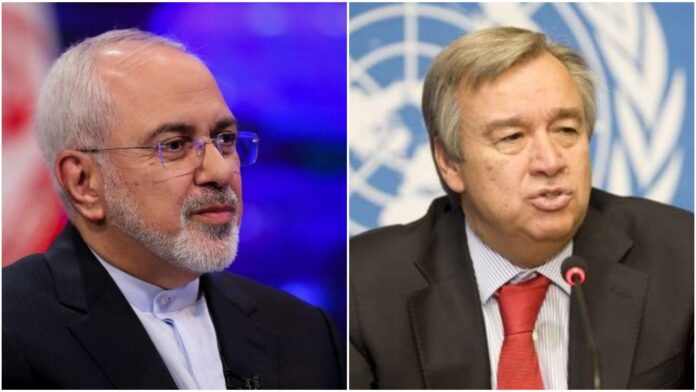
Secretary-General of the United Nations Antonio Guterres has commended the Islamic Republic of Iran for its contribution to a ceasefire in Yemen.

UN Secretary-General Antonio Guterres on Sunday held his third telephone conversation with Minister of Foreign Affairs of the Islamic Republic of Iran Mohammad Javad Zarif over the past two weeks.

In the conversation, the UN chief welcomed the Islamic Republic of Iran’s efforts to ensure a ceasefire in Yemen and launch political talks over the Yemeni crisis.

Guterres and Foreign Minister Zarif also emphasized the need for the reopening and security of the border and ports in Yemen to deliver humanitarian aid to the Yemeni people, particularly at the time of the outbreak of coronavirus.

Iranian Firm Develops Advanced ‘Fever Hunter’

Iranian Firm Develops Advanced 'Fever Hunter'

An Iranian knowledge-based company has manufactured an advanced thermal camera for fever screening in the coronavirus patients.

The coronavirus detection thermal camera, developed by an Iranian knowledge-based company based in the northwestern city of Orumiyeh, can detect fever from a distance of 7 metres with a margin of error of 0.2 degree Celsius.

In an interview with ISNA, CEO of the company outlined the technical features of the thermal camera, offered under trade name Fever Hunter, saying his enterprise mainly works on the electronic security equipment.

“Considering the outbreak of coronavirus, we decided to make modifications to the system of our cameras and improve their efficiency,” Morteza Hosseinieh noted.

He said the cameras of the new screening device have been equipped with a calibration sensor which is normally used in medical sciences, noting that the software and hardware of the devise have also undergone modification.

The fever screening cameras that can detect COVID-19 patients have been manufactured with the integration of a thermal and a night-vision camera, he explained.

The new thermal cameras are capable of detecting the coronavirus patients from a distance of 2 to 7 metres and can measure fever with a margin of error of 0.2 degree Celsius, Hosseinieh added.

Fever Hunter is widely applicable to shopping malls, organizations and every building with a large number of people, he noted.

Coronavirus online test
If you are worried that you may have contracted the Coronavirus, take this test right now.

The CEO said his company is currently manufacturing 15 to 20 thermal cameras per week, saying good support and strong sales would increase the production capacity to 50 devices a week.

The homegrown fever screening cameras can successfully compete with the foreign companies in terms of quality and services, he emphasized, pointing to high customer satisfaction during the trial period.

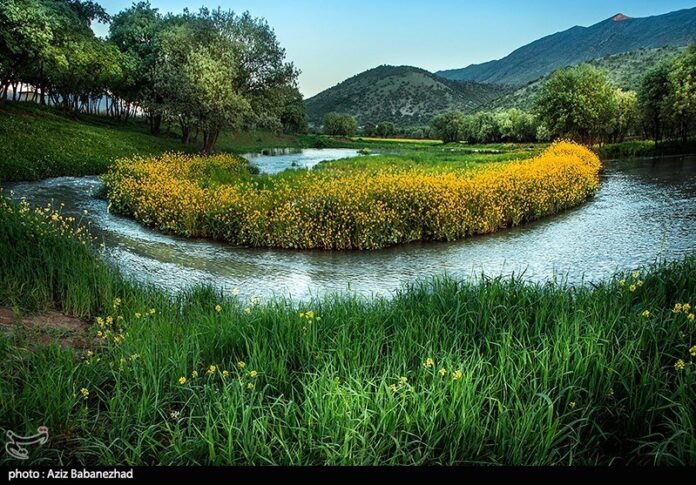
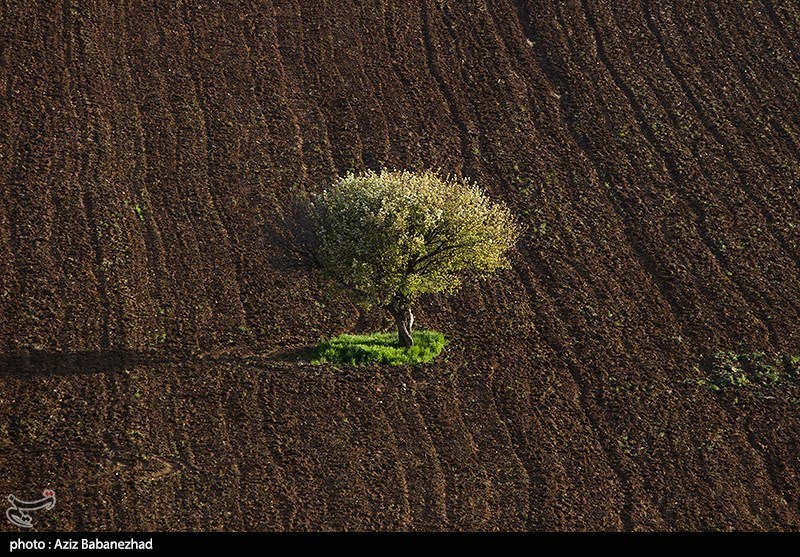
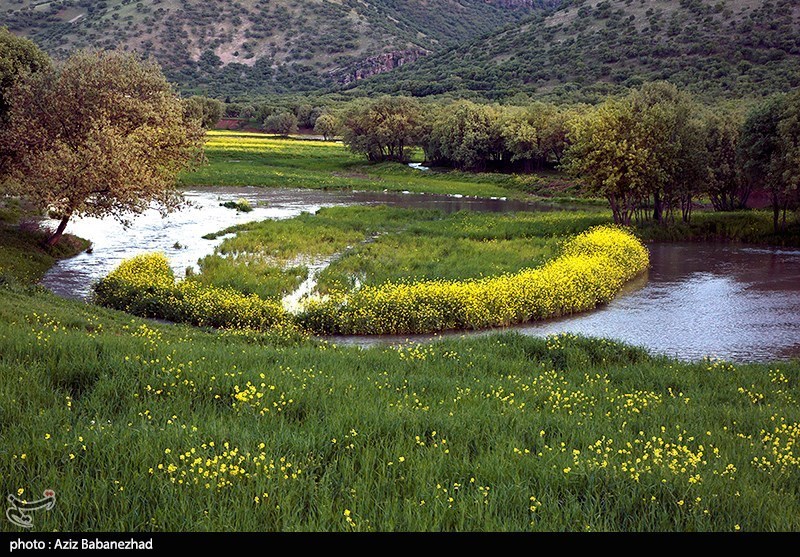
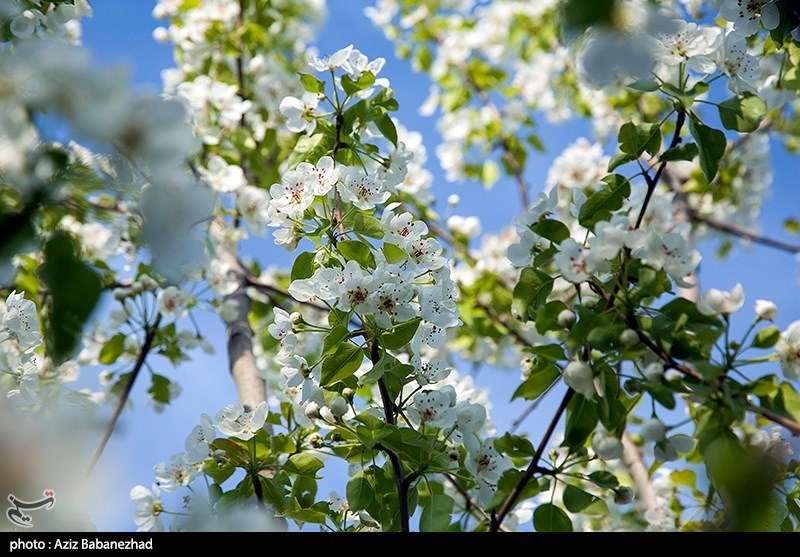
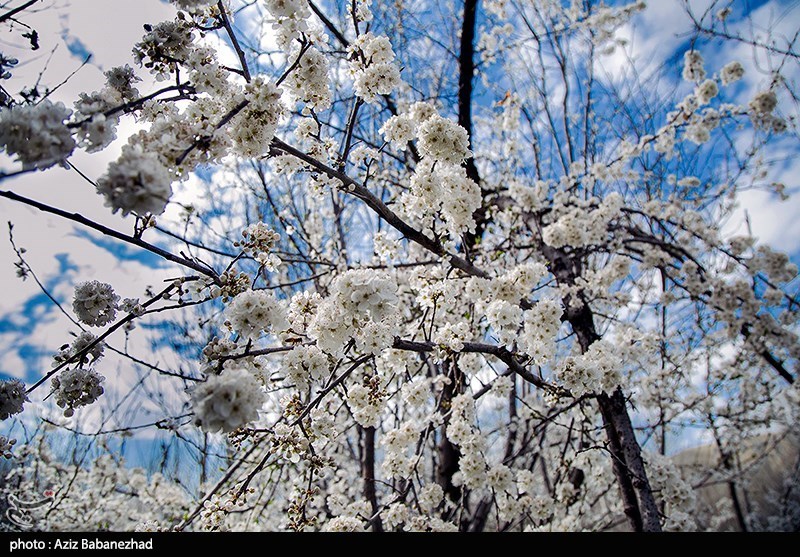
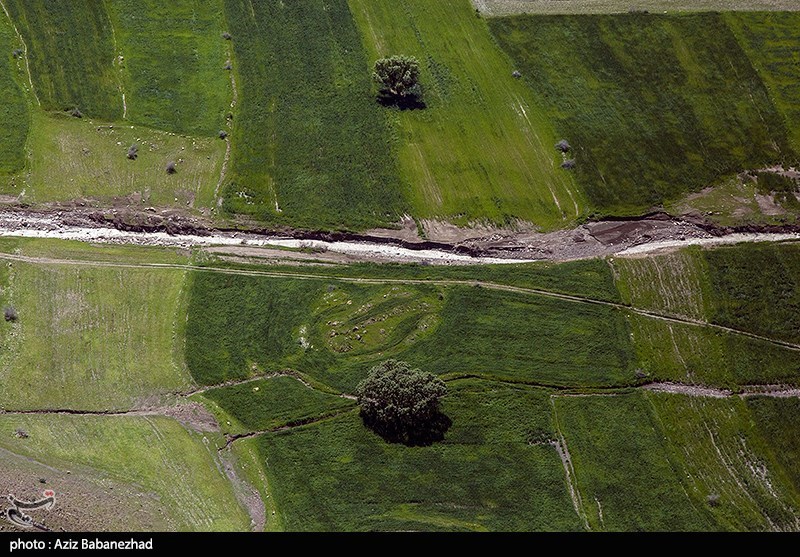
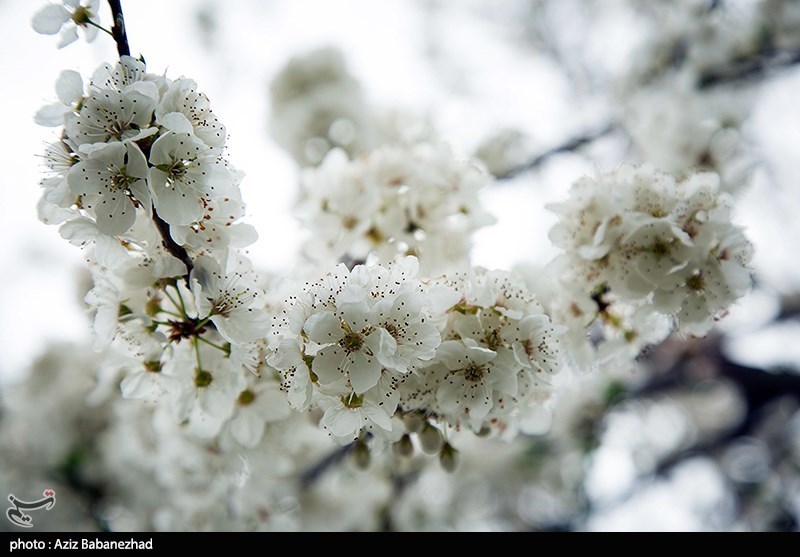
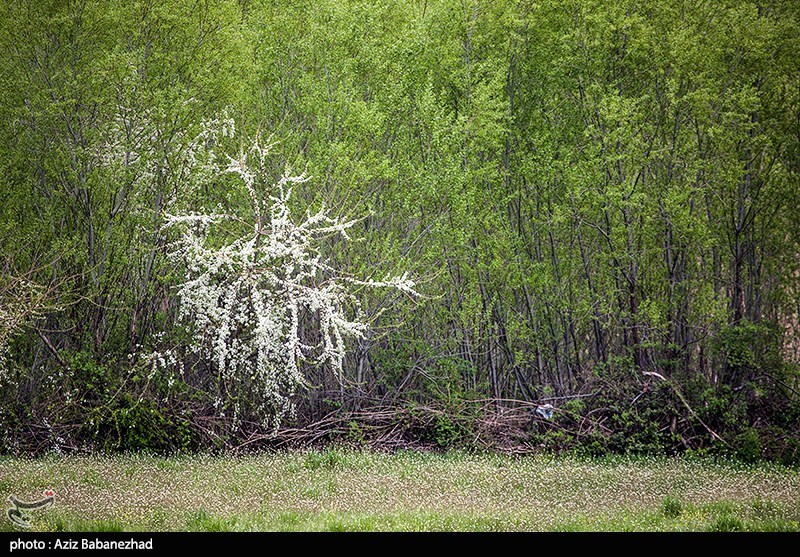
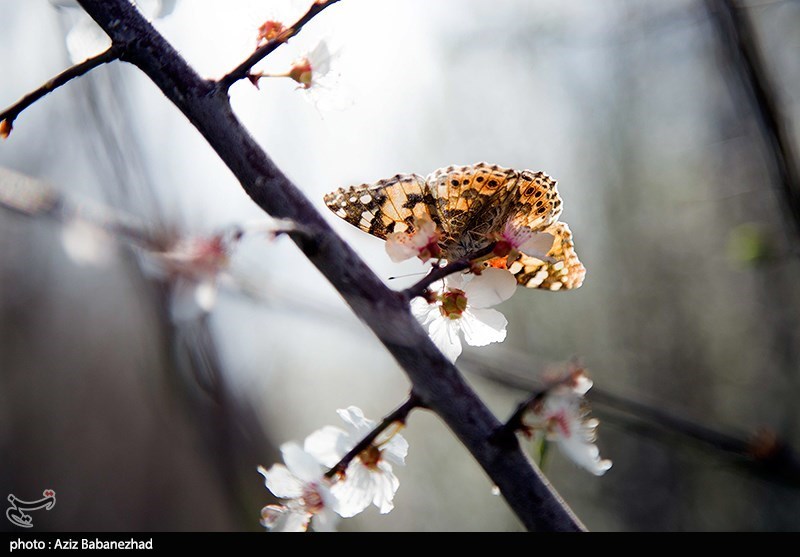
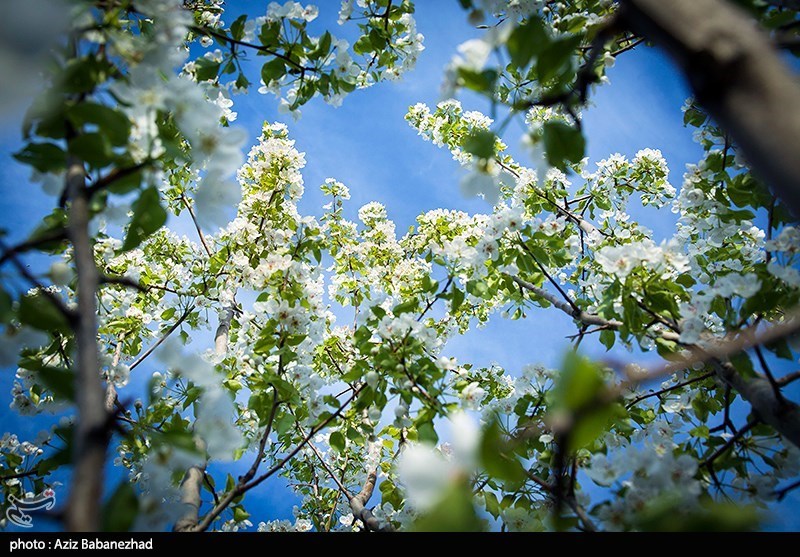
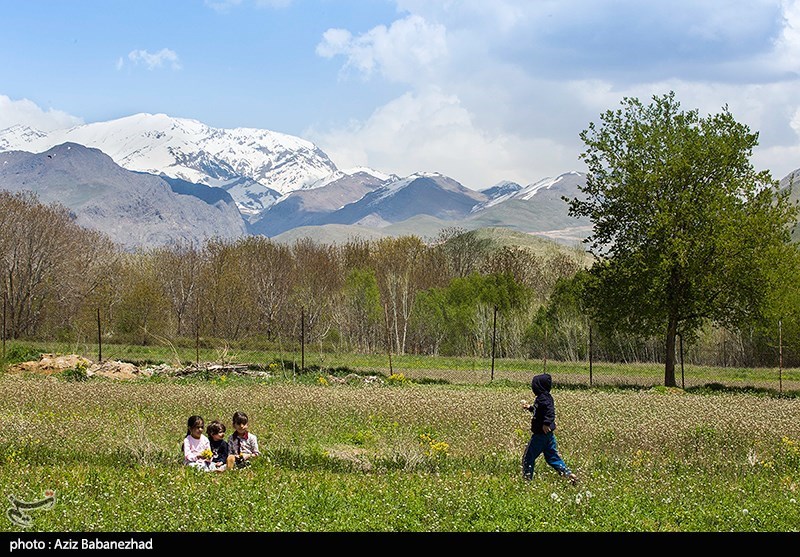
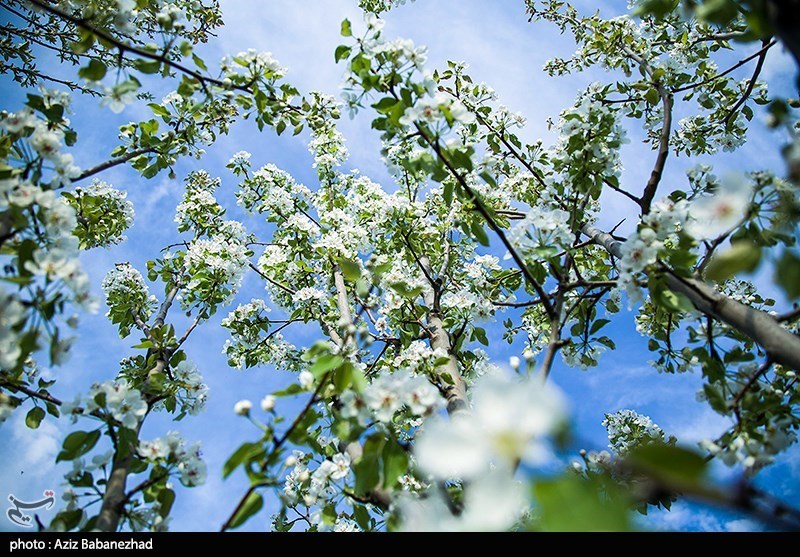
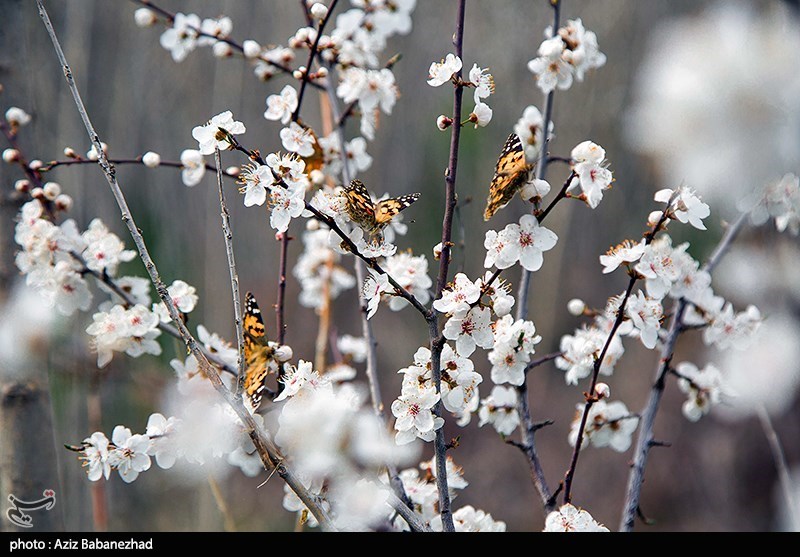
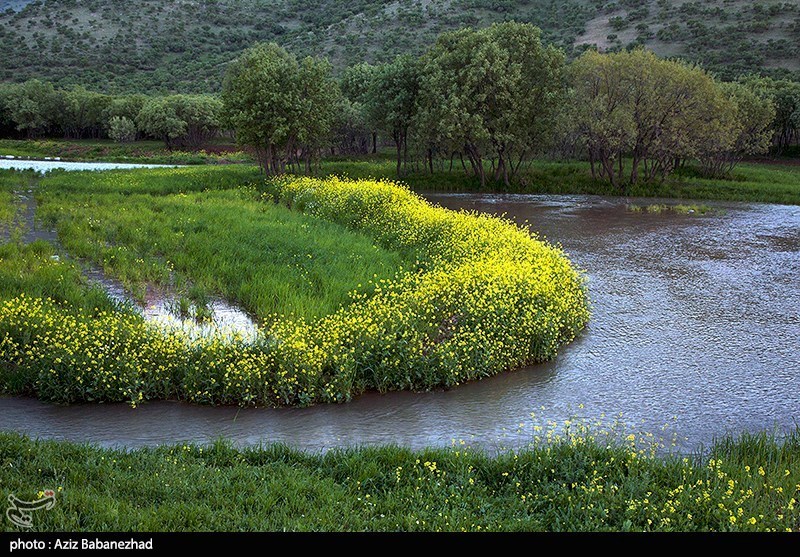
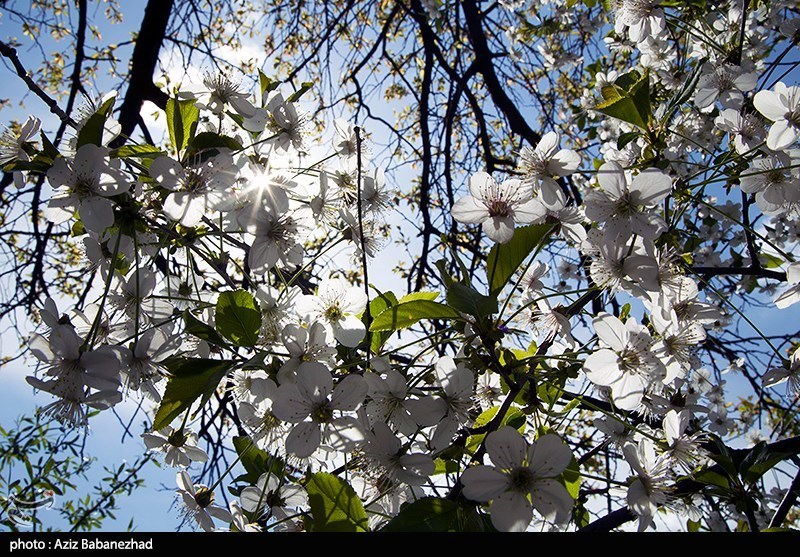
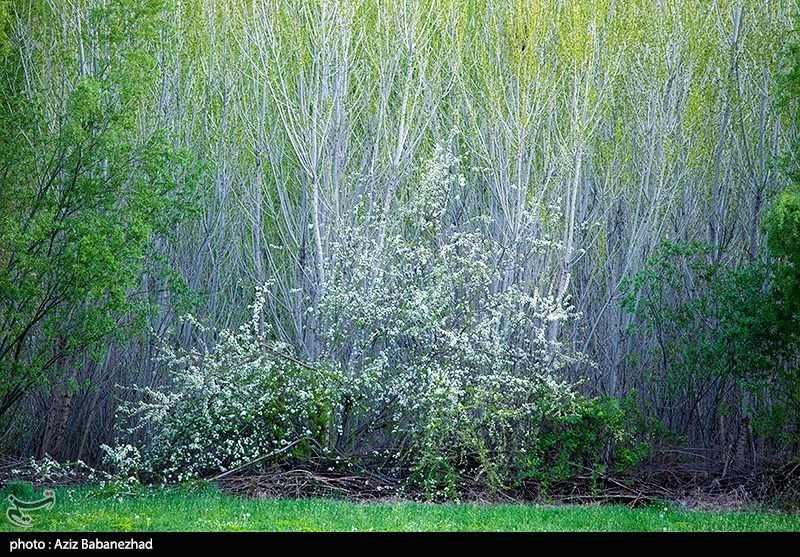
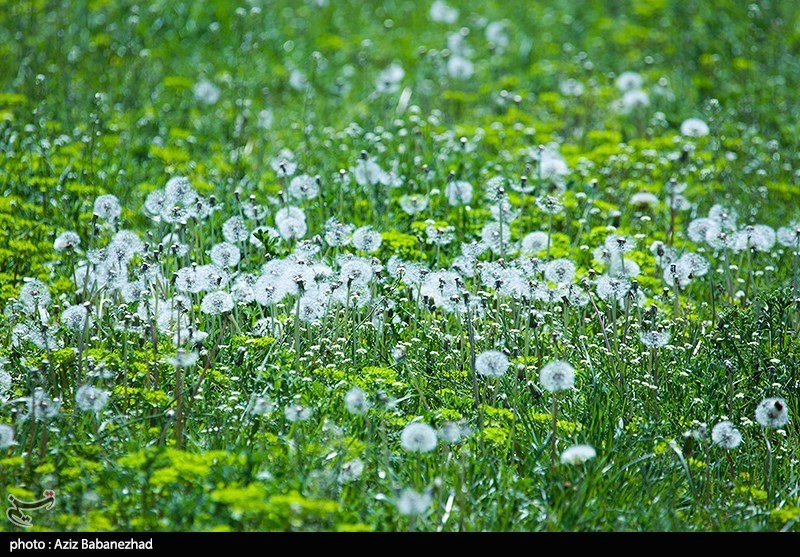
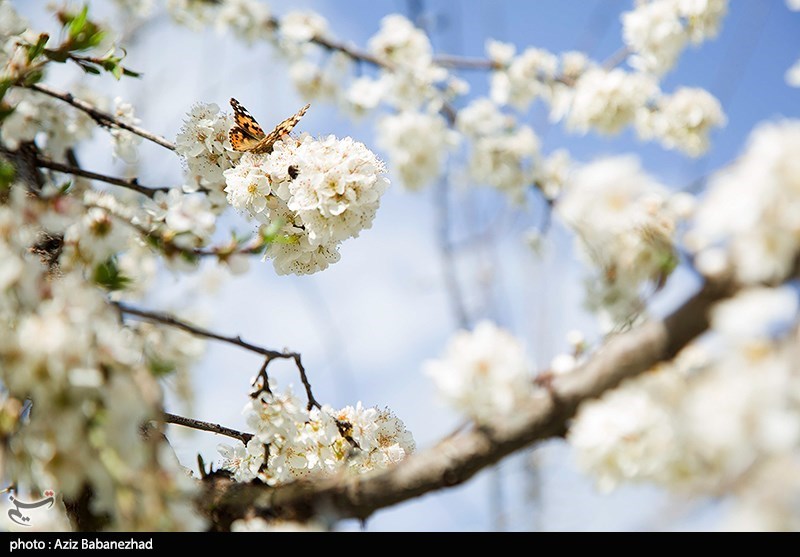
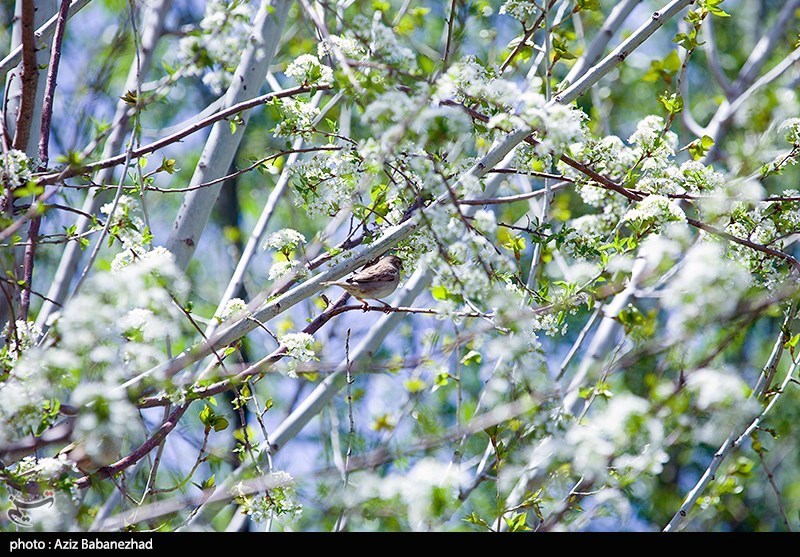
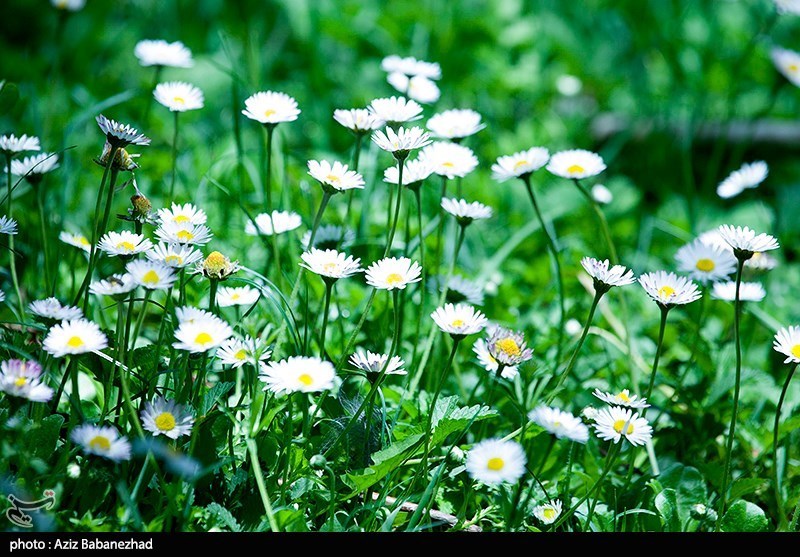
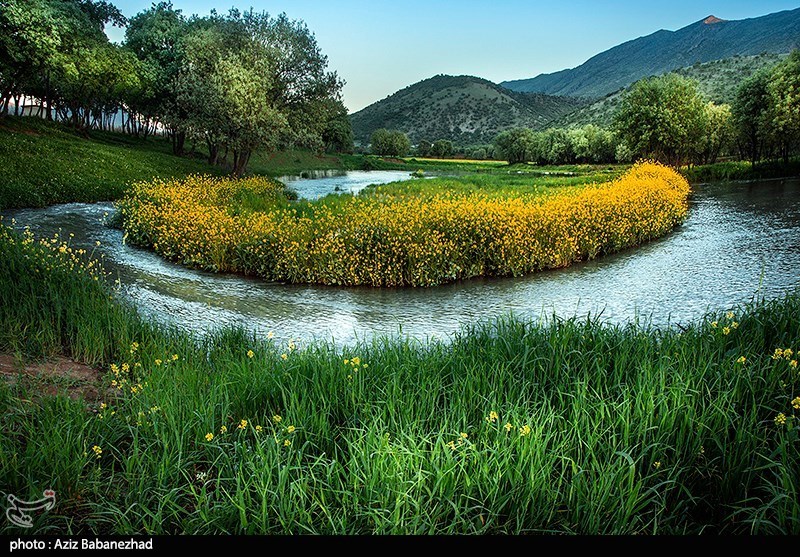
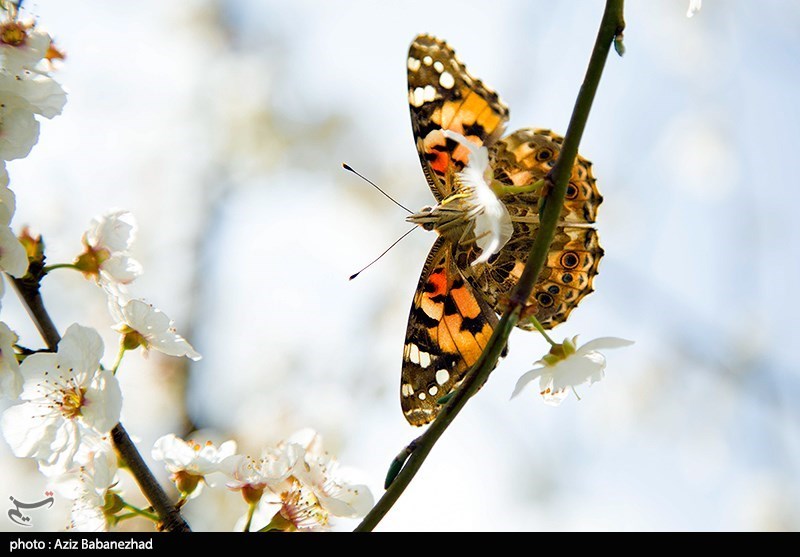
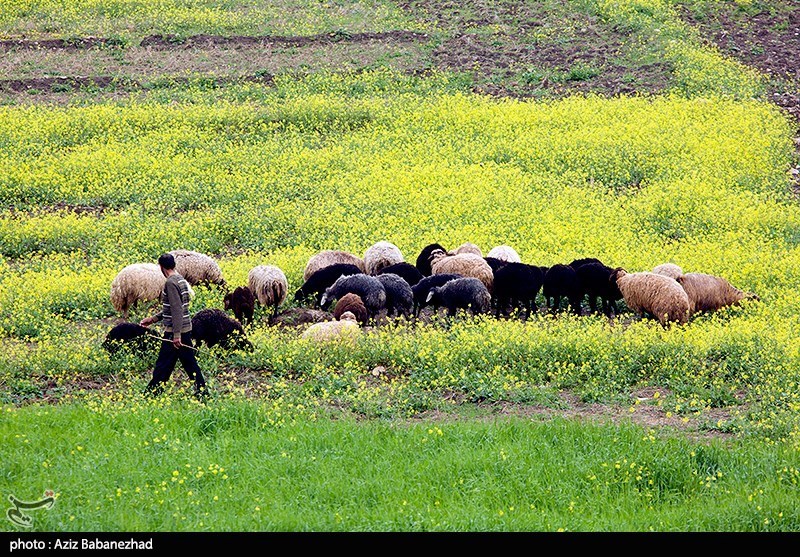
Iran’s Beauties in Photos: Spring in Hanam, Lorestan

Spring in Hanam, Lorestan 16

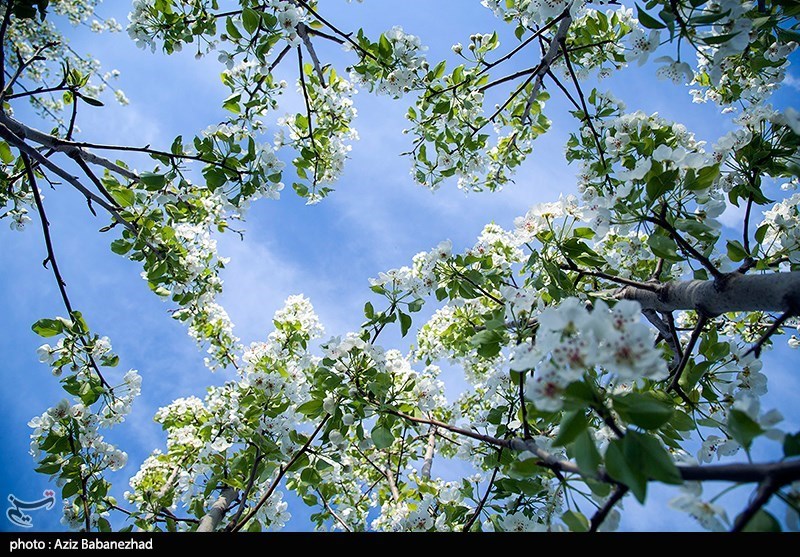
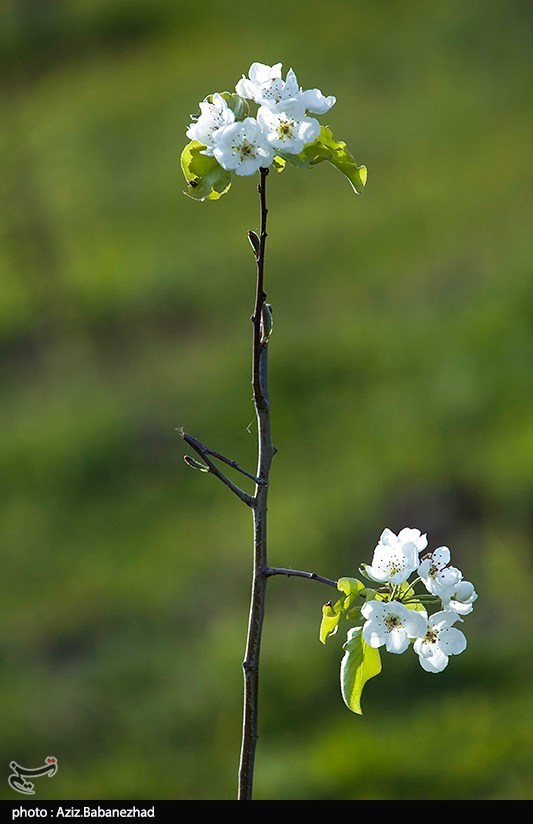
Lorestan province in western Iran is known for its pristine nature, which is quite stunning during spring.

What follows are Tasnim News Agency’s photos of spring blooms in Hanam village near Aleshtar city, Lorestan province:

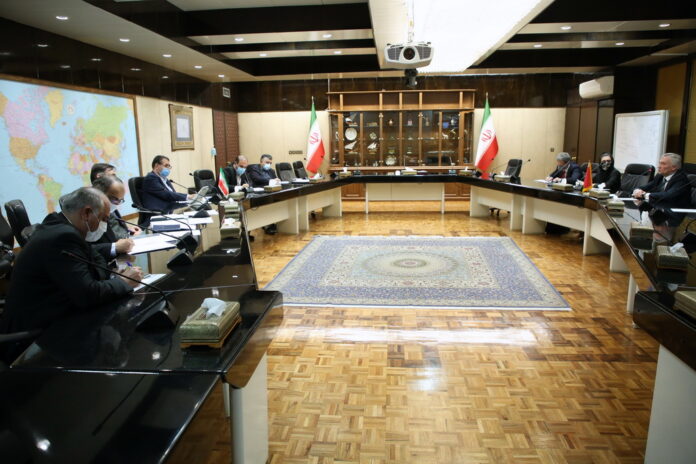
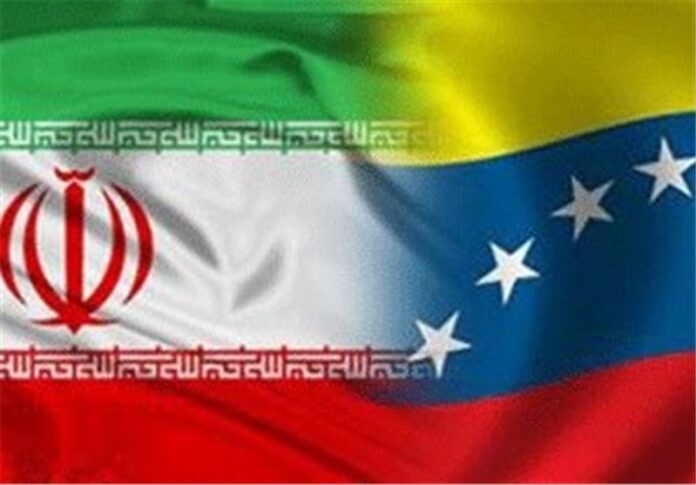
Tehran, Caracas Exchange Experience, Info on Fight against COVID-19

Tehran, Caracas Exchange Experience, Info on Fight against COVID-19

Iran and Venezuela have discussed their latest information and experiences regarding the fight against the COVID-19 pandemic.

The meeting was held via video conference by representatives of health ministries of both countries, namely Mohsen Assadi Lari, the director general for international cooperation at the Iranian Ministry of Health and Medical Education, and María Gabriela Miquilareno, the Venezuelan deputy health minister.

Their discussions followed a phone call between the presidents of both countries where they the two sides said they would share experiences in tackling the disease.

The representatives of the two countries’ health ministries exchanged information on the fight against the coronavirus and how to stem the spread of the disease.

They also discussed measures adopted to cushion the blow from US sanctions.

In the discussions, the Iranian representative explained Iran’s handling of the epidemic nationwide in accordance with measurers adopted by the National Coronavirus Headquarters and its committees, including the launching of diagnostic laboratories, the national campaign against coronavirus, the smart social distancing plan, the launching of certain applications, etc.

Among other measures adopted are drawing up plans to tap into volunteer popular forces’ potential, distribution of basic supplies, offering support aid to the needy, production of coronavirus diagnosis kits and protective gear, conducting clinical tests for the production of medicines and introducing several treatment methods, namely those using plasma and stem cells.

The Venezuelan official, in turn, expressed her country’s willingness to draw on Iran’s experience in containing the spread of the coronavirus.

She touched upon Iran’s achievements in fighting the coronavirus, including the establishment and equipment of numerous laboratories, implementation of the screening program, and the launching of a virtual training centre.

Also attending the discussions were several other top health official who made comments on Iran’s successful measures in containing the disease.

Iran’s EAEU Accession Good Chance for Boosting Ties with Belarus

Iran's EAEU Accession Good Chance for Boosting Ties with Belarus

Iran’s trade minister says the country’s membership in the Eurasian Economic Union (EAEU) will be an ideal opportunity for the enhancement of trade cooperation between Iran and Belarus.

Iranian Minister of Industry, Mine and Trade Reza Rahmani said in a meeting with Belarusian Ambassador to Tehran Yuri Ivanovic Lazarcic that the two countries have what it takes to forge closer cooperation.

“The necessary potential exists [to boost ties],” said the minister, adding, “But obstacles to the expansion of relations should be carefully studied and removed.”

Rahmani touched upon already reached agreements to expand Tehran-Minsk trade cooperation, and said more needs to be done.

“The conclusion of a preferential trade agreement between Iran and EAEU member states sets the stage for the enhancement of trade relations between the two countries, and bigger steps should be taken in that regard,” he said.

“The general policy of the Islamic Republic of Iran on the enhancement of trade and economic ties is to pay due regard to the existing potential with friendly and neighbouring countries as well as increase trade with northern countries,” the minister noted.

He urged both Iran and Belarus to focus on ideal areas for cooperation, and said both sides should take the initiative to create the necessary infrastructure and establish the required principles for closer cooperation.

Elsewhere in his remarks, the minister referred to threats to economic development of countries posed by the coronavirus pandemic.

“We should have precise planning for the post-coronavirus era and forthcoming trade opportunities, and attention should be paid to both sides’ trade privileges in order to increase transactions,” he added.

“To that end, we are prepared to provide the necessary facilities for businessmen and economic players of both sides, so that they will be able to take the necessary measures in more favourable conditions,” he said.

Given the COVID-19 outbreak, he said, Iran stands ready to provide the necessary facilities to hold a meeting of the Iran-Belarus Joint Economic Commission via video conference.

The Belarusian ambassador, in turn, said his country tries its utmost to make the most of the existing opportunities to boost economic cooperation between the two sides.

Yuri Ivanovic Lazarcic said one of his key responsibilities is to work towards development of economic diplomacy between the two countries.

He expressed Minsk’s readiness to hold a meeting of the Iran-Belarus Joint Economic Commission via video conference as well.

He recalled the impact of the coronavirus pandemic on the economic development of many countries. He said the disease has created some problems in trade relations between countries, and added ground should be prepared for further expansion of cooperation.

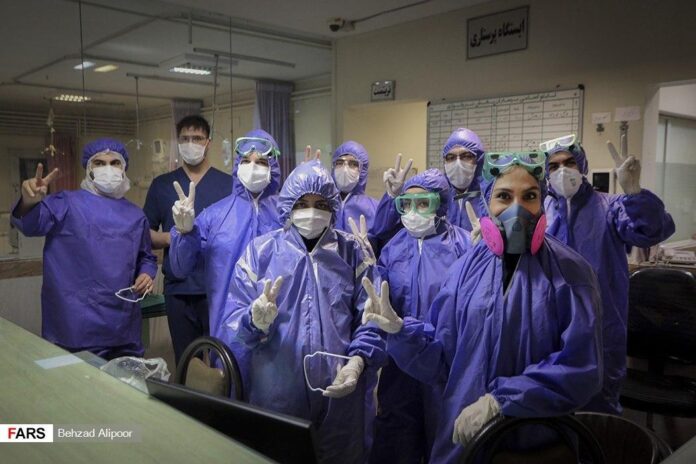
Iranian Regions Categorized Based on Coronavirus Threat

Iranian Regions Categorized Based on Coronavirus Threat

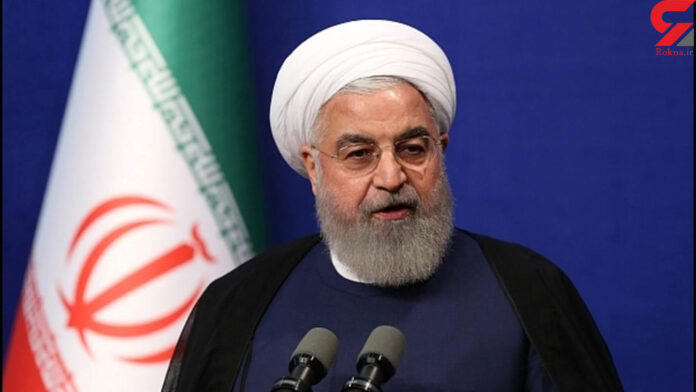
Iran’s National Coronavirus Headquarters has decided to put all areas of the country into three categories based on the COVID-19 outbreak and the threat of spread of the disease, Iranian President Hassan Rouhani says.

Addressing a Sunday session of the National Coronavirus Headquarters in Tehran, President Rouhani said a plan has been ratified to categorize various regions of the country as “white, yellow and red zones” based on the threat posed by COVID-19.

The president said each region will fall into one of those three categories on the basis of the coronavirus morbidity rate, the extent of outbreak, and the regulations introduced by the Ministry of Health and Medical Education.
Various restrictions and regulations relating to the coronavirus outbreak will apply to each of the three zones, the president added.

More than 100 cities would fall into the white zone category, he noted, saying as long as a region remains in the white zone, the religious sites could reopen in that area and the congregational prayers and Friday prayers could be held in there.

President Rouhani explained that an area will be declared a white zone when there is no report of new coronavirus cases and deaths for two weeks.

The Health Ministry will be drawing a map to define the white, yellow and red zones according to its criteria, he added.

The president then underscored that the smart social distancing scheme must be strictly observed without any interruption, stressing that reopening of businesses should not translate into an end to COVID-19 and resumption of the normal life.

The best way to defeat the coronavirus epidemic is to observe the social distancing regulations, the health protocols, and personal hygiene, President Rouhani noted.

He further pointed to a new decision on the mandatory use of face masks and gloves in the subway, saying the Interior Ministry will announce the start of the compulsory plan.
President Rouhani also highlighted Iran’s success in meeting the domestic demand for the medical supplies in the battle with the coronavirus, saying the hospitals across the country have been equipped with 1,100 more beds, 425 ICU (intensive care unit) beds, and 900 respiratory devices.
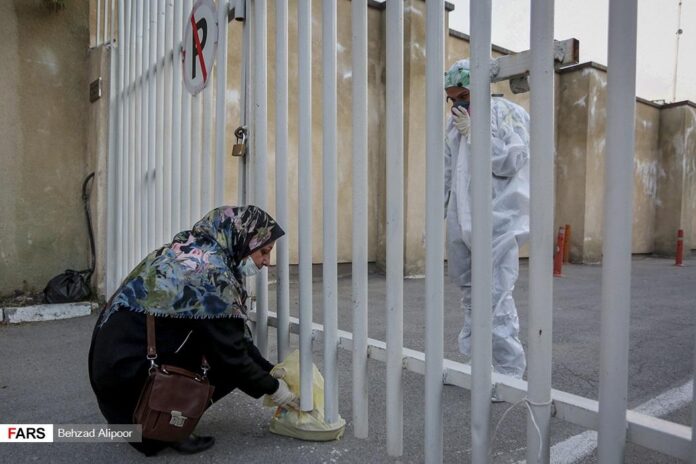
Maternal Bond at the Time of Coronavirus Pandemic

Maternal Bond at the Time of Coronavirus Pandemic

A mother takes food to her daughter who is a medical worker at an Iranian hospital treating COVID-19 patients.

Photo by Behzad Alipour, Fars News Agency

Iran Condemns Expansion of Israeli Settlements

US Will Fail to Extend Iran’s Arms Embargo: Spokesman

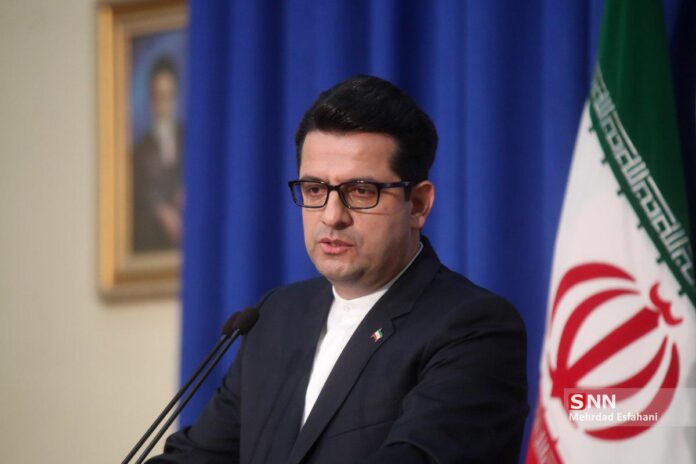
In a statement on Sunday, Foreign Ministry Spokesman Seyyed Abbas Mousavi categorically condemned the Zionist regime’s recent moves to expand the settlements and annex parts of the West Bank to the territories occupied in 1948.

Mousavi described the annexation as a violation of the international law and a part of the shameful plan proposed by US President Donald Trump, known as deal of the century.

The Iranian spokesperson said such illegal measures violate the international law and threaten regional peace and security, and called on the United Nations and the other international circles to act against such moves within the framework of their duties and responsibilities.

Mousavi also deplored the Zionist regime’s abuse of the current circumstances in the wake of the coronavirus outbreak, adding, “Alongside the battle with coronavirus, the oppressed people of Palestine are struggling against other viruses such as occupation, blockade and sanctions.”

The Iranian diplomat further asked the international organizations and assemblies and the world countries to help the Palestinian people and not allow the oppressed people of Palestine to be displaced from their homes once again.

The Palestinian territories belong to the Palestinian people, Mousavi underlined, noting, “The Zionist regime is a usurper and occupier regime, and the only solution to the Palestinian crisis is holding a referendum among the main inhabitants of that territory and formation of an independent Palestinian government with Bait al-Muqaddas as its capital.”

Earlier this week, Israeli Prime Minister Benjamin Netanyahu and his main rival Benny Gantz signed a coalition agreement that includes a clause to advance plans to annex parts of the West Bank, including Israeli settlements, starting on July 1.

The decision has drawn condemnation from the United Nations and the European.

The UN’s special Middle East envoy Nickolay Mladenov said on Thursday that such a move would be a “devastating blow” to the solution to the Israeli-Palestinian conflict, as the EU said annexing Palestinian territory “would constitute a serious violation of international law”.