Monday, December 22, 2025
Home Blog Page 2761

Introduction to Astrology: Skimming the Surface

Introduction to Astrology

Lots of articles have been written from all sides of the fence. In astrology many of the traditional rules have been lost, and many more have been added during 20th century. Some textbooks in astrology are opinions based on experience and the use of astrology others are based on serious research and old texts, however, at this point in time none from either category are accepted by all astrologers.

The one and only concept astrologers, as a group, agree upon is that Jupiter is the biggest planet.

I am writing this in hopes of providing a basic primer on astrological concepts and on how to study astrology, and where to start.

Defining Astrology

Astrology is a symbolic language, and much in the same manner we learn a foreign language we can learn astrology. Translators and interpreters take words and sentences and write or say them in another language.

Astrologers do the same with symbols. Astrologers themselves argue about what astrology is, some call it an intuitive art and some call it a science, the truth lies somewhere in between. However, the symbols become words when the astrological chart is interpreted, hence I choose to refer to it as a symbolic language.

Webster’s Dictionary gives the meaning of the word astrology being astron = star, and logia = to speak. Both astrology and astronomy are based on observation, up until the 16th century there was no distinction.

The word astronomy has the same prefix and the latter part of the word is nomos, which means to arrange. The definition for astronomy is the science of heavenly bodies – fixed stars, planets, satellites and comets – their nature, distribution, magnitudes, motions, distances, periods of revolution, eclipses, etc. Astrology is defined as the divination of the supposed influences of the stars and planets on human affairs and terrestrial events by their position and aspects.

Apart from definitions based on dictionaries, astrology is basically a language like any other. It is a language of symbols, which dates back to 8000 BCE when the Assyrians, Babylonians, Egyptians and Mayans had astrologers who observed the heavens in view of fate, events and destiny.

The chart that astrologers cast is called a horoscope. Horos means time, and scopos means an observer. Astrologers recorded their observations on time, events and cycles, and passed the information on. So literally an astrologer speaks about the stars based on the observation of time. Astrology is not a belief system, it is not a religion nor is it witchcraft or clairvoyance.

The first actual textbook on astrology was written less than two millenniums ago by a mathematician called Ptolemaios. He practiced in Egypt during 150 AD to 180 AD. The first ephemeris was printed by the Greeks. An ephemeris is an almanac, similar to the Nautical Almanac sailors use to plot their position at sea. One of the most recognized astronomical calendars is the Stonehenge which is estimated to date back to 1600 BC – 1400 BC.

Ancient astronomer priests recorded their observations on lunar cycles, the solstices and fixed stars by carving markings onto the stone. Scientists today find the calendar accurate today. Computers accurately generate Modern ephemerides. An ephemeris is the main tool for an astrologer, as it gives the astronomical positions of the celestial bodies at noon or midnight every day.

Ancient astrology knew the Sun, the Moon, Mercury, Venus, Mars, Jupiter and Saturn. In those times it was mostly used for predicting events for the benefit of the ruling classes, the ordinary person lived a relatively short life of toil.

The three Wise Men to visit Baby Jesus bearing gifts were astrologers; the founding fathers of the United States were well versed in astrology, namely Benjamin Franklin and Thomas Jefferson. Sir Francis Bacon and Carl Jung both spent time in astrological study. President Reagan used astrology, according to rumors he had 12 astrologers on his payroll.

But what is it that astrologers do?

Firstly a horoscope has to be calculated using an ephemeris and tables of houses. The information the astrologer needs is the date, time and location of birth. Most astrologers use either a computer or a computer service to perform the time consuming calculations.
The horoscope is a circle divided into 12 segments called houses, the planets Sun through Saturn as well as the more recently discovered outer planets Uranus, Neptune, and Pluto each have their position at a particular degree on the circle.

The 360° circle is divided into 30° segments according to the 12 constellations (sidereal or star-based) or zodiac signs used in astrology; Aries, Taurus, Gemini, Cancer, Leo, Virgo, Libra, Scorpio, Sagittarius, Capricorn, Aquarius and Pisces. Constellations are a sidereal (star based) perspective and the zodiacal signs are based on tropical astrology.

The third major element comprises of aspects, which measure geometrical distance between two planets.

The wheel is 360°, and aspects are divisions of it. Each aspect has its own unique quality. There are two basic kind of aspects; the harmonious, producing ease for the use of the energies, and friction aspects, which produce growth, action and change in an individual.

Most of us are aware of the horoscope columns in newspapers and magazines based on the position of the Sun on the day of their birth. This kind of astrology divides people into twelve categories.

At best this can only be 30% accurate according to most astrologers. Planets represent outlets for energy, and each one of us has the Sun, the Moon, Mercury, Venus, Mars, Jupiter, Saturn, Uranus, Neptune and Pluto uniquely located in our own birth chart. The 12 houses describing areas of life are equally unique.

The zodiacal signs, named after constellations, define a kind of energy; the birth charts of twins vary enough to make a difference, small but yet significant. There are several other components that are delineated to give a full view of the person.

The picture of the heavens at the time of birth weaves a very intricate picture of a person; it is like a fingerprint – unique to the individual. Sun sign astrology is like peeping through a tiny keyhole, you cannot see the full vivid picture the chart paints.

Once the planetary positions, house divisions and aspects are drawn onto a chart wheel the astrological analysis can begin. An astrologer is a lot like a translator, if she or he only knows the meaning of the planets it is like knowing the words but not being able to make coherent sentences.

It takes more than basic knowledge of a foreign language to be able to write the same text in another language, it takes a feel for the language. As a professional translator I know that the work requires more than just the knowledge of words and grammar. The very same principle applies to astrology.

Life is much more complex today than a hundred years ago, we cope with countless issues that people in medieval times didn’t have. Divorce, competitive careers, increased educational demands, substance abuse, alcoholism, household chores combined with a full-time career, stress, mid-life crises… Not so long ago people didn’t live long enough to have a mid-life crisis. We don’t accept things as par for the course any more, we know about childhood traumas, dysfunctional families, codependency, increased suicide rates…

But what if there was a tool that could help explain to you why you feel this way, why you have such low self-esteem, or simply why do you feel as if you just treading water instead of getting on with life.

What if someone could point out that there really is light at the end of the tunnel. Or perhaps you are uncertain of your capabilities and talents as a creative person, which is when learning more about yourself might help you acknowledge and realize those dreams.

A horoscope is like a road map or a blueprint we created for ourselves to guide us through this life. It gives us the paths and roads we can follow. We may choose to use it or discard it, nonetheless it does describe everything about us – our inherent strengths and weaknesses, our skills and talents, our insecurities, our views of our parents, children, as well as people in general.

Astrology is a symbolical language, which reveals our personality, appearance, emotions, feelings, and events in our lives. But as with any blueprint the plans may be altered and changed according to our free will. The philosophical debate about what free will really is I leave to the philosophers.

As astrology is based on symbols, which reflect on mythology as well as thousands of years of knowledge, the meaning of the many energies and the way they relate to our lives can be “translated” in several different ways.

There is no such thing as a complete delineation of a natal horoscope, as it is conceivable that it would result in an Opus – because all that we are and all that we do is contained within our own blueprint.

For instance, if three people read the same book or view an object of art, they will all describe and respond to it differently. The same is true of three astrologers reading a chart, the basics will be the same, but the nuances in the delineation can change the analysis dramatically.

I view astrology as tool for self-discovery. Its ultimate gift is to enable us to learn to know and love ourselves. Once we are in tune with the planetary forces in ourselves, we are in harmony with the world. Being fully aware of our own potential allows us to accomplish ‘our mission in life’. Much along the lines of NBC’s campaign “The more you know…”

Modern astrology is geared toward personal growth, learning about our potential, learning to know ourselves, finding out more about our emotional and psychological make-up. I used to think astrology was hogwash, and certainly the columns I read in hopes of finding something nice written about me, one of the 333,333,333 Scorpio Suns inhabiting our planet, made me classify it as fairy tales.

Now that I have found my complete chart, and learned to translate the symbols into words reasonably well,

I use astrology because I have determined for myself how well it works. Just like each individual is complex and unique so is the science-art of astrology. For the complete study of this subject a lifetime seems inadequate, but the rewards are immeasurable.
How to Manage Triggers During and After Treatment for Drug Abuse

How to Manage Triggers During and After Treatment for Drug Abuse

Sobriety is not guaranteed once a person has undergone rehabilitation. Rehab teaches a person how to remain sober. It can also support a person through the recovery process. To achieve sobriety, a person must manage triggers both during and after treatment. If this is not done, a person remains vulnerable to relapse. 

Triggers are powerful and they can pull a recovering addict back to their addictive behaviors months after undergoing treatment. This explains why some recovering addicts search for phrases like, ‘rehab near me’ (https://addictionresource.com/drug-rehab/locator/ more information here). Essentially, they want to visit the nearby rehab for assistance after relapsing. This facility can provide the information and assistance that a person needs to get back on their recovery track. 

Regardless of the substance that a person has been abusing and the duration they stayed in a rehab center, they should learn to combat triggers. This is very important when it comes to maintaining sobriety because triggers will always be present and they should be managed. Even when undergoing treatment, a person is surrounded by temptations and they can easily lure them back to addiction. 

Triggers can be in the form of mental condition, the discomfort that a person experiences during detoxification, and stress. Nevertheless, the right treatment guides a person and teaches them to cope accordingly. 

Identifying Triggers 

Research indicates that preventing relapse is an important aspect of addiction recovery. The first step in the process of managing triggers is identifying them. The physical condition and emotional state of an individual are the first factors that may derail sobriety. 

A poor mental state and negative feelings can make a person feel low or compelled to use addictive substances again. Eventually, the need to search for ‘drug rehab near me’ online can arise if a person starts using addictive substances and realizes that they are back to square one. 

When undergoing treatment for drug addiction, a person gets substantial counseling. This involves teaching them how to indulge in healthy, positive practices that lessen the triggers’ severity. However, triggers can only be countered if they have been identified. As such, it’s crucial to recognize psychological and physical symptoms that signal an imminent relapse. 

Physical symptoms can include: 

  • Stomach tightness 
  • Feelings of unease and nervousness spread throughout the body 

Psychological symptoms can include: 

  • Memories of addictive behaviors 
  • Thoughts of how using drugs felt 
  • The desire to enjoy something ‘more’ 

If a person experiences such symptoms of relapse, they should prepare to resist or avoid them so that they can maintain sobriety. 

Common Forms of Triggers 

The more a person knows about their triggers the more they are likely to manage them successfully. Triggers can be grouped into two major categories. These are; 

  1. Stress indicators that are associated with past drug experiences 
  2. Physical exposure to addictive substances 

This categorization depends on the settings and environmental factors that a person is exposed to. If a person lives in the same environmental or societal setting after rehab, they will be exposed to the same culture of abusing illicit drugs or alcohol. As such, they are more likely to face strong triggers. And, this can happen when a person is recovering from addiction. If a person chose an outpatient program, it means they return home to an unstable environment every day. This can prompt them to revisit previous compulsions. 

In addition to these categories, a person can desire to indulge in their previous addiction whenever they see people using it. The same desire can be triggered by contact with individuals that a person associates with substance abuse. If not careful, a person can end up relapsing and eventually searching for ‘drug counseling near me’ on realizing that they need help to regain sobriety.

Fighting Addiction Triggers 

Addiction triggers are unique to every person. And every recovering addict has to fight them. Rehab counselors assist and support individuals when it comes to developing a plan for preventing a relapse. Specialists at a drug rehab educate a person about the negative effects of abusing drugs. They also help them to engage in healthy activities. However, fighting triggers is a battle that a person has to fight. And, their success in this battle depends on their willingness and determination to remain sober. 

Research indicates that most individuals seek treatment because they want to learn how to prevent a relapse. And, identifying triggers is the first step in preventing a relapse. When a person detects their triggers, they can avoid or fight them off. Factors that stimulate a person to abuse an addictive substance are present in their environment. For instance, driving past the place where they used to drink alcohol can evoke memories that can trigger a relapse.

Social triggers may include exposure to addictive substances and watching people use them. Emotional triggers are difficult to identify. That’s because they are complex and difficult to manage. But, they can easily drug a person back to their addictive behavior. To develop a plan for managing triggers, a person should highlight them and their symptoms. They should also come up with measures for fighting them back. This can easily prevent relapse and the need to search for ‘drug rehabs near me’ when a person realizes they need help to get back on track. 

What’s more, a person should keep in touch with their counselor after undergoing treatment. That’s because the counselor can help them get support and relief from triggers. They can also help them understand their struggles and stay on the path to recovery. 

The Bottom Line 

Long-term sobriety can only be achieved by getting the right professional help. However, a person should also get support and learn to identify and manage triggers during and after treatment. They should develop mechanisms and habits for coping alone. That’s the only way a person can avoid relapsing and the need to search for ‘drug rehab centers near me’ online after realizing they need assistance. 

Iran Develops Air Handler Capable of Killing Coronavirus

Iran Develops Air Handler Capable of Killing Coronavirus

The air handler has hit the shelves and could prove very useful at a time of coronavirus outbeak, the company says.

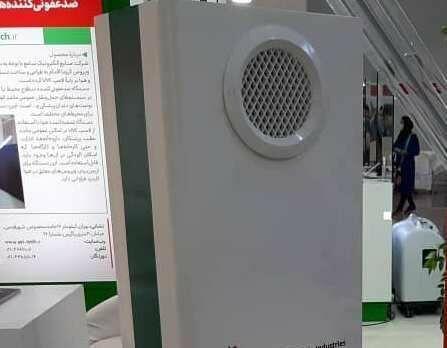
“In designing and producing this apparatus, we use nano, HEPA and carbon filters in order to remove particulates in, and the bad smell of the air,” said a top manager at the company which has developed the product.

“Using the existing filters will cause negative ions which should be produced to link to positive ions in the air and, as a result, clean the air of particulates,” he added.

“In addition to conventional filters, two UVC lamps have also been used in this device. A space has been designed, so that when air is sucked into the apparatus, it is circulated around these lamps, which, in turn, will take out the coronavirus in the air under the influence of the UVC lamps,” he noted.

He said the apparatus can be used in public places like banks, doctor’s offices, pharmacies and other locations where infected people are likely to enter, so that the air is purified constantly and any bacterial and viral contamination is removed.

The official said the device has been fully developed by local experts.

The performance of the apparatus has been approved through laboratory tests by the Iranian Standards Organization as well as the Food and Drug Organization, he noted.  He said bacterium and virus tests have also been conducted on the device, too.

UNSC Meeting Yet Another Defeat for US: Iran President

UNSC Meeting Yet Another Defeat for US

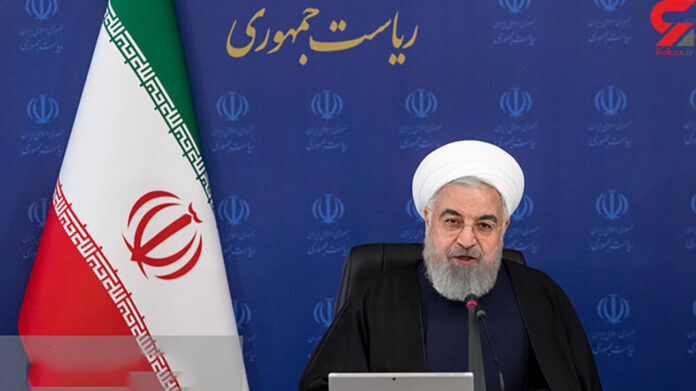
Hassan Rouhani said none of the countries present at the meeting supported the United States’ anti-Iran stance.

He also warned the United States not to try to deal a political blow to the 2015 Iran nuclear deal, officially known as the Joint Comprehensive Plan of Action (JCPOA).
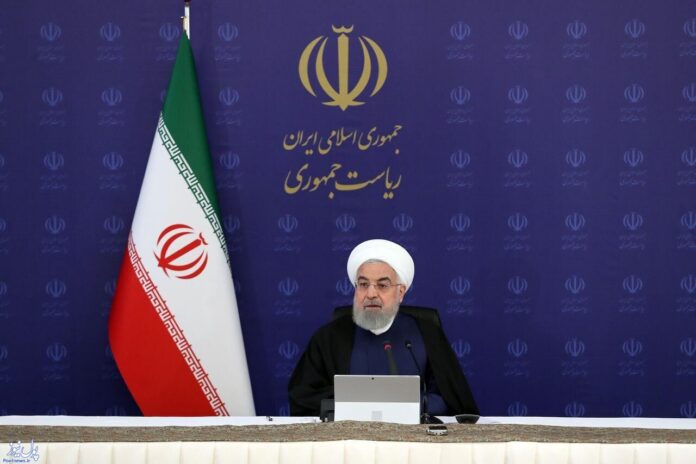
“So far, the US has dealt an economic blow to the JCPOA, but if it wants to harm it politically, Iran will not tolerate it and will take decisive action,” said the president at a Cabinet meeting.

He said Washington was not alone in opposing the nuclear agreement.
“Zionists, reactionary powers in the region and American radicals were angry with the JCPOA, and these three came together and dealt a blow to the agreement when a politically weak person (Donald Trump) came to power in the US,” said President Rouhani.

He reiterated that Iran has always delivered on its “political, legal and ethical commitments” under the JCPOA.

He then touched upon the Europeans’ failure to make good on their obligations under the nuclear deal, saying Iran stands ready to return to its obligations if the other side keeps its side of the bargain.

“Any day and any hour that the other parties fully live up to their commitments under the JCPOA, we, too, will immediately return to our obligations,” he said.

Elsewhere in his remarks, Rouhani referred to his administrations’ emphasis on “moderation” at home and “constructive interaction” abroad.

“Inside the country, we do not approve of unity and solidarity and we need to band together. It’s not acceptable to make a mountain out of a molehill, and it won’t be ethical to make a molehill out of a mountain. Given the sanctions and coronavirus outbreak, our country is facing tough problems, and all of us should work together to solve those problems,” he said.

Northwestern Iran; A Paradise for Off-Roaders

Northwestern Iran; A Paradise for Off-Roaders 19

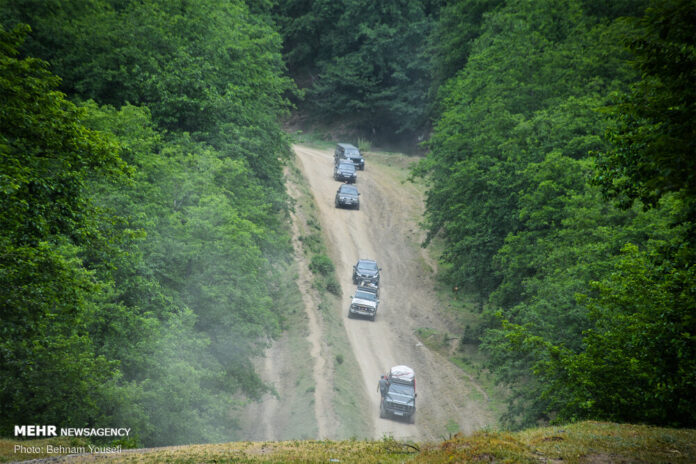
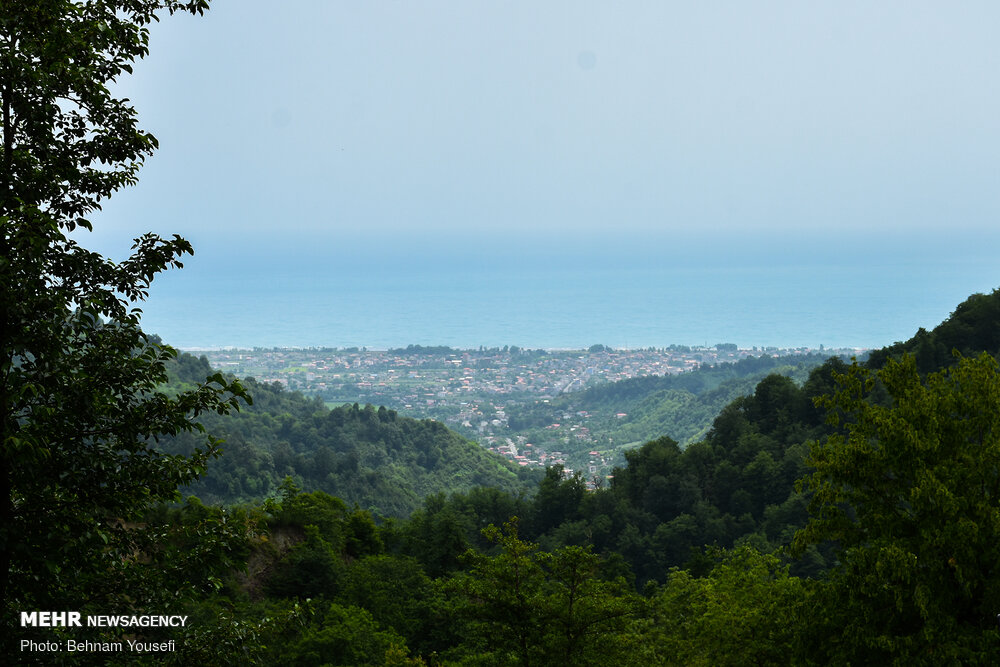
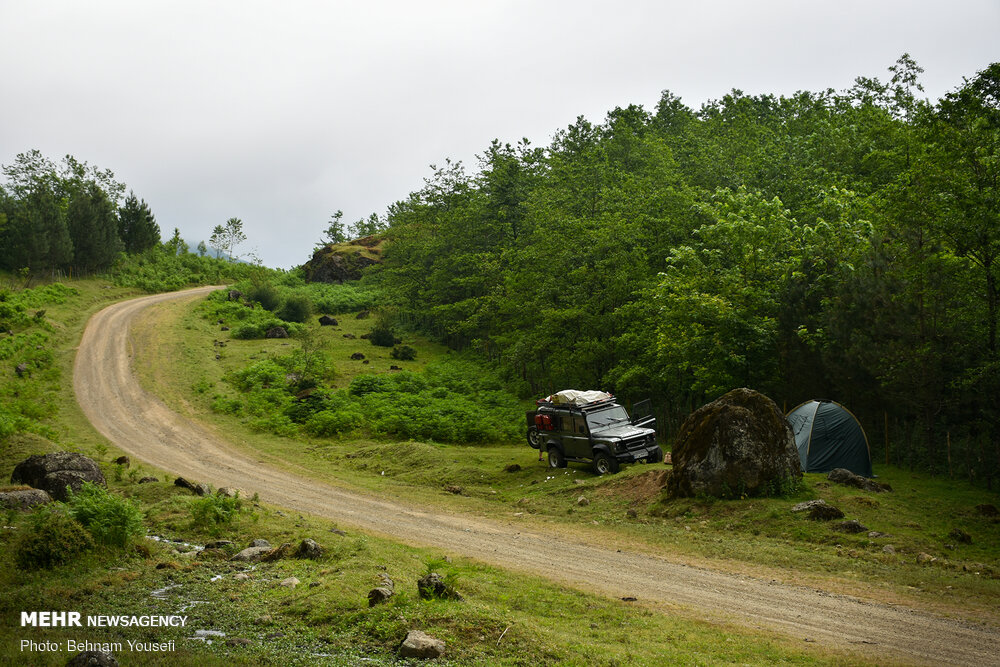
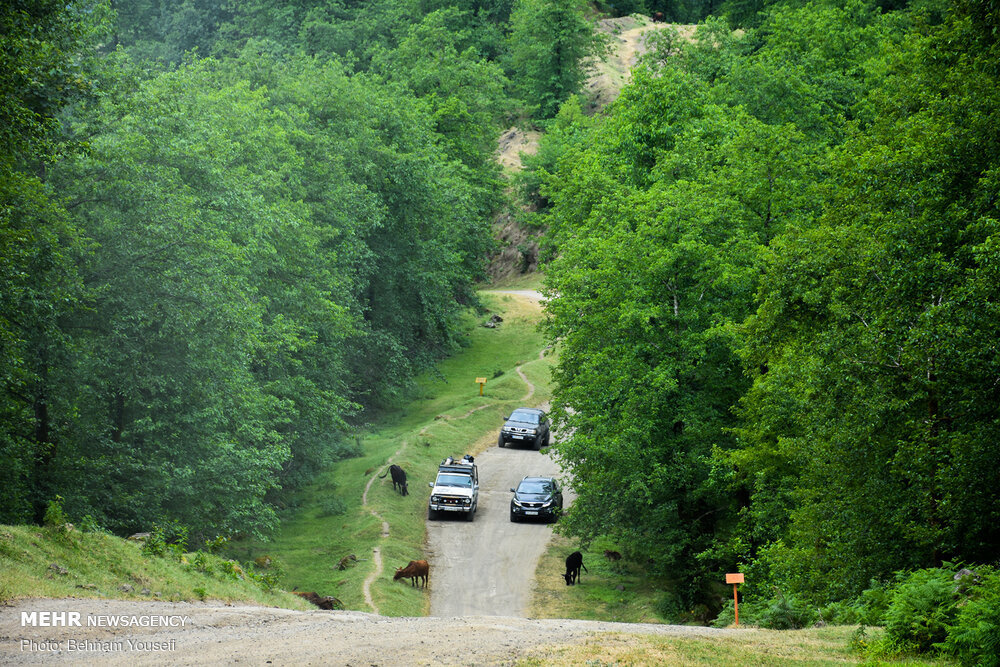
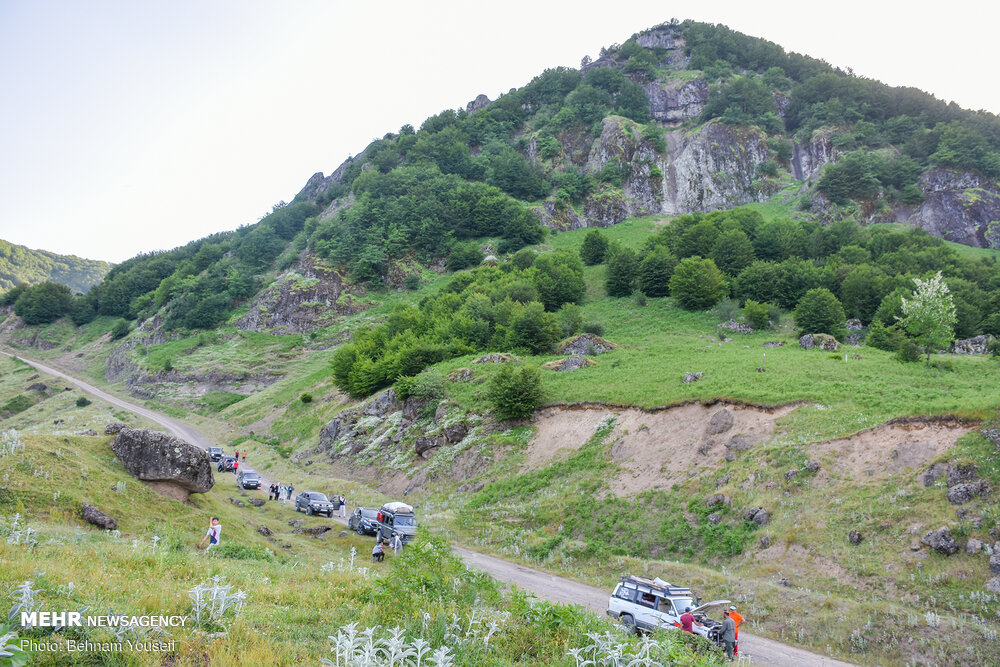
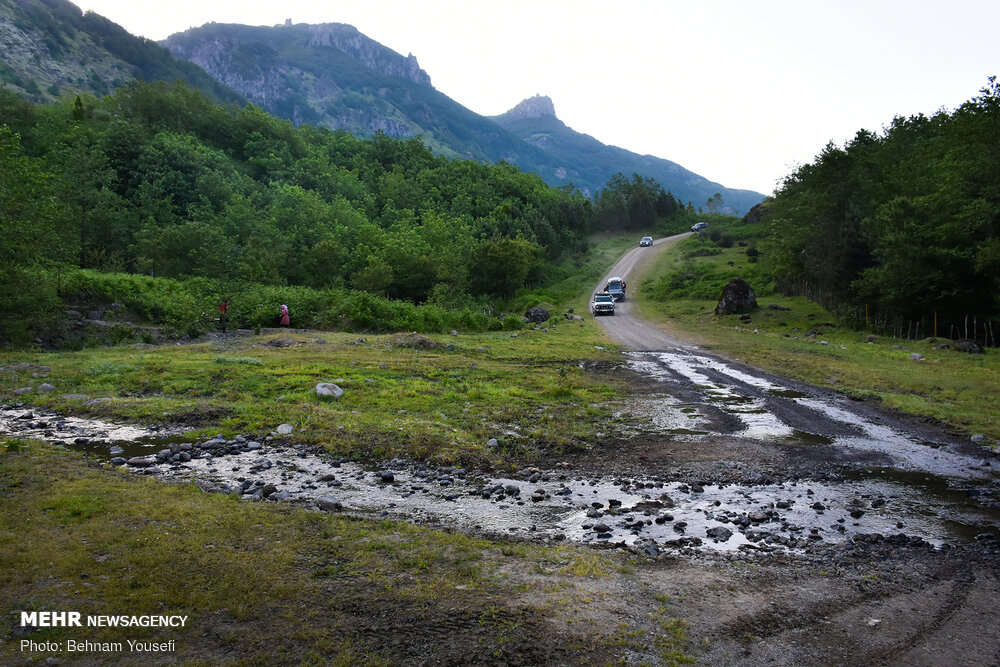
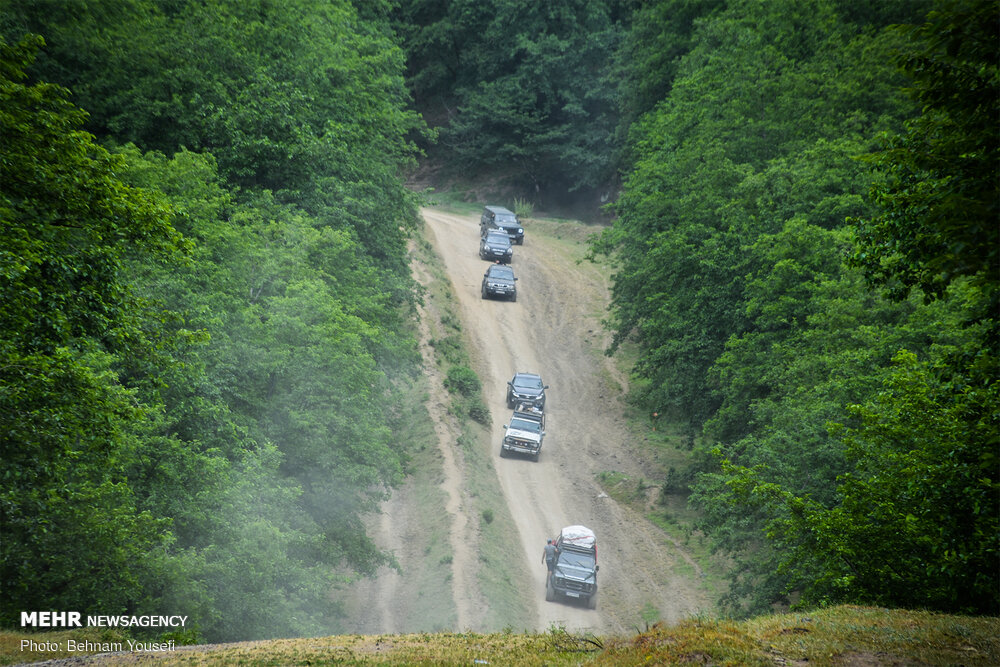
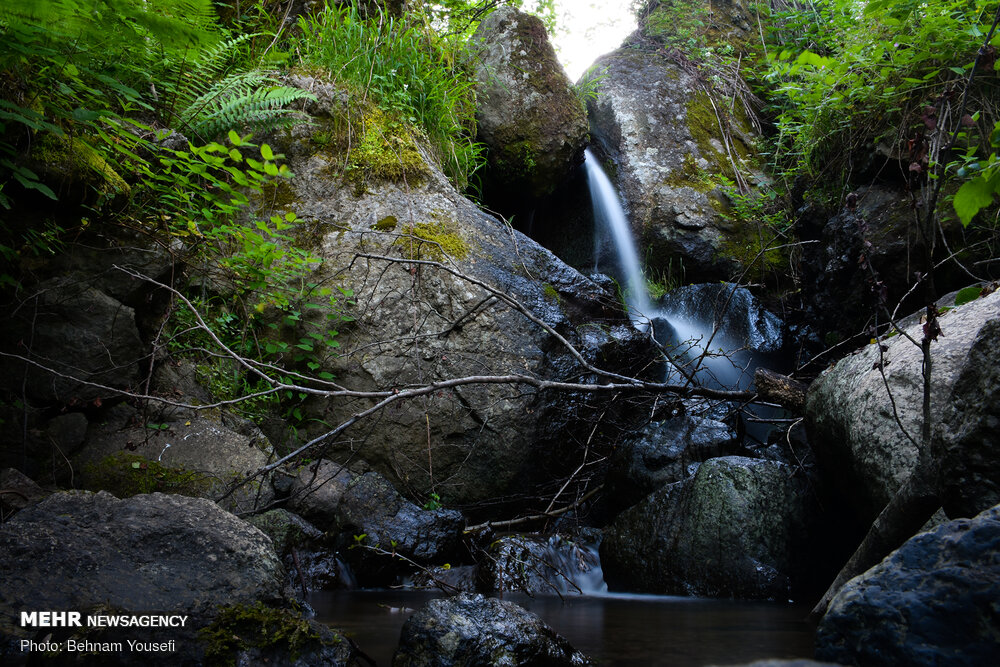
The beautiful region of Fandoqloo in Ardabil province annually attracts thousands of tourists, especially off-road drivers, as it is home to one of the most pristine forests of Iran. It is located between the three cities of Ardabil, Namin and Astara in the northwest of Iran.

The Fandoqloo Forest is also located on the eastern edge of the city which is an attractive environment for tourists.

One kilometre away from the city you can find one of the branches of the Aji Chai River which is a seasonal river. This region like many others in Iran has a high capacity for off-roaders due to the existence of different types of natural attractions.

Lavangi Chicken: Yummy Food from Northern Iran

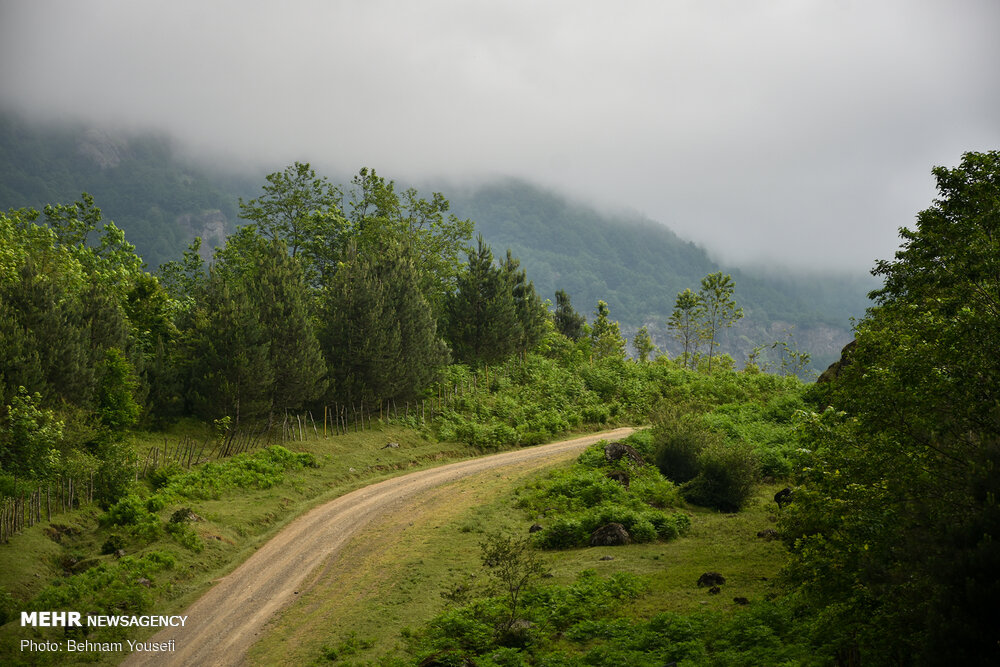
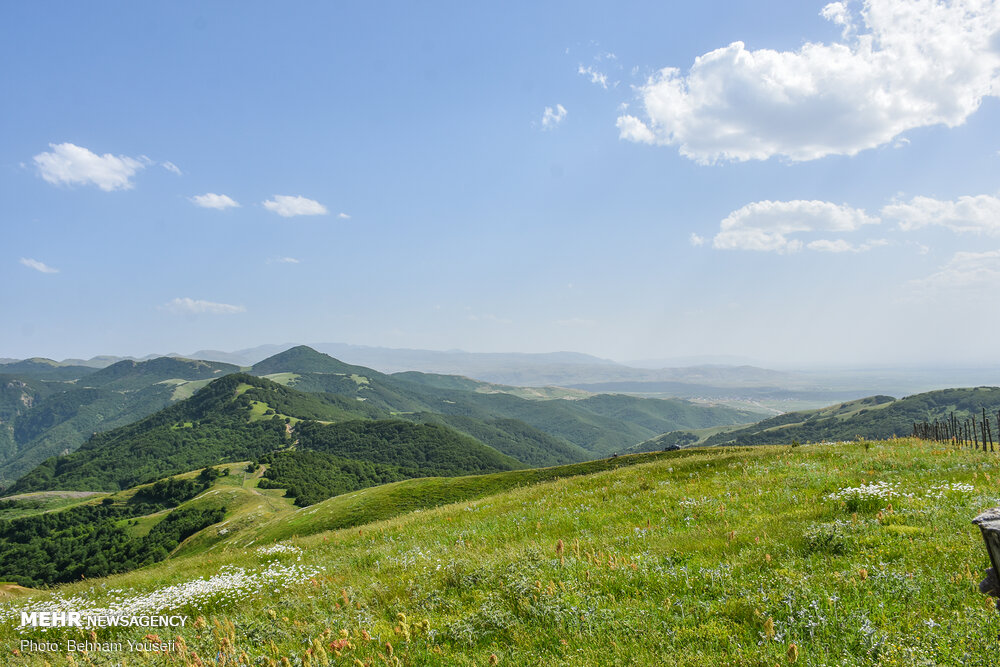
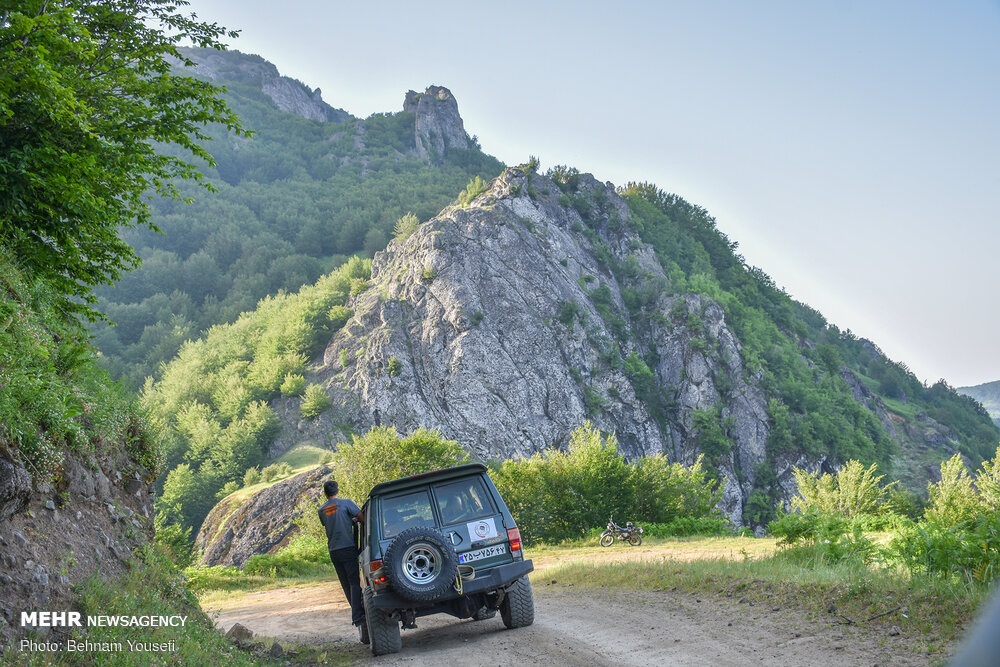
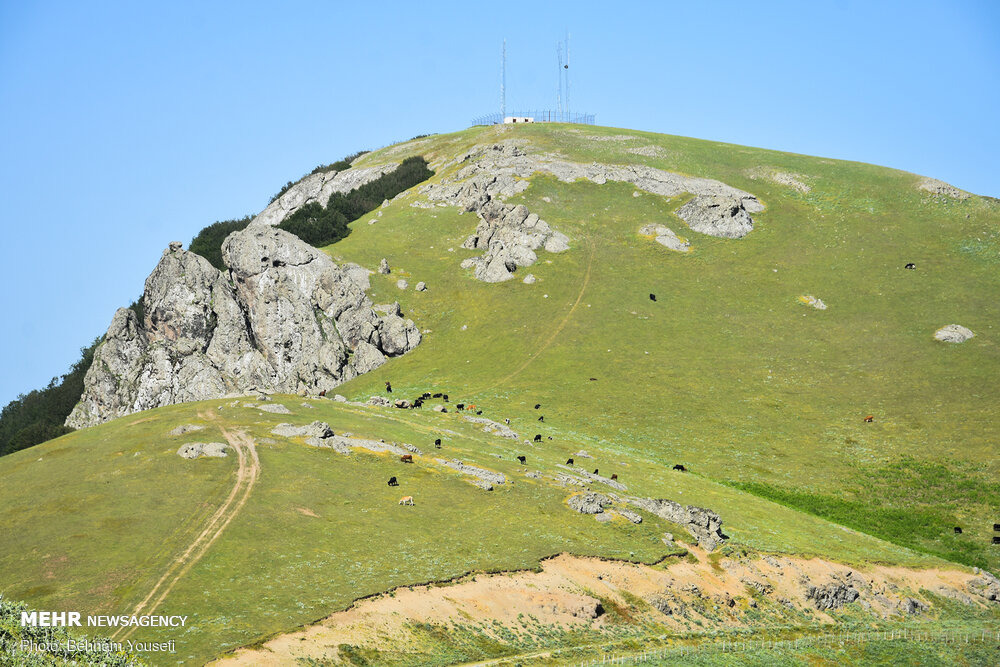
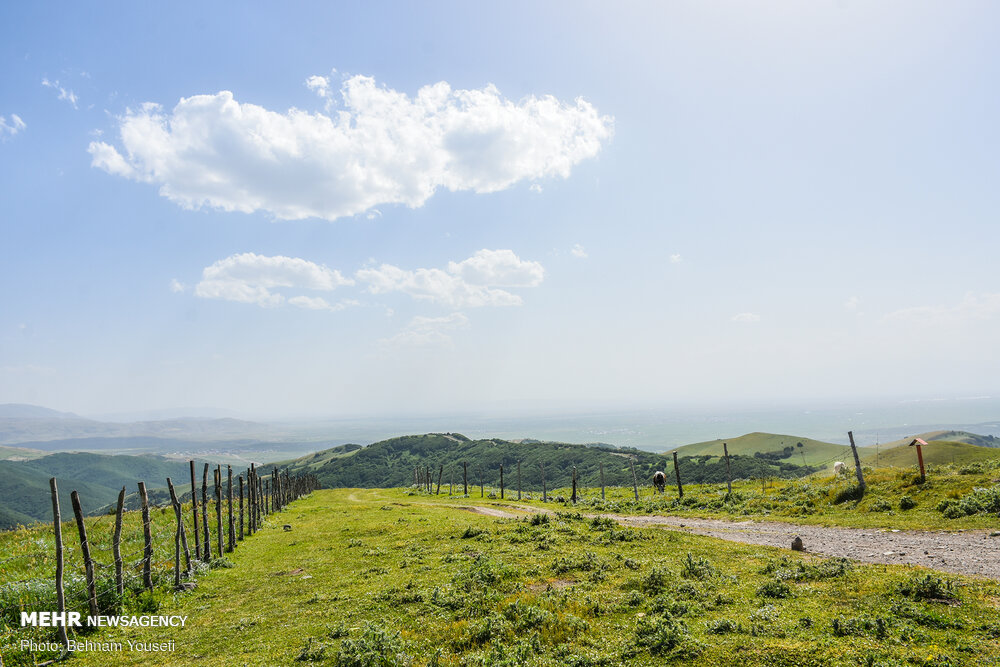
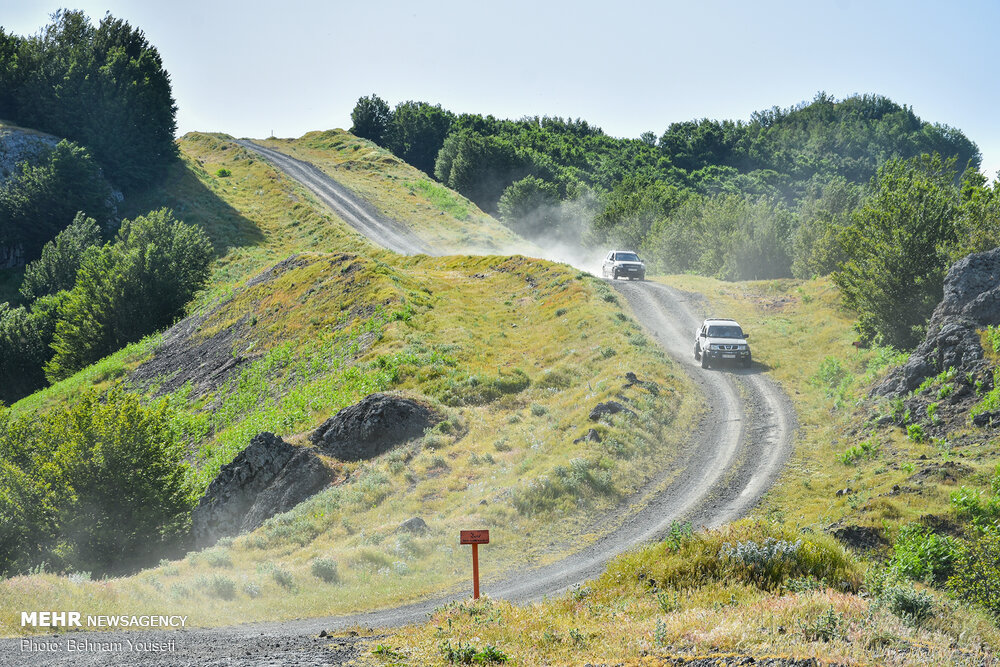
In Iran, tourists can find mountains, rivers as well as deserts and even forests. However, people cannot drive to some of these regions because of the dangers. Though, the mountainous nature of this region between Ardabil and Gilan provinces has turned it to one of the best places for lovers of off-road routes, especially mountain bikers.

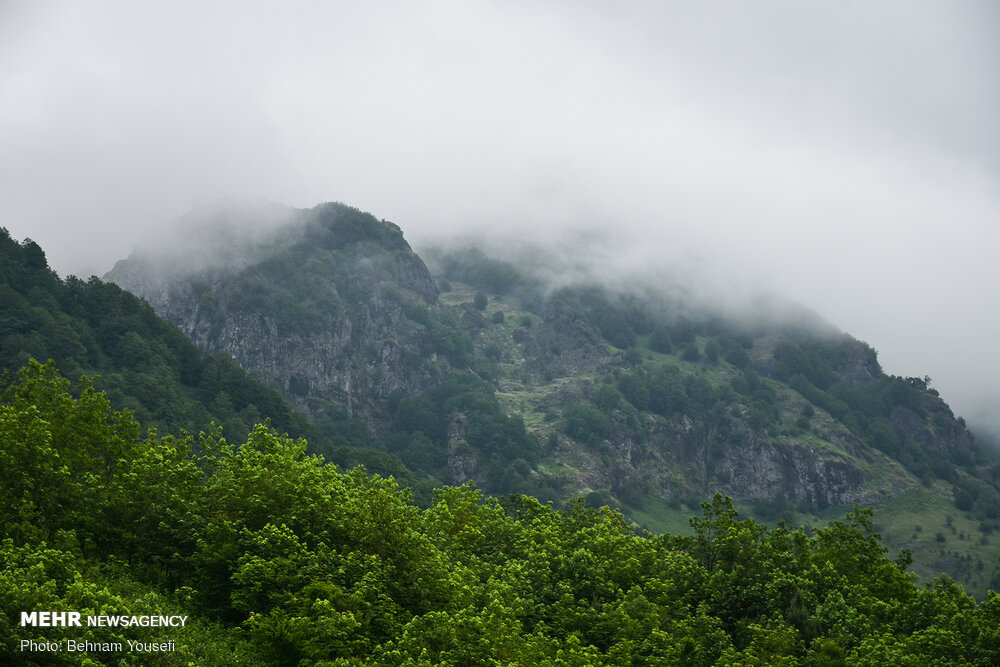
Located in the same region, Lavandevil Forest is one of the most beautiful attractions near the city of Astara. Lavandevil consists of three parts: plains, foothills and mountains, and this diversity attracts many tourists every year for sightseeing.

This forest is one of the most untouched ones in Gilan, with a lot of plum, pear, walnut, wild apple and hazelnut trees in its heart.

Tourists can enjoy the beauties of this region in almost nine months of the year.
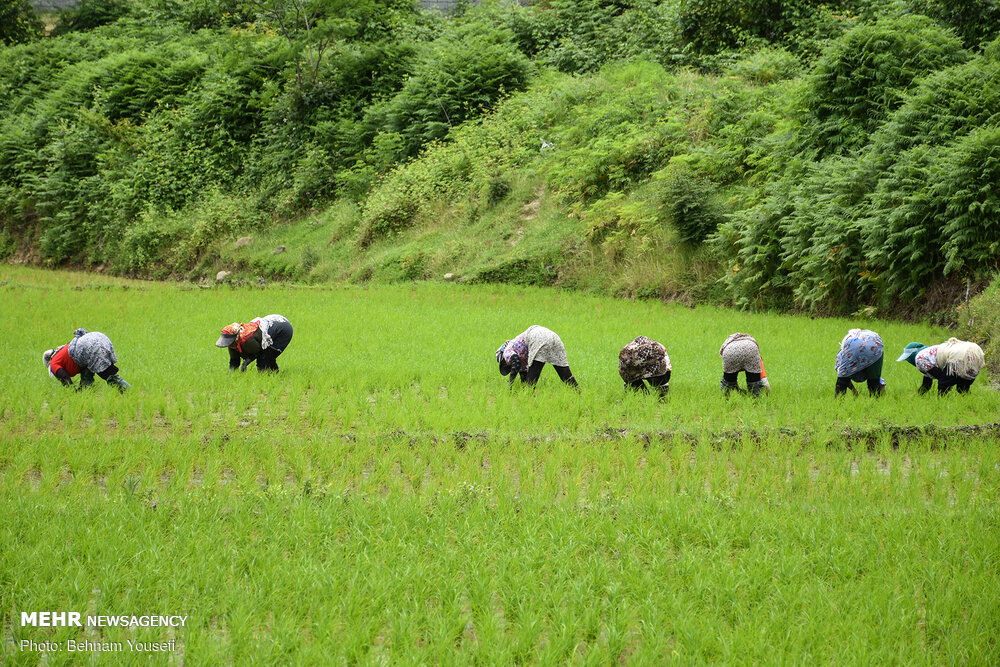
What follows are photos of these attractions:

Iran Gov’t Condoles with Families of Tehran Clinic Blast Victims

Iran Gov't Condoles with Families of Tehran Clinic Blast Victims

Rabiei emphasized that those wounded in the incident should be cared for and treated well.

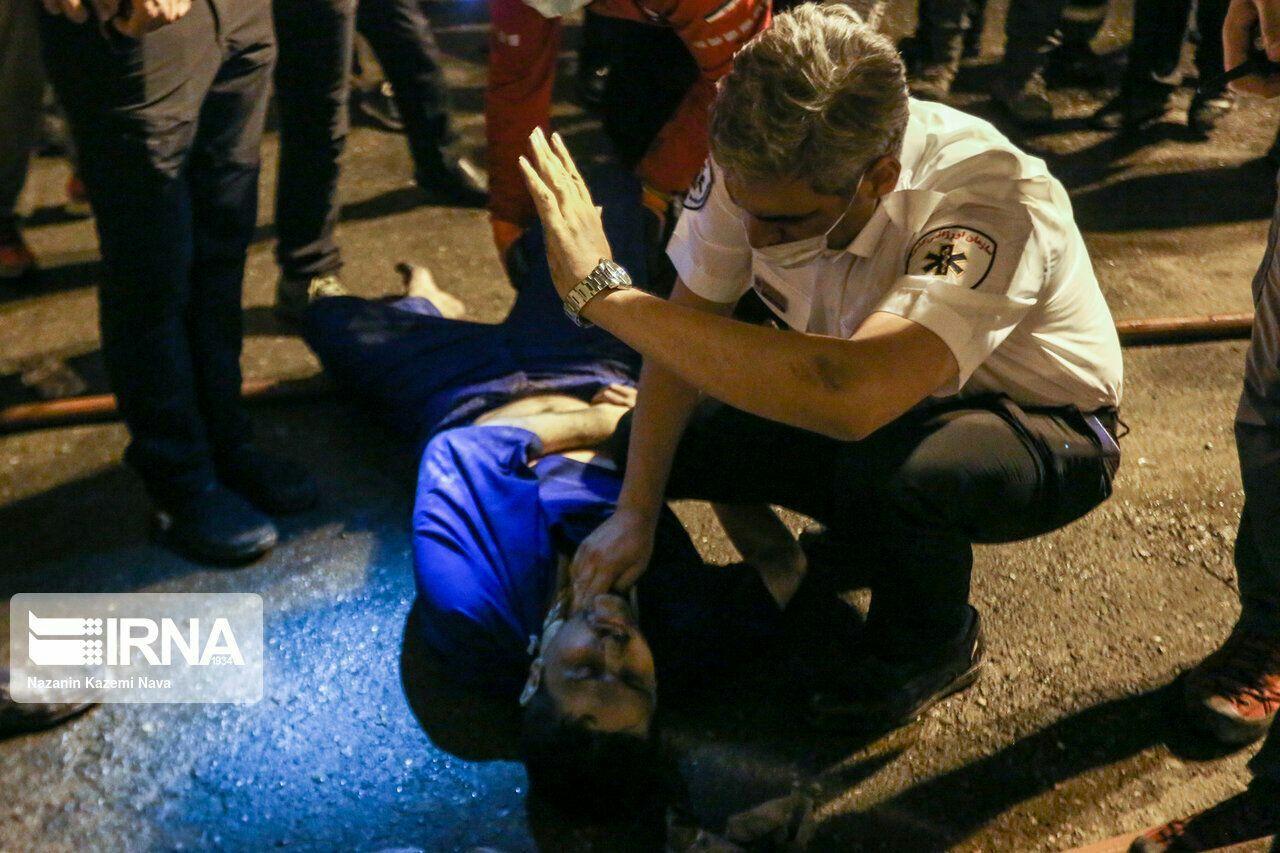
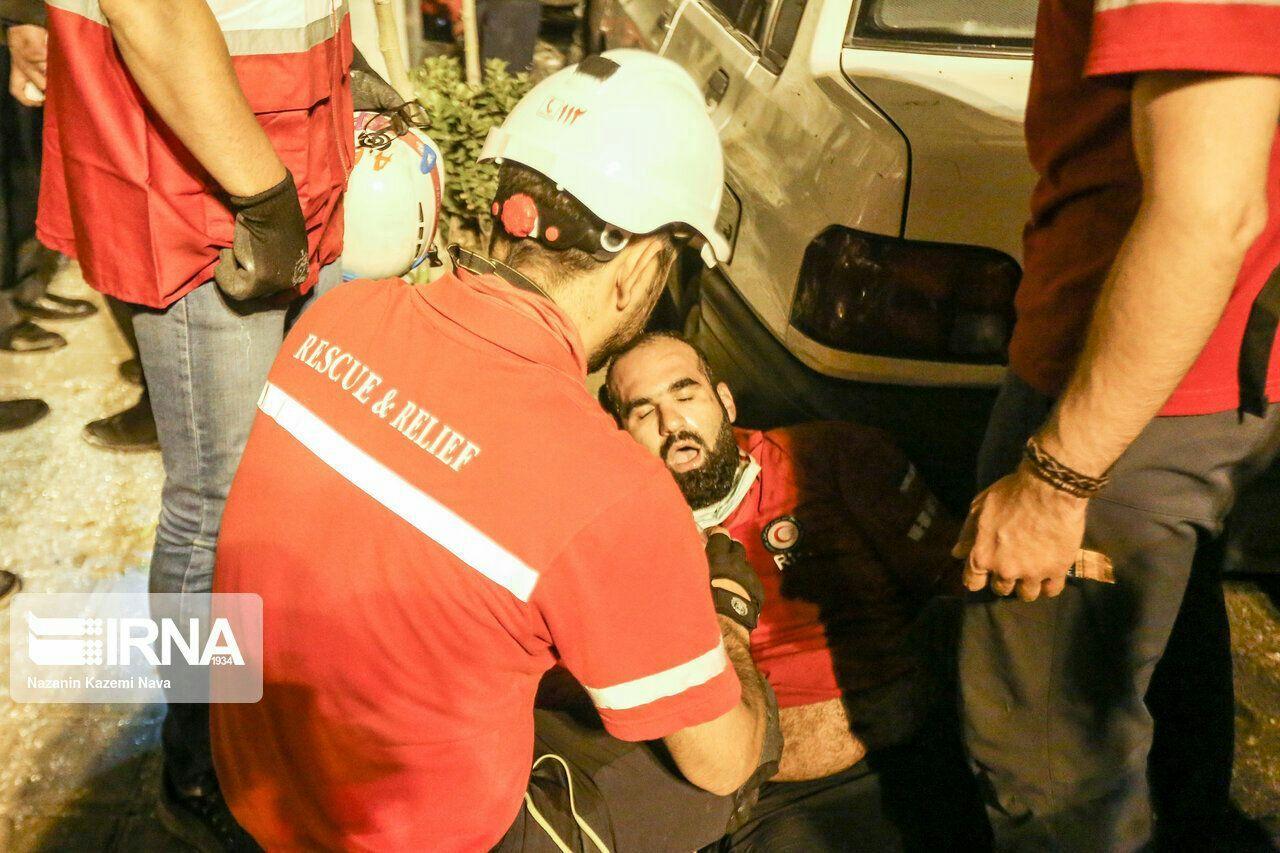
“Relief, rescue and medical treatment personnel, including those of the Fire Department, emergency centres and the Red Crescent Society immediately began to save the victims and stop the spread of the fire from the very early minutes of the accident,” he said.

“Since the early minutes after the news of the explosion broke and dimensions of the accident began to come to light, Cabinet members had been following up on the relief work,” he said.

“Senior managers at the health ministry, the Tehran Governor General’s Office and the Tehran municipality as well as other relief and military personnel arrived at the scene immediately and monitored the relief work,” the spokesman added.

He said an investigation is underway into the cause of the tragic accident, and details of the incident will be announced accordingly.

He noted relief operations are still underway and efforts are being made to prevent any further casualties.

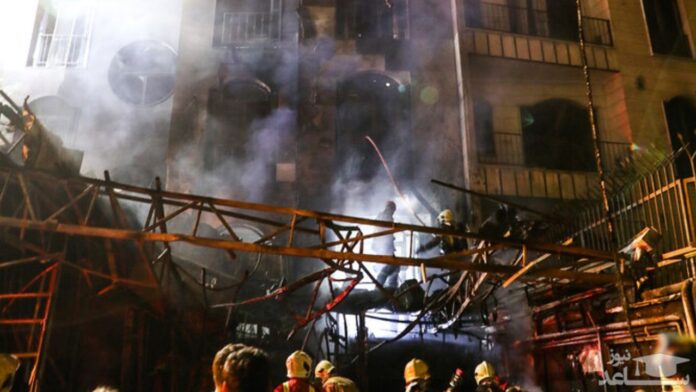
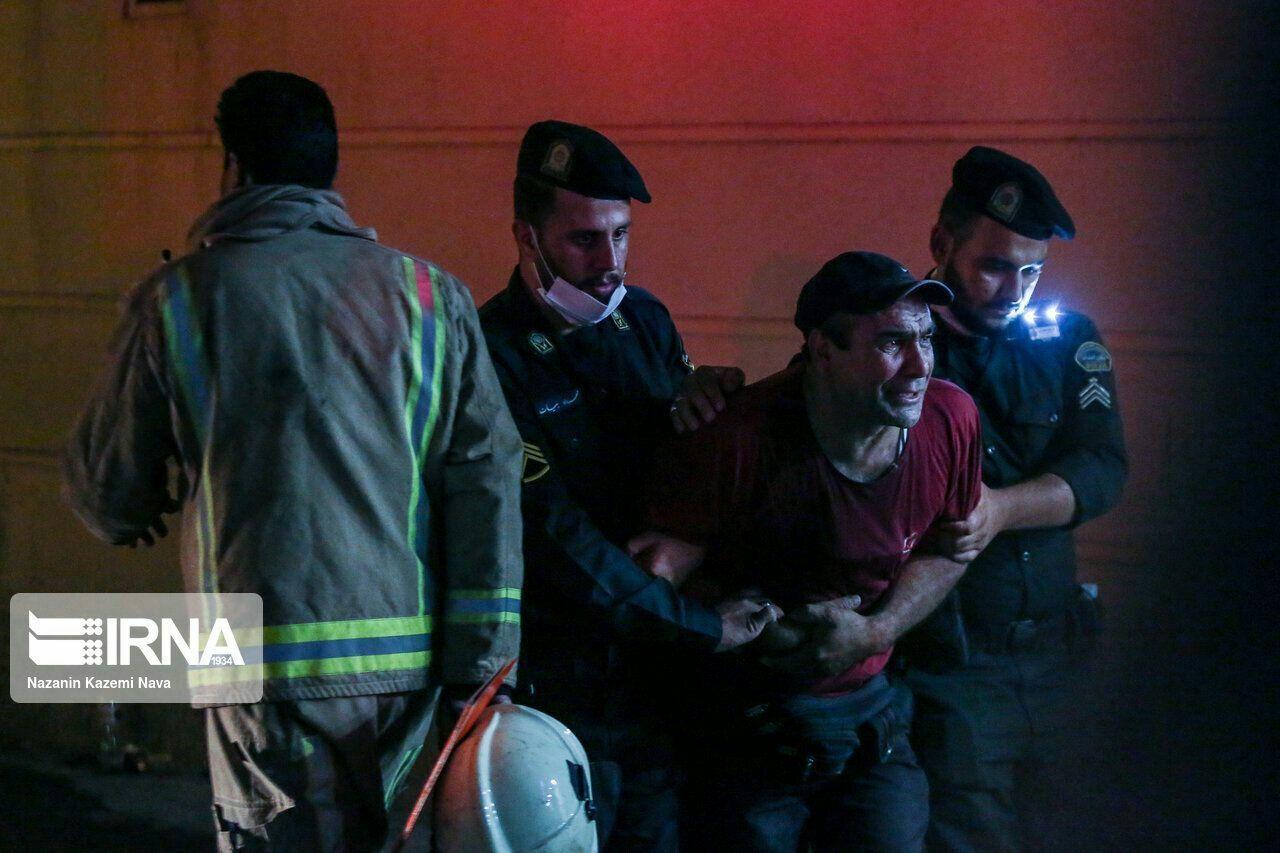
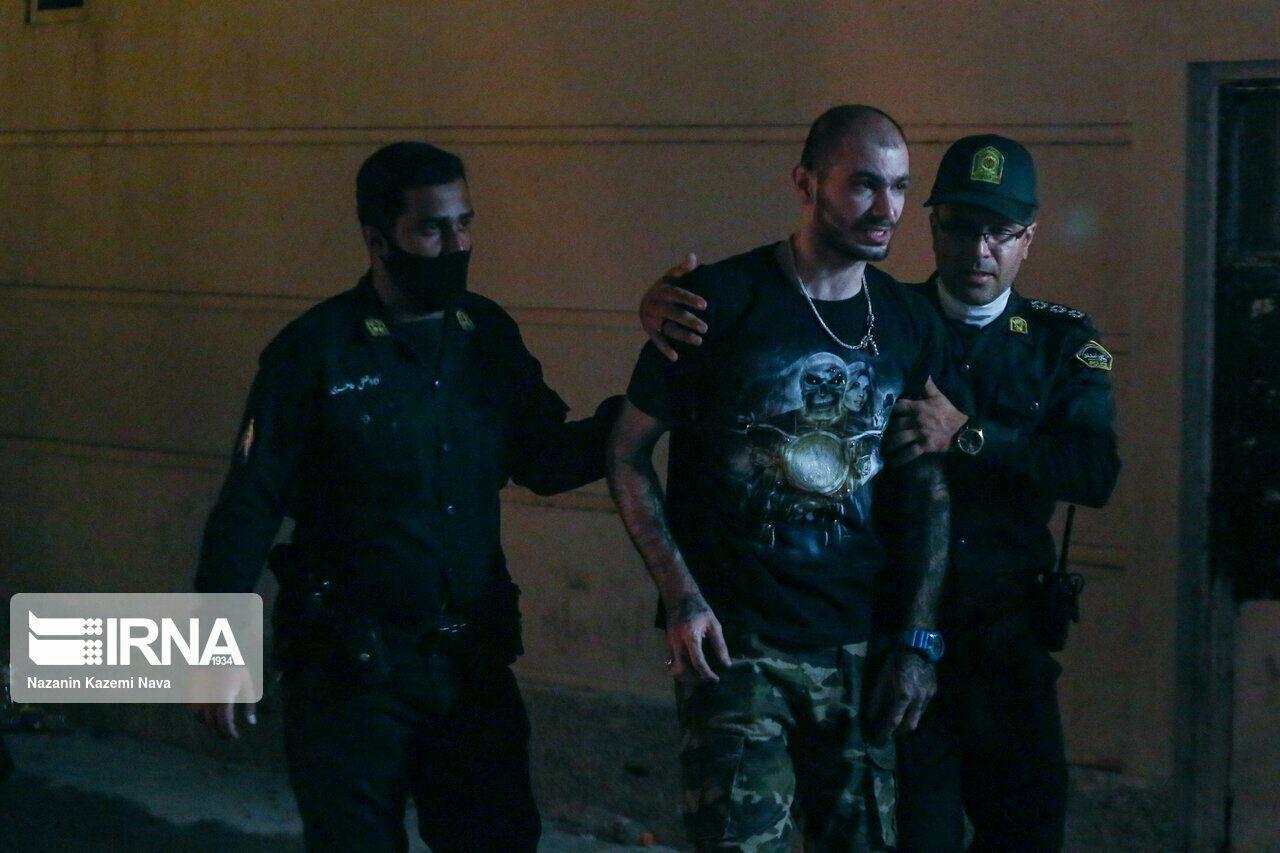
At least 19 people were killed and 14 others injured in an explosion at a medical clinic in the north of Iranian capital, Tehran, on Tuesday.

Officials say the blast was likely to have been caused by a gas leak in the facility. A full assessment of the extent of the damage is yet to be announced.

Coronavirus in Iran to Linger at Least Until Year’s End: President

Coronavirus in Iran to Linger at Least Until Year’s End: President

Speaking at a Tuesday meeting of the Supreme Council of the Cultural Revolution, President Rouhani said the coronavirus outbreak is by no means over and the country will have to struggle with the pandemic until at least the year’s end, which falls in March 2021.

“Watchfulness and observance of the health principles must still be on the agenda of everybody, and attending the unnecessary gatherings must be avoided,” the president emphasized.

President Rouhani also highlighted the administration’s efforts to contain the coronavirus pandemic over the past five months, adding, “Despite all efforts and the very good measures that have been taken in the fight against the disease and for the treatment of the patients, we still witness an increase in the number of infections in a number of cities because the coronavirus is unknown.”

The president then warned that gatherings and ceremonies have been the major factor in a new wave of the coronavirus outbreak in Iran, stressing that using face masks would greatly reduce the risk of spread of the disease.

Pointing to the administration’s plans to produce masks with low prices, President Rouhani said wearing masks in indoor places and public gatherings will be obligatory as of July 5, 2020.

“We’ll keep to the path in the fight against the coronavirus and are still determined to extend restrictions in certain centers and places whose reopening is not necessary,” President Rouhani noted.

Iran has seen a new surge in coronavirus cases in recent days. On Monday, Iran recorded its highest death toll from COVID-19 within a 24-hour period with 162 deaths.

Fire in Tehran Clinic Kills 19, Wounds 11

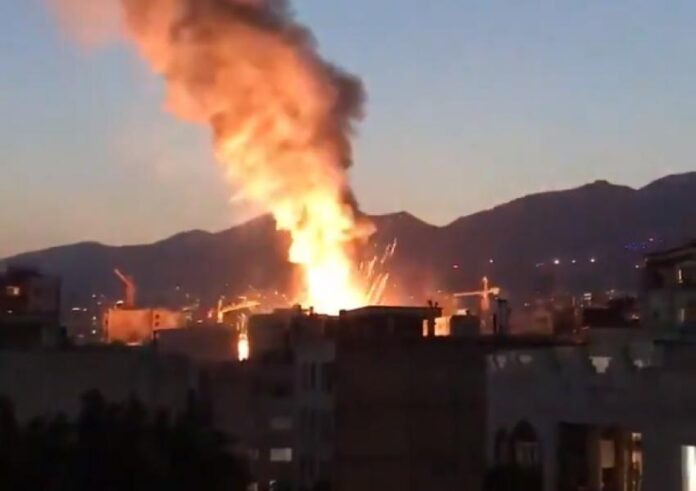
Tehran prosecutor has confirmed that the fire that broke out in Sina At’har clinic in northern Tehran on Tuesday night has claimed at least 19 lives so far. They included 15 women and four men.

According to the official, 11 others have been also injured in the incident and have been taken to Shohada-ye Tajrish hospital.

The spokesperson for Tehran’s Fire Department said firefighters have extinguished fire at the clinic and are searching the building for the remaining victims, if any.

Mayor of Tehran Pirooz Hanachi has held a meeting of the Crisis Management Headquarters, as the rescue and relief teams are providing more details of the incident.

Deputy provincial governor of Tehran said the firefighters have saved some 15 personnel of the medical centre from the roof of the clinic, located on Shariati Street north of Tehran.

Footages of the accident show a huge blast at the clinic, believed to be caused by the explosion of oxygen cylinders following a gas leak.

* The article has been updated on Wednesday, July 1, with the latest details.

Foreign Minister Zarif Addresses UN Security Council Meeting

In his Tuesday speech, the Iranian top diplomat argued that the timetable for the removal of anti-Iran arms restrictions embodied in Resolution 2231 is an inseparable part of the hard-won compromise enabling the parties to the 2015 nuclear deal (JCPOA) to finally agree on the overall package of the JCPOA and Resolution 2231.  

“The resolution explicitly urges its “full implementation on the timetable”. Any attempt to change or amend the agreed timetable is thus tantamount to undermining Resolution 2231 in its entirety,” he noted.

What follows is the full text of Foreign Minister Zarif’s statement at the UN Security Council meeting, entitled “Non-Proliferation: implementation of Security Council resolution 2231 (2015)”, on June 30, 2020. 


In the Name of God


Mr. President, 

I wish to begin my statement with words Prime Minister Mosaddegh used in this Council 59 years ago. 

“The Security Council was established so that large and small nations alike might sit around the same table and cooperate for the maintenance of peace in accordance with the purposes and principles of the United Nations. The Council cannot perform its great task … unless big powers respect the principles which it was created to embody.”  

Two years later, he was overthrown in a CIA coup. 

Mr. President, 

If this Council falters again, it will be a generational setback for the cause of multilateralism and the rule of law. 

We have all in past years seen how malign US unilateralism has intently assaulted international cooperation and international institutions. Through its parallel endeavor to supplant international law with US domestic laws, this has directly undermined global peace and security. 

Regrettably, complacency has enabled and encouraged this recklessness. 

Indeed, complacency is a root cause for why we are gathered here today. 

Iran and other members of the international community have, since the 8th of May  

2018, been witnessing the US Government—a co-sponsor of Security Council Resolution 2231—persistently flouting the Resolution, while also trying to force other States to join it in violating the very text it put forward itself.  More dangerously, and for the first time in 

UN history, a permanent member of the Security Council is punishing law-abiding States  and private citizens for not violating a Council resolution, which emphasized, and I quote, “promoting and facilitating the development of normal economic and trade contacts and cooperation with Iran.”  

And yet, not a single Council session has been convened to reprove the US Government, or to at least investigate its repeated violations. Instead, some European members of the Council are contemplating further undermining the Resolution and the Council while further reneging on their own JCPOA commitments.  

To cover this up, the US has—with some of its enablers—pressured the Secretariat to adopt a perverse reading of Resolution 2231—rejected by 3 JCPOA Participants, which is the polar opposite of the clear affirmation by the Security Council “that conclusion of the JCPOA marks a fundamental shift in its consideration of this issue…”  

The US—along with its accomplices in war crimes in Yemen—have gone further in their now-infamous campaign of intimidation against international institutions. Most recently, they coerced the Secretariat to rely on self-serving allegations and forged documents to produce an utterly unprofessional report outside the scope of its mandate under UNSCR 2231. Not surprisingly, the Secretariat simultaneously absolved the Saudi coalition of its well-documented child-killing in Yemen.  

This status quo is neither acceptable nor sustainable.  
The international community in general—and the UN Security Council in particular—are facing an important decision: Do we maintain respect for the rule of law, or do we return to the law of the jungle by surrendering to the whims of an outlaw bully?  

Mr. President, 

In spite of our strong and legitimate objections to the historic mistreatment of Iran by the Security Council—particularly throughout 8 years of aggression by Saddam Hussein, as well as in the course of the unnecessary nuclear crisis—Iran showed its good faith by engaging in negotiations to reach a diplomatic solution as called for by all Security Council Resolutions on the nuclear issue. After thirteen years of complex negotiations, in 2015 Iran and the five permanent members of this Council plus Germany signed the Joint 

Comprehensive Plan of Action, which is annexed to—and inseparable from—Resolution 2231. Iran clearly stated its positions immediately after the adoption of the Resolution and again more recently.  Yet, it fulfilled all its commitments in good faith, verified by numerous IAEA reports. 

In spite of this great achievement of multilateral diplomacy, the president of the United States in May 2018 announced his country’s unilateral withdrawal from the JCPOA, and the unlawful re-imposition of all US sanctions, in material breach of Resolution 2231. Prior to that, the US had persistently committed multiple cases of “significant nonperformance” of its JCPOA obligations. It is important to note that even the previous US Administration made every effort to minimize the positive impact of its sanction lifting obligations under the JCPOA and Resolution 2231.  

This has all been documented in my numerous letters to the JCPOA Joint Commission Coordinator and the UN Secretary-General, all of which, unfortunately, have been ignored by the European JCPOA Participants.  

Following the US withdrawal from the JCPOA, the UN Secretary General, the remaining JCPOA participants11 and many other members of the international community called on Iran to address its concerns through the mechanisms established in the JCPOA and to allow the remaining JCPOA participants to redress the unlawful withdrawal.  

The European JCPOA Participants requested Iran to wait for only a few weeks to allow them to compensate for the losses Iran incurred as a result of re-imposed US sanctions.  

While expressly reserving Iran’s immediate right under Paragraph 26, I initiated the Dispute Resolution Mechanism under Paragraph 36 of the JCPOA on 10 May 2018.  However, acting in good faith, we refrained from applying the ‘remedy’ in order to enable the remaining JCPOA participants to make good on their promises. For a full year, we continued full implementation of the JCPOA. I trust you are all aware of the 15 consecutive IAEA reports which verified Iran’s full compliance with its JCPOA commitments. 

Unfortunately, the E3 response to our “strategic patience” was not a long overdue assertion of European “strategic autonomy”. Rather it was over-compliance with the US’ “maximum pressure” targeting all Iranians.  

On 6 November 2018, I made a final call on the Coordinator and the remaining 

JCPOA Participants under paragraph 36 of the JCPOA. “The United States has now re-

imposed with full effect all sanctions specified in the JCPOA and its Annex II, and as elaborated above, no remedial measure has been implemented by the remaining JCPOA Participants.  Most have effectively joined the restrictive measures against Iran…Either EU/E3+2—who have repeatedly underlined the security and strategic ramifications of JCPOA—should ensure Iran’s legitimate benefits by fulfilling their commitments made in their statements of 6 July and 24 September 2018  in real and practical terms without further delay, or Iran will have no option but to restore a semblance of balance –as ‘the remedy that the participants contemplated if the dispute mechanism did not resolve the issue’… In view of the above, I formally call for the convening of another ministerial meeting of the Joint Commission.” 

No meeting was convened and none of the European JCPOA Participants even bothered to write a rebuttal for another 6 months. Having repeatedly exhausted the Dispute Resolution Mechanism to absolutely no avail, my Government was left with no recourse but to exercise its rights under Paragraphs 26 and 36 of the JCPOA to apply remedial action and cease performing its commitments in part on 8 May 2019.  

In spite of all this, our remedial measures have until now had no impact on the IAEA’s monitoring and verification of our peaceful nuclear program, thereby making any proliferation risks irrelevant. Indeed, Iran’s peaceful nuclear program remains subject to the “most robust” inspection regime in history. From 2016 through 2019, over 92 percent of the Agency’s total comparable global inspections were carried out in Iran. 

Even the recent controversial report by the Director General of the IAEA on 5 June 2020 states that “The Agency continues to verify the non-diversion of declared nuclear material at the nuclear facilities and locations outside facilities where nuclear material is customarily used (LOFs) declared by Iran under its Safeguards Agreement”

Having said that, the Agency must resist external pressures to manipulate its agenda. The litany of forged documents at its doorstep have a stated objective of forever killing the JCPOA, thereby ending the Agency’s robust monitoring of current activities in Iran. Resuscitating 17-year-old allegations with no proliferation risk—which were investigated and permanently closed by the IAEA Board of Governors in 2015—will certainly not serve the Agency. 

Mr. President, 

Matters which are extraneous to the JCPOA by mutual agreement—such as Iran’s defensive capabilities and regional policies—are being maliciously raised by the US Administration and parroted by a handful of its allies and clients.  

Here, it must be underlined that the bargain made in the JCPOA was in total cognizance of our disagreement with the Western members of the P5+1 over certain issues. Do not be deceived: we mutually agreed not to address these issues; most importantly because the United States was not prepared to—or probably even capable of—addressing our grave concerns over its unfathomable level of arms sales and build-up in our neighborhood, as well as its malign behavior and constant interventions, which have left our region in ruins.  

The United States has carried out numerous acts of armed aggression against Iran and its neighbors; invaded our neighbors 3 times in the last 3 decades; milked the region of its resources through destabilizing arms sales; systematically supported terrorists;

and provided material support for crimes against humanity in Yemen. The peoples of our region have had enough of the malign US presence, and demand its termination. The bitter irony here is that most Americans also want their troops returned home, where they belong. 

This very regime absurdly accuses Iran of “meddling” in its own region.  Yes. Of course. We want to partner with all our neighbors to create a strong region that precludes the emergence of hegemonic aspirations, by any power—regional or global. A strong region that requires homegrown political and territorial stability. And a strong region for which all neighbors need to exercise strategic self-restraint. It was to this end that, the President of the Islamic Republic of Iran put forward the Hormuz Peace Endeavor—HOPE. And we can do it. Without US meddling some 6000 miles away from its shores. 

Mr. President, 

The International Court of Justice clearly underlined in its 1971 advisory opinion on Namibia, and I quote, “One of the fundamental principles governing international relationship thus established is that a party which disowns or does not fulfil its own obligations cannot be recognized as retaining the rights which it claims to derive from the relationship.”  

After officially and explicitly ceasing its participation in the JCPOA at the highest level, and having violated each and every one of its obligations under the JCPOA and Resolution 2231, the US cannot arrogate to itself any right under that Resolution. Nor can its enablers try to save its face via so-called middle-ground formulas.  

The timetable for the removal of arms restrictions embodied in Resolution 2231 is an inseparable part of the hard-won compromise enabling the JCPOA Participants to finally agree on the overall package of the JCPOA and Resolution 2231.  The resolution explicitly urges its “full implementation on the timetable”. Any attempt to change or amend the agreed timetable is thus tantamount to undermining Resolution 2231 in its entirety. The Council must not allow a single State to abuse the process. 

As specified in the letter of the President of the Islamic Republic of Iran to the leaders of remaining JCPOA participants on 8 May 2019, any new restriction by the Security Council is against the fundamental commitments made to the Iranian people. In such a scenario, Iran’s options, as already notified to the remaining JCPOA participants, will be firm. And the United States and any entity which may assist it —or acquiesce in its illegal behavior—will bear full responsibility. 
Mr. President, 

The unlawful US unilateral withdrawal from the JCPOA and the re-imposition of its sanctions entail the US responsibility under the UNSCR 2231, UN Charter and applicable international law. The United States has also disregarded the decision of the International Court of Justice.  
It’s long overdue for the international community, and in particular this Council, to hold US Government accountable for the consequences of its wrongful acts—including its malicious endeavors to wage economic terrorism on the entire Iranian nation, willfully deprive them of food and medicine, and irreparably harm their economy and their standard of living. The United States must fully compensate the Iranian people for all damages it has inflicted upon them—appallingly, for no reason other than to satisfy domestic constituencies and personal aggrandizement.  
While the Islamic Republic of Iran has shown—in words and deeds—our desire and preference for constructive engagement, we do not depend on others for our security, stability or prosperity. We have learned to solely depend on ourselves. That is why more than 40 years of US pressure—whether through demonization or war, sanctions or terror—including the cowardly assassination of our region’s counter-terrorism hero, General Qassem Soleimani—has failed to “bring Iranians to their knees” or affect our people’s decision-making calculus. 

For my final words, let me again borrow from Prime Minister Mossadegh’s speech before the Security Council in 1951: “The Council will not have failed to note the cogency of our arguments to the law. Yet, this is not a legal body, but primarily a political body charged with the highest political responsibilities. It will readily understand therefore, that we will not be coerced whether by foreign governments or by international authorities.”  Thank you, Mr. President.

US in No Position to Define Terrorism: Iran

US in No Position to Define Terrorism: Iran

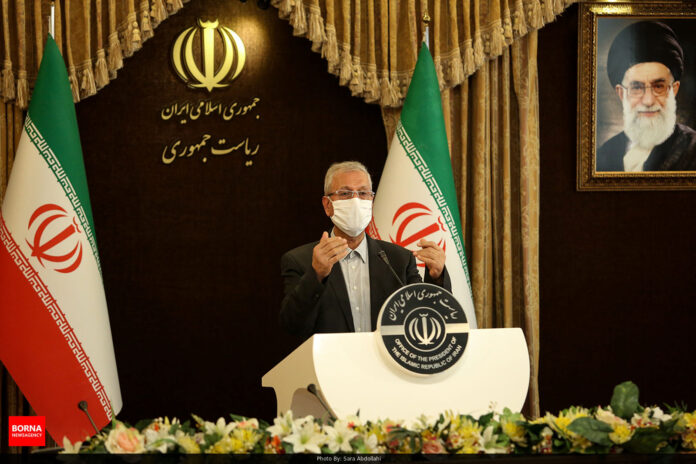
Speaking at a weekly press conference on Tuesday, Ali Rabiei said the US government “is in no legal or moral position to define the examples of terrorism, and no global authority has entitled the US government to do so either.”

Highlighting Iran’s leading role in the war on terrorism and its efforts to contain the spread of terrorism in the world, the spokesman said, “We believe, and the world is also noticing that not only has this (US) administration supported the terrorist groups and terrorist regimes and sponsors of terrorism, it is also a terrorist itself.”

“The clearest aspect of terrorism is the assassination of our commander who was martyred. It (the US) has assassinated a person in another country and then admits to it brazenly,” Rabiei added, referring to the American assassination of Lt. General Qassem Soleimani in Iraq.

“I believe that the US government’s objective is to mount pressure on people of Iran under various pretexts, and I advise the media professionals to read (memoirs of) Bolton. The documents obtained from the memoirs of Bolton reveal Trump’s delusions,” the spokesperson noted.

“He (Trump) says ‘I will put pressure and will force the Iranian authorities with such pressure to surrender to my demands. I would victimize a nation, I would cause misery to a nation, I would cause suffering to a nation, so that they would give in to my demands.’ I believe that everybody knows that we –as I’m reiterating, it is mainly for the foreign audience, because our own people are aware- have been the biggest enemy of the terrorist and extremist groups in the region, and we have paid a heavy price for this battle,” Rabiei stated.

“We believe that if the US had not sponsored terrorism, it would have not been necessary for hundreds of thousands of people in our region to be displaced and killed. Part of the spread of terrorism has been caused by the US’ dual policies,” he underlined.

“I believe that the factor that has prevented the expansion of terrorist current in the region and its spread to the world has been Iran. We have paid a heavy price for this,” the spokesman noted.

“General Soleimani was the person who contributed to security in our region more than everybody else. Anyway, the US’ claims, the US’ internal affairs, and the things that are being revealed today show how groundless they (the US claims) are, as we, not only us, but also the entire world, is facing an unbalanced phenomenon. We will protect our country’s independence and dignity and we’ll definitely get through this juncture,” he concluded.