Thursday, April 9, 2026
Home Blog Page 2749

Iran Urges Muslim Parliaments to Act against UAE-Israel Deal

Iran Urges Muslim Parliaments to Act against UAE-Israel Deal

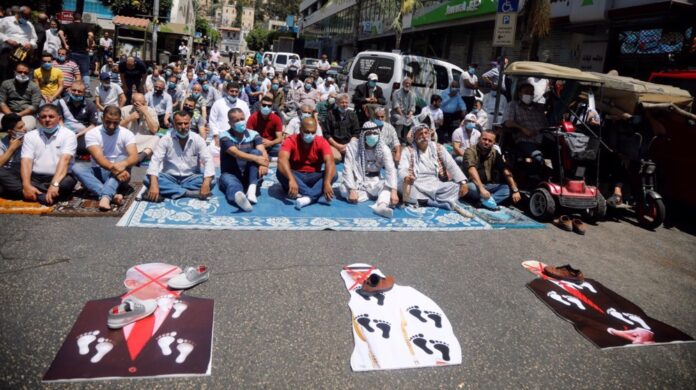
In a message sent to his counterparts in Muslim states on Tuesday, Mohammad-Baqer Qalibaf said the UAE-Israel agreement undermines efforts being made by the Organization of Islamic Cooperation (OIC) and the Parliamentary Union of the OIC Member States (PUIC) towards upholding the inalienable rights of the oppressed Palestinian nation.

Qalibaf said the US-brokered deal, which was released on Thursday, “encourages the usurpers of the Palestinian territory to occupy [even more land], deny the Palestinian people their rights, and destabilize regional peace and security; therefore, the compromise deal lacks any legal validity” in the eyes of the Palestinians and the entire Islamic Ummah.

He also praised the Palestinians for sticking to their culture and history, making sacrifices for their cause, and rejecting any compromise with the usurpers of the land of Palestine and Jeusalem al-Quds over the past seven decades of Israeli occupation.

The Iranian Parliament strongly condemns any measures that violate the Palestinians’ rights, including the UAE-Israel deal, he said.

The agreement, he added, is a “strategic mistake” on the part of Abu Dhabi as well as a “provocative move” that encourages the continuation of the crimes committed by the Zionist regime and threatens peace and security in the region.

“Accordingly, it is necessary for the parliaments of Muslim countries, as the representatives of Muslim nations, to firmly condemn the measure, based on Islamic teachings,” Qalibaf said.

The legislatures are also expected to “employ all parliamentary measures and initiatives to oppose and block this shameful agreement and uphold the inalienable rights of the Palestinians,” he emphasized.

Qalibaf further called on the Muslim parliaments to push their respective governments to condemn the normalization deal and use all their international and regional capacities to foil “this political assassination of the noble Palestinian people.”

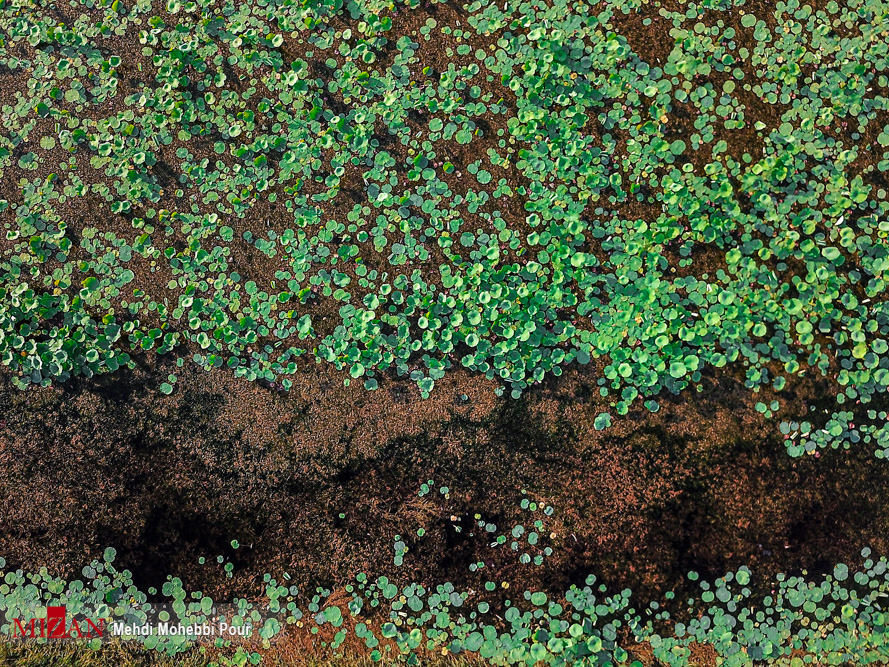
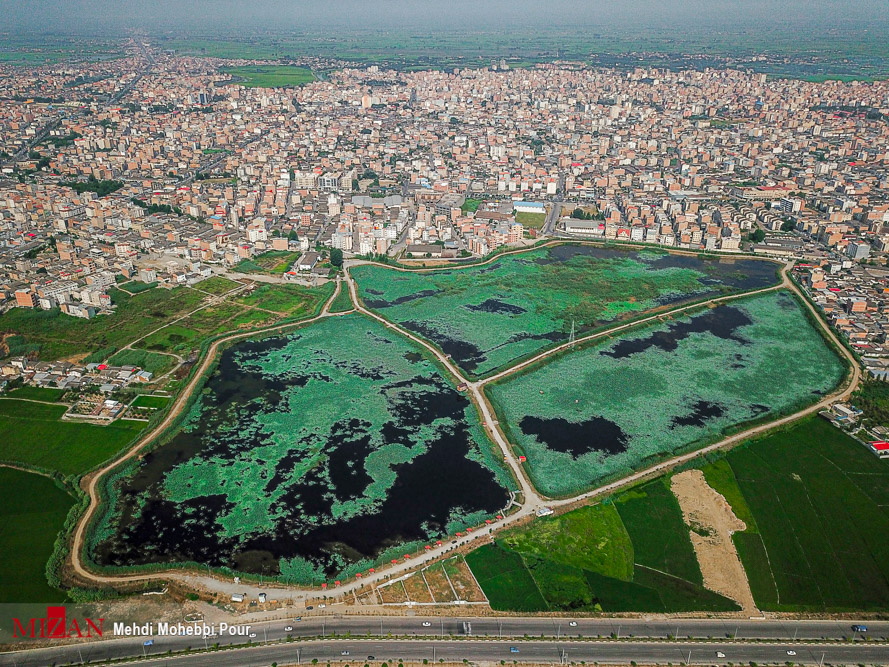
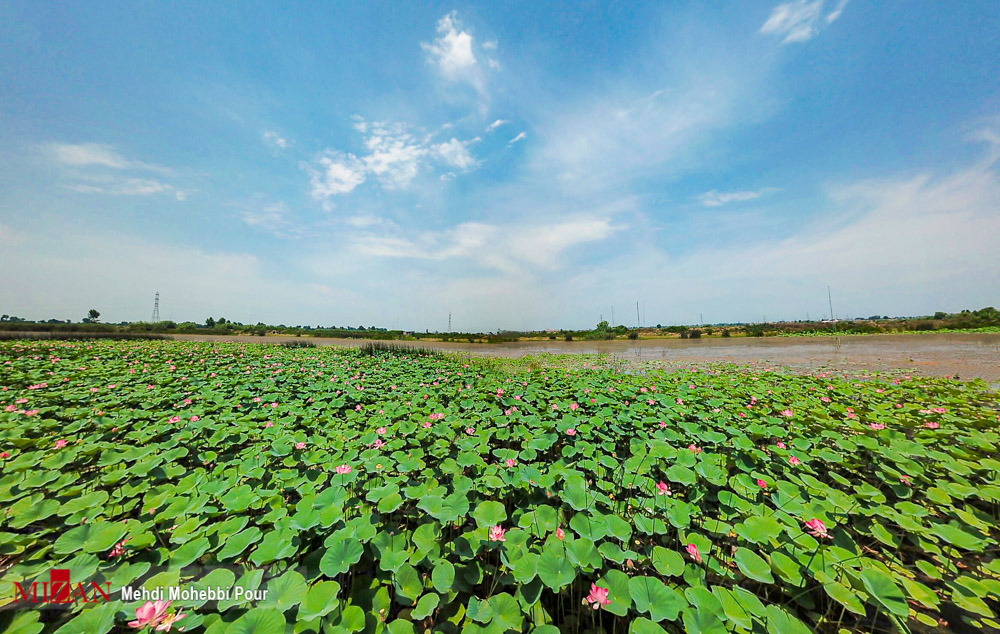
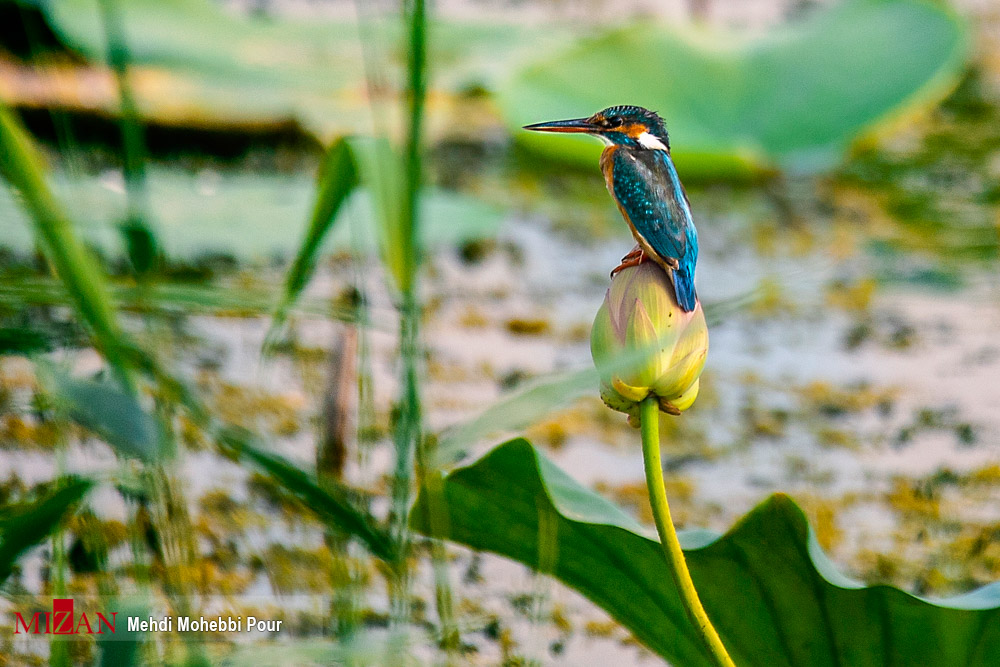
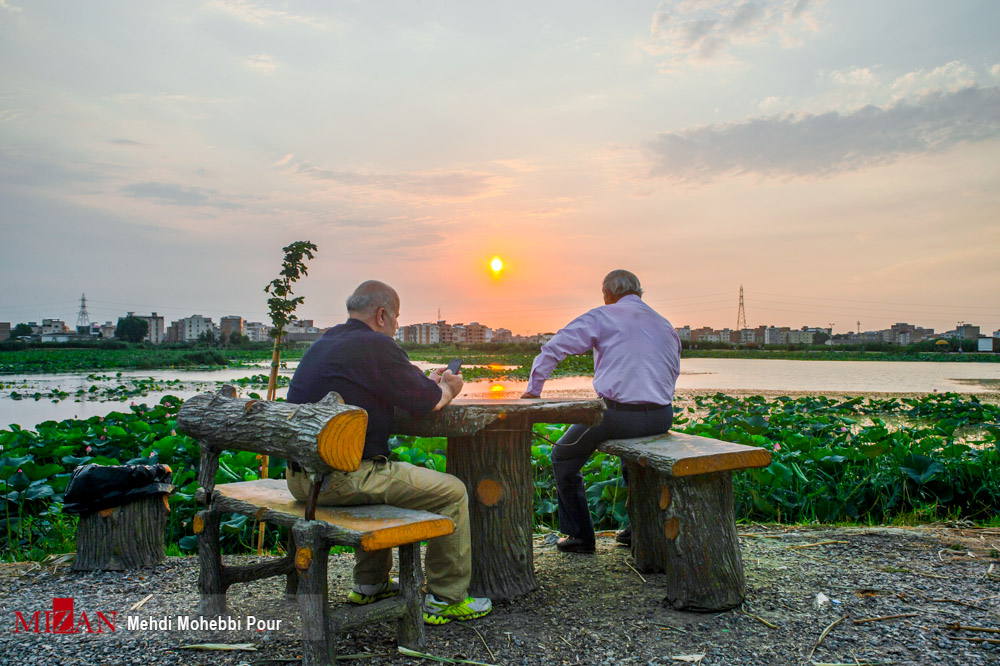
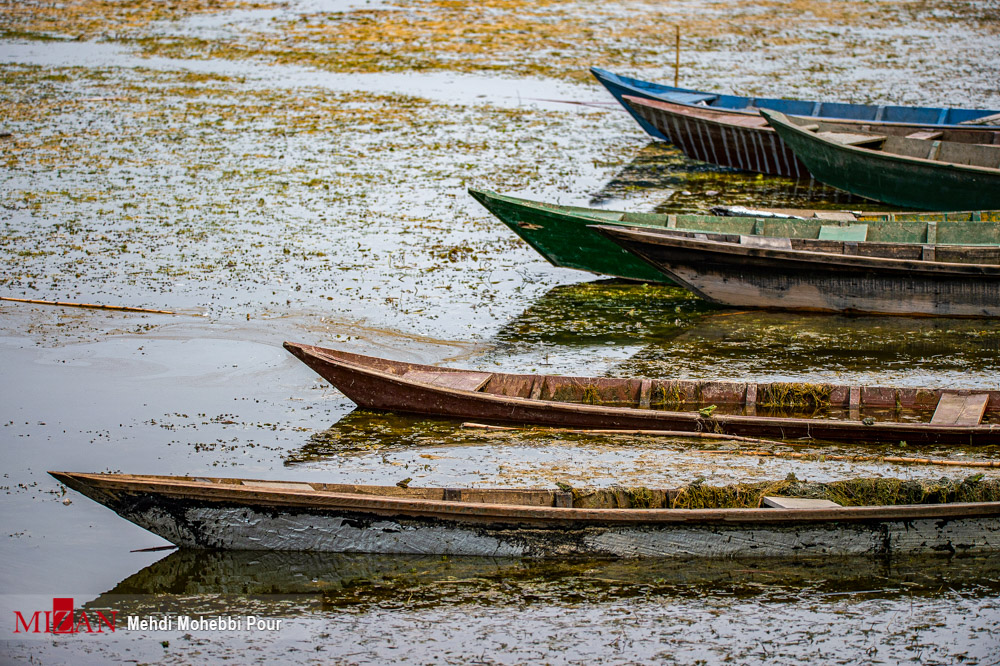
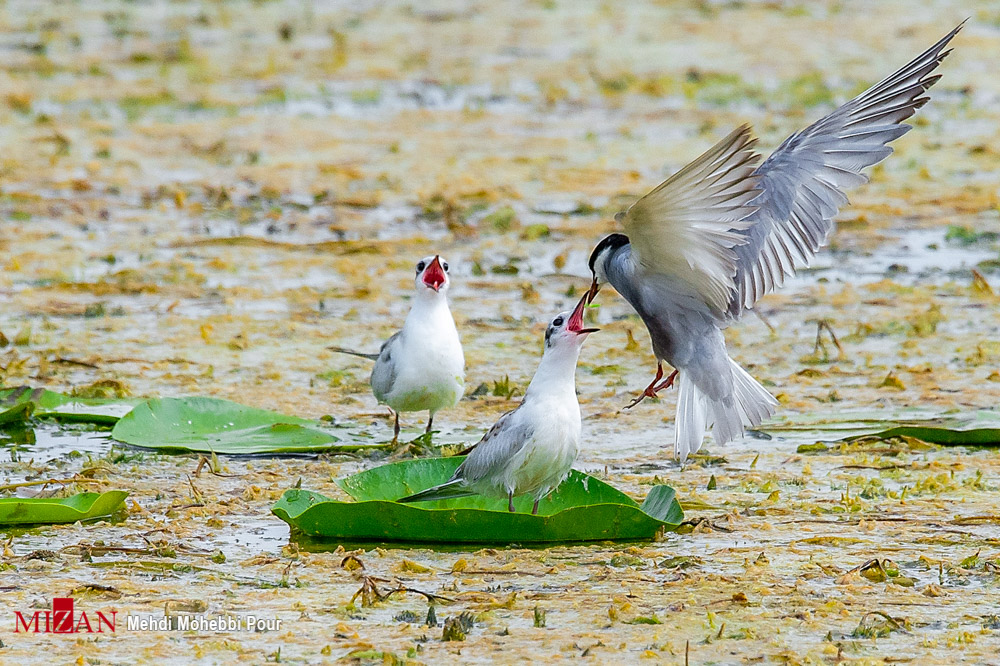
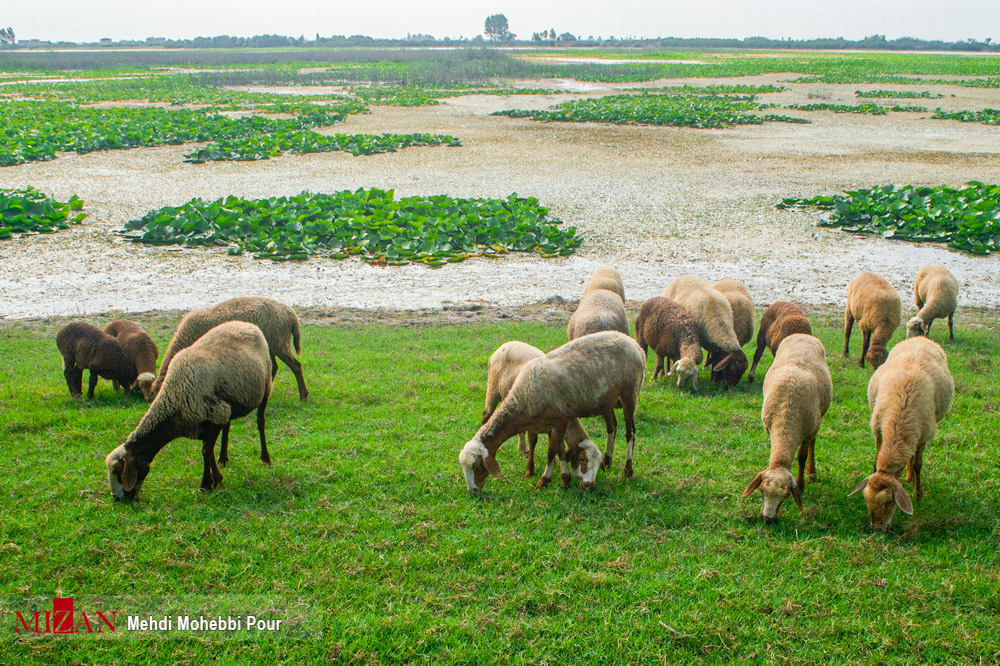
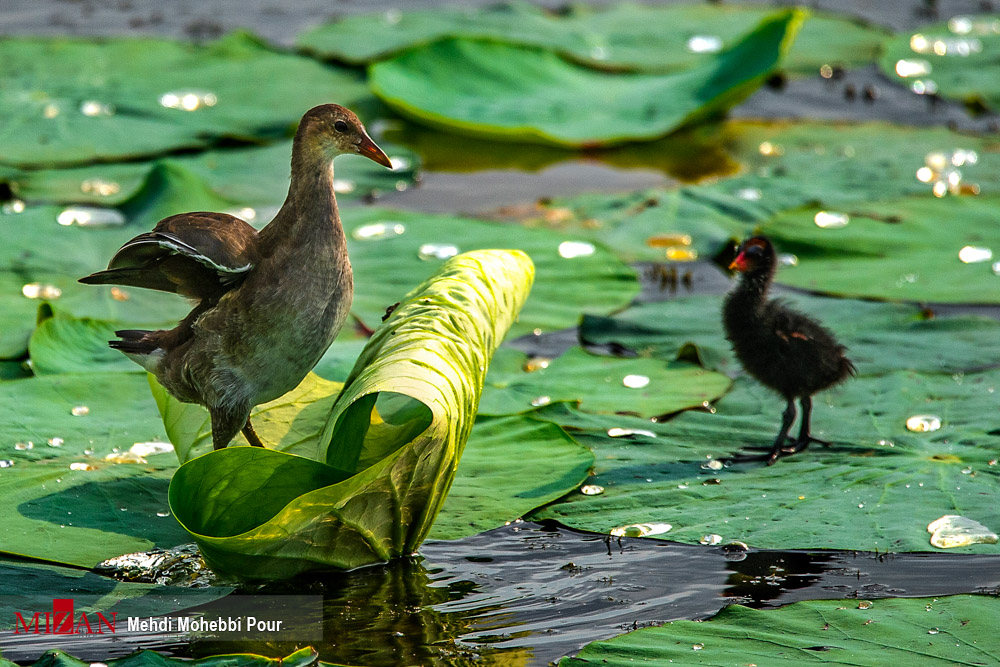
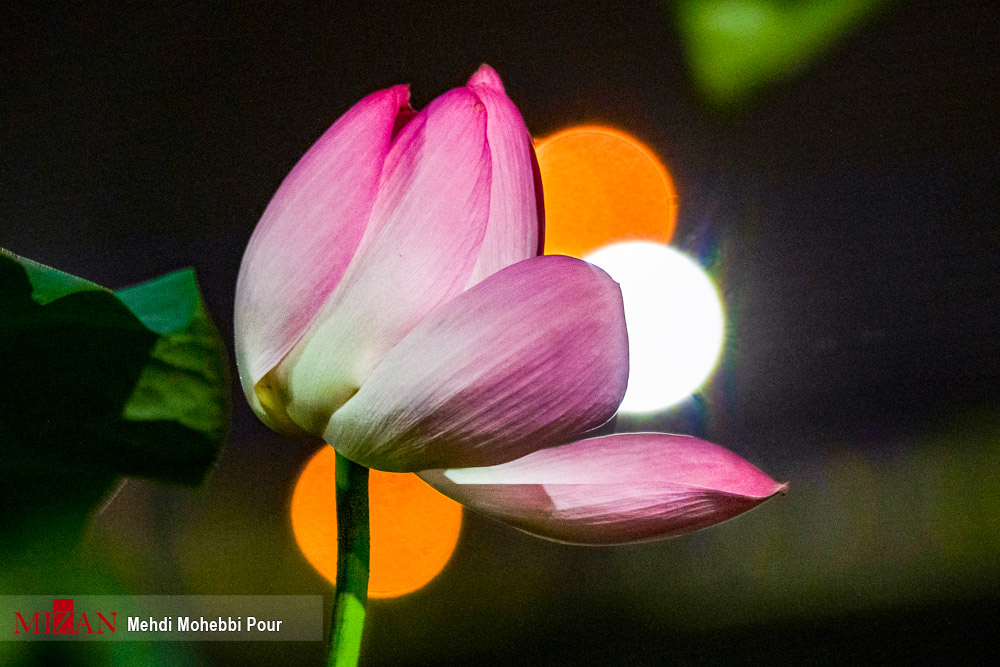
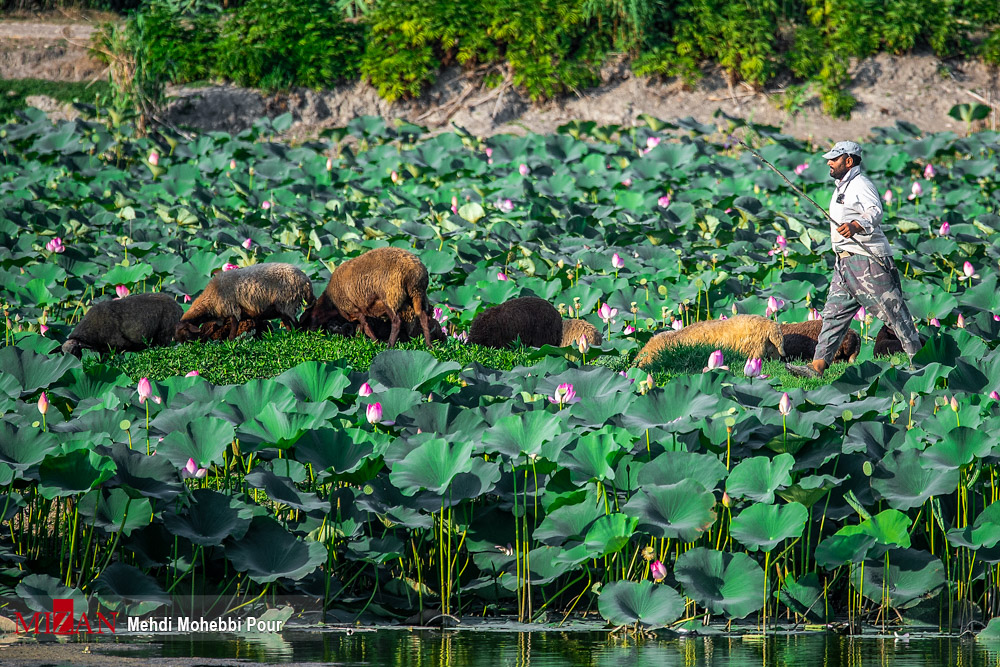
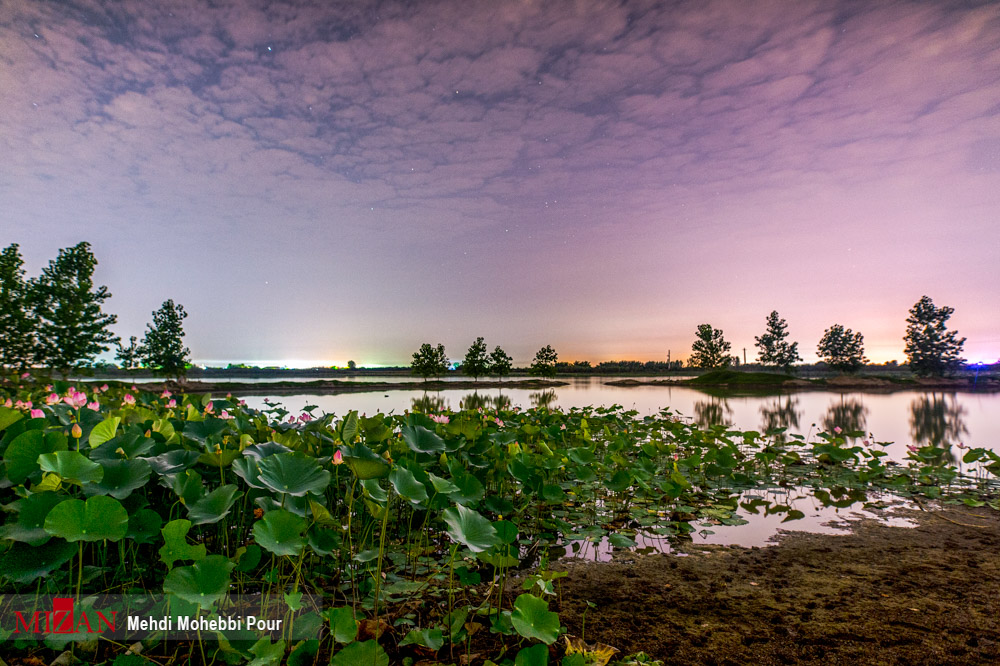
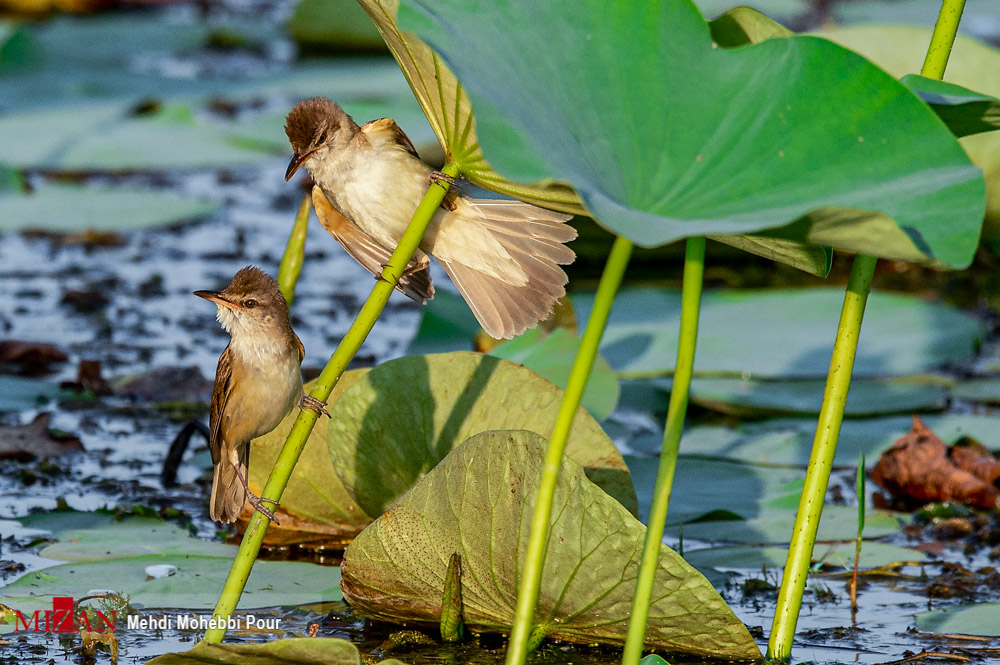
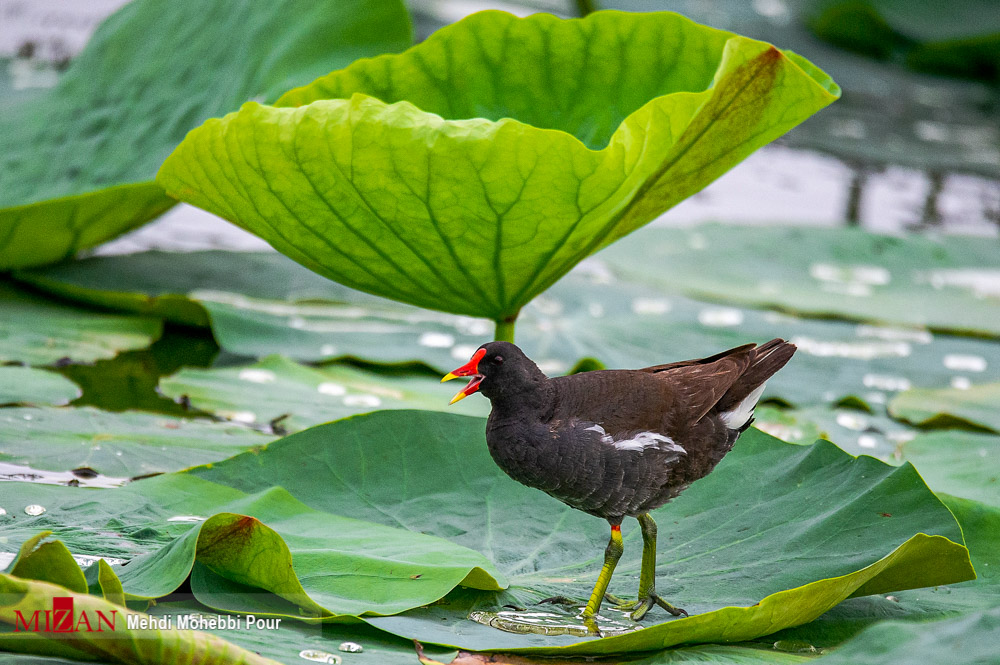
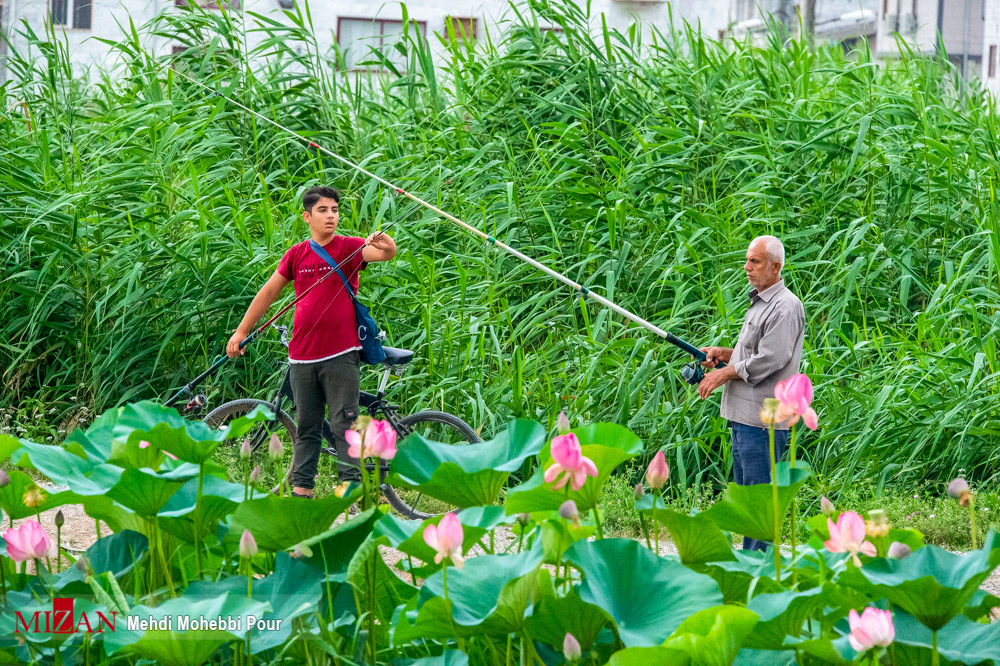
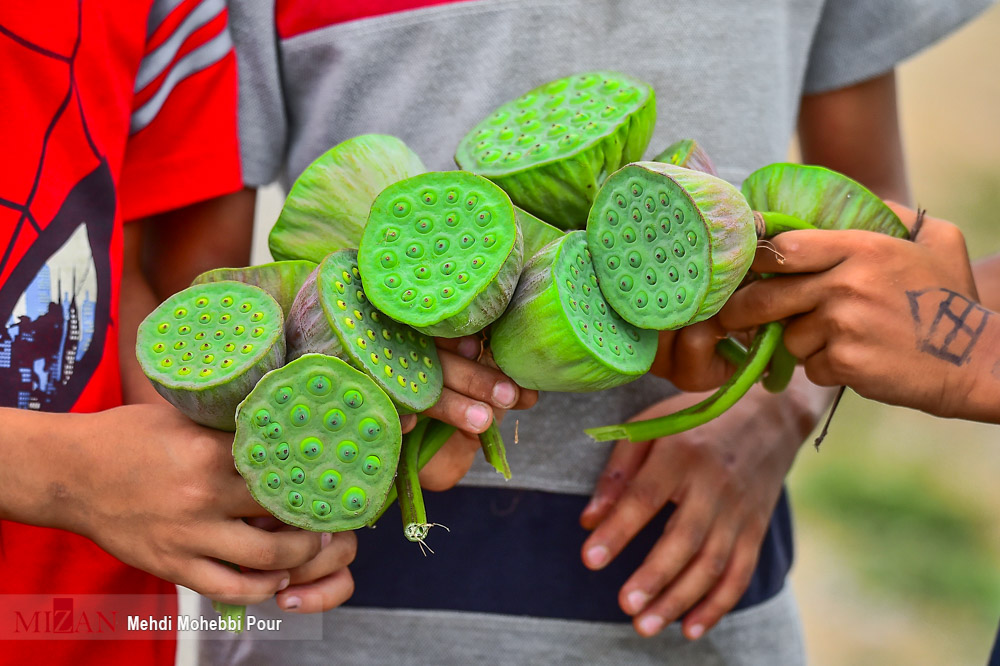
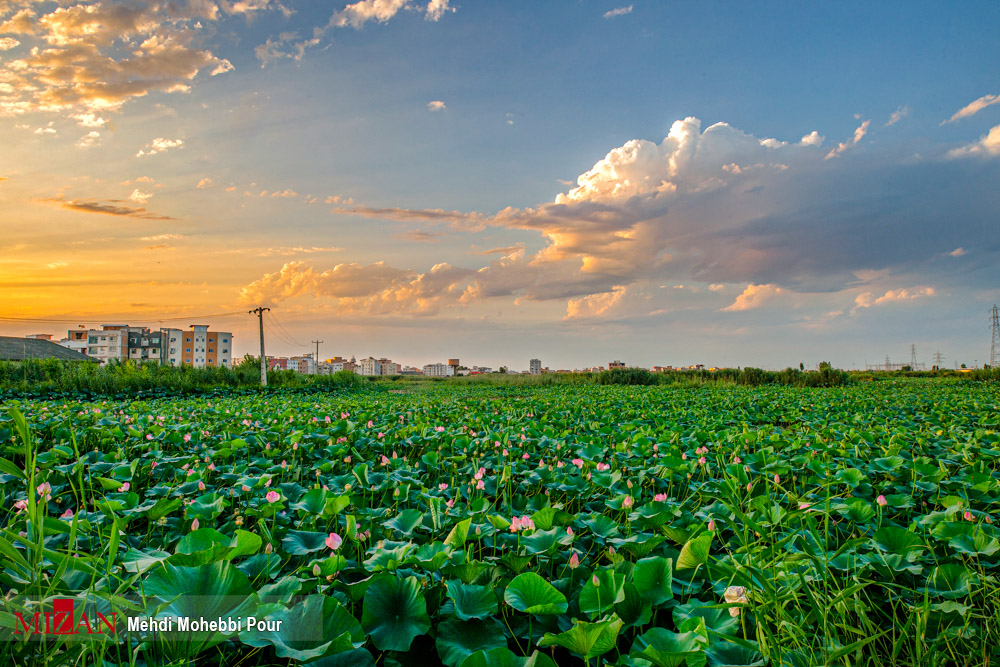
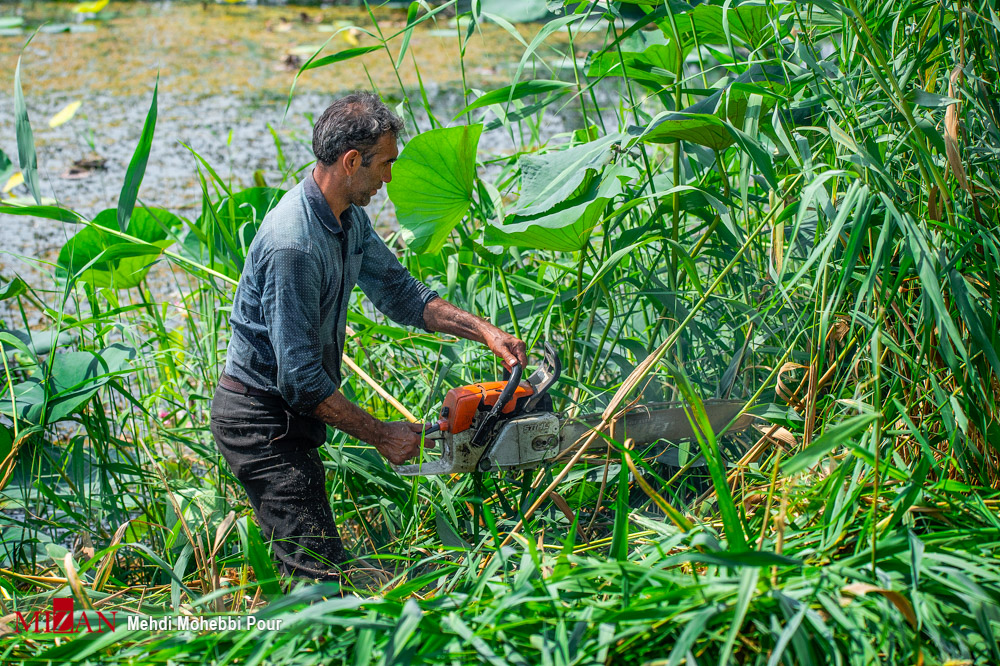
Iran’s Nature in Photos: Lotus Lagoon of Mazandaran

Lotus Lagoon of Mazandaran 4

The lotus lagoon of Babol is a must-see tourist attraction in northern Iran. What follows are Mizan News Agency’s photos of the lagoon:

Rouhani’s Aide Explains Why Meeting with Trump Never Happened

Rouhani's Aide Explains Why Meeting with Trump Never Happened

In an interview with local media, Hessam-ul-din Ashna has elaborated on a range of issues involving the president.

In part of the interview, he underlined that Rouhani made every effort to preserve the 2015 Iran nuclear deal, officially known as the Joint Comprehensive Action (JCPOA)

“I confess that that Mr. Rouhani would make any sacrifices to preserve the JCPOA,” he noted.

“The president would pawn his honour or would be ready to be cursed in order to ward off sanctions,” he said.

“But the president came to realize that [US President Donald] Trump was not going to settle the issue and just wanted to take a photo (i.e., paint a publicly acceptable image of himself),” the advisor noted.

“If Mr. Rouhani had been confident that Trump wanted to resolve the issue and, more importantly, was structurally capable of doing so, he (Rouhani) might have adopted other decisions,” he said.

“If reaching a deal with Trump had had costs on the domestic front only, Mr. Rouhani would have paid them. Likewise, the phone conversation with [former US President Barack] Obama and getting into the nuclear deal had very heavy costs for Mr. Rouhani, but he managed to move forward,” said the advisor.

“Mr. Rouhani is still not forgiven by some power circles for the agreement (JCPOA) he initiated, but the Trump phenomenon is an exceptional one in the world,” he said.

Rouhani-Trump Talks

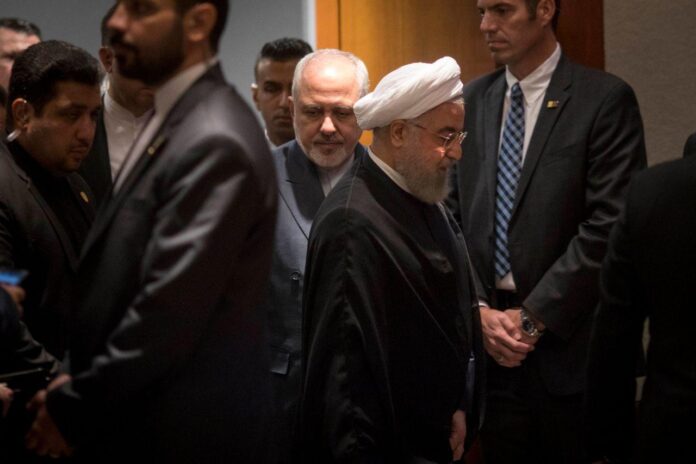
Mr. Trump would say, “We won’t hold talks with people, but with governments.” “Accordingly, when Mr. Macron, in New York, gave an offer of trilateral negotiations, Mr. Rouhani did not reject it,” said Ashna.

“Negotiations between Mr. Rouhani and Mr. Macron went so far that four-point proposal was put forward; the proposal held that Iran and the US should accept these commitments and re-enter talks with these commitments,” he added.

“They were put on paper and some negotiations were held through an intermediary. But the Americans believed that talks needed to start, so that both sides would see whether or not they could fulfill those four provisions; this was a bone of contention,” he said.

“Mr. Rouhani said the principles of the agreements should be set first before sitting at the negotiating table. This is verification. But Mr. Trump said we should first sit at the negotiating table, and then see what happens. This was the technical part of the story,” said the advisor.

“Mr. Macron drew up provisions, and Mr. Rouhani said the he agreed with those four provisions in principle, but needed to work more on them,” said the advisor.

“When Mr. Rouhani went to New York, work had progressed well and both sides were working on the ‘language’ of those provisions. But suddenly, Mr. Macron goes to Mr.

Rouhani’s room that night and says he has the required devices and equipment with him, and that Mr. Trump, too, wants to talk to the Iranian president that night without any prior arrangement or agreement,” the advisor added.

According to Ashna, Macron told Rouhani that Trump had not agreed to the provisions, which meant Rouhani would have to accept the risk of entering into talks with Trump, talks that would have no result for Iran, but would serve to make Trump popular.

“Although Rouhani was prepared for a meeting, he realized that Trump’s goal was not to reach agreement. Given that Iran was under sanctions, unconditional talks would mean giving in to Washington’s demands,” he said.

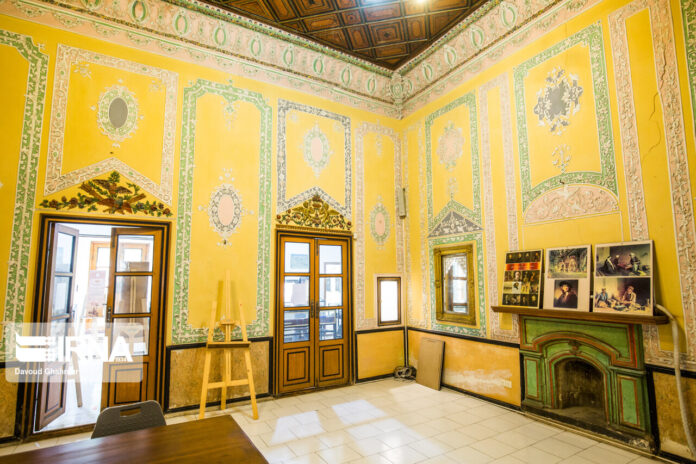
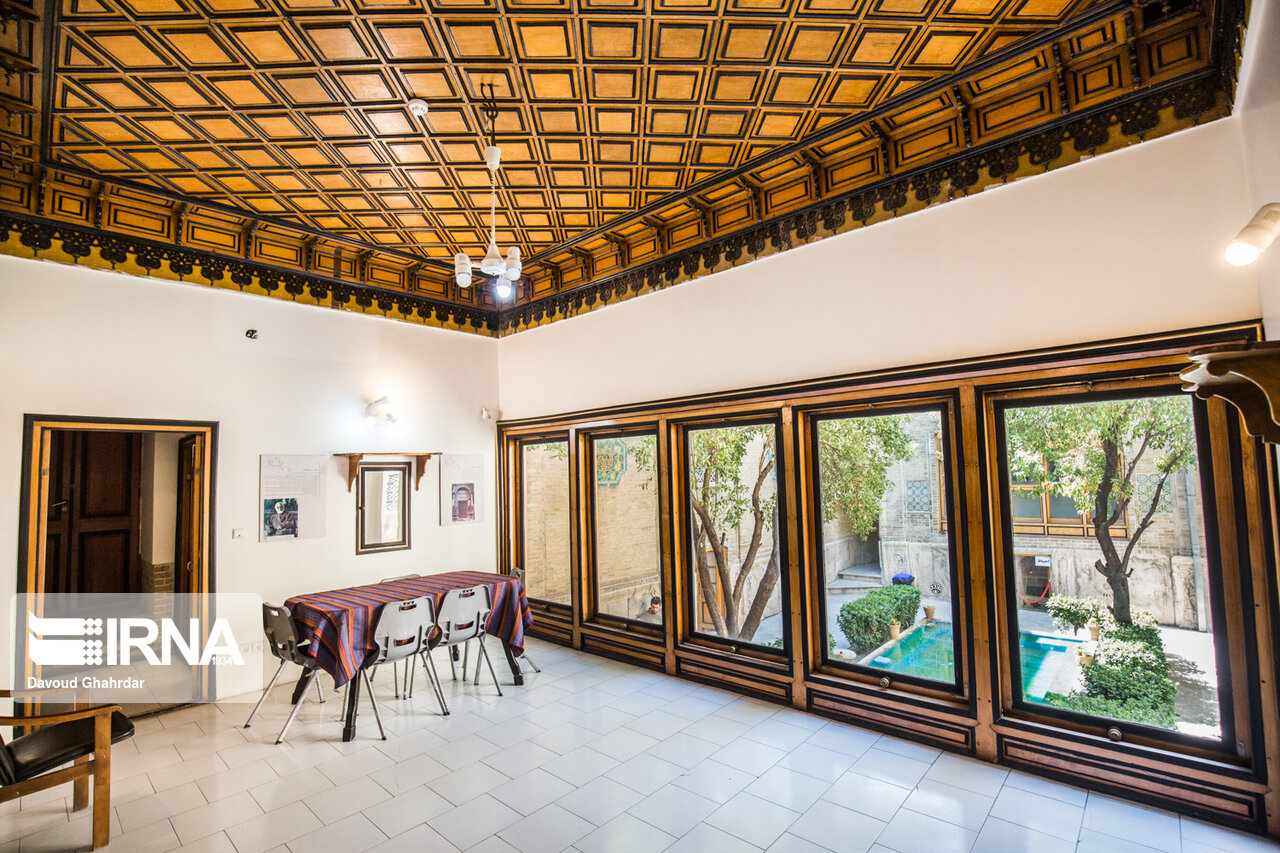
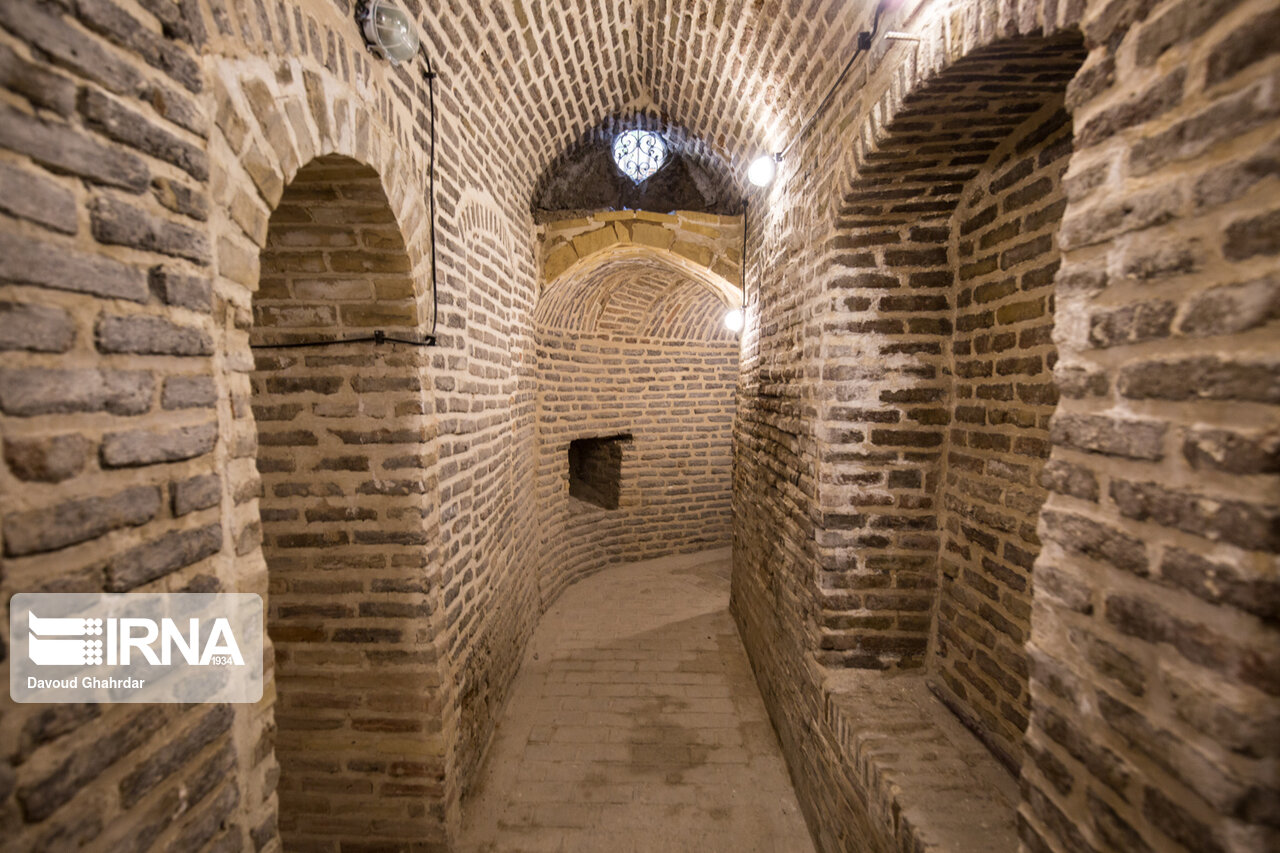
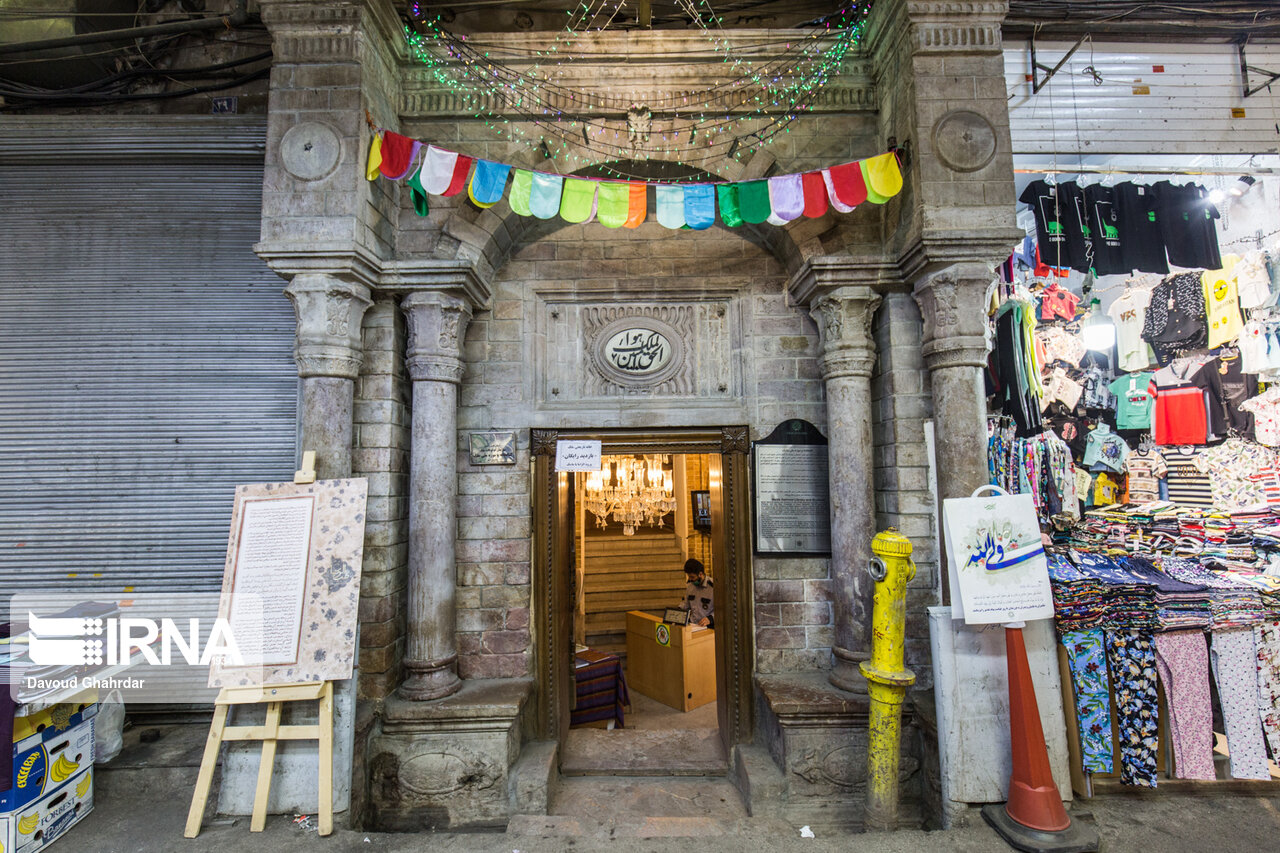
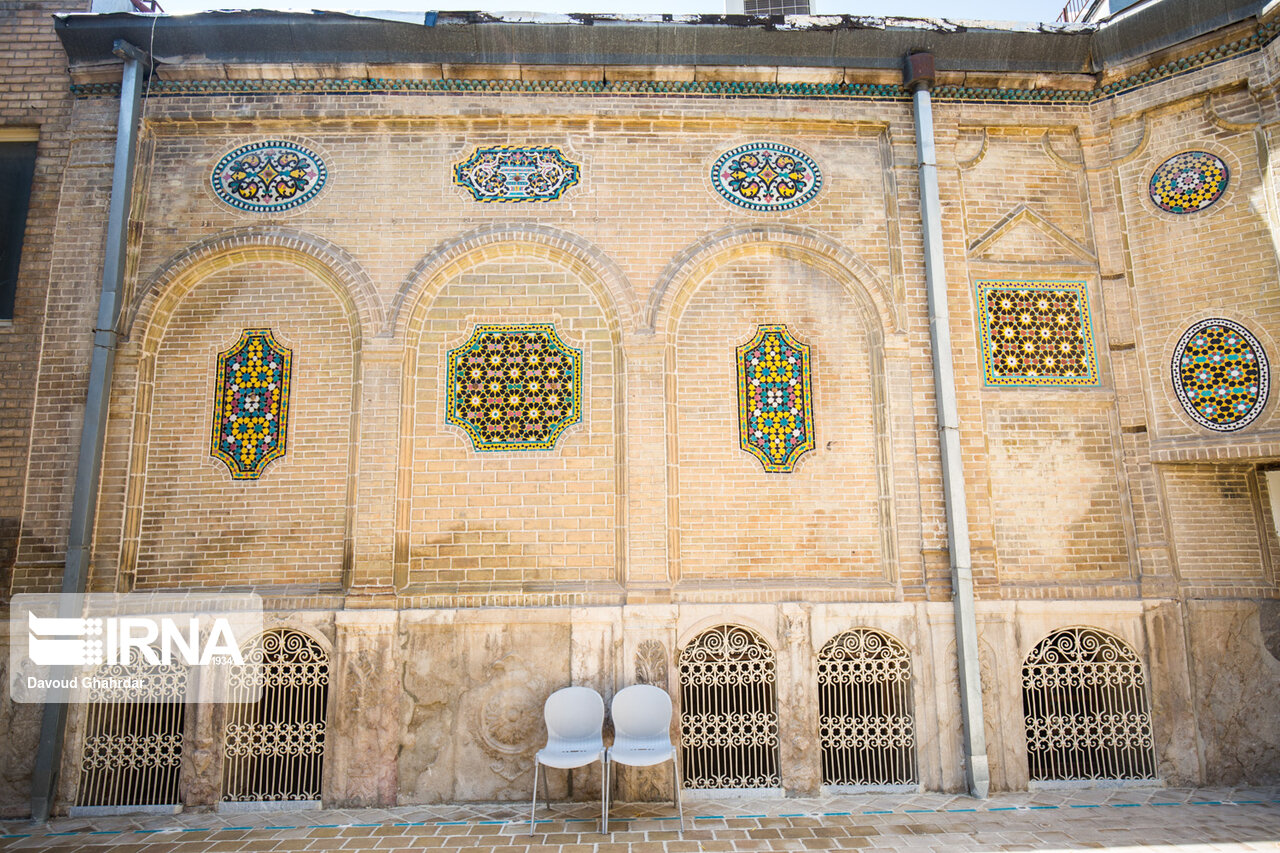
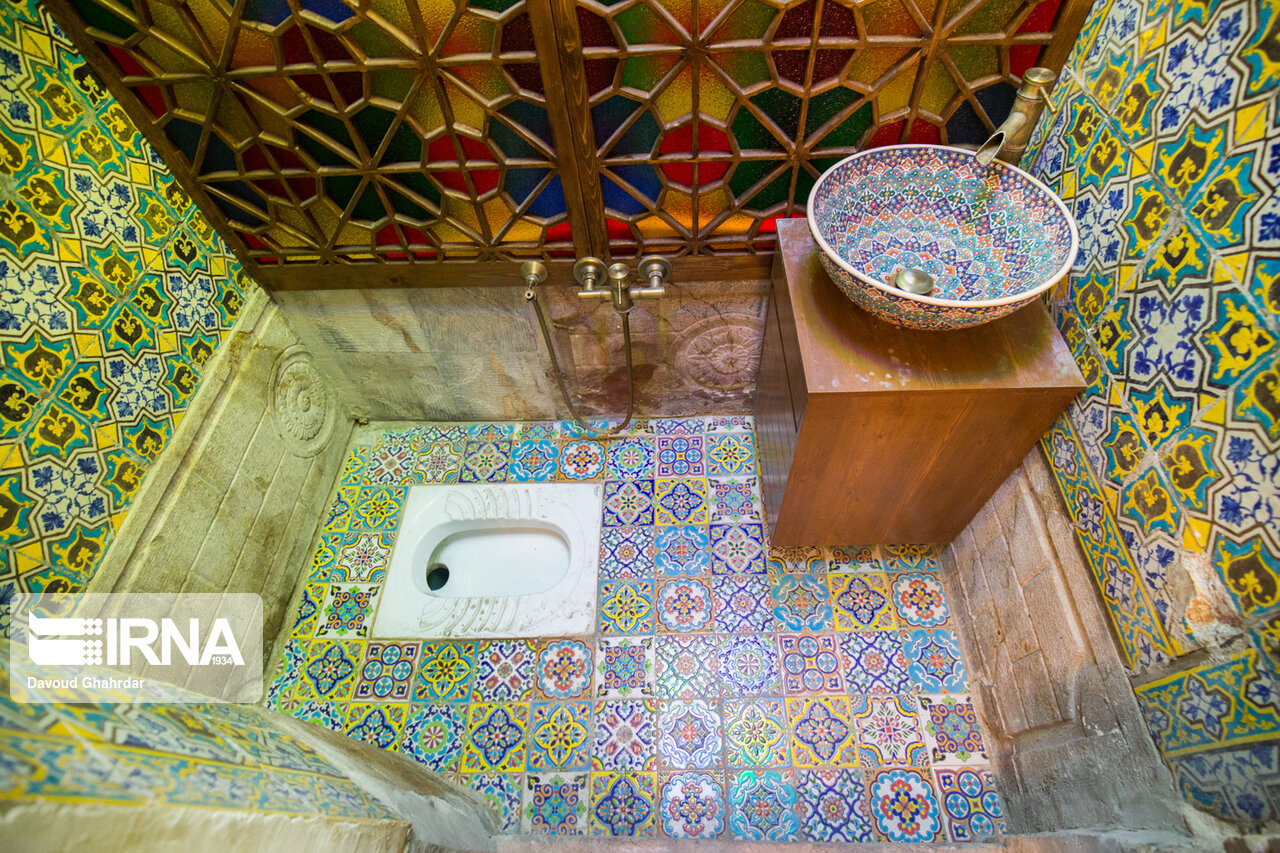
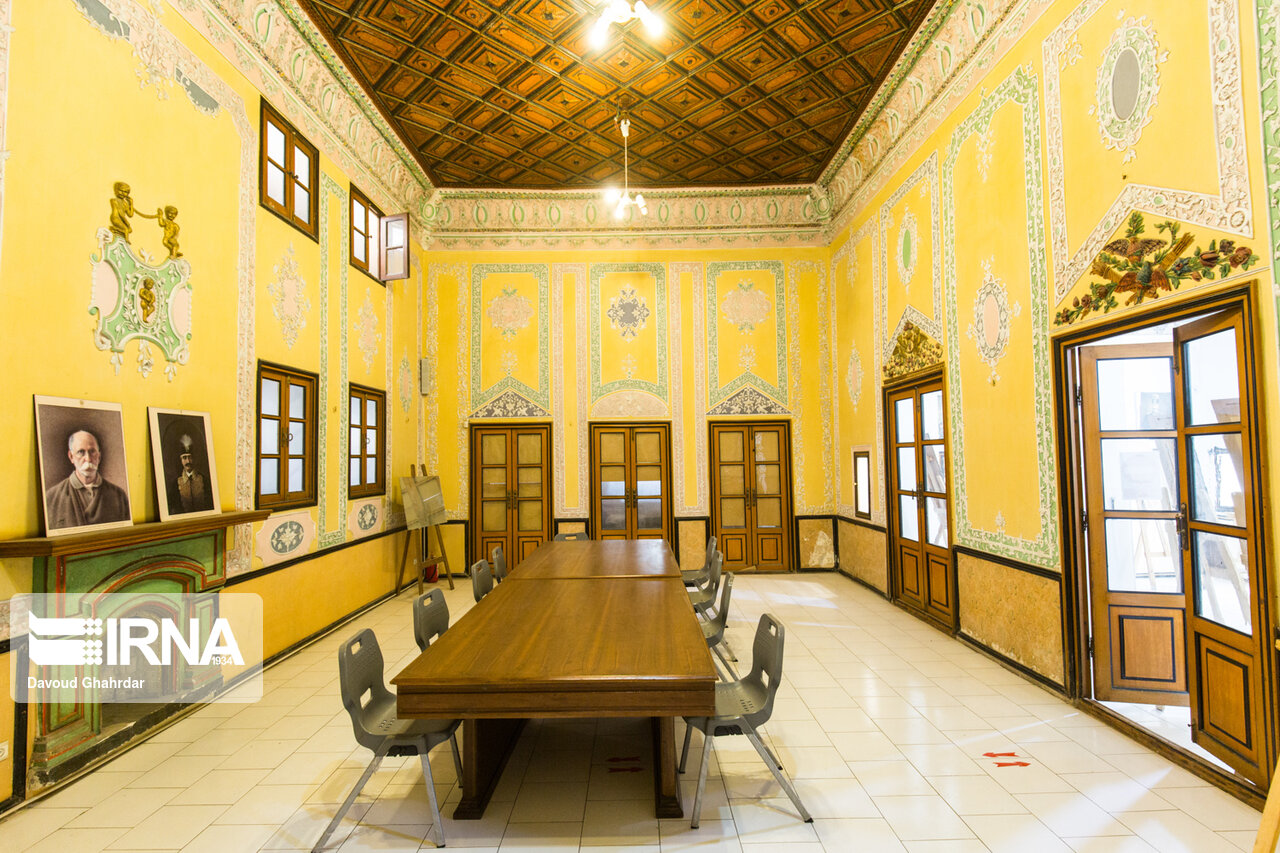
Tehran’s History in Photos: House of Malek

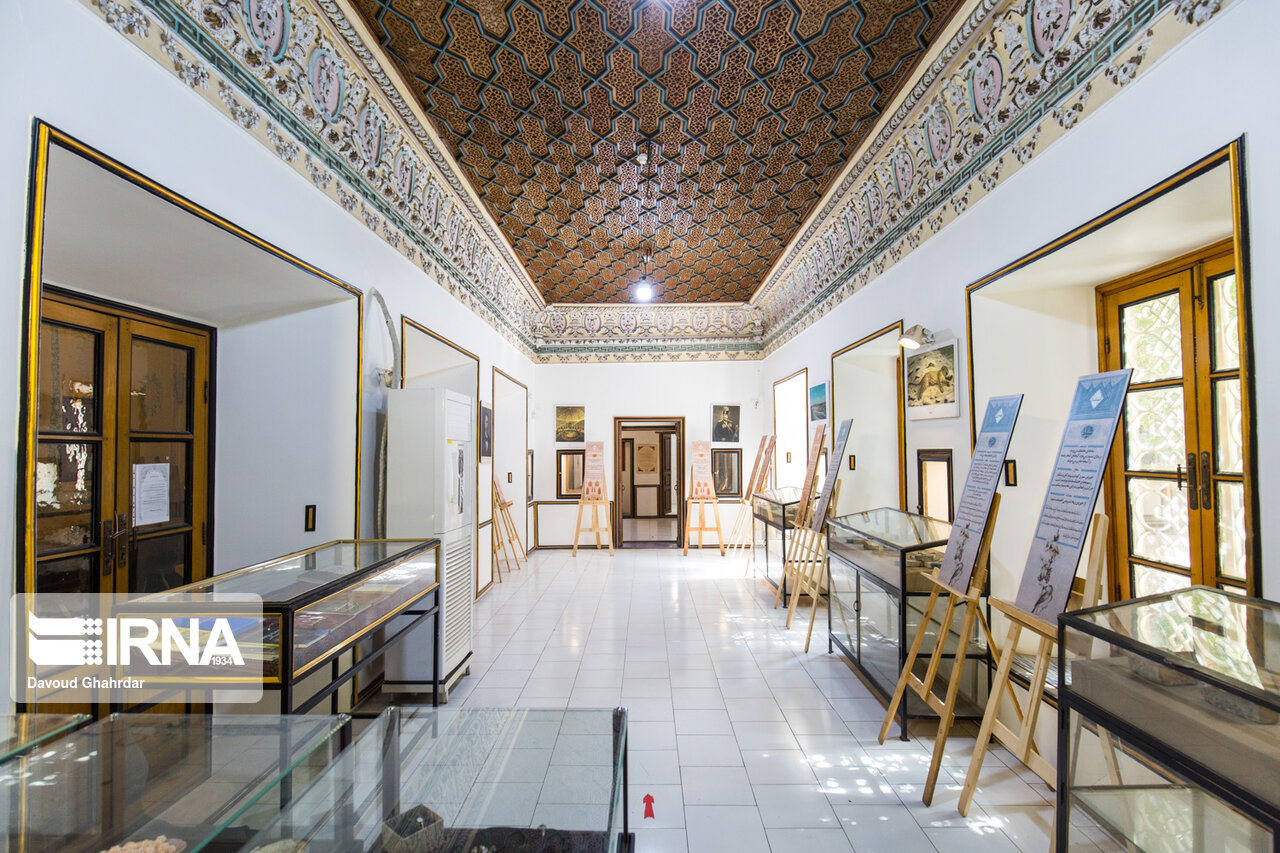
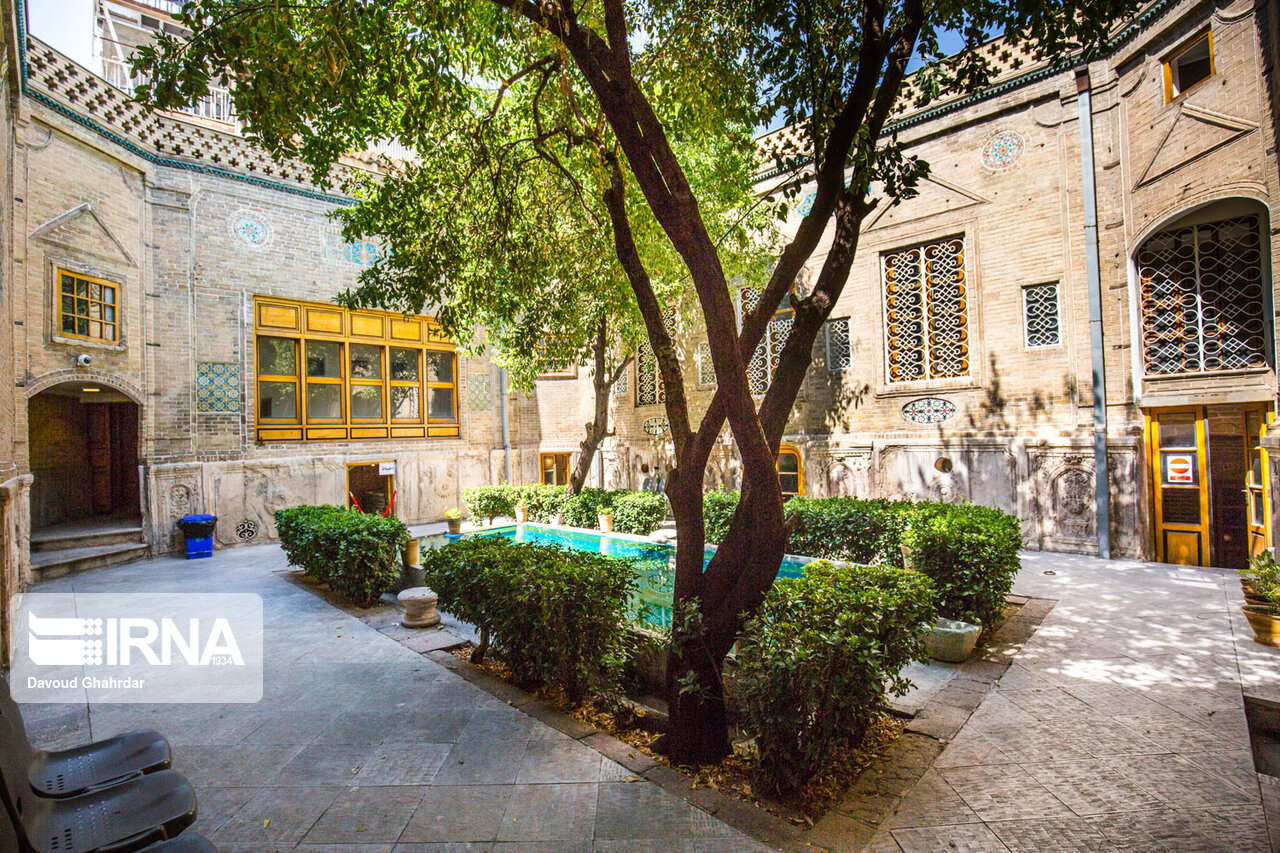
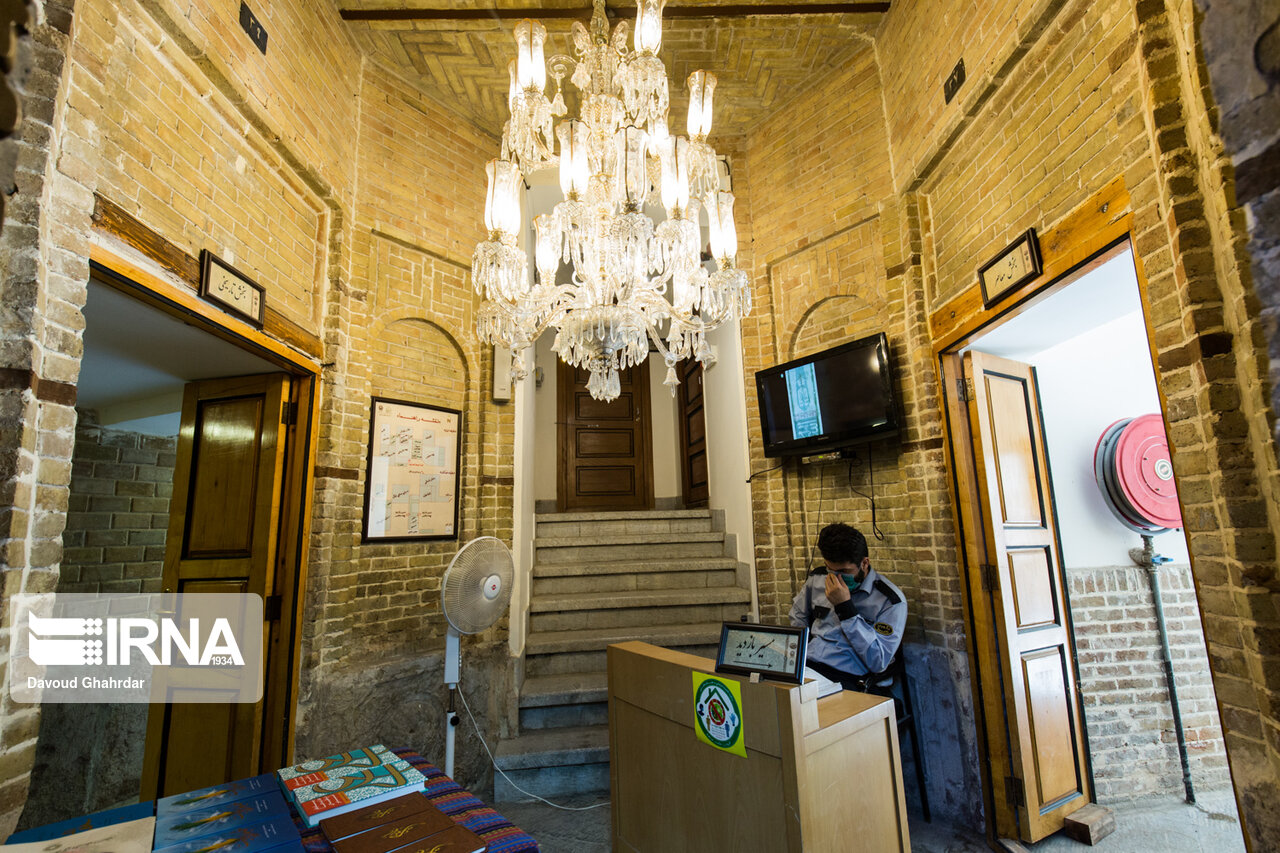
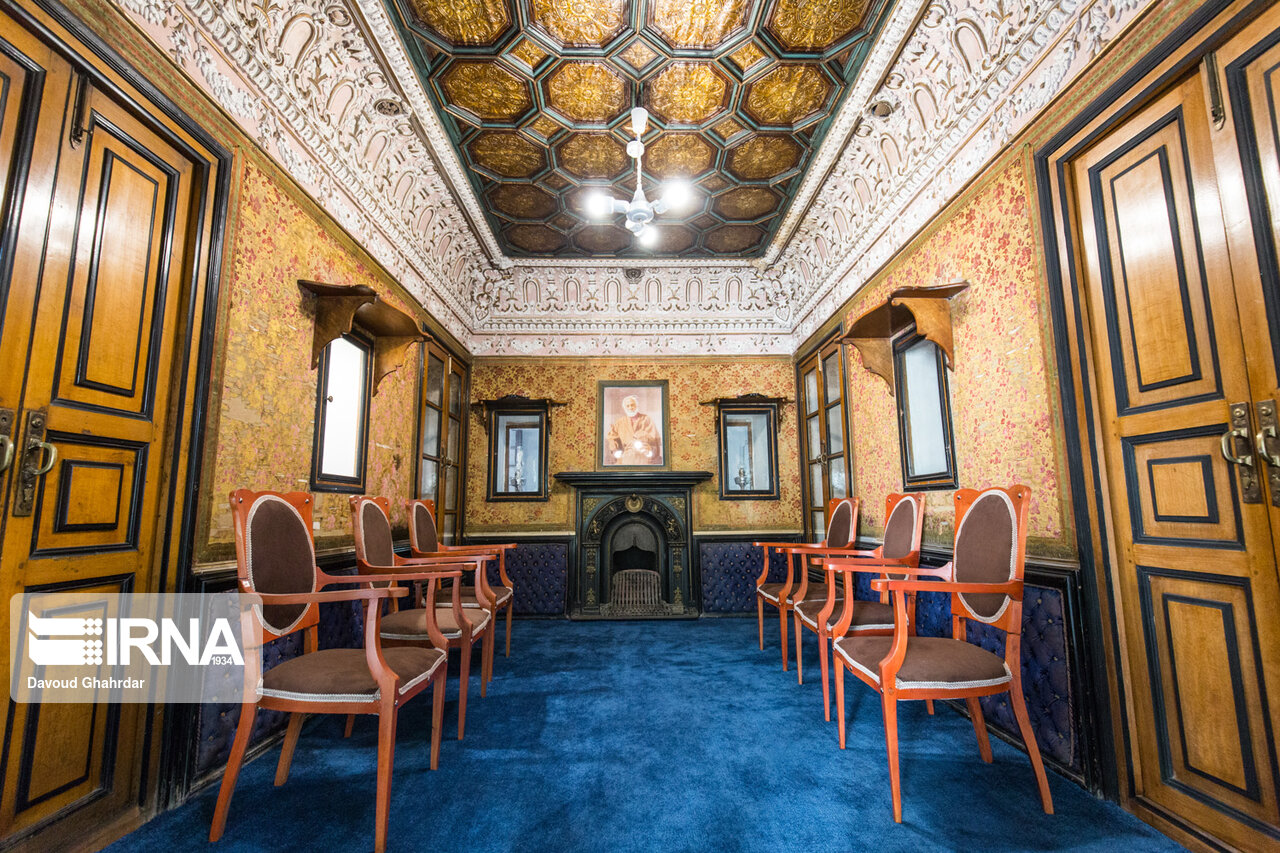
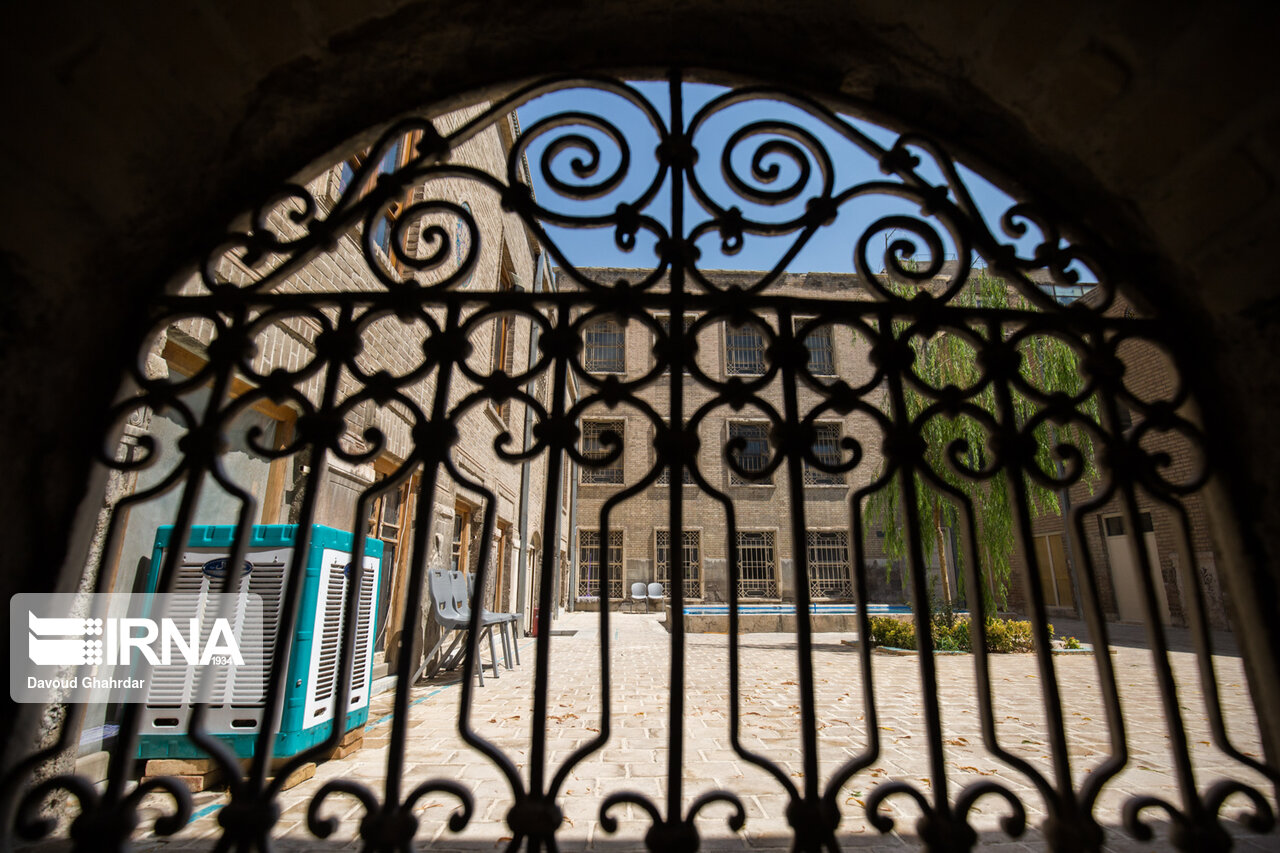
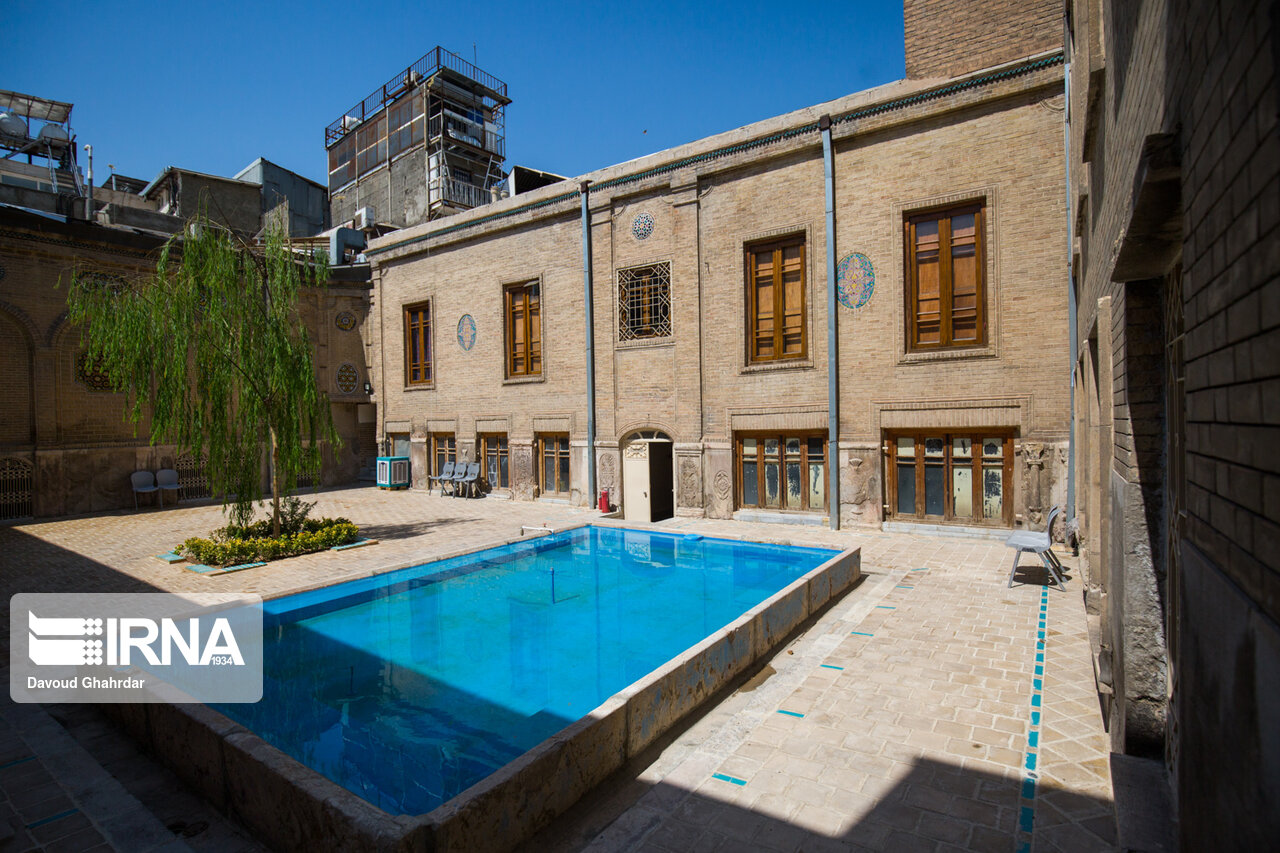
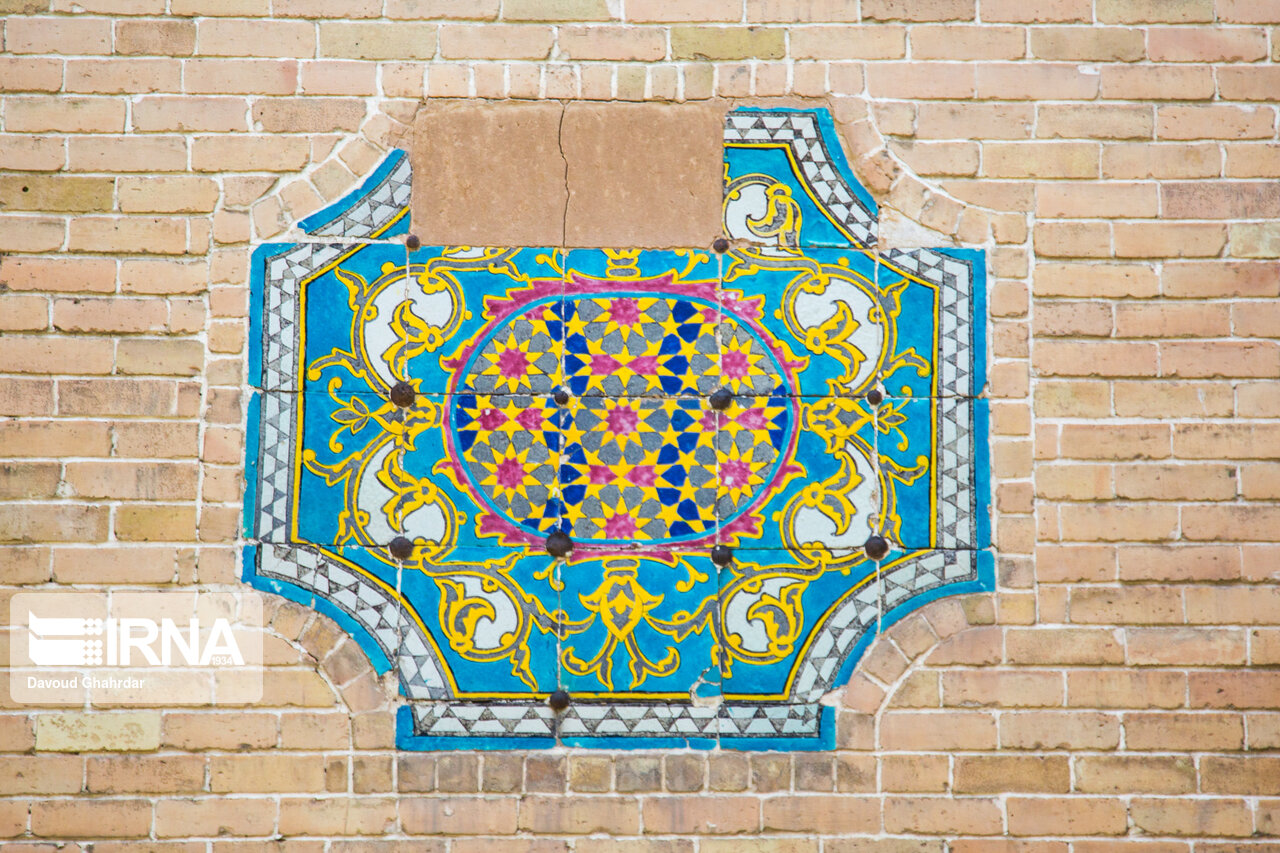
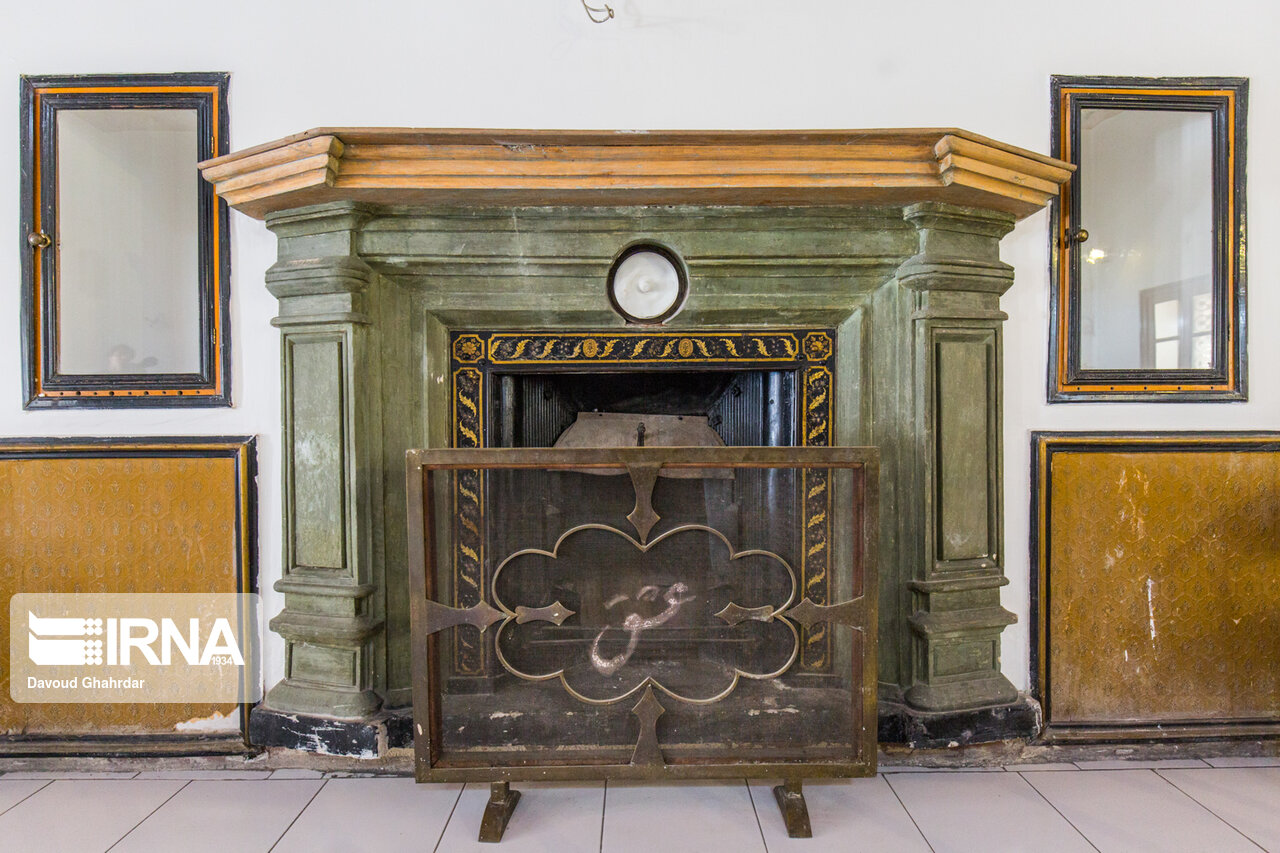
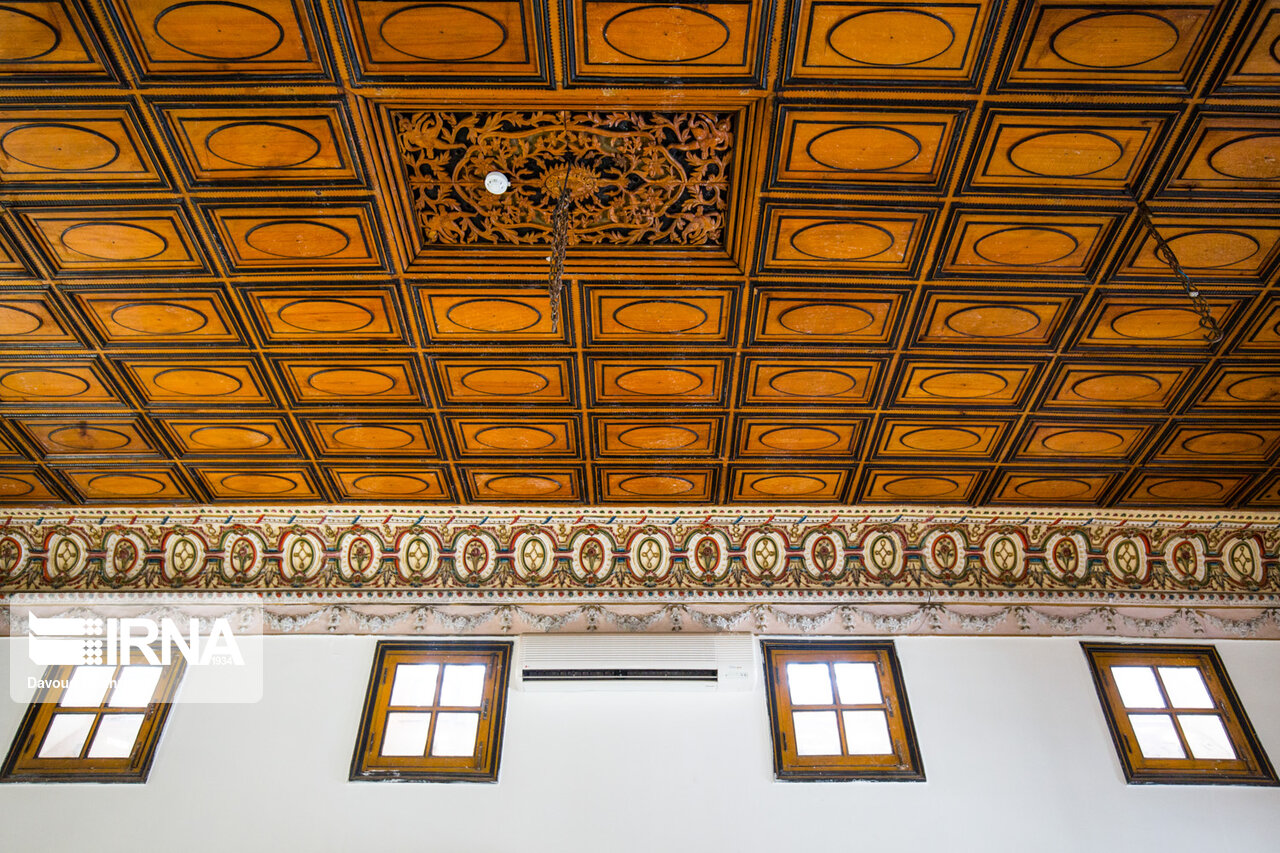
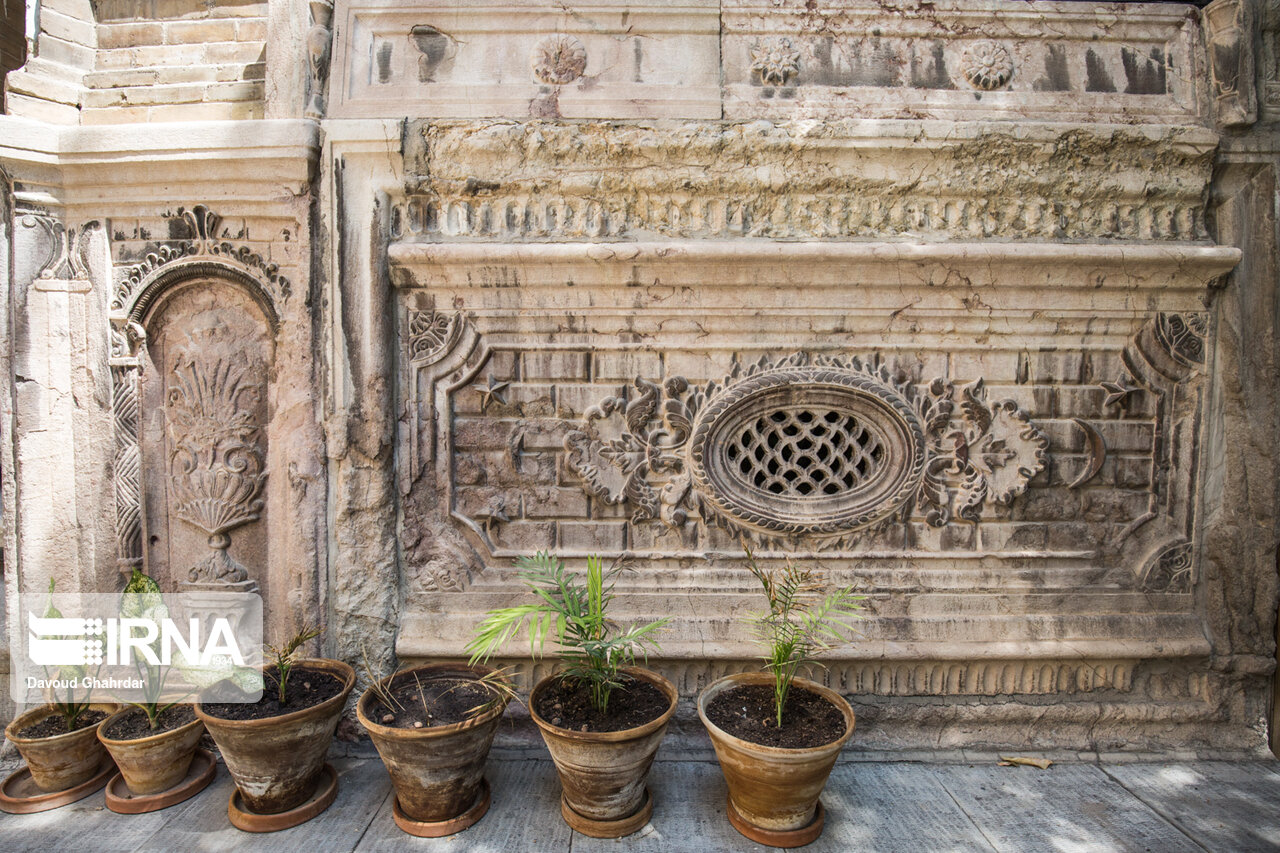
House of Malek in Tehran

Affiliated to the National Library and Museum of Malek, the house is situated between the Imam Mosque (formerly Shah Mosque) and the Jameh Mosque of Tehran.

Built in a large area of 2500 m2, the House of Malek formerly included Andarouni (in its eastern part) and Birouni (in the western part). The house owner, Haj Hossein Agha Malek, demolished the Andarouni in Pahlavi era in order to construct a three-story building on the site, which became a library allocated for research. Hossein Agha and his family started to live in the western part of house afterwards.

The National Library and Museum was moved to a new building in the historical area of Tehran National Garden later in 1996.

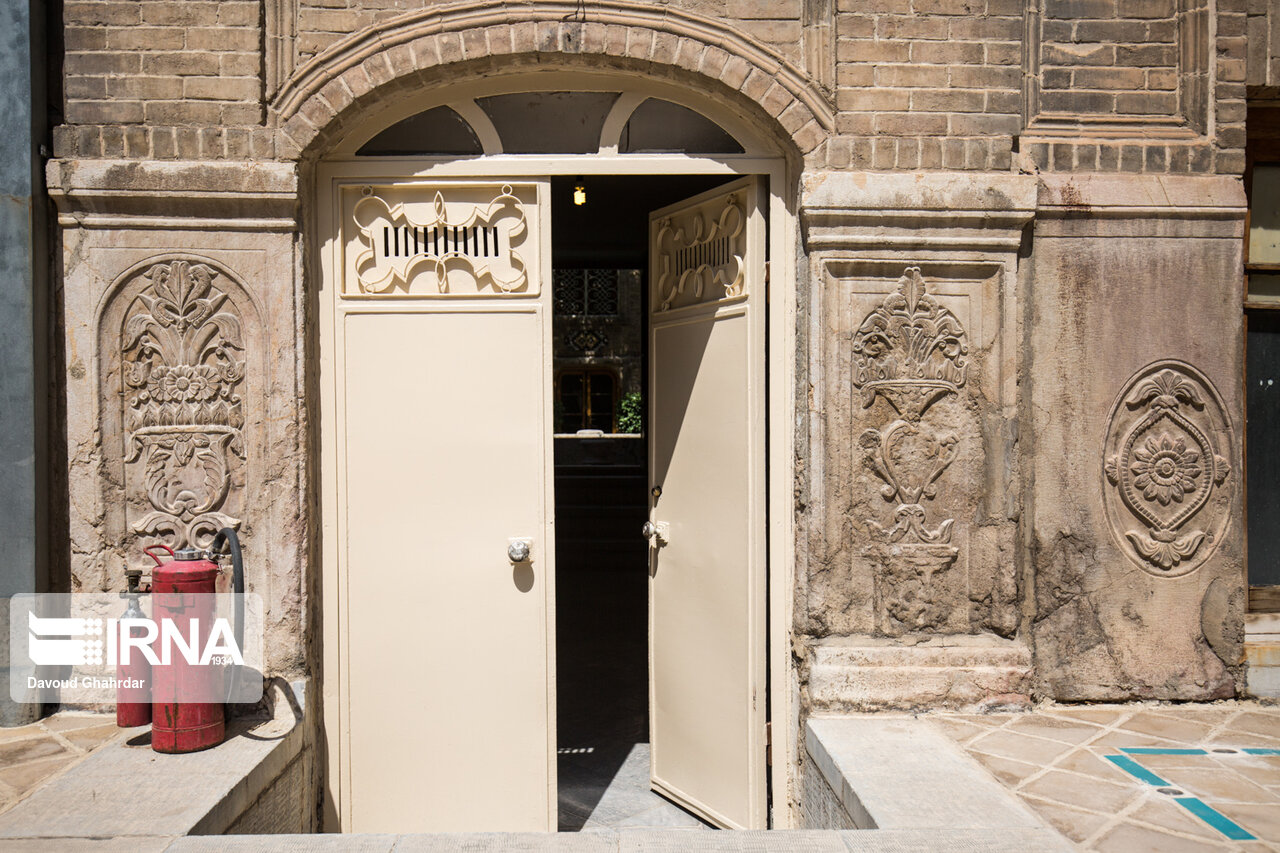
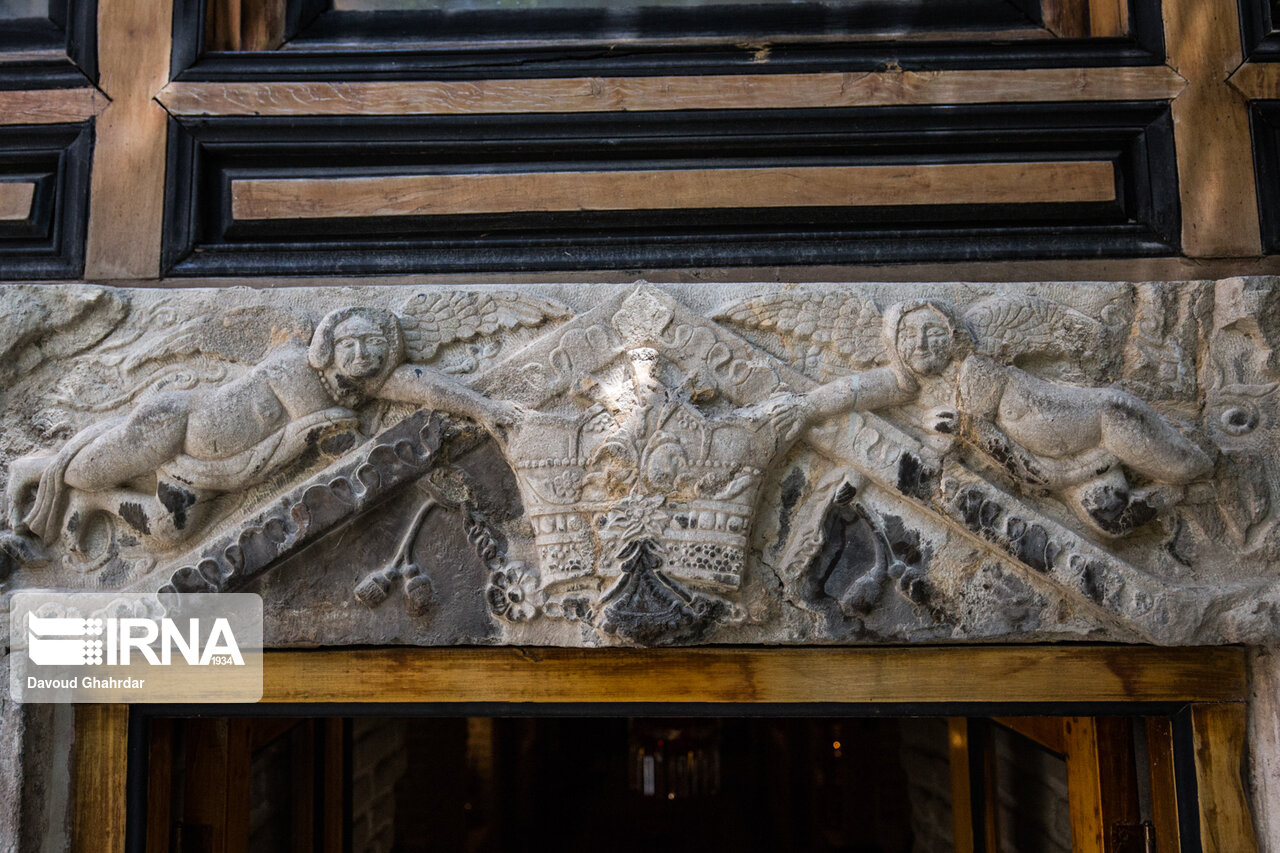
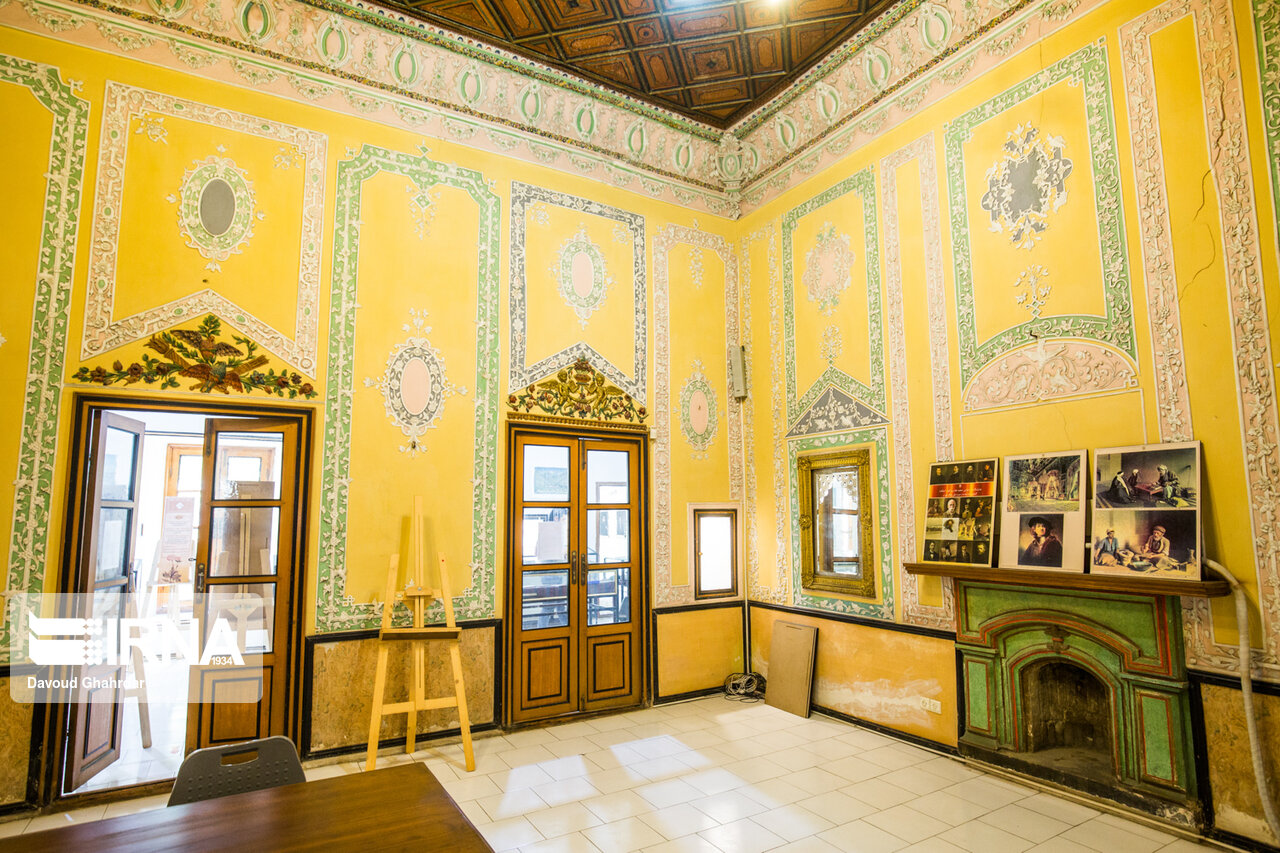
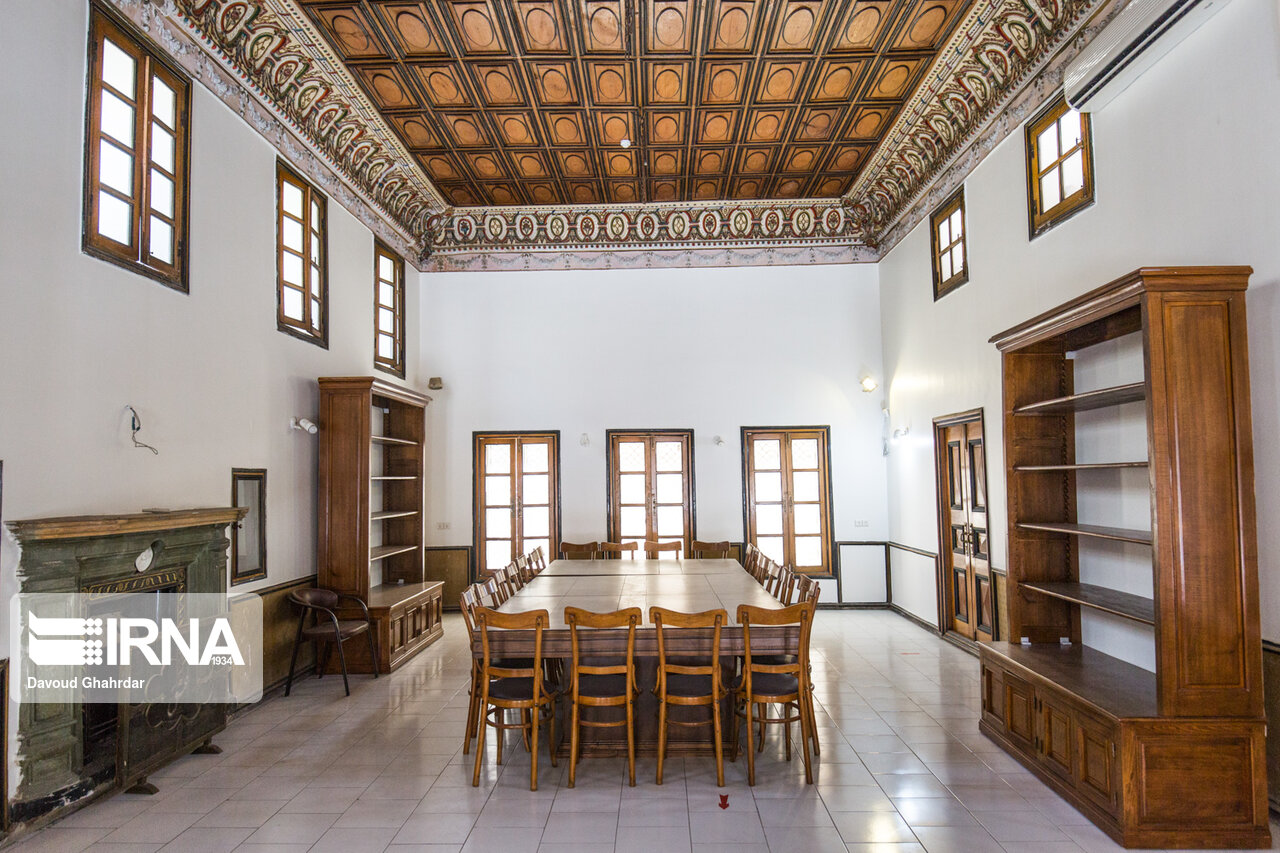
Brickwork, tiling, stucco, stone carving, wood carving, wooden and metal ornaments are used in the house’s decoration beside Qajar-style wall coverings.

The building is indeed an attractive example of combining the traditional Iranian architectural style with the European one.

The House of Malek, which is more than 150 years old, was registered in the list of Iran’s national heritage sites in 1997.

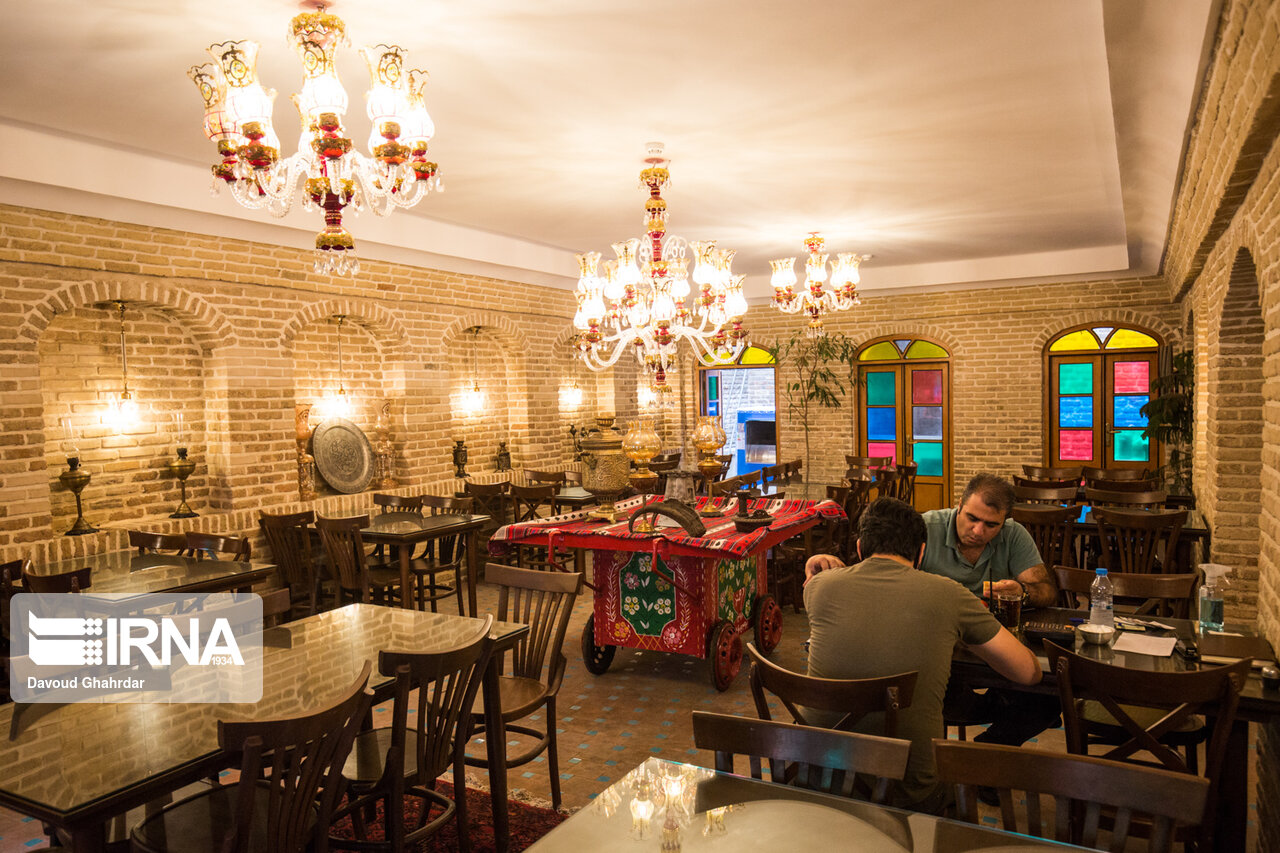
What follows are IRNA’s photos of this historical house in the heart of Tehran:

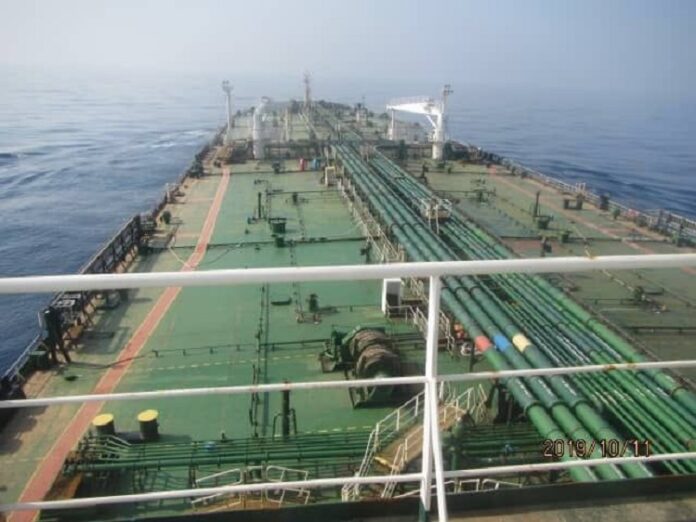
Oil Shipment Seized by US Already Sold, Paid for: Iran

Oil Shipment Seized by US Already Sold, Paid for: Iran

Bijan Namdar Zanganeh said the consignment did not belong to Iran.

“The US has claimed it has seized Iran’s petrol shipment. However, although the consignments had been shipped from Iran, neither were the vessels Iranian nor did the shipment belong to Iran,” said the oil minister.

“The shipment was Iranian petrol already sold to a customer,” he noted, adding that the customer had paid for the consignment.

The US claims it has seized Iranian fuel cargoes aboard ships bound for Venezuela.
Iran’s Ambassador to Venezuela Hojjat Soltani had already rejected Washington’s claim as another “lie” and an instance of “psychological warfare.”
“Neither are the tankers Iranian, nor do their owner or flags have anything to do with Iran,” he had already said in a Twitter post.

Soltani said that the fake news was aimed at covering up the failure of the US administration’s policy vis-à-vis Iran.

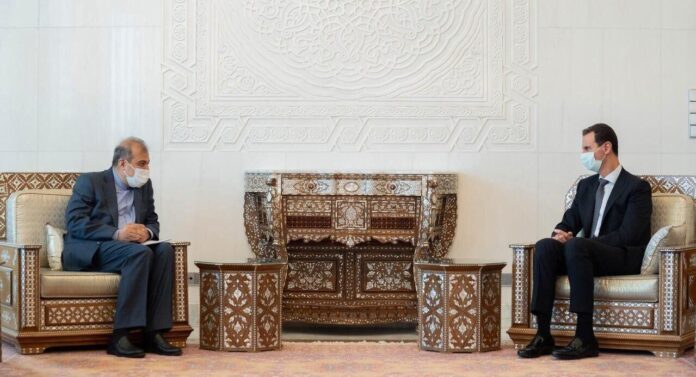
Diplomat‌ Reaffirms Iran’s Support for Syria in Talks with Assad

Diplomat‌ Reaffirms Iran's Support for Syria in Talks with Assad

In the meeting, Khaji referred to the recent parliamentary elections held in Syria, and expressed the Islamic Republic’s resolve to continue supporting the Syrian nation and government in their fight against terrorism and the unfair sanctions imposed against them.

He also underlined the need for continued consultations between the two countries on bilateral and regional issues ahead of the virtual meeting of the leaders of the guarantor states of Astana Process in Tehran as well as the upcoming meetings in Geneva on the Syrian Constitutional Committee.

President Assad, in turn, praised Iran’s stances towards the Syrian nation and government, and highlighted the strategic importance of Tehran-Damascus bilateral relations as well as the reinforcement of the Axis of Resistance.

He also stressed his country’s resolve for coordination and cooperation with the Islamic Republic of Iran in a bid to neutralize the US’ economic terrorism plots and its sanctions.
During his trip to Damascus, the Iranian diplomat also held talks with Syrian Foreign Minister Walid al-Muallem on the latest status of bilateral ties and the Arab country’s developments.

The two sides discussed the Israeli regime’s continued occupation and its aggressive measures against the rights of Palestinians and regional countries, and underlined the need for vigilance against the regime’s plots.

Khaji arrived in Syria on Sunday to confer with the Arab country’s top officials on the latest developments in bilateral ties and the issues related to the upcoming meeting of the Astana Process and the country’s Constitutional Committee.

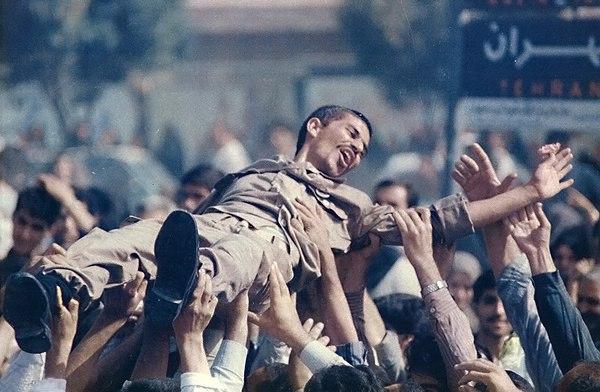
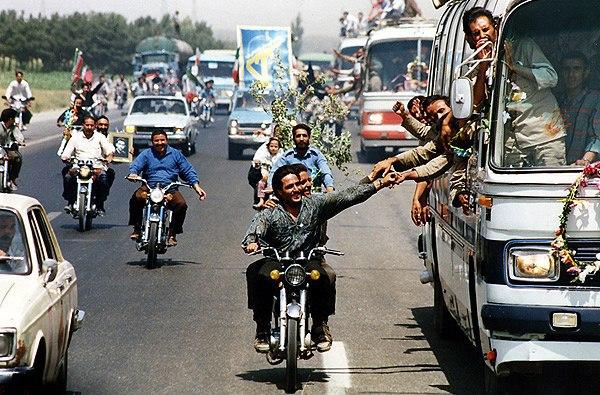
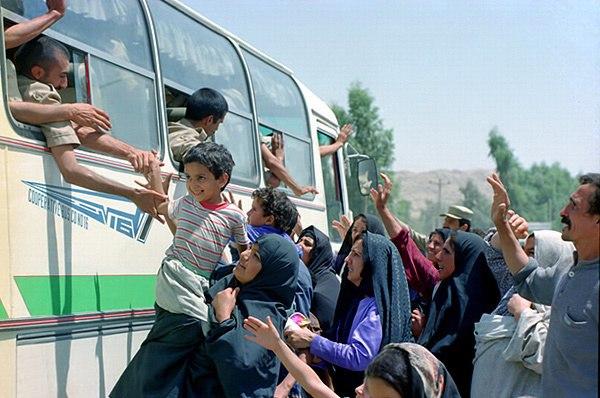
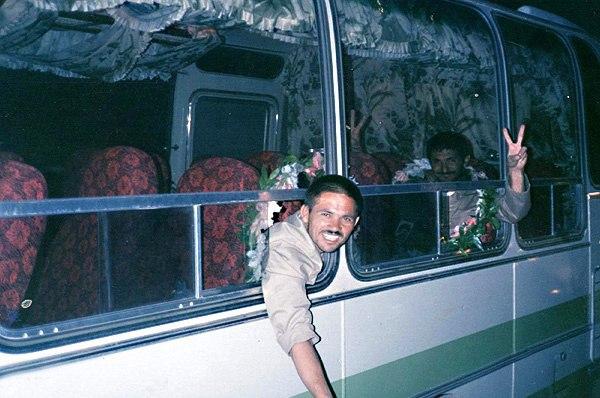
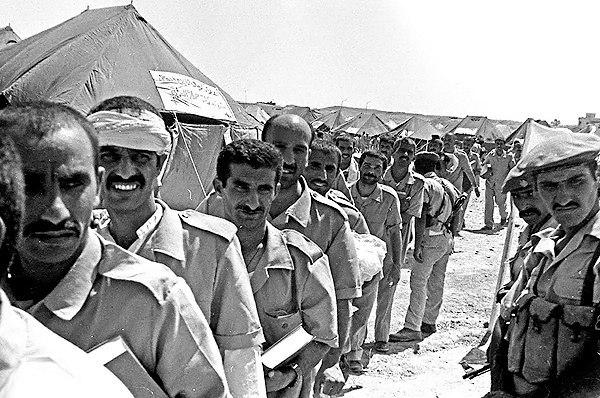
Iran Marks 30th Anniversary of Return of War Prisoners

Iran Marks 30th Anniversary of Return of War Prisoners

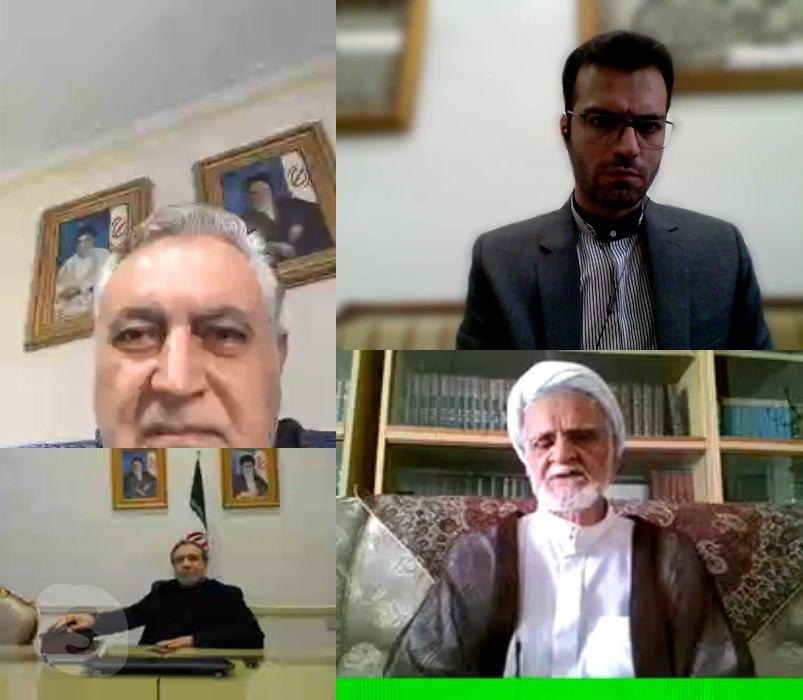
During the friendly virtual meeting held on Monday, Araqchi congratulated the honourable veterans on the recent Islamic Eids (Eid al-Ghadir and Eid al-Adha) and the anniversary of the return of the prisoners of war.

Iran Marks 30th Anniversary of Return of War PrisonersAraqchi described former prisoners of war as the assets of the Islamic Revolution, and said the large number of war prisoners linked to the Iranian Foreign Ministry is a source of pride for the Ministry.

“In addition to the war prisoners of the Sacred Defence era [the eight-year war imposed by Iraq on Iran], the Iranian Foreign Ministry also has a number of former prisoners who were tortured in the prisons of the Pahlavi regime before the 1979 Revolution as well as prisoners who were held captive by Takfiri terrorist groups,” he said, describing it as a distinctive point for the Foreign Ministry.

Araqchi also pointed to the Ministry’s efforts to venerate war veterans and their families, and said, “The Foreign Ministry feels duty-bound to fulfill its legal duties in this regard seriously and without the usual procedural complexities.”
The former war prisoners, in turn, thanked Mr Araqchi, and expressed their views about various issues including the reinforcement and promotion of the culture of sacrifice at the Foreign Ministry and the country’s foreign policy.

30 years ago on August 17, 1990, the first group of Iranian prisoners of war was released by former Iraqi dictator Saddam Hussain and they could finally return to their motherland.
The event was considered as the most important step for complete enforcement of the UN Security Council’s Resolution 598 to provide peace between Iran and Iraq.

A Look at Iranian Newspaper Front Pages on August 17

A Look at Iranian Newspaper Front Pages on November 5

Iranian Newspapers

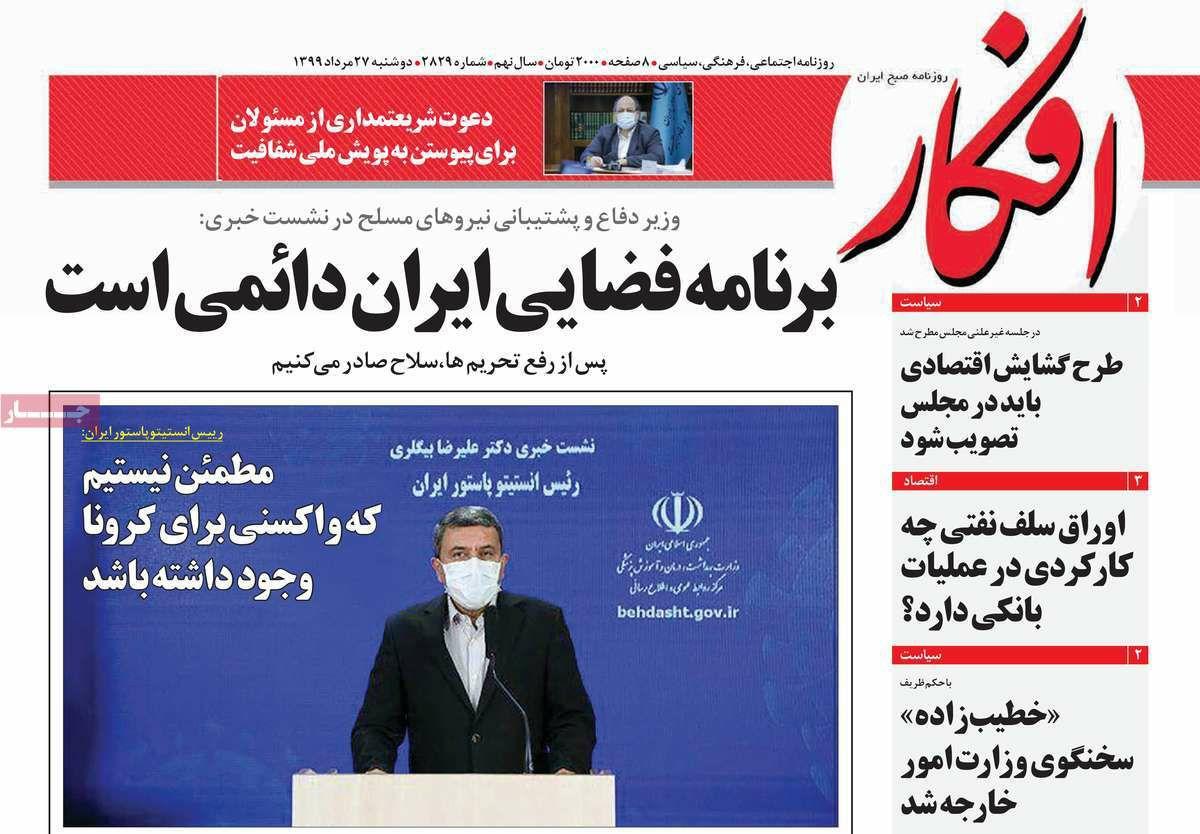
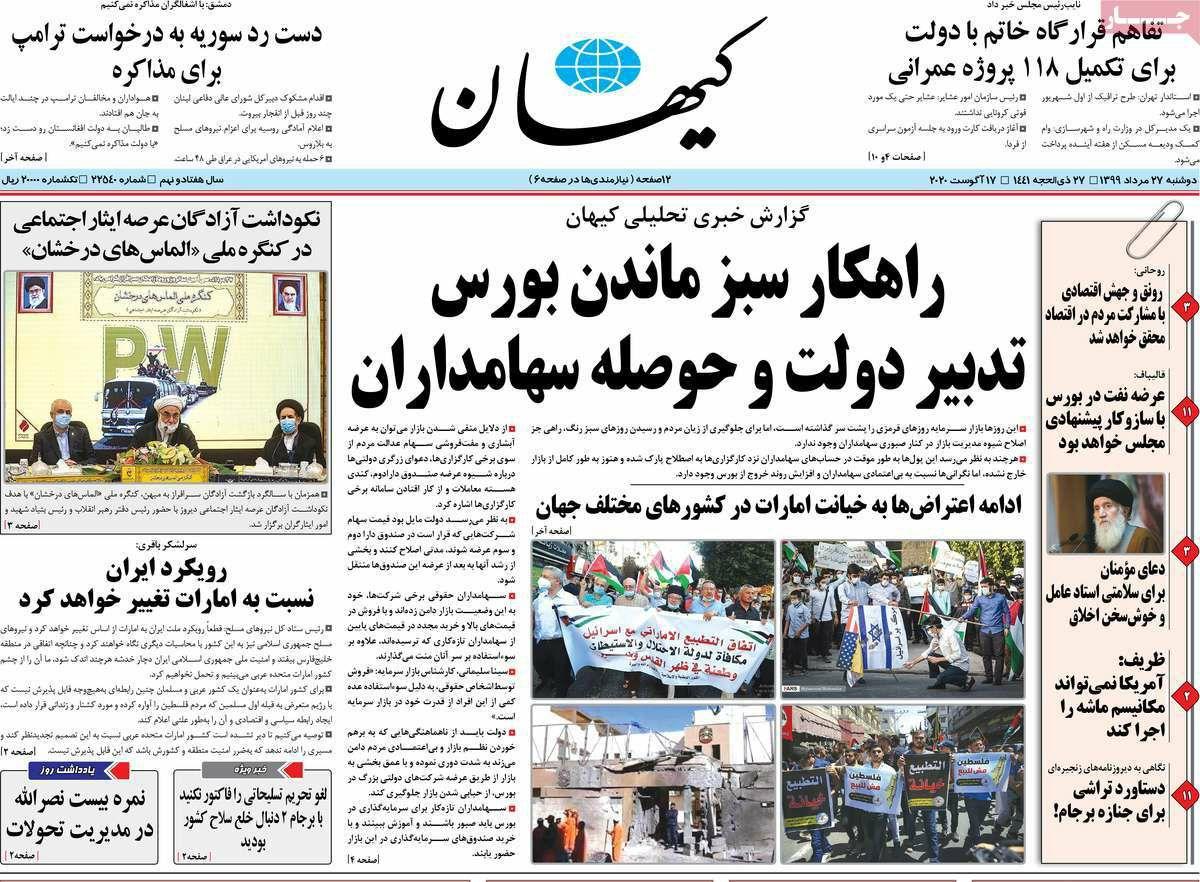
Afkar Newspaper:

1- DM: Iran’s Space Program Permanent

* Iran to Export Weapons after Lifting of UN BansA Look at Iranian Newspaper Front Pages on August 17


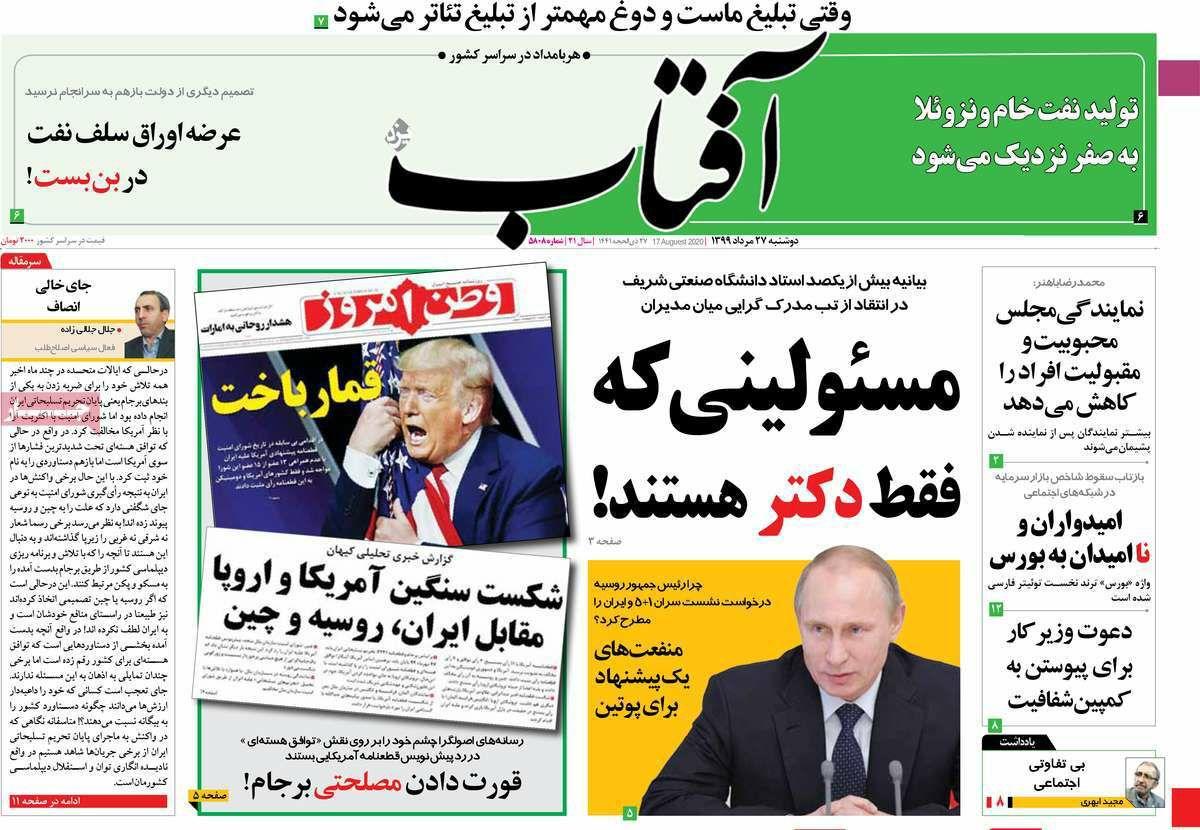
Aftab-e Yazd Newspaper:

1- Benefits of a Proposal for Putin

* Why Did Russian President Offer P5+1-Iran Online Talks?A Look at Iranian Newspaper Front Pages on August 17


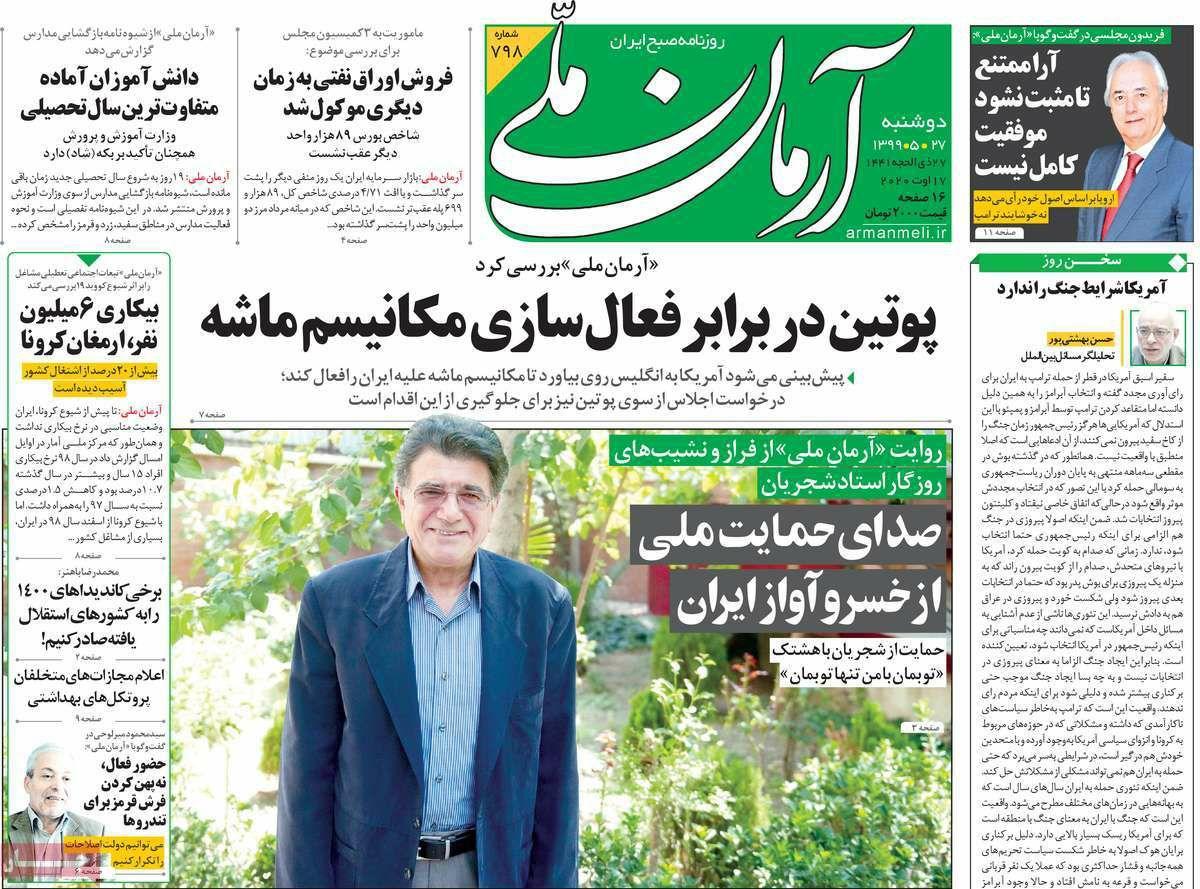
Arman-e Melli Newspaper:

1- Putin against Activation of Snapback Mechanism

2- Six Million People Lose Their Jobs Because of COVID-19A Look at Iranian Newspaper Front Pages on August 17


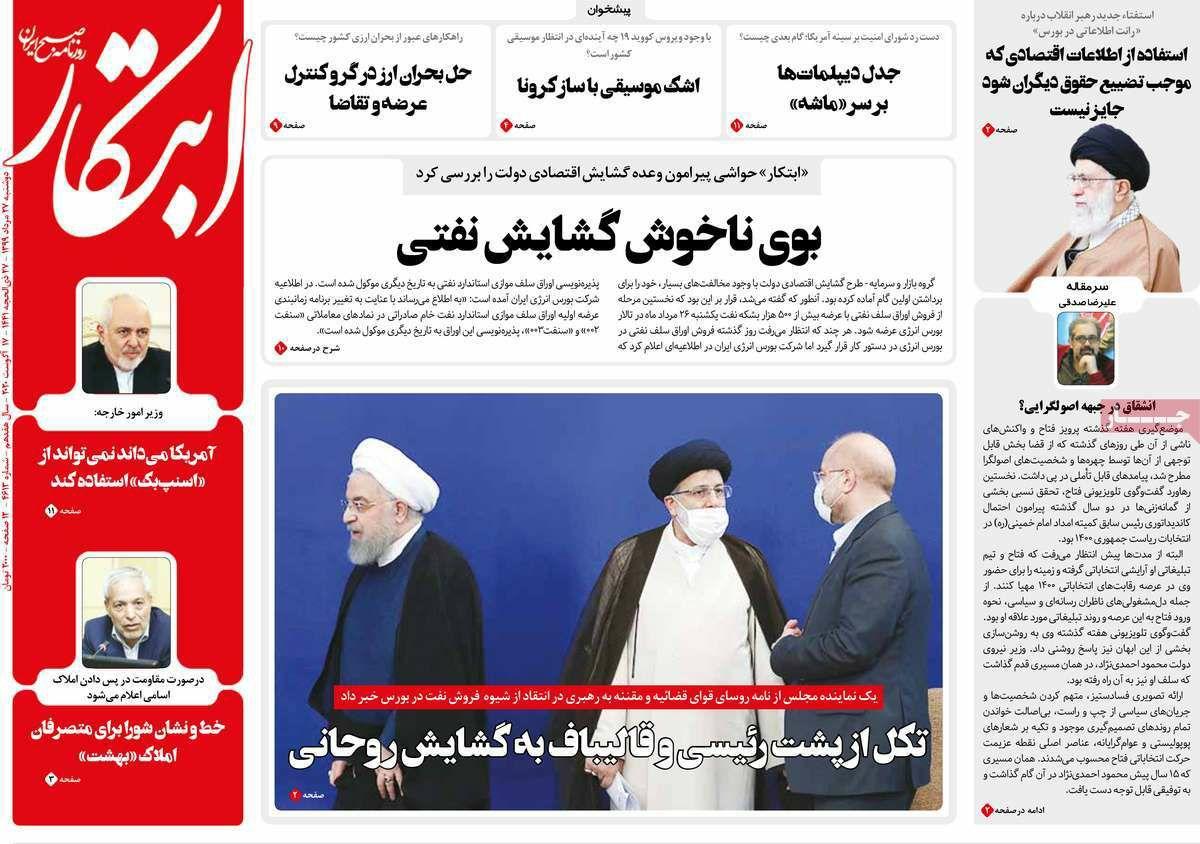
Ebtekar Newspaper:

1- Raisi and Qalibaf Write to Leader against Rouhani’s Plan for Economic OpeningA Look at Iranian Newspaper Front Pages on August 17


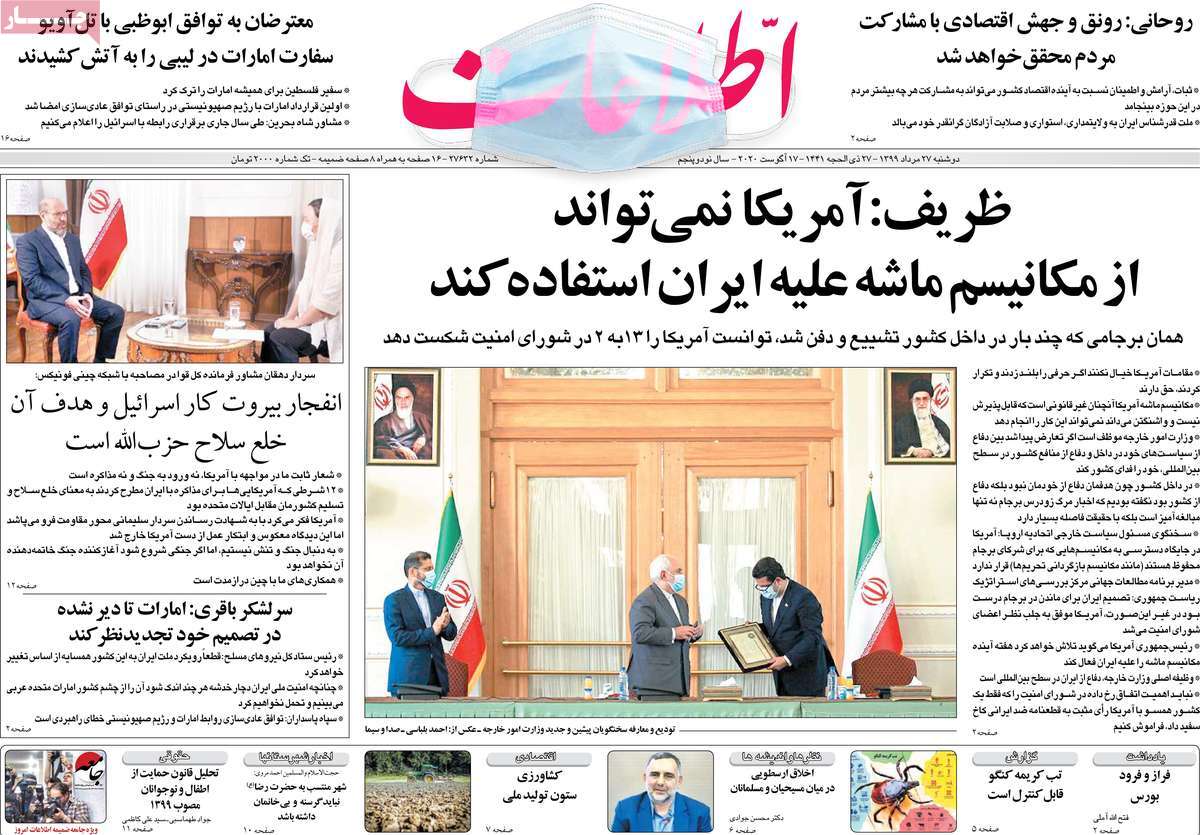
Ettela’at Newspaper:

1- FM: US Knows It Can’t Use Trigger Mechanism against Iran A Look at Iranian Newspaper Front Pages on August 17


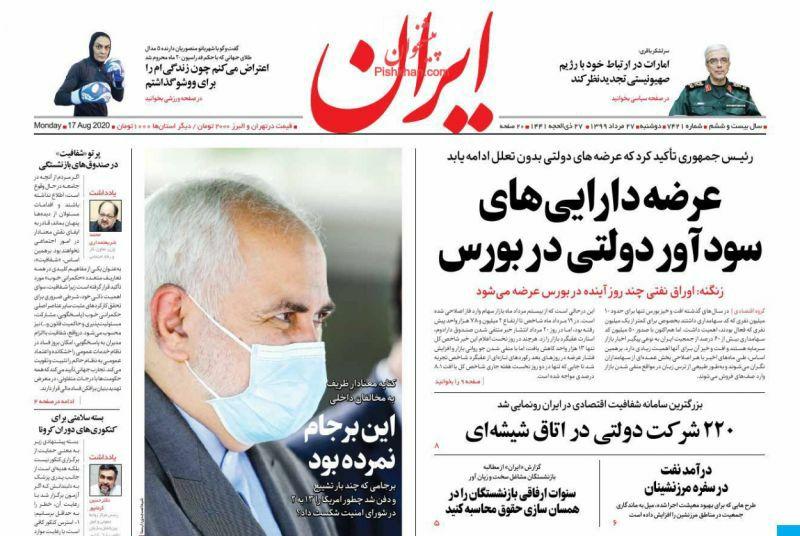
Iran Newspaper:

1- This JCPOA Was Not Dead: Zarif’s Sarcasm against Domestic OpponentsA Look at Iranian Newspaper Front Pages on August 17


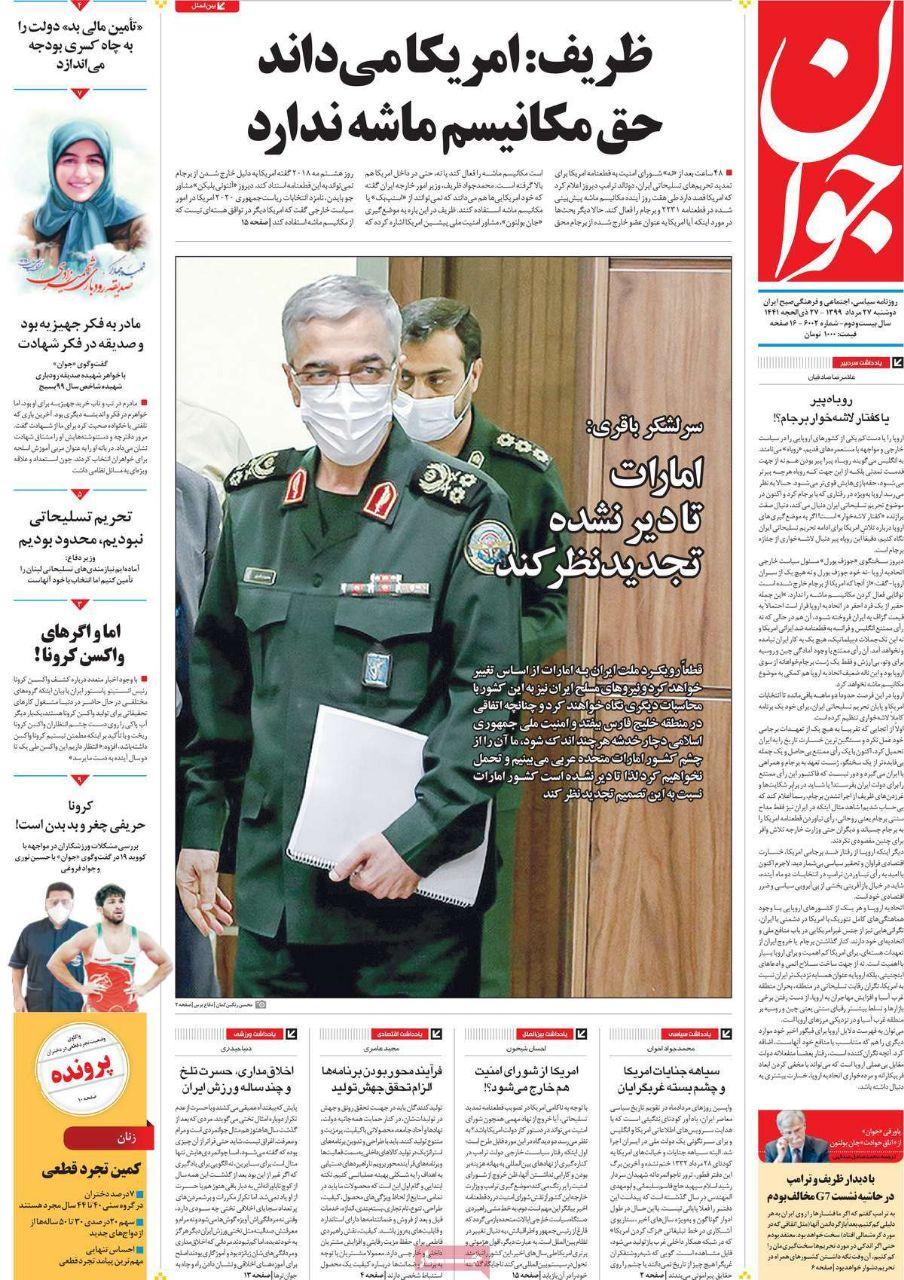
Javan Newspaper:

1- Iran’s Top General Advises UAE to Reconsider Its Deal with Israel Before It’s Too LateA Look at Iranian Newspaper Front Pages on August 17


Kayhan Newspaper:

1- Top General: Iran’s Approach to UAE Will Change

2- Syria Rejects Trump’s Call for TalksA Look at Iranian Newspaper Front Pages on August 17


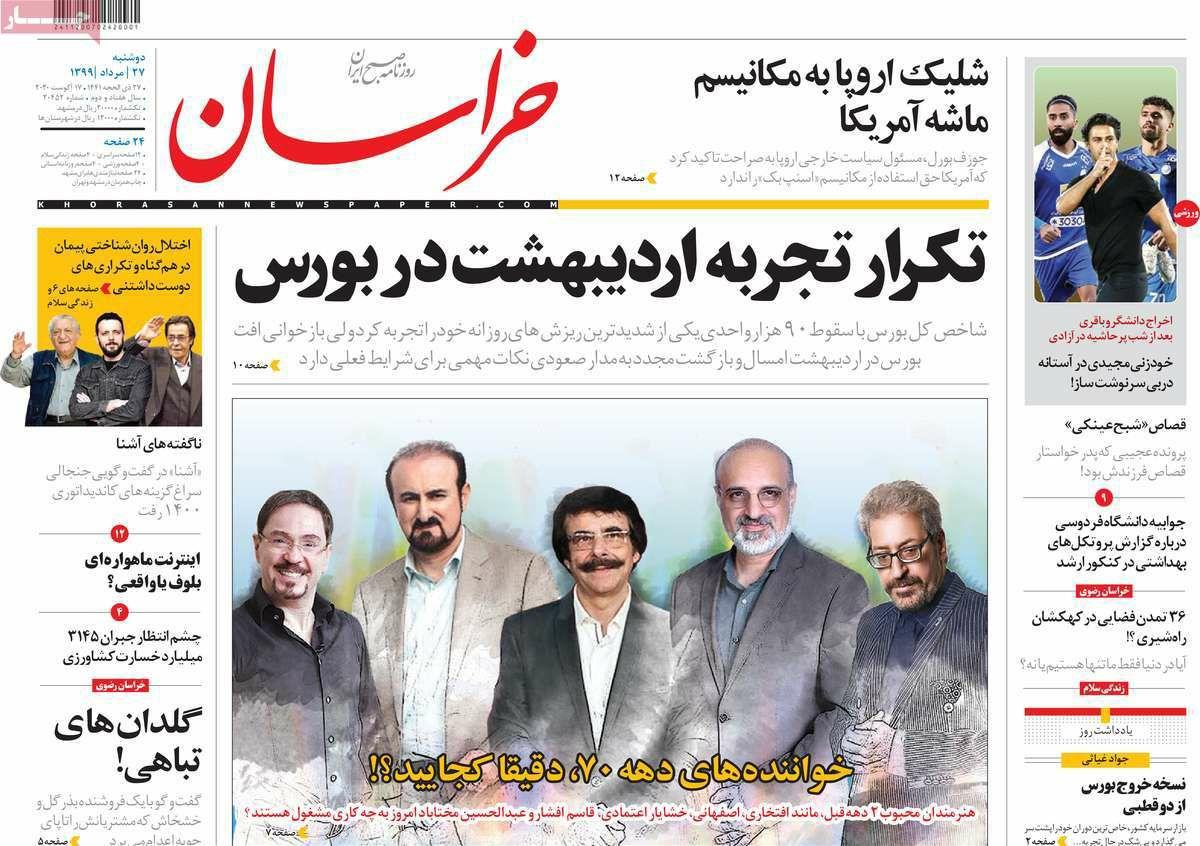
Khorasan Newspaper:

1- Europe’s Bullet Fired at US Trigger MechanismA Look at Iranian Newspaper Front Pages on August 17


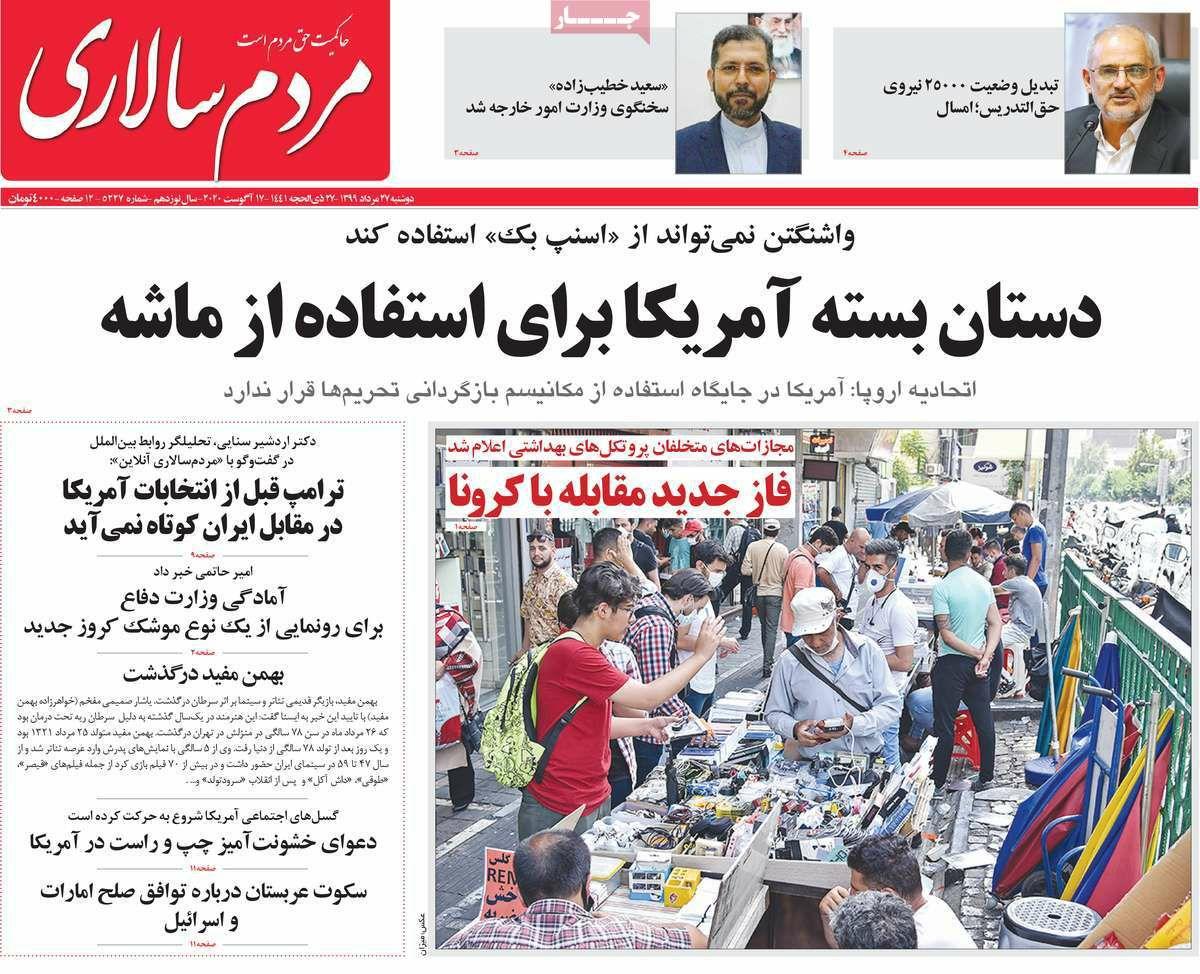
Mardom Salari Newspaper:

1- US’ Hands Tied for Using Trigger Mechanism

2- Trump Won’t Back Off against Iran Before Nov. Elections: Analyst

3- Saudi’s Silence over UAE-Israel DealA Look at Iranian Newspaper Front Pages on August 17


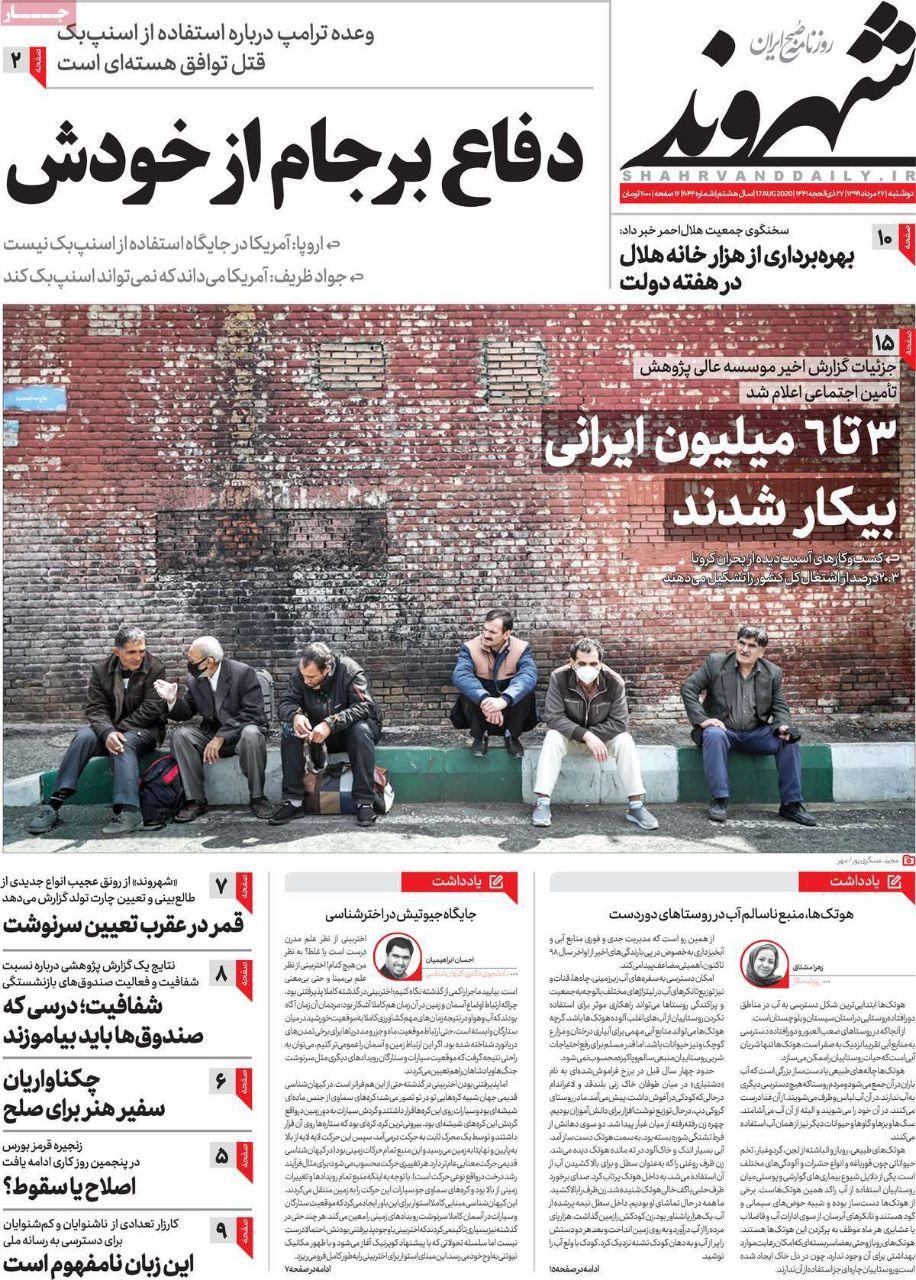
Shahrvand Newspaper:

1- JCPOA Defends Itself

* Europe: US Not in Position to Use Snapback Mechanism

2- Three to Six Million Iranians Lose Their JobsA Look at Iranian Newspaper Front Pages on August 17

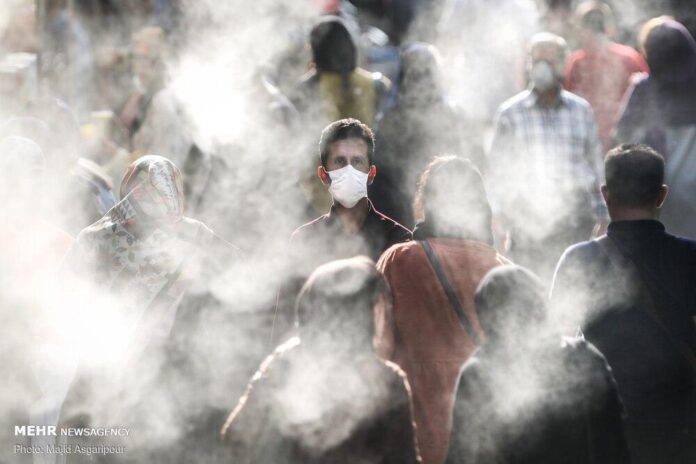
Iran’s COVID-19 Cases Hit 345,000: Health Ministry

Iran's COVID-19 Cases Hit 345,000: Health Ministry

In a press briefing on Monday, Sima-Sadat Lari said the virus has killed 165 patients since Sunday noon, increasing the overall death toll to 19,804.

So far, she added, 299,157 patients have recovered from the disease or been discharged from the hospital.

Lari said 3,773 patients are also in critical conditions caused by more severe infection.
The spokeswoman noted that 2,887,938 COVID-19 tests have been taken across the country so far.

She said the high-risk “red” zones include Tehran, Mazandaran, East Azarbaijan, Isfahan, Ardabil, Khorasan Razavi, North Khorasan, Gilan, Semnan, Golestan, Markazi, Kerman, and Yazd provinces.
The “orange” zones also include West Azarbaijan, Bushehr, Chaharmahal and Bakhtiari, Hormozgan, Zanjan, Alborz, Hamadan, Kohgiluyeh and Boyer-Ahmad, Lorestan, Ilam, Fars, Qazvin, and Qom provinces, according to the spokeswoman.