Iran-Austria diplomatic relations go back more than 160 years. The Austrians have described the relationship as a “160-year-old path to friendship.”
The Austrian ambassador to Tehran believes the reason behind the long history of relations between the two nations is a win-win relationship between the two sides. He believes Iran should be seen not as a country, but as a civilization.
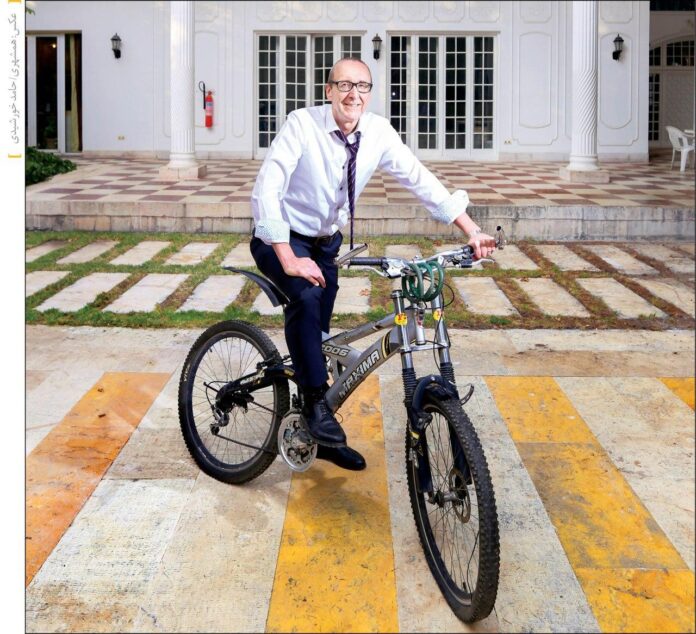
54-year-old Scholz holds a PhD degree in Political Sciences. In an interview with the Hamshahrinewspaper, Scholz expressed his views on his stay in Iran and living in the capital city.
How many of Iran’s provinces have you visited during your three-year stay, so far?
Well, 25 provinces, I think. Of course, I should say that none of them was a pleasure trip. They were all business trips. We draw up plans to establish a link between those working the private sectors of Iran and Austria and to boost cultural cooperation.
What is your general understanding of Iranian people and the Iranian culture?
What I can say is that Iran is something more than a country; Iran is a civilization.
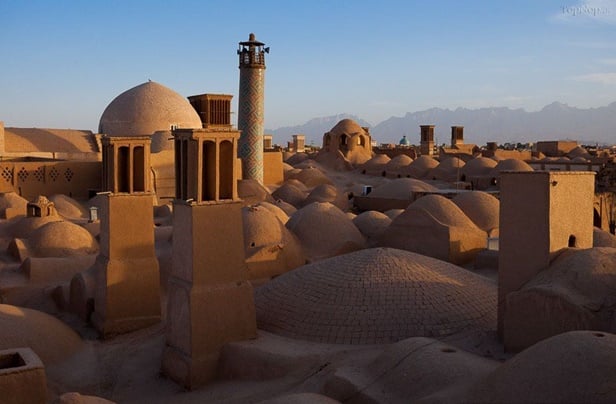
Iran enjoys geographical diversity and a variety of traditions. Iran’s culture is a rich one. Each region has its own features. In order to get familiar with each and every region, one has to visit there, talk to its people and understand its potential.
If a friend asks you to name five destinations of your choice in Iran, which cities would you choose?
It is a difficult question. Well, Isfahan and Shiraz are always in my heart. Isfahan is really beautiful. Persepolis and Naqsh-e Rostam (an ancient necropolis located near Persepolis) are the living history of this country. I should say that all countries I have visited have, in one way or another, influenced my mind. Each one of them has its own features.
Which part of your life in Tehran has been more attractive?
To tell the truth, I wouldn’t have thought that I might get so much involved in diplomatic work. Not a single week or day passes without a story about Iran being covered by world media. This makes you, as an ambassador, a high-profile figure in your own capital.
In fact, diplomatic work in Tehran is a 24/7 job. I have experienced this only here. You need to be available both for your country and the host country round the clock. It requires so much energy.
How about city life in Tehran?
Tehran is a lively city with a population of 15 million, which is almost double that of Austria. Tehran has a dynamic culture.
I have watched concerts at Vahdat Auditorium numerous times, concerts which begin between 9 to 9:30 and run until midnight. These hours [for performances] are unusual in Europe. The day after we have watched a concert, we go to work with bloodshot eyes, but it is really worth it.
Before the coronavirus outbreak, I had begun visiting restaurants. Tehran restaurants are really fantastic. Even in Vienna you cannot find ones similar to some of the restaurants in Tehran.
The quality of food and service as well as the ambience of restaurants are unbelievable both in modern and traditional restaurants. Old Tehran buildings which have been renovated and made available to the public are really attractive. Some of them have turned into cafes and include a space for reading books as well.
Do you use public transport?
Yes, definitely. The underground system in Tehran is excellent. Before the coronavirus outbreak, my wife and I used the underground a lot. The tube in Tehran has made access to different parts of the city easy and is still developing. Special bus lanes are fantastic, too. Once last year, my wife and I decided to go from Tajrish square to the Imam Khomeini International Airport by underground. It was an interesting experience.
Which part of your life in Tehran has not been so pleasant?
Well, the traffic. There are days when I have, let’s say, three meetings in different parts of Tehran. Afterwards, I make a calculation and see I spent six hours in traffic.
Where would you normally go if you want to take a walk in the city?
Our home is near Tajrish. On many occasions, my wife and I walk to the Tajrish square. The Tajrish bazaar is very attractive.
We also frequently go, on foot, to Darband and Darakeh (two recreational resorts in northern Tehran) as well as Saadabad Palace and Niavaran.
Tehran is among the few capitals in the world in front of which lies a chain of mountains. One can go hiking in the mountains at weekends easily and in the shortest possible time.
In downtown Tehran, we definitely choose the Artists’ Park. Vali-e Asr street is an ideal place for waling, too.
How has the coronavirus outbreak affected your life?
We were among the few embassies which did not close down during the pandemic. We tried to get the jobs done by working in shifts. Overall, we have been continuing our activities and have always maintained our contact with the Iranian Ministry of Foreign Affairs.
I should say that all these were made possible through the good offices of the Iranian Ministry of Foreign Affairs.
How has your family life been in Tehran?
I have five children. They have all grown up. They sometimes visit us and stay with us for some time. Two of them underwent surgery in Tehran some time ago. It was not a difficult operation, but I should say that medical advances in Tehran are extraordinary. The quality of medical services in Tehran equals that in Vienna.
My family and I have visited Tehran museums several times. Museums in Tehran are very interesting, namely the gemstones museum and the one at the Golestan Palace. And once, we along with a number of Austrian mountaineers and several EU ambassadors climbed Mount Damavand. It was a wonderful trip.
What changes have you seen in Tehran during the time you have been living in the city?
I should say I have witnessed rapid modernization in Tehran. The effects of modern technologies are really conspicuous in urban life in Tehran. Online shopping has grown considerably. Many of the things that you find here are not available in our country because of regulations.
I sometimes ask Austrian firms if they have seen this application. It is easy to buy something or send something somewhere. We bought potatoes from a farmer around Tehran. He brought a POS machine and we made the payment easily with our bank card.
As far as these areas are concerned, Iran is far ahead of many European countries, including my own country.
The service sector in Tehran is growing fast. Iran has what it takes to turn into an economic heavyweight in the region.
Start-ups have been wonderful. This is exactly the same domain which I would like Austria to look up to as a role model and learn from the younger generation in Iran.
Iran has undoubtedly been one of the leading countries when it comes to the technological revolution in the information technology and communications sector.
What has led to the sustenance of relations between the two countries?
I should say that my presence in Iran was coupled with a feeling of familiarity.
I have travelled to different countries which are geographically more similar to Austria than Iran, but I never got that sense of familiarity in any of those countries.
Let me tell you something simple and interesting. For example, the point that you and we have similar jokes means we find the same things funny. In my idea, it is only rapport and understanding between the two nations that can make mutual cooperation last for 500 years.
On the whole, when you look at relations between the two countries, you will see that Austria has never wanted to impose its viewpoints on Iran, and there has always been a win-win relationship between the two countries on an equal footing. This is the secret to our long-lasting relations.
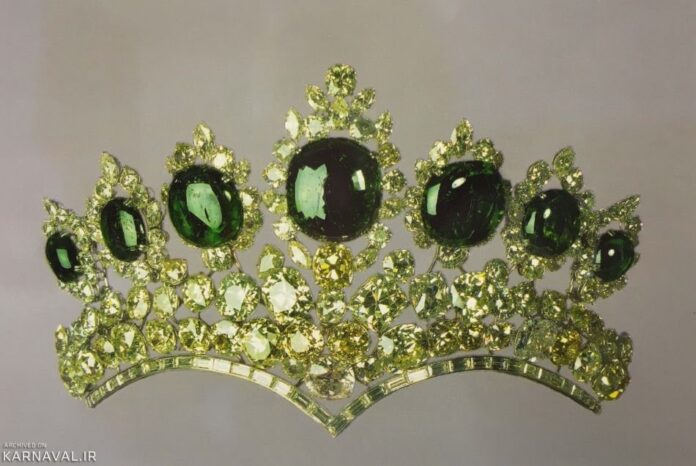
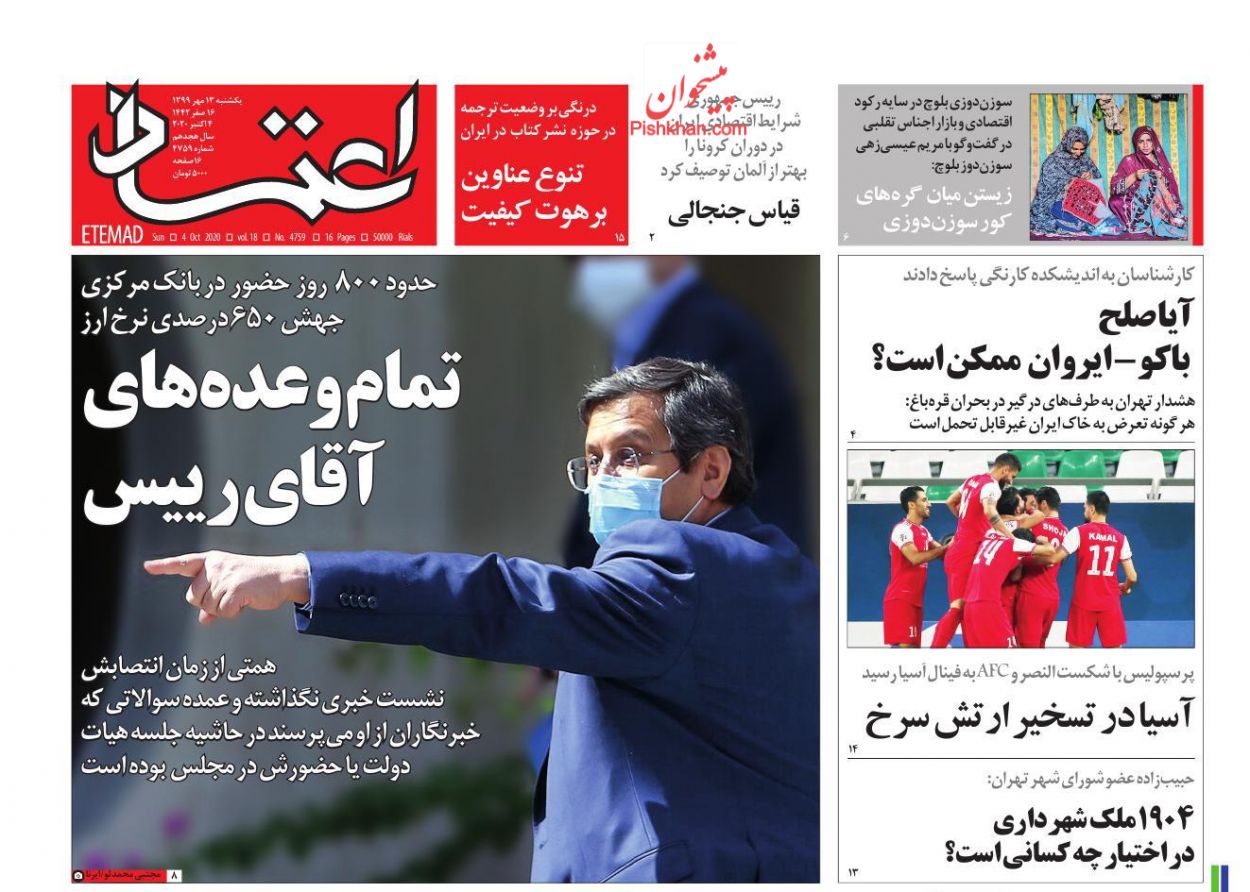
The building of the Central Bank of Iran is a place for keeping the country’s important financial and monetary documents and holds one of the world’s biggest collection of gold and jewellery. The jewels are so priceless that they are regarded as security for Iran’s national currency.
By visiting the treasury of the Central Bank of Iran, one may see unique jewels, gem-decorated items and gold pieces made by artists of Iran and other parts of the world.
Some of the gemstones kept in that collection are unique in the world and no price has been determined for them, yet.
In addition to collections of crown jewels, there are gems likes of which cannot be found anywhere else in the world.
What follows are the photos of Karnaval.ir of Iran’s Treasury of National Jewels:
1 of 23
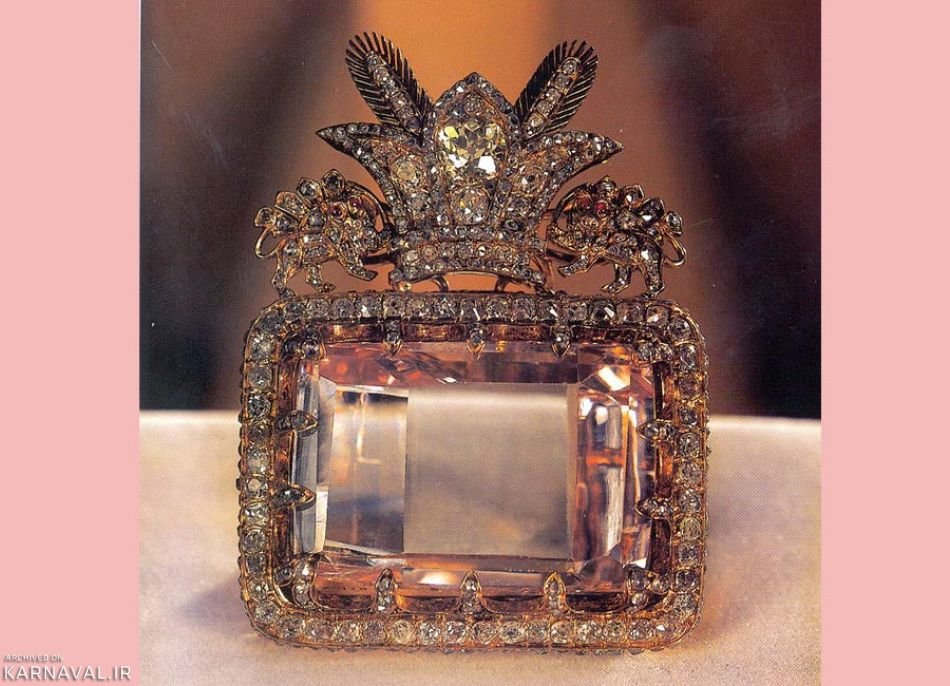
The Darya-ye-Noor Diamond: the most elegant, most beautiful and most precious gemstone found in the Treasury of National Jewels. It is the world’s biggest pink-coloured diamond weighing 182 carats.
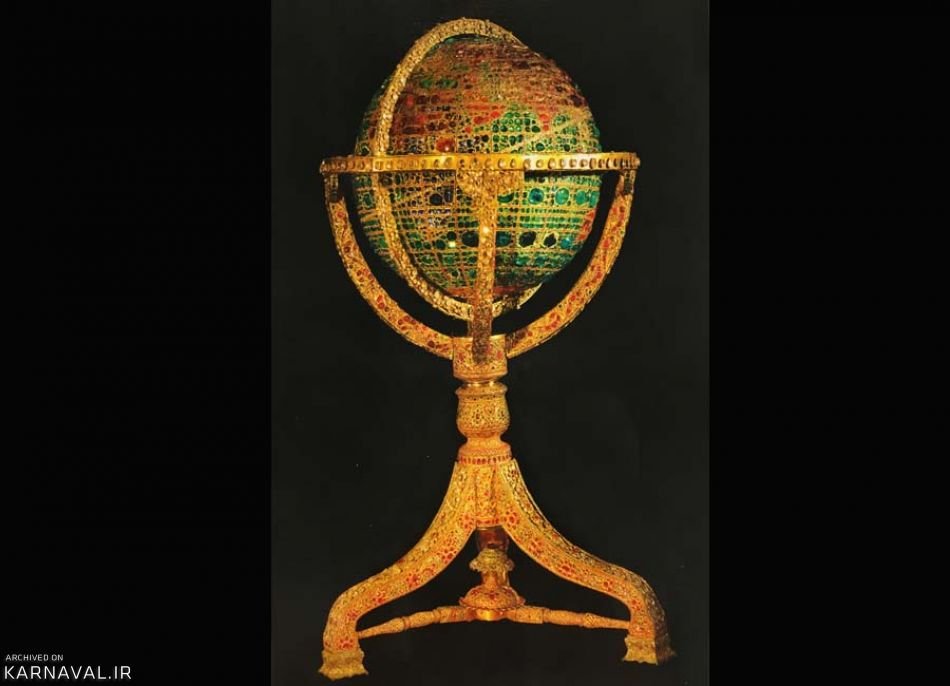
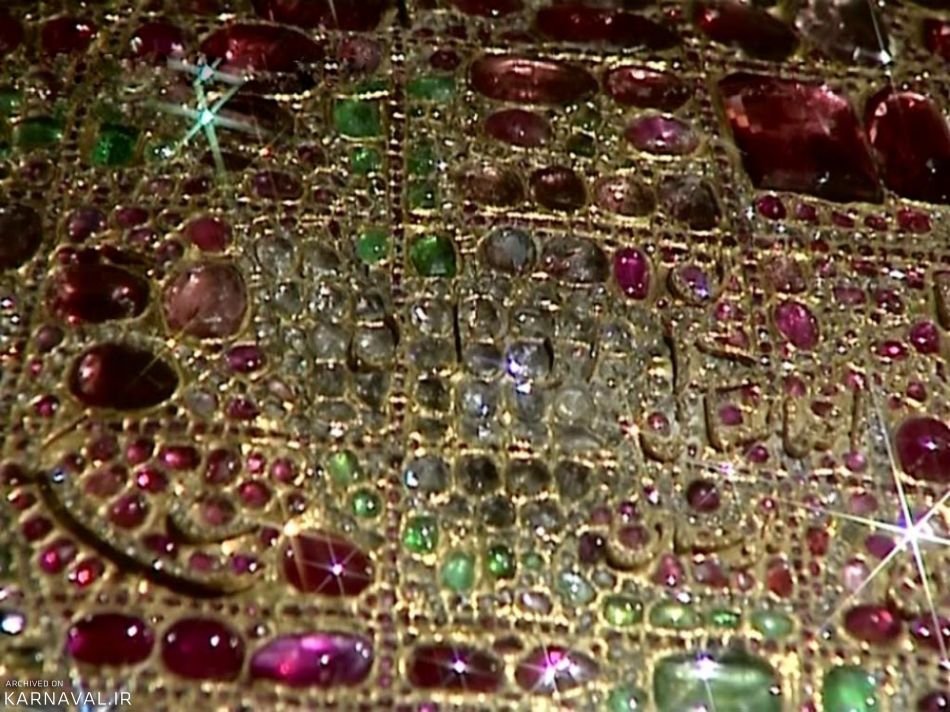
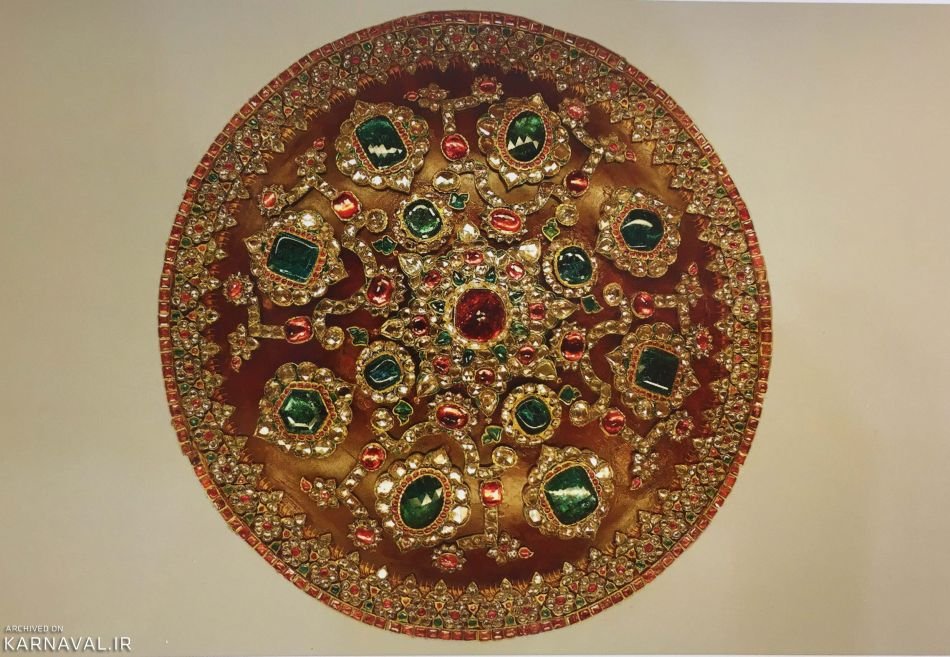
The Jewel-Decorated Sphere: The sphere measures roughly 66cm in diameter. As many as 51,366 gemstones are fitted onto the sphere.
The Jewel-Decorated Sphere: The sphere measures roughly 66cm in diameter. As many as 51,366 gemstones are fitted onto the sphere.
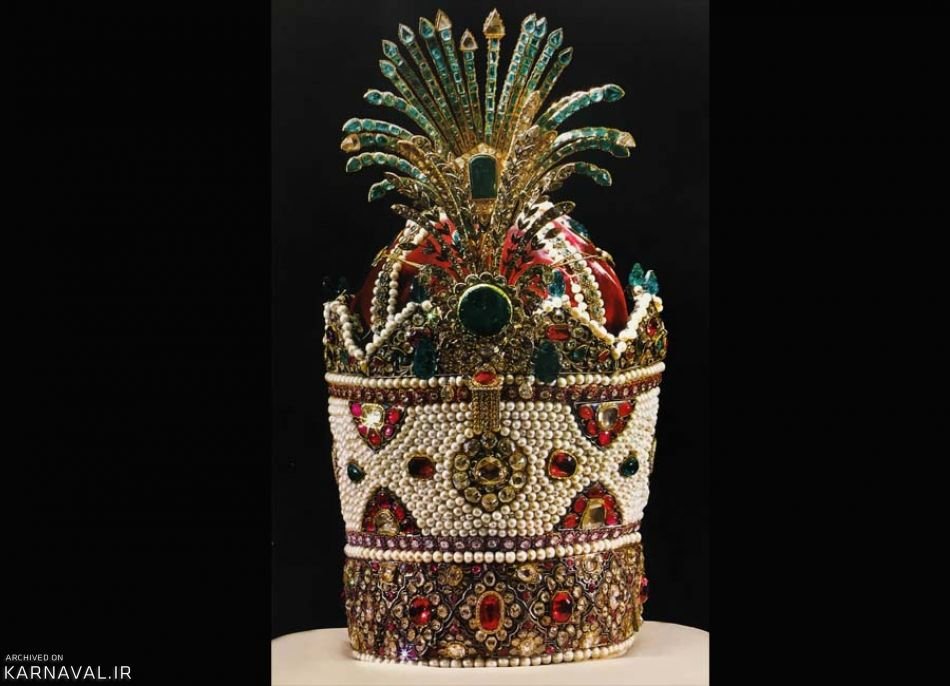
The Kiani Crown: After the downfall of the Sassanid Empire, a crown shaped after those of the Sassanid era was made for the first time. The crown is 32 centimetres high and 19.5 centimetres wide.
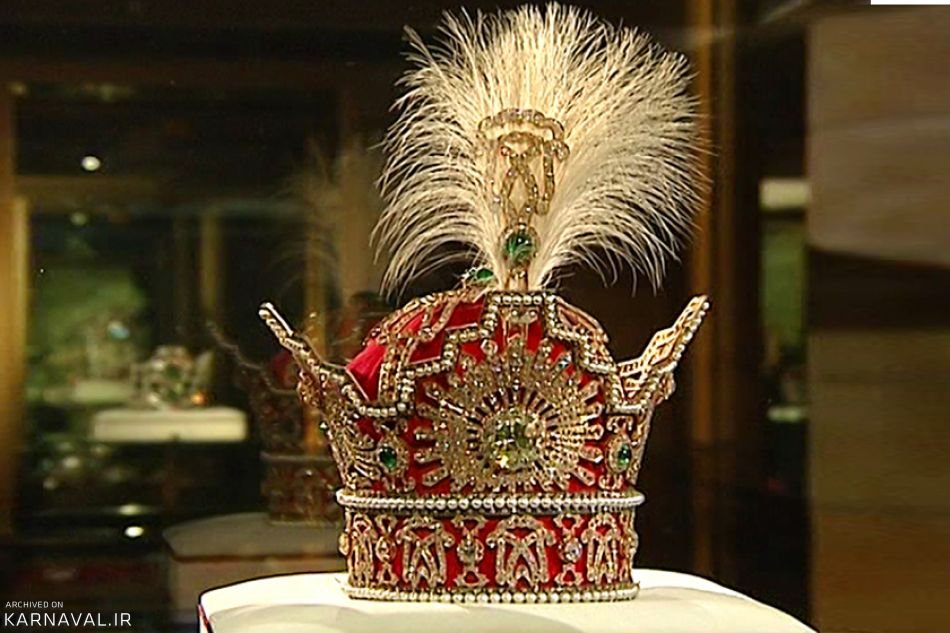
The Pahlavi Crown: The crown was made upon orders by Reza Shah and placed on his and his son’s heads during their coronation.
The Nour-ol-Ain Semi-Crown: It belongs to Farah Pahlavi. The semi-crown was made by renowned jeweller Harry Winston of New York. It was placed on Farah Pahlavi Diba’s head in her wedding ceremony. The semi-crown is very famous for its rare pink-coloured diamond.
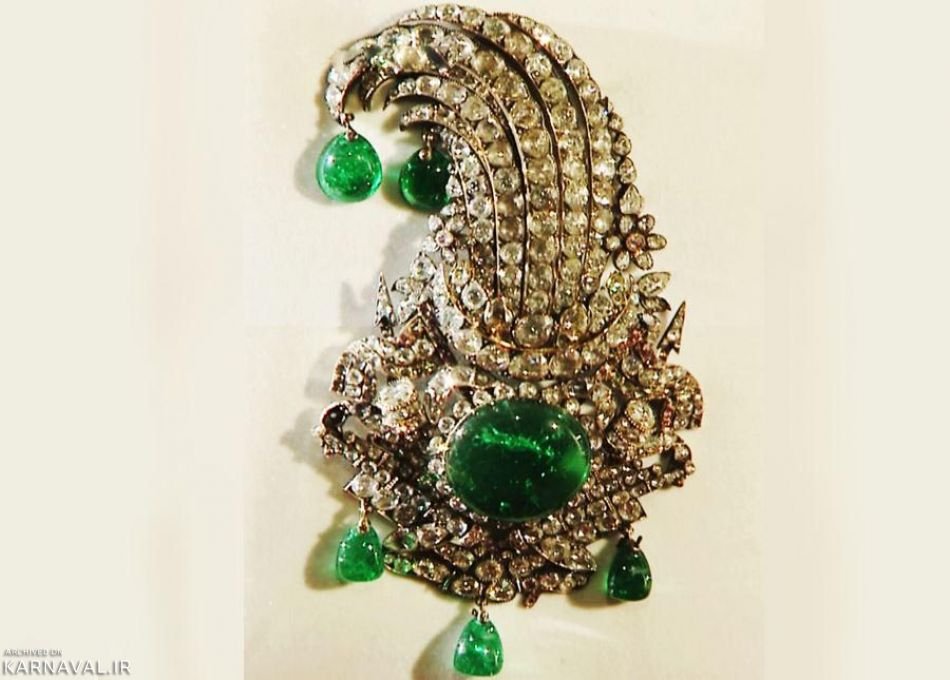
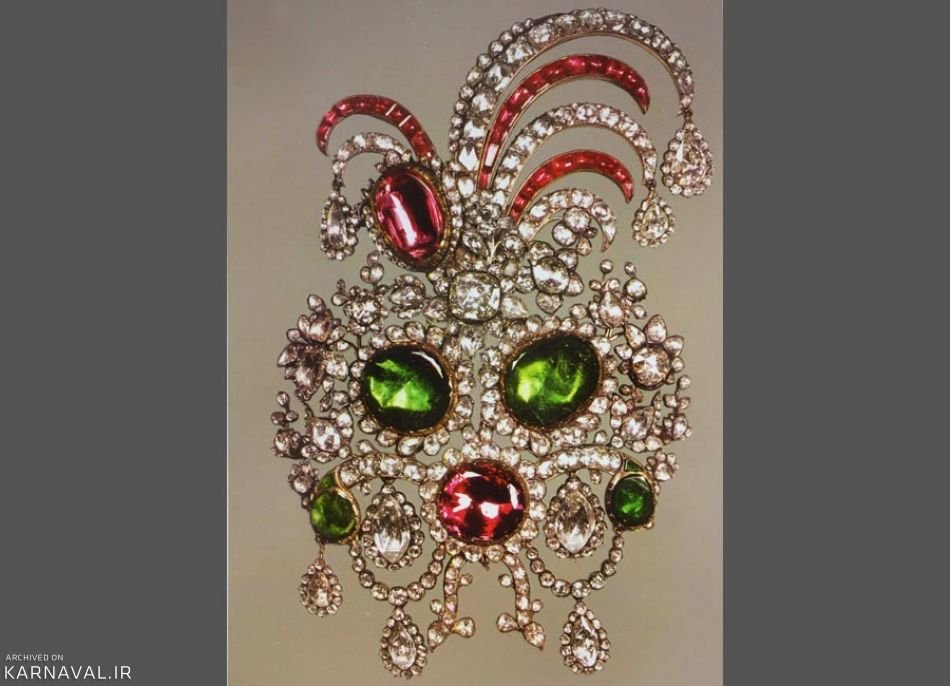
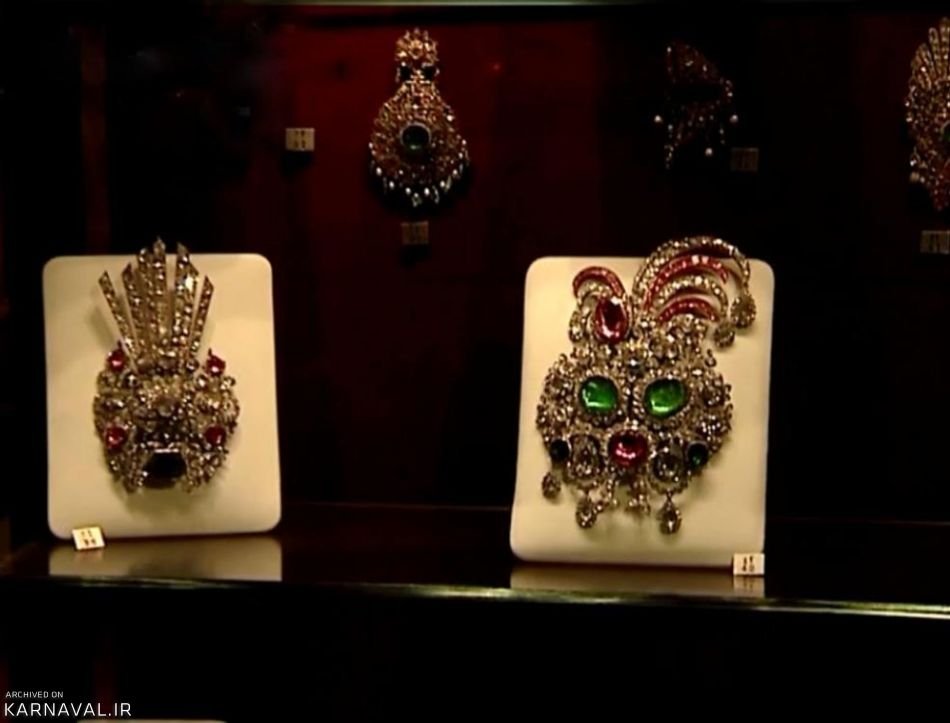
Jeqqeh Naderi: It is one of the most outstanding jewels of Iran and was built in the 12th century AH.
The Naderi Throne: A gem-decorated, enamelled throne embellished with 22,000 precious gemstones. As there are no thrones as beautiful as this one in Iran, it is called Naderi, from the word “Nader” in Persian meaning “Rare.”
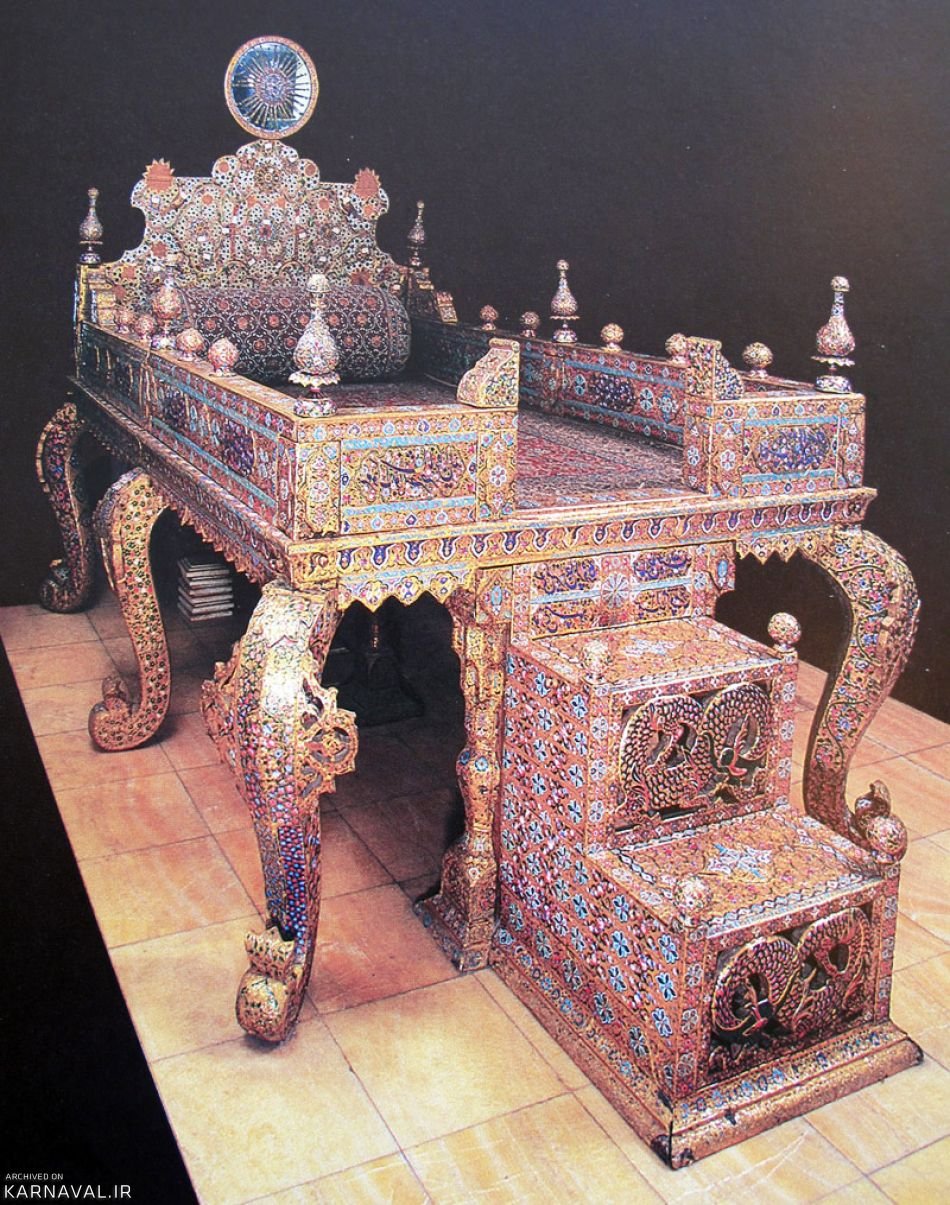
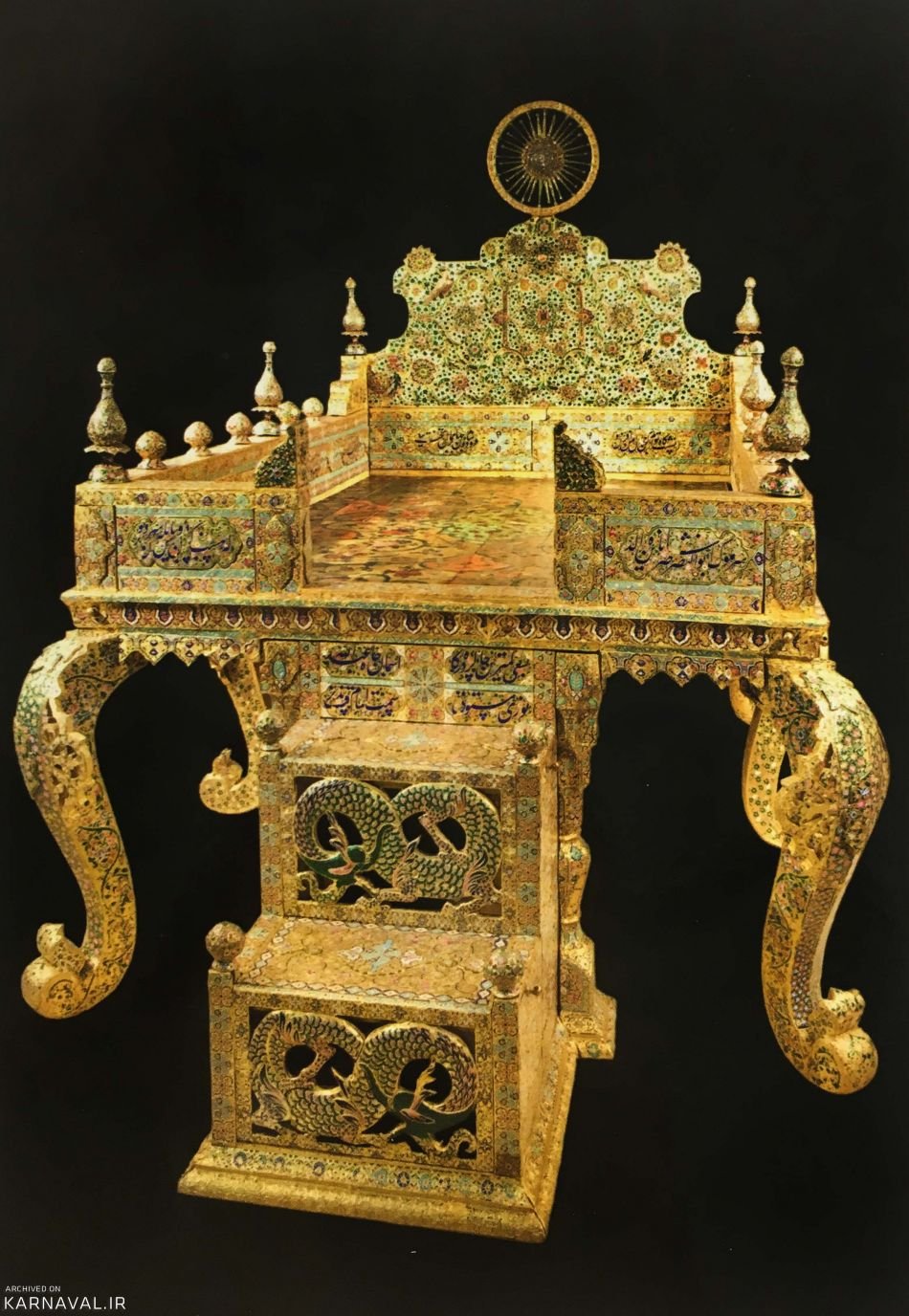
The Peacock Throne: The massive and famous Peacock Throne also known as the Sun Throne was made upon orders by Fath-Ali Shah Qajar, the second king of the Qajar dynasty.
The Peacock Throne: The massive and famous Peacock Throne also known as the Sun Throne was made upon orders by Fath-Ali Shah Qajar, the second king of the Qajar dynasty.
The Peacock Throne: The massive and famous Peacock Throne also known as the Sun Throne was made upon orders by Fath-Ali Shah Qajar, the second king of the Qajar dynasty.
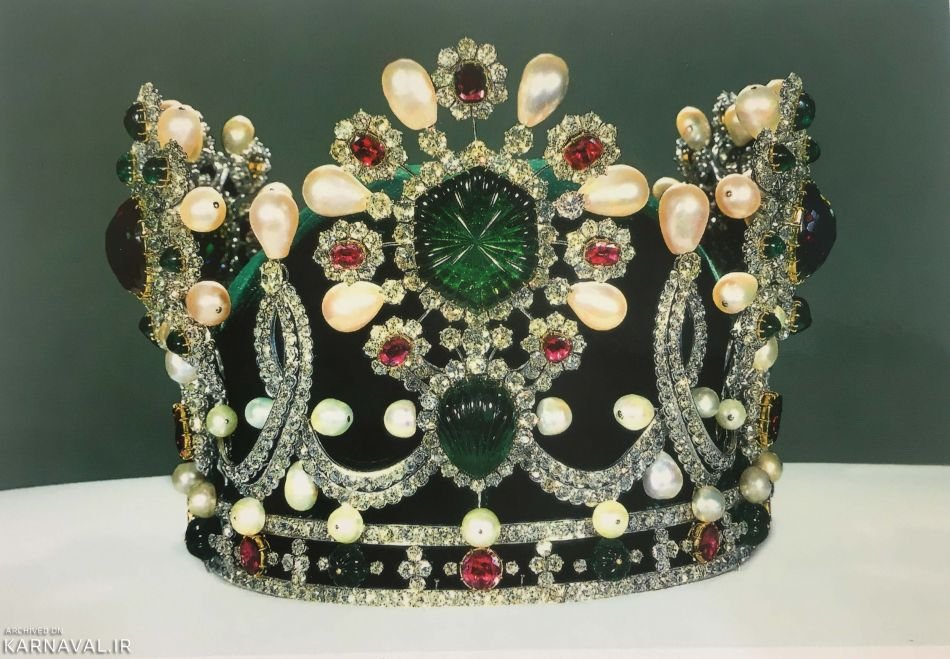
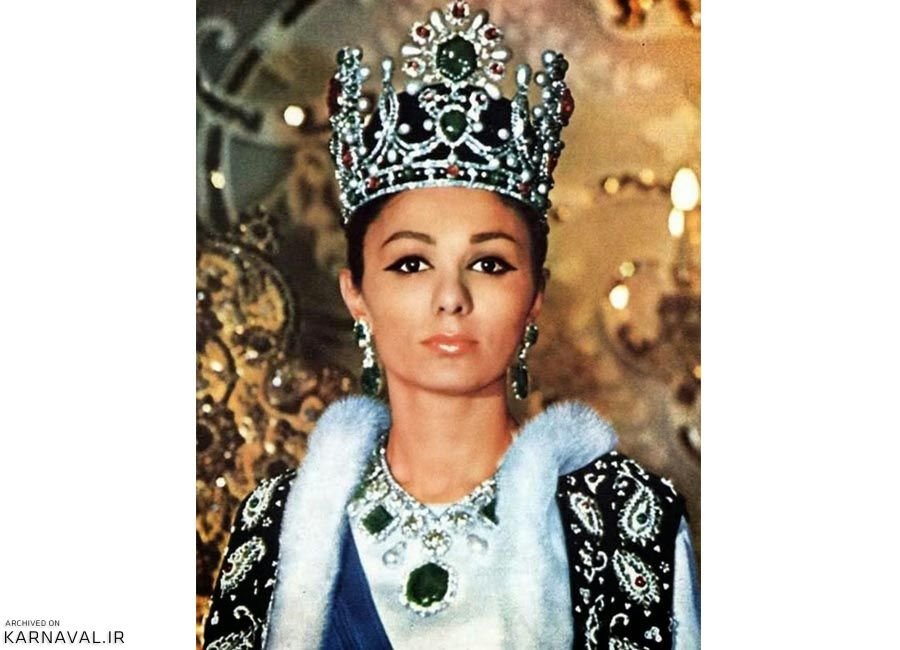
The Shahbanoo Crown: It is a crown placed on Farah Pahlavi’s head in her coronation and was used only by her. It took six months to make the crown which turned out to be one of the most beautiful crowns of Iran.
The necklace used in Farah Pahlavi’s coronation: A hand-made necklace produced by skilful jewellers of the French company Van Cleef & Arpels. It was used during her coronation.
The Golden Belt: It is 119 centimetres long decorated with an oval-shaped emerald weighing 176 carats.
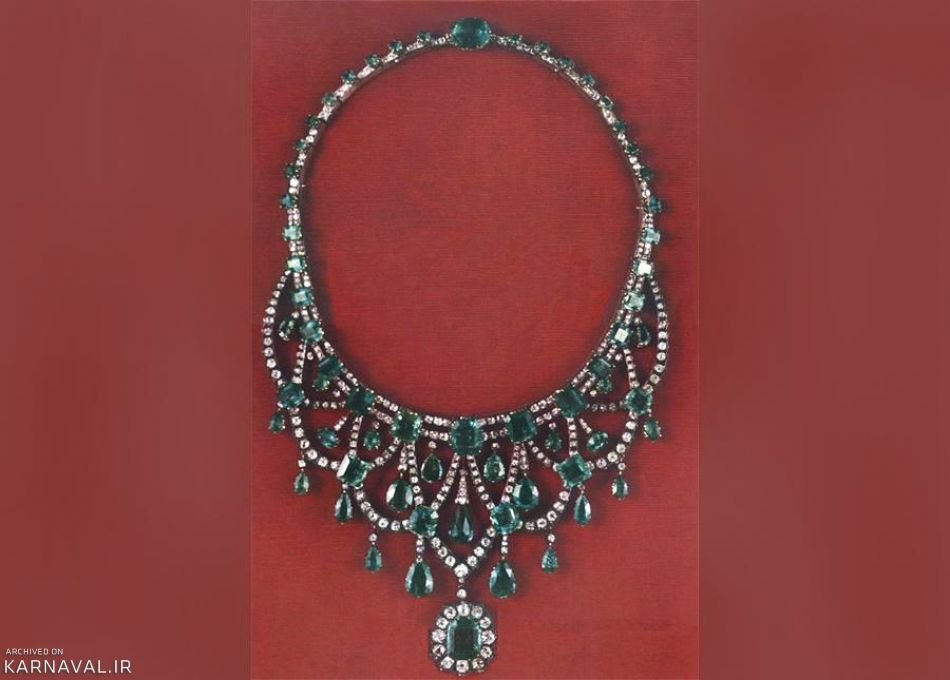
An emerald-diamond necklace: The biggest emerald used in making this necklace weighs 10 carats. It seems to have belonged to Qamar-ol-Saltaneh, a Qajar princess and the daughter of Fath-Ali Shah Qajar.
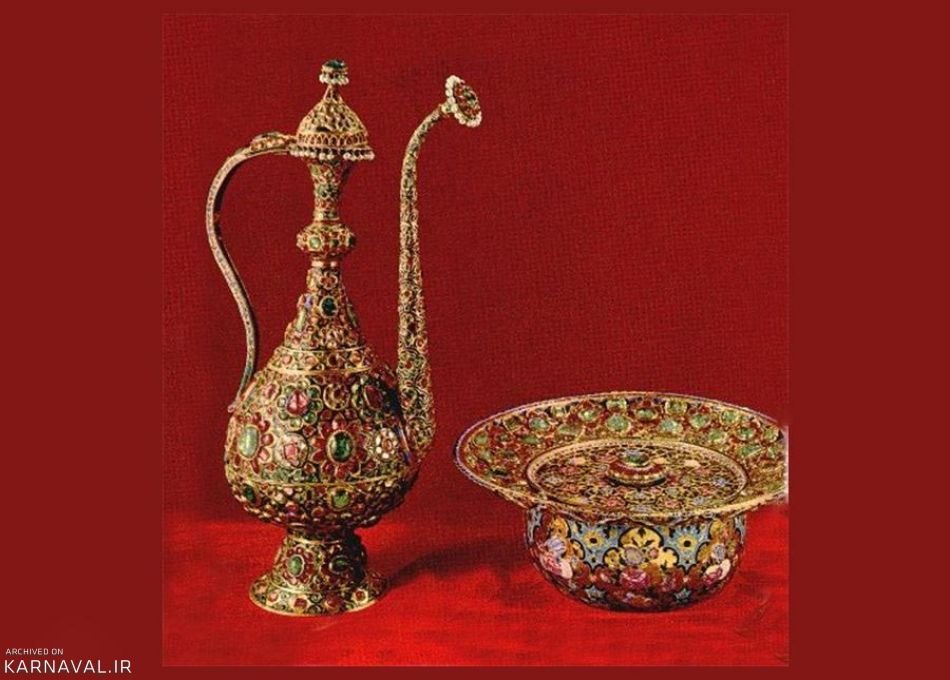
The Imperial Pitcher and Washtub: They were used at lunchtime or dinner time by Qajar noblemen.
The Imperial Pitcher and Washtub: They were used at lunchtime or dinner time by Qajar noblemen.
Fathali Shah's Sword: The steel used in making this sword is of high quality. The sword lies next to a gold inscription bearing the name Fath-Ali Shah dated 1213 on the Hijri calendar.
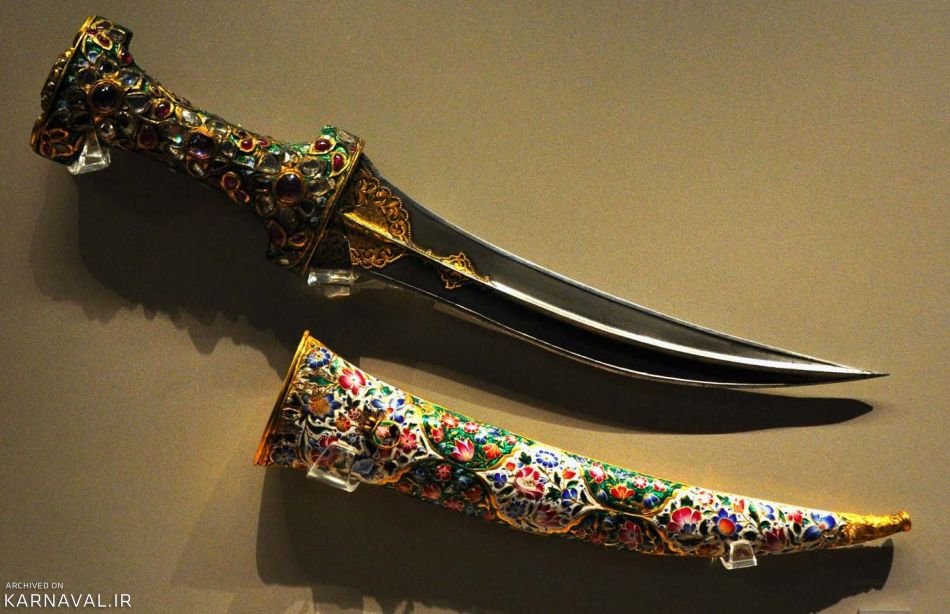
The Gem-Embellished Dagger: It is a dagger measuring 40 centimetres long, which is longer than normal. It is decorated with a 60-carat ruby. An inscription accompanying the sword says it dates back to the Fath-Ali Shah era.
The Naderi Shield: It is a shield which Nader, the King, used in different wars. The shield is made with rhino skin and is 46 centimetres in diameter. One of the world’s biggest rubies measuring 225 carats is fitted into the centre of the shield.
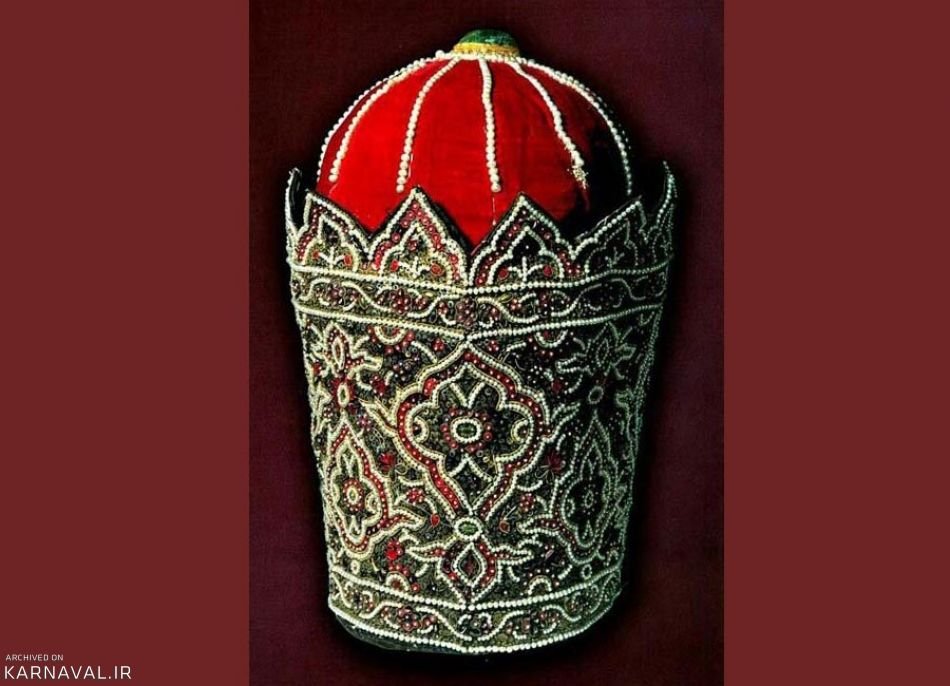
The Abbas Mirza Hat: A piece of headwear made of satin and red velvet embroidered with pearls and spangles with a large emerald on top.
The Kiani Cap: It was Fath-Ali Shah’s favourite decorative item.
The Kiani Cap: It was Fath-Ali Shah’s favourite decorative item.
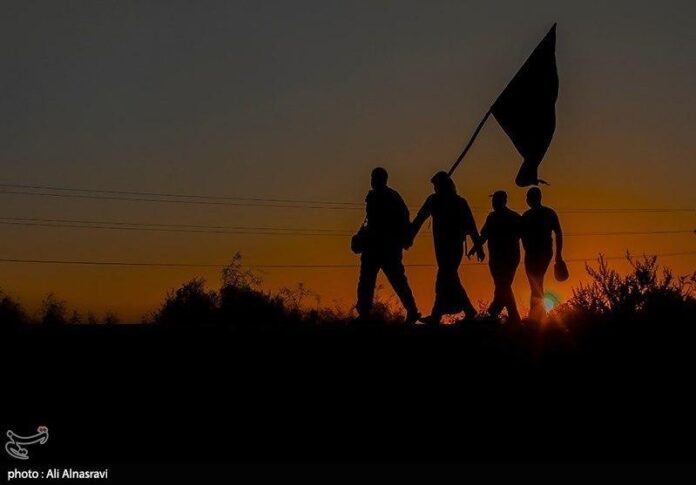
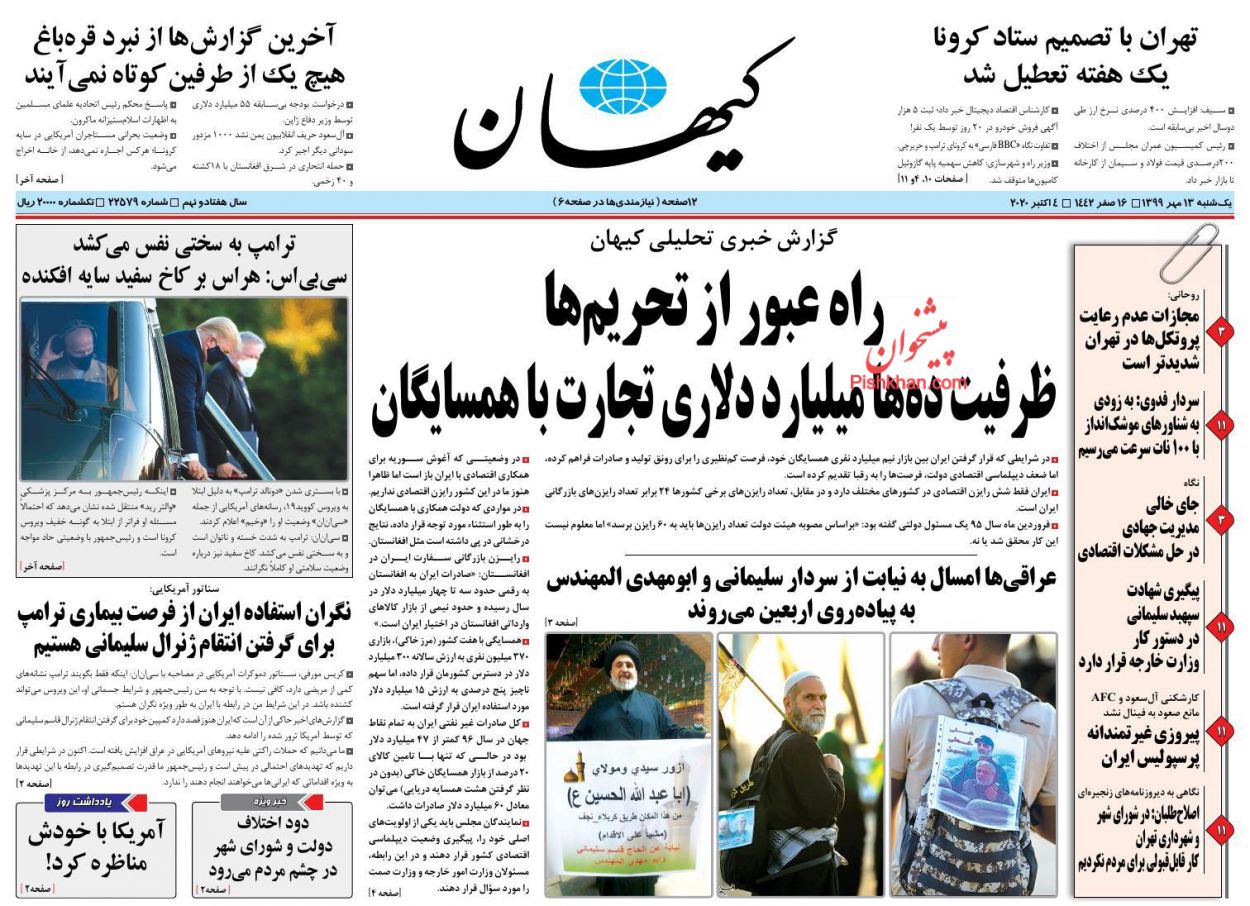
The Hajj and Pilgrimage Organization urged fellow countrymen not to pay attention to rumours suggesting borders will be open to pilgrims.
“In order to stop the spread of coronavirus and protect people’s health, all land and air borders with Iraq will be closed to pilgrims [going to Iraq] on Arbaeen or other occasions until further notice,” said deputy head of the organization Sohbatollah Rahmani.
“As announced by the Iraqi government, it will not allow any Iranian pilgrims to enter the country, either, through any borders,” he added.
He also warned against plots by the enemies which seek to create tension on Iran-Iraq borders by urging Iranians to go to borders on a pilgrimage to Karbala.
Each year, millions of Shiites flock to the Iraqi city of Karbala, where the holy shrine of Imam Hussein is located, to perform mourning rites 40 days after Ashura.
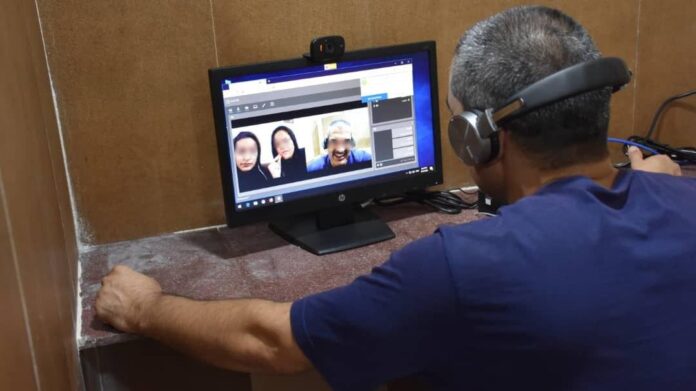
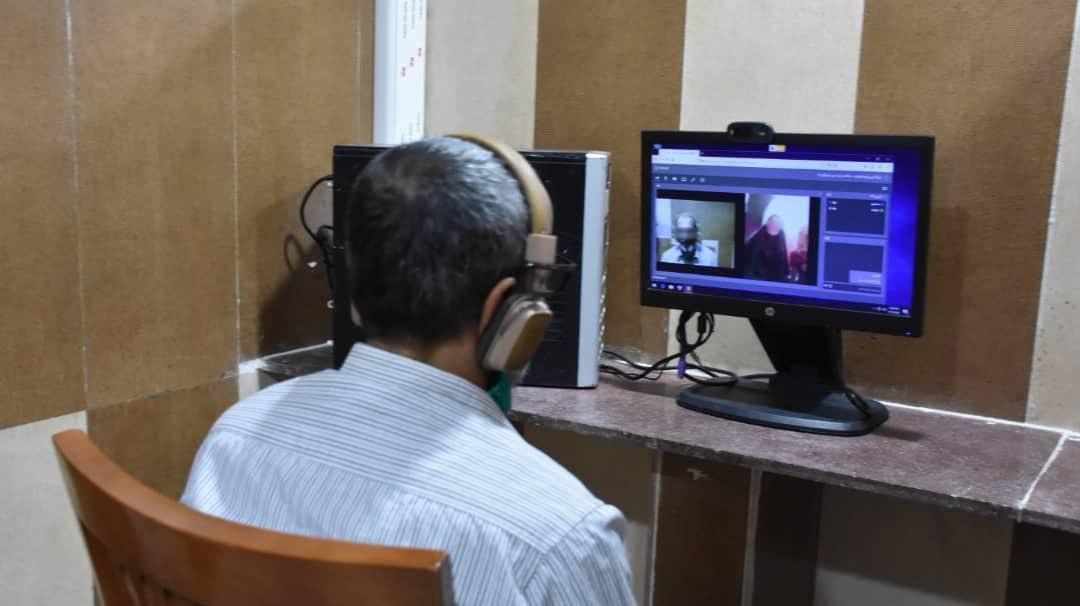
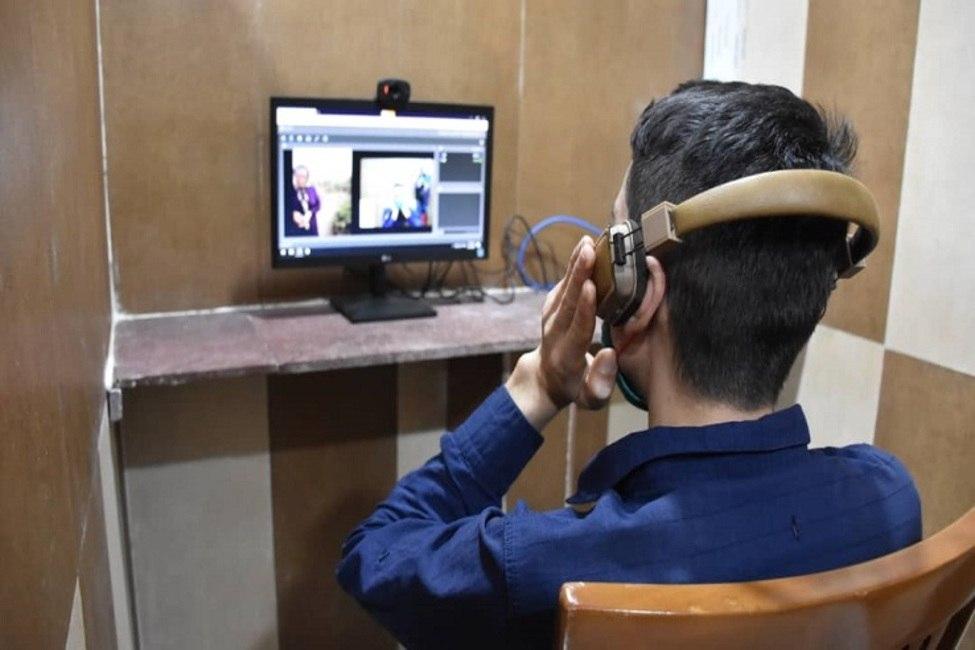
An electronic meeting hall was inaugurated in Bandar Abbas in a Sunday ceremony attended by the head of the provincial Justice Department, the province’s prosecutor and the director general in charge of the province’s prisons.
“In line with the implementation of macropolicies of the judiciary, … an electronic meeting hall has become operational at Bandar Abbas Central Prison,” said Ali Salehi, the director general of the province’s Justice Department.
“The hall contains an operating unit which monitors electronic meetings as well as 10 meeting rooms for prisoners along with audio and video online transmission equipment,” he added, according to the Judiciary’s official news agency Mizan.
“The initiative conforms the new judicial regulations and … the Code of Criminal Procedure,” the official noted.
He said the move comes to reduce problems and costs of prisoners and their families, especially at a time of the coronavirus outbreak.
“This is the first time that the move is being done in the country,” he added.
“So far, three types of meetings used to be held in prisons: meeting in person, meeting in a booth and meeting in private. Now, the electronic (video) meeting has become available as a new form of meeting and, as a privilege, will be granted to inmates who have actively participated in rehab and educational programs of prisons and who have good behaviour,” he said.
He noted electronic meetings come at no expense for prisoners and their families.
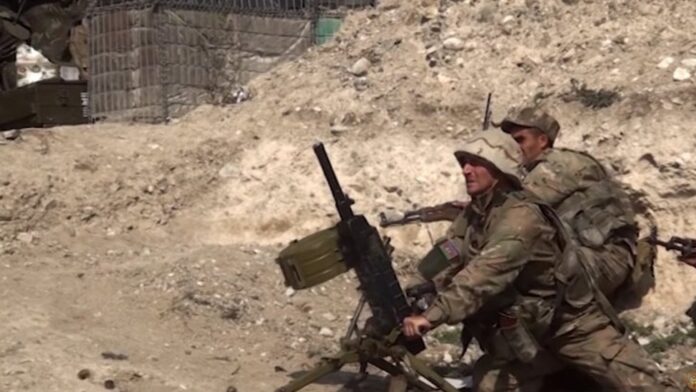
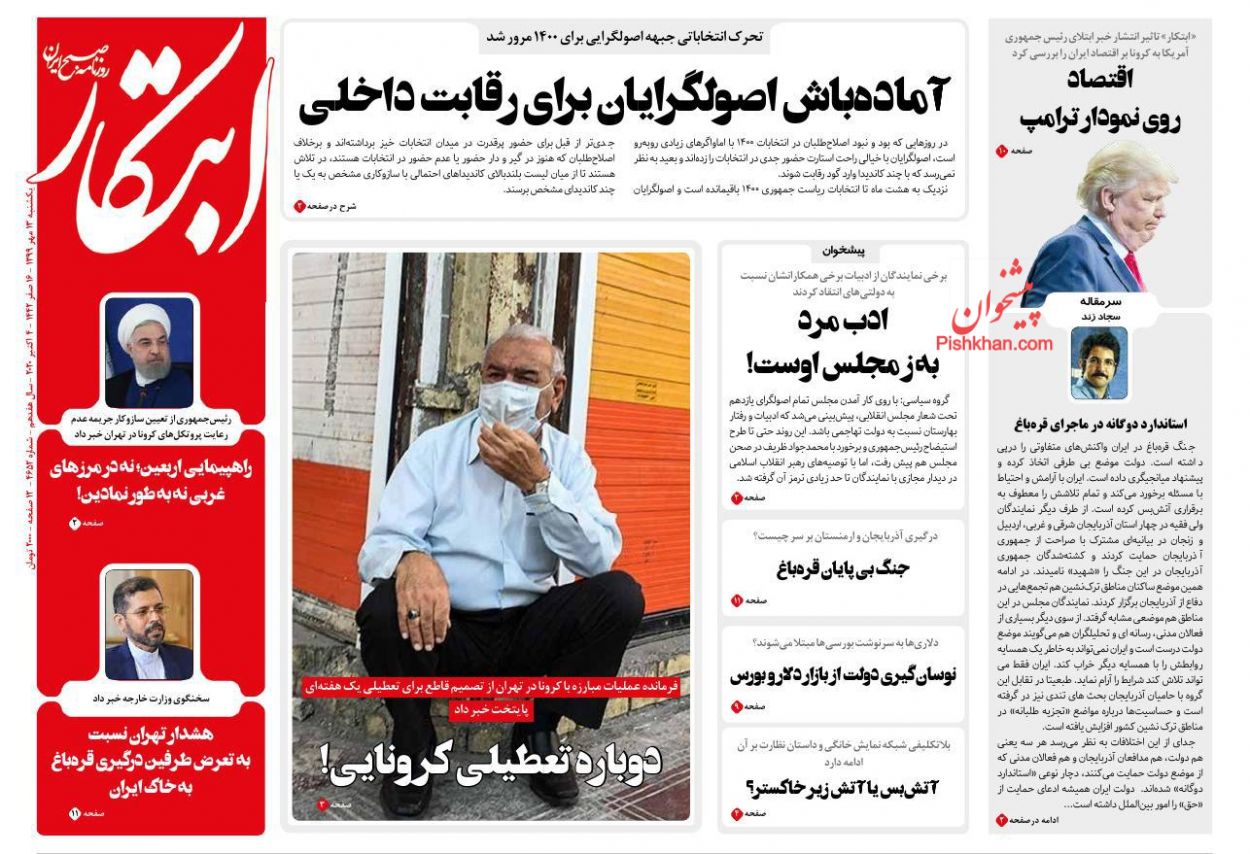
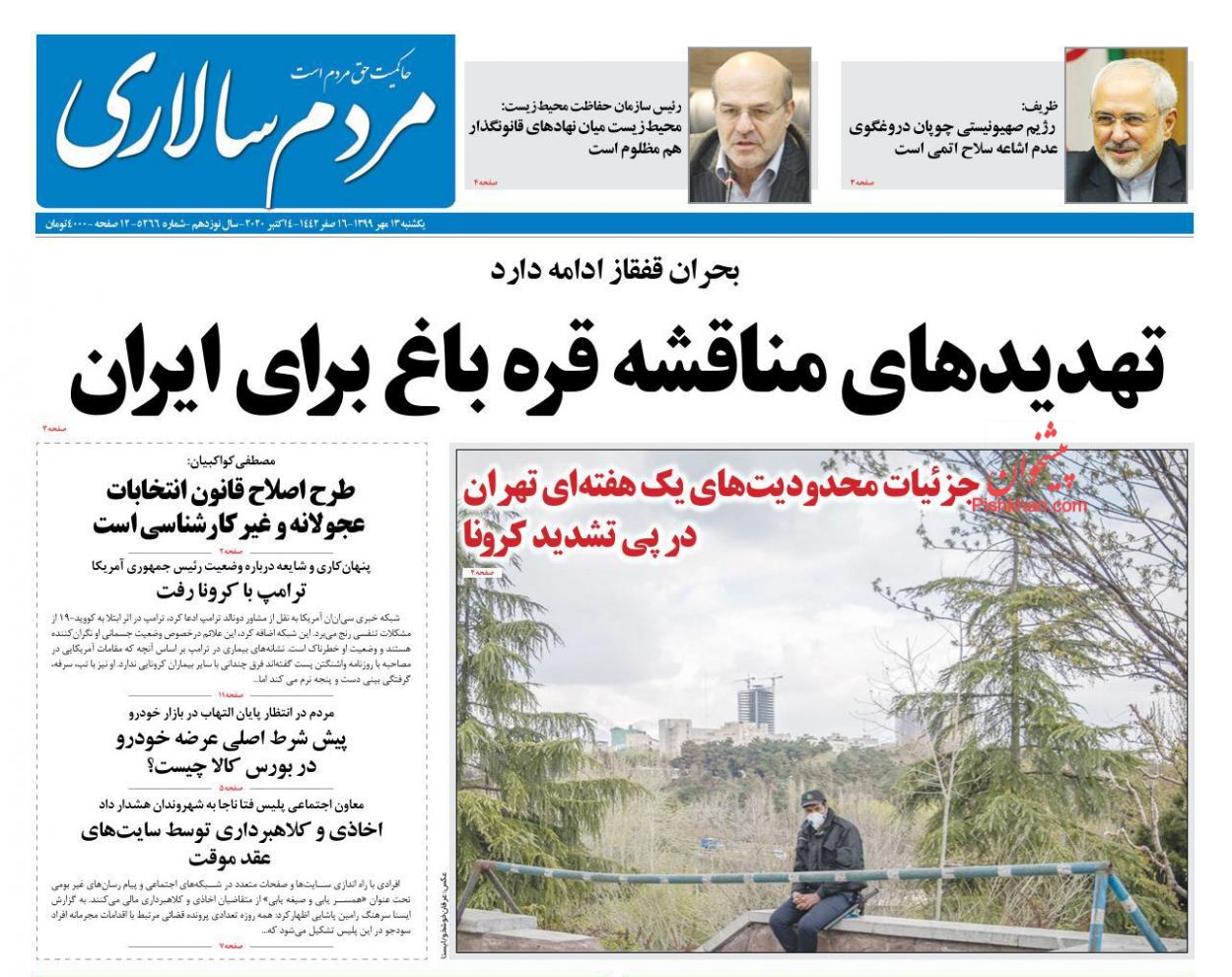
“Based on reports announced by official sources of the Azerbaijan Republic, including the country’s Prosecutor General’s Office, a large number of ordinary citizens of the Azerbaijan Republic, including women and children have been killed or wounded, and many civilian locations, facilities and centres have been destroyed since a fresh wave of fighting began between the warring Azeri and Armenian sides in the Karabakh region and seven surrounding cities,” the embassy said in a Sunday statement.
“The Prosecutor General’s Office of the Azerbaijan Republic has announced that as many as 19 innocent people had been killed, 63 wounded, and 44civilian places and facilities as well as 181 houses had been destroyed by the morning of October 3,” it added.
“The Islamic Republic of Iran’s Embassy in the Azerbaijan Republic underlines the need to observe human rights and international rights, and recalls international norms, principles and regulations ruling armed conflicts, including the Geneva Conventions (1949) and its additional protocols (1977), especially the fourth Geneva Convention on support for civilians, and categorically condemns any violation of innocent people and killing and wounding them as well as destroying and damaging civilian locations, facilities and property, and condoles with the bereaved families,” it added.
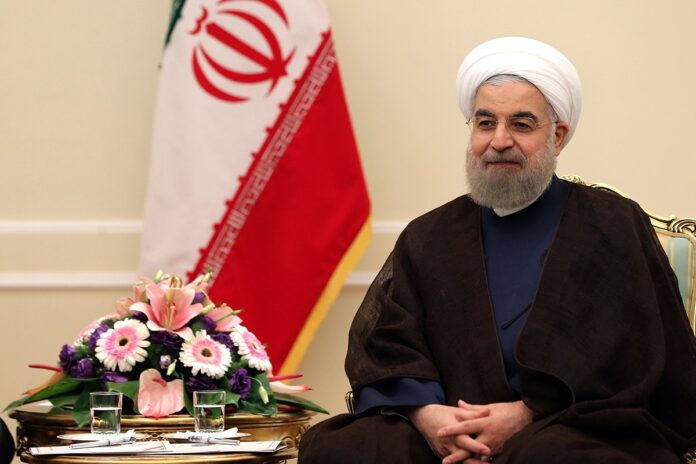
In a message on Sunday, President Hassan Rouhani expressed hope the two sides will continue to enhance their relations on all fronts.
“I am confident that in light of Your Excellency’s … wise leadership, we will, like in the past, witness ever-increasing enhancement of cordial and brotherly relations between the two countries as well as the promotion of stability and security in the region,” said the president in his message.
“I ask God Almighty to bestow health and success upon Your Excellency and grant dignity and prosperity to Kuwait’s Muslim people,” he said.
Earlier in the day, Iranian Foreign Minister Mohammad Javad Zarif travelled to Kuwait on behalf of President Rouhani to offer sympathy to the Kuwaiti nation and government over the demise of the country’s former emir, Sheikh Sabah al-Ahmad al-Jaber al-Sabah.
During the visit, Foreign Minister Zarif held meetings with Sheikh Nawaf, the new emir of Kuwait, and Foreign Minister Dr Ahmad Nasser Al-Mohammed Al-Ahmed Al-Jaber Al-Sabah.
In the meetings, the Iranian top diplomat expressed Iran‘s sympathy and condolences over the loss.
He also offered congratulations on the new emir’s appointment, and underlined the Islamic Republic’s support for the Arab country.
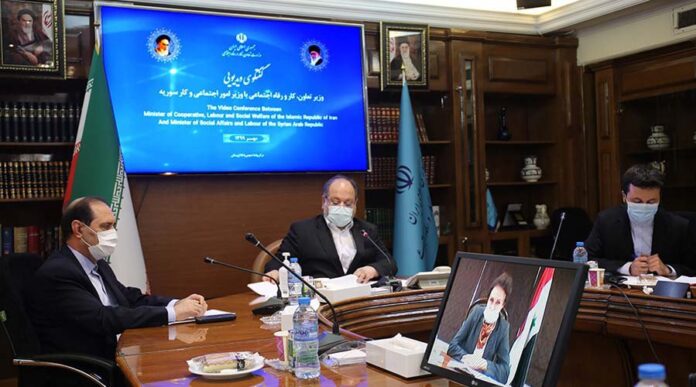
In the videoconference meeting on Sunday, Shariatmadari said the two sides are to take practical steps to further boost bilateral cooperation.
He described the trend of Iran-Syria cooperation as positive. “I hope the trend of friendship with the Syrian government and nation will continue and grounds for further cooperation between the two countries will be provided.”
He noted practical steps should be taken to implement a joint plan of action signed between the two countries in 2019.
The Iranian minister also stressed the need to exchange delegations to implement that cooperation agreement.
“Now that it is not possible to do it in person, it can be done online between deputies and heads of organizations and their counterparts from the other side,” Shariatmadari said.
He underlined a timetable should be set for talks between the two sides for the implementation of the agreements.
The Syrian minister, in turn, called for drawing on Iran’s experience in the fields of rehabilitation, small financial funds and rural development funds.
He expressed hope talks will also bear fruit in the areas of entrepreneurship and training manpower through exchanging delegations and running joint programs.
He said Iran has great potential in the industrial and petrochemical sectors, expressing hope the two sides can share each other’s experience by exchanging delegations.
The Syrian official also hoped the joint action plan will be implemented well.
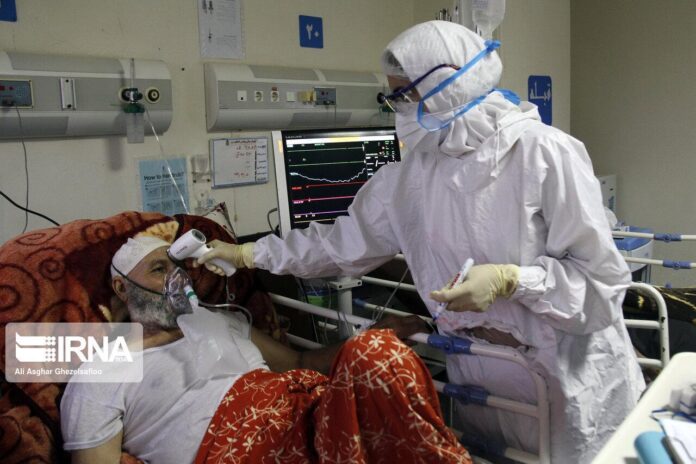
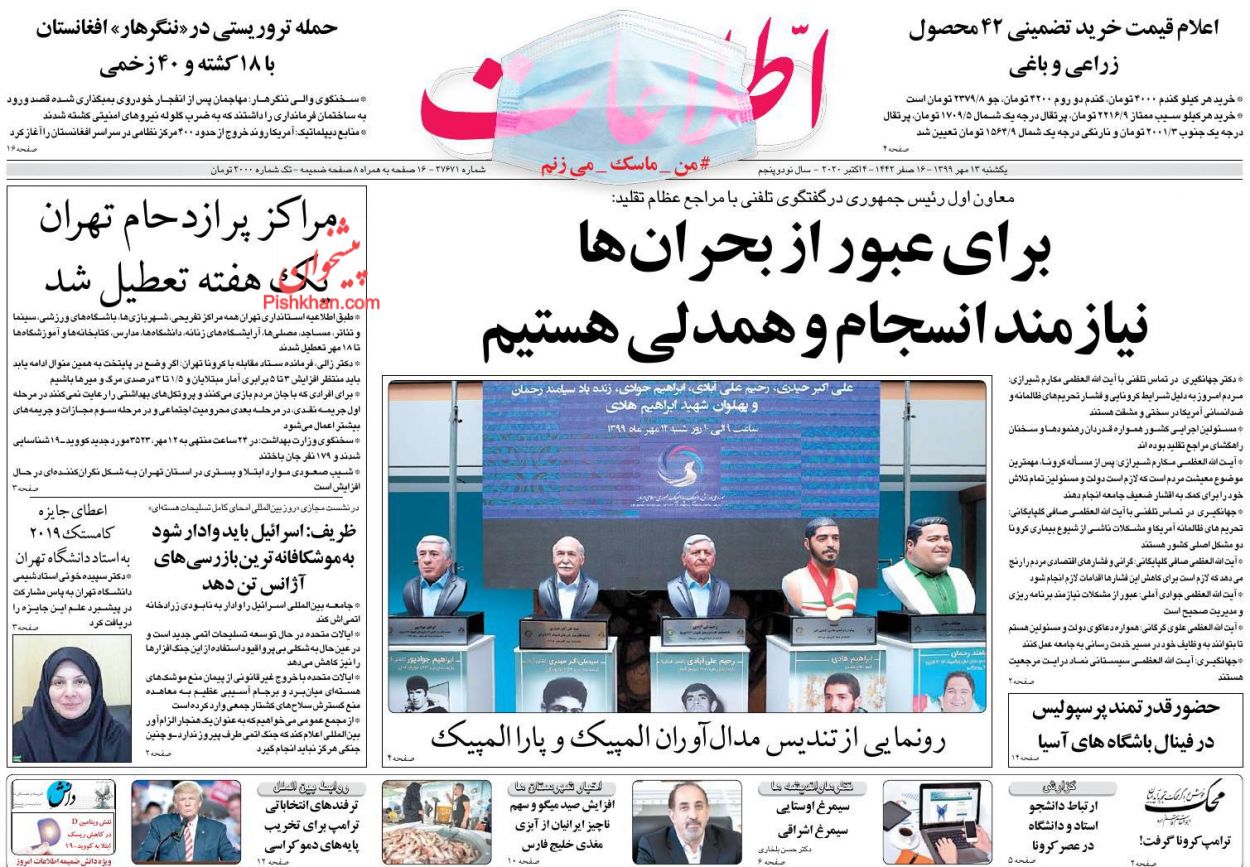
In a press briefing on Sunday, Sima-Sadat Lari said 471,772 patients have contracted the virus so far, including 3,653 new cases identified in the past 24 hours.
So far, she added, 389,966 patients have recovered from the disease or been discharged from the hospital.
Lari said 4,154 patients are also in critical conditions caused by more severe infection.
The spokeswoman noted that 4,123,173 COVID-19 tests have been taken across the country so far.
She said the high-risk “red” zones include Tehran, Qom, Mazandaran, East Azarbaijan, Isfahan, Yazd, Ardabil, Khorasan Razavi, Khuzestan, Hamadan, West Azarbaijan, Bushehr, Chaharmahal and Bakhtiari, Kohgiluyeh and Boyer-Ahmad, Alborz, Lorestan, Markazi, Ilam, South Khorasan, Kermanshah, North Khorasan, Semnan, Gilan, Zanjan, Qazvin, and Kerman provinces.
The “orange” zones also include Golestan, Hormozgan, Kurdistan, and Fars provinces, she added.
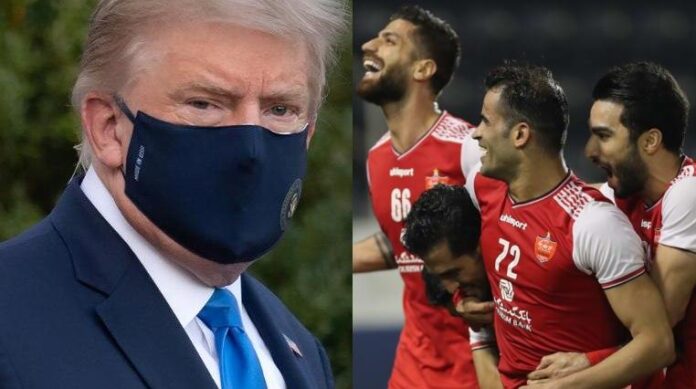
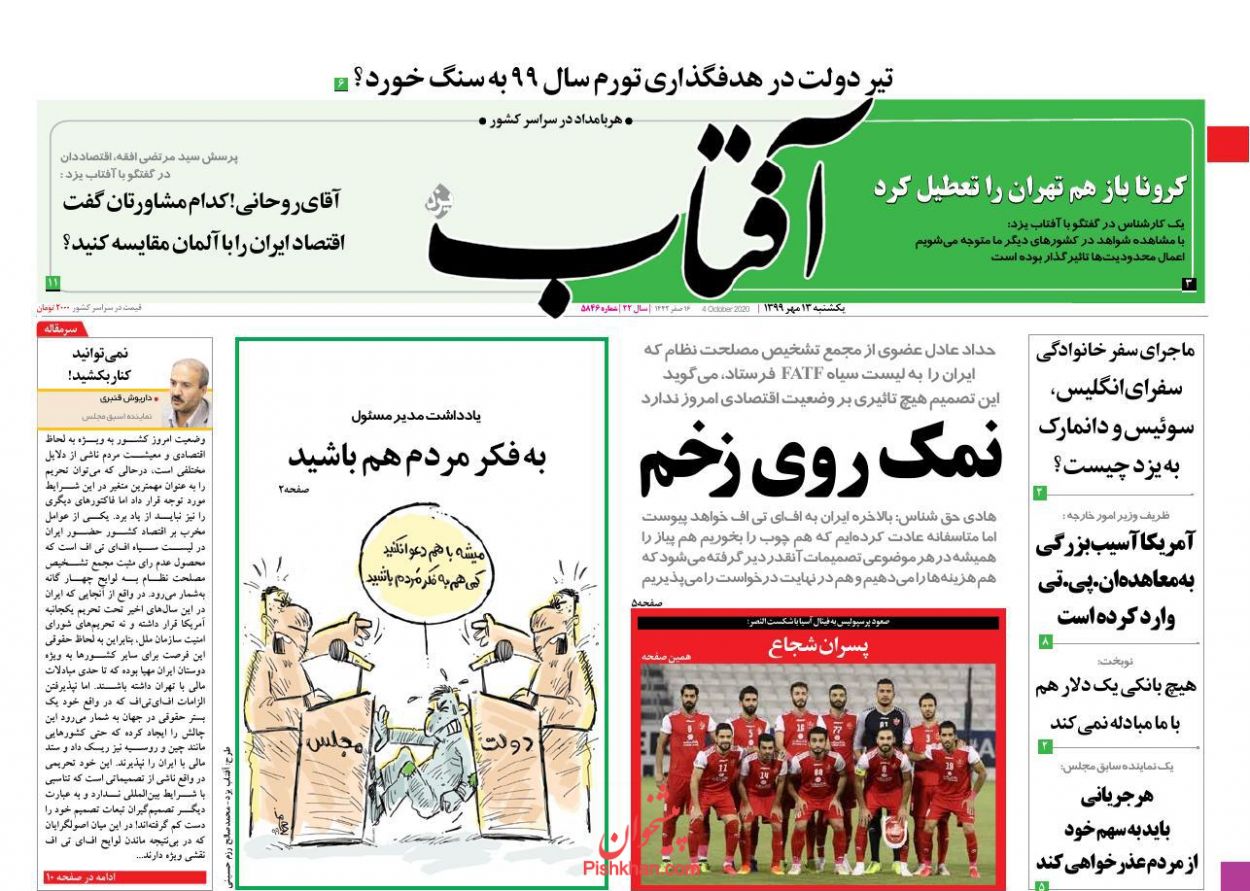
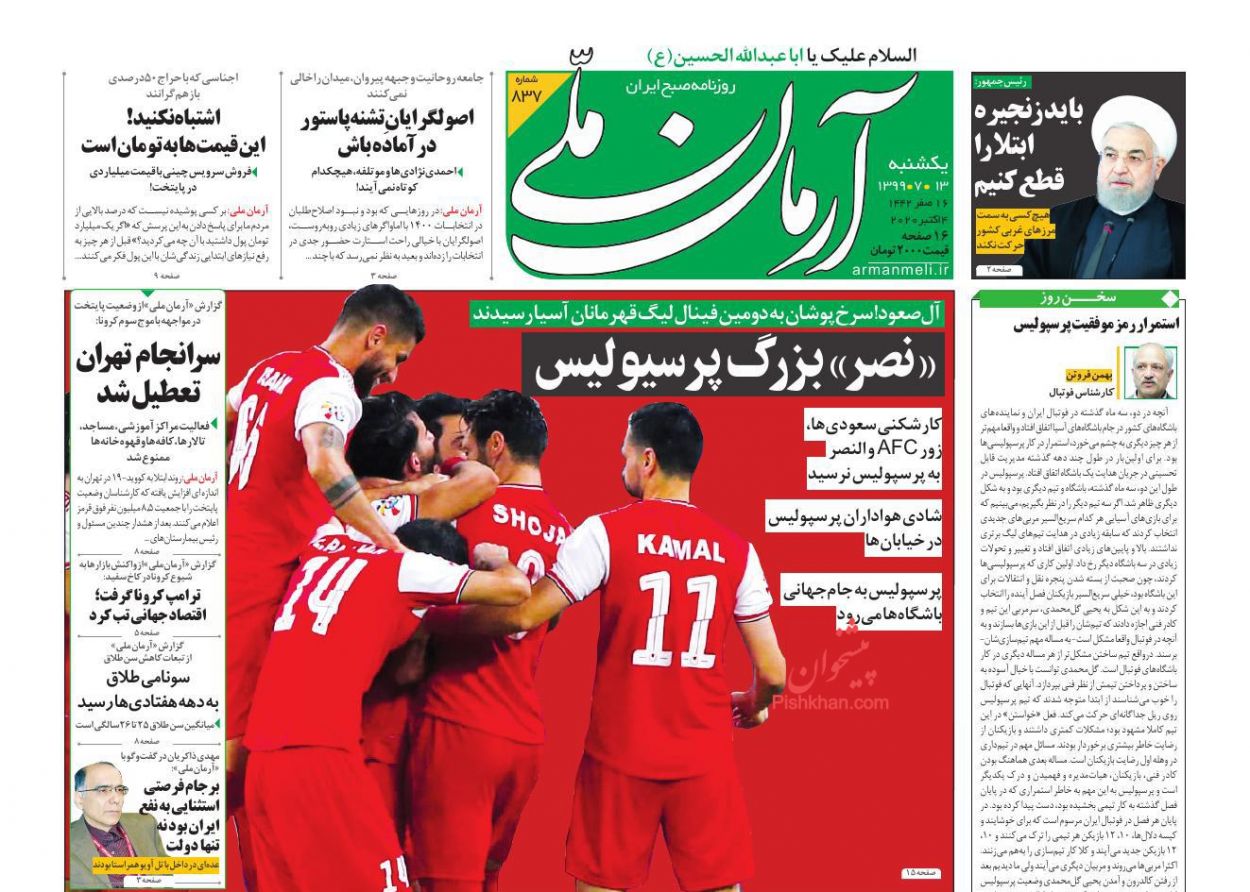
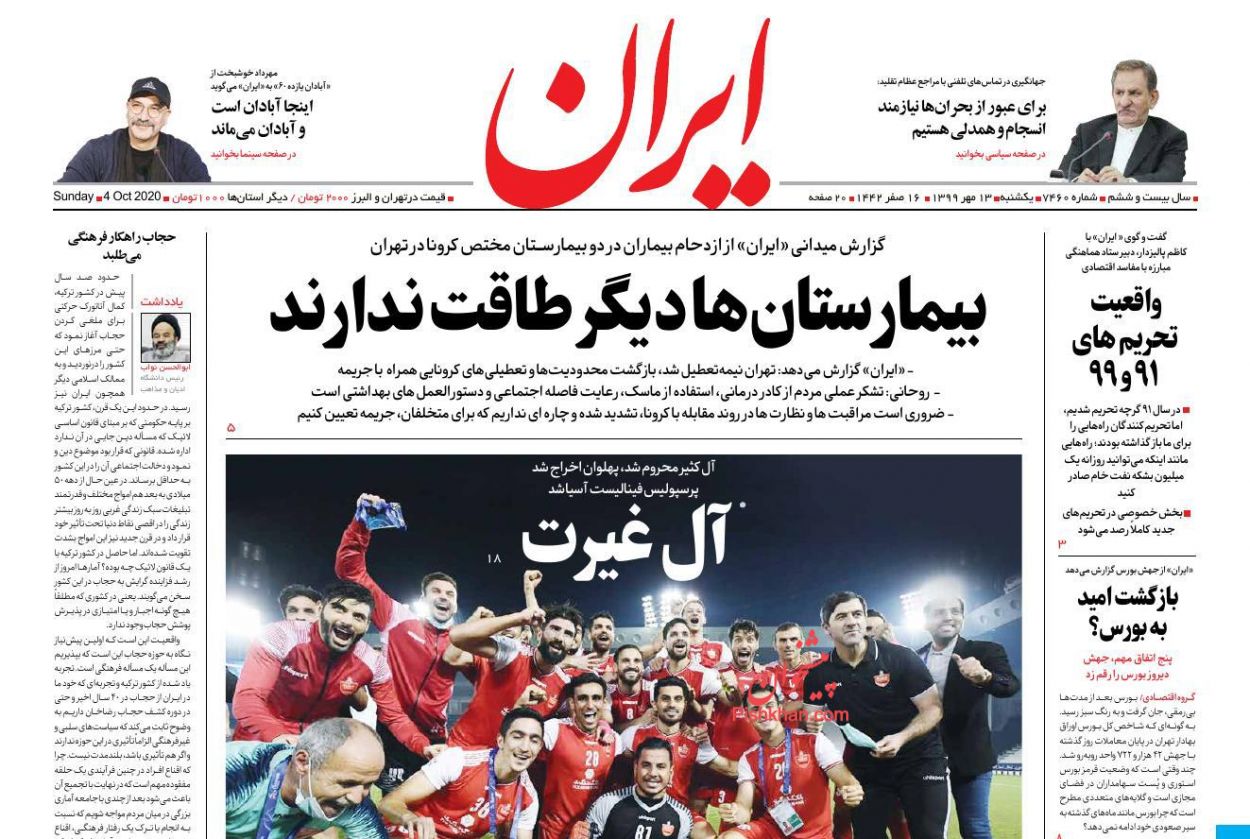
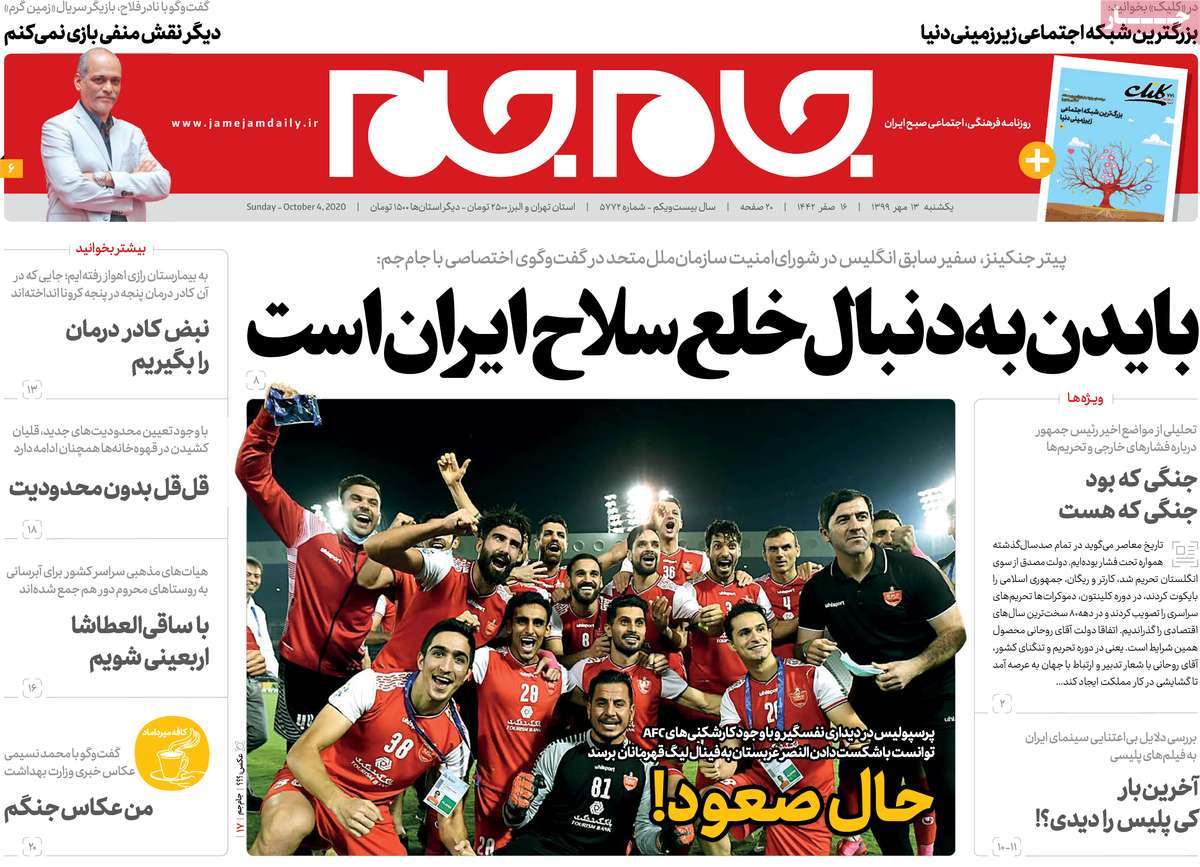
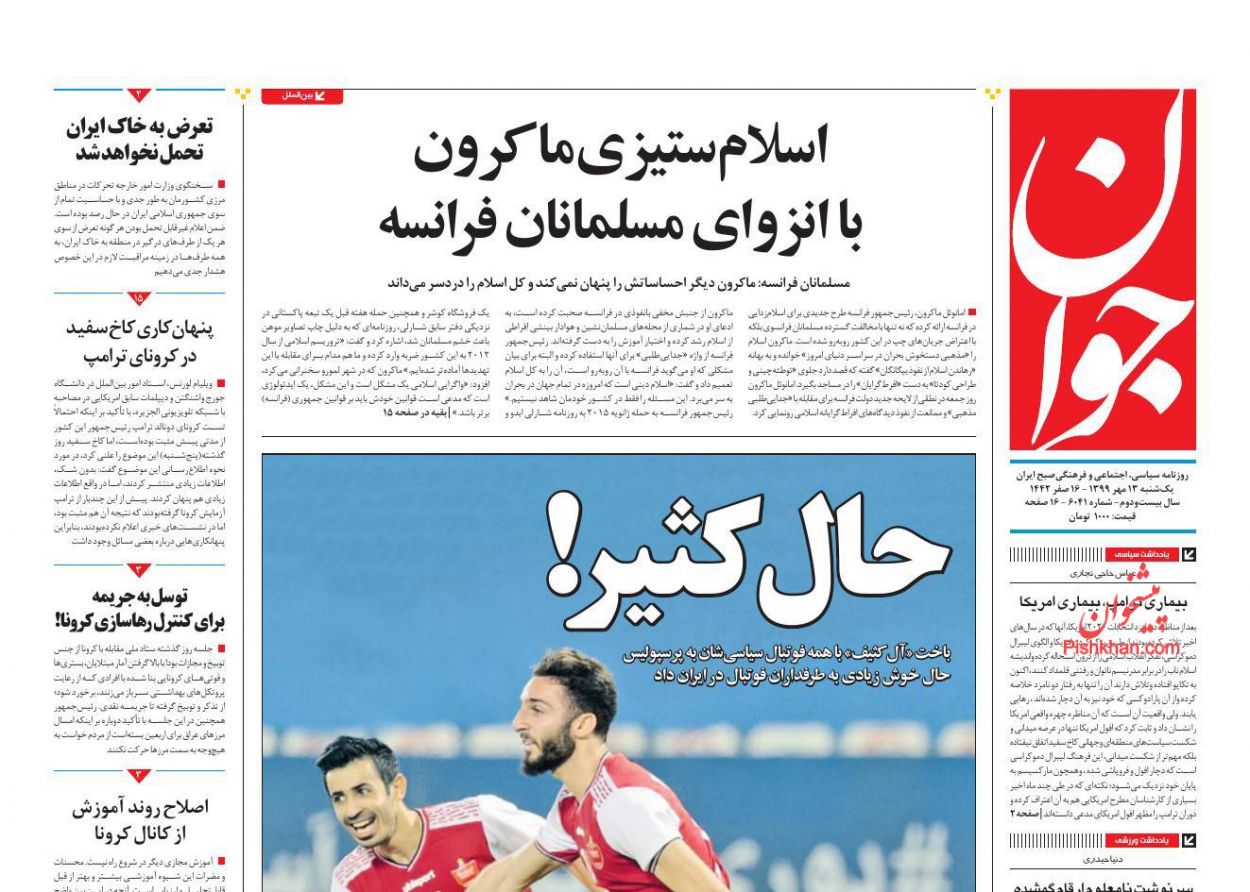
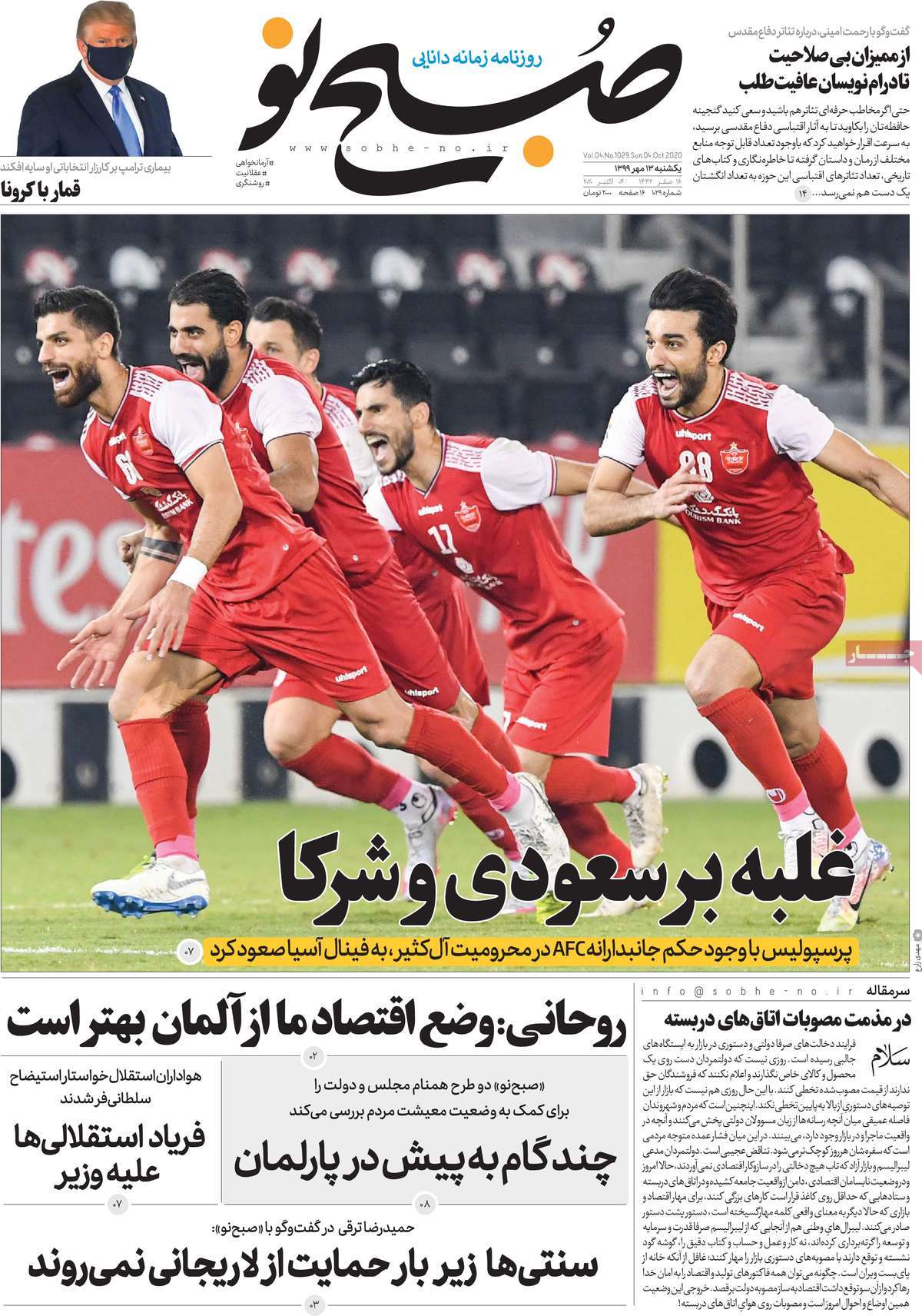
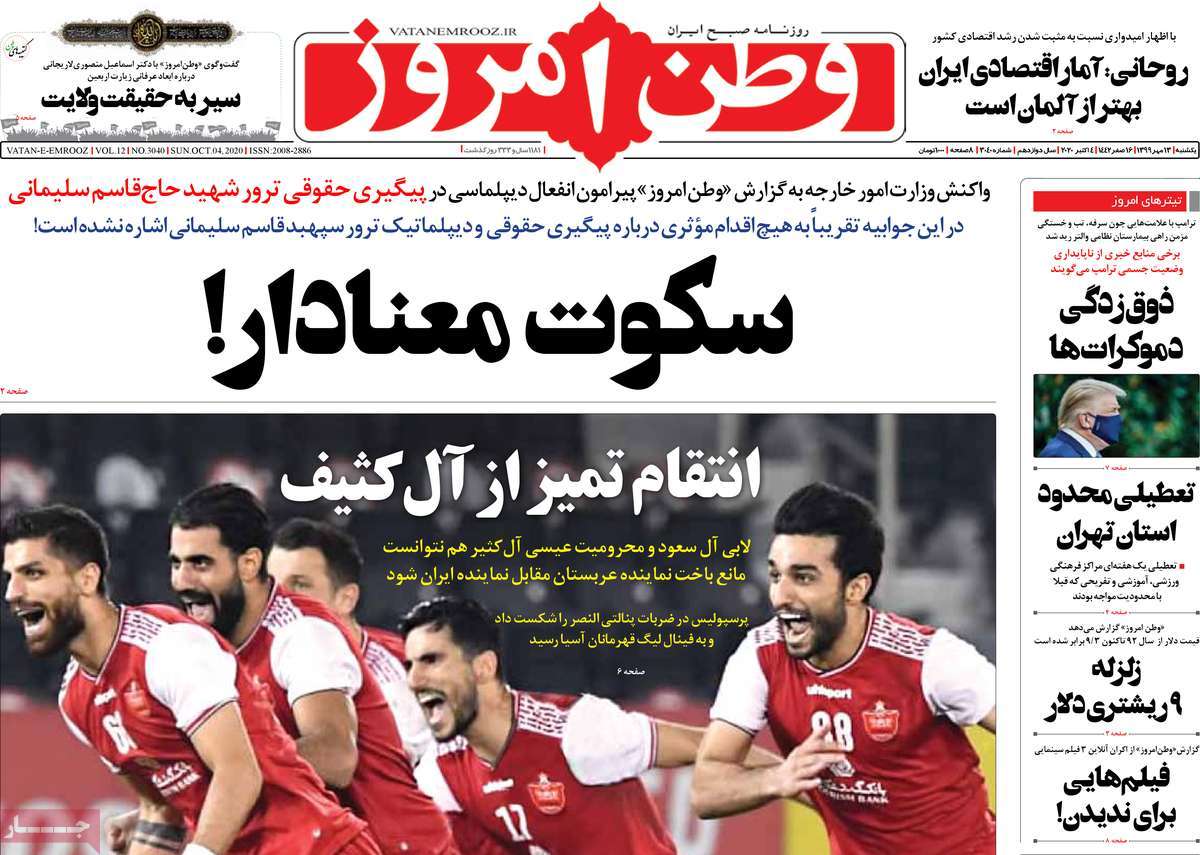
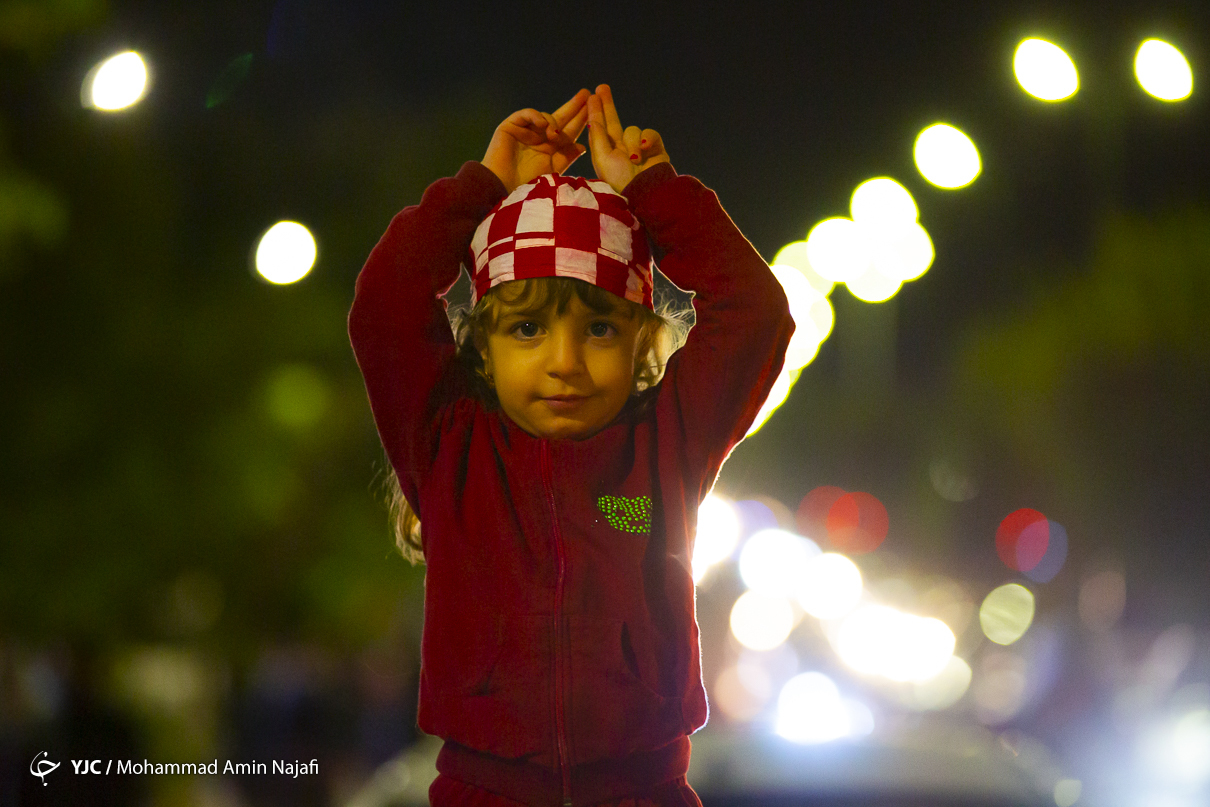
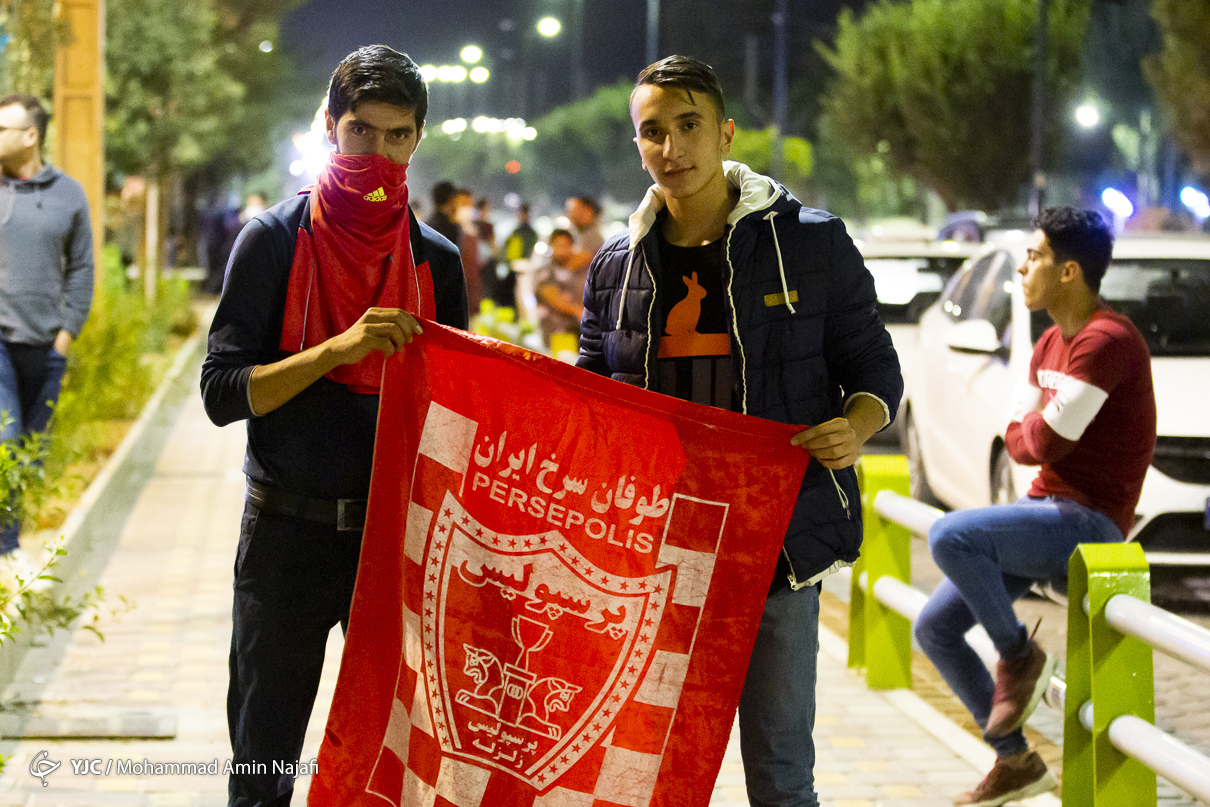
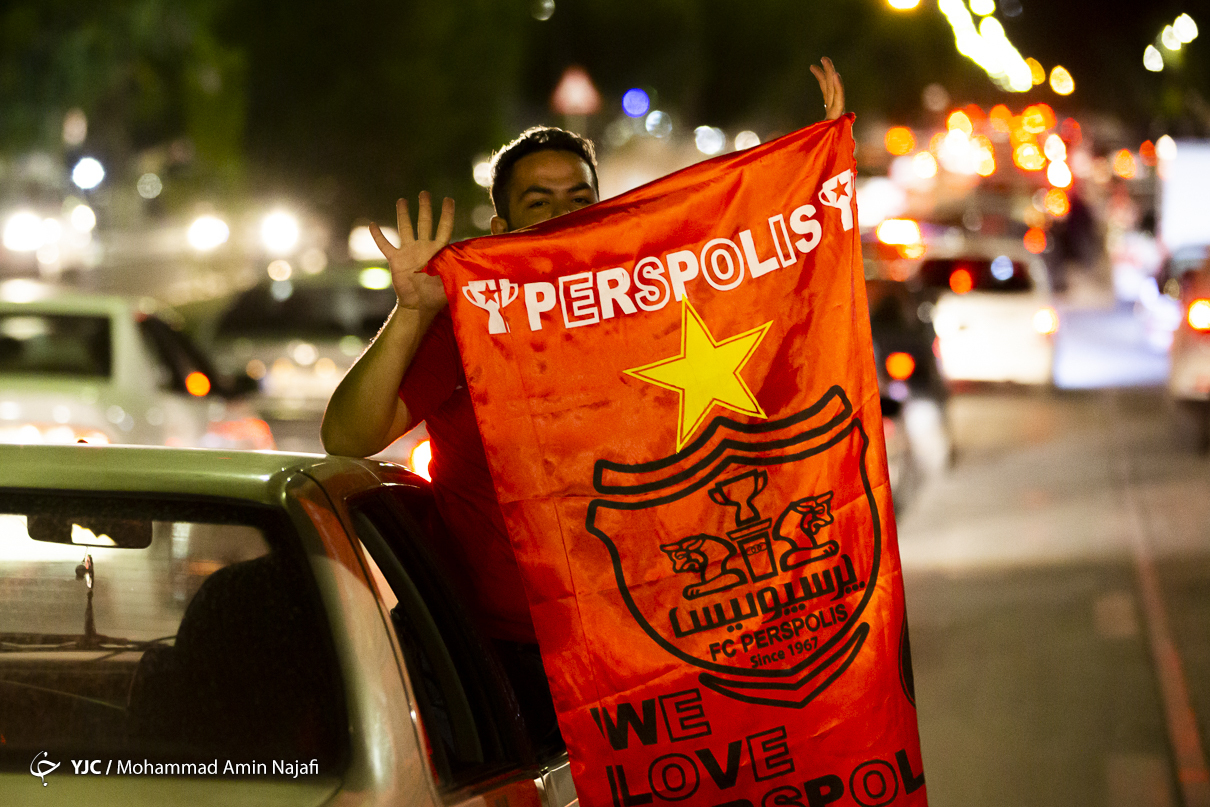
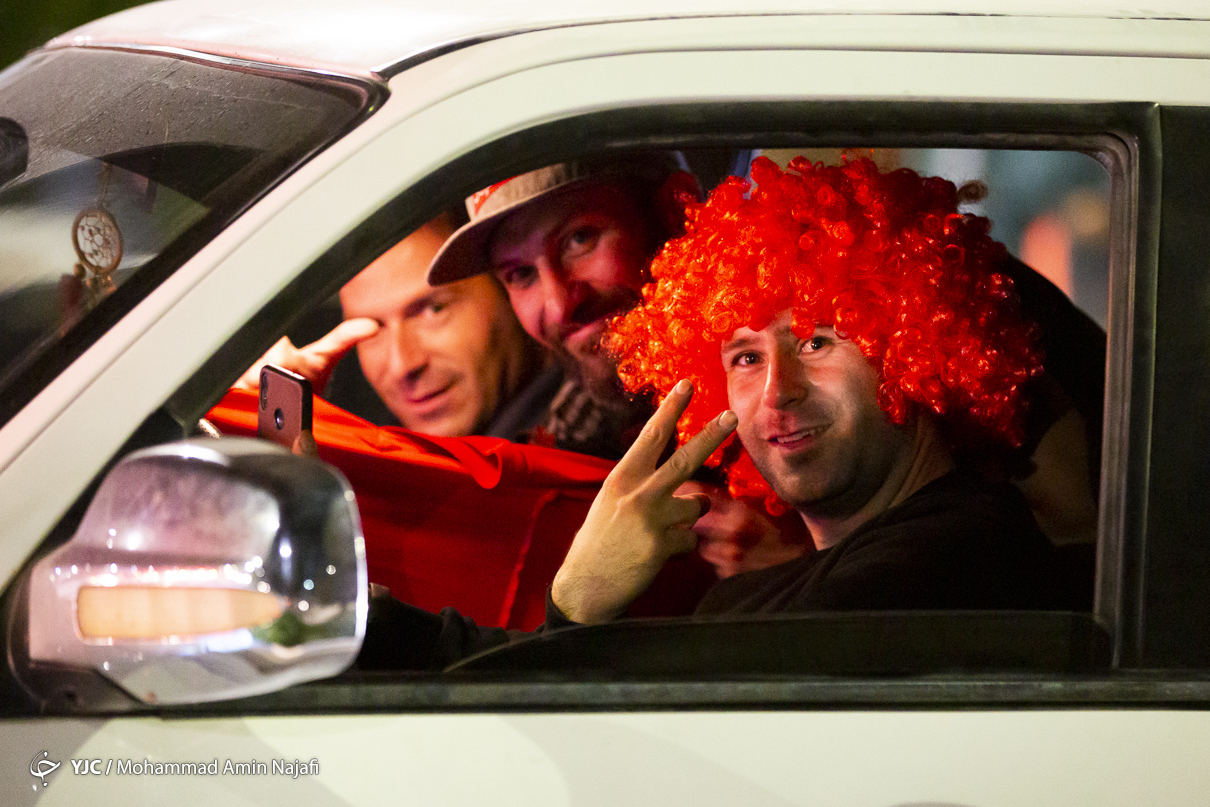
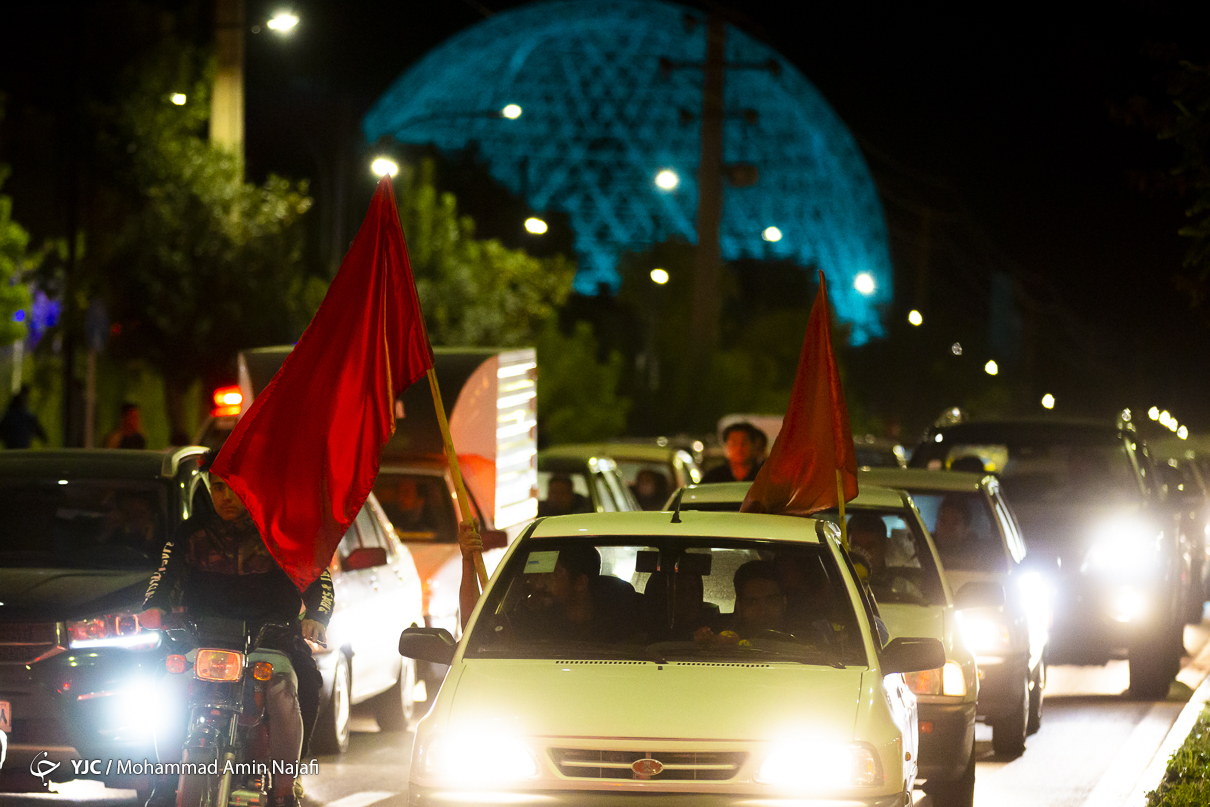
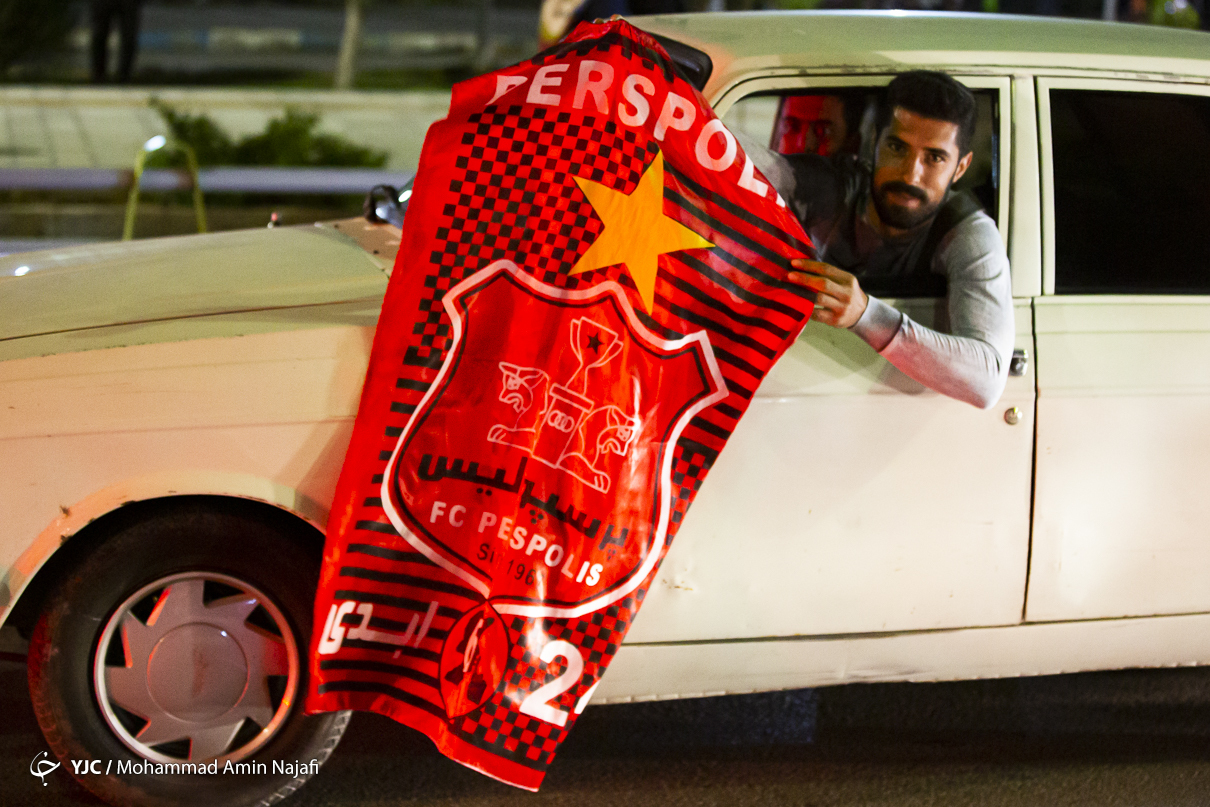
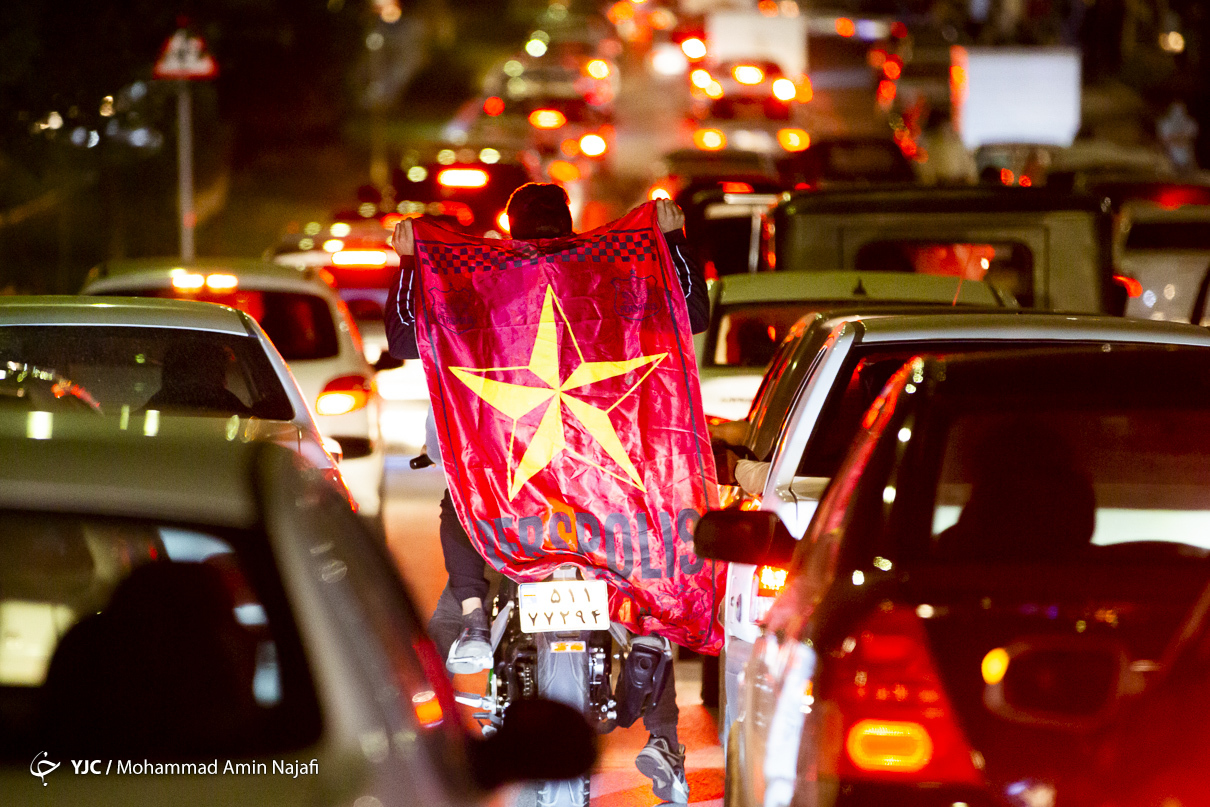
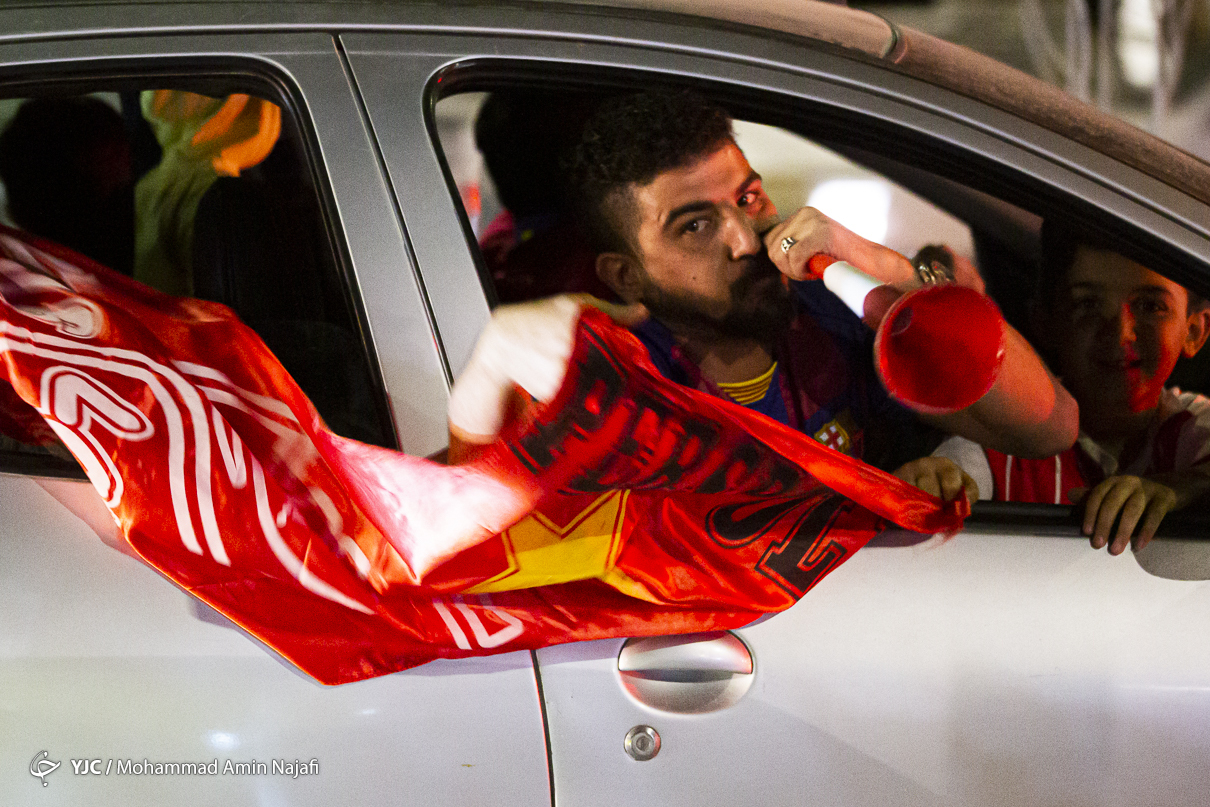
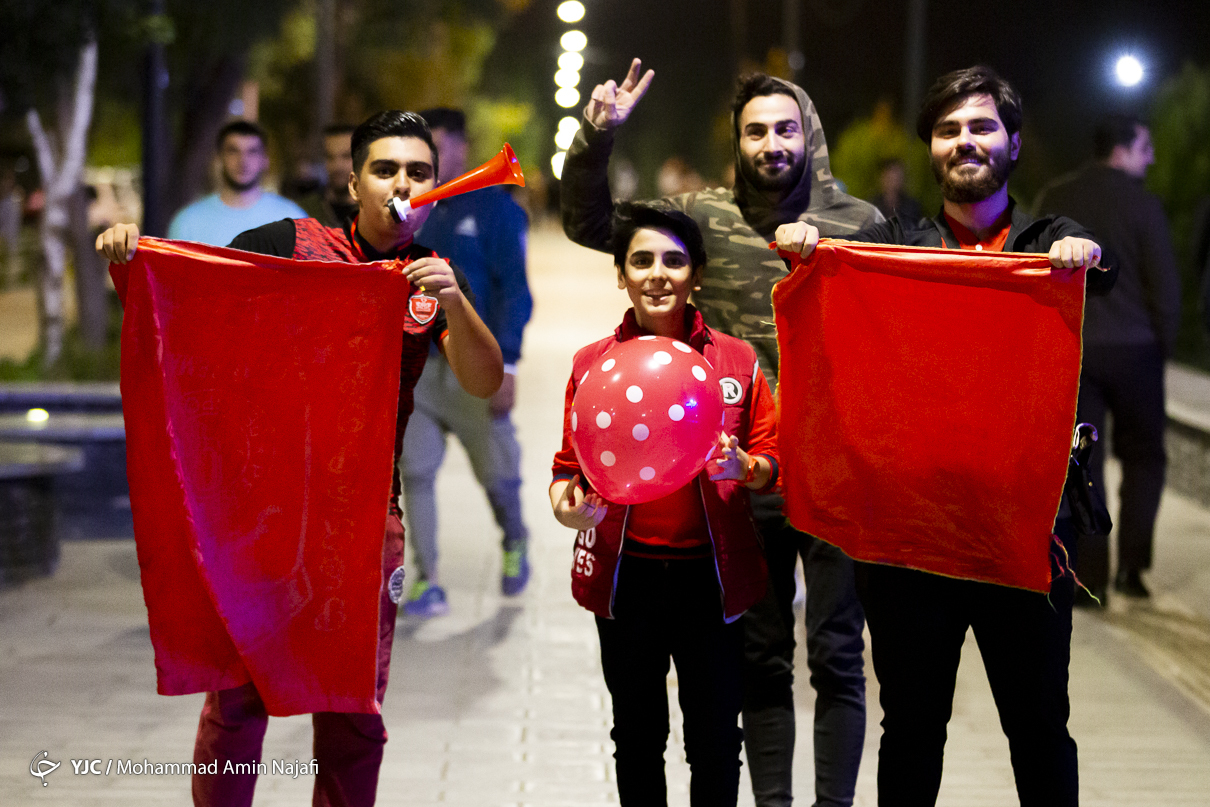
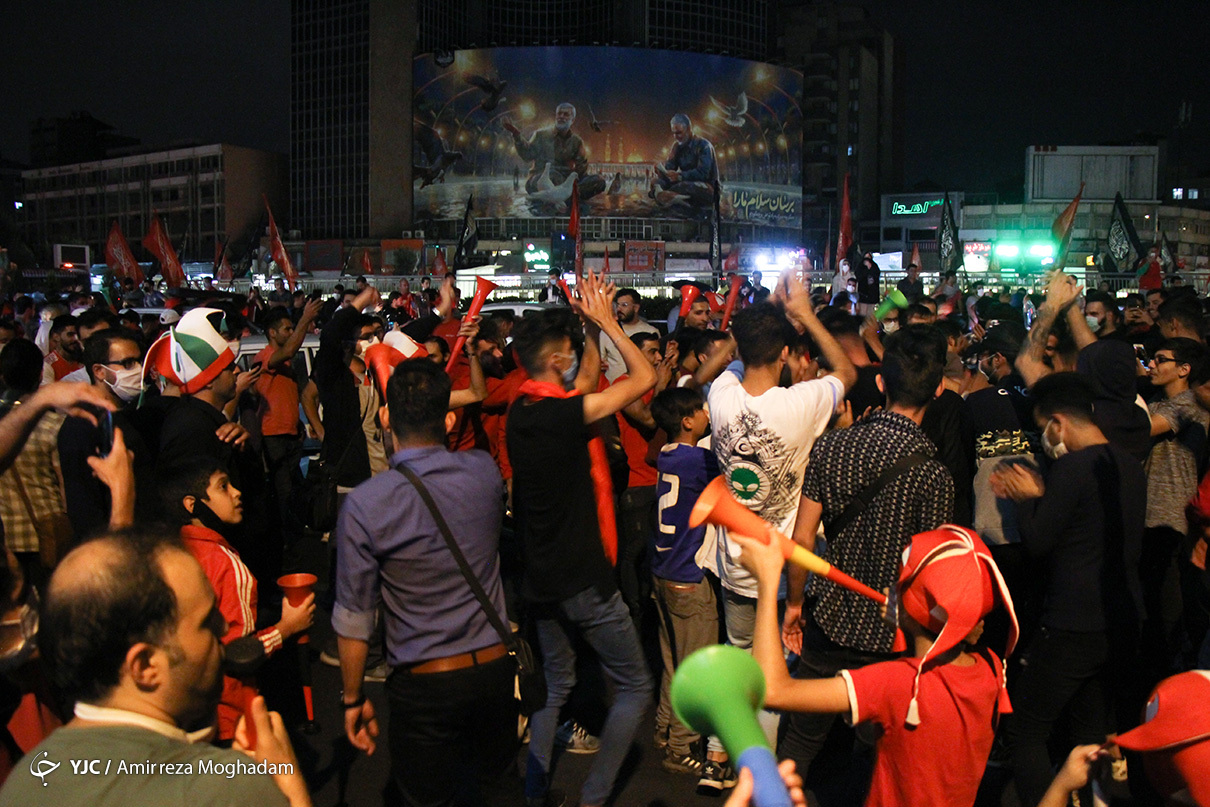
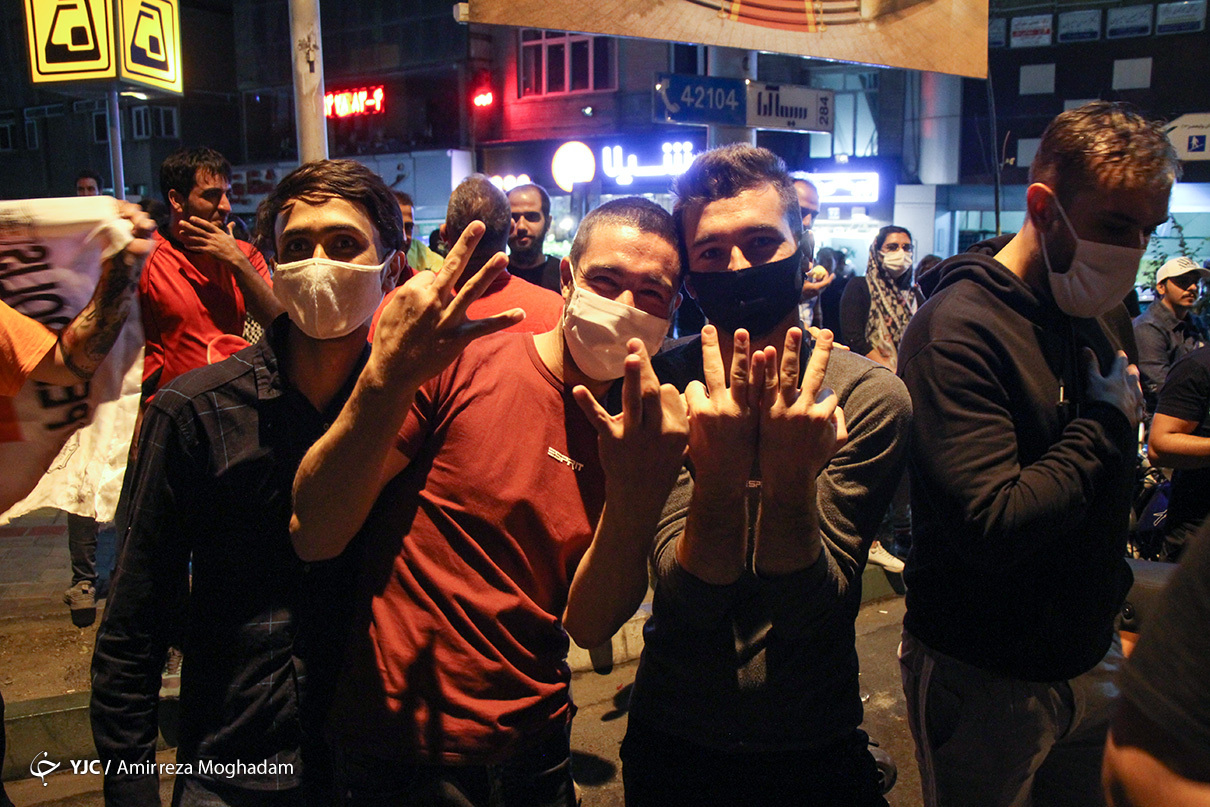
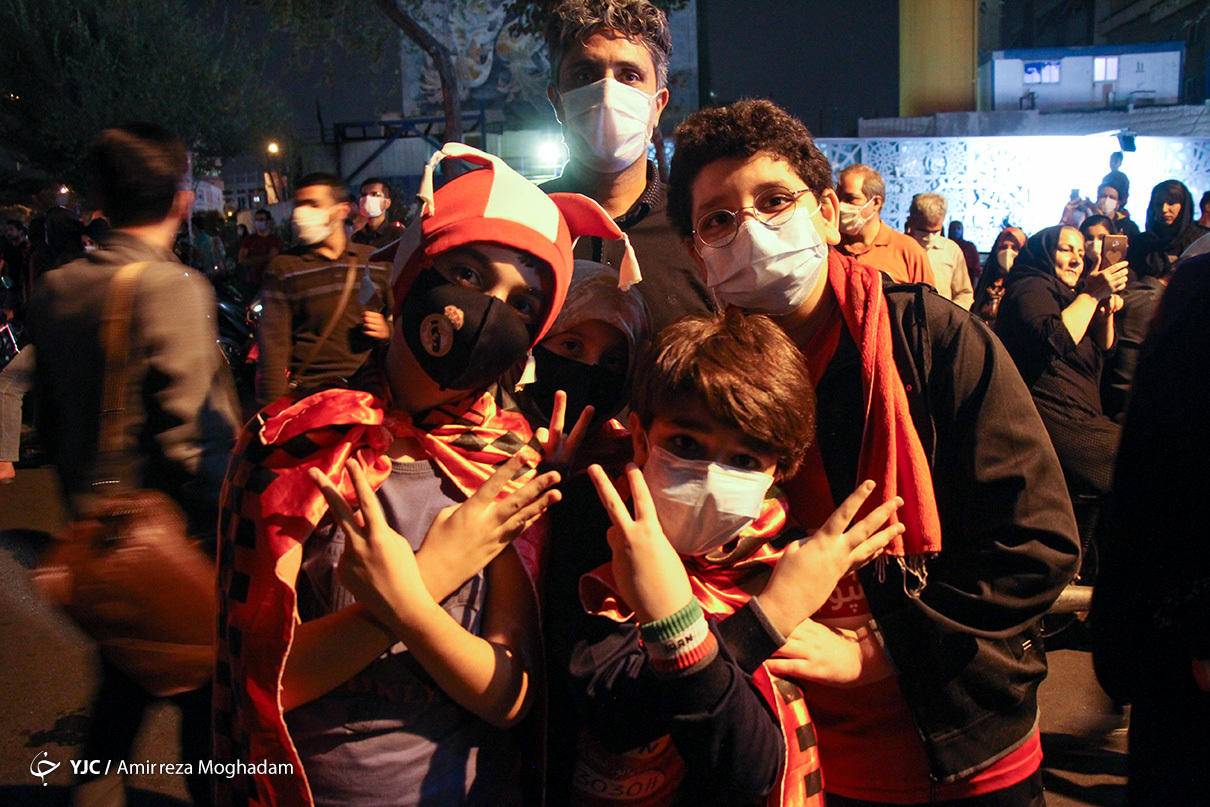
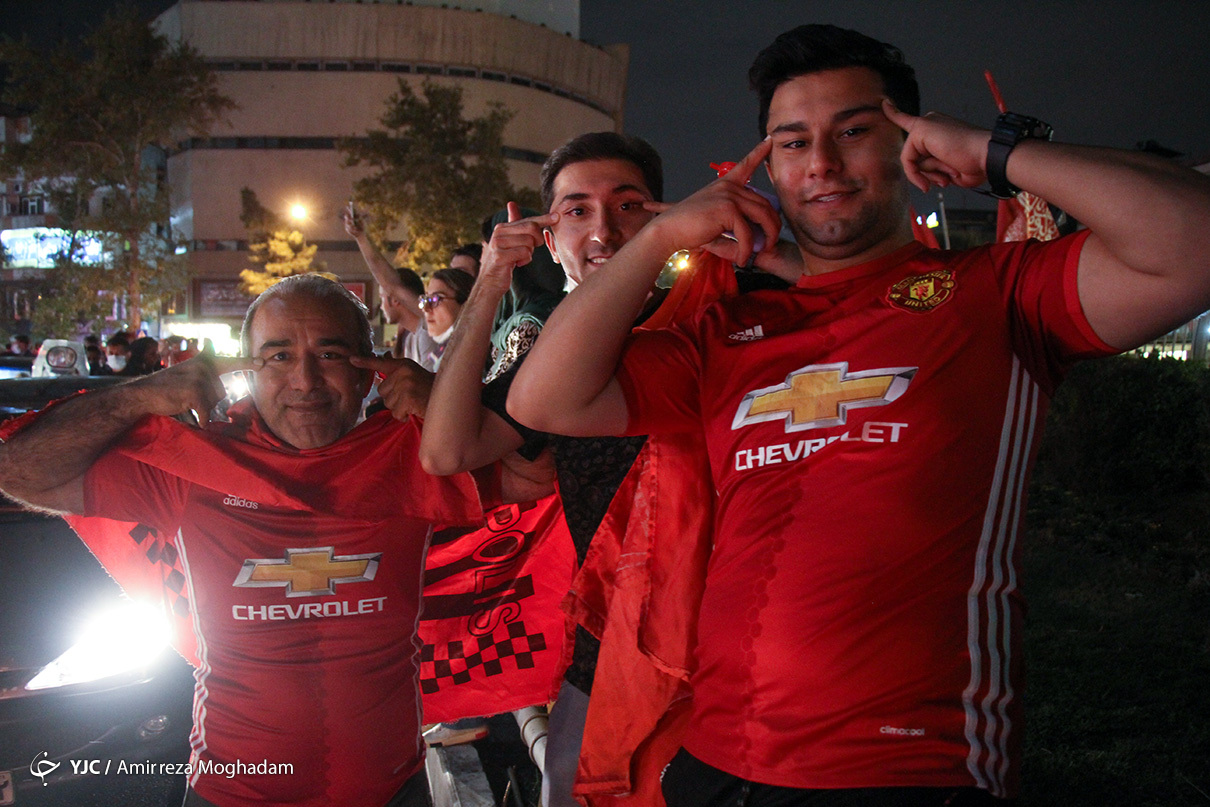
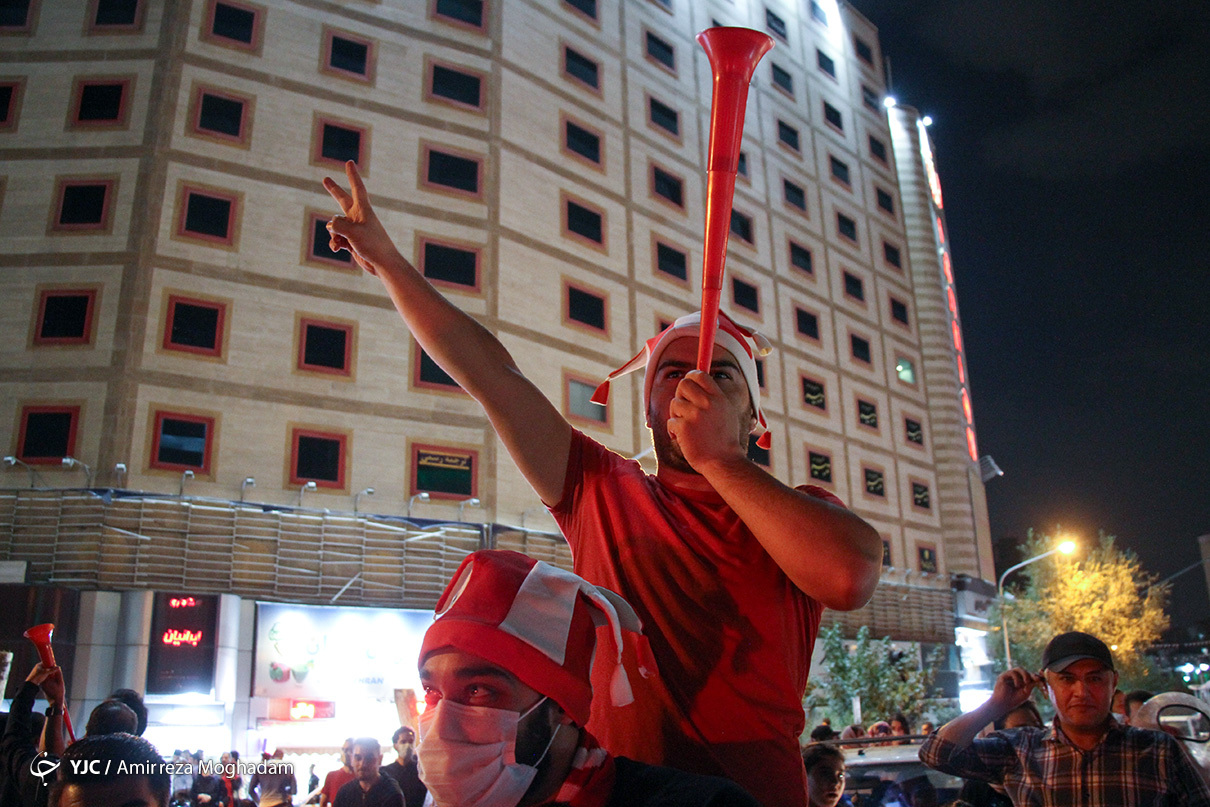
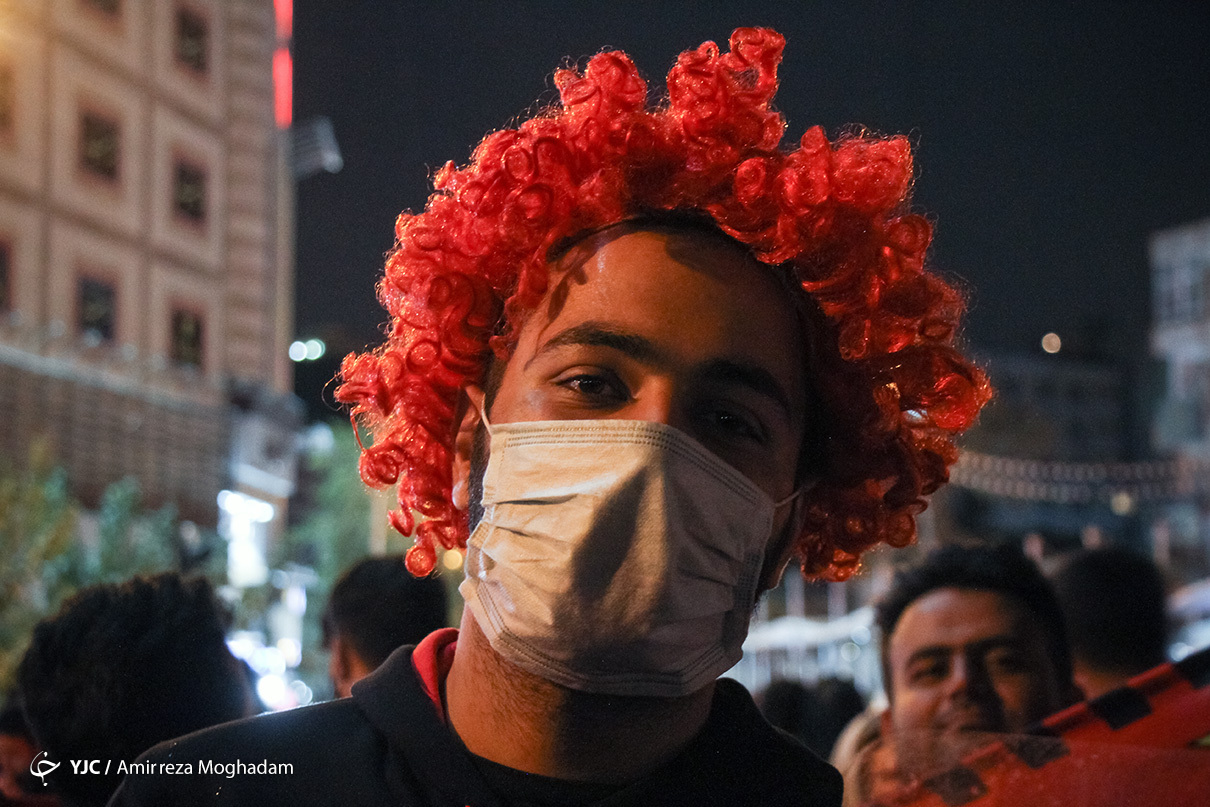
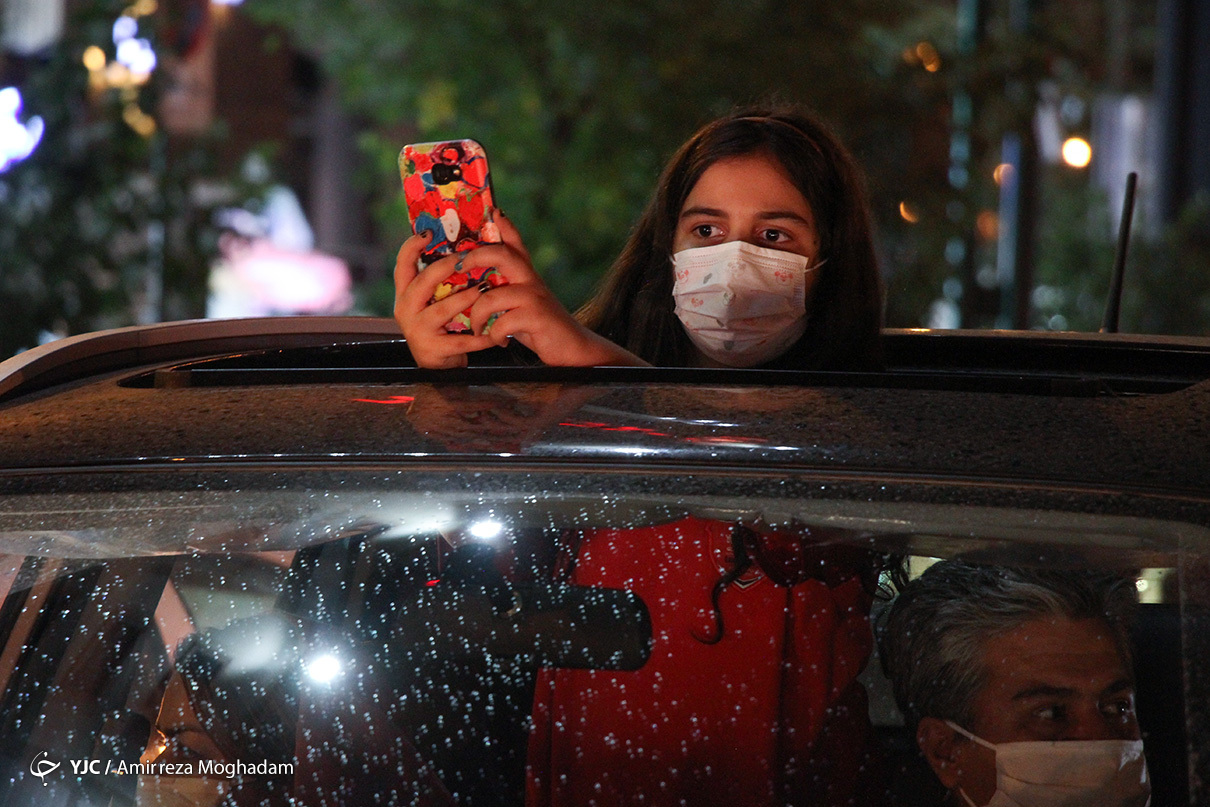
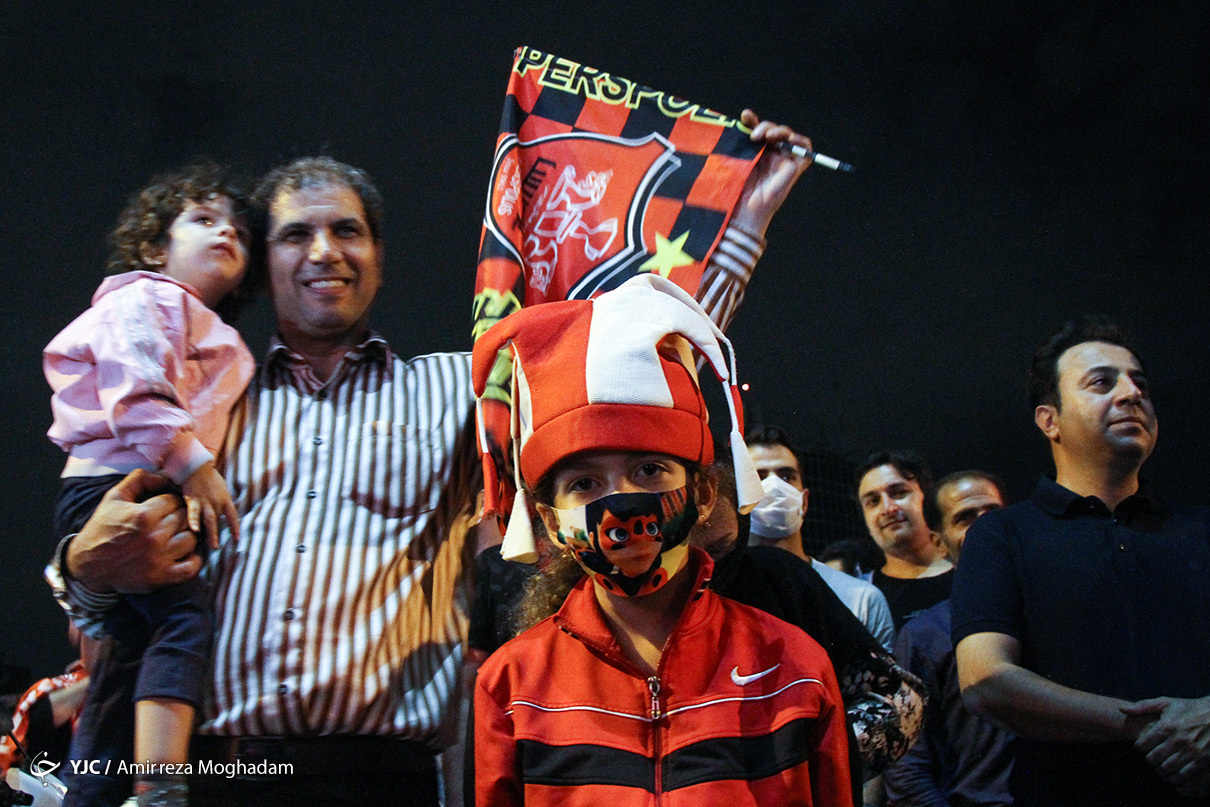
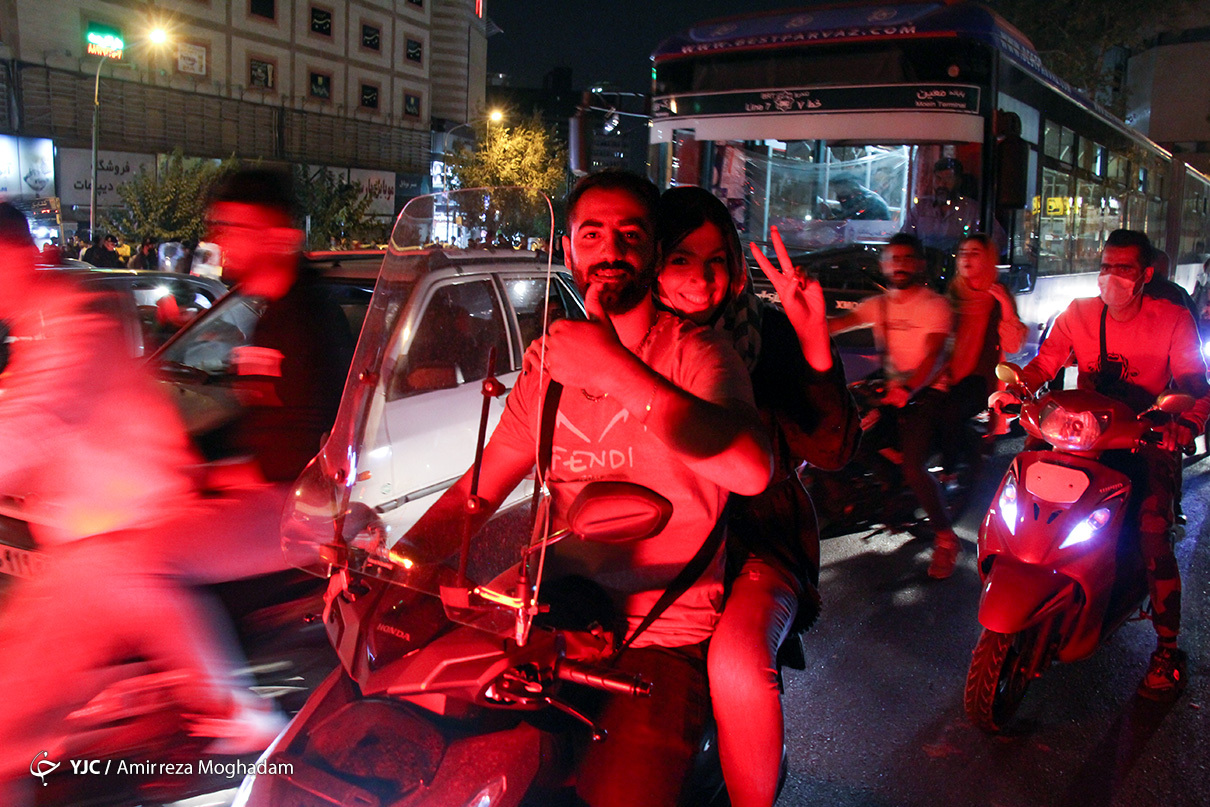
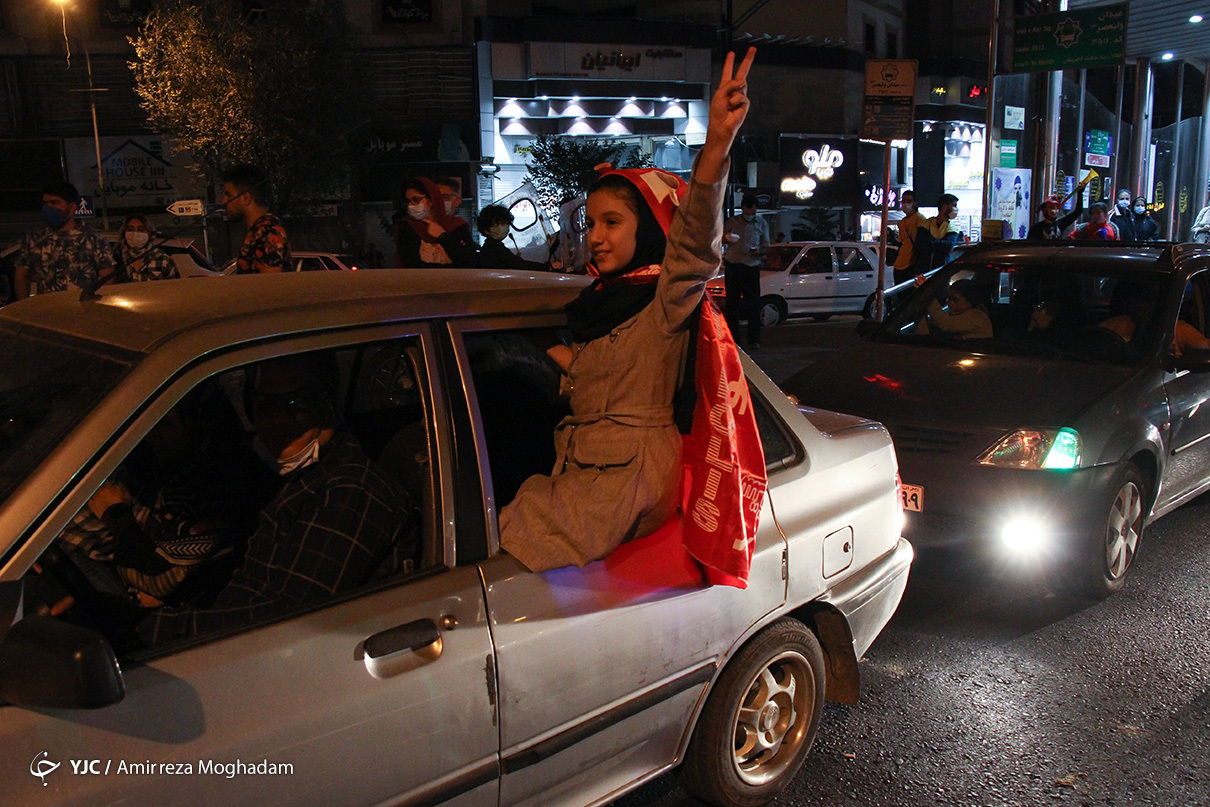
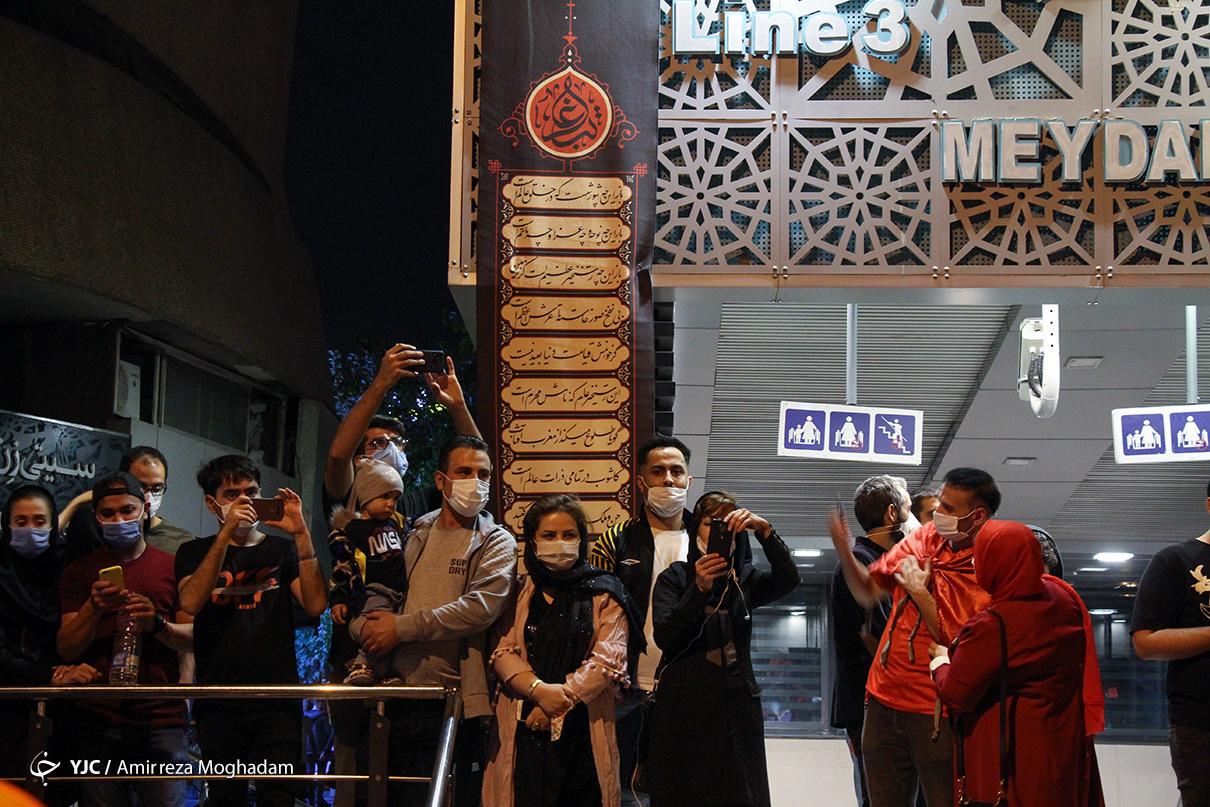
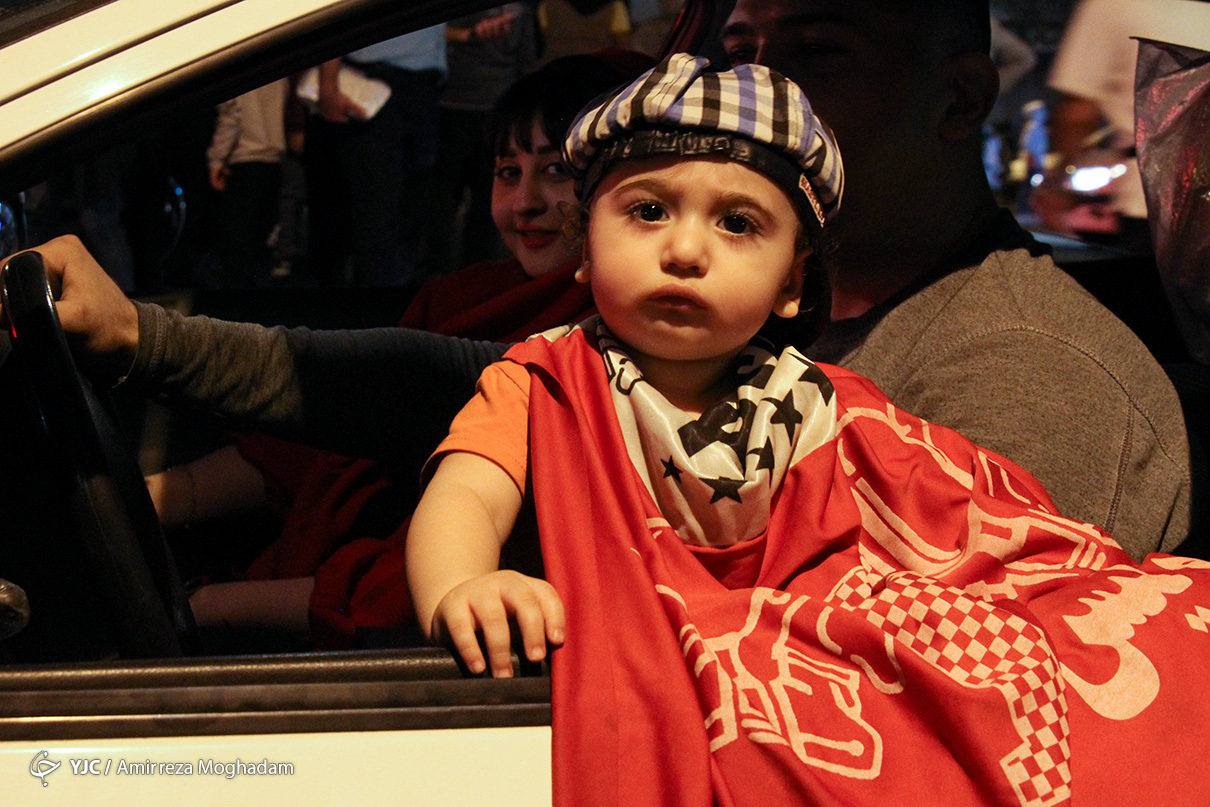
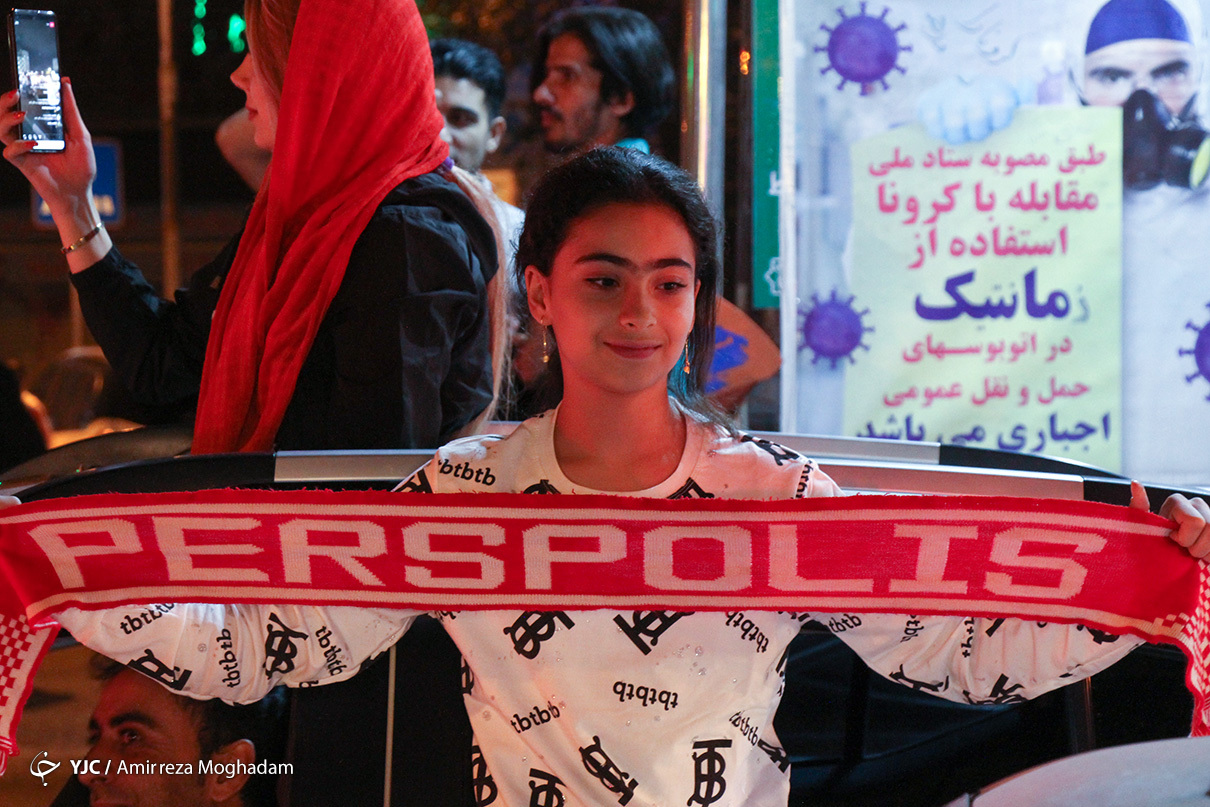
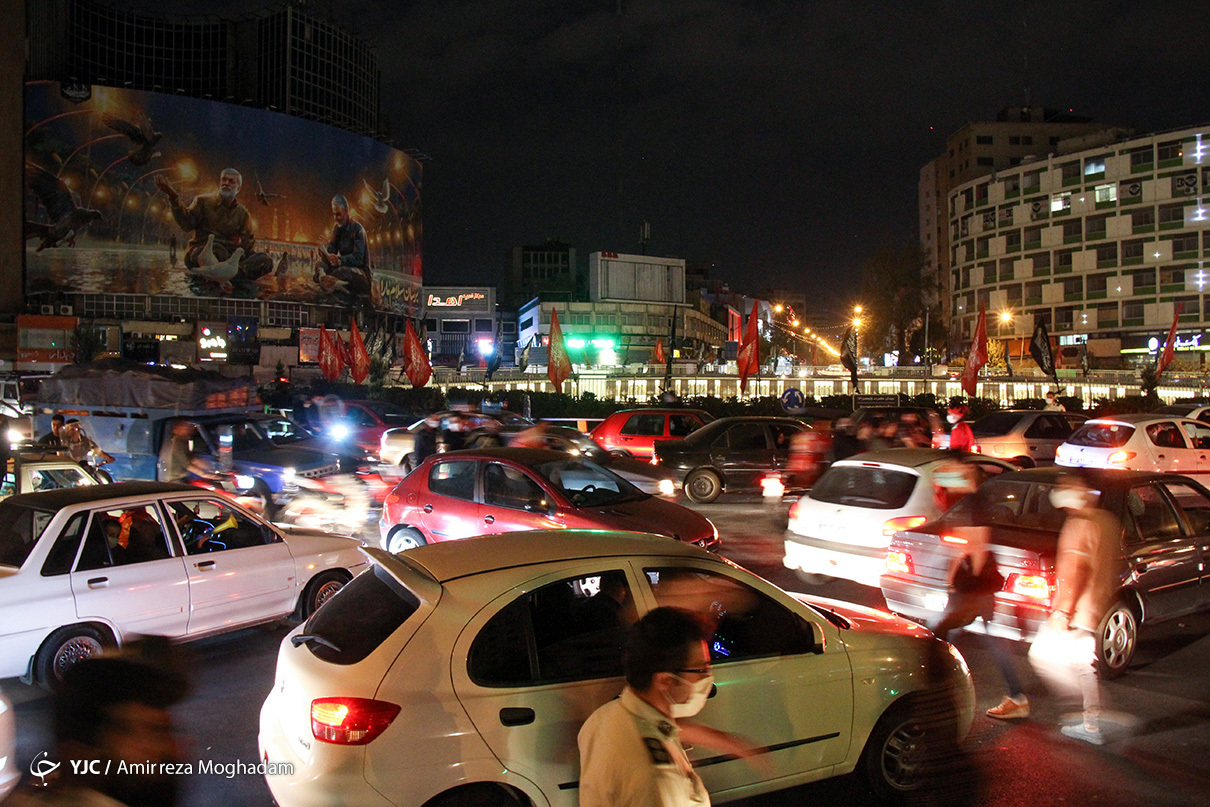
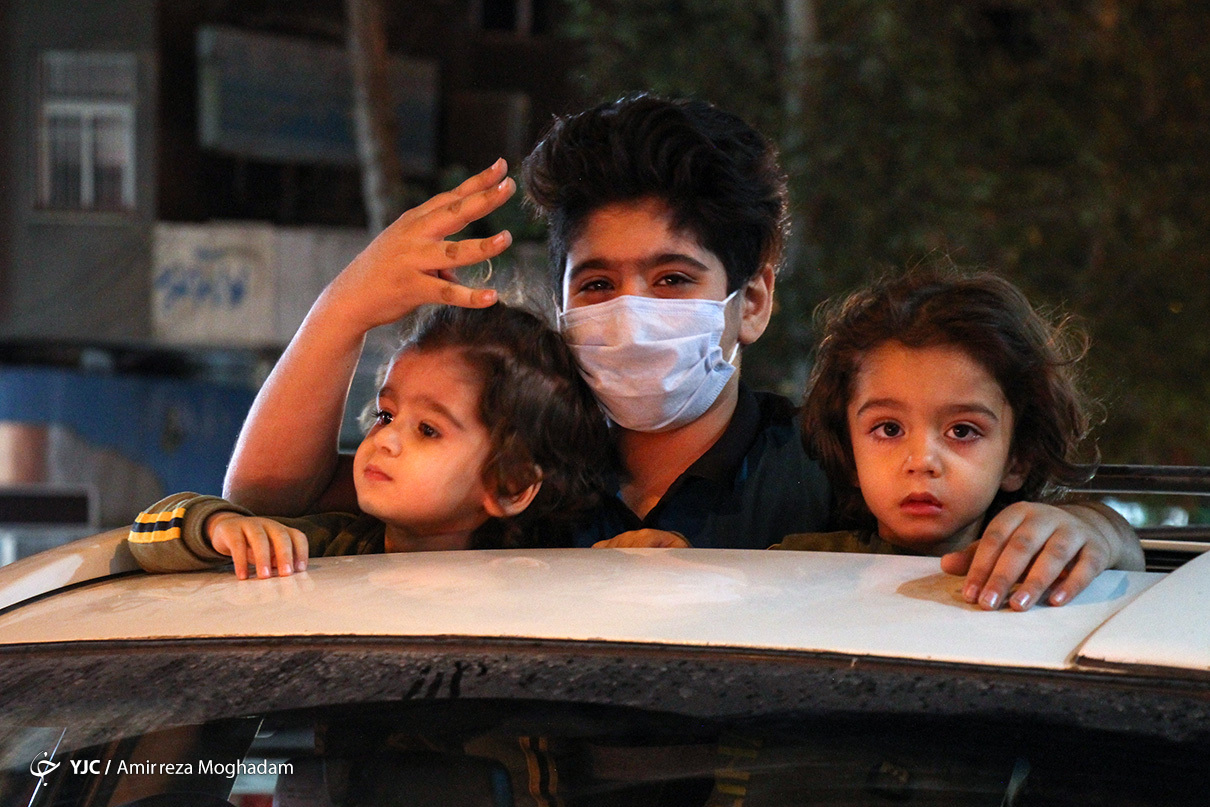
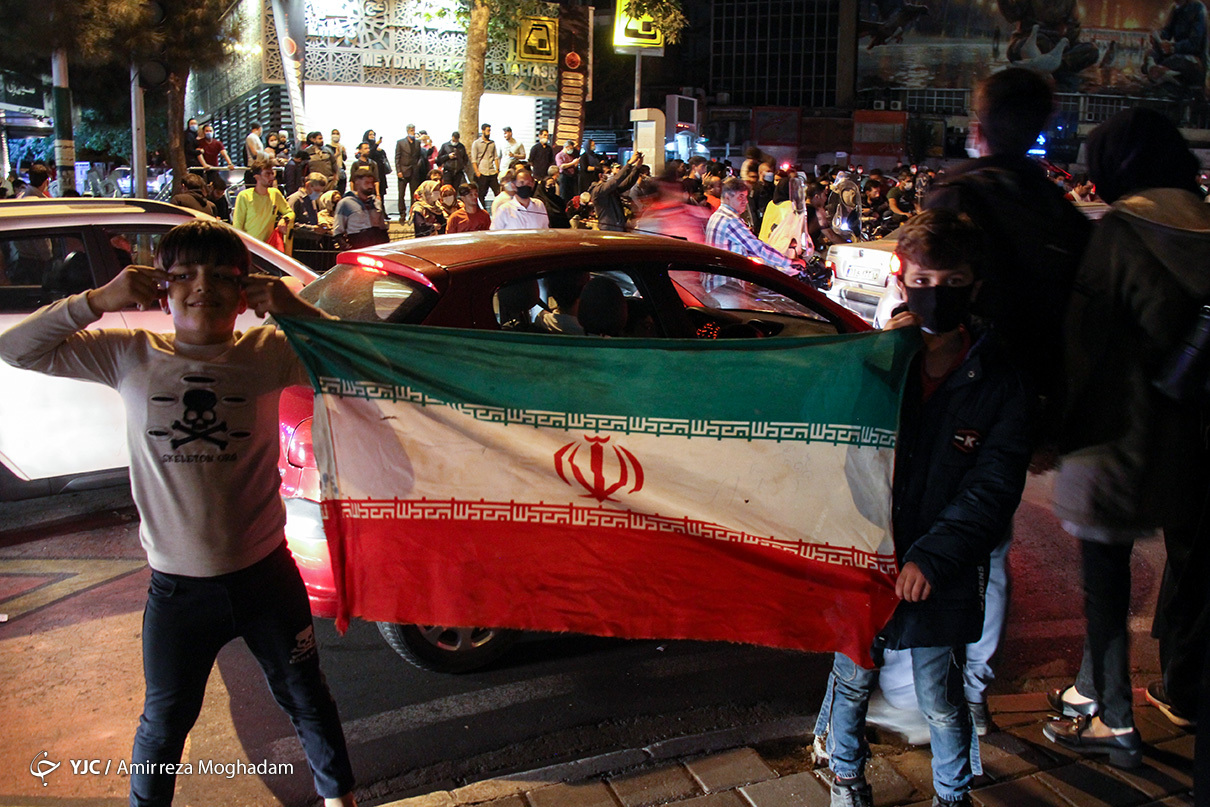
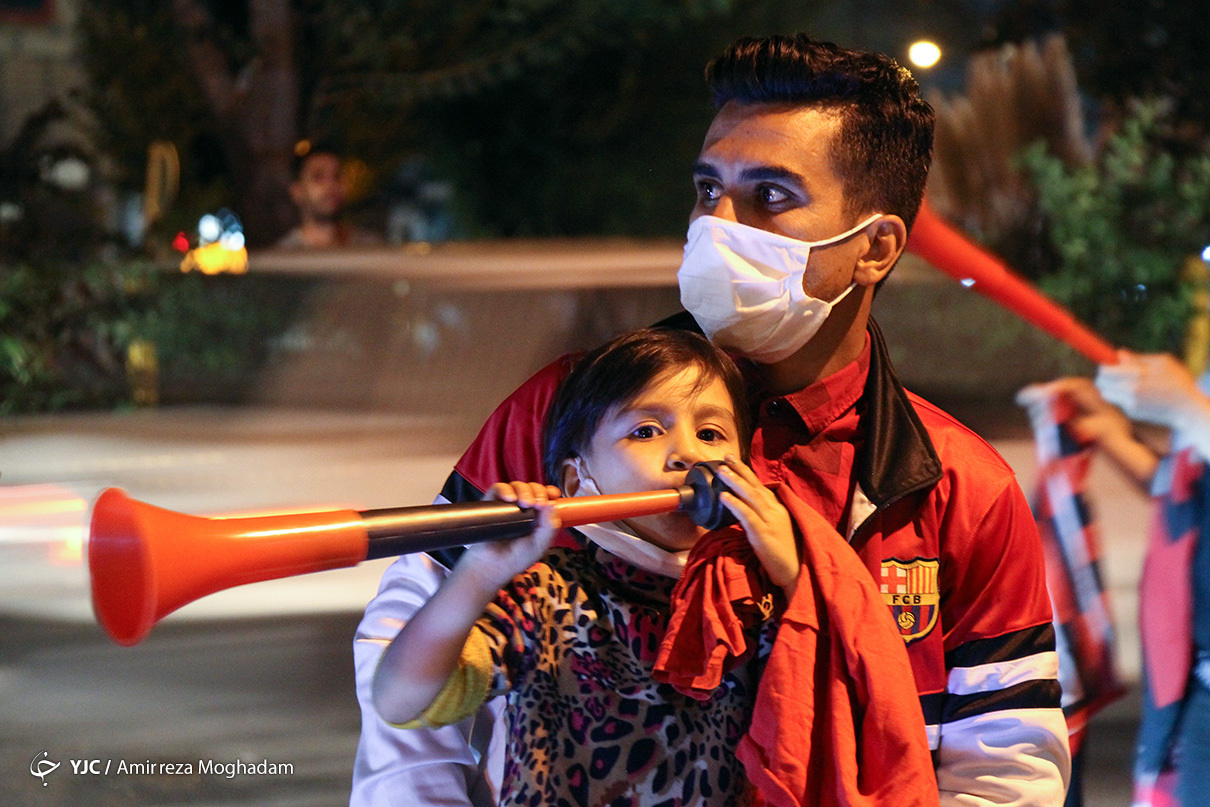
In the Saturday match, penalty shoot-outs decided the winner of the single-match semi-final game between the Iranian and Saudi sides in Qatar’s capital, Doha.
The Jassim Bin Hamad Stadium, empty of spectators in line with health protocols related to the coronavirus, hosted the two teams under a clear autumn sky.
After a 1-1 draw in 120 minutes, the game went into the shoot-outs. In the penalties, all the takers came out content except for Al-Nassr’s central back Maicon, whose ball was blocked by Persepolis’s Hamed Lak. Ali Shojaei netted home the last penalty for Persepolis.
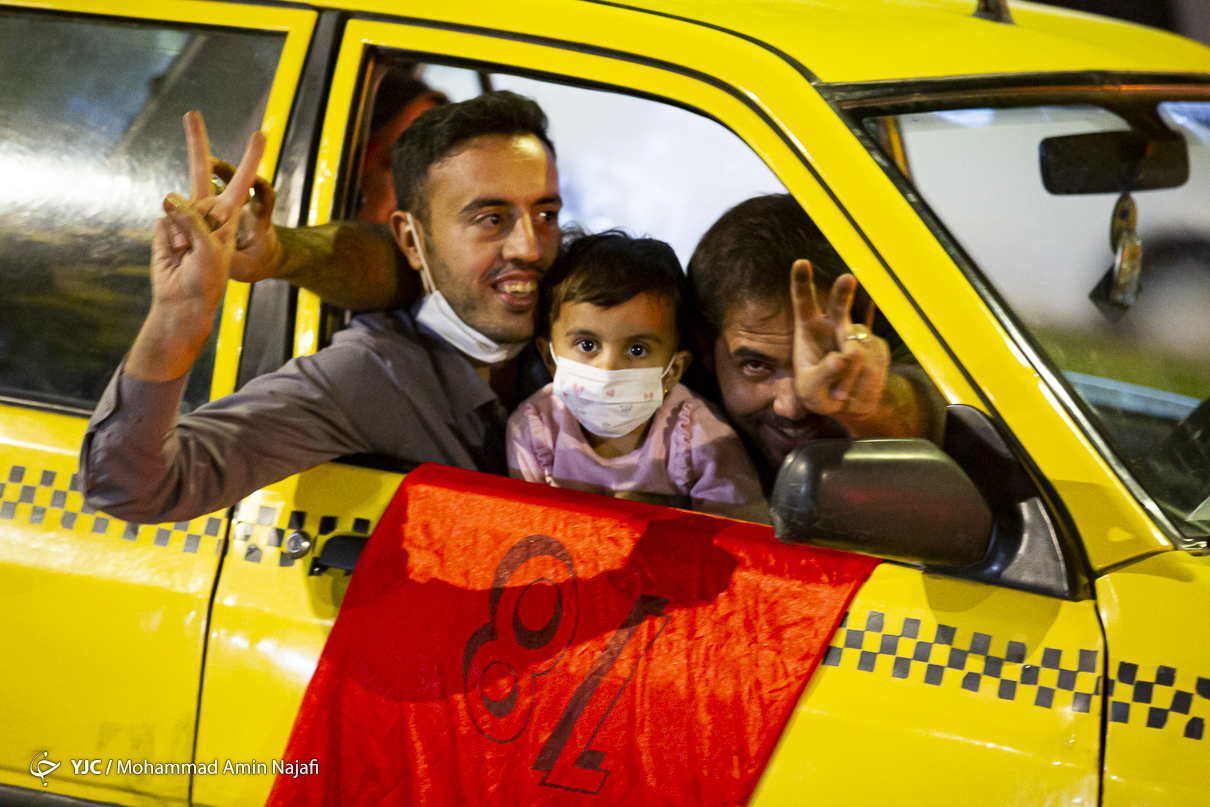
Iran’s representative finished the semi-finals penalty marathon 5-3.
Persepolis will now wait for the winner of the games in East Asia.
The final is scheduled to be held on December 19.
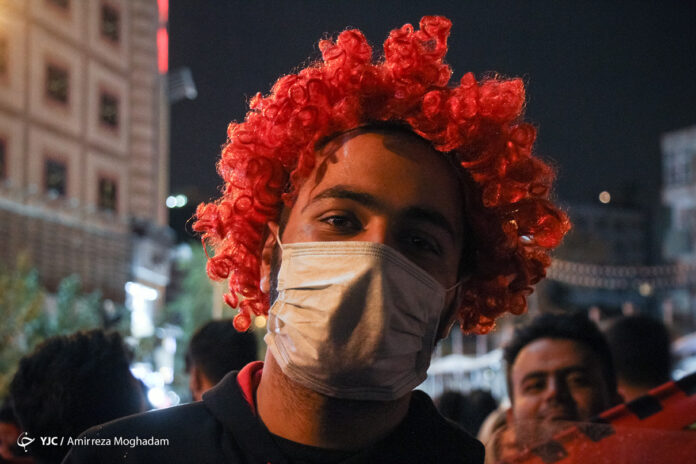
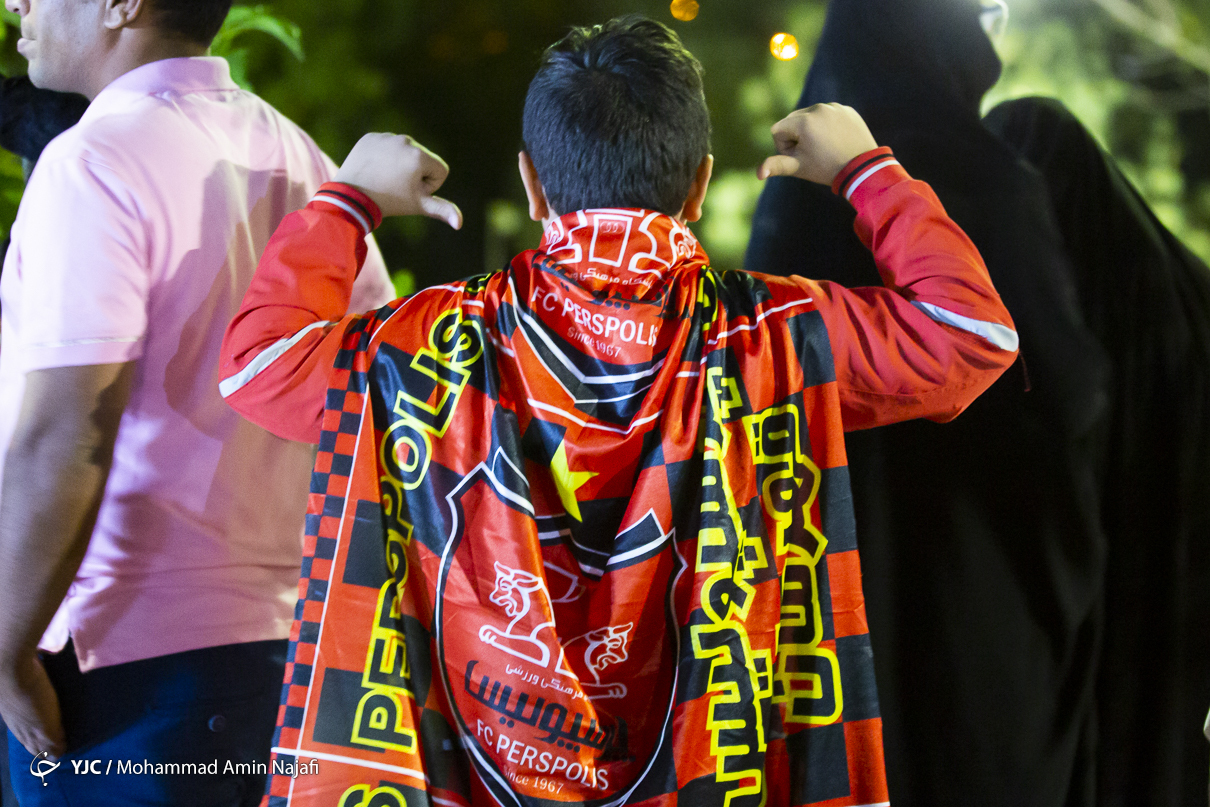
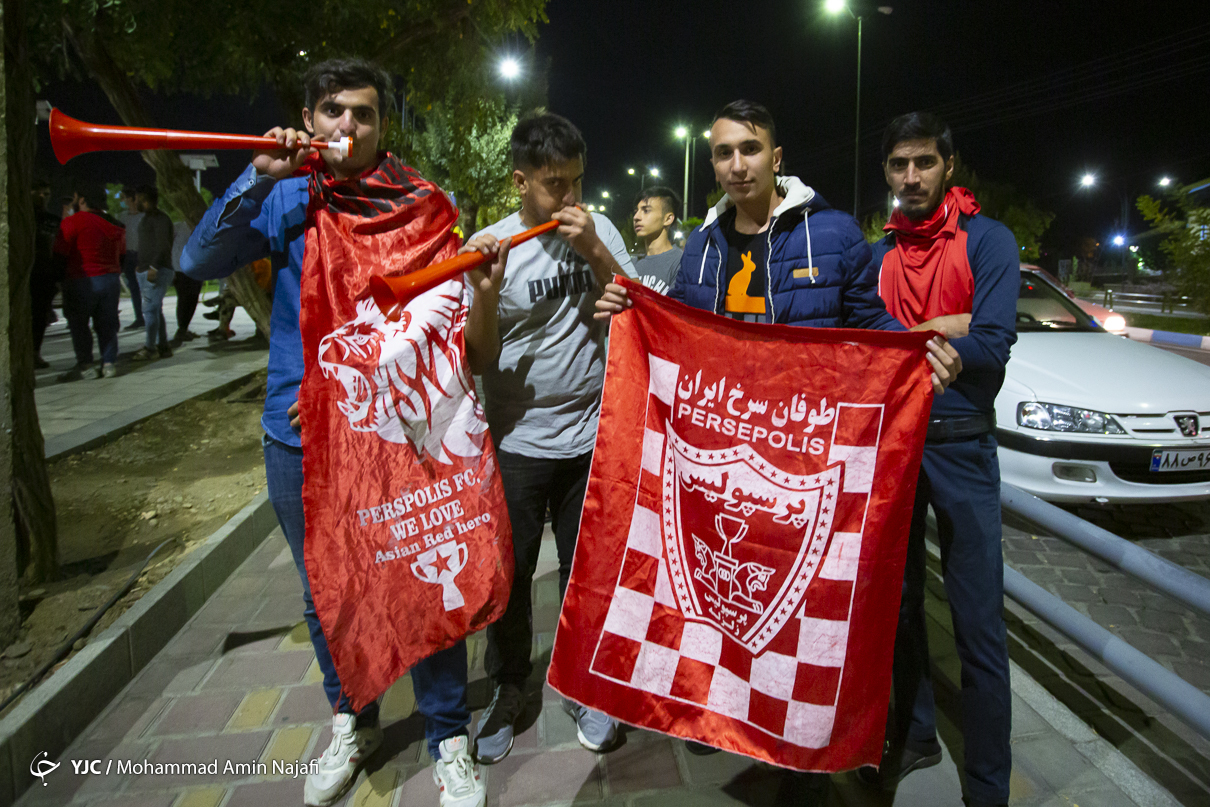
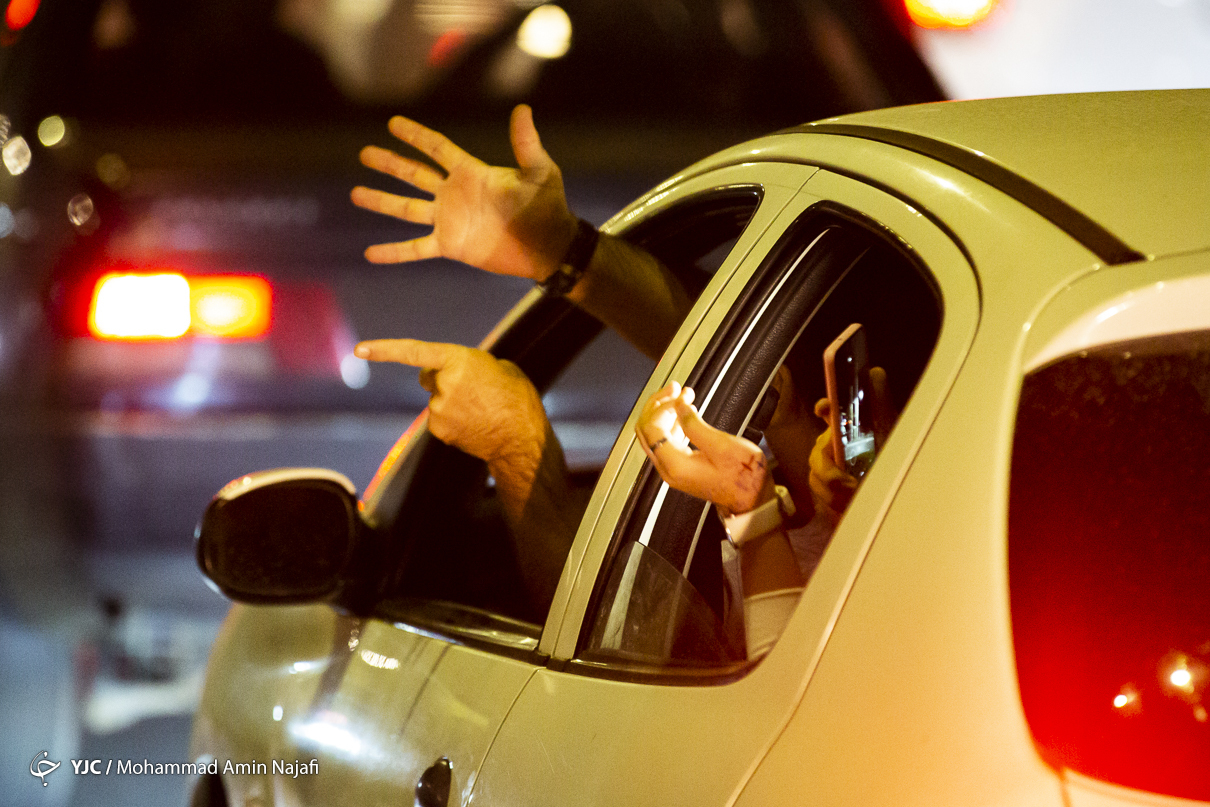
Sports Minister Masoud Soltanifar also praised Persepolis for making the Iranian nation happy by defeating Asian football powers.
“At the time of unfair and cruel sanctions against the great nation of Iran, the valuable champions of Iran shined in AFC Champions League and made people happy by advancing to the final match,” he said in a message.
Iranian Minister of Culture and Islamic Guidance Abbas Salehi also, on his Twitter page, congratulated Persepolis for advancing to the Asian Champions League.
Mahmoud Vaezi, the chief of staff of the President’s Office, expressed congratulations to the team on his Instagram page.
“I congratulate our dear people on the proud victory of our country’s representatives in the match against Saudi Arabia’s Al-Nassr team and their advancing to the finals of the AFC Champions League,” he said.
He added the victory was secured on the back of relentless efforts by Iranian players and is seen as a national triumph.
Meanwhile Government Spokesman Ali Rabiei also congratulated Persepolis on their victory.
“Today, Persepolis zealously won against a team that had set foot in the field backed by a huge sum of dollars and psychological warfare,” he said in a tweet.