Friday, January 16, 2026
Home Blog Page 2703

Trump Administration Set Fire to Negotiating Room: Iran’s Zarif

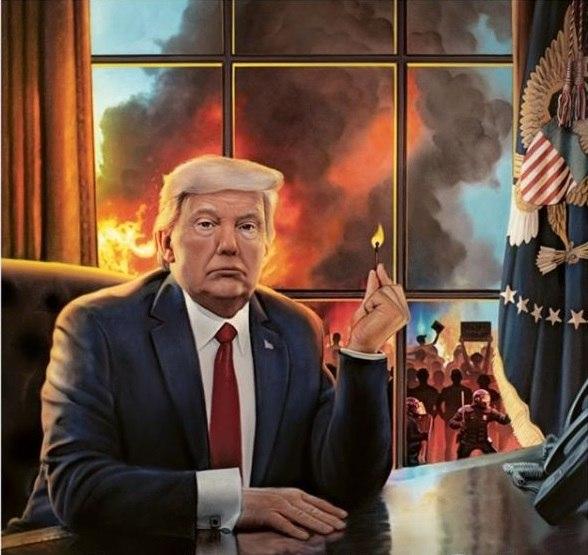
Trump Administration Set Fire to Negotiating Room
An image of US President Donald Trump which appeared on the cover of German magazine Spiegel published on June 6, 2020

In an interview with the Iranian daily Kar Va Kargar, Mohammad Javad Zarif has weighed in on a whole range of issues. The highlights of Zarif’s comments follow.


US Withdrawal from JCPOA

The JCPOA (the abbreviation which refers to the 2015 Iran nuclear deal known as the Joint Comprehensive Plan of Action) was signed in a climate of mistrust. The reason why the JCPOA has numerous provisions with various details and why general statements are completely avoided is the existence of this very mistrust between the two sides. … Over the past three and a half years, there has been no important international agreement that Mr. Trump has not withdrawn from, without any good reason and logic, including his pullout from the Paris Climate Agreement, UNESCO, NAFTA, the Transatlantic Trade and Investment Partnership and the JCPOA.

Even after the recent global scandal of the US failure to take the JCPOA to the UN Security Council, some believed Trump would withdraw from the UN and the Security Council, too.

We drew up mechanisms for the settlement of differences … so precisely that no one, namely the US and Mr. Trump, would not be able to withdraw from the deal without suffering harrowing global problems.

US Losing Economic Benefits of JCPOA

We set two conditions in the JCPOA for US companies’ trade with Iran: First, selling Boeing aircraft to Iran, and Boeing’s taking orders from Iran for 88 airplanes; second, involvement in trade deals with Iran by non-American firms which were authorized agents of US companies in Iran.

After the delivery of those 88 aircraft, we were preparing orders for another 200 airplanes, but who prevented this major trade deal? Can the Americans present one single document that suggests it was Iran that prevented it? Trump revoked the trade deal by withdrawing from the JCPOA and reimposing sanctions on Iran with regards to the sale and purchase of airplanes, making many Boeing staff lose their jobs.

Mr. Trump betrayed not only the benefits of the JCPOA, but, above all, the interests of American people.

Trump: A Liar

Trump lies [when he says he is committed to safeguarding the interests of American people]. … What is important to him is his personal interests. Today, all American people have come to realize that except for his own interests, Mr. Trump does not care at all for their interests and even for the interests of the Republican Party. Moreover, a group of people are surrounding him that only think of preserving Israel’s interests. The most renowned analysts in the US says when Trump says “Let’s make American great again!” he means “Let’s make Donald Trump great again!”

US Economic Terrorism against Iran

Mr. Trump’s [economic] pressure is definitely a reality. Sanctions are definitely a tangible objective phenomenon. I, for one, not only admit that the current situation is a [economic] war, but I would say that it is something beyond that and amounts to US economic terrorism against the Iranian nation. … The question is, who started this war? Did we start it or Mr. Trump? Was it Iran that set fire to the negotiating room or the US? We still have not left the negotiating table. … When Mr. Trump threatens to wage a war or to increase sanctions and, at the same time, calls for talks, it is logical that no one in the whole world would accept that. Trump withdrew from the JCPOA because John Bolton had promised him to topple the Islamic Republic in three months’ time. They made every effort, but failed [to achieve their goals}, so they are lying when they say they seek negotiations. … We should not forget that the one who rudely left the negotiating room was Trump. So, Iran always remains in the negotiating room, and if the US creates the conditions for returning to the negotiating room that it has left, we and the other five signatories to the JCPOA will be in the room.


I Have Expressed My Views Frankly, Bravely

As Iran’s foreign minister, I have two main duties: First, to implement policies adopted in the country in the foreign policy domain, and second, to monitor international developments, especially the part which is somehow related to Iran. Then, I am to analyze that information to be presented to the government or, as you put it, to be presented to the Supreme National Security Council. At the end of the day, every one should implement the policy that is adopted, for the sake of the Iranian nations’ interests. As for the first duty, I am responsible for implementing policies, whether or not I agree with them. …, As for the second responsibility, in which I should present analyses, … I have [always] expressed my views straightforwardly and bravely. … Yes, I had already given the necessary warnings about possible domestic chaos and the behavior of some institutions that could lead to those incidents.
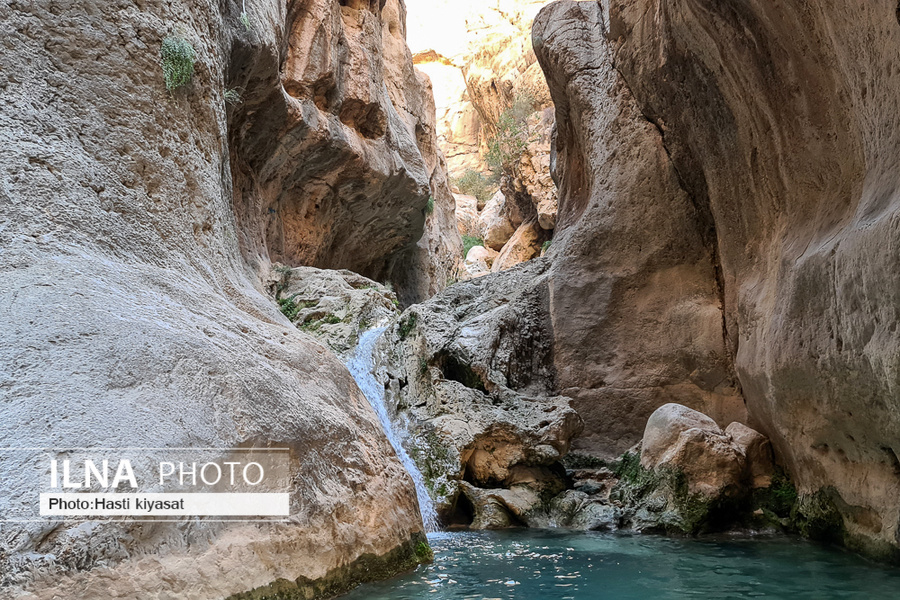
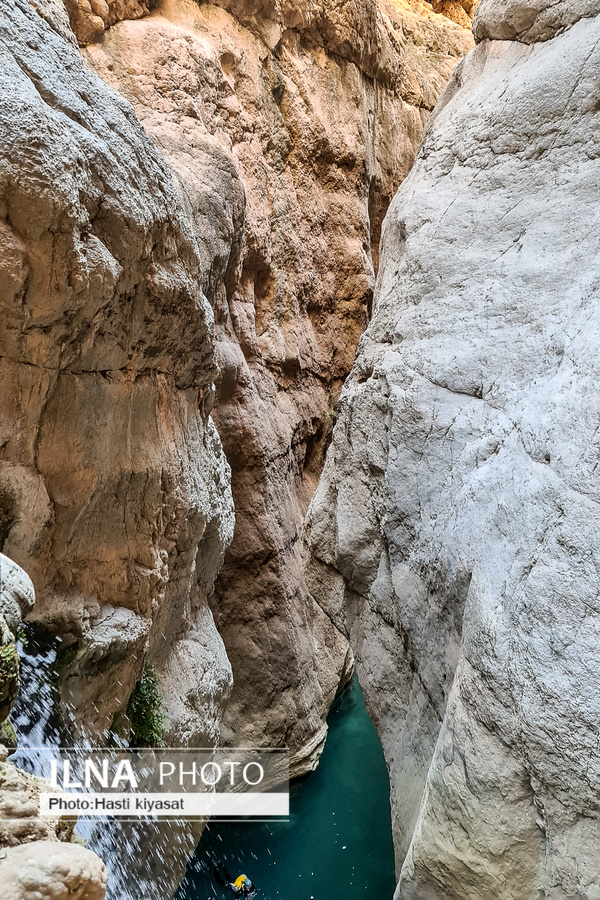
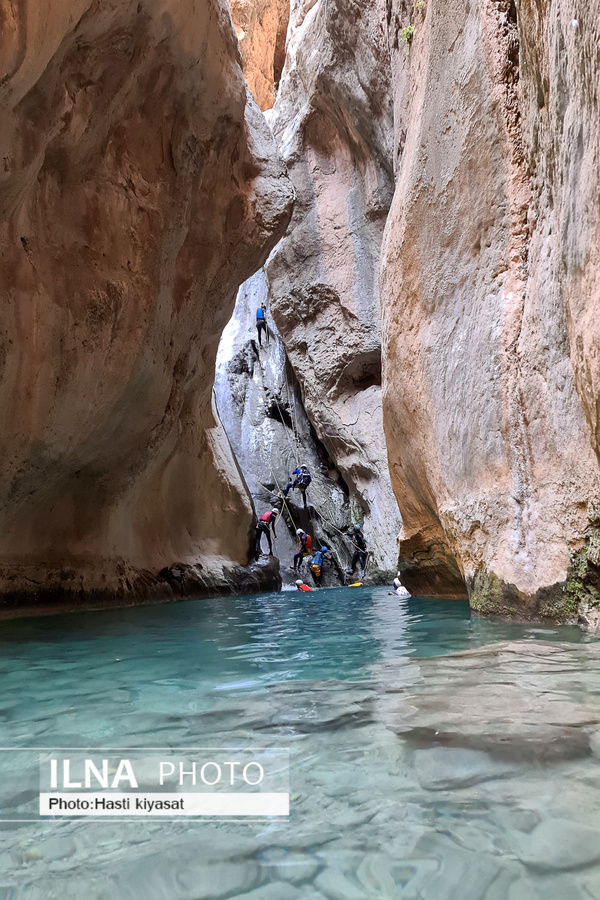
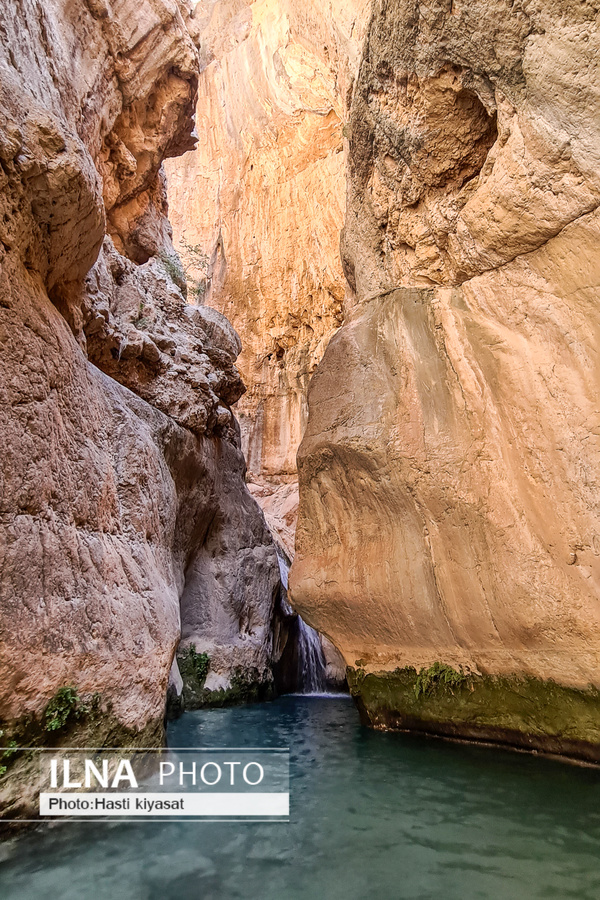
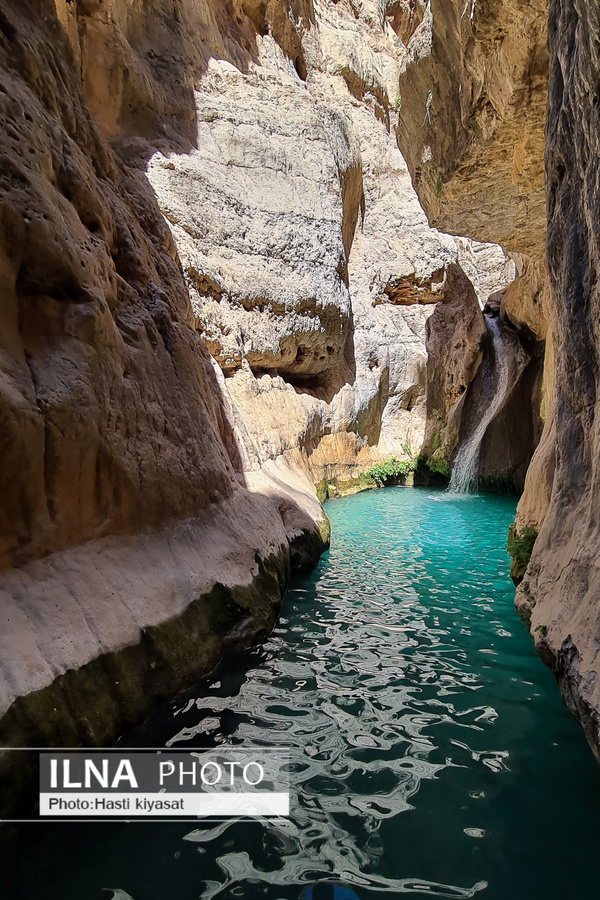
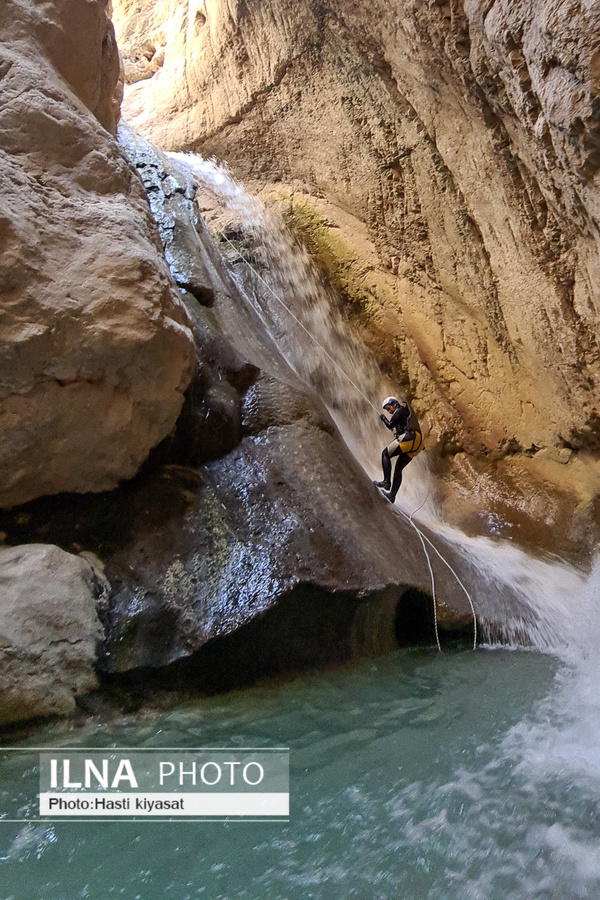
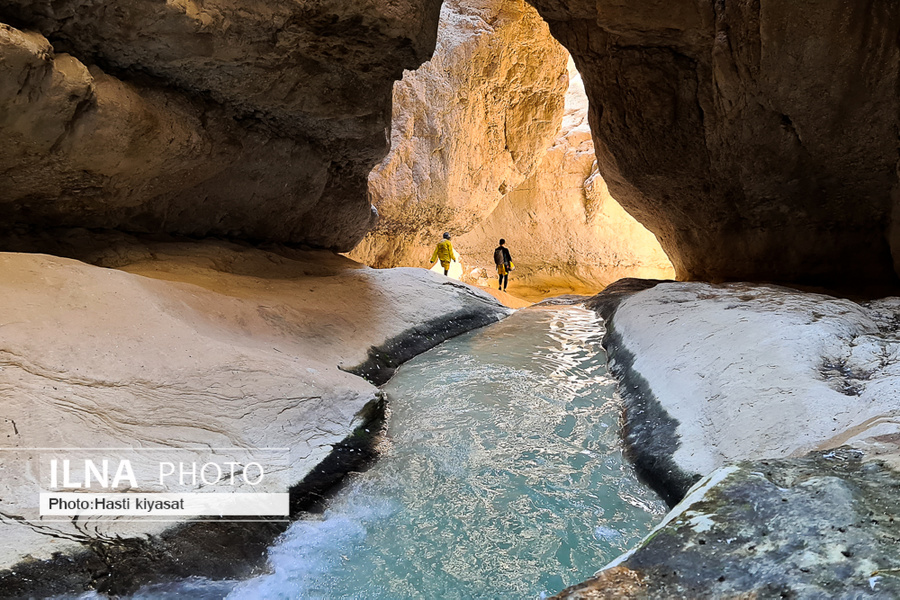
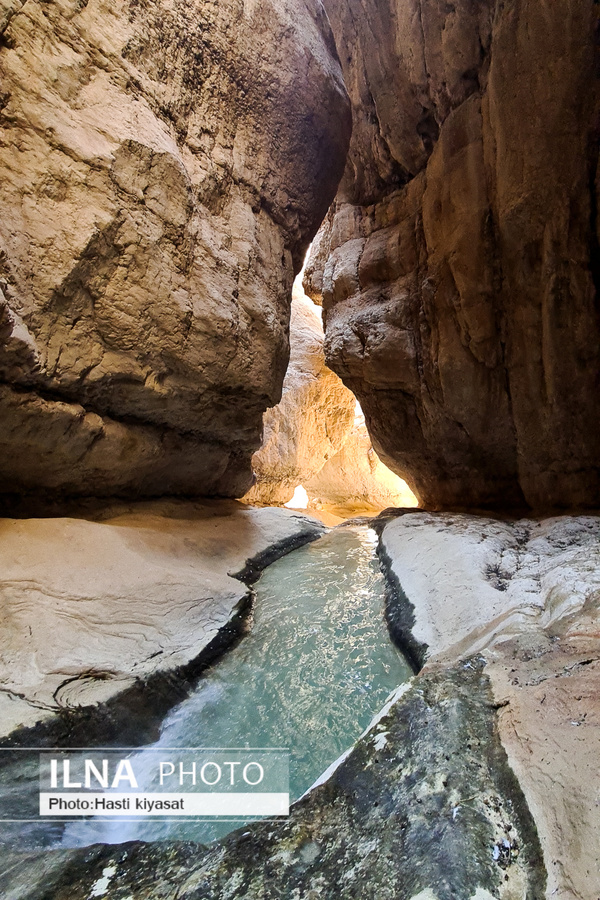
Iran’s Nature in Photos: Raghaz Canyon

Raghaz Canyon

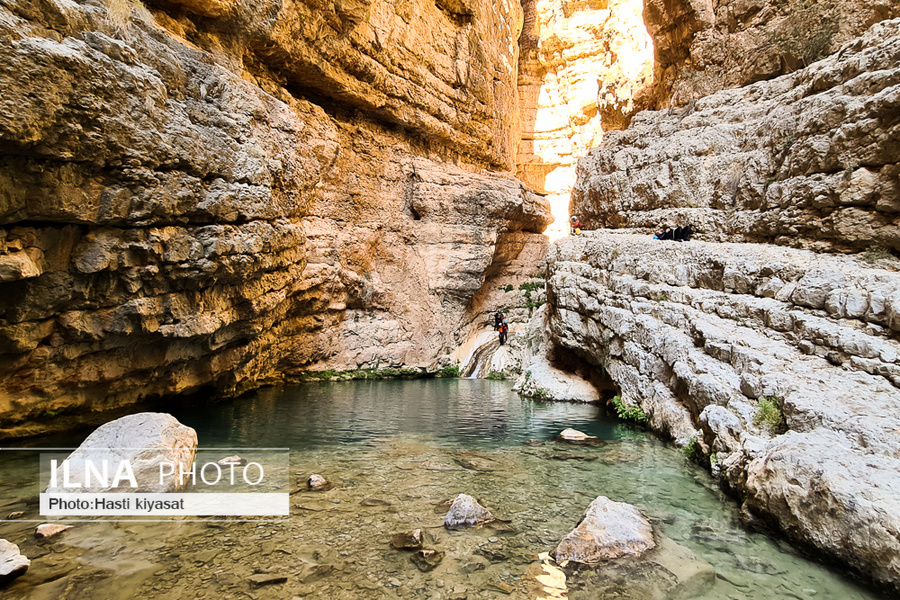
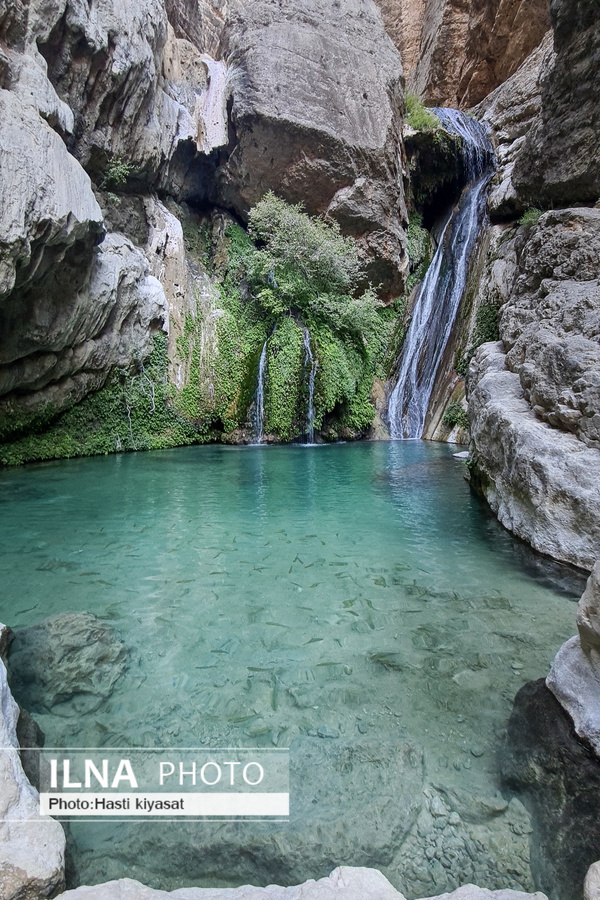
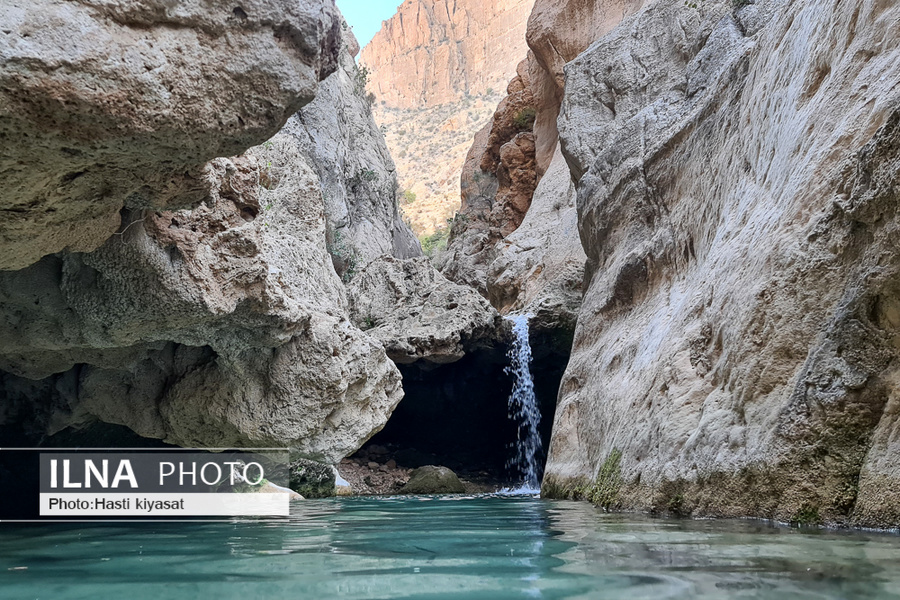
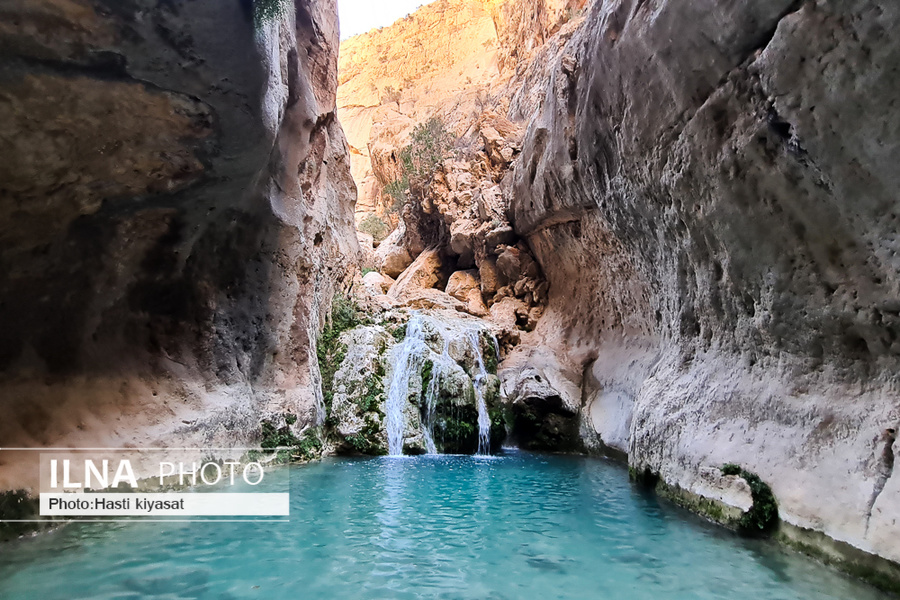
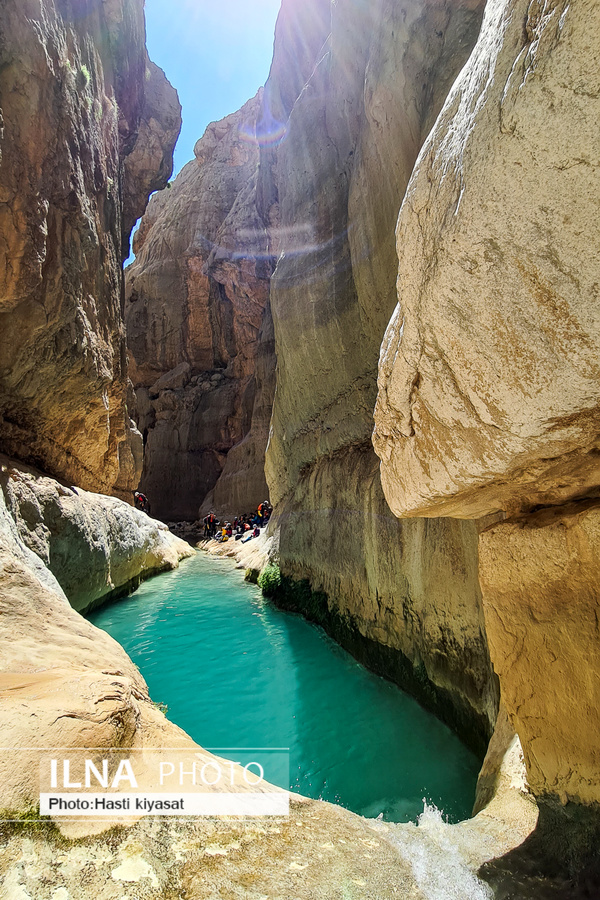
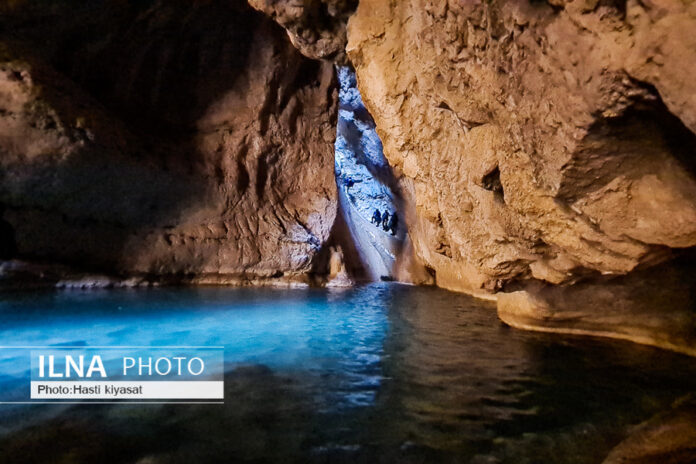
Raghaz canyon or Raghaz valley is located in Hassanabad region of Fasarood district, 30 km northwest of the city of Darab in Fars province, southern Iran.

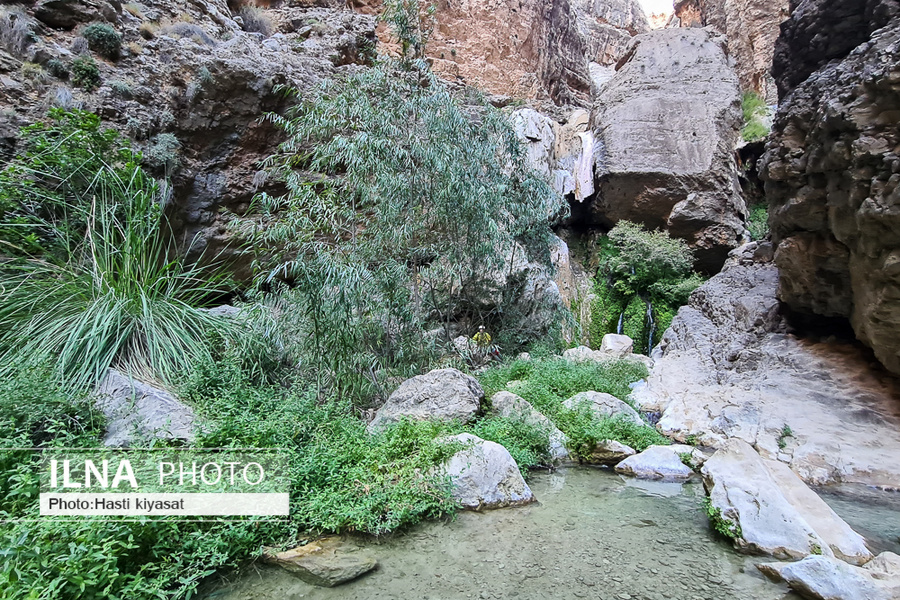
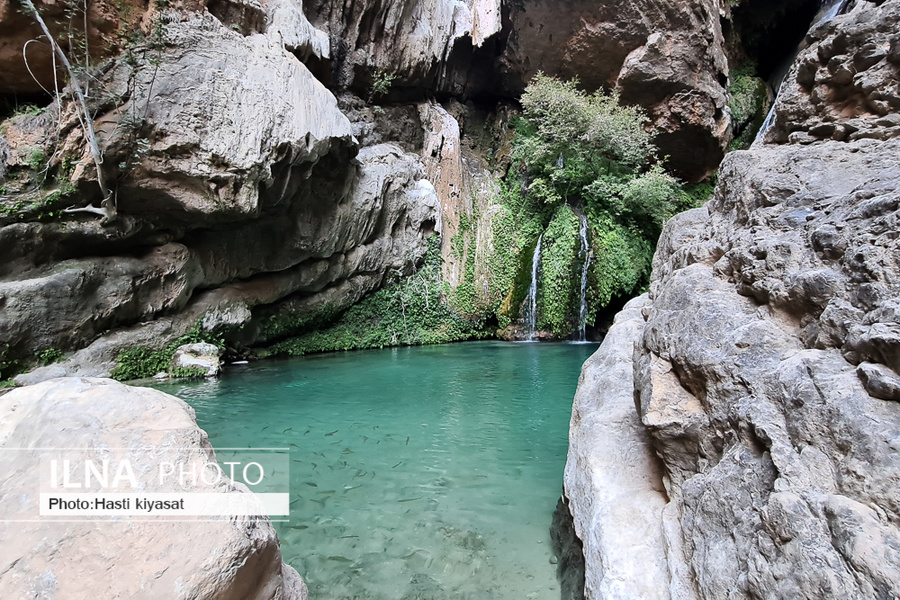
The pleasant sound of waterfalls, the picturesque descents and ascents, swimming among the clear ponds and seeing beautiful salmons create fascinating, memorable moments for those visiting the canyon.

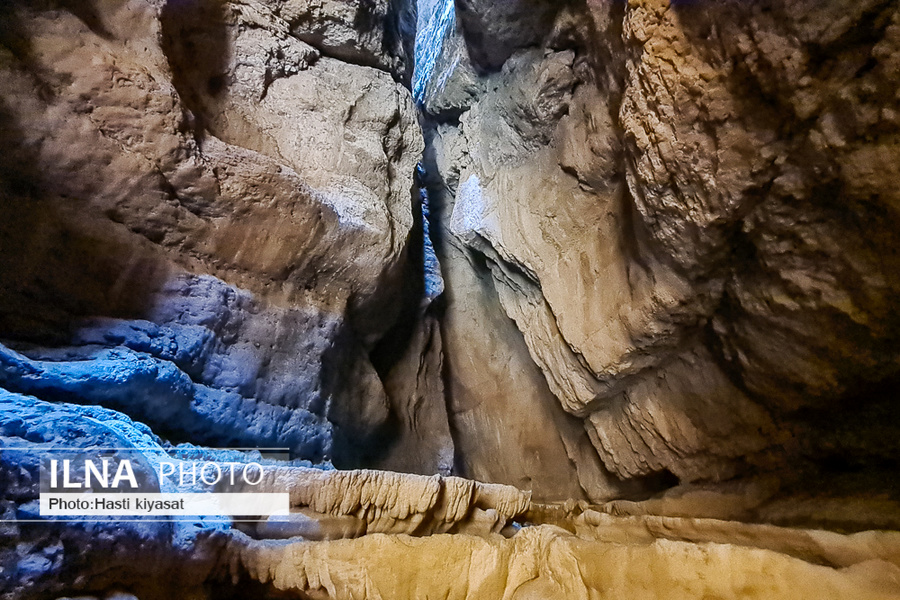
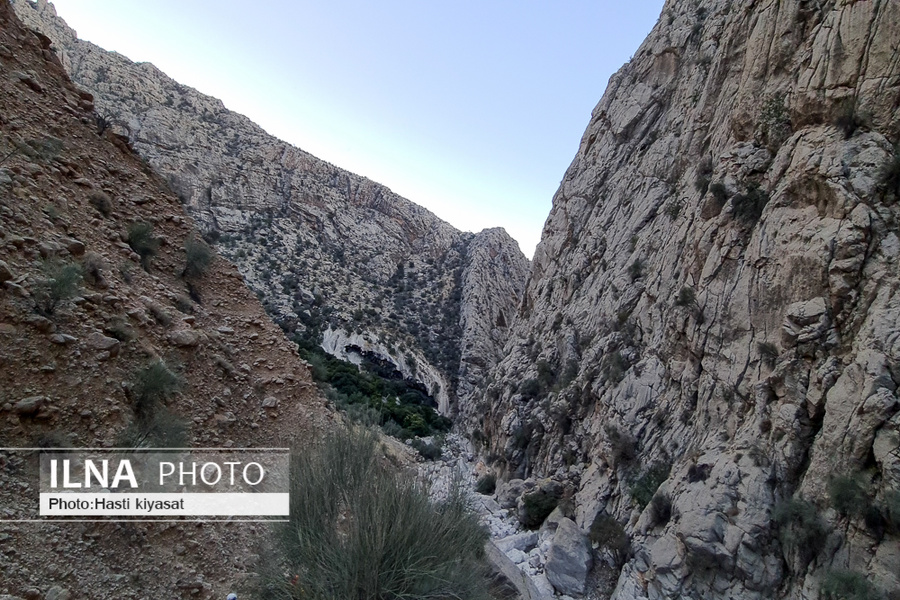
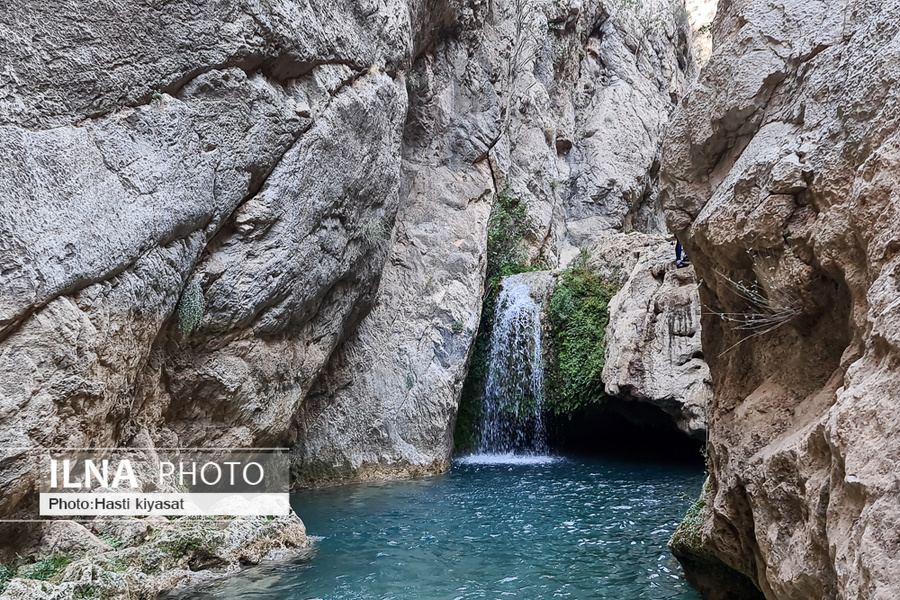
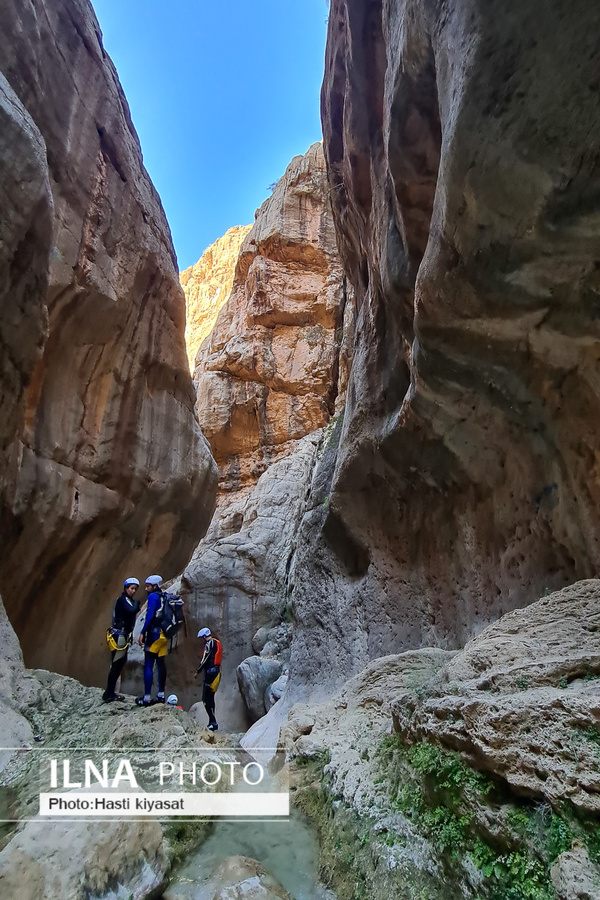
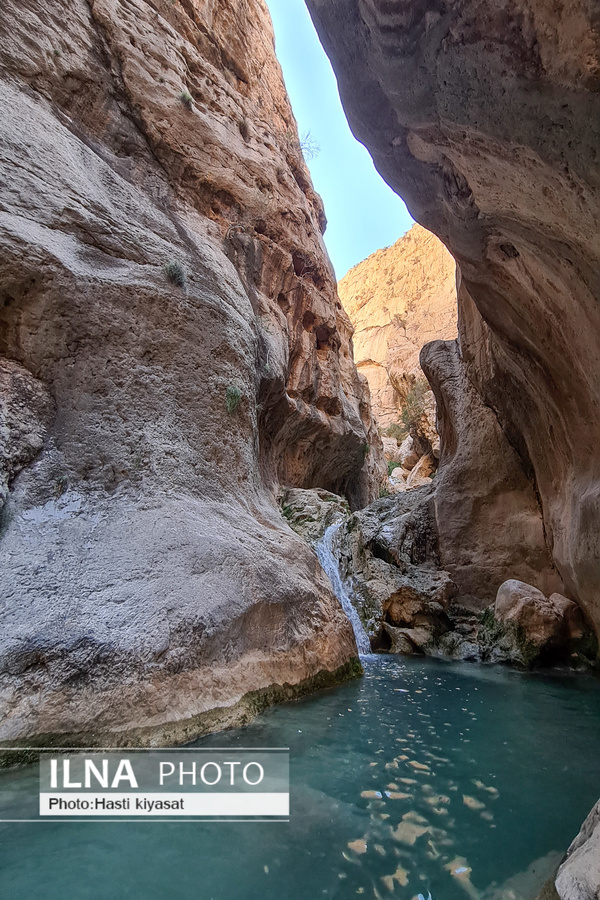
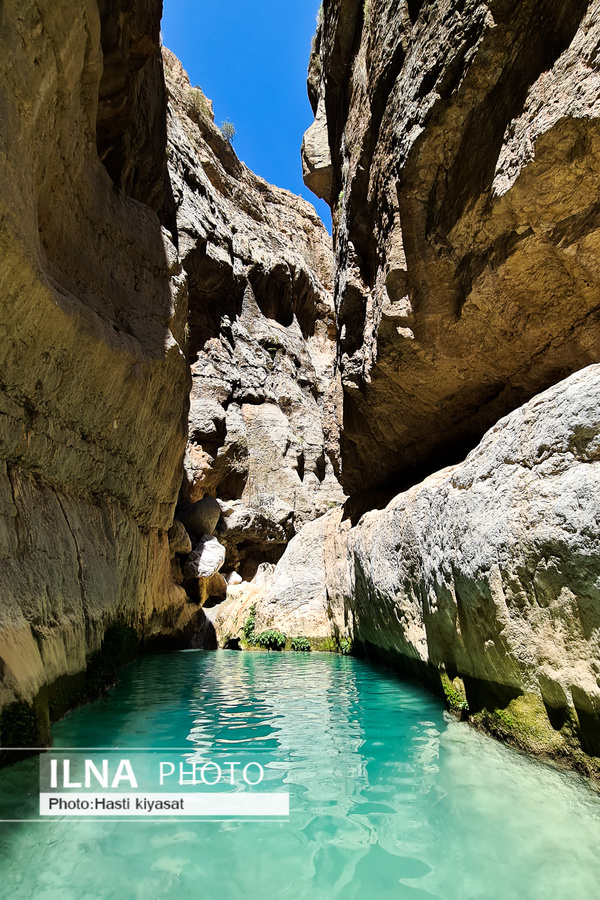
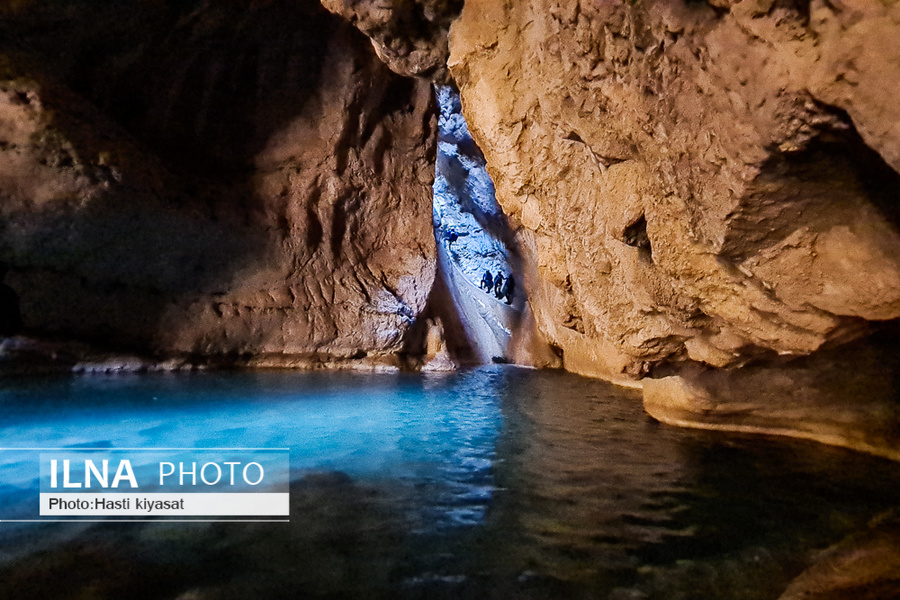
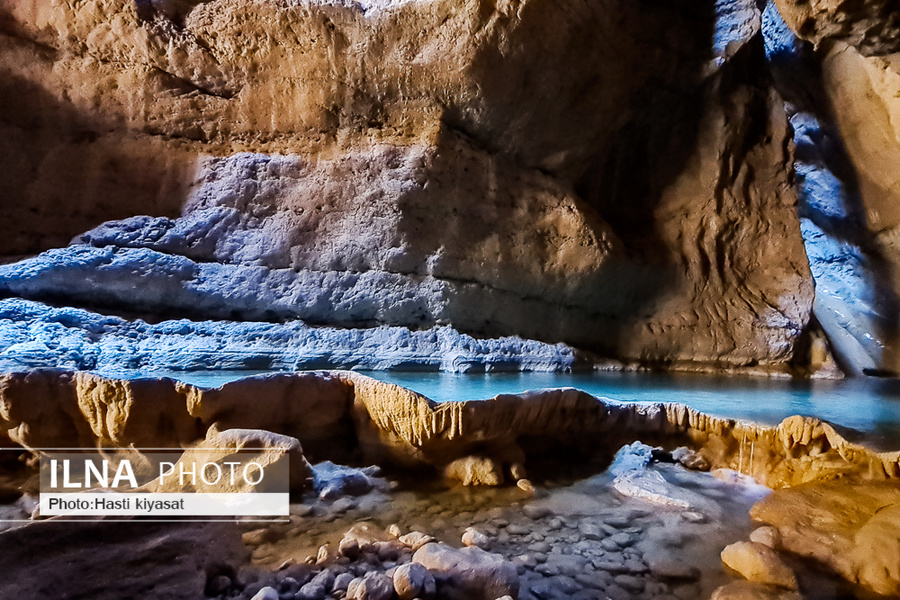
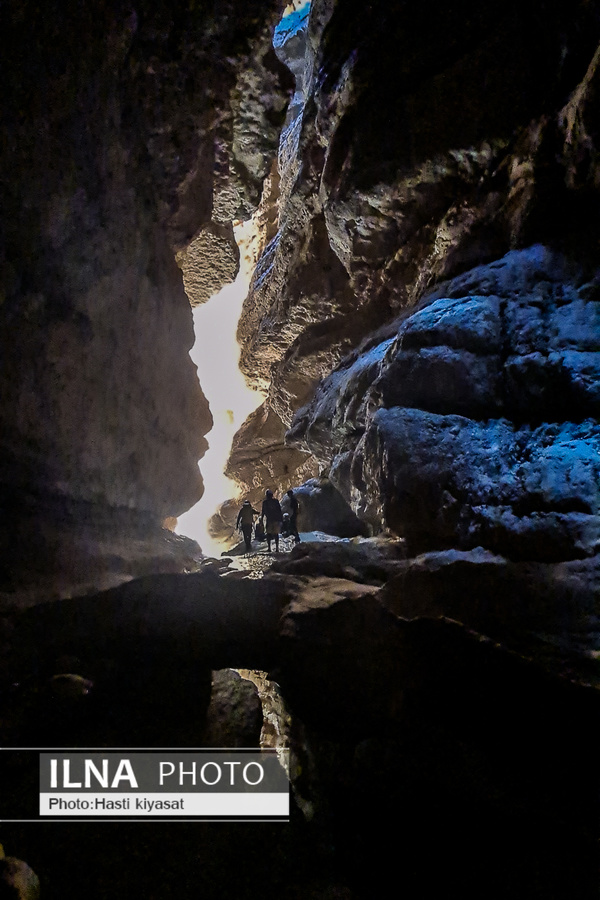
The large walls of Raghaz sometimes come together along the way, evoking a cave; other times they split apart and create a wonderful view. Its water originates from a spring in the heart of forest; and flows for five kilometres towards the southern valley before returning to the earth.

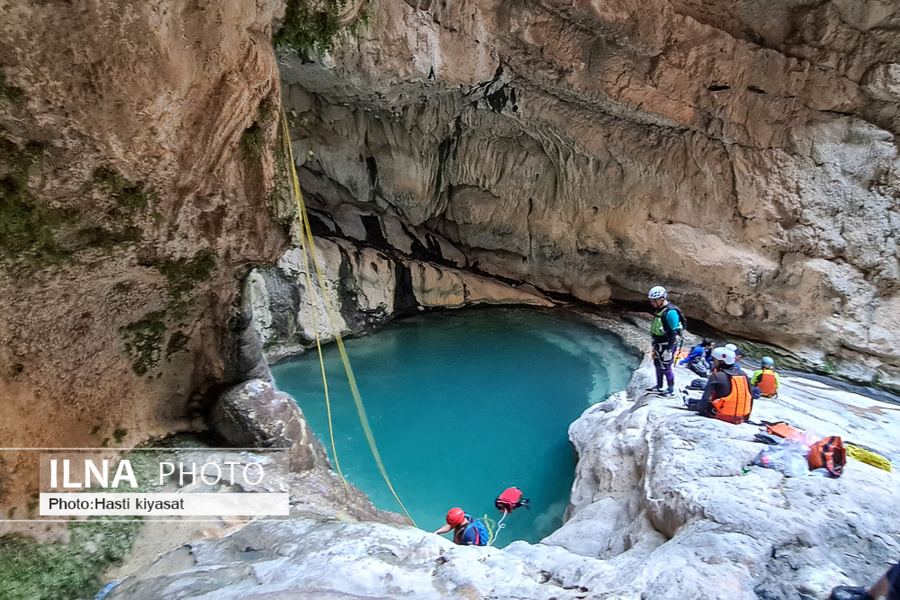
There are 64 waterfalls and 100 natural ponds between the source of Raghaz and the southern valley. The last waterfall, where the canyon reaches a dead-end, is 35m high.

The ponds of Raghaz are between 6 and 20 metres deep and up to 100 metres long. They have high walls that allow a small part of the sky to be visible.

While each waterfall or reservoir is beautiful in its own way, only 14 of them have been noticed by the general public and climbers.

What follows are ILNA’s photos of Raghaz canyon:

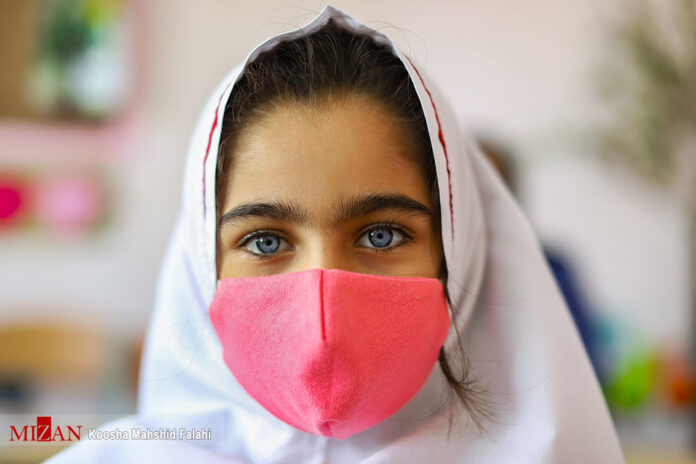
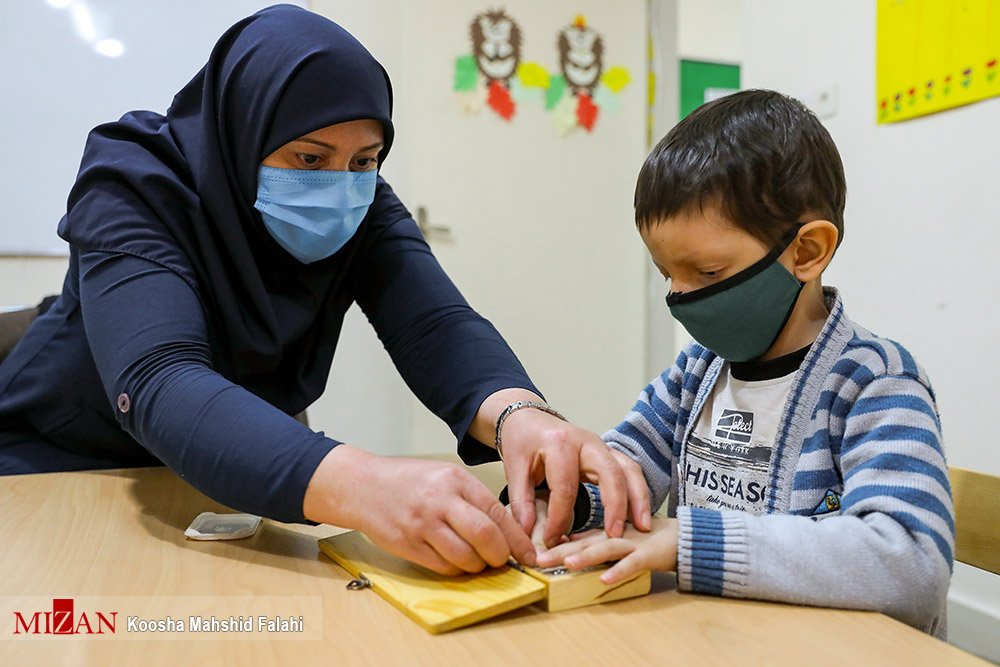
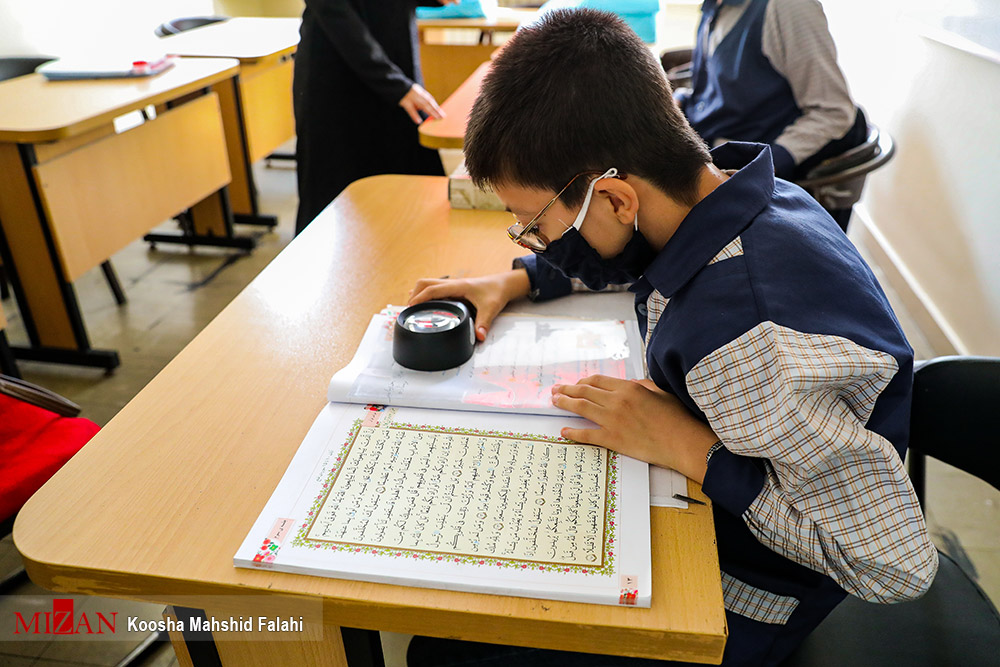
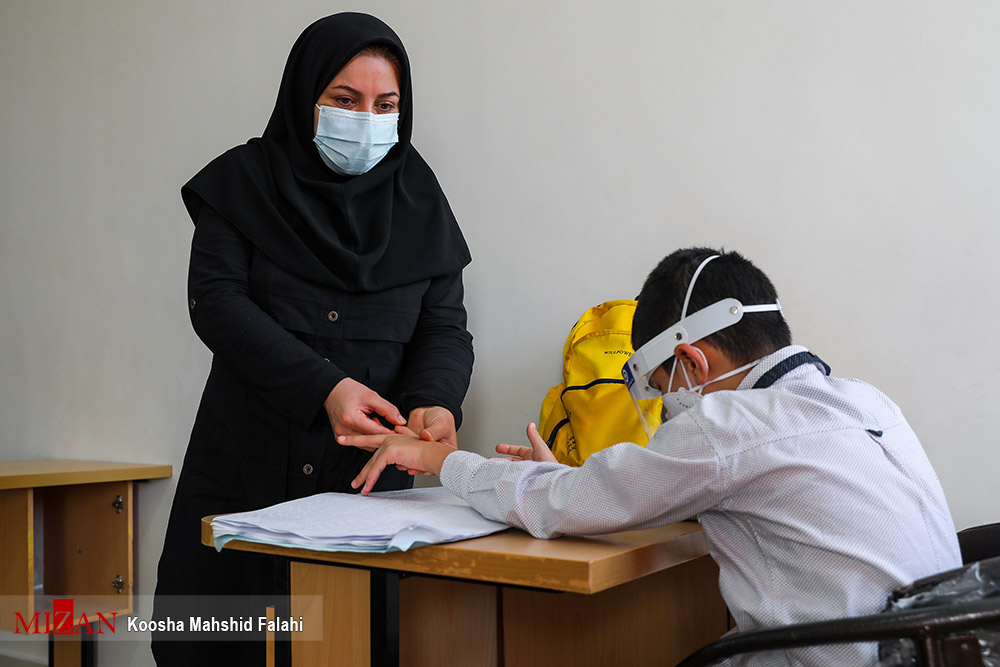
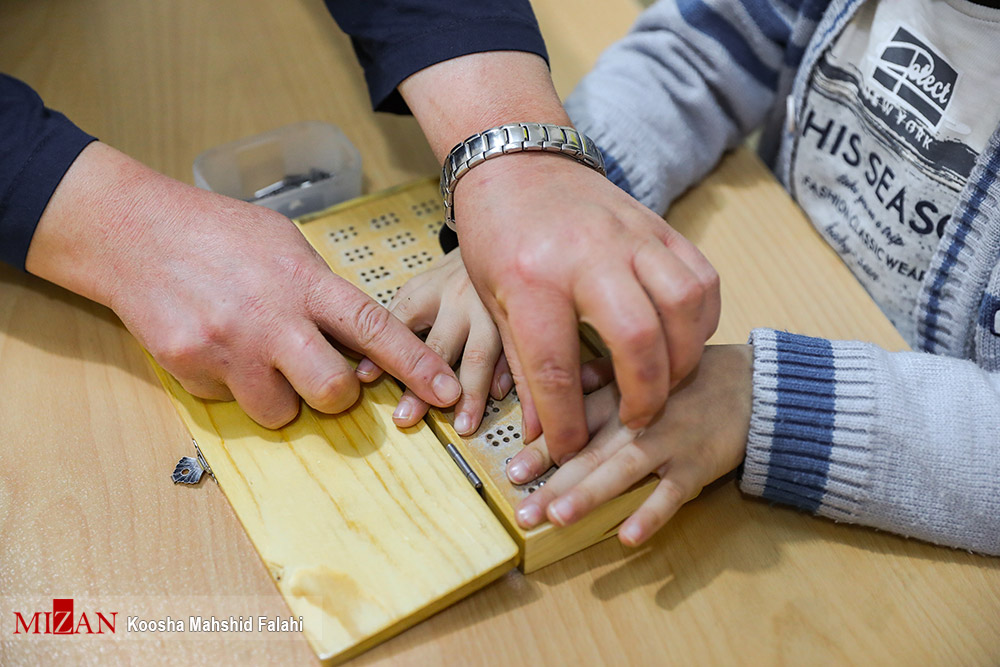
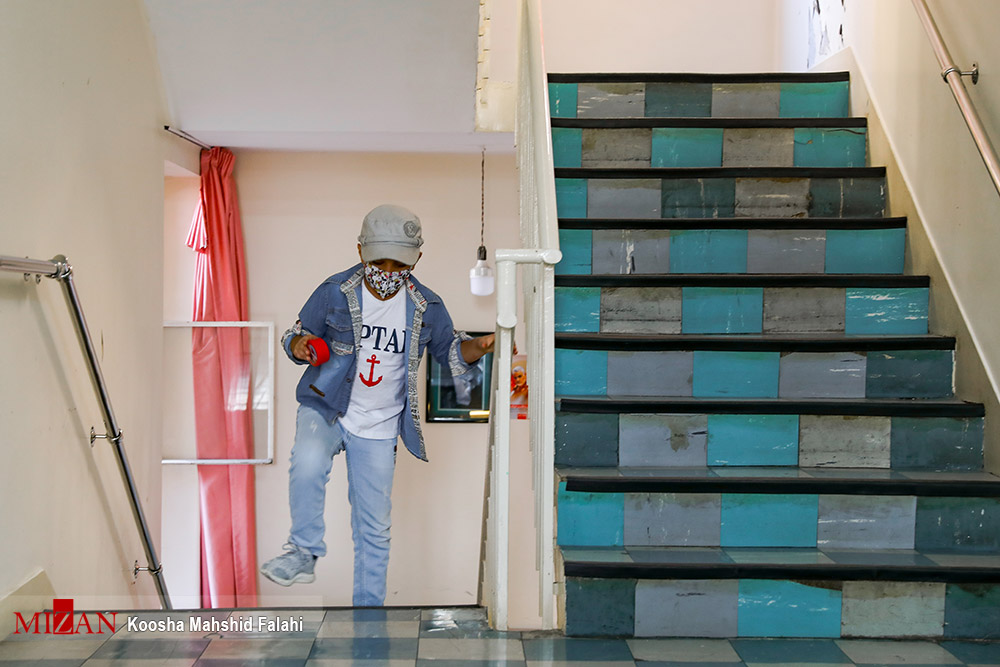
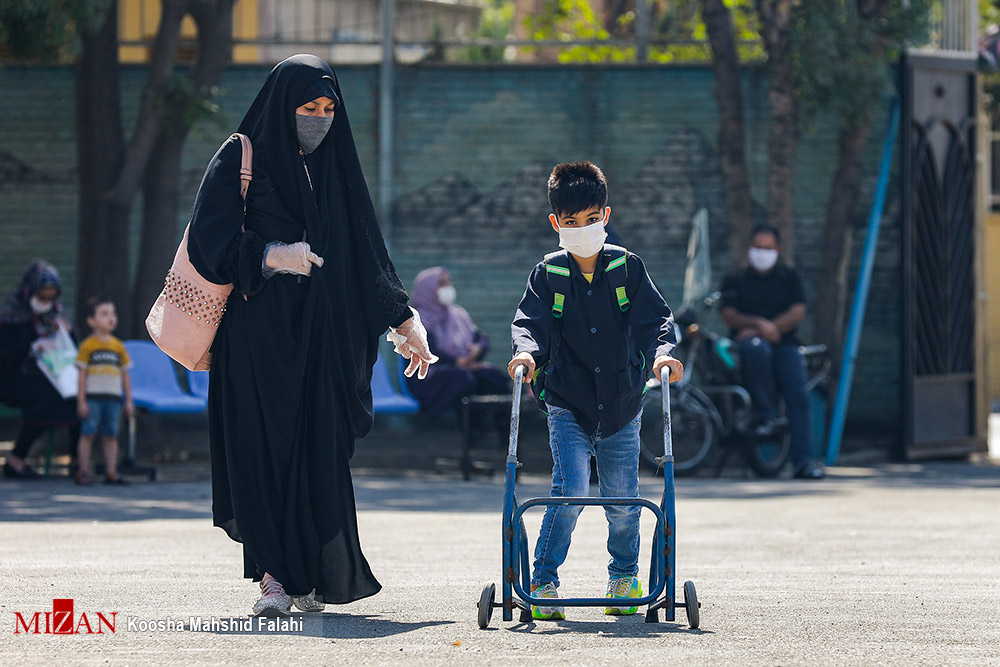
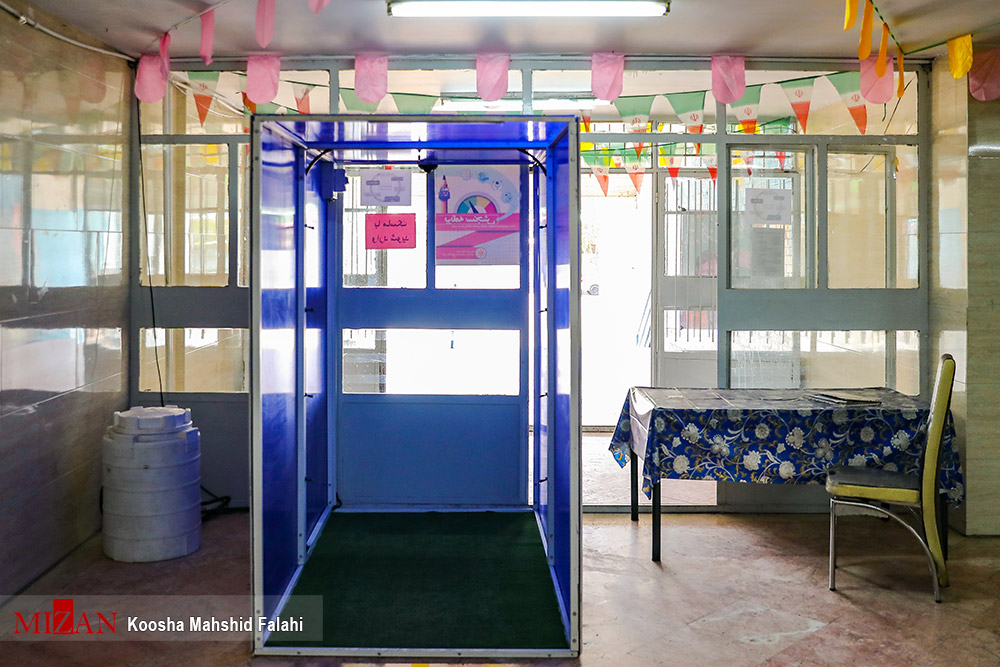
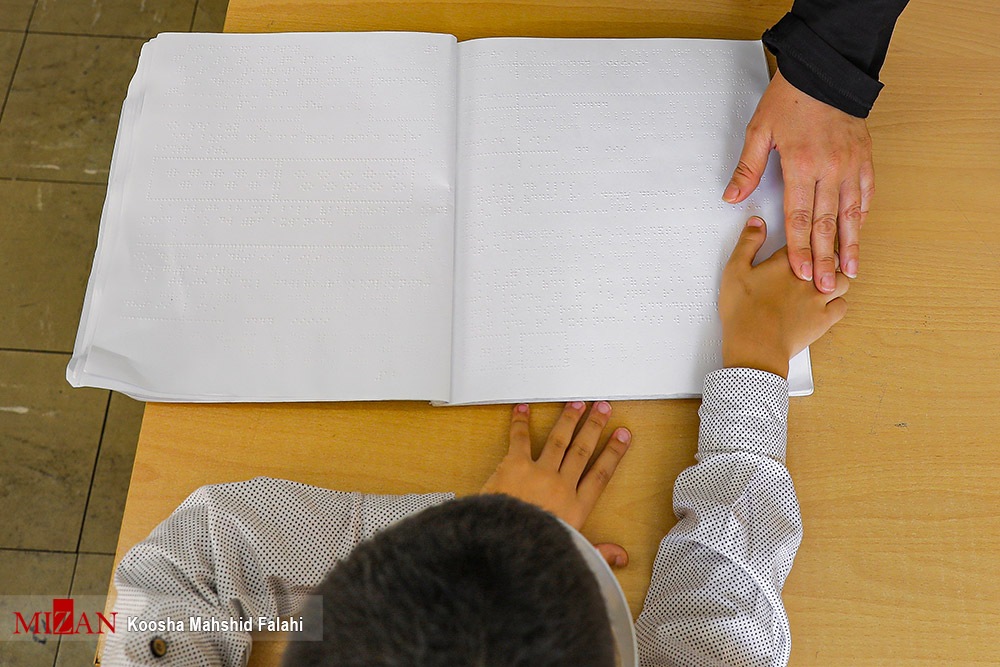
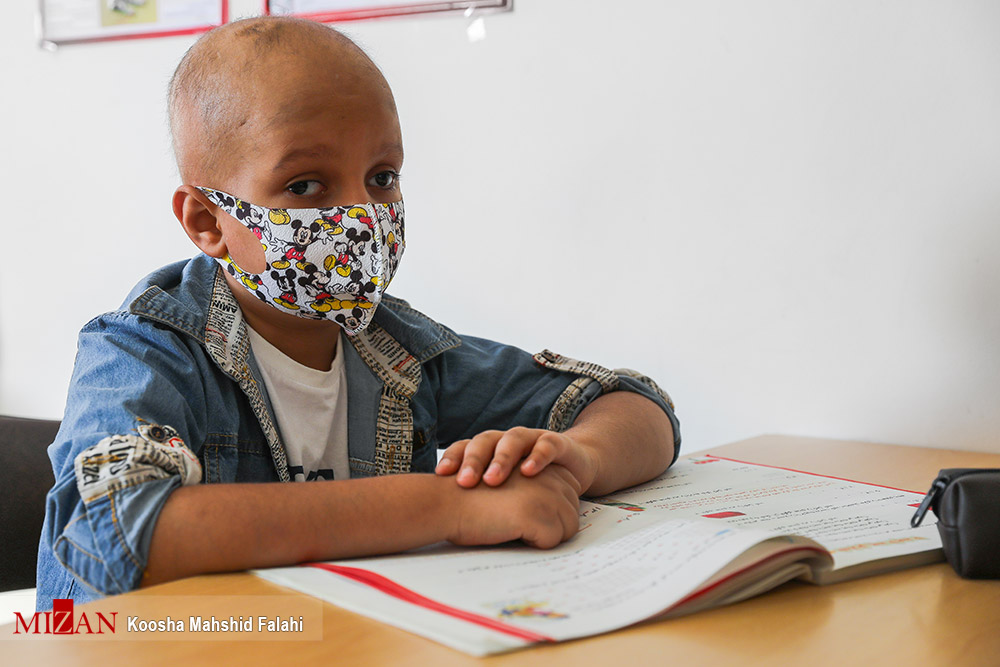
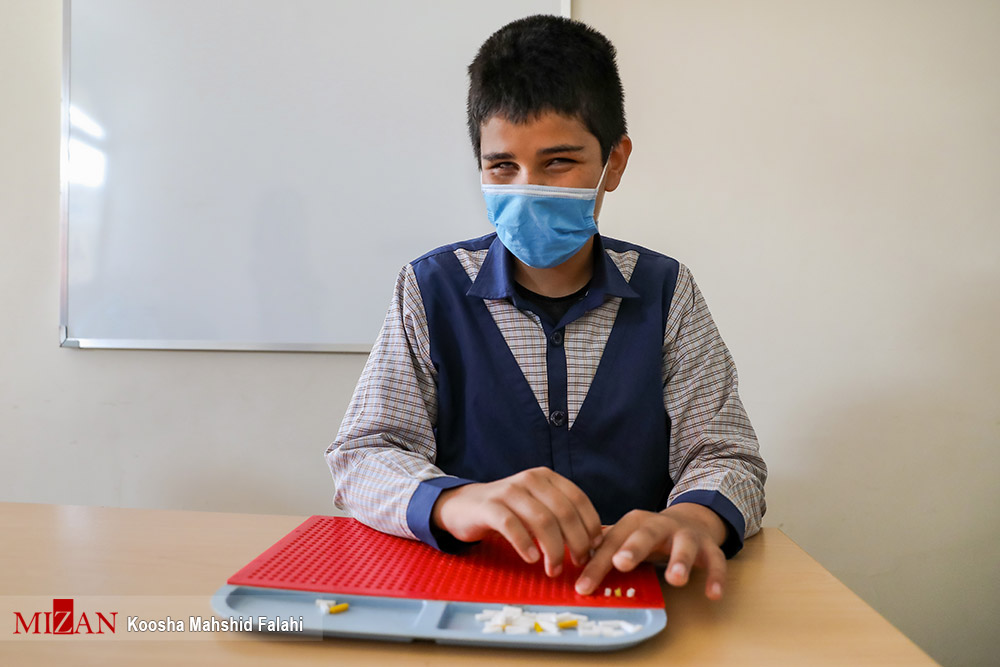
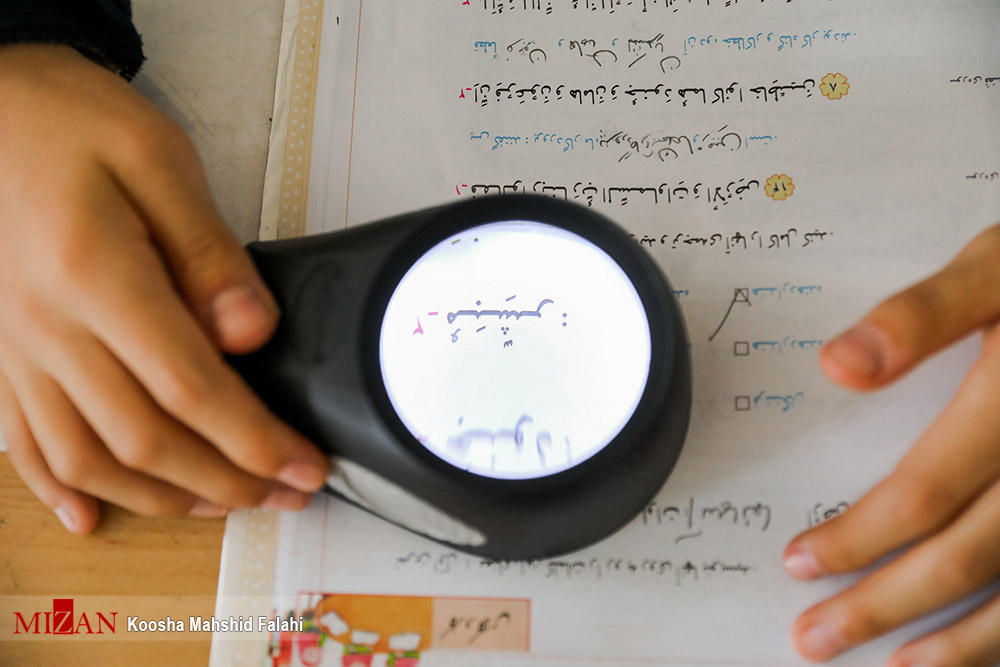
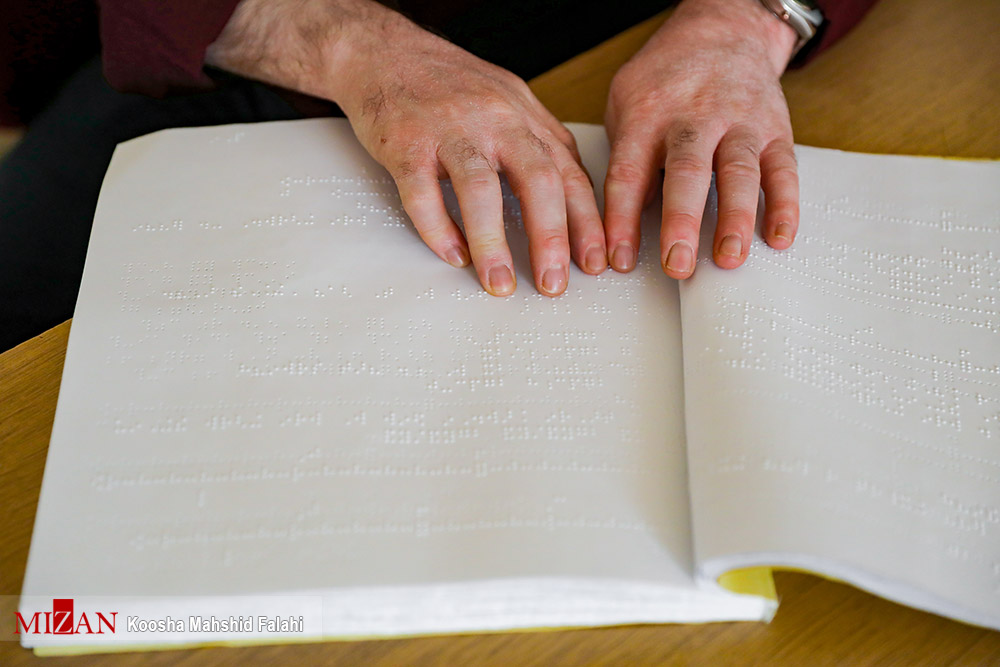
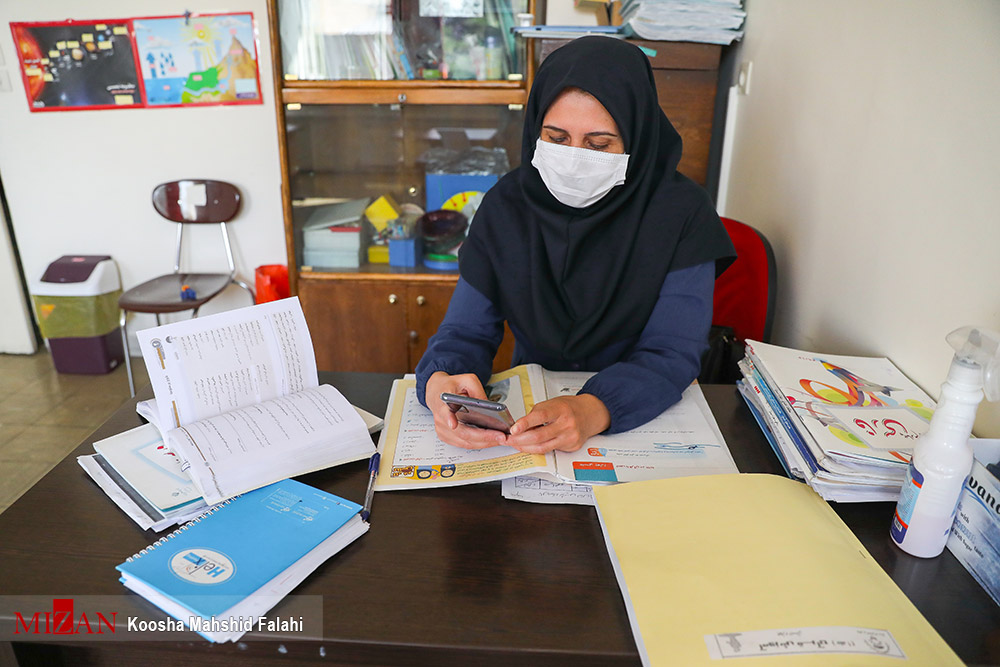
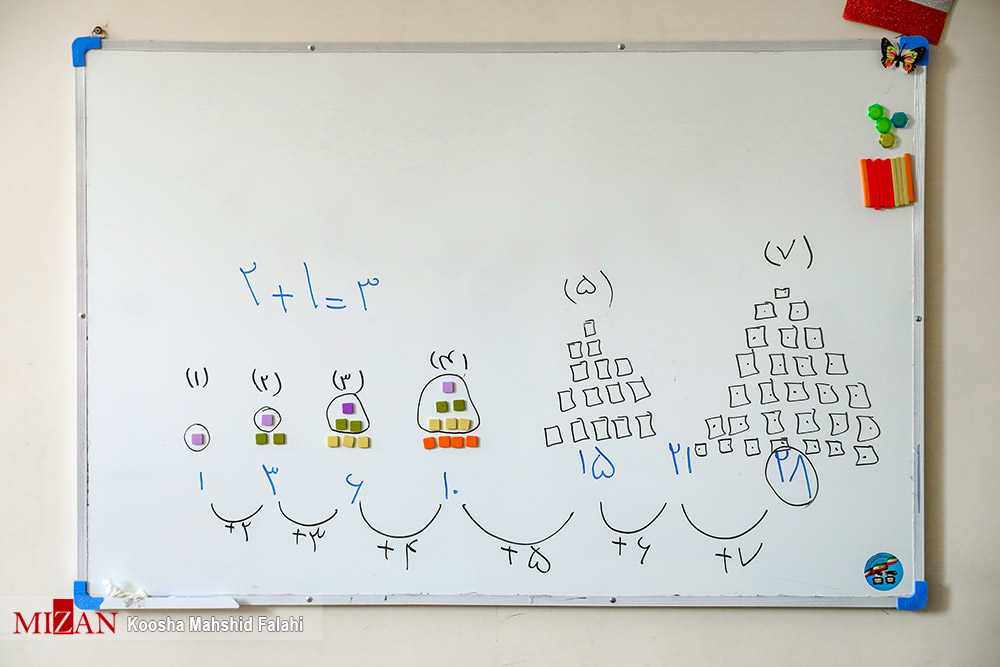
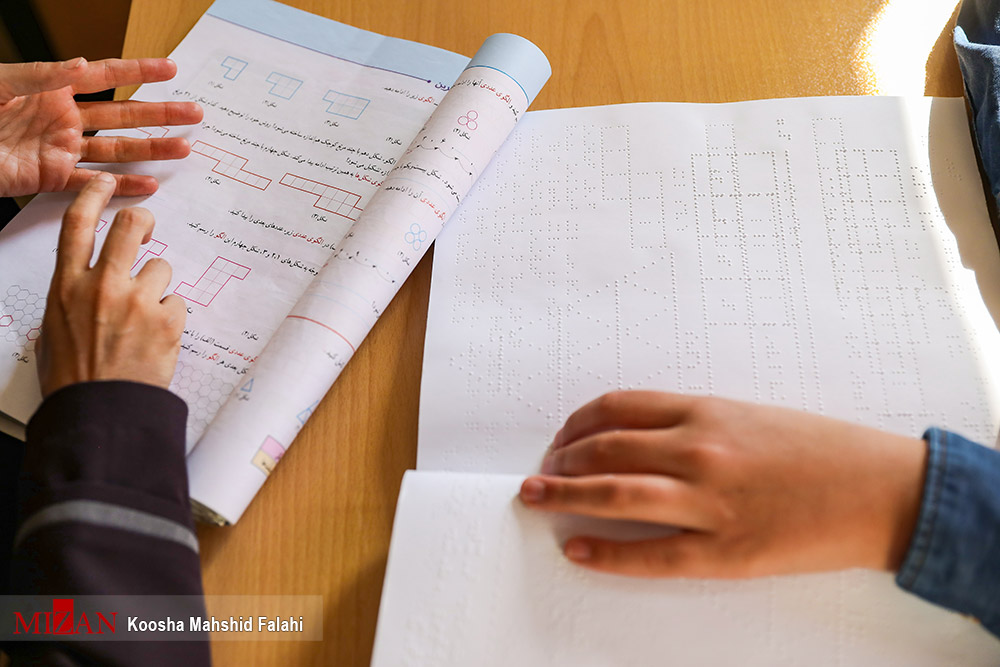
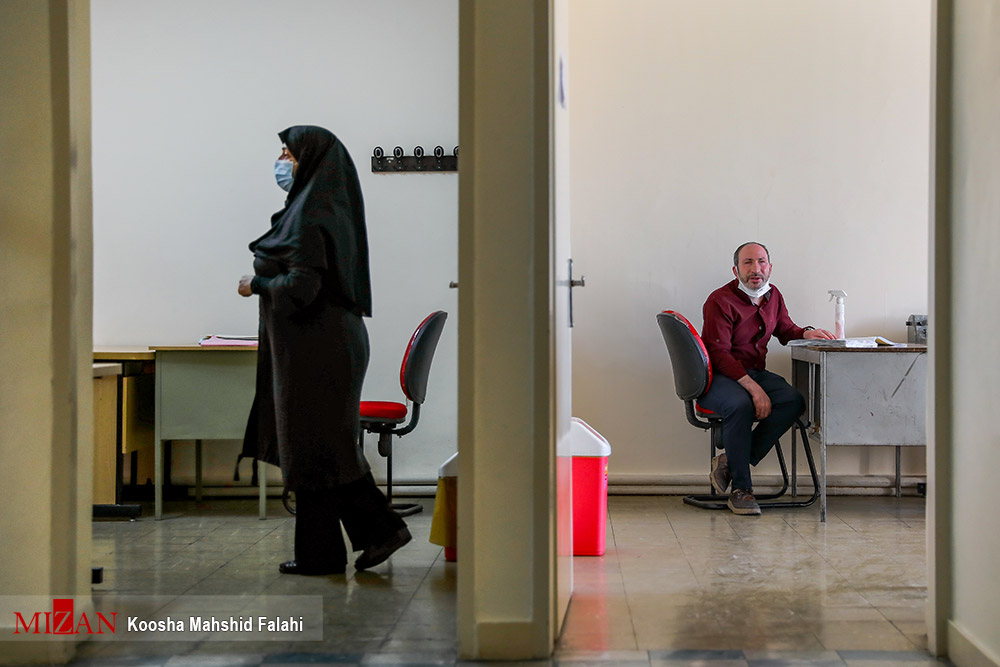
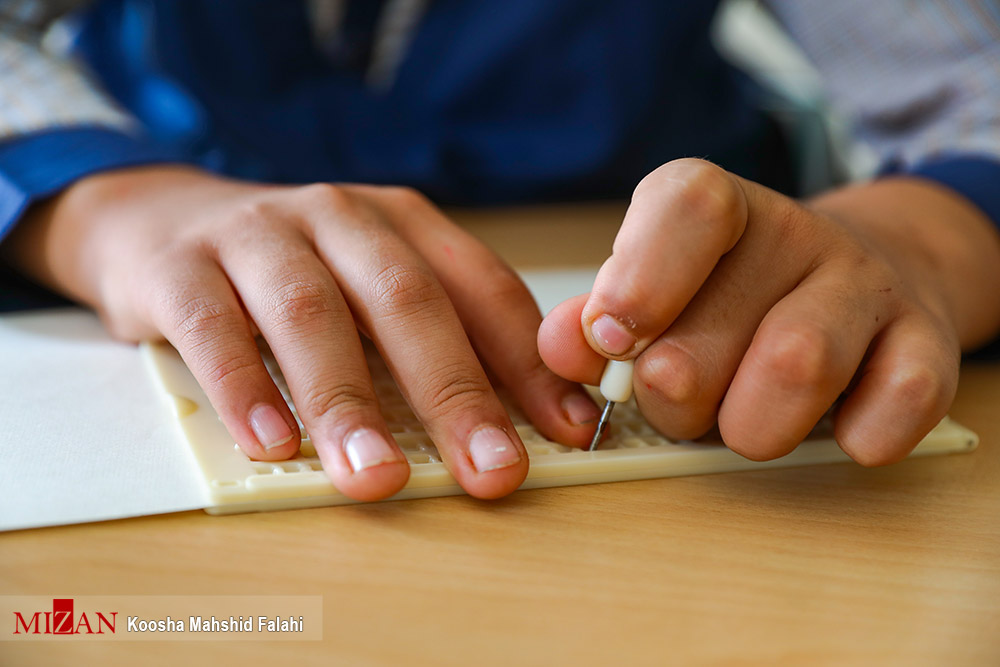
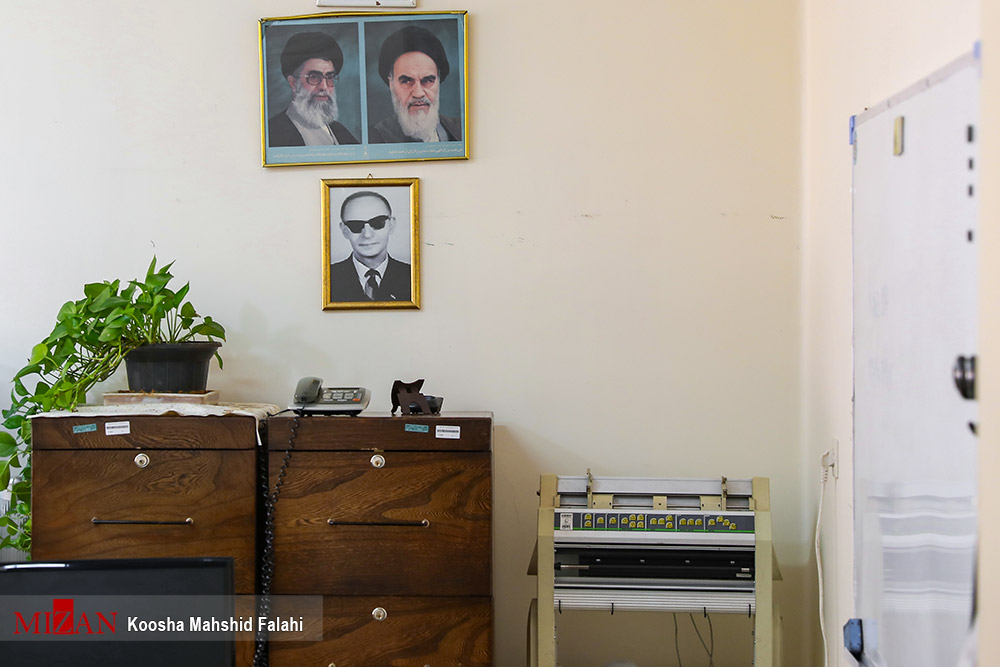
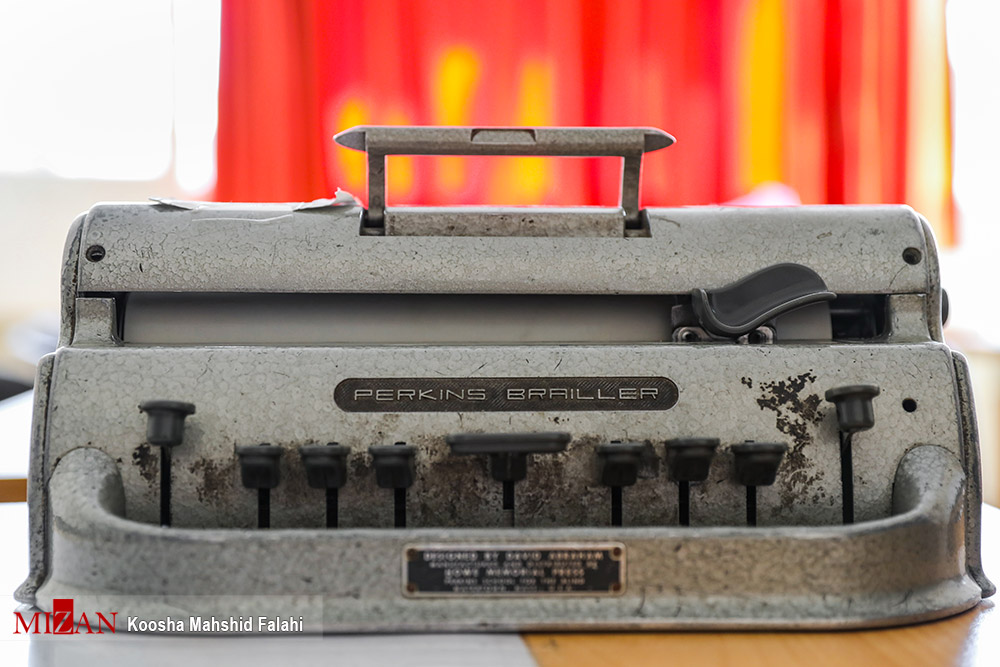
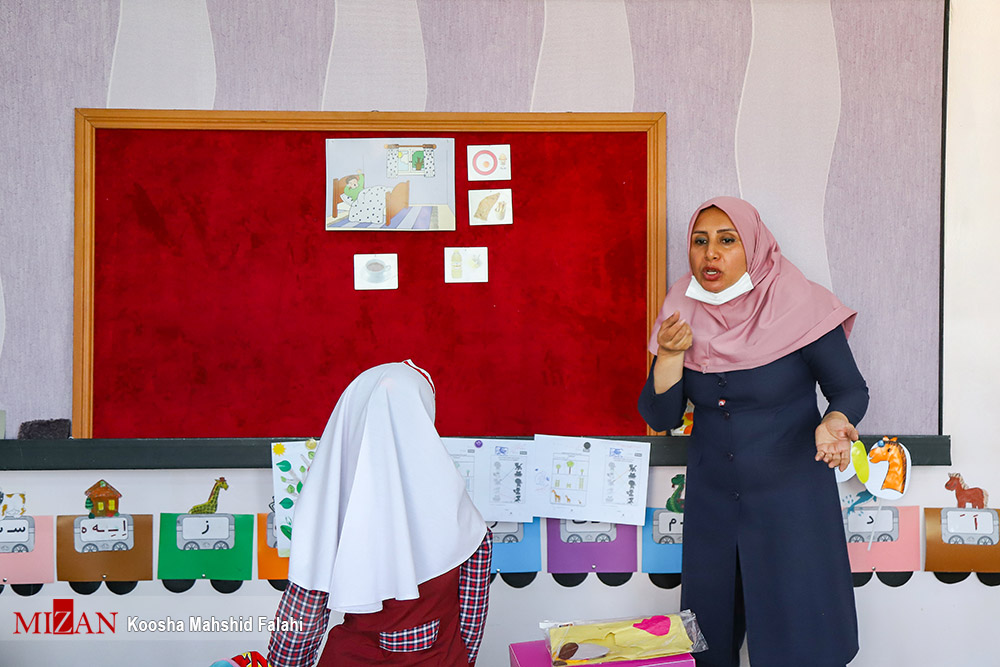
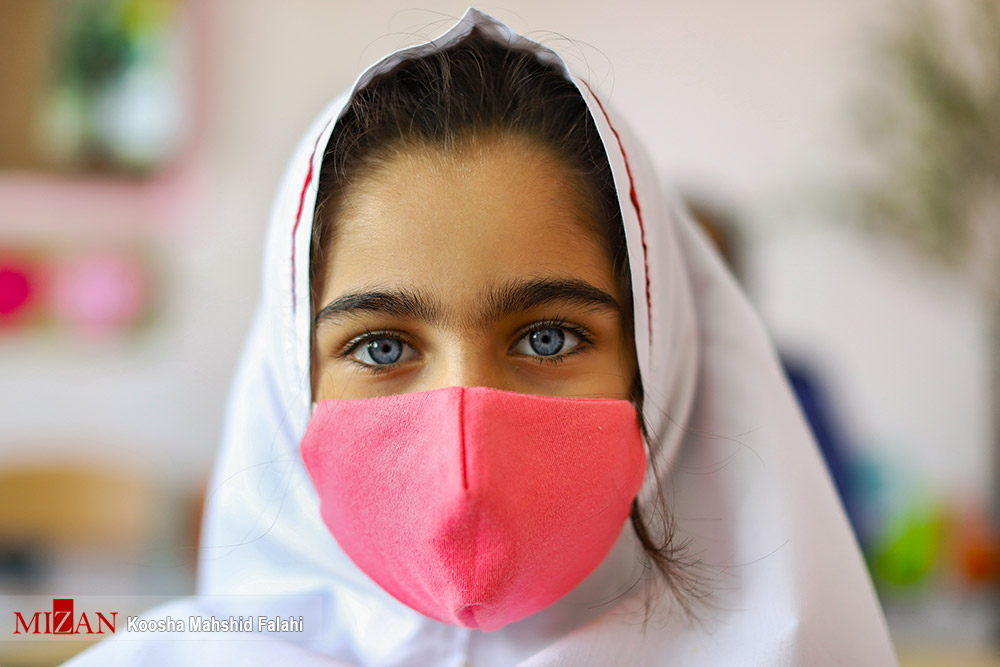
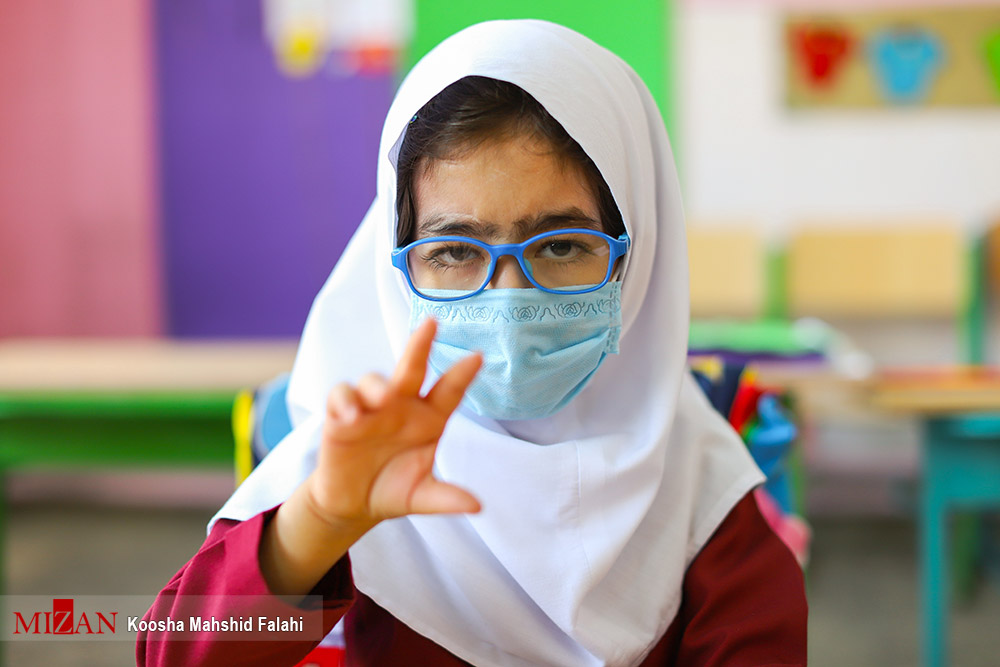
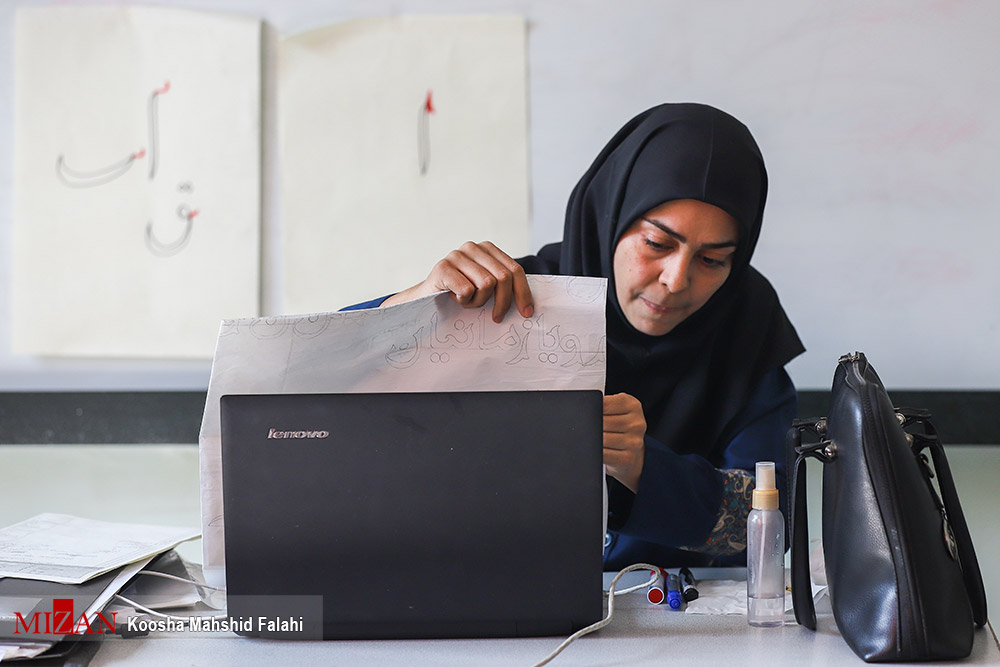
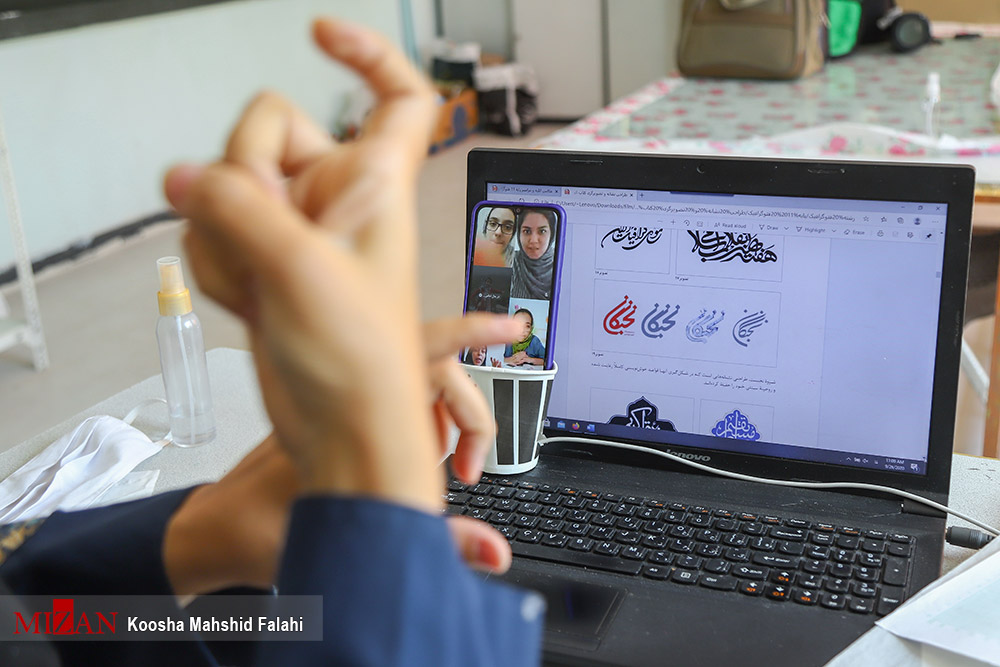
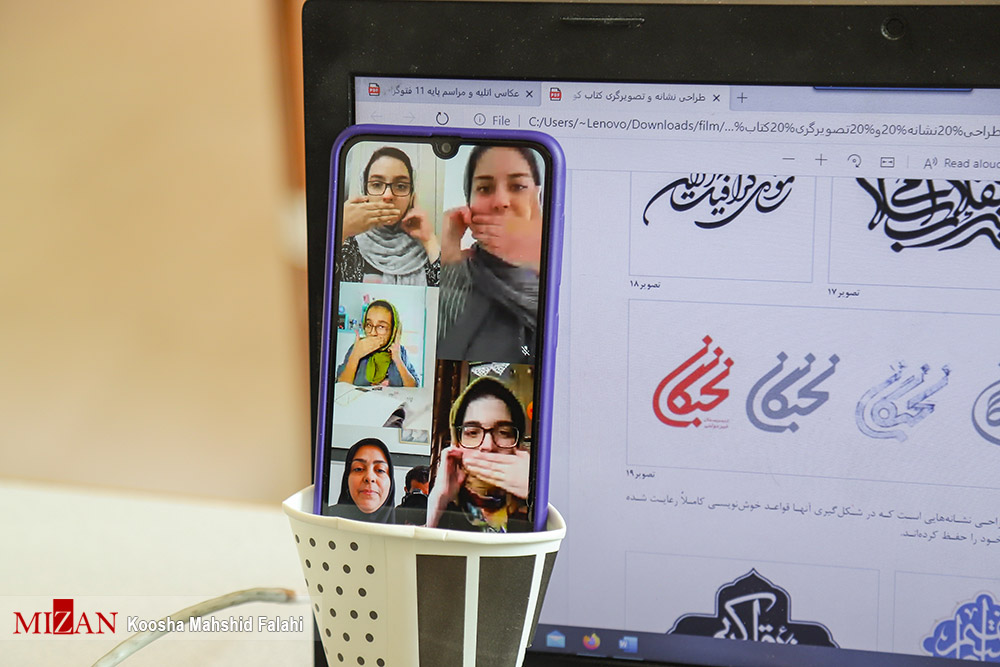
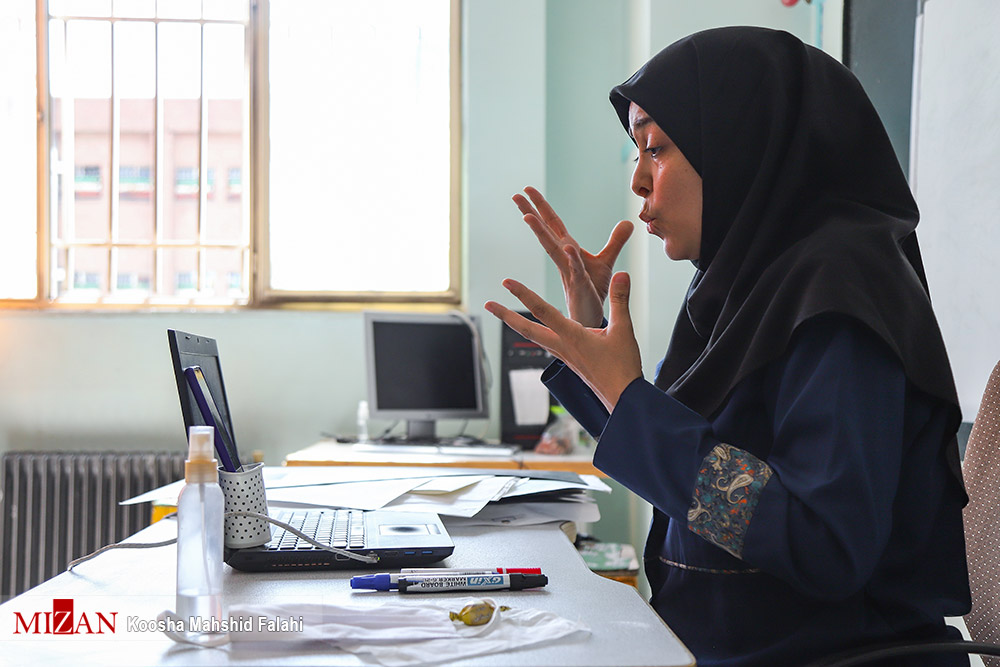
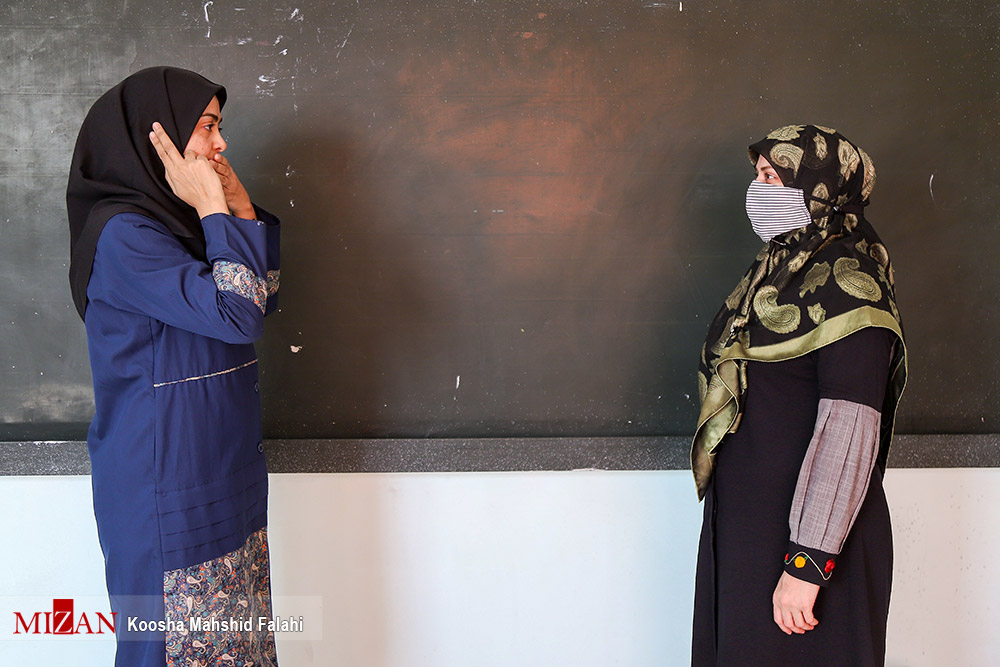
COVID-19 Makes Learning Even More Difficult for Exceptional Students

COVID-19 Makes Learning Even More Difficult for Exceptional Students

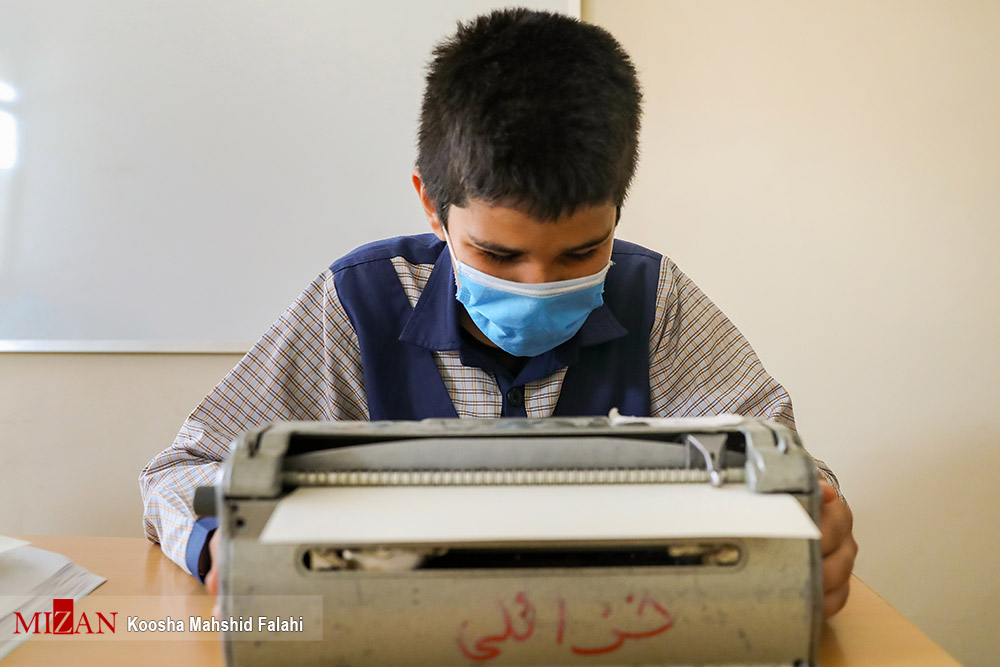
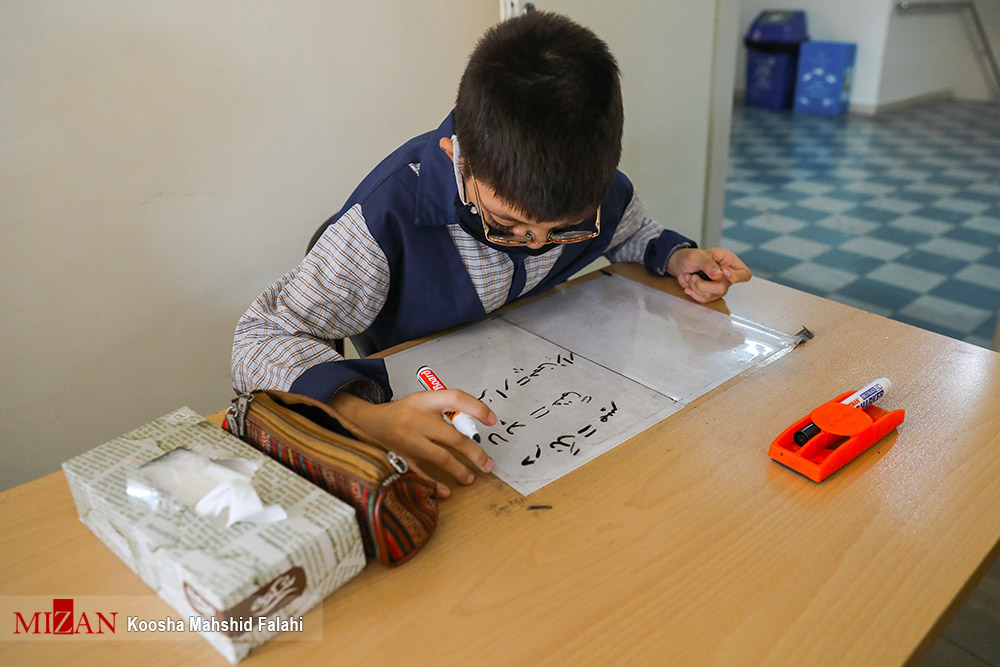
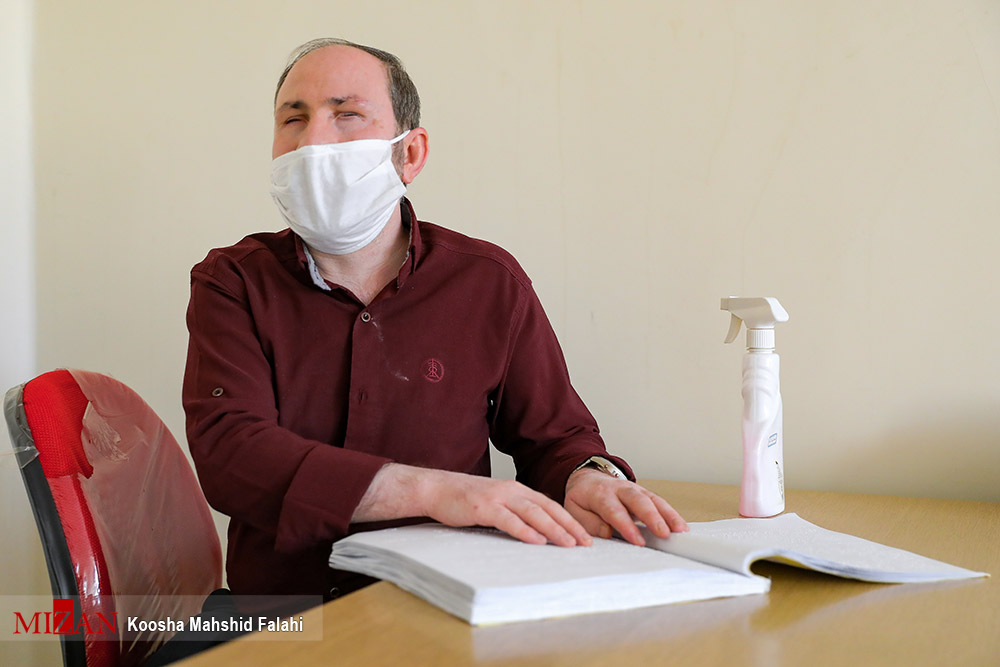
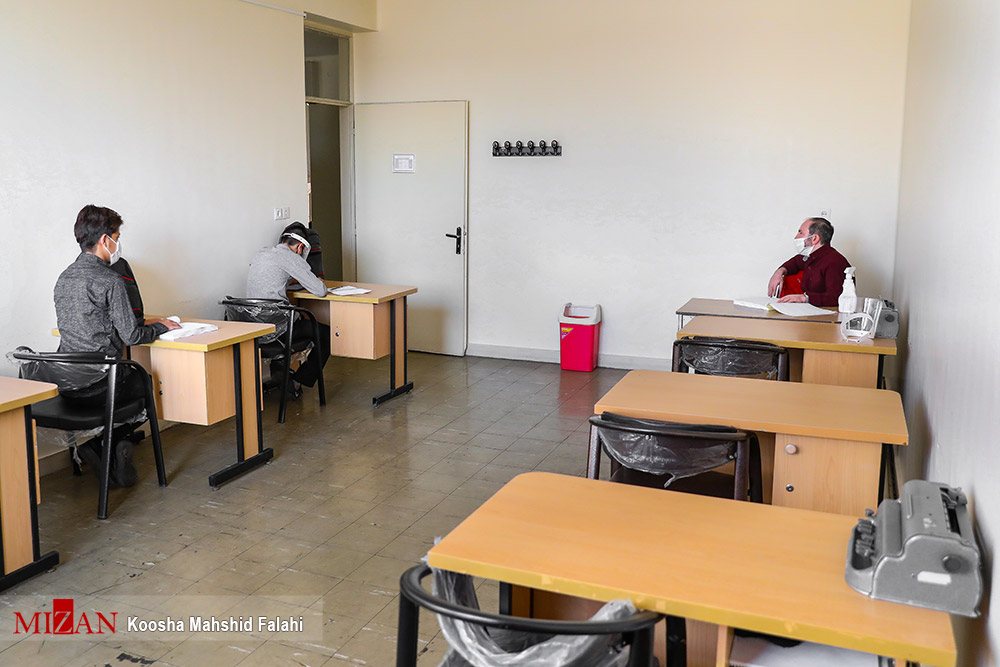
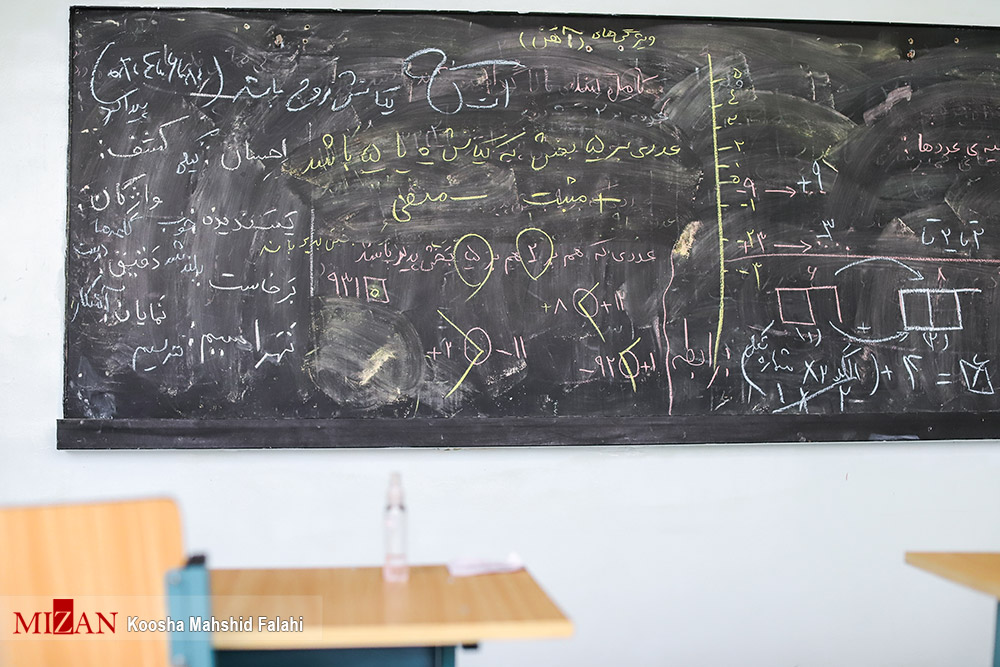
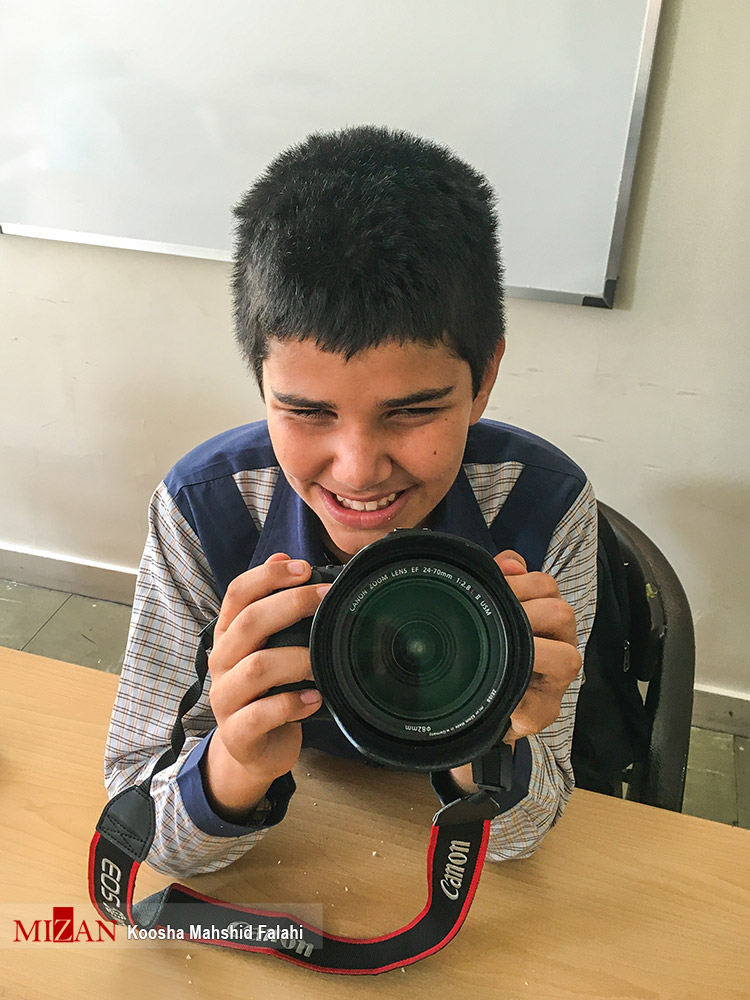
Students with special learning needs are having a more difficult time these days, as virtual education is not quite possible for those kids who can’t hear or see.

What follows are Mizan News Agency‘s photos of these brilliant kids who have to attend school in person:

Iran FM Meets with New Emir in Trip to Kuwait

Iran FM Meets with New Emir in Trip to Kuwait 2

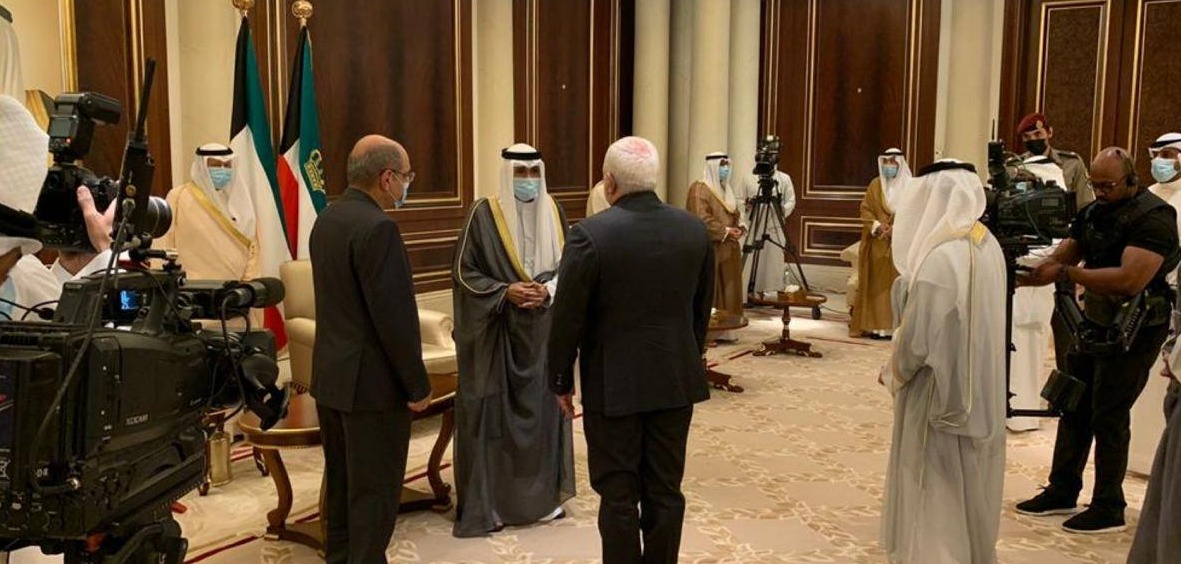
During the visit, Foreign Minister Zarif held meetings with Sheikh Nawaf al-Ahmad al-Jaber al-Sabah, the new emir of Kuwait, and Foreign Minister Dr Ahmad Nasser Al-Mohammed Al-Ahmed Al-Jaber Al-Sabah.

In the Sunday meetings, the Iranian top diplomat expressed Iran’s sympathy and condolences over the loss.

He also offered congratulations on the new emir’s appointment, and underlined the Islamic Republic’s support for the Arab country.Iran FM Meets with New Emir in Trip to Kuwait

Iranians Outraged by AFC’s ‘Unfair’ Ban against Persepolis Striker

Iranians Outraged by AFC’s ‘Unfair’ Ban against Persepolis Striker

The Iranian player has been banned from all football events and fined $10,000 over his special goal celebration after the recent ACL match against Pakhtakor of Uzbekistan, where he was named the man of the match after scoring two goals, helping the Iranian side advance to the semi-finals.

However, Iranian football fans and Persepolis officials say the ban – announced by the AFC a few hours before the semi-final match against the Saudi club Al-Nassr – is unfair as Alkasir had used it a lot of times in domestic league.

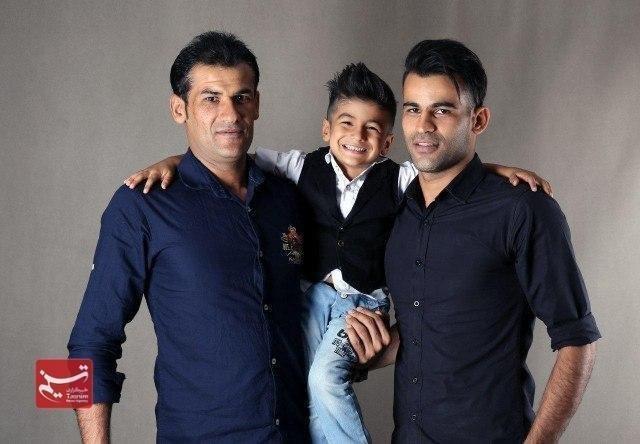
Alkasir says his goal celebration, which the AFC considers to be “racist’, is in memory of his nephew who has small eyes.

Iranians Outraged by AFC’s ‘Unfair’ Ban against Persepolis Striker
Photo of Persepolis striker Isa Alkasir (right) and his nephew (centre) whose “small eyes” inspire Alkasir’s goal celebrations

Some Iranian football fans believe the decision has been taken under the influence of Saudi lobby groups, as Alkasir was the Iranian side’s top goal scorer and many had pinned their hopes on him for the Saturday match against Al-Nassr. Outraged by the decision, they have started sharing a video of Alkasir’s similar goal celebrations in domestic matches.

In a statement, Persepolis club slammed the AFC for taking the “hasty” decision without “careful consideration”.

“It was a very illogical and unfair decision to ban Alkasir a few hours before the semi-final match,” the statement said.

Persepolis says it has provided the AFC with the explanation one day before the announcement of the ban, but to no avail.

It said it will continue to pursue the issue and appeal the decision, but it won’t influence the team’s resolve to defeat the Saudi rival.

Iranian lawmaker Ahmad Naderi has also tweeted that the AFC should immediately revoke its decision and “not fuel the same old speculation that it’s bribed by Saudis.” He also vowed that Iran’s Parliament will seriously and immediately pursue the issue.

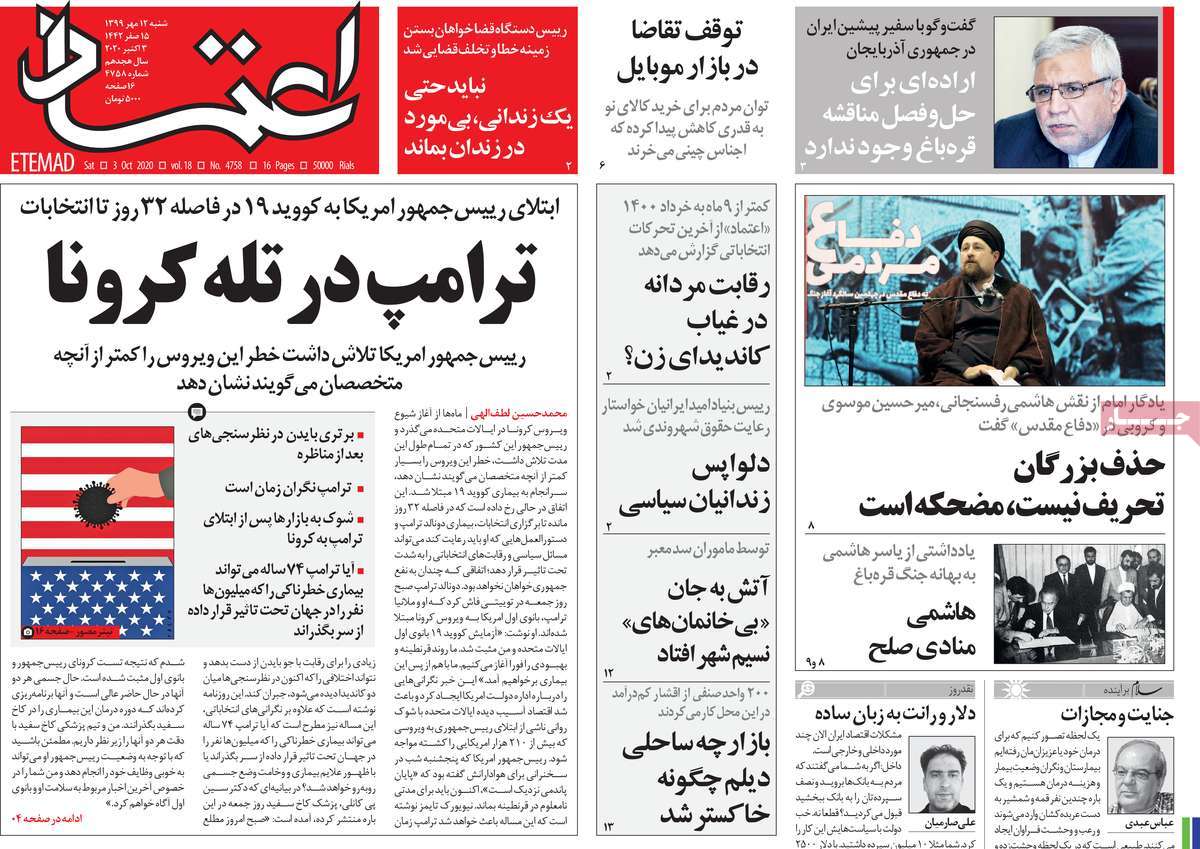
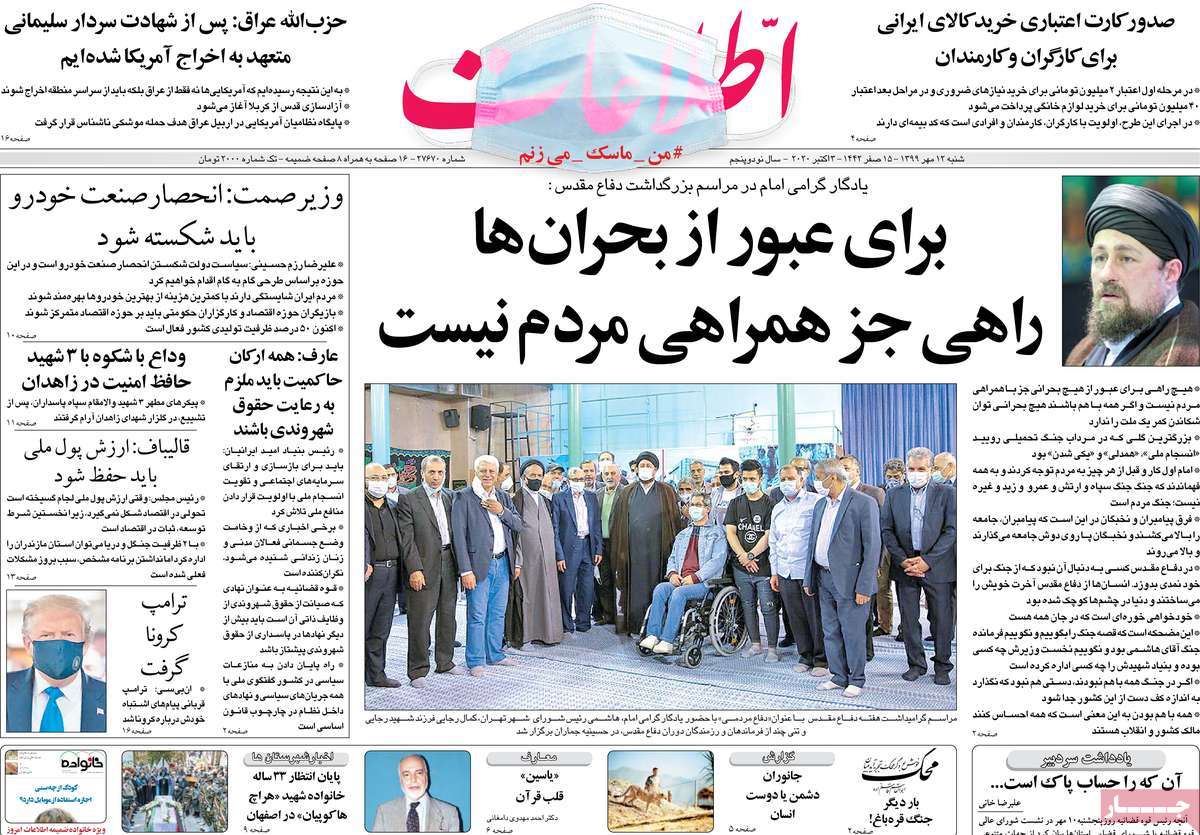
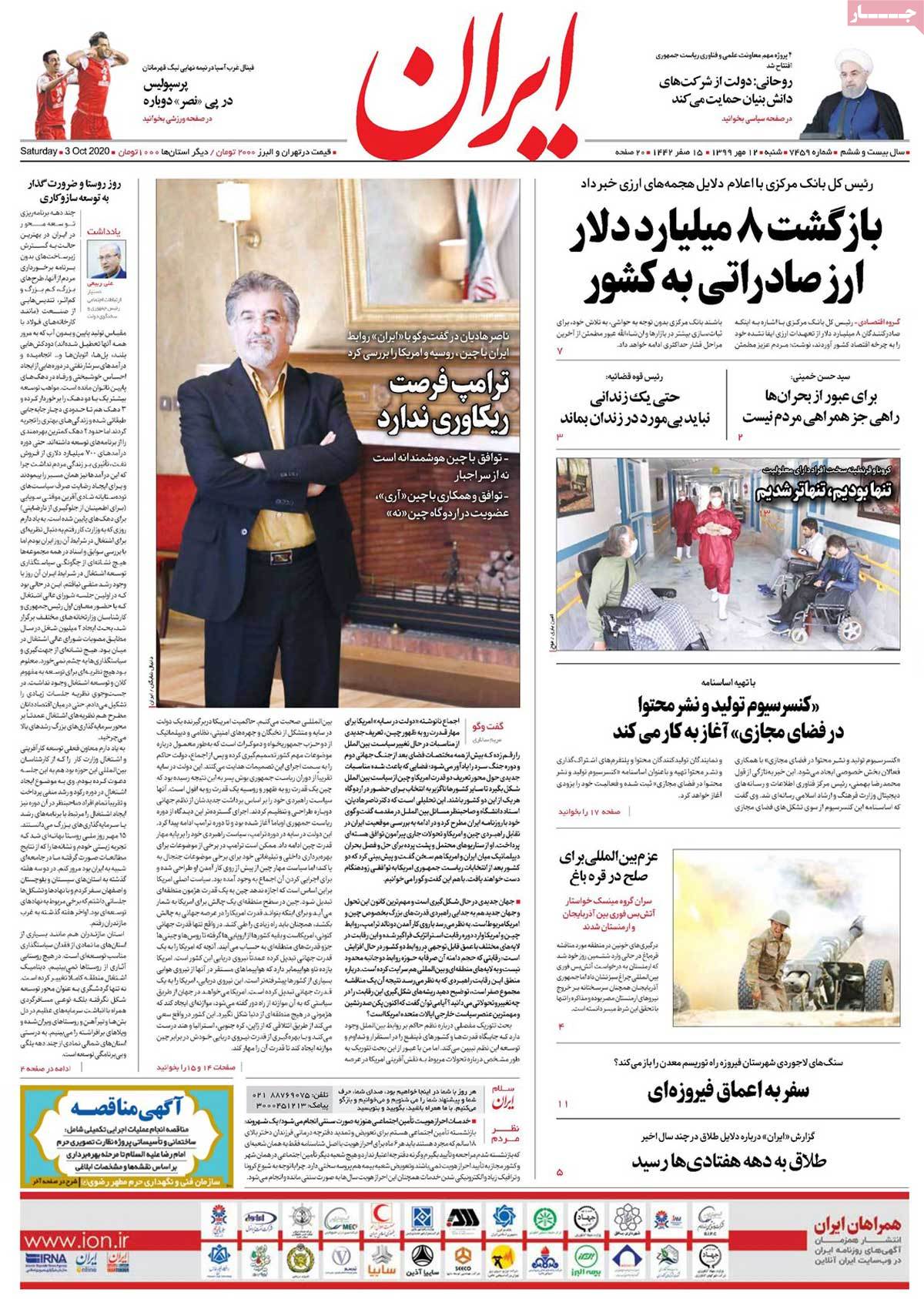
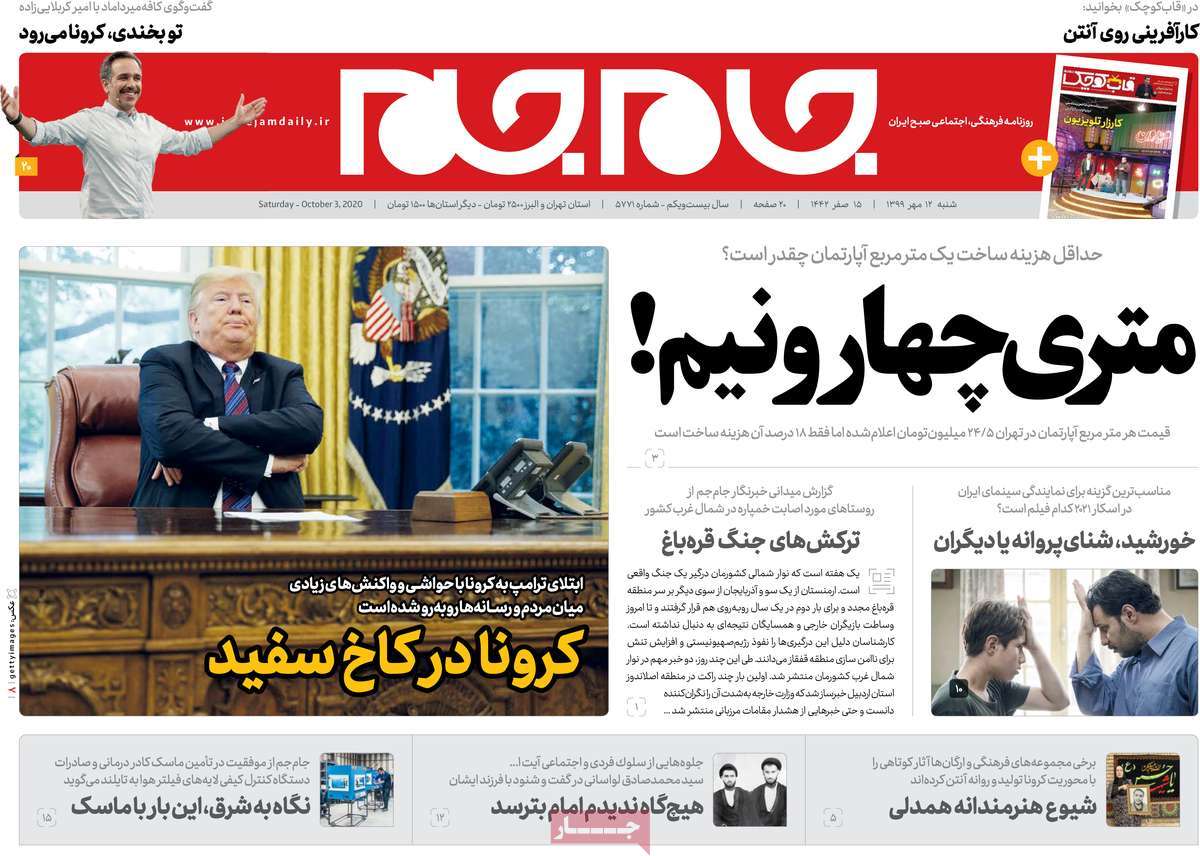
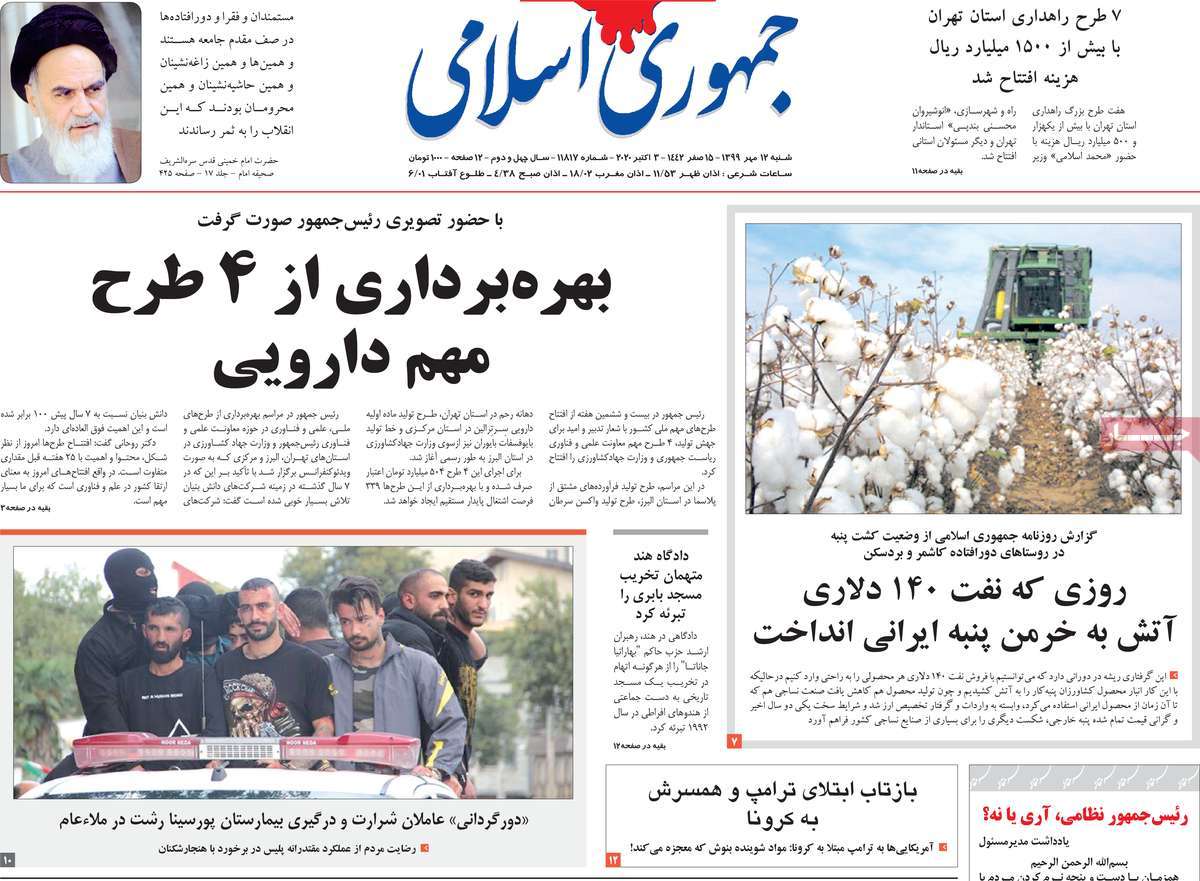
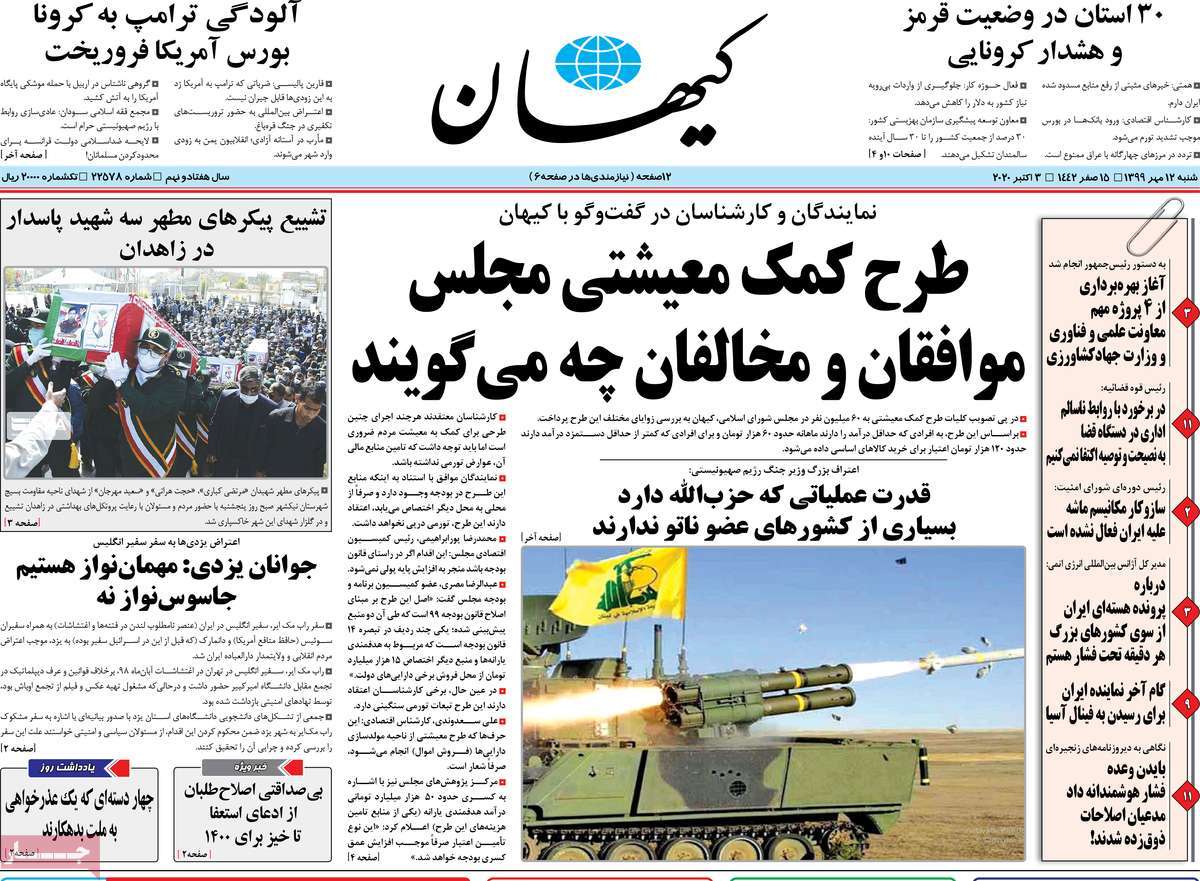
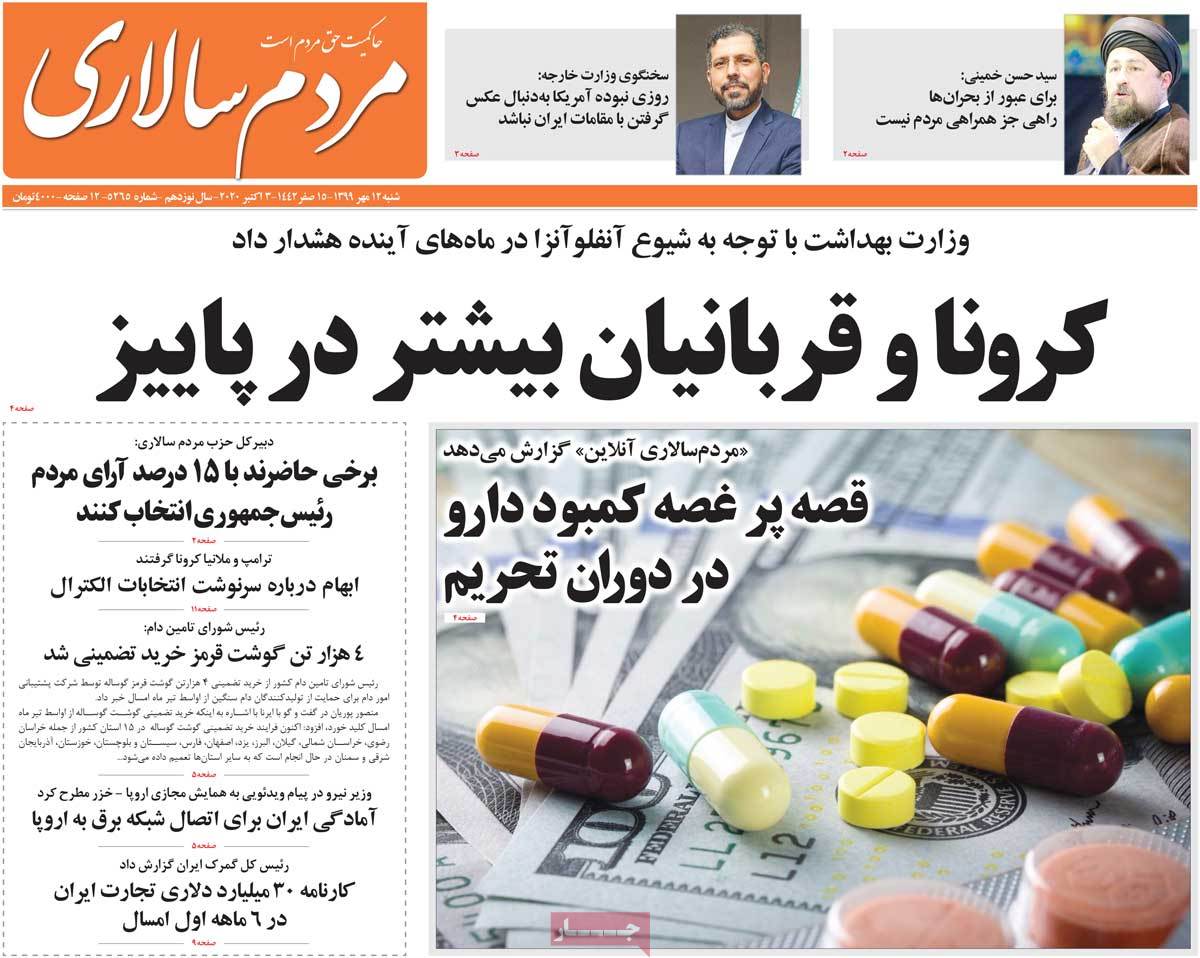
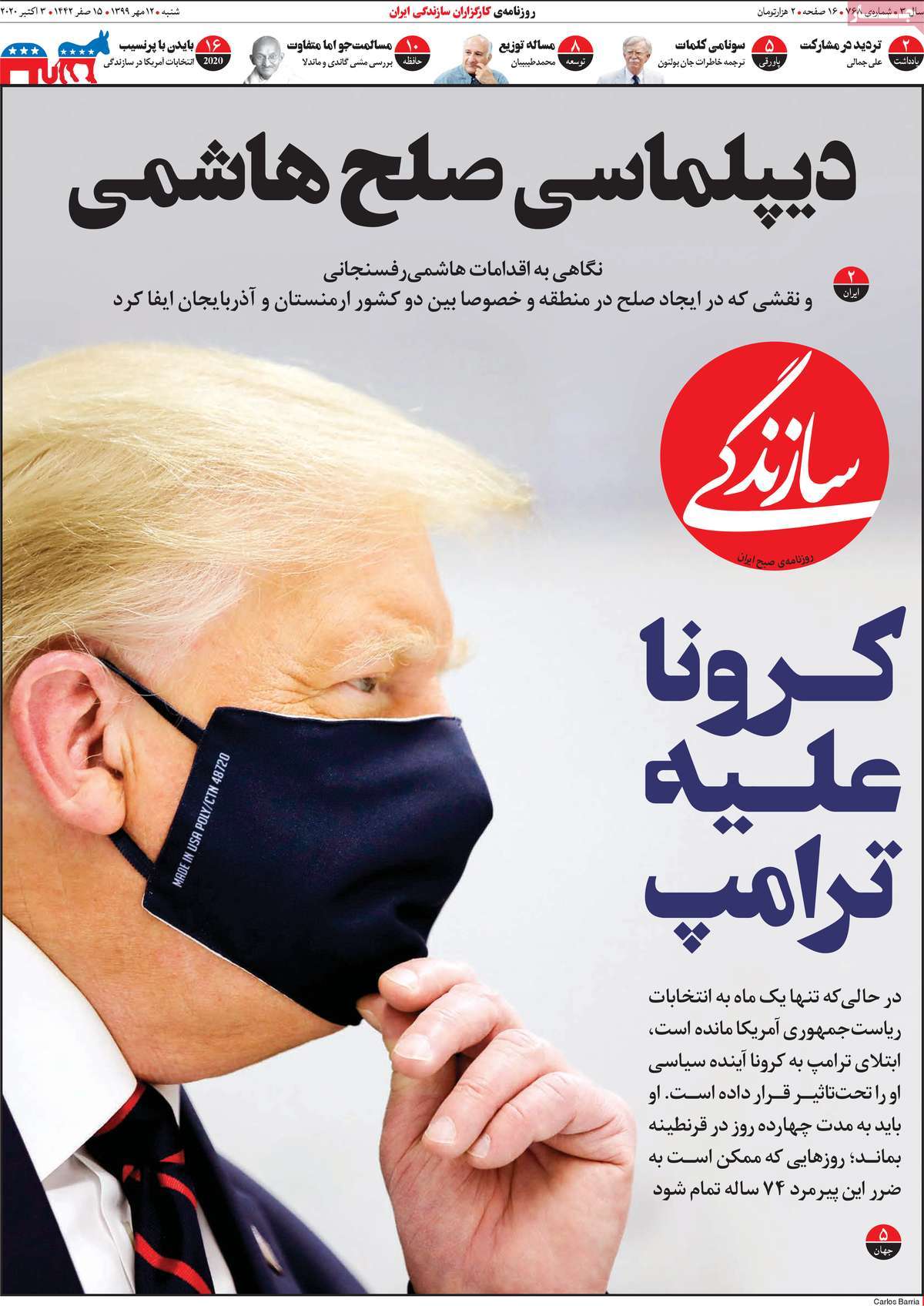
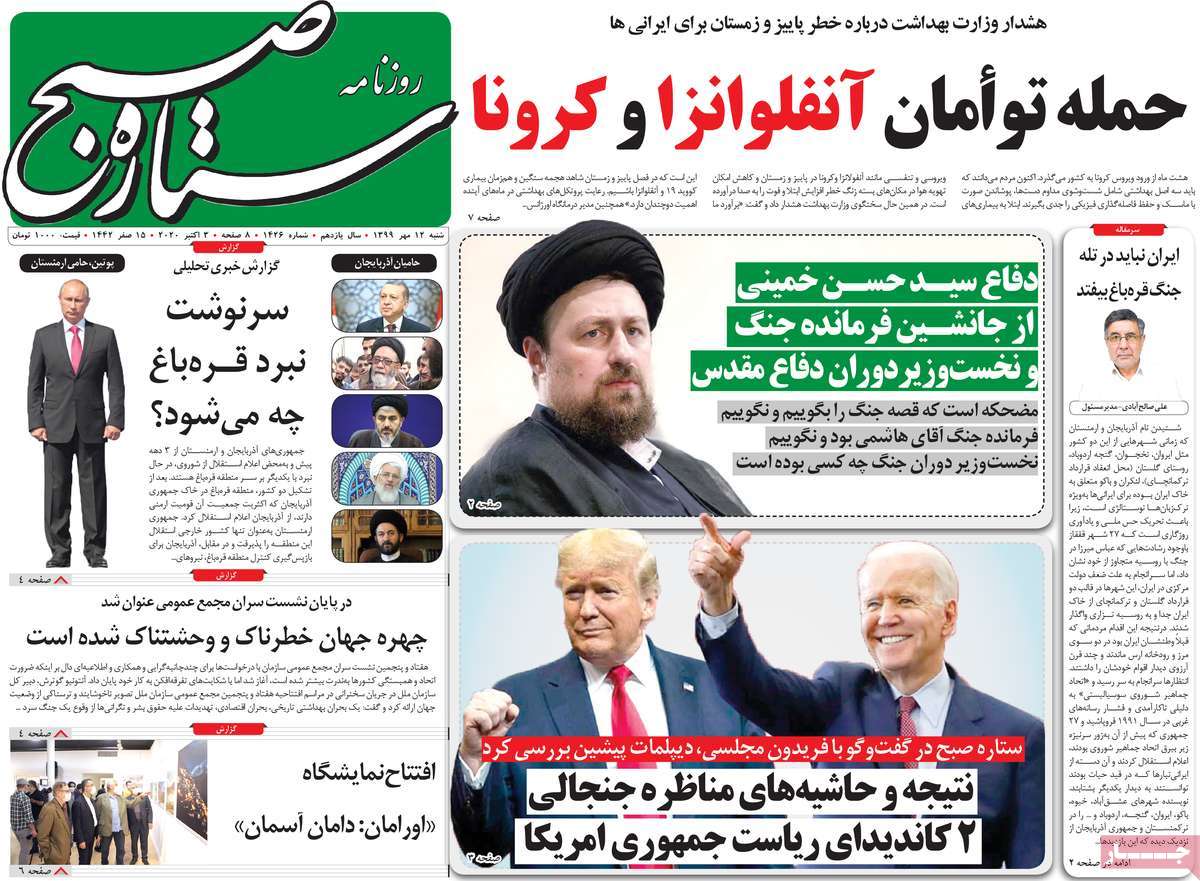
A Look at Iranian Newspaper Front Pages on October 3

A Look at Iranian Newspaper Front Pages on November 5

Iranian Newspapers

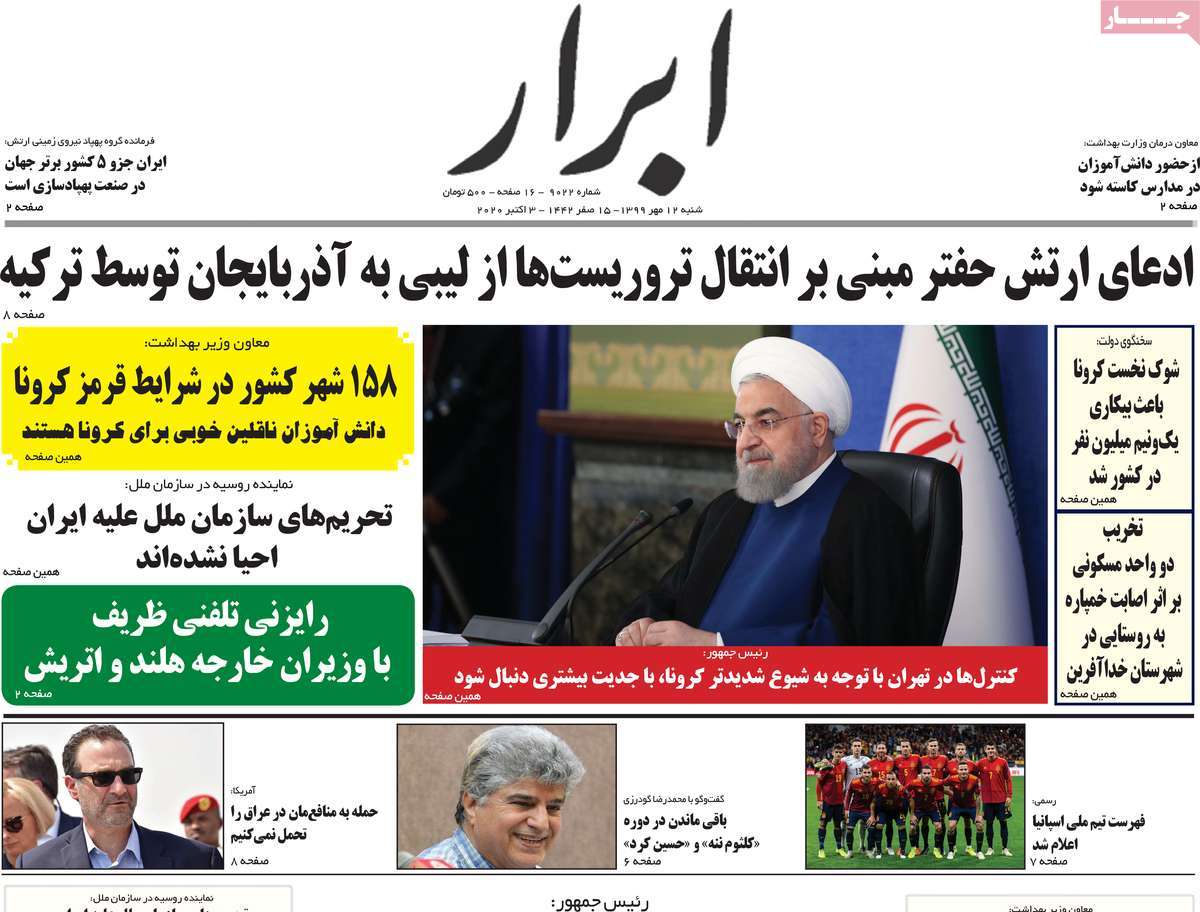
Abrar Newspaper:

1- Haftar’s Army Claims Terrorists Moved by Turkey from Libya to Azerbaijan

2- UN Sanctions on Iran Not Reinstated: Russia Envoy

3- Zarif Holds Phone Talks with Austrian, Dutch Counterparts

A Look at Iranian Newspaper Front Pages on October 3


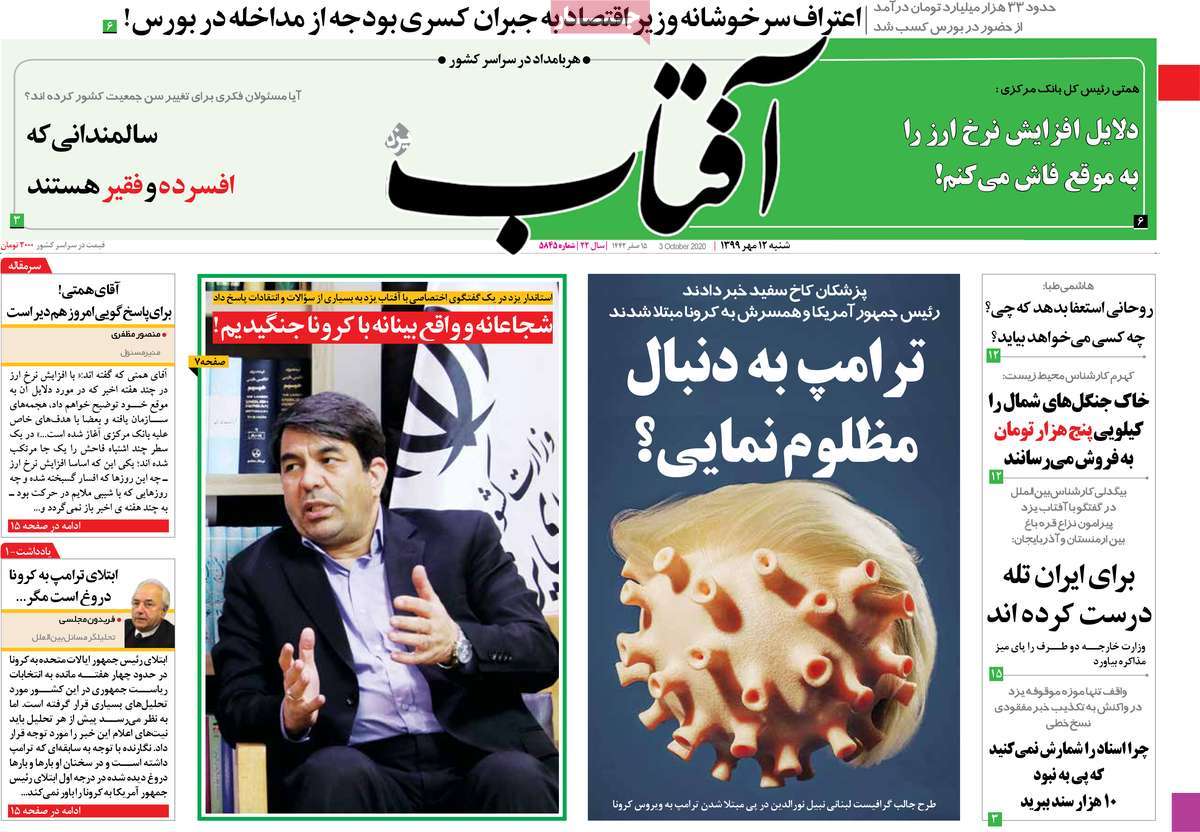
Aftab-e Yazd Newspaper:

1- Trump Seeking to Look Innocent? White House Doctors Say Trump, His Wife Infected with COVID-19

2- Iran Has Been Trapped: Analyst on Karabakh Conflict

A Look at Iranian Newspaper Front Pages on October 3


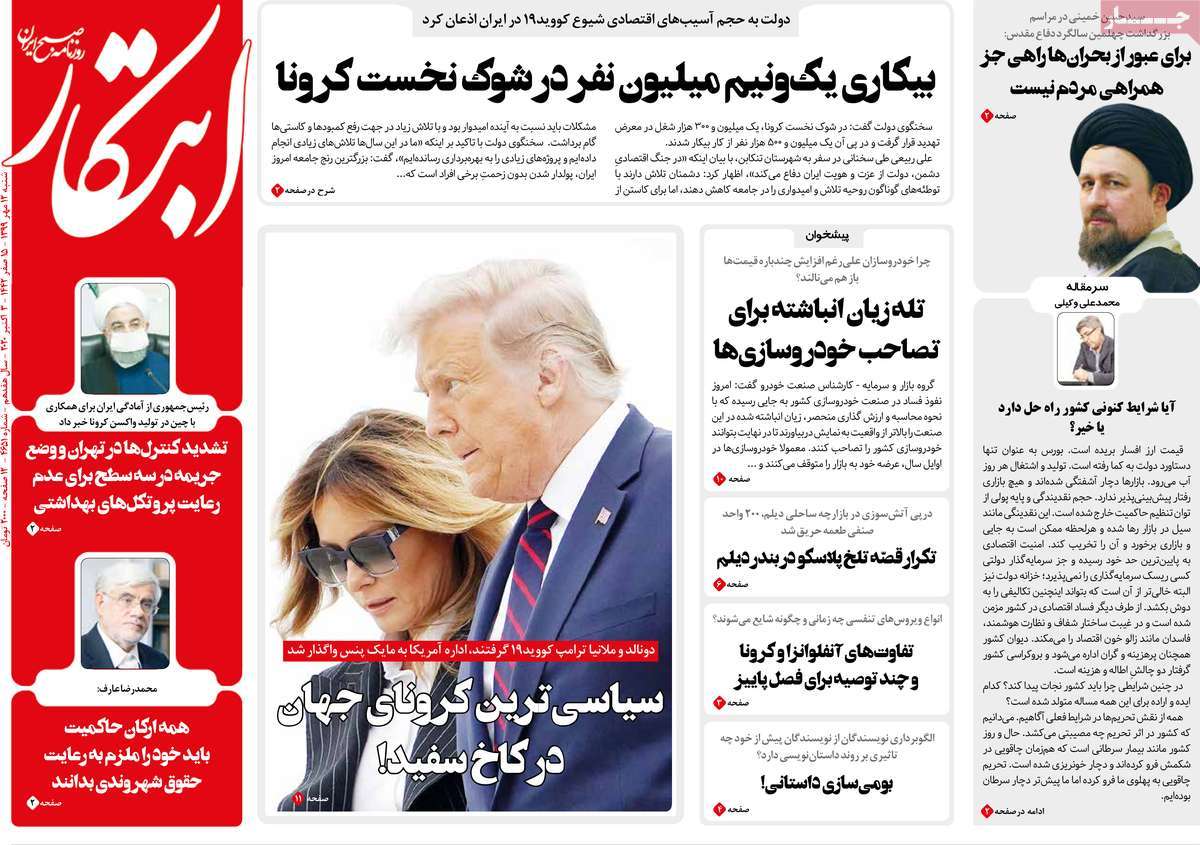
Ebtekar Newspaper:

1- Rouhani Says Iran Ready to Work with China in Developing COVID-19 Vaccine

2- Most Political Coronavirus in White House: Trump, Melania Contract COVID-19; Pence Put in Charge

A Look at Iranian Newspaper Front Pages on October 3


Etemad Newspaper:

1- Trump in Trap of Coronavirus: Markets Shocked by the News

A Look at Iranian Newspaper Front Pages on October 3


Ettela’at Newspaper:

1- Iraqi Hezbollah: We’re Committed to Expulsion of US after Gen. Soleimani’s Assassination

2- Trump Contracts Coronavirus: NBC Says He’s Victim of His Own Mistakes

A Look at Iranian Newspaper Front Pages on October 3


Iran Newspaper:

1- Rouhani: Gov’t to Support Knowledge-Based Companies

2- Return of Eight Billion Dollars’ Worth of Export Revenues

A Look at Iranian Newspaper Front Pages on October 3


Jame Jam Newspaper:

1- Shrapnel of Karabakh Conflict: Several Villages in Northwestern Iran Hit by Mortar Shells

A Look at Iranian Newspaper Front Pages on October 3


Jomhouri Eslami Newspaper:

1- Four Major Pharmaceutical Projects Inaugurated by Rouhani

2- Trump, His Wife’s Coronavirus Infection Makes Headlines in World

A Look at Iranian Newspaper Front Pages on October 3


Kayhan Newspaper:

1- Trump’s COVID-19 Infection Leads to Fall of US Stock Market

2- 30 Iranian Provinces in Red, Orange COVID-19 Zones

3- IAEA Chief: Every Minute I’m Under Pressure of World Powers over Iran’s Nuclear Case

A Look at Iranian Newspaper Front Pages on October 3


Mardom Salari Newspaper:

1- US Has Sought to Take Photo with Iranian Officials Every Single Day: Spokesman

2- Iran Ready to Connect Its Power Grid to Europe’s: Energy Minister

A Look at Iranian Newspaper Front Pages on October 3


Sazandegi Newspaper:

1- Corona against Trump: US President’s Future May Be Affected by Disease One Month ahead of Nov. Elections

* Days of Quarantine May Be Detrimental to Trump

A Look at Iranian Newspaper Front Pages on October 3


Setareh Sobh Newspaper:

1- Flu and Corona to Attack Iranians at Same Time in Autumn, Winter: Health Ministry Warns

2- Iran Shouldn’t Be Trapped by Karabakh Conflict [Editorial]

3- What Will Be Fate of Karabakh War?

A Look at Iranian Newspaper Front Pages on October 3

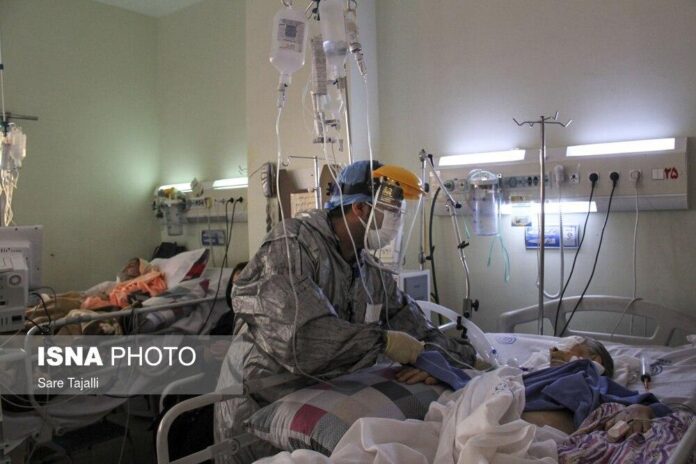
Coronavirus Kills 179 More Iranians: Health Ministry

Coronavirus Kills 179 More Iranians

In a press briefing on Saturday, Sima-Sadat Lari said 468,119 patients have contracted the virus so far, including 3,523 new cases identified in the past 24 hours.

So far, she added, 387,675 patients have recovered from the disease or been discharged from the hospital.

Lari said 4,127 patients are also in critical conditions caused by more severe infection.
The spokeswoman noted that 4,098,161 COVID-19 tests have been taken across the country so far.

She said the high-risk “red” zones include Tehran, Qom, Mazandaran, East Azarbaijan, Isfahan, Yazd, Ardabil, Khorasan Razavi, Khuzestan, Hamadan, West Azarbaijan, Bushehr, Chaharmahal and Bakhtiari, Kohgiluyeh and Boyer-Ahmad, Alborz, Lorestan, Markazi, Ilam, South Khorasan, Kermanshah, North Khorasan, Semnan, Gilan, Zanjan, Qazvin, and Kerman provinces.

The “orange” zones also include Golestan, Hormozgan, Kurdistan, and Fars provinces, she added.

Iran Says Won’t Tolerate Collateral Damage from Karabakh Fighting

Iran Says Won’t Tolerate Collateral Damage from Karabakh Fighting
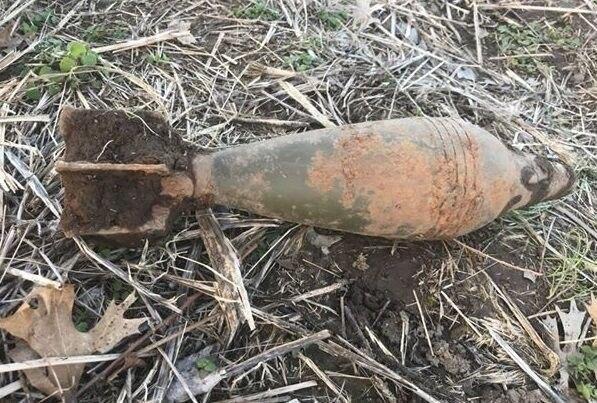
A mortar shell fired by the warring sides engaged in conflict over Nagorno-Karabakh region has hit a village in Khoda-Afrin County in northwest of Iran, injuring a six-year-old child.

Asked by journalists on Saturday about the reports of violation of Iran’s soil amid the ongoing clashes between the Republic of Azerbaijan and Armenia, Khatibzadeh said, “The Islamic Republic of Iran is monitoring the movements at our country’s border areas seriously and with great sensitivity.”

The spokesperson underlined that any violation of the Iranian soil by any warring side in the region would be “intolerable”, adding, “We seriously warn all sides to take the necessary precautions in this regard.”

The Iranian spokesman further reiterated the necessity of respecting the Republic of Azerbaijan’s territorial integrity, observing the principle of protecting civilians, halting the clashes, and starting serious and scheduled negotiations.

Khatibzadeh finally expressed the Islamic Republic’s readiness to help achieve those objectives.

His comments came after officials in Iran’s northwestern province of East Azarbaijan reported that mortar shells fired by the warring sides in the latest round of fighting between Armenia and the Republic of Azerbaijan have hit border rural areas in the Iranian province.

According to reports, one of the mortar shells that hit a village in Khoda-Afrin County has injured a six-year-old child.

Tabriz: The City of Culinary Delights

Tabriz: The City of Culinary Delights

Almost half of most mouth-watering sweets and confectionary sold on markets across Iran are produced at chocolate factories in Tabriz, making Iran one of the Middle East’s leading countries as far as chocolate production is concerned.


Tabrizi People’s Delicious Table

We may call Tabriz the city of delectables, with a whole range of tastes from salty and sweet to sour, including different types of confectionary, fruit leather, broth, meatballs, etc. Bread has a special status on Tabrizis’ table and is one its essential items.

Foods in this region are much influenced by the Caucasus geographical area and have features of the cuisine of Russia, the Azerbaijan Republic, etc.

There is a strong feeling of unity and love for family in Tabriz, which brings family members together for all household activities, especially at mealtimes.

If you walk through Tabriz, you cannot miss trolleys whose owners sell baked potatoes and eggs rather than boiled beetroot and fava beans which are much more common across other Iranian cities. The potatoes and eggs are popular, too, and, in fact, are a signature of Tabriz.

Different types of tasty confectionary are made in Tabriz. Nuts and dried fruit are also an integral part of Tabriz.

The following are the most famous foods of Tabriz:


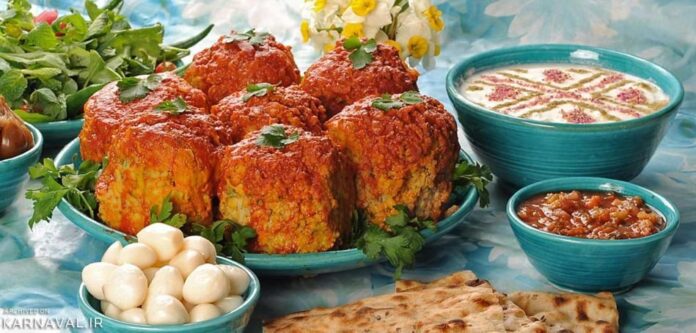
Tabrizi MeatballsTabrizi Meatballs 2

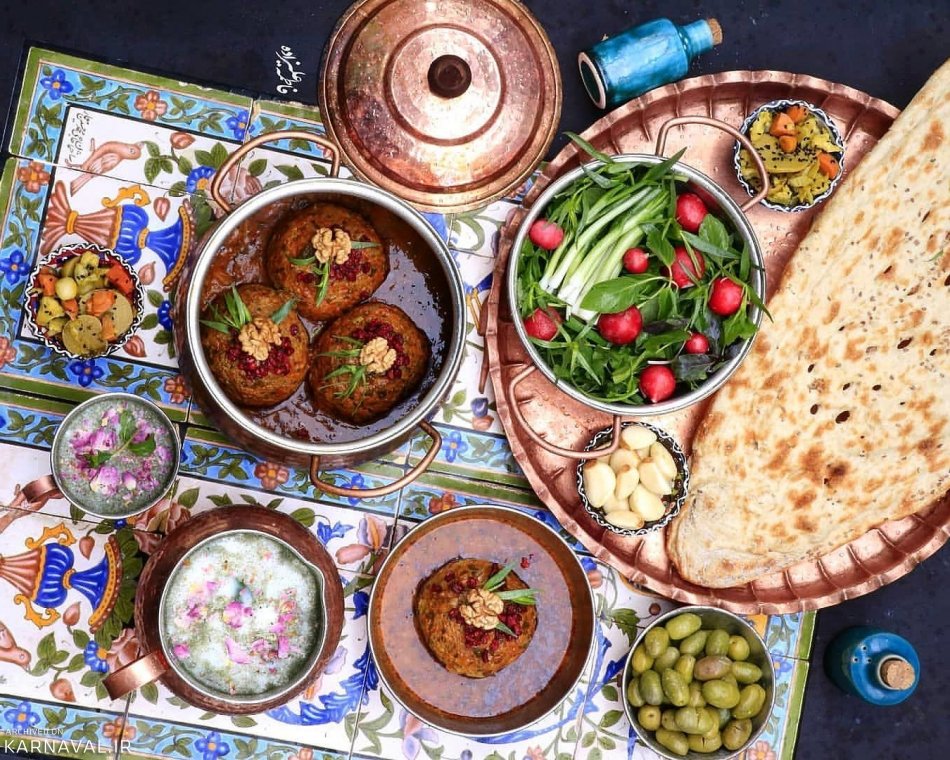
Undoubtedly, large and delicious meatballs are the most well-known food of Tabriz. Its ingredients include lentils, minced beef, onions, eggs, leeks and coriander and rice. Ingredients such as different types of plums, raspberries, fried onions, baked eggs, almond, walnut, and sometimes a whole chicken are inserted inside the meatballs. The meatballs are cooked in a sauce made with tomatoes and saffron.

Bonab KebabBonab Kebab 1

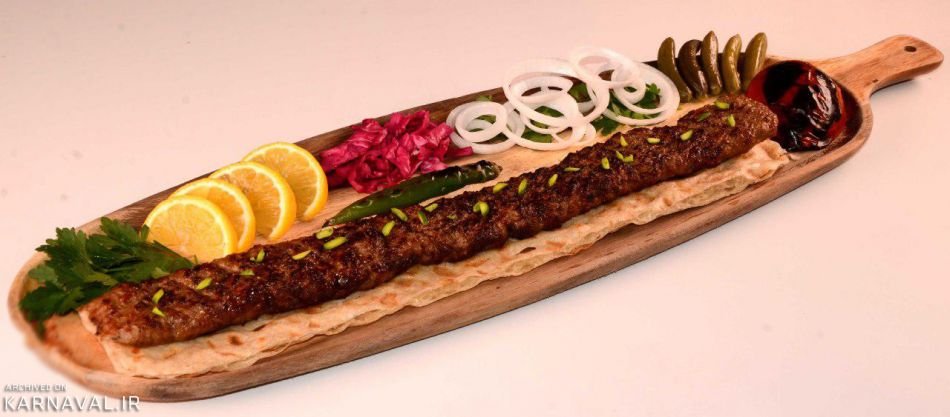
In most parts of Iran, kebabs are served with rice as well. However, the Bonab kebab is always served with bread in Tabriz. The ingredients of this very special kebab include fresh lamb, onions chopped into very small pieces, salt and pepper. After the mix is ready, they leave it the fridge for up to two hours before barbecuing it.

Dizi SangiDizi Sangi

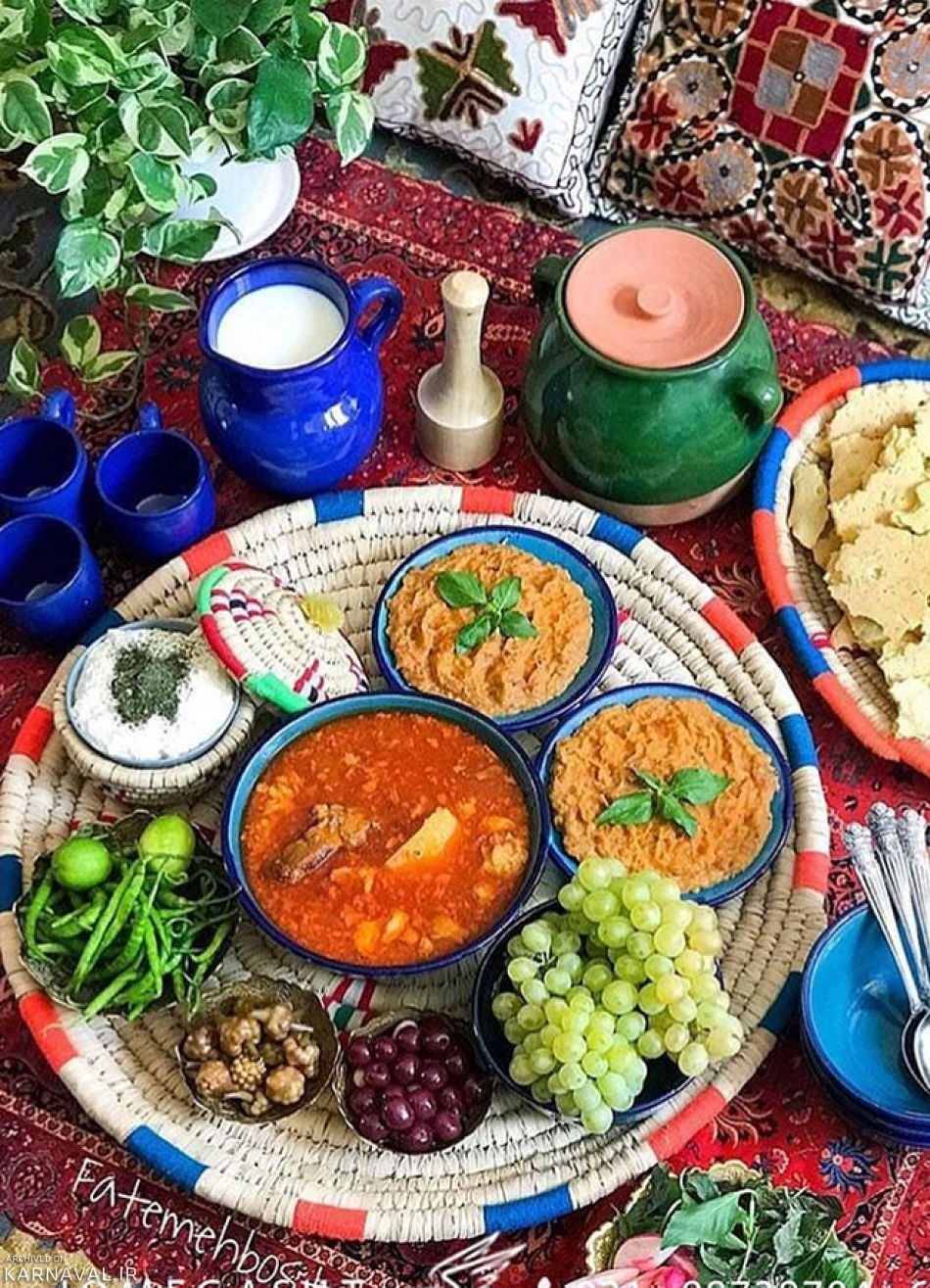
To make this delectable food, they use lamb, fat, peas, split peas, onions and spices. Dizi Sangi is usually cooked in stone dishes. It is served with different types of pickles, fresh bread, doogh (yoghurt drink) and raw onions.

Leek CutletTabriz: The City of Culinary Delights

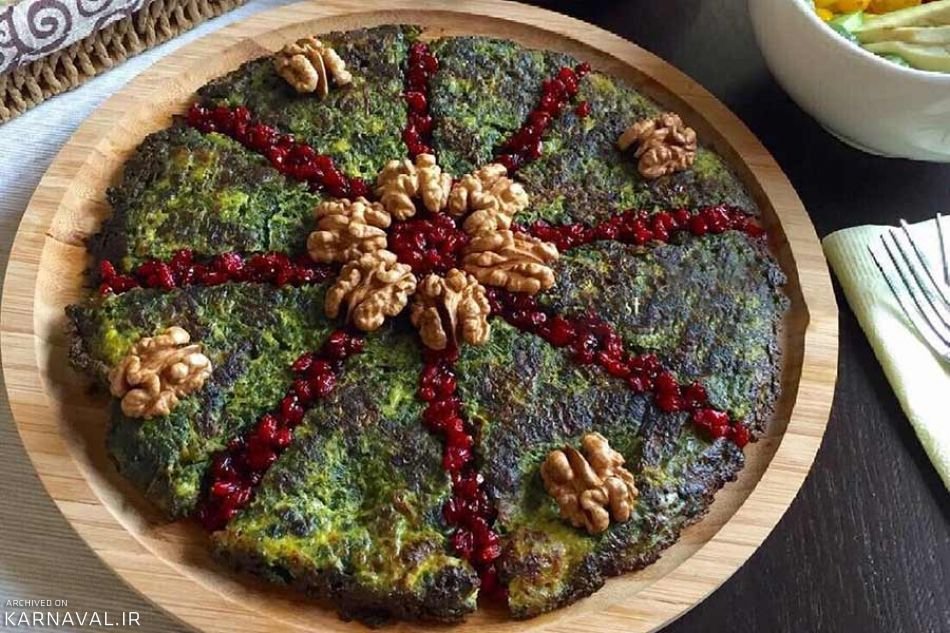
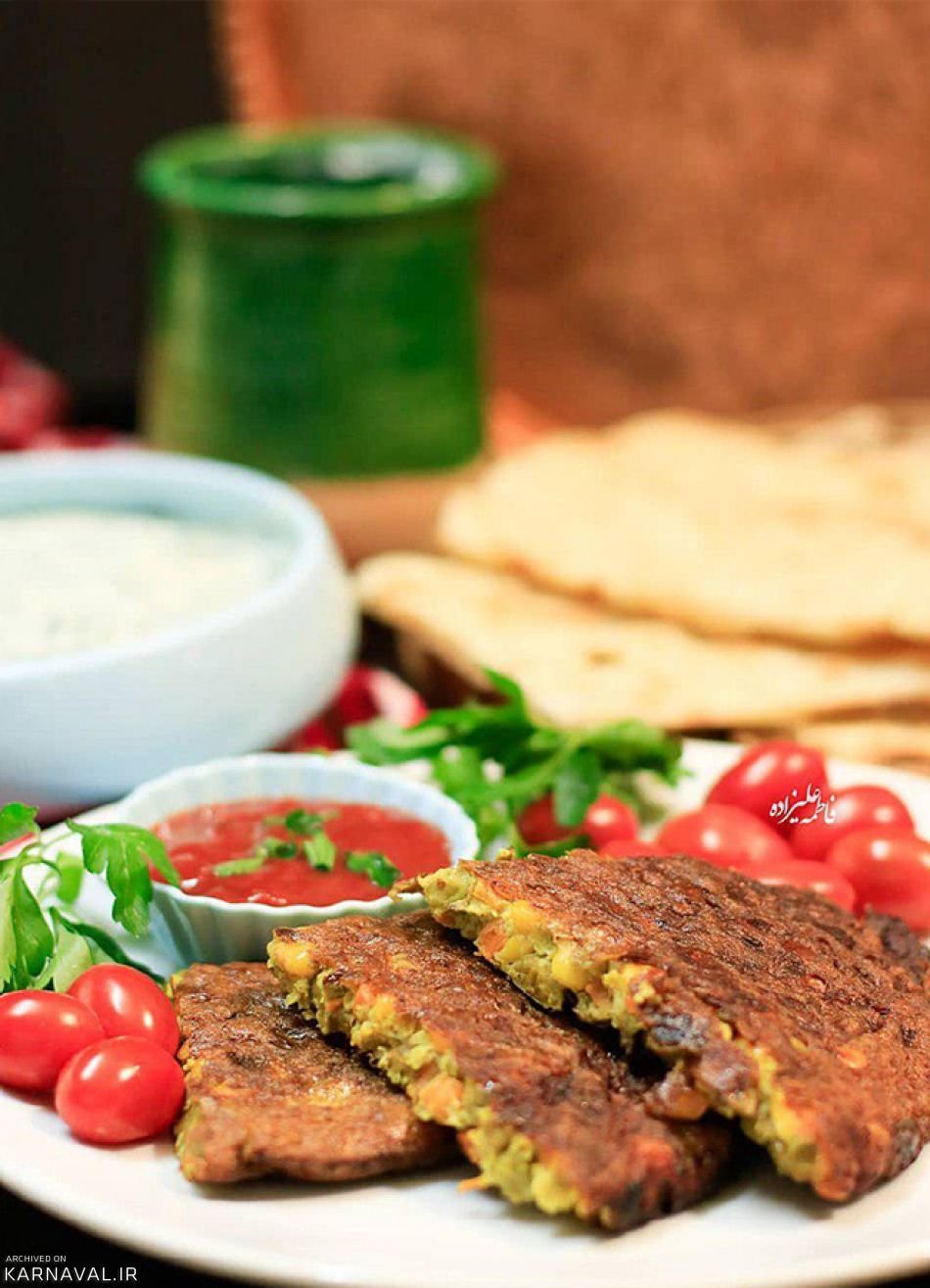
This food is made with ingredients such as leek, eggs, spices, walnuts and raspberries. In order to make this tasty cutlet, which is very similar to the herbs cutlet, they mix those ingredients, form the mix into the shapes they want and fry it.

Green Beans CutletTabriz: The City of Culinary Delights

This food served with soup is an integral part of Tabrizi people’s table and is served in most parties.

The basic ingredients of green beans cutlet include potatoes, minced beef, chopped green beans, garlic, onions, carrots, eggs, walnuts and raspberries. There are two recipes to make this food: Some people mix the ingredients and fry them, and some chop and fry potatoes before adding them to the other ingredients.

Carrot-Prune StewTabriz: The City of Culinary Delights

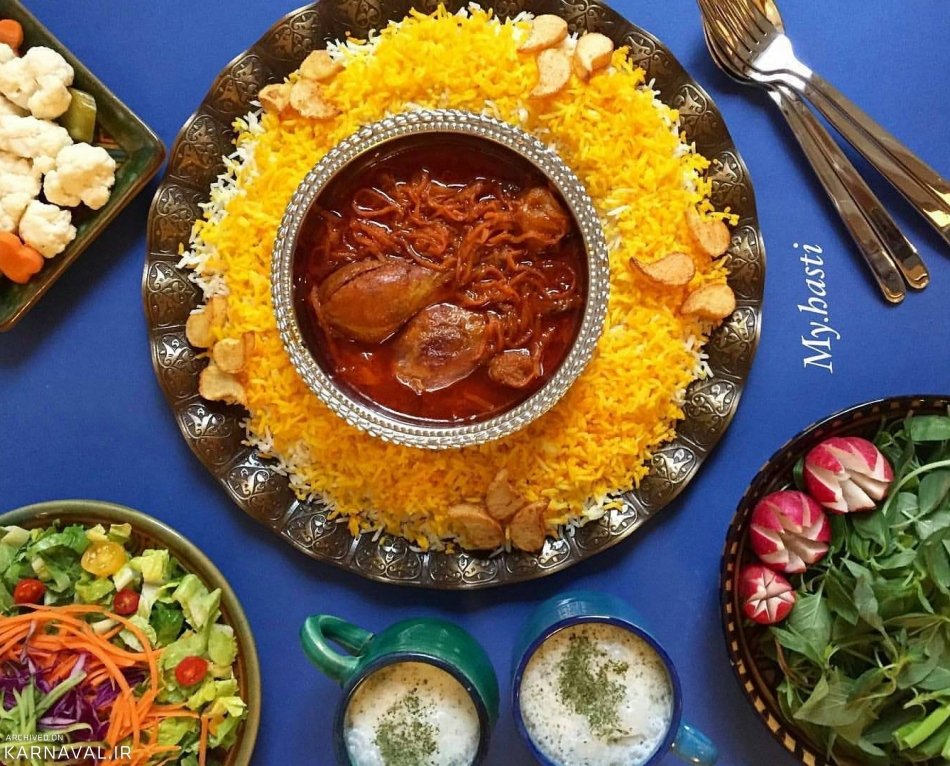
This delicious stew contains lamb or chicken as well as carrots, prunes, tomato paste, a little lime juice, fried onions, saffron and other spices.

Milk RiceTabriz: The City of Culinary Delights

This food contains more milk than water; hence, it is called milk-rice. The ingredients include rice, saffron, rosewater, chicken, milk, sultanas, almond shreds and pistachio shreds. To make this food, boil rice with water, rosewater, saffron and salt. After the rice is cooked, it is served with flavoured chicken and sultanas. Almond and pistachio shreds are used as garnish.
Stuffed Grape LeavesTabriz: The City of Culinary Delights

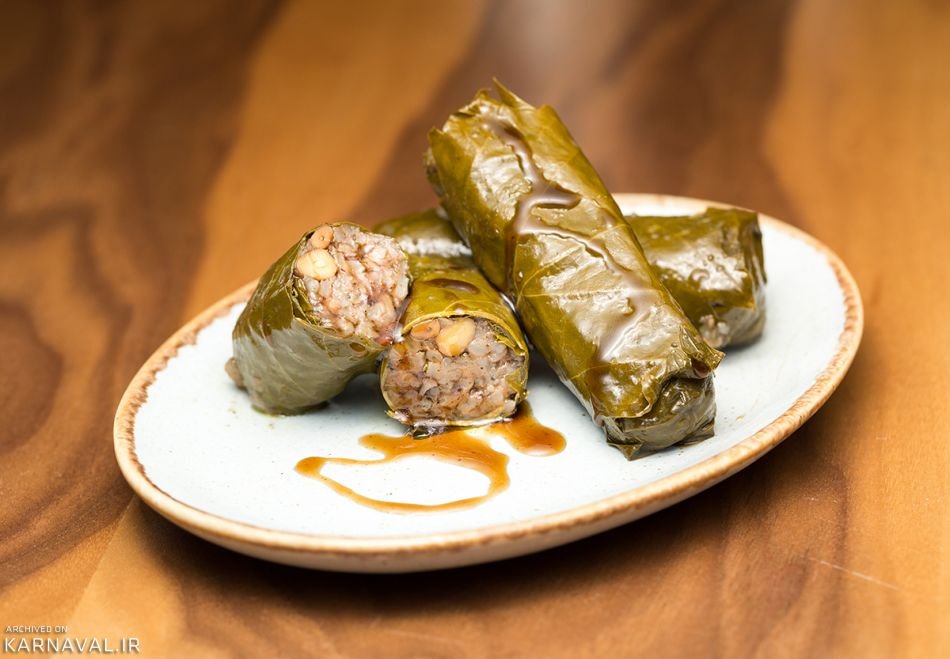
The ingredients of this delicious food include grape leaves, split peas, rice, bulgur, herbs (dill, leek, savory), oil and minced meat. Vinegar, sugar and slat are boiled together and poured on the food as spice.

Roasted PluckTabriz: The City of Culinary Delights

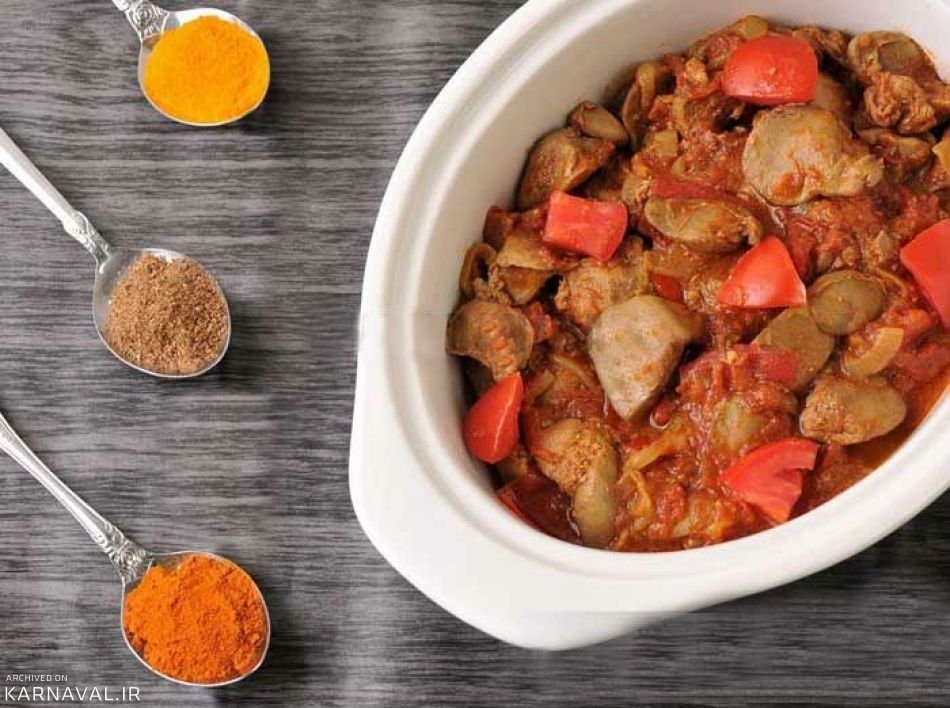
Roasted Pluck is inspired by Russian foods. Its ingredients include a minced mix of lungs and intestines of sheep. First, they fry onions and the lungs; then they add spices and chopped tomatoes.

Tabrizi Leek BrothTabrizi Leek Broth

This is a very nutritious food rich in calcium made with ingredients such leek, rice, potatoes, tomatoes, eggs, oil and tomato paste. It is served with bread, vegetables and pickles.

DoimajDoimaj

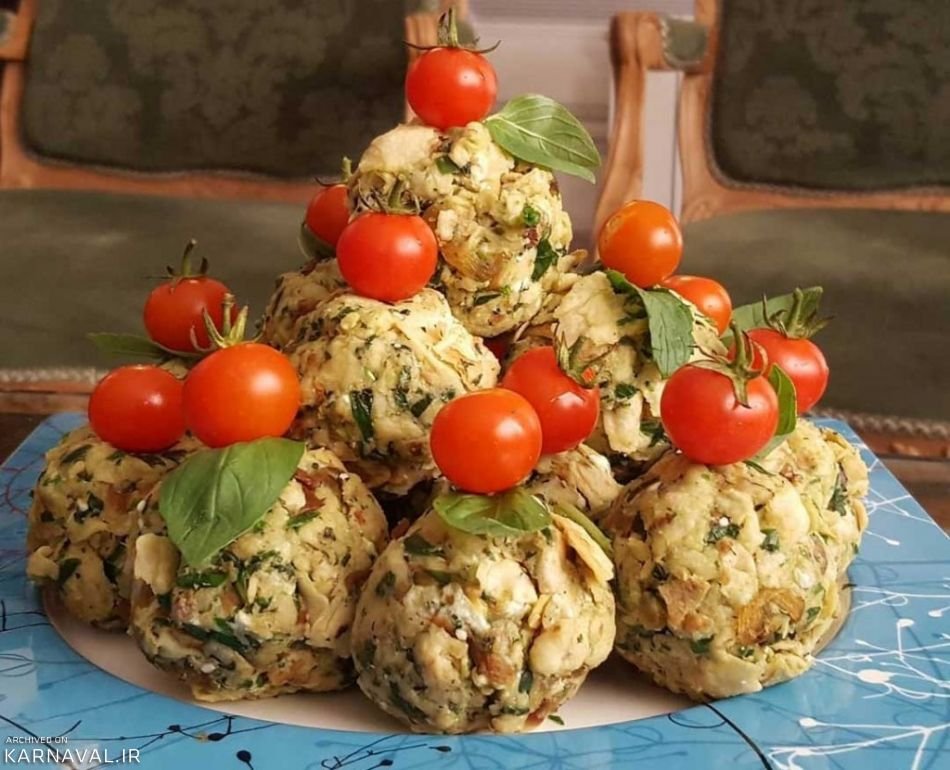
Doimaj is a light, inexpensive food which is easy to make. It is made with dried bread, walnuts, local cheese, doogh and herbs. First, they pour doogh on the dried bread to make it soft. Then they put the other ingredients on it before giving it an oval or round shape and serving it.

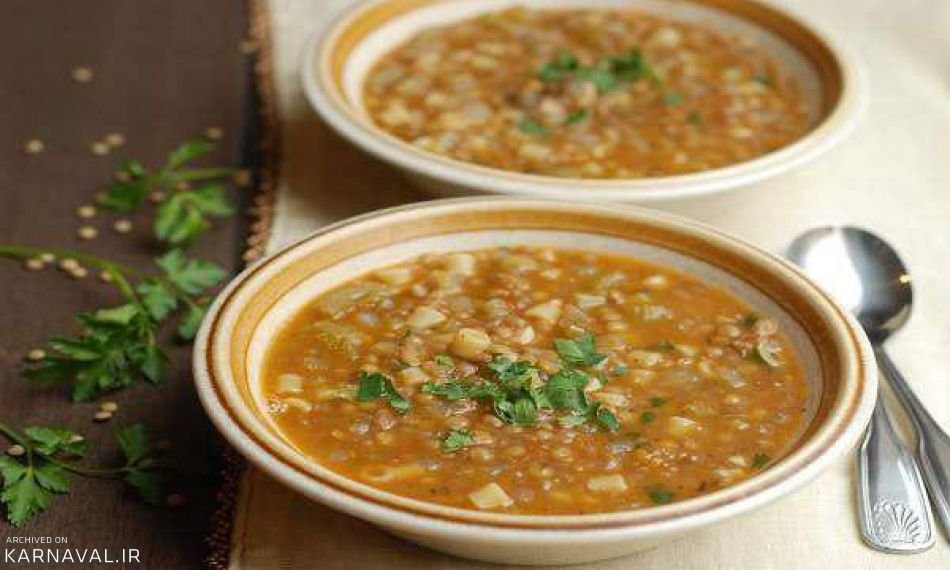
In addition to the foods mentioned above, different types of broth are cooked in Tabriz, including lentil broth and yoghurt broth.

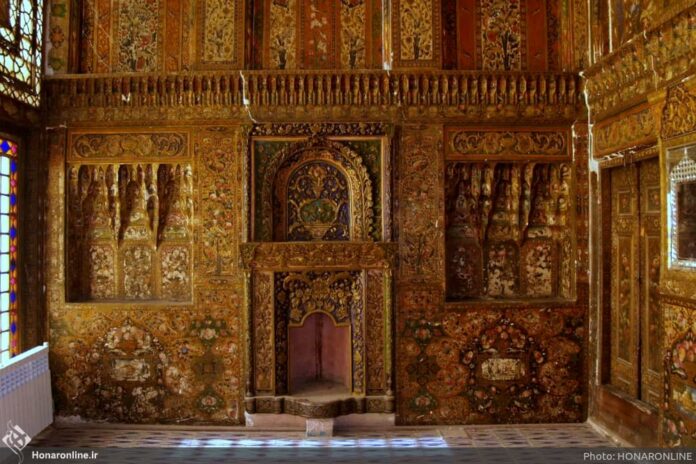
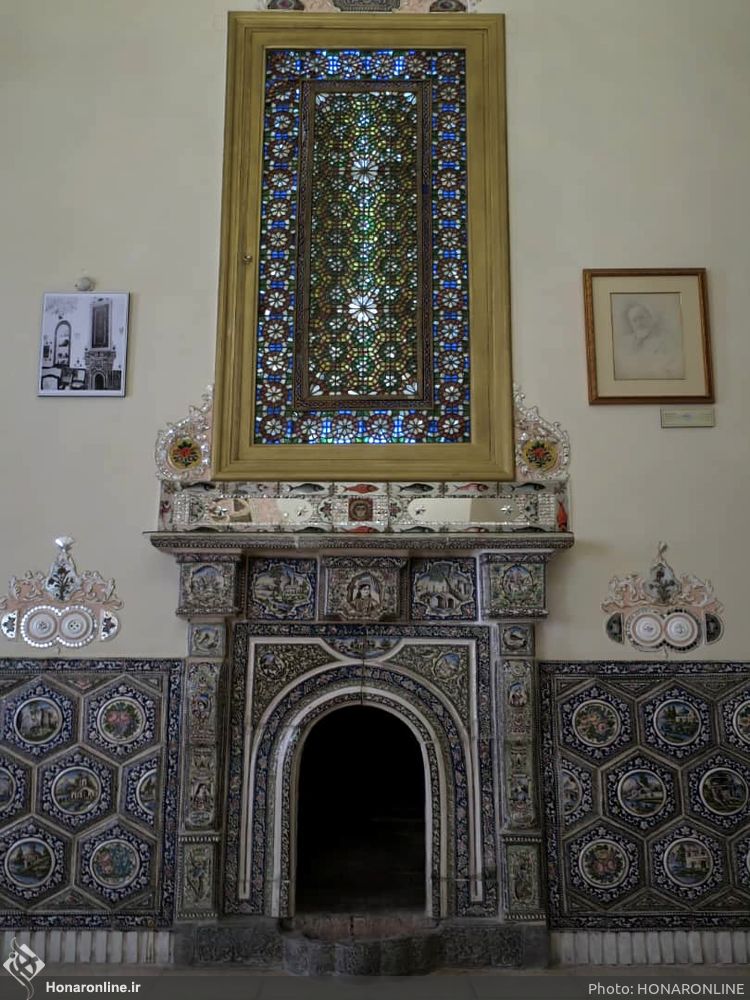
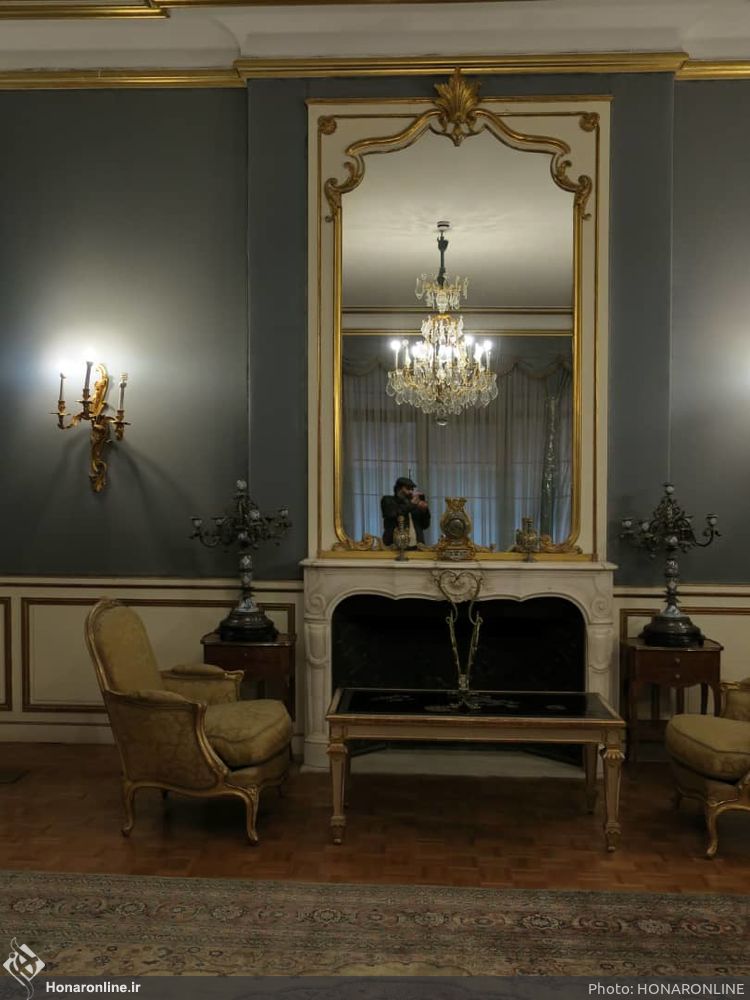
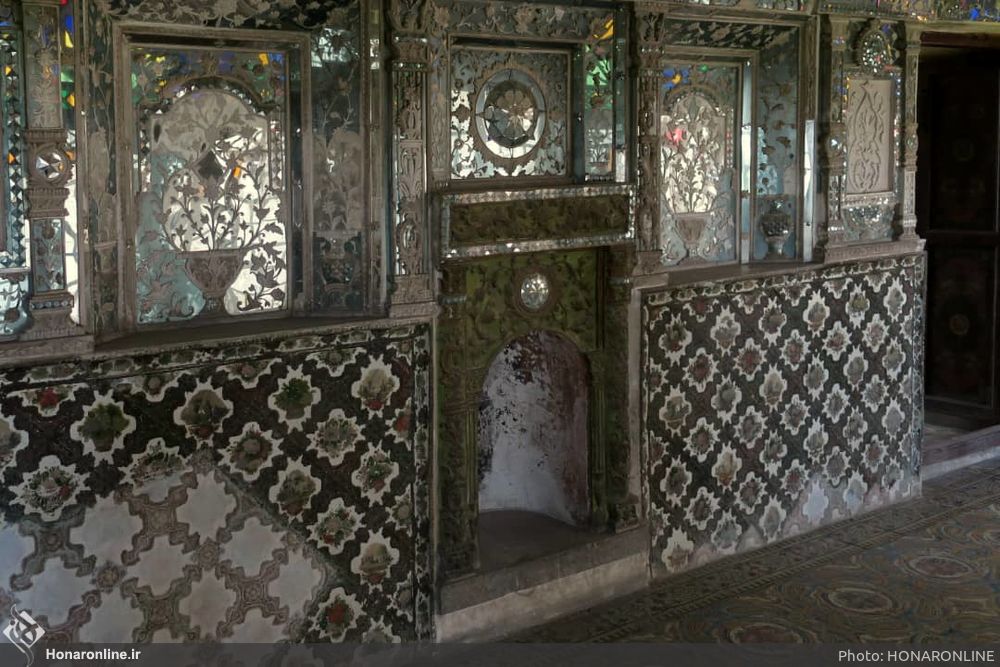
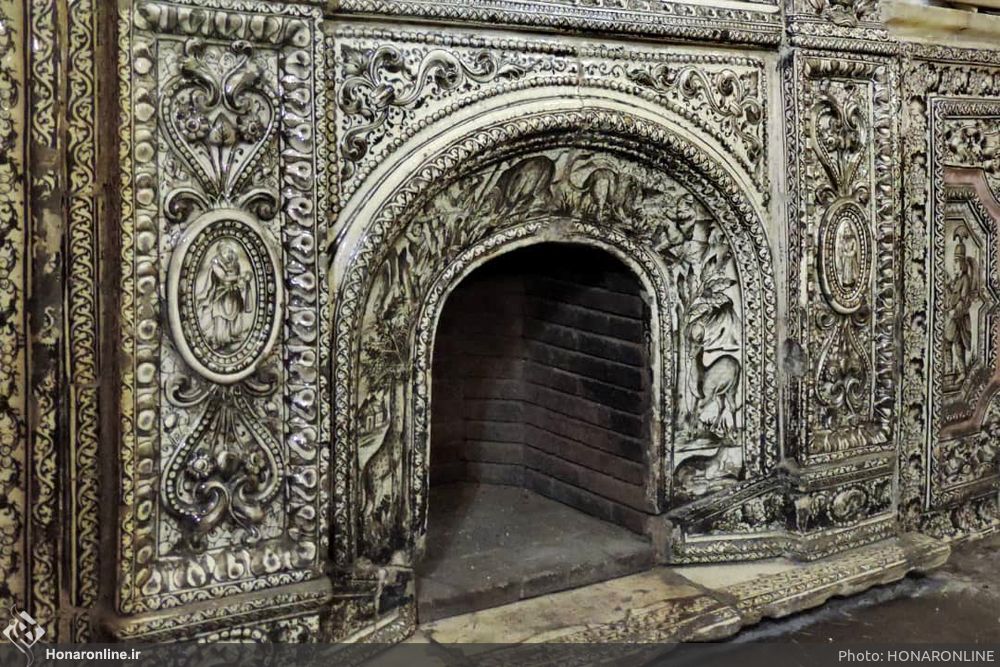
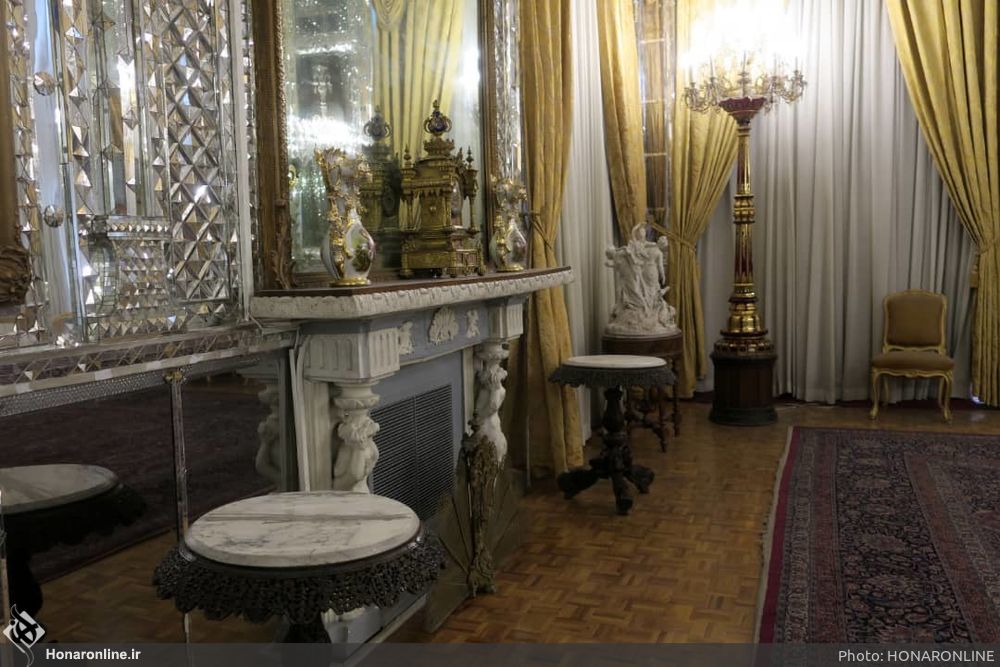
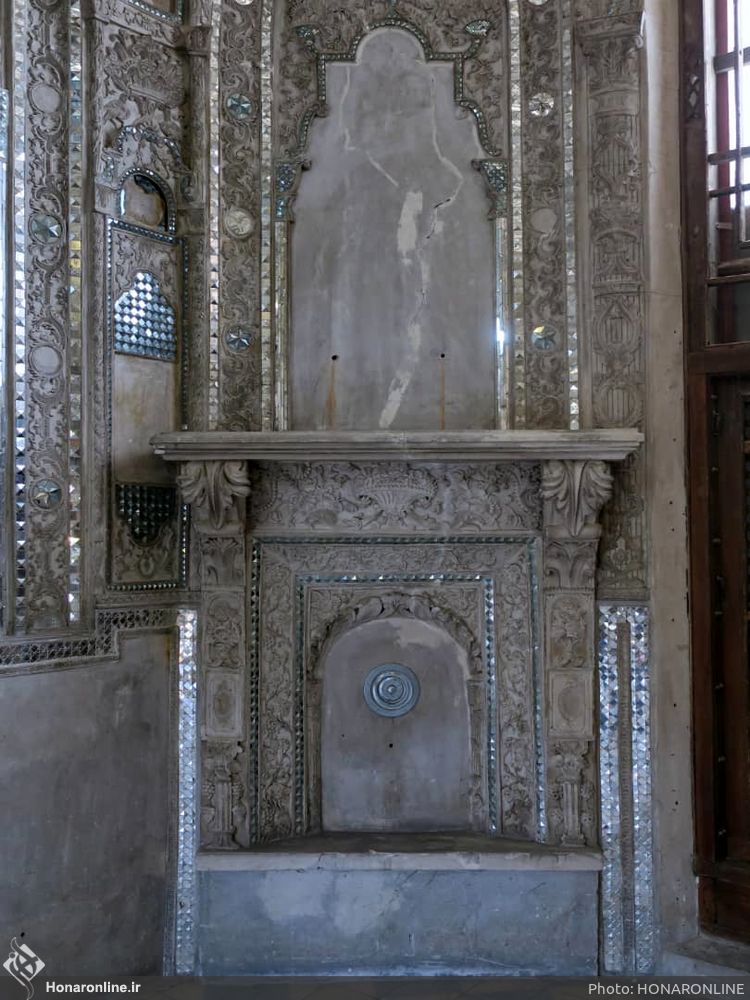
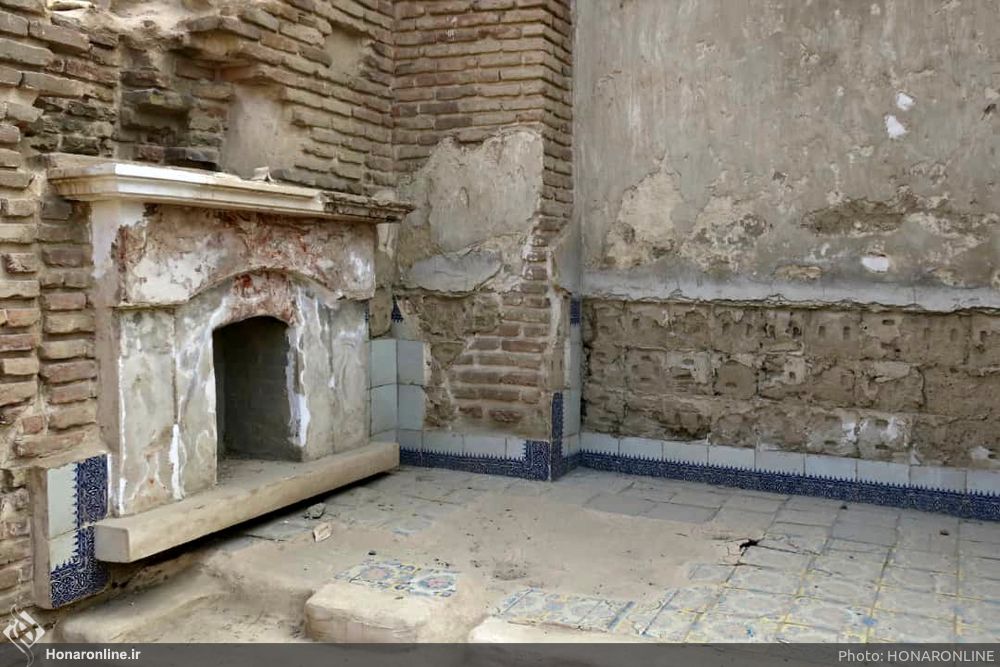
Mantelpieces Hold Secret to Beauty of Ancient Iranian Architecture

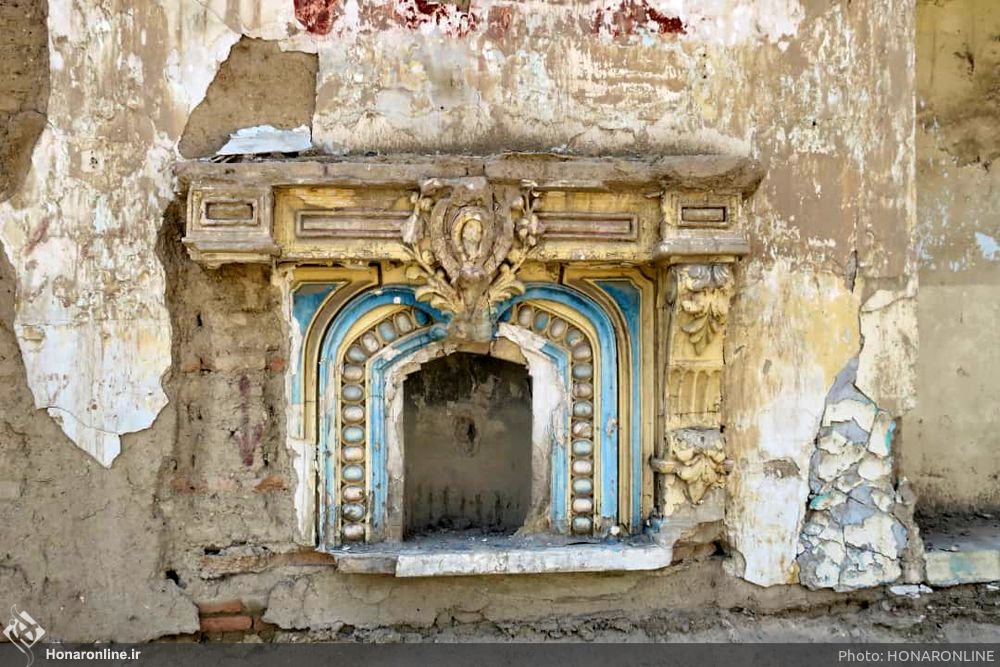
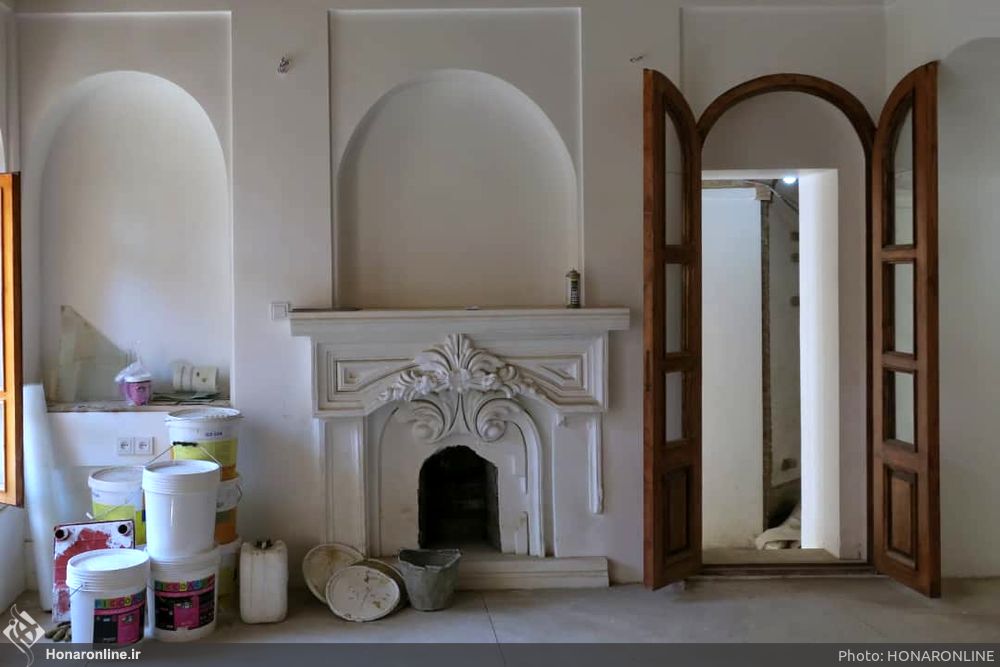
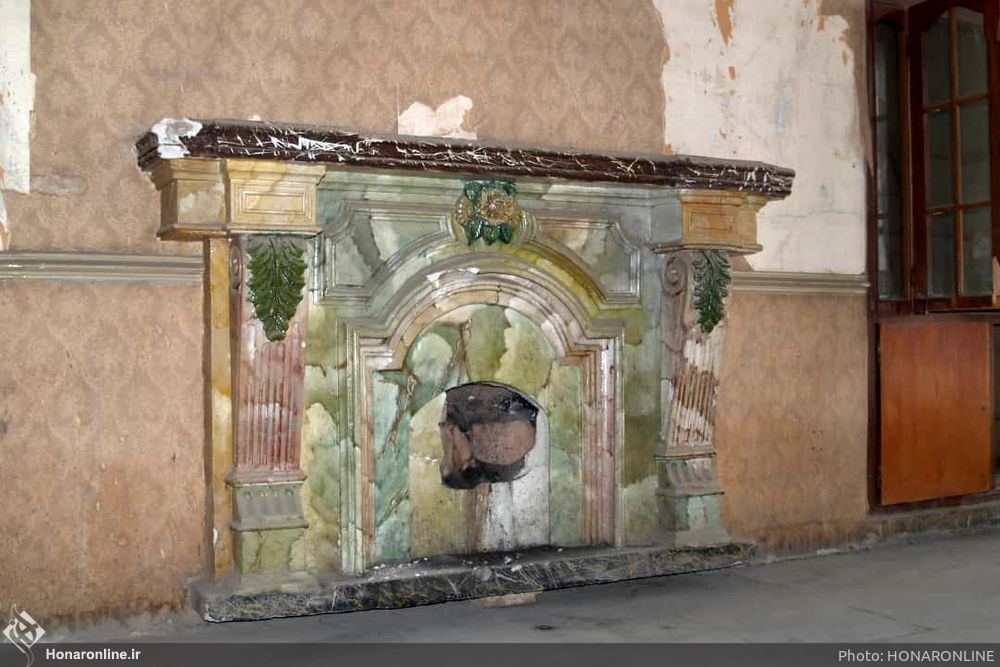
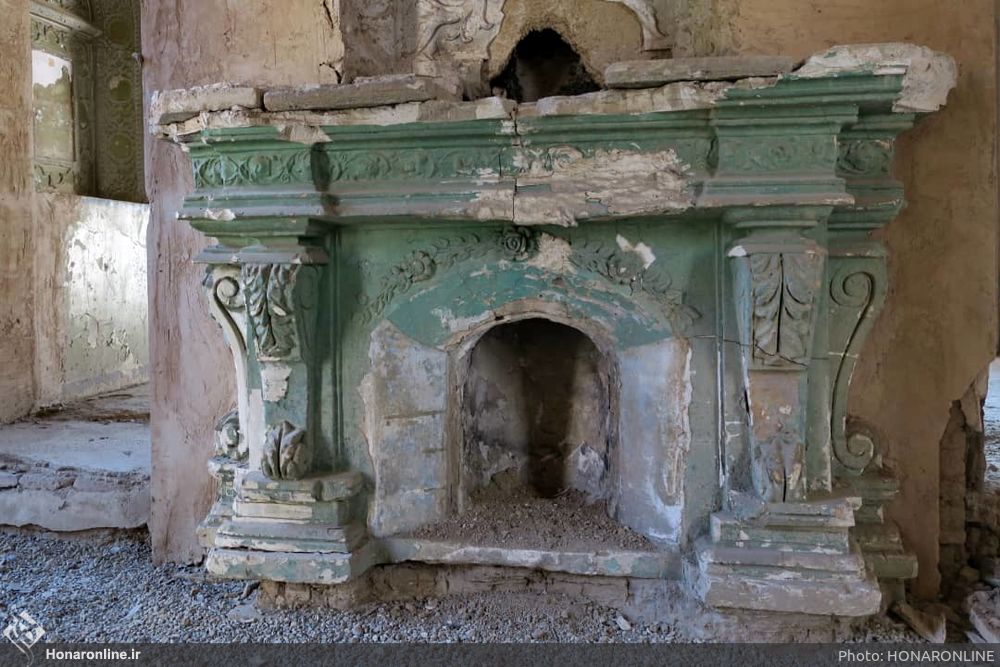
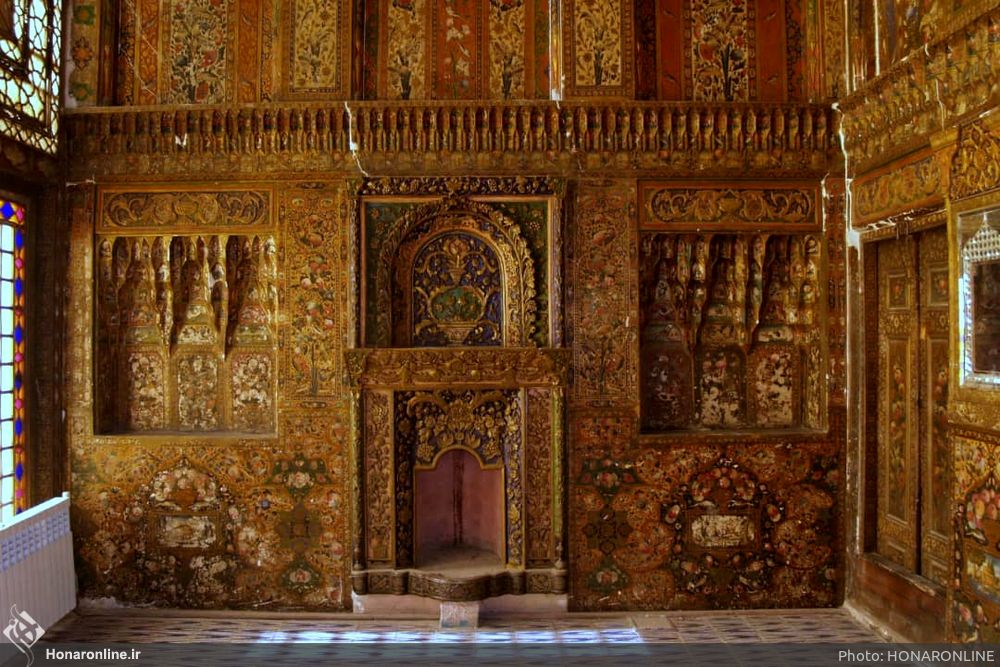
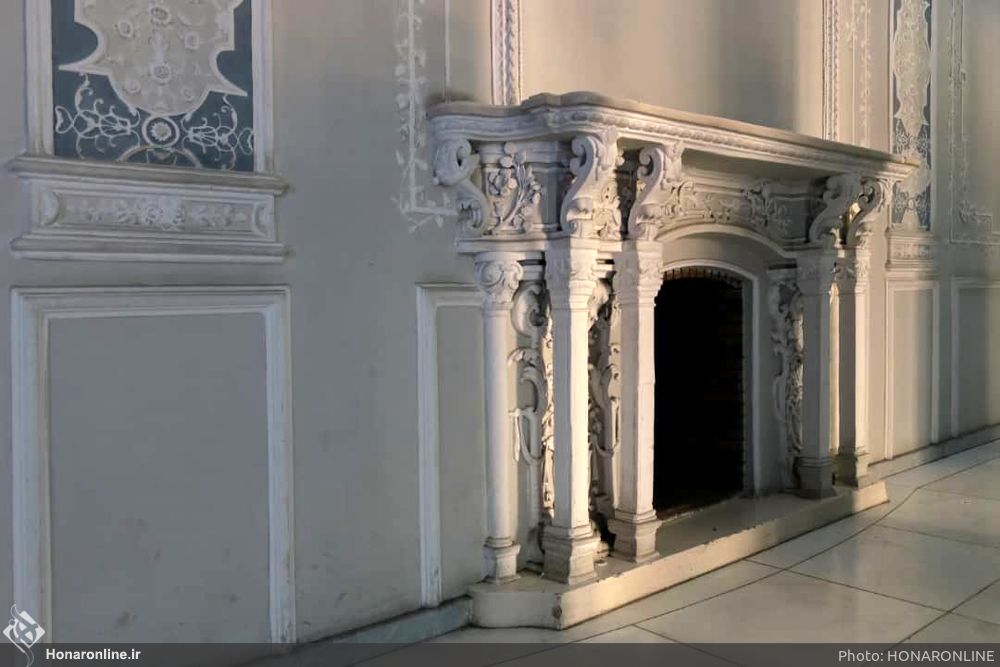
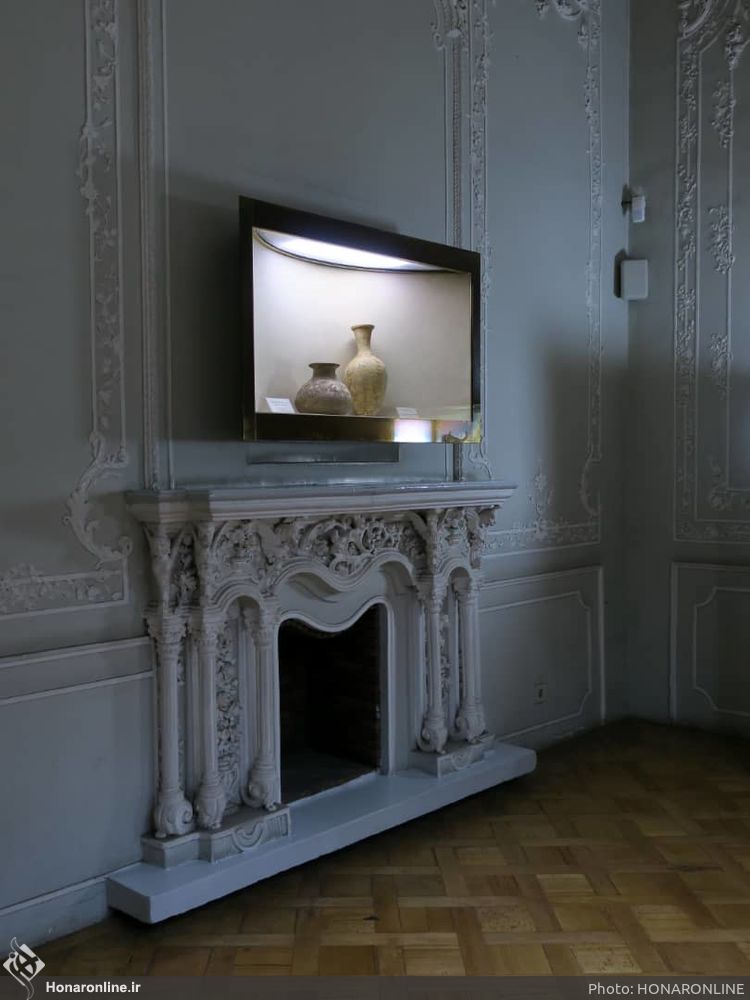
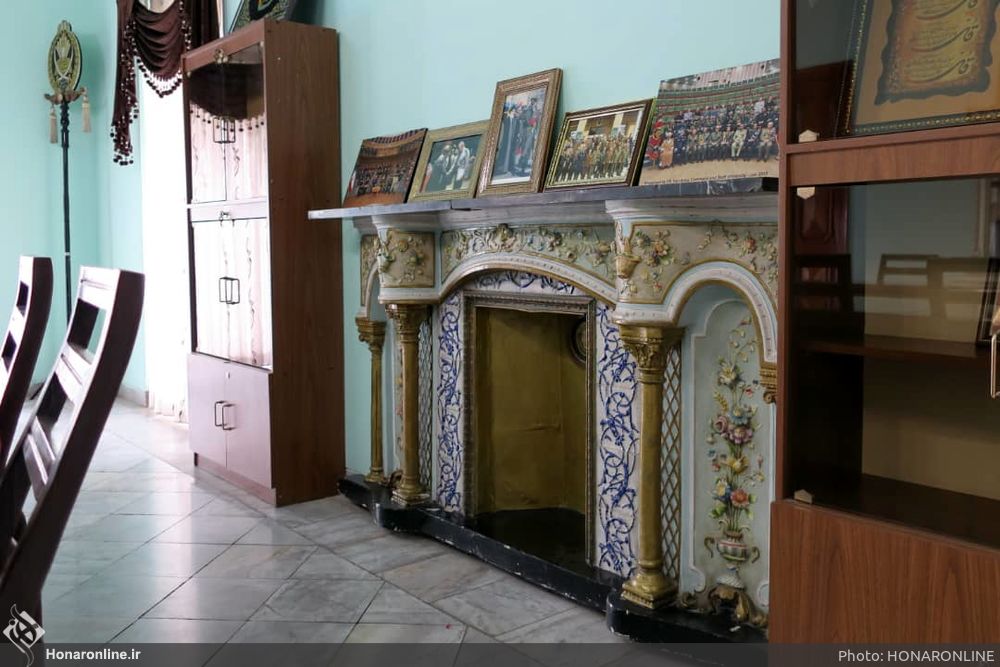
Mantelpieces Hold Secret to Beauty of Ancient Iranian Architecture 5

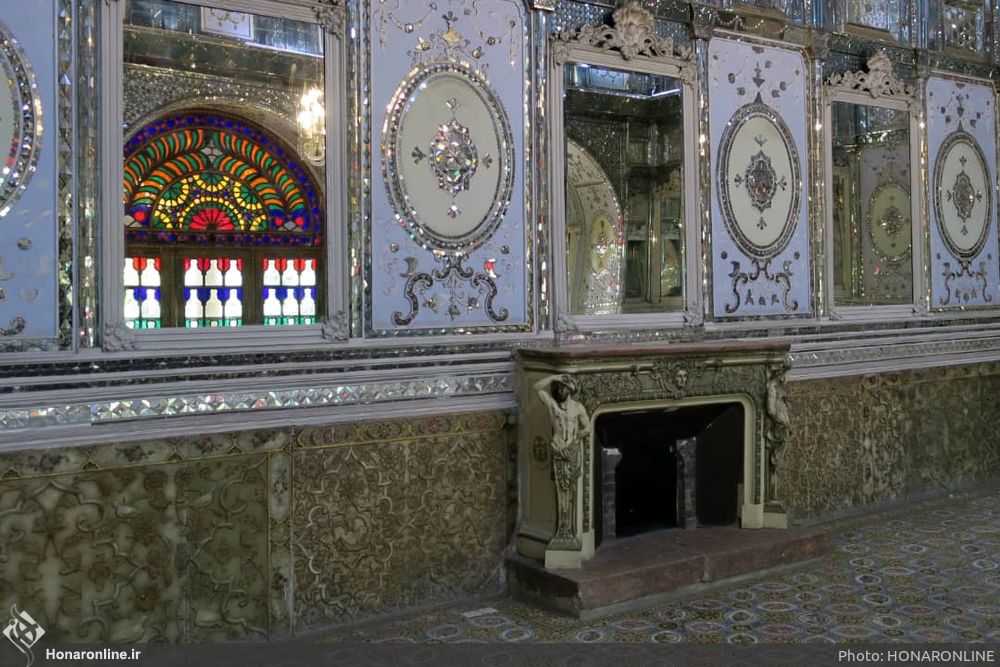
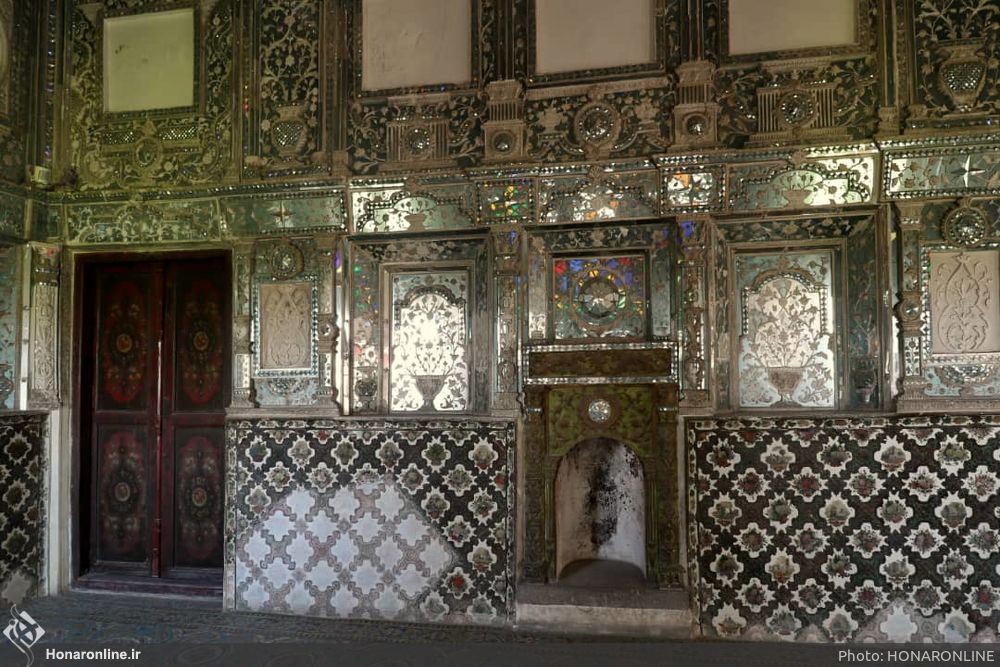
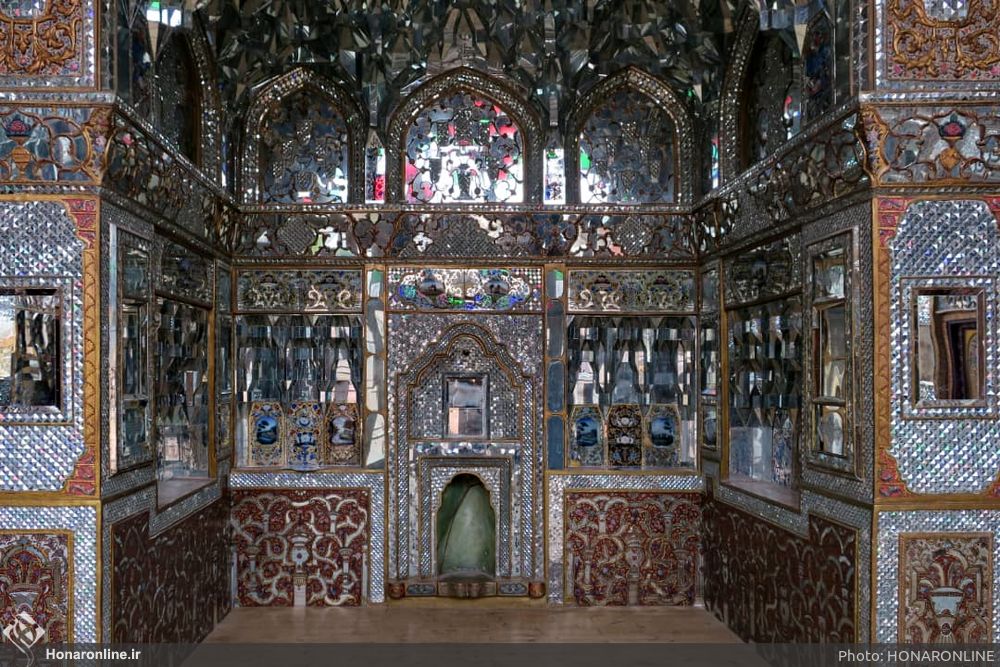
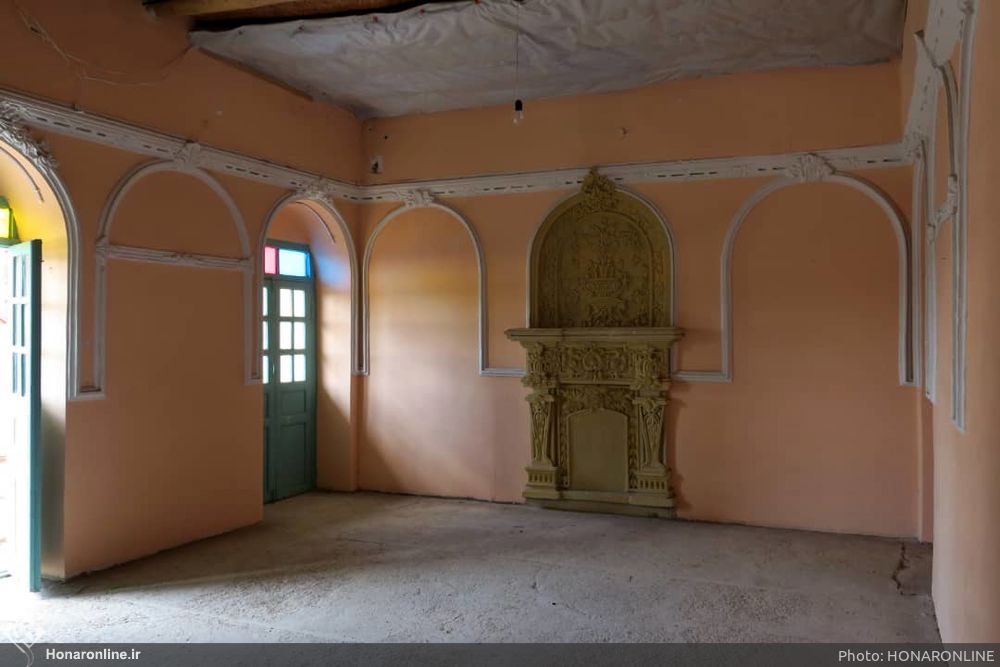
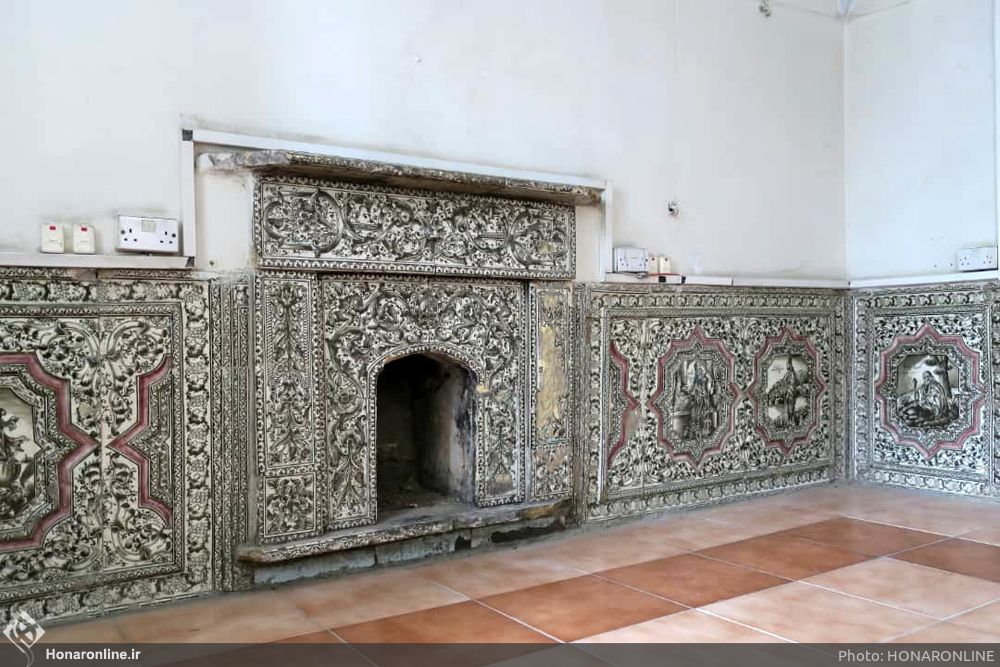
Old houses in Tehran, especially, mansions and aristocrats’ homes, boasted mantelpieces which were built between two rooms separated with a wall measuring at least one-metre thick, so that the fireplace could be used on either side.

Two types of mantelpieces were built into walls inside old homes, one carved into the wall and the other protruding from the wall. The mantelpieces were also used as decoration which added to the beauty of the architecture of the houses.

The mantelpieces would spread throughout the room the heat coming from the fire.

The heat was in conformity with the constructions materials used in the house. Sometimes a log used as firewood could keep an area of 200-300 sqm warm for hours without posing any danger to members of the household. The wall around the mantelpiece would be decorated with stucco to make the architecture inside the room all the more pleasant and enjoyable.

The following are Honar Online’s images of mantelpieces in old homes, which are an integral part of the fabulous ancient Iranian architecture.