This article introduces different types of bread and sweets cooked in Sistan and Baluchestan. We will see what kinds of confectionary are most popular in the province.
Traditional Confectionary
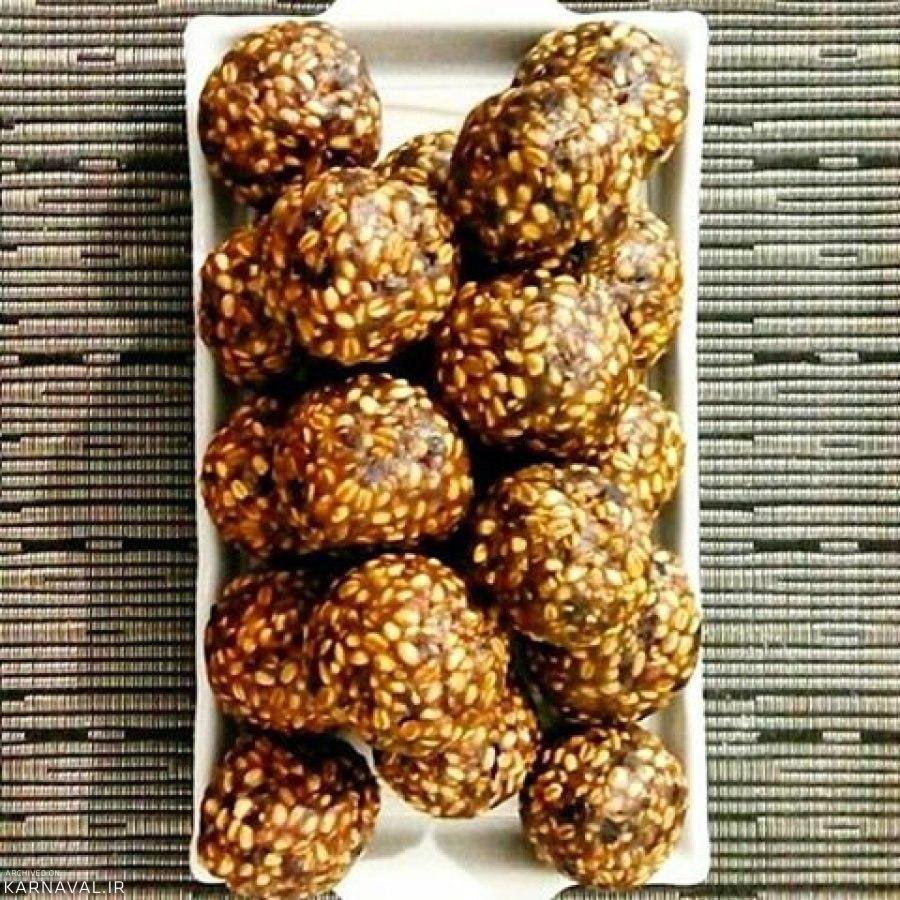
Lendo
Lendo is one of traditional foods or cookies of the province usually used as a snack. Lendo is made with dates, wheat and sesame. Lendo is formed into balls before being served.
Sistani Cookie
The cookies cooked in this province are either date-flavoured or plain. They have their own fans due to the spices used in them and the method of cooking.
Changal
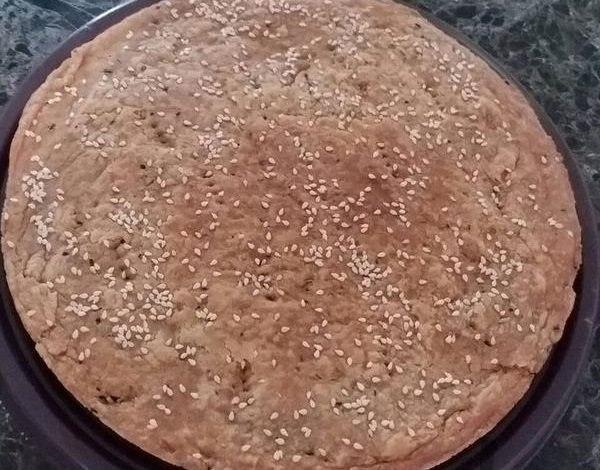
Changal is yet another tasty food cooked by people in Sistan and Baluchestan province. It is made with local bread, dates and animal oil.
Changal is the food that Baluch nomads serve their guests with. They serve it with Doogh (yoghurt drink). This food is popular with many people in southeastern Iran, especially in the holy month of Ramadan.
Tajagi
Tajagi also known as Sistani Samanoo is a delectable food made with wheat sprouts, flour, oil and water. They begin cooking the food as of early January and many people keep cooking it until late June (which falls on the Persian New Year). Sometimes they add a layer of dates to make the food more delicious.
Different Types of Local Bread
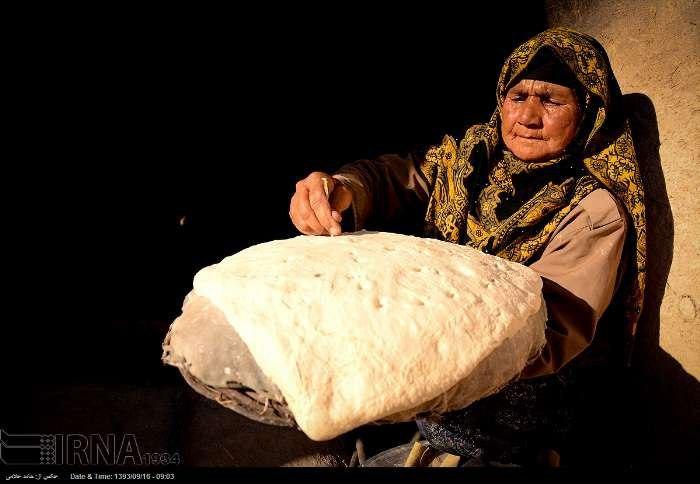
As in other areas in Iran, local people in this province cook tasty types of bread. Some of them are mentioned below.
Khamir
Khamir is very similar to Lavash bread, the only difference is that it is a little bit thicker. It tastes sour.
They use an iron pan to cook Siserk. This type of bread is usually used to bake Changal.
Porani
This kind of bread is usually baked by nomads as there is no need to make it in an oven. All they have to do is to light a fire on sand-covered ground and put the dough on them once the sand gets hot. Porani takes half an hour to bake.
Helkari
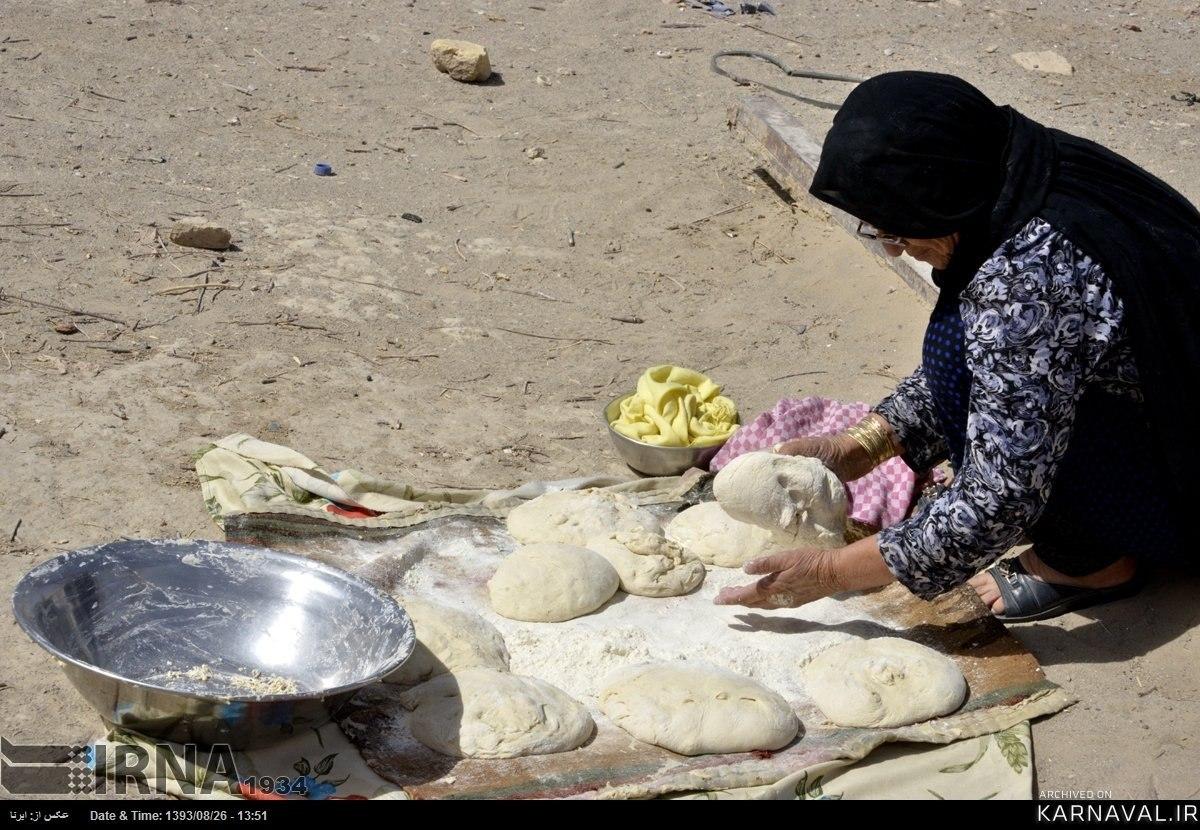
When baking Helkari, they usually divide the dough into smaller parts before rolling them flat. A special rolling pin is used to make the dough thin. Then the thin, flat pieces of dough are put in hot oil to fry.
Tinmiush
When baking Tinmiush, they usually form a watery mix of dough before spreading it on an iron dish with hands. At the end, they will get a thin, crispy loaf of bread.
Borak is another type of local bread baked in Sistan and Baluchestan. It is a mix of dough with spinach and herbs. It is especially served on local people’s table during the holy month of Ramadan.
Chalbak
It is made with water, leaven, salt, yoghurt and flour. The dough is fried. They usually pour sugar on it and serve it for breakfast.
Qelifi
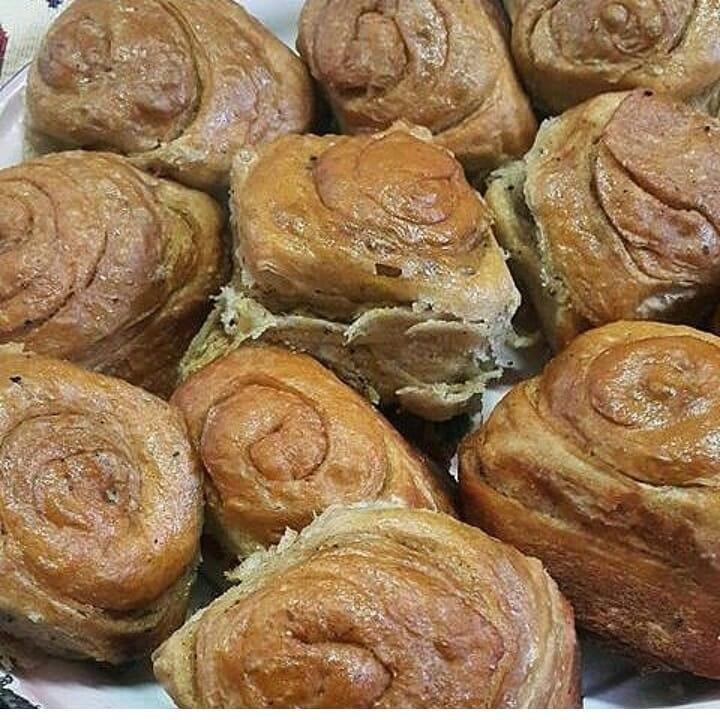
Qelifi is something between confectionary and local types of bread in Sistan and Baluchestan. In order to make Qelifi, they knead the dough well. Then they take part of its and insert some fried date inside it before rolling it. Finally, they put the rolls in the oven and bake it with some garnish.
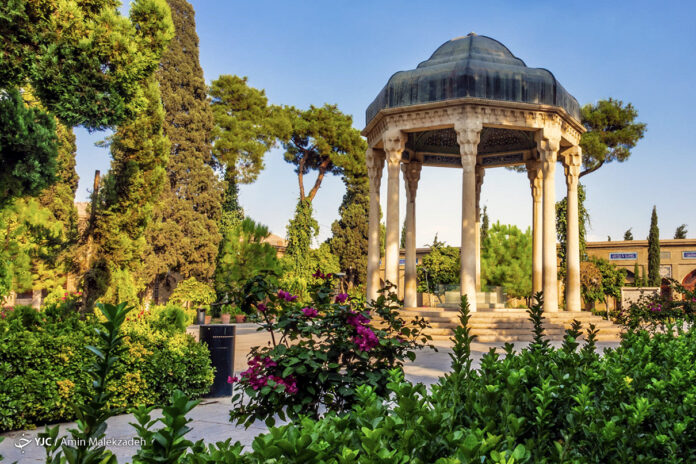
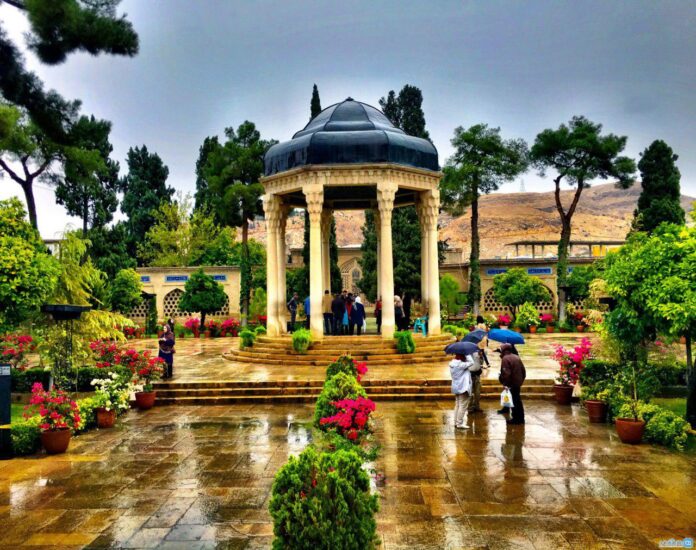
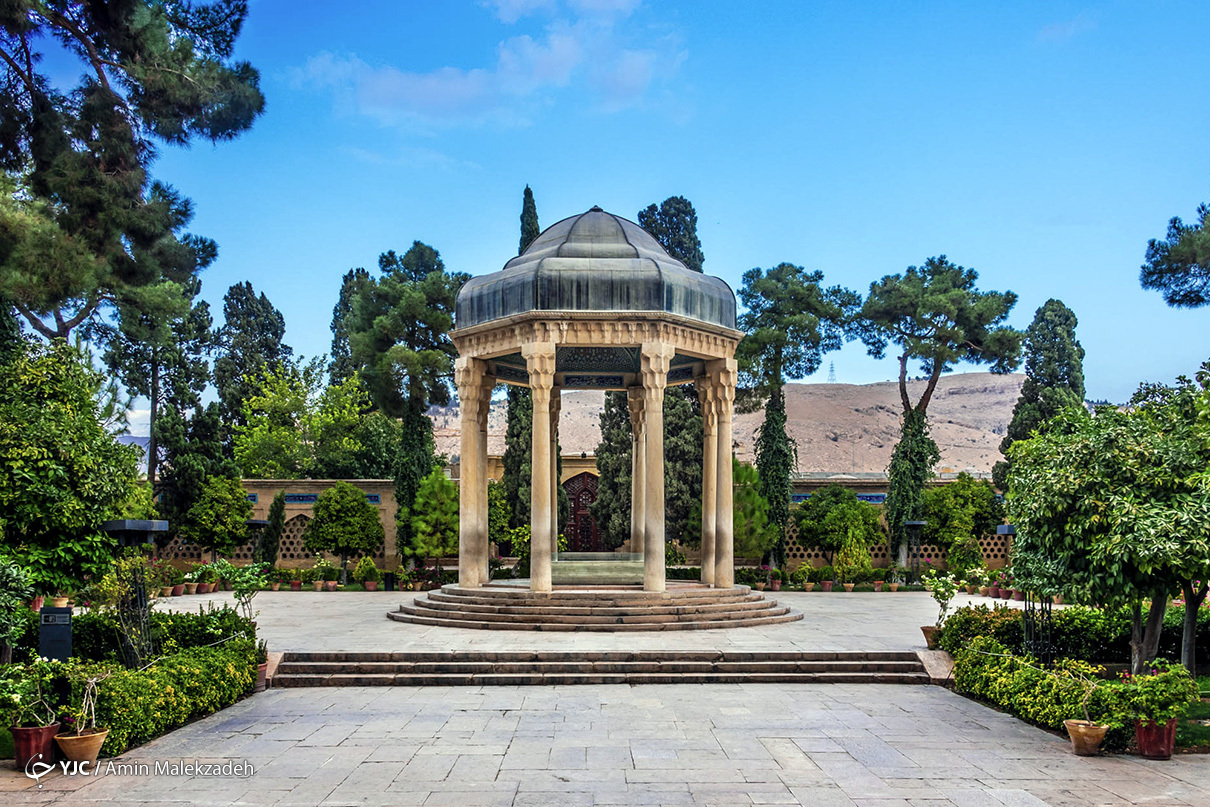
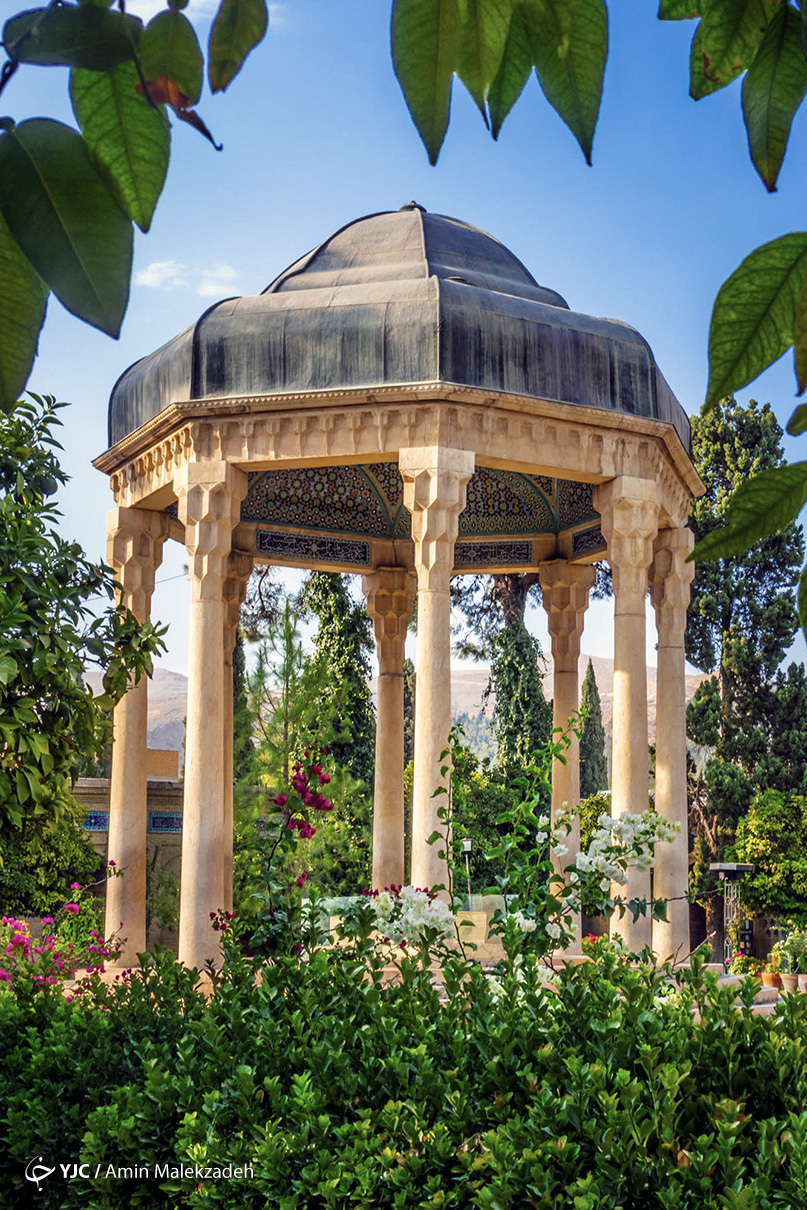
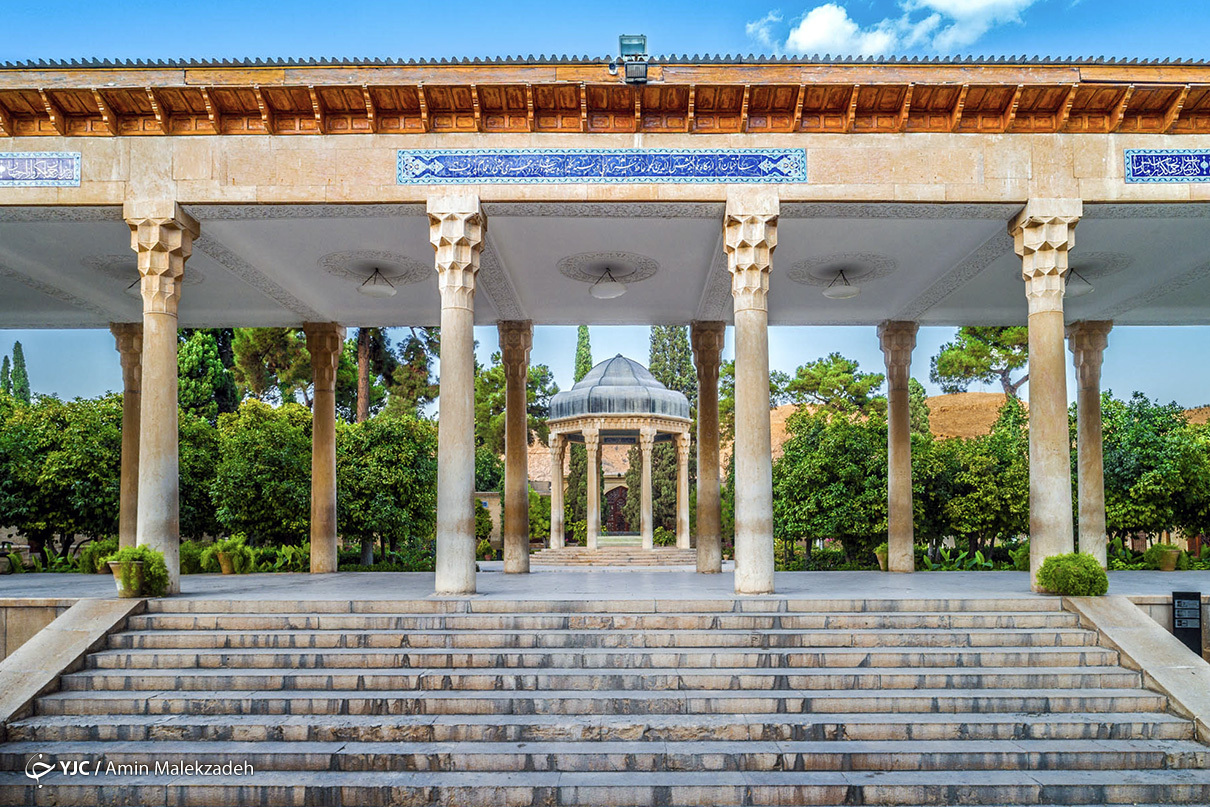
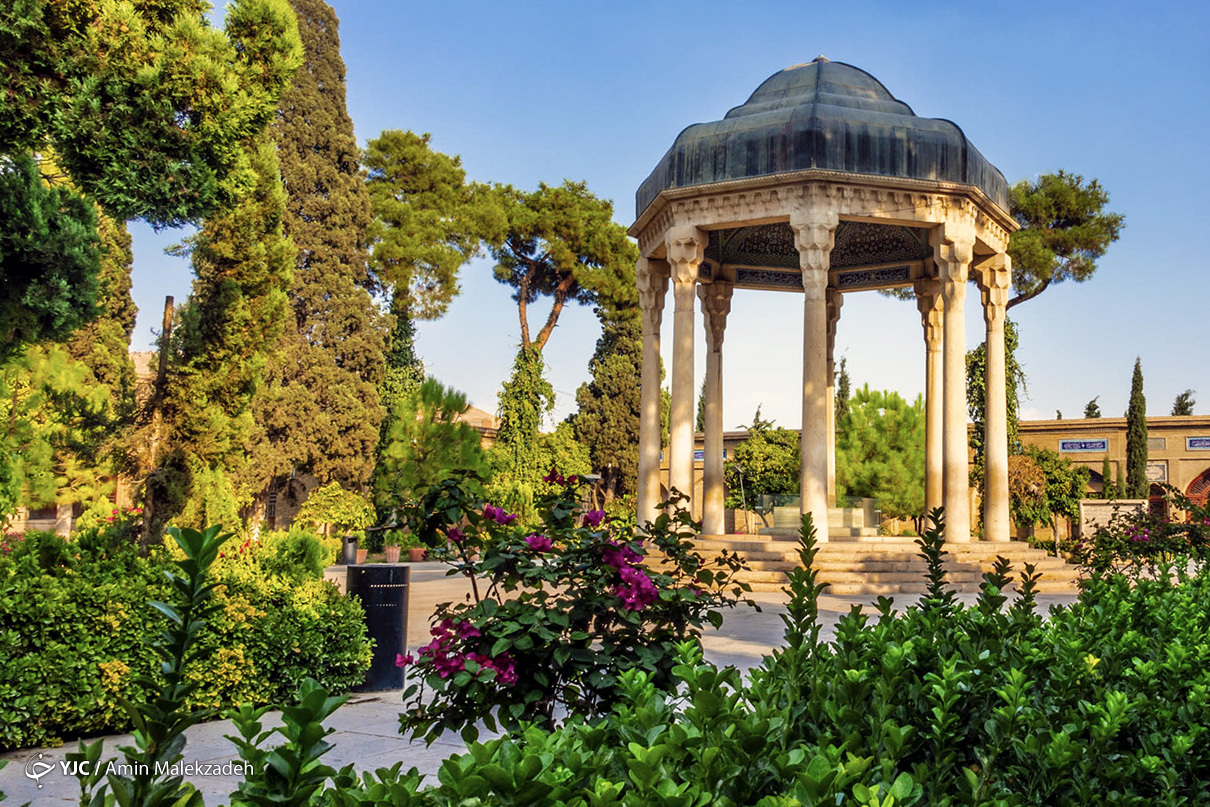
Hafez (1315-1390) was a Persian poet who “lauded the joys of love and wine but also targeted religious hypocrisy”.
His collected works are regarded by many Iranians as a pinnacle of Persian literature and are often found in the homes of people in the Persian-speaking world, who learn his poems by heart and still use them as proverbs and sayings.
His life and poems have become the subjects of much analysis, commentary and interpretation, influencing post-14th century Persian writing more than any other author.
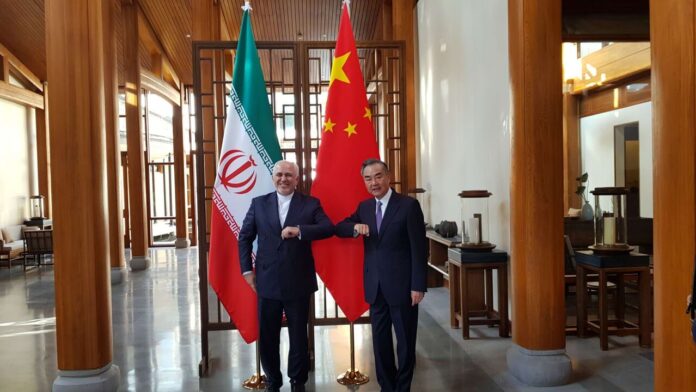
In a post on his Twitter account on Saturday night, Foreign Minister Zarif gave a brief report of his schedule in a visit to China.
“Fruitful talks in beautiful Tengchong with my friend Wang Yi on Iran-China Comprehensive Strategic Partnership,” he said.
The top Iranian diplomat also noted that he and his Chinese counterpart have “rejected US unilateralism and US attempts to create unipolar world.”
Foreign Minister Zarif said Iran and China have agreed on strengthening their bilateral relations by reaching a 25-year cooperation plan, boosting regional cooperation, preserving the Joint Comprehensive Plan of Action (JCPOA), and collaboration in making vaccine for the coronavirus infection.
In another tweet in the Chinese language, the Iranian foreign minister said the face-to-face meetings with China in a special period “are enough to show that the two sides attach great importance to relations Tehran and Beijing.”
“We have strengthened consensus on a wide range of topics such as deepening bilateral relations, promoting the 25-year cooperation plan, safeguarding the Iranian nuclear agreement, and opposing unilateralism. Taking the 50th anniversary of the establishment of diplomatic relations in 2021 as a new opportunity, I believe the connotation of the comprehensive strategic partnership between the two countries will be further enriched,” he added.
Heading a high-ranking delegation, Foreign Minister Zarif has travelled to China’s southern province of Yunnan at the invitation of Chinese Foreign Minister Wang Yi.
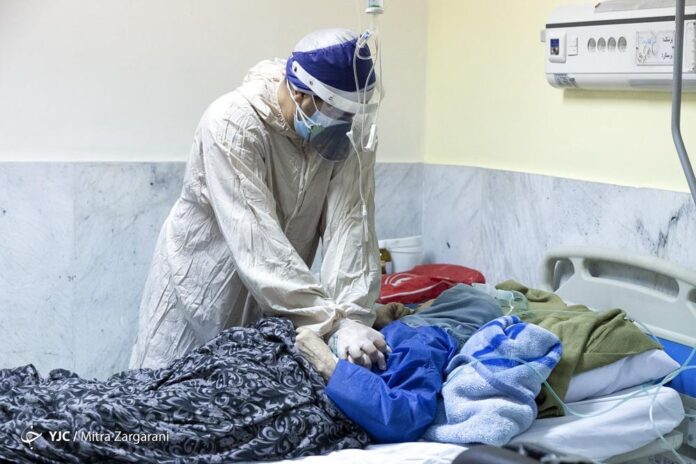
In a press briefing on Saturay, Sima-Sadat Lari said 496,253 patients have contracted the virus so far, including 3,875 new cases identified in the past 24 hours.
So far, she added, 403,950 patients have recovered from the disease or been discharged from the hospital.
Lari said 4,439 patients are also in critical conditions caused by more severe infection.
The spokeswoman noted that 4,284,413 COVID-19 tests have been taken across the country so far.
She said the high-risk “red” zones include Tehran, Qom, Mazandaran, East Azarbaijan, Isfahan, Yazd, Ardabil, Khorasan Razavi, Khuzestan, Hamadan, West Azarbaijan, Bushehr, Chaharmahal and Bakhtiari, Kohgiluyeh and Boyer-Ahmad, Alborz, Lorestan, Markazi, Ilam, South Khorasan, Kermanshah, North Khorasan, Semnan, Gilan, Zanjan, Qazvin, and Kerman provinces.
The “orange” zones also include Golestan, Hormozgan, Kurdistan, and Fars provinces, she added.
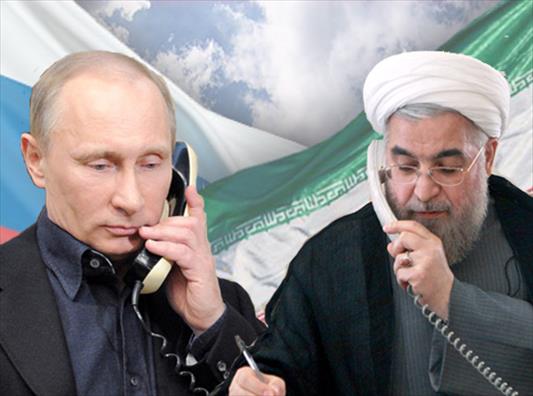
Speaking in a Saturday phone conversation with his Russian counterpart Vladimir Putin, President Hassan Rouhani noted Iran is concerned over military clashes between Baku and Yerevan.
“Possible intervention by some third countries in this conflict will lead to the escalation and prolongation of the crisis, and we believe it will not be in the interests of regional countries,” he said.
President Rouhani touched upon his contacts with Armenian and Azeri heads of state.
He also underlined the need to protect the security of Iran’s borders and the lives of Iranian citizens living in border areas.
“Peace in the region is very important to us,” he said.
He also expressed concern over the presence and activities of some terrorist groups in the Nagorno-Karabakh conflict.
“The presence of terrorists could be dangerous for Iran, Russia and the whole region,” he said.
He stressed the need for concerted efforts and collective security in order to put an end to the clashes, the establishment of a ceasefire and the start of talks in order to settle the crisis.
“If clashes continue, the situation in the region will become more complicated and lead to more extensive damage as well as financial and human costs,” he said.
He praised Russia’s mediation of a truce between the warring sides and its efforts to start negotiations between Yerevan and Baku. He described the implementation of the armistice as important, and added Iran will offer any help and cooperation in that regard.
President Rouhani then touched upon the negative effects of the coronavirus pandemic on economic transactions between Tehran and Moscow, calling for the resumption of mutual trade ties, namely the re-establishment of flights and resumption of transit of goods by trucks while observing health protocols.
He also expressed Iran’s willingness to work with Russia in producing a vaccine for coronavirus.
Rouhani then appreciated the Kremlin’s support at international circles for different resolutions as well as its opposition to the imposition of illegal sanctions on the Iranian nation.
President Rouhani expressed hope that consultations and cooperation between the two countries will further expand on different fronts.
In the phone conversation which took more than an hour, the Russian president elaborated on his country’s measures to help settle the Nagorno-Karabakh conflict.
He said Russia understands Tehran’s concerns over this crisis and is keen to cooperate with Tehran to resolve the conflict.
Putin said war should stop in the first place, adding Moscow has reached agreement with Armenia and the Azerbaijan Republic on the enforcement of a ceasefire as of October 10, 2020.
He expressed hope with the establishment of the truce, ground will be prepared for negotiations.
Putin described as dangerous the intervention of third countries as well as some terrorist groups in the Karabakh-Nagorno conflict.
Putin noted that all neighbours should seek to put an end to war and bloodshed and push for a negotiated settlement of the crisis.
Elsewhere in his remarks, Putin reiterated that the Kremlin’s stances on the Iran nuclear deal as well as the illegal sanctions on Iran are clear and transparent.
He noted Moscow has always been against illegal moves against Iran.
He also expressed hope that the level of Tehran-Moscow economic and trade ties will rise again with the containment of the coronavirus pandemic.
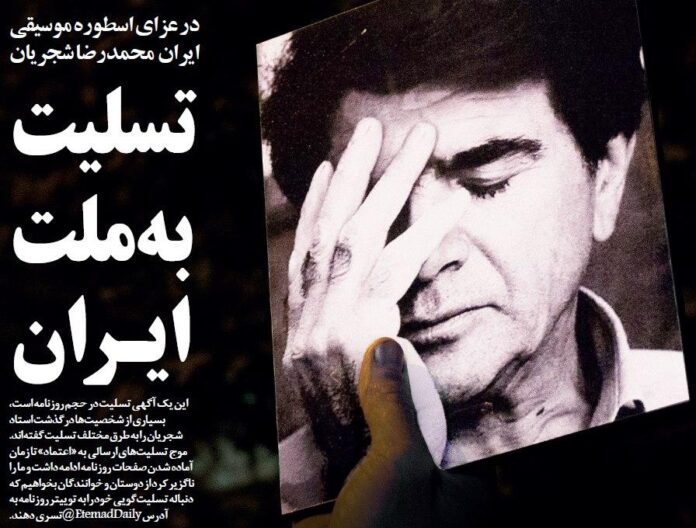
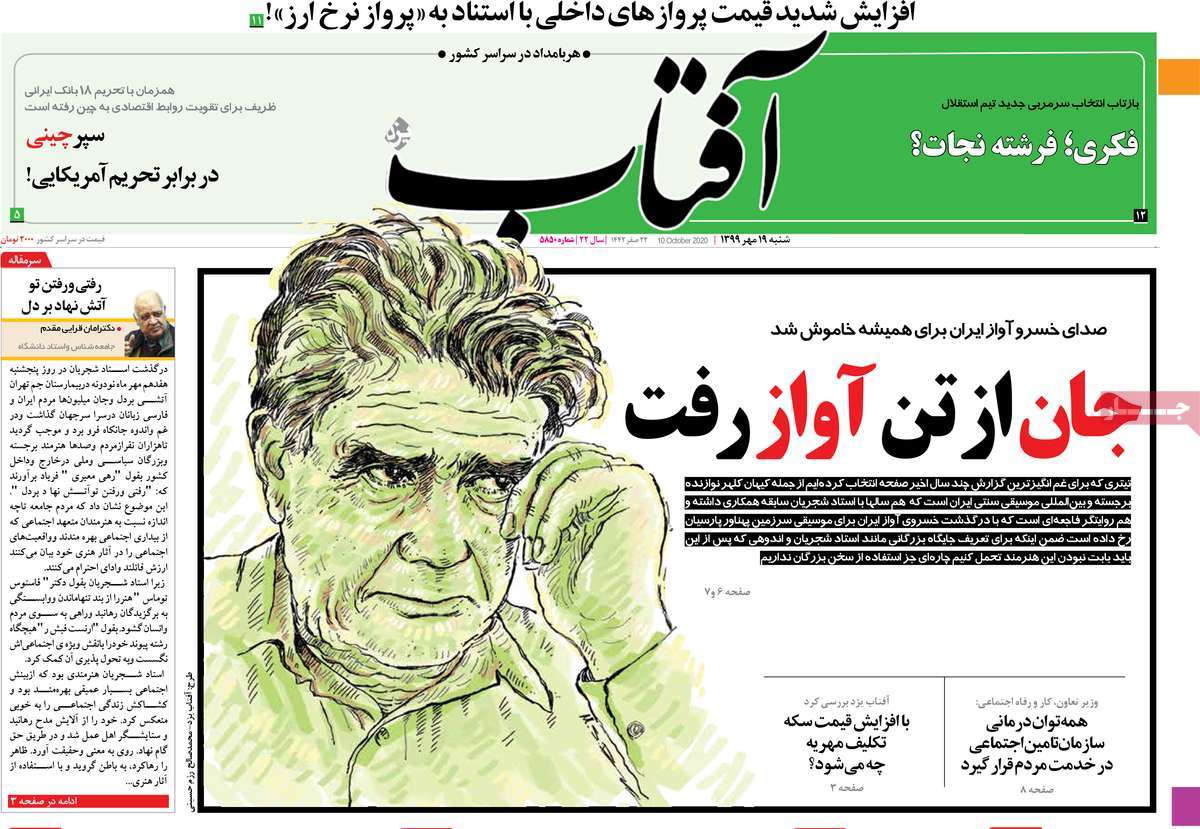
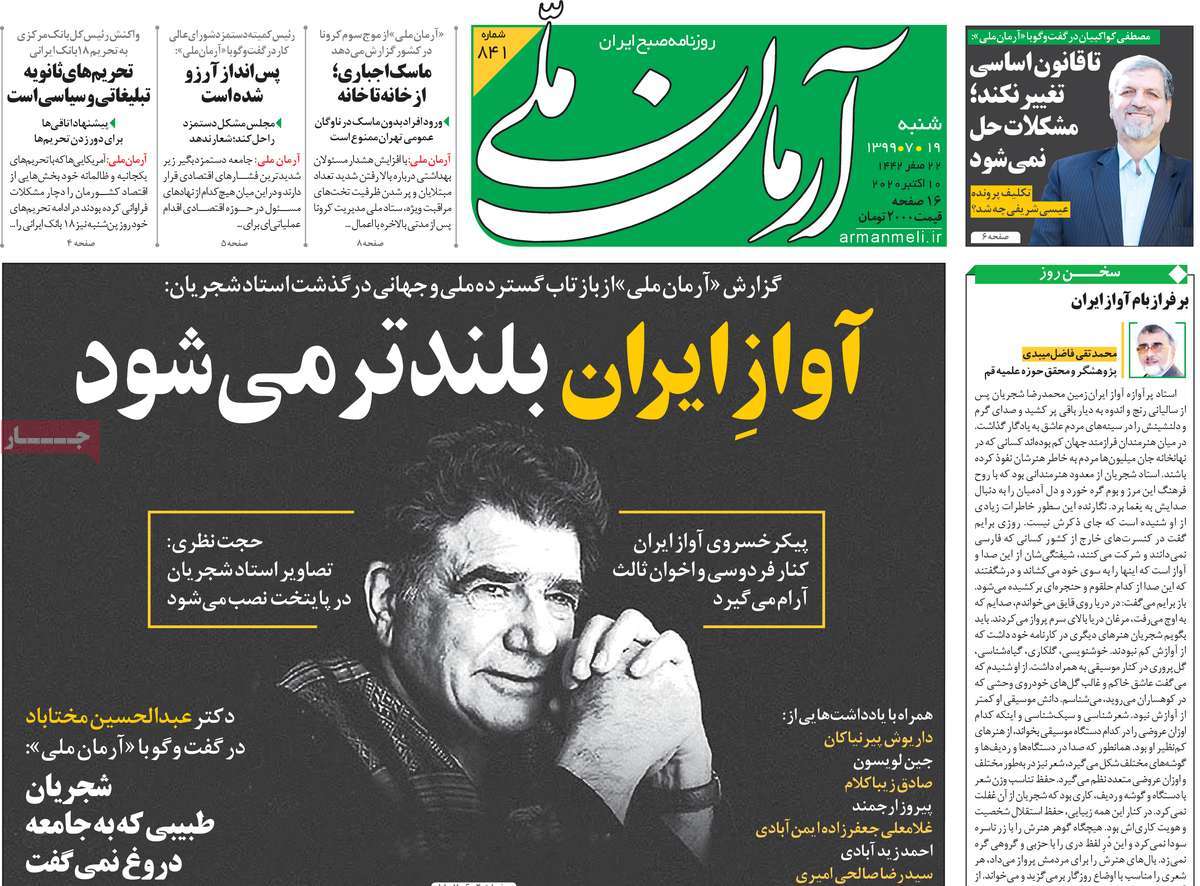
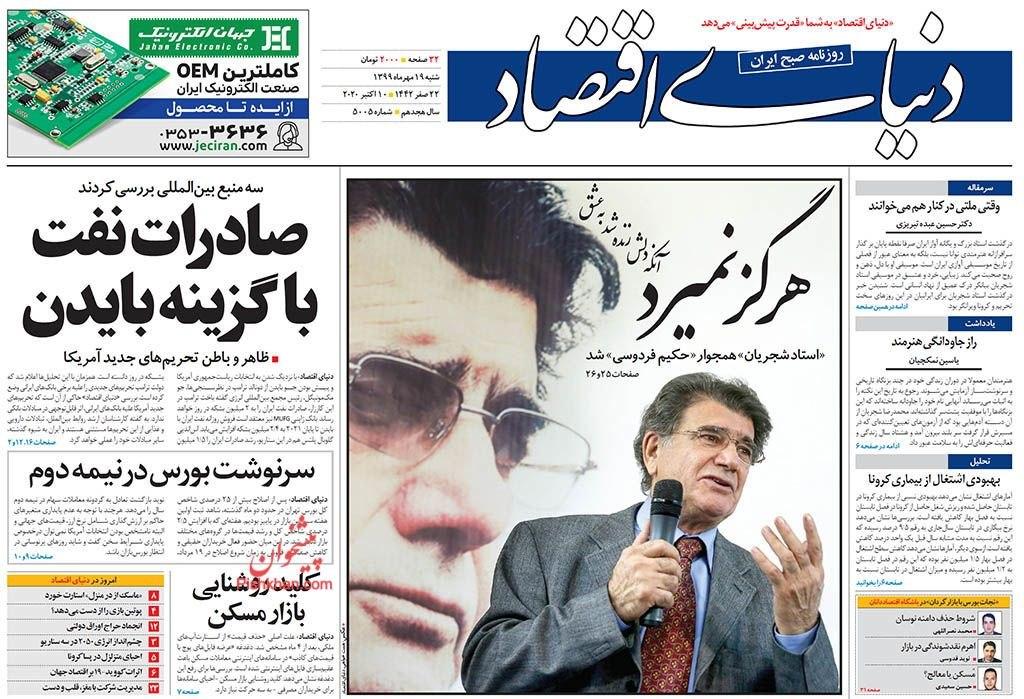
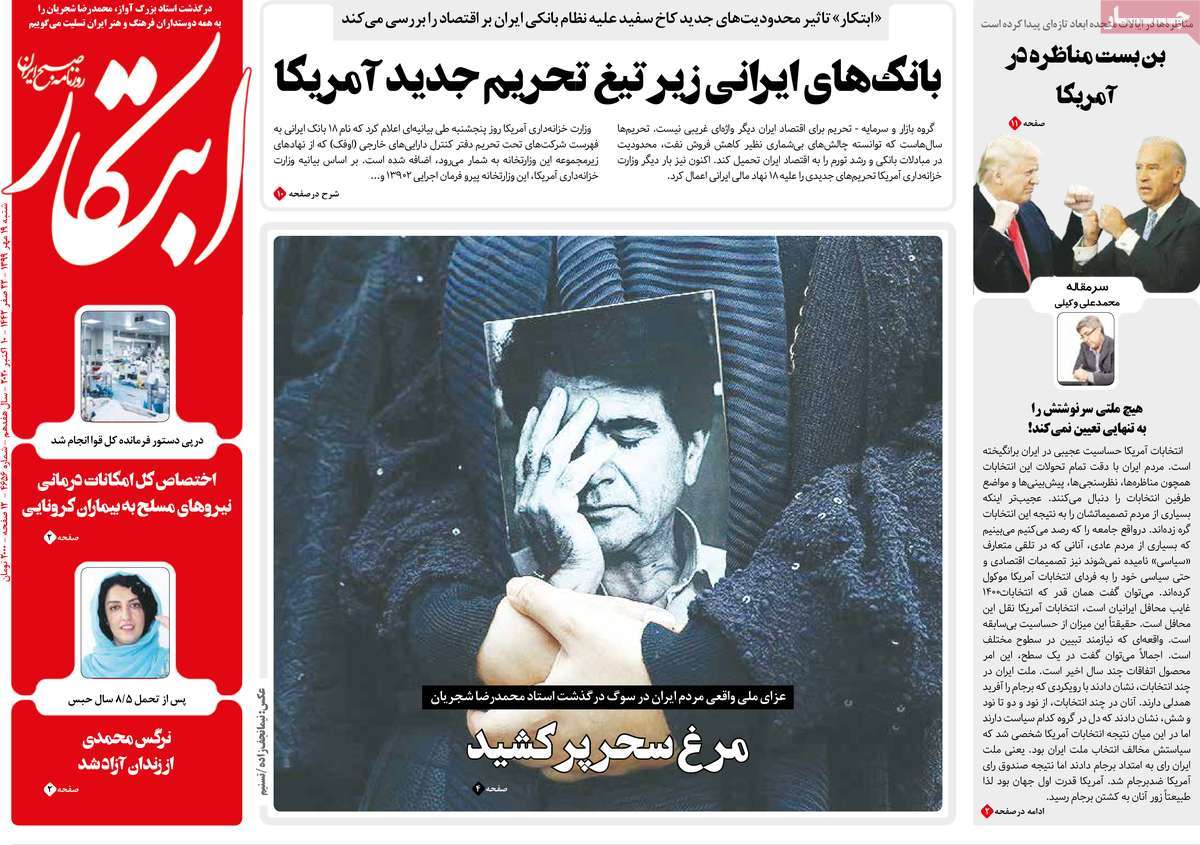
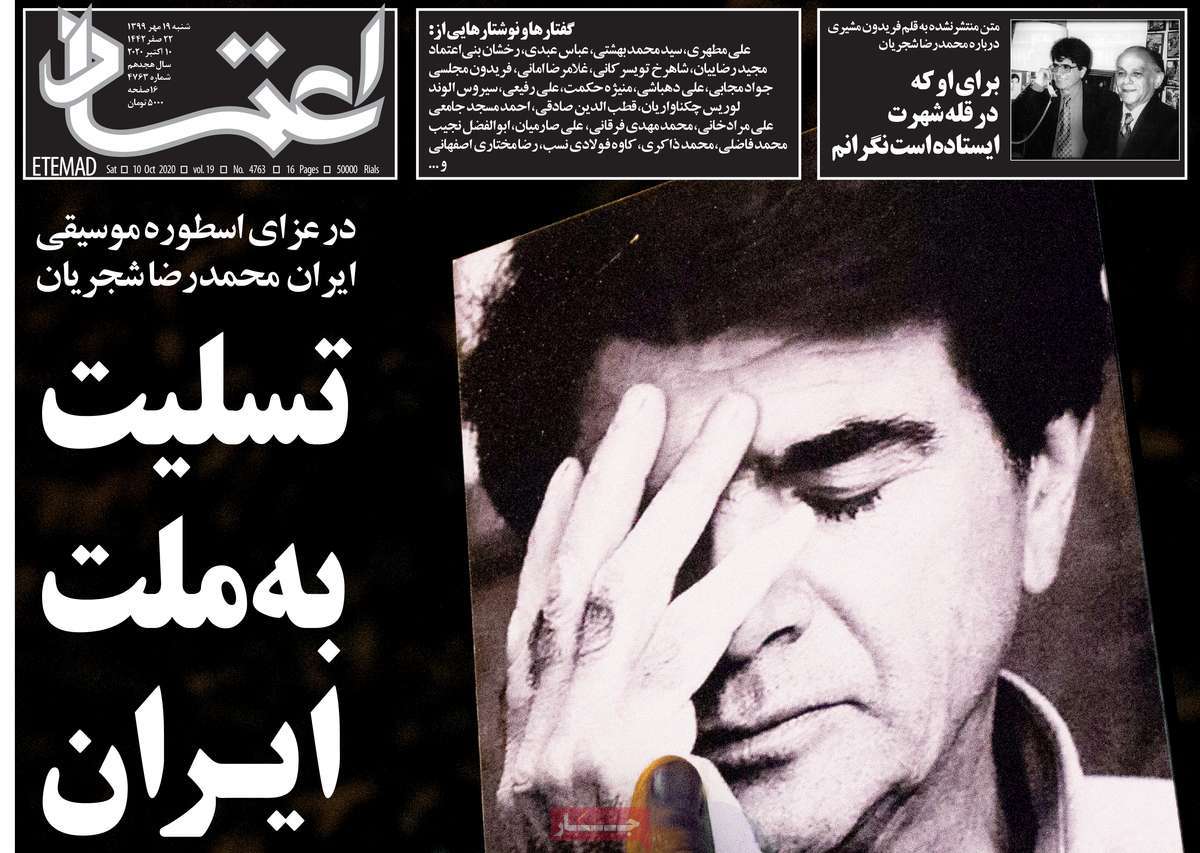
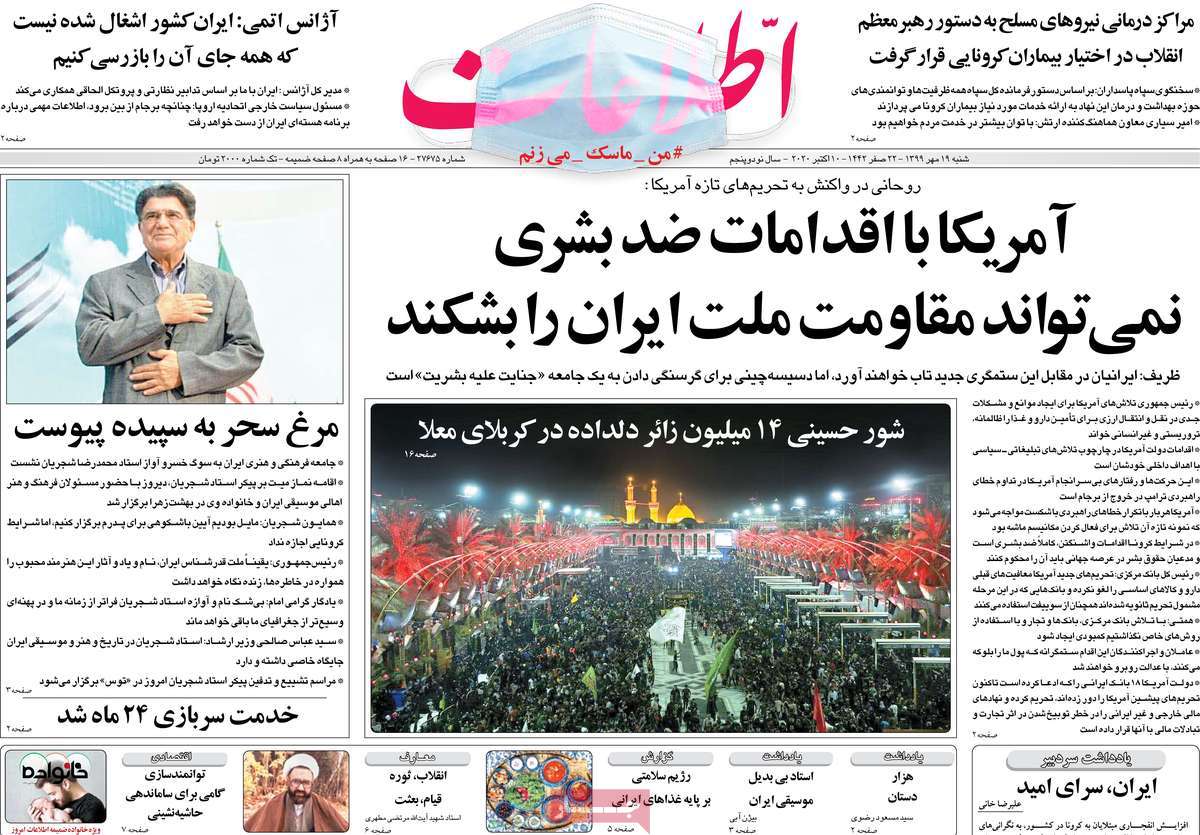
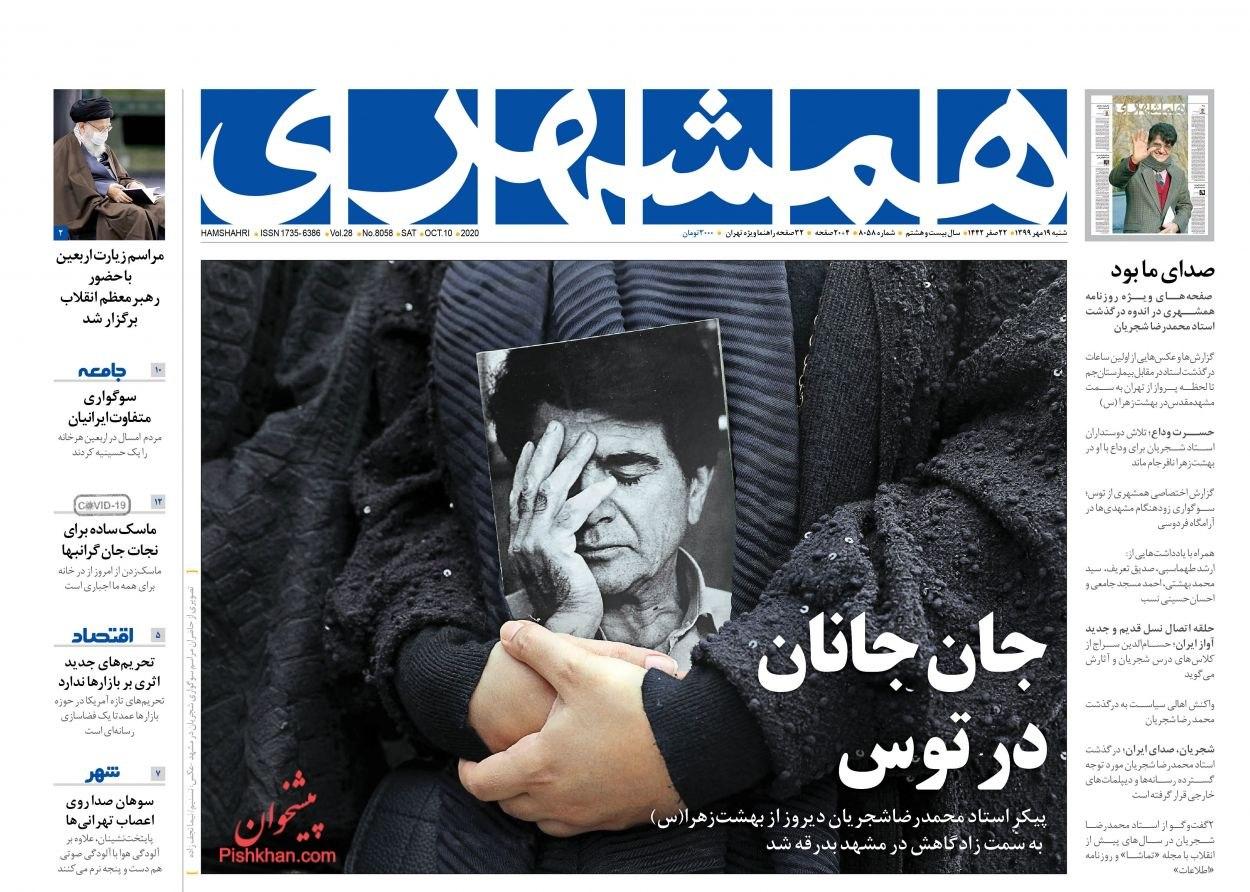
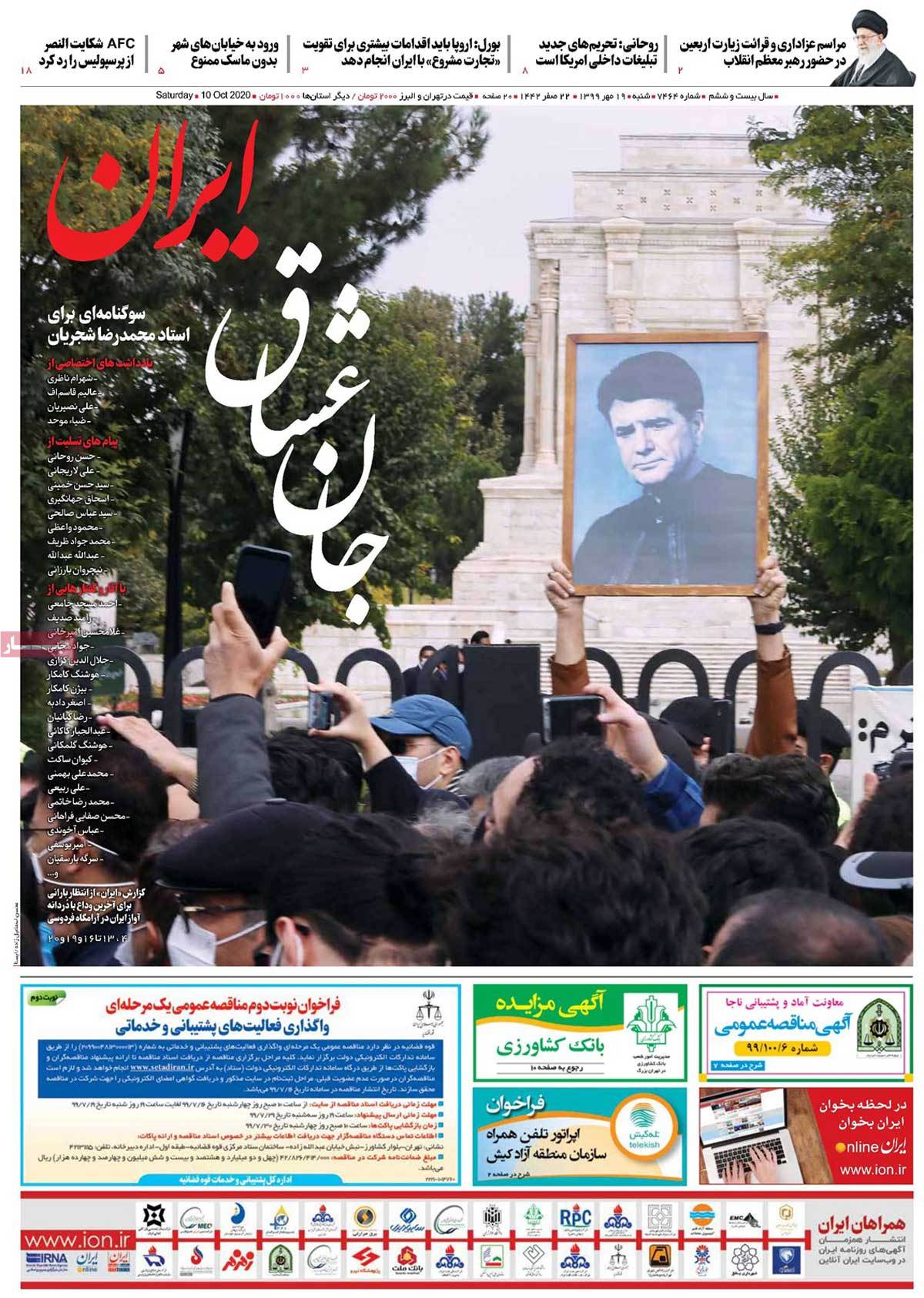
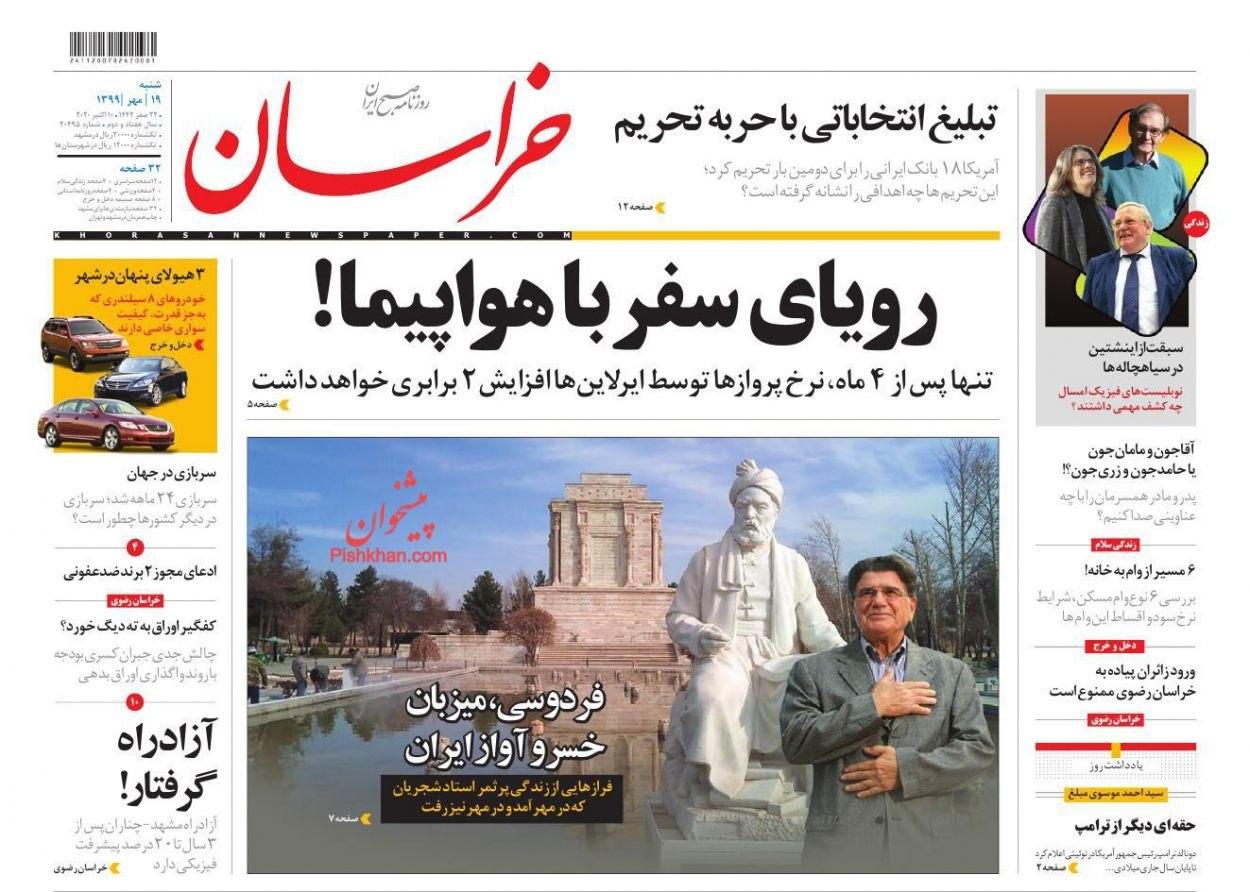
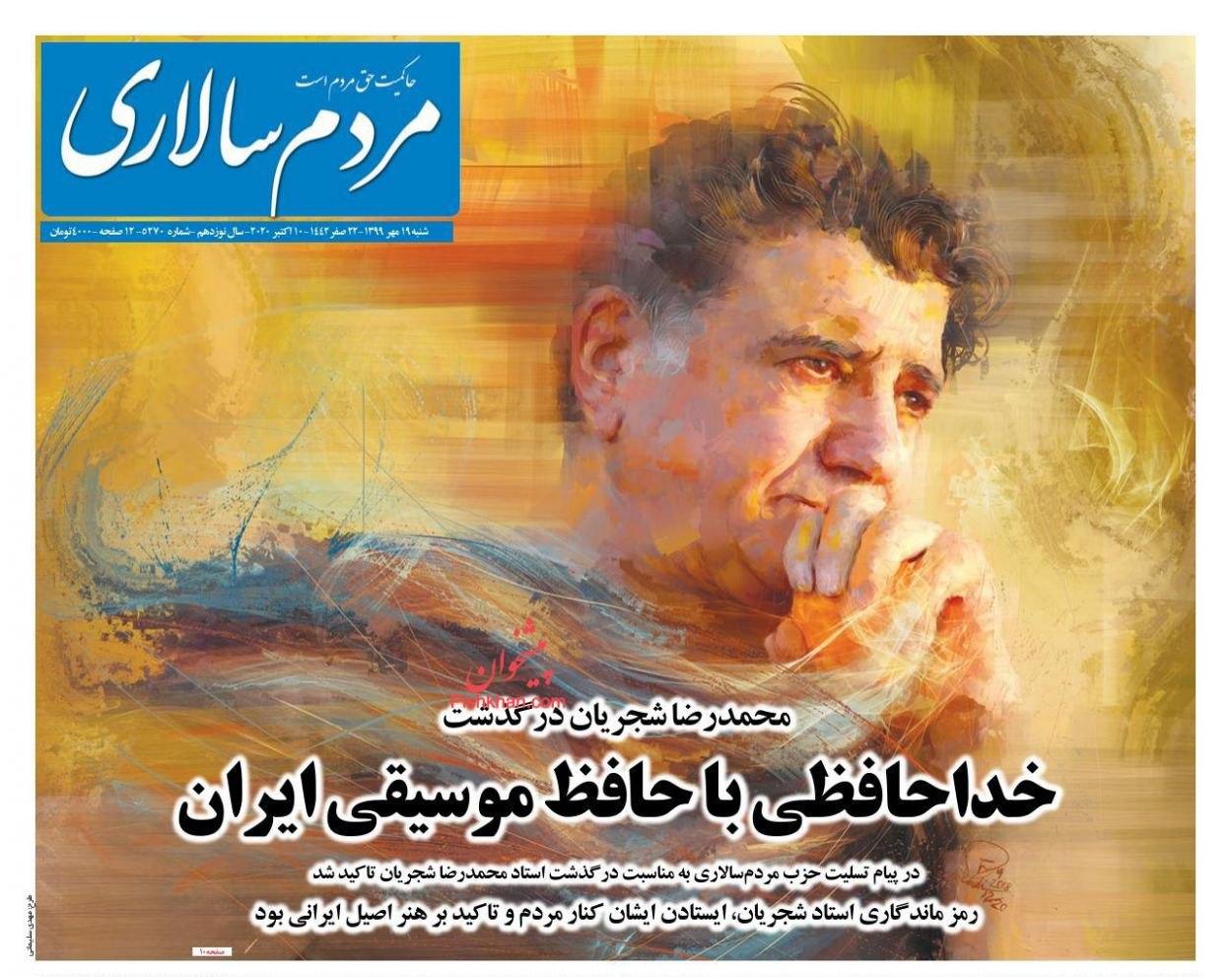
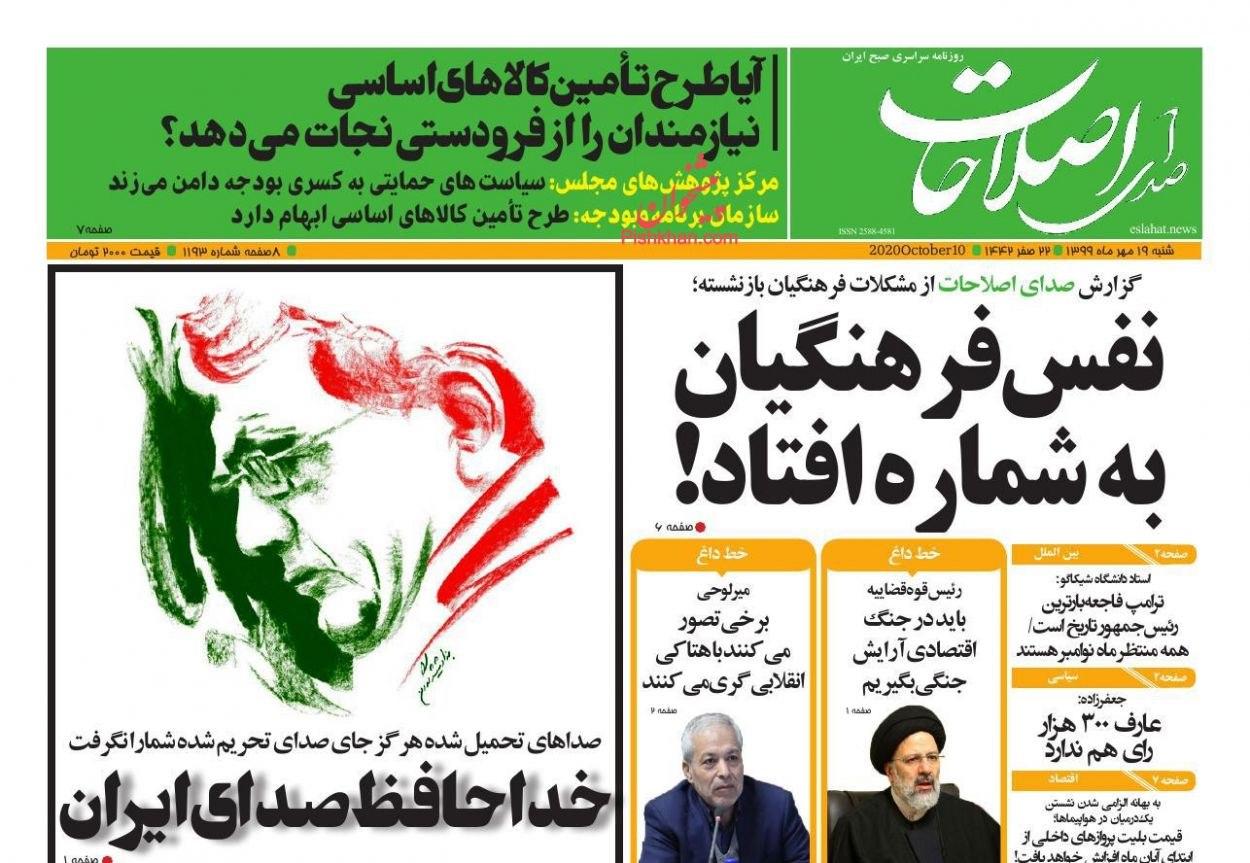
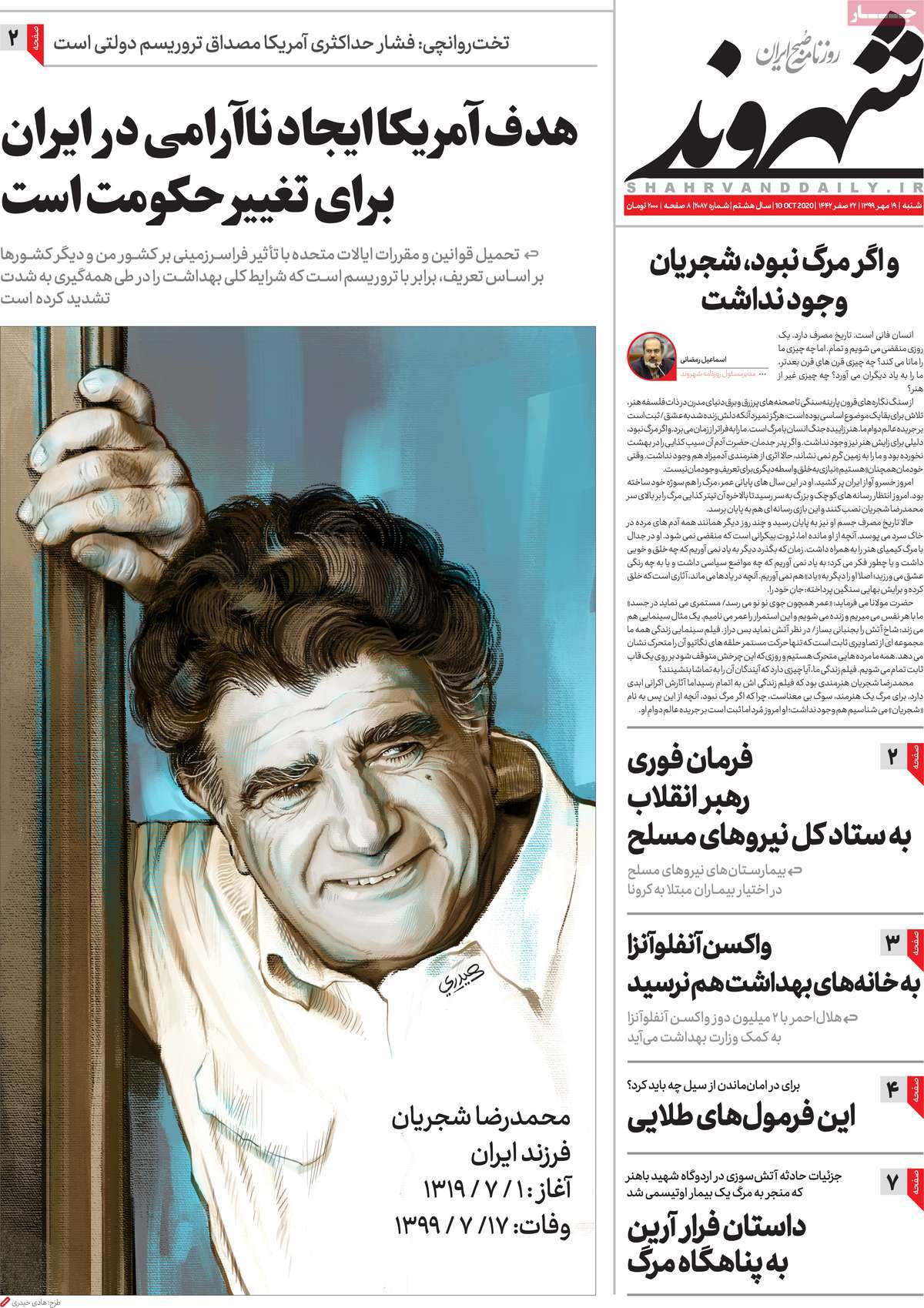
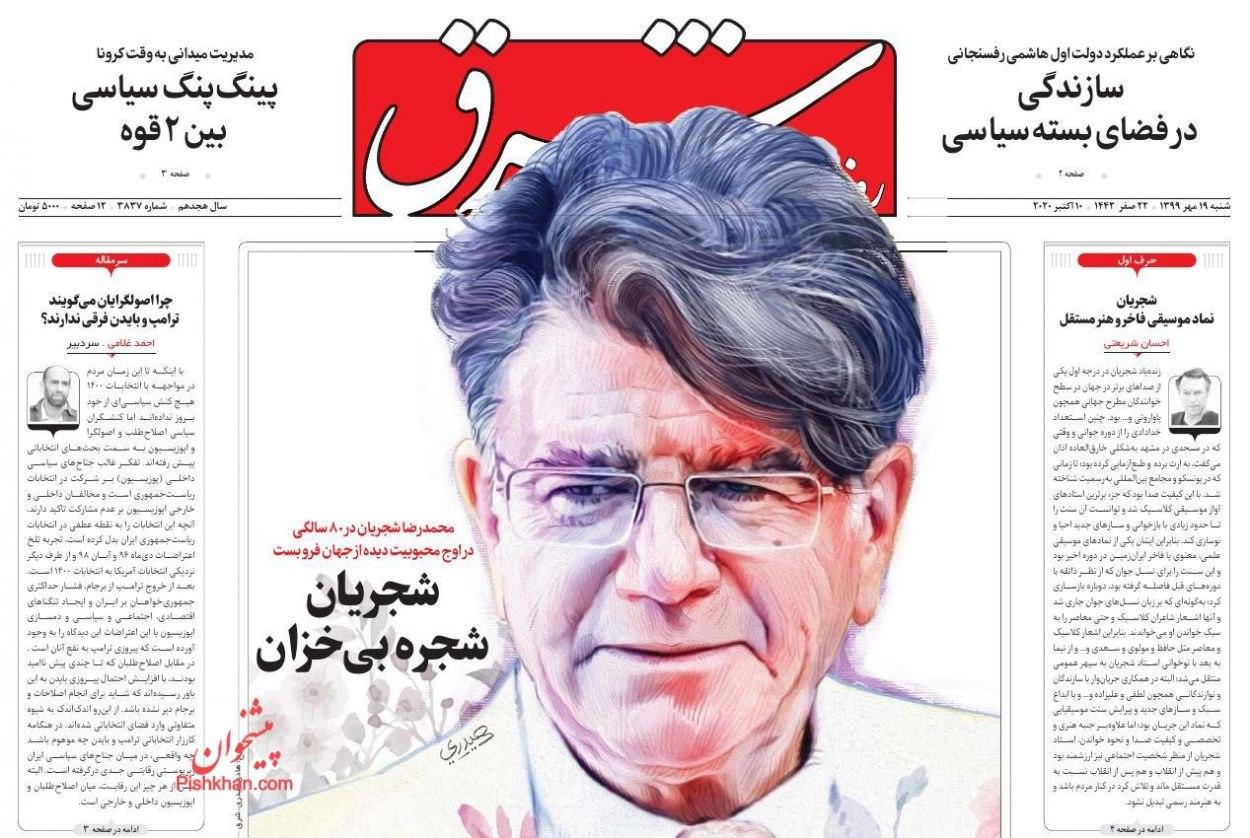
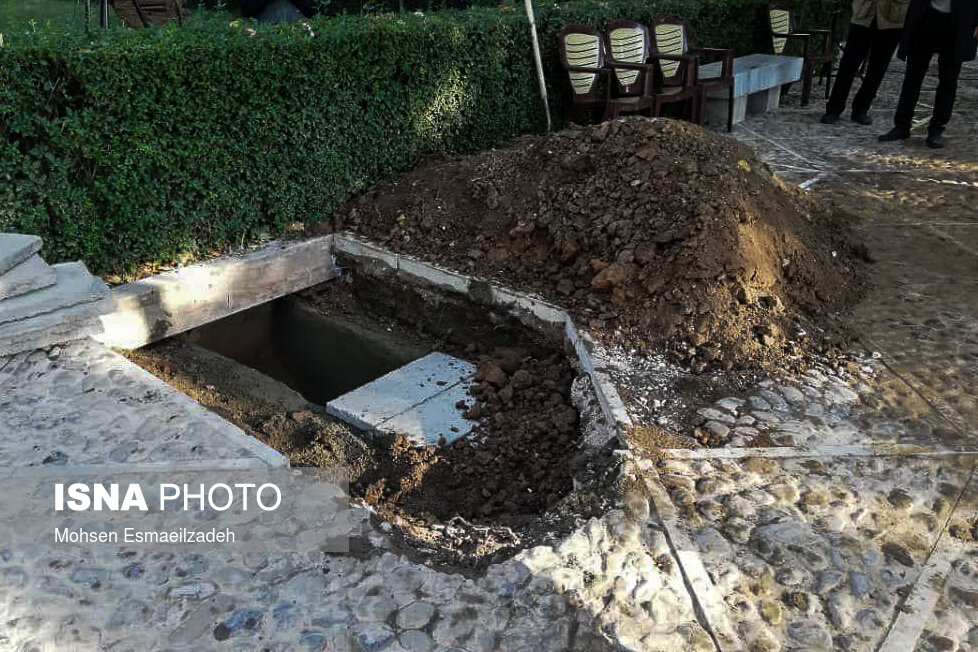
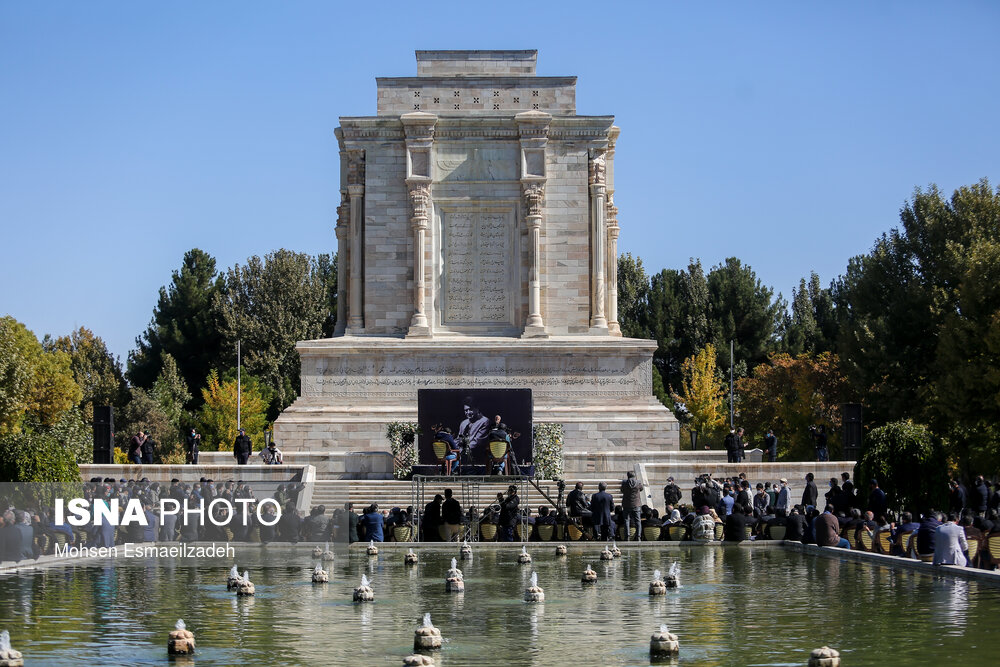
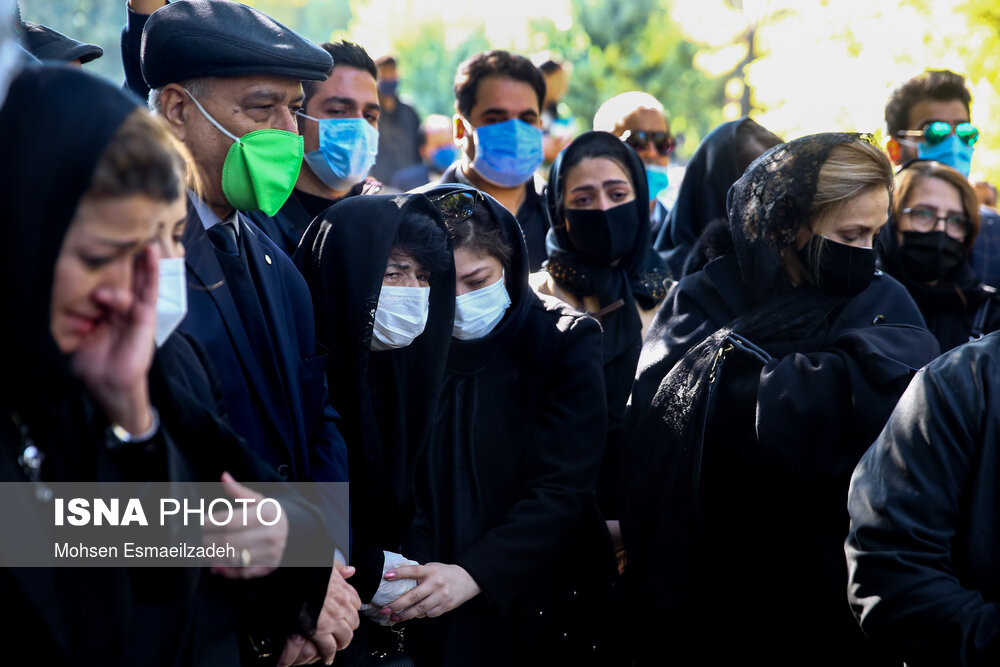
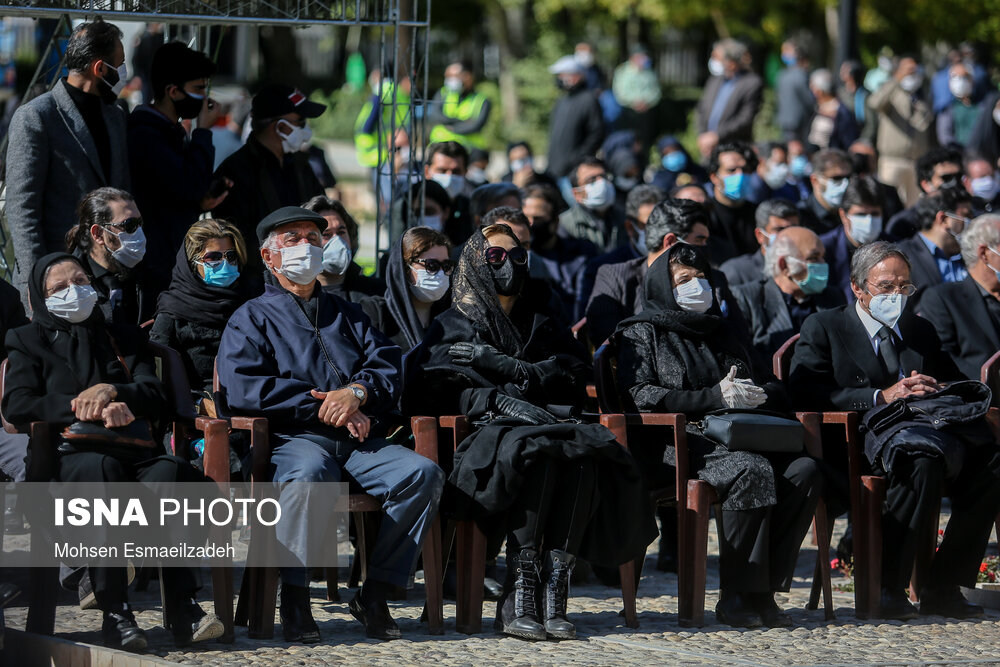
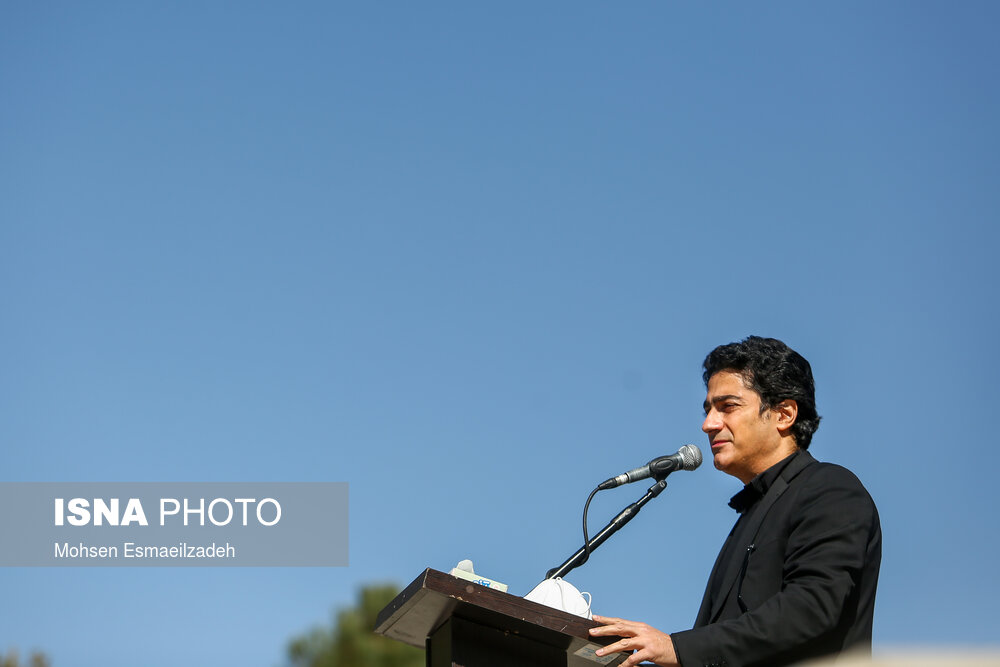
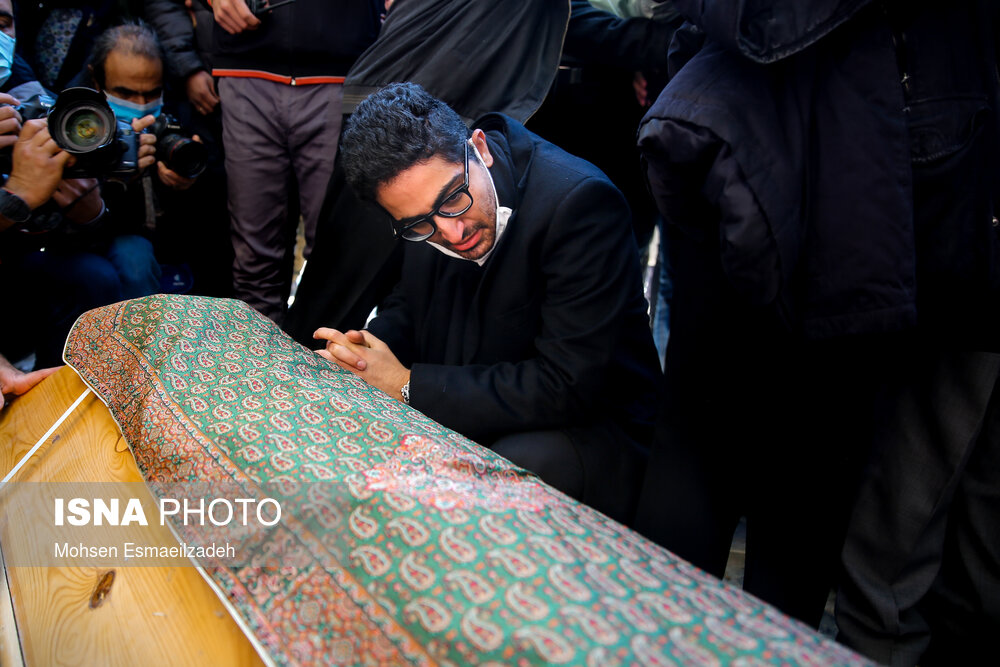
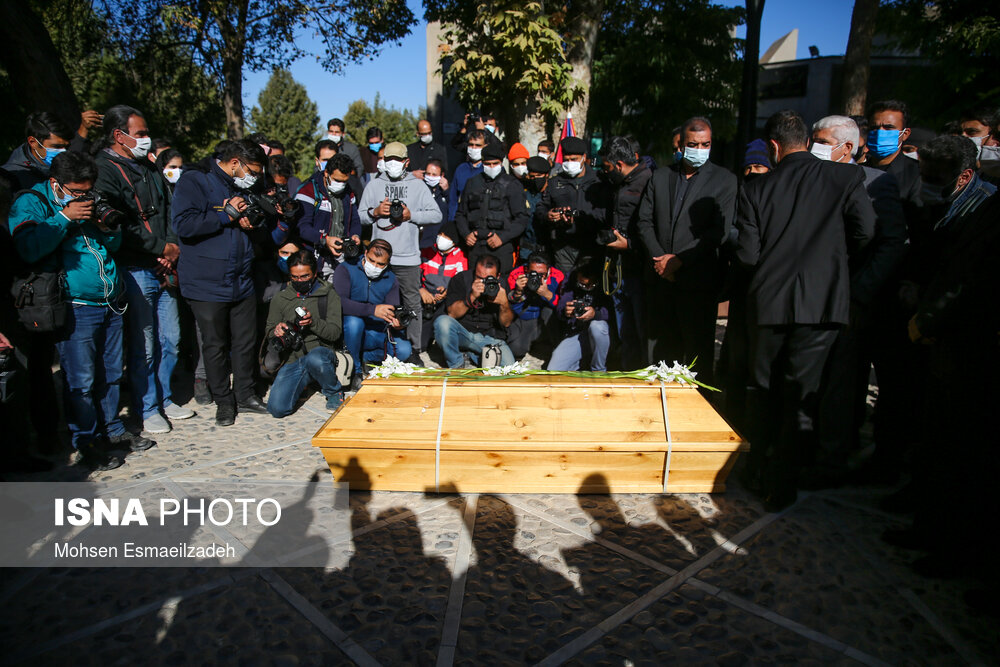
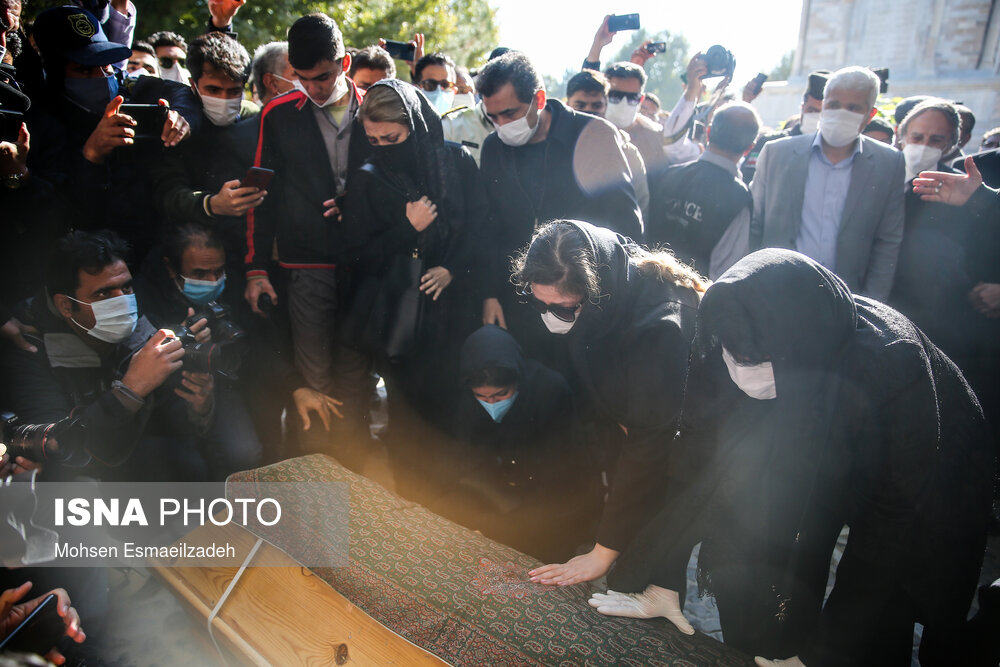
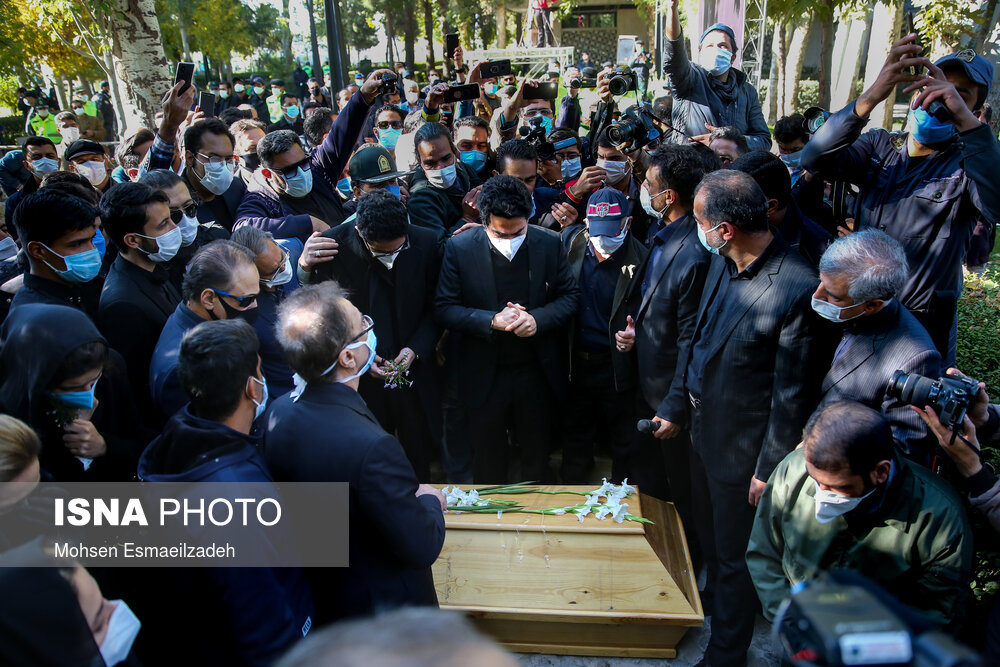
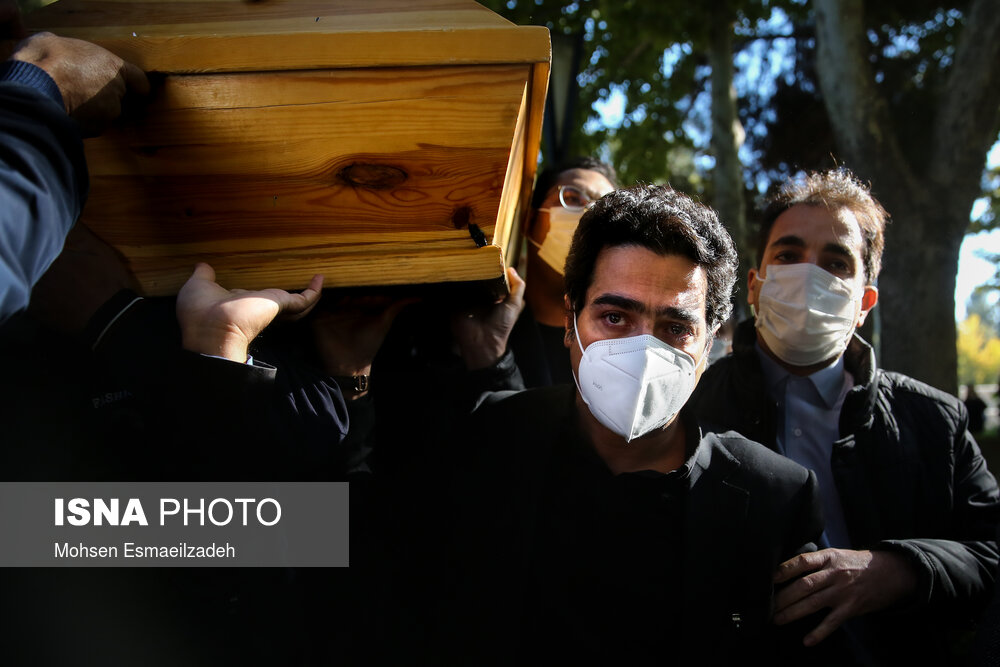
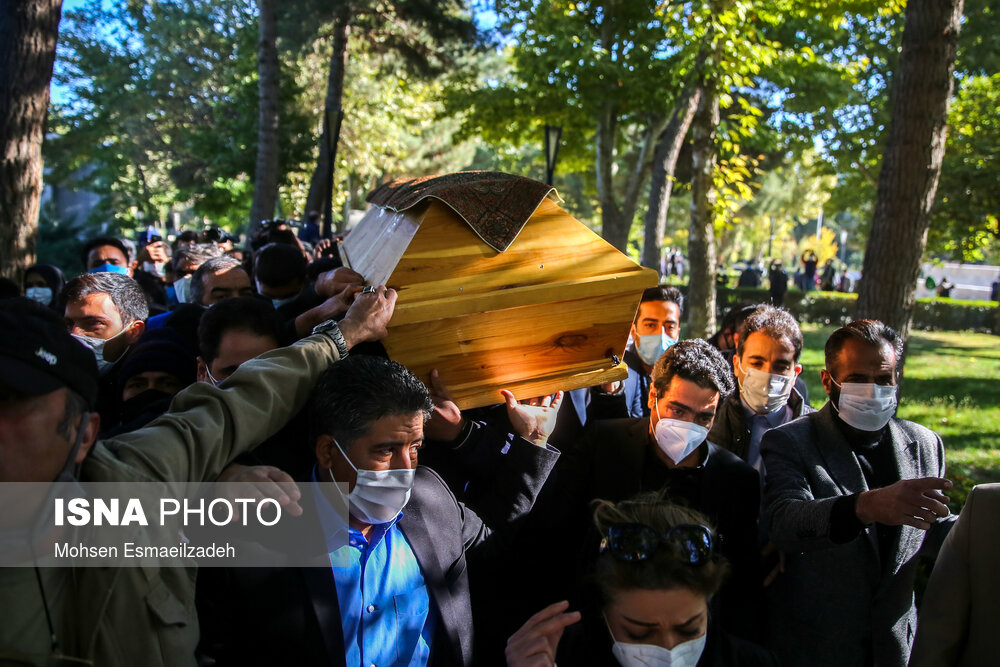
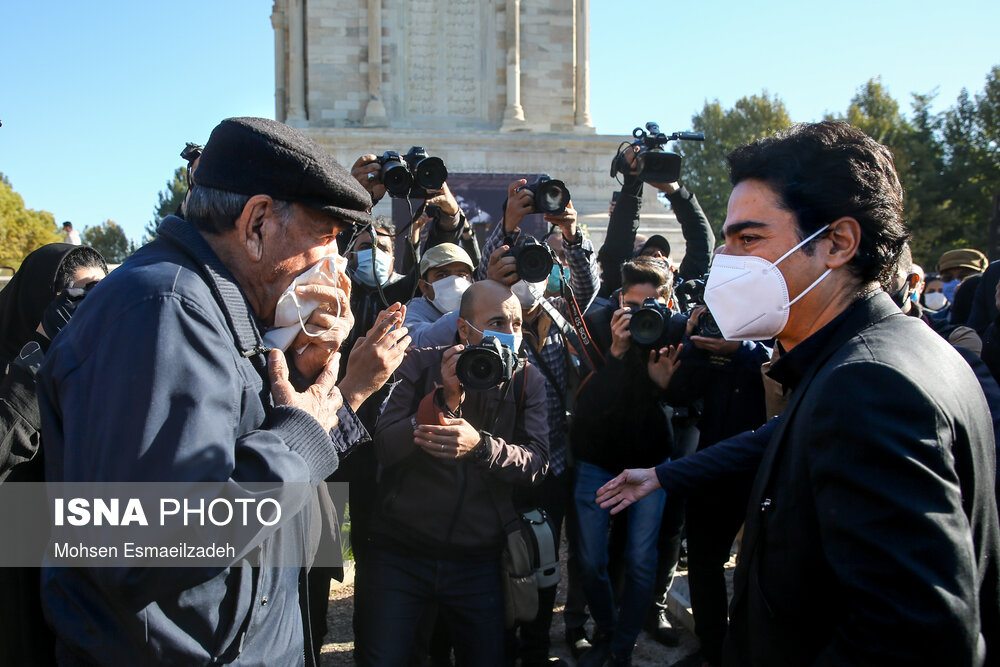
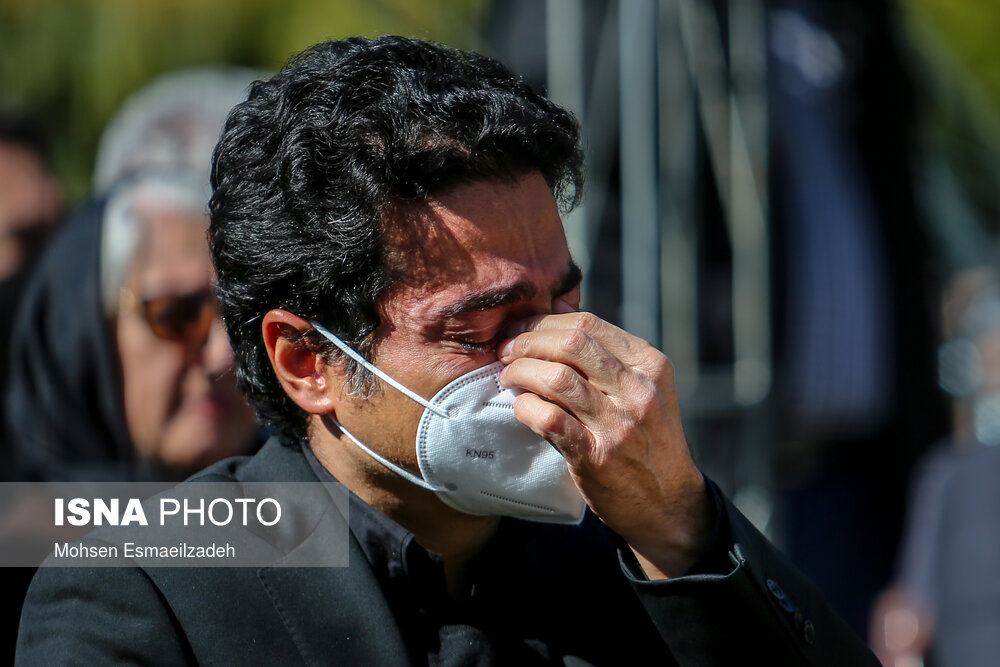
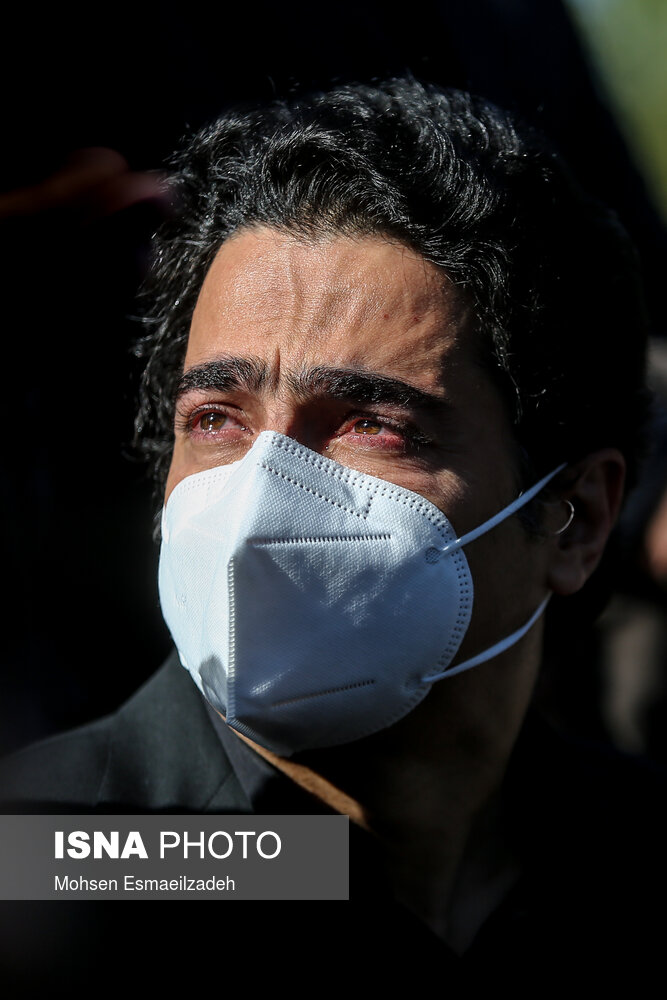
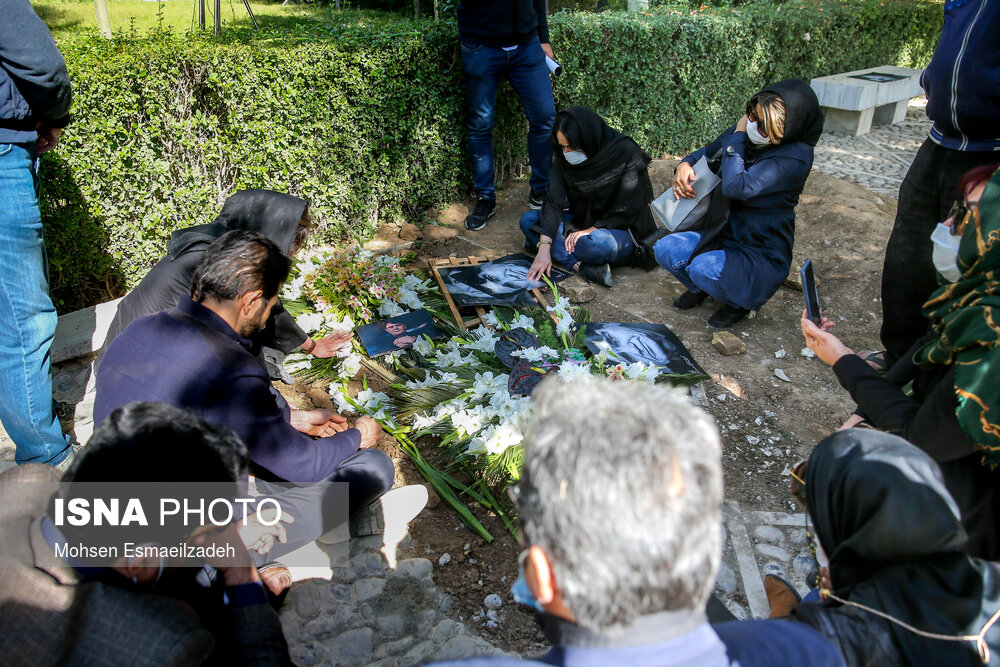
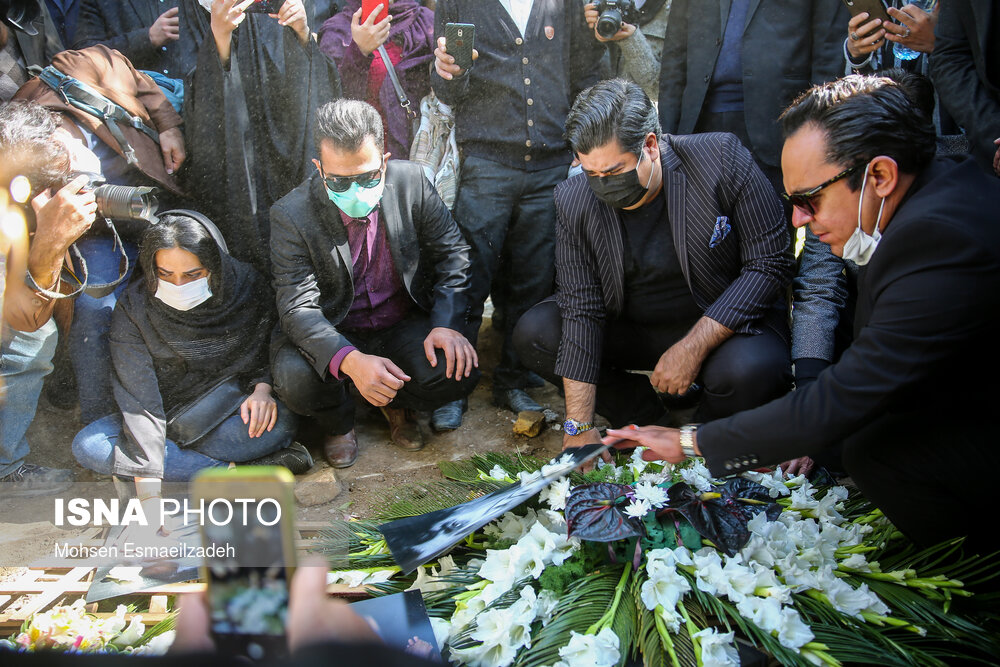
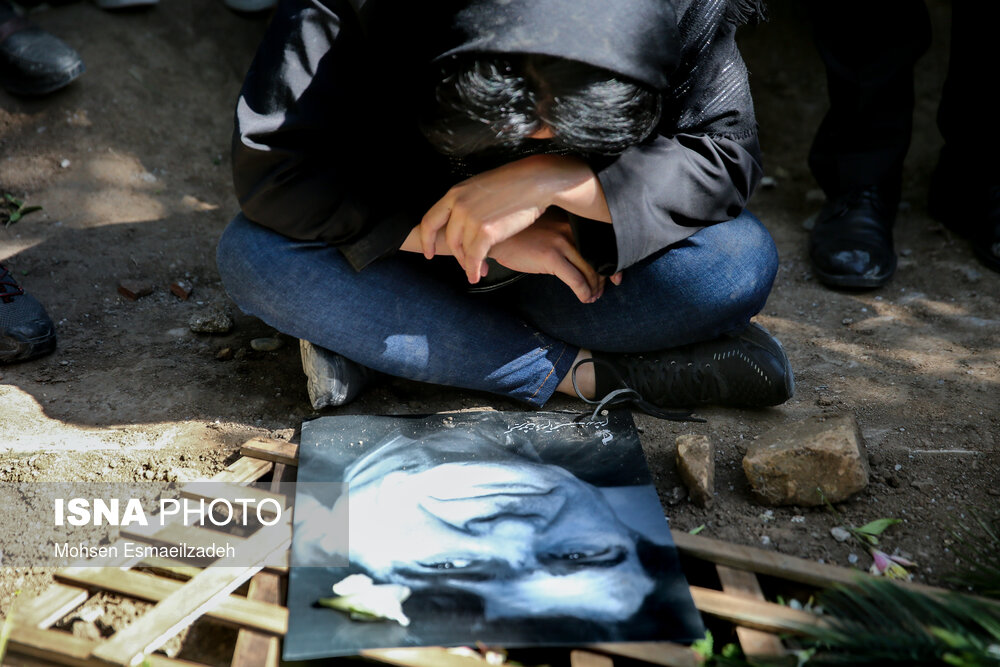
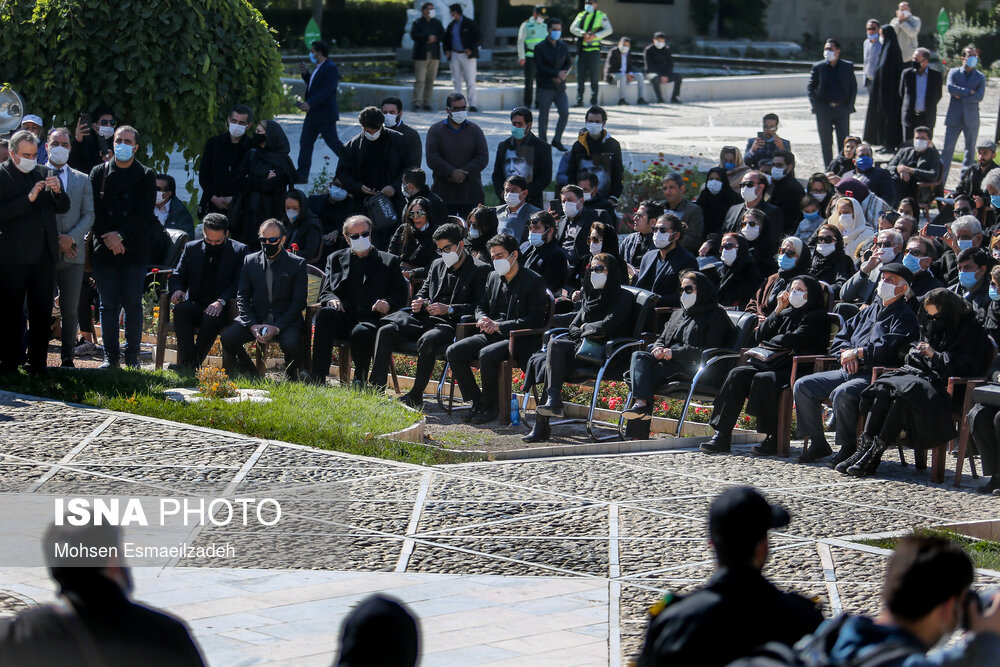
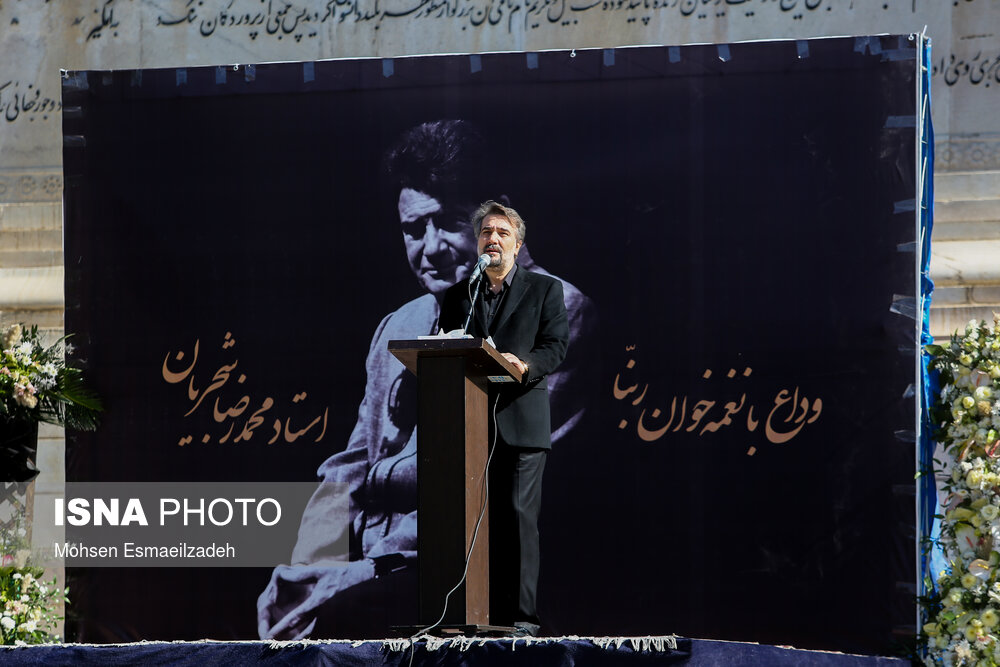
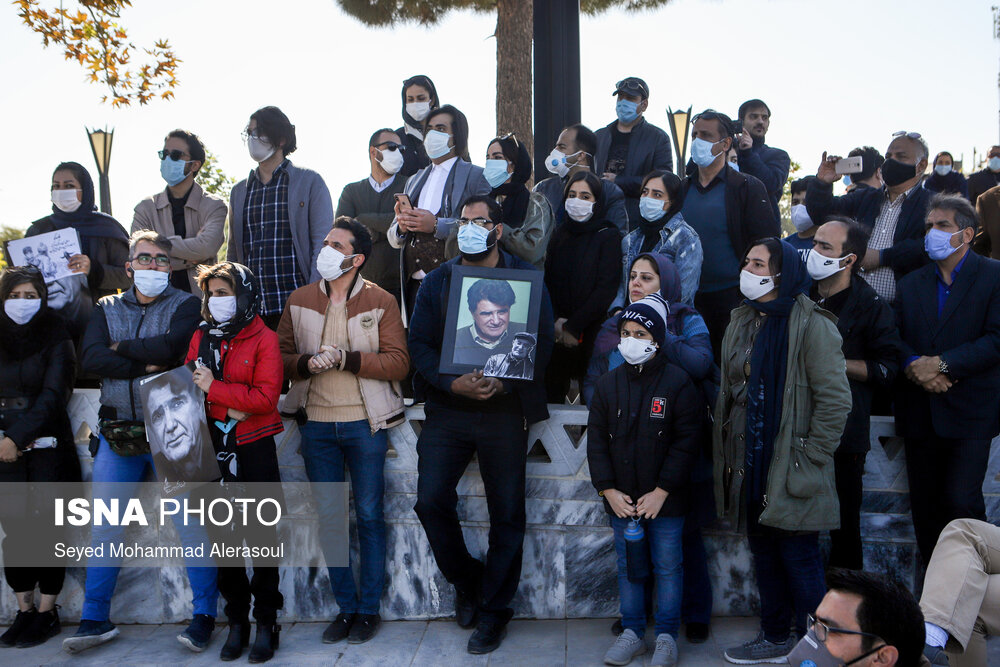
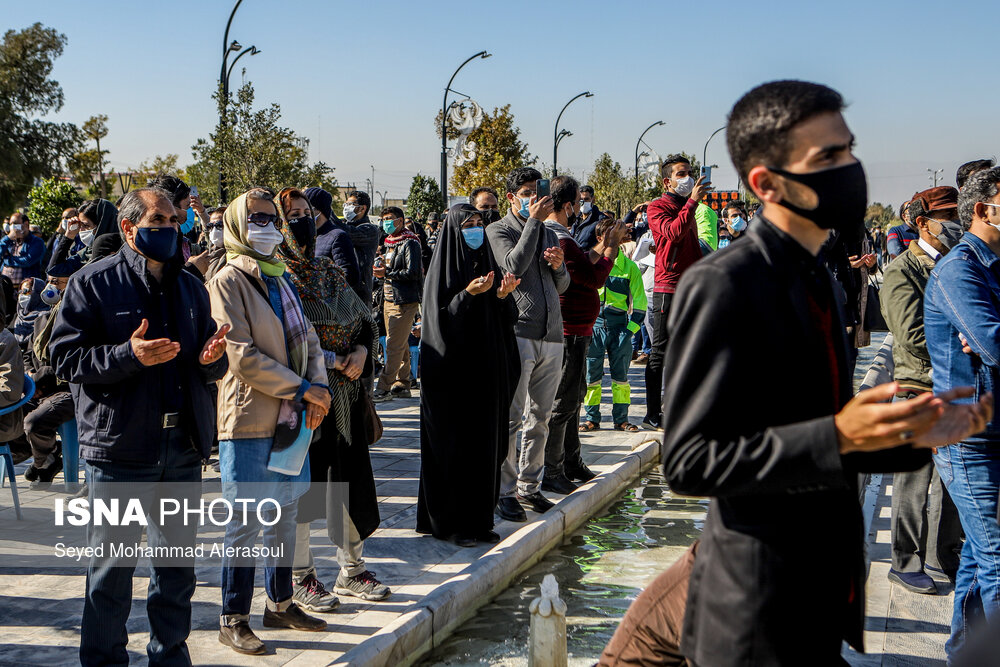
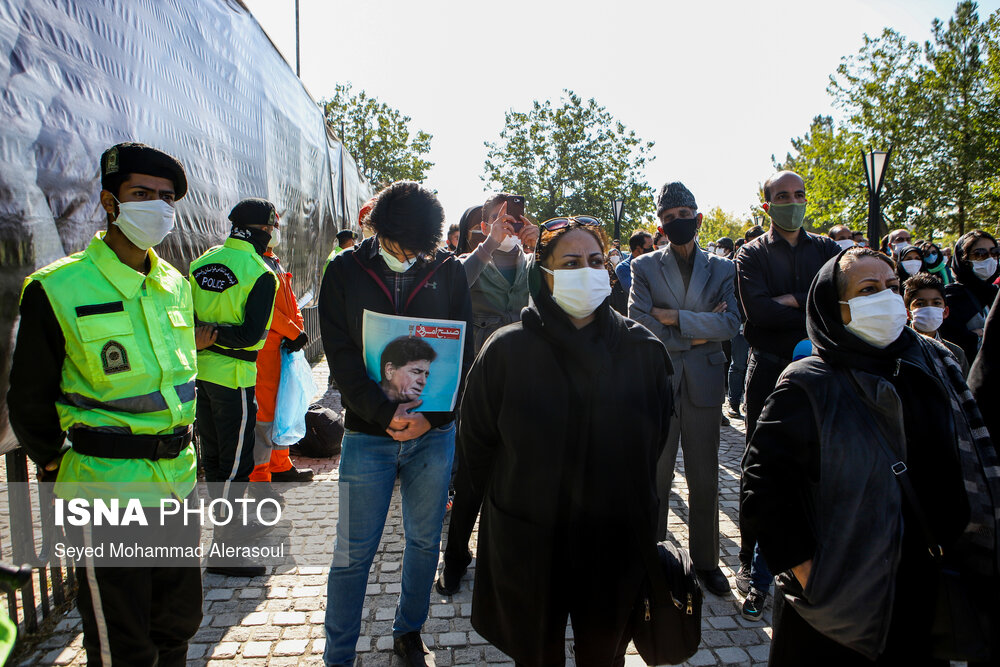
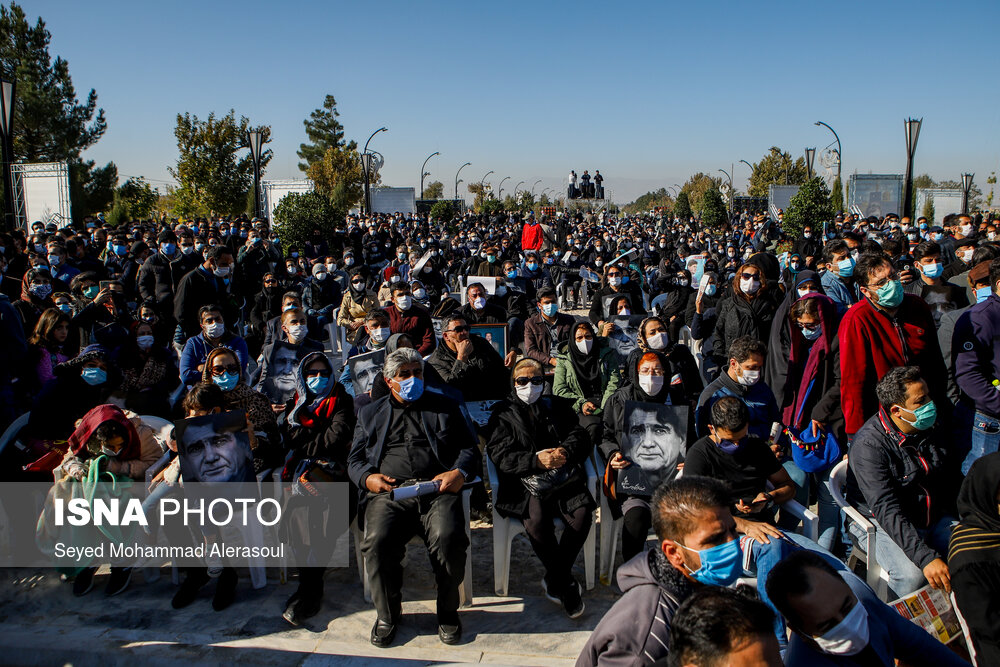
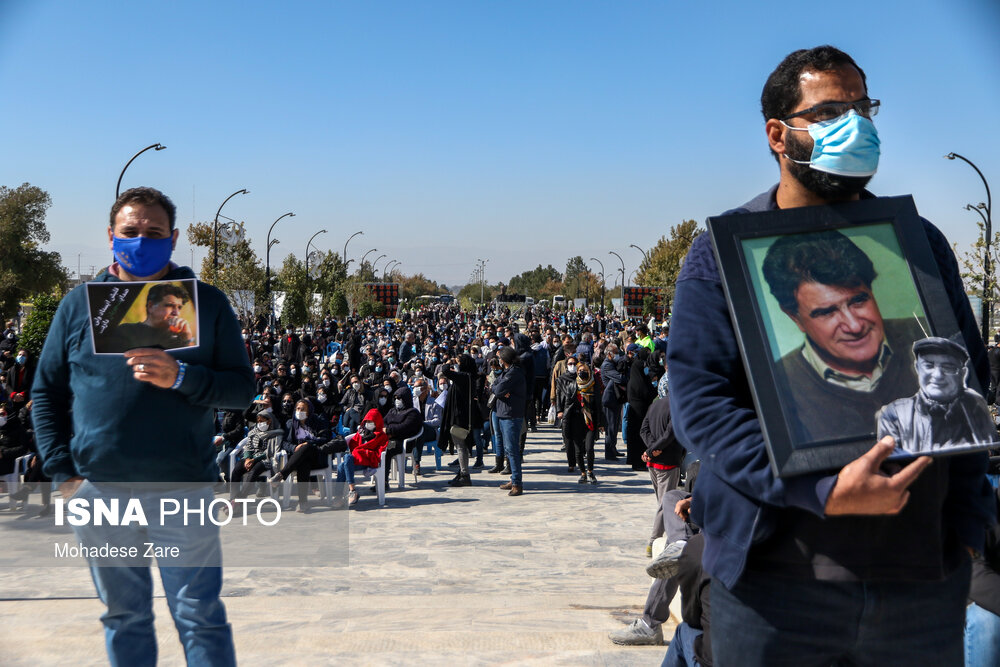
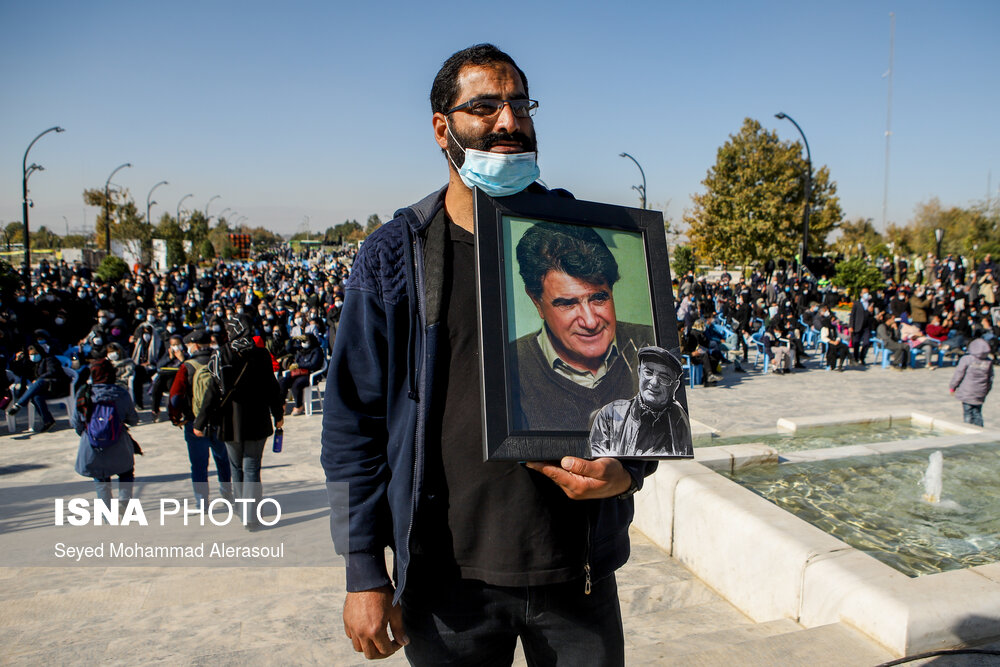
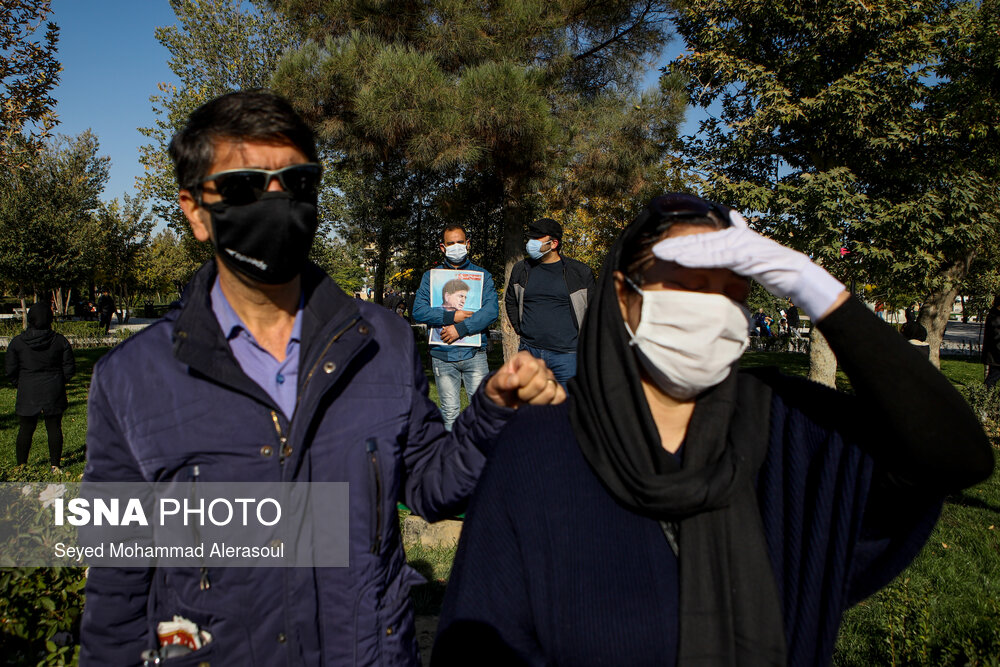
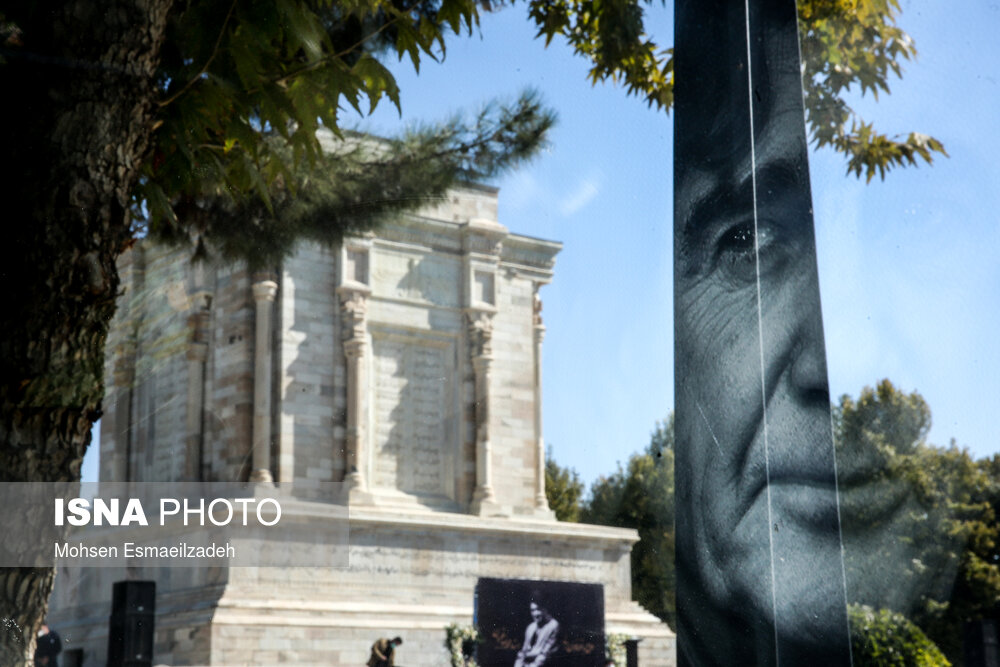
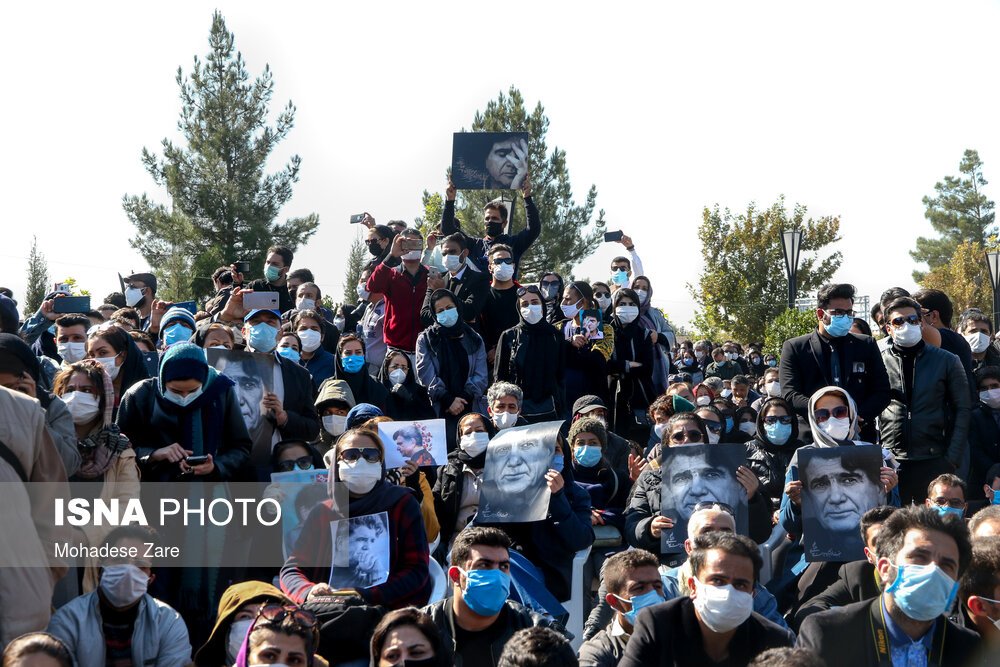
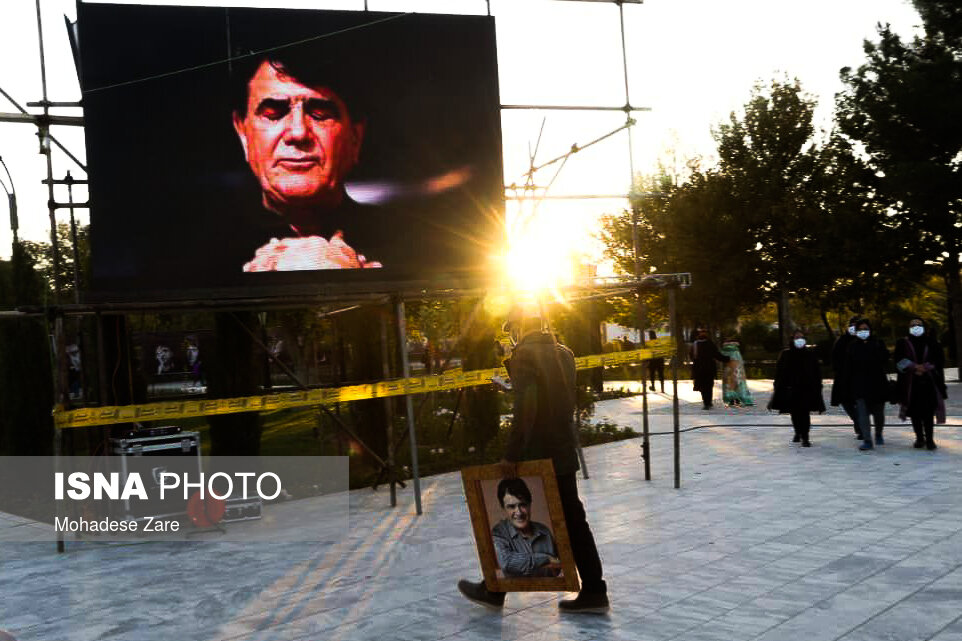
Shajarian passed away on Thursday in a Tehran hospital at the age of 80 after a long battle with cancer.
He was widely regarded as a national treasure who revived traditional music, but he was also popular for his criticism of the government and siding with 2009 protesters, after which he was banned from performing concerts inside the country and his songs were never broadcast again by the state TV and radio.
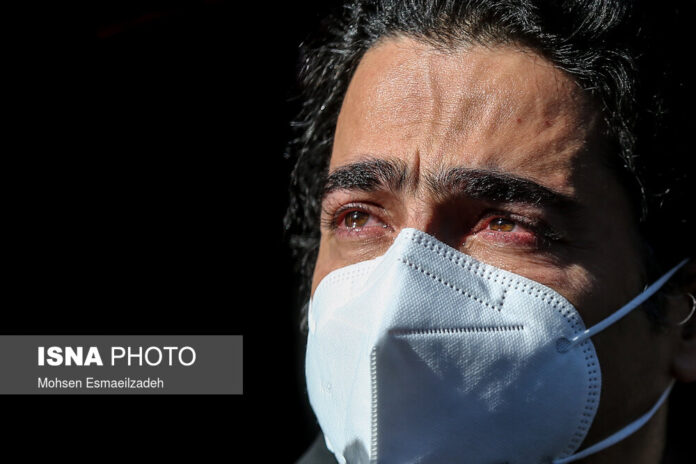
What follows are ISNA’s photos of the burial ceremony held in the ancient city of Tous, where Ferdowsi and contemporary poet Mahdi Akhavan-Sales are also buried:
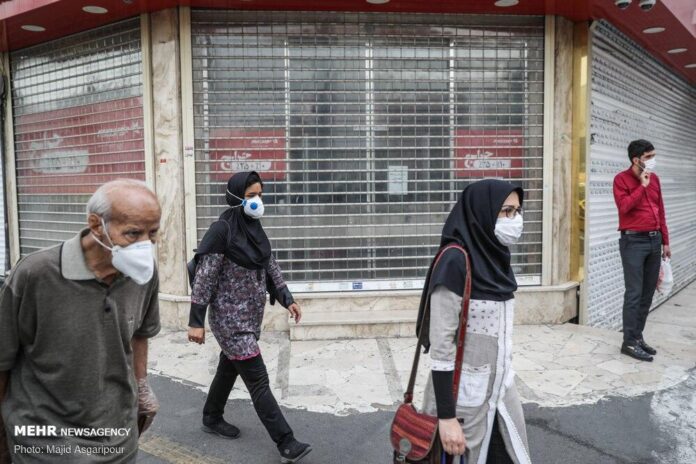
“Based on the decision adopted today by the National Coronavirus Headquarters, anyone who appears in society without a mask will be fined 500,000 rials, which must be paid in two weeks’ time,” President Rouhani said during a Saturday meeting of the National Coronavirus Headquarters.
“If those who have contracted coronavirus and are going through their quarantine period appear in society during the obligatory quarantine term will have to pay IRR 2 million in fines for each time they commit the offence,” he said.
The fines must be paid to the Health Ministry’s bank account to be announced by authorities accordingly, he added.
The president noted everybody in society must wear face masks.
He further said police, Basij forces and health officials will monitor the enforcement of the directive.
He added that, businesses, too, are obliged to abide by health protocols.
“Business owners must not only observe health directives, but also offer services only to people who comply with these protocols,” he noted.
“Businesses which fail to abide by health protocols, will first be reminded to comply; the next time, they will be fined IRR 3 million; they will have to pay IRR 10 million the third time, and if they breach health protocols for the fourth time, their businesses will be closed,” he said.
The president said taxi drivers will be fined as well if they themselves fail to wear masks or if they give a ride to passengers not wearing masks.
President Rouhani underlined that $100 million has been allocated to purchasing COVID-19 diagnosis kits.
He then noted the government will also provide funding for 10,000 extra coronavirus tests.
He underline that the elderly make up most of the coronavirus fatalities, urging old people to be more careful.
The president also thank all those who observe health protocols.
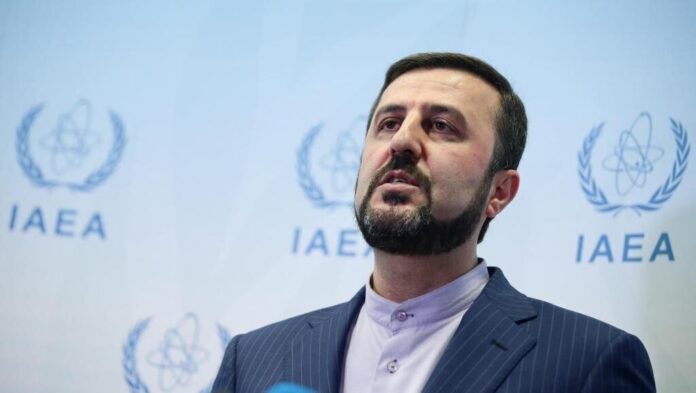
Iran’s ambassador to international organizations in Vienna Kazem Gharibabadi Europe should take action to counter Washington’s anti-Iran moves.
“Europe should not simply settle for expressing regret over such destructive moves by the US,” he said.
He added if Europe’s claim of advocating human rights is true – a claim about which there are serious doubts – then Europe should take action.
“Europe has a heavy responsibility, both in terms of countering the United States’ anti-human rights moves …. and with regards to making good on its commitments under the JCPOA,” he said.
He said the US, on the one hand, claims it has not slapped sanctions on food and drug imports into Iran, but, on the other, blocks financial channels available to pay for those imports.
“By now, everyone must have become aware of this dirty US game,” he said.
The top diplomat said the US has a dark record when it comes to human rights as it has jeopardized the lives of ordinary people through economic terrorism.
“US officials have acknowledged that they will press ahead with their ‘maximum pressure’ policy vis-à-vis Iran to bring the country to the negotiating table with features of their own choice. The US must have realized by now that this strategy is a non-starter in Iran,” he said.
He noted Iran will do whatever it can to counter US moves and cushion the blow from its sanctions.
He dismissed as a “crime against humanity” Washington’s unilateral and illegal sanctions, of whatever type and at whatever stage.
“All domestic, political, international and legal potentialities should be utilized to counter thee crimes,” he said.


 Traditional Confectionary
 Sistani Cookie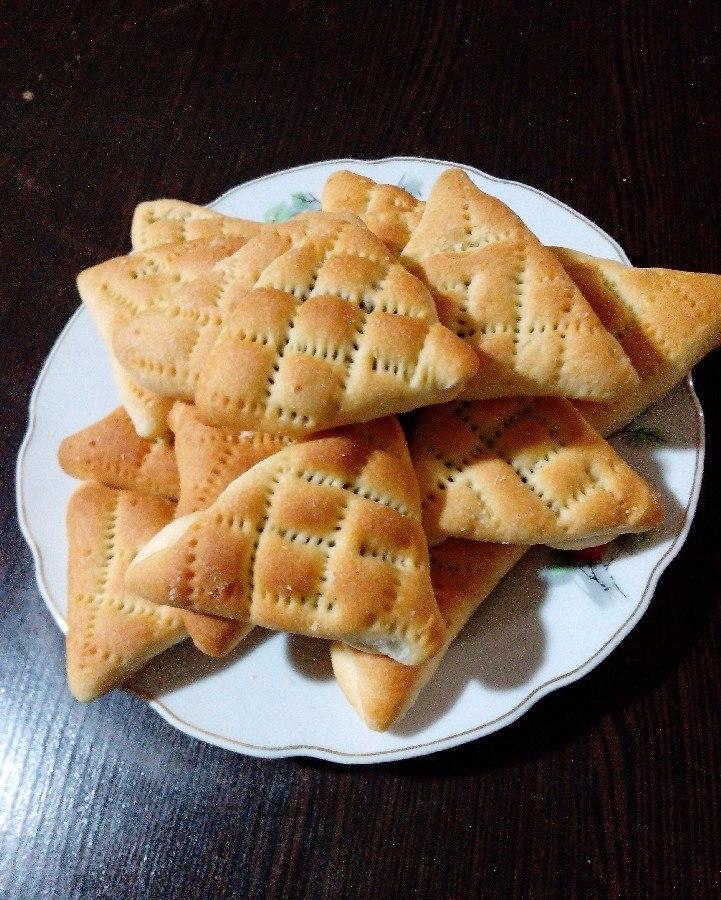

 Different Types of Local Bread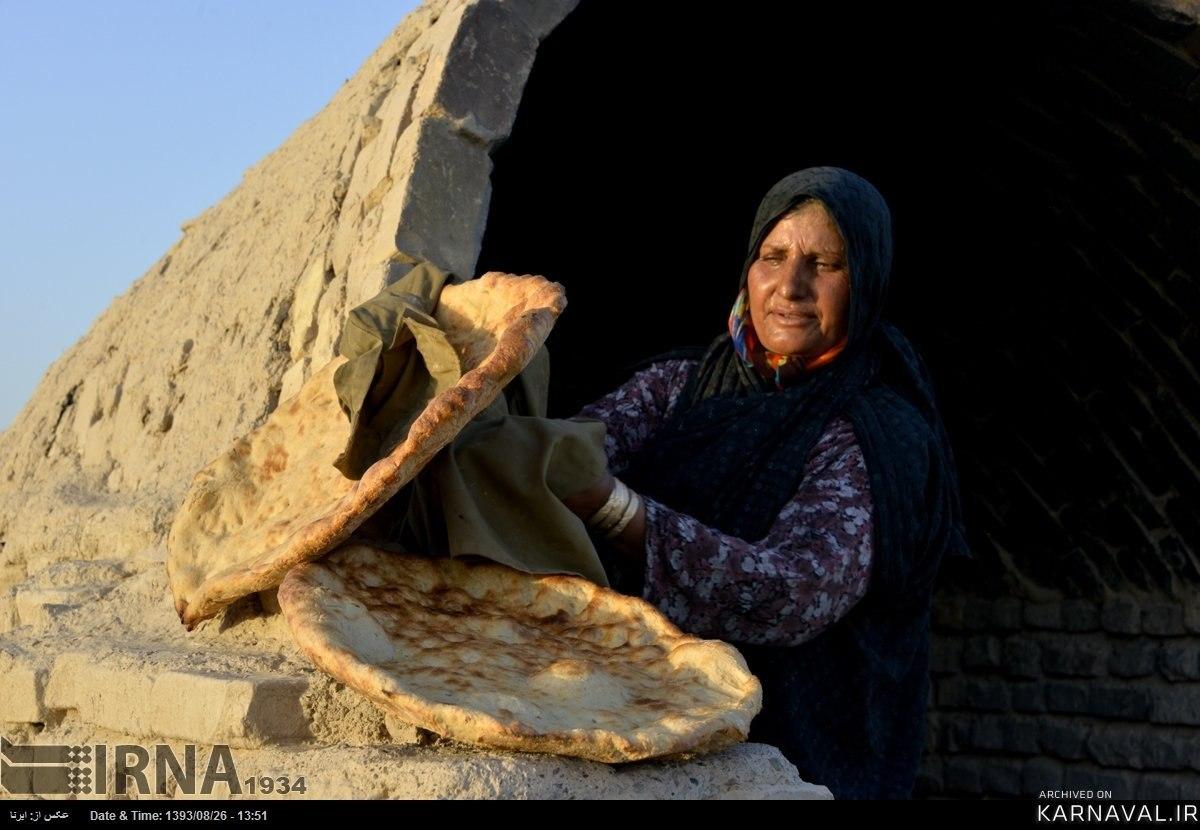
 Helkari