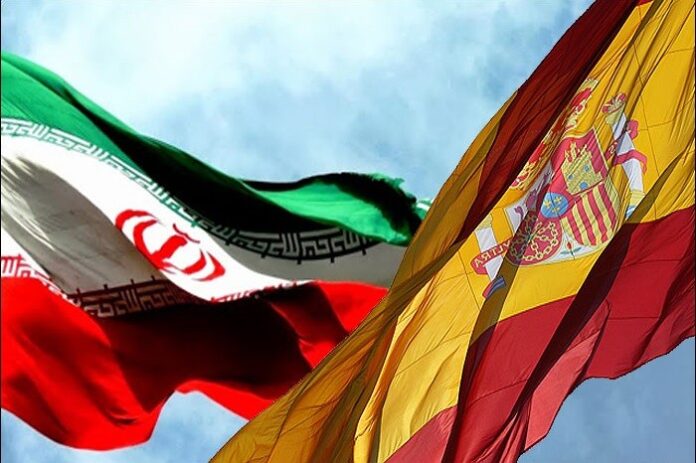
President Rouhani on Monday sent separate messages to King of Spain Philip VI and to Spanish Prime Minister Pedro Sanchez, congratulating them on the national day of Spain, known as the Fiesta Nacional de Espana.
The president expressed hope that the joint efforts by Tehran and Madrid would strengthen the friendship between the two nations, help remove the obstacles, enhance the relations in
all fields, and promote the international cooperation.
In the message to the Spanish king, President Rouhani said Iran and Spain enjoy close and historical relations that provide a basis for friendship between the two nations and stronger bonds in future.
The Iranian president also said in the message to the Spanish prime minister, “Constructive interaction and expansion of relations on the basis of mutual respect and interests with the friendly country of Spain, as one of the major European Union states, has been a priority of the Islamic Republic of Iran over the past years.”
In the letters, President Rouhani also wished the Spanish leaders and nation health, success and prosperity.
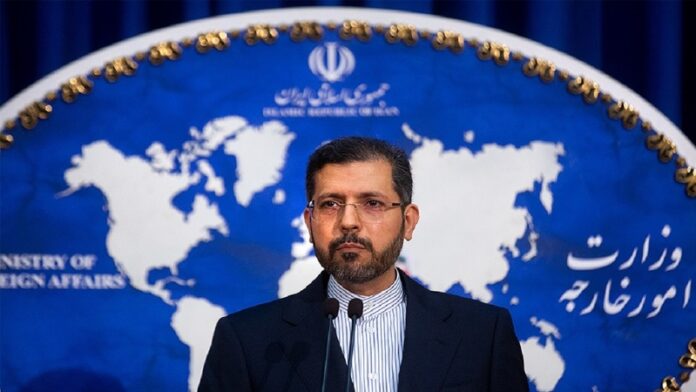
“The Islamic Republic of Iran deplores the violation of a ceasefire announced amid the recent clashes between the Republic of Azerbaijan and the Republic of Armenia, calls on the two parties to exercise more self-restraint, condemns the missile attacks on the vital infrastructure, the residential areas of cities, and the killing of civilians, and expresses sympathy with the bereaved families,” Khatibzadeh said in a statement on Monday.
He made the remarks in reaction to the violation of ceasefire between Baku and Yerevan in the fighting over the disputed Nagorno-Karabakh region.
“The Islamic Republic of Iran once again calls on the two sides to remain committed to the ceasefire and resume their talks within the framework of the international law, respect for the territorial integrity of each other, and evacuation of the occupied cities,” he added.
The spokesman then expressed Iran’s readiness to help facilitate the negotiations for achieving permanent and sustainable peace and solution in the region.
The Republic of Azerbaijan and Armenia have accused each other of violating the terms of a ceasefire in the disputed Nagorno-Karabakh region brokered by Russia.
While the ceasefire was supposed to halt fighting to allow ethnic Armenian forces in Nagorno-Karabakh and Azeri forces to swap prisoners and war dead, both sides accused each other of breaking the truce within minutes after it took effect on Saturday.
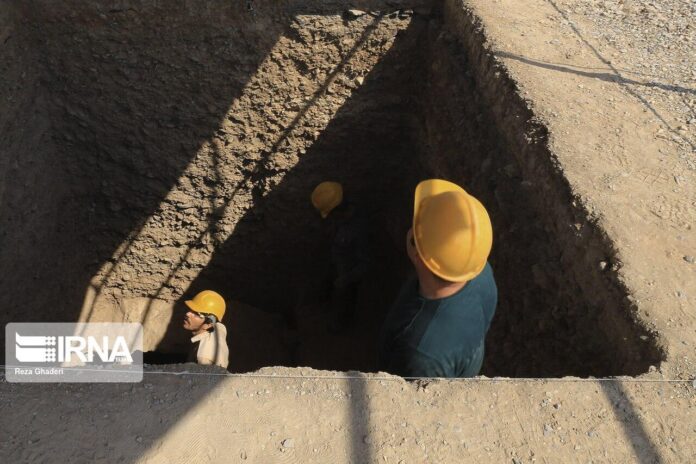
The discovery was made during the fourth stage of archaeological excavations at the location of water canals at the internationally recognized site of Persepolis.
The excavations were aimed at unearthing the southern part of one of the canals leading to an unfinished gate to the historical site.
No picture of the high relief figure has been presented to media, yet.
Archaeologists working at the site say the human face is carved onto a piece of rock at the site, where new skeletons of humans and animals have also been dug out.
Remnants of other carved figures have also been discovered at the site.
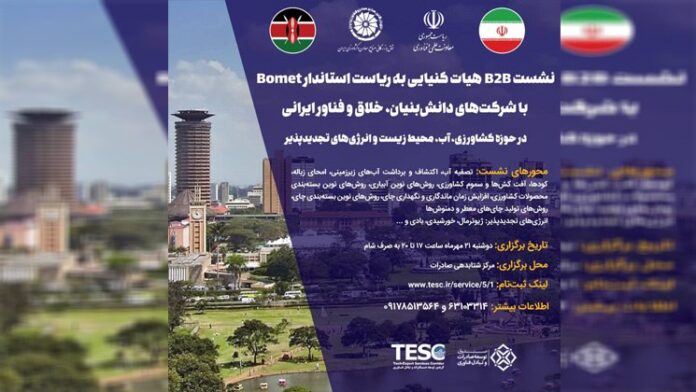
The meeting between Iranian knowledge-based companies and the Kenyan team is an opportunity provided by the Centre for International Science and Technology Transactions of the Vice-Presidency for Science and Technology of Iran.
It is an opportunity for those working in the agriculture, water, environment and renewable energies sectors to sit face to face and hold talks on the promotion of mutual trade and technological ties.
The meeting is due to be held on October 12, 2020.
The market in Kenya all the way to the east of the African continent serves as an ideal opportunity for Iranian producers.
Inexpensive workforce, a lack of customs barriers and the existence of untapped economic potentialities bear testimony to that fact.
Iran should realize that the African continent, with a population of 1.2 billion, is a large and intact market which should be utilized.
Kenya is the choice of the Center for International Science and Technology Transactions of the Presidential Office which aims to explore the market in that country for Iranian knowledge-based firms.
Kenya is a country which has cordial relations Iran and has an economically viable market; however, Kenya is hosting only a small part of Iran’s economic and production potential.
For more information, those interested may visit https://tesc.ir.
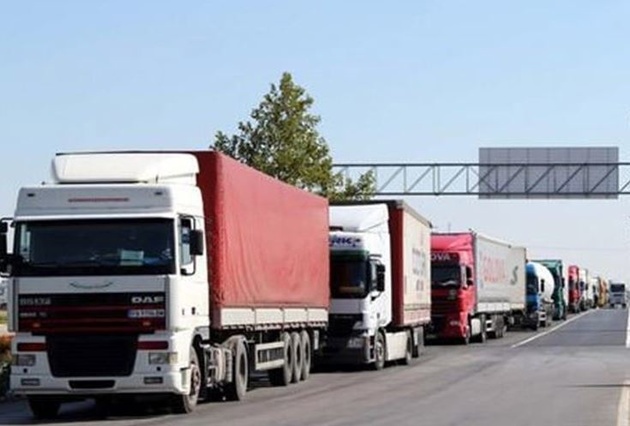
President Hassan Rouhani said Sunday pertinent government bodies are obliged to remove any lack of coordination which might exist in the administrative process.
He said at a time when the toughest sanctions are imposed on Iran, every effort has been made to boost the potential for non-oil exports.
He also underlined the need for a single management trend to further coordinate the day-to-day running of affairs at the country’s border terminals.
The president underlined the need to make up for any technical and administrative shortages in that regard.
“The Ministry of Economic Affairs and Finance is duty-bound to expedite the process of meeting the demands and procuring the equipment needed by customs offices to make it possible for goods to be cleared at border customs offices as soon as possible,” he noted.
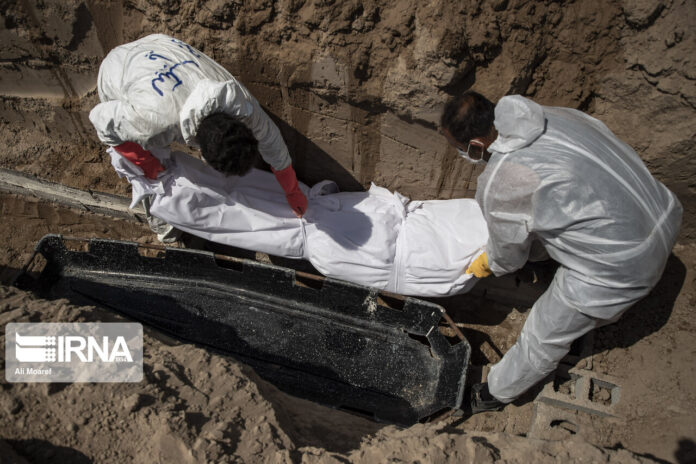
In her press briefing on Sunday, Health Ministry spokeswoman Sima-Sadat Lari said the new deaths increase the overall death toll to 28,544.
She also reported 3,822 new cases of COVID-19 infection, raising the total number of cases to 500,075.
So far, she added, 406,389 patients have recovered from the disease or been discharged from the hospital.
Lari said 4,482 patients are also in critical conditions caused by more severe infection.
The spokeswoman noted that 4,312,514 COVID-19 tests have been taken across the country so far.
She said the high-risk “red” zones include Tehran, Qom, Mazandaran, East Azarbaijan, Isfahan, Yazd, Ardabil, Khorasan Razavi, Khuzestan, Hamadan, West Azarbaijan, Bushehr, Chaharmahal and Bakhtiari, Kohgiluyeh and Boyer-Ahmad, Alborz, Lorestan, Markazi, Ilam, South Khorasan, Kermanshah, North Khorasan, Semnan, Gilan, Zanjan, Qazvin, and Kerman provinces.
The “orange” zones also include Golestan, Hormozgan, Kurdistan, and Fars provinces, she added.
During the videoconference talks held on Sunday, Abdullah expressed his gratitude to Iran for its political support and humanitarian aid to Yemeni people.
He also presented a report on the latest measures adopted by the Yemeni National Salvation Government on the international stage as well the correspondence made with the UN in order to record the crimes committed by the Saudi-led coalition, including the perpetuation of aggression as well as the seizure of ships carrying fuel and food amid the coronavirus pandemic.
Khaji, in turn, touched upon Tehran’s fundamental position which highlights the political settlement of the Yemen crisis.
He said the Islamic Republic of Iran will tap into its full potential to defend defenceless Yemeni people on the international stage via numerous regional and international consultations.
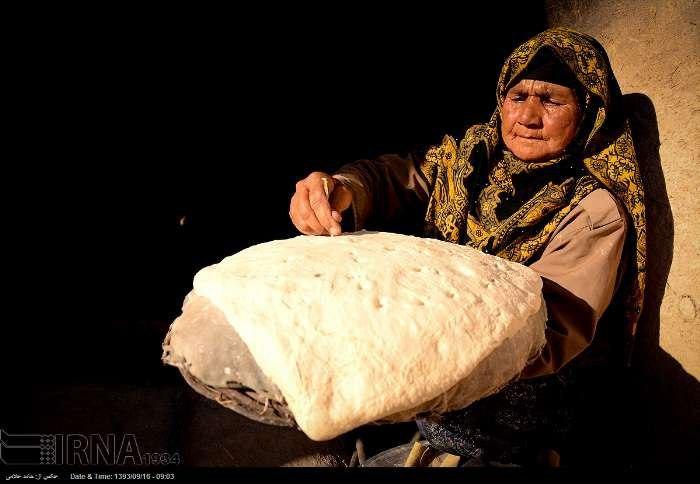
This article introduces different types of bread and sweets cooked in Sistan and Baluchestan. We will see what kinds of confectionary are most popular in the province.
Traditional Confectionary
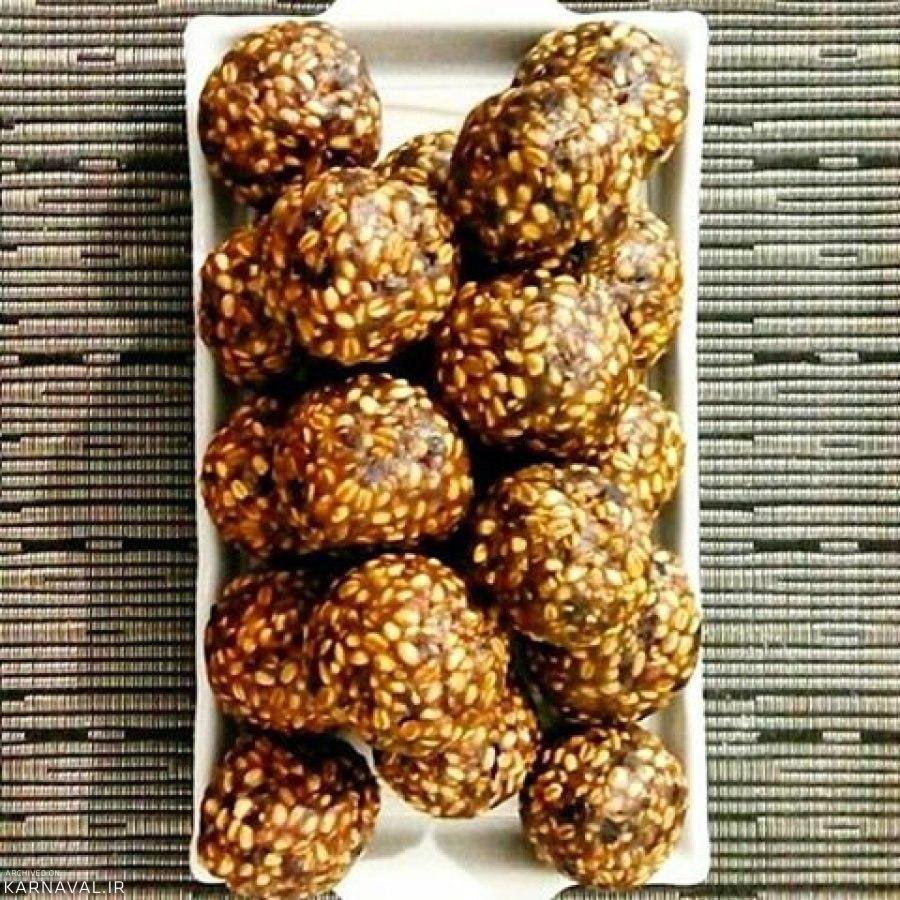
Lendo
Lendo is one of traditional foods or cookies of the province usually used as a snack. Lendo is made with dates, wheat and sesame. Lendo is formed into balls before being served.
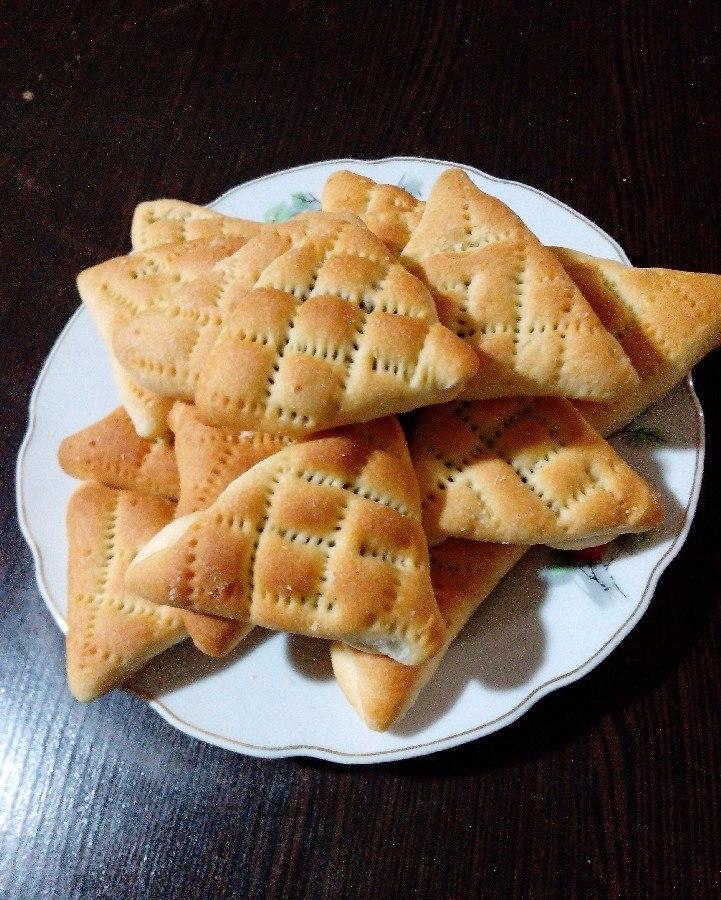
Sistani Cookie
The cookies cooked in this province are either date-flavoured or plain. They have their own fans due to the spices used in them and the method of cooking.
Changal
Changal is yet another tasty food cooked by people in Sistan and Baluchestan province. It is made with local bread, dates and animal oil.
Changal is the food that Baluch nomads serve their guests with. They serve it with Doogh (yoghurt drink). This food is popular with many people in southeastern Iran, especially in the holy month of Ramadan.
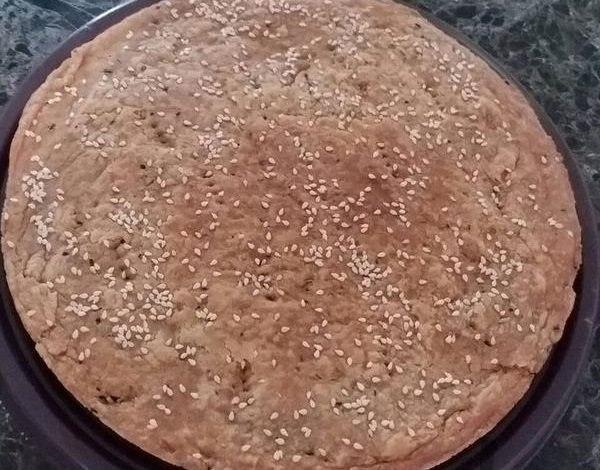
Tajagi
Tajagi also known as Sistani Samanoo is a delectable food made with wheat sprouts, flour, oil and water. They begin cooking the food as of early January and many people keep cooking it until late June (which falls on the Persian New Year). Sometimes they add a layer of dates to make the food more delicious.
Different Types of Local Bread
As in other areas in Iran, local people in this province cook tasty types of bread. Some of them are mentioned below.
Khamir
Khamir is very similar to Lavash bread, the only difference is that it is a little bit thicker. It tastes sour.
They use an iron pan to cook Siserk. This type of bread is usually used to bake Changal.
Porani
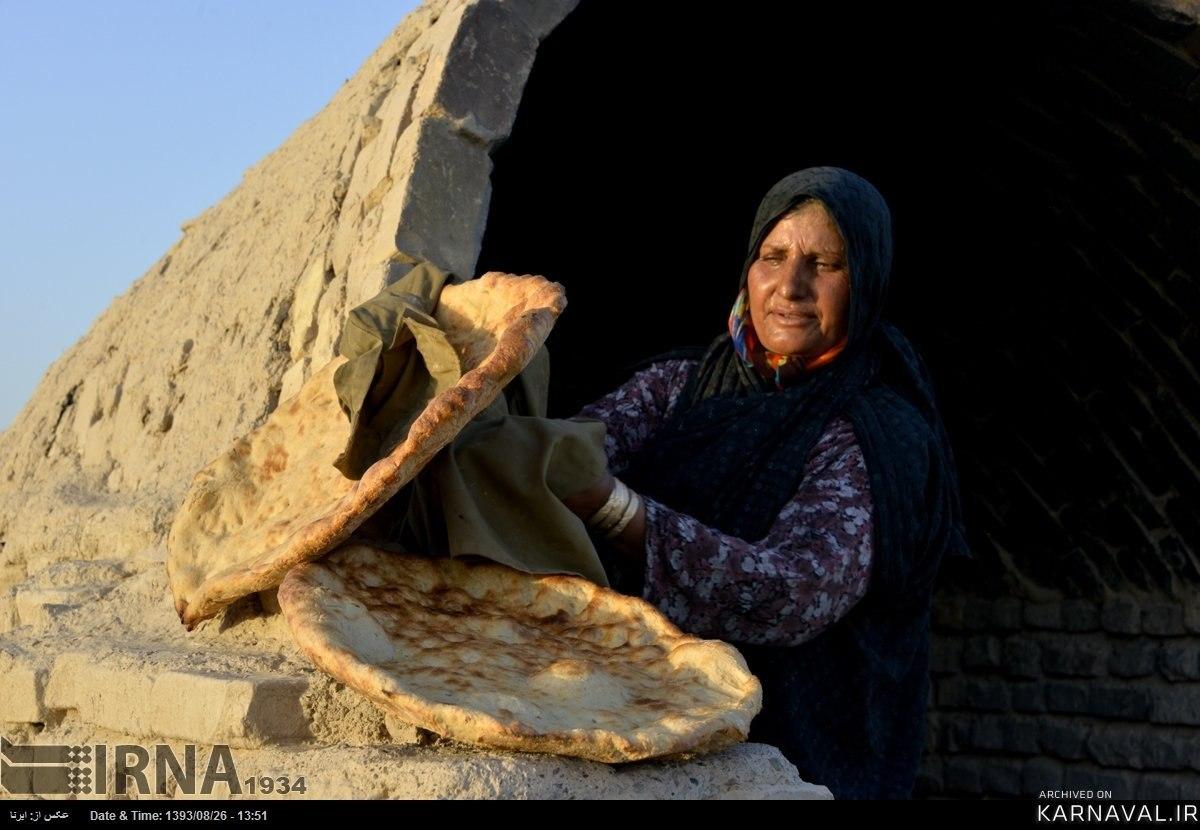
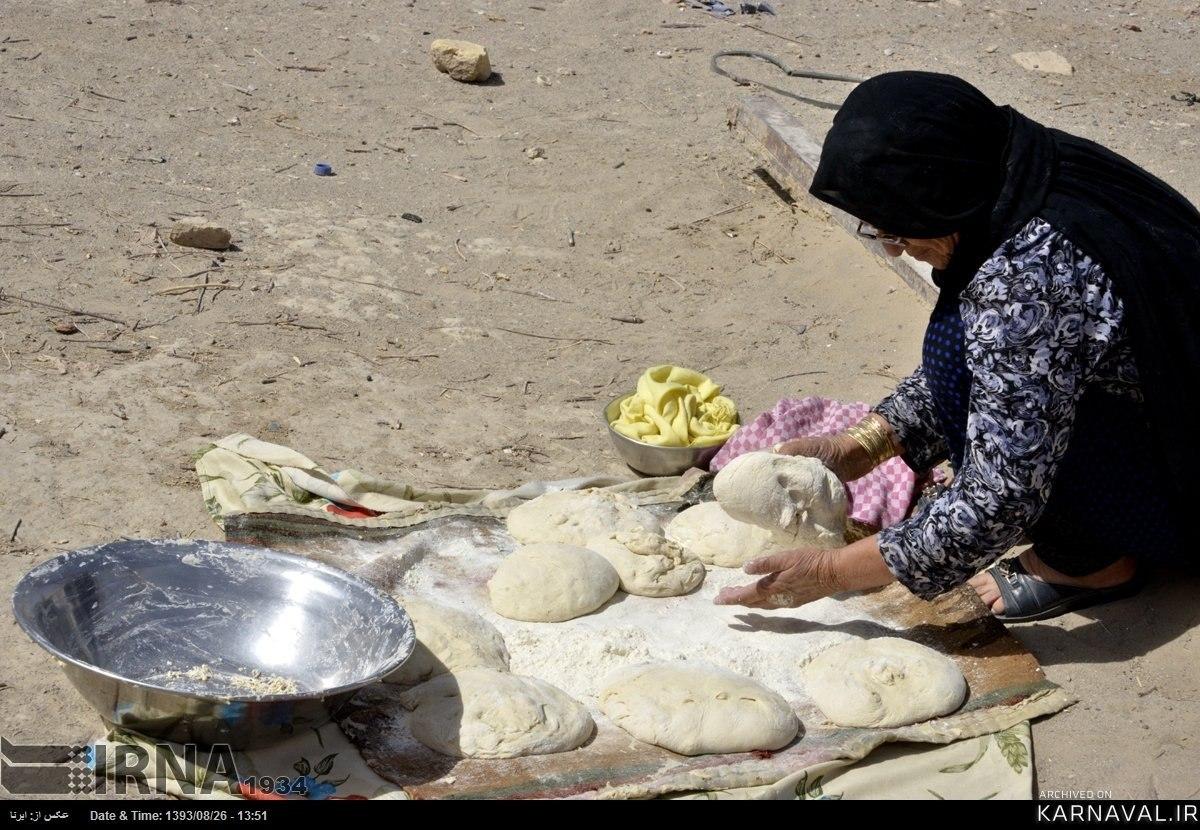
This kind of bread is usually baked by nomads as there is no need to make it in an oven. All they have to do is to light a fire on sand-covered ground and put the dough on them once the sand gets hot. Porani takes half an hour to bake.
Helkari
When baking Helkari, they usually divide the dough into smaller parts before rolling them flat. A special rolling pin is used to make the dough thin. Then the thin, flat pieces of dough are put in hot oil to fry.
Tinmiush
When baking Tinmiush, they usually form a watery mix of dough before spreading it on an iron dish with hands. At the end, they will get a thin, crispy loaf of bread.
Borak is another type of local bread baked in Sistan and Baluchestan. It is a mix of dough with spinach and herbs. It is especially served on local people’s table during the holy month of Ramadan.
Chalbak
It is made with water, leaven, salt, yoghurt and flour. The dough is fried. They usually pour sugar on it and serve it for breakfast.
Qelifi
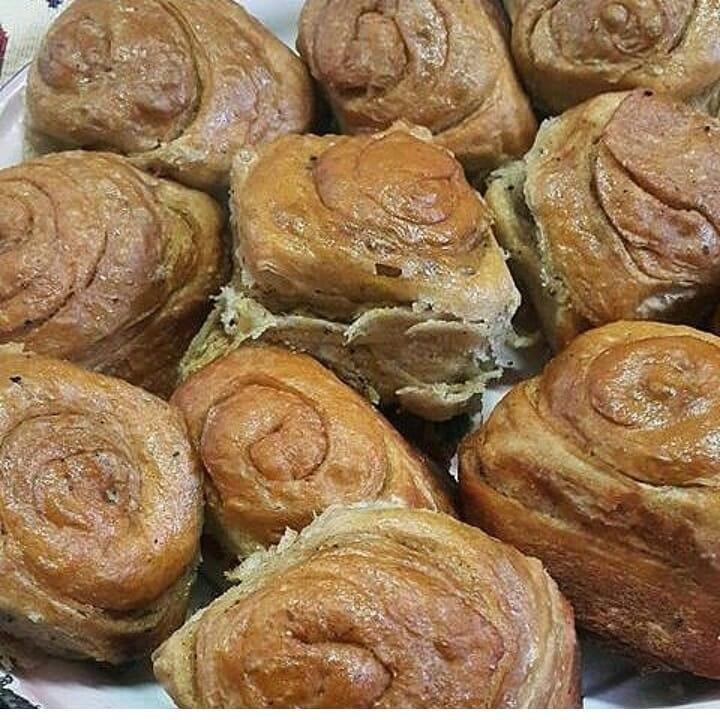
Qelifi is something between confectionary and local types of bread in Sistan and Baluchestan. In order to make Qelifi, they knead the dough well. Then they take part of its and insert some fried date inside it before rolling it. Finally, they put the rolls in the oven and bake it with some garnish.
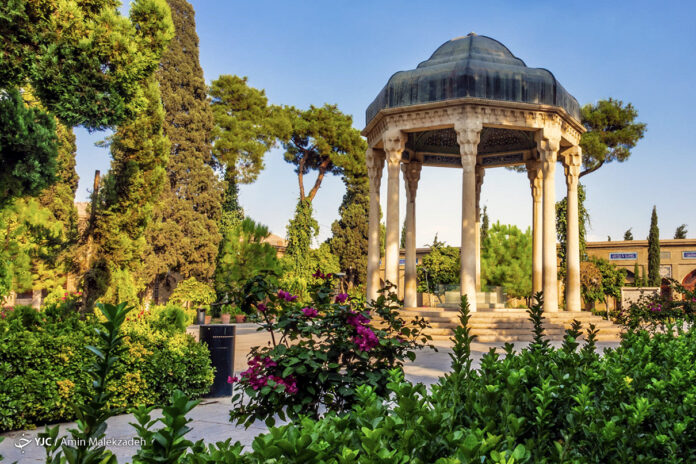
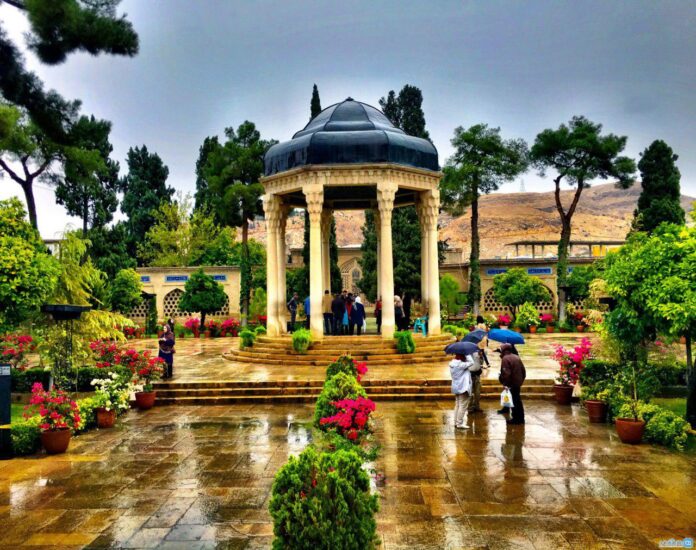
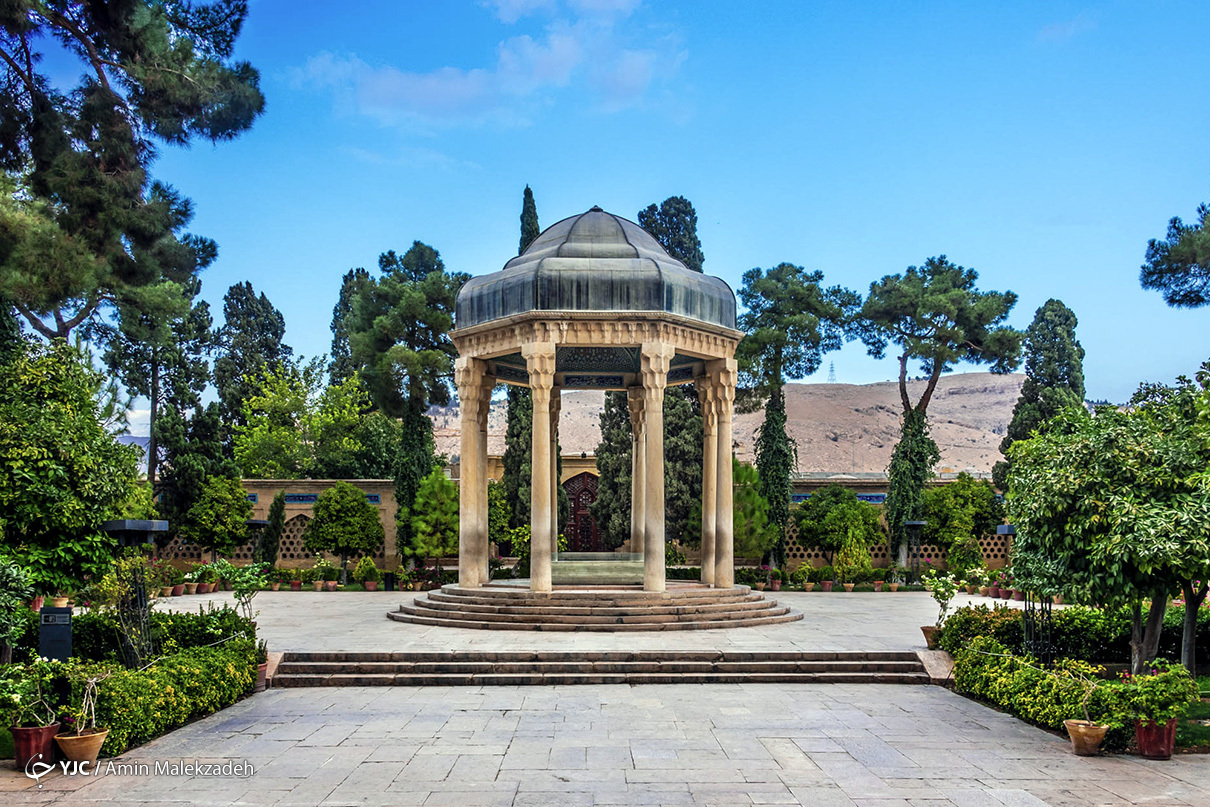
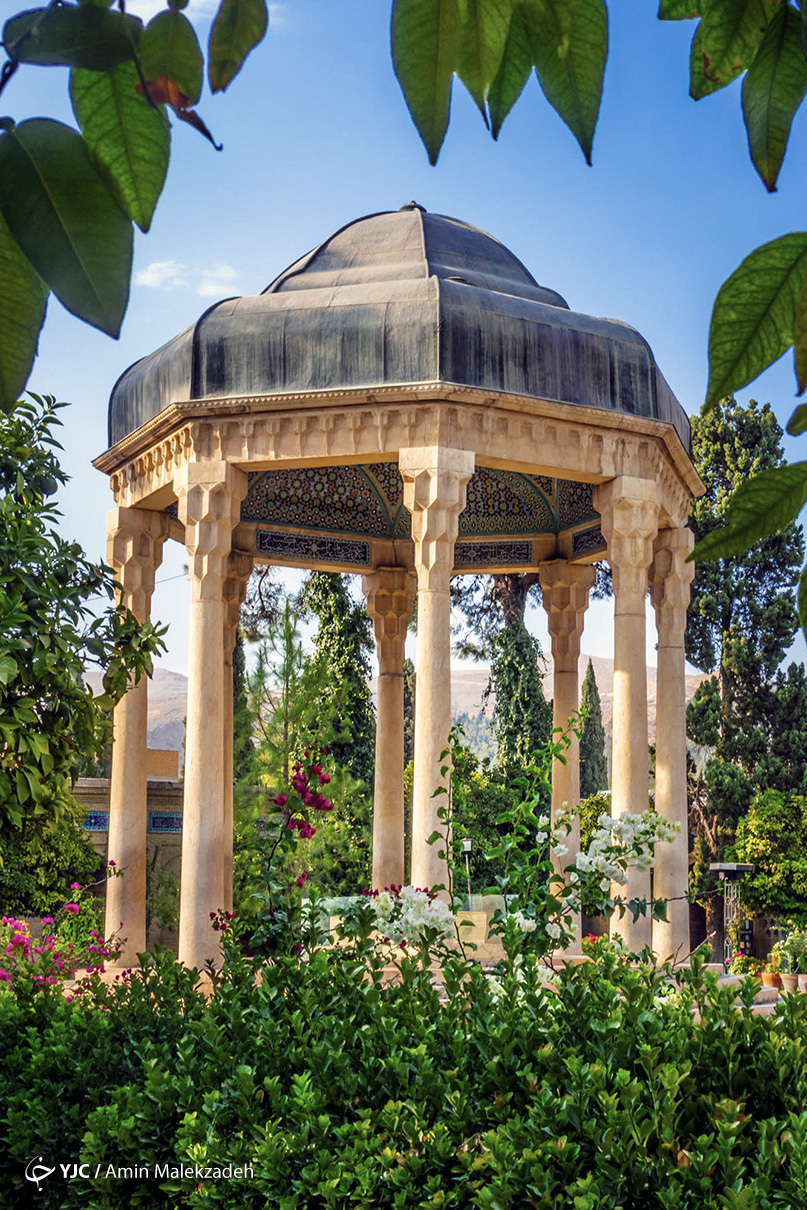
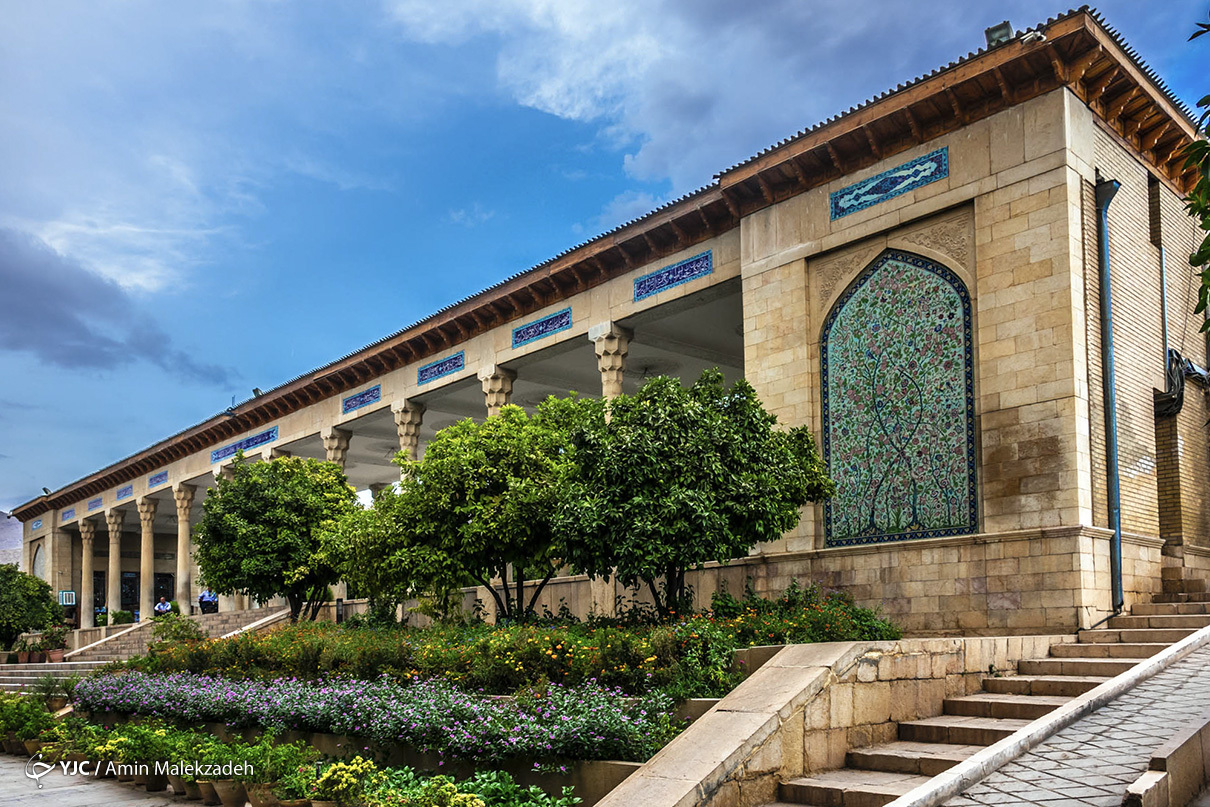
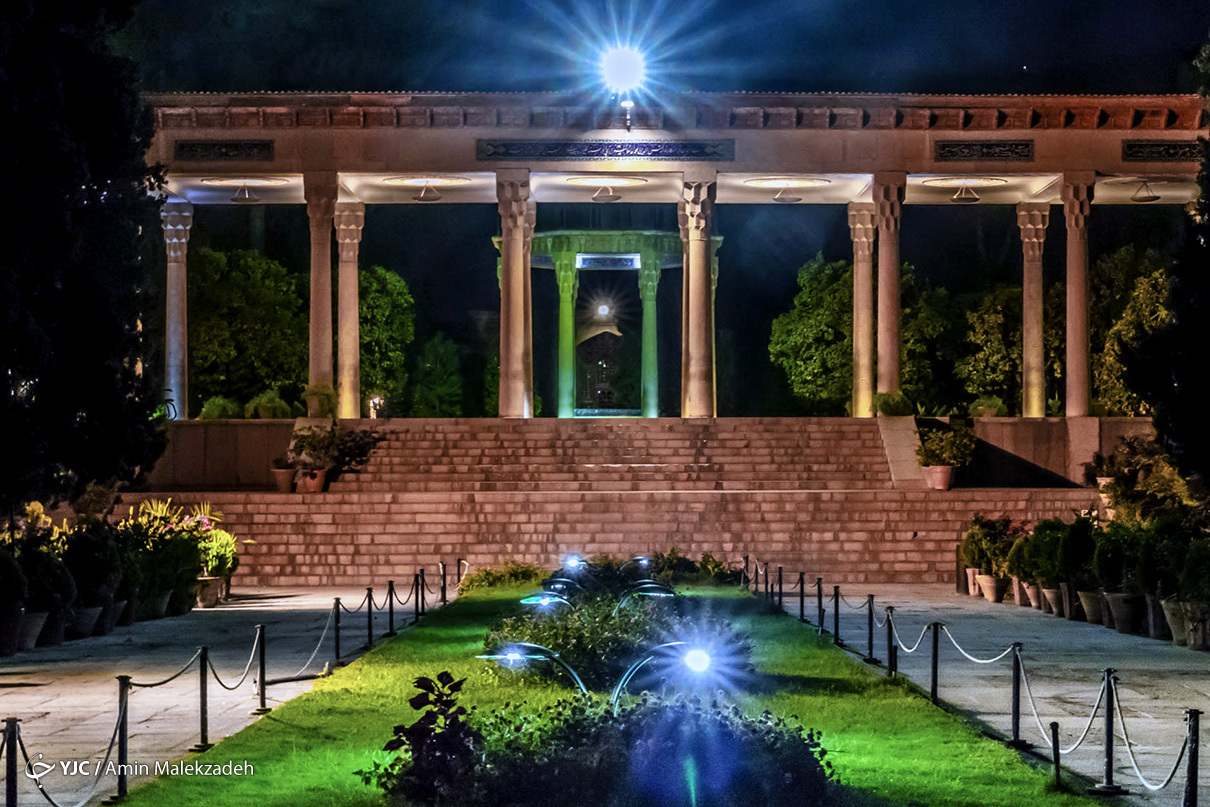
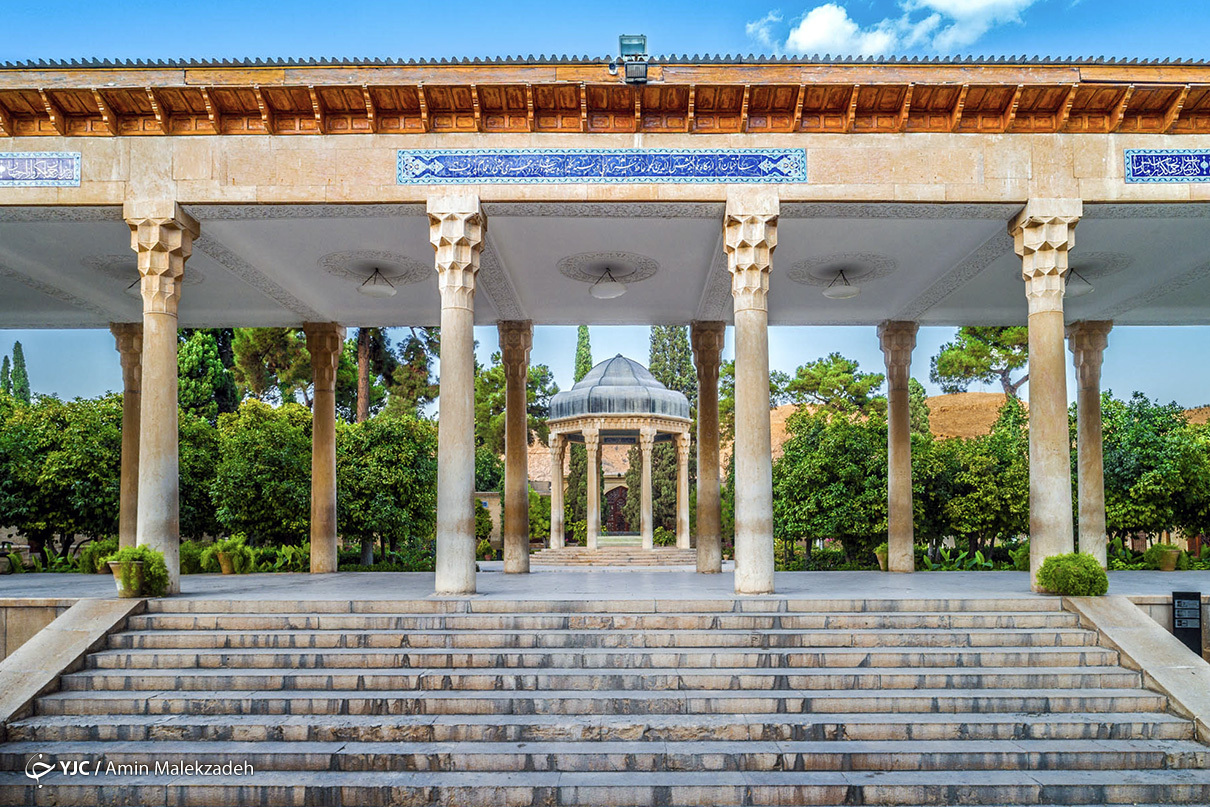
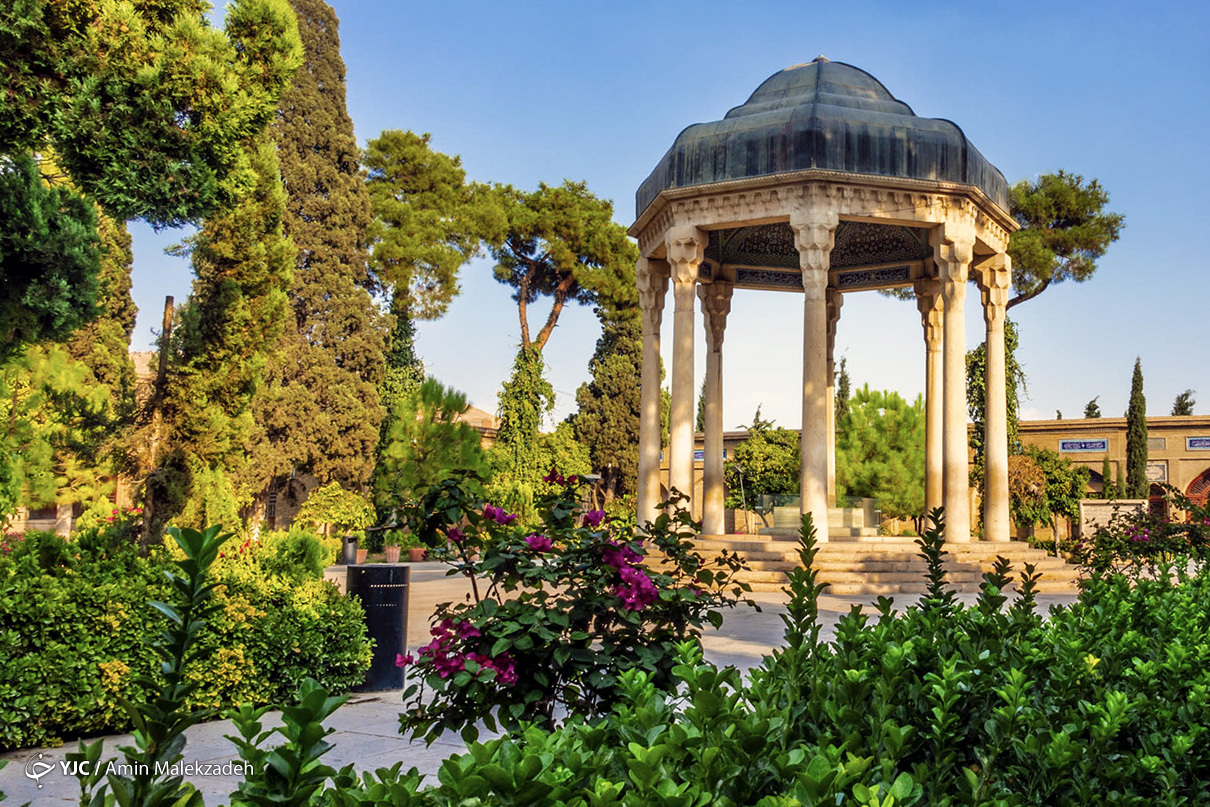
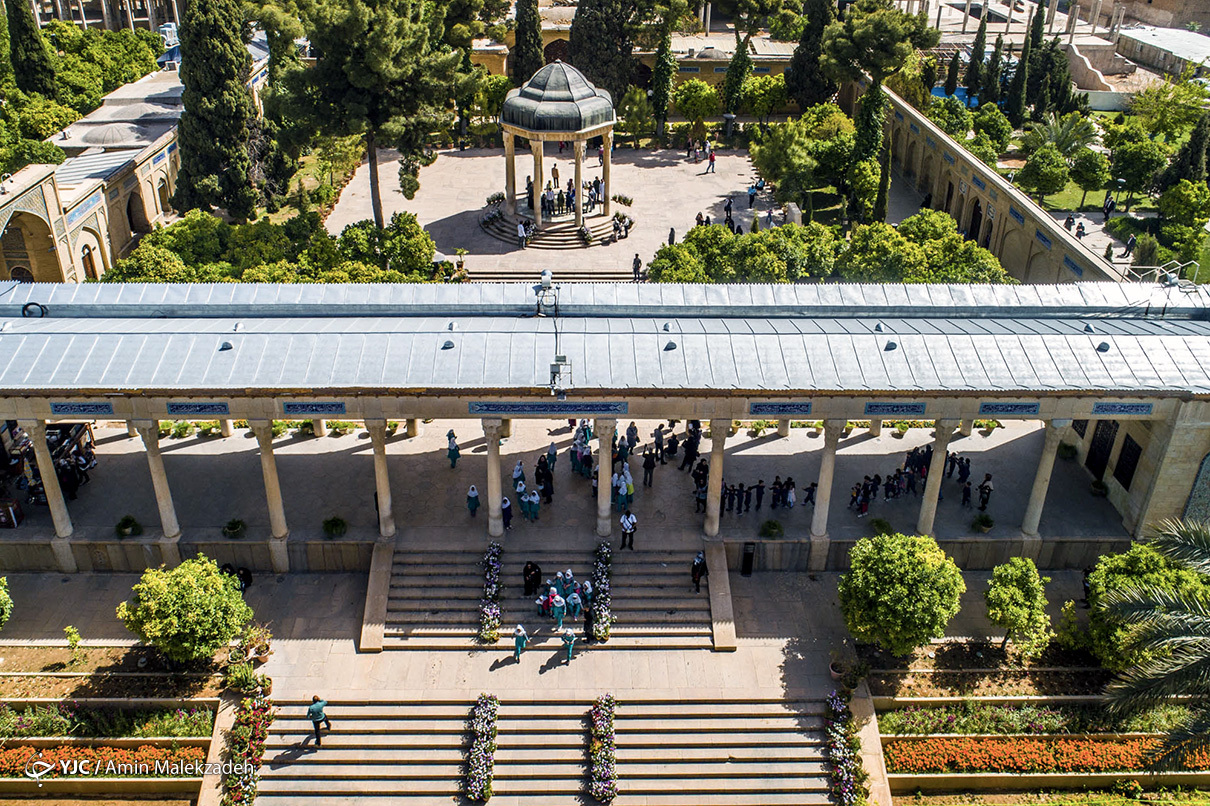
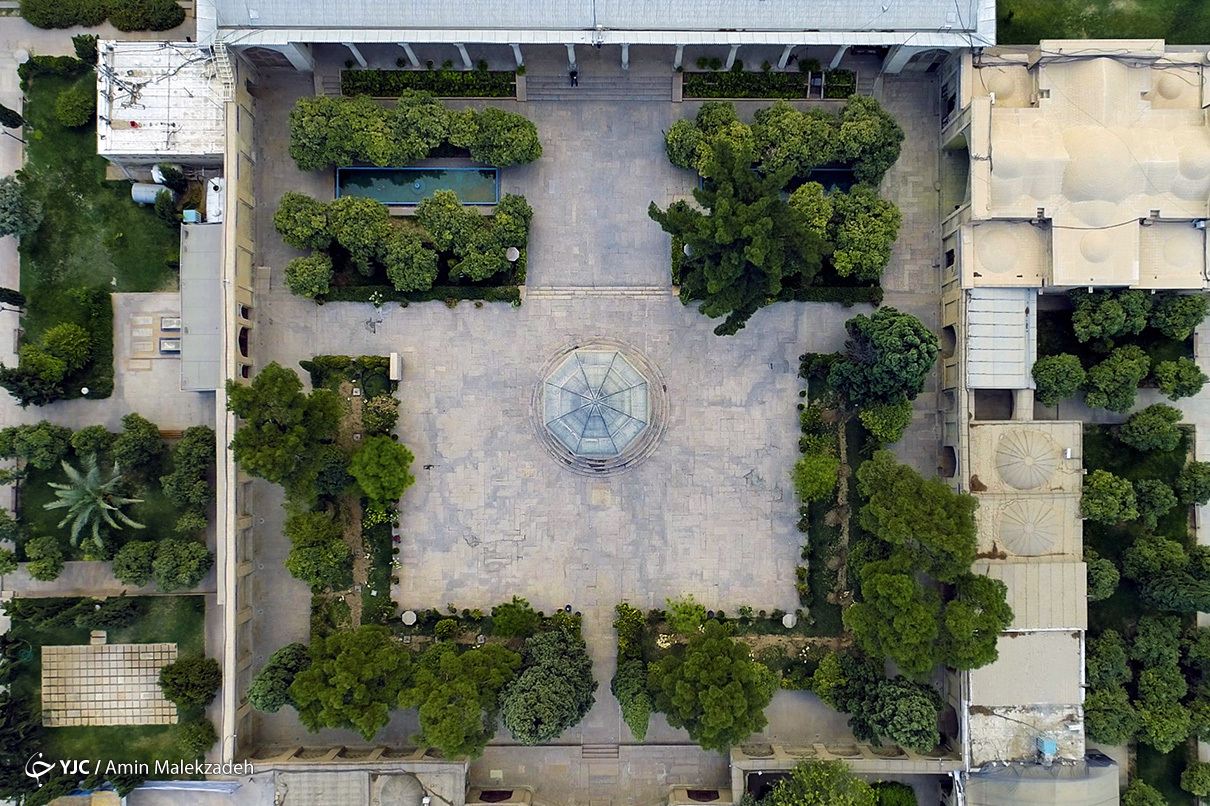
Hafez (1315-1390) was a Persian poet who “lauded the joys of love and wine but also targeted religious hypocrisy”.
His collected works are regarded by many Iranians as a pinnacle of Persian literature and are often found in the homes of people in the Persian-speaking world, who learn his poems by heart and still use them as proverbs and sayings.
His life and poems have become the subjects of much analysis, commentary and interpretation, influencing post-14th century Persian writing more than any other author.