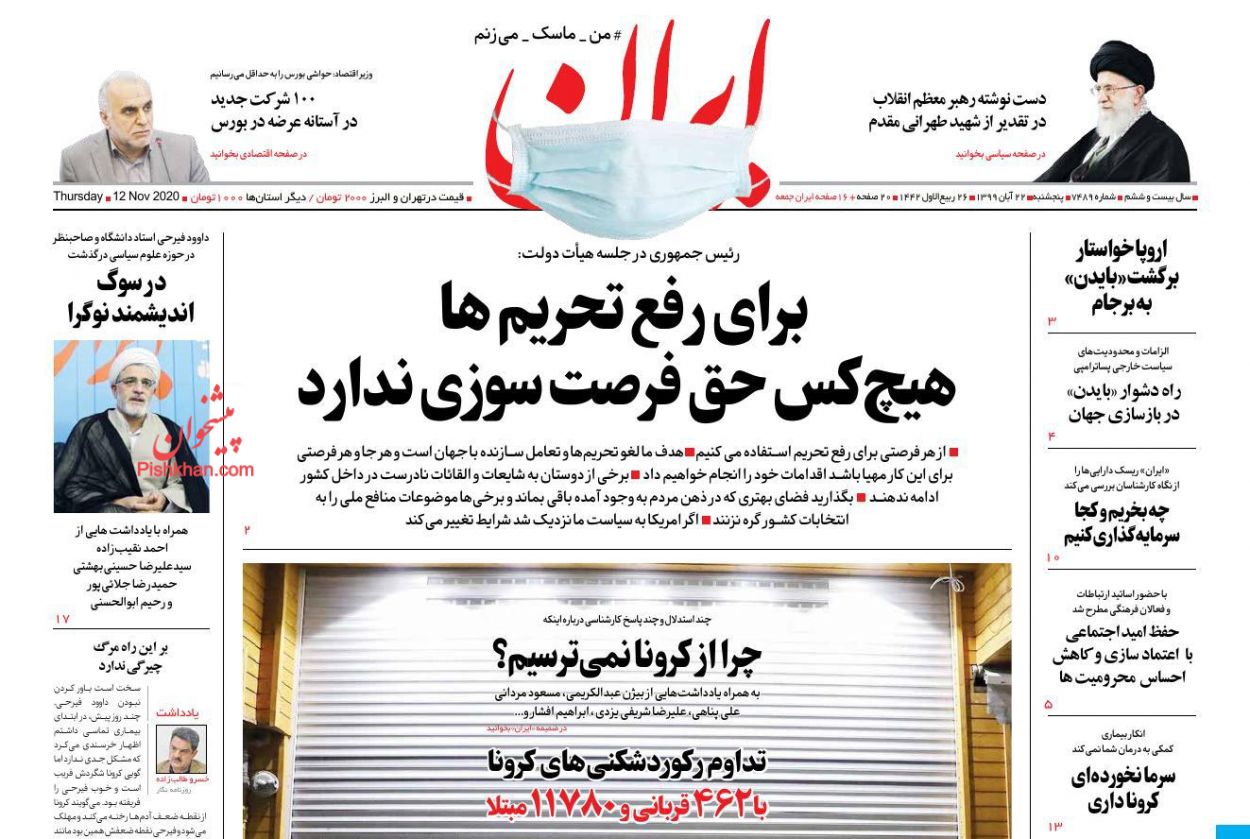
In a press briefing on Thursday, Health Ministry spokeswoman Sima-Sadat Lari reported 11,517 new cases of COVID-19 infection, raising the total number of cases to 726,585.
So far, she added, 541,566 patients have recovered from the disease or been discharged from the hospital.
Lari said 5,614 patients are also in critical conditions caused by more severe infection.
The spokeswoman noted that 5,384,988 COVID-19 tests have been taken across the country so far.
She said the high-risk “red” zones include Tehran, Qom, Mazandaran, East Azarbaijan, Isfahan, Yazd, Ardabil, Khorasan Razavi, Khuzestan, Hamadan, West Azarbaijan, Bushehr, Chaharmahal and Bakhtiari, Kohgiluyeh and Boyer-Ahmad, Alborz, Lorestan, Markazi, Ilam, South Khorasan, Kermanshah, North Khorasan, Semnan, Gilan, Zanjan, Qazvin, Kurdistan, and Kerman provinces.
The “orange” and “yellow” zones also include Golestan, Hormozgan, Fars, and Sistan-and-Baluchestan provinces, she added.
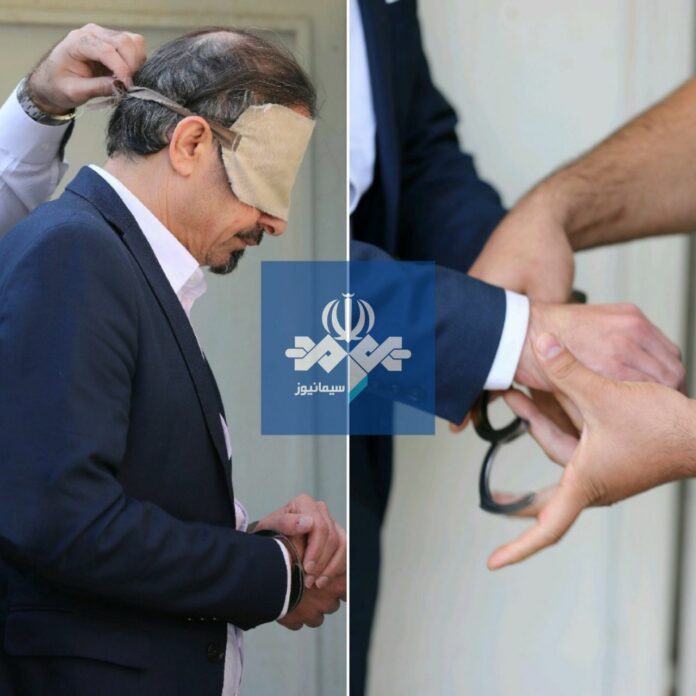
Habib Farajollah Cha’ab, the leader of the Harekatonnazal terror group, was identified and arrested by Iranian intelligence agents.
He intended to carry out several other major terrorist operations in Tehran and Khuzestan province in recent years.
He had also been recently planning to conduct a terror operation before being arrested.
The terror group is operating under the direct support of Saudi and Israeli intelligence services.
Despite international warrants for the group’s senior members, it kept leading terrorist operations in Iran.
Cha’ab, the mastermind behind Ahvaz attacks, has also shed light on other terror operations carried out by the group.
On 22 September 2018, a military parade was attacked by terrorists in the southwestern Iranian city of Ahvaz. The assailants killed 25 people, including troops attending the parade as well as and civilian bystanders.
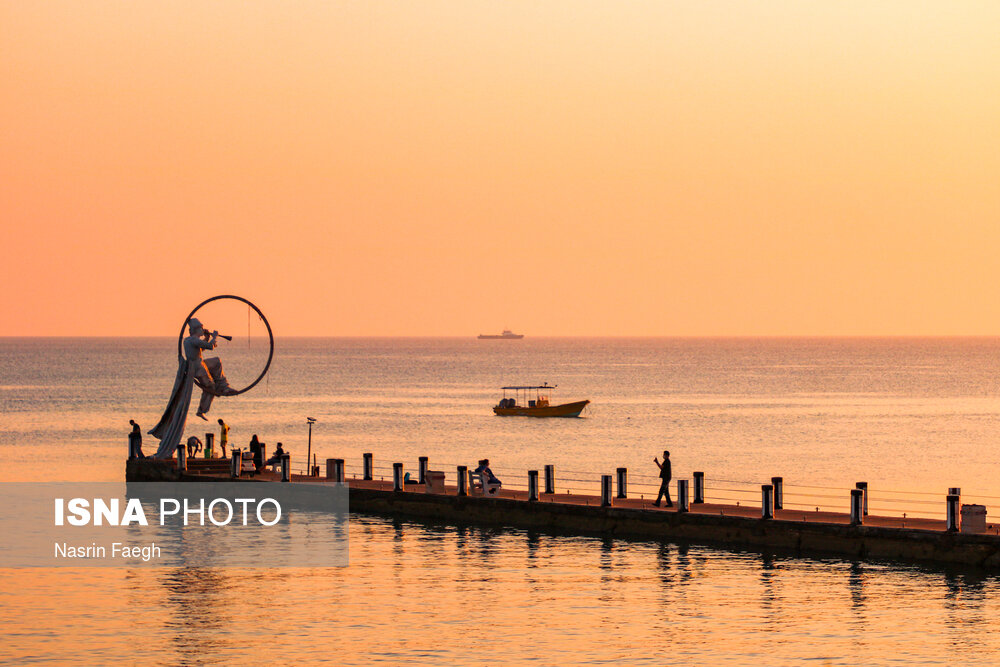
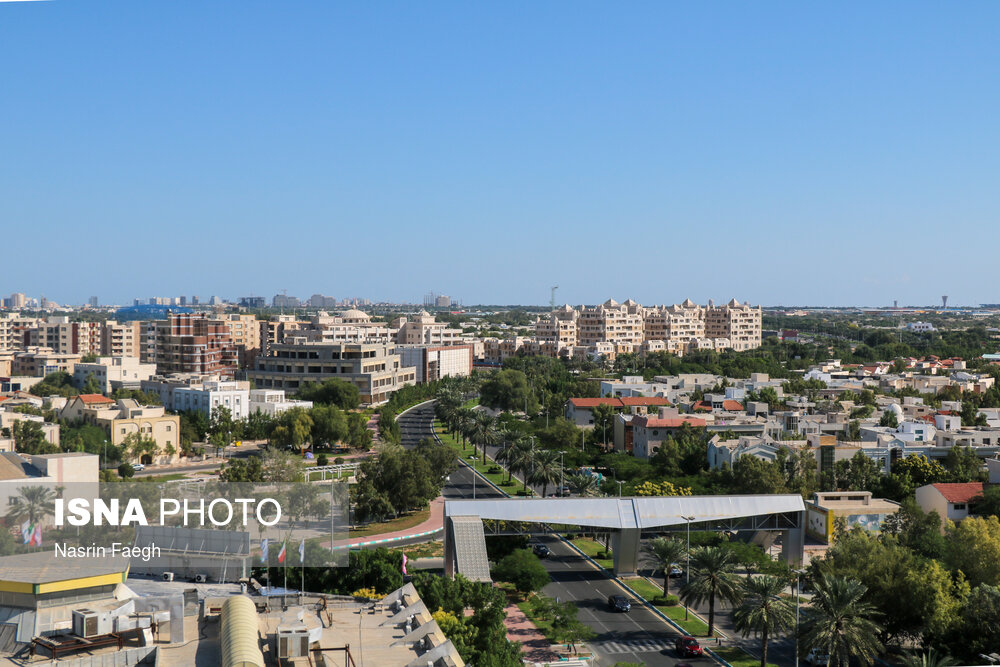
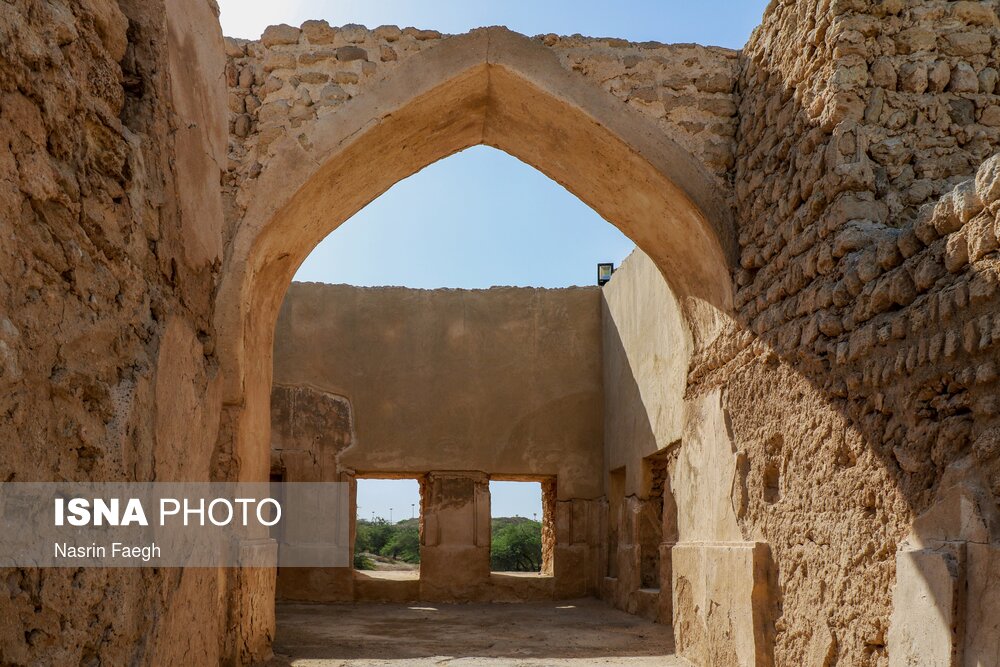
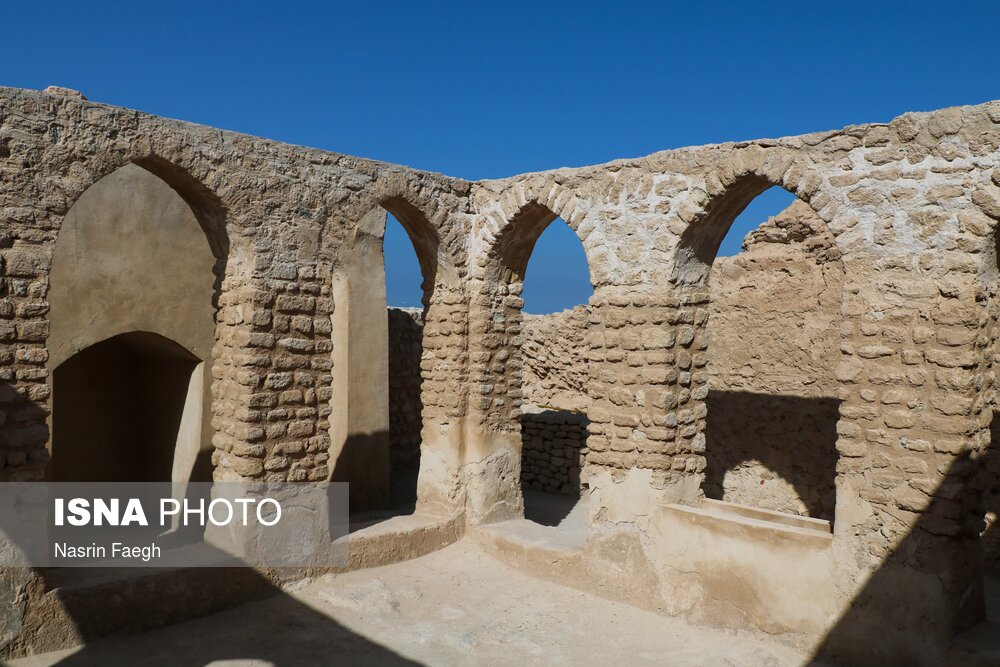
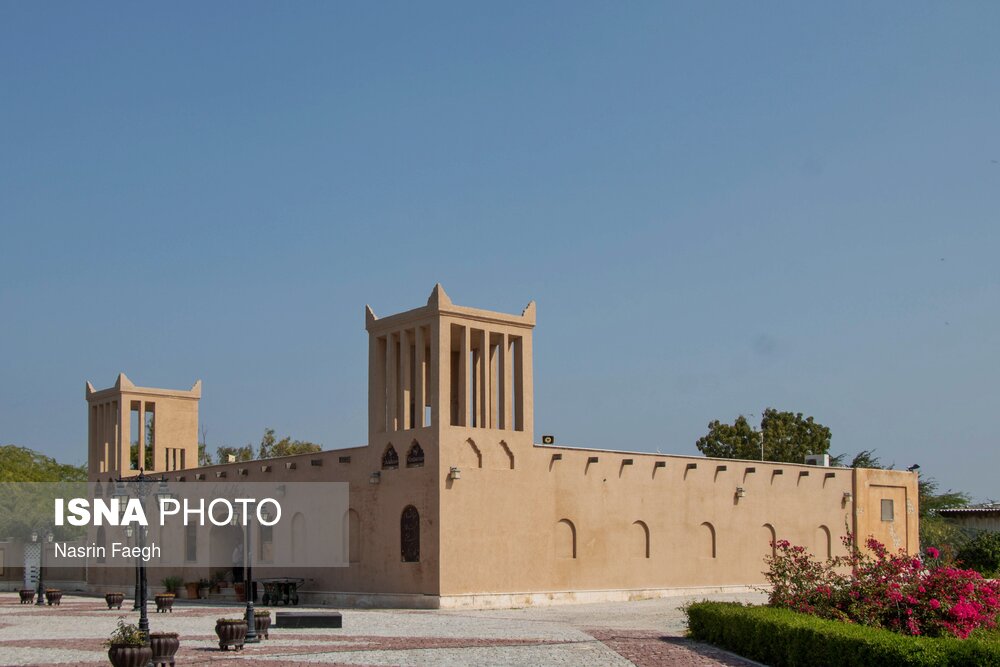
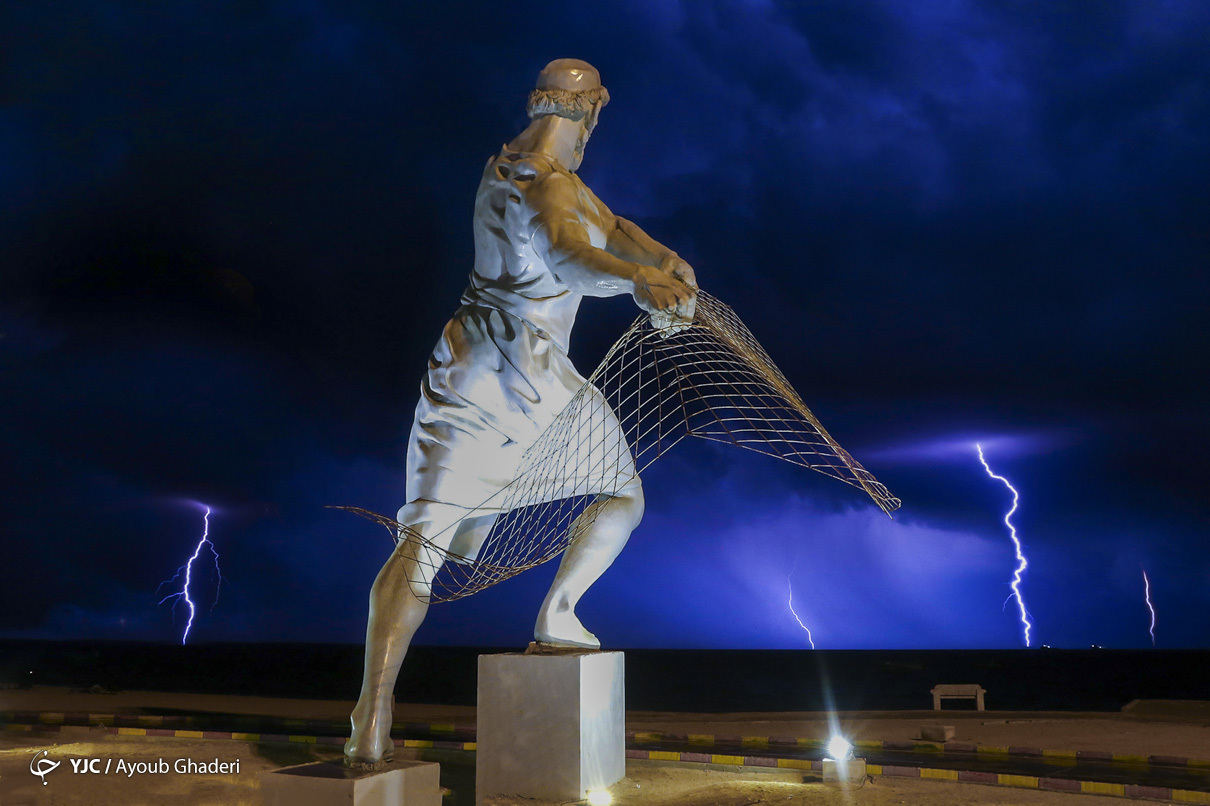
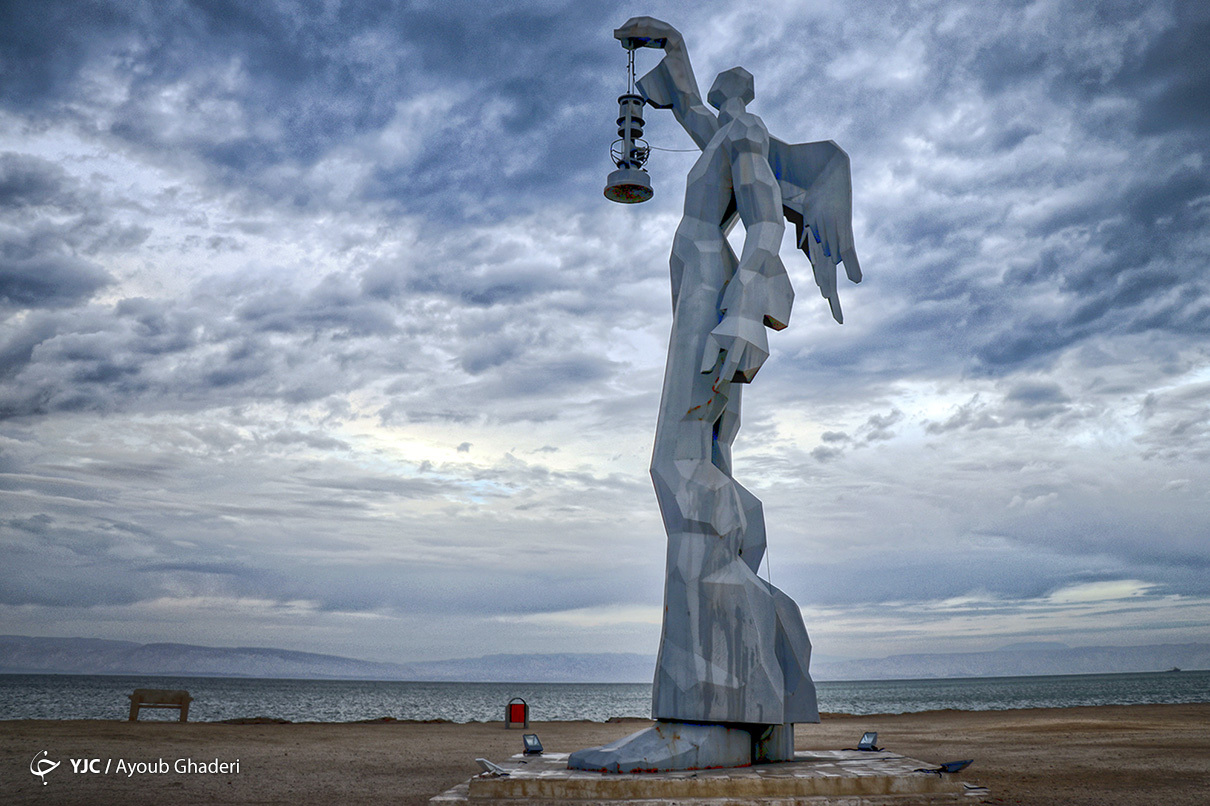
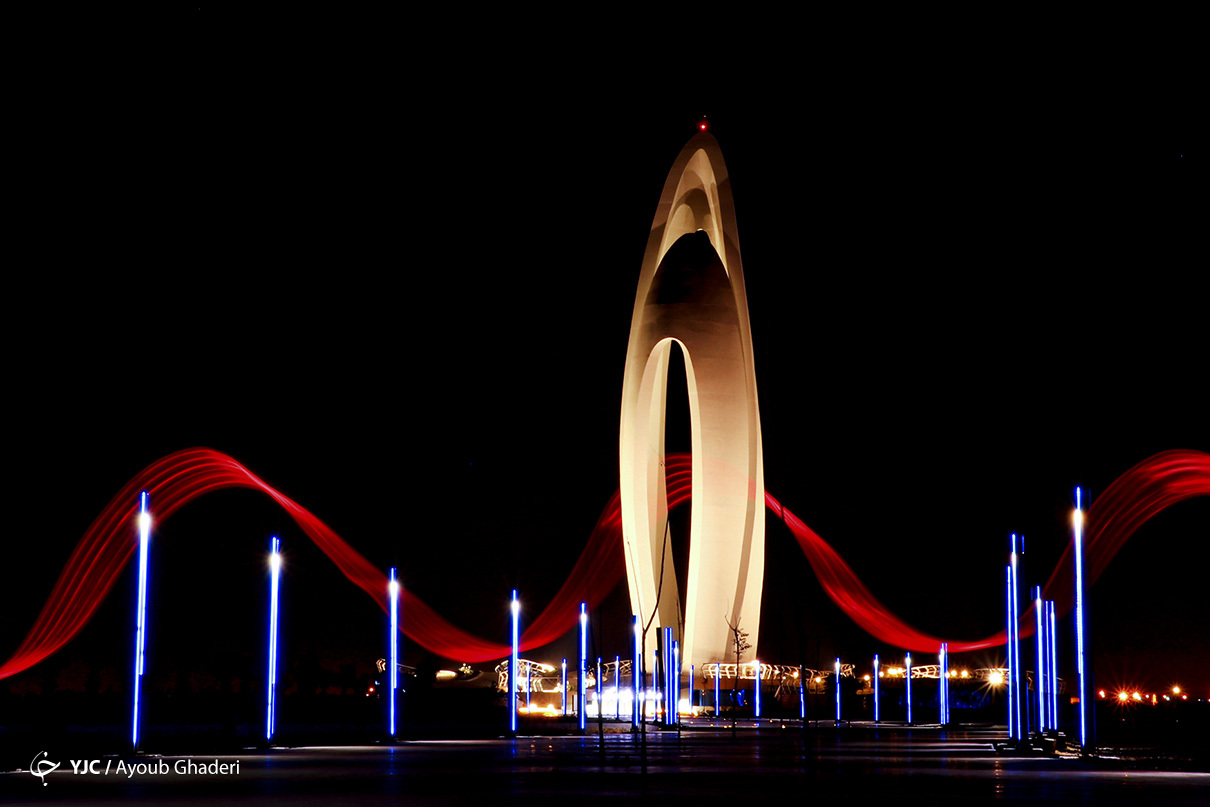
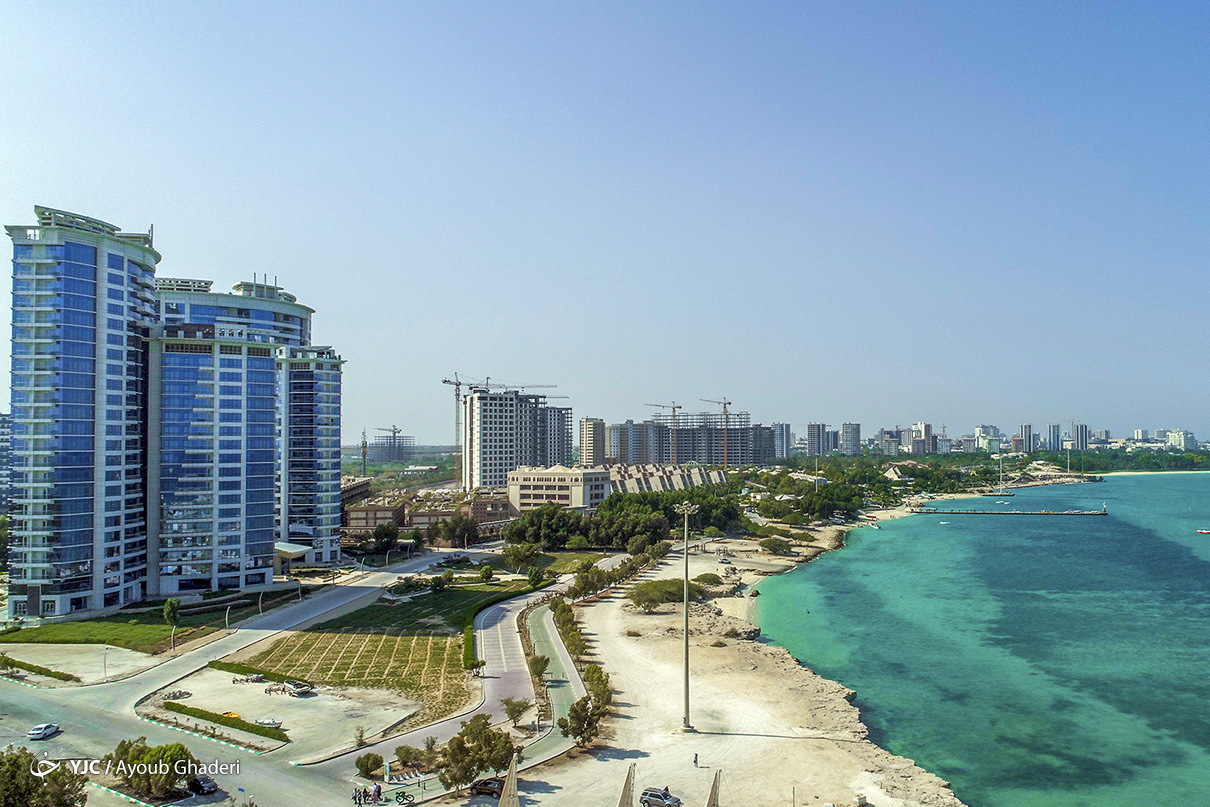
History clearly shows that Kish Island has, since the distant past, been very developed and has been in the limelight.
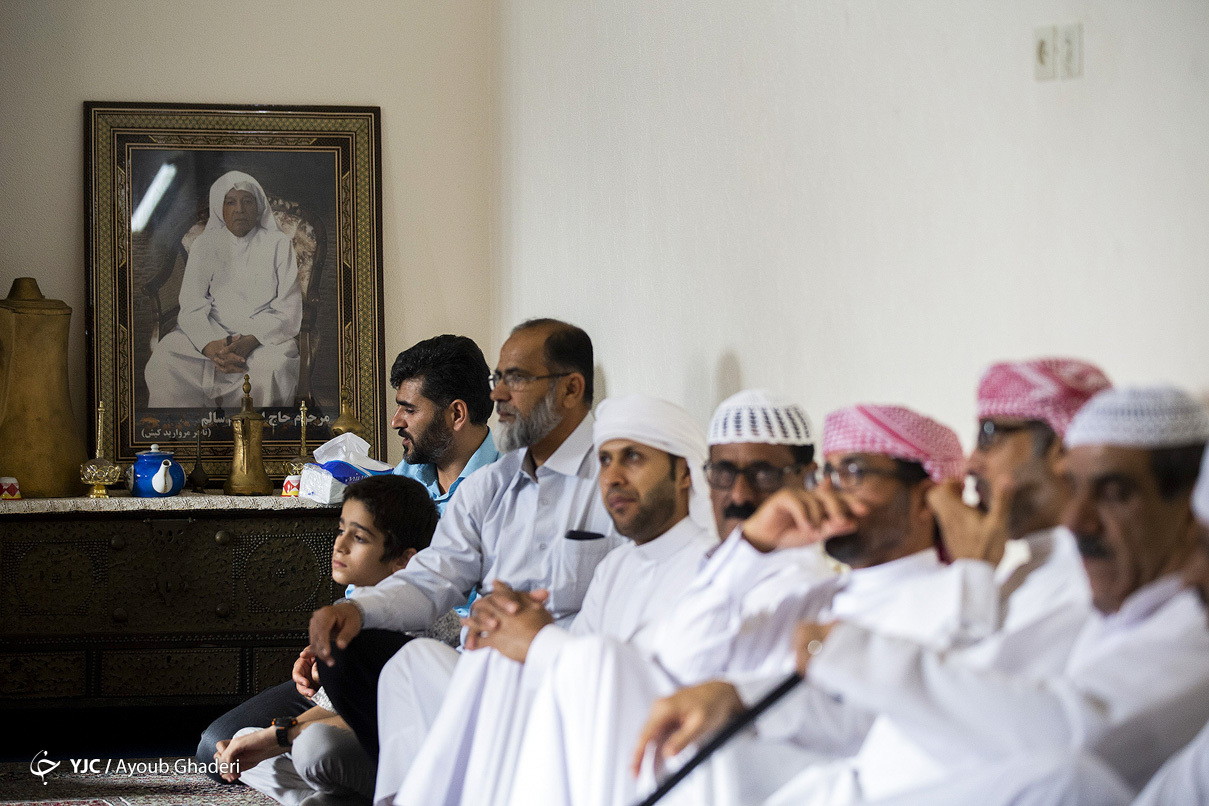
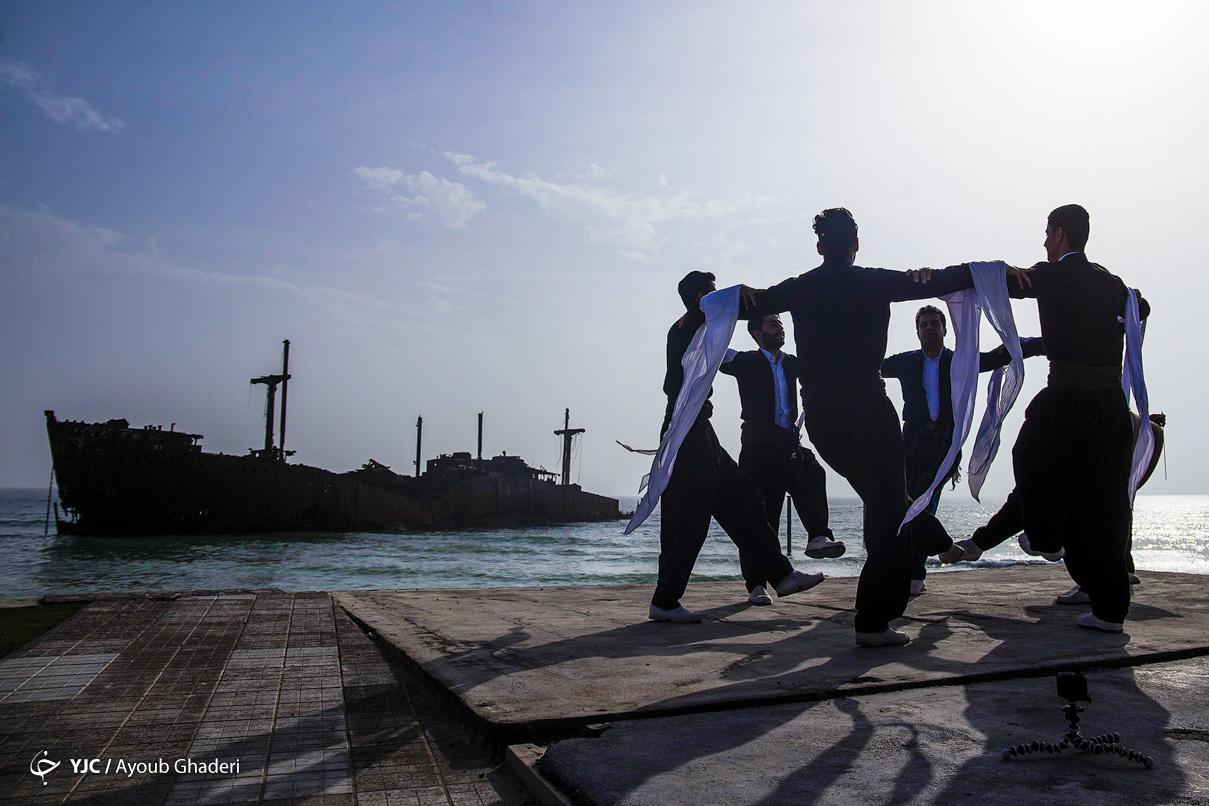
Locals have universal cultures with customs and traditions different from those in central Iran. As a case in point, residents of Kish Island use a type of dance to cure certain illnesses.
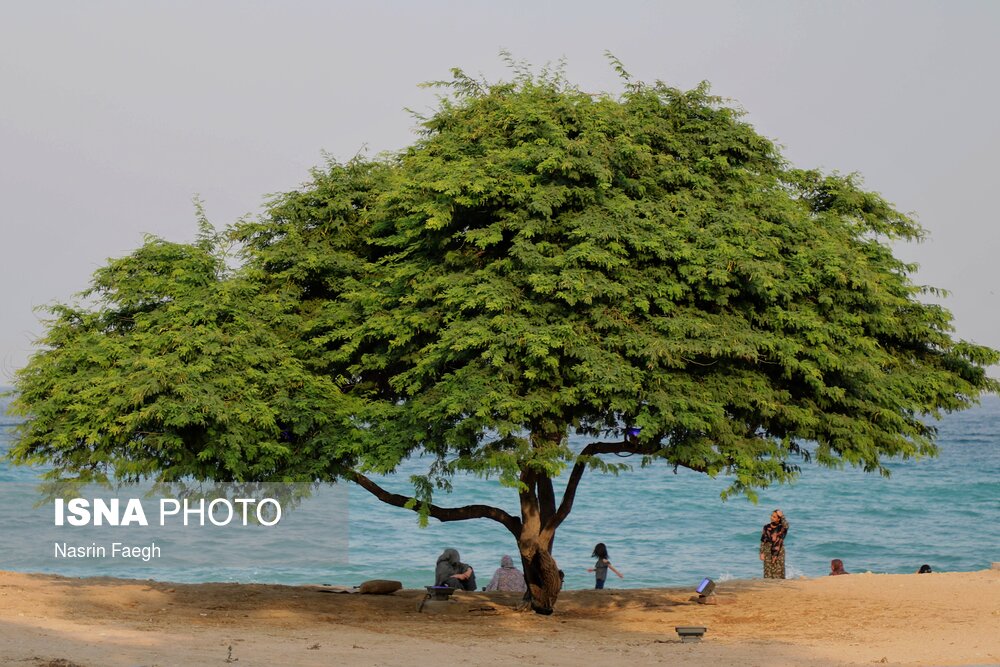
Kish is one the Persian Gulf’s lushest islands as far as its flora is concerned.
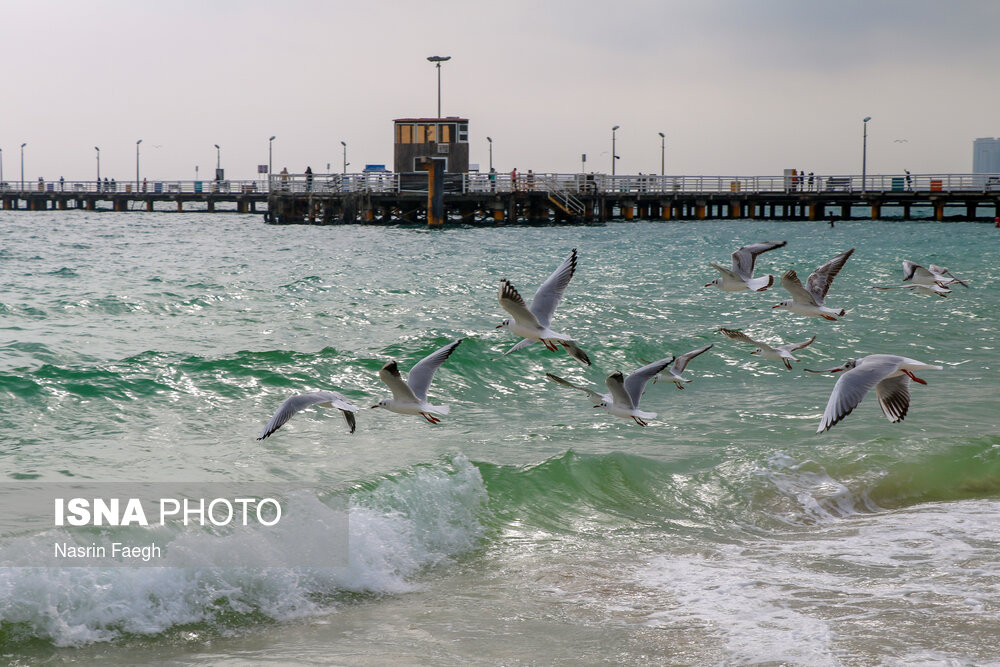
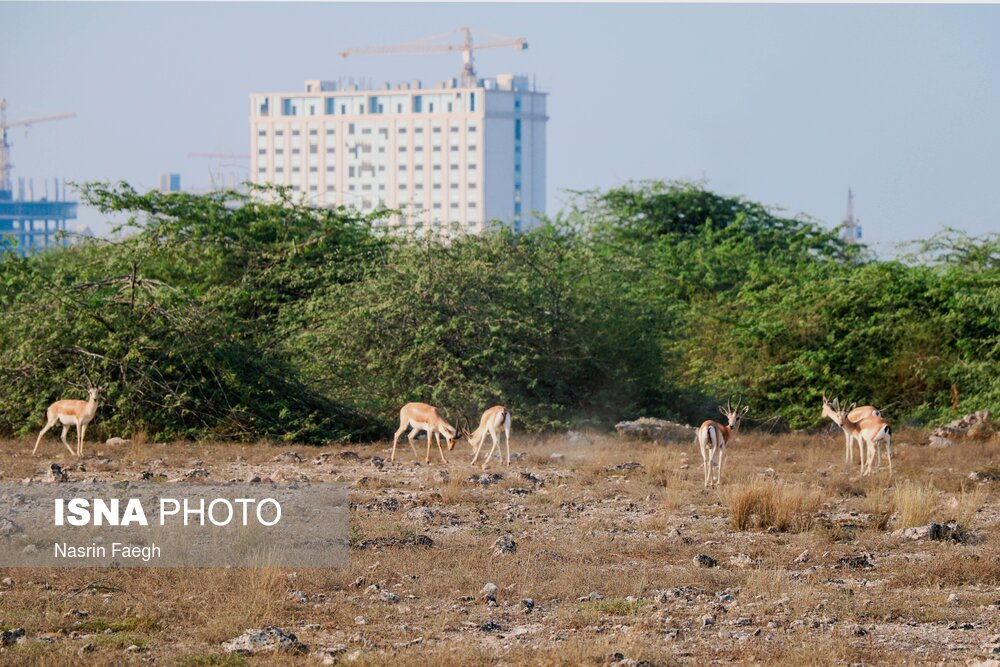
It terms of fauna and wildlife, the island enjoys a vast biodiversity of birds and marine life.
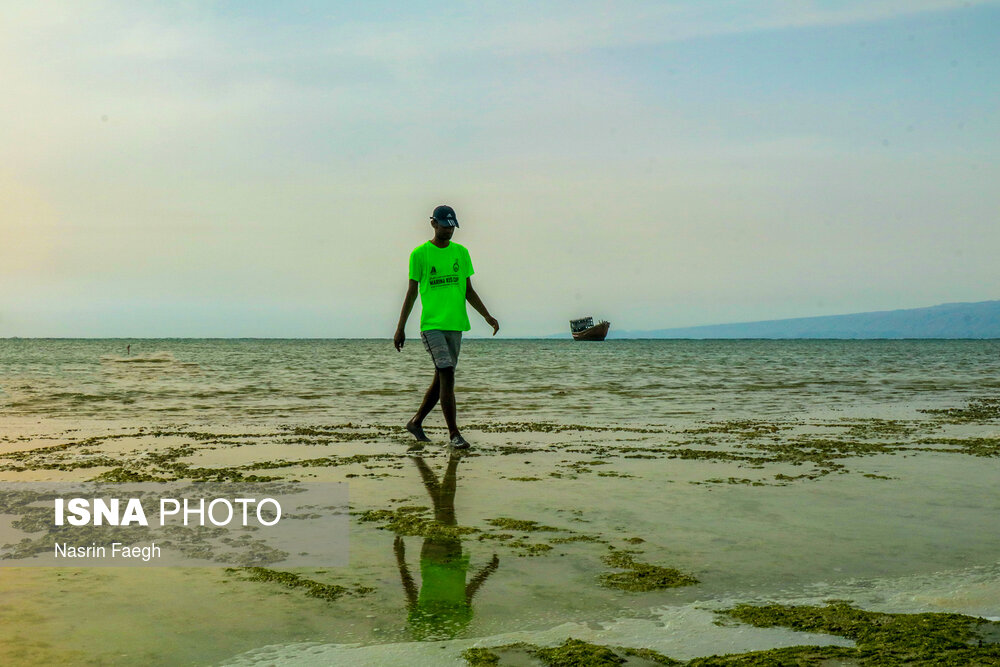
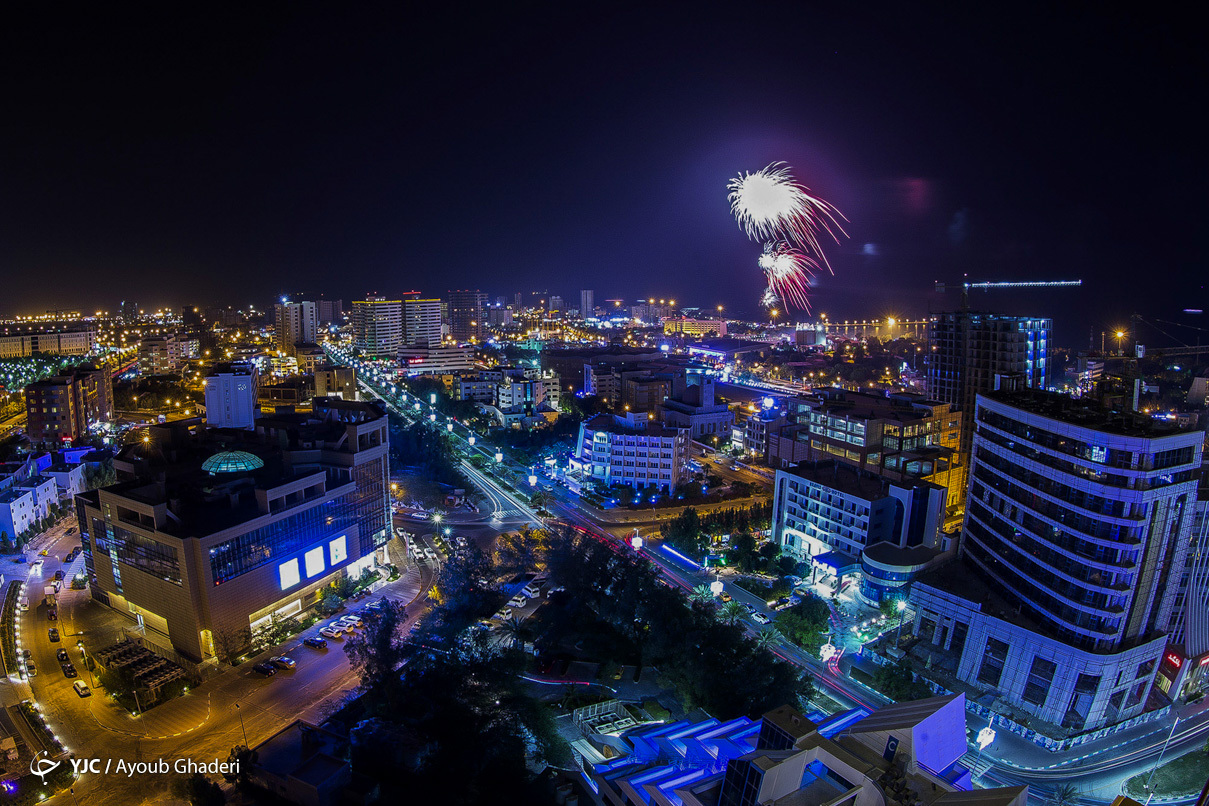
Kish Island enjoys historical attractions as well as a unique sea, beach and sunlight, making it one of Iran’s most fantastic tourist attractions.
Since a few years ago, November 10 has been marked in the country as National Kish Island Day. The move is mainly aimed at giving identity to the lifestyle of residents on an island which enjoys a civilization going back hundreds of years, and which, as a unique tourist spot, has a lot to say in cultural and social domains.
Given the coronavirus pandemic, the occasion was marked differently this year.
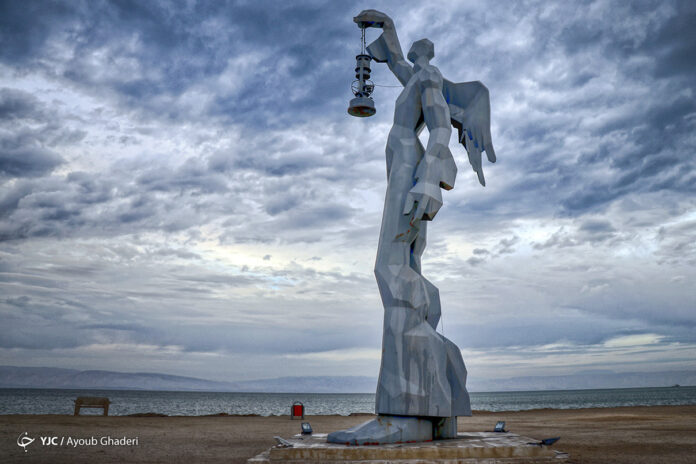
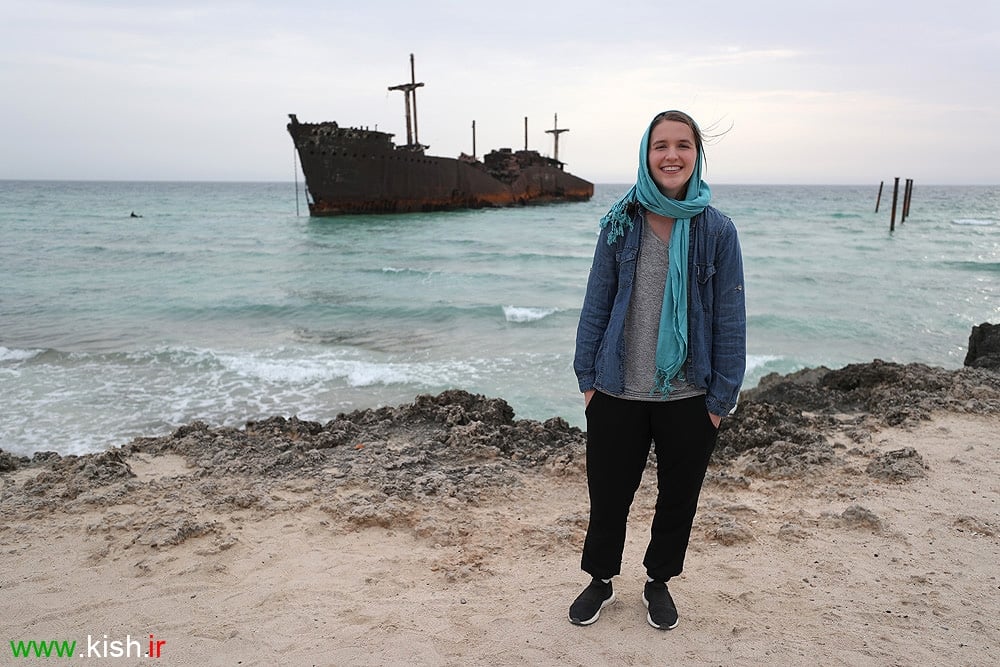
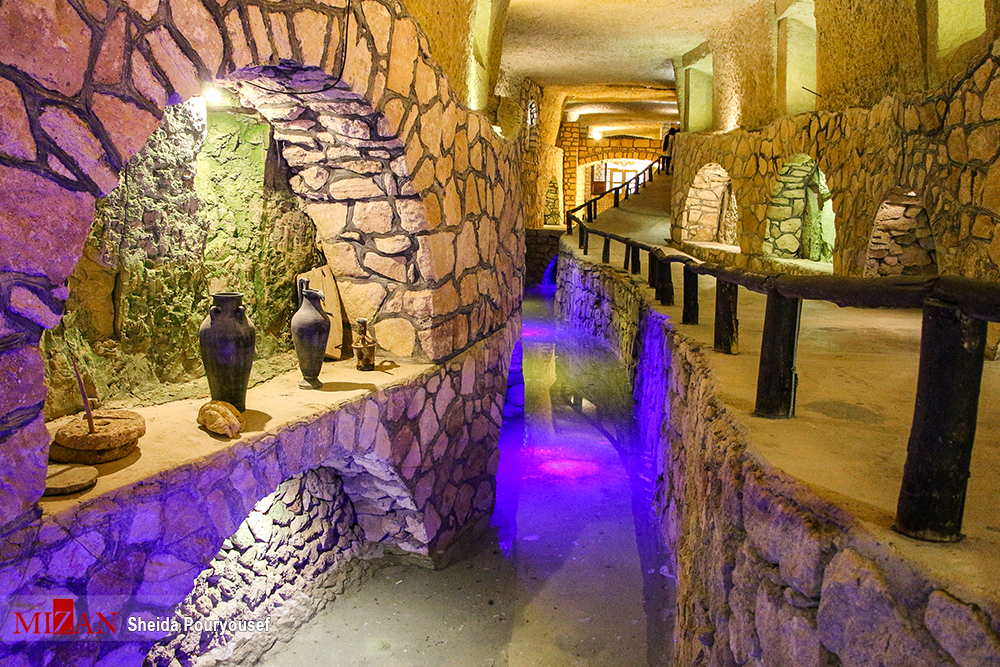
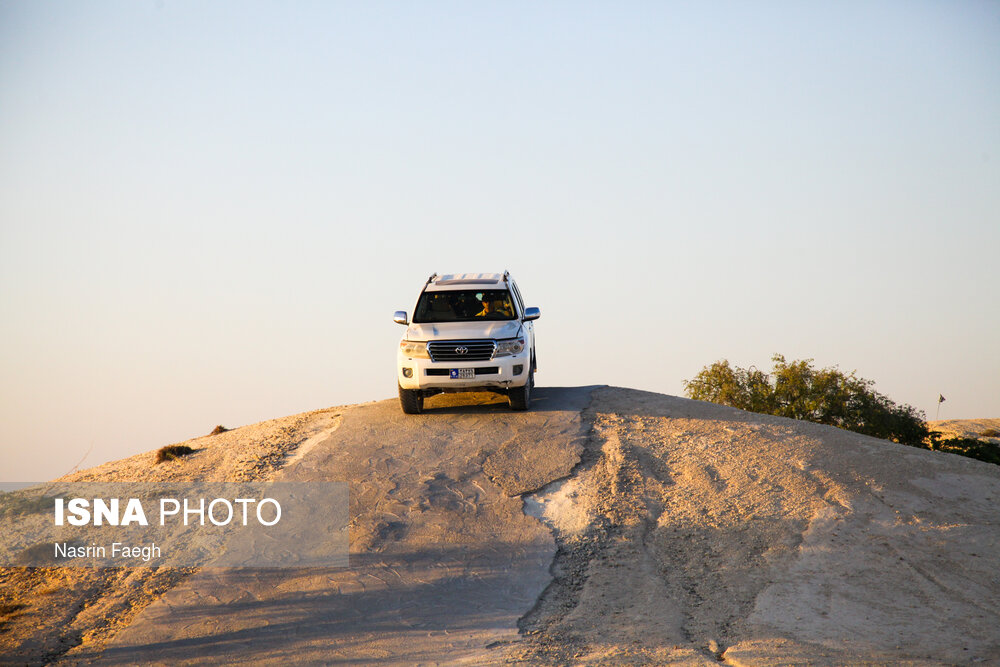
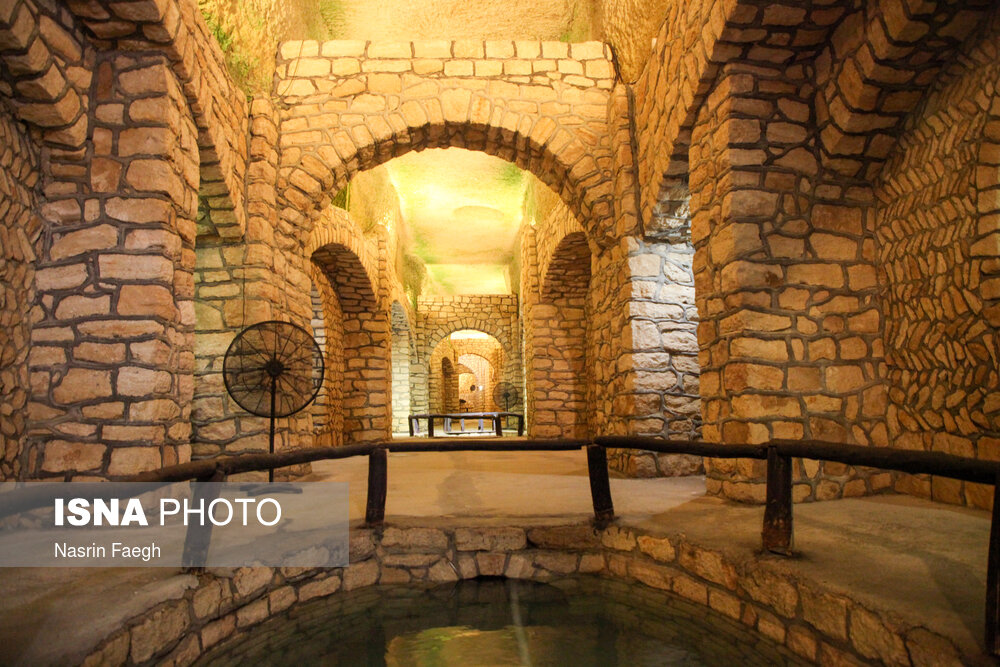
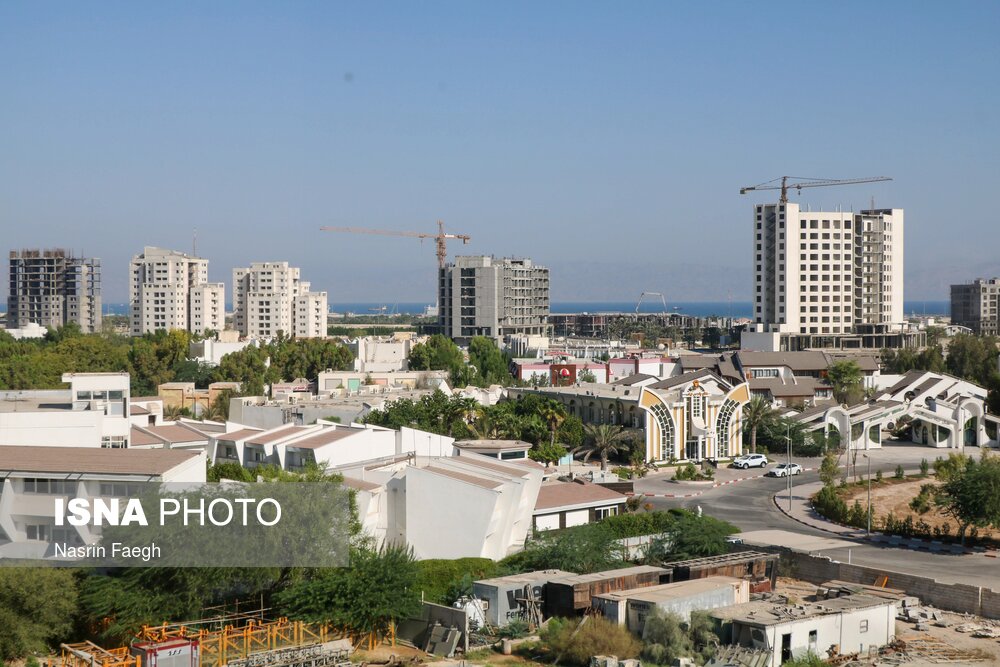
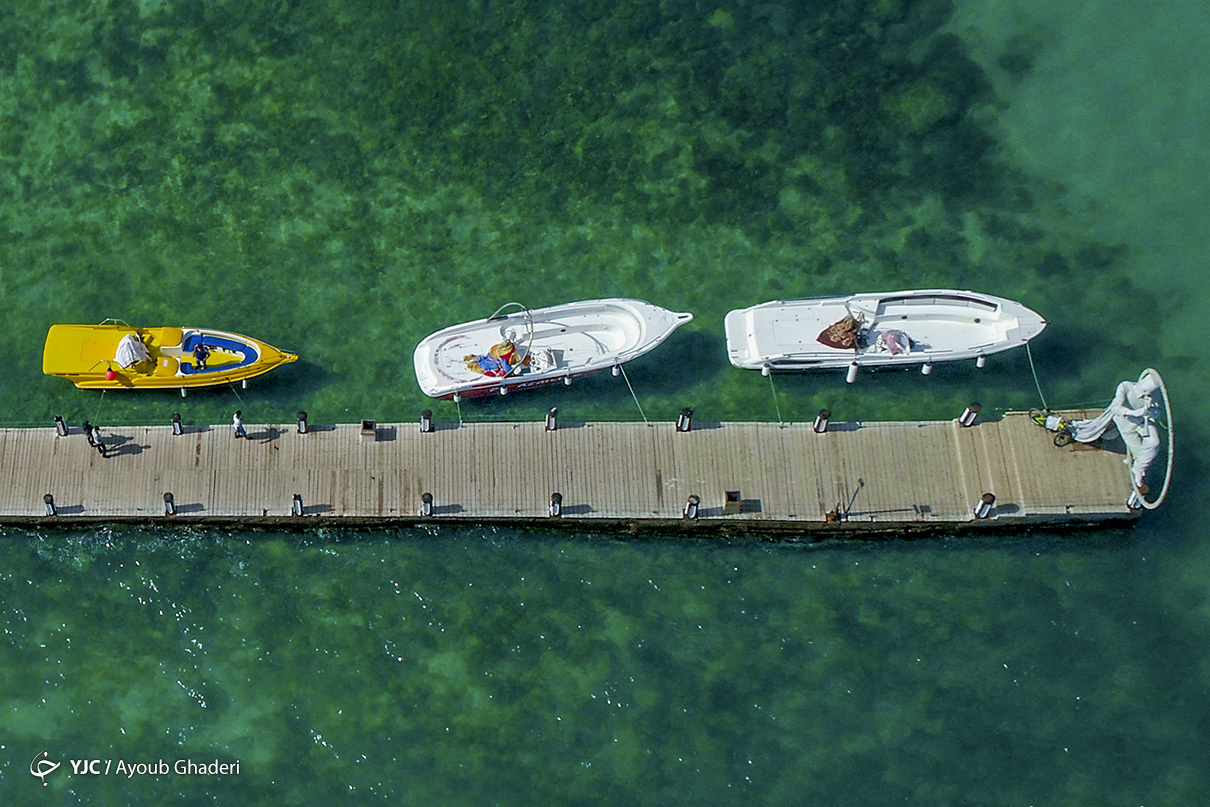
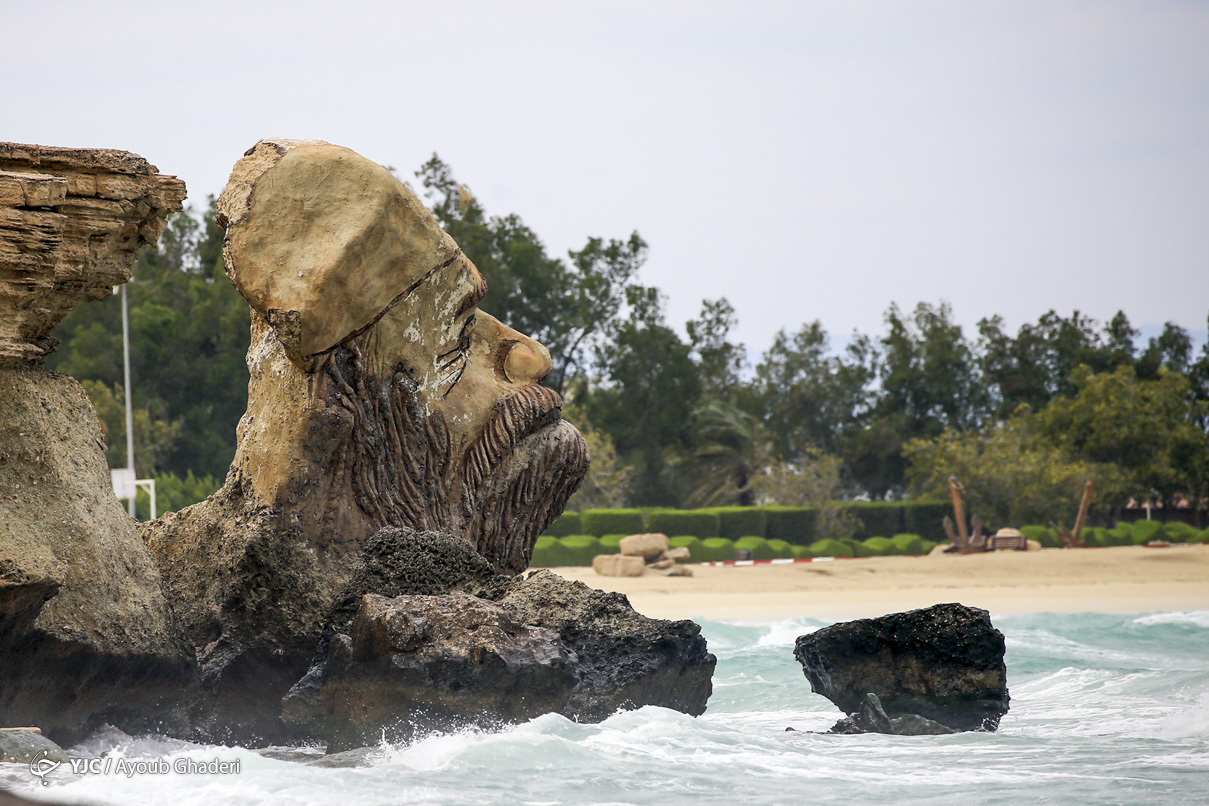
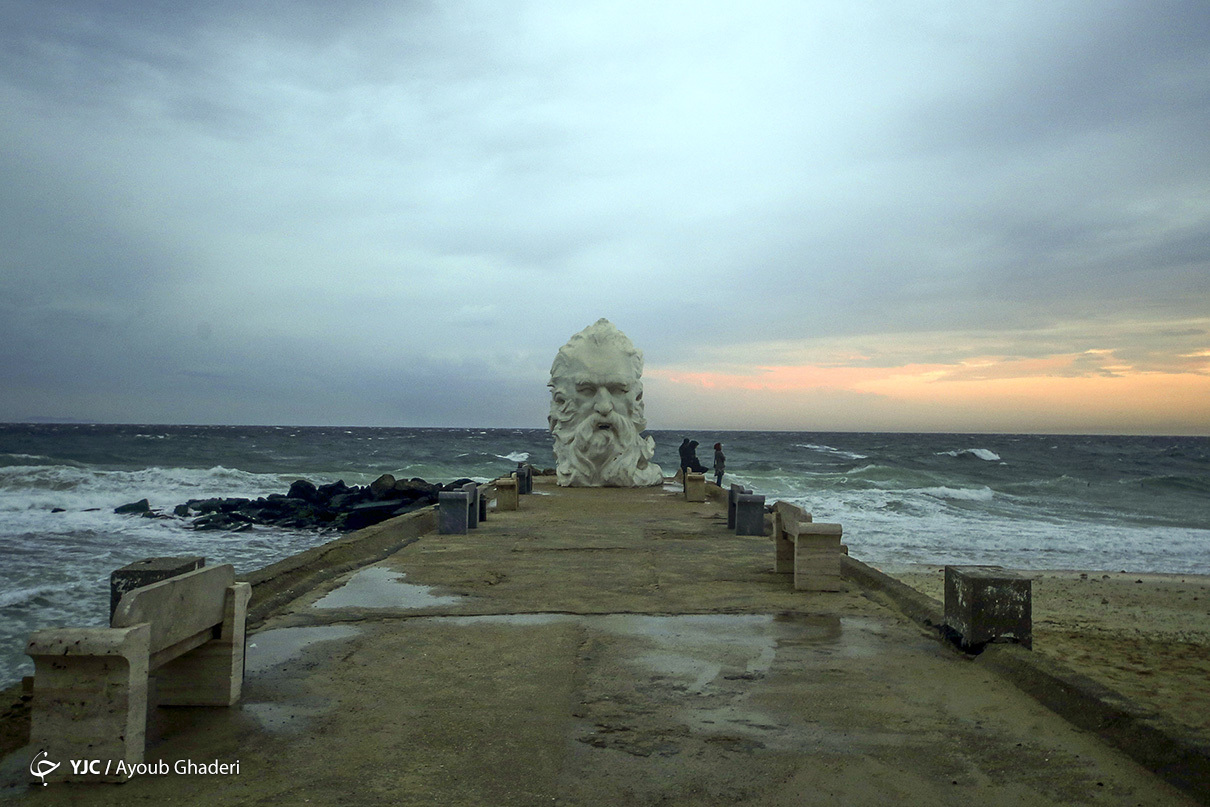
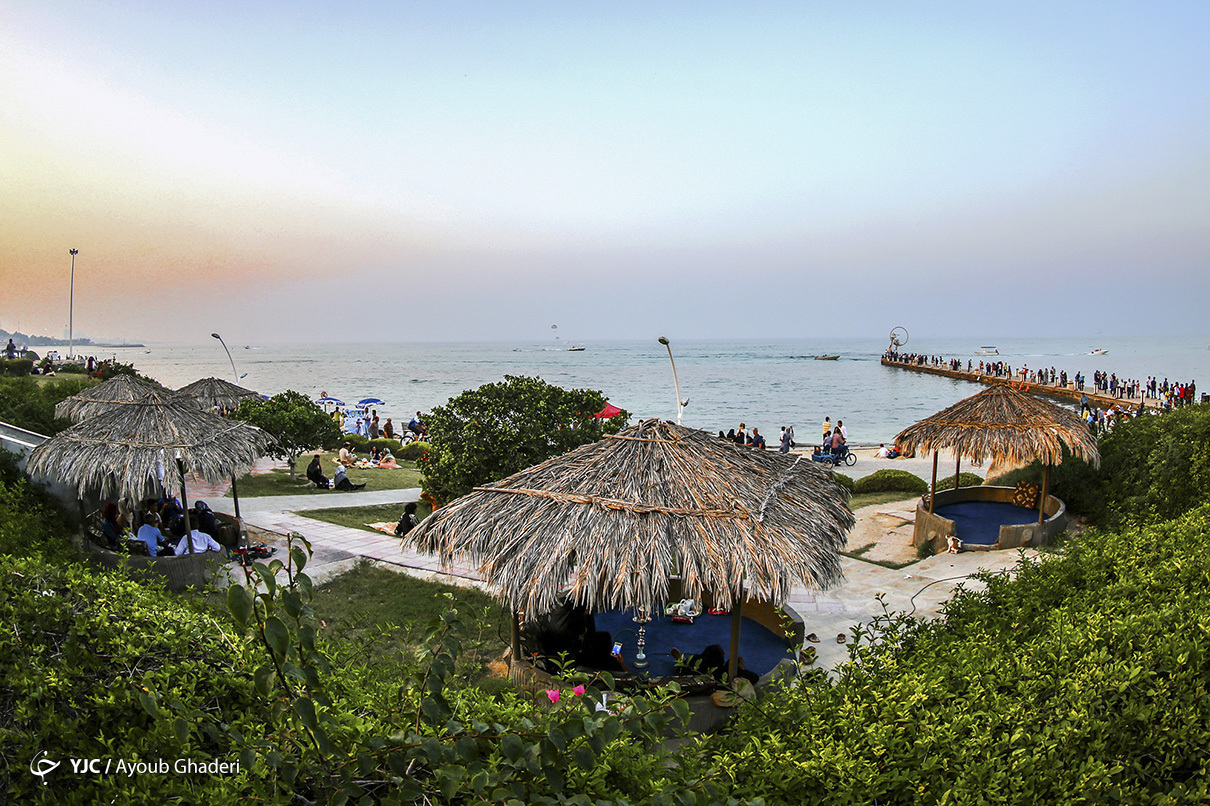
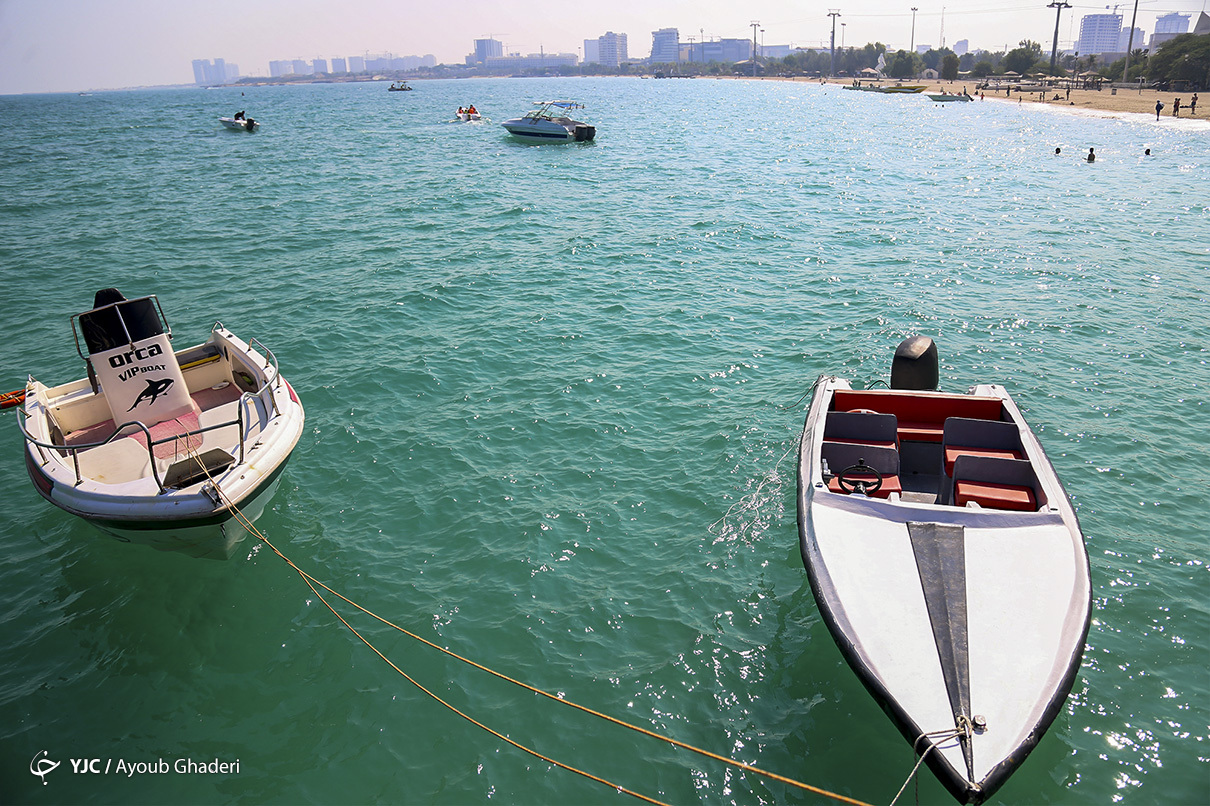
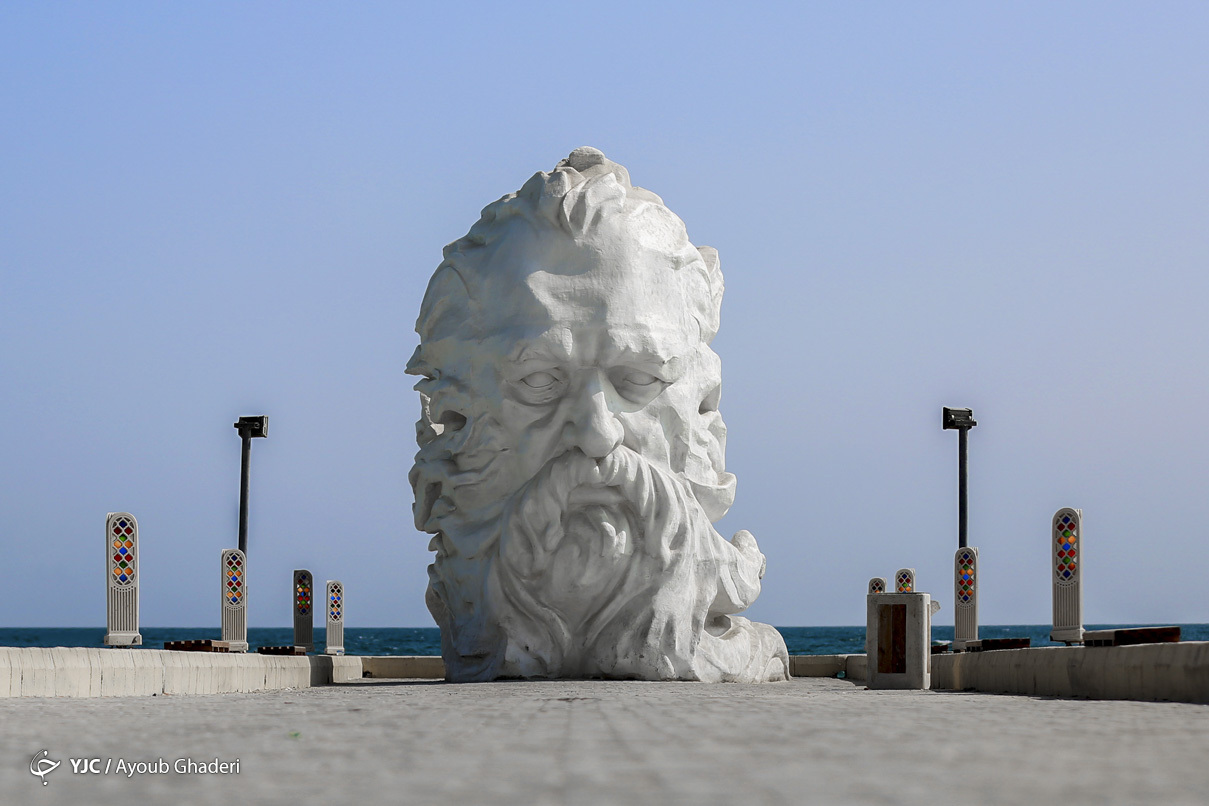
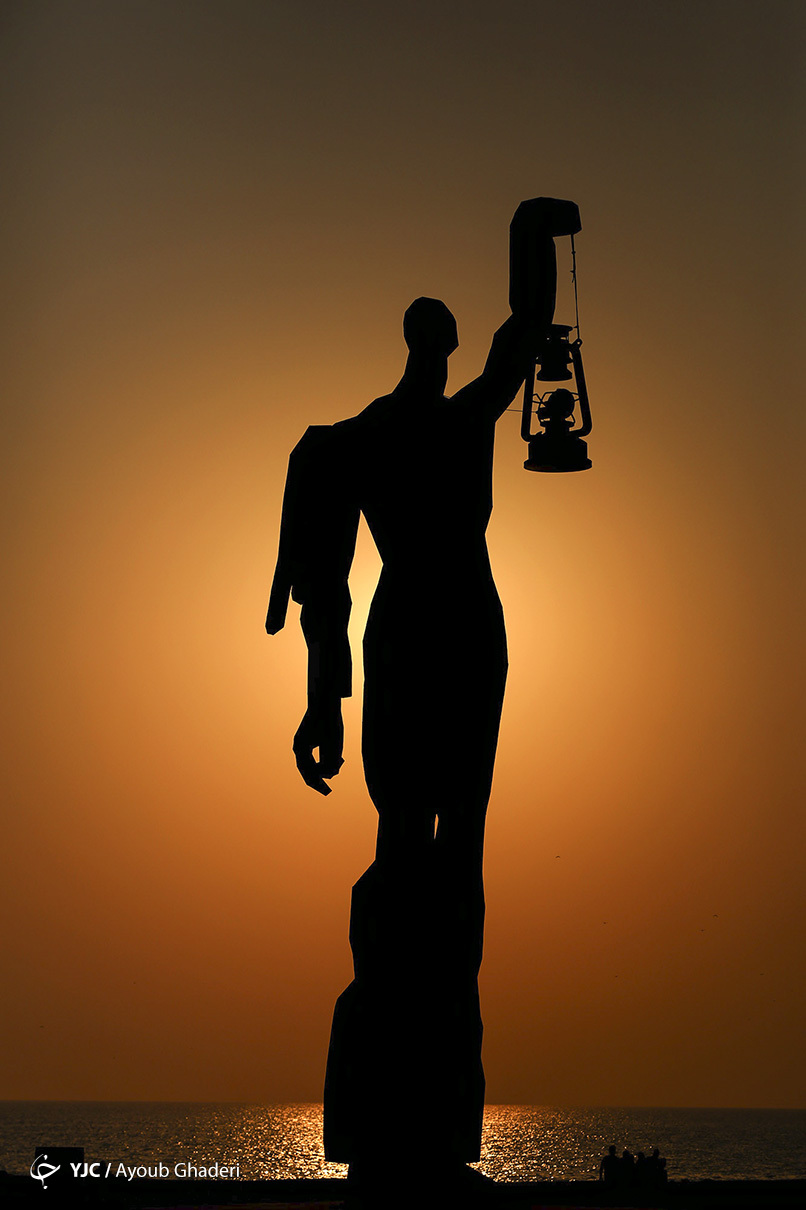
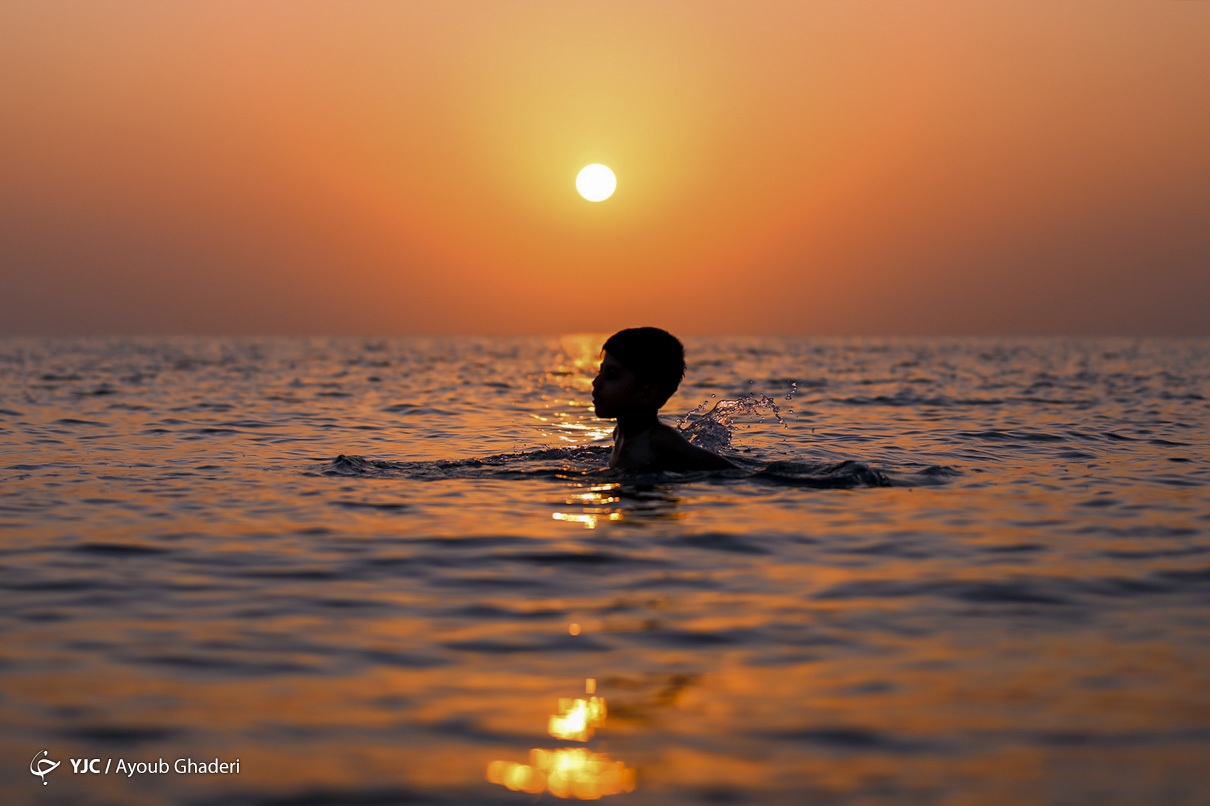
What follows are ISNA and YJC‘s photos of the island and its attractions:
1 of 57
The Toranj Beach on Kish Island
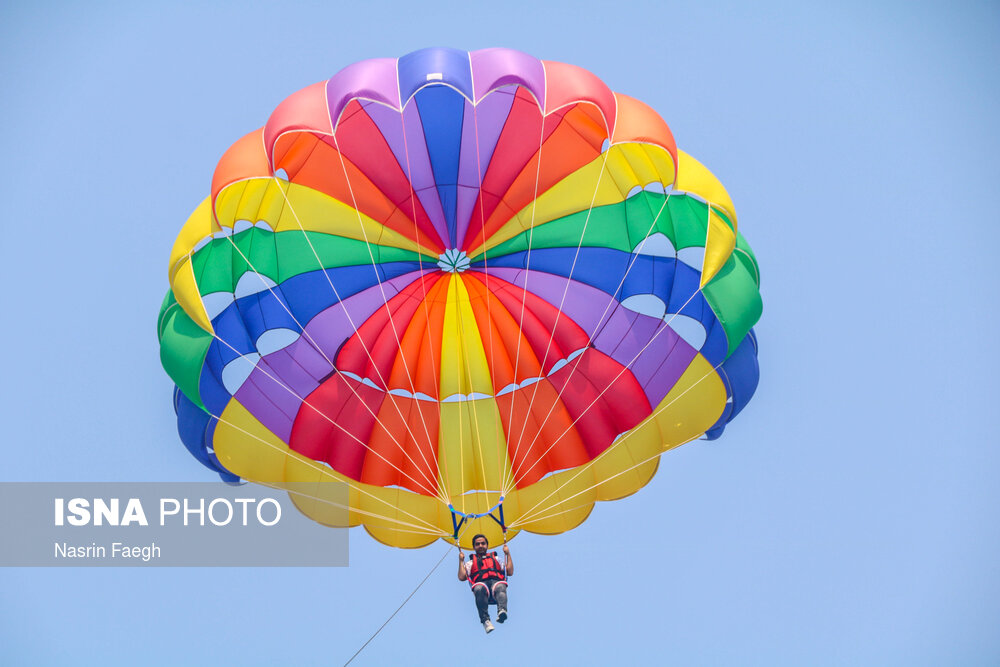
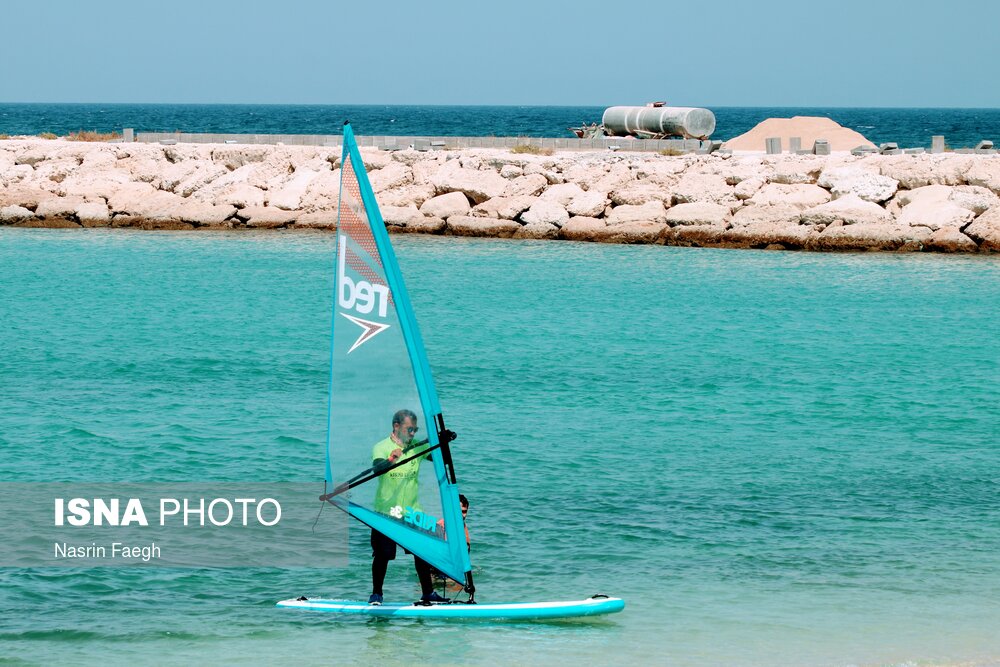
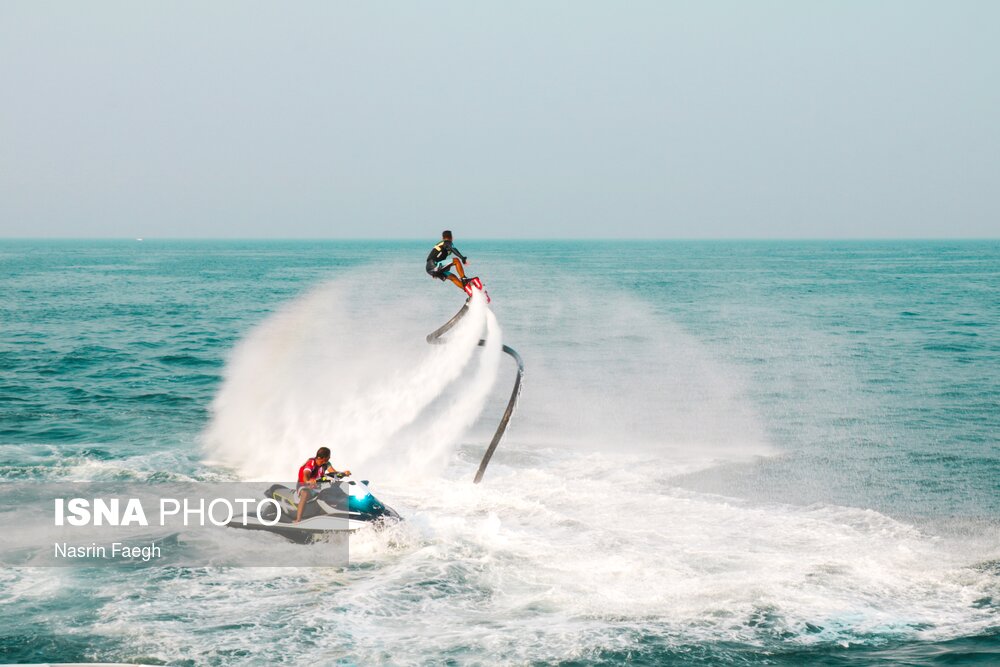
Beach entertainments are among most popular attractions of Kish Island
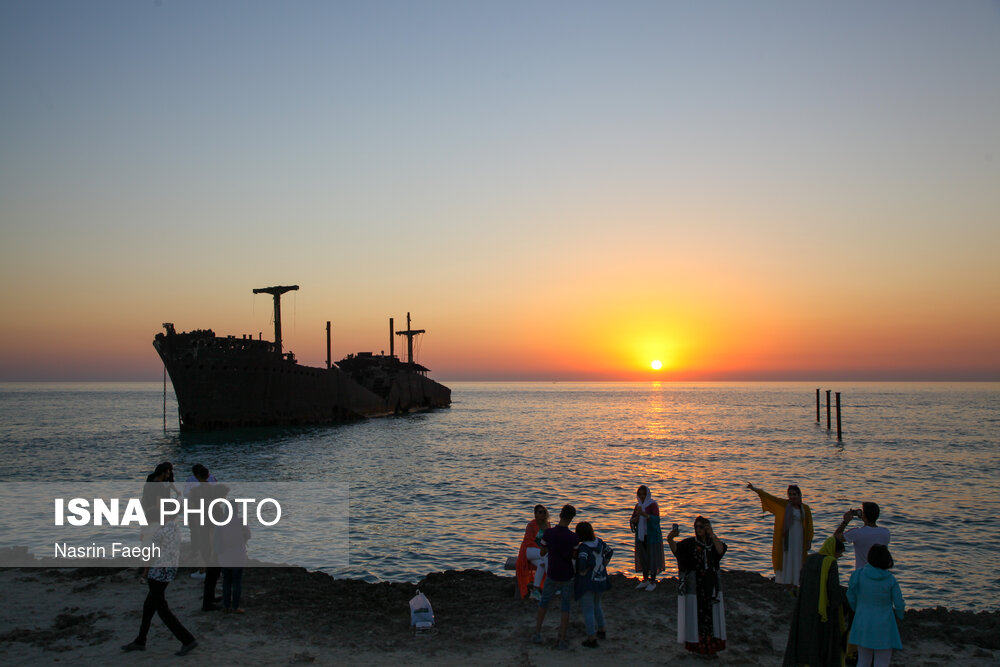
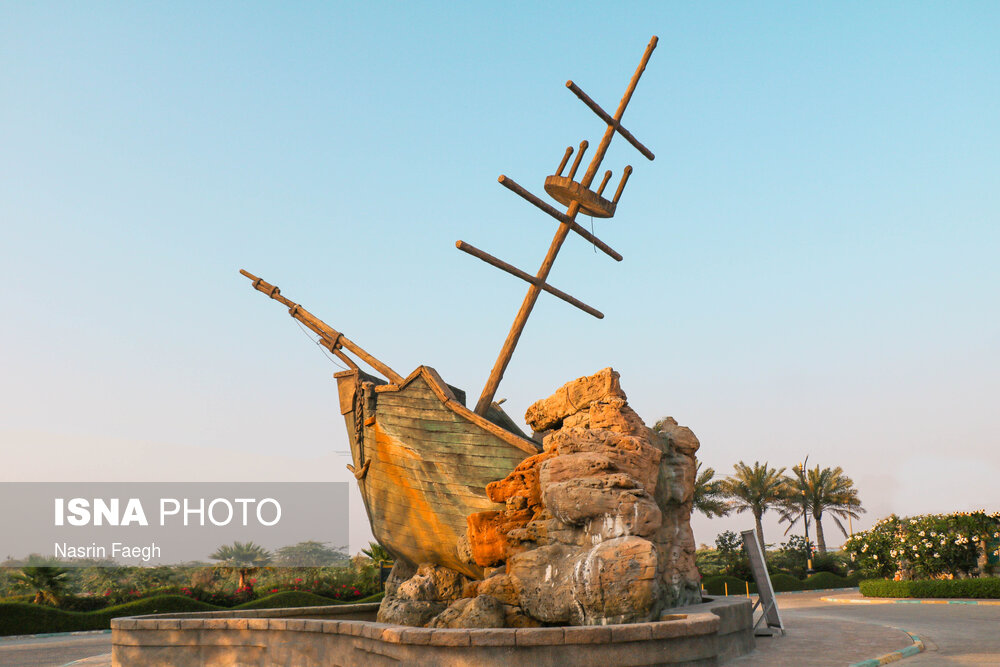
The Greek Ship on Kish Island
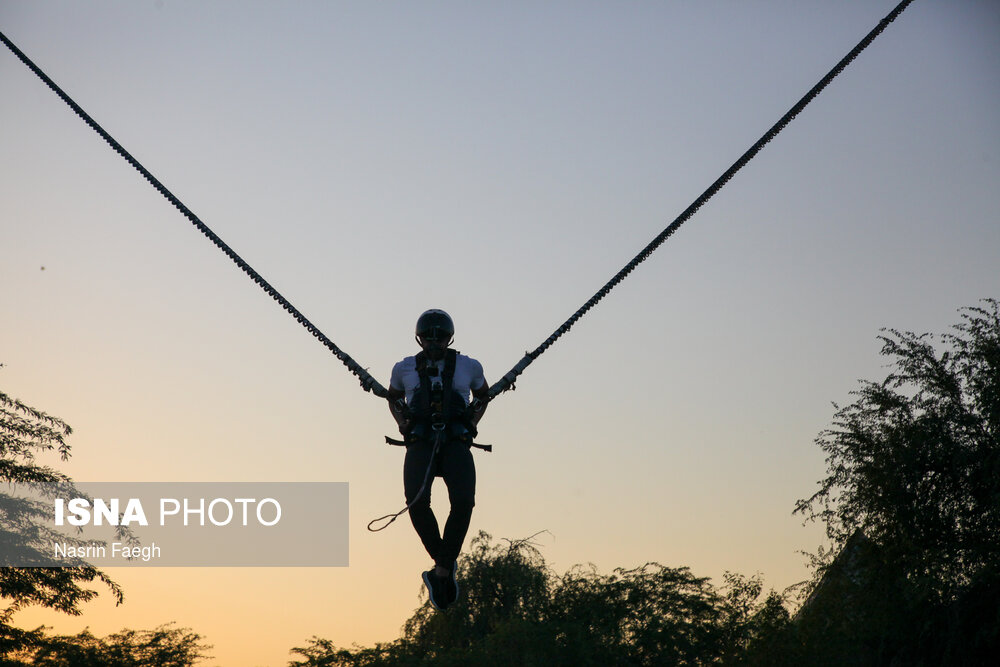
Shooting is one of safari entertainments on Kish Island
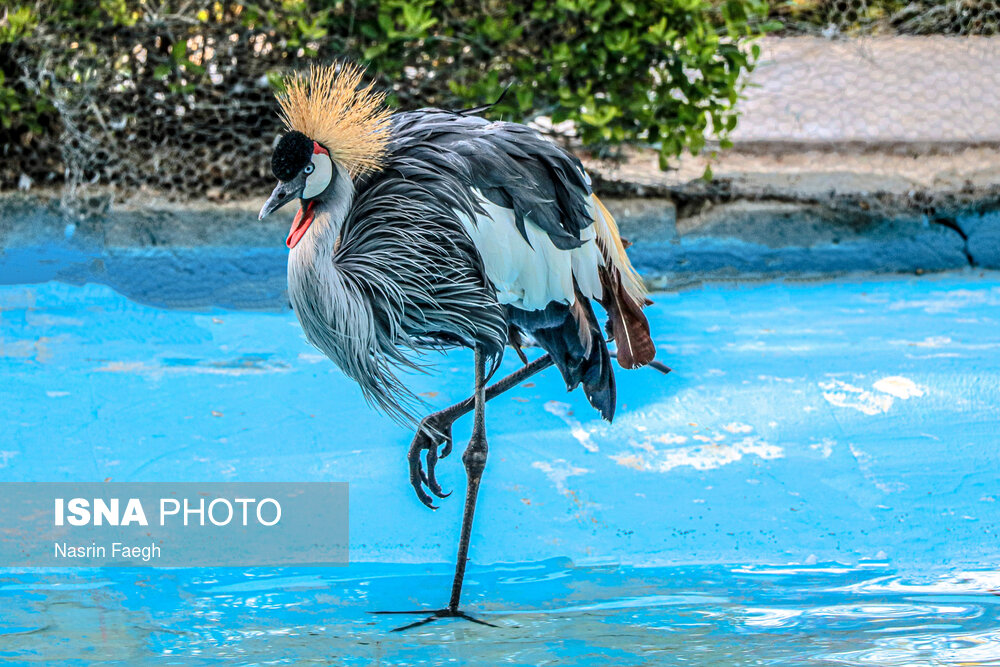
The Birds’ Garden on Kish Island
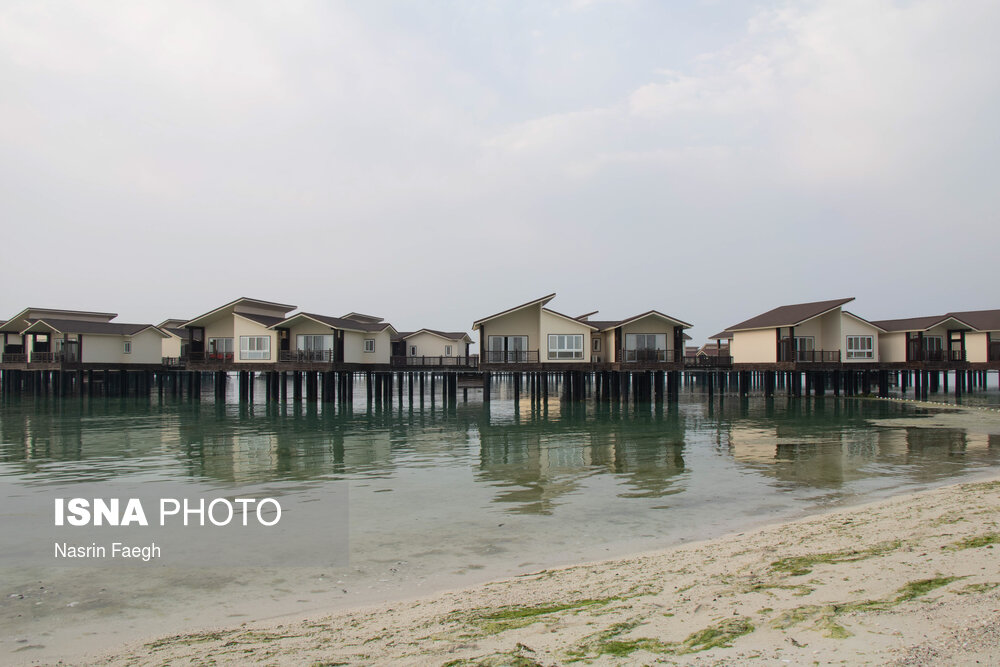
The Toranj Marine Hotel on Kish Island
The Marina Beach is a resort spot on Kish Island
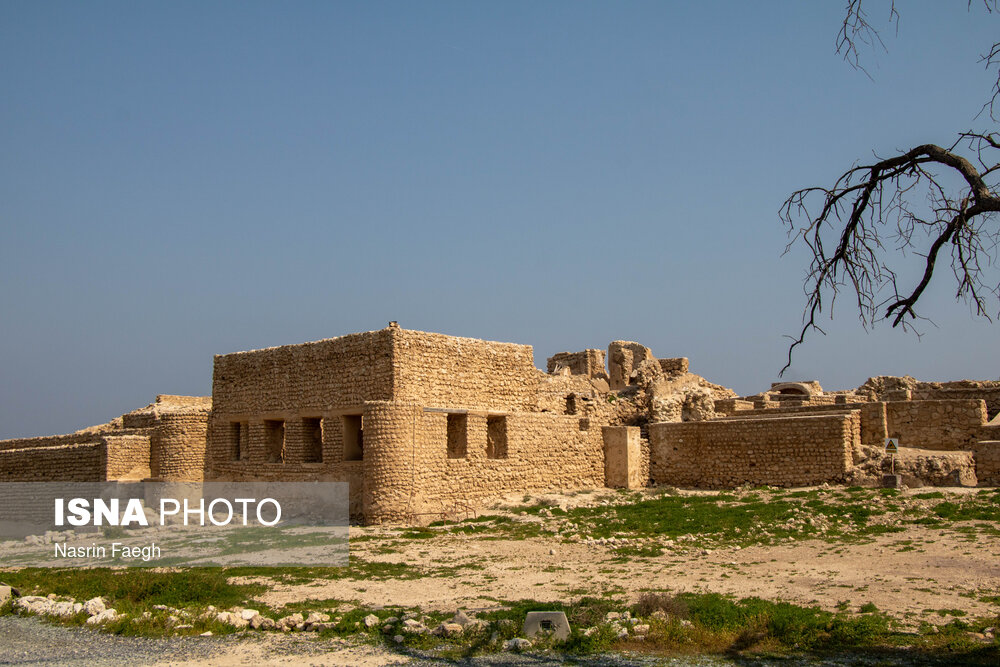
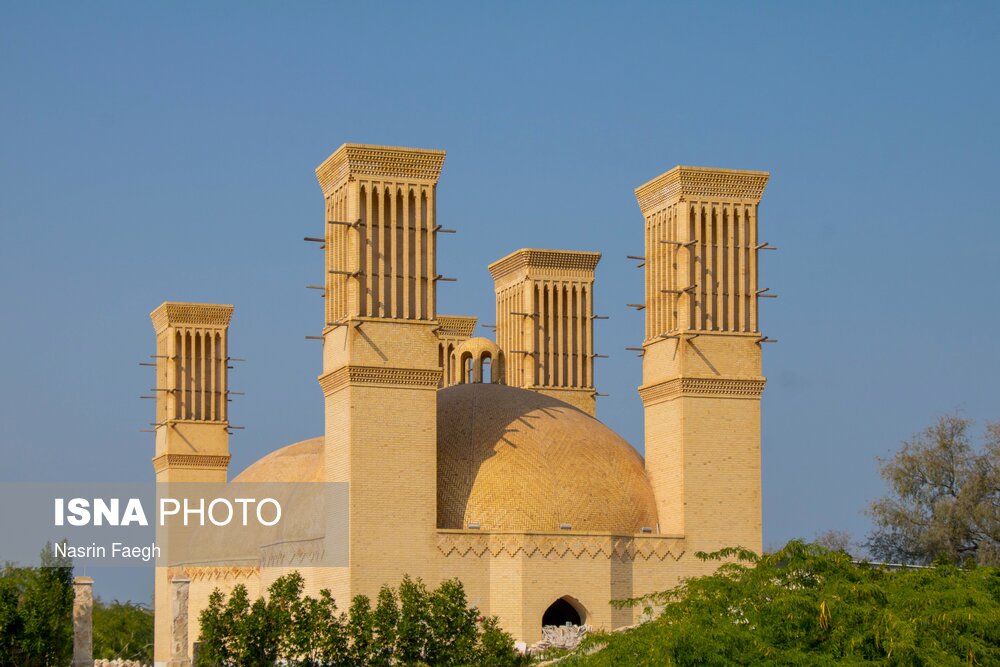
A view of the historical Harireh Town on Kish Island
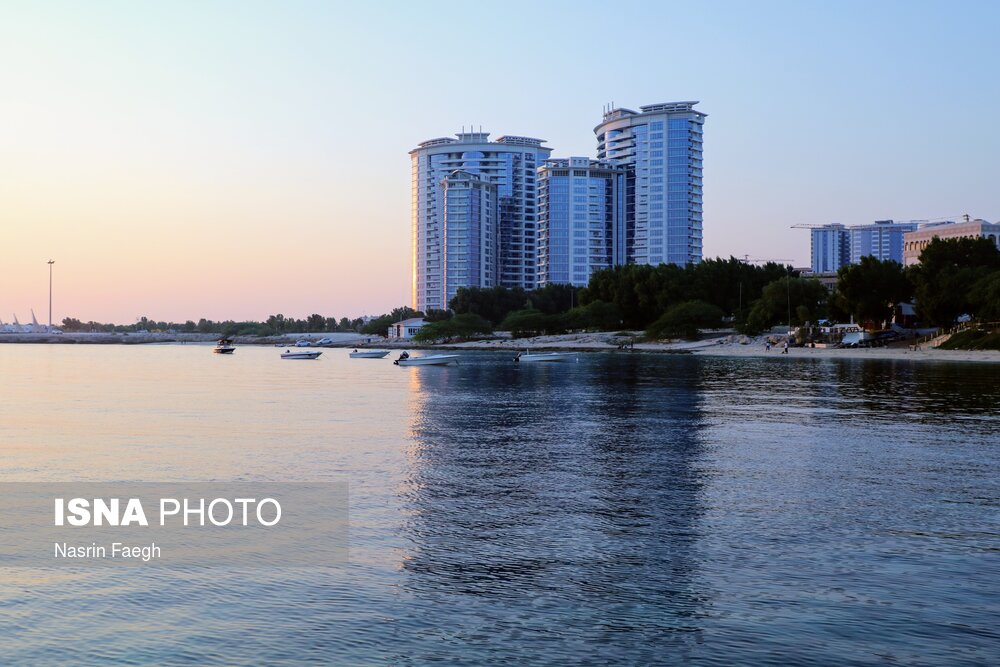
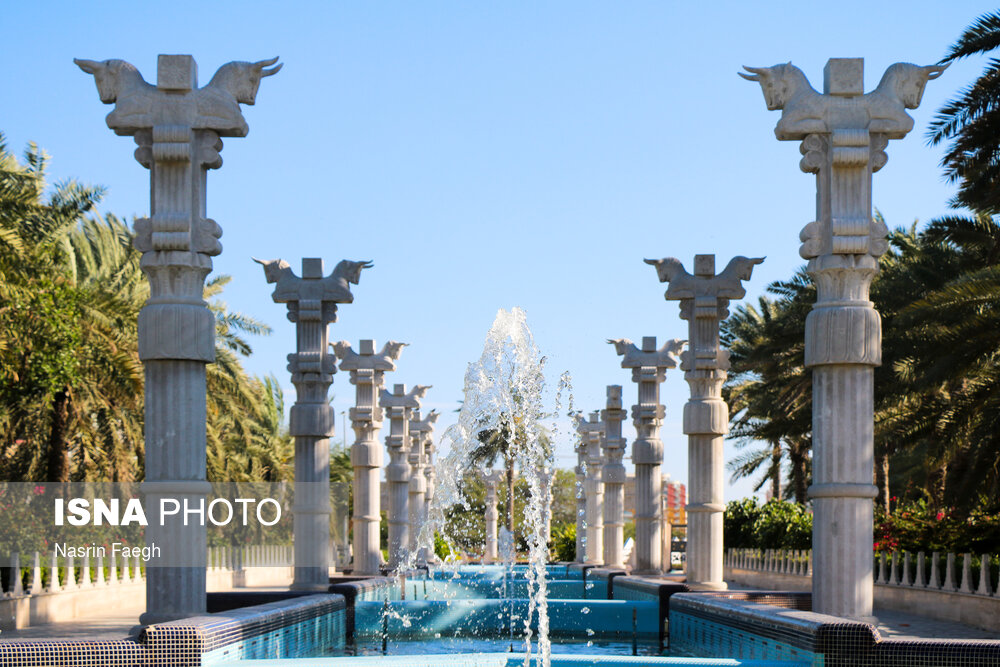
The Twin Towers on Marjan Beach
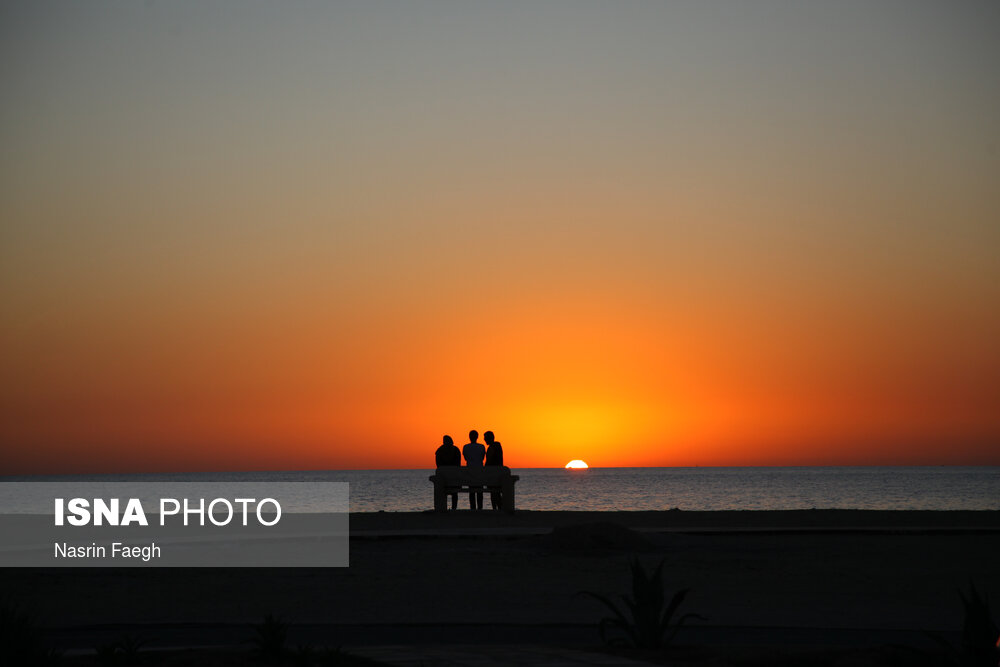
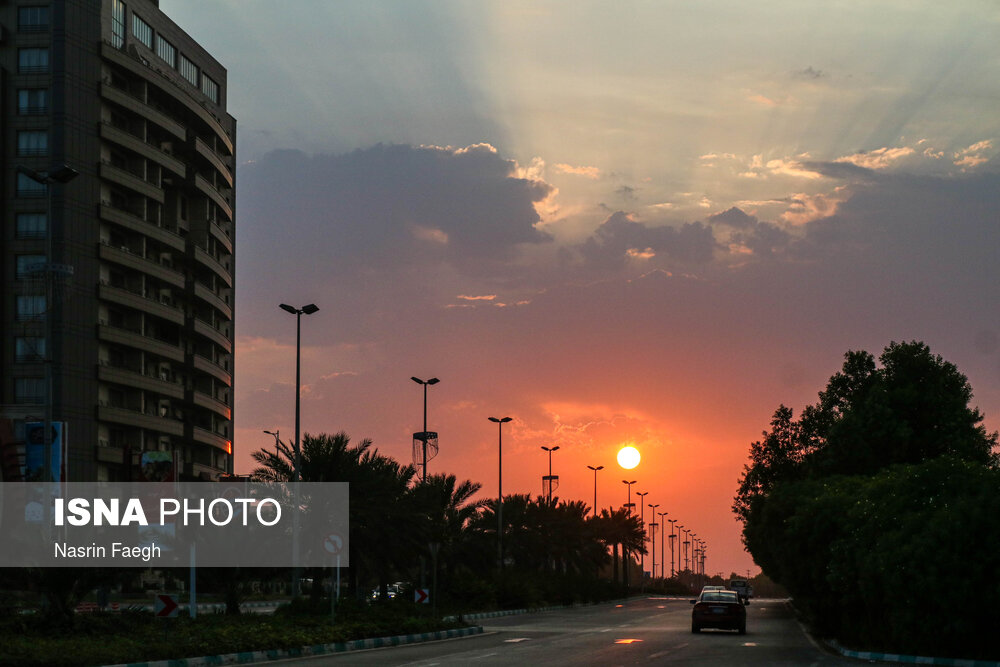
The sunset at Kish Island’s Hoor Beach
The sunset at Kish Island’s Hoor Beach
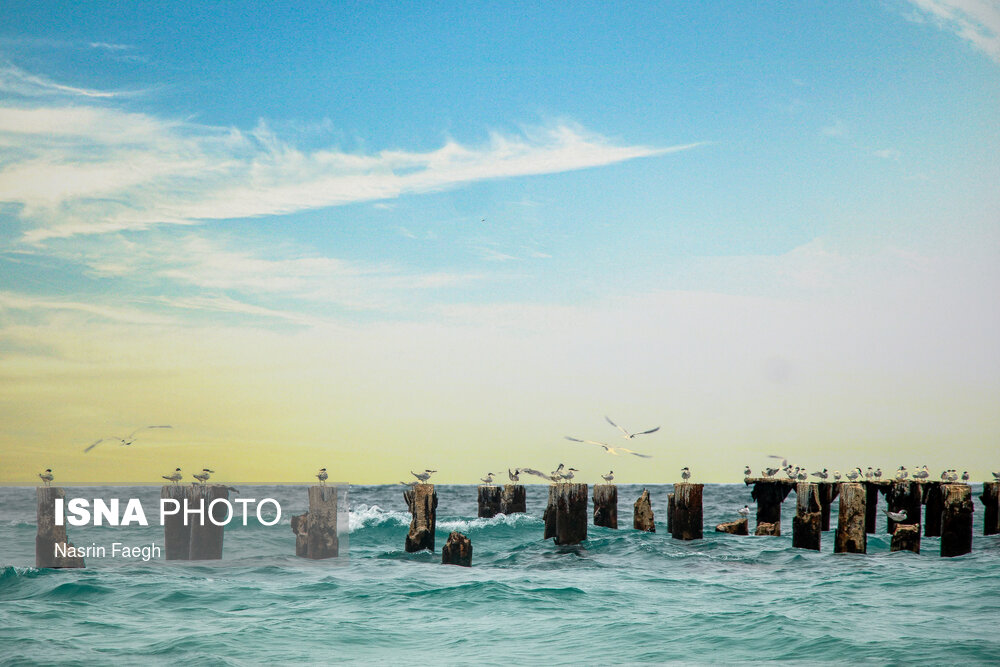
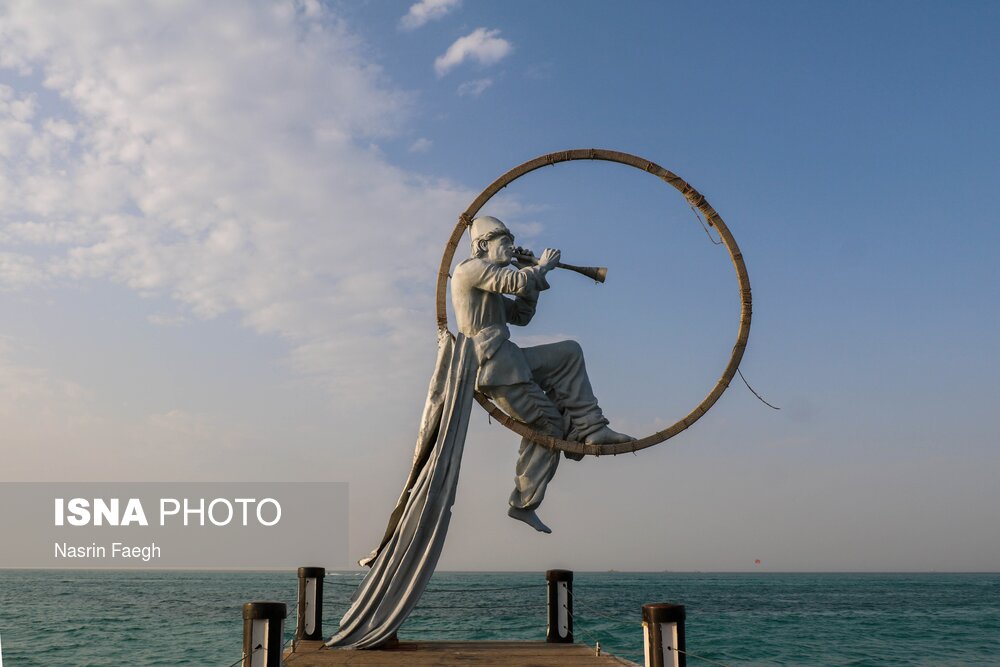
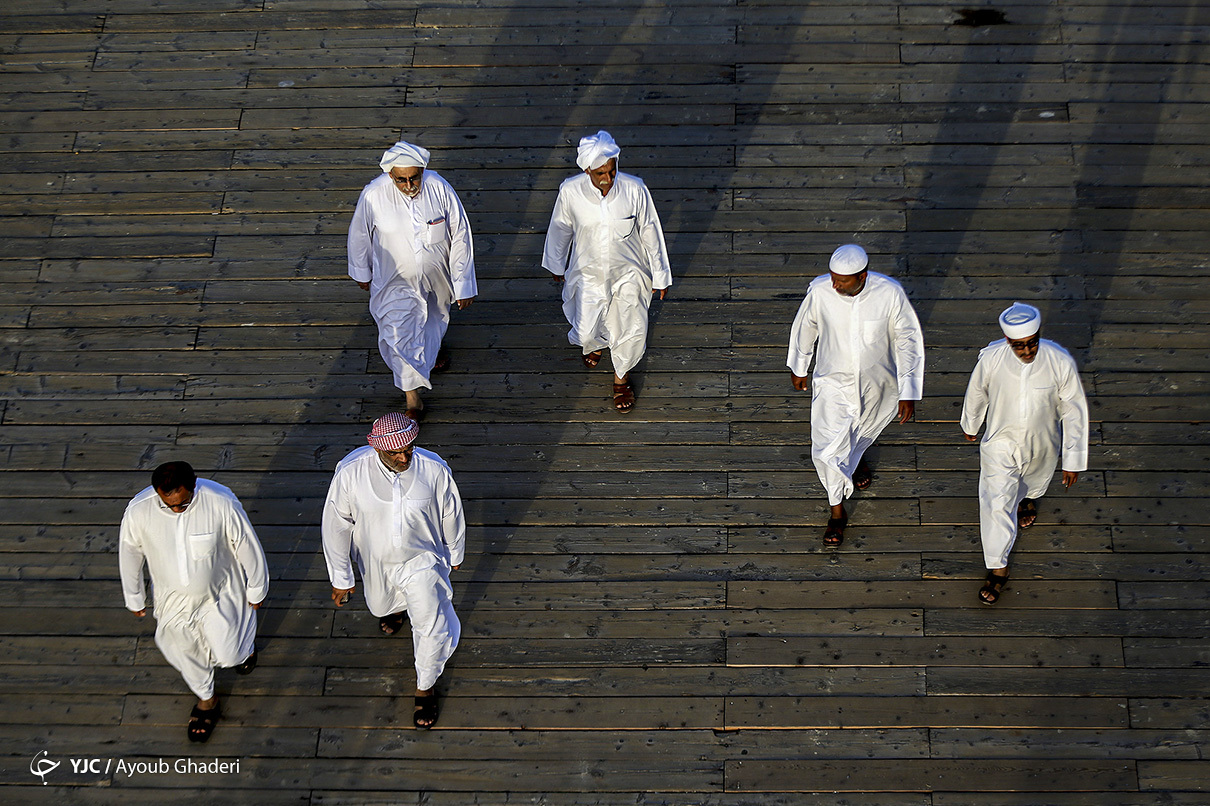
The entertainment pier on Kish Island
The entrance to Dariush Hotel on Kish Island
The Toranj Beach on Kish Island
The entertainment pier on Marjan Beach
Kish Island
Safari entertainments on Kish Island
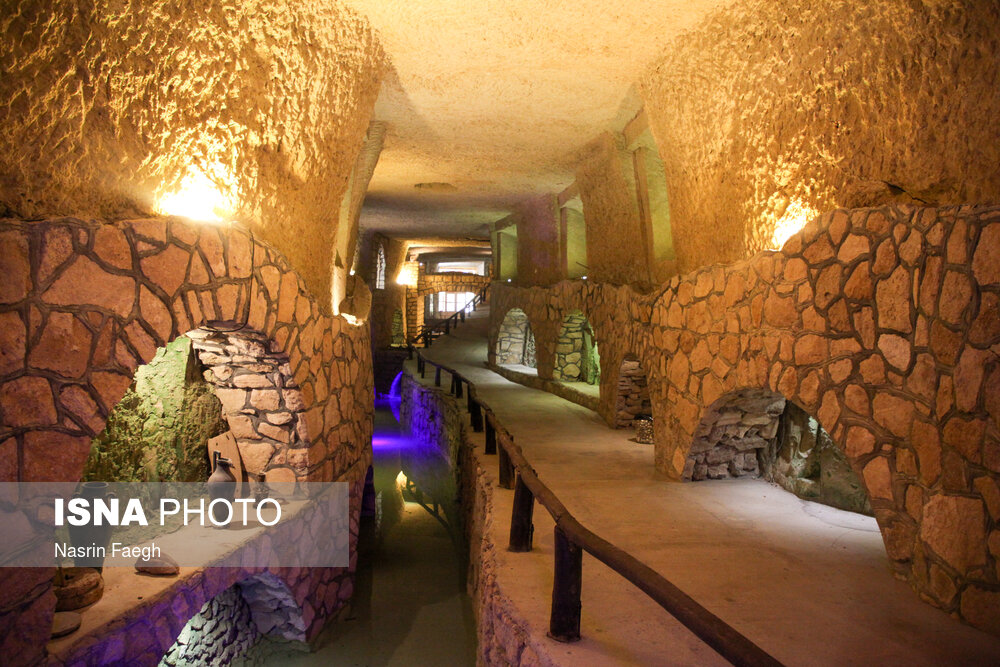
The underground historical town of Kariz
Water Park Square on Kish Island
The underground historical town of Kariz
The Masheh Beach on Kish Island
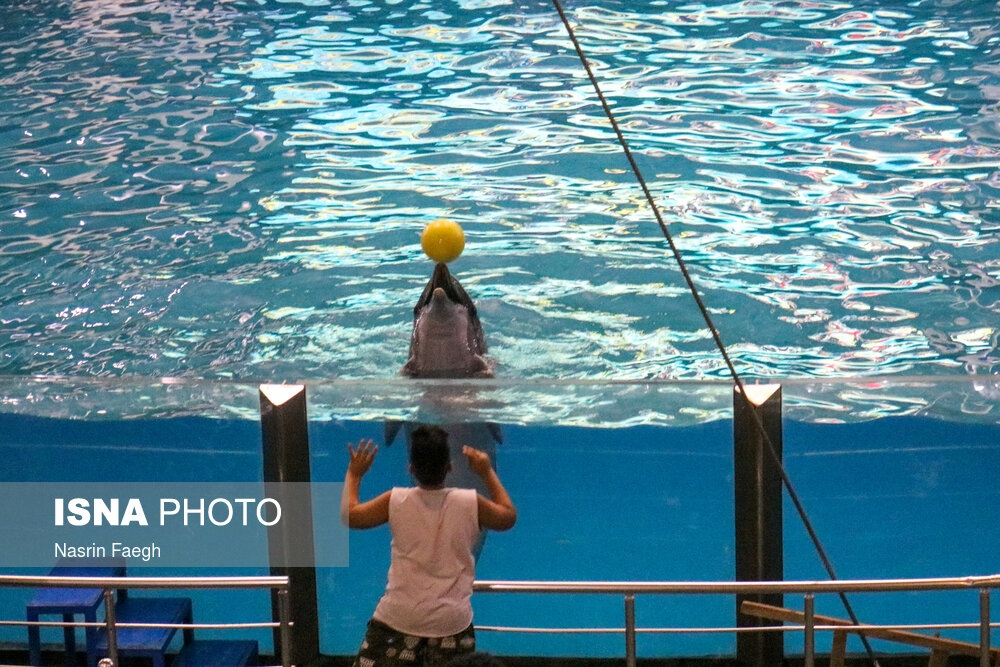
The Dolfinarium also known as the Dolphins’ Park is one of visitor attractions on Kish Island
The historical Harireh Town on Kish Island
Simorgh Beach Park
Deer living in a protected natural habitat on Kish Island
Kish Island
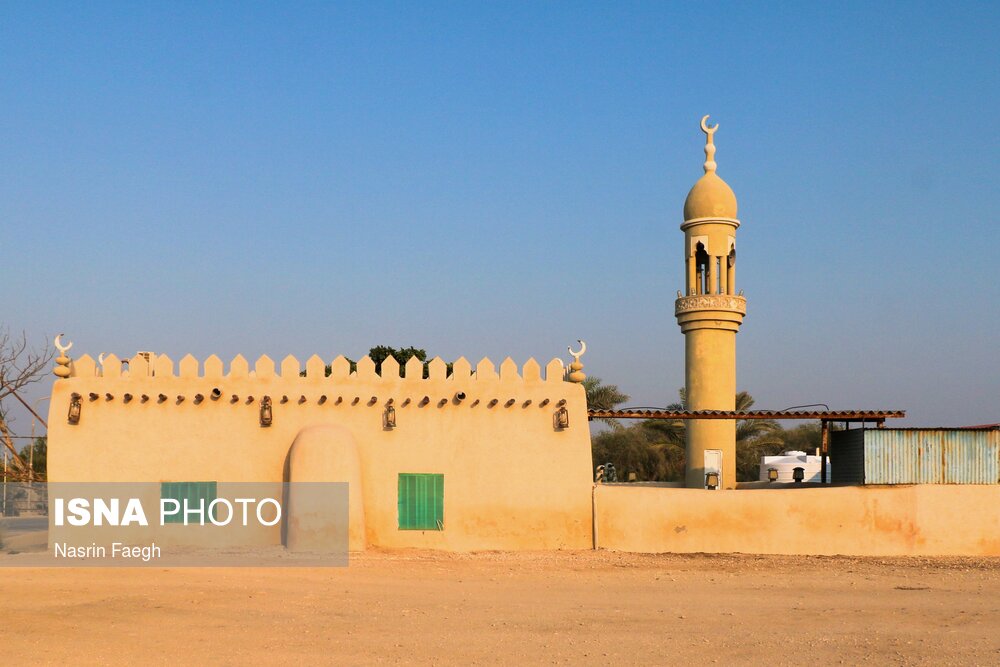
The Great Mosque of the Baghoo Village on Kish Island
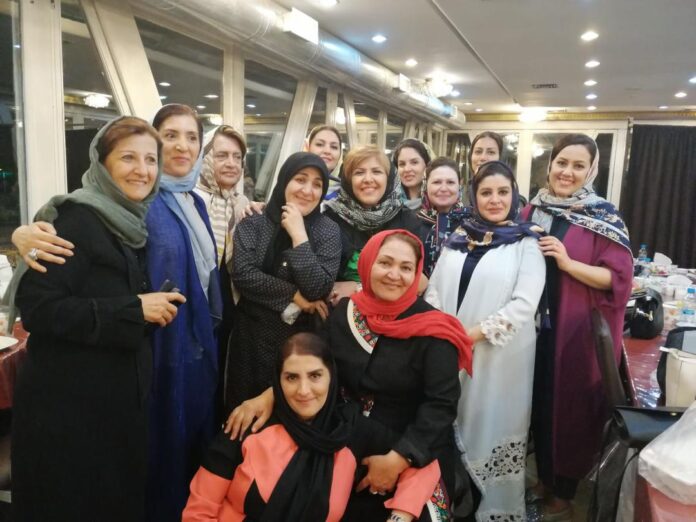
Speaking at a Wednesday meeting, held in commemoration of female Iranian entrepreneurs, Vice-President Ebtekar lauded the Iranian women for working shoulder to shoulder with the men in withstanding the harshest sanctions and pressures against Iran with fortitude.
Highlighting the great responsibilities that Iranian women have shouldered in the social, economic and scientific spheres, she said a growing number of women have become involved in the scientific activities and knowledge-based programs in recent years and have brought glory to the country with their great scientific achievements.
Iran is currently at the cutting edge of science in many fields, the vice-president noted, saying the achievements of the Iranian scientists and researchers indicate the great potential for scientific and knowledge-based activities.
She further explained that any country and organization with remarkable scientific, economic and industrial advances has first reformed its local ecosystem and adapted it to the purposes.
Ebtekar finally pointed to the strategies she has adopted after taking office to make the necessary changes to the country’s technology ecosystem in order to pay the way for the promotion of knowledge-based activities.
“Today, I’m delighted to say that the number of knowledge-based companies have risen from some 500 to around 5,400,” she added, noting that the value of products of the Iranian knowledge-based firms exceeded 120 trillion tomans in the last Iranian year.
In remarks in September, Vice President for Science and Technology Sorena Sattari said more than 5,300 knowledge-based companies had been established in the country under the aegis of the administration over the past six years.
According to Sattari, the governmental supports for the domestic enterprises have resulted in the opening of over 5,300 knowledge-based companies in the past six years.
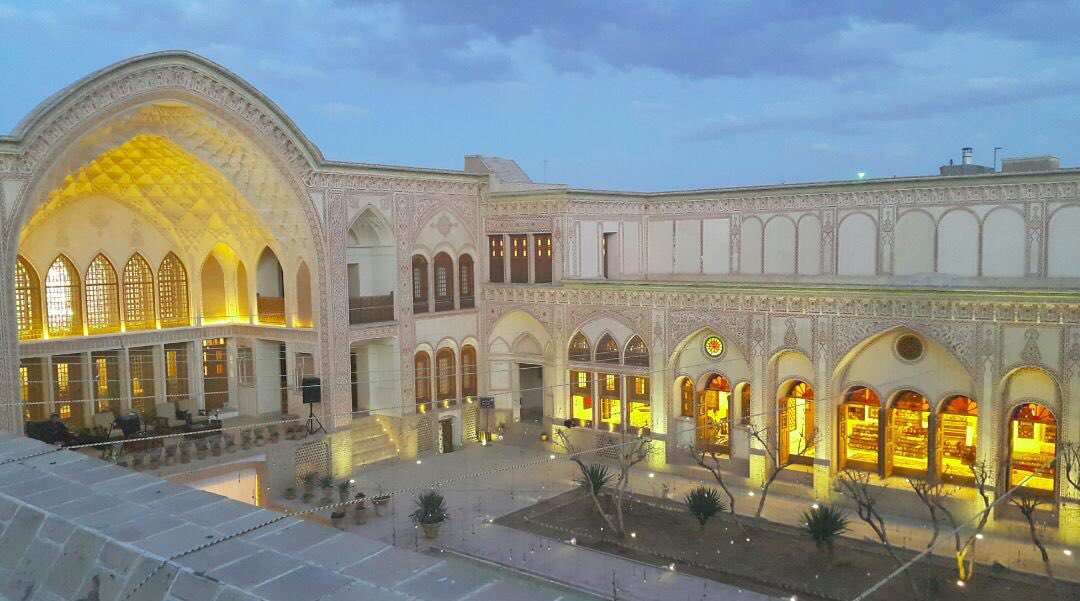
Old houses with special architecture such as the Fin Garden, the house of Boroujerdis, the house of Tabatabais, etc., underground Nooshabad City, the Niasar Fire Temple, the desert and the Niasar cave as well as attractive cultural traditions such the annual local ceremony to extract rose water in Qamsar and the rug-washing practice in spring have all turned Kashan into one of the most beautiful tourist cities of Iran.
In this article, you will get familiar with traditional foods in Kashan.
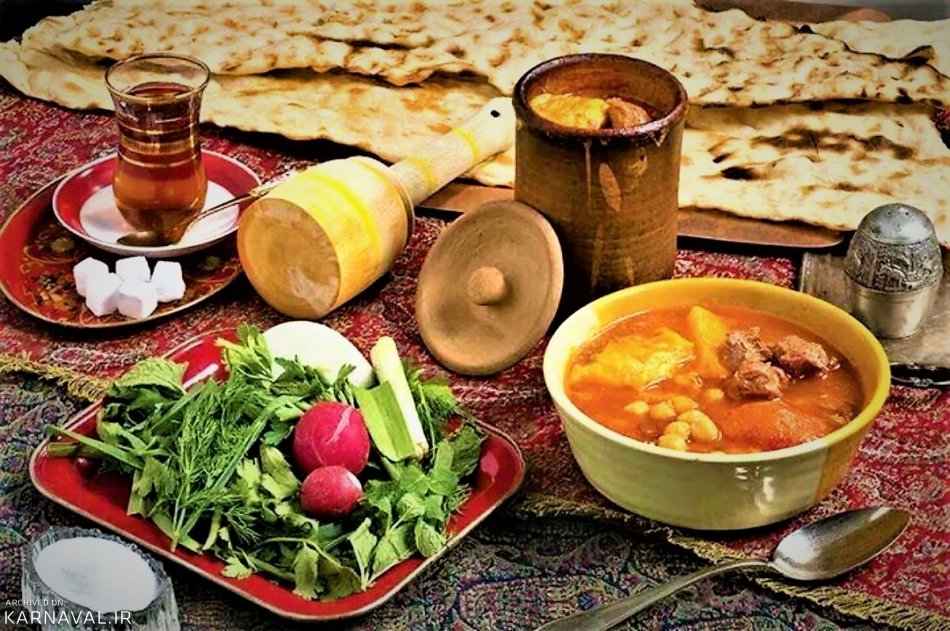
Meat & Beans
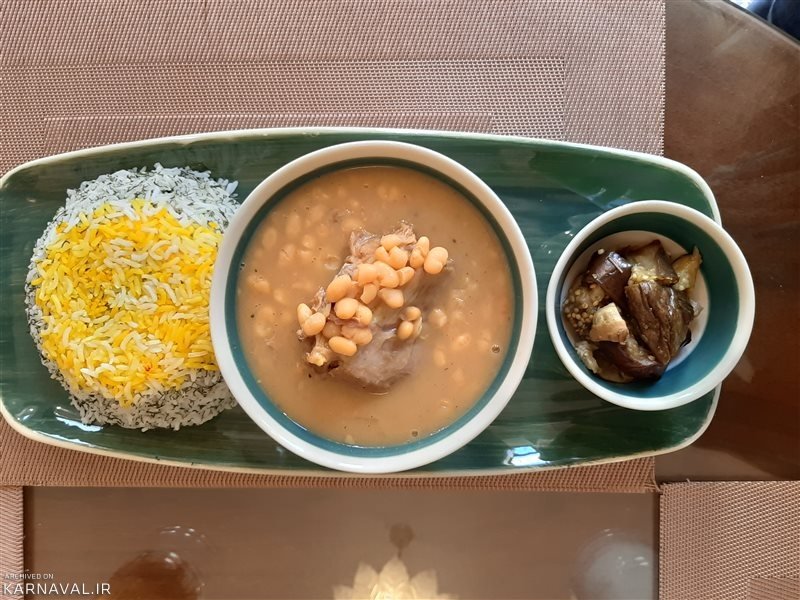
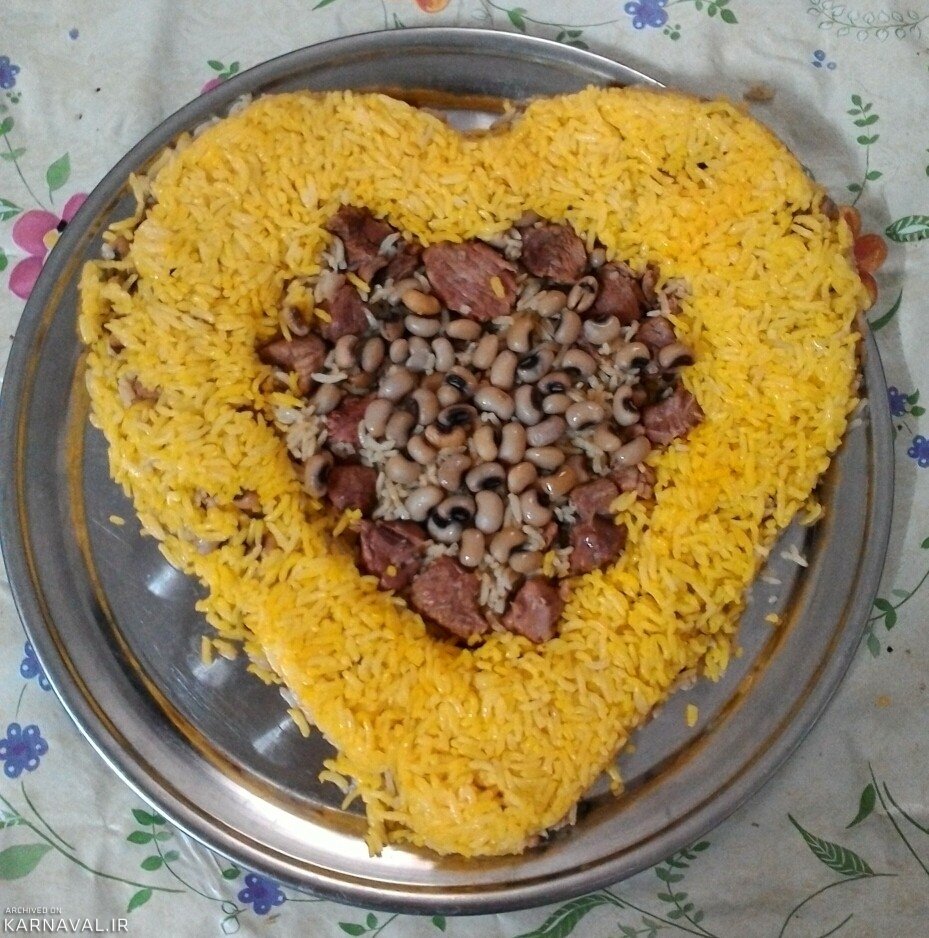
Meat & Beans is a very well-known food in Kashan. The ingredients include white beans, meat (lamb). Rice and herbs such as fenugreek and chives. This is a very nutritious move and usually served with bread or dill pilaf.
Sumac Juice Meatballs
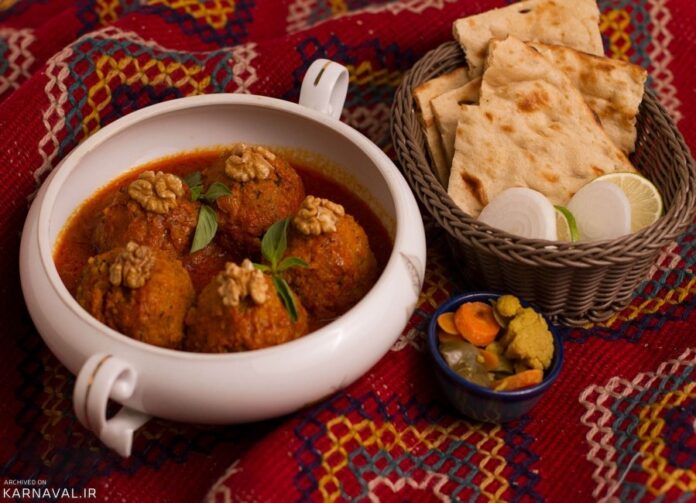
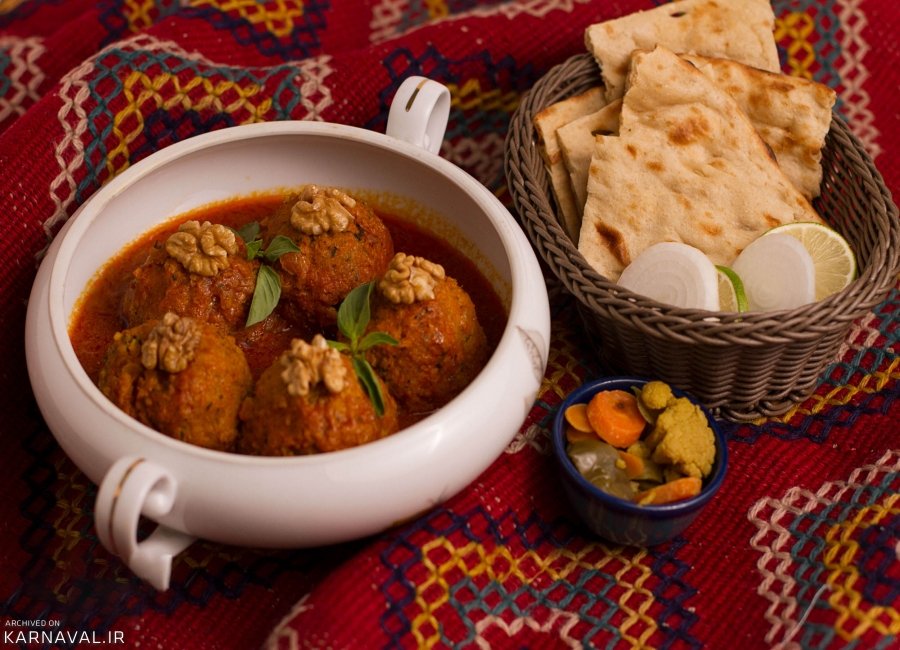
Meatballs are commonly cooked in various Iranian cities, but the ingredients and recipes are different. The meatballs cooked in Kashan are also known as sumac juice meatballs. Its staple ingredients include minced meat, chickpea flour, onions and sumac. This kind of meatball tastes sour-sweet and is served with either bread or rice.
Chickpea Balls
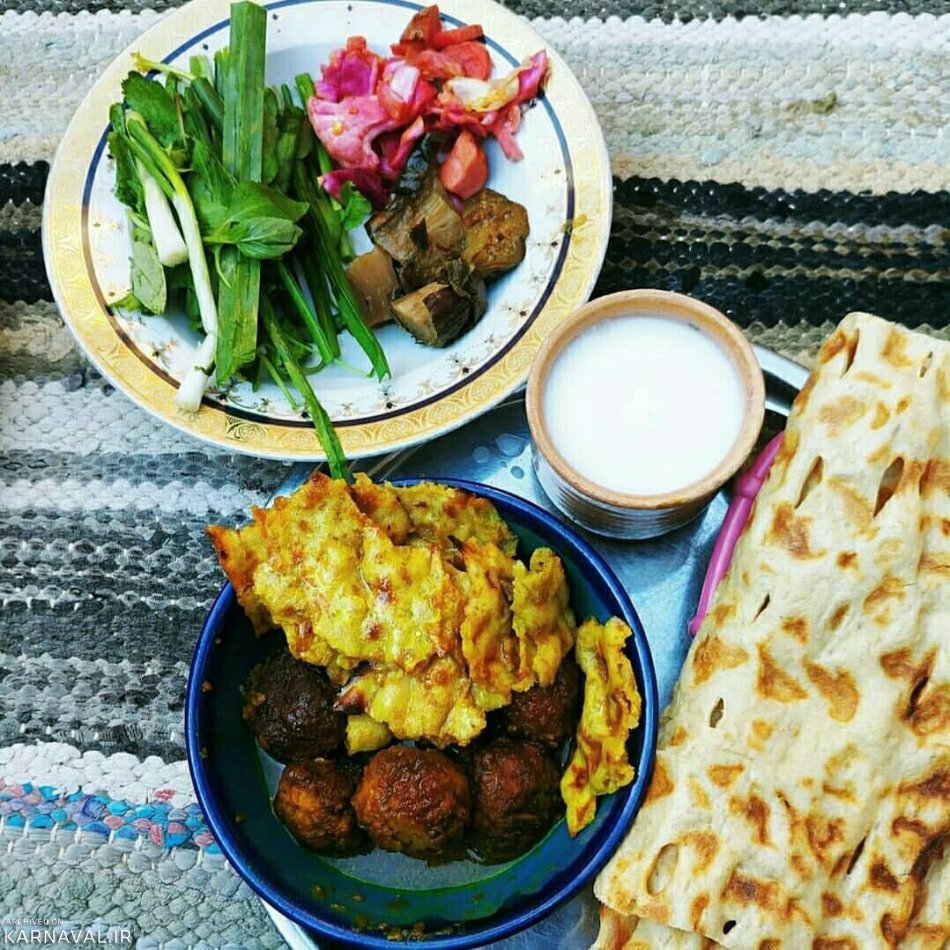
Chickpea balls is also known as pomegranate balls. The ingredients include eggs, chickpea flour, dried herbs and minced meat. They are all mixed together and formed into balls before being fried. Then pomegranate past and fried onions are poured onto the fried chickpea balls, This sour-tasting food is served with bread, but can also be served with rice.
Aubergine Paste
Aubergine paste is a simple and delicious food. To make this food, they fry aubergine and onions. Then tomato paste, water and fried meatballs are added. This tasty food is served with bread.
Aleh Pea Stew
This food can also be called Kashani Qaymeh stew as it is very similar to the Qaymeh stew cooked in Yazd province. The recipe is similar to that of Qaymeh. The only difference is that peas are used instead of split peas. Beef is also used in this food.
Dizi Pilaf
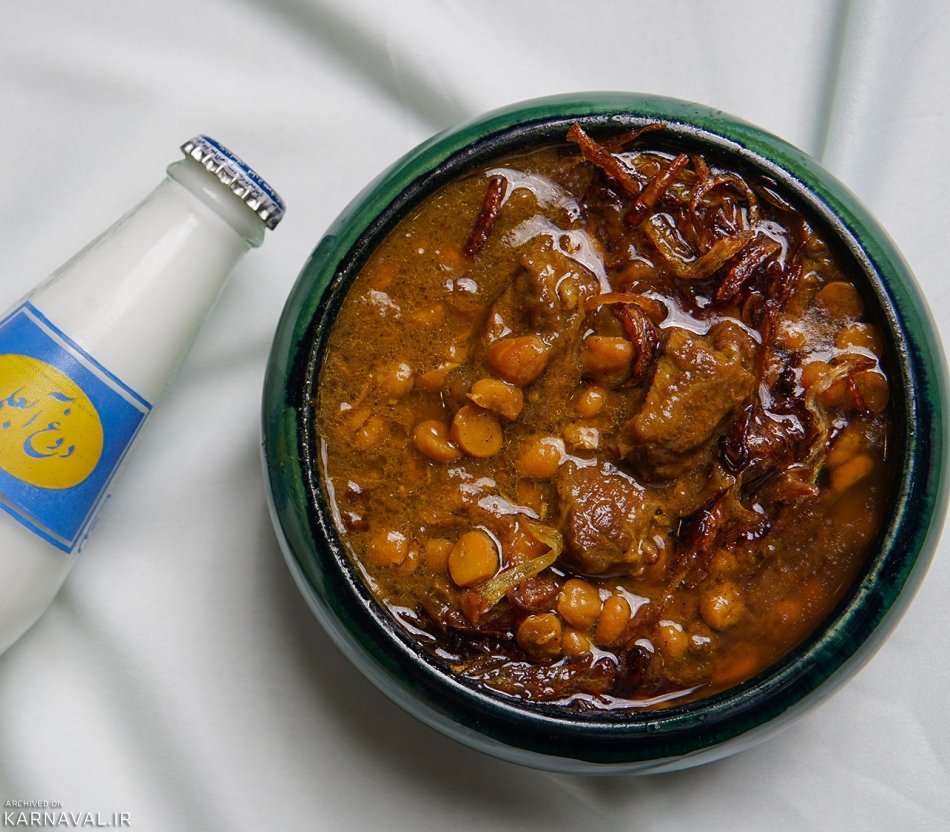
To make Dizi Pilaf, they first cook beef, beans and onions before adding it to rice. It is served with Doogh (an Iranian drink made with water and yoghurt) and yoghurt.
JooJooi Tas-Kebab
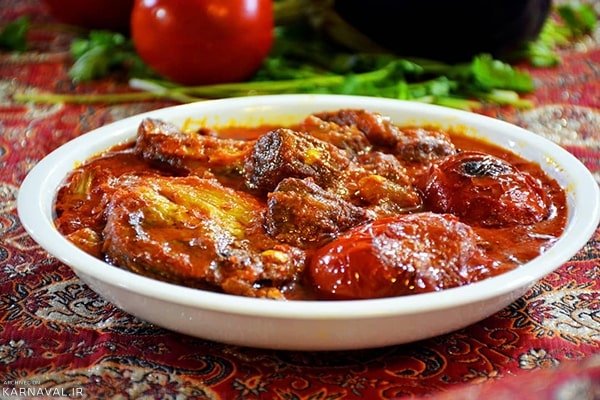
Its ingredients include pomegranate paste, aubergine, tomatoes and meat. This food is served with bread.
Carrot Cutlet
Grated carrots, minced beef, chickpea flour, eggs and vinegar are the ingredients of the carrot cutlet. They mix and fry these ingredients.
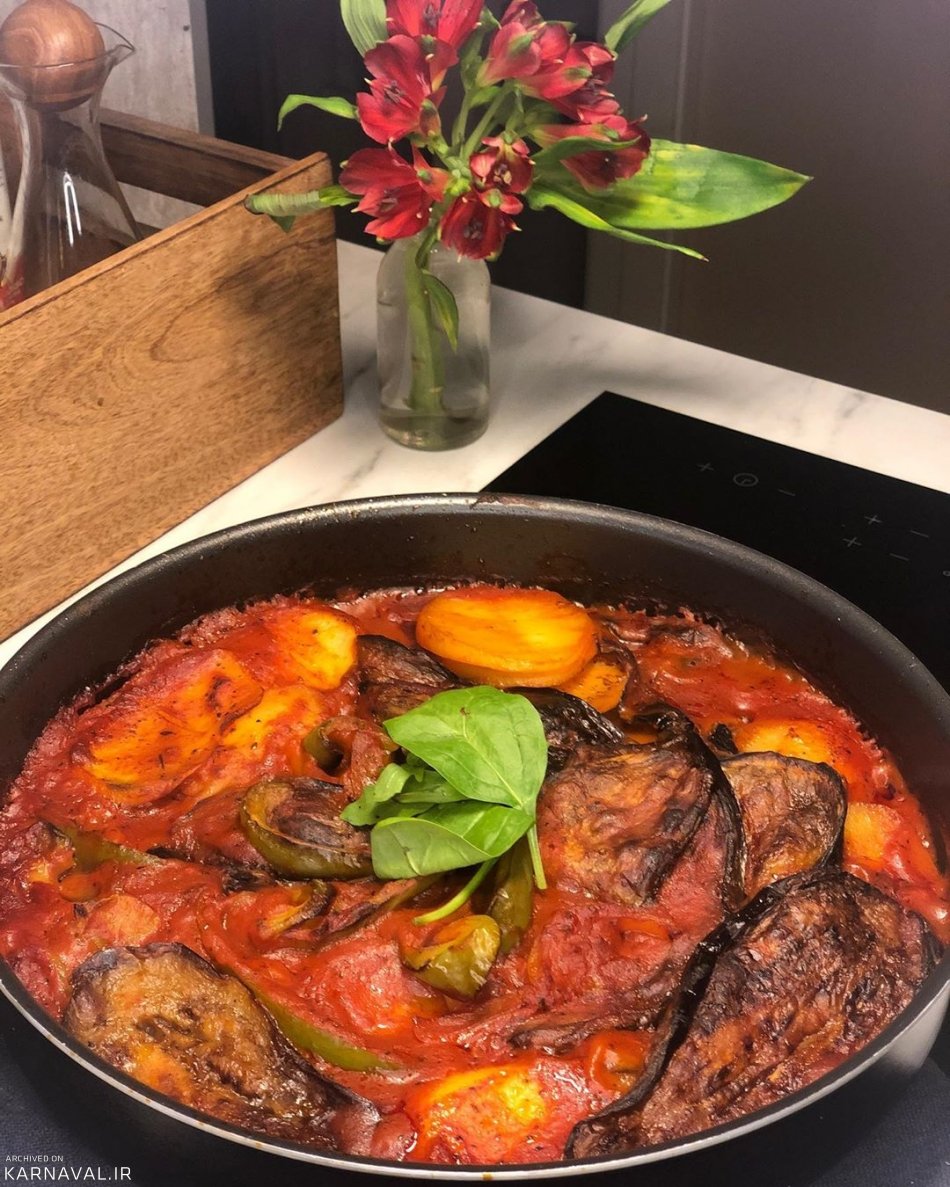
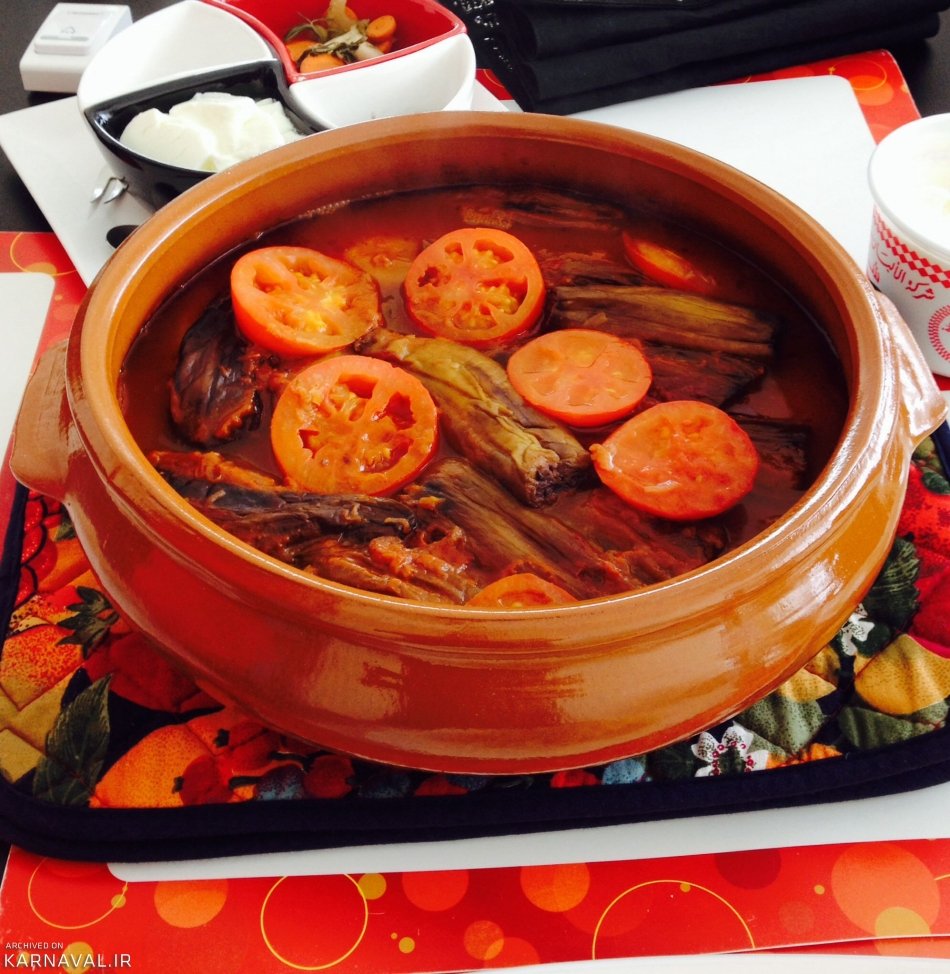
Yatimcheh
Yatimcheh is a common food across Iran. It is a simple food with aubergine as its major ingredient. The rest of the ingredients are different in different cities. The Yatimcheh cooked in Kashan is made with potatoes together with tomatoes and onions.
Broths Cooked in Kashan
Mince Broth
To make this food, they cook chopped mince with meat and pulses before adding pomegranate paste. Yatimcheh stock is served separately. The ingredients are also mashed and served separately.
White Beans Broth
White Beans Broth is one of food specifically cooked in Kashan. The ingredients include mutton, tomatoes, tomato paste, onions and white beans.
Mince-Prune broth is one of forgotten foods in Kashan. The ingredients include white beans, meat, mince and prunes. It is a sweet broth popular with the older generation.
They presented their capabilities in a ceremony attended by Sorena Sattari, the vice president for science and technology, and Masoumeh Ebtekar, the vice president for family and women’s affairs, who commended the entrepreneurs for their activities.
In the ceremony, Sattari said the creation of an appropriate ecosystem for women’s innovative activities as well as trying to pave the way for that is among the priorities of the Science and Technology Department of the Presidential Office.
“In the early days of moving towards [creating] a knowledge-based ecosystem, top researchers and professors conducted a survey, which was published under the name “Getting to know the Silicon Valley.” This book answers the question why this area is unique. The reason is that it highlights the existence of a proper ecosystem for innovative activities and the existence of its culture,” said Sattari.
He said a proper atmosphere to promote innovative activities among women is a prelude to boosting their businesses innovatively.
“The same thing goes for women’s knowledge-based businesses. If an ecosystem is created for their activities, we will definitely see women play a more pivotal in this arena,” he added.
He said women should be given the chance to stabilize their role in bringing change.
Meanwhile, Ebtekar noted that women have been moving forward on the scientific front and secured good achievements in the promotion of science and technology.
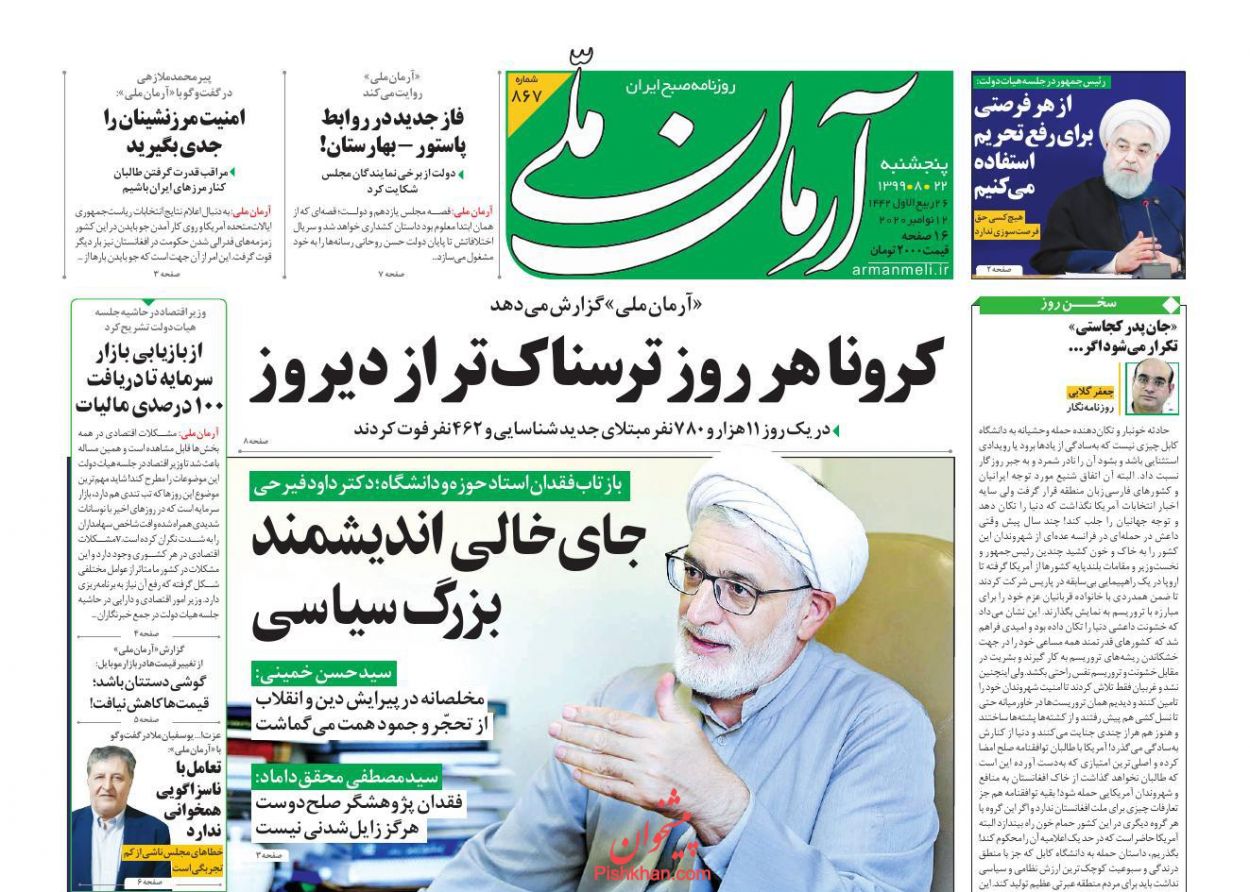
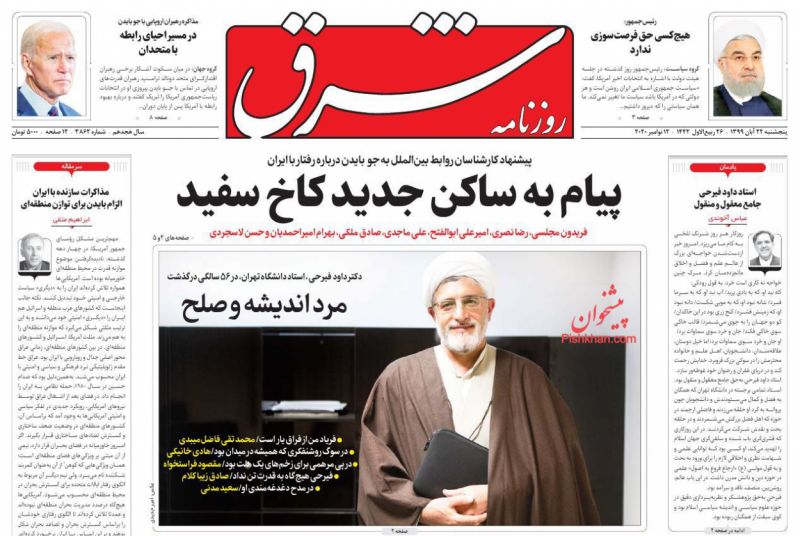
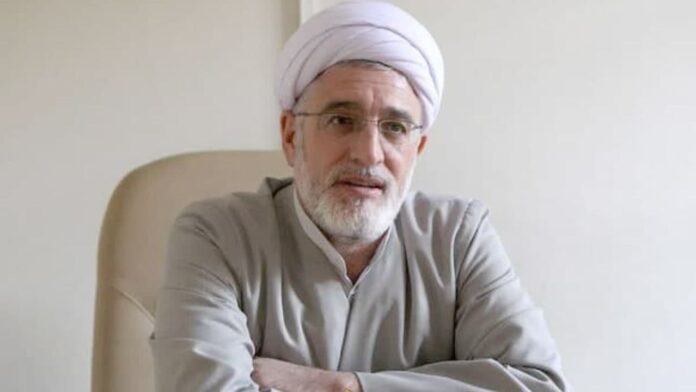
Feirahi was a professor of Political Sciences at the University of Tehran and a researcher in the domain of political thinking.
He had been in hospital for quite some time due to infection with COVID-19.
Born in 1964 in the Iranian city of Zanjan, Feirahi received his Ph.D. degree in Political Sciences from the University of Tehran.
During his lifetime, he authored several books and published dozens of articles in journals on the political ideology of Islam. He also presented numerous articles in conferences.
Feirahi taught several courses at university, including Political Thoughts in Contemporary Iran, Political Thoughts in Contemporary Islam, Political Jurisprudence, Political Thoughts in Iran and Islam, Contemporary Islamic Fundamentalism and Radicalism, Political Establishment and Government in Islam, The History of Change of Government in the World of Islam, and Basics of Political Thoughts in Islam.
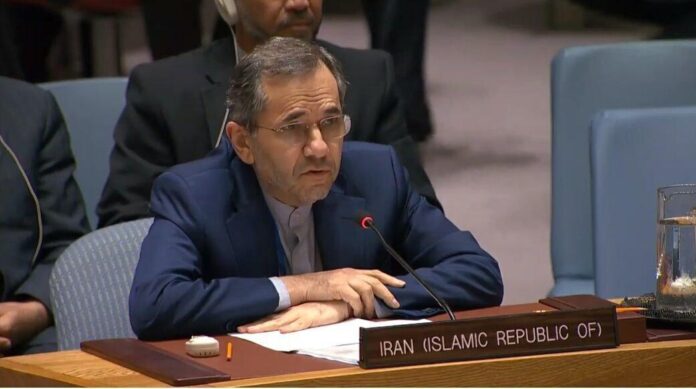
Majid Takht-Ravanchi underlined that the International Atomic Energy Agency (IAEA) should maintain its independence, neutrality and professionalism.
“If Saudi Arabia is seeking a peaceful atomic program, it should act transparently and allow IAEA inspectors to verify its nuclear work,” said Takht-Ravanchi at a meeting of the UN General Assembly on the annual report of the IAEA.
He then highlighted that the Israeli regime has not yet joined the Nuclear Non-Proliferation Treaty (NPT) and has not allowed verification of its nuclear activities. He urged the IAEA to adopt an independent and professional approach to settle this issue.
The Iranian ambassador also rejected any restrictions on peaceful nuclear activities, and highlighted the important role of nuclear energy in promoting countries’ economic and social development.
Takht-Ravanchi said the importance of nuclear energy is stipulated in the NPT and the Statute of the IAEA. He said one of the duties of the IAEA is to promote the peaceful use of nuclear energy and boost international cooperation among member states in that regard.
“By making a lot of efforts and investment in this field, the Islamic Republic of Iran has secured significant achievements and, at the moment, uses nuclear energy in the domains of power generation, medicine, agriculture and industry,” said Iran’s UN envoy.
“From the Islamic Republic of Iran’s standpoint, the IAEA’s verification duty, as stipulated in the agency’s statute, should be fulfilled in such a way that it does not eclipse member states’ inalienable right to promote peaceful use of nuclear energy,” he said.
He underscored even proliferation concerns should not restrict member states’ entitlement to peaceful use of nuclear energy.
“Accordingly, any attempts to restrict the peaceful use of nuclear energy should be rejected,” he said.
He further said that last year, 22 percent of the IAEA’s total inspections were conducted in Iran.
“Even at the height of the coronavirus outbreak, the agency’s activities in Iran did not stop,” said the ambassador.
Elsewhere in his remarks, Takht-Ravanchi touched upon the United States’ illegal withdrawal from the 2015 Iran nuclear deal known as the Joint Comprehensive Plan of Action (JCPOA).
“The US pullout from the JCPOA and the re-imposition of illegal sanctions against Iran and the United States’ failure to comply with UN Security Council Resolution 2231 have kept the Islamic Republic of Iran from enjoying the rights stipulated in the resolution,” Takht-Ravanchi noted.
“The JCPOA, as an important multilateral accomplishment which enjoys unflinching international support, is under intense pressure due to the United States’ unilateral actions,” he said.
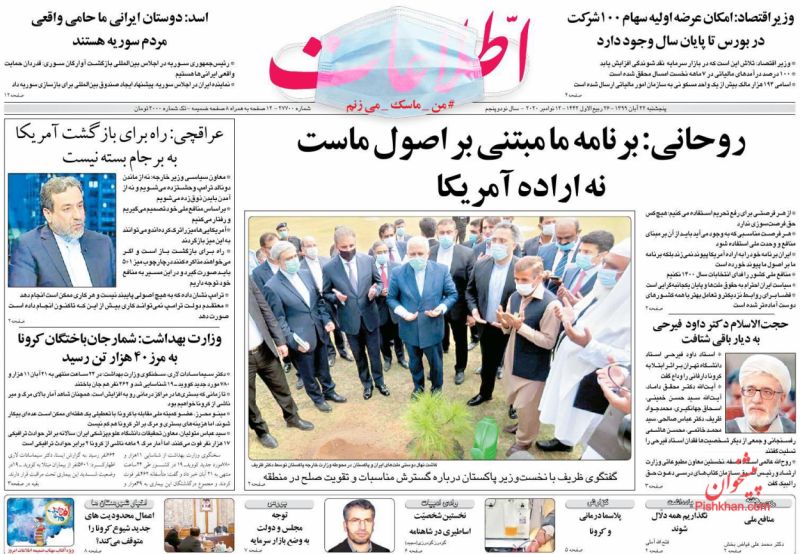
The Wednesday ceremony was also attended by Pakistani Foreign Minister Shah Mahmood Qureshi.
Before departing Tehran for Islamabad, the Iranian foreign minister had congratulated the people of Pakistan on Iqbal Lahori Day.
In a tweet on Monday, Zarif said Allama Iqbal is the pride of the Islamic world and an international poet and thinker.
“His concern for unity among Muslims is currently one of the problems facing the Islamic world. Happy Iqbal Day to all Pakistanis.”
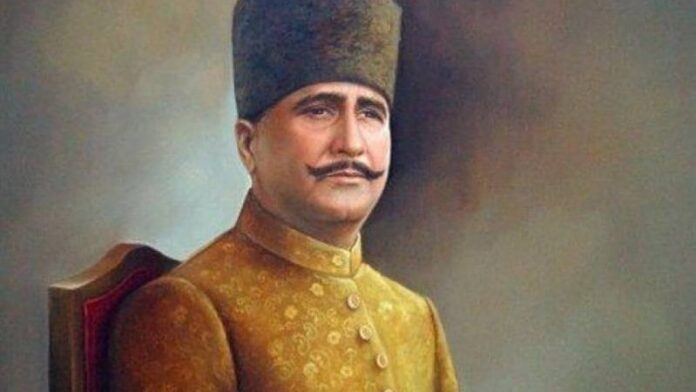
Muhammad Iqbal was a Muslim poet, philosopher, and politician from Punjab, British India, whose poetry in Urdu and Persian is considered to be among the greatest of the modern era, and whose vision of an independent state for the Muslims of British India was to inspire the creation of Pakistan.