Wednesday, December 24, 2025
Home Blog Page 2449

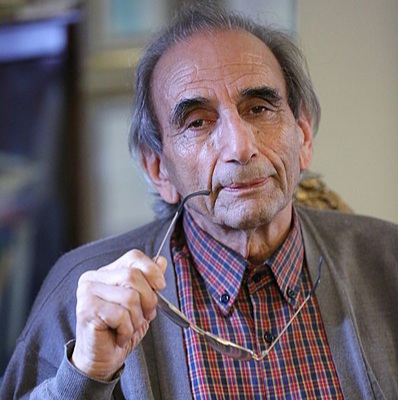
World-Renowned Iranian Geographer Parviz Kardavani Dies

Kardavani was suffering from bone marrow cancer.
He went to Germany after receiving a diploma in Iran and returned to the country after receiving a doctorate in desert development.

He was the director general of the Office of Educational Studies at the University of Tehran from 1969 to 1975 and then the founder and director of the Research Centre for Desert Areas of Iran.

Iran’s Zarif Says Battle Against Tyranny Continues

In a message sent on his Twitter account, Mohammad Javad Zarif said despite the wishes of a long line of oppressors, the battle against tyranny did not end in Karbala, or in 670 CE.

“14 centuries later, resistance to oppression and struggles for freedom continue across the globe,” reads Zarif’s Tweet.

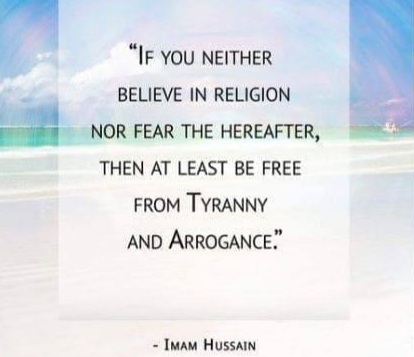
He also quoted this remark by Imam Hussein (AS):
“If you neither believe in religion, nor fear the hereafter, then at least be free from tyranny.”

In the end, Zarif noted that on Ashura 2021, Hussein’s beacon shines on.

Hezbollah Warns Israel, US against Harassing Lebanon-Bound Iranian Fuel Ship

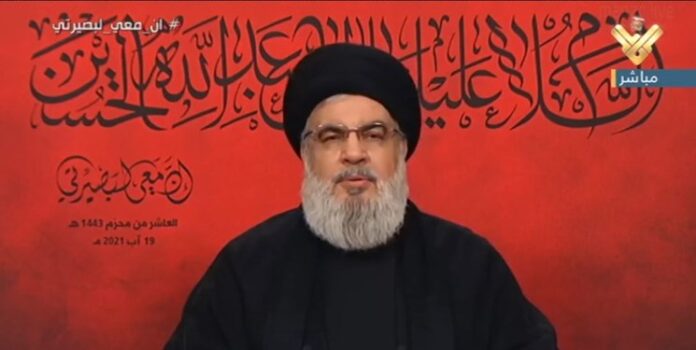
Hezbollah Secretary General Seyyed Hassan Nasrallah said in his speech on the occasion of the 10th of Muharram‌ (Ashura) that the shipment is organized by the movement warning the US and Israel that any threat against the ship would be considered as a threat against Lebanese territory.

He also added that more ships would follow to help the people of Lebanon, who are experiencing fuel shortages as a result of the country’s financial breakdown.

“We don’t want to get into a trouble with anyone, we don’t want to get into a problem with anyone. We want to help our people. I tell the Americans and the Israelis that the ship that will sail within hours from Iran is considered the Lebanese territory,” noted Nasrallah.

Nasrallah further went on to say that God willing this ship and others will arrive safely; however, he did not reveal where or when the ship would arrive, saying this would be discussed when it reached the Mediterranean.

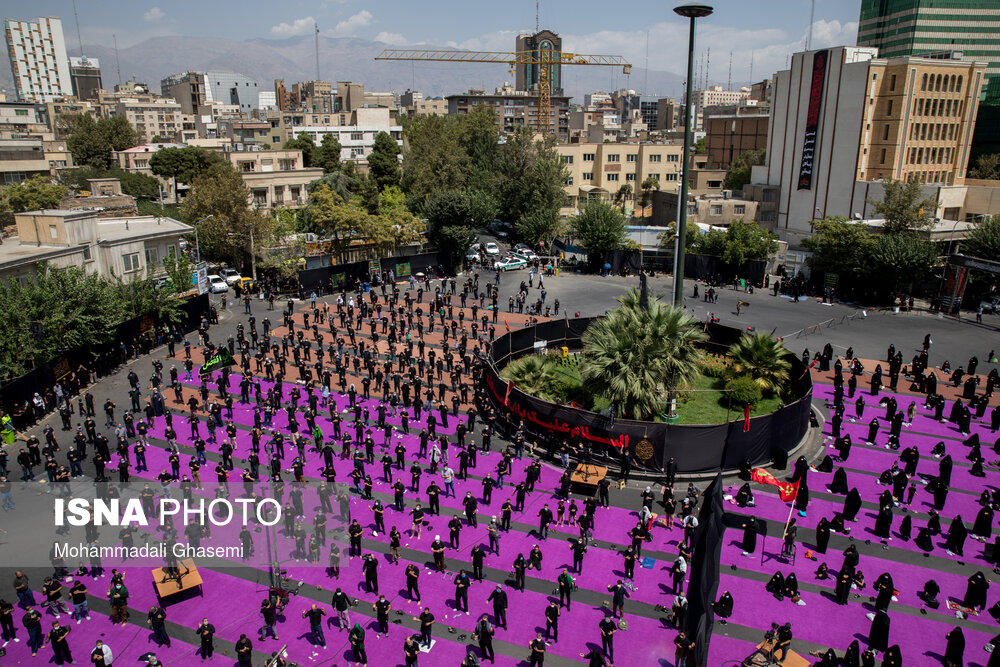
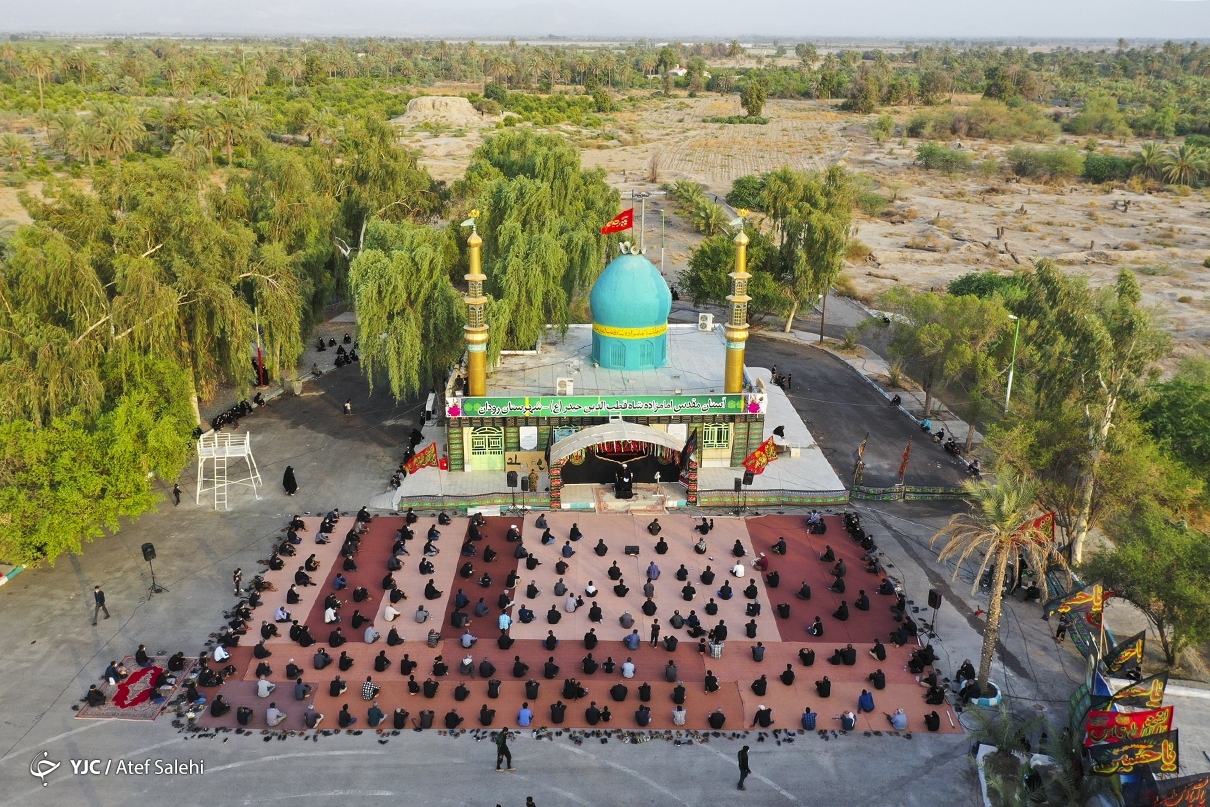
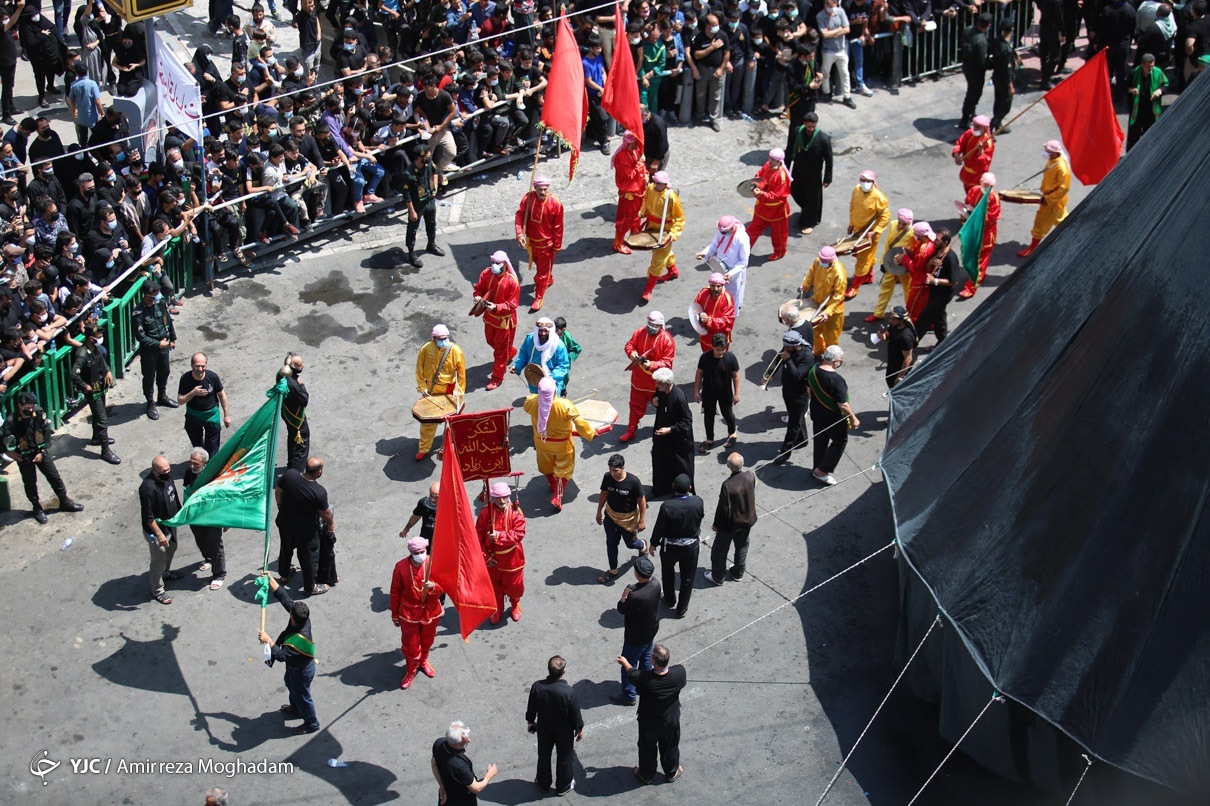
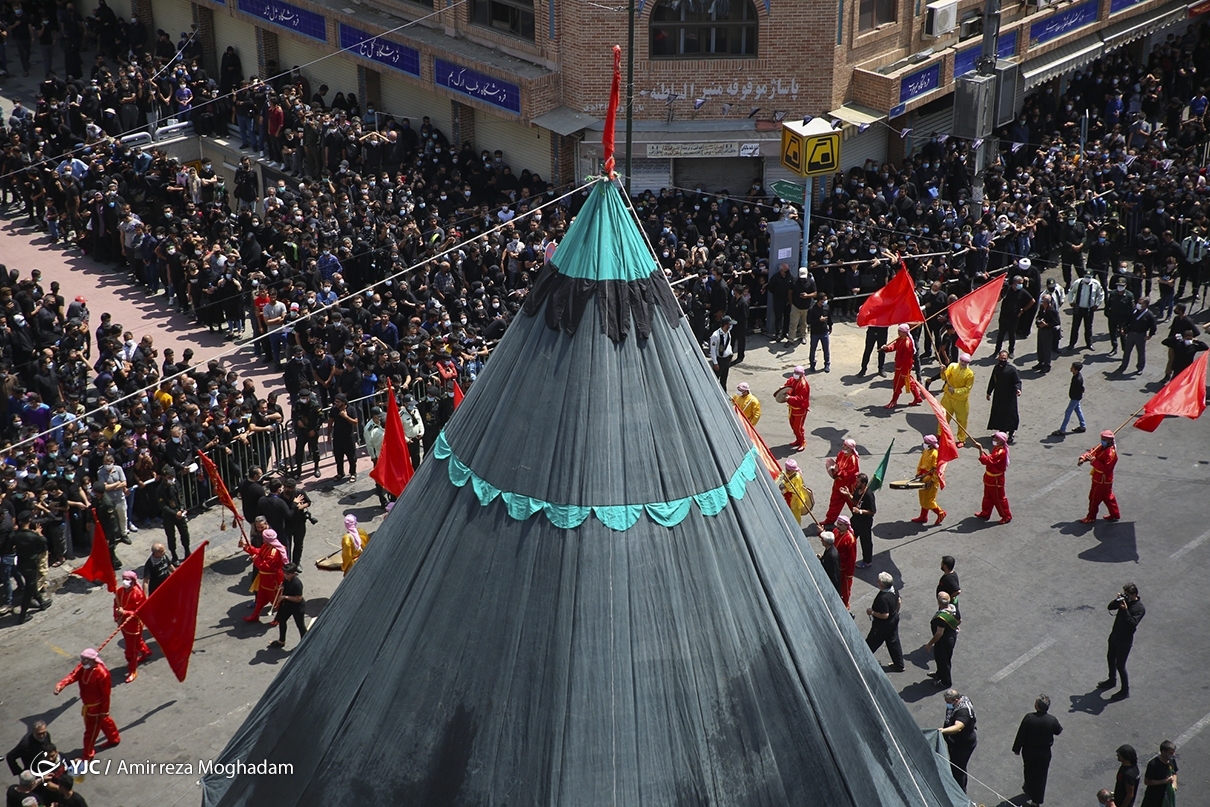
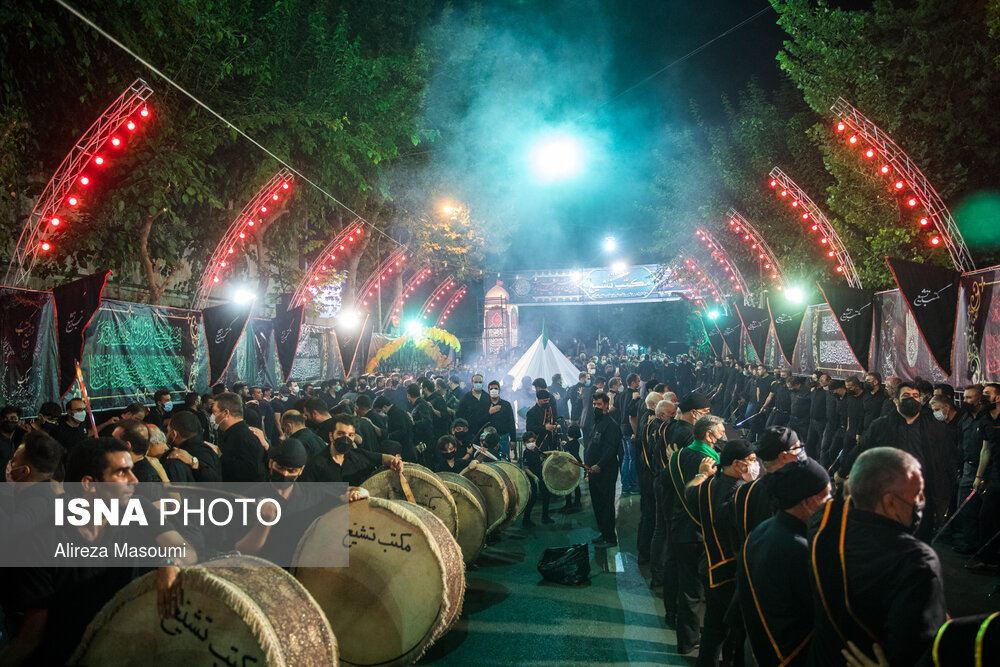
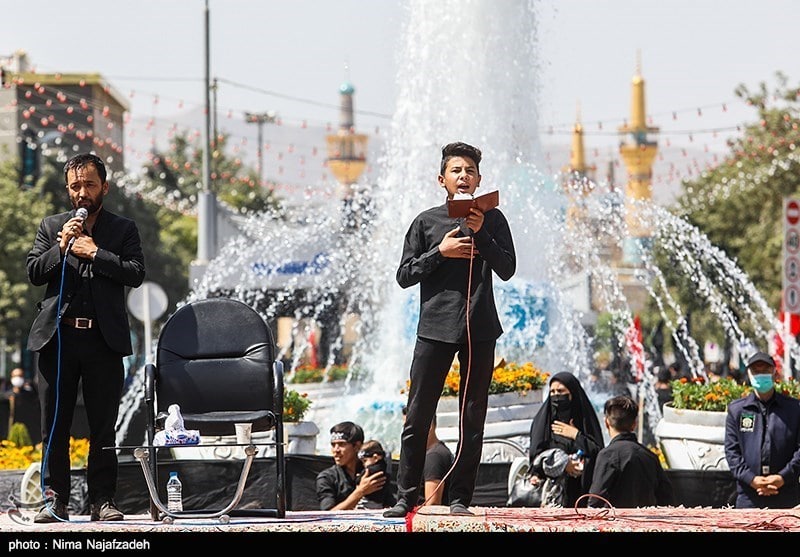
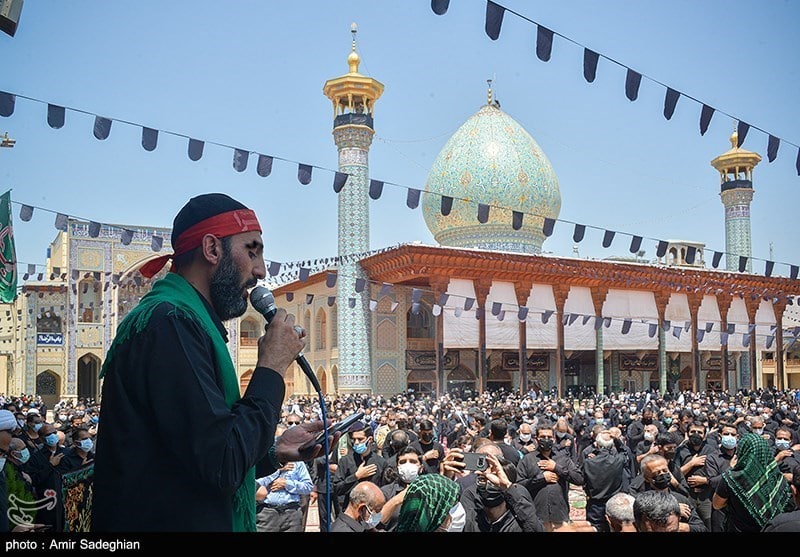
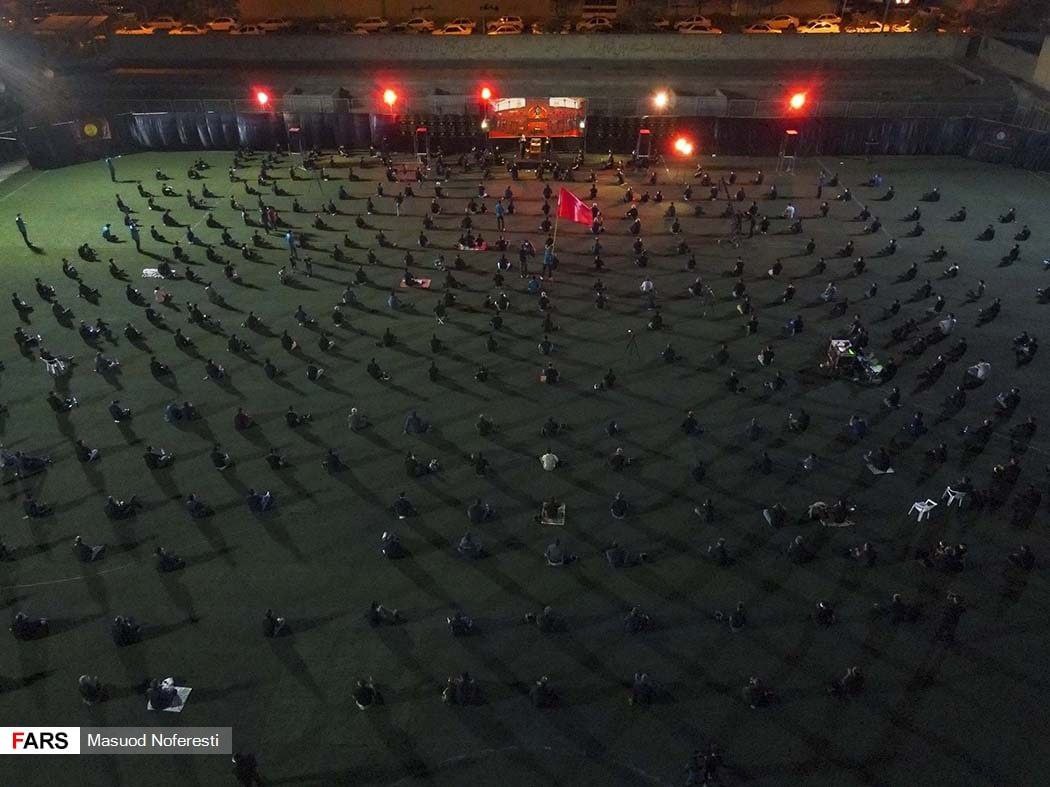
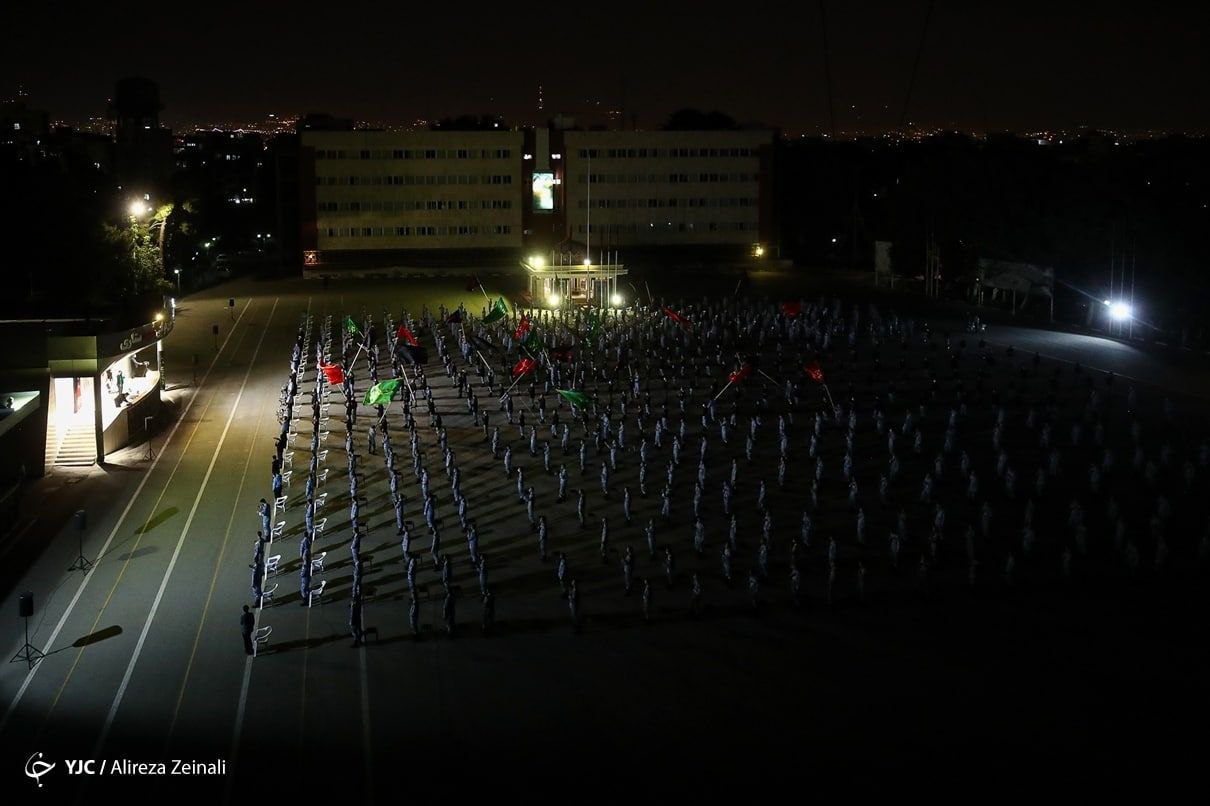
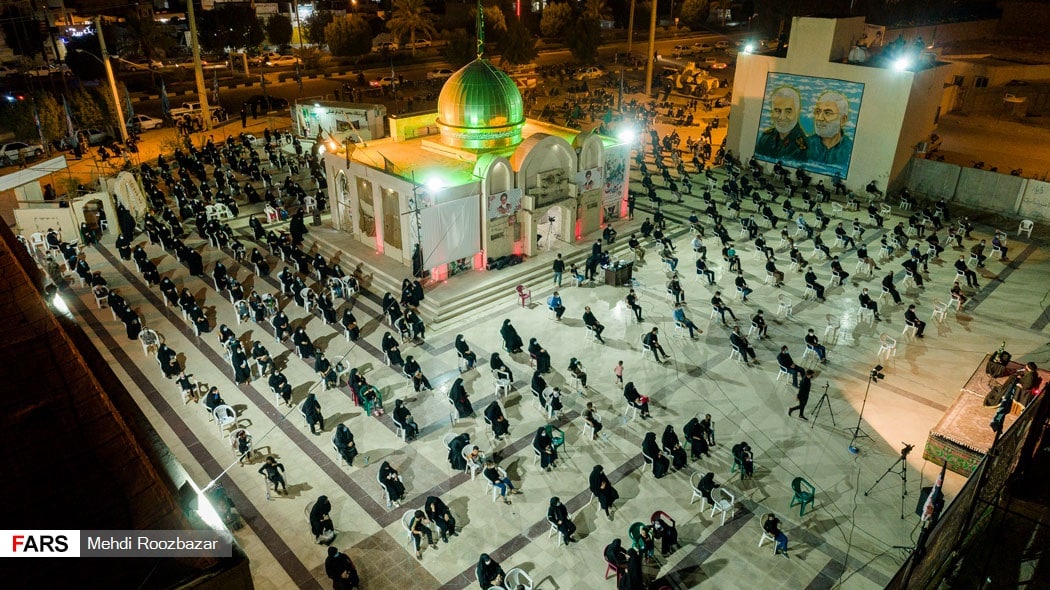
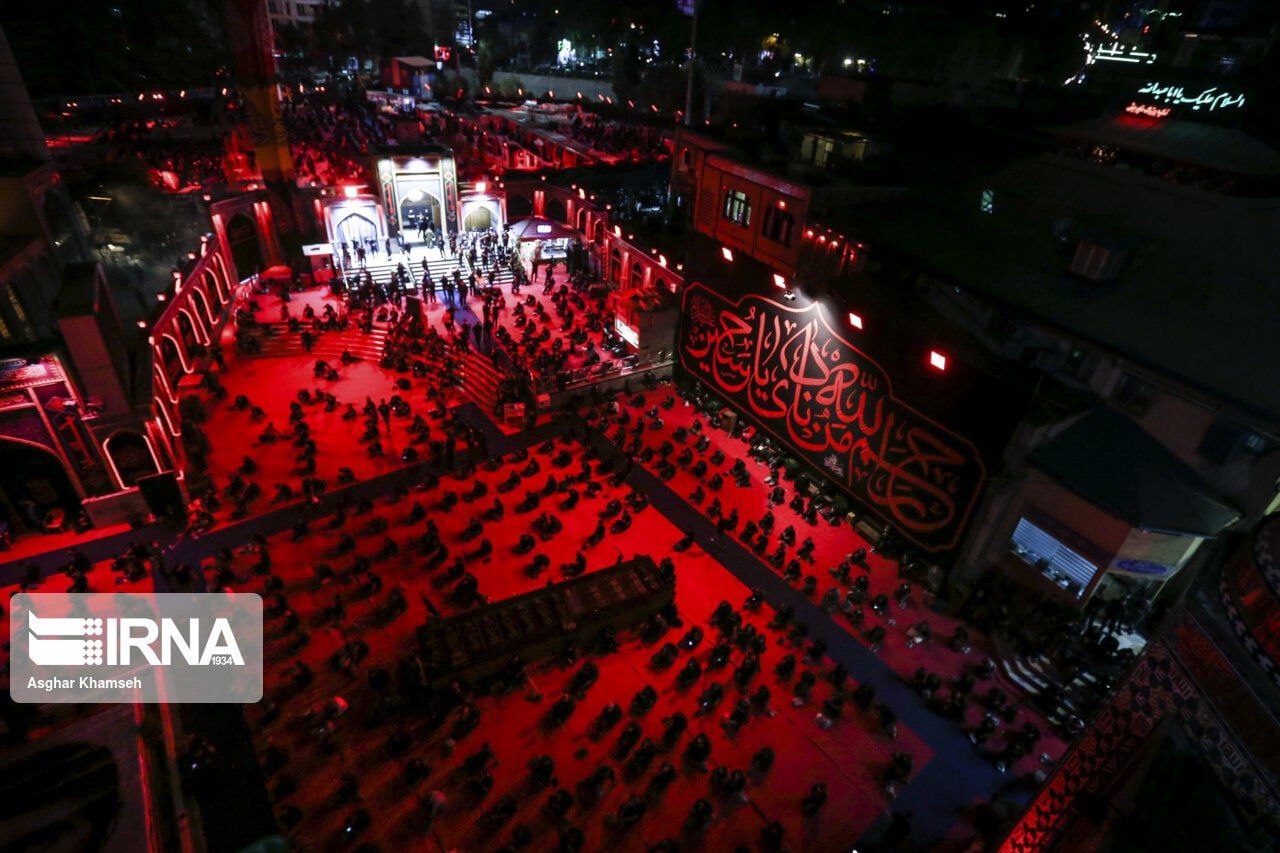
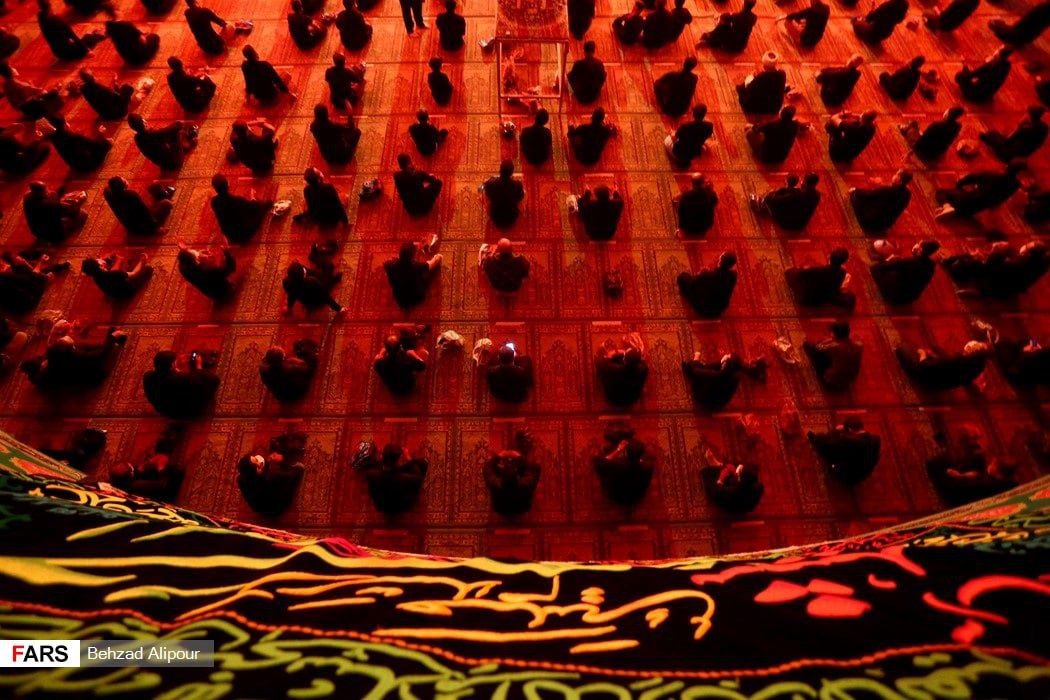
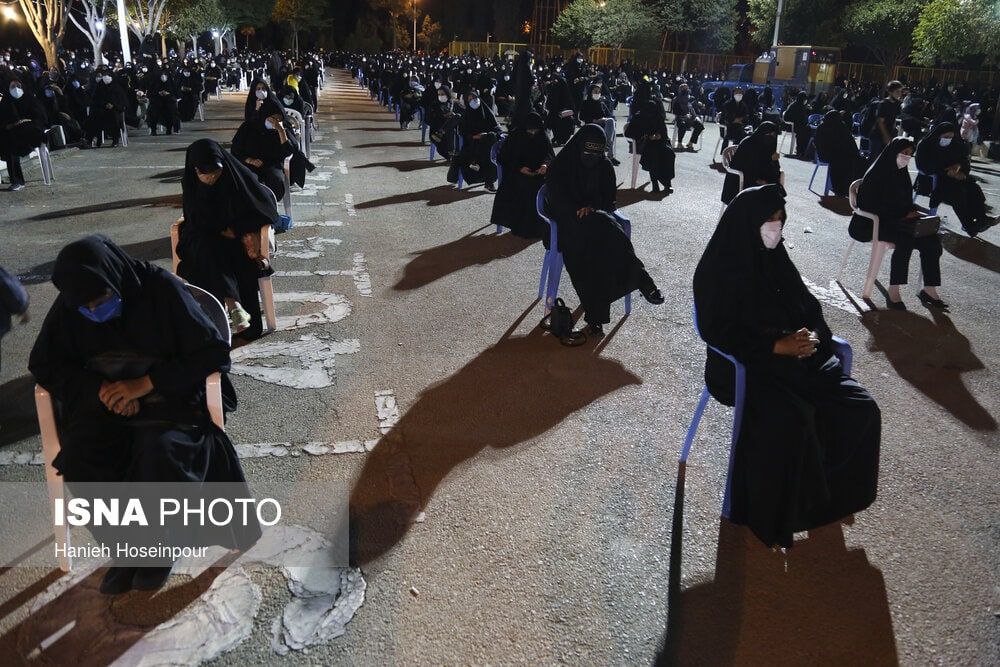
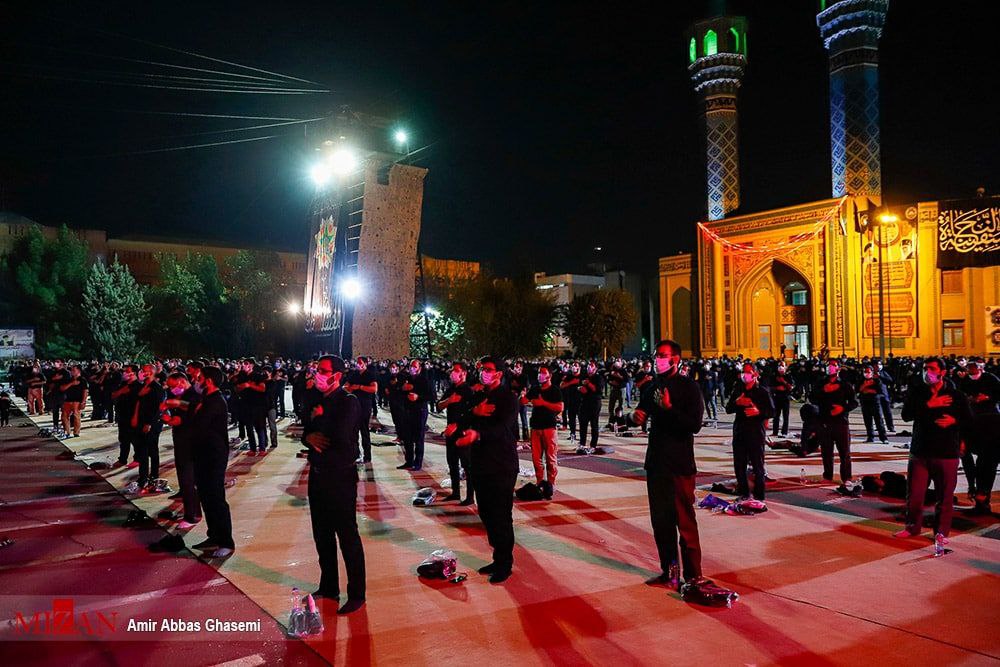
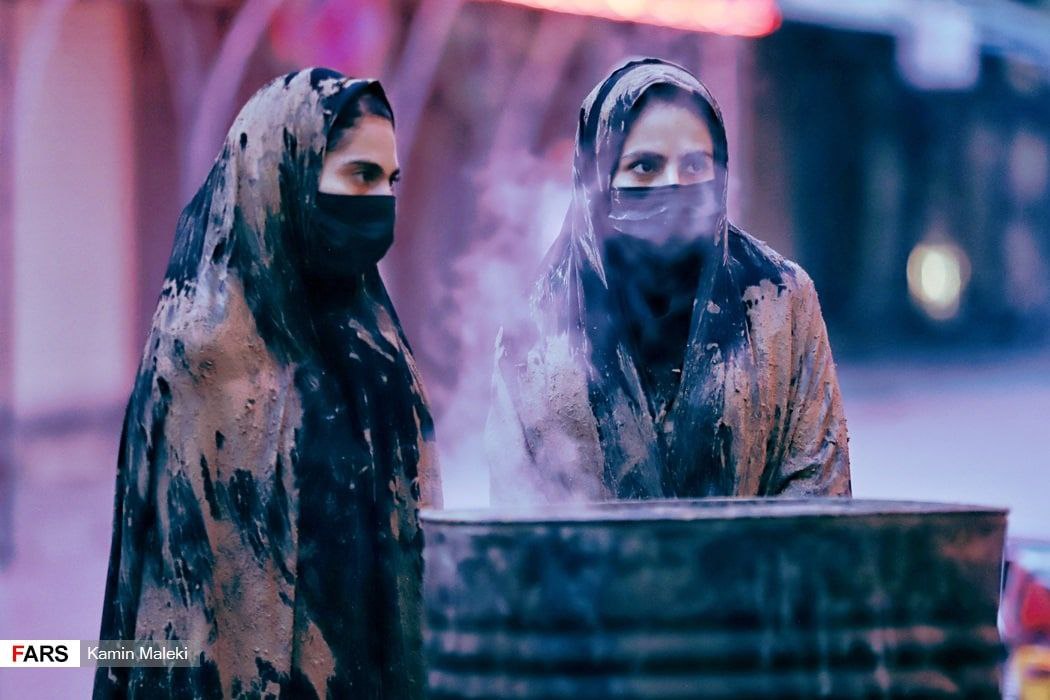
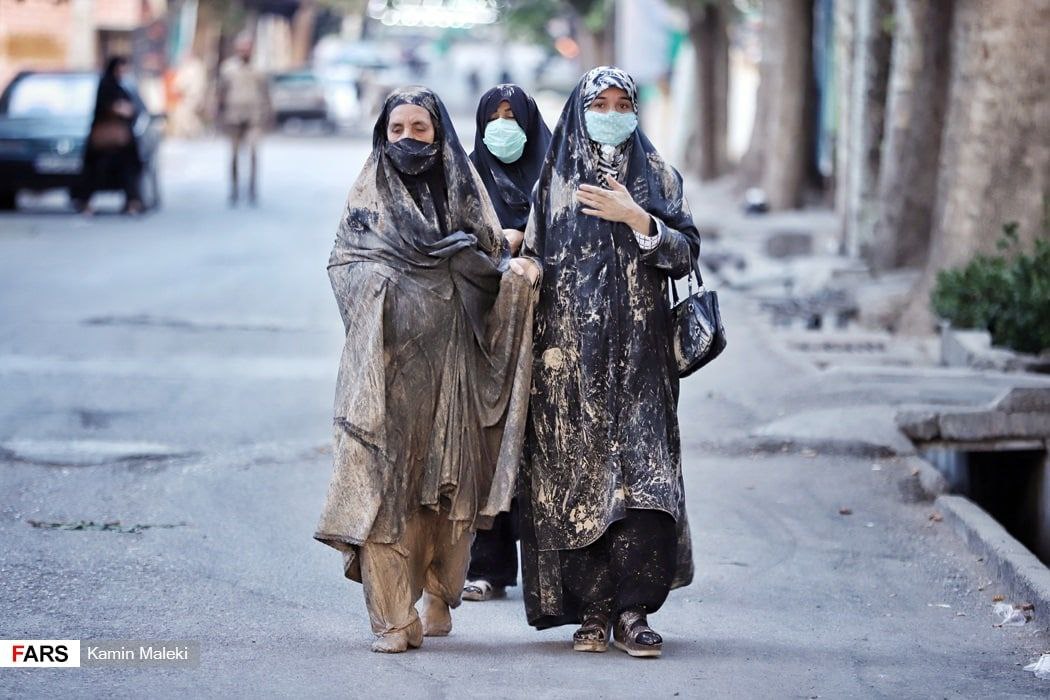
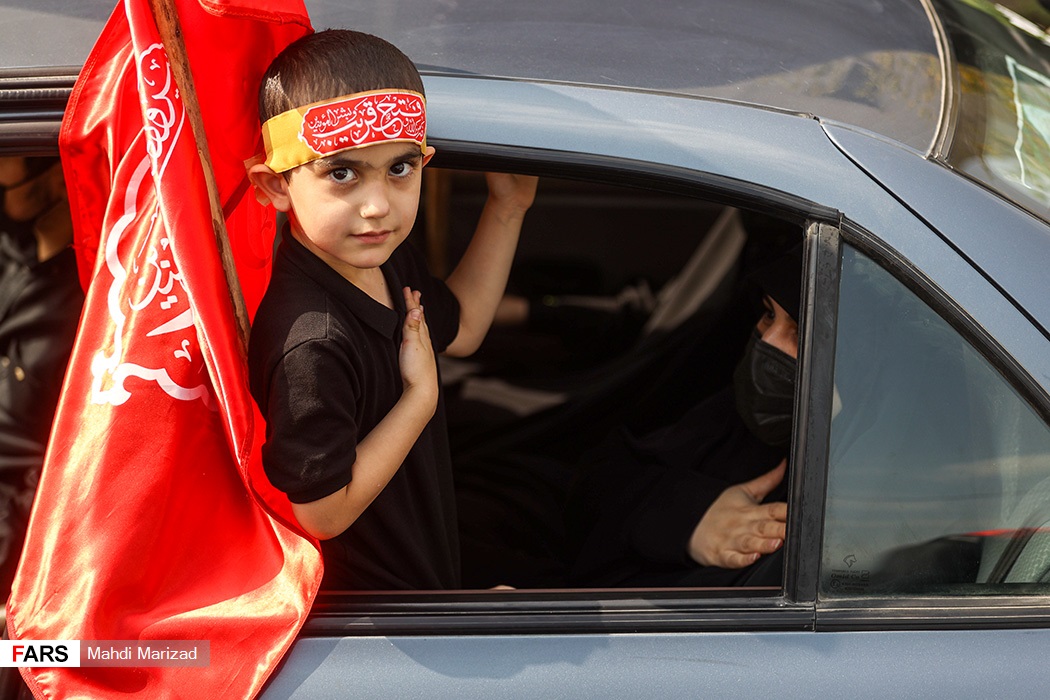
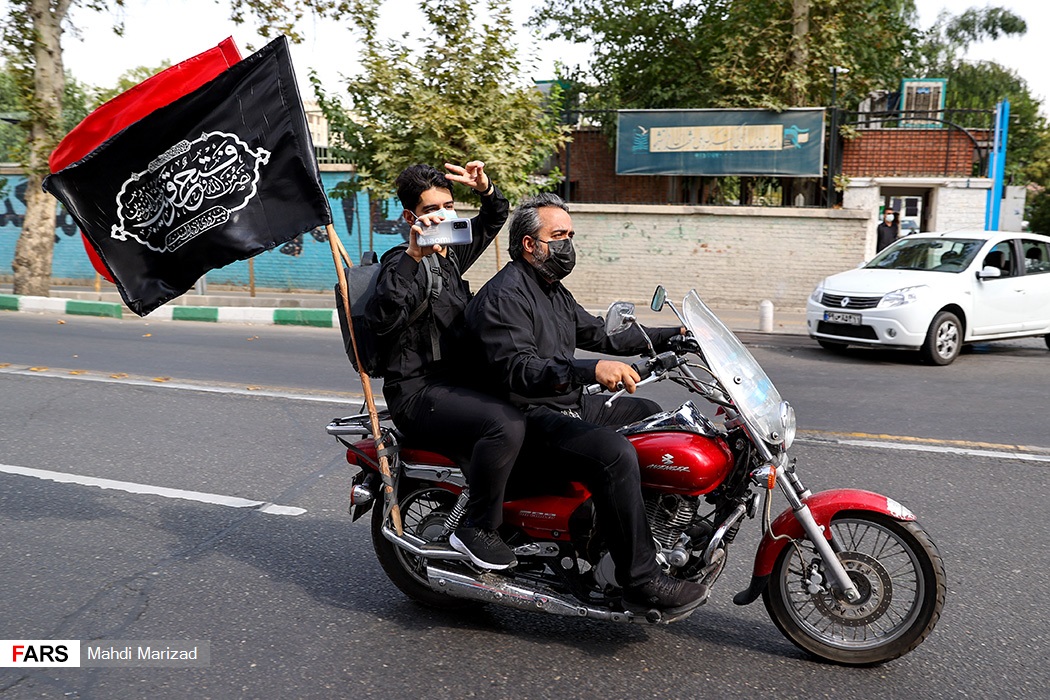
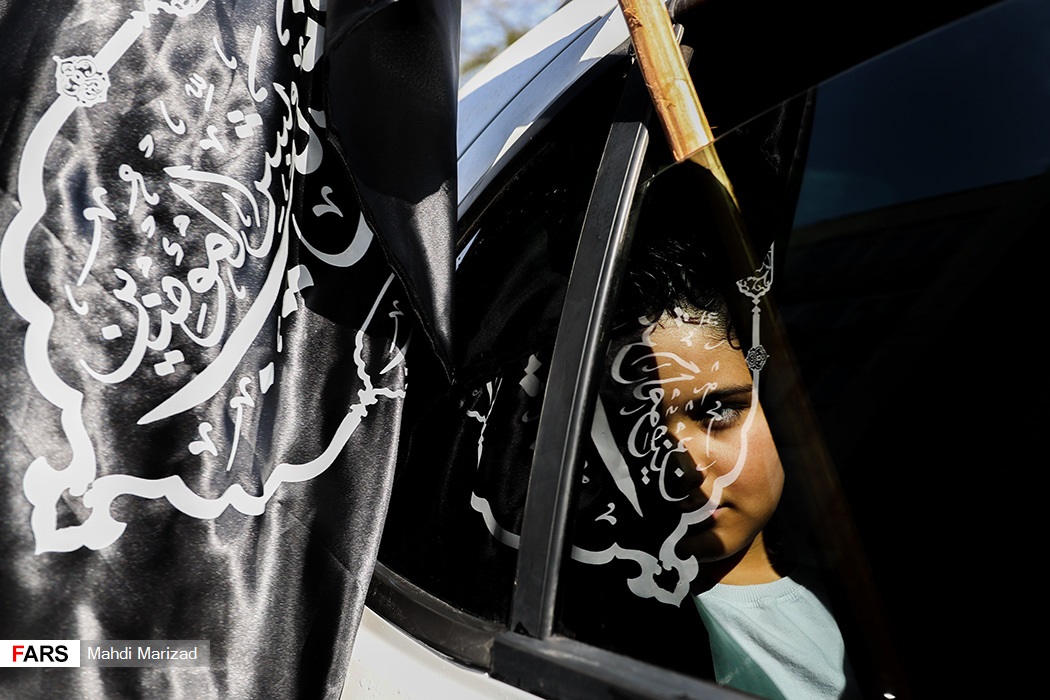
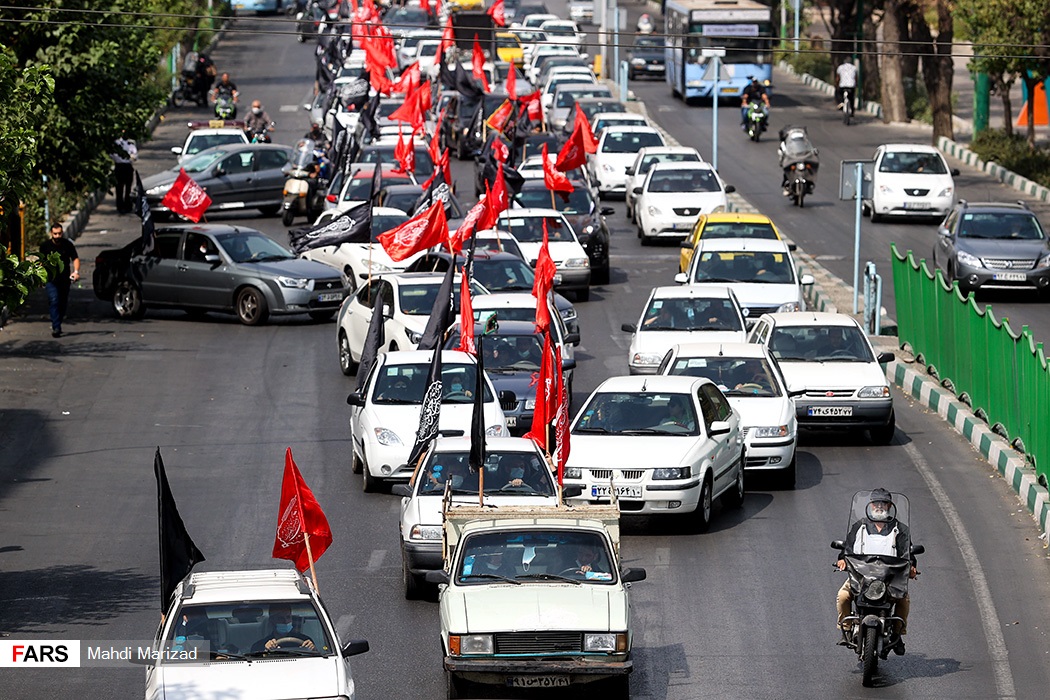
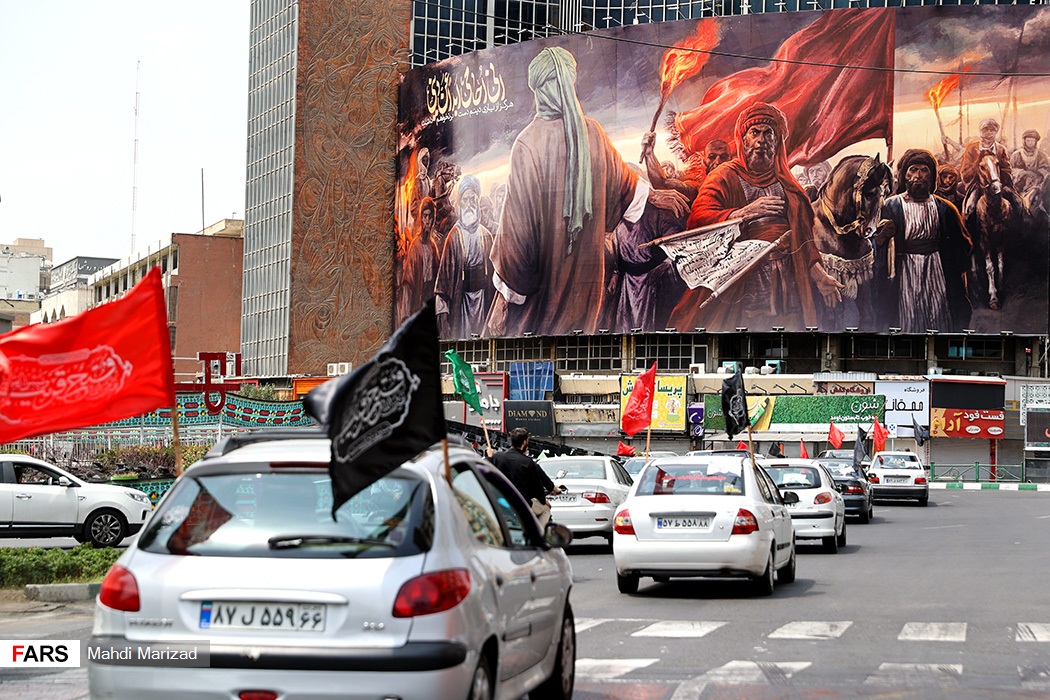
Iranian People Mark Ashura Rituals While Observing Health Protocols

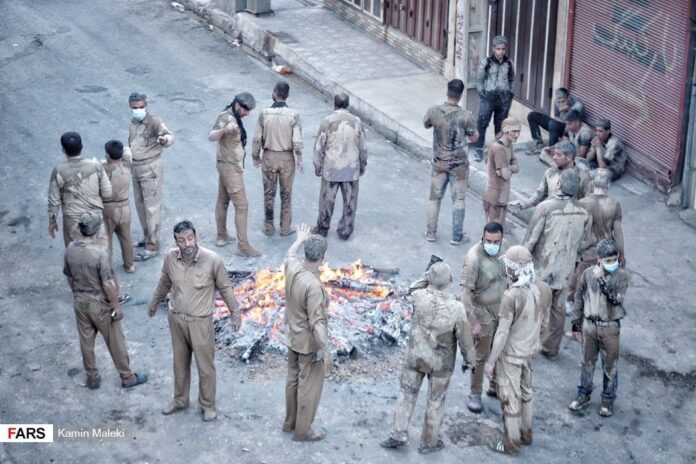
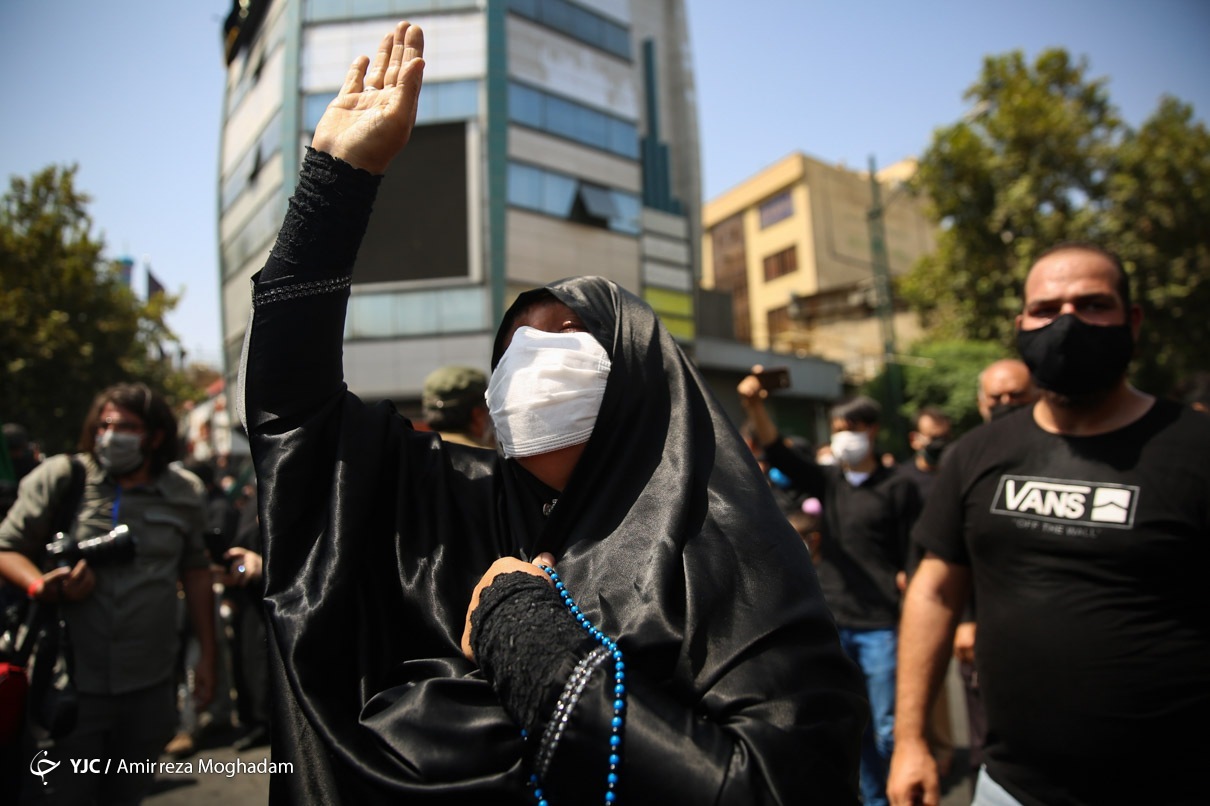
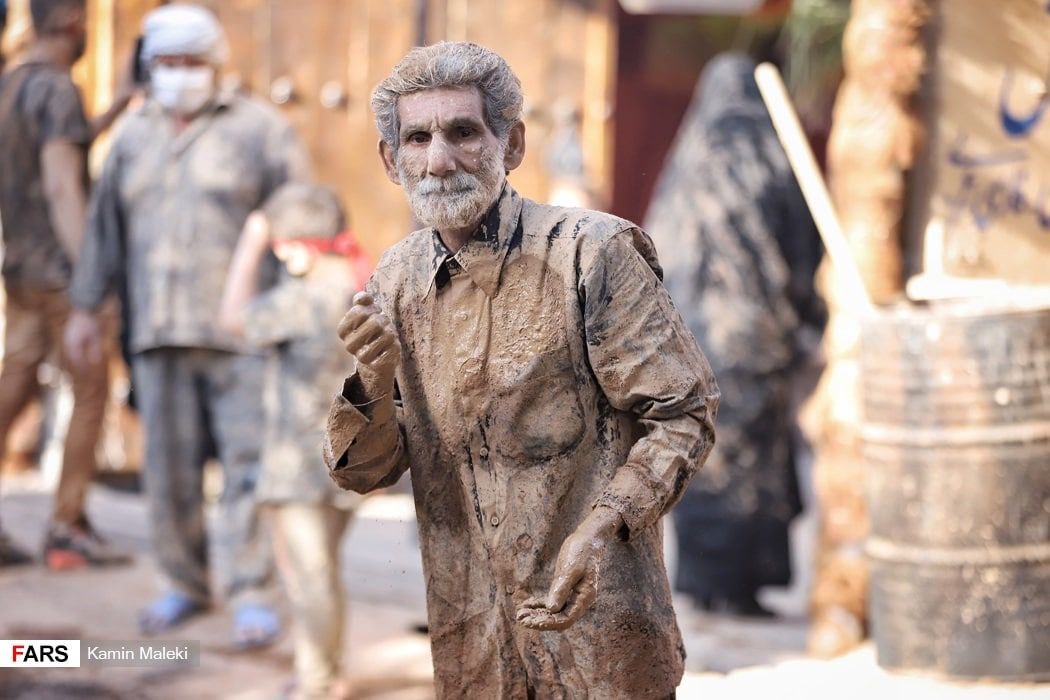
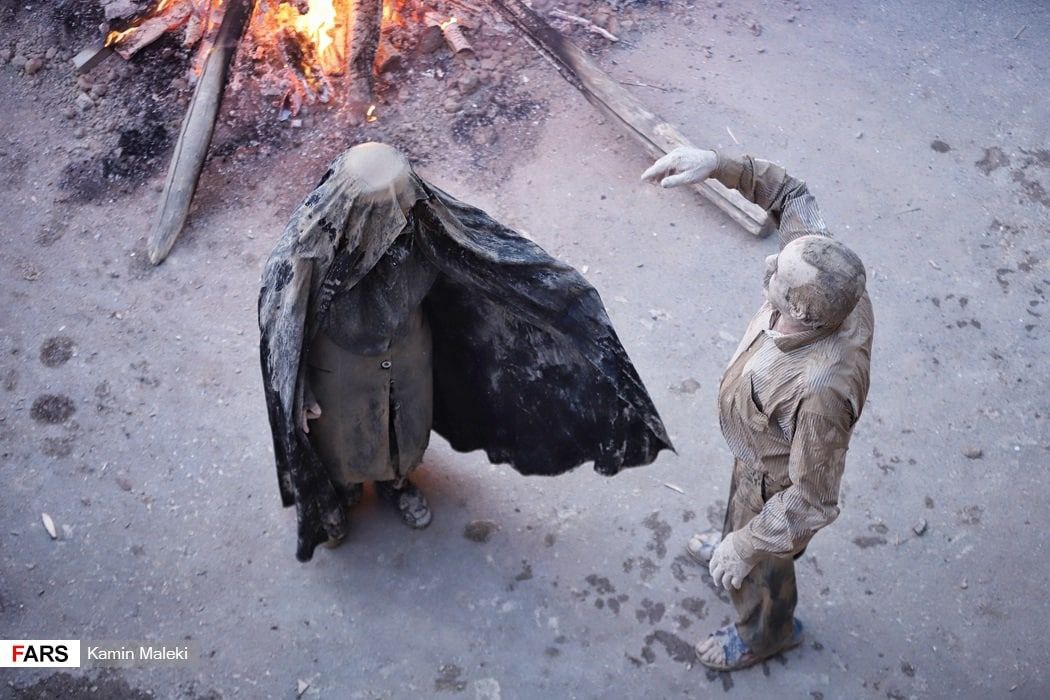
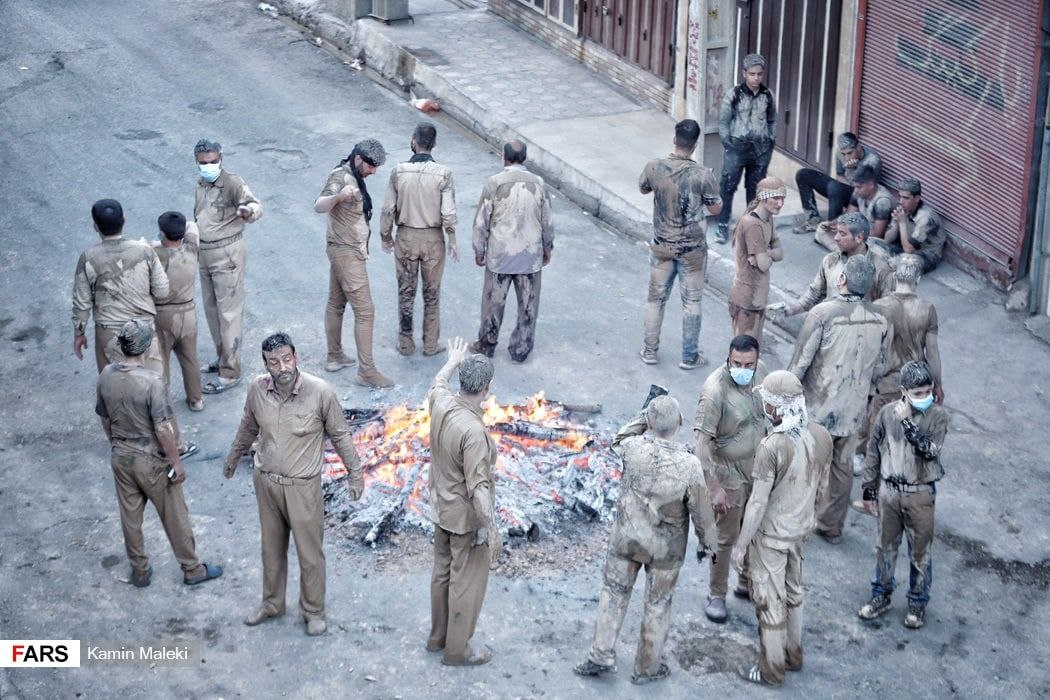
Shiite mourners annually take part in processions held in mosques and streets with different traditions to mark the martyrdom anniversary of Prophet Muhammad (PBUH)’s grandson Imam Hussein (AS) and his companions in Karbala.

However, it’s been two years that Muharram ceremonies are different from the past as large gatherings have been banned due to the coronavirus pandemic and people have been urged to take part in outdoor events while observing social distancing rules.

The mourning ceremonies of Muharram reach their peak on the 9th day of the month, or Tasu’a, when Imam Hussein’s brother Abbas was martyred, and the 10th day, or Ashura, when Imam Hussein (PBUH) and his companions were martyred.

Around 680 AD, Imam Hussein (PBUH) along with his 72 followers was massacred in the battle of Karbala in Iraq by the forces of the tyrant ruler of the time, Yazid, the second Umayyad caliph.

Muharram ceremonies symbolise the eternal and unwavering stance of truth against falsehood and humanity’s struggle against tyranny, the cause for which Imam Hussein (PBUH) was martyred.

Shiite rituals and observances on Ashura consist primarily of public expressions of mourning and grief such as beating one’s chest as well as beating one’s back with light chains to remind the mourners of the pain and suffering of Imam Hussein (PBUH) and his followers on that day.

Iranian people across the country traditionally cook and distribute charity food among their neighbours, family and the poor, but it’s been two years that the tradition has been influenced by COVID-19 pandemic.

Iran to Receive 8.5 Million More Doses of COVID-19 Vaccine Soon: WHO

Dr Jafar Hossein, the representative of the World Health Organization in the Islamic Republic of Iran, also raised hope that the vaccines donated by other countries will arrive in Iran on August 20.

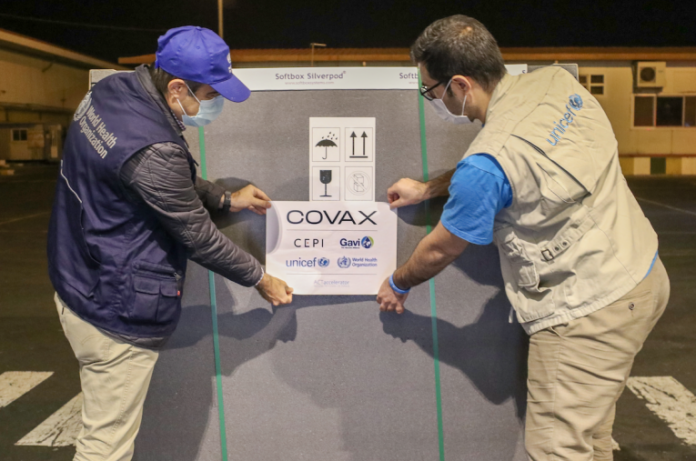
He made the comments in a statement on the corona vaccination in Iran issued on Thursday saying that up to now Iran has received over five million doses of vaccine through COVAX mechanism and about 8.5 million doses would arrive in the country in August and September.

In this statement, he said that the World Health Organization (WHO) expresses its concern about the outbreak of corona disease and its impact on the lives, health and livelihoods of the Iranian people, pledging that this organization remains committed to working with all partners to save lives, ensure health and control infections throughout the country.

“Despite the continuation of Corona’s brutal attack on Iran, reports indicate low levels of vaccination coverage in the country. Until August 16, only 13.1% of the total population of Iran received the first dose of Covid-19 vaccine and 5.15% could receive the second dose of this jab. However, the acceleration of vaccine injection since the beginning of August and reaching the priority age groups of 40 and 30 in the high-risk provinces of Iran is encouraging,” reads the statement.

He further noted that the World Health Organization has used teams to gather information, provide advice and technical guidance as part of its efforts to address the Covid-19 epidemic in Iran.

“The organization is also continuing to work with its national counterparts to strengthen the health system and raise awareness about the virus and deal with its heavy pressure on the economy and society. One of these measures is the Covid-19 Emergency Response Project (ICERP), which was implemented through a World Bank loan in cooperation with the Ministry of Health and Medical Education of the Islamic Republic of Iran.

Through this project a significant number of treatment and diagnostic equipment has been delivered to government hospitals and laboratories to support them in combating the Covid-19 epidemic.”

He also urged the Iranian people to play their part in preventing further spread of the virus.
He added that although vaccination is a key tool in ending this epidemic, it is not enough.

“Therefore, it is the responsibility of every Iranian to take public and social measures, including maintaining physical distance, cleaning hands, avoiding crowded places and closed spaces, wearing masks and responding to vaccination calls to prevent further transmission of the virus,” concluded his statement.

Islamic Republic of Iran’s Customs Administration announced on Wednesday that over 24 million doses of COVID-19 jabs in 37 consignments have entered the country through Imam Khomeini Airport between February 6 and August 17.

These vaccines include 20 consignments of Chinese vaccines (Sinopharm) in the amount of 17 million and 910 thousand doses, three consignments of vaccines from Japan (AstraZeneca) in the amount of 2 million 911 thousand and 810 doses, one consignment of vaccines from Italy (COVAX) in the amount of one 1,452,000 doses, 10 consignments of Russian vaccine (Sputnik) in the amount of 1,20,000 doses, one consignment of vaccine from South Korea (COVAX) in the amount of 700,800 doses, one consignment of vaccine from Russia (AstraZeneca) in the amount of 315 thousand doses and one consignment of Indian vaccine (Bharat) in the amount of 125 thousand doses.

IRNA quoted the Health Ministry of Iran as saying that until August 16, a total of 20 million 481 thousand and 265 doses of vaccine were injected in Iran, of which 15 million 766 thousand 564 doses were the first shot and four million and 714 thousand and 701 were the second shot.

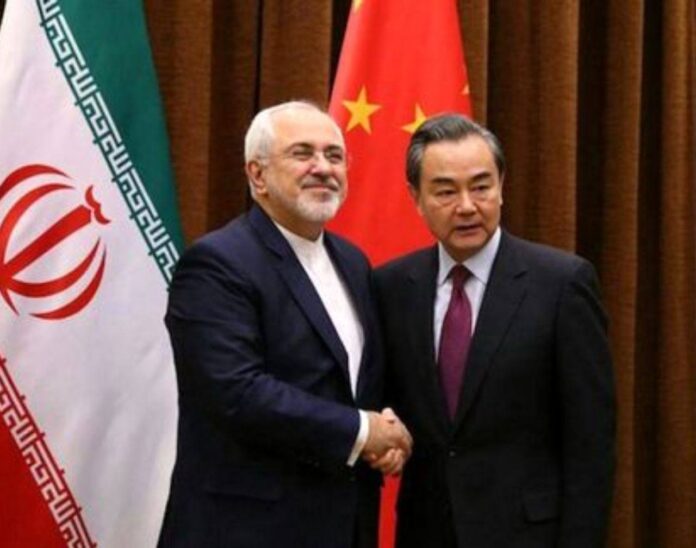
Iran, China Exchange Congratulatory Messages on 50th Anniversary of Mutual Political Ties

The Foreign Ministers of the Islamic Republic of Iran and the People’s Republic of China exchanged messages on the occasion of the 50th anniversary of the establishment of diplomatic relations between the two countries.

In his message to Wang Yi, who is member of the Chinese State Council and Minister of Foreign Affairs of China, Mohammad Javad Zarif congratulated him, the government and the civilised nation of China on this occasion.

“I am very pleased that on the fiftieth anniversary of the establishment of diplomatic relations between Iran and China, we are witnessing a wealth of fruitful achievements that have provided a great platform for deepening cooperation between the two countries at bilateral, regional and international levels,” said Foreign Minister Zarif.

He further noted that the growing trust between the two countries is well reflected in their comprehensive strategic partnership.

“The signing of the comprehensive strategic plan confirms the long-term view of Iran and China on bilateral relations and the serious determination of the leaders of the two countries to develop and deepen all areas of cooperation.”

“I believe that in the sixth decade of relations, the Ministries of Foreign Affairs of the two countries can strengthen the existing consultative mechanisms aimed at improving ties, and put global stability, and close and comprehensive consultation on regional and international issues on their agenda to strengthen peace,” Zarif emphasised in his message.

For his part, Wang Yi, in his message to Mohammad Javad Zarif, congratulated him on the 50th anniversary of the establishment of political relations, stating that China-Iran relations in the past 50 years have enjoyed continuity, progress and development.

“While continuously deepening political trust and increasing cooperation in various fields, the two countries have worked closely and collaborated in international and regional affairs and helped each other in maintaining unity during the fight against the coronavirus, deepening the friendship between the two nations,” stressed Yi.

“I am ready to work with you, and on the occasion of the 50th anniversary of political relations, bring new achievements for the comprehensive strategic partnership between China and Iran,” Wang Yi said in his message.

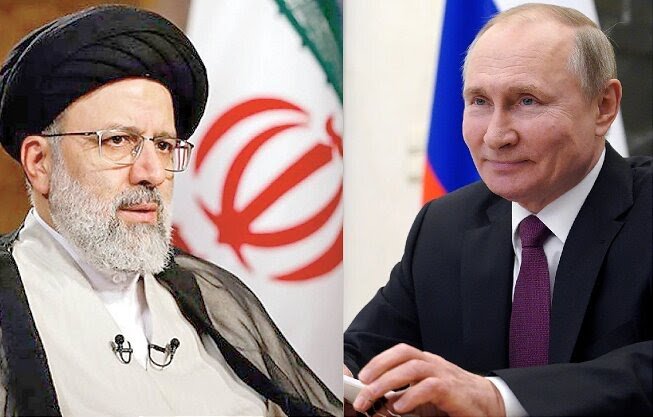
Raisi, Putin Discuss Promotion of Security in Afghanistan

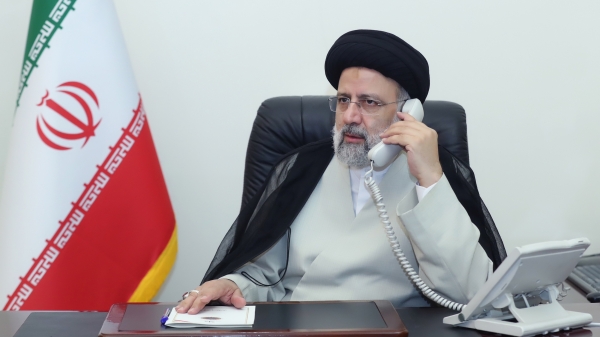
In a phone conversation on Wednesday, Raisi also called the development and strengthening of relations with Russia an important priority of the Islamic Republic’s foreign policy stressing that Tehran is determined to increase the volume of bilateral trade with Russia.

The Iranian president said Tehran is determined to promote friendly and comprehensive relations between the two countries in a way that will become a successful model for neighborly relations.

“We have a serious will to finalize the comprehensive document of Iran-Russia cooperation as soon as possible,” added Raisi.
He also thanked Moscow for its initiative to launch the process of Iran’s membership in the Shanghai Cooperation Organization describing it as a step towards strengthening very close ties between the two countries.

Elsewhere in his remarks Raisi noted that the Islamic Republic of Iran, as a party to international treaties such as the NPT, is serious about enforcing the rights of its people in the field of peaceful nuclear activities and enjoying the benefits and achievements of this technology in all peaceful fields.

The president said the United States intends to play the role of plaintiff instead of sitting in the position of the offender through political and media games, and instead of being held accountable for violating its commitments and oppressive and illegal actions, it tries to hold Iran accountable.

Referring to the developments in Afghanistan, Raisi said the establishment of security and peace in Afghanistan has always been emphasized by the Islamic Republic and we believe that all active Afghan groups should work together to establish stability in this country as soon as possible to make the US withdrawal a turning point for lasting peace and stability in Afghanistan.

He also expressed readiness for any cooperation for the establishment of peace and security in Afghanistan, underscoring that the successful experience of Iran-Russia cooperation in the fight against Takfiri terrorism in Syria has opened new windows for the two sides to increase Tehran-Moscow interaction.

For his part, Russian President Vladimir Putin stressed in this telephone conversation that the development of relations with Iran is of great importance for his country.

Putin also referred to the remarks of the Leader of Iran, who said the high level of mutual trust and high economic capacity in the two countries can lead to tangible results in the bilateral arena. The Russian president the statements by the Iranian Leader are well etched in his memory.

President Putin also noted that he was informed of the proposal to conclude a comprehensive agreement on bilateral cooperation and welcomes and supports this positive initiative.

In another part of his remarks, referring to the ongoing process of delivering the corona vaccine to Iran, Putin stated that the delivery of the corona vaccine will be accelerated as of September.
Referring to the Vienna talks, the Russian president also stated that the JCPOA could not be held hostage to problems not related to the nuclear deal.

In the end, the two presidents expressed hope that they would meet on the sidelines of the Shanghai Cooperation Organization Summit in Dushanbe, Tajikistan, to discuss more detailed issues of interest.

Iran’s President Calls on China to Deliver COVID-19 Jabs Soon

Raisi made the remarks during a phone conversation with his Chinese counterpart Xi Jinping on Wednesday.

He also hailed China’s constructive role in fight against the Coronavirus, particularly its assistance in providing a large number of countries with vaccines.

“We appreciate the Chinese government’s cooperation in preventing the spread of Coronavirus and selling vaccines to Iran and we hope they accelerate the delivery of millions of

doses of vaccines that are purchased.”
Emphasizing the need for joint cooperation in the fight against the coronavirus, Raisi reiterated that the politicization of the Covid 19 epidemic is a serious threat to global health and is an example of some countries’ efforts to isolate China.

Elsewhere in his remarks Raisi stated that the decision of the Islamic Republic of Iran is to develop and strengthen strategic relations with China, adding that upgrading the level of cooperation and expanding relations with China is the priority of the Iranian government’s foreign policy.

He also noted China’s strategic plans, such as the “One Belt, One Road” plan, are in line with Iran’s interests stressing that the full implementation of the Iran-China comprehensive cooperation plan should be on the agenda of all organizations of the two countries.

Furthermore, Raisi added that the Islamic Republic of Iran, with full support for the principle of a united China, condemns the blatant interference of the United States in the internal affairs of this country.

Appreciating China’s strategic stance on unilateralism, Raisi thanked China for its cooperation with Iran in various international arenas, including the protection of nuclear rights, Iran’s membership in the Shanghai Agreement, and its opposition to sanctions against the Islamic Republic.

In another part of his statements, Raisi referred to Iran’s adherence to international treaties and criticized the US instrumental view of these treaties.

The United States must show in practice that it adheres to its commitments and to do so Washington must abandon breaching the treaties in practice, lift all sanctions, and fulfill its commitments immediately and unconditionally, he underlined.

He also stated that the Islamic Republic of Iran is ready to cooperate with China in establishing security, stability and peace in Afghanistan.

“The departure of foreigners, as well as past experiences in this country, has highlighted the need for the support and participation of all Afghan currents to ensure the security and development of Afghanistan more than ever.”

For his part, Chinese President Xi Jinping also expressed satisfaction with the fact that relations between the two countries have been expanding over the past 50 years, regardless of changing international conditions.

He added that the ties between the two countries, especially after the Comprehensive Strategic Partnership between Iran and China, have had significant results and achievements.

While appreciating Iran’s support for China’s fundamental interests, the Chinese president said his country’s support for Iran’s formal membership in the Shanghai Cooperation Organization was in the long-term interest of the organization.

He also praised the constructive cooperation between Tehran and Beijing during the Corona epidemic, saying that China will do its utmost to deliver the vaccines to Iran and help Iran overcome the Covid-19 pandemic.

The Chinese president praised Iran’s support for China over the origin of the coronavirus, saying that some Western countries have resorted to political games under the pretext of fining the root of the spread of the coronavirus.

Xi Jinping Welcomed the participation of the Iranian side in the “One Belt, One Road” initiative, announcing that Beijing is ready to strengthen cooperation with Tehran in this regard.

Elsewhere in his statements, he stated that the United States has unilaterally withdrawn from the Joint Comprehensive Plan of Action and exerted maximum pressure on Iran, saying that this issue is the main cause of the current nuclear crisis and China supports Iran’s reasonable demands.

In the end, regarding Afghanistan, Xi Jinping noted that China and Iran have common interests and demands in this issue and have had good cooperation in recent years, adding that in the new situation, China is ready to strengthen coordination and cooperation.

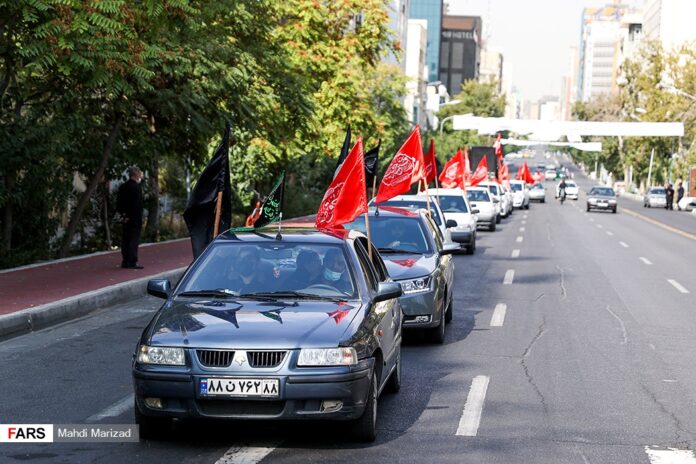
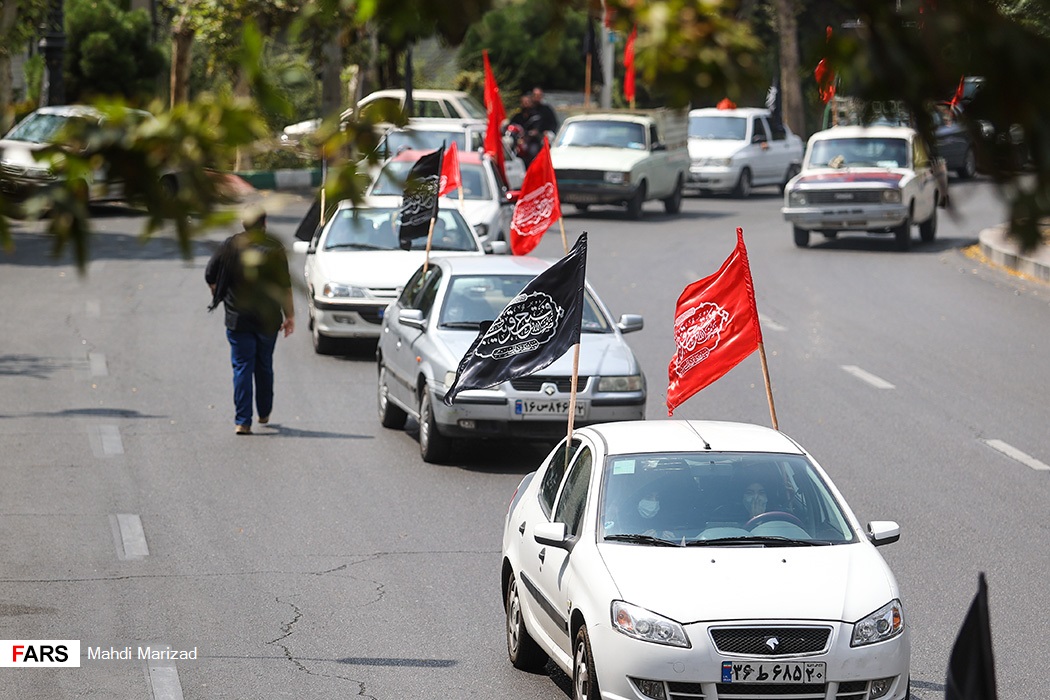
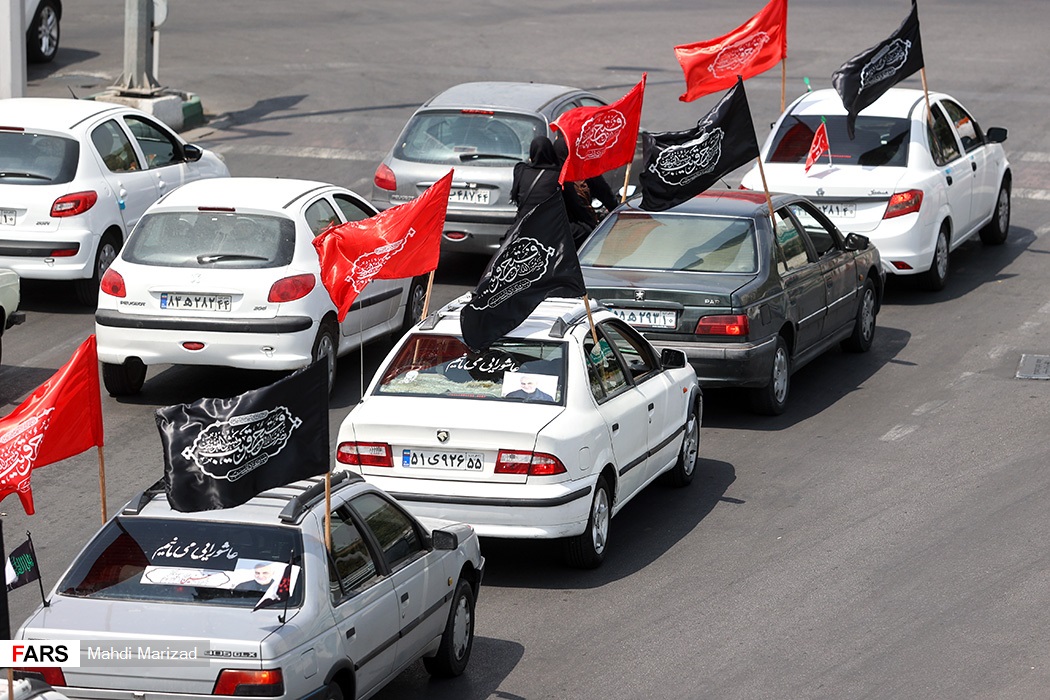
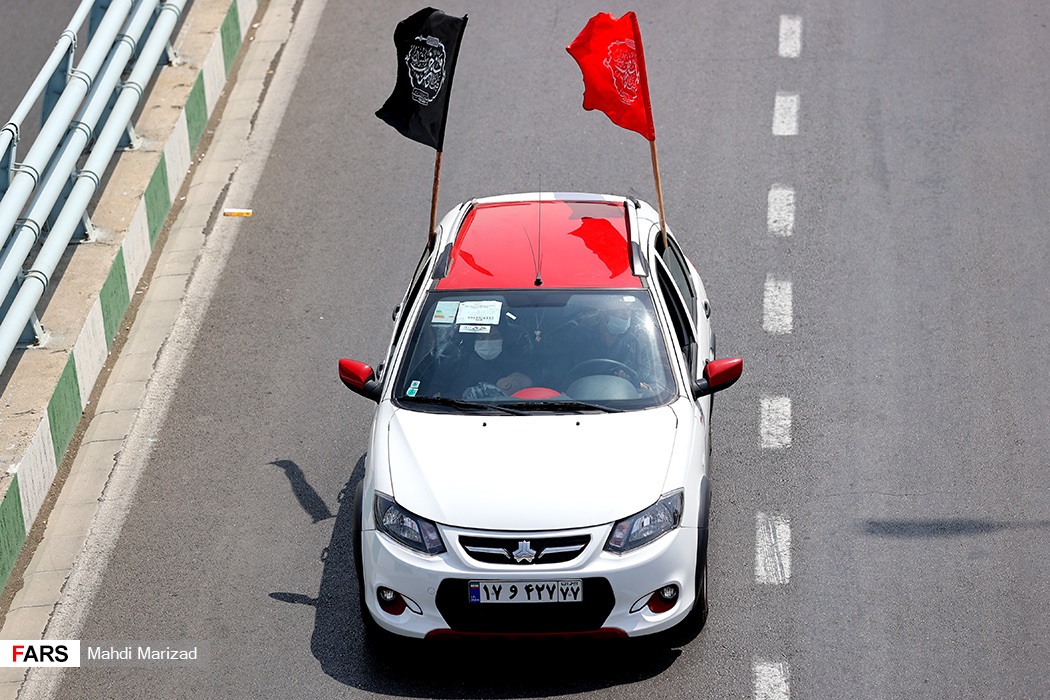
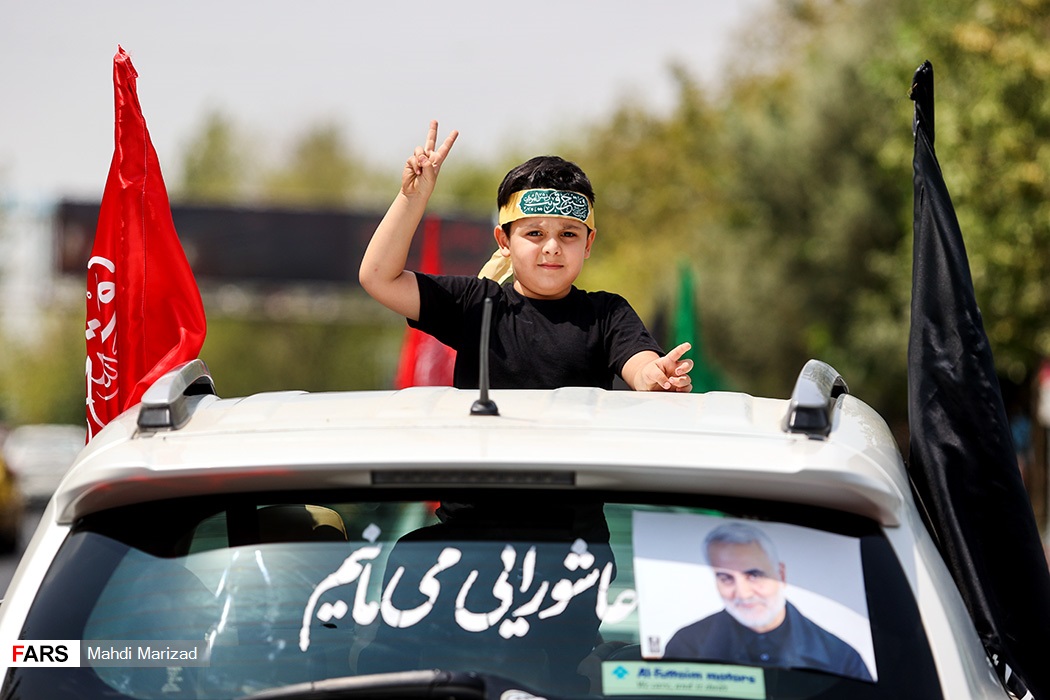
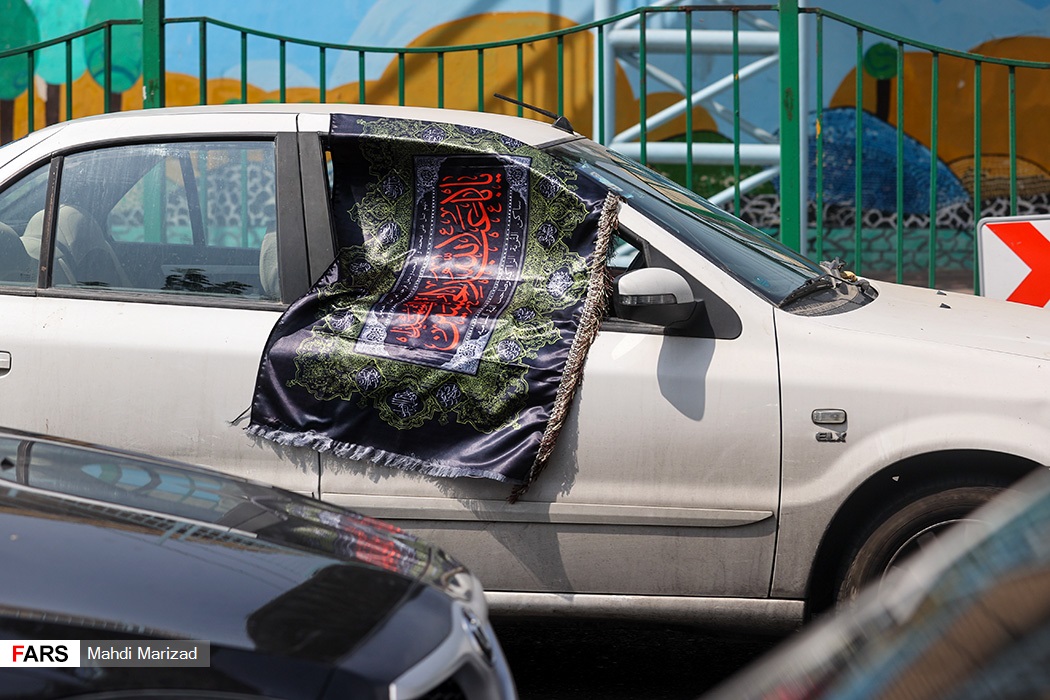
Iranian Mourners Hold Tasu’a Ritual in Cars amid COVID-19 Lockdown

Iran Says Had Notified IAEA of Its Nuclear Measures

In a statement on Tuesday, Khatibzadeh noted that the International Atomic Energy Agency (IAEA) has been supervising Iran’s nuclear activities and that Tehran has notified the IAEA of its measures in advance.
He said Iran’s remedial reduction of its JCPOA commitments has been done according to mechanisms within the 2015 nuclear deal, and as repeatedly said, was in response to the widespread violation of the JCPOA and the UN Security Council Resolution 2231 by the United States in addition to the lack of full compliance of other parties to the accord, especially the three European countries.

“Clearly the Islamic Republic of Iran will move forward with its peaceful nuclear program merely based on its needs and the decisions made by its leadership and within its Safeguards commitments, unless the US and other JCPOA parties return to the full and unconditional implementation of the JCPOA,” he added.

Khatibzadeh once again reaffirmed the peaceful and civilian nature of Tehran’s nuclear program, and said all of the country’s remedial measures under the JCPOA are reversible provided that all the signatories honour their commitments and the US removes all its unlawful and unilateral sanctions against the Iranian nation effectively and verifiably.

His comments were made after the IAEA said in a report on Monday that Iran has made progress in its work on enriched uranium metal, with Tehran saying the process is aimed at producing a reactor fuel plate.

Iran’s representative to the international organizations in Vienna said in July that the Islamic Republic would soon produce enriched uranium metal and that the country had earlier informed the United Nations nuclear watchdog of the move.

The JCPOA was reached between Iran and six world powers, including the United States, Britain, France, Germany, Russia and China in 2015. However, the deal was ditched by former US President Donald Trump in 2018 in spite of Iran’s full compliance with its contractual obligations.

Washington then began to put enormous pressure on Iran through sanctions, in what it called a “maximum pressure” policy, in order to force Tehran to negotiate a “better deal,” prompting Tehran to take remedial measures by gradually reducing its nuclear commitments under the deal.

Since April, representatives from Iran and the remaining signatories to the JCPOA have been holding face-to-face talks in the Austrian capital aimed at bringing the US back to compliance and putting the deal back on track.

So far, six rounds of negotiations have been held in the Austrian capital, as a result of which, according to participants, “significant progress” has been made in the course of the “constructive” and “businesslike” talks.