Wednesday, December 24, 2025
Home Blog Page 2448

Iran Starts Vaccinating Pregnant Women against Coronavirus

According to the instructions of the Ministry of Health, the inoculation of pregnant women eligible for vaccination kicked off in Tehran and the capital’s University of Medical Sciences is responsible to do the task.

Alireza Delavari, Vice Chancellor for Health at Tehran University of Medical Sciences said on Friday that these women do not get infected more than others, but if they do, it will be more severe than non-pregnant women of the same age.

“Vaccination of pregnant women will be performed in the health centers that offer comprehensive health services, and the 12-week pregnant women and the more will be introduced to the selected vaccination centers by issuing a vaccination certificate after being consulted by a midwife in the health center,” he underlined.

Delavari noted that due to the risks of Covid-19 disease in the third trimester of pregnancy, vaccination of mothers with a gestational age of 28 weeks and older will be a priority.

“All pregnant women of 35 years of age and older, mothers working in health care, pregnant women with spouses working in COVID-19 wards or corona management health centers, and mothers working in occupational groups are prioritized for vaccination in accordance with national vaccination guidelines.”

He went on to say that pregnant women with a body mass index of 35 or higher, mothers with twin and multiple pregnancies, the pregnant women with IVF, moms with underlying diseases including diabetes, gestational diabetes, heart disease, hypertension, and those who take immunosuppressive medicines that weaken the immune system as well as those with chronic kidney disease, tuberculosis anemia, organ transplantation, liver cirrhosis and asthma are eligible for the vaccination.

Delavari added that after being vaccinated, pregnant women should contact health centers or 4030 hotline to get the necessary instructions or even to determine the location of the check-up in case of possible showing of symptoms of the corona disease.
Iran’s New School Year to Start in Late September: Raisi

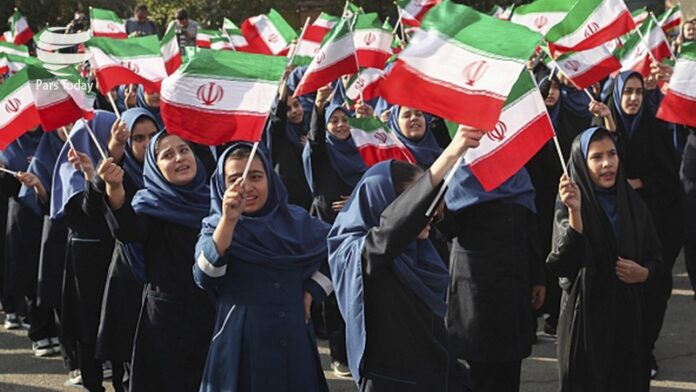
Ebrahim Raisi made the comments during a meeting of the taskforce to fight against Coronavirus on Friday adding that due to the approaching school reopening season, all the necessary health conditions and infrastructure must be provided to hold the classes in person.

“Providing the desired standards of health services, enabling minimum density in classrooms, ventilation, vaccination of teachers and administrative staff, vaccination of parents and the students with underlying diseases are among the preconditions to be met.”

After presenting a report on the observance of health protocols during the recent holidays, the President thanked the people for following the instructions approved by the National Anti-Corona Taskforce, and appreciated the efforts of unions, law enforcement, the Ministry of Health and the Ministry of Roads.

“I hope that by increasing the level of observance of health regulations by the general public, we will be able to control the spread of corona as soon as possible,” he noted.

At this meeting the Ministry of Health presented a report on the latest situation of the Corona pandemic and measures taken in the field of treatment and control of the disease, including supply of medicine, serum, oxygen and increasing the number of treatment boards with the cooperation of different departments and accelerating the import of vaccines.

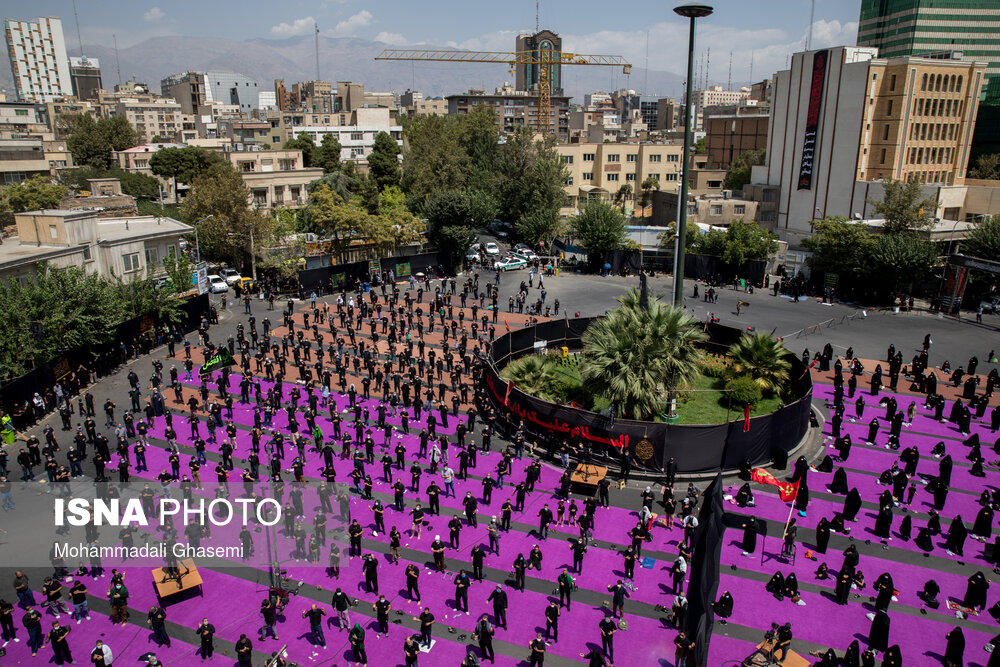
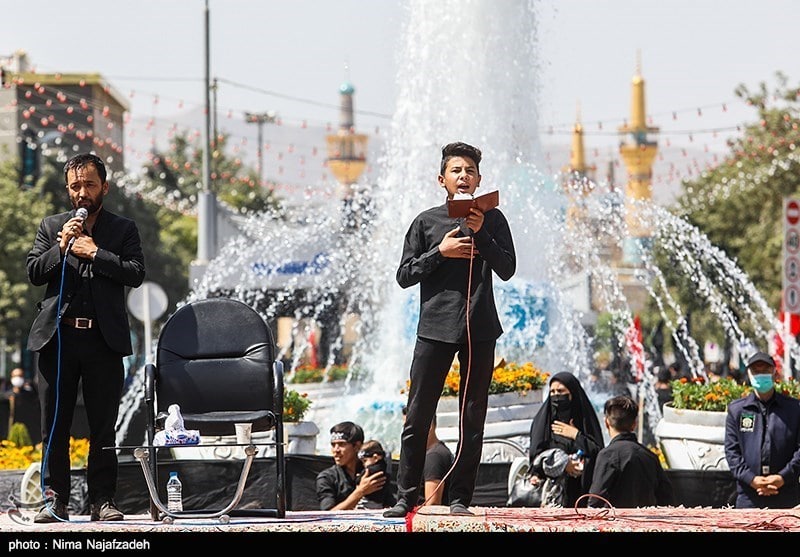
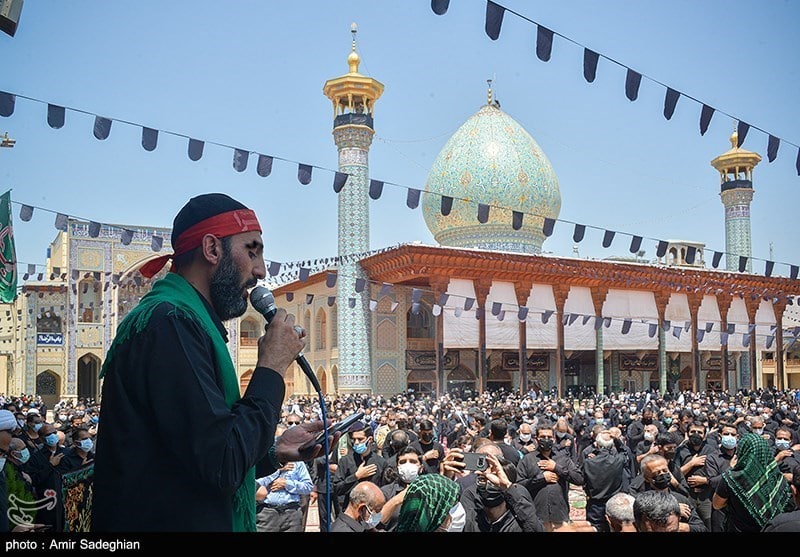
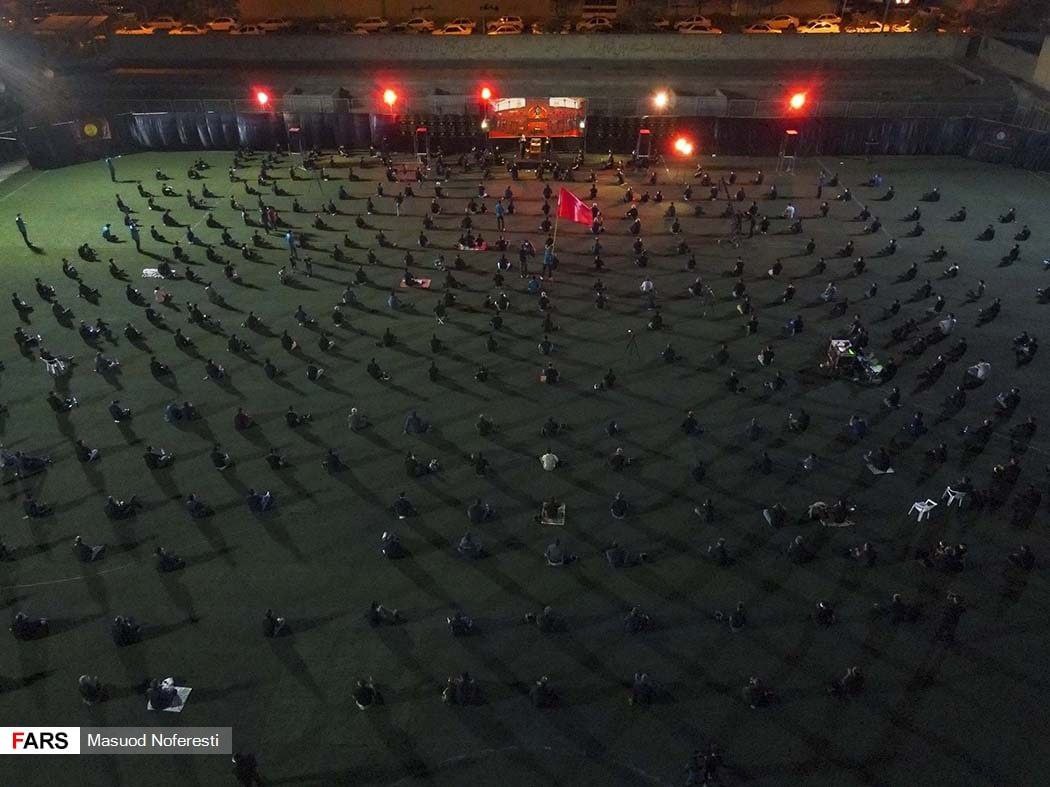
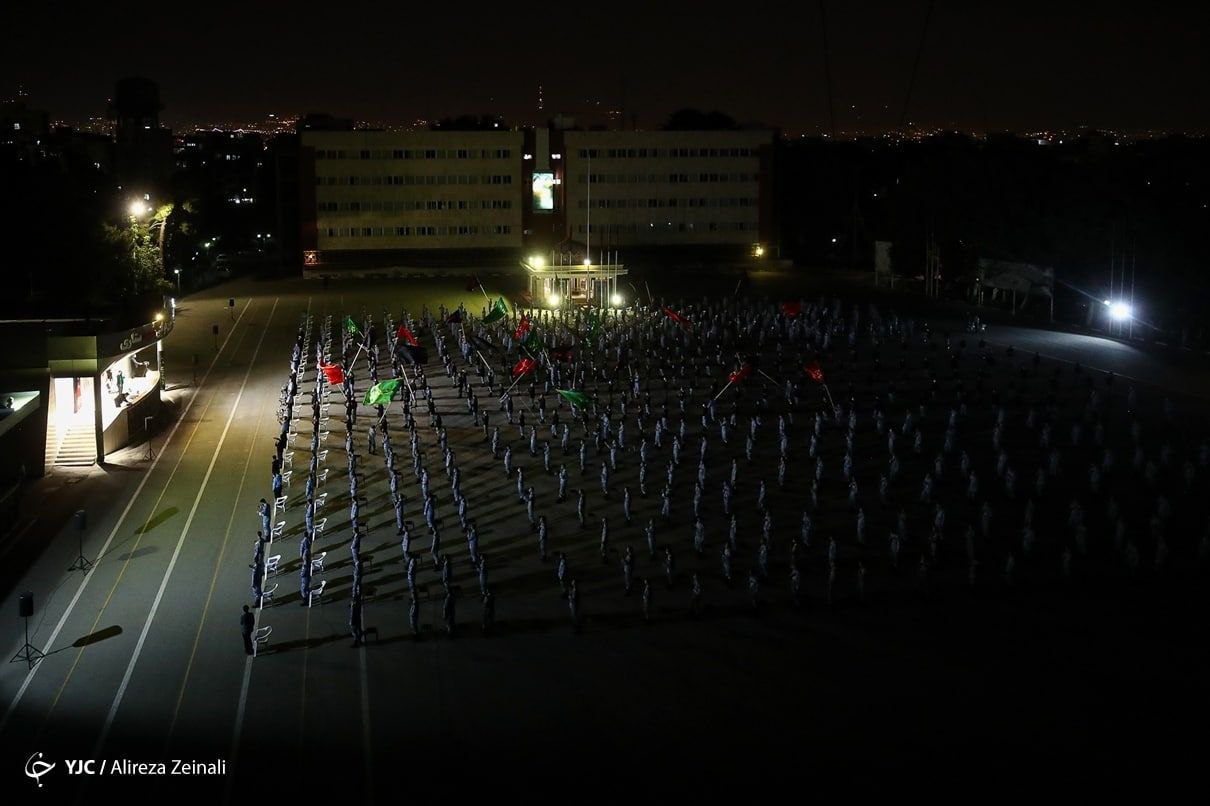
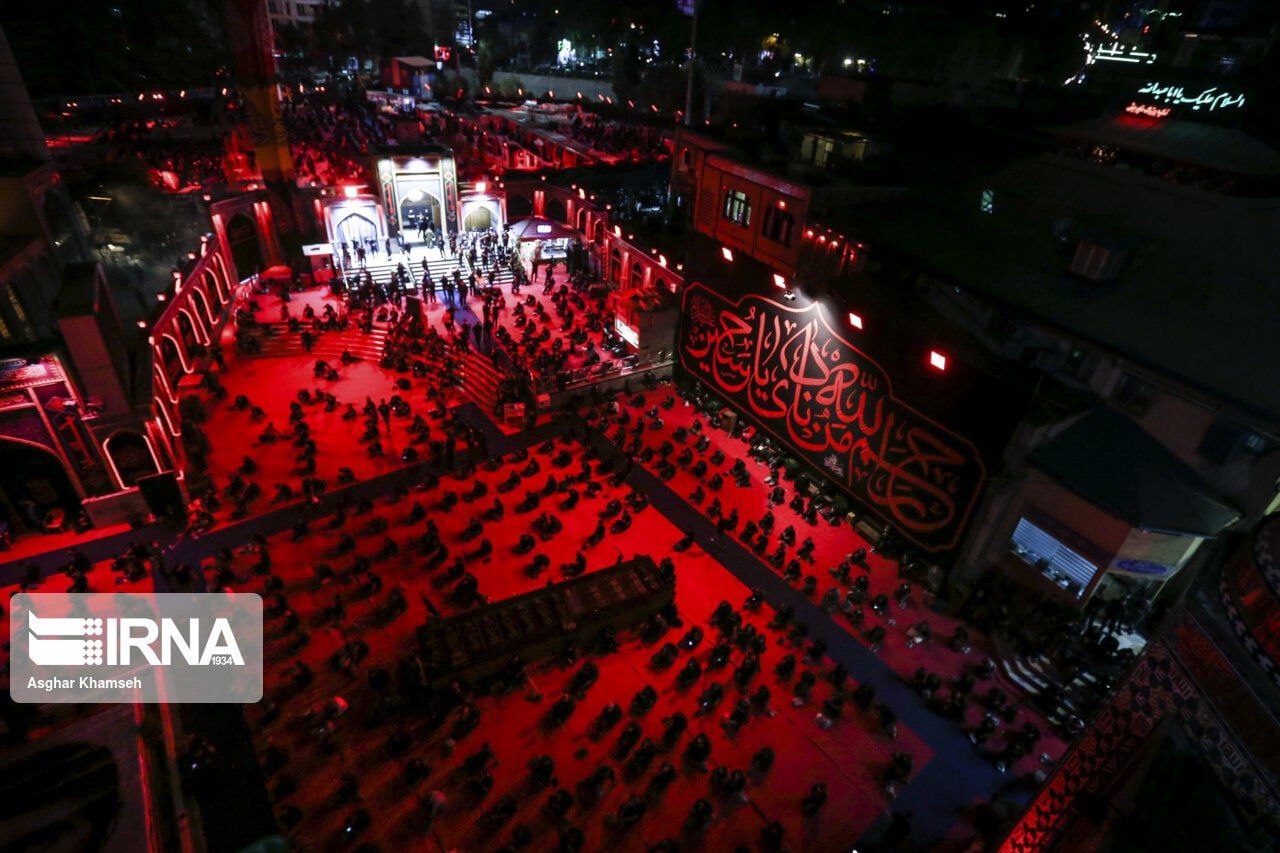
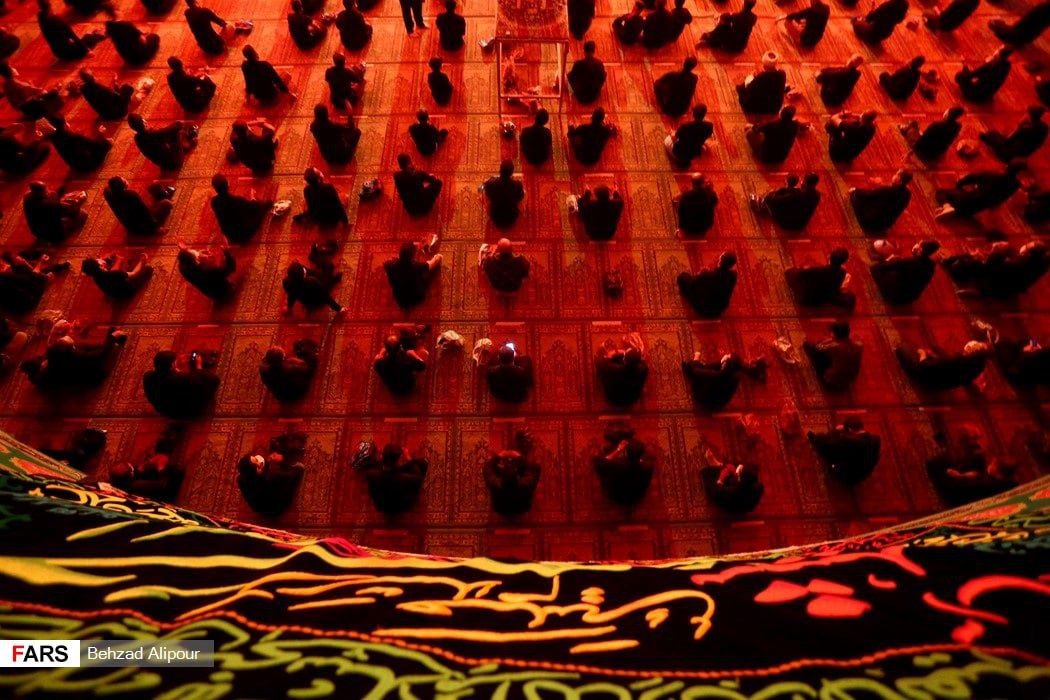
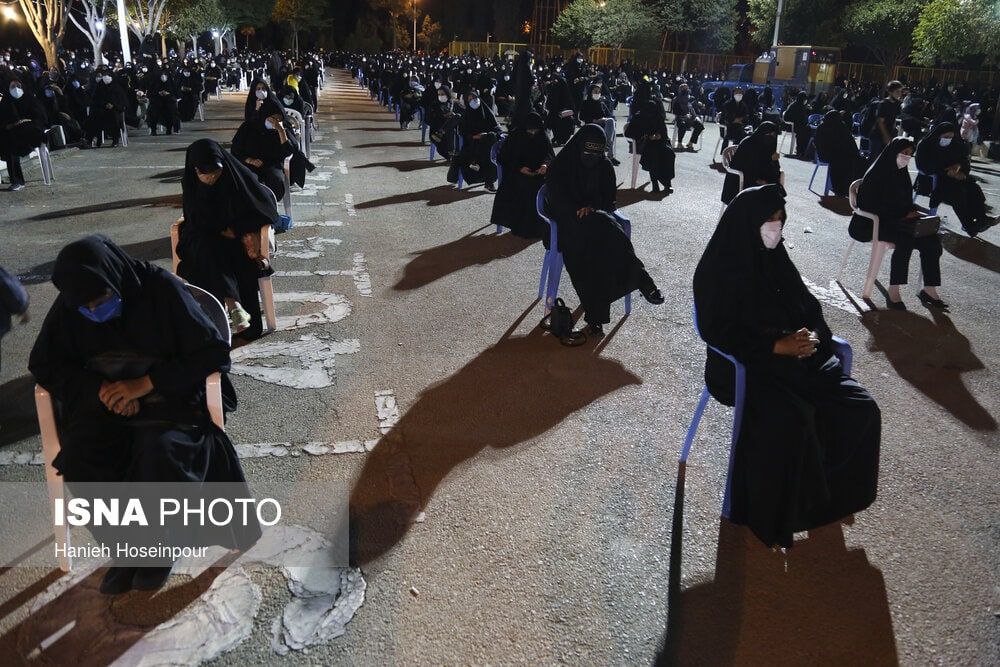
The president also appreciated the quality of observance of health protocols in the mourning ceremonies of Muharram and thanked for the good cooperation of the people.

“Reports indicate successful and effective implementation of bans and restrictions approved by the taskforce and I need to thank the people for their cooperation and the efforts of health care staff, as well as guilds, merchants and religious groups to observe the protocols.”

At this meeting, it was decided that the Ministry of Health would review and submit instructions on how guilds operate in malls and indoor markets, and expedite the issuance of licenses for the production of various domestically produced vaccines, taking into account technical and specialized aspects.

The members also stressed the need to develop e-businesses for the supply of goods, sales and transportation.

The need to continue the implementation of traffic restrictions until August 27 was emphasized and it was decided to decide on the manner and form of implementation of these restrictions after this date based on the evaluation of the results.

Iran Condemns Terrorist Attack against Shiite Mourners in Pakistan

In a statement on Thursday, Khatibzadeh offered his deep sympathy to the families of the victims of the act of terrorism.

He further underlined the necessity of countering all kinds of such inhumane acts of terrorism, and called for cooperation among all regional countries for consistent fight against the perpetrators, organisers, supporters, and sponsors of such acts.
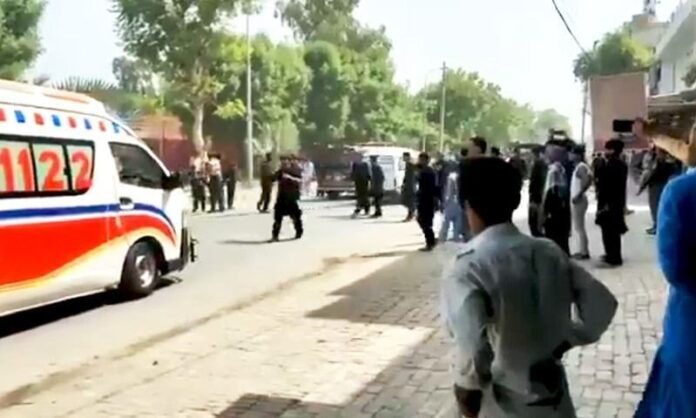
At least three people were killed and 50 others wounded when a bomb explosion ripped through a Shiite Muslim procession in central Pakistan on Thursday, officials said.

Security was high as the religious minority marked Ashura during the holy month of Muharram, a flashpoint for sectarian violence in previous years.

“We have confirmation of three dead and 50 injured from the blast at the procession site,” said a senior government official in the city of Bahawalnagar, in Punjab province.

Social media videos showed bleeding victims lying on a road being assisted by members of the public.
A local police officer, Kashif Hussain, also confirmed the death count to AFP.

“The nature of the explosion is not yet clear as a team is still collecting evidence from the scene,” he said.

Authorities have suspended mobile phone services in major cities as a security measure during Ashura processions. Residents in many urban centres were experiencing signal jams on Thursday. The streets leading to procession routes were also blocked.

Iranian Film Restored by Scorsese’s Foundation with Funding by George Lucas

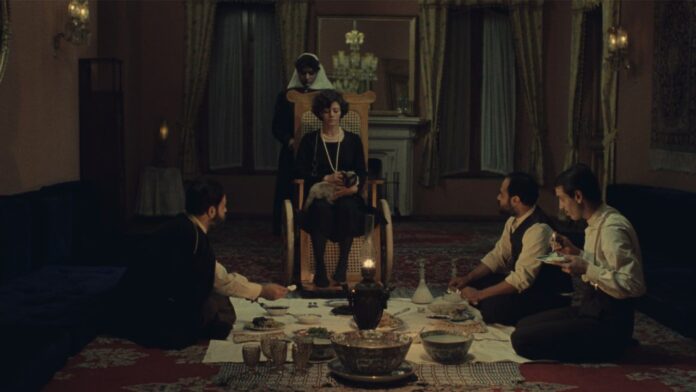
Under a project called The World Cinema Project (WCP), neglected films from around the world are being preserved and restored. To date, 46 films from Africa, Asia, Eastern Europe, Central America, South America, and the Middle East have been restored, preserved and exhibited for a global audience.

The Iranian film Chess of the Wind, directed by Mohammad Reza Aslani, was restored by The Film Foundation’s World Cinema Project and Cineteca di Bologna at L’Image Retrouvée laboratory (Paris) in collaboration with the filmmaker and Gita Aslani Shahrestani. Restoration funding has been provided by the Hobson/Lucas Family Foundation.
The 4K restoration of the film was completed using the original 35mm camera and sound negatives. Colour grading required meticulous work, notably reels 9 and 10 which called for an orange-tinting effect reminiscent of early silent cinema. The restoration was closely supervised by Gita Aslani Shahrestani and Mohammad Reza Aslani; the film’s cinematographer Houshang Baharlou also contributed to the grading process.

Iranian Film Restored by Scorsese's Foundation with Funding by George Lucas“Chess of the Wind” was only screened twice in Tehran in 1976, but presumed lost after the revolution in Iran.
Aslani’s gothic family thriller was found years later by his children in a junk shop. Now, painstakingly restored, its 4k quality has amazed many film lovers.

The film is critical of the Shah’s royalist government, showing the misfortunes of an heiress played by Fakhri Khorvash. Seeking to maintain her independence, she’s beset on all sides by greedy men – her stepfather, his nephews, etc. – who all seek to take her fortune from her.

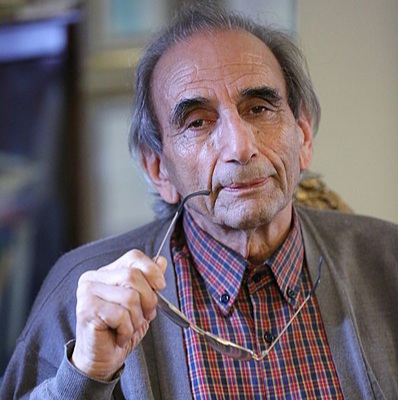
World-Renowned Iranian Geographer Parviz Kardavani Dies

Kardavani was suffering from bone marrow cancer.
He went to Germany after receiving a diploma in Iran and returned to the country after receiving a doctorate in desert development.

He was the director general of the Office of Educational Studies at the University of Tehran from 1969 to 1975 and then the founder and director of the Research Centre for Desert Areas of Iran.

Iran’s Zarif Says Battle Against Tyranny Continues

In a message sent on his Twitter account, Mohammad Javad Zarif said despite the wishes of a long line of oppressors, the battle against tyranny did not end in Karbala, or in 670 CE.

“14 centuries later, resistance to oppression and struggles for freedom continue across the globe,” reads Zarif’s Tweet.

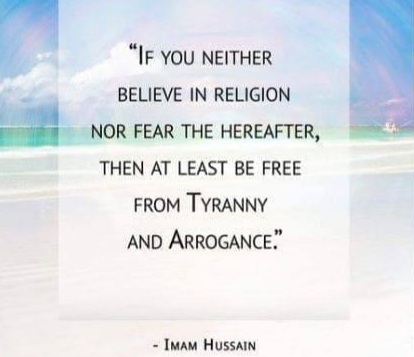
He also quoted this remark by Imam Hussein (AS):
“If you neither believe in religion, nor fear the hereafter, then at least be free from tyranny.”

In the end, Zarif noted that on Ashura 2021, Hussein’s beacon shines on.

Hezbollah Warns Israel, US against Harassing Lebanon-Bound Iranian Fuel Ship

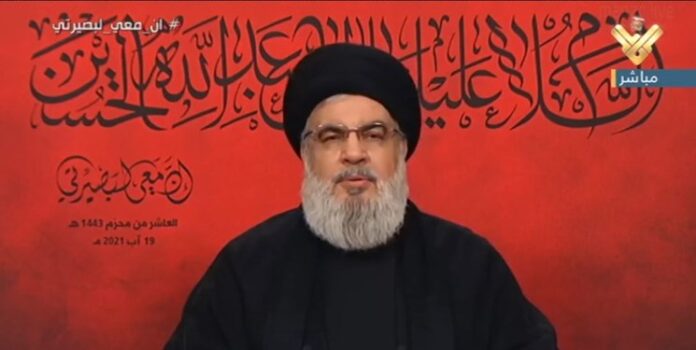
Hezbollah Secretary General Seyyed Hassan Nasrallah said in his speech on the occasion of the 10th of Muharram‌ (Ashura) that the shipment is organized by the movement warning the US and Israel that any threat against the ship would be considered as a threat against Lebanese territory.

He also added that more ships would follow to help the people of Lebanon, who are experiencing fuel shortages as a result of the country’s financial breakdown.

“We don’t want to get into a trouble with anyone, we don’t want to get into a problem with anyone. We want to help our people. I tell the Americans and the Israelis that the ship that will sail within hours from Iran is considered the Lebanese territory,” noted Nasrallah.

Nasrallah further went on to say that God willing this ship and others will arrive safely; however, he did not reveal where or when the ship would arrive, saying this would be discussed when it reached the Mediterranean.

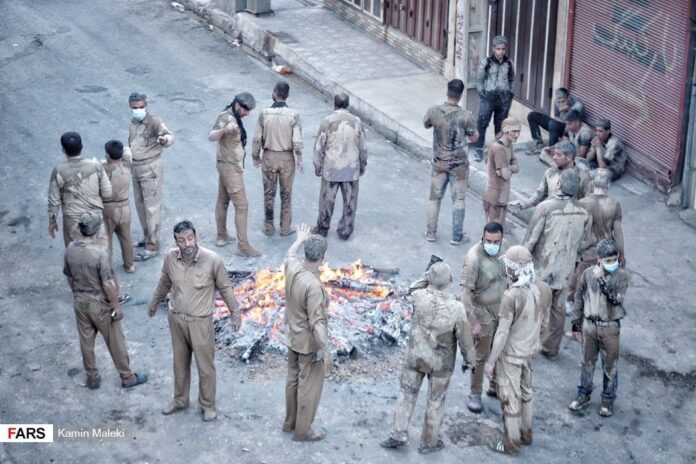
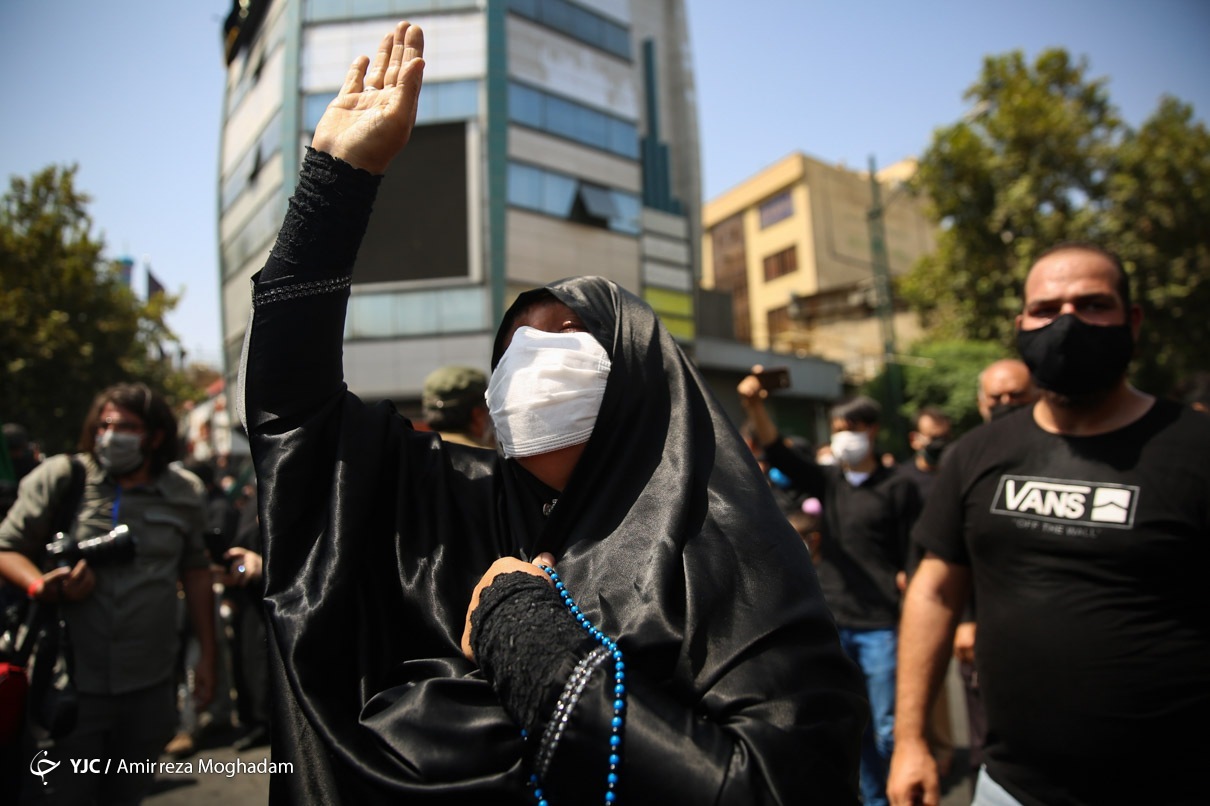
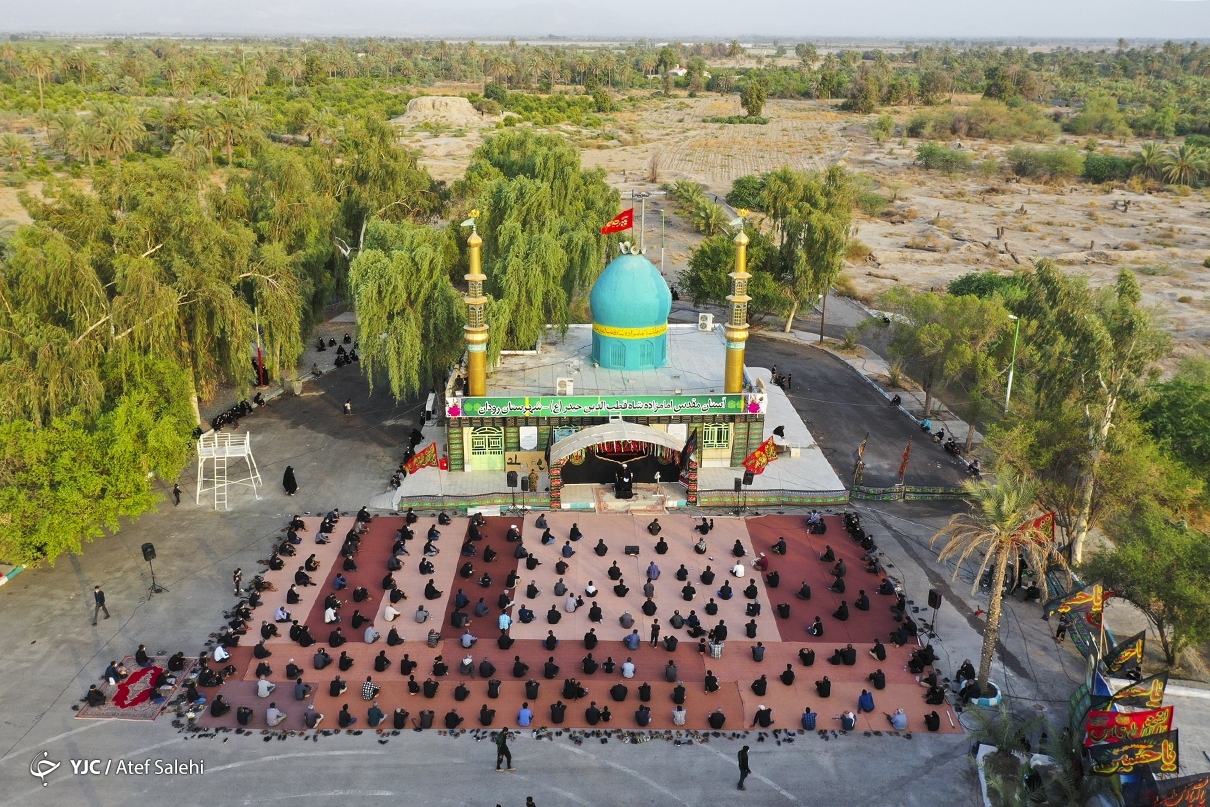
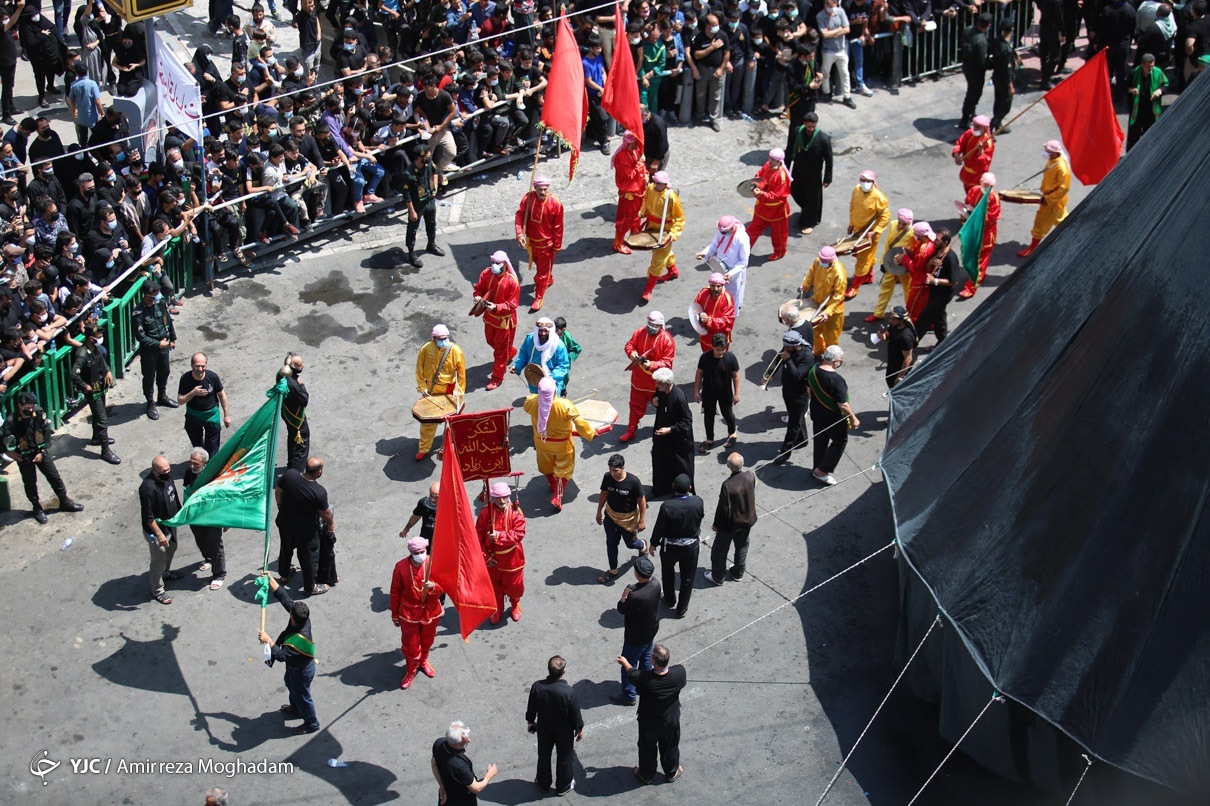
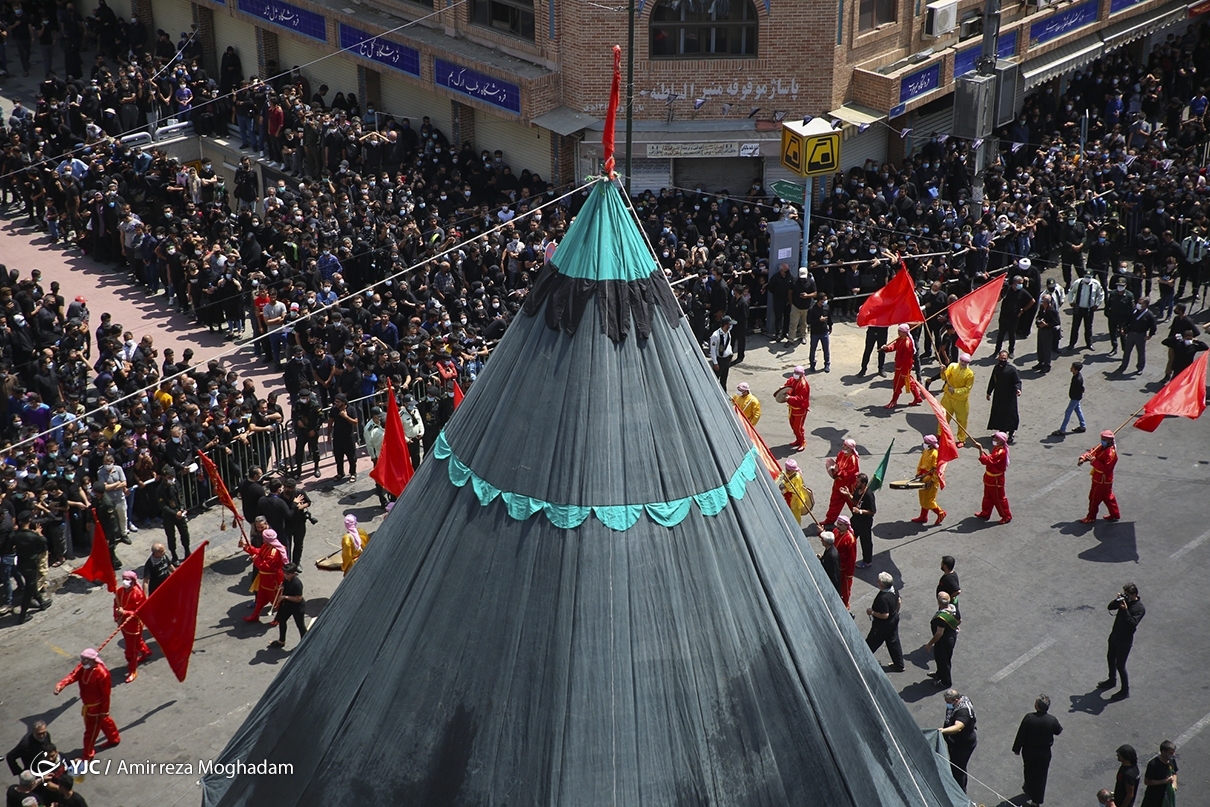
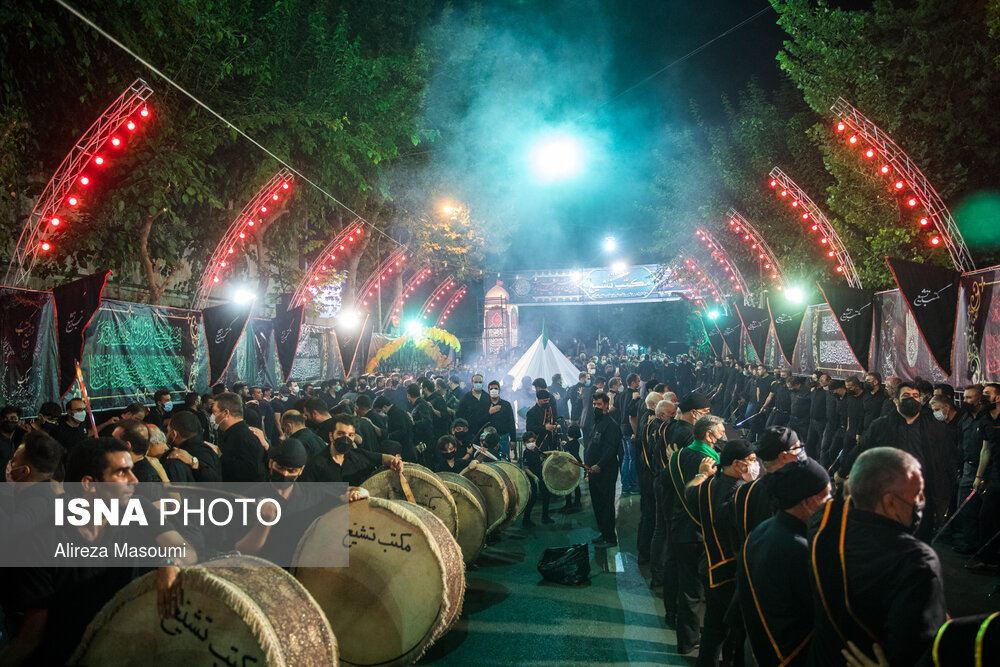
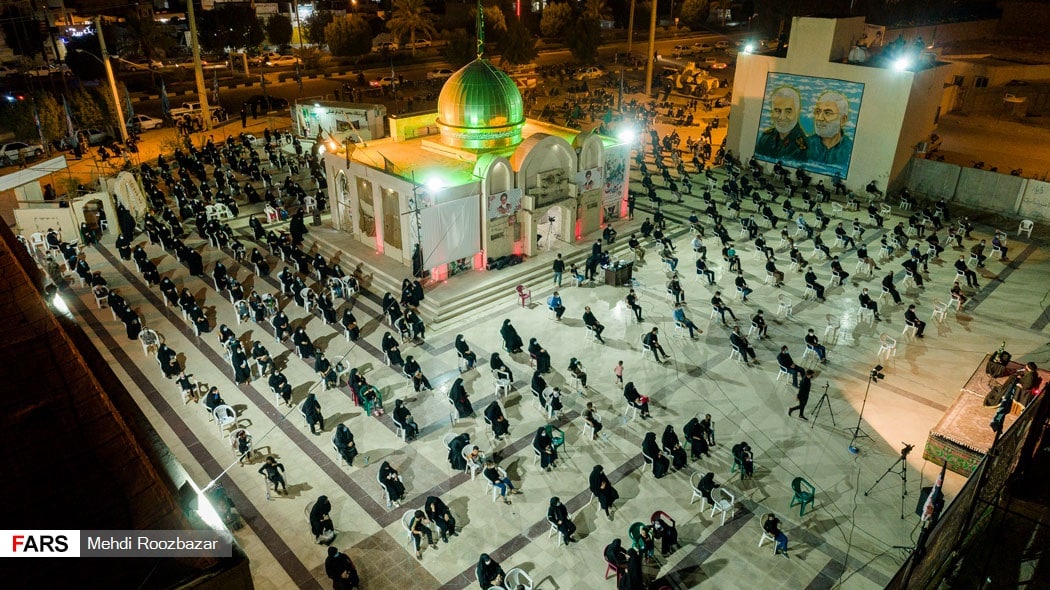
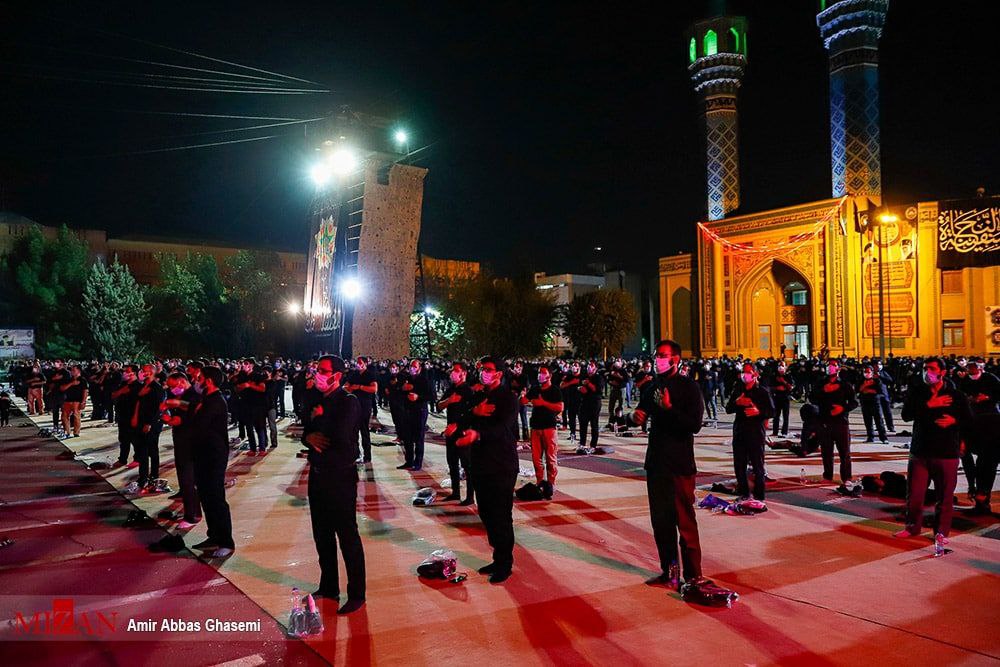
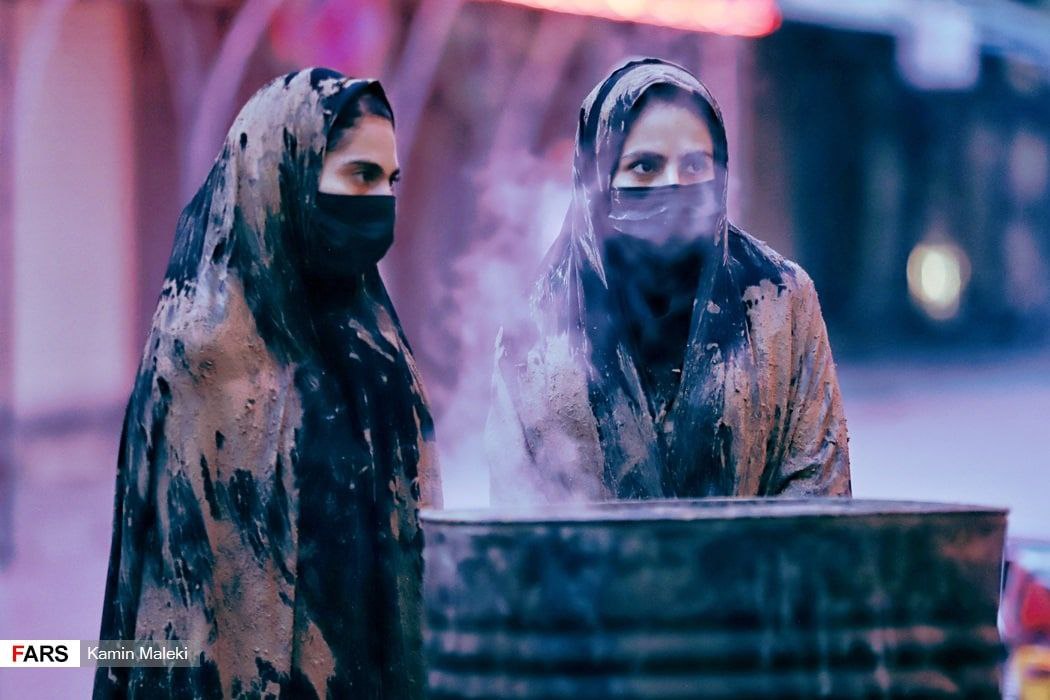
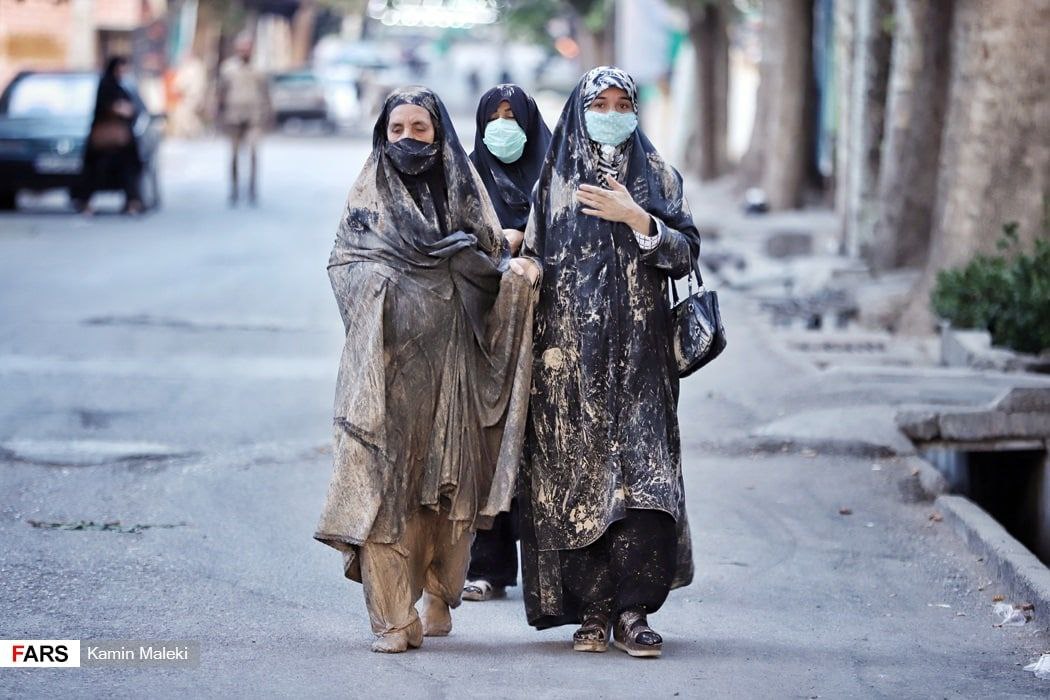
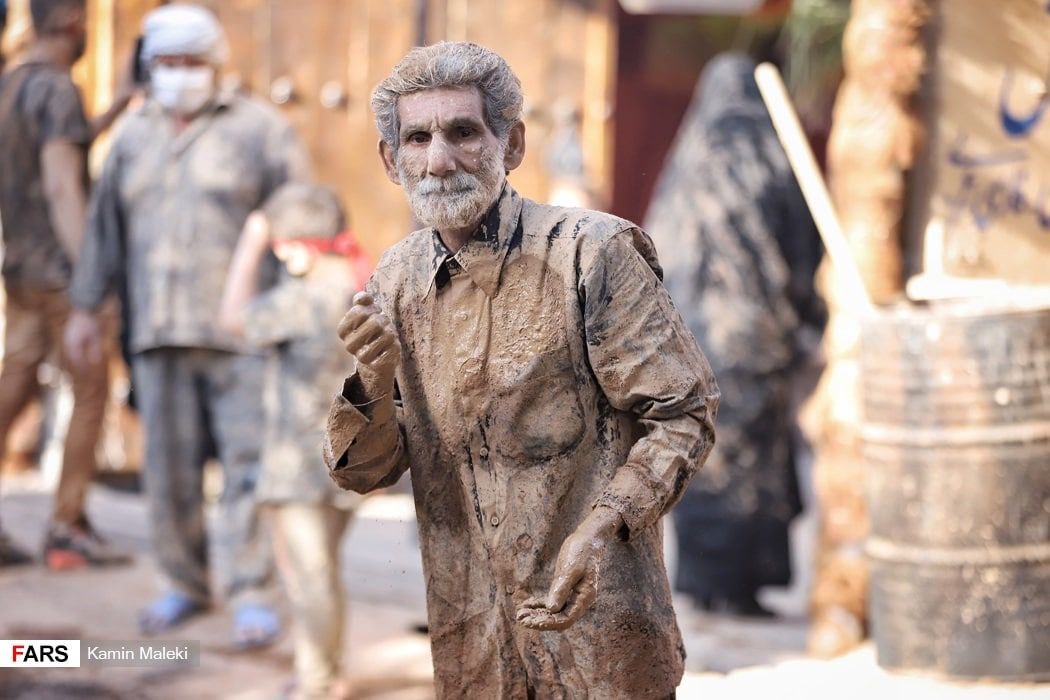
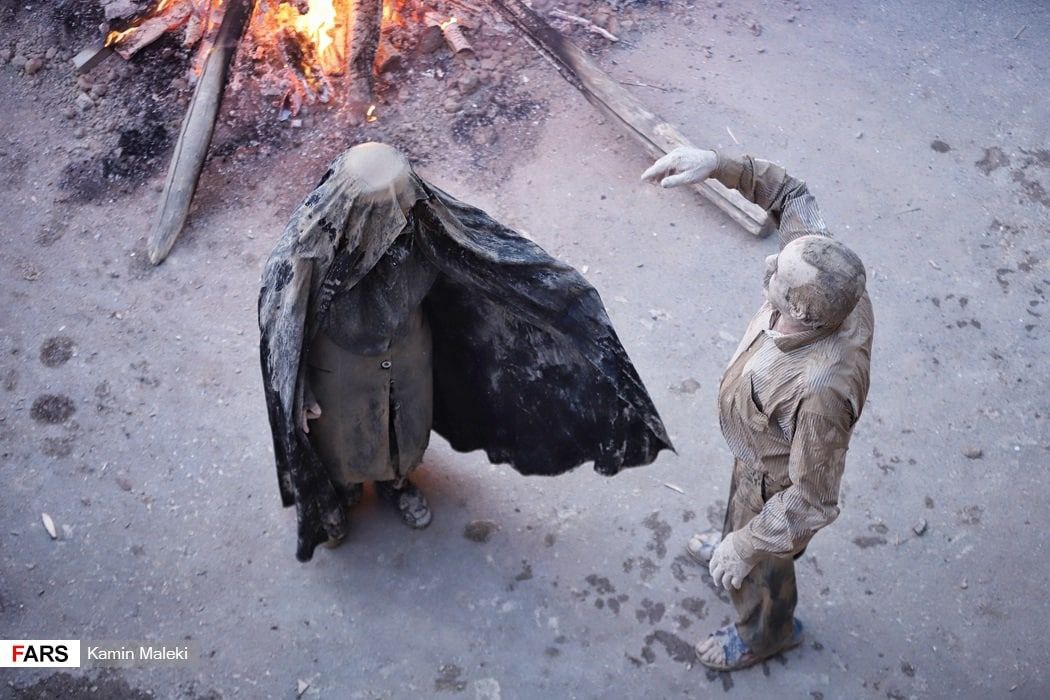
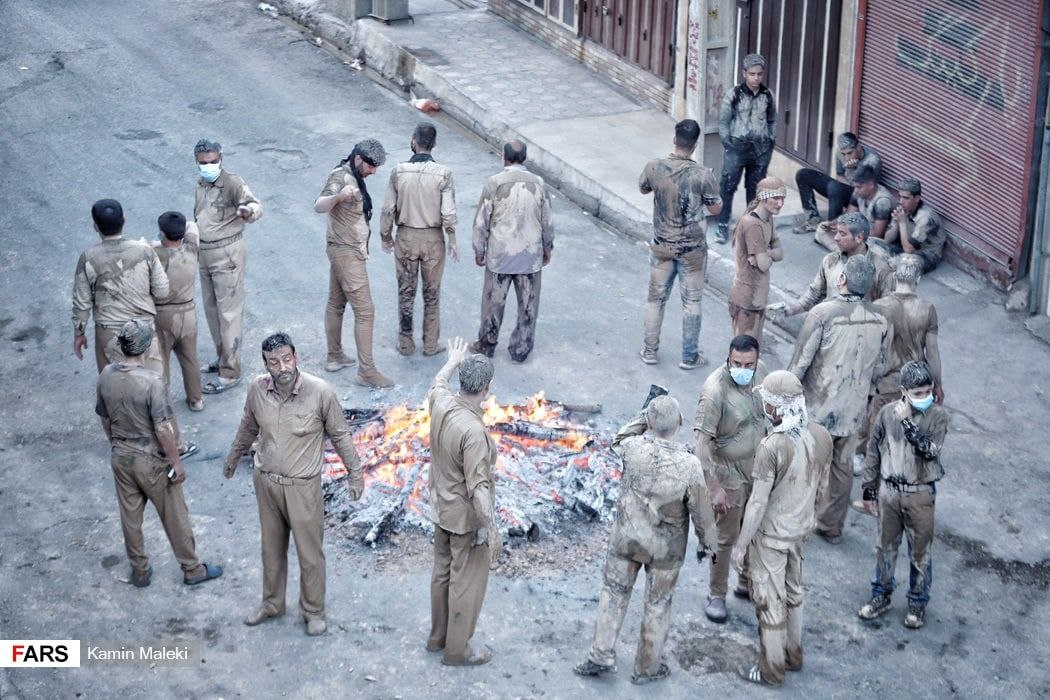
Iranian People Mark Ashura Rituals While Observing Health Protocols

Shiite mourners annually take part in processions held in mosques and streets with different traditions to mark the martyrdom anniversary of Prophet Muhammad (PBUH)’s grandson Imam Hussein (AS) and his companions in Karbala.

However, it’s been two years that Muharram ceremonies are different from the past as large gatherings have been banned due to the coronavirus pandemic and people have been urged to take part in outdoor events while observing social distancing rules.

The mourning ceremonies of Muharram reach their peak on the 9th day of the month, or Tasu’a, when Imam Hussein’s brother Abbas was martyred, and the 10th day, or Ashura, when Imam Hussein (PBUH) and his companions were martyred.

Around 680 AD, Imam Hussein (PBUH) along with his 72 followers was massacred in the battle of Karbala in Iraq by the forces of the tyrant ruler of the time, Yazid, the second Umayyad caliph.

Muharram ceremonies symbolise the eternal and unwavering stance of truth against falsehood and humanity’s struggle against tyranny, the cause for which Imam Hussein (PBUH) was martyred.

Shiite rituals and observances on Ashura consist primarily of public expressions of mourning and grief such as beating one’s chest as well as beating one’s back with light chains to remind the mourners of the pain and suffering of Imam Hussein (PBUH) and his followers on that day.

Iranian people across the country traditionally cook and distribute charity food among their neighbours, family and the poor, but it’s been two years that the tradition has been influenced by COVID-19 pandemic.

Iran to Receive 8.5 Million More Doses of COVID-19 Vaccine Soon: WHO

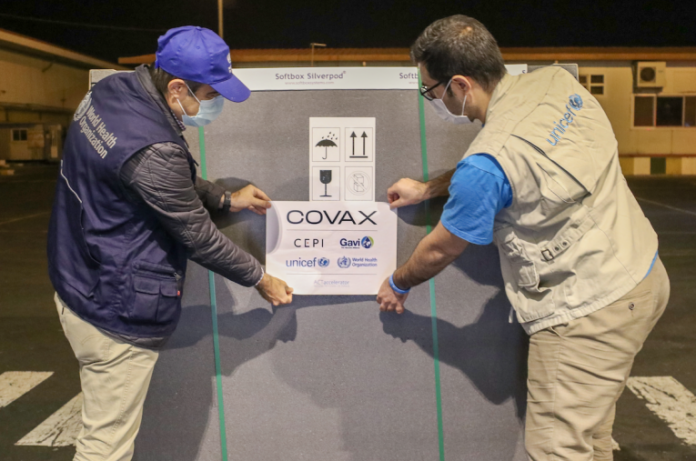
Dr Jafar Hossein, the representative of the World Health Organization in the Islamic Republic of Iran, also raised hope that the vaccines donated by other countries will arrive in Iran on August 20.

He made the comments in a statement on the corona vaccination in Iran issued on Thursday saying that up to now Iran has received over five million doses of vaccine through COVAX mechanism and about 8.5 million doses would arrive in the country in August and September.

In this statement, he said that the World Health Organization (WHO) expresses its concern about the outbreak of corona disease and its impact on the lives, health and livelihoods of the Iranian people, pledging that this organization remains committed to working with all partners to save lives, ensure health and control infections throughout the country.

“Despite the continuation of Corona’s brutal attack on Iran, reports indicate low levels of vaccination coverage in the country. Until August 16, only 13.1% of the total population of Iran received the first dose of Covid-19 vaccine and 5.15% could receive the second dose of this jab. However, the acceleration of vaccine injection since the beginning of August and reaching the priority age groups of 40 and 30 in the high-risk provinces of Iran is encouraging,” reads the statement.

He further noted that the World Health Organization has used teams to gather information, provide advice and technical guidance as part of its efforts to address the Covid-19 epidemic in Iran.

“The organization is also continuing to work with its national counterparts to strengthen the health system and raise awareness about the virus and deal with its heavy pressure on the economy and society. One of these measures is the Covid-19 Emergency Response Project (ICERP), which was implemented through a World Bank loan in cooperation with the Ministry of Health and Medical Education of the Islamic Republic of Iran.

Through this project a significant number of treatment and diagnostic equipment has been delivered to government hospitals and laboratories to support them in combating the Covid-19 epidemic.”

He also urged the Iranian people to play their part in preventing further spread of the virus.
He added that although vaccination is a key tool in ending this epidemic, it is not enough.

“Therefore, it is the responsibility of every Iranian to take public and social measures, including maintaining physical distance, cleaning hands, avoiding crowded places and closed spaces, wearing masks and responding to vaccination calls to prevent further transmission of the virus,” concluded his statement.

Islamic Republic of Iran’s Customs Administration announced on Wednesday that over 24 million doses of COVID-19 jabs in 37 consignments have entered the country through Imam Khomeini Airport between February 6 and August 17.

These vaccines include 20 consignments of Chinese vaccines (Sinopharm) in the amount of 17 million and 910 thousand doses, three consignments of vaccines from Japan (AstraZeneca) in the amount of 2 million 911 thousand and 810 doses, one consignment of vaccines from Italy (COVAX) in the amount of one 1,452,000 doses, 10 consignments of Russian vaccine (Sputnik) in the amount of 1,20,000 doses, one consignment of vaccine from South Korea (COVAX) in the amount of 700,800 doses, one consignment of vaccine from Russia (AstraZeneca) in the amount of 315 thousand doses and one consignment of Indian vaccine (Bharat) in the amount of 125 thousand doses.

IRNA quoted the Health Ministry of Iran as saying that until August 16, a total of 20 million 481 thousand and 265 doses of vaccine were injected in Iran, of which 15 million 766 thousand 564 doses were the first shot and four million and 714 thousand and 701 were the second shot.

Iran, China Exchange Congratulatory Messages on 50th Anniversary of Mutual Political Ties

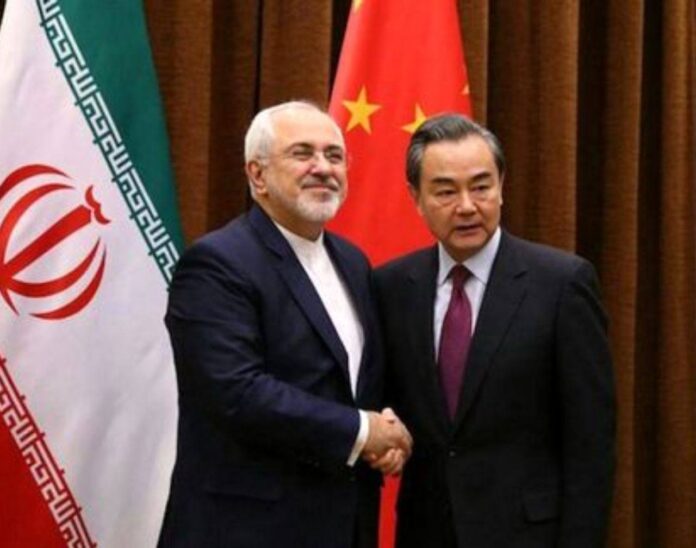
The Foreign Ministers of the Islamic Republic of Iran and the People’s Republic of China exchanged messages on the occasion of the 50th anniversary of the establishment of diplomatic relations between the two countries.

In his message to Wang Yi, who is member of the Chinese State Council and Minister of Foreign Affairs of China, Mohammad Javad Zarif congratulated him, the government and the civilised nation of China on this occasion.

“I am very pleased that on the fiftieth anniversary of the establishment of diplomatic relations between Iran and China, we are witnessing a wealth of fruitful achievements that have provided a great platform for deepening cooperation between the two countries at bilateral, regional and international levels,” said Foreign Minister Zarif.

He further noted that the growing trust between the two countries is well reflected in their comprehensive strategic partnership.

“The signing of the comprehensive strategic plan confirms the long-term view of Iran and China on bilateral relations and the serious determination of the leaders of the two countries to develop and deepen all areas of cooperation.”

“I believe that in the sixth decade of relations, the Ministries of Foreign Affairs of the two countries can strengthen the existing consultative mechanisms aimed at improving ties, and put global stability, and close and comprehensive consultation on regional and international issues on their agenda to strengthen peace,” Zarif emphasised in his message.

For his part, Wang Yi, in his message to Mohammad Javad Zarif, congratulated him on the 50th anniversary of the establishment of political relations, stating that China-Iran relations in the past 50 years have enjoyed continuity, progress and development.

“While continuously deepening political trust and increasing cooperation in various fields, the two countries have worked closely and collaborated in international and regional affairs and helped each other in maintaining unity during the fight against the coronavirus, deepening the friendship between the two nations,” stressed Yi.

“I am ready to work with you, and on the occasion of the 50th anniversary of political relations, bring new achievements for the comprehensive strategic partnership between China and Iran,” Wang Yi said in his message.