Sunday, December 28, 2025
Home Blog Page 2068

Iran’s VP: Knowledge-based momentum law to cause ecosystem of innovation to boom

Over 5,300 Iranian Knowledge-Based Firms Opened in 6 Years: VP

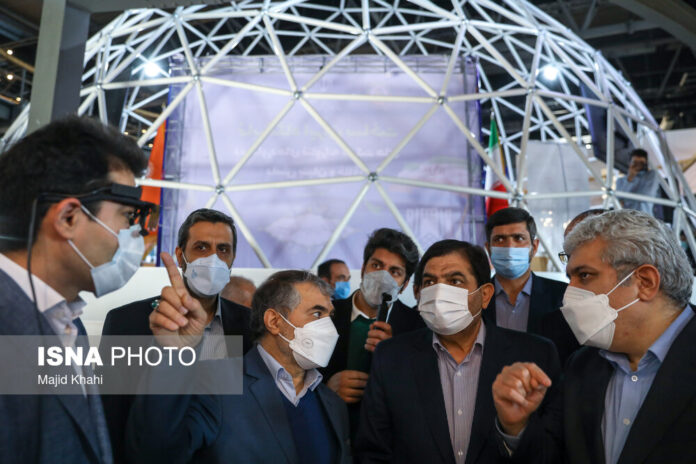
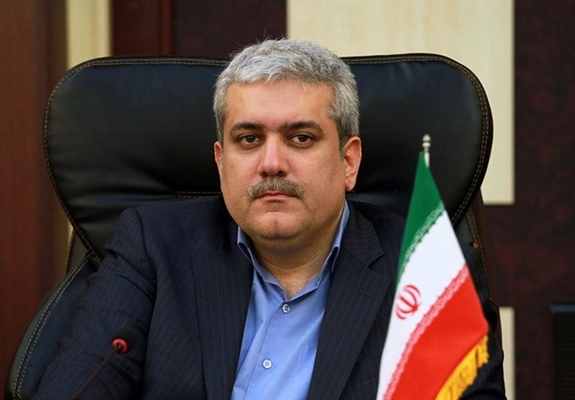
The 2-day exhibition was inaugurated on Tuesday with the visit of Mohammad Mokhber, Iran’s First Vice President, and Sorena Sattari, Vice President for Science and Technology.
Sattari referred to the administration of President Ebrahim Raisi’s determination to support the technology and innovation ecosystem.

At the opening ceremony of the event, Sattari pointed out that the permanent exhibition of Iranian technologies is a venue used to offer products and the capabilities of knowledge-based and creative companies.

According to Sattari, the exhibition hosts a variety of products such as medical equipment, laboratory equipment, agricultural machinery, information and communication technologies, creative technologies, mechanical engineering equipment and many products and goods in various fields that are growing significantly with the influence of knowledge-based companies.

Sattari, who is also the director of the National Foundation of Elites, expressed hope that the movement that has started to support the technology and innovation ecosystem will produce good results with the serious backing of the 13th government, and “we will see a significant leap in the sphere of knowledge-based economy”.

Sattari also said the new law that was approved by parliament to support knowledge-based companies and will soon be approved by the Guardian Council, will bring positive outcomes for companies.

150 creative, knowledge-based companies are participating in the exhibition.
Lavrov calls on all parties in Vienna to return to JCPOA commitments

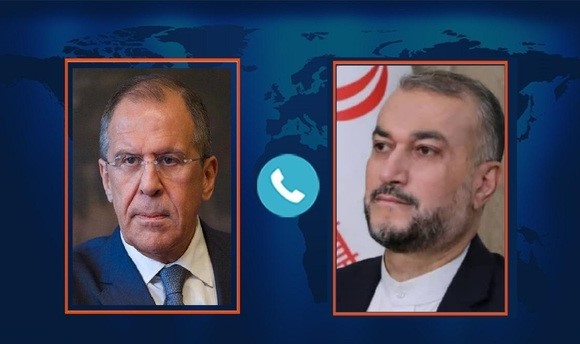
In a phone conversation with Iran’s Foreign Minister Hossein Amir Abdollahian on Tuesday, Lavrov emphasized the importance of reviving the Joint Comprehensive Plan of Action and lifting illegal sanctions, stating that all parties, and in the first place the United States, must return to their commitments.

Lavrov noted that Moscow has always stressed the need to stop destructive actions against the JCPOA and that Russia understands Iran’s concerns.

The Russian Foreign Minister also welcomed the Iranian side’s position on the need to increase the speed to reach an outcome in the Vienna talks.

During the call, Amir Abdollahian also called on the West to show realism and take tangible and genuine actions to help reach a deal in Vienna.

The top Iranian diplomat said Tehran is resolutely seeking a good agreement within the framework of its interests and rights.

The Iranian foreign minister described as constructive Russia’s position on the issue of Iran’s nuclear program.

He stressed that the effective lifting of sanctions is a very important issue and that Iran will continue its consultations and contacts with Moscow and other parties in this regard.

Earlier in the day, Amir Abdollahian told his Chinese counterpart that the western sides in Vienna should make serious decisions on the removal of anti-Iran sanctions for a deal to emerge.

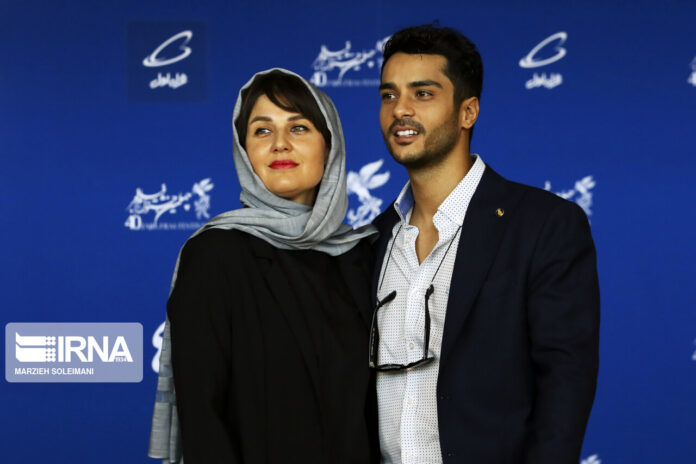
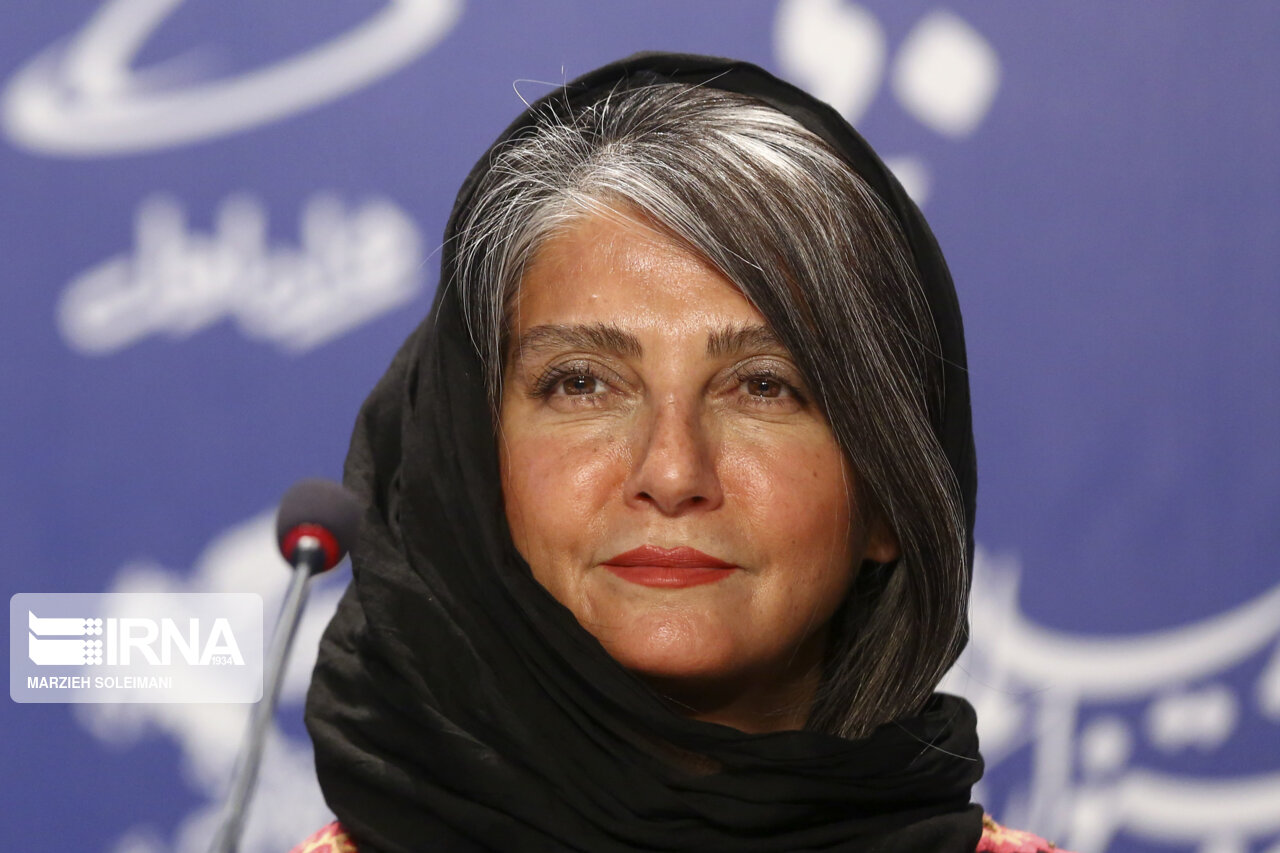
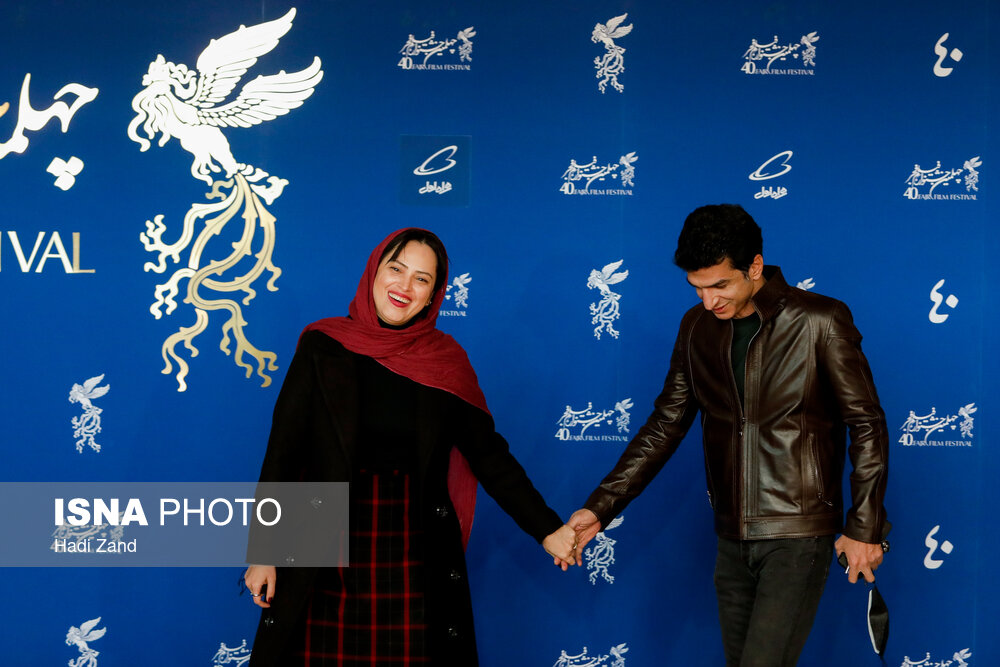
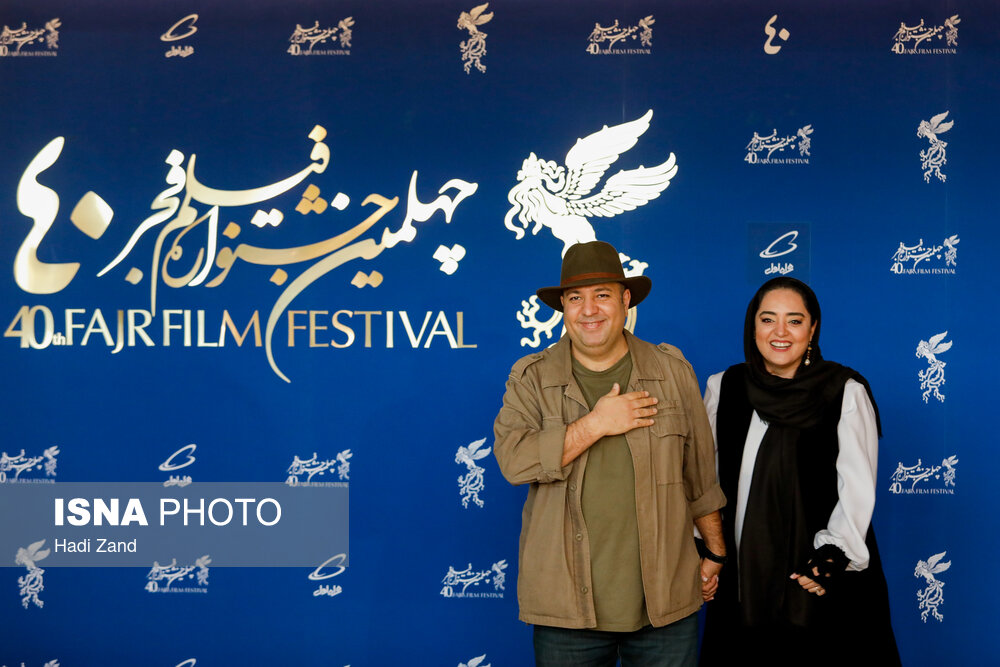
Fajr Film Festival: Critics’ disappointment at the end of day 9

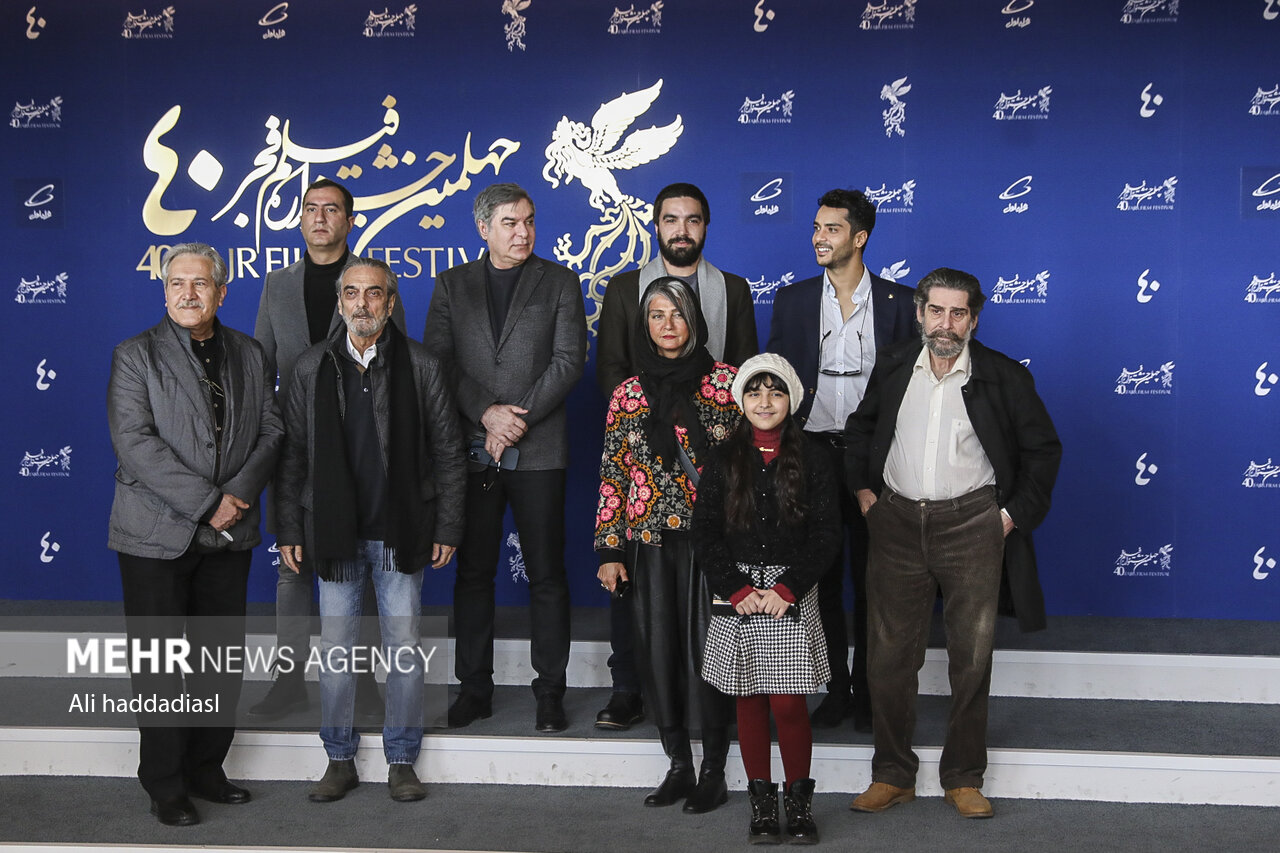
ninth day of the International Fajr Film Festival

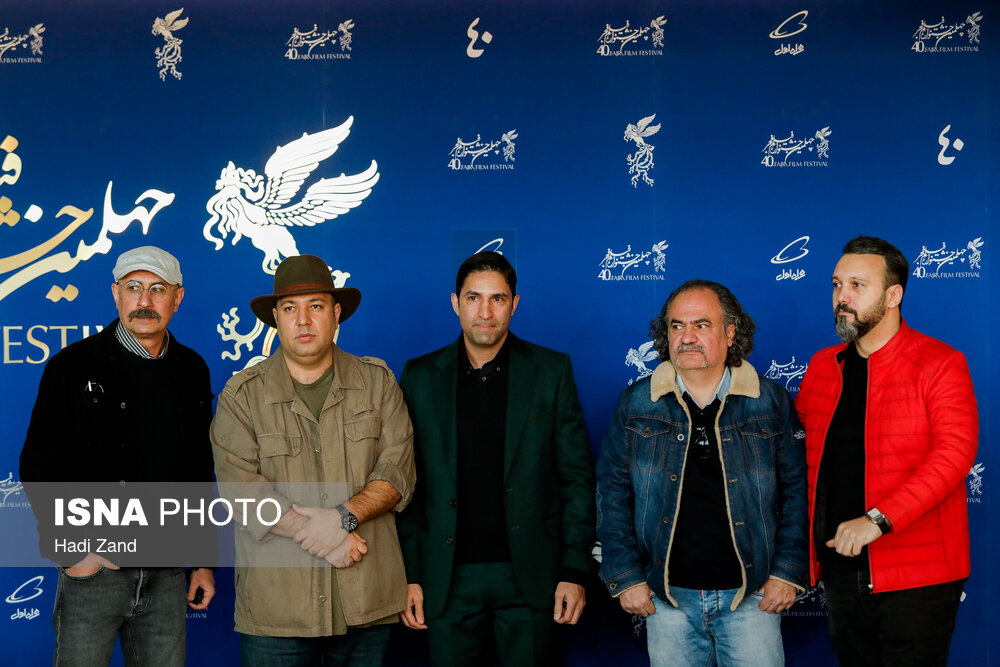
“The Town”, Hazrati’s second film, tells the story of a young man interested in acting, who has to accept to live under special conditions in an isolated town and do psychological exercises with a group of other actors to fulfill his dream of being an actor.

In a press conference, Hazrati spoke about the similarity of this film with the Korean series “Squid Game”.

He said, “We were in the post-production stage when the series “Squid Game” was broadcast…the narrative line of “The Town” does not exist in “Squid Game” or in other films…of course, we should know that there may be some similarities in this regard.”

The producer of the movie Ali Satipi also said, “I think the cinema should change after the Covid pandemic. We have to make movies to a high standard.”

He added that people no longer go to the cinema to watch all movies and cinema will be different in the post-Covid period. “We cannot make a film that fails to communicate with the world…otherwise, our cinema will become obsolete”, he added.

“2888” tells the story of Bijan, a fighter-jet control officer in the dark room of the operation, waiting for the return of Abbas Doran and Mahmoud Eskandari, two F-4 pilots who attacked Baghdad during the imposed Iraqi war. Chances of the warplanes returning safely are five percent.

Some critics describe the movie as a different work in the war cinema. They say “2888” is a work that, without using special weapons, has managed to introduce a different film to the viewers by relying on acceptable special effects and, of course, addressing the characters of the pilots.

Heidari, director of the film, spoke in a press conference about the theme of the imposed war in the film. “We talked about the situation of the imposed war, which has not been discussed anywhere”, he said.

Heydari also said they spent two years researching a man sitting in a dark room watching the sky, and found that this was the best aspect of war that had not been addressed.

Tehran exhibition showcases products of knowledge-based firms

About 150 knowledge-based and creative companies are displaying their products in the fields of soft technologies and development of creative industries, space technologies, advanced transportation, digital economy and intelligence, laser, cognitive science, water and environment, medicinal plants, biotechnology, nanotechnology and stem cells.

The opening ceremony of the exhibition on Tuesday was attended by First Vice President Mohammad Mokhber and Vice President for Science and Technology Sorena Sattari who visited different parts of the fair and were briefed on the latest developments, achievements and technological products of knowledge-based companies.

After hearing about the problems and concerns of the creative firms, the first vice president issued a number of orders to help resolve their problems.

China: Setting deadline for nuclear talks unconstructive

“The negotiations on reviving compliance with the JCPOA have entered a crucial stage. China agrees that all parties should have a stronger sense of urgency, fully demonstrate goodwill and flexibility, and move toward reaching an agreement at an early date,” Foreign Ministry Spokesperson Zhao Lijian stated at a regular news briefing on Tuesday.

“At the same time, we believe that it is not constructive to artificially set up a deadline for the negotiations. All parties should exercise necessary patience, properly resolve differences and create favorable conditions for negotiations,” he added.

Tehran and Moscow have also pushed back on the need to establish a fixed deadline for the nuclear negotiations to conclude.

Iranian officials have rejected western diplomats’ remarks about a deadline for reaching an agreement in Vienna talks, and stressed Tehran is only after a good agreement.

“As the culprit of the Iranian nuclear crisis, the US should overhaul its erroneous policy of ‘maximum pressure’ on Iran, and lift all illegal sanctions on Iran and third parties. On this basis, Iran should resume full compliance,” Zhao noted.

“China will continue to participate in negotiations constructively and work with all parties to bring the JCPOA back to the right track at an early date,” the spokesman stated.

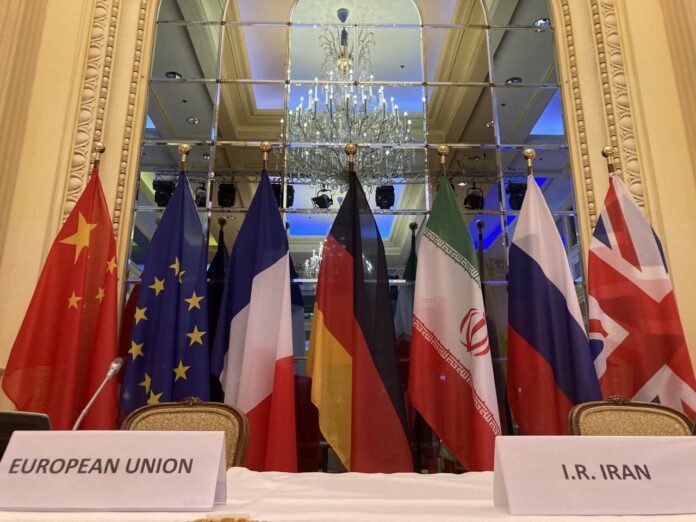
On Tuesday, representatives from Iran and five world powers – known as P4+1 – have resumed the eighth round of talks in the Austrian capital.

The US Administration has recently announced it sees a path to an agreement in the Vienna talks over the nuclear deal, but Iran must make “tough political decisions now”. Iran has repeatedly rejected any deadline or precondition over the deal, stressing the US that unilaterally withdrew from the JCPOA must first lift its sanctions against Tehran. Iran has also stated that a deal can be reached immediately if the US gives the necessary guarantees that it will remove the sanctions and honor its obligations.

President Raisi: Normalization with Israel will not bring security

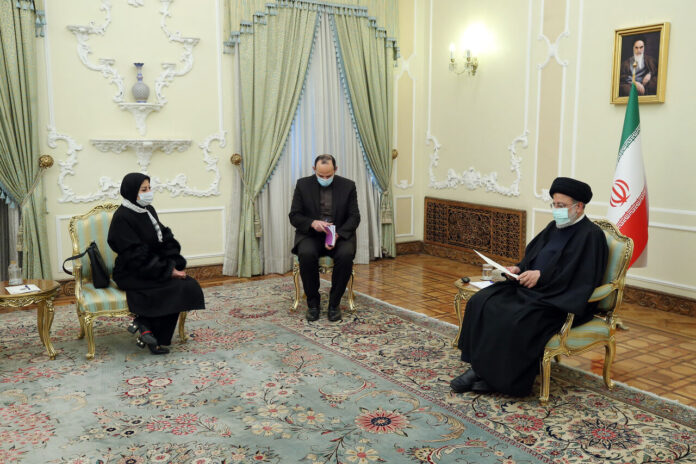
Raisi made those remarks in a meeting with the new Palestinian ambassador to Tehran in which Salam Zawawi presented her credentials to the president. The president said these governments must recognize with public protests by all the Palestinian people and groups that their treacherous act is deplorable.

He added defending Palestine is the number one priority of the Muslim world, describing Iran as the true defender of the Palestinian people and the liberation of the holy city of al-Quds.

The Iranian president added that some countries have slowed the movement of the Palestinian people by pinning their hopes on shaky pacts brokered by Western governments.

Raisi said the message the Palestinians send to the Zionist regime and its Western backers is one of resistance.

The president described the unity and solidarity of all Palestinian groups as the key to victory against the Zionist regime.

Zawawi also congratulated Raisi on the anniversary of the Islamic Revolution’s victory in Iran, saying the event was in fact a great victory for the Arabic and Muslim Ummah.

Zawawi criticized some Arab governments for normalizing with Israel, saying they have betrayed the Palestinian people.

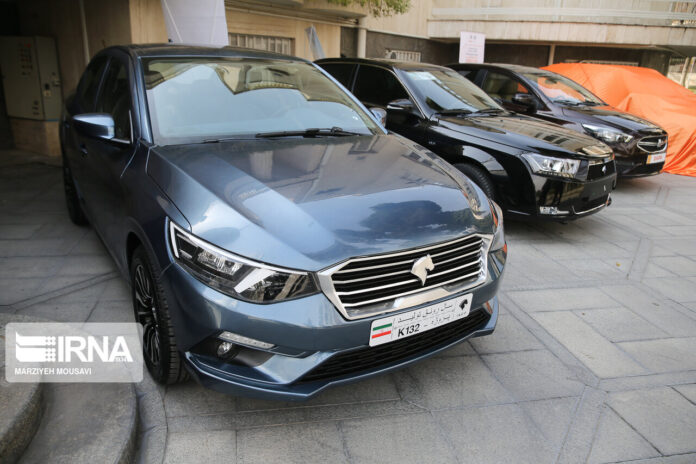
Iran Auto making: A green but controversial tax

Iranian media outlet Khorasan News has published an editorial which looks into the reactions and also the draconian rules for auto makers in other countries.

Under the plan in Iran, the taxes on cars are set from zero to 5 percent, which means the more fuel a car consumes, the higher the tax will be.

But the key point here is that this tax is first received by the automakers and then paid to the government.

That means the more polluting car an automaker produces, the more taxes the government collects without forcing the company to reduce fuel consumption and pollution.

Some media outlets claim due to VAT payment periods, automakers can deposit this amount and receive a profit from it within a year, meaning that the only person who does not benefit from this tax is the consumer.

This is while developed countries like Britain and the Netherlands have also set strict rules for carmakers to produce cars with low fuel consumption and low emissions, and violators face heavy fines.

They however receive green tax from car consumers as well based on consumption, pollution and car life. The head of the Transportation Commission of the Iranian Chamber of Commerce says, “It is the automakers that must reduce car pollution; why should people and consumers pay for it?”

Other critics argue that when carmakers produce automobiles with high fuel consumption and emissions, and there are no hybrid and electric cars, taxing is an injustice to the consumer.

Report: Iraq planning to replace Iran with Qatar for natural gas supplies

The Iranian economic news and analysis website refers to a visit by Qatar’s Energy Minister Saad al-Kaabi to Iraq on Monday. He sat down for talks with Iraq’s electricity minister Adel Karim to discuss transfer of gas from Doha to Baghdad.

Reports say Iraq is under mounting U.S. pressure to reduce its reliance on gas imports from Iran.

Tejarat news has quoted the former secretary general of Iran-Iraq joint chamber of commerce as saying that the main problem in the natural gas trade with Iraq is the country’s huge overdue payments to Iran which currently stand at several billion dollars leaving Iran with no other option but to put a cap on its exports to Iraq so that the Iraqi debt does not grow larger.

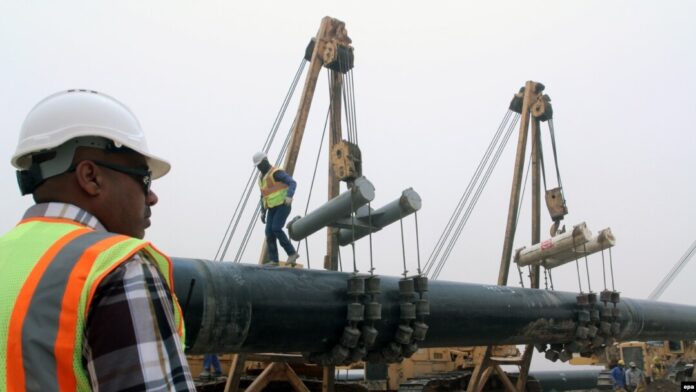
Mahdi Karamipour Moqadam also tells Tejarat News that transferring gas from Qatar to Iraq requires the construction of a pipeline which is time consuming but Baghdad has the right to diversify its energy sources.

“We must be realistic; Iraqis, like us, have the right to make decisions based on their national interests. Supplying energy from one source is not in the interest of any country, and we in Iran have such a policy to increase our bargaining power in transactions,” he explained.

Karamipour Moqadam said, however, that Iraq is unlikely to completely cut Iran off from its energy market despite the American pressure.

.

UN $32mn in cash arrives in Afghanistan

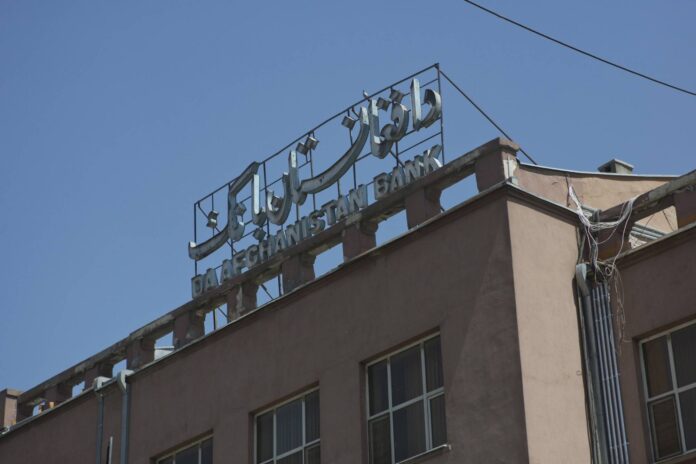
Da Afghanistan Bank’s statement said the money came to Afghanistan through Kabul International Airport and was delivered to Afghanistan’s International Bank.

The statement further added that the IEA welcomes humanitarian assistance in all forms that help the impoverished Afghan people.

The money in cash is part of humanitarian assistance that was pledged by the United Nations in order to prevent the collapse of Afghanistan’s economic system.

The UN has pledged to be providing Afghanistan with up to $32 million cash every week until March 2022 to address the lack of cash in Afghanistan.

Lack of US dollars is currently the biggest problem in Afghanistan that has affected the lives of millions of people as the banking system is still restricted and prices of food items and fuel are nearly doubled compared with 6 months ago.

3 Palestinians shot dead by Israeli soldiers in WB

The Ministry of Health confirmed the death of the three Palestinians, who were identified as Ibrahim Nabulsi, Adham Mabrouk, and Mohammad Dakhil.

The health ministry announced in a press statement that “the three citizens were martyred as a result of the Israeli occupation’s direct shooting at them in the city of Nablus.”

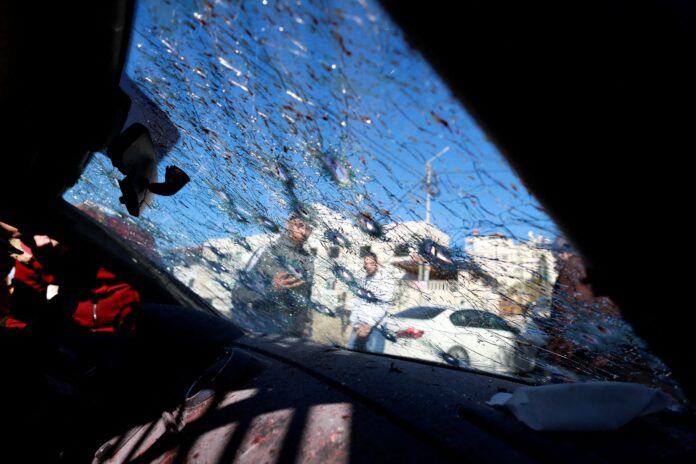
Footage of the assassination showed a car riddled with bullet holes as a number of soldiers were standing next to it. The soldiers left the area after the attack.

The PA’s Foreign Ministry has also described it as a “field execution.”

Israel claimed the Palestinians were responsible for shooting attacks at army posts in the Nablus area.

Israel’s Minister for Military Affairs, Benny Gantz praised the Israeli military and other participating organizations over the criminal operation, which he described as “preventive” and “proactive.”

The Israeli regime occupied the West Bank in a heavily-Western-backed war in 1967. Ever since, it has been dotting the territory with hundreds of illegal settlements, besides imposing the strictest of restrictions on the Palestinians’ freedom there.