Saturday, December 27, 2025
Home Blog Page 2059

Iran’s president urges all to observe health protocols amid Covid surge

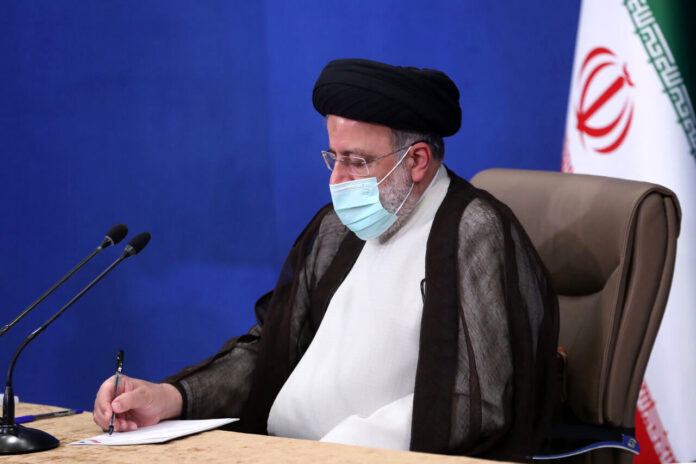
Speaking at the meeting of Iran’s National taskforce for Fighting Covid on Saturday, the president said the mere receiving of vaccine is not enough and this should be accompanied by providing public education to improve health and social distancing in order to prevent the disease from further spreading.

He added that the National Television plays an important role in informing and educating the public in this regard.

Raisi emphasized that the Ministry of Interior, in cooperation with relevant agencies, is obliged to have full supervision over the observance of the procedures and approvals of the National taskforce for Fighting Covid.

He also thanked citizens for observing health protocols during the Friday rallies marking the anniversary of the Islamic Revolution’s victory.

Iran shuts kindergartens in very high-risk cities amid Covid surge

The cities, known as “red” ones, will have to shut kindergartens for one week as mandated by the National Coronavirus Task Force.

Accordingly, arrangements will be made for mothers of under-six-year-olds to be able to work online for the seven-day period.

Meanwhile, those infected with the Omicron variant of the coronavirus will enjoy a 5-day sick leave.

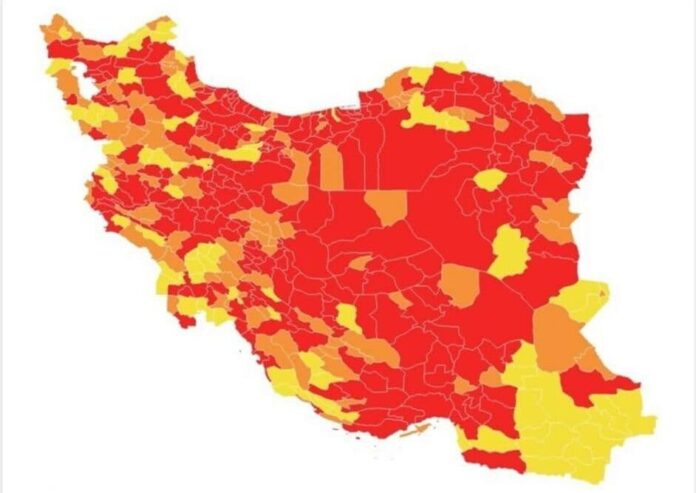
The measures come as the spread of Omicron has pushed up the number of Iranian cities declared Covid-19 “red” zones to 247, with no blue (very low risk) cities left in the country.

 The latest figures released on Saturday show that there are currently 112 orange (high risk) and 89 yellow (medium risk) cities.

Iran is grappling with its sixth wave of the respiratory disease with health officials urging the people to get their booster jabs as soon as possible in a bid to contain the latest surge of infections and deaths.

On Friday, Iran reported 143 new fatalities from the disease and more than 31,000 new infection cases over the past 24 hours.

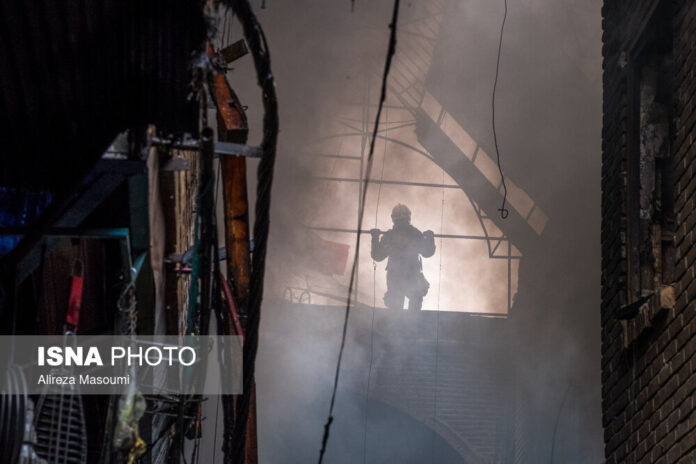
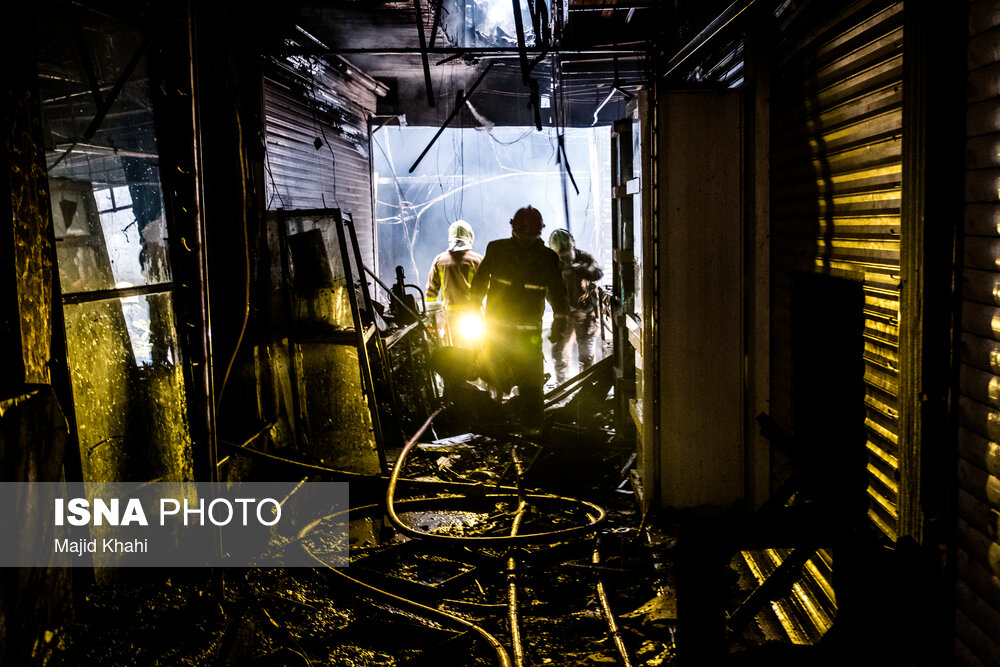
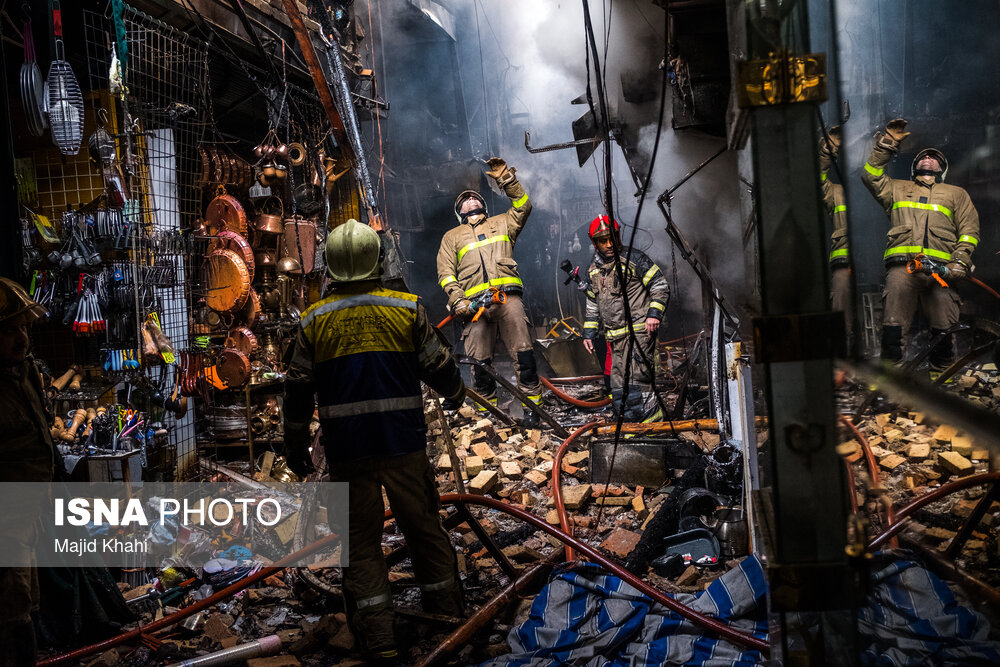
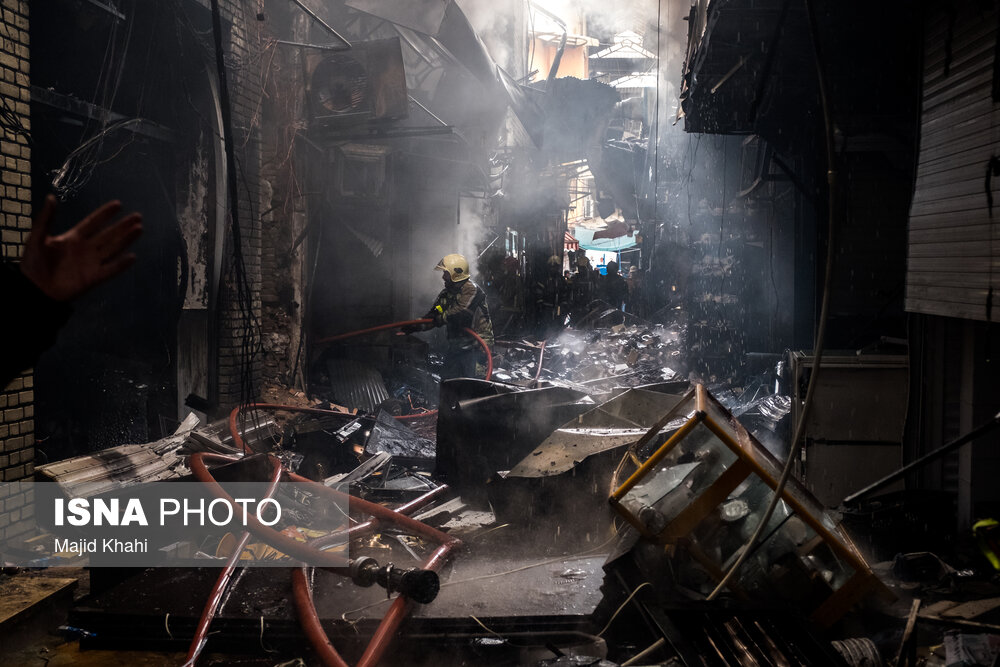
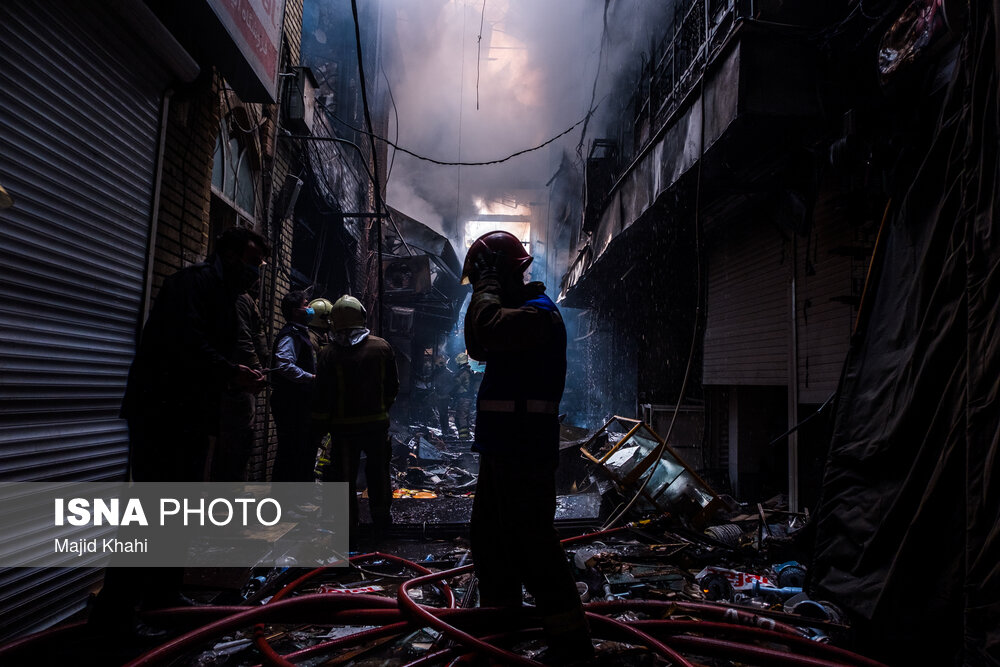
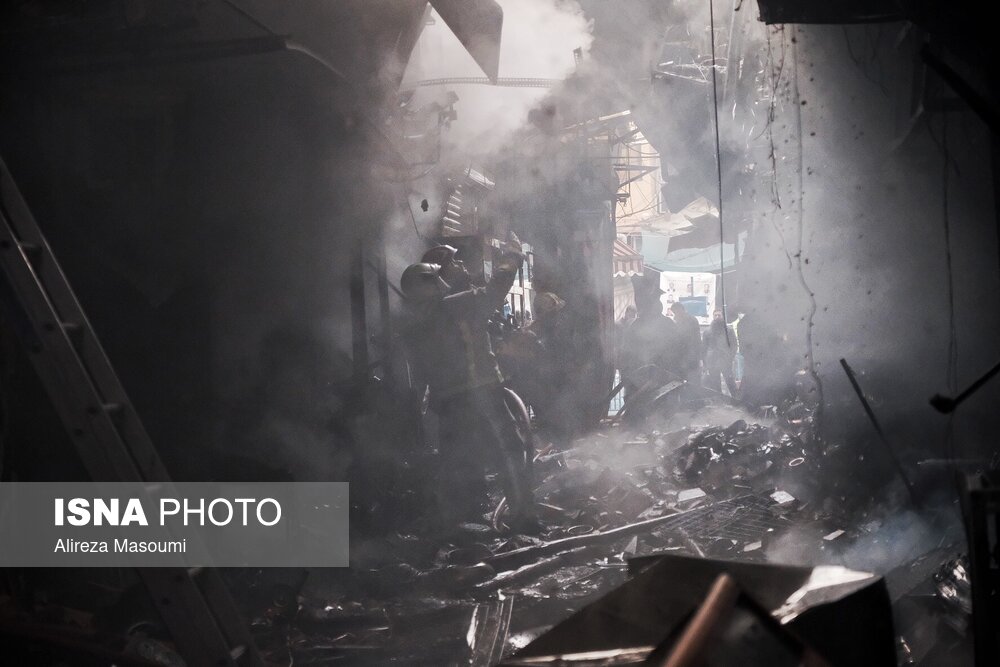
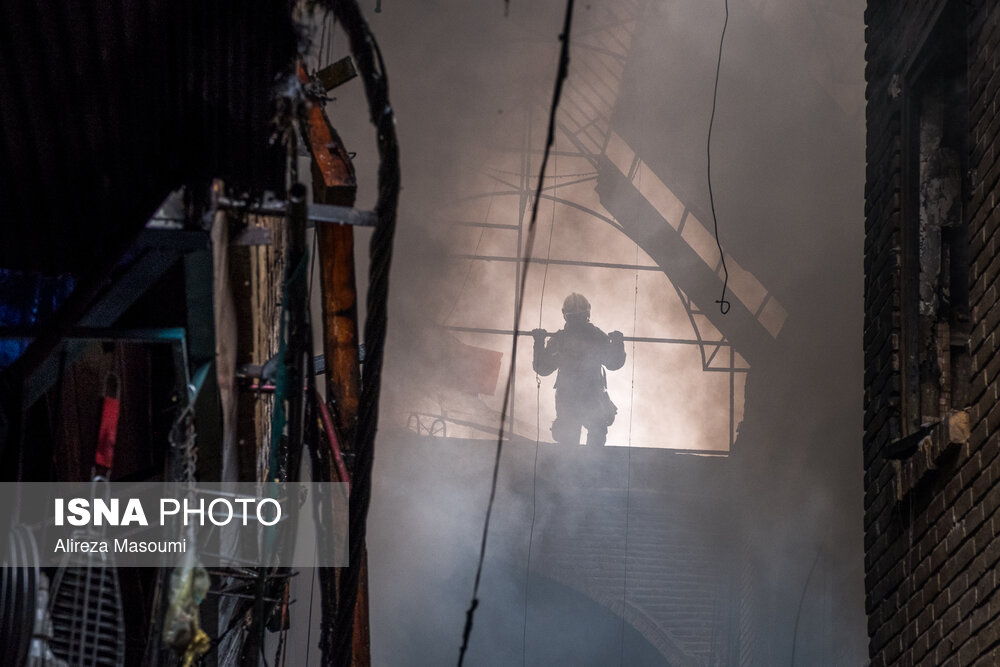
Tehran Bazaar fire extinguished

Manama confirms Israeli officer to be stationed in Bahrain

The appointment will be related to the work of an unnamed international coalition of more than 34 countries, the report said.

Bahrain also added that the coalition’s task includes securing freedom of navigation in the territorial waters of the region, protecting international trade and confronting piracy and terrorism.

Earlier media reports said Israel would send a naval officer to an official posting in Bahrain, the first time an Israeli military officer has been posted to an Arab country.

Relations between Bahrain and Israel have improved significantly in recent years, with the two countries officially establishing diplomatic relations in September 2020. The so-called “normalization” agreement was brokered by former US President Donald Trump, who announced its signing from the White House.

In 2021, Bahrain dispatched its first ambassador to Israel, while Israel opened an embassy in Bahrain’s capital.

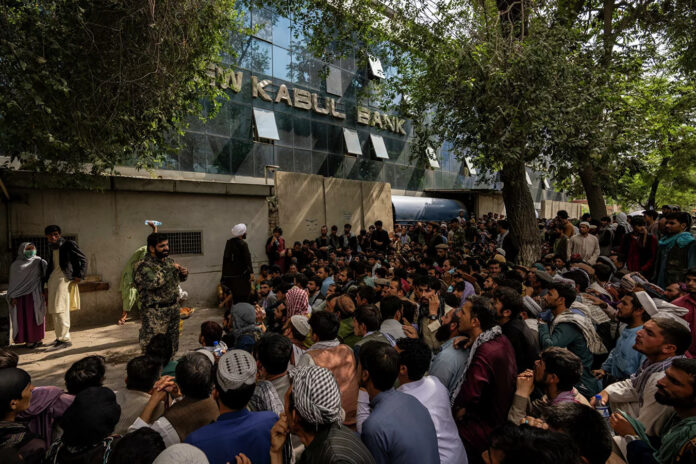
Advocates call US freezing Afghan assets “theft”

Biden issued an executive order on Friday that would split $7.1bn belonging to Da Afghanistan Bank (DAB) almost evenly between humanitarian assistance to the struggling country and funds to cover judgements from lawsuits that 9/11 victims and their families had filed against the Taliban in US courts.

“The people of Afghanistan had nothing to do with 9/11; that is an undeniable fact,” Bilal Askaryar, an Afghan-American activist, told Al Jazeera.

“What Biden is proposing is not justice for 9/11 families, it is theft of public funds from an impoverished nation already on the brink of famine and starvation brought on by the United States’ disastrous withdrawal,” Askaryar added.

The US-backed Afghan government collapsed in August of last year, with the Taliban capturing Kabul amid the pullout of US troops from the country after a 20-year war.

Washington, which had negotiated its withdrawal with the Taliban, quickly moved to freeze DAB’s US-based assets. The 9/11 victims’ families then sought the money through the courts. One particular case that had obtained a default judgement against the Taliban in 2012 became central in that effort.

The plaintiffs originally sued a host of entities and individuals across the Middle East and Afghanistan – many at odds with one another and adversarial to al-Qaeda, which carried out the attacks in 2001.

Halema Wali, cofounder of Afghans for a Better Tomorrow, a US-based advocacy group, stressed that the money in the Afghan central bank belongs to the people of Afghanistan, who are experiencing a dire humanitarian crisis.

With skyrocketing inflation and the state institutions in shambles, the Afghan economy – which has depended on foreign aid – is all but falling apart. The UN World Food Programme has warned that 23 million people are facing “severe hunger” in the country.

“It’s absolutely egregious,” Wali told Al Jazeera of Biden’s move, adding, “This is equivalent to essentially saying the central bank of Afghanistan can’t function, but we’re going to set aside some money for a little bit of food for a starving population. I think overall, it’s very short-sighted.”

It remains unclear how that money would be dispensed with several lawsuits making claims to the funds. Plaintiffs may also reject Biden’s decision and seek the entire sum, and courts would have to decide on the outcome, which would be subject to appeal.

Still, the White House suggested that regardless of what happens in the courts, at least $3.5bn will be set aside for 9/11 victims’ families.

“Even if funds are transferred for the benefit of the Afghan people, more than $3.5 billion in DAB assets would remain in the United States and are subject to ongoing litigation by US victims of terrorism,” the White House said.

“Plaintiffs will have a full opportunity to have their claims heard in court,” it announced.

But for now, the final word on unfreezing the money for humanitarian aid and compensation to the 9/11 victims remains with the courts.

A senior administration official told reporters early on Friday that it will be months before the money is released for humanitarian relief in Afghanistan.

“Because we have to go through a judicial process here, it is going to be at least a number of months before we can move any of this money, right? So this money isn’t going to be available over the next couple of months regardless – so, regardless of amount, regardless of what we might want to do,” the official told reporters.

Another issue that adds to the uncertainty surrounding the fate of the funds is that Washington does not recognise the Taliban as the government of Afghanistan.

“There’s a legitimate question to be asked as to how a country’s sovereign wealth can be used to satisfy the debt of an entity that is not recognised as the sovereign government,” said John Sifton, Asia advocacy director at Human Rights Watch (HRW).

Speaking during an HRW question-and-answer session on Twitter, Sifton raised concern over Biden’s decision.

“The Biden administration’s decision creates a highly problematic precedent for a policy of essentially commandeering a country’s sovereign wealth and utilising it for things that are not what the people of Afghanistan necessarily want it to be used for,” he added.

The Afghan-American Foundation, an advocacy group, said Biden’s move will “exacerbate the suffering” of the people of Afghanistan.

“The funds at issue belong to the people of Afghanistan, not any government or entity, past or present – that is not a policy position, it is a fact,” the group announced in a statement.

The Taliban, which had been calling for unfreezing the funds, slammed the US decision on Friday.

“The theft and seizure of money held/frozen by the United States of the Afghan people represents the lowest level of human and moral decay of a country and a nation,” Taliban spokesman Mohammad Naeem said on Twitter.

Beyond the immediate value of the money, advocates have sounded the alarm about the message that Biden’s decision sends on the viability of banking in Afghanistan.

Sifton stressed during the HRW virtual event that Afghanistan needs a banking system for its economy to function and aid to flow efficiently, underscoring that Afghan banks can be monitored internationally to ensure that funds are not being siphoned off by the Taliban.

“Current restrictions on the banking system of Afghanistan are really intensifying the country’s already serious human rights crisis and they’re driving populations into famine,” he said.

Sifton added that a functioning banking system is vital for aid delivery, importing and legitimate commerce in Afghanistan.

“Most importantly for a country, which imports a very large amount of its food and essential resources, is to be able to deposit money into banks, turn it into dollars and have those dollars be able to be used to purchase things outside the country for import,” Sifton continued.

Wali, of Afghans for a Better Tomorrow, said DAB is an independent institution and that humanitarian aid cannot replace the country’s central bank.

“This is essentially like saying the Federal Reserve can no longer function, but we’re going to set up some soup kitchens, which doesn’t necessarily alleviate the issues of a central banking system not working in Afghanistan,” she noted.

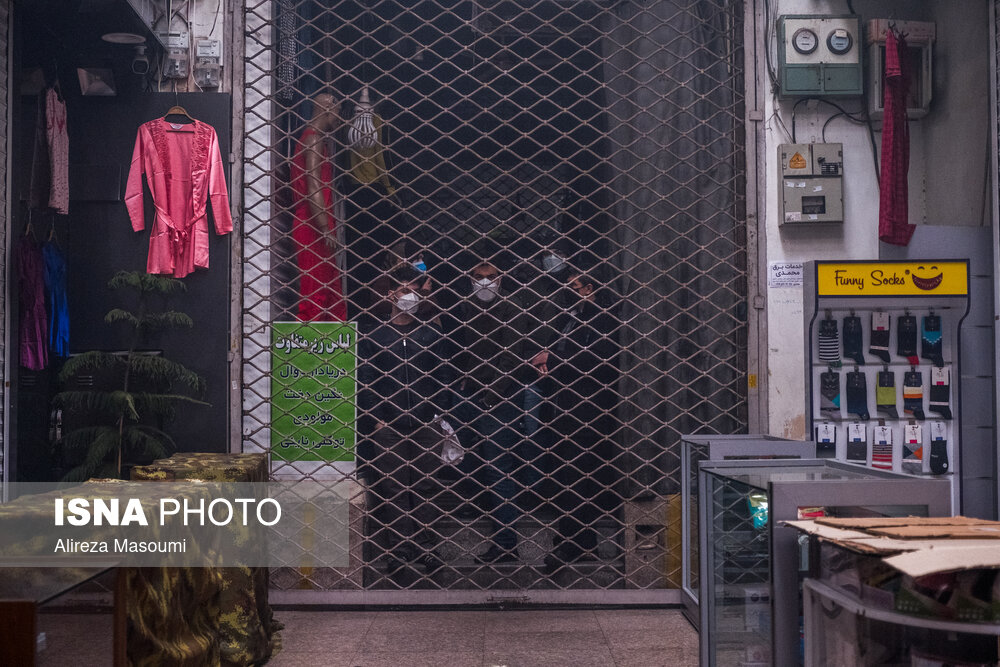
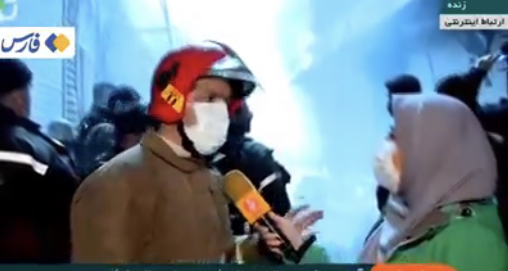
Inferno rips through big bazaar in Iranian capital, Tehran

“Currently, six [firefighting] stations equipped with necessary facilities are trying to put out the fire at the Shoemakers’ Bazaar,” said the spokesperson for the Tehran Fire Department.

“The incident was announced at 7:38 am today … and personnel at several firefighting stations were dispatched to the site of the incident immediately,” added the spokesman.

He said fire first broke out at one of the stores before spreading to other shops.

He noted the blaze is an extensive one.

“Firefighters are trying to put out the flames, and details will be announced after the operation ends,” he said.

He said not precise information is available, yet, on the number of stores damaged or any possible casualties.

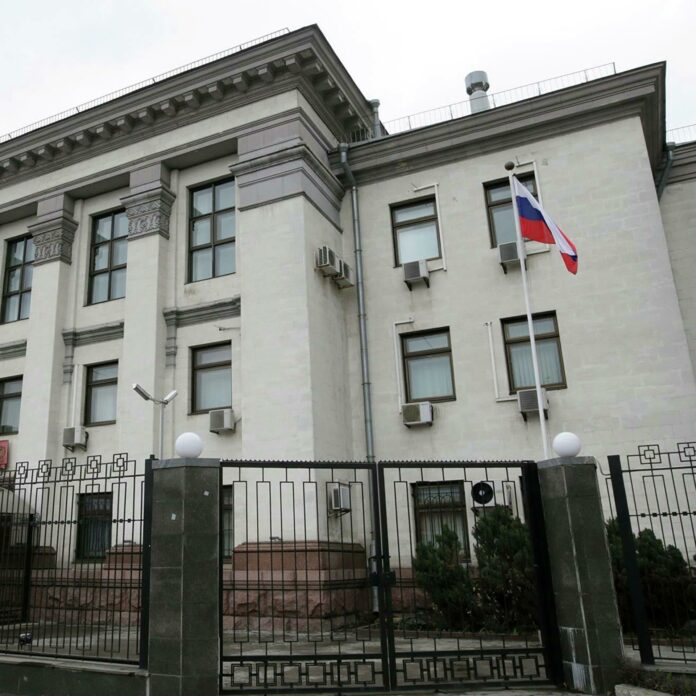
Russian diplomats leaving Ukraine amid escalation of tensions

“According to Ukrainian citizens, Russian diplomats and consular officials in Ukraine have begun to leave for Russia. This, in particular, is proved by difficulties arising when making an appointment at the consulates and the embassy,” the source said.

The source added that Moscow might have decided to follow the example of some Western countries which announced its evacuation from Ukraine.

“By the way, [Russian Foreign Minister] Sergey Lavrov hinted at the possibility of this scenario during a press conference following negotiations with UK Foreign Minister Elizabeth Truss,” the source continued.

In January, a number of Western countries announced the evacuation of their diplomatic missions from Ukraine. On Thursday, Lavrov stated that Moscow may also advise non-essential personnel at its diplomatic missions in Kiev to leave the country. He stressed that Russia has become concerned by the evacuations of staff by the United Kingdom and the United States as it looks as if “there were preparations for something” in Ukraine.

Against the background of continuing allegations that Moscow is set to “invade” the neighbouring country and Russia’s repeated denials that is the case, the Russian Foreign Ministry argued on Friday that one can talk about the conspiracy of the authorities of Western countries and the media to escalate artificial tension around Ukraine.

“We can talk about the conspiracy of the authorities of Western countries and the media in order to escalate artificial tension around Ukraine through a massive and coordinated stuffing of false information in geopolitical interests, in particular, in order to divert attention from their own aggressive actions,” the statement says.

The ministry noted that amid the media war against Russia, “the position of Western officials in the context of a massive disinformation campaign against Russia deserves special mention”.

“They avoid giving it a proper assessment in every possible way, thereby essentially confirming their involvement in fakes and stuffing,” the foreign ministry added.

On Friday, National Security Adviser Jake Sullivan said at a White House briefing the United States is reducing the number of embassy staff in Ukraine and is telling all Americans to immediately leave that country.

“We are continuing to reduce the size of our embassy footprint in Kiev,” he added.

“We encourage all American citizens who remain in Ukraine to depart immediately. We want to be crystal clear on this point: any American in Ukraine should leave as soon as possible and in any event in the next 24 to 48 hours,” Sullivan stated.

Earlier, US President Joe Biden urged American nationals to leave Ukraine without delay.

The warning came after Washington briefed allies on a scenario in which Russian forces would pour across the border from Belarus, accompanied by cyberattacks and missile strikes.

The US intelligence briefing included specific reference to next Wednesday, February 16, as a start date for the ground invasion, three officials — based in Washington, London and Ukraine — told POLITICO.

Sullivan has declined to describe specific intelligence, but insisted the attack could begin before the end of the Winter Olympics in Beijing on February 20.

The British Foreign Office has also advised British nationals currently residing in Ukraine to leave the country due the threat of “hostilities”, according to the travel advice released on the website of the Foreign, Commonwealth & Development Office on Friday.

“The Foreign, Commonwealth & Development Office is now advising British nationals against all travel to Ukraine. British nationals currently in Ukraine should leave now while commercial means are still available,” the statement says.

“Since January 2022, the build-up of Russian forces on Ukraine’s borders has increased the threat of military action,” the travel advice states, adding, “The Embassy remains open but will be unable to provide in-person consular assistance. British nationals should leave while commercial options remain.”

“Any Russian military action in Ukraine would severely affect the British Embassy Kyiv’s [Kiev’s] ability to provide any consular assistance. British Nationals should not expect increased consular support or help with evacuating in these circumstances,” it reads.

Those British nationals who decide to remain in Ukraine should keep their departure plans under review, ensure their travel documents are up to date and monitor the situation.

The West and Kiev have recently been spreading allegations about Russia’s potential ‘invasion’ of Ukraine. Kremlin Spokesman Dmitry Peskov castigated these claims as “empty and unfounded”, serving as a ploy to escalate tensions, pointing out that Russia did not pose any threat whatsoever to anyone. However, Peskov did not rule out the possibility of provocations aimed at justifying such allegations and warned that attempts to use military force to resolve the crisis in southeastern Ukraine would have serious consequences.

The United States and its European partners are finalizing sanctions targeting major Russian banks should the Ukraine situation escalate, but banning Russia from the SWIFT financial system is off the table, Reuters reported citing US and European Union officials.

The report said on Friday that the sanctions could target VTB and Sberbank.

Banning Russia from SWIFT was taken out of consideration after objections from European countries, the report added.

‘Razi Cov Pars proving more effective than some imported Covid-19 shots’

The head of Razi Vaccine and Serum Research Institute has emphasized that the superiority of Razi Cov Pars over china’s Sinopharm was proven in the third phase of the clinical trial.

“In this phase, in the group that received the Sinopharm vaccine, two weeks after the second injection, the number of patients with Covid-19 was more than twice the number in Razi Cov Pars group. Also, during this period, we did not have any hospitalization among the recipients of Razi, but in the Sinopharm vaccine group, five cases were hospitalized,” Ali Es’haghi explained.

He said the third stage of the human trial of Razi Cov Pars vaccine has been completed, adding that the emergency use for this vaccine was authorized in September and that so far five million doses of this shot have been delivered to the ministry of health.

Noting that Razi can be a suitable vaccine for children, Es’haghi said the clinical test protocol for for children has been prepared and the relevant committee will issue a permit next week.

Saying that some countries have asked to buy the Iranian shot, he added “Our priority is to meet domestic needs, but given the good level of imports and the appropriate trend of domestic vaccine production, we expect an export license to be given to Razi Group.”

Iran has been domestically producing several coronavirus shots in a bid to combat the outbreak of the respiratory disease.

The Islamic Republic is also producing COVID-19 shots jointly with Cuba, Russia, and Australia.

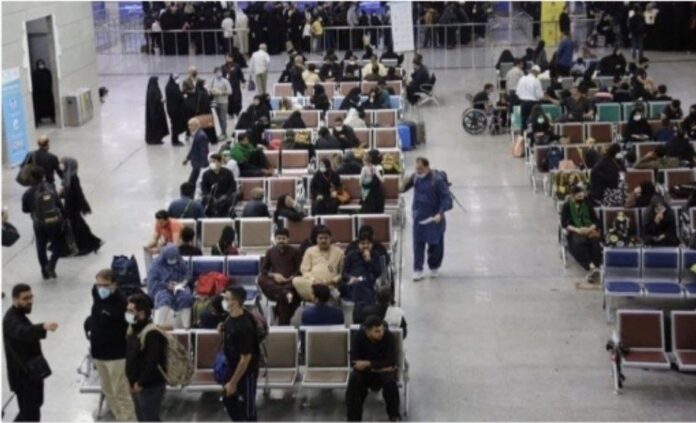
Tehran waives PCR test requirement for Iranian pilgrims returning home

Nevertheless, the issue will be reviewed by the National Coronavirus Task Force given that some officials have objected to the waiver.

As the deputy health minister says, the waiver could even be reversed.

Another problem which has emergence has been the Iraqi visitors travelling to Iran without having a negative coronavirus test result.

“One of the problems we have seen over the past two days on flights carrying pilgrims to Iran has been the presence of Iraqi pilgrims and passengers without having a negative COVID-19 test result,” says an informed source.

This is while the waiver was only supposed to apply to Iranian pilgrims returning home.

According to Fars News Agency, however, now many Iraqi pilgrims get on flights to Iran without having a negative PCR test result and no one is paying attention to this issue.

No blue cities as Iran grapples with sixth Covid-19 wave

 The latest figures released on Saturday show that there are currently 112 orange (high risk) cities and 89 are Yellow (medium risk).

Iran is grappling with its sixth wave of the respiratory disease with health officials urging the people to get their booster jabs as soon as possible in a bid to contain the latest surge of infections and deaths.

On Friday, Iran reported 143 new fatalities from the disease and more than 31,000 new infection cases over the past 24 hours.

So far, according to official data, more than 133,400 people in Iran have lost their lives to Covid-19.

The latest surge comes despite an accelerated vaccination campaign over the past months.

According to Iran’s Health Minister Bahram Einollahi, 90% of the target population in Iran has received one dose, 80% two doses and 27% three doses of coronavirus vaccine.

He has also warned that children are particularly vulnerable to the new variant of the virus.

The health minister says the current wave of the disease will reach its peak in two to three weeks, urging people to observe health protocols and get the booster shot as soon as possible.