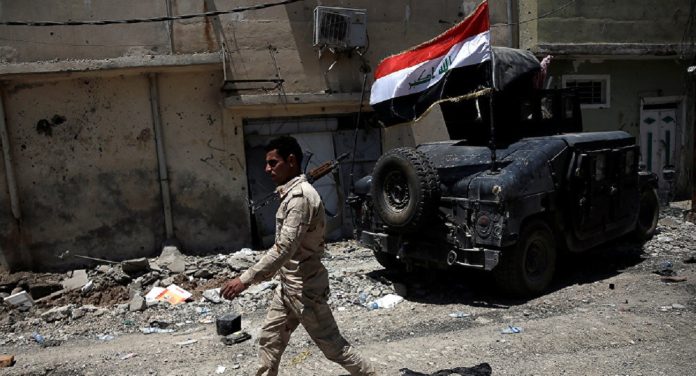
Brigadier General Yahya Rasul said Iraq’s counterterrorism apparatus totally destroyed the cell during a special and unique operation south of the city of Mosul, in northern Iraq.
The general said 43 Daesh terrorist got killed and their weaponry seized by the Iraqi forces. Rasul added that Iraqi assault helicopters participated in the operation as well.
He noted that the remaining pockets of Daesh are in desert areas of Iraq where weather conditions are tough.
Rasul also said the Iraqi forces will continue going after the terrorist cells of Daesh in all areas including in the mountainous regions and valleys.
His comments come as an Iraqi judicial official said deputy governor of Daesh south of Baghdad Abul Hassan Gharibawi has been sentenced to death by hanging.
The terrorist was arrested by Iraq’s Popular Mobilization Units, also known as Hashd al-Shaabi.
Last week, Iraqi forces also launched a massive operation in the western province of al-Anbar to dislodge the remnants of the Daesh terrorist group from the region.
The Chinese defense chief will hold talks with high-ranking Iranian officials over the latest international and regional developments as well as issues of mutual interest.
The two sides will explore ways of boosting military interaction and bilateral relations.
Iran and China have signed a strategic partnership deal that involves trade and military ties.
The deal has cleared the way for billions of dollars of Chinese investments in energy and other sectors in Iran and undercut the US efforts to isolate the Iranian government.
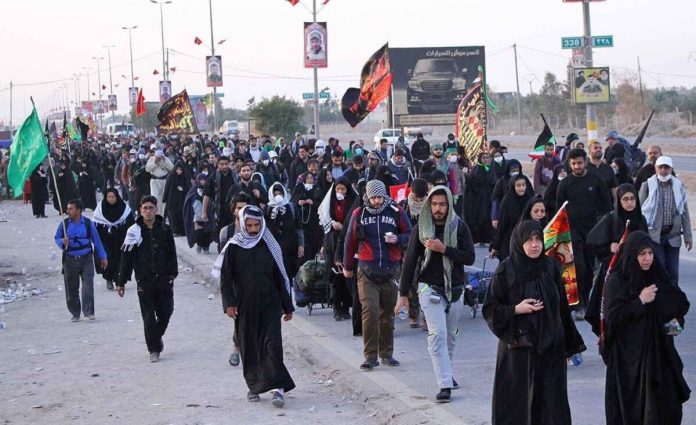
“Travel across the land border is not possible without a visa, and pilgrims must have a visa. Of course, our friends are trying and consulting with the Iraqi side so that people can travel to Iraq through the land borders without a visa,” Vahidi told reporters on Tuesday.
The Iranian interior minister noted that air travelers between Iran and Iraq are not required to obtain a visa.
Iraq is a major source of tourists visiting Iran. And a very large number of Iranian pilgrims head for the holy Iraqi cities of Najaf and Karbala each year.
But coronavirus restrictions have drastically reduced the number of Iranians and Iraqis visiting the two countries.
Iranian and Iraqi officials have been negotiating to waive visas for all forms of travel for their nationals.
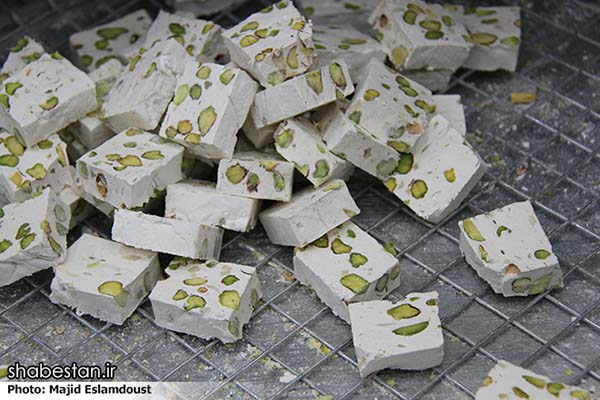
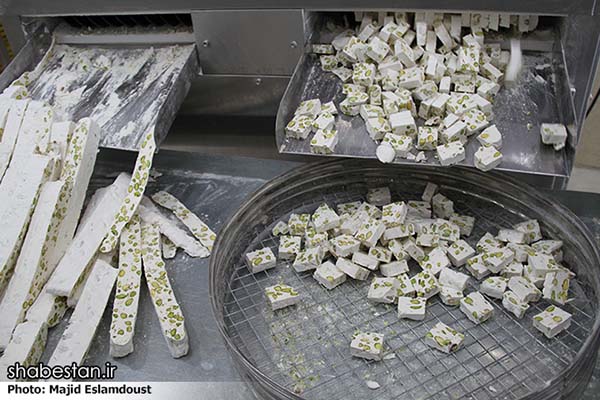
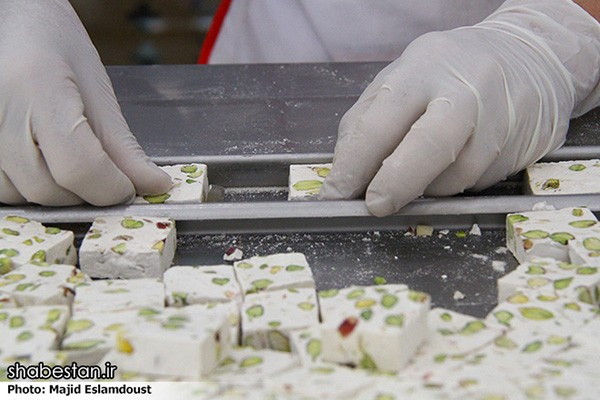
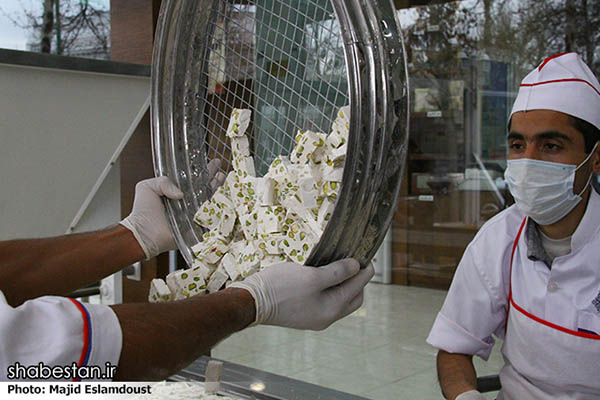
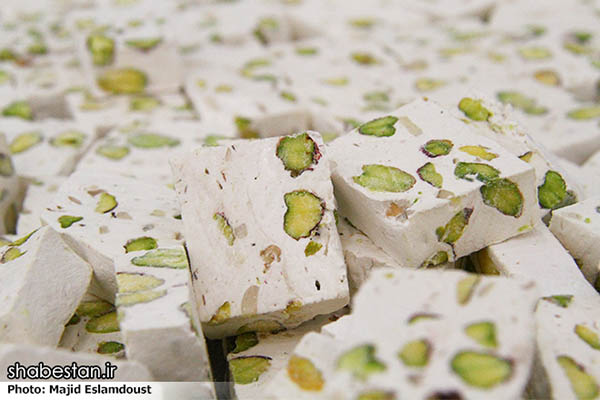
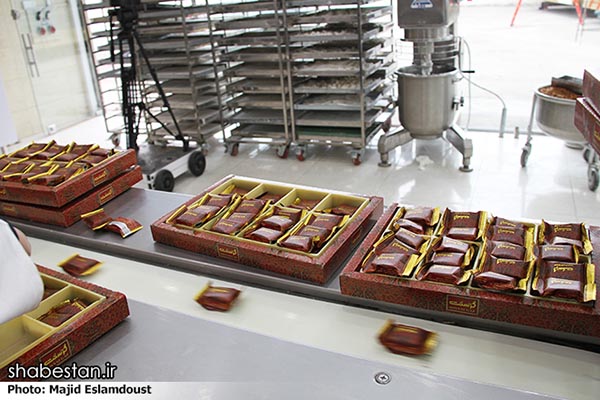
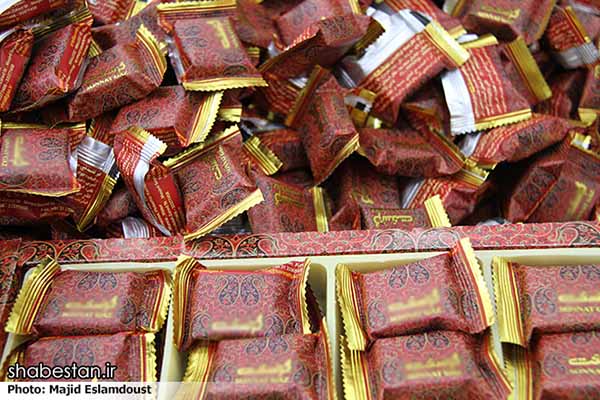
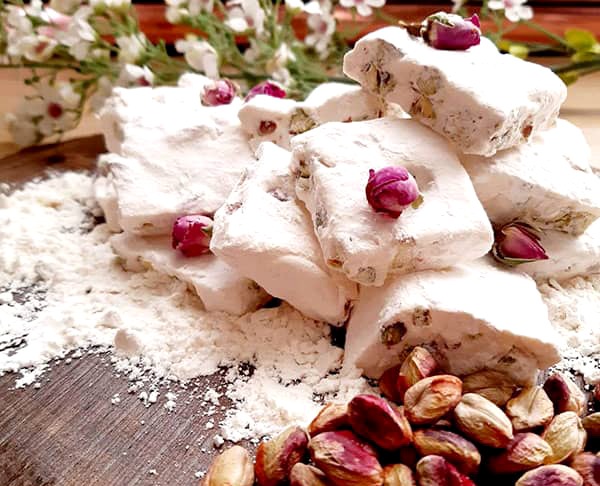
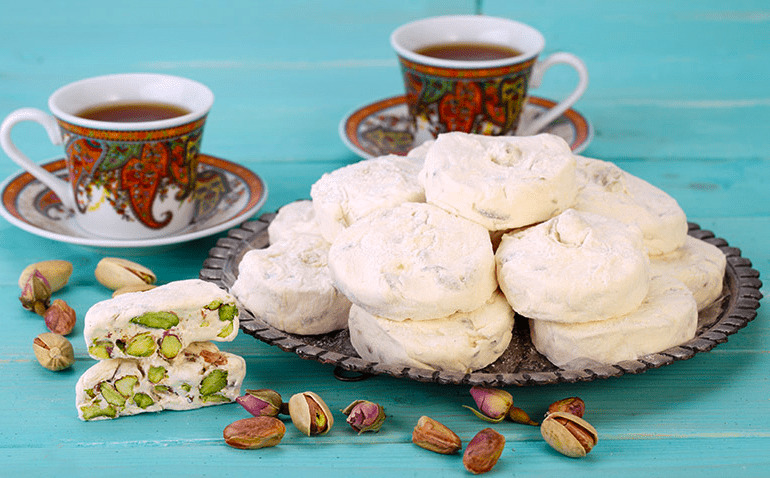
A major souvenir of Isfahan is gaz (a local sweet) which is only one of many things tourists come across in this beautiful Iranian city. People basically buy gaz from the bazaar and shops.
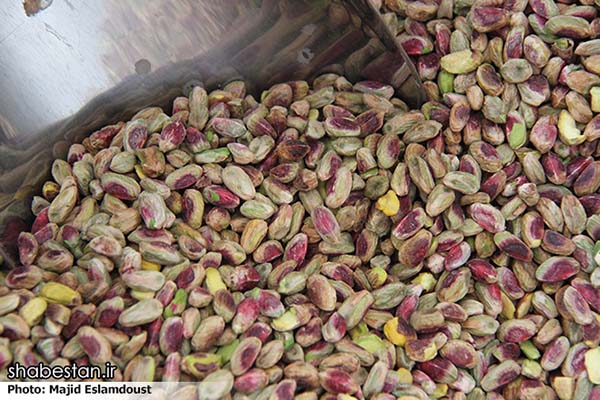
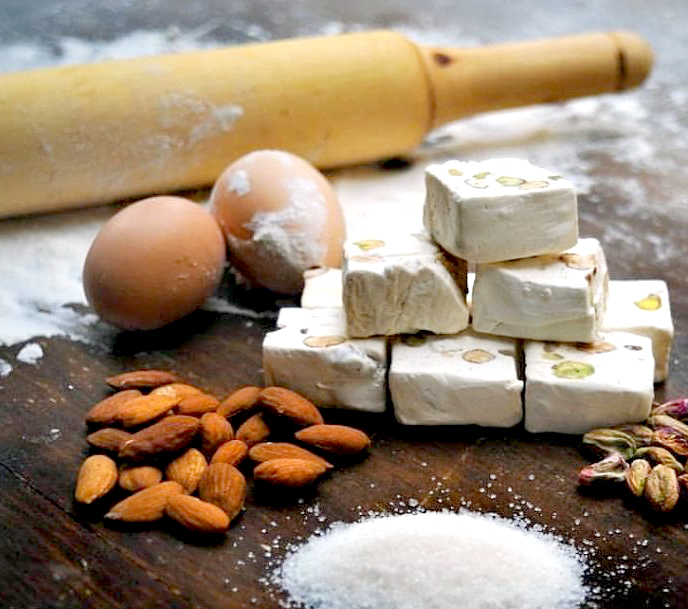
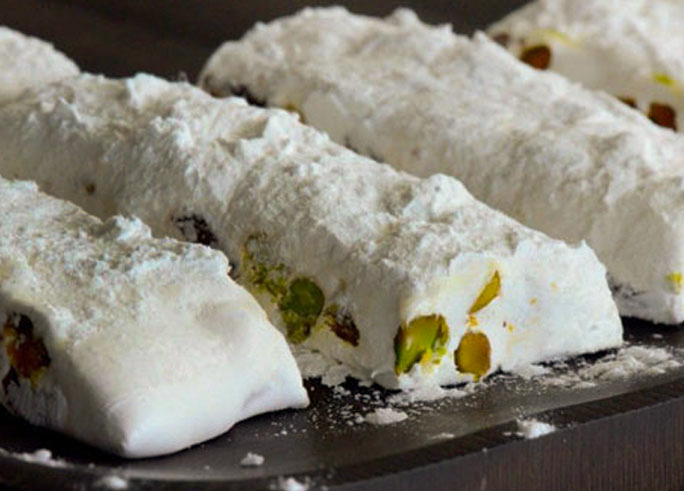
But we recommend that you make it yourself at home. There are two types of gaza: Flour and morsel. The core of gaz can be either pistachio or almond.
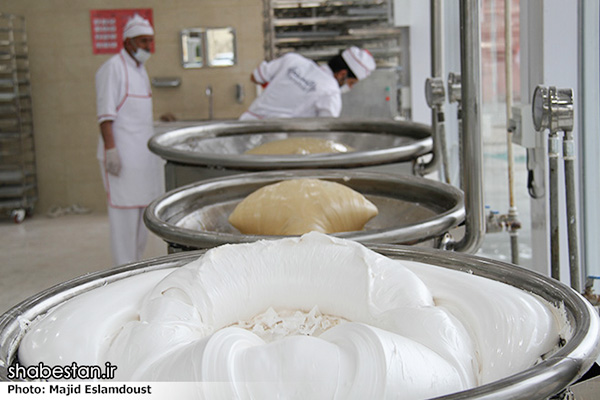
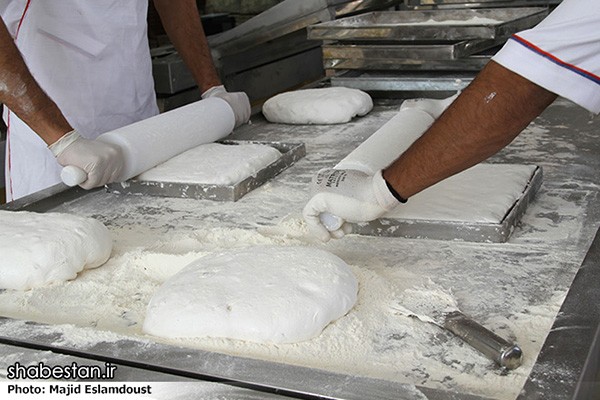
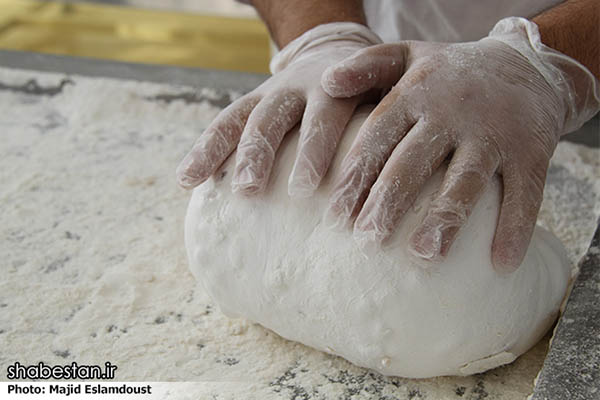
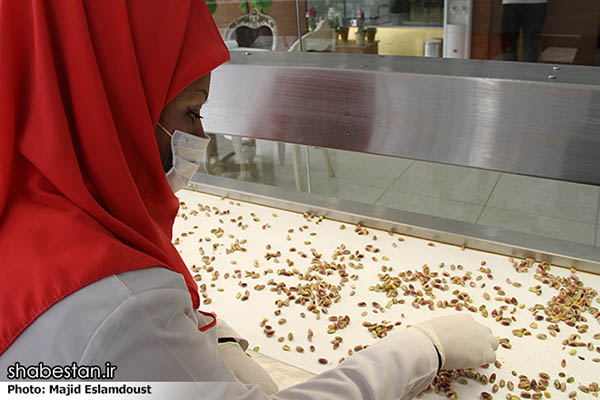
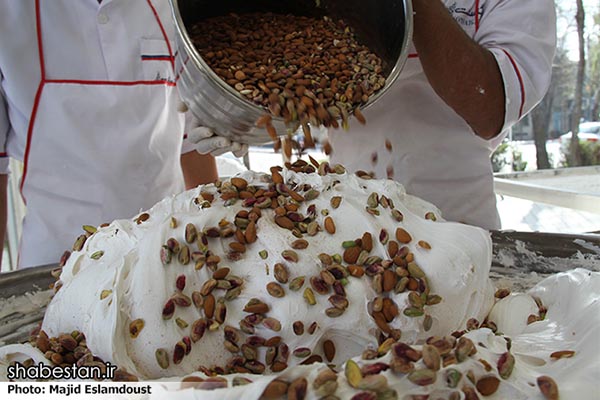
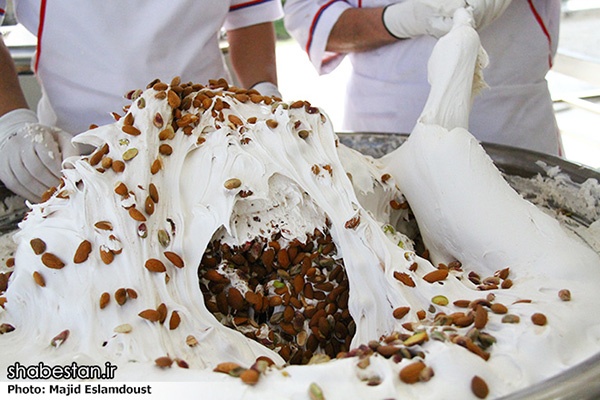
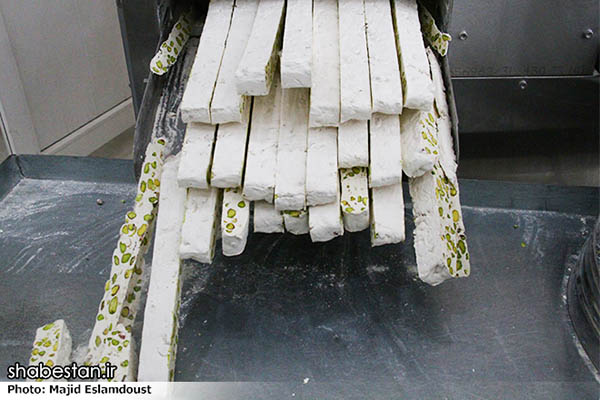
The following video report shows steps of making industrial gas in Isfahan (wikipedia).
1 of 19
Pistachio
Ingredients for making gaz (persian candy):
Sugar: 250 grams
Liquid glucose: 375 grams
Egg whites: 5 pcs
High quality rose water: 3 to 4 ounces
Favorite pistachio, almond or hazelnut: 100 to 150 grams
Water: 3/4 cups
White flour: some
Steps to make gaz:
Step 1:
First, fry the desired nuts that you want to be inside the gaz, without oil, until they are roasted and are no longer raw.
Step 2:
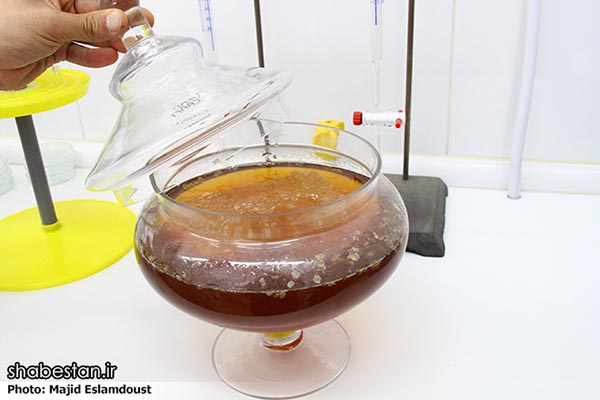
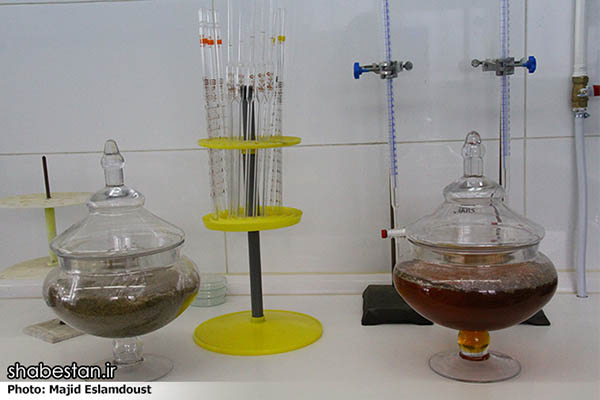
In a copper casserole, mix the water and sugar and place the casserole on low heat until the sugar dissolves and the water is hot. But make sure the water does not boil (be sure to place the flame spreader on the fire).
Step 3:
After the sugar dissolves, add the glucose and mix well with a fork or a wooden spoon until the nectar is stretched and produces threads.
Step 4:
In the meantime, beat the egg whites with a high speed electric mixer until they swell and double in size. Then add rose water and stir a little.
Be careful not to boil the nectar while stirring.
Test the nectar between two fingers to reach the threading stage, i.e., it stretches between two fingers.
Step 5:
When the nectar is ready, pour some of it into the beaten egg whites until they are warm, and after stirring a little, pour all the egg whites into the nectar pot and stir the ingredients in a rowing manner.
Step 6:
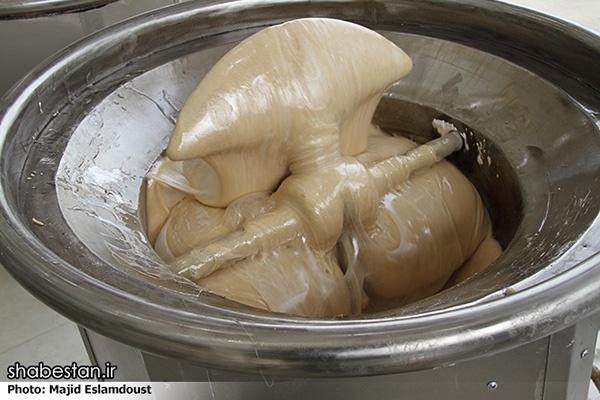
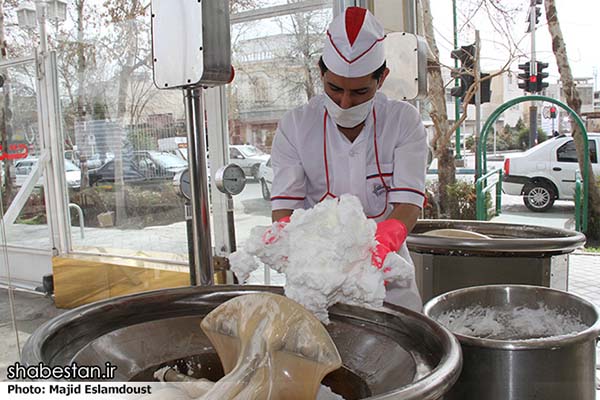
This stage is called heating, which must be done very carefully. We mix the ingredients for 10 to 15 minutes with a mixer at a high speed, and we turn off the mixer several times in between. We then mix the ingredients using a wooden spoon so that all the ingredients are submerged and do not burn.
Step 7:
This stage takes one and a half to 2 hours to reach gaz.
Step 8:
Because the heat under the casserole is low and you used a flame spreader, you stop stirring from time to time and resume it so that you do not get tired. When the material has reached a stage where it hardens and does not spill out of the spoon, the gaz is ready and you can turn off the flame.
Step 9:
At this stage, add the roasted nuts to the gaz and stir it and nuts mixture. Wait for it to cool a bit and become tepid. Then shape it in any way you like or shape it in a mold as you desire.
Step 10:
Just be sure to sprinkle some flour inside the mold and give shape to the gaz therein. Keep in the refrigerator for a day and then use it.
Ingredients for making flour gaz (iranian candy):
Sugar: half a cup
Rose: 1/4 of a cup
Glucose: 1/4 cup
Pistachios: 50 grams
Egg whites: one
Preparation
Steps to make flour gaz
Step 1:
First, mix the sugar and rose water in a saucepan and put it on a mild fire until the sugar dissolves in the rose water and boils. While the rose nectar is boiling, stir the egg whites with a medium speed mixer until it completely takes shape.
Step 2:
When the rose nectar thickens, add the glucose and let it boil for about 8 to 10 minutes. Stir constantly until the nectar takes on a candy form and stretches between the two fingers. If the nectar is sticky enough and the two fingers are hard to separate, pour some of the ingredients into the beaten egg whites and mix well.
Step 3:
Then add all the egg whites to the syrup and stir with a high speed mixer on low heat until the gaz material is completely ready. At this stage, add the pistachios and stir a little.
Step 4:
Fill a bowl with flour and remove the gaz using two spoons and roll it in the flour bowl and shape it as you desire by hand or in the form of round gaz.
Put it in a closed container in the refrigerator for two hours so it congeals. To keep it fresh, sprinkle some flour into the gaz container.
How is gaz served?
gaz is served with tea or other drinks in ceremonies and on special occasions such as Nowruz or the Persian New Year.
The fifth season of exploration work at the water canals of Persepolis, in Iran’s Fars Province, have led to the discovery of hundreds of relief carved stones in the waterway of the southern courtyard of Tachar Palace, which are possibly related to the northern staircase of “H” palace.
Miras Arya News Agency cited the public relations of the Research Institute for Cultural Heritage and Tourism as saying that the discoveries were confirmed by head of the archeological team, leading the work, Ahmad Ali Asadi.
“This excavation was the follow-up to the fourth season and was aimed at determining how existing canals in the southern courtyard of Tachar Palace run,” he said.
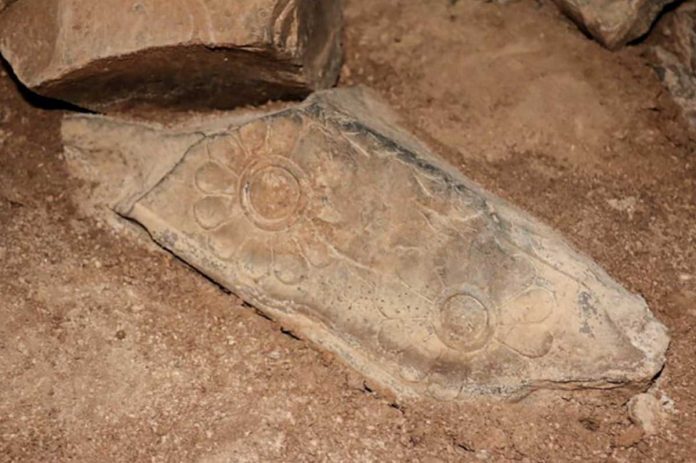
“In the secondary water canal to the south, hundreds of pieces of relief-carved stones were spotted, which appear to be mainly from the main staircase to H Palace and were intentionally broken during the post-Achaemenid period and were disposed through vertical openings linked to the courtyard’s floor.”
Asadi added that the discovered pieces feature relief carvings of plants and humans.
“At least one of the examined slabs is inscribed with cuneiforms and if the collection of stones is fully explored, it is likely that we encounter more specimens with inscriptions,” he noted.
He said the discovery includes a large number of stones, noting that they hopefully shed light on some of the complications and problems in the northern façade of H Palace, which are among the most difficult archeological questions regarding Persepolis.
Tachar or Tachara Palace
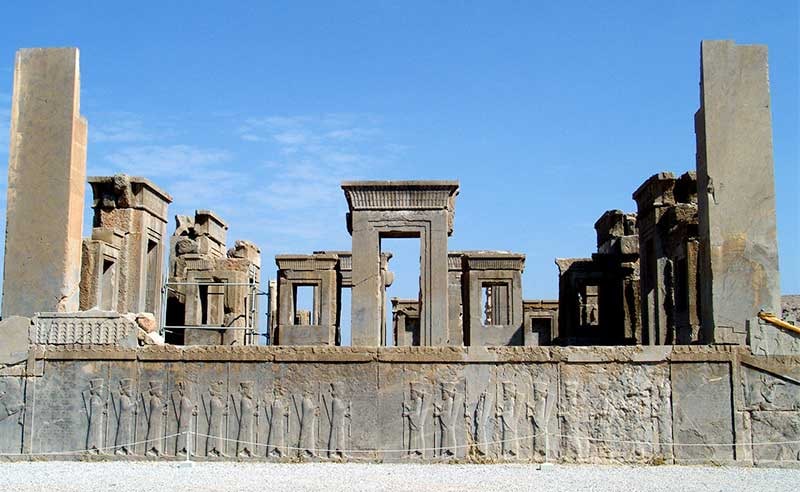
Tachar Palace, Tachara Palace – both meaning the winter house — the Mirror Hall or Palace of Darius the Great, is one of the earliest palaces built on the walled platform of Persepolis.
Stones, used in this palace, are grey and meticulously burnished to the point that they reflected images like a mirror and that is why the palace has recently taken up the name of Mirror Hall or Mirror House.
Tachar or Tachara Palace
Different images are seen on the staircase to this palace, where inscription of Achaemenid kings Dariush the Great, Xerxes and Artaxerxes have been found.
After Achaemenid’s fall, and during subsequent dynasties, such people as Sassanid King Shapur II, Azadoddoleh Deylami, Bahaodolleh Deylami, Ali Agh Ghoyounlu and Sultan Ebrahim Mirza Teymouri also left inscriptions in the palace.
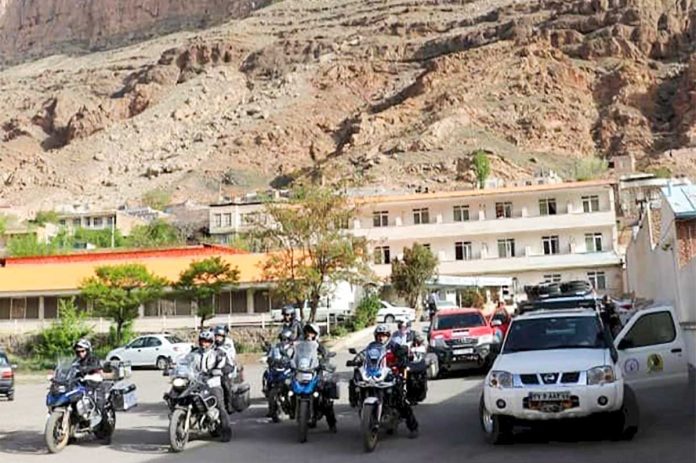
According to the public relations of the Tourism and Automobile Association of the Islamic Republic of Iran, the tourists are twenty people from France, Switzerland and the Netherlands, who started their trip from Paris with 16 cruiser motorcycles and three four-wheel drive vehicles.
They entered Iran through the Maku border crossing in the northern province of West Azarbaijan on Friday.
This international rally is aimed at countering Iranophobia and introducing the culture, civilization, historical monuments and other attractions of the country.
The participants of the rally will visit the attractions of many Iranian cities including Kandovan, Tabriz, Saqqez, Kermanshah, Golpayegan, Isfahan and Shiraz during their 21-day stay which will culminate at the UNESCO-registered Persepolis.
The man was identified as 20-year-old Ahmad Ibrahim Owaidat. The Ministry of Health announced he had been shot in the head in the early hours of Tuesday.
Owaidat was transferred to the Intensive Care Unit (ICU) at Ramallah hospital and remained there for several hours before he was pronounced dead.
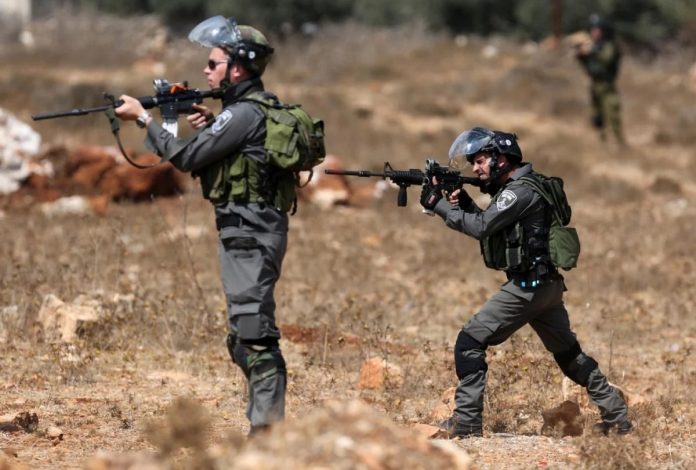
Israeli forces conducted a predawn raid on the camp and arrested at least two Palestinians.
In response to the killing, the Fatah movement in Jericho and the Jordan Valley announced a general strike on Tuesday.
Two other Palestinians were killed over the past week in the West Bank; 21-year-old Lutfi al-Labadi and 18-year-old Hanan Khdour were shot during Israeli army raids in the Jenin area.
Tensions are high in Jerusalem and in the West Bank.
A rise in attacks by Palestinians has led to the killing of 14 people in Israel since March 22. Meanwhile, Israelis have killed at least 46 Palestinians from the West Bank since the beginning of 2022.
Settler incursions under police protection during the past week, when the Jewish festival of Passover and the Muslim holy month of Ramadan overlapped, led to daily confrontations with Palestinians at the Al-Aqsa Mosque compound, with many Palestinians injured and arrested.
Weeks of protests against the forced displacement of Palestinians in occupied East Jerusalem, and raids by Israeli forces on Al-Aqsa during Ramadan last year, escalated into a widespread uprising across Israel and the occupied Palestinian territories and an 11-day assault on the besieged Gaza Strip.
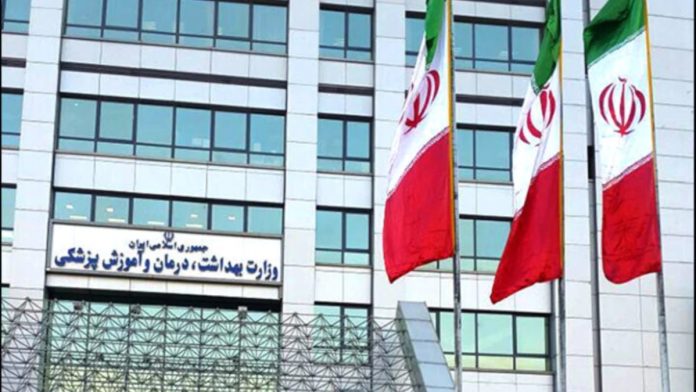
The director of the Health Ministry’s Center for Communicable Diseases Control Dr. Mohammad Mahdi Gouya expressed hope that certification of malaria elimination will soon be granted by the World Health Organization to Iran.
He said the certification will be not only a great health achievement but also a development achievement for the country.
For three years now, thanks to the tireless efforts of our hard-working colleagues, especially in the universities of Bandar Abbas, Kerman, Bam, Iranshahr and Jiroft, there has been no local malaria transmission in Iran. No country in the region with the size and population of Iran has achieved this great success, the director of the Health Ministry’s Center for Communicable Diseases Control explained.
Dr. Gouya, however, warned that negligence can still trigger an outbreak of the disease.
Malaria is an acute febrile disease caused by a parasite which is spread to humans through the bites of infected mosquitoes.
Director of the fraction Somayyeh Rafiei says the illegal market, which first opened almost a decade ago, had triggered a surge in the hunting of migratory birds.
“Previously, sales of protected species of birds were strictly restricted, especially during their migration seasons, and was done underground. Unfortunately, with the illegal establishment of Fereydunkenar birds market, increase in demand for purchases of protected birds and the subsequent large turnover it created, this venue was turned into illegal activities, and was even supported by some influential people,” she said.
Rafiei said this had raised concerns among environmental activists adding that the parliament had sent experts opinions to the judiciary, requesting the closure of the market.
“Fortunately, thanks to the positive opinion of the judiciary and an order by the esteemed judicial officials, it was decided that the number of police and conservation officers increase to prevent entry of vehicles carrying poached birds, as well as hunting gear, from adjacent counties and provinces to Fereydunkenar County and that offenders are severely punished,” she added.
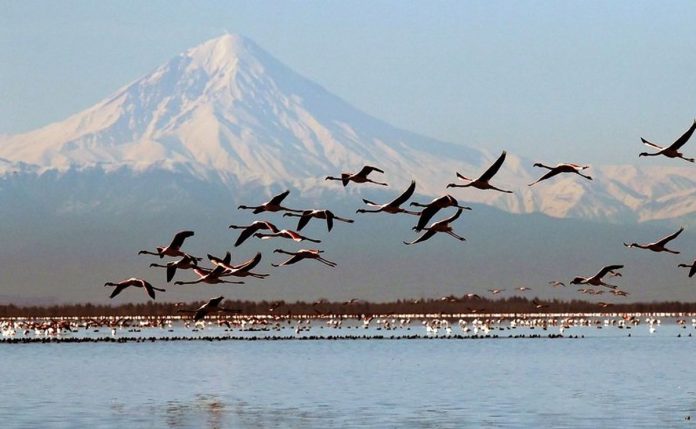
Each year, hundreds of thousands of migratory birds choose Fereydunkenar in the northern Mazandadarn Province as their destination during the cold season.