Sunday, December 28, 2025
Home Blog Page 1857

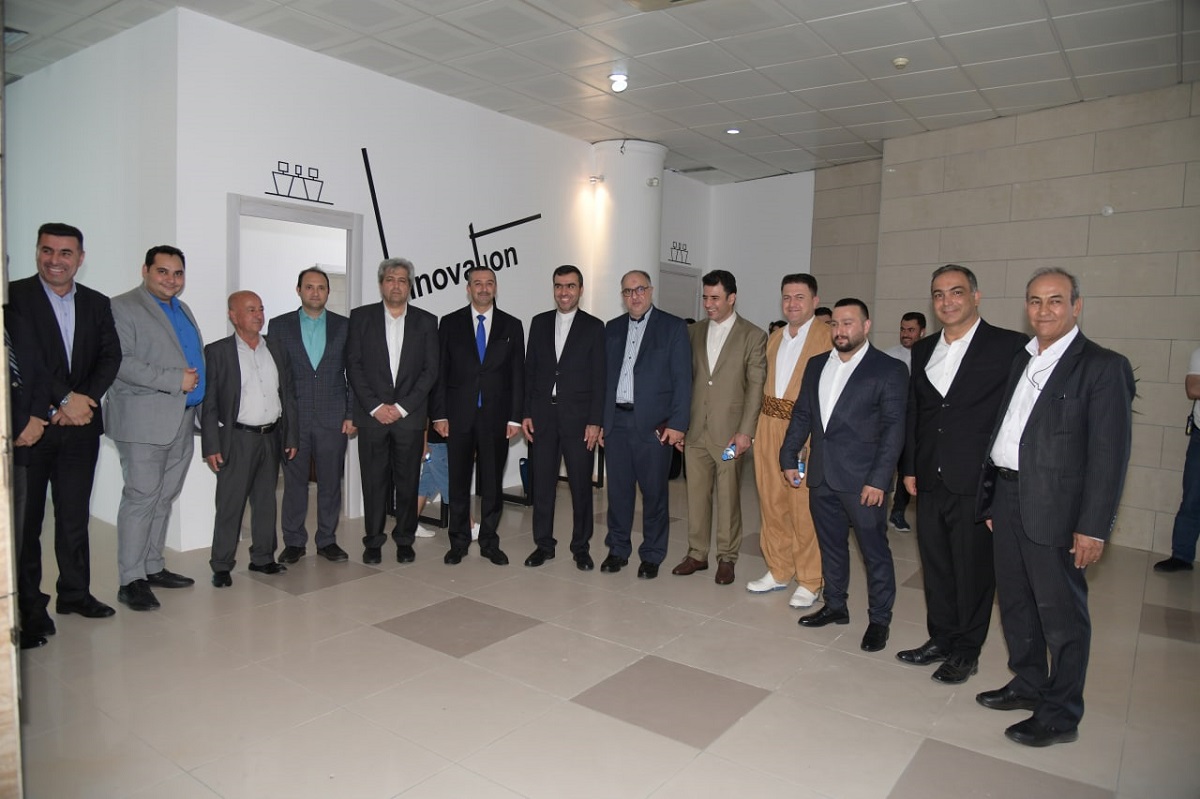
Iran’s Center of Commerce and House of Innovation and Technology inaugurated in Sulaymaniyah

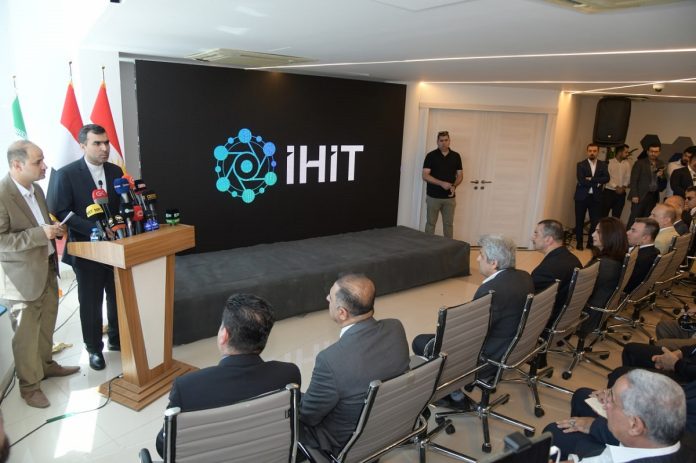
Iran’s Center of Commerce and House of Innovation and Technology

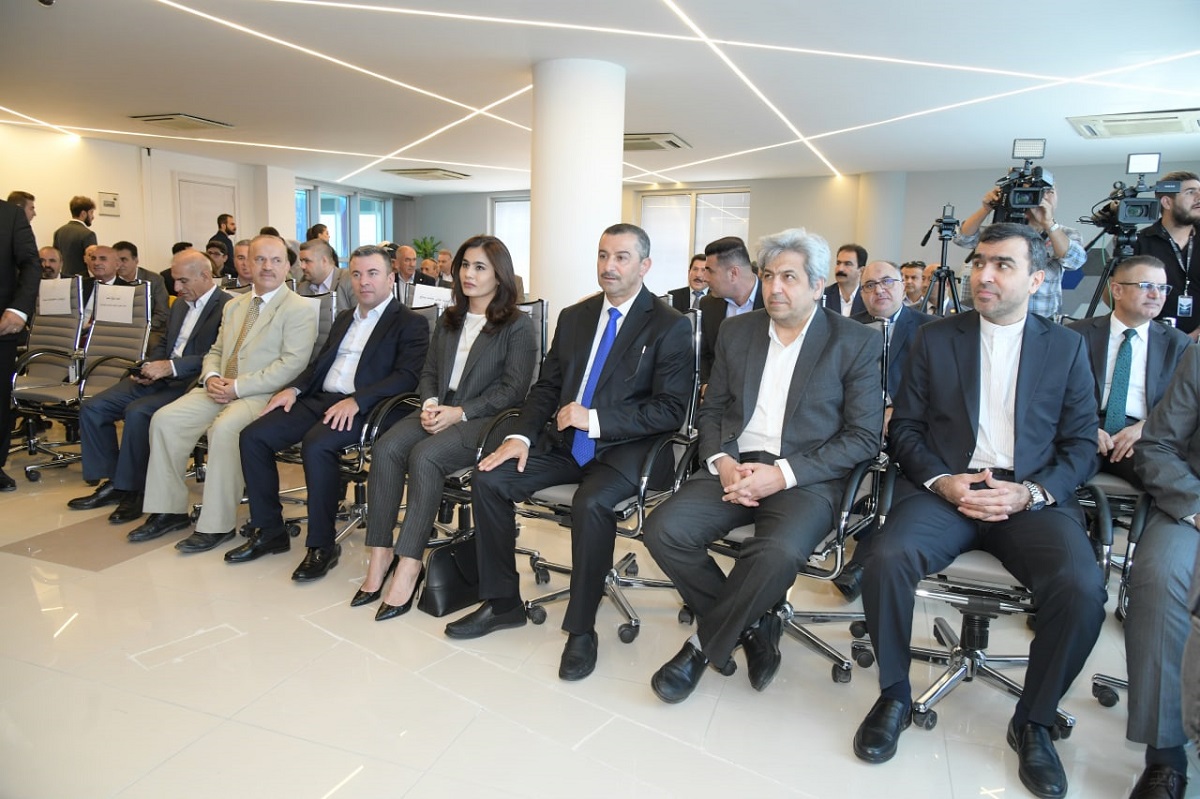
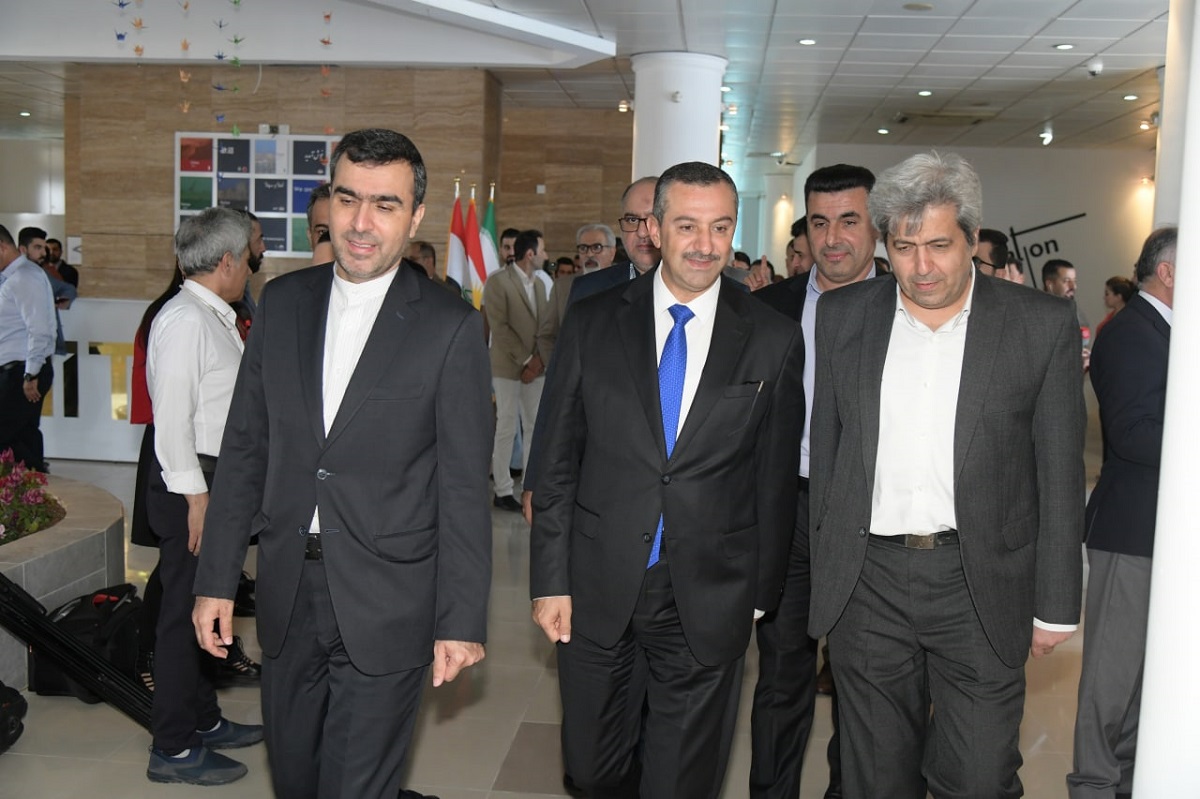
Mehdi Qal-e-noi, the head of the International Cooperation at the Islamic Republic of Iran’s Vice Presidency for Science and Technology, Iranian Consul General in Sulaymaniyah Mehdi Shushtari, Sulaymaniyah Governor Hawal Abubakr, Dean of Sulaymaniyah Polytechnic University Hoshyar Abdullah Aziz, the representative of Kurdistan Region’s minister of higher graduation and scientific research, governors of Sulaymaniyah and Halabja, the dean of Sulaymaniyah University, a number of director generals from governmental organizations in Sulaymaniyah, the chief of the exporters and importers’ union of Kurdistan Region, the deputy chiefs of chambers of commerce and industries of Sulaymaniyah and Halabja, and a number of merchants and businessmen were present at the inauguration ceremony.

During the event, which received widespread coverage by the media of Kurdistan Region, Iranian Consul General in Sulaymaniyah Mehdi Shushtari expressed hope that the establishment of the center, which has two commercial and scientific and technological dimensions, would play a significant role in the development of business and commerce ties as well as scientific and university relations between the Islamic Republic of Iran and Kurdistan Region, especially Sulaymaniyah.

Sulaymaniyah Governor Hawal Abubakr and Hoshyar Abdullah Aziz, the representative of Kurdistan Region’s minister of higher graduation and scientific research, in separate speeches referred to the deep political, cultural, social, economic, and commerce ties between the Islamic Republic of Iran and Sulaymaniyah.

They welcomed the presence of Iranian knowledge-based companies in Sulaymaniyah, and heralded it as the beginning of the development of scientific, university, and technological relations between the two sides.

Mehdi Qal-e-noi, the head of the International Cooperation at the Islamic Republic of Iran’s Vice Presidency for Science and Technology, in a speech explained the Islamic Republic of Iran’s capabilities in the field of knowledge-based economy and said Iran’s Center of Commerce and House of Innovation and Technology in Sulaymaniyah was the sixth such a center outside of the country (after Kenya, China, Russia, Turkey, and Syria) and expressed the Islamic Republic of Iran’s full readiness to transfer technological know-how and advanced technology in different fields to Iraq and Kurdistan Region.

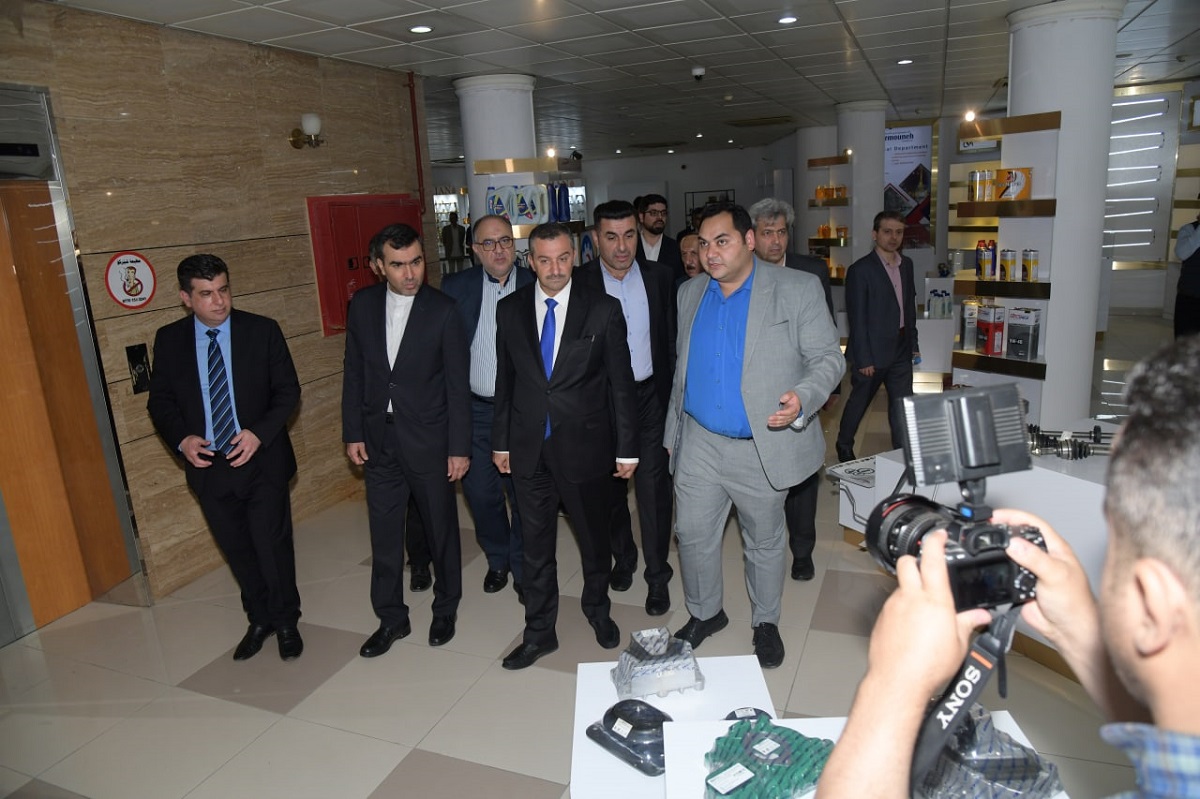
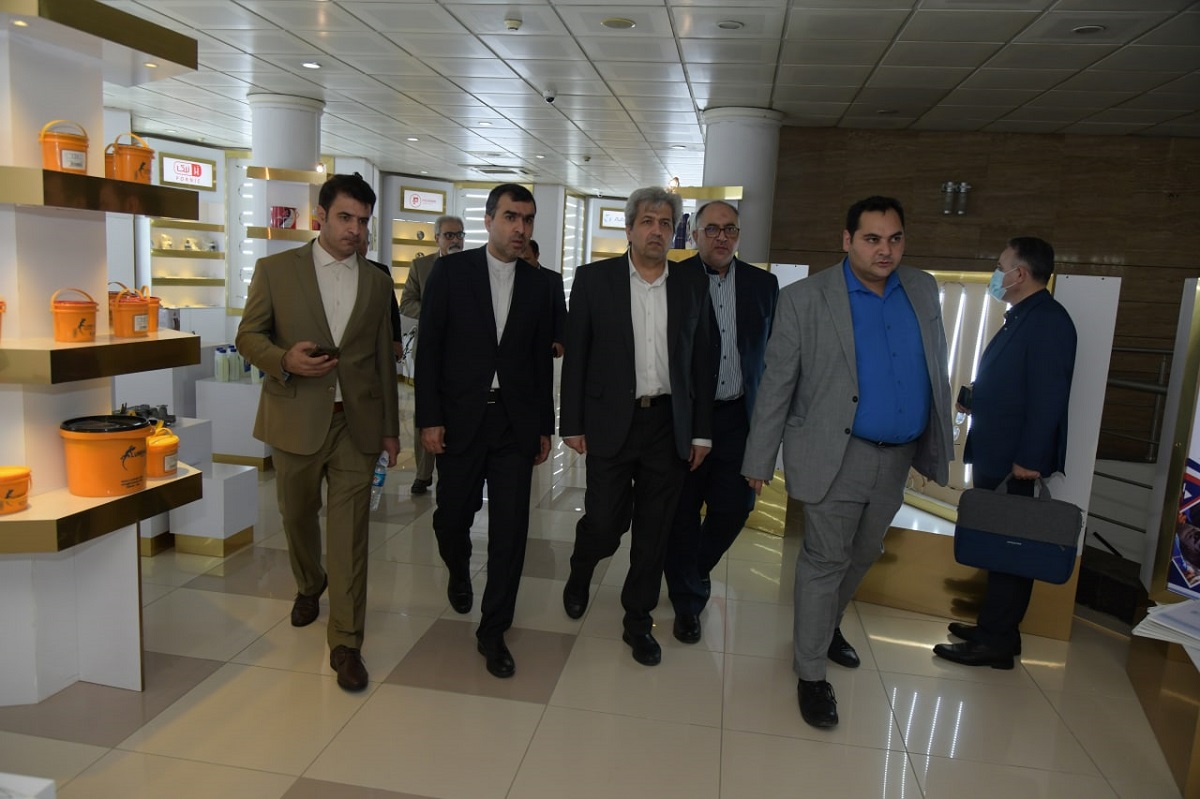
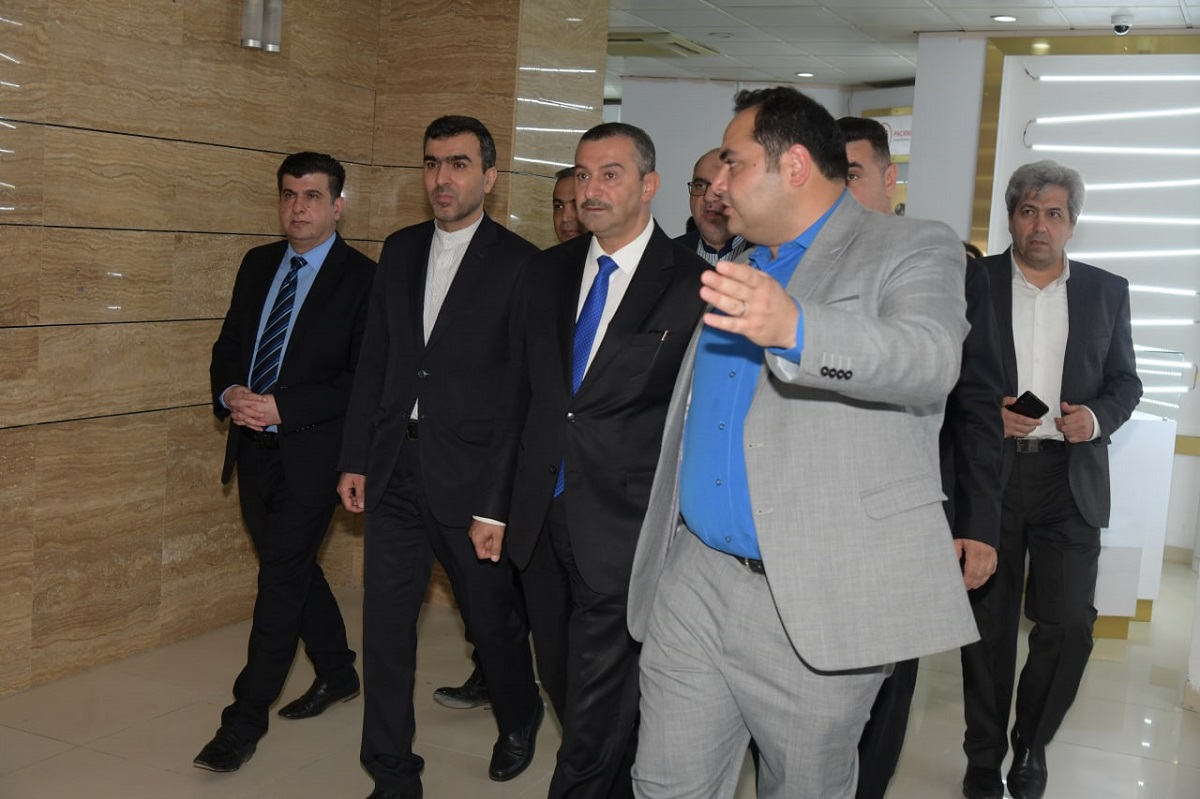
After the inauguration ceremony, attendees visited the different sites of the center, including the conference hall, shared workplace, the offices of Iranian knowledge-based firms, and a room where a number of products by Iranian knowledge-based firms, including full equipment for surgery rooms, were on display.

Tehran: Uzbekistan stability important for Iran, region

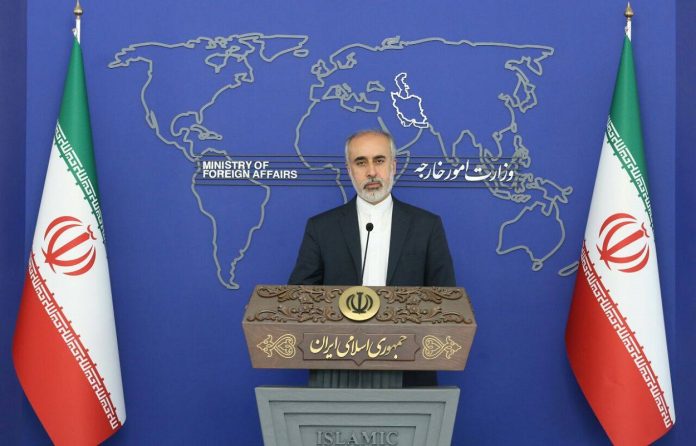
Iranian Foreign Ministry spokesman Nasser Kan’ani

Nasser Kanaani, in reaction to the recent developments in the Republic of Uzbekistan
said stability and security in Uzbekistan is highly important for the Islamic Republic of Iran and the region.

The Iranian foreign ministry spokesman added that the developments are an internal affair of the country.

He expressed hope that the government of Uzbekistan will soon resolve the problem in favor of its honorable people.

Uzbek authorities said on Monday 18 were killed and more than 240 others wounded during unrest in Uzbekistan’s autonomous province of Karakalpakstan last week.

The Uzbek officials added, security forces detained 516 people during the protests. The unrests, said to be the worst to hit the Central Asian nation in 17 years, broke out over plans to curtail Karakalpakstan’s autonomy.

3 people die of Crimean Congo Haemorrhagic Fever in Iran

Congo fever

Amiri said zoonotic diseases are infectious and that 200 types of them have been detected in the world.

He also said 3 out of 5 new infectious diseases are zoonotic, adding that 80% of the biological agents that are used in weapons are zoonotic originally.

The official also expressed concern over the possibility of a hospital epidemic of the CCHF, adding this is among the diseases which can be controlled with difficulty for the time being.
The head of Iran’s zoonotic diseases control group made those comments on the occasion of World Zoonoses Day.

Endemic in Africa, Asia, the Middle East and the Balkans, CCHF causes severe bleeding.

People usually catch it through contact with the blood of infected animals.

Symptoms of the disease may include fever, muscle pains, headache, vomiting, diarrhea, and bleeding into the skin. Complications may include liver failure.

Iran’s neighboring country, Iraq, is experiencing a sharp uptick in the number of Congo fever cases which is feared to spread the disease.

Iranian officials say the surge in Iraq can cause the spread of the disease as there are no vaccines to curb it yet.

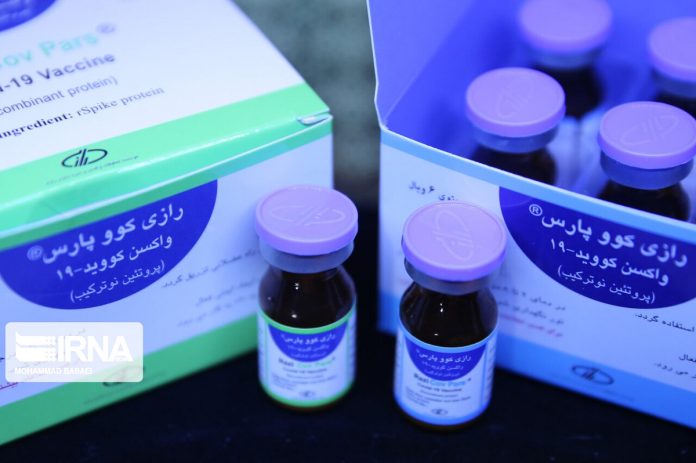
Production line of Iran’s Cov Pars vaccine against coronavirus shut down

Iran’s Cov Pars Vaccine

Mohammad-Hossein Fallah, the deputy head of the Institute’s Research and Technology Center, said the major pharmaceutical company had been told by the Iranian Health Ministry to produce 3.5 million doses of Cov Pars in February, but the ministry went back on its pledge when the production process was completed.

The reason for the closure of the production was that “coronavirus vaccines do not sell well in the country” while the respiratory disease is on the decline worldwide, he said.

Now that the ministry is planning for a fourth round of nationwide inoculation, it has already purchased the vaccines it requires, Fallah explained.

Iran was among the first countries to be hit with an outbreak of COVID-19 in early 2020. It was likewise among the first producers of vaccines against the virus.

Thanks to a successful vaccination campaign, using both domestic and foreign vaccines, Iran has managed to bring the outbreak under control.

In recent days, however, there has been a gradual rise in the number of infections with the disease, prompting official warnings of a new wave of COVID-19 and calls for the public to take a fourth booster shot.

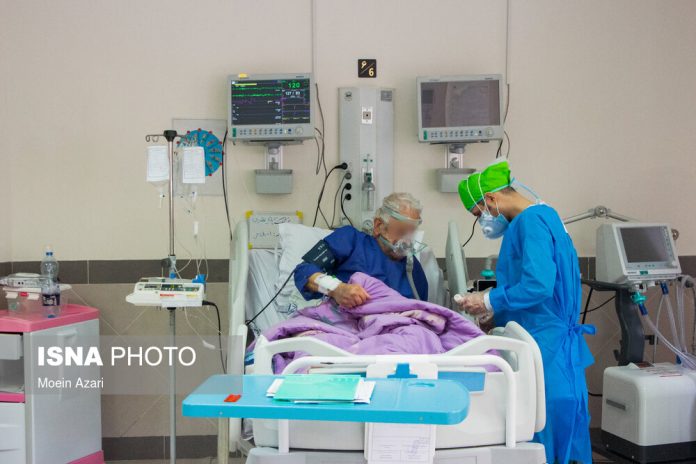
Experts warn: Coronavirus cases in Iran raging

COVID in Iran

Dr. Payam Tabarsi, a top infectious decease specialist, told ISNA on Monday that the number of outpatients has been increasing in Iran since last week and it would take at least ten days to predict the severity and duration of the new wave.
Dr. Tabarsi called on people to observe health protocols and get the booster shots.

Meanwhile, Dr. Alireza Zali, the head of the Tehran Coronavirus Combat Taskforce, confirmed an 18-percent growth in the number of Covid patients in the capital since past week.

However, Dr. Zali said Iran has experienced a slower uptick compared to other parts of Wes Asia that witnessed a 46-percent surge last week.

Over 140 thousand people in Iran have died of the virus.

More than 150 million doses of coronavirus vaccine have been administered across the country of about 85 million people.

Over 64 million Iranians have received the first dose and nearly 58 million people have received the second dose of the vaccine. Nearly 28 million people have got the third shot as the booster jab.

Meanwhile Iran’s health ministry announced on Tuesday 4 people had died of Coronavirus over the past 24 hours. The ministry added 1,084 new cases had been logged during the time span with 150 cases of hospitalization.

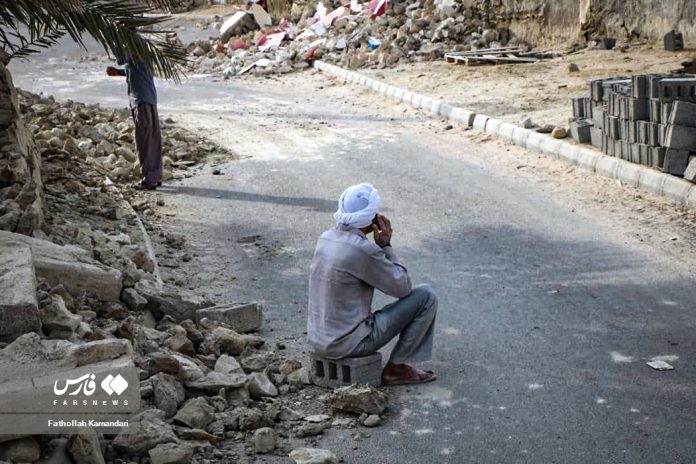
Egypt offers condolences to Iran over deadly quake

Earthquake Iran

The Egyptian Foreign Ministry’s Spokesperson Ahmed Hafez in a message in his twitter account on Monday said, “We express our sincere condolences and sympathy following the death (of a number of Iranian citizens) in the earthquake in Hormozgan Province in the south of Iran.”

He also hoped for speedy recovery for the wounded.

The strong tremor, that was also felt in the neighboring countries, hit the province in the early hours of Saturday at least six times, the strongest of which were recorded 6.3 and 6.1 on the Richter scale.

The message comes as sources in Egypt have denied reports that Cairo is forging an anti-Iran military alliance with other Arab countries and Israel.

Iranian Foreign Minister Hossein Amirabdollahian has also welcomed plans to mend ties with Saudi Arabia and Egypt and reopen the embassies in Tehran and Riyadh.

Earlier, Kuwait and the United Arab Emirates also sympathized with Iran over the devastating quake.

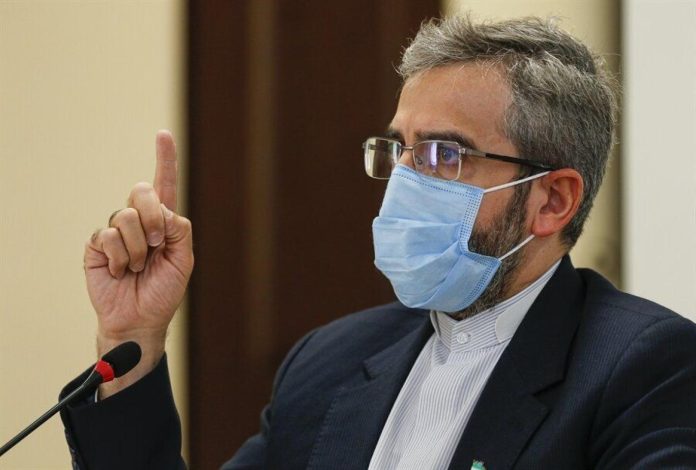
Deputy FM: Zionists can’t even dream of attacking Iran

Ali Bagheri Kani

Answering a question on recent threats by some Israeli officials against Iran, the diplomat told IRNA, “The Zionists can’t even dream of attacking Iran, and if they do, they won’t wake up.”

The remarks came as Israeli prime minister Yair Lapid said he would push for a tougher tack on Iran’s nuclear negotiations with the West and called for “coordinated pressure” on the Islamic Republic.

Iran says Israel has been behind the assassination of some of its nuclear scientists.
Iranian military and diplomatic officials have dismissed threats by Israel, saying they are meant to divert attention from the occupying regime’s economic hardships and collapse of the cabinet.

On Saturday, Iran’s Foreign Minister Hossein Amirabdollahian said Israel was going through the worst security and political conditions it had ever experienced.

Days earlier, Chairman of the Chiefs of Staff of the Iranian Armed Forces Major General Mohammad Bagheri also said Israel was at the core of all destabilizing moves in the Middle East, warning the Islamic Republic would give a befitting response to any act of Israeli intervention in the Middle East.

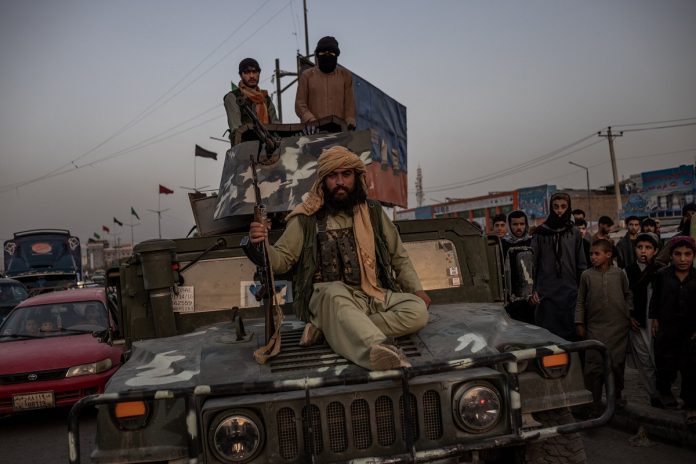
Ex-diplomat: Taliban’s new manifesto fuels domestic, foreign radicalism

Taliban

In an interview with ILNA news agency, Iran’s former ambassador to Afghanistan, Abolfazl Zohrevand, said the three-day meeting, or Loya Jirga, that concluded on Saturday was meant to receive allegiance for the Taliban from over 3000 Islamic clerics and tribal elders, as a prelude to the international recognition of the movement.

Zohrevand regretted that the assembly was not inclusive as representatives from many tribes and women were not allowed to attend.

The former diplomat said all indicators show that the Taliban are moving towards radicalism.

He cited the recent manifesto by the movement that recognizes Hanafims as the only acceptable sect of Islam and rejects all other sects.

He also denounced the recent stance by the Taliban that puts the National Resistance Front of Afghanistan, led by Ahmad Massoud, in the same category as the Daesh terrorist group as a ‘corrupt sect.’

The Taliban grabbed control of the country in August last year following a chaotic withdrawal of US forces after twenty years of occupation of the country.

Given their past history and the recent developments, concerns are growing the Taliban will fail to fulfill its promise to form a broad-based and representative government.

Many countries including the Islamic republic of Iran say forming and all-inclusive government is a prelude to the recognition of the new rulers in Kabul.

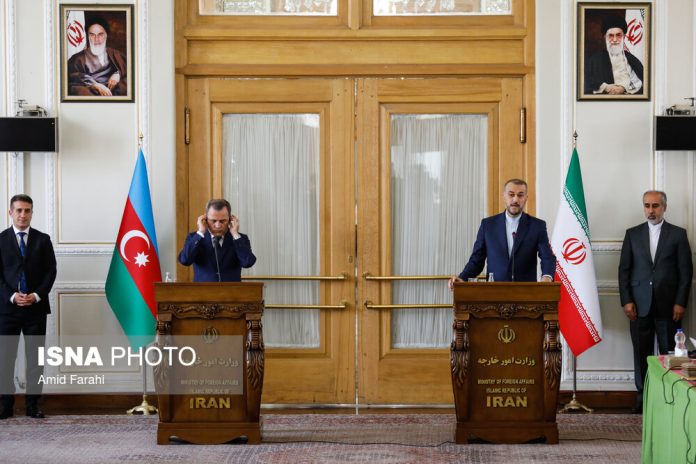
Iran says supports peaceful settlement of Karabakh conflict based on intl. law

Iran and Azeri FMs Hossein Amirabdollahian and Jeyhun Bayramov

“In today’s talks, the issue of the territorial integrity of countries, including the Republic of Azerbaijan, was once again emphasized by us. We also reaffirmed our support for the peaceful settlement of the ongoing Karabakh conflict based on the well-known principles of the international law,” Amir-Abdollahian said at a joint press conference with the visiting Azerbaijani Foreign Minister Jeyhun Bayramov in Tehran on Monday.

“Since the beginning of the Karabakh dispute, the Islamic Republic has always declared its readiness to help resolve the conflict through dialogue. We are still ready to continue our support and assistance in this regard, so that the remaining issues would be resolved on the basis of respect for the territorial integrity and sovereignty of the involved parties and through political dialogue,” he added.

According to reports, Armenian Prime Minister Nikol Pashinyan and Azeri President Ilham Aliyev announced last month that their respective countries would be setting up border security and delimitation commissions, signaling a step towards the settlement of a decades-long conflict over the Nagorno-Karabakh region.

Tensions between Yerevan and Baku remain high more than a year after the arch-foes fought a war over the disputed Nagorno-Karabakh region. The six-week conflict, which claimed more than 6,500 lives on both sides, ended in November 2020 with a Russian-brokered deal that left Azerbaijan largely in control of the territory.

Also in his remarks, Amirabdollahian stated the Islamic Republic of Iran and Azerbaijan have cleared up all previous misunderstandings between the two neighboring Muslim countries.

Tension broke out between Tehran and Baku in October 2021 after the Iranian foreign minister issued a warning concerning certain provocations by the Israeli regime near Iran’s borders with Azerbaijan.

The regime, he said, had used the flare-up of the latest tensions between Azerbaijan and Armenia over the Nagorno-Karabakh region in 2020 to establish a presence in parts of Azerbaijan.

Tensions started to flare up after Azerbaijan’s president criticized military exercises by the Iranian Army’s Ground Forces in the northwestern part of the country. Tehran hit back by saying that holding drills is part of the national sovereignty, warning that Israel’s anti-Iran activities in neighboring countries will not be tolerated.

But later Azerbaijan released the two Iranian truck drivers whose arrest had strained ties between Baku and Tehran.

The move marked a thaw between the two countries a week after their foreign ministers agreed to resolve the issue through dialogue.
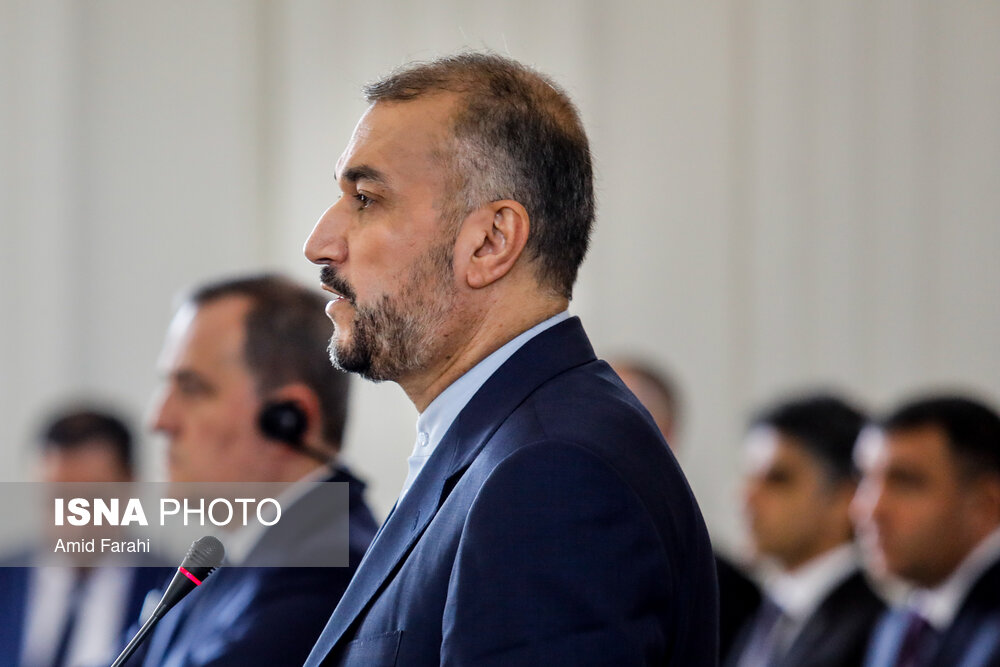
Iran and Azeri FMs Hossein Amirabdollahian and Jeyhun Bayramov

Elsewhere in his Monday remarks, Amirabdollahian touched on the promotion of bilateral ties and said that the volume of their bilateral trade has increased dramatically in the past months.

“Over the past 10 months, we have clarified misunderstandings and we are in the phase of the promotion of increasing relations,” he noted.

He added that the volume of trade between the two countries has witnessed a big jump in the past months, and expressed hope that the two countries’ public and private sectors will take further steps toward increasing the volume of bilateral trade.

“During today’s negotiations, a wide range of bilateral issues were thoroughly discussed and relevant viewpoints exchanged. As you know, the presidents of the two countries have had two one-on-one meetings in the last 10 months. During the meetings, especially in last week’s meeting between Ilham Aliyev and [his Iranian counterpart Ebrahim] Raisi, constructive and forward-looking talks on a new phase of mutual ties between the two countries were held,” Amirabdollahian stated.

“We stressed the need for deepening the relations between the two countries on the basis of understanding, trust and mutual interests,” the Iranian foreign minister added.

The top Iranian diplomat stressed that various existing diplomatic formats between two or more countries should be seriously taken into consideration given unfolding developments and new conditions.

Amirabdollahian went on to note that he had tabled a proposal on hosting a tripartite foreign ministerial meeting between Iran, Azerbaijan and Turkey in Tehran during his last week meeting with his Turkish counterpart Mevlut Cavusoglu in Ankara.

Elsewhere in his remarks, he said that energy and transit are two important issues concerning economic cooperation between Iran and Azerbaijan, stating that Iranian Energy Minister Ali Akbar Mehrabian is going to visit Baku later this week to discuss steps aimed at bringing Khoda Afarin Dam into operation as summer heat is coming.

“Agreements on synchronization of power grids as well as electronic power networks between the two countries will be finalized during the Iranian energy minister’s visit,” Amirabdollahian added.

He stated discussions were also held with his Azerbaijani counterpart on the pollution of the Aras River, stressing that the roots of the contamination have been identified both in Iran and Azerbaijan.

Amirabdollahian also extended the Iranian president’s invitation to Aliyev to visit Tehran, emphasizing that consultations are underway to determine the timing of the trip.

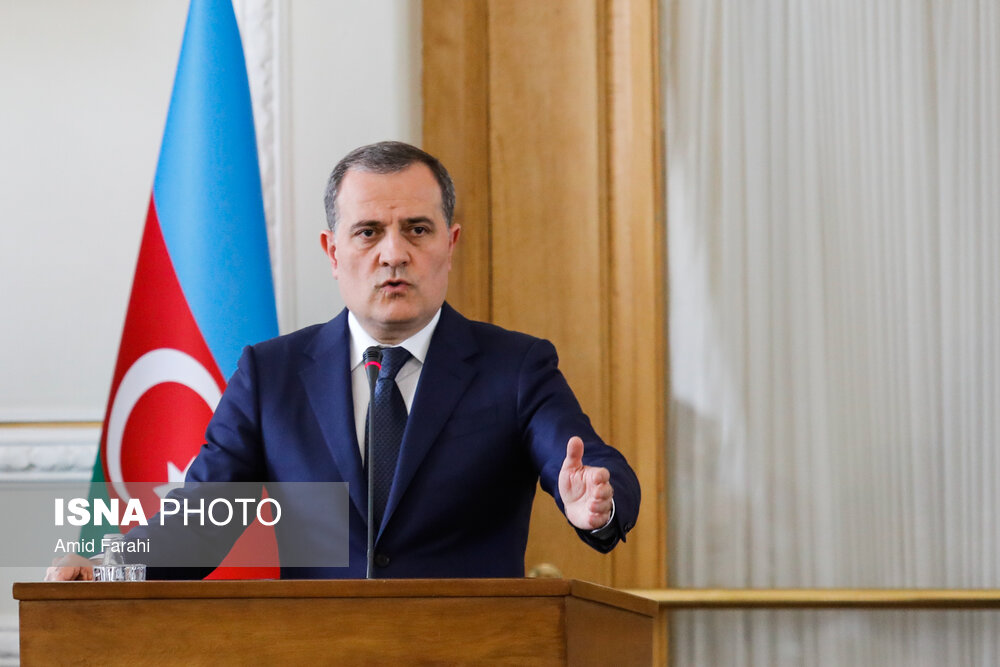
Bayramov, for his part, said that he had fruitful talks with Iranian officials during Monday’s talks on matters of mutual interest as well as regional issues.

“Our bilateral trade volume grew by 30% last year,” the Azerbaijani foreign minister pointed out.
Azerbaijan Foreign Minister Jeyhun Bayramov

He, however, noted that Tehran and Baku needed to further bolster ties as they enjoy great economic and trade potential.

He also added that his country has reached an argument with Iran to make joint cars and tractors, adding that cooperation on building dams and power plants is also among top priorities for the two neighbors.

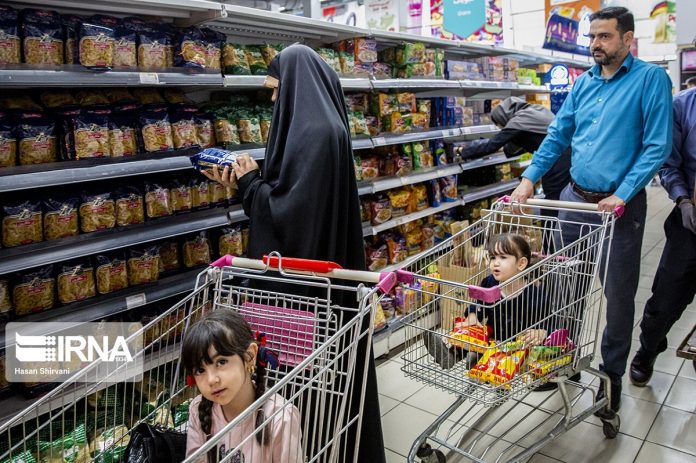
Daily: Or maybe 200% of Iranians relish high prices!

Iran Economy

In reaction to a recent report by state-run Iran Daily that claimed, quoting a recent survey, “69 percent of Iranians enjoy life”, Jomhouri-e Eslami Newspaper sarcastically wrote the same survey shows 200 percent of people enjoy the high inflation in the country.

Iran Newspaper on Monday carried an article, saying the survey based on opinion polls by three credible institutions shows that nearly 70 percent of respondents said they have high hopes for the future due to their satisfaction with the current administration’s performance in various fields.

Jomhoueri-e Eslami, however, disputed the results of the finding, sarcastically writing, “Probably, according to the same survey, 200% of the people say, ‘It’s really cool that we’ve been favored by the unprecedented high inflation.’”

Iran Daily says its findings are based on the data from the Intelligence Ministry, the Polling Center of Iran’s state radio and television organization IRIB, and the Iranian Students Polling Center (ISPA).

Iranians have been experiencing a sharp rise in prices of goods and commodities since the administration of President Ebrahim Raisi assumed office in August 2021 and decided to reform subsidies.

Supporters of the move argue the economy needs to undergo the process of surgery, even though it is painful.

Opponents, on the other hand, complain that the burden is too heavy for the average wage earners.

Iran’s monthly inflation hit a four-decade record high of 12.2 percent over the Persian calendar month of Khordad – May 22 to June 21.