Monday, December 29, 2025
Home Blog Page 1287

Israel’s occupation of West Bank illegal: UN

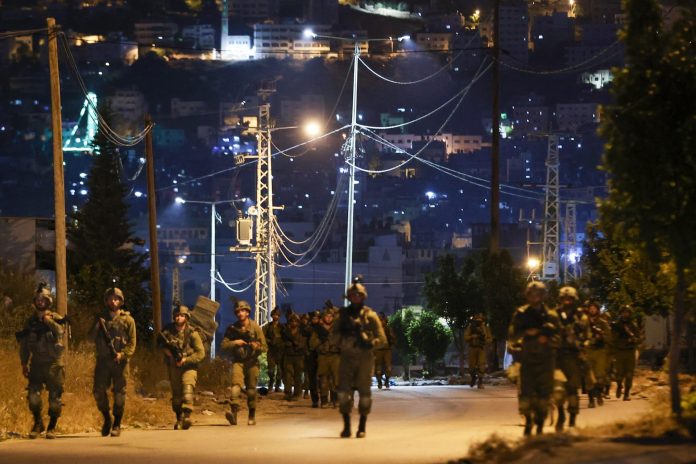
Israeli Soldiers

The annual 2023 report, released on Wednesday, was commissioned by the UN Committee on the Exercise of the Inalienable Rights of the Palestinian People.

The report found that Israel had violated several norms of international law to meet the conditions for the occupation to be deemed illegal, including moving to annex parts of the occupied territory, breeching rights of the occupied people, and instituting practices of apartheid.

“The study concludes that Israel is in gross violation of these laws and that the administration of the occupation has become illegal,” Michael Lynk, the UN’s former special rapporteur on Palestine, told the committee, unveiling the study.

“Because the occupation is illegal, the consequences should be the immediate, unconditional complete withdrawal of Israel’s military forces, the withdrawal of colonial settlers, the repeal of all discriminatory laws and dismantling of the military administrative regime,” he added.

Israel has occupied the West Bank and East Jerusalem since seizing the land from Jordan in the 1967 war.

In 1980, Israel unilaterally annexed East Jerusalem and has since consolidated its control of the West Bank. In 2023, under the government of Prime Minister Benjamin Netanyahu, Israel has approved the highest number of settlements in the territory, considered illegal under international law, on record.

“Israel’s conduct in administering occupied Palestine, characterized by the prolonged nature of the occupation and by its policies and plans of settlement construction, further evinces a breach of the right of self-determination,” the report said.

Israel’s actions have gone largely unchecked by the international community, which Cuba’s ambassador to the UN slammed at the committee on Wednesday.

“What it is, is a process of ethnic cleansing… and here we are just acting as if it’s business as usual… the UN doesn’t talk about what’s happening in Palestinian, the Security Council doesn’t talk about what’s happening.”

Ambassador Pedro Luis Pedroso pointed to a recent visit by New York City mayor Eric Adams to Israel as an example of the limited criticism Israel has received from leaders.

“He talks on social media all the time, but there isn’t a single word about the denial of the rights of the Palestinian people. It seems there is no price for this.”

Wednesday’s report, however, builds on others at the United Nations that have criticised Israel. In March 2022, the UN special rapporteur on human rights in the occupied Palestinian territories submitted a report concluding that the situation in Israel and the occupied territories amounted to apartheid.

The latest report echoed those findings, pointing to the confiscation of Palestinian lands and denial of seven million Palestinian refugees their right of return to their lands.

“Israel is administering the Occupied Palestinian Territory under a regime of systematic racial discrimination and apartheid,” the report noted.

Palestinian advocates also scored a victory at the UN in December when the general assembly adopted a resolution requesting the International Court of Justice (ICJ) to make an opinion on Israel’s occupation of Palestinian lands.

The decision was criticised by Israel, which said that the Palestinians were “decimating any chances of reconciliation” by taking their case to the ICJ.

Riyad Mansour, the permanent observer charged with representing the State of Palestine to the UN, welcomed Wednesday’s report as an “extremely powerful, strong, heavily researched legal argument about the legality of occupation”, adding that it contributed to the “very strong legal argument” the Palestinians are putting before the ICJ in order to “be free from this evil system of occupation”.

The deadline for UN members to make comments on arguments submitted to the ICJ is 25 October. The court is expected to accept the request, but an opinion could take at least a year.

Iran tourism: Haft Ghar in Iran’s Neyshabur, a beauty on earth

Haft Ghar Iran’s Neyshabur

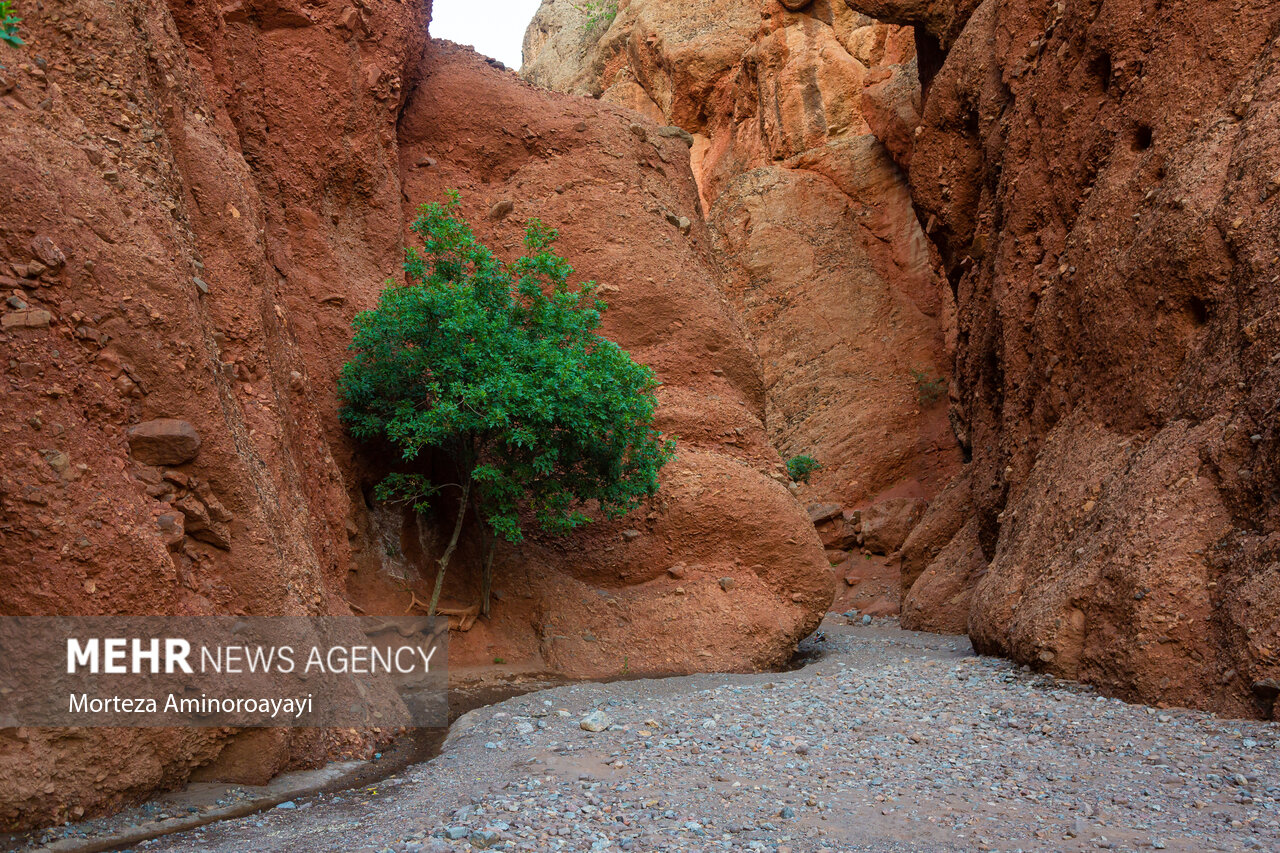
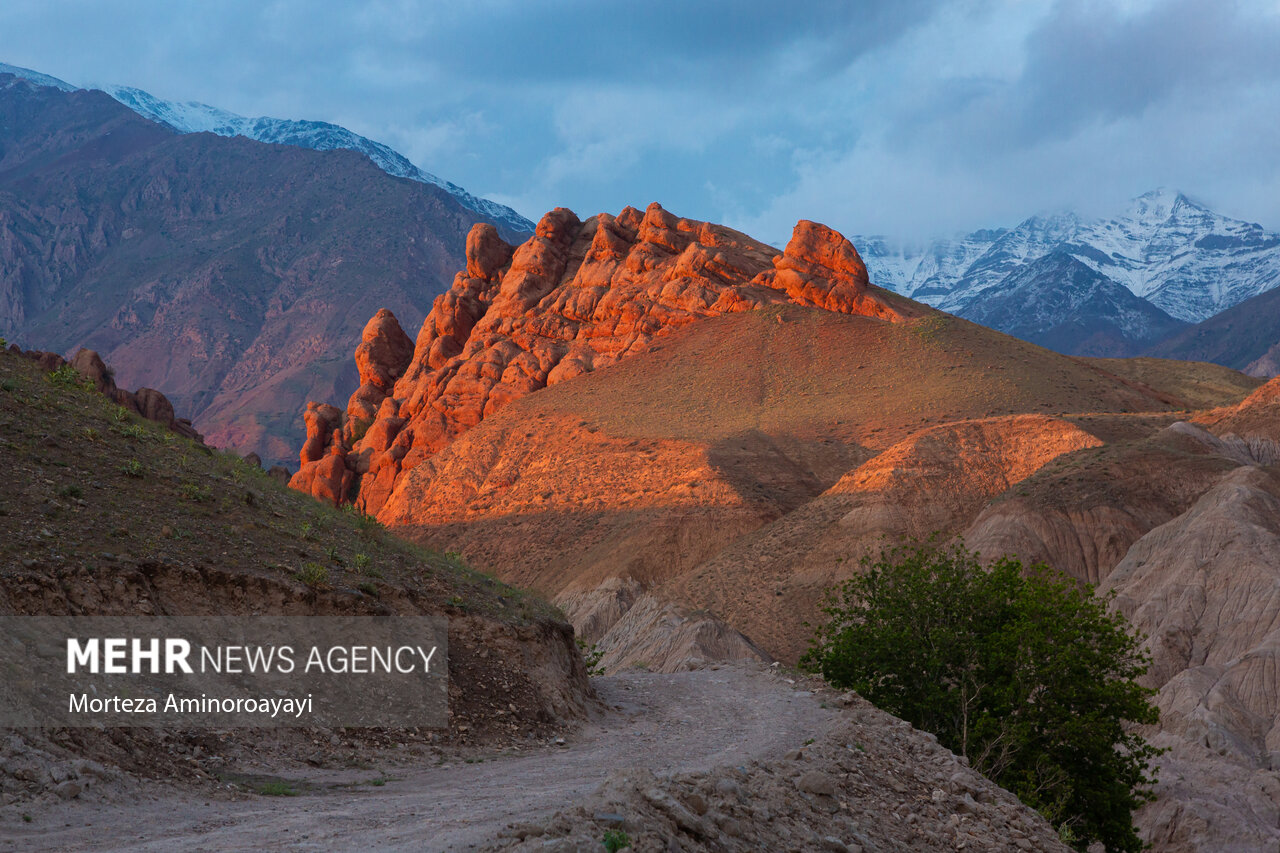
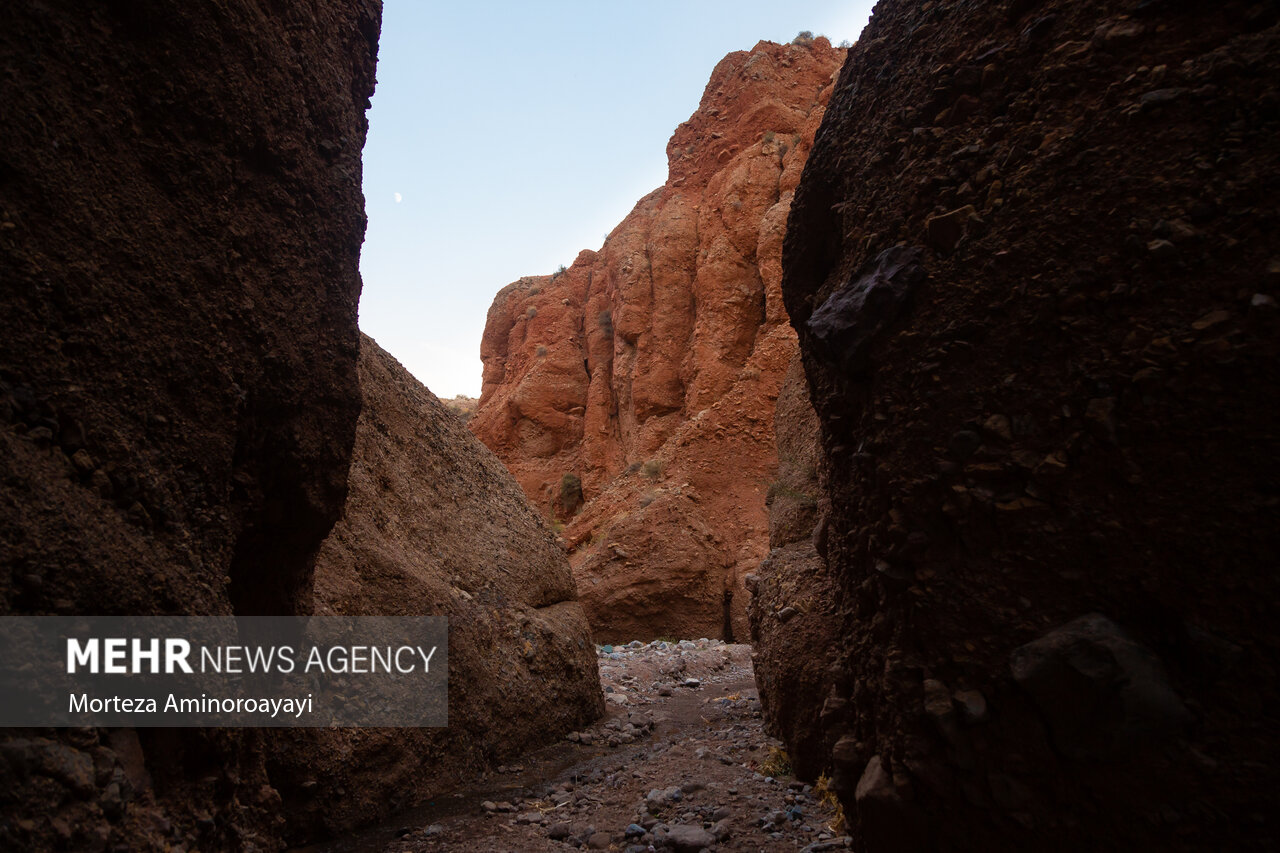
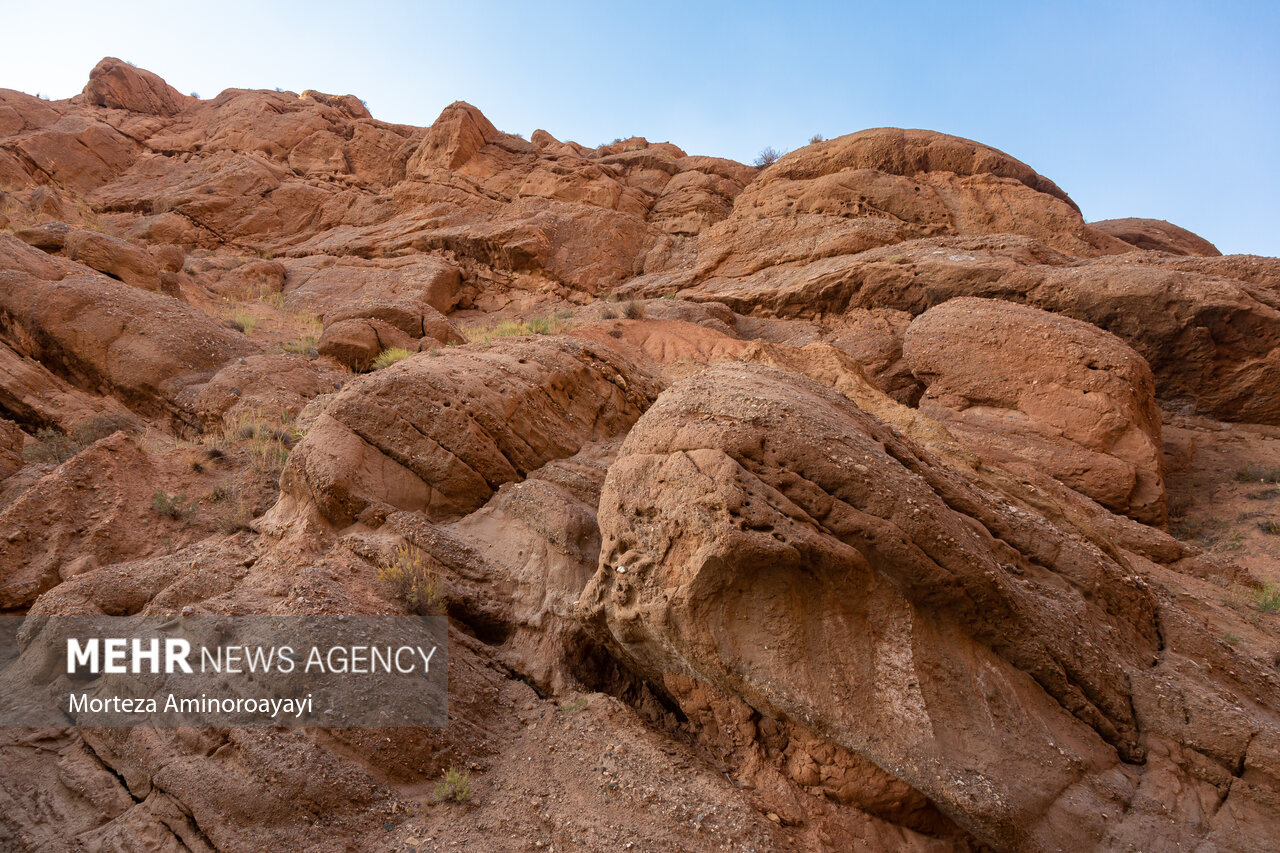
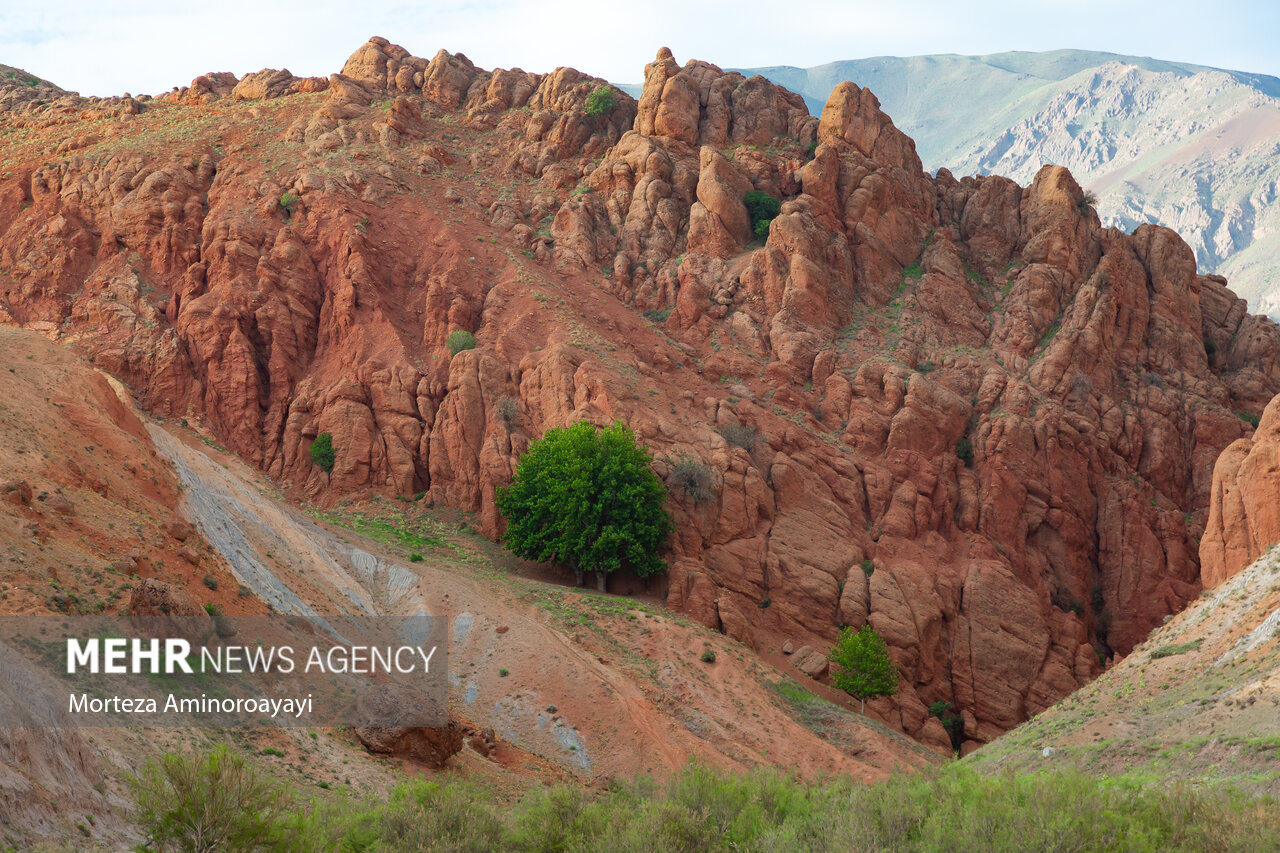
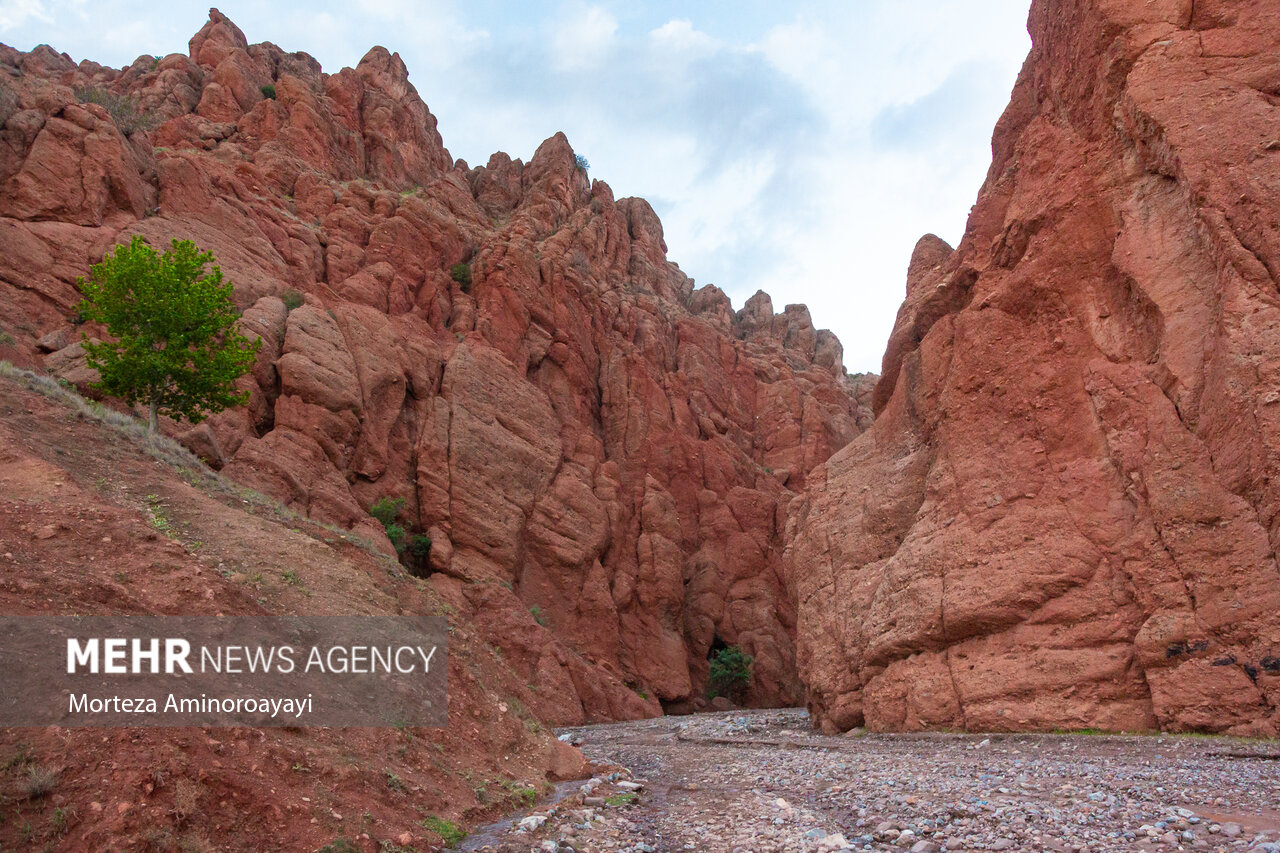
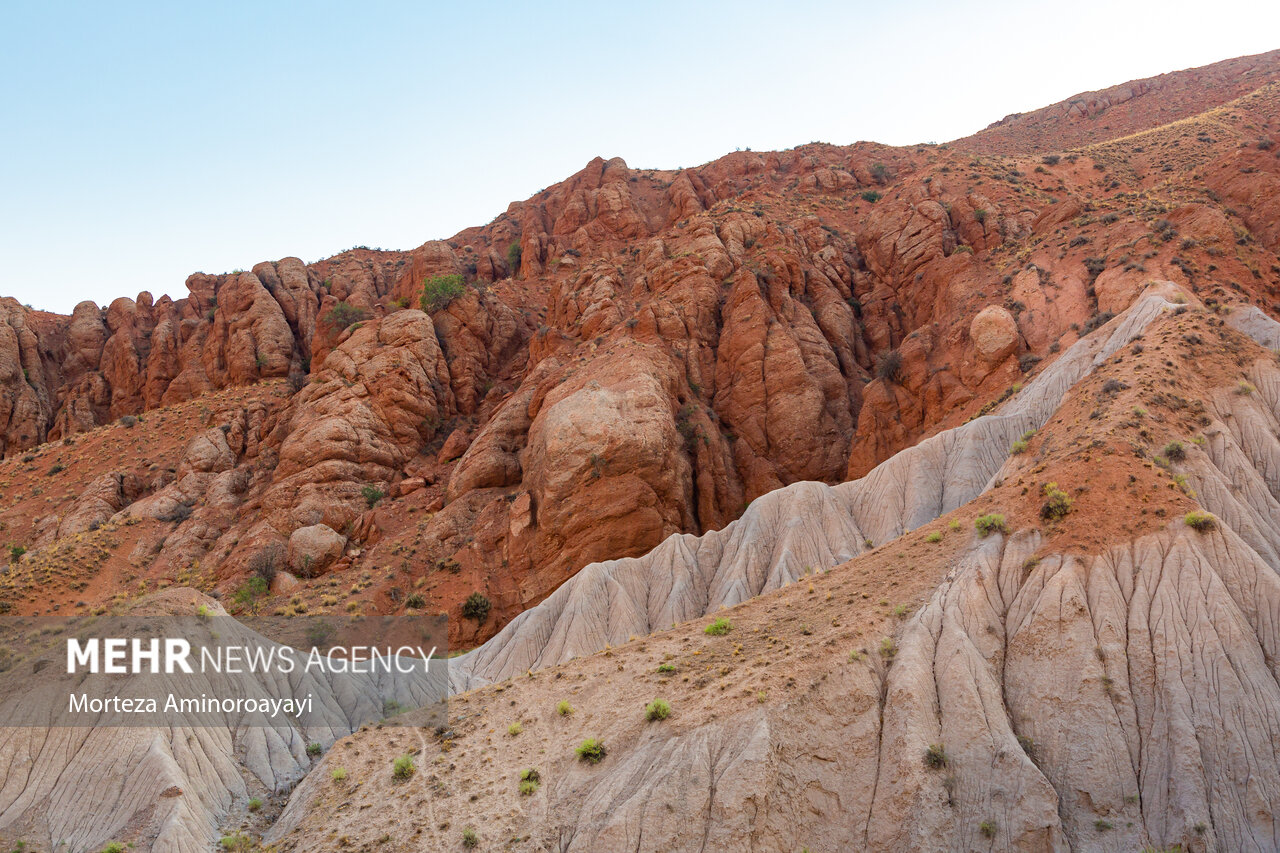
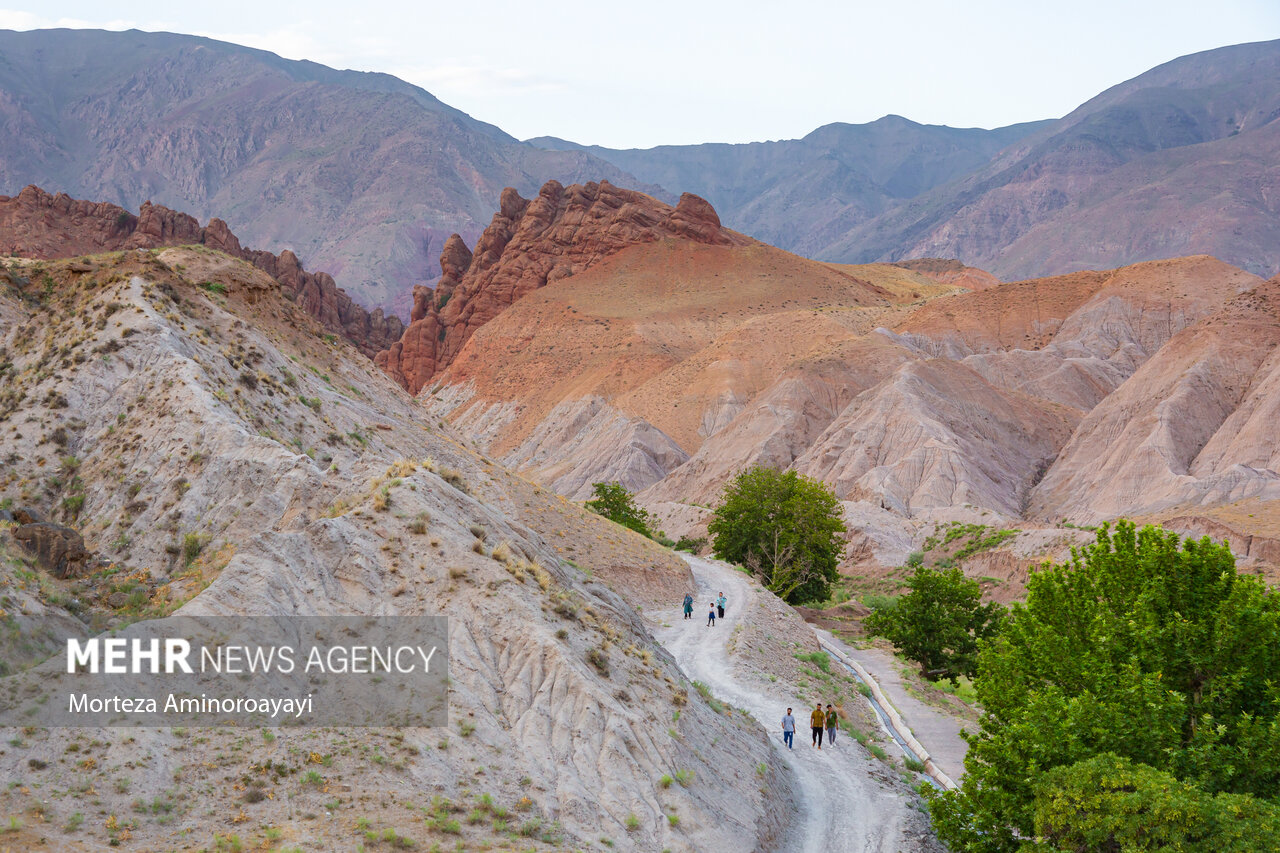
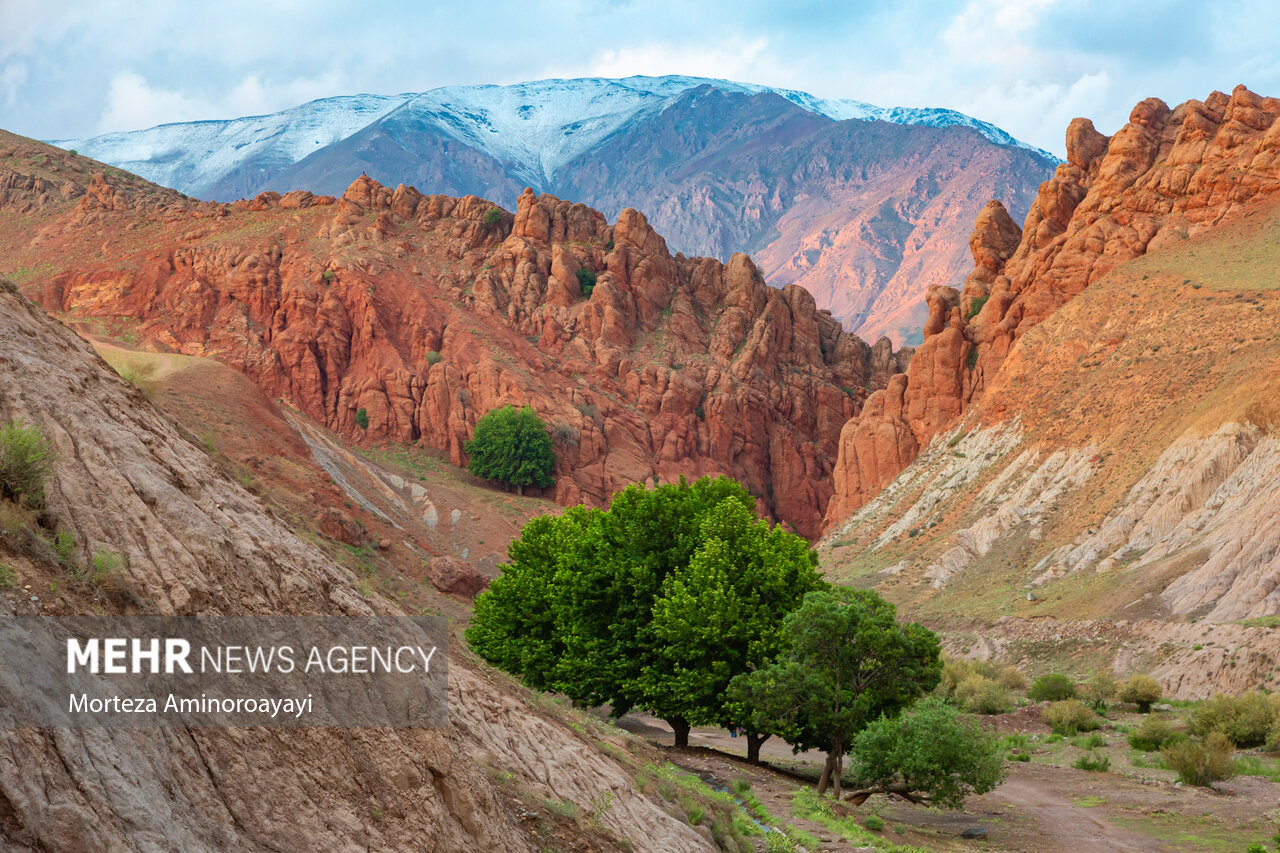
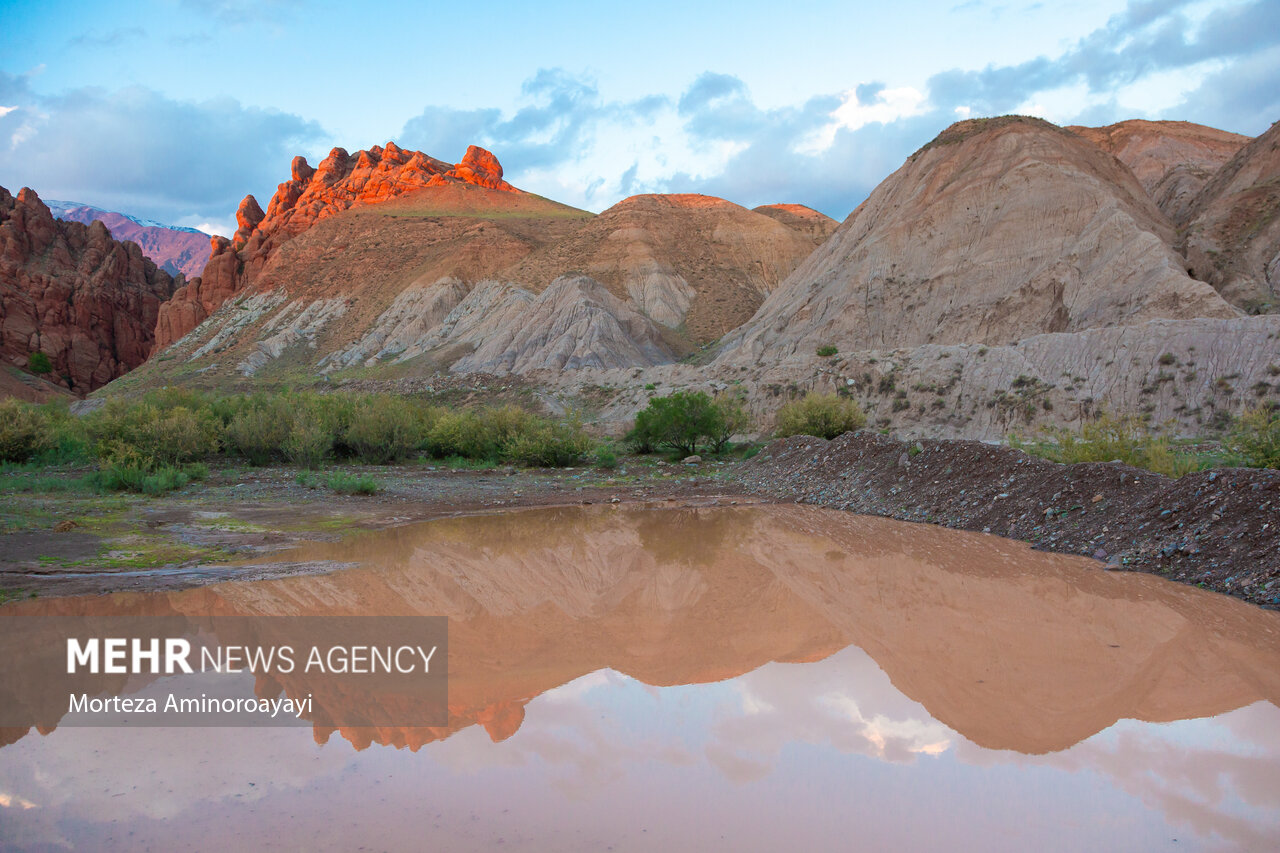
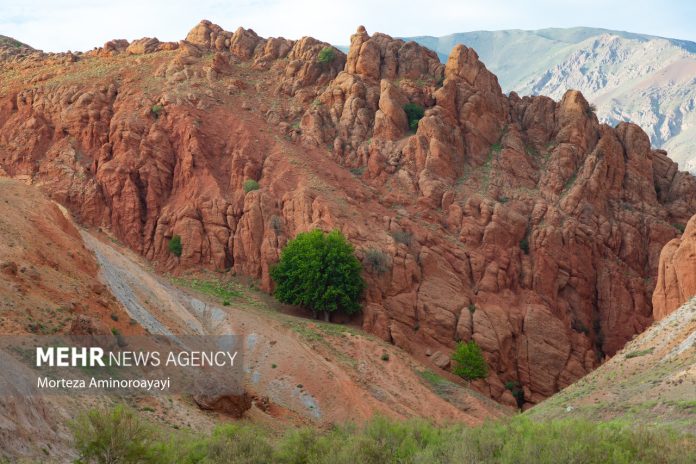
In the north of Neyshabur, there is a beautiful valley known as Haft Ghar for many years. You might think it is named Haft Ghar because there are seven caves in it, but actually there are seven gorges there, which have gradually become known as Haft Ghar among the people.

The green trees and the river that snakes through them, along with the red landscapes, have all created a unique view where your eyes can feast on it.

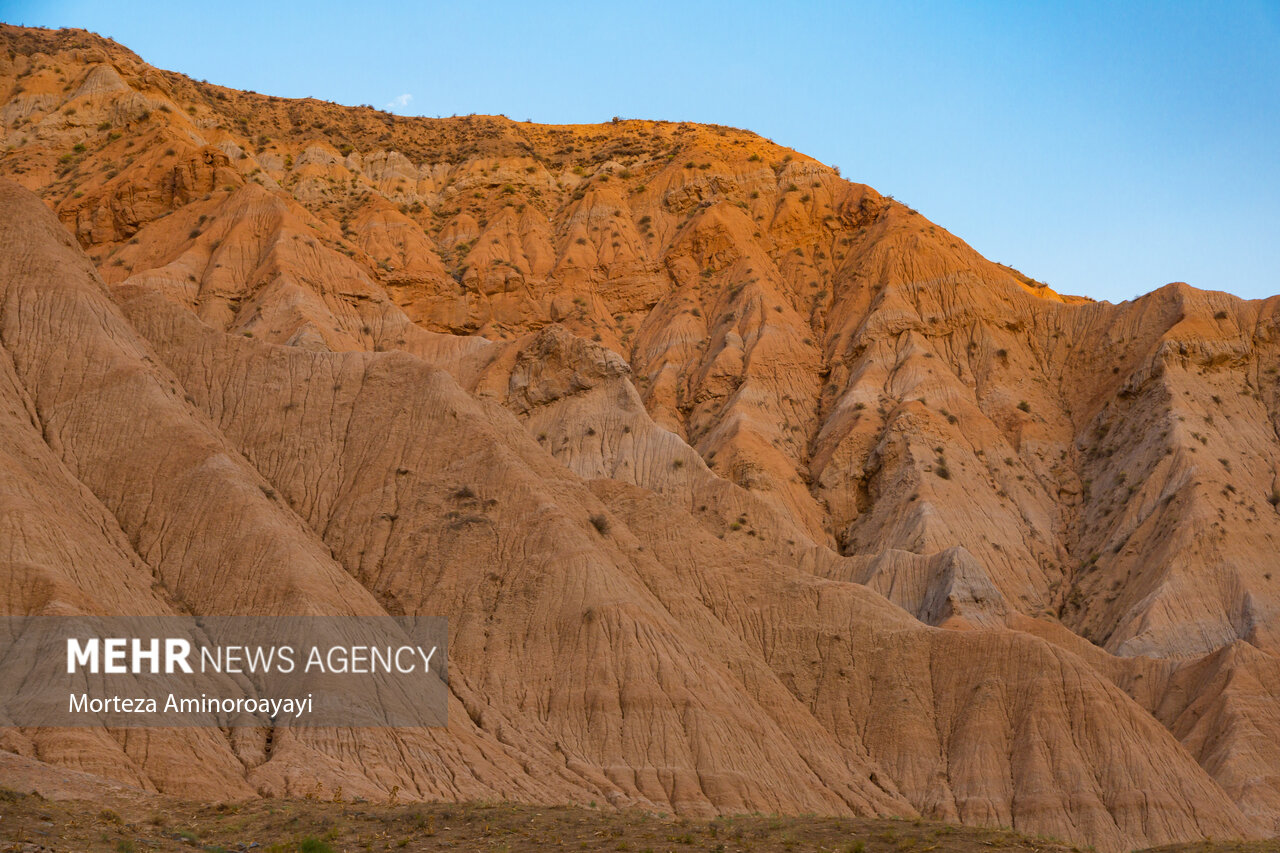
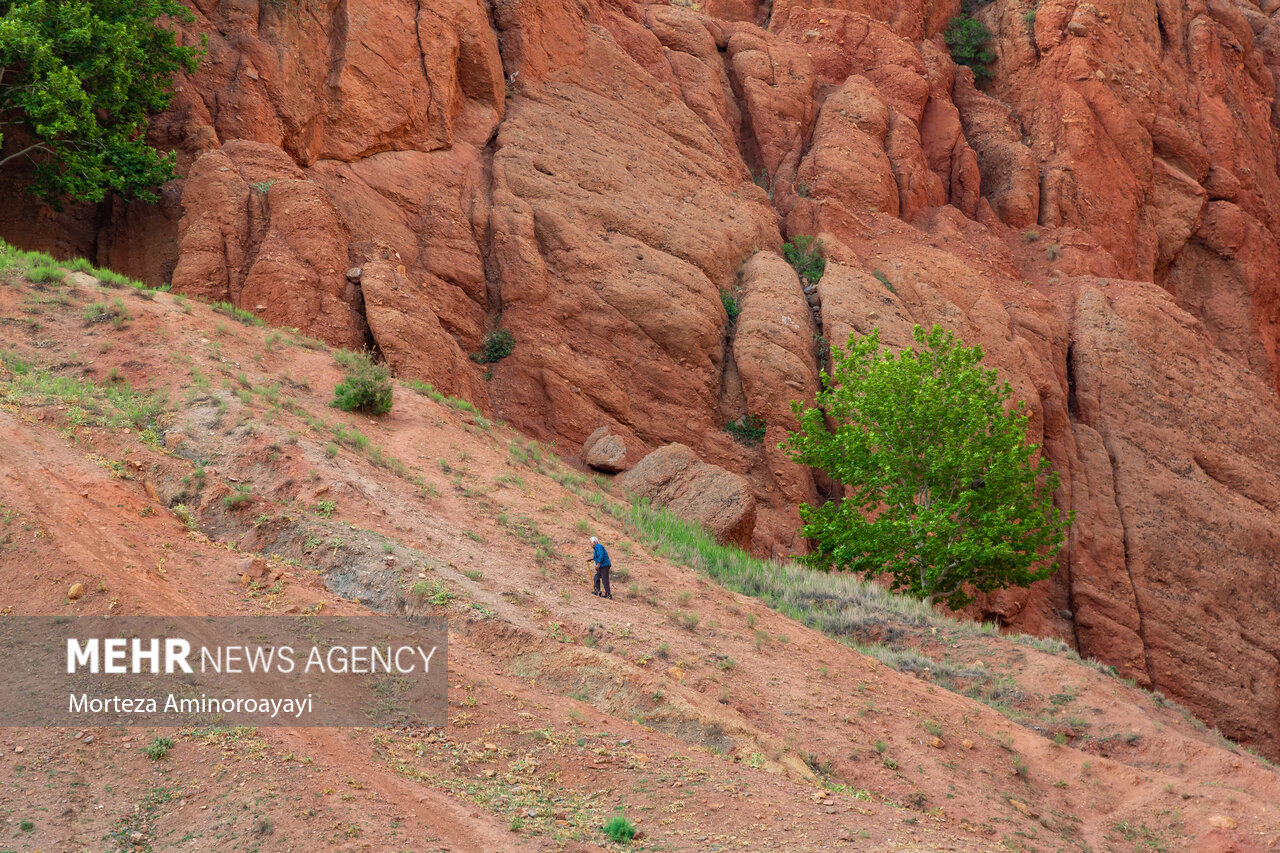
If you pass through the seven gorges, you will see springs and rivers, and red mountains that have deep and beautiful cracks.

After you traverse the valley, at an altitude of 1900 meters, you will reach an open area and the main source of the Ghar River, which is surrounded by walnut trees.

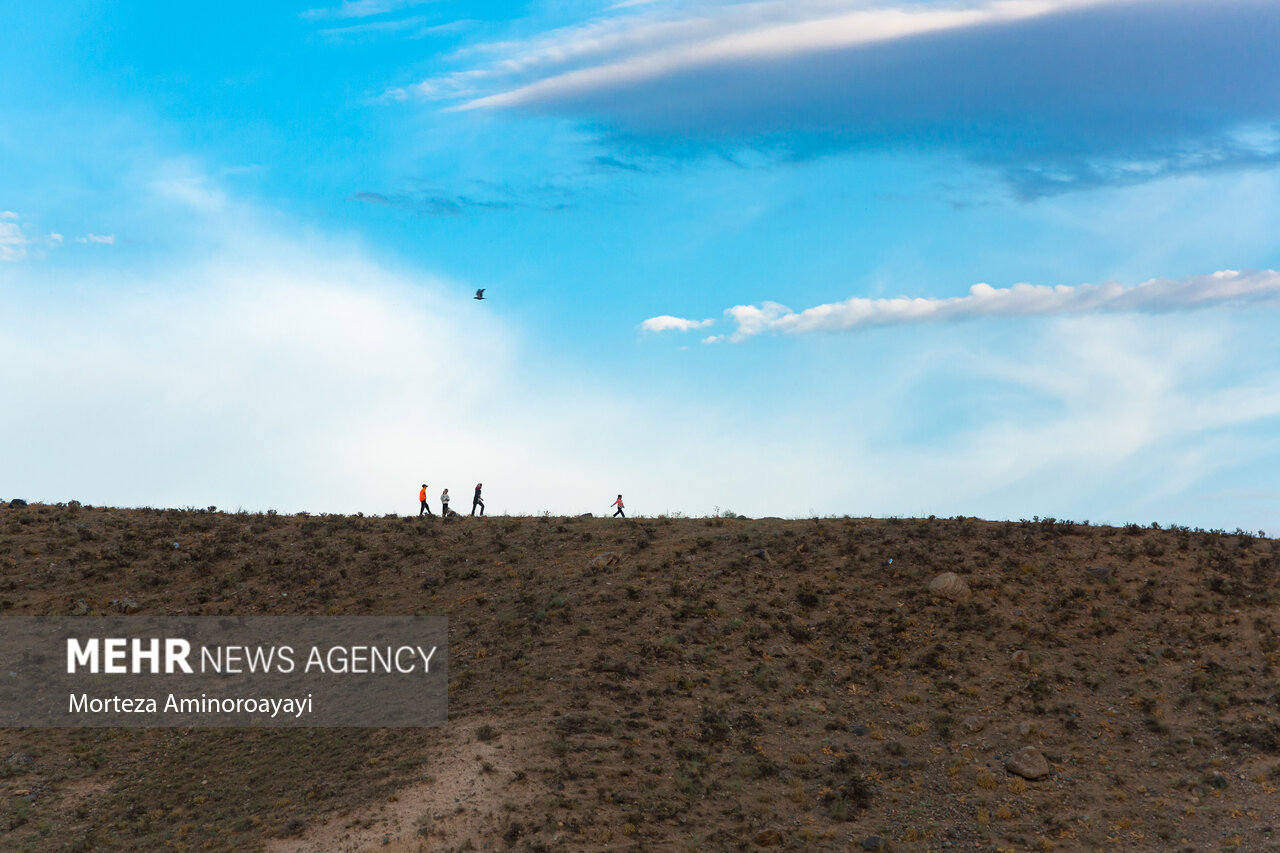
Many people, mostly hiking teams, go to Haft Ghar especially on holidays and enjoy the scenery and nature.

Iran tourism: Haft Ghar in Iran’s Neyshabur, a beauty on earth

Neyshabur tourist attractions

In addition to its beautiful nature, Neyshabur has many historical and cultural attractions.

Two of the most important tourist spots, which are culturally and historically important, are the tombs of Iranian polymath Omar Khayyam and poet Attar Neyshaburi.

The tomb of Kamal al-Molk, an Iranian master painter, is also located in the vicinity of Attar’s dome-shaped tomb.

One of the other attractions of Neyshabur is the wooden village. All the structures of the village are made of wood and have an attractive contrast with the stone and cement buildings of the city, which is one of the strong points of the village.

One of the most important attractions of Neyshabur is the turquoise mines. There are many turquoise mines around Neyshabur. This is why many kinds of handicrafts made with turquoise have become the most important souvenirs of Neyshabur.

READ MORE:

Iranian FM: Israeli raids on Syria won’t go unanswered

Hossein Amirabdollahian and Faisal Mekdad

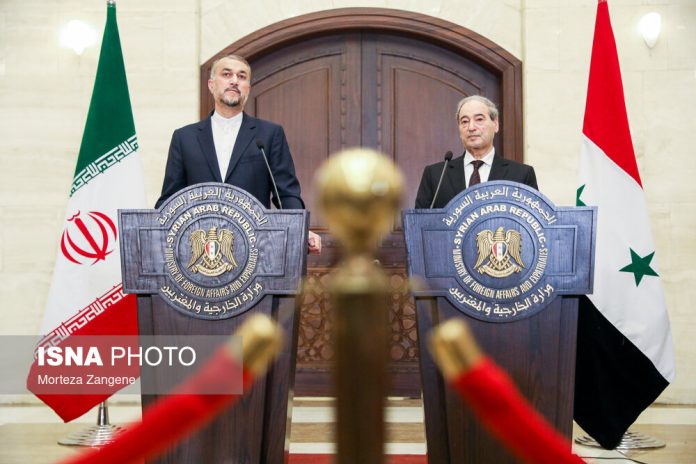
During a joint press conference with his Syrian counterpart Faisal Mekdad in Damascus, Amirabdollahian described the presence of US forces in Syria as illegal, urging them to withdraw from the country while calling on American authorities to stop interfering in the West Asia region.

“We advise US forces to return home and we also advise American authorities to leave the region to the people of the region,” the top Iranian diplomat stressed

He added that they had discussed the fight against terrorism as well as US measures to re-organize terrorist groups, stressing that the Islamic Republic of Iran will continue supporting Syria in its anti-terror fight until the situation there becomes stabilized and prosperous.

The frequent airstrikes by the Zionist regime on Syrian soil was another issue raised during the press briefing.

The Iranian foreign minister strongly deplored the Israeli airstrikes including the attack that hit Aleppo International Airport on Monday, stressing the need for responding to such strikes.

“None of the criminal acts by the Zionist regime will go unanswered,” Amirabdollahian said.

Both ministers referred to attempts by the United States to shut down transit routes between regional countries, with Mekdad emphasizing that regional nations will not allow the US to advance its plans.

Mekdad stated that the US and other Western states are going ahead with their aggressive policies against Iran and Syria, especially through “investing in terrorism”, adding that the Iranian and Syrian nations have remained resilient and this common stance will bring them victory against Western plots.

The Syrian foreign minister also added that Western countries do not like normalized ties between regional countries, in reference to his country’s return to the Arab League, and the restoration of diplomatic ties between Iran and Saudi Arabia.

The two top diplomats said they had also discussed relations between their countries and the recent agreements reached between the presidents of Iran and Syria, saying that measures are underway to implement those agreements.

Senior commander describes Iran as world-class air defense power

Iran Air Defense System

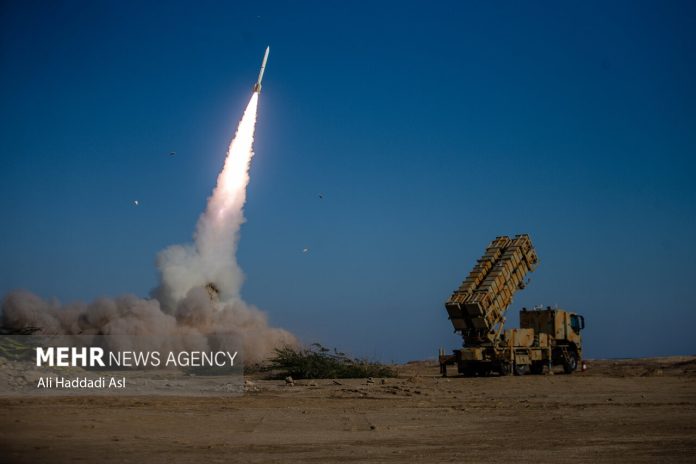
With domestically-developed systems and radars at their bases, the Iranian Air Defense is monitoring each and every movement of the enemies, Sabahifard said on Wednesday.

He made it clear that Iran has no problem in detecting, tracking, intercepting and destroying any type of aerial target from any generation.

The domestically-manufactured missile defense systems and radars have turned Iran into a reliable air defense power in the region and the world, the ranking commander stated.

He gave an assurance that the new air defense systems have enhanced his forces’ preparedness and made the country’s airspace more secure than ever.

Iran has recently unveiled a homegrown air defense system dubbed ‘Tactical Sayyad’, which can detect 24 targets at a distance of 180 kilometers and simultaneously engage 12 targets.

In remarks in 2018, Leader of the Islamic Revolution Ayatollah Seyyed Ali Khamenei described the air defense base as a very crucial part of the Armed Forces that is at the frontline of confronting enemies of Iran.

The Leader also stressed the importance of accelerating the capabilities of the base and the Air Forces’ staff.

Iran’s former health minister berates IRIB for “slanderous, insulting TV program”

TV

In a program, the IRIB had blasted the former minister for allegedly immigrating to Canada, saying that Qazizadeh cannot be allowed to walk free in Canada to enjoy himself and have fun alongside people like Mahmoudreza Khavari, a former central Iranian bank governor who fled to Canada years ago after embezzling huge sums of money.

In that program, the IRIB also quoted the Canadian tourism minister as saying that he had banned Qazizadeh from entering Canada for three years.

“After I watched part of that program, I began to wonder whether I should file a complaint against the Canadian minister or my country’s radio and television organization (the IRIB),” said Qazizadeh rhetorically.

“It is regrettable that an organization (the IRIB) whose responsibility is to build culture to train pious, benevolent and honest people, unilaterally, shamefully and brazenly spreads lies, and ridicules and slanders others,” said the former health minister.

“If I had any intention of emigrating to other countries, the world’s best universities and hospitals had provided the opportunity for me ten years ago, but I proudly chose to stay with my people,” said Qazizadeh.

Meanwhile, former Iranian Minister of Information and Communications Technology Mohammad-Javad Jahromi reacted to the IRIB program, saying, “We are no strangers to the shameful remarks made by the host of the IRIB program about Mr. Qazizadeh.”

“Some people are very pleased with sanctions and insulting Iranians,” he added.

Live Update: Russia’s “Special Operation” in Ukraine; Day 554

Russia Ukraine War

Ukraine can hit targets with missiles 700km away: Zelensky

President Volodymyr Zelensky has claimed Ukrainian missiles are capable of hitting targets 700km away.

He posted the message on Telegram and stated its Ministry of Strategy and Industry had successfully produced and tested the long-range weapons that hit a target 700km away.

Moscow is about 675km from Ukraine’s Kharkiv.


Ukraine’s FM tells critics of counter-offensive to ‘shut up’

Ukrainian Foreign Minister Dmytro Kuleba has hit out at critics of Kyiv’s tactics in its counter-offensive against Russia’s invasion.

Kuleba said they were spitting in the faces of Ukrainian soldiers and should “shut up”.

“Criticising the slow pace of the counter-offensive equals… spitting into the face of the Ukrainian soldier who sacrifices his life every day, moving forward and liberating one kilometre of Ukrainian soil after another,” Kuleba told reporters at a meeting of EU foreign ministers in Toledo, Spain.


Erdogan, Putin to meet in Russia to discuss grain deal on September 4

Turkish President Recep Tayyip Erdogan will meet counterpart Vladimir Putin in Russia’s resort of Sochi on September 4 to primarily discuss Black Sea grain exports, two Turkish sources told Reuters.

The leaders will discuss the fallout from the war in Ukraine as well as a deal that allowed the export of Ukrainian grain via the Black Sea, one of the sources said.

The Black Sea grain deal, brokered by Turkey and the United Nations in 2022, ended after Russia withdrew in July. Ankara has since sought to convince Moscow to return to the agreement.


Kremlin says no outcome yet on its Turkey-Qatar grain export plan

The Kremlin announced no specifics had been agreed yet on a proposal by Moscow to ship Russian grain via Turkey to poor countries with financial support from Qatar.

Earlier, Russian authorities had said it was proposing the plan as an alternative to the Turkish-brokered Black Sea grain deal that it quit in July, which allowed Ukrainian farm exports.


Ukraine says Russian troops ‘maintain presence’ by borders in north

Ukraine’s deputy defence minister Hanna Maliar has stated that Russia continues maintaining a military presence in the areas bordering Ukraine in the north.

“Three groups of troops covering the state border in the Bryansk, Kursk, and Belgorod regions have been kept with the aim of restraining our troops,” she said in a statement on the Telegram messaging app.

She added that while active hostilities and heavy fighting continues, Ukraine’s troops are achieving milestones not only in the north but also in the east and south.


Ukraine says Russia restricting food rations to military personnel in occupied areas

Ukraine’s deputy defence minister, Hanna Maliar, said the logistical support to Russia’s military personnel continues to deteriorate and food supplies to individual military units in occupied areas of Ukraine have been restricted.

She added that “the use of food restrictions to punish personnel has became one of the characteristic features of the so-called special military operation of the Soviet Union in Ukraine”.


Ukraine urges people in occupied areas to avoid voting in local elections planned by Russians

Ukrainian authorities have urged citizens in occupied areas not to vote in upcoming elections planned by Russian-appointed officials, adding they should “leave the region” if possible.

“Russians have started holding ‘elections’ to pseudo-local councils and ‘legislative bodies’ in the temporarily occupied territories,” Ukraine’s National Resistance Center (NRC), an official agency, said on Thursday.

Occupation authorities were planning “early voting” in the Donetsk and Zaporizhzhia regions through September 8 at people’s homes, the NRC added.

The voting will begin in Kherson and Luhansk on September 2.

“We urge Ukrainians not to open their doors to the occupiers and, if possible, to leave the region or their homes for the period of ‘early voting.'”

Voting will then take place at polling stations between September 8 and 10.

“The Russians need this long scheme to hide the turnout and the lack of interest of the locals in the ‘expression of will,'” the NRC announced.

The NRC also alleged that “election commission members” accompanied by Russian soldiers are going around Ukrainians’ homes to identify those willing to vote, which happened in referendums last year on the status of the occupied regions in Ukraine universally dismissed as sham by Ukrainian and Western leaders.


Three drones shot down in Russia’s Bryansk region: Governor

Russia shot down three drones over its southwestern region of Bryansk on Thursday, a local governor said, as Kyiv continues to ramp up aerial assaults on Russian territory. The Bryansk region borders both Ukraine and Belarus.

“Thanks to the vigilance of our citizens, the call center for emergency operational services received a message about a suspicious aircraft over the city of Bryansk today,” Governor Alexander Bogomaz wrote on Telegram.

Defense forces downed “three aircraft-type UAVs” using anti-drone weapons and a special carbine, he added. There were no casualties or damage to infrastructure, Bogomaz added.

Several videos appeared on social media channels on Thursday purporting to show the drones in flight.

It came a day after Russia was hit by the biggest drone assault since it launched its full-scale invasion of Ukraine in February 2022.


Ukraine says defence minister likely to be replaced: Local media

Ukraine’s Defence Minister Oleksii Reznikov, who has been leading the country’s war against Russia together with President Volodymyr Zelensky, could be replaced, according to a report by local news outlet Ukrainska Pravda.

Citing local government sources, the news outlet reported that Reznikov’s replacement could be Rustem Umerov, the chairman of Ukraine’s state property fund.

In February, journalists and activists uncovered that the Ministry of Defence bought food for soldiers at vastly inflated prices, putting Reznikov under the radar, as Ukraine tries to tackle corruption.


Ukraine FM in Spain to meet with EU foreign ministers

Ukrainian Foreign Minister Dymitro Kuleba met with Spain’s Minister of Foreign Affairs José Manuel Albares, according to posts from both diplomats on X.

Kuleba said he was in Spain to discuss “Ukraine’s EU accession talks” and “expanding Spain’s much-appreciated military aid to Ukraine.”

Albares stated they would address the “situation in Ukraine” at an informal meeting of EU foreign ministers. He added that Ukraine has the firm support of Spain in its “defence of peace” and “territorial integrity”.


Russia downs another drone near Moscow: Mayor

Russian air defenses destroyed a drone flying toward Moscow Thursday morning, the city’s mayor said, a day after Russia came under the largest drone assault on its territory since it launched its war on Ukraine.

Moscow Mayor Sergei Sobyanin stated the latest drone was downed over the Voskresensky district southeast of the capital.

No casualties or damage were reported, he added.

It comes after six Russian regions including Moscow came under attack early Wednesday, while in the city of Pskov, near the Estonian border, several transport planes were reportedly damaged when drones targeted an airport.

Russian officials did not report any casualties and claimed to have thwarted almost all of those strikes.


Ukrainian sabotage operation foiled in Russia’s Bryansk region: Governor

Russian authorities in the southwestern Bryansk region bordering Ukraine have thwarted a Ukrainian sabotage operation, killing two of the alleged saboteurs and detaining five others, a local official claimed.

In a Telegram post, Bryansk Gov. Alexander Bogomaz claimed the group were armed with Western-supplied weapons and planned to strike military and energy facilities.

“The activities of a Ukrainian sabotage and terrorist group consisting of staff employees of the SBU [Ukrainian security service], military personnel of the Main Intelligence Directorate and the special forces of the Ministry of Defense of Ukraine were suppressed,” Bogomaz said.

“The goal of the saboteurs was to commit a series of high-profile terrorist attacks on military and energy infrastructure facilities,” he added.

Russian state news agency TASS also released a video showing weapons and equipment that authorities said were seized from the group.

Ukraine has not commented on the allegations.

The report comes after the pro-Ukraine Russian Volunteer Corps (RVC) guerilla group on Wednesday claimed responsibility for a drone attack attack Sunday on the Russian region of Kursk, which neighbors Bryansk, saying it worked in tandem with the SBU.


Recent drone attacks show war is “increasingly moving” to Russian territory: Zelensky adviser

Mykhailo Podolyak, the adviser to Ukrainian President Volodymyr Zelensky, said the recent drone attacks on Russia are an indication the “war is increasingly moving to Russia’s territory”. The official, however, stopped short of claiming responsibility for the attacks.

When referring specifically to drone attacks on the Russian northwestern region of Pskov that damaged aircrafts and grounded flights, Podolyak stated the increased movement of the war into Russia’s territory “cannot be stopped.”

Without directly claiming responsibility for the attacks, the adviser said Ukraine “strictly adheres to the obligation not to use the weapons of its partners to strike Russian territory and acts exclusively within the principles of defensive war.”

He dismissed calls to avoid strikes on Russian soil as “absurd.”

The attacks on Wednesday were the biggest drone assault on Russian soil since the war began. Six Russian regions including Moscow came under attack early Wednesday, while in the city of Pskov, near the Estonian border, several transport planes were reportedly damaged when drones targeted an airport. Russian officials haven’t reported any casualties, and claimed to have thwarted almost all of the strikes.

Ukraine has increasingly been emboldened to hit strategic targets inside Russia through the air in recent weeks, even as it suffers assaults on its own cities, setting up a new phase of the conflict defined by Kyiv’s apparent efforts to wear down domestic Russian support for the war.

Kyiv officials meanwhile said Russia hit the Ukrainian capital with a “massive” bombardment overnight.


US intel shows war in Ukraine caused “one of most disruptive periods” for global food security

Russia’s invasion of Ukraine caused deep disruptions in the global food supply, raising prices and increasing the risk of food insecurity in poorer nations in the Middle East and North Africa, America’s top spy agency said in an unclassified report released by Congress on Wednesday.

The direct and indirect effects of the war “were major drivers of one of the most disruptive periods in decades for global food security,” the eight-page report found — in large part because Ukraine and Russia were among the world’s largest pre-war exporters of grain and other agricultural products.

Although food security concerns have abated since the start of this year, according to the report, the future trajectory of global food prices likely will depend in part on what happens with the Black Sea Grain Initiative, which Russia ended in July. The deal, facilitated by the United Nations, had allowed Ukrainian agricultural shipments to safely exit Black Sea ports and reach the international market.

How much acreage Ukraine is able to cultivate as the war continues to rage and the cost and availability of fertilizers will also have an impact on global food prices, the report found. Global fertilizer prices reached near-record levels in mid-2022 as global oil and natural gas prices rose.

“The combination of high domestic food prices and historic levels of sovereign debt in many countries — largely caused by spending and recessionary effects of the COVID-19 pandemic — has weakened countries’ capacity to respond to heightened food insecurity risks,” the report added.

“These factors probably will undermine the capacity of many poor countries to provide sufficient and affordable food to their population through the end of the year.”

Droughts last year in Canada, the Middle East, South America and the United States also compounded the war-related stress on global food supplies, according to the report.

Intelligence officials have accused Russia in the past of weaponizing food supplies by blocking Ukrainian exports, destroying infrastructure and occupying Ukrainian agricultural land.

Citing satellite imagery and open-source reporting, the report said that Russia stole nearly 6 million tons of Ukrainian wheat harvested from occupied territories in 2022. Cargo ships used to transport the stolen grain out of Russian-occupied territories in 2022 would steer along the coast of Turkey to deliver shipments to ports in Syria, Israel, Iran, Georgia and Lebanon, the report said.

“We cannot confirm if the buyers of the Russian cargoes were aware of the grains’ Ukrainian origin,” the report noted.


Pskov airport to resume operations on Thursday: Russian authorities

Pskov airport will resume operations on Thursday, regional Gov. Mikhail Vedernikov said in a statement published Wednesday on his Telegram channel.

“The results of the inspection of the state of the civil infrastructure of Pskov airport have been summed up. In short: everything is in order! From tomorrow, the airport will resume normal operations,” Vedernikov said.

Late Tuesday night, Russian authorities reported drone attacks in Russia’s northwestern Pskov region, which caused damage to four IL-76 military aircraft at the airport. The airport is used for both civilian and military aircraft.

Six Russian regions, including Moscow, came under attack early Wednesday in the biggest drone assault on its territory since the full-scale invasion began last February. Russian officials haven’t reported any casualties and claimed to have thwarted almost all of the strikes.


Russia and North Korea “actively advancing” in negotiations to reach arms deal: US intelligence

Russia and North Korea are “actively advancing” their negotiations over a potential arms deal that would provide significant ammunition for different types of weapons systems, including artillery, in the latest indication that the Kremlin is desperate to obtain further materiel for its failing invasion of Ukraine, according to newly released US intelligence.

The news of the potential deal comes despite North Korea’s public claims to the contrary.

The Joe Biden administration said Wednesday that it remains concerned that the two states are in the middle of arms negotiations and that following Russian Defense Minister Sergei Shoigu’s trip to North Korea last month a second delegation of Russian officials have visited Pyongyang for follow up discussions on a potential deal.

In addition to the second delegation, Russian President Vladimir Putin and North Korean leader Kim Jong Un have exchanged letters “pledging to increase their bilateral cooperation,” according to John Kirby, National Security Council strategic communications coordinator.

“We remain concerned that the DPRK continues to consider providing military support to Russia’s military forces in Ukraine and we have new information which we are able to share today that arms negotiations between Russia and the DPRK are actively advancing,” Kirby said, adding, “Following these negotiations, high level discussion may continue in coming months.”

Meanwhile, Amb. Linda Thomas-Greenfield, US representative to the United Nations, accused Russia and North Korea of negotiating arms deals. Greenfield called it “shameful” and a violation of Security Council resolutions approved by Russia.

The public disclosure of the new intelligence is the latest example of how the Biden administration plans to continue to publicize Russia’s efforts to avoid Western sanctions and source weapons for its war, as well as put North Korea on notice that the US is closely monitoring these efforts. It is also the most detailed evidence provided in recent months of Russia’s outreach to North Korea to help fuel its invasion of Ukraine.

“Under these potential deals Russia would receive significant quantities and multiple types of munitions form the DPRK, which the Russian military plans to use in Ukraine. These potential deals could also include the provision of raw materials that would assist Russia’s defense industrial base,” Kirby continued, pledging that the US would take direct action to sanction any entities involved in a potential deal and urged Pyongyang to cease the negotiations.

Earlier this month, the US Treasury sanctioned a sanctions evasion network aimed at supporting arms deals between Russia and North Korea.

Kirby also said Russia’s attempts to source weapons from places like Iran and North Korea was a clear signal of Moscow’s distress.

“There is no other way to look at that than desperation and weakness, quite frankly,” the official added.

At the end of last year Pyongyang delivered infantry rockets and missiles to the Wagner private military company for their troops in Ukraine and Western officials have said that Iran has supplied Russia with weapons for use in Ukraine. Iran and North Korea have both denied these claims.


Kremlin says overnight drone attacks on Russia are “continued terrorist activity of Kyiv regime”

A Kremlin spokesman has attributed the biggest drone assault on Russian territory since the war in Ukraine began to the “continued terrorist activity of the Kyiv regime.”

The Russian President Vladimir Putin is receiving “timely and up-to-date information” on all developments, Kremlin spokesman Dmitry Peskov told reporters on Wednesday.

“Of course, with regard to such massive attacks, the information is also immediately brought to the attention of the Supreme Commander-in-Chief [Vladimir Putin],” Peskov added.

Journalists on the regular Kremlin call pressed Peksov on whether the drones that attacked the northwestern Pskov region could have been launched from the territory of neighboring Estonia or Latvia.

“I have no doubt that our military experts are currently working on these issues, figuring out the routes, analyzing how this was done in order to take appropriate measures to prevent such situations in the future,” Peskov stated.

Russia saw the largest drone assault on its territory since the start of the war on Wednesday after six regions including Moscow came under attack.

In the city of Pskov, drones attacked an airport some 35 miles away from the Estonian border late Tuesday night, causing a fire and damage to four IL-76 military aircraft which led to the cancellation of all flights.

Russian officials haven’t reported any casualties, and claimed to have thwarted almost all of the strikes.
Amirabdollahian urges joint Iran-Syria fight against terrorism

Hossein Amirabdollahian and Faisal Mekdad

In a meeting with his Syrian counterpart, Faisal Mekdad in Damascus, Amirabdollahian said regional developments are going Syria’s way.

He said Iranian and Syrian officials need to continue consultations in close time intervals and described his visit to Damascus as a good opportunity to that end.

The top Iranian diplomat added that the perseverance of the Syrian army, government and people has brought great victories to Syria and the key to absolute victory is the continuation of this perseverance.

Referring to bilateral ties, he expressed pleasure with the trend of economic and commercial cooperation between Iran and Syria and stressed the importance of continuing joint efforts to implement the agreements signed between the two countries.

Syrian Foreign Minister Faisal Mekdad in turn, said the continued occupation of parts of Syrian soil and increased military movements by the US in the region are parts of its bid to create tension and increase instability in region.

He added that the US is continuing its economic pressure and blockade against Syria with the aim of preventing the normalization of conditions in the country.

Faisal added that what worsened the economic hardships in Syria was international terrorism and the US pressures.

Israeli soldiers kill Palestinian teen in East Jerusalem

Israeli Forces

Wednesday’s incident reportedly took place near Damascus Gate in Jerusalem’s Old City. Israeli police have alleged that he had attempted a stabbing attack at a light rail station.

The Palestinian Wafa news agency identified the child as 15-year-old Khaled Samer al-Zaanin. It said the Palestinian al-Zaanin was “assaulted” by illegal Jewish settlers and security personnel, according to witnesses.

A border police officer “directly shot towards the child, killing him in cold blood”, Wafa noted.

The settler who was allegedly attacked suffered light injuries, it added.

Israeli police announced “the suspect was neutralised on the spot”, without elaborating.

A border police officer who was travelling in a train saw the reported attack as it happened and took action, the police said. He “promptly disembarked from the train and fired”, hitting the suspect, they added.

A police spokesman told AFP news agency the attacker was a “minor” from East Jerusalem, but he did not specify the attacker’s age.

Police later raided al-Zaanin’s family home in the village of Beit Hanina, north of East Jerusalem, Wafa reported.

Israeli forces often conduct near-daily pre-dawn raids into the occupied West Bank and East Jerusalem in an attempt to crack down on growing armed resistance.

More than 200 Palestinians have been killed this year in the occupied Palestinian territories, and the United Nations has warned that 2023 is on track to be the deadliest year for Palestinians since it started recording fatalities.

Palestinian and international rights groups have long condemned what they see as a policy of “shoot to kill” and excessive use of force.

Anti-Assad demonstrations gain momentum in Syria

Syria Protest

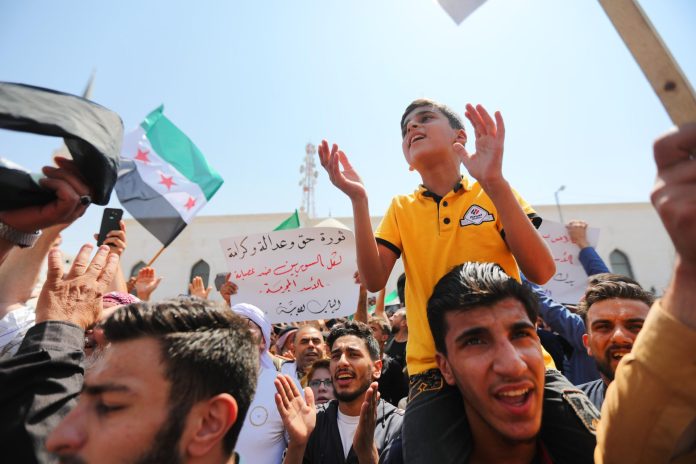
Hundreds of people have taken to the streets in Sweida, and in government-controlled parts of Aleppo, Daraa, Deir Ezzor and Jableh, protesting against their deteriorating living and economic conditions and calling for the release of political prisoners.

They also condemned what they described as ongoing corruption and poor governance.

“This is about holding Bashar al-Assad and the perpetrators of all violations accountable, and calling for the release of detainees and missing people,” Shadi al-Dubaisi, a 25-year-old protester from Sweida, told Middle East Eye.

The protests were triggered by the government’s decision to cut fuel subsidies earlier this month, and have been galvanised by the continuing decline in the value of the Syrian lira.

Protesters have gathered in the city’s Karama Square on a daily basis. They block roads, chant, and remove photos and billboards of Assad. One video shared online showed demonstrators setting a billboard image of Assad on fire.

According to Dubaisi, there are around 35 or 40 demonstration points where people gather.

Government forces have reacted to the protests with force, and security forces have used live fire to intimidate protesters on some occasions.

A local TV channel, Syria Television, reported that the shootings took place in Shahba, in the north of the province, but no deaths were recorded.

“So far, all options are on the table,” Dubaisi continued, adding, “No one knows how far we will get with this regime, but one thing for certain is that we as people will continue demonstrations and demanding the departure of the regime.”

Asaad al-Omar, a 32-year-old protester in Sweida, said the demonstrations have been peaceful so far, despite the response from security forces.

“We want to live in dignity and freedom… currently the regime is trying to provoke people to take up arms and sabotage the region, but we are peaceful,” he told MEE.

“Our most important demand is to overthrow the regime and take back our land. The regime sold the port, the airport, and Syria,” he added.

Abu Ali, a 66-year-old from Daraa al-Balad, also said he wants to live in “dignity and freedom” and have a democratic system in place.

“Our first demand is to call for the release of prisoners, and reveal the fate of those forcibly disappeared,” he explained.

“After that, we want to see an improvement to public services such as electricity and water, and for fuel prices to correspond to the income of an ordinary Syrian person,” he added.

Abu Ali said that the protests have not abated because people see the government as unsuitable in meeting the people’s demands.

“All of these demands cannot be met by the current regime, and they are valid requests. So, our problems in Syria can only be solved by changing those in power, rebuilding the country and opening it up to the rest of the region, as well as moving away from Russia and Iran,” he added.

Many of the chants being heard in the protests are reminiscent of those used during the Syrian uprising of 2011.

Many shops engaged in a general strike last week, in frustration over the growing economic hardship and rising prices of basic goods.

Abdul Karim al-Omar, a political activist from Idlib, said the protests are “evidence of the Syrian people’s dedication to the revolution and its values”.

“There is no solution at all in Syria except the departure of this regime and the implementation of the UN International Resolution 2254, which starts with the formation of a transitional governing council,” he added.

Hundreds of people are still out on the streets, with many of the protesters hailing from the Druze community and the minority Alawite sect.

While Syrian authorities have largely kept silent about the protests, security forces have heightened patrols in many coastal areas.

The Syrian lira has dropped to around 13,800 pounds against one US dollar, further sinking a currency that began to collapse following the 2011 uprising against President Assad.

According to the United Nations refugee agency (UNHCR), Syria poses one of the largest displacement crises in the world, with over 12 million Syrians displaced and over 5.4 million living as refugees in neighbouring countries.

UNHCR states that over 14.6 million people in the country are in need of humanitarian assistance, with the economic situation deteriorating significantly due to the Covid-19 pandemic, devaluation of the Syrian pound, rising inflation, and hikes in fuel prices.

With international sanctions imposed on the country, and the country’s main oil fields controlled by US-backed Kurdish forces, there are frequent and prolonged power cuts, which have also contributed to the growing frustration. Many people have been left without a livelihood, basic services, or support from the government.

Human Rights Watch (HRW) has also highlighted the worsening living conditions in Syria, stating that 90 percent of the population live below the poverty line and 12.4 million Syrians are food insecure.

People interviewed by HRW say that in many areas retaken by the government, many houses were destroyed or damaged and their owners cannot afford to rebuild or renovate them.

Several killed in fighting between Kurdish fighters and tribesmen in eastern Syria

Kurdish Forces

The clashes, which continued on Wednesday, are among the worst in years in the region along the border with Iraq, where hundreds of United States troops have been based since 2015 to help in the fight against Daesh (ISIL or ISIS) terror group.

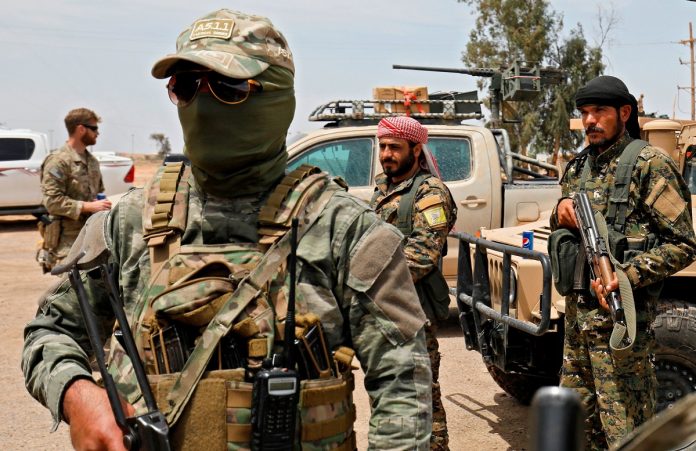
The clashes first broke out on Monday, a day after the US-backed, Kurdish-led Syrian Democratic Forces (SDF) detained the commander and several members of the Deir Az Zor Military Council, a group that had been allied with the SDF, at a meeting they invited them to in the northeastern city of Hassakeh.

The Britain-based Syrian Observatory for Human Rights, an opposition war monitor, reported that 10 Arab tribesmen and three SDF fighters were killed in clashes in the villages of Hrejieh and Breeha.

Another activist collective that covers news in the region, Deir EzZor 24, said eight civilians, including a nine-year-old boy, were killed in the village of Hrejieh, where the fighting was the most intense. Thirteen fighters belonging to Arab tribes were also killed, it added.

The pro-government Sham FM radio station reported 10 people were killed in Hrejieh and Breeha and that dozens of civilians were wounded as well.

Arab tribesmen in the eastern province of Deir Az Zor were angered by the detention of Ahmad al-Khbeil, better known as Abu Khawla, who heads the Military Council, which was allied with the SDF in its years-long battle against Daesh in Syria.

On Wednesday, a joint statement issued on behalf of the SDF and the Military Council said that Abu Khawla had been removed from his position as commander, adding that he had been dismissed, along with four other leaders, for alleged involvement in “multiple crimes and violations”, including drug trafficking.

The confrontation has appeared to bring earlier resentments to the surface, as Arabs in the area voiced concern that Kurdish groups in the region may “erase its Arab identity”.

It also raised concerns of more divisions between Kurdish and Arab fighters in eastern Syria, where ISIL once enjoyed a wide presence and there are fears that it could take hold again.

Abu Khaled, a local journalist living in the Deir Az Zor countryside, told Al Jazeera the clashes reminded him of the violence that had transformed the Syrian uprising in 2011 into an all-out war.

“Because of the hot weather, families usually sleep on rooftops or in the fields, but they have avoided that for fear of being caught by a stray bullet,” he added.

“The main fear for civilians here is that international coalition warplanes could target them to bolster the SDF under the pretence of fighting ISIL and Iranian cells,” he continued.

“People are afraid of the SDF taking control of the territory, and thus erasing its Arab identity.”

Arab tribes in Deir Az Zor have been vocal in their opposition to the SDF, with tribal leader Hasan al-Dabei accusing the SDF of using the clashes to encroach on more land.

“How can the US back a group that has been classified as terrorists [by Turkey] and is occupying Arab lands, plundering its riches, recruiting child soldiers?” he asked.

“We only want to return to our homes, and our hearts burn for what the SDF has done to our lands, from demographic engineering to changing our education curriculum and imposing their own traditions.”

The tribes issued statements of condemnation and expressed their willingness to participate in combat operations and to back the Military Council against the SDF.

A video circulated on social media showed members of the Bakr tribe gathered in the village of al-Harijiyeh in Deir Az Zor’s countryside, demanding the release of Abu Khawla and giving the US-backed forces 12 hours to deliver.

The recent tensions between the SDF and the Military Council began earlier this summer after Abu Khawla feared the council in Deir Az Zor would be replaced by the Sanadid Military Group, an affiliate of the SDF.

Clashes broke out between the members of the Military Council and SDF forces on July 25 after the former opposed the transfer of members belonging to the Sanadid east of the Euphrates River in Deir Az Zor.