
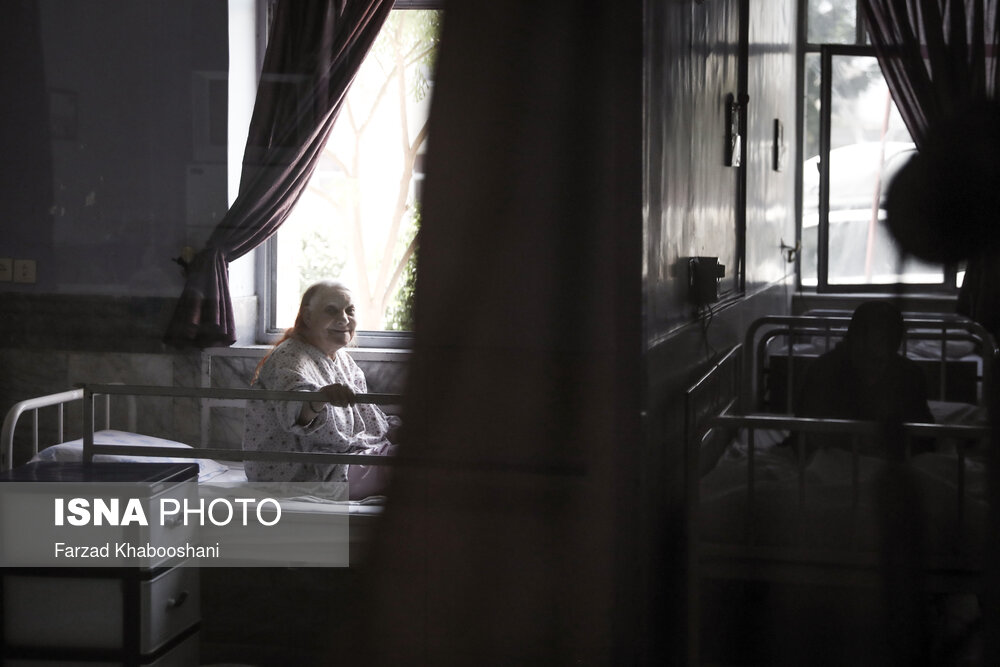
Speaking on demographic developments, Ghasemi said Iran is nearing the end of its demographic transition, driven by sharply declining fertility rates over the past three decades, rising life expectancy, delayed marriage, smaller family sizes and the migration of younger workers.
Currently, about 8 percent of Iran’s population is over 65, while those aged 60 and above account for roughly 12 percent.
By mid-century, the share of people aged 60 and over is projected to reach nearly 30 percent.
He warned that the aging trend is more pronounced in Tehran, where 11 to 13 percent of residents are already over 60, rising to 18 percent in older districts.
Ghasemi said the capital lacks adequate infrastructure and services to meet growing elderly needs.
The demographic shift poses serious challenges for healthcare systems, pensions, urban planning and social services, he noted.
However, Ghasemi stressed that with forward-looking policies, aging can also create opportunities, including the development of a “silver economy,” better use of seniors’ experience and stronger social cohesion.
