
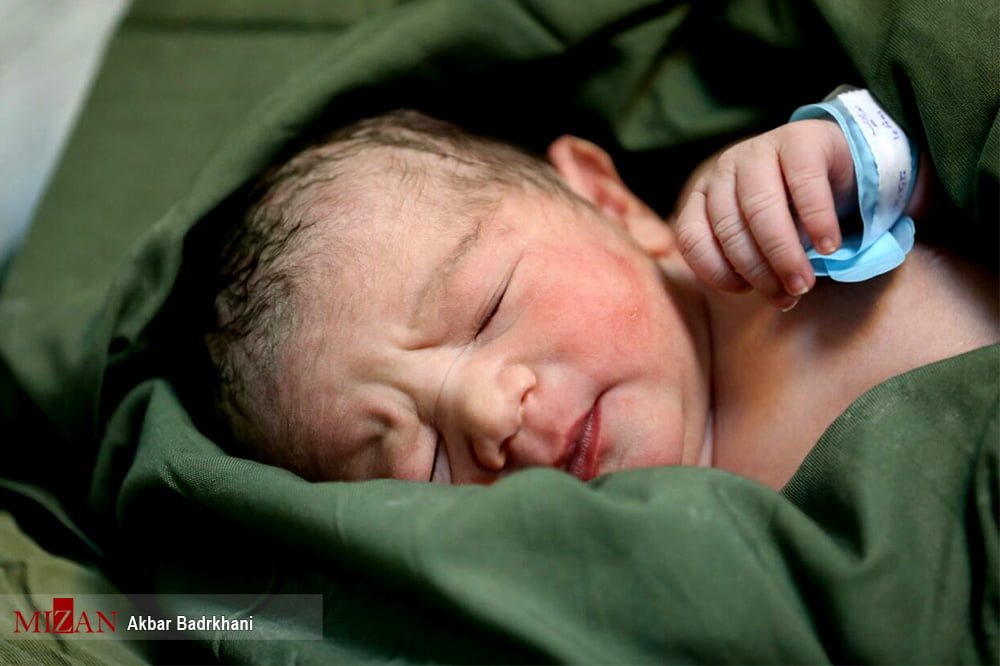
Alireza Raeisi, Deputy for Public Health at the Ministry of Health, said demographic data show that while Iran followed trends similar to European countries in the 1980s and 1990s, it has since entered a phase of declining fertility “at a pace unmatched globally.”
Speaking at a national conference on population, family health, and schools, Raeisi said people aged 60 and above currently make up less than 12% of Iran’s population, but that proportion is expected to rise to 27-28% in the near future.
Despite their current share, older adults already account for roughly 40% of hospitalizations, he noted, underscoring the need for long-term planning in healthcare, urban design, and social support systems.
Raeisi stressed that demographic policies must be based on data rather than “emotional or slogan-driven approaches,” and called for revisions to parts of Iran’s population-growth legislation.
He warned that countries entering old age without sufficient economic development face far greater challenges, and urged Iranian policymakers to make better use of the country’s still-open demographic window.
