Friday, January 2, 2026
Home Blog Page 803

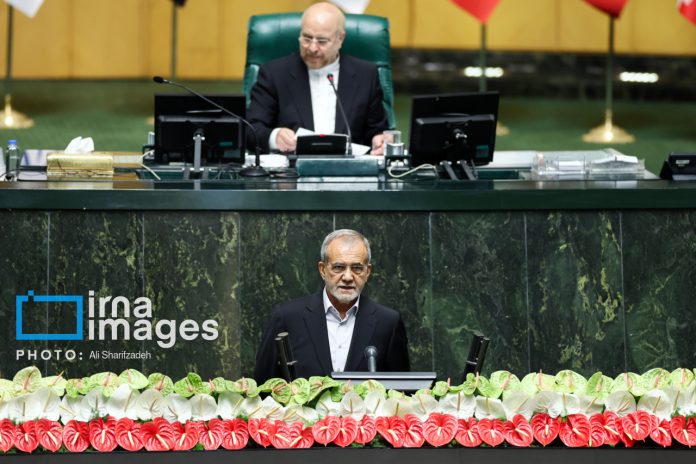
President Pezeshkian addresses Iran Parliament, vows to defend rights, social justice, lawful freedoms

Key aspects of this vision include the promotion of religious democracy, social justice, lawful freedoms, and the preservation of human dignity and rights.

A Vision for a Developed Iran

“We envision an Iran that is developed in every aspect, adhering to our cultural, geographical, and historical conditions, and rooted in our ethical and Islamic values,” President Pezeshkian declared.

He highlighted the nation’s commitment to advanced knowledge, the capability to produce science and technology, and a robust national defense system based on comprehensive deterrence and the unity of people and government.

Commitment to Social Well-being

President Pezeshkian outlined his government’s priorities, emphasizing health, welfare, food security, social security, equal opportunities, equitable income distribution, and a strong family institution.

He envisioned an Iran free from poverty, corruption, and discrimination, enjoying an optimal environment. “We seek constructive and effective interaction with the world based on principles of dignity, wisdom, and expediency,” he added.

Engagement with the Global Community

Highlighting Iran’s dedication to meaningful global engagement, Pezeshkian stated, “We will pursue constructive and effective interaction with the world, founded on the principles of dignity, wisdom, and expediency.”

He also expressed a commitment to ensuring that no Palestinian child’s dreams are buried beneath the rubble of their ancestral home, pledging that his government will never yield to coercion or pressure.

Respect and Mutual Understanding

Reflecting on two decades of negotiations, Pezeshkian asserted that Iran has always honored its commitments. “Pressure and sanctions are futile; respect is the only viable way to address the people of Iran,” he remarked.
He underscored Iran’s consistent stance on the right side of history and humanity.

Strengthening Regional Ties

He said, the fourteenth administration’s foreign policy prioritizes strengthening relations with neighboring countries. “Our neighbors should not squander their valuable resources on conflicts and exhaustive rivalries,” Pezeshkian advised.

He envisioned a strong region where all neighboring countries collaborate for economic development, progress, and the betterment of future generations’ lives.

“Security in the region should be ensured by the countries within the region,” he asserted.

Combatting Extremism and Islamophobia

Pezeshkian condemned extremism and false narratives of Islamophobia. “No one in the world accepts that the leader of a regime that bombs women and children in Gaza should be lauded,” he declared, criticizing the double standards in the global perception of fundamental human rights.

Iran’s Stand for Palestinian Freedom

“We dream of a world where the proud people of Palestine are liberated from occupation, oppression, and genocide, where no Palestinian child’s dreams are buried beneath the rubble of their ancestral home,” he concluded.
Britain seeking new trade deals with Persian Gulf states

Jonathan Reynolds, business and trade secretary, stated on Monday he would attempt to secure free trade agreements with the six countries of the [Persian] Gulf Cooperation Council (GCC) – Bahrain, Kuwait, Oman, Qatar, Saudi Arabia and the United Arab Emirates.

Out of the other five countries in the list after the GCC, two are Middle Eastern – Israel and Turkey.

Reynolds said in a statement: “From the Gulf to India, our trade programme is ambitious and plays to the UK’s strengths to give British businesses access to some of the most exciting economies in the world.”

While in opposition earlier this year, shadow foreign secretary David Lammy said forging stronger ties between the UK and the Persian Gulf would be one of his priorities.

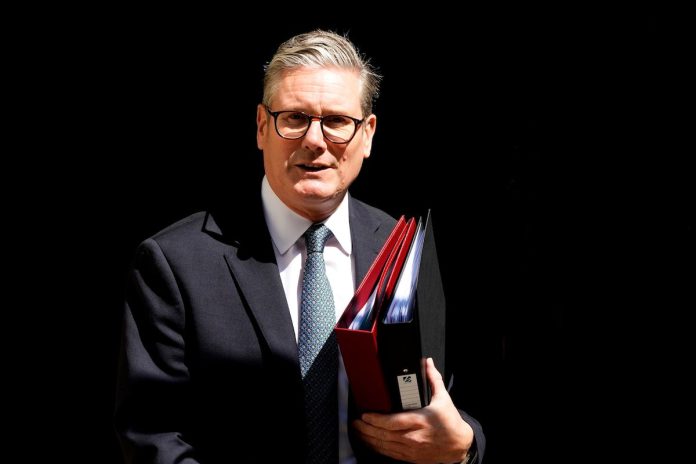
On Saturday, Prime Minister Keir Starmer met the emir of Qatar, Sheikh Tamim bin Hamad Al Thani, in Paris following the Olympic opening ceremony.

The two leaders pledged to build on the existing partnership between UK and Qatar in areas including energy, business and education, according to Downing Street.

Pres. Pezeshkian takes oath of office before Iran’s Parliament

President Pezeshkian took his oath before the Parliament on Tuesday to complete his inauguration making him Iran’s new president.

In a solemn ceremony, Pezeshkian pledged his commitment to the nation and its principles.

The ceremony was conducted in front of the Holy Quran and the Iranian people, where President Pezeshkian swore by Almighty God to uphold the official religion, the republic system, and the constitution of Iran.

He vowed to dedicate all his skills and capabilities to fulfill the responsibilities entrusted to him, focusing on serving the people, promoting the country’s development, advancing religion and ethics, supporting justice, and avoiding tyranny.

President Pezeshkian also committed to protecting personal freedoms, respecting the rights recognized by the constitution, and safeguarding the country’s borders and its political, economic, and cultural independence.

In his oath, he emphasized his reliance on God, adherence to the teachings of Prophet Muhammad and the Imams, and promised to be a devout and selfless guardian of the power entrusted to him by the nation.

He assured the people that he would pass on this sacred trust to his successor.

The oath document was signed by President Pezeshkian and subsequently endorsed by the Chief of the Judiciary and the secretary of the Guardian Council.

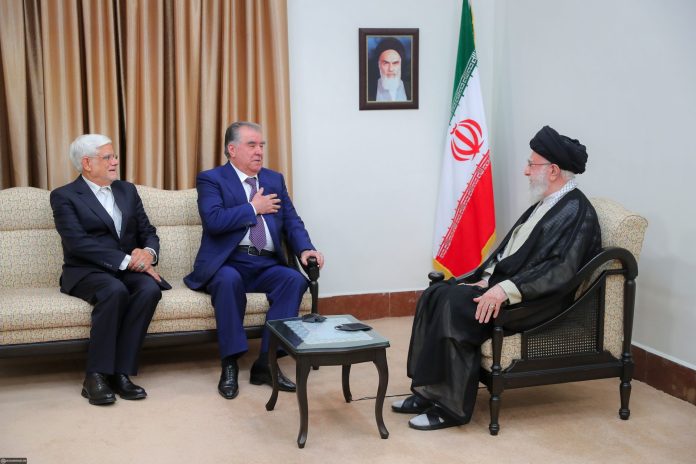
Iran ready to enhance relations with Tajikistan: Leader

Ayatollah Khamenei stated that the expansion of ties with the regional countries particularly those with the common language, culture, history and religion is a top priority for the Islamic Republic of Iran.

The Leader pointed out that the Islamic Republic of Iran, like in the past, stands ready to continue cooperation with Tajikistan in different areas.

He also thanked the Tajik president for visiting Iran to take part in the oath-taking ceremony of Iran’s new President Masoud Pezeshkian, adding the visits and movements between the two countries officials will pave the way for the further expansion of bilateral ties.

Ayatollah Khamenei also stressed the role of the Persian language in such countries as Iran, Tajikistan and Afghanistan.

Rahmon in turn, voiced pleasure with the new meeting with Iran’s supreme leader and referred to his talks with Iran’s new President Pezeshkian. He added as you said some years ago Iran and Tajikistan are relatives, and we seek further expansion of bilateral ties, as well as using the experiences and developments of the Islamic Republic of Iran in the scientific, health and industrial fields.

Mohammad Reza Aref, the new Iranian First Vice-President also attended the meeting.

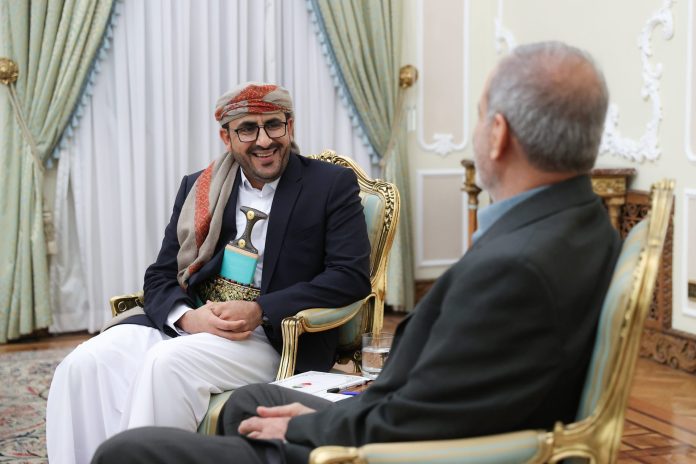
Iran’s president lauds Yemen military operation against Israel

Pezeshkian made the remarks at a meeting with spokesman for Yemen’s Houthi movement, Mohamed Abdel-Salam, in Tehran on Monday.

“Actions taken by Yemen in support of the Palestinian nation are very important and effective, and have clearly pressured the Zionist regime and its supporters,” the newly-elected president said.

“The steadfastness of the Yemeni nation in the face of pressures and the enmities of the arrogant powers is very valuable and commendable,” he added.

The president stressed that if all Muslim countries become united and act in coordination, they will thwart the enemies’ plots, noting, “Unity and cohesion strengthen the power of Islamic countries.”

Elsewhere in his remarks, Pezeshkian touched on Tehran-Sana’a ties and hoped the relations will be further enhanced in the future.

Abdel-Salam, who arrived in the Iranian capital earlier on Monday to take part in Pezeshkian’s swearing-in ceremony scheduled for Tuesday afternoon, also praised the strong, deep-rooted ties between the two countries.

“I hope our cooperation will further expand to serve the mutual interests.”

Abdel-Salam stressed “Yemen will continue to coordinate [efforts]…with Iran in different fields with the aim of confronting common challenges.”

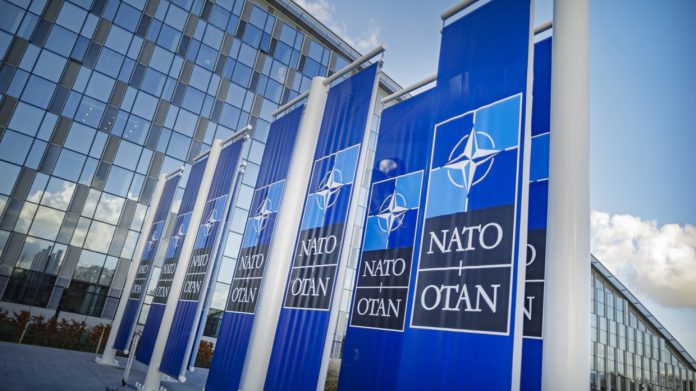
Israel calls for Turkey’s expulsion from NATO

NATO

“In light of Turkish President Erdogan’s threats to invade Israel and his dangerous rhetoric, Foreign Minister Israel Katz instructed diplomats … to urgently engage with all NATO members, calling for the condemnation of Turkey and demanding its expulsion from the regional alliance,” the ministry said.

Erdogan, a fierce critic of Israel’s war against Hamas in Gaza, said in a speech on Sunday: “We must be very strong so that Israel can’t do these ridiculous things to Palestine. Just like we entered Karabakh, just like we entered Libya, we might do similar to them.”

He did not spell out what sort of intervention he was suggesting.

“Erdogan is following in the footsteps of Saddam Hussein and threatening to attack Israel. He should remember what happened there and how it ended,” Katz announced in the statement.

“Turkey, which hosts the Hamas headquarters responsible for terrorist attacks against Israel, has become a member of the Iranian axis of evil, alongside Hamas, Hezbollah, and the Houthis in Yemen,” he added.

Once close regional allies, relations between Israel and Turkey have been deteriorating for more than a decade.

Bilateral trade weathered many diplomatic storms, reaching billions of dollars a year, but Turkey this month stressed they would halt all bilateral trade with Israel until the war ends and aid can flow unhindered into Gaza.

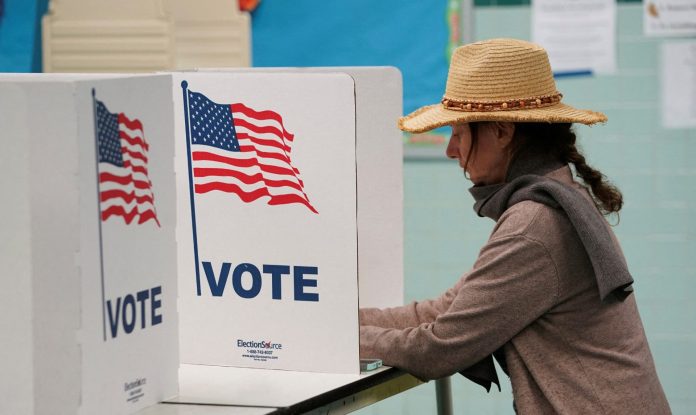
Iran refutes US claims on Tehran’s alleged interference in US elections

On Monday, media reported that the office of the Director of National Intelligence of the United States had unsubstantiated claims that Russia, China and Iran allegedly use marketing, communications and other means to influence US voters and the outcome of the upcoming presidential election.

“Iran has no purpose or activity aimed at influencing the US elections. Most of these accusations are being made as part of psychological actions to artificially revive election campaigns,” the Iranian mission to the UN said, as quoted by the IRNA news agency.

Iran says supports any initiative to end Gaza war

South African Foreign Minister Ronald Lamola, who has taken a trip to Tehran to participate in the swearing-in ceremony of the new Iranian President Massoud Pezeshkian, met with Bagheri for talks and shared his views on continued expansion and enhancement of ties between the two countries.

During the meeting, the Iranian caretaker foreign minister congratulated South Africa for the successful elections and formation of a new government and wished Lamola success in his new and important position as the foreign minister of South Africa.

Bagheri said the promotion of ties between the two countries during the previous administration was satisfactory and expressed hope that bilateral ties will seriously and effectively be promoted and existing economic capacities in Iran and South Africa will be exploited through efforts by the new administrations and the presidents in both countries to serve the interests of two nations.

Meanwhile, the Iranian acting foreign minister highlighted the high capacities for cooperation between the two countries in international political and judicial fields by adopting multilateral mechanisms to counter unilateral approaches and the illegitimate restrictions imposed by some Western countries, with the US on top of them, against independent countries by abusing issues such as human rights, terrorism, and non-proliferation.

Bagheri hailed Lamola for his outstanding role as an undaunted and innovative diplomat in pursuing the case of the Zionist regime’s crimes at the International Court of Justice (ICJ) and the special efforts by the South African government to denounce the regime’s crimes in international legal and judicial circles.

He also stressed that the Islamic Republic of Iran fully supports South Africa’s vital role in this regard, saying, “The Islamic Republic of Iran backs any initiative and measure in the international arena to support the oppressed Palestinian people and counter and slam the Zionist regime’s genocide and crimes against humanity in Gaza.”

Furthermore, the top Iranian diplomat expressed satisfaction with Iran’s full membership in the BRICS during South Africa’s tenure as the head of the economic group. He added that the interaction and cooperation between the two countries in international assemblies and multilateral mechanisms such as BRICS should continue in order to defend and protect the rights of independent countries as well as the Palestinian people’s rights.

Expressing his satisfaction with his maiden trip to Iran, the South African foreign minister congratulated Iran for successfully holding the presidential election. He said his presence as the special envoy of the South African government and President Cyril Ramaphosa in President Pezeshkian’s swearing-in ceremony indicates his country’s strong will to continue boosting and promoting ties between Tehran and Pretoria.

He also added his country is willing to step up relations between the two countries, especially in the economic and commercial fields, bolster cultural and people-to-people communications and cooperation, and expand international interactions and cooperation within the framework of The Hague-based International Court of Justice (ICJ) and the International Criminal Court (ICC).

Lamola also stressed on consultations and boosting common stances in the fight against genocide in Gaza.

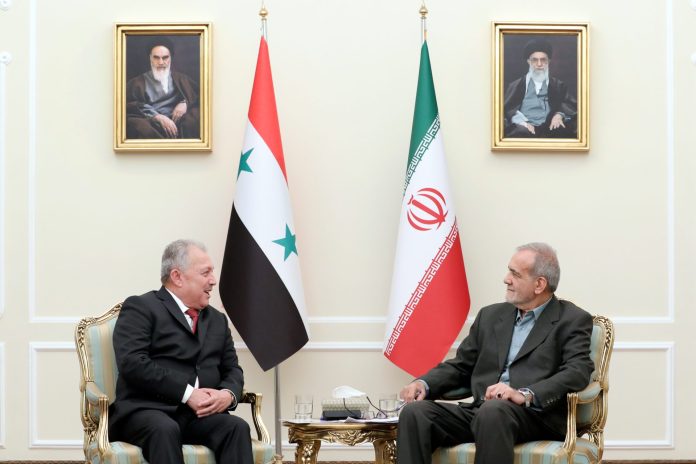
Pezeshkian stresses Iran new administration’s resolve to implement Syria deals

The Iranian president stressed the importance of enhancing mutual ties in the economic, trade and social sectors as well as cultural exchanges in line with the political relations.

Arnous, for his part, commended Iran’s support for the improvement of security in Syria. He stated the two countries should use their diverse capacities to deepen relations.

back in early May, late Presidents Ebrahim Raisi and Bashar Assad singed an agreement on “long-term strategic comprehensive cooperation” between Iran and Syria.

In addition to the strategic cooperation agreement, the two presidents inked 14 other documents in various areas, including trade, oil and energy, engineering, housing, rail and aerial transportation, free trade zones, communications and technology, earthquake reliefs, and facilitation of pilgrimage to the holy sites for the people of the two Muslim nations.

Hamas says Israel stalling Gaza ceasefire agreement with new terms

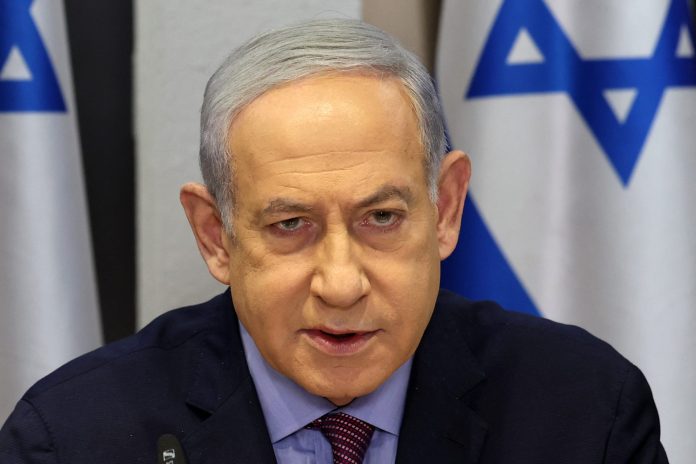
Netanyahu

“We in the Hamas movement have listened to the mediators regarding what transpired recently in the Rome meeting, concerning the ceasefire talks and prisoner exchange,” the group said in a statement on Monday.

“It is clear from what the mediators conveyed that Netanyahu has returned to his strategy of procrastination, stalling, and evading reaching a deal by setting new conditions and demands,” it added.

The new terms, Hamas stressed, represent “a retreat” from an earlier draft communicated by mediators.

The statement came after Egyptian, Qatari and US mediators met with Israeli negotiators in Rome on Sunday in the latest push for a truce.

Israel and Hamas have been engaged in indirect talks since January to reach a deal that ends the war on Gaza and swaps Israeli captives with Palestinian prisoners.

The two sides have been back and forth over a three-phased proposed outline for the agreement presented by mediators.

The process involves a six-week pause in fighting, in which Hamas will release some Israeli captives it has held since October 7.

In exchange, Israel is expected to release several Palestinian prisoners, withdraw its troops from certain regions of the Gaza Strip and allow Palestinians to travel from the south of the territory to the north.

During the second phase, there would be a direct announcement of a permanent cessation of Israeli military operations before the remaining Israeli captives are exchanged for more Palestinian prisoners.

Hamas has accepted a UN Security Council resolution passed last month which said: “If the negotiations take longer than six weeks for phase one, the ceasefire will continue as long as negotiations continue.”

Israel’s war on Gaza, now nearing its tenth month, has destroyed large swaths of the besieged territory. Israel has killed more than 39,300 people, the great majority of them women and children, in Gaza since October 2023.