Friday, January 2, 2026
Home Blog Page 804

Pezeshkian reassures Hezbollah, Islamic Jihad of Iran’s support

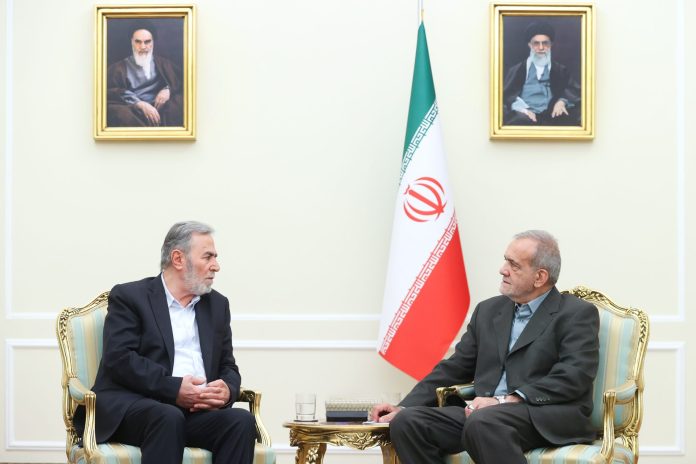
Pezeshkian made the remarks in Tehran on Monday, meeting separately with Ziad Nakhala, secretary-general of the Gaza Strip-based resistance movement of the Islamic Jihad, and Sheikh Naim Qassem, deputy secretary-general of the Lebanese resistance movement Hezbollah.

“The Islamic Republic’s position of supporting the cause of liberation of [the holy occupied city of] al-Quds, would not change with the transition of governments [in the country],” Pezeshkian told Nakhala.

Pezeshkian asserted, “We would not abandon our Palestinian brothers and sisters in the face of Zionists’ inhumane crimes.”

The remarks came amid the Israeli regime’s October 7-present war of genocide against Gaza that has so far claimed the lives of at least 39,300 Palestinians, mostly women and children.

The Palestinian official, for his part, expressed gratitude towards the Islamic Republic, noting that “Iran’s resonating supportive voice has an important impact towards preserving resistance fighters’ morale and steadfastness.”

The Palestinian people would never forget Iran’s supportive attitude, he concluded.
Pezeshkian reassures Hezbollah, Islamic Jihad of Iran’s support

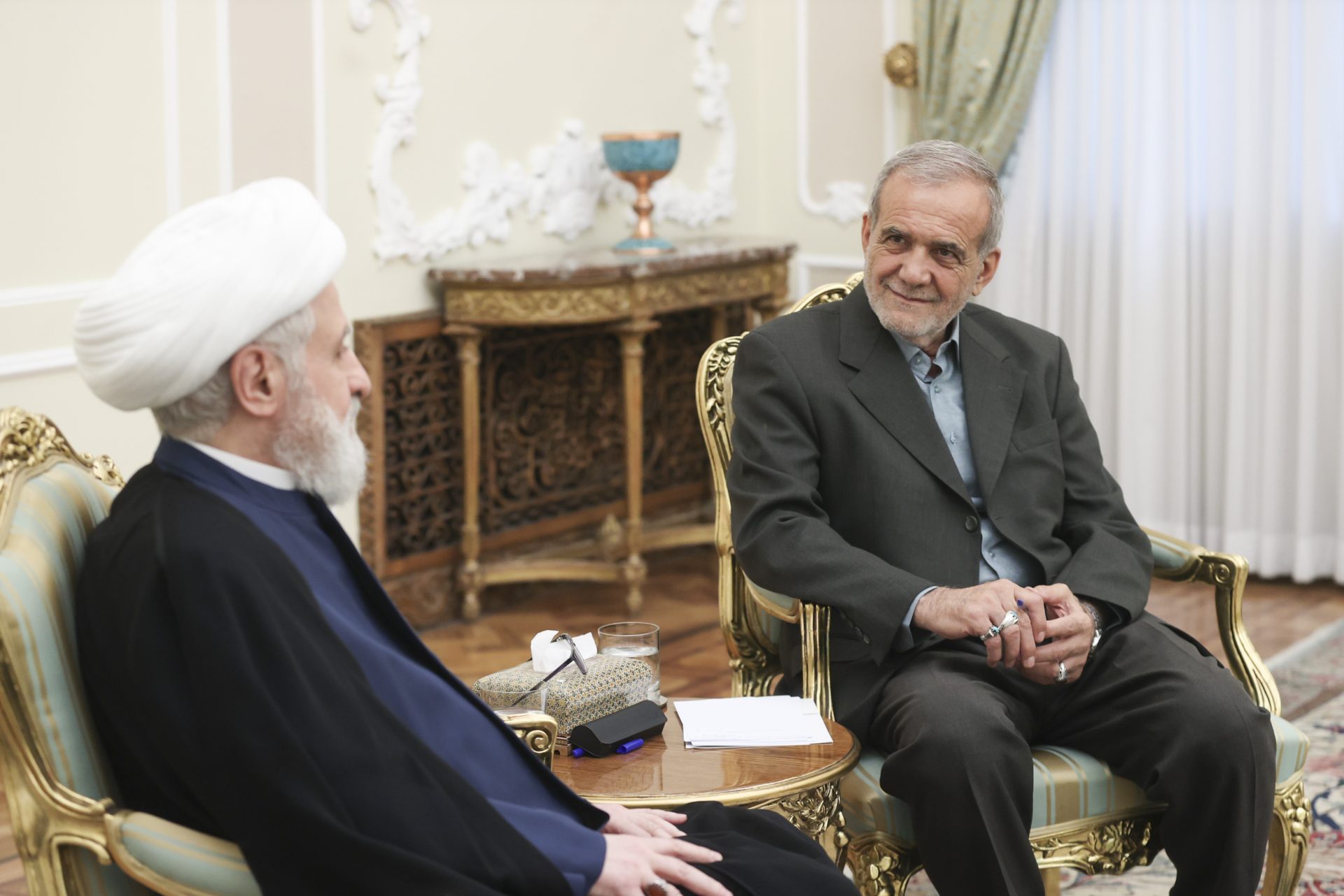
Meeting with Qassem, Pezeshkian likewise asserted that backing the resistance front constituted one of the Islamic Republic’s “religious duties and principled policies”.

He also considered enhancement of relations with Muslim countries to be among the foreign policy priorities of his pending government.

The Lebanese official, in turn, said that the defeats that the Israeli regime had been dealt at the hands of the regional resistance movements were owed to the Islamic Republic’s acts of support in favor of those groups.

Qassem, meanwhile, expressed certainty that the ardent people of Gaza’s resistance in the face of the invading Israeli military would impose another defeat on the occupying regime.
Polio epidemic declared in Gaza Strip amid war

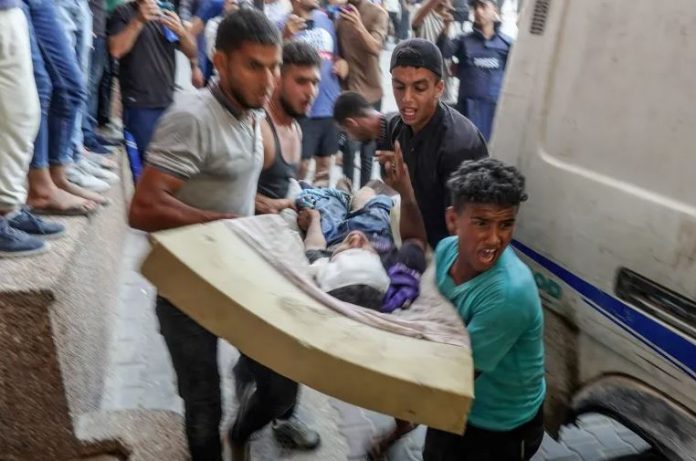
In a statement on Telegram, the ministry on Monday said the situation “poses a health threat to the residents of Gaza and neighbouring countries” – the latest sign of a worsening public health emergency caused by Israel’s genocidal war since October.

Calling the epidemic a “setback” to the global polio eradication programme, the ministry called for an “immediate intervention to end the [Israeli] aggression and find radical solutions” to lack of potable water and personal hygiene, damaged sewage networks and removal of tonnes of rubbish and solid waste.

Poliomyelitis, which is spread mainly through the fecal-oral route, is a highly infectious virus that can invade the nervous system and cause paralysis. Cases of polio have declined by 99 percent worldwide since 1988, thanks to mass vaccination campaigns, and efforts continue to eradicate it everywhere.

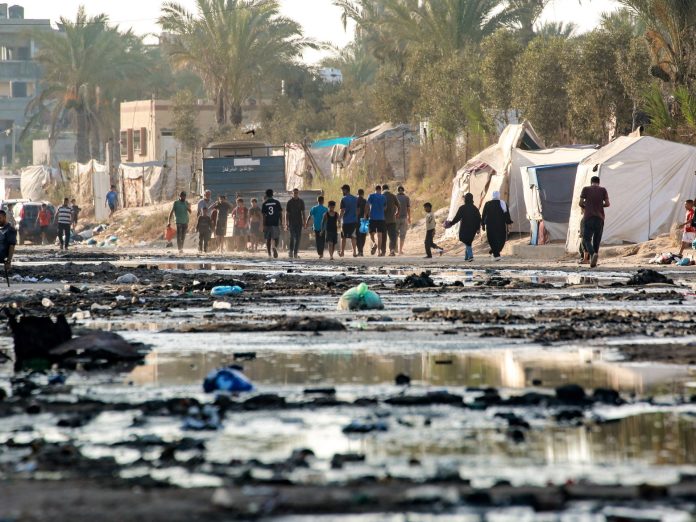
Earlier this month, Gaza’s Health Ministry announced it had detected “component poliovirus type 2” in coordination with the United Nations Children’s Fund (UNICEF). The virus was found in sewage “that collects and flows between the tents of the displaced”, added the ministry.

Already scarce supplies of drinking water in the densely-populated Gaza Strip are at risk of being contaminated by the virus.

On Friday, the World Health Organization (WHO) said it was sending more than one million polio vaccines to Gaza to be administered over the coming weeks to prevent children from being infected after the virus was detected in sewage samples.

Israel’s military, which said it has evidence of the “component polio virus type 2”, noted it would start offering the polio vaccine to soldiers in Gaza.

Israel’s war in Gaza has damaged and destroyed sewage and water systems, and sewage has spilled into the streets near some camps for the displaced Palestinians.

Last week, the United Nations reported that besides the detection of the polio virus, there has been a widespread increase in cases of Hepatitis A, dysentery and gastroenteritis as sanitary conditions deteriorate in Gaza.

US congressional aides launch dissent channel to protest Israel’s war on Gaza

Gaza War

The website’s homepage states the channel is where aides can “safely and anonymously offer alternative or dissenting opinions to Congressional policies and action”.

Organizers said the page, called the Congressional Dissent Channel, took inspiration from the State Department’s internal dissent channel, formed in 1971 in the wake of the Vietnam War. The State Department’s channel is slightly different. It is a classified internal government system in which authors must include their names when offering dissenting views that are confidentially posted.

However, the congressional dissent channel will be public, and authors can remain anonymous, either through videos or memos.

“Despite clear and mounting objections from constituents across the country, threats that the war’s regional escalation poses to U.S. interests, and the unconscionable Palestinian civilian casualties numbering in the tens of thousands, Congress has refused to use its leverage to condition arms on curbing human rights abuses, and to compel Israel to broker an immediate ceasefire,” the group wrote on the website.

The website follows a series of moves from congressional staffers who have protested Washington’s military and financial support of Israel amid its war in Gaza. The war has killed more than 39,000 Palestinians since it began in early October.

Some staffers, mostly progressives, have repeatedly pushed for a cease-fire between Israel and Hamas, including at a demonstration in November and another in May. Several staffers, however, have stressed they fear retribution from their offices to publicly discuss their disagreement with Congress’s stance.

Last week, dozens of congressional staffers with the group behind the website — Congressional Staff for Ceasefire — walked out of their offices to protest Israeli Prime Minister Benjamin Netanyahu’s address to a joint session of Congress.

The informal group said the Israeli leader’s presence in the Capitol “disgraces the U.S. Capitol and dishonors the American values Congress has sworn to uphold”.

More than 200 anonymous staff members across 122 Democratic and Republican members signed a letter earlier this month calling for Congress to protest or boycott Netanyahu’s visit. It was organized by the Congressional Progressive Staff Association and signed by 230 House and Senate staffers.

While Congress as a whole did not boycott Netanyahu’s speech, several Democratic lawmakers did not attend in protest.

Palestinian prisoners recount abuse in Israeli jails: Report

Israel Prison

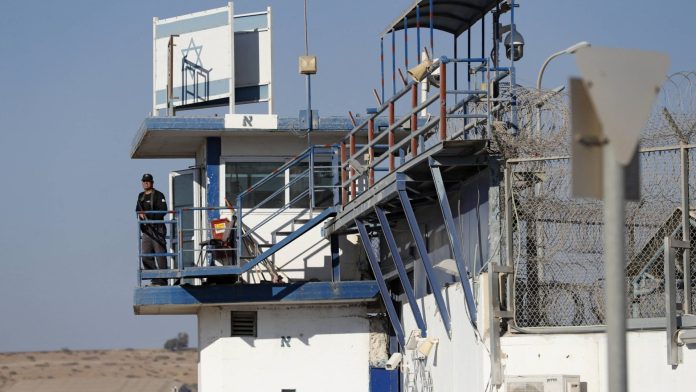
According to doctors from Physicians for Human Rights Israel (PHRI) quoted by the American daily newspaper Washington Post, at least 12 Palestinians from the West Bank and the 1948 Israeli-occupied territories have died from abuse in Israeli prisons since October 7 last year when the bloody Israeli onslaught on Gaza started.

The report also included witness accounts about the suffering of three of those dead inmates.

The paper said one Palestinian inmate died with a ruptured spleen and broken ribs after being beaten by Israeli prison guards.

Another met an excruciating end because a chronic condition went untreated. A third screamed for help for hours before dying, the Washington Post noted.

“Violence is pervasive,” said Jessica Montell, executive director of the Israeli rights group HaMoked, which has worked for years with Palestinian inmates.

“It’s very overcrowded. Every prisoner that we’ve met with has lost 30 pounds.”

A 28-year-old former prisoner said guards beat them “like crazy people”, kicking and beating them with batons.

Ibrahim, the brother of Abdul Rahman al-Maari, 33, who died in Megiddo Prison in November, stated his brother was detained at a temporary checkpoint last February 2023.

Ibrahim added he lost contact with his brother after the outbreak of the Israeli war on Gaza.

An autopsy report examined by Dr. Danny Rosen of the PHRI stated that al-Maari’s ribs were broken, and that there were deformities in his back, hip, left arm, head and neck.

Khairy Hamad, 32, who was held in the same section, said al-Maari was thrown down the stairs while handcuffed and bleeding from his head, on the grounds that he had spoken back to guards during a cell search.

He added al-Maari was left for hours in pain and crying for help until he died.

Palestinian detainees have continuously resorted to open-ended hunger strikes in an attempt to express outrage at their illegal detention.

Israel keeps Palestinian inmates under deplorable conditions without proper hygienic standards. Palestinian inmates have also been subject to systematic torture, harassment, and repression.

Human rights organizations say Israel continues to violate all rights and freedoms granted to prisoners by the Fourth Geneva Convention and international laws.

According to the Palestine Detainees Studies Center, around 60 percent of the Palestinian prisoners detained in Israeli jails suffer from chronic diseases, a number of whom died in detention or after being released due to the severity of their cases.

Four-member terrorist team nabbed in Iran’s Sistan and Baluchestan province

Iranian forces

This terrorist team was arrested on Monday in the village of Ghaderabad in the Khash region of Sistan and Baluchestan.

The detainees were responsible for transferring explosive shipments inside Iran.

From this terrorist group, 10 firearms, 3 RPG missiles, 4 radio devices, and some ammunition were discovered and seized before any sabotage action could be carried out.

The terrorist group Jaish al-Adl has been responsible for many terrorist operations inside Iran. The Islamic Republic of Iran says this group is supported by the US and Israel.

Iran, Gambia resume diplomatic ties after 14 years

Ministry of Foreign Affairs of the Islamic Republic of Iran

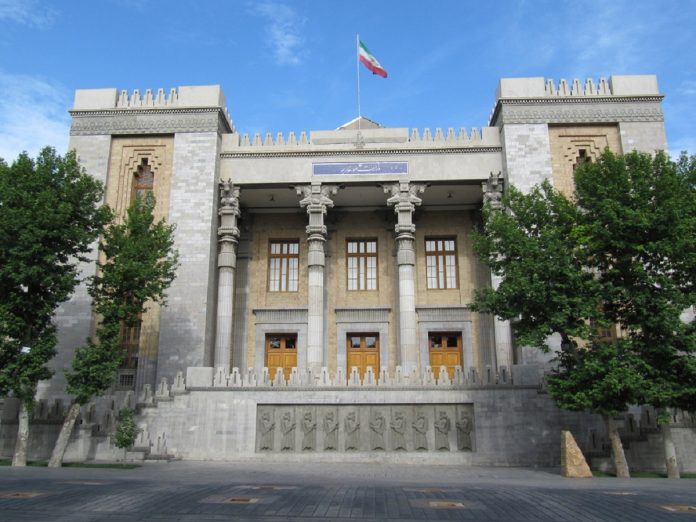
In a statement, the Iranian Foreign Ministry announced the decision was made following the meeting between high-ranking Iranian officials and their Gambian peers in recent years and negotiations between the African country’s Foreign Minister Mamdou Tangara and Iran’s Acting Foreign Minister Ali Bagheri in Tehran.

The two top diplomats decided to announce the restoration of diplomatic ties on July 29, 2024 in order to preserve the interests of both nations, says the statement.

It adds the two governments agreed to expand friendly relations based on mutual respect, equality and common interests and bilateral cooperation in all spheres, including political, economic, investment, trade and cultural fields

In order to speed up the process of putting the rapprochement into practice, it was decided that the embassies of Iran and Gambia in Dakar act as a channel for diplomatic contact and coordinate and take appropriate measures to that end.

Gambia severed diplomatic and economic relations with Iran on November 23, 2010. The Islamic Republic attributed the action to pressure from the United States.

Israel inks $220mn order for thousands of mortar shells as Gaza war continues

Israel Army

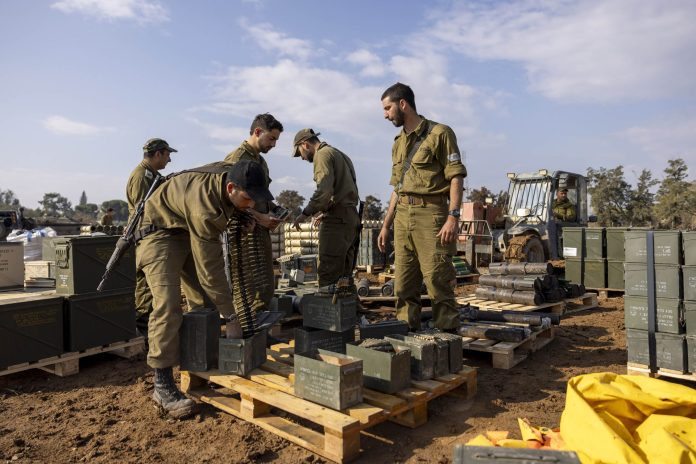
“These advanced precision-guided munitions (PGMs) are set to enhance the operational capabilities of the IDF’s (army) ground forces,” the ministry said in a statement on Monday.

“‘Iron Sting’ PGMs are equipped with sophisticated laser and GPS guidance systems, enabling precise targeting while minimizing collateral damage and reducing the risk to non-combatants,” it added.

The statement did not provide further details regarding the procurement process for these munitions.

Israel has faced sharp criticism worldwide due to its intensive indiscriminate shelling of Gaza, supported by substantial US backing.

Earlier reports from Israeli media indicated that the military bombarded the Palestinian enclave with massive quantities of bombs, causing mass destruction.

In addition to products from Israeli defense companies, Tel Aviv has received significant ammunition supplies from Western countries, notably its staunch ally, Washington.

Israel has continued its devastating offensive on the Gaza Strip since an Oct. 7 attack by Hamas despite a UN Security Council resolution demanding an immediate cease-fire.

More than 39,300 Palestinians have since been killed, mostly women and children, and over 90,800 injured, according to local health authorities.

Over nine months into the Israeli onslaught, vast tracts of Gaza lie in ruins amid a crippling blockade of food, clean water and medicine.

Israel is accused of genocide at the International Court of Justice for its actions in Gaza.

Envoy: Kuwait to transfer 22 prisoners to Iran

Iran Prison

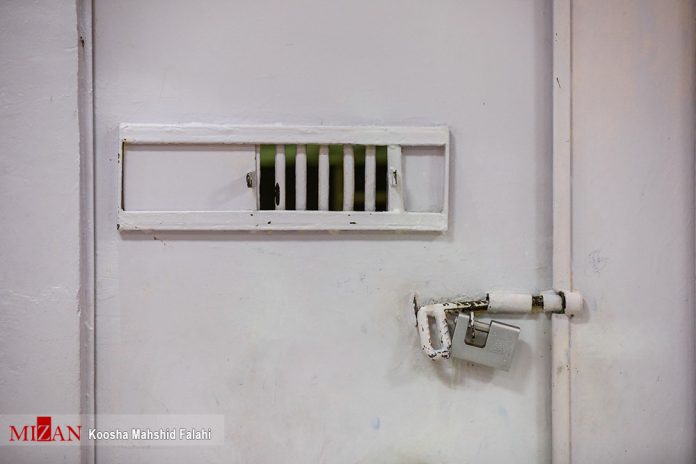
Tootoonchi added that efforts are afoot to pursue the matter.

He made those remarks in a post on X.

Earlier, an official at Iran’s Judiciary said 19 Iranian prisoners were repatriated to Iran by Iraq’s Kurdistan region as part of efforts by both sides to expand their legal and judicial cooperation.

The Kurdistan region has already transferred the prisoners to Iranian authorities.

Pres. Pezeshkian to Macron: Iran ready to expand ties with France

Pezeshkian Macron

Pezeshkian also spoke with Macron over the latest tensions in the region following an attack that claimed the lives 12 people in the Israeli-occupied Golan Heights.

The Iranian president voiced concern over the tensions along the Lebanese border with occupied Palestine, warning that any aggression by the Israeli regime against Lebanon will have dire consequences.

The French president for his part voiced hope that ties between Iran and France will expand more than before during Pezeshkian’s presidency.

Pezeshkian is set to swear in as the 9th president of the Islamic Republic of Iran, on Tuesday.

152 people contract dengue fever in Iran as of March 20 

Officials say Aedes mosquitoes have been found in Hormozgan, Sistan and Baluchestan, Busheher and Gilan provinces.

Meanwhile, epidemiological studies show that most of the Iranian patients contracted the disease in the UAE. A number of them also are said to have visited Pakistan, Oman and Benin in West African before contracting dengue fever.

Aedes mosquitoes live and grow near human habitats. When a mosquito bites a person infected with dengue virus, the virus enters the mosquito’s body. Then, when the infected mosquito bites another person, the virus enters that person’s bloodstream.