Thursday, December 25, 2025
Home Blog Page 72

Official figures show Israel’s war expenses reached $76.3bn in 2 years

Israel Army

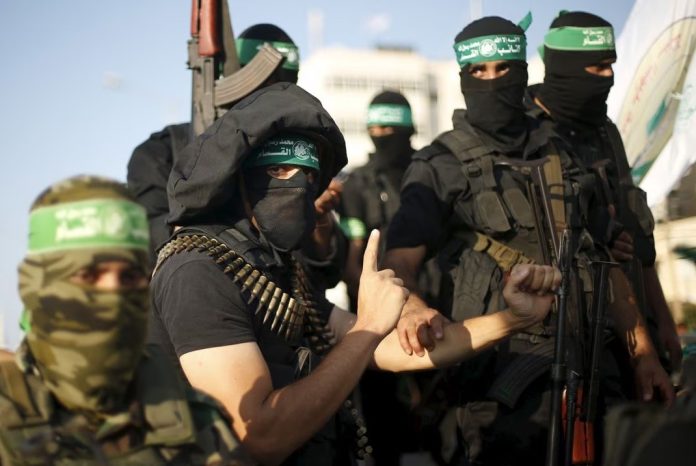
Israel’s public broadcaster KAN, citing finance ministry data, reported that the war expenses have so far totaled 250 billion shekels ($76.3 billion).

According to senior ministry officials, the defense establishment misused reserve service days, leading to “the waste of billions of shekels” in payments to reservists during service periods.

Israel’s far-right Finance Minister Bezalel Smotrich told a press conference on Tuesday that it was “necessary to increase the defense budget to enable growth in Israel’s economy in the coming years,” without elaborating further.

No details were provided on where the expenses were made, though the total is believed to include costs from Israel’s military campaigns in Gaza, Lebanon, and Iran since October 2023.

The Gaza war came to a halt under the first phase of a ceasefire deal that took effect on Oct. 10, under US President Donald Trump’s 20-point plan.

Phase one includes the release of Israeli hostages in exchange for Palestinian prisoners. The plan also envisages the rebuilding of Gaza and the establishment of a new governing mechanism without Hamas.

Since October 2023, the Israeli genocidal war has killed nearly 69,000 people and injured more than 170,300, according to the Gaza Health Ministry.


Iran reports sharp decline in water reserves as dam levels reach critical point

Iran Water Crisis

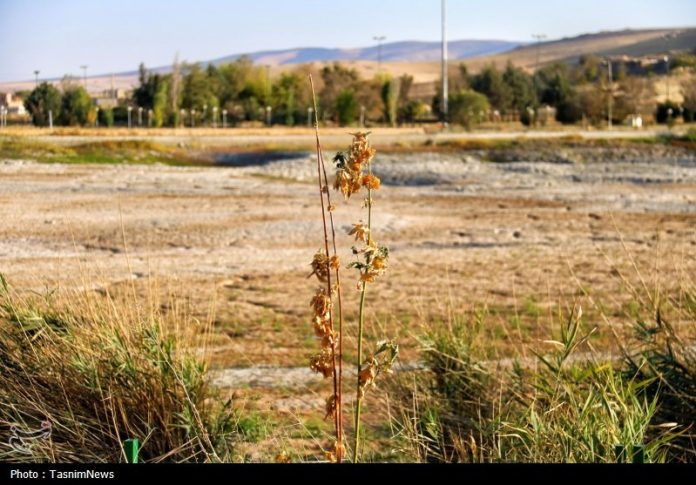
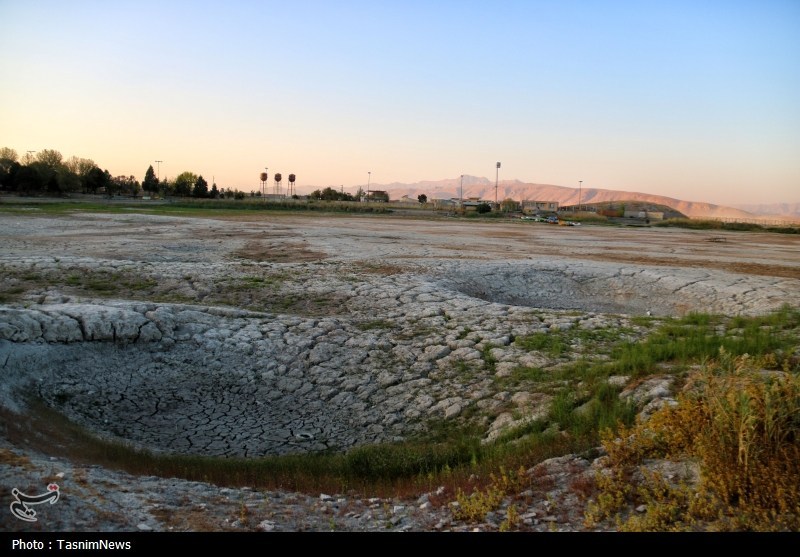
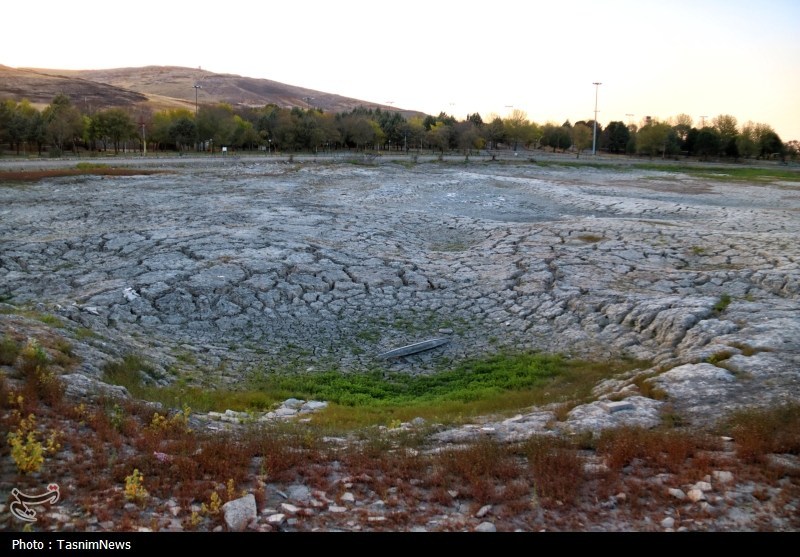
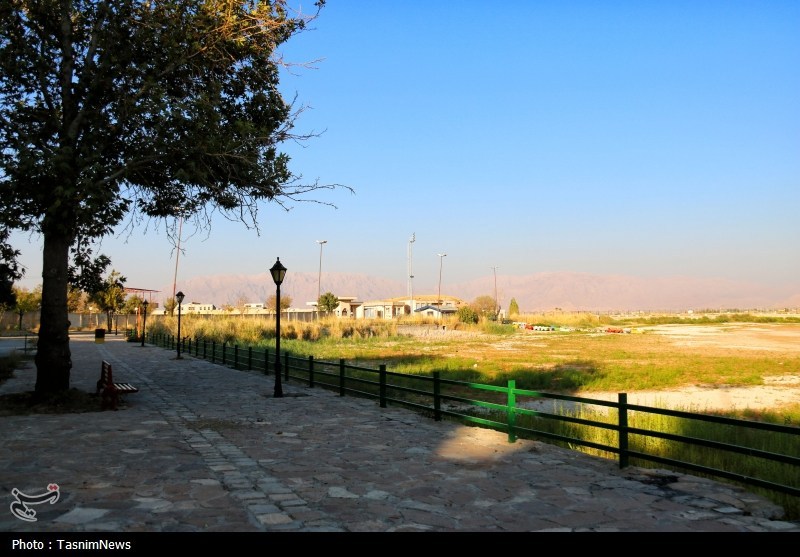
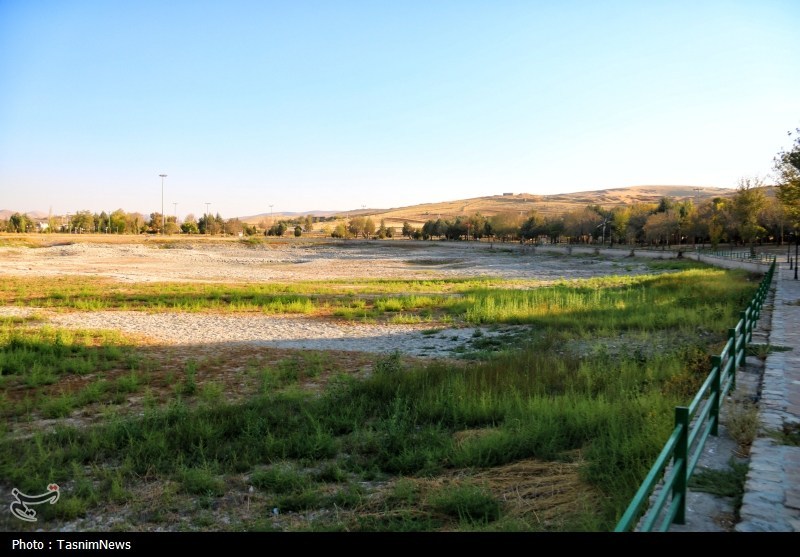
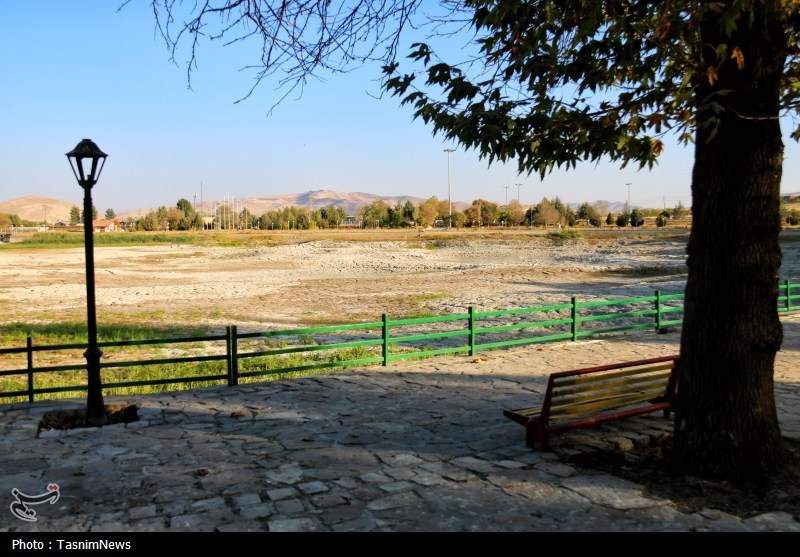
According to the latest figures from the Ministry of Energy, only 1.35 billion cubic meters of water entered the country’s dam reservoirs between October 1 and November 3, marking a 39% decrease compared to the same period last year, when inflow totaled 2.19 billion cubic meters.

During the same period, water release from dams for drinking, agriculture, industry, and environmental needs reached 2.79 billion cubic meters, representing a 26% decline compared to last year.

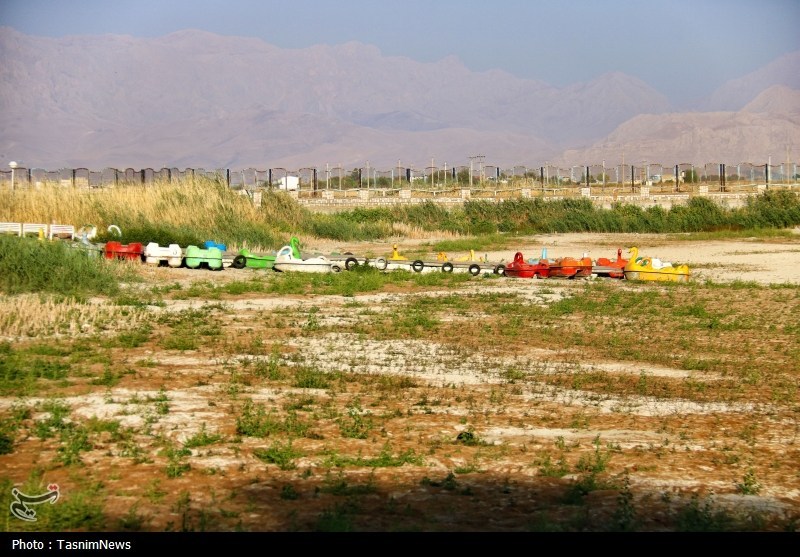
Current total water stored in the reservoirs stands at 17.21 billion cubic meters. This means just 33% of national dam capacity is filled, while 67% remains empty.

Last year on the same date, the storage level was reported at 22.92 billion cubic meters, indicating a year-on-year decrease of 25%.

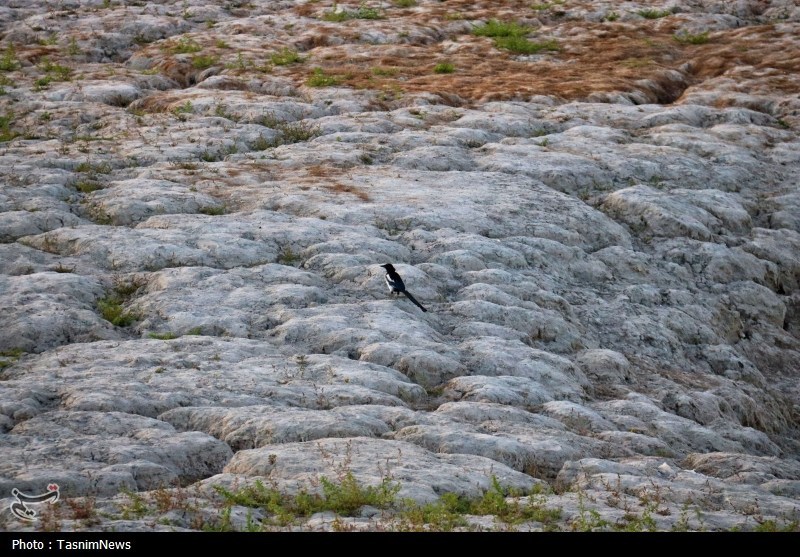
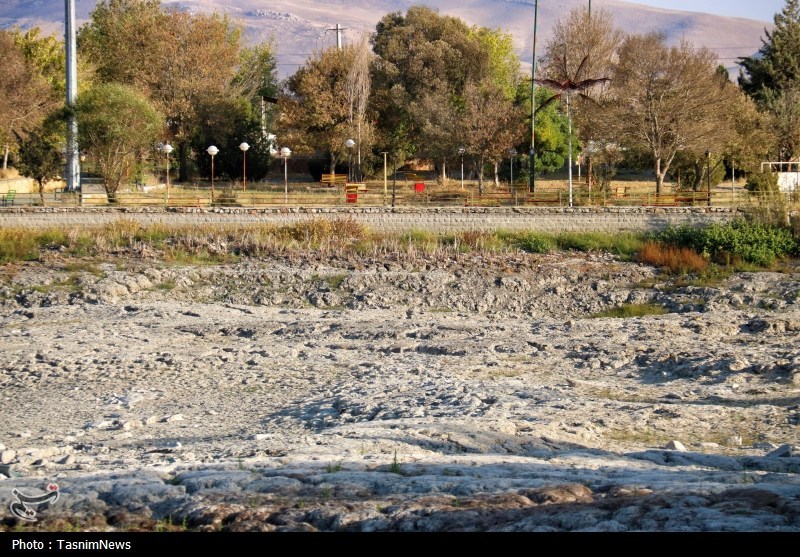
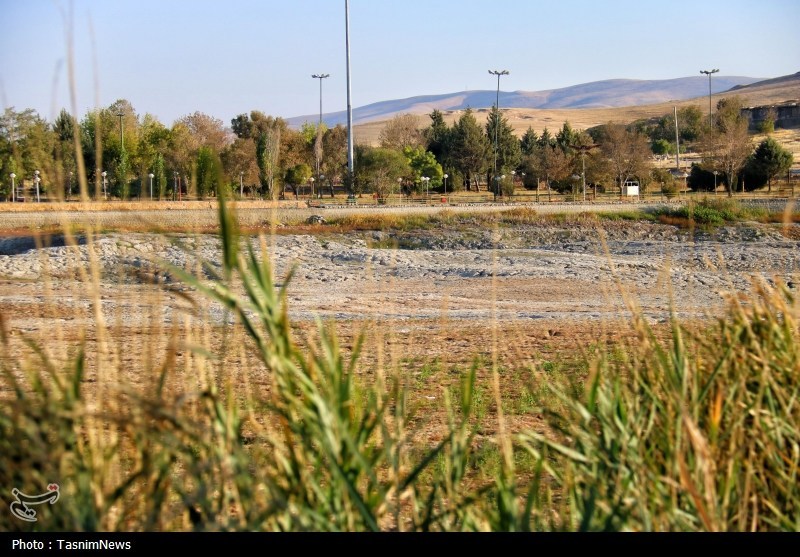
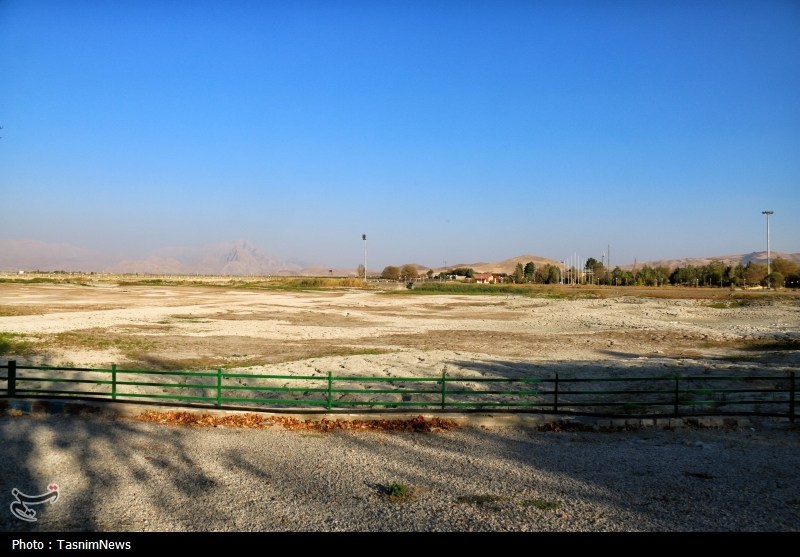
The situation reflects the impact of ongoing drought conditions, as Iran enters its sixth consecutive dry autumn.

Experts warn that 28 provinces are currently facing critical rainfall shortages, with several major dams nearing “dead storage” levels.

Authorities emphasize that widespread water conservation and careful consumption management are essential until more substantial seasonal rainfall occurs.

Iran says granted conditional release to French nationals

Esmael Baghaei

Spokesman Esmaeil Baghaei provided the information on Tuesday, saying the detainees have been released “by the order of the presiding judge.”

The duo, he added, “will remain under supervision pending the next stage of judicial proceedings.”

French President Emanuel Macron confirmed the development, identifying the two as Cécile Kohler and Jacques Paris, who had been held in Iran on espionage charges.

They are now “on their way to the French embassy in Tehran,” Macron wrote on X.

He welcomed this “first step” and stated talks were underway to ensure their return to France as “quickly as possible.”

On October 21, Iranian Deputy Foreign Minister, Vahid Jalalzadeh said Mahdieh Esfandiari, an Iranian academic illegally imprisoned in France over pro-Palestine social media posts, had been included in a prisoner exchange plan.

Tehran came up with a political and consular package that both countries were to implement to expedite the release of Esfandiari, who had been arbitrarily detained in the European country for speaking out against the Israeli regime’s genocide in Gaza, the official noted at the time.

The 39-year-old Iranian translator and university lecturer residing in Lyon was arrested by the French police over her activity on a pro-Palestine Telegram channel.

On October 22, Baghaei announced that Esfandiari had been granted conditional release.

He welcomed Paris’ move, and noted that Esfandiari would be transferred from prison to a residence outside the detention facility following issuance of the verdict and would remain under supervision until her trial is held.

Late last month, Baghaei added the Islamic Republic was pursuing finalization of her verdict, while asserting that the academic’s arrest took place “without any legitimate reason” and constitutes a case of arbitrary detention.


Nearly 1mn people in Gaza receive food aid amid ceasefire: UN

Gaza War

Citing the Office for the Coordination of Humanitarian Affairs (OCHA), UN spokesperson Farhan Haq said at a news conference that “the UN and our humanitarian partners continue scaling up our operations in line with the 60-day response plan.”

“Since the resumption of our general food distribution in October, nearly 1 million people have received assistance through 46 distribution points run by our partners working on food security across the Strip, that is half of the total population,” Haq reported.

He noted that “our partners providing protection support report that their services remain under severe strain due to displacement, damage and insecurity, with major gaps in the north. Despite this, they continue to respond wherever possible.”

Emphasizing that “to fully deliver on the 60-day humanitarian plan, the UN and our humanitarian partners need a durable ceasefire, more functional crossings,” Haq stressed the need for “lifting of bureaucratic hurdles, safe and viable routes inside Gaza, sustained funding and unimpeded access, including for NGOs.”

On the situation in the occupied West Bank, Haq cited the UN’s relief chief Tom Fletcher’s appeal “for the protection of Palestinians amid reports of ongoing attacks by Israeli settlers across the West Bank.”

Noting that “many of these attacks are related to Palestinians’ attempts to harvest their olive crops,” Haq added that Fletcher stressed that “the failure to prevent or punish such attacks is inconsistent with international law.”

According to the official Colonization and Wall Resistance Commission, 259 attacks on Palestinians were carried out by the Israeli army and illegal settlers during the olive harvest season from late September to November.

Israeli attacks have escalated across the occupied West Bank since October 2023, killing more than 1,062 Palestinians and injuring 10,300, according to Palestinian figures.

In a landmark opinion last July, the International Court of Justice declared Israel’s occupation of Palestinian territory illegal and called for the evacuation of all settlements in the West Bank and East Jerusalem.


Putin claims NATO spy ship observed test of Russia’s nuclear-powered missile

Vladimir Putin

Last month, Russia successfully tested the Burevestnik missile, which, according to the Russian military, traveled more than 14,000 kilometers and remained airborne for about 15 hours.

“I think foreign experts were also able to verify this, since a NATO reconnaissance ship was constantly in the area during the tests of the Burevestnik on October 21. We didn’t interfere with its work. Let them take a look,” Putin said on Tuesday.

The Russian leader emphasized that Moscow is “not threatening anyone,” and that the tests are part of “long-announced work,” which should not come as a surprise.

In recent weeks, Russia has also tested the Poseidon, a nuclear-powered, torpedo-shaped drone, and launched a new nuclear submarine, the Khabarovsk, designed specifically to carry such drones.

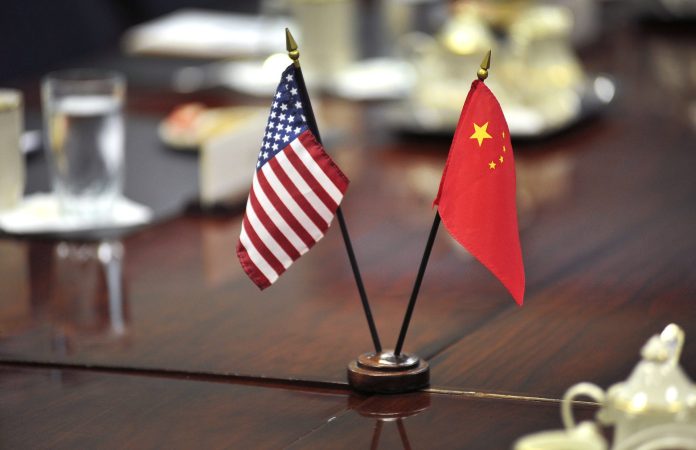
Although none of these tests involved actual nuclear detonations, US President Donald Trump responded by ordering the Pentagon to resume nuclear weapons testing, citing strategic competition with Russia and China.

89 Tehran univ. scholars named among top 2% of scientists worldwide

Iran University

The list, compiled under the supervision of Professor John P.A. Ioannidis, is recognized as one of the most credible international assessments of scientific impact and research excellence.

The ranking is based on citation metrics and overall scientific influence using data from the Scopus database. Indicators such as the total number of citations, h-index, hm-index, authorship position, and a composite c-score are considered in determining the researchers’ placement.

The selected Iranian scholars represent a wide range of disciplines across the University of Tehran, including agriculture and natural resources, engineering, basic sciences, interdisciplinary technologies, psychology, management, veterinary medicine, and environmental studies.

Among the distinguished names are Hassan Etesami, Morteza Aghbashlou, and Zahra Emamjomeh from the Faculty of Agriculture and Natural Resources; Hamed Mirzadeh Sultanpour, Reza Tavakoli-Moghadam, and Saeed Sheibani from the Faculty of Engineering; and Mohammadreza Ganjali, Taher Alizadeh, and Farzaneh Shemirani from the Faculty of Science.

Additionally, Ali-Akbar Mousavi-Movahedi and Ali-Akbar Sabouri from the Institute of Biochemistry and Biophysics, as well as Omid Alizadeh and Ali Gholami from the Institute of Geophysics, were recognized for their significant contributions.

Iraq war architect Dick Cheney dies

“Richard B. Cheney, the 46th Vice President of the United States, died last night, November 3, 2025. He was 84 years old,” the statement reads.

“His beloved wife of 61 years, Lynne, his daughters, Liz and Mary, and other family members were with him as he passed. The former Vice President died due to complications of pneumonia and cardiac and vascular disease.”

Serving under former US President George W. Bush from 2001 to 2009, Cheney was one of the chief architects of the 2003 US invasion of Iraq. He strongly advocated the claim that then-Iraqi leader Saddam Hussein possessed weapons of mass destruction, which was later discredited. Cheney also pushed for the broader ‘war on terror’, approved the use of torture on terrorist suspects, and greenlighted the warrantless monitoring of Americans’ phone calls and emails.

He left office with one of the lowest approval ratings ever recorded for a US vice president, according to major US pollsters, but expressed no regrets over his policy choices, insisting he did what was necessary after the 9/11 terrorist attacks that killed nearly 2,800 people.

“I would do it again in a minute,” he stated in 2014, responding to a Senate report that condemned the CIA’s interrogation methods as brutal, ineffective, and damaging to America’s global standing.

Critics argue that Cheney’s aggressive foreign policy and role in the Iraq War had lasting, damaging effects on the US and the world. The invasion, they say, created a power vacuum that fueled sectarian violence, destabilized the Middle East, and helped spawn terror groups like Daesh. The war left more than 4,600 US troops and up to 300,000 Iraqi civilians dead, with some studies estimating over 500,000 total war-related deaths.

Cheney suffered from severe cardiovascular disease for much of his adult life and survived multiple heart attacks. His first heart attack occurred in 1978 when he was just 37.

He suffered four more, leading to several surgeries, including bypass operations, angioplasties, and the implantation of a left ventricular assist device in 2010 before receiving a heart transplant in 2012.


Several Chinese refiners start shunning Russian oil after US sanctions: Bloomberg

The Trump administration imposed sanctions against Russian oil giants Lukoil and Rosneft on Oct. 22, aiming to pressure Moscow into accepting a ceasefire in Ukraine.

The measures freeze the companies’ U.S. assets and pave the way for secondary sanctions against foreign institutions that handle transactions with those on the blacklist.

After the sanctions, state-owned Chinese refiners, such as Sinopec and PetroChina Co., have canceled some Russian cargos, and smaller private refiners are also holding off on purchases, according to Bloomberg.

The situation affects approximately 400,000 barrels per day, representing around 45% of China’s oil imports from Russia, the news agency reported, citing the Rystad Energy consultancy.

China has become one of the leading buyers of Russian oil after the outbreak of the full-scale war in Ukraine, taking advantage of steep discounts as Moscow sought new markets.

While claiming neutrality in the war, Beijing is seen as crucial in keeping Russia’s economy afloat amid the invasion.

Other buyers have reportedly begun shunning Russian crude following the imposition of fresh Western sanctions. Reuters reported on Nov. 2 that Turkey’s largest oil refineries are scaling back purchases of Russian oil and turning to alternative suppliers.

Russian oil exports to India raise despite US sanctions: Reuters

Kpler estimated India’s Russian crude imports at about 1.48 million barrels per day (bpd) in October, up from 1.44 million bpd in September. OilX gave similar figures – 1.48 and 1.43 million bpd for October and September, respectively. The data exclude Kazakh-origin oil exported via Russia, the news agency added.

The US imposed sanctions on Russian oil giants Rosneft and Lukoil and their subsidiaries in late October. At about the same time, the EU then officially implemented its 19th package of sanctions against Moscow, targeting over 117 vessels from what Brussels claims is a Russian “shadow fleet,” as well as additional individuals and entities.

Earlier this year, US President Donald Trump imposed a 25% punitive tariff on India, citing New Delhi’s purchases of Russian oil as the reason. The tariff was on top of an existing 25% levy imposed as a part of ‘Liberation Day’, when the two countries failed to reach a trade agreement. The US president accused India and China of contributing to the Ukraine conflict by buying Russian crude.

New Delhi is analyzing the effects of new sanctions on Russian oil majors Rosneft and Lukoil and will act based on how the situation develops, Foreign Ministry spokesman Randhir Jaiswal said on Thursday.

India’s private refiner Reliance has bought millions of barrels from the spot markets since the US sanctions were introduced, Reuters claimed.

India, the world’s third largest oil consumer, has substantially increased its crude imports from Russia since 2022. As of September, Russia accounted for 34% of India’s total imports, based on data from Kpler.

In response to the sanctions, key Indian refiners have temporarily halted new orders and are instead seeking alternative supplies in spot markets, Reuters claimed. Other refiners such as state backed Indian Oil Corporation states they will continue purchasing oil from Russian producers that have not been sanctioned.


UN satellite assessment shows 81% of Gaza Strip structures damaged

Gaza War

Citing the Office for the Coordination of Humanitarian Affairs (OCHA), UN spokesperson Farhan Haq told a news conference: “The ongoing scale-up of the aid response is already having a positive impact on people in all areas of the strip. But much more is needed so that we can address the full scale of the needs and leave no one behind.”

Noting that renovation work “is ongoing in four schools,” Haq stated that over the past three days, “the UN and our partners have supported the reopening of five temporary learning spaces in Gaza City.”

Citing the latest analysis by the UN Satellite Center, he said that “some 81% of all structures in the Gaza Strip are damaged.”

“Northern Gaza experienced the largest increases in damage since July 2025, with nearly 5,700 newly affected structures,” he continued, adding that “more than 123,000 structures across the strip have been identified as destroyed, another 50,000 are severely or moderately damaged, and 24,000 are possibly damaged.”

Israel has killed more than 68,000 people in Gaza in more than two years of attacks since October 2023.

A ceasefire between Israel and Hamas was reached on Oct. 10, based on a 20-point peace plan proposed by US President Donald Trump. Israel, however, has violated the truce multiple times.