Sunday, December 28, 2025
Home Blog Page 714

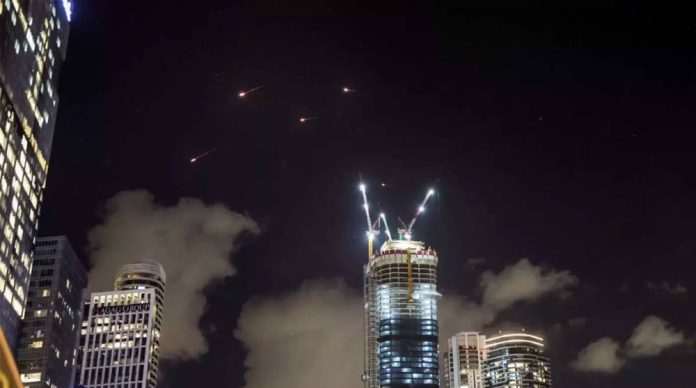
US says helped Israel thwart Iranian aerial attack

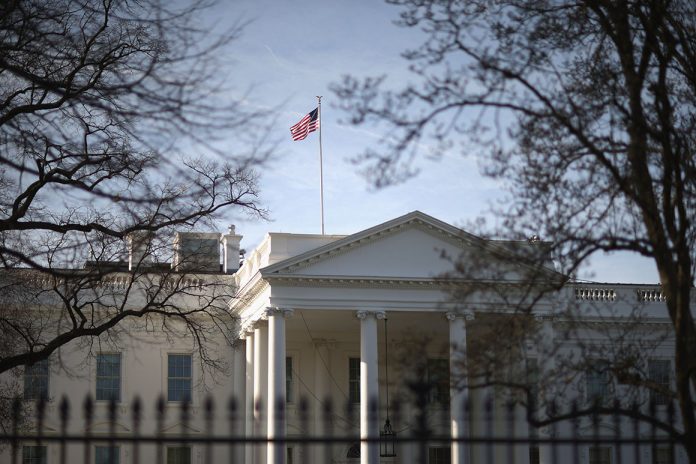
White House

US National Security Advisor Jake Sullivan stated on Tuesday that “US naval destroyers joined Israeli air defence units in firing interceptors to shoot down in-bound missiles”.

“In short, based on what we know at this point, this attack appears to have been defeated and ineffective,” Sullivan said during a news briefing at the White House.

“This was first and foremost the result of the professionalism of the [Israeli military]. But in no small part because of the skilled work of the US military and meticulous joint planning in anticipation of the attack.”

Asked what Washington’s view was on possible Israeli retaliation, Sullivan noted discussions were continuing between top US and Israeli military and political leaders. “We want to have some deep consultations with the Israelis,” he said.

Sullivan added later: “We are proud of the actions that we’ve taken alongside Israel to protect and defend Israel. We have made clear that there will be consequences — severe consequences — for this attack, and we will work with Israel to make that the case.”

Washington provides Israel with at least $3.8bn in military aid annually, and President Joe Biden has greenlit $14bn in additional assistance to the US ally since the Gaza war began in October of last year.

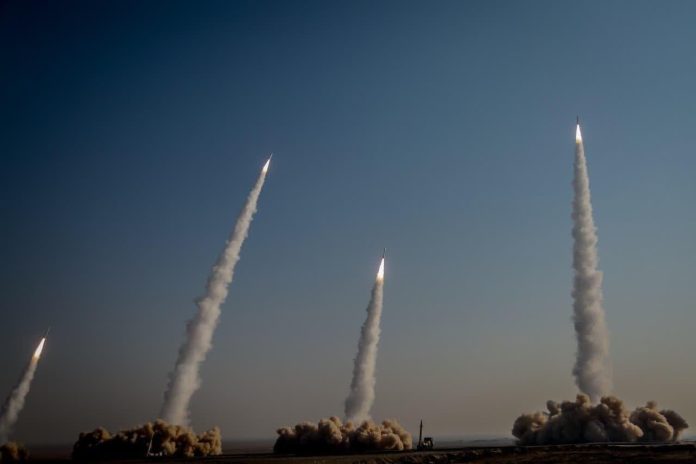
The Islamic Revolutionary Guard Corps announced it fired missiles at Israel on Tuesday evening in retaliation for the killings of people in Gaza and Lebanon, as well as the recent assassinations of Hamas, Hezbollah and IRGC leaders.

The IRGC said in a statement that it has targeted “the heart of the occupied territories” in response to the martyrdom of Hamas political bureau chief Ismail Haniyeh, Hezbollah Secretary General Seyyed Hassan Nasrallah, and IRGC general Abbas Nilforoushan at the hands of the Zionist regime.

The statement noted the retaliatory attack has been launched after a period of self-restraint following the violation of Iran’s sovereignty.

The IRGC added it has fired tens of ballistic missiles at vital military and security Israeli targets.

It noted that 90 percent of the Iranian missiles fired at Israel have successfully hit the targets, including the “strategic centers” in the occupied territories.

In his first comments on the Iranian attack, Biden told reporters that his administration was in “active discussion” with Israel on its response.

“The attack appears to have been defeated and ineffective,” the US president said, adding that “the United States is fully, fully, fully supportive of Israel”.

Earlier on Tuesday, the White House said that Biden had “directed the US military to aid Israel’s defense against Iranian attacks and shoot down missiles that are targeting Israel”.

The Pentagon also announced in a statement that Secretary of Defense Lloyd Austin and his Israeli counterpart Yoav Gallant had discussed “the severe consequences for Iran in the event Iran chooses to launch a direct military attack against Israel”.

The statement did not elaborate on what those consequences would be.

Iran’s attack against Israel today was twice as large as Iran’s attack in April, Pentagon spokesperson Maj. Gen. Pat Ryder stated Tuesday.

“[I]t’s about twice as large in terms of the number of ballistic missiles that they launched from the last,” he continued, adding that you “don’t launch that many missiles at a target without the intent of hitting something.”

“So absolutely, just like the last time their intent is to cause destruction.”

A spokesman for the US State Department said on Tuesday afternoon that the Biden administration’s support for Israel’s security remains “ironclad”.

“We will continue to stand with the people of Israel at this critical moment,” Matthew Miller told reporters.

US Secretary of State Antony Blinken has also called the Iranian missile attack against Israel “totally unacceptable” and added that the “entire world should condemn it”.

Blinken said this attack included “some 200 ballistic missiles”, adding Israel “effectively defeated this attack”.
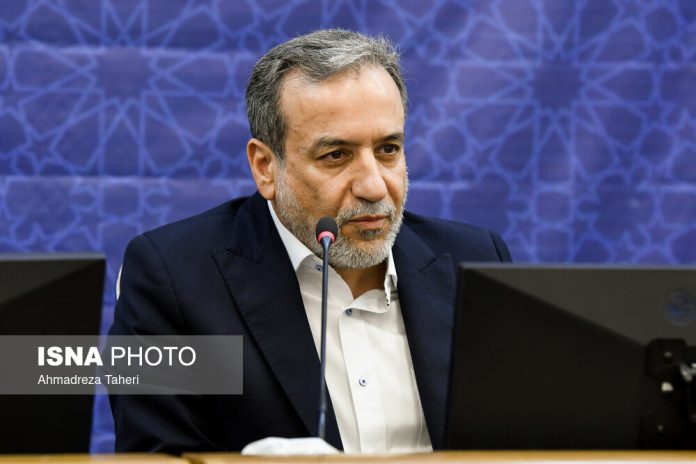
Iran FM warns E3 diplomats against interference in Tehran’s military operation against Israel

Abbas Araghchi

During the phone calls, Araqchi referred to Iran’s missile attacks on the occupied territories, asserting that the Islamic Republic had exercised its legitimate right to self-defense, in accordance with Article 51 of the United Nations Charter.

He clarified that the operation, carried out on Tuesday night, specifically targeted military and security bases of the Zionist regime.

The top Iranian diplomat held phone conversations with David Lammy, Annalena Baerbock, and Stéphane Séjourné, the foreign ministers of the UK, Germany, France, and several other countries, regarding Iran’s missile strikes on Israeli-occupied territories and the ongoing tensions in Gaza and Lebanon.

Araghchi condemned the Zionist regime’s assassination of Hamas leader Ismail Haniyeh in Tehran and the continued Israeli aggression in Gaza and Lebanon, which has claimed over 42,000 innocent lives. He emphasized that Iran had exercised restraint over the past two months.

The Iranian foreign minister announced the conclusion of the operation but warned that if the Zionist regime retaliated, Iran’s response would be even more devastating.

While stating that Iran does not seek war or the escalation of tensions, Araqchi noted that the Islamic Republic is not afraid of conflict and cautioned all third parties against interference.

Araghchi reiterated his call for all countries to work toward establishing a ceasefire in Gaza and Lebanon.

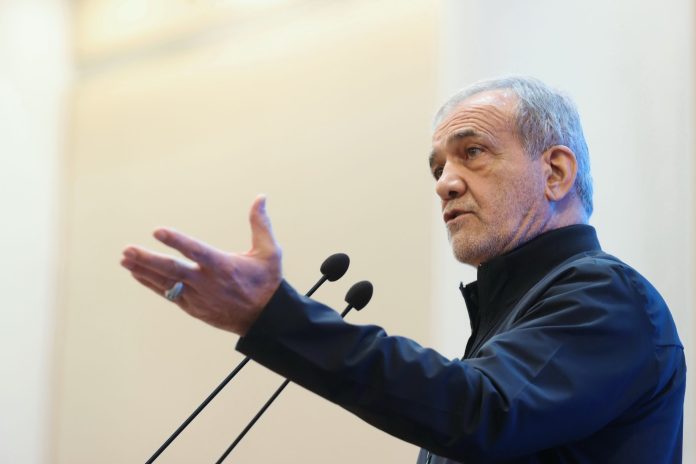
President Pezeshkian: Missile strike only a portion of Iran’s power

Masoud Pezeshkian

“This action was in defense of the interests and citizens of Iran. To let (Israeli Prime Minister Benjamin) Netanyahu know that Iran is not belligerent, but it stands firmly against any threat,” he wrote in a message on X.

“Do not enter into a conflict with Iran,” said the Iranian president.

The Islamic Revolution Guards Corps carried out a missile strike against the Israeli regime on Tuesday evening.

The IRGC said in a statement that it has targeted “the heart of the occupied territories” in response to the martyrdom of Hamas political bureau chief Ismail Haniyeh, Hezbollah Secretary General Seyyed Hassan Nasrallah, and IRGC general Abbas Nilforoushan at the hands of the Zionist regime.

The statement said the retaliatory attack was launched after a period of self-restraint following the violation of Iran’s sovereignty.

The IRGC added it fired tens of ballistic missiles at vital military and security Israeli targets.

It noted that 90 percent of the Iranian missiles fired at Israel successfully hit the targets, including the “strategic centers” in the occupied territories.

IRGC says 90% of missiles hit targets in Israel

Iran Missile Attack Israel

Despite the area being heavily protected by advanced defense systems, the IRGC stated that 90% of the missiles involved in the strikes successfully hit their intended targets.

The statement added that the Zionist regime is now in a state of fear, recognizing Iran’s superior intelligence and operational capabilities.

The IRGC emphasized that this operation falls within the framework of legitimate self-defense under international law.

They warned that any foolish response from the enemy would be met with devastating and regretful consequences.

This latest development follows the IRGC’s earlier announcement, reaffirming that further aggression by the Zionist regime will prompt an even more forceful retaliation.

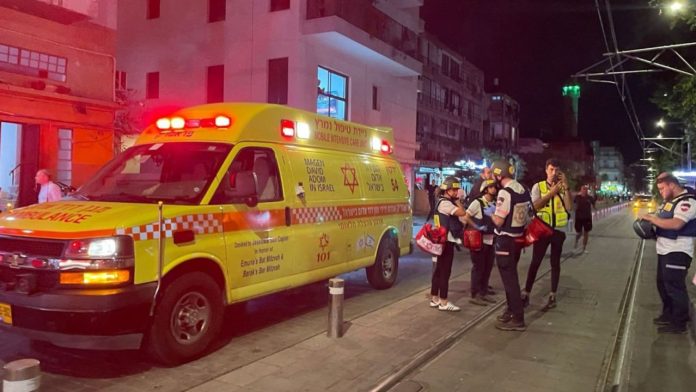
At least seven killed in Tel Aviv shooting

Israel Ambulance

Israeli police said the attack happened at 19:00 local time (16:00 GMT) when two men armed with guns entered a light rail station in Jaffa, southern Tel Aviv, and opened fire.

Police added the two men who carried out the attack were subsequently killed.

Israel’s national emergency service, the MDA, said paramedics gave medical aid to the wounded people on the site who had varying degree of injuries.

“There are several wounded with varying degrees of injuries,” the MDA added.

Iran says launched dozens of ballistic missile into Israel

Iran Missile

In an official statement, the IRGC announced the attack was a response to the martyrdom of Hamas leader Ismail Haniyeh, Sayyed Hassan Nasrallah Hezbollah chief, and Abbas Nilforoushan, an IRGC commander by Israel.

The statement further warned that any retaliatory action by the Zionist regime will be met with a crushing response.

According to the IRGC, the ongoing operations against Israel are being supported by both the Iranian Armed Forces and the Ministry of Defense.

Meanwhile, the Permanent Mission of the Islamic Republic of Iran to the United Nations posted a tweet on X.

The tweet read: “Iran’s legal, rational, and legitimate response to the terrorist acts of the Zionist regime—which involved targeting Iranian nationals and interests and infringing upon the national sovereignty of the Islamic Republic of Iran—has been duly carried out.”

It added should the Zionist regime dare to respond or commit further acts of malevolence, a subsequent and crushing response will ensue.

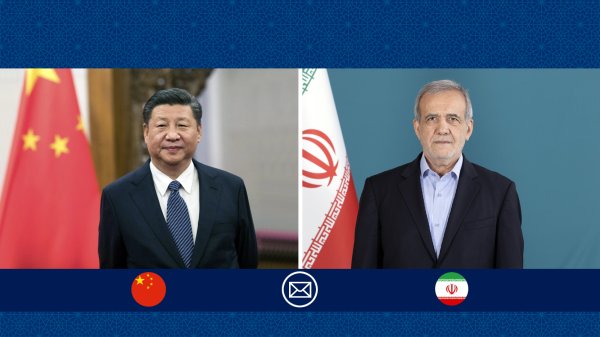
Iran-China relations “sustainable and strategic”: Pezeshkian to Xi

Pezeshkian Xi

In a message to his Chinese counterpart Xi Jinping on Tuesday, Pezeshkian congratulated him on the 75th anniversary of the founding of the People’s Republic of China.

The Iranian president said the Chinese nation has made magnificent headways in the past recent years under the guidance of Xi Jinping, which have prepared the ground for stronger friendship with and common welfare for the world countries.

Iran and China, by relying on their common cultural values, mutual respect, equality and altruism, have opened a new chapter in “comprehensive strategic relations” to deepen cooperation in all fields, Pezeshkian added.

“Now that the traditional friendship between the two nations has passed the test of age and has turned into deep, sustainable and strategic relations, I express my willingness for joint efforts with your excellency for the promotion of all-out relations between Iran and China,” the Iranian president stated in the message.

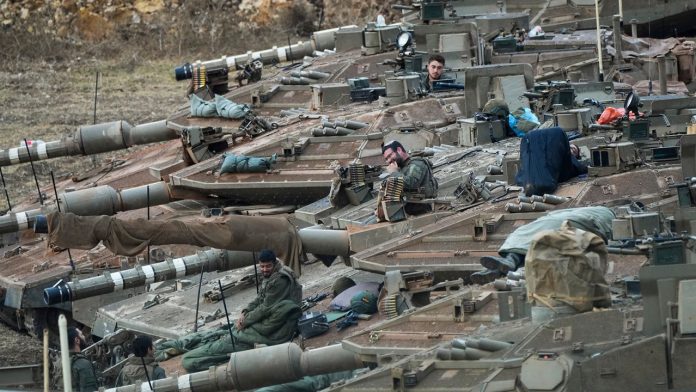
Hezbollah dismisses Israeli soldiers crossed into Lebanon

Israel Army

“All Zionist claims that [Israeli] occupation forces have entered Lebanon are false,” Hezbollah media relations official Muhammad Afif told Al Jazeera.

He added there had “not yet been any direct ground clashes between [Hezbollah] resistance fighters and [Israeli] occupation forces.

“Our fighters are ready to confront enemy forces that dare or attempt to enter Lebanon,” he continued.

The Lebanese movement also announced it targeted Israel’s Glilot military base and Mossad headquarters in the outskirts of Tel Aviv with salvos of rockets.

Israeli reports said several settlers were injured in the rocket barrage from Lebanon on Tel Aviv.

The reports added the attack from Lebanon was “the largest” since the beginning of the war.

The United Nations peacekeeping force in Lebanon, UNIFIL, said on Tuesday the Israeli army had notified it of its intention to undertake what the Israelis have termed “limited ground incursions”.

It added that despite the developments in Lebanon, peacekeepers remained in position.

It reminded Israel that “Any crossing into Lebanon is in violation of Lebanese sovereignty and territorial integrity, and a violation of UN security council resolution 1701.”

“The price of continuing the current course of action is too high,” it said.

“Civilians must be protected, civilian infrastructure must not be targeted and International law must be respected,” it added.

The National News Agency in Lebanon reported that caretaker Prime Minister Najib Mikati has met with UN organisations and ambassadors of donor countries.

“We meet today at a time when Lebanon is facing one of the most dangerous stages in its history, as about one million of our people have been displaced due to the devastating war waged by Israel on Lebanon. We are working diligently in cooperation with the UN institutions to secure the basic needs of the displaced Lebanese, as we have done during all the difficult stages that Lebanon has gone through,” he said.

“We greatly appreciate the continued support provided by the UN, as well as the support of our sister Arab countries and other friendly countries. Today, we urgently appeal for more support to enhance our ongoing efforts to provide essential assistance to displaced civilians,” he added.

Lebanon’s army has also denied reports it had withdrawn from southern border positions by several kilometers following Israel’s ground incursion into the country.

Such reports were inaccurate, the Army Command said.

Since Sept. 23, Israel has launched massive airstrikes against what it calls Hezbollah targets across Lebanon, killing more than 1,000 people and injuring over 3,000 others, according to the Lebanese Health Ministry.

Several Hezbollah commanders have been killed in the Israeli raid, including Seyyed Hassan Nasrallah.

Hezbollah and Israel have been engaged in cross-border warfare since the start of Israel’s war on Gaza, which has killed nearly 41,600 people, mostly women and children, following a cross-border attack by the Palestinian group Hamas on Oct. 7 last year.

The international community has warned that Israeli attacks in Lebanon could escalate the Gaza conflict into a wider regional war.

Lebanon’s health system remains impacted and overstretched by a new escalation of violence in the country, the World Health Organisation has reported, warning that displaced people were at increased risk of diseases.

Liz Throssell, spokesperson for the UN rights office, has also warned against a “large-scale ground invasion” of Lebanon.

“With armed violence between Israel and Hezbollah boiling over, the consequences for civilians have already been terrible,” she told reporters in Geneva.

“We fear a large-scale ground invasion by Israel into Lebanon would only result in greater suffering,” Throssell said.

Before the ground assault, Israel’s escalating strikes on Lebanon reportedly killed more than 1,000 people in just two weeks, she added.

At least 6 killed in two separate terrorist attacks in Iran

Crime Scene

The governor of the Iranian city of Nikshahr announced a terrorist incident in a village near the city that killed four people.

The official said that during the deadly incident, which occurred early Tuesday in the village of Bent near Nikshahr, a terrorist shot at students engaged in a religious celebration.

The official added that another person was injured in the shooting.

In another incident, two Iranian security guards were killed after gunmen shot at a passing police car in the city of Khash.

An informed source told Fars News that the incident happened on Tuesday noon during which a terrorist gunman shot at the car carrying the law-enforcement forces in the city.

Abodfazl Jahani and Hosseilali Kikha are the two police officers killed in the Khash terrorist attack on Tuesday.

Meanwhile the Iranian interior minister Eskandar Momeni has assigned his deputy in charge of security issues to conduct a full investigation into the matter along with two other similar attacks that happened in the province over the past few days.

Also on Sunday night, an Iranian soldier was killed in armed clashes with members of a terrorist group in the village of Pashamak near the city of Rask.

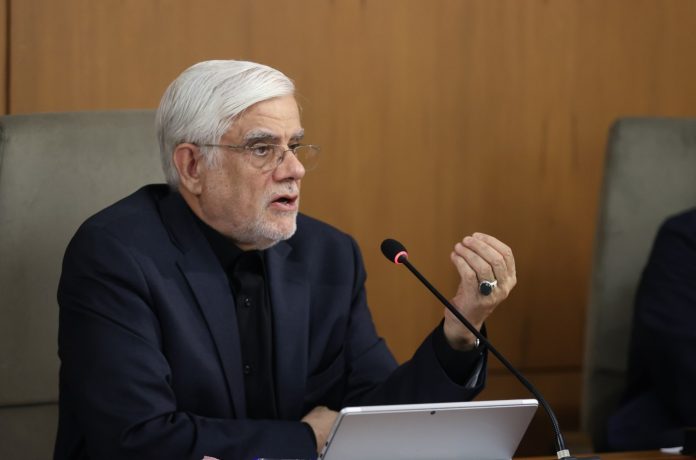
Iran’s First VP in Armenia for economic forum

Mohammad Reza Aref

Heading a delegation, the Iranian vice president arrived in Yerevan on Tuesday morning at the invitation of Armenian Prime Minister Nikol Pashinyan, whose country holds the rotating presidency of the Eurasian Economic Union (EAEU).

Aref is going to deliver an address to the conference and hold meetings with a number of foreign prime ministers on the sidelines of the event.

The Eurasian Economic Forum, being held in Yerevan on September 30 and October 1, coincides with the meeting of the Eurasian Intergovernmental Council, attended by the heads of the EAEU member states and observers. It also marks the 10th anniversary of the signing of the Treaty on the Eurasian Economic Union.

The theme of the ongoing forum is “10 years of the EAEU, Prospects and Priorities”, Kazinform News Agency reported.

The agenda of the forum includes economic cooperation among the EAEU member states, comprehensive cooperation and technological cooperation, digitalization, transport infrastructure and logistics development, domestic market quality and support for entrepreneurship, international cooperation and the EAEU’s strategic development.

A series of EAEU-Iran events are planned to be held on the sidelines of the forum, involving the representatives of business community, public sector, industrial companies, transport and logistics of Iran.

In addition, a business dialogue between the EAEU and Iran, a roundtable meeting on the instruments for promoting trade and investment between the EAEU and Iran, a roundtable meeting for Iran’s industrial, transport and logistics companies, and an event for agricultural companies will be organized as well.