Sunday, December 28, 2025
Home Blog Page 713

Israel labels UN chief ‘persona non grata’ over Iran military operation

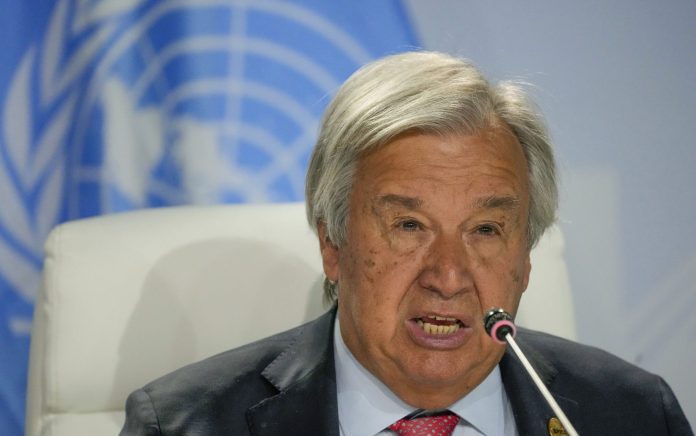
António Guterres

“Anyone who cannot unequivocally condemn Iran’s heinous attack on Israel does not deserve to step foot on Israeli soil,” said Foreign Minister Israel Katz in a statement.

“This is an anti-Israel Secretary-General who lends support to terrorists, rapists, and murderers.”

Katz added that Guterres, who he claimed supported the “murderers of Hamas, Hezbollah, the Houthis, and now Iran, the mothership of global terror, will be remembered as a stain on the history of the UN for generations to come”.

Following Iran’s missile attack on Israel late Tuesday, Guterres condemned the “broadening conflict in the Middle East”, slamming “escalation after escalation” in the region.

“This must stop. We absolutely need a ceasefire,” stated Guterres.

Israel has been a harsh critic of the UN, with ties between Tel Aviv and the international body souring even more after the October 7 Hamas attacks.

Guterres has repeatedly called for a ceasefire to halt the fighting in both Gaza and Lebanon.

The decision came amid Israel’s October-present escalation against Lebanon and genocidal war on the Gaza Strip, which have respectively claimed the lives of more than 1,800 Lebanese and over 41,600 Palestinians. Women and children comprise the majority of the victims.

IRGC says destroyed Israeli fighter jets in cyber operation

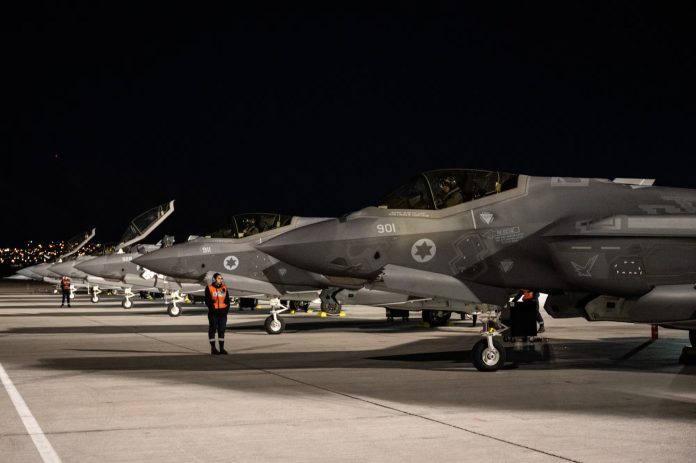
Israel F-35

The operation, which included a large-scale cyber attack, caught the enemy off guard, according to Brigadier General Ebrahim Jabbari, an advisor to the IRGC commander-in-chief.

General Jabbari highlighted the success of Iran’s missile operation on Tuesday night against Israel at a public gathering held in the southern Iranian city of Kerman to commemorate the Lebanese Hezbollah movement’s assassinated leader, Sayyed Hassan Nasrallah, and to pledge allegiance to the Palestinian cause.

The senior commander noted that the IRGC forces had emotions of joy and sorrow during the operation, celebrating the military success while mourning the loss of Nasrallah.

He said the cyber operation, which disrupted the enemy’s defense systems, ensured that 90 percent of the missiles hit their targets.

General Jabari underscored that the displayed military power was only a fraction of Iran’s capabilities, and warned the hostile forces of further action if provoked.

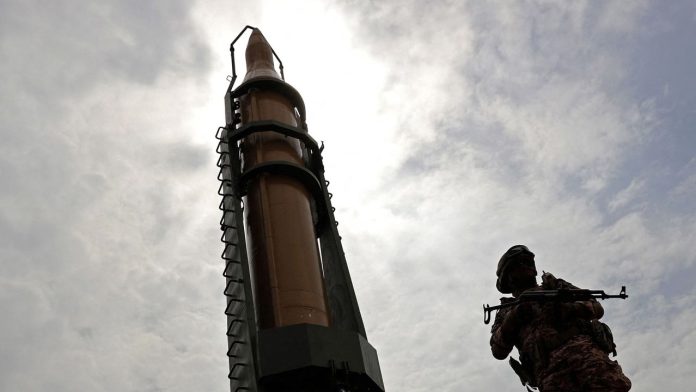
The IRGC hit Israeli military sites on Tuesday evening with about 200 ballistic missiles, saying it was in retaliation for Israel’s assassination of senior resistance figures from Lebanon, Palestine, and Iran as well as the people in Gaza.

Iran’s Reformist party hails missile operation against Israel

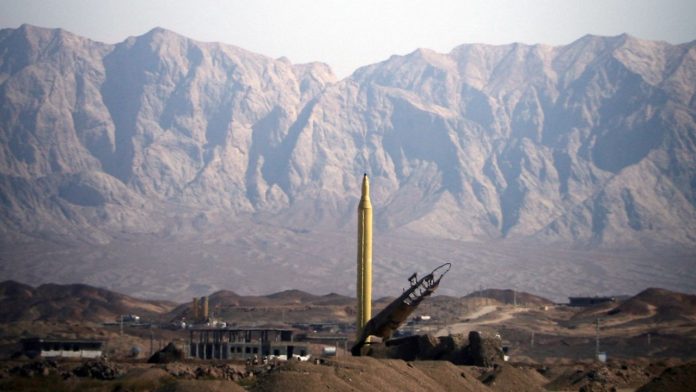
Iran Missile

Azar Mansoori posted a message on her Instagram social media account, reading, “When it comes to the homeland, we stand united and with one voice against the evildoers

According to the reformist news outlet Hammihan which ran the story, the statement reflects a broader sentiment within Iran, where political factions often set aside their differences to confront external threats.

Hammihan added, just days after a message by Israeli Prime Minister Benjamin Netanyahu which sought to drive a wedge between the Iranian people and the government, the unity is seen as crucial in facing what they perceive as aggression from Israel and its allies.

IRGC says 200 missiles fired in aerial attack on Israel

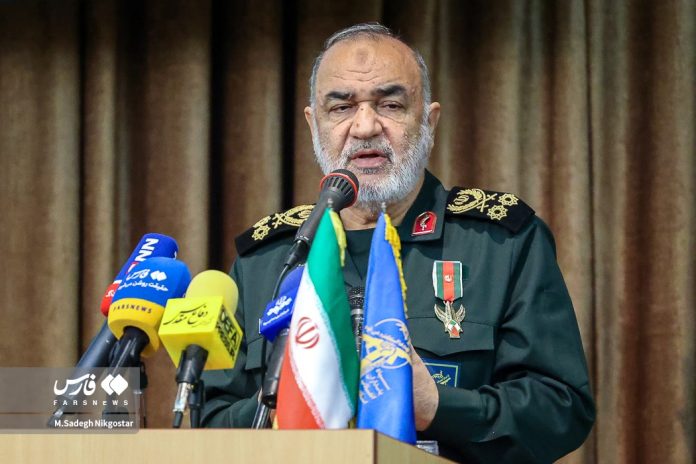
Hossein Salami

A video posted by Tasnim news agency on Wednesday shows Major General Hossein Salami reportedly speaking by telephone with Iran’s President Masoud Pezeshkian from the command room of the military operation.

“200 missiles were fired in this operation,” he said on the call.

The Israeli military has claimed its initial estimate was that Iran had fired “approximately 180 projectiles”.

The IRGC said in a statement that it has targeted “the heart of the occupied territories” in response to the martyrdom of Hamas political bureau chief Ismail Haniyeh, Hezbollah Secretary General Seyyed Hassan Nasrallah, and IRGC general Abbas Nilforoushan at the hands of the Zionist regime.

The statement said the retaliatory attack has been launched after a period of self-restraint following the violation of Iran’s sovereignty.

The IRGC added it has fired tens of ballistic missiles at vital military and security Israeli targets.

It noted that 90 percent of the Iranian missiles fired at Israel have successfully hit the targets, including the “strategic centers” in the occupied territories.

Iran’s defense chief vows ‘far more severe’ reprisal if Israel decides to respond

Iran Missile Attack Israel

“If the Zionist regime dared to respond, our [subsequent] actions would be far more severe, and we would deploy a more advanced array of the missiles that we have at our disposal,” Nasirzadeh said on Tuesday.

“Tonight’s operation represented only a part of the Islamic Republic’s missile capability,” he continuedd, adding, “A large part of this capability has not been deployed yet given its very advanced technology and much stronger destructive power.”

Earlier in the day, the Islamic Revolutionary Guard Corps launched hundreds of missiles toward the Zionist entity’s military and intelligence bases in a retaliatory attack dubbed Operation True Promise II. The operation came in response to the regime’s assassinations of Hamas’ chief Ismail Haniyeh, Hezbollah’s leader Seyyed Hassan Nasrallah, and IRGC commander Abbas Nilforoushan.

Nasirzadeh hailed True Promise II for its “complete success” and “prudent and smart” nature, while praising the “complicated planning” that preceded it.

The operation was devised “in proportion to the Zionist regime’s defense systems”, and was especially aimed at striking the “intelligence targets” that were used by the regime to carry out Haniyeh’s assassination.

The minister characterized the retaliation as “completely legitimate” and in line with the international laws, noting that all the locations struck during the operation were of “complete military and operational” nature.

Hezbollah reports first direct clash with Israeli soldiers in southern Lebanon

Hezbollah

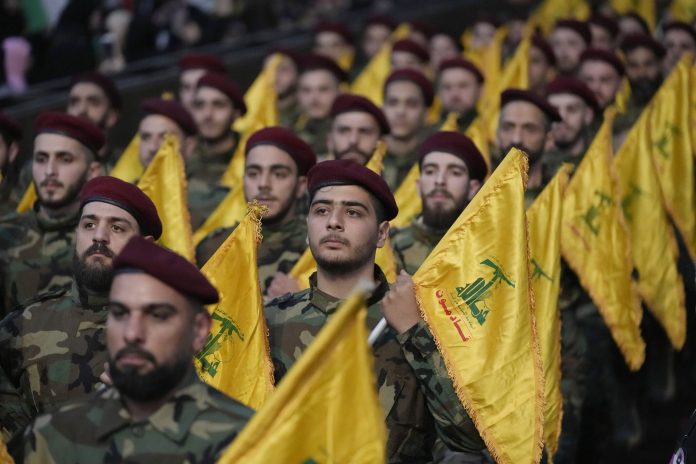
In a statement, the Lebanese group claimed it inflicted losses on the Israeli troops and forced it to retreat.

It marked the first direct clash between Hezbollah fighters and Israeli soldiers since Israel launched a ground operation in southern Lebanon on Tuesday.

Since Sept. 23, Israel has launched massive airstrikes against what it calls Hezbollah targets across Lebanon, killing more than 1,000 people and injuring over 3,000 others, according to the Lebanese Health Ministry.

The top leadership of Hezbollah was killed in the Israeli assaults, including its leader Seyyed Hassan Nasrallah.

Hezbollah and Israel have been engaged in cross-border warfare since the start of Israel’s war on Gaza, which has killed more than 41,600 people, most of them women and children, following an attack by the Palestinian group Hamas last October.

​​​​​​​​​​​​​​The international community has warned that Israeli attacks in Lebanon could escalate the Gaza conflict into a wider regional war.

US, some European countries root cause of regional problems: Iran’s Leader

Ayatollah Khamenei

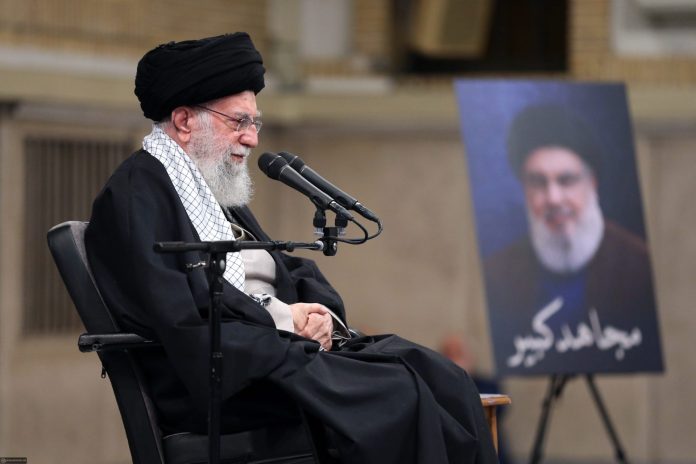
In a meeting with Iranian elites on Wednesday, Ayatollah Khamenei said that the departure of these countries from the region would mark the end of wars and conflicts.

He emphasized that the regional countries are fully capable of managing their own affairs, addressing their issues, and living in peace and tranquility without external interference.

The Leader also referred to the support Western countries provided to Saddam Hussein, the former dictator of Iraq, in attacking Iran and starting the bloody eight-year war against Iran in the 1980s.

He added that when these powers provoke a country or an individual like Saddam, difficult and bitter events ensue. However, now that Saddam is gone and those supporters are no longer present, a sense of friendship has emerged between the two nations.

Ayatollah Khamenei also mentioned the martyrdom of Seyyed Hassan Nasrallah, the Hezbollah leader, by the Zionist regime, noting that his martyrdom is not a small incident.

Iran extends nationwide flight cancellations following missile attacks on Israel

Iran Airport

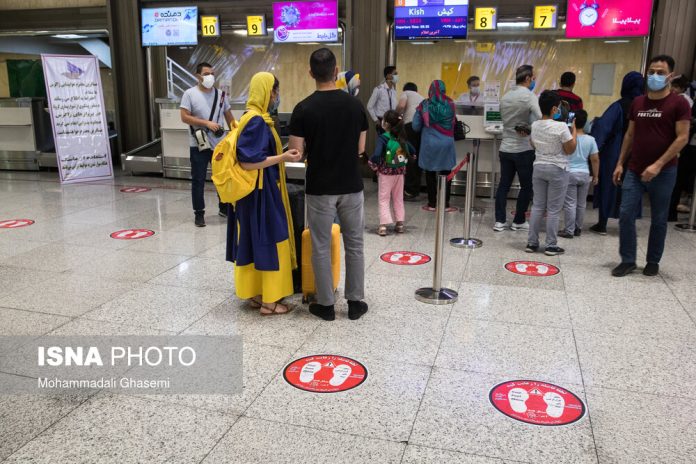
The spokesperson for the organization, Jafar Yazarloo, made the announcement, adding that airlines will provide necessary updates regarding future flights amid the escalating tensions between Iran and Israel.

The decision was made after Iran’s much-anticipated response to the occupying regime by striking Israeli targets deep inside the occupied Palestinian territories with a barrage of missiles on Tuesday evening.

In a statement, Iran’s Islamic Revolution Guard Corps (IRGCC) said the missile strikes were in response to the Israeli assassination of Hezbollah leader, Sayyed Hassan Nasrallah, former Hamas chief Ismail Haniyeh and IRGC commander General Abbas Nilforoushan.

Iran FM Araghchi says no coordination made with US prior to missile attack on Israel

Iran Missile

In a televised interview on Wednesday, Araghchi however clarified that Iran had issued a stern warning to the US through the Swiss Embassy in Tehran the previous night.

He noted, “Message exchanges do not equate to coordination. No messages were exchanged before the attack, but it was logical to issue warnings to all parties, including the U.S., after the attack.”

The warning emphasized that the U.S. should refrain from interference, or face a severe response from Iran.

Araghchi stated, “Any new actions by the Zionist regime or its supporters would be met with a stronger response from the Islamic Republic of Iran. The warning was communicated through official statements and phone conversations with all relevant parties.”

The foreign minister stated that Iran’s defensive move on Tuesday was in accordance with Article 51 of the UN Charter, asserting Iran’s right to self-defense.

He underlined, “The operations were completed, and Iran had no intention of continuing unless provoked by the opposing parties.”

IRGC military operation targeted 3 main Israeli bases: Chief of Staff of Iran Armed Forces

Iran Missile Attack Israel

Speaking on Wednesday following the attack, dubbed Operation True Promise II, the top commander said the country exercised self-restraint after the Israeli regime’s aggression against the country in July but ran out of patience following its assassination of Hezbollah’s secretary general and a top Iranian commander in Beirut.

The regime assassinated Ismail Haniyeh, former chief of the Political Bureau of the Palestinian resistance movement Hamas, during a targeted killing in the Iranian capital Tehran on July 31.

“After Martyr Haniyeh’s assassination, Iran went through a tough period of self-restraint amid repeated requests by the Americans and Europeans, who would ask us to exercise self-restraint so they would establish a ceasefire in the Gaza Strip (where the Israeli regime has been waging a genocidal war),” Major General Bagheri stated.

“However, after Seyyed Hassan Nasrallah and Brigadier General Abbas Nilforoushan’s martyrdom, the situation was no longer tolerable,” he added.

The Hezbollah leader and the Iranian commander were assassinated during intense Israeli airstrikes on the southern suburb of Beirut on Friday.

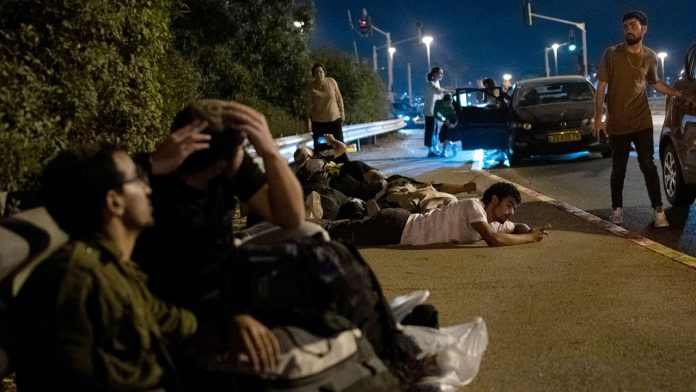
On Tuesday, Iran responded to the triple assassinations as well as the regime’s ongoing deadly aggression against Gaza and Lebanon by launching around 200 missiles toward the Israeli military and intelligence bases all over the occupied Palestinian territories.

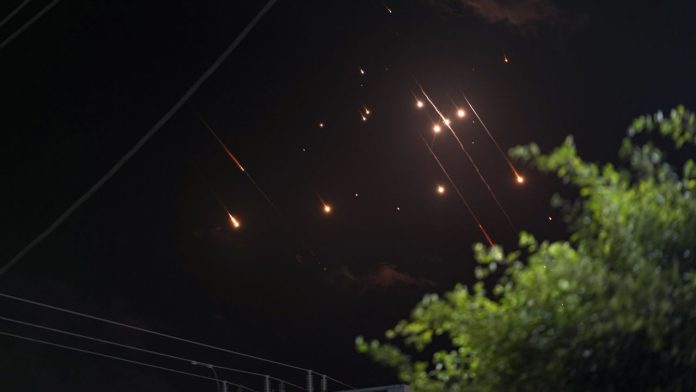
Flares and missiles were seen in the Tel Aviv sky and explosions could be heard in the occupied al-Quds during the operation dubbed Operation True Promise II, while “direct hits” were reported in Negev, Sharon, and other locations.

According to Baqeri, the targets of the “heroic” operation that “served as a response to many of the Zionists’ crimes,” included three of the Israeli regime’s main airbases.

He named the bases as the headquarters of the regime’s Mossad spy agency, which he identified as the “center for terrorism,” the regime’s Nevatim airbase that houses its F-35 warplanes, and the Hatzerim base that was used towards enabling Nasrallah’s assassination.

The targets also featured the regime’s strategic radars, the centers housing the regime’s tanks and personnel carriers, and the center accommodating those of the regime’s forces that partake in massacres against Palestinians in Gaza.

The military chief asserted that the Islamic Republic’s Armed Forces were completely prepared to respond to the potential repetition of such atrocities on the part of the regime, describing the forces’ capabilities as “many times more than” what was displayed during True Promise II.

“If the Zionist regime, which has reached madness, were not controlled by the United States and Europe, and sought to either continue its atrocities or take action against our territorial integrity and sovereignty, last night’s operation would be repeated with multiple magnitude and all of their infrastructures would be struck.”