Thursday, December 25, 2025
Home Blog Page 651

Trump holds phone call with Putin, discusses Ukraine war

Trump Putin

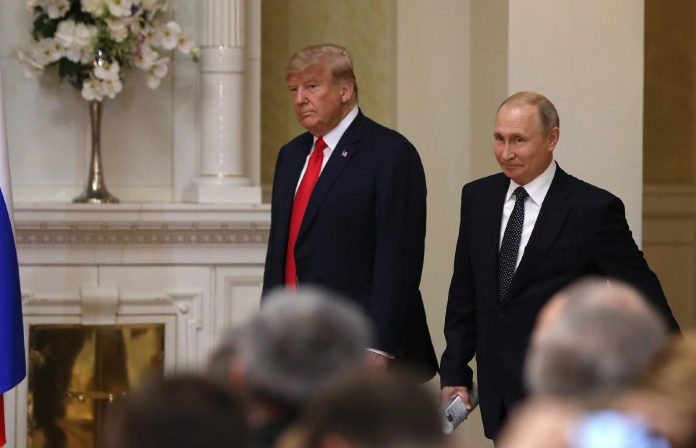
The phone call took place on Thursday, shortly after Trump secured his election victory. The US president-elect reportedly urged Putin not to “escalate” the conflict, reminding him of the significant US military presence in Europe, one of the sources told the daily.

Apart from that, Trump and Putin spoke about “the goal of peace on the European continent”, with the president-elect expressing interest in follow-up conversations to talk about “the resolution of Ukraine’s war soon”, several other unnamed individuals told the WaPo newspaper. The report gave no insights into what reaction, if any, Trump’s remarks invoked.

The daily also claimed that Kiev was “informed” ahead of the call and allegedly “did not object” – but the Ukrainian foreign ministry denied this part of the report.

“Reports that the Ukrainian side was informed in advance of the alleged call are false. Subsequently, Ukraine could not have endorsed or opposed the call,” Ukrainian foreign ministry spokesperson Georgiy Tikhiy told Reuters.

The Kremlin has denied reports that Trump spoke directly with Putin by phone, branding the claim ” pure fiction”.

On Thursday, the president-elect told NBC News he had already spoken with “probably” 70 world leaders since his election victory, but Putin was not among them.

“I think we’ll speak,” Trump said at the time.

Trump has already spoken with Ukrainian President Volodymyr Zelensky, who described the conversation as “positive” and added Trump’s outreach shortly after his victory was encouraging. Zelensky noted that he “cannot yet know” what Trump’s actions will ultimately be and that, should a resolution of the conflict be “just fast”, it would likely mean “losses for Ukraine”.

Throughout his election campaign, Trump has repeatedly pledged to swiftly end the conflict between Moscow and Kiev, potentially even before officially assuming office. However, he has not provided any concrete details on how he plans to achieve this.
 

Iran calls OIC, Arab League meeting on ending conflict in Lebanon, Palestine

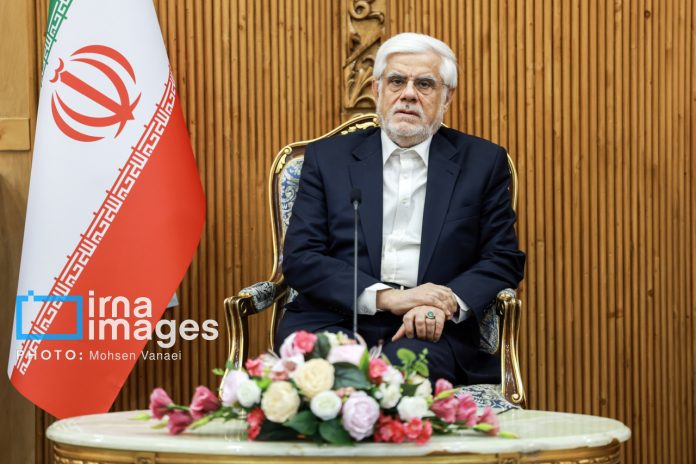
Mohammad Reza Aref

Prior to his departure to the Saudi capital, Riyadh on Monday, to attend the second emergency meeting of the OIC and the Arab League, Aref stated the meeting is being held with the follow-up of Iranian Foreign Minister Seyed Abbas Araghchi.

Aref expressed hope that the consultations during the meeting would lead to a favorable outcome regarding the cessation of Israeli aggression in Lebanon and Palestine and a sustainable ceasefire in the region, with the cooperation of all Islamic and Arab countries.

He said addressing humanitarian aid and the plight of Palestinian and Lebanese refugees is of utmost importance for the meeting.

“We hope to achieve significant results in providing aid to the displaced and those affected by the attacks and crimes of the Zionist regime,” Aref added.

The emergency meeting attended by representatives from over 50 Arab and Islamic countries, is set to begin later on Monday, with Araghchi and Aref representing Iran.

Iran urges expulsion of Israel from UN

United Nations

Iran’s spokesperson for ministry of foreign affairs Esmaeil Baghaei vehemently condemned this Sunday’s aggressive attack by the Zionist regime on a residential building in the Sayyidah Zainab district of Damascus, which resulted in the martyrdom and injury of several innocent Syrian civilians.

Referencing the repeated military incursions by the occupying regime against the territorial integrity and national sovereignty of the Syrian Arab Republic—while simultaneously perpetuating genocide in Gaza and committing acts of aggression against Lebanon—Baghaei asserted that the ongoing crimes of the Zionist regime are a direct result of the unconditional support from the United States and certain European nations.

He identified these governments as accomplices in the genocide and war crimes committed by this regime.

The Foreign Ministry spokesperson denounced the inaction of relevant international bodies concerning the genocide against Palestinians and the persistent assaults by the Zionist regime against Lebanon and Syria.

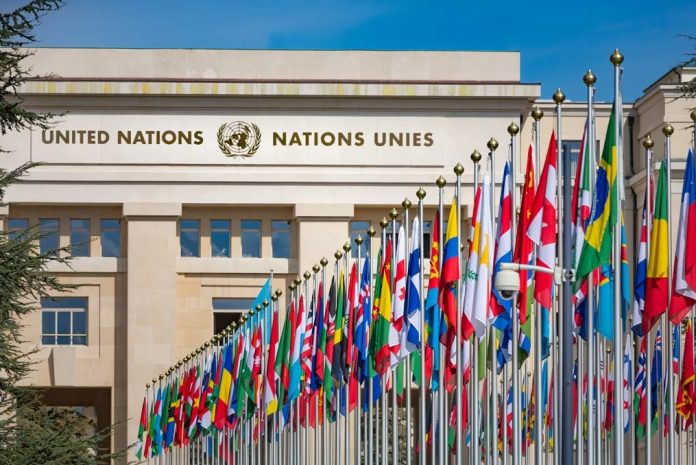
He called upon the international community to take practical and effective measures against the Zionist regime, including imposing an arms embargo, expelling the regime from the United Nations, and prosecuting and punishing its leaders.

Riyadh summit can help stop Israeli crimes in Gaza, Lebanon: Iran’s president to Saudi crown prince

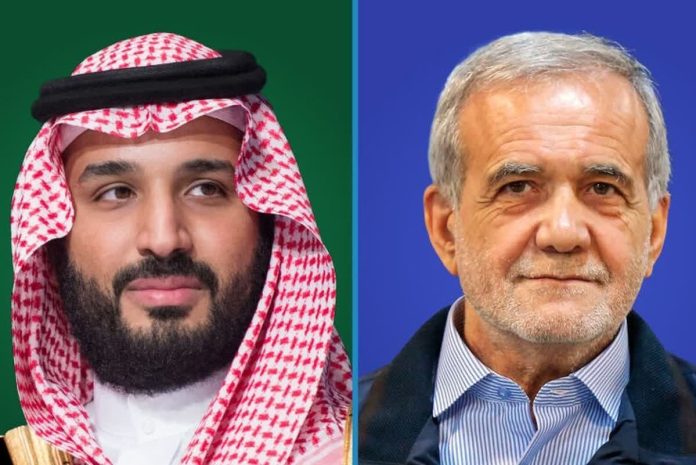
Pezeshkian and MbS

The phone call was held on Sunday as Riyadh is expected to host Arab and Muslim leaders for a summit on Monday that will focus on Israel’s wars in Gaza and Lebanon.

The joint OIC-Arab League summit is scheduled to discuss the continued Israeli genocidal war in Gaza and its aggression on Lebanon as well as the current developments in the region.

“I have no doubt that this summit will have effective and tangible results leading to the cessation of the Zionist regime’s crimes and the war and bloodshed in Gaza and Lebanon,” Pezeshkian said.

He added that he could not accept the invitation of the Saudi King to take part in the summit due to his heavy executive work, but noted that the first Vice President Mohammad Reza Aref would participate in the event.

The Iranian president expressed hope that Tehran and Riyadh will further improve relations in all fields given the determination of both sides.

The Saudi crown prince hailed a historical turning point in Tehran-Riyadh relations and expressed hope that mutual ties will reach the highest levels in all fields.

Bin Salman added that he would take the opportunity of the Iranian vice president’s presence in Riyadh to discuss ways to expand relations.

He once again invited the Iranian president to travel to Saudi Arabia and hoped grounds would be prepared in this regard as soon as possible.

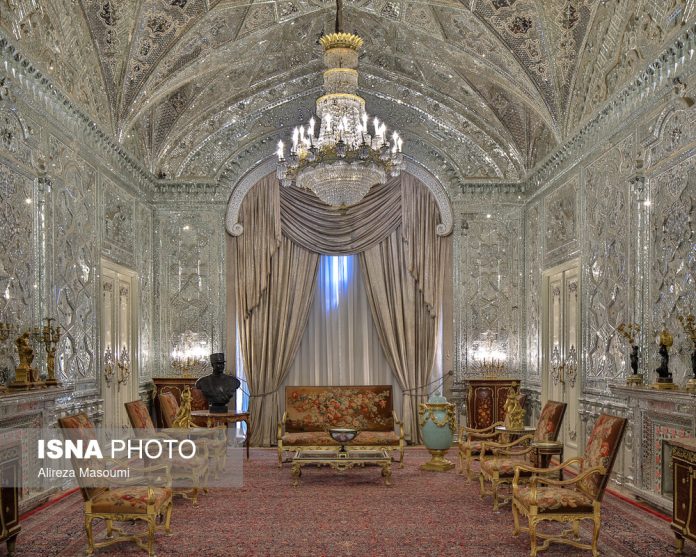
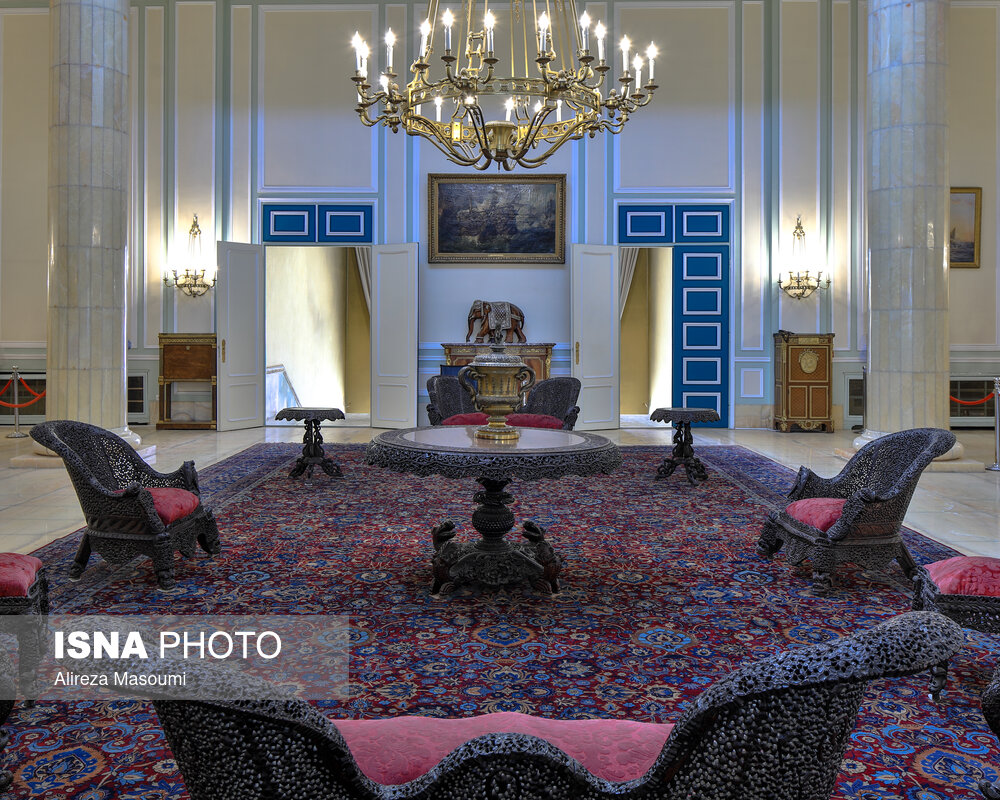
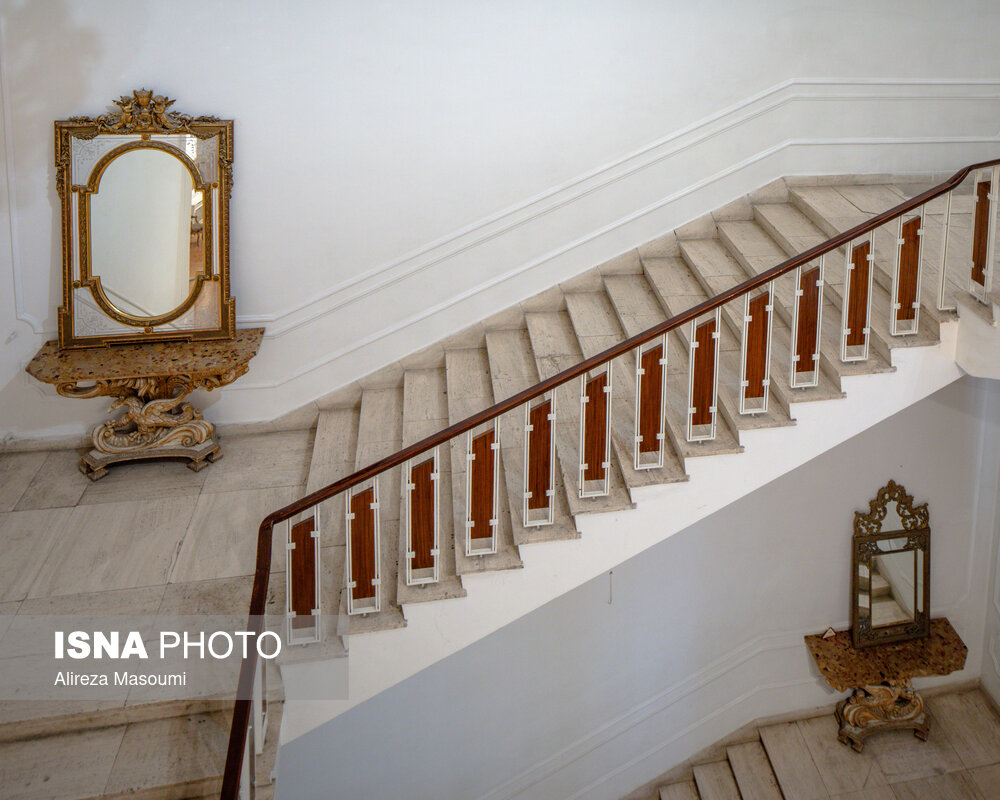
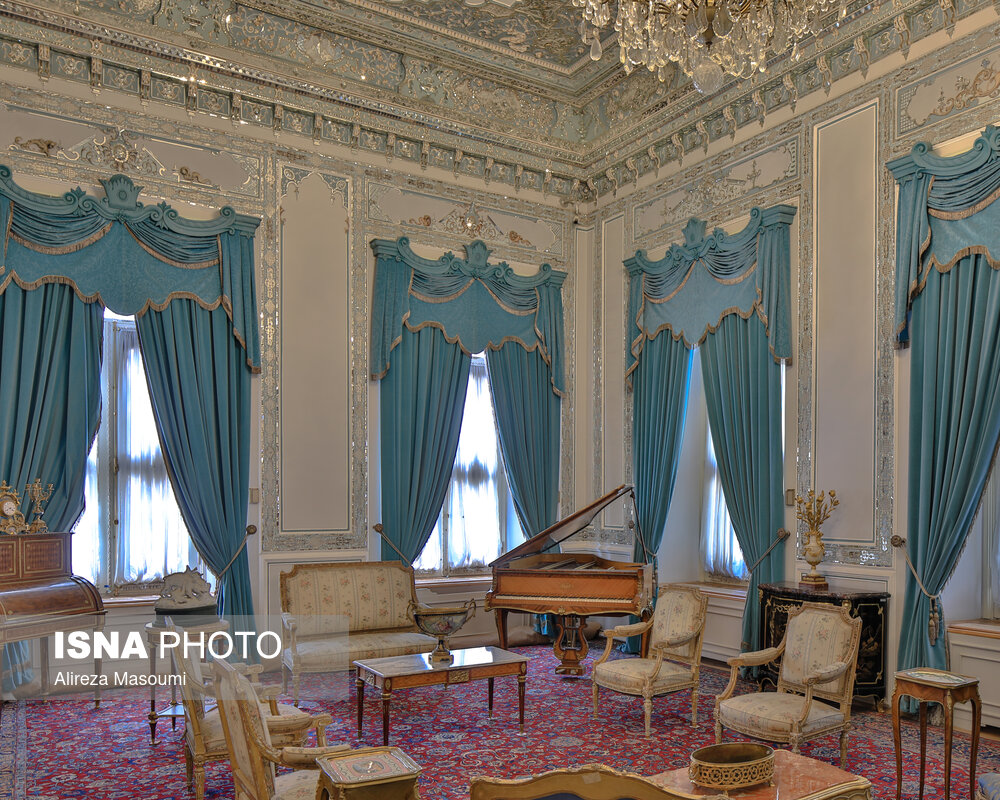
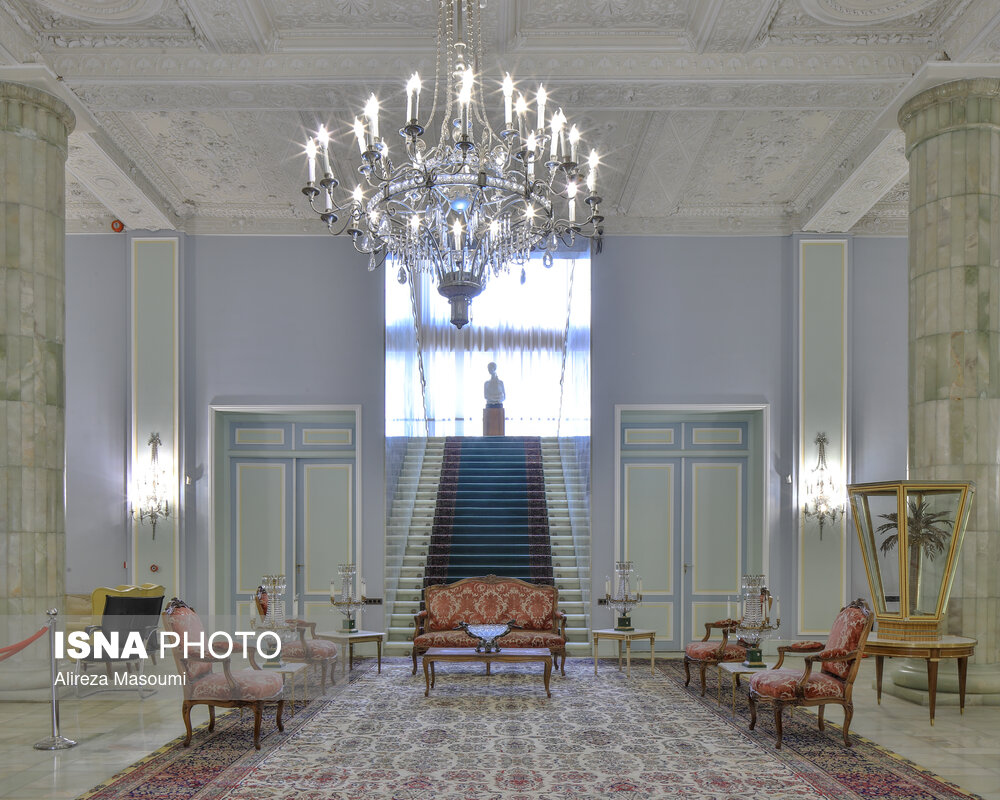
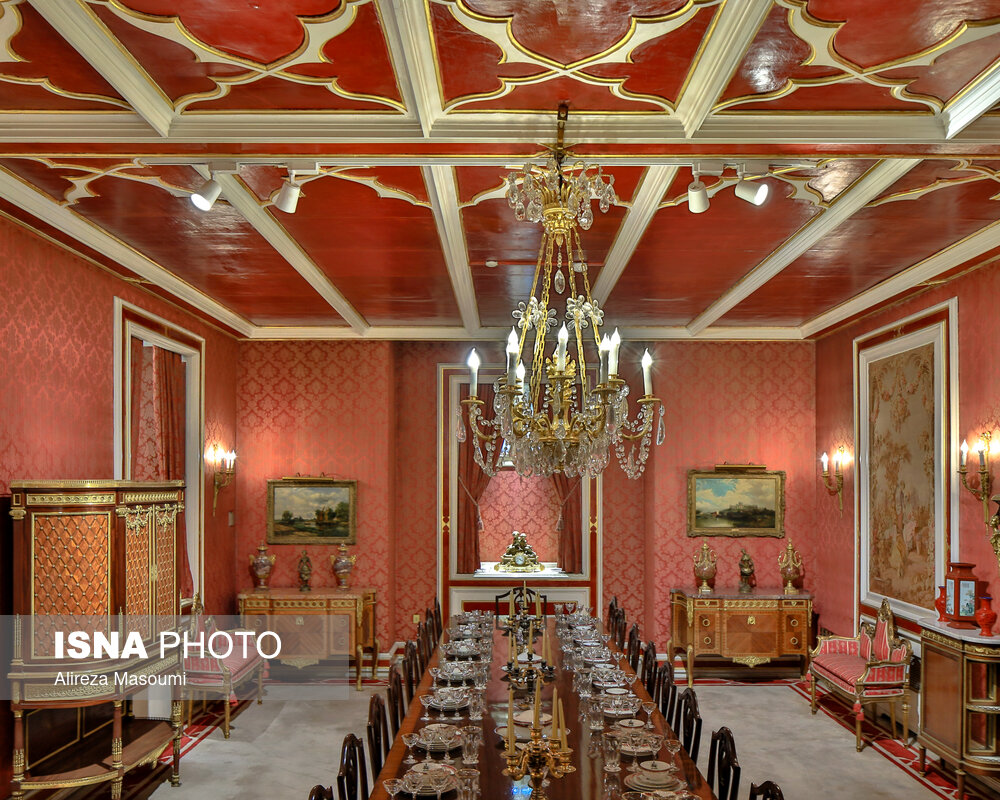
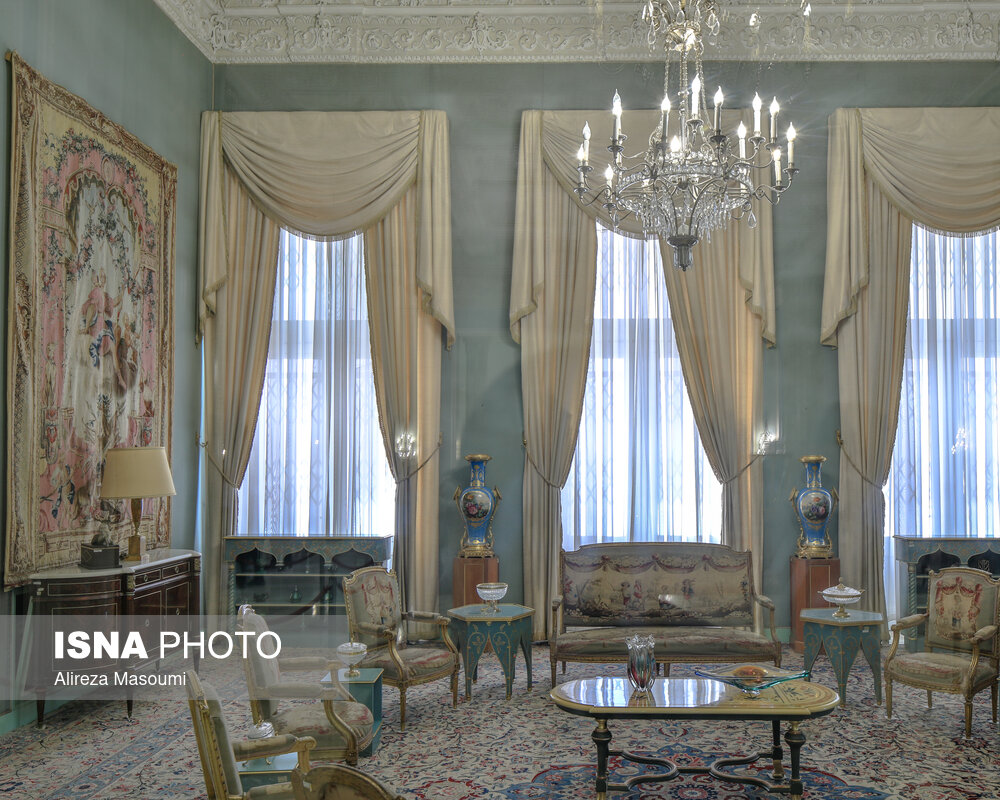
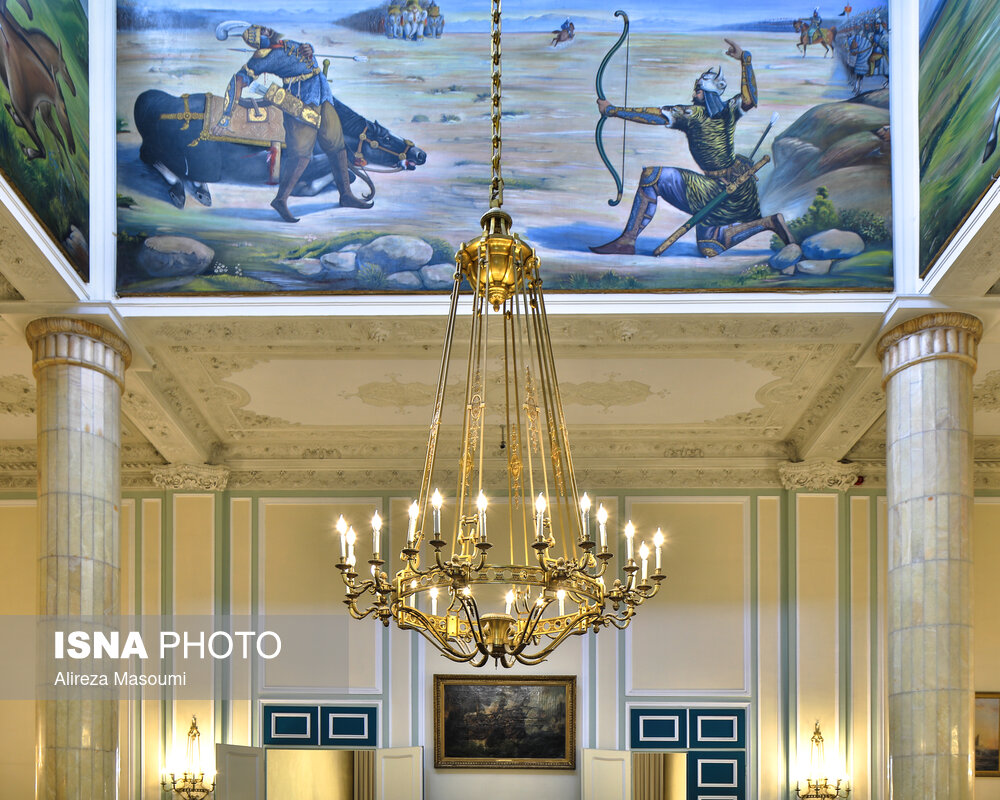
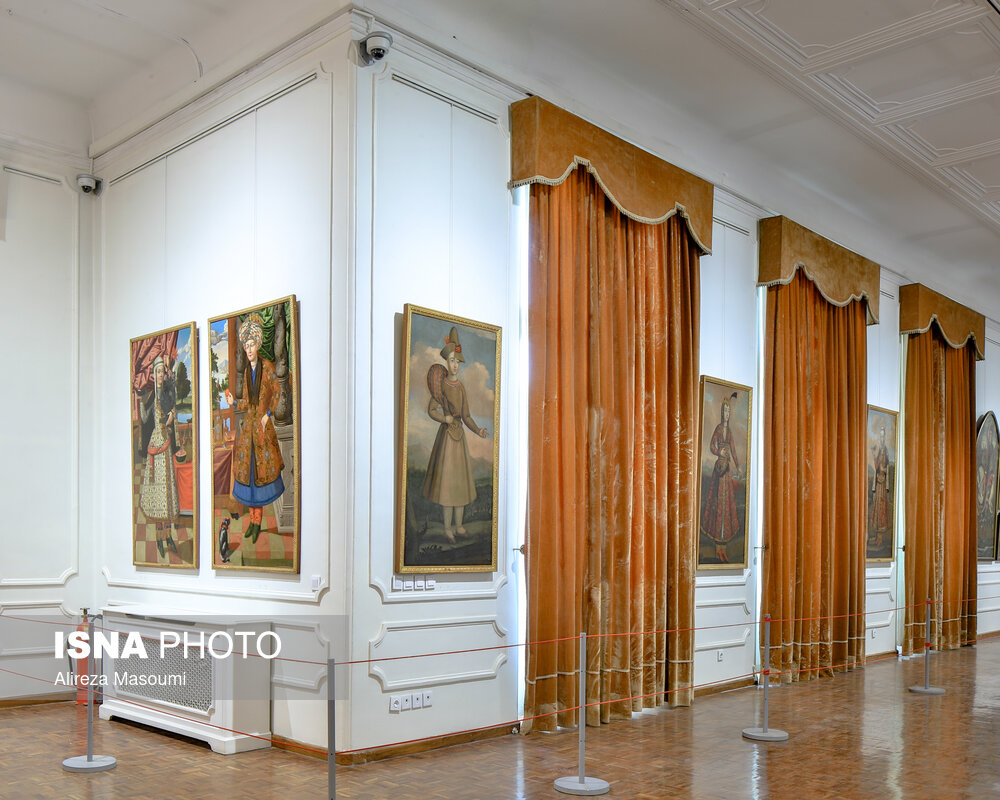
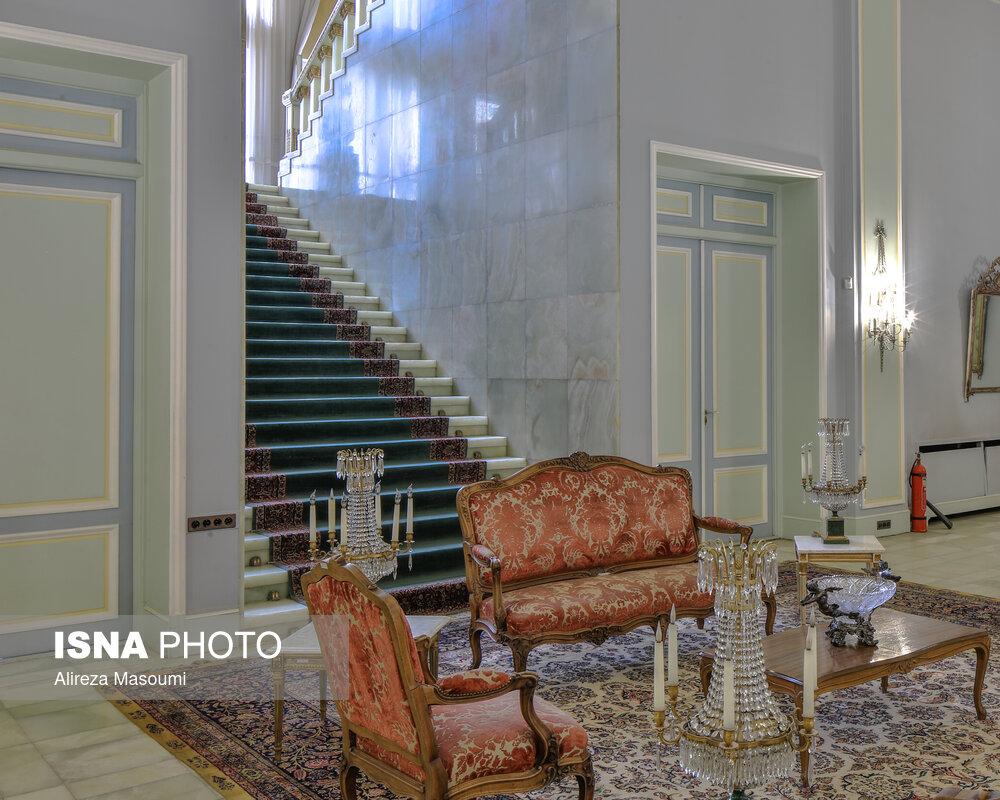
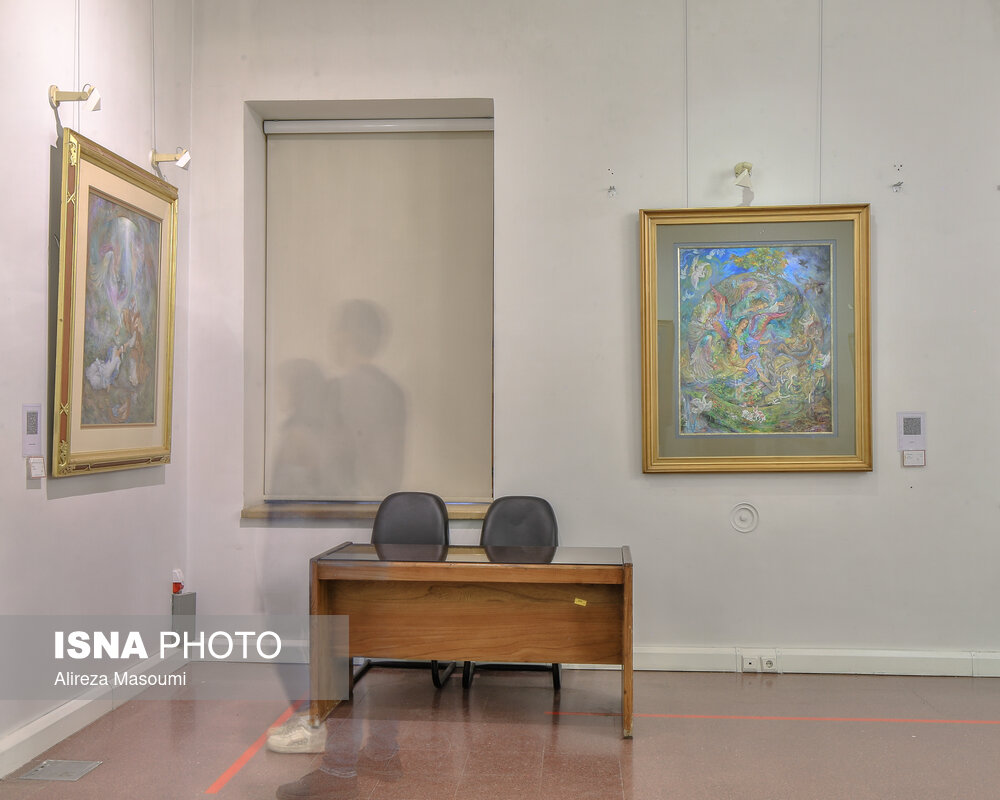
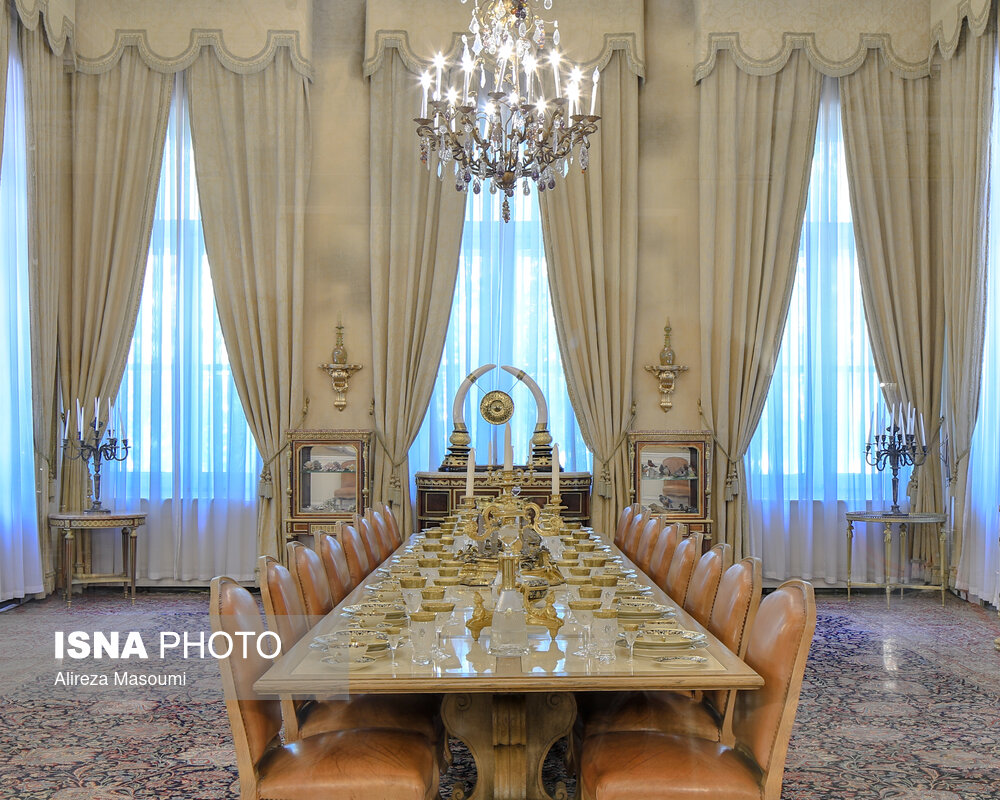
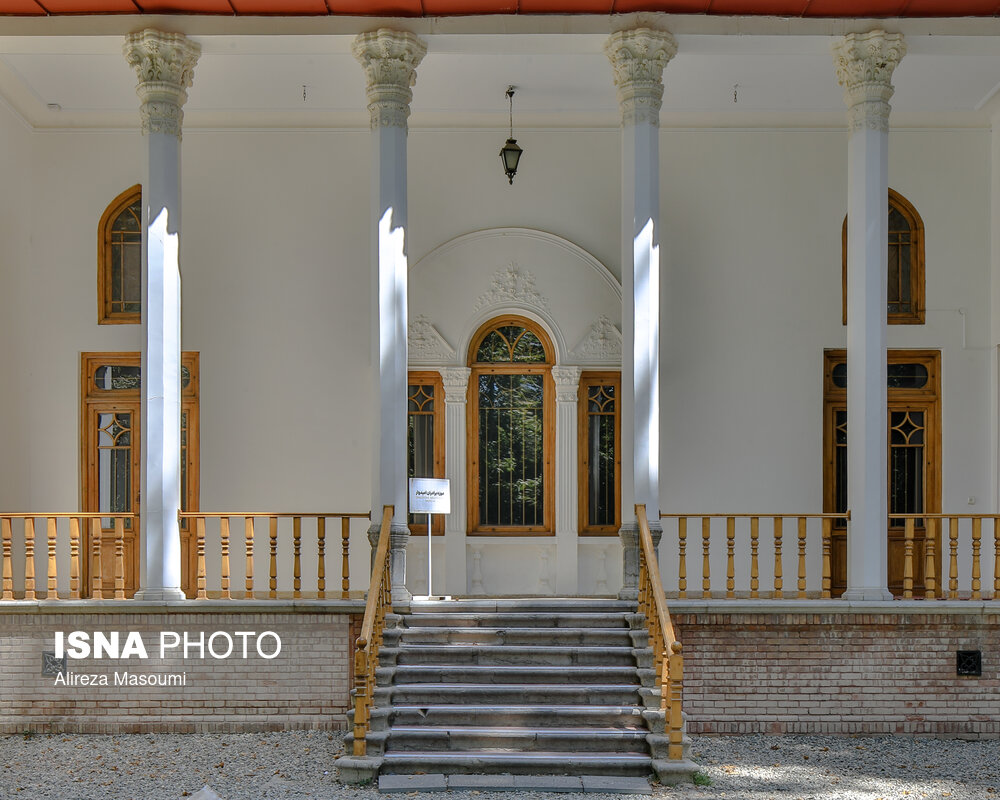
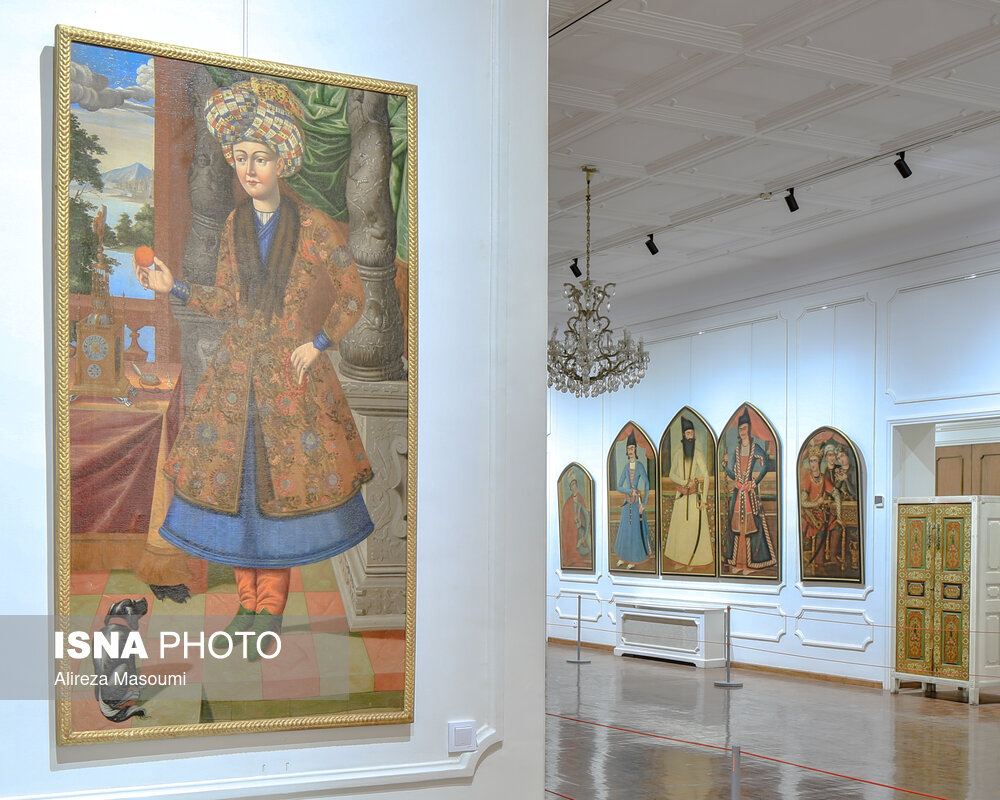
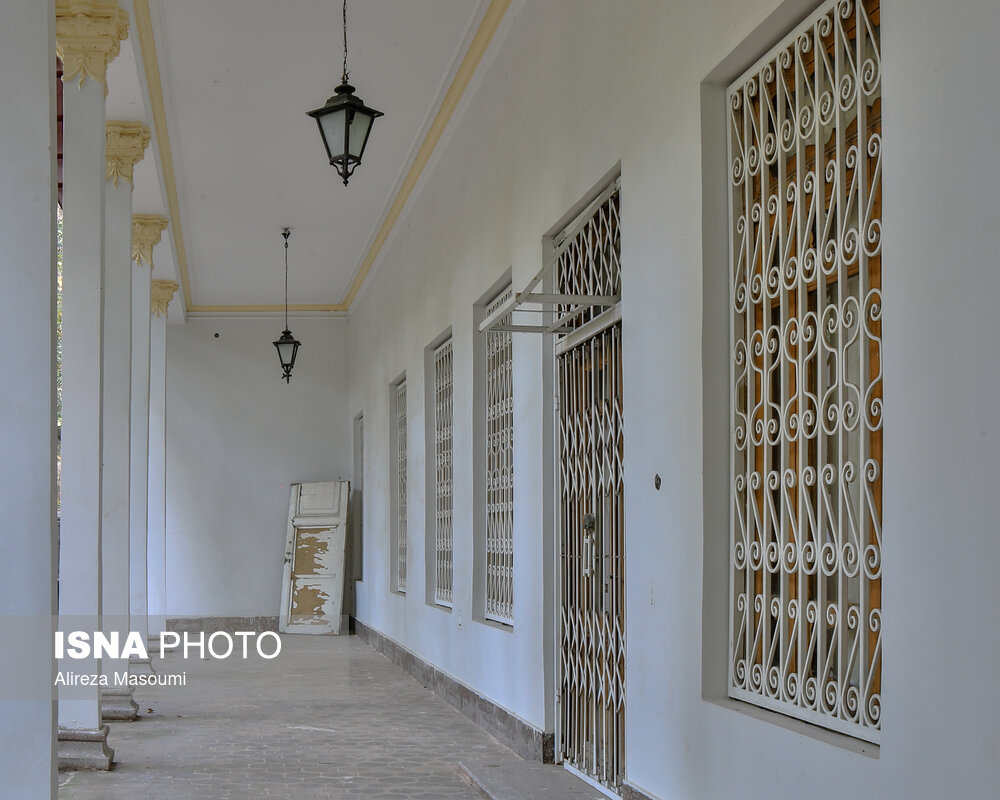
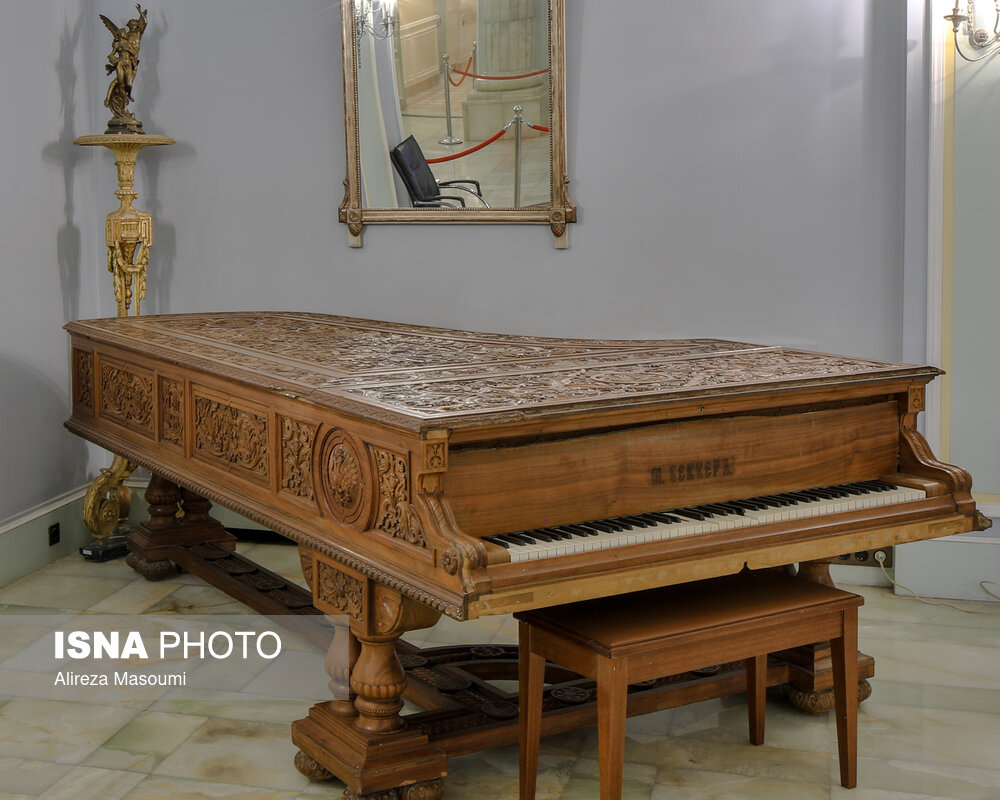
Pictures: Historical charm of Sa’dabad complex in Tehran continues to captivate visitors

Among the highlights is the Green Palace, or Shahvand Palace, located in the northwest corner of Sa’dabad.

Originally an incomplete structure belonging to Ali Khan Vali, it was later purchased and transformed by Reza Shah into the Green Palace, as it stands today.

The White Palace, also known as the Museum of the Nation, has been a focal point for its historical significance. It served as the summer residence of Mohammad Reza Shah and his wife and hosted official events. It still houses 10 grand halls, the largest of which is the main palace hall.

At the southernmost point of the complex, the Black Palace or Aswad Palace, now the Museum of Fine Arts, was once the location of the Ministry of Court from 1967 to 1978. Since 1982, it has operated as a fine arts museum, showcasing works in a building steeped in historical significance.

Each palace within the Sa’dabad Complex offers a unique perspective on Iran’s rich cultural and political history, inviting visitors to delve deeper beyond the scenic exteriors.

More in pictures:

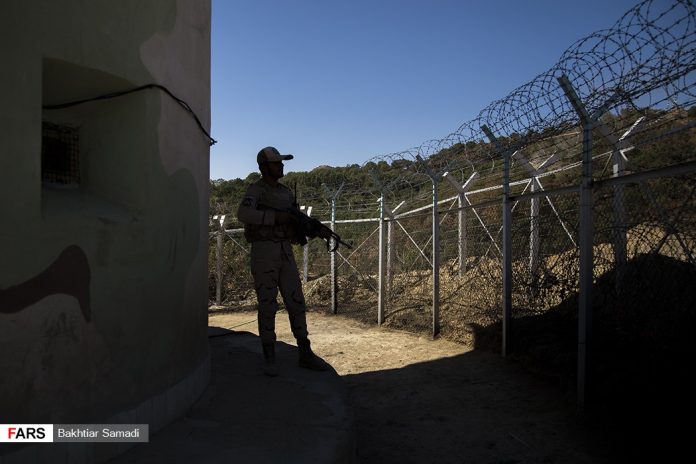
Five volunteer forces killed in terrorist attack in southeastern Iran

Iran Border

The attack took place in ​​Sirkan district of the border region of Saravan, located near Pakistan, on Sunday, according to a report by Iran’s Islamic Revolution Guards Corps (IRGC) Ground Force.

Following the attack, the units stationed in the region were quickly dispatched to the area, and security forces are in pursuit of the terrorists. The victims were native to the region.

The border region of Saravan in Sistan and Baluchestan Province has over the past years been the scene of clashes between the Iranian security forces and terrorist groups and drug traffickers.

Back in May, five Iranian border guards were killed in clashes with armed terrorists and anti-Islamic Revolution groups in the Maze-Sar area of Saravan.

Also in April, a senior Iranian police officer was killed in a terrorist attack in the southeastern province after unidentified assailants launched a surprise attack on him.

Israel PM admits giving green light for Lebanon pager attacks

Lebanon Pager Attack

“The pager operation and the elimination of Nasrallah were carried out despite the opposition of senior officials in the defense establishment and those responsible for them in the political echelon,” Netanyahu said during Sunday’s weekly cabinet meeting, according to Israeli media reports.

His spokesman, Omer Dostri, acknowledged that the prime minister indeed “confirmed that he greenlighted the pager operation in Lebanon” that killed nearly 40 people and wounded thousands of people.

Beirut has announced that it had filed a complaint with the United Nations’ labour agency over the deadly attacks on communication devices across Lebanon.

On September 17, thousands of pagers exploded simultaneously in Lebanon. The following day, hundreds of walkie-talkies detonated in a similar wave of blasts. The attacks killed at least 42 people and injured over 3,500, including women and children.

A week after the pager attacks, Israel announced a military operation in Lebanon.

New Defence Minister Israel Katz has claimed that Israel has “defeated” Hezbollah, and eliminating its leader Seyyed Hassan Nasrallah was the “crowning” achievement.

Israel’s plan now is to “change the security reality in the north”, he continued, adding, “The blows we inflicted defeated Hezbollah and the elimination of Nasrallah is the crowning jewel”.

The comments come as Hezbollah continues to fire rockets into Israel and Israeli ground forces struggle to take territory in southern Lebanon.

Israeli army Chief of Staff Herzi Halevi has also approved the expansion of the ground invasion of southern Lebanon, state broadcaster Kan reported

Israel’s military began “limited, localized, and targeted” ground raids into southern Lebanon against Hezbollah on October 1, days after launching heavy airstrikes throughout the country.

Israel’s military and security officials considered announcing the end of the ground offensive last week, Kan reported, but Halevi green-lighted new orders to expand the assault, which could include thousands more soldiers.

More than 3,000 people have been killed in Lebanon since clashes between Hezbollah and Israel began in October 2023, according to the health ministry, including over 2,000 since September 23.

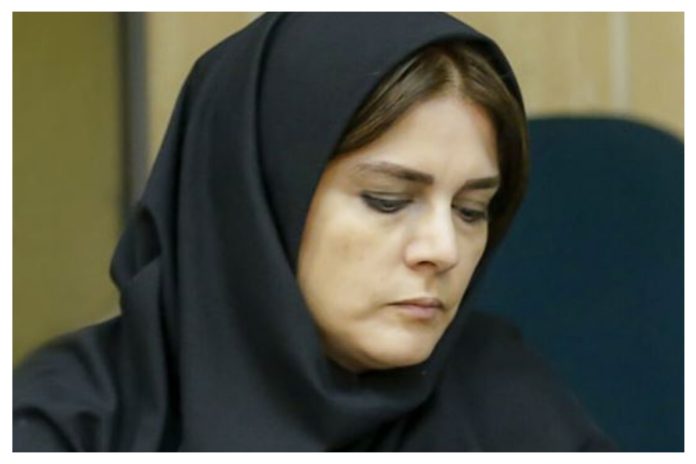
Iranian journalist killed by husband amid domestic dispute

Mansoureh Ghadiri Javid

Following the crime, the husband attempted to hide the body but was unsuccessful; police apprehended him based on witness testimonies, to which he confessed his actions.

According to Tehran’s Criminal Prosecutor, the police arrived at the scene to find Ghadiri Javid’s body, bearing multiple knife wounds and blunt force trauma.

The husband, who admitted to the crime, cited ongoing marital discord as the motive.

Judicial authorities revealed that the confrontation intensified from early morning on the day of the incident. During the argument, the suspect delivered four knife strikes and two blows with a dumbbell, which was used as an improvised weapon. His attempt to remove the body from the home was ultimately thwarted.

Neighbors confirmed hearing loud altercations that morning, followed by silence. Later, the husband’s brother entered the residence, discovered the scene, and promptly notified the police, leading to the suspect’s confession and subsequent investigation by law enforcement.

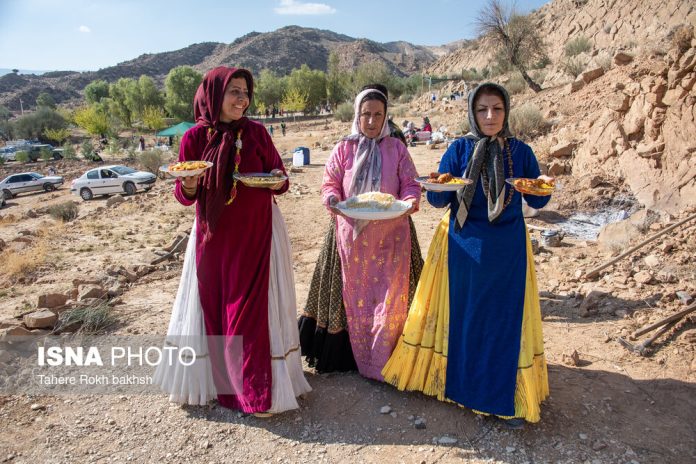
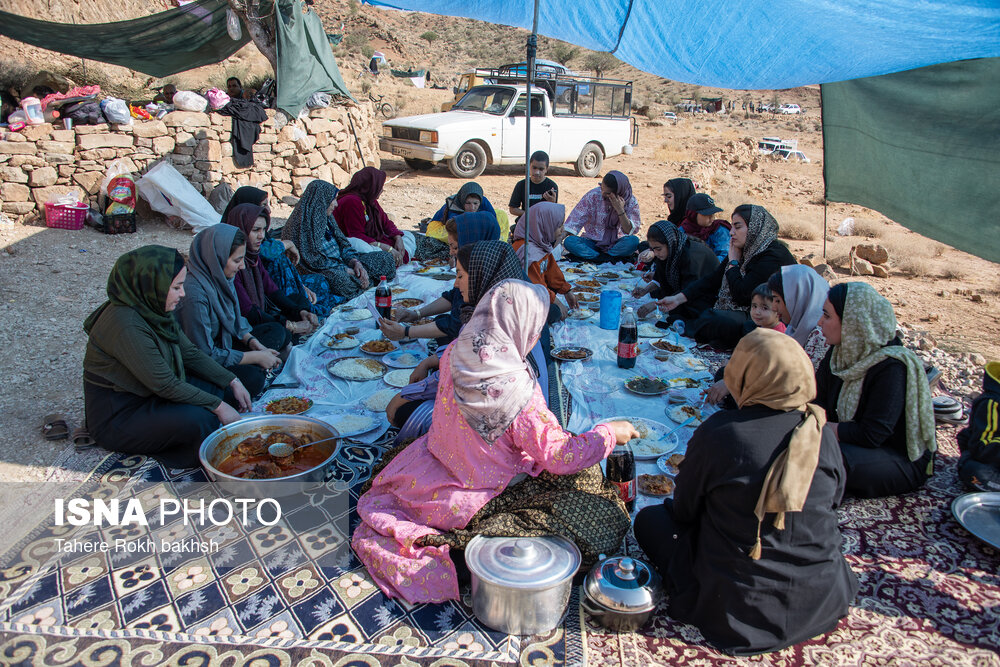
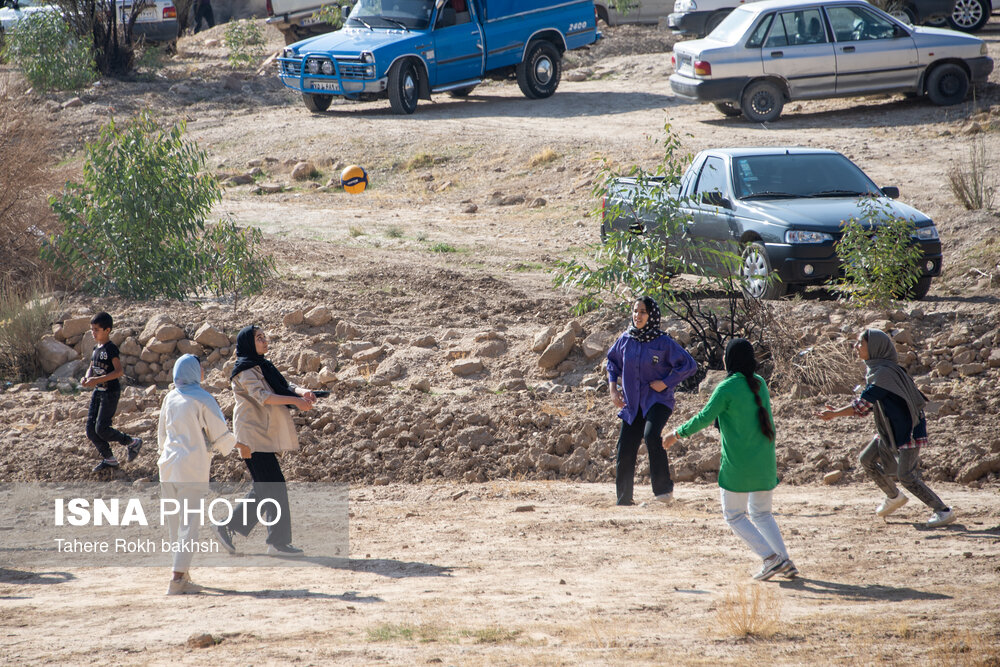
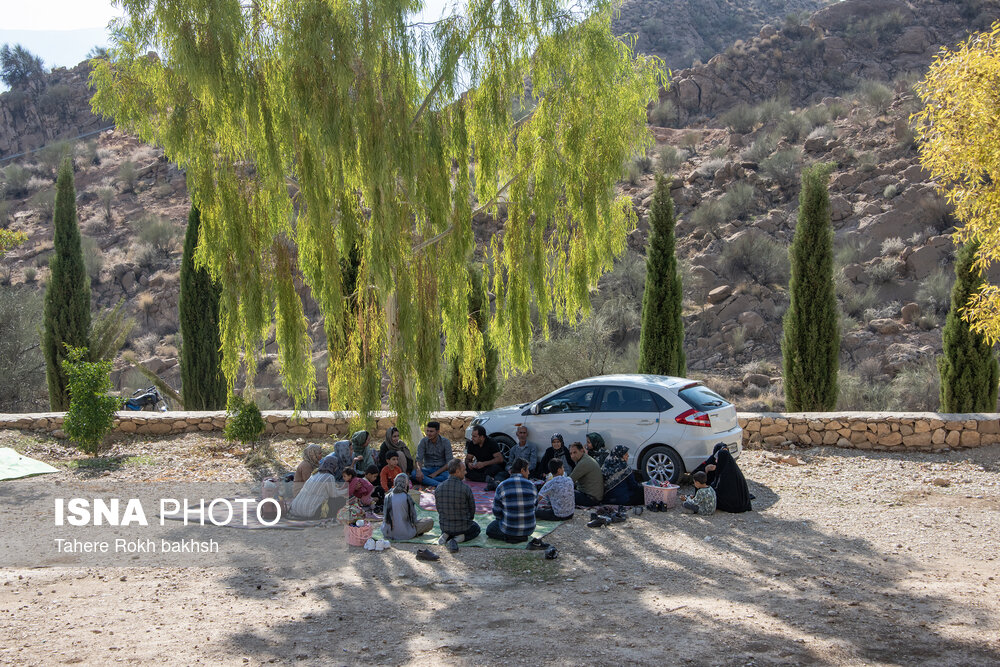
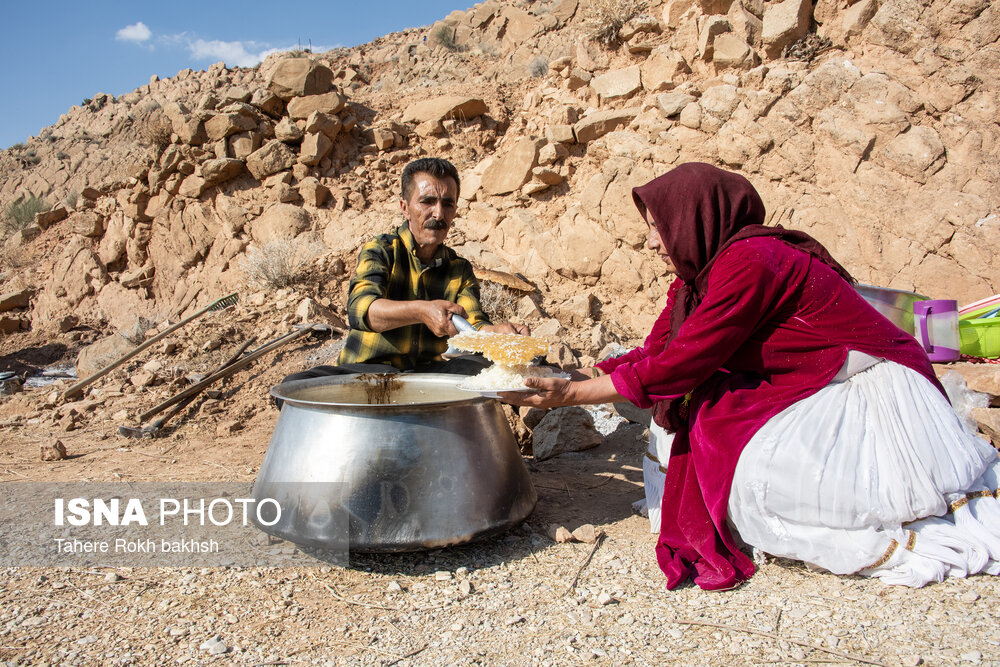
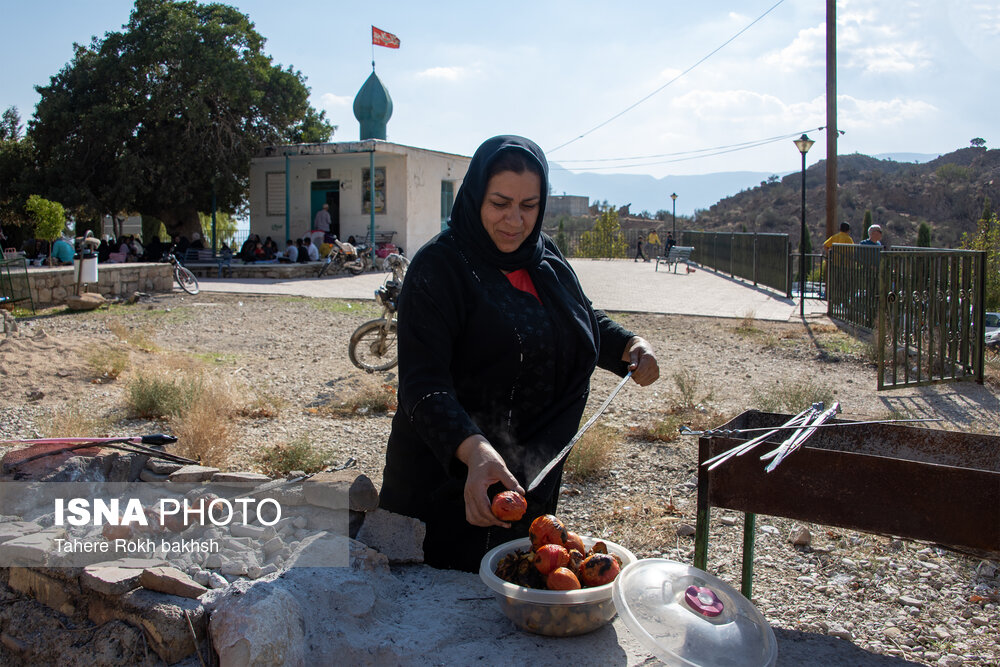
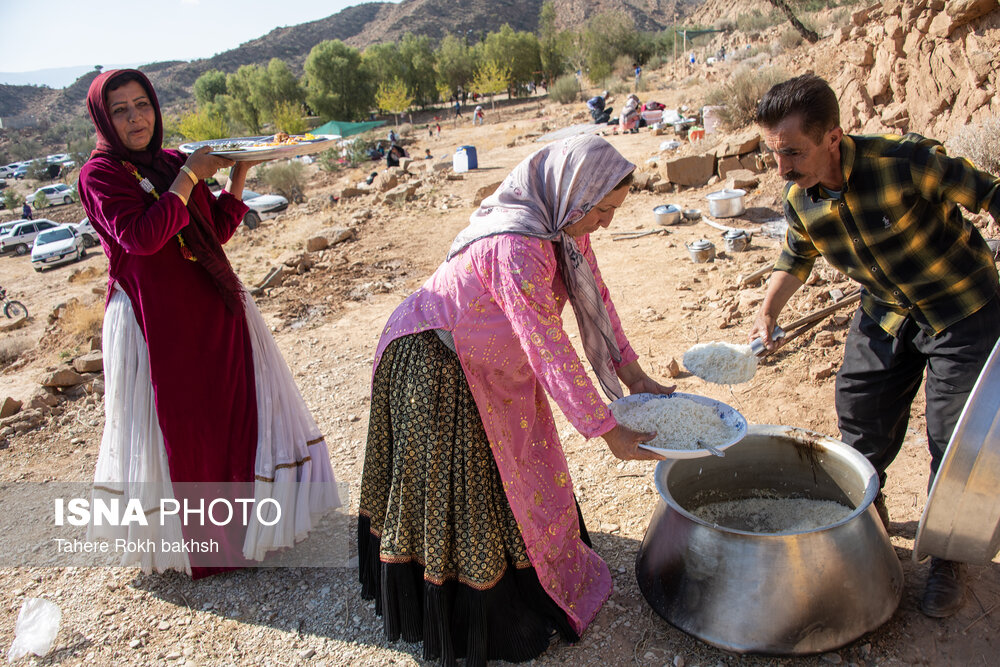
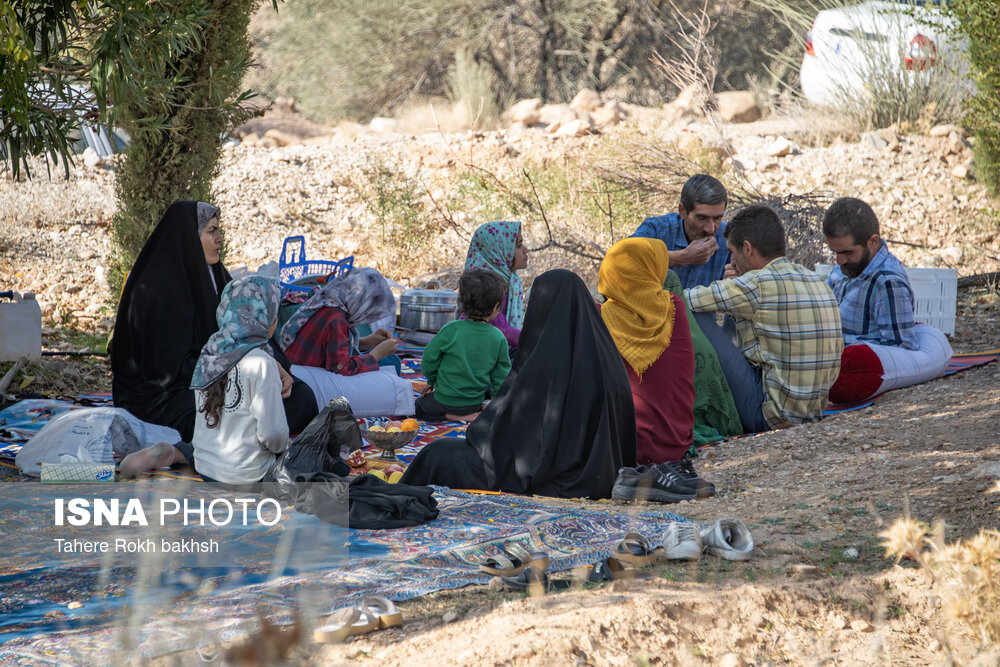
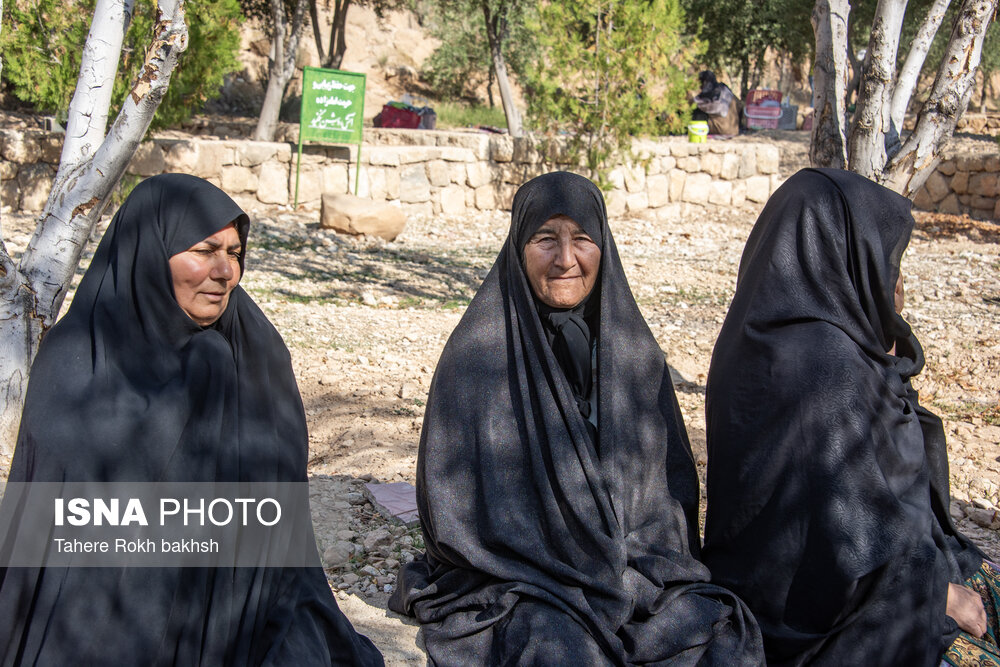
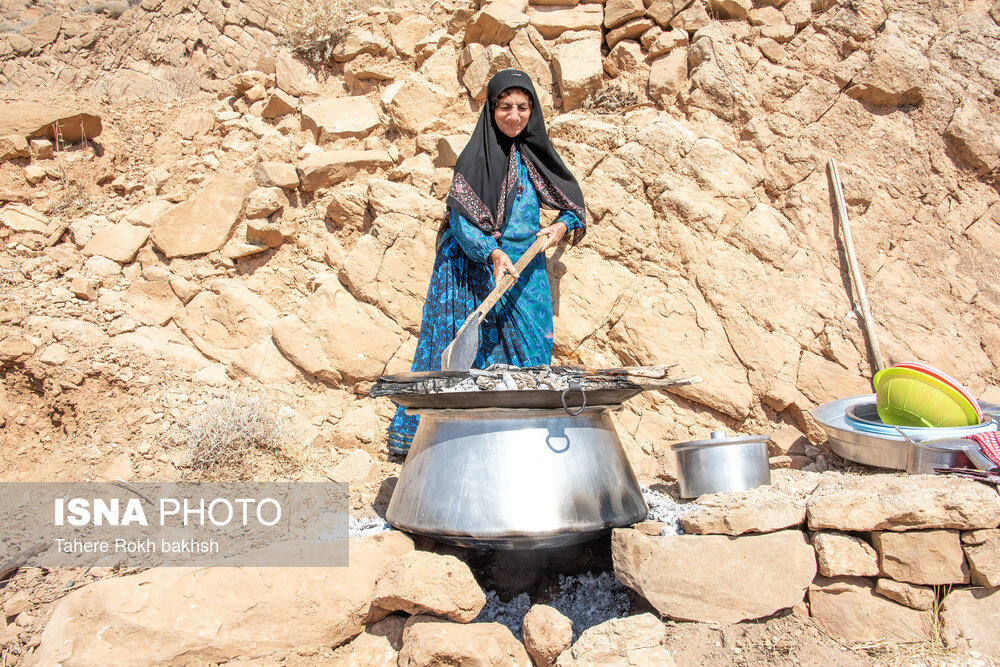
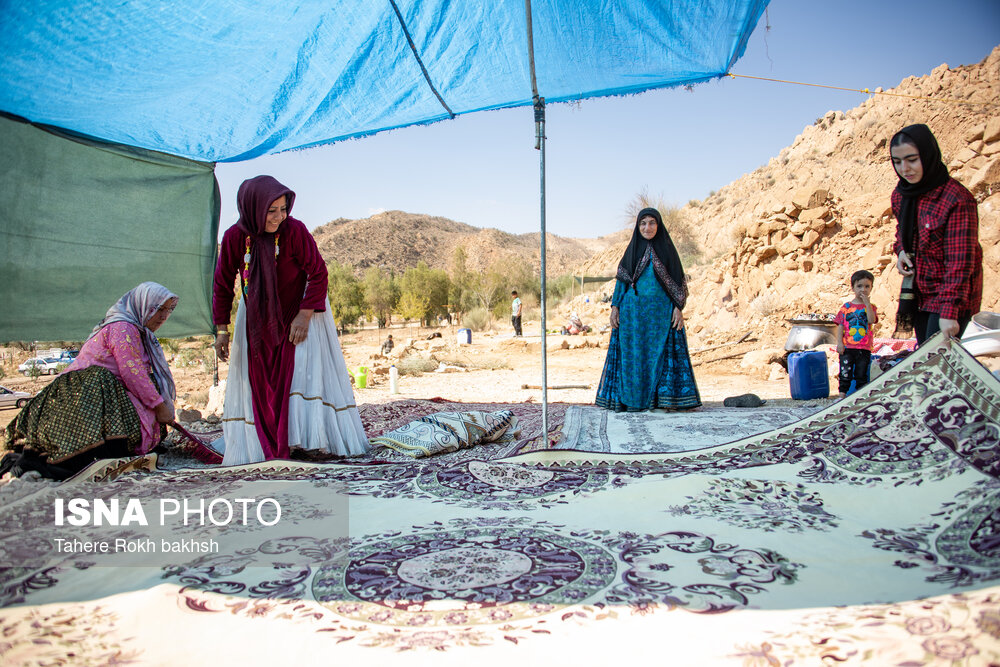
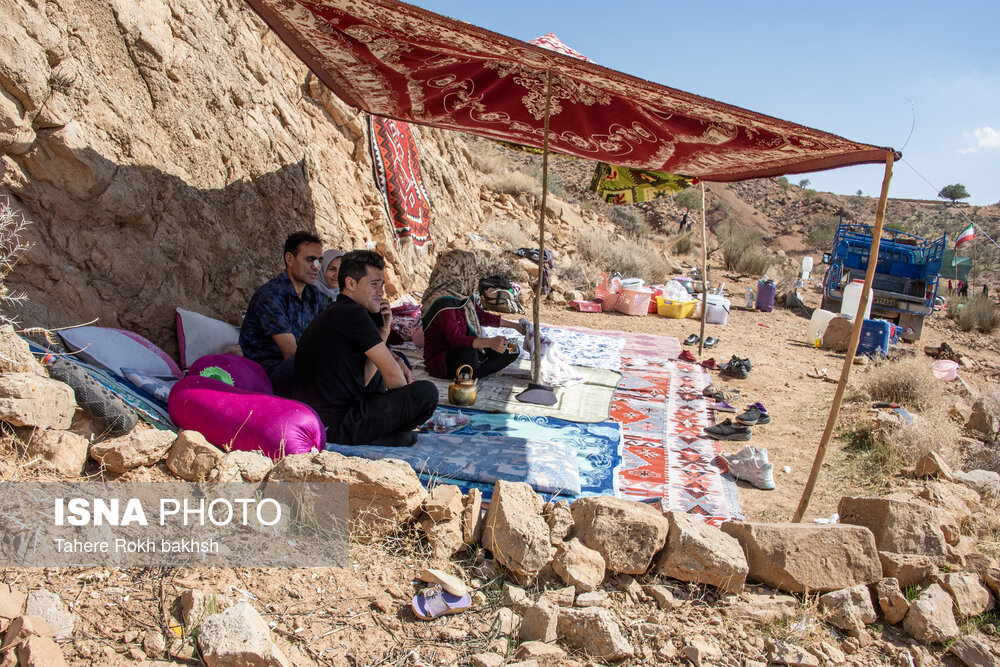
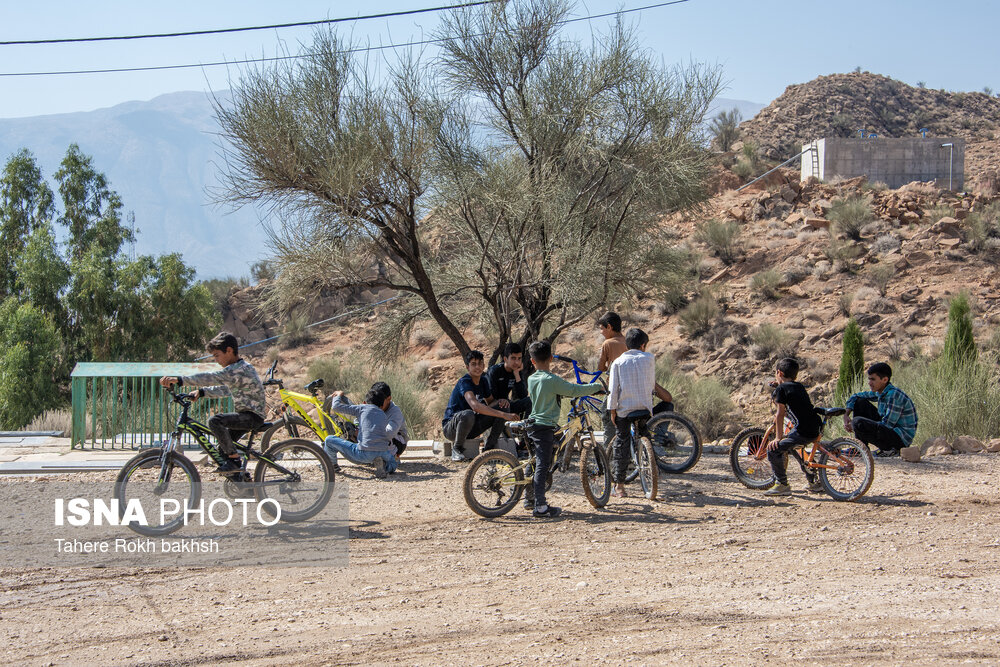
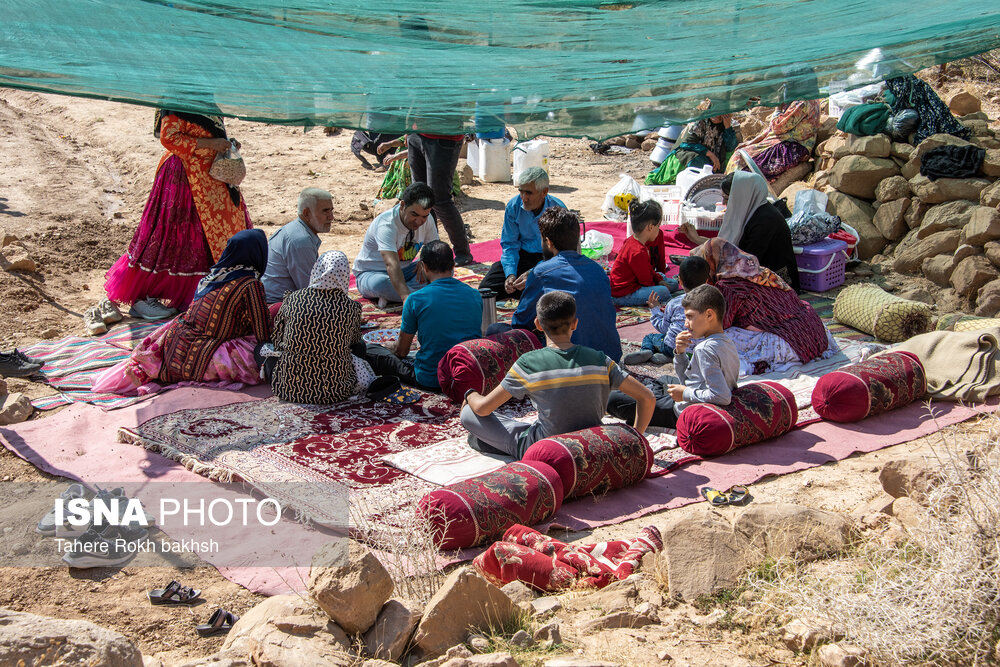
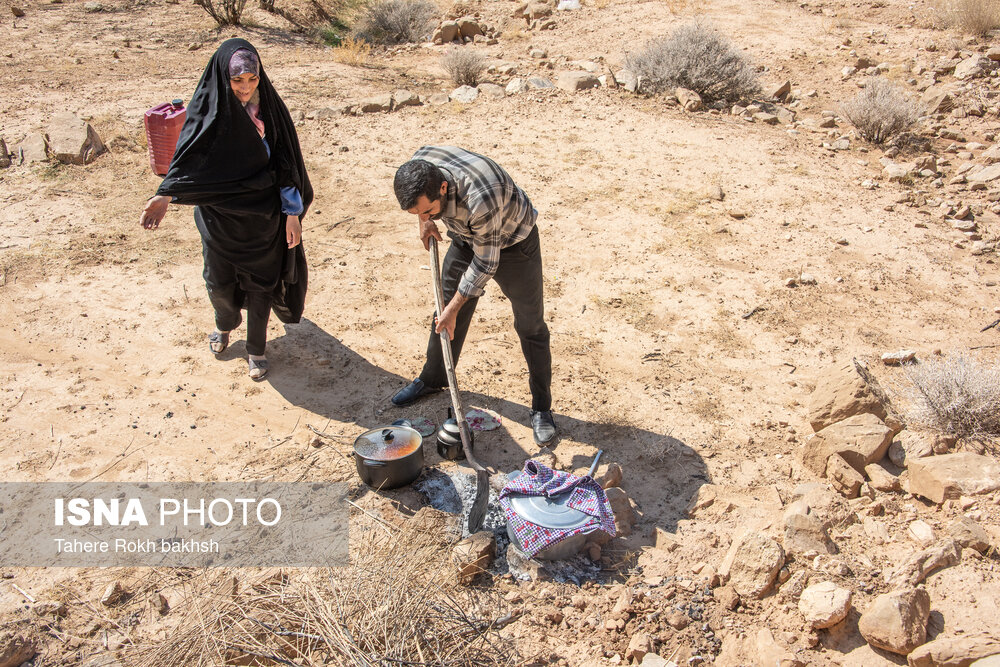
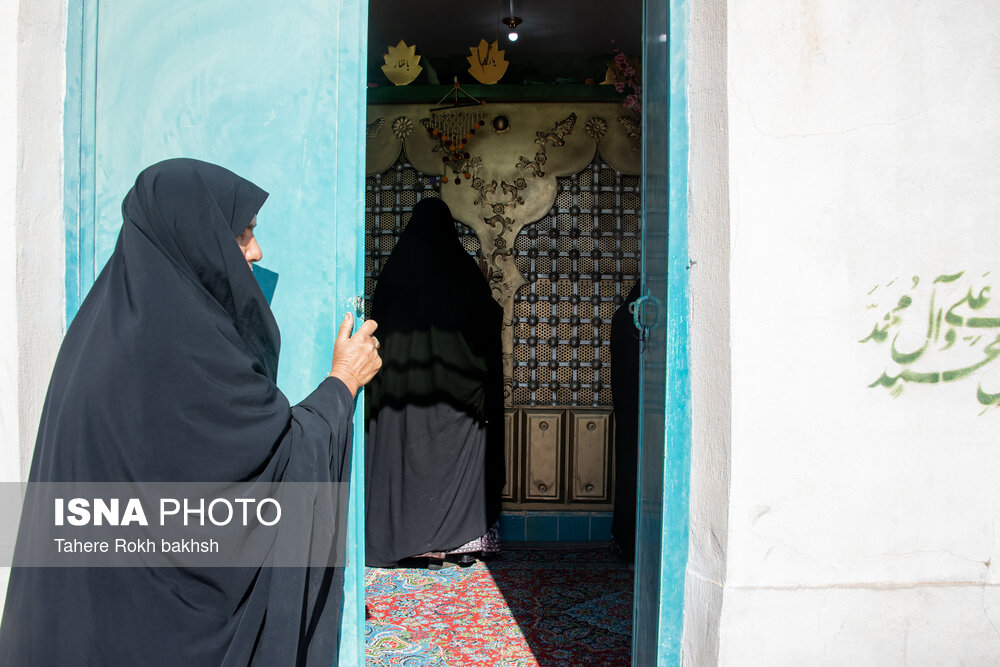
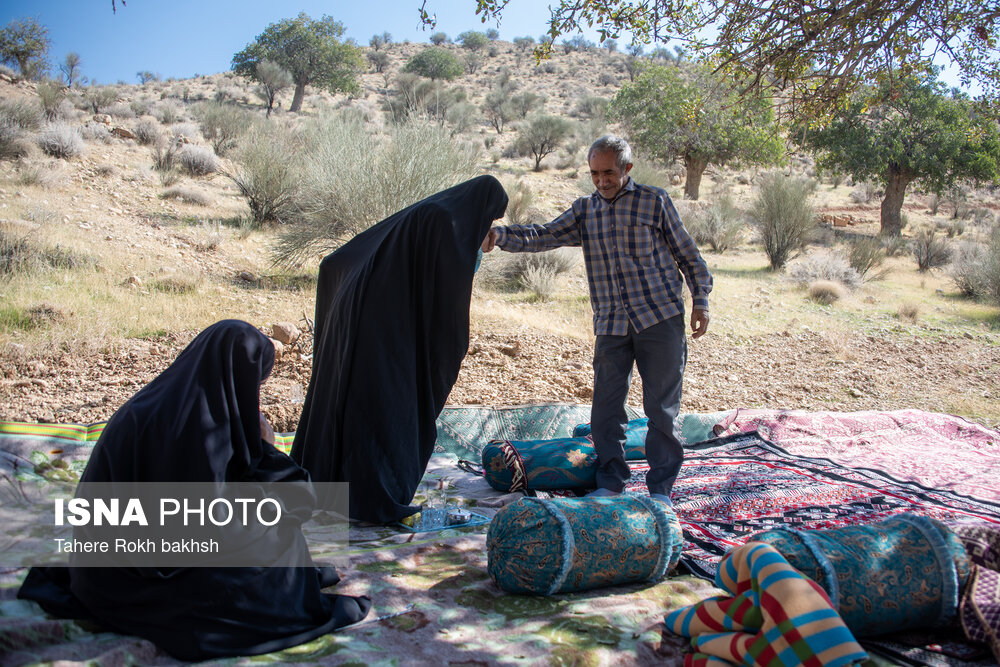
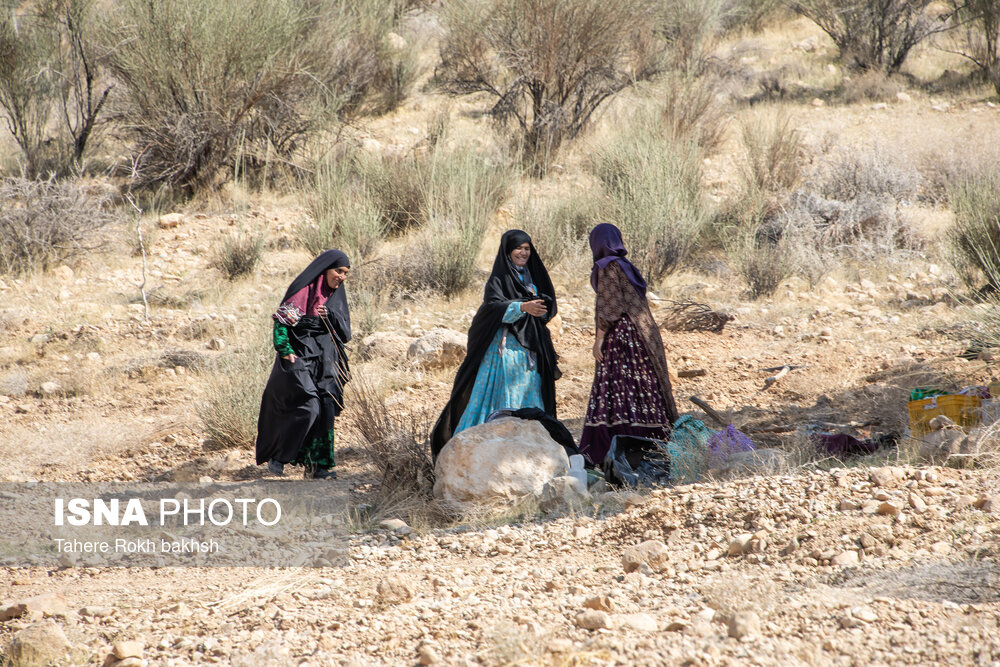
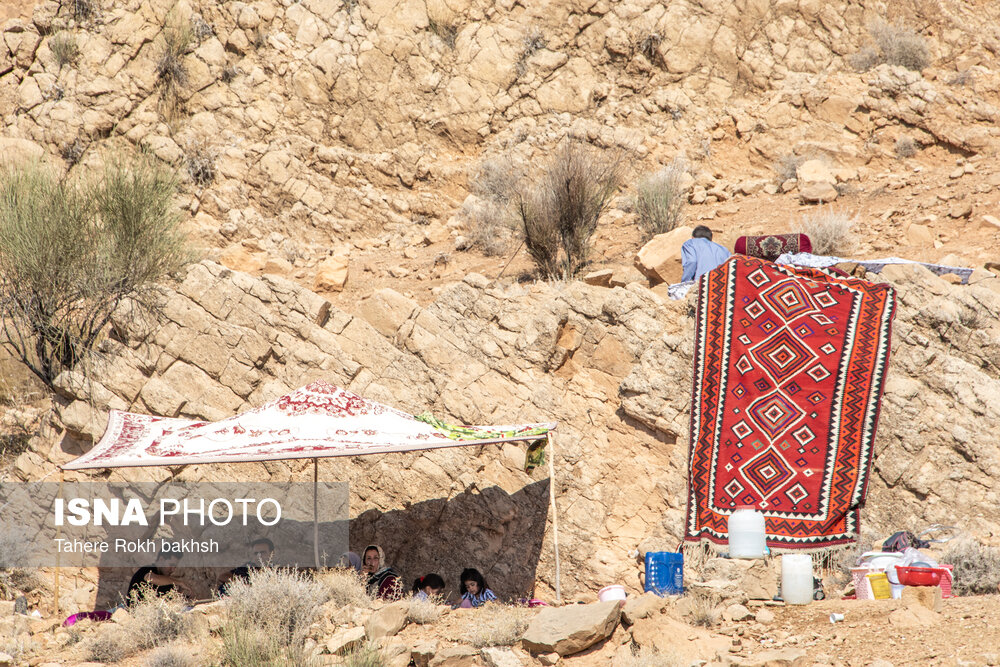
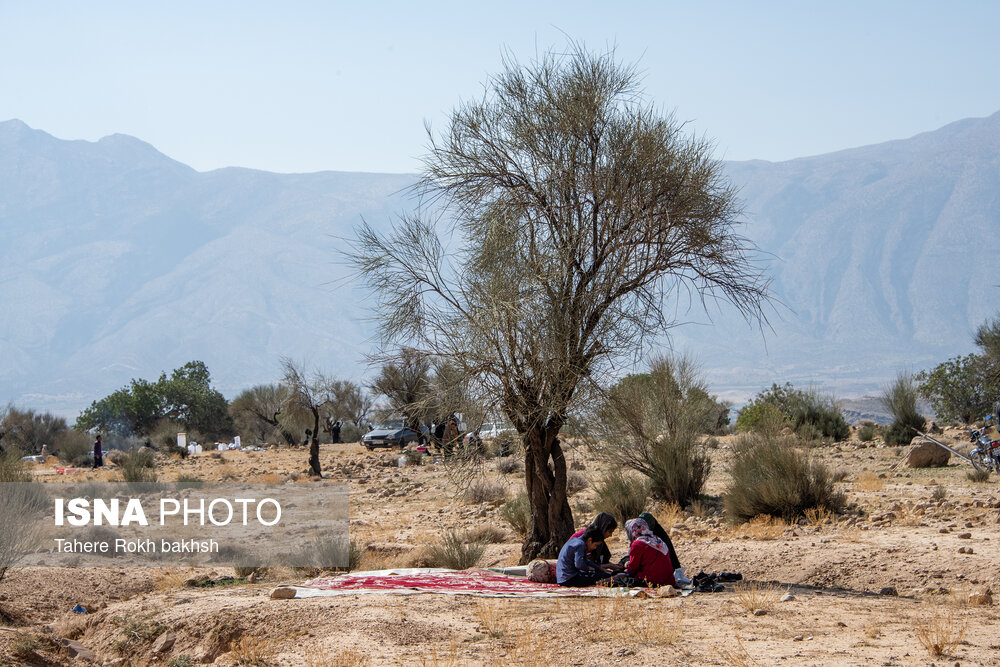
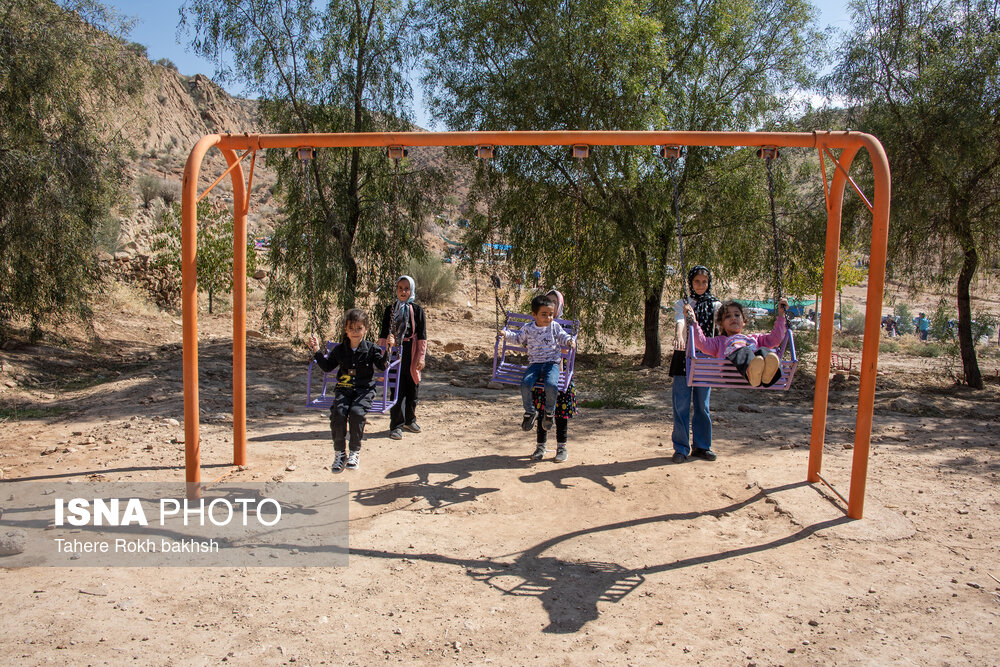
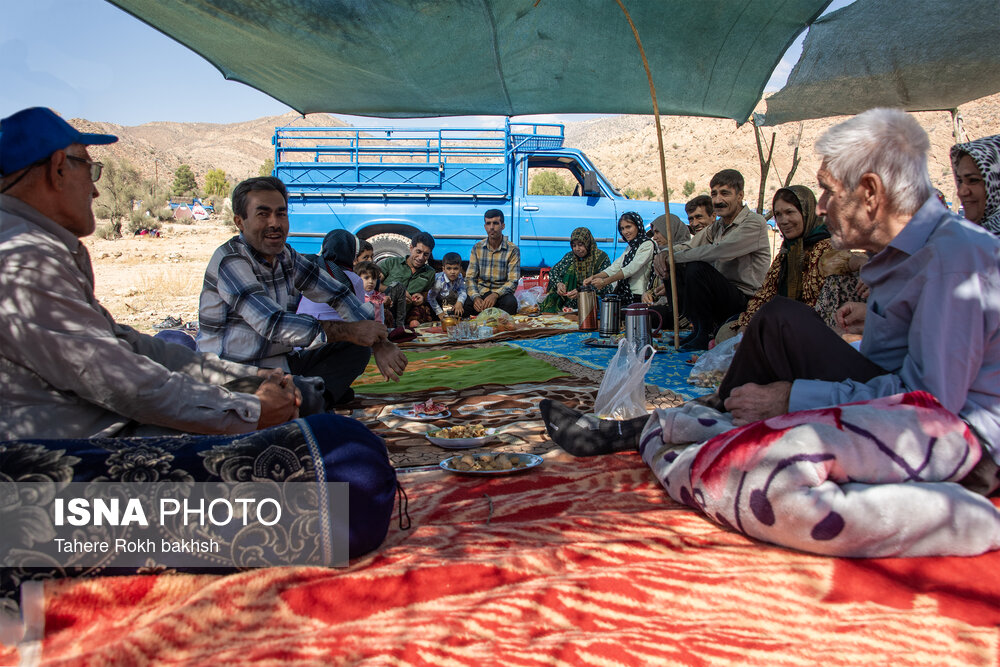
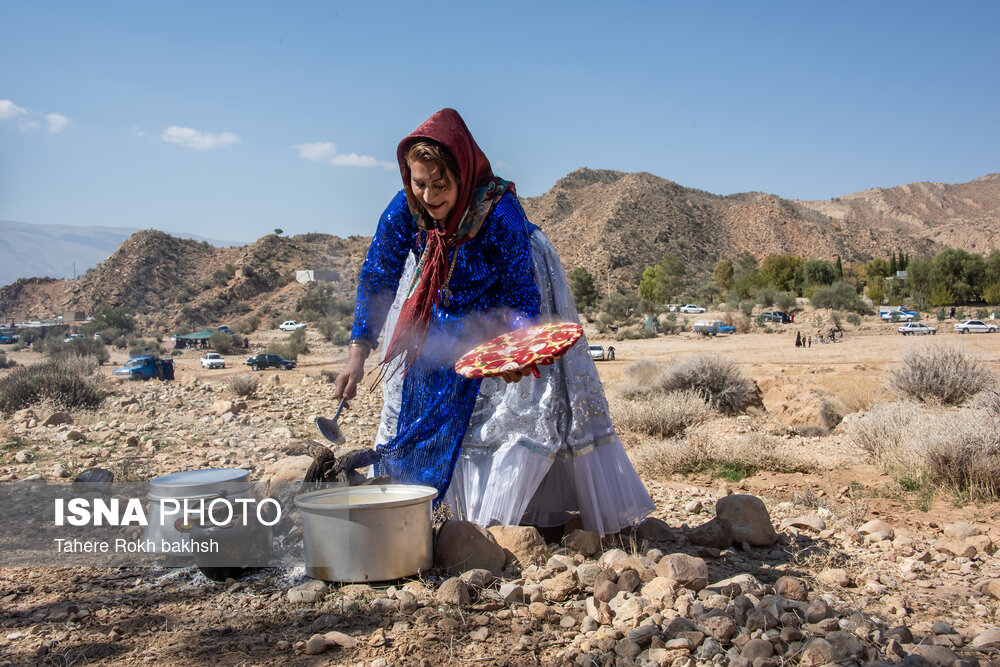
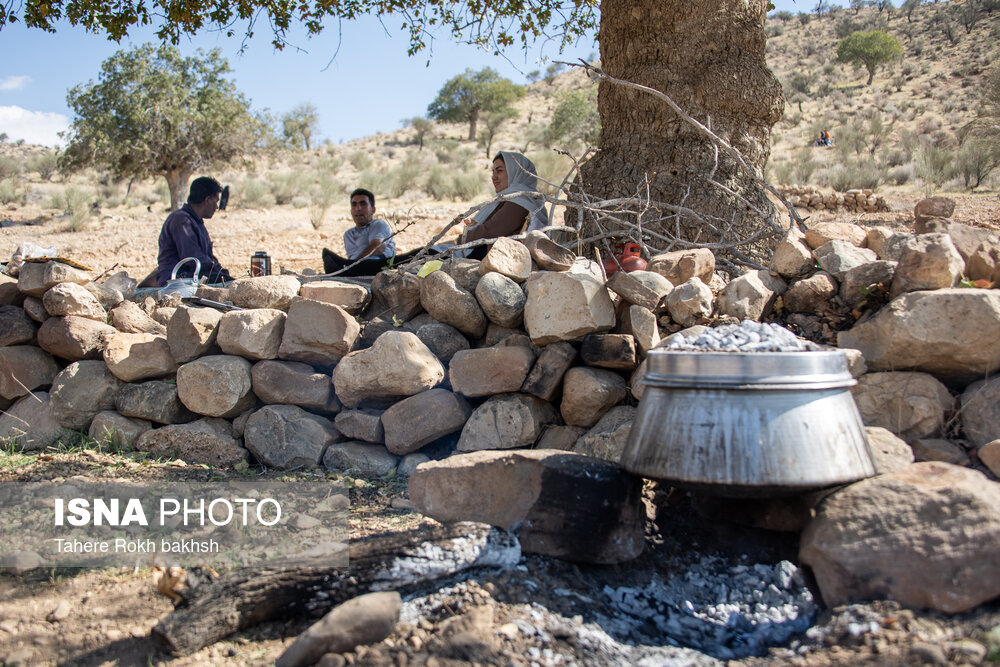
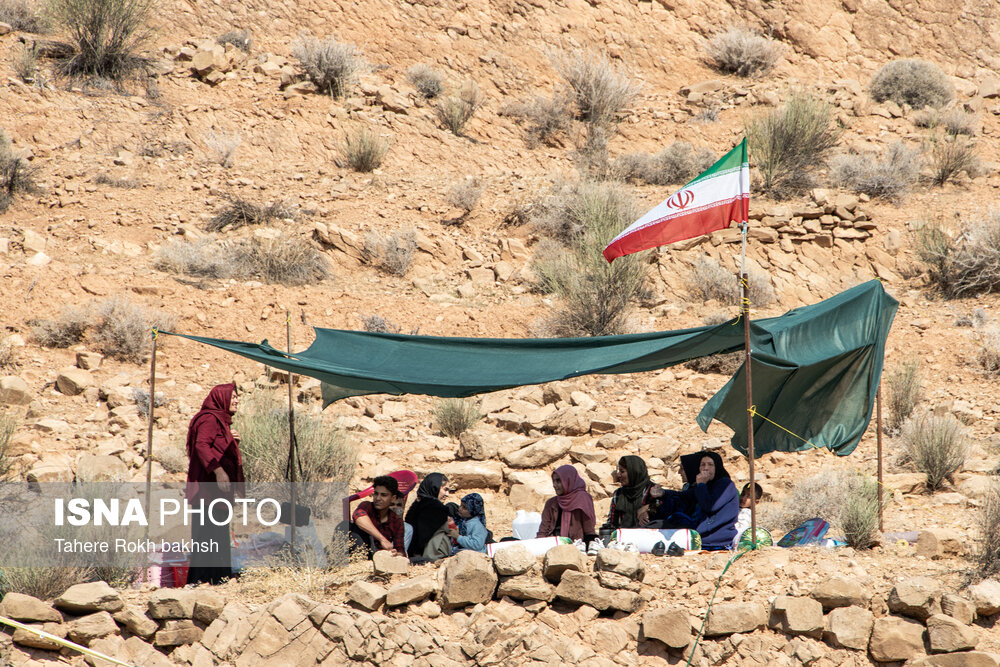
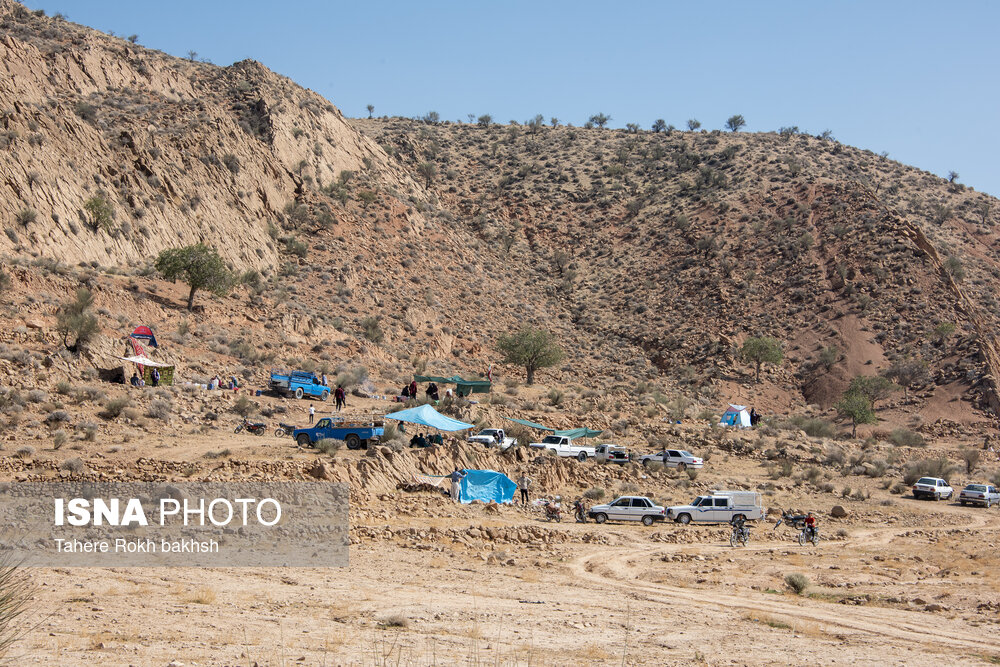
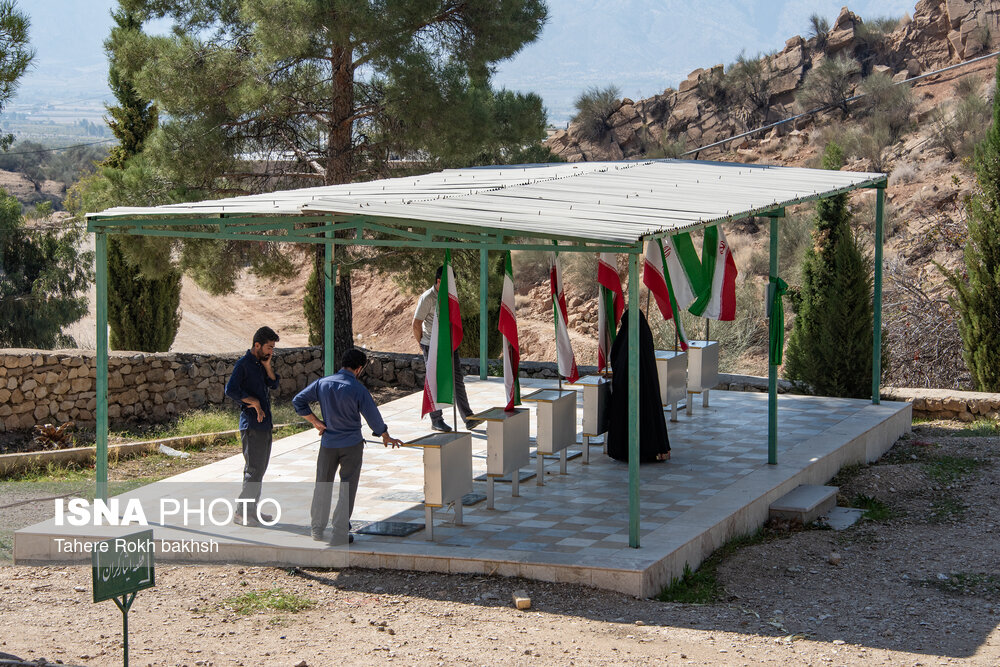
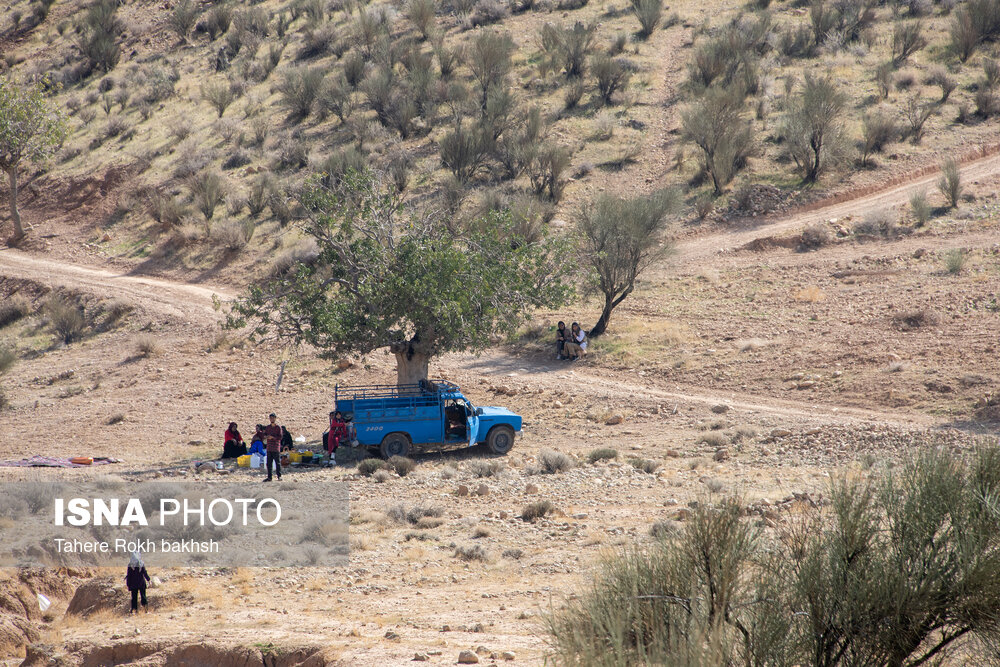
Pictures: Traditional ceremony in Iran’s Meymand to give thanks for blessings, rainfall and unity

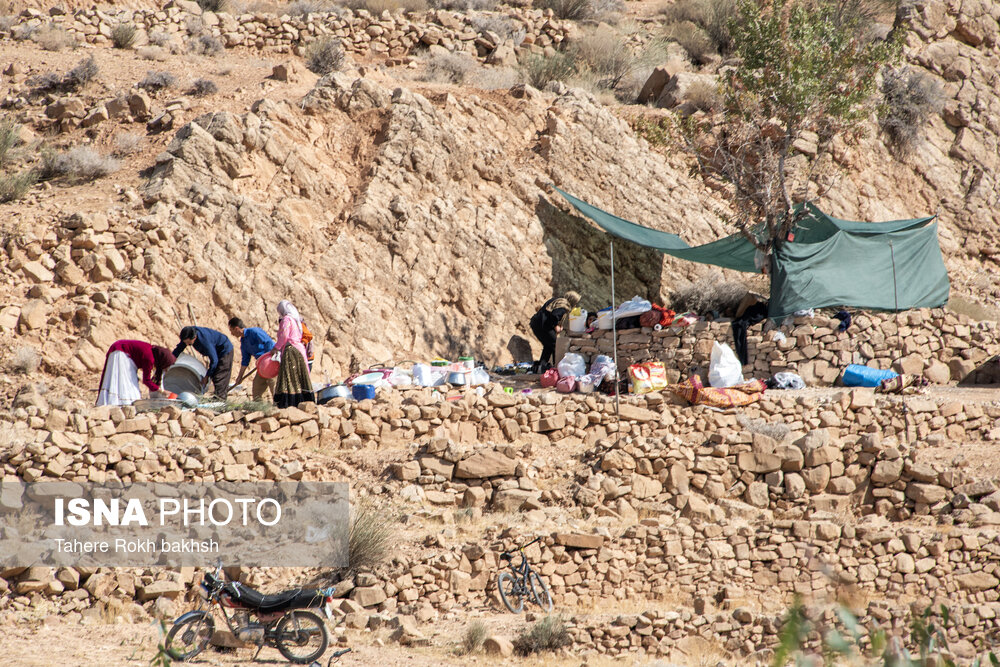
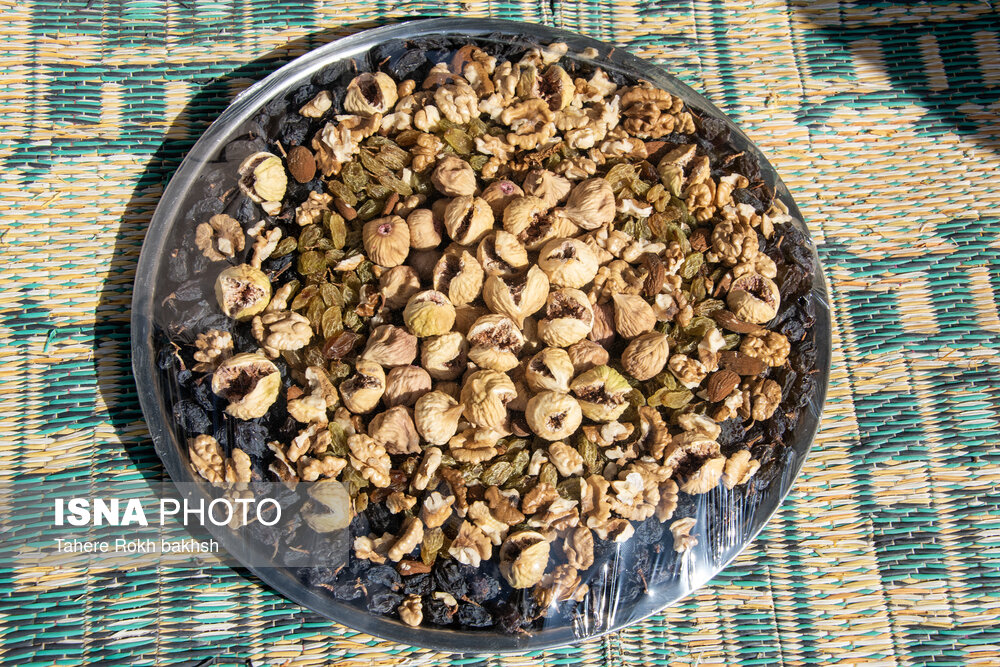
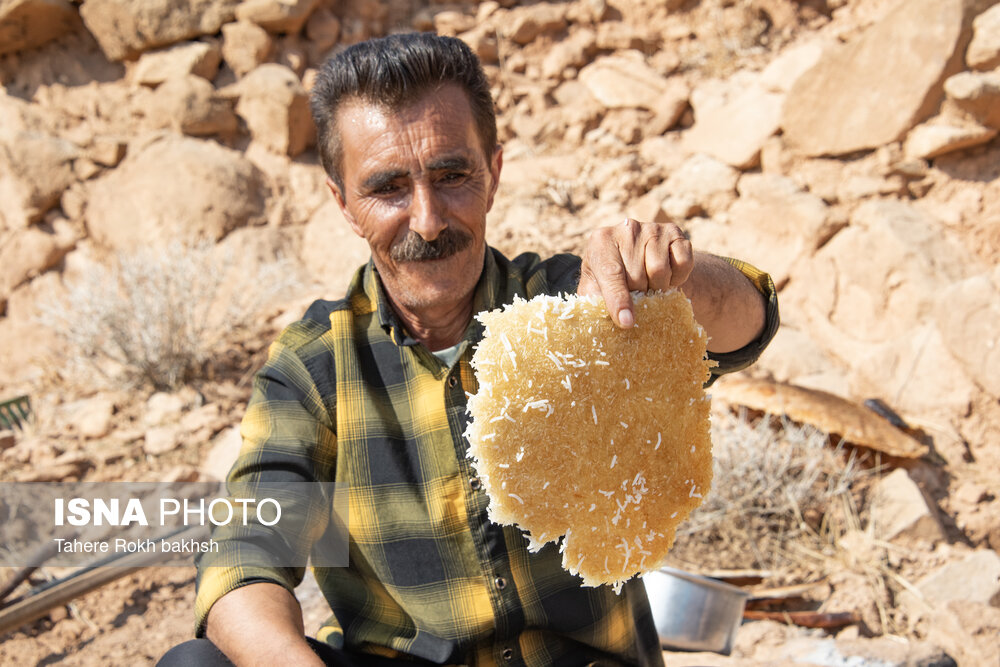
This ritual of gratitude for God’s blessings and a symbol of unity and friendship among families takes place each year following the first autumn rainfall.

The village, home to about 150 families, comes together in thanksgiving for the rains.

This year’s event attracted local residents as well as pilgrims and tourists. During lunchtime, everyone—from villagers to visitors—is invited to a shared feast, with each person contributing to a vibrant table of local dishes prepared to individual tastes. The “Digjush” ceremony not only strengthens bonds within the community but also preserves a cherished cultural heritage, uniting people in celebration and gratitude.

More in pictures:

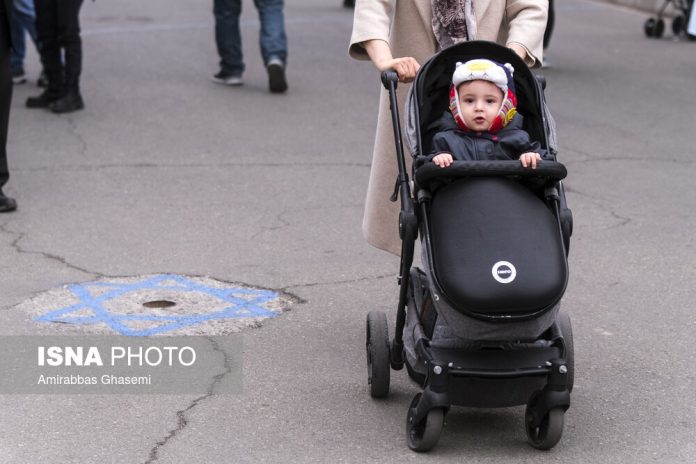
Iran’s deputy health minister warns of imminent population crisis

Iran Population

Alireza Raisi explained that if the current population trends continue, within the next 20 years, the number of annual births will equal the number of deaths. This zero population growth rate will mark a turning point, after which deaths will begin to outpace births, resulting in a negative growth rate.

Raisi painted a concerning picture of Iran’s future demographics by 2101. He estimated that Iran’s population could fall below 50 million, with nearly 42 million people remaining, and about half of this population being elderly. “In other words, out of every four Iranians, two will be seniors,” he explained, emphasizing the depth of the crisis.
Without proactive policies to encourage family growth and support for young families, Raisi warned, the aging population could place a significant burden on healthcare, social services, and the economy.
Experts say that Iran’s shift toward smaller family sizes and delayed marriages, along with economic challenges, have contributed to the population decline.