Thursday, December 25, 2025
Home Blog Page 652

US freezes delivery of bulldozers to Israel over home demolitions in Gaza

Gaza War

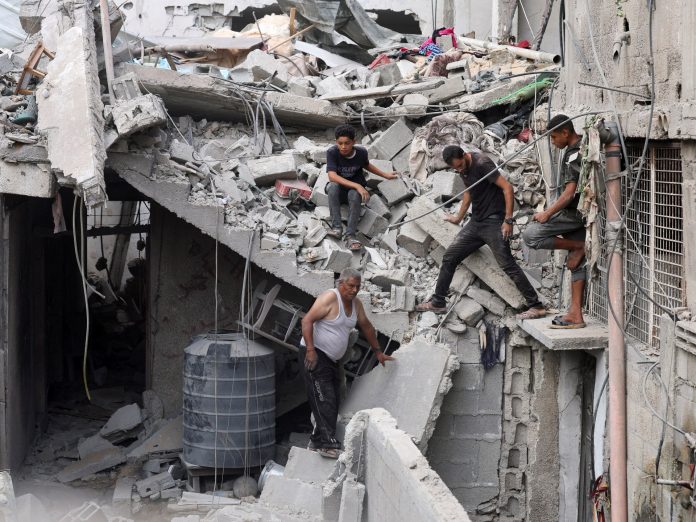
According to Israeli daily Yedioth Ahronoth, the Israeli Defense Ministry signed a major contract to purchase around 130 D9 bulldozers from US machinery maker Caterpillar.

The newspaper, citing Israeli security sources, said the US recently froze the deal due to the use of these bulldozers to demolish homes in Gaza, which has sparked widespread criticism in the US.

The sources claimed that Israel had already paid for the bulldozers and was awaiting export approval from the US State Department.

The Israeli paper added that the freeze came at a time when Israel was in desperate need of the bulldozers, especially after the equipment had undergone maintenance.

According to the report, the Israeli army has also been engaged in ground operations in southern Lebanon for over a month, requiring additional D9 bulldozers for use in the region.

The Israeli newspaper said the freeze of the bulldozer shipment has delayed the completion of Israel’s plans to create a buffer zone between Gaza and the Negev in southern Israel, which would include flattening hundreds of Palestinian buildings and agricultural areas along the Gaza border.

According to the daily, Washington has also frozen the delivery of hundreds of heavy bombs to the Israeli army, which had purchased approximately 1,300 bombs from Boeing. These bombs weigh nearly a ton each. The US cited concerns that they could be used to harm civilians in Gaza.

While half of the heavy bomb shipment was eventually delivered, the other half remains stuck in US storage facilities, it added.

Israel has continued a devastating offensive on the Gaza Strip since Oct. 7, 2023 despite a United Nations Security Council resolution demanding an immediate cease-fire. The onslaught has killed over 43,600 victims and rendered the enclave almost uninhabitable.

Israel faces a genocide case at the International Court of Justice for its actions in the blockaded enclave.
Trump’s peace plan for Ukraine may include deploying European forces to buffer zone: Report

Russia Ukraine War

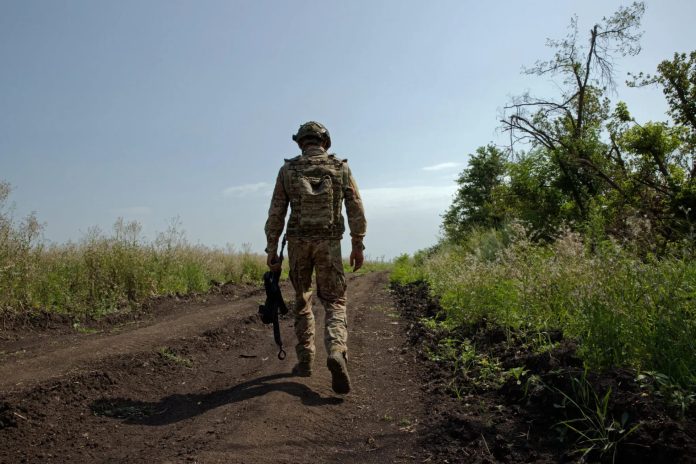
Under one of the peace plans being considered by Trump, the current front line in Ukraine would be frozen, the Telegraph reported.

The US would supply weapons to Ukraine to prevent Moscow from re-launching the war, according to the Telegraph. In exchange, Ukraine would agree not to pursue its ambition to join NATO for 20 years, the sources said.

Trump’s plan does not include deploying US troops to patrol the 1,200-kilometer buffer zone or providing US financial support for the mission, the Telegraph reported.

“We can do training and other support but the barrel of the gun is going to be European,” a member of Trump’s team stated, as cited by the Telegraph.

“We are not sending American men and women to uphold peace in Ukraine. And we are not paying for it. Get the Poles, Germans, British and French to do it.”

The findings from the report come amid speculation on how Trump will try to fulfill his promise to end the war quickly.

“If we have a win, long before Jan. 20, before I would take the presidency, long before that, I think we could work out something that is good for both sides,” Trump stressed, standing alongside Ukrainian President Volodymyr Zelensky in New York in September.

It remains unclear why Russia would want to pause at the current phase since Moscow’s forces are currently at the height of their offensive in 2024 and reportedly still have the resources to keep pushing further.

Russian Deputy Foreign Minister Sergei Ryabkov has said that Moscow was “ready to listen” to Trump’s proposals but added that there would be no “simple solution”.

Trump defeated Democratic candidate and Vice President Kamala Harris in the presidential election, adding further uncertainty for Ukraine as it struggles to envision its future. Trump previously served as president from 2017 to 2021, before Joe Biden took office.

Ukraine’s leadership has announced publicly that it plans to restore the country’s 1991 borders, which includes the liberation of Crimea and parts of the Donbas occupied by Russia since 2014.

Former diplomat: Iran-Israel tensions must be contained for larger agreement with US

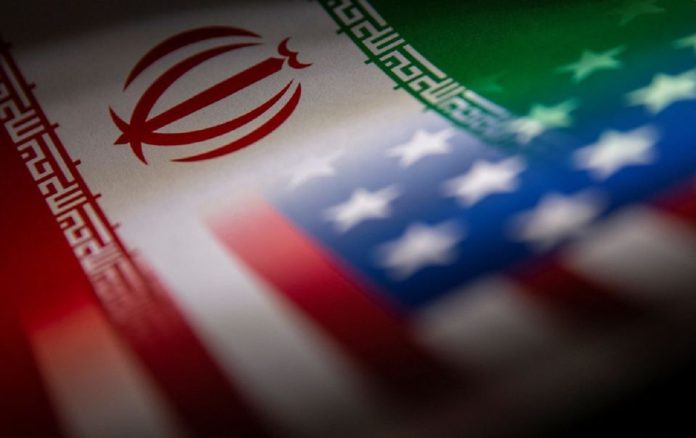
Iran US Flags

In a recent interview with Al Arabiya, Hossein Mousavian, who is also a former nuclear negotiator, said despite Trump’s negative reputation among Iranian officials, the Republican president could reach an agreement with Tehran provided that tensions between Iran and Israel are contained.

“Trump announced two positive and constructive points during his recent campaign; he is not seeking regime change in Iran and that he only wants to ensure that Iran does not have a nuclear bomb,” Mousavian stated.

He added that if these two demands are genuine, a nuclear agreement with the Iranian administration of moderate President Massoud Pezeshkian is possible.

The former diplomat also noted that Trump has expressed a desire to end the wars in West Asia, which could pave the way for resolving conflicts involving Israel and Iran.

Mousavian highlighted the importance of a sustainable ceasefire in Gaza and Lebanon, suggesting that if Trump ends Israel’s wars, it could lead to Iran exercising restraint.

Iran speaker shrugs off Trump’s victory in US presidential election

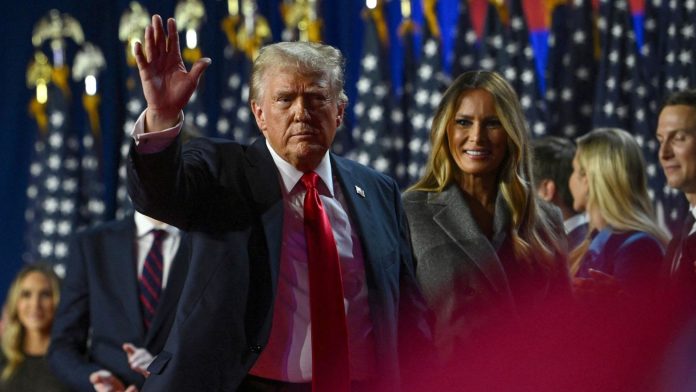
Donald Trump

Addressing a session of the Parliament on Sunday, Ghalibaf said there are “meaningful differences” in the styles of hostility that different US presidents show towards Iran, but the bottom line is that “what determines the enemy’s behavior towards us is our national power as well as mighty and wise action on the basis of the revolutionary rationality approach”.

He stated that the terms of presidents of other states will have no impact, whatsoever, on Iran’s capabilities to fulfill its interests as long as the Islamic Republic relies upon its domestic strength, thought and determination.

The emerging powers that do not surrender to hegemony, like Iran, rely on their endogenous power and will play an influential role in the future world order, Ghalibaf added.

The Parliament speaker also stated that Iran’s domestic power, founded on its nation and determination to defy hegemony, will convince the world powers to consider the Iranian nation’s interests in their decisions.

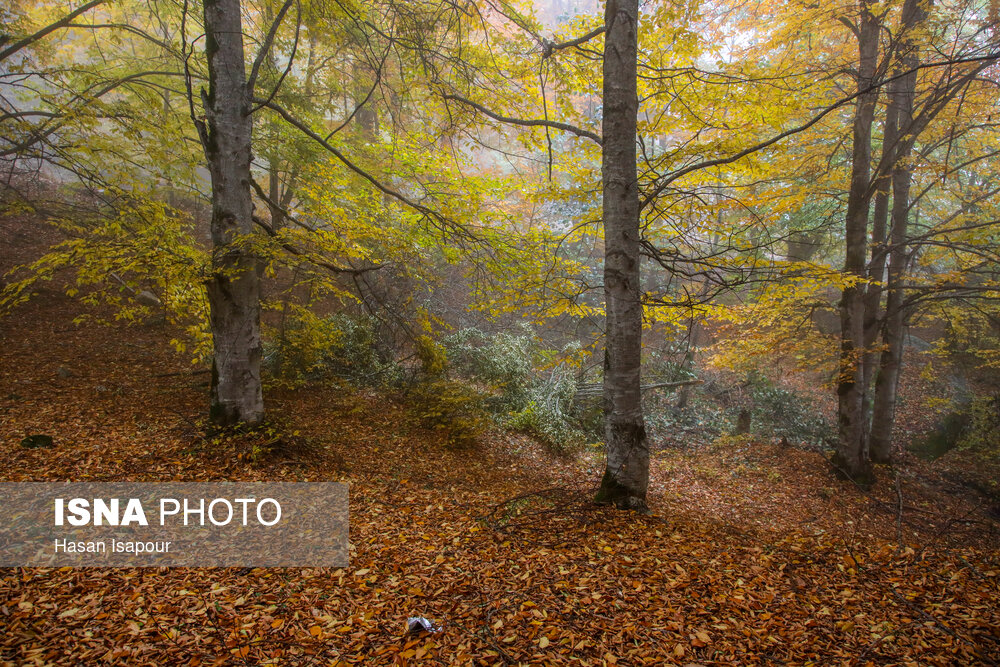
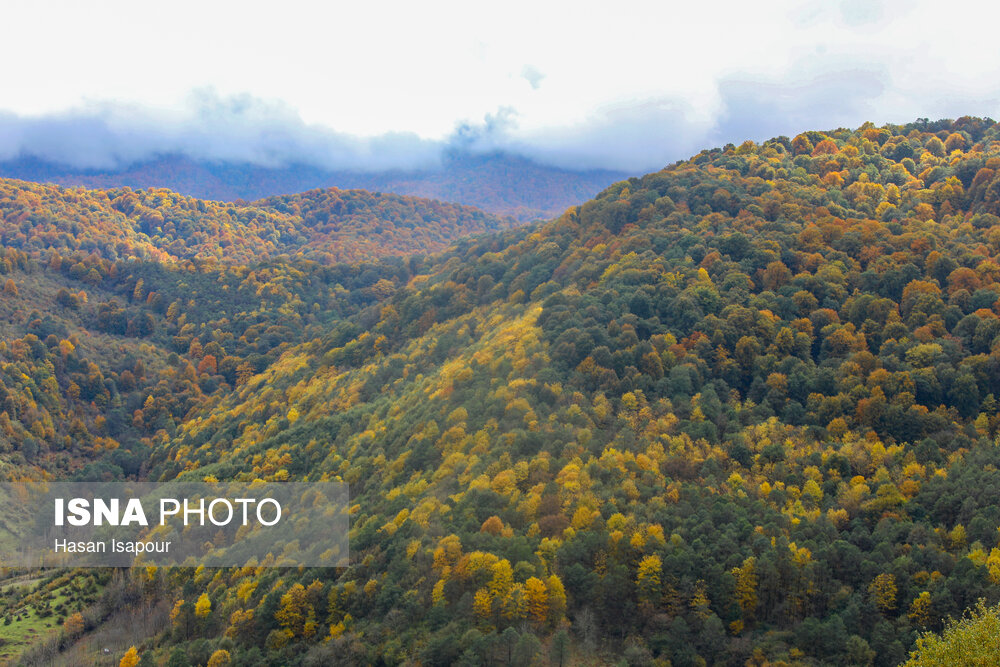
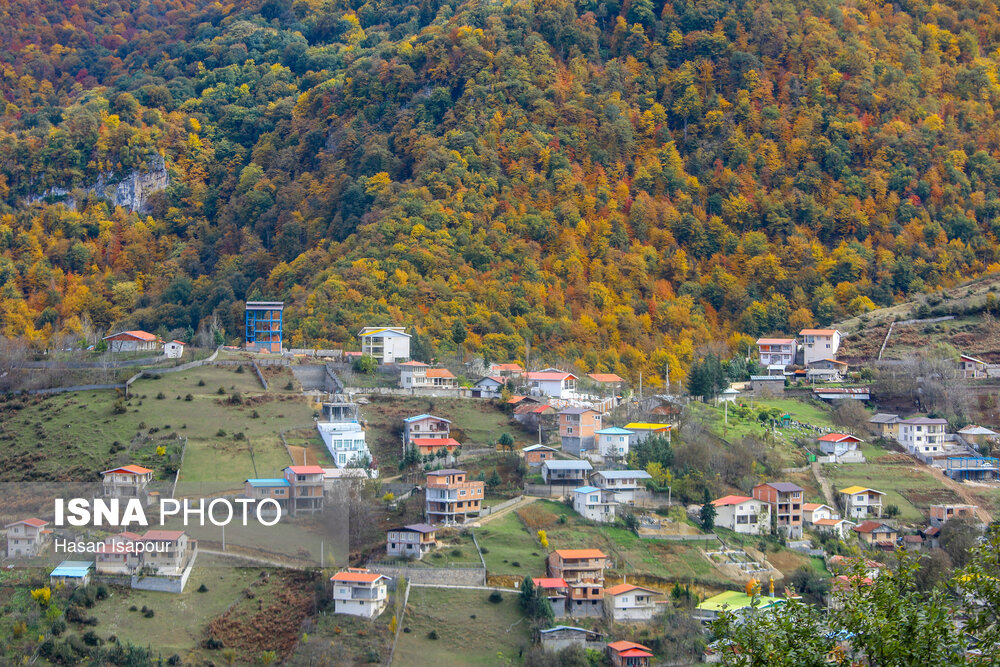
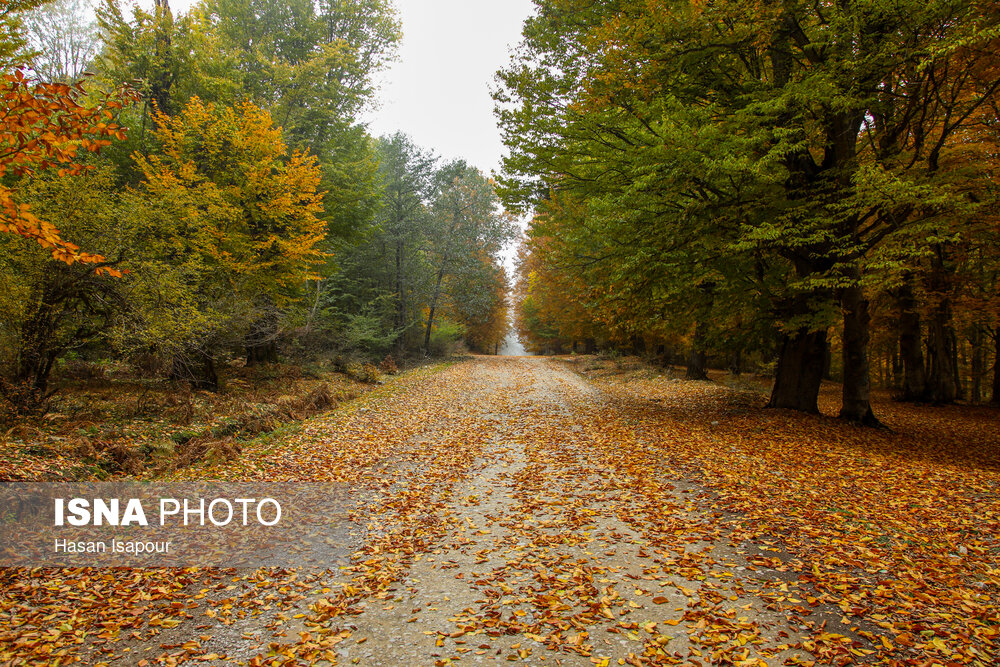
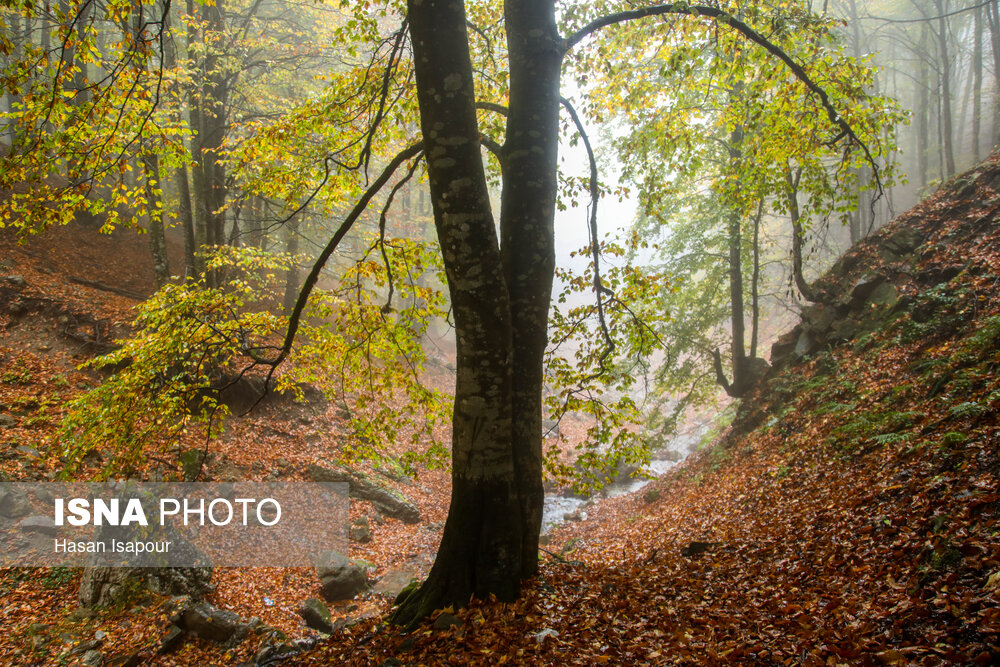
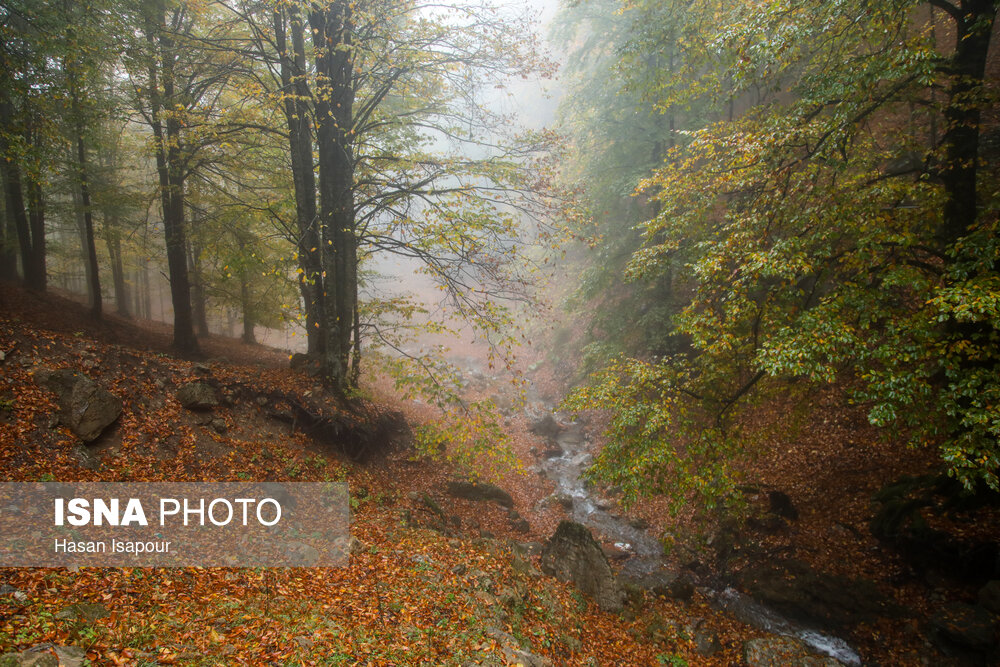
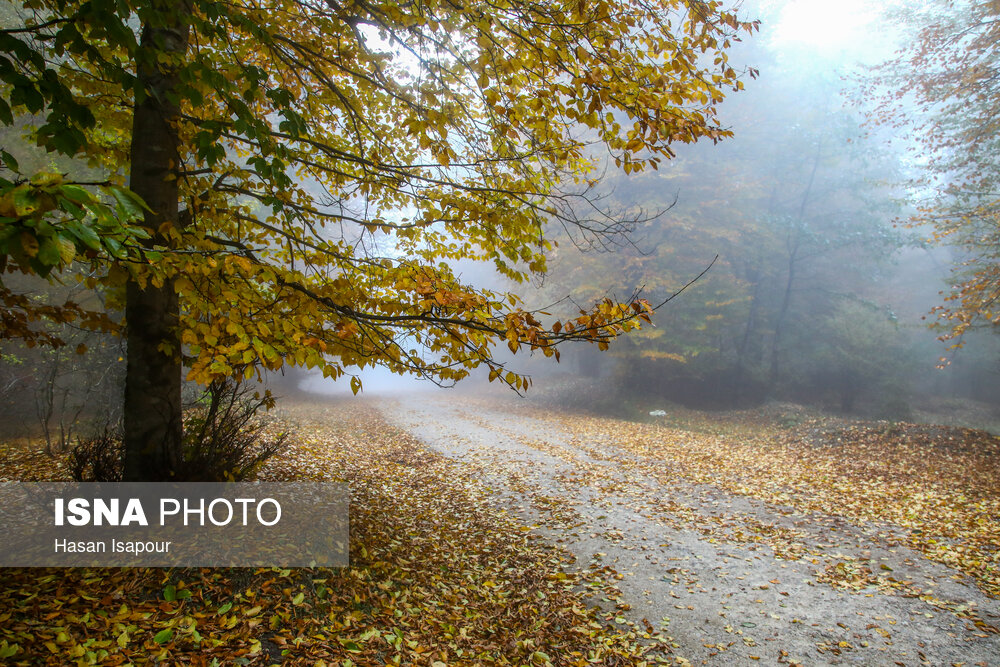
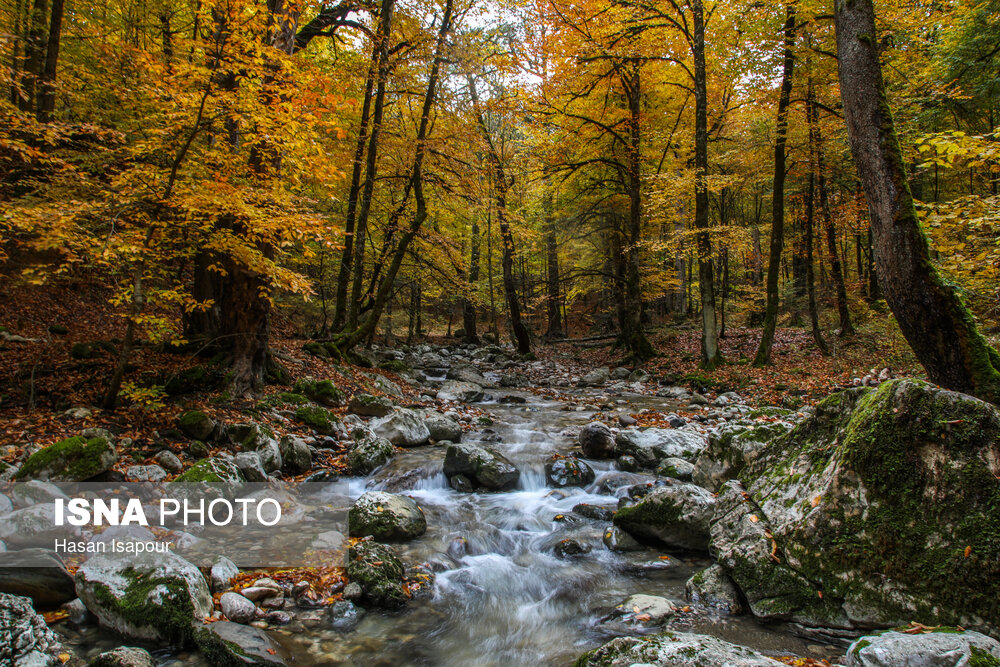
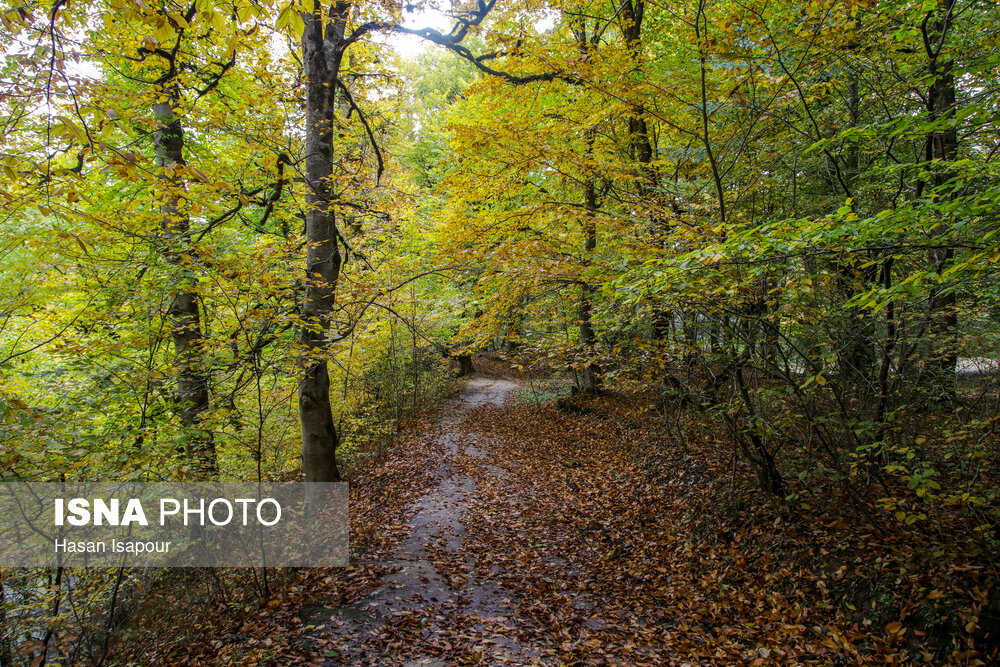
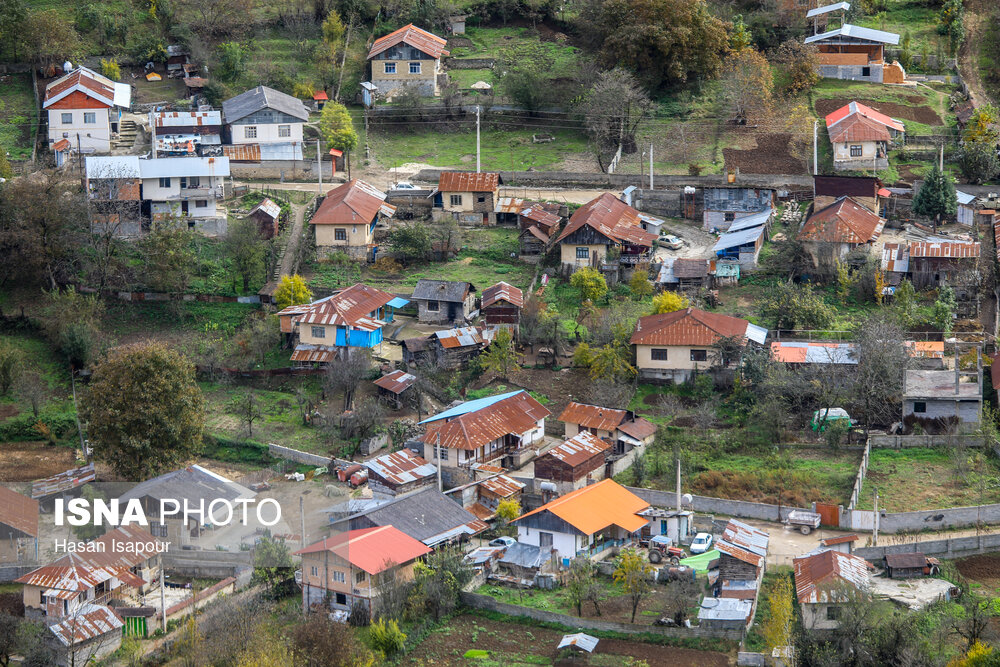
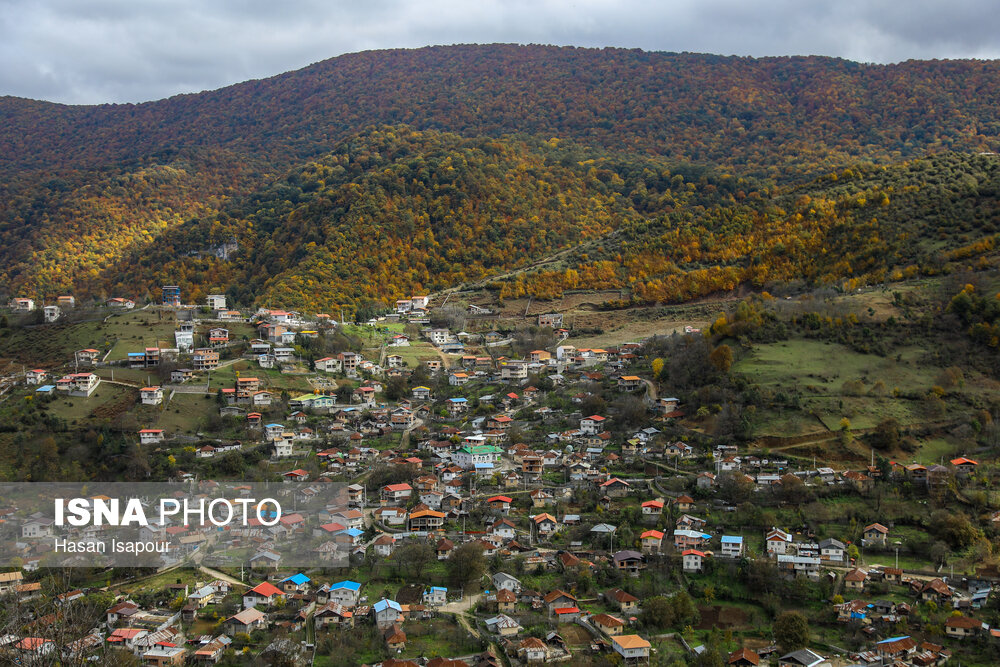
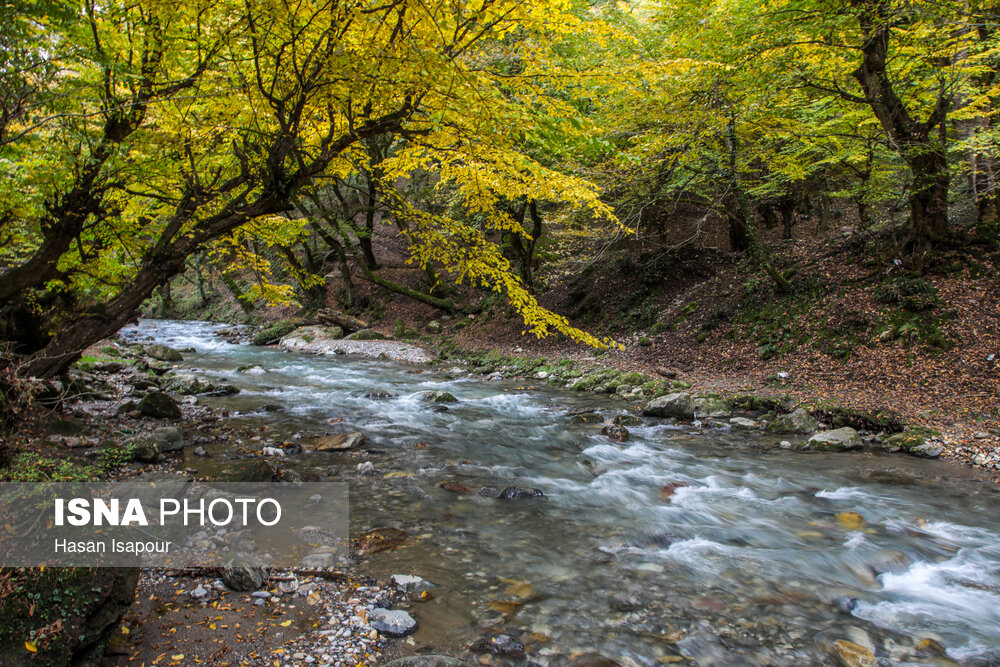
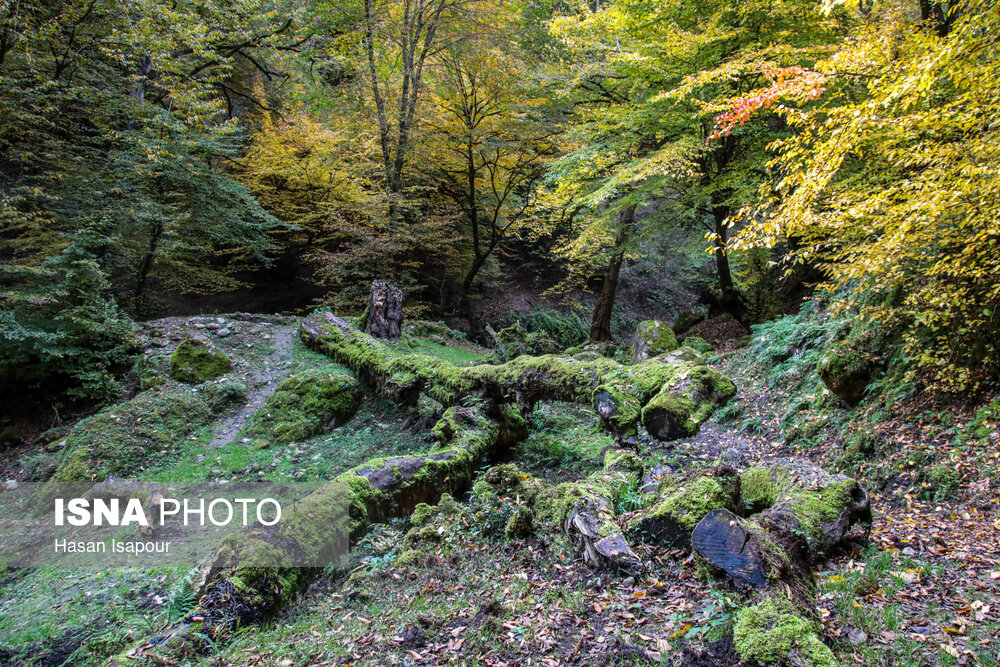
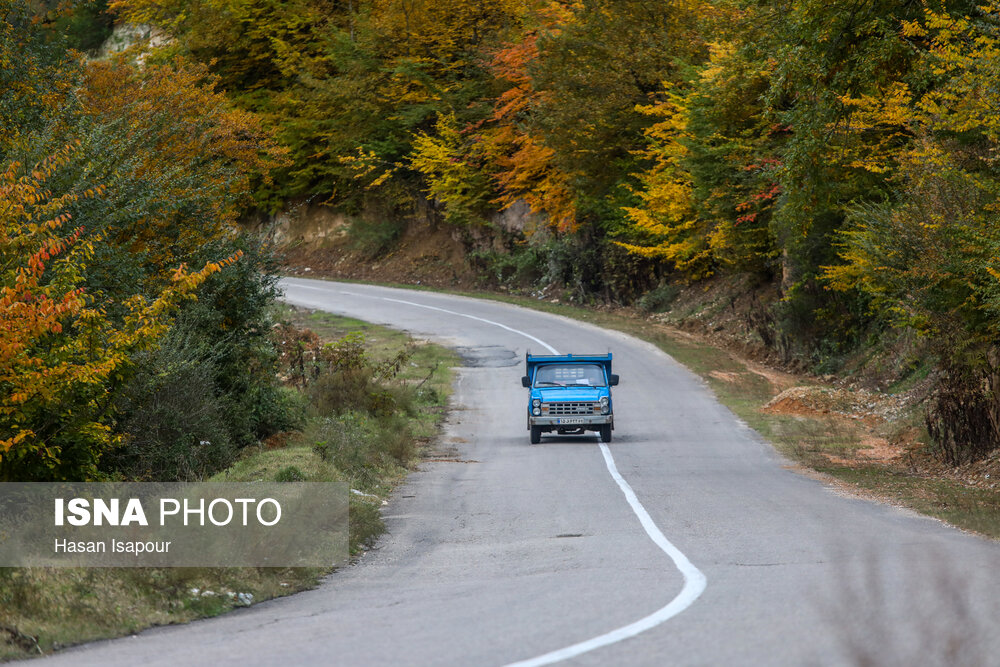
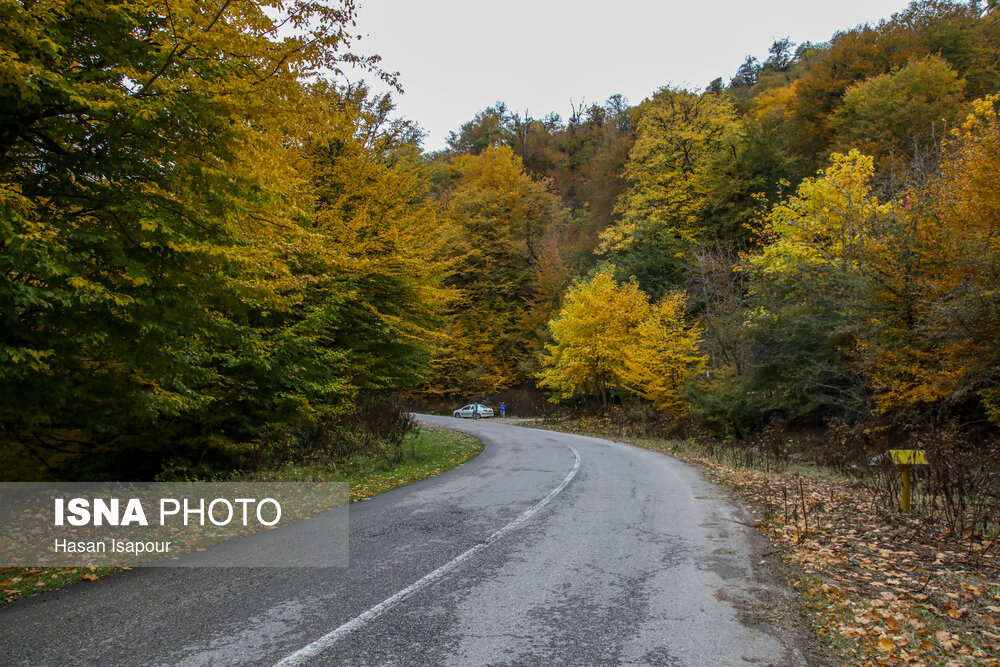
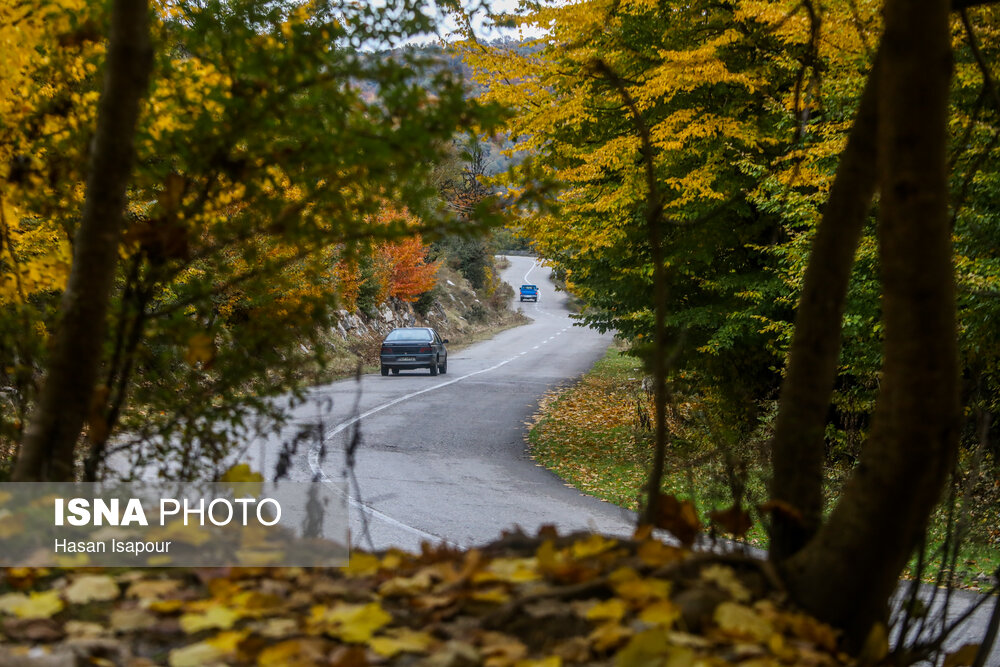
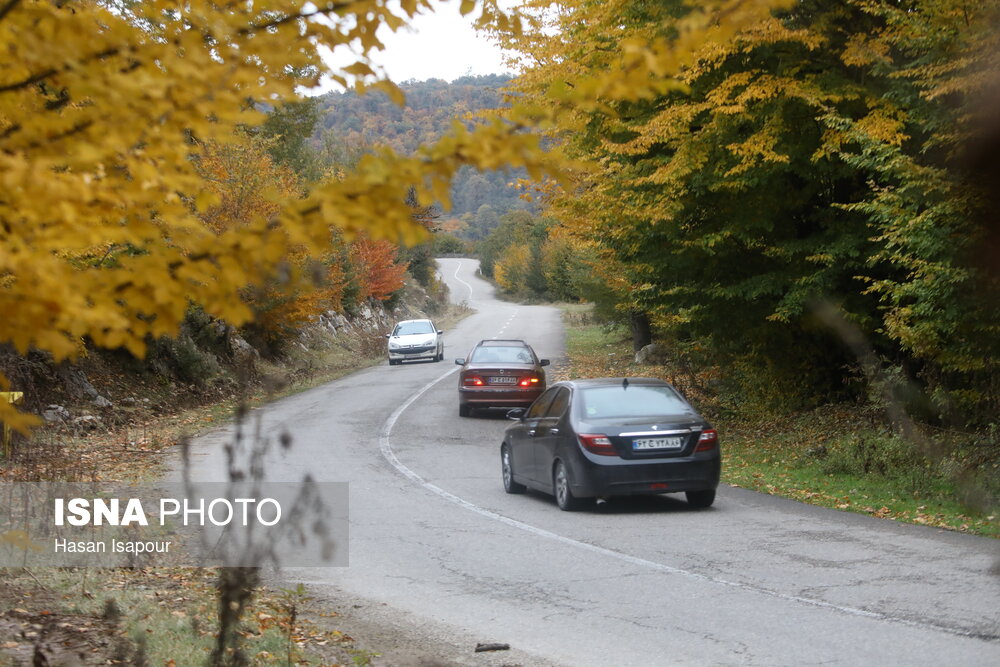
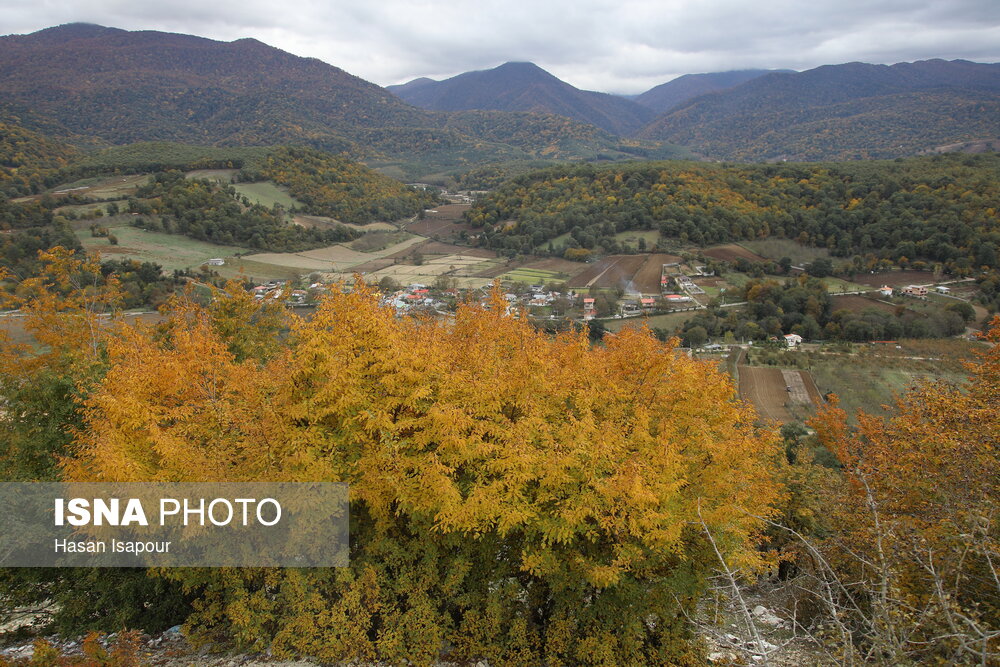
Embrace the enchanting autumn beauty of Farim Sahra forests in Iran’s Mazandaran

The forests, including the Bula Forest which is part of the ancient 50-million-year-old Hyrcanian forests located on the northern slopes of the Alborz mountain range, add to the beauty of the region, especially in autumn.

These forests are considered some of the oldest in the world. The Farim Sahra is situated at an elevation of 900 meters above sea level, adding to its picturesque charm.

The combination of rich history and natural splendor makes Farim Sahra a unique destination for nature enthusiasts and those seeking a serene escape into Iran’s northern landscapes.

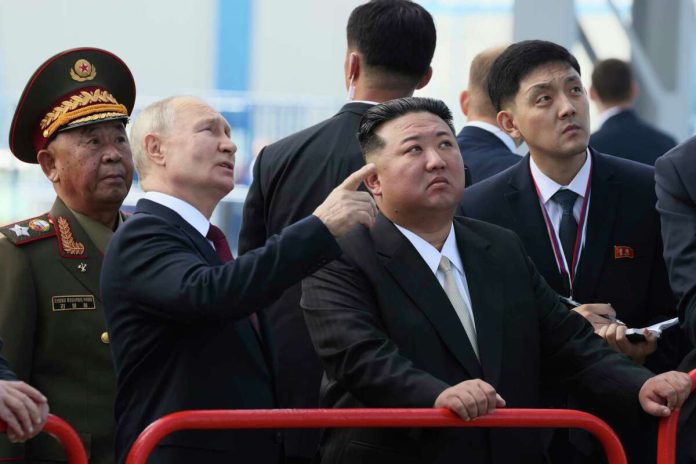
Russia’s leader signs law on ratification of strategic partnership treaty with North Korea

Putin and Kim
Russian President Vladimir Putin and North Korea's leader Kim Jong Un examine a launch pad during their meeting at the Vostochny cosmodrome outside the city of Tsiolkovsky, about 200 kilometers (125 miles) from the city of Blagoveshchensk in the far eastern Amur region, Russia.

The treaty was signed in Pyongyang on June 19, 2024, and Putin submitted it to the Russian State Duma for ratification on October 15. The preamble to the treaty states that the document meets the fundamental interests of the peoples of Russia and North Korea “and contributes to ensuring peace, regional and global security and stability”.

In particular, the treaty provides for the immediate provision of military and other assistance if one of the parties is subjected to an armed attack in accordance with Article 51 of the United Nations Charter.

In addition, the agreement aims to develop a comprehensive partnership based on the principles of mutual respect for state sovereignty and territorial integrity, equality, and non-interference in internal affairs. Accompanying materials to the law note that the document “is exclusively peaceful and defensive in nature, is not directed against third countries and does not threaten peace and stability”.

The parties also agreed to cooperate in the spheres of food and energy security, information and communication technologies, and health care. Cooperation will also be expanded in the areas of trade, economics, investment, and science and technology.

The treaty will enter into force on the date of exchange of instruments of ratification and will have an unlimited duration.

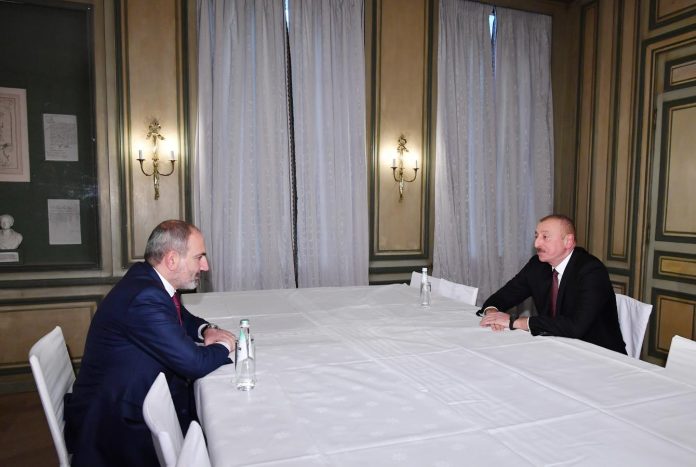
Azerbaijan says Baku, Yerevan close to final deal on peace treaty

Pashinyan Aliyev

He made the remarks during a telephone conversation with German Chancellor Olaf Scholz.

“The President of Azerbaijan noted that the significant delay of Armenia with its proposals on the text of the peace treaty adversely affected the process but despite that, the parties are close to reaching the final agreement and negotiations will continue after COP,” the press service announced.

The German Chancellor said in his turn that Germany supports building peace and good-neighborly relations between the countries and informed that he would not be able to attend the leaders’ summit within the framework of the COP29 due to the political situation in his country.

Armenia and Azerbaijan have engaged in a series of bloody confrontations since both republics declared independence from the Soviet Union in 1991. The two countries fought a war over the self-proclaimed republic of Nagorno-Karabakh in 2020, and Azerbaijani forces clashed with the province’s separatist forces in 2023. The conflict ended with the dissolution of Nagorno-Karabakh’s government and the return of the province to Azerbaijani control.

Although situated inside Azerbaijani territory, Nagorno-Karabakh was governed by ethnic Armenian separatists until last year. Before the fall of the USSR, the province had ruled itself as an autonomous region within the Azerbaijan SSR.

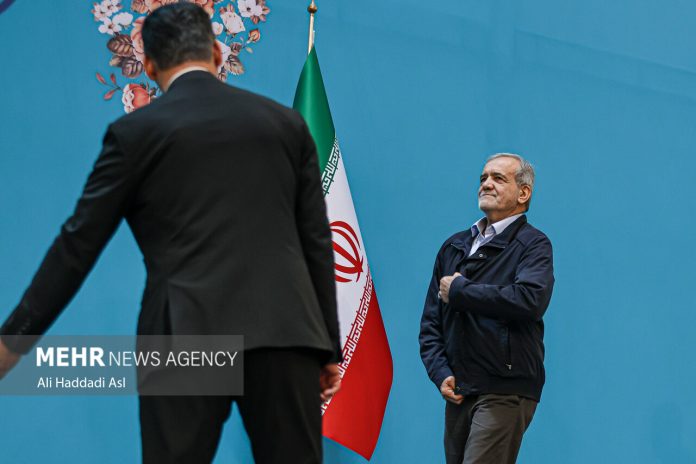
Iranian daily lauds ‘diplomatic approach’ of President Pezeshkian vs. warmongering extremists

Masoud Pezeshkian

Jomhouri-e Eslami highlighted President Pezeshkian’s reaction to Trump’s victory who had said “It will never matter to us who wins the U.S. election because our country and system rely on our internal strength and a dignified and great nation. We will not have a closed and limited view in developing our relations with other countries.”

In contrast, a member of the Iranian Parliament’s National Security and Foreign Policy Committee harshly criticized Trump, calling him a “murderer and gambler” and demanding the removal of CENTCOM forces from West Asia.

In a commentary on Sunday, the newspaper praised Pezeshkian’s emphasis on the independence and dignity of the Iranian nation and his diplomatic approach to solving international problems.

Jomhouri-e Eslami argued that this method benefits the country and prevents enemies from exploiting the situation.

“Conversely, the aggressive rhetoric of some officials only serves to close off avenues for resolving issues and provides enemies with ammo to attack Iran,” the daily warned.

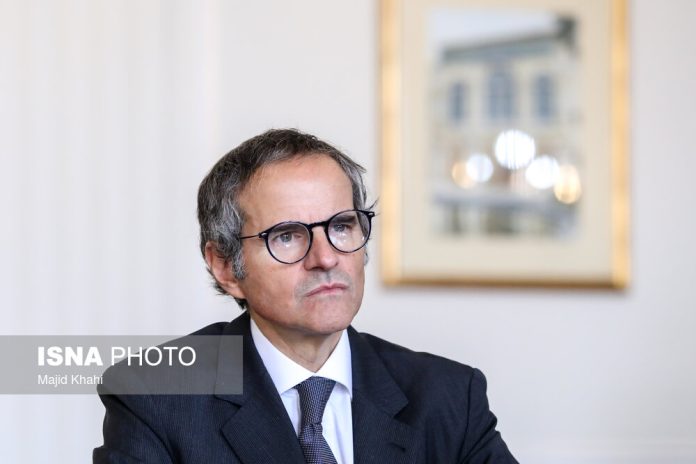
UN nuclear watchdog chief to visit Iran on Wednesday

IAEA Grossi

The visit is taking place at the formal invitation of the Islamic Republic of Iran, with Grossi’s official talks with high-ranking Iranian officials scheduled for Thursday.

This will be Grossi’s first visit to the Islamic Republic since the new Iranian administration took office.

The IAEA chief recently announced that he would be visiting Iran in the coming days, noting that his discussions would focus on Iran’s nuclear program.

Kazem Gharibabadi, Iran’s Deputy Foreign Minister for Legal and International Affairs, met with Grossi in Vienna on October 31, with mutual cooperation high on the agenda.

Iranian Foreign Ministry Spokesman Ismail Baqaei has previously stated that Iran and the IAEA are consulting to resolve misunderstandings.

The IAEA chief also met with Iran’s Foreign Minister Seyed Abbas Araghchi on the sidelines of the 79th UN General Assembly meeting in New York.

Grossi has expressed interest in meeting Iran’s new President, Massoud Pezeshkian.

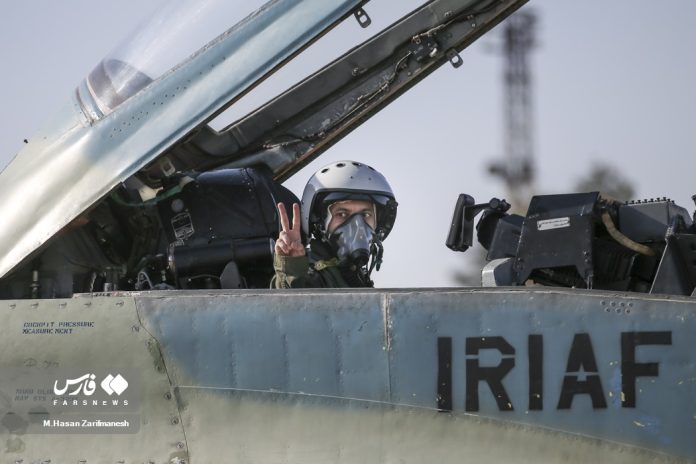
Iran denies staging joint operation with Pakistan against terrorist group

Iran Air Force

The General Staff clarified in a statement on Sunday that the Pakistani military independently carried out the bombing of a terrorist group’s positions, including those of separatist Jaish al-Adl terrorists.

The statement was released in reaction to some Iranian media reports, citing foreign sources that claimed there was a joint operation between Iran and Pakistan.

On Tuesday, the Pakistani army successfully bombed the positions of the terrorist group, which had been using the borders of Iran and Pakistan for their criminal activities.

The Communications Center of the General Staff of the Armed Forces stated that these terrorist groups, “acting as mercenaries for the U.S. and the Zionist regime,” had turned the joint border into a scene of sabotage.

The statement highlighted that the Pakistani military led and executed the operation alone, resulting in the elimination of several terrorists.

The Iranian Armed Forces expressed their gratitude for Pakistan’s ‘responsible’ action against the terrorists and hoped that continued security cooperation would lead to the eradication of terrorist groups and restoration of full peace along the border region.