Monday, December 29, 2025
Home Blog Page 568

Iran tells Arab League: Like Arab states, Tehran desires peace in Syria

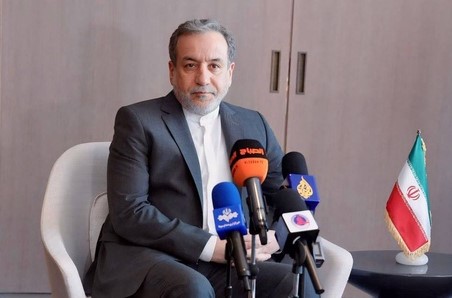
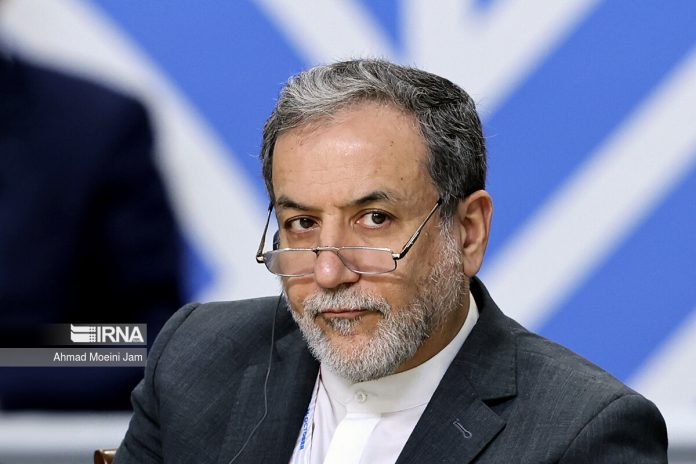
Abbas Araghchi

Araqchi on Friday expressed concern over the “acts of sedition” in Syria while assuring that Iran seeks to promote calm and prevent chaos in the country.

He made the remarks in a post in Arabic on social media platform X while reacting to a statement issued by the Arab League (AL) on Thursday, in which the regional bloc called on Iran not to fuel “strife” in Syria.

Addressing AL members, Araqchi said, “We, like you, seek calm rather than unrest and chaos in Syria.”

He added, “However, we are concerned about the acts of sedition and pretexts designed to divert public and regional attention towards imaginary threats.”

The “seditionists” sought to legitimize the occupation of Syrian territory especially by Israel and the United States, justify foreign interference in Syria’s internal affairs, deprive segments of the Syrian people of their rights to self-determination, and advance their intentions and objectives by projecting Syria’s problems onto foreign sides, the minister stressed.

Iran is on the same page with other countries in the West Asia region with regard to Syria’s peaceful and safe transition and the formation of an inclusive government with the participation of all groups in Syria, he continued, adding Tehran is ready to help achieve the mentioned goals.

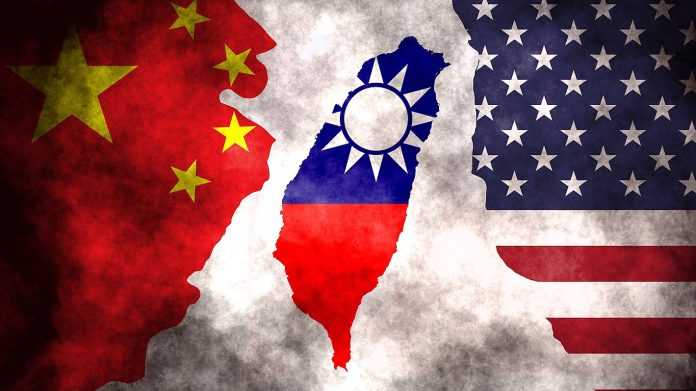
China puts sanctions on several US defense firms over Taiwan military sales

US Taiwan

The move comes after outgoing US President Joe Biden last week authorized a $571.3 million military aid package to Taiwan.

Washington’s actions “interfere in China’s internal affairs, and undermine China’s sovereignty and territorial integrity”, the Chinese Foreign Ministry said as it announced the restrictions.

The companies targeted by the sanctions include Insitu Inc., Hudson Technologies Co., Saronic Technologies, Inc., Raytheon Canada, Raytheon Australia, Aerkomm Inc., and Oceaneering International Inc.

The ministry said “relevant senior executives” of the companies had also been blacklisted, without providing any names.

The sanctions will freeze “movable and immovable” assets belonging to US firms and their executives within China, and ban organizations and individuals in the country from trading or collaborating with them, the ministry stated.

The restrictions, which will contribute to already strained relations between Beijing and Washington, were announced after Biden approved a record $895 billion defense budget, which surpassed last year’s allocation by $9 billion.

The bill does not refer to Ukraine aid, however, it contains measures aimed at strengthening the US presence and defense capabilities in the Indo-Pacific region, primarily to “counter China.” Beijing has already condemned the bill, citing its “negative content on China” and attempts to play up the ‘China threat’ narrative.

Beijing has repeatedly stressed that it considers the self-governing island of Taiwan to be an inalienable part of the country under the One-China principle. It has denounced Washington’s arms sales to Taipei, accusing the US of fomenting tensions over Taiwan.

Hamas says Israel’s attack on last hospital in northern Gaza ‘war crime’

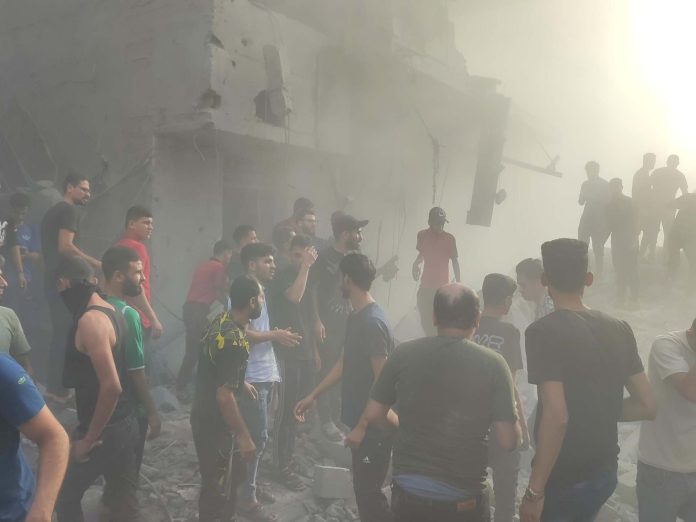
Israeli soldiers have stormed Kamal Adwan Hospital, torching large sections and ordering hundreds of people to leave.

Gaza’s Ministry of Health said on Friday that contact had been lost with staff inside the hospital in Beit Lahiya, which has been under siege and heavy pressure from Israeli forces for weeks. It had no information on the fate of patients who were inside, it added.

“The occupation forces are inside the hospital now and they are burning it,” Munir al-Bursh, the director of the ministry, said in a statement.

The Israeli army has throughout its assault on Gaza routinely besieged and attacked medical facilities – housing both patients and displaced families.

Youssef Abu el-Rish, Gaza’s deputy health minister, stated that Israeli forces had set fire to the surgical department, laboratory and a storehouse in the hospital.

The fire then “spread to all buildings” in the medical complex, according to a separate statement by the enclave’s Health Ministry.

It said Kamal Adwan is “suffering from a stifling siege, as the operating and surgery departments, laboratory, maintenance, ambulance units and warehouses have been completely burned”.

The ministry added that all generators in the facility had been destroyed.

“The [Israeli] occupation army is forcibly transferring patients and the injured under the threat of weapons and gun barrels to the Indonesian Hospital, which lacks medical supplies, water, medicines, and even electricity and generators.”

Like the Indonesian and al-Awda hospitals, Kamal Adwan has been repeatedly attacked by Israeli forces, especially after they launched a renewed ground offensive in the area more than two months ago. The north, where a famine is looming, has been under total siege and cut off from the rest of the Strip since then.

Al-Bursh stressed that the Israeli army had ordered 350 people to leave Kamal Adwan for a nearby school sheltering displaced families. This included 75 patients, their companions, and 185 medical staff.

Footage circulating on local media showed smoke rising from the area of Kamal Adwan Hospital.

Much of the area around the northern towns of Jabalia, Beit Hanoon and Beit Lahiya has been cleared of people and systematically razed, prompting speculation that Israel intends to keep the area as a closed buffer zone.

On Thursday, health officials noted that five medical staff, including a paediatrician, were killed by Israeli fire at Kamal Adwan.

In a statement, Hamas blamed Israel and the United States for the fate of the hospital’s occupants.

“The [Israeli] occupation government is committing crimes in Gaza, relying on American cover and some Western capitals that are partners in the ongoing genocide,” it announced on Telegram.

Israel’s aggression has killed more than 45,300 Palestinians since October last year, according to health officials in the enclave. Most of the population of 2.3 million has been displaced and much of Gaza is in ruins.

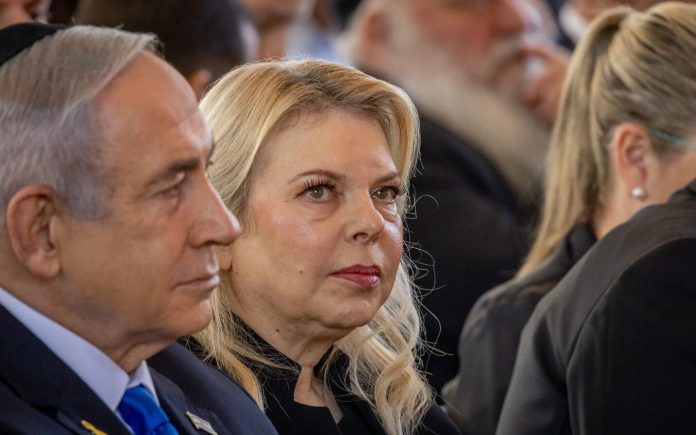
Israeli authorities open investigation into Netanyahu’s wife

Attorney General Gali Baharav-Miara announced the probe in response to an exposé aired by Israeli Channel 12.

“An investigation should be opened into suspicions of witness harassment and obstruction of justice regarding the findings of the Uvda show,” she said in a statement.

“The rule of law applies to everyone,” Baharav-Miara added.

“We will thoroughly investigate any attempts to interfere with the judicial process.”

Channel 12 showed WhatsApp messages in which it said Sara Netanyahu instructed a former aide to organize protests against political opponents and intimidate a key witness.

The trial of the sitting prime minister began in 2020 and centers around the charges of bribery, fraud, and breach of trust involving influence peddling and accepting inappropriate gifts. Netanyahu has denied the charges, calling them part of a politically motivated campaign against him.

The prime minister has defended his wife during a meeting of his Likud Party, stating, “These accusations are yet another baseless attack on my family,” he said.

Sara Netanyahu has faced legal issues in the past. In 2019, she entered a plea deal admitting to misuse of public funds to cover private catering expenses.

In 2019, she entered a plea deal in a separate case, admitting to the misuse of public funds to cover private catering expenses. She was ordered to repay the funds and an additional fine.

Iran inaugurates Incheh Borun free zone customs

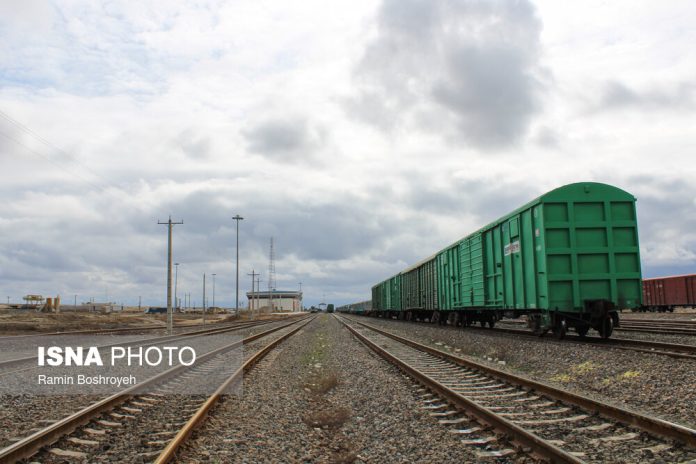
Hassan Malek-Hosseini, the executive director of Incheh Borun Free Trade Zone, confirmed that the customs facility, which he described as the “heart of the Free Zone,” is now operational, along with the company registration system.

The establishment of the free trade-industrial zone was a long-held goal of Golestan’s senior managers since the province’s separation from Mazandaran in 1997, aimed at fostering economic development through connections with Central Asian countries via Incheh Borun, its only land border.

Although this initiative received approval in 2014 during the president and cabinet’s visit to Golestan and was subsequently passed by the Supreme Council of Free Zones in June 2015, final ratification by the parliament was delayed until 2021.

The Incheh Borun Free Zone, located on the border between Golestan and Turkmenistan, is known as Iran’s gateway to Central Asia and, from there, to Russia and China.

The free zone has the potential to foster significant economic transformation for the country.

Iran FM in Beijing, says China visit focuses on regional issues, nuclear discussions

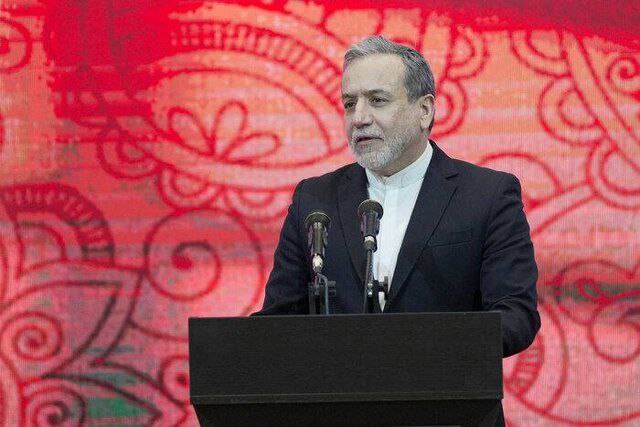
Speaking to reporters on Friday, Araghchi noted that the main goal of the visit is to engage in comprehensive regional and international dialogues and to strengthen bilateral relations with China.

This trip marks Araghchi’s first official visit to China as the foreign minister, reinforcing the historical ties and continuous consultations between the two nations on various regional and global matters.

Acknowledging the heightened sensitivities and complexities both regionally and globally, Araghchi pointed out that Iran’s nuclear discussions will require more in-depth deliberations with their Chinese counterparts.

He noted that bilateral relations have always been robust, and current conditions necessitate continued mutual cooperation and strategic planning.

Iranian Foreign Ministry Spokesperson Esmaeil Baqaei had earlier mentioned that Araghchi’s visit follows an official invitation from Chinese Foreign Minister Wang Yi.

He explained that the agenda includes discussions on bilateral relations, the implementation of the comprehensive cooperation program, and the latest regional and international developments.

Ambassador: Iran, Russia to Sign Comprehensive Cooperation Agreement During President’s Moscow Visit

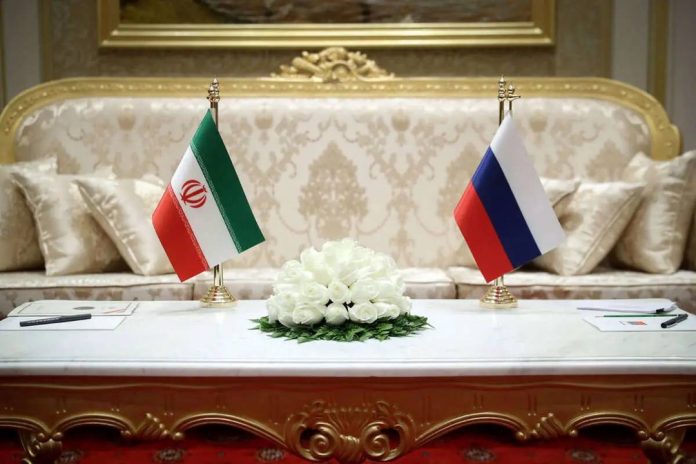
Kazem Jalali referred to Iran and Russia’s readiness to sign the document, adding that the agreement will be signed by Vladimir Putin and Massoud Pezeshkian, the Presidents of the Russian Federation and the Islamic Republic of Iran.

Jalali highlighted the importance of the North-South Corridor among economic projects between Iran and Russia, stating that two Russian Deputy Prime Ministers recently visited Tehran to discuss the issue.

He referred to the Russian gas transfer to Iran as a major economic project among others and expressed hope that it would be implemented soon.

The Iranian ambassador pointed out that Iran-Russia ties are progressing, given their vast commonalities in various fields, including the cultural domain.

Jalali was in the Russian city of St. Petersburg to attend the summit meeting of the Eurasian Economic Union held on Thursday. He met with Iranian university students as well as directors of Mechnikov University of Medical Sciences.

FM Araghchi: Iran, China friends in hard times

In an article published in China’s People’s Daily, Araghchi expressed pride in the opportunity to visit Beijing for consultations with his Chinese counterpart, Wang Yi.

He praised the historical and comprehensive nature of Iran-China relations, which “have been strengthened by mutual respect, justice, equality, and non-interference.”

Araghchi noted that the two countries have increased their political solidarity and mutual trust through a 25-year comprehensive cooperation program.

He emphasized the importance of multilateralism and collective cooperation for the prosperity of the global community, highlighting Iran and China’s shared commitment to the principles.

The Iranian foreign minister also addressed the regional developments, including the humanitarian crisis in Gaza, and condemned the Israeli genocide supported by Western powers and the inaction of the international community.

As for Syria, he said that the future of the Arab country should be determined solely by its people, without any external interference.

Araghchi is scheduled to visit China on Friday to exchange views on regional and international developments as well as the implementation process of the Iran-China comprehensive cooperation document.

Iran border  commander reports discovery of 3k weapons before entry into the country 

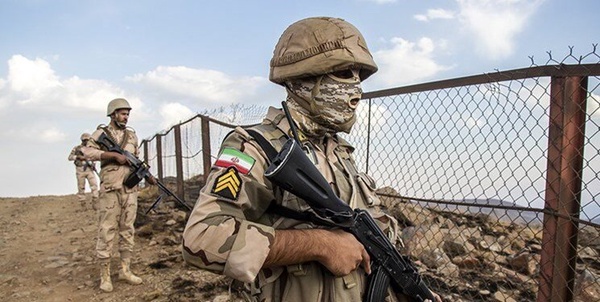
Brigadier General Ahmad Ali Goudarzi said this on Thursday evening during a visit to the border areas of the Namin County at the Iran-Azerbaijan Republic border. He also added that during this period, more than 100,000 smugglers have been arrested by border guards and handed over to Iranian judicial authorities.

General Goudarzi highlighted the efforts of his forces to secure Iran’s borders, noting that over 1.2 million foreign nationals attempting to illegally enter Iran’s borders have been identified and returned from the country.

Regarding the border forces’ activities in combating drug trafficking, the commander stated that vigilance in this area has been intensified, and this year, over 30 tons of various drugs have been discovered and seized from traffickers.He added that Iranian border guards managed to size over 2 tons and 100 kilograms of crystal meth from drug traffickers in a single incident.

This Iranian military commander asserted that the borders between Iran and Azerbaijan are secure and face minimal challenges, thanks to the strengthening of border diplomacy in recent years.

Iran becomes observer member of Eurasian Economic Union 

Iran’s observer membership in the Eurasian Economic Union was confirmed during a summit of the member states’ leaders. This meeting took place on Thursday in Saint Petersburg, Russia.

Mohammad Atabak, Iran’s Minister of Industry, Mine and Trade, who represented Iran at this meeting, met with Vladimir Putin, the President of Russia, on the sidelines of the summit. They discussed the development of economic, trade, and industrial cooperation between the two countries, as well as interactions within the framework of the Eurasian Union.

In his speech at the Supreme Council meeting of the Eurasian Economic Union, the Iranian Minister welcomed the union’s decision to grant observer status to the Islamic Republic of Iran, considering it a foundation for further cooperation between Iran and the members of this union.

He added, “I am confident that this meeting will be a turning point in the expanding relationship between Iran and the member countries of the Eurasian Economic Union.”With Iran’s observer membership in this union, an effective step has been taken towards implementing the Iranian government’s strategy to expand interactions and trade exchanges with neighboring countries and the region through the conclusion of important regional treaties and agreements.

This opens up an $800 billion market for Iranian economic actors and the private sector.


Access to new markets in the Eurasian Economic Union, as well as the facilitation of exporting goods and services from Iran to the members of this union, are among the other advantages of Iran’s membership in this body. The Eurasian Union is an intergovernmental economic union comprising Belarus, Kazakhstan, Russia, Kyrgyzstan, and Armenia. The observer members of this union include Uzbekistan, Moldova, and Cuba. The foundation of this union was laid about 10 years ago in 2014.