Wednesday, December 24, 2025
Home Blog Page 498

Amnesty slams US for hosting Israeli PM despite ICC warrant

Gaza War

“The Joe Biden administration flouted any efforts at international justice for Palestine. Now, by not arresting Netanyahu or subjecting him to US investigations, President Trump is doubling down, welcoming him as the first foreign leader to visit the White House since the inauguration,” said the UK-based organization in a statement on X.

The first six-week phase of the ceasefire agreement took hold in Gaza on Jan. 19, halting Israel’s war that killed nearly 62,000 people and left the enclave in ruins.

The ICC issued arrest warrants last November for Netanyahu and his former Defense Minister Yoav Gallant for war crimes and crimes against humanity in Gaza.

Israel also faces a genocide case at the International Court of Justice for its war on the enclave.

Amnesty emphasized that the US has a legal obligation under the Geneva Conventions to prosecute or extradite individuals accused of war crimes.

“There must be no ‘safe haven’ for individuals alleged to have committed war crimes,” the statement read.

The human rights group also condemned the US for supplying weapons used in Israel’s deadly offensive in Gaza, calling it a violation of the obligation to prevent genocide.

Amnesty noted compliance with ICC arrest warrants is “crucial” to address Israel’s actions in Gaza and its treatment of Palestinians and to hold those responsible for Israel’s “unlawful occupation and system of apartheid.”

Netanyahu’s visit to the White House, the first by a foreign leader since Donald Trump’s inauguration, comes amid ongoing violence in Gaza and the West Bank.

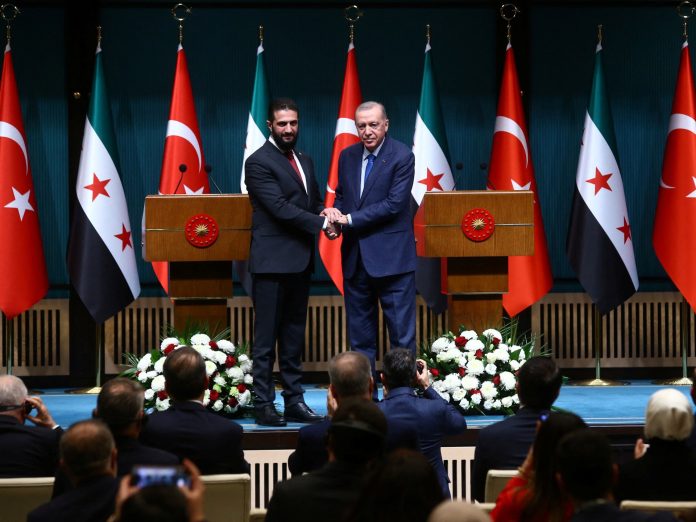
Syria, Turkiye presidents talk Kurdish fighters, defence pacts

The visit on Tuesday marked al-Sharaa’s second international trip since officially becoming Syria’s interim leader, having met Saudi Arabia’s Crown Prince Mohammed bin Salman in Riyadh earlier this week.

Al-Sharaa led the Hayat Tahrir al-Sham (HTS) rebel group that toppled the government of longtime Syrian leader Bashar al-Assad in a lightning offensive in December.

Speaking alongside al-Sharaa at a news conference in Ankara, Erdogan said Turkiye was ready to partner with Syria’s new leadership, particularly when it came to fighting the armed group ISIL (ISIS) and Kurdish fighters based in northeast Syria.

“I would like to express our satisfaction for the strong commitment my brother Ahmed al-Sharaa has shown in the fight against terrorism,” Erdogan said.

“I told al-Sharaa we are ready to provide the necessary support to Syria in the fight against all kinds of terrorism, whether it be Daesh or the PKK,” he added, referring to the Arabic acronym for ISIL and the Kurdistan Workers’ Party.

Turkiye, which shares a border with Syria, views several Syrian Kurdish groups located near its southern demarcation as “terrorists”. These include the PKK as well as the People’s Protection Units (YPG).

The YPG makes up a large portion of the United States-supported Kurdish-led Syrian Democratic Forces (SDF), which controls a large swath of Syria’s northeast.

The SDF remains the key ally in a US-led coalition fighting ISIL in Syria. But since the fall of al-Assad, Turkish officials have increasingly pushed to take over the operation.

For his part, al-Sharaa said his government sought a “strategic partnership” with Turkiye as he invited Erdogan to visit Syria “at the earliest opportunity”.

The statements underscore a major realignment in the region, with Ankara having severed ties with Damascus in 2011 after the outbreak of Syria’s civil war. Turkiye opposed al-Assad throughout the conflict.

“We are working on building a strategic partnership with Turkiye to confront the security threats in the region to guarantee permanent security and stability to Syria and Turkiye,” al-Sharaa noted.

He added that the pair discussed “threats that prevent territorial unity in northeastern Syria” – an apparent reference to the US-backed SDF. Al-Sharaa has rejected any form of Kurdish self-rule and urged the SDF to hand over their weapons.

The two leaders also discussed a new defence pact that has been widely reported in recent days, Koseoglu reported. The pact could see Turkiye establish new bases in Syria, beyond those that already exist along Turkiye’s border.

Following the meeting, Erdogan pledged to continue to press for the lifting of international sanctions imposed on Syria during al-Assad’s rule. Relief from the sanctions has been al-Sharaa’s top priority as he has undertaken an aggressive diplomatic push in recent weeks.

Erdogan added that it was important for Arab and Muslim countries to support the new Damascus government – financially and otherwise – in the period of transition.

On the issue of Syrian refugees and migrants, Erdogan said he believed the voluntary return of Syrians would pick up pace as the country became more stable.

Turkiye hosted the greatest number of Syrian refugees following the outbreak of the Syrian civil war in 2011 – more than 3.8 million at its peak in 2022.

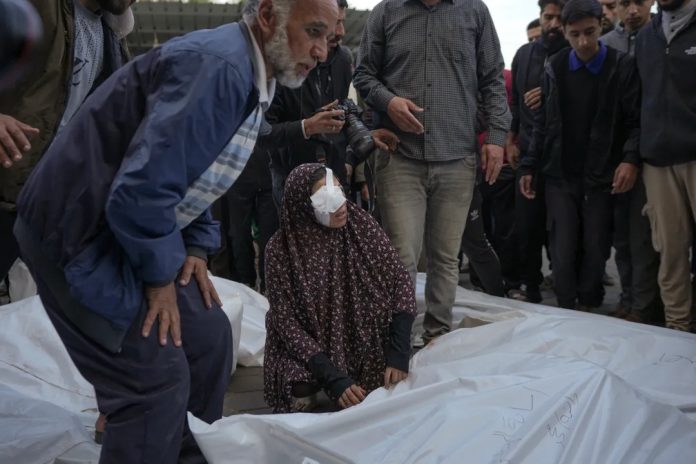
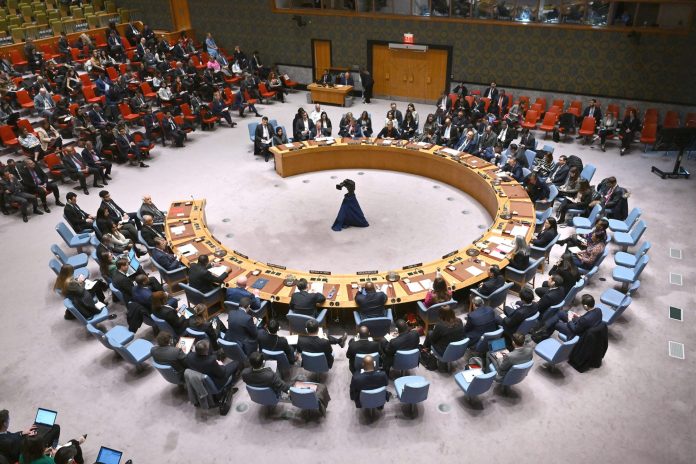
Lebanon files UN Security Council complaint against Israel over ceasefire violations

UNSC

A Foreign Ministry statement said the complaint was filed through Lebanon’s permanent mission in New York in response to Israel’s violation of resolution 1701 and the declaration of cessation of hostilities, and its complete disregard of related security arrangements.

Resolution 1701, adopted on Aug. 11, 2006, calls for a complete halt to hostilities between Hezbollah and Israel and the establishment of a weapons-free zone between the Blue Line and the Litani River in southern Lebanon, with exceptions for the Lebanese army and UNIFIL.

According to the ministry, the complaint explained in detail the Israeli violations in southern Lebanon, including its ground and air assaults, destruction of homes and residential neighborhoods, abduction of Lebanese citizens, including army soldiers, and attacks on civilians returning to their border villages.

The complaint highlighted Israel’s targeting of Lebanese army patrols and journalists, as well as the removal of five demarcation markers along the Blue Line, a de facto border, calling the Israeli acts blatant violations of resolution 1701 and Lebanese sovereignty.

It urged the UN Security Council and sponsors of the ceasefire to take “a firm and clear position” against Israel’s violations, and work for strengthening the Lebanese army and UNIFIL forces.

A fragile ceasefire has been in place since Nov. 27, ending a period of mutual shelling between Israel and Hezbollah that began on Oct. 8, 2023 and escalated into a full-scale conflict on Sept. 23 last year.

Lebanese media have reported over 830 Israeli breaches since the agreement came into force.

Israel was to complete its army’s withdrawal from Lebanon by Jan. 26 under a ceasefire deal, but it refused and the deadline was extended to Feb. 18, according to the White House.

At least 26 people have been killed and 221 injured by Israeli gunfire since Jan. 26, as residents attempt to return to villages in southern Lebanon.

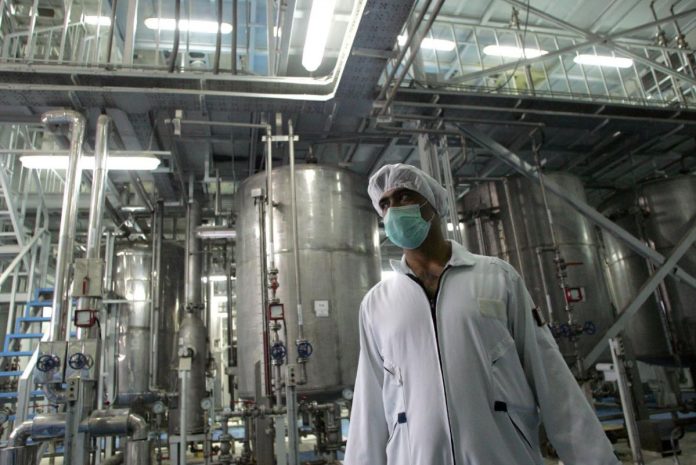
Iranian security official denies New York Times’ nuclear weapon claims

Iran Nuclear Program

Speaking to Tasnim News Agency, the official described the report as “delusional” and devoid of any truth, emphasizing that such claims are merely an extension of certain U.S. media outlets’ efforts to serve Israeli Prime Minister Benjamin Netanyahu’s agenda.

The security official stated that the New York Times has been consistently engaged in spreading misinformation about Iran, largely due to the involvement of Ronen Bergman, a former Mossad officer, and Farnaz Fassihi, who is said to collaborate closely with Bergman.

The report argues that the newspaper has effectively become a propaganda tool for Israeli intelligence, frequently publishing unfounded accusations against Iran.

The official further stated that media organizations like Reuters and The New York Times have gained notoriety for manufacturing false narratives against Iran, reiterating that Tehran remains committed to its official stance on nuclear non-proliferation.

PHOTO: Fajr film festival – highlights

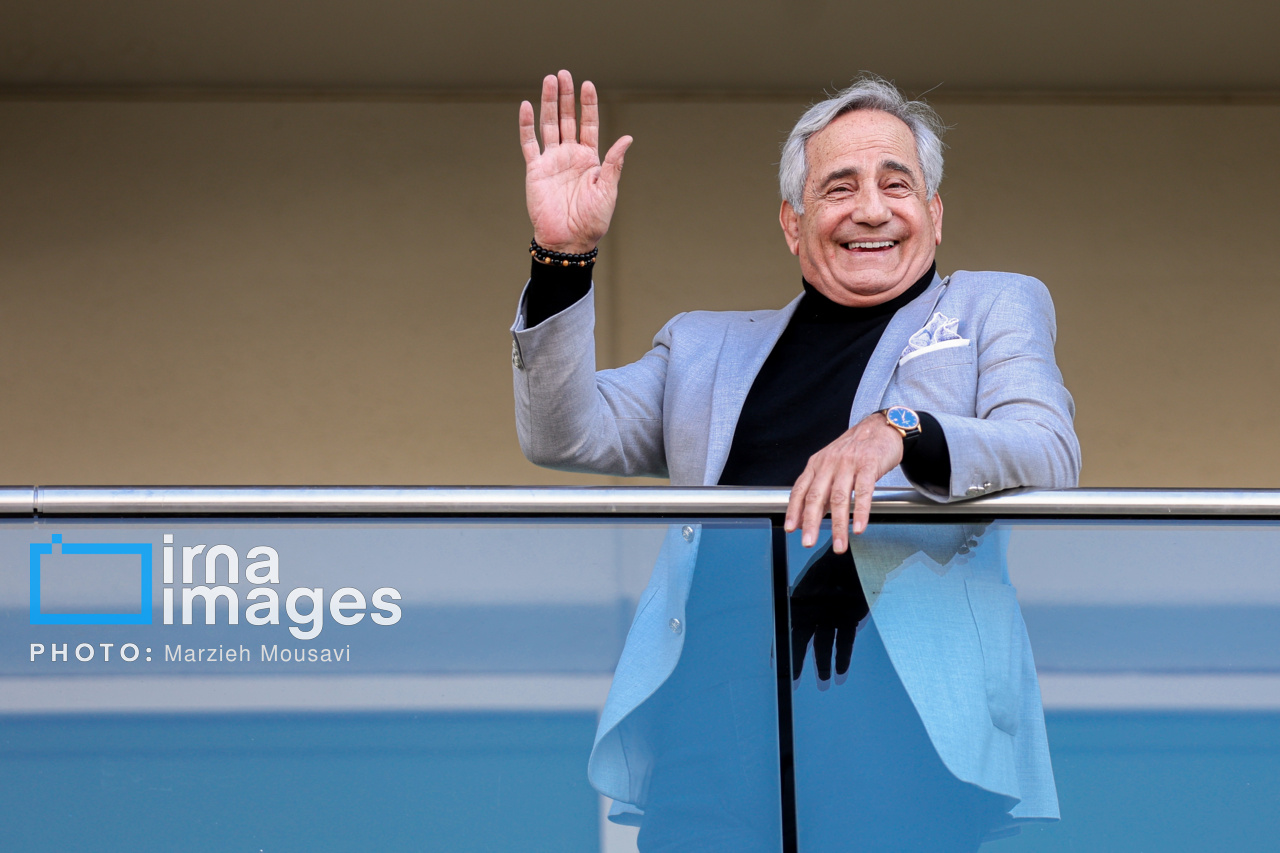
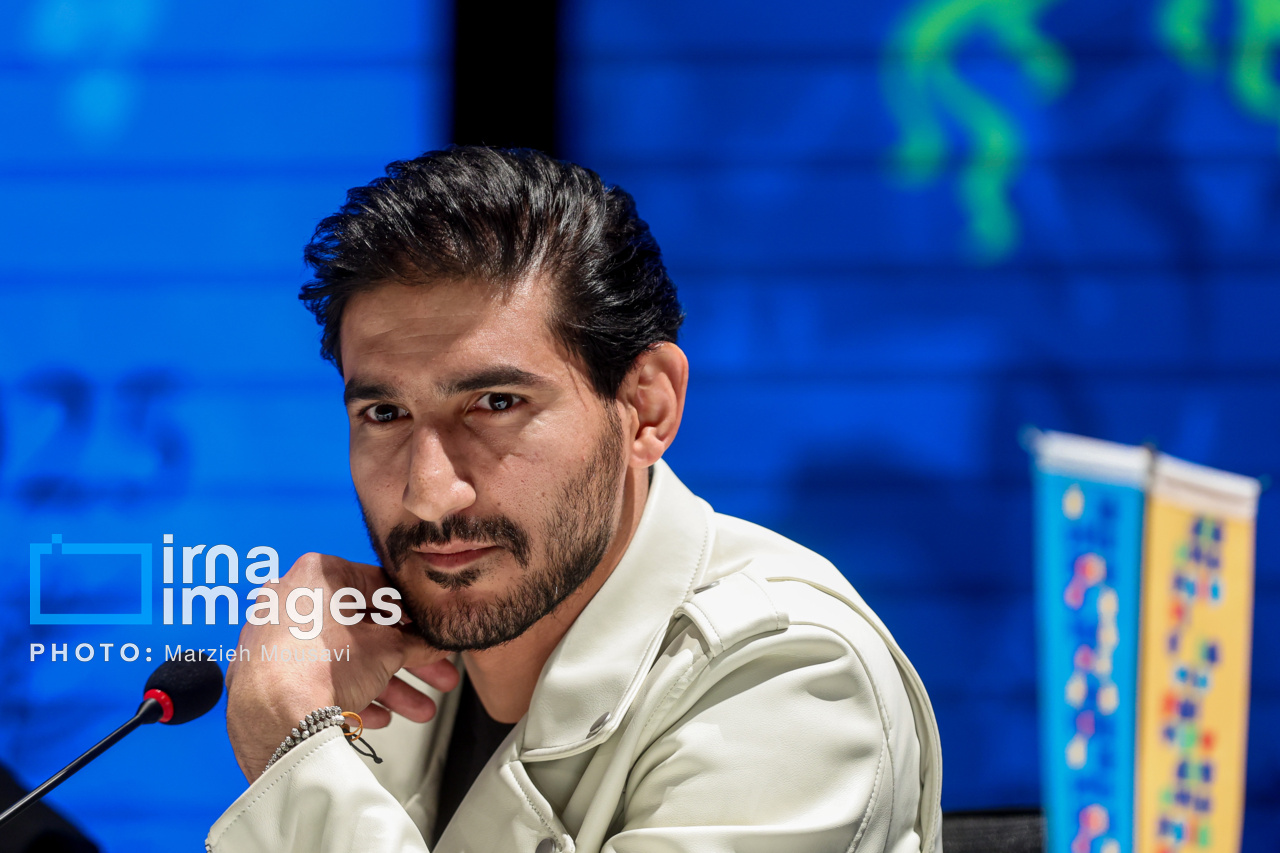
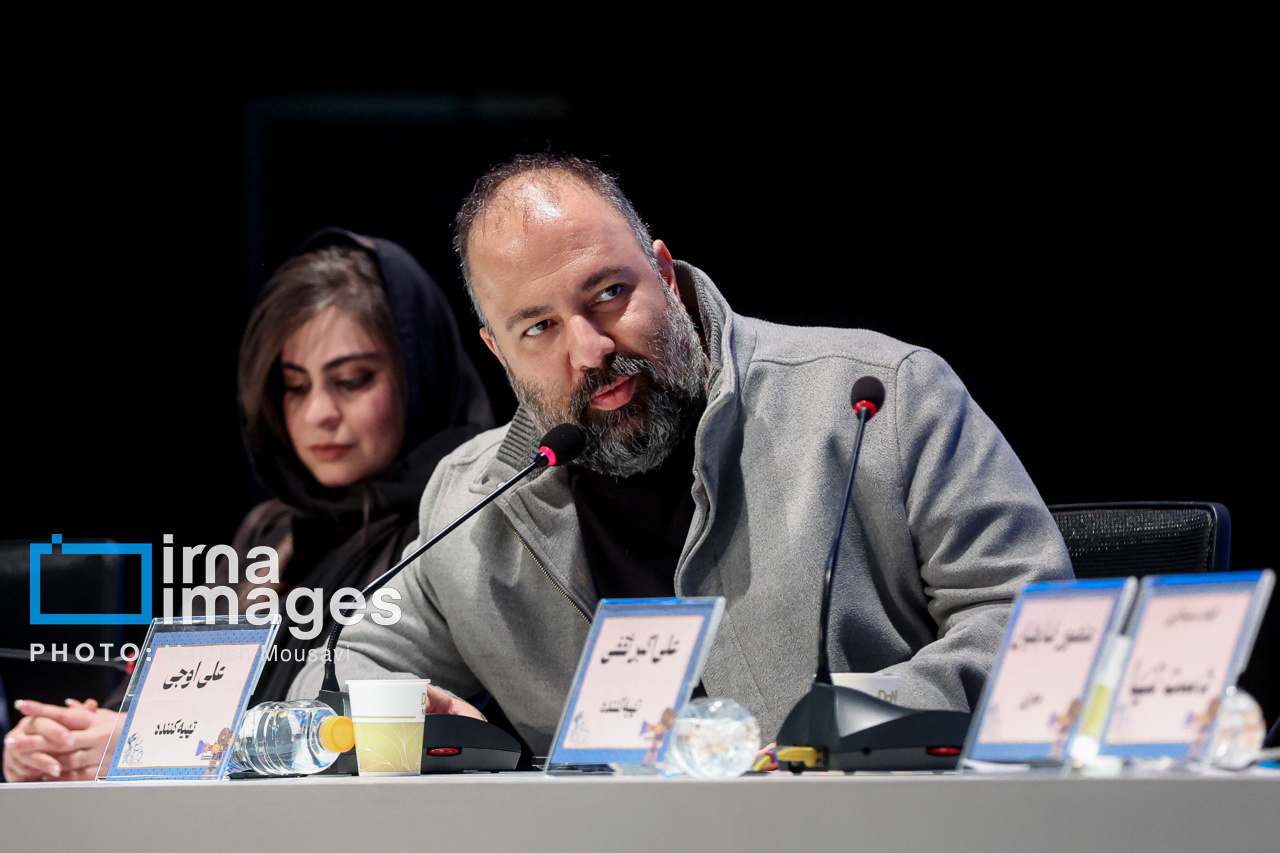
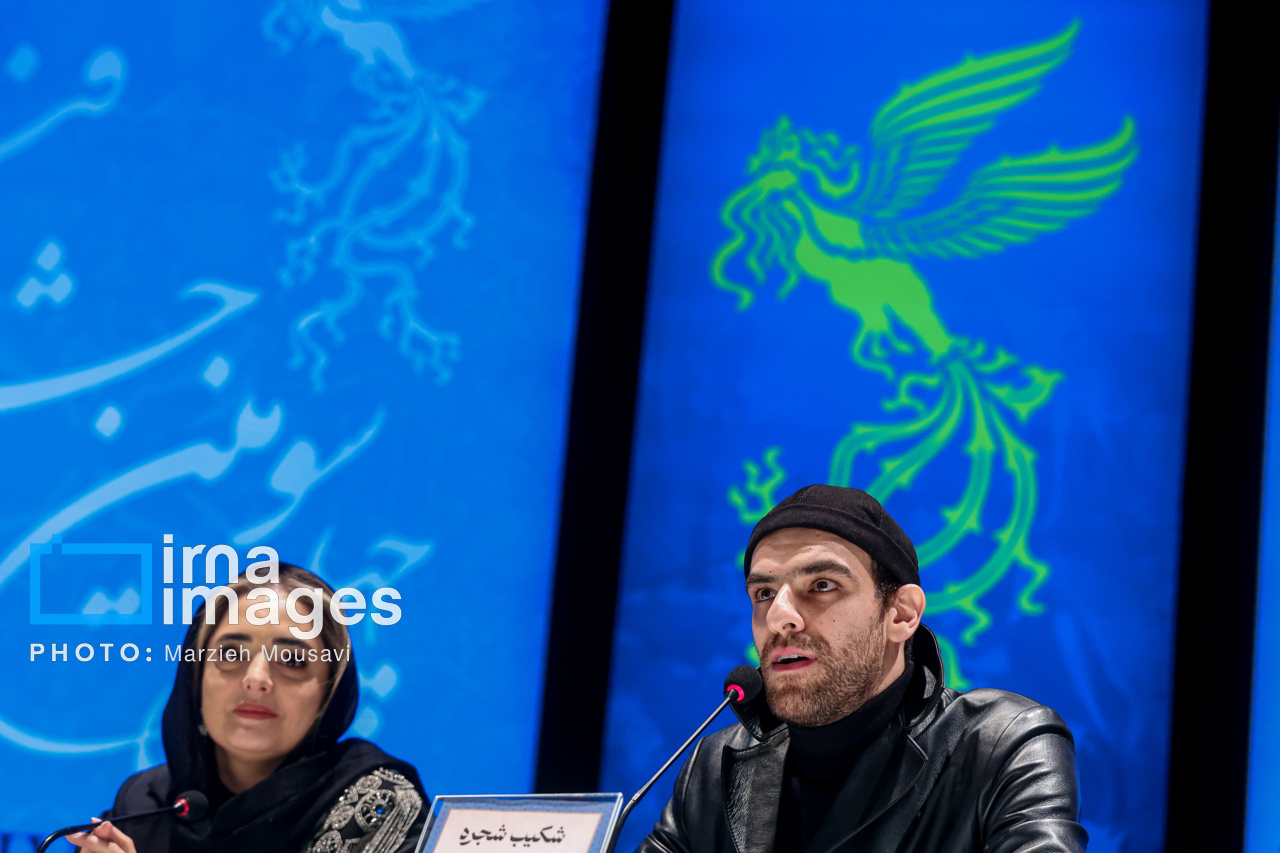
As part of the festival’s ongoing lineup, industry professionals, critics, and cinema enthusiasts gathered to watch the latest cinematic productions and engaged in discussions on filmmaking and storytelling.

The festival, marking the Islamic Revolution, continues to showcase a diverse selection of films, highlighting the latest works from Iranian and international filmmakers.

More in pictures:

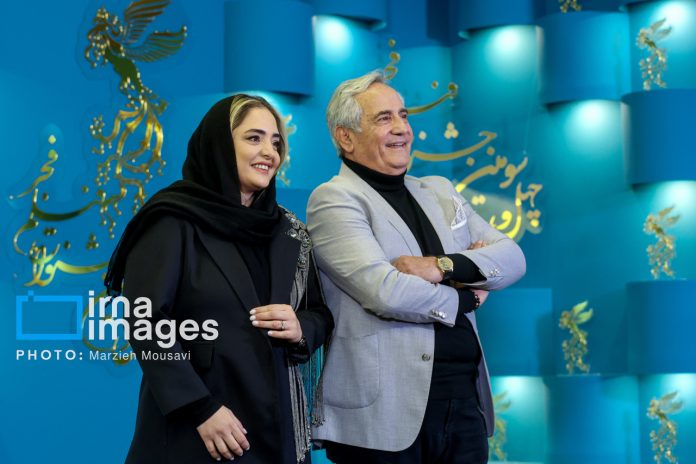
Legal case filed against two Iranian actors for ‘violation of norms, religious principles’

According to the judiciary’s statement, the festival’s inauguration, held recently in Tehran, was accompanied by controversies.

During the event, the two artists engaged in conduct that allegedly violated established social and religious conventions, sparking widespread reactions.

In response, authorities swiftly initiated legal proceedings, filing a case against them at Tehran’s Public and Revolutionary Prosecutor’s Office on the same day.

The judicial process for this case has reportedly been underway in recent days.

Further developments regarding the legal proceedings are expected to be announced in due course.

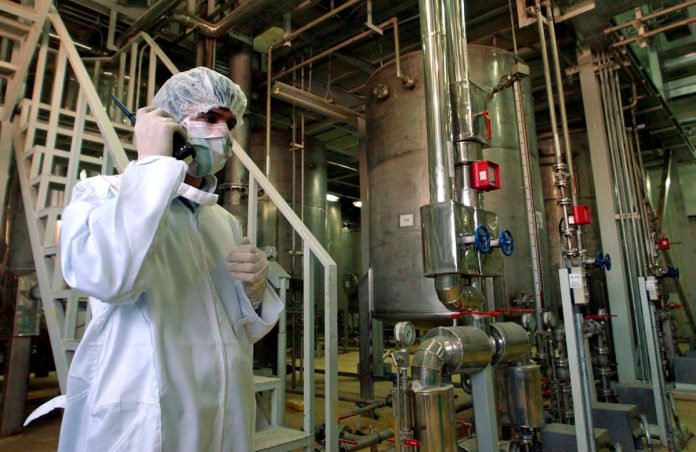
Iran working on faster method to create nuclear bomb: US intelligence sources

Iran Nuclear Program

According to the report, a covert team of Tehran-based scientists has been tasked with finding a new way to produce an atomic bomb to deter potential US or Israeli military action.

The sources did not provide details of the new method, but described it as “a faster, if cruder, approach” involving enriched nuclear fuel. They claimed that Iranian scientists have been exploring shortcuts that would allow them to turn nuclear material into a functional weapon within months. The report added that Iran has enough nuclear fuel to build at least four bombs.

US officials told the NYT that while Iran remains below the nuclear weapon threshold, recent regional developments – including the fall of former Syrian President Bashar Assad and the weakening of Hezbollah amid Israeli military operations – have prompted Tehran to accelerate its nuclear activities.

The intelligence was reportedly gathered during the final months of former US President Joe Biden’s administration and has since been shared with the national security team of President Donald Trump.

The report indicates that the new intelligence will be among the topics discussed during Israeli Prime Minister Benjamin Netanyahu’s state visit to the US this week. Netanyahu has reportedly considered ordering strikes on Iran’s nuclear facilities several times but was dissuaded by advisers and Washington.

Last month, Axios reported that Biden had also contemplated military action against Iranian nuclear sites before leaving office, but ultimately refrained from authorizing strikes.

Since taking office, Trump has signaled reluctance to escalate tensions with Iran. Asked whether he would support an Israeli strike on Iranian nuclear infrastructure last month, Trump said he hoped the issue could be resolved diplomatically.

“Hopefully this can be worked out without having to go that further step,” he told reporters, adding that he hopes “Iran will make a deal” regarding its nuclear program.

Iran’s uranium enrichment activities have long been seen by the West as a secret attempt to develop nuclear weapons. Tehran has denied these allegations, insisting its nuclear activities are for peaceful purposes only.

In 2015, Iran signed the Joint Comprehensive Plan of Action (JCPOA) with world powers, agreeing to limit its nuclear program in exchange for sanctions relief. However, Trump withdrew the US from the deal in 2018 during his first term, resulting in Iran ramping up its uranium enrichment activities. Efforts to revive the JCPOA have stalled, though Iranian Foreign Minister Abbas Araghchi stressed last month that Tehran remains open to negotiations if the West agrees to a “mutually beneficial” deal based on respect.

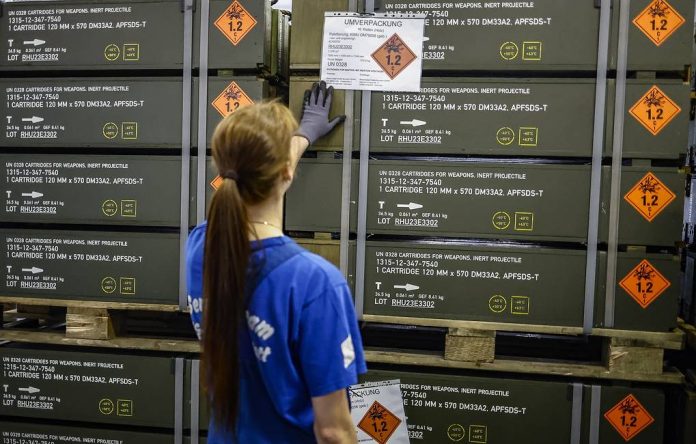
Biden Administration failed to track arms sent to Ukraine: Reuters

Russia Ukraine War Weapons Arms

During the final year of former President Joe Biden’s administration, key weapons shipments to Ukraine faced prolonged delays amid concerns about the depleting US stockpile and debates over whether they could trigger an escalation with Russia.

According to a Reuters investigation, another major issue was the Pentagon’s “chaotic weapons-tracking system in which even the definition of ‘delivered’ differed among US military branches.”

This “skewed” Pentagon data, making it almost impossible to accurately pinpoint the weapons in the shipping process at any given time, Reuters said, citing reports by the Government Accountability Office (GAO).

Investigations by the Pentagon’s Inspector General and the GAO also found that the administration lacked clarity on the number of weapons delivered and the extent of shipment delays, according to Reuters.

An unnamed US official told the agency that the Pentagon has since updated internal manuals to clarify the term “delivered.” However, it is not clear how broadly the reform is being implemented in reality, the article added.

Another major issue was delays, the report said, adding that it persisted even after Congress broke a months-long deadlock on $60 billion in supplemental aid for Ukraine, which was caused by Republican opposition.

As a result, by November, only about half of the total commitment the US made in 2024 for Ukraine from American stockpiles had been fulfilled, with only about 30% of promised armored vehicles arriving by early December, Reuters sources claimed.

One US official expressed frustration over the pace of deliveries, suggesting that delays prevented Ukraine from making any substantial progress on the battlefield.

The official echoed the sentiments of numerous Ukrainian officials who have often blamed inadequate Western assistance for Kiev’s failure to stem Russia’s advances in Donbass and elsewhere.

In January 2024, the US Department of Defense Office of Inspector General released a report revealing that the Pentagon was unable to fully track over $1 billion worth of weapons aid to Ukraine. At the time, it said the Pentagon failed to “fully comply” with tracking requirements, adding that it was not possible to complete an inventory of everything sent to Kiev.

Moscow has consistently condemned Western arms deliveries to Ukraine, saying they will only prolong the conflict.

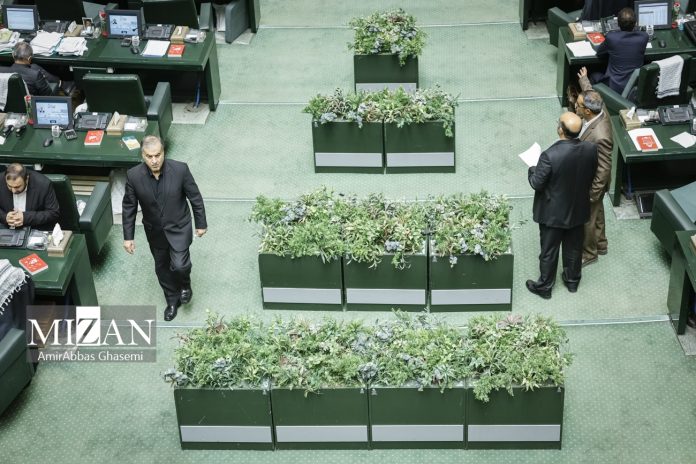
Controversial citizenship law sparks debate in Iranian parliament

Iranian Parliament

Ali Babaee, the head of the parliament’s Social Committee, revealed on Tuesday that Kharazi expressed concerns over the implications of automatic citizenship, jus soli and jus sanguinis, for children of Iranian diplomats and officials serving abroad, particularly regarding their eligibility for sensitive government positions.

In response to the letter, the Leader’s office instructed Parliament Speaker Mohammad Bagher Ghalibaf to address the issue, he said.

The current law could force Iranian diplomats to return home if their children acquire foreign citizenship, potentially disrupting diplomatic missions.

Babaee said that the government has proposed an amendment to exclude children of diplomats from automatic citizenship rules.

He stated that the matter has been referred to the administrative and employment subcommittee, with a final decision expected within two weeks.

The debate highlights the challenges of balancing national security concerns with the practical needs of diplomats and officials serving abroad, especially with recent concerns raised over Iranian Vice President fore Strateic Affairs Mohammad Javad Zarif’s case.

Zarif has provided explanations regarding the citizenship status of his children amid outcry for him to leave office, asserting that his children are natural-born citizens of the US, and dismissed claims that he applied for citizenship.

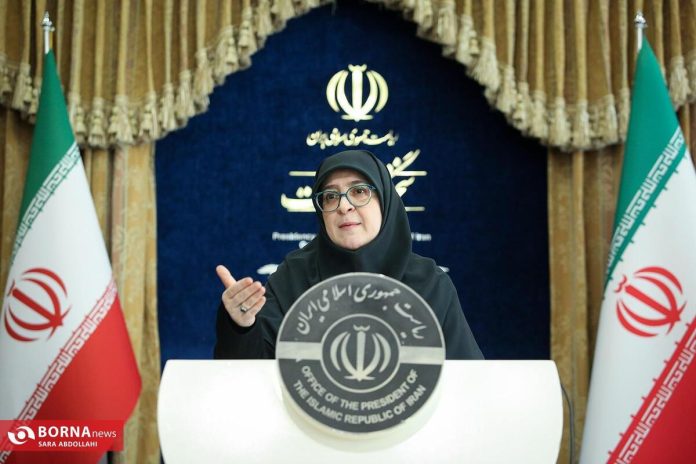
Gov’t spokesperson on FATF: Iran needs to prove non-association with terrorist groups

In a press conference on Tuesday, Fatemeh Mohajerani mentioned that Iran has not yet joined the Palermo and CFT conventions within the FATF framework, stating that resolving the sticking points for accession could aid in lifting banking sanctions.

“To maintain banking relations with friendly countries, such as those in the Eurasian and BRICS regions, it is essential to prove that Iran does not engage in money laundering or organized terrorism,” she noted.

Regarding the potential for future issues with the US post-FATF ratification, Mohajerani acknowledged that there are no guarantees but stressed that self-isolation is not an option.

Meanwhile, the head of Iran’s Expediency Council, said the council will make decisions on possible accession based on thorough technical work, adding “it is difficult to predict the outcome at this stage.”

In an exclusive interview with IRNA, Sadegh Amoli Larijani, clarified that the FATF itself has not been referred to the council, but rather Palermo and CFT are under review.

He emphasized that the council’s commissions are examining the issues raised by the Guardian Council.

After many ups and downs, and based on regulations, the issue of Iran’s accession to the FATF has now been handed over to the Expediency Discernment Council. Opponents of joining the FATF argue that this mechanism facilitates access for enemies to Iran’s financial transactions. Meanwhile, supporters, including the government of Masoud Behzadian, reject this argument and assert that joining the FATF is essential for facilitating trade relations with other countries.