Wednesday, December 24, 2025
Home Blog Page 4833

Iran, six powers to speed up nuclear talks

fna

Political directors of Iran and 5+1 (the US, Britain, France, Russia and China plus Germany) stated in their meeting Fridaythat they want to accelerate the nuclear talks, head of the Iranian experts delegation to the negotiations announced on Friday.

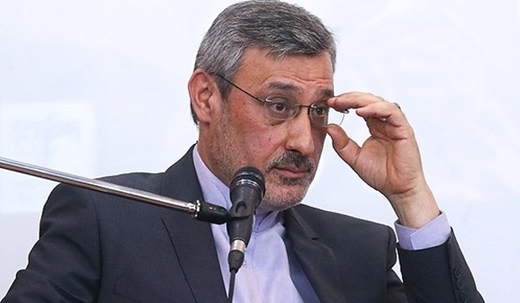
Hamid Baeedinejad, who is the Iranian Foreign Ministry’s Director General for Political and Security Affairs, wrote in his Instagram account that after several days of nonstop meeting among the political directors of the seven nations, the delegations had a review meeting earlier today.

“At this meeting, the trend of previous discussions came under study and the seven nations stated their serious willingness to speed up progress in the talks,” the Iranian negotiator added.

Two years of negotiations among the seven nations produced a political framework agreement in April at the Beau-Rivage Palace Hotel in Lausanne.

Diplomats hope to conclude the talks with a final, comprehensive agreement sealed by July 1.

[…]

Talks are underway among the delegations of the seven nations to draft the final deal.

[…]

Mehdi Hashemi sentenced to 10 years imprisonment

ejei

Mehdi Hashemi, son of Ayatollah Akbar Hashemi Rafsanjani the Chairman of Expediency Council, was sentenced to 10 years in prison after his appeal was overturned, it was announced on Thursday.

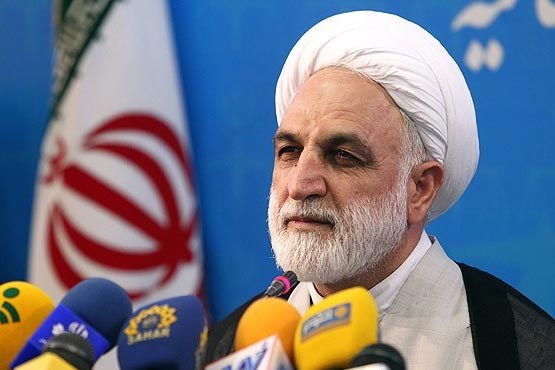
Spokesperson of the Judiciary, Mohsen Ejei told IRNA the primary court’s ruling was confirmed and Mehdi Hashemi has been sentenced to 10 years of imprisonment.

Ejei also said that Hashemi is convicted of security offences, bribery and embezzlement.

He went on trial last August at Iran’s Revolutionary Court, which usually hears

cases involving security offences, and his trial was held behind closed doors.

Mehdi Hashemi was previously arrested on his return to Iran in 2012.

The 45-year-old was originally detained and questioned after returning to Tehran in September 2012. He was bailed after nearly three months in custody but later rearrested for trial.

Iran’s National Orchestra back on stage

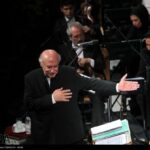
Iran's National Orchestra

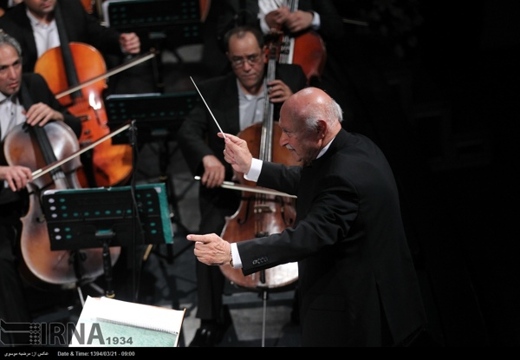
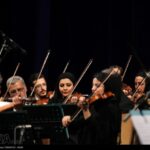
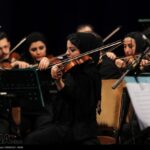
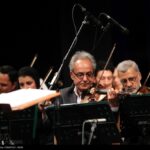
Iran’s National Orchestra, led by Farhad Fakhreddini – a renowned composer and conductor – was back on stage on Wednesday after years of absence from musical events in the country.

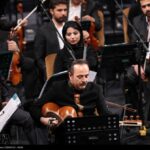
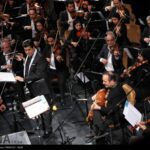
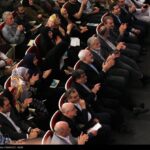
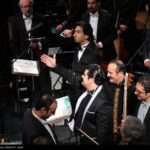
In a ceremony held at Tehran’s Vahdat Hall, the Orchestra performed a concert conducted by its founder Fakhreddini, with Mohammad Motamedi and Salar Aghili as the singers.

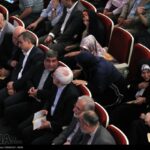
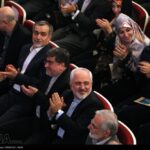
The ceremony was also attended by Head of Management and Planning Organization Mohammad Bagher Nobakht, Presidential Advisor for Cultural Affairs Hessameddin Ashena, a senior presidential advisor Hossein Fereydoun, Foreign Minister Mohammad Javad Zarif, and Minister of Culture and Islamic Guidance Ali Jannati, among others.

On the sidelines, the foreign minister told Tasnim News Agency that he is happy – like other art lovers – that Iran’s National Orchestra has returned to perform [after about a six-year hiatus].

Asked about the arrival of foreign artists in Iran, he said the Foreign Ministry allows them to come to Iran, adding his ministry only decides about issuing visa for them, not the performances they might have in Iran.

The following are pictures the Islamic Republic News Agency released on June 11 of the ceremony and the performance of the orchestra:


A vote, shattered dreams and multiple benefits

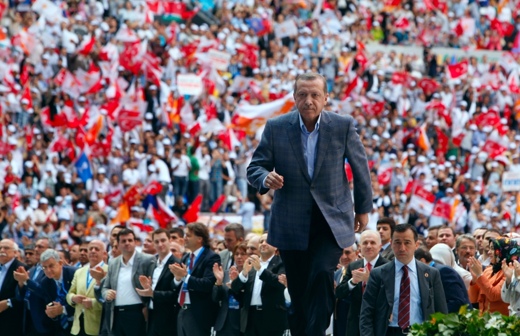
Erdogan- Elections

Turkey’s parliamentary election is one of the main developments in the Middle East region after Iran’s presidential elections in 2013 and the death of King Abdullah of Saudi Arabia last winter [in January 2015]. In Iran and Saudi Arabia the makeup of the political structure underwent significant change domestically, so did foreign policy inclinations as a result.

Taadol newspaper on June 9 published an analysis by its International Desk editor Narjes Khatoon Barahouee on the Turkish parliamentary elections which were held two days earlier and the severe setback President Recep Tayyip Erdogan and his ruling party suffered in the vote. The piece also compares the changes Turkey can undergo after the vote with the developments in Iran (after the 2013 presidential elections) and Saudi Arabia (in the wake of the death of King Abdullah), and tries to predict the effects a post-elections Turkey could bring about in the region.

The following is the translation of part of that analysis:

The government which rose to power in Iran took steps toward deescalating foreign policy, including talks with Western countries over its nuclear case […]

Following the death of King Abdullah in Saudi Arabia, however, the new king and his son who serves as the kingdom’s defense minister have brought the Al Saud family out of it historical conservatism shell. The newcomers – who have yet to find their feet in their new positions – started to overpower their uncles and cousins on the father side and then got locked in a bitter and adventurous war with Yemen whose impacts on the kingdom are, at best, uncertain.

What happened in Turkey was different from Saudi Arabia but more similar to Iran’s. Despite his remarkably close economic cooperation with Iran, President Erdogan found his foreign policy closer to Saudi Arabia and in confrontation with Iran. In the capacity of president, he was seeking more power so that he could manage Turkey the way he liked. He had even made preparations for that by building a new presidential palace which was inspired by the Ottoman Empire.

Large segments of Turkish society as well as foreign observers were sensing the risk of dictatorship hanging over one of the most dynamic societies in the Middle East, a society whose economic growth and democratic system had turned it into an excellent role model of progress for other nations to follow.

These concerns have been the reason behind resistance by people and political forces in Turkey in recent years in the face of Erdogan’s adventurism. The same concerns caused people not to let the president and his ruling party garner the handsome majority they had secured over the past 13 years in an election which has been named as the most surprising and high-stakes vote in Turkey’s recent history. Not only did they shatter and bury Erdogan’s dreams, but they also spread the good news that the Turkish vote will bring blessings for the country’s parliament and the entire region.

Violating the law, Erdogan had hit the campaign trail dauntlessly and openly asked people to vote for the Justice and Development Party (AKP). Following the election [in which he and his party were dealt a serious setback] he said with a bit of humility that one single party cannot rule in Turkey.

What he said shows how the popular will can affect a country’s fate. In other words, the Turkish people – especially those who are opposed to and critical of Erdogan – were given the opportunity to prove themselves in the eyes of an angry president who denies his opponents and critics and have in recent years constantly threatened his opponents and imprisoned his critics, and salvage the country from the brink of dictatorship.

That’s why the recent elections in Turkey can be seen as a turning point in this country’s contemporary history, a point which could avert the country’s plunge into authoritarianism Erdogan had in mind and flaunt the difference between Turkey and other regional countries such as Egypt.

Although the political fate of Turkey hangs in the balance – if the AKP fails to form a coalition government with another party, another election should be held or a minority government should be forged – one thing is certain: June 7 parliamentary elections showed that democracy has been institutionalized in Turkey and that this relatively well-established democracy with eagle eyes will not allow an individual or a group to go beyond the frameworks envisioned in the Constitution and call themselves the manifestation and embodiment of the country and its interests.

Turkey’s elections will leave positive impacts on the region too, because the parliamentary vote can mark the beginning of a shift in the country’s foreign policy. Turkey and Iran, which are two key players in the Middle East, share political and economic interests in a calm region where peace takes hold.

The ruling party in Turkey has to rethink its dangerous and reckless foreign policy if it ever seeks to do something for its dwindling popularity. Any change in Turkey’s policies such as ending support for terrorist groups in Syria can help gradually restore peace and stability in the region and stop the spread of instability – the conflicts in neighboring Syria and Iraq are just one example – into Turkey.

Although nationalism cannot be a good talking point these days, Turkey’s elections, the lineup of [various] parties and a consensus by different political forces – from the leftists to those with tribal leanings – to stand up to Erdogan’s totalitarianism and put a national issue over communal and tribal demands are all a symbol of nationalism in this country.

[…]

A look at Iranian newspaper front pages on June 11

Iranian Newspapers Headlines

Reformist dailies focused their front-page attention on the reverberations of the arrest of Hamid Baghaei, a deputy of the former president; while principlist dailies mostly led on criticism by the Judiciary chief of President Hassan Rouhani for blaming sanctions for every problem the country is faced with.


Abrar: A new round of nuclear talks between the deputies of [Iranian Foreign Minister Mohammad Javad] Zarif and [EU foreign policy chief] Federica Mogherini has opened in Vienna.

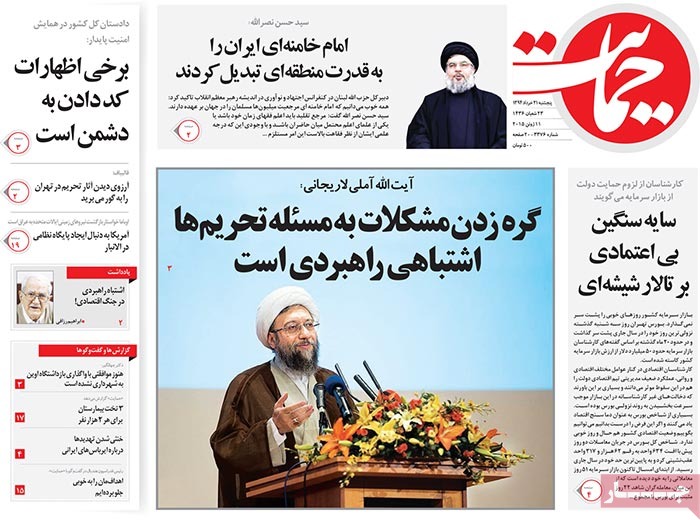
Abrar: “Some are tying every problem the country is facing to sanctions and nuclear talks,” said Judiciary Chief Ayatollah Sadegh Amoli Larijani.

His comments came as Attorney General Ebrahim Raeesi said that tying the country’s problems, including water shortage, to nuclear talks is a strategic mistake.
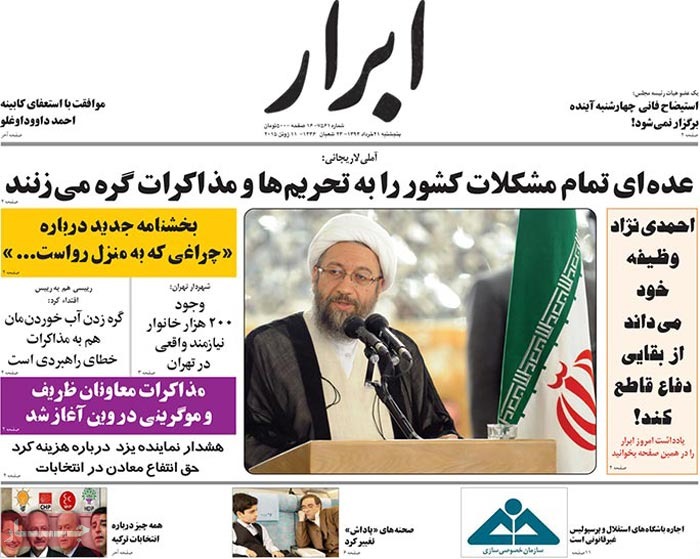
 

A look at Iranian newspaper front pages on June 11


Abrar-e Eghtesadi: Eight European firms seek to make investment in the Iranian refinery projects.
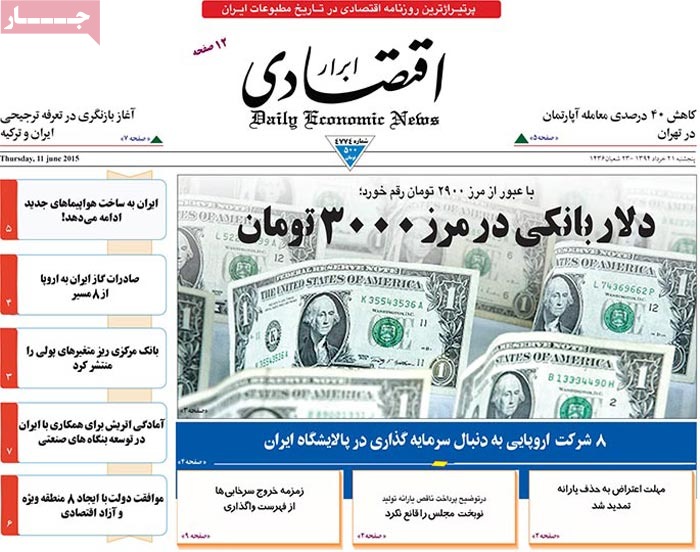
 

A look at Iranian newspaper front pages on June 11


Afkar: Iran is the largest exporter of cement in the world.

Afkar: “It is too soon to talk about the extension of the deadline for nuclear talks between Iran and P5+1,” said Foreign Ministry Spokeswoman Marzieh Afkham.
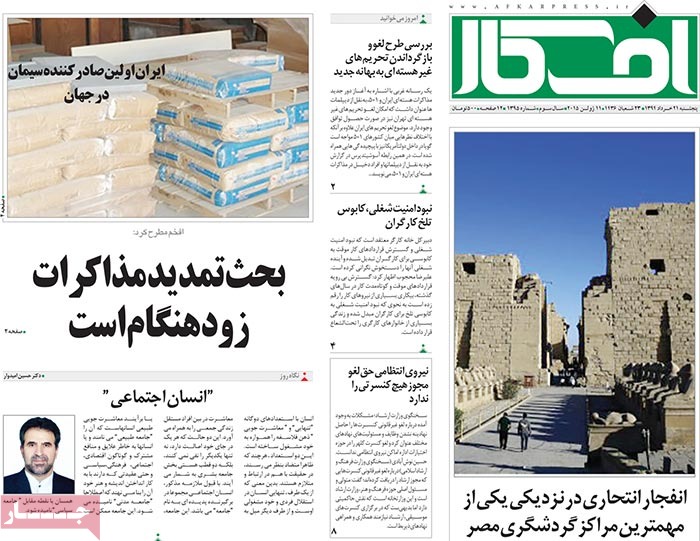
 

A look at Iranian newspaper front pages on June 11


Aftab-e Yazd: Two Saudi officers have been sentenced to four years in jail and 1,000 lashes each.

It came after they were found guilty of sexually abusing two Iranian teens at the Jeddah Airport.

Aftab-e Yazd: Unity among reformists has frightened principlists.
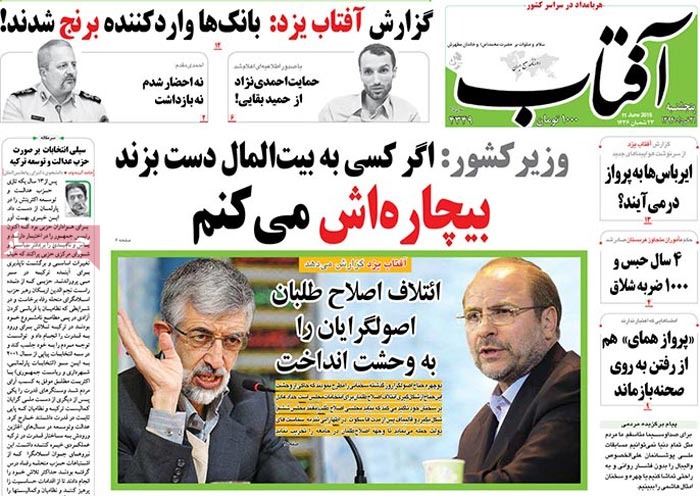
 

A look at Iranian newspaper front pages on June 11


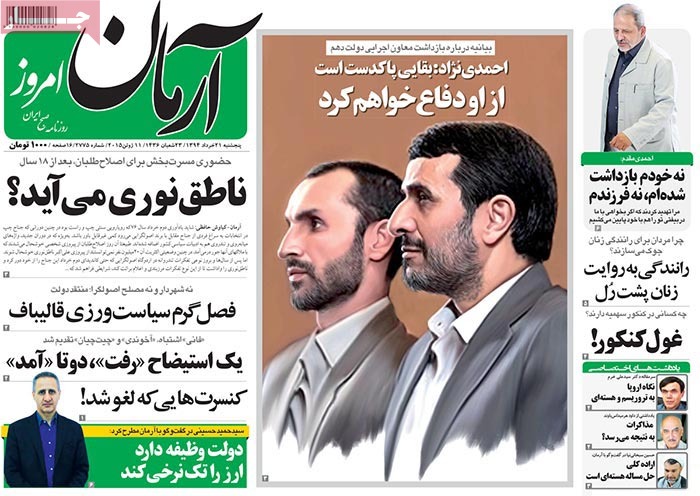
Arman-e Emrooz: Ahmadinejad: “[Hamid] Baghaei is impeccable. I will defend him.”

[The comments by the former president came after his deputy was arrested on yet to be known charges.]

Arman-e Emrooz: “Neither my son, nor myself has been arrested,” former Police Chief Brigadier General Esmail Ahmadi Moghadam said.

“I was threatened not to take them on, otherwise they would take me down with them,” he said.

[His comments came after rumors swirled that the former top law enforcer had been arrested in connection with fraud before being replaced.]
 

A look at Iranian newspaper front pages on June 11


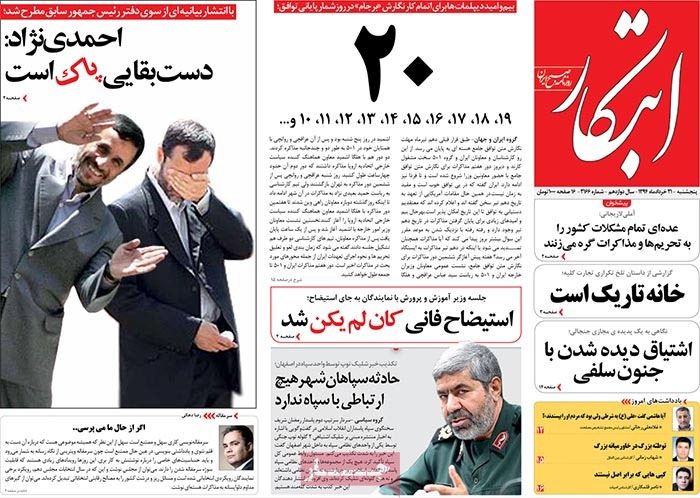
Ebtekar: What happened in Isfahan had nothing to do with the Islamic Revolution Guards Corps.

The spokesman of the corps has denied reports that revolution guards have fired two live artillery rounds within the city limits.
 

A look at Iranian newspaper front pages on June 11


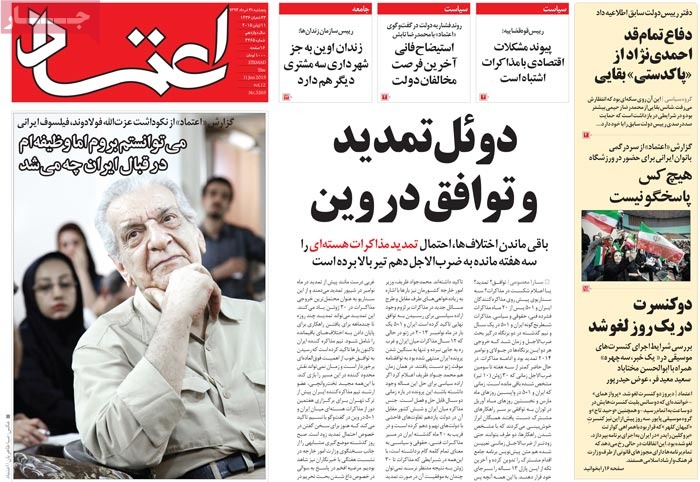
Etemad: Two concerts were called off in one day.

[It came a few days after the minister of culture and Islamic guidance said that rogue elements should not be allowed to disrupt music concerts.]
 

A look at Iranian newspaper front pages on June 11


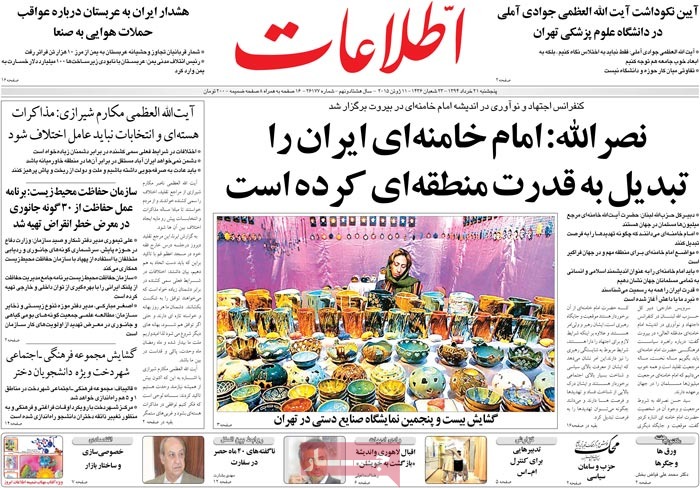
Ettela’at: The Environment Protection Organization has drawn up plans to protect 30 endangered species.

Ettela’at: “Nuclear talks and [upcoming] elections should not become a source of division [in the country],” said Grand Ayatollah Nasser Makarem Shirazi, a senior cleric.
 

A look at Iranian newspaper front pages on June 11


Hemayat: “Imam Khamenei has turned Iran into a regional power,” said Secretary of the Lebanese Hezbollah Movement Seyyed Hassan Nasrallah.
 

A look at Iranian newspaper front pages on June 11


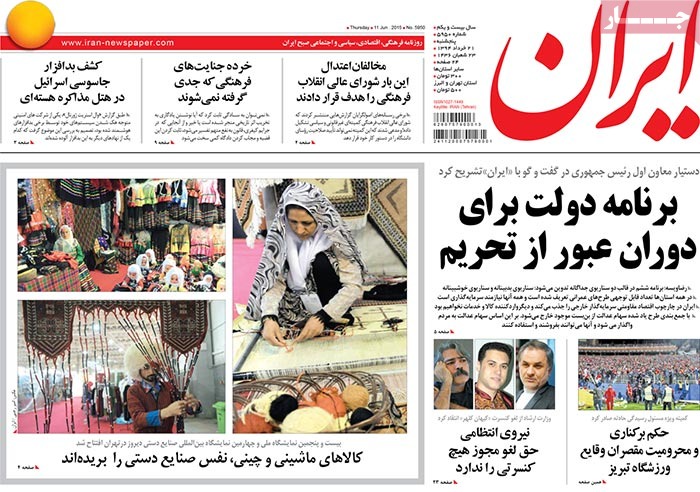
Iran: Opponents of moderation are now targeting the Supreme Cultural Revolution Council.

Iran: Machine-made and Chinese products have taken a heavy toll on handicrafts.

Iran: Those who played a role in the incidents of Tabriz Stadium have been sacked and banned from holding office.
 

A look at Iranian newspaper front pages on June 11


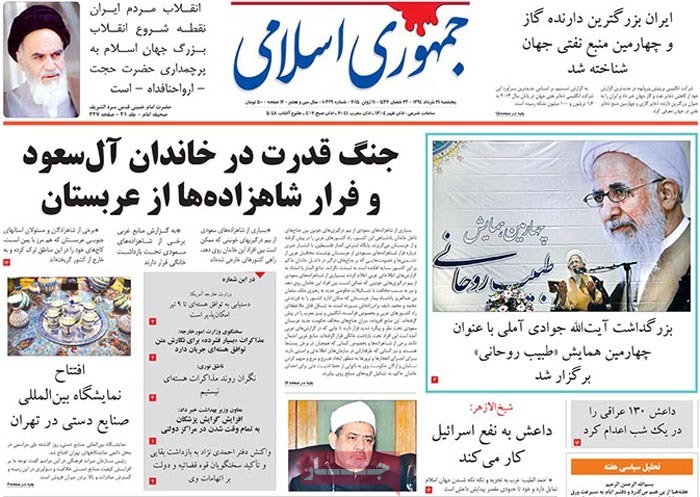
Jomhouri Islami: An international handicrafts exhibition has opened in Tehran.
 

A look at Iranian newspaper front pages on June 11


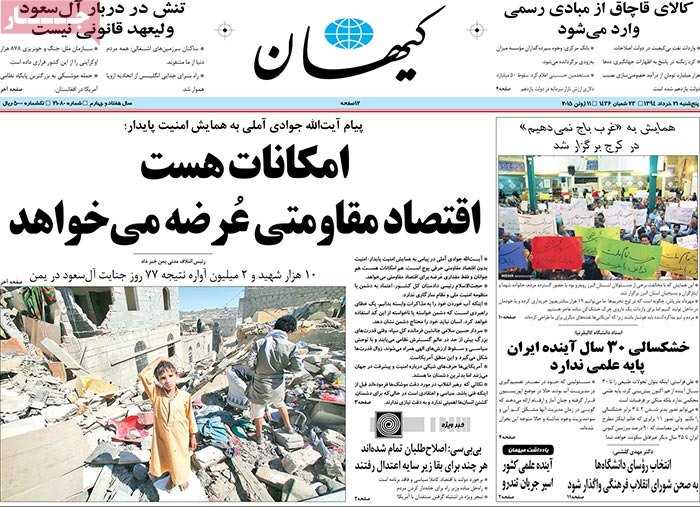
Kayhan: A gathering dubbed “We Won’t Bow to Western Pressures” has been held in Karaj.
 

A look at Iranian newspaper front pages on June 11


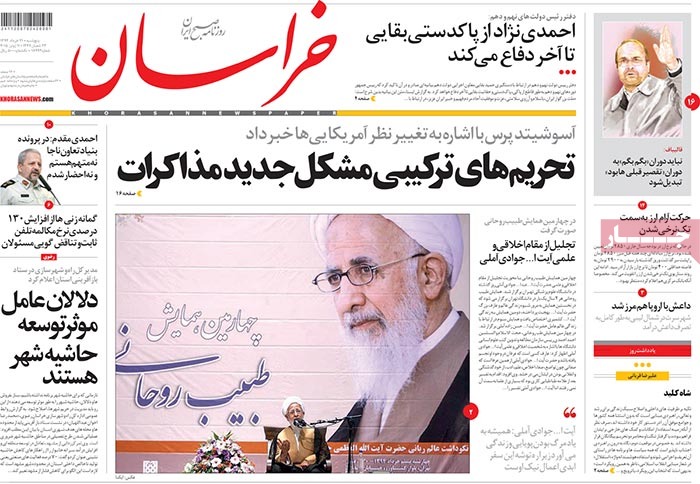
Khorasan: The scientific and religious services of Ayatollah Abdullah Javadi Amoli have been praised at a gathering.
 

A look at Iranian newspaper front pages on June 11


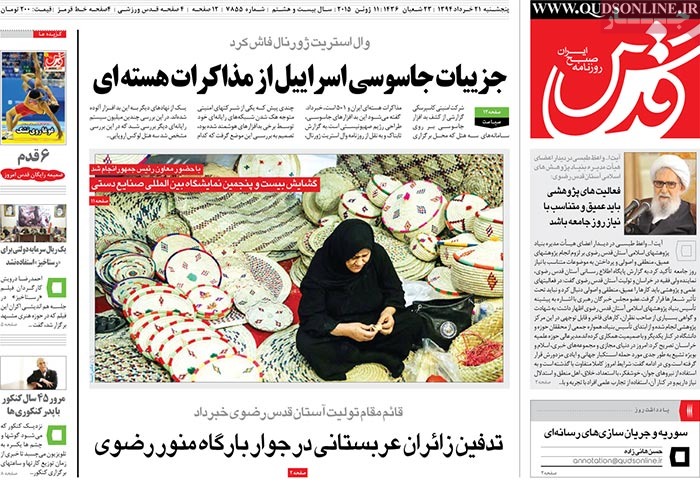
Qods: The Wall Street Journal has revealed that Israel has been spying on nuclear negotiations.
 

A look at Iranian newspaper front pages on June 11


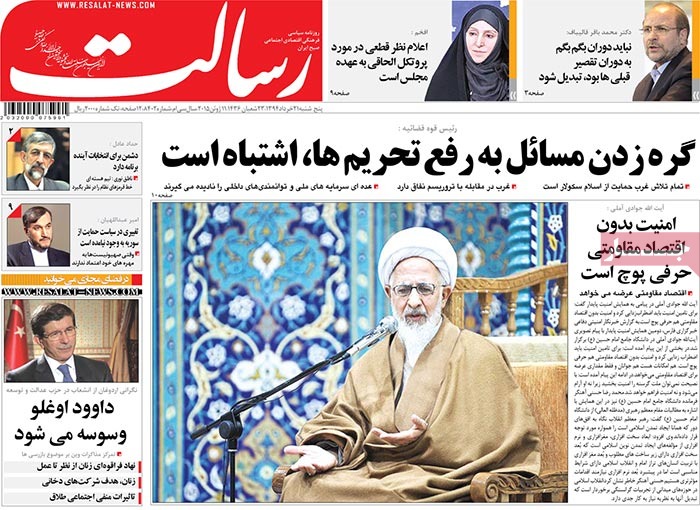
Resalat: “Parliament will make the final decision on [whether Iran signs] the Additional Protocol of the NPT,” said Foreign Ministry Spokeswoman Marzieh Afkham.

Resalat: Tehran Mayor Mohammad Bagher Ghalibaf has said that the culture of threatening your opponents with revealing their secrets [a reference to former President Ahmadinejad] should not be replaced with one in which every problem is blamed on those who were previously in office [an apparent reference to the Rouhani administration].

Resalat: [Principlist MP] Gholamali Haddad Adel has warned that the enemies of the revolution have plans for upcoming elections.
 

A look at Iranian newspaper front pages on June 11


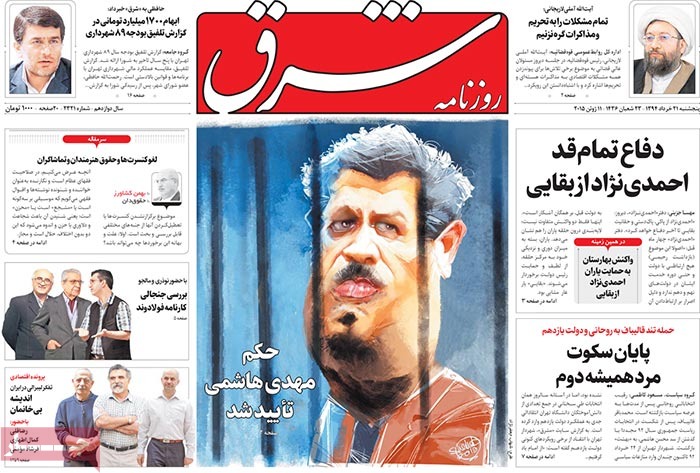
Sharq: The verdict in the case involving Mehdi Hashemi [a son of Ayatollah Akbar Hashemi Rafsanjani] has been upheld.

 

A look at Iranian newspaper front pages on June 11


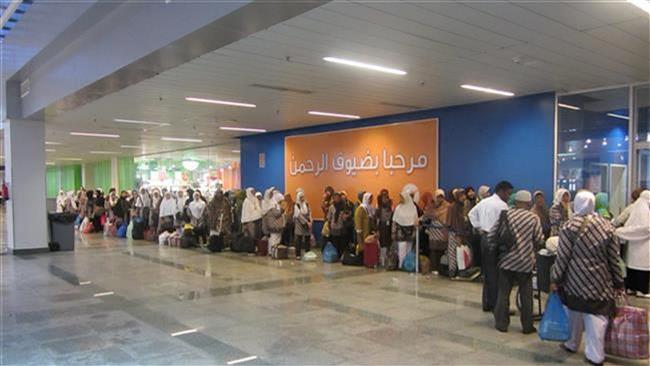
Prison, flogging sentence for Saudi officers molesting Iran teens

Saudi airport

A Saudi criminal court has sentenced two Saudi officers who sexually abused two Iranian teenage pilgrims at the Jeddah airport to four years in prison and 1,000 lashes.

According to a Saudi security official, who spoke on condition of anonymity, the sentence was handed down to the two officers by the criminal court of the Red Sea city of Jeddah on Wednesday.

Saudi news website Sabq also confirmed that the verdict has been issued.
Saudi Arabia’s Interior Ministry had previously pledged that the kingdom’s legal system would “ensure the strictest penalties for perpetrators of these type of crimes, which are condemned by all sectors of Saudi Muslim society.”

On June 1, the two criminal police officers were tried at the seventh branch of Jeddah’s Criminal Court.
Deputy Foreign Minister for Consular, Parliamentary and Iranian Expatriates Affairs Hassan Qashqavi said that during the hearing session earlier this month, “Jeddah’s attorney general, with reference to religion and law, called for the death penalty” for the two officers.

Performing body search on passengers at the King Abdulaziz International Airport in Jeddah back in April, the two Saudi officers, whose identities have not been disclosed yet, reportedly sounded off the alarm at the gate, took the Iranian teenagers — aged 14 and 15 — away and subjected them to indecent acts.

Iran strongly reacted to the amoral and inhumane act, summoned the Saudi charge d’affaires, and submitted a note of complaint to the Saudi government.

US says working to block nine Iranian jets

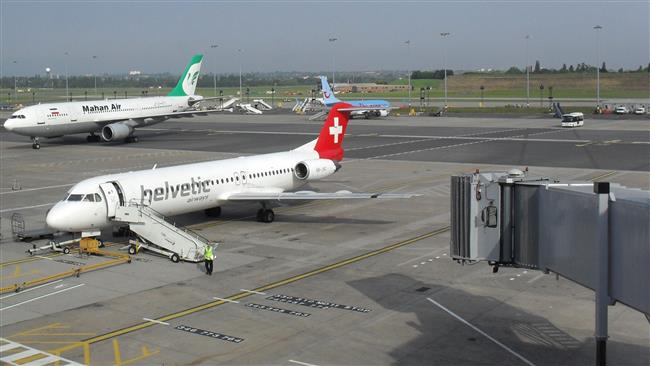
Mahan Air

The US government is actively working to block nine recently acquired Airbus jets which Iran plans to use on international routes, American media quoted an official as saying.

The unnamed senior administration official said the US would continue to “vigorously” enforce the sanctions it has in place on Iran, The Wall Street Journal reported.

“We have identified the planes in question and listed their tail numbers,” the Journal quoted the official as saying.

“I have been quite explicit with the Iranians that we will try to disrupt this action because Mahan Air has been a designated entity for some time,” the official said, the paper reported.

Mahan Air acquired eight used A340s and one A321 last month as part of Iran’s efforts to rebuild the country’s aging commercial fleet which has suffered a series of aviation mishaps under US and European sanctions.

The airline is under US sanctions as of Oct. 2011, with the US government saying Mahan Air’s assets were “blockable”.

On Tuesday, Press TV reported on Iran’s announcement that it would take legal action if the US tries to block the passenger jetliners on international journeys.

Head of Iran’s Civil Aviation Organization (CAO) Alireza Jahangirian said the US did not have the right to block the planes on international journeys but Iran had to prepare itself for any eventuality.

“Under international laws, it is impossible to seize the new Iranian aircraft but we have to see to what extent those laws are being implemented and which countries are trying to show their force to other states,” Jahangirian said.

The official said the first of the eight A340s and one A321 will become operational in the country’s aviation fleet in the coming weeks after receiving flight permit.

“As long as flight permits have not been issued and a disruption has not taken place, we cannot make a definite assertion. But if that happens, Iran will take a legal action,” he said.

The US threat comes as nuclear negotiations with Iran are heading to the final stretch. Tehran has made it clear that it would not settle for anything short of removal of sanctions across the board if a deal were to be signed.

Can they meet the deadline? A miracle is needed.

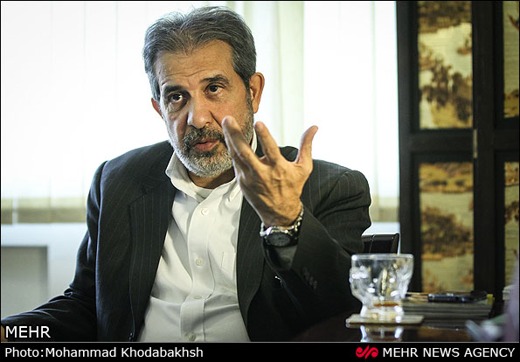
Hamid Reza Asefi

A former Iranian Foreign Ministry spokesman says that Iran and P5+1 can – should a miracle intervene – conclude a comprehensive, final nuclear deal by the end-of-June deadline.

Hamidreza Asefi made the comment in an interview with Fararu, a news website, on June 10 and added that a US warning that time is running out is an ignorable ploy to get more concessions from Iran.

His remarks came in reaction to remarks by Tony Blinken – the US Deputy Secretary of State and the former Deputy National Security Advisor for President Barack Obama – who said at the American Jewish Committee’s Global Forum on Monday that “The June 30 deadline is fast approaching, and we [Iran and the P5+1 countries] do not yet have a comprehensive [nuclear] agreement, and there remains a chance that we won’t get one. If we don’t get what we need on a few key issues, we won’t get there.”

The following is the translation of what else Asefi, an expert in international affairs, said in the interview:

Asefi said the course the nuclear talks between Iran and P5+1 has taken shows that there is a slim chance for the two sides to reach a final agreement by June 30, adding only a miracle can help the talks end in a final, comprehensive deal in the remaining time to go before the looming deadline.

As for the reason behind such pessimism, he said conclusion of a deal is a remote possibility because on the one hand the Americans are constantly backing out and dishonoring their previous promises in the talks, and on the other they raise new subjects in every round of negotiations.

At talks which are held at this level, when parties reach common ground on certain questions, in the next round they normally pick up where they have left off in the previous round to stop the talks from dragging on, he said.

Following the Lausanne agreement, the Americans have taken a few steps back in each round and expressed fresh views on the issues about which the two sides have already reached an agreement – albeit relative – instead of beginning where they have left off in the previous round, he added.

The former Foreign Ministry spokesman further said it is quite natural for the talks to linger because of the way the Americans behave in the negotiations, and prospects for clinching a comprehensive deal according to plan are bleak.

This is the US gambit to prolong the talks and sound a note of warning about the time as the deadline approaches, he said, adding the Americans’ warning is aimed at piling pressure on the other party in order to get more concessions in the talks.

“In the preliminary round of Geneva talks which resulted in a Joint Plan of Action, the Americans did the same thing. They started the talks in the morning of November 23, 2013 and continued into the following day just to put pressures on the other side in the final moments and reach an agreement which could meet more of their demands. Luckily, the Iranian nuclear team did not fall into the US trap.

“Finally, the Americans had to ink an agreement which could meet the expectations of all sides. Like the preliminary talks, certainly this method cannot work in the final round as well.

“The Supreme Leader and members of the country’s nuclear team have said that Iran won’t be pushed by deadlines to strike a comprehensive deal – also repeated by Mr. Takht-e Ravanchi in a meeting with Chairman of the European Parliament’s Committee on Foreign Affairs Elmar Brok – and won’t decide [on the nuclear issue] by the deadline at the expense of quality. What matters for Iran is to reach a good agreement. This is a wise and sound stance.

“It won’t be a big deal if the two sides fail to reach a deal by July first and the deadline is extended to August 1, for instance, because what is important is the conclusion of a good deal. Here Iran is not to blame because the Americans are the ones who make the talks drag past deadline.

“By now, the Americans have postponed the implementation of the nuclear deal at least 45 days by involving Congress in the review process of the comprehensive, final deal.

“Because the Americans have prolonged the talks by allowing the US Congress to review the final deal, they cannot put on a self-righteous face asking why the talks do not produce the intended result in the scheduled time. They have no right to complain about Iran’s close attention to and insistence on reaching a good deal.”

Asefi then touched upon failure to meet the deadline and whether it marks the end or breakdown of the talks and said although everything could possibly happen in politics and international relations, the two sides are unlikely to officially announce the inconclusiveness of the talks.

The former spokesman concluded that missing the deadline does not translate into the collapse of the negotiations, saying the parties to the talks would think about other options – the closest and most accessible option is the extension of the talks – and would try to press ahead with the talks until they work out a solution and reach common ground.

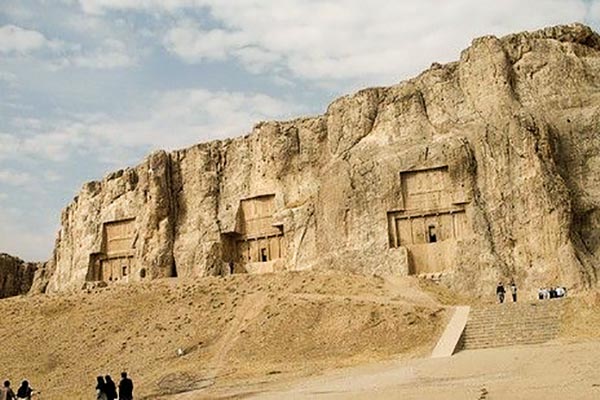
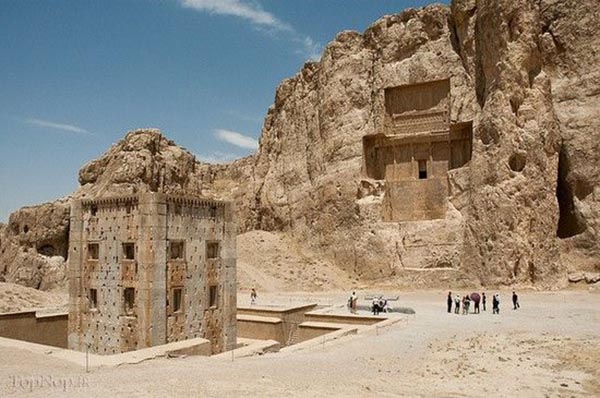
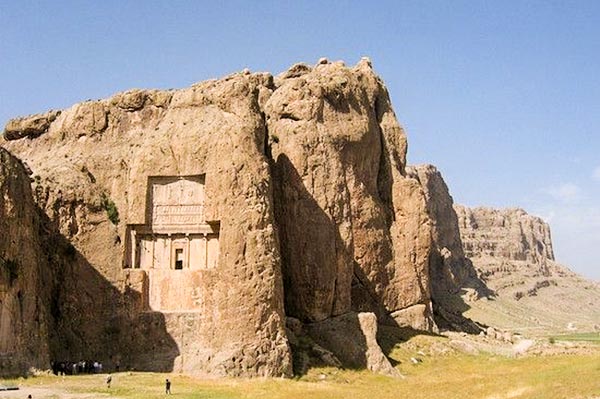
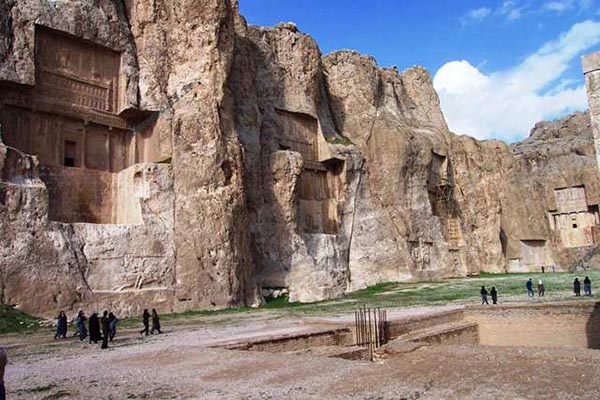
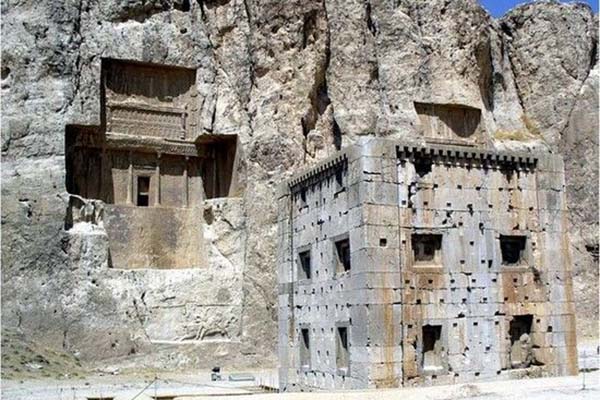
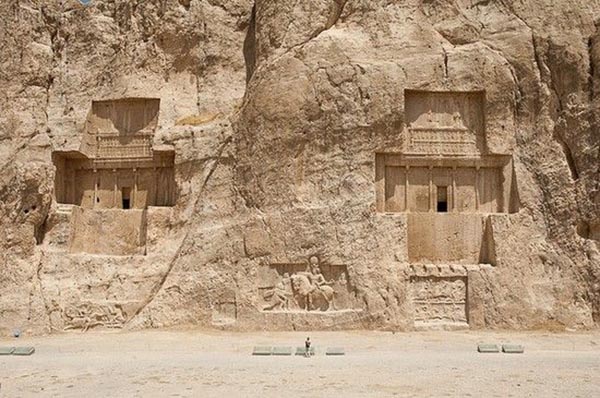
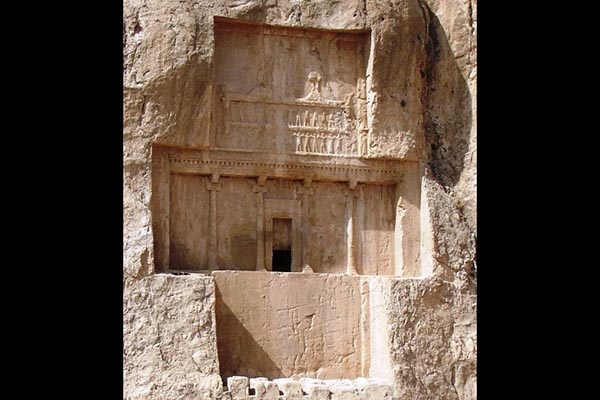
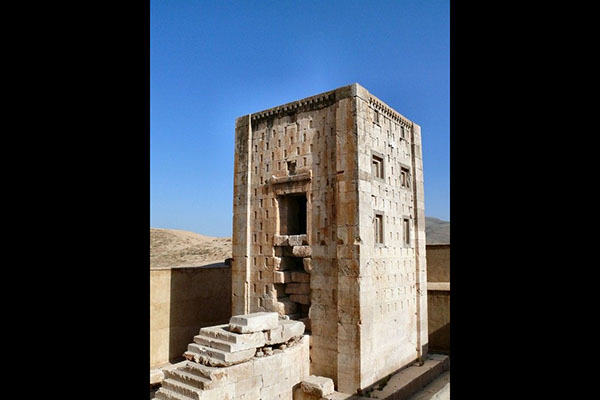
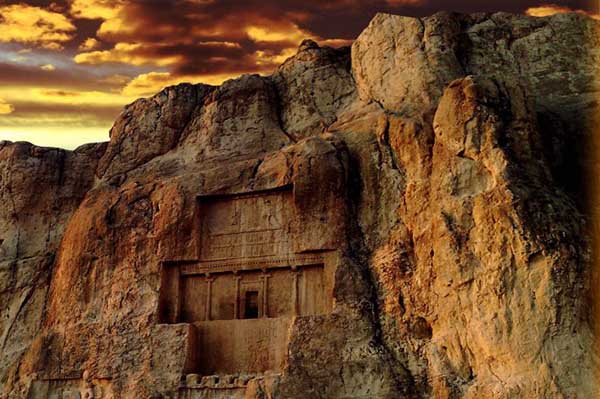
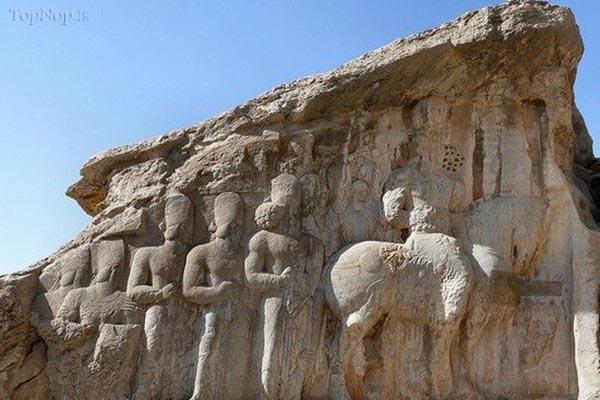
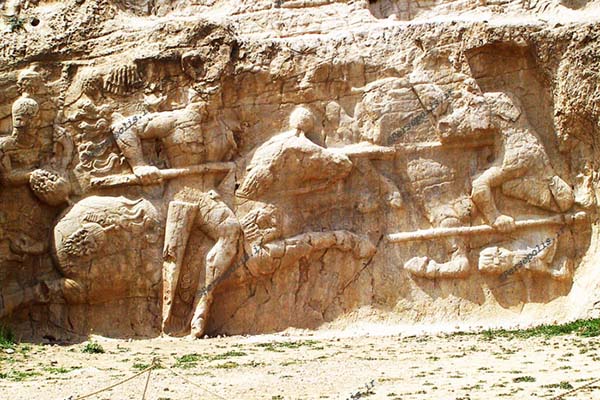
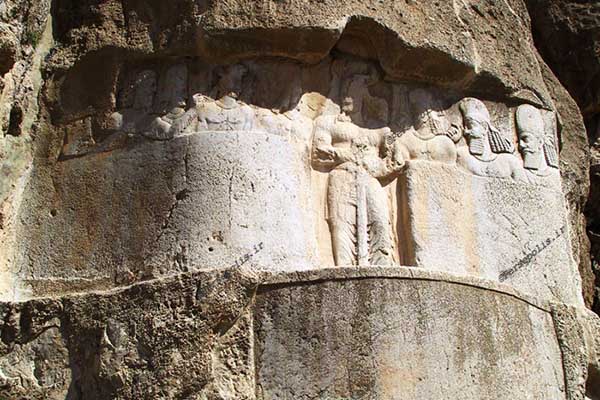
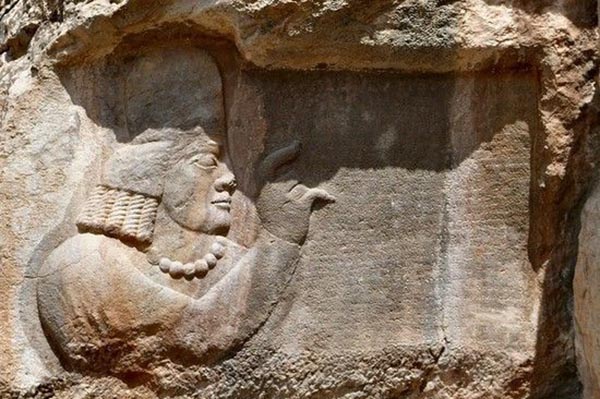
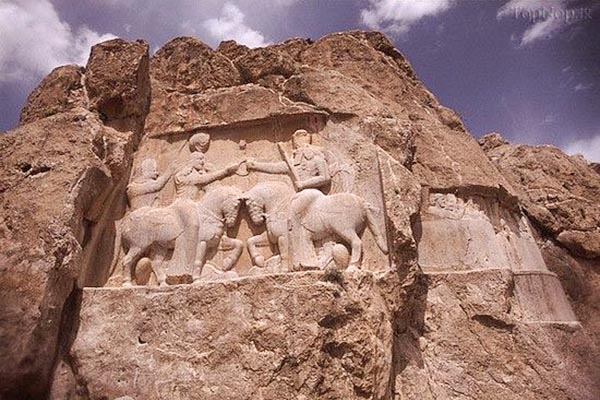
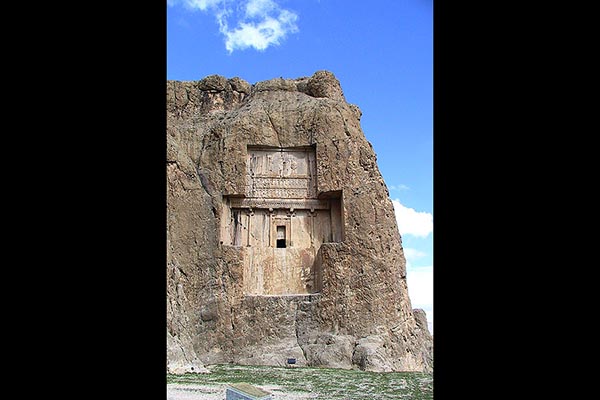
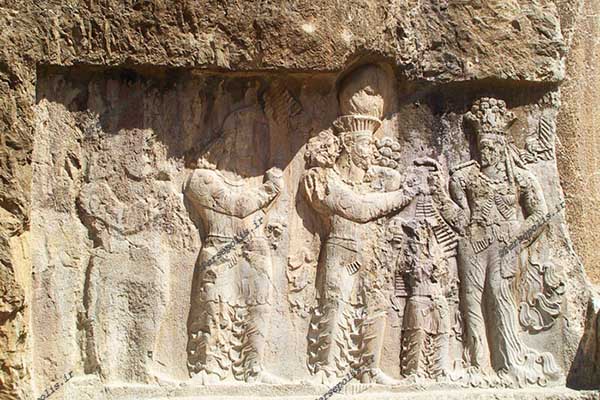
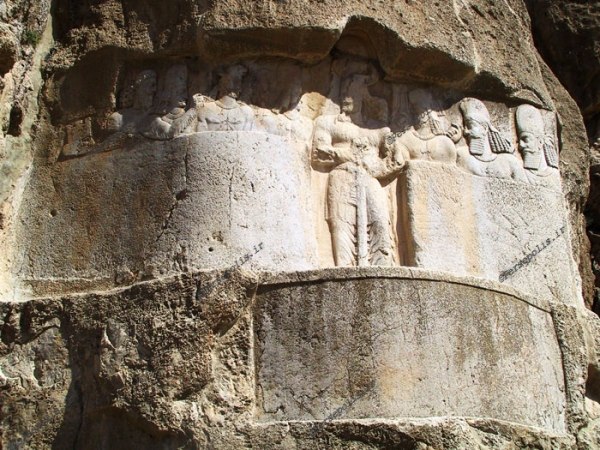
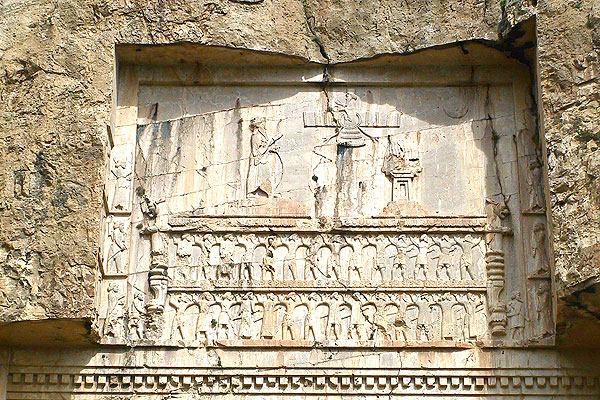
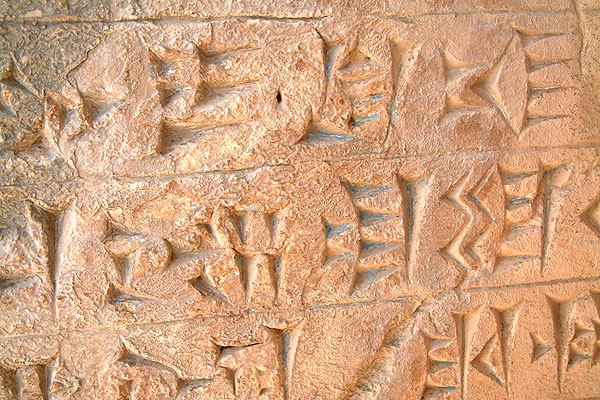
Naqsh-e Rustam

Naqsh-e Rustam

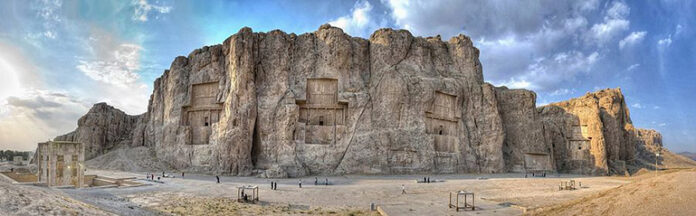
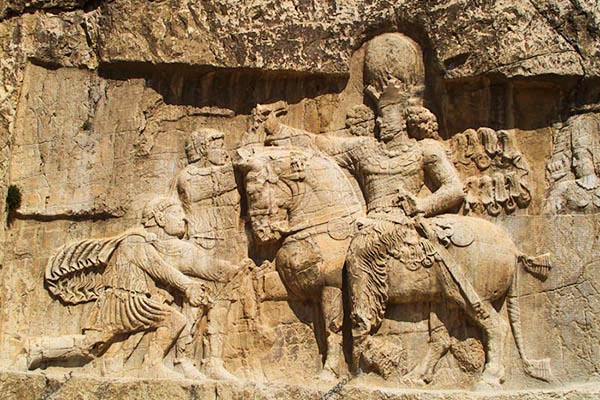
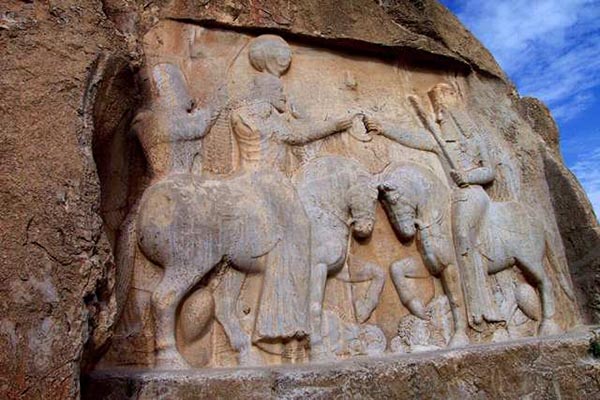
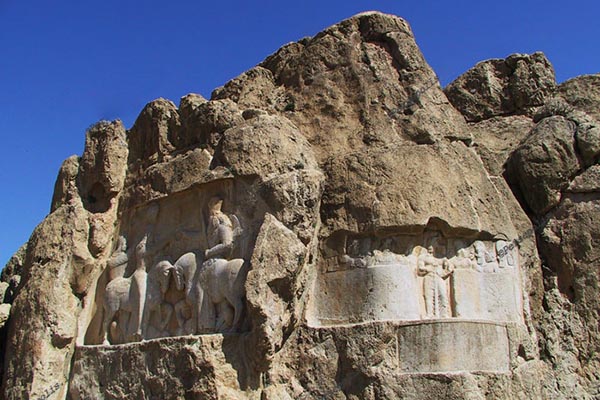
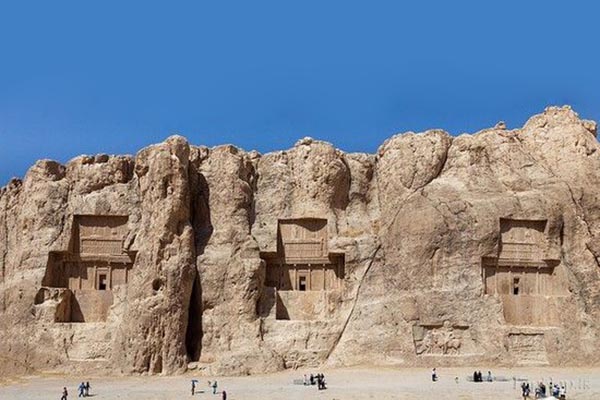
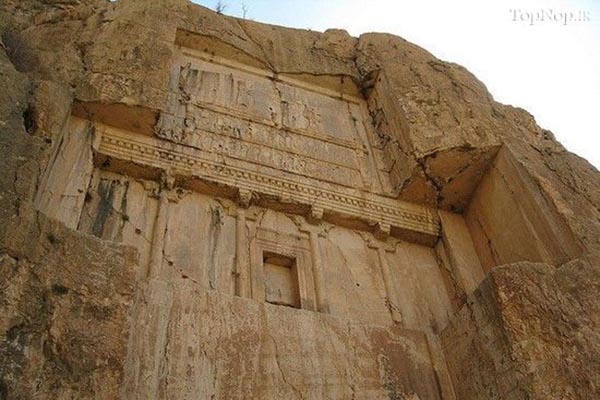
Naqsh-e Rustam is an ancient site 6 km to the northwest of Persepolis in the southern Iranian province of Fars.

The oldest relief at Naqsh-e Rustam, which represents Iranian arts, culture and history, dates to back to 1200 BC.

The following are images of the historical site released by the Cultural Heritage News Agency:

Iran regrets fatal incident involving Saudi pilgrims

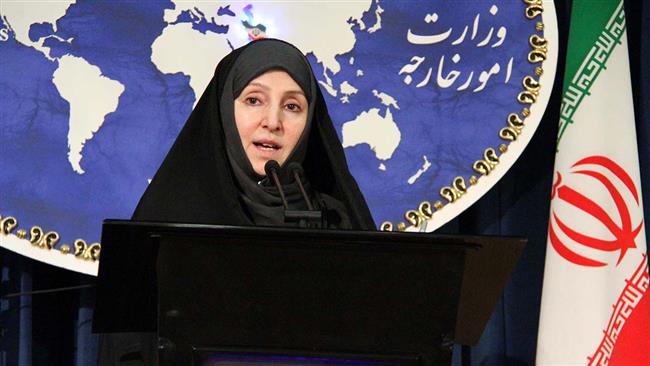
Afkham

Foreign Ministry Spokeswoman Marzieh Afkham said Iran is sorry about what happened to a number of Saudi pilgrims in the holy city of Mashhad.

Talking in her weekly press briefing, she further expressed sympathy with the families of the four pilgrims who lost their lives as a result of poisoning.

She noted that officials have been working on the case in earnest to discover the cause of the incident.

According to the spokeswoman, a number of people have been arrested in this connection.

Four Saudi citizens died from poisoning in a hospital in Mashhad, in the northeastern Iranian province of Khorasan Razavi.

The incident on Sunday sent 33 Saudi pilgrims to the hospital with poisoning symptoms.

Four Saudi children lost their lives despite extensive treatment by Iranian medical staff.

[…]
On a short visit by Iranian Foreign Minister Mohammad Javad Zarif to Oman, Afkham said the visit took place to discuss a number of regional issues with Omani officials including the Yemen crisis.

She said the trip was short and compact but fruitful.