Wednesday, December 24, 2025
Home Blog Page 4834

Iran warns Saudi Arabia against targeting areas near Iranian embassy

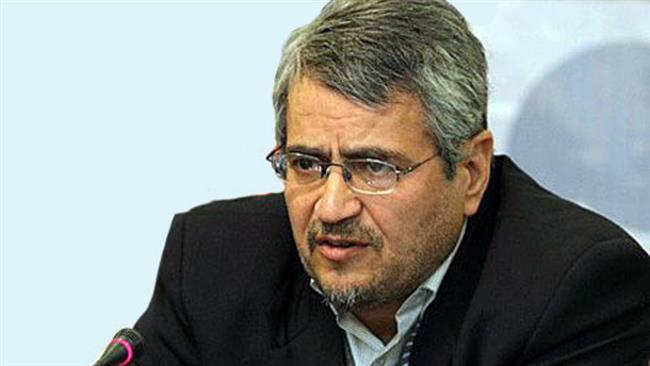
Ali Khoshrou

Iran has warned of “serious consequences” in case of more Saudi airstrikes close to the Islamic Republic’s diplomatic mission in the Yemeni capital Sana’a.

In a letter to the United Nations Security Council on Tuesday, Iran’s Ambassador to the UN Gholamali Khoshroo said Saudi air raids have twice hit areas close to the Iranian embassy in Sana’a over the past two months.

The diplomatic mission’s compound in Sana’a suffered severe damage during the bombings on May 25 which was followed a similar attack on April 20.

“I would like to warn that a repetition of similar airstrikes close to my country’s diplomatic representation in the future can have serious consequences, including for the safety and security of Iranian diplomats in Sana’a,” Khoshroo said in his letter to the council.

The Iranian envoy urged the Security Council to urgently address the issue of the Saudi military campaign against Yemen that began without a UN mandate on March 26.

[…]

Iran needs to get ready for the post-sanctions era

Nayyereh Pirouzbakht

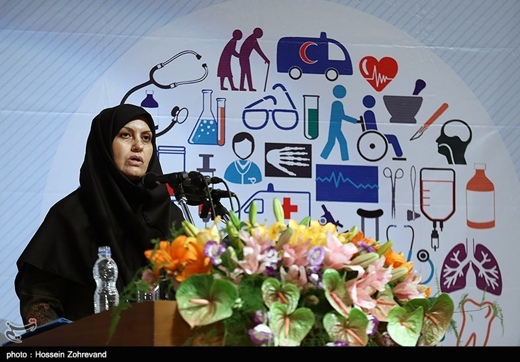
The head of the Iranian National Standard Organization (INSO) has said that Iran has to do more to compensate for its past failures in order to be an active player on international markets.

Nayyereh Pirouzbakht made the remark in a ceremony Monday marking World Accreditation Day and added that the way has been paved for Iran to make it back onto the international stage, but we need to launch new efforts to make up for the past underdevelopment once the sanctions are removed.

Mardomsalari newspaper on June 9 published a report on Pirouzbakht’s remarks in the ceremony which was also attended by the head of the Environment Protection Organization. The following is the translation of part of that report:

[…]

The INSO chief said the standards Iran has set inside the country are below the international standards, adding that a post-sanctions Iran should look beyond its national borders so that it can make its presence felt in international arenas by taking tactful measures.

She said accreditation [the process in which certification of competency, authority, or credibility is presented] is needed if a country seeks to go international, adding such concepts should be institutionalized in the country before we can convince the international community that Iran is not inattentive to such concepts.

We can do business and render services on a level playing field based on one principle: any product or service – which has been officially recognized in a country or economic zone – can be accepted and circulated in other countries and economic zones without undergoing further tests and inspections and getting further certificates, she added.

The International Organization for Standardization (ISO) selected “One standard, one test – Accepted everywhere” as its slogan in 2002 to achieve the same objective, Pirouzbakht said.

[…]

For several years countries across the globe have celebrated World Accreditation Day, but this year is the first year Iran marks the occasion, she also said, adding many economic players and beneficiaries in Iran may be still unfamiliar with the concept of accreditation.

She went on to say that if we fail to introduce and popularize this concept, part of our efforts to get into global markets will take a direct hit. Trade, which is currently regulated in untraditional ways, should be in line with new concepts so that Iran can get ready to break into the complex world of trade, she stressed.

[…]

June 9 marks World Accreditation Day as a global initiative, jointly established by the International Accreditation Forum (IAF) and the International Laboratory Accreditation Cooperation (ILAC), to raise awareness of the importance of accreditation. This year’s theme focuses on how accreditation can support the delivery of health and social care.

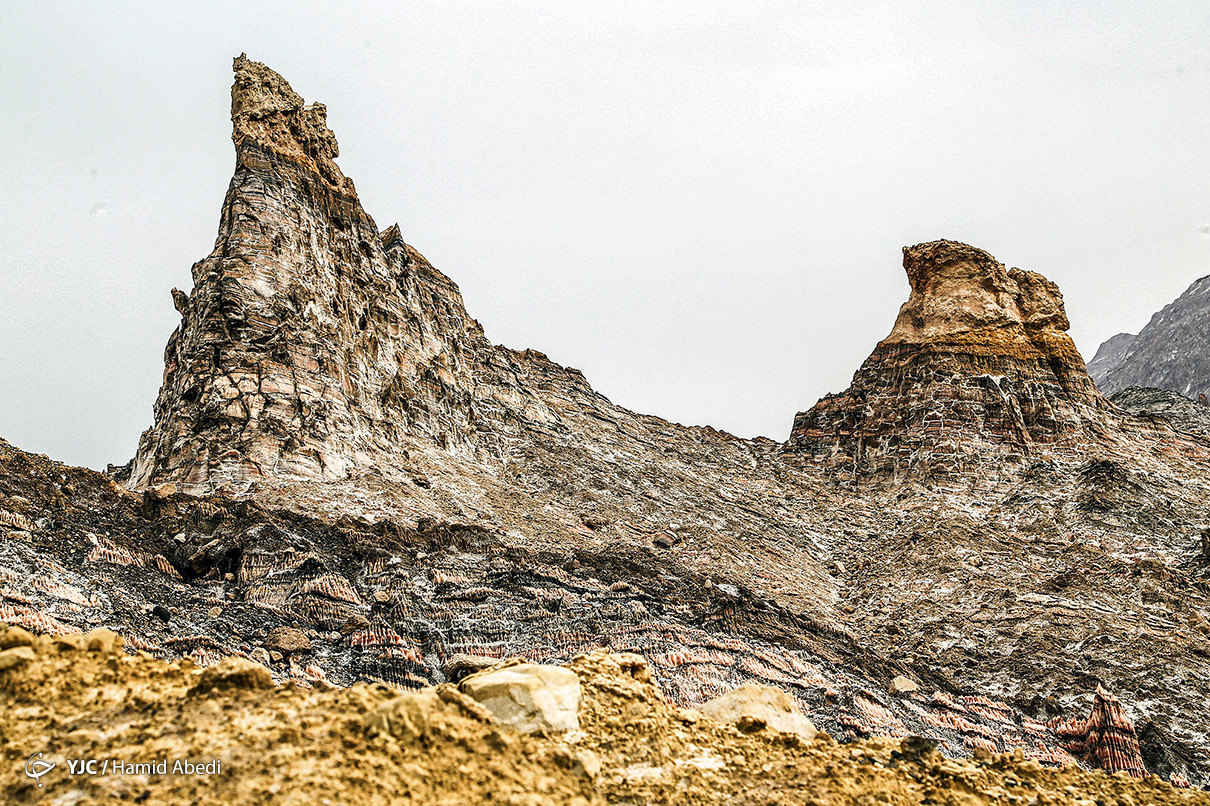
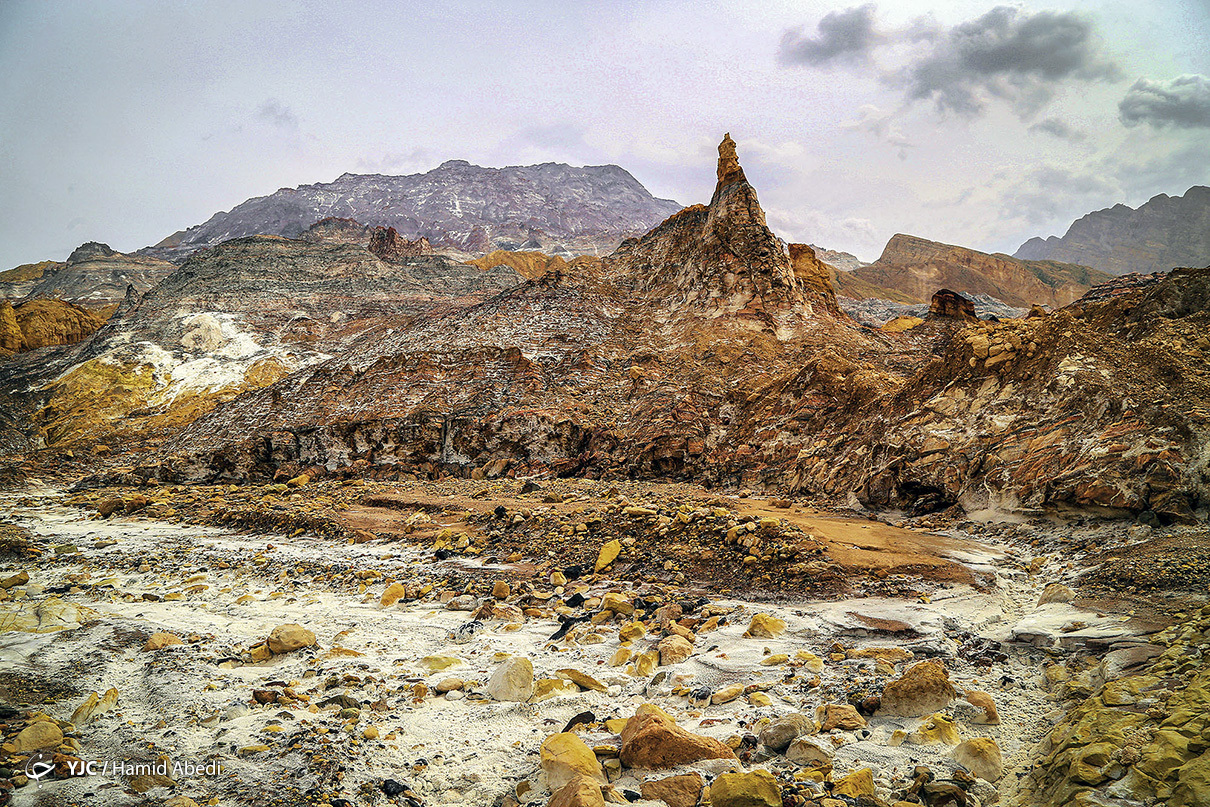
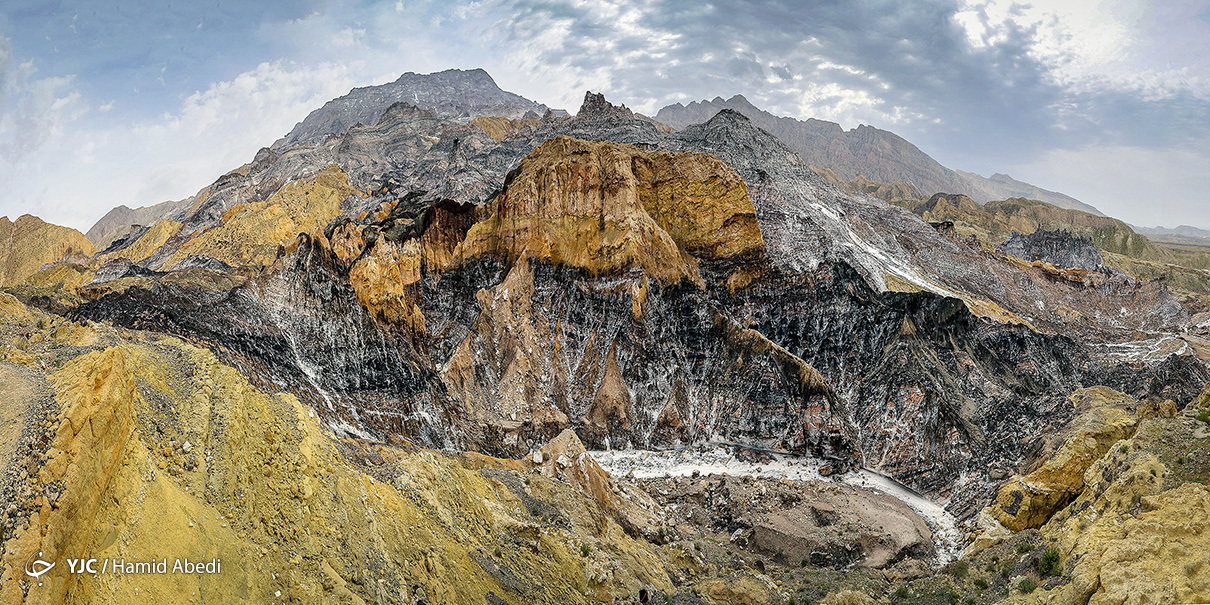
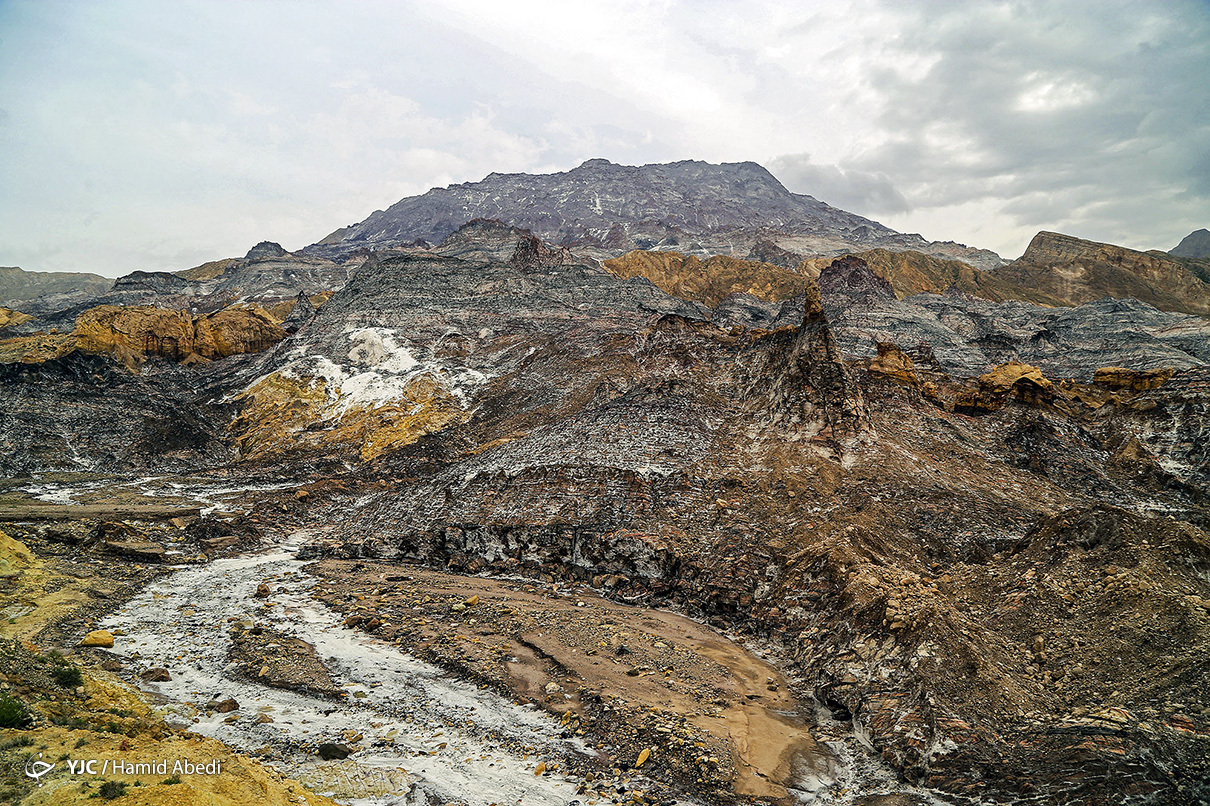
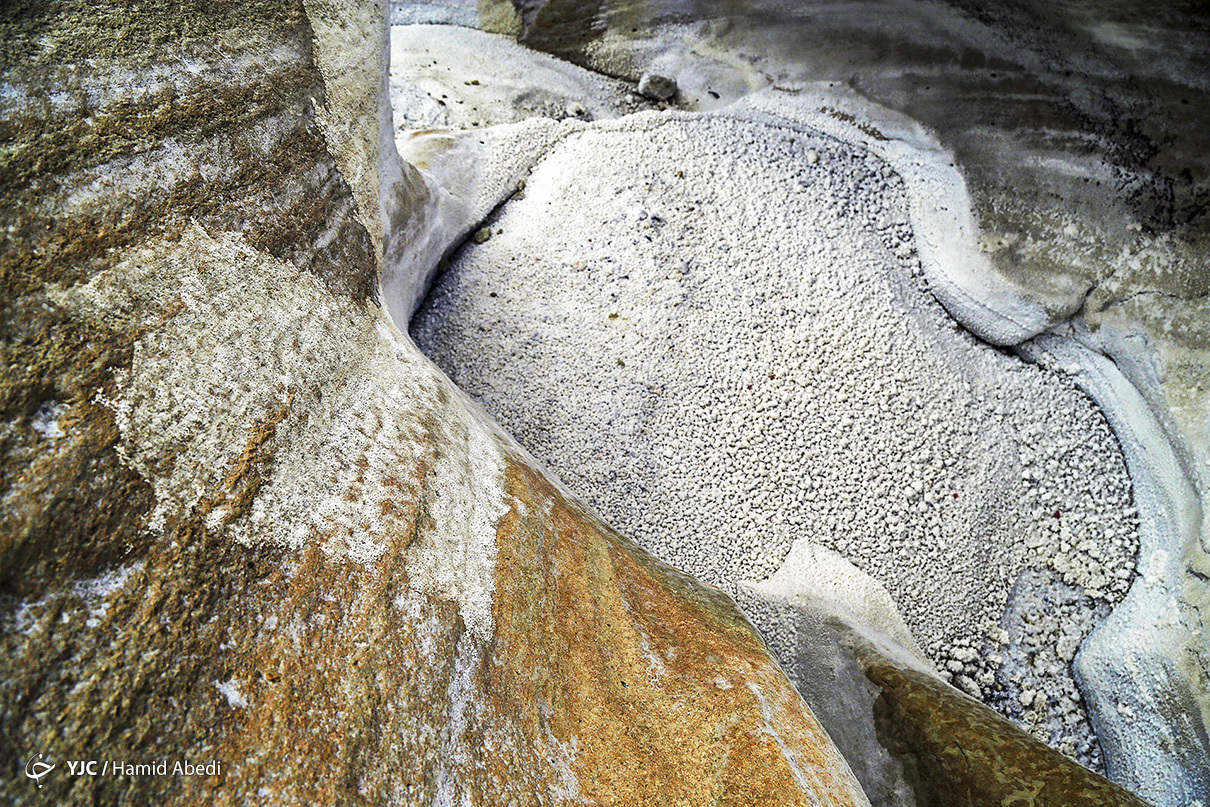
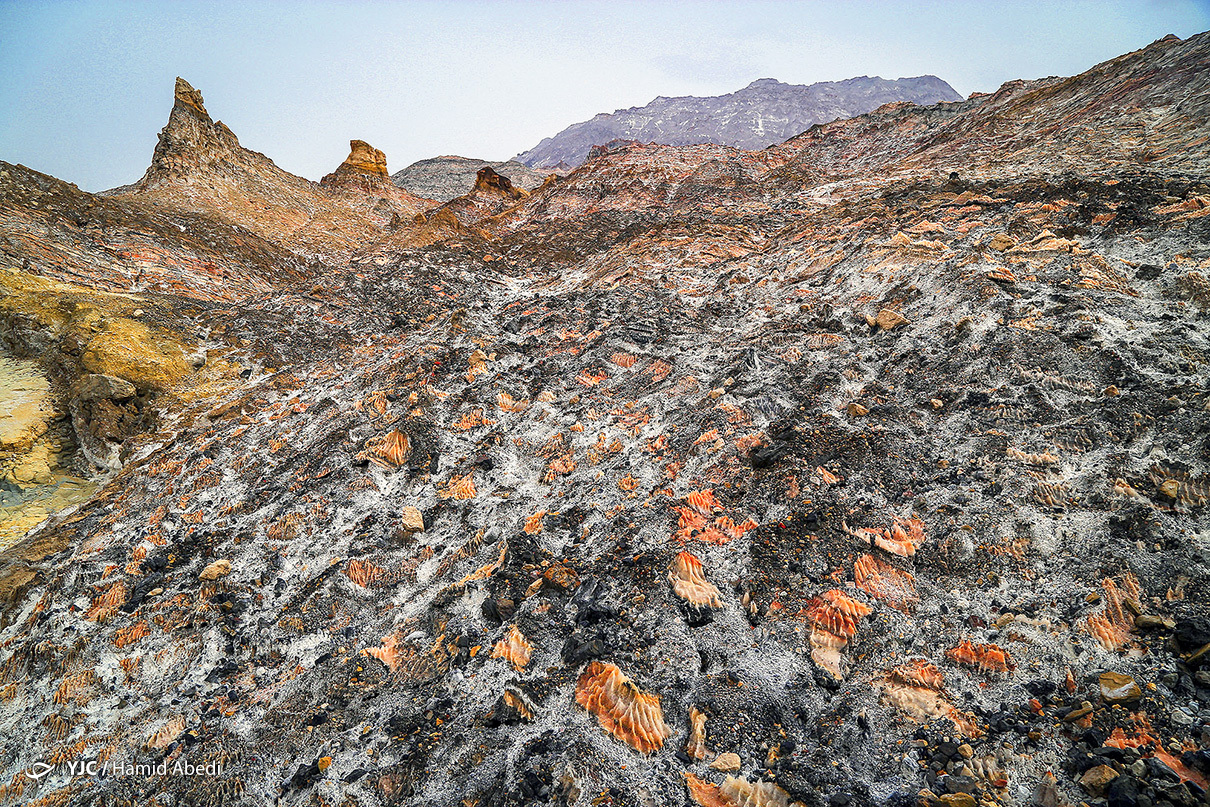
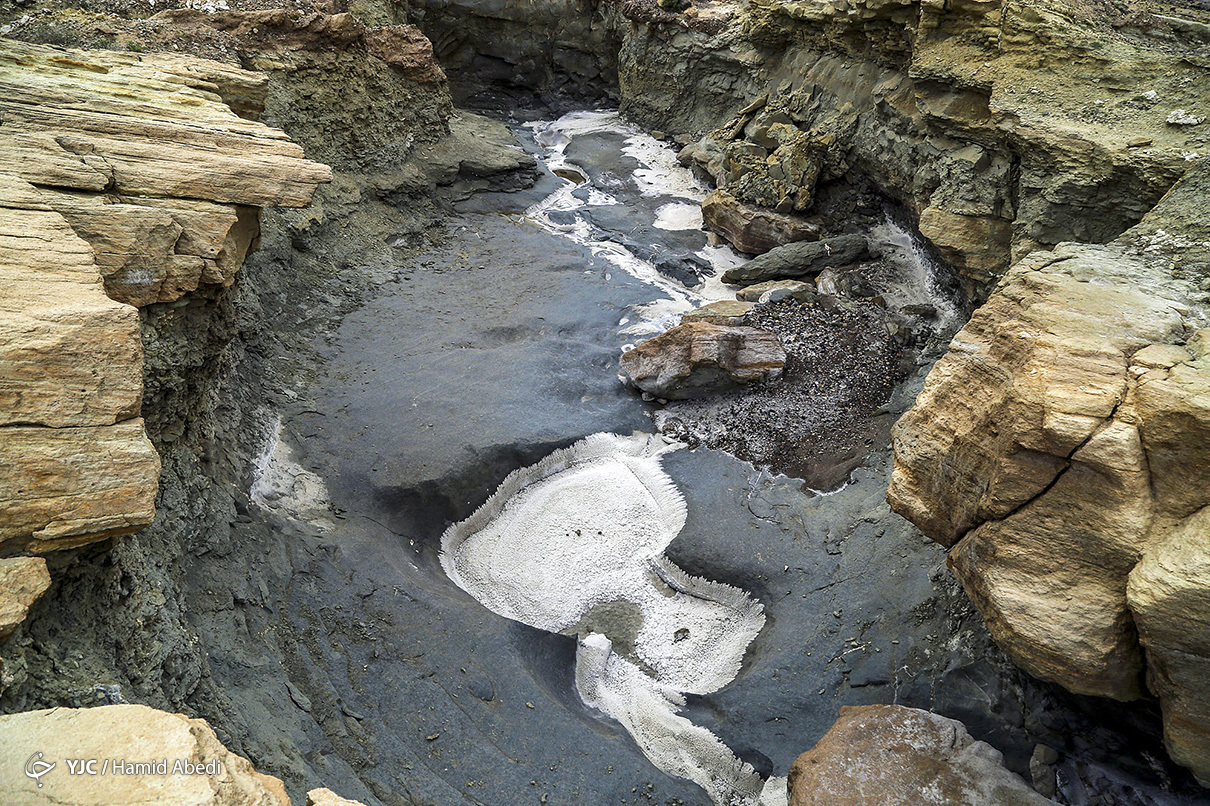
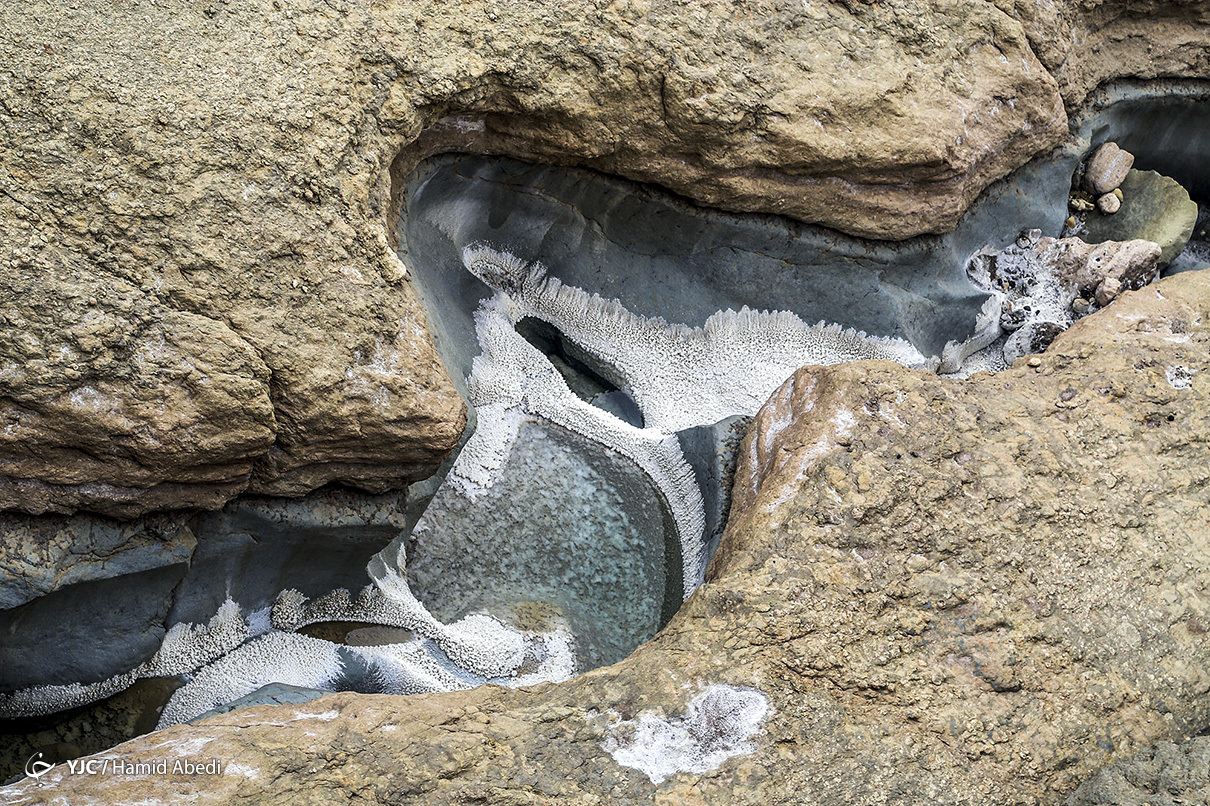
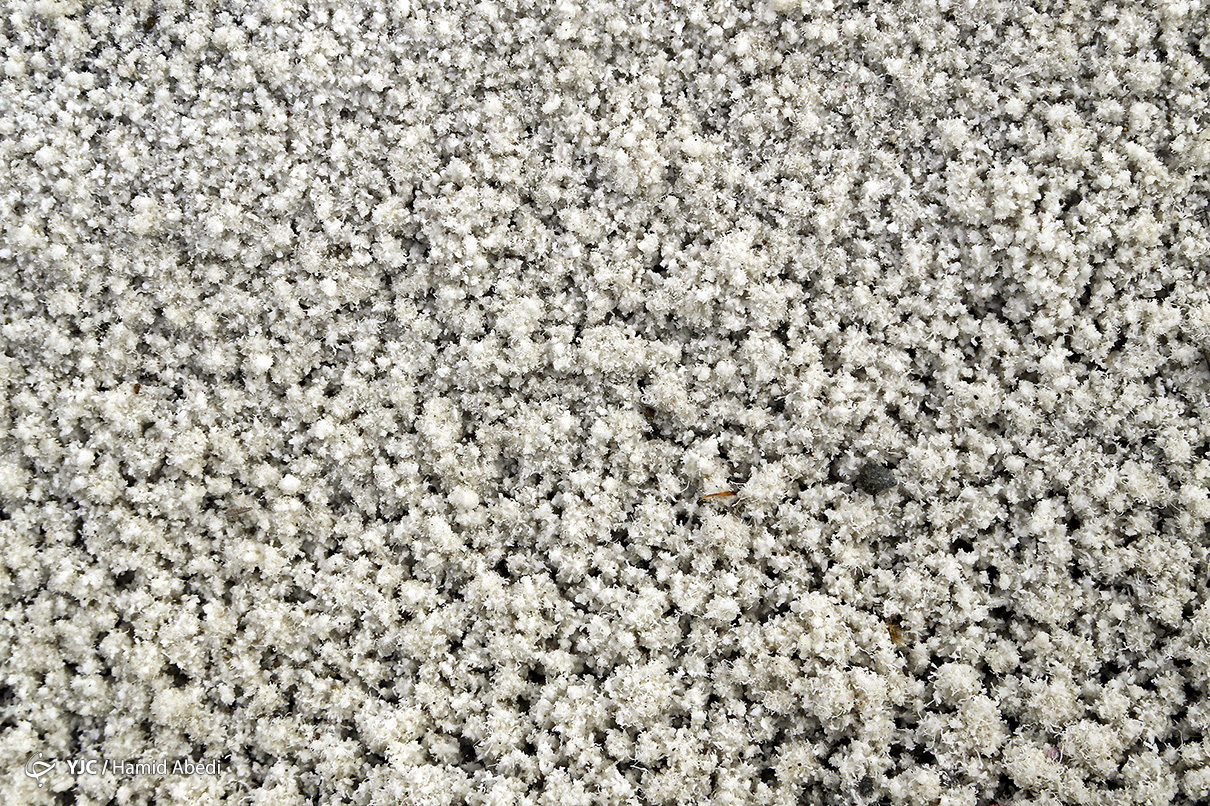
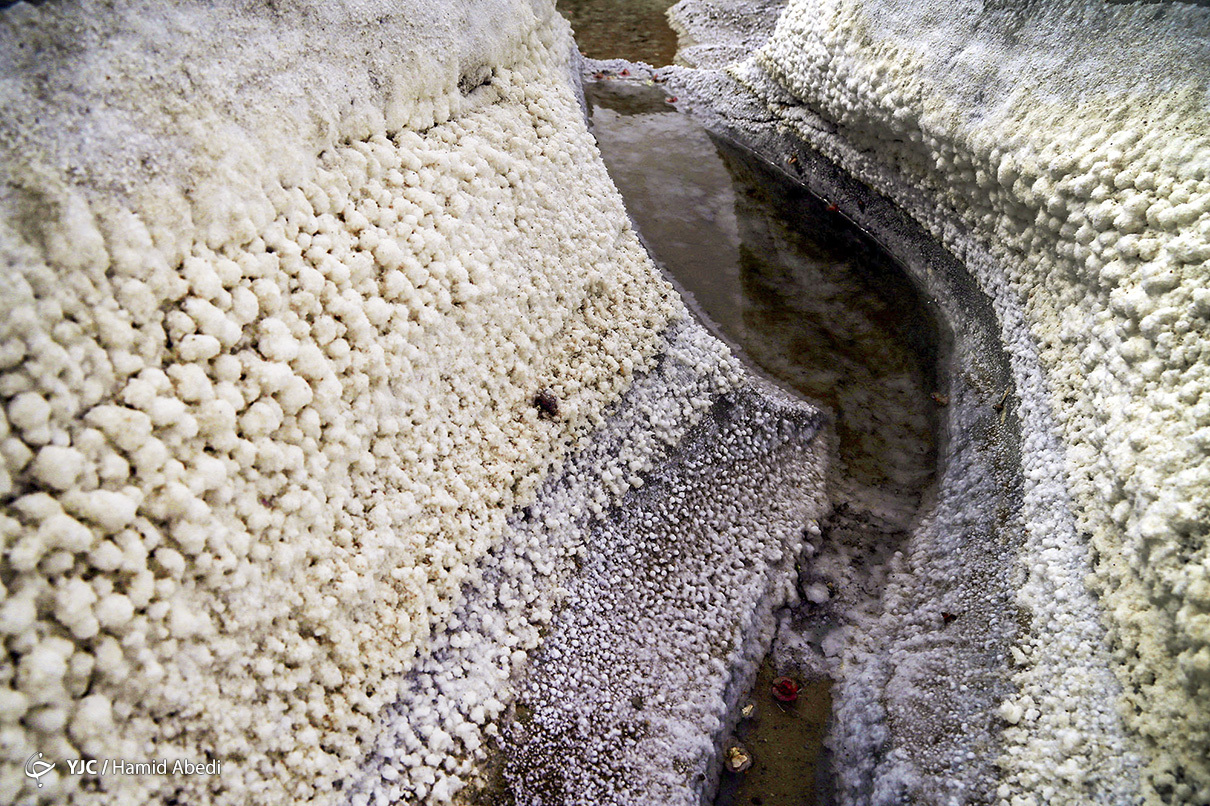
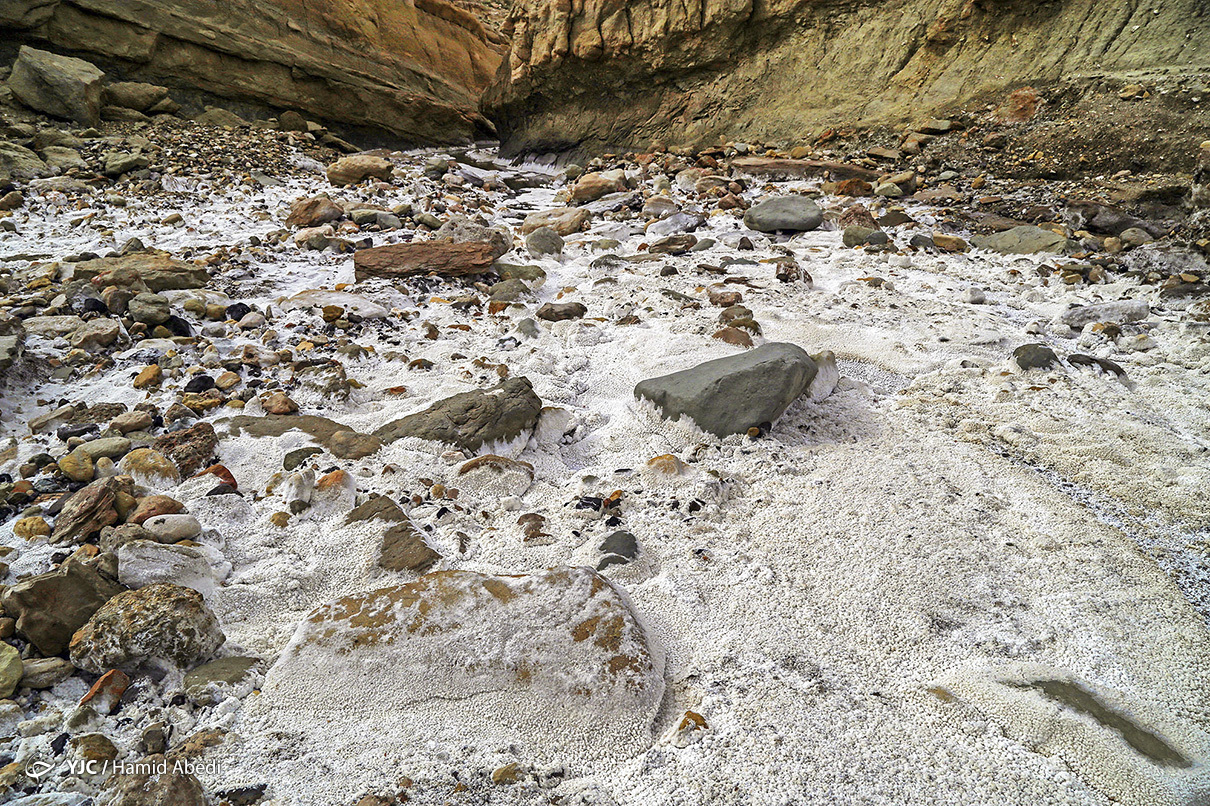
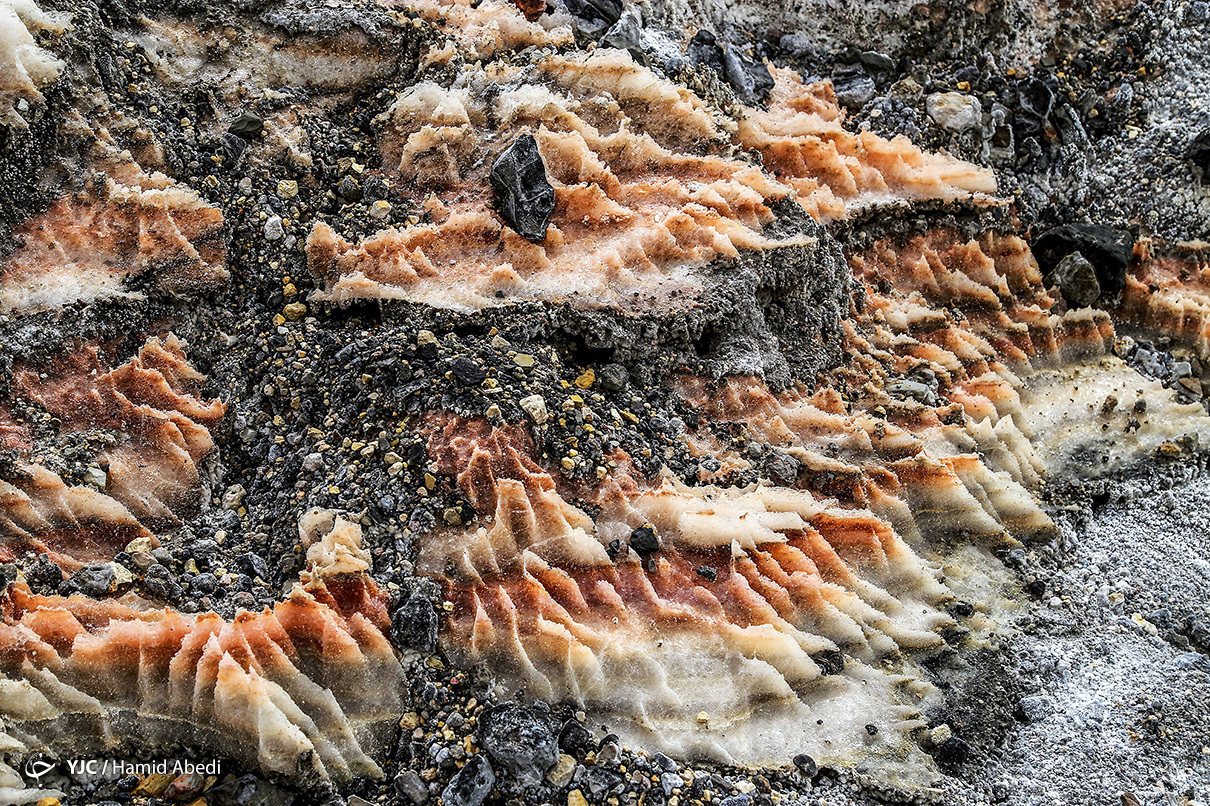
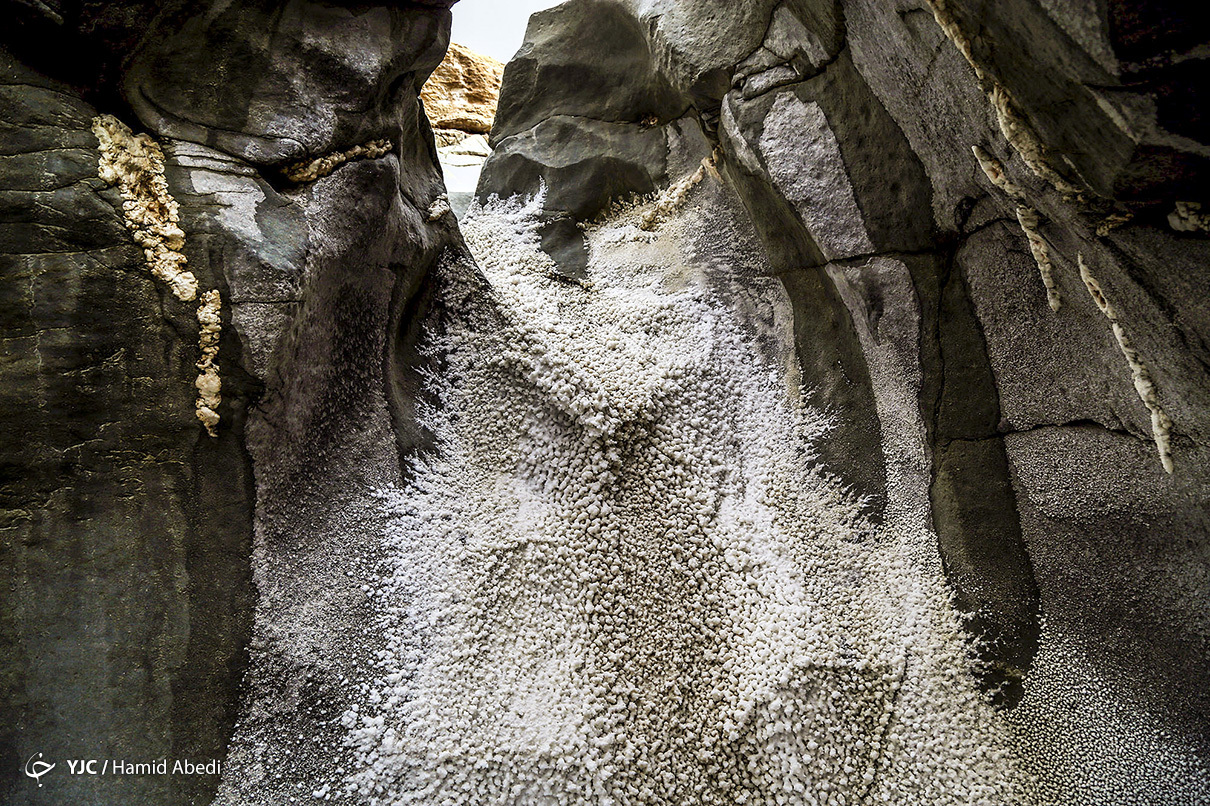
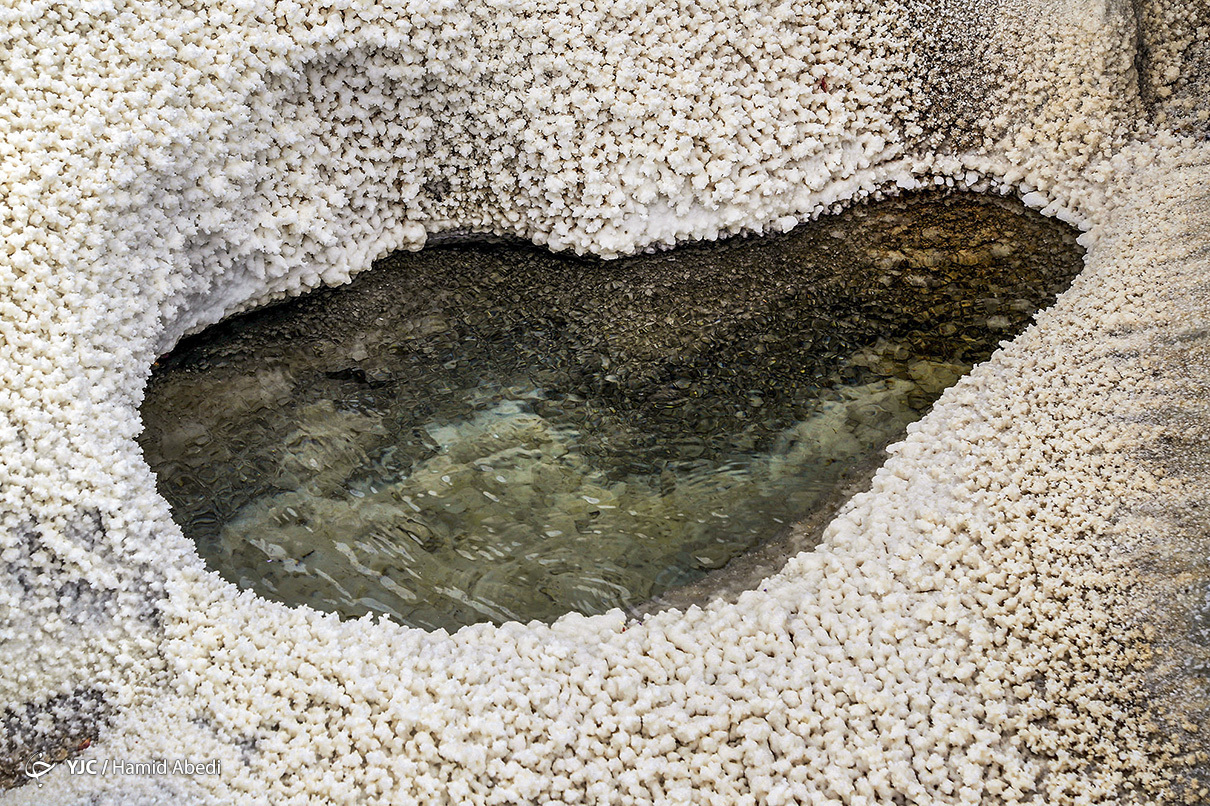
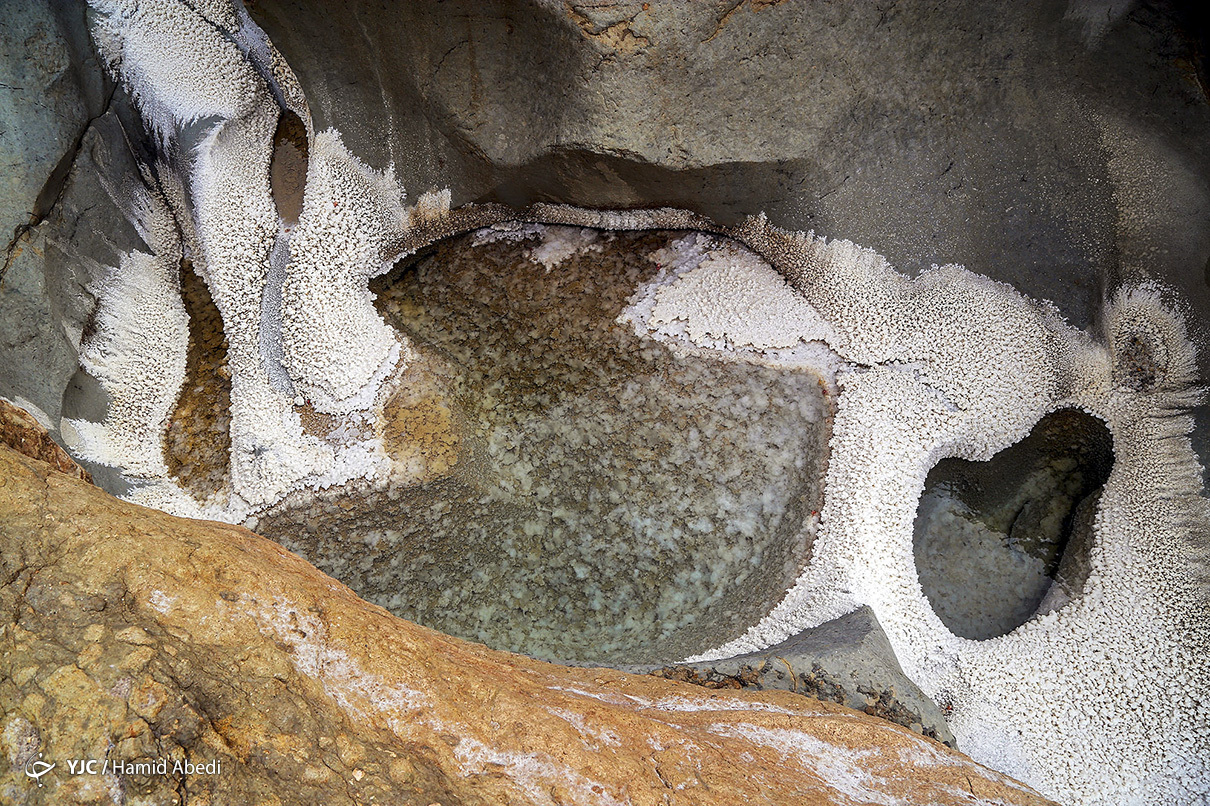
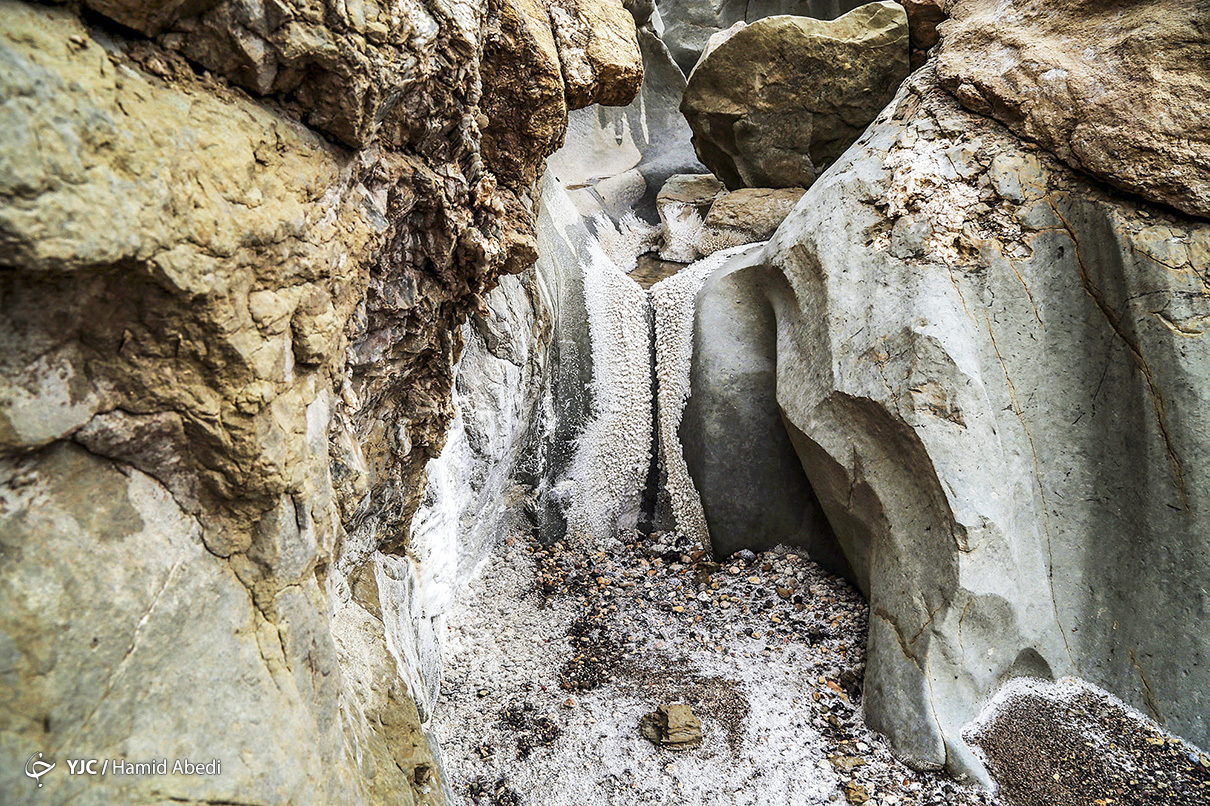
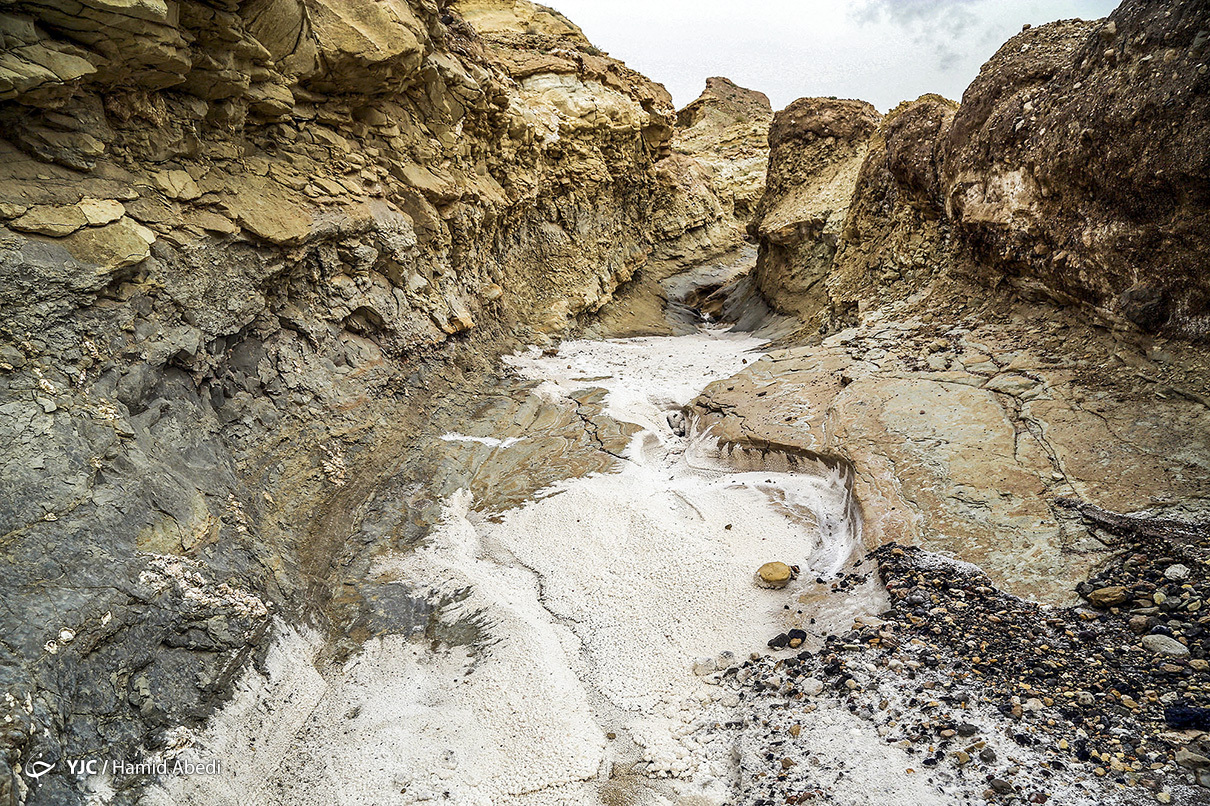
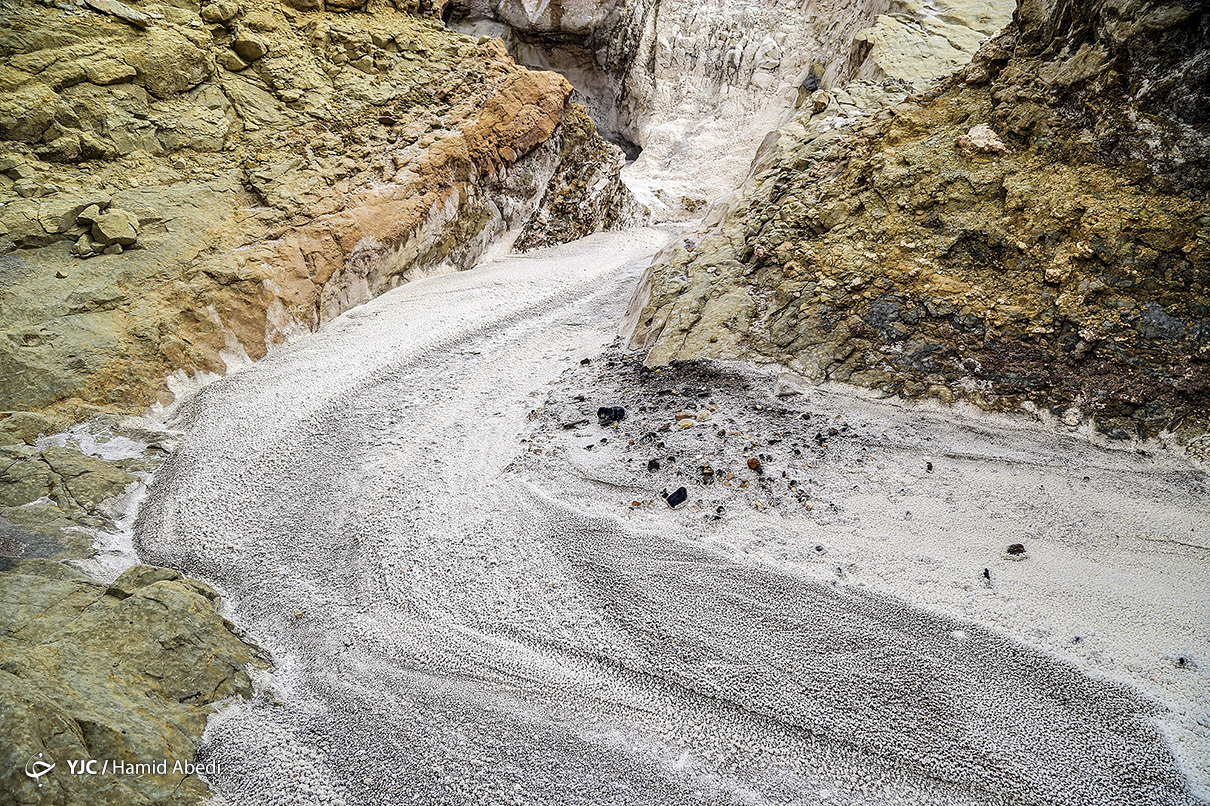
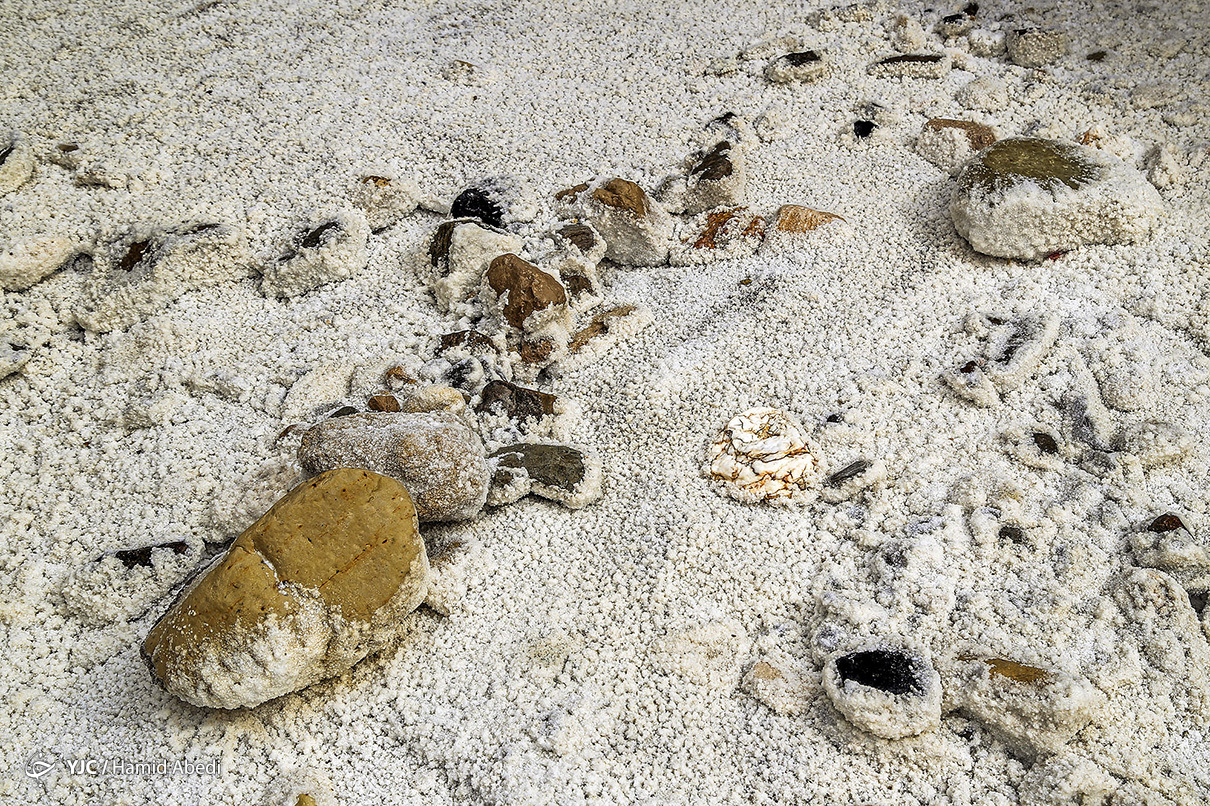
Iran in Photos: Jashak Salt Dome

Iran Nature

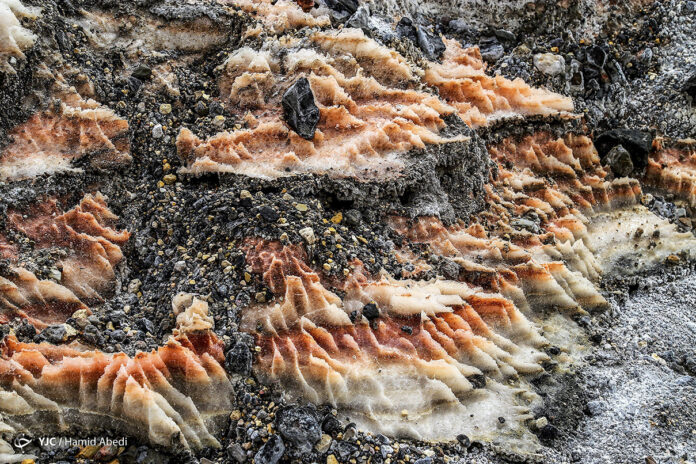
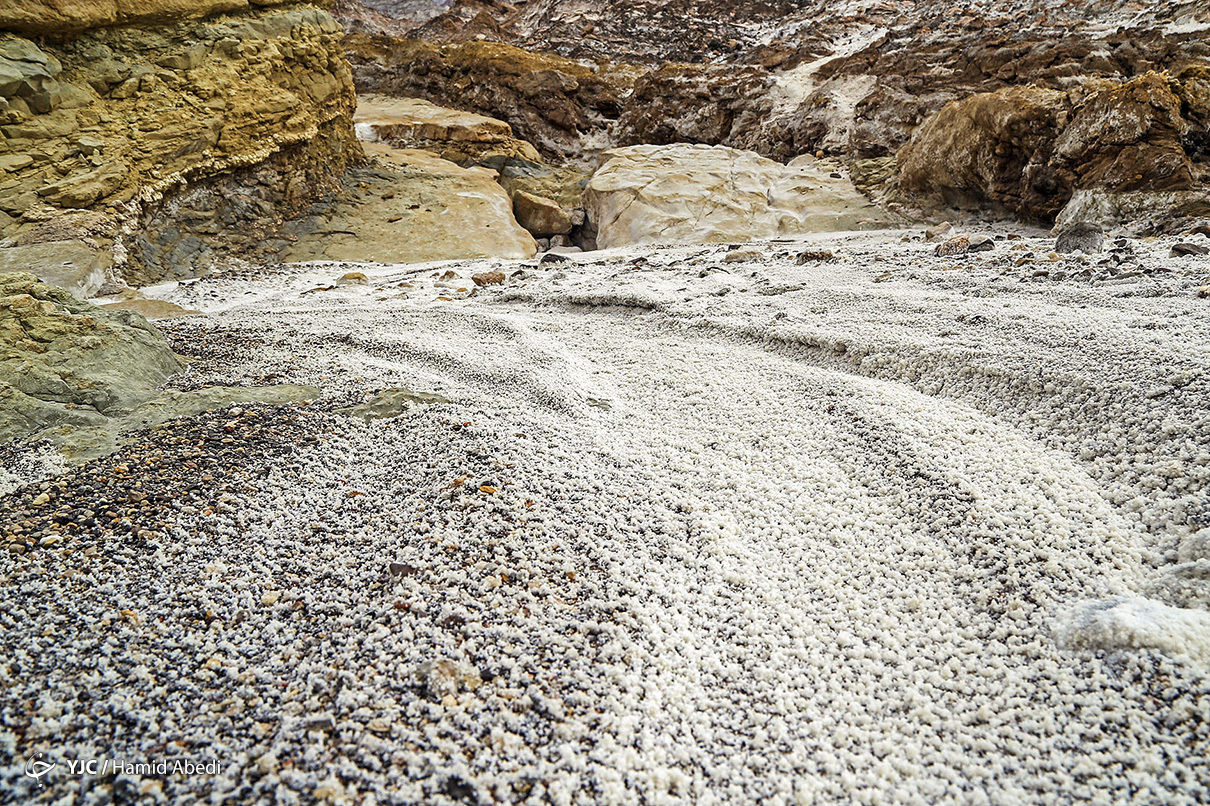
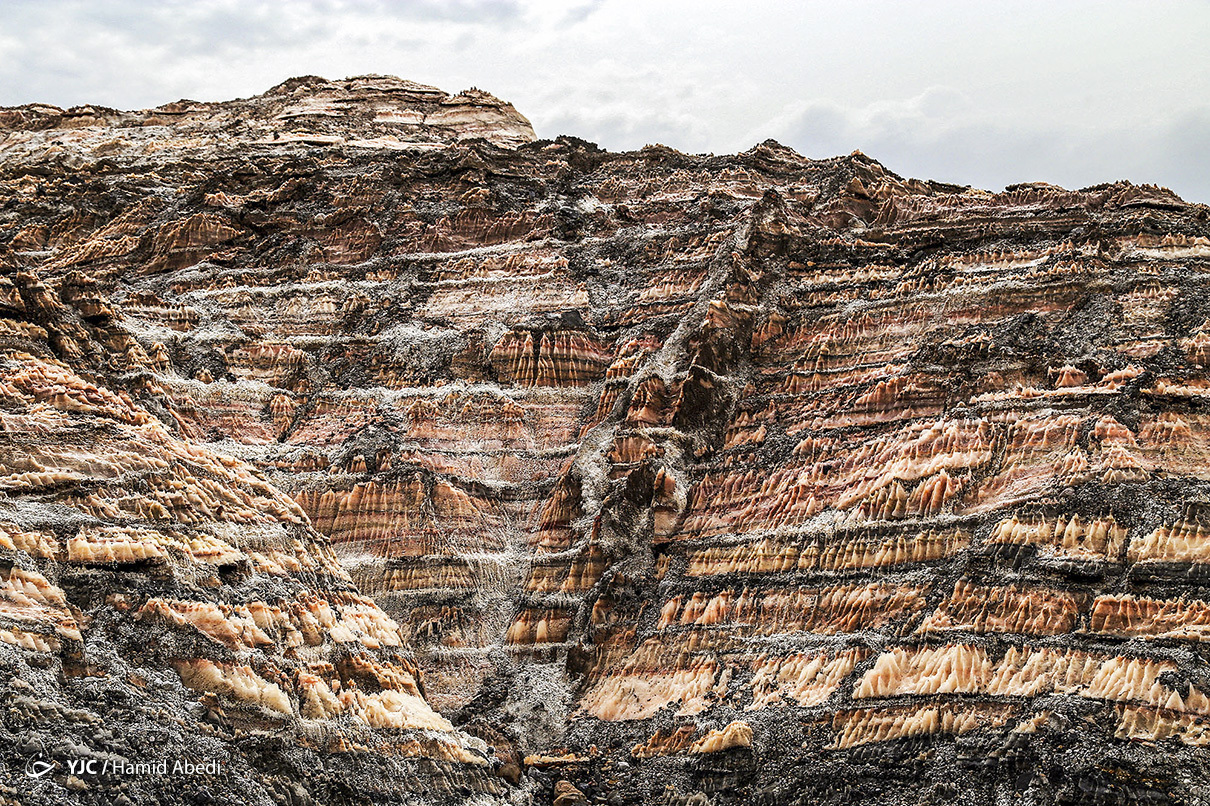
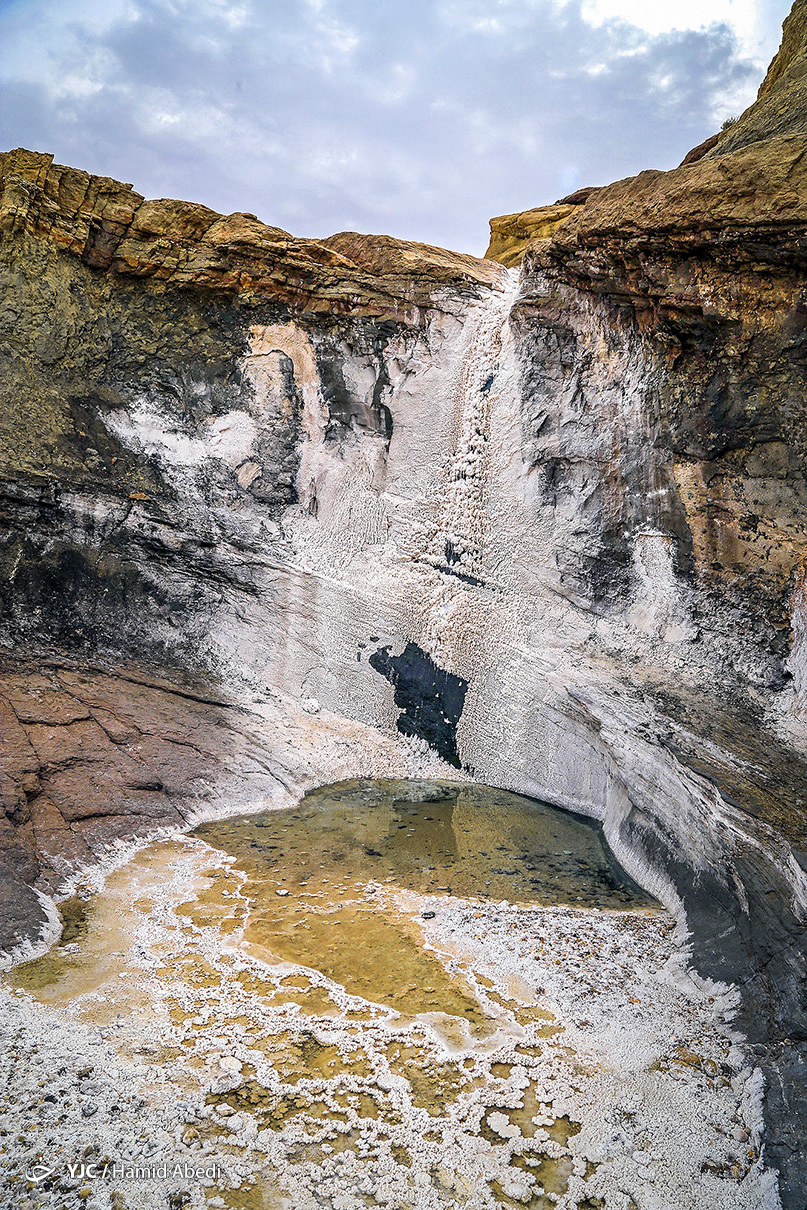
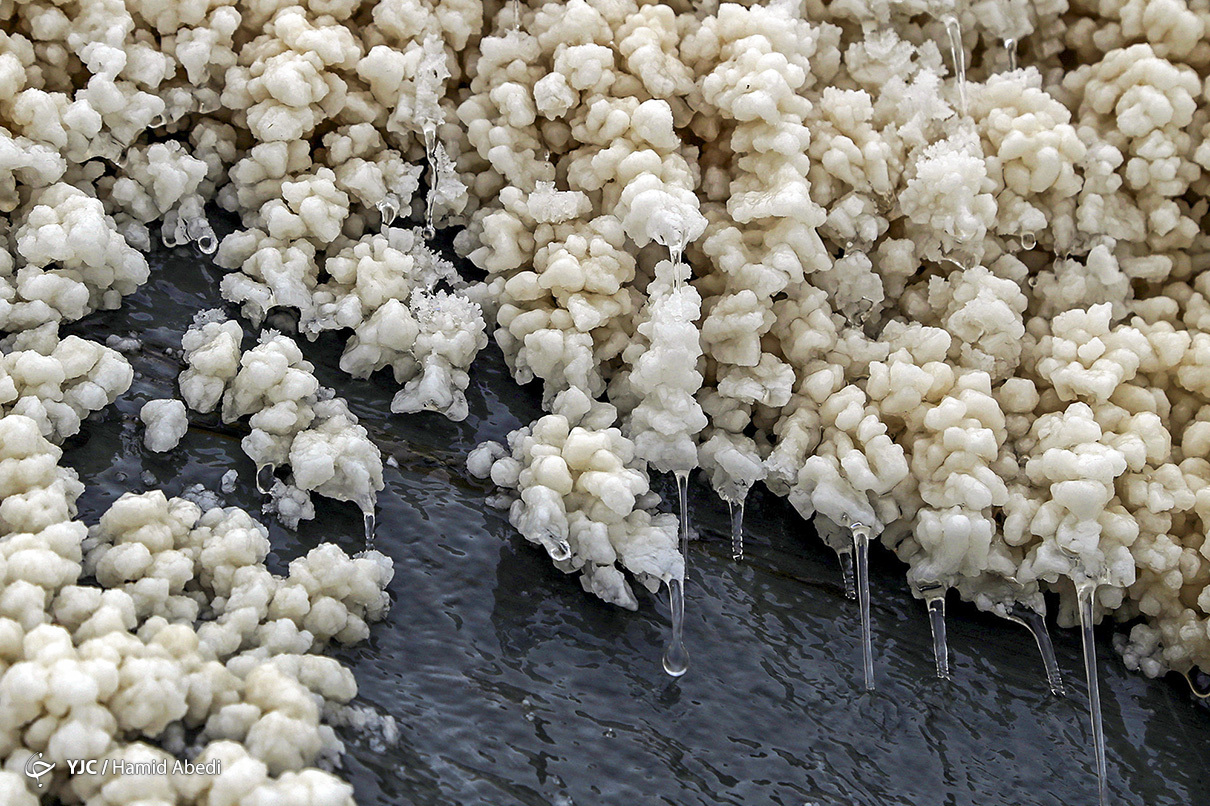
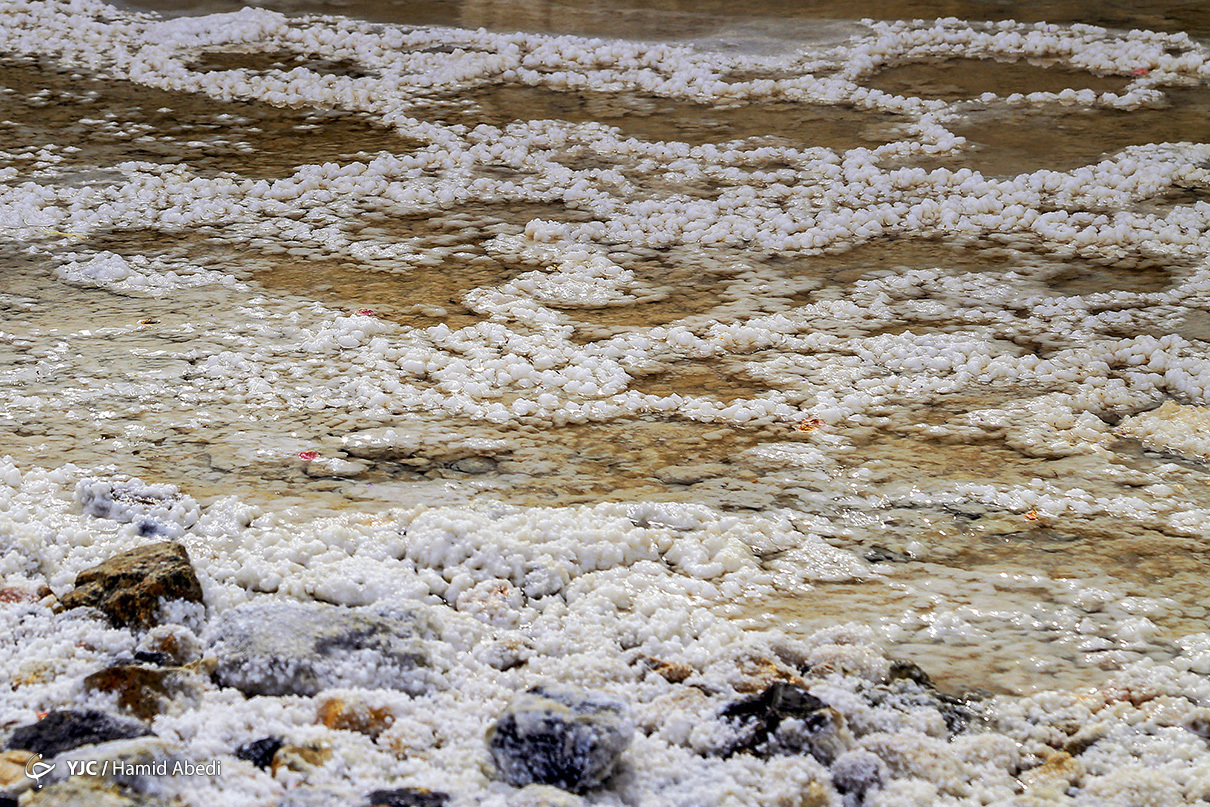
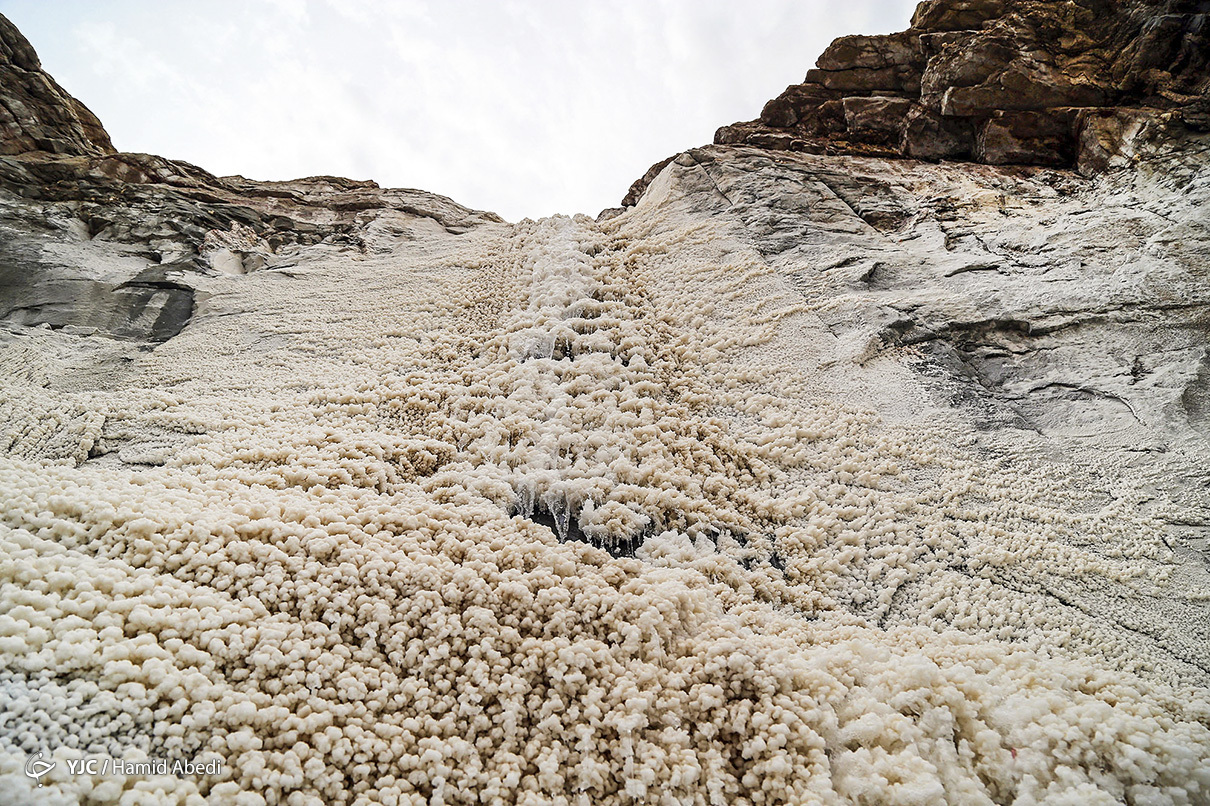
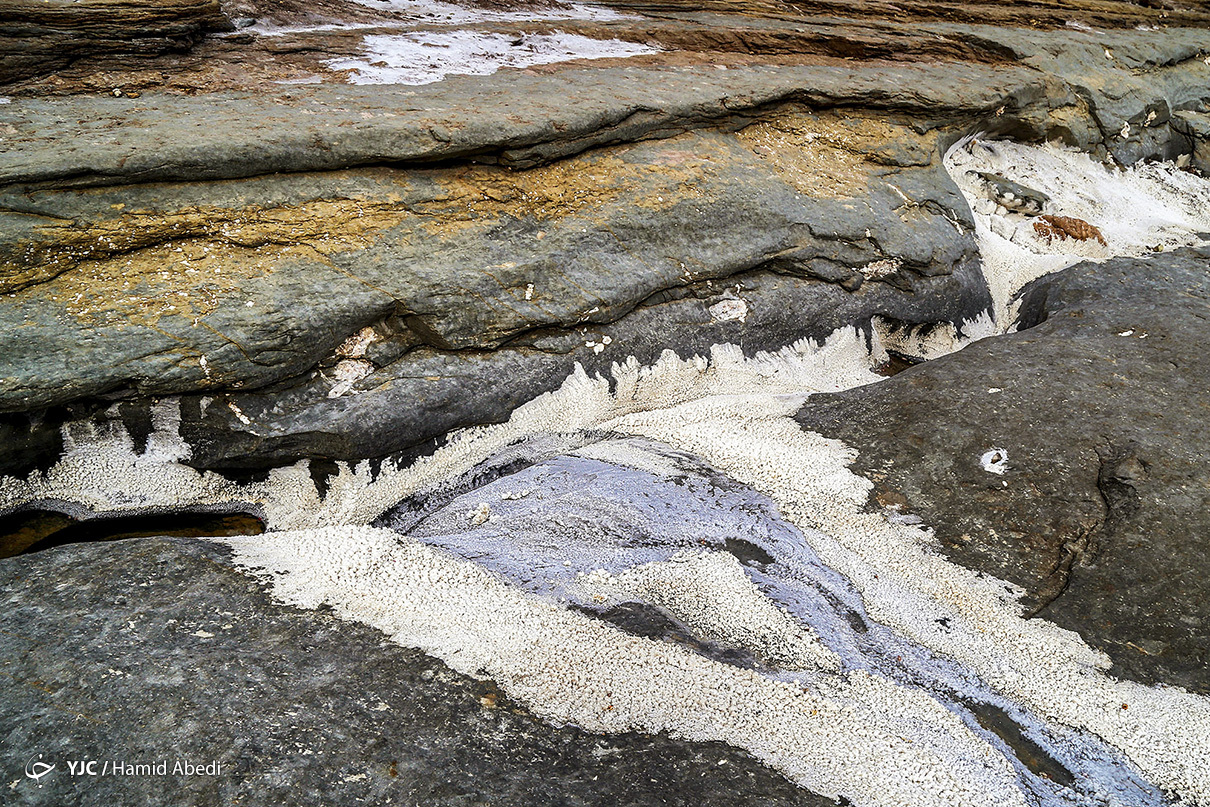
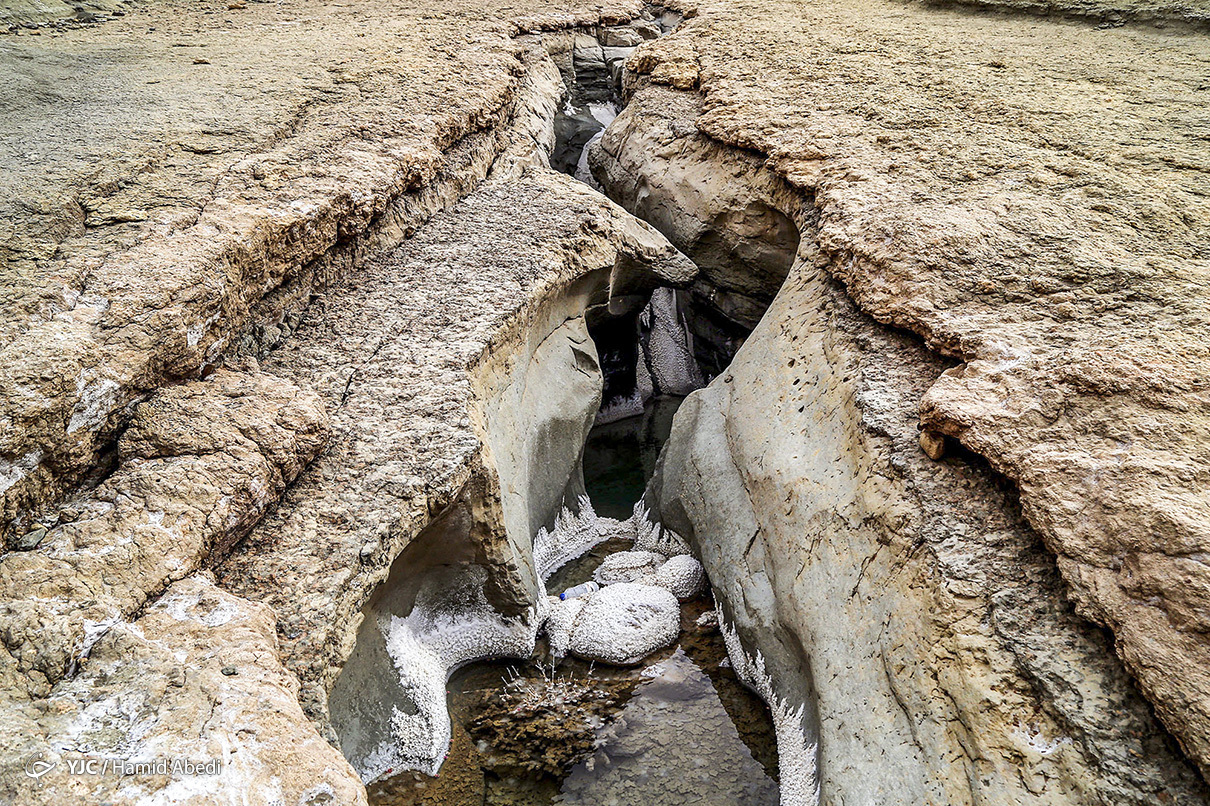
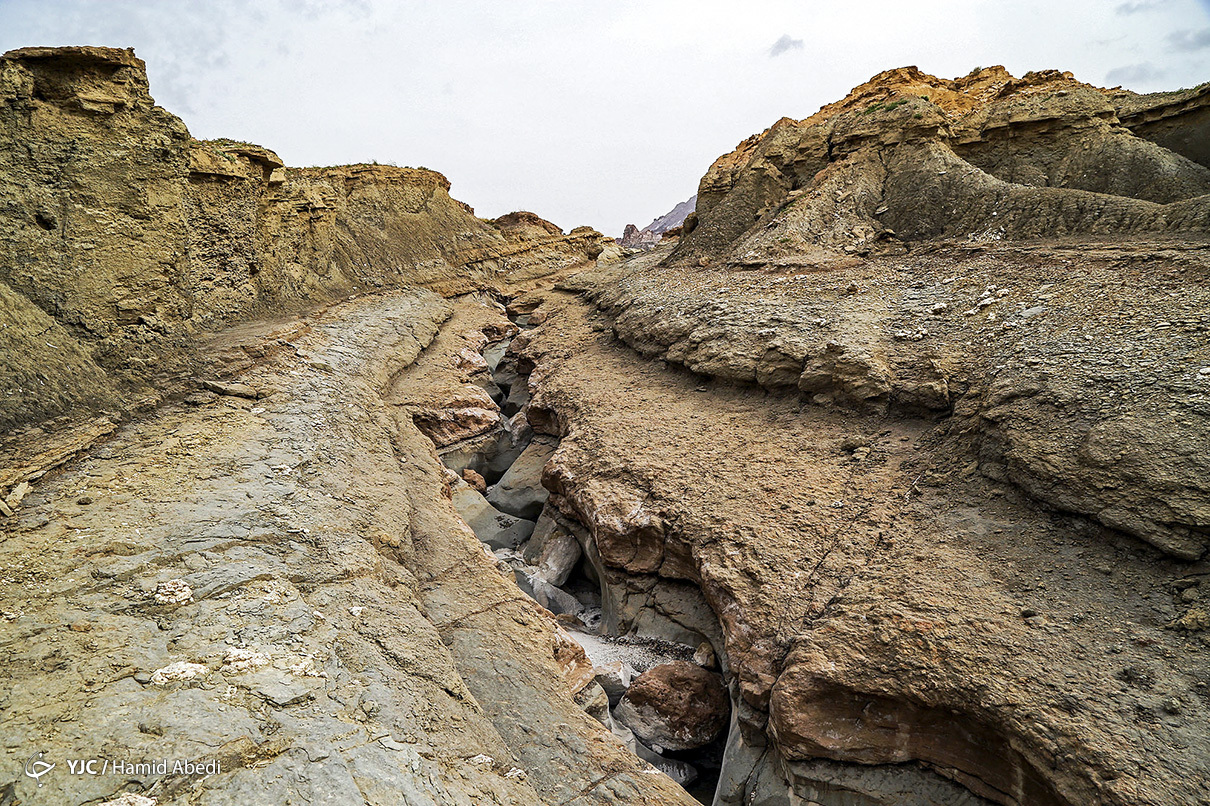
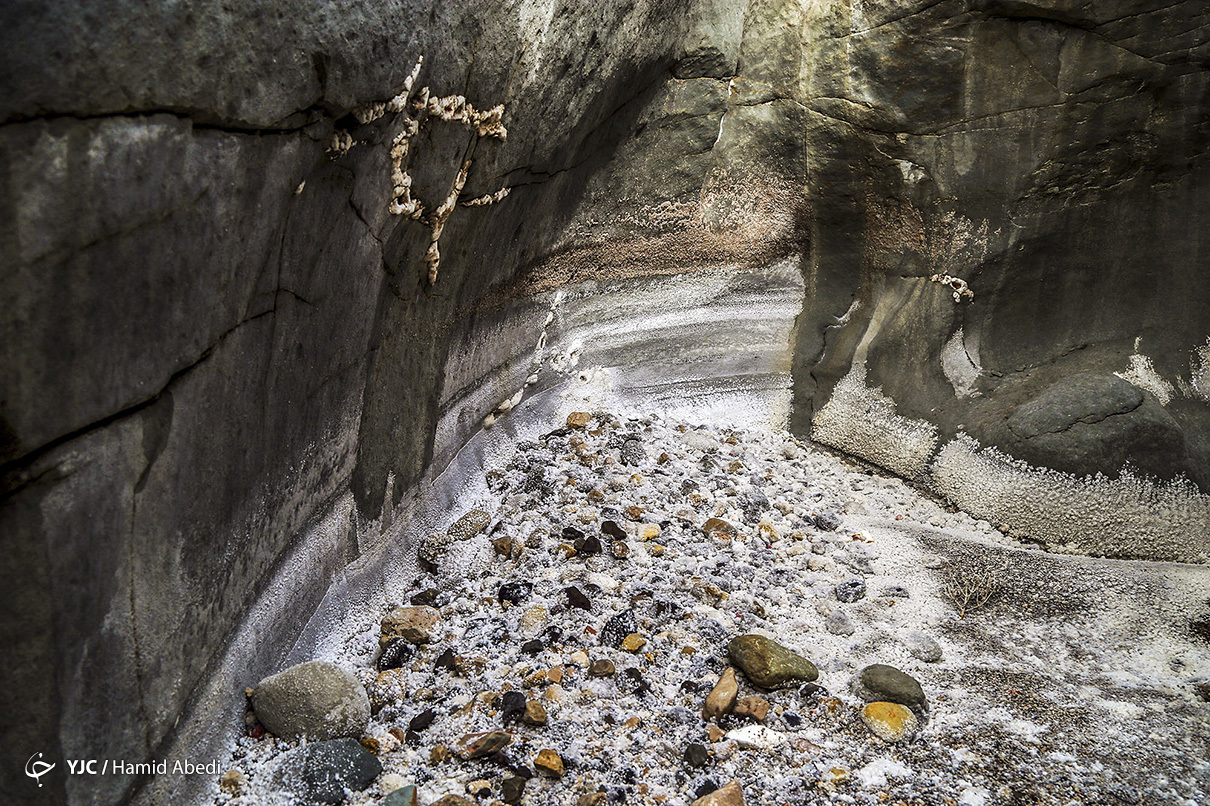
Jashak Salt Dome is part of the Zagros Mountains in the southwestern Iranian province of Bushehr.

This dome, which is among the most beautiful natural domes in the country and the wider Middle East, was registered as a national site in 2007.

The following images of the salt dome have been released by the Iranian Labor News Agency:

Tehran to host largest handicrafts event

Handicrafts

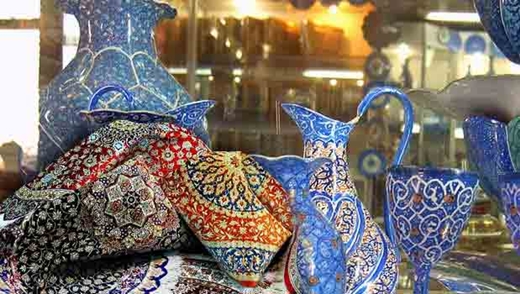
Tehran will host a weeklong international handicrafts fair later in June to mark World Handicrafts Day (June 20).

Talking to the Tehran-based English newspaper ‘Iran Daily’, Pouya Mahmoudian, the director general of Handicrafts’ Export Office at Iran’s Cultural Heritage, Handicrafts and Tourism Organization, said that the first specialized meeting of Western Asia Crafts’ Council would be held on June 20 with the participation of Lebanon, Turkey, Iraq and Algeria.

“The seven-day event will showcase crafts produced by domestic and foreign artisans in 405 pavilions,” she said, adding that foreign producers would display and sell their products in 10 pavilions.

Mahmoudian said the ‘Plaque of National Confidence in Handicrafts’ would be unveiled during the expo. It will be awarded to high quality handicrafts’ exhibitions, she added.

The official said in spite of Western sanctions, the export of crafts showed a 36-percent increase during the year to March 2015, compared to the corresponding figure of previous year.

She added the sanctions have affected non-oil exports, as they create obstacles in the way of transferring cash and commodities.

Mahmoudian noted that a greater volume of handicrafts is thought to have been exported during the time, since there is only access to official statistics released by Iran’s Customs Administration.

“There is no exact statistics on personal export (luggage export) of crafts”.

On the other hand, the value and volume of jewelry export has not been officially announced for two years for security reason.

The official named woodworks, pottery, ceramics, traditional glassware, copper-made crafts, precious and semi-precious stones, kilim (flat tapestry carpet), carpet, miniature and tazhib (illumination) as main export items.

“The highest volume of items was exported to Germany, which was followed by Brazil, South Africa and Australia,” she said, adding Iranian crafts are exported to all continents.

He referred to Iraq, Georgia, Turkey, the Netherlands, Afghanistan, Pakistan, Turkmenistan, Romania, Ukraine, Russia, Tajikistan, Italy, Kuwait, Kazakhstan, Japan, Qatar and Denmark as the main importers of Iranian crafts.

Senior Iran negotiator outlines Switzerland nuclear deal points

Baidi Nejad

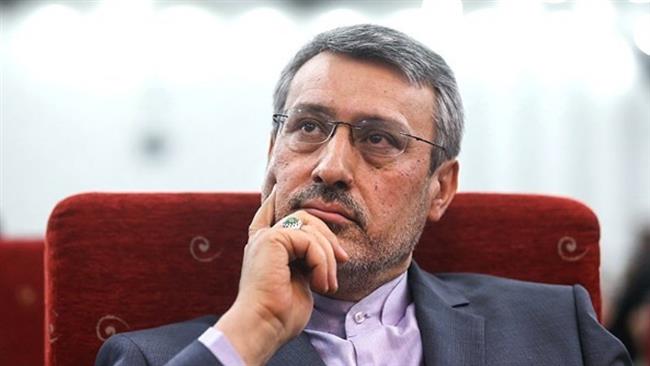
A senior member of Iran’s nuclear negotiating team has outlined the general points of a mutual understanding that Iran and the P5+1 group of countries reached in the Swiss city of Lausanne in April over Tehran’s nuclear program.

In a message posted on his Instagram account on Tuesday, Hamid Baeidinejad, who also serves as the director general for political affairs at the Iranian Foreign Ministry, enumerated 34 points about the Lausanne agreement.

He said the framework agreement has stabilized Iran’s regional and international position, improved the country’s relations with other countries, and led to the failure of an Iranophobia campaign.

It also recognized Iran’s right to enrichment and exploitation of uranium deposits while continuing activities, such as changing yellowcake to enriched materials at Isfahan’s nuclear facilities, he said.

According to the Lausanne understanding, Iran has the right to continue all activities related to nuclear fuel production at Isfahan facilities, carry out enrichment work at the Natanz and Fordo nuclear facilities, and complete the construction of the Arak heavy-water reactor, the Iranian negotiator said.

He noted that Iran has also the right to proceed with its enrichment research and development plan and build new advanced centrifuges.

Baeidinejad said the mutual understanding urged the West not to impose new sanctions on Iran which “helped to stabilize the country’s economic” situation.

He noted that the framework agreement lifted the ban on the export of petrochemicals from Iran which led to a considerable hike in the export of such products to the European markets.

It urged the US and the West to stop political and economic pressure on countries that import oil from Iran so that they can maintain purchasing one million barrels of oil per day from the Islamic Republic, he added.

The senior negotiator said the agreement prepared the ground for the gradual return of oil export revenues, and released nearly 10 billion dollars of Iran’s blocked assets.

The agreement removed the ban on the purchase of gold and precious metals and the import of auto spare parts to Iran, he further added.

It set the ground for Iran to purchase basic commodities and medicine via Japan and Switzerland without paying cash and through the transfer of its blocked assets in foreign banks, the Iranian official said.

Baeidinejad said that the agreement led to the opening of the accounts of Iranian banks in Europe, which had not been targeted by sanctions, and the transfer of money from the Central Bank of Iran to those banks.

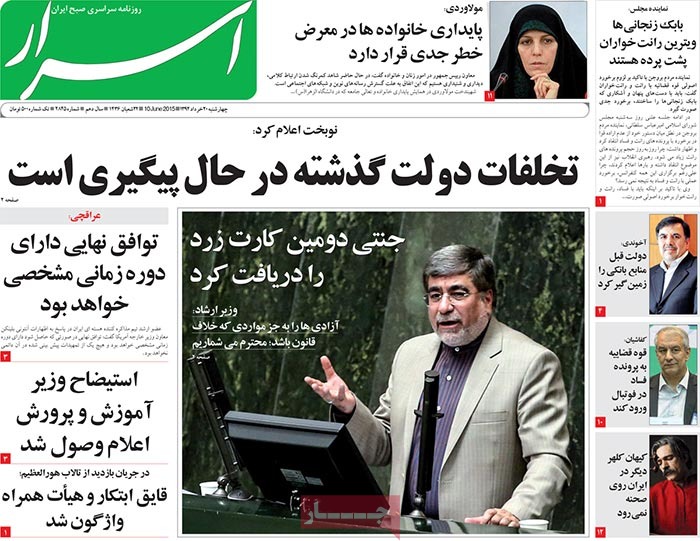
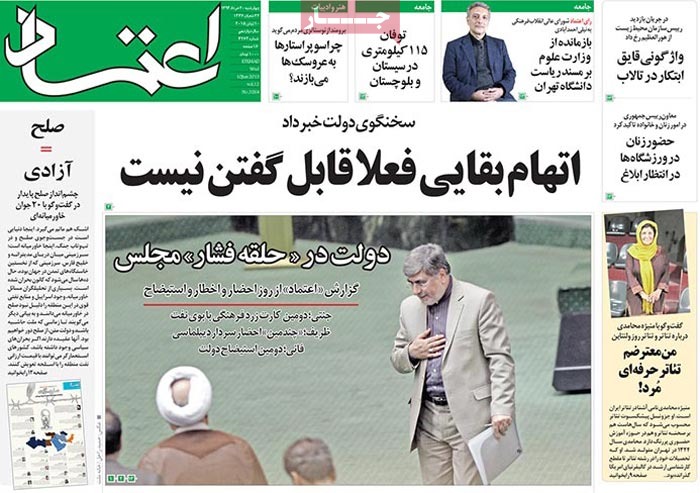
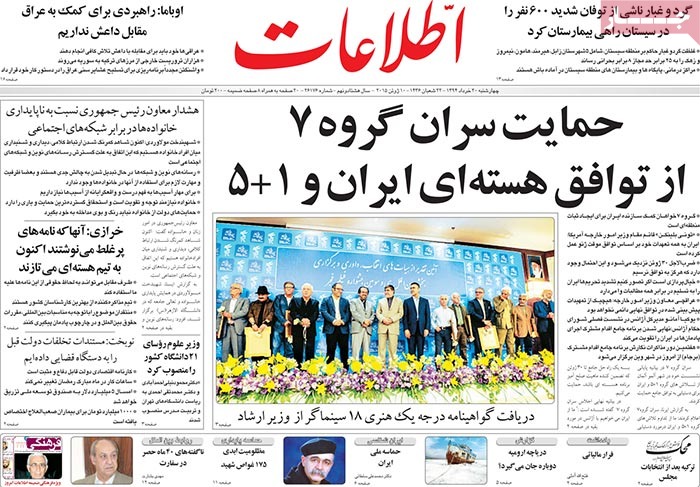
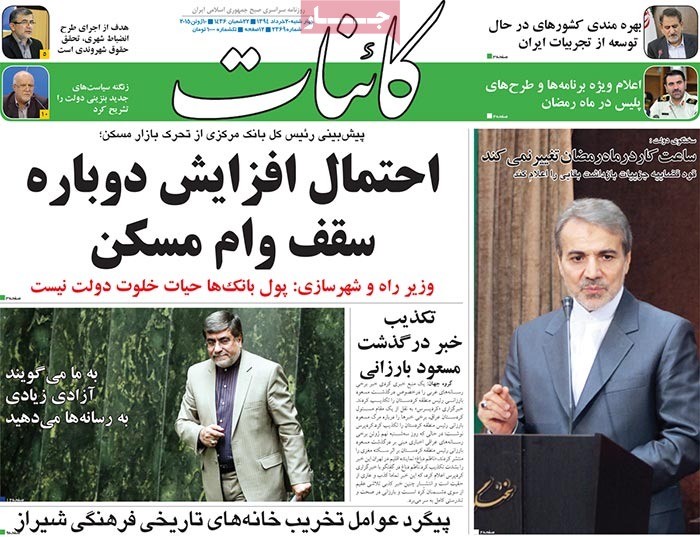
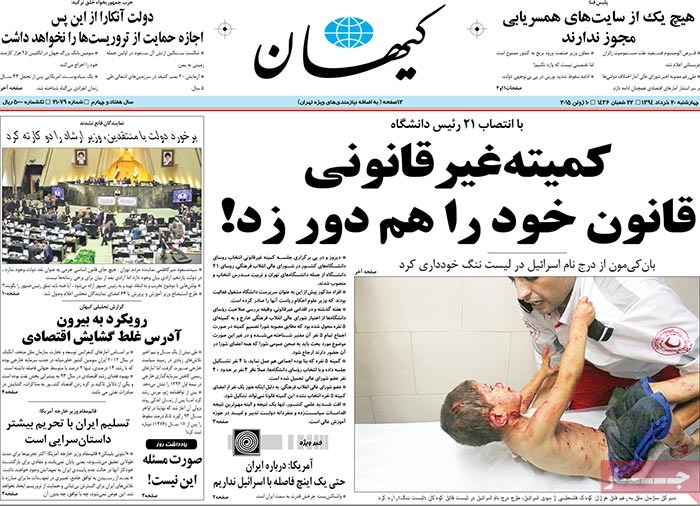
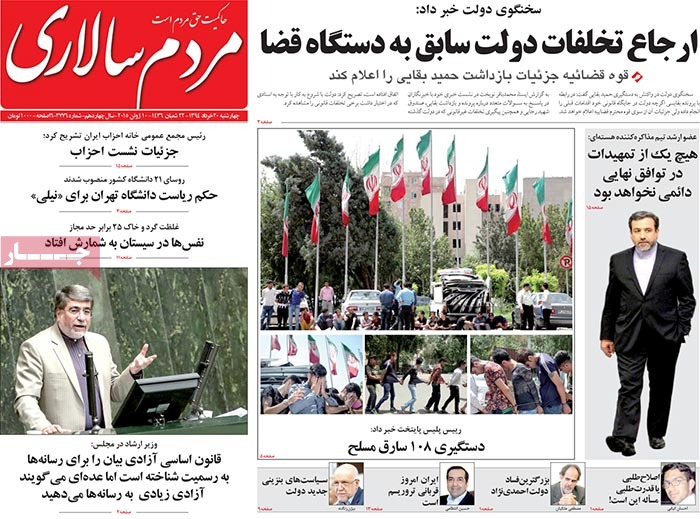
A look at Iranian newspaper front pages on June 10

Iranian Newspapers Headlines

The comments in parliament of the minister of culture and Islamic guidance in defense of the freedom of speech dominated the front pages of many Iranian dailies on Wednesday.


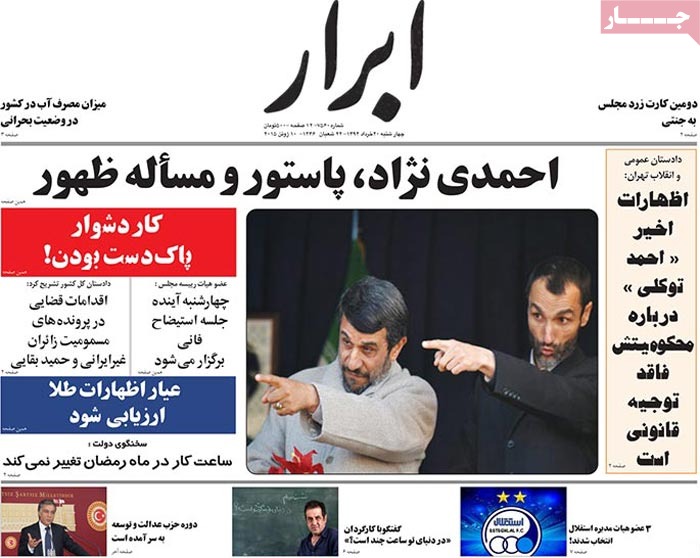
Abrar: A member of the Presiding Board of the Islamic Consultative Assembly has said that the education minister’s impeachment hearing will be held next Wednesday.


A look at Iranian newspaper front pages on June 10


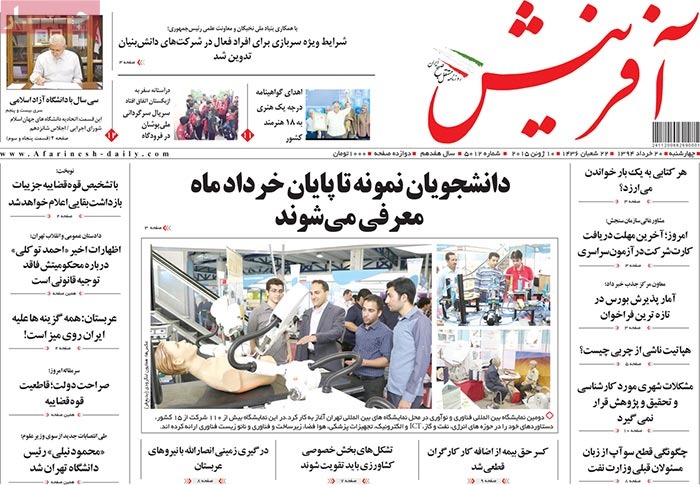
Afarinesh: Mahmoud Nili Ahmadabadi has been appointed by the science minister as chancellor of Tehran University.

[Dr. Nili Ahmadabadi was once President Rouhani’s pick for the minister of science, research and technology, but the Islamic Consultative Assembly would not confirm him.]


A look at Iranian newspaper front pages on June 10


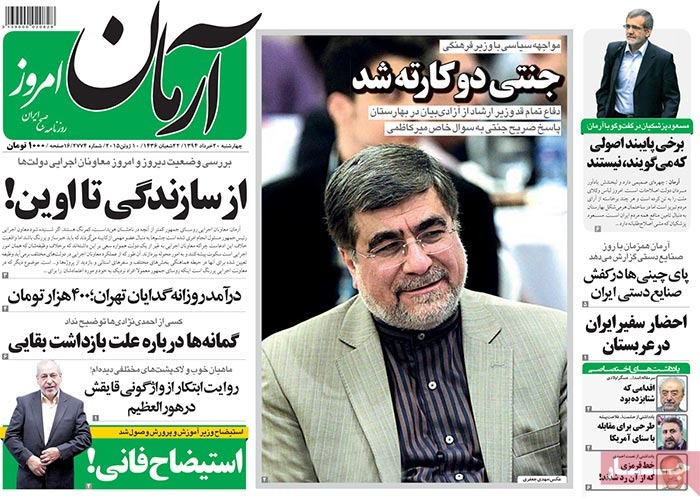
Arman-e Emrooz: [Minister of Culture and Islamic Guidance Ali] Jannati was booked for a second time.

The culture chief, who was in parliament to answer the questions of MPs about the performance of his ministry, fervently supported the freedom of speech and offered blunt answers to the questions of Mir-Kazemi, an MP.


A look at Iranian newspaper front pages on June 10


Asrar: The boat carrying the director of the Environment Protection Organization and her colleagues capsized as they were on an inspection tour of Hour-al-Azim Lagoon.

Asrar: Keyhan Kalhor, a famous kamancheh player and composer, won’t go on stage in Iran anymore.

The announcement by the master of classical Kurdish and Persian music came after his concert was called off by the police.


A look at Iranian newspaper front pages on June 10


Etemad: “For now, I can’t talk about the charges [Hamid] Baghaei is facing,” said the government spokesman.

His comments came a day after Baghaei, who served as vice-president under Ahmadinejad, was arrested.


A look at Iranian newspaper front pages on June 10


Ettela’at: A dust storm in Sistan and Baluchestan Province sent 600 residents to hospital emergency rooms.

Ettela’at: “We have presented to the judiciary evidence on the offenses the previous government committed,” said the government spokesman.

Ettela’at: The minister of science has named the new presidents of 21 universities across the country.


A look at Iranian newspaper front pages on June 10


Kaenat: Reports that the President of the Kurdistan Region of Iraq has passed away have been denied.

Kaenat: Those behind the destruction of historical houses in Shiraz will be prosecuted.


A look at Iranian newspaper front pages on June 10


Kayhan: Matchmaking websites have no official permission for their activities, a senior police official said.


A look at Iranian newspaper front pages on June 10


Mardomsalari: Police have arrested 108 thieves in the capital.

Mardomsalari: “Although our Constitution has recognized freedom of expression for the media, some are saying we [at the culture ministry] are giving too much freedom to the press,” said the minister of culture and Islamic Guidance in parliament.


A look at Iranian newspaper front pages on June 10


Determination is still needed to cut a nuclear deal

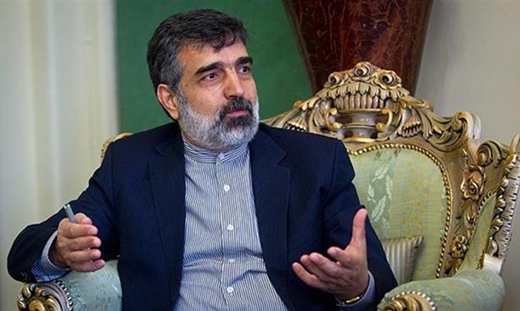
Kamalvandi

The spokesman of the Atomic Energy Organization of Iran (AEOI) has underlined that a final, comprehensive nuclear deal is achievable if past issues are settled.

Behrouz Kamalvandi has – in an interview with Arabic-language Al-Alam News Network – expounded on the main hurdles standing in the way of a nuclear deal, saying that foreign countries that are opposed to a final deal try to raise concerns among Iranians by offering their arbitrary and politically-motivated interpretations of the Additional Protocol of the NPT.

The following is the translation of excerpts of his remarks in the interview as reported by the Islamic Republic News Agency on June 8:

Different interpretations have been made of the Additional Protocol (AP) simply to derail the nuclear talks. The AP does not give general access to inspectors to visit anywhere [in Iran] anytime. Iran’s cooperation with the International Atomic Energy Agency (IAEA) is based on two basic principles: One is Iran’s agreement with the agency which dates back to before the revolution; Iran is honoring its commitments. The other is about past issues – something other than the Safeguards Agreement: agreements between Iran and the agency in the past under which they discussed past issues in the previous years.

Everybody may have their own reading of the AP. We can look back and see how it was implemented in the past.

Certainly no country is ready to allow its sovereignty to be subject to negotiations. On the one hand, we should provide answers to the questions on the activities of Iran, which is an IAEA member; on the other, we need to pay attention to the country’s sensitivity about its sovereignty.

Some in other countries seem to have tried to instill that under the AP they [inspectors] can go anywhere they seek, but the literature of the protocol does not suggest that. At home, that question has raised genuine concerns. Studying the original text of the AP can help ease such concerns.

That the AP is to be implemented in the future is one question and how it is interpreted is another. […]

Iran has a bad experience. Iran’s military sites were visited over the past several years and samples were taken, but the West made a fuss over it. People in Iran are now worried that the West may want to take advantage of the country again in the future, but the AP seems to have blocked their path.

Under Clause C of Article 5 of the AP “Any location specified by the Agency, other than locations referred to in paragraphs a. and b. above, to carry out location-specific environmental sampling, provided that if ………. is unable to provide such access, ………. shall make every reasonable effort to satisfy Agency requirements, without delay, at adjacent locations or through other means.” The agency takes samples away to make sure nuclear materials are found nowhere else, so it does not matter if it is done inside or outside the site.


AP and interview with scientists

There is nothing about interrogation of and interview with [nuclear] scientists in the AP and the Safeguards Agreement.

If the IAEA obtains information on undeclared nuclear activities in an area and wants to substantiate the information, it can only access that area. It is far from reasonable for individuals to think the agency can interview and interrogate the scientists one by one.


IAEA should first verify documents

We have always said the UN nuclear agency should first verify the available documents. The documents the agency is handed are pieced together mainly by intelligence services, especially those of the Zionist regime.


Fake documents should result in no access

When it comes to judicial affairs, the credibility of the documentation and competence of the court which is to hear the case should be reviewed. We have already said no access should be granted if the available documents are fake. If the agency grants access based on fake documents, there will be no end [to such access].

Past issues should come to an end. Westerners have used different names to refer to past issues; “Possible Military Dimensions” (PMDs) is the most recent name. […]

Iran’s past activities should be put aside. The agency’s review [of Iran’s past activities] should not continue forever. What if the IAEA does not become convinced over the next 50 years? Iran does not have to explain the alleged studies and other baseless claims of the IAEA and intelligence services. […]


Parchin, 11-12 sampling

[…] The UN inspectors did sampling in Parchin twice: four on one occasion and seven or eight times on another. The agency is expected to have come to a conclusion after 12 years of [Iran’s] cooperation and access [to Iran’s information].

[…] The agency’s director general says in his report that Iran has provided answer only to one of the two questions, but he fails to elaborate on the second question. They [the agency] are talking with ambiguity.

As many as 18 questions have been raised in talks between Iran and the IAEA of which 16 have been settled. Iran views the last two questions settled too. One is the neutron transport calculation, which has been published as a scientific article in a university. They made ballyhoo that the article has been prepared for military and bomb-making purposes. We said the university would not have published the article if it had been prepared for developing bombs.

[…]


Iran ready to give access to Marivan

When we said – verbally, in writing and at meetings – if the agency is certain about an explosion in Marivan, it should determine the exact point in order to get access to, the IAEA halted its efforts to solve the remaining two issues.

If they come and see no explosion has taken place in the area, what can they say? If they confirm no explosion has happened, it will prove they have been fed misinformation.

Why should we give information? When the agency claims there was an explosion in that area, it can determine the exact point and get information on it. The agency says it wants information, not access. What information should Iran provide the agency with when there is none?

The agency seems to have been duped by those who have provided the information; in the past the agency had held up the information as reliable.

Unfortunately, the problem is that the IAEA’s reports have been repeated with the agency jumping to conclusion beforehand. The agency, which has reached conclusion without verification, has to deal with the party which has provided misinformation.


US plot for designing intelligence bomb

The issue seems to be associated with the case of Jeffrey Sterling and Operation Merlin [a US covert operation during the Clinton Administration to provide Iran with a flawed design for a component of a nuclear weapon ostensibly in order to delay the alleged Iranian nuclear weapons program, or to frame Iran] during which the CIA intelligence was leaked.

This was not done out of sympathy for Iran. They lodged complaints against the spy, asking why he had leaked the information about a US plot in 2003. Under the plot, Iran was supposed to be provided with information on a flawed design for a nuclear weapon so that the US could frame Iran and claim Tehran had been studying how to make a bomb. Fortunately, Iran has not fallen into such traps.

The question speaks for itself and shows a politically-motivated plot is in play behind the scenes.

[…]


Iran accepts logical interpretation of Additional Protocol

Naturally Iran accepts a general interpretation which is based on a general consensus of all nations, not one of which anybody can develop its own interpretation. Some inside Iran are sensitive about this issue, saying the other side’s interpretation serves as an excuse to access all sites.

This is not how the AP works. It is to the benefit of all nations that all parts of the protocol are discussed in the agency. Clause C of the AP’s Article five is very clear. […]

The safeguards too can be misused by an expanded interpretation. We shouldn’t approve of such interpretations.

Now that we are moving toward [signing] the AP, foreign countries say they can get access to any place they wish, but it is not the case. What they say has also raised concern inside Iran.


We are negotiating the middle ground

We need to look for a happy medium to remove such concerns. We hope to find a solution which takes into account Iran’s rights and its bitter past experiences.

If other countries act like Iran, give access to information and then find themselves back at square one, can they be still ready to continue their cooperation? These are the issues Iran has raised in the talks. […]

Before going into detail, we need to let go of cynicism which is the result of measures taken by some individuals in foreign countries who wrongfully interpret Iran’s cooperation under the AP. This has also caused concern in Iran. Such an interpretation can throw obstacles in the way when Iran’s signing of the protocol needs to clear the Iranian parliament.


Consultation with parliament

[…] We are holding consultations with the Islamic Consultative Assembly about what we should do. Parliament has its own concerns, saying sanctions should be lifted once and for all and access [to military sites] should not harm the country’s sovereignty. […]


Sanctions and transparency still under negotiations

[Removal of] Sanctions and transparency remain to be the toughest part of the talks. […] Talks are ongoing. A look back at the talks shows that we have made a lot of progress compared to the past. We have reached common ground.

[…] You frequently hear this sentence: we can reach settlement, if the other party shows determination. I think we can still repeat that sentence. […]


What happens in absence of John Kerry and Ali Akbar Salehi

Mr. Salehi has always been informed of the talks, indirectly though. Currently there is no need for him to attend the talks, but he will be kept posted about what’s going on. He will be well enough in one or two weeks to get directly involved in the negotiations. […]

Kamjan International Marsh (PHOTOS)

Kamjan International Marsh0

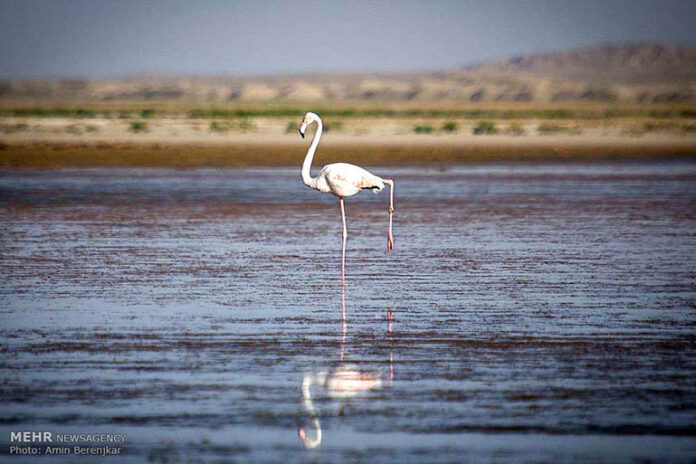
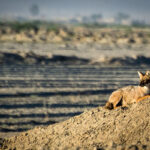
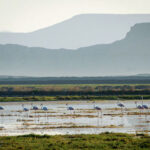
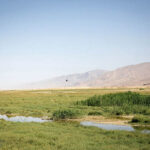
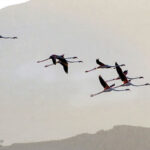
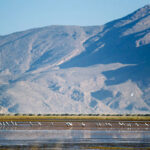
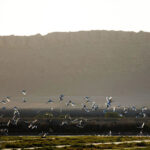
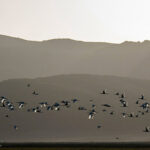
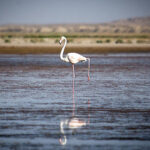
Kamjan International Marshland, which covers an expanse some 4,000 km in area and is located 120 km to the northeast of Shiraz, is a major habitat for animals and migratory and native birds in southern Iran.

The following images of the marshland have been released by Mehr News Agency:

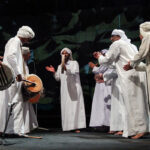
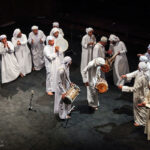
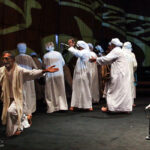
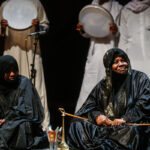
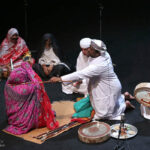
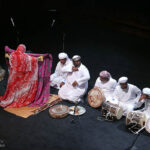
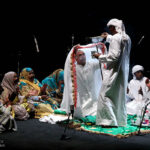
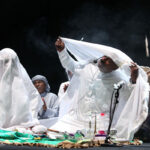
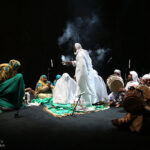
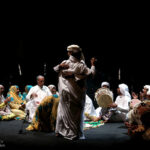
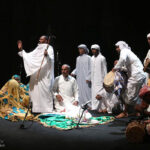
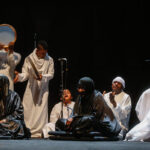
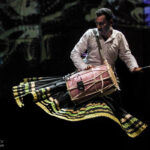
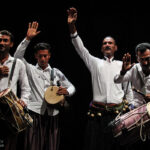
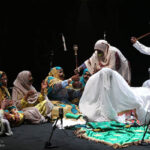
Ayeneh-Dar Regional and Ritual Music Festival (PHOTOS)

Ritual Music Festiva00

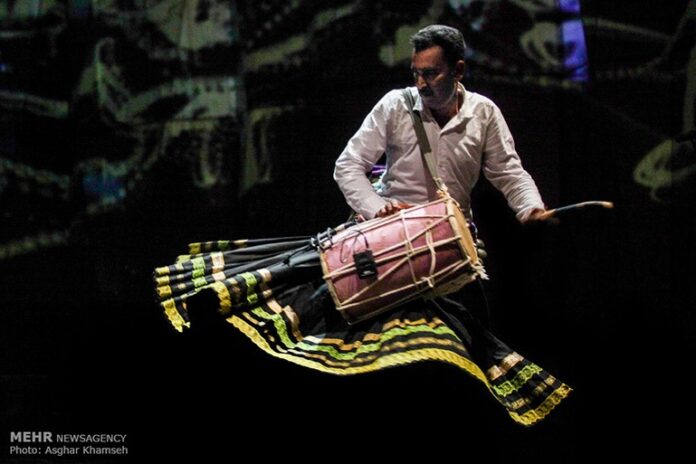
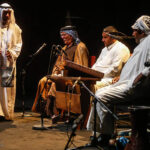
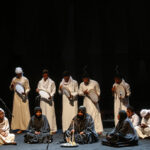
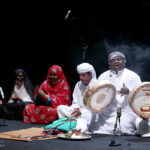
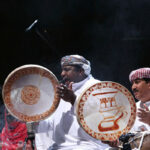
A second edition of Ayeneh-Dar Regional and Ritual Music Festival has been held at Tehran’s Rudaki Hall.

Over 120 musicians from across the country have performed solo and ensemble pieces in the festival that focuses on southern music this year.

The following are images of the festival released by Mehr News Agency:

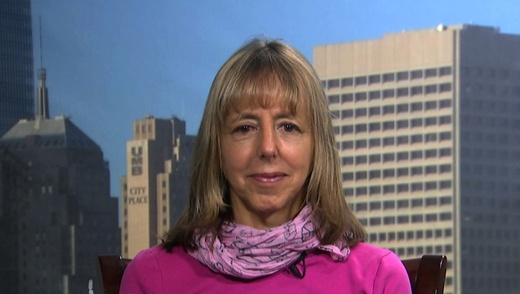
American activist: Iran is a major player in the Mideast

Medea Benjamin

Medea Benjamin is an American activist who believes that there is a good chance that Iran and P5+1 could clinch a nuclear deal and that Iran is a major player in the Middle East. The following is full text of IRNA’s interview with Benjamin:

Is a deal with Iran do-able?

I think there is a very good chance it will be reached by 30th of June and I think there is a very good chance that it will pass.

I think there is opposition on both sides within Iran and in the US, but I hope that people recognize that even though it’s unfair the way Iran is being singled out given that Israel has hundreds of nuclear weapons and is not even part of the NPT it still is necessary to reach a deal so we don’t go into an even further devastating war in the Middle East.

What if Congress fails to pass the deal with Iran?

I think that would be absolutely disastrous, and I think the American people will not forgive congress if they do that because the sentiment among the people is that we want a deal we don’t want another war; we cannot afford another war.

So if congress goes ahead and derails the deal I think it will be very bad for their Republican party because this will be seen as an Obama attempt to keep us out of another conflict and I am not sure whether if the republicans really want that on their hands.

Role of Iran in the Middle East

Iran is a major player in the Middle East it’s a merit country and so Iran has to be brought back in to the fold in the sense of working together to find solutions.

There will be no peace in Iraq or in Syria without Iran’s collaboration; there will be no end to the tremendous war that is now dragging in Yemen without Iran’s collaboration so Iran is actually really essential to peace in the Middle East.