Thursday, April 30, 2026
Home Blog Page 4787

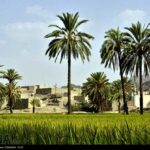
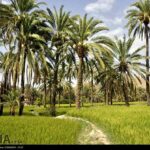
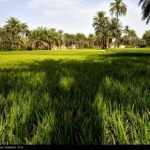
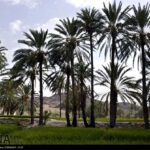
Crops in southeastern Iran (PHOTOS)

southeastern Iran0

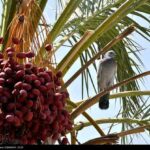
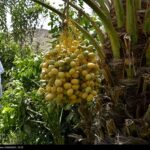
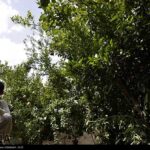
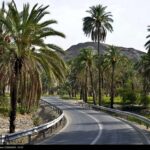
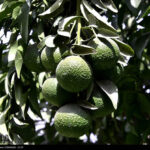
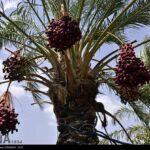
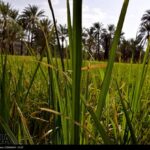
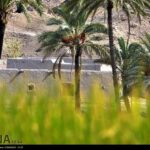
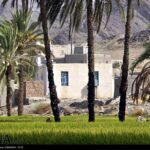
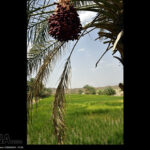
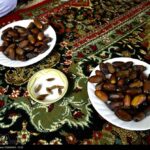
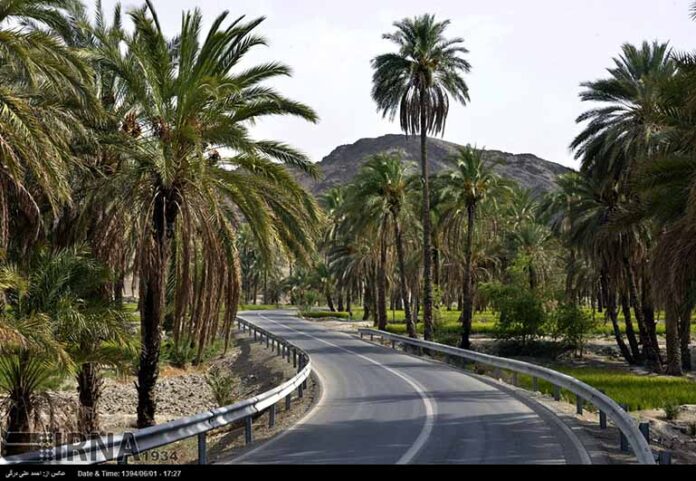
Irandegan, a town in the southeastern province of Sistan and Baluchestan, is an ideal place for cultivation of rice, dates, citrus fruits and other tropical crops.

The following images of Irandegan have been released by the Islamic Republic News Agency:

Wealthy Arabs have made inroads into Malaysia

Najib-Malysia

Malaysian Prime Minister Najib Tun Razak has announced that Qatari Emir Sheikh Tamim bin Hamad al-Thani is interested in investing in 1Malaysia Development Berhad (1MDB), a troubled state fund. His announcement has taken Malaysian media and experts by surprise.

The fund, whose advisory board is chaired by Najib, is looking to pare down $11 billion in debts. Najib has said that the government has a plan to reduce 1MDB’s debt, but needs six months. The Islamic Republic News Agency (IRNA) on August 24 published a report on the infiltration of wealthy Arabs into Malaysia. The following is the translation of part of that report:

Prime Minister Najib came under fire from politicians and some within his own party to leave office after revelations about 1MDB’s $11b budget deficit which also drew reaction from Transparency International [a non-governmental organization that monitors and publicizes corporate and political corruption in international development].

In addition to the company’s debts (around $11b), reports that the Malaysian premier has accepted a $700m gift from a Middle Eastern country have put the Malaysian government in the crosshairs.

Amid the domestic crisis which pushed the Najib administration to the brink of collapse and triggered a cabinet reshuffle and the elimination of the opposition including Deputy Prime Minister Muhyiddin Yassin, the Malaysian premier announced that the Qatari emir had voiced willingness to invest in the embattled company.

He said that if the company can produce profits in the long run, the Qatari emir is keen to invest in 1MDB.

[…]

Leaked documents have revealed that PetroSaudi International [an oil services and production company] have dictated Saudi policies – including its Yemen policies – to the Malaysian government. Najib Razak, who is allegedly working with the Saudi company, has traveled to the kingdom four times since 2010.

Following revelations that $700m has been paid into the prime minister’s personal account, Najib said the money is a gift from a Middle Eastern country. The money is said to have been given to the prime minister for the victory of [Najib’s party] the United Malays National Organization (UMNO) in general elections in 2013.

For his part, Deputy Prime Minister Ahmad Zahid Hamidi said that he has met with representatives of the Arab families who have offered Najib $700m in gift. These families have said that Malaysia is not the only country they have offered gift money to; we help many friendly and Muslim countries, he quoted the families as saying.

Analysts say Saudi Arabia is the very country which has helped Malaysia.

Now Najib is trying to bring Qatar – another oil-rich Arab country in the Persian Gulf region – to the country, saying that Qatar is seeking to help a debt-laden Malaysian company which is run under the direct supervision of the prime minister.

Arab countries on the Persian Gulf have infiltrated the Malaysian government in recent years and Malaysian officials are pursuing and executing those countries’ policies in the region and in the world.

[Malaysian forces have reportedly joined the Saudi-led coalition against Yemen. Malaysia has denied its involvement in the aggression against Yemen, though.]

A number of Malaysian MPs have rejected as contrary to electoral law and Malaysia’s policies the prime minister’s acceptance of the gift. “Hasn’t the premier’s acceptance of the gift made him indebted to the Arabs?” they have wondered.

Zairil Khir, an MP from the Democratic Action Party (DAP), has said that if the answer to the [above] question is yes, this would have a direct impact on Malaysia’s policy and amounts to the government’s compromise.

He went on to ask: Is the Malaysian government a stooge of the Arabs? Are we the proxies of the wealthy Arabs who seek to promote their own interests?

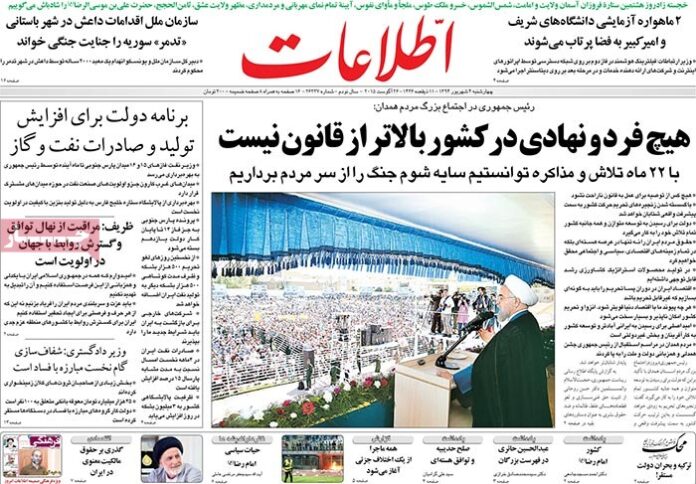
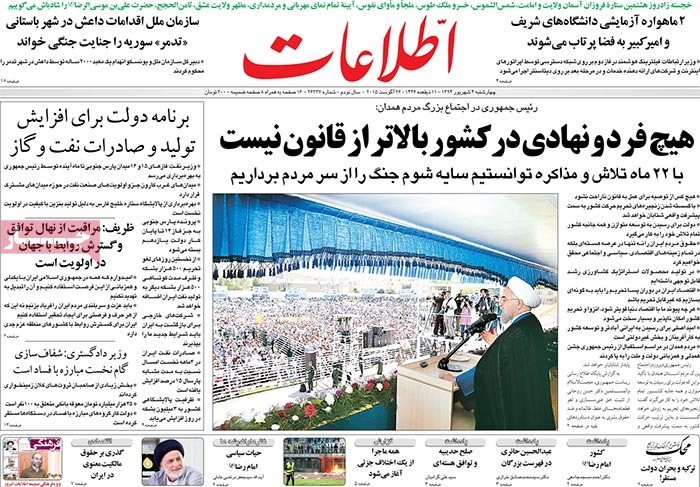
Highlights of Ettela’at newspaper on August 26

Ettelaat26

 “No person or institution is above the law in the country,” said President Hassan Rouhani.

Speaking at a gathering of local people in Hamedan, the president said his administration managed to dispel the ominous clouds of war on the back of 22 months of talks.

 Two experimental satellites developed by Sharif and Amir Kabir universities of technology will be launched.

The minister of communications also said smart filtering will be first introduced by Internet service providers before being implemented at the data center.

 The United Nations has denounced as war crimes the measures IS terrorists have taken in the ancient city of Palmyra.

The UN secretary-general and UNESCO have condemned the destruction of a 2,000-year-old temple in the Syrian city.

 Government lays out plans to increase the production and exports of oil and natural gas.

The oil minister said that Phases 15 and 16 of South Pars gas field will have been inaugurated by the president by next month.

 “Attending to the sapling of the [nuclear] deal and expanding ties with the rest of the world are our priorities,” said Foreign Minister Mohammad Javad Zarif.

He further said he hopes everyone in the Islamic Republic of Iran seizes the opportunity [the nuclear deal presents] rather than turning it into a threat.

 “Making things transparent is the first step toward fighting corruption,” the justice minister said.

Mostafa Pourmohammadi further said 100 individuals owe around $15 billion in arrears to banks.

A look at Iranian newspaper front pages on August 26

Iranian Newspapers Headlines

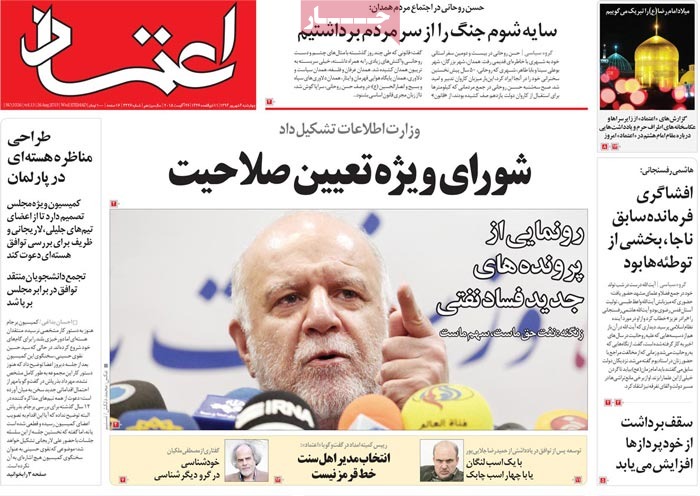
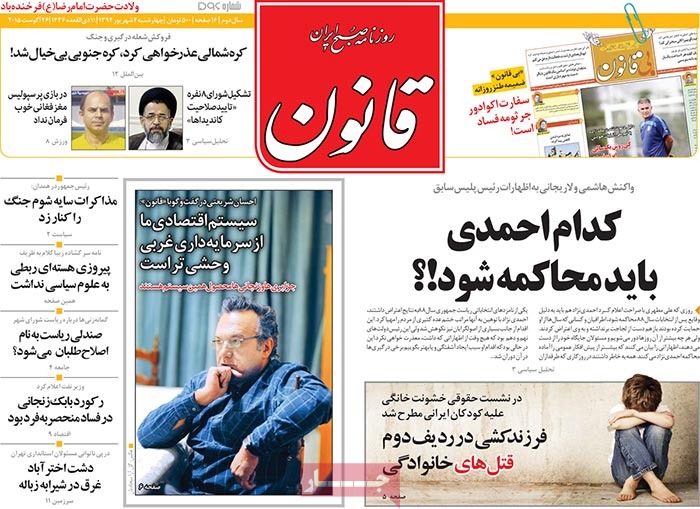
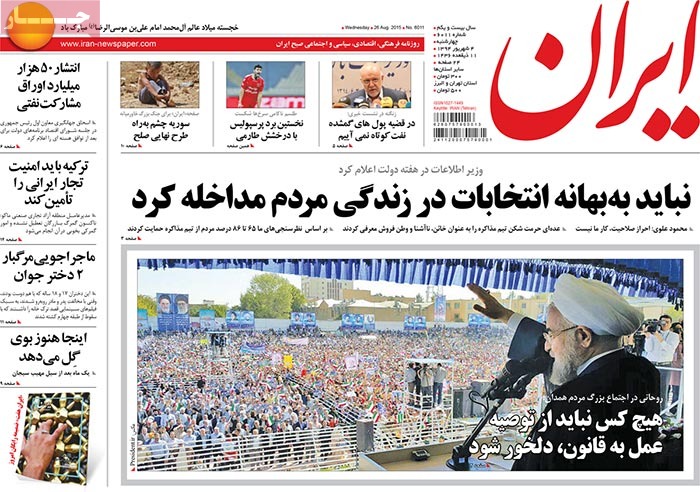
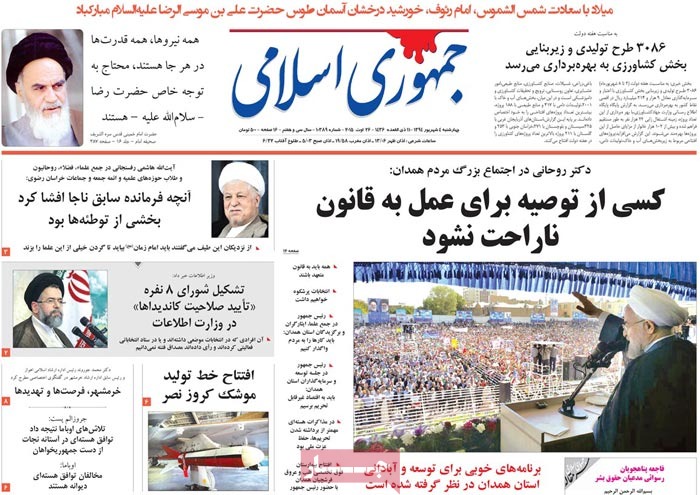
The comments of the president and his intelligence minister about the upcoming elections dominated the front pages of Iranian newspapers on Wednesday.


Ettela’at: “No person or institution is above the law in the country,” said President Hassan Rouhani.

Speaking at a gathering of local people in Hamedan, the president said his administration managed to dispel the ominous clouds of war on the back of 22 months of talks.

Highlights of Ettela’at newspaper on August 26

A look at Iranian newspaper front pages on August 26


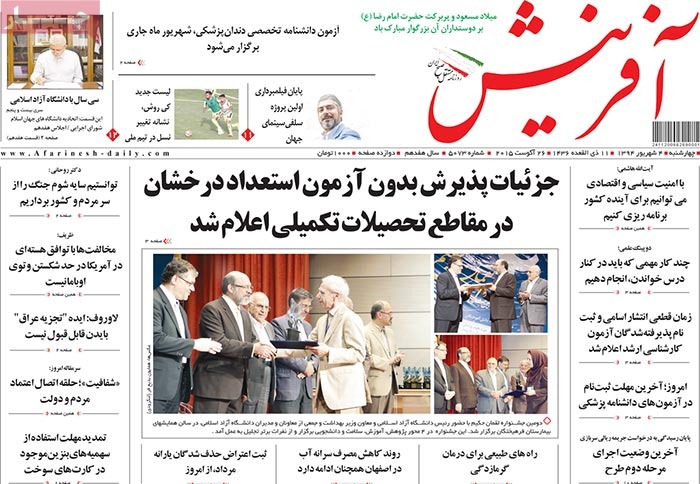
Afarinesh: Foreign Minister Zarif has said that opposition in the US [Congress] to the nuclear deal is not strong enough to override the executive veto.

Afarinesh: The Russian foreign minister has dismissed as unacceptable US Vice President Joe Biden’s idea on dividing Iraq into three autonomous regions.


A look at Iranian newspaper front pages on August 26


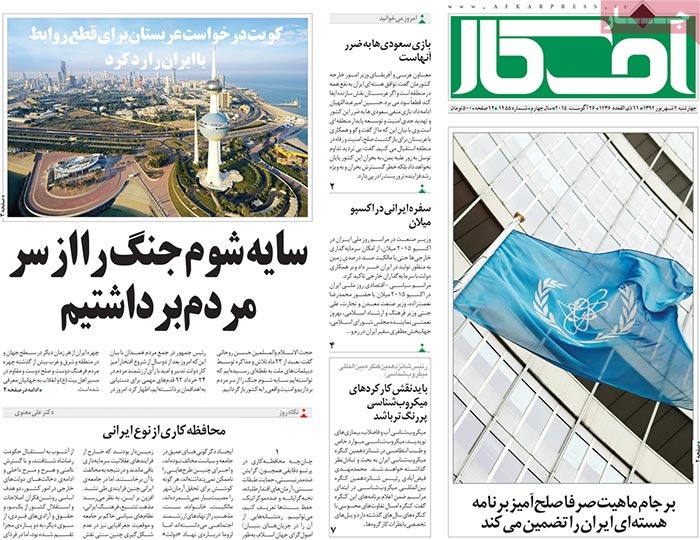
Afkar: Kuwait has turned down a Saudi request to sever ties with Iran.


A look at Iranian newspaper front pages on August 26


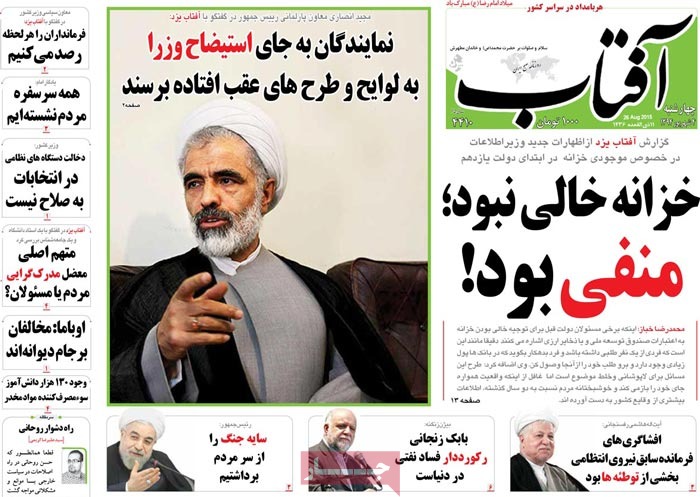
Aftab-e Yazd: The intelligence minister has said that government coffers were not simply empty, they were in the red when the 11th government took office.

Aftab-e Yazd: “Instead of impeaching government ministers, MPs had better take up the backlog of bills and motions they have on their hands,” said Vice-President for Parliamentary Affairs Majid Ansari.


A look at Iranian newspaper front pages on August 26


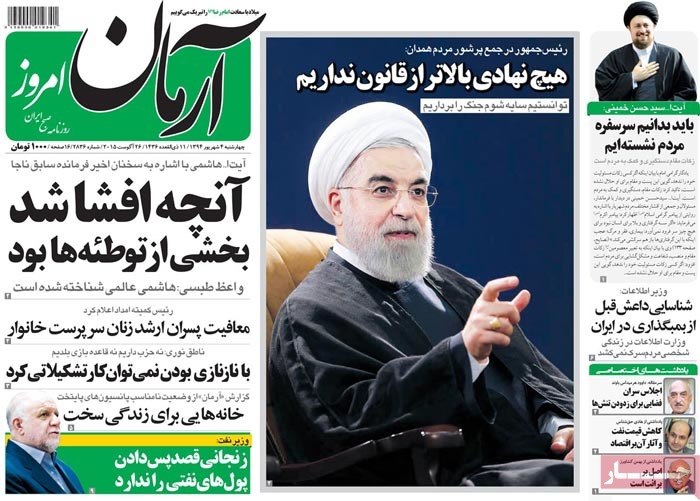
Arman-e Emrooz: The Iranian intelligence minister has said that security forces have arrested IS terrorists who had plans to set off bombs in five different areas across the country.

Seyyed Mahmoud Alavi further said in the operation more than half a ton of explosives was seized by Intelligence Ministry agents.

He went on to say the Intelligence Ministry does not pry into the private lives of citizens.


A look at Iranian newspaper front pages on August 26


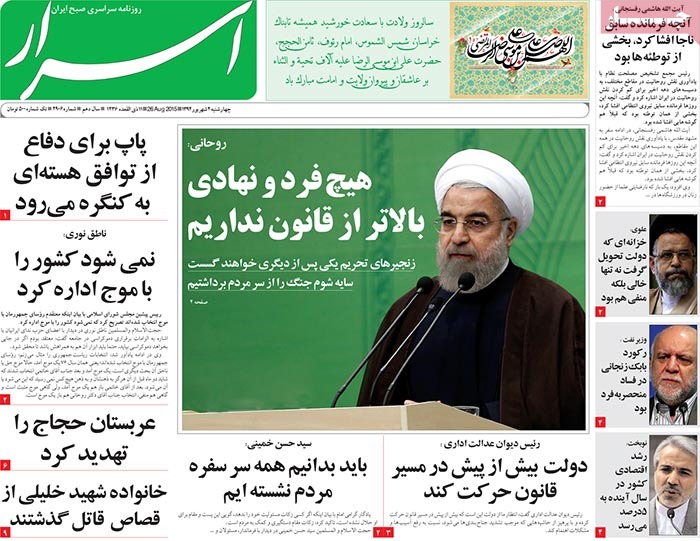
Asrar: “Economic growth reaches five percent next year,” said the director of the Management and Planning Organization.

Asrar: “The record Babak Zanjani [a young billionaire who stands accused of massive fraud during the presidency of Ahmadinejad] set in embezzlement was unique,” said Oil Minister Bijan Namdar Zanganeh.


A look at Iranian newspaper front pages on August 26


Etemad: Nuclear debate in parliament

Parliament’s JCPOA Review Committee seeks to invite nuclear negotiators led by Jalili, Larijani and Zarif to the chamber to discuss the Vienna nuclear deal.


A look at Iranian newspaper front pages on August 26


Ghanoon: An eight-member committee to vet prospective candidates


A look at Iranian newspaper front pages on August 26


Iran: “Instructions on compliance with the law should not get under anyone’s skin,” said President Rouhani.


A look at Iranian newspaper front pages on August 26


Jomhouri Islami: The production line of Nasr cruise missile has been inaugurated.


A look at Iranian newspaper front pages on August 26


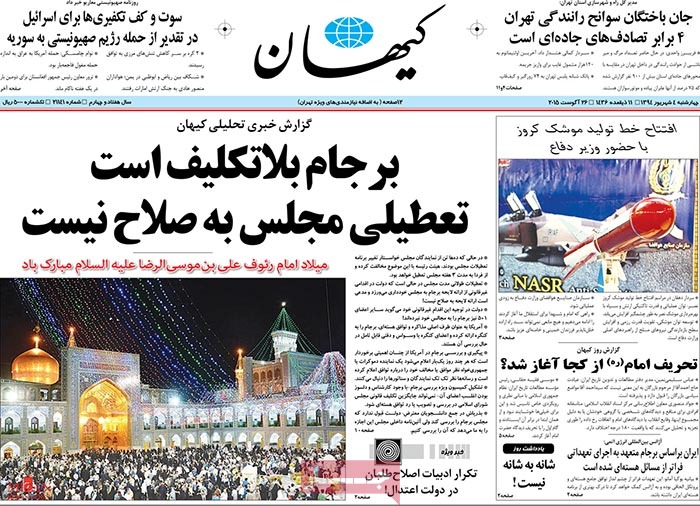
Kayhan: JCPOA is up in the air; parliament’s recess is not expedient.


A look at Iranian newspaper front pages on August 26


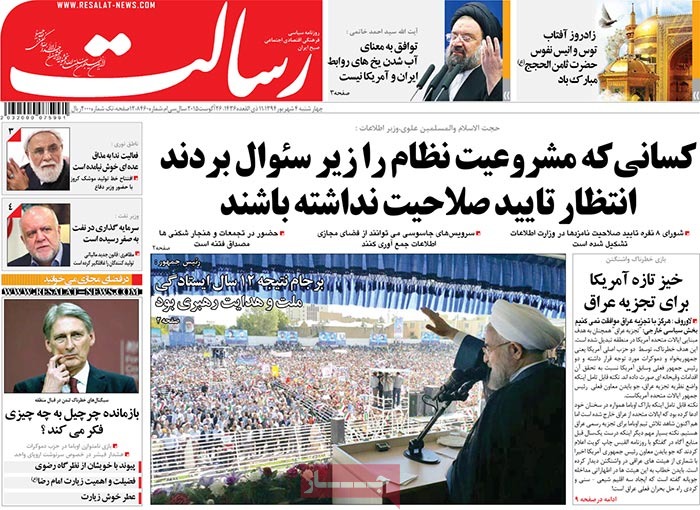
Resalat: “Those who doubted the legitimacy of the establishment should not expect to be given the go-ahead to run for public office,” said the intelligence minister.

Resalat: “The nuclear deal does not translate into a thaw in relations between Iran and the United States,” said Ayatollah Ahmad Khatami.


A look at Iranian newspaper front pages on August 26


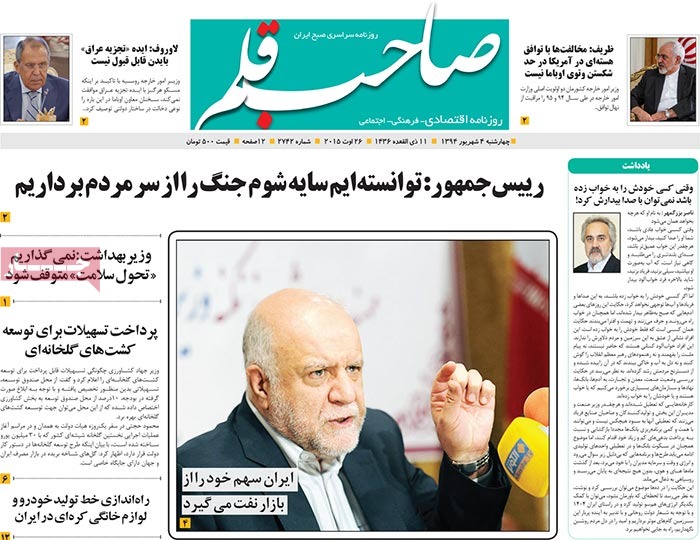
Saheb Ghalam: “We won’t allow the Healthcare Transformation Plan to come to a halt,” said the Iranian health minister.


A look at Iranian newspaper front pages on August 26


Iran negotiating with China on construction of small reactors: Spokesman

Kamalvandi

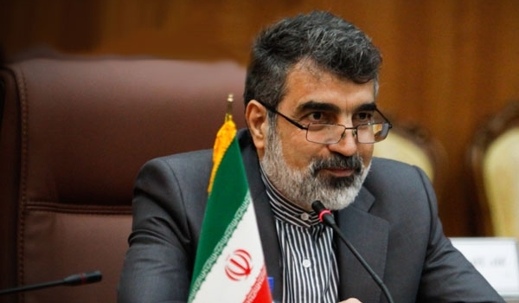
Spokesman of the Atomic Energy Organization of Iran (AEOI) Behrouz Kamalvandi announced that the AEOI is negotiating with China over the construction of small nuclear reactors.

“Talks are underway between Iran and China on building ACP100 small reactors; whenever we achieve results we will publicize it,” Kamalvandi, also an AEOI deputy chief, told reporters Tuesday.

He expressed hope that Tehran and Beijing would soon sign an agreement in this regard.

China National Nuclear Corporation (CNNC) has designed a multi-purpose small modular reactor, the ACP100. This is being developed by China New Energy Company. It has passive safety features, notably decay heat removal, and will be installed underground. It has 57 fuel assemblies, 2.15m tall and integral steam generators (287°C), so that the whole steam supply system is produced and shipped in a single reactor module.

In April, Kamalvandi announced the country’s plans to build small nuclear power plants on the rims of the Persian Gulf to desalinate water.

[…]

Iran’s VP, Russian minister of industry meet in Moscow

Sattari

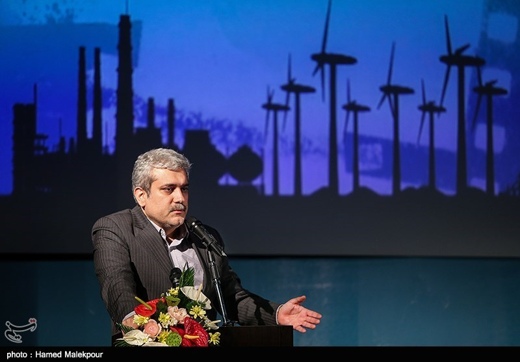
Iranian Vice-President for Science and Technology Sorena Sattari and Russian Minister of Industry and Trade Denis Manturov discussed ways to promote cooperation between Tehran and Moscow.

At the meeting held in Moscow on Tuesday, Sattari highlighted the significance of closer cooperation between Iran and Russia, and said that the two states enjoy abundant potential for cooperation.

Sattari, who is leading an Iranian delegation on a visit to International Aviation and Space Show (MAKS-2015), said the two sides will ink about 10 cooperation agreements.

Also at the meeting, Manturov said the two countries favor all-out development, especially in aviation industries and industrial centers.

He said the Russian industries will hold exclusive exhibition in Tehran, and invited the Iranian investors to participate in the country’s economic undertakings.

Sattari is also slated to attend the first meeting of the Iran-Russia Joint Science and Technology Cooperation Committee on Wednesday.

The Russian deputy prime minister in charge of the space industry, Dmitry Rogozin, will attend the meeting as well.

International aerospace show MAKS-2015 opened on Tuesday on the airdrome of the Mikhail Gromov Flight Research Institute in the town of Zhukovsky to the southeast of Moscow. It will run through August 30.

Organizers of the show expect a greater number of participants and visitors than the one reported at MAKS-2013, according to TASS News Agency.

MAKS-2015 is playing host to 150 companies from 23 foreign countries and over 580 companies from various regions of Russia.

Tehran to start nuclear commercialization under JCPOA: Rouhani

Rouhani

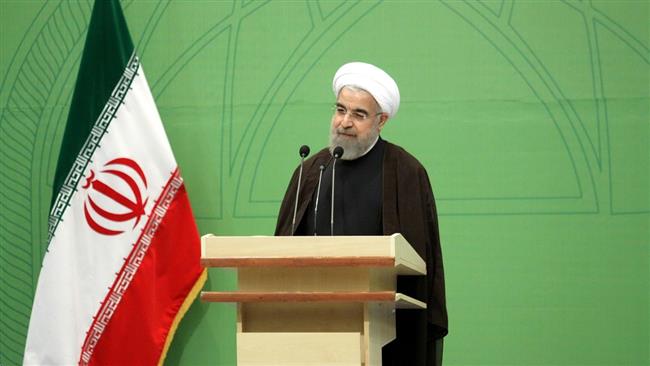
President Rouhani has said that Tehran aims to start the process of nuclear commercialization following the conclusion of nuclear talks between the Islamic Republic and P5+1.

United Nations Security Council “Resolution 2231 not only recognizes our nuclear program, but also urges world powers to cooperate with Iran,” he told reporters in the western city of Hamadan Tuesday, adding that Tehran will start nuclear commercialization by importing yellow cake and exporting enriched UF6.

Rouhani also stressed that “under the Joint Comprehensive Plan of Action (JCPOA), Tehran intends to use a new technology in Arak nuclear complex in coordination with two members of P5+1.”

We hope that Iran’s nuclear agreement is fully implemented and we can attract more foreign investment, the president added.

Rouhani also hailed the efforts of Iran’s negotiating team during the nuclear talks with six world powers, saying that the Iranian nation should be informed about the “great work” of the country’s diplomats.

[…]

Iran to apply Additional Protocol under JCPOA: Najafi

Najafi

Iran says it will start implementing the Additional Protocol to the Nuclear Non-Proliferation Treaty (NPT) under the terms of its agreement with six world powers.

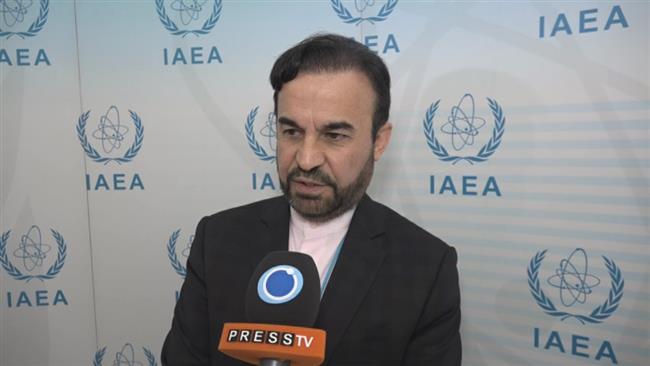
Iran will begin to implement the Additional Protocol “according to the Joint Comprehensive Plan of Action (JCPOA),” Iran’s Ambassador to the International Atomic Energy Agency (IAEA) Reza Najafi told Press TV in Vienna, Austria, on the sidelines of an IAEA Board of Governors meeting on Tuesday.

The Additional Protocol requires member states to provide an expanded declaration of their nuclear activities and grant the agency broader rights of access to their nuclear sites.

[…]

Beyond the Additional Protocol and the safeguards agreement, he said, Iran will take “[a] few” transparency measures related to “uranium mines and centrifuges workshops.”

He further noted that the measures will be taken for a “limited period of time” and will be “just for the sake of transparency.”

Najafi also pointed to the IAEA’s commitments regarding the confidentiality of information on Iran’s nuclear program, saying, “Till now what we have witnessed is that the agency is fulfilling its obligation and regarding the preparatory process… we witnessed the support and I believe that overwhelming support of members of the IAEA, especially those who were involved in the process, is a good sign and we try to be optimistic and we will wait to see when the implementation day comes.”

Najafi further noted that Iran is “in close contact with the agency” about the documents clarifying past and present outstanding issues pertaining to its nuclear program.

Also on Tuesday, IAEA Director General Yukiya Amano said in a statement to the Board of Governors that Iran’s recent agreement with the nuclear monitoring agency did not “compromise” the agency’s standards “in any way.”

In line with a roadmap signed between Iran and the IAEA in mid-July, Tehran provided the agency with explanations in writing and related documents on August 15 in order to clarify past and present outstanding issues pertaining to its nuclear program, Amano said.

As agreed in the roadmap, all activities are set to be completed by October 15, the IAEA chief said. He added that he would present his final assessment of Iran’s nuclear activities to the Board of Governors by December 15.

Amano also expressed the IAEA’s readiness to “undertake the necessary work” regarding JCPOA, noting that Iran and P5+1 would set up a joint panel to monitor the implementation of JCPOA.

Elections, not negotiations defeated sanctions: Zarif

Zarif

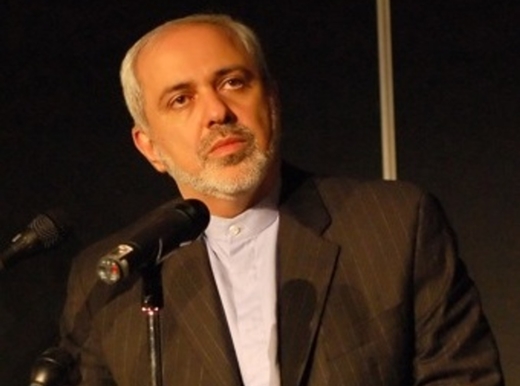
Foreign Minister Mohammad Javad Zarif said that the reason for the failure of sanctions was the elections and not the negotiations, and added that the elections stopped the embargos.

“When Supreme Leader of the Islamic Revolution Ayatollah Seyyed Ali Khamenei called the presidential election as political epic it was because the election caused the sanctions to fail,” Zarif said Tuesday.

He said that the anti-Iran sanctions were against the most basic human rights, and added, “You could not open a bank account even to buy medicine and foodstuff and you had to pay in cash.”

Zarif said that the Islamic Republic of Iran is today in true sense of the word powerful enough to influence minds and hearts.

Addressing a group of officials, Zarif said dimensions of power are reflected in Iran’s Islamic Revolution which should be interpreted as stabilization of the country’s power.

He said, “Today nobody considers the Islamic Republic a threat and instead all take Israel as a menace; if God willing it goes on this way, Israel will no longer be able to justify the crimes it commits. Formerly, when there were words on expansion of Jewish settlement or suppression of Palestinians, there were also discussions on Iran’s nuclear arms.”

He noted, “We are not a threat; on the contrary, we contribute to security. As a country we are not a threat to anybody because in terms of geographical position, facilities as well as spiritual and human resources, we lack nothing.”

People support nuclear talks: Minister

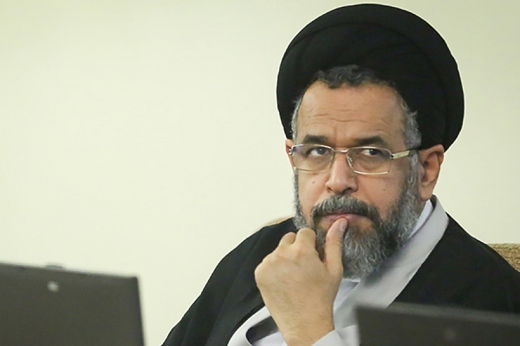
Iran's Intelligence Minister Seyyed Mahmoud Alavi

Intelligence Minister Seyyed Mahmoud Alavi has said that so far four opinion polls have been conducted on nuclear talks and the negotiating team. The result shows that 65 to 86 percent of people support the talks and the negotiators.

He said in the opinion polls people said the negotiators have not trespassed the red lines.

The minister said that the Supreme Leader approved of the principle of nuclear talks in order to make the world understand that Iran has logic and also supported the negotiating team in order to encourage those who seek to defend the rights of the Iranians.

“The Leader’s guidelines led to the development of a bright path with transparent red lines in the nuclear talks on which the work will proceed,” Hojatoleslam Alavi further said, adding that however, while some described the talks fair and rational some others started to undermine the team by calling its members traitors but the Leader said the negotiating team did a revolutionary job amid the US dishonesty and called them honest, faithful and courageous.

“We achieved 70 to 80 percent success in the talks and it is not fair to cast doubts,” he said, adding what encourages the government and the negotiating team is the support of the Supreme Leader.