Sunday, December 21, 2025
Home Blog Page 4749

Qazvin Day (PHOTOS)

Qazvin Day0

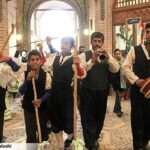
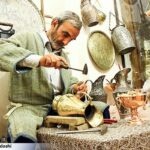
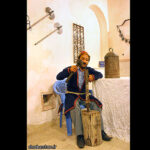
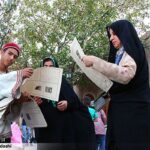
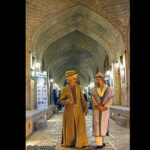
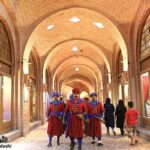
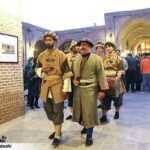
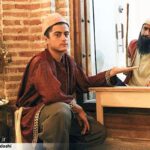
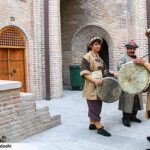
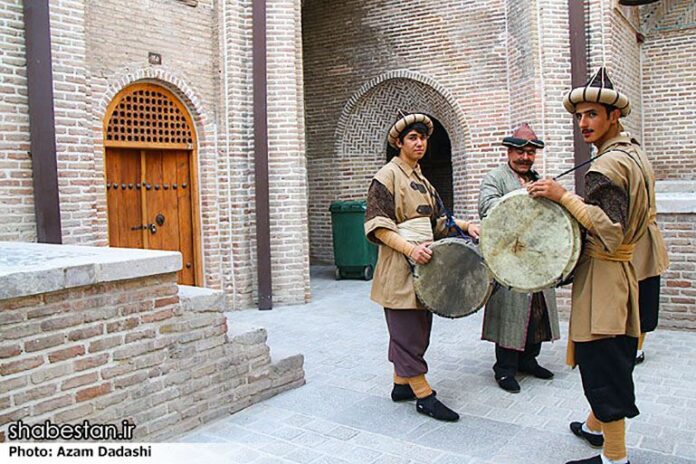
August 31 marks the anniversary of the designation of Qazvin – a city west of Tehran – as the capital of the Safavid dynasty centuries ago.

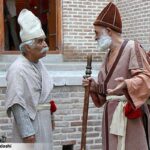
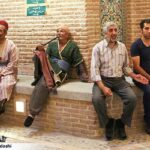
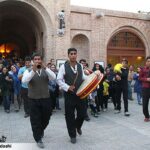
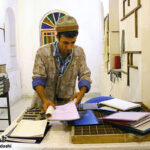
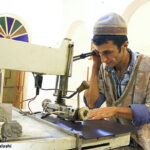
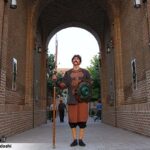
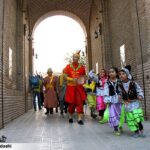
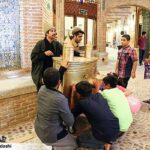
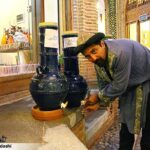
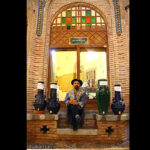
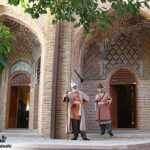
To commemorate what is known as Qazvin Day, some old professions have been revived at the Caravanserai of Sa’d al-Saltaneh.

The following are images of the commemorative event posted online by shabestan.ir:

Iranian diplomats visit peace-themed calligraphy exhibition in Tehran

9dfbea7b-533c-4319-aa8b-de562273f38a

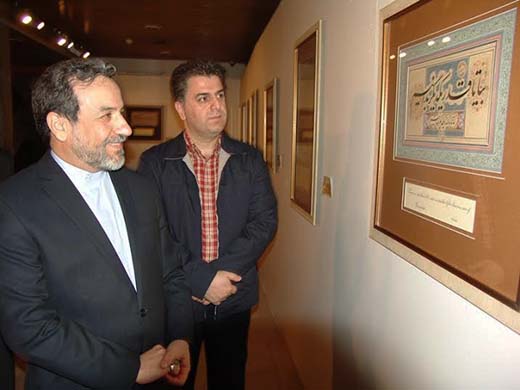
A weeklong exhibition which put on display the works of Iranian calligrapher Hadi Darban, both in Persian and English with a message of peace, was held at Tehran’s Niavaran Cultural Center last week.

The following is the translation of a report on the expo published by Iran Student Correspondent Association (iscanews.ir):

After a visit to the exhibition, Deputy Foreign Minister for Legal and International Affairs Seyyed Abbas Araghchi said, “Depicting the concept of peace in world literature is innovative, and at the expo excerpts of literary works from different nations and internationally respected poets and prophets can be seen.”

Araghchi added, “The exhibition is a valuable cultural initiative to promote peace and to counter violence, massacre and war. It can help fight extremism and violence throughout the world.”

Deputy Foreign Minister for Euro-American Affairs Majid Takht-e Ravanchi, who also visited the expo, said, “The message of peace and friendship is clearly promoted by our religious teachings. The expo features quotes on peace and friendship by Persian poets as well as religious leaders and scholars. Remarkable topics have been chosen; beautiful handwriting and magnificent illuminated manuscripts as well as translation of the quotes for those who do not know Persian can be very useful.”

After inspecting the expo, Sadegh Kharrazi, another veteran diplomat, said, “Today’s world needs peace. Mankind cannot experience security and serenity without peace. All divine religions and cultures identify peace as a lasting virtue. The artist who has identified what today’s world needs and taken the initiative to create works of art with a global impact is admirable.”


Ijtihad in Islam amounts to principlist reformism

rafsanjani-hashemi

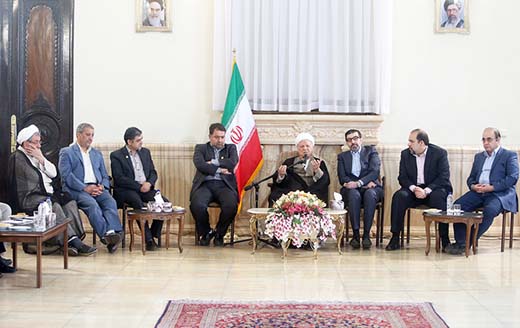
The chairman of the Expediency Council has said that Ijtihad is the principlist reformism which requires adherence to principles and modification in step with the requirements of the times.

Ayatollah Akbar Hashemi Rafsanjani made the comment on Sunday and added that reformists and principlists are simply two titles and the followers of reformism and principlism should only have differences over tactics not tenets. The following is the translation of part of the remarks of the top councilor as reported by the Iranian Students’ News Agency (ISNA) on August 30:

Lines of thinking

It is natural for reformists and principlists to be at odds over methods of administering affairs in the country, but unfortunately some have taken their differences to the level of principles and talk out of grudge. Orthodox principlists are reformist [in nature] and truth-seeking reformists are principlist.

Islam has put forward the idea of Ijtihad [the independent or original interpretation of the problems which are not precisely covered by the holy Koran, Hadith or scholarly consensus] which urges people to maintain the principles and help take society toward better conditions. This is principlist reformism.

Revolution’s values

Society’s culture can undergo transformation if people and officials steer clear of ethical vice such as insult, slander and backbiting. If we keep our distance from such demerits, the Islamic Revolution can turn into a model for the oppressed nations.

Iran’s revolution is unique in the history of Islam and in the contemporary world. Those people who honestly took up the fight [against colonialism] and backed the [late] Imam and his fellow clerics and put their lives on the line will not let outside enemies hijack the ideals of Imam and the martyrs. […]

[Supreme Leader] Ayatollah Khamenei was one of the closest figures to Imam. He is a real, devout revolutionary who remains committed to his allegiance to Imam and the martyrs.

People’s suffrage and role

There are some who think people’s votes are simply for decorative purposes. They want to create a gap between people and the pillars of the revolution. Imam, the Supreme Leader and all those who care for the revolution have always highlighted the role people’s votes play, something that stems from Islamic principles.

One way to run the country is to give the public a say in the administration of affairs, and that can be institutionalized through boosting parties in the country. Different parties should be established so that we can promote the culture of a multi-party system. What matters is how we walk down the path of revolution and how we safeguard its achievements; the names [we choose for these parties] are of secondary importance.

It is an unforgivable sin to dissuade revolutionaries at a time when the friends and foes are watching Iran to see how the Islamic Republic will act on the world stage and how it will influence regional countries. Fuelling differences is a big sin at this juncture. […]

Other revolutions

[…] Extremist terrorists – the third side of the triangle of despotism and colonialism – targeted people’s economic, political and social security [in Egypt]. Lack of experience on the part of the so-called Islamic groups hurt people and made them vote for military men and the remnants of the previous government.

The absence of vigilant leadership, people’s failure to get involved in the country’s affairs and fanning the flames of tensions are the three reasons why these revolutions failed to achieve their ideals and objectives. […]

Terrorism

Terrorists who build on their global communications have benefited from occupying parts of Islamic countries, especially Iraq and Syria. If these radical groups are not countered, radicalism is likely to take advantage of popular dissatisfaction in different countries and spill over into others. […]

[…]

Where does tourism stand in Iran’s Sixth Development Plan?

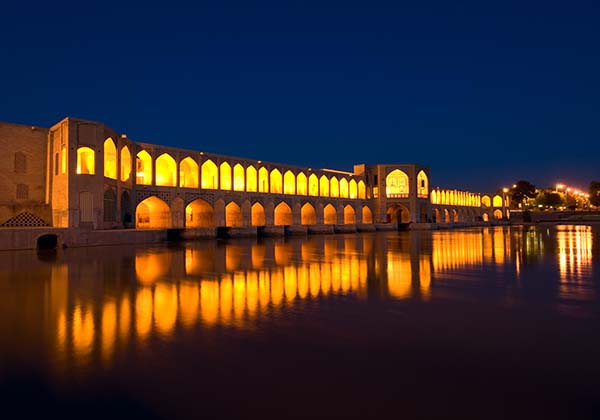
esfahan-010-www-mehrad-co-coml

Iran has detailed development plans. Experts say that the country’s first five development plans – each running for five years – have failed to achieve their intended results either because of mismanagement, especially during the ninth and tenth governments under Ahmadinejad, or because of international sanctions, especially in the last three years.

Under Article 50 of the general policies of the country’s Sixth [Economic, Social, and Cultural] Development Plan, the tourism industry should be boosted to ensure a minimum five-fold increase, by 2020, in the number of foreign tourists visiting Iran. According to the deputy director for investment at the Cultural Heritage, Tourism, and Handicrafts Organization, the Management and Planning Organization has defined twelve areas in the Sixth Development Plan with one solely focusing on tourism.

Donya-e Eqtesad on August 26 published a report on tourism and the place it has been given in the country’s Sixth Development Plan. It also compares the sixth plan with previous five-year plans asking whether the new development document creates enough opportunities for the country to boost its tourism. The following is the translation of part of that report which includes an interview with Gholamheidar Ebrahim-Bay Salami, the head of the Iranian Tourism Scientific Association (ITSA):

Some experts say that government should take the first step toward developing the country’s tourism industry. They say government should decide to give top priority to tourism and take measures in this regard. Gholamheidar Ebrahim-Bay Salami, a member of the Supreme Cultural Heritage and Tourism Council, says in the general policies of the Sixth Development Plan, the Supreme Leader has openly stressed the need for increasing the number of foreign arrivals; that’s why the government too should focus all its attention on boosting the tourism industry.

He says, “If we want to generate revenues, create jobs, eliminate poverty, promote justice, and protect the environment and the country’s material and spiritual resources, we need to bolster tourism. A country is deprived of progress and security when its tourism stops growing.[…]”.

[…]

He says in the third and fourth development plans, tourism was the country’s 43rd to 46th priority respectively. “Now that we are about to putting together the sixth plan, we need to redouble our efforts to place tourism on top of this plan’s priorities. To make it happen, we should focus on core points such as tapping into the potential of international companies and streamlining joint ventures in the post-sanctions era”.

The ITSA chief went on to highlight the necessity for the adoption of laws to smoothly run the industry, saying, “This can be an incentive and catalyst for investment by the private sector in the tourism industry so that the country can absorb both national and international investors and those involved in the industry can make profits.

“Making laws which can streamline things can direct the huge volume of un-invested liquidity in the country – hovering above $250 b – toward the tourism industry. Major tourism laws such as Article 11 of the law on the Cultural Heritage Organization which focuses on finances, ten-year tax exemption, duty-free services for importing tourism-related cars and production of quality cars in Iran should be reformed.

“The sixth development plan calls for the expansion and improvement of transportation in the country. Proper measures should be taken to develop roads and raise the quality of vehicles. As the general policies of the sixth plan focus on developing transportation and creating a competitive market, we need to put development of rail and air fleet on the agenda. The country now needs to add 1,500 cars to its rail fleet and 400 planes to its air fleet,” the official said.

“The country’s airports should be developed and equipped, especially Imam Khomeini International Airport whose passenger-transfer capacity [passenger load factor] should be raised to 25m a year. We all know that the glory of the Islamic-Iranian culture and the hospitality of the Iranians are reflected in the planning we make for the tourism industry. We should make proper planning so that any tourist who comes to Iran can feel the noble culture of Iran firsthand.

“The sixth plan should also pay close attention to the following: a science-based look at the tourism industry, tapping into the experiences of other countries in developing tourism, organizing and exploiting the potential of tourism graduates, and setting the stage for local communities to get involved in the development of tourism.

“All Iranian officials have started to pay attention to the role tourism plays in the country’s economy, but they have yet to take basic steps toward that goal, steps such as placing tourism on the priority list of the sixth plan and implementation of measures to boost tourism,” he concluded.

Bank Melli Iran pursuing case of frozen assets in US

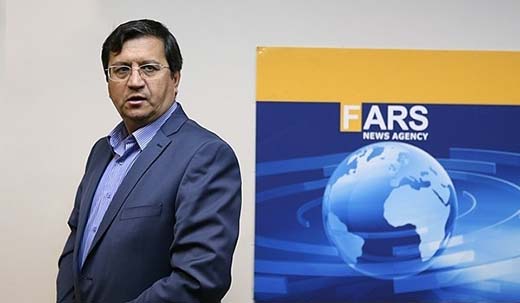
13940608000745_PhotoI

Managing Director of Bank Melli Iran Abdolnaser Hemmati announced on Sunday that the state-owned bank seeks to overturn the given verdict by a court of appeals in the US on its frozen assets in two American institutes.

Hemmati said Bank Melli Iran used to cooperate with American Master and Visa Card institutes and had up to $15 million there by 1995.

The bank’s money was frozen in the same year as part of the US government sanctions against Iran for its peaceful nuclear program, he added.

“When a new round of Western-led sanctions was imposed on Iran in 2007, the said frozen assets plus the added interest grew up to $21m, according to the available documents,” Hemmati said, and added, “A Jewish-American family made a complaint in the United States in that year and the court asked Visa Card institute to block Bank Melli assets.”

As Hemmati explained, an American court of appeals, which has been held recently to re-investigate the case, has issued permission for making withdrawals of Bank Melli assets.

“The lawyer for the Bank Melli Iran is very seriously pursuing the case and we hope for a solution,” Hemmati said.

An Iranian scientist with a UNESCO award under her belt

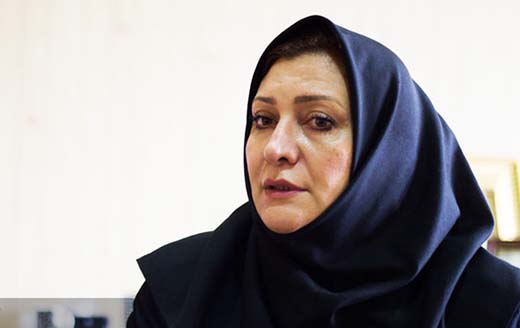
45684964

Soodabeh Davaran, an associate professor at the Faculty of Pharmaceutical Medicine at the University of Tabriz, received UNESCO’s Contribution to Science and Nanotechnology Award in Paris in April.

The following is an excerpt of an interview jamejamsara.ir conducted with the 49-year-old Iranian scientist who has dedicated her life to promotion of science and hopes to win the Nobel Prize one day:

You were named elite woman of the year in Iran in 2007, you appeared on University of Cambridge’s list of top 100 scientists in 2008, and you were on the list of outstanding intellectuals of the 21st century issued by the International Biographical Centre. Your 15 inventions and publication of more than 35 articles in internationally-known journals and the recent UNESCO award make your track record quite stellar.

I owe all of my achievements first to God’s grace and then to my diligence and passionate interest in acquiring knowledge as well as the support of my family.

When did you first develop an interest in science?

Many years ago, before I went to school. My father, Professor Hossein Davaran, was among the founding fathers of chemistry in Iran. My interest in this science was so great that we had a small laboratory at home. My sister and I would spend much of our days in the lab.

You are among people whose adulthood calling is the same as their childhood dream job.

When I was a primary school student, I always read the biographies of successful figures in the history of science.  Marie Curie, the first woman who won a Nobel Prize, was one of the people who inspired me to a large extent. I always wished that I could one day make a difference in the world of science.

And now you have the opportunity to get there.

One of my personal characteristics is that I always try to lead a dynamic scientific life. I don’t like stagnation. I like to constantly move forward, because I want to serve my country and humanity and fulfill my childhood dream of winning a Nobel Prize.

Tell us more about the UNESCO award.

I heard about my nomination in early March. Before that I didn’t know anything about it at all because I had not submitted anything to the center.

The award supports those who have a remarkable impact on science and nanotechnology. A jury evaluates articles, inventions and proposals presented by different scientists in over 100 countries before naming the winner.

How did scientific circles react to your winning of the prize?

Based on the reaction and comments of people from far and wide, I concluded that their views about the position of women in the Islamic Republic of Iran have changed. Probably, in the past they assumed that women did not hold a respected position in Iran and their presence was only felt at home. My winning of the title proved otherwise and showed that along with honoring family obligations Iranian women can pursue their ambitions, be active on the social scene and climb up the scientific ladder.


A look at Iranian newspaper front pages on August 31

Iranian Newspapers Headlines

The comments of the judiciary spokesman in a news conference about a range of issues including the ban on media coverage of news related to the former reformist president dominated the front pages of Iranian newspapers on Monday.


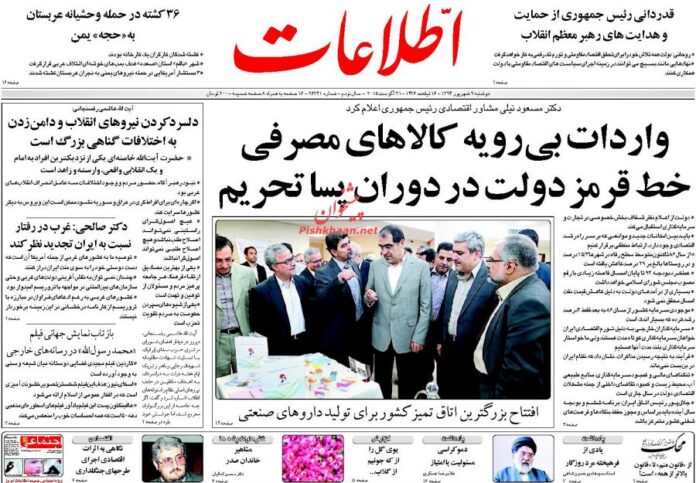
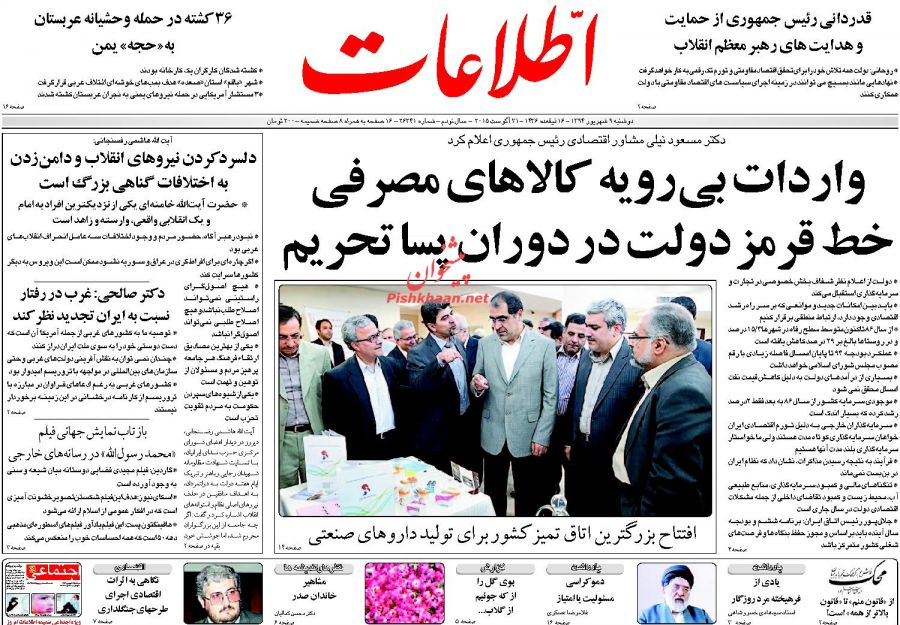
Ettela’at: “Limitless imports of consumer goods in the post-sanctions era are a red line for the government,” said Dr. Masoud Nili, an economic advisor to President Rouhani.

He further said the administration welcomes the private sector’s clear-cut views on trade and investment.


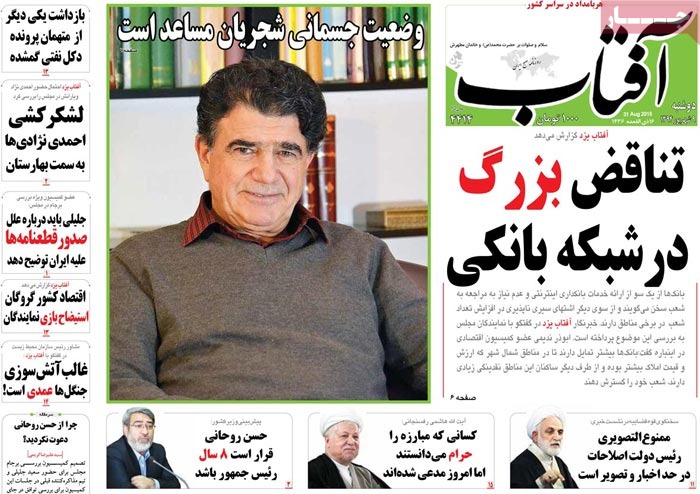
Aftab-e Yazd: The country’s economy has been hijacked by MPs who play the impeachment card too often.

Aftab-e Yazd: Master vocalist Mohammad Reza Shajarian [who was hospitalized for respiratory problems] is in a good condition.

Aftab-e Yazd: The ban on media coverage of news about the former president does not include mere mention of his name.


A look at Iranian newspaper front pages on August 31


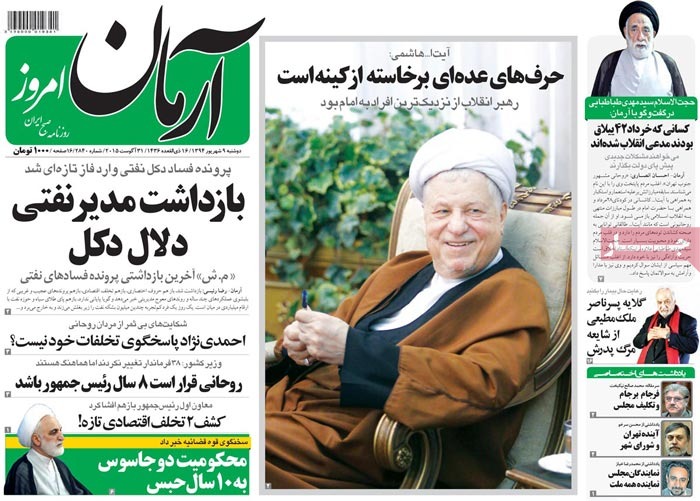
Arman-e Emrooz: Without naming names, the judiciary spokesman has said two individuals found guilty of spying [for the US and Israel] have been sentenced to 10 years in prison each.

Arman-e Emrooz: An oil industry manager has been arrested in connection with the missing oil derrick.


A look at Iranian newspaper front pages on August 31


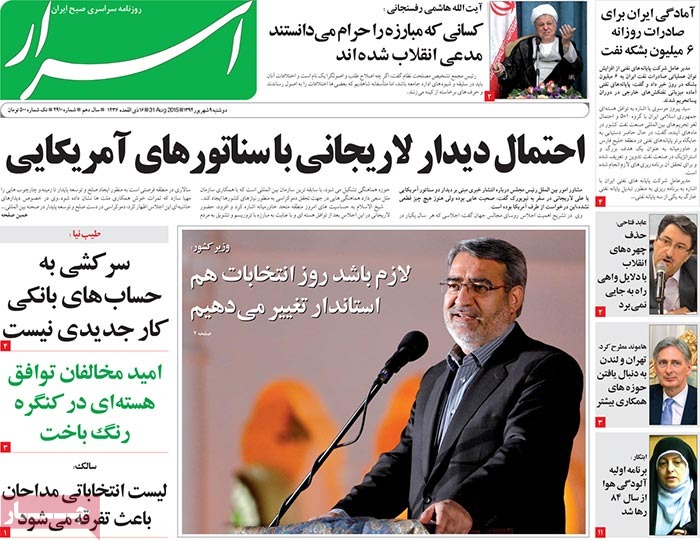
Asrar: Iran is ready to export six million barrels of crude per day.

Asrar: Parliament Speaker Ali Larijani is likely to meet with American senators during his New York visit.

An advisor to the top MP has said that there have been requests by the American side for such meetings, but nothing is final.

Asrar: The interior minister has warned, if necessary, he would name new governors general on the same day general elections are held.
 

A look at Iranian newspaper front pages on August 31


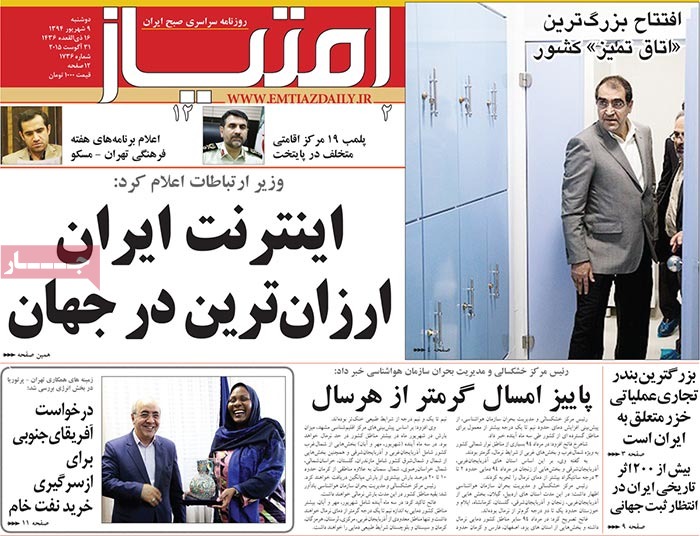
Emtiaz: South Africa has signaled willingness to resume imports of Iranian crude oil.
 

A look at Iranian newspaper front pages on August 31


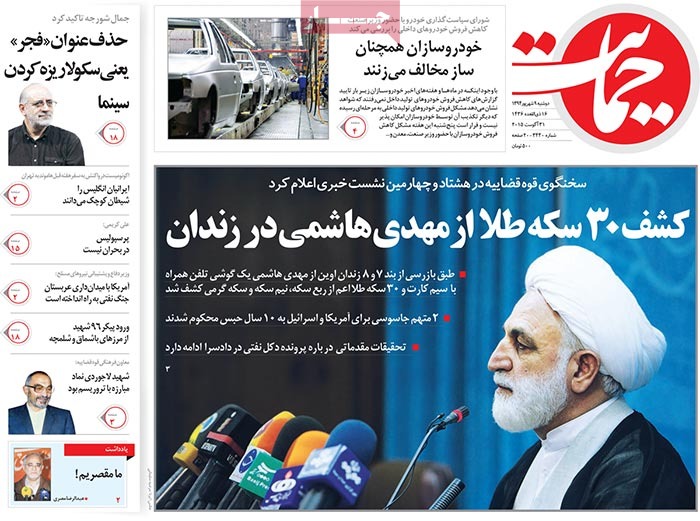
Hemayat: The judiciary spokesman has said an inspection of the cell where Mehdi Hashemi [a son of the chairman of the Expediency Council] is serving time has produced 30 gold coins and a cell phone complete with SIM card.


A look at Iranian newspaper front pages on August 31


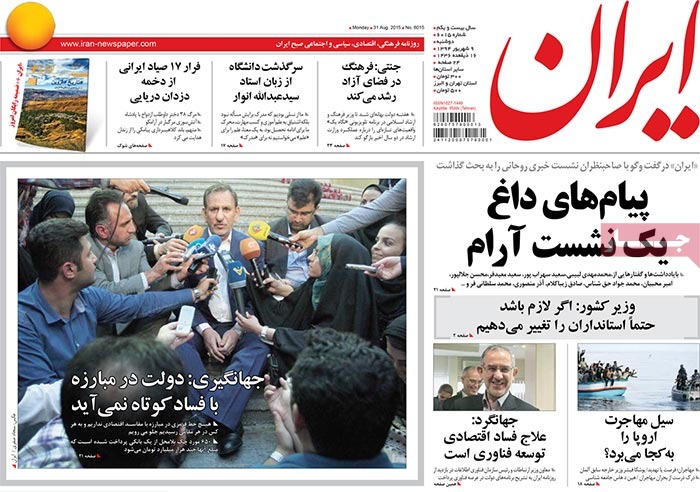
Iran: The first vice-president has said that government will not back down in the fight against corruption.


A look at Iranian newspaper front pages on August 31


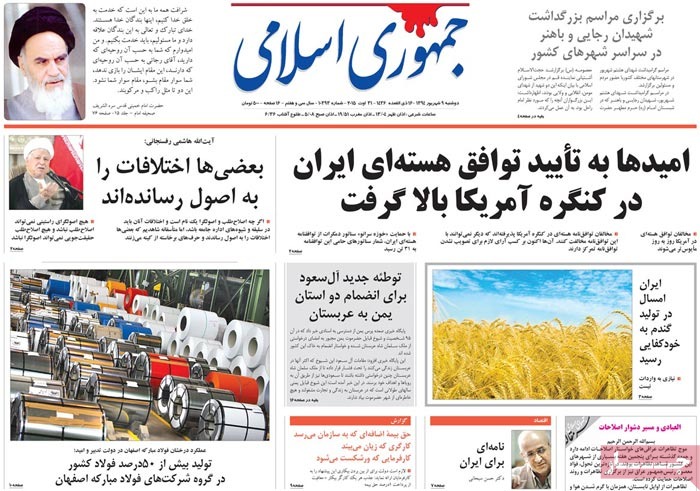
Jomhouri Islami: Hopes of congressional approval of the Joint Comprehensive Plan of Action have been boosted.


A look at Iranian newspaper front pages on August 31


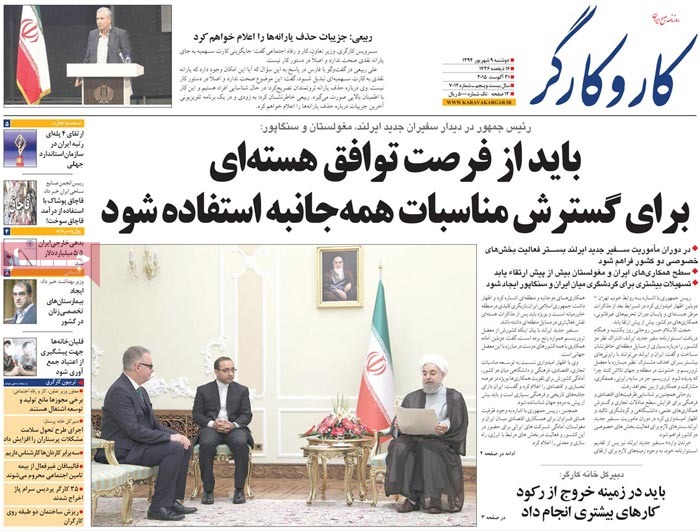
Kar va Kargar: In separate meetings with the new ambassadors of Ireland, Mongolia and Singapore, the president has said that the nuclear deal is an opportunity that needs to be seized for expansion of all-out ties.


A look at Iranian newspaper front pages on August 31


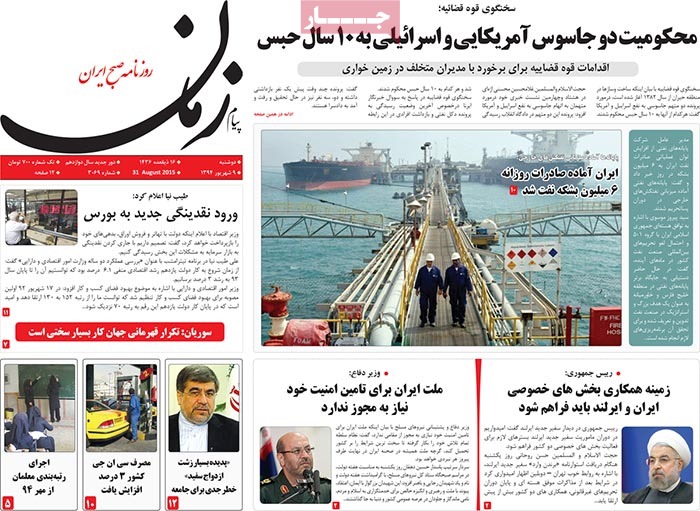
Payam-e Zaman: “The Iranian nation does not need anyone’s permission to ensure its security,” said the defense minister.


A look at Iranian newspaper front pages on August 31


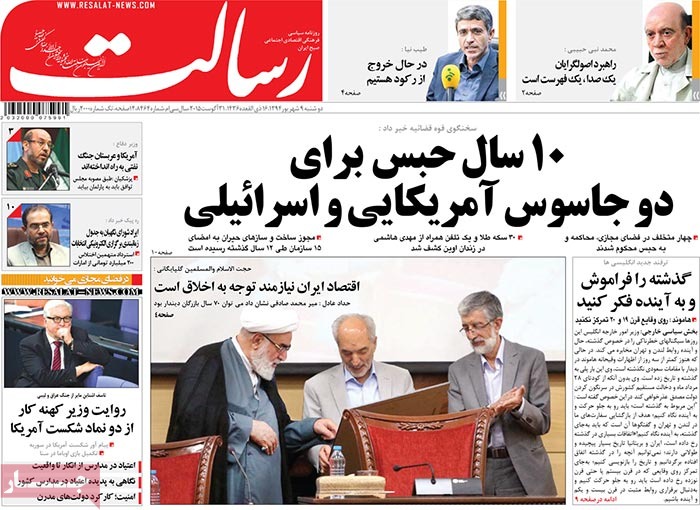
Resalat: A new trick by the Brits: Forget the past, zoom in on the future.

British Foreign Secretary Philip Hammond has said that Iranians should not focus on what happened in the 19th and 20th centuries.


A look at Iranian newspaper front pages on August 31


Highlights of Ettela’at newspaper on August 31

Ettelaat

 “Limitless imports of consumer goods in the post-sanctions era are a red line for the government,” said Dr. Masoud Nili, an economic advisor to President Rouhani.

He further said the administration welcomes the private sector’s clear-cut views on trade and investment.

 President Rouhani has thanked the Supreme Leader for his support and guidelines.

The president said his administration will try its best to make resistance-based economy a reality and push inflation into single digits.

 A Saudi attack on Yemen has left three dozen factory workers killed.

Three American advisors are said to have died in an attack by Yemeni forces on Saudi Arabia.

 The country’s largest cleanroom for production of industrial medicines has been inaugurated.

 “Dampening the enthusiasm of revolutionary forces and stoking divisions are big sins,” said the chairman of the Expediency Council.

Ayatollah Rafsanjani described Ayatollah Khamenei as one of the closest figures to the late Imam and a genuine, devout revolutionary.

 The director of the Atomic Energy Organization of Iran has urged the West to rethink its Iran policy.

“We urge Western countries, including the US, to extend a hand of friendship to Iran,” Ali Akbar Salehi said.

 Global media reaction to the screening of Iranian film Muhammad, Messenger of God.


A rejection of the nuclear deal could lead to radicalism in Iran

Mousavian_7

Seyyed Hossein Mousavian, a research scholar at Princeton University and a former spokesman for Iran’s nuclear negotiators, has said that radicalism will make a comeback at the expense of pragmatism in Iran if the US Congress rejects the Iran nuclear deal.

The following is Mousavian’s piece The Washington Post published on August 28:

With the ongoing domestic in-fighting in the United States and Iran over the nuclear deal — which has already become legally binding by way of a UN Security Council resolution — it has become clear that Congress poses the biggest risk for the deal falling through. Congress’s ability to play a spoiler role comes not only from the power it has to scuttle the deal altogether but also from its efforts at fostering an uncertain atmosphere regarding the removal of sanctions on Iran.

The effectiveness of the nuclear deal will rely largely on the P5+1 instilling confidence in the global business community that sanctions have been removed and the country is open for business. Truly removing sanctions in a way that would have tangible benefits for Iran would require shaping expectations in such a way that businesses do not feel their investments are precarious and susceptible to the political machinations of Congress or a future US president.

For the deal to be successful, it is critical for Iran to derive real and substantial benefits from sanctions relief. President Hassan Rouhani’s administration has hedged its legacy, and by extension that of pragmatism in Iran, on being able to deliver economic prosperity to Iranians. The nuclear deal and normalizing Iran’s relations with the West have been viewed as the critical ingredient to accomplishing this goal.

Indeed, the successful conclusion of the nuclear talks has led to the development of a new pragmatism in Iran, personified by prominent decision-makers who have more sober and practical views on foreign and domestic policy. This phenomenon has seen the joining of political figures who hail from historically opposing camps, namely the moderate Rouhani and the principlist speaker of parliament, Ali Larijani. This heretofore unseen alliance is a significant development in Iran’s political landscape and has positioned pragmatism as a palpable political force in Iran.

What should be of chief importance to Western policymakers is that the prospect for a more cooperative Iran rests with them reciprocating Iran’s pragmatic outreach proportionately. For their efforts thus far, the pragmatists, led by the president and the speaker, have garnered vociferous criticism from hard-liners, who accuse them of having given far too many concessions on the nuclear program. If there was nothing to show for these concessions, pragmatism would be marginalized and Iran would be forced to retract from its commitments. Thus, durable sanctions relief is critical to ensuring a more amicable Iran.

While the nuclear agreement spelled out in UN Security Council Resolution 2231 removes most UN and EU sanctions against Iran, many are anxious about the amount of foreign direct investment Iran will be able to receive. Many believe that the constant rhetoric about overturning the nuclear deal or imposing additional sanctions that emanates from members of Congress and the 2016 Republican presidential candidates may lead some foreign businesses to shy away from Iran for fear that future sanctions will void their investments.

If recent headlines are accurate, it seems as if European investors are not too concerned about the possibility of future sanctions, given that they are already flocking to Tehran. However, the Obama administration and the rest of the P5+1 should be cognizant that the efficacy of sanctions lies in the willingness to remove them to maintain a compromise. They would be wise to confront any issues that would prevent Iran from attaining the scale of sanctions relief outlined in the agreement.

Congress’s overriding the deal would surely lead to radicalism once again at the expense of pragmatism in Iran. Moreover, the nuclear deal has the potential for far-reaching positive implications for the volatile Middle East region and for Iran’s relations with the West.

Baeedinejad appreciates Iranian reporters for taking initiative

Hamid Baeedinejad

A member of Iran’s nuclear negotiating team, Hamid Baeedinejad, on Sunday appreciated Iranian reporters for taking the initiative in reporting the news on the nuclear talks.

He said that Iranian reporters carried their duty skillfully in a way that foreign news corporations preferred to quote Iranian news agencies in doing their job.

The way Iranian reporters and news agencies gave coverage to the nuclear talks in Vienna was unique in its kind, he said.

In all cases the West was the source of all news items, but this time the Iranian reporters and news agencies took the lead and became the source for the Western news agencies, he said.

In most cases, the Western news agencies referred to the news covered by the Iranian news agencies, he said, adding this should be regarded as a significant achievement proving that the Western media can no longer have the upper hand in this regard.

To maintain the trust the Western sources have built in the Iranian news centers for reflecting the news and events, the media people should exercise vigilance and continue such a trend so that their news can be referred to as an accredited source, he said.