Sunday, December 21, 2025
Home Blog Page 4748

A look at Iranian newspaper front pages on September 1

Iranian Newspapers Headlines

The comments of the president in condemnation of terrorism and those of the judiciary chief about social and cultural issues dominated the front pages of Iranian newspapers on Tuesday.


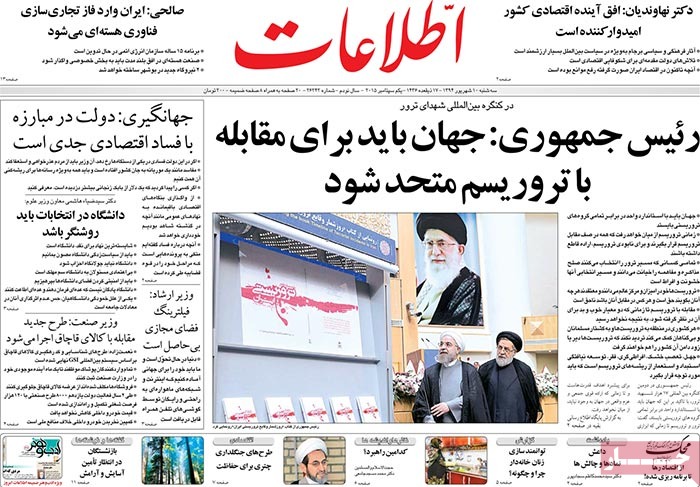
Ettela’at: President Rouhani has called on the world nations to form a united front in the fight against terrorism.

Speaking at an international congress on those who have been martyred at the hands of terrorists, the president said those who choose to walk down the path of terrorism view peace, dialogue and understanding as treason and opt for violence and extremism.


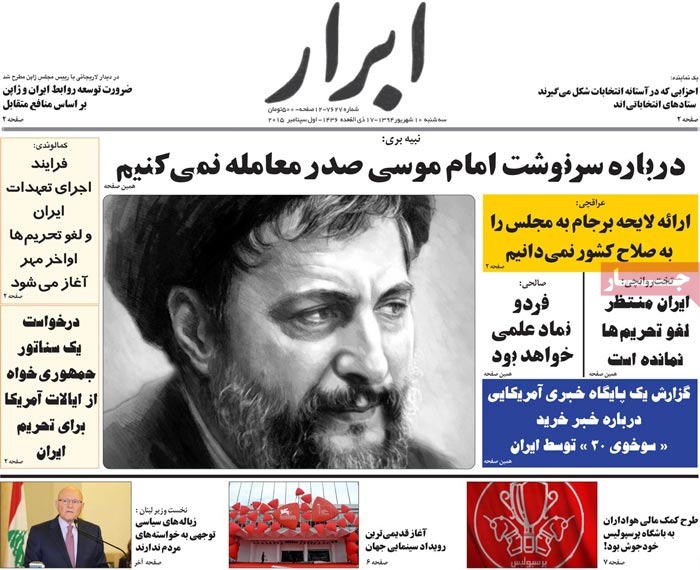
Abrar: The spokesman of the Atomic Energy Organization of Iran has said that implementation of Iran’s commitments and the lifting of sanctions [under the Vienna accord] will get underway in mid-October.

Abrar: Iranian nuclear negotiator Abbas Araghchi has said that presentation of a bill to parliament on the Joint Comprehensive Plan of Action is not expedient.

Abrar: “Iran is not waiting for the termination of sanctions [to do its business],” said Takht-e Ravanchi, a deputy foreign minister.
 

A look at Iranian newspaper front pages on September 1


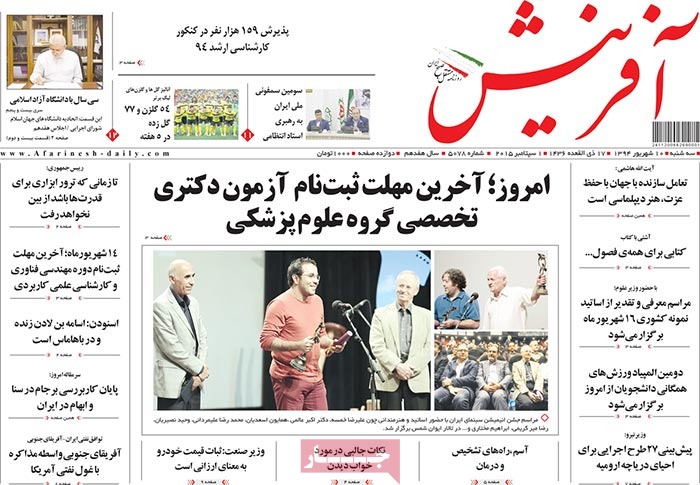
Afarinesh: “Terrorism won’t be eliminated as long as it remains a tool in the hands of major powers,” said President Rouhani.

Afarinesh: South Africa acts as a go-between for talks with an American oil giant.
 

A look at Iranian newspaper front pages on September 1


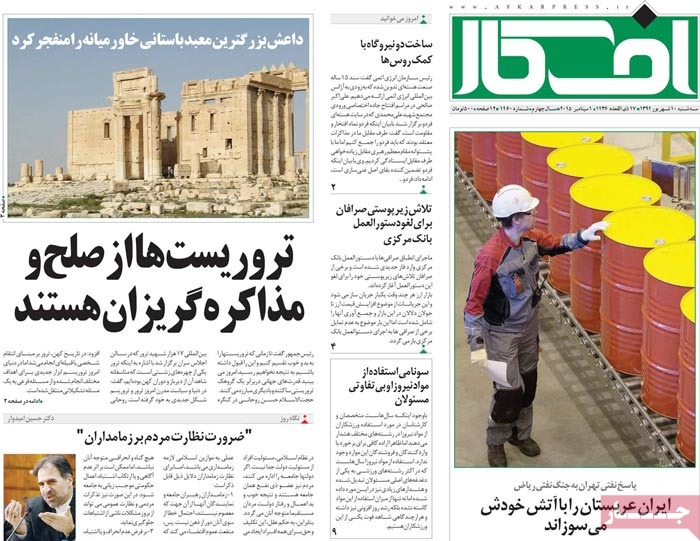
Afkar: Iran is to build two new power plants with the assistance of Russia.
 

A look at Iranian newspaper front pages on September 1


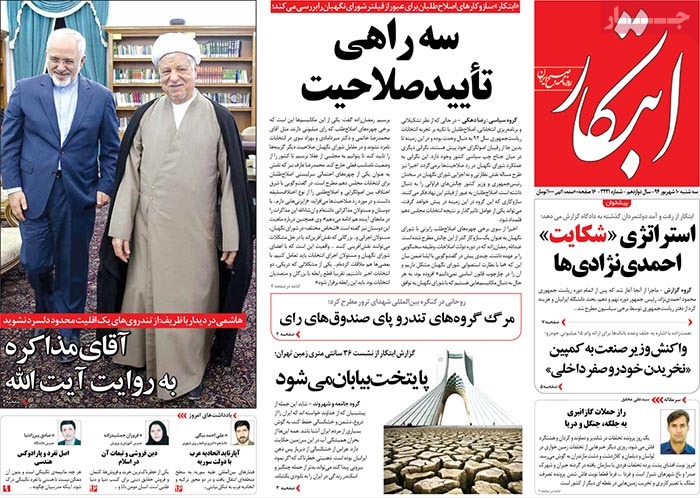
Aftab-e Yazd: Ayatollah Rafsanjani has told Foreign Minister Zarif he should not allow the extremist measures of a minority bunch to dampen his enthusiasm.
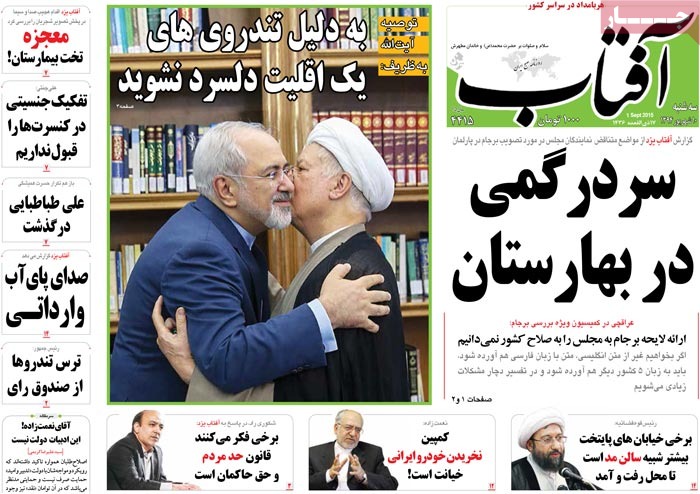
 

A look at Iranian newspaper front pages on September 1


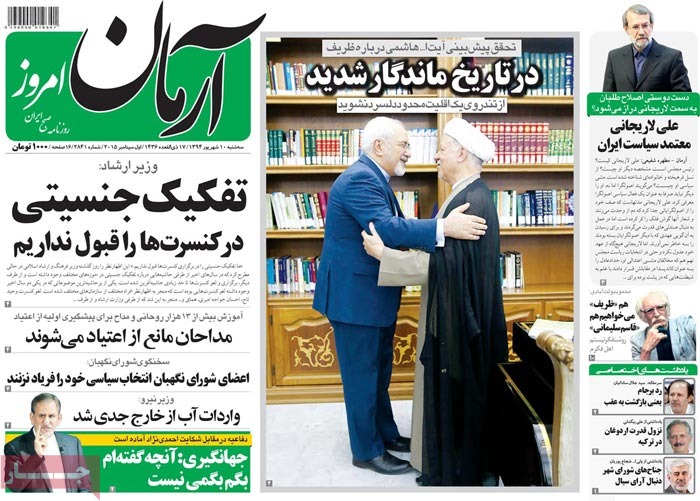
Arman-e Emrooz: “You will go down in history,” said the chairman of the Expediency Council at a meeting with Foreign Minister Zarif.

Arman-e Emrooz: Ali Larijani, the confidant of Iranian politics

Will the reformists stretch out a hand of friendship to Larijani?

Arman-e Emrooz: The minister of culture has said that segregation of men from women in concerts is unacceptable.

Arman-e Emrooz: More than 13,000 religious preachers and elegists have been trained to promote anti-addiction measures.
 

A look at Iranian newspaper front pages on September 1


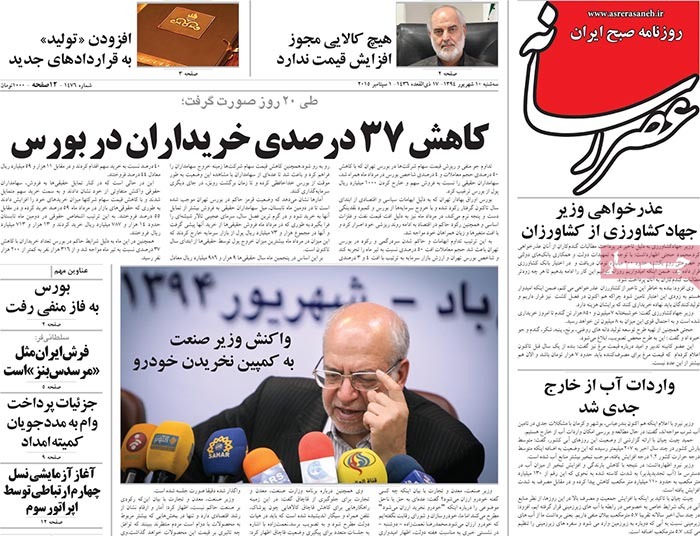
Asr-e Rasaneh: Imports of drinking water from overseas have become a serious option.
 

A look at Iranian newspaper front pages on September 1


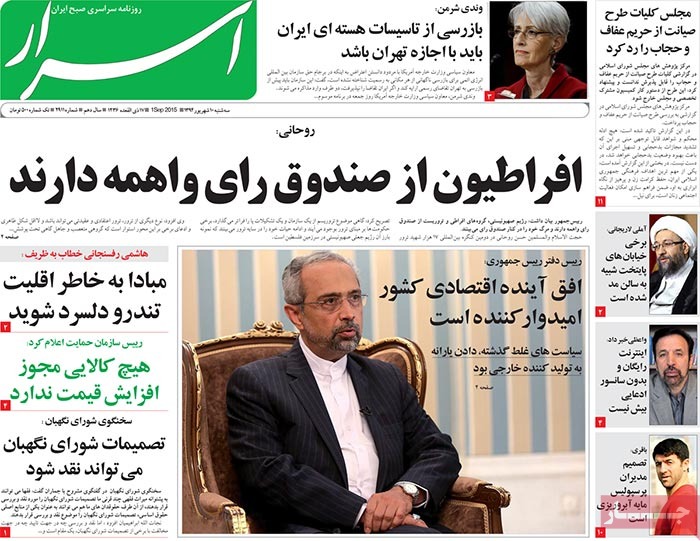
Asrar: “The decisions of the Guardian Council can be critiqued,” said the spokesman of the council.
 

A look at Iranian newspaper front pages on September 1


Ebtekar: President Rouhani has said that extremist groups see their death in balloting boxes.
 

A look at Iranian newspaper front pages on September 1


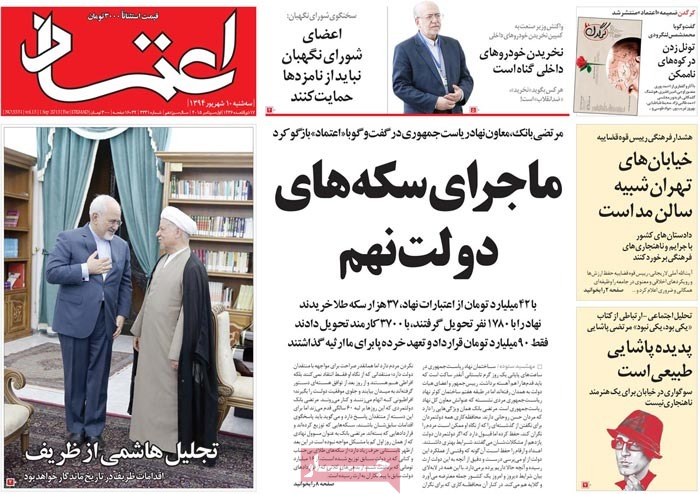
Etemad: “Refusal to purchase locally-manufactured cars is sinful,” said the minister of trade and industries.

Etemad: “Members of the Guardian Council should not support electoral candidates,” said the spokesman of the council.

Etemad: Ayatollah Rafsanjani has praised the services of Foreign Minister Zarif.
 

A look at Iranian newspaper front pages on September 1


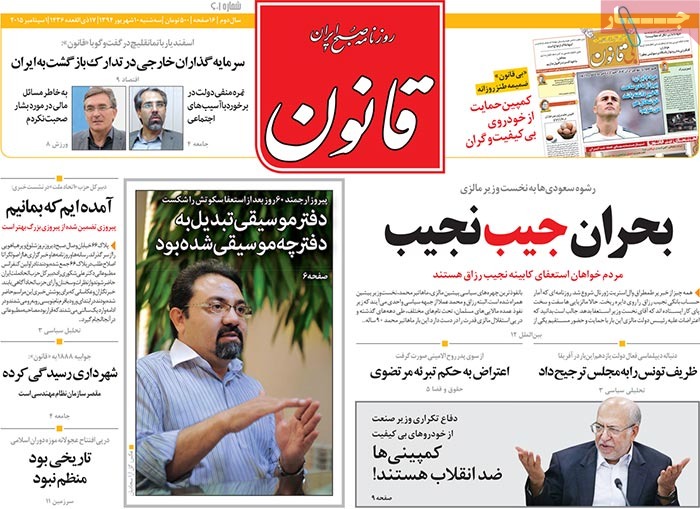
Ghanoon: The father of Ruholamini [who died in Kahrizak detention facility] has appealed the verdict that acquits Saeed Mortazavi [who stood accused of being an accessory to the murder of his son].
 

A look at Iranian newspaper front pages on September 1


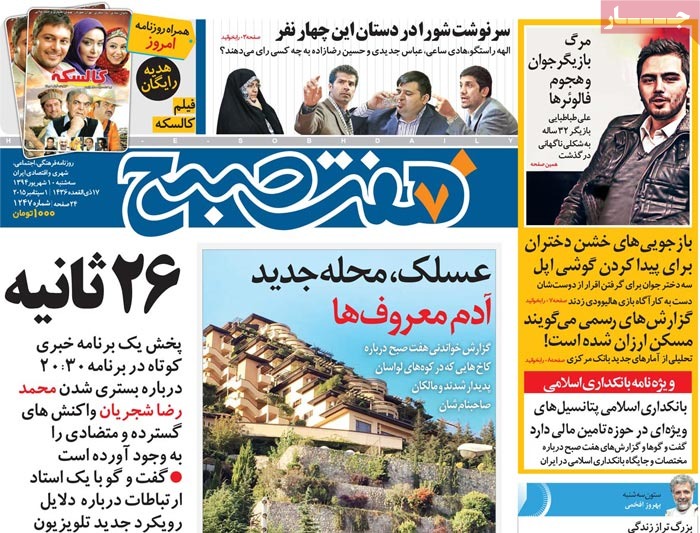
Haft-e Sobh: Ali Tabatabaei, a 32-year-old actor of small- and big-screen, has died of a heart attack.
 

A look at Iranian newspaper front pages on September 1


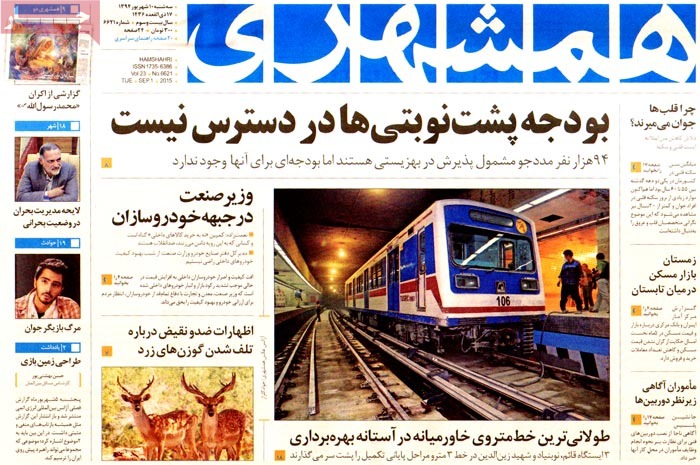
Hamshahri: The longest subway line in the Middle East is to be inaugurated in Tehran.
 

A look at Iranian newspaper front pages on September 1


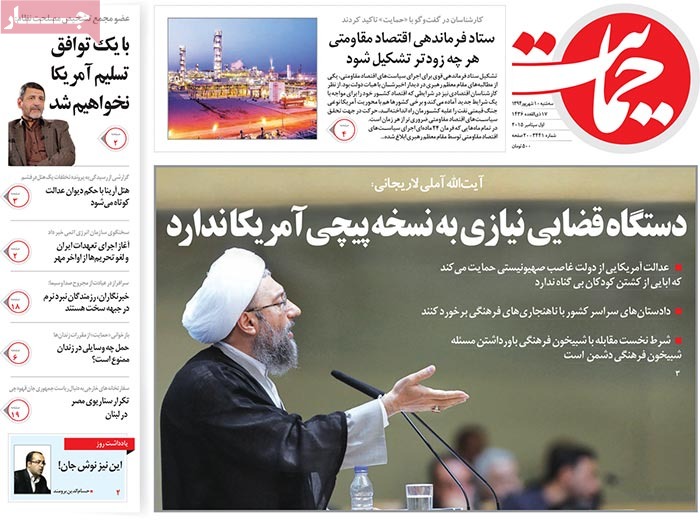
Hemayat: “We won’t bow to the US on the back of a deal [a reference to the Vienna nuclear accord],” said Saffar Harandi, a member of the Expediency Council.

Hemayat: “The Iranian judicial system does not need American prescriptions,” said the judiciary chief.

He said the American-style justice supports the Zionist regime which does not hesitate to kill children.

Ayatollah Sadegh Amoli Larijani also urged prosecutors across the country to take on cultural abnormalities.
 

A look at Iranian newspaper front pages on September 1


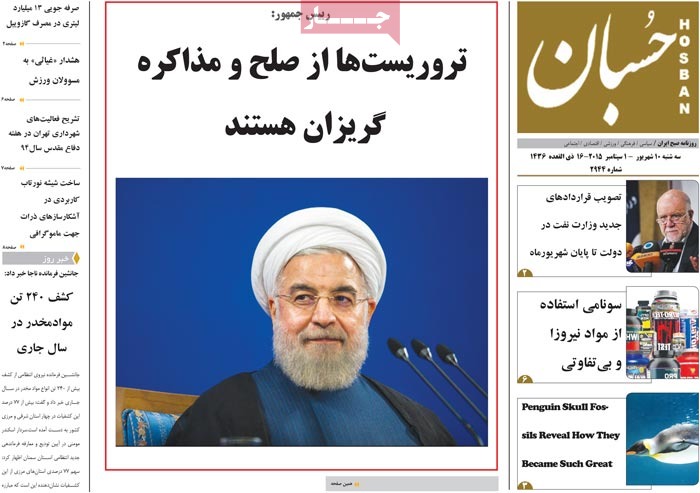
Hosban: Iranianpolice have seized more than 240 tons of illicit drugs this year [started March 21, 2015].
 

A look at Iranian newspaper front pages on September 1


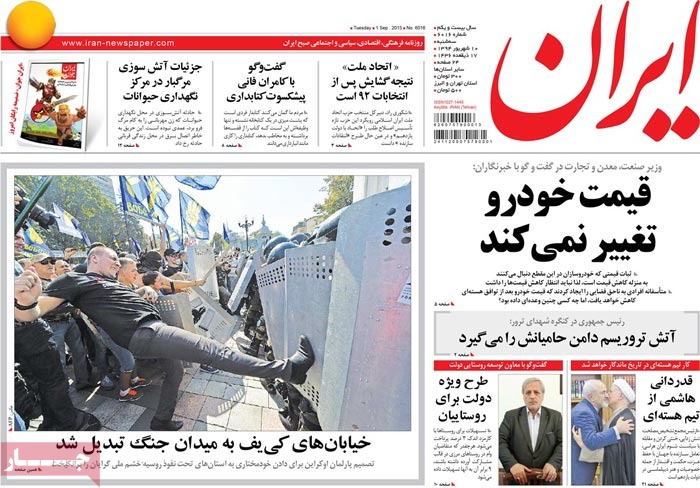
Iran: There has been a deadly fire at an animal shelter.

Iran: “Those who support terrorists are bound to be burned in the fire they help light,” President Rouhani said.
 

A look at Iranian newspaper front pages on September 1


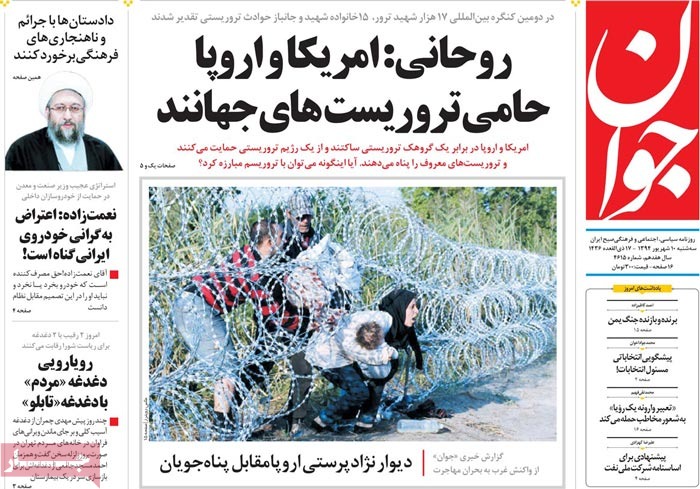
Javan: Rouhani: The US and Europe are sponsoring terror in the world.

“The US and Europe keep silent in the face of a terrorist grouping and support a terrorist regime. They offer refuge to ill-famed terrorists. How can one fight terrorists like this?” the president said.
 

A look at Iranian newspaper front pages on September 1


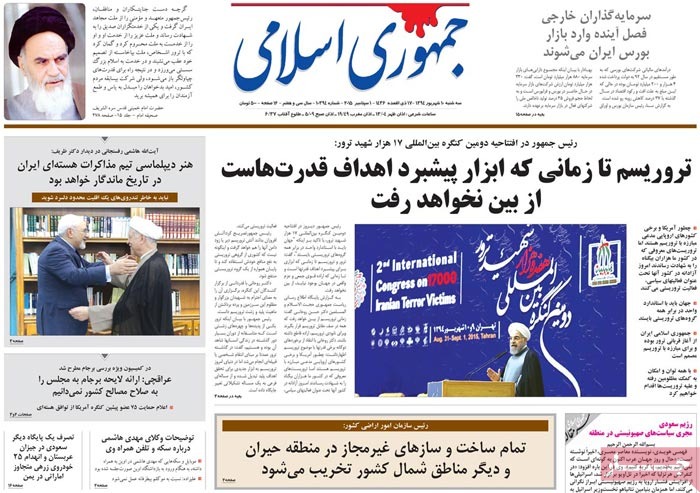
Jomhouri Islami: “All buildings illegally constructed in Heyran Village will be pulled down,” said the director of the Land Affairs Organization.

Jomhouri Islami: Foreign investors will make their way into the Iranian stock market as of next season.
 

A look at Iranian newspaper front pages on September 1


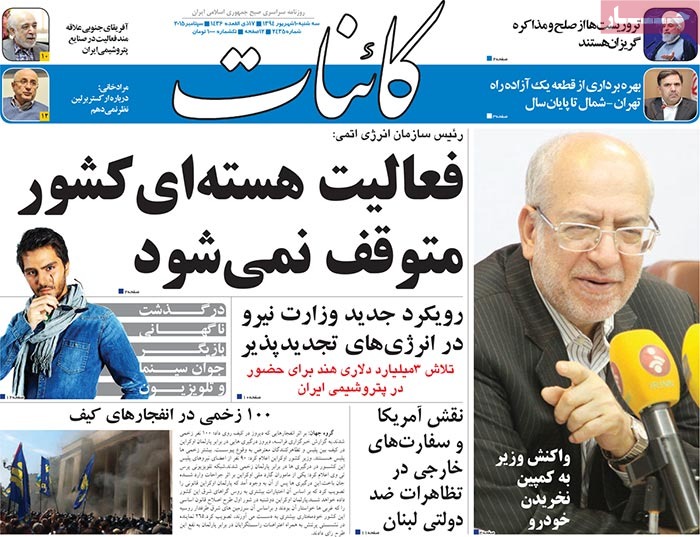
Kaenat: India is after $3 billion presence in Iran’s petrochemical industry.

Kaenat: “The country’s nuclear activities won’t stop,” said the Iranian nuclear chief.
 

A look at Iranian newspaper front pages on September 1


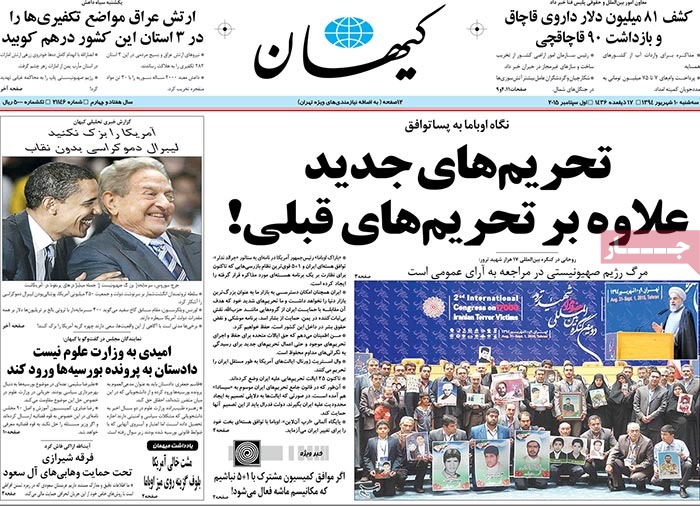
Kayhan: Smuggled medicinal drugs worth $81 million have been seized; 90 smugglers have been arrested.

Kayhan: In the post-deal era, Obama seeks to complement old sanctions with new ones!
 

A look at Iranian newspaper front pages on September 1


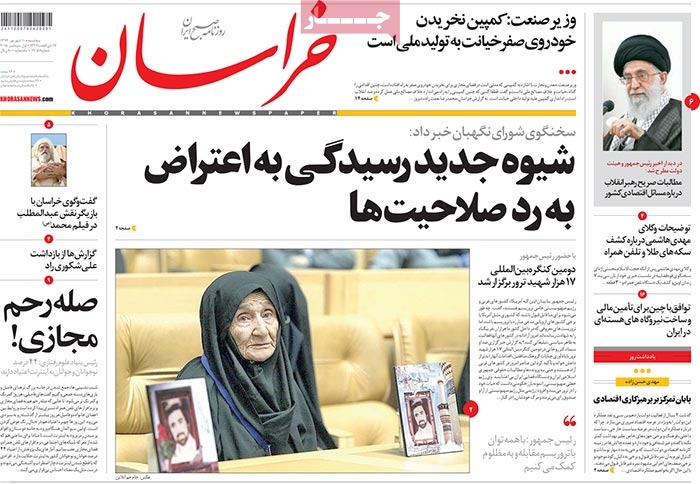
Khorasan: “The campaign not to buy brand new locally-manufactured cars amounts to betrayal to national production,” said the industry minister.
 

A look at Iranian newspaper front pages on September 1


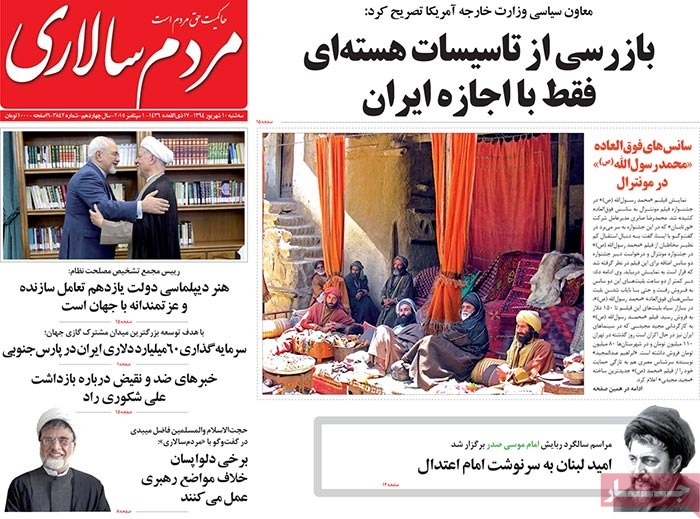
Mardomsalari: Iran is to invest $60 billion in development of South Pars, the largest shared gas field in the world.
 

A look at Iranian newspaper front pages on September 1


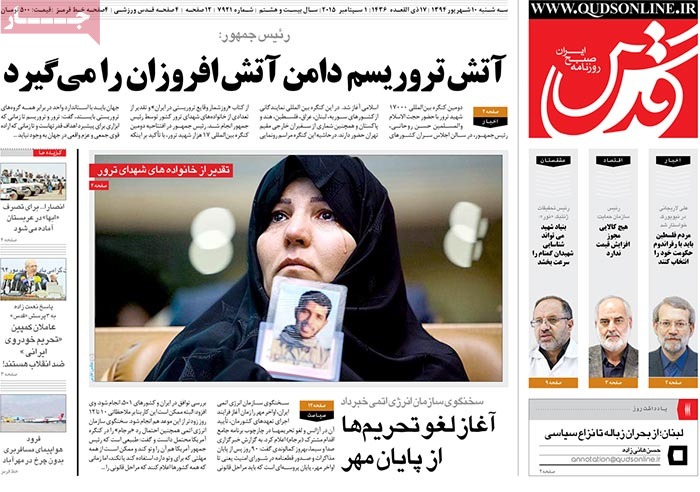
Qods: “The Palestinians should take part in a referendum to choose their government,” said Parliament Speaker Ali Larijani.
 

A look at Iranian newspaper front pages on September 1


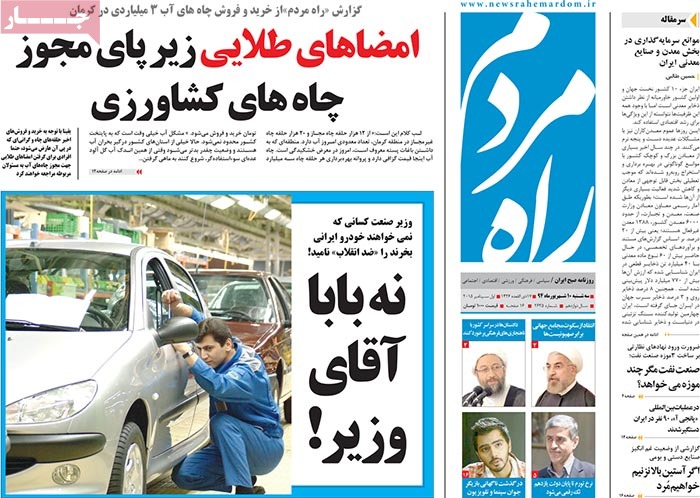
Rah-e Mardom: “Inflation will have slipped into single digits by the end of the government’s term in office in 2017,” said the economy minister.

Rah-e Mardom: Is that so, Mr. Minister?

The industry minister has slammed as anti-revolutionary those who do not want to buy Iranian-made cars.
 

A look at Iranian newspaper front pages on September 1


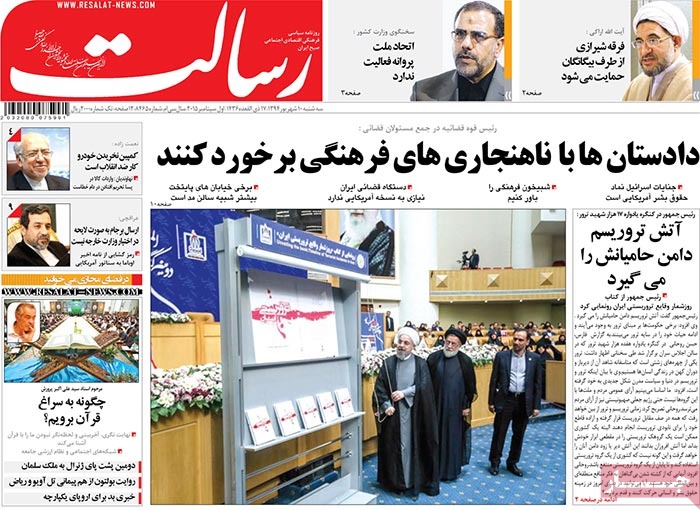
Resalat: “The Unity of Nation Party does not have a license to operate,” said the spokesman of the Interior Ministry.
 

A look at Iranian newspaper front pages on September 1


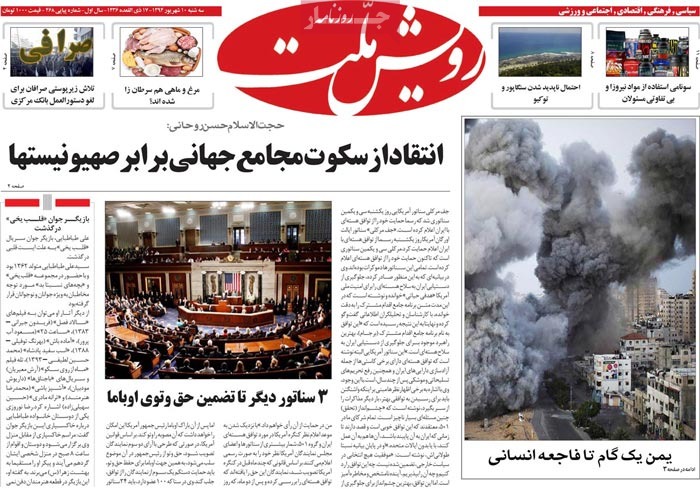
Rooyesh-e Mellat: The president has criticized the international community for its silence in the face of Zionists.

Rooyesh-e Mellat: With just three more senators on board, Congress would not be able to override the president’s veto of its rejection of the Iranian nuclear deal.

Rooyesh-e Mellat: Yemen is only one step away from a human catastrophe.
 

A look at Iranian newspaper front pages on September 1


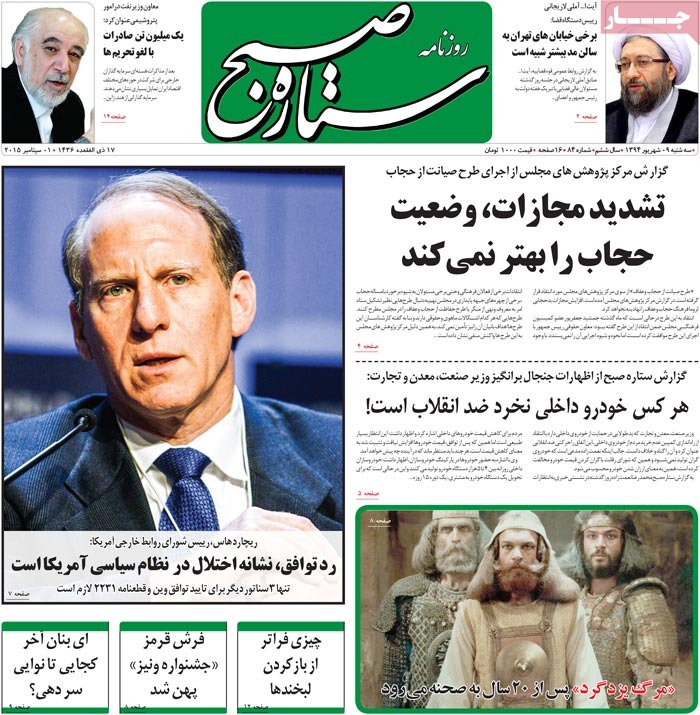
Setareh Sobh: The judiciary chief has said some Tehran streets are more like fashion houses than streets.
 

A look at Iranian newspaper front pages on September 1


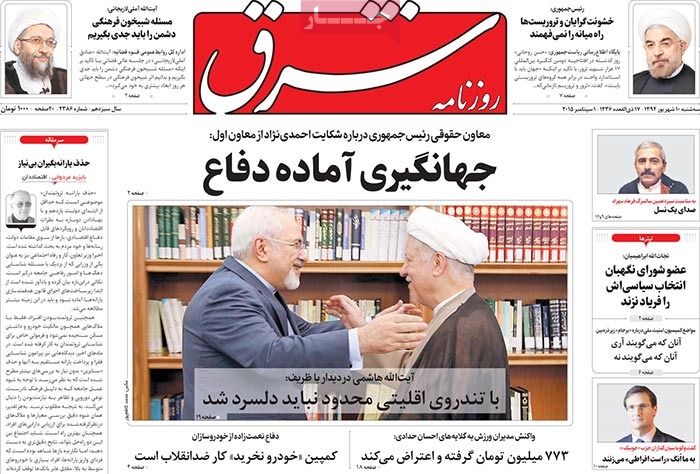
Sharq: The judiciary chief has called on officials not to take the cultural onslaught of the enemy lightly.

Sharq: The vice-president for legal affairs has said the first vice-president is ready to mount a defense after the former president pressed charges against him.
 

A look at Iranian newspaper front pages on September 1


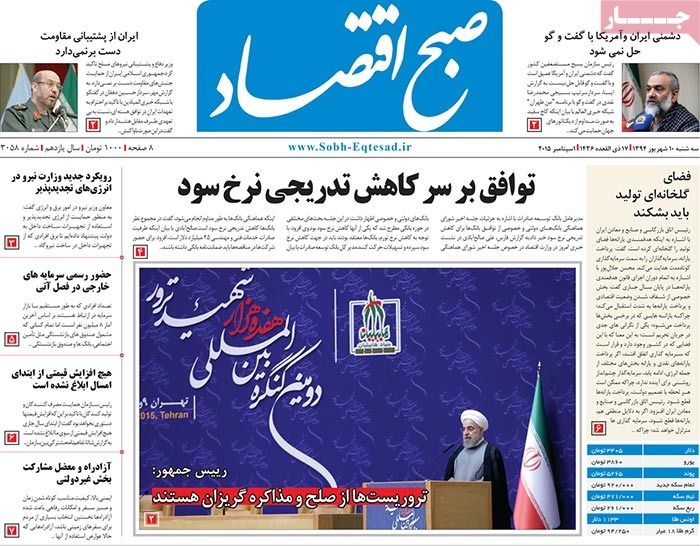
Sobh-e Eghtesad: “The hostility between Iran and the US won’t be resolved through dialogue,” said the commander of the Basij force.
 

A look at Iranian newspaper front pages on September 1


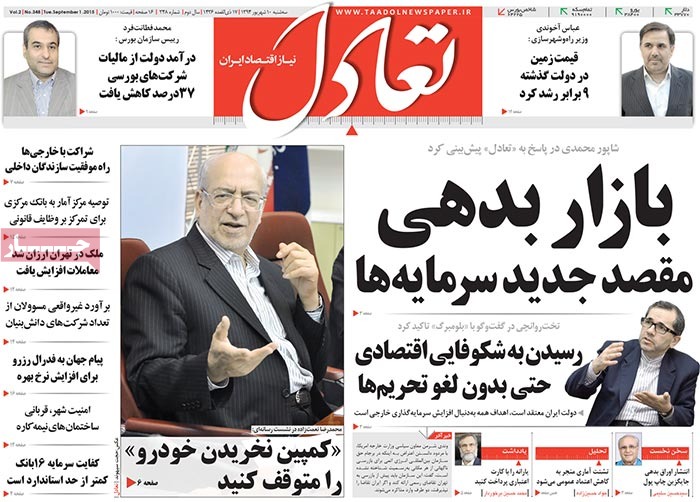
Taadol: “Land prices increased 9-fold during the tenure of the previous government,” said the minister of roads and urban development.
 

A look at Iranian newspaper front pages on September 1


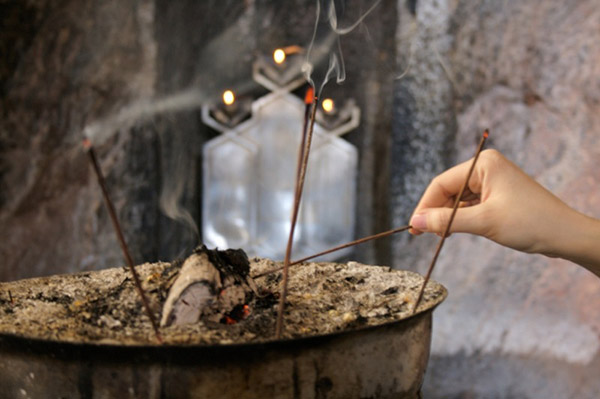
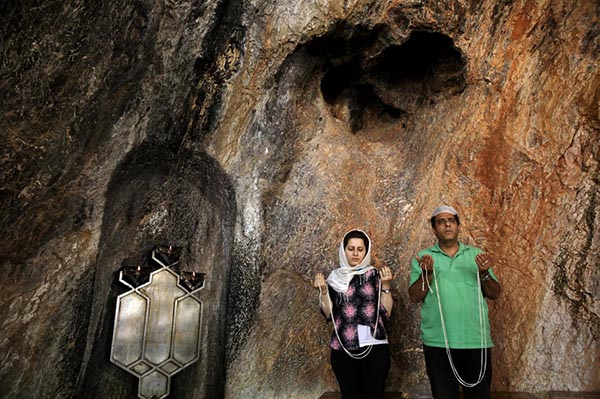
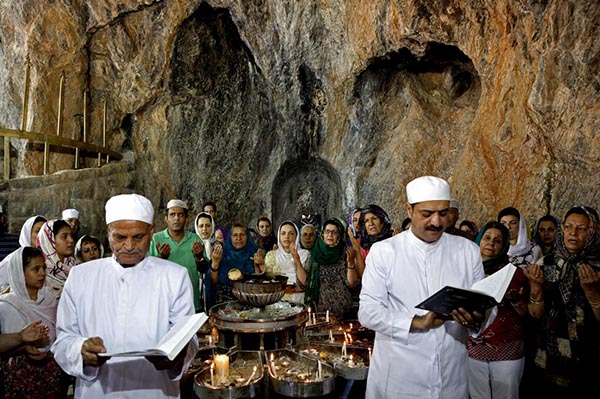
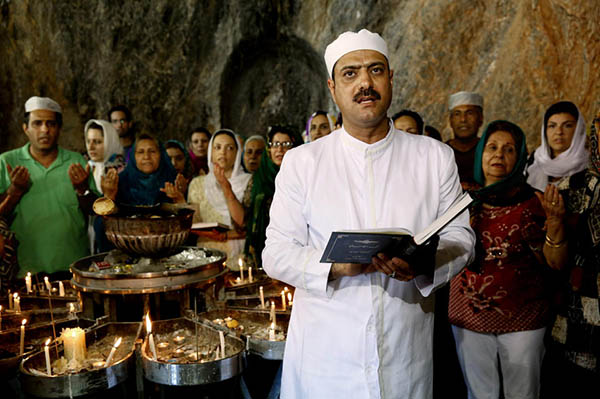
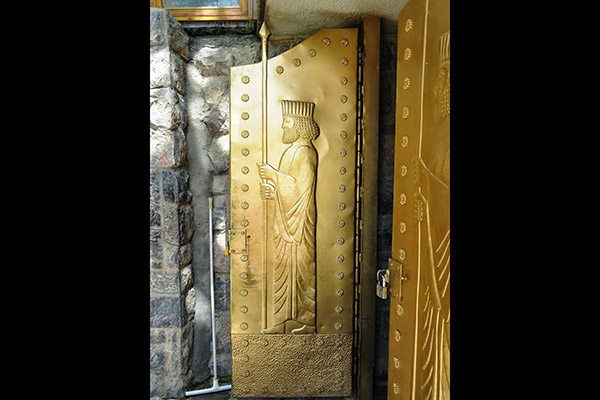
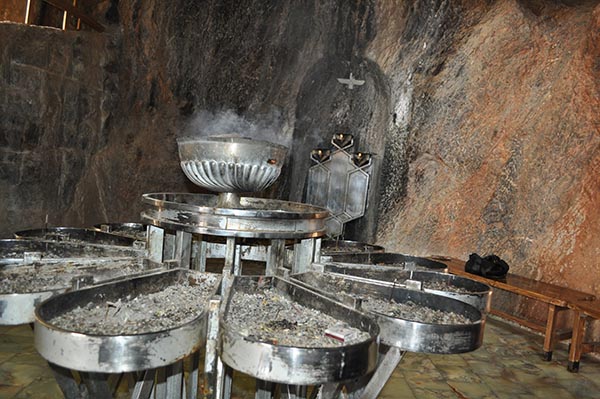
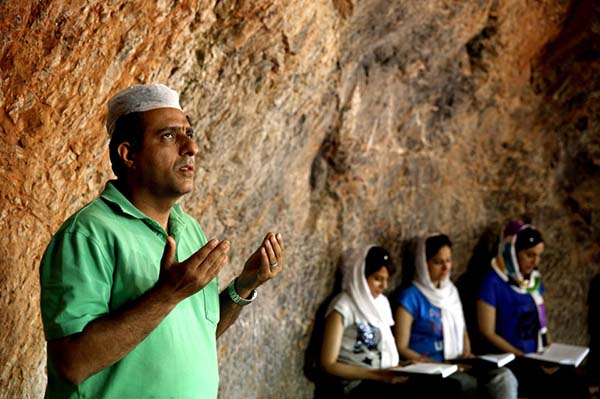
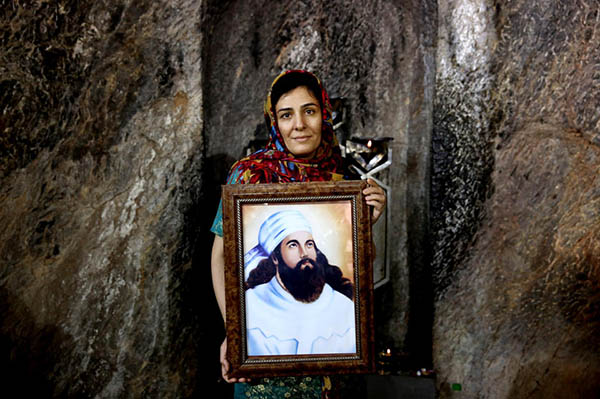
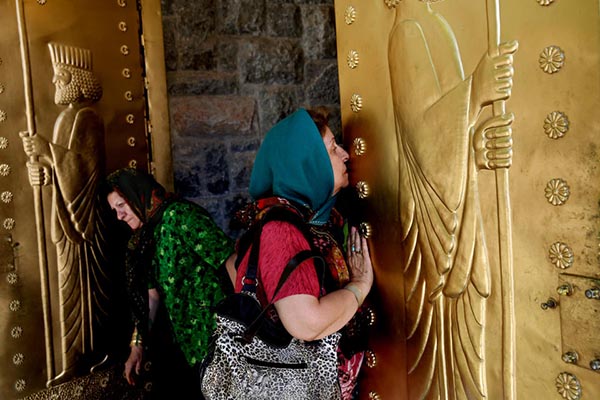
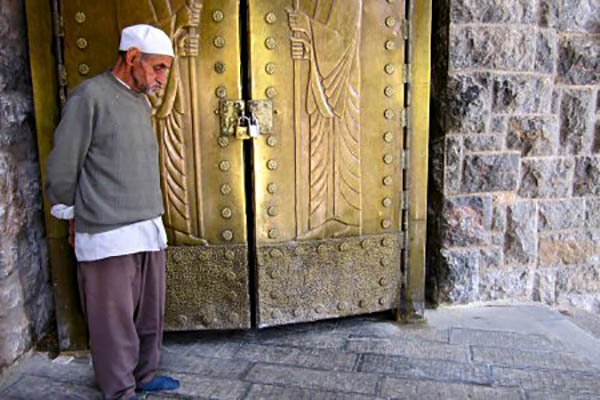
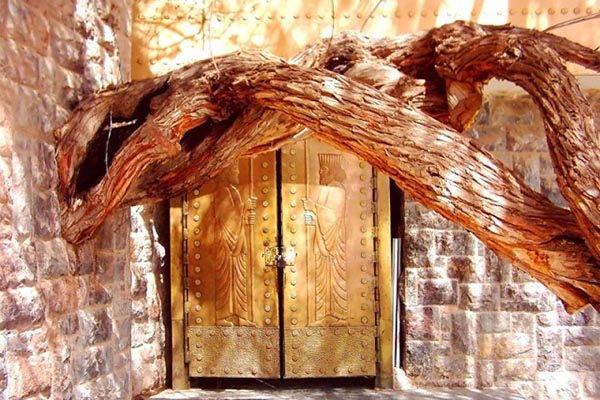
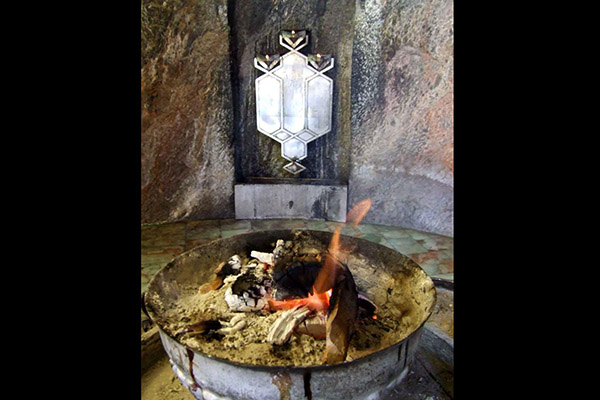
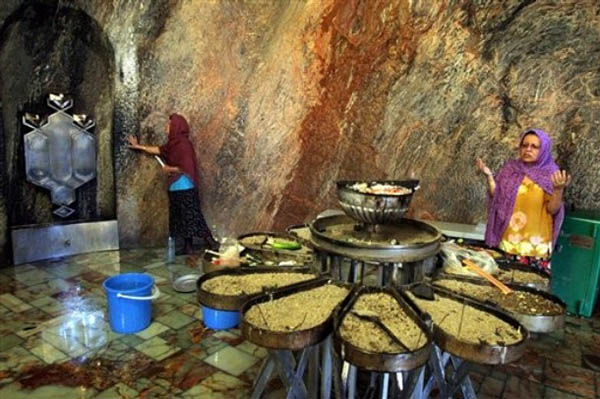
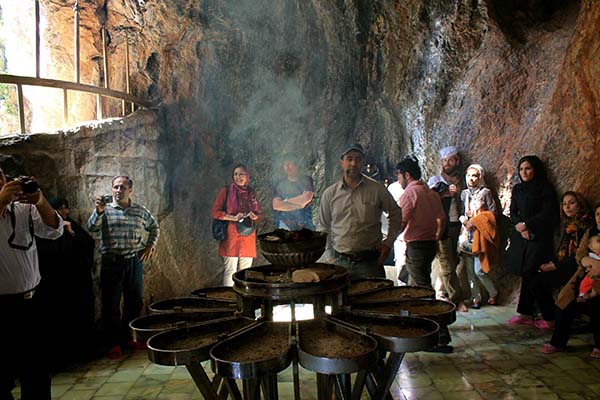
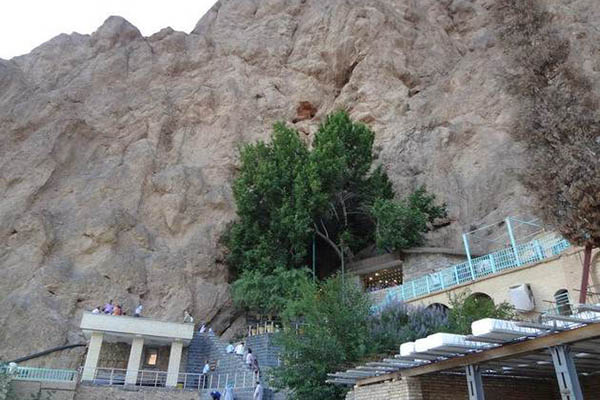
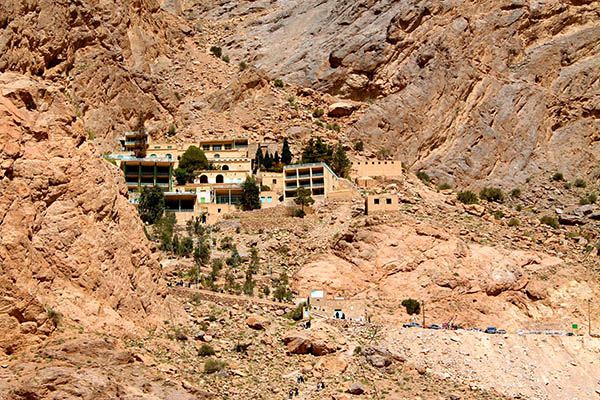
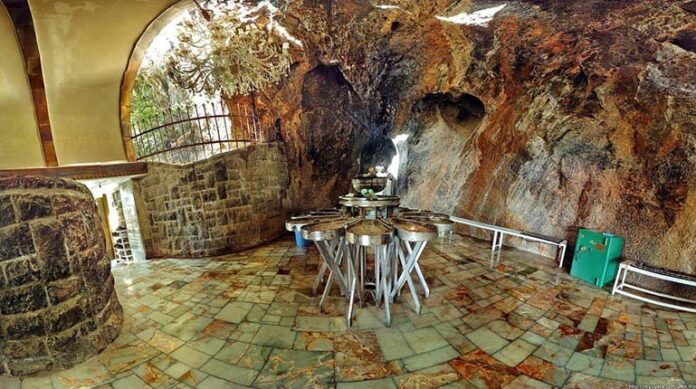
Chak Chak, a Zoroastrian shrine in central Iran

Chak Chak0

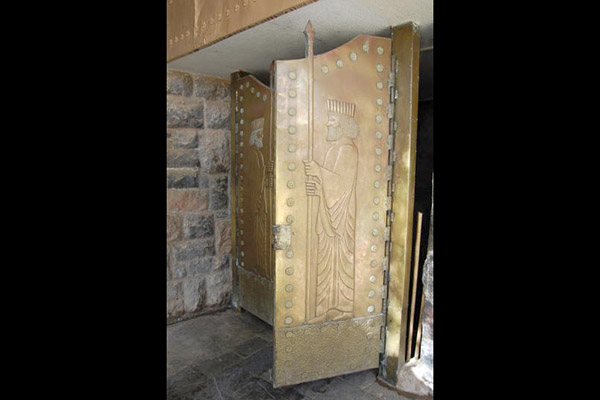
Chak Chak, also known as Pir-e Sabz, is a Zoroastrian house of worship 52 km to the northeast of Yazd, in central Iran.

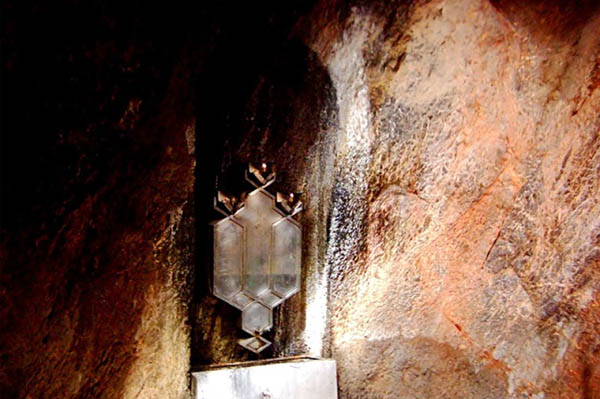
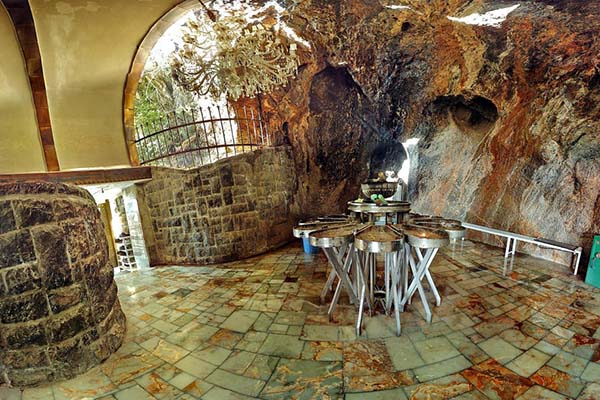
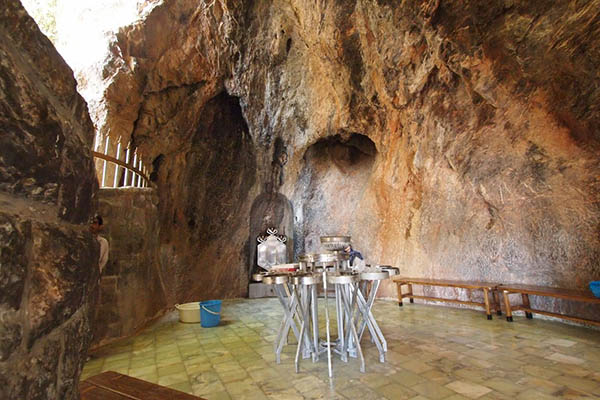
The holy site was named Chak Chak [drip drip] because of the sound of water drops that fall from its rocky ceiling.

The site is believed to be the sanctuary where Nikbanou, a Sassanid princess, took refuge to protect herself from an Arab invasion. Later a shepherd is said to have been ordered by Nikbanou, in his dream, to build the holy house.

Chak Chak is very popular with both Zoroastrian pilgrims and Muslim tourists. But between June 14 and 18 each year, it is only open to Zoroastrian worshipers.

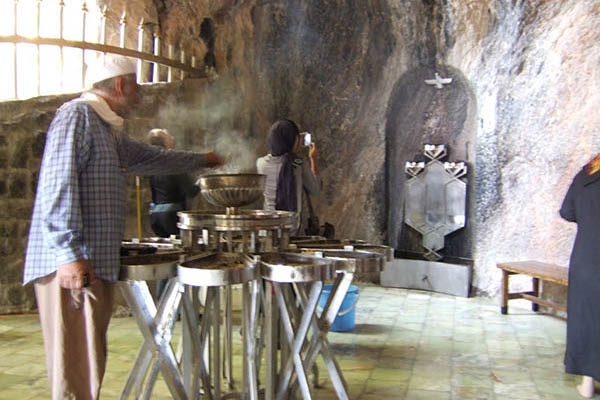
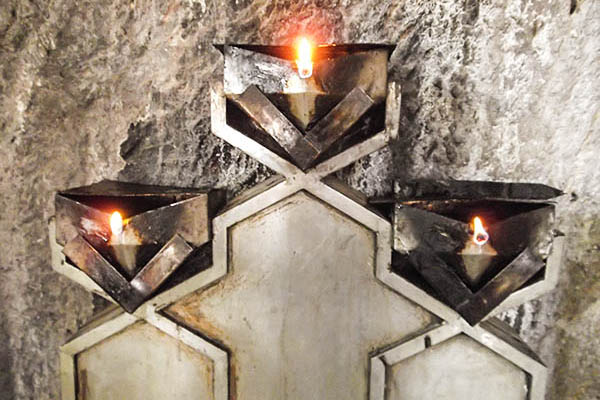
A number of candles are always burning at the pilgrimage site whose walls are graced with the icons of Zoroastrian scholars. There are containers on the temple floor to collect the dripping water which is later given to pilgrims as holy water.

The following are images of the holy site released by different websites:

Iran resistance proved bullying ineffective: Parliament speaker

Larijani-UN

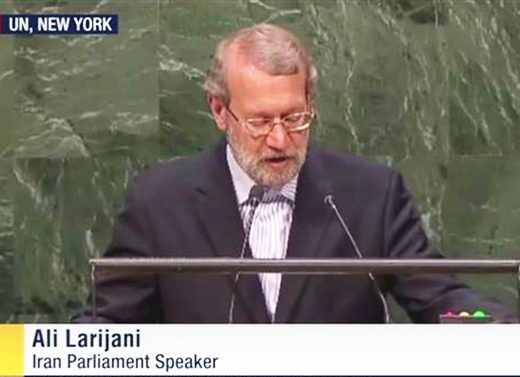
Parliament Speaker Ali Larijani has said that Iran has proven to the world that the weapon of force and bullying is no longer effective.

Larijani made the remarks in his address to the Fourth World Conference of Parliament Speakers, convened by the Geneva-based Inter-Parliamentary Union (IPU) in cooperation with the United Nations, at the UN headquarters in New York on Monday.

Some big powers tried to bring the Iranian nation to its knees, but the great Iranian nation stood against force by choosing the course of resistance and steadfastness and emerged victorious, he said.

By so doing, the Iranian nation showed that the weapon of force and bullying is old and ineffective and has lost its effectiveness and power of influence, the official added.

Larijani was referring to Iran’s recent agreement with P5+1which ended a 12-year Western standoff with Iran over the country’s nuclear program.

In today’s world, some powers still believe that they can attain their political goals by resorting to force, pressure and sanctions, he said.

Larijani, who was addressing the session called “placing democracy at the service of peace and sustainable development”, said, “The main question to be discussed at this session should be whether or not democracy is really at the service of peace and sustainable development in today’s world or not.”

He said some governments, which supposedly seek democracy for their own peoples, support dictatorship and despotic and violent regimes in some countries and seek to establish democracy in others via bombs and machine guns.

“The same approaches are the begetters of warmongering in today’s world. The painful fate of the downtrodden Palestinian people, the belligerency of the Zionist regime [of Israel], war and occupation in Iraq and Afghanistan, the war in Yemen, and the five-year-long war in Syria can be cited as examples,” Larijani said.

JCPOA throws US into political turmoil: Iran nuclear chief

Salehi

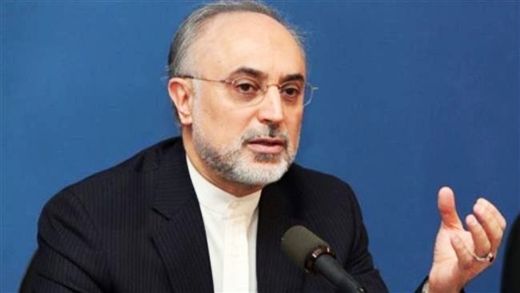
Iran’s nuclear chief has said that the discussions in the United States on a recent agreement between the Islamic Republic and P5+1 have thrown Washington into political turmoil.

Director of the Atomic Energy Organization of Iran (AEOI) Ali Akbar Salehi said on Monday that the discussions on the Joint Comprehensive Plan of Action (JCPOA), which he described as a “political challenge” to both Iran and the US, have thrown Washington into political turmoil.

“US officials have announced that if JCPOA is rejected by Congress and the president can’t do anything [to prevent such an outcome], the global credibility of the US will take a hit, the dollar will not be able to maintain its status, and the paradigm of the US foreign and domestic policy will change,” Salehi said.

The remarks by the Iranian nuclear chief come as the US Congress will vote on the agreement in September and most Republicans have opposed the agreement. President Barack Obama, however, has expressed confidence that “this deal will go forward.”
Obama needs the support of 34 Senate Democrats to sustain a presidential veto if Congress approves a resolution to reject the agreement. So far, 31 Senate Democrats have announced support for the agreement.
The US ambassador to the United Nations warned last week that the US will be isolated internationally and will no longer have any influence on the world stage if JCPOA is rejected.

“If the United States rejects this deal, we would instantly isolate ourselves from countries that spent nearly two years working with American negotiators to hammer out its toughest provisions,” Samantha Power wrote in an editorial published by Politico on Wednesday.

Salehi said that there are also challenges and different ideas on JCPOA in Iran, adding that despite the differences “we will tread a path toward national interests and national sovereignty” under the guidance of Leader of the Islamic Revolution Ayatollah Seyyed Ali Khamenei.

“In this political challenge, the Islamic Republic has driven the opponent into a corner,” Salehi said, adding, “The Islamic Republic could gain the upper hand within a formulated framework and with reliance on dignity, expedience and the Leader’s wisdom.”

He also said that JCPOA will not slow down the country’s nuclear activities.

“Our nuclear activities have not been stopped or slowed down and we assure the great [Iranian] nation that our nuclear activities will move forward,” Salehi said.

On July 14, Iran and P5+1– the United States, Britain, France, China, Russia and Germany – finalized the text of JCPOA in the Austrian capital Vienna.

Under JCPOA, limits will be put on Iran’s nuclear activities in exchange for, among other things, the removal of all economic and financial bans against the Islamic Republic.

Salehi further referred to “the limitations” stipulated in JCPOA, saying they will not slow down the basis of Iran’s nuclear activities, and they will be lifted once the two sides have taken trust-building measures.

He also said that Iran has told its negotiating partners that the country has never pursued non-civilian objectives in its nuclear program and will never do so.

Zarif urges Muslim countries to unite against extremism

zarif-tunisia

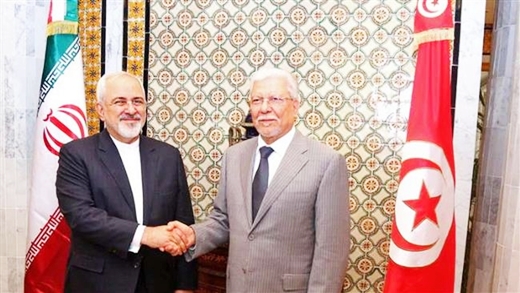
Iran’s Foreign Minister Mohammad Javad Zarif has called on Muslim countries to join forces in the fight against extremism.

“Today, the main battle is between extremism and moderation, and all Muslim countries should unite against extremism on one front,” Zarif said in a meeting with his Tunisian counterpart Taieb Baccouche in Tunis on Monday.

The Iranian foreign minister described extremism and terrorism as major threats to Muslim countries.

Zarif also called for an end to foreign meddling in regional crises, saying that dialogue should be a basic strategy to solve the crises in the region and any contribution in this regard should be aimed at facilitating dialogue.

The Iranian foreign minister said that no condition should be set for dialogue in Syria, Yemen and other regions beset by crisis.

Zarif also sat for talks with Tunisian Prime Minister Habib Essid and stressed that the prevention of extremism and violence should be the main theme of cooperation between Muslim countries.

The Iranian foreign minister recalled the Joint Comprehensive Plan of Action (JCPOA), between Iran and P5+1, and said, “The achievement is a victory for all countries in the world and region and the negotiations proved that the basis of resolving problems is dialogue and negotiation not pressure and sanctions.”

On July 14, Iran and P5+1– the United States, Britain, France, China, Russia and Germany – finalized the text of JCPOA in the Austrian capital Vienna.

Essid, for his part, congratulated Iran on the nuclear agreement, describing it a positive achievement in the international political developments.

The Tunisian premier also called for the expansion of relations with Iran in different fields, including tourism, industry, agriculture and the environment.
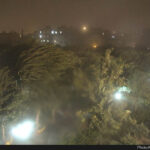
Storm tears through capital, leaving three injured (PHOTOS)

Storm

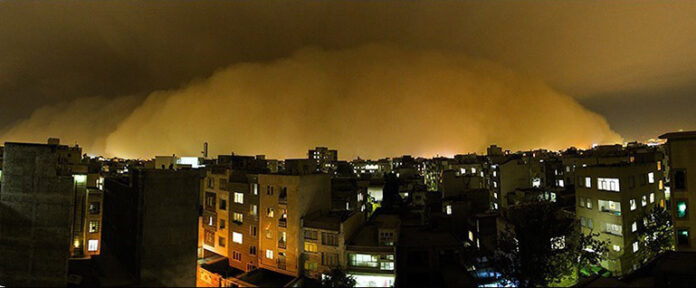
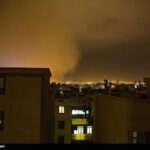
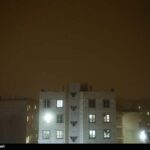
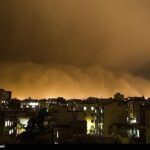
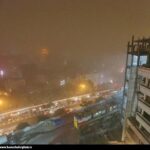
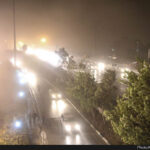
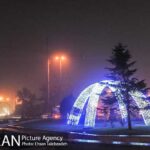
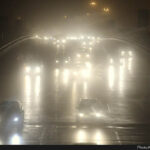
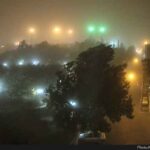
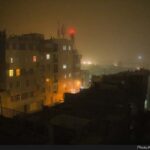
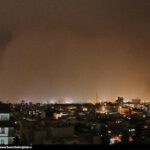
A storm packing winds of 65 km an hour tore through Tehran late Monday, leaving three people injured.
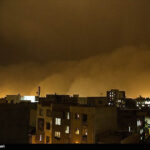
The storm which kicked up dust knocked down trees, power lines and scaffolding.

The following images of the storm have been published by different news agencies:

Iran’s Ehsan Hajsafi joins FSV Frankfurt

Hajsafi

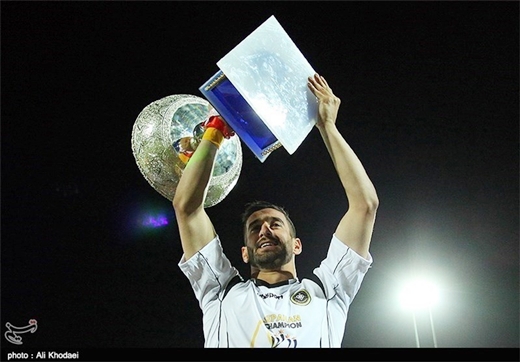
Iranian national football team winger Ehsan Hajsafi joined German Bundesliga 2 side FSV Frankfurt.
The 25-year-old has joined FSV Frankfurt until June 30, 2017 for an undisclosed fee.
Hajsafi has played 71 times for the Iranian national football team and scored four goals.
“Ehsan Hajsafi is a highly experienced international player who has represented Iran in the World Cup. He is a versatile player, who can play in different positions in midfield as well,” FSV Frankfurt coach Tomas Oral said

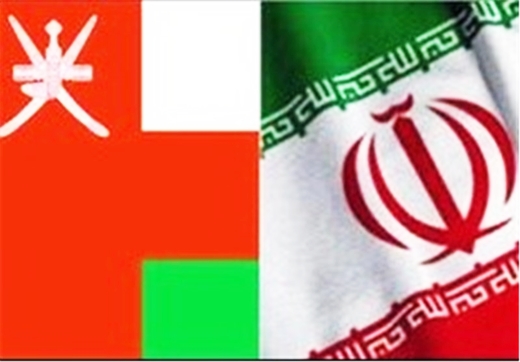
Iran, Oman sign deal to finalize gas pipeline project

139206021449101501039174

Tehran and Muscat have inked an agreement to finalize the construction of a pipeline which is expected to carry Iran’s gas to the Persian Gulf sultanate.

Salim bin Nasser al Aufi, under-secretary of Oman’s Ministry of Oil and Gas, said the agreement addresses major details, including the cost and route of the project, Oman Daily Observer reported on Monday.

The report added that the gas pipeline is part of a landmark deal clinched by the two countries nearly two years ago.

It added that the 400 km export pipeline will carry Iran’s natural gas to Sohar Port in the Persian Gulf country.

Under the contract, Iran will export 28 million cubic meters of gas per day to Oman for 15 years. Based on the current gas price, the deal is worth $60 billion.

Earlier in June, a senior official with the Iranian Offshore Engineering and Construction Company (IOEC) announced that the company plans to construct a pipeline for exporting gas from Iran to Oman.

“The construction of the gas export pipeline from Iran to Oman will be carried out by the IOEC,” Rahim Tabrizi said in an interview with the Tasnim News Agency at that time.

Kameli had earlier said that construction projects are currently underway and the Iranian contractor is carrying out the basic engineering studies on the pipeline.

Iran’s total gas exports to foreign countries reached over 9.6 billion cubic meters (bcm) in 2014, according to the 64th Edition of the BP Statistical Review of World Energy.

In its statistical review, BP classed Iran as the world’s top gas reserves holder with 33.8 trillion cubic meters.

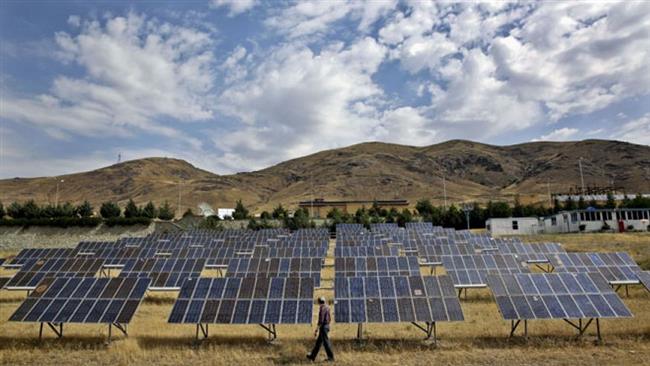
India, Korea plan $10 billion energy park in Iran

Green Energy

Enterprise Company has also proposed to build gas-powered and combined cycle plants to produce 600 megawatts of electricity, Suesh Sharma, coordinator and head of GTPP Oil and Gas, said.

Iranian project owners have announced readiness to undertake 30% of investment and the foreign side to provide the rest of the funds, an IRNA reporter told Press TV.

Representatives of the consortium visited provincial authorities on Sunday to outline their plans, the news agency said.

The project is part of Iran’s bid to establish 5,000 megawatts of renewable capacity in the country which relies on fossil fuels for 854% of its electricity.

Renewables currently account for less than 14% of the country’s energy mix which mainly come from hydro plants but a lingering drought is reducing their production.

Iran is the biggest producer of electricity in the Middle East, generating over 70,000 megawatt-hours.

Tokyo welcomes JCPOA, closer ties with Tehran

Larijani

A top Japanese parliamentarian has welcomed the nuclear agreement recently sealed by Iran and P5+1 over the Islamic Republic’s nuclear program.

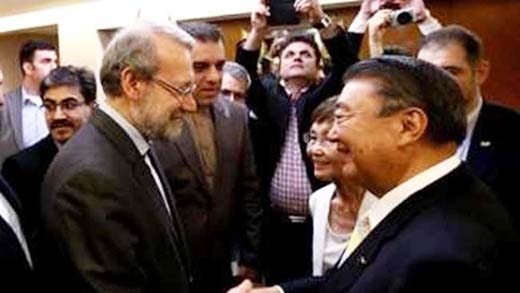
Tokyo is delighted at the agreement and would like to see the ground prepared for its implementation, said Speaker of Japan’s House of Representatives Tadamori Oshima in a meeting with Iranian Parliament Speaker Ali Larijani in New York.

Oshima and Larijani are currently in New York to attend the Fourth World Conference of Parliament Speakers convened by the Inter-Parliamentary Union (IPU) in cooperation with the United Nations.

The top Japanese parliamentarian further said his country stands ready to work with Tehran to help promote peace and stability at regional and international levels.

Japan is prepared to open up a new chapter in its relations with Iran on political, parliamentary, economic, trade and cultural fronts, Oshima further said.

Larijani, for his part, said the Iranian government and people have a “positive view” toward the enhancement of Tehran-Tokyo ties.

Age-old relations between the two countries in political, economic and cultural arenas serve as “capital” for closer mutual cooperation and interactions, he said.

“All potential should be tapped in order to boost [bilateral] relations,” said the Iranian parliament speaker.

In the post-sanctions era, said Larijani, the ground is more prepared for closer Tehran-Tokyo cooperation and Japan can seize this opportunity.

Larijani also expressed hope that an extradition treaty inked by Iran and Japan will come into force as soon as possible.