Tuesday, December 23, 2025
Home Blog Page 4712

Iran’s Javad Zarif on Russia and Peace in Syria

Zarif

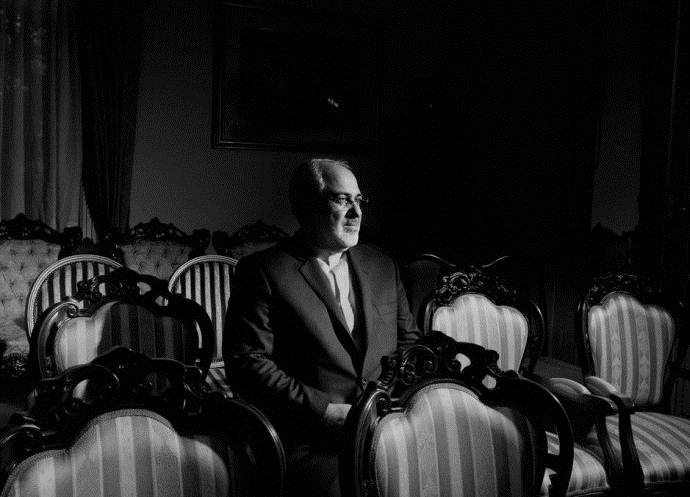
The New Yorker Magazine’s Robin Wright conducted a wide-ranging interview with Foreign Minister Zarif, with a focus on Syria, before his return home from New York where he attended the UN General Assembly. The following is what the world-famous magazine’s website published on October 6 on Wright’s interview with the Iranian top diplomat:

Iran’s foreign minister, Mohammad Javad Zarif, is in demand these days. On the sidelines of the U.N. General Assembly, he shook hands with President Obama and met twice with Secretary of State John Kerry. (Zarif and Kerry have been nominated, jointly, for the Nobel Peace Prize, scheduled to be announced this week, for their two-year negotiations on the Iran nuclear deal.) Zarif hosted both Republican and Democratic officials from previous U.S. Administrations, breakfasted with editors, huddled with American nuclear experts, and briefed the Times editorial board. He also squeezed in a session with the University of Denver, his alma mater; the event was streamed live from the Waldorf-Astoria, because Iranian diplomats are not allowed to travel beyond a twenty-five-mile zone around New York.

The day before Zarif returned to Tehran, I spoke with him at the residence of Iran’s U.N. ambassador, on Fifth Avenue, near the Metropolitan Museum. The interview has been condensed and edited for clarity.

Did you know that Obama was going to come up and shake your hand?

No. It’s not customary for a head of state to plan shaking hands with a foreign minister. That’s even an insult for a head of state to plan. Obama had spoken to the General Assembly two hours earlier, and we did not expect him to be back in the Assembly Hall. As I was getting out, President Obama, I don’t know for what reason, was entering the General Assembly Hall, and we simply ran into each other. On and off the record, it was an accident.

Is this going to cost you at home?

It has already cost me at home. But everything I do costs me at home, so this is not an aberration.

Why was President Hassan Rouhani unwilling to see President Obama? White House officials made clear to me and others that they were interested in trying to make that work this time.

Because we believe that what is right now on our agenda is the implementation of this agreement, and that is the No. 1 priority. You don’t need to do things that would complicate that. What is important for us is the substance, not the appearances, and I mean photo ops.

For eighteen months, you’ve been telling me about your four-point plan for Syria. Where does that stand?

It has evolved, but it still has four points. The gist of it, however, is a national-unity government, a ceasefire, fighting terrorism, constitutional reform, and creation of a permanent government structure based on the new constitutional institutions that have been created. This is basically the gist of any plan that we believe would be workable in Syria.

Of course, any plan should also have a number of principles that everybody should subscribe to, with respect to sovereignty, territorial integrity, fighting extremism, sectarianism, and non-interference in the internal affairs of Syria, a political solution, respect for minority rights, human rights. We are just making suggestions. We are not making any rigid proposal. We are in the process of talking, consulting with various regional and extraregional players on this.

How wedded to President Assad is Iran?

What we have been saying from the beginning is that this is a decision that the Syrian people have to make. We are against people and governments outside Syria setting preconditions for a political solution in Syria. One way or another, we’re not setting any preconditions. We believe that’s not our job. We believe we should leave it to the Syrians to decide. We should facilitate national unity, national reconciliation among Syrians, and then should facilitate an outcome that is stable and democratic, and then allow Syrians to make their own decisions about who should govern them, and how they should be governed.

Is the United States aware of this plan?

The United States is regularly briefed by its European allies, as well as by the United Nations, and all of them have been privy to our thinking.

Do the Russians support your idea?

I believe our thinking on that situation is very similar.

The Russian bombings of Syria—were you taken by surprise when they started?

Not necessarily, because there was this need for an international effort, and we’ve been calling for an international effort to deal with Daesh [the Islamic State] and other similar terrorist organizations, like Jabhat al-Nusra [also called Al Qaeda in Syria] and Ahrar al-Sham and similar splinter groups, which pop up every other hour in Syria.

What do the Russians ultimately want out of this bombing campaign?

What the United States should have wanted from this bombing campaign—and that is to destroy Daesh.

But is it also to insure that President Assad survives, or is it to facilitate a process? I’ve been wondering whether the new movement is actually getting us closer to negotiations, or whether it’s dividing the countries, the major powers, even more.

I think it gets us closer to negotiation from several different angles. These circumstances provide opportunities, as well as challenges. If we take the opportunities, we make something out of them. If we don’t take the opportunities, then we are only left with challenges.

Why are you confident that the Russians are interested in negotiations rather than simply insuring that Assad stays in power?

Because there is no military solution in Syria. At the end of the day, everybody has to negotiate. And I think everybody understands this. There has to be a political solution to Syria, everybody committed to a political solution. The military battleground has its ups and downs. But the military battles alone will not determine the future of Syria.

Russia’s first target was not ISIS or the al-Nusra Front.

It was. The first target was the new group that has been created out of the combination of al-Nusra and Ahrar al-Sham, called Jaish al-Fatah. These groups get new names every other day.

In terms of Iran’s presence, there were reports in the past week of Iranian troops in Syria, not just military advisers.

Wrong. We haven’t changed the nature of our presence in Syria. It continues to be military advisers, and no more. Actually, I checked, and I made sure that this was the case.

But Iran supports Russia’s involvement in Syria.

We support anybody’s involvement against Daesh, provided that it’s serious. The problem with the international coalition was that it was never serious, because it had political inhibitions against hitting Daesh, because they believe that hitting Daesh before they have a solution for Bashar al-Assad would help Bashar. So there is just a show going on, and that is why the ability of Daesh has not even been dented over the past year.

How does this play out? We have an unprecedented number of countries engaged in Syria militarily now. How do we get from this moment to negotiations?

As soon as you get ready to talk about the future of Syria without preconditions. That requires a major, major soul-searching on the part of the West. Their predictions were wrong. They were expecting to unseat Assad four Ramadans ago. Instead of three weeks, it has been four years and hundreds of thousands of casualties and millions of people displaced from their homes.

At the United Nations, President Obama talked about a managed transition, which is a term that he used for the first time. Did you see any flexibility in that—in the U.S. looking more actively for a negotiated outcome?

There are new nuances. You see remnants of his old rhetoric.

I still believe that there are some considerations of regional constituencies that disable the United States from divorcing itself from the old policies that have continued, have caused the continuation of this conflict.

Its alliances with Saudi Arabia and other Gulf countries?

Yes, its attention to their anxieties.

Has the nuclear deal opened the way for broader discussion of Syria, of Yemen, of Iraq, of the other regional flashpoints, in ways not possible before?

Not yet. We were hoping that the implementation of the JCPOA [Joint Comprehensive Plan of Action] would start reducing some of the mistrust that existed in Iran about the objectives and general policy directions of the United States in the region. Obviously, the comments that we’ve heard over the past two months, which were mostly addressed to the domestic constituencies here in the United States, did not help to alleviate the mistrust.

Do you really have any doubt that, given the fact that this has now gone through the congressional hurdles, there’s any real obstacle to its implementation?

There are two ways that you implement an agreement. One way is the minimalist approach to implementation—you will do absolutely what is unavoidable—and that is not conducive to producing confidence. The other way of doing that would be to look at sanctions terminations as an insurance policy, to create a different type of interaction with Iran. The United States should look at this not as concessions but as a way to insure the longevity of a very good agreement. And, if they did that, then not only would we have a sustainable agreement but we would build confidence.

But haven’t the United States and Iran turned a page by simply coming to terms on a nuclear agreement?

The jury is still out. I’m certainly hopeful I didn’t waste two years of my life for nothing! And I’m sure Secretary Kerry has the same hope.

What would be next on the U.S.-Iran agenda?

I’ll take one step at a time. But I’ll take firm steps. And you saw that that works. We took a firm step; we did not confuse the nuclear issue with other issues. People were talking, were saying we had to mix other issues. We stayed on message, as you say in campaigns, and we were able to crack this very difficult issue. If we stay on the same line and continue good-faith implementation of JCPOA, then we have a possibility to create some confidence that would enable us to deal with other issues.

And take other firm steps?

And take other firm steps.

Such as?

One step at a time.
Riyadh should explain role of Zionist-run firm in Hajj Management

Sheikh Maher

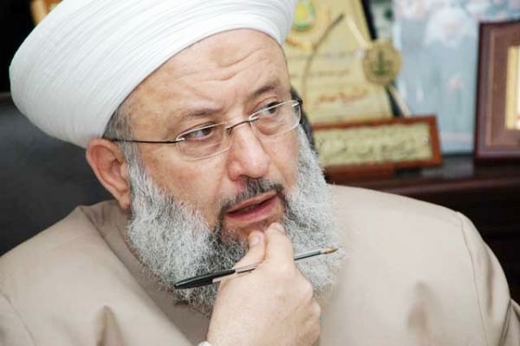
A top Sunni cleric in Lebanon has asked Saudi officials to offer explanations about the role a Zionist-run company plays in the management of Hajj, especially the security of the pilgrims of Masjid al-Haram [the Grand Mosque of Mecca], calling on Islamic nations to form a committee to investigate the Mina tragedy.

Sheikh Maher Hammoud, who is also the secretary general of Lebanon’s Union of the Resistance Scholars, made the comment in an interview with the Islamic Republic News Agency (on October 6) and said that bewilderment, stealth, and lack of transparency on the part of Saudi officials [following the deadly stampede in Mina] have given rise to speculations about negligence in ensuring the security of the pilgrims of the Grand Mosque.
The following is the translation of what else the Sunni cleric said in the interview:

Sheikh Maher urged people to avoid making harsh religious comments and advised the Saudis to transparently release the results of their investigation.
He further said that in the wake of the Mina tragedy allegations of negligence were leveled against the Saudis, but what unfolded afterward – the missing of some Hajj pilgrims or the bodies of the victims – clearly showed that negligence was at work.

He added that the unacceptable confusion, bewilderment, surreptitiousness of the Saudis fueled misgivings and assured us that there were problems [with the Hajj management].

“We have taken a clear line on the Saudi crimes in Yemen, Syria and elsewhere, but we think we should distinguish between these questions and Hajj. If we say these questions have something to do with Hajj, it will worsen the situation and it may drag the US and the Zionist regime into the dispute,” he said.

The Lebanese cleric went on to say that we are concerned this might lead to a mass religious revolt, adding that such a revolt will be more dangerous than the disaster itself. He stressed that the enemies are seeking to make such a thing [revolt] happen.

We have trust in Supreme Leader of the Islamic Revolution Imam Khamenei’s wisdom and insight and we hope Iran will not get caught in the trap set by the Saudi provocative behaviors, he said.

Iran has championed lofty causes such as support for Palestine and the unity of the Islamic community, he said, adding that showing reaction to the provocative comments and behaviors of the Saudis will entrap us in the US-engineered policies, but the axis of resistance will never help such a thing become a reality.

The Sunni scholar then revealed that a Zionist-run company – G4S [a British security services company] under the guise of a British company – has opened an office in London and has been given the task of administering the security affairs of the Saudis since 2010.

This company which is run by Khalid al-Baghdadi, a Saudi national, has been tasked with launching an investigation into the identity of [Hajj] pilgrims and their countries of origin, the sheikh said.

The same company has also been responsible for aggression against Palestinians in the occupied territories and Sheikh Akrameh Sabri, the [former] Grand Mufti of Beit-ul-Moqaddas along with others protested its activities and announced that G4S is not allowed to get involved in the security affairs of Hajj pilgrims, he added.

In 2010, newspapers published multiple news stories on the company’s activities, Sheikh Maher further said as he called on Saudi rulers to reveal the true nature of this company and explain its role in handling the security affairs of pilgrims.

The Sheikh concluded that a number of infiltrators are believed to have played a role in the Mina tragedy, saying that’s why Saudi rulers are expected to reveal the true nature of this company.

A look at Iranian newspaper front pages on Oct. 7

Iranian Newspapers Headlines

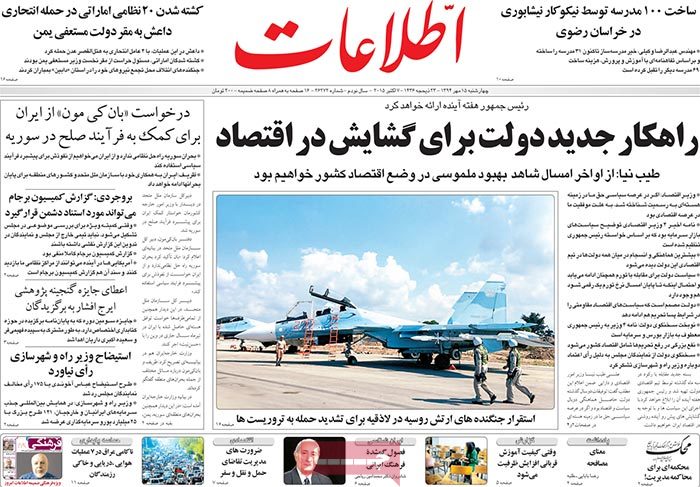
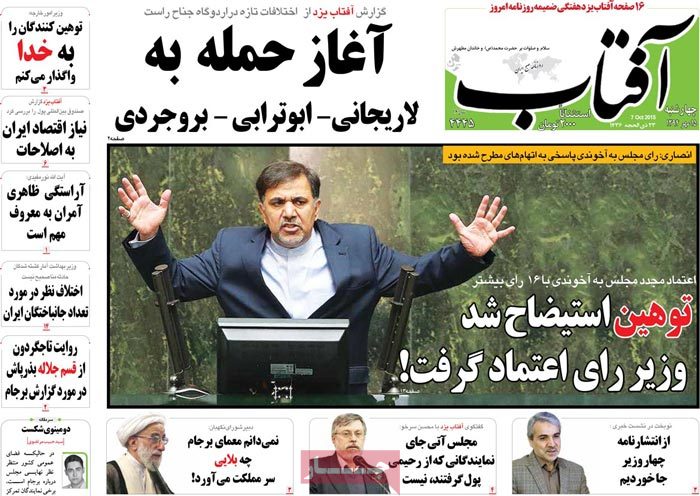
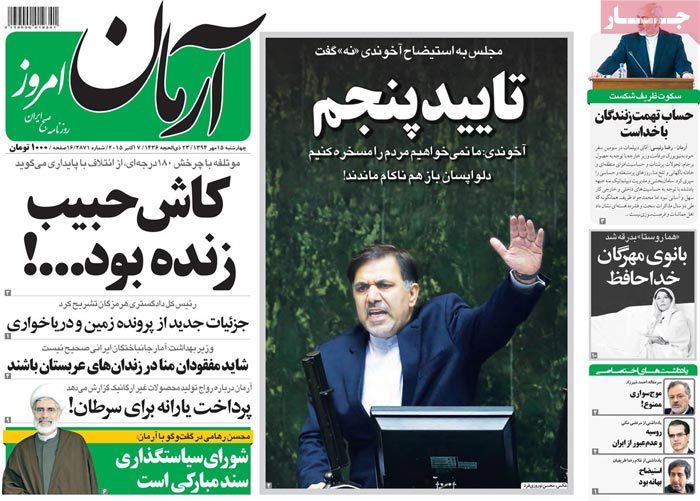
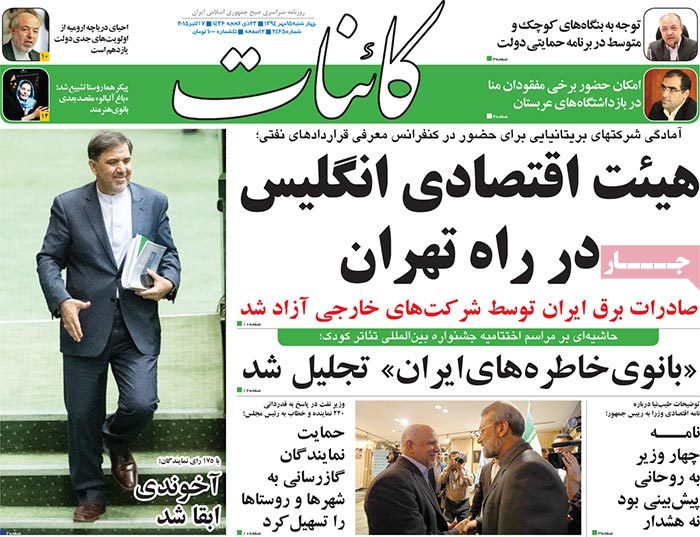
The minister of road’s survival of a vote of no-confidence in parliament dominated the front pages of Iranian newspapers on Wednesday. Also on the cover of dailies was the aftermath of a report issued by parliament’s JCPOA Review Committee.


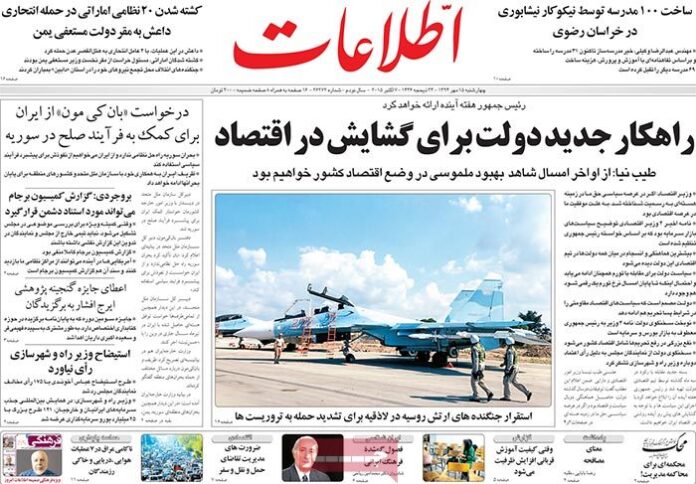
Ettela’at: President Rouhani will announce a new plan of his government to turn around the economy next week.

The economy minister has vowed there will be plausible improvement in the country’s economic conditions in early 2016.


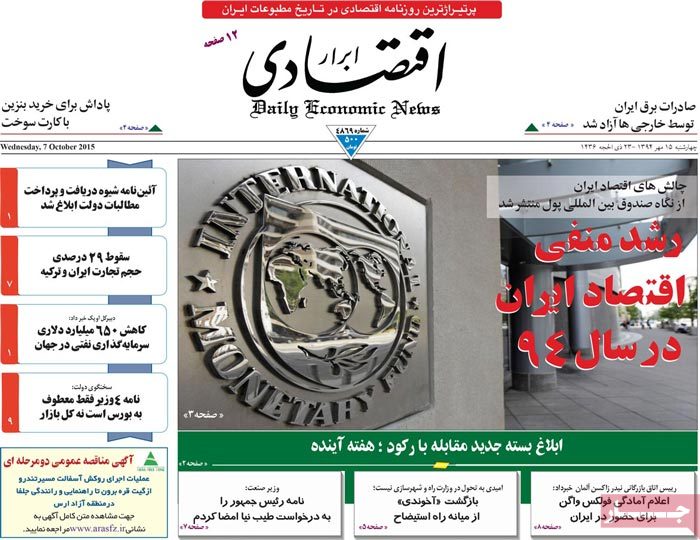
Abrar-e Eghtesadi: The volume of Iran-Turkey trade has fallen 29 percent.


A look at Iranian newspaper front pages on Oct. 7


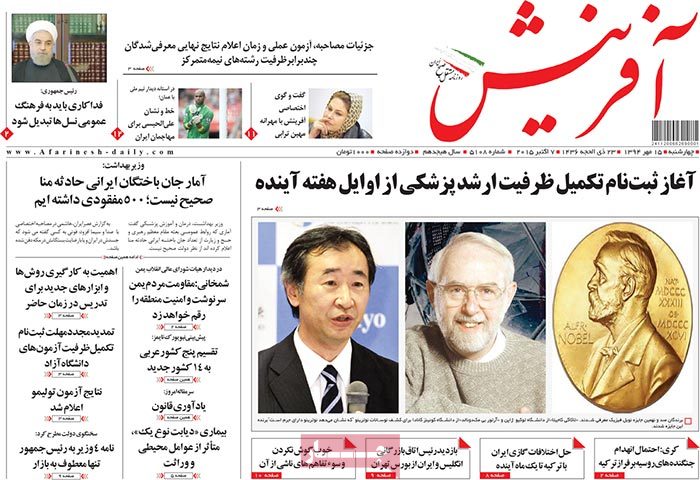
Afarinesh: The chairman of Britain-Iran Chamber of Commerce has visited Tehran Stock Exchange.


A look at Iranian newspaper front pages on Oct. 7


Aftab-e Yazd: Hardliners have launched an attack on Larijani, Abu Torabi-Fard and Borujerdi [three top principlist MPs for their moderate approach to the Joint Comprehensive Plan of Action].


A look at Iranian newspaper front pages on Oct. 7


Arman-e Emrooz: Zarif broke his silence

“Lord will deal with those who level accusations against me,” said the Iranian foreign minister [who has come under fire by hardliners for concluding a nuclear deal with P5+1, and most recently for a handshake with President Obama].


A look at Iranian newspaper front pages on Oct. 7


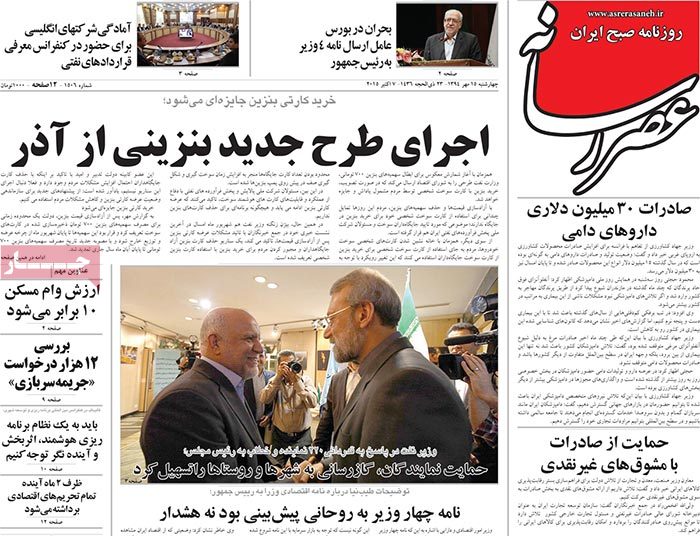
Asr-e Rasaneh: “The letter the four ministers sent to the president was more of a projection than a warning,” said the minister of economy.


A look at Iranian newspaper front pages on Oct. 7


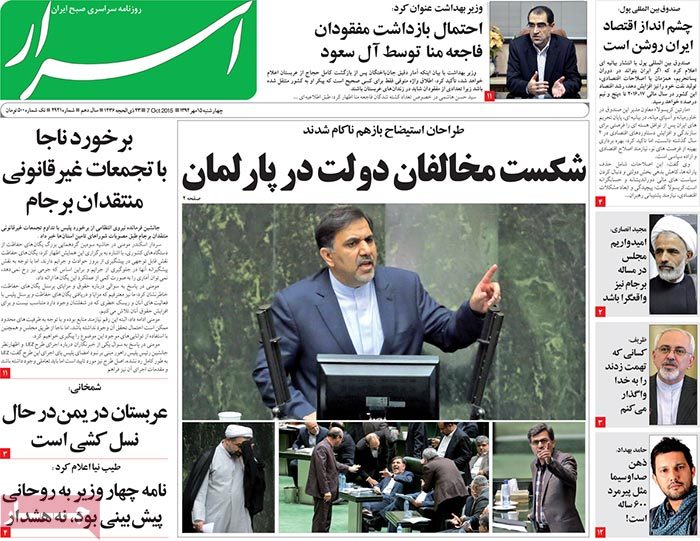
Asrar: The health minister has said that the Iranian Hajj pilgrims who are unaccounted for are likely to have been arrested by Saudi authorities.

Asrar: Opponents of government suffered a setback in parliament.

Once again the architects of the impeachment scenario failed.


A look at Iranian newspaper front pages on Oct. 7


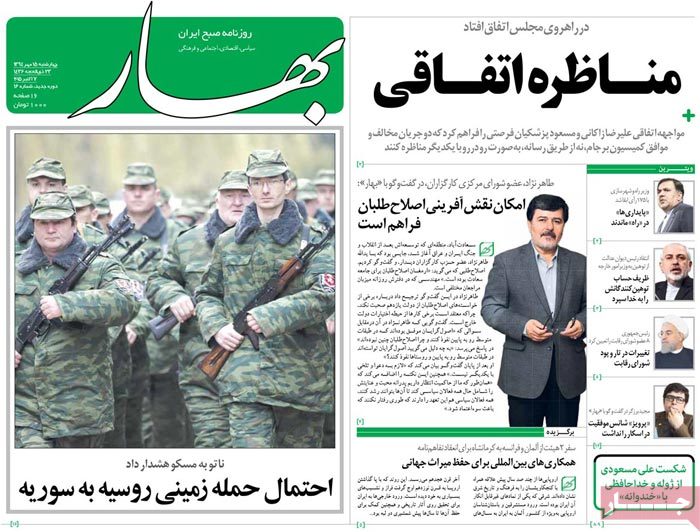
Bahar: Three delegations from Germany and France have traveled to Kermanshah, western Iran to sign deals as part of international cooperation to preserve world heritage.


A look at Iranian newspaper front pages on Oct. 7


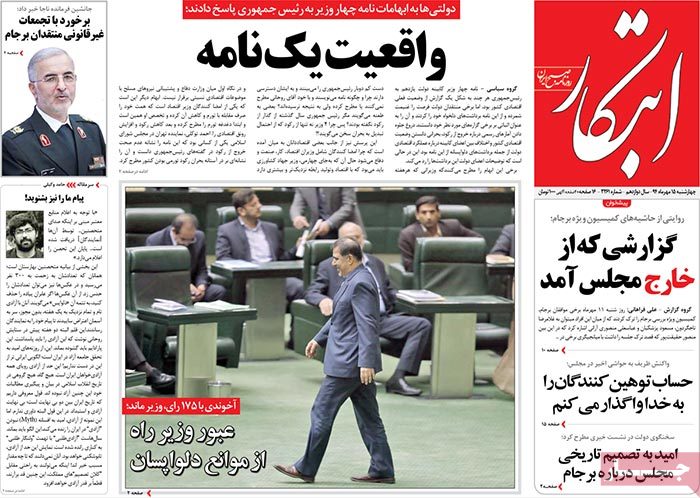
Ebtekar: The deputy police chief has said that law enforcement will deal with critics of the nuclear deal who hold unauthorized gatherings.

Ebtekar: The minister of roads cleared the hurdle of the Worriers [hardline opponents of President Rouhani and his policy of moderation and interaction].


A look at Iranian newspaper front pages on Oct. 7


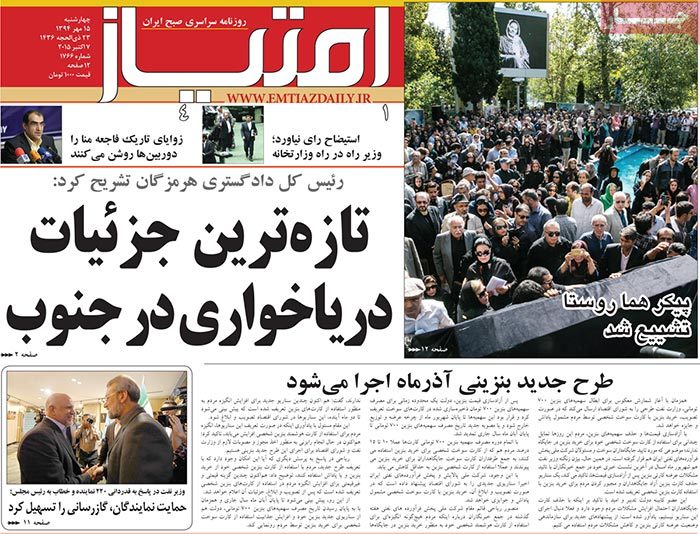
Emtiaz: A funeral procession has been held for Homa Rousta, a famed Iranian actress who died in late September in the US.


A look at Iranian newspaper front pages on Oct. 7


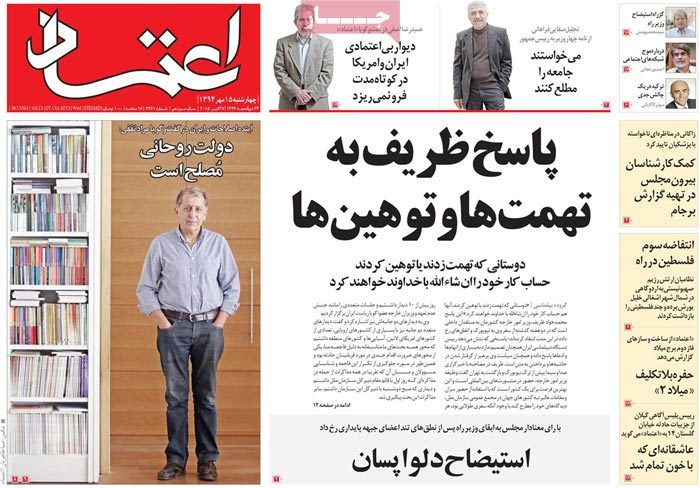
Etemad: “The wall of mistrust between Iran and the United States won’t tumble anytime soon,” said Hamid Reza Asefi, a former Iranian diplomat.

Etemad: In a debate with a fellow MP, Alireza Zakani, a critic of the nuclear deal and chairman of the parliamentary committee to review the Joint Comprehensive Plan of Action, has admitted that experts from outside parliament have contributed to the drafting of the committee’s report on the nuclear accord between Iran and P5+1.


A look at Iranian newspaper front pages on Oct. 7


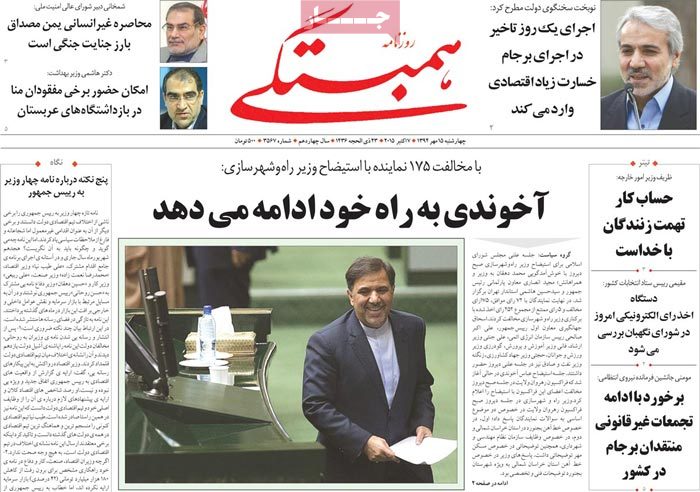
Hambastegi: “The inhumane siege of Yemen is a glaring example of war crime,” said the secretary of the Supreme National Security Council.


A look at Iranian newspaper front pages on Oct. 7


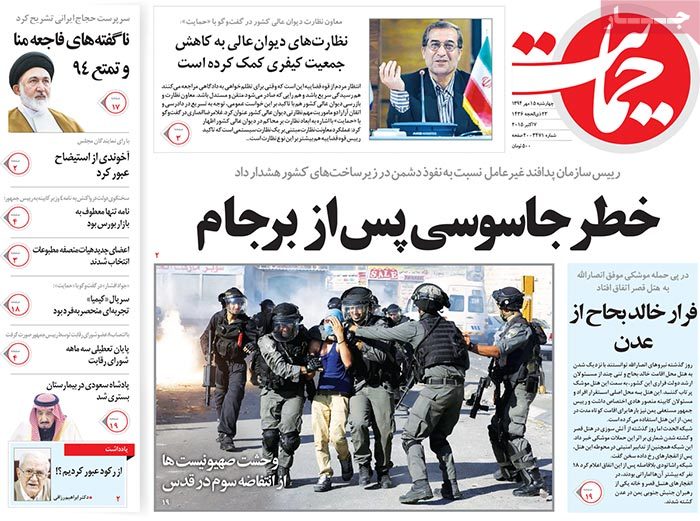
Hemayat: The head of the Passive Defense Organization has warned about the likelihood of espionage in the wake of the Joint Comprehensive Plan of Action.


A look at Iranian newspaper front pages on Oct. 7


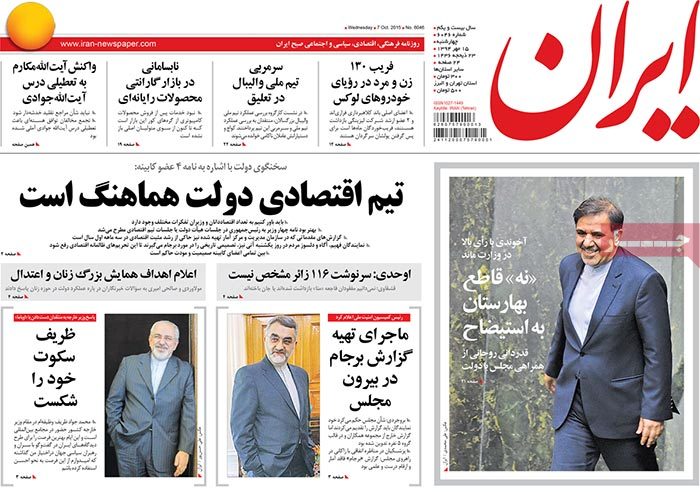
Iran: The head coach of Iran’s national volleyball team has been suspended [following the poor performance of his side in world games].


A look at Iranian newspaper front pages on Oct. 7


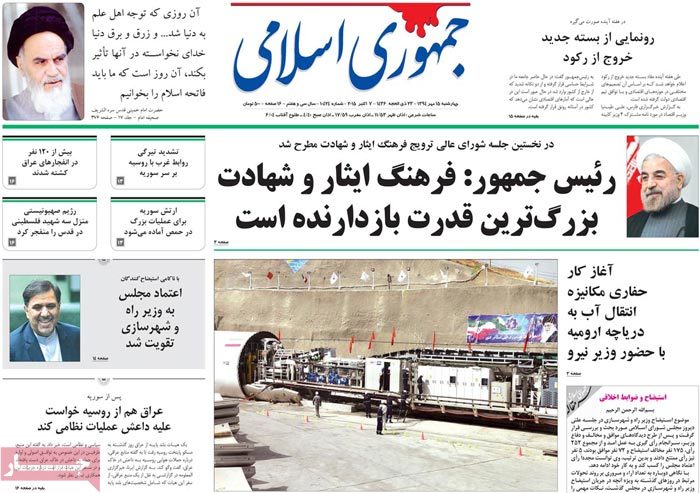
Jomhouri Islami: At a ceremony attended by the energy minister, a project has been launched to take water to the Orumiyeh Lake [in a bid to prevent it from drying up].


A look at Iranian newspaper front pages on Oct. 7


Kaenat: “Reviving the Orumiyeh Lake is among the priorities of the 11th government,” said the energy minister.

Kaenat: A British economic delegation is on its way to Tehran.


A look at Iranian newspaper front pages on Oct. 7


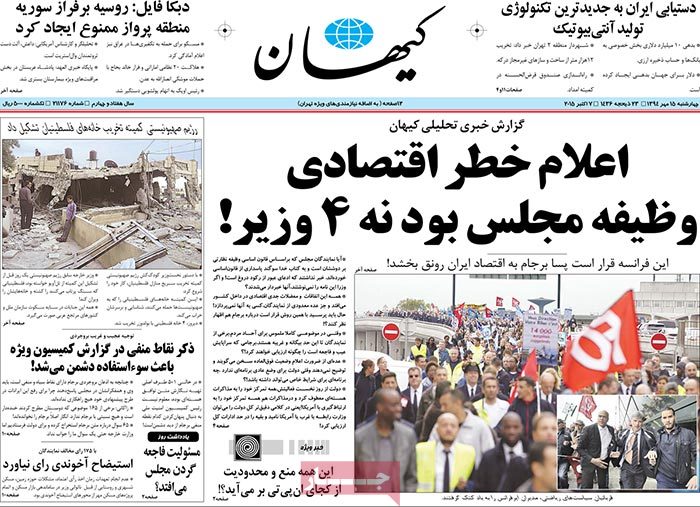
Kayhan: Projecting the economic danger was the responsibility of parliament, and not the four Cabinet ministers!

The daily has an analytical report on the letter the ministers have sent to the president on the country’s economic conditions.


A look at Iranian newspaper front pages on Oct. 7


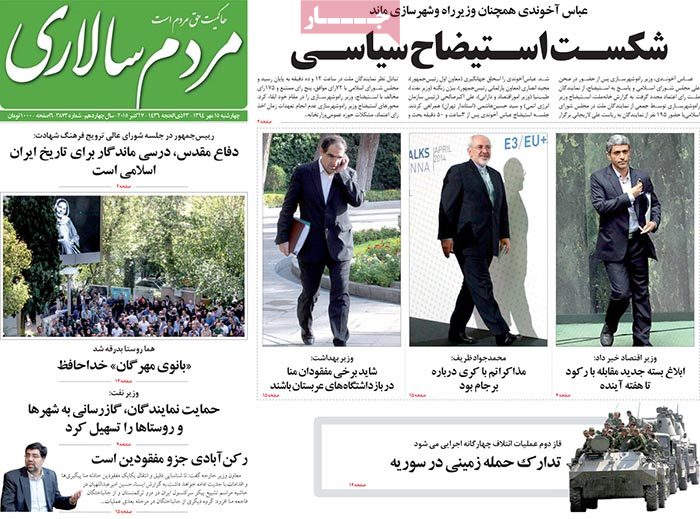
Mardomsalari: Foreign Minister Zarif has said that his talks with Secretary Kerry focused on the Joint Comprehensive Plan of Action.


A look at Iranian newspaper front pages on Oct. 7


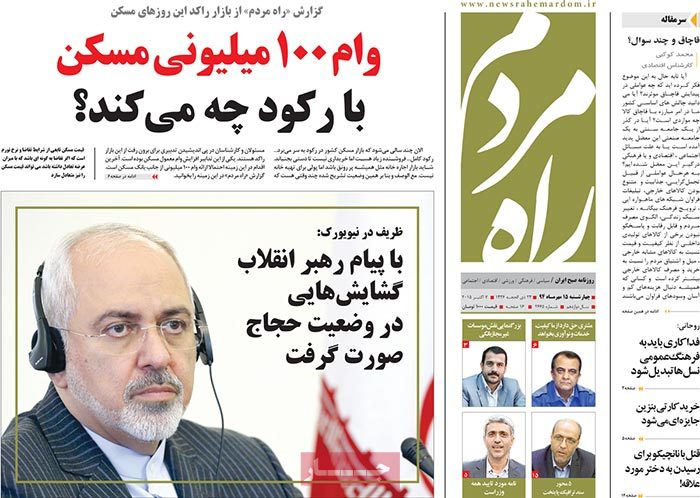
Rah-e Mardom: “Following the Leader’s message, some of the problems associated with helping the Iranian Hajj pilgrims [in the wake of the Mina tragedy] were settled,” said Foreign Minister Mohammad Javad Zarif.


A look at Iranian newspaper front pages on Oct. 7


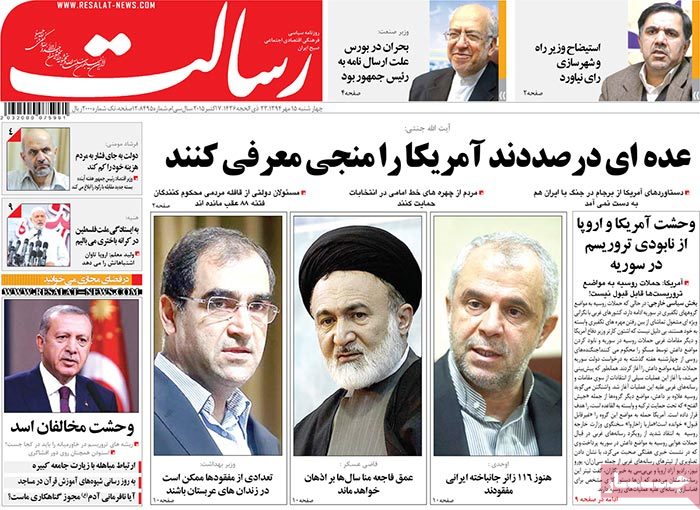
Resalat: “Some are trying to identify the US as a savior,” said the secretary of the Guardian Council.

“The US could not have possibly achieved in a war what it achieved as a result of the Joint Comprehensive Plan of Action,” Ayatollah Ahmad Jannati further said.


A look at Iranian newspaper front pages on Oct. 7


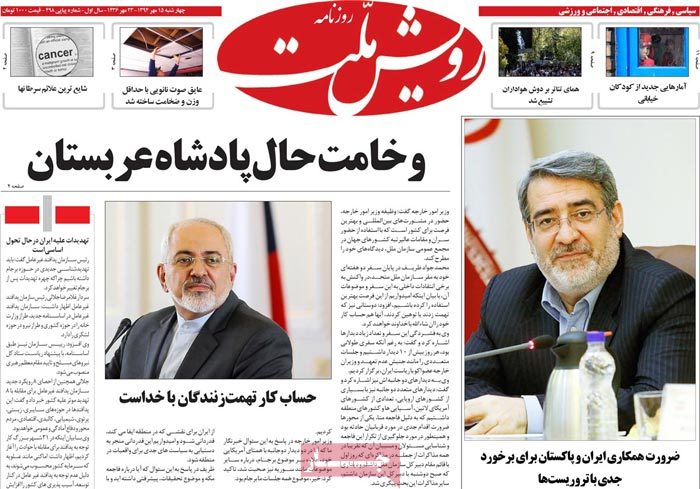
Rooyesh Mellat: The interior minister has stressed the need for Iran-Pakistan cooperation in the fight against terrorists.


A look at Iranian newspaper front pages on Oct. 7


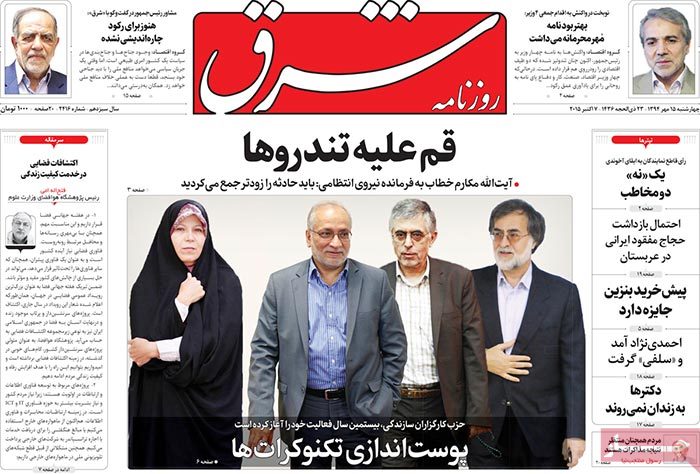
Sharq: “The letter the four ministers sent to the president on the country’s economy should have been labeled confidential,” said the government spokesman.

Sharq: Qom takes position against hardliners.

Ayatollah Nasser Makarem Shirazi has told the police chief that law enforcement should have stepped in earlier to end the incident [the anti-nuclear deal sit-in].


A look at Iranian newspaper front pages on Oct. 7


Highlights of Ettela’at newspaper on October 7

Ettelaat

 President Rouhani will announce a new plan of his government to turn around the economy next week.

The economy minister has vowed there will be plausible improvement in the country’s economic conditions in early 2016.

 Russian fighters have been positioned in Lattakia, Syria to step up attacks on terrorists.

 A benefactor from Neishabour builds 100 schools in Khorasan Razavi Province.

Abdolreza Vakili has already built 31 schools and has signed an MOU with the Education Ministry to build another 69.

 Twenty Emirati military personnel have been killed in an IS attack on the headquarters of the resigned Yemeni government.

In another development, fighters of the Saudi-led coalition bombed friendly positions in Yemen.

 UN Secretary General Ban Ki-moon has called for Iran’s contribution to the peace process in Syria.

The call came at a meeting with Iranian Foreign Minister Mohammad Javad Zarif, who pledged Iran’s continued cooperation with the UN and regional countries to end crises brewing in the region.

 The chairman of parliament’s National Security and Foreign Policy Committee has said that the report the JCPOA Review Committee has released can play into the hands of the enemy.

Alaeddin Borujerdi further said that when a special committee is formed in parliament to review an issue, individuals outside the chamber should play no role in drafting its report.

He went on to say that the Americans can build on the content of this report to demand inspections of our military sites in the future.

 The minister of roads and urban development has survived a no-confidence vote in parliament.

One-hundred-seventy-five MPs voted to keep Abbas Akhundi at the helm of the Ministry of Roads.

 The annual prize of Iraj Afshar Research Center has been awarded to Sepideh Fahimifar and Saeedeh Akbari Darian.


Iranian publishers slam Rushdie’s Frankfurt Book Fair invite

139407081112447966202164

Iranian publishers have penned a letter to organizers of the Frankfurt Book Fair, one of the world’s largest book festivals, scheduled to be held next week, and lambasted the invitation of apostate writer Salman Rushdie to make a speech at the event.

In their open letter on Tuesday, the Iranian publishers said that Rushdie’s presence at the Frankfurt fair “will cause extreme distress among Iranian and Muslim publishers around the world”.

“…in his book, Mr. Rushdie scornfully insulted the Prophet of Islam (PBUH), and thus deeply offended more than 1.5 billion Muslims worldwide,” part of the letter read.

They also emphasized that the invitation of the apostate author would result in deep resentment and discord among different nations and cultures.

The publishers further called on the organizers of the festival to reconsider their decision and respect all followers of Abrahamic faiths by withdrawing their invitation.

The British Indian novelist and writer was sentenced to death by Imam Khomeini for insulting Prophet Mohammad (PBUH) in his fourth novel, The Satanic Verses, which was written in 1988 and sparked global protests by Muslims around the world.

Iran’s Deputy Culture Minister Abbas Salehi said Monday that the country is against Rushdie’s presence at the Frankfurt fair.

“When we learned of the presence of Salman Rushdie at the book fair in Frankfurt, we sent a letter of protest and called on other Muslim countries to do the same,” he said.

“In the coming days, we will try to convince the organizers of the fair to change their mind. We will seriously consider not participating (if they stick to their decision),” he added.

The 67th Frankfurt Book Fair is slated to be held in the German city from October 14 to 18, 2015.

Saudi aggression on Yemen constitutes war crime: Iran

Shamkhani

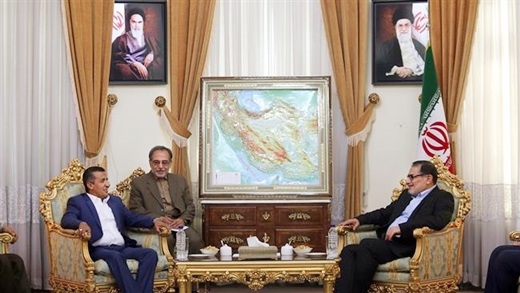
Secretary of Iran’s Supreme National Security Council (SNSC) Ali Shamkhani says Saudi Arabia’s military campaign against Yemen amounts to “war crime.”

“Targeting residential areas, hospitals, service providing centers and the carnage of innocent women and children along with the inhumane blockade of the Yemeni people are flagrant examples of war crime,” Shamkhani said in a meeting with a delegation from Yemen’s Supreme Revolutionary Committee in Tehran on Tuesday.

He added that all international organizations must protest Saudi Arabia’s ongoing aggression against Yemen.

Shamkhani said the Saudi government’s use of weapons containing toxic gas in its missile attacks on residential areas in Yemen is aimed at “genocide and suppressing the legitimate resistance” of the Yemeni nation.

The SNSC secretary called on the international community to seek a political solution to the Yemen crisis.

“Dialog among Yemeni groups and prevention of any foreign intervention in the country are the only way to establish understanding and restore security and stability to Yemen,” Shamkhani said.

He expressed Iran’s full support for the resistance of the Yemeni people against foreign aggression.

For his part, the head of the Yemeni mission, Naef Khaef, hailed Iran’s support for the Yemenis and slammed international circles’ silence in the face of the Saudi government’s crimes in Yemen.

He said the Yemeni people would continue their resistance against foreign aggression and insisted on diplomacy as the only solution to the crisis in the impoverished country.

Yemen has been under military strikes on a daily basis since Saudi forces launched their military aggression against their southern neighbor on March 26, in a bid to undermine the Houthi Ansarullah movement and restore power to fugitive former President Abd Rabbuh Mansour Hadi, an ally of Riyadh.

About 6,400 people have reportedly lost their lives in the Saudi airstrikes, and a total of nearly 14,000 people have been injured since March. According to the United Nations Children’s Fund (UNICEF), 505 children are among the fatalities.

Bodies of 316 pilgrims killed in Mina crush repatriated: Official

Mina

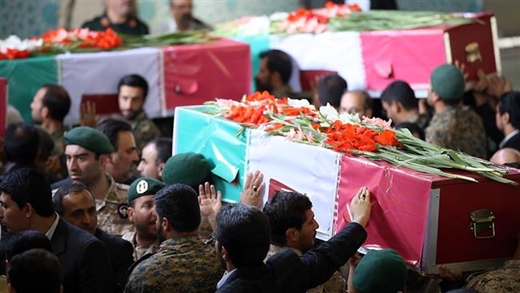
The head of Iran’s Hajj and Pilgrimage Organization says the remains of a total of 316 Iranian pilgrims killed in last month’s tragic crush in Mina, Saudi Arabia, have so far been repatriated.

Saeed Ohadi said that a third cargo plane carrying 98 bodies of Iranian pilgrims touched down in Tehran early Tuesday, Fars news agency reported.

He noted that 116 Iranian pilgrims are still missing following the deadly stampede in Mina.

The crush took place after two large masses of pilgrims converged at a crossroads in Mina, a few kilometers east of the holy city of Mecca, during the symbolic stoning of the Satan in Jamarat.

Saudi Arabia claims nearly 770 people were killed in the incident, but officials at Iran’s Hajj and Pilgrimage Organization say about 4,700 people, including 464 Iranians, lost their lives in the tragedy.

Meanwhile, Iran’s Deputy Foreign Minister for Arab and African affairs Hossein Amir- Abdollahian said on Tuesday that Iran is determined to shed light on the fate of all pilgrims unaccounted for following the disaster.

He said Iran’s former ambassador to Lebanon Ghazanfar Roknabadi is still among the missing pilgrims, noting that efforts are underway to determine his fate.

Amir-Abdollahian also said that no Iranian would be buried in Mecca without permission from families.

On September 28, Iranian Foreign Ministry Spokeswoman Marzieh Afkham rejected as “incorrect” and “hasty” reports that Saudi authorities have no official record on the entry of Roknabadi to the kingdom for Hajj.

Afkham said that the Iranian ministry has documents showing that Riyadh had approved an ordinary Hajj visa for the missing diplomat.

Iran says Saudi Arabia’s incompetence in handling the safety at the rituals caused the deadly incident. Riyadh has so far refused to accept responsibility or apologize for the deadly incident.

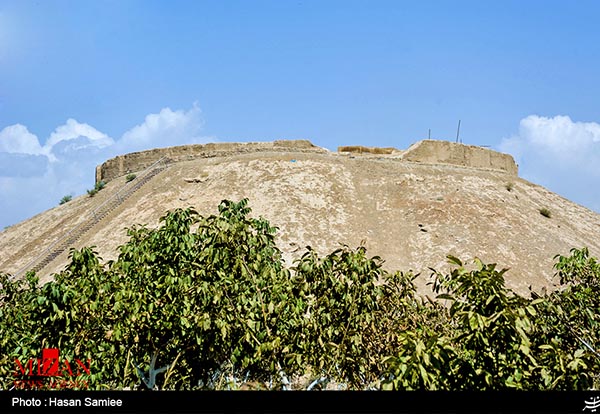
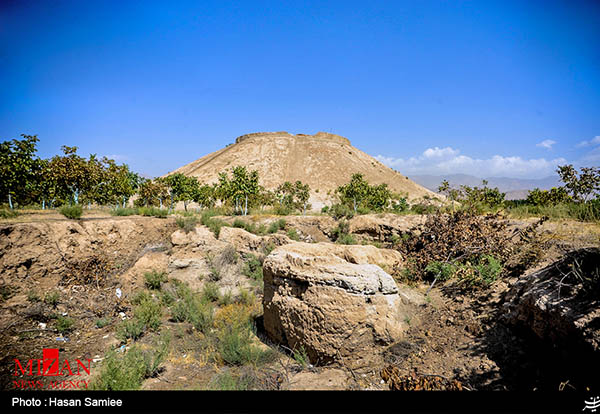
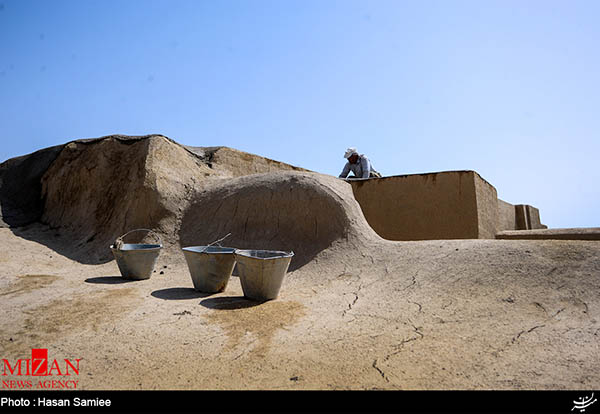
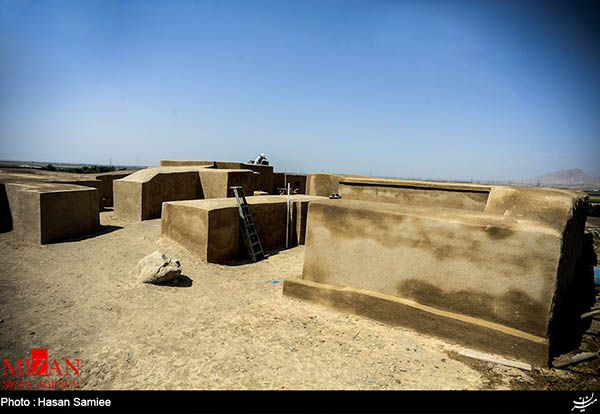
Ozbaki Hill (PHOTOS)

Ozbaki Hill_233

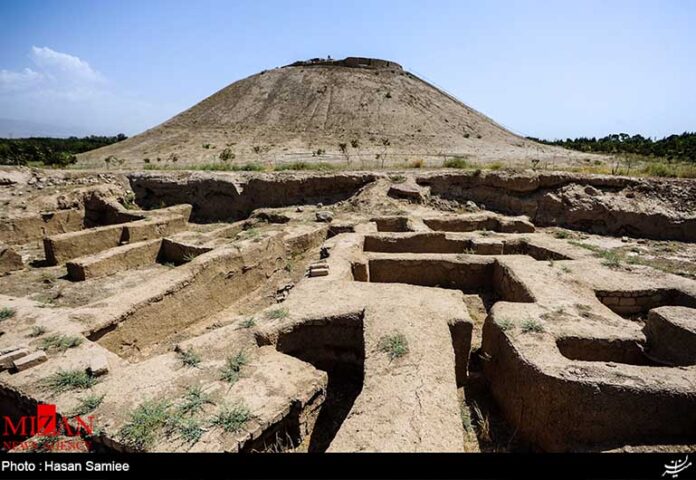
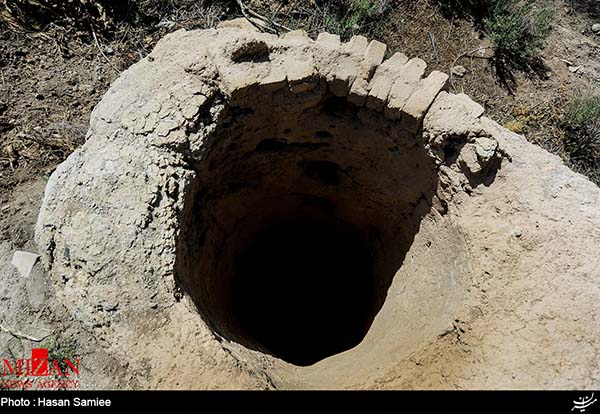
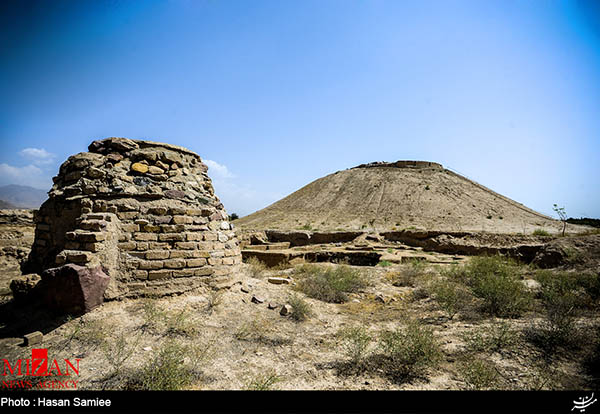
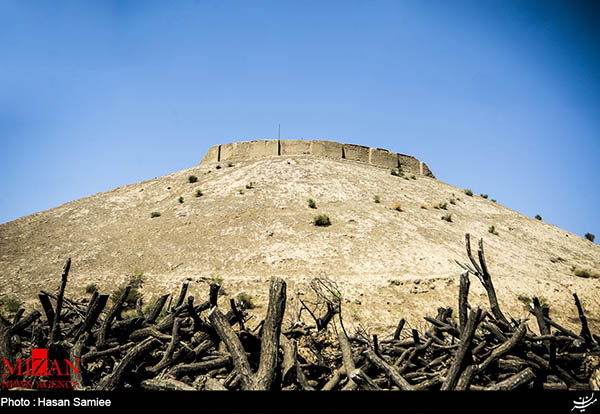
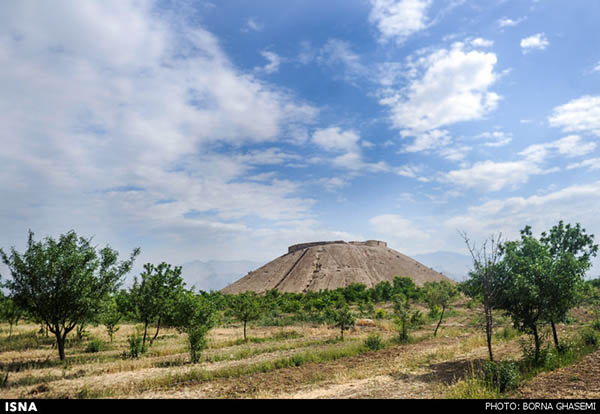
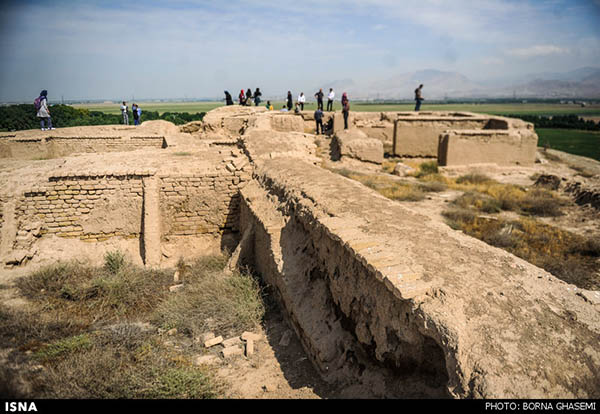
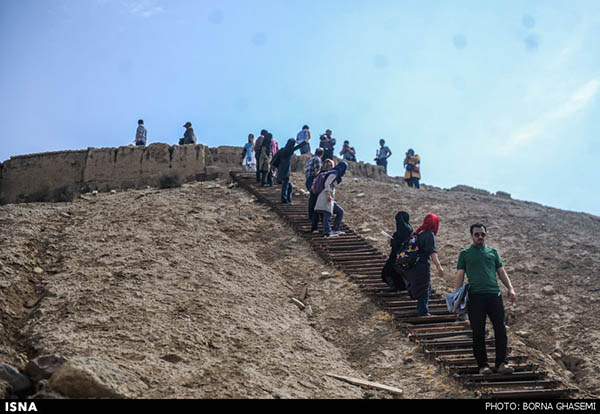
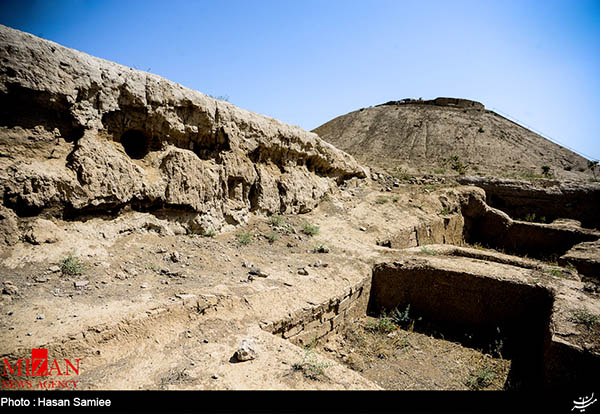
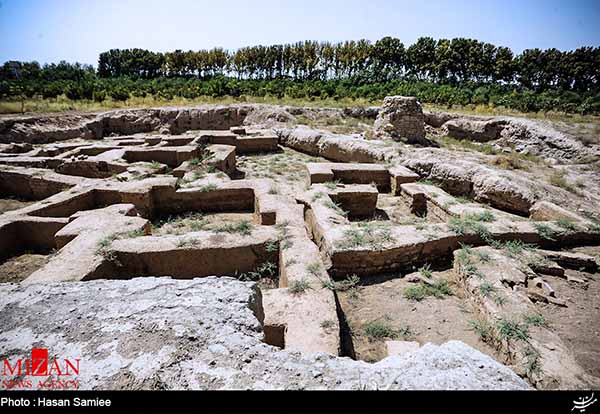
Ozbaki Hill in Alborz Province, near Tehran, is an important historical site. Archeological studies suggest that the civilization that originated there dates back to the 7th millennium B.C.

The site was discovered in 1969 and registered on Iran’s list of national monuments in 1973.

Internationally, Ozbaki Hill is only known for being the origin of the first man-made adobe handed over to the United Nations.

Originally, the owner of the land where the Ozbaki Hill is located wouldn’t allow experts to carry out studies and excavations at the site. Fortunately after 19 years of efforts, the site has been handed over to the public sector.

Photos of the hill posted online by different websites:

Fuel cell electric vehicle unveiled at university in Tehran (PHOTOS)

hybrid car_0401

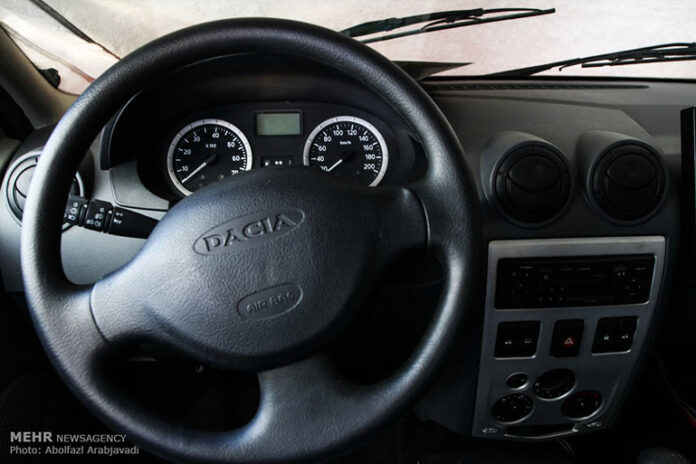
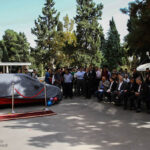
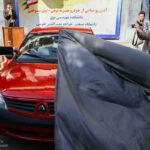
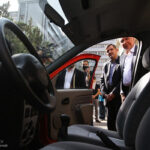
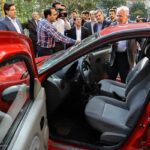
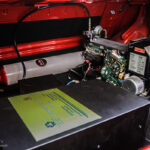
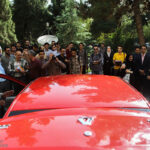
A fuel cell electric vehicle (FCEV) has been unveiled at the Faculty of Electrical Engineering and Computing of Tehran’s Khajeh Nasir Toosi University of Technology.

The following is the translation of a report Mehr News Agency filed on the hybrid car:

The battery of the vehicle is charged either by electricity or by chemical reaction between oxygen and hydrogen.

It has taken experts three years to design and produce the car on a $26,000-plus budget as part of a project sponsored by the Department of Science and Technology at the Presidential Office.

The zero-emission car is expected to be commercialized and Tehran cabs are to be fitted with the technology in the future.

The main advantage of the car is that it emits water rather than fumes and thus helps ease air pollution.


Cancer specialty center opens in northeastern Iran

Cancer specialty center

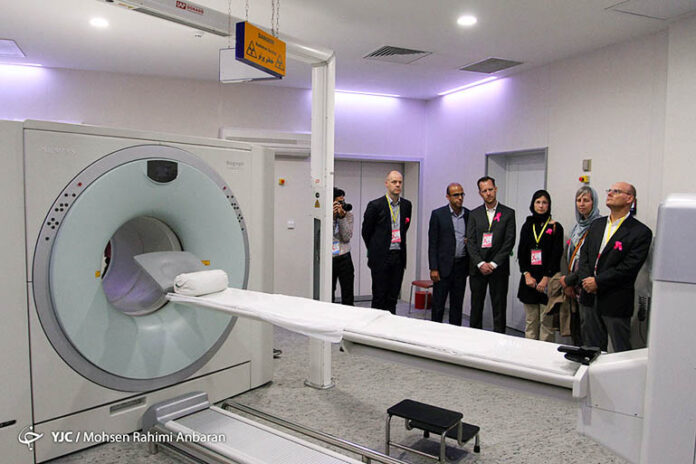
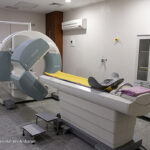
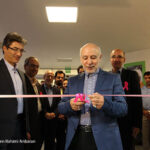
Mehr Razavi, a specialty center where cancer research, training, screening, diagnosis and treatment are carried out, opened on October 3 in Razavi Hospital in Mashhad, the capital of Khorasan Razavi Province.

The medical center aims to help with early diagnosis of cancer and promote the quality of the patients’ lives. The facility is unique in Iran and the region. Apart from an oncology center in Turkey which is a subsidiary of a US cancer center, no similar medical facility can be found in the Middle East.

The center raises public awareness about cancer, ways of preventing it, self-examination and cancer symptoms through workshops and courses, informative booklets as well as publication of articles.

The hospital’s administrator has said that October 3-9 has been designated as hospital’s Cancer Week and added, “Days of this week are named: Public Contribution and Cancer, Mental Security and Cancer, Family and Cancer, The Environment and Cancer, Nutrition and Cancer, Lifestyle and Cancer, Sports and Cancer.”

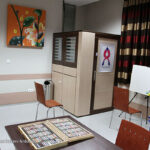
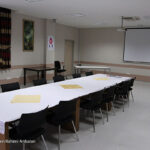
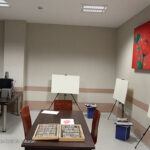
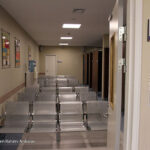
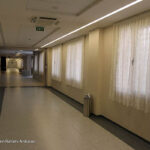
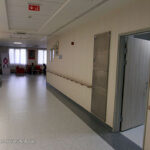
Images of the cancer center in Mashhad released online by the Young Journalists Club: