
A ceremony was held to unveil 1,351 ancient fossils which were taken
to the US 40 years ago for research studies.
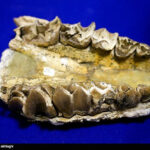
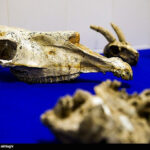
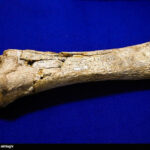
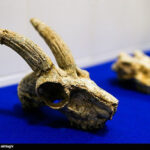
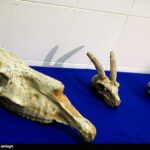
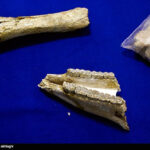
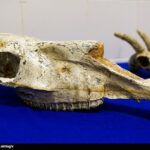
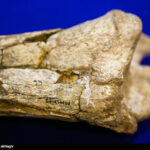
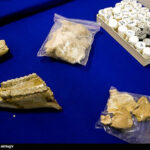
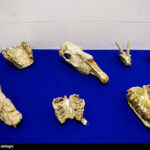
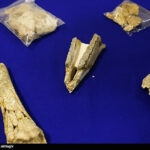
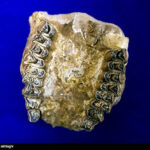
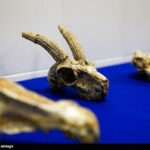
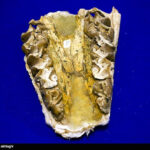
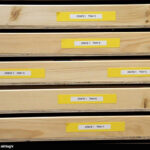
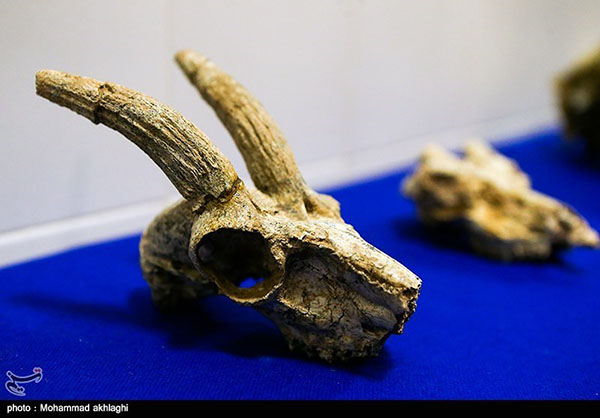
A ceremony was held to unveil 1,351 ancient fossils which were taken
to the US 40 years ago for research studies.
Speaking in the third National Conference on Probiotic and Functional Foods, Maryam Taj Abadi said that industrial food is one the most important causes of non-communicable diseases.
She expressed hope for probiotics to become internationally standardized in the near future.
The third National Conference on Probiotic and Functional Foods is underway in Shahid Beheshti University.
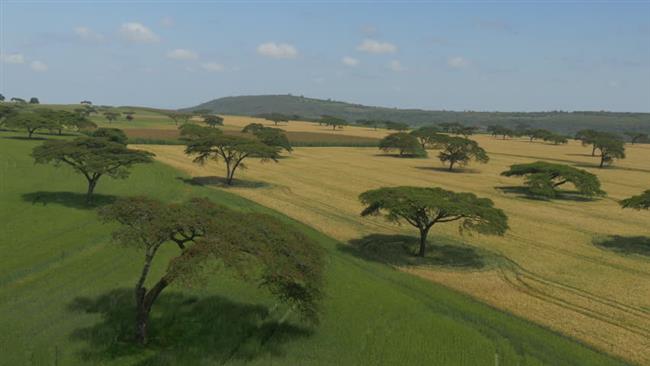
More than 10 Iranian companies have expressed interest in growing and processing rice, corn and wheat in East Africa, Iranian Ambassador to Kenya Hadi Farajvand has said.
He said Iran is supporting mechanized agriculture beyond its borders, with companies leasing huge chunks of land and applying modern agricultural methods to grow food for export to Iran.
The companies are willing to establish manufacturing plants in the region to cater to the local market and to export to Iran, Farajvand said.
The move is also aimed at narrowing trade deficit with the Horn Africa countries, which is in Iran’s favor, he added.
The East African Community (EAC) mainly exports unprocessed agricultural products like tea, coffee and meat to Iran. It imports oil products, machinery and telecommunication equipment from the Middle Eastern country.
Local trade experts said the region should strive to export more processed goods to Iran, beginning this year.
“The lifting of sanctions on Iran will pave the way for EAC member states to forge closer ties with Iran, but we need to export value-added products if we are to tilt the balance of trade in our favor,” Peter Kiguta, director-general of Customs and Trade at the EAC, told the Geeska Afrika news agency.
The East African Tea Trade Association (EATTA) expects exports to Iran to grow five-fold in one year with the opening of the market, it said.
Farajvand said the biggest challenge in fostering stronger trade ties between Iran and the EAC countries is the lack of political will in the region and limited information on the available opportunities in Iran.
He said many products from Iran are imported into the region through other countries, making the final product expensive. These imports include oil products, bitumen, ceramics and electricity equipment.
Iran’s Agriculture Minister Mahmoud Hojjati has said the government had envisioned investment on 500,000 hectares of farmland in a number of countries to produce food.
Last August, Agriculture Ministry’s Mohammad Reza Shafeinia said Iran had launched agricultural cultivation in Kazakhstan, marking its first farmland investment overseas.
Water-intensive rice and corn crops as well as oilseeds and livestock inputs have been cited by Agriculture Ministry officials as the target products which Iran seeks to grow on farmlands overseas.
Iran is pushing for development of 60,000 hectares of land to cultivate agricultural products in Brazil, Hojjati has said.
Food prices are a key driver of Iran’s double-digit inflation which shot over 40% under former president Mahmoud Ahmadinejad.
Food security is a serious matter for Iran, given the size of its population which has grown over 80 million and seen its food basket grow smaller.
“Between 38-40% of the Iranian families’ economy is related to food which requires us to build a base for reducing prices of nutritional products and providing for facile access to them,” Shafeinia said.
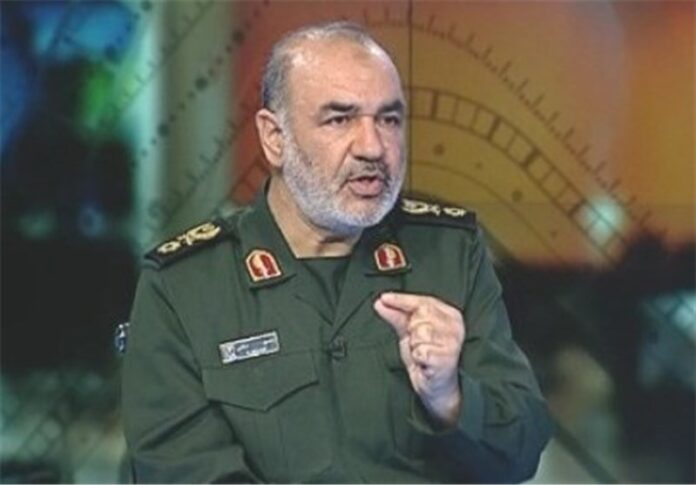
Speaking at a television talk show on Saturday night, Lieutenant Commander of the Islamic Revolution Guards Corps (IRGC) Brigadier General Hossein Salami highlighted Saudi Arabia’s incapability to influence on the region’s developments militarily.
“Saudis might deploy forces to certain locations symbolically, but those forces will never make any determining function,” the general said.
He also touched on the Al Saud’s long experience of pursuing vicious policies, including financial supports for the Takfiri groups, provoking tensions in the region and causing chaos in the Muslim nations.
In separate comments earlier in the day, IRGC Commander Major General Mohammad Ali Jafari also shrugged off the Saudi regime’s threat to deploy forces to war-stricken Syria as empty bravado.
“I don’t think that they (Saudis) would dare do so… This is because their forces are in the form of a classic army and history has proven that they do not have the ability (to enter asymmetric war),” he said.
Syria has been gripped by civil war since March 2011 with Takfiri terrorists from various groups, including Daesh (ISIL), currently controlling parts of it.
According to the United Nations, more than 250,000 people have been killed and one million wounded during the conflict.
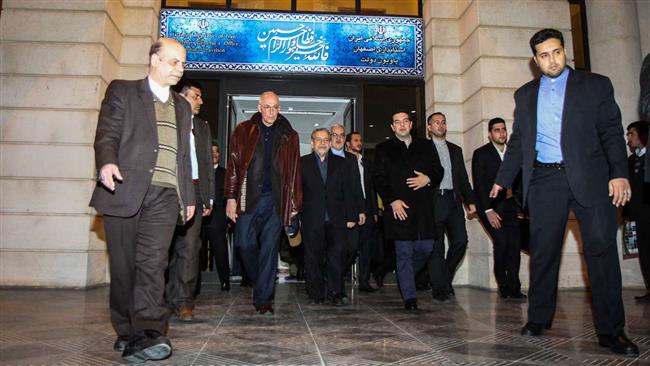
The Greek premier, heading a politico-economic delegation, was welcomed upon arrival by Isfahan’s Governor General Rassoul Zargarpour.
Greek Minister of Foreign Affairs Nikos Kotzias, Minister of Environment and Energy Panagiotis Skourletis, Minister of Economy, Development and Tourism Georgios Stathakis and Deputy Foreign Minister Dimitris Mardas as well as a 50-member team of industrialists and businessmen are accompanying the prime minister.
During their day-long stay in Isfahan, Tsipras and his accompanying delegation will visit historical and cultural monuments in the city.
They are scheduled to leave Isfahan for Tehran later on Sunday to hold talks with senior authorities on ways of improving mutual relations and the latest regional and international developments in light of the implementation of the nuclear agreement between Iran and the P5+1 group of countries.
Iran and Greece are set to sign agreements to boost cooperation in such sectors as trade, finance, tourism, cultural relations, housing and road construction, agriculture and pharmaceuticals.
Iran and the five permanent members of the UN Security Council – the United States, France, Britain, China and Russia – plus Germany started to implement their nuclear agreement, known as the Joint Comprehensive Plan of Action (JCPOA), on January 16.
After the JCPOA went into effect, all nuclear-related sanctions imposed on Iran by the European Union, the Security Council and the US were lifted. Iran has, in return, put some limitations on its nuclear activities.
The nuclear agreement was signed on July 14, 2015, following two and a half years of intensive talks.
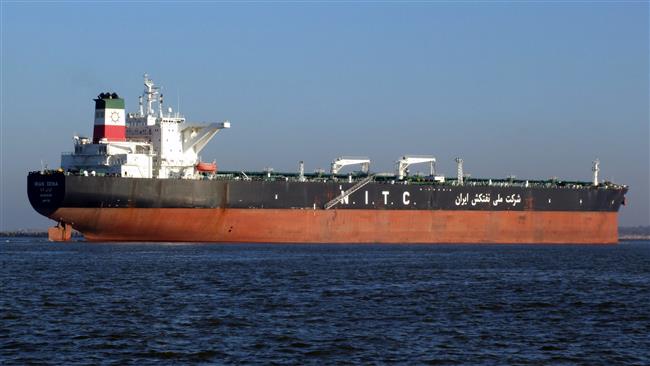
According to Iranian Oil Ministry’s official SHANA news agency, Zangeneh noted that the National Iranian Oil Company (NIOC) will soon finalize a contract with the French Total to sell 160,000 barrels per day of crude oil to the company.
He added that the Total contract will be officially singed on February 16.
In addition to buying oil from Iran, “Total has indicated its readiness to take part in the development of South Azadegan oil field and Iran LNG project,” he added.
The Iranian oil minister said necessary information with regard to the two projects will be provided to the French company, after which it will offer its proposals to the Iranian side.
“This means that we have not reached an agreement to put them in charge of the project, but the agreement is for Total to carry out necessary studies on these projects,” Zangeneh said.
Elsewhere in his interview, Zangeneh said officials of Italy’s Eni have also indicated their willingness to work in the Iranian oil sector.
The Iranian oil minister stated that no contract was signed between the two sides during a recent visit to Rome by Iran’s President Hassan Rouhani, but “the company’s officials are to visit Tehran soon in order to sign a contract for purchasing Iran’s crude oil.”
Zangeneh added that Eni has also indicated its interest in taking part in development of one of the Iranian oil fields.
“In addition, Italy’s Saras refinery has demanded to buy between 60,000 to 70,000 barrels of Iran’s crude oil per day,” he said.
Earlier on Saturday, Zangeneh was quoted by SHANA as saying thatIran is putting finishing touches to the new format of its oil contracts, known as the Iran Petroleum Contracts, to attract more international investment in the country’s oil sector.
“So far, no contract has been signed and even the text of this model of contracts has not been readied yet,” Zangeneh said, adding, “The drafting of the contracts is under way and we will negotiate with [foreign] companies after finalization.”
IPC is replacing buyback deals. Under a buyback deal, the host government agrees to pay the contractor an agreed price for all volumes of hydrocarbons the contractor produces. However, under the IPC, the National Iranian Oil Company will set up joint ventures for crude oil and gas production with international companies, which will be paid with a share of the output.
More than 100 energy companies, including Britain’s BP, France’s Total, Italy’s Eni and Spain’s Repsol attended a conference in Tehran last November to hear about the IPC.
Under the IPC, different stages of exploration, development and production will be offered to contractors as an integrated package, with the emphasis laid on enhanced and improved recovery.
Architects of the new contract say foreign companies can no longer dash out of their contractual obligations if sanctions are ever re-imposed on Iran. But critics cite numerous shortcomings which seriously plague the new formula.

The scheme, called “Airport Visa”, is aimed at boosting Iran’s tourism industry, Masoud Soltanifar said, adding that the period can be extended by further 15 days.
He said the scheme will be fully operational by the end of the 2016 with support from the Ministry of Foreign Affairs.
Soltanifar said Iran has set up information and tourism centers in 40 countries across the world.
The country already has 130 four or five star hotels which must be increase to 400 within a decade.
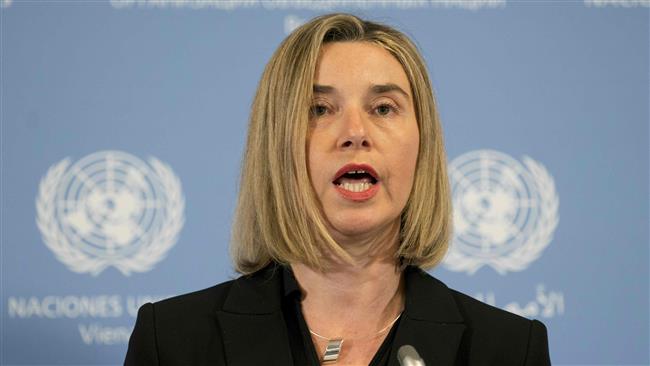
Speaking at a Saturday press conference in Amsterdam, the capital of the Netherlands, after a meeting of EU foreign ministers, Mogherini added that she was preparing the historic visit to Tehran in the near future but added that no exact date has been set yet.
She said preparations with Iran were well underway, adding that all 28 members of the bloc were backing the opening with Iran.
“It was very important to see the unity of the member states in the direction, intentions and preparations of this work we are doing with Iran,” Mogherini added.
“I can also confirm that I debriefed the [EU] ministers on the plans for my visit [to Iran], it’s going to be an important visit for sure, that we are preparing already with the Iranians,” the EU foreign policy chief stated.
Mogherini further said she would also host Iranian Foreign Minister Mohammad Javad Zarif in Brussels on February 15.
Iran and the five permanent members of the UN Security Council – the United States, France, Britain, China and Russia – plus Germany started to implement the Joint Comprehensive Plan of Action (JCPOA) on January 16.
After JCPOA went into effect, all nuclear-related sanctions imposed on Iran by the European Union, the Security Council and the US were lifted. Iran has, in return, put some limitations on its nuclear activities.
The nuclear agreement was signed on July 14, 2015 following two and a half years of intensive talks.
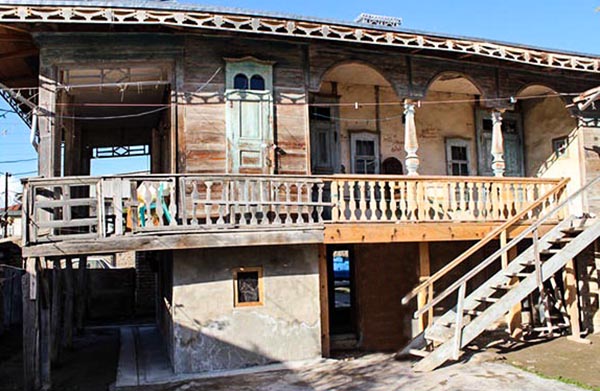
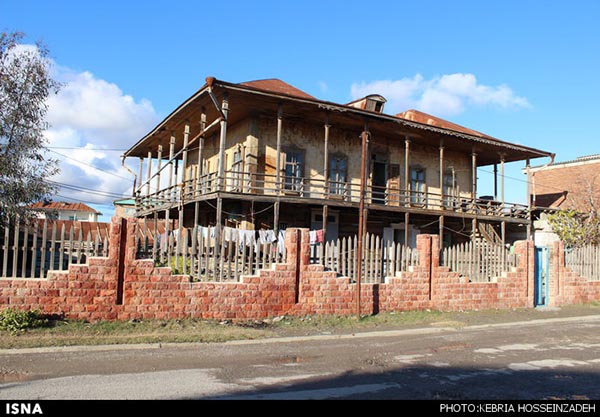
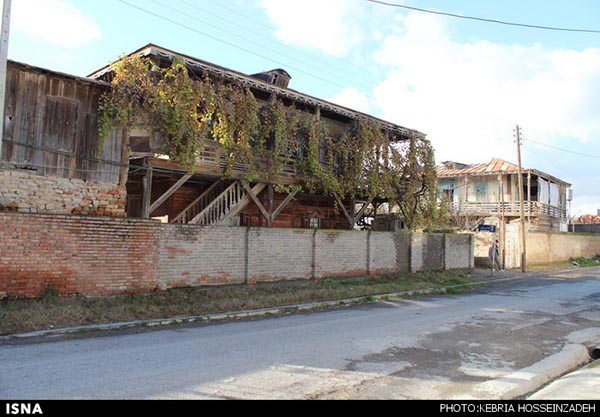
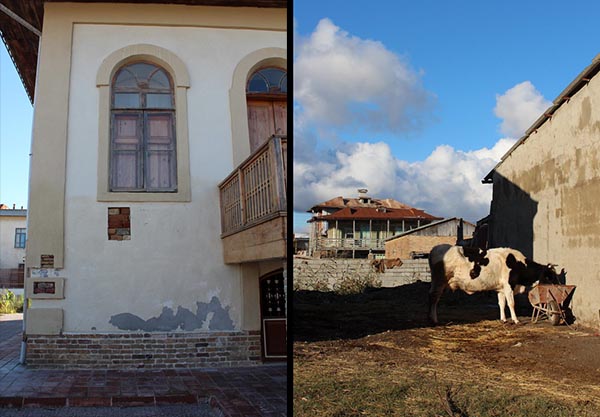
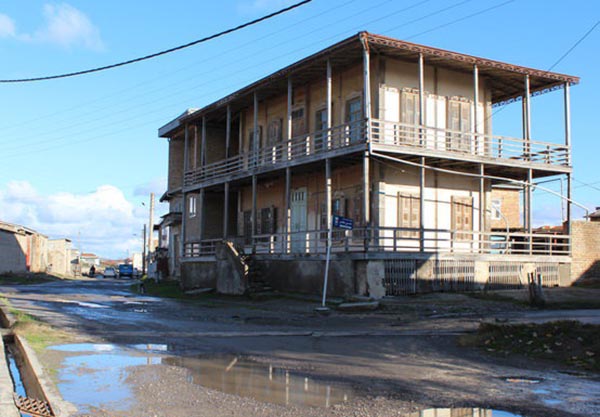
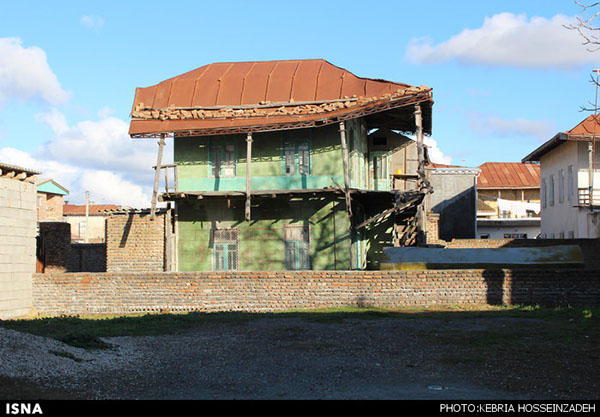
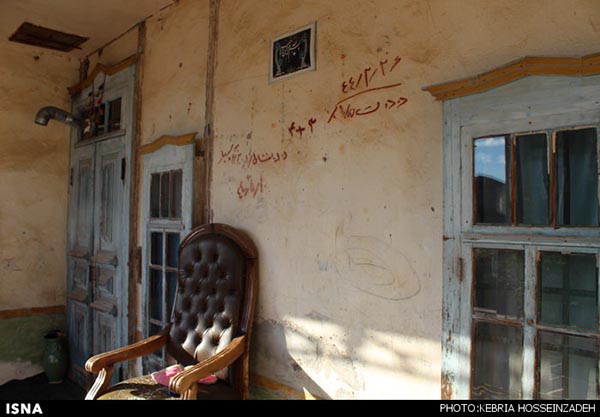
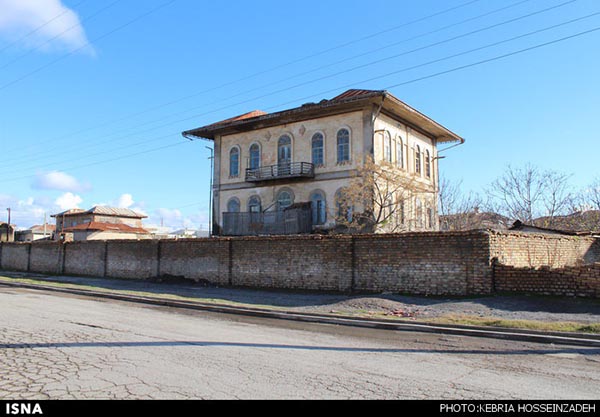
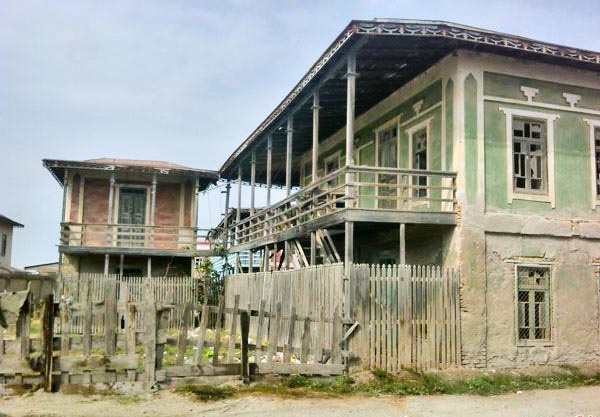
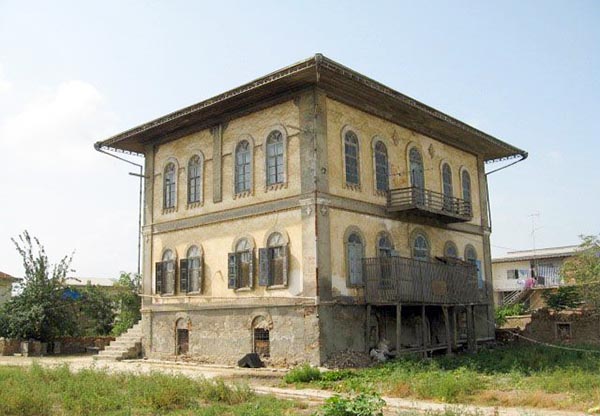
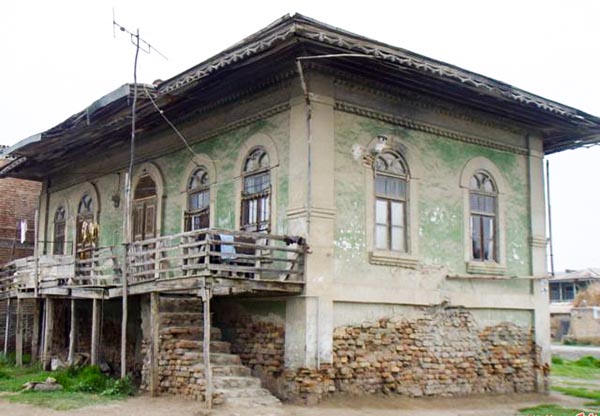
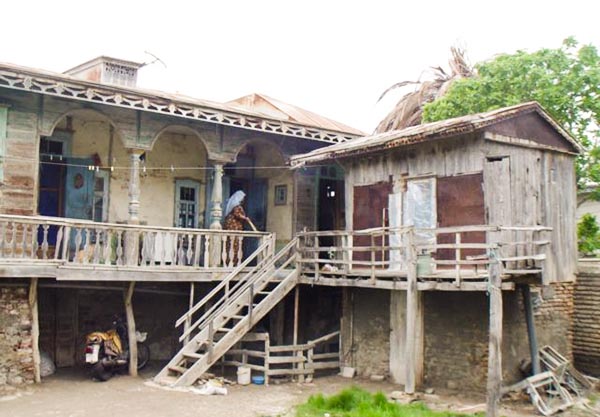
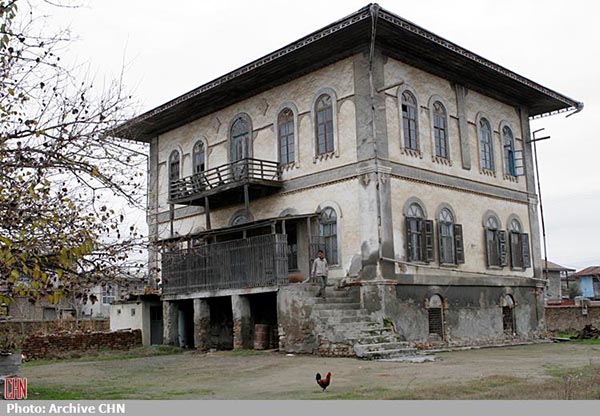
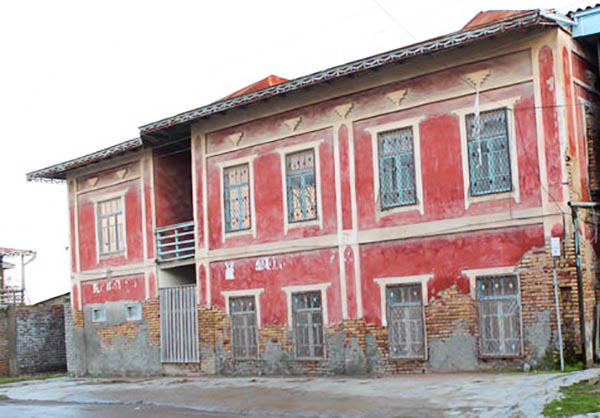
Gomishan has strange houses. According to a report from an ISNA cultural heritage journalist, many buildings dating back to more than 150 years ago are still inhabited in the city. Some of these buildings contain bricks taken from the Great Wall of Gorgan.
Javid Imanian, a historical expert on Gomishan, remarked, “The name ‘Gomishan’ derives from the Gomesh hill, which means ‘Silver Hill’. They thought that there was silver in the hill, which is why it was called ‘Gomesh Tepe’ in the Turkmen language.”
He continued, “The existence of archaeological hill-sites around Gomesh Tepe suggests an ancient civilization in this region. This is especially the case with the Great Wall of Gorgan, which is the third-longest wall in the world, after the Great Wall of China and the Limes Germanicus. The Turkmens call it Qazal Al’an.”
“Gomesh Tepe was one of the commercial ports between Iran and Russia in the Qajar era,” he added. “In addition to trade, there was an influence from Russian architecture, which was mixed with local and Iranian styles in some of the structures here. There aren’t any buildings like this to be found anywhere in the country. Gomishan’s buildings are unique, and the only similar examples can be found in certain parts of Azerbaijan, Russia and Central Asia.”
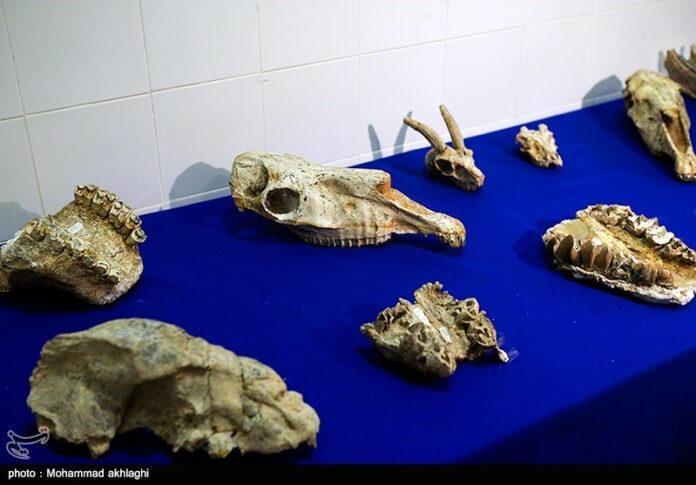
In the unveiling ceremony held in the city’s Pardisan Park, 1351 fossils
dating back to eight million years ago were put on display.
The fossils, which are part of the 3000 fossils discovered in Maragheh in East Azerbaijan Province prior to the 1979 Islamic Revolution, were finally returned after years of legal battle with the US.
They had been taken to the US about 40 years ago for academic studies and were to return home within 6 to 12 months.
In recent years, Iran has been successful in returning home its stolen belongings, including artifacts and historical objects.
Back in April 2015, Iran received 108 ancient artifacts known as the Chogha Mish Collections from the US University of Chicago officials, marking the second successful return of Iranian artifacts in less than a year.
After a series of legal battles with the United States, Chogha Mish artifacts dating back to 6000 years ago were returned to Iran’s National Museum in Tehran.
Gil Stein, the director of the University of Chicago’s Oriental Institute, delivered the artifacts to officials from Iran’s Cultural Heritage, Handcrafts and Tourism Organization at Imam Khomeini Airport at the time.
Chogha Mish artifacts were officially on loan from Iran from April 1, 1964 for three years to be studied. However, the American side declined to return the artifacts in due time.
After more than 35 years of legal proceedings, US appeals court ruled that the artifacts should be returned to where they originally belonged to, namely Iran.
© All Content by IFP News ( Iran Front Page ) is licensed under a Creative Commons Attribution 4.0 International License.
