Saturday, April 18, 2026
Home Blog Page 4605

All capabilities employed to fulfill ‘economy of resistance’: VP

Iran’s five-year 6th Development Plan kicks off next Iranian calendar year starting March 20.

Addressing a panel on sports and cultural heritage, Massoud Soltanifar said Iran’s share of the world’s 1,200 million tourists in 2014 was 5,000,000, while its tourist income was dlrs. 7-7.5 billion from the world tourism revenue of dlrs. 1,476 billion.

Vice President stressed that most of tourists visiting Iran last year were pilgrims from the Middle East, while efforts should be made to improve infrastructures in order to develop ecotourism and health tourism.

Soltanifar noted that the overall balance in Iran’s tourism is negative as some seven million Iranian tourists have travelled to other world countries. Iran should take steps to reverse the situation by increasing the number of tourists by five-folds and encouraging flourishment of handicraft industry during the implementation of the 6th plan.

Facilitating visa issuance and electronic visa for nationals of 190 countries, expansion of air and rail transportation and construction of museums are among steps taken to boost tourism.

He also noted that efforts are underway to develop handicraft industry, including revitalization of some 2,000 handicraft workshops and launching 171 online stores, in order to gain the 3rd rank in the field after China and India.

Iranian officials including Minister of Culture and Islamic Guidance Ali Jannati and Minister of Sports and Youth Mahmoud Goudarzi were present at the panel.

A look at Iranian newspaper front pages on Feb 25

Iran Newspaper front pages

Abrar:

1. Nation seeks no parliament that is gov’t-based or anti-gov’t: Leader

2. Rouhani forbids casting wry look at JCPOA

3. UK resumes issuing visas for Iranians in Tehran

4. Kerry says US has ‘Plan B’ should syrian ceasefire deal fail

5. “I will relate Iranian culture to my friends:” Football Coach Carlos Queiroz

6. Recent dust storms spring from domestic sources

7. Death toll of Syrian crisis crosses 270,000
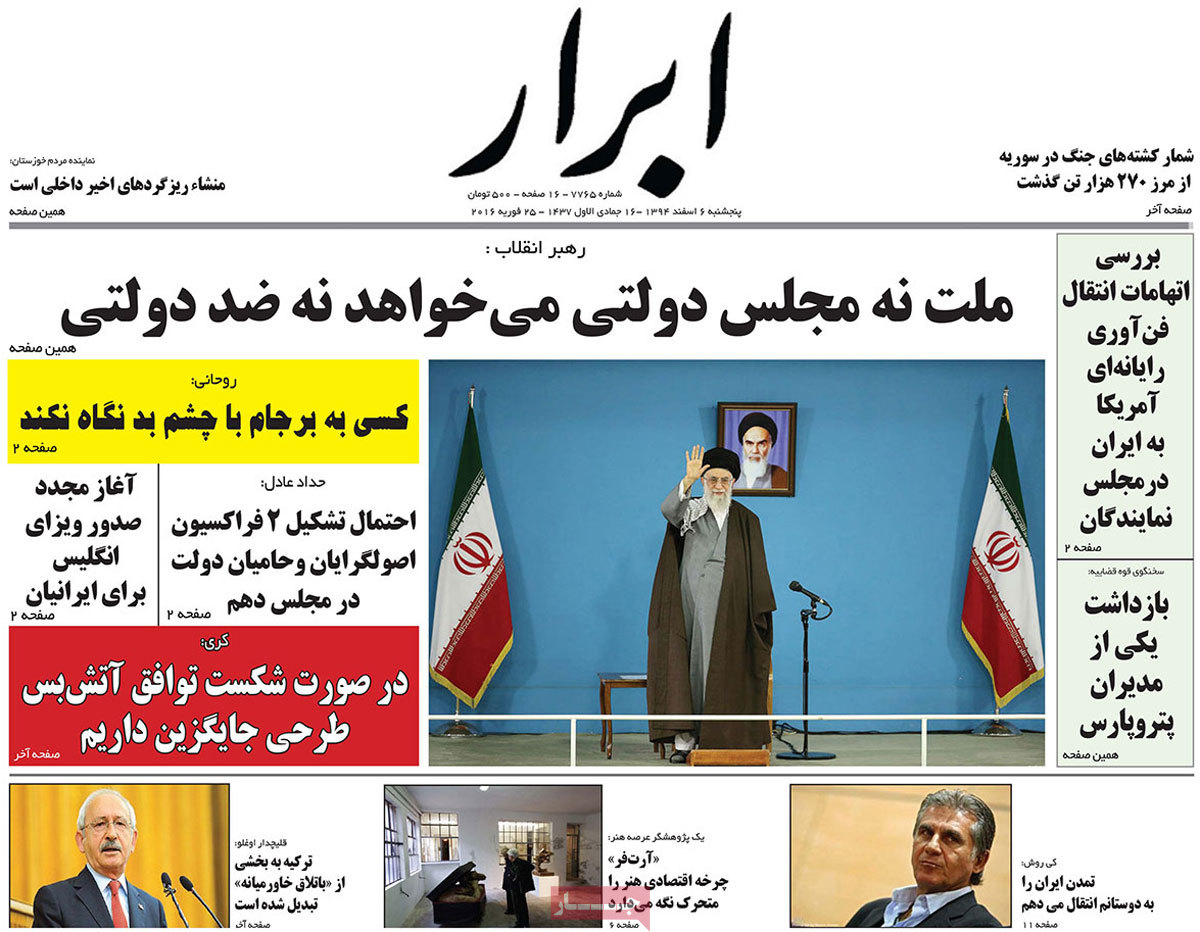
 

A look at Iranian newspaper front pages on Feb 25


Abrar Eqtesadi:

1. Boeing proposes Iran talks

2. Assets of corporate mogul put to bid

3. Baku resumes oil trade with Iran

4. Tehran-Ashgabat trade on the rise

5. EXIM Bank to provide $8bn credit line in Iran
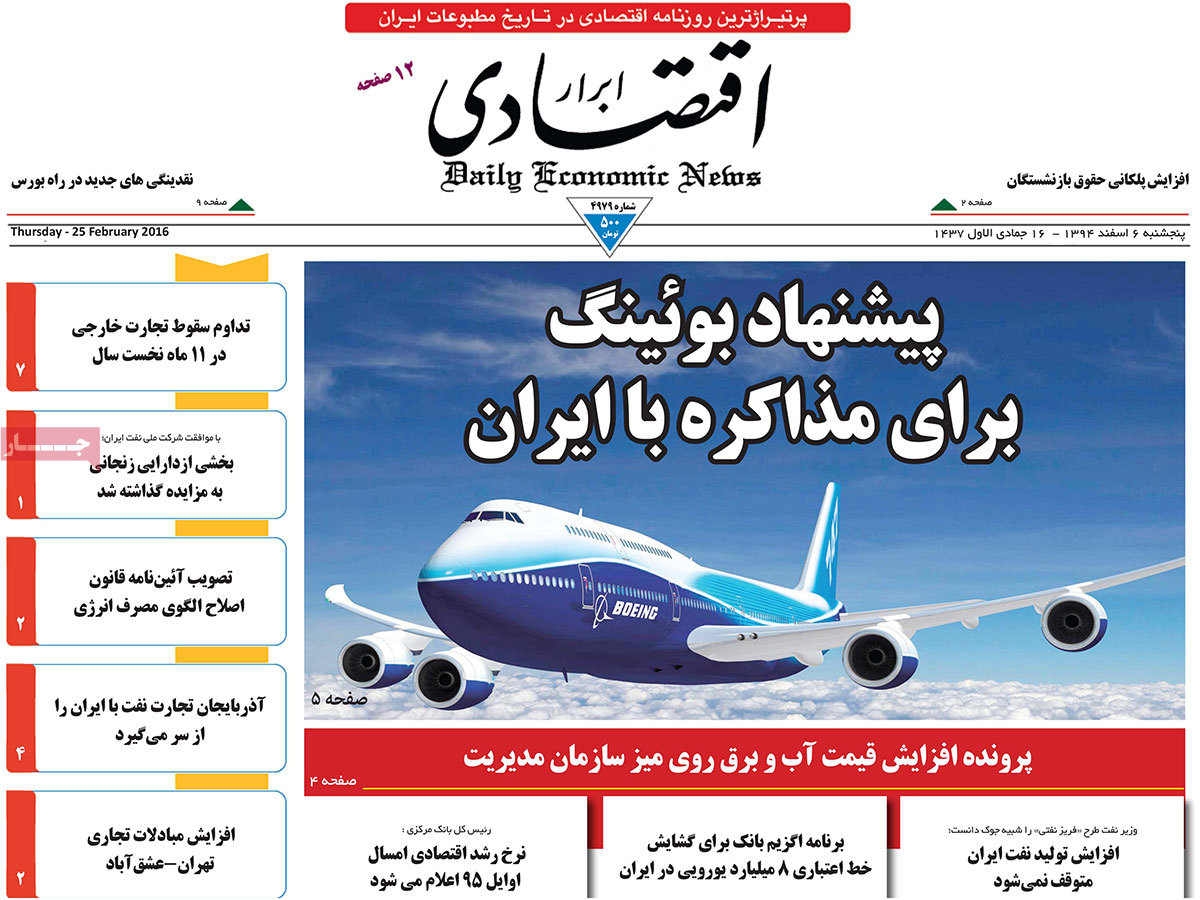
 

A look at Iranian newspaper front pages on Feb 25


Arman-e Emrouz:

1. Calls for highest election turnout on Friday;

Let’s vote finely tomorrow

Last name of Iranian Minister of Foreign Affairs, Zarif, literally means fine. The title used the pub of referring to Zarif, or fine, for calling on people to cast their votes on February 26 elections for the parliament and Assembly of Experts.

2. Leader: Iranian nation wants a parliament that minds dignity and independence

3. President Rouhani: Interior minister guards people’s votes

4. London resumes issuing visas in Tehran
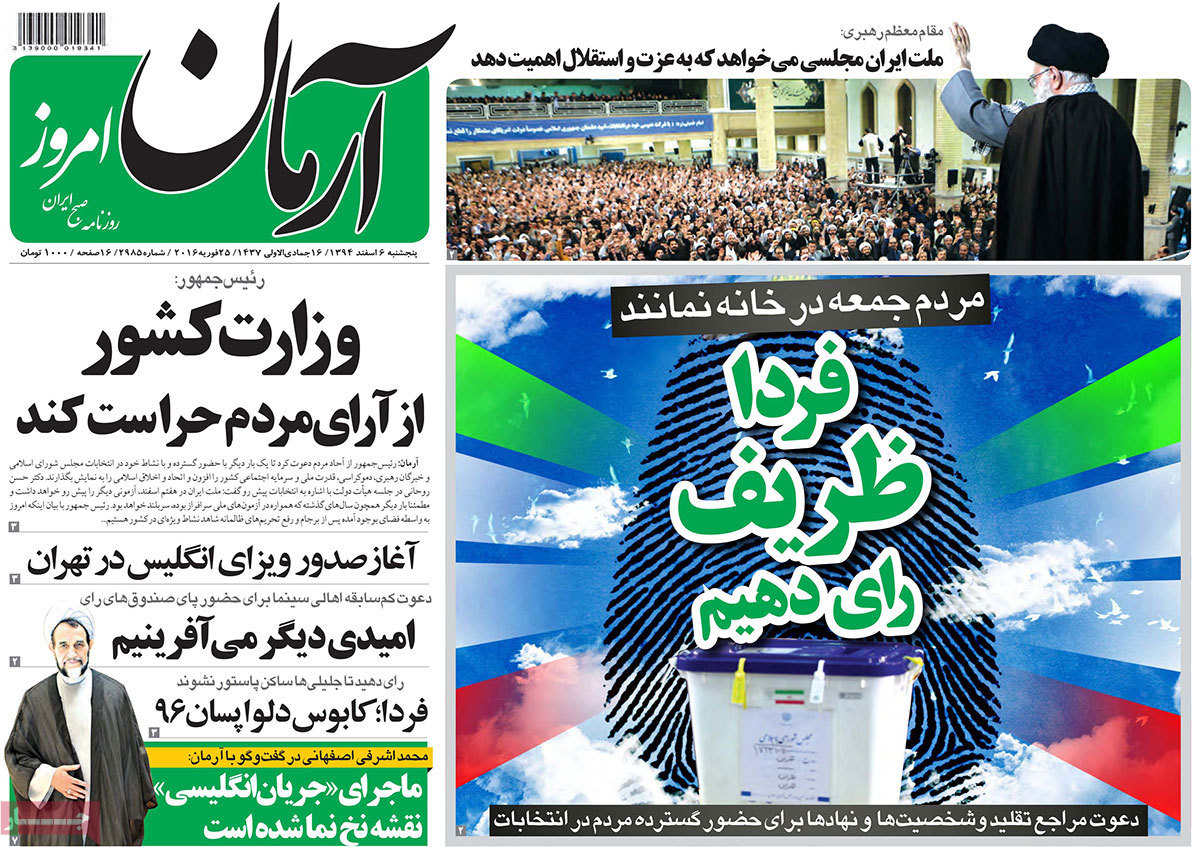
 

A look at Iranian newspaper front pages on Feb 25


Asrar:

1. Shia clerics call on people to hold passionate elections on Friday

“Feb 26 and creation of new epic”

2. Mogherini warns of impending all-out war between Turkey-Russia

3. Judiciary official calls on admin to pursue UK interference in Iran thru “active diplomacy”
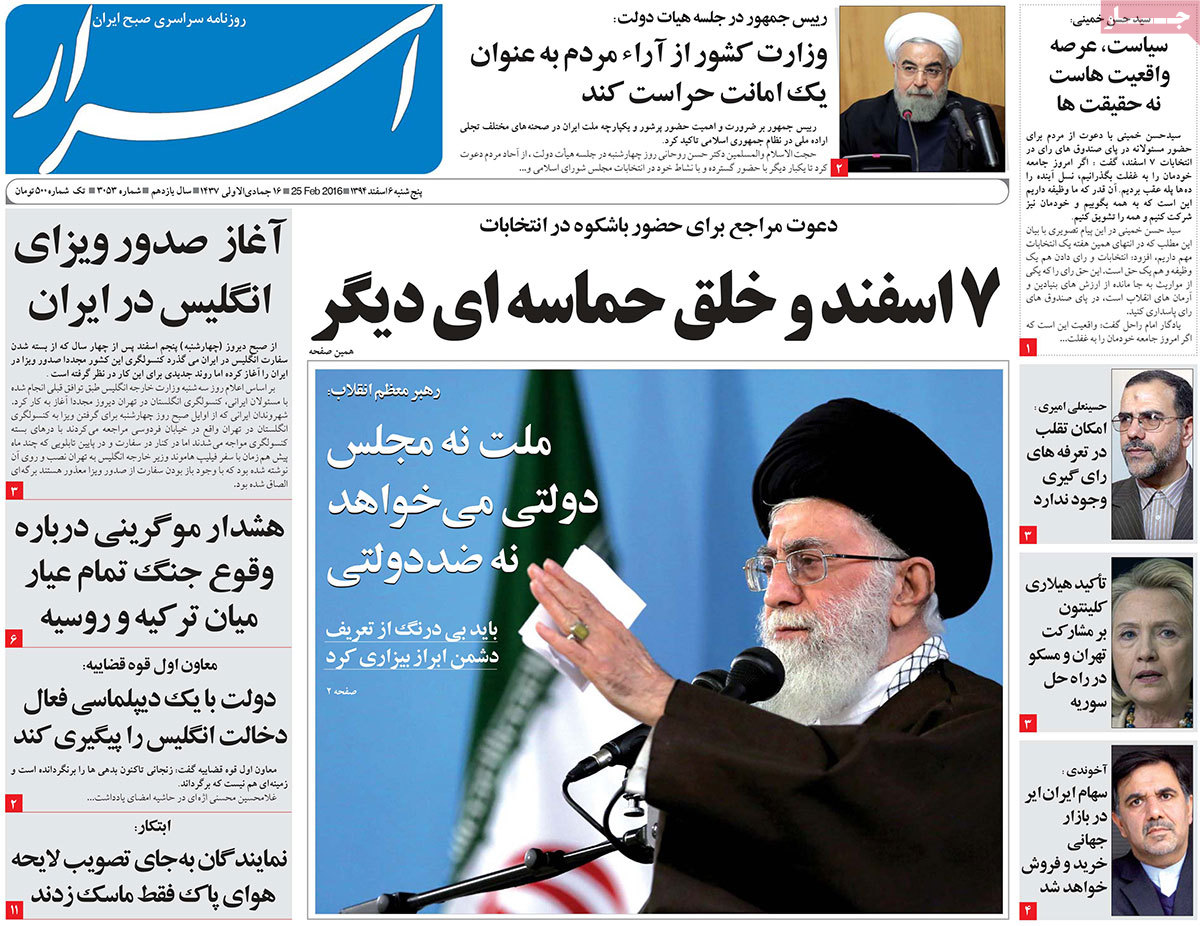
 

A look at Iranian newspaper front pages on Feb 25


Ebtekar:

1. All together heading towards ballot boxes

A lengthy report about the reasons all votes must come to the ballot boxes on Friday.

2. Leader: Passion, vigor, supremacy, inferiority nature of election

3. Rafsanjani urges Iranians not to stay home on Friday

4. Rouhani to Putin: Cessation of hostilities’ should not help terrorists to reorganize

5. Potential 65% turnout in Parliament election
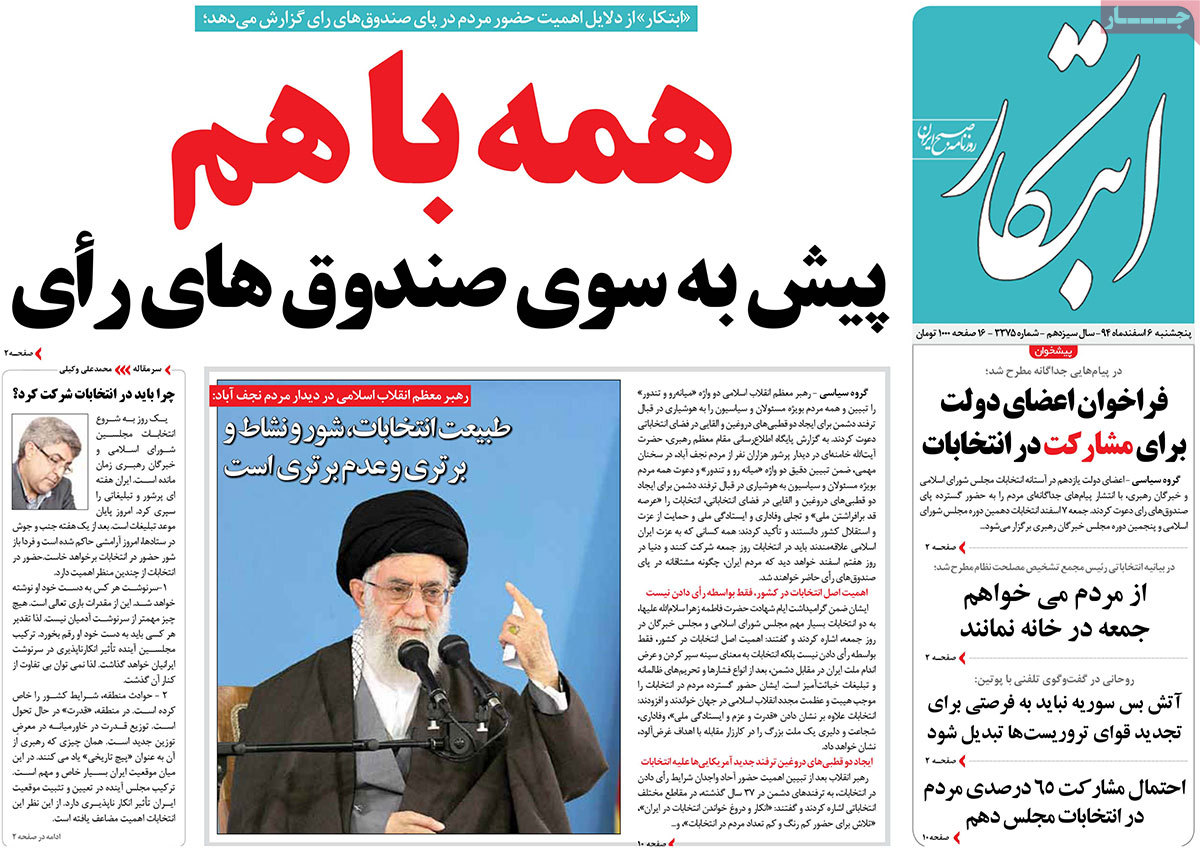
 

A look at Iranian newspaper front pages on Feb 25


Ettela’at:

1. Moscow: Washington acceded to Syrian ceasefire plan after defeat

2. Leader: Nation seeks a parliament that knows how to cure their pain

3. Rouhani: Nation pick best candidates
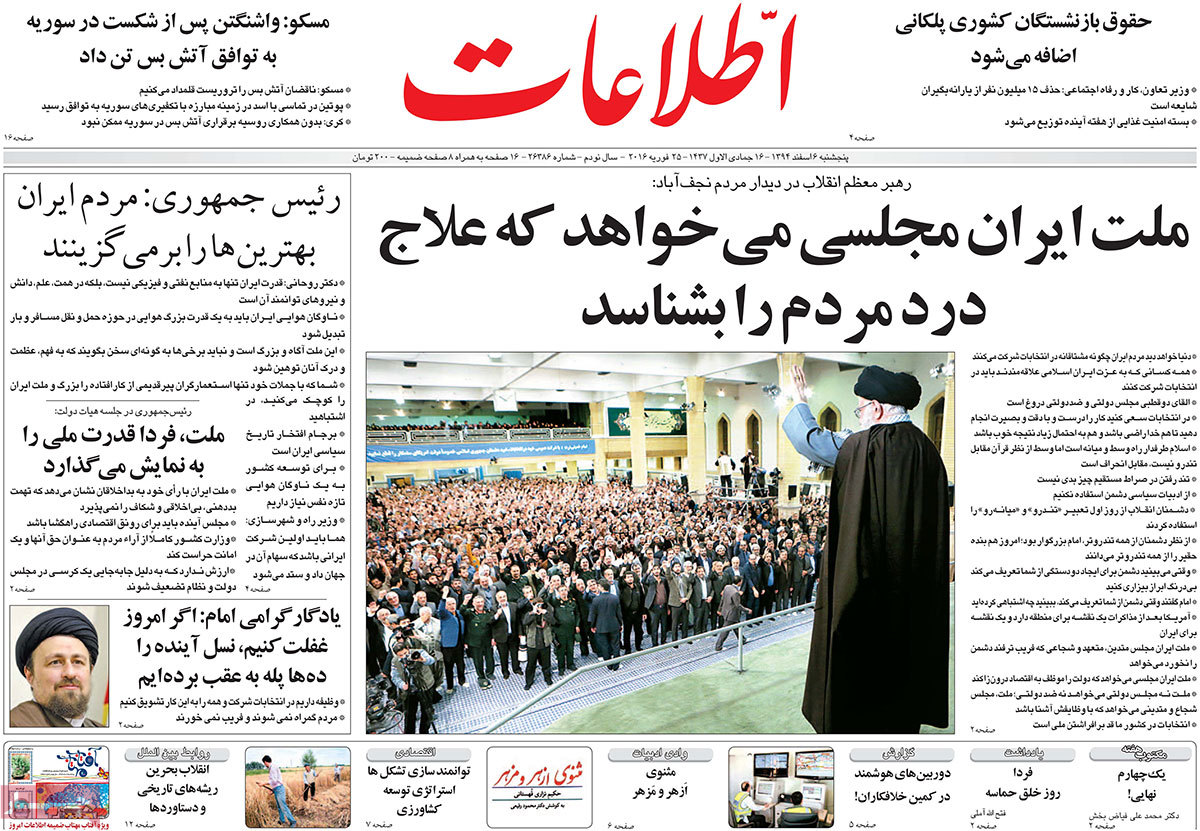
 

A look at Iranian newspaper front pages on Feb 25


Etemad:

1. Iran: Brother of Abdolmalek Rigi captured in a nearby state

2. The storm of people’s vote

Iranian nation are preparing for a landmark election day to choose future members of the parliament and the Assembly of Experts.

3. Leader: We must try to make correct selection

4. Veep: People turn wheels of economy thru election
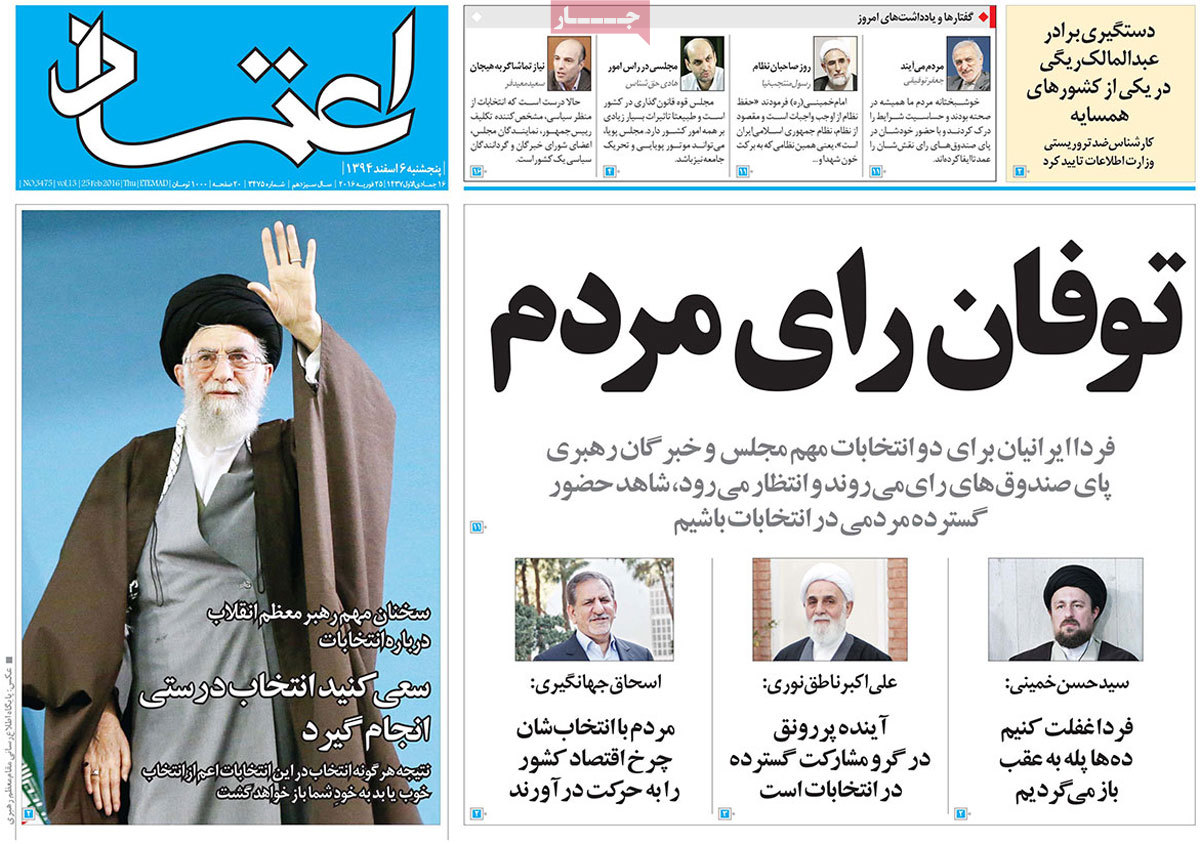
 

A look at Iranian newspaper front pages on Feb 25


Emtiaz:

1. Iran seeks to return stolen assets

2. Petroleum Minister: Iran not to freeze crude oil production growth

3. Rivers in danger of drying out

4. Iran still toddler in world-class art
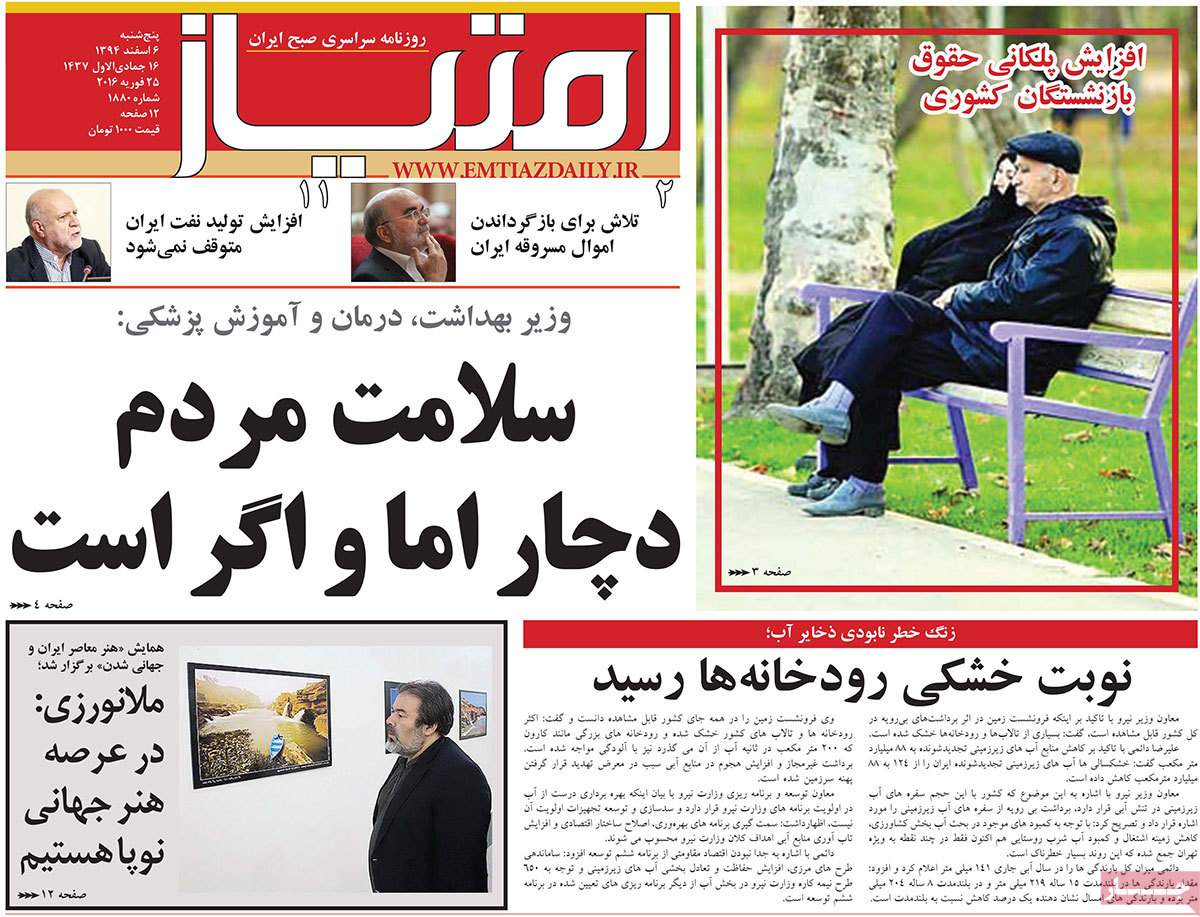
 

A look at Iranian newspaper front pages on Feb 25


Hosban:

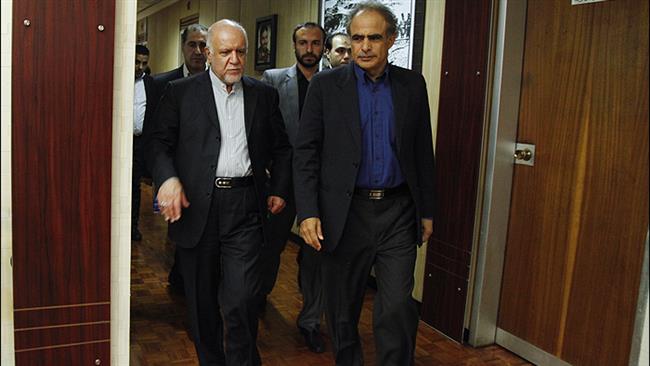
1. Petroleum Minister calls on nation for highest turnout

“Country’s development depends on nation for highest turnout in elections,” Iranian Minister of Petroleum Bijan Zanganeh said.

2. No bright future of field and track in olympic games
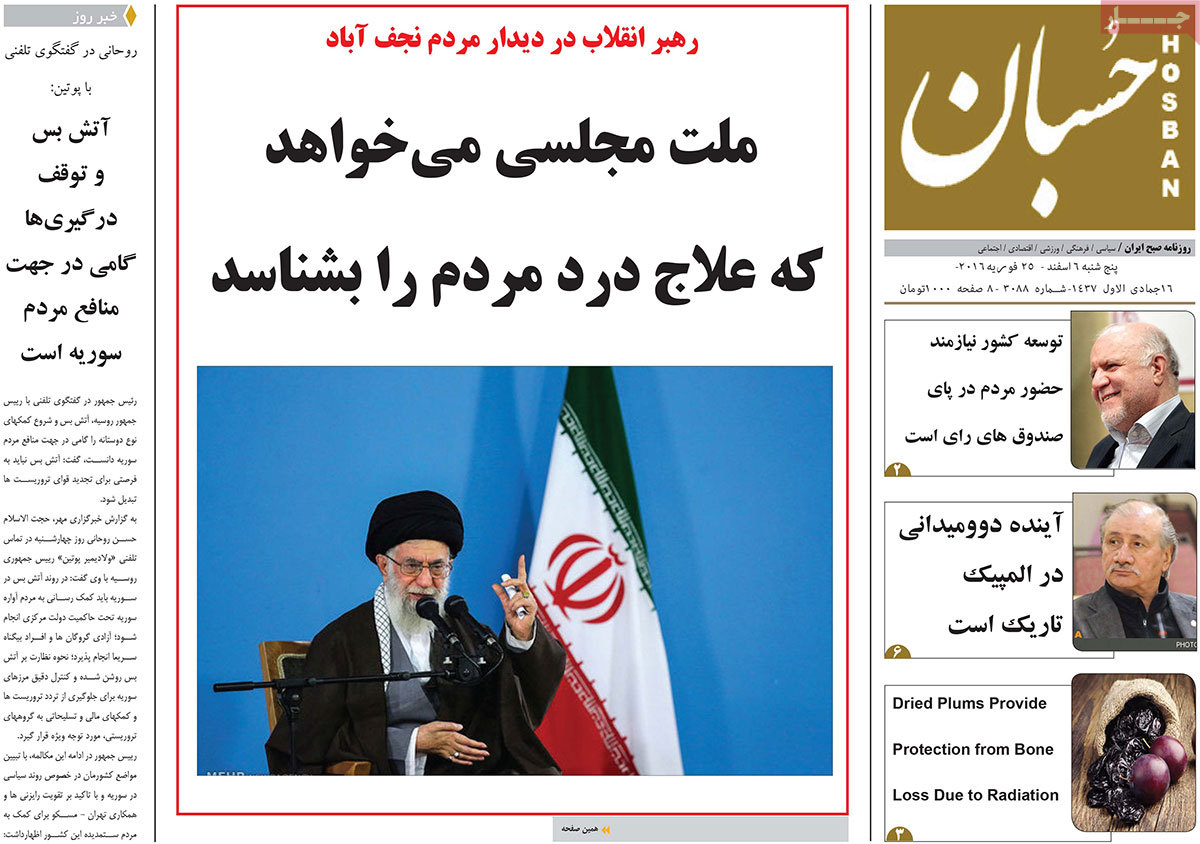
 

A look at Iranian newspaper front pages on Feb 25


Iran:

1. Electing Iran’s future

Elections in a glance: 55 million eligible voters, 120,000 ballot boxes, 3.8 million first-voters

2. Rouhani calls on nation to draw hopeful future for Iran
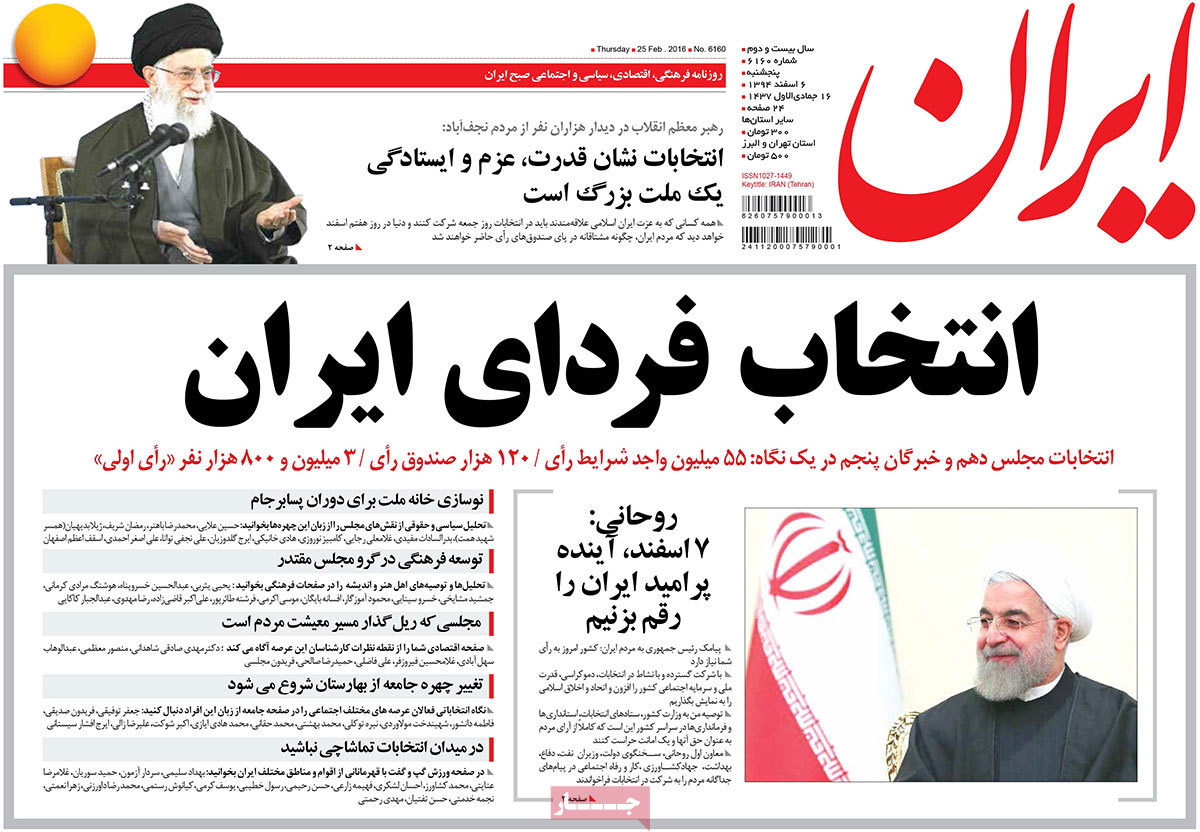
 

A look at Iranian newspaper front pages on Feb 25


Jomhouri Eslami:

1. Leader urges all Iran lovers to attend elections; “Whatever the result, the country will benefit”

2. EU, US join South Pars customers club

Iran exported over 10 billion tons of gas condensate.

3. Syrian truce saves some face for US

4. Israeli mogul wins UAE security award
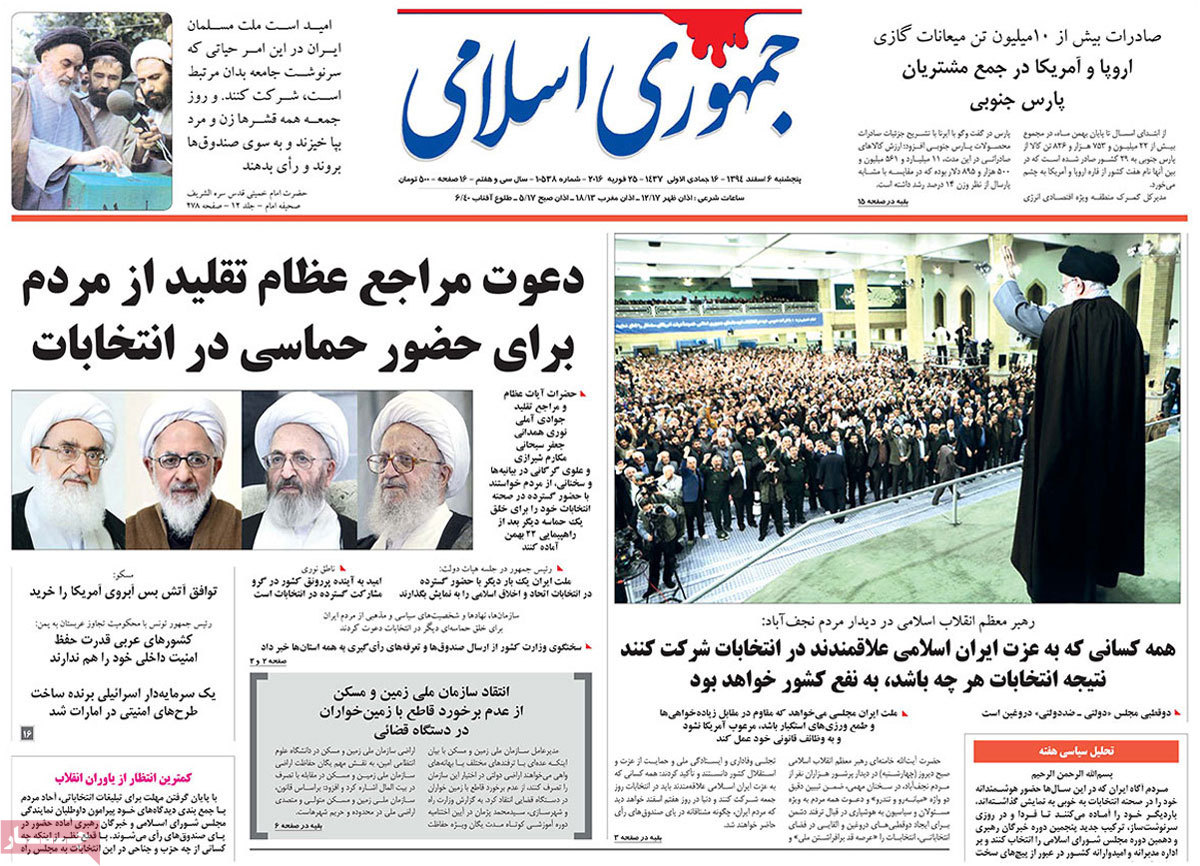


A look at Iranian newspaper front pages on Feb 25


Javan:

1. Nation seeks parliament that believes in endogenic economy: Leader

2. Kerry: Iran nuclear deal raised Tel Aviv security
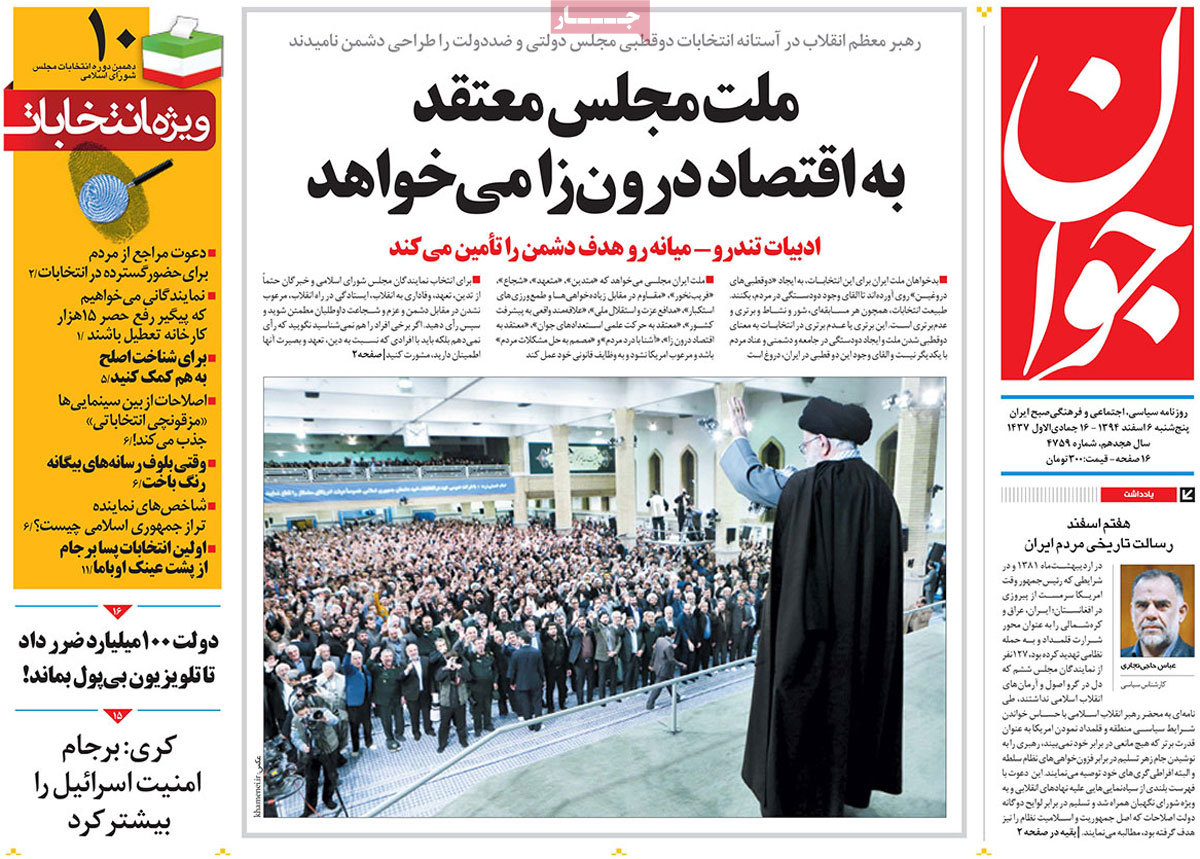


A look at Iranian newspaper front pages on Feb 25


Kayhan:

1. Economists: Parliament must mind people’s livelihood

2. Leader: Enemy refers to submissive compromisers as moderates

3. Al-Saud mufti: Iran nation must not vote for Jannati, Mesbah and Yazdi

4. Amnesty: Al-Saud uses British arms to kill people
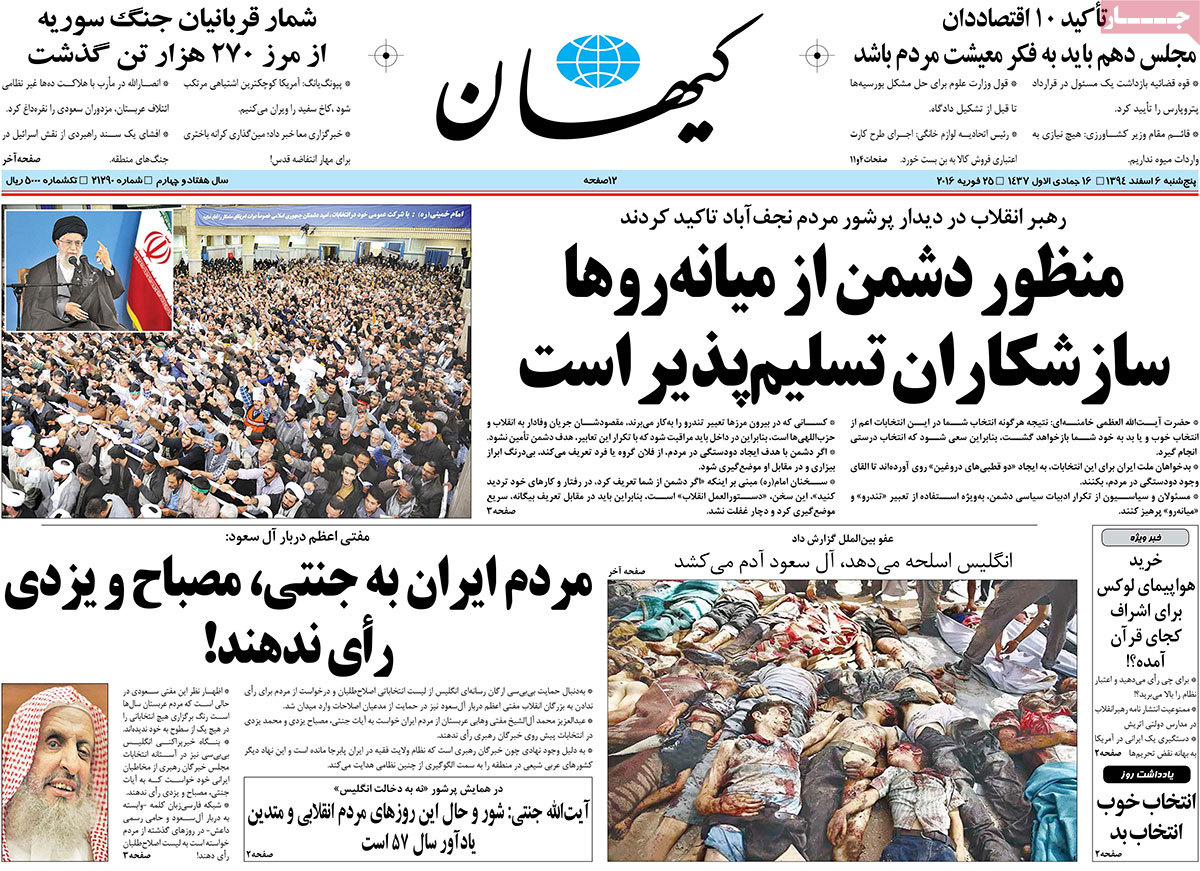
 

A look at Iranian newspaper front pages on Feb 25


Rah-e Mellat:

1. Report: Parliament election poll
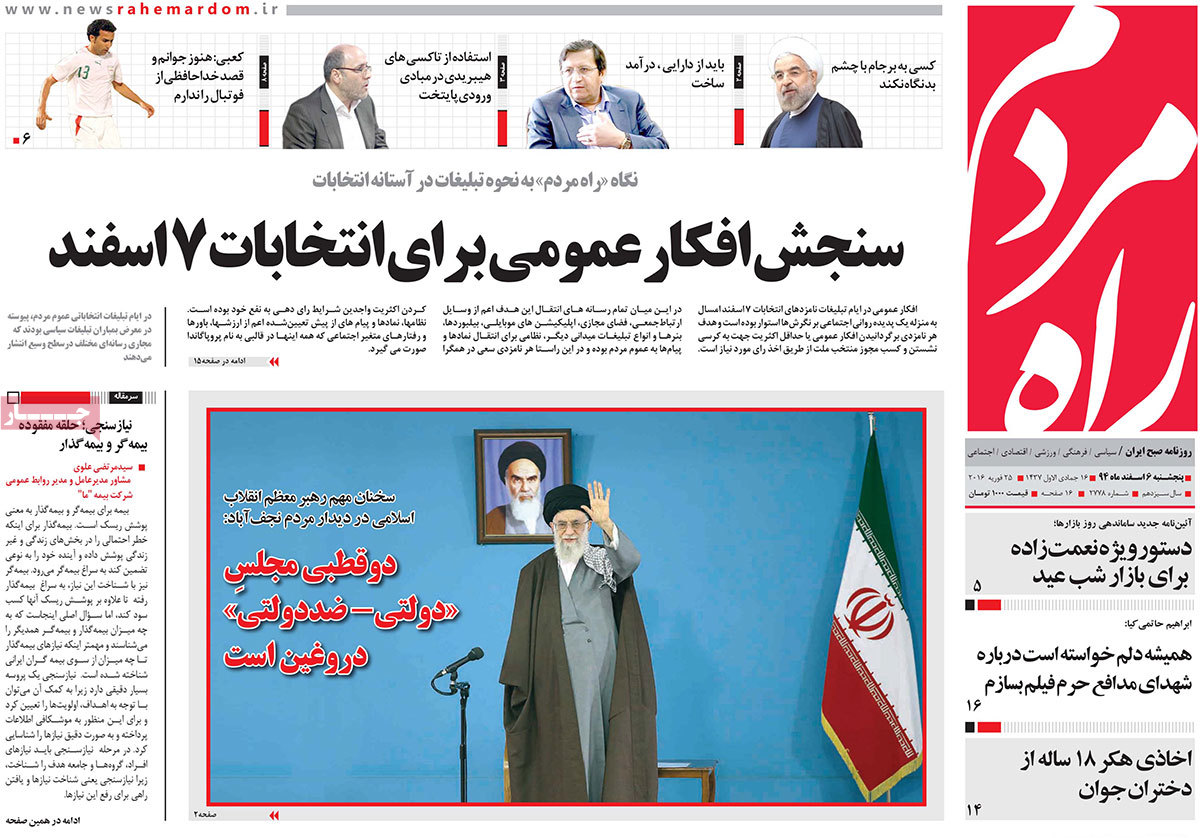
 

A look at Iranian newspaper front pages on Feb 25


Resalat:

1. Elections guarantee sovereignty of Islamic establishment: President Rouhani

2. Lavrov: US, allies seek war in Syria
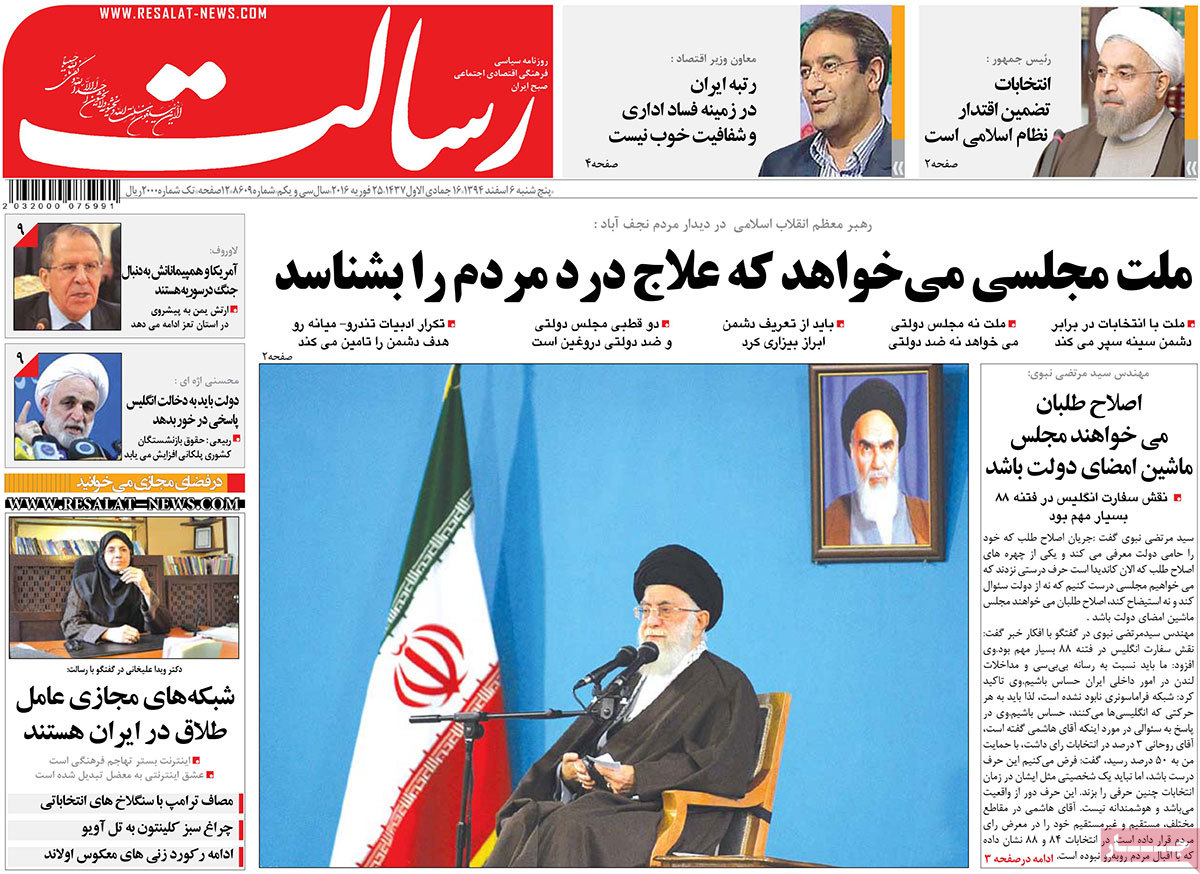


A look at Iranian newspaper front pages on Feb 25


Rooyesh Mellat:

1. Petroleum Minister: Oil freeze plan a joke

2. 58 rare maladies identified in Iran
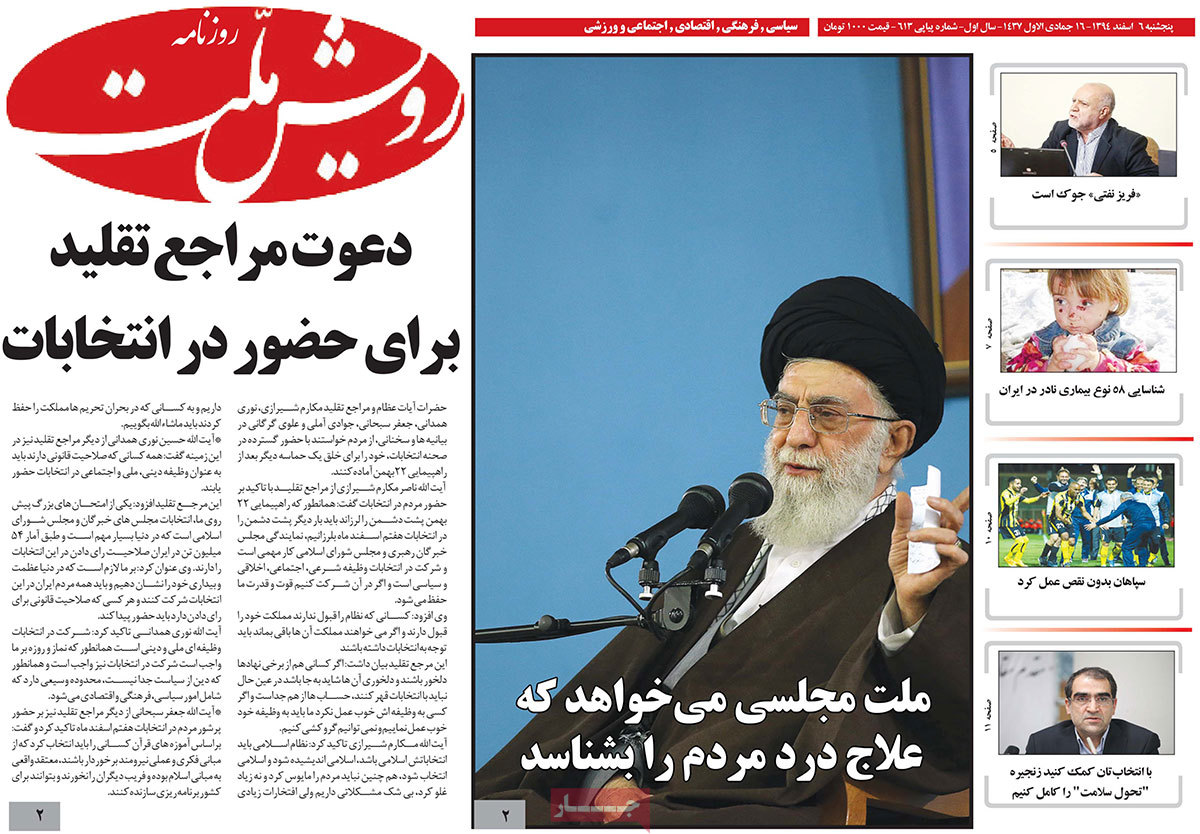
 

A look at Iranian newspaper front pages on Feb 25


Shahrvand:

1. Rouhani to nation: Iran needs your votes

2. Election turnout may rise by Friday

3. Leader: Result of nation’s election turns back to them
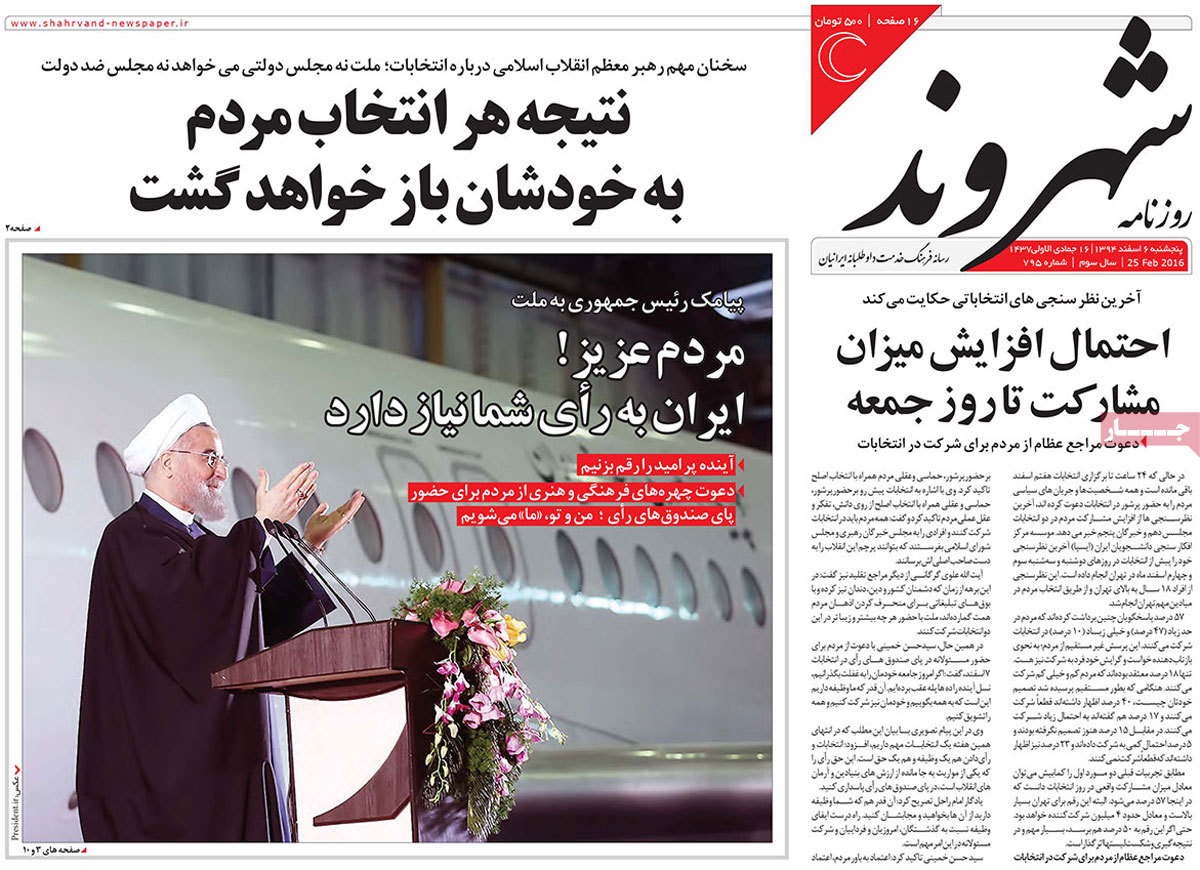
 

A look at Iranian newspaper front pages on Feb 25


Saheb Ghalam:

1. Iran takes first step to launch smart power grid

2. Industry Minister issues special order to protect prices as New Year approaches
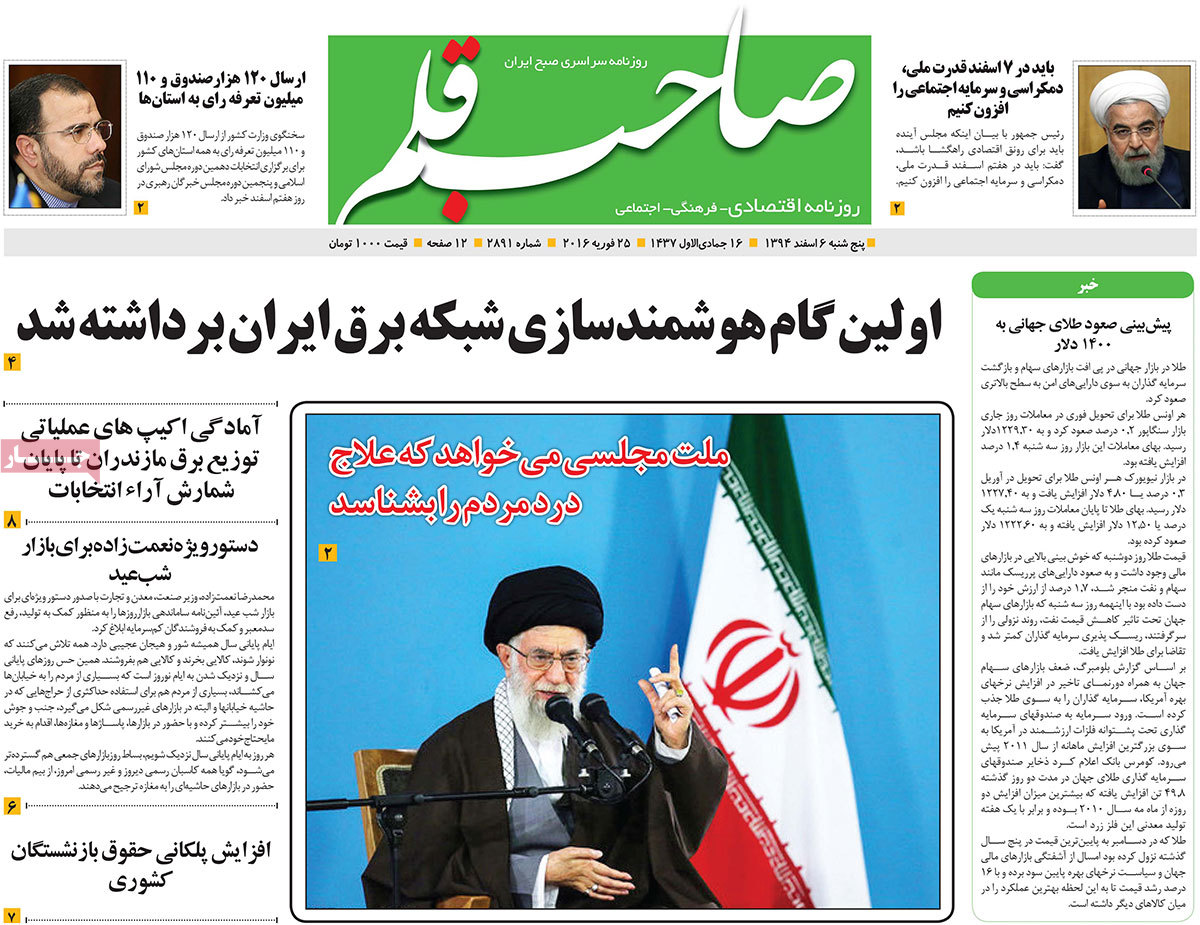
 

A look at Iranian newspaper front pages on Feb 25


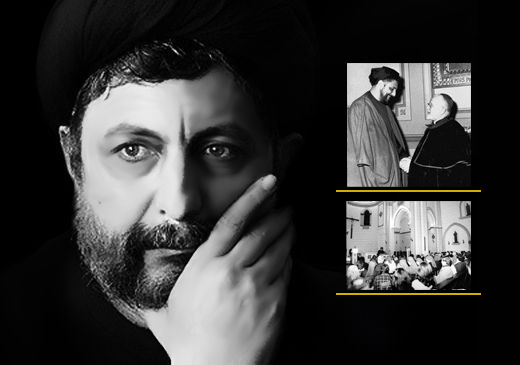
Let’s Have National Day of Dialogue, Imam Sadr’s Daughter Proposes

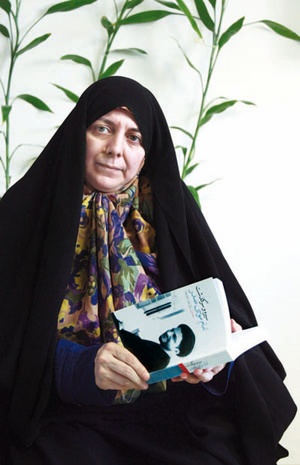
Houra Sadr, the daughter of Iranian-Lebanese philosopher and religious leader Imam Musa al-Sadr, in an article, has asked Iranian officials to name February 19 as the National Day of Dialogue.

Here is the full text of her article in Khabar Online news website:


Hura Sadr40 years ago on February 19, 1975, fathers of the Saint Louis Capuchin Cathedral in Beirut invited Imam Musa al-Sadr to preach the Christians during Lent, which is the solemn religious observance in the liturgical calendar of many Christian denominations that begins on Ash Wednesday and covers a period of approximately six weeks before Easter Sunday.
It was the first time in the history of Islam and Christianity that a Muslim cleric was carrying out a Christian religious rite.

Let me explain the significance of the incident in Imam Sardr’s own words. During the disastrous civil war in Lebanon, he said in an interview:

“One of the most important objectives behind the plots that struck Lebanon was to destroy the form of coexistence and national unity in Lebanon. When coexistence is targeted by a plot, the symbols of coexistence will definitely be the first to be attacked.

“I do not suppose anyone in Lebanon to be a symbol of national unity as much as I am, because in addition to the cultural, social, and political contacts and all-out relations I have with all Lebanese sects, I reached a point that, three years ago at Saint Louis Capuchin Cathedral, I preached Christians during the Lent. No one in the world has reached such a position. That was just like a Christian clergyman preaching Muslims during the Friday prayers. So I became the symbol of national unity, and thus, the plot directly targeted me,” Imam Sadr said in the interview.

In his sermon at Saint Louis Capuchin Cathedral, Imam Sadr both preached and practiced his doctrine.

“We have gathered for the human being; the human being for whom religions came; the religious which were of the same origin, and each promised the emergence of the other, and acknowledged each other,” Imam Sadr said in his sermon.

Isn’t such a historic event an honor for Muslims? Isn’t it an honor for Christians? Isn’t such a huge incident the result of belief in unity and dialogue and dialogue-based practical behavior?

Given the ongoing crises in the region and the worrying future of Muslim world, I emphasize that dialogue should be venerated and institutionalized in Islamic societies.

Dialogue should begin in the years of childhood and continue until the end of academic educational in the country’s educational system. Dialogue is not an intellectualistic hobby only belonging to the elite, though elites have played a special role in its institutionalization.

Let us dignify dialogue and pay careful attention to its practice. Let us dedicate one day in our calendar to “Dialogue” so that we could examine, evaluate, and correct our one-year performance in this regard.

I propose that February 19, the day Imam Musa Sadr preached Christians in Capuchin Cathedral during the Lent, be named as the “National Day of Dialogue”. Institutionalizing dialogue needs symbols and icons. Choosing Imam and dedicating a day to dialogue is an effective method to institutionalize the concept.

Imam Musa Sadr was a prominent philosopher and religious leader who disappeared in August 1978.

On 25 August 1978, Sadr and two companions Sheikh Muhammad Yaacoub and journalist Abbas Badreddine departed for Libya to meet with government officials.

The visit was paid upon the invitation of the then Libyan ruler Muammar Qaddafi. The three were seen lastly on 31 August.

It is widely believed by his fans, relatives, and supporters that Qaddafi ordered Imam Sadr’s kidnapping.

The former Libyan regime had consistently denied responsibility, claiming that Sadr and his companions left Libya for Italy, but Rome never confirmed their entry into that country.

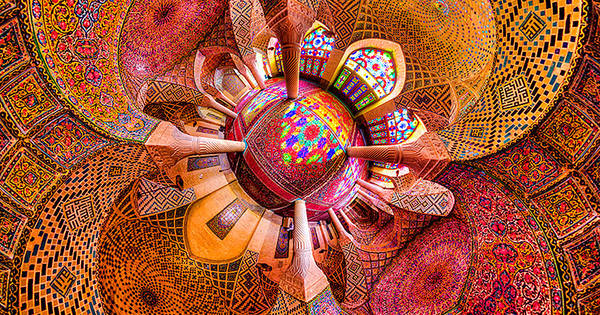
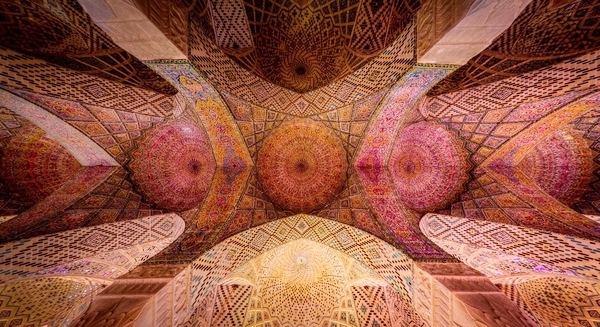
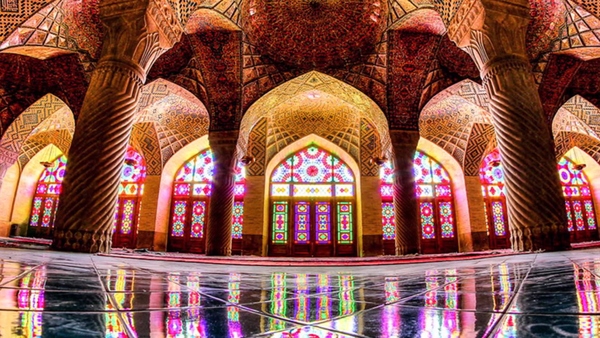
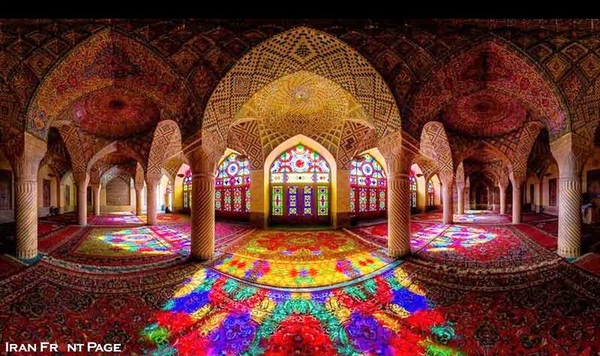
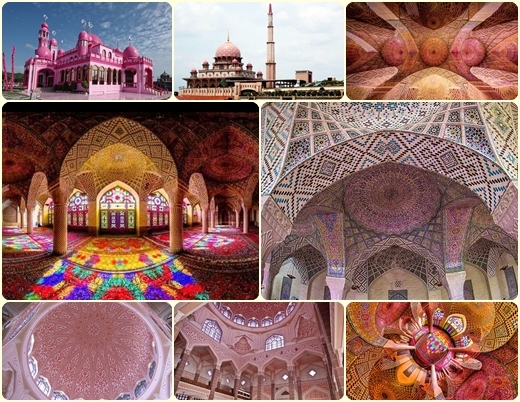
Islamic Architecture in Photos: World’s Pink Mosques

Islamic Architecture in Photos: World's Pink Mosques

The use of colours in mosques goes beyond the simple function of similar structures around the world. Take the colour pink as an example. Pink is a colour used in some mosques as a symbol of serenity, love and peace.

As reported by a cultural heritage journalist from ISNA, this type of place of worship all around the world is built using different patterns or colours. In terms of beauty, greatness and antiquity, the mosques have titles like Jame or Azam; as they are called in Iran.

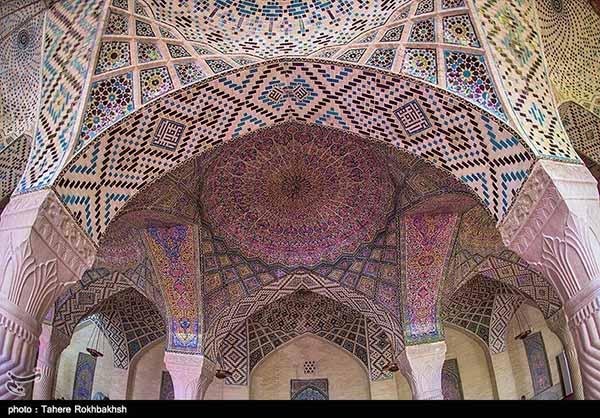
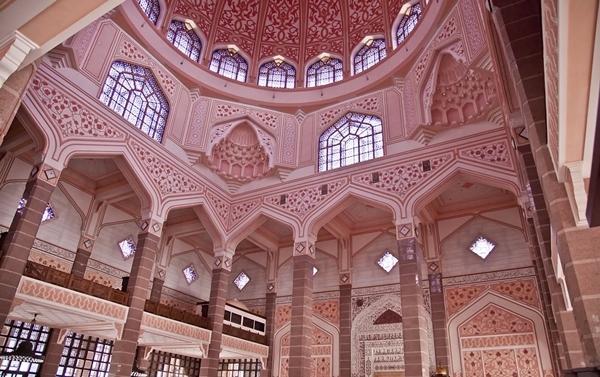
Some of the characteristics of this beautiful style of architecture include mirrorwork, dome-like roofs, vaults and nested bedchambers. This beauty has turned many mosques all over the world into tourist attractions; whether for Muslims and followers of other religions.

Malaysia’s Pink Mosque 

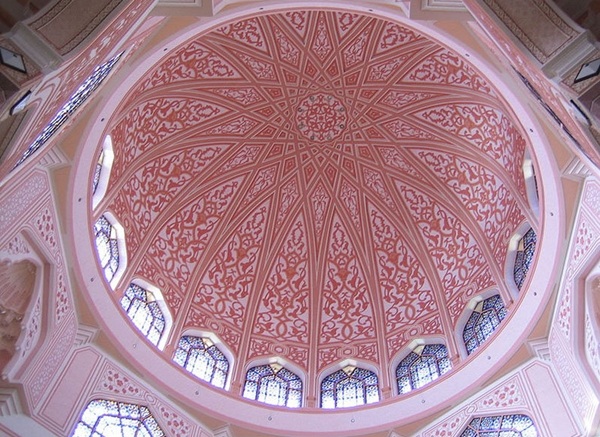
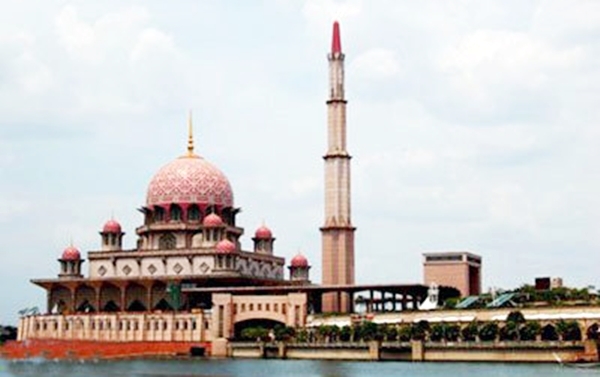
One example of these mosques is Putra Mosque in Malaysia. This mosque sits next to the beautiful lake of Putrajaya. Its view causes it to be considered as one of the Islamic world’s most modern mosques.

Putrajaya Jame Mosque, also known as Putra mosque, was started in 1997 and it was first used two years later.


The Pink Mosque of the Philippines

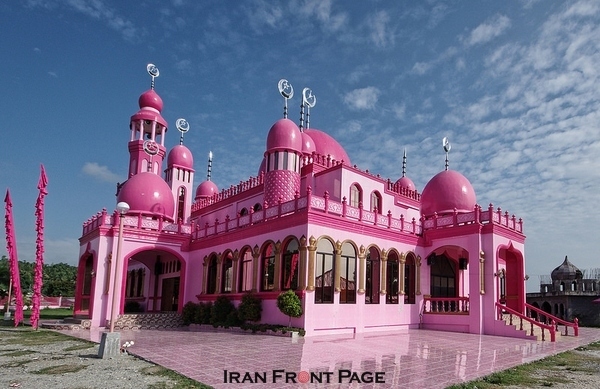
Maguindanao Mosque in the Philippines is one of the world’s pink mosques. It seems that apart from the religious aspect, its colour has made it into a tourist attraction. The mosque was completed in 2014, and as a sign of unity between different religions, was built by Christian workers.


Islamic Architecture in Photos: World's Pink Mosques


Iran’s Pink Mosque

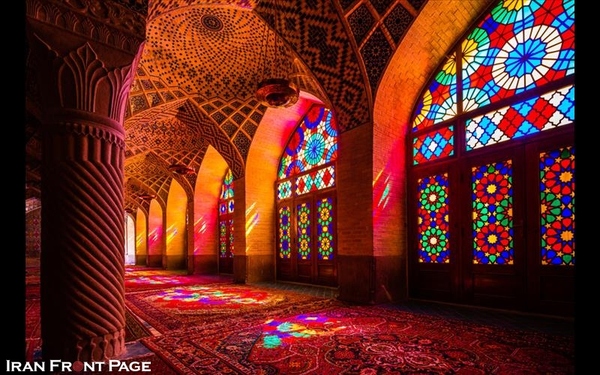
Another of the world’s pink mosques is Nasir al-Mulk, located in Shiraz, Iran. Because of its colourful windows and pink tiles used in its interior design, this mosque is known as the pink mosque in popular culture.

Nasir al-Mulk mosque is one of the oldest mosques in Shiraz. It was built over 12 years between 1877 and 1889.

It is interesting to know about the psychology of the colour pink. This colour promotes tolerance and patience in humans and encourages kindness and love.


Head coach of Al Nasr: Iran enjoys high security

Head of Al Nasr football club says Sepahan was the superior team of the field and achieved the reward of its superiority against Al Nasr.

According to Persian Site Javan online, Ivan Ivanovich, following the defeat of his team in the first week of Asian Champions League said the Iranian team Sepahan was the superior team of field and received the rewards of its superiority. Right from the beginning they had the ball and the yard at their disposal and their victory was fair.

Ivanovic replying to a question about a propaganda campaign in recent months in Arab countries about lack of security in Iran said: “in my opinion this is not true adding that Isfahanis showed good hospitality towards us and that Iran enjoys high security.

Ambiguities of Syrian Truce Need to Be Resolved: Iran’s Rouhani

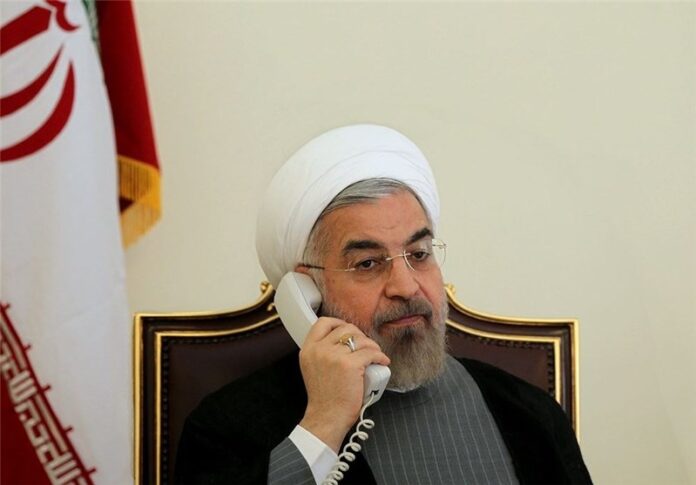
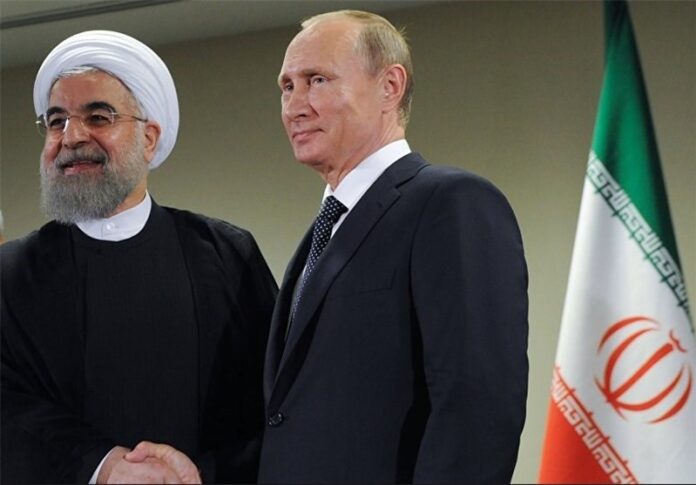
“There is no doubt that Russia’s effective airstrikes and ground operations by the Syrian army and popular forces forced terrorists and their sponsors to come to the negotiating table, and they realized that military action will be in no one’s interest in Syria,” Rouhani said in a phone conversation with his Russian counterpart Vladimir Putin.

However, the Iranian president noted, the recent deal on a ceasefire in Syria has numerous ambiguities and deficiencies, whose resolution is necessary for allaying concerns.

“In the ceasefire process in Syria, the delivery of aid to the displaced people of Syria should be carried out under the supervision of the central government,” Rouhani stressed.

“Hostages and innocent people should also be released swiftly,” he further said, adding that the way to monitor the ceasefire needs to be clarified, and special attention should be paid to the tight control of Syria’s borders to prevent the crossing of terrorists and their financial resources.

Putin, for his part, stressed that Iran and Russia should have close cooperation and coordination with each other on the resolution of Syrian crisis.

He also said that the proposed truce has certain weaknesses, and underlined the significance of controlling Syrian borders and closely monitoring the ceasefire.

“By controlling Syria’s borders, the entry of terrorists and the transfer of arms, financial, and logistical aid to terrorist groups should be blocked,” he added.

The fight against Daesh (ISIL) and Nusra Front terrorist groups will definitely continue, Putin assured, stressing that Syria’s sovereignty and territorial integrity should not be violated in the organization of international aid to the people of war-torn Arab country.

The phone call was made after the Syrian Foreign Ministry said in a statement on Tuesday that the government accepts the terms of a Monday ceasefire deal announced by the United States and Russia.

It added that the Syrian government accepts the deal on the basis that military efforts against Daesh Takfiri terrorists and the al-Qaeda-linked al-Nusra Front group continue.

Iran joins world aerospace market in post sanctions era

‘The post-sanctions opportunity and positive interactions with world nations can link the science-based companies working in Iran’s aerospace filed with interantional markets, and that is a great achievement,’ said Amir-Hossein Davaie Wednesday afternoon in the 3rd Festival to Commemorate Iranian Aerospace Researchers and Scientists.
The deputy minister advised the Iranian science-based companies to amke maximum use the existing opportunity and pave the way for entering the international markets.
The deputy minister meanwhile referred to new markets that small satellites can create, arguing ‘It is hoped that our country will achieve an appropriate status in using outer-space atmosphere.’
On Jan 16, 2016 after the publication of the UN nuclear watchdog’s report on Iran’s full commitment to its accepted responsibilities in accordance with the Joint Comprehensive Plan of Action (JCPOA) the six world powers’ responsibility for terminating all anti-Iranian nuclear sanctions began.
The 3rd Festival to Commemorate Iranian Aerospace Researchers and Scientists is now being held at Iran Aerospace Research Center.

Rouhani, Putin Stress Need for Cooperation to Settle Syria Crisis

In a telephone conversation on Wednesday, Rouhani and Putin attached great significance to cooperation on resolving the Syrian crisis and fighting terrorism, according to a statement published on the Kremlin’s website.

“The importance of further joint work was noted between Russia and Iran on issues of settling the Syrian crisis, including the decisive fight against Daesh (ISIL), al-Nusra Front and other terrorist organizations included in the sanctioned list of the UN Security Council,” the statement said.

“They focused on the Syrian problems, in particular the discussion of the initiatives and proposals contained in the Joint Statement of Russia and the United States on the cessation of hostilities in Syria,” it added.

It came after Russia and the US reached a draft deal on Monday, detailing a ceasefire to start in war-torn Syria on Saturday.

Syria has been entangled in civil war since March 2011, with Takfiri terrorist groups like Daesh controlling parts of it, mostly in the east.

According to a new report by the Syrian Center for Policy Research, the conflict has claimed the lives of over 470,000 people, injured 1.9 million others, and displaced nearly half of the country’s pre-war population of about 23 million within or beyond its borders.


Oman backs Iran in Saudi freeze row

Saudi Arabia, which pumped 10.2 million barrels daily in January, wants major producers to cap their output at existing levels at a time when Iran is ramping up production to claw back market share it lost under sanctions.

Oman’s Oil Minister Mohammad bin Hamad bin Saif al-Rumhi said sanctions have harmed Iran’s exports and the country had a right to increase output.

On Tuesday, Saudi Oil Minister Ali al-Naimi said he hoped producers would meet in March to negotiate an output freeze as he ruled out production cuts.

Last week, Saudi Arabia, Russia, Qatar and Venezuela proposed the freeze that would cap production at January levels.

“Given the damage Iran’s oil exports have suffered as a result of Western sanctions, the country can be exempted from a possible OPEC agreement on freezing production,” the Mehr news agency on Wednesday quoted Rumhi as saying.

“One solution is that Iran is allowed to rebuild its production; any decision in this regard is up to OPEC members to make,” he added, according to the news agency.

Rumhi also said his country was ready to cut production by 10% if an agreement was reached. “Oman is not an OPEC member but it is ready to go along with OPEC,” he added.

On Sunday, Nigerian Energy Minister of Petroleum Emmanuel Kachikwu also said Iran must be given a way out to regain some of its lost market share due to sanctions.

“Countries like Iran and Iraq have been out of the market for a while and if they are to come back you shouldn’t freeze them out where they are, you should freeze them at a higher level,” Kachikwu said in Doha, Qatar.

Saudi Arabia, however, has said any agreement was contingent on all other producers agreeing to a freeze. On Tuesday, Naimi reiterated the position.

“Freeze is the beginning of a process, and that means if we can get all the major producers to agree not to add additional balance, then this high inventory we have now will probably decline in due time,” he said in Houston, Texas.

Analysts have expressed skepticism that Saudi Arabia is even capable of producing more than it is today. Moreover, an output freeze will not reduce the existing glut and will have no impact on prices.

Iran is seeking to increase output by 1 million barrels a day this year after sanctions on its oil industry were lifted last month. The country’s production has slumped since sanctions were imposed on its exports.

Minister of Petroleum Bijan Zangeneh on Tuesday dismissed the output freeze “a joke” which puts “unrealistic demands” on Iran.

“Some countries that are producing above 10 million barrels per day have called on Iran to freeze its production at one million bpd,” he said.

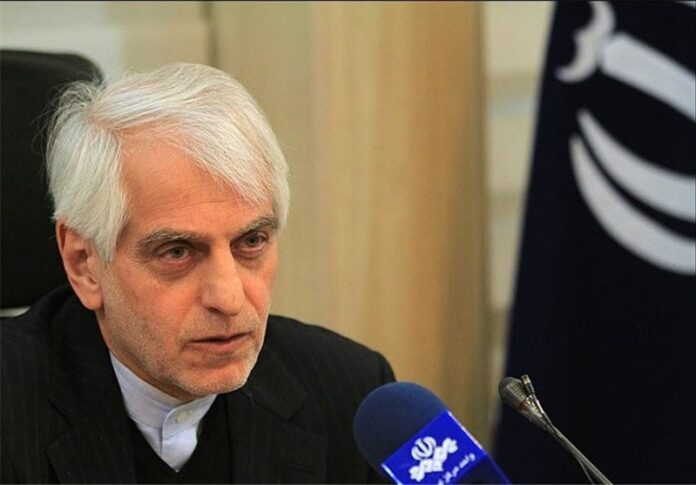
Iran-Germany Banking Ties to Normalize in 3 Months: Envoy

Speaking to the Tasnim News Agency, Majedi said infrastructure problems for bilateral cooperation between Iran and Germany are to be resolved.

The problems have their roots in banking issues pertaining to the Society for Worldwide Interbank Financial Telecommunication (SWIFT), he said, adding that Iran has just been connected to the SWIFT network.

“…We hope that within two or three months, we will see (banking relations) back to normal,” he said.

Speaking to reporters last week, Majedi had said that a US Treasury delegation planned to pay an official visit to Germany soon to help resolve the remaining problems in banking ties between Tehran and Berlin after the removal of anti-Iran sanctions.

“We are witnessing the German side’s seriousness to resolve these problems,” the diplomat said at the time.

The remarks came against the backdrop of a new wave of interest in ties with Iran after Tehran and the Group 5+1 (Russia, China, the US, Britain, France and Germany) on July 14, 2015 reached a conclusion over the text of a comprehensive 159-page deal on Tehran’s nuclear program and started implementing it on January 16.

The comprehensive nuclear agreement terminated all nuclear-related sanctions imposed on Iran after coming into force.

Earlier in July 2015, German Vice-Chancellor and Minister for Economic Affairs and Energy Sigmar Gabriel visited Iran at the head of a high-ranking trade delegation, including the representatives of 20 German economic giants, and held meetings with senior Iranian officials to develop economic cooperation between the two countries.