Friday, December 26, 2025
Home Blog Page 459

IAEA chief: Sanctions not working against Iran’s nuclear program

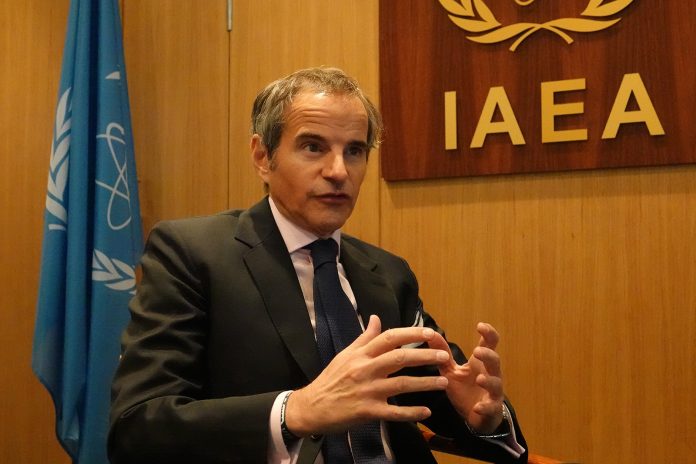
Rafael Grossi

“Sanctions aren’t working,” Grossi told Bloomberg in an interview published on Friday.

“Quite obviously, the country has learned to circumvent them. The program has grown enormously, especially since 2018.”

Last month, the Islamic Republic’s nuclear chief, Mohammad Eslami, likewise dismissed the efficacy of the illegal and unilateral bans.

The head of the Atomic Energy Organization of Iran (AEOI) reiterated that the country’s enemies were not capable of preventing it from achieving its goals by imposing sanctions and exerting economic pressure on the country or assassinating its scientists, referring to the Israeli regime’s targeted killing of at least seven Iranian nuclear scientists over the past decades.

“In order to achieve our goals, we don’t care about the enemies’ sanctions and pressure,” Eslami said, adding “We will continue the path that we have drawn for ourselves to reach our goals.”

Despite external pressures, Iran continues to advance its nuclear capabilities for civilian applications, including medicine and agriculture, he noted, repeating Iranian officials’ invariable assertion that the country’s nuclear program is solely geared towards civilian purposes.

The IAEA’s Board of Governors, though, has ratified several resolutions amid pressure by the US and its European allies, accusing the Islamic Republic of deviating from the program or withholding sufficient cooperation with the nuclear body.

This is while the resolutions and the accusations underlying it run counter to the standing status of the country and the body’s cooperation, which has even increased in frequency and quality over the past years.

Tehran has, meanwhile, been urging the IAEA to remain committed to its professional standards and avoid politicization of its decision-making processes.

Trump planning major NATO policy shift: NBC

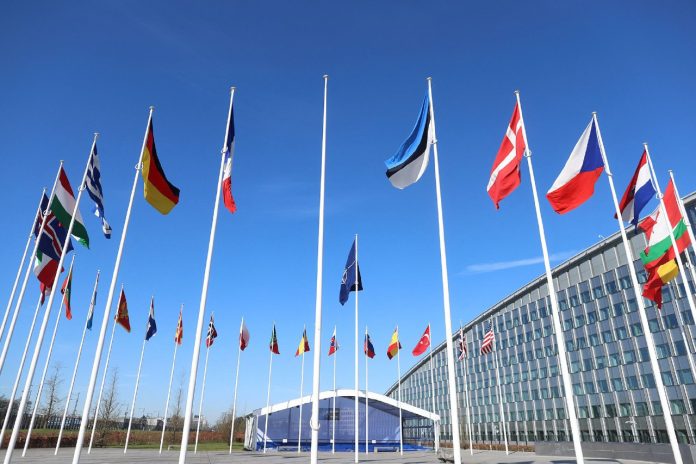
NATO

Trump has discussed with aides the possibility of calibrating America’s NATO engagement in a way that favors members of the alliance that spend a set percentage of their gross domestic product on defense, the officials said.

As part of the potential policy shift, the U.S. might not defend a fellow NATO member that is attacked if the country doesn’t meet the defense spending threshold, the officials said. If Trump does make that change, it would mark a significant shift from a core tenet of the alliance known as Article 5, which says that an attack on any NATO country is an attack on all of them.

The president is similarly considering a policy change in which the U.S. may choose to prioritize military exercises with NATO members that are spending the set percentage of their GDPs on defense, the officials added. His administration has already signaled to America’s European allies that the U.S. could reduce its military presence in Europe, and one option now under consideration is to reposition some U.S. troops in the region so they are focused in or around NATO countries that have scaled their defense spending to meet the specific percentage of their GDPs, the officials stated.

Asked about Trump considering making these changes to how the U.S. engages with NATO, a National Security Council official said in a written statement, “President Trump is committed to NATO and Article V.”

Sen. Chris Coons, of Delaware, the top Democrat on the Senate Appropriations Subcommittee for Defense and a senior senator on the Foreign Relations panel, said Trump’s nominee to be U.S. ambassador to NATO, Matthew Whitaker, “gave very reassuring answers” on the administration’s commitment to NATO and Article 5.

Trump has repeatedly criticized NATO countries for not meeting the current NATO member goal of spending 2% of their GDP on defense. He has argued that the disparity is unfair and puts an added burden on the U.S.

NATO countries agreed more than a decade ago to set the spending goal for each of them at 2% of GDP. But Trump has pushed to increase that percentage. Most recently he said NATO members should spend 5% of their GDP on defense, though the U.S. does not currently do that.

“NATO has to pay more,” Trump said in January after taking office, adding, “It’s ridiculous because it affects them a lot more. We have an ocean in between.”

According to NATO’s most recent statistics, last year 23 NATO members’ defense spending exceeded 2% of their GDP. Five of those nations — Estonia, Greece, Latvia, Poland and the U.S. — spent more than 3% on defense. Poland had the highest percentage, dedicating 4.12% of its GDP to defense.

The potential shift in how the U.S. participates in NATO comes as Trump is pushing European allies to do more to aid Ukraine in its war with Russia and to play a major role in maintaining peace in the country if a deal to end the war is reached.

“I was contacted by several European ambassadors concerned about rumors that Trump might make some negative announcement about NATO,” Coons told NBC News in an interview on Wednesday.

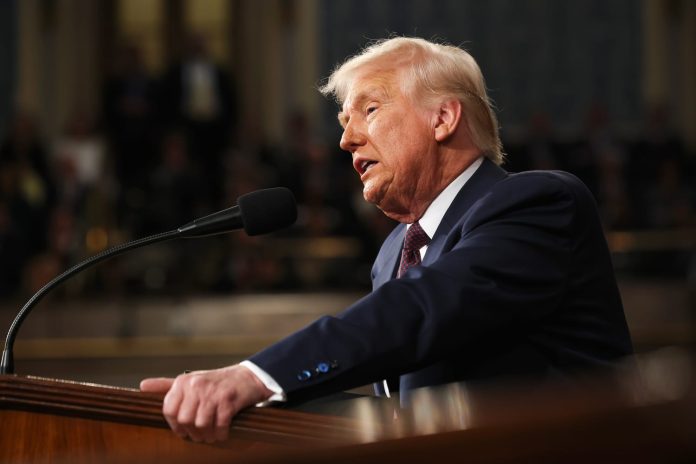
Trump didn’t announce anything at his joint address to Congress on Tuesday night, but Coons stated, “If you’re not given pause by everything about President Trump’s statements and actions on foreign policy, you’re not paying attention.”

Trump threatened to withdraw the U.S. from NATO during his first term and has questioned the merits of Article 5 for the U.S. The article was designed to protect European nations from the Soviet Union during the Cold War. It has been triggered just once, after the 9/11 attacks on the U.S.

Ukraine has sought NATO membership, but the Trump administration has said that would not be part of any negotiated peace deal.

Iran’s Kiani becomes world’s best taolu athlete in 2024

Kiani was nominated by the International Wushu Federation (IWUF) as a candidate for the best female taolu athlete of the year. Following a review of the nominees’ information by the IWUF Athletes’ Committee, she was included in the final list for online public voting.
After a month-long voting process, the Iranian wushu athlete emerged as the world’s top taolu athlete of 2024.

Kiani holds the distinction of being the first Iranian female taolu practitioner to win a world medal (silver) in the adult category.

She also gained prominence as the most successful and celebrated athlete at the Sixth World Youth Championships in Bulgaria in 2016, where she secured two gold medals and one silver.

US wants to sideline EU: Politico

The administration in Washington has recently launched negotiations with Russia to broker peace in the Ukraine conflict and has excluded the EU from the process, which has elicited condemnation from Brussels. Trump has also halted American military aid to Ukraine, leaving the bloc jostling for funds to support Kiev.

Washington’s anti-EU push “is triggering a crisis in Brussels institutions. The EU as a bloc is scrambling to prove its relevance,” Politico wrote.

The Ukraine conflict has exposed differences among EU members in defense priorities, economic interests, and diplomatic approaches. While countries such as Poland and the Baltic states have advocated for stronger military backing of Kiev, others, particularly Hungary and Slovakia, have pushed back, calling for a negotiated settlement with Russia. The financial burden of military aid and energy security concerns have also fueled tensions. Right-wing movements in several EU nations have questioned the bloc’s commitment to Kiev.

“Trump will sideline the EU and play divide-and-rule with national leaders,” the publication wrote.

While European Commission President Ursula von der Leyen met with US Vice President J.D. Vance in Munich last month, neither she nor European Council President Antonio Costa has had a face-to-face meeting with Trump, it noted.

The European Council, the body made up of the heads of state or government of all EU member states, “is being agonizingly exposed as too divided and insufficiently nimble to respond to the scale of the storm that Trump is whipping up over Ukraine,” Politico added.

With Washington halting over $1 billion in arms shipments, Kiev faces potential shortages of ammunition and equipment. The EU is exploring alternatives to continue backing Ukraine militarily, despite the peace process initiated by the US and Russia. Von der Leyen on Tuesday unveiled a €800 billion plan aimed at bolstering the EU’s defense.

In recent weeks, Trump has also targeted the bloc’s trade practices, describing them as “an atrocity” and announcing plans to impose a 25% tariff on EU goods. He also claimed that the bloc was “formed to screw the United States.”

Iranian Parliament commissoin rejects IAEA chief claims, calls for technical conduct

The commission deemed Grossi’s concerns about the increase in uranium reserves enriched to 60% in Iran as unwarranted, emphasizing that according to Article 4 of the NPT, all member countries have an inviolable right to research, develop, produce, and utilize nuclear industry.

The statement pointed to Grossi’s remarks about Iran not implementing the Additional Protocol of the NPT, clarifying that the implementation of the Additional Protocol has been voluntary for the Iranian nation, not obligatory. The implementation of the Additional Protocol under the Iran nuclear deal, JCPOA, was also conditional upon the lifting of sanctions by Western countries; therefore, the Director General of the IAEA should compel the totalitarian countries of the world to fulfill their commitments under the JCPOA.

The National Security and Foreign Policy Commission also asserted that the source of Grossi’s claims regarding Iran’s nuclear activities at undeclared sites is the Zionist regime, adding all of Iran’s nuclear activities are under the supervision of the agency and are entirely peaceful.

Additionally, the statement addressed Grossi’s concerns regarding outstanding issues related to Iran’s nuclear program, noting that Mr. Amano (the former Director General of the agency) explicitly stated in a report that the agency’s questions regarding these outstanding issues have been fully resolved and that there are no further questions.

In the commission’s statement regarding Grossi’s concern over Iran’s refusal to accept four IAEA inspectors, it was clarified that according to the agency’s statutes, the inspected country has the right to refuse the acceptance of certain inspectors.

Iran’s foreign trade reaches $117bn despite sanctions

According to Foroud Asgari, Deputy Minister of Economy and Head of Iran Customs, the period also saw a 26% increase in foreign goods transit through the country.

Asgari stated that the country’s foreign transit in the first 11 months (March 2023-February 2024) rose by 26% compared to the same period last year, reaching 20.3 million tons.

During this period, Iran’s non-oil foreign trade volume totaled 176.1 million tons, a 9.2% increase from last year. Out of this, $53.4 billion accounted for non-oil exports and $63.6 billion for imports, reflecting a 19% and 5.6% rise, respectively.

The deputy minister highlighted that 58.5 million tons of petrochemical products worth $23.5 billion were exported, showing a 29% increase in weight and a 31.3% increase in value.

The major non-oil export items included natural gas ($6.6 billion), liquefied propane ($3.3 billion), and methanol ($2.1 billion).

China, Iraq, the UAE, Turkey, Afghanistan, Pakistan, and India were the top export destinations, comprising 83% of the total non-oil export value.

On the import side, the primary items were raw gold, animal feed corn, and smart phones. The UAE, China, Turkey, Germany, India, Russia, and Hong Kong were the major import partners, with the UAE leading at $19.1 billion.

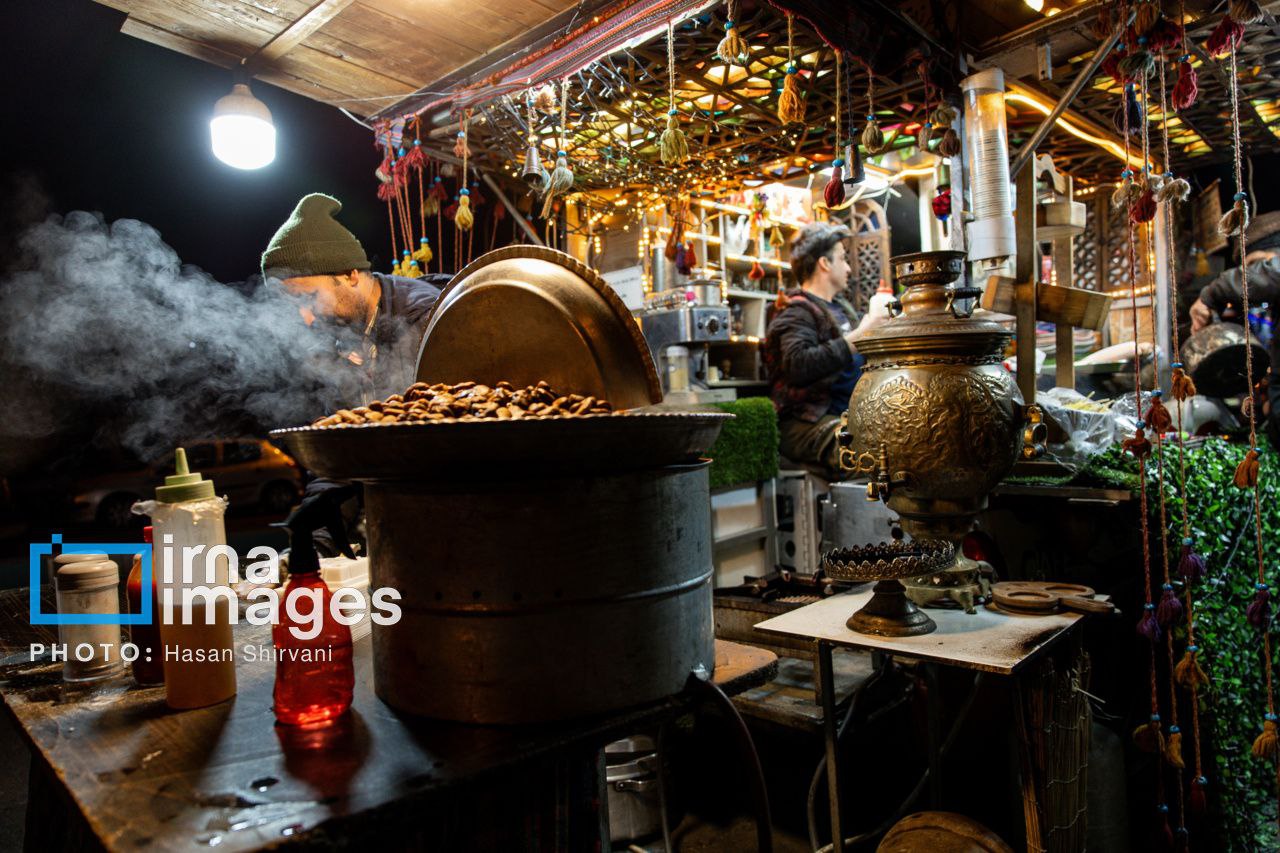
Mobile cafés in Iran: Where nostalgia meets modern experience

By repurposing old buses and vintage vehicles into charming, on-the-go eateries, these mobile hubs are redefining how people experience coffee and casual dining.

These roving cafés, often stationed in public spaces like parks, streets, and markets, have become beloved gathering spots in Iran.

Their creative designs and cozy atmospheres foster a sense of community, making them a hit among urban dwellers seeking both comfort and novelty.

More than just a nostalgic nod to the past, these mobile ventures are proving to be successful business models.

They combine the allure of retro aesthetics with modern convenience, offering customers a unique experience while tapping into the growing demand for innovative dining concepts.

More in pictures…

Iran sets recordbeaking non-oil trade milestone

Seyed Rouhollah Latifi, the spokesperson for the Trade Development Commission of ministry added that the share of exports in this figure exceeded $53 billion.

He noted that this amount is $8.5 billion more than the same period last year and $4.5 billion more than the eleven-month period two years ago, which recorded the highest exports at that time.

He expressed that it is predicted that non-oil exports for the current Iranian year (1403) will reach around $58 billion.

The significant increase in Iran’s non-oil exports has occurred while the country is under severe US-led sanctions.

Iran sentences 2 ex-ministers over economic corruption in Debsh tea case

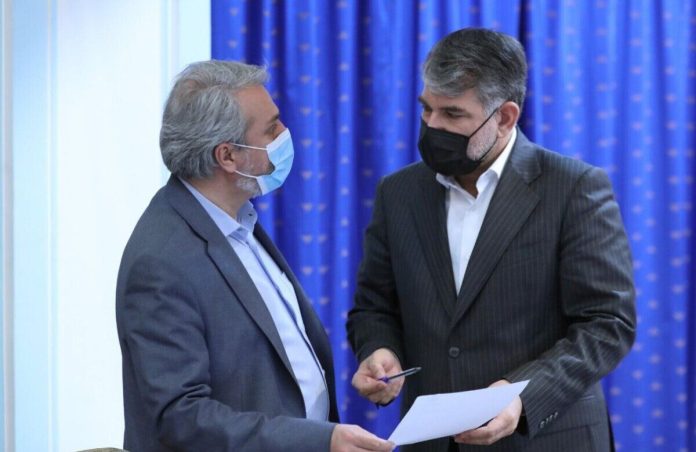
Seyyed Javad Sadati Nejad, former Minister of Agriculture, and Seyed Reza Fatemi Amin, former Minister of Industry, Mine, and Trade, were found guilty of economic misconduct and sentenced to five years in prison.

However, the court later reduced their sentences to two years and one year, respectively.

The case revolved around the fraudulent import of tea packaging machinery and misuse of foreign currency allocations. Court findings revealed that while in office, both ministers were aware of excessive import registrations linked to the Debsh Tea company—three times the national demand—yet failed to intervene or notify authorities.

The former industry minister was found responsible for failing to regulate import orders, allowing fraudulent transactions exceeding 1.4 billion euros under forged company names. Similarly, the former agriculture minister neglected to oversee import volumes, leading to severe economic mismanagement.

The court ruled that their inaction facilitated large-scale currency smuggling and financial irregularities, classifying their offense as complicity in economic disruption.

Iran warns against undermining cooperation with IAEA

IAEA

In response to the latest reports by the IAEA Director General, Iran reaffirmed that it has voluntarily and cooperatively provided all necessary information, supporting documents, and requested access. The mission underscored that Iran has fully adhered to its obligations, including the Comprehensive Safeguards Agreement (INFCIRC/214), ensuring that the IAEA can effectively conduct its verification activities in the country, including monitoring and surveillance of nuclear materials and activities.

The statement criticized the reports for containing numerous shortcomings, asserting that they fail to fully reflect the level of Iran’s cooperation and the progress made in the interim periods.

It also pointed out that a biased approach has been adopted in the reports, lacking objective and professional assessments.

Iran reiterated that all its nuclear materials and activities have been fully declared to the IAEA and have undergone rigorous verification processes. While Iran is not obligated to respond to questions based on fabricated and unreliable documents, it has nonetheless voluntarily provided the necessary information, supporting documents, and access requests to maintain its cooperative engagement with the agency, it added.