Friday, December 26, 2025
Home Blog Page 458

Russia may consider conditional truce in Ukraine: Bloomberg

Russia Ukraine War

Russian and U.S. officials met in Saudi Arabia for preliminary talks regarding ending Russia’s war against Ukraine and restoring bilateral relations. Russian officials have repeatedly offered ultimatums to Ukraine rather than concessions for negotiations.

Russia is open to a temporary peace settlement in Ukraine if progress will be made towards a final peace plan, Bloomberg reported citing people familiar with the matter.

The Kremlin insists on organizing the framework of a potential peacekeeping mission in Ukraine. This includes deciding what countries would take part in a peacekeeping force, a person familiar with the topic told Bloomberg.

Russia first voiced its openness to a conditional truce at the Saudi Arabia summit between top U.S. and Russian officials, various people told Bloomberg asking not to be named.

For armed fighting to stop there needs to be a clear understanding of a final peace plan, it’s structure, and its principles, two people with an understanding of the matter said to Blooomberg.

President Volodymyr Zelensky has proposed a truce in the sky and sea as well as prisoner of war (POWs) releases as a first step to establishing peace.

U.S. and Ukrainian officials are due to meet in Saudi Arabia in the coming days following a White House meeting between Zelensky and U.S. President Donald Trump that ended with a heated arguement between the two leaders.

Trump has said he is considering implementing sweeping sanctions and tariffs against Russia until a ceasefire and peace plan is reached.

The U.S. leader also accused Ukraine of being more difficult to deal with than Russia, despite acknowledging “Russia is bombing the hell out of Ukraine.”

Iran voices deep concern over Syria clashes, urges security for all

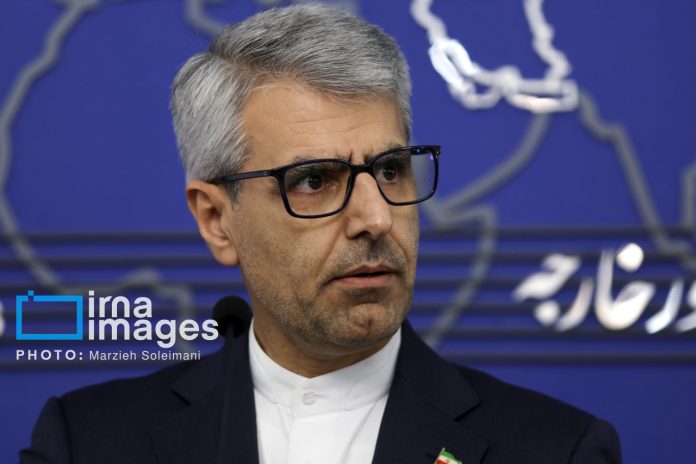
Esmail Baghaei

Reacting to reports of violence and insecurity in different parts of Syria, Baqaei said on Friday that Iran is closely monitoring the internal developments in Syria with great concern.

He underscored the principled stance of Iran on the need to maintain security and stability in Syria and create the necessary conditions for all ethnic groups and strata of the Syrian society to live peacefully together, the Foreign Ministry’s website reported.

He also stressed the need to preserve the territorial integrity and unity of Syria, especially against the acts pf aggression and threats by the occupying Zionist regime.

The spokesman also reminded Syria’s interim government of its responsibilities in ensuring the security of all Syrian citizens, saying Iran strongly opposes insecurity, violence, killing, and harming innocent Syrian people from any ethnic group and tribe.

Tehran considers such violence to be a catalyst for the spread of instability in the region and more seditious acts by the third parties, especially the Zionist regime, he added.

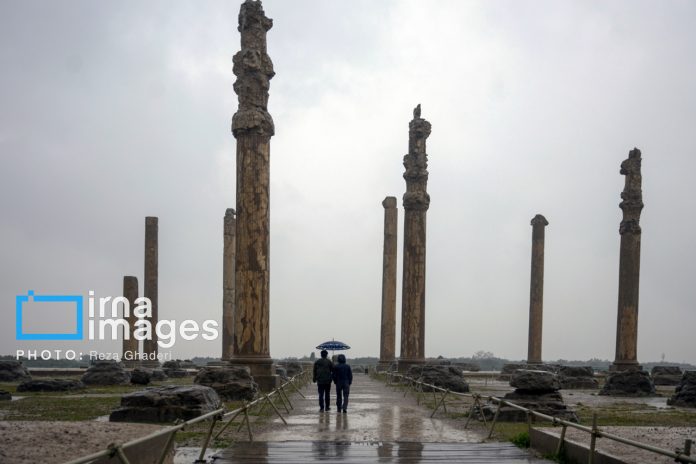
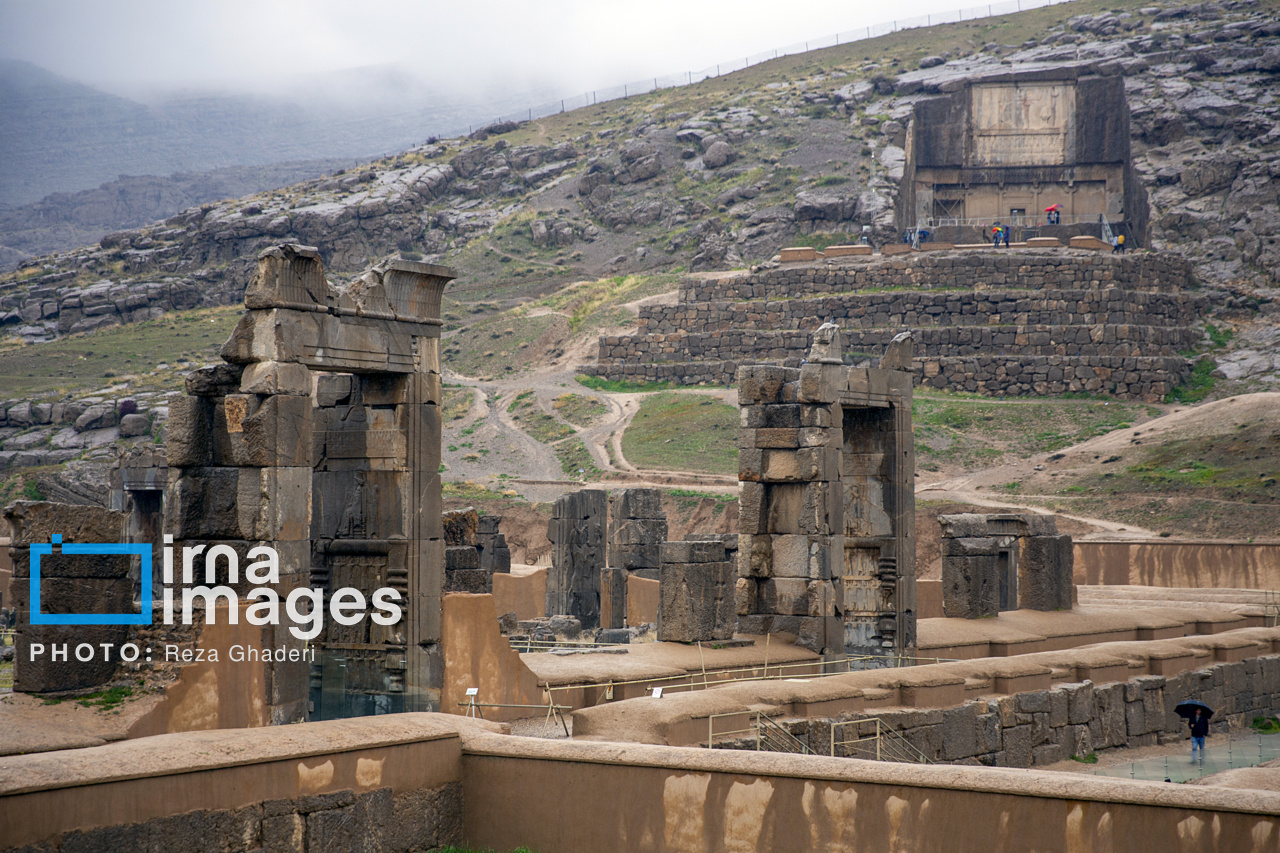
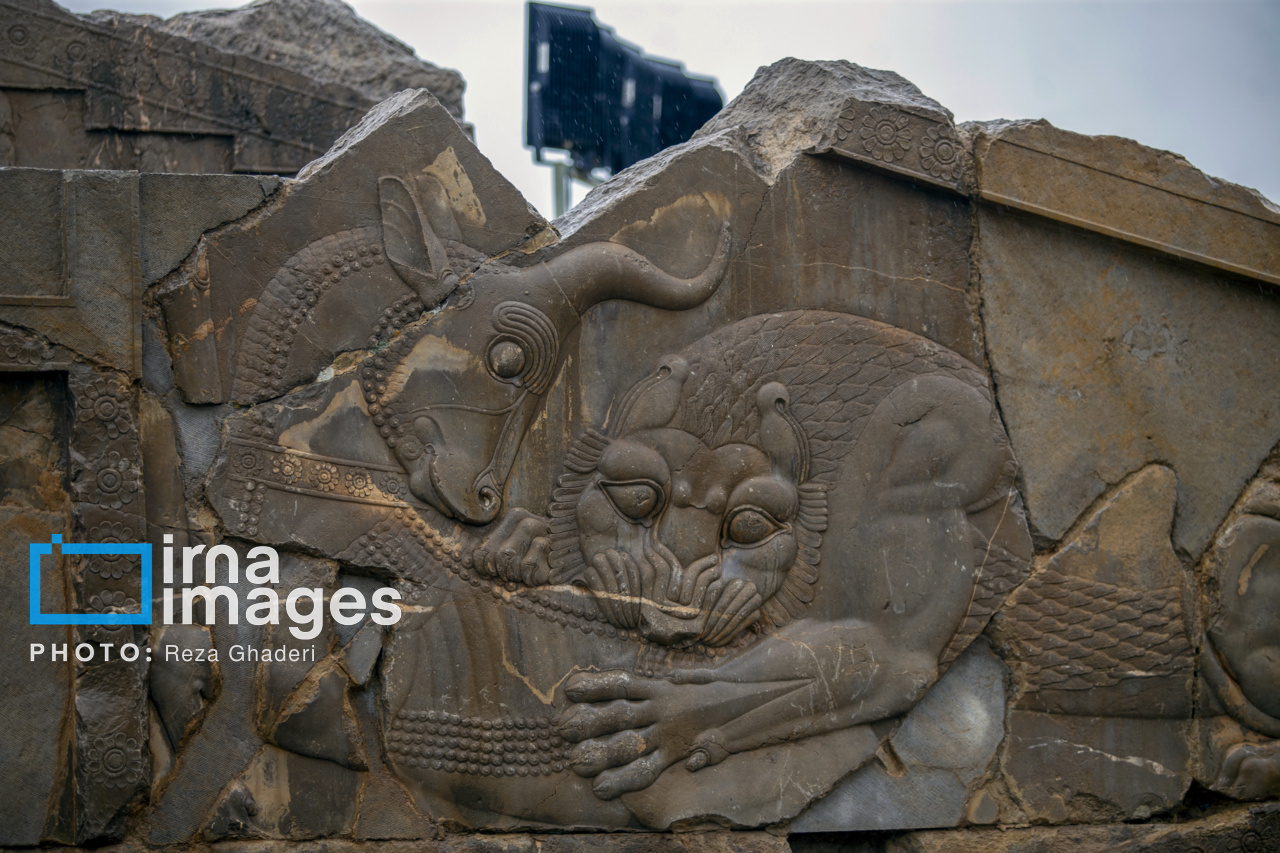
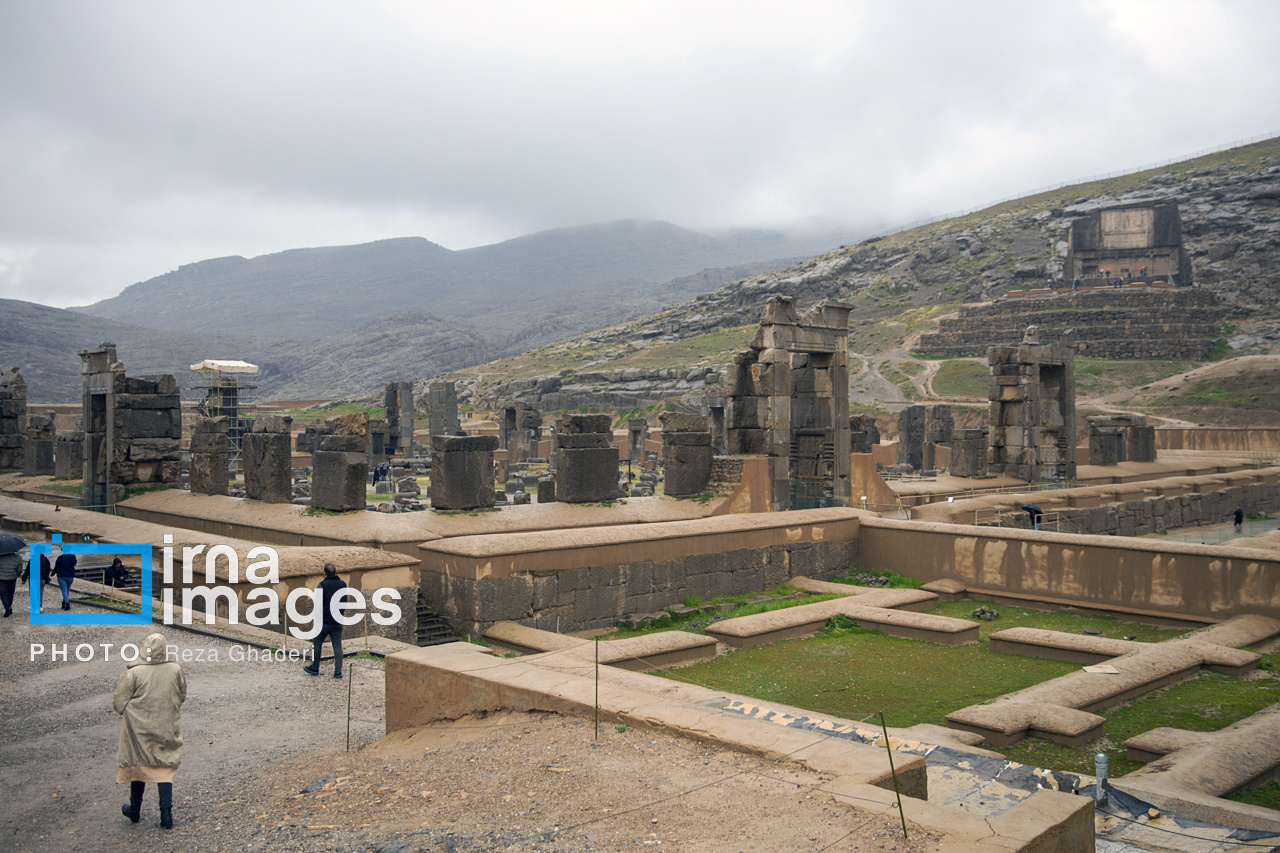
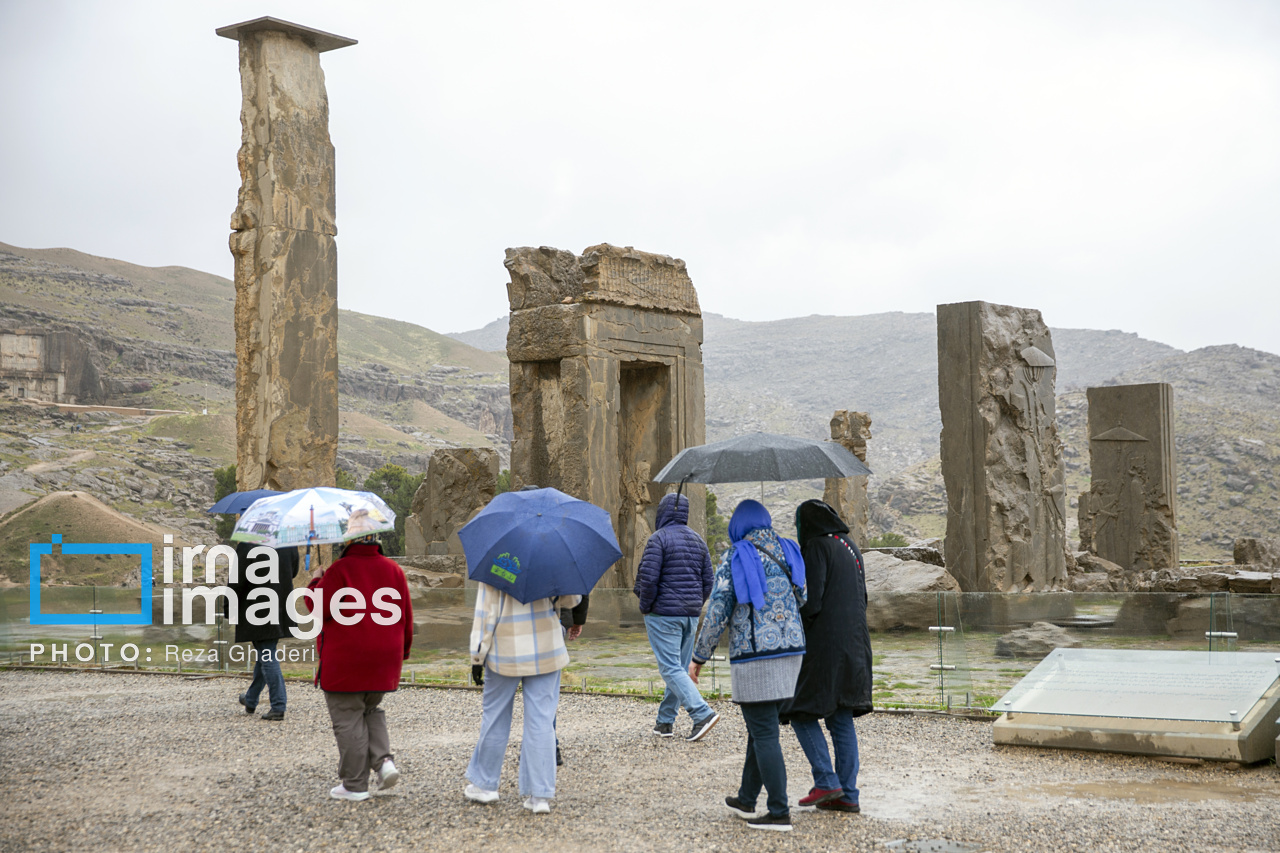
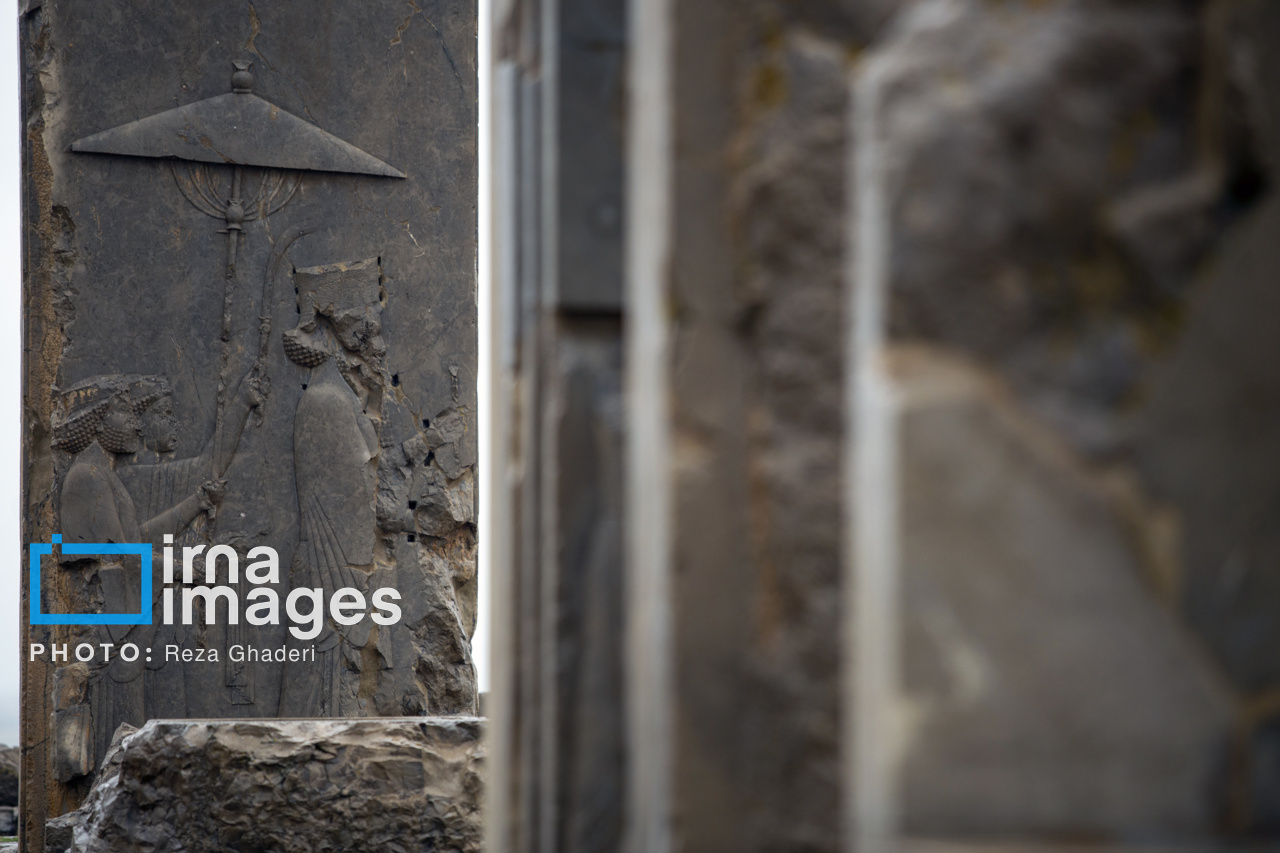
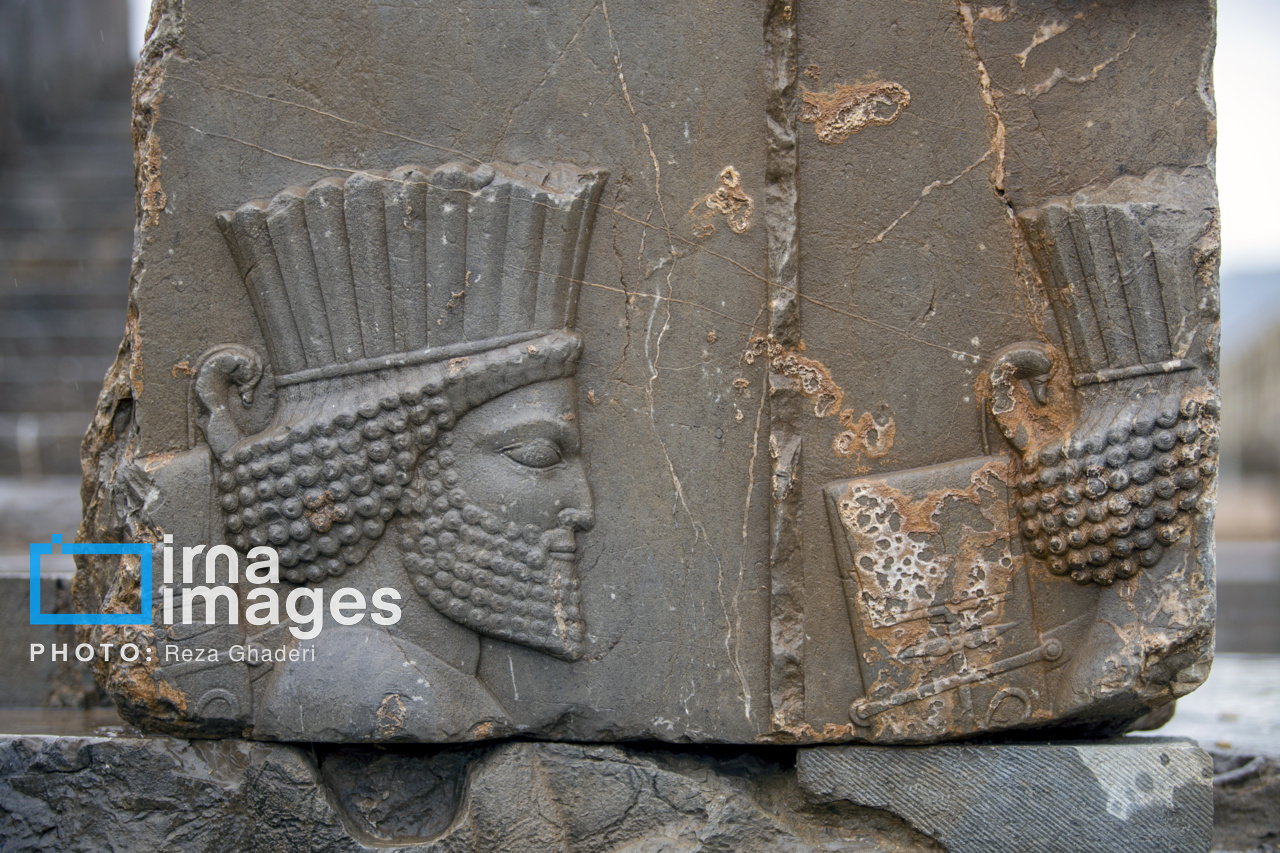
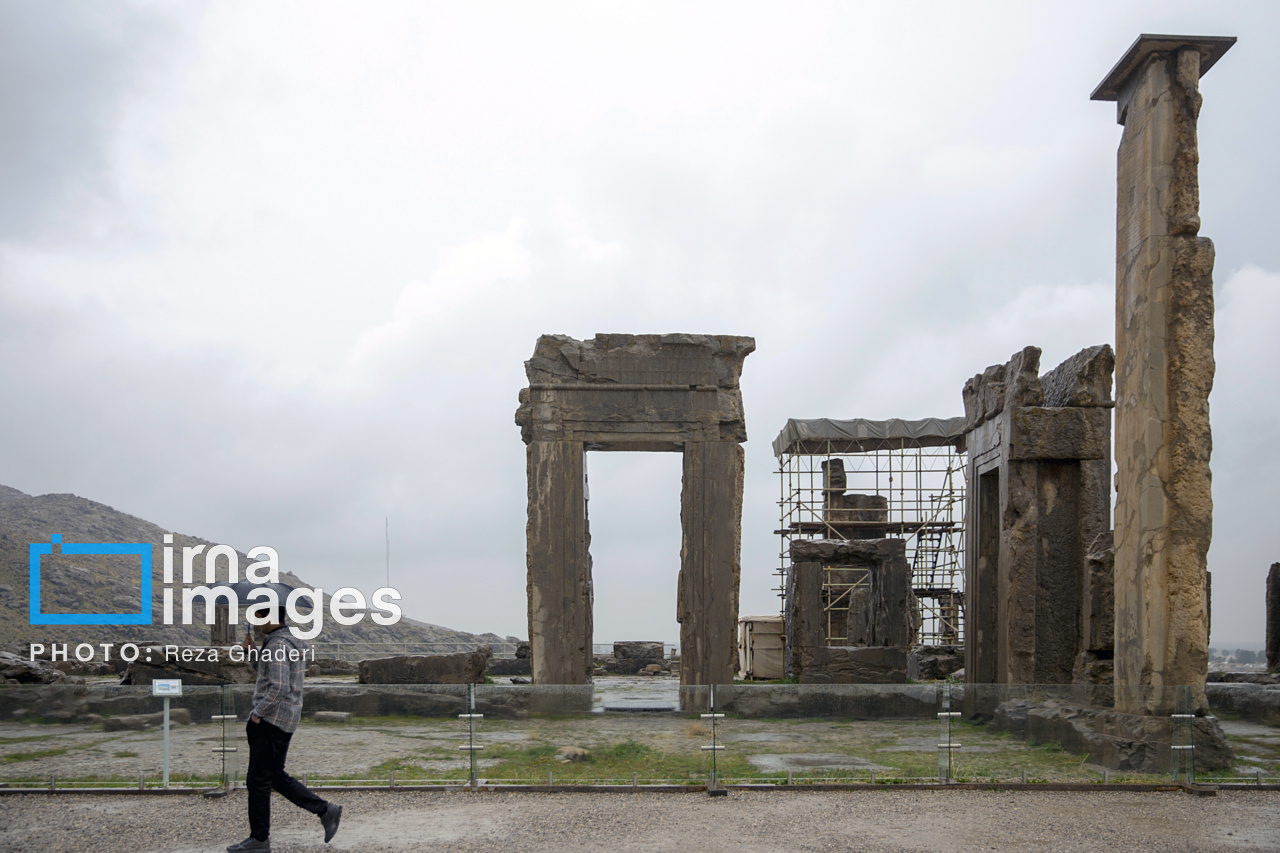
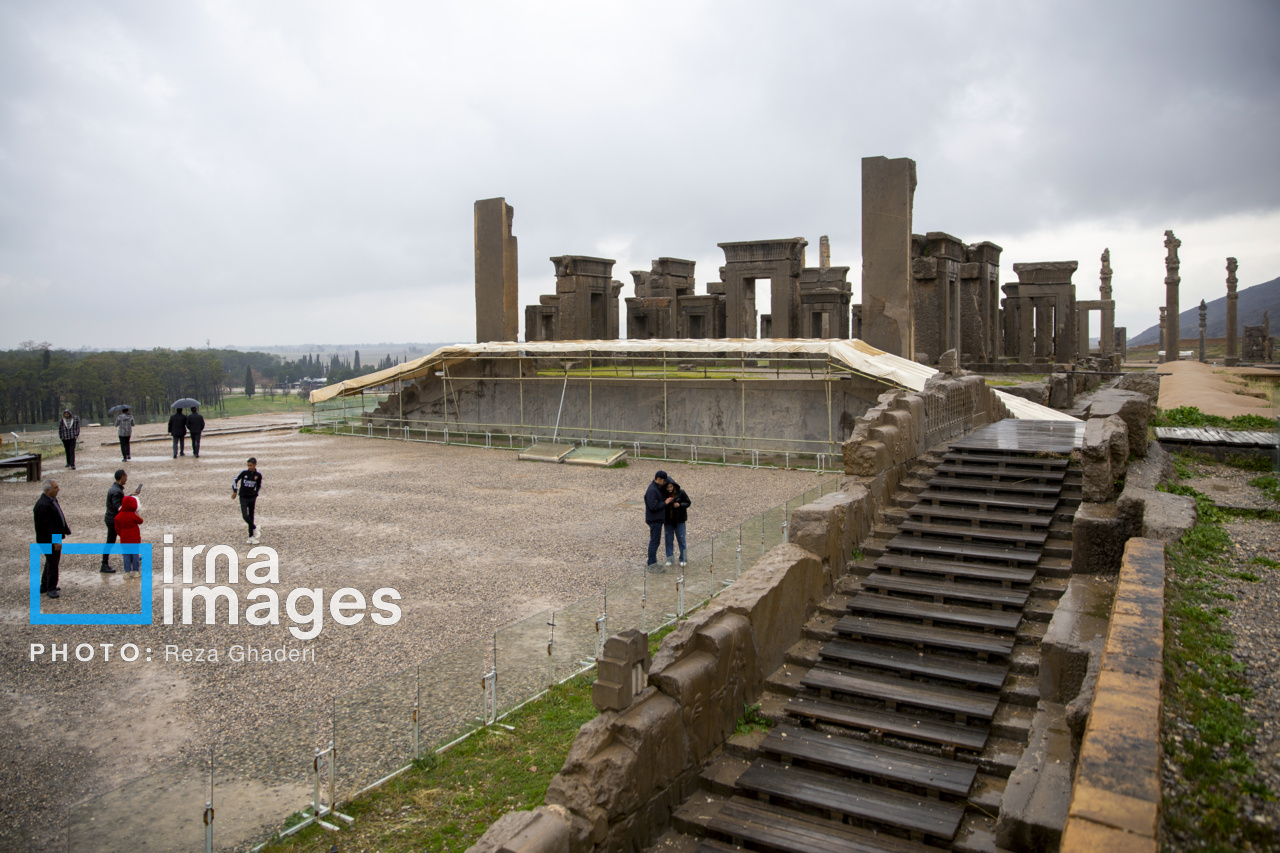
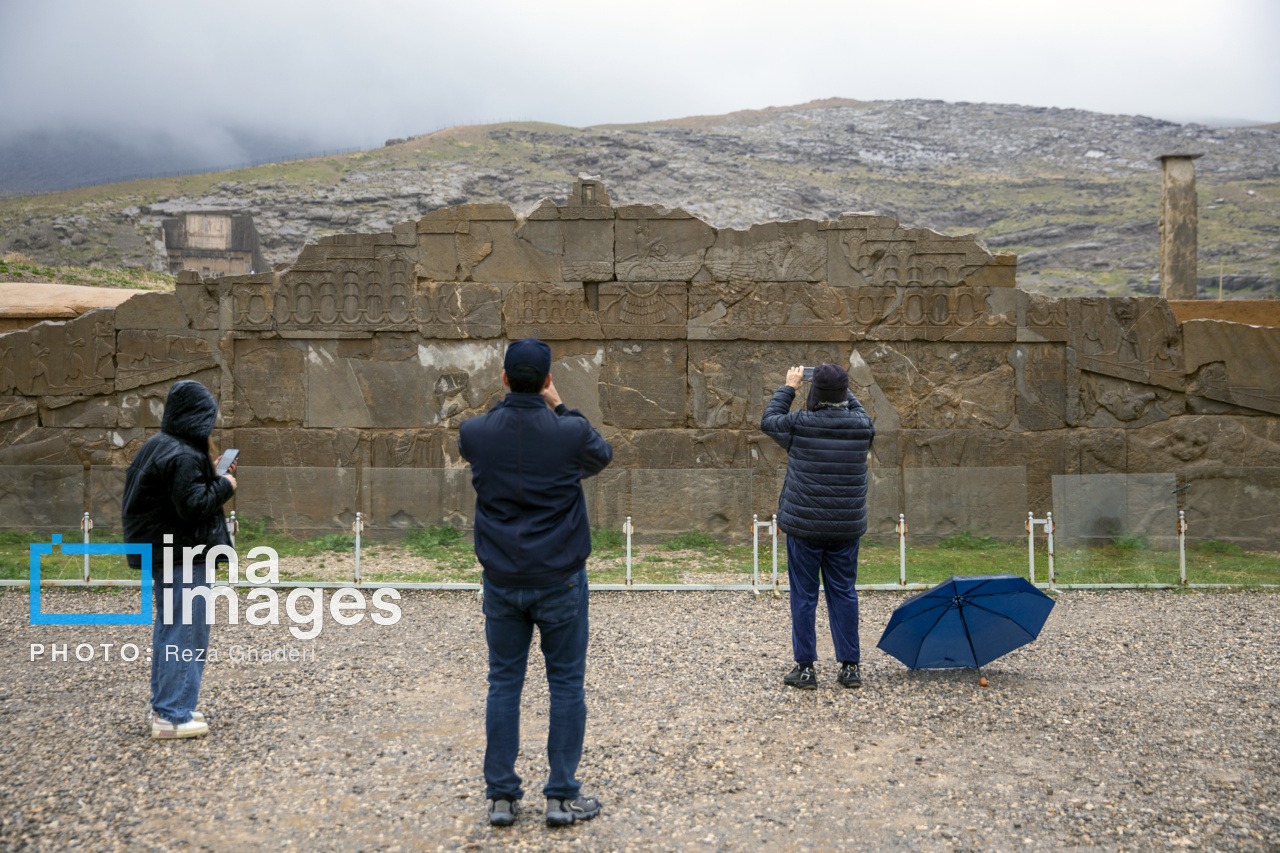
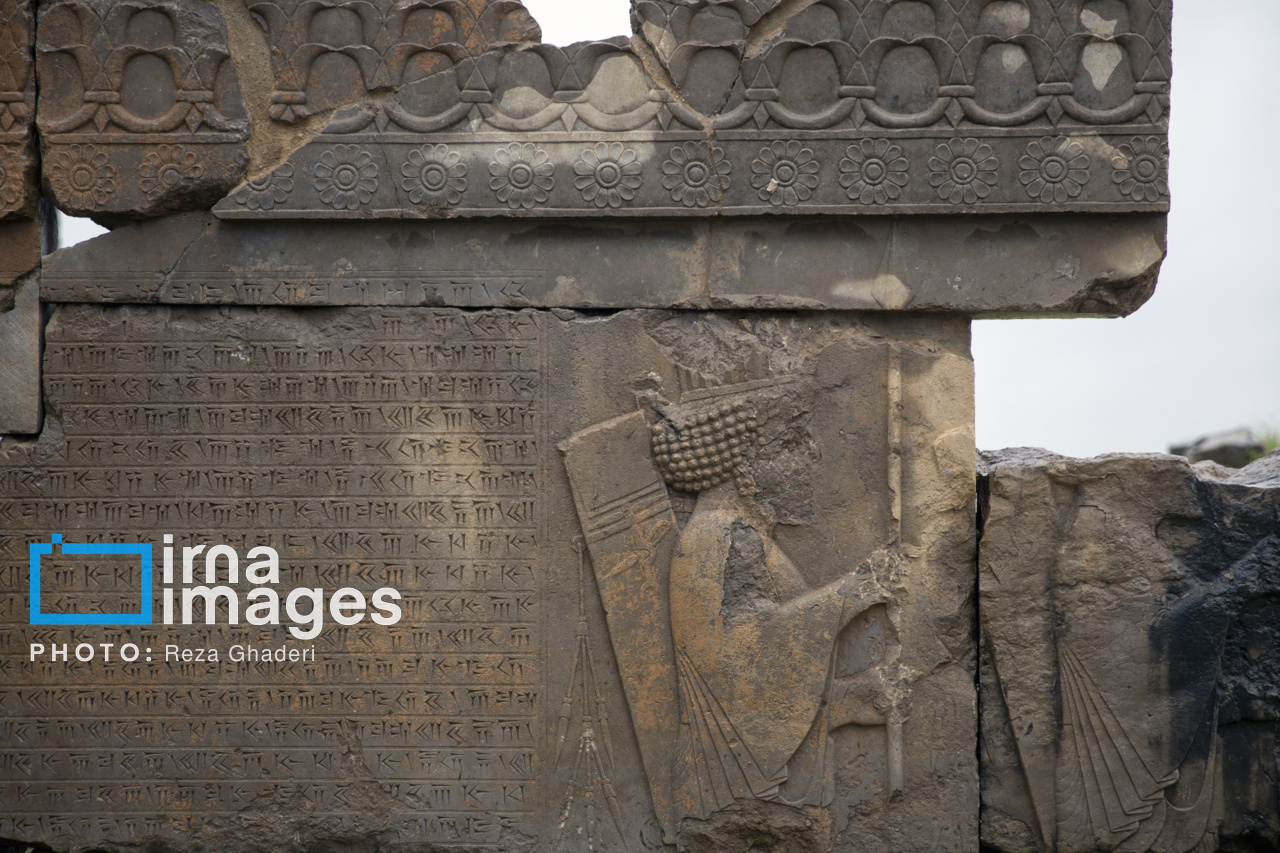
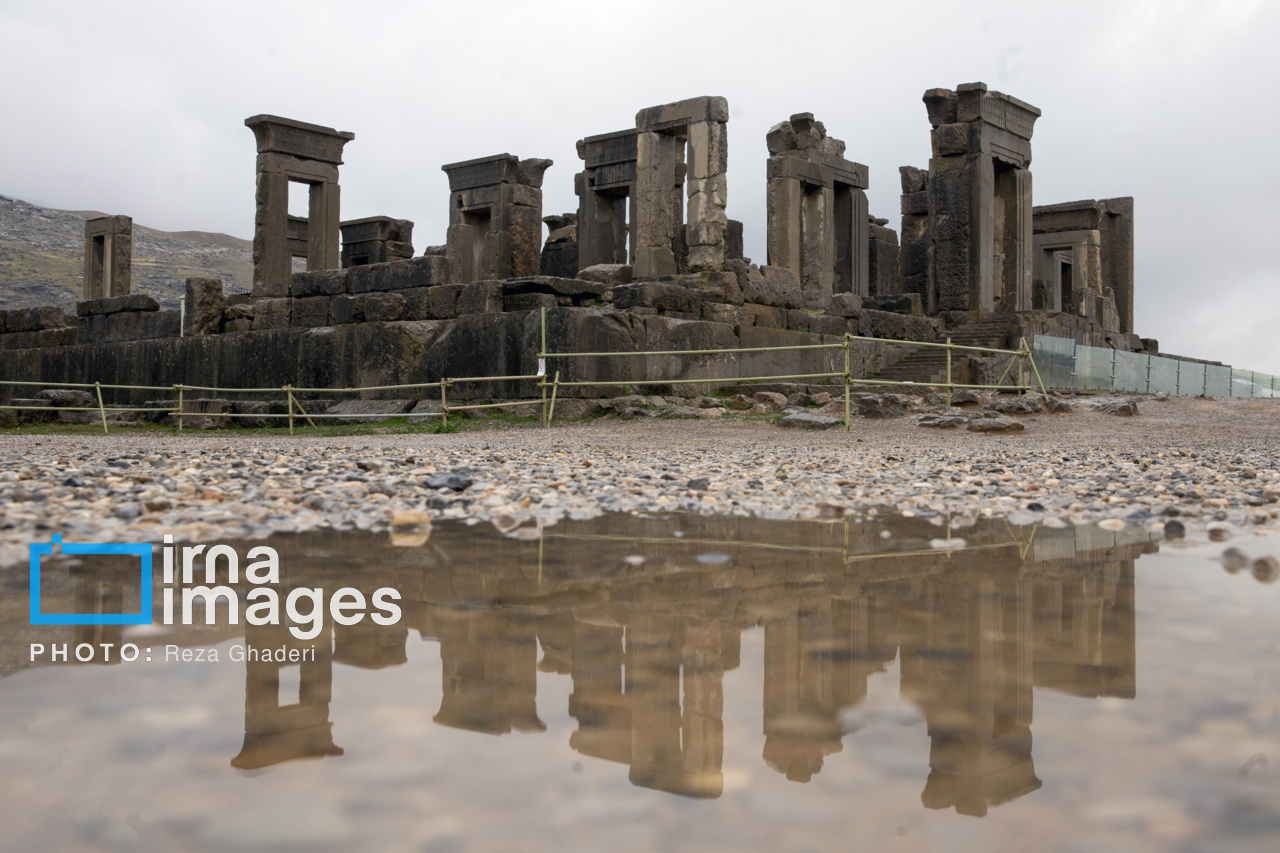
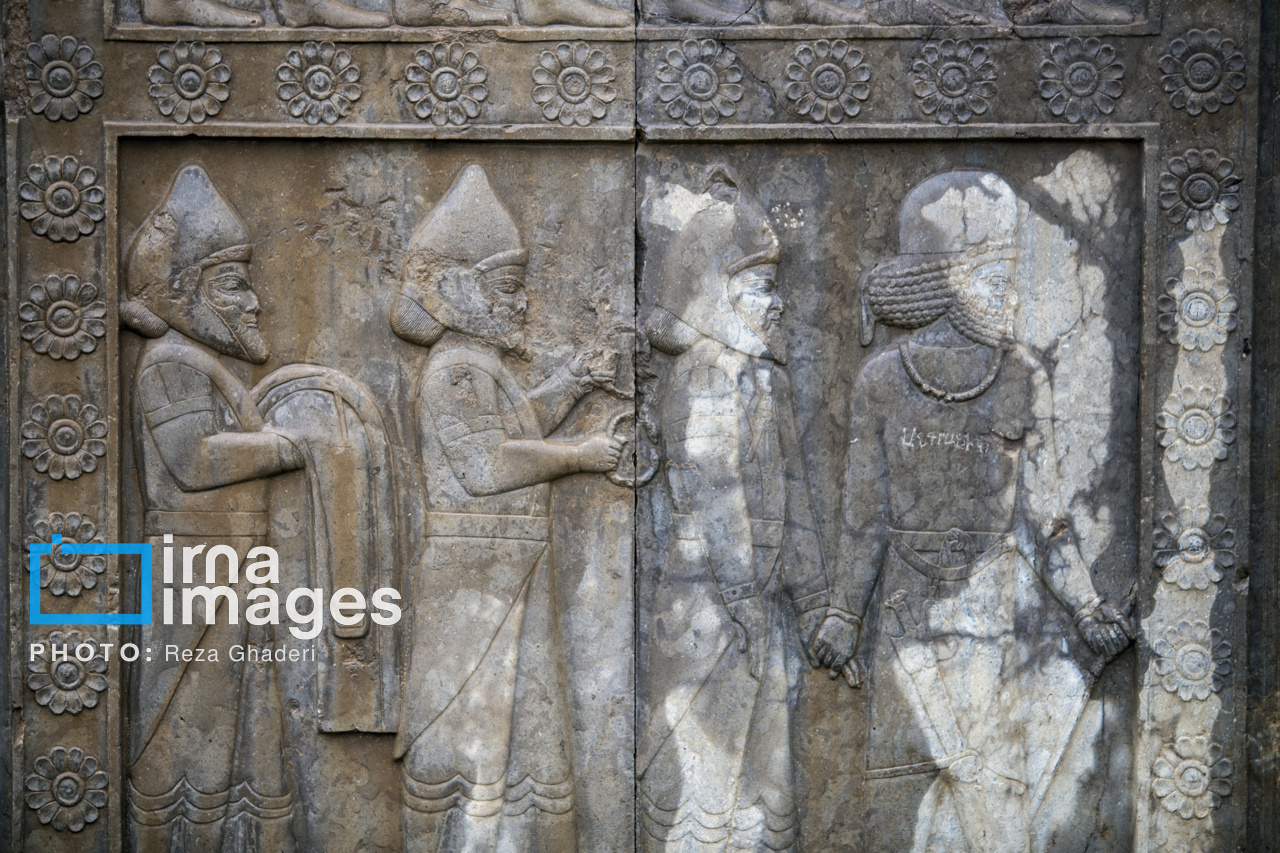
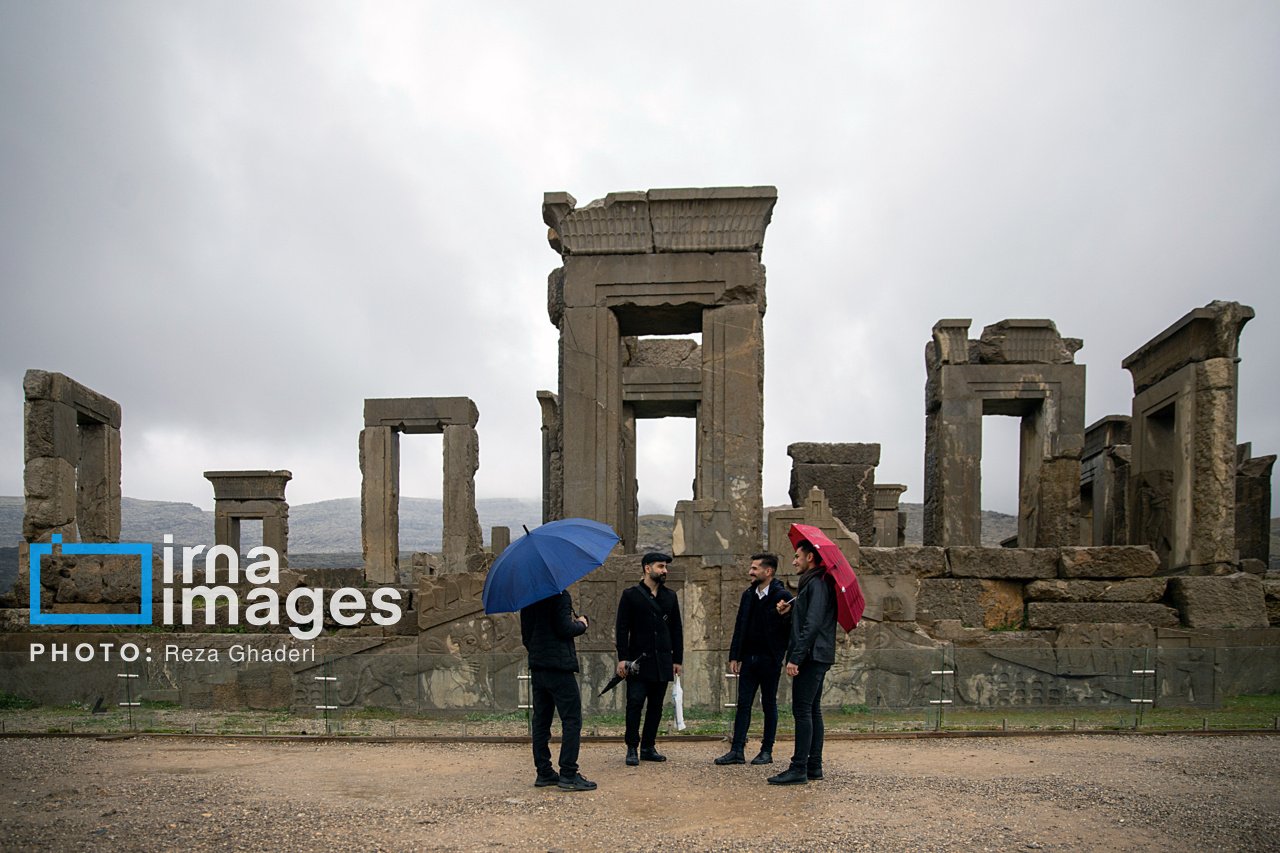
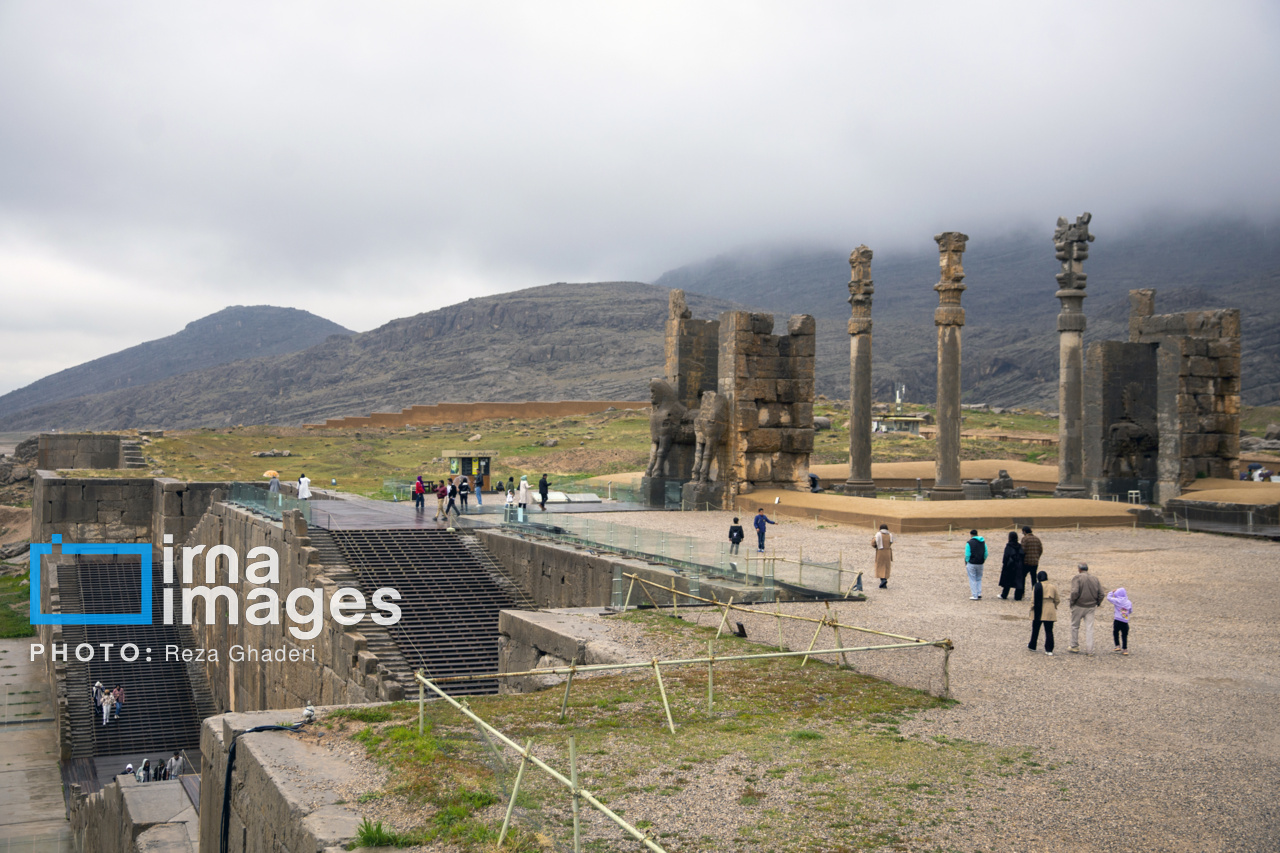
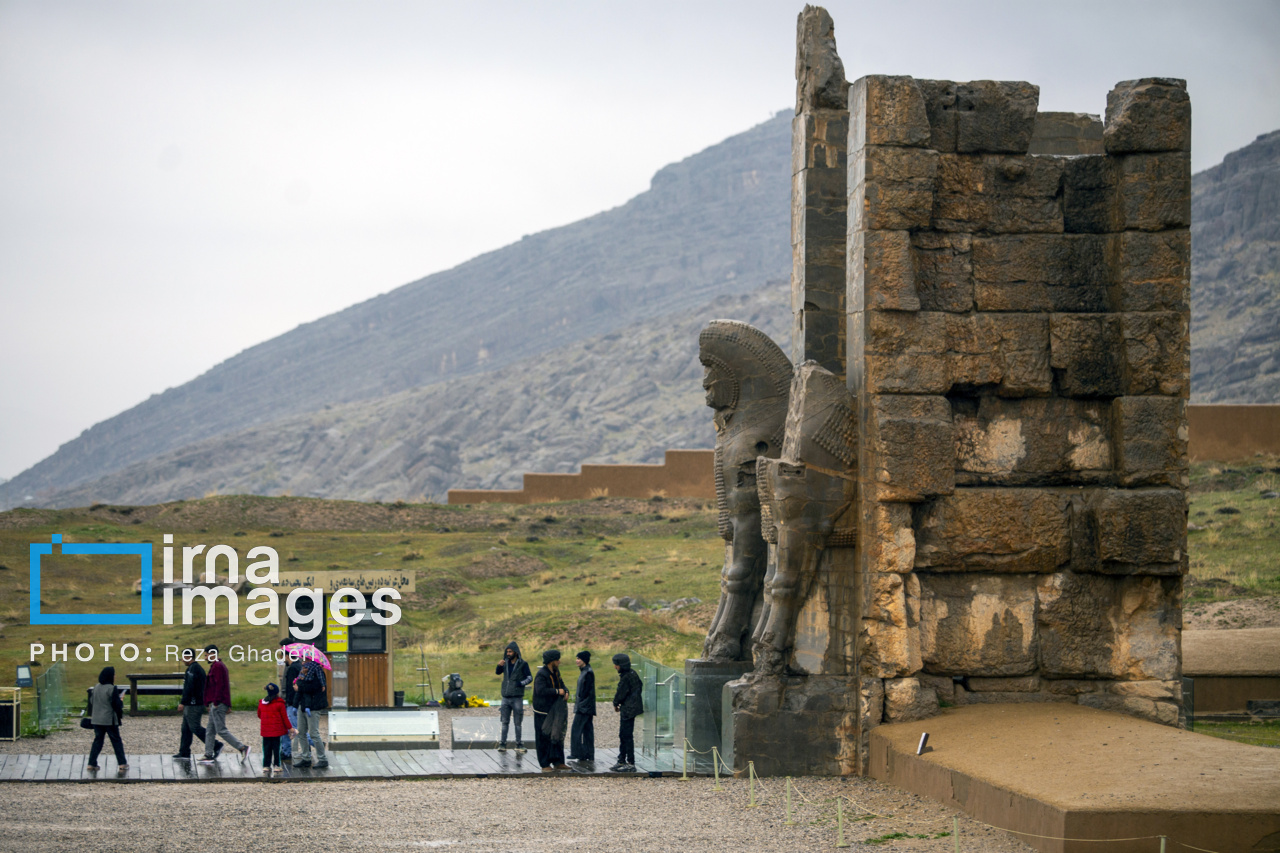
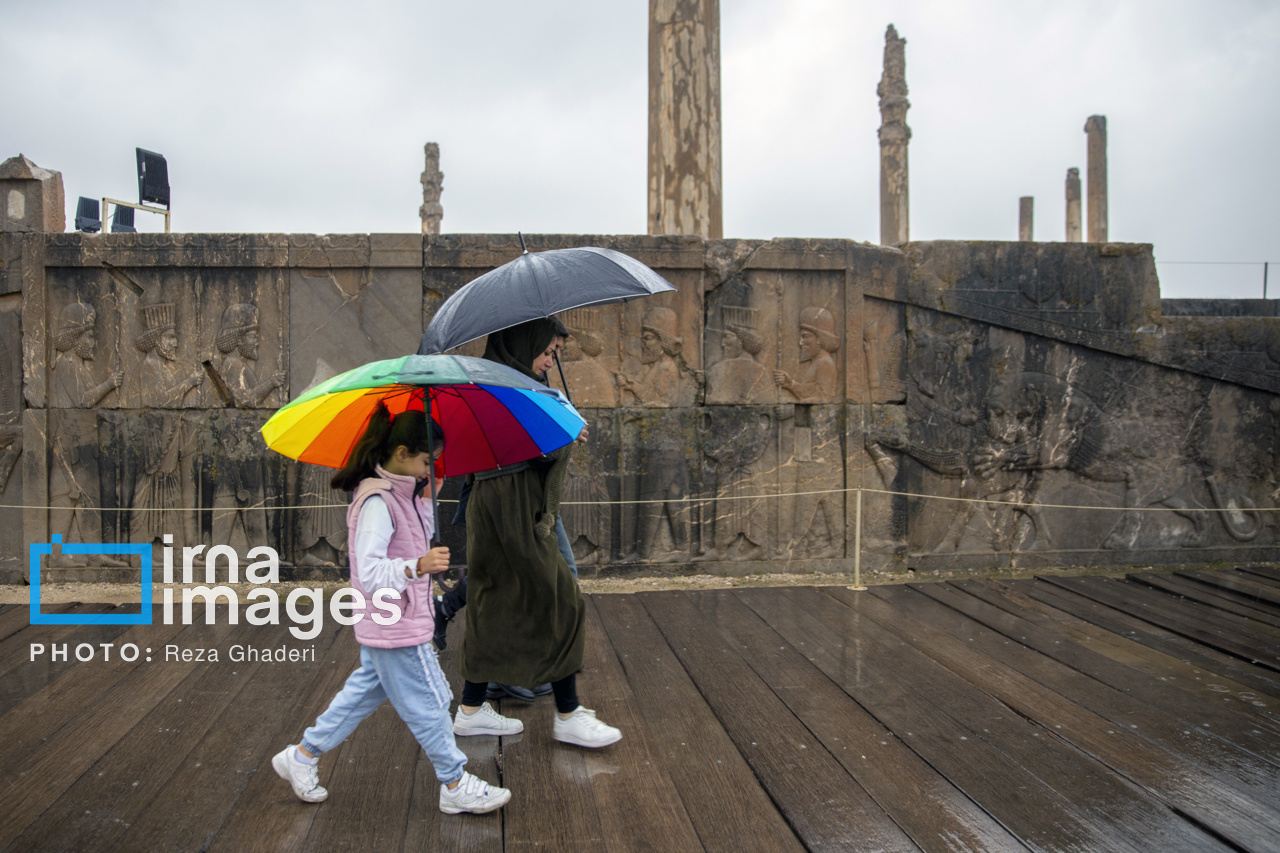
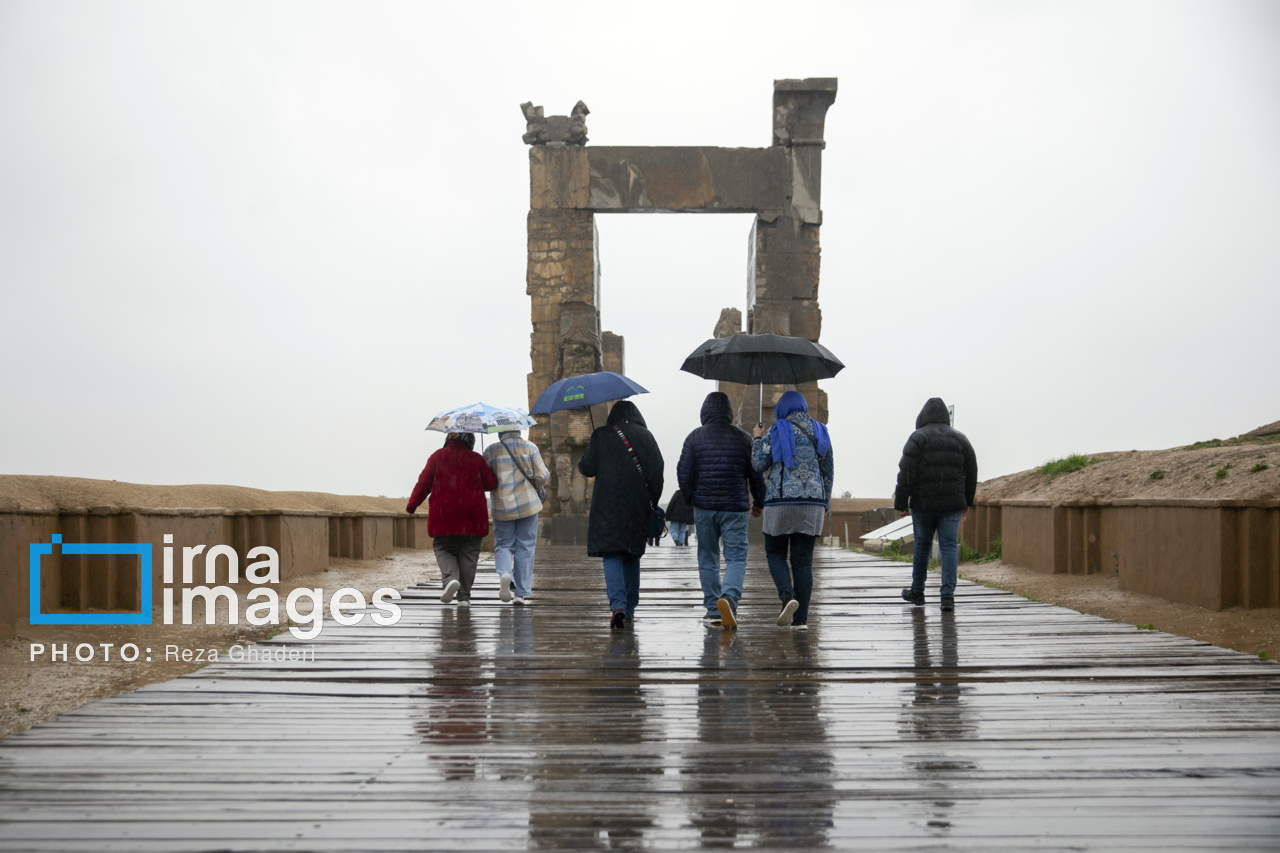
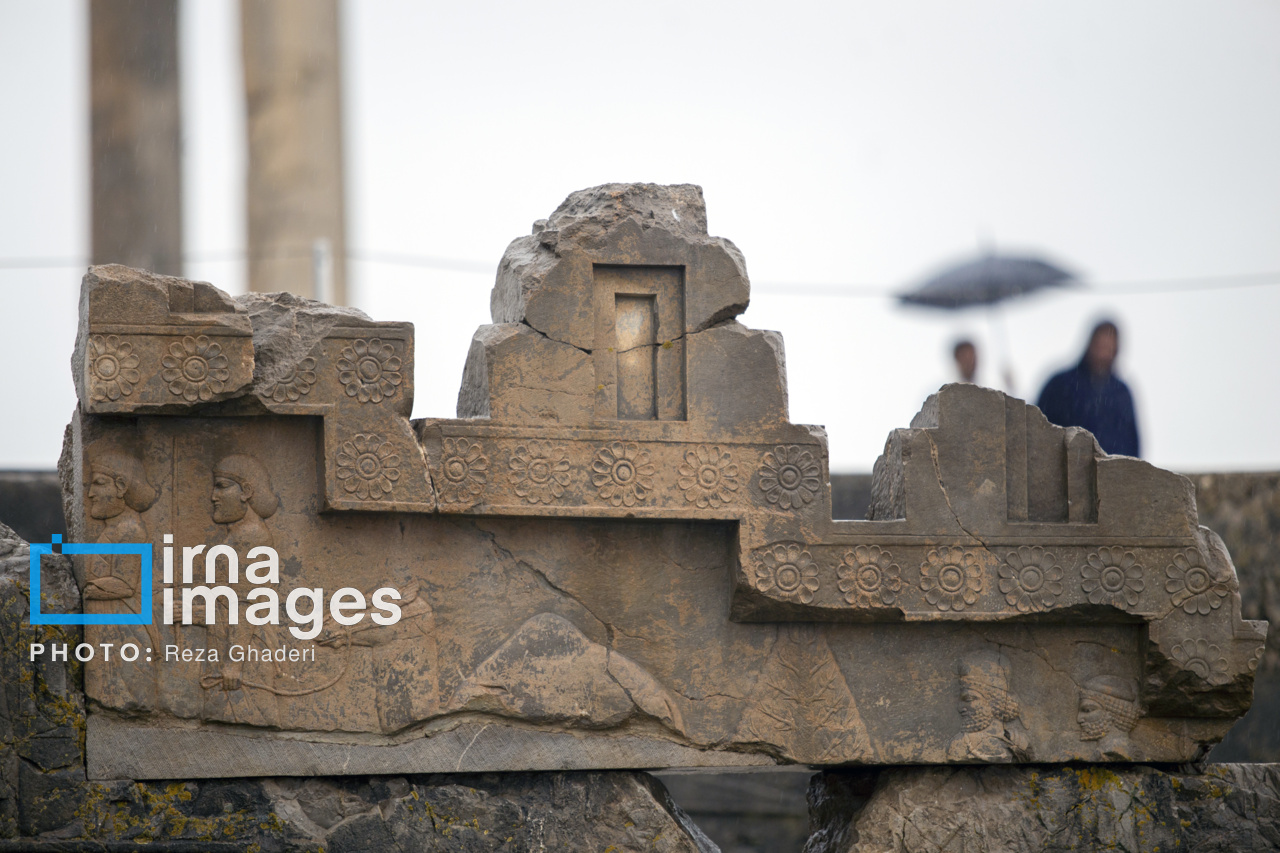
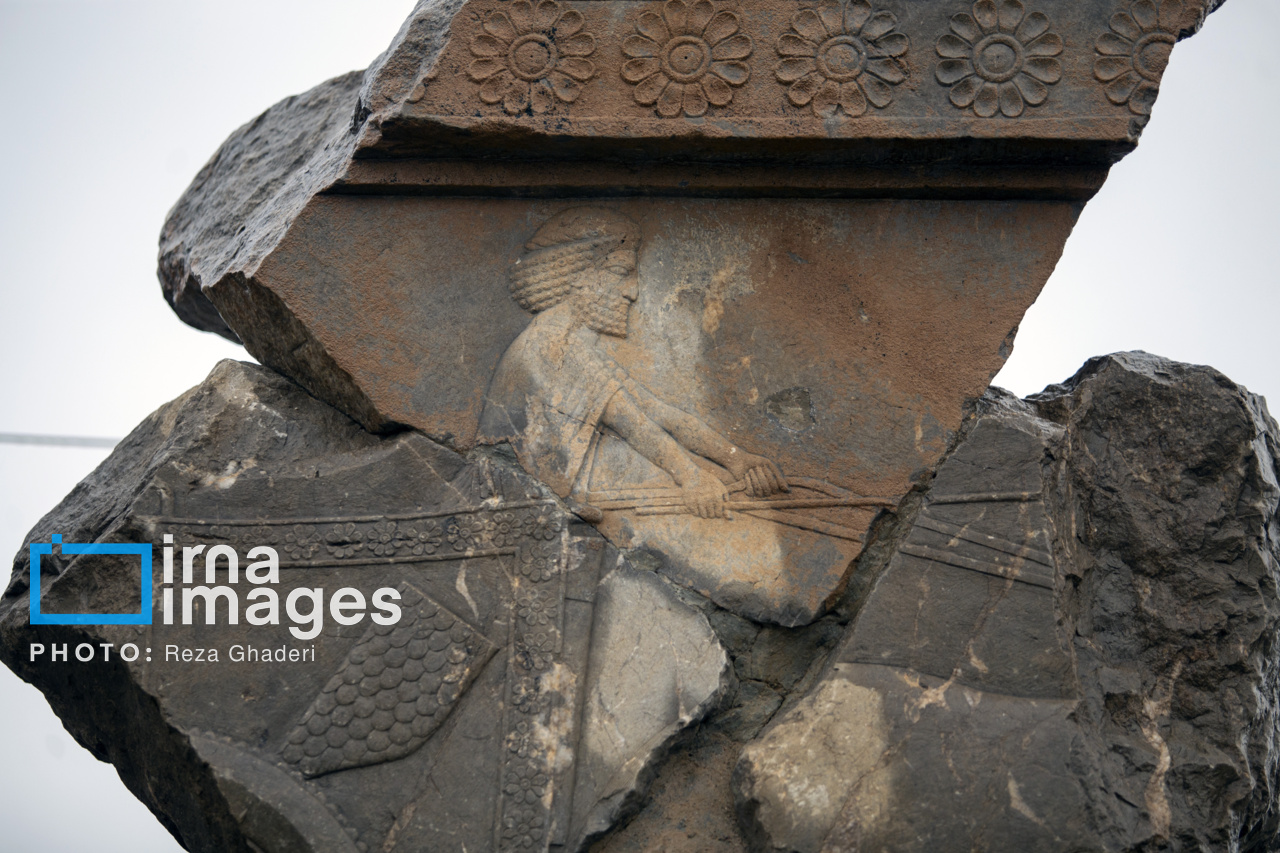
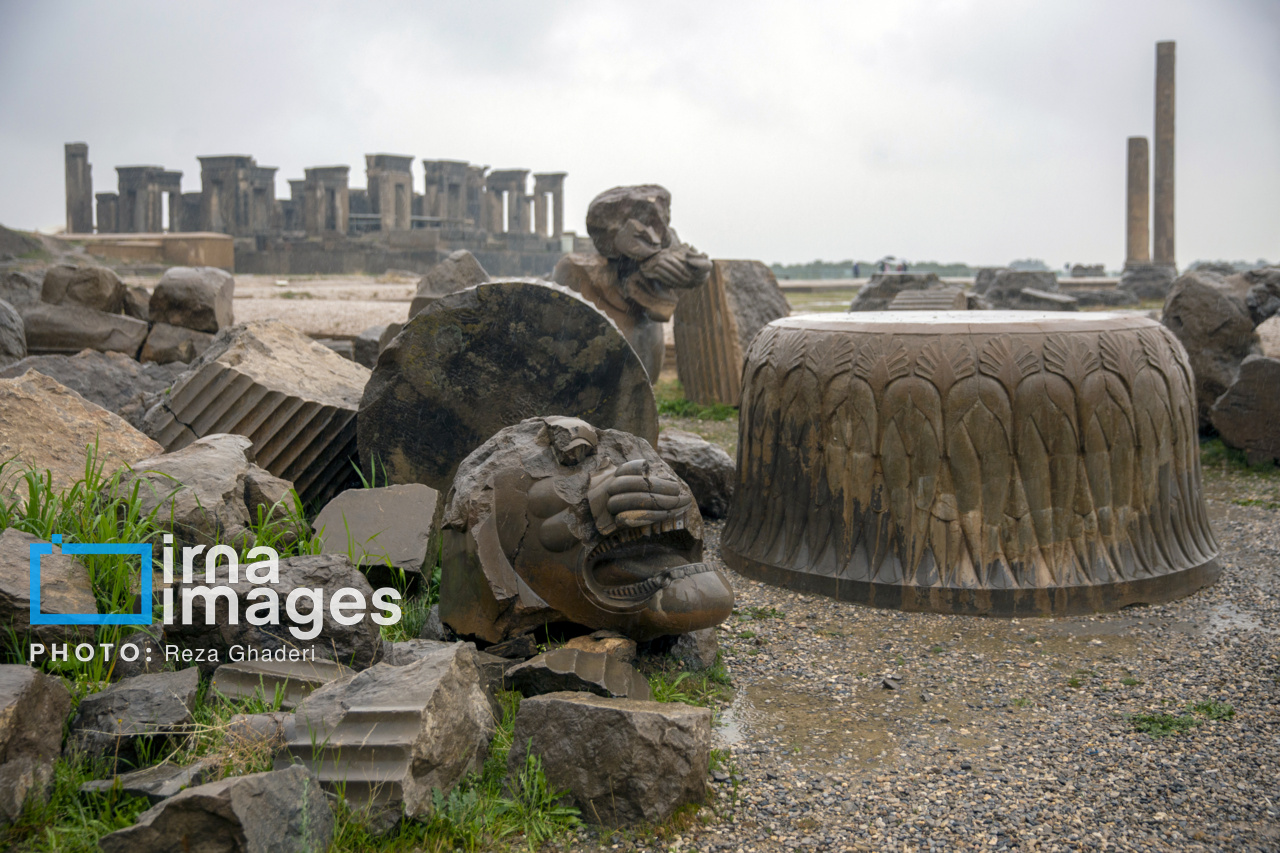
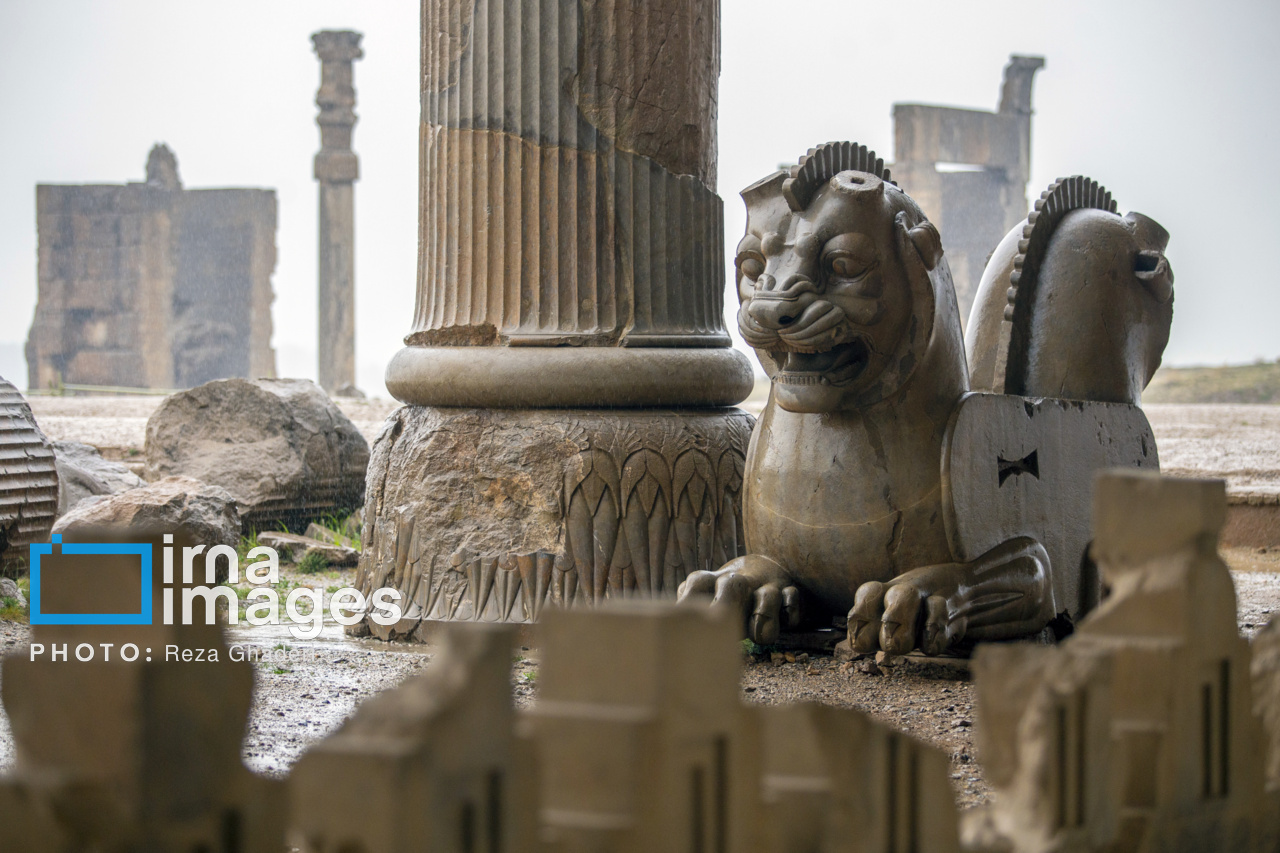
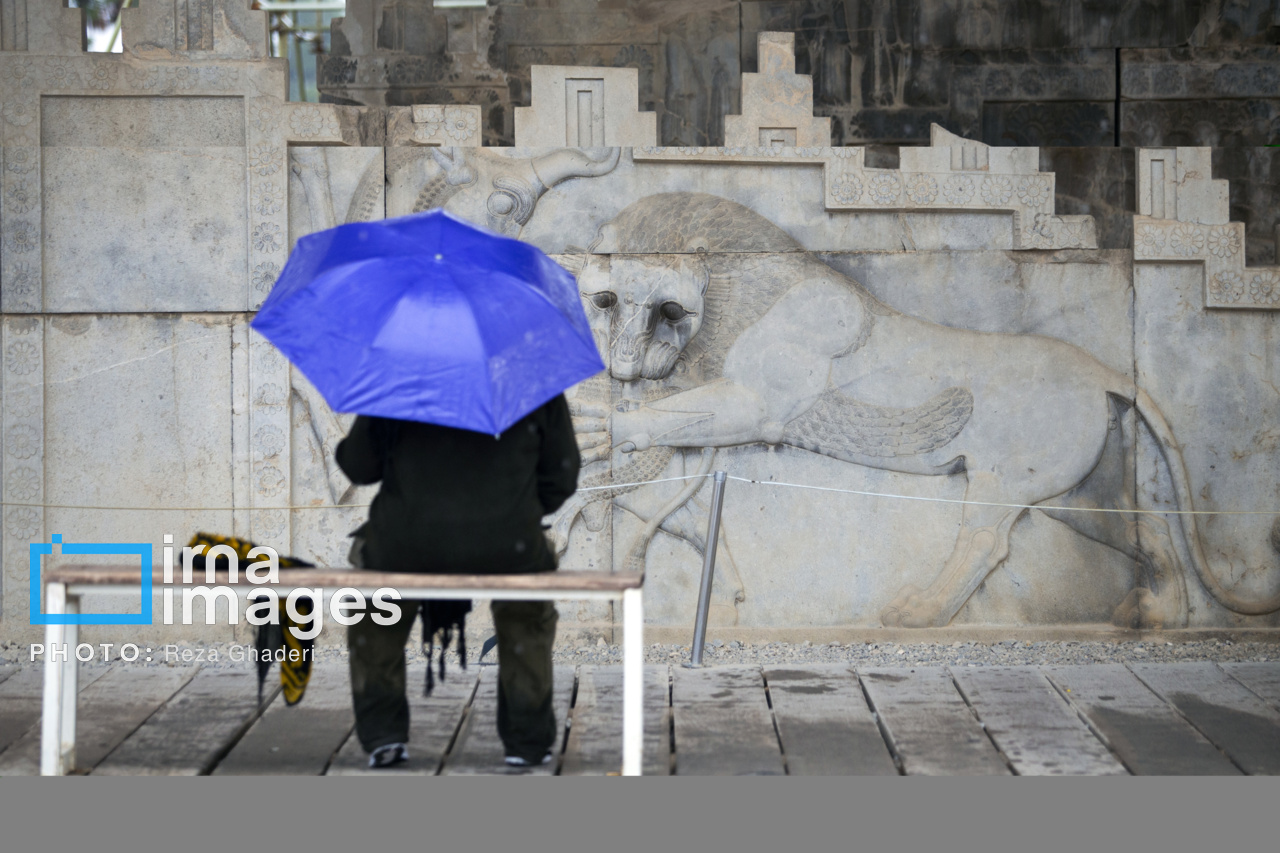
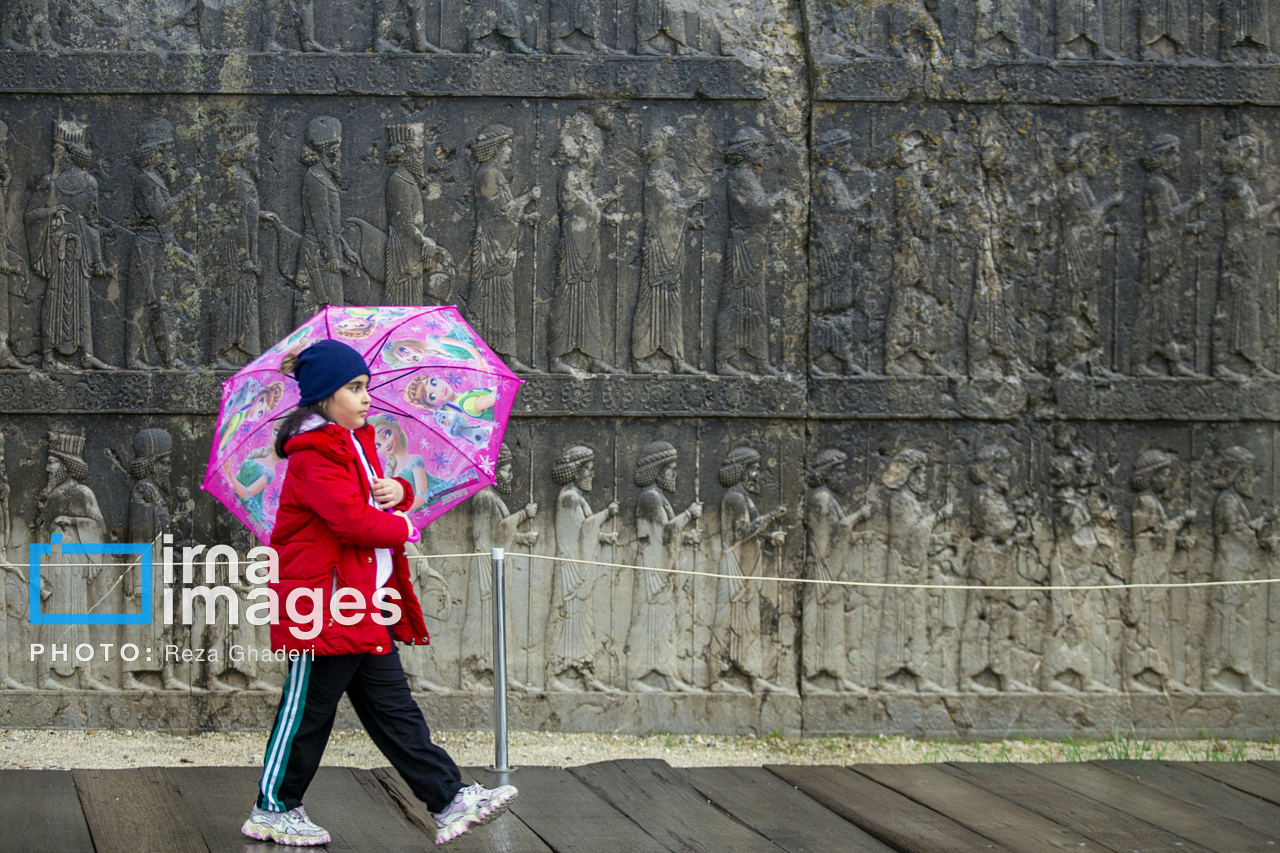
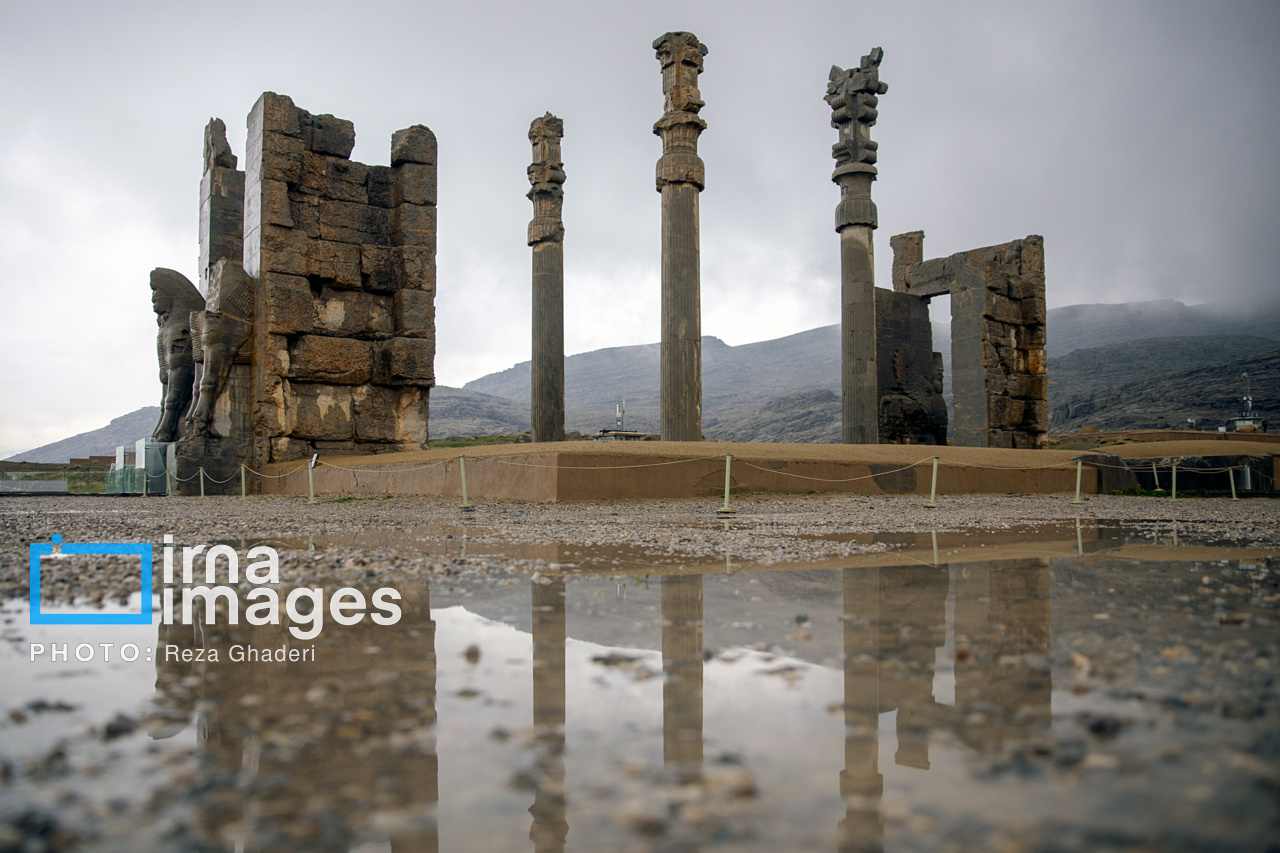
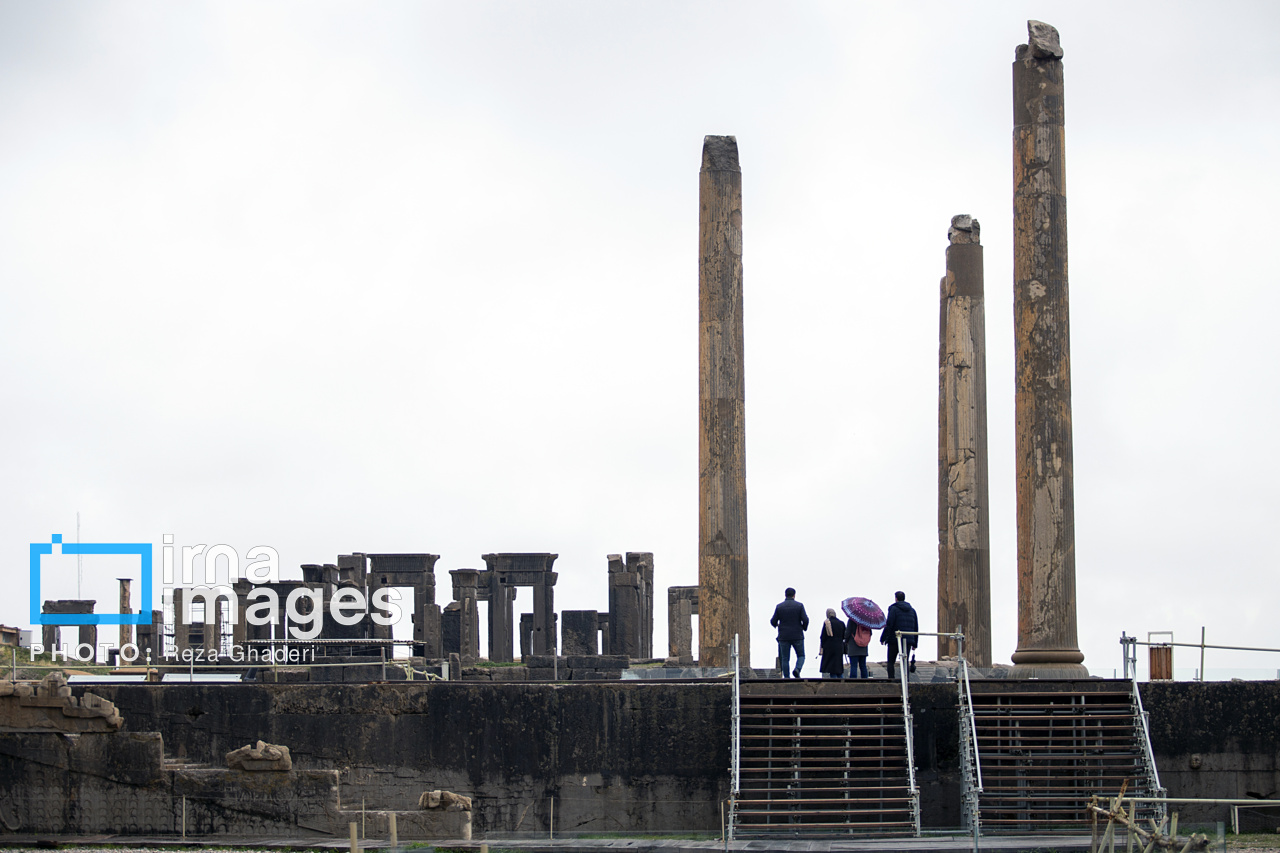
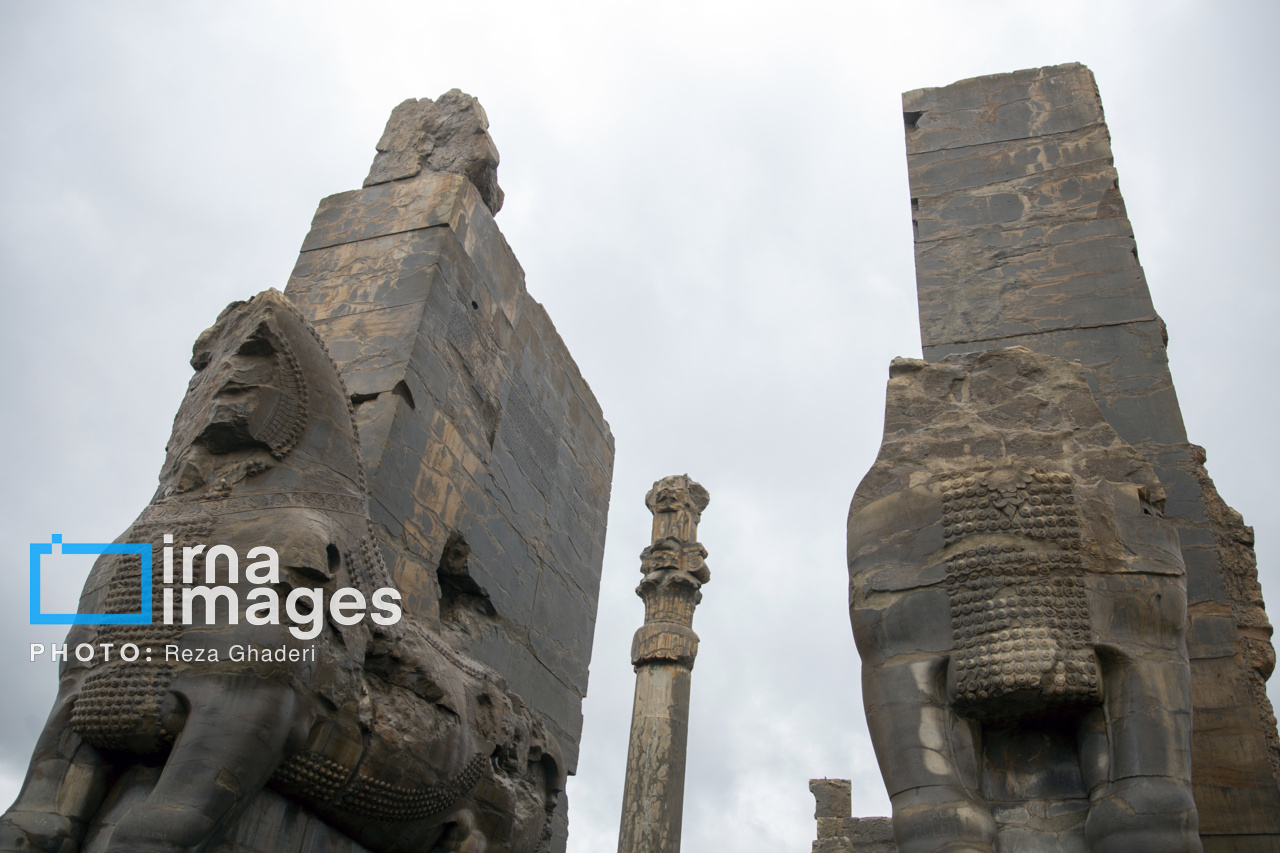
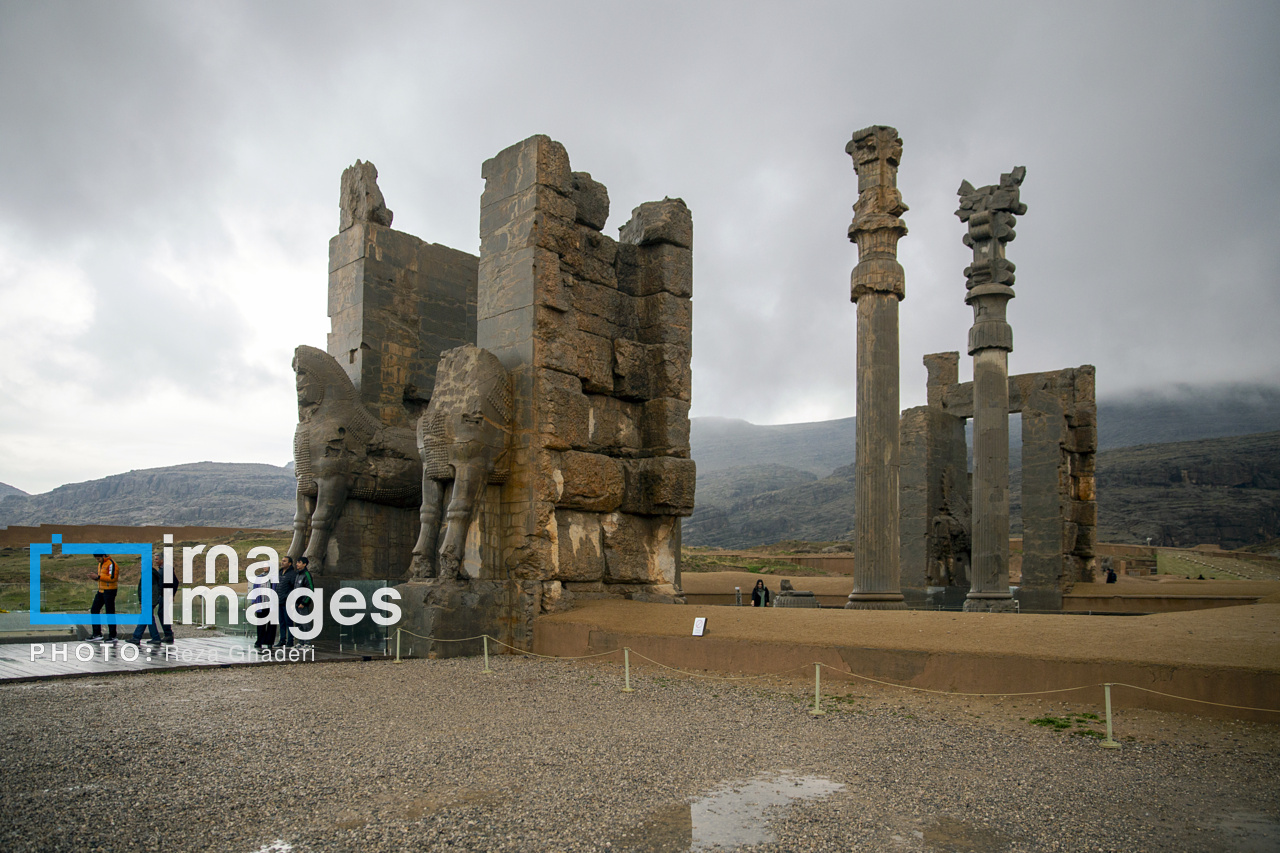
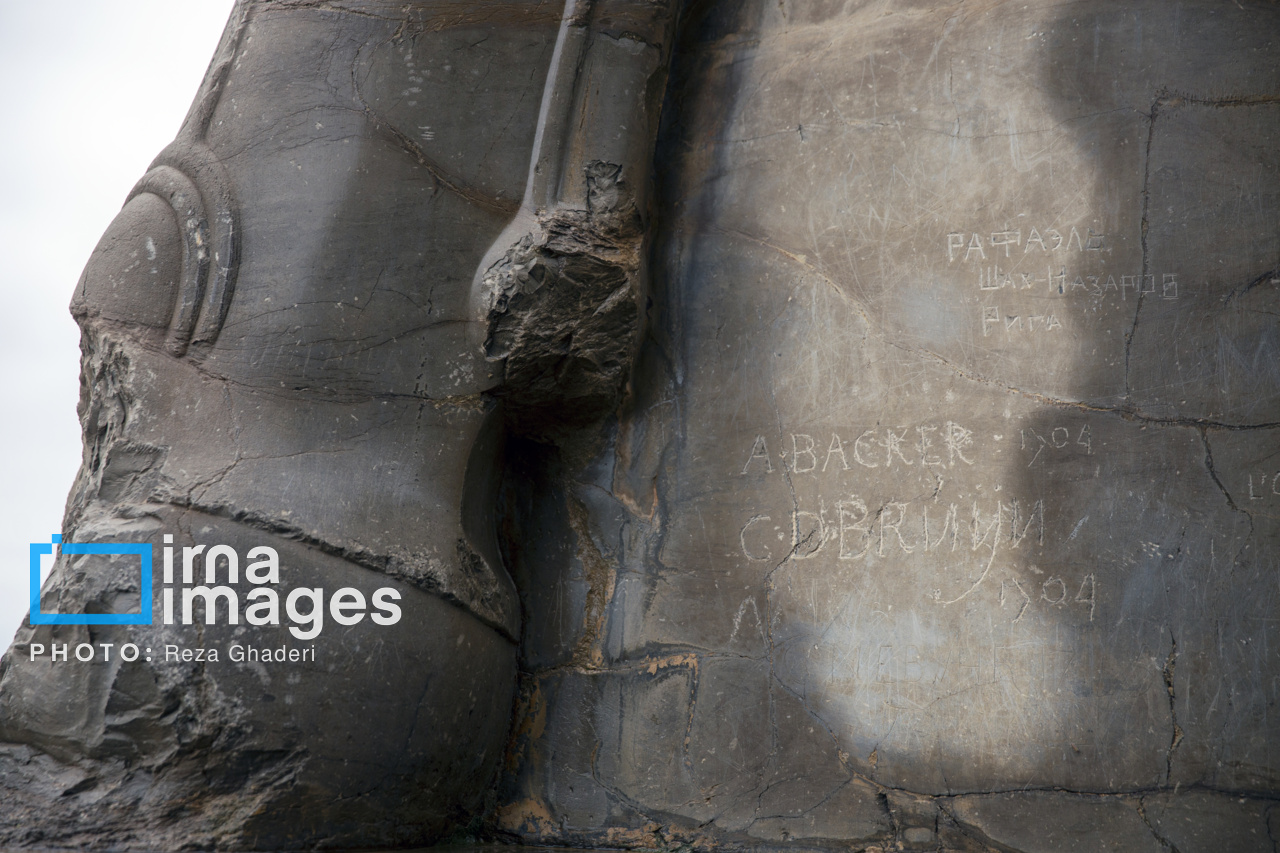
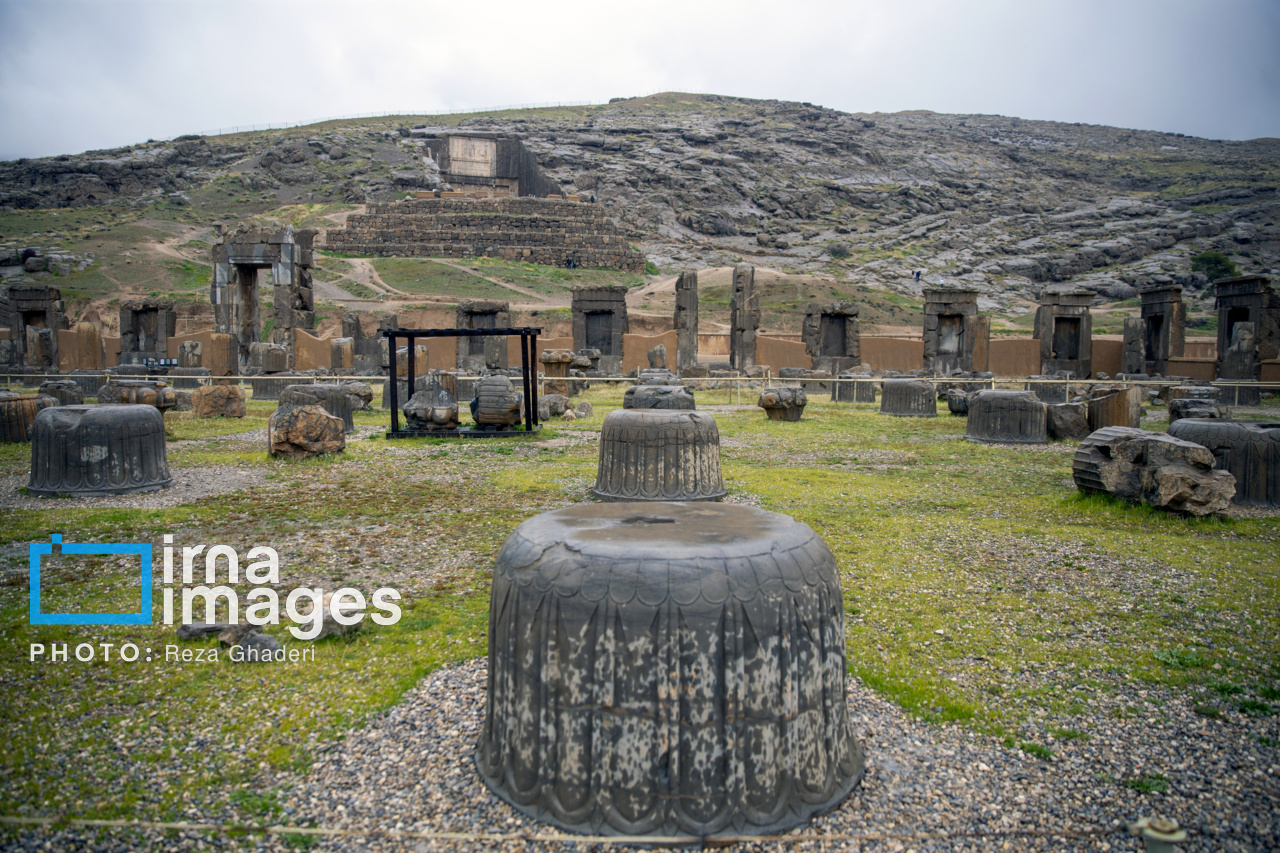
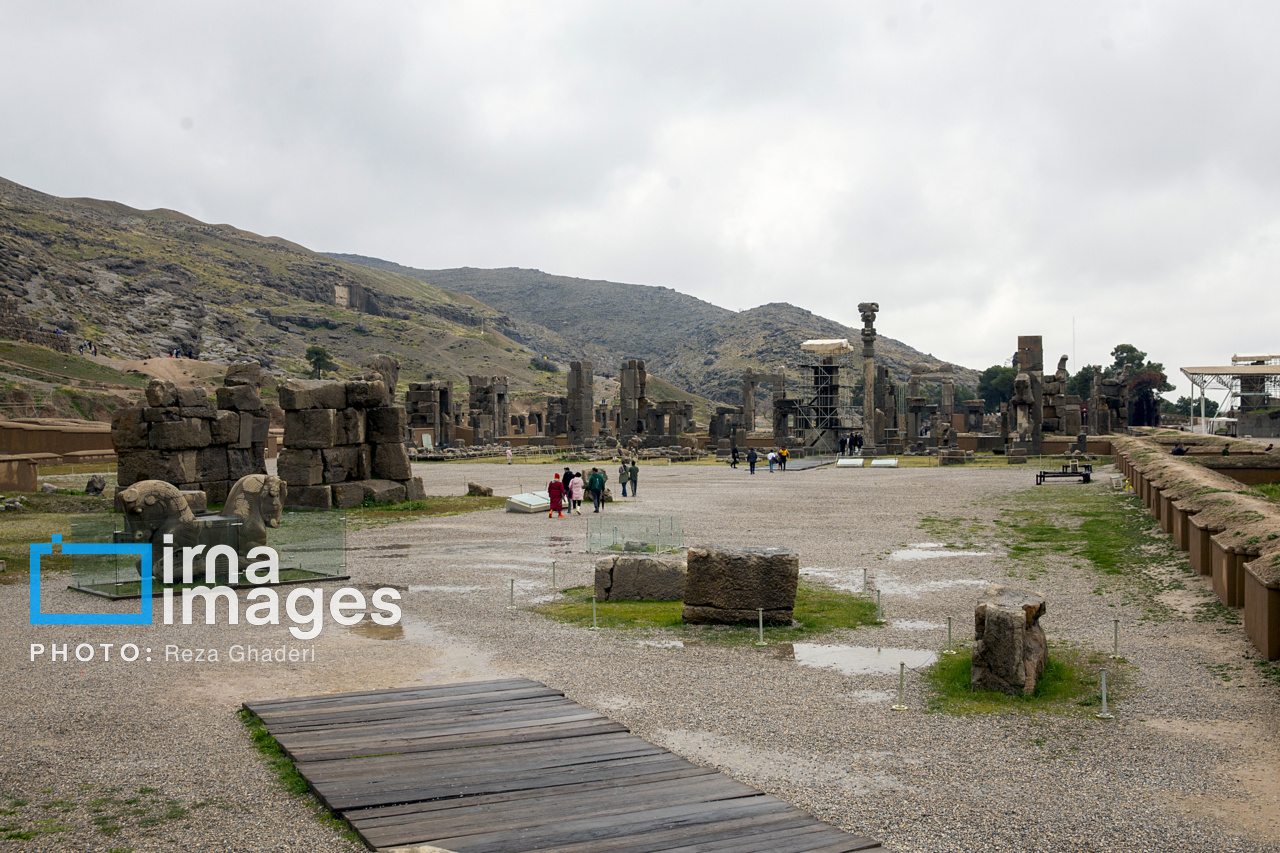
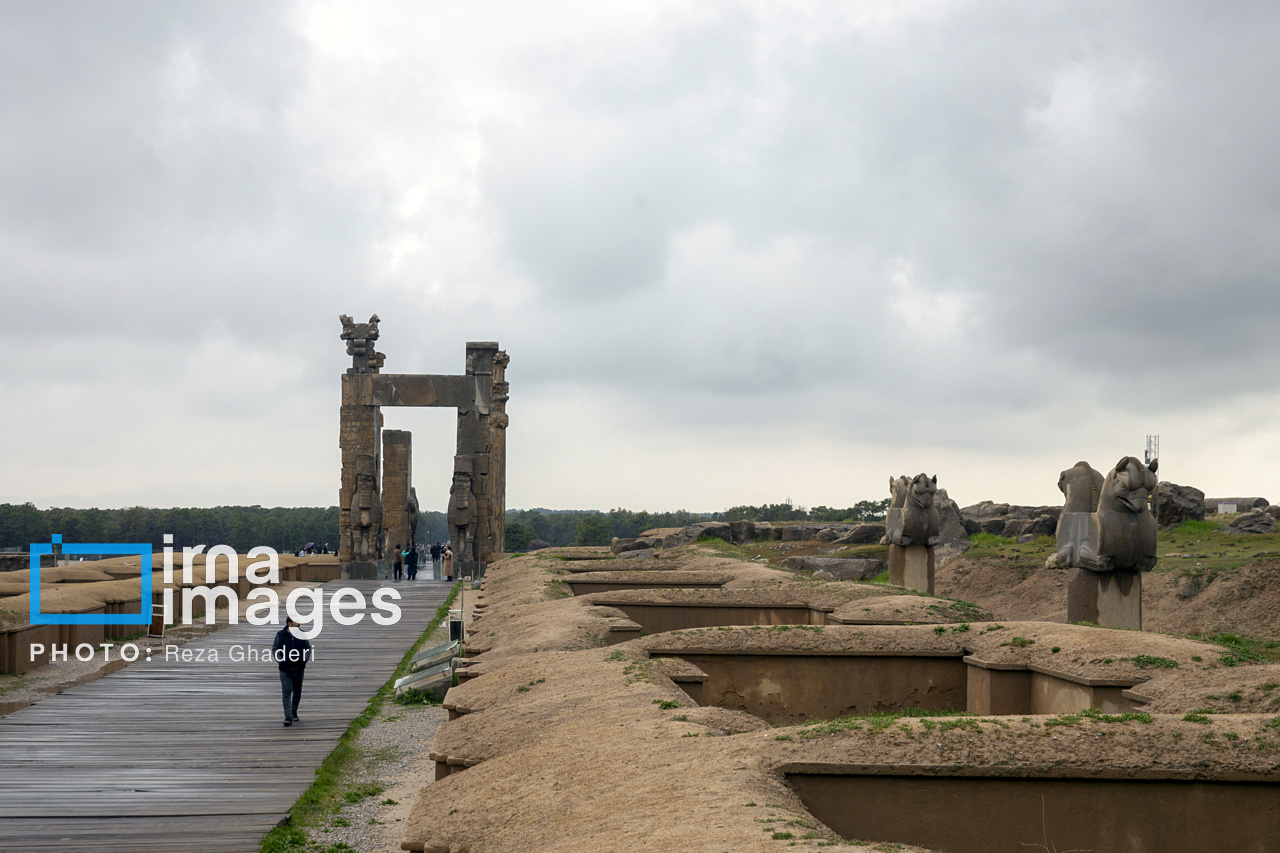
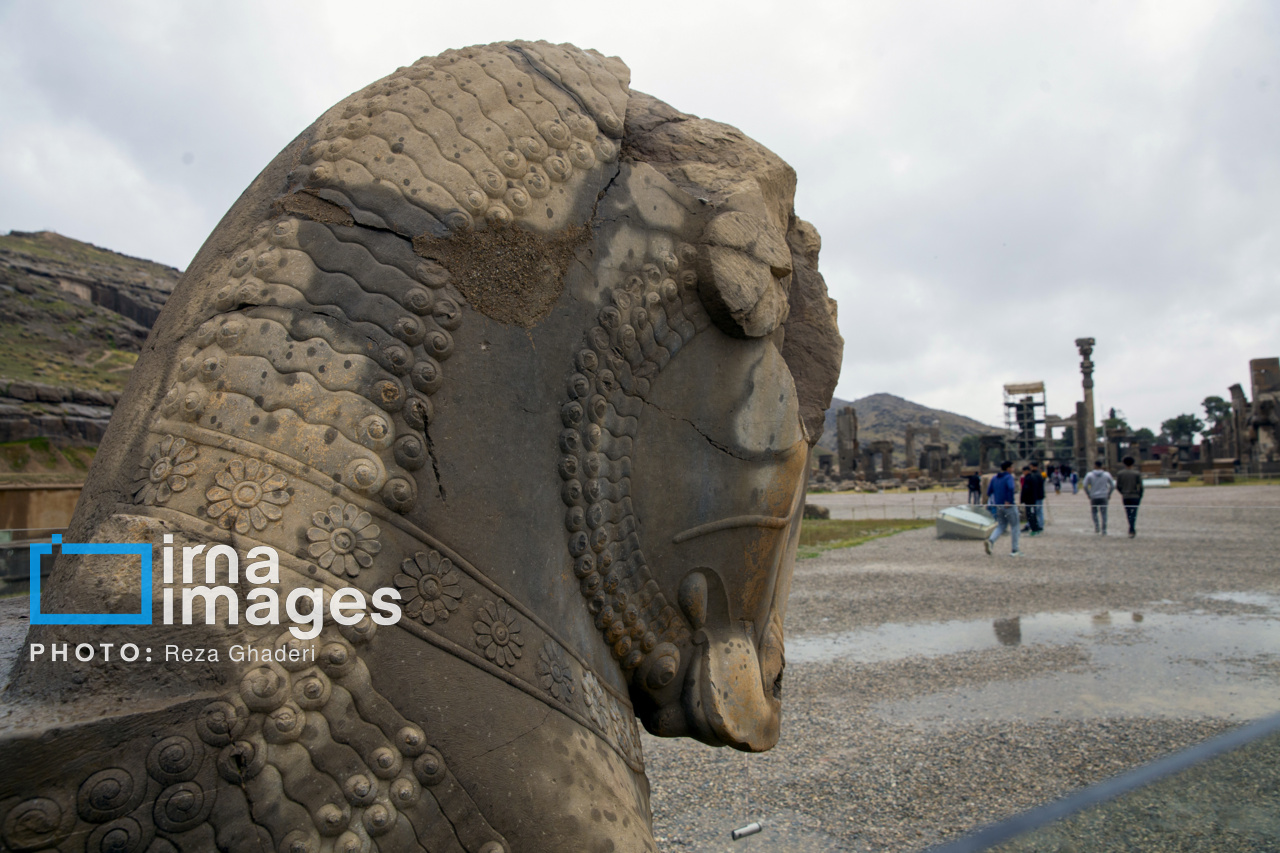
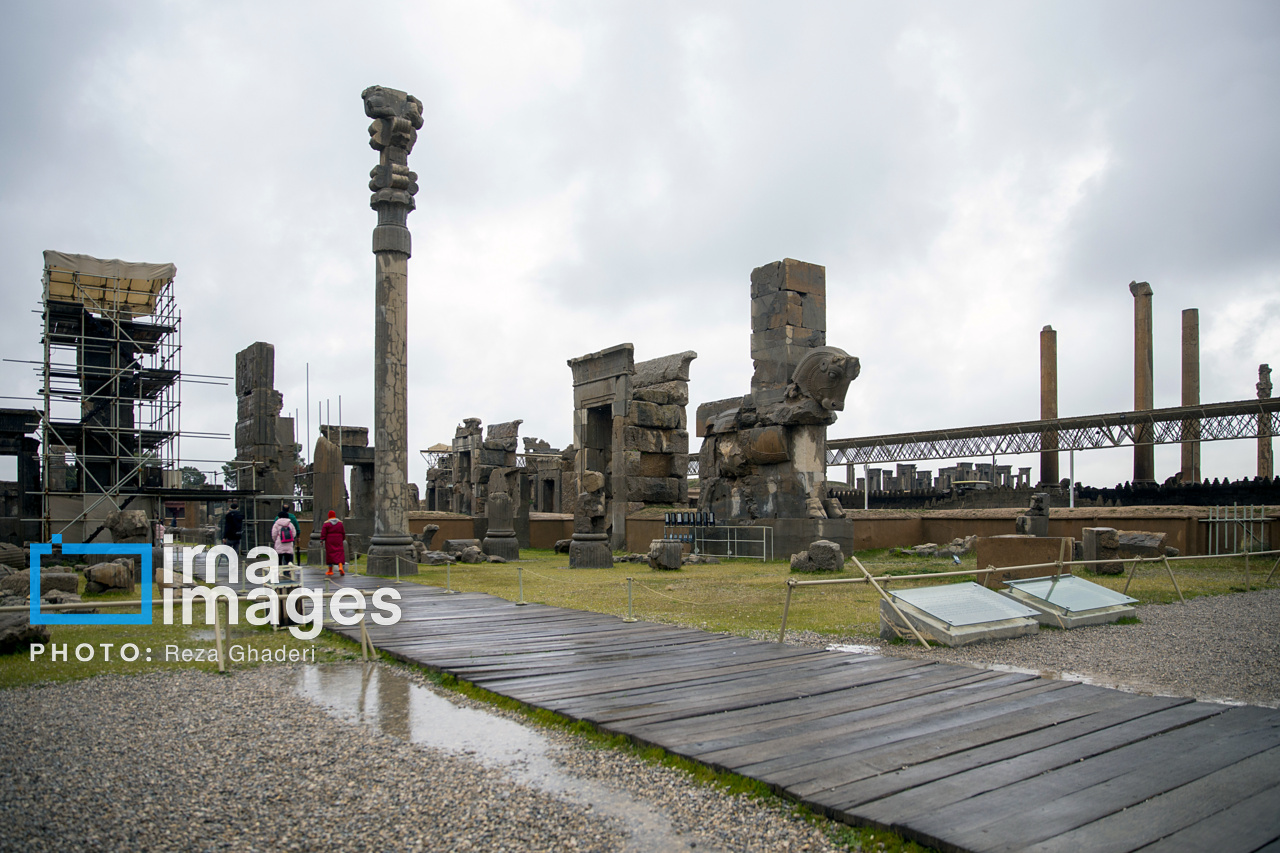
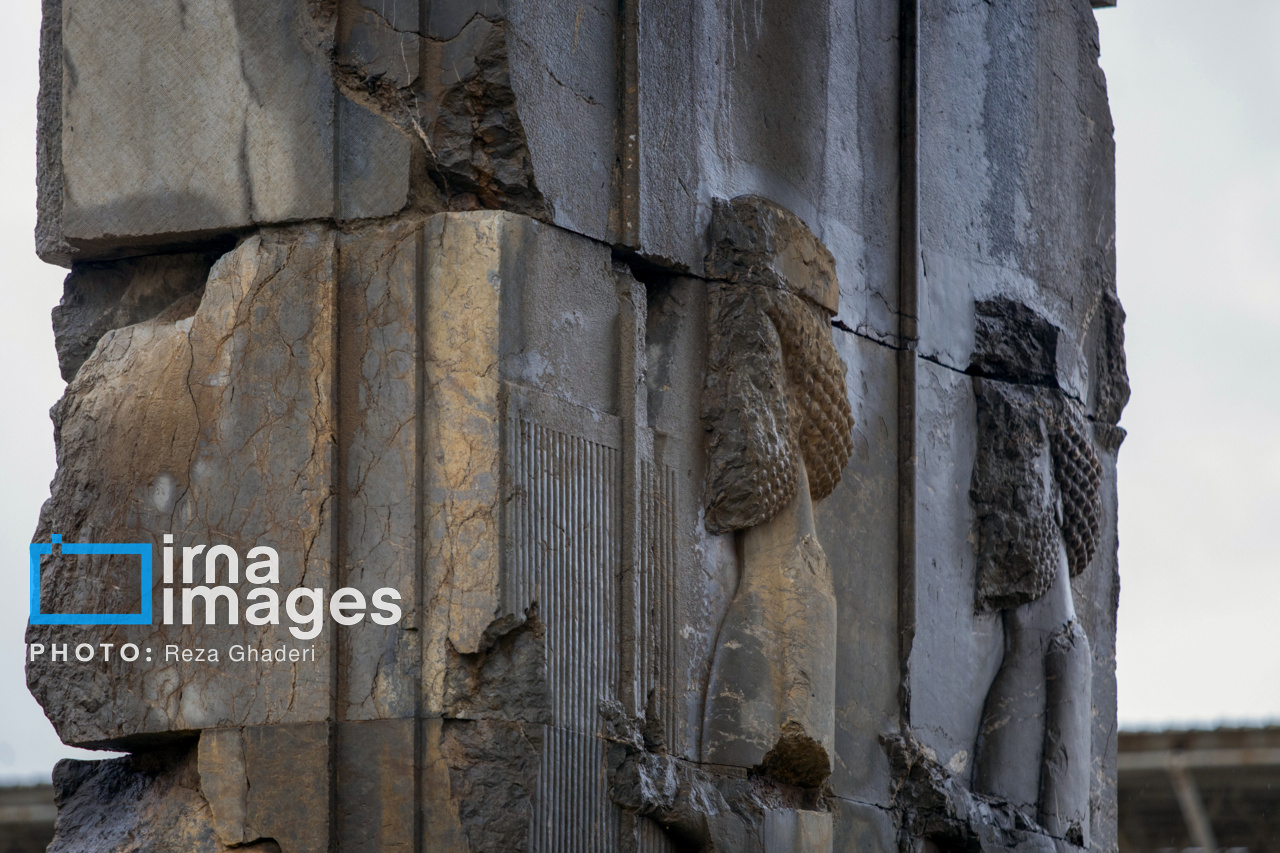
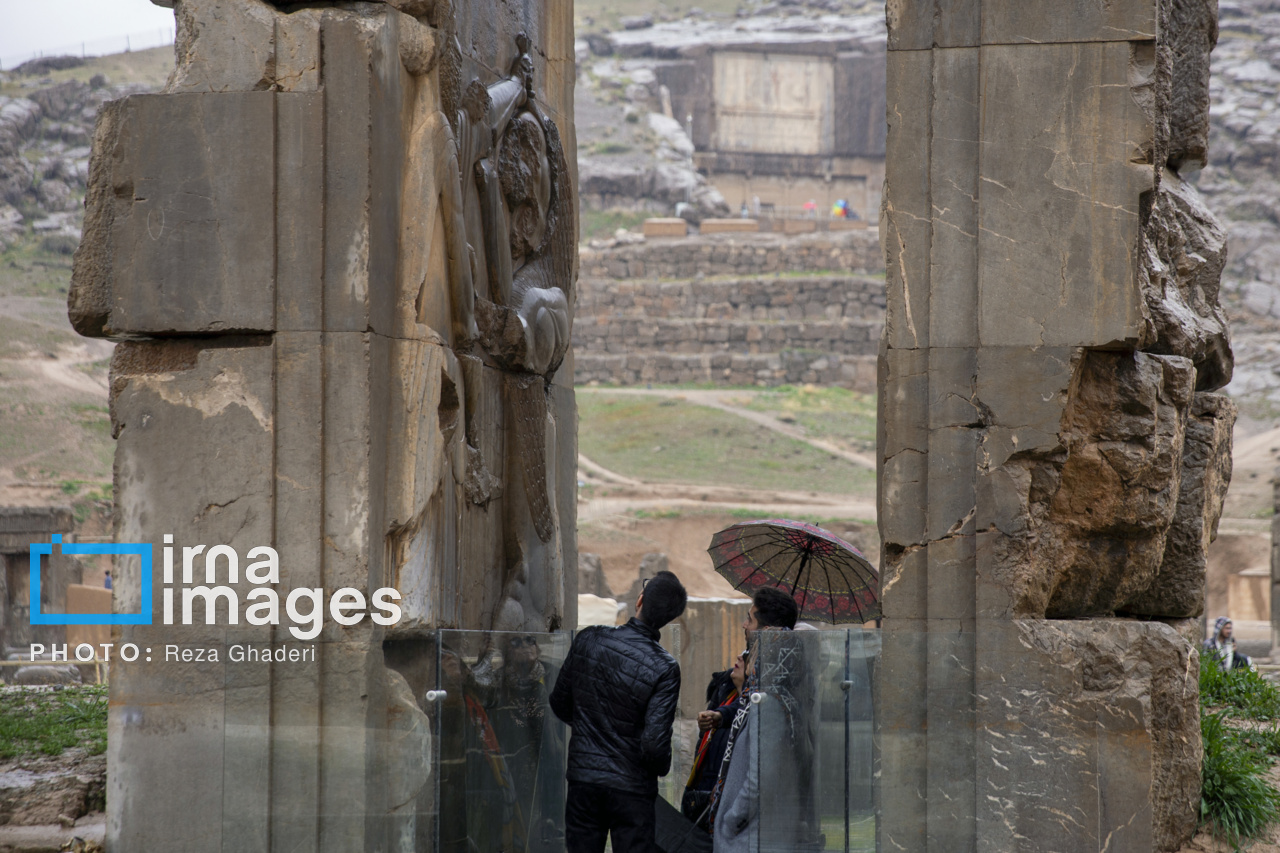
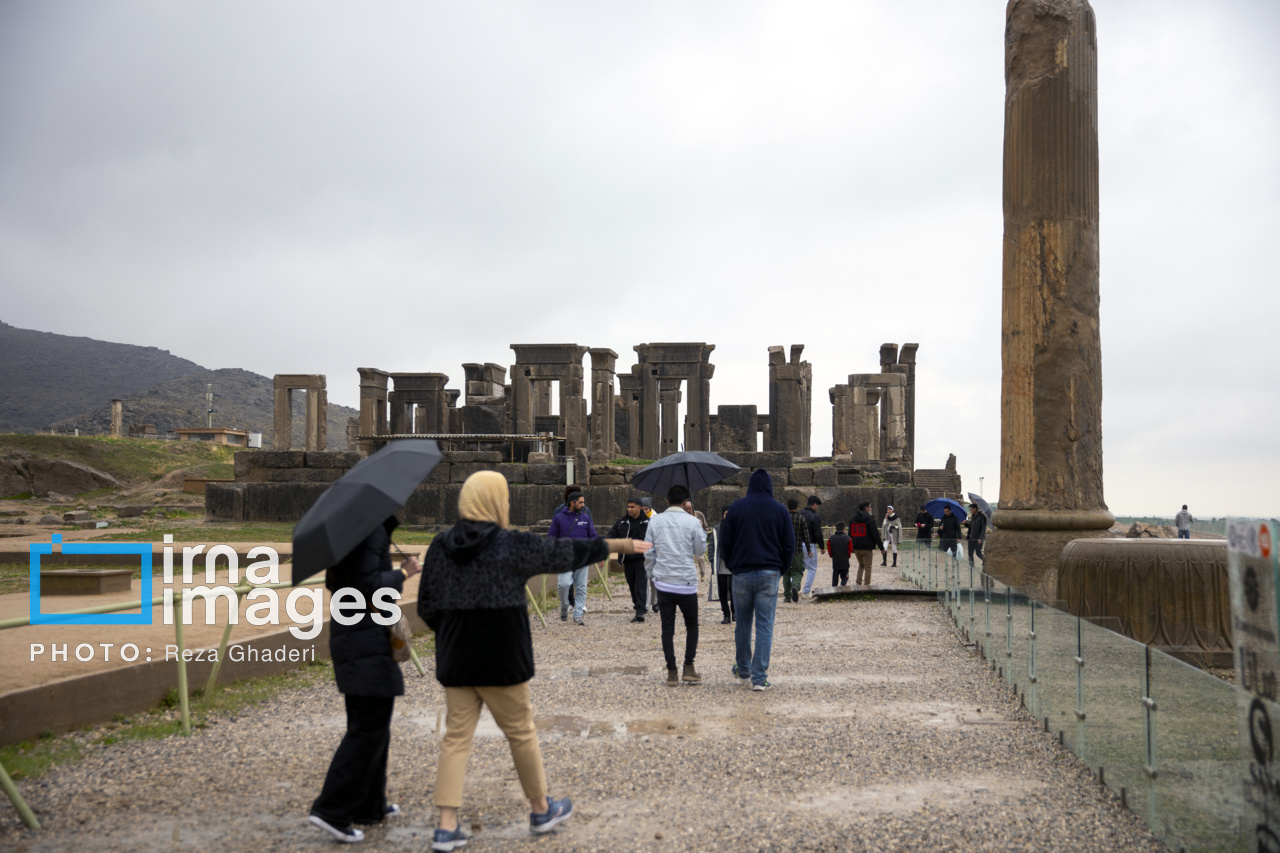
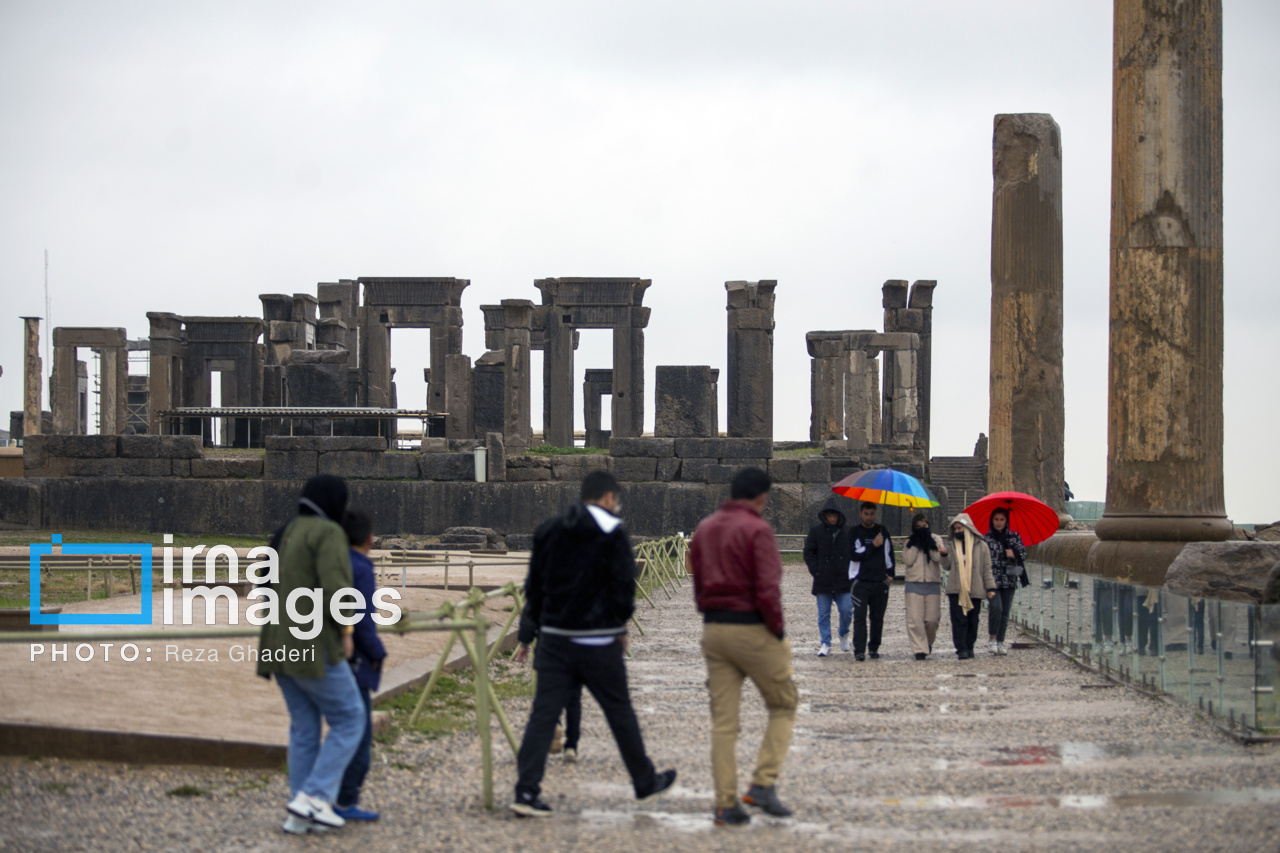
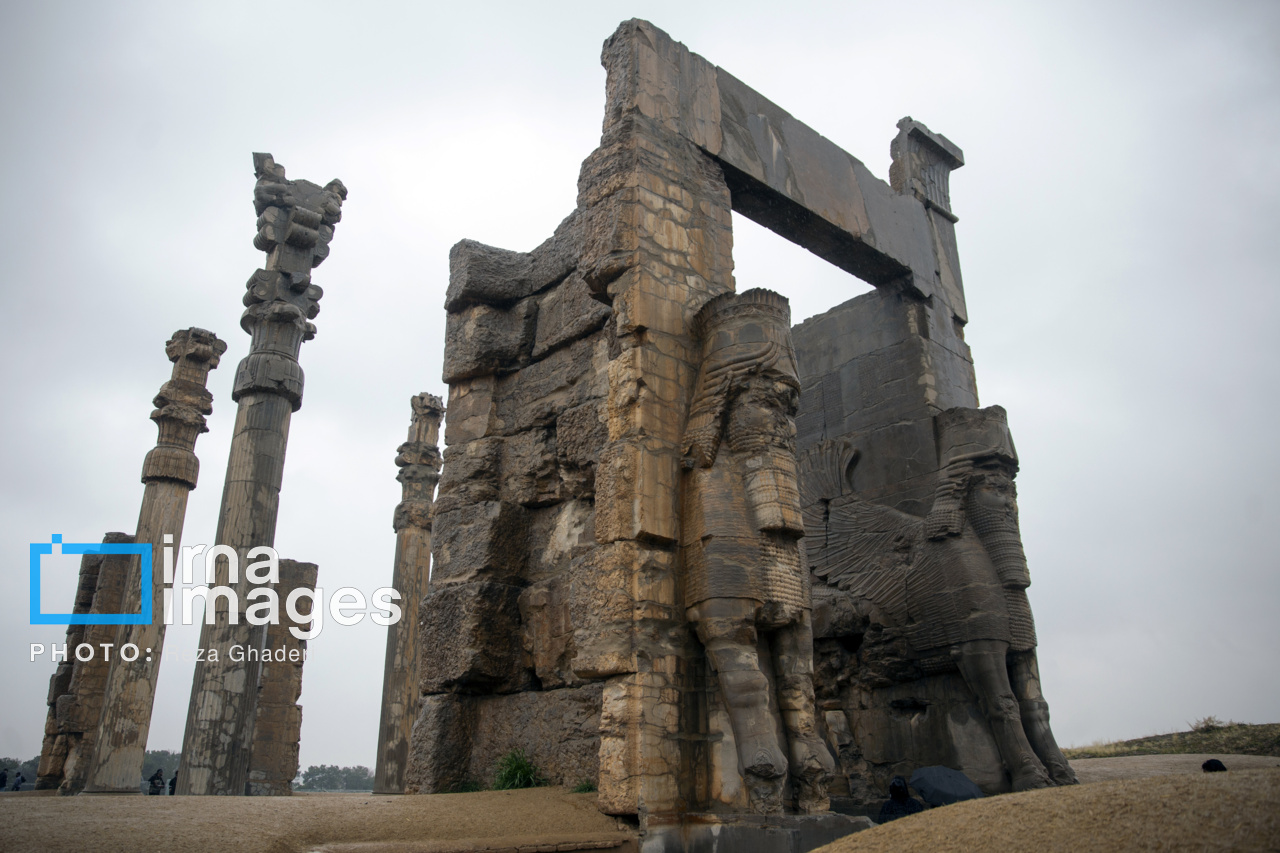
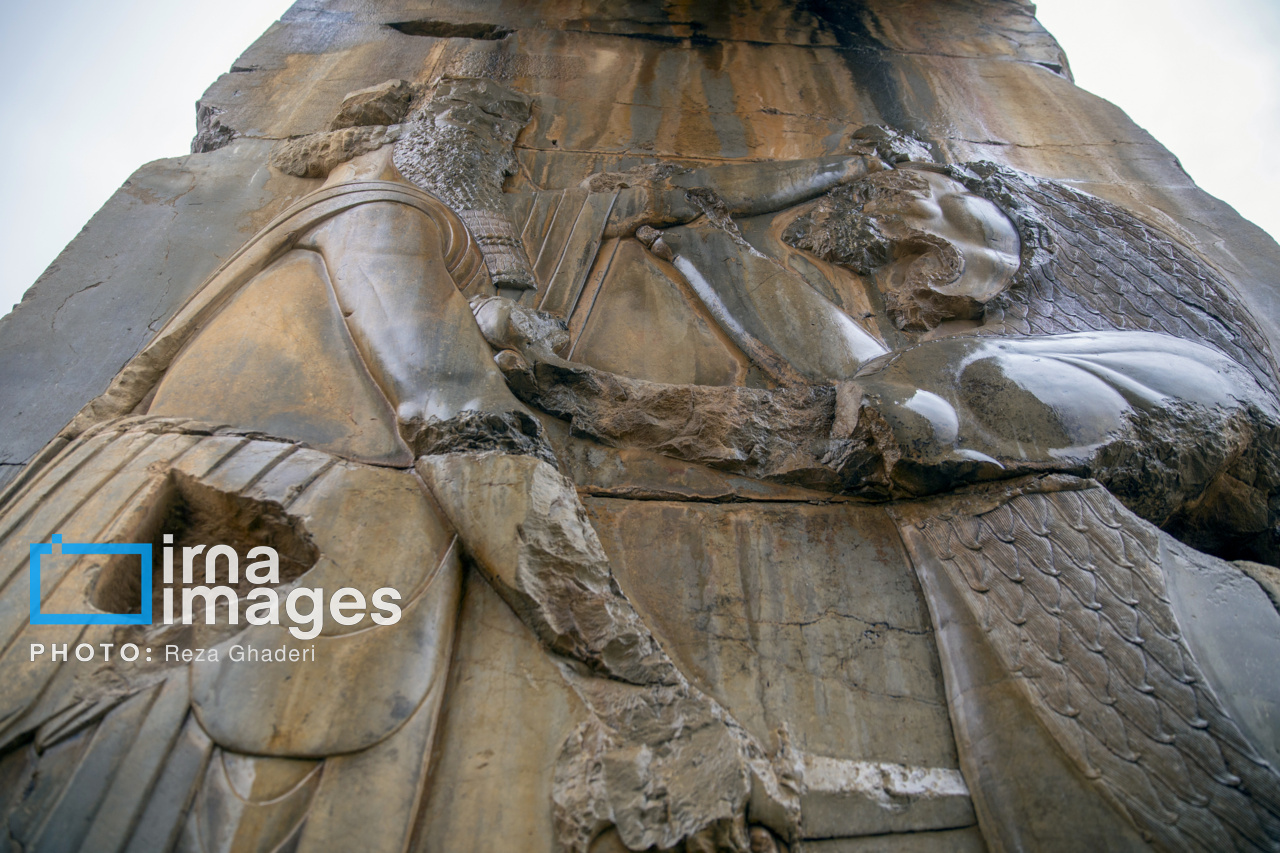
Winter rain unveils the soul of Iran’s Persepolis

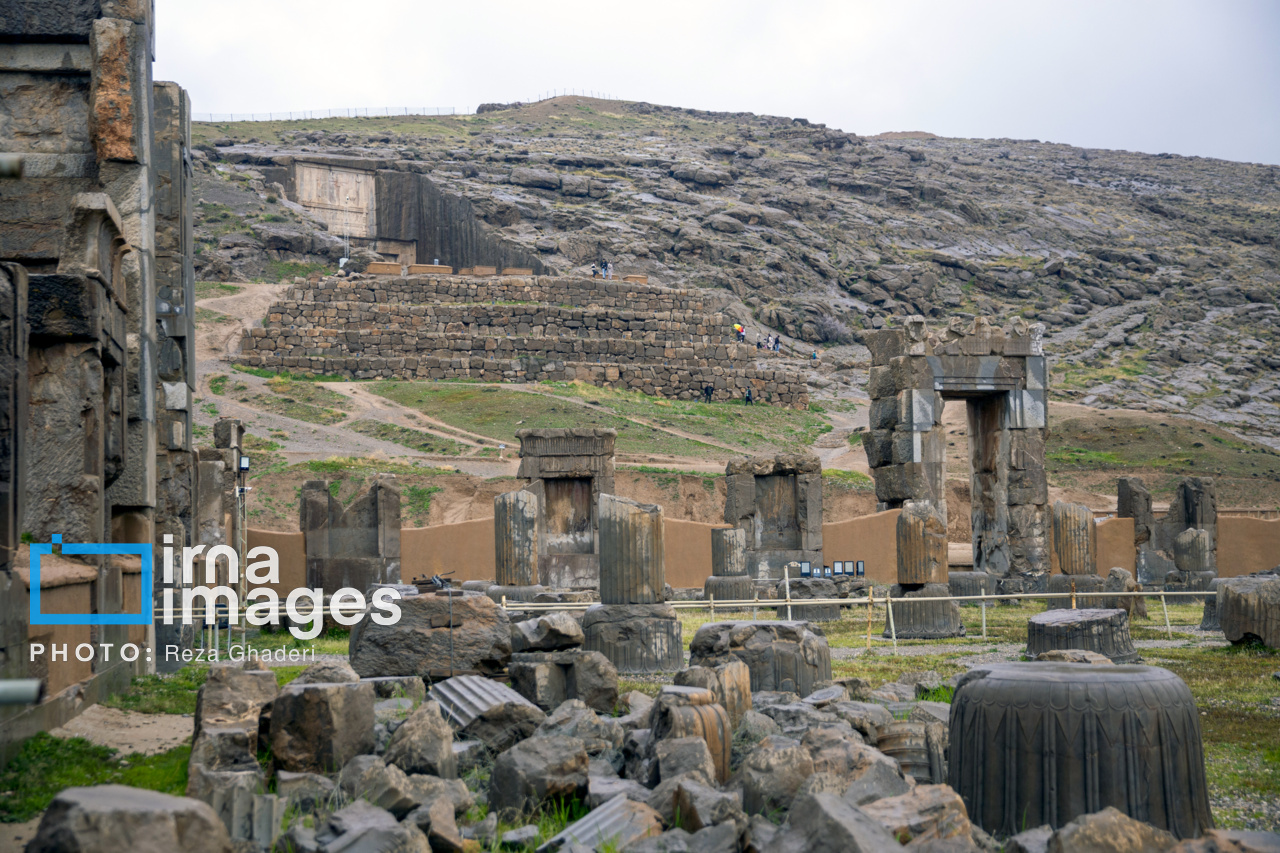
The downpour, soft yet insistent, transformed the timeless ruins into a canvas of ethereal beauty, where history and nature intertwined in a delicate dance before the eyes of the tourists.

Persepolis, the crown jewel of Iran’s cultural heritage and a testament to the grandeur of the Achaemenid Empire over 2500 years ago, is located in the southern province of Fars.

More in pictures:

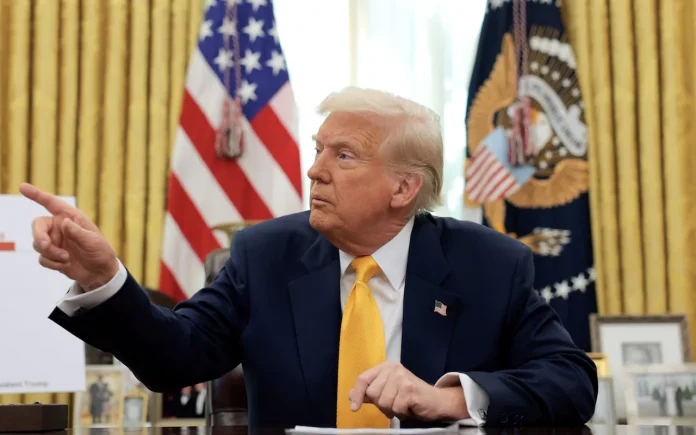
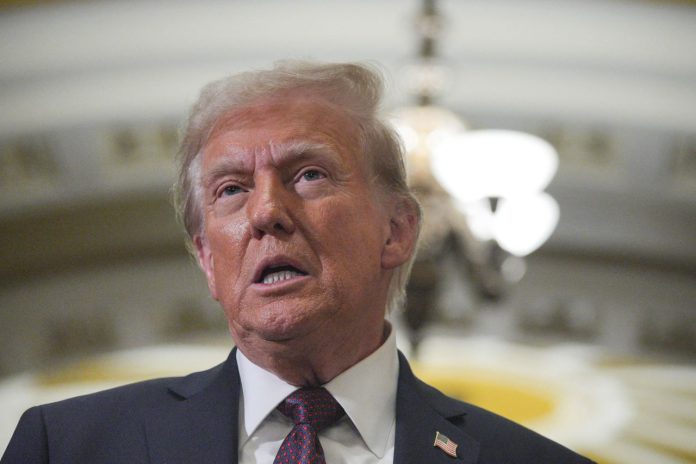
Trump says he considers sanctioning Russia over Ukraine war

According to Trump, his statement is based on the fact that Russia “is absolutely ‘pounding’ Ukraine on the battlefield” – a possible reference to Russia’s recent advances in Kursk Oblast or Russia’s large-scale missile and drone attack on Ukraine on Friday.

“Based on the fact that Russia is absolutely ‘pounding’ Ukraine on the battlefield right now, I am strongly considering large-scale banking sanctions, sanctions, and tariffs on Russia until a ceasefire and final settlement agreement on peace is reached,” Trump wrote on the Truth Social media platform.

“To Russia and Ukraine, get to the table right now, before it is too late. Thank you!”

Russian forces have reportedly made a breakthrough south of the Ukrainian-held town of Sudzha in Russia’s Kursk Oblast, potentially threatening to cut off some of the Ukrainian positions in the region.

A Ukrainian soldier and a medic deployed in Kursk Oblast, who spoke to the Kyiv Independent on condition of anonymity, confirmed the Russian breakthrough in the embattled region on Friday.

Russia is also pushing in the Pokrovsk and Toretsk sectors in Donetsk Oblast, with a total of 146 clashes recorded across the front line over the past day, Ukraine’s General Staff announced on Friday.

Meanwhile, Russia launched another large-scale aerial attack on Ukraine overnight on Friday, launching 67 missiles of various types and 194 drones. Ukraine’s air defenses intercepted 34 missiles and 100 drones, the Air Force added.

Shortly after his inauguration, Trump threatened to impose tariffs and sanctions on Russia to force their hand in negotiations, saying “we can do it the easy way or the hard way.” In the following weeks, Trump instead lashed out at Ukraine, claiming President Volodymyr Zelensky was “not ready for peace” and halting military aid to Ukraine and intelligence sharing with Kyiv.

Earlier this month, Reuters reported that Washington is preparing a proposal to potentially ease sanctions on Moscow as Trump works to restore diplomatic ties and negotiate an end to the war in Ukraine.

U.S. and Ukrainian delegations are planning to meet in Jeddah, Saudi Arabia, on March 11 to discuss the framework for a potential peace agreement.

Zelensky has proposed a “truce in the sky” banning missiles, long-range drones, and bombs targeting civilian infrastructure, as well as a “truce at sea” as the first steps towards the de-escalation.

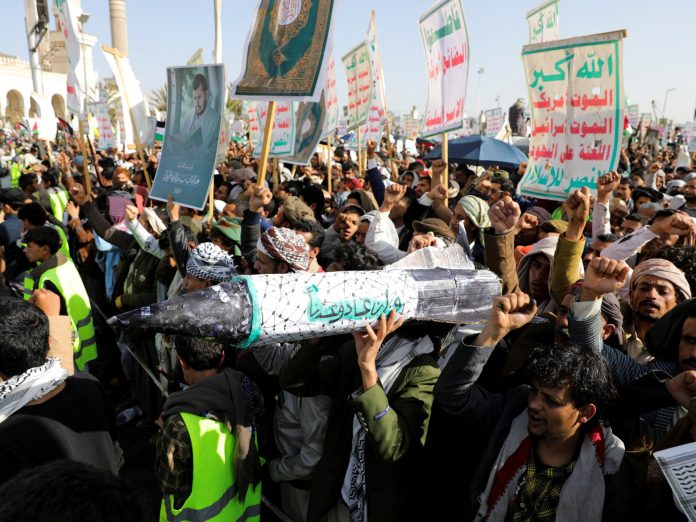
Yemen’s Houthis give Israel ultimatum over Gaza aid blockade

The ultimatum, issued late on Friday, signals a possible escalation from the rebel group after their attacks tailed off in January following a ceasefire between Israel and Hamas in Gaza.

“We give the entire world notice: We are granting a four-day deadline,” the group’s leader, Abdel-Malik al-Houthi, said in a video statement.

“This deadline is to allow for mediators to continue their efforts. If, after these four days, the Israeli enemy persists in preventing the entry of aid into Gaza, maintains the complete closure of crossings, and continues to block the entry of food and medicine into Gaza, we will resume our naval operations against the Israeli enemy,” he added.

The Houthis launched more than 100 attacks targeting ships in the Red Sea and the Gulf of Aden following Israel’s war on Gaza, saying the raids were in solidarity with Palestinians in the enclave.

During that period, the fighters sank two vessels, seized another and killed at least four seafarers in an offensive that disrupted global shipping, forcing firms to re-route to longer and more expensive journeys around Southern Africa.

The Houthis also launched dozens of missile and drone attacks on Israel, killing at least one person and causing damage to buildings, including a school in Tel Aviv.

The United States, under President Donald Trump, re-designated the Houthis as a “terrorist” organisation earlier this week.

Hamas has welcomed the announcement.

“The brave decision … is an extension of the positions of support and assistance that they [the Houthis] provided over the course of 15 months of war … in Gaza,” the Palestinian group announced.

The Houthis, who control most of Yemen, also stated in February that they will take military action if the US and Israel try to displace Palestinians from Gaza forcibly.

Their ultimatum comes as Israel’s blockade on all aid into Gaza entered a seventh day.

The siege began on March 2 after Israel reneged on the ceasefire deal and sought to extend the first stage of the three-phased agreement that expired last week, without committing to ending the war on Gaza.

The United Nations, rights groups and countries around the world say the Israeli blockade could constitute a war crime.

The Office of the High Commissioner for Human Rights (OHCHR), in a statement on Friday, noted the Israeli action has caused prices to soar in Gaza and resulted in anxiety over a return to bombardment and starvation.

It added that the blockade also comes as health authorities reported that at least eight babies, whose families have been sheltering in flimsy makeshift tents, have died from the cold in the past two weeks.

“As the occupying power, Israel has a legal obligation to ensure the provision of the necessities of life for Palestinians living under its control,” the OHCHR said, stating, “Any denial of the entry of the necessities of life for civilians may amount to collective punishment. The use of hunger and starvation as a weapon of war is a war crime.”

Palestinians say the blockade has also resulted in shortages of medical supplies and left hospitals struggling to care for those wounded in the war.

Israel’s war on Gaza has killed at least 48,440 Palestinians and wounded 111,845 others. Authorities in the enclave say the death toll is likely to be at least 61,709, as thousands of Palestinians missing under the rubble are presumed dead.

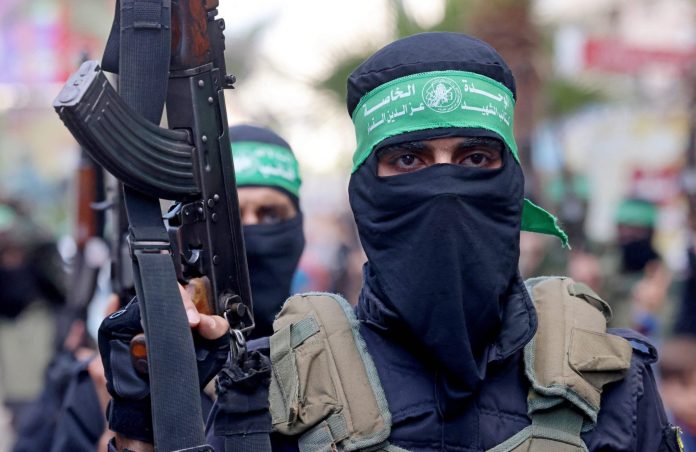
Tension erupts between US, Israel over Washington’s direct talks with Hamas: Report

Hamas

Ron Dermer, Netanyahu’s closest confidant, voiced strong objections in a call with US hostage envoy Adam Boehler on Tuesday, Axios reported, citing sources familiar with the matter.

In early February, Israeli officials advised Trump aides against direct engagement with Hamas, especially without preconditions, but Israel later learned the US was proceeding anyway, the news website added.

Trump defended the talks Thursday, saying they benefit Israel by focusing on its hostages. Trump’s Middle East envoy Steve Witkoff, set to visit the region next week, called American hostage Edan Alexander’s release a “top priority”.

Washington is engaging in direct talks with Hamas as negotiations on a ceasefire accord between the Palestinian armed group and Israel are hanging by a thread.

“These are ongoing talks and discussions, I’m not going to detail them here, there are American lives at stake,” White House press secretary Karoline Leavitt said on Wednesday, confirming a report by Axios media outlet that talks between the two sides were taking place.

“Look, dialogue and talking to people around the world to do what’s in the best interest of the American people is something that the president has proven is what he believes is [a] good faith, effort to do what’s right for the American people,” Leavitt added.

Adam Boehler, Trump’s nominee to be special envoy for hostage affairs, participated in the direct talks with Hamas.

A Hamas official cited by the AFP news agency confirmed the negotiations over Israeli-US captives held in Gaza.

The US had previously publicly refused direct contact with the Palestinian group since banning them as a “terrorist” organisation in 1997.

Israel announced it had been consulted by the US on the direct talks.

Israeli officials say about 24 living captives – including Edan Alexander, an American citizen – as well as the bodies of at least 35 others are believed to still be held in Gaza.

Confirmation of the talks comes days after the first phase of the Israel-Hamas ceasefire expired, with Israel pushing for an extension while Hamas insists on progressing to the second phase of the deal agreed in January.

The first phase saw Hamas release 33 hostages in exchange for Israel releasing more than 2,000 Palestinian prisoners and detainees.

Israel has said the proposal to extend the first phase of the truce was drafted by the US envoy for the Middle East, Steve Witkoff.

The new plan would require Hamas to release half its remaining captives in exchange for a ceasefire extension and a promise to negotiate a lasting truce. Israel made no mention of releasing more Palestinian prisoners – a key component of the first phase.

After the first phase expired, Israel on Sunday suspended humanitarian aid deliveries, including fuel, aid and medicine, into Gaza, as the government aims to put pressure on Hamas to accept the new terms – a move that the Palestinian group slammed as a violation of the original deal.

France, the United Kingdom and Germany on Wednesday warned Israel against using aid as a “political tool”, calling on it to ensure the “unhindered” delivery of humanitarian supplies to the war-ravaged Palestinian enclave.

“We call on the government of Israel to abide by its international obligations to ensure full, rapid, safe and unhindered provision of humanitarian assistance to the population in Gaza,” the countries announced in a joint statement.

“A halt on goods and supplies entering Gaza such as that announced by the government of Israel would risk violating international humanitarian law,” they noted, adding, “Humanitarian aid should never be contingent on a ceasefire or used as a political tool.”

The three European nations described the humanitarian situation in Gaza as “catastrophic”.

Iran’s UN mission denies Trump’s claim over sending letter to Ayatollah Khamenei

Trump

“We have not received such a letter yet,” the mission said on Friday.

In an interview with Fox Business’ Maria Bartiromo on Friday, the US president claimed that he has sent a letter to Ayatollah Khamenei and proposed to negotiate with Iran on a deal on the country’s nuclear program.

“I said I hope you’re going to negotiate, because it’s going to be a lot better for Iran,” he claimed, before threatening Tehran with military action.

“I think they want to get that letter. The other alternative is we have to do something, because you can’t let another nuclear weapon,” he said despite Tehran’s repeated stance that it does not seek to develop nukes.

In February, Ayatollah Khamenei said experience has shown that negotiations with the US have no effect on solving Iran’s problems.

“Some people pretend that if we sit at the negotiating table, some problem will be solved, but the fact that we must understand correctly is that negotiating with the US has no effect on solving the country’s problems,” the Leader emphasized.

Later in February, Iran’s President Masoud Pezeshkian reiterated Tehran’s openness to negotiations, but emphasized that the Islamic Republic will not give in to the pressure of bullying powers and won’t engage in any negotiations under duress.

Iran denies Macron’s claim of Ukraine war involvement

Russia Ukraine War

On Wednesday, Macron said Russia had used Iranian equipment in its war against Ukraine.

“Russia has already turned the Ukrainian conflict into a global conflict. It has mobilised on our continent North Korean soldiers,(and) Iranian equipment, while helping these countries to arm themselves further,” Macron said in an address to his nation.

Tehran has repeatedly denied sending any weapons to Russia for use in the Ukraine war.

“The Islamic Republic of Iran has no interference in the Ukrainian conflict and insists on its principled position of opposing war and the necessity of ending the conflict through dialogue,” foreign ministry spokesman Esmaeil Baqaei stated.

Baqaei called Macron’s remarks “baseless and false”, and a sign of France’s “lack of seriousness in restoring peace and stability in Europe and the world.”

Iran summons UK ambassador over anti-Tehran positions

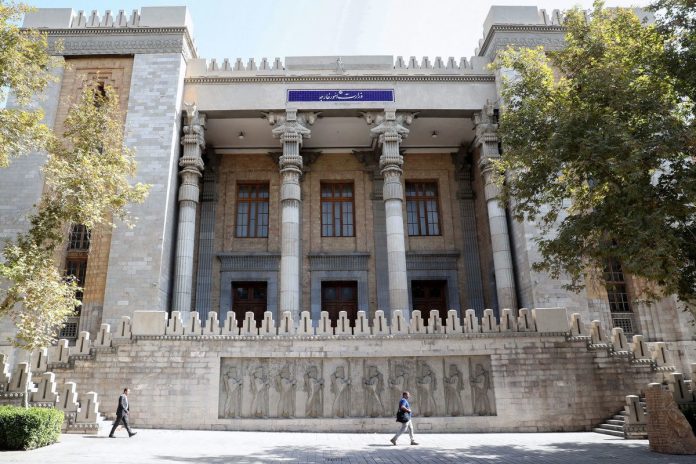
Iranian Foreign Ministry

In a statement released on Friday, the ministry said the British envoy was summoned to protest against senior British officials’ “baseless claims” about Iran and their accusations that Tehran “seeks to interfere in Britain’s internal affairs.”

At the meeting, Alireza Yousefi, assistant foreign minister and the ministry’s director general for Western Europe, stressed that the British officials’ “biased positions and baseless claims” against Iran were “in contradiction with the international law principles and regulations as well as the diplomatic norms,” and would increase the Iranian people’s distrust of Britain’s policies towards their country and the West Asia region.

He called on the British government to reconsider and revise its “unconstructive” approaches towards the Iranian nation.

The British ambassador said he would convey Iran’s protest to his government.

Britain announced on Tuesday that it would require the Iranian state to register everything it does to exert political influence in the UK, subjecting Tehran to an elevated tier of scrutiny in light of what it said was increasingly aggressive activity.

On Thursday, Iranian Foreign Ministry spokesman Esmaeil Baghaei rejected the accusations “absurd.”

“It is absurd to blame Iran for something you excel in and master: illegal interference in other nations’ internal affairs!” he wrote in a post on his X account.

Addressing parliament on Wednesday, UK security minister Dan Jarvis announced that he would put Iran’s state, its security services and the Islamic Revolution Guards Corps into the enhanced tier of an upcoming registration scheme designed to protect against covert foreign influence.

IAEA chief: Sanctions not working against Iran’s nuclear program

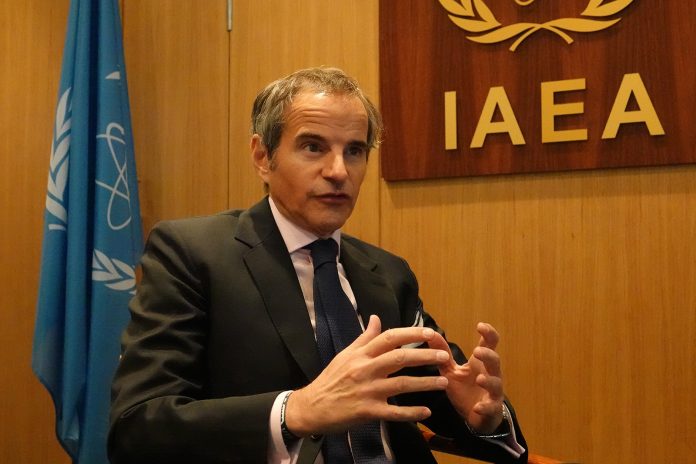
Rafael Grossi

“Sanctions aren’t working,” Grossi told Bloomberg in an interview published on Friday.

“Quite obviously, the country has learned to circumvent them. The program has grown enormously, especially since 2018.”

Last month, the Islamic Republic’s nuclear chief, Mohammad Eslami, likewise dismissed the efficacy of the illegal and unilateral bans.

The head of the Atomic Energy Organization of Iran (AEOI) reiterated that the country’s enemies were not capable of preventing it from achieving its goals by imposing sanctions and exerting economic pressure on the country or assassinating its scientists, referring to the Israeli regime’s targeted killing of at least seven Iranian nuclear scientists over the past decades.

“In order to achieve our goals, we don’t care about the enemies’ sanctions and pressure,” Eslami said, adding “We will continue the path that we have drawn for ourselves to reach our goals.”

Despite external pressures, Iran continues to advance its nuclear capabilities for civilian applications, including medicine and agriculture, he noted, repeating Iranian officials’ invariable assertion that the country’s nuclear program is solely geared towards civilian purposes.

The IAEA’s Board of Governors, though, has ratified several resolutions amid pressure by the US and its European allies, accusing the Islamic Republic of deviating from the program or withholding sufficient cooperation with the nuclear body.

This is while the resolutions and the accusations underlying it run counter to the standing status of the country and the body’s cooperation, which has even increased in frequency and quality over the past years.

Tehran has, meanwhile, been urging the IAEA to remain committed to its professional standards and avoid politicization of its decision-making processes.