Thursday, December 25, 2025
Home Blog Page 4560

Iran’s UN Mission: Missile Test Part of Efforts to Boost Defense Capabilities

The following is the full text of the Iranian mission’s press release on Monday.

Pursuant to a campaign of disinformation that followed the recent missile test-launches by the Iranian military forces, the Permanent Mission of the Islamic Republic of Iran to the United Nations would like to provide the following clarifications:

1-      Iran, as a country living in the most unstable and volatile region of the world, is fully entitled to build a credible conventional capability to deter and defend against any aggression. Iran’s recent ballistic missile test launches were part of ongoing efforts of its armed forces to strengthen its legitimate defense capabilities and to demonstrate the effectiveness and readiness of missile systems against security threats. It is demagoguery for those who are at the supplying and receiving ends of around $100 billion of the state-of-the-art weaponry just to the lower Persian Gulf region in 2015 (while Iran’s entire defense budget was around ten times less in the same year) to hype this much Iran’s conventional missile-test launches. The disparity between Iran’s defense spending and that of other regional states is colossal, and has been acknowledged even by the US officials at the highest levels.

2-      Brazen threats against Iran’s sovereignty and territorial integrity, multiplied in the past several years, have made it all the more imperative for Iran to build a legitimate deterrent capability. As an example of these threats, Moshe Yaalon, Defense Minister of the Israeli regime, in a speech on 5 May 2015 in the Shurat Hadin Law of War Conference in Jerusalem threatened to use nuclear bomb against Iran. (For detail, see Iran’s letter to the Security Council dated 19 May, 2015) The same regime remains the only obstacle in the way towards establishing a Nuclear-Weapon Free Zone in the Middle East and the only one in our region in unlawful possession of nuclear weapons.

3-      The statements made by the Iranian military commanders reflected only the concern over such threats. The commander of the Aerospace Force of the Guards Corps, whose statements are wildly distorted by vested-interest parties, reiterated in his interview following the tests that “we won’t start any war, we aim, however, to defend ourselves … we don’t intend to attack any country, but if we come under attack, we should be able to retaliate.”

4-      Security Council resolution 2231 does not prohibit legitimate and conventional military activities, nor does international law disallow them. Iran has never sought to acquire nuclear weapon and never will in the future, as it fully honors its commitment under the NPT and the JCPOA. Consequently, Iran’s missiles are not and could not be designed for delivery of unconventional weapons. We reject arbitrary interpretation of the provisions of Security Council resolution 2231 and its annexes, and call upon all parties to act in good-faith and refrain from provocations.

5-      We, likewise, reject the raising of this issue in a meeting of the Security Council and consider it to be contrary to the prevailing positive environment, and detrimental to the good-faith implementation of the JCPOA.
Permanent Mission of the Islamic Republic of Iran to the United Nations – New York
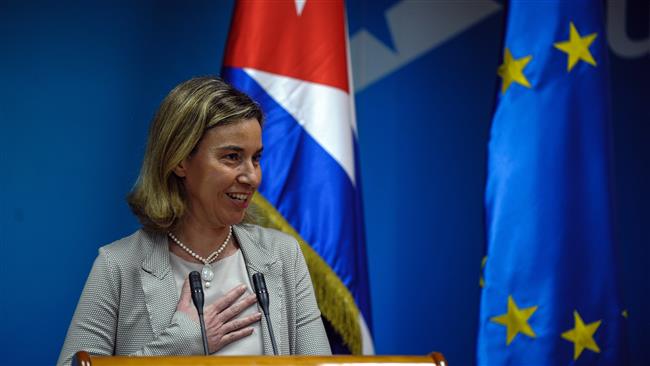
 

Iran missile tests don’t violate nuclear agreement, EU says

Mogherini made the announcement following an EU foreign ministerial meeting held in Brussels on Monday, a day after France said Iran may face sanctions over the tests.

She claimed that the tests could increase tensions in the region despite not being a violation of the Joint Comprehensive Plan of Action (JCPOA).

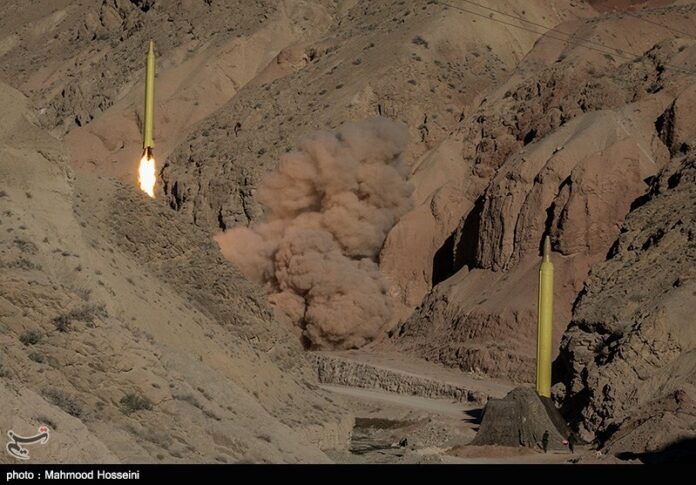
On March 9, Iran’s Islamic Revolution Guards Corps (IRGC) successfully test-fired two ballistic missiles as part of military drills to assess the IRGC’s capabilities. The missiles dubbed Qadr-H and Qadr-F were fired during large-scale drills, code-named Eqtedar-e-Velayat.

Iran fired another ballistic missile dubbed Qiam from silo-based launchers in different locations across the country on March 8.

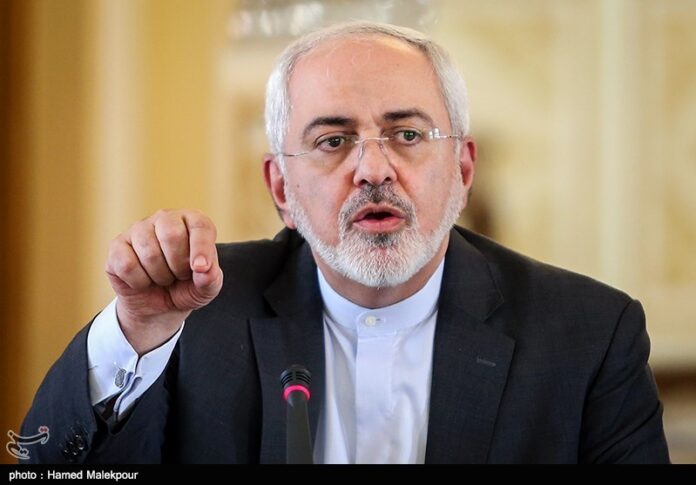
Earlier, Iranian Foreign Minister Mohammad Javad Zarif stressed that Iran’s missiles are a means of defense.

“We spent a fraction of any other country in the region on defense, and missiles are a means of defense that we require,” he said.

Security Council meeting

Meanwhile, director general for political and international affairs at Iran’s Foreign Ministry, Hamid Baeedinejad, announced that the UN Security Council had concluded that the missile tests do not violate Security Council Resolution 2231, which provides for the termination of previous UN resolutions on the Iranian nuclear program and establishes specific restrictions that apply to all states without exception.

“As expected, the Security Council wrapped up today’s session without adopting a decision after hearing the opinions of the US and some other member states,” Baeedinejad said after a closed-door meeting of the 15-nation council. 

Earlier, Russia’s envoy to the United Nations Vitaly Churkin also announced that the tests were not in violation to the UN resolutions and that his country was opposed to imposing new sanctions.

Reacting to Churkin’s remarks, the US ambassador to the UN promised to continue for action against Iran’s ballistic tests.

“We’re not going to give up at the Security Council,” Samantha Power said.  

Iran and the five permanent members of the UN Security Council – the United States, France, Britain, China and Russia – plus Germany started to implement the JCPOA on January 16.

After the JCPOA went into effect, all nuclear-related sanctions imposed on Iran by the European Union, the Security Council and the US were lifted. Iran, in return, has put some restrictions on its nuclear activities.

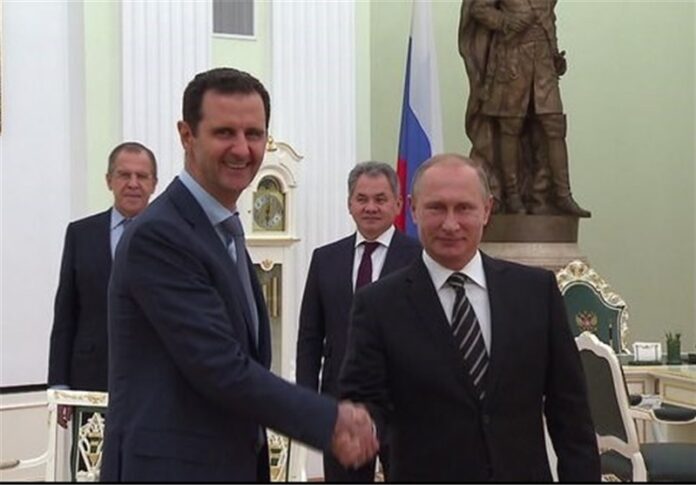
Syria Says Putin, Assad Agree to Reduce Russian Air Force Presence

It said President Bashar al-Assad and Russian President Vladimir Putin agreed the move in a telephone call, saying it was in line with “the continuation of the cessation of hostilities and in accordance with the situation on the ground”.

It said Russia also pledged to continue its support for Syria in “combating terrorism”, Reuters reported.


41,000 More Flights Passing through Iranian Airspace, Compared with Last Year

According to Iranian Student News Agency (ISNA), this type of flights are flights by foreign airlines through the airspace of a country en route to their destinations. Airlines are required to receive necessary permission and authorization from the countries whose airspace they pass through during their flight, and have to pay a certain amount as a fee.

Since Iran is located in both the East-West and North-South air corridors, it plays an important role in providing the best possible secure routes for flights between the Persian Gulf states to Northern European and North Atlantic countries.

Before June 2015, each day 450 flights on average were registered as passing through Iranian airspace. However, following instability in Ukraine and Iraq, that number has increased by 100 percent, and currently more than 900 international flights pass through Iranian airspace daily.

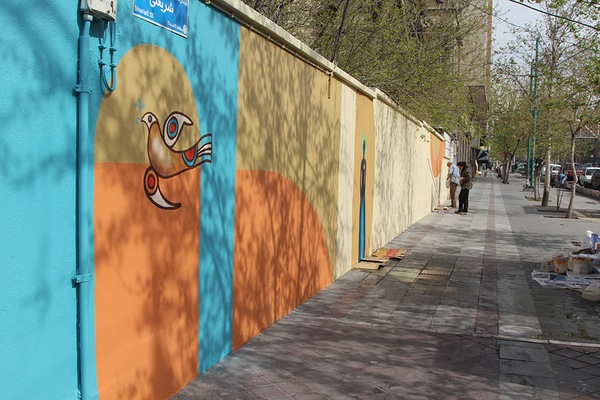
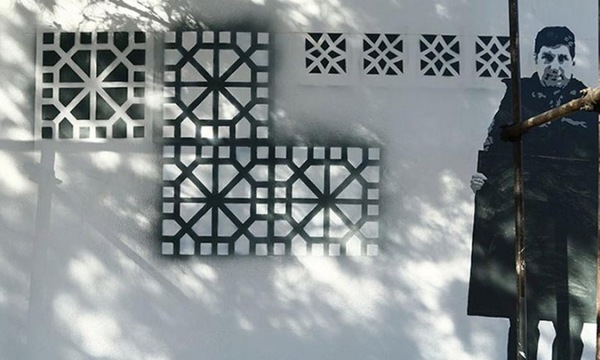
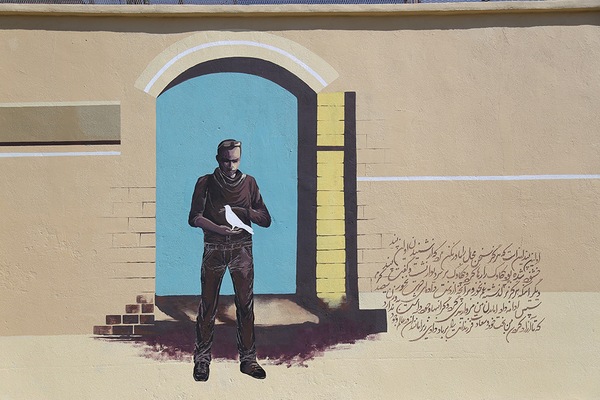
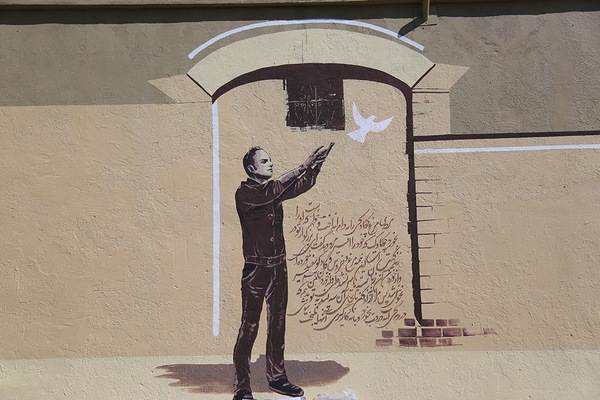
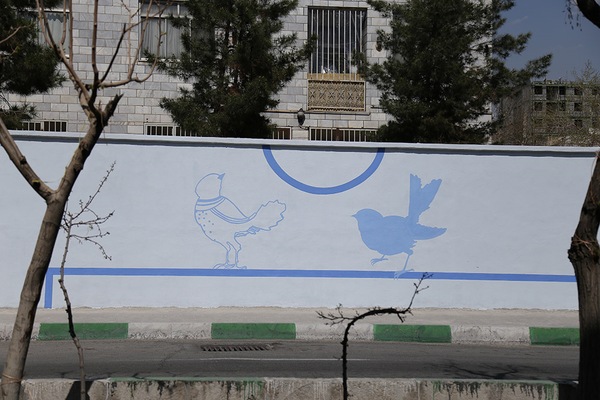
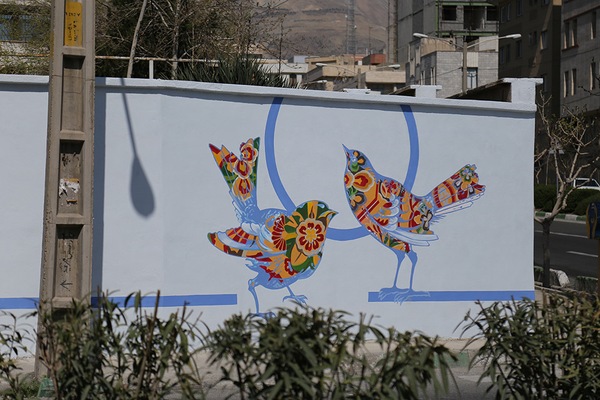
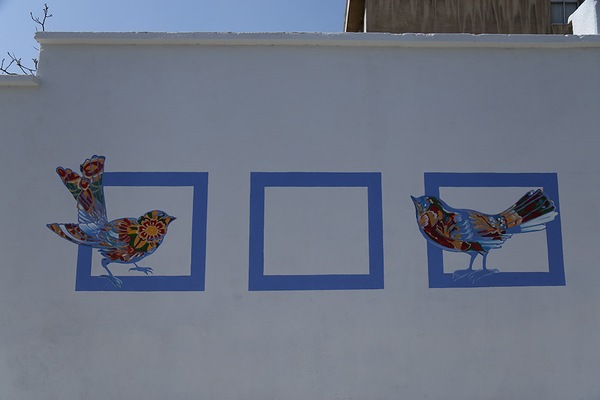
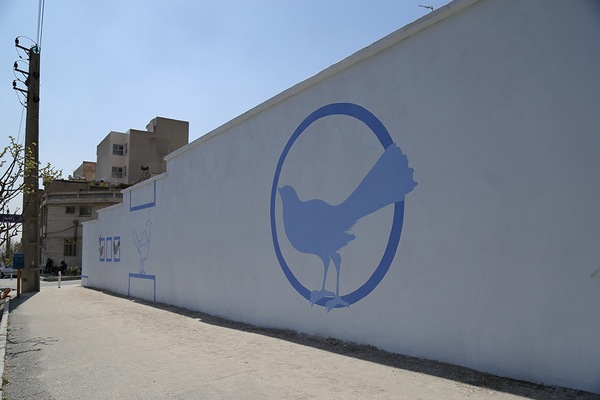
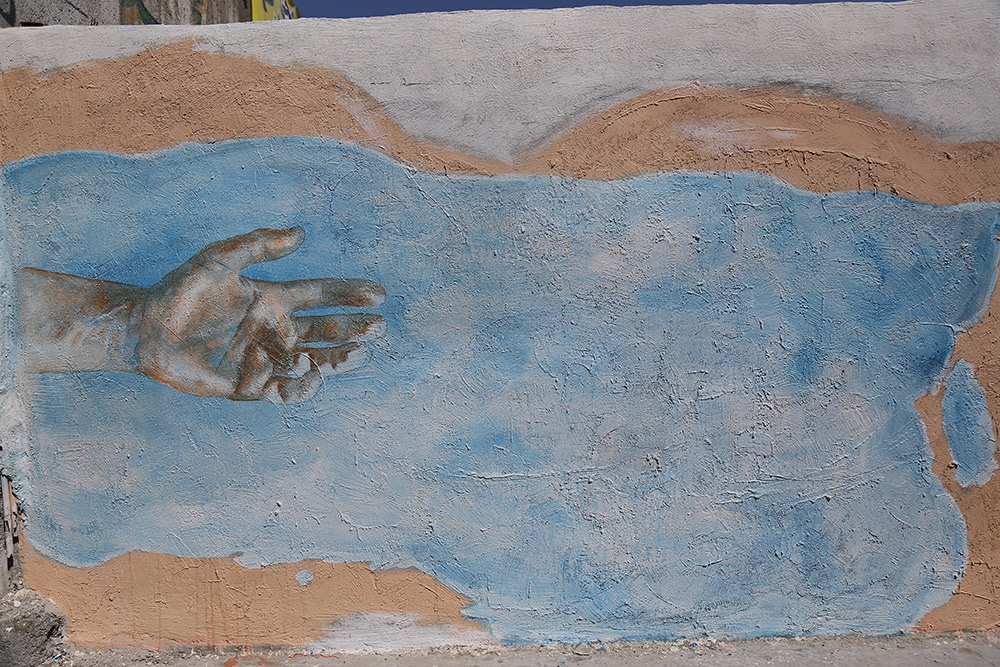
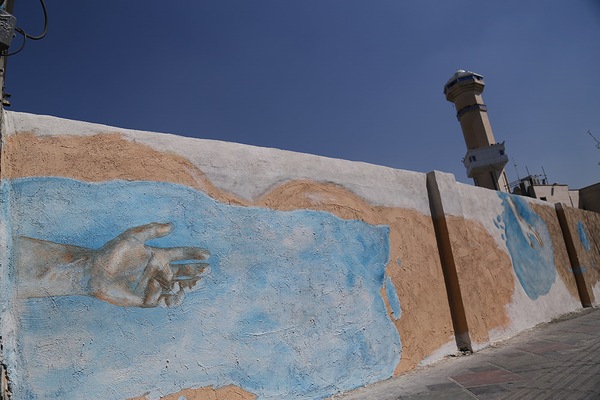
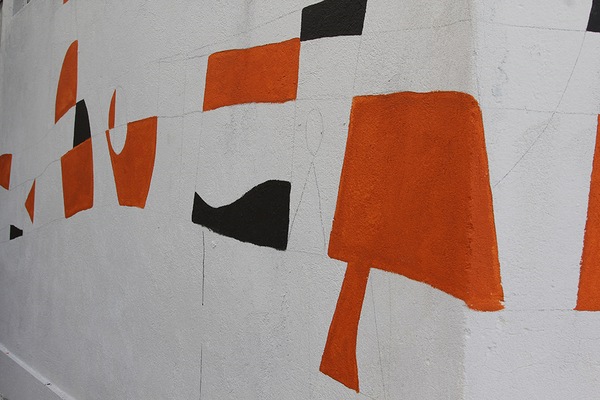
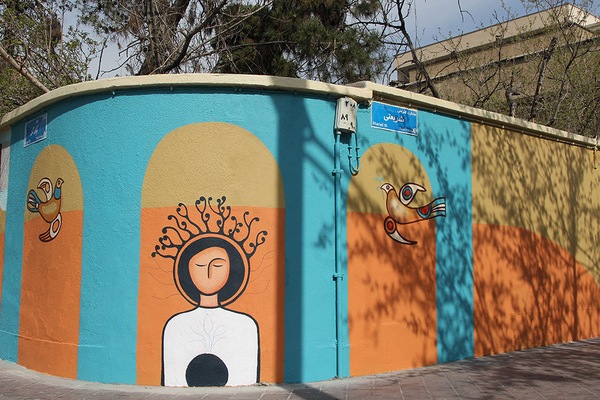
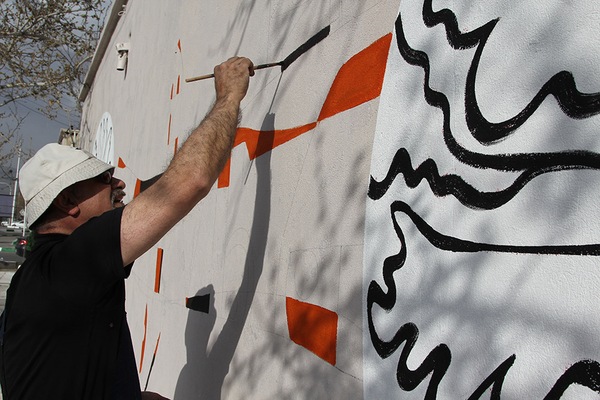
Artists Renovate Urban Spaces

In this event, 486 artists from graphic arts, sculpture, graffiti, and environmental arts are coming together to present their works in Tehran’s public spaces.

The Baharestan program (Tehran’s spring urban arts festival) runs every year at the same time as Nowrouz (the Persian New Year), under the slogan of “A New Year, A New Tehran”.  It will be held for one month.


Iran FM defends right to use missiles for defense

“We spent a fraction of any other country in the region on defense, and missiles are a means of defense that we require,” he said in an interview with Radio New Zealand.

He added that the missile tests did not violate a nuclear agreement, known as the Joint Comprehensive Plan of Action (JCPOA), clinched by Iran and the P5+1 countries – the five permanent members of the UN Security Council plus Germany – on July 14, 2015.

Zarif said the missile launches were not against the UN Security Council Resolution 2231 that endorsed the nuclear agreement.

Resolution 2231 (2015) provides for the termination of the provisions of previous Security Council resolutions on the Iranian nuclear program and establishes specific restrictions that apply to all states without exception.

The resolution calls upon Iran not to undertake any activity related to ballistic missiles designed to be capable of delivering nuclear weapons, including launches using such ballistic missile technology.

The United States claims the tests violated the United Nations resolution and is pushing for UN Security Council action on Iran’s recent ballistic missile tests.

“We stated when the nuclear deal was approved by the Security Council and during the course of nuclear discussions that we will continue with our defense capabilities and that these defense capabilities have nothing to do with nuclear weapons,” Zarif said.

He emphasized that the missiles were not designed to carry nuclear warheads and said Iran has “provided the best guarantee” that it would never develop nuclear weapons.

The Islamic Revolution Guards Corps (IRGC) successfully test-fired two more ballistic missiles on March 9 as part of military drills to assess the IRGC’s capabilities. The missiles dubbed Qadr-H and Qadr-F were fired during large-scale drills, code-named Eqtedar-e-Velayat.

On March 8, Iran fired another ballistic missile called Qiam from silo-based launchers in different locations across the country.

After Iran and the P5+1 group started to implement the JCPOA on January 16, all nuclear-related sanctions imposed on Iran by the European Union, the Security Council and the US were lifted. Iran, in return, has put some limitations on its nuclear activities.


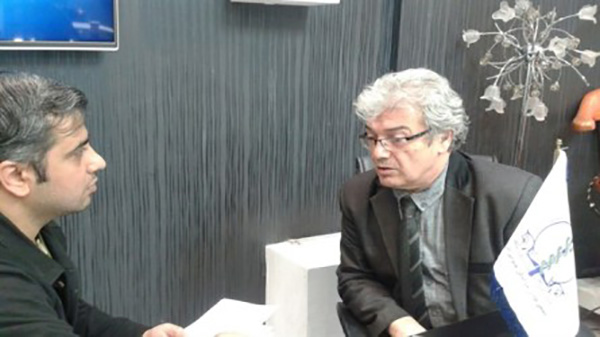
Iranian surgeons learned much during imposed war, says health official

“Iranian surgeons are highly skilled in carrying out emergency and trauma surgeries due to the high number of such cases during the eight-year war,’ Dr. Behzad Rahmani told Iran Daily in an exclusive interview published by the paper on Monday.

‘Today, we are still using the experiences we gained in that period,” Rahmani added.

He put the number of general surgeons in Iran at 5,000, adding Iran requires 8,000 general surgeons to meet the needs of its growing population.

“The existing number of surgeons has met the needs of the country’s patients through their considerable efforts’ he said.

Upper gastrointestinal surgery is the most common surgical operation in Iran, said the IAGS’s head.

He listed thyroid surgery, abdominoplasty and breast surgery as the other highly frequent surgical operations in the country respectively.

The Guardian Council Approves Equal Blood Money [Criminal Restitution] for Men and Women

According to Entekhab News, the spokesman for the Economic Committee of the Islamic Consultative Assembly (Parliament) proposed that equal male and female restitution be paid, as laid out in the bill covering third party insurance. Fortunately, the Guardian Council has approved the bill, and consequently the equality of blood money for both sexes.

The spokesman, Mr. Zareh, added that our justification for equality of blood money for men and women was based on the fact that some women are the heads of their households. Thus, if they are killed in an accident, their dependent family will face financial hardship and other problems.

According to Mr. Zareh, the government will now be notified of the approved bill. Within 15 days of the notification date, the bill will become law, and thus will be enforced by the government.

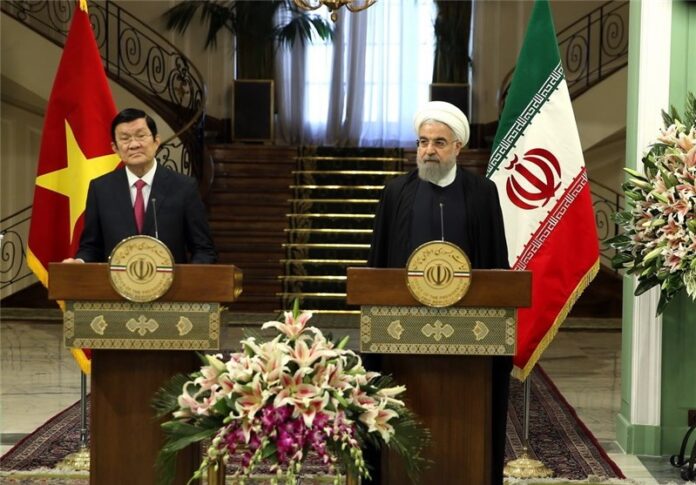
Iran, Vietnam to Raise Bilateral Trade to $2bln: Rouhani

“In economic issues, despite the existence of very good capacities and potentials, we have failed to use them in recent years, mostly because of (anti-Iran) sanctions,” Rouhani said in a joint press conference with his Vietnamese counterpart Truong Tan Sang here in Tehran.

He added that comprehensive talks were held today between the two presidents on the issue, and it was decided that the current trade value of $350 million be increased to $2 billion in the next five years.

“It was also decided that a Memorandum of Understanding (MoU) be signed between the two countries’ central banks,” Rouhani added, stressing that the MoU can be the first step for enhancing the level of mutual economic cooperation.

“In such important fields as energy, industry, agriculture, tourism, investment and information technology, detailed talks were held and agreements were made in the joint meeting between the two sides,” he said.

“I am sure the visit will be a very good starting point for the development of bilateral ties,” the Iranian president stressed.

The Vietnamese president, for his part, underlined the need for reinforcement of joint cooperation and mutual support for all-out progress and development.

“We agreed that economic and trade cooperation is our main priority, and that we should prepare the grounds for activity of both countries’ private sectors to tap into the existing potentials and advantages,” Sang, who arrived in Tehran at the head of a high-ranking delegation on Sunday night, went on to say.

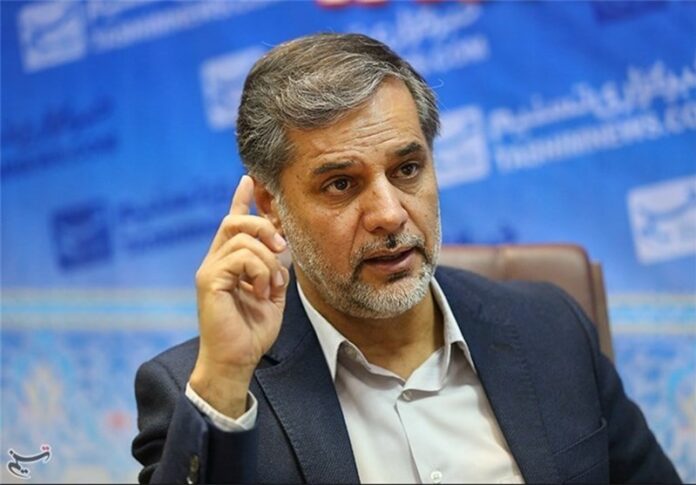
Iran’s Defense Might Non-Negotiable: MP

Speaking to the Tasnim News Agency, Seyed Hossein Naqavi Hosseini pointed to anti-Iran remarks made by some Western officials after recent ballistic missile tests by the Islamic Revolution Guards Corps (IRGC), saying that the July 2015 nuclear deal between Iran and six world powers has nothing to do with the country’s missile program.

“The Islamic Republic’s firm stance in the nuclear negotiations was that the issue of missile (program) and the country’s defense might in general are not negotiable by any means,” he reiterated.

The parliamentarian added that no country will be allowed to interfere in issues related to Iran’s national security and defense power.

The comments came after recent missile exercises by the IRGC has raised hue and cry in certain Western states.

The IRGC Aerospace Division test-fired a number of advanced, ballistic missiles with pin-point accuracy in the drills.

IRGC Commander Major General Mohammad Ali Jafari had already described the message of the missile drills as security for Iran and neighboring countries.

Iran has repeatedly announced that test of missiles is an issue relating to defense of its territorial integrity and has nothing to do with the Joint Comprehensive Plan of Action (JCPOA), the nuclear deal reached between Tehran and the Group 5+1 (Russia, China, the US, Britain, France and Germany) back in July 2015.

Iran has also underscored frequently that its military might poses no threat to other countries and that the Islamic Republic’s defense doctrine is entirely based on deterrence.