Friday, December 26, 2025
Home Blog Page 4502

Tehran, Seoul Must Resist US Malice in Ties: Leader

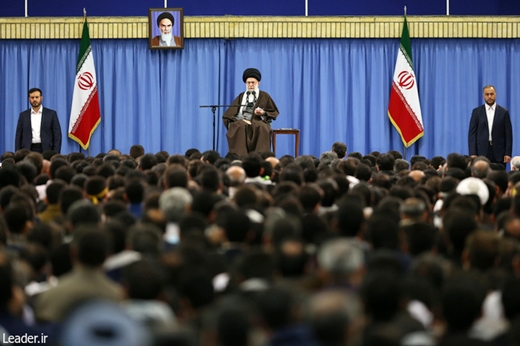
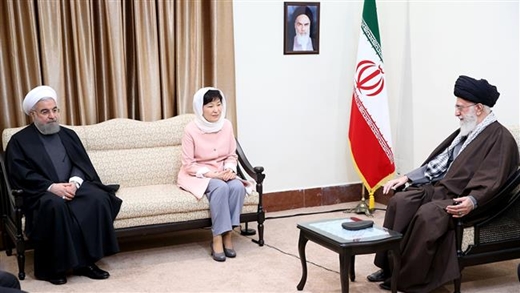
“The relations between Iran and South Korea must not hinge upon sanctions and must not be affected by the US influence and malice, rather the communications between the two countries must be sustainable, stable, strong and cordial’,” Ayatollah Khamenei said in a meeting with the visiting South Korean President, Park Geun-Hye, in Tehran on Monday.

“Such memoranda of understanding and contracts should be struck between the two countries that foreign factors and sanctions could not adversely affect them,” the Leader said.

Ayatollah Khamenei said the Islamic Republic maintains a positive view towards Asian nations, adding that Iran and South Korea will both benefit from sustainable ties.

“We believe that there is a greater prospect for understanding, agreement and cooperation with these [Asian] countries including South Korea which is among the advanced Asian countries,” the Leader added.

Ayatollah Khamenei also highlighted security challenges prevailing in the Middle East region and the world, saying: “If terrorism and insecurity are not tackled realistically and properly, countering them will become more difficult in the future and no country will be immune to this danger.”

The Leader dismissed Washington’s dichotomy of terrorism into “good” and “bad” categories, saying: “The US is chanting the slogan of combating terrorism, but it does not behave sincerely in practice while terrorism in any form is bad and is dangerous to nations and security of countries because without security, favorable progress will not take place.”    

For her part, Park said Ayatollah Khamenei’s insistence on Iran’s economic, scientific and industrial development heralds a very good future for the country.

She said that her ground-breaking visit to Tehran provides a valuable opportunity for better ties between Iran and South Korea and will strengthen mutual confidence.      

The South Korean president arrived in the Iranian capital on Sunday for a three-day official visit to discuss ways to strengthen political and economic relations between the two countries.

Earlier on Monday, Park held talks with her Iranian counterpart, the first meeting between the two countries’ presidents since the establishment of diplomatic relations between the two countries in 1962.
Tehran International Book Fair – A New Atmosphere

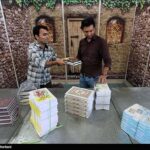
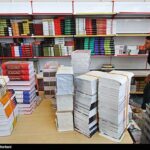
He made the remarks on Sunday May 1, during a press conference held after a visit by journalists to the fairground, which will host to the 29th edition of the cultural exhibition from May 5 to 15.

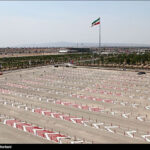
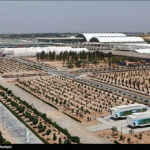
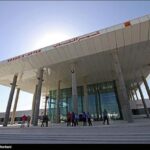
He regarded Shahr-e Aftab, covering an area of more than 300,000 hectares, as a good and suitable location for the fair.

“It is a good place for a big cultural event, and the fairground itself will be launched with the opening of the book fair,” he added.

“From now on, Tehran’s citizens will possess a city of culture and books,” he said, adding that the officials are well aware of the current deficiencies of the fairground and that they will do their best to remove these obstacles in the coming days.

He further noted that after all these years, the Tehran Book Fair is proud to have finally become a landowner, having found its own permanent space.

Salehi explained that, based on the agreement with Tehran Municipality, the fairground has been dedicated to the book fair for the next ten years.

“The location has been constructed specifically for the fair, and we are happy that when the fair ends on May 15 this year, we will be able to begin planning for the next edition of the fair right away. In previous years, we were never about the location of the next fair,” Salehi explained.

Iran Cultural Fairs Institute Director, Amir-Masud Shahramnia, also present at the conference, said that the construction had gone well.

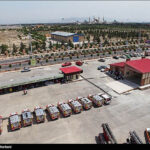
He added that there are good number of buses and taxis situated in major city squares which will carry passengers to the fairground, while Tehran’s Metro Line 1 will also take passengers directly to the venue.

“Russia is the guest country this year, and will be attending with large numbers of officials and writers, some of whom will arrive in Tehran today. Officials from the former guest countries of Oman and Italy will also attend the fair again this year,” he asserted.

There are also several more officials, publishers and writers who will be visiting the fair, from different countries such as Kuwait, Algeria, Germany, Spain and India, he concluded.


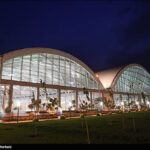
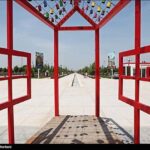
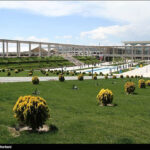
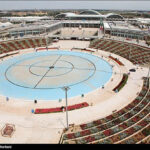
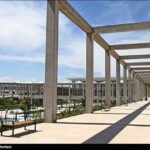
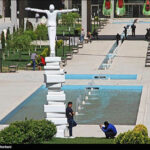
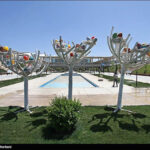
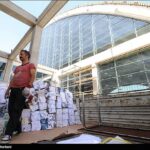
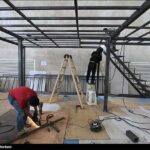
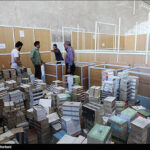
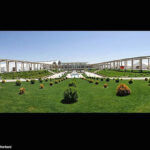
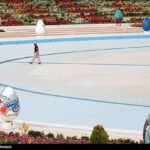
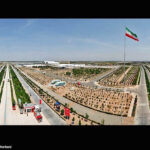
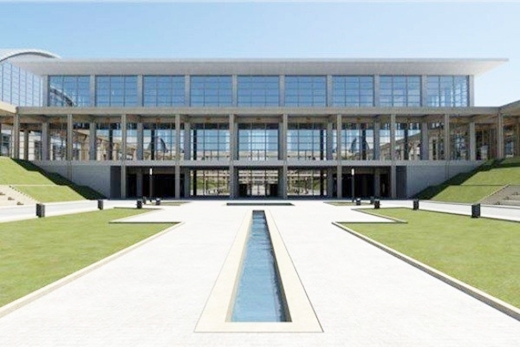
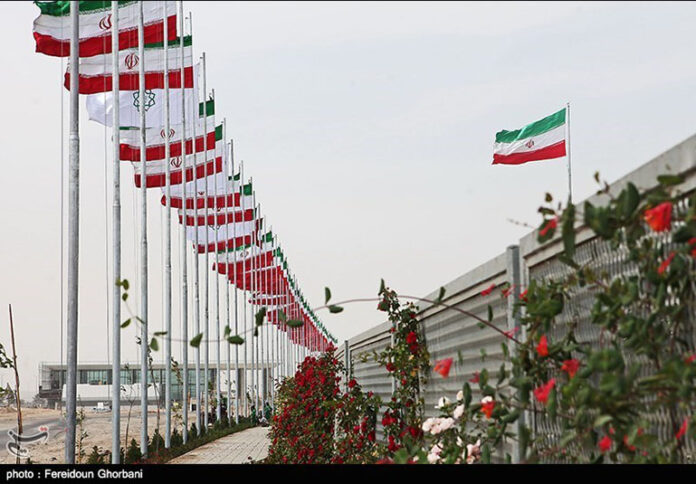
This  photo gallery, courtesy of Tasnim, gives an idea of the size and scale of the exhibition centre, located to the south of Tehran.

Tehran’s Shahr-e-Aftab Complex to Host International Fairs

Shahre-Aftab (Sun City) Complex, a newly-constructed fairground in Southern Tehran, will host the 29th edition of the Tehran International Book Fair on May 4-14.


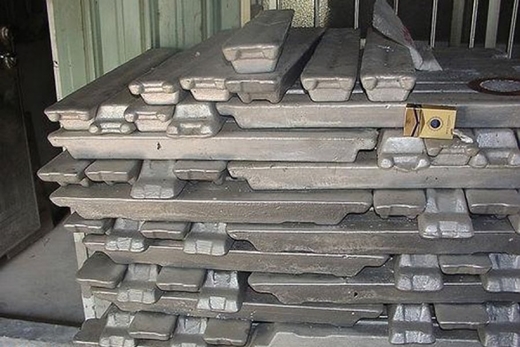
Iran Joins 8 Producers of Antimony Ingots

The antimony plant kicked off operations in the presence of the Iranian Deputy Industry Minister Mehdi Karbasian, the report said.

It has the capacity of producing 300kg of antimony ingots per day.

China, Russia, Bolivia, Australia, South Africa, Tajikistan, Mexico, and the United States are the other world producers of antimony ingots.

Antimony ingots are mainly used in high-tech, electronics, aerospace, and chemical industries. Its trioxide is used in making flame-proofing compounds. Three other applications make up nearly all the rest of the consumption. One of these uses is as a stabilizer and a catalyst for the production of polyethylene terephthalate. Another application is to serve as a fining agent to remove microscopic bubbles in glass, mostly for TV screens. The third major application is the use as pigment.

Environmental Pollutants Conference Kicks Off in Tehran

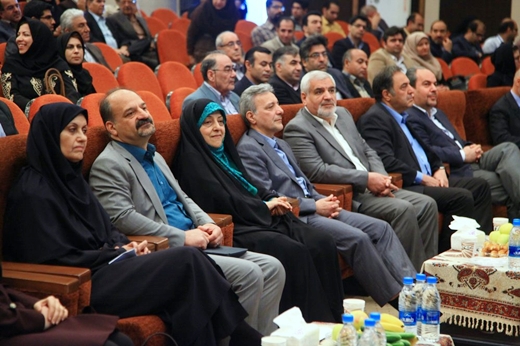
The conference, co-organized by the Department of Environment (DoE) and the University of Tehran, additionally brought together the United Nations Industrial Development Organization (UNIDO), ministries of oil, energy, industry, agriculture, and science, as well as the National Standards Organization.

The three day conference is comprised of 13 workshops which specifically centre on monitoring and sampling environmental pollutants.

The DoE director, Masoumeh Ebtekar; the DoE deputy director Sa’eed Motesaddi; and the national standards organization director, Nayyereh Pirouzbakht all delivered speeches during the opening ceremony of the conference.


Monitoring and Sampling Fundamental to Environmental Planning

Motesaddi explained the significance of monitoring and sampling pollutants as the fundamental components of environmental strategy-making.

“Regular monitoring and sampling of pollutants indicates if we are succeeding in minimizing the pollutants or not – whether they are increasing or decreasing.”

“What we seek in this conference is to make improvements in the accuracy and validity of the monitoring and sampling measures,” he added.


What the Doe Has Accomplished So Far

Motesaddi went on to say that “We have succeeded in decentralizing monitoring bodies, and currently they have been distributed to cities across Iran.”

Over the past two years, 29 online river monitoring stations have been added to the system, and 188 air monitoring stations across the country, he highlighted.

Motesaddi also stated that “Our dust monitoring stations are now complete, with 50 stations monitoring particles smaller than 2.5 microns in diameter.”

“We are now able to monitor 200 industrial units online, and we are hoping to increase the number in the future,” he said.


Air Pollution Accounts for One Death Out Of Seven

Ebtekar warned that, based on a report by the World Health Organization (WHO), one death in seven is caused by air pollution, and at least 35m Iranians are affected by it.

“Right now, if someone draws blood from us, they could detect traces of dioxin in it, which can affect and damage our immune system,” she explained.

“This shows how important monitoring is, and it is not just limited to our country but is an important subject of the Paris climate change conference as well,” she said.

“Fortunately this conference, which particularly aims at training environmental experts, can pave the way for further improvements.”


600 Environmental Standards Set by ISO

Pirouzbakht, for her part, pointed that “Out of 19,000 standards set by the International Standards Organization (ISO), 600 are related to the environment, which emphasizes its global importance.”

“Iran’s National Standards Organization has been working side by side with the DoE for almost three years, and plays a key role in promoting sustainable growth,” she added.

She also highlighted that after the removal of sanctions, Iran’s standards have been approved by the countries in Asia and Oceania.

No Difference between Arab, Iranian, or Afghan Nationals in Iran’s Judiciary

Speaking in a meeting with judges in Tehran, Jafari Dolatabadi referred to the recent case of Setayesh, the 6-year-old Afghan girl who was killed by an Iranian teenage boy, and said certain media suggested that the judiciary lacked the resolve to follow up the issue, given the victim’s nationality.

However, he added, the rapid and appropriate reactions made in recent days in the criminal case proved the claim to be wrong.

The criminal case is currently under investigation in Varamin, the town in south Tehran Province where the crime took place, and the judiciary of Tehran Province is directly supervising the procedure, Jafari Dolatabadi went on to say.

“In the Islamic Republic, there is no difference between Arab, non-Arab, Iranian, Afghan, black, or white,” he stressed, according to a report published by ISNA and translated by IFP.

Leader: Americans Should Hold Their War Games in the Bay of Pigs

“They say that Iran should not hold war games in the Persian Gulf. What a foolish remark!” Ayatollah Seyyed Ali Khamenei said, seemingly in response to an April 28 resolution by the US Republican Representative Randy Forbes regarding Iranian naval actions in the Persian Gulf.

“What are you doing in the Persian Gulf? The Persian Gulf is our home,” the Leader told a group of teachers, according to the Leader’s website.

“They come here from the other side of the globe to stage military drills. What are you doing here? Go back to the Bay of Pigs and hold your exercises there,” Ayatollah Khamenei added.

The Leader seemed to be sarcastically alluding to the Bay of Pigs Invasion, a failed military invasion of Cuba undertaken by a CIA-sponsored paramilitary group in 1961.

A counter-revolutionary military force, trained and funded by the United States government’s Central Intelligence Agency (CIA), Brigade 2506 fronted the armed wing of the Democratic Revolutionary Front (DRF) and intended to overthrow the increasingly communist government of Fidel Castro.

Launched from Guatemala, the invading force was defeated within three days by the Cuban Revolutionary Armed Forces, under the direct command of Prime Minister Fidel Castro.

Iran’s Parliament Passes Bill to Boost Defence Budget

Parliament

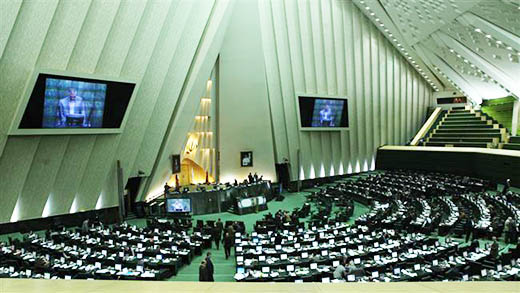
In an open session of the parliament on Monday, the MPs approved the proposal to further reinforce the defence capabilities of the Islamic Republic, as a regional power.

According to the law, President Hassan Rouhani’s administration must allocate at least 5% of the public budget to projects aimed at bolstering the country’s defensive power.

Earlier this year, the head of the Iranian parliament’s defence committee stressed the need to boost the country’s defence budget.

“Currently, the country’s defence budget is meagre in comparison with some regional countries,” Esmail Kowsari told Tasnim in January, adding that it had to increase.

In recent years, Iran has made great achievements in enhancing its defence capabilities.

Tehran has always assured other nations, though, that its military might poses no threat to the regional countries, saying that the Islamic Republic’s defence doctrine is entirely based on deterrence.

Rouhani Welcomes Park Geun-hye

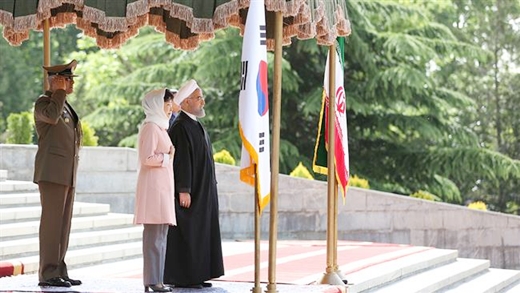
President Park was accorded an official welcome in Tehran on Monday on the first day of her three-day visit, heading South Korea’s biggest-ever travelling business delegation of over 230 executives.

The two presidents then sat for their first meeting since the establishment of diplomatic relations between the two countries in 1962.
Later in a joint news conference, Rouhani called for peace on the Korean Peninsula, saying Iran is opposed to the manufacturing of weapons of mass destruction of any kind.

He said Iran and South Korea are set to boost their trade volume from the current $6bn to $18bn as the two sides signed 19 cooperation agreements.

For her part, President Park called for further expansion of ties between Iran and South Korea in industrial, trade and cultural sectors.

South Korea has said it is eager to participate in Iran’s development projects and expand economic cooperation on communication technology, information, healthcare and culture.

South Korea has been a major importer of Iran’s crude oil. On Sunday, Minister of Petroleum Bijan Zangeneh said Iran’s oil exports to South Korea have more than quadrupled to 400,000 barrels a day since sanctions were lifted in January.

Iran, whose exports to South Korea were less than 100,000 barrels a day before sanctions were lifted, has since worked to boost its output quickly. It has focused on selling to its traditional customers in Asia, but has also shipped to Europe.

According to data from Energy Aspects, global imports of Iran’s crude rose in March to 1.90m bpd, from 1.51m bpd in February.

Zangeneh also said Iran and South Korea were working to resolve difficulties in transferring payments for the oil sales.


b408fb66-061b-4d4d-838c-7cfeda77604a
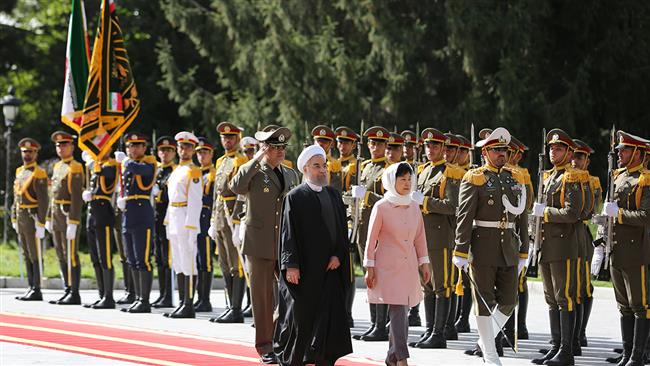
Iran’s president (L) reviews the guard of honor with his South Korean counterpart at Sa’adabad Palace in Tehran on May, 2, 2016. (Photo by President.ir )


World leaders have been visiting Tehran after the implementation of the nuclear agreement, dubbed the Joint Comprehensive Plan of Action (JCPOA), between Iran and the P5+1 group of countries in July 2015.

In a message on his Instagram account on Sunday, President Rouhani said Iran is open to foreign investment. “Our economy will not improve unless we are able to attract investment,” he said.

“Today, these conditions have been provided and the leaders who travel to Iran bring with them representatives of scores of important trading companies,” Rouhani added.

East Asian nations are scrambling to boost economic links with Tehran after the country reached a nuclear agreement last year. China’s President Xi Jinping visited Iran in January and Japan signed an investment treaty with Iran a month later.

NASA’s Iranian Scientist Devises New Method to Treat Prostate and Uterine Cancer

According to a report published by ISNA and translated by IFP, ultrasound technology, despite being one of the world’s least dangerous forms of cancer treatment, has yet to be adopted in Iran.

“The method has still neither been brought to Iran or to other regional countries, but if we manage to adopt this special and strategic technology in Iran, we will no longer need surgical operations and chemotherapy for patients diagnosed with cancer,” Chabok said.

“This is an exceptional event for world medicine,” he noted, stressing that the method has been used to cure prostate and uterine cancers, and has worked.

“Even the US Food and Drug Administration (FDA) has confirmed it,” Chabok said.

“We no longer deal with MRI or medical ultrasound (ultrasonography), the traditional ways to diagnose the disease,” he explained.

“In the ultrasound method, there is no need for hospitalization and general anaesthesia, and we use a type of local anaesthesia. This is much more cost-effective for insurance companies,” he added.

In the treatment of prostate cancer, for instance, the disease is cured in two or three 3-hour sessions using mechanical waves, Chabok stressed, referring to the method as being similar to a massage for a human body.

“In the traditional method where radiation was used, the rays themselves were major sources of cancer, but this has been totally removed from the new method,” he added.

“Ultrasound waves are used in this new method on the patient’s skin to remove the tumour,” the Iranian scientist went on to say.

He further noted that the method can also be used for other types of cancer.

“Liver cancer can be treated using this method in 85% of cases, but traditional methods of chemotherapy cannot cure liver cancer at all,” he said, noting that other types of cancer can also be treated with a huge success rate using the new method.

Chabok stated that the invention received the prize for best invention in 2011 as it has increased the success rate of cancer treatment from 10-20% to more than 60%.