Saturday, December 27, 2025
Home Blog Page 4490

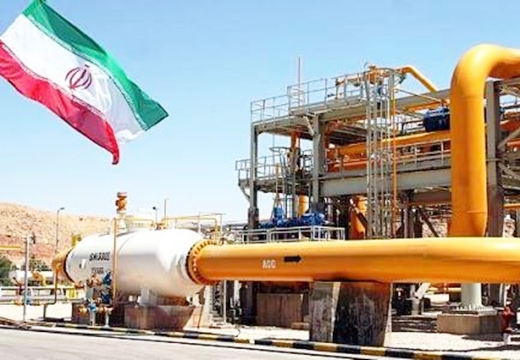
Top Priority is Exporting Gas to Iraq: NIGC Official

He made the remarks in an interview with Shana on the sidelines of the 21st International Oil, Gas, Refining and Petrochemical Exhibition of Iran.

“Based on the 6th Development Plan, exporting gas to Iraq is Iran’s top priority,” Qodsizadeh stated.

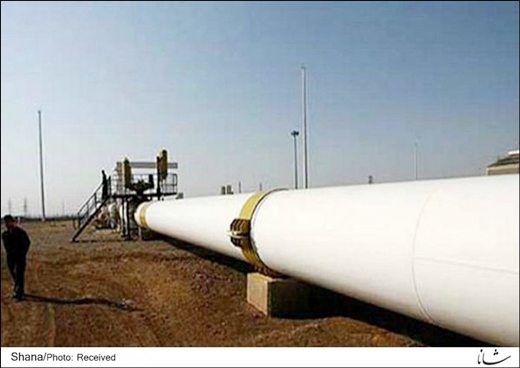
He noted that construction has already started on the second part of the Iran Gas Trunkline-6 (IGAT-6), which will be 600km long, stretching from Ahvaz to Dehgolan.

Completing the Iran-Iraq gas pipeline during the current and next Iranian calendar year is Iran’s top priority, the official added.

Iran plans to export 20-30m cm/d to Pakistan in the future, he said, referring to the development of a cross-country pipeline to Iran’s eastern borders.

The 21st International Oil, Gas, Refining and Petrochemical Exhibition of Iran – Iran Oil Show 2016 –ran in Tehran from 5-8 May.  Around 1,900 companies – 900 from Iran and 880 from 38 countries showcased their latest achievements and products in the exhibition.

Tehran International Silent Film Festival Announces Winners

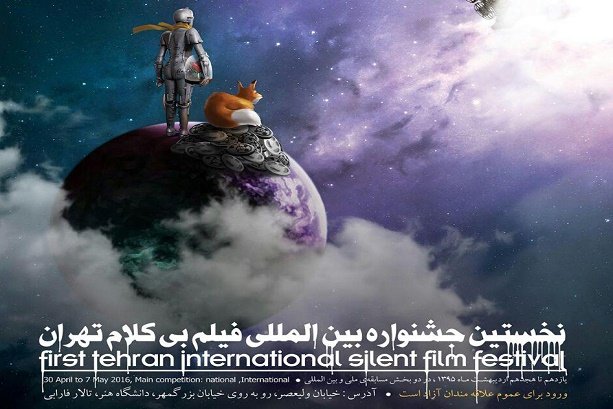
The Tehran International Silent Film Festival was held from April 30 to May 5 in two sections: National Cinema and International Cinema. The films were presented in competition and out of competition (for the national section) categories, in four formats: Fiction, Documentary, Animation, and Experimental.

The winners and nominees from the first edition of the festival were as follows.


The nominees for Best Editing were:

‘Walk in Frames’ by Harold Charre, France

‘Duellum’ by Tucker Davila Wood, Spain

And the winner was: ‘Walk in Frames’


The nominees for Best Cinematography were:

‘All There is’ by Jeroen Mourmans, Netherlands

‘Lost Village’ by George Todria, Spain

And the winner was: ‘Lost Village’


The nominees for Best Animation were:

‘Birdy Wouaf Wouaf’ by Ayce Kartal, Turkey

‘Electrofly’ by Natalia C. A. Freitas, Germany

‘Gans’ by Guy Shahaf, Netherlands

‘Blood Money’ by Emily Knight, UK

‘Autumn Leaves’ by Carlos De Carvalho and Aude Danset, France

‘One Day in July’ by Hermes Mangialardo, Italy

And the winners were: ‘Gans’, ‘Blood Money’ (tie)


The nominees for Best Documentary were:

‘To Be Born’ by Ruben Salazar, Spain

‘Touch of Freedom’ by Sardar Arshad Khan, Poland

‘This is Joe’ by Francis Diaz Fontan, Spain

‘The Breath of Thundra’ by Mikhail Gorobchuk, Russian Federation

And the winners were: ‘This is Joe’, ‘To Be Born’ (tie)


The nominees for Best Fiction were:

‘5:55’ by Tiara Kristiningtyas, Indonesia

‘Puzzle’ by Remy Rondeau, France

‘My Awesome Sonorous Life’ by Giordano Torreggiani, Italy

‘Interval’ by Nico van den Brink, Netherlands

‘Duellum’ by Tucker Davila Wood, Spain

‘Lost Village’ by George Todria, Spain

And the winner was: ‘5:55’


The nominees for Best Experimental Film were:

‘Focus on Infinity’ by Mathilde Lavenne, France

‘Walk in Frames’ by Harold Charre, France

‘The Loops of Emptiness’ by Gabrielė Labanauskaitė and Adomas Jablonskis, Lithuania

‘Chamber Music’ (audiovisual building sound portrait of the Robert Schumann School of Music in Düsseldorf) by Katharina Blanken, Germany

‘Displacement’ by Manuel Alvarez Diestro, UK

And the winner was: ‘Chamber Music’ (audiovisual building sound portrait of the Robert Schumann School of Music in Düsseldorf)


The Special Jury Prize went to ‘Autumn Leaves’ by Carlos De Carvalho & Aude Danset, France.

The Special Secretary Prize went to ‘Focus on Infinity’ by Mathilde Lavenne, France, and the Audience Prize jointly went to ‘Toxic Tales’ by Denis Chapon, Bolivia and ‘Dinner For Few’ by Nassos Vakalis, Greece.

Agriculture Minister Calls for Expansion of Iran-Holland Cooperation

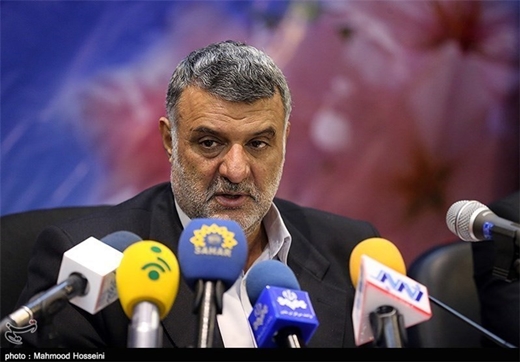
Hojjati made the remarks in the second session of the Iran-Netherlands Agricultural Cooperation meeting attended by Dutch Economy Minister Henk Kamp.

He added that Iran and the Netherlands enjoy vast potential for producing herbal medicines.

Referring to the export of Iranian herbal medicines as raw materials, he added that expanding bilateral cooperation would help the Islamic Republic to export its herbs to other countries with added value.

Several months ago, the deputy head of the Food and Drug Organization’s supervision and planning affairs department said that about 700 permits had been issued globally for the production of herbal medicine in the past 15 years.

Akbar Abdollahi added that various species of plants are grown in Iran, but unfortunately this potential has not yet been well tapped. “About 40% of medicines produced in Germany are extracted from plants,” he said.

The official noted that traditional physicians and pharmacists take training courses on herbal medicine, but no system has been devised so far in Iran for the production, supply and prescription of herbal medicines.

Abdollahi said a large number of over-the-counter medicines are herbal, adding that the promotion of such medicine will help cut the costs associated with patient treatment, and also reduce problems caused by the use of new medicines.

Iran Committed to Gender Equality: Molaverdi

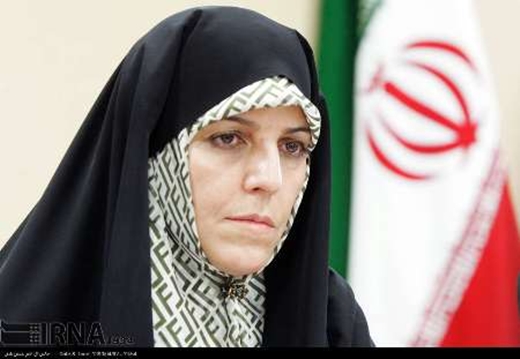
The government seeks to establish equality and coordination among women’s multiple roles, said Molaverdi while addressing an Iran-Japan seminar on the theme of women, peace and sustainable development, which got underway in Tehran on Monday, May 9.

“The Iranian government’s measures to that end will lead to improvements in the situation of women and stronger families,” she added.

“Today, the world is focusing on ways to ensure that women can make active and sustainable contributions in line with the 2030 Agenda for Sustainable Development and its goals.”

“The world stresses that there be a special focus on women’s needs, an issue to which Iran also attaches significance,” she added.

To back up her words, she referred to the record election of 18 women to Iran’s Majlis [Parliament] this year.

On women’s health, Molaverdi said that Iran was a pioneer in the region.

All of these measures, she said, will prepare the ground for encouraging women to play active roles in terms of sustainable development.

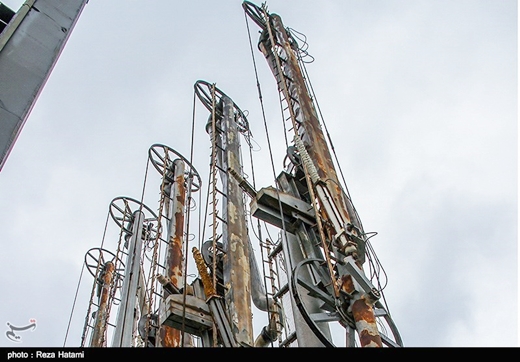
Iran Conducting Oil Exploration Nationwide: Official

Saleh Hendi said it is probable that Iran will find more in-situ oil and gas reserves with the exploration operations.

The official also raised the possibility of “Exploration Projects” being included in the new, revised models of Iran’s oil contracts.

Iran has been working to increase its oil production and export since the Joint Comprehensive Plan of Action (JCPOA), a lasting nuclear deal between Tehran and the Group 5+1 (Russia, China, the US, Britain, France and Germany), took effect in January.

Iran’s Oil Ministry has also been developing new models of oil contracts in an attempt to attract more foreign customers and investors.

Oil Minister Bijan Namdar Zanganeh said in late April that the country’s new oil contracts are being negotiated with foreign customers.

The promising prospect of trade with Iran after the implementation of the JCPOA has prompted many countries to explore the market potential in the oil-rich country.

73 Ancient Artifacts Returned Home from the US

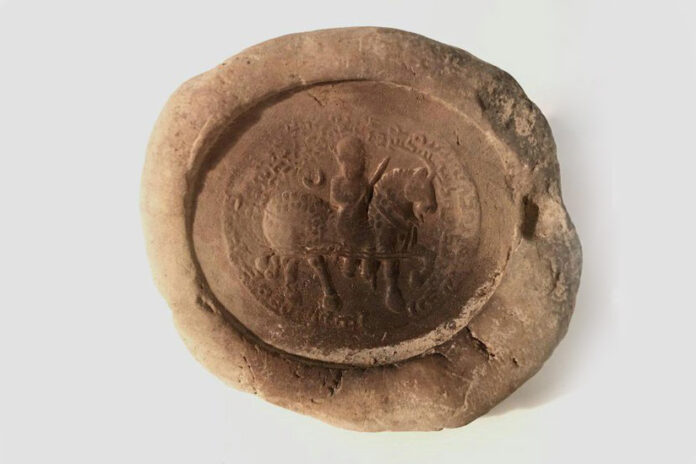
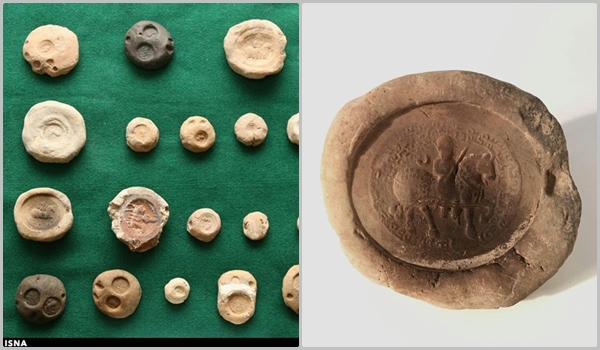
The Center for Public & Media Diplomacy of Iran’s Ministry of Foreign Affairs announced that 72 highly valuable ancient artifacts that date back to the Sassanid era (224 to 651 CE) have been returned home by the American government, following rounds of consultations between the two sides.

This invaluable shipment of antiques was delivered by a representative of the Ministry of Foreign Affairs to the head of the National Museum of Iran during a ceremony on Sunday evening.

In Dec 2014, a collection of over 300 artifacts discovered in Khurvin, Savojbolagh County, Alborz Province, having been kept in Belgium for 50 years, were finally returned to Iran following a verdict by the court of appeals in Belgium. The artifacts, comprising 221 clay and 128 bronze antiques, were some 3000 years old.


mohr

Iran and Norway Ink Oil Industry Cooperation MoU

“As per the MoU, the two sides will cooperate to develop new technology in Iran’s oil industry, and transfer advanced technology,” International Relations Deputy of Research Institute of Petroleum Industry Amirabbas Hosseini said.

He said that Norway is an international symbol of advanced technology for its application of state-of-the-art know-how in the oil industry.

Citing Aker as one of the front-running companies in both the upstream and downstream oil industries, he said Iran would cooperate with Norway to modernize its national oil industry.

Several months ago, a delegation from Norway’s International Aker Solutions Company held negotiations with the Iranian Centre for Oil Industries Research Studies.

The Norwegian delegation held talks with the Managing Director of the Oil Industries Research Center, Mohammad-Reza Katuzian, on technology cooperation in the upstream and downstream oil industries, environmental protection, and specialized human resource upgrades for the oil industry.

After the termination of sanctions, numerous European, Asian and African companies have visited Iran to get acquainted with the scientific and technological capacities of the Iranian executive and scientific centres. These have included French, German, Korean and Japanese firms.

US Seizure of Iranian Assets – Study Results Presented to President: Spokesman

Jaber Ansari

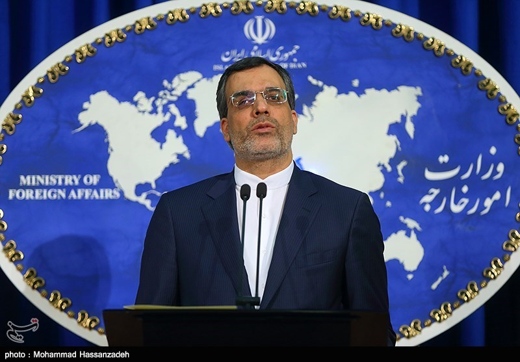
Iranian Foreign Ministry Spokesman Hossein Jaberi Ansari announced that the results of legal investigations into the issue of Iranian assets confiscated by the US have already been presented to President Hassan Rouhani and will be raised in a Supreme National Security Council session due to be held later on Monday May 9.

According to a report by IRNA and translated by IFP, Jaberi Ansari said that a committee – earlier formed by Presidential order to study the seizure of nearly $2bn of Iranian frozen assets based on a US court ruling – had studied the legal aspects of the issue and presented the report to Rouhani.

“After the SNSC session, the results of the committee’s investigations and the measures taken so far in this regard will be reported in a statement,” he added in his weekly press conference on Monday.

Rouhani: Parliament and Government Must Work Together for Economy and Environment

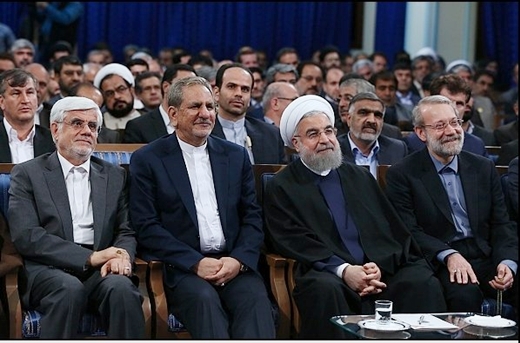
Rouhani made the remarks in a dinner feast attended by lawmakers-elect who secured victory for the next parliament in the February elections and April runoff.

“The common goal of the Administration and Parliament is to resolve problems and satisfy people’s expectations,” IRNA quoted Rouhani as saying.

The president also offered his thanks and gratitude to the outgoing parliament, saying that the people’s expectations of the legislative and administrative branches are crystal clear.

“The people wish for coordination and harmony between the legislative and administrative branches in order to address the country’s fundamental challenges.”

Elsewhere in his remarks, Rouhani referred to the parliamentary elections, saying that the outcome indicated that Iranians continue to believe in the moderate movement of the Islamic Revolution.

Rouhani chose a motto of moderation for his presidential campaign in 2013, overwhelming his rivals and winning a landslide victory. Also, he vowed to end Iran’s impasse with the West over its nuclear program. In July 2015, after a two-year marathon of negotiations, he delivered his promise of forging a deal with the six world powers (the five permanent members of the UN Security Council plus Germany).

Current Majlis [Parliament] Speaker Ali Larijani and Mohammad Reza Aref, leader of the coalition of reformist and moderate MPs in the next parliament, also spoke to the participants.

Larijani said the nuclear deal, officially called the Joint Comprehensive Plan of Action (JCPOA), has opened “new opportunities” for the country.

Larijani, who acted as chief nuclear negotiator when he served as the secretary of the Supreme National Security Council from 2005 to 2007, said, “The Islamic Republic system took a guarded and timely decision in brokering a deal with the G5+1… and this has provided an opportunity and a new climate for the country in terms of investment, development and diplomatic interactions.”

Aref also said that national unity is more urgent than at any other time. He also said that the next Majlis sees itself as a partner to the government in developing the country.


Environmental and Water Challenges

Aside from economic concerns, which have been a running theme in Rouhani’s speeches, he said his administration’s top priorities are to address environmental challenges and deal with shortage of water resources.

“Almost all the provinces of the country are grappling with water shortages. A lot has been already done to address the challenge and these efforts will continue nonstop,” the President said.

He also pointed out that a major objective of the government is to continue to bring down the inflation rate, reducing it to a single digit.

“In the year 1395 [current Iranian calendar year, started on Mar 20] inflation will fall to a single-digit rate, and more importantly, this is the first time in the history of the country’s economy that inflation has been continuously decreasing.”

Rouhani’s economic woes are quite justified, as the country is only now emerging from years of economic sanctions. The administration has fared well, however, curbing the soaring inflation, reducing it from a high of more than 40% to a low of less than 12%.

It is hoped the new parliament make-up, which includes distinctively moderate figures, can help the Rouhani administration to speed up the economic recovery.

Iran and Allies Will Definitely Respond to Khan Touman Incidents: Shamkhani

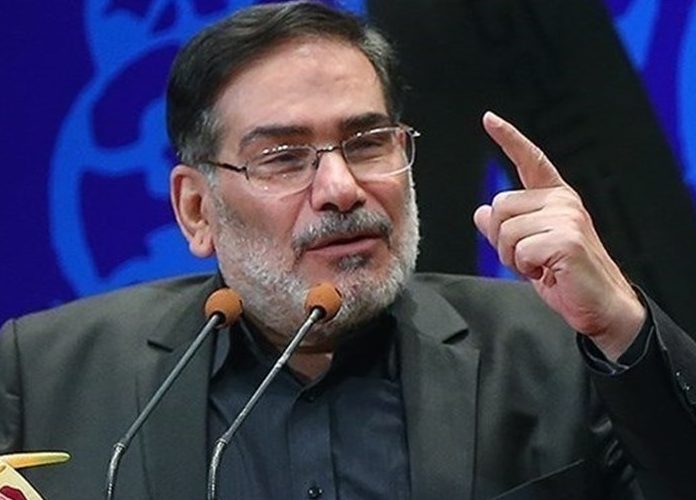
“Iran and its allies – Russia, Syria, and Hezbollah – will not leave the recent incidents in Aleppo unanswered,” Shamkhani said in a meeting on Sunday evening, as reported by Asr-e Iran and translated by IFP.

“What happened there was the purposeful abuse of goodwill by breaking a ceasefire in Aleppo’s public areas,” he said.

“Americans, their regional allies, and terrorists are implicated in the incident, through their continuous logistical support,” he continued.

“Al-Nusra Front, not Jaish al-Fatah, was behind the recent incidents in Khan Touman,” he added.

He highlighted the terrorist groups’ abuses of the ceasefire in Syria, saying, “When the ceasefire plan was proposed, the Islamic Republic of Iran was not opposed to its principles, but believed that it had structural deficiencies.”

“The Khan Touman incident has demonstrated that the concerns raised by Iran were totally correct, and were based on the realities of the warzone.”

“[We believed that] the ceasefire would just be an opportunity for the state-sponsors of terrorism to reinforce the militant groups,” he added.