Saturday, December 27, 2025
Home Blog Page 4489

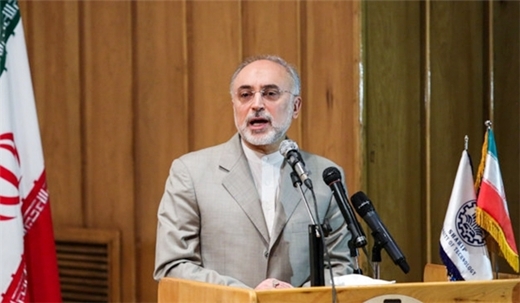
AEOI Chief: Iran in Talks with Russia on Exports of Heavy Water

“Negotiations in this regard are underway and (the results) will be announced in due time,” Salehi said on Tuesday May 10.

Also asked about the latest developments in heavy water sales to the US, he said, “The heavy water supply was due to be delivered to the US, but we exercised caution after the US blocked $2bn of Iran’s assets (referring to a recent court ruling by the US Supreme Court which authorized the transfer of $2bn of Tehran’s frozen assets to the families of the victims of a 1983 bombing in Beirut).”

“As long as this issue is not resolved, we will negotiate over the ways of payment (for the heavy water supply to the US) and other things in a bid to gain confidence,” Salehi said.

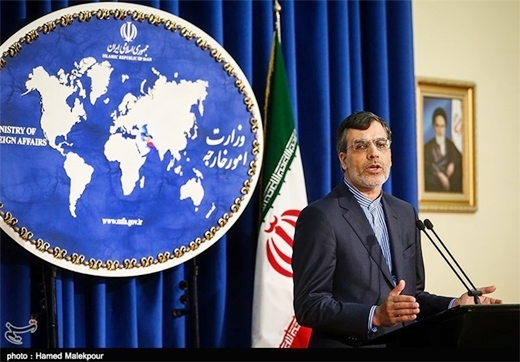
His remarks came after Iranian Foreign Ministry Spokesman Hossein Jaberi Ansari announced last week that Tehran will dispatch its cargo of heavy water to the US only when Washington makes the payment.

“The United States showed an illogical and illegal attitude towards the seizure of Iran Central Bank’s assets under the recent US court ruling and it ruined the Islamic Republic’s trust in the US actions,” Jaberi Ansari told reporters in Tehran.

Noting that the AEOI is responsible for the heavy water contract with the US, he said, “All necessary executive measures have been planned by the Organization to ensure that it receives its money, and the AEOI will pursue the case in a way that the agreement and contract is implemented properly.”

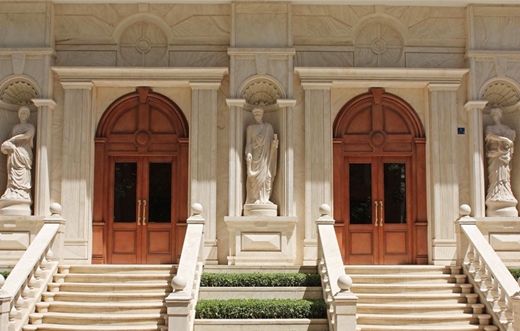
Roman Façades and Fake Identities in Tehran

One architect believes that neoclassical, Roman-style architecture has taken over urban spaces and places, giving them fake characteristics. Another says, “The classic façades taken from ancient Rome and Greece are poor and vulgar imitations which have become popular in Tehran. Even the countries that popularized this style originally have stopped using such facades in their architecture now.”


The following is an ISNA interview about the prevalence of Roman architecture in Tehran, talking to architects Kamarn Naderafshari and Giti Etemad, and translated by IFP.


Kamran Naderafshari: “Those types of architecture with specific cultural references, which refer to a certain historical period, raise the question of what that history is and why this reference has been used. Classical architecture has rules, none of which are obeyed in these buildings, neither in totality nor in detail. Therefore these buildings can be confusing for those interested in history.”

“This type of architecture is mostly common in countries which have been colonized by western countries. Iran, however, has never been colonized.”

“Those who are the “children of their own time” criticize and reflect on their own specific period. Rumi, for instance, criticized his own era and created a new style. Naturally, this was far from being imitation. If we are referring to a certain culture, it should certainly be relevant to our own culture. This doesn’t necessarily mean sticking historical traditions. We should work on our contemporary culture as well. Culture is not a power supply, but a legacy that’s been passed on, hand-to-hand, and we must pass it on to future generations.”


Giti Etemad: “The first reason for the prevalence of this style of architecture is the emergence of an upwardly mobile section of society, being capitalists, owners or employers. The second complementary cause is the existence of builders with no commitment and awareness towards their land, culture, urban texture and architecture.”

“We realize how commercial and identity-less this new architecture is when we compare them with Iran’s traditional architecture, or with foreigners who created masterpieces based on Iranian styles.”

She highlighted the fact that this faux-Roman architecture causes other damage to the city, more than just its undesirable appearance. “Suitable materials for Tehran, based on its climate and geography, include bricks and concrete. Knowing that Tehran is in a seismic zone, using heavy decorative materials (thick pillars, statues, and stone walls) could cause a tragedy in an earthquake.”

“This doesn’t mean we should tie the hands of a creative architect. One can also create masterpieces using bricks and concrete.”

She believes that this style of architecture shows a deep class division, “In Iran’s traditional architecture, this class division would usually be found inside the houses and in their size, but now it is mainly seen in the facades of the buildings.”

She added, “The facade of a building is an influential element on the surrounding urban space, and this space is the property of all the citizens. This is why urban managers and the City Council of Tehran (with an architect as its chairman) must pay more attention to this matter.”

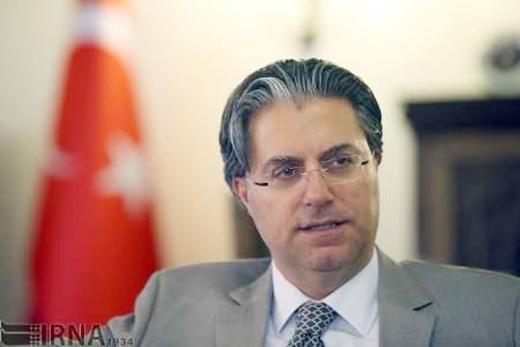
Davutoglu’s Resignation Not to Affect Iran-Turkey Ties: Turkish Ambassador

Speaking in an exclusive interview with IRNA, Reza Hakan Tekin said that Iran is an important country and a key neighbour of Turkey, and that expanding relations with Tehran is high on Ankara’s agenda.

He said that resignation is something natural in the world of politics which happens occasionally.

The ambassador said that the Justice and Development (AKP) Party, which holds the majority in the Turkish Parliament, will elect a new secretary-general in the upcoming extraordinary congress who, he said, will probably become the next prime minister.
When asked to comment about the possible candidates for replacement of Davutoglu, Tekin said that apart from the ministers of energy and transportation, certain other speculations have been made by the media.

However he said that it is the AKP extraordinary congress on May 22 that will play a key role in choosing the next prime minister.

President Erdogan did not seem to agree with Davutoglu’s policies, which stressed avoiding tensions with neighbours and opposed military policies. When asked whether Davutoglu’s resignation would affect Turkey’s relations with neighbouring countries, the ambassador said he did not expect a major change in Turkish foreign policy.

On the rumours about holding early elections following the resignation of Prime Minister Davutoglu, Tekin said that early elections rest on a decision by Parliament.

Iran’s Missile Policy Not Subject to Negotiation: Spokesman

“Regarding defense and missile issues, the Islamic Republic of Iran has a crystal clear stance,” Jaberi Ansari told reporters at his weekly press briefing in Tehran on Monday May 9.

During all rounds of nuclear negotiations with world powers, the other side insisted on including the issue of Iran’s missile program in the talks, which was always rejected by the Iranian negotiating team, the spokesman added.

“This is the Islamic Republic of Iran’s firm policy,” he said, adding that the repetition of old posturing and policies by the other party to the nuclear agreement would not make Tehran change its missile policy.

He further said that the Iranian nation has proved its policies are of defensive nature and that Iran has never invaded any country over the past two centuries.

The remarks came after Deputy Chief of Staff of the Iranian Armed Forces Brigadier General Ali Abdollahi announced that Iran had test-fired a high-precision ballistic missile with a range of 2000 kilometres which is accurate to within 8 metres.

“Two weeks ago, we test-fired a missile with a range of 2000 kilometres and a margin of error of eight metres,” Abdollahi said at a scientific conference in Tehran on Monday, adding that this margin means that the missile has an error rate of zero.

Iranian officials have repeatedly underscored that the country will not hesitate to strengthen its military capabilities, including its missile power, which are entirely meant for defense, and that Iran’s defense capabilities will be never subject to negotiation.


IFP: This ongoing missile story (the test launch of a 2000km-range ordnance) has been announced and subsequently denied by different parties.

The original announcement by Brigadier General Ali Abdollahi, the Deputy Chief of Staff of the Iranian Armed Forces, was covered here.

Defense Minister Brigadier General Hossein Dehqan later refuted those claims, which was covered here.

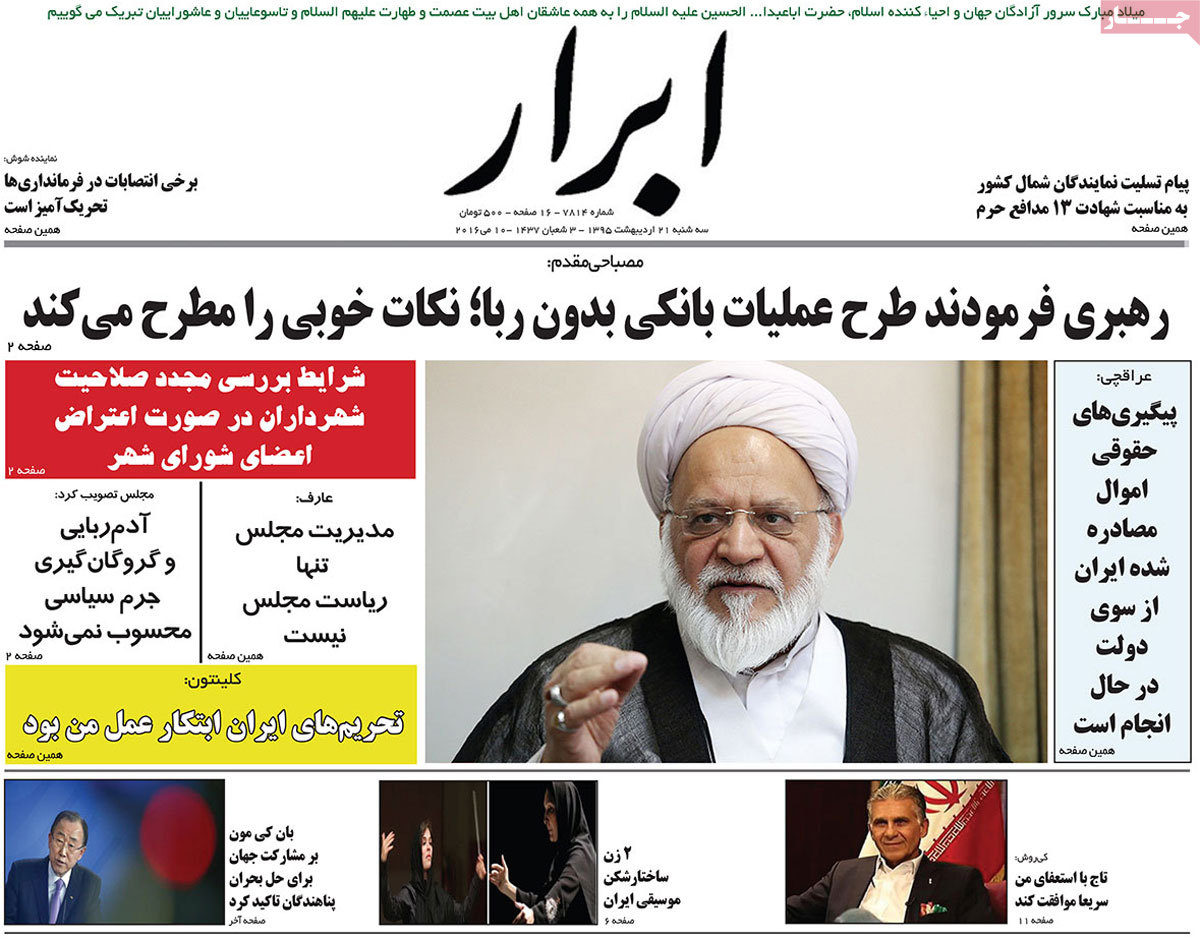
A Look at Iranian Newspaper Front Pages on May 10

Iran Newspaper front pages

Many newspapers on Tuesday covered Ayatollah Akbar Hashemi Rafsanjani’s remarks against the critics of the nuclear deal between Tehran and world powers, a warning by 103 Iranian lawmakers to the president on the nuclear deal, and the ongoing debate over controversial plan to transfer water from the Caspian Sea to deserts in central Iran.

Another story was about the statements by Iranian Foreign Ministry Spokesman Hossein Jaberi Ansari on the recent US seizure of Iran’s assets and the legal actions being taken to retrieve the money.


Abrar:

1- Gov’t Legally Pursuing Return of Iranian Assets Seized by US: Deputy FM

2- Kidnapping and Hostage-Taking No Longer a Political Crime: Iran Parliament Passes Bill

3- Two Trailblazing Female Iranian Musicians
 

A Look at Iranian Newspaper Front Pages on May 10


Abrar-e Eqtesadi:

1- Iran’s Airspace to Connect Europe to the East

2- Oman’s $250m Investment in Mall Construction in Iran

3- Banking Deal between Iran and Germany to Finance Purchase of Airbus Planes
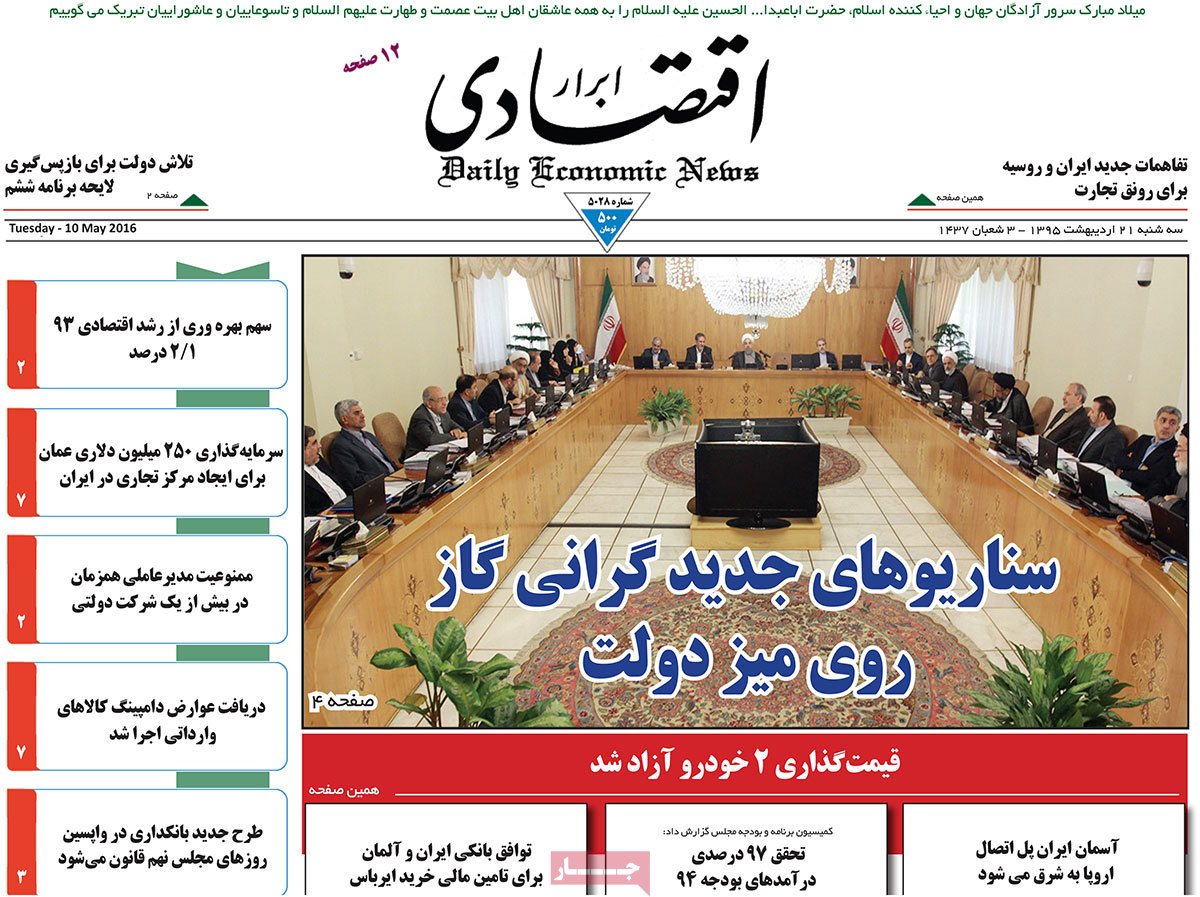
 

A Look at Iranian Newspaper Front Pages on May 10


Arman-e Emrooz:

1- Interior Minister: We Reinstated 1600 Candidates Initially Disqualified by the Guardian Council

2- 103 MPs Urge a Deadline to Be Set for Iran Nuclear Deal Cancellation
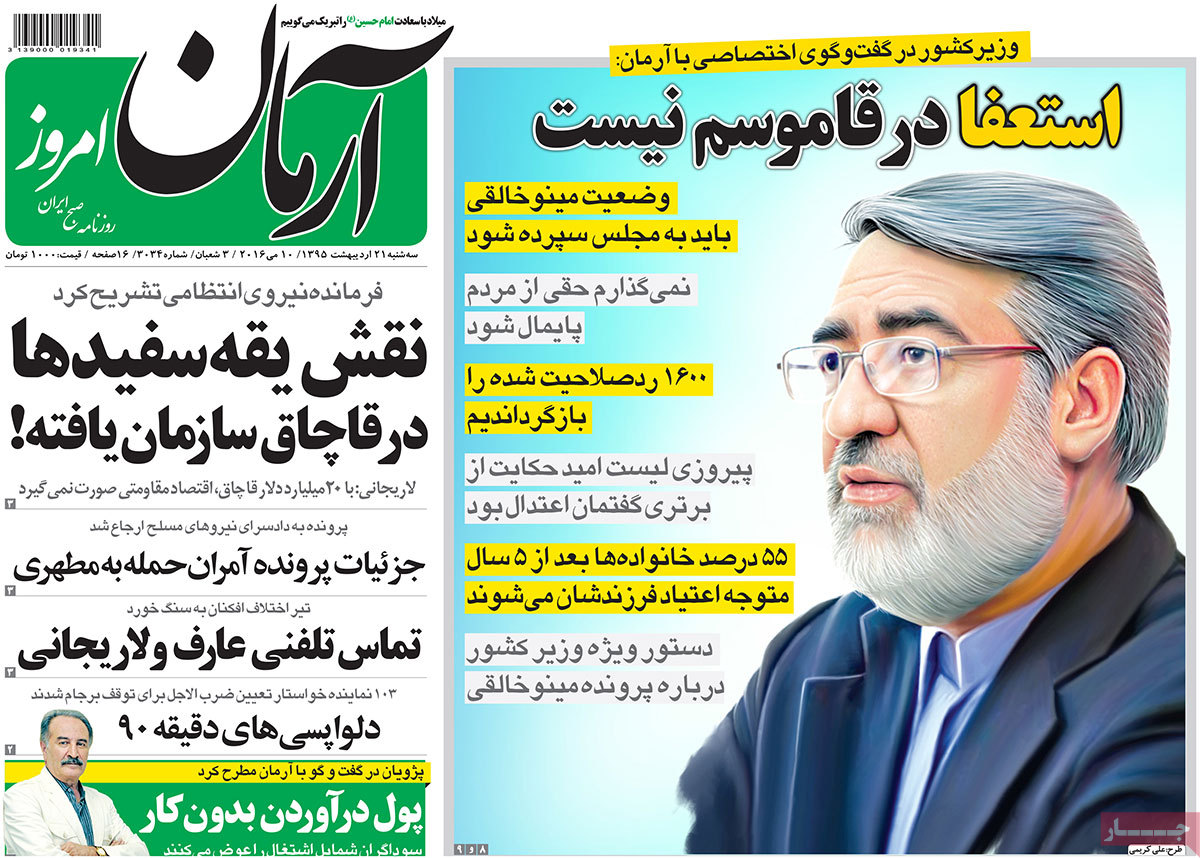
 

A Look at Iranian Newspaper Front Pages on May 10


Asia:

1- Custom-Free and Duty-Free Export of Iranian Goods to US
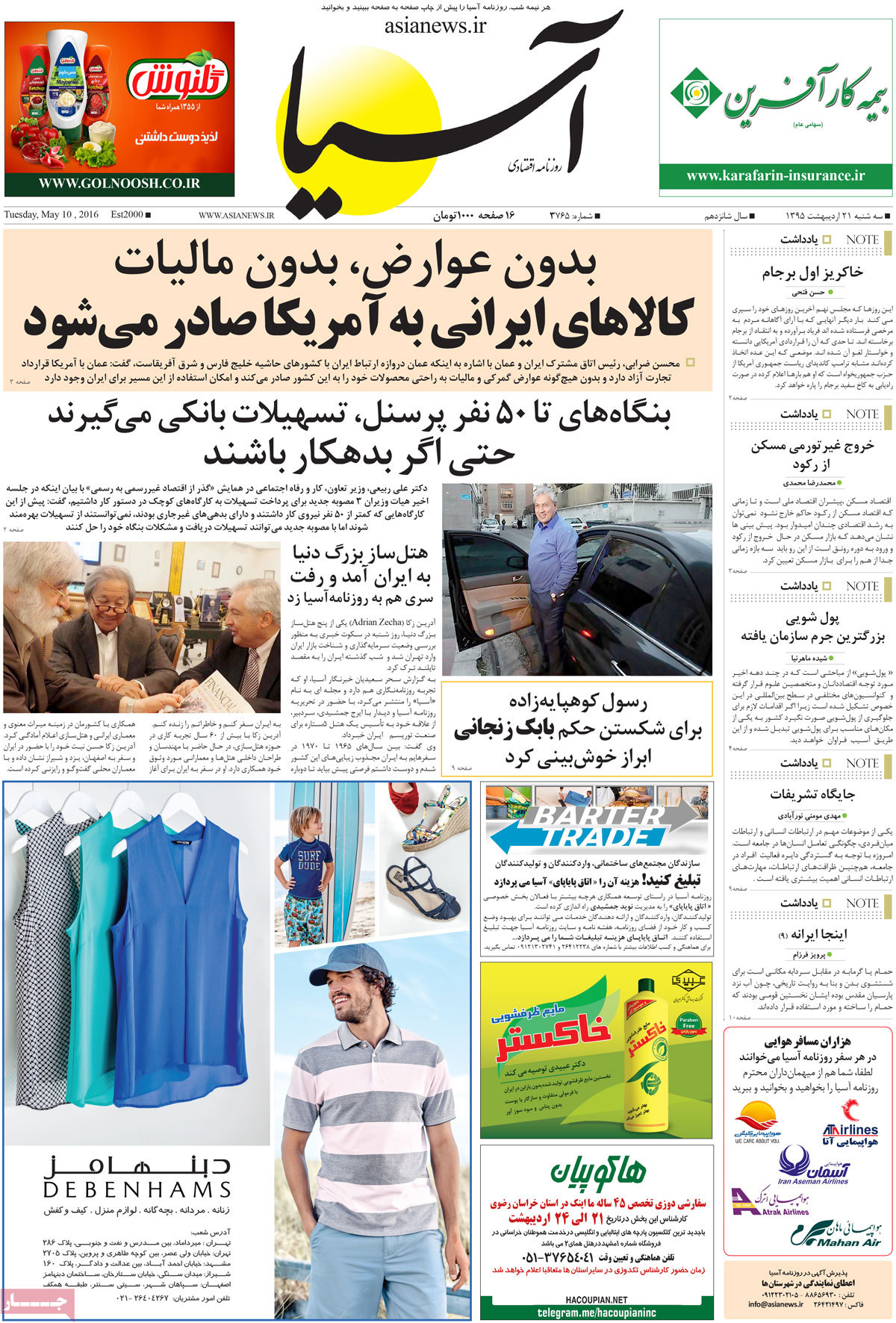
 

A Look at Iranian Newspaper Front Pages on May 10


Ebtekar:

1- JCPOA Opponents Don’t Give Logical Reasons for Their Stance: Rafsanjani

2- Transfer of Caspian seawater to Central Iran Will Destroy All Ecosystems, Even Deserts

3- Tehran Book Fair Visitors Happy with Shahr-e Aftab, Capital’s New Exhibition Centre
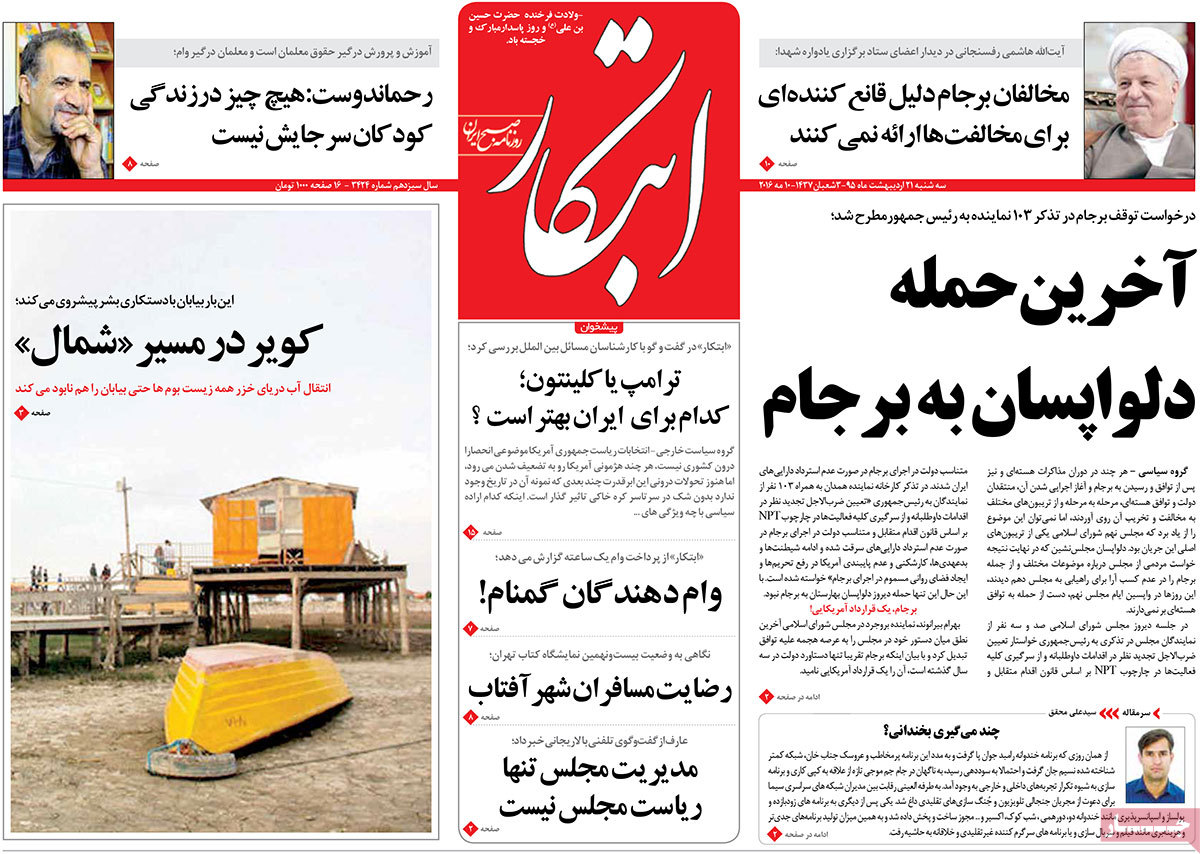
 

A Look at Iranian Newspaper Front Pages on May 10


Etemad:

1- Corruption, Not Soft Revolution or Military Attack, Threatens Future of Islamic Establishment in Iran: MP Tavakoli

2- Iran’s President to Start Plan of Water Transfer to Central Desert without Environment Department’s Permission

3- Contradictory Reports on Change of IRIB Chief
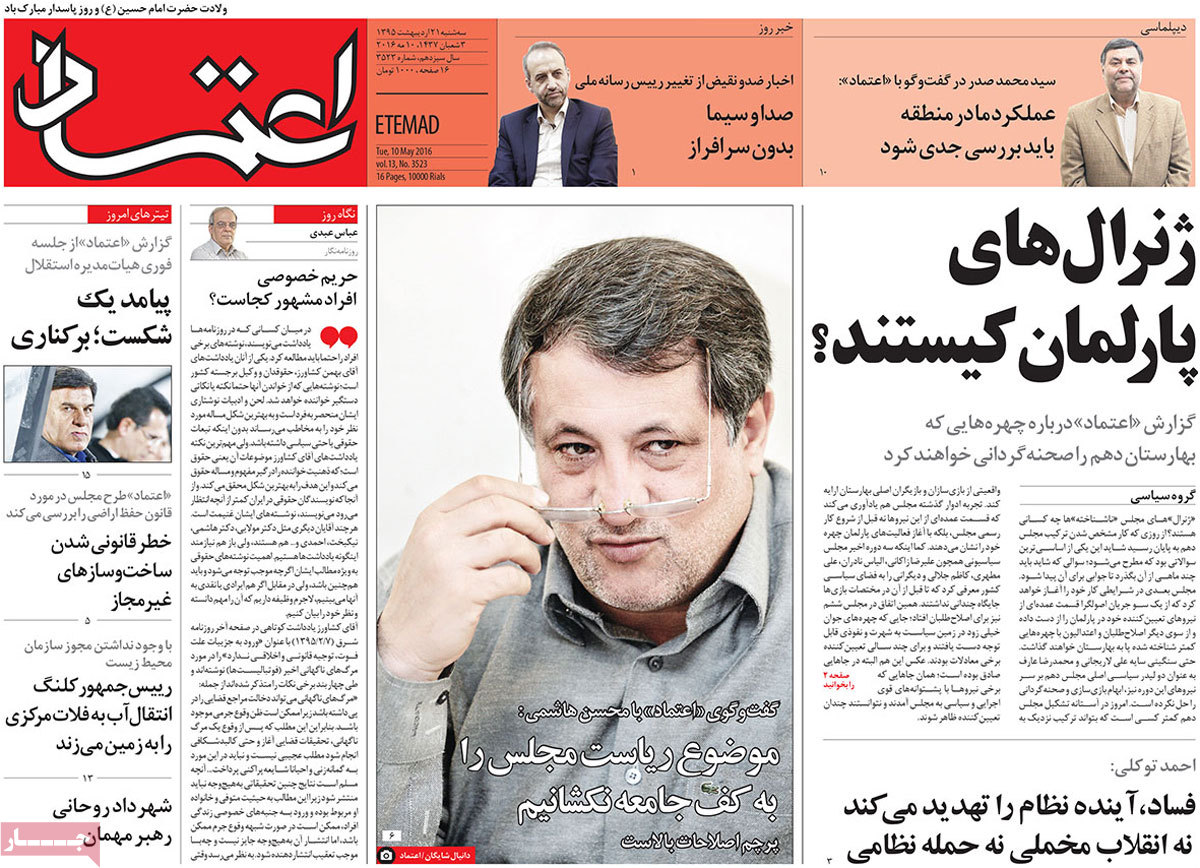
 

A Look at Iranian Newspaper Front Pages on May 10


Ettela’at:

1- Japanese PM to Visit Iran

2- Larijani: Resistance Economy Not Possible with $20bn of Smuggled Goods [Current Volume]

3- Panama Papers Reveal Saudi King’s $80m Donation to Netanyahu

4- Tehran International Exhibition of Flowers and Plants Opens in Goftegu Park
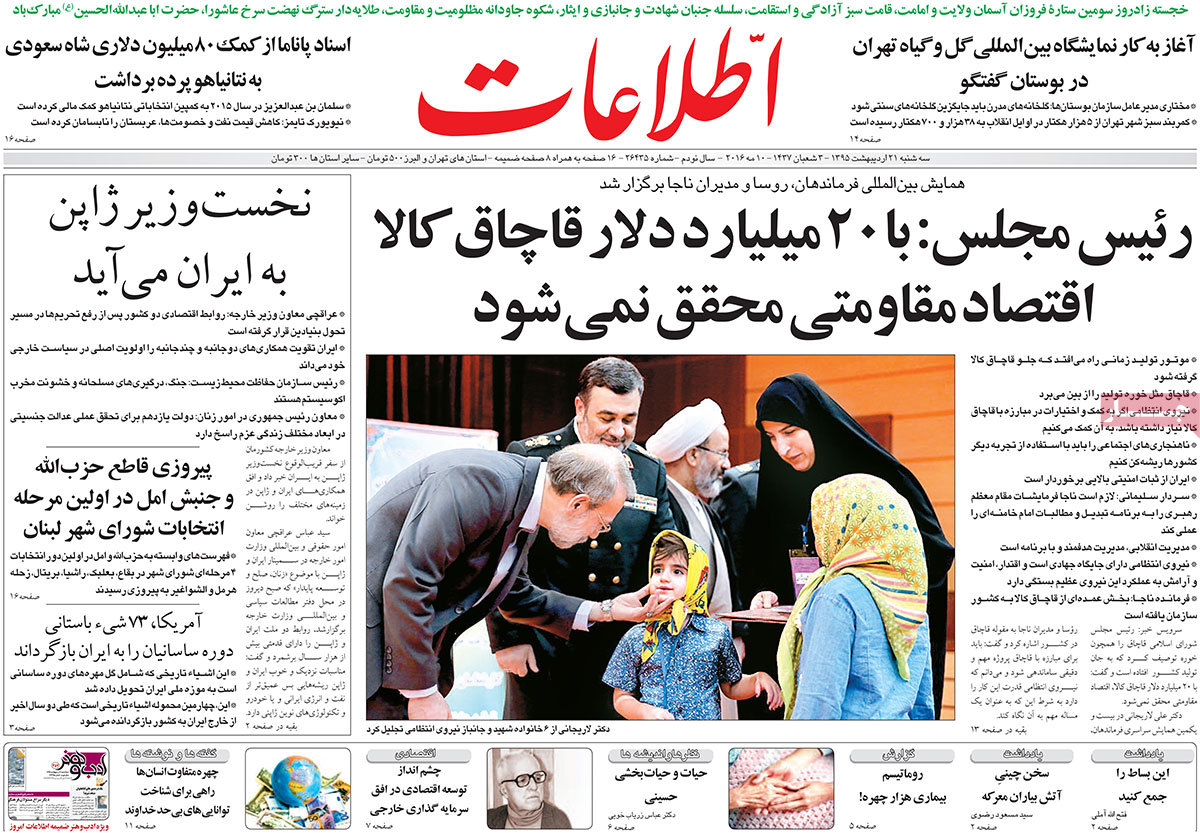
 

A Look at Iranian Newspaper Front Pages on May 10


Hemayat:

1- Iran and China to Cooperate in Extradition of Criminals

2- Judiciary Chief Urges Officials to Refrain from Expressing Views Opposed to Leader’s

3- So-Called Advocates of Human Rights Created ISIS to Spread Islamophobia: Amoli Larijani
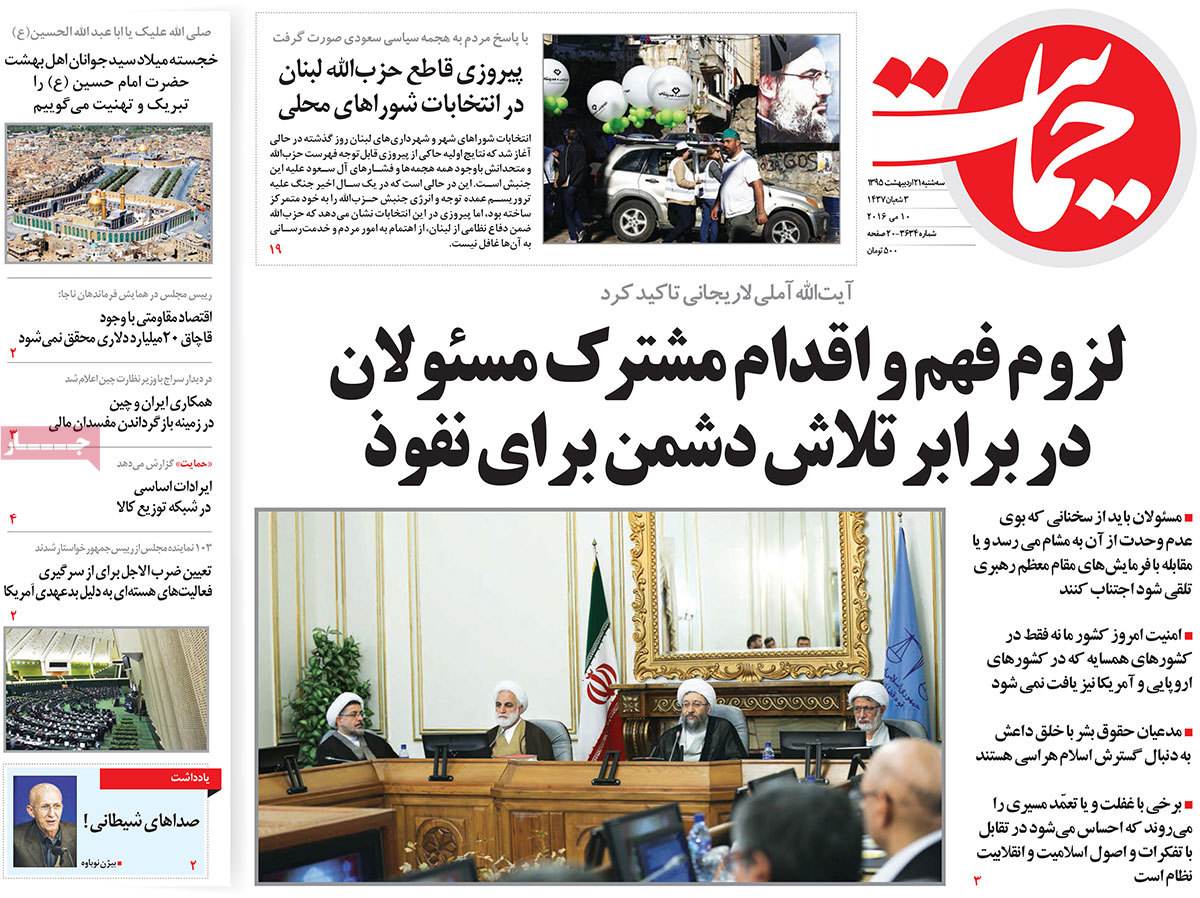
 

A Look at Iranian Newspaper Front Pages on May 10


Ghanoon:

1- 1984 Beirut Bombing Happened 2 Years before Establishment of Hezbollah [stated in a legal meeting to investigate into US court ruling to seize $2bn of Iran’s assets over alleged role in 1984 Bombing]

2- JCPOA for Hajj: Officials Still Trying to Resolve Pilgrims’ Problems
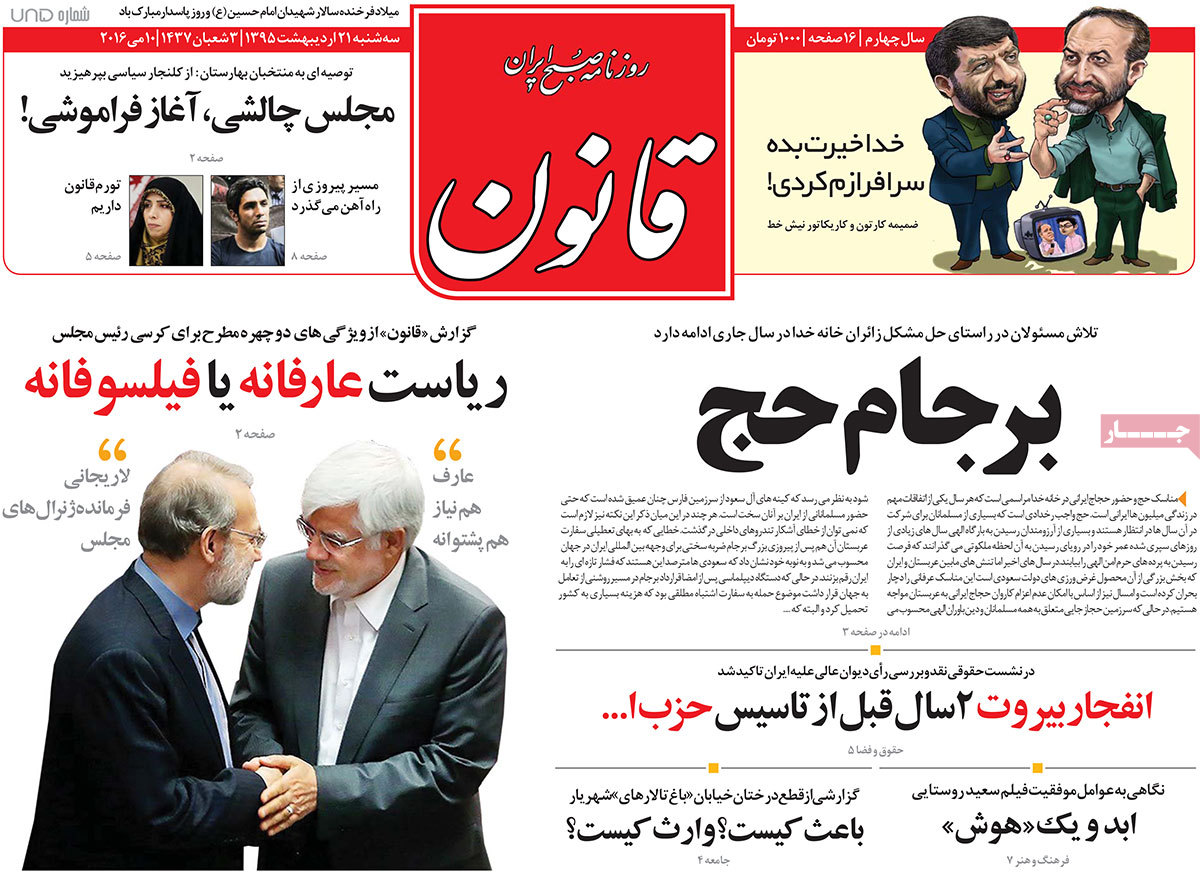
 

A Look at Iranian Newspaper Front Pages on May 10


Iran:

1- $6.5bn of Iran’s Cash in Foreign Banks Released: Official

2- Japanese PM Shinzo Abe’s Wife Plants Tree of Friendship in Tehran
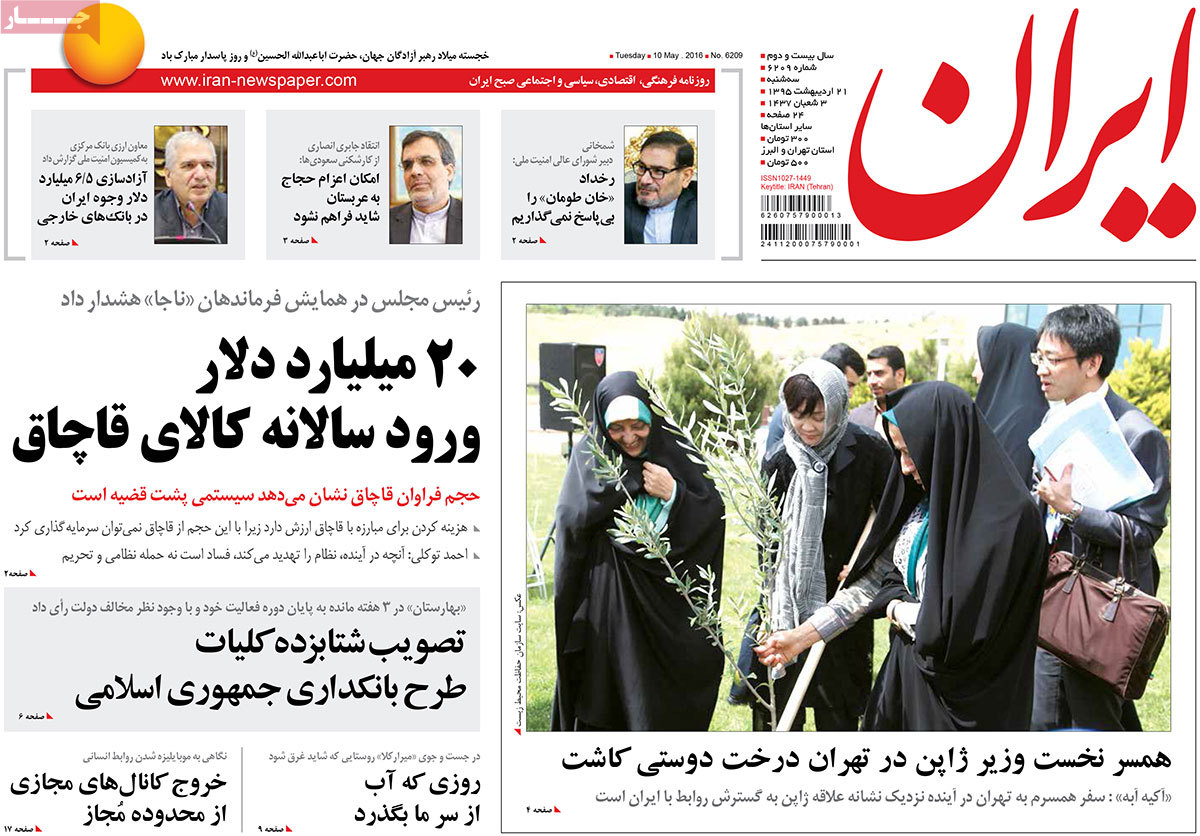
 

A Look at Iranian Newspaper Front Pages on May 10


Jam-e Jam:

1- Family Members Talk to Each Only 25 Minutes a Day: Experts Warn

2- Resistance Front Getting Prepared to Liberate Khan Touman

3- Man Holding Ph.D. [in Information Technology] Arrested over Money Counterfeiting
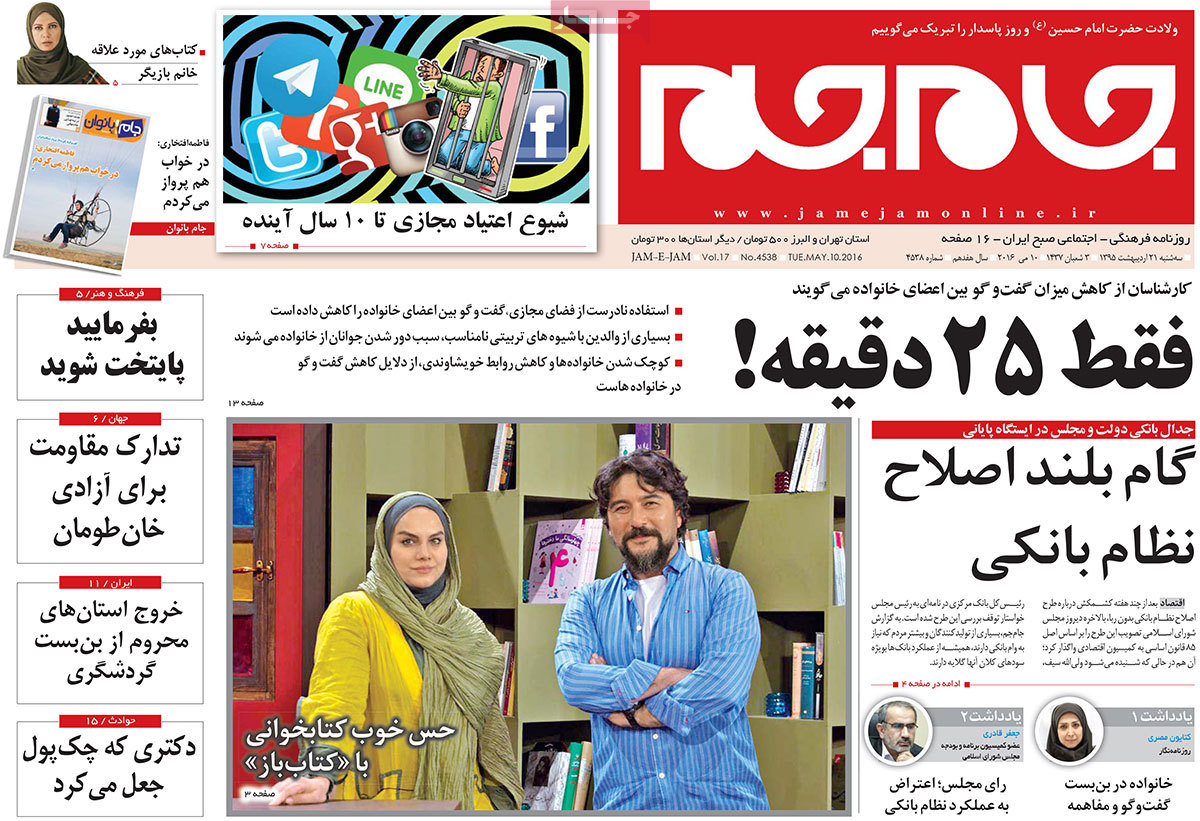
 

A Look at Iranian Newspaper Front Pages on May 10


Javan:

1- US Seeking to Sell JCPOA Once Again

2- Americans Implementing Their Own Version of JCPOA: Ex-Minister

3- Huge Victory for Hezbollah in Lebanon’s Local Council Elections

4- Change of Frequency: Speculations about Early Changes in IRIB Presidency

5- Parliament Urges President to Set Deadline for JCPOA
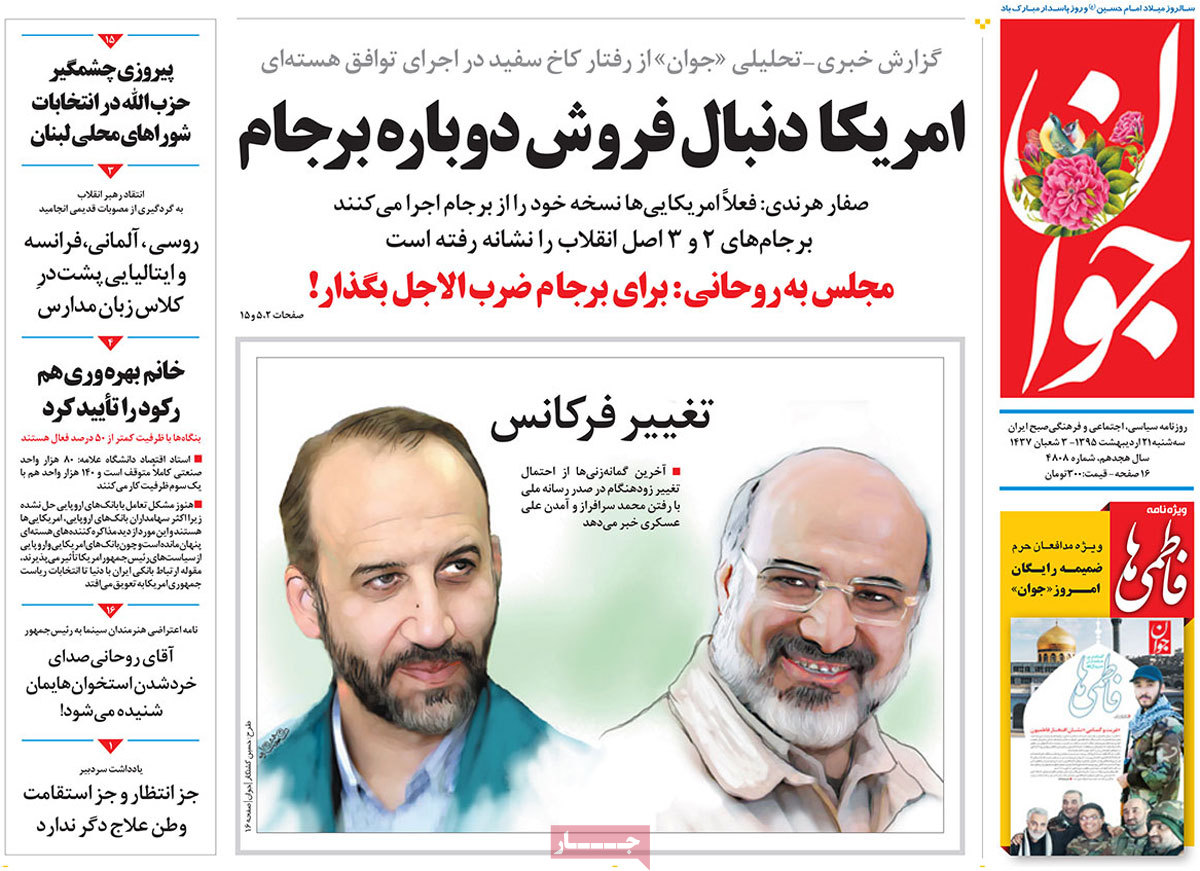
 

A Look at Iranian Newspaper Front Pages on May 10


Jomhouri Eslami:

1- British Firms and Economic Institutions Ready for Active Presence in Iran’s Market

2- Termination of Sanctions Not in Interest of JCPOA Opponents: Rafsanjani

3- Iran Didn’t Test-Fire 2000km Missile: Defence Minister

4- Results of Legal Investigations into Seizure of Iran’s Assets Given to National Security Council: Spokesman
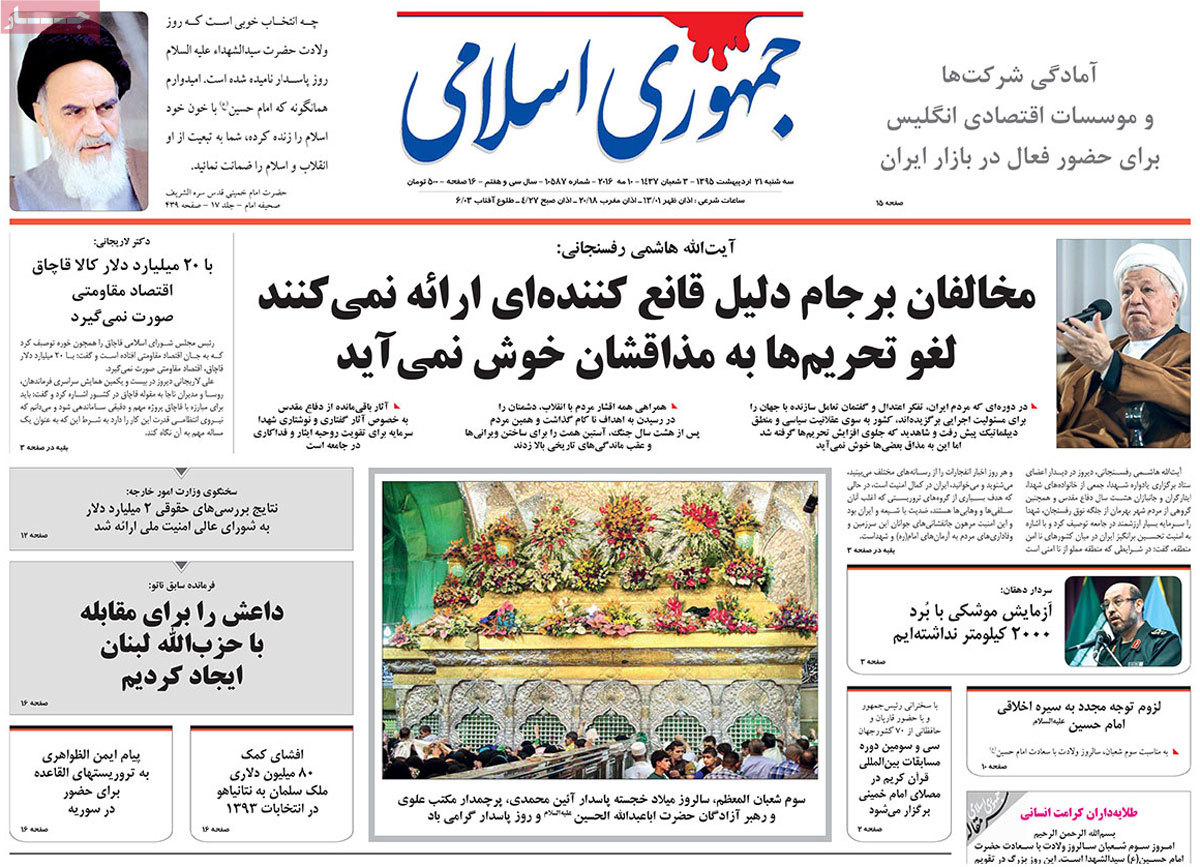
 

A Look at Iranian Newspaper Front Pages on May 10


Kayhan:

1- Foreign Luxury Goods Mocking Iran’s National Products

2- Indifferent Cyber Officials as Responsible as Murderer of 6-Year-Old Afghan Girl [the teenage boy had reportedly watched pornographic content on Telegram messenger before raping and murdering Setayesh]
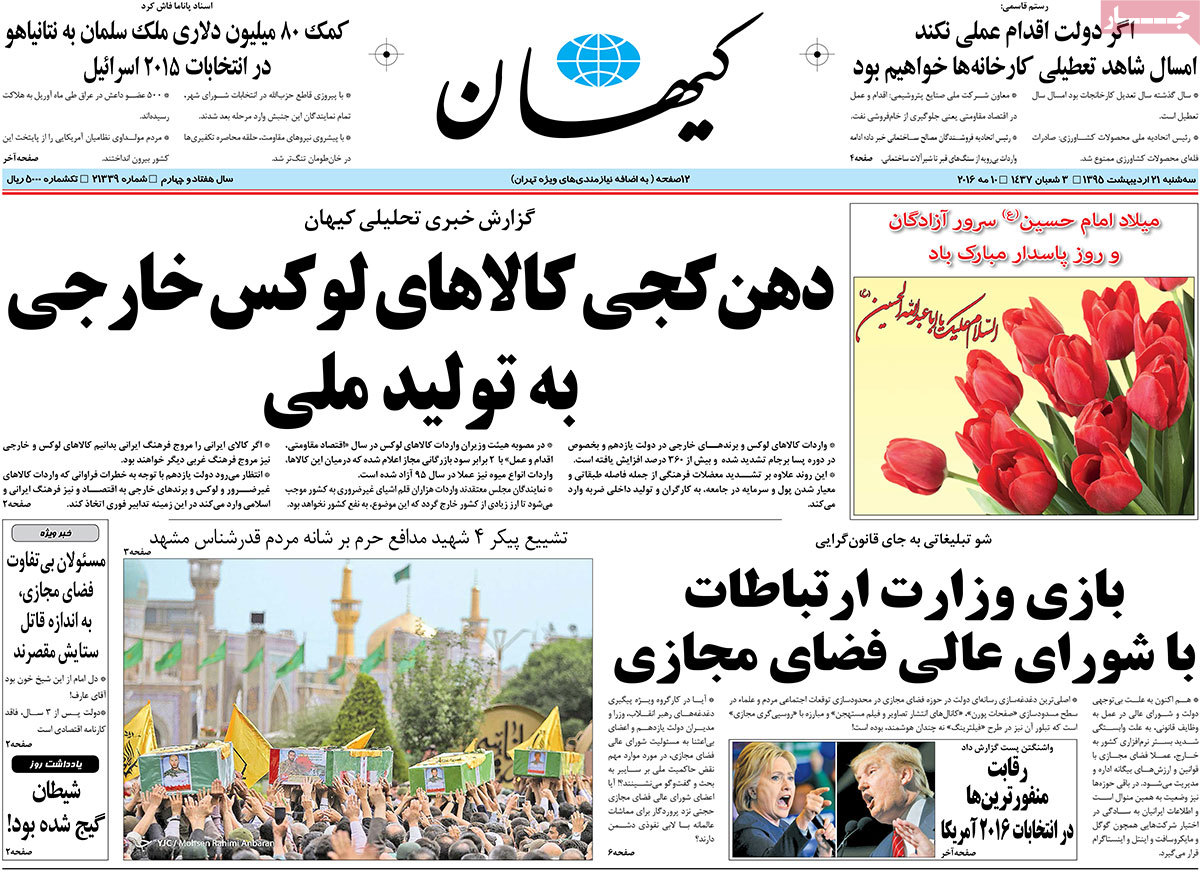
 

A Look at Iranian Newspaper Front Pages on May 10


Resalat:

1- Inflation Rate Decrease Not Tangible for People: Senior Cleric Makarem Shirazi

2- People Can Feel the Country’s Security: Judiciary Chief Amoli Larijani

3- Opponents of Corbyn Angry about Results in Britain’s Local Elections
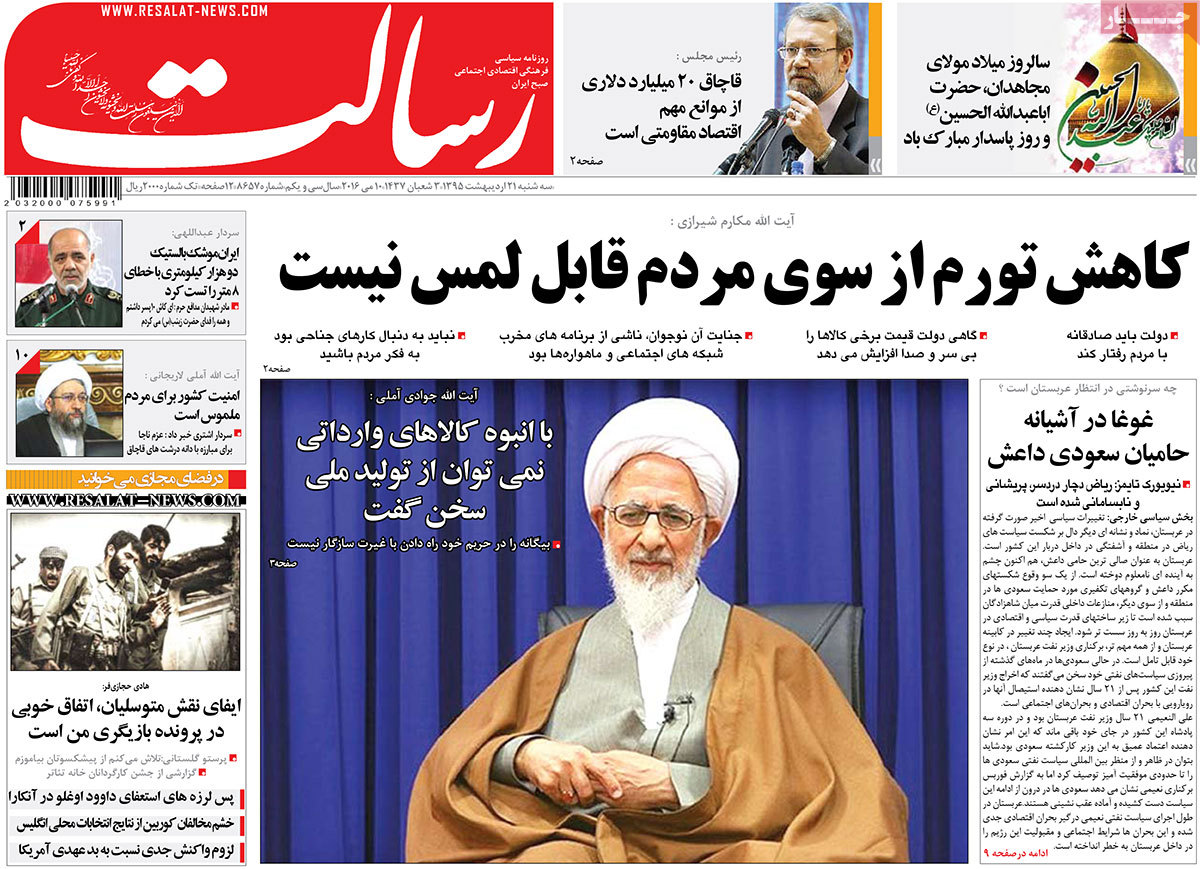
 

A Look at Iranian Newspaper Front Pages on May 10


Sayeh:

1- Opponents of JCPOA Serving Israel’s Interests: Rafsanjani

2- 14-Fold Increase in Number of Female University Students in Past 2 Decades
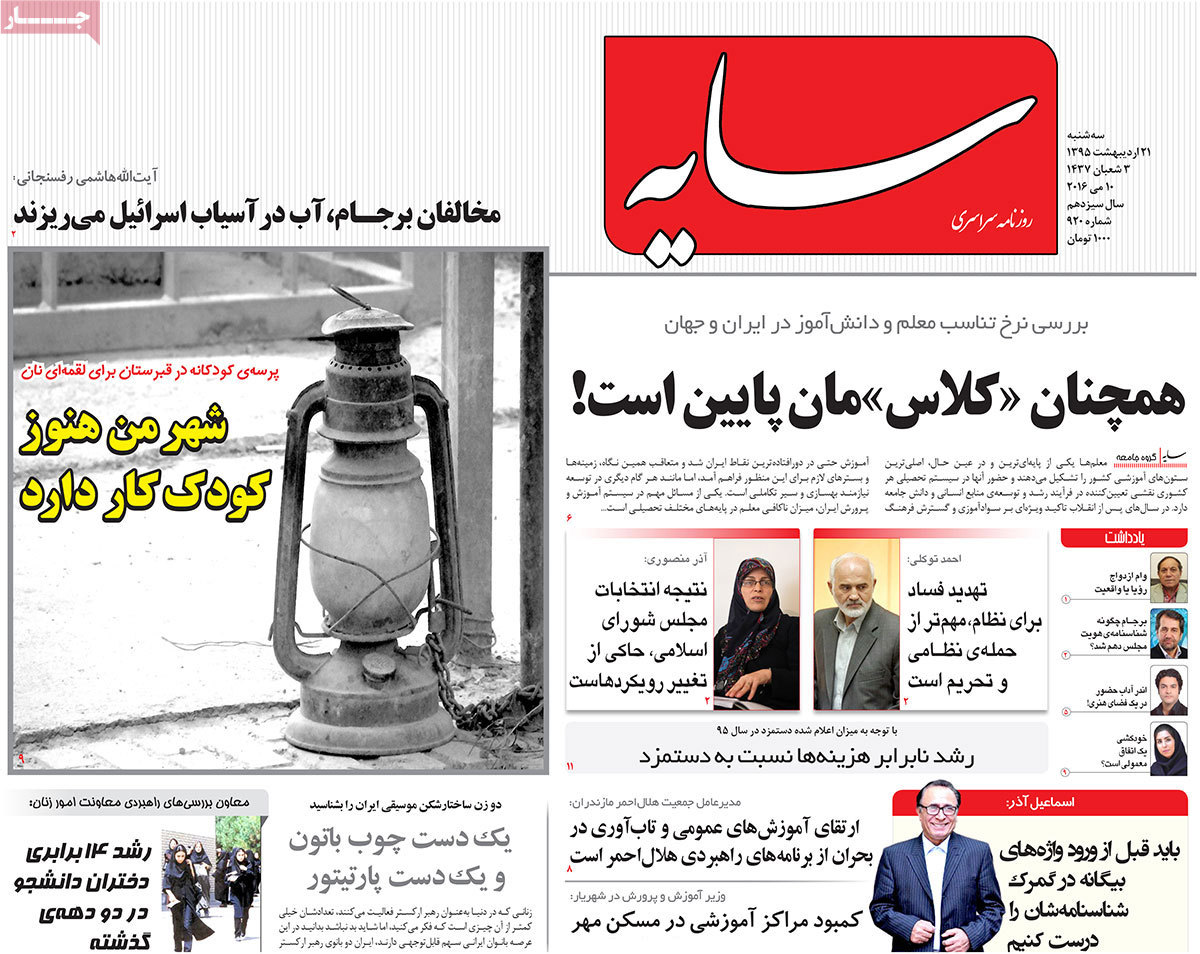
 

A Look at Iranian Newspaper Front Pages on May 10


Vaghaye Ettefaghieh:

1- Aftershocks of a Decline: 103 MPs Call for Stopping JCPOA Implementation

2- Caspian Sea in Danger: World’s Largest Lake Shrinking

3- Iran’s Security Result of Armed Forces’ Sacrifice: Judiciary Chief
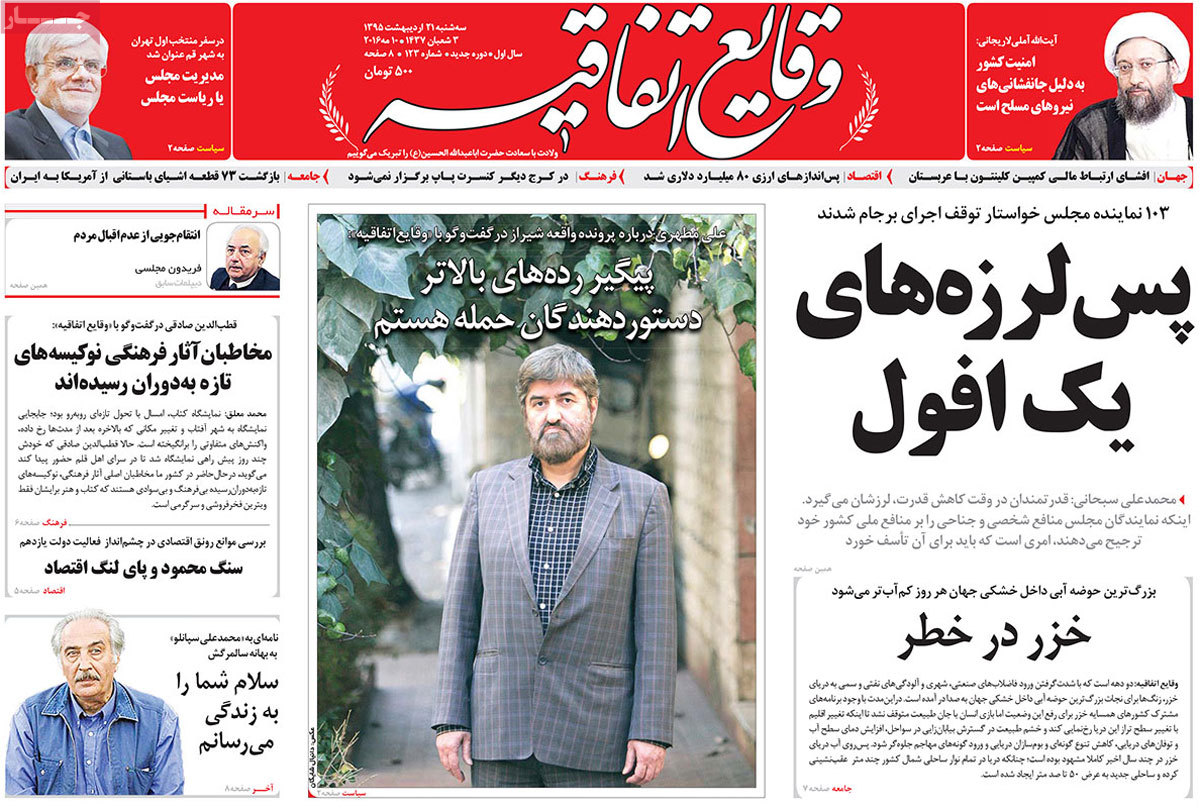
 

A Look at Iranian Newspaper Front Pages on May 10


Vatan-e Emrooz:

1- Spokesman Admits: No Guarantee for JCPOA Implementation


A Look at Iranian Newspaper Front Pages on May 10


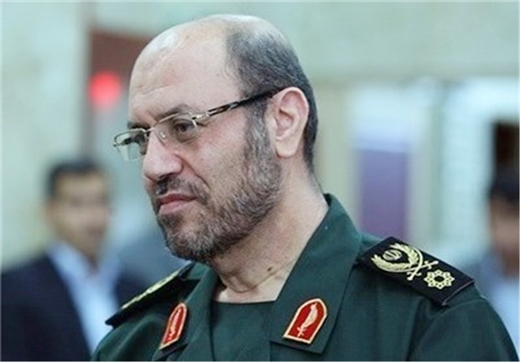
Iran’s Defense Minister Denies Reports on Missile Test

“We have not carried out tests of any missile of that range, as reported in the media,” the Iranian Defense Minister said on the sidelines of a ceremony in Tehran on Monday May 9.

Earlier, Deputy Chief of Staff of the Iranian Armed Forces Brigadier General Ali Abdollahi announced that Iran had test-fired a high precision ballistic missile with a range of 2000 kilometres, with a pinpoint accuracy of 8 metres.

“Two weeks ago, we test-fired a missile with a range of 2000 kilometres and a margin of error of eight metres,” Abdollahi said at a scientific conference in Tehran on Monday, adding that this margin means that the missile has an error rate of zero.

The commander then refused to provide further details of the missile or its name.

Defense Minister Dehqan, however, said that Iran has never ceased in its defensive measures, including missile tests.

“We have never pursued an invasive outlook, and what we are doing is [based on] upgrading our country’s defensive capability,” Dehqan underscored.

He stressed that Iran’s military doctrine is defensive and is aimed at ensuring the country’s security.

Britain Exploring Joint Investments with Iran

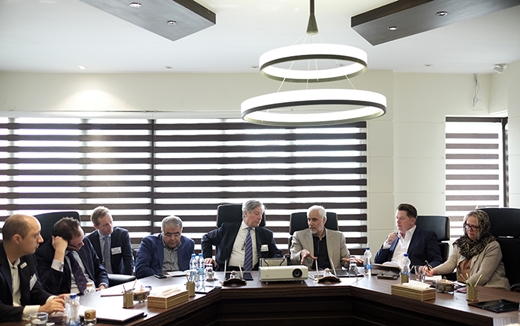
A British organization called the Middle East Association came to Tehran Chamber of Commerce Industries Mines & Agriculture (TCCIMA) to explore joint fields of investment in Iran. They talked with the Secretary-General and other members of TCCIMA.
On the sidelines of the meeting, Peter Mayer, CEO of the Middle East Association, announced that evaluating Iran’s tourism industry is one of the main goals of the visit.

“Transport infrastructure is a key issue in Iran’s tourism industry, so there is a great capacity for investment in this field,” said Bahman Eshghi, Secretary-General of TCCIMA.

Stargazers Watch Mercury Transit in Front of the Sun

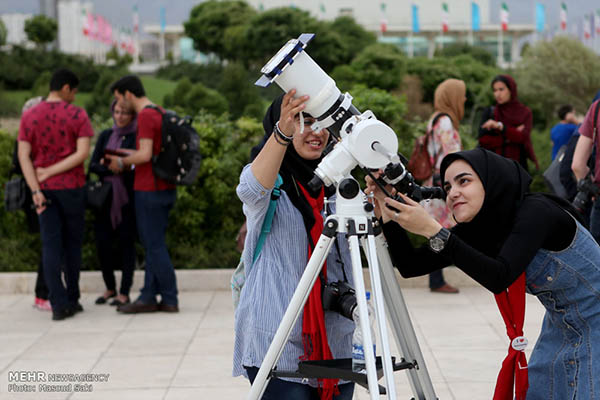
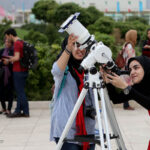
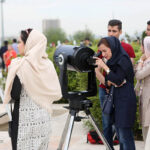
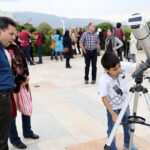
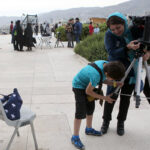
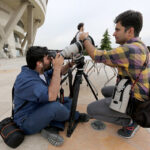
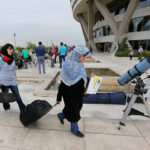
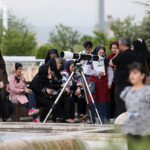
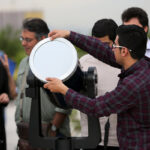
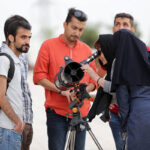
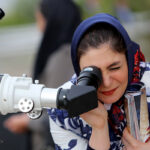
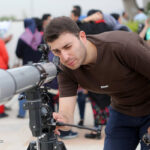
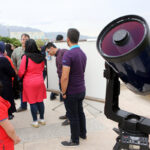
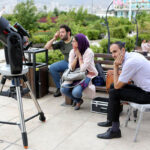
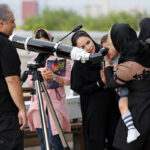
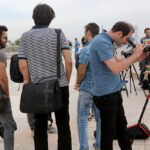
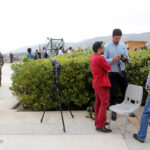
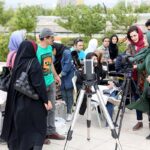
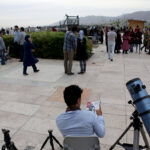
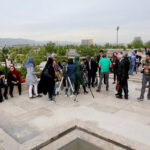
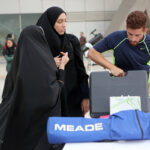
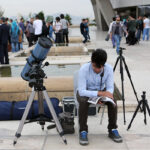
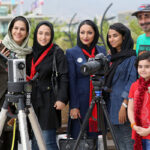
On Monday, the planet Mercury wandered directly in front of the sun — a rare “transit” that only happens about 13 times a century. Stargazers gathered at the foot of Milad Tower in Tehran to view the event.


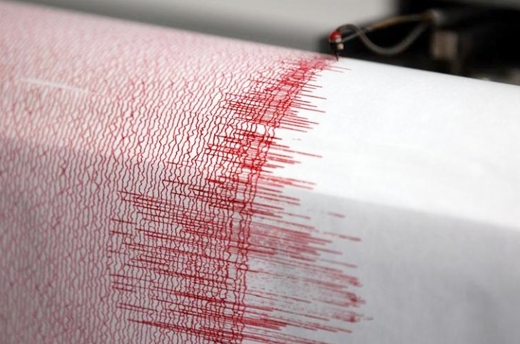
Quake Jolts Southern Province of Bushehr

According to the Seismological Center of the Geophysics Institute of University of Tehran, the quake was registered at 00:05 hours local time (19:35 GMT, Monday May 9).

The epicenter of the quake was registered at 52.03 degrees longitude and 28.82 degrees latitude. There was no report of casualties or property damage.

Iran sits astride several major faults in the earth’s crust, and is prone to frequent earthquakes, many of which have been devastating.

The worst in recent times hit Bam in Kerman province in December 2003, killing 31,000 people – about a quarter of its population – and destroying the city’s ancient mud-built citadel.
The deadliest quake in the country was in June 1990 and measured 7.7 on the Richter scale. About 37,000 people were killed and more than 100,000 injured in the northwestern provinces of Gilan and Zanjan. It caused major damage to 27 towns and about 1,870 villages.
In August 2012, two quakes in Northwestern Iran also claimed the lives of 306 people and injured more than 4500 others.

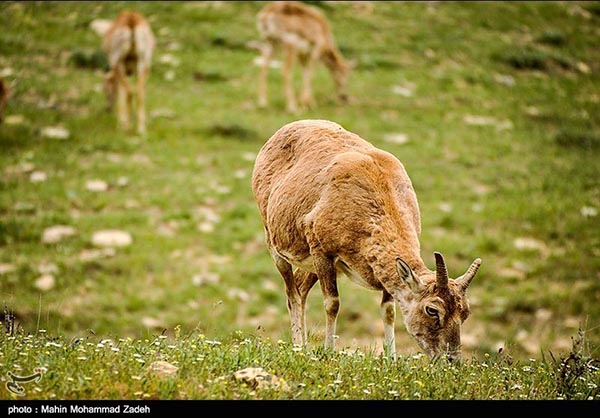
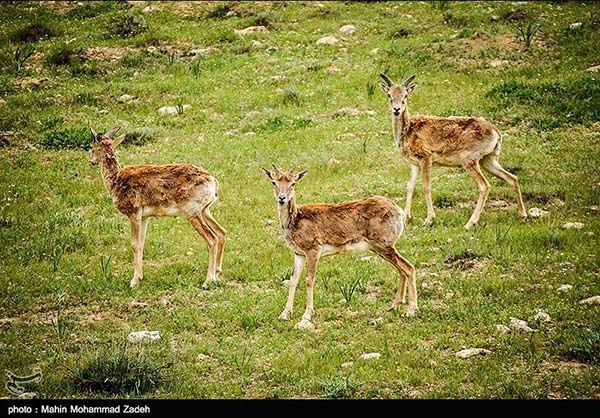
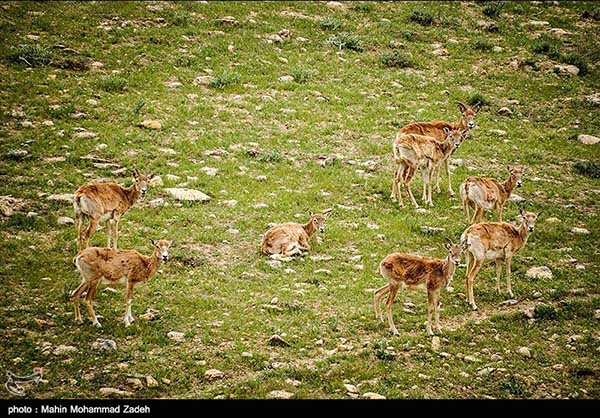
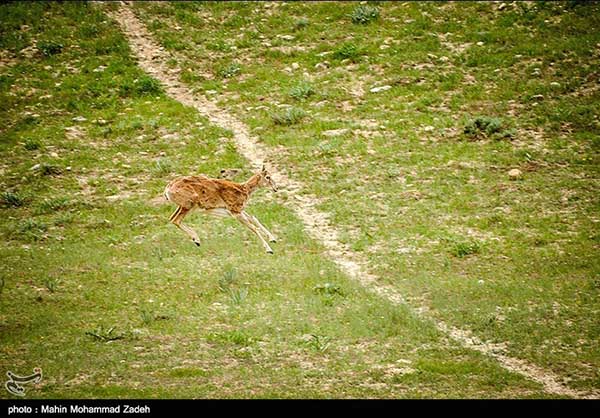
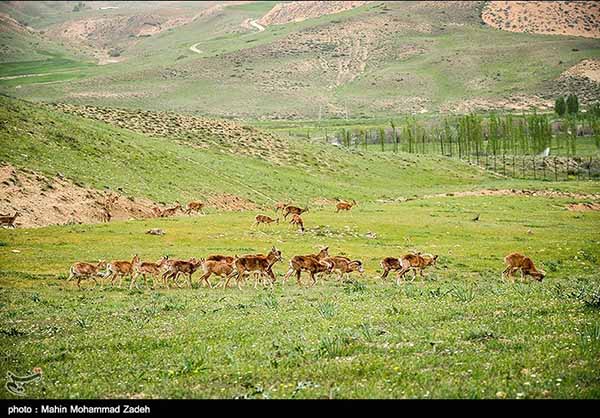
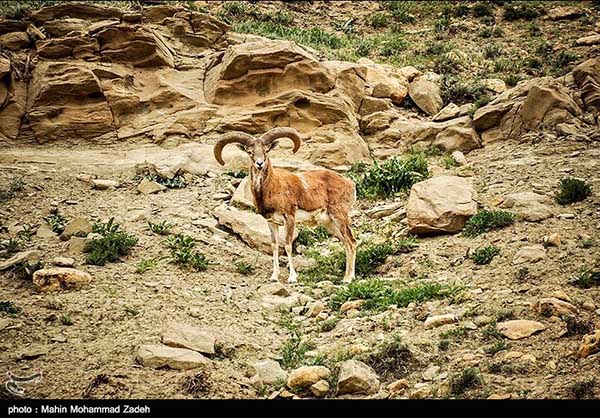
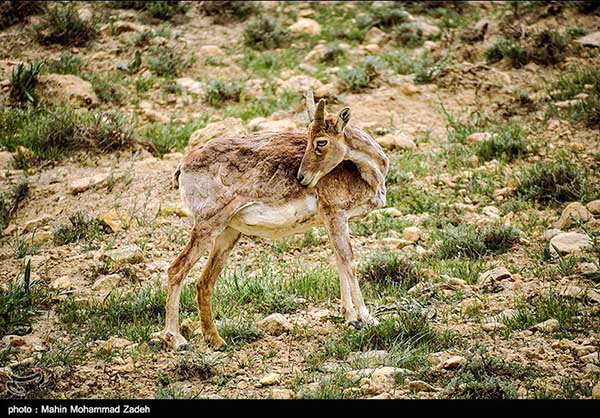
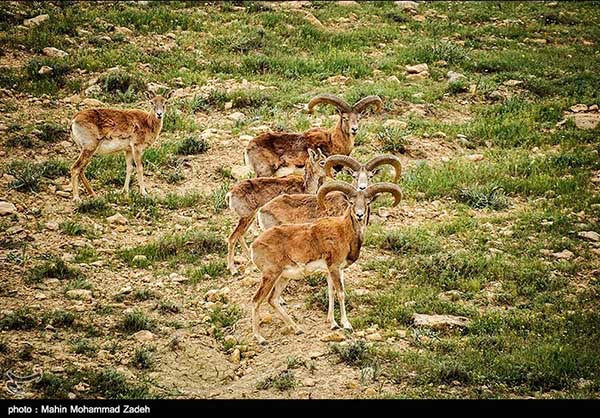
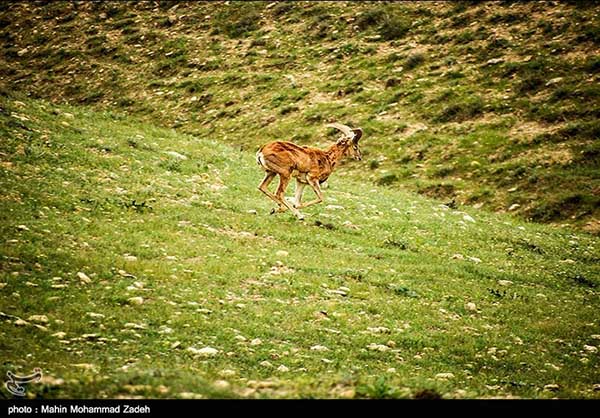
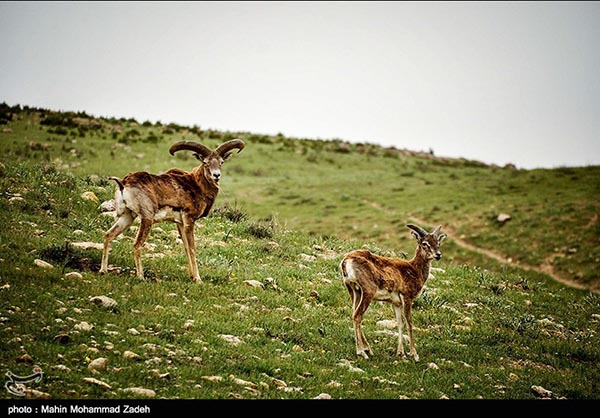
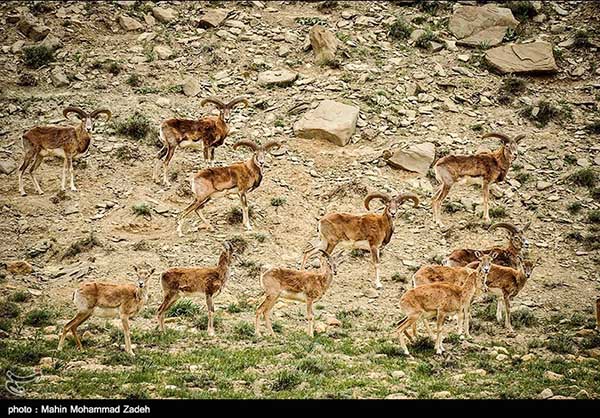
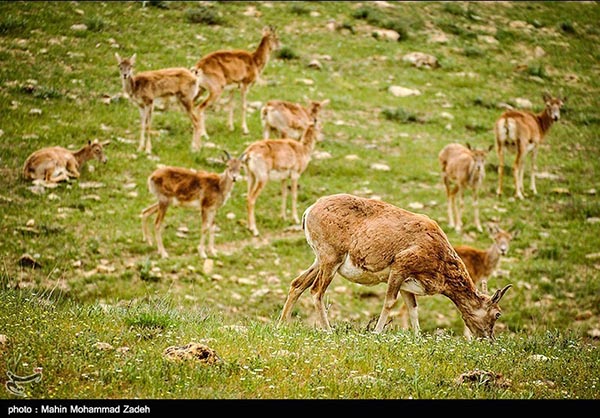
Iran’s Wildlife: Bijar Protected Zone

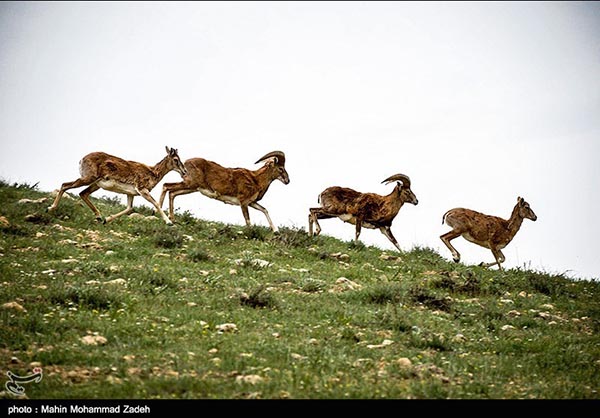
Wildlife in Bijar Protected Zone

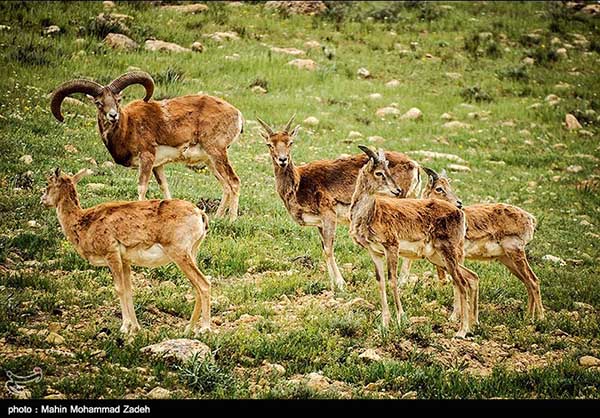
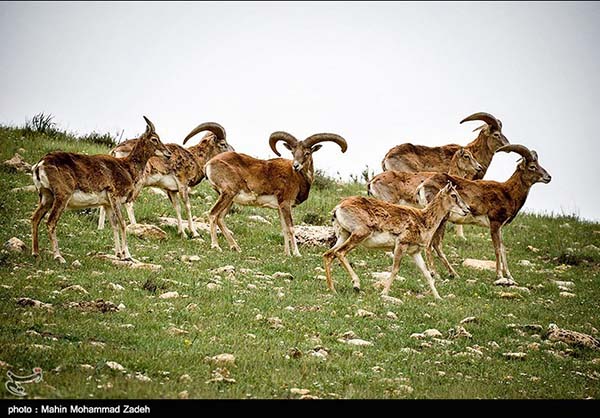
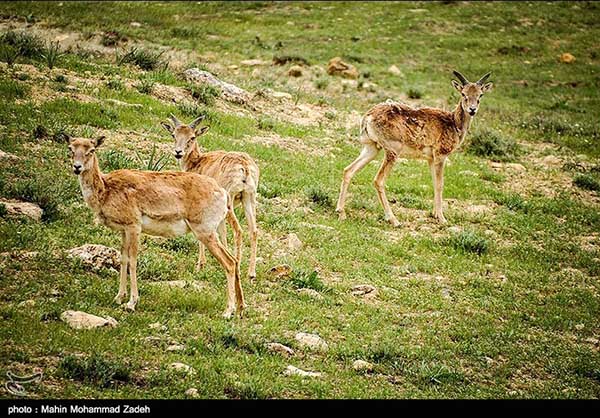
IRIB: The Bijar Protected Zone is a natural area in the northeast of Iran’s western province of Kurdistan, near the city of Bijar. This region is an expanse of natural wilderness and a good location for natural research, exploration and sightseeing. The region has an area of 72,000 hectares, and was inaugurated as a protected zone in 1971.

So far there have been 30 species of mammals discovered in the region. The most numerous are the ibex and the wild goat, pictured here. Other species include wild boars, wolves, bears, hyenas, and foxes. Ornithologists have listed 140 species of birds in this region so far, including the golden eagle, falcon, common partridge, and grouse.