Monday, January 19, 2026
Home Blog Page 4448

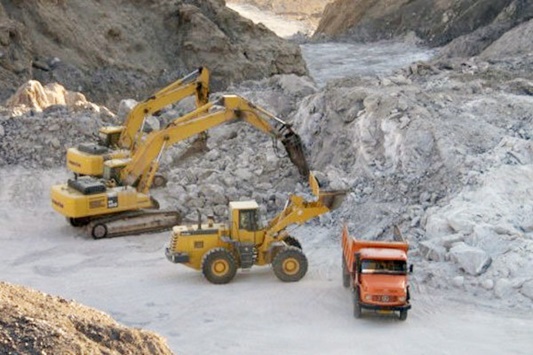
Iranian Mines Account for 16% of Non-Oil Exports

2097842

In the previous Iranian calendar year (ended March 19), the export volume for the mining and mineral industry sector of Iran surpassed $7bn, with steel making up the largest share (38%).

Meanwhile, cement enjoyed a total of 10.4% of the total exports, followed by iron ore (7.4%), copper and its downstream products (4.1%), aluminium (3.2%), as well as zinc and lead (3.1%).

During the same time period, foreign trade value of the mining industries sector reached $11.4bn, of which $4.4bn belonged to the imports in the sector.

Steel took 68% of the imports and exports of mineral products, followed by cement (7.7%), iron ore (2.9%), copper (2.7%) and aluminium (nearly 2%).

Of the 10 countries which imported Iran’s mineral products and industries in the previous year, Iraq (18%), China (15%) and India (14%) accounted for the largest shares, respectively.

On the other hand, among the 10 countries which exported their mineral products to Iran, it was China which ranked first, enjoying 33% of the share, followed by the UAE (19%) and South Korea (14%).

Red Deer’s Chances of Survival Improve

13_Deer 1

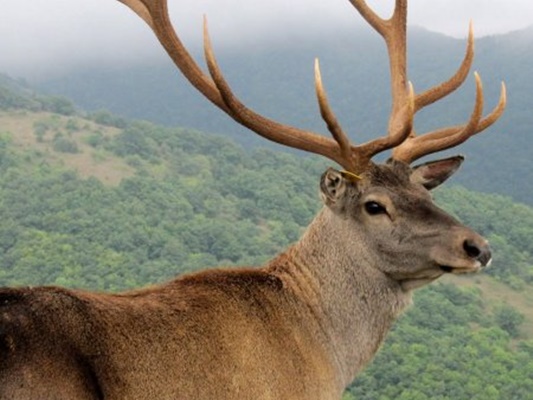
Prior to the birth of the four fawns, the red deer, or maral deer, numbered only 21 in the wildlife refuge.

The red deer is the largest species of deer in Iran and its habitat stretches from the southern shores of the Caspian Sea to as far as North Khorasan Province in the northeast.

Illegal hunting and deforestation of the Caspian Hyrcanian Forests (where the animal is found) have caused a major drop in the population of the mammal, putting it at serious risk of extinction.

Conservation efforts are made all the more difficult by the fact that maral’s gestation period is around 8.5 months and the female deer gives birth to one fawn at a time.

Bahram Faghani, the head of Department of Environment’s office in Sari, Mazandaran Province, said the mortality rate of red deer “has decreased significantly over the past few years”, Mehr reported.

With an area of 937 hectares, Semeskandeh Wildlife Refuge is a lowland forested hillside located in southeast Sari. The refuge is also home to the Persian fallow deer, a species that has been listed as an endangered species under the International Union for Conservation of Nature’s Red List since 1986.

The animal’s main habitat is the province of Khuzestan in southern Iran but is kept in Semeskandeh for conservation purposes.

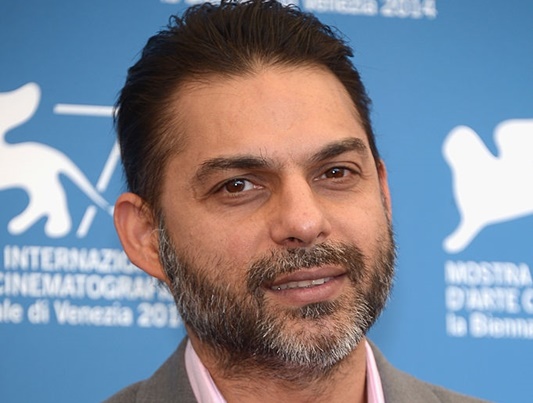
Peyman Moaadi to Appear in HBO Series

454285588

According to HBO’s website, the upcoming crime drama The Night Of delves into the intricate story of a fictitious murder case in New York. The series follows the police investigation and legal proceedings, all the while examining the criminal justice system and the purgatory of Rikers Island, where the accused awaits his trial.

The eight-episode miniseries was a passion project of the late actor James Gandolfini, and was set for production in 2013 with the title Criminal Justice. Prior to his death in 2013, Gandolfini was selected to star as a New York City attorney to take on the case of a Pakistani man (Riz Ahmed) charged with the murder of a girl on the Upper West Side.

John Turturro replaced Gandolfini as lead alongside Ahmed, Moaadi, Bill Camp and Poorna Jagannathan.

Moaadi plays the role of Salim Khan, a Pakistani guy living in the US. No more details on the story and characters have been released yet and fans have to wait until July 10 when the first episode will be aired on HBO.

Moaadi’s debut movie as an actor in Hollywood was Camp X-Ray (2014) which also featured actress Kristen Stewart.

It was followed by the action film The Last Knights (2015), in which he acted along with Clive Owen and Morgan Freeman and 13 Hours: The Secret Soldiers of Benghazi (2016), an action thriller directed by Michael Bay. He also lent his voice to a character in a Canadian animation Window Horses made by Ann Marie Fleming, which was released in France on June 13.

Born in New York, Moaadi, 44, returned to Iran when he was five and grew up in Tehran. An actor, scriptwriter and director, he is best known for acting in Asghar Farhadi’s Oscar-winning movie A Separation (2011). His leading role in the movie brought him a Silver Bear award for Best Actor from the Berlin International Film Festival in 2011. He has also written and directed a feature film and written the script for five movies, all of which were among the bestsellers in different years.

Life+1 Day, which Moaadi acted in, has been in Iranian cinemas since the beginning of the Persian New Year in March, grossing $3m so far and sitting among the year’s bestsellers.

“Women to Make Up 45% of Labour Market in Iran by 2026”

2106751

Studies show that the ratio of men to women in the market, which is currently around 80% to 20%, will completely change in the next 10 years, and the country will face a phenomenon of “househusbands”, he added.

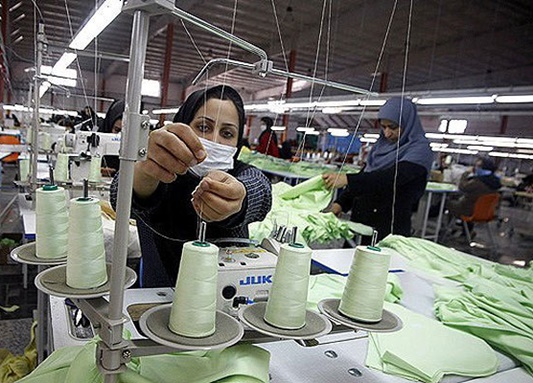
For the time being, the working population in Iran is around 24 million, 19.4% of which are women, Khani said. Studies of Iran’s market prove that women’s active economic presence will change this ratio and in the majority of entrepreneurial jobs there will be a large number of women.

Two studies have been made by Global Entrepreneurship Monitor (GEM) and Majlis’ Research Centre about women’s entrepreneurship, in which the role of women entrepreneurs is studied both globally and in Iran, Mehr quoted Khani as saying.

“These studies show that women’s tendency towards entrepreneurship is greater than men’s all around the world,” he said, adding women are more eager to deal with innovative and creative jobs.

However, the studies prove that in the past, men have done more entrepreneurial and creative work than women and this work has resulted in innovations and inventions which are now at the experimental stage, Khani noted. The results of the studies show that women are keener in team projects all around the word and in Iran, as well, he maintained.

According to studies made in Iran during 2005-2014, women’s share in entrepreneurship is 6.2%, which is very low, Khani stipulated.

Creating changes in the gender ratio in the labour market of any country leads to an improvement in the quality of products. The growth of female workers is one of the criteria that indicate economic development of the country, he concluded.

Afghan MP Urges Iran’s Inclusion in 4-Way Peace Talks

139503231402135787907554

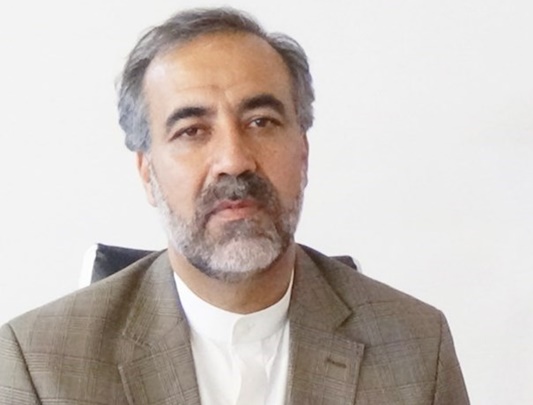
Seyed Ali Kazemi said he had already proposed that the Kabul government should invite more countries, such as Iran, Russia and India, to attend the process of peace talks. He also criticized Pakistan for delaying the peace talks, which has inflicted heavy damage on the Afghan nation.

Given Iran’s support for Afghanistan, Tehran should be given a stronger role in the process of the peace talks, and Kabul should ask friendly and neighbouring countries to take part in the process, he urged.

Back in January, representatives of Afghanistan, Pakistan, the US and China held the first round of meetings on the Afghan peace process, with the aim of devising a strategy for peace talks between the Afghan government and the Taliban.

That meeting followed discussions between Afghan President Ashraf Ghani and Pakistani Prime Minister Nawaz Sharif at a conference in Pakistan in December 2015.

Returning to Their Roots – Deserted Villages See Revival

99_full

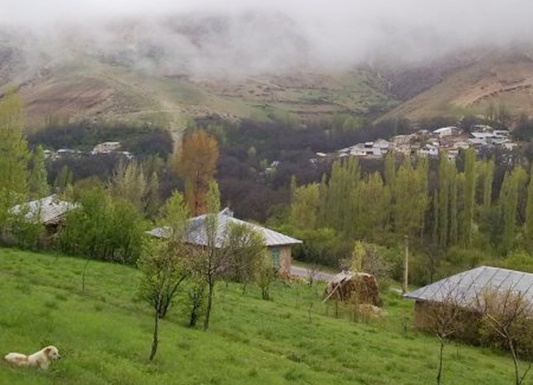
“In the past two decades, 30,000 people migrated from some of Germi County’s 100 villages to bigger cities including Tehran, Karaj and Rasht, as a result of which several villages were abandoned. During the period, the county’s population declined from 120,000 to 80,000,” IRNA quoted Mirali Rahimi Zad, county governor as saying.

However, this provincial migration pattern now seems to have reversed. Barely two years ago, there were a couple of households in the villages of Haj-Abbas and Masjedlou; now there are over 17 and 15 households in the two villages, respectively.

Jahanbakhsh Firouzi, the administrator of Garmi Angut village also said that the provision of infrastructure facilities and economic opportunities has played an important role in encouraging rural people to return to their villages.

“The establishment of one of the biggest sanitary-ware factories in Germi County is in its final stages. It will create thousands of jobs for residents and encourage migration back to the rural regions.”

Government investment in improving industrial agriculture in the rural areas can also help revive the economies of semi-deserted villages.

Simple Living

Ali Abbasi, who recently returned to Haj Abbas village, was nostalgic. “The village got its name from our ancestors. By keeping about 100 sheep, we can provide the daily requirement of meat, milk, yoghurt, butter and cheese for ourselves. We can also sell surplus dairy to improve our livelihoods.”

“By choosing to return to the village we have opted for an affordable hassle-free lifestyle,” he added.

There is an ancient mosque in the village considered a tourist attraction. Also, the newly built affordable housing units in the village will encourage those who left to return to their birthplace, he said.

According to experts, unaffordable housing is a major reason why people are quitting the cities, where the standard of living is also high, and shifting to smaller places. In the past few years, there has been a growing trend of city people migrating to the northern and north-western provinces with a chief aim of permanently settling down. The pleasant climate and comparatively low cost of housing has also encouraged the original inhabitants to move back to their roots.

Although it may appear that the rural-urban migration trend is reversing in the country, however, the movement of people from rural areas to bigger cities is still far higher than vice versa.

Statistics show that in the year 1956, the rural population comprised 70% of the total population of 19m, while in 2015, the rural population stood at 28% from the total 80m people. Earlier, experts had warned that if the trend continues, the rural population will drop further, to 22%, in less than 15 years.

 Disturbing Urbanization

There are more than 64,000 villages in the country, of which 33,000 remain deserted due to years of drought and water scarcity, unemployment and the resulting poverty. Migration from rural areas also occurs as better health, education and schooling facilities become available in cities and bigger towns. Add to this the presumption of many rural inhabitants, the youth in particular, that the grass is greener on the other side.

According to the Ministry of Roads and Urban Development, the rate of urbanization in Iran has surpassed 70% since 2014, when it was around 69%. Data from the World Bank also shows that the average growth rate of urbanization in the country over the past 50 years has been double the global pace.

Many developed nations have focused their decentralization policies on rural areas and prioritized the agricultural sector, and have been successful in reducing the rate and pace of urbanization.

A recent report by Iran’s Majlis (parliament) Research Center, a think tank, called for the development of rural communities and livelihoods to prevent the increasing trend of rural-urban migration.

The Statistical Center of Iran says that while the overall population growth rate is less than 2%, the growth of urban population on average is over 13%.

Petchem Exports Up 46% in Two Years: Zangeneh

zanganeh

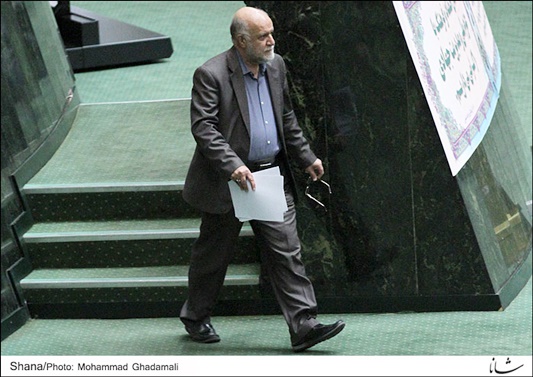
Addressing the Iranian Parliament on Tuesday morning, June 14, Zangeheh said production of petrochemicals by Iranian plants crossed 46m tons per year during the previous year, which is up by 6.6mt from the calendar year 1392 (March 21 2013 – March 20 2014).

He said the Iranian Ministry of Petroleum has no limits for supplying petrochemical plants with natural gas as feedstock.

Zangeneh said the current calendar year will be an “exceptional” year for the petrochemical industry of Iran, as several petrochemical projects will become operational by the middle of next year, with some having been officially launched already, like Mahabad and Lorestan petrochemical plants.

“Once these projects come on-stream, Iran will earn $5.7bn from selling petrochemical projects at 1392 prices,” which will be a giant step for doubling the country’s petrochemical output.

Javan: Even Rouhani’s Supporters Criticizing Economic Performance

282146_981

Javan Online was one of those outlets that spoke out against Rouhani’s economic performance. Here’s IFP’s translation of excerpts from Javan’s article written by Mohammad Esmaeili, which gives examples of pro-government media criticizing Rouhani’s administration:


Almost one year is left in Rouhani’s term. During the past three years, he has concentrated fully on the nuclear issue, and failed to pay enough attention to economy and culture.

The critics of Rouhani’s administration, as well as some pro-government figures, consider the lack of sufficient attention on the economy and culture as the incumbent government’s Achilles’ heel in the upcoming presidential votes.

Today, a wider range of analysts and media are dissatisfied with the government’s economic performance on the year leading to the end of Rouhani’s term. Now, even staunch supporters of Rouhani are also criticizing his government.

Ghanoon daily, one of the steadfast supporters of Rouhani’s administration, dedicated its front page to its criticism of the government’s policies, using the headline “Opponents and Proponents of Government Are Dissatisfied with Its Economic Policies: 1096 Days of Moderation without Economy”.

It wrote, “What was the meaning and message of people’s repeated support for the advocates of “moderation” in recent elections? […] Such popular campaigns can be regarded as social acts reacting to society’s urgent situation. […] People’s political turnout was because they felt they were able to affect their own fate, and the routes for changing their demands into decisions were open through the ballot boxes. […] During the recent elections, the goal was not to put the members of a particular faction in charge of the country; the important point, rather, was to decrease the distance between the government and other ruling bodies, and to reduce radicalism within the government.”

[…]

Within the past three years, the government’s attempt to shift the focus from the country’s main problems onto other issues helped reformists gain two achievements. Firstly, they will be able to question the incumbent administration’s executive and management capabilities for overcoming domestic problems in the upcoming Presidential elections [2017], and thus increase the need for voting for their own candidate.

Secondly, in a broader perspective, they will also be able to increase people’s scepticism and mistrust of the Establishment’s servants, because after Rouhani’s election, an atmosphere of hope and self-confidence for resolving domestic problems formed within the society. Now that the government is shown to be incapable of settling the problems after four years, the people will be automatically disappointed at the Establishment and its servants, and will have no willingness to vote in the upcoming polls.

This is the same strategic goal pursued by the [Western] hegemony to “cause rifts between people and the Islamic ruling system”.

Tehran University of Medical Sciences Signs MoU with UNIMAS

Tehran-MoU

The MoU was sealed between the International Affairs Development Head of Tehran University of Medical Sciences Enayatollah Shabani and the UNIMAS Vice Chancellor Mohamad Kadim bin Suaidi.

Shabani, together with International Affairs Development Advisor of Tehran University of Medical Sciences Azizi, were taking part in the Star Education Fair 2016.

Based on the negotiations between the head of the Cooperation Center of Tehran University of Medical Sciences and UNIMAS officials, both sides will start implementing the MoU through bilateral cooperation like professor and student exchanges, and the launching of some of Tehran University of Medical Sciences’ fields in UNIMAS.

The grounds were prepared for cooperation during International Affairs Development Deputy Head of Tehran University of Medical Sciences Ali Arab Kheradmand’s trip to Malaysia.

An Iranian high-ranking scientific and academic delegation, including the head of the Islamic World Science Citation Center (ISC), International Affairs Development Deputy Head of Tehran University of Medical Sciences, and some other academic officials had a trip to Kuala Lumpur in the beginning of May to take part in a seminar on strengthening Iran-Malaysia’s research cooperation in higher education.

Zarif: Common Global Strategy Needed to Combat Extremism

Zarif

“Extremism is a global problem which needs a global solution,” Zarif said, speaking at the Oslo Forum in Norway, where the world’s most prominent armed conflict mediators and peace process activists are gathered.

“Anyone who uses extremism as an instrument or purpose will be the loser in the end. Everyone considers the fight against terrorism and extremism from their own perspective; the problem has not only a military or political or economic solution, but also intellectual and cultural solutions to figure out why extremism is so attractive to people,” Zarif noted.

Underlining the need to redefine international issues, Zarif said, “If we take a look at issues from a different point of view, we may get a different image which helps to solve the problem. The US thought Iran’s every centrifuge was a step to build a bomb; we were not convinced of their claims and wanted to exert our natural rights, therefore, the US was not eligible to decide for us.”

This led to the problem being wrongly defined, in a way which allowed for no solution; however, its true definition led to a peaceful solution, he explained.

He added that if someone wants to achieve supremacy by military means, the opposite side will do the same – both sides end up losers in pursuing military solution, one more so and the other less so.