
To mark the occasion, the museum has brought out 70 vintage cars. In total, the museum now features 150 classic automobiles alongside a range of historical carriages, motorcycles, jet skis, and snowmobiles.
More in pictures:

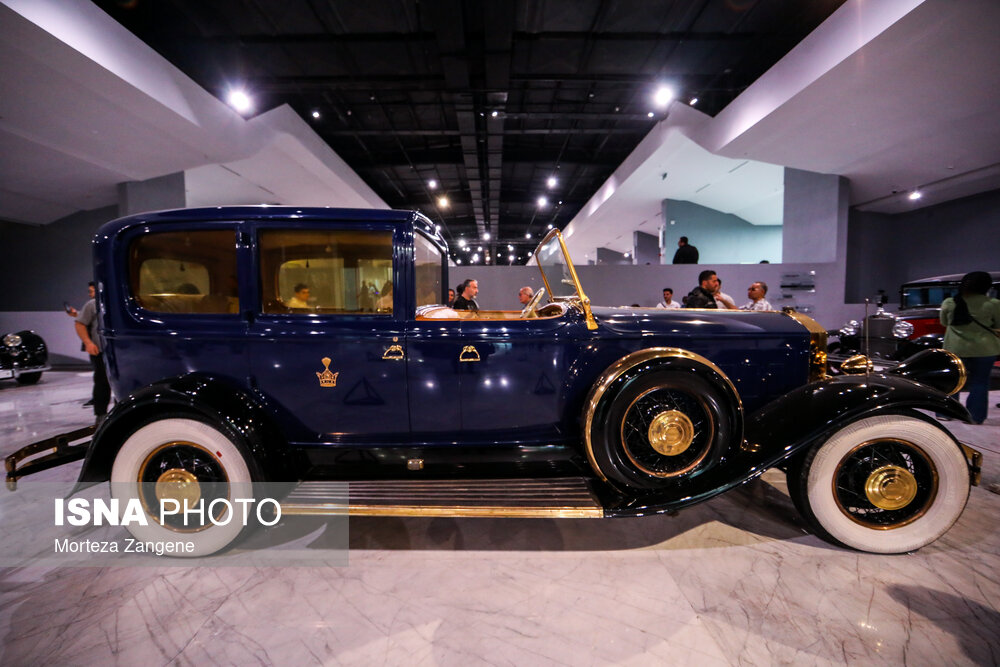

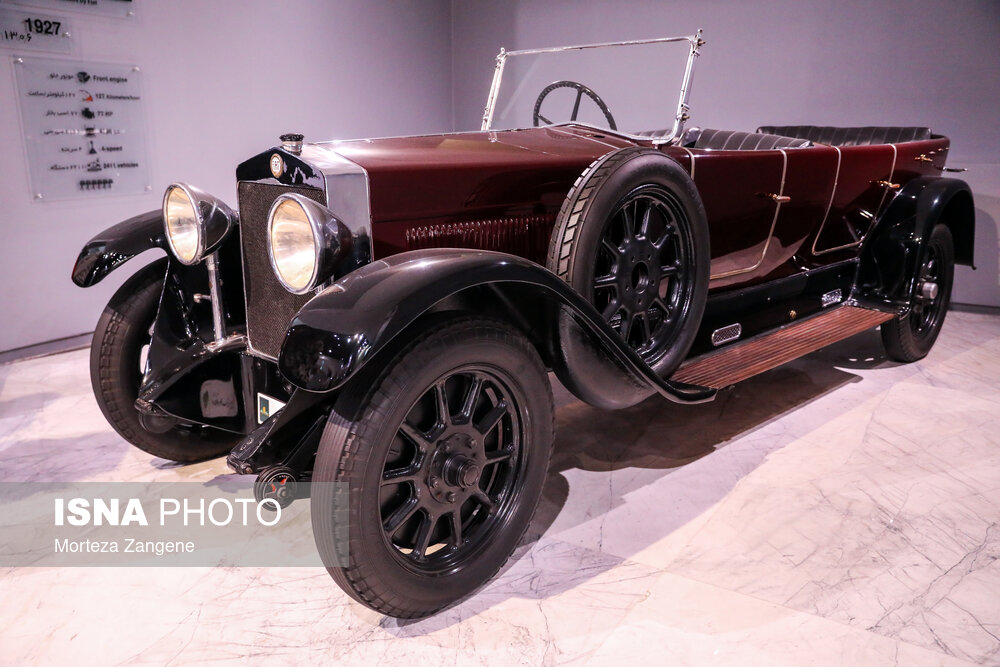
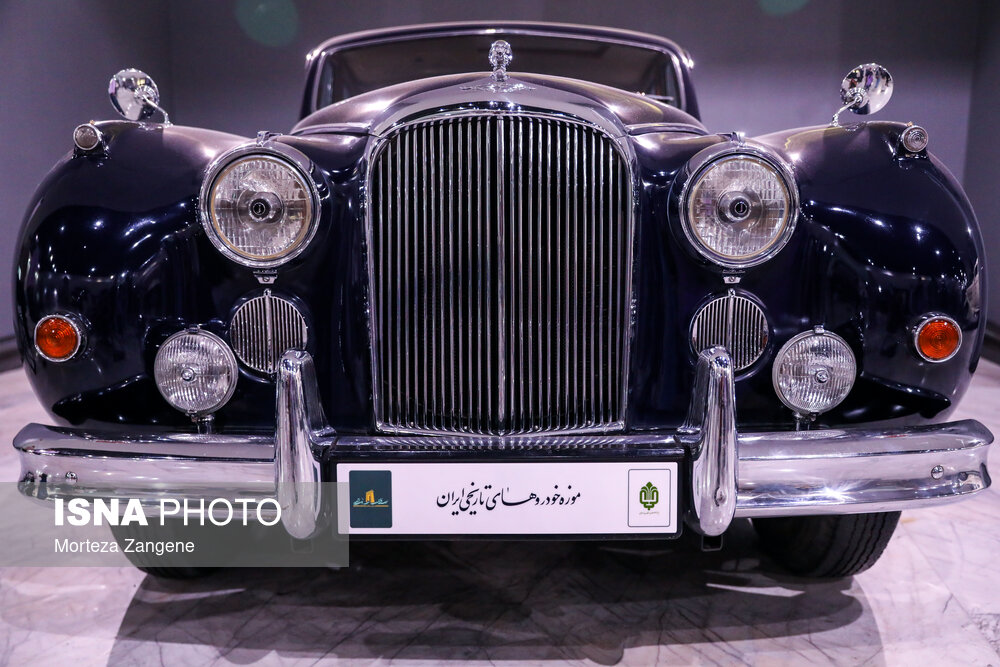
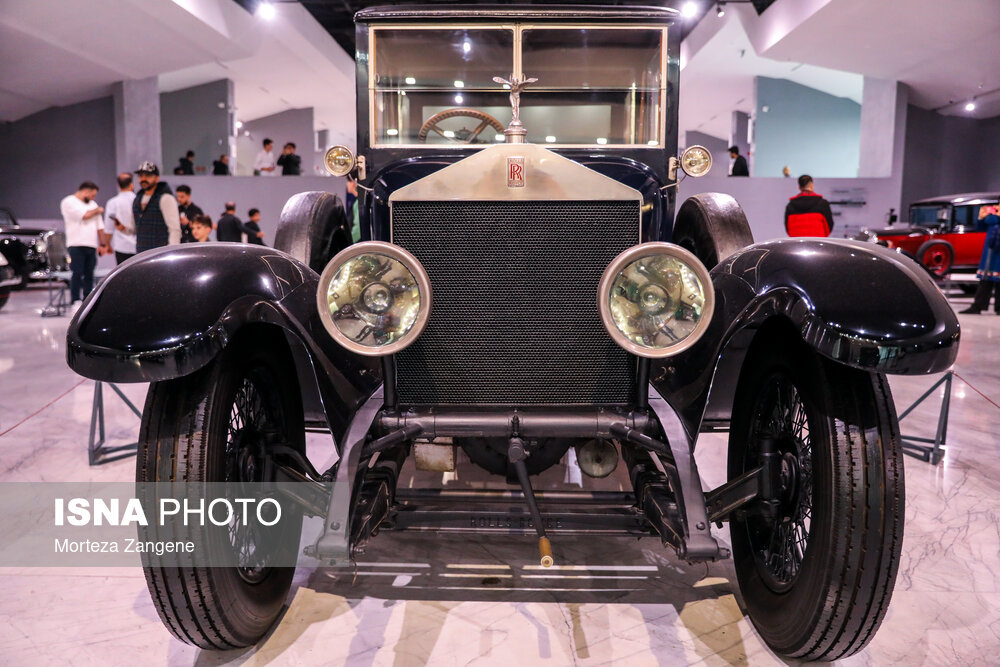
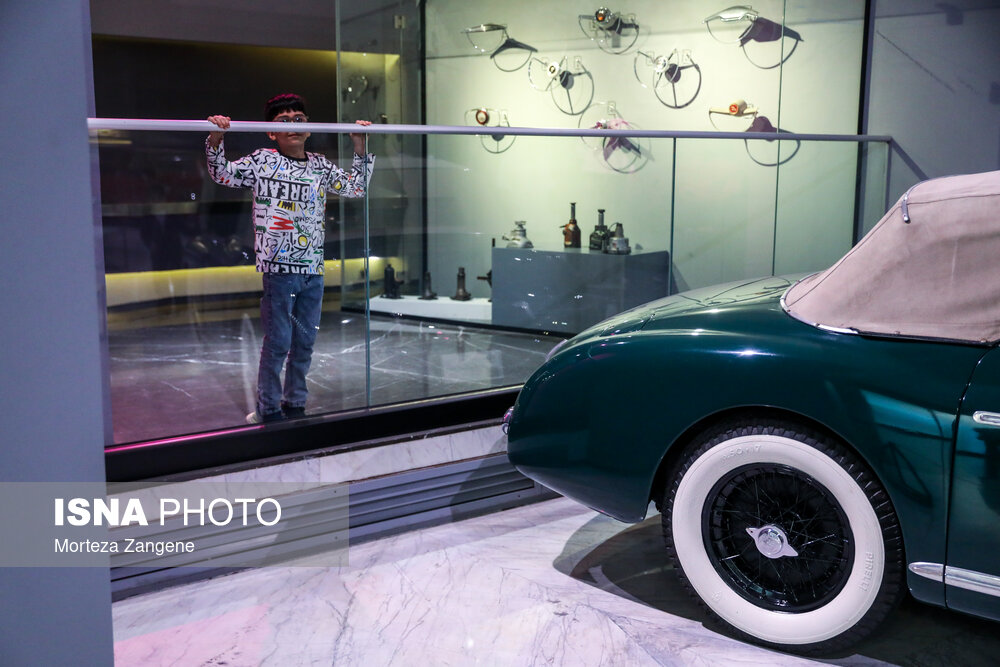
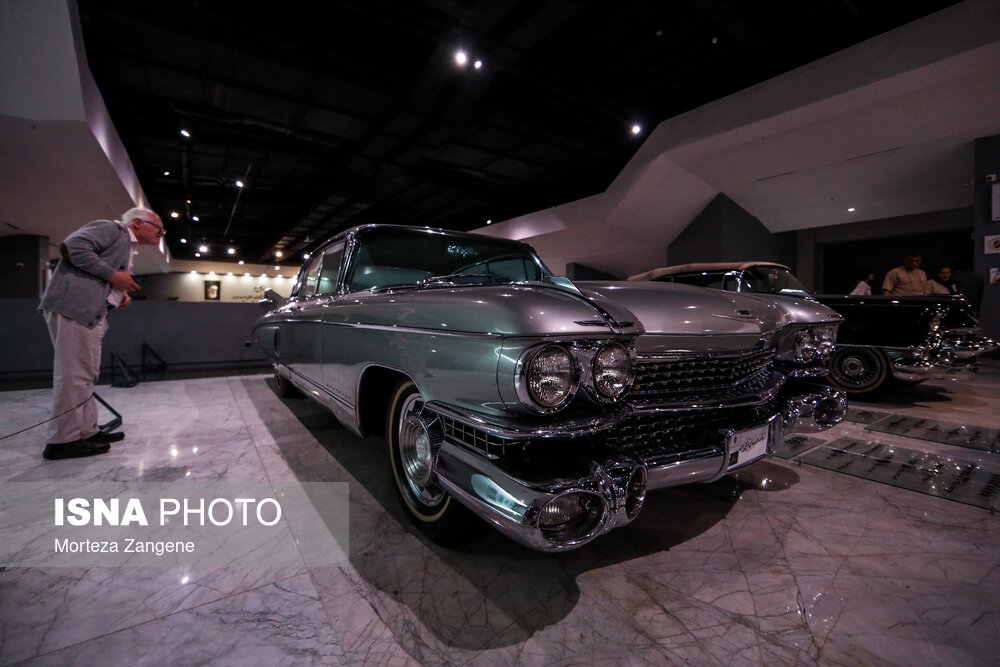
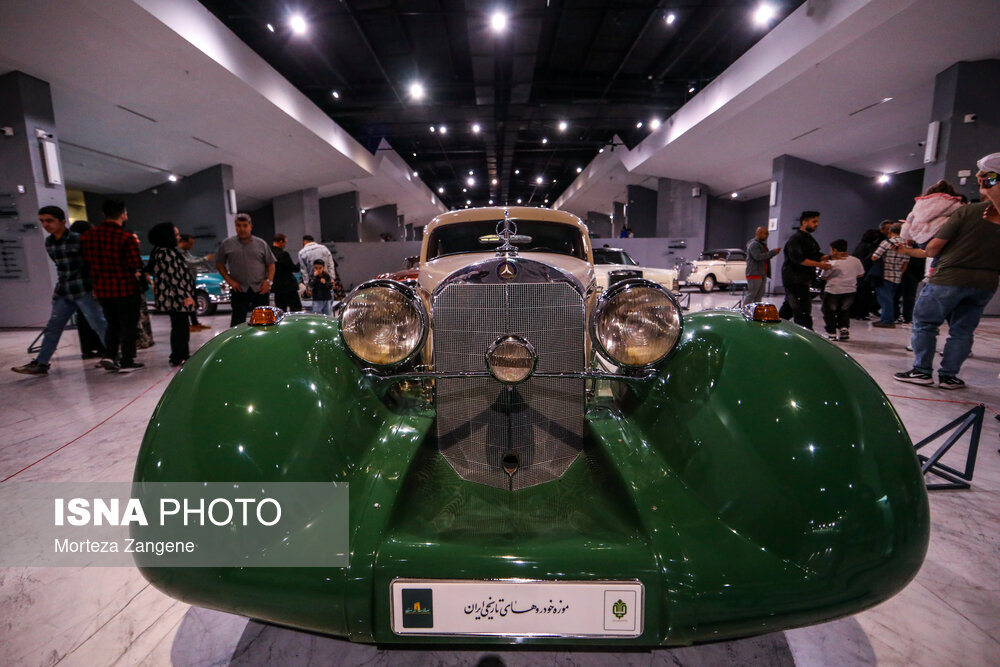


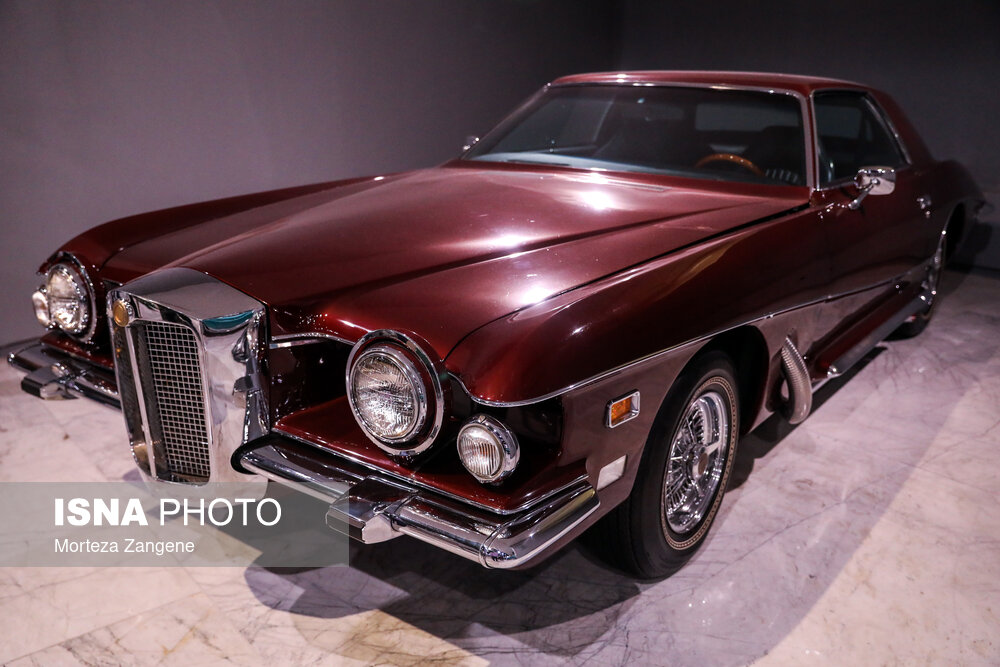
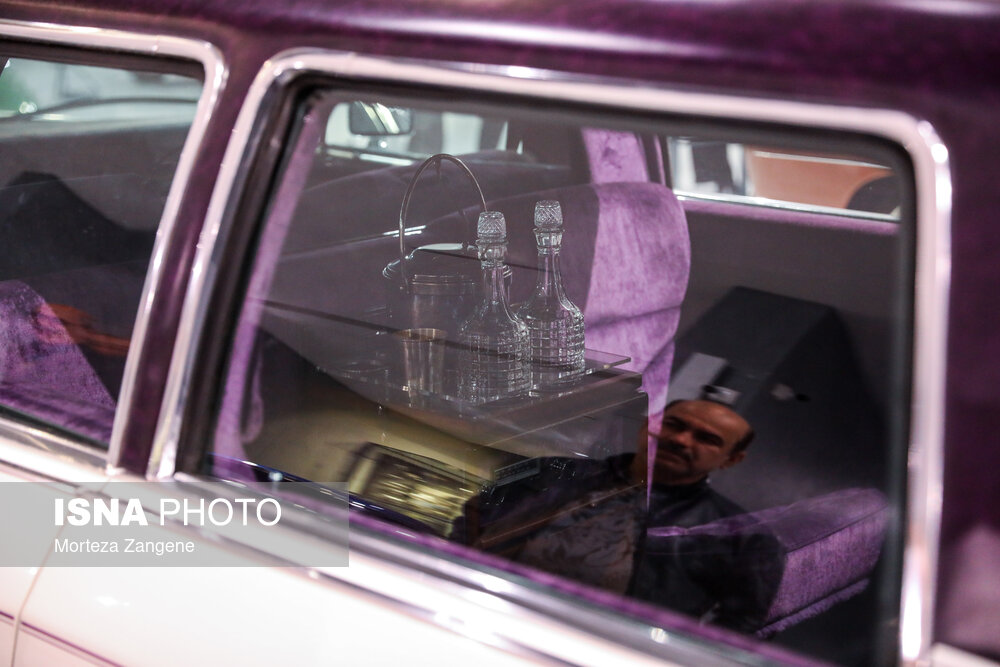
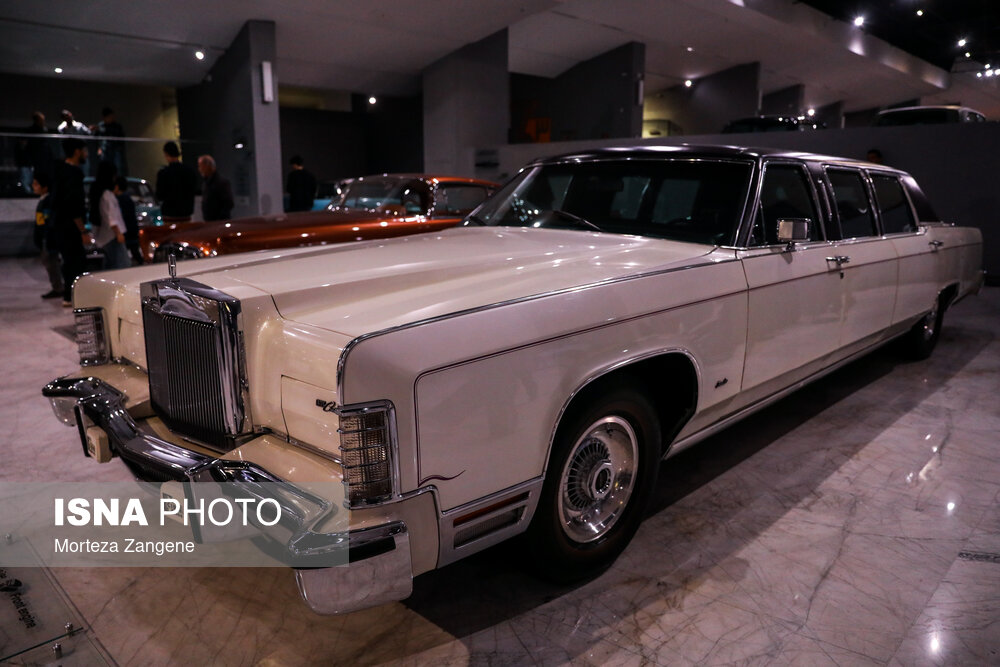
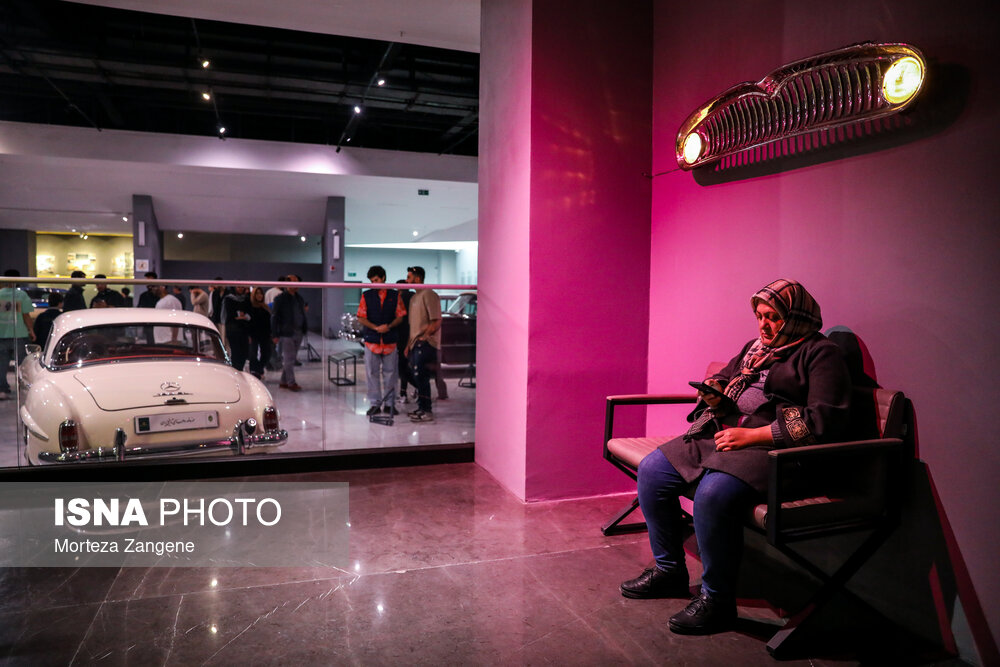
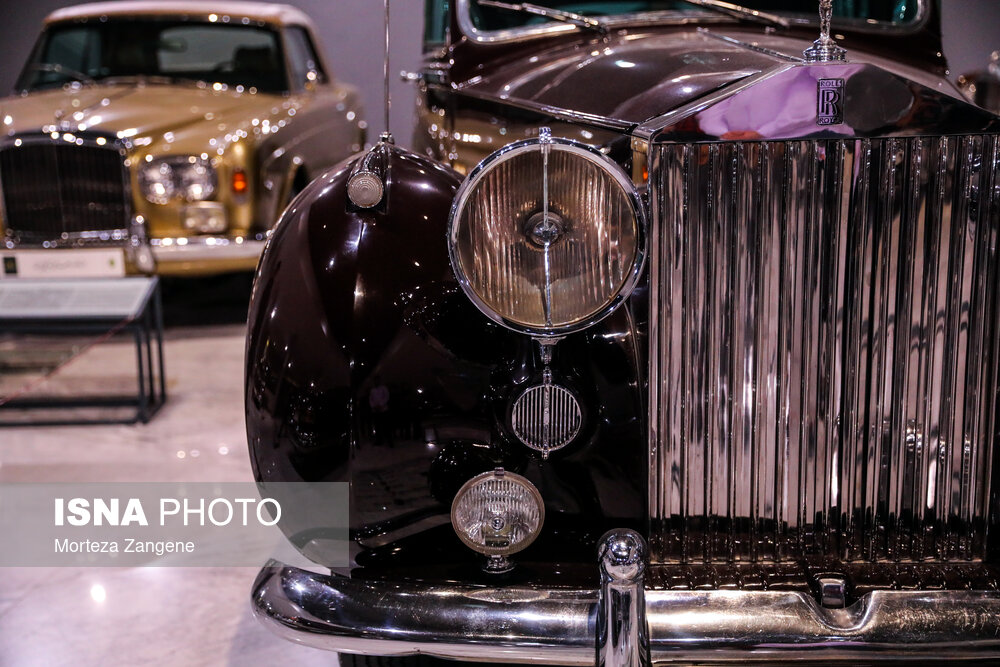
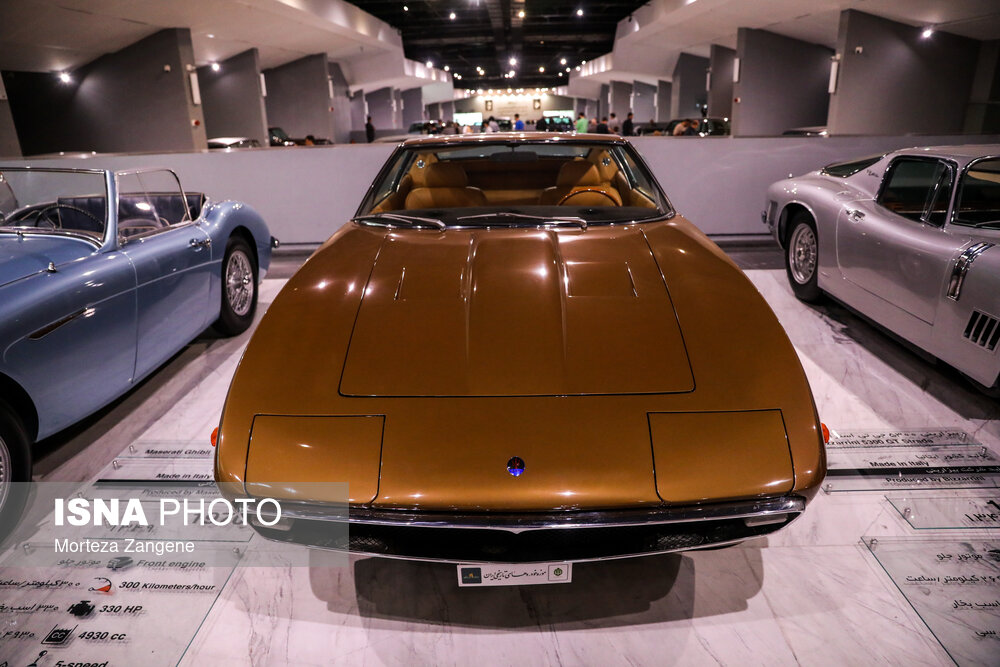
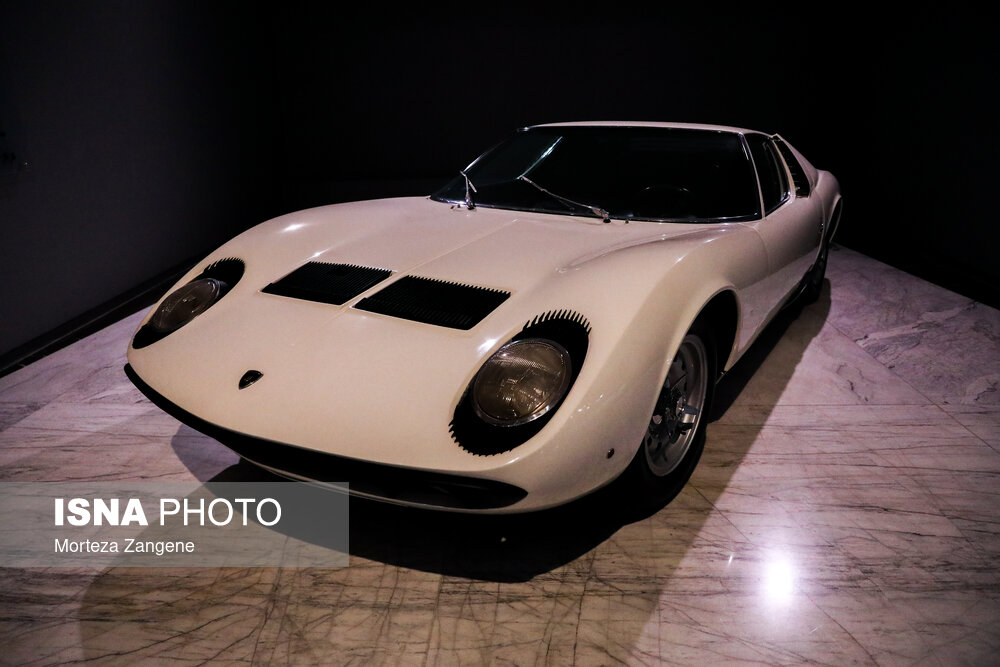
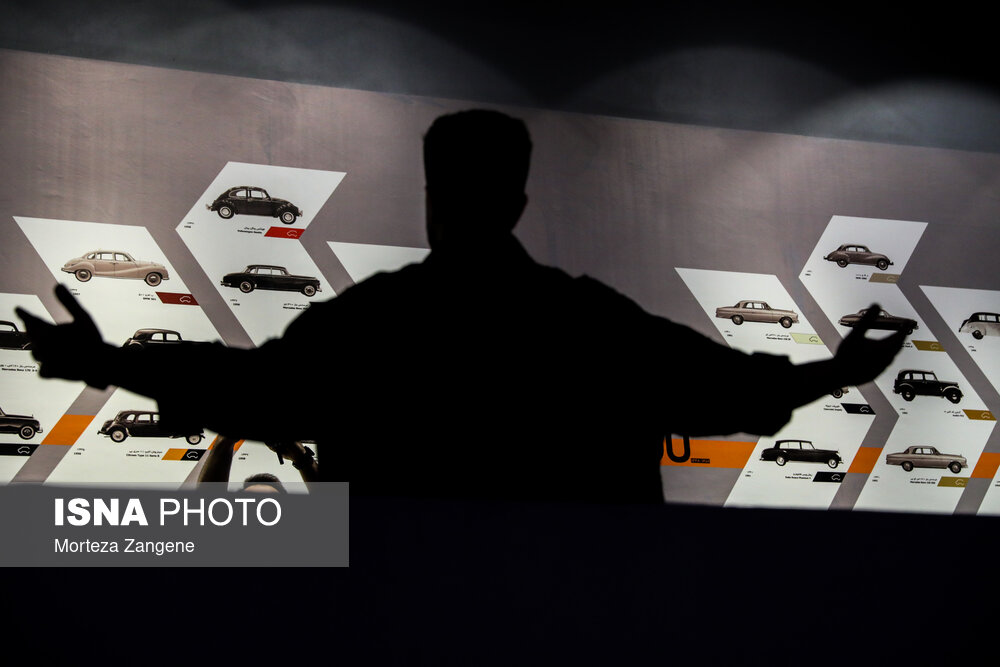
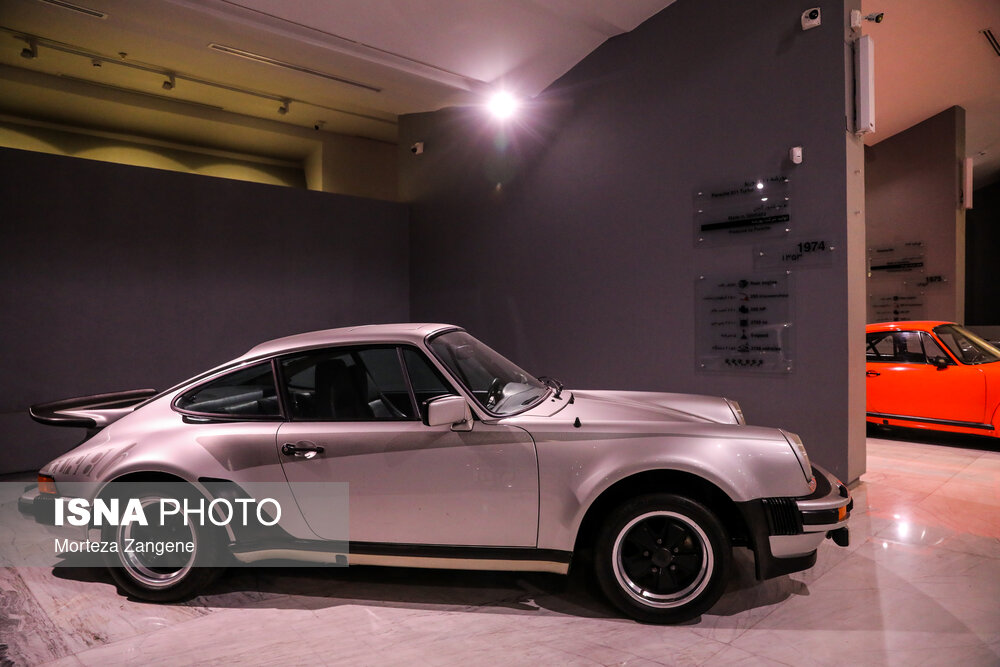
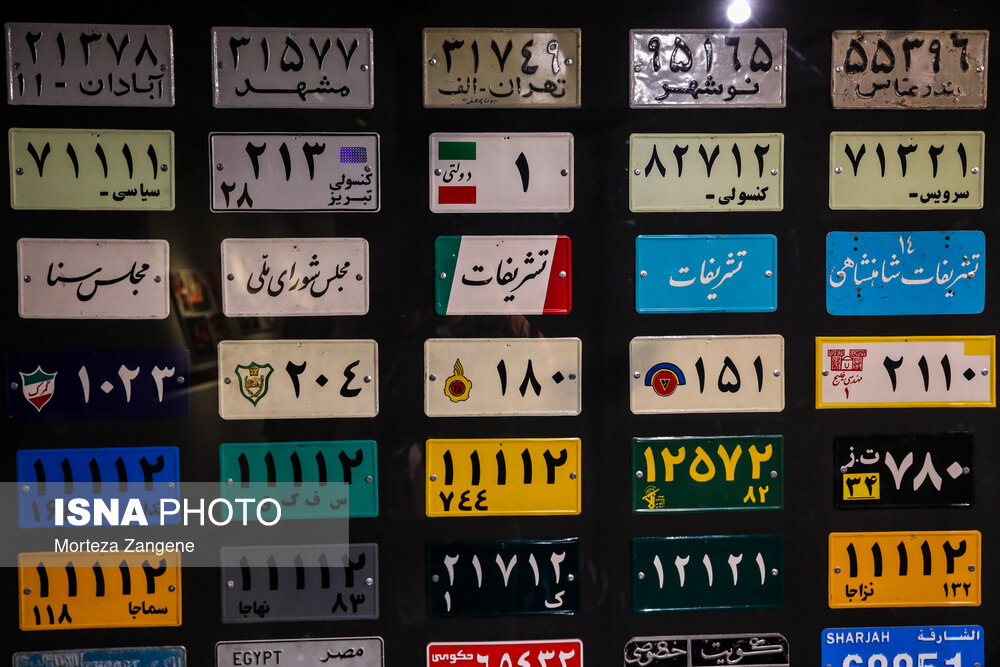
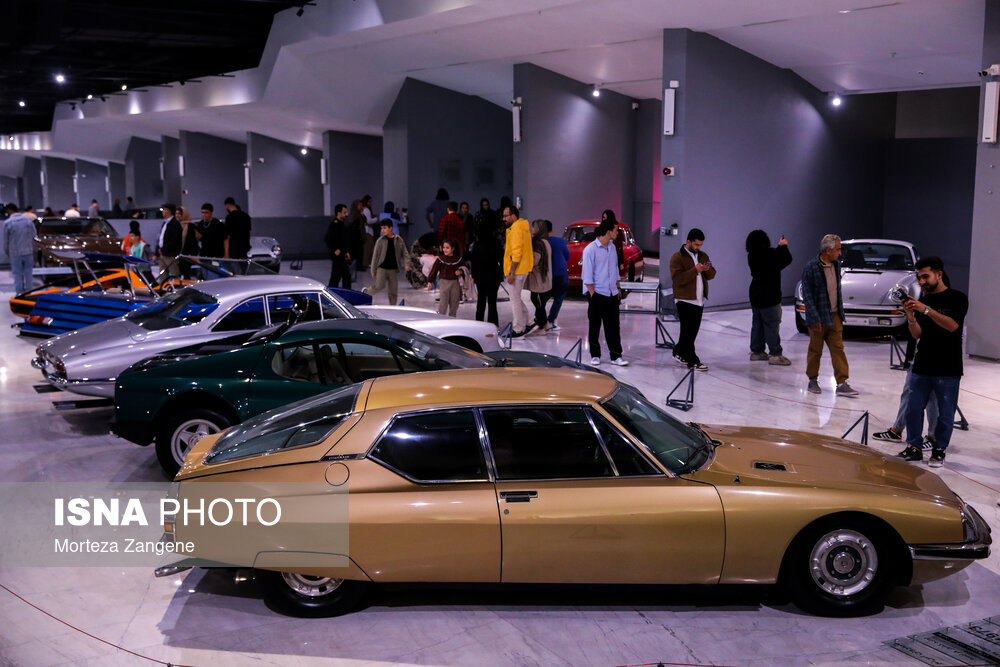
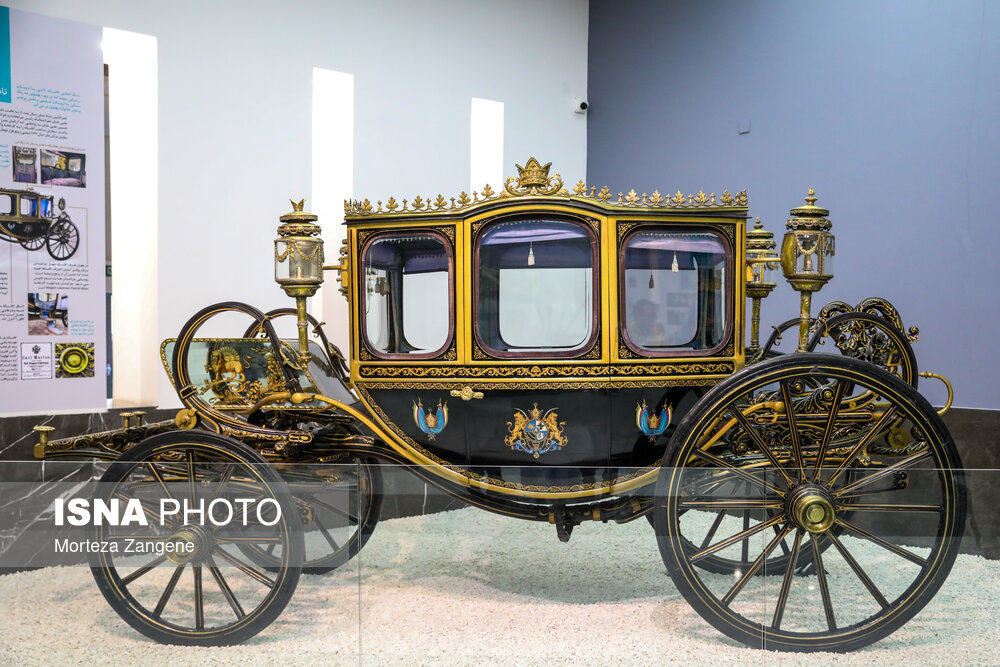

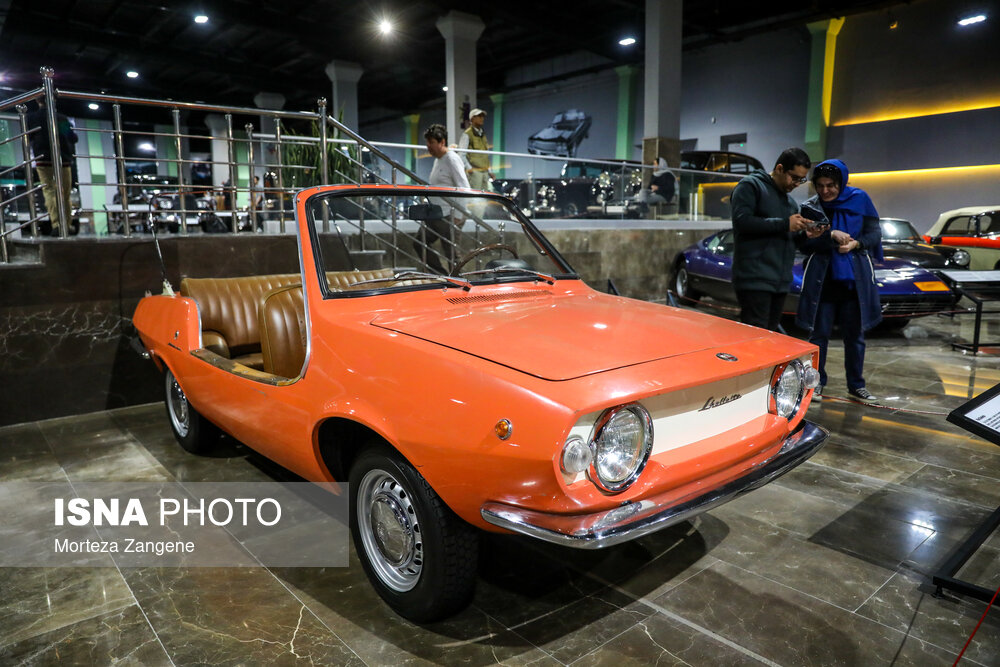
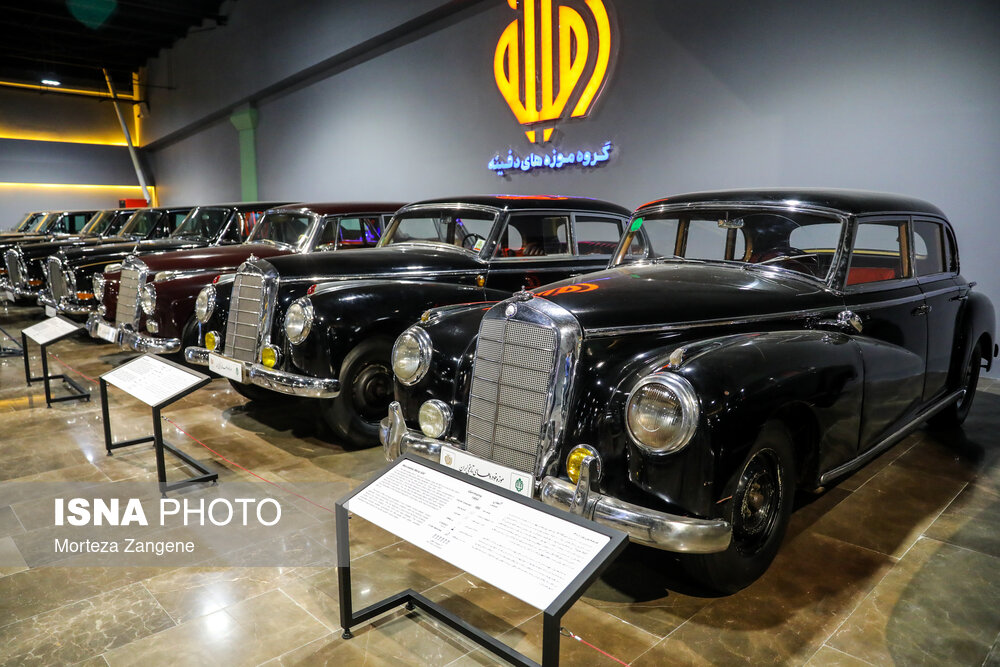

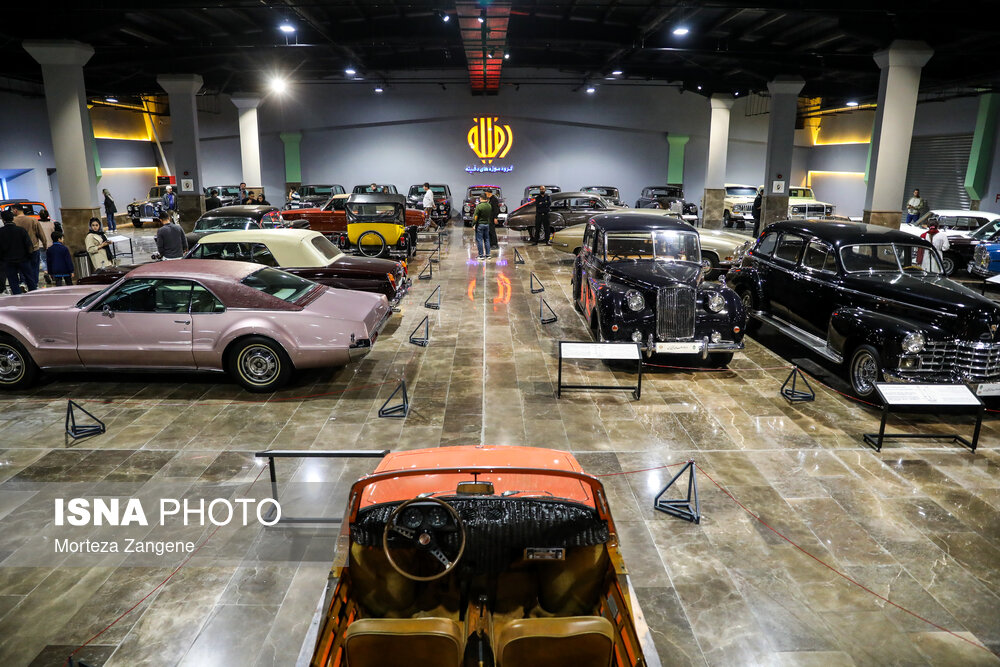

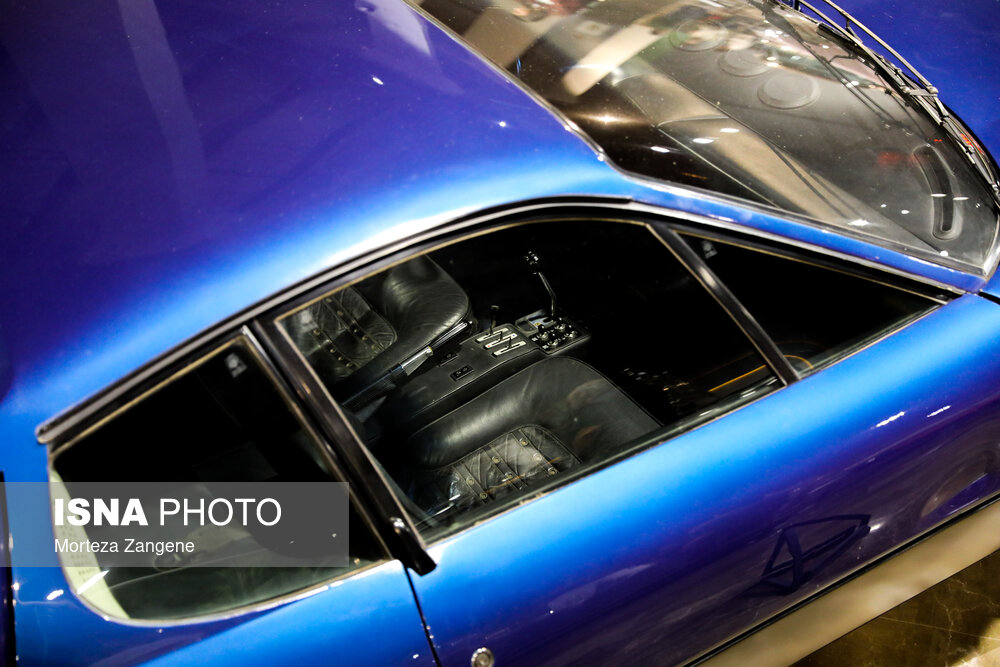
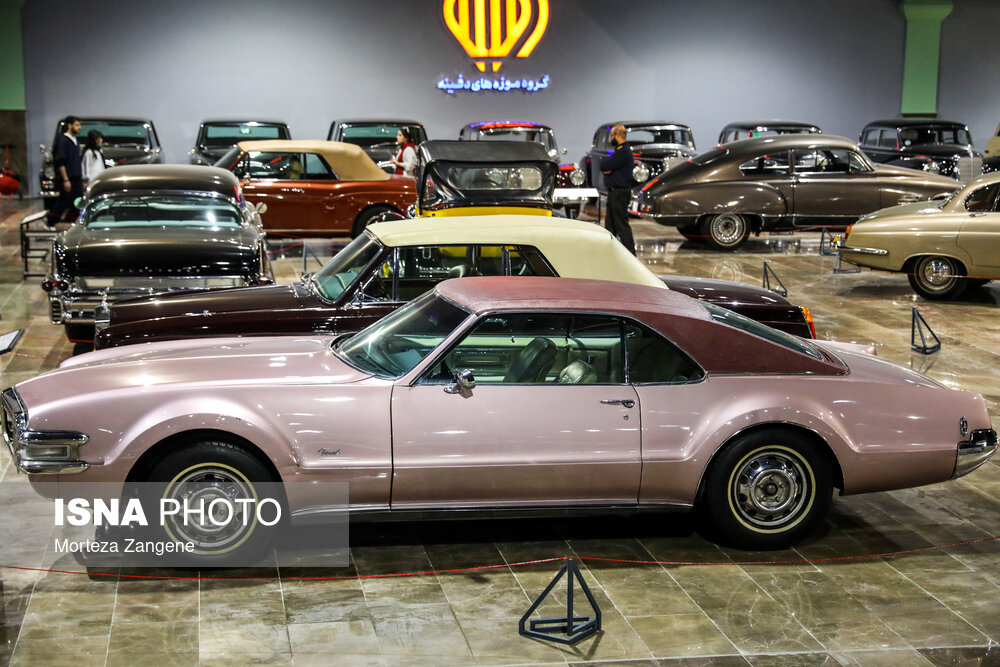



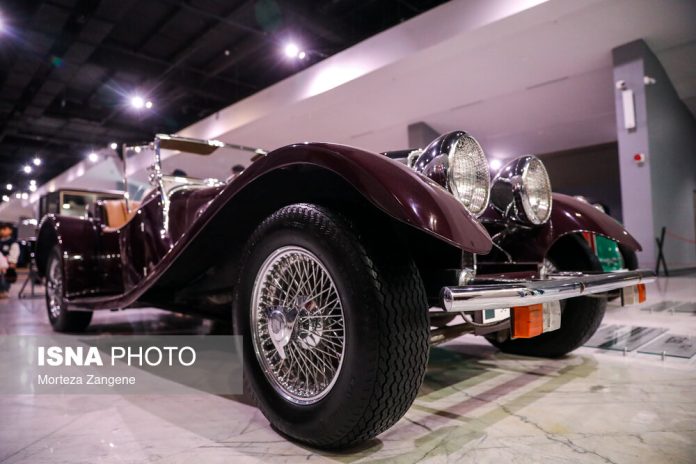
To mark the occasion, the museum has brought out 70 vintage cars. In total, the museum now features 150 classic automobiles alongside a range of historical carriages, motorcycles, jet skis, and snowmobiles.
More in pictures:
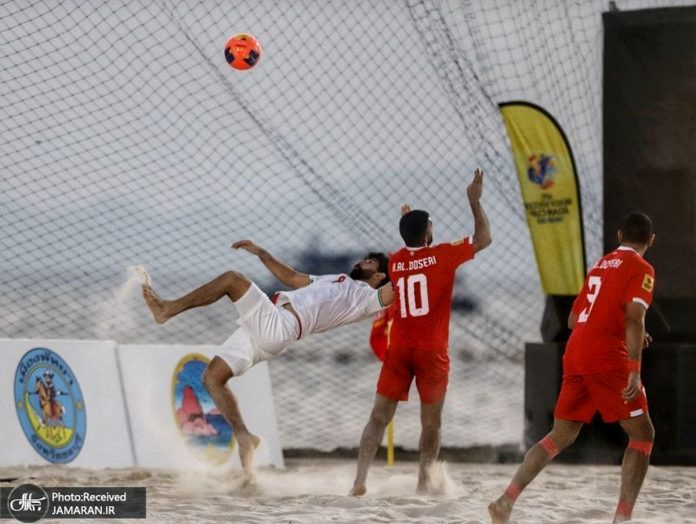
The match took place in Thailand on Thursday. Iran, under the guidance of head coach Ali Naderi, delivered yet another dominant performance in the tournament.
Goals came from Mohammad Masoumi Zadeh (2), Ali Mirshekari (3), Mohammadali Mokhtari, Ali Nazem (2), Abbas Rezaei, Saeed Piramoon, and Ali Nazarzadeh, sealing a comprehensive win for the defending champions.
Iran will face Saudi Arabia in the semifinal on Saturday, March 29. The Saudis booked their spot by narrowly defeating host nation Thailand 4-3.
On the other side of the bracket, Japan secured their semifinal place after an 8-3 win over Lebanon.
Iran, aiming to defend their continental title, has scored 37 goals in just four matches, solidifying their position as tournament favorites.
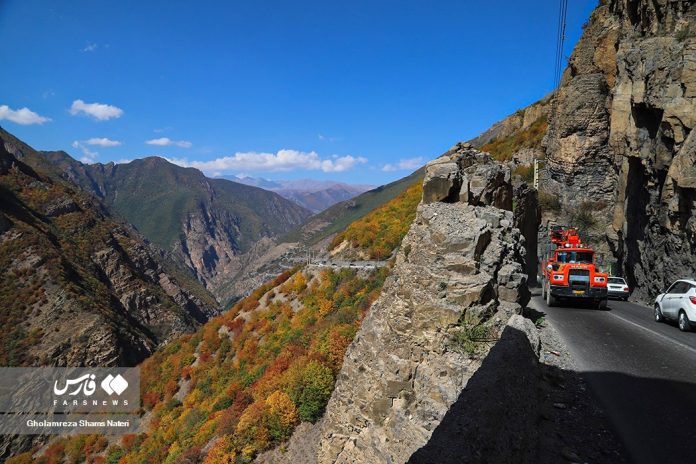
Speaking on the latest situation of road traffic and accident statistics, he noted that semi-heavy traffic was reported on major northern routes, including Chalous, Haraz, and the Karaj–Qazvin highway.
He said the three main causes of accidents—accounting for over 83 percent—were failure to pay attention to the road, inability to control the vehicle, and veering left.
Momeni also revealed that 45 percent of drivers responsible for fatal accidents were travelers, while 55 percent were locals.
The provinces with the highest number of fatal crashes were said to be Kerman, Khorasan Razavi, Fars, Khuzestan, and Markazi.
Authorities continue to urge drivers to remain cautious, especially as holiday traffic peaks.
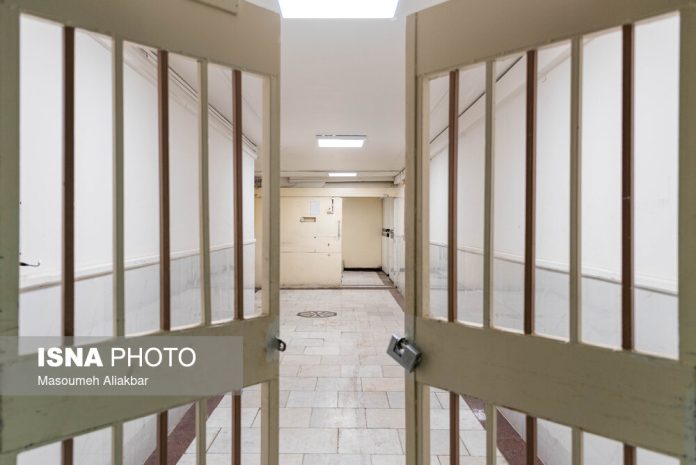
The transfer follows the approval of the Prime Minister and the Presidency of the autonomous Kurdistan Region.
The prisoners, held in various detention centers across the region, are being returned via the Tamarchin and Bashmaq border crossings.
According to officials, several of the individuals have been pardoned by the Kurdish authorities and will be released upon their return to Iran.
Others, who were serving sentences for various offenses including serious financial penalties, have had their fines waived but will continue to serve the remainder of their sentences within Iran’s judicial jurisdiction.
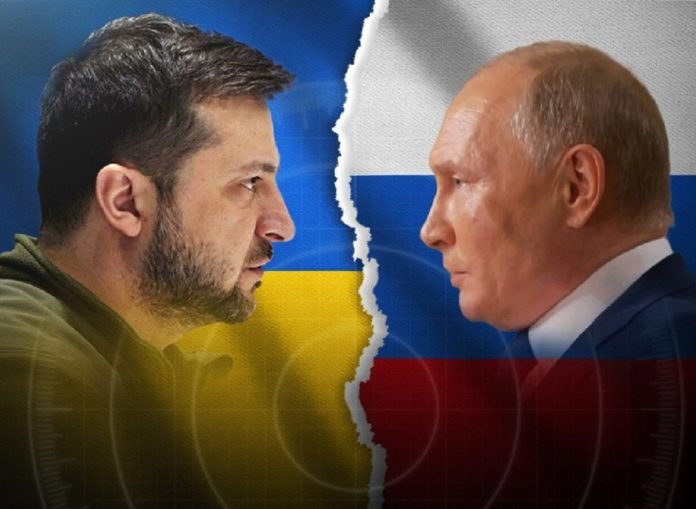
His comments come a day after Russia and Ukraine agreed to implement a U.S.-brokered partial ceasefire on energy infrastructure attacks and hostilities in the Black Sea. In exchange, the U.S. agreed to expand Russia’s access to global markets.
“It is very important that America does not help Putin to get out of this global isolation now,” Zelensky said during a visit to Paris.
“I believe that this is dangerous. This is one of the most dangerous moments.”
Putin hopes to “remain in power until his death,” Zelensky stated, and his ambitions are not limited to Ukraine, but could lead to “a direct confrontation with the West.”
Zelensky urged the U.S. and Europe to remain united in pressuring Putin. The Russian leader fears the European-American alliance and hopes to divide it, Zelensky continued.
Putin also fears his own mortality, he added.
“He will die soon, that is a fact, and everything will be over,” Zelensky said.
In a statement issued following the latest round of talks with Russian delegates in Saudi Arabia, the U.S. promised to ease certain economic restrictions on Russia as part of a deal for a limited ceasefire.
The U.S. “will help restore Russia’s access to the world market for agricultural and fertilizer exports, lower maritime insurance costs, and enhance access to ports and payment systems for such transactions,” the statement read.
No concessions appear to have been extracted from Russia during the negotiations.
Ukraine had already on March 11 accepted Washington’s proposal for a complete 30-day ceasefire — provided Russia abided by the same terms — but Moscow refused.
Zelensky added the limited Black Sea ceasefire “is definitely a step towards ending the war” but emphasized Ukraine’s committment to an unlimited cessation of hostilities.
“In general, we were ready for a complete ceasefire.”
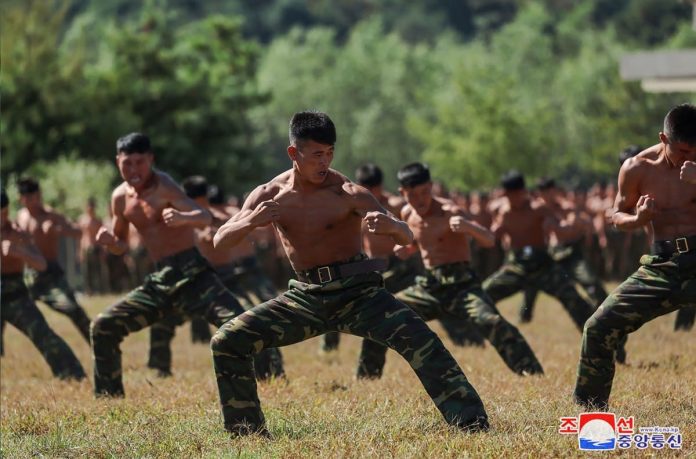
President Volodymyr Zelensky previously stated that North Korean forces fighting for Russia had suffered around 4,000 casualties, with two-thirds killed.
Ukraine’s military intelligence chief, Kyrylo Budanov, attributed their high losses to North Korea’s lack of combat experience and reliance on human wave attacks with limited equipment.
According to the agency, Pyongyang has also supplied Moscow with short-range ballistic missiles, 170 mm self-propelled howitzers, and 240 mm multiple rocket launchers.
North Korea has become a crucial military partner for Russia, providing artillery shells, missiles, and troops in exchange for oil products and advanced rocket technology.
Up to 12,000 North Korean troops were deployed to Kursk Oblast last fall to help Russian forces push back a Ukrainian incursion that began in August 2024.
Ukrainian troops initially seized 1,300 square kilometers (500 square miles) of Russian territory before Russian forces, reinforced by North Korean units, launched a counteroffensive earlier this month, recapturing significant ground, including the town of Sudzha.
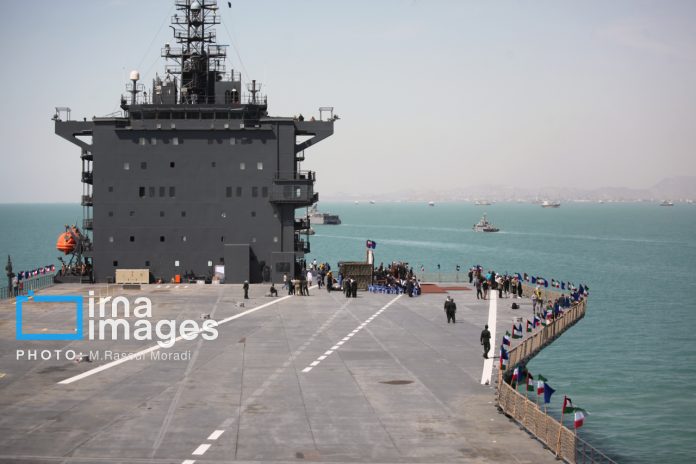
The joint parade kicked off across the Persian Gulf, Makran coastal region, and the Caspian Sea in the northern and southern territorial waters of Iran on Thursday ahead of International Quds Day.
IRGC Navy Commander Rear Admiral Alireza Tangsiri said 3,000 heavy and light vessels are taking part in the parade.
The parade mainly aims to display the maritime capabilities of the resistance front and convey a message to the wicked and oppressive Israeli regime, he added.
Tangsiri said the IRGC naval forces are pursuing the guidelines of Leader of the Islamic Revolution Ayatollah Seyyed Ali Khamenei and will “turn the sea into hell for the Zionists and eliminate Israel from the face of the world.”
“We will not only fight on land. We are also ready in the sea and you will have no way to escape,” the IRGC commander told the Israeli regime.
“We will establish security and power in the waters of the Persian Gulf, the Sea of Oman and the northern part of the country and prevent any adventurism by the enemies,” he added.
The IRGC commander emphasized that such a regional alliance would pose a challenge to the Israeli regime.
He also noted that Iran’s mobilization of naval forces is not only a military force but a symbol of resistance and prowess of Muslim nations in the face of enemies.
Pointing to the significance of International Quds Day, Tangsiri said, “This day symbolizes uprising against oppression and defense for the oppressed.”
He added that not only the Iranian nation but all Muslims around the world will express their protest against Israel on this day.
During the parade, the flag of Palestine was displayed, and the flag of the Israeli regime was set on fire and destroyed in the Persian Gulf.
The IRGC Navy’s Shahid Bagheri drone carrier, Raees Ali Delvari warship, and Tareq-class missile-launching speed boat are participating in the drill.
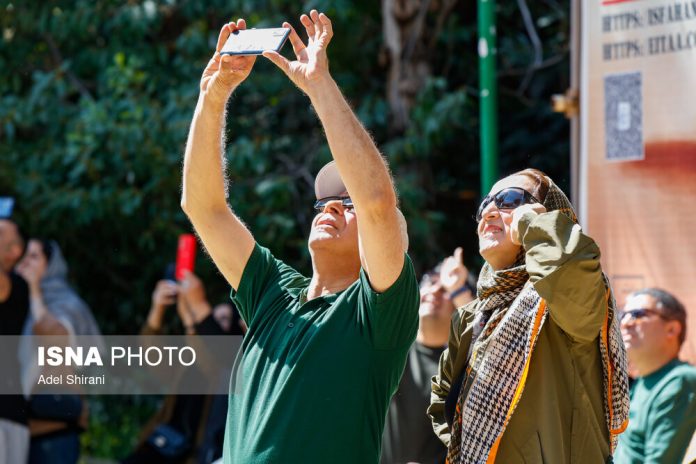
Speaking at a meeting of provincial governors, Salehi Amiri revealed that 24.7 million trips were recorded in the first week of the holidays alone, with Mazandaran, Gilan, Tehran, Khorasan Razavi and Isfahan provinces emerging as the most popular destinations.
“The remarkable travel numbers demonstrate our people’s vitality and enthusiasm for tourism,” the minister stated, while acknowledging the need for improved infrastructure and services across provinces.
The government mobilized 1.2 million personnel from 27 different agencies to facilitate holiday travel and ensure smooth operations at tourist sites nationwide.
Salehi Amiri emphasized the administration’s commitment to tourism development, citing plans to attract an additional 1.5 million visitors this year as part of a five-year strategy targeting 15 million annual foreign tourists.
The minister also outlined plans to establish a tourism infrastructure investment council and delegate greater authority to provincial governors to accelerate tourism projects. Special attention would be given to supporting low-income travelers and improving accessibility.
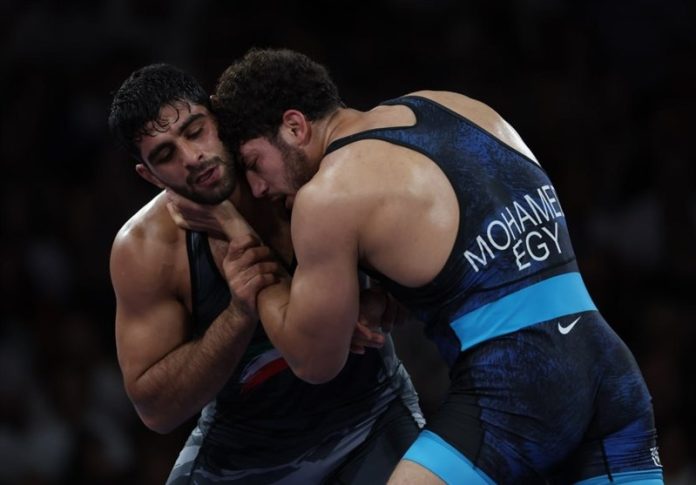
The Iranian wrestlers won five gold medals and three silver medals, claiming the title with 201 points.
Uzbekistan came second with 168 points, and Japan finished third with 131 points.
Saeid Esmaeili (67kg), Danial Sohrabi (72kg), Mohammad Naghousi (82kg), Mohammad Hadi Saravi (97kg), and Fardin Hedayati (130kg) each won a gold medal.
Mohammad Mehdi Keshtkar (63kg), Alireza Abevali (77kg), and Yasin Yazdi (87kg) won three silver medals.
The competition is being held in Amman, Jordan.
© All Content by IFP News ( Iran Front Page ) is licensed under a Creative Commons Attribution 4.0 International License.
